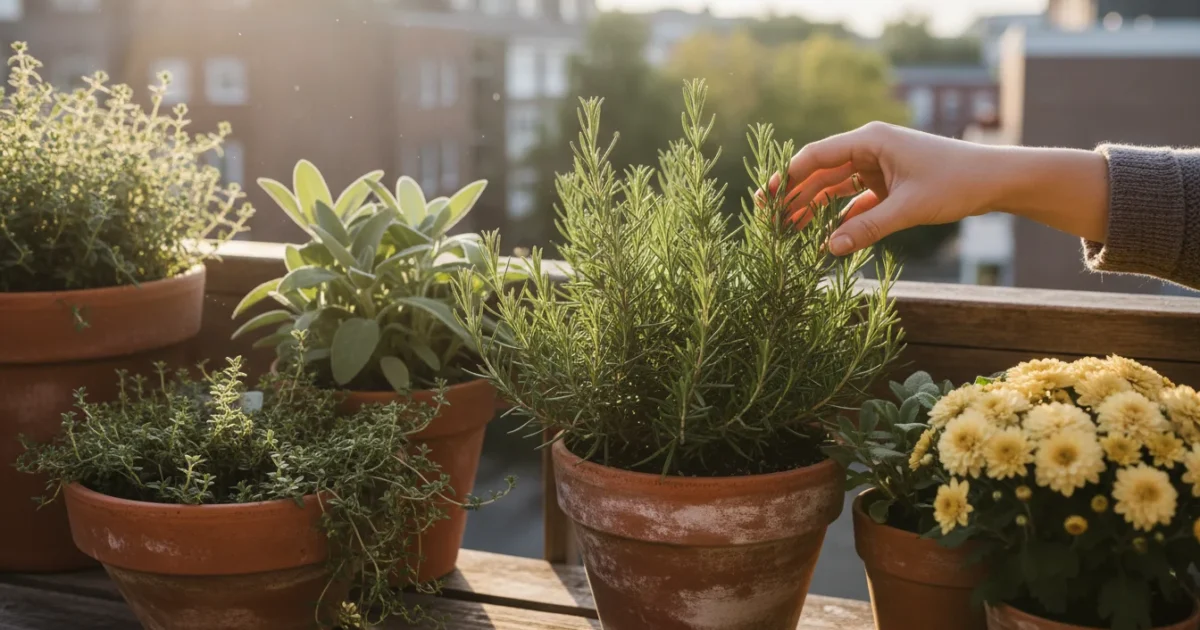
As autumn arrives, many gardeners focus on the vibrant visual display of fall foliage and flowers. However, you possess a unique opportunity to create a deeply immersive experience right on your balcony, patio, or small yard. Imagine stepping outside and being greeted not just by rich colors, but by the comforting, invigorating, or soothing scents of the season. This article guides you in designing a fragrant fall container garden, transforming your small space into a sensory oasis that delights your nose as much as your eyes.
Enhancing the atmosphere with fragrance is one of many ways to style your small space for autumn evenings and make it feel like a true outdoor room.
Why Scent Matters in Your Fall Container Garden
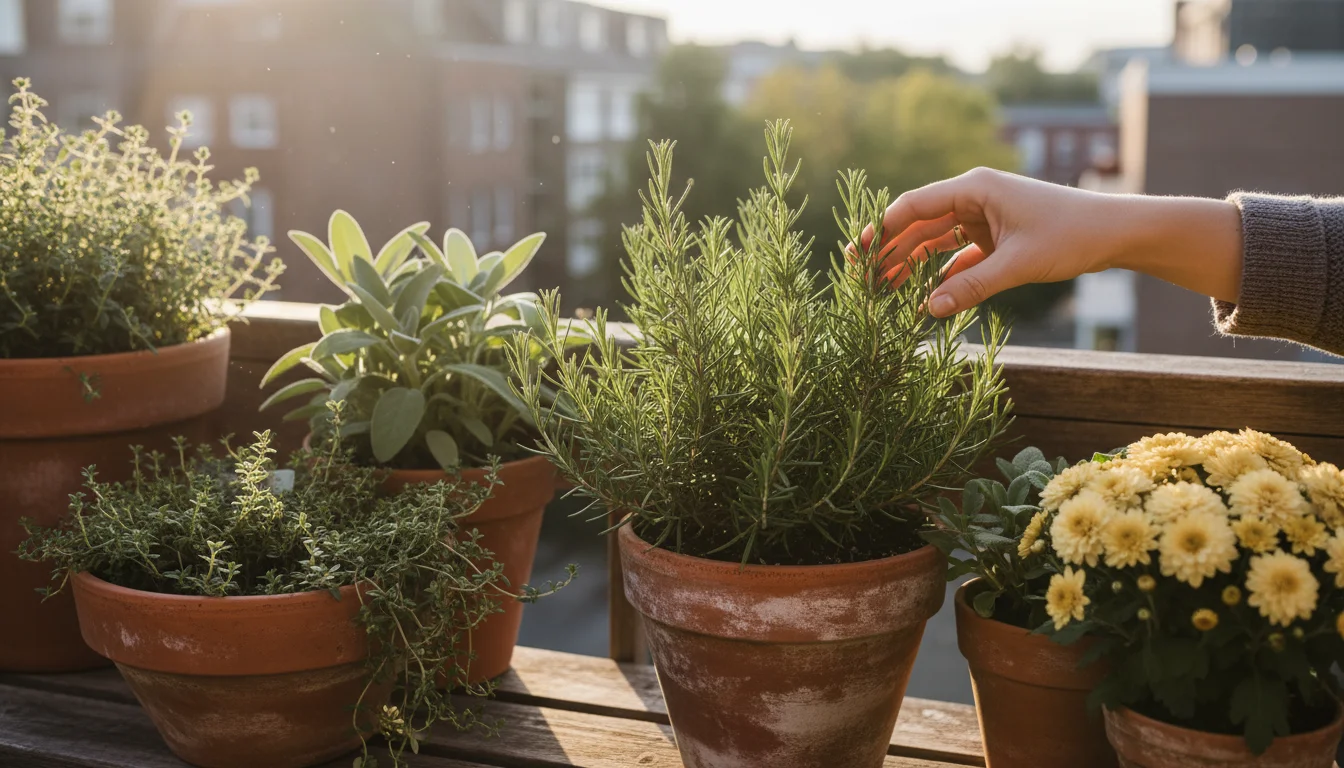
Integrating fragrance into your fall container design elevates your gardening experience significantly. Smell connects directly to memory and emotion, making your garden a more personal and enriching space. For those with limited space, a sensory garden allows you to maximize impact in a compact area. You are not simply growing plants. You are cultivating an atmosphere, a feeling. Visual beauty is important, yet scent adds an entirely new dimension, especially valuable in a balcony garden for scent, where you often sit close to your plants. Aromatic herbs for autumn containers, for example, release their essential oils when you brush against them, creating an interactive and therapeutic environment. Data suggests that engaging multiple senses increases feelings of well-being and reduces stress. Your fragrant fall plants offer this holistic benefit, turning a simple container into a source of daily joy and calm.
Once the frost settles, you can continue your olfactory journey indoors by growing fragrant houseplants that bloom in winter.
Consider the benefits beyond personal enjoyment. A sensory garden can attract beneficial insects, such as late-season pollinators, contributing to local biodiversity. It offers a unique conversation starter when guests visit. Furthermore, fall flowers that smell good for pots provide continuity, extending the joy of gardening beyond the vibrant summer months into the cooler, cozier season. By focusing on fragrance, you create a garden that is dynamic and alive, constantly offering something new with every breeze or gentle touch. This approach makes gardening accessible and rewarding for beginners, transforming small spaces into havens of sensory delight.
Understanding Autumn Fragrance Profiles
To successfully design a fall container garden that smells amazing, you first need to understand the types of scents autumn offers. Fall fragrances often lean towards warmth, earthiness, and spice, differing greatly from the fresh, floral notes of spring and summer. Recognizing these profiles helps you combine fragrant fall plants effectively. Think about the comforting aromas you associate with the season. These often include:
For a deeper dive into creating an evocative atmosphere, learn how to design a fall balcony scent-scape tailored specifically for small spaces.
- Earthy and Woody Notes: These scents evoke fallen leaves, damp soil, and the deep, grounding aroma of a forest. Plants like certain conifers or hardy ferns, while not always overtly floral, contribute a subtle, natural base note.
- Spicy and Warm Scents: Cinnamon, clove, nutmeg, and ginger are classic fall spices. Some plants, particularly herbs, carry similar spicy undertones. Consider plants with aromatic foliage that release a peppery or clove-like aroma when touched.
- Sweet and Vanilla-like Aromas: These can be delicate or robust. Certain flowers or even some types of scented geraniums offer a warm sweetness. This profile adds a comforting, inviting layer to your sensory garden.
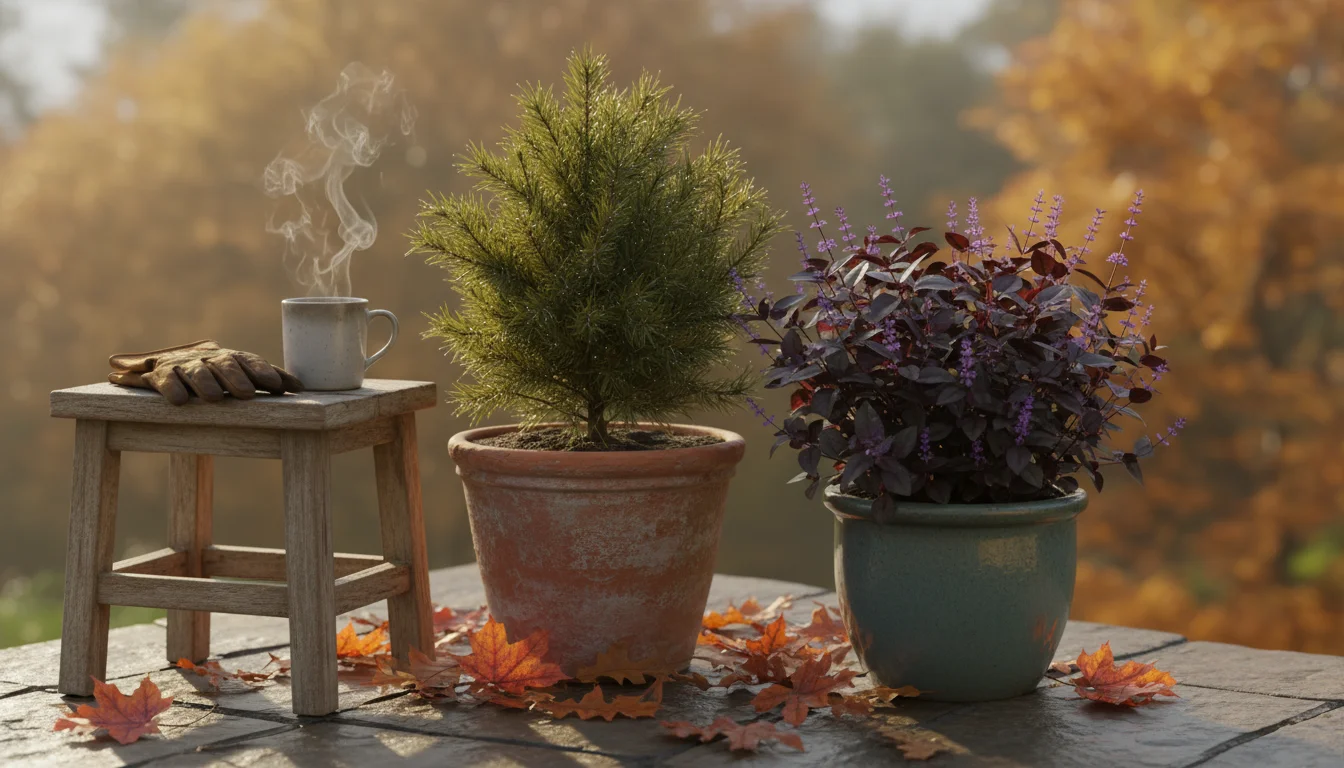
- Resinous and Piney Scents: Dwarf conifers are excellent for this. Their sharp, clean, and often bracing scent instantly transports you to a crisp autumn day in the woods. These are particularly good for designing a balcony garden for scent, as they provide evergreen interest and consistent aroma.
- Minty and Herbal Freshness: While many herbs are associated with summer, varieties like mint and rosemary thrive into fall, offering a refreshing counterpoint to heavier scents. Aromatic herbs for autumn containers like these provide a vibrant, clean aroma.
Understanding these profiles allows you to create a layered experience. You can choose a dominant scent, perhaps a spicy chrysanthemum, and then add supporting aromas, like the earthy notes of thyme or the woody scent of a dwarf juniper. This thoughtful combination ensures your fall container design provides a complex and inviting olfactory tapestry.
Top Fragrant Fall Plants for Containers
Selecting the right fragrant fall plants is the cornerstone of your amazing-smelling garden. Many plants offer wonderful aromas well into the cooler months. Focus on varieties known for their scent, not just their visual appeal. Here are some of the best fall flowers that smell good for pots and other aromatic plants to consider:
To complement these aromatic blooms with a visual pop, you might also grow ornamental peppers to add fiery color to your pots.
For additional visual interest, you might also consider adding ornamental cabbage and kale to your pots for their striking cool-weather colors.
If your garden receives limited light, there are specific shade-tolerant plants you can still grow in pots to ensure your display thrives regardless of the sun’s position.
Fragrant Flowers:
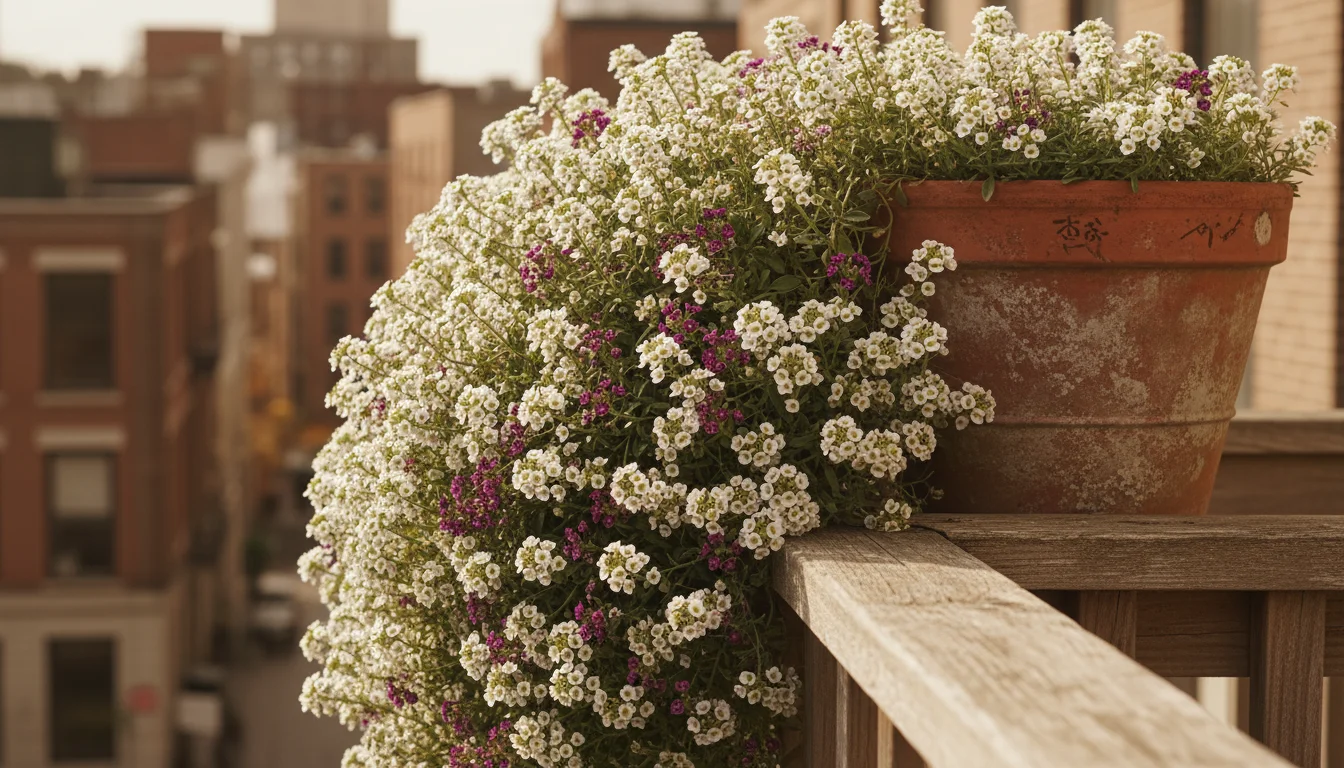
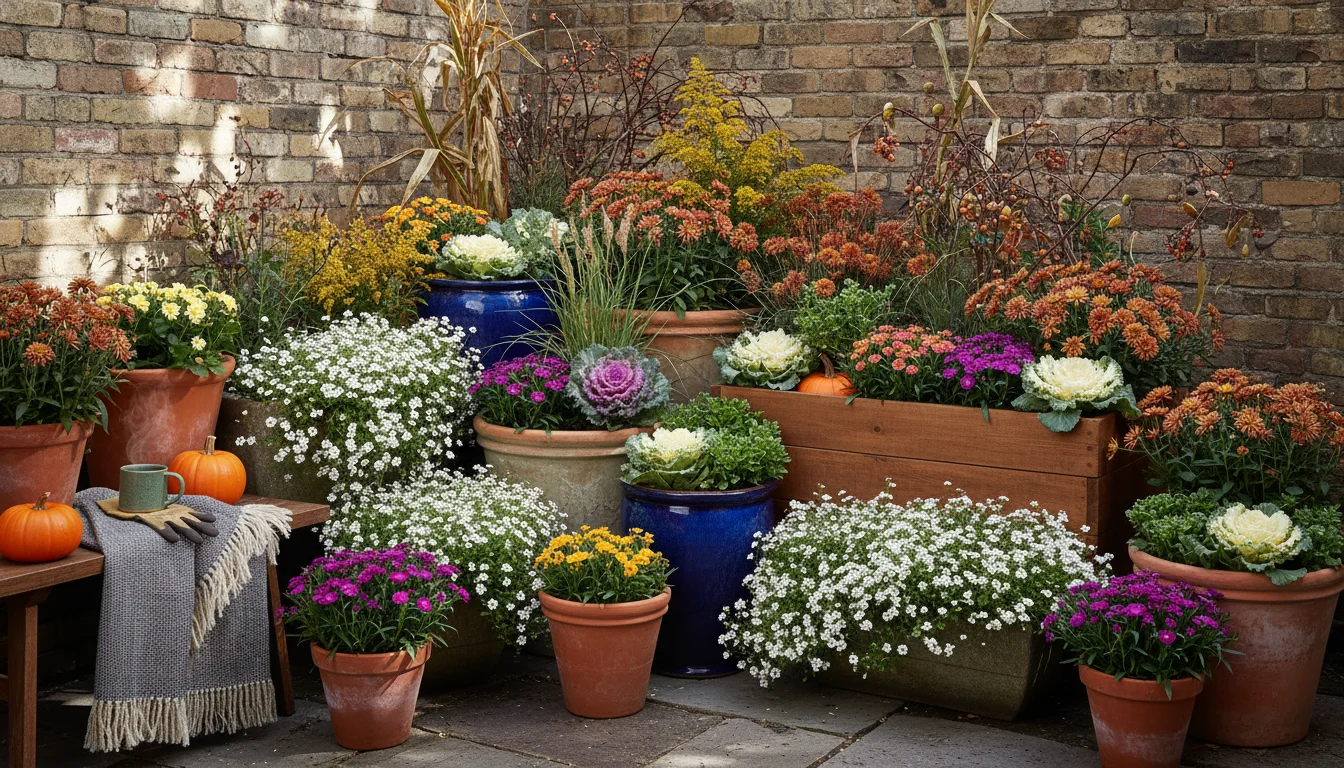
- Sweet Alyssum (Lobularia maritima): This low-growing annual produces cascades of tiny white, pink, or purple flowers with a honey-like scent. It performs well in cool fall weather and spills beautifully over container edges, releasing its sweet aroma close to the ground where you can easily enjoy it. Alyssum is a fantastic choice for fall container design, adding a delicate fragrance.
- Scented Chrysanthemums (Chrysanthemum spp.): While many mums are grown for color, some older or heirloom varieties possess a distinct, often spicy or earthy fragrance. Seek out varieties specifically labeled for scent. Their robust blooms add classic fall color and a unique aroma.
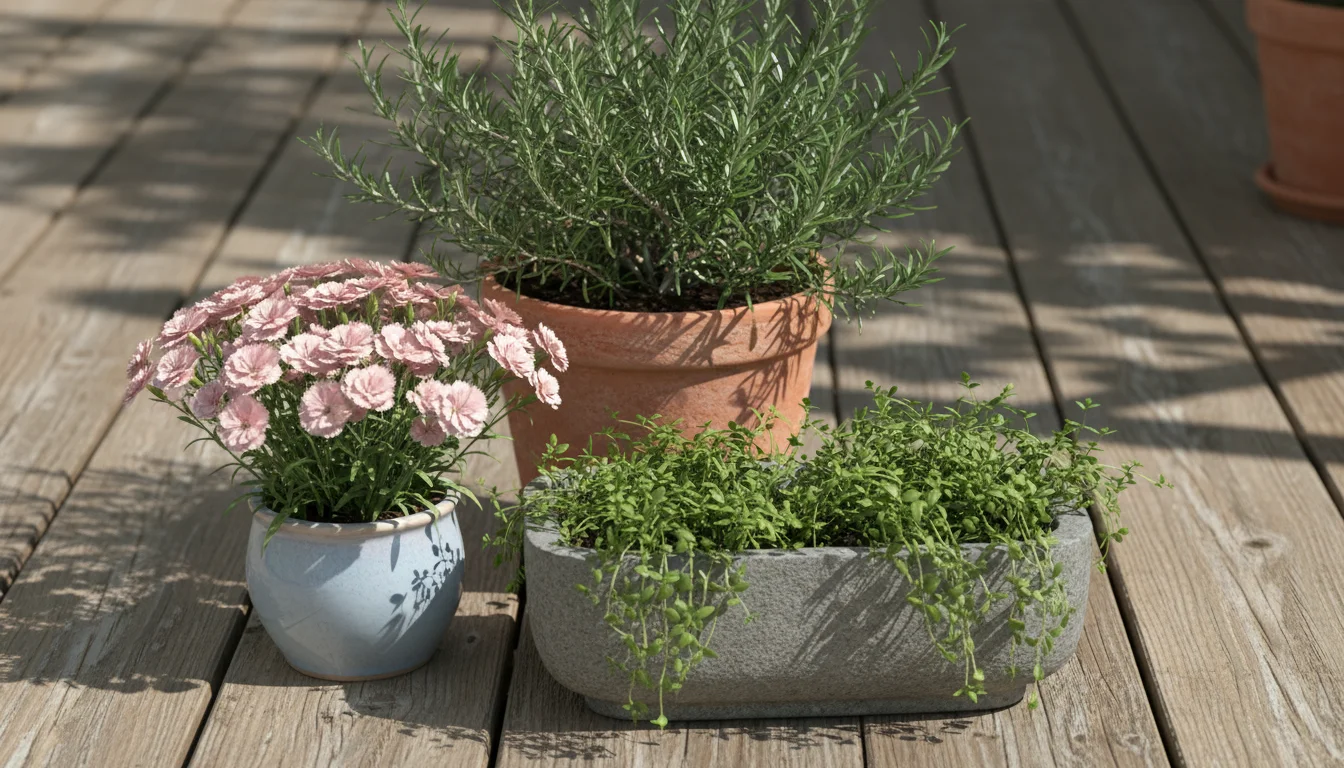
- Dianthus (Dianthus caryophyllus, Dianthus chinensis): Also known as “pinks,” many dianthus varieties offer a delightful clove-like or spicy fragrance. They come in various shades of pink, red, and white, thriving in cooler temperatures and providing continuous blooms and scent into autumn. These are excellent fall flowers that smell good for pots.
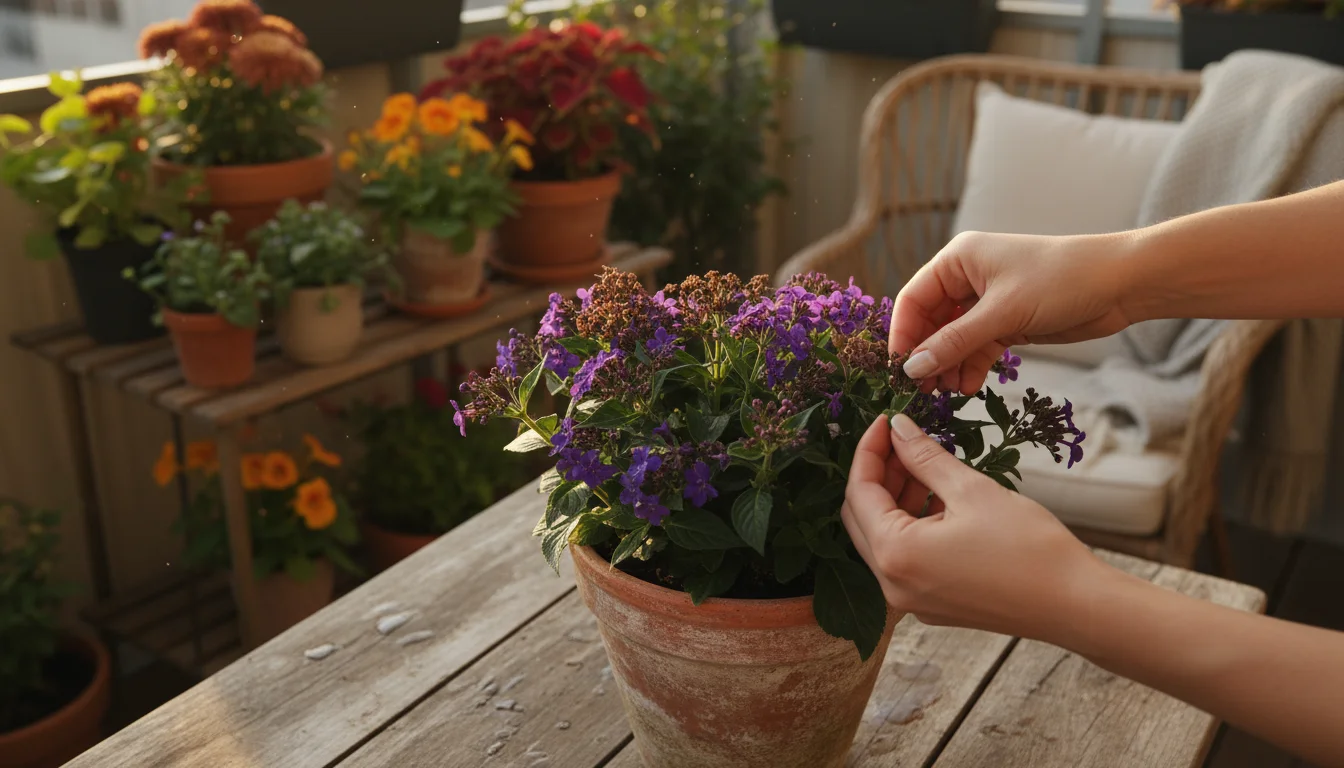
- Heliotrope (Heliotropium arborescens): While often considered a summer plant, heliotrope can continue blooming and releasing its strong vanilla-like scent into early fall in many regions. Its deep purple flowers are beautiful, and its fragrance is a true standout. Protect it from early frosts to prolong its aromatic display.
Aromatic Herbs for Autumn Containers:
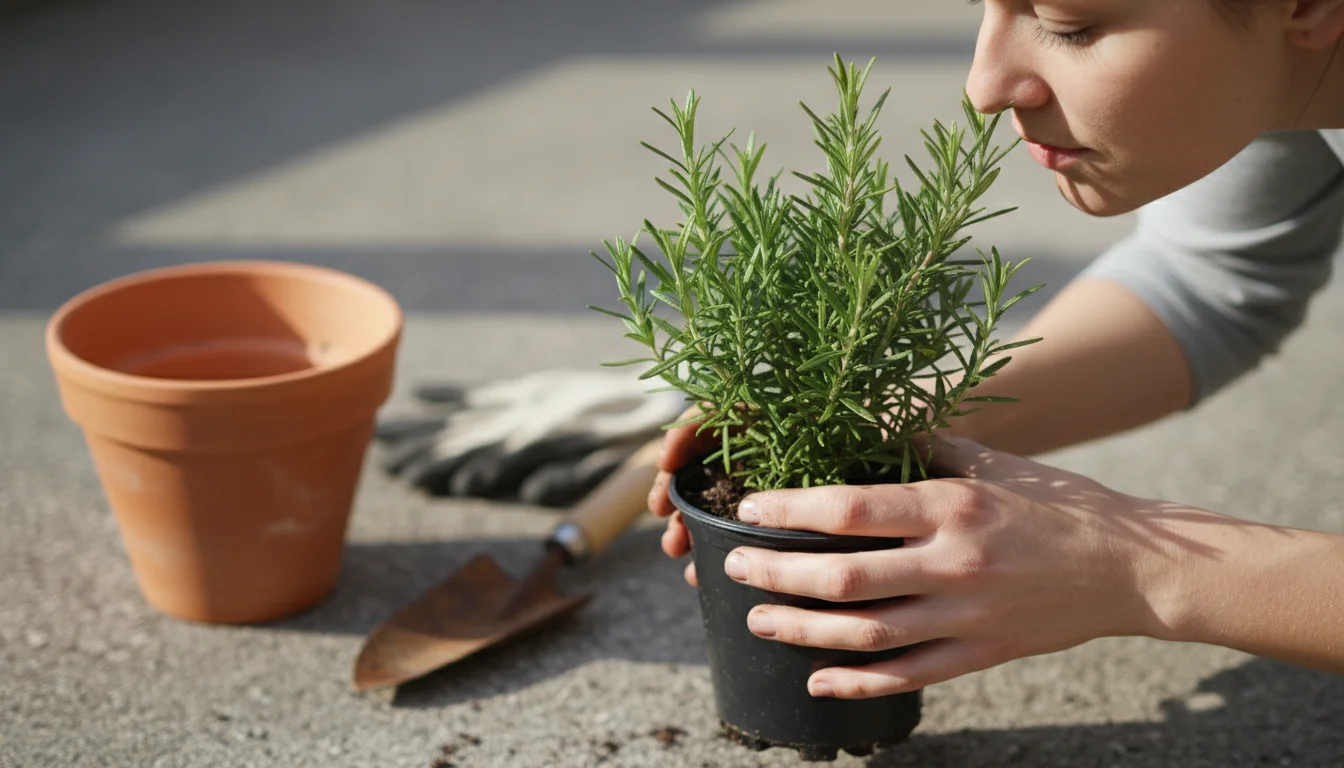
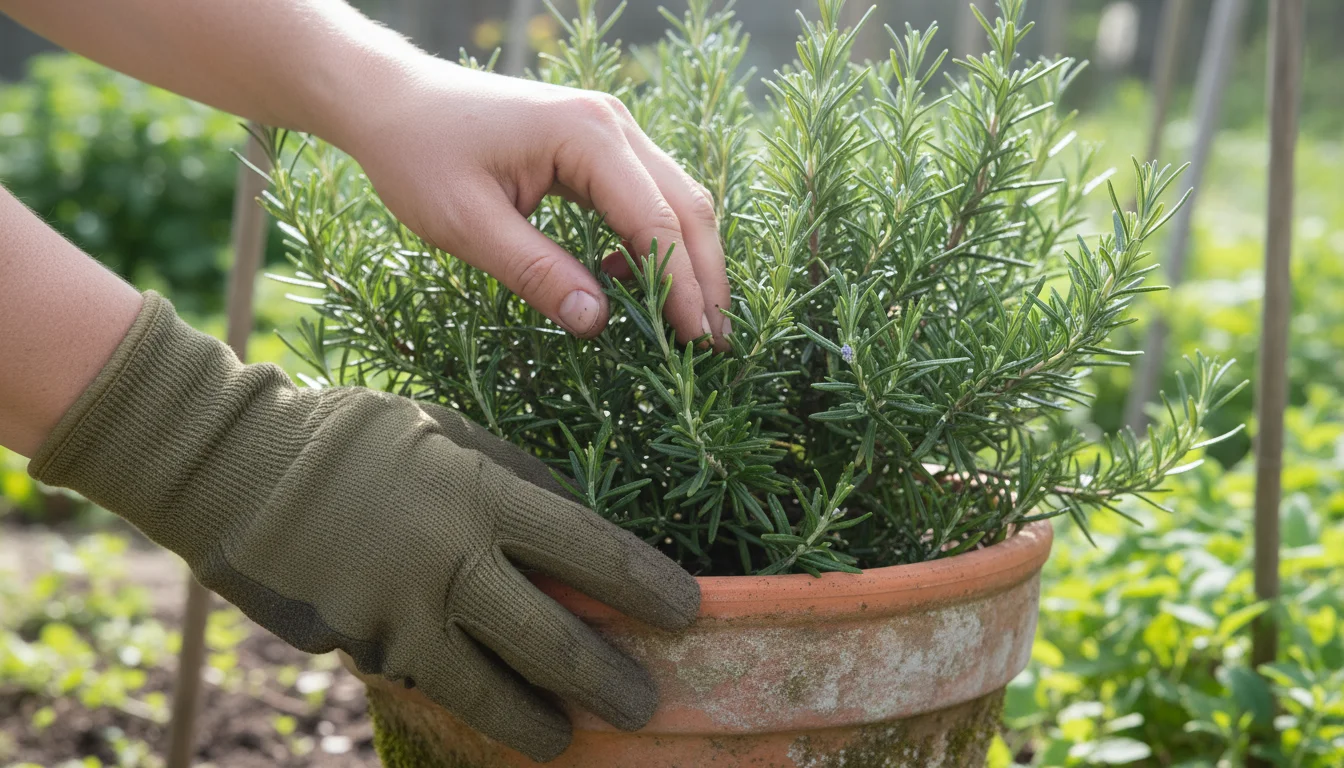
- Rosemary (Rosmarinus officinalis): This evergreen herb offers a pungent, piney, and invigorating scent. It is incredibly hardy and tolerates cooler fall temperatures well. Plant upright varieties for vertical interest or creeping ones to spill over. Simply brushing against it releases its powerful aroma. Rosemary is a quintessential aromatic herb for autumn containers, offering both fragrance and culinary uses.
- Thyme (Thymus vulgaris): Many varieties of thyme (common, lemon, creeping) provide an earthy, often lemony or savory fragrance. It’s a low-maintenance, resilient herb that forms a dense mat or small shrublet. Thyme thrives in containers and releases its scent when you touch it, making it ideal for a sensory garden.
- Mint (Mentha spp.): While vigorous, mint can be contained in pots. Varieties like peppermint or spearmint offer a refreshing, clean scent. Its vigorous growth means you get a lot of scent for your space. Keep it isolated in its own pot or a dedicated section of a larger container, as it spreads aggressively.
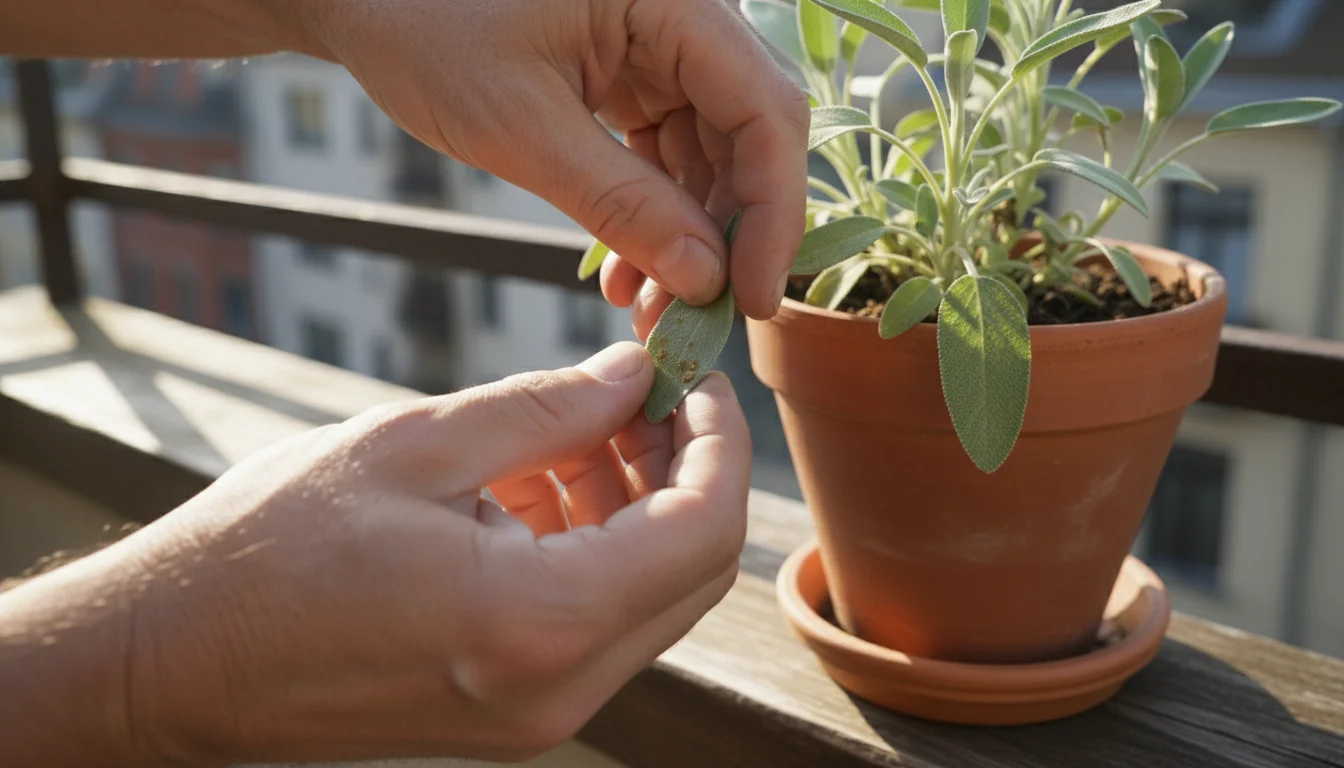
- Sage (Salvia officinalis): Garden sage offers a warm, earthy, slightly peppery aroma. Its silvery-green leaves are attractive, and it holds up well to cooler weather. Like rosemary, its scent is easily released by touch.
- Lavender (Lavandula spp.): While traditionally a summer bloomer, some varieties of lavender, especially English lavender, can produce a late flush of flowers into early fall. Even without blooms, the foliage retains its classic calming, sweet scent.
Fragrant Foliage and Evergreens:
- Scented Geraniums (Pelargonium spp.): These are prized for their diverse leaf fragrances, ranging from rose and lemon to mint and chocolate. While their flowers are often less showy, their foliage releases a burst of scent when brushed or crushed. Many varieties tolerate cooler fall temperatures and provide consistent aroma.
- Dwarf Conifers (e.g., Dwarf Juniper, Cypress, Pine varieties): Many miniature evergreen conifers offer a refreshing, resinous, or piney scent. These provide structure and year-round interest, along with their characteristic forest aroma. They are excellent choices for designing a balcony garden for scent, adding a strong base fragrance. Varieties like ‘Blue Star’ juniper or dwarf Hinoki cypress are visually appealing and contribute their unique scent profile.
When selecting your fragrant fall plants, visit your local nursery or garden center and gently rub a leaf or lightly sniff a flower to confirm the scent before purchasing. This hands-on approach ensures you choose the aromas you truly love for your sensory garden.
Designing Your Sensory Container: The Art of Layering Scents
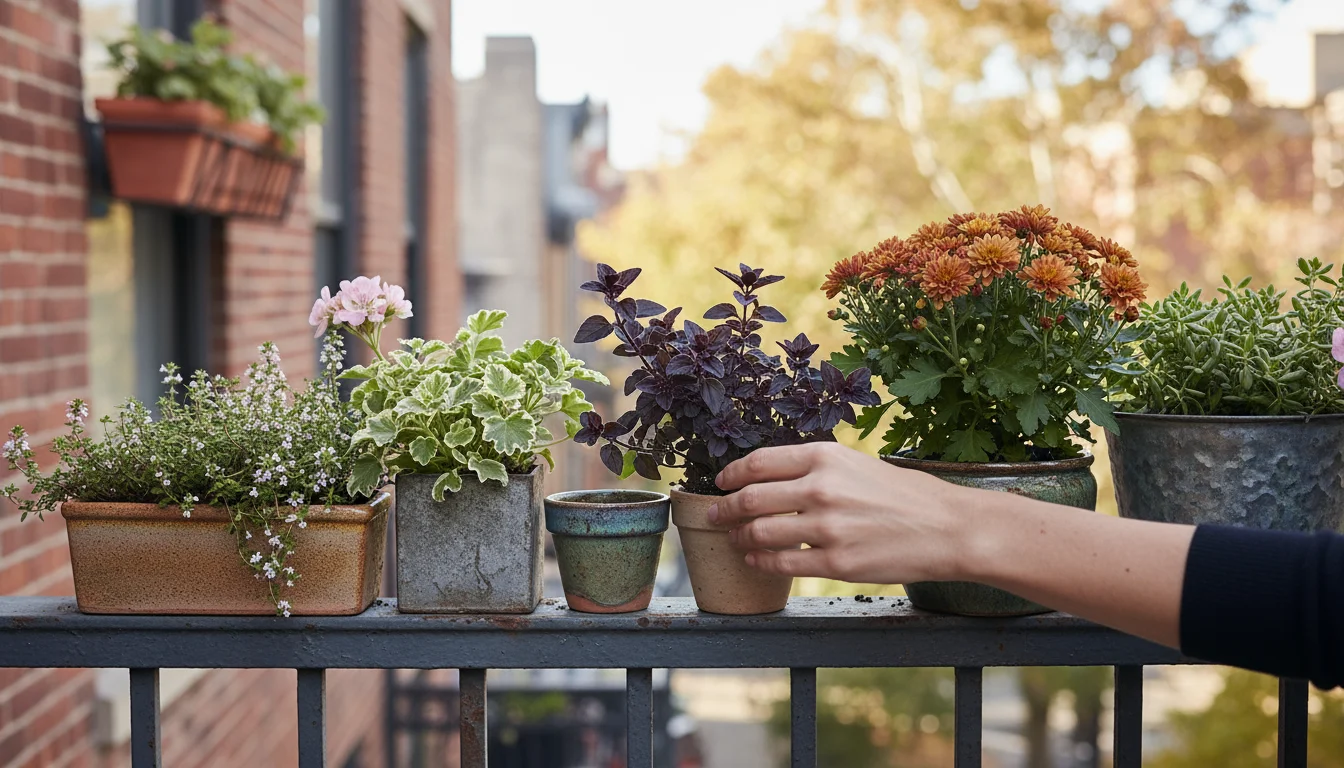
Designing your fall container garden for scent goes beyond simply picking fragrant plants. It involves thoughtfully arranging them to create a harmonious and impactful olfactory experience. Think about how scents blend and interact, much like notes in a perfume. You want to avoid clashing aromas and instead aim for a balanced, inviting bouquet. Here’s a step-by-step approach to designing a balcony garden for scent:
1. Choose Your Focal Scent
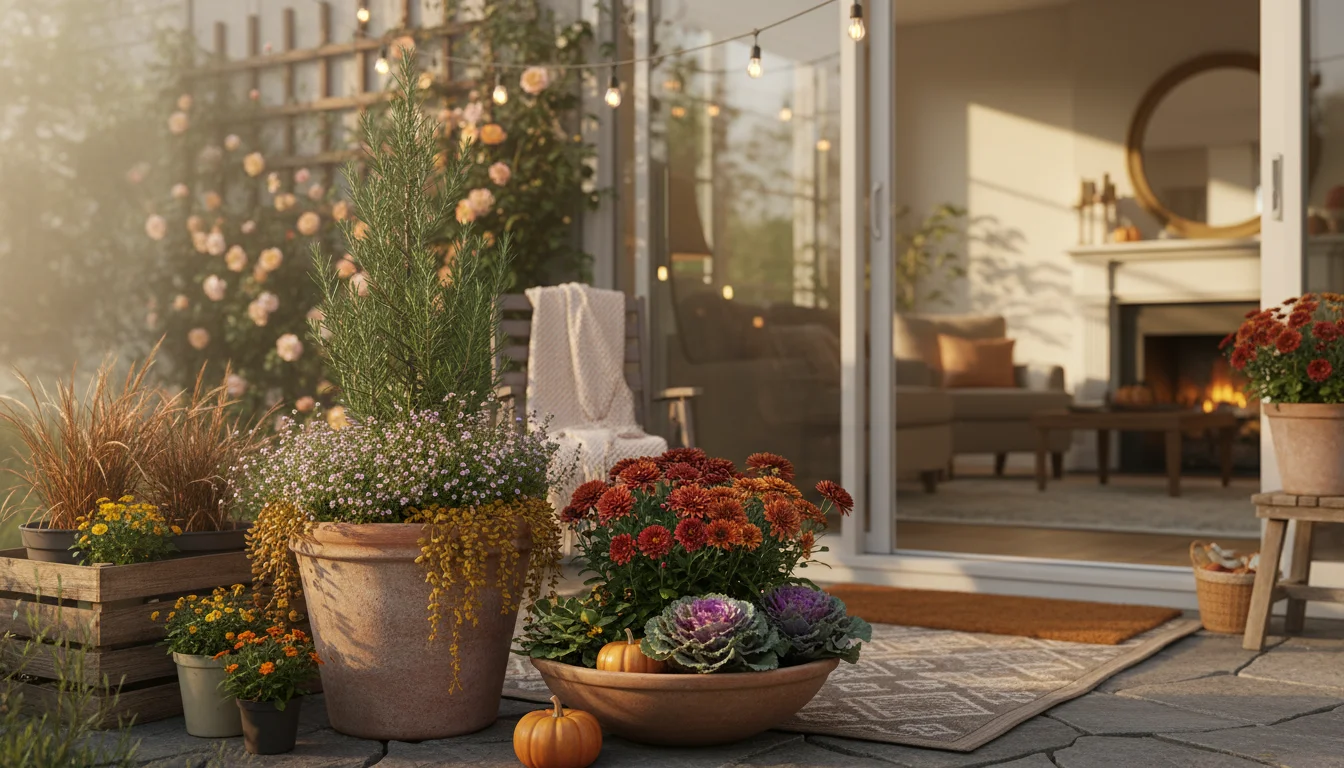
Start by selecting one or two dominant fragrant fall plants that will anchor your container. This might be a strongly scented rosemary, a spicy chrysanthemum, or a vanilla-scented heliotrope. Place this plant where its fragrance will be most noticeable, perhaps near a seating area or entryway.
2. Add Complementary Scents
Once you have your focal point, introduce plants with scents that complement it. If your focal scent is spicy, consider adding an earthy thyme or a sweet alyssum. If it is fresh and piney, a hint of lemon-scented geranium can add brightness. Avoid combining too many strong, clashing aromas in a single container. Instead, aim for subtle layering. For example, a crisp rosemary pairs beautifully with the sweeter notes of dianthus, creating a complex yet pleasing aroma. Researching the specific fragrance profiles of your chosen plants helps significantly.
3. Consider Placement and Airflow
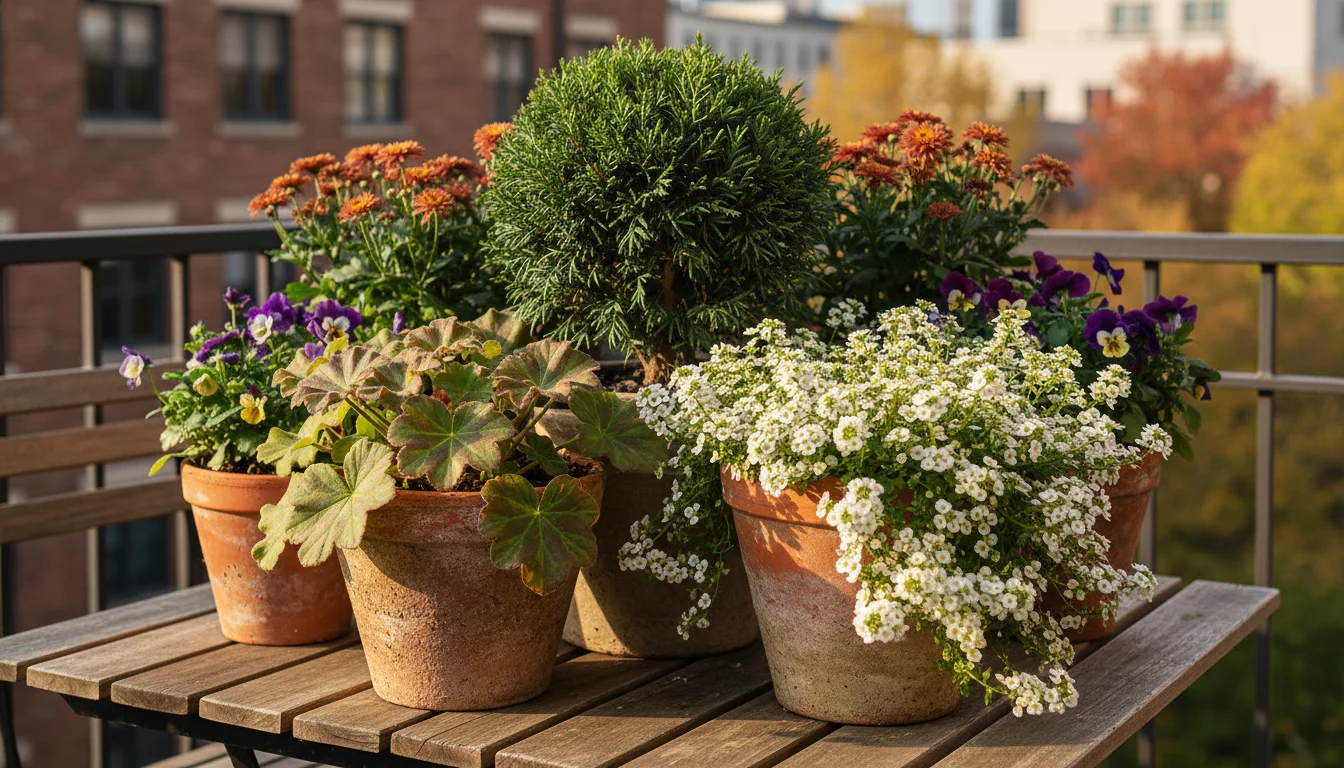
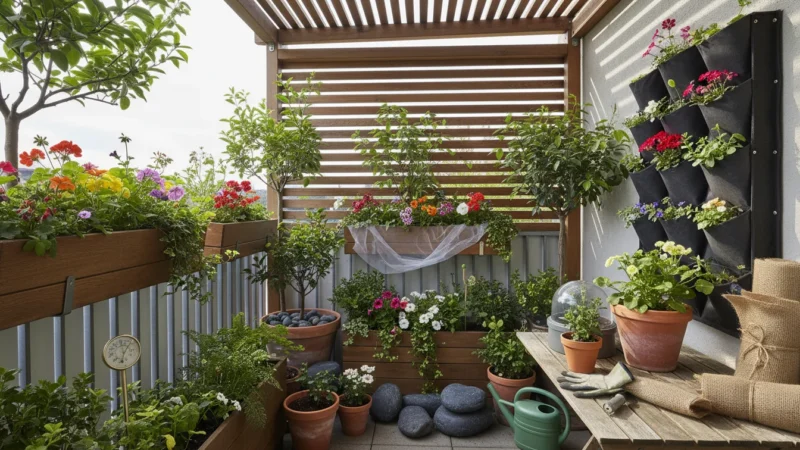
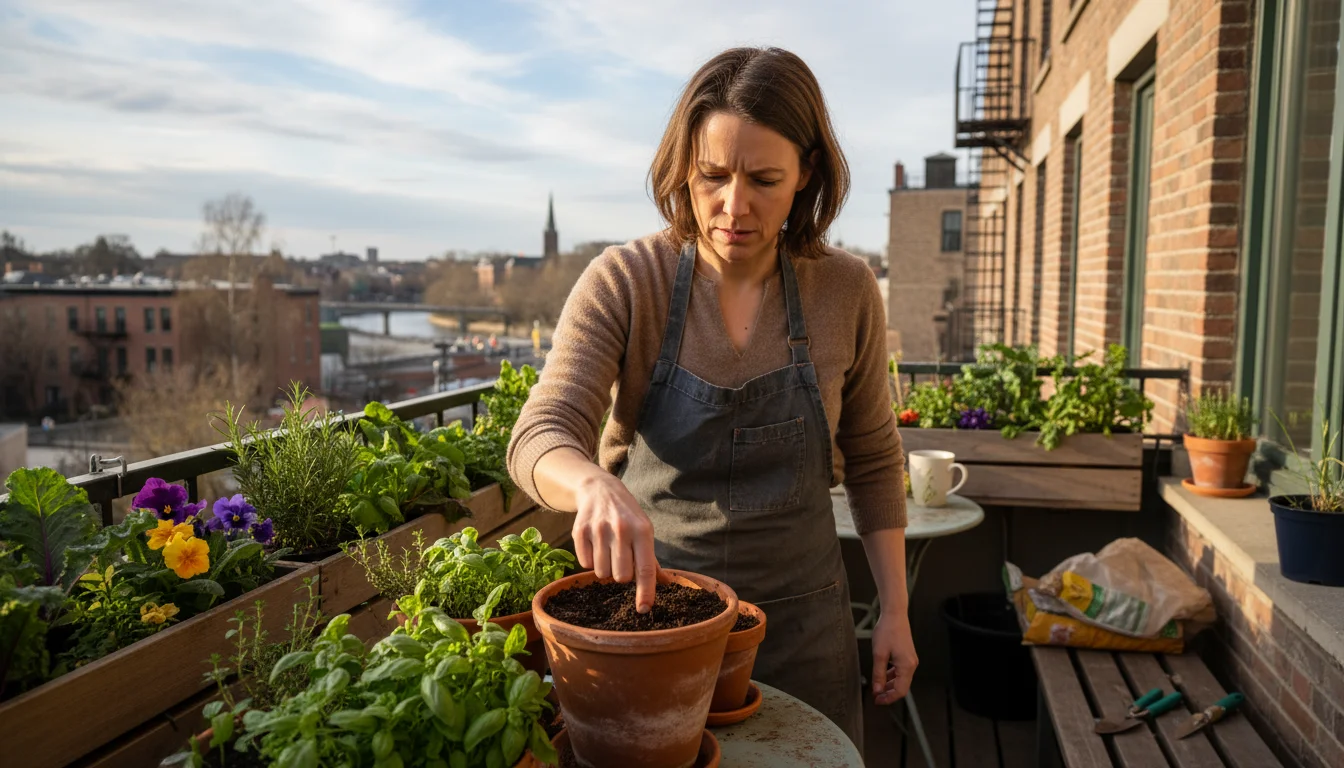
The physical arrangement of your fall container design influences how scents disperse. Place taller, more upright plants (like rosemary or dwarf conifers) at the back or center of the container. Surround them with smaller, mounding plants (like thyme or scented geraniums) and then trailing plants (like alyssum) at the edges. Ensure enough space between plants for air circulation, which helps carry their fragrances. On a balcony or patio, strategically position containers where breezes will waft the scents toward your sitting area. Placing containers near a doorway or window also allows the aromas to drift indoors.
4. Incorporate Texture and Visual Appeal
While scent is the primary focus, do not neglect visual appeal and texture. Complementary leaf shapes, colors, and plant heights create a visually appealing composition. For instance, the fine needles of a dwarf conifer can contrast beautifully with the broader leaves of a scented geranium. The cascading habit of alyssum adds softness. A well-designed container engages both sight and smell, enhancing the overall experience. This makes your sensory garden a feast for multiple senses.
5. Think About Interaction
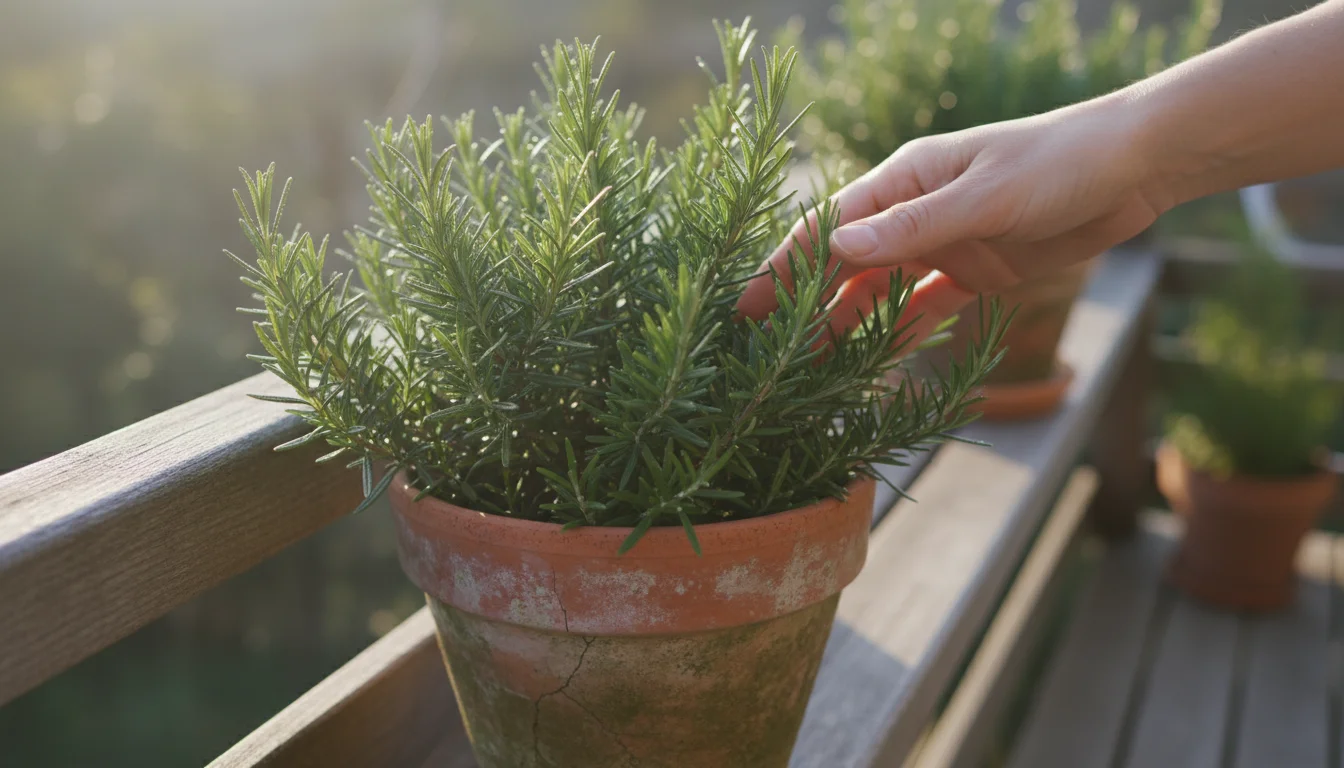
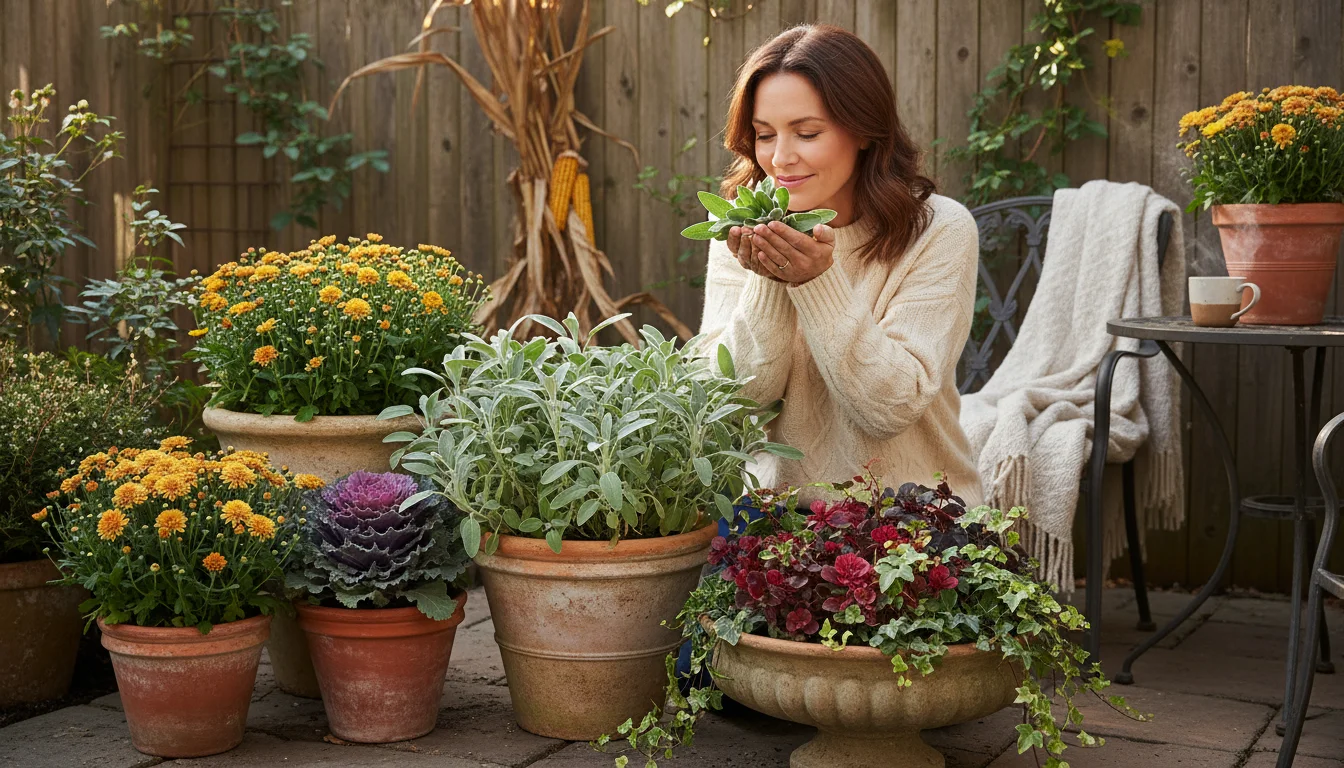
Design your containers so you can easily brush against aromatic herbs for autumn containers like rosemary or thyme. This releases their oils and enhances the sensory experience. Place these “touchable” plants along pathways or near the front of your container arrangement. This interactive element is crucial for a truly engaging sensory garden.
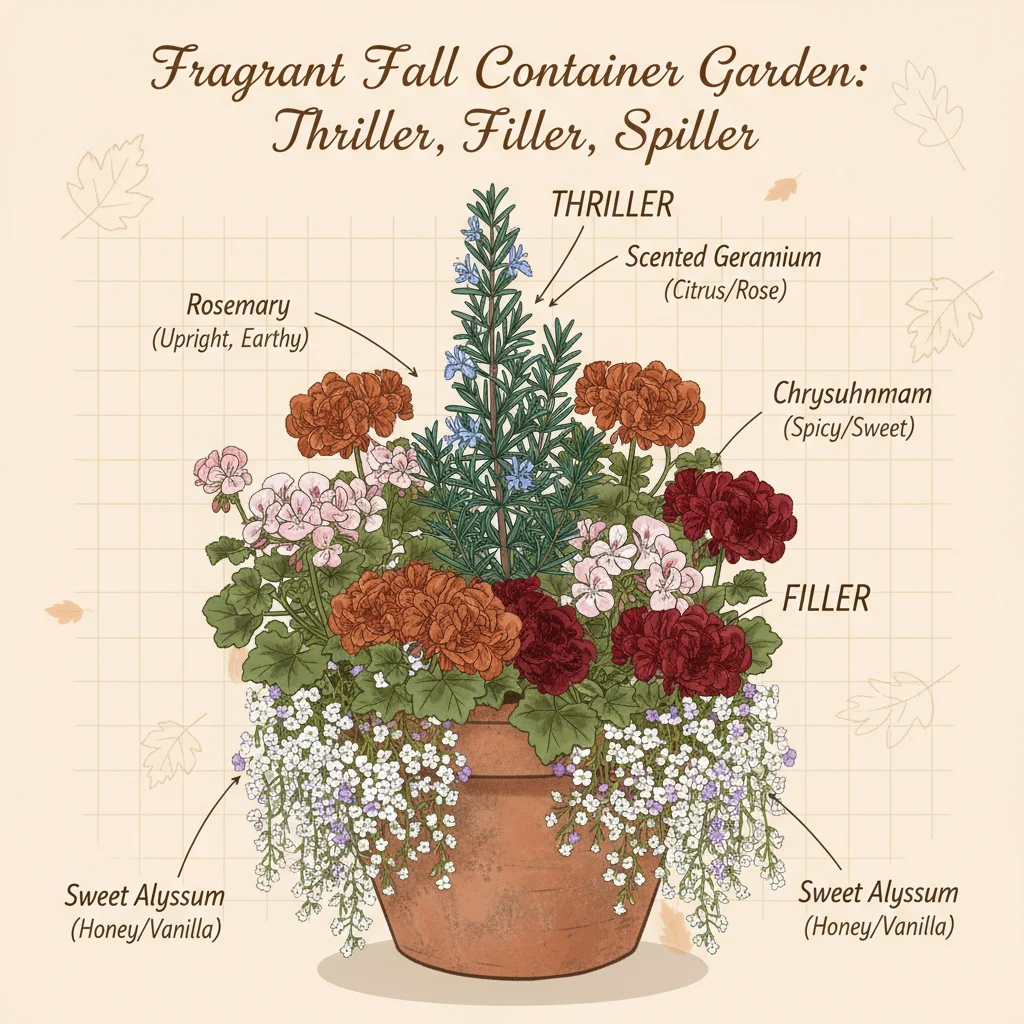
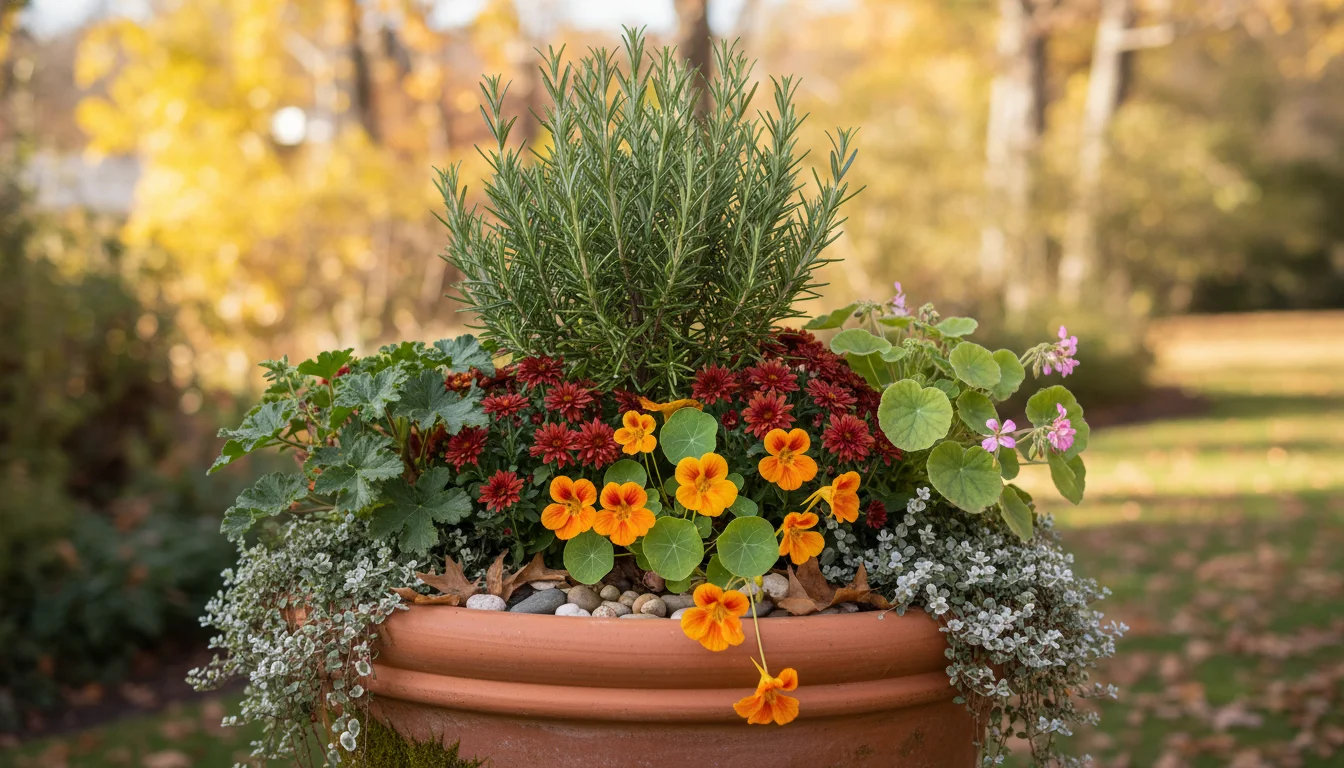
Example Fall Container Design for Scent:
- Container: A large, wide terracotta pot (18-24 inches in diameter).
- Thriller (Vertical Anchor/Strong Scent): One upright Rosemary (Rosmarinus officinalis) ‘Tuscan Blue’ for a strong, piney, invigorating aroma.
- Filler (Mid-Level/Complementary Scents): Two Scented Geraniums (e.g., ‘Nutmeg’ or ‘Lemon Fancy’) for warm, sweet, or citrusy notes. Two small, fragrant Chrysanthemums for spicy depth and visual color. One clump of Lemon Thyme for earthy, citrusy freshness.
- Spiller (Edge/Delicate Scent): Three Sweet Alyssum plants (white or purple) for continuous honey-like sweetness trailing over the rim.
This combination offers a beautiful visual display alongside a complex, delightful aroma that evolves as you move around it. The rosemary and thyme release scent with a gentle touch, while the alyssum and chrysanthemums provide consistent floral notes, creating a dynamic sensory garden experience.
Selecting Containers and Soil for Aromatic Success
The right container and soil are fundamental to healthy, fragrant fall plants. Poor choices can hinder growth, reduce scent production, and lead to plant decline. Focus on creating an optimal environment for your fall container design from the ground up.
Before you begin planting, it is wise to perform the great pot purge to ensure you are starting with clean and functional vessels.
Choosing Your Containers:
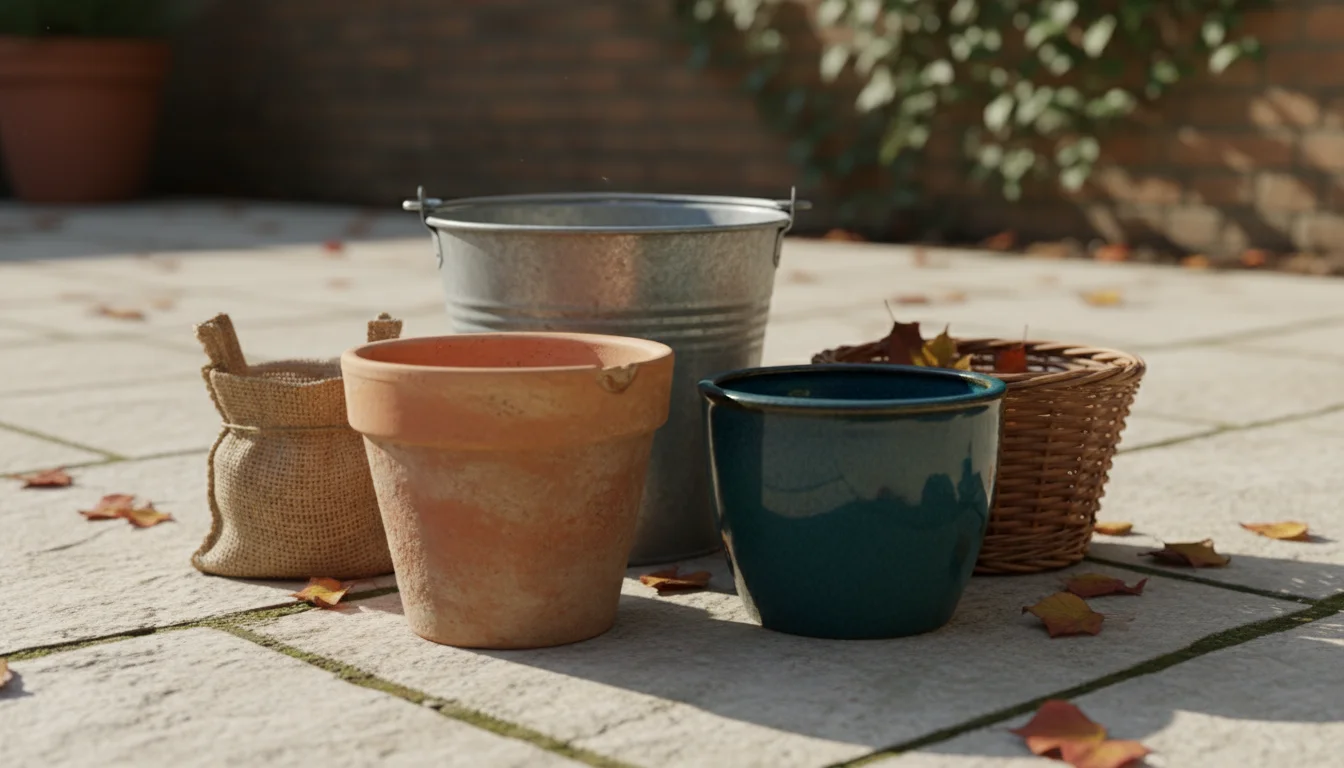
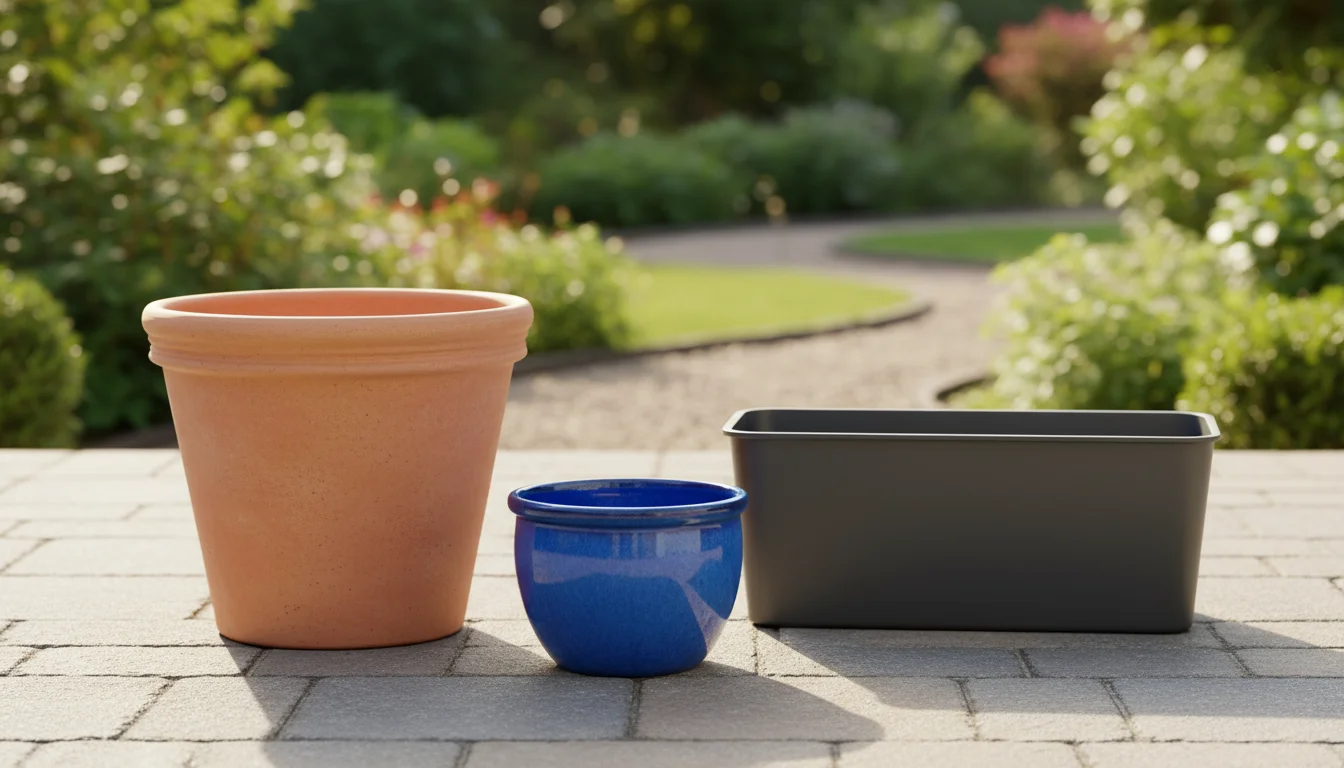
Material Matters: Terracotta pots are popular for their rustic look and breathability, allowing soil to dry out more quickly. Glazed ceramic or plastic pots retain moisture longer, which can be beneficial in drier climates or for plants that prefer consistent moisture. Metal containers can absorb and radiate heat, potentially stressing plant roots. You need to choose a material that suits your climate and watering habits.
Size and Depth: Larger containers offer more room for root growth, which promotes healthier, more vigorous, and often more fragrant plants. They also provide better insulation against temperature fluctuations and require less frequent watering than smaller pots. For aromatic herbs for autumn containers, like rosemary, a container at least 12-18 inches in diameter provides ample space. Deeper pots accommodate taproots and offer stability for taller plants.
Drainage is Key: Every container must have drainage holes at the bottom. Drainage refers to how water moves through the soil and out of the pot. Without proper drainage, water collects, leading to soggy soil and root rot, which kills plants. If your chosen pot lacks drainage, you must drill holes or select a different container. Do not rely on a layer of gravel at the bottom of a pot without drainage holes; this does not improve drainage and can actually worsen it by raising the water table.
Preparing Your Soil Mix:
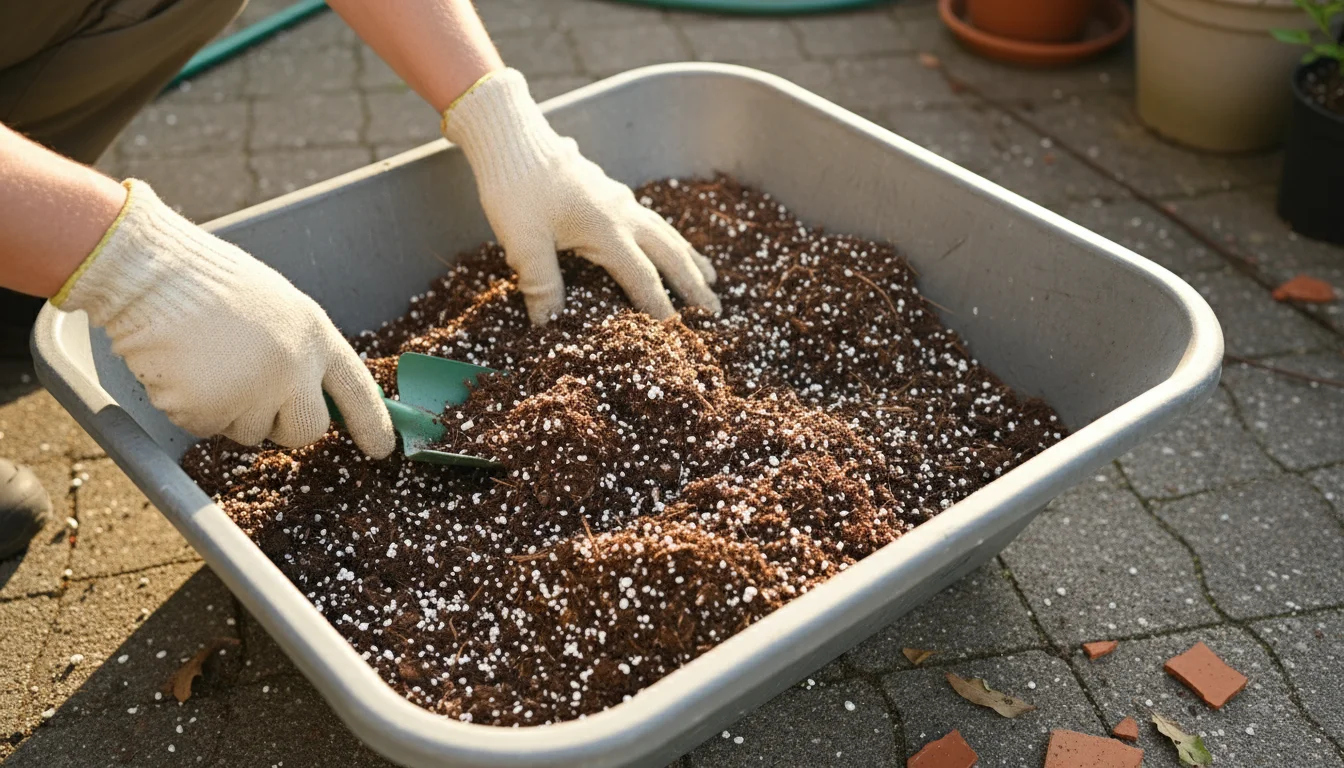
Quality Potting Mix: Do not use garden soil in containers. Garden soil is too dense, compacts easily, and often contains pests or diseases. A high-quality potting mix is lighter, offers excellent drainage, and provides essential aeration for roots. Look for mixes specifically formulated for containers, often containing peat moss or coir, perlite or vermiculite, and compost.
Enhancing Drainage and Aeration: For plants that prefer well-drained conditions (like most herbs and many fall flowers), you can amend your potting mix. Add perlite or small gravel (about 10-20% of the total volume) to improve drainage and aeration. This ensures roots receive enough oxygen and prevents waterlogging. Proper drainage is crucial for preventing fungal diseases and encouraging robust growth, which directly impacts a plant’s ability to produce strong scents.
Nutrient Content: Many potting mixes contain a slow-release fertilizer, which can sustain plants for several weeks. Beyond that, you need to provide nutrients. Healthy plants produce more vibrant blooms and stronger scents. Organic matter, such as compost or worm castings, enriches the soil, improves structure, and provides a slow release of nutrients. A good soil foundation contributes significantly to the vitality and fragrance of your fragrant fall plants.
Essential Care for Maximum Fragrance and Longevity
Once you have designed and planted your fragrant fall container garden, consistent care ensures your plants remain healthy, vibrant, and, most importantly, aromatic. Maximizing scent production requires attention to a few key factors.
As the air cools, remember to adjust your container watering schedule to prevent overwatering while maintaining the plants’ aromatic health.
During stormy weather, be sure to protect your fall containers from autumn storms to prevent delicate blooms from being damaged by high winds.
Watering Appropriately:
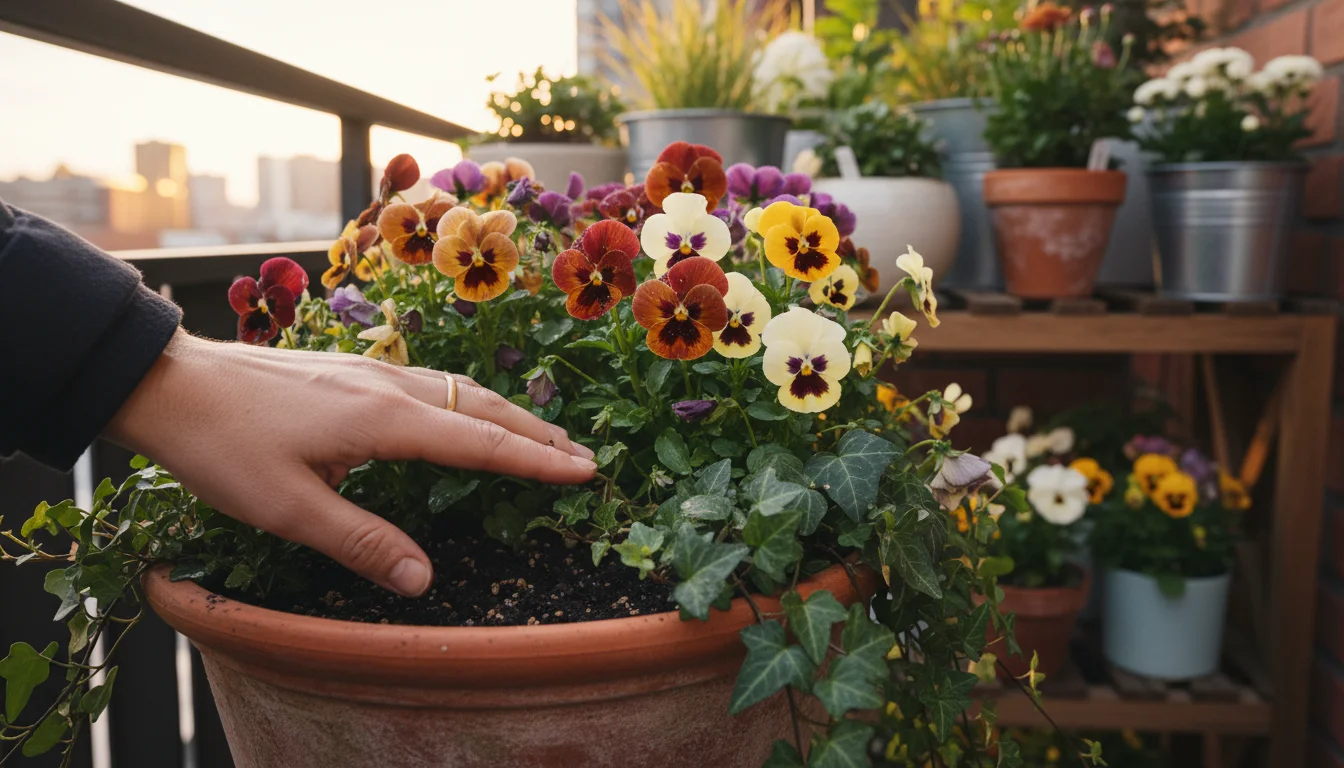
Consistency is Crucial: Container plants dry out faster than garden beds. Check your containers daily, especially as the weather gets cooler and drier. Stick your finger about an inch or two into the soil. If it feels dry, water thoroughly until water drains from the bottom of the pot. Avoid both overwatering (which leads to root rot) and underwatering (which stresses plants and can diminish scent). The goal is consistently moist, but not soggy, soil. Fragrant fall plants, especially those known for their oils, often prefer well-drained soil that does not stay waterlogged.
Fertilizing for Scent:
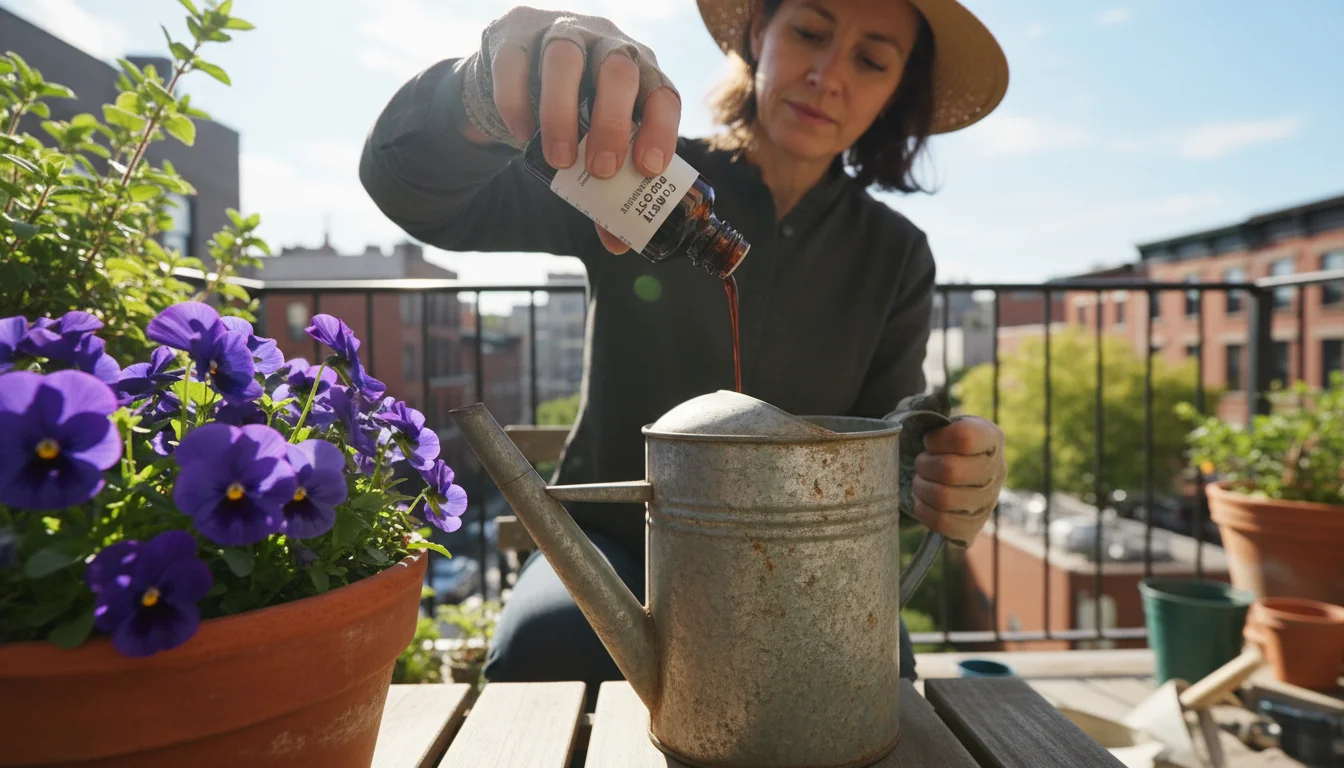
Balanced Nutrition: While strong growth is desirable, excessive nitrogen can prioritize foliage over flowers and scent. Use a balanced, all-purpose liquid fertilizer every 2-4 weeks, or a slow-release granular fertilizer as directed. For aromatic herbs for autumn containers, a lighter hand with fertilizer is often best, as some studies suggest overly rich soil can dilute their essential oil concentration. For fall flowers that smell good for pots, adequate phosphorus and potassium support bloom production and overall plant health, contributing to stronger fragrance.
Sunlight Requirements:
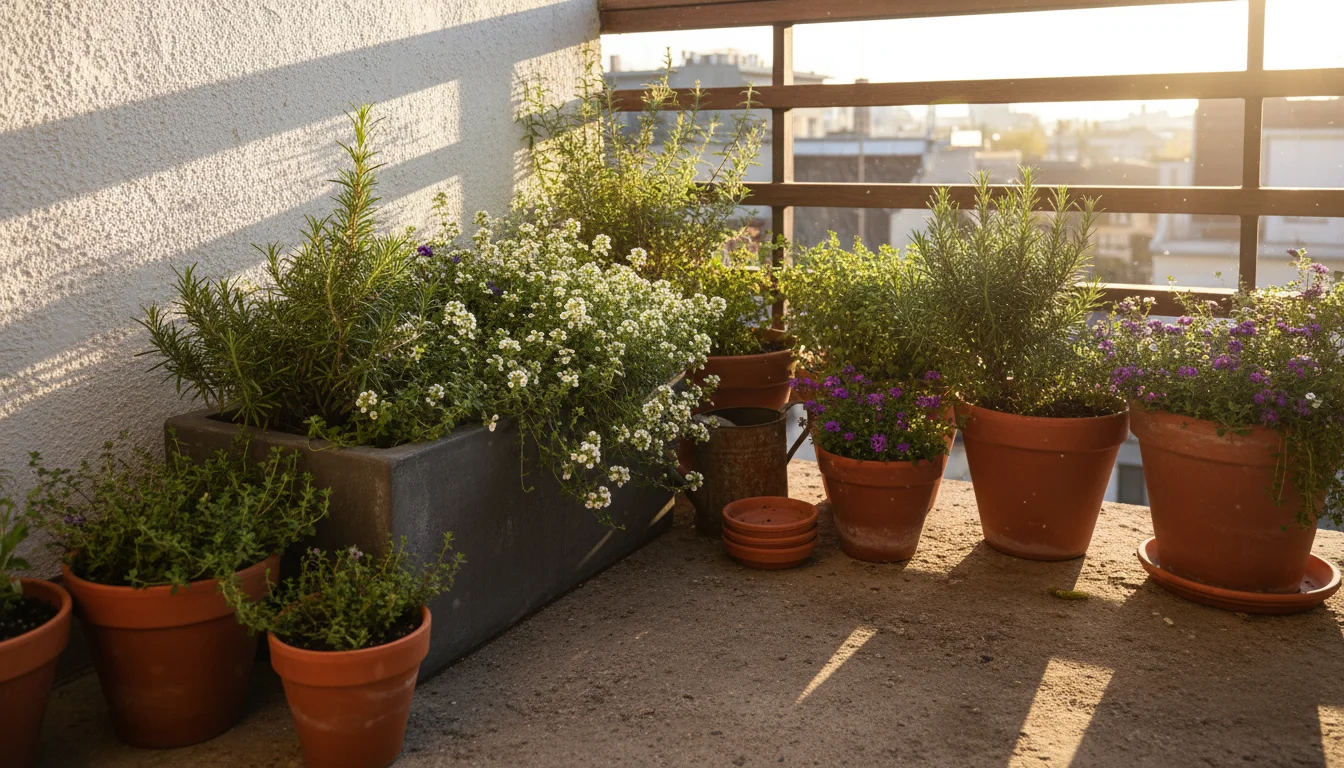
Full Sun for Best Scent: Most fragrant plants, particularly herbs and many flowers, require at least 6 hours of direct sunlight daily to produce the most potent essential oils and abundant blooms. Position your fall container design in the sunniest spot available on your balcony or patio. Reduced sunlight can lead to weaker growth and diminished scent. If your space is shadier, select fragrant fall plants known for tolerance to partial shade, such as certain varieties of sweet alyssum.
Deadheading and Pruning:
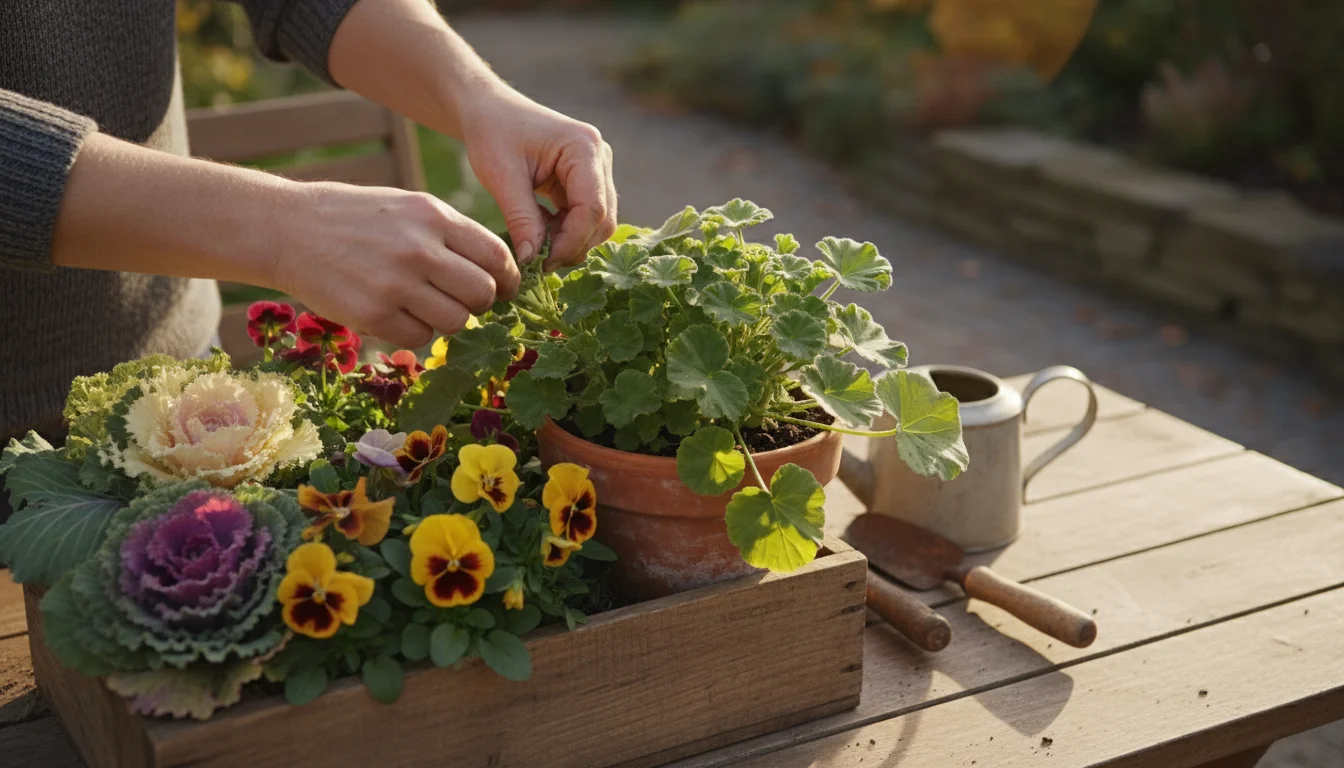
Encourage More Blooms: For flowering plants, deadheading (removing spent flowers) encourages the plant to produce more blooms instead of directing energy into seed production. More blooms often mean more fragrance. For aromatic herbs for autumn containers, light pruning can encourage bushier growth and prevent plants from becoming leggy. Pinch back the tips of scented geraniums to promote a fuller shape and increase the surface area for fragrant foliage.
Protection from Frost:
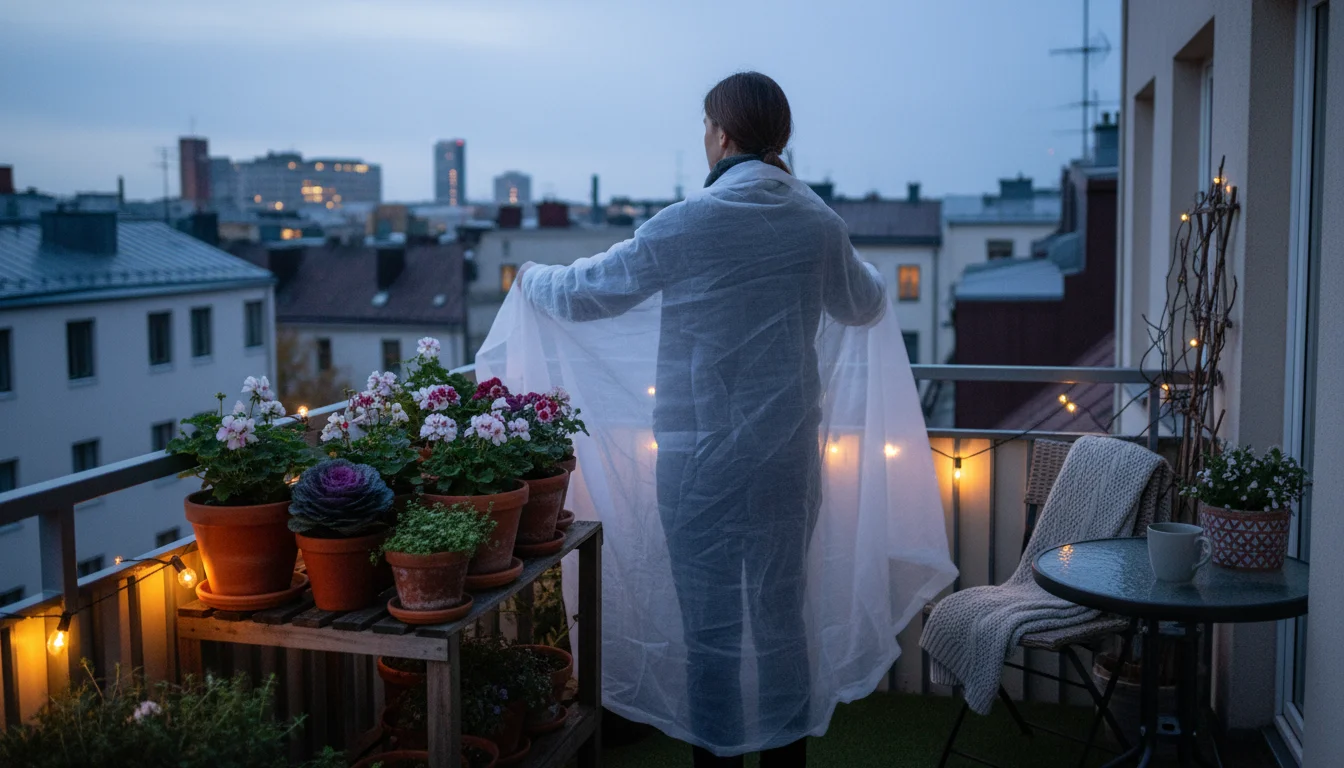
Extend the Season: While many fall plants are hardy, an unexpected early frost can damage or kill them. If a frost warning is issued, move your containers to a sheltered location (e.g., against a warm house wall, under an overhang, or even temporarily indoors) or cover them with a blanket or frost cloth. This small effort can extend the life and fragrance of your fall container design for several weeks, allowing you to enjoy your sensory garden longer.
Troubleshooting Common Scent-Related Issues
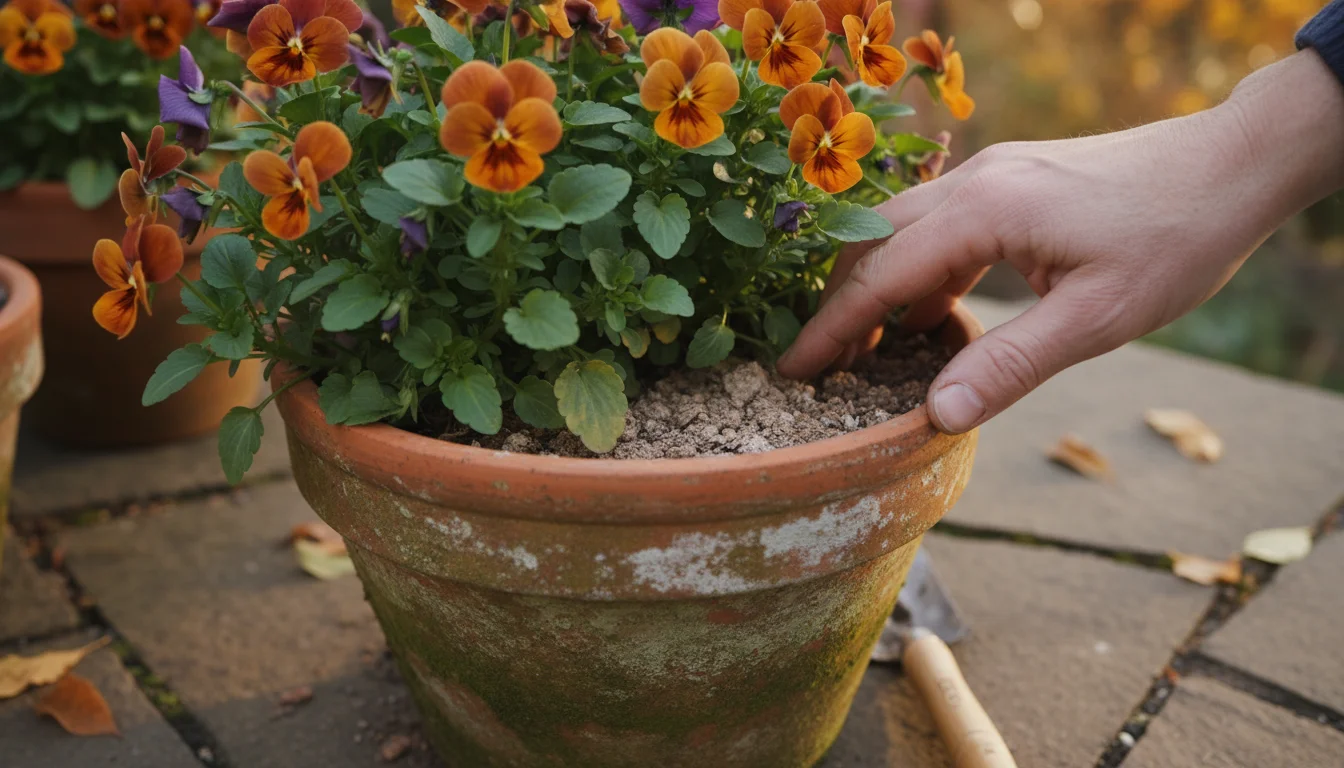
Sometimes, your fragrant fall plants might not produce the amazing aromas you expect. Do not despair. Many common issues have straightforward solutions. Identifying the problem allows you to make adjustments and bring your sensory garden back to its aromatic best.
Managing fragrance is just one part of your seasonal routine; keeping up with other fall gardening tasks will help your small-space garden thrive into winter.
1. Weak or Absent Scent:
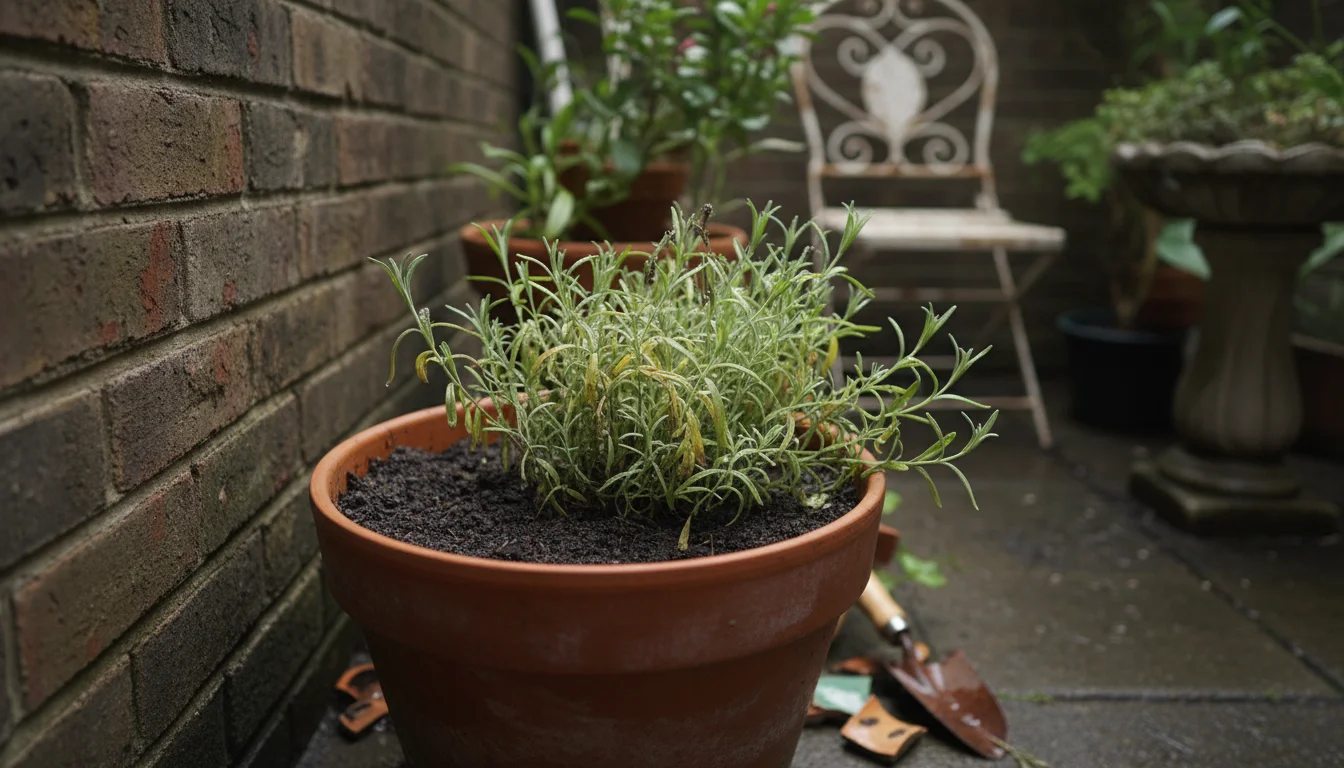
- Insufficient Sunlight: This is the most common culprit. Plants need ample sunlight (typically 6+ hours of direct sun) to photosynthesize efficiently and produce the essential oils responsible for fragrance. If your fall container design receives too much shade, its scent production will significantly decrease.
- Action: Move your containers to a sunnier location. If your space is naturally shady, choose shade-tolerant fragrant plants, although their scent may still be milder.
- Overwatering: Soggy roots lead to plant stress, reduced vigor, and often, diminished scent. Waterlogged soil prevents roots from absorbing nutrients effectively and can lead to root rot.
- Action: Ensure your containers have excellent drainage. Allow the top inch or two of soil to dry out before watering again.
- Nutrient Imbalance: Too much nitrogen fertilizer promotes leafy growth at the expense of flowers and scent. Lack of other nutrients can also weaken the plant.
- Action: Use a balanced fertilizer sparingly, or one with a slightly higher phosphorus content for flowering plants. Avoid over-fertilizing aromatic herbs for autumn containers.
- Wrong Variety: Not all plants of the same species are equally fragrant. For example, some chrysanthemum varieties are bred primarily for color and lack strong scent.
- Action: Always smell plants before purchasing, and look for specific varieties known for their fragrance.
2. Plant Health Declining:
- Pests and Diseases: Stressed plants are more susceptible to pests and diseases, which can divert energy from scent production and eventually kill the plant. Yellowing leaves, sticky residue, or visible insects are warning signs.
- Action: Regularly inspect your fragrant fall plants. Address pest issues early with organic solutions like insecticidal soap or neem oil. Good air circulation in your fall container design helps prevent fungal diseases.
- Temperature Stress: Extreme temperatures, either too hot or too cold, can stress plants. Fall plants generally prefer cooler weather but can suffer in unexpected heat waves or early hard frosts.
- Action: Provide appropriate protection. Move sensitive containers indoors during frost warnings or provide shade during unseasonably warm periods.
3. Scent Not Lasting:
- Short-lived Blooms: Some fall flowers that smell good for pots, like certain dianthus or alyssum, have continuous but individually short-lived blooms. You need to encourage constant new flower production.
- Action: Regularly deadhead spent flowers to redirect the plant’s energy into producing more blooms and maintaining its scent.
- Environmental Factors: High winds can disperse scents quickly. Very low humidity can also reduce the perception of scent.
- Action: Position your fall container design in a somewhat sheltered spot if wind is an issue. Grouping containers can create a microclimate that helps trap some humidity and scent.
By systematically addressing these potential issues, you can ensure your sensory garden remains a source of delightful aromas throughout the autumn season. Pay close attention to your plants’ signals; they often tell you what they need.
Sustainable Scented Gardening Practices
As a responsible gardener, you can infuse eco-friendly practices into your fall container design, making your fragrant garden not only beautiful and aromatic but also good for the planet. Sustainable gardening helps conserve resources, reduces waste, and supports local ecosystems. This approach aligns perfectly with creating a thriving, low-maintenance garden.
At the end of the season, you can dry your herb cuttings and flower heads to create a natural, aromatic potpourri for your home.
1. Choose Native or Adapted Plants:
Prioritize fragrant fall plants that are native to your region or well-adapted to your local climate. These plants generally require less water, fewer fertilizers, and are more resistant to local pests and diseases, reducing your reliance on chemical interventions. While few strictly native plants are known for strong container fragrance, you can select hardy non-natives that thrive with minimal fuss, such as many herbs. This also contributes to the local ecosystem by providing familiar resources for wildlife.
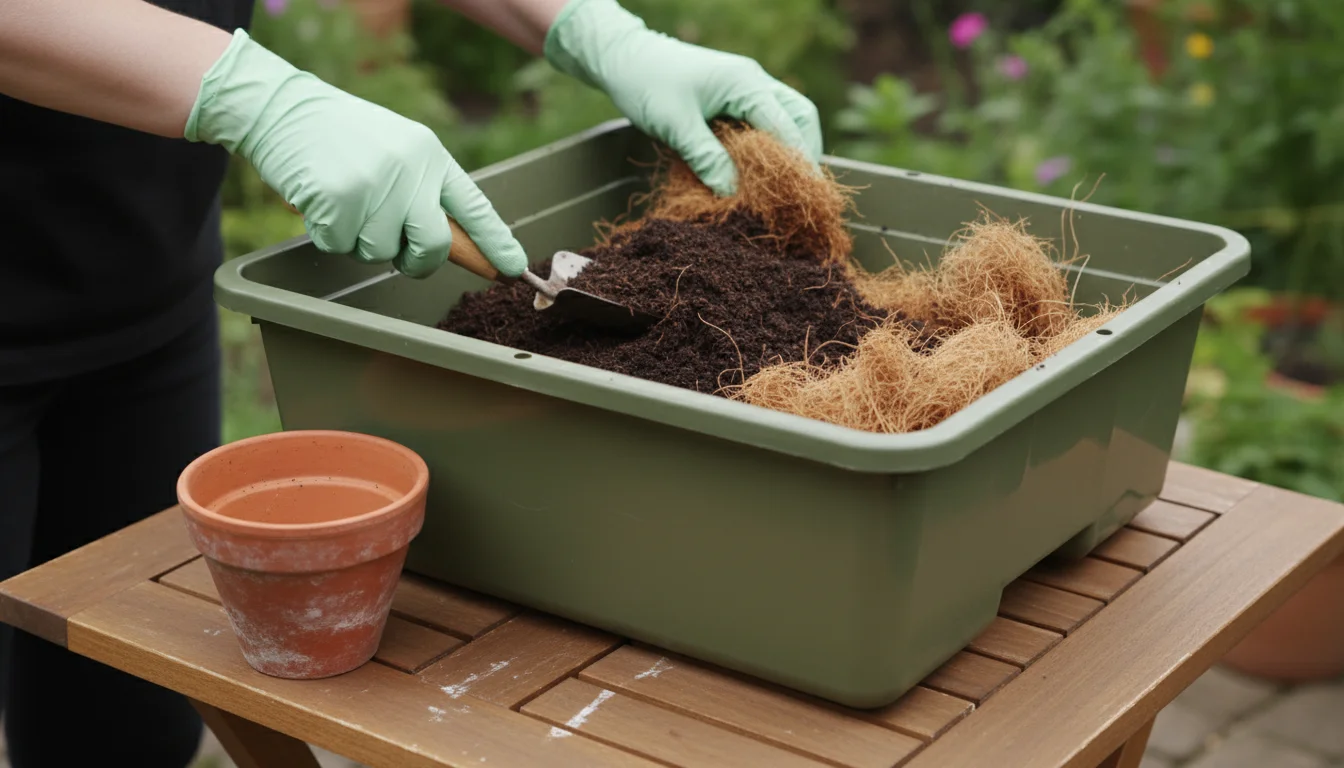
2. Use Organic and Peat-Free Potting Mixes:
Opt for high-quality organic potting mixes. These mixes often contain compost, worm castings, and other natural ingredients that improve soil health without synthetic chemicals. When selecting potting mix, look for peat-free options. Peat harvesting has environmental implications, so choosing alternatives like coir (coconut fiber), composted bark, or rice hulls helps protect delicate wetland ecosystems. A healthy, living soil supports stronger, more fragrant plants naturally.
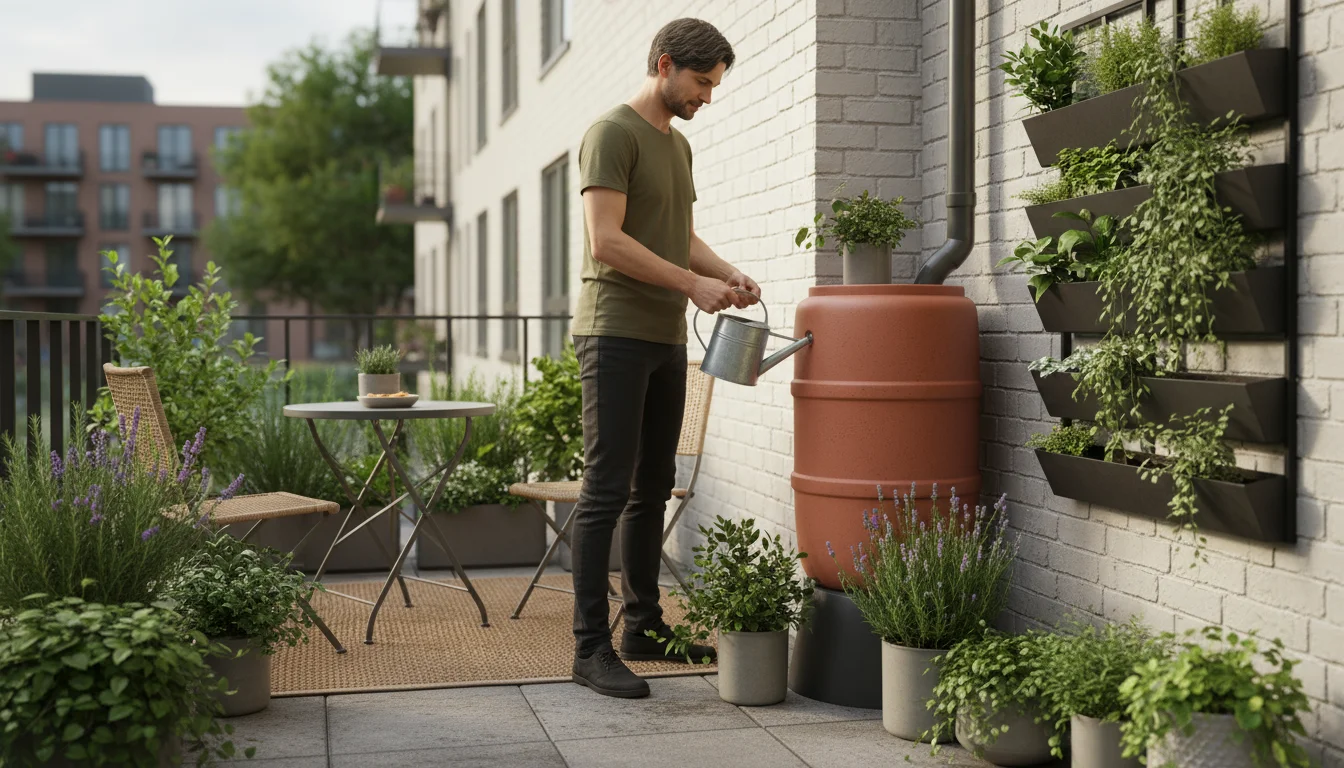
3. Water Wisely:
Implement efficient watering practices. Use watering cans or drip irrigation systems to deliver water directly to the plant roots, minimizing evaporation and runoff. Consider installing a rain barrel to collect rainwater for your containers, reducing your reliance on municipal water supplies. Grouping your fragrant fall plants together can also create a microclimate, reducing water evaporation from the soil. Consistent, targeted watering not only conserves water but also promotes healthier plants.
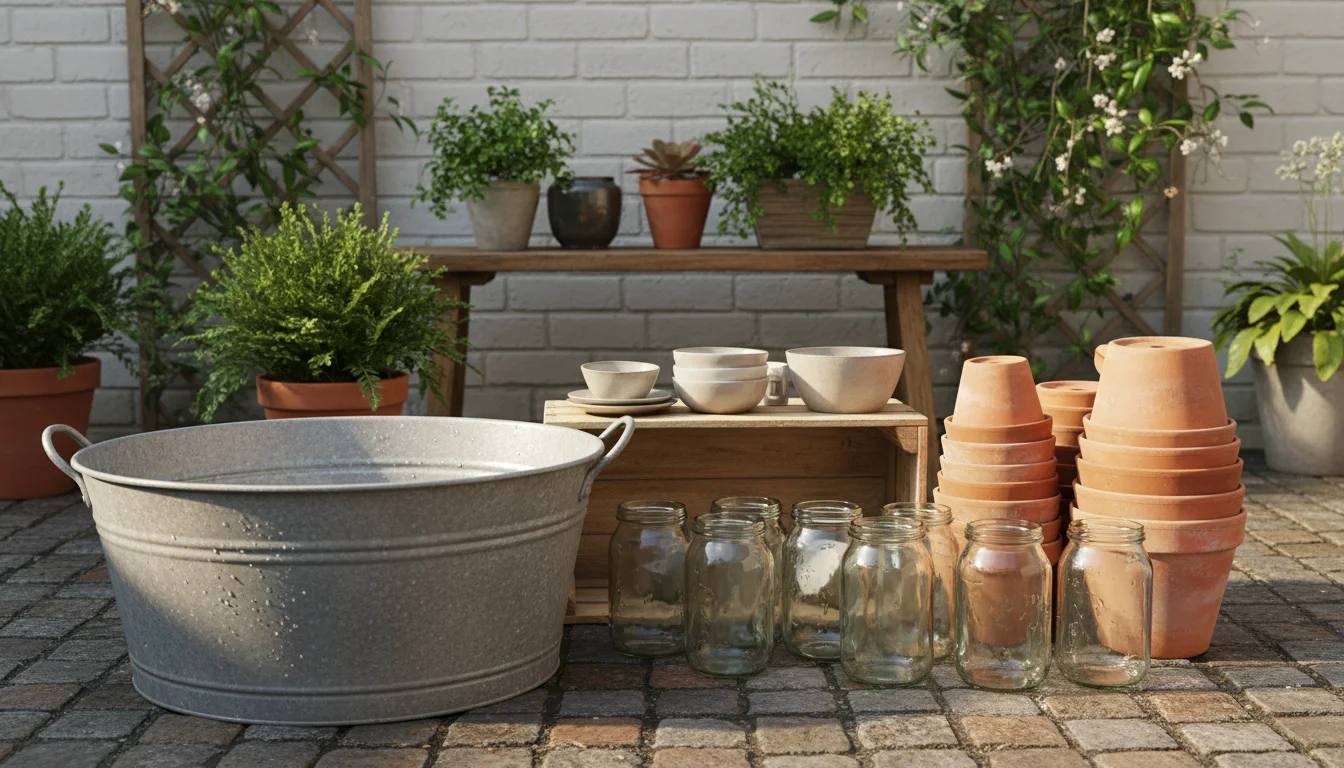
4. Recycle and Reuse Containers:
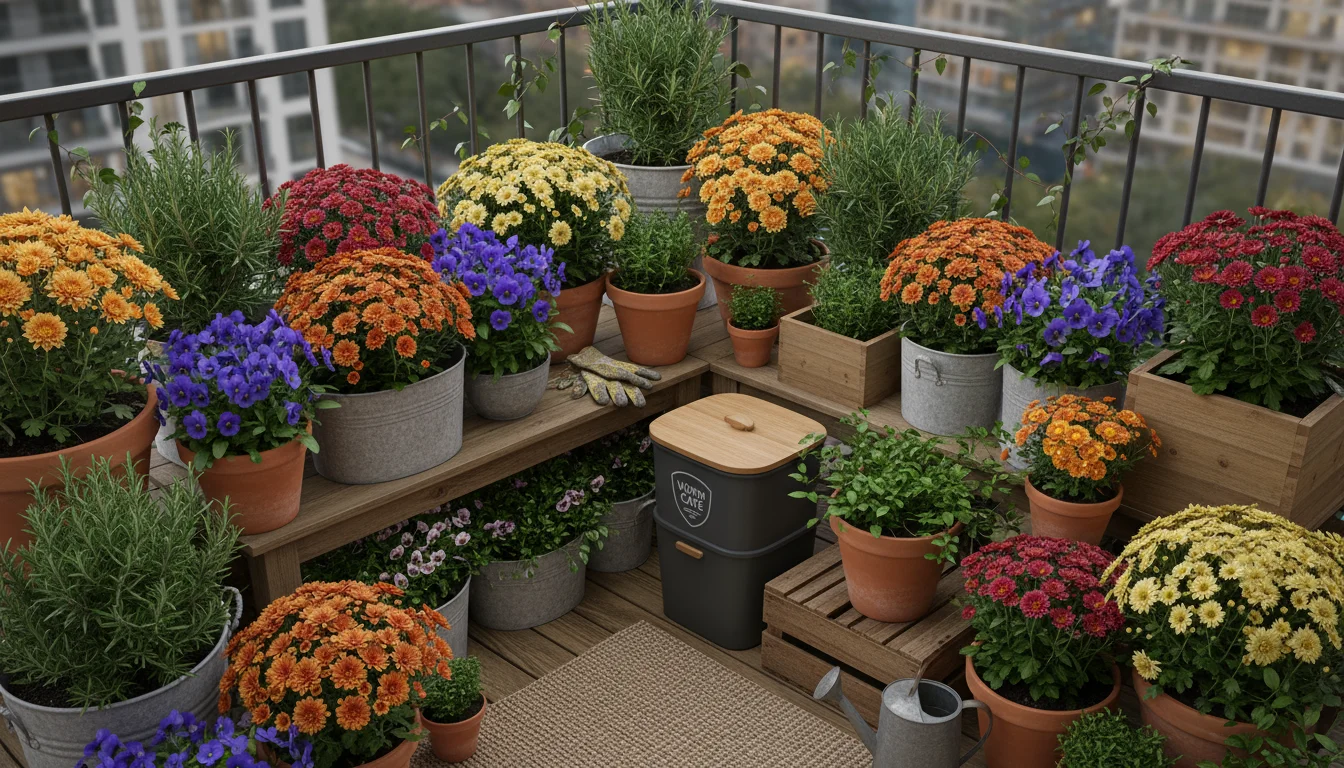
Instead of purchasing new containers every season, reuse your existing pots. Thoroughly clean them with a diluted bleach solution (one part bleach to nine parts water) or a strong soap solution to eliminate any lingering pathogens. This reduces plastic waste and saves money. You can also repurpose household items, like old galvanized tubs or wooden crates, into unique and charming containers for your aromatic herbs for autumn containers.
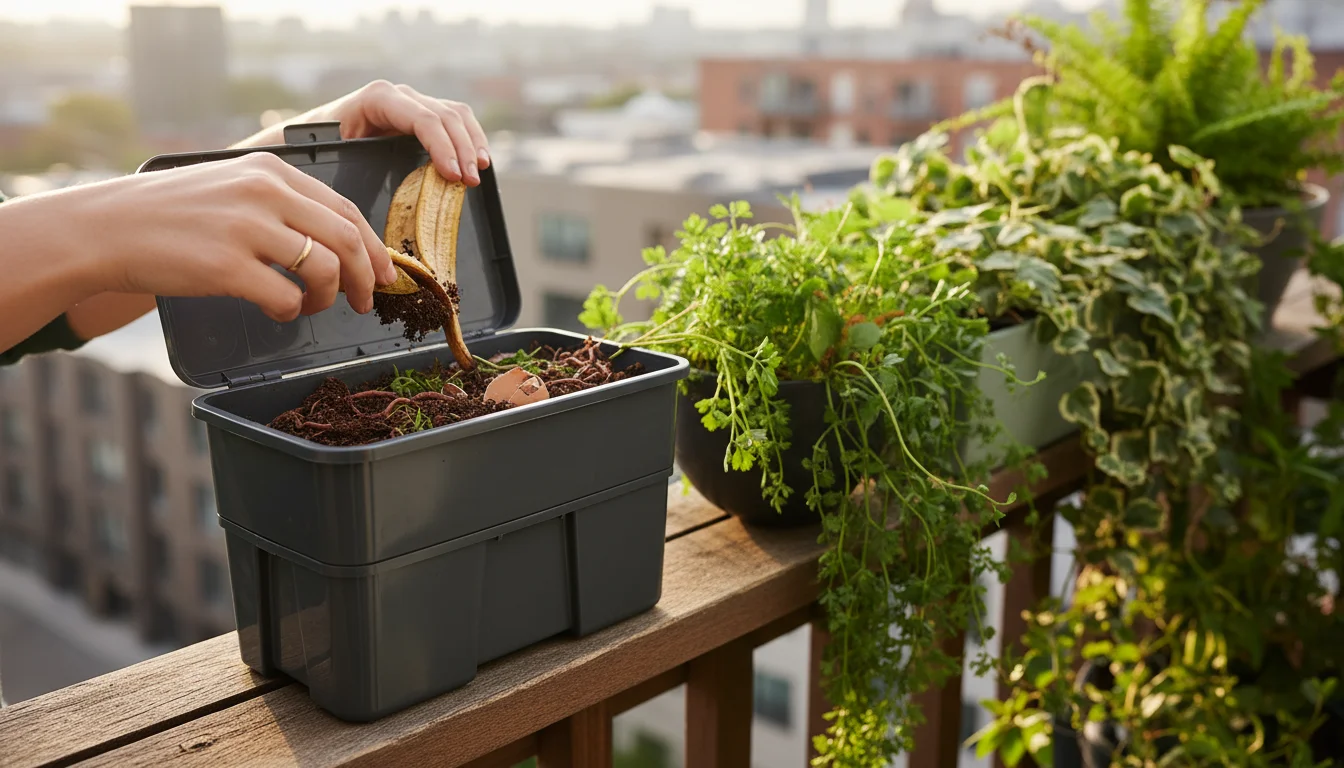
5. Make Your Own Compost:
Start a small compost bin or worm farm, even for a small-space garden. You can compost kitchen scraps (fruit and vegetable peels, coffee grounds) and spent plant material. This creates nutrient-rich compost that you can mix into your potting soil, reducing the need for purchased fertilizers and diverting waste from landfills. Compost enriches the soil, providing a slow, steady release of nutrients that benefits your fall container design.
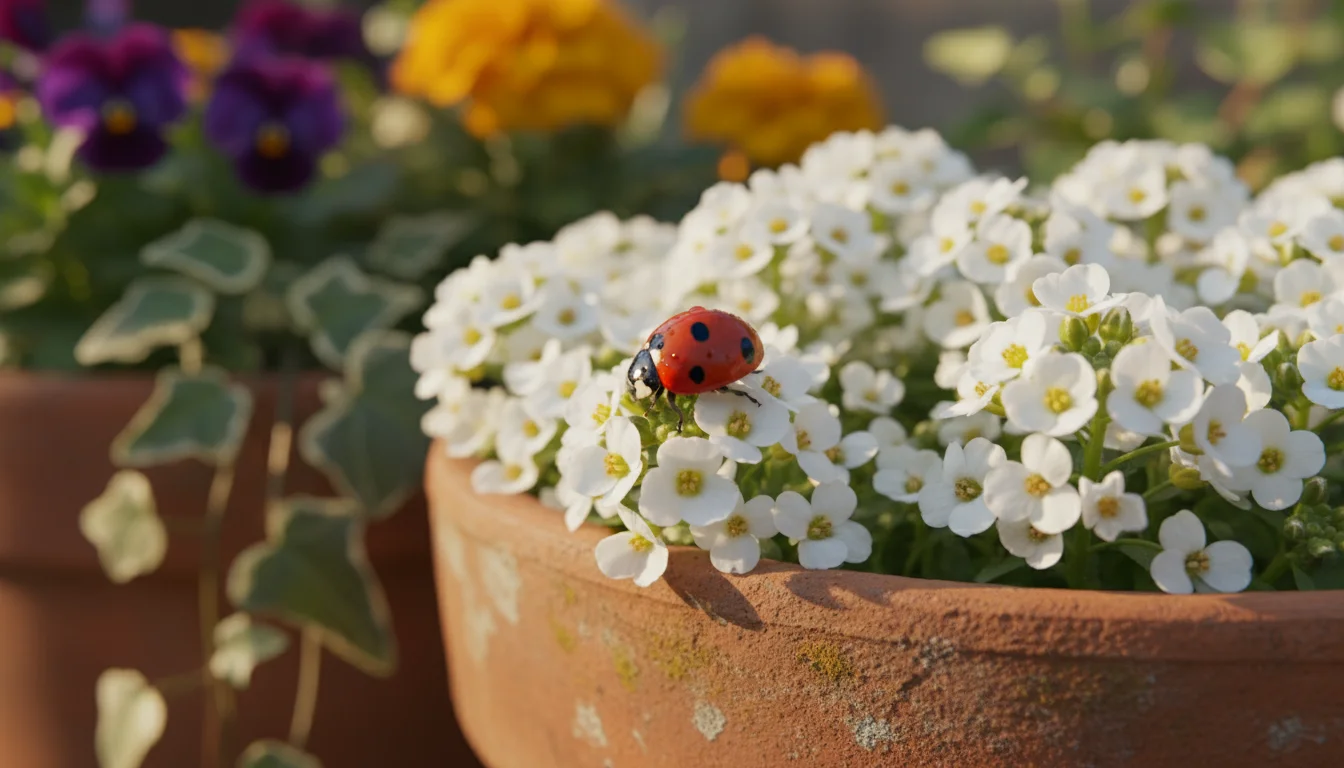
6. Attract Beneficial Insects:
Some fragrant fall plants, like sweet alyssum, can attract beneficial insects such as ladybugs and predatory wasps, which help control pest populations naturally. Creating a diverse sensory garden can contribute to a healthier micro-ecosystem, reducing the need for pesticides. A healthy pollinator population supports not only your garden but the wider environment.
By adopting these sustainable practices, your fragrant fall container garden becomes a testament to mindful living. You are creating beauty and scent while actively supporting environmental health, a truly holistic approach to small-space gardening.
Frequently Asked Questions
What types of fall flowers smell good for pots?
Many fall flowers offer delightful scents for containers. Sweet Alyssum provides a honey-like fragrance and spills beautifully. Some heirloom or specific varieties of Chrysanthemums have a spicy or earthy aroma. Dianthus, often called “pinks,” offers a classic clove-like scent, while Heliotrope can bring a strong vanilla-like perfume into early autumn. Always check the specific variety for scent as not all cultivars are equally aromatic.
Can I use aromatic herbs for autumn containers on a small balcony?
Absolutely. Herbs are excellent choices for small-space, fragrant fall container gardens. Rosemary, thyme, sage, and mint are hardy and maintain their strong aromas well into the cooler months. You can grow them individually or combine them in larger pots. Place them near seating areas or doorways where you can easily brush against them to release their invigorating scents. Their compact growth habits make them ideal for balcony garden design.
How do I make my fragrant fall plants smell stronger?
To maximize fragrance, ensure your plants receive at least 6 hours of direct sunlight daily, as sun exposure promotes essential oil production. Provide well-drained soil and avoid overwatering, as stressed plants produce less scent. Use a balanced fertilizer, but avoid excessive nitrogen, which can favor foliage over blooms and fragrance. Regularly deadhead spent flowers on blooming plants to encourage more fragrant blooms. Gentle pruning on herbs can also stimulate new, more aromatic growth.
What is the best way to combine different fragrant plants in one container?
When creating a fall container design with multiple fragrant fall plants, aim for complementary scents rather than clashing ones. Start with a dominant aroma, such as piney rosemary, then add supporting notes like earthy thyme or sweet alyssum. Consider plants with different fragrance release mechanisms, some by touch (herbs) and some ambient (flowers). Arrange them using the “thriller, filler, spiller” method, ensuring enough space for good airflow. Place plants you want to interact with (touch) at the front.
Are there any eco-friendly tips for creating a sensory garden in containers?
Yes, many sustainable practices enhance your sensory garden. Use organic, peat-free potting mixes to support healthy soil and protect wetlands. Water wisely by checking soil moisture regularly and using targeted watering methods. Reuse old containers to reduce waste. Consider planting beneficial insect attractors like sweet alyssum. By incorporating compost into your soil, you enrich it naturally and reduce reliance on synthetic fertilizers, creating a healthier environment for your fragrant fall plants.
For trustworthy gardening information, visit:
San Diego Botanic Garden, U.S. National Arboretum and American Horticultural Society. These organizations provide expert, research-based advice for gardeners at all levels.
Disclaimer: This article is for informational purposes only and is not a substitute for professional gardening advice. Always consult local extension services or horticulture experts for region-specific guidance.

Leave a Reply