
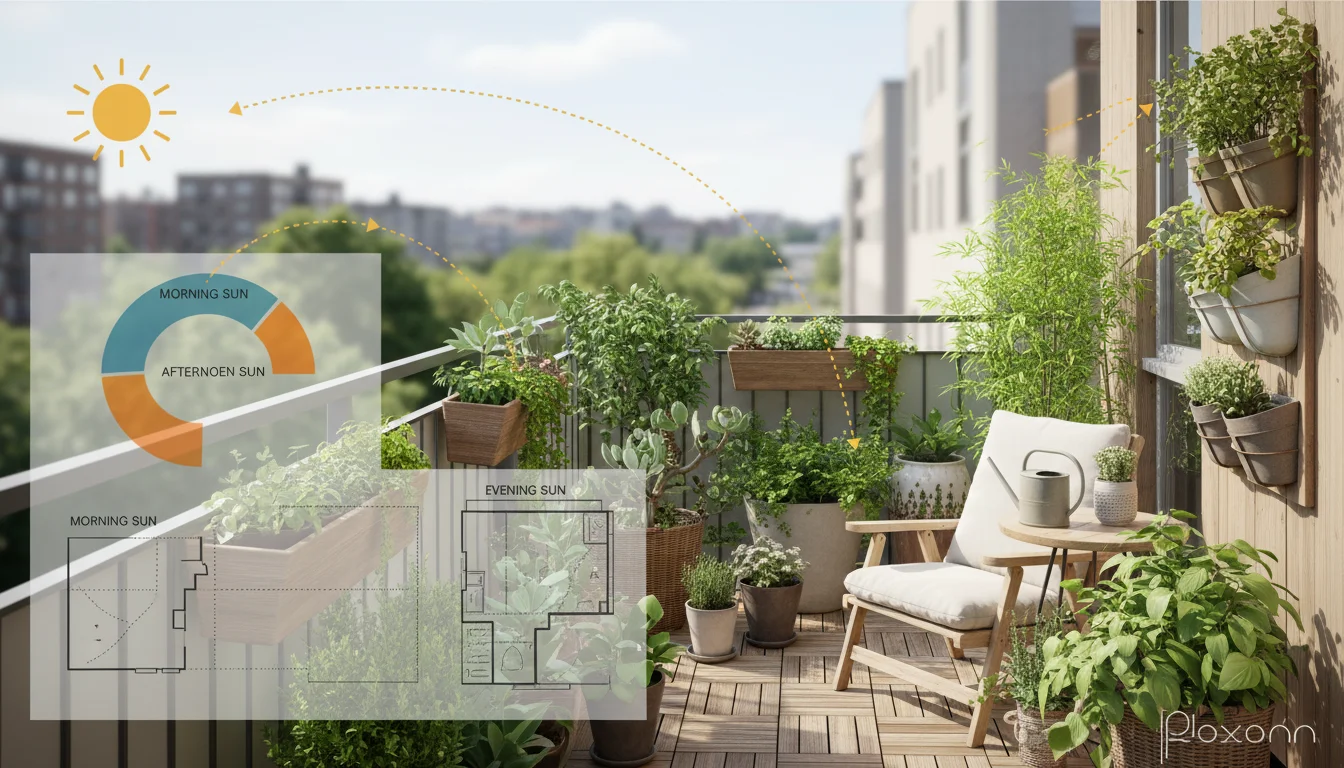
Winter brings unique challenges for indoor gardeners, especially for those of us nurturing plants in smaller spaces like apartments, balconies, or patios. As the days shorten and the sun dips lower in the sky, the light your plants receive shifts dramatically.
This change often leads to struggling plants, characterized by leggy growth, yellowing leaves, or a general lack of vigor. Many assume plants just “sleep” in winter, but in reality, they often suffer from insufficient light.
Keep in mind that low light isn’t the only stressor; you may also need to address indoor humidity levels which drop significantly when the heater kicks on.
You can avoid this winter struggle by actively understanding and adapting to the light conditions in your home.
This guide introduces you to “light mapping,” a simple, practical technique that empowers you to identify the best spots for your plants, ensuring their survival and even their thriving through the colder months.
Think of yourself as a detective, observing and recording the sun’s journey through your living space. This skill helps you make informed decisions about `indoor plant placement`, transforming your apartment into a sanctuary where your green companions flourish, even when `winter sunlight` feels scarce.
You are about to become an expert at finding the best light for plants in winter.
Contents9 sections
- Understanding Winter’s Light Challenge for Indoor Plants
- What is Light Mapping and Why Do Your Plants Need It?
- Tools for Your Apartment Light Mapping Expedition
- Step-by-Step Guide to Mapping Sun Exposure in Your Apartment
- Deciphering Light Levels: Bright, Medium, and Low Light
- Optimizing Plant Placement: Matching Plants to Your Mapped Zones
- Beyond Light: Other Winter Plant Care Considerations
- Troubleshooting Common Winter Light Challenges
- Frequently Asked Questions
Understanding Winter’s Light Challenge for Indoor Plants
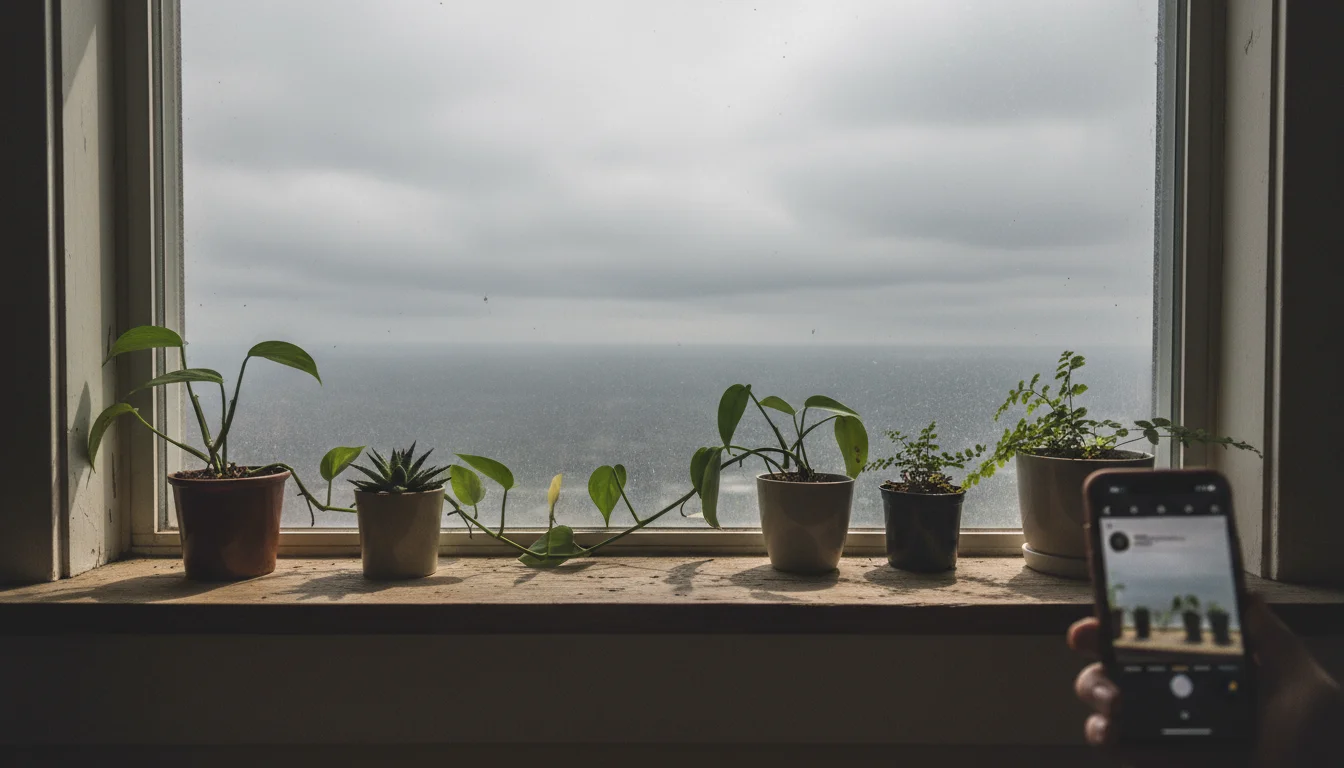
The transition from autumn to winter brings a significant reduction in natural light. This happens for several reasons that directly impact your indoor plants.
First, the sun’s angle in the sky becomes much lower, meaning sunlight enters your windows at a shallower trajectory. This often results in longer shadows and a broader distribution of diffused, rather than direct, light.
Second, daylight hours dramatically shorten. Even on a clear day, your plants receive fewer hours of precious sunlight.
Third, winter weather often includes more cloudy or overcast days, which further diminish light intensity. These factors combine to create a much dimmer environment indoors.
This light reduction is particularly hard on fussy ferns in urban apartments, which require a delicate balance of indirect brightness and moisture.
Keep in mind that as light levels drop, you may also need to create microclimates for houseplants to protect them from dry radiator heat.
For your plants, this reduced light is more than just a minor inconvenience. Light is their primary source of energy, fueling photosynthesis, the process by which they convert light into sugars for growth.
Insufficient light leads to a host of problems.
Plants may exhibit stunted growth, a stretching phenomenon known as etiolation where stems become long and spindly as they desperately reach for light, or they may simply shed their leaves as a survival mechanism, conserving energy they cannot produce.
Flowering plants might refuse to bloom, and even the most resilient `low light houseplants` can suffer if their light conditions fall below their minimum requirements.
Understanding this fundamental shift helps you appreciate why a proactive approach like light mapping becomes indispensable for your plant’s winter well-being. You are giving your plants the best chance to thrive rather than just endure.
What is Light Mapping and Why Do Your Plants Need It?
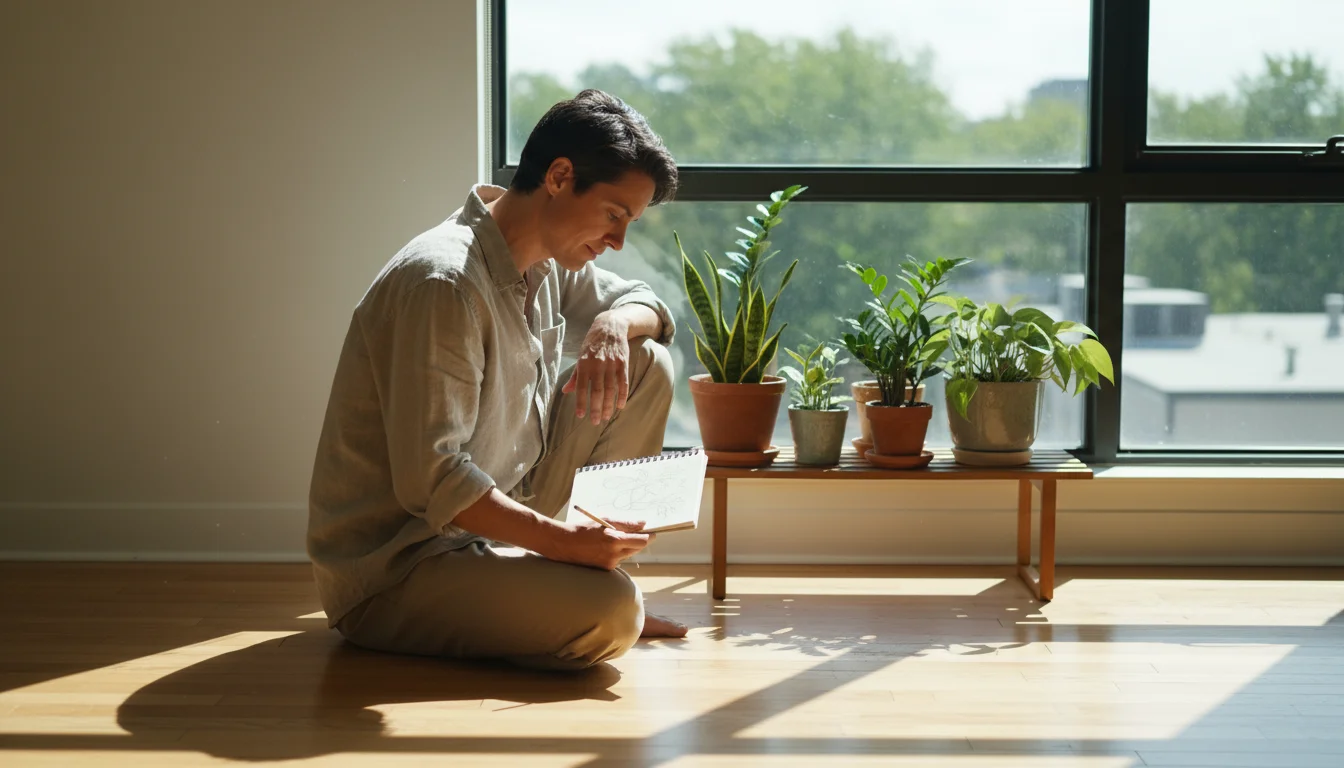
Light mapping is simply the systematic observation and recording of how sunlight moves through your home throughout the day and across the changing seasons.
It means creating a visual or written record of where the sun hits, how long it stays, and how intense that light is in different areas of your apartment.
This isn’t a complex scientific endeavor; it is a practical exercise in observation that provides invaluable data for your indoor gardening success.
Why do your plants need this level of attention, particularly in winter? Imagine trying to work efficiently without enough light.
You would struggle, make mistakes, and eventually burn out. Your plants experience something similar.
Each plant species has specific light requirements, ranging from plants that crave bright, direct sun for many hours a day to those that prefer dappled, indirect light. In summer, your windows generally offer more generous light, making optimal `indoor plant placement` easier.
However, in winter, the available light changes drastically, and a spot that was perfectly bright in July might become a dim, plant-unfriendly corner in December. By light mapping, you gain a clear, evidence-based understanding of the unique light microclimates within your apartment.
This knowledge empowers you to:
- Prevent plant stress: You can move plants before they start showing signs of distress.
- Optimize growth: Place plants where they receive their ideal light, encouraging healthy growth and blooming.
- Save money: Avoid replacing plants that suffer from poor placement.
- Reduce guesswork: You make decisions based on concrete observations, not assumptions.
- Enhance plant survival: Crucially, light mapping directly contributes to maximum winter plant survival, giving your plants the best chance to make it through the challenging season strong and healthy.
This process transforms you from a reactive gardener to a proactive plant parent, equipping you with the fundamental skill to manage your plant collection effectively, especially when `how to find the best light for plants in winter` becomes a critical question.

Tools for Your Apartment Light Mapping Expedition
Embarking on your light mapping journey does not require expensive equipment. The most crucial tools are your keen observation skills and a little bit of patience.
Gather these simple items to start `mapping sun exposure in an apartment`:
Consider keeping these mapping tools in a winter plant care tool kit so they are always ready for your weekly light audits.
- Notebook and Pen/Pencil: This is your primary data collection tool. Choose a dedicated notebook so you can refer back to your observations year after year. Record dates, times, window orientations, and specific light conditions.
- A Simple Floor Plan (Optional but Recommended): A rough sketch of your apartment, showing windows and major furniture, provides a visual aid for marking light patterns. You do not need to be an artist; stick figures and basic shapes suffice.
- Compass (or Smartphone Compass App): Knowing your windows’ orientations (North, South, East, West) is fundamental. A compass helps you accurately determine which direction each window faces, which directly correlates to the type and duration of light it receives. South-facing windows typically get the most direct, intense light; East-facing windows receive gentle morning sun; West-facing windows get intense afternoon sun; and North-facing windows offer consistent, indirect light.
- Clock or Watch: Accurate timekeeping helps you record the duration of direct light exposure in specific spots.
- Camera (Smartphone Camera Works): Taking photos at different times of day and from various angles can provide a visual log of light patterns. You can compare these photos over time and across seasons.
- Plant Tags or Labels: Once you determine ideal spots, use these to temporarily mark areas for specific plant light needs (e.g., “High Light Spot,” “Medium Light Zone”).
- Light Meter (Optional): While not strictly necessary for beginners, a dedicated light meter (or a smartphone app that approximates light levels, though less accurate) provides objective measurements of light intensity. This can be particularly useful for identifying subtle differences between seemingly similar spots or for precisely measuring very `low light houseplants` requirements. If you choose to use one, ensure it measures in foot-candles or lux for consistency.
These tools, combined with your commitment to observation, form your complete toolkit for accurately light mapping your living space. Remember, consistency in your observations is more important than specialized equipment.
You are building a knowledge base that benefits your plants for years to come.

Step-by-Step Guide to Mapping Sun Exposure in Your Apartment
Mapping sun exposure in your apartment is a methodical process that unfolds over several days or even weeks. Winter is the ideal time to do this, as it represents the minimum light conditions your plants will face.
Here is your step-by-step guide to `how to find the best light for plants in winter`:
When you finally move your plants to these newly mapped zones, remember to acclimate them properly to prevent shock from sudden changes in light intensity.
If your mapping reveals a plant is in a container that’s too small for its new sunny spot, you can still tackle winter repotting projects without creating a mess.
Since lower light levels mean your plants will use less water, using a soil moisture meter can help prevent root rot during the dark months.
While you are observing your interior windows, you can also apply these principles to balcony garden design to prepare for the spring planting season.
- Orient Your Space:
- First, use your compass or phone app to identify the cardinal directions of each window. Label them on your rough floor plan: North, South, East, West.
- Understand the general light characteristics of each orientation:
- South-facing: Receives the most direct, intense light for the longest duration, especially strong in winter.
- East-facing: Gets gentle, direct morning sun for a few hours.
- West-facing: Receives intense afternoon sun, which can be strong but also fleeting in winter.
- North-facing: Offers consistent, indirect, often lower light throughout the day.
- Observe and Record Daily:
- For at least one week, and ideally two, dedicate time each day to observing the light in your apartment. Choose a typical week, avoiding unusually sunny or unusually cloudy days if possible, or record both.
- Morning (e.g., 8:00 AM – 11:00 AM): Note which windows receive direct sun, the intensity, and the reach of that light into the room. Is it a sharp beam, or diffused brightness?
- Mid-day (e.g., 11:00 AM – 2:00 PM): This is often when `winter sunlight` is at its peak. Observe how the light has shifted. Does the direct sun now hit a different part of the room? How long does it stay there?
- Afternoon (e.g., 2:00 PM – 5:00 PM): Track the westward movement of the sun. Note how shadows lengthen and light fades.
- Record your observations in your notebook or on your floor plan. Be specific: “South window, 10 AM-1 PM, direct sun reaches 3 feet into room. Intense.” or “North window, 9 AM-5 PM, consistently bright but indirect light.”
- Track Direct Sun Duration:
- For each promising spot, use your clock to time how many hours of direct sunlight it receives. Direct sunlight is when the sun’s rays actually hit the plant’s leaves. This is critical for plants needing “full sun.”
- Also, note areas that receive bright, indirect light (e.g., near a window but out of direct sun) and consistently low light.
- Identify Obstructions and Reflections:
- Consider external factors like neighboring buildings, trees, or awnings that block light. These change seasonally too; deciduous trees lose leaves, allowing more light in winter.
- Note internal factors like heavy curtains, blinds, or even large pieces of furniture that cast shadows.
- Look for reflective surfaces, like mirrors or light-colored walls, which can bounce light and increase ambient brightness in a room.
- Create Your Light Map:
- After your observation period, transfer your notes into a consolidated light map. You can refine your floor plan or simply write a summary for each area.
- Categorize each significant area (e.g., “South window sill,” “North wall, 5 feet from window”) by its light intensity and duration. For example:
- High Light: 4+ hours of direct sun daily.
- Medium Light: 2-4 hours of direct sun OR consistently bright indirect light all day.
- Low Light: Minimal or no direct sun, but consistent ambient light.
By following these steps, you build a detailed understanding of your apartment’s light profile. This personalized map becomes your ultimate guide for optimal `indoor plant placement`, ensuring each plant receives the light it needs to thrive through winter.
Deciphering Light Levels: Bright, Medium, and Low Light
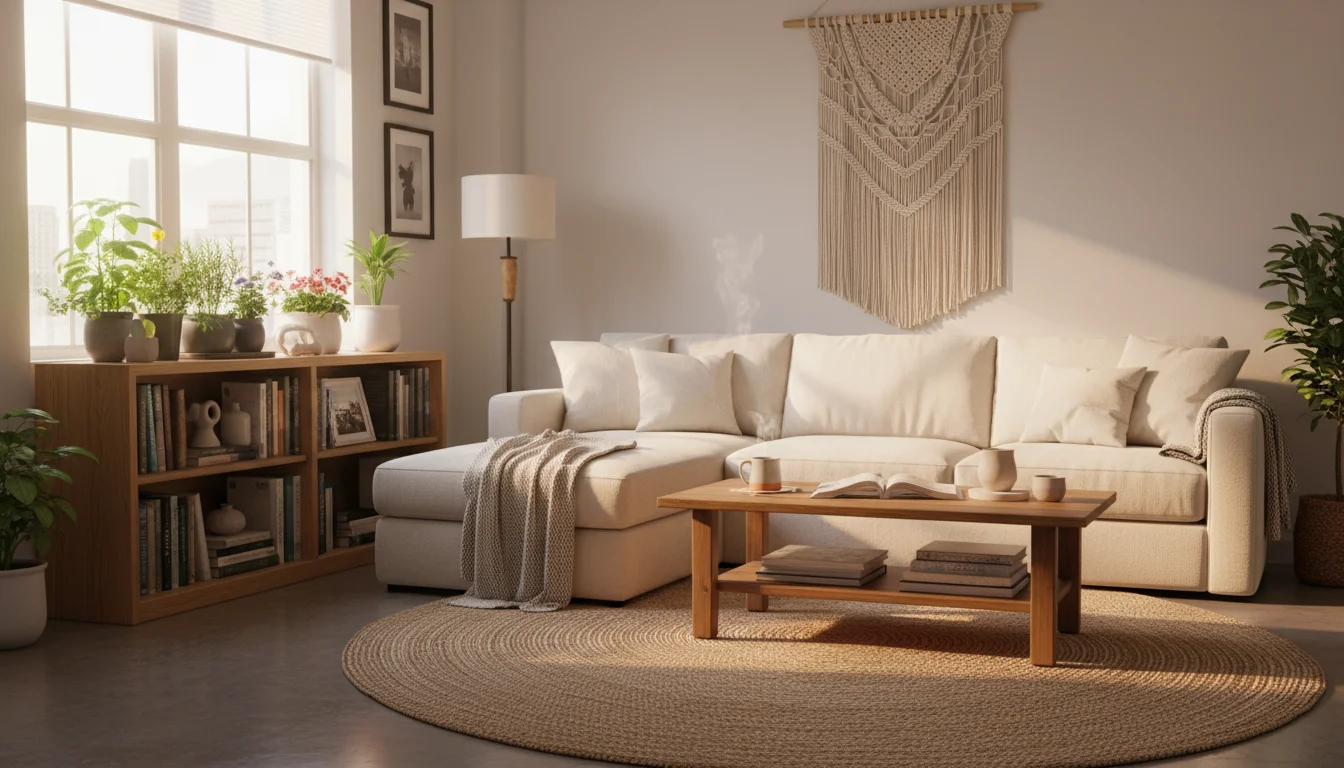
Understanding the general categories of light helps you match your plants to your newly mapped zones. These terms are often used in plant care guides, but their practical meaning can vary.
Here, we break them down simply:
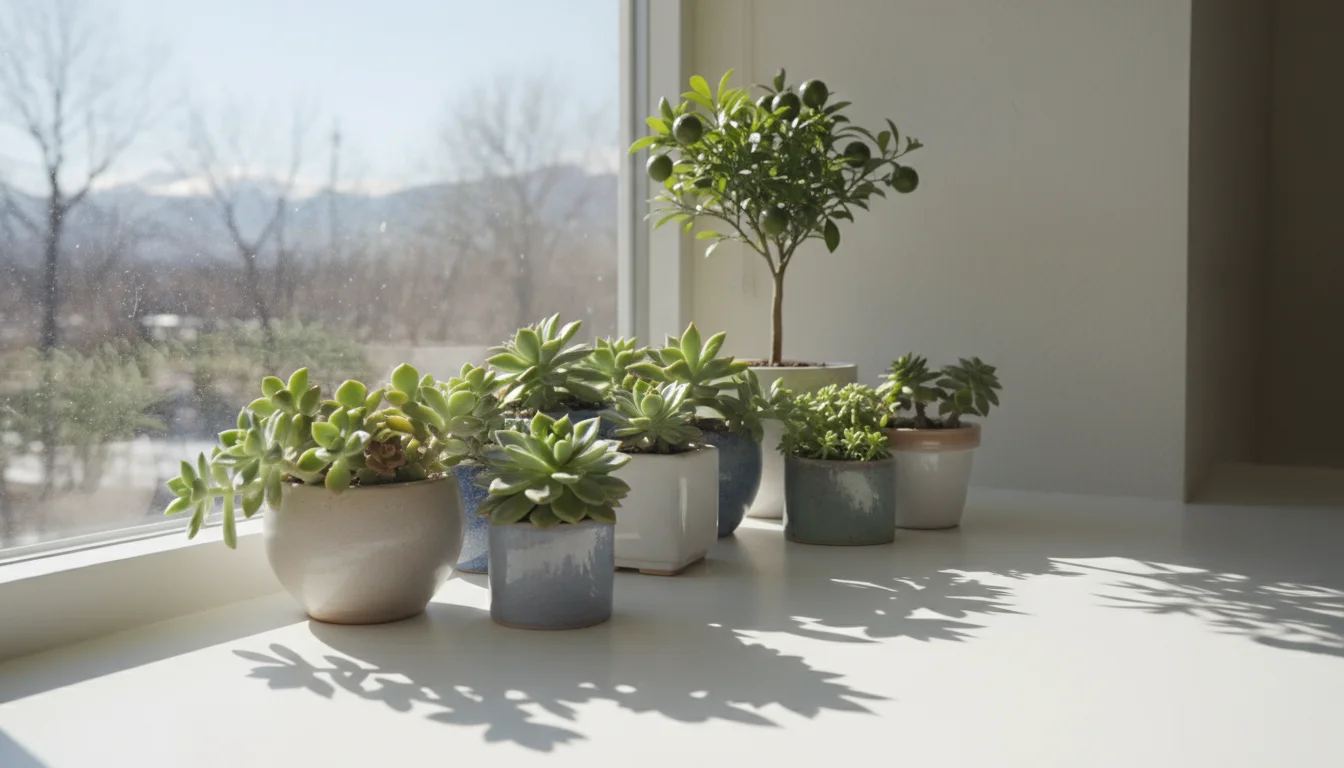
Bright, Direct Light (High Light)
This refers to areas that receive at least four to six hours, or more, of direct, unobstructed sunlight each day. The sun’s rays directly hit the leaves of your plants.
In winter, this usually means a south-facing window, or possibly an unobstructed west-facing window in the afternoon. Plants in these spots will cast a very sharp, distinct shadow.
This intense light is crucial for sun-lovers. Examples of plants that thrive in bright, direct light include: most succulents and cacti, citrus plants, hibiscus, bird of paradise, and some herbs like rosemary or basil.
Even though winter light is weaker, a south-facing window remains the brightest spot in your home.
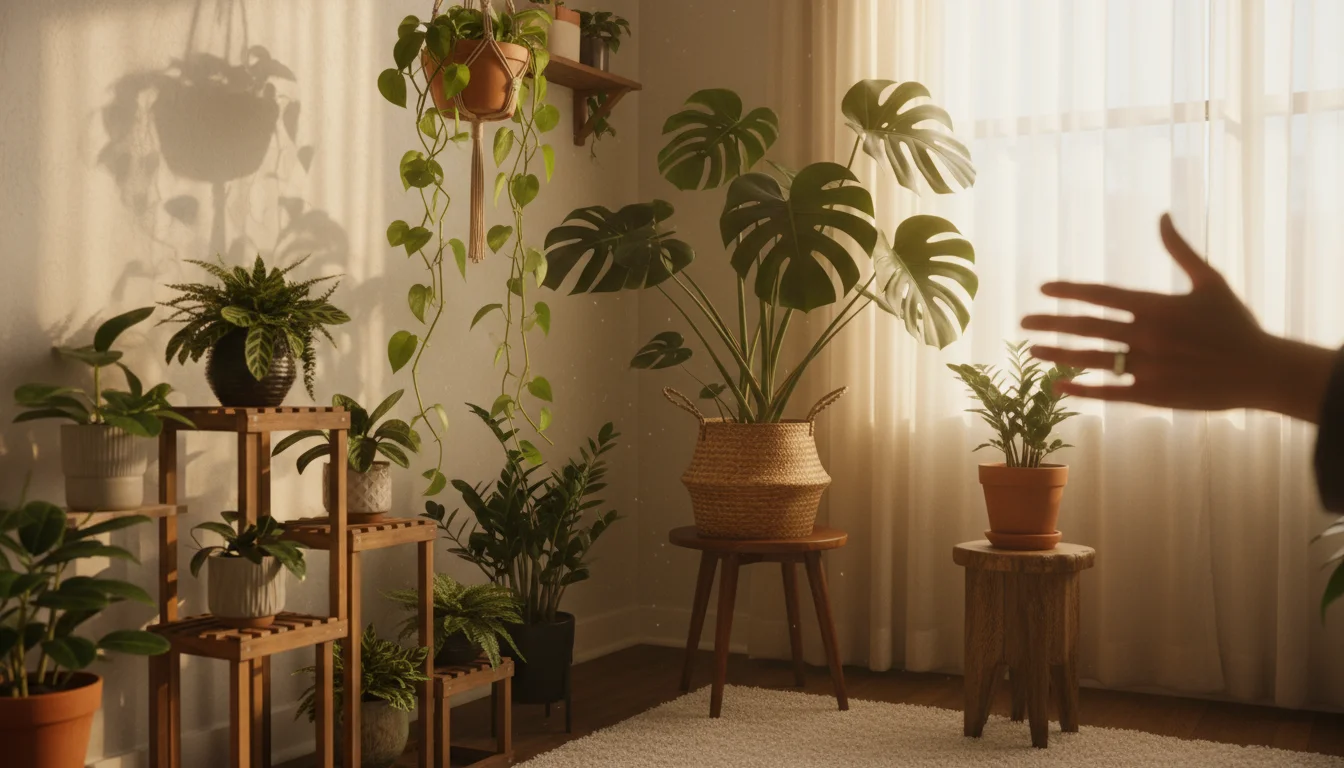
Bright, Indirect Light (Medium Light)
These areas receive plenty of ambient brightness throughout the day but are shielded from the direct glare of the sun.
This could be a few feet away from a south or west-facing window, or directly in front of an east-facing window where the morning sun is gentle, or even an unobstructed north-facing window that provides consistent, soft light.
If you hold your hand in these spots, you will see a soft, blurry shadow. Most common houseplants prefer bright, indirect light, as direct sun can scorch their leaves.
Examples include: Monstera deliciosa, Philodendron, Pothos, ZZ Plant, Snake Plant, prayer plant, and most ferns. This category represents the sweet spot for many popular `indoor plant placement` choices.
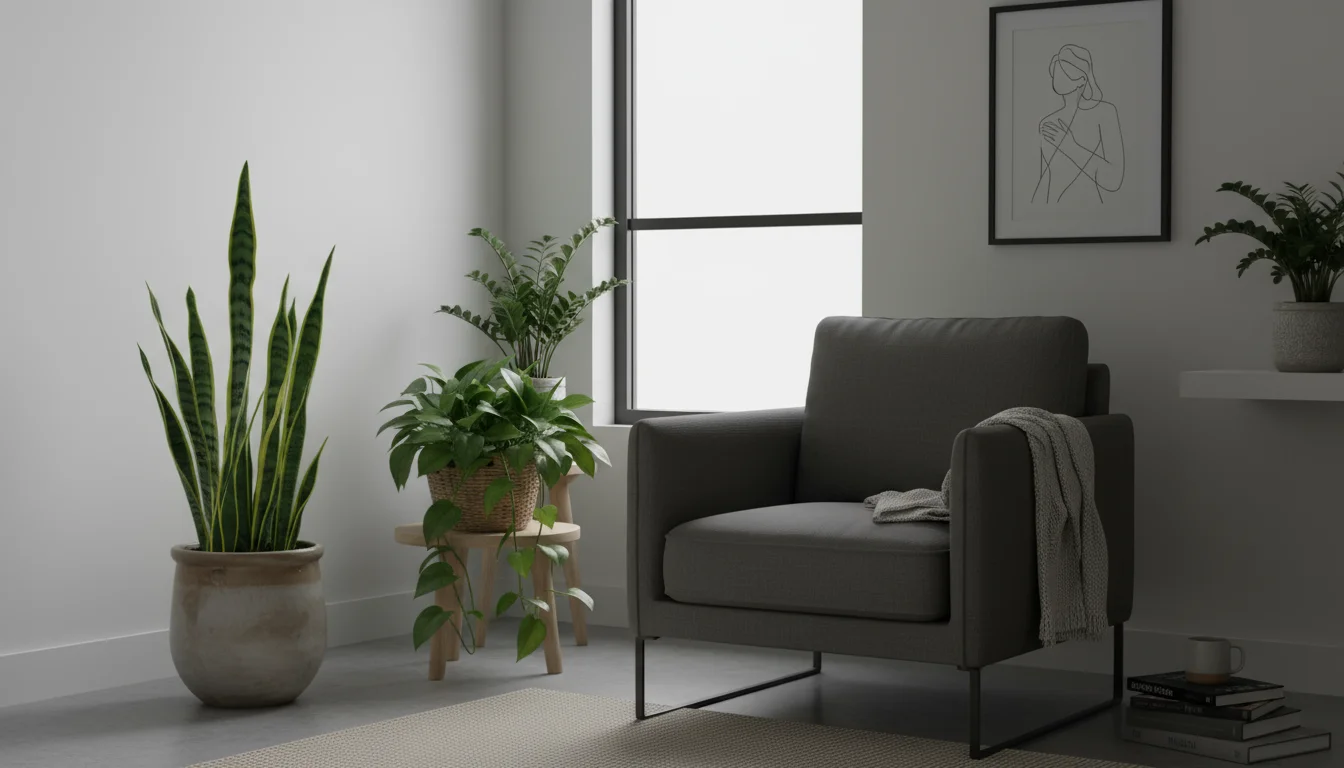
Low Light (Partial Shade/Shade)
Low light areas receive very little direct sunlight, if any, and only dim, ambient light for much of the day.
This might be a corner far from a window, a spot in a room with only north-facing windows, or an area heavily shaded by exterior obstructions. In these spots, your hand will cast a faint, almost imperceptible shadow, or no shadow at all.
While no plant truly thrives in “no” light, some are remarkably tolerant of significantly reduced light levels. These are your `low light houseplants` champions.
Examples include: Cast Iron Plant, Pothos (will tolerate, but grow slower), ZZ Plant (will tolerate, but grow slower), Snake Plant (will tolerate, but grow slower), Lucky Bamboo, and some varieties of dracaena.
Be realistic about what can survive in these truly dim spots; slow growth is normal here.
By accurately categorizing the light in your apartment’s zones and understanding these definitions, you empower yourself to make intelligent decisions about where to place each of your green companions, giving them the best chance for survival and health throughout the winter months.
This knowledge becomes central to your personalized `indoor plant placement` strategy.
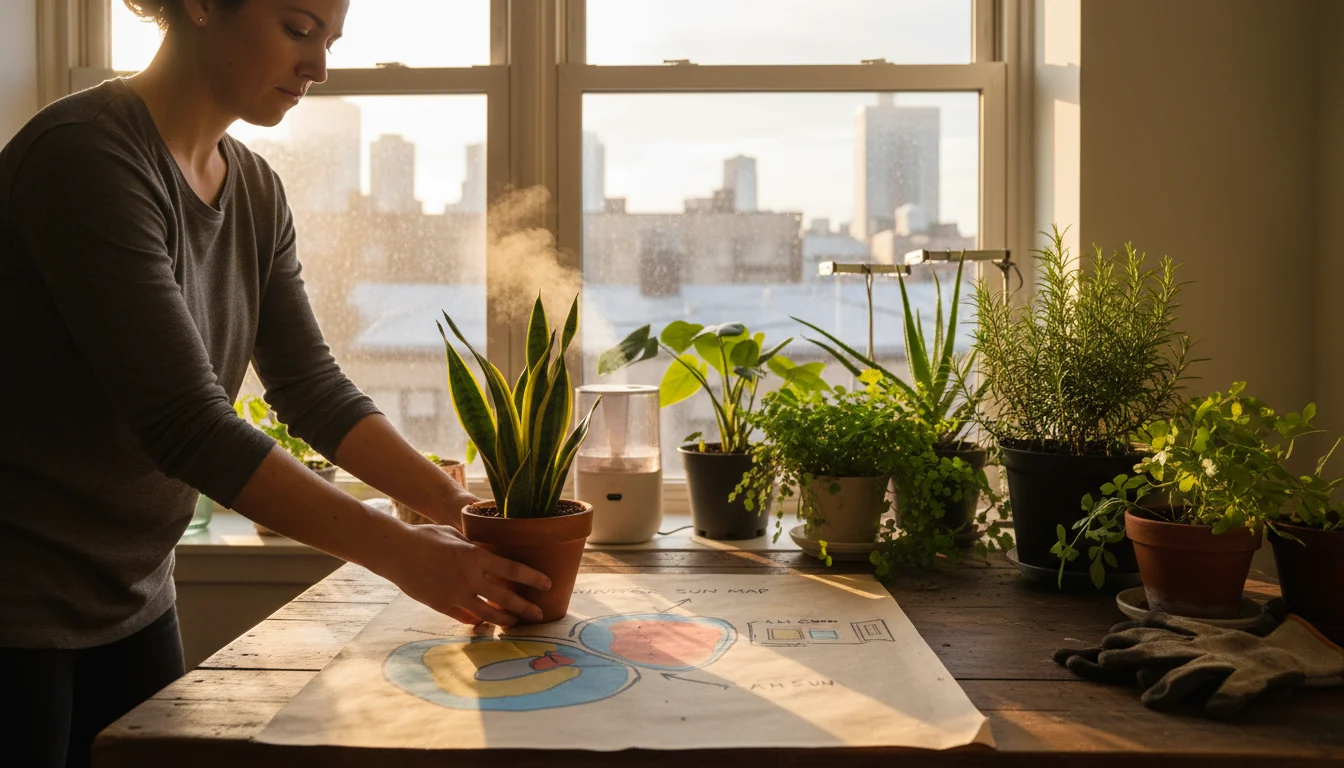
Optimizing Plant Placement: Matching Plants to Your Mapped Zones
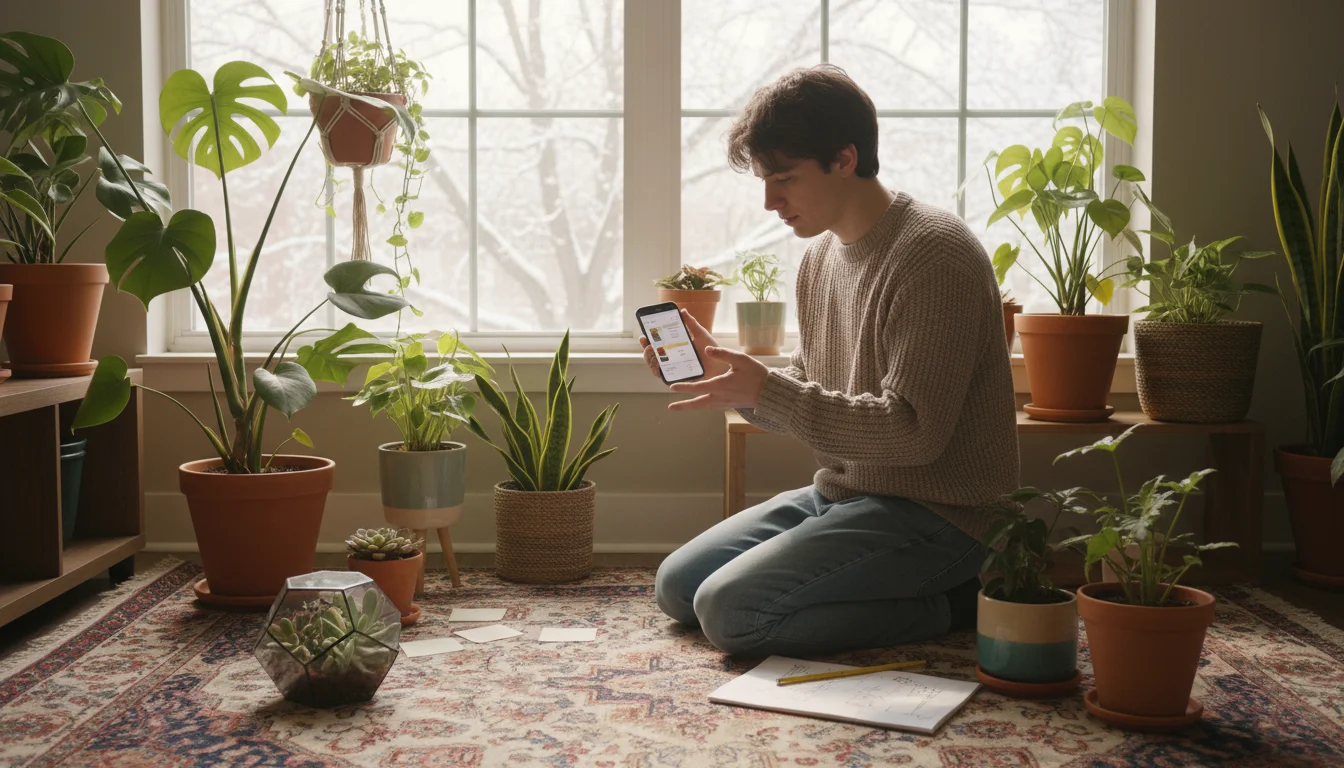
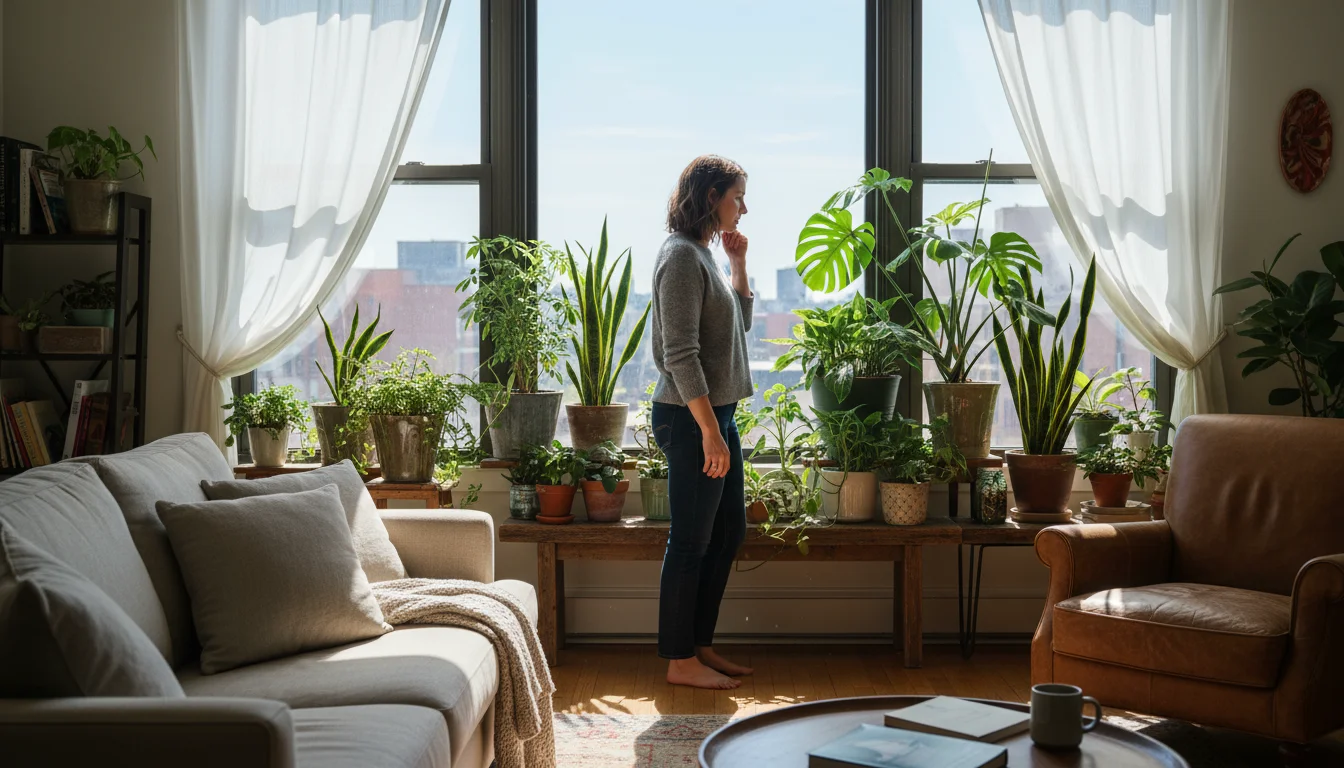
With your apartment’s light map in hand and a clear understanding of light categories, you are now ready to revolutionize your `indoor plant placement` for winter survival. This is where your detective work pays off.
The goal is simple: match your plants’ specific light needs to the zones you have identified. This proactive step prevents winter shock and encourages continued health.
Step-by-Step Placement Strategy:
- Review Your Plant Inventory: Go through your plant collection. For each plant, research its specific light requirements. If you are unsure, a quick search for “[Plant Name] light requirements” usually provides clear guidance. Group your plants into “High Light,” “Medium Light,” and “Low Light” categories.
- Allocate High-Light Plants: Place your sun-loving plants (succulents, cacti, citrus, hibiscus) directly in your identified high-light zones. This typically means south-facing windows or very bright, unobstructed west-facing spots. Remember that `winter sunlight` is weaker, so even a strong light spot might barely meet the minimum for some plants.
- Position Medium-Light Plants: Most of your common houseplants will fall into this category. Distribute them in your bright, indirect light zones. This could be near east-facing windows, a few feet back from south or west windows, or in consistently bright north-facing spots. Ensure they receive ample ambient light without getting scorched by direct rays.
- Find Homes for Low-Light Tolerant Plants: For your `low light houseplants`, use the dimmest areas you identified. While they tolerate low light, they still need some ambient brightness. Avoid placing them in genuinely dark corners where no natural light reaches. Rotating these plants occasionally to slightly brighter spots for a day or two can also provide a small boost.
- Consider Grouping and Microclimates:
- Grouping: Placing plants together can slightly increase humidity around them, which is beneficial in dry winter air. Just ensure you are grouping plants with similar light needs.
- Microclimates: Be aware of subtle differences. A spot next to a heat vent will be drier and hotter, even if the light is good. A shelf near a drafty window might be too cold. Your light map is a guide; observe how individual plants react in their new spots.
- Rotate and Monitor: Even in their ideal winter spots, plants benefit from rotation. Turn them every week or two to ensure all sides receive adequate light, preventing uneven growth (leggy on one side, dense on the other). Regularly check for signs of stress or adjustment, such as leaf drop, yellowing, or stretching. Be ready to make small adjustments based on their response.
By strategically implementing your light map, you move beyond guesswork.
You are creating a tailored environment that directly addresses `how to find the best light for plants in winter`, ensuring your plants not only survive the season but continue to add joy and vibrancy to your small space.
Beyond Light: Other Winter Plant Care Considerations
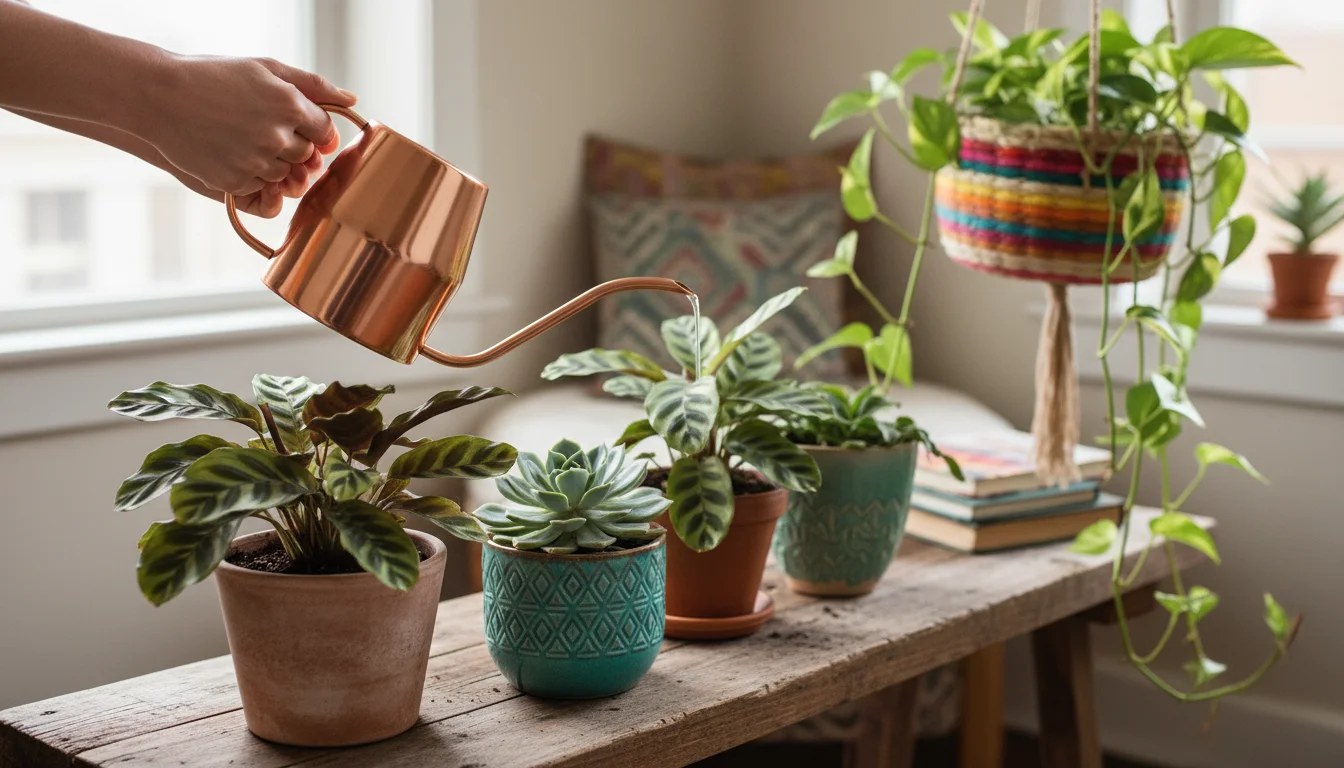
While mastering `mapping sun exposure in an apartment` is paramount for winter plant survival, light is only one piece of the puzzle. Several other environmental factors shift dramatically in colder months, requiring your attention.
By addressing these alongside light, you provide a holistic care regimen that truly helps your plants thrive.
Watering Wisely
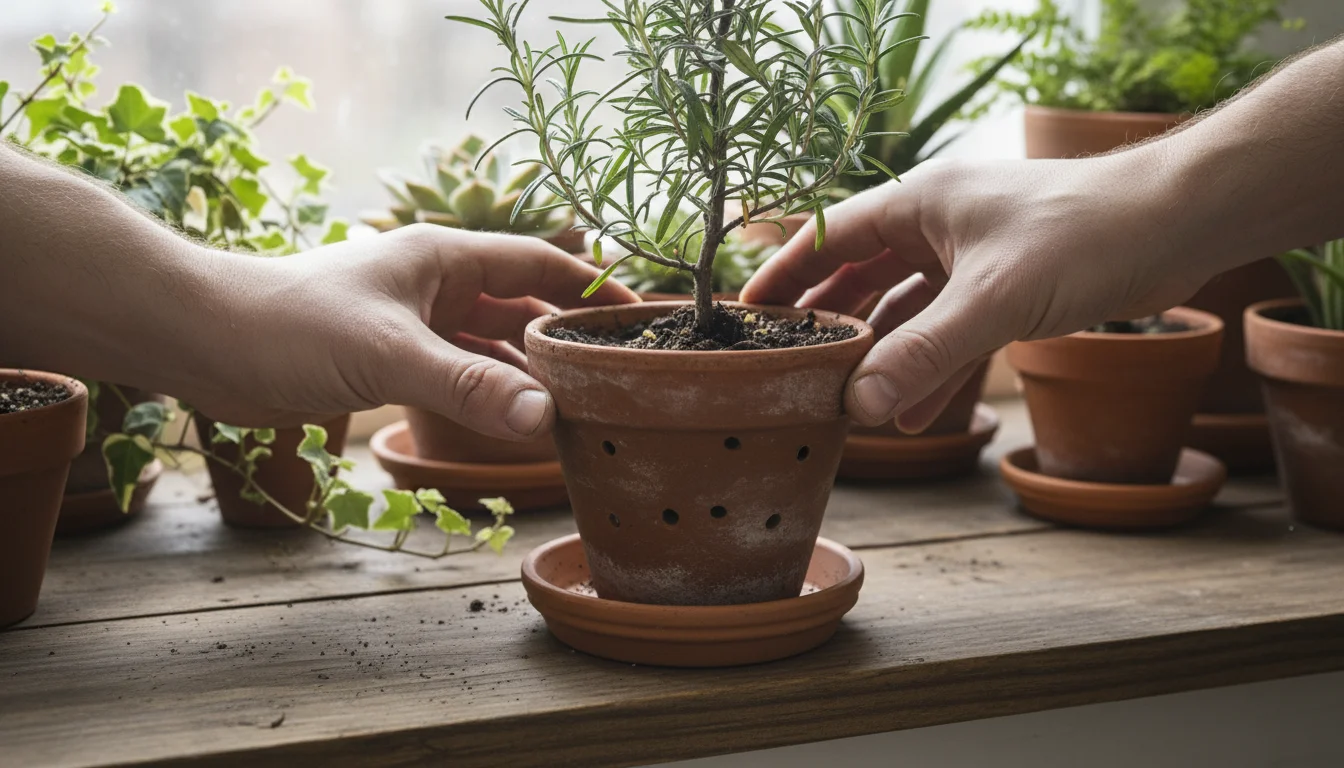
Plants generally slow their growth significantly in winter due to reduced light and cooler temperatures. This means they require less water.
Overwatering is one of the most common causes of plant death during winter. Always check the soil moisture before watering.
Stick your finger about an inch or two into the soil; if it feels damp, wait. If it is dry, then water thoroughly until water drains from the bottom of the pot.
Ensure your pots have good drainage, which is how water moves through the soil and exits the container. Never let plants sit in standing water.
Adjust your watering schedule based on individual plant needs and the specific conditions in your home.
Humidity Control
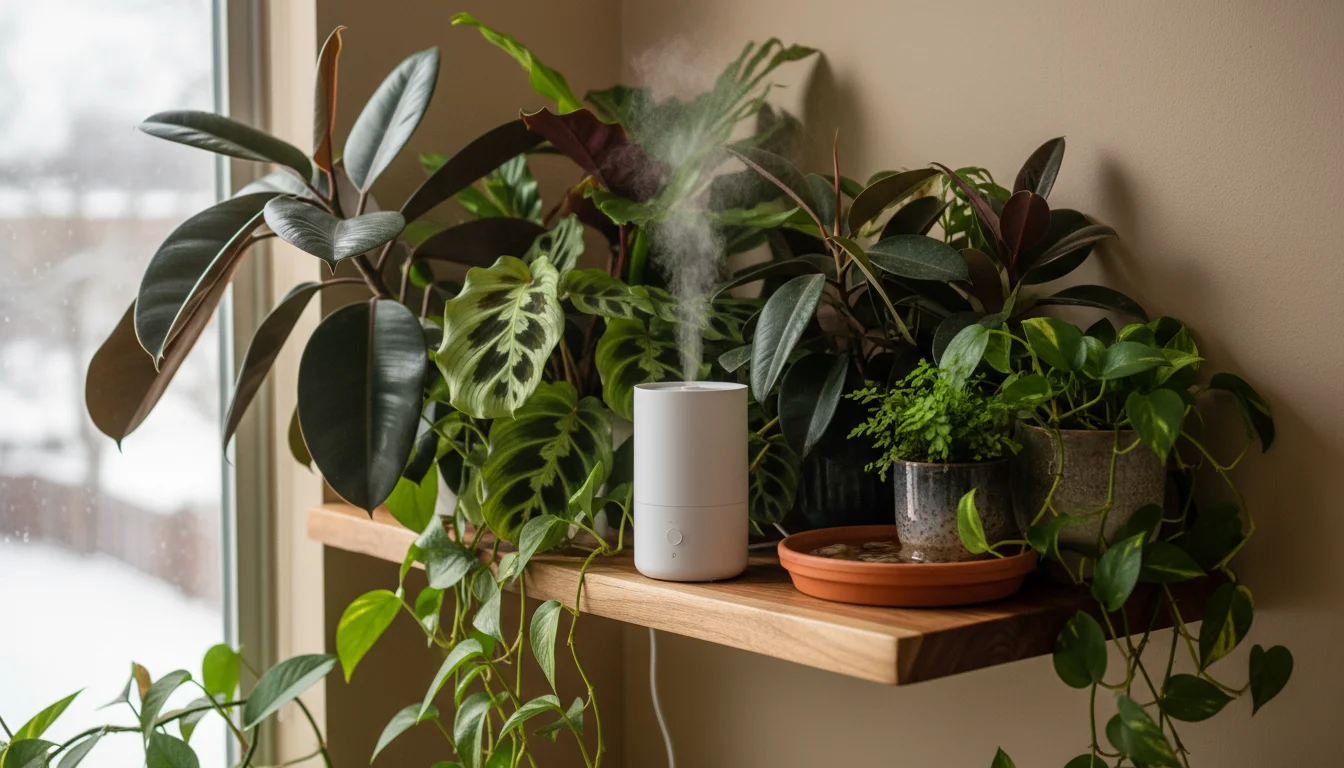
Heaters and furnaces dry out indoor air dramatically in winter, often to levels far below what many tropical houseplants prefer. Low humidity leads to crispy leaf edges, browning tips, and makes plants more susceptible to pests.
You can combat this in several ways:
- Pebble Trays: Place pots on trays filled with pebbles and water. Ensure the pot sits on the pebbles, not directly in the water. As the water evaporates, it increases local humidity.
- Humidifiers: A small room humidifier can significantly boost humidity for a cluster of plants.
- Grouping Plants: Placing several plants together creates a microclimate where their collective transpiration raises local humidity.
- Misting: While satisfying, misting offers only a temporary, minor increase in humidity. It can be part of a routine, but do not rely on it as your sole solution.
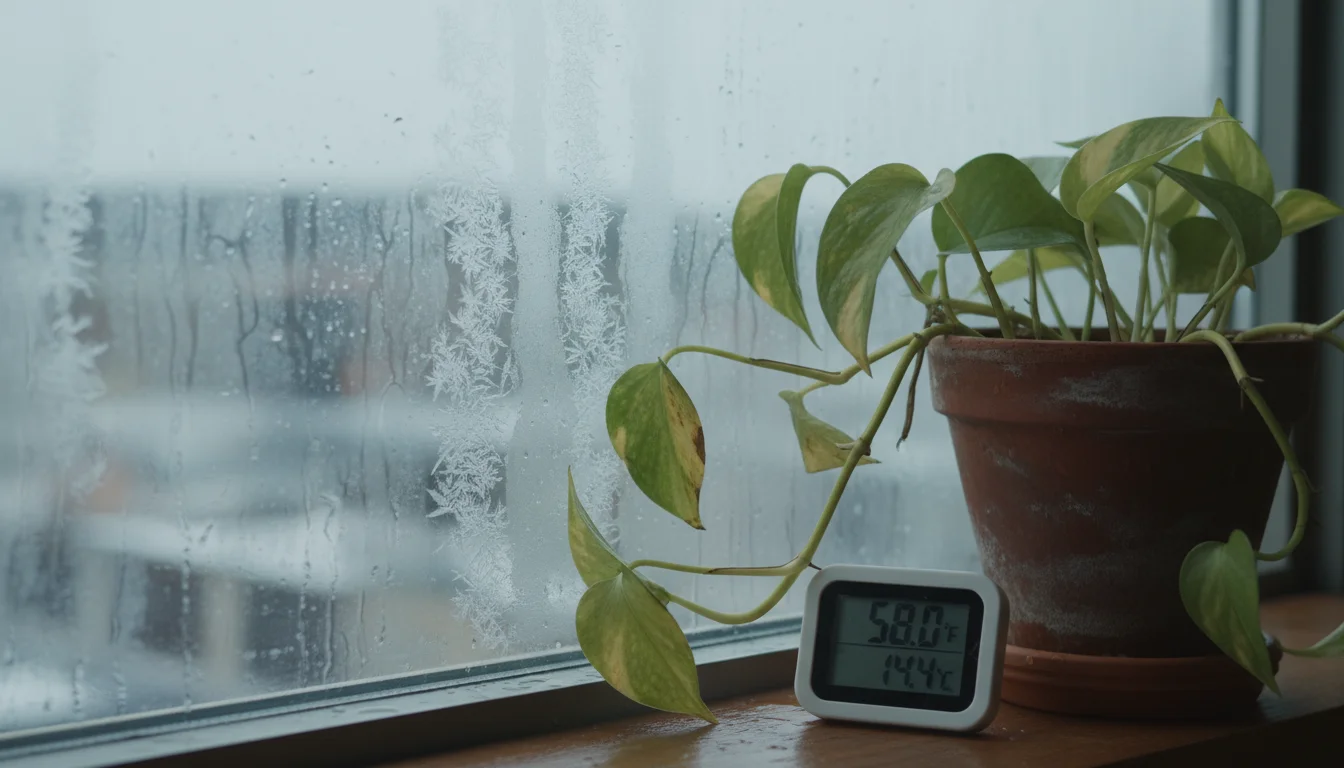
Temperature Fluctuations
Most houseplants prefer consistent temperatures, ideally between 65-75°F (18-24°C). Avoid placing plants directly next to drafty windows, exterior doors, or heat vents.
Sudden temperature drops or blasts of hot, dry air can stress plants, leading to leaf drop or stunted growth. Keep an eye on night temperatures; some plants tolerate a slight dip, but extreme cold near windows can be detrimental.
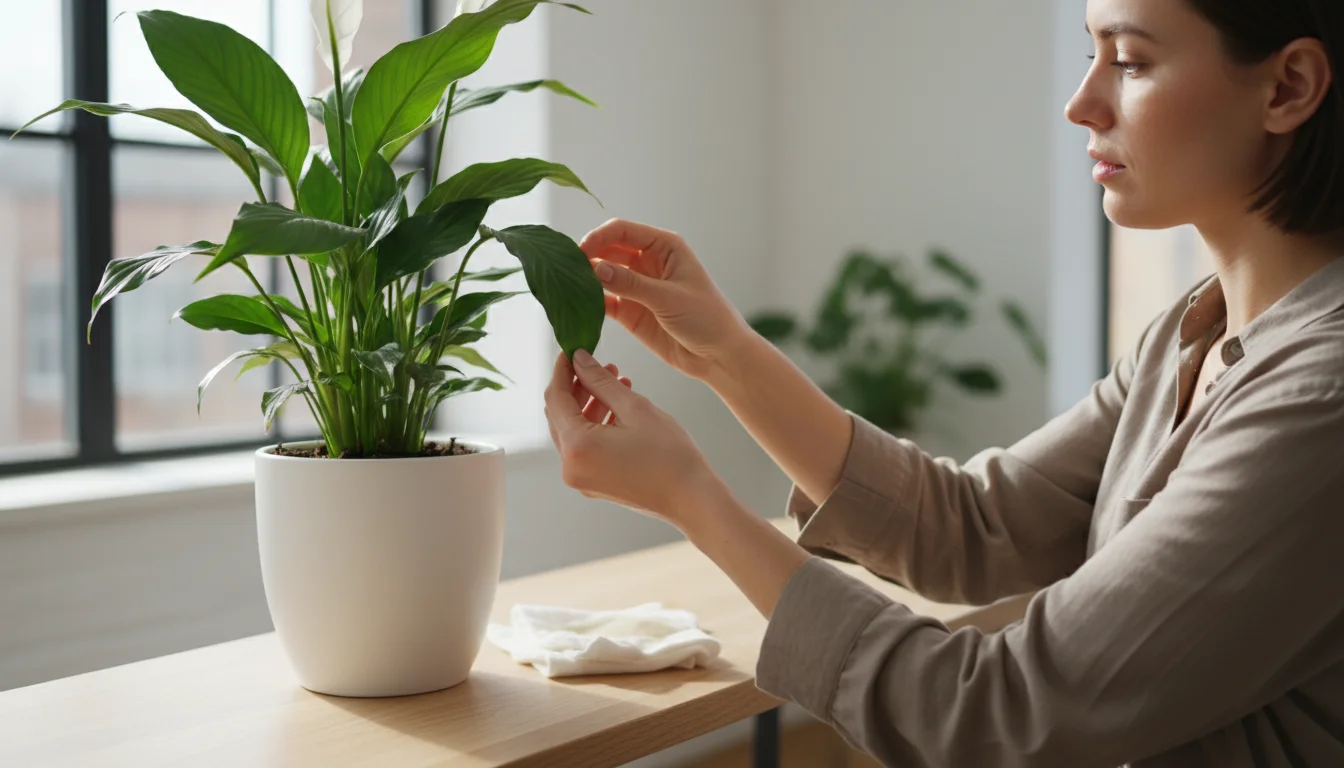
Pest Surveillance
Stressed plants are more vulnerable to pests. The dry air of winter also creates ideal conditions for common houseplant pests like spider mites.
Regularly inspect your plants, paying close attention to the undersides of leaves and stem joints. Early detection makes pest control much easier.
A gentle wipe-down with a damp cloth can remove dust and small insects. For more information on plant health and care, you can visit resources like the American Public Gardens Association.
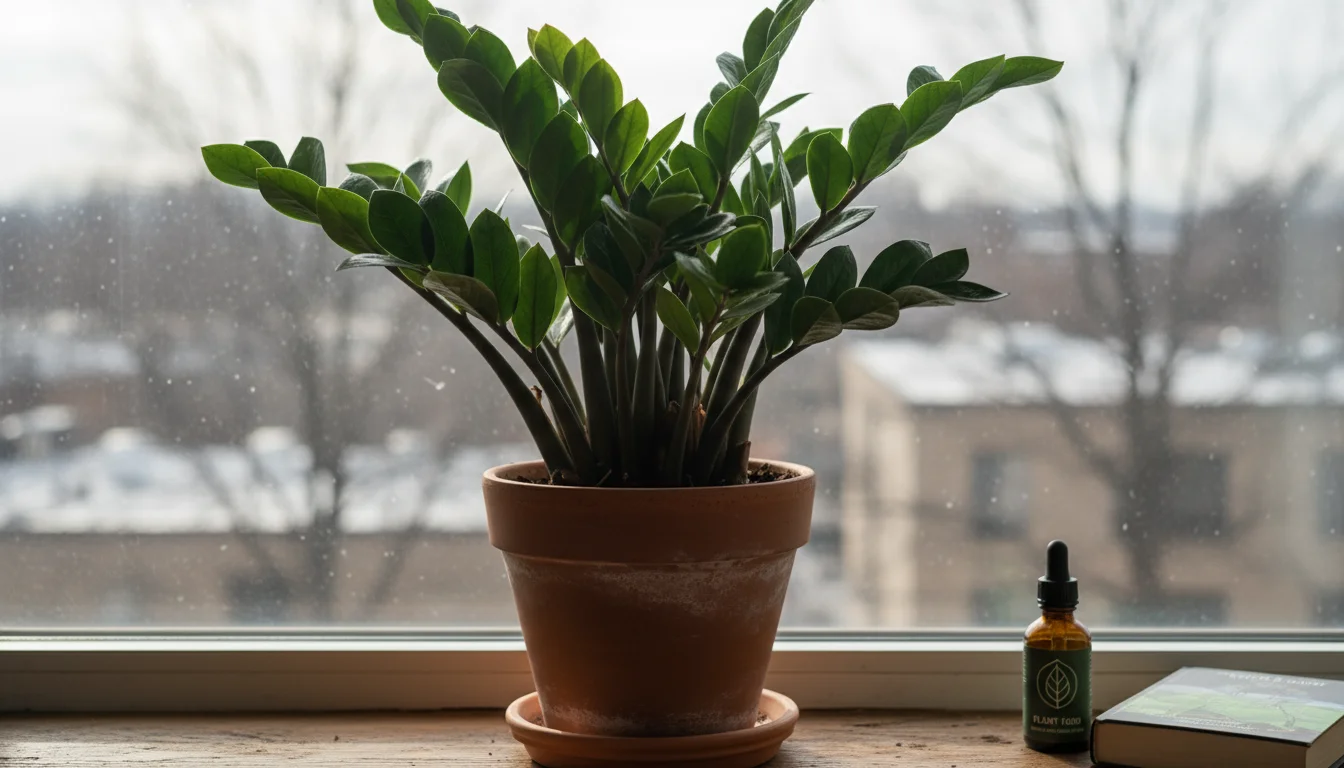
Fertilizing Less, or Not At All
During their reduced growth period in winter, most houseplants do not need fertilizer. Providing nutrients when they are not actively growing can lead to nutrient buildup and root burn.
Resume fertilizing in spring when you observe new growth and increasing light levels. This aligns with the natural rhythm of your plants, promoting sustainable growth.
By integrating these winter care considerations with your light mapping strategy, you provide your plants with the comprehensive support they need to not just survive but genuinely thrive throughout the darkest months.
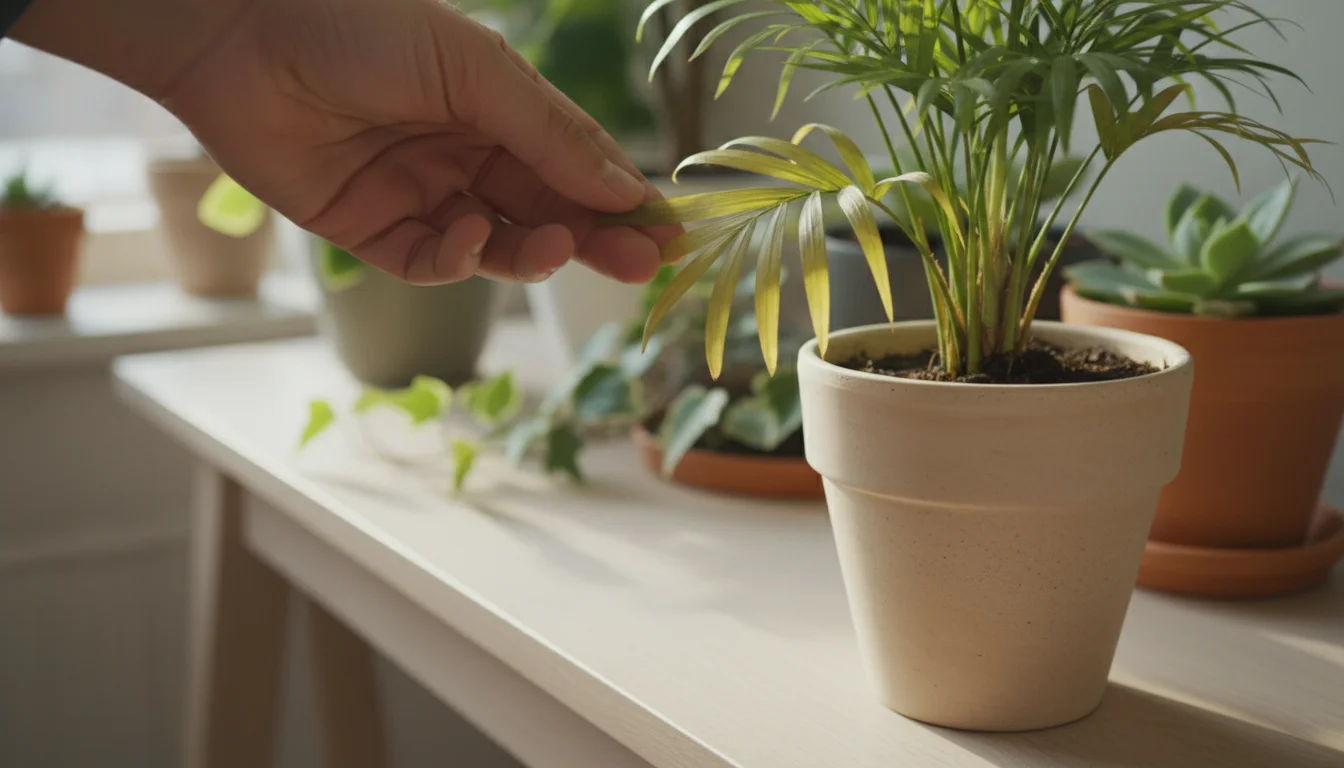
Troubleshooting Common Winter Light Challenges
Even with careful light mapping and attentive care, your plants might still show signs of distress during winter. Do not get discouraged.
These are often clues, indicating that a subtle adjustment is needed. Here are common issues you might encounter and practical solutions:
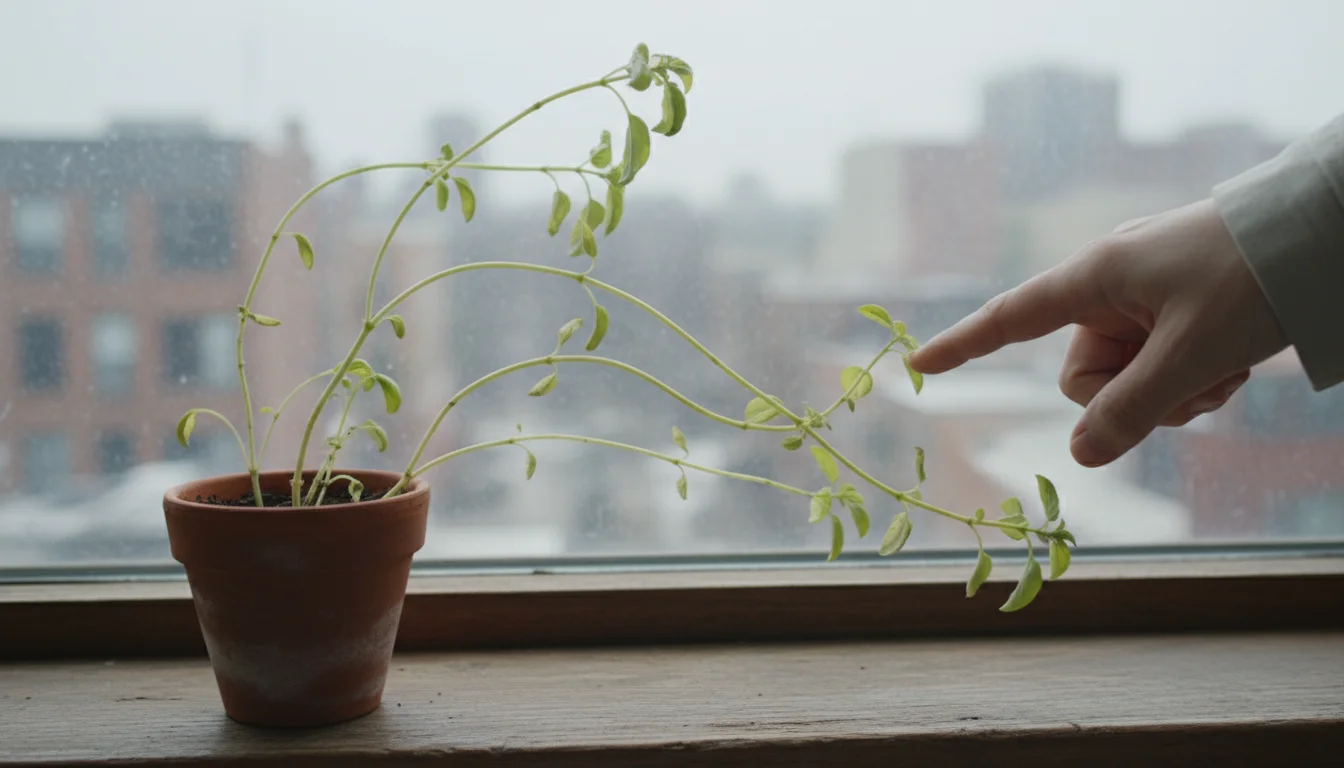
Leggy Growth or Etiolation
Symptom: Stems become long, thin, and stretched out, with widely spaced leaves. Leaves might also appear smaller or paler than usual.
This is your plant literally stretching to find more light.
Solution: Your plant needs more intense light. Relocate it to a brighter spot, ideally one with more hours of direct `winter sunlight` as identified on your light map.
If natural light is truly insufficient, consider supplementing with a grow light. Prune back the leggy growth to encourage bushier, more compact new growth when light improves.
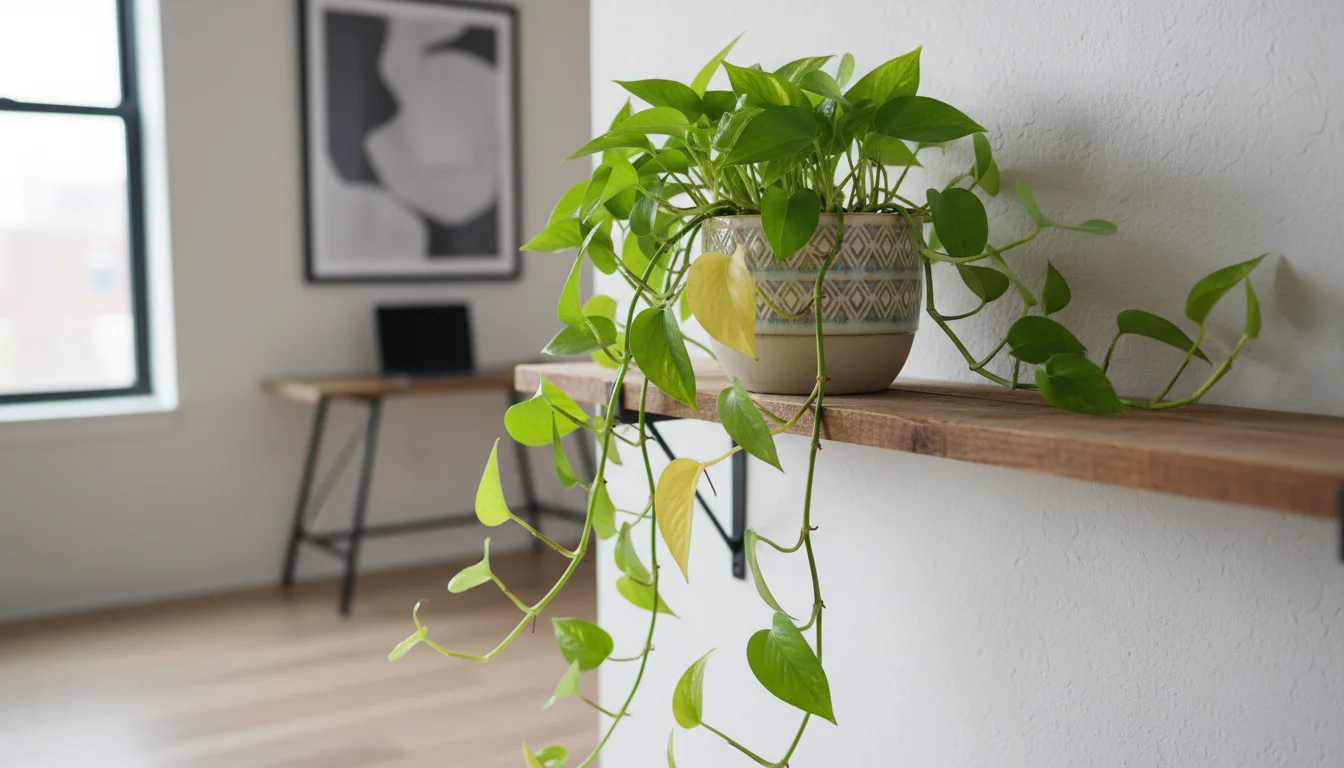
Yellowing and Dropping Lower Leaves
Symptom: Older, lower leaves turn yellow and then fall off, while newer growth appears healthy.
Solution: This can be a sign of insufficient light combined with overwatering. With less light, plants use less water.
Check your soil moisture carefully. Ensure the soil dries out between waterings.
Also, assess if the plant is receiving adequate light; even if it is in a “medium light” zone, winter light might push it towards needing a brighter spot.
Sometimes, it is a natural shedding process if only a few old leaves are lost, but excessive loss indicates stress.
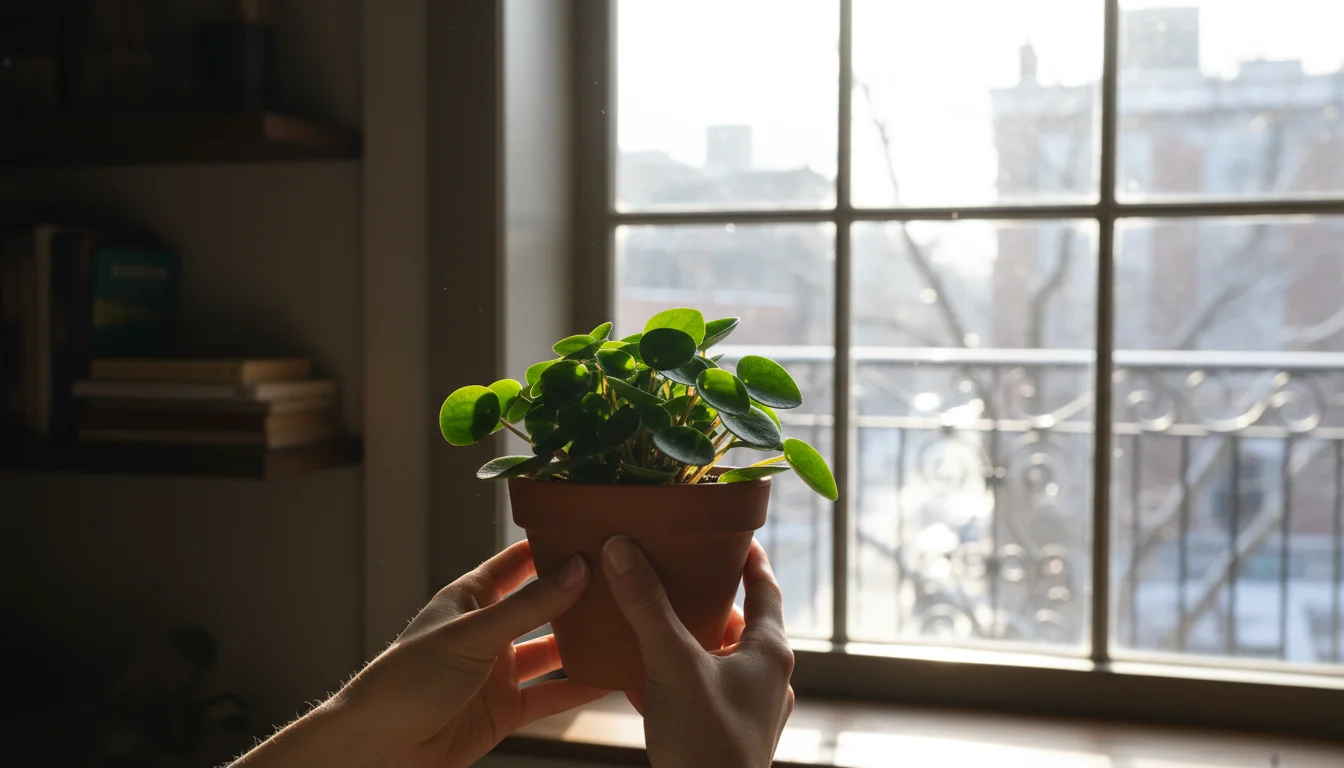
Slow or Stagnant Growth
Symptom: Your plant simply stops growing, producing no new leaves or very tiny ones.
Solution: While a natural slowdown in winter is normal, completely stagnant growth often points to low light. Review your `indoor plant placement`.
Can you move it closer to a window, even by a foot or two? Ensure it is not overshadowed by other plants or furniture.
For certain plants, this might be their natural winter dormancy, but for many, a slight increase in light can encourage gentle, healthy winter growth.
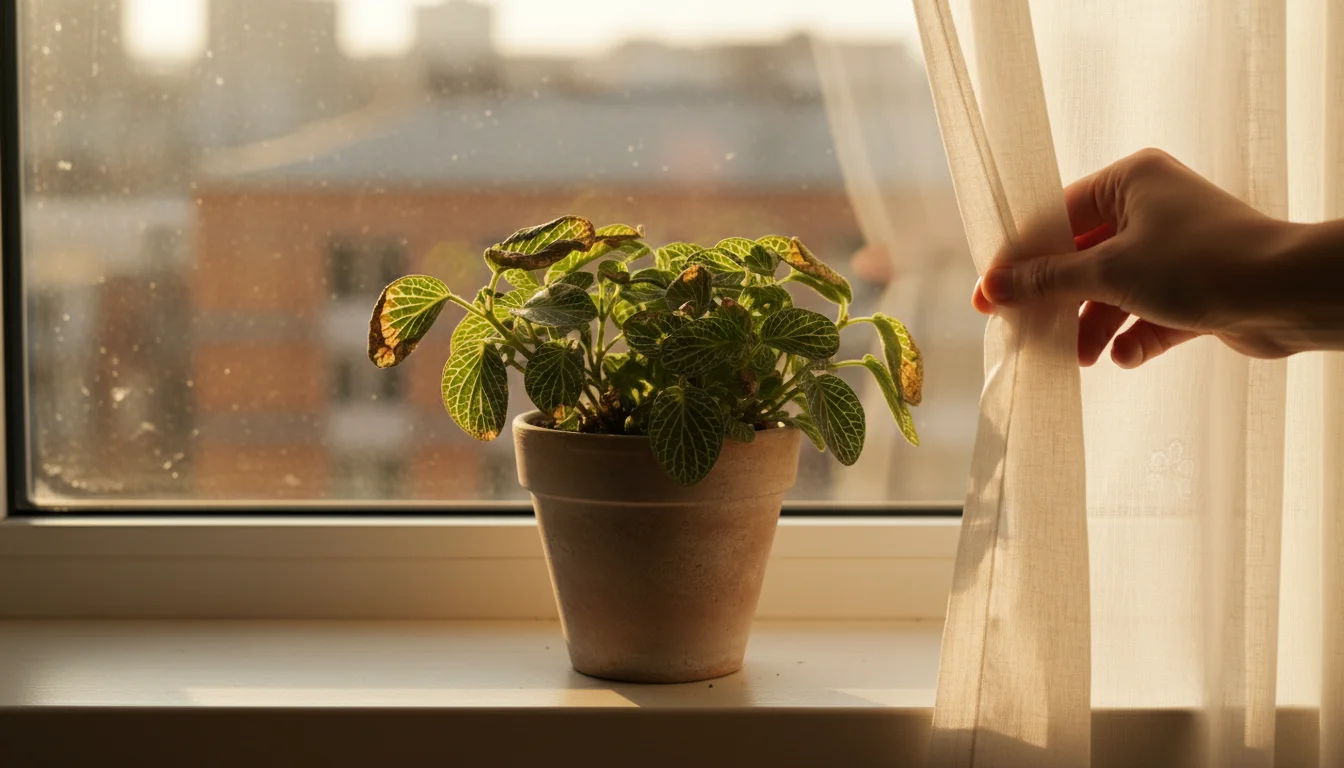
Scorched or Brown Spots on Leaves
Symptom: Brown, crispy patches appear on leaves, often on the side facing the window.
Solution: Surprisingly, even in winter, some plants can get too much direct sun, especially if moved suddenly into a very bright spot or if they are traditionally `low light houseplants`. This is more common with west-facing windows that deliver intense afternoon sun.
Move the plant slightly back from the window or use a sheer curtain to diffuse the light. Ensure the brown spots are not also a sign of low humidity, as this can look similar.
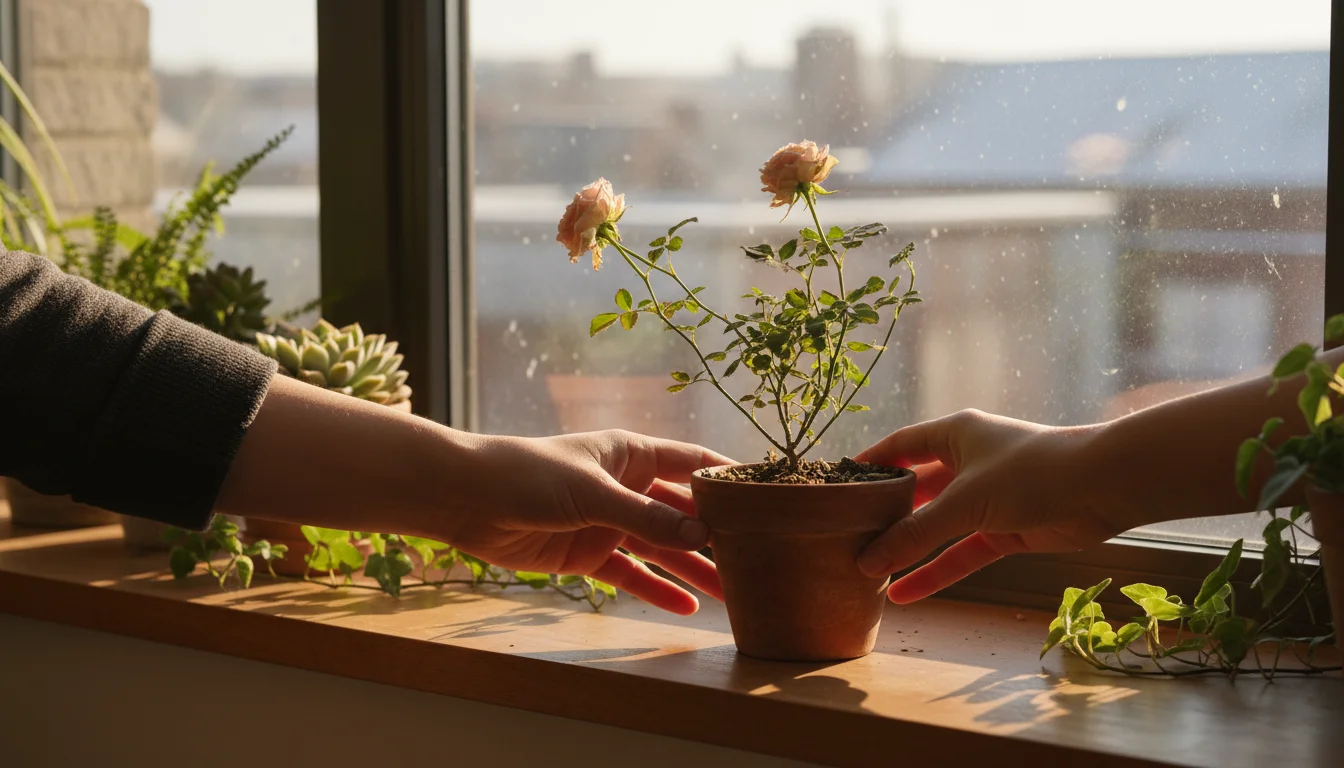
Lack of Flowers or Bud Drop
Symptom: Your flowering plant is not producing buds or drops them before they open.
Solution: Many flowering plants require specific light conditions, often very bright, indirect light or even several hours of direct sun, to produce blooms. If your plant is not flowering, it almost certainly indicates insufficient light.
Relocate it to your brightest available spot. Some flowering plants also need cooler nighttime temperatures or specific humidity levels to initiate blooming, so consider those factors as well.
By understanding these common winter plant dilemmas, you can quickly diagnose and address issues, ensuring your green companions remain vibrant and healthy until spring arrives. This continuous observation and adjustment are crucial parts of successful `indoor plant placement` and overall plant care.
Frequently Asked Questions
When is the best time to perform light mapping?
The best time to perform light mapping is during late autumn or early winter. This period represents the lowest natural light levels your plants will experience, giving you an accurate baseline for their most challenging season.
Observing over several days or a week gives you the most comprehensive understanding of light patterns.
Do I need a special grow light if my apartment has very little natural light?
For many `low light houseplants`, you might manage without a grow light, accepting slower growth. However, if your apartment has exceptionally poor natural light, or if you want to grow light-loving plants like herbs or flowering varieties, a grow light becomes a valuable investment.
Even a small, inexpensive LED grow light can make a significant difference in boosting `winter sunlight` for your plants.
How often should I move my plants once I have mapped my apartment?
Ideally, once you find the optimal `indoor plant placement` based on your light map, you should not need to move your plants frequently during winter. However, regular observation is key.
If a plant shows signs of stress (leggy growth, yellowing leaves), consider a minor adjustment. You might also rotate plants every week or two to ensure even light exposure on all sides.
As seasons change, particularly from winter to spring, you might need to re-evaluate placement.
Can light mapping help with more than just winter plant survival?
Absolutely. While especially critical for `how to find the best light for plants in winter`, the skill of light mapping applies year-round.
Understanding the light dynamics of your space helps you optimize plant placement in spring and summer too, preventing sunburn, encouraging vigorous growth, and ensuring your plants always receive their ideal amount of light for any season. It is a fundamental skill for any small-space gardener.
What about artificial light sources in my home? Do they count?
Standard household light bulbs (incandescent, fluorescent, typical LEDs) generally do not provide the necessary spectrum or intensity of light for plant growth. While they might offer a tiny amount of ambient light, they are usually insufficient to sustain plant life long-term, especially for photosynthesis.
For a light source to effectively contribute to your plant’s energy, it typically needs to be a dedicated grow light designed for horticulture, providing the correct wavelengths (blue and red light) at sufficient intensity. Do not rely on your ceiling lights for plant sustenance.
Armed with your light map, you now possess the knowledge to transform your apartment into a thriving green haven, even during the darkest winter months. This practical skill empowers you to make informed decisions, ensuring your plants do more than just survive; they flourish.
Happy gardening!
For trustworthy gardening information, visit:
Lady Bird Johnson Wildflower Center, Botanic Gardens Conservation International, American Public Gardens Association and Plant Select (Colorado). These organizations provide expert, research-based advice for gardeners at all levels.
Disclaimer: This article is for informational purposes only and is not a substitute for professional gardening advice. Always consult local extension services or horticulture experts for region-specific guidance.