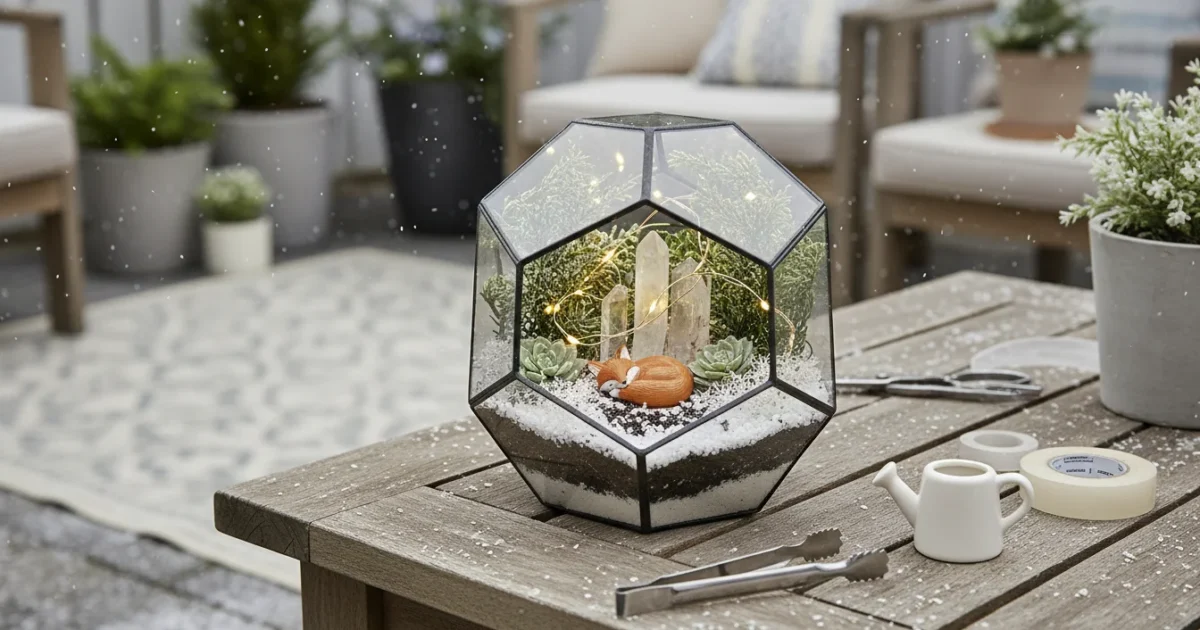
As winter’s chill settles in, many gardeners miss the vibrant life of their outdoor spaces. But you do not need a sprawling yard or even a large patio to keep the joy of gardening alive. Imagine a miniature world, thriving under glass on your kitchen counter or a sunny windowsill. This is the magic of a DIY terrarium, a self-contained ecosystem that brings lush greenery indoors, creating a beautiful and low-maintenance winter garden project.
If you enjoy creating these miniature worlds, you might also like these festive holiday garden projects for seasonal decorating.
Terrariums offer a unique opportunity to connect with nature, even in the smallest apartments or homes. They are perfect for beginners, highly customizable, and require minimal upkeep once established. This guide empowers you to construct your own thriving tabletop terrarium, transforming a simple glass container into a living piece of art.
What is a Terrarium and Why Create One?
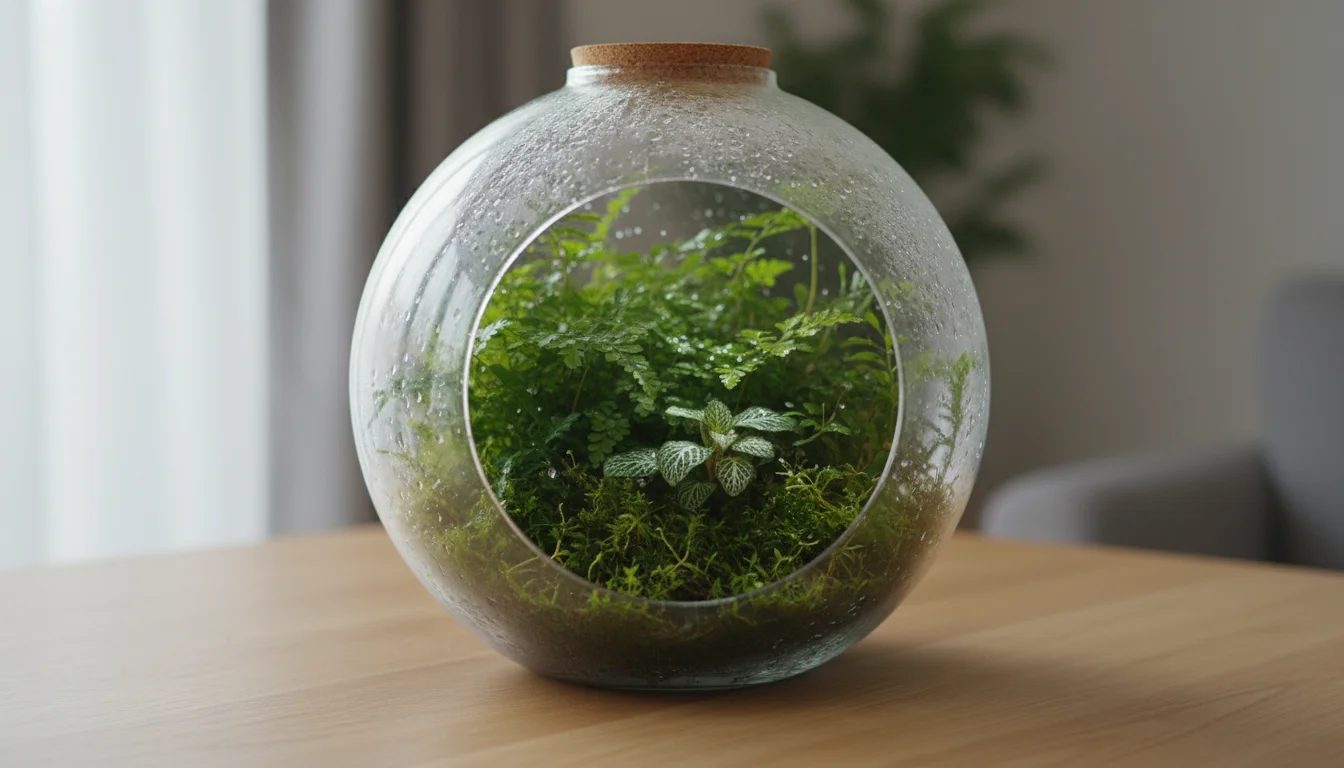
A terrarium is essentially a miniature garden sealed within a transparent container, usually glass. It functions as a self-sustaining ecosystem, mimicking the natural water cycle found on Earth. Water within the terrarium evaporates from the soil and plants, condenses on the cooler glass walls, and then drips back down, watering the plants. This closed loop creates a humid environment perfect for certain types of plants, and it greatly reduces the need for frequent watering. Open terrariums, while not fully enclosed, also benefit from the contained environment, offering a bit more air circulation.
If your hobby grows beyond a few jars, you can always build a space-saving seed starting shelf to keep your indoor garden organized.
Engaging with these tiny ecosystems is one of many mindful winter houseplant rituals that can help you stay connected to nature during the colder months.
If you enjoy working with moss and glass, you might also like the tactile experience of making Japanese moss balls as a complementary winter project.
The concept of a terrarium dates back to 1827 when botanist Nathaniel Bagshaw Ward accidentally discovered that plants could thrive in sealed glass bottles. This accidental discovery revolutionized the transport of plants across oceans and eventually became a beloved indoor gardening trend. Today, a DIY terrarium offers a fantastic way to enjoy indoor gardening DIY, especially when outdoor conditions are less than ideal.
Why should you embark on this miniature winter garden project? There are several compelling reasons:
- Low Maintenance: Once established, closed terrariums require very little attention. The self-watering cycle means you might only need to mist or add a few drops of water once every few weeks, or even months. This makes them ideal for busy individuals or those new to gardening.
- Space-Saving: Terrariums are perfect for small spaces. A tiny glass jar can house a lush green world on a desk, a shelf, or a small apartment balcony. They bring greenery into your home without demanding valuable floor space.
- Humidity Haven: Many tropical plants thrive in the high humidity a closed terrarium provides, a stark contrast to the dry air of heated indoor environments during winter.
- Aesthetic Appeal: A well-designed terrarium is a living piece of art, adding natural beauty and a calming presence to any room. It offers a unique focal point and sparks conversation.
- Educational: Creating and observing a terrarium teaches you about ecosystems, plant biology, and the water cycle in a tangible, fascinating way. It is a rewarding experience for all ages.
- Year-Round Greenery: Escape the winter blues by cultivating a vibrant, living display that reminds you of spring and summer, no matter the weather outside.
Choosing Your Terrarium Container
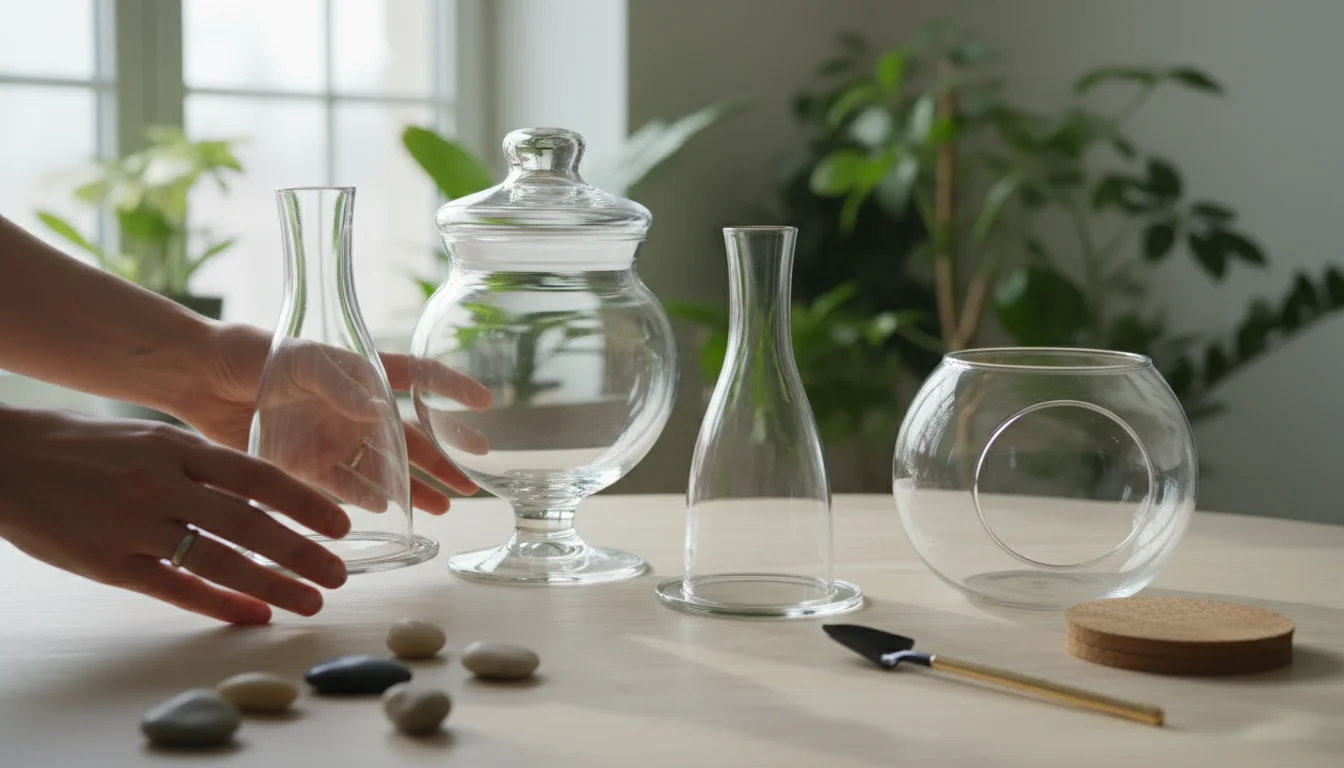
The foundation of your miniature winter garden is the container. This choice significantly impacts the health of your plants and the overall aesthetic. Look for clear glass containers that allow plenty of light to penetrate. While glass is traditional, you can also use clear plastic, although glass often provides better clarity and durability.
Similarly, sprouting an avocado seed in a glass is another excellent way to repurpose clear containers for winter growth.
If you have extra jars after building your terrarium, they are also perfect for growing edible sprouts to add a fresh harvest to your kitchen.
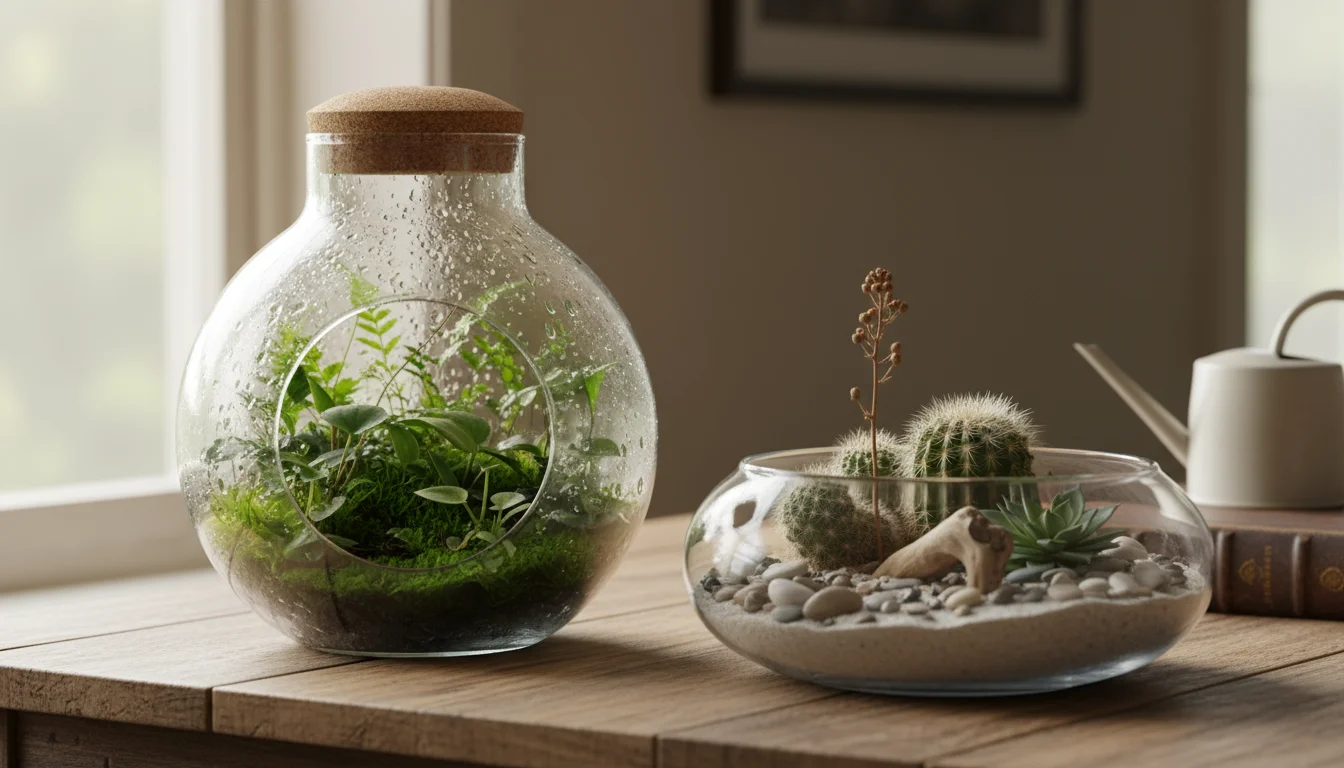
Closed vs. Open Terrariums: What’s the Difference?
- Closed Terrariums: These have a lid, stopper, or cork that seals completely. They create a high-humidity, self-sustaining environment. Ideal for moisture-loving plants like ferns and mosses. This is often the best choice for a true miniature winter garden as it protects plants from dry indoor air.
- Open Terrariums: These have an open top or a lid that does not seal tightly, allowing for more air circulation. They are suitable for plants that prefer less humidity, such as succulents and cacti. While beautiful, they require more frequent watering than closed terrariums and might not be as effective at combating winter dryness for many plants.
For this guide, we will focus on how to make a closed terrarium for beginners, which provides that truly self-contained, low-maintenance experience.
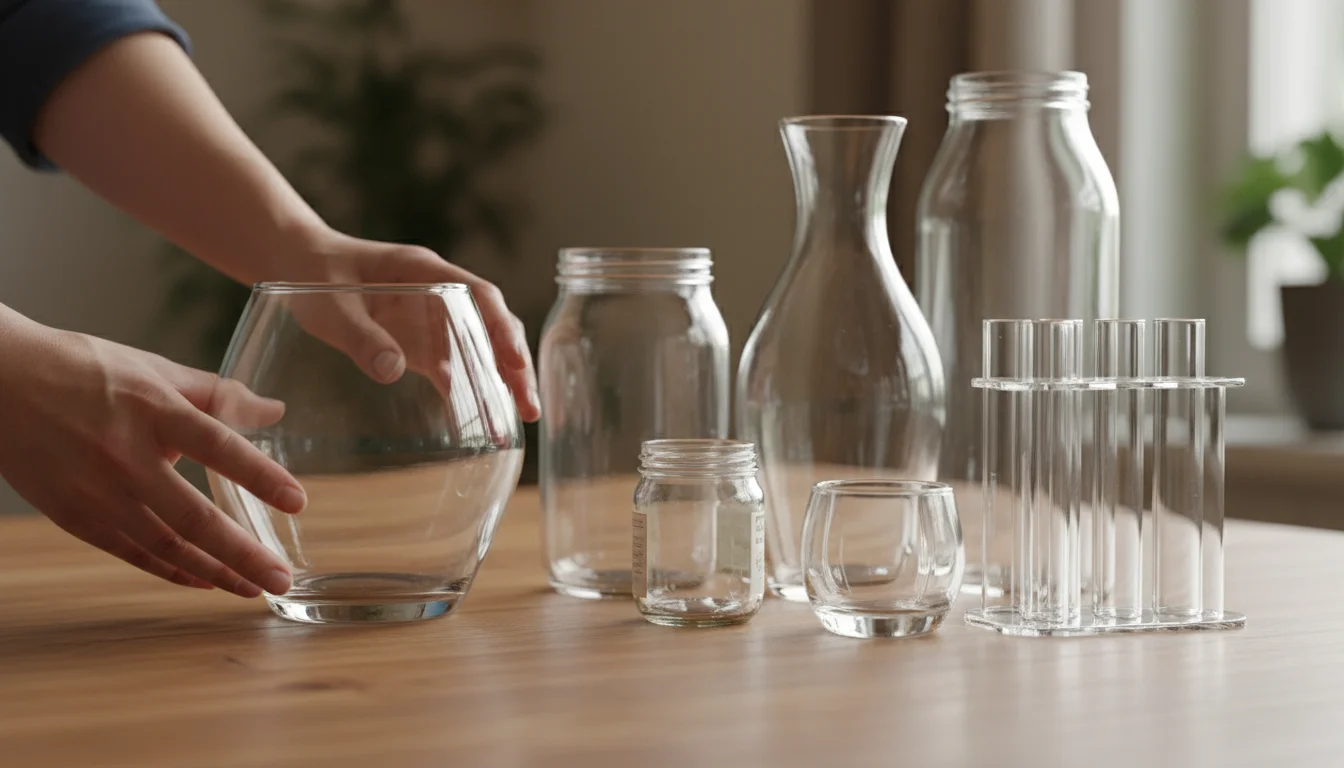
Consider These Container Characteristics:
- Size: Choose a size appropriate for your space and the plants you intend to use. Small jars (pickle jars, jam jars) are excellent for mini-terrariums. Larger containers (fish bowls, carboys, wide-mouthed vases) offer more design flexibility. Ensure the opening is wide enough for your hand or long tools to maneuver.
- Shape: Round, square, or irregular shapes all work. A wider opening generally makes assembly easier. Unique shapes like bell jars or cloches add a touch of elegance.
- Material: Glass is preferred for its clarity and non-reactive properties. Ensure it is clean and free of cracks. Repurposing old containers is an eco-friendly choice, aligning with sustainable gardening practices. Thoroughly clean any used container with soap and water, then rinse well and let it air dry completely to prevent mold or residue issues.
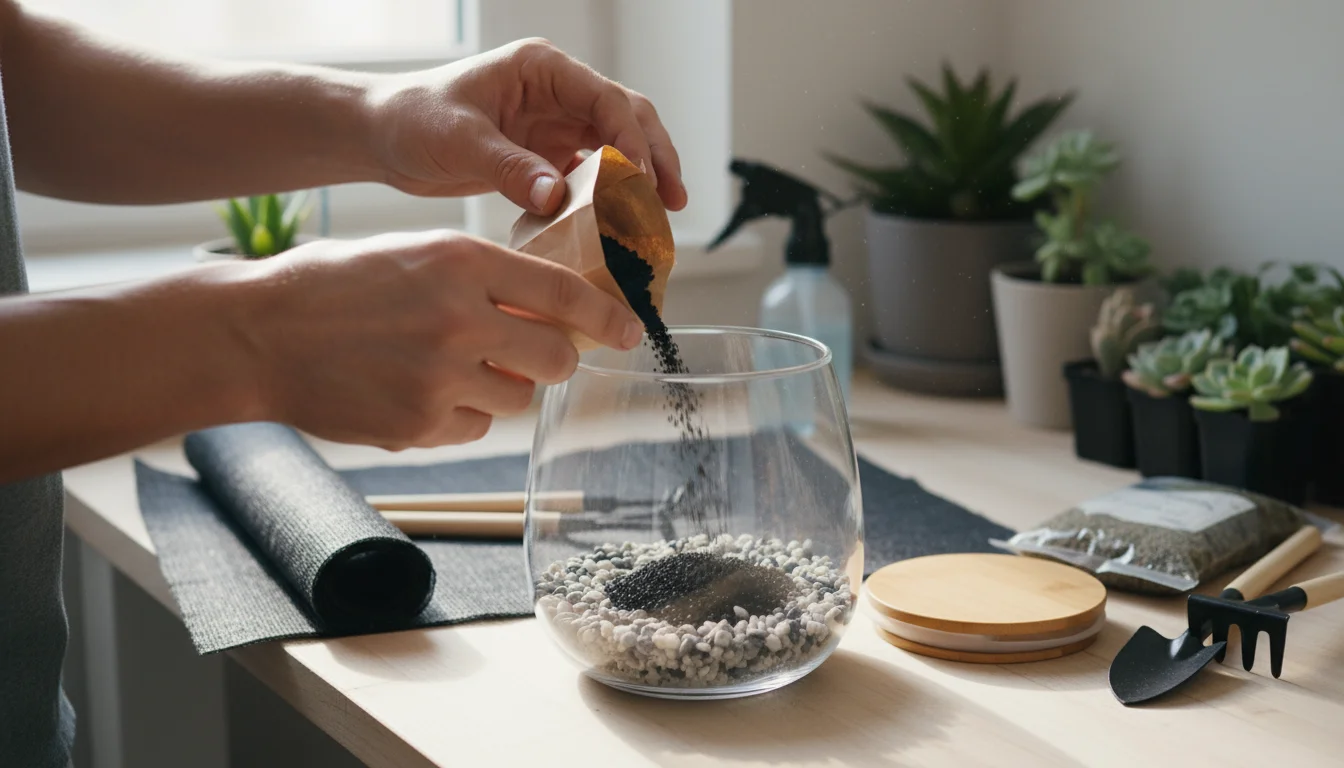
Gathering Your Essential Supplies
Building a successful terrarium involves more than just plants and a container. Each layer plays a crucial role in mimicking a natural ecosystem. Here is a comprehensive list of what you will need for your indoor gardening DIY project:
To keep your workspace tidy, consider assembling a mini tool kit for winter houseplant care to store your tweezers and misters.
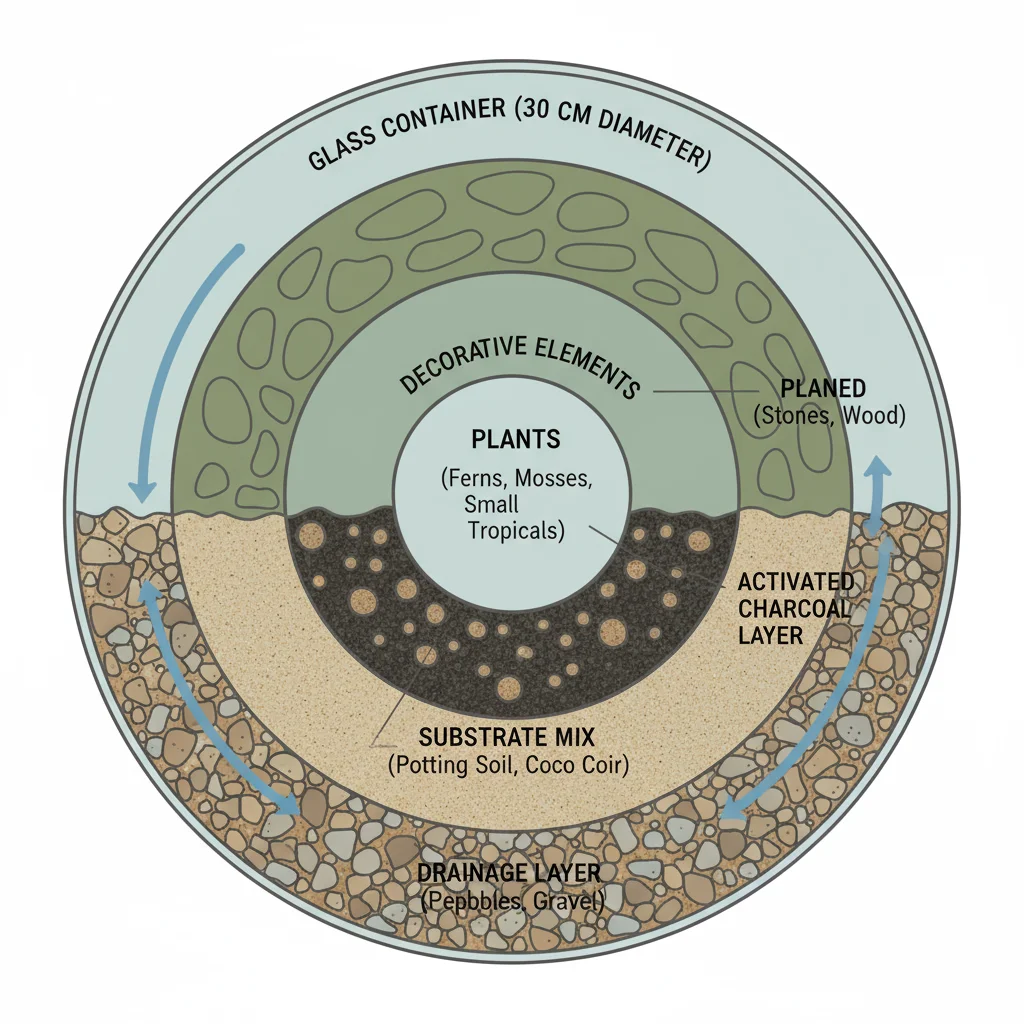
- Your Chosen Container: Clean glass container with a lid.
- Drainage Layer (½ to 1 inch):
- Small Pebbles or Gravel: Provides a reservoir for excess water, preventing root rot.
- Activated Charcoal (Optional, but Recommended): A thin layer (about ¼ inch) on top of the pebbles helps filter water, removes odors, and keeps the environment fresh. This is particularly beneficial for closed terrariums.
- Separator Layer:
- Horticultural Fabric or Mesh Screen: A thin piece of fabric or screen placed over the drainage layer prevents the soil from mixing with the pebbles, maintaining proper drainage. Coffee filters can work in a pinch for smaller terrariums.
- Potting Mix (2-4 inches, depending on container size):
- High-Quality Potting Soil: Use a light, well-draining soil mix designed for houseplants. Avoid heavy garden soil which can compact and introduce pests or diseases. A mix containing peat moss, perlite, and vermiculite is ideal for moisture retention and aeration.
- Plants: (See the next section for specific recommendations).
- Decorative Elements (Optional):
- Small Rocks, Pebbles, or Sand: For pathways, dry riverbeds, or to add texture.
- Polished Stones or Crystals: Add a touch of sparkle.
- Small Figurines or Miniatures: Create a whimsical scene. Ensure they are non-toxic and won’t degrade in humidity.
- Preserved Moss: For ground cover or decorative accents.
- Tools:
- Long-Handled Tweezers or Forceps: For placing small plants and decorations.
- Long-Handled Spoon or Scoop: For adding soil and other layers.
- Funnel (Optional): Helps direct soil and other materials into narrow-mouthed containers.
- Spray Bottle or Mister: For initial watering and occasional maintenance.
- Paper Towels or Cloth: For cleaning the inside of the glass.
- Scissors or Pruning Shears: For plant preparation.
- Small Brush: For sweeping away loose soil from leaves and container walls.
Selecting the Best Plants for Your Miniature Winter Garden
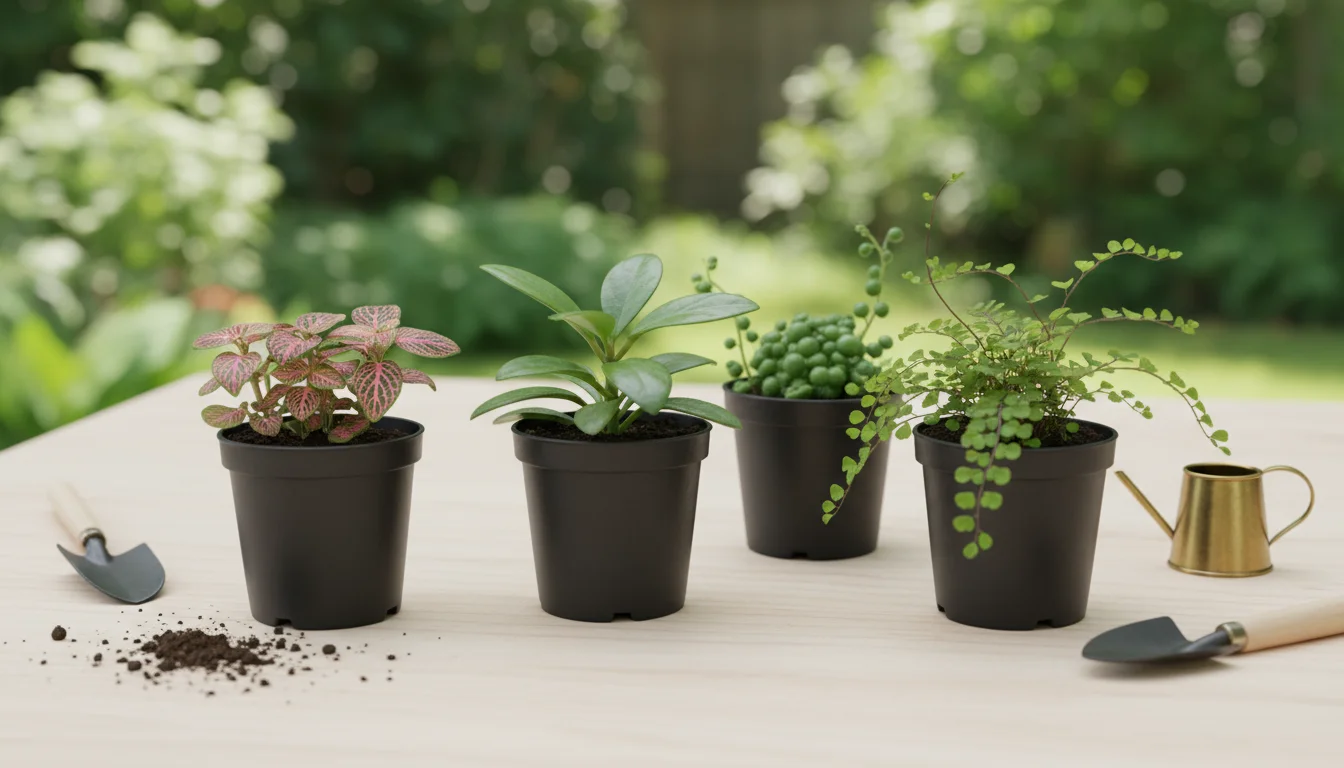
The success of your easy terrarium ideas for winter hinges on choosing the right plants. For a closed terrarium, you need varieties that thrive in high humidity, low light, and confined spaces. They should also be slow-growing to prevent them from quickly outgrowing their miniature world. For an open terrarium, you would consider succulents or air plants, but our focus here is on the humid, enclosed environment.
While terrariums focus on foliage and moss, you can also bring color to your home by forcing bulbs indoors for early spring blooms.
Many of the small plants used here can also be started in a water propagation station before being transitioned into their permanent glass home.
For those who prefer hardier plants for an unheated porch, a miniature alpine trough offers a similarly charming small-scale gardening experience.
When selecting plants, consider their mature size. Even if a plant looks small now, research its growth habit. You want plants that will stay compact or can be easily pruned.
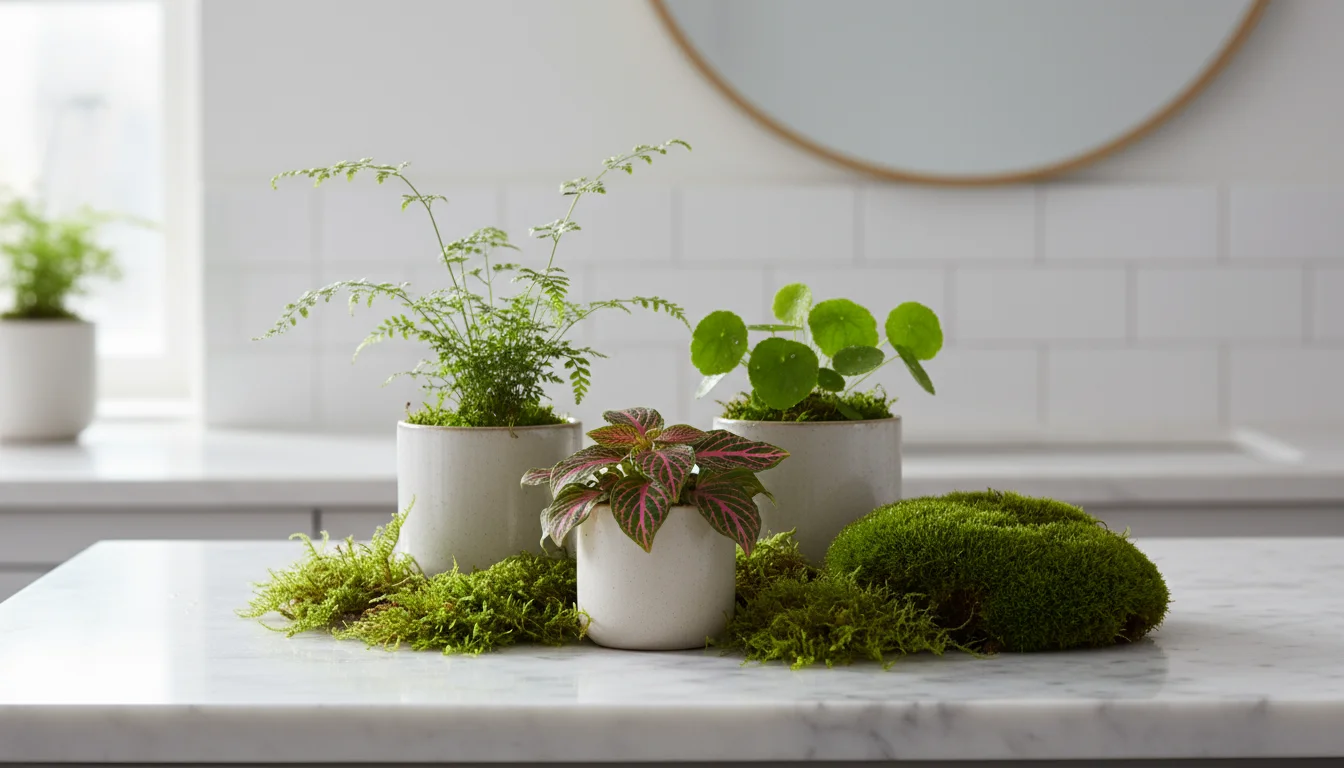
Excellent Choices for Closed Terrariums:
- Ferns: Many small fern varieties adore humidity.
- Maidenhair Fern (Adiantum spp.): Delicate, lacy fronds, beautiful but needs consistent moisture.
- Lemon Button Fern (Nephrolepis cordifolia ‘Duffii’): Compact, bright green, and smells faintly of lemon when brushed.
- Asparagus Fern (Asparagus setaceus): While not a true fern, its feathery foliage is lovely. Choose smaller varieties.
- Mosses: Essential for a lush, forest floor look. They are very low growing and love moisture.
- Sheet Moss, Mood Moss, or Cushion Moss: Collect from your yard (ensure no pests) or purchase from a reputable nursery.
- Fittonia (Nerve Plant – Fittonia albivenis): Known for its striking colored veins (white, pink, red). It loves high humidity and stays relatively small.
- Pothos (Epipremnum aureum): While it can grow large, small cuttings root easily and can be pruned regularly. Choose a compact variety.
- Baby Tears (Soleirolia soleirolii): Forms a dense mat of tiny, bright green leaves, perfect as ground cover.
- Peperomia: Many varieties are excellent.
- Peperomia caperata ‘Rosso’: Attractive red undersides to its crinkled leaves.
- Peperomia obtusifolia: Small, rounded, glossy leaves.
- Prayer Plant (Maranta leuconeura): Beautiful patterned leaves that fold up at night. Needs high humidity.
- Small Orchids: Some miniature orchid varieties, such as Jewel Orchids (Macodes petola), thrive in humid terrarium conditions, offering unique foliage rather than large blooms.
- African Violets (Saintpaulia spp.): Dwarf varieties can thrive, but avoid getting water directly on their fuzzy leaves.
These are some of the best plants for small apartment terrariums. When you are buying plants, look for healthy specimens without signs of pests or disease. Gently remove them from their nursery pots and clean off as much of the original potting mix as possible, replacing it with your fresh terrarium soil. This prevents introducing outside contaminants into your enclosed ecosystem.
Your Step-by-Step Terrarium Assembly Guide
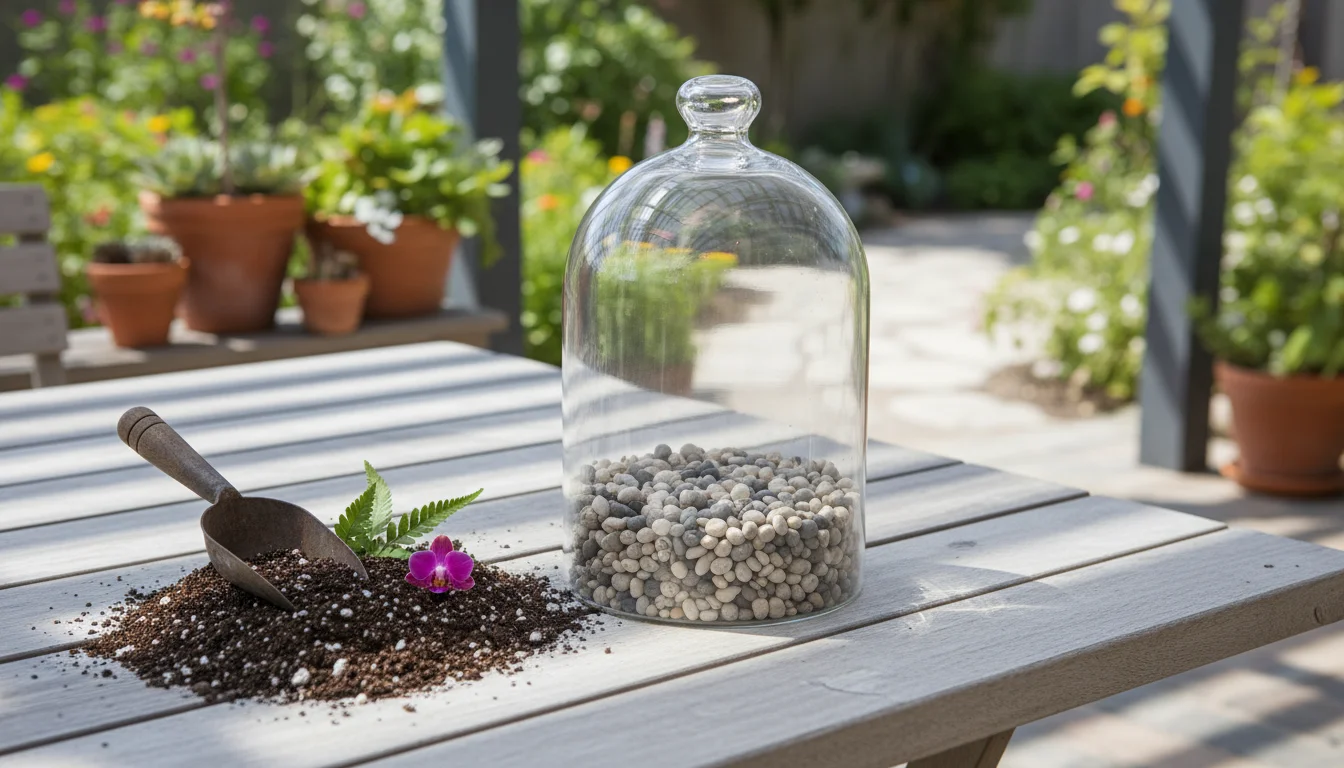
Now that you have all your supplies, it is time for the fun part: assembling your DIY terrarium. Follow these instructions carefully to build a thriving miniature winter garden.
- Clean Your Container:
Wash your glass container thoroughly with soap and water. Rinse it several times to remove any soap residue. Let it air dry completely. A clean container ensures optimal light penetration and prevents mold.
- Add the Drainage Layer:
Carefully pour your small pebbles or gravel into the bottom of the container. Aim for a layer that is about ½ to 1 inch deep. This layer is crucial for preventing water from pooling around plant roots and causing rot, which is how water moves through soil effectively.
- Incorporate Activated Charcoal (Optional but Recommended):
If using, add a thin layer of activated charcoal (about ¼ inch) directly on top of the pebbles. This acts as a natural filter, absorbing impurities and odors, keeping your terrarium fresh over time. It is a smart addition for how to make a closed terrarium for beginners.
- Place the Separator Layer:
Cut a piece of horticultural fabric or mesh screen to fit the contour of your container, laying it directly on top of the charcoal (or pebbles if you skipped charcoal). This barrier prevents the potting mix from sifting down into the drainage layer, maintaining its integrity and functionality.
- Add the Potting Mix:
Using your long-handled scoop or a funnel, gently add 2 to 4 inches of your fresh potting mix into the container. The depth depends on your container size and the root balls of your chosen plants. Create a varied landscape with hills and valleys if you like, to add visual interest. Lightly pat the soil down, but do not compact it too much.
- Prepare Your Plants:
Remove your chosen plants from their nursery pots. Gently shake off excess soil from their roots. You can lightly tease apart roots that are tightly bound. For larger plants, you might need to prune some of the root mass to fit your terrarium. Trim any yellowing or damaged leaves. Plan their arrangement before planting.
- Plant Your Terrarium:
Using your long-handled tweezers or forceps, carefully make small depressions in the soil where you want each plant. Gently place the plant, ensuring its roots are covered by soil. Use the tweezers or scoop to push soil around the base of each plant, securing it in place. Consider the height and growth habits of your plants as you arrange them, placing taller plants towards the back or center, and smaller plants or mosses around them. Remember, this is an easy terrarium idea for winter, so simplicity can be key.
- Add Decorative Elements:
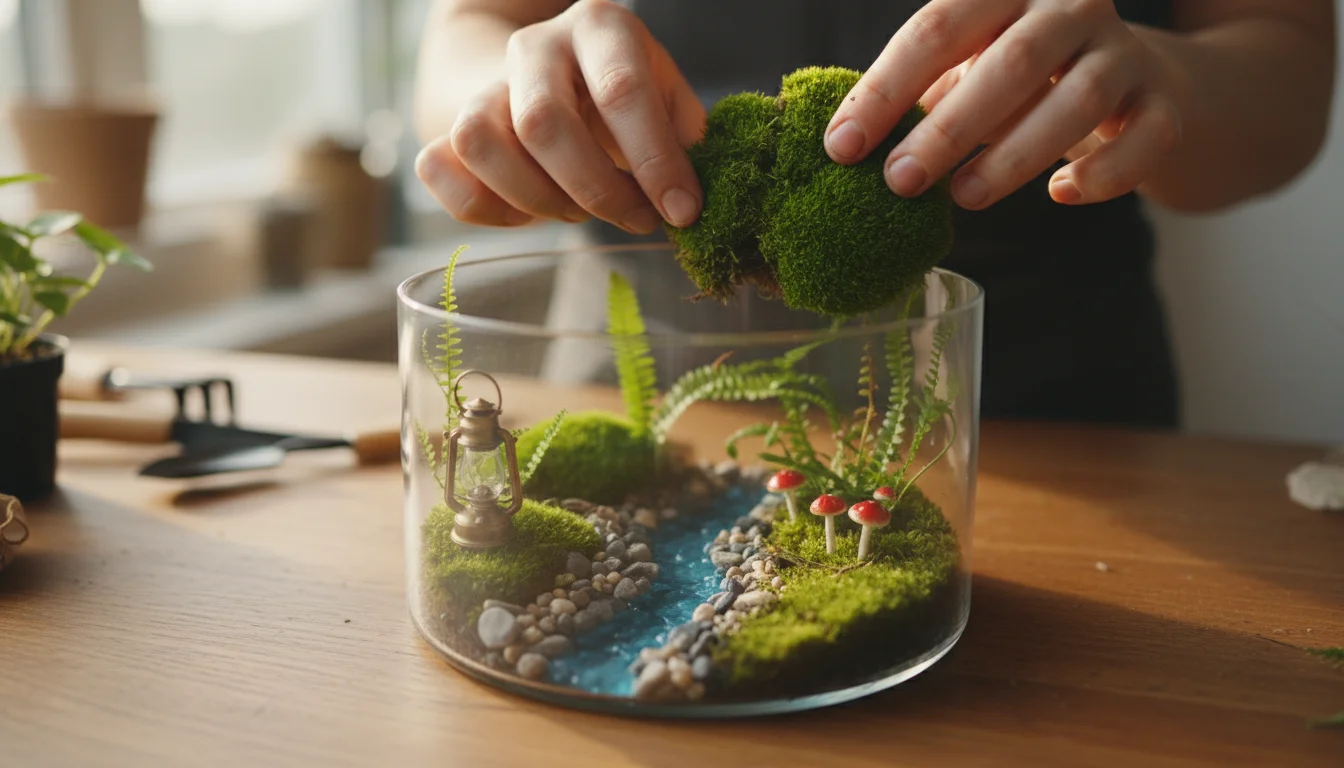
Now is the time to add your chosen decorative elements. Place small rocks, polished stones, or miniature figurines to create pathways, focal points, or a whimsical scene. Use your tweezers to carefully position them. Add pieces of preserved moss as ground cover or to create texture.
- Clean the Interior Glass:
Use a clean, damp paper towel or a small brush attached to a stick to carefully wipe away any soil or debris that has adhered to the inside of the glass. A clean interior allows for maximum light and clear viewing.
- Initial Watering:
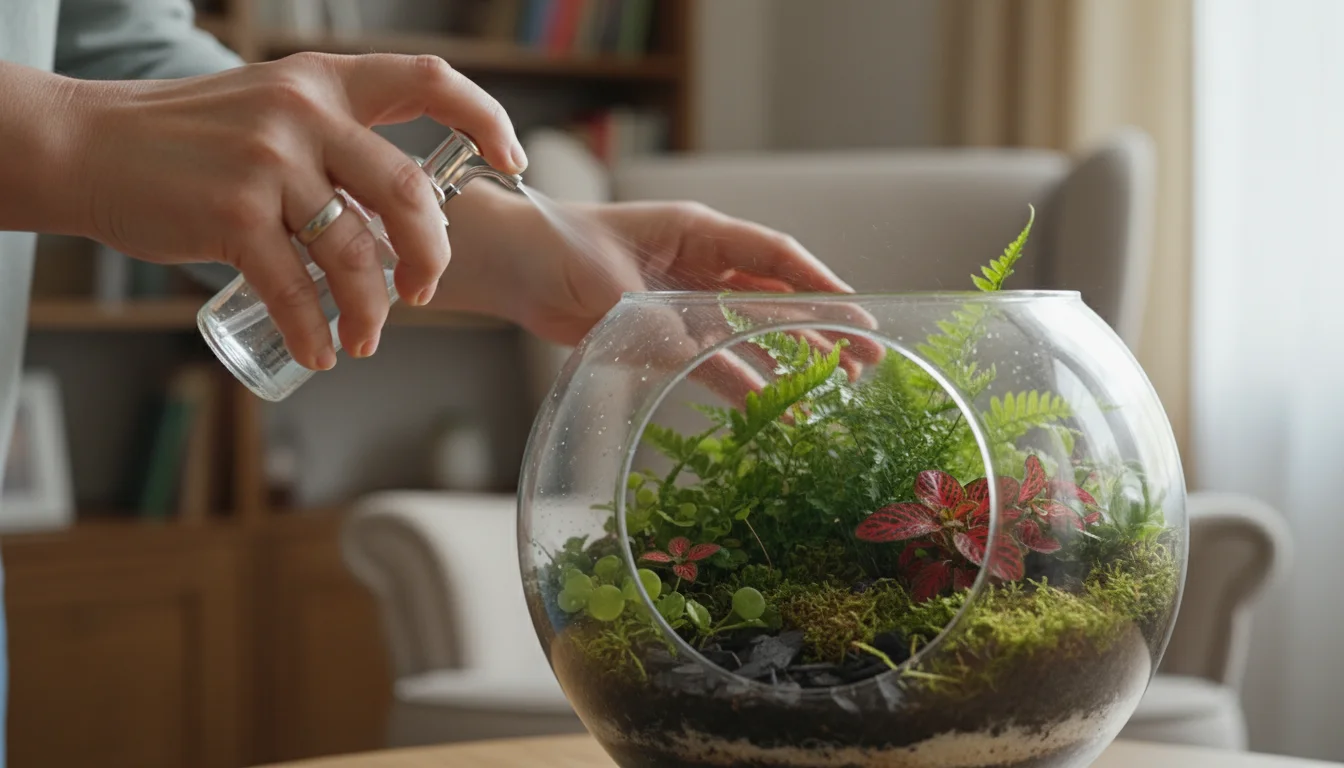
Using your spray bottle or mister, thoroughly mist the plants and soil. You want the soil to be moist, but not waterlogged. A good rule of thumb is to mist until you see a slight condensation on the inside of the glass. Avoid overwatering; it is easier to add more water than to remove it. For a large terrarium, you might use a small amount of distilled water from a watering can. This initial watering is crucial for establishing the self-sustaining cycle of your indoor gardening DIY project.
- Seal the Terrarium:
Place the lid securely on your container. Congratulations, you have just completed your DIY terrarium!
Designing Your Tiny Ecosystem
Beyond the functional layers, the aesthetic design of your terrarium turns it into a captivating piece of art. Think of your terrarium as a miniature landscape or diorama. Even for an easy terrarium idea for winter, thoughtful design elevates it from a mere plant collection to a true miniature world.
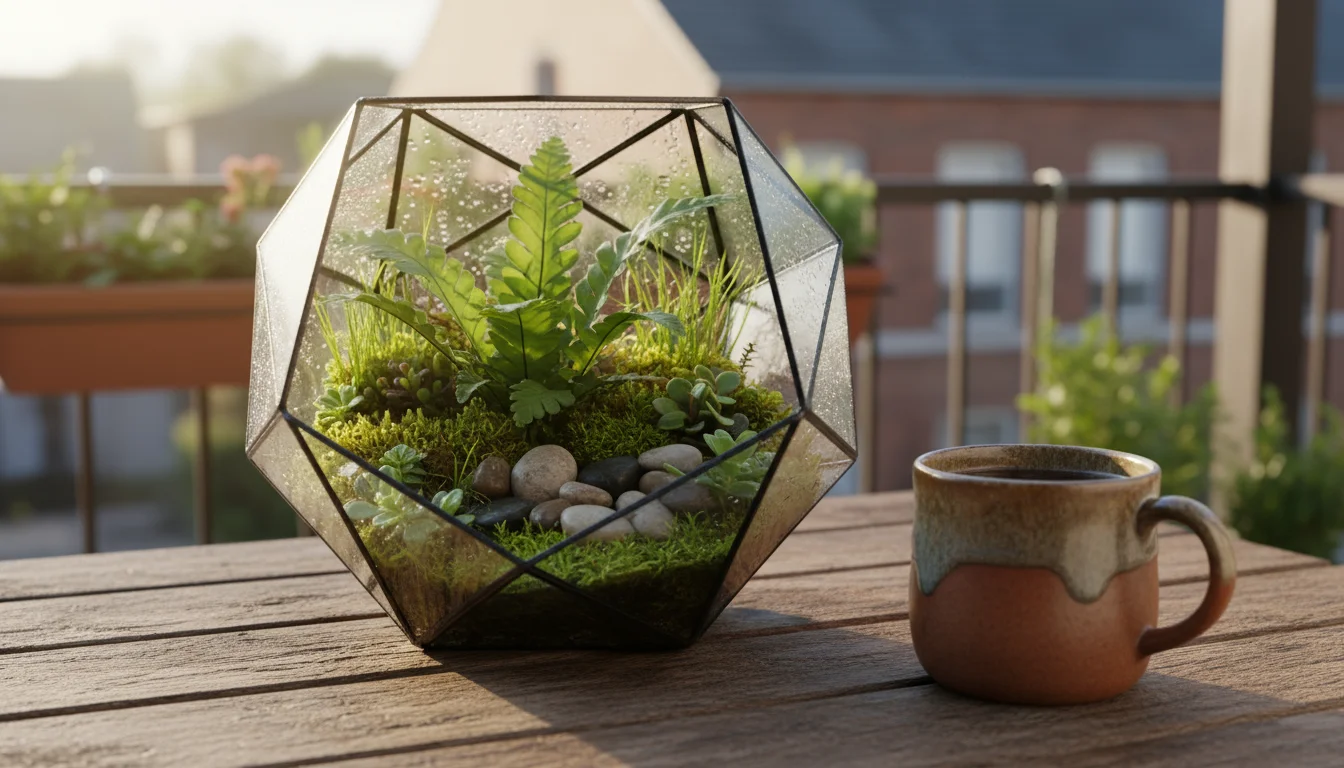
Principles of Terrarium Design:
- Focal Point: Choose one or two elements that draw the eye. This could be a particularly striking plant, a unique piece of wood, a beautiful stone, or a small figurine.
- Balance: Aim for visual balance. This does not mean perfect symmetry, but rather distributing visual weight so the terrarium does not feel top-heavy or lopsided.
- Texture and Color: Combine plants with different leaf shapes, sizes, and colors. Mix in mosses, gravel, and wood for varied textures.
- Depth: Create the illusion of depth by placing taller plants towards the back and progressively smaller ones towards the front. Use sloping soil to mimic hills and valleys.
- Negative Space: Do not overcrowd your terrarium. Allow for some empty spaces, as these can enhance the visual impact of your chosen plants and decorations.
- Theme: Consider a simple theme for your miniature winter garden. Perhaps a mossy forest floor, a rocky path through a jungle, or a tiny gnome garden. A theme can guide your plant and decorative choices.
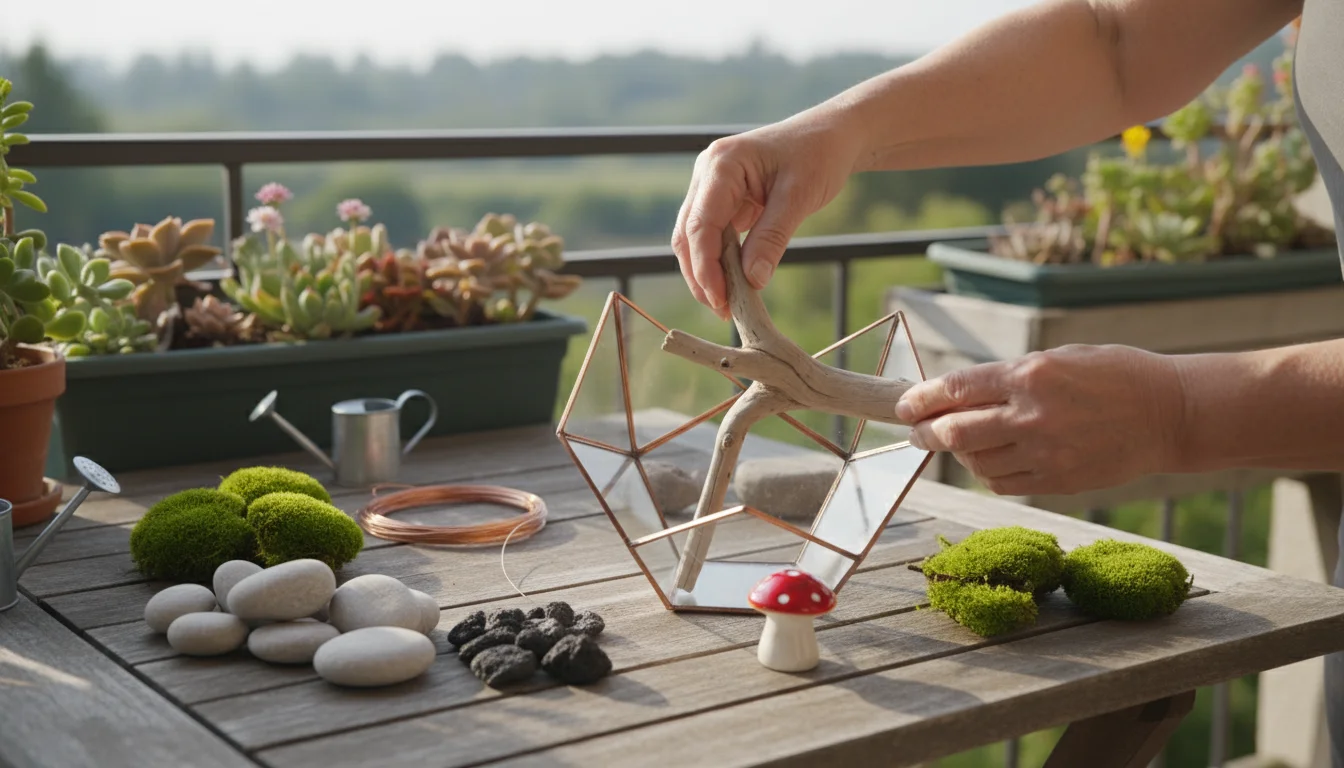
Incorporating Hardscaping and Decor:
- Rocks and Pebbles: Use various sizes and colors to create pathways, retaining walls, or simply to add natural elements. Smooth river stones provide a calming effect, while jagged rocks can mimic mountain ranges.
- Wood: Small pieces of driftwood or interesting twigs can add height, structure, and a rustic feel. Ensure any wood is clean and free of pests or rot.
- Figurines: Small, non-toxic figurines like tiny animals, mushrooms, or miniature people can add whimsy and a sense of scale to your scene. Choose items made of glass, ceramic, or resin that will not degrade in the humid environment.
- Moss: Beyond its functional role, moss is excellent for creating a lush, verdant carpet, softening the edges of rocks, and filling in gaps between plants. Different types of moss offer varied textures.
Remember that less is often more. An overcrowded terrarium can look messy and hinder plant growth. Start with a few well-chosen elements and add more if needed. Your DIY terrarium is a canvas for your creativity, allowing you to craft a unique indoor landscape.
Terrarium Care and Maintenance
One of the greatest appeals of a terrarium is its low-maintenance nature. However, “low-maintenance” does not mean “no maintenance.” A little attention goes a long way in ensuring your miniature winter garden thrives for years. This section addresses ongoing care for your indoor gardening DIY project.
Watering:
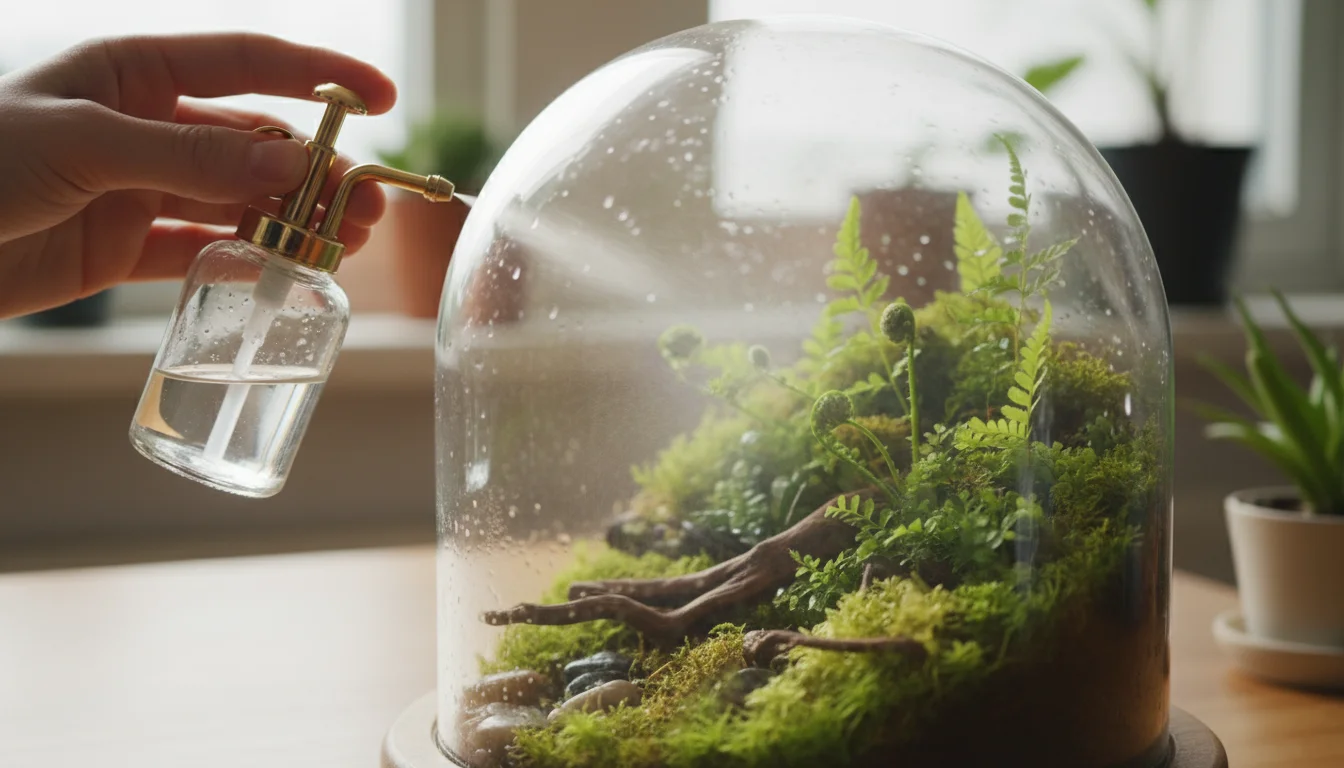
For closed terrariums, watering is infrequent. The goal is to maintain a healthy moisture level without making the soil soggy. Observe your terrarium for clues:
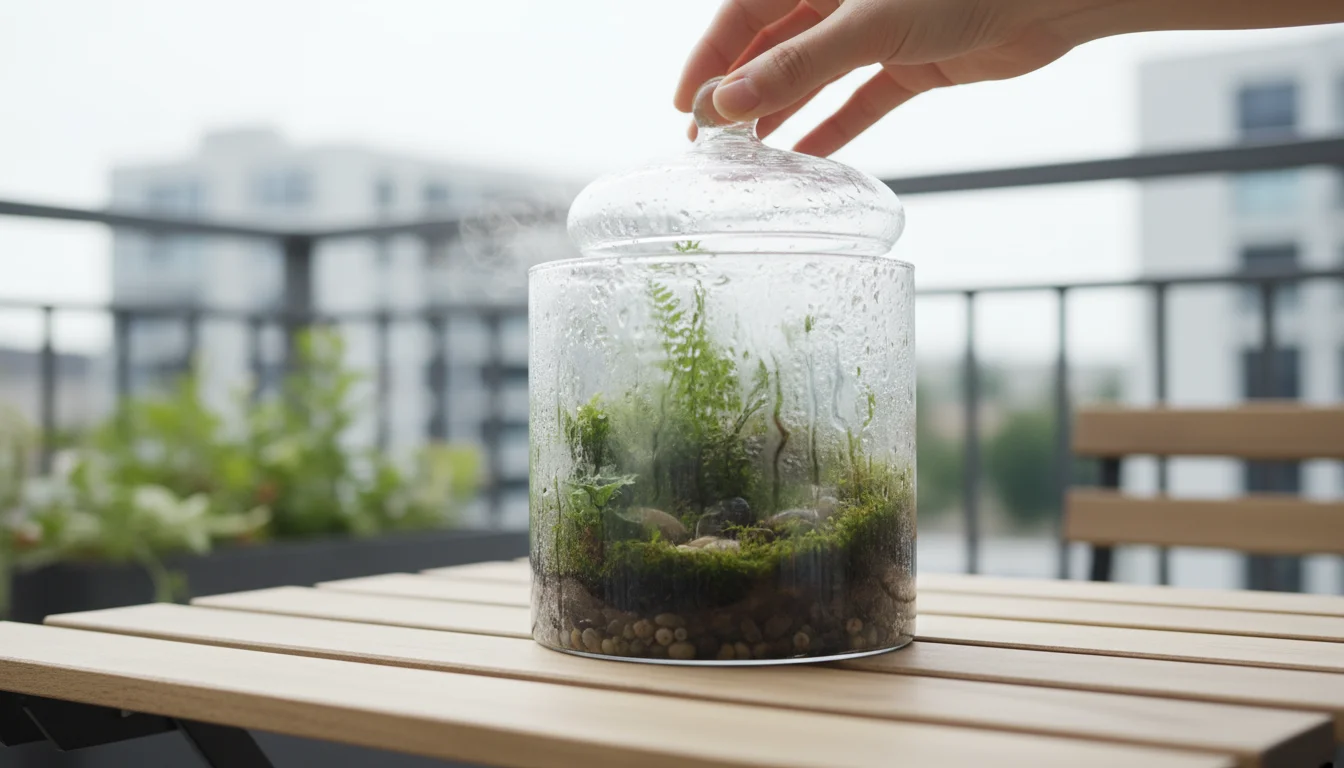
- Condensation: A healthy closed terrarium should have some condensation on the glass during part of the day, usually in the morning or evening. If the glass is constantly fogged up, it is too wet. If there is no condensation for several days, it is too dry.
- Soil Moisture: The soil should appear consistently damp, not bone dry or saturated.
- Action: If you see no condensation for a few days, mist lightly with distilled water. If it is too wet, open the lid for a few hours or even a full day to allow excess moisture to evaporate. Then reseal it. Overwatering is the most common killer of terrarium plants.
For an open terrarium, water when the top inch of soil feels dry. This will be more frequent than a closed terrarium.
Light:
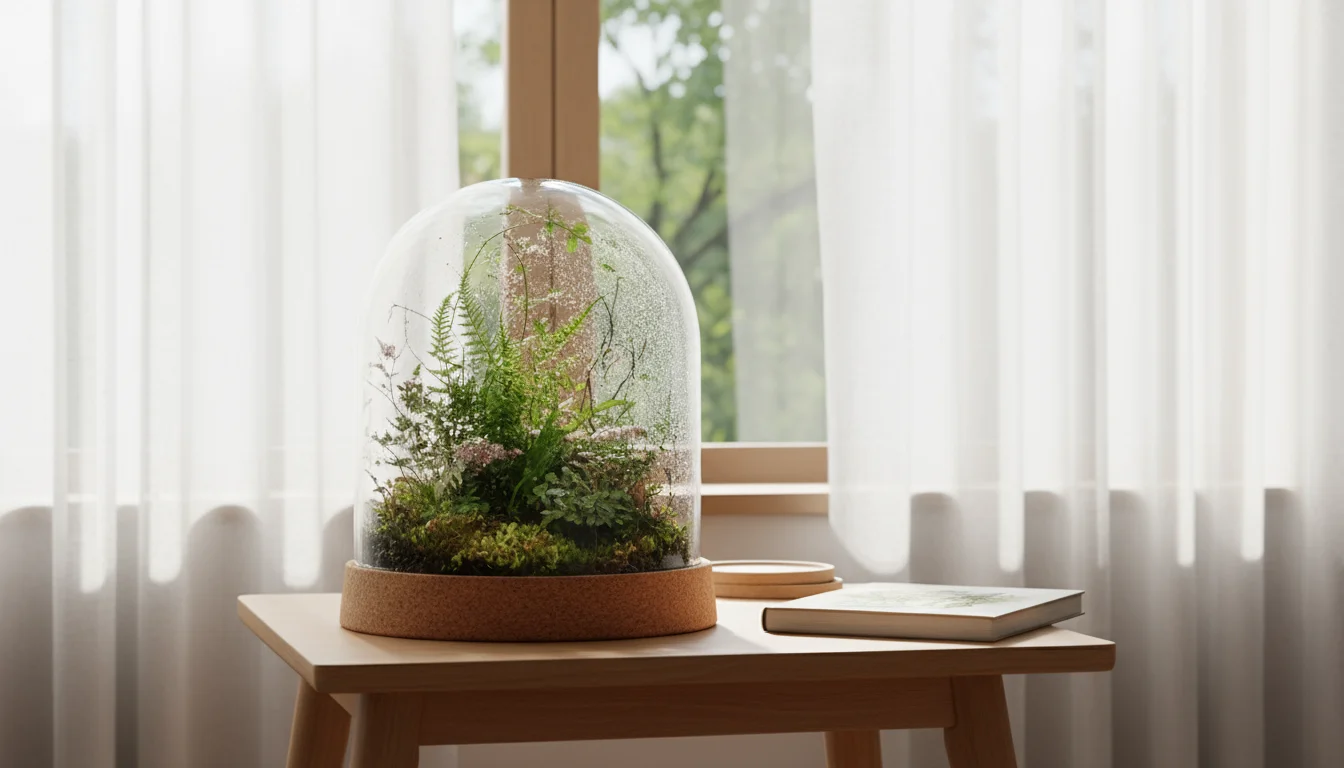
Terrariums thrive in bright, indirect light. Avoid direct sunlight, especially for closed terrariums, as it can quickly overheat the enclosed space, essentially cooking your plants. A north-facing window or a few feet away from an east or west-facing window is often ideal. If you notice plants stretching towards the light or becoming leggy, they might need a brighter spot. If leaves appear scorched or bleached, the light is too intense.
Pruning:
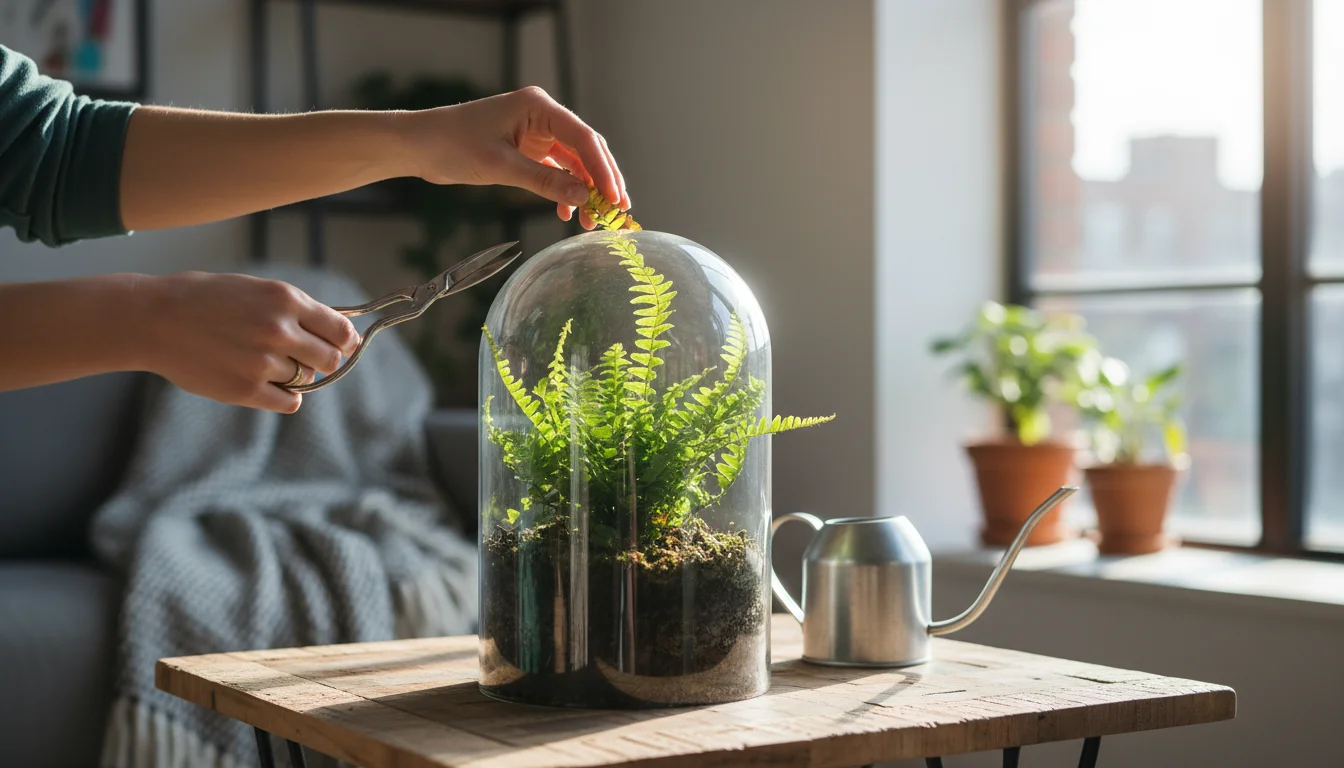
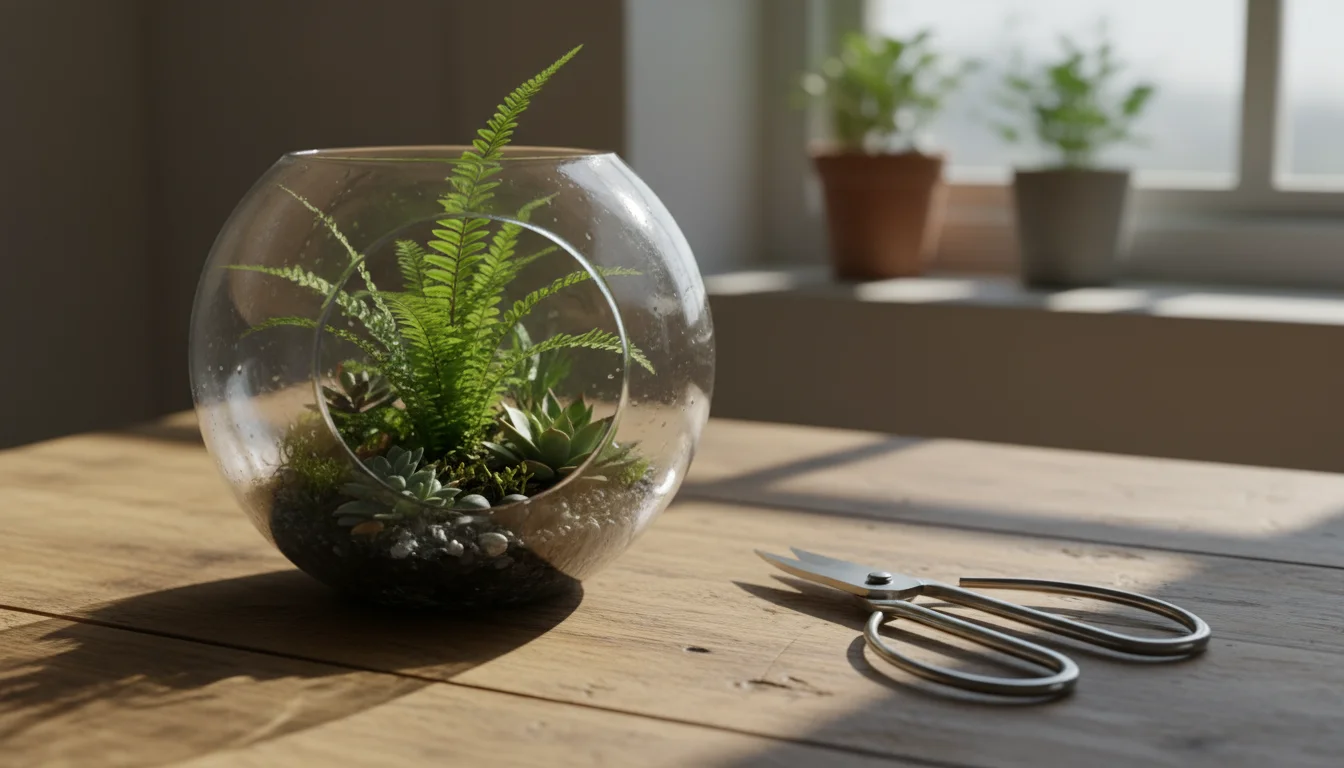
Even slow-growing plants eventually need a trim. Pruning helps maintain the scale of your miniature garden and encourages bushier growth. Use small, sharp scissors or pruning shears to snip off any leaves or stems that are touching the glass, becoming leggy, or overgrowing other plants. Prune sparingly to maintain the ecosystem’s balance. Remove any dead or yellowing leaves promptly to prevent rot and mold.
Cleaning:
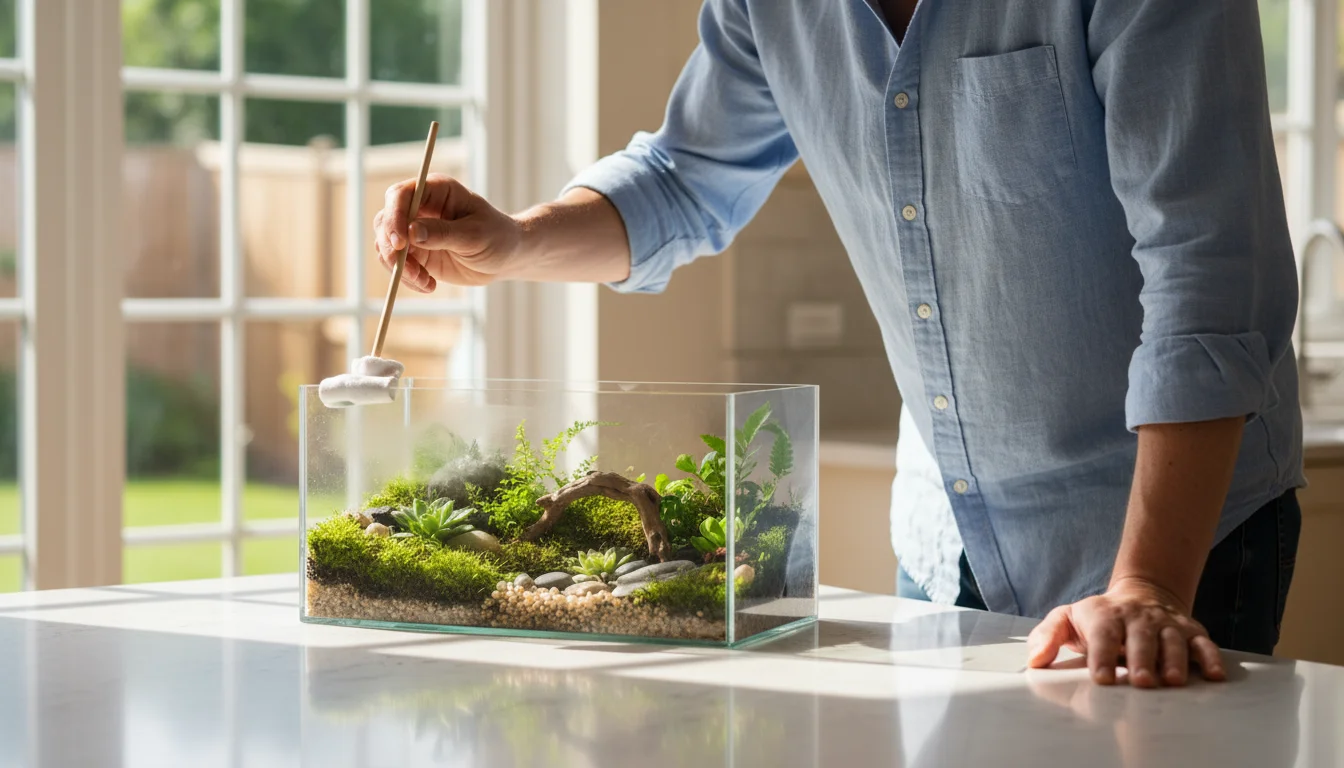
Periodically, you might notice dust or algae forming on the inside of the glass. Use a clean, damp cloth or paper towel attached to a stick or long handle to gently wipe the interior. This ensures maximum light penetration and keeps your view clear.
Ventilation (for Closed Terrariums):
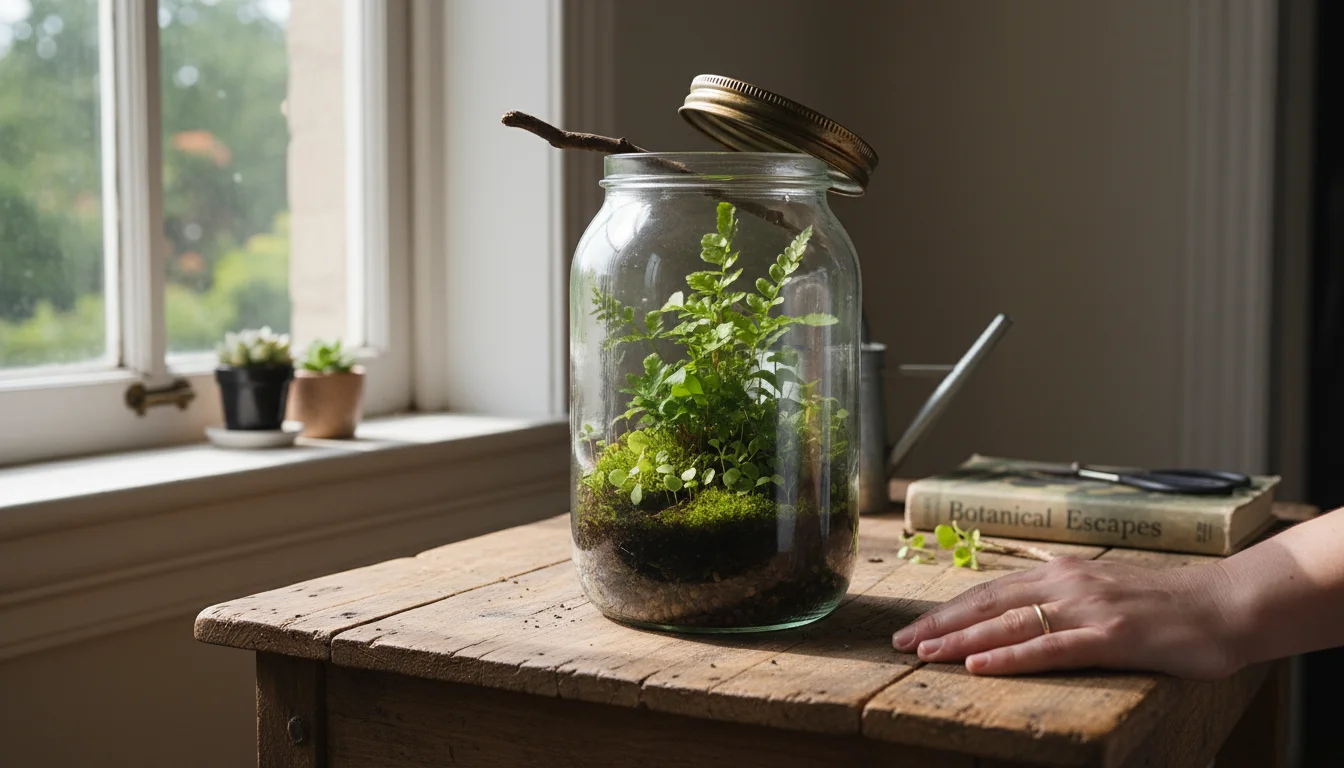
Even self-sustaining terrariums benefit from occasional fresh air. Open the lid for 15-30 minutes every few weeks. This helps to prevent stagnant air and can reduce the risk of mold or fungal issues. This is a crucial step for maintaining a healthy DIY terrarium.
Troubleshooting Common Terrarium Challenges
While terrariums are generally low-maintenance, you might encounter a few common issues. Knowing how to address them quickly ensures the longevity of your miniature winter garden.
- Excessive Condensation or Fogging:
If your terrarium glass is constantly fogged up and droplets are forming and running down the sides, it is too wet. This often happens after initial setup or if you overwatered. Too much humidity can lead to fungal growth and root rot.
Solution: Remove the lid for several hours, or even a full day, to allow some of the excess moisture to evaporate. Replace the lid once the condensation has reduced to a healthy level (some condensation is good, but constant fogging is not). Ensure you have adequate drainage pebbles and activated charcoal. - Lack of Condensation / Dry Plants:
If you see no condensation and the soil appears dry, your terrarium is not retaining enough moisture. Plants might begin to wilt or look dull.
Solution: Lightly mist the soil and plants with distilled water using a spray bottle. Reseal the terrarium and monitor for condensation. Remember, it is better to underwater slightly and add more, than to overwater. - Mold or Fungal Growth:
White, fuzzy mold on the soil, plants, or decorative elements is a common problem in overly humid environments.
Solution:- Immediately open the lid to increase ventilation and reduce humidity.
- Use long-handled tweezers to carefully remove any visible moldy areas or affected plant parts. Dispose of them outside the terrarium.
- Consider adding a bit more activated charcoal if you did not use enough initially.
- Ensure adequate air circulation by regularly opening the lid for short periods.
- Do not overwater.
- Plants Wilting or Turning Yellow/Brown:
This can be caused by several factors:
- Too Much Water: Leads to root rot. Check for excessive condensation. Solution: Reduce watering and increase ventilation.
- Too Little Water: Soil is too dry. Solution: Lightly mist.
- Too Much Direct Sunlight: Causes scorching. Solution: Move the terrarium to a location with bright, indirect light.
- Too Little Light: Plants become leggy and pale. Solution: Move to a brighter spot, but still indirect.
- Pests: Although less common in closed terrariums, inspect plants closely for tiny insects. Solution: Remove affected plants immediately to prevent spread.
- Algae Growth on Glass:
A green film on the inside of the glass usually indicates too much light.
Solution: Move the terrarium to a location with lower light levels. You can also carefully wipe away the algae with a damp cloth or paper towel. - Stagnant Odor:
A foul smell usually points to decomposition or excessive moisture.
Solution: Remove any dead plant material or mold. Increase ventilation by opening the lid. Ensure your activated charcoal layer is present and functional. If the smell persists, you may need to entirely refresh the soil and replant.
Regular observation is your best tool. By paying attention to the signs your terrarium gives you, you can quickly address issues and keep your miniature ecosystem thriving. This commitment to observation is key for any indoor gardening DIY enthusiast.
Frequently Asked Questions
Can I use any plant in a terrarium?
No, you cannot. Closed terrariums require plants that thrive in high humidity, low light, and confined spaces. Avoid succulents, cacti, and other plants that prefer dry conditions, as they will quickly rot in a closed terrarium. For an easy terrarium idea for winter, stick to tropical, moisture-loving varieties.
How often should I water my closed terrarium?
One of the beauties of a closed terrarium is its self-sustaining nature. You might only need to water it once every few weeks, months, or even less frequently, depending on the plant types and conditions. The key is to observe the condensation on the glass and the moisture level of the soil. If there is no condensation for several days and the soil looks dry, a light misting is in order. If it is constantly fogged up, it is too wet.
What if my terrarium gets moldy?
Mold is a common issue, often due to excessive humidity or decaying organic matter. Remove any visible moldy plant parts immediately with tweezers. Open the lid for several hours to allow excess moisture to evaporate. Ensure good air circulation. A layer of activated charcoal can help prevent mold. If mold persists, you may need to replace the affected soil and clean the container thoroughly.
Can I put animals or insects in my terrarium?
While some people experiment with small, specific invertebrates, it is generally not recommended for a beginner DIY terrarium. Introducing animals can disrupt the delicate balance of your miniature ecosystem, potentially leading to issues with waste, food, and the overall health of your plants and the animal itself. Stick to plants for a successful winter garden project.
Where is the best place to put my terrarium?
Place your terrarium in a location that receives bright, indirect light. A few feet from a north-facing window, or an east or west-facing window, is often ideal. Avoid direct sunlight, especially for closed terrariums, as it can cause the internal temperature to rise rapidly and harm your plants. Consistent, moderate temperatures are best.
Embracing Your Indoor Oasis
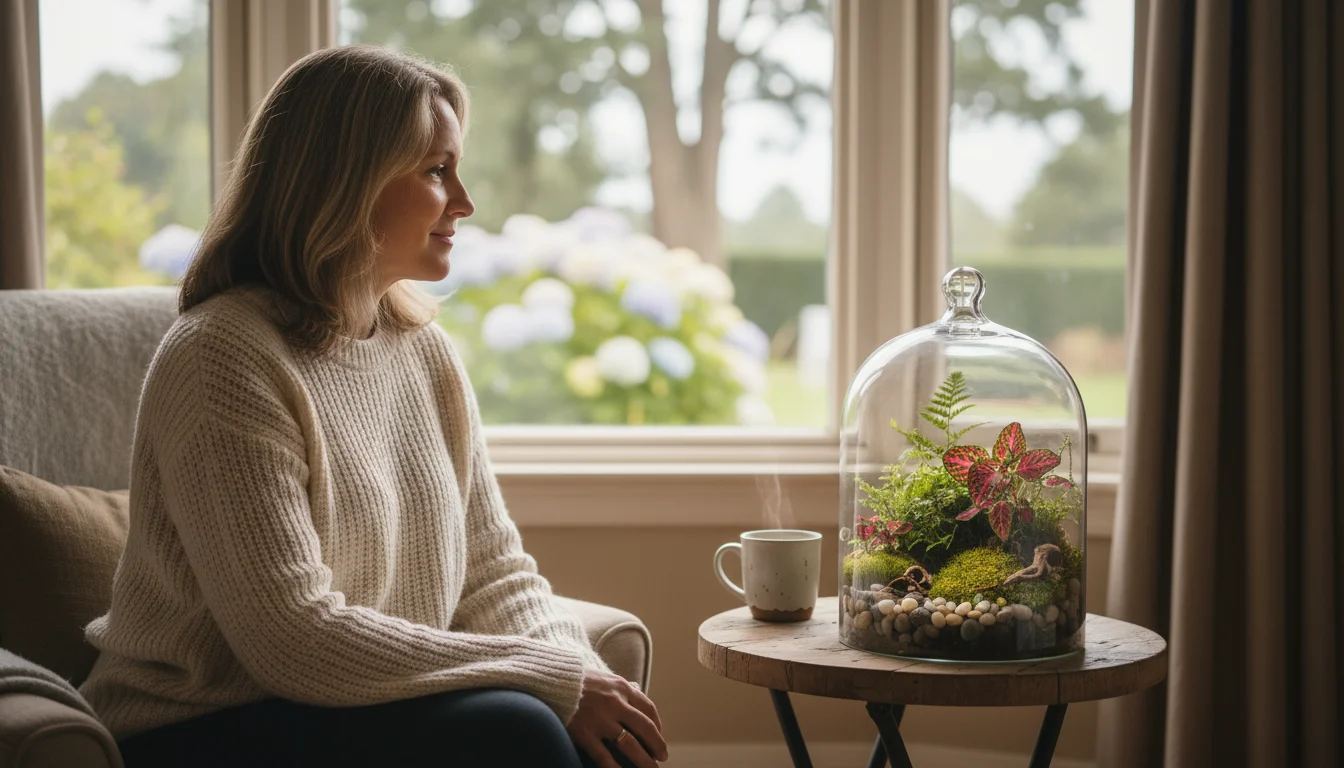
Creating a DIY terrarium is more than just a craft project; it is an invitation to cultivate a piece of nature in your own home, regardless of its size. This miniature winter garden project offers a delightful escape from the dreary outdoor weather, bringing life, color, and a sense of calm indoors. Your indoor gardening DIY journey culminates in a self-sustaining ecosystem that is as beautiful as it is easy to care for.
As your terrarium evolves, you will gain a deeper understanding of plant needs and ecological cycles. You will appreciate the subtle changes, the new leaf unfurling, or the tiny patch of moss spreading. This connection to the living world provides immense satisfaction and a continuous source of joy, especially during the colder months when outdoor gardening pauses.
Embrace the simplicity and elegance of your new tabletop terrarium. It is a testament to your ability to create and nurture, a vibrant green space that requires minimal intervention yet offers maximum reward. Enjoy the tranquil beauty of your unique, miniature world.
For trustworthy gardening information, visit:
Botanical Society of America, Oregon State Extension — Gardening and Royal Horticultural Society (RHS). These organizations provide expert, research-based advice for gardeners at all levels.
Disclaimer: This article is for informational purposes only and is not a substitute for professional gardening advice. Always consult local extension services or horticulture experts for region-specific guidance.
Leave a Reply