
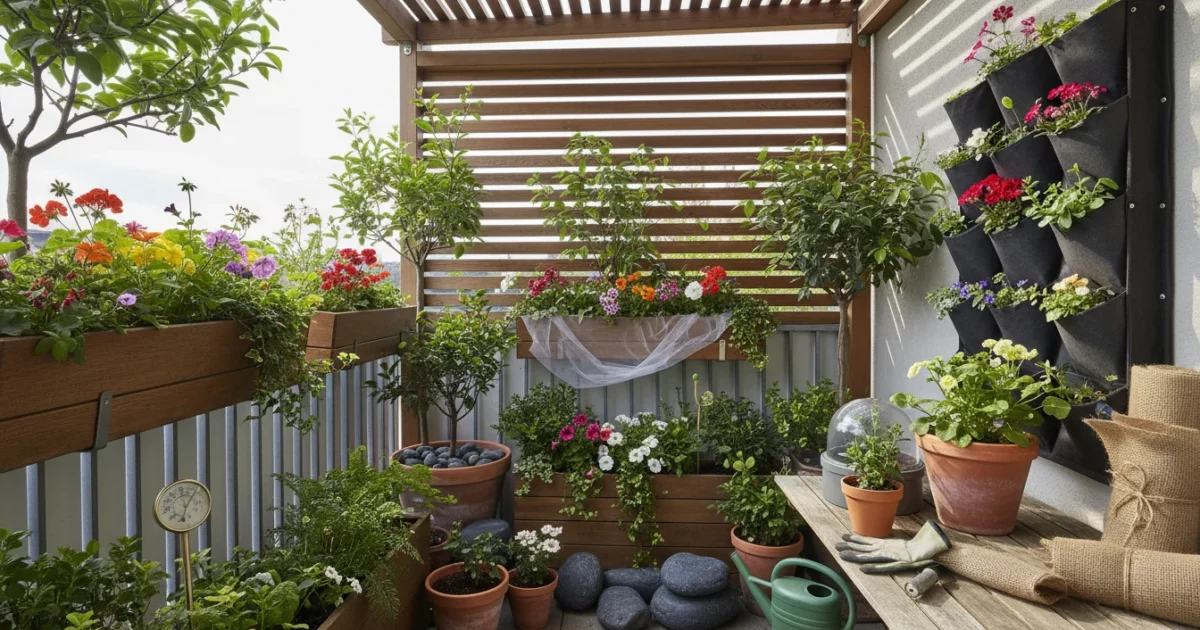
Spring brings renewed energy, longer days, and the exciting prospect of a thriving balcony garden. You eagerly plant your seedlings and arrange your containers, dreaming of lush greens and vibrant blooms. Yet, spring also ushers in a less welcome guest: unpredictable, often intense winds. These gusts, sometimes subtle, sometimes strong, act as a sneaky plant killer, capable of devastating your delicate plants and knocking over your carefully placed pots. Strong winds cause physical damage, rip leaves, snap stems, and dry out soil at an alarming rate, jeopardizing all your hard work. Understanding this challenge early in the season is crucial for successful small-space gardening. This article provides practical, actionable insights to shield your precious plants.
As your gardening coach, I will guide you through five simple, effective strategies to protect your balcony, patio, or small yard garden from the relentless force of spring winds. We will cover everything from clever DIY windbreaks to smart plant choices and optimal garden layouts. Implement these straightforward methods now to ensure your spring container gardening efforts flourish, allowing your plants to thrive no matter how blustery the weather becomes.
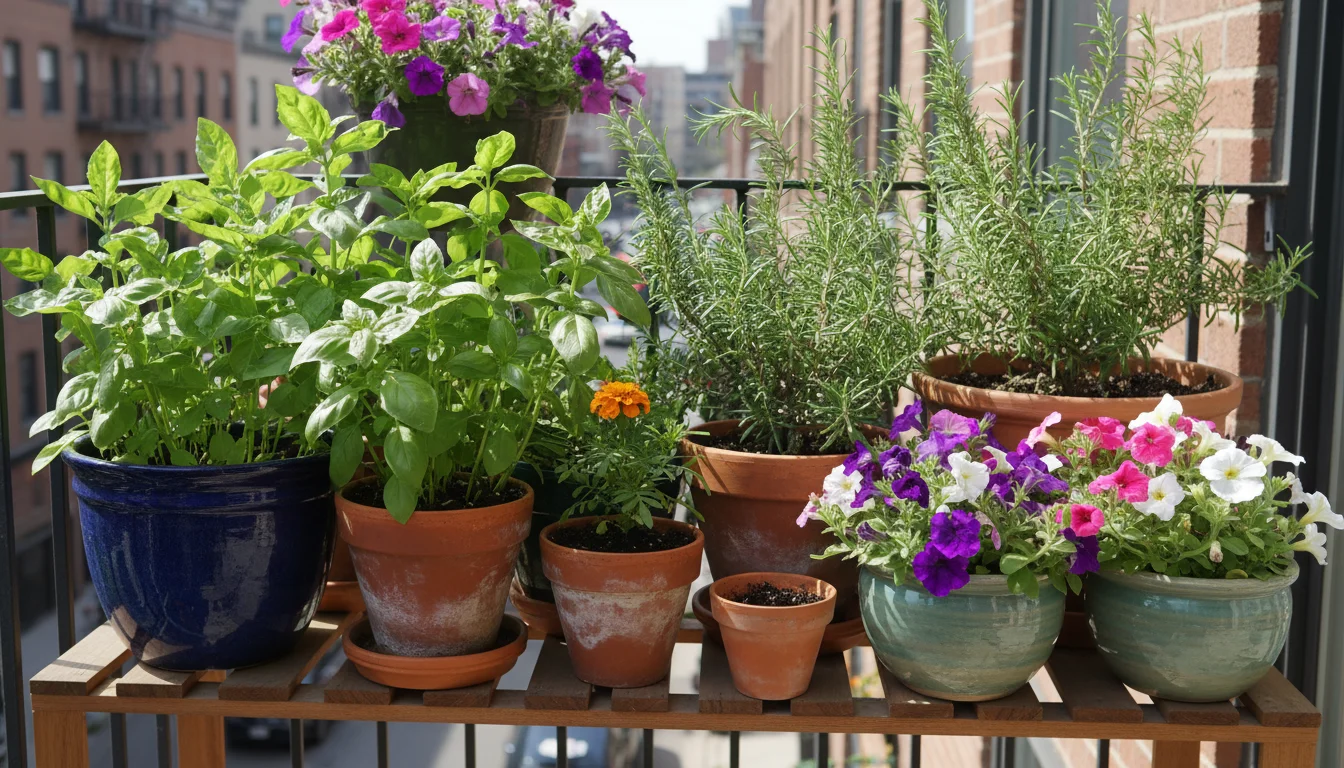
Understanding Spring Winds and Their Impact on Your Balcony Garden
Spring winds pose a significant threat to your balcony garden, often more so than you realize. They do not merely blow leaves around. Instead, they actively stress and damage your plants in several ways. Recognizing these impacts helps you develop a comprehensive strategy for wind protection for plants.
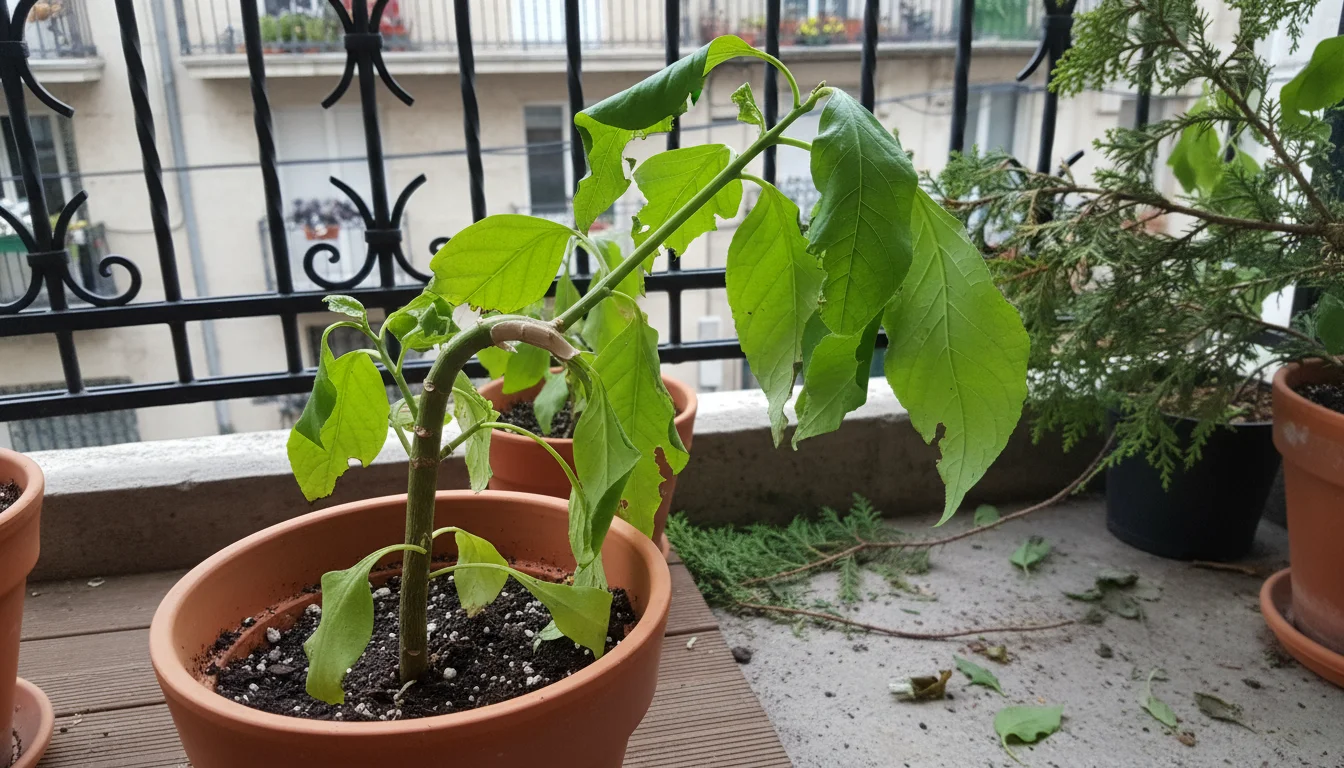
Physical Damage: Broken Stems and Torn Leaves
The most obvious damage occurs physically. Strong gusts can snap delicate stems, especially those of young plants and tender new growth. They can rip leaves, leaving unsightly tears and open wounds that make your plants vulnerable to disease and pests. Even seemingly sturdy plants can suffer from constant flexing, leading to fatigue and eventual breakage. This is particularly true for plants in exposed locations on balconies, where wind tunnel effects amplify the force.

Dehydration: The Silent Killer
Wind accelerates a process called transpiration. This is how plants release water vapor from their leaves. Think of it like a fan blowing on wet laundry. The wind dries out the leaves much faster than usual. While transpiration is a natural and necessary part of a plant’s life cycle, excessive rates lead to rapid water loss. Your plants then struggle to absorb enough water from the soil to replenish what they lose. This results in wilted foliage, stunted growth, and, if prolonged, can even kill your plants. The soil in your containers also dries out quickly, meaning you must monitor moisture levels diligently, especially during windy periods. Protecting young plants from spring wind largely involves managing this rapid dehydration, as their root systems are not yet robust enough to compensate.
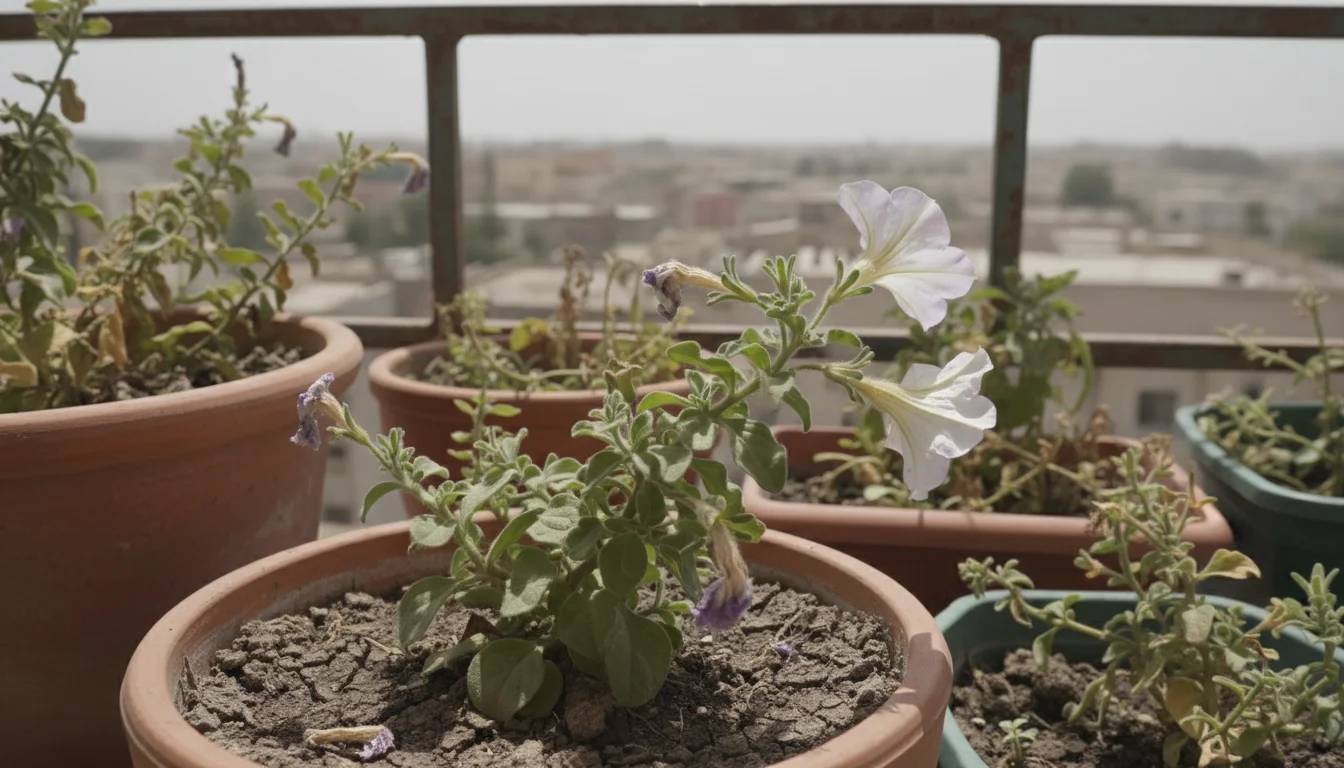
Temperature Stress and Desiccation
Wind also affects the temperature around your plants. On cold spring days, wind chill can effectively lower the ambient temperature your plants experience, causing cold stress. Conversely, on warm, sunny days, dry winds can lead to desiccation, literally drying the plant out from the outside in. This combination of physical stress and moisture loss creates a challenging environment for your balcony garden setup, hindering healthy development and bloom production.
The Five Pillars of Wind Protection for Your Balcony Garden
Effectively shielding your balcony garden from spring’s strong winds requires a multi-faceted approach. You cannot rely on just one solution. Instead, integrate several strategies to create a robust defense. These five pillars form the foundation of successful wind protection for plants in small spaces. Each pillar addresses a different aspect of wind damage, working together to create a more resilient garden. By implementing these methods, you significantly reduce the risk of plant loss and ensure your spring container gardening thrives.
- Building Effective Windbreaks: Create physical barriers to slow and redirect wind.
- Securing Your Containers and Plants: Prevent pots from toppling and plants from snapping.
- Smart Plant Selection: Choose varieties naturally resilient to windy conditions.
- Optimizing Your Balcony Garden Layout: Arrange your plants and structures to maximize natural protection.
- Watering and Care in Windy Environments: Adapt your routine to combat increased moisture loss.
Let us delve into each strategy, providing you with practical steps and examples to implement in your own space.

Strategy 1: Building Effective Windbreaks and Shields
A well-designed windbreak is your first line of defense against spring winds. It is not about blocking the wind completely, but rather about slowing it down and diffusing its force before it reaches your plants. A solid barrier too close to your plants can create turbulent eddies, which can be even more damaging than direct wind. The goal is to filter the wind, reducing its speed by at least 50 to 60 percent. This creates a calmer microclimate for your garden.

Choosing the Right Materials for Your DIY Windbreak
For a DIY windbreak for patio garden or balcony, semi-permeable materials work best. These allow some air to pass through, reducing turbulence while still providing substantial protection. Consider these options:
- Trellises with Climbing Plants: This is an excellent green solution. Install a sturdy trellis along the windward side of your balcony. As climbing plants like clematis, jasmine, or even certain vining vegetables (cucumbers, beans) grow, their foliage creates a natural, living wind filter. This option provides protection that grows stronger with the season.
- Bamboo Screens or Reed Fencing: These natural materials offer an attractive and effective solution. You can attach rolled bamboo or reed fencing to railings or freestanding frames. The gaps between the stalks or reeds allow some air to pass through, preventing harsh turbulence. These are relatively lightweight and easy to install.
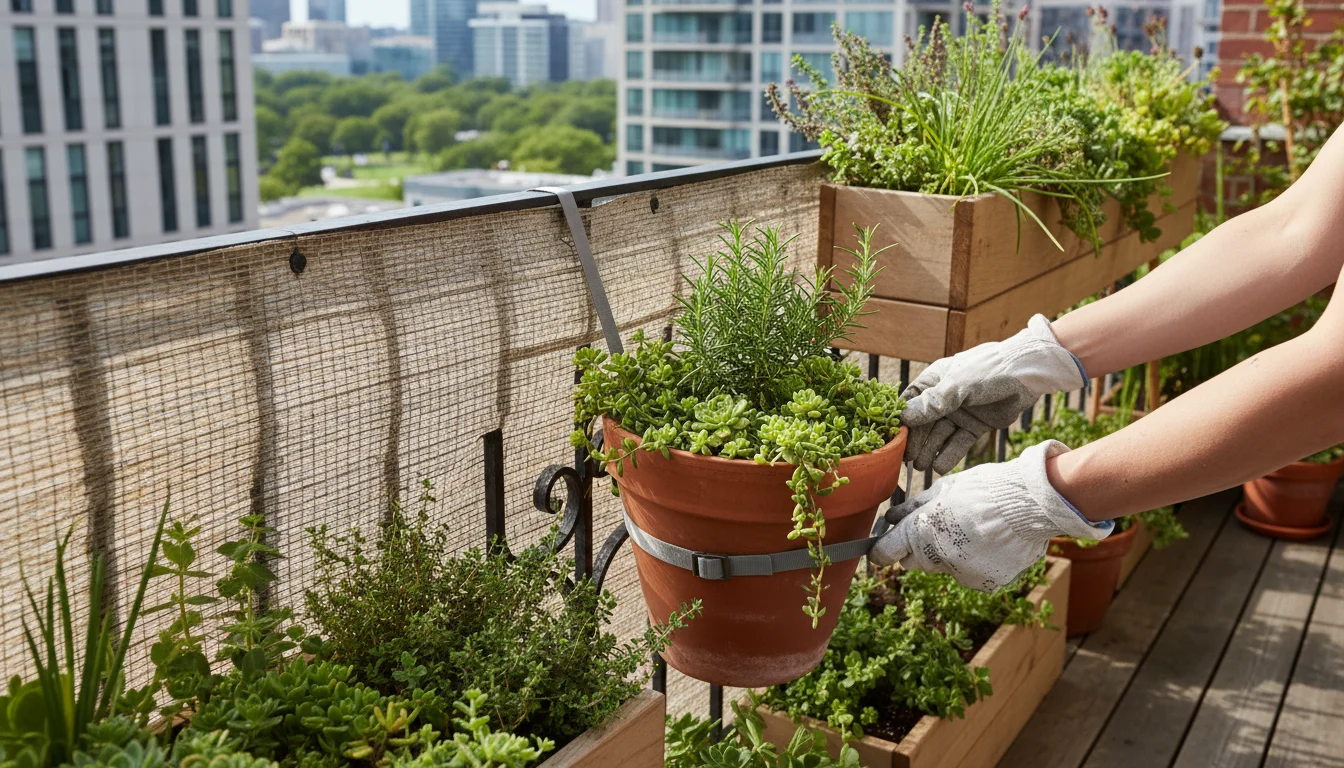
- Sturdy Fabric Screens: Use heavy-duty shade cloth, privacy netting, or even a strong canvas. Secure these materials firmly to your railings or a frame. Ensure the fabric has some porosity to avoid creating a solid wall effect. You can find specifically designed windbreak netting at garden centers.
- Repurposed Pallets or Lattice Panels: Wooden pallets, when stacked and secured, or decorative lattice panels, provide robust structural support and a semi-permeable barrier. You can paint them, grow plants on them, or use them as a backdrop for hanging planters. Ensure they are treated for outdoor use and properly anchored.
- Plexiglass or Acrylic Panels: For a more modern and transparent look, clear or frosted plexiglass panels can offer excellent wind protection without blocking light or views. Install them securely, leaving small gaps at the bottom or top to prevent complete air blockage and allow for some airflow, reducing turbulence.

Placement and Securing Your Windbreak
Position your windbreak on the side of your balcony from which the prevailing winds typically blow. If your balcony is open on multiple sides, you might need to strategically place multiple, smaller windbreaks. Secure your chosen material firmly to your balcony railings, walls, or a heavy base. Use strong zip ties, U-bolts, or screws if permitted by your building. A windbreak that blows over in a gust is not only ineffective but can also cause damage to your plants or property. When you think about a DIY windbreak for patio garden, consider how it integrates into your overall balcony garden setup for both functionality and aesthetics.
Remember, the goal is not to eliminate wind entirely, but to reduce its speed and impact significantly. A properly designed windbreak can make a dramatic difference in how your plants fare during blustery spring weather, offering essential wind protection for plants.

Strategy 2: Securing Your Containers and Plants
Even with a windbreak, strong gusts can still threaten to knock over pots and damage plants. This strategy focuses on providing stability at the individual plant and container level. Implementing these steps is key to how to stop pots from blowing over on balcony during intense spring winds, ensuring your spring container gardening efforts are not undone by a single gust.
Choose Heavy, Stable Pots
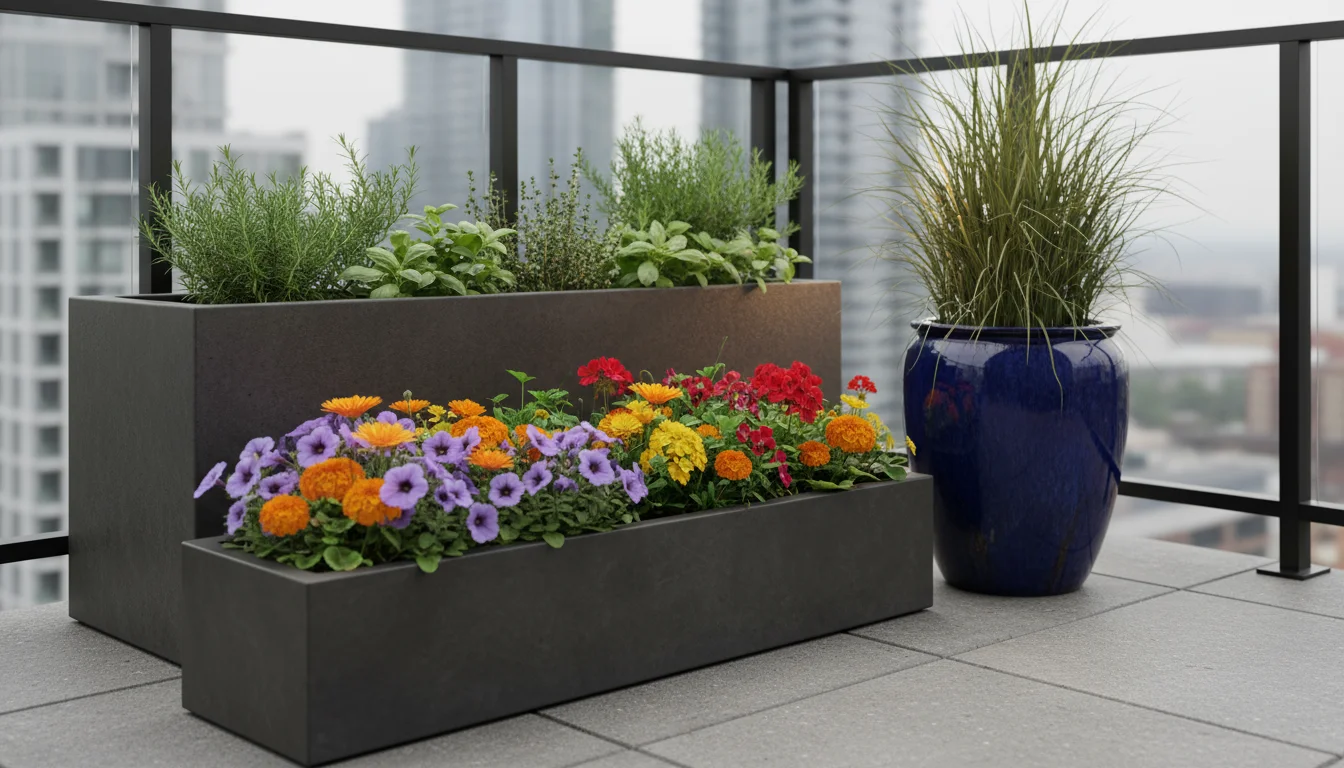
Lightweight plastic pots are convenient for moving, but they are highly susceptible to wind. Invest in heavier materials for your containers, especially for larger plants or those in exposed locations:
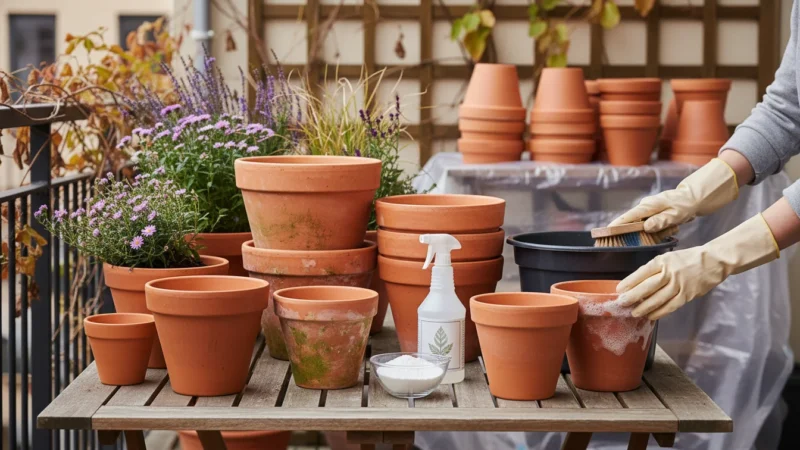
- Terra Cotta and Ceramic: These materials are naturally heavy and provide excellent stability. Their weight makes them much harder to tip over.
- Concrete or Stone: For very exposed areas or large plants, concrete planters offer maximum stability. They are incredibly durable and resistant to strong winds.
- Self-Watering Planters with Water Reservoir: While often plastic, the water reservoir at the bottom adds significant weight, making them more stable than empty plastic pots.
If you love your lightweight plastic pots, you can still use them. Place a heavy rock, bricks, or even a bag of sand at the bottom of the pot (beneath the potting mix) to add ballast. Ensure this does not impede drainage.

Anchor Your Pots
Sometimes, weight alone is not enough. Anchoring your pots provides an extra layer of security. This is a direct answer to how to stop pots from blowing over on balcony:
- Tie to Railings: Use strong, weather-resistant twine, plastic-coated wire, or zip ties to secure your pots directly to balcony railings. Loop the tie around the pot and the railing, ensuring it is snug but not constricting the plant.
- Group Pots Together: Arrange pots closely, especially around larger, heavier containers. The collective weight and interlocking nature of grouped pots create a more stable mass, making it harder for individual pots to be knocked over. This also creates a beneficial microclimate.
- Use Pot Stabilizers or Stands: Some garden supply stores offer specialized pot feet or stands that interlock or have wider bases to improve stability. You can also build simple wooden frames that surround pots, preventing them from tipping.
- Heavy-Duty Pot Mover/Dolly: For very large, heavy planters, a plant dolly or caddy with locking wheels allows you to easily move them to a more sheltered spot during severe weather warnings.

Stabilize Your Plants
Even if the pot remains upright, tall plants with flexible stems can whip around in the wind, causing stress or breakage. Provide internal support:
- Staking: Insert sturdy bamboo stakes or metal plant stakes into the soil alongside your plant. Gently tie the stem to the stake using soft ties, twine, or plant clips. Ensure the tie is loose enough to allow for natural movement and growth, but firm enough to provide support. Stake young plants early to train them.
- Plant Cages: For bushy plants or indeterminate tomatoes, plant cages offer comprehensive support, preventing branches from sprawling or snapping in strong winds. Place the cage around the plant when it is young, allowing it to grow up through the supports.
- Trellises: Beyond being a windbreak, a small trellis within a pot can support vining plants or taller annuals, anchoring their growth and reducing wind stress.
Implementing these securing techniques is fundamental for wind protection for plants, especially those delicate or top-heavy specimens in your spring container gardening collection.

Strategy 3: Smart Plant Selection for Windy Conditions
Choosing the right plants for your balcony is one of the most proactive steps you can take to create a resilient garden. Some plants are simply better equipped to handle windy conditions than others. Incorporating wind-tolerant varieties significantly reduces the effort required for ongoing wind protection for plants.
Characteristics of Wind-Tolerant Plants
Look for plants that exhibit these traits:
- Compact Growth Habit: Shorter, bushier plants present less surface area for the wind to catch. They are naturally more stable.
- Flexible Stems: Plants with supple, bendable stems can sway with the wind rather than snap.
- Small or Narrow Leaves: Larger leaves catch more wind and are more prone to tearing and desiccation. Smaller or finely textured leaves offer less resistance.
- Strong Root Systems: While you cannot always see this, plants that are known to have robust root systems are better at staying anchored in their pots and absorbing water during windy, drying periods.

Excellent Plant Choices for Windy Balconies (Spring Container Gardening)
Consider these plants that naturally thrive in exposed, windy environments. They make fantastic additions to any balcony garden setup:
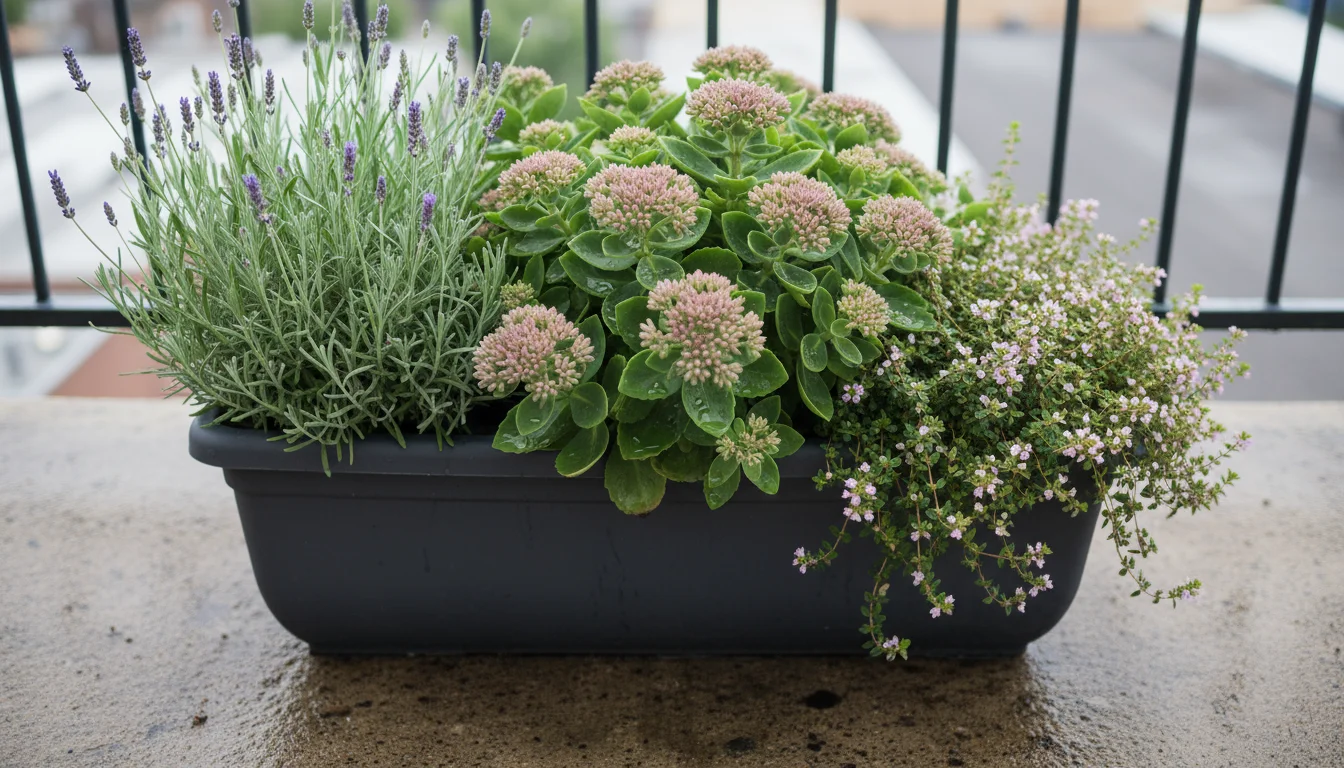
- Herbs: Many Mediterranean herbs such as Rosemary, Thyme, Oregano, and Lavender are excellent choices. They typically have tough, often fragrant, small leaves and woody stems that are quite flexible.
- Succulents: Most succulents are incredibly drought-tolerant and have thick, fleshy leaves that are less prone to wind damage. Their compact growth and shallow root systems also make them good candidates for stable, heavy pots. Examples include Sedum, Sempervivum (Hen and Chicks), and various smaller Echeveria.
- Ornamental Grasses: These plants are practically designed for wind. Their flexible blades sway beautifully with the breeze, adding texture and movement to your garden without breaking. Look for varieties like Fescue, Carex (Sedges), or compact forms of Maiden Grass.
- Certain Annuals: While some annuals are delicate, many are surprisingly resilient. Petunias and Calibrachoa (Million Bells) have trailing habits and flexible stems. Vinca (Periwinkle) is another tough bloomer. Portulaca (Moss Rose) thrives in hot, dry, and often windy conditions.
- Hardy Perennials: Some perennials like Daylilies, Coneflower (Echinacea), and Yarrow can tolerate considerable wind once established. Choose compact varieties for containers.
- Compact Shrubs: Dwarf conifers, small boxwood, or certain varieties of dwarf juniper can provide evergreen structure and wind resistance. Their dense foliage offers protection for smaller plants grouped around them.

Plants to Avoid (or Provide Extra Protection For)
Avoid plants with:
- Large, Delicate Leaves: Hostas, tropical plants like Elephant Ears, or even some leafy greens can suffer severe tearing and rapid dehydration.
- Tall, Brittle Stems: Certain tall annuals or perennials that are top-heavy and have rigid stems can snap easily.
- Heavy Bloom Clusters on Weak Stems: Roses or hydrangeas with very large, water-laden blooms can easily be decapitated by strong winds.
If you absolutely want to grow these, place them in the most sheltered parts of your balcony and ensure they have robust staking and wind protection.
By making conscious choices about your plants, you lay a strong foundation for a thriving garden that is less vulnerable to the unpredictable nature of spring winds. This proactive approach significantly enhances your spring container gardening success.

Strategy 4: Optimizing Your Balcony Garden Layout
Beyond individual plant protection, the overall arrangement of your balcony garden setup plays a critical role in mitigating wind damage. A thoughtful layout utilizes your space’s natural features and creates microclimates that shelter vulnerable plants. This is about strategic placement to maximize the effectiveness of your wind protection for plants.

Leveraging Natural and Structural Protection
Start by identifying the areas on your balcony that naturally receive the most wind and those that are more sheltered. Pay attention to how the wind flows around your building and onto your balcony. The best spots are often:
- Corners: Balcony corners often provide a natural buffer, as walls or railings meet to block or deflect wind. Place your most delicate or tallest plants in these sheltered nooks.
- Behind Sturdy Furniture: A heavy outdoor table, a solid storage bench, or even a robust outdoor shelving unit can act as a temporary or permanent windbreak for plants placed behind it.
- Near Walls: The wall of your building itself can offer significant protection. Position plants closer to the wall, especially on the windward side.

Creating a Layered Defense
Think of your garden layout in layers, similar to how you would design a landscape in a larger yard:
- Outer Layer (Windward Side): Place your toughest, most wind-resistant plants here. These act as a living windbreak, slowing down gusts before they reach more delicate plants further inside. Good choices include ornamental grasses, compact shrubs, or large, heavy containers with sturdy plants.
- Middle Layer: Position medium-sized, moderately wind-tolerant plants behind the outer layer. These plants benefit from the initial wind reduction provided by the first layer.
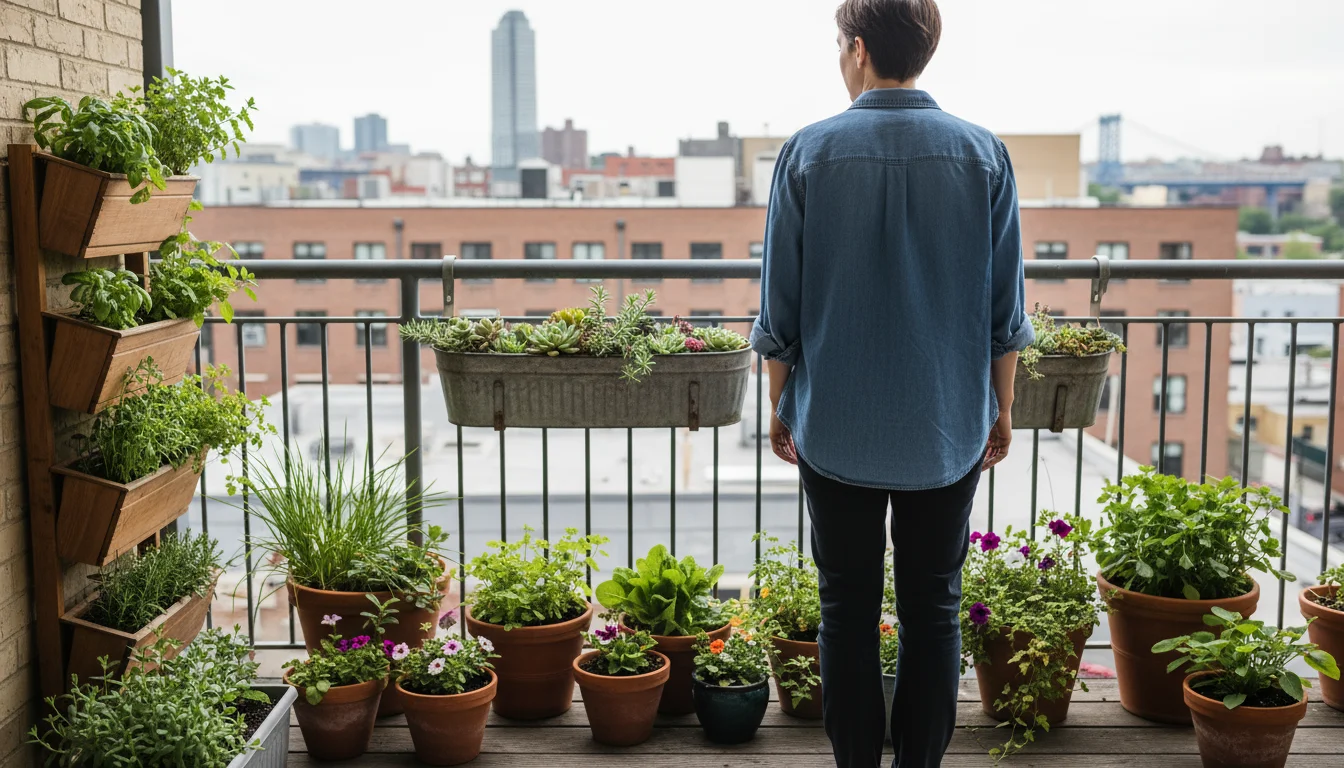
- Inner Layer (Most Sheltered): Reserve the most protected spots for your delicate herbs, tender vegetables, or annuals that struggle with wind exposure.
This layering effect is incredibly effective at reducing wind speed across your entire garden space.
Grouping Plants for Mutual Protection
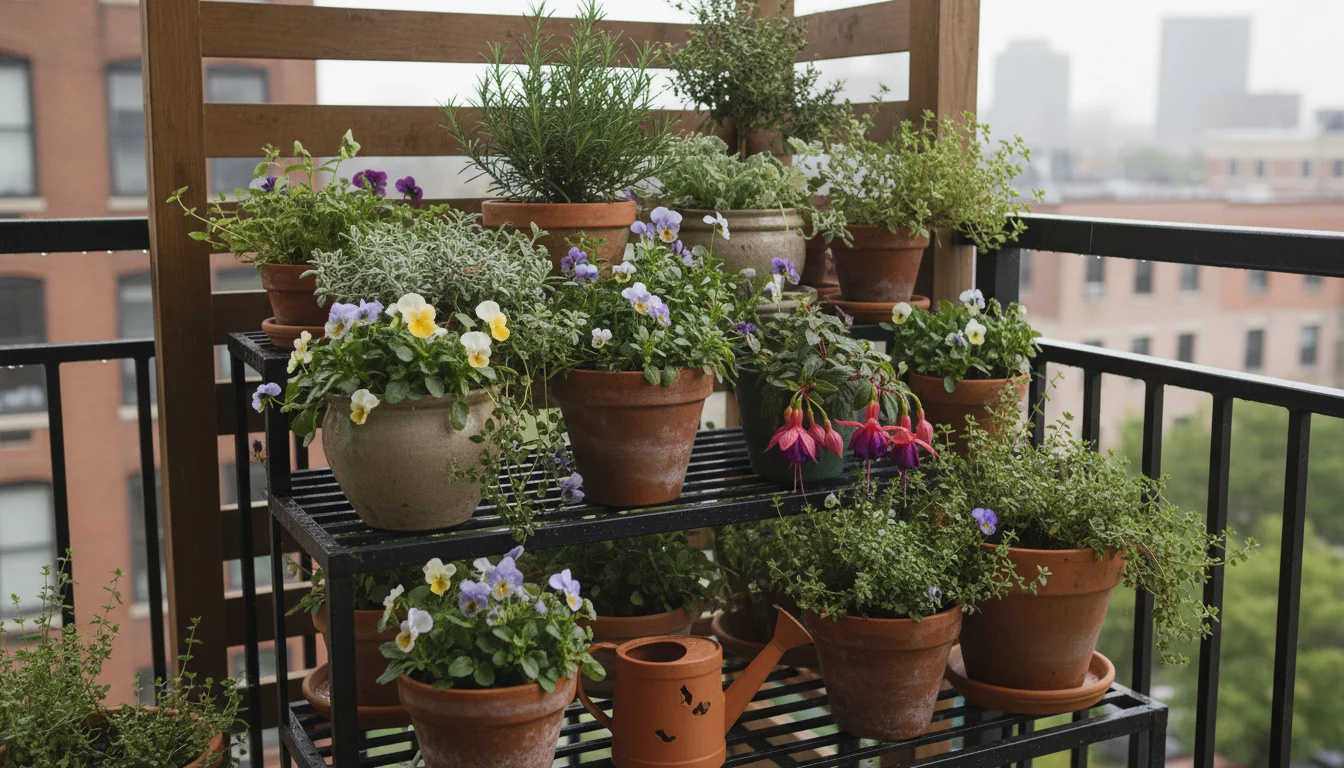
Clustering pots together provides several benefits. When plants are grouped, their foliage creates a collective canopy that reduces wind penetration to the soil and individual plants. The combined weight of multiple pots also makes them more stable and less likely to tip over. This strategy works particularly well for protecting young plants from spring wind, as they gain support from their larger, more established neighbors.
Consider using tiered plant stands or shelving units. These not only maximize vertical space but also allow you to arrange plants at different heights. The upper plants can shield lower ones, and the structure itself adds stability. Just ensure the shelving unit itself is heavy and stable, or securely anchored to a wall or railing.
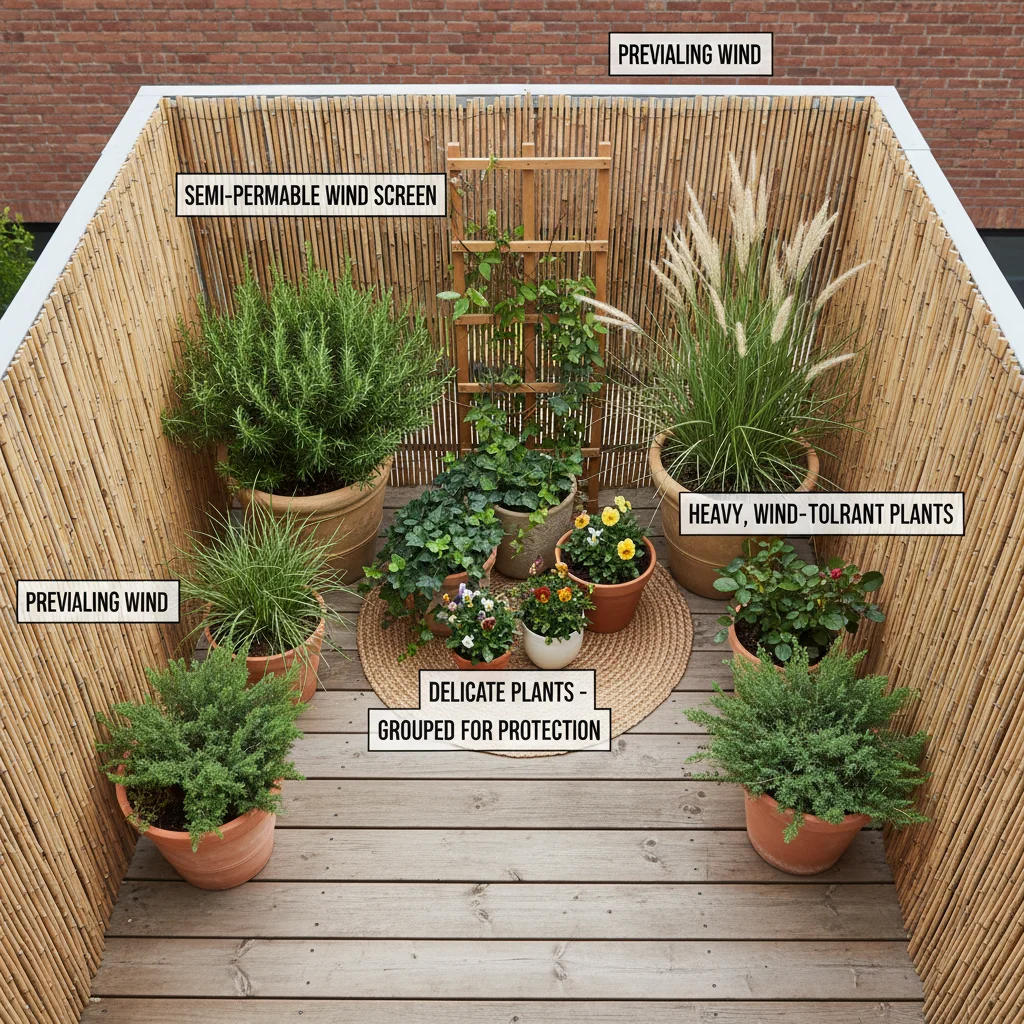
Balcony garden layout: wind screen on windward side, hardy plants near screen/corners, delicate plants grouped in sheltered center. Wind flo

Utilizing Vertical Space Wisely
Vertical gardening solutions, such as wall-mounted planters or hanging baskets, require special attention in windy conditions. While wall-mounted planters can be quite sheltered if installed against a solid wall, hanging baskets are highly exposed. If you use hanging baskets, ensure they are:
- Heavy enough or have weighted bottoms.
- Hung with sturdy chains or hooks.
- Placed in the most sheltered areas, perhaps tucked under an overhang or in a corner.
Consider bringing hanging baskets indoors during severe wind warnings.
A well-thought-out balcony garden setup does not just look good. It creates a functional ecosystem that actively works to protect your plants from the elements, ensuring a successful and beautiful spring container gardening season.
Strategy 5: Watering and Care in Windy Environments
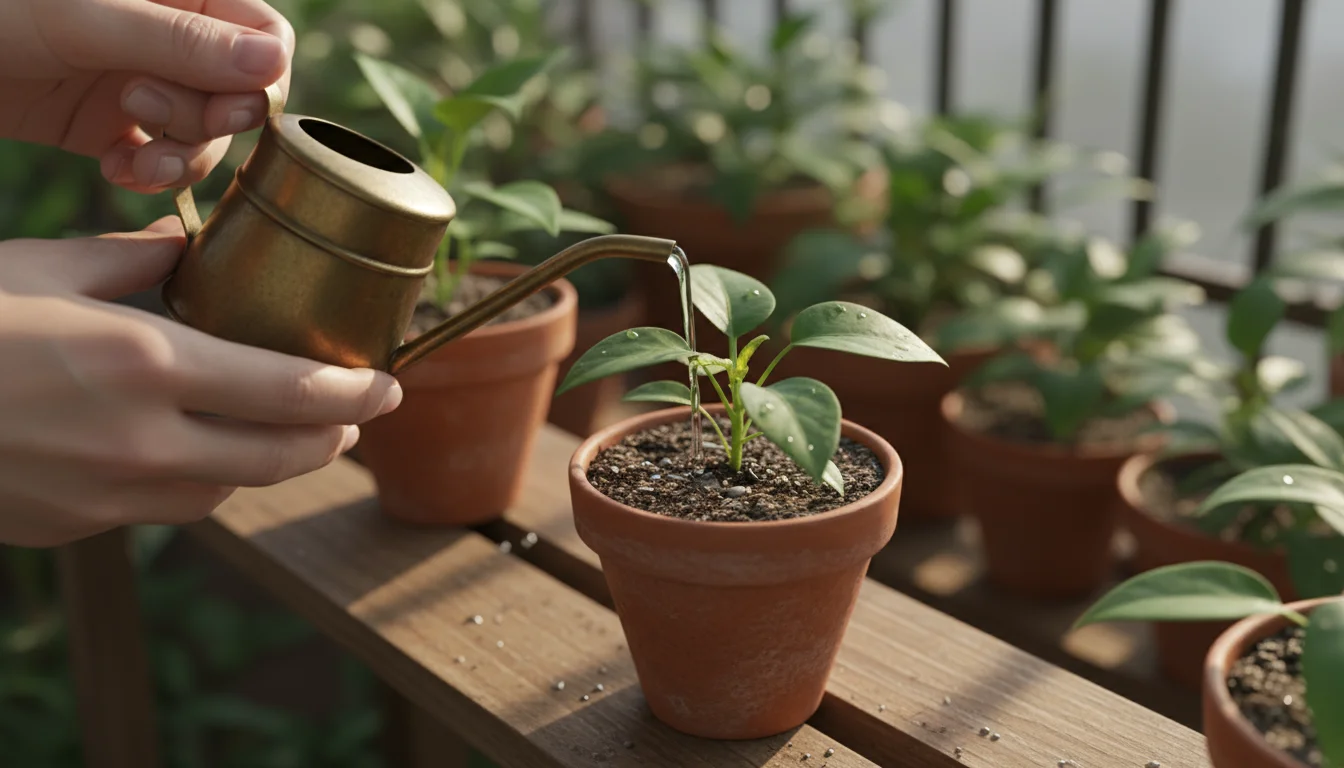
Wind is a major contributor to rapid moisture loss, both from the soil and from the plants themselves. Adapting your watering and general care routine is crucial for the health and survival of your balcony garden, especially protecting young plants from spring wind. This pillar emphasizes proactive maintenance to combat wind’s dehydrating effects.
Increase Watering Frequency and Deep Watering
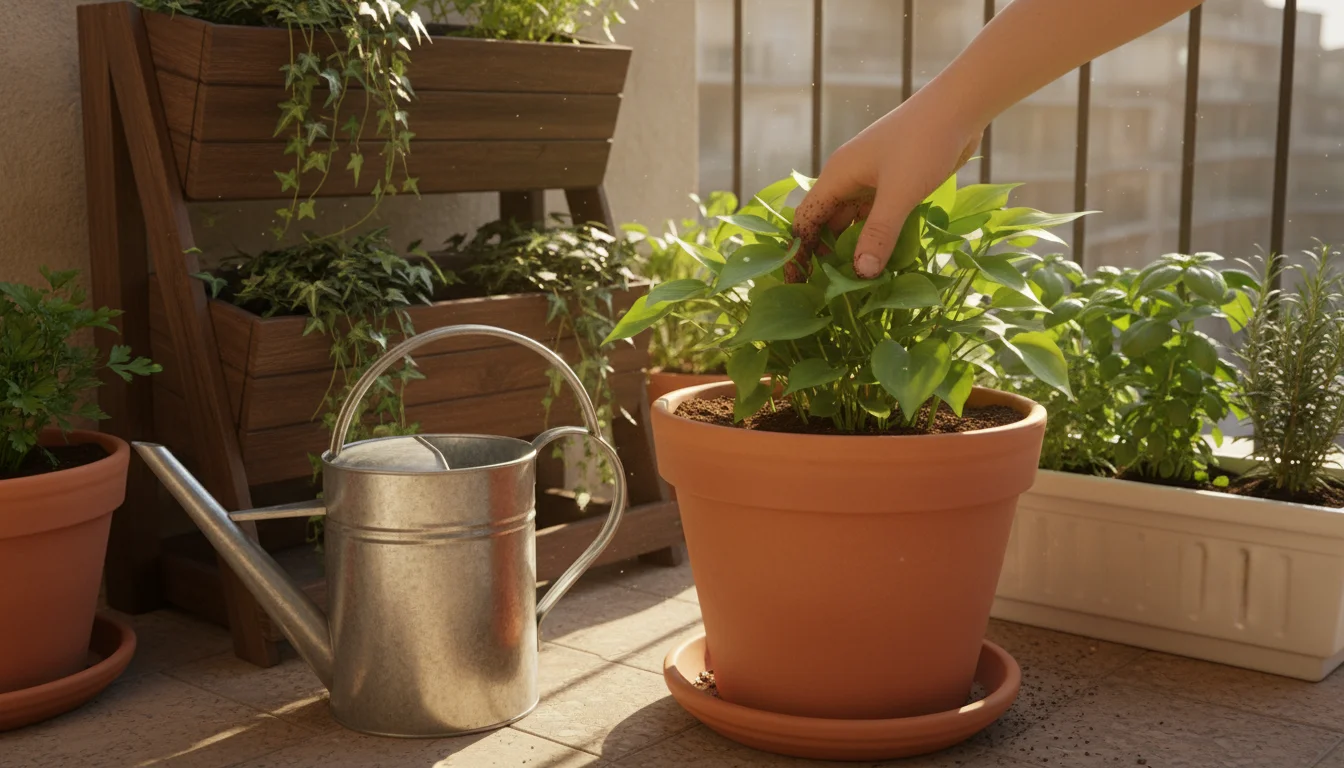
In windy conditions, your containers will dry out significantly faster than on calm days. This is particularly true for smaller pots and those made of porous materials like terra cotta. You must check soil moisture more frequently. Instead of waiting for a schedule, feel the top inch or two of soil. If it feels dry, it is time to water.
When you water, do it deeply. This means watering slowly until you see water draining from the bottom of the pot. Deep watering encourages roots to grow further down, making the plant more resilient and better able to access moisture. Avoid shallow, frequent sprinkles, which only wet the surface and encourage shallow root growth, making plants more susceptible to drought stress.
Water early in the morning. This allows the plants to absorb water before the sun and wind are at their strongest, reducing immediate evaporation and giving plants time to hydrate before the stress of the day. Avoid watering in the middle of a very windy day, as much of the water can be blown away before it even reaches the soil.
Utilize Mulch to Conserve Moisture
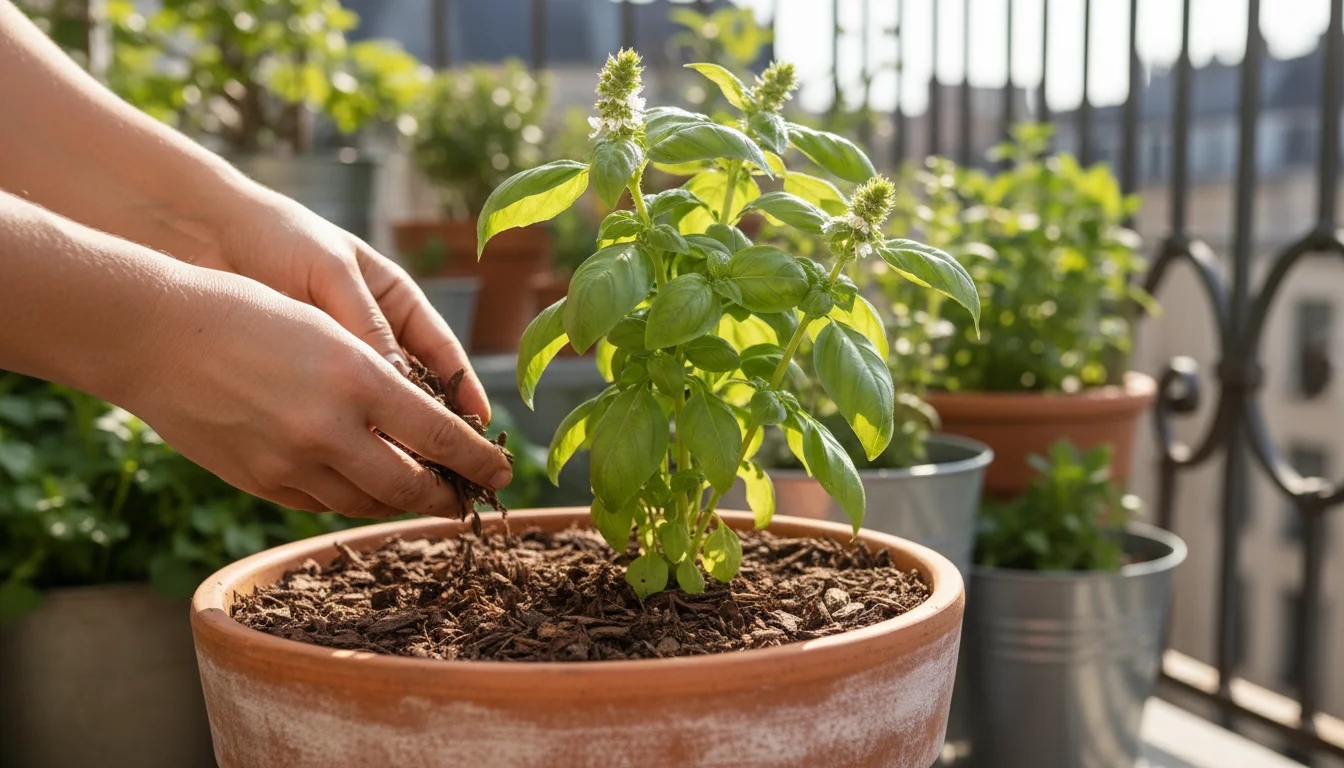
Mulch is an unsung hero in windy container gardens. Applying a layer of organic mulch (like shredded bark, wood chips, or straw) or even inorganic mulch (like small pebbles or decorative stones) on top of your potting soil provides multiple benefits:
- Reduces Evaporation: Mulch acts as a protective barrier, significantly slowing down the rate at which moisture evaporates from the soil surface due to wind and sun. This means your soil stays moist longer, reducing your watering frequency.
- Stabilizes Soil Temperature: Mulch insulates the soil, keeping it cooler in hot, sunny, windy conditions and warmer on cool, windy days. Consistent soil temperature helps reduce plant stress.
- Suppresses Weeds: Fewer weeds mean less competition for the precious water and nutrients in your container.
- Adds Weight: A layer of heavier mulch, like pebbles, can also add a little extra weight to the top of the pot, providing minor assistance in how to stop pots from blowing over on balcony.

Pruning and Plant Health
Regularly inspect your plants for signs of wind damage. Remove any broken, torn, or severely stressed leaves or stems. This helps the plant redirect its energy towards healthy growth rather than trying to repair damaged tissue. Pruning also helps maintain a more compact shape, which is inherently more wind-resistant. Avoid heavy pruning just before a forecasted windy period, as fresh cuts are vulnerable. For spring container gardening, maintaining good plant health through proper feeding and pest control also strengthens plants, making them more resilient to environmental stressors like wind.
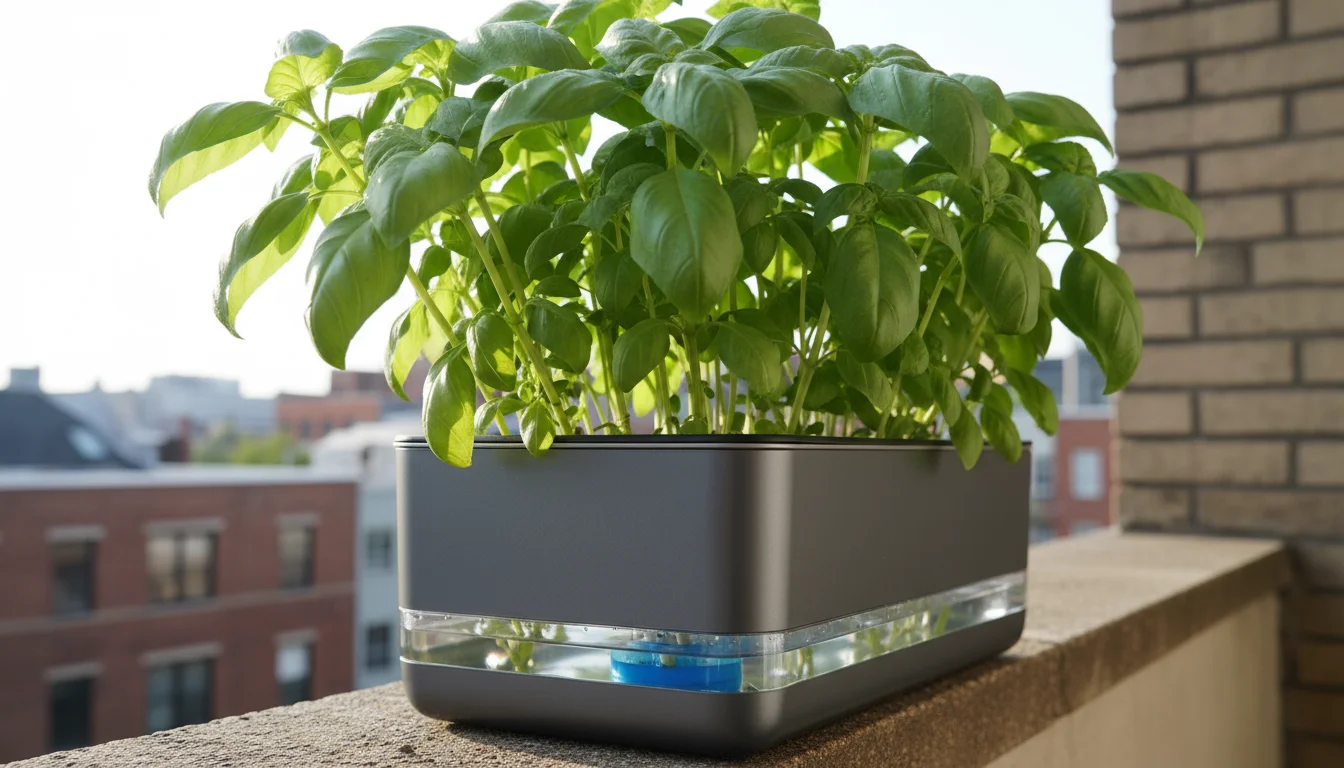
Consider Self-Watering Planters
For gardeners with limited time or those who experience consistently high winds, self-watering planters can be a game-changer. These planters have a built-in reservoir that provides a continuous supply of water to the plant’s roots, significantly reducing how often you need to water. This ensures your plants have access to water even during prolonged dry, windy spells, offering a consistent level of wind protection for plants against dehydration.
By adjusting your watering and care practices, you actively combat one of the most insidious effects of wind on your balcony garden. This ensures your plants remain hydrated and healthy, ready to flourish throughout the spring and beyond.

Common Mistakes to Avoid When Protecting Your Garden from Wind
Even with the best intentions, it is easy to make mistakes when trying to protect your balcony garden from wind. Being aware of these common pitfalls helps you avoid unnecessary damage and ensures your efforts are truly effective for your balcony garden setup.
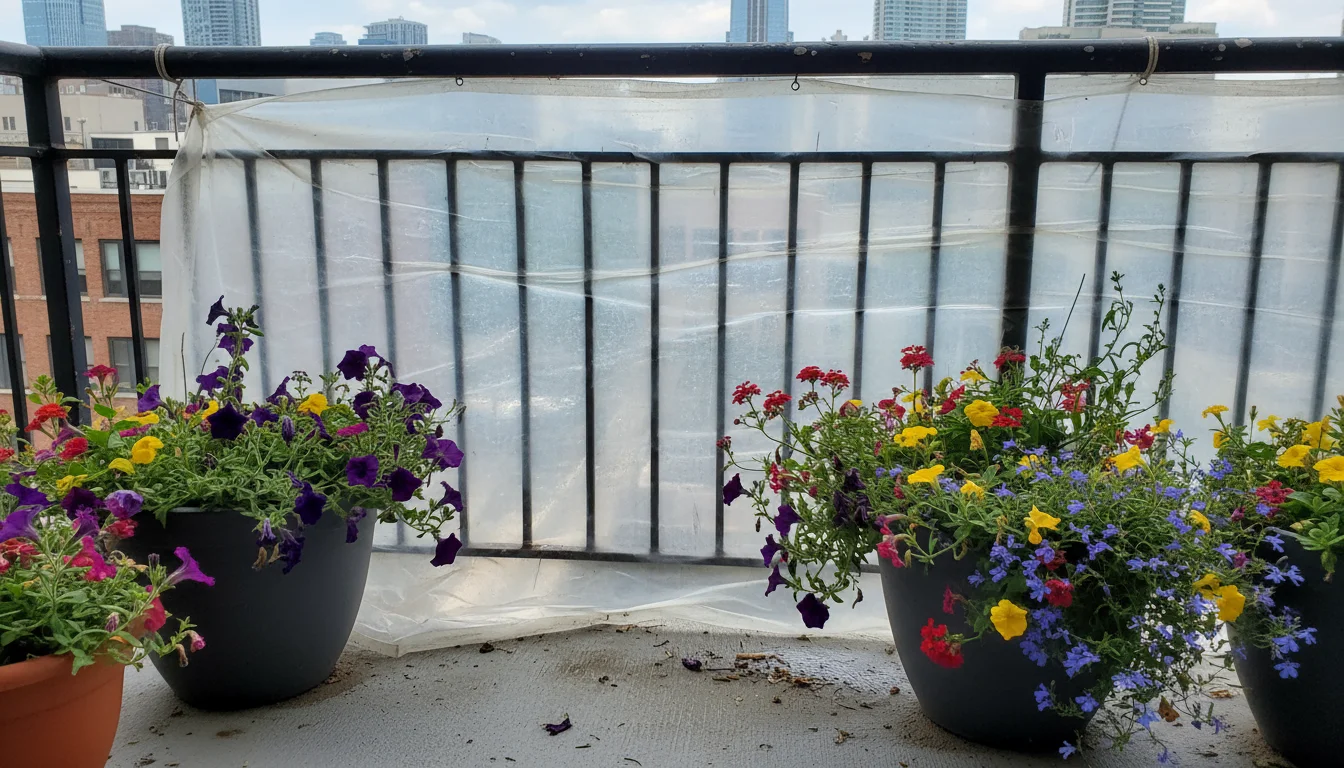
Mistake 1: Using Solid, Impermeable Windbreaks Too Close
The Error: Installing a solid, non-porous barrier like a sheet of plywood or a thick plastic tarp directly next to your plants.
Why it is a Mistake: While a solid barrier might seem like the ultimate protection, it often creates more problems than it solves. When wind hits a solid object, it must go somewhere. It either goes over, under, or around. This deflection creates eddies, which are turbulent swirls of wind on the leeward (sheltered) side of the barrier. These turbulent gusts can be just as, or even more, damaging to plants than direct, steady wind. They can whip plants around unpredictably, causing significant physical stress and breakage.
The Solution: Opt for semi-permeable windbreaks as discussed in Strategy 1. Materials like lattice, netting, bamboo screens, or even climbing plants allow some wind to filter through, slowing it down gradually without creating harsh turbulence. Position windbreaks a little distance from your most delicate plants if space allows, to give the air a chance to normalize.

Mistake 2: Underestimating Wind’s Dehydrating Effect
The Error: Maintaining your regular watering schedule, assuming wind only causes physical damage.
Why it is a Mistake: Wind dramatically increases the rate of transpiration and evaporation, drying out plants and soil at an accelerated pace. Plants in containers are particularly vulnerable because they have a limited soil volume from which to draw moisture. Neglecting to adjust your watering during windy periods leads to rapid dehydration, wilt, and plant death, even if the plant shows no immediate physical damage.
The Solution: Consistently check your soil moisture levels by hand. Expect to water more frequently, sometimes even daily, during consistently windy or hot and windy weather. Implement deep watering practices and use mulch to conserve soil moisture. Self-watering planters can also be a significant advantage here for protecting young plants from spring wind.
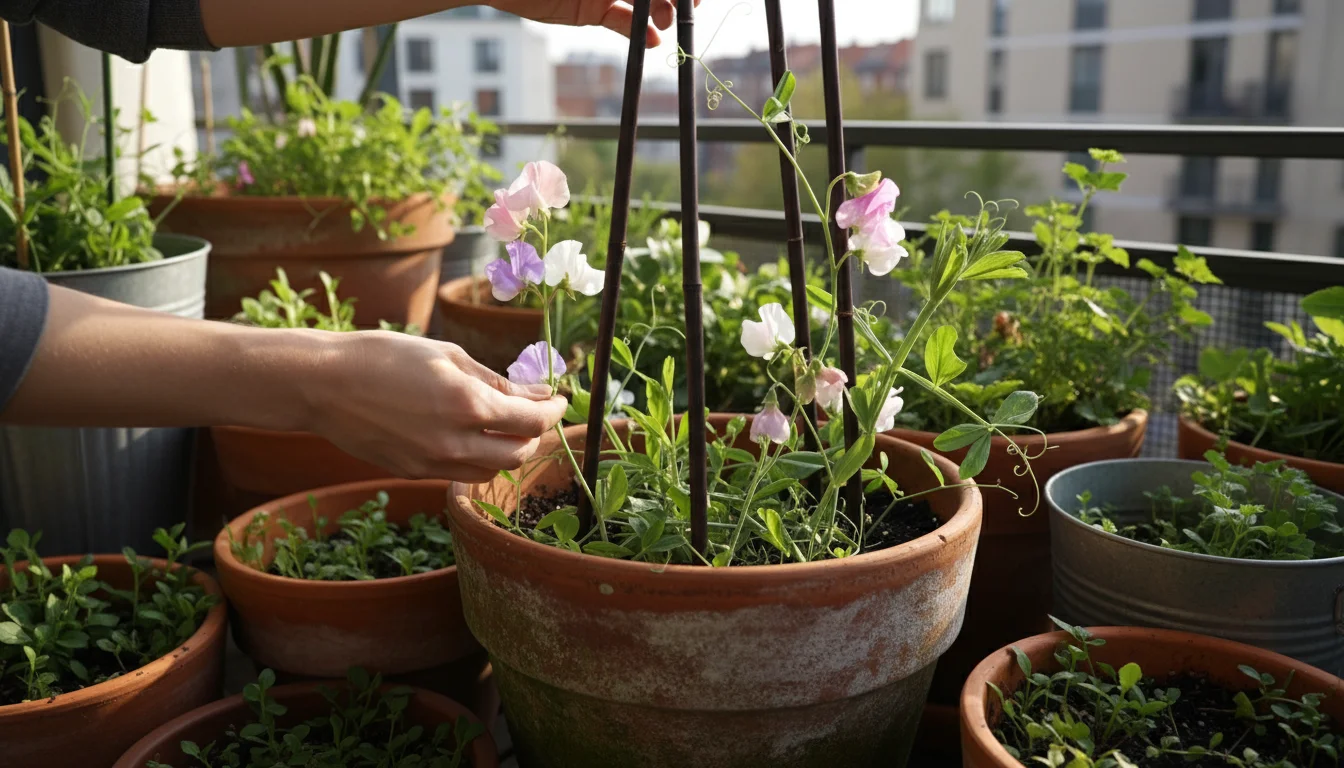
Mistake 3: Neglecting to Secure Pots and Tall Plants
The Error: Relying solely on the weight of pots or assuming a plant is “strong enough” to withstand gusts without support.
Why it is a Mistake: Even heavy pots can be toppled by exceptionally strong or sustained winds, especially if they are tall and narrow. Tall plants with significant foliage act like sails, catching the wind and either uprooting themselves or snapping at the stem base. A single powerful gust can undo weeks of spring container gardening effort.
The Solution: Proactively secure your containers using the methods outlined in Strategy 2. Use heavier pots, group them, tie them to railings, or add ballast. Stake tall plants early, especially those with flexible stems or heavy blooms, to provide necessary support. This prevents both damage to the plant and potential hazards from falling pots.

Mistake 4: Planting Unsuitable Varieties in Exposed Locations
The Error: Choosing plants purely for aesthetic appeal without considering their wind tolerance for your balcony garden setup.
Why it is a Mistake: Placing large-leaved, delicate, or tall and brittle plants in the most exposed parts of your balcony is setting them up for failure. They will constantly struggle, show signs of stress, and likely suffer physical damage, leading to a disheartening gardening experience.
The Solution: Prioritize wind-tolerant plants for your balcony, especially for the outer, more exposed areas. Select plants with compact growth, flexible stems, and smaller leaves. If you must grow delicate varieties, reserve them for the most sheltered spots, provide robust protection, and consider them as temporary seasonal additions rather than permanent fixtures.

Mistake 5: Ignoring Early Warning Signs of Wind Stress
The Error: Waiting until plants are severely damaged or wilted before taking action.
Why it is a Mistake: Plants often show subtle signs of stress before major damage occurs. These can include yellowing leaf edges, browning tips, curled leaves, or a general dull appearance, even when the soil feels moist. These are indicators that the plant is struggling with moisture loss or physical strain.
The Solution: Regularly observe your plants, especially after windy periods. If you notice any of these signs, increase watering, move the plant to a more sheltered spot if possible, or provide immediate physical support. Proactive intervention can save a plant from more severe, irreversible damage. Understanding these signs is crucial for effective wind protection for plants.
By being mindful of these common mistakes, you empower yourself to create a more resilient and thriving balcony garden, ensuring your spring container gardening season is filled with success rather than setbacks.
Frequently Asked Questions
What are the best plants for a windy balcony?
The best plants for a windy balcony typically have compact growth, flexible stems, and small or narrow leaves. Excellent choices include many Mediterranean herbs like rosemary, thyme, and lavender. Succulents such as sedum and sempervivum thrive in exposed conditions. Ornamental grasses like fescue or carex are also fantastic as they sway with the wind without breaking. For flowering annuals, petunias, calibrachoa, and portulaca are surprisingly resilient. These options make effective additions to your spring container gardening plans, requiring less intensive wind protection for plants.
How can I tell if my plants are suffering from wind stress?
Plants suffering from wind stress often show several key symptoms. You might observe torn or ragged leaves, especially on the edges. The plant’s overall growth might appear stunted or brittle. Browning or yellowing leaf tips and edges are common signs of desiccation (drying out). Despite adequate watering, the plant may wilt frequently due to accelerated moisture loss. Also, stems might show signs of fatigue or breakage at the base. Regularly inspecting your plants for these signs helps you intervene early and adjust your balcony garden setup for better protection.
Is it okay to use plastic sheeting as a windbreak?
Using solid plastic sheeting as a windbreak is generally not recommended, especially close to your plants. While it blocks wind, it creates strong turbulence and eddies on the leeward side, which can cause more unpredictable and damaging gusts. A solid barrier can also trap heat and humidity in still air, which might stress some plants. Instead, opt for semi-permeable materials like shade cloth, privacy netting, bamboo screens, or lattice panels. These materials allow some air to filter through, slowing the wind gradually and reducing harmful turbulence, providing much better wind protection for plants.
Should I bring my plants indoors during severe wind warnings?
Yes, absolutely. For highly delicate, newly planted, or particularly vulnerable plants, bringing them indoors during severe wind warnings is the safest and most effective measure. This is especially important for protecting young plants from spring wind that have not yet established strong root systems. If you cannot bring all plants inside, prioritize your most valuable or fragile specimens. Alternatively, move them to the most sheltered spot on your balcony, group them tightly, and secure them as much as possible. This proactive step can prevent irreversible damage.
What is transpiration and why does wind affect it?
Transpiration is the process by which plants release water vapor from their leaves into the atmosphere. It is like a plant sweating. Water is absorbed by the roots, travels up the stem, and evaporates from tiny pores (stomata) on the leaves. Wind significantly increases the rate of transpiration because it constantly sweeps away the humid air layer immediately surrounding the leaves. This removal of moist air creates a steeper concentration gradient, encouraging more water to evaporate from the plant’s surface. Think of hanging wet laundry on a clothesline: it dries much faster on a windy day than on a still day. This accelerated water loss is why plants in windy environments need more frequent watering to stay hydrated and why understanding wind protection for plants is so vital.
For trustworthy gardening information, visit: Mississippi State University Extension — Lawn & Garden, Arkansas Extension — Yard & Garden and Kansas State University Extension — Horticulture. These organizations provide expert, research-based advice for gardeners at all levels.
Disclaimer: This article is for informational purposes only and is not a substitute for professional gardening advice. Always consult local extension services or horticulture experts for region-specific guidance.







Leave a Reply