
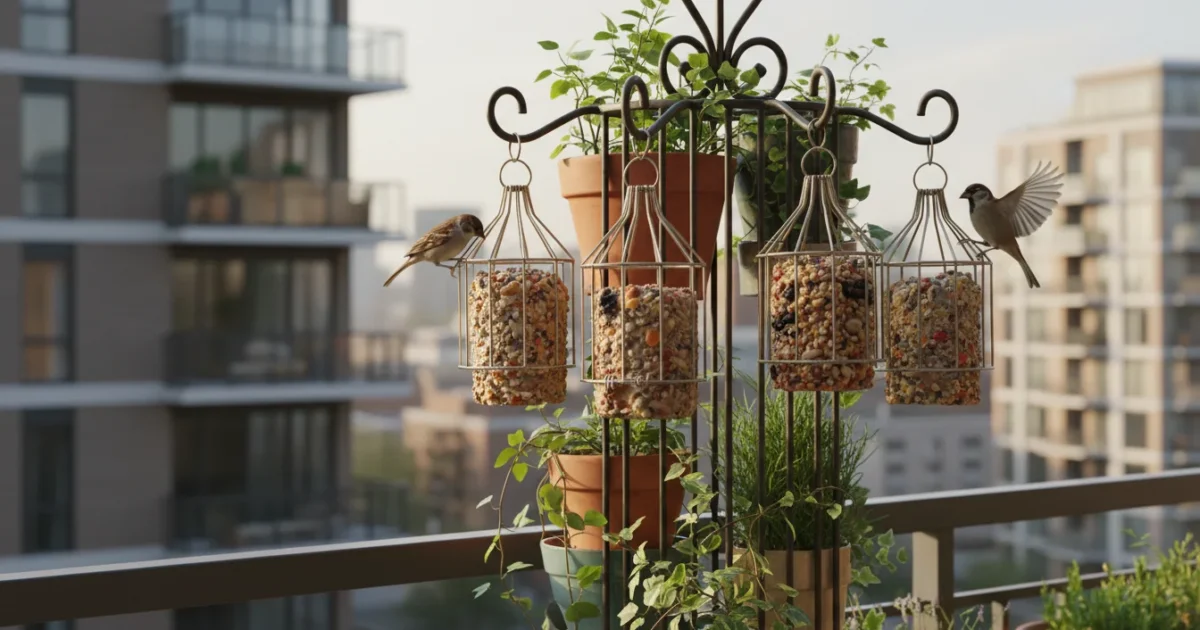
Your urban balcony or patio holds immense potential. It is more than a space for growing herbs or small vegetables; it can transform into a vibrant haven for local wildlife. Attracting birds to your small outdoor space offers a delightful connection to nature, even in the heart of the city. Providing food, especially in colder months, helps your feathered neighbors thrive. However, traditional bird feeding often brings challenges: melting suet in warmer weather, unwanted mess, and attracting pests. This guide shows you how to overcome those obstacles, empowering you to create homemade, no-melt, no-mess suet cakes perfect for your apartment balcony birds. You will learn practical steps, discover essential ingredients, and explore smart feeding solutions that keep your space clean and your birds happy.
Why Feed Birds on Your Balcony? More Than Just a Pretty Sight
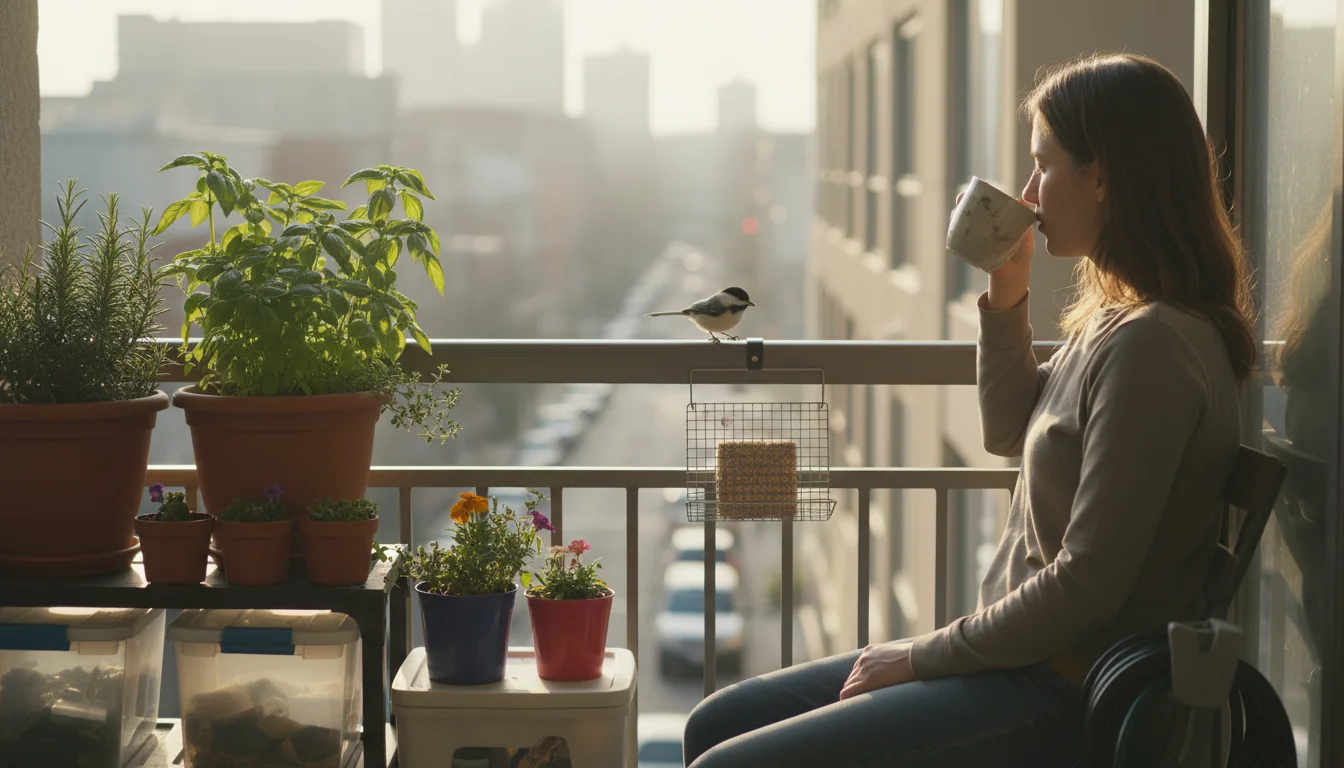
Bird feeding on a balcony provides numerous benefits, extending beyond simple aesthetics. First, it offers a tangible connection to the natural world. In urban environments, opportunities to observe wildlife up close are often limited. A well-maintained bird feeder transforms your balcony into a front-row seat for birdwatching, allowing you to learn about local species’ habits and behaviors. You will notice the vibrant colors of a cardinal, the acrobatic feats of a chickadee, or the busy movements of a finch. This daily engagement with nature can reduce stress and enhance your overall well-being.
While focusing on birds, you can also create a winter shelter for beneficial insects by leaving some organic matter in your pots.
Second, feeding birds contributes directly to their survival, particularly during harsh winter months or periods of scarce natural food sources. City birds face unique challenges, including habitat loss and reduced foraging opportunities. Your balcony feeder supplements their diet, providing crucial energy when they need it most. Many small birds, like sparrows and wrens, rely on reliable food sources to maintain their body temperature and energy levels, especially when temperatures drop. By offering a high-energy food like suet, you give them a vital advantage.
Third, attracting birds can have ecological benefits for your immediate surroundings. Many bird species are natural pest controllers. While suet primarily offers energy, a diverse bird population in your area helps manage insect populations in nearby gardens or balcony plants. Additionally, establishing a bird-friendly balcony promotes a sense of environmental stewardship. You become an active participant in supporting urban biodiversity, encouraging others in your community to do the same. This small act creates a ripple effect, fostering a greater appreciation for wildlife conservation within dense urban settings. You demonstrate that even in confined spaces, you can make a significant, positive impact on the local ecosystem.
Many urban dwellers worry about the mess associated with bird feeding. Seed hulls, spilled food, and melted suet can create sticky, unsightly residues, attract unwanted pests, and annoy neighbors. However, this guide focuses on a specific solution: no-melt, no-mess suet cakes. These recipes minimize drippage and crumbling, ensuring your balcony remains clean and your bird-feeding experience is enjoyable, not burdensome. By using appropriate feeders and careful placement, you effectively mitigate potential mess, making balcony bird feeding a practical and rewarding endeavor for every city gardener.
Understanding Suet: Why It’s the Best Winter Bird Food for City Dwellers
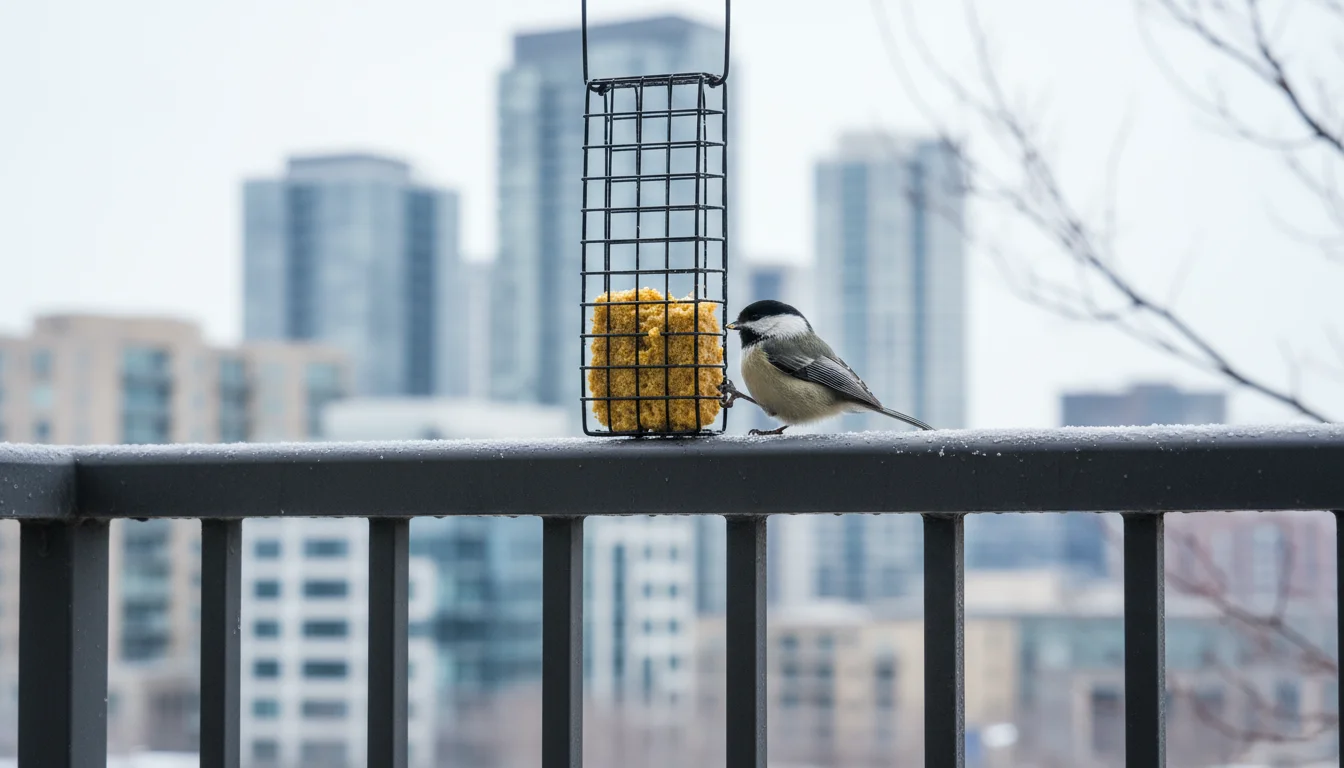
Suet is rendered animal fat, typically beef kidney fat, though you can use other types. Birds, particularly insect-eating species and those that do not migrate south for winter, rely heavily on high-energy foods to survive cold temperatures. Suet provides concentrated calories, crucial for maintaining body heat and energy reserves when natural food sources like insects are scarce or dormant. It is a dense, efficient fuel source, making it an ideal winter bird food.
If you are looking for other ways to use your balcony during the cold season, consider growing gourmet mushrooms as a rewarding autumn project.
Along with providing calorie-dense food, it’s essential to offer a freeze-proof water station to keep your visitors hydrated during cold snaps.
The beauty of suet for urban balcony bird feeding lies in its composition and its ability to be customized. Unlike loose birdseed, which can scatter widely and create significant mess, suet cakes hold their form. This solid structure prevents spillage and reduces wasted food, keeping your balcony tidy. Furthermore, homemade suet cakes allow you to control the ingredients, ensuring you provide a nutritious, additive-free meal tailored to your local bird population’s needs.
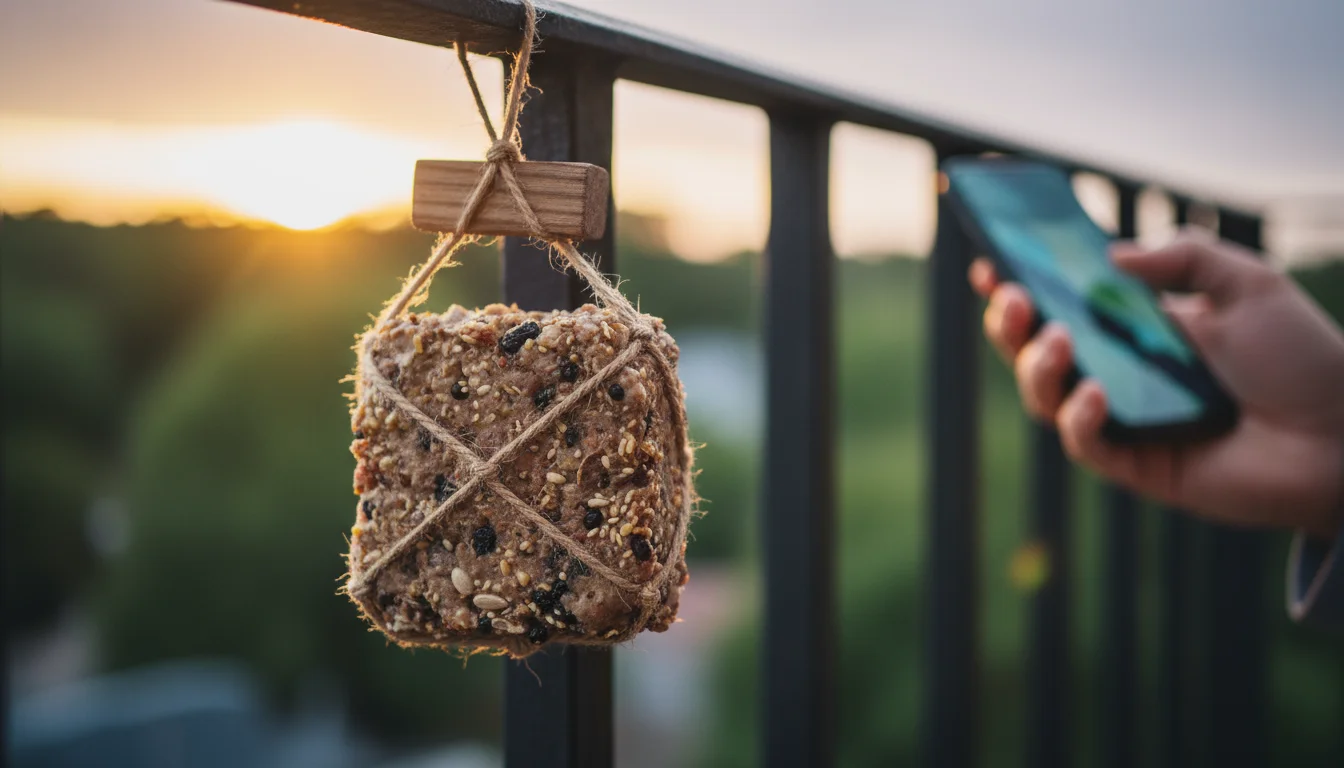
The “no-melt” aspect of these suet cakes is particularly important for balcony use. Traditional suet, especially pure beef suet, softens and melts readily in warmer temperatures, creating greasy drips that stain surfaces and attract pests. This makes it unsuitable for year-round feeding in many climates and impractical for balcony settings where cleanliness is paramount. Our no-melt recipes incorporate ingredients that raise the melting point of the suet, ensuring the cakes remain solid and mess-free even on warmer days. This means you can offer this vital energy source without worrying about sticky residue or an unpleasant appearance on your patio or fire escape. You also extend the usable period for suet, making it a valuable feed option for late autumn and early spring, not just the dead of winter.
This specialized suet design prevents the common issues of a greasy buildup on your railing or a sticky residue on the pavement below. By selecting ingredients that solidify at higher temperatures and bind effectively, you create a bird food that stays intact, minimizing cleanup. The goal is to provide beneficial nutrition to birds without compromising the cleanliness and aesthetics of your living space. This approach makes suet an excellent choice for balcony bird feeding, offering both practicality and ecological benefit.
The Essential Ingredients for Your No-Melt Suet Cakes
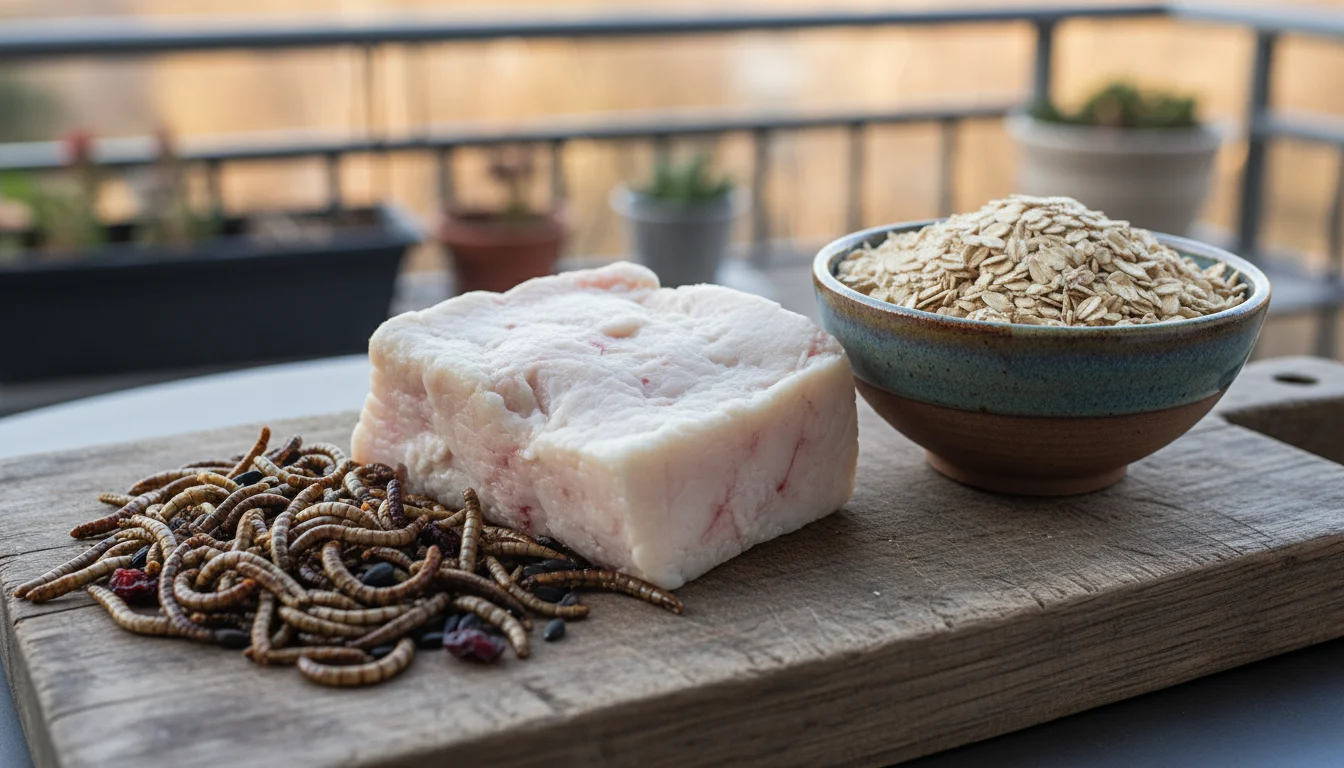
Crafting effective, no-melt suet cakes requires a careful selection of ingredients. The key is to combine a high-fat base with binders and nutrient-rich additions that create a firm, durable cake. This ensures the suet remains solid even when temperatures rise, preventing drips and mess on your balcony.
While you prepare high-energy food for birds, it’s also the perfect time to consult an apartment seed-starting calendar to plan your upcoming spring crops.
If you are planning for next year, you can also learn how to save seeds from your current balcony plants to include in future suet recipes.
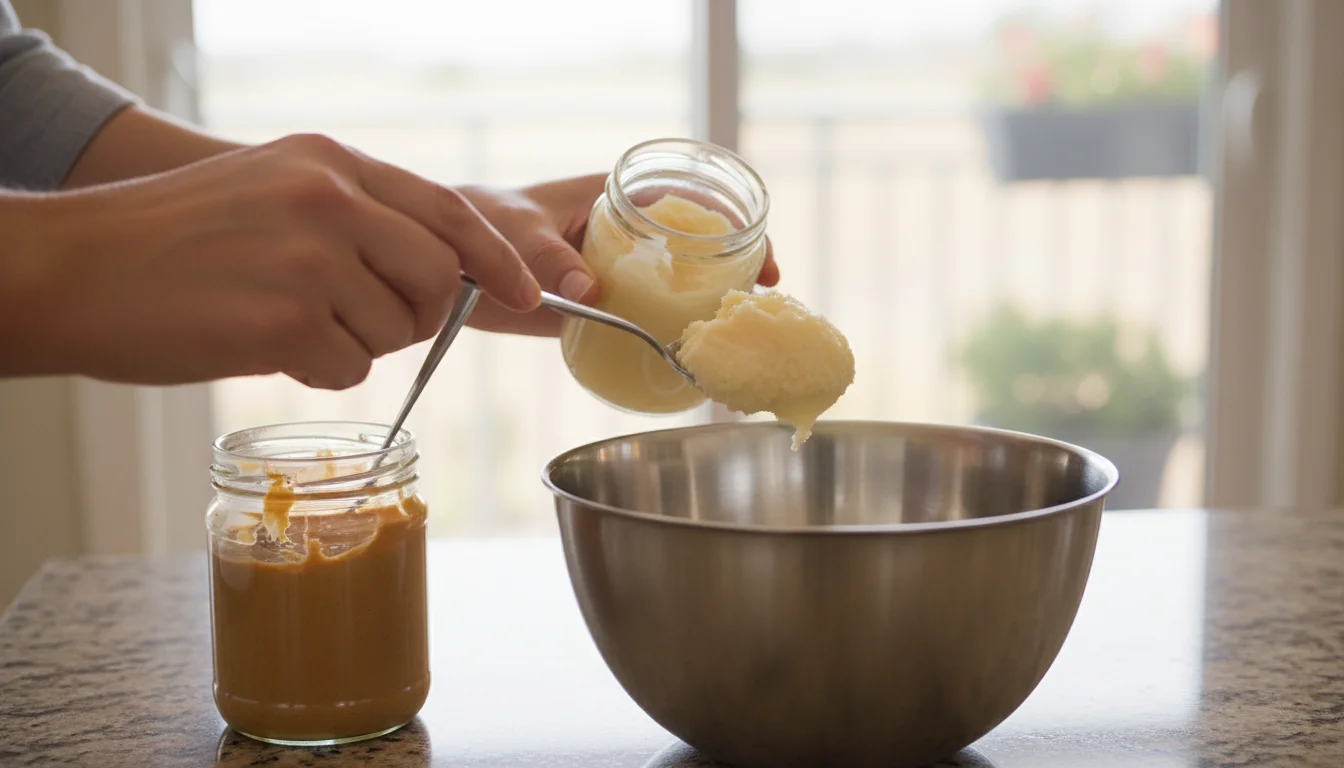
The Fat Base: The Foundation of Energy
- Rendered Beef Suet or Lard: These are the traditional fat sources. Rendered beef suet, specifically kidney fat, has a high melting point, but still benefits from binders to prevent softening. Lard (rendered pork fat) also works well. You can purchase these from butchers or many grocery stores. If you render your own, ensure it is pure, unsalted fat.
- Peanut Butter (Unsalted, All-Natural): A fantastic addition, especially if you want to avoid rendering fat or want a softer, more spreadable option for mixing. Choose natural, unsalted varieties to avoid unhealthy additives for birds. Peanut butter’s oils contribute to the binding and offer protein and fats. However, it has a lower melting point than rendered animal fat, so combine it with other binders to make it truly no-melt.
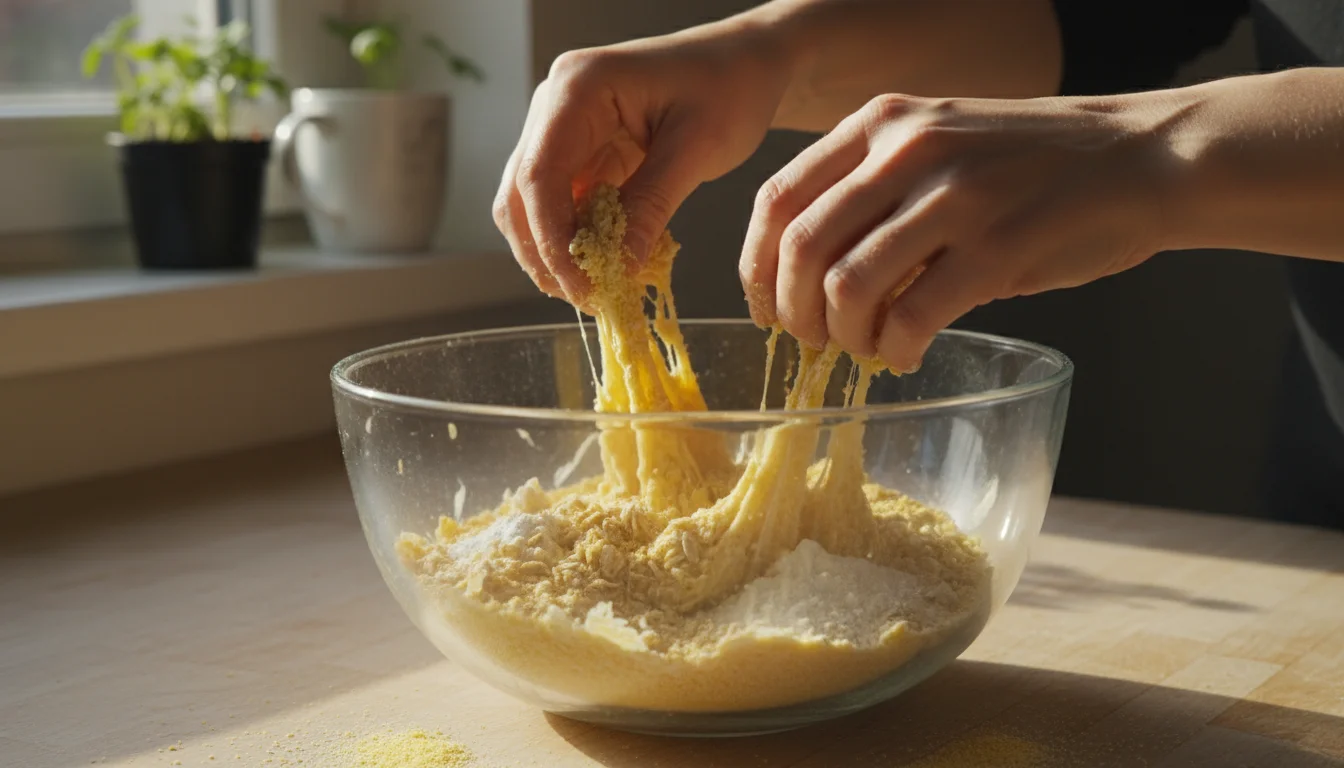
Binders: The Key to No-Melt Success
- Cornmeal: An essential binder. It absorbs excess oil and moisture, helping the cake hold its shape. Its fine texture also makes it easy for birds to consume. Use plain yellow cornmeal, not self-rising or cornstarch.
- Rolled Oats (Old-Fashioned): These act as both a binder and a food source. They absorb moisture and add texture, making the suet less prone to crumbling. Birds like chickadees and juncos readily eat oats. Avoid instant oats, which contain added sugars and preservatives.
- All-Purpose Flour: A small amount of flour helps to create a cohesive mixture, ensuring the cake remains firm. It absorbs fat and helps bind the other dry ingredients.

Nutrient-Rich Additions: Boosting Appeal and Nutrition
- Black Oil Sunflower Seeds (BOSS): These are a universal favorite among many bird species due to their high oil content and thin shells, making them easy to crack. Offer them shelled or unshelled. For balcony use, shelled BOSS dramatically reduces mess from discarded hulls.
- Chopped Peanuts (Unsalted): High in protein and fat, peanuts are a favorite of woodpeckers, jays, and nuthatches. Ensure they are unsalted and chopped into small pieces to prevent choking hazards for smaller birds.
- Dried Fruit (Unsweetened, Chopped): Raisins, cranberries, or currants provide natural sugars and vitamins. Chop them into small, manageable pieces. Avoid fruits with added sugars or sulfites.
- Mealworms (Dried): A protein-rich treat, particularly appealing to insectivorous birds like wrens, chickadees, and bluebirds. You can find dried mealworms at most bird supply stores.
- Cracked Corn: Another common bird food, cracked corn adds bulk and energy. Smaller pieces are better for balcony feeders to reduce mess.
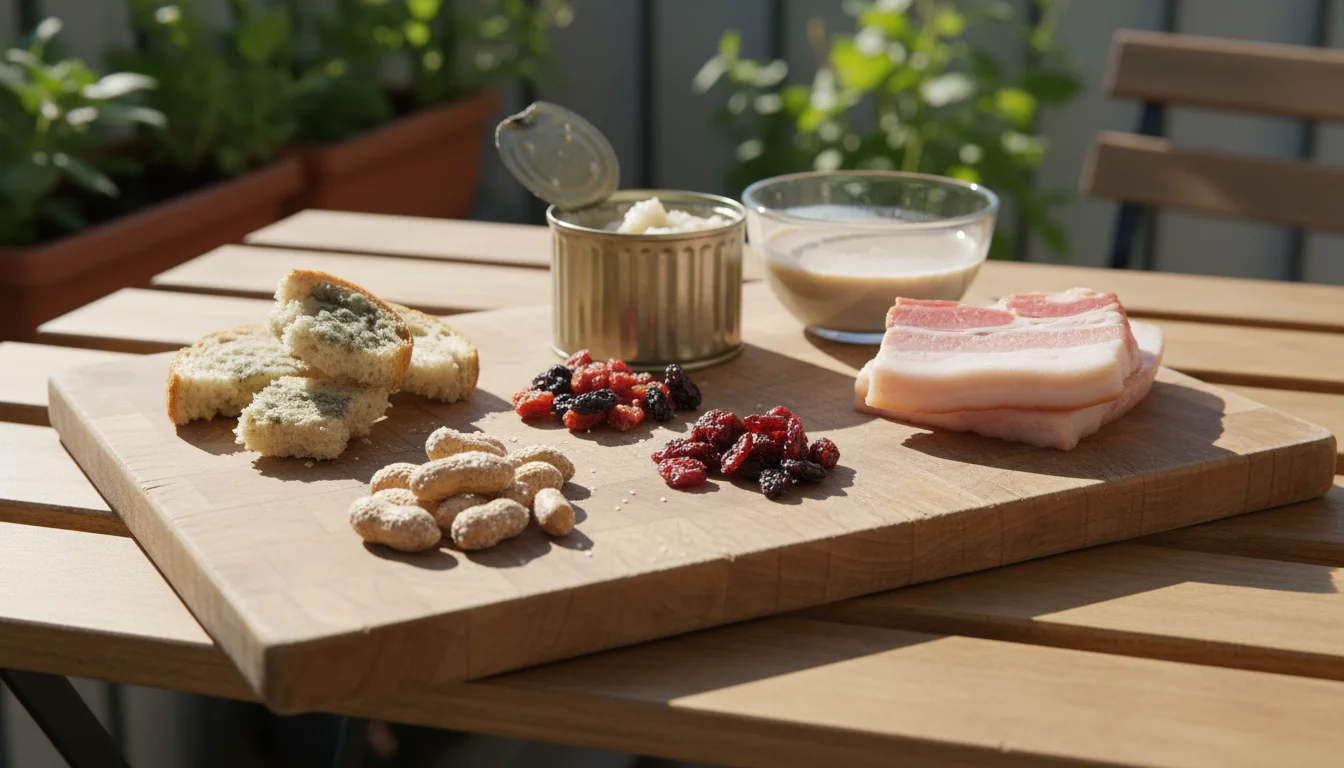
Ingredients to Avoid
Certain ingredients, while seemingly harmless, can be detrimental to birds. Avoid salted nuts or seeds, as excessive sodium is unhealthy for birds. Never use artificial sweeteners, preservatives, or highly processed foods. Also, avoid anything moldy or rancid. Stale bread or bakery products offer little nutritional value and can attract unwanted pests. You are creating a healthy, beneficial food source for your feathered friends, so ingredient quality matters.
The optimal ratio typically involves a good balance of fat to dry ingredients, ensuring a firm consistency. A general guideline is one part fat to two parts dry ingredients, adjusting as needed to achieve a dough-like consistency that holds its shape without being overly sticky or crumbly. For example, if you use one cup of melted fat, aim for two cups of a dry mix combination of cornmeal, oats, and seeds. This balance is key to creating a truly no-melt, no-mess cake for your diy suet cakes.

Gather Your Tools: What You Need to Get Started
Making your own no-melt suet cakes is a simple process that requires only a few basic kitchen tools. You probably already own most of these, meaning you can start your project without investing in specialized equipment. Gathering everything beforehand simplifies the process and ensures a smooth, enjoyable experience.
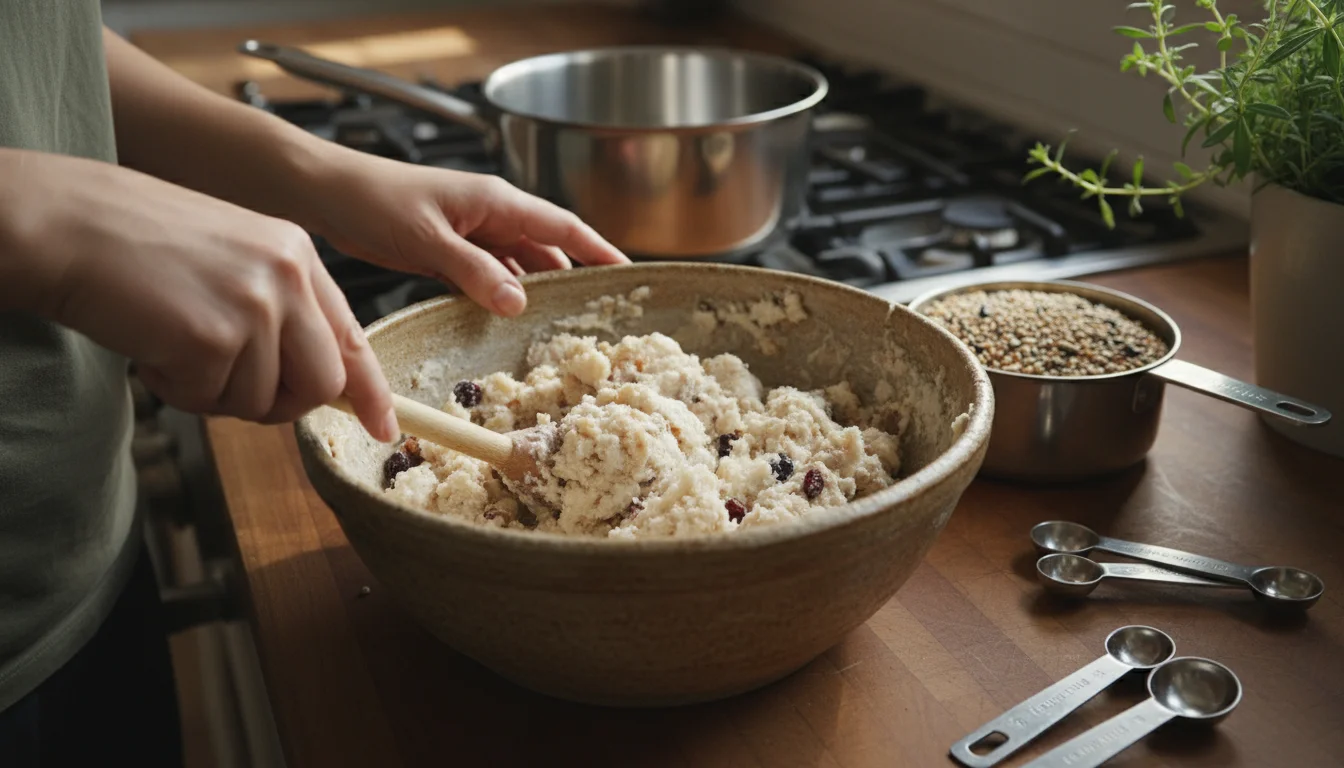
Essential Kitchen Equipment:
- Large Mixing Bowl: You will need a spacious bowl to combine your melted fat and dry ingredients. A sturdy bowl with a good grip prevents spills as you mix the dense suet.
- Saucepan or Double Boiler: For melting the rendered suet or lard. A heavy-bottomed saucepan works fine on low heat. If you are concerned about scorching, a double boiler offers a gentler, more controlled melting process.
- Sturdy Spoon or Spatula: You need a robust utensil for thorough mixing. The suet mixture becomes quite thick as it cools, so a wooden spoon or a heavy-duty silicone spatula works best for incorporating all ingredients evenly.
- Measuring Cups and Spoons: Accurate measurements ensure your suet cakes have the right consistency, preventing them from being too soft or too crumbly. This is vital for a no-mess outcome.
- Muffin Tins or Small Containers: These serve as your molds. Standard muffin tins (regular or mini) create perfect individual suet cakes. You can also use small, clean plastic containers, cookie cutters, or even empty yogurt cups. The goal is to create uniformly sized cakes that fit easily into suet feeders. Line them with parchment paper for easy removal.
- Parchment Paper or Wax Paper: Lining your molds with parchment paper prevents the suet from sticking and makes removing the finished cakes effortless. It also helps with storage later.
- Cooling Rack: Once molded, the suet cakes need to cool and solidify completely. A cooling rack allows air circulation around all sides, speeding up the setting process.
- Storage Containers: Airtight containers or freezer bags are essential for storing your finished suet cakes, keeping them fresh until you are ready to use them.
Optional but Helpful Tools:
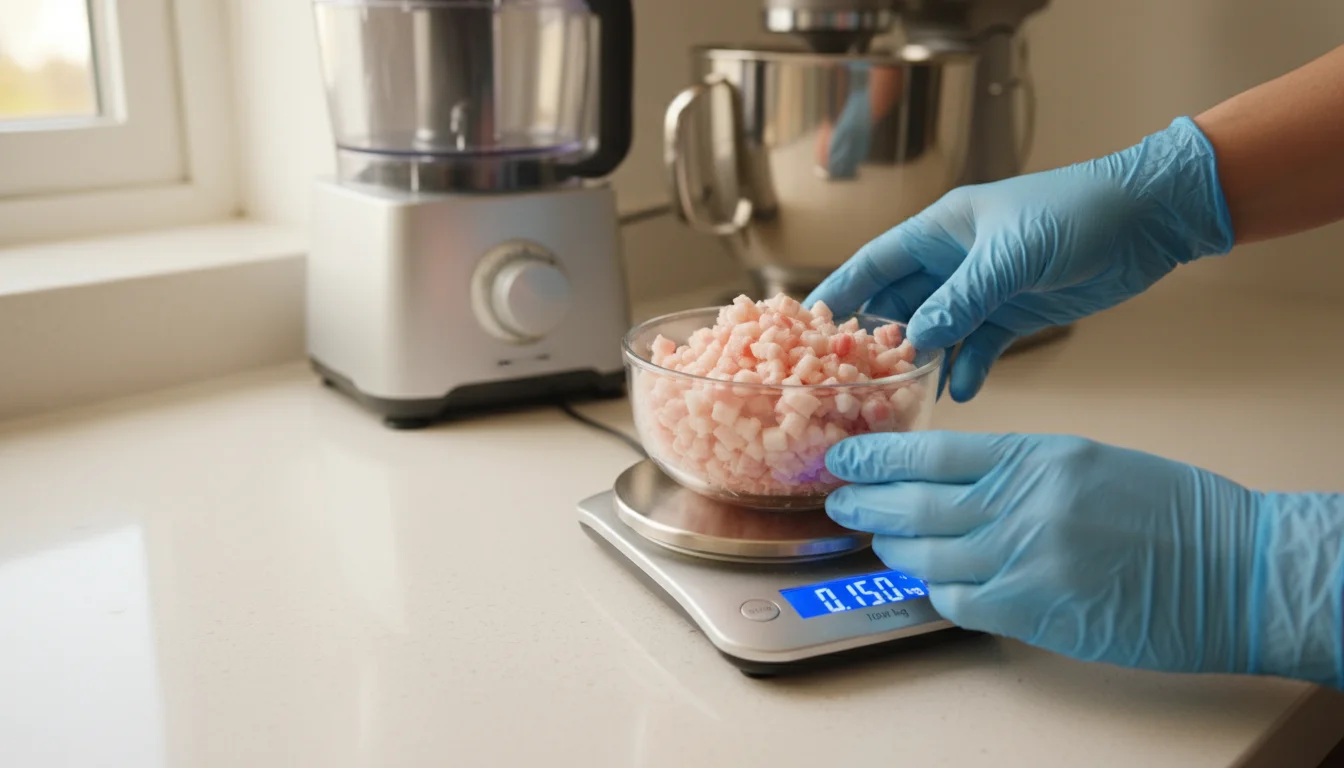
- Food Processor: If you are starting with raw beef fat, a food processor helps chop it into small, even pieces before rendering, which speeds up the melting process. You can also use it to chop large nuts or dried fruits.
- Kitchen Scale: For precise ingredient measurements, especially if you are working with larger batches or want to perfectly replicate a recipe.
- Gloves: The suet mixture can be a bit greasy and sticky. Wearing disposable gloves keeps your hands clean during the mixing and molding phases.
Before you begin, ensure all your tools are clean and dry. Any moisture can affect the texture and shelf life of your suet cakes. Once you have your mise en place, you are ready to move on to the actual crafting of your diy suet cakes. This preparatory step lays the groundwork for a successful and mess-free bird food project.

Step-by-Step: Crafting Your Own No-Mess Suet Cakes
Now, let’s get down to the hands-on process of making your own no-melt, no-mess suet cakes. Follow these steps carefully to ensure your cakes are perfectly firm, nutritious, and ready for your balcony birds.
-
Prepare Your Fat Base:
- If using store-bought rendered beef suet or lard, proceed to the next step.
- If you are rendering raw beef fat, first chop it into small, uniform pieces. Place the chopped fat in a heavy-bottomed saucepan over very low heat. Cook slowly, stirring occasionally, until all the fat melts and the solid bits (cracklings) turn golden brown and crispy. This process can take an hour or more.
- Strain the melted fat through a fine-mesh sieve or cheesecloth into your large mixing bowl. This removes any impurities or cracklings, leaving you with pure, clear rendered fat. Discard the solids or save them for another use if desired. Allow the rendered fat to cool slightly but remain liquid.
-
Combine Dry Ingredients:
- In a separate bowl, mix all your chosen dry ingredients: cornmeal, rolled oats, flour, black oil sunflower seeds, chopped peanuts, dried fruit, dried mealworms, and cracked corn. Stir them together thoroughly to ensure an even distribution. The proportions matter; aim for a ratio of about one part melted fat to two parts dry ingredients by volume. For example, if you have 1 cup of melted fat, prepare about 2 cups of the dry mix.
-
Mix the Suet Cake Batter:
- Pour the slightly cooled, liquid fat into the bowl with your dry ingredients.
- Using your sturdy spoon or spatula, mix vigorously. Work quickly, as the fat will start to solidify as it cools. You want to fully incorporate all the dry ingredients into the fat until you have a thick, cohesive mixture that resembles a very stiff dough. It should be moist but not greasy, and it should hold its shape when pressed together. If the mixture seems too wet, add a little more cornmeal or oats. If it is too crumbly, add a tiny bit more melted fat (if still warm) or a tablespoon of unsalted, natural peanut butter.
-
Mold Your Suet Cakes:
- Line your muffin tins or chosen molds with parchment paper for easy removal. This is a crucial step for a truly mess-free experience during removal.
- Firmly press the suet mixture into the molds. Pack it down tightly to eliminate air pockets and ensure a dense, solid cake. This tight packing helps the cakes resist crumbling when birds feed from them. Fill each mold completely.
-
Chill and Set:
- Place the filled molds in the refrigerator for at least 2-4 hours, or ideally overnight. For faster setting, you can place them in the freezer for about an hour. The key is to allow the fat to solidify completely, creating firm, durable cakes. Do not rush this step; properly chilled cakes are less likely to melt or crumble quickly.
-
Remove and Store:
- Once fully chilled and hardened, remove the suet cakes from their molds. The parchment paper should make this very easy.
- Store any unused suet cakes in an airtight container or freezer bag in the refrigerator for up to 2-3 weeks, or in the freezer for several months. Freezing is an excellent option for longer storage, ensuring you always have fresh suet available for your balcony bird feeding.
You have now successfully created your own supply of no-melt, no-mess suet cakes. This project offers a rewarding way to provide high-energy food for birds while maintaining a clean and inviting balcony space. The next step is to consider the best ways to present these delicious treats to your feathered visitors.
Smart Feeding Solutions: Balcony-Safe Suet Holders
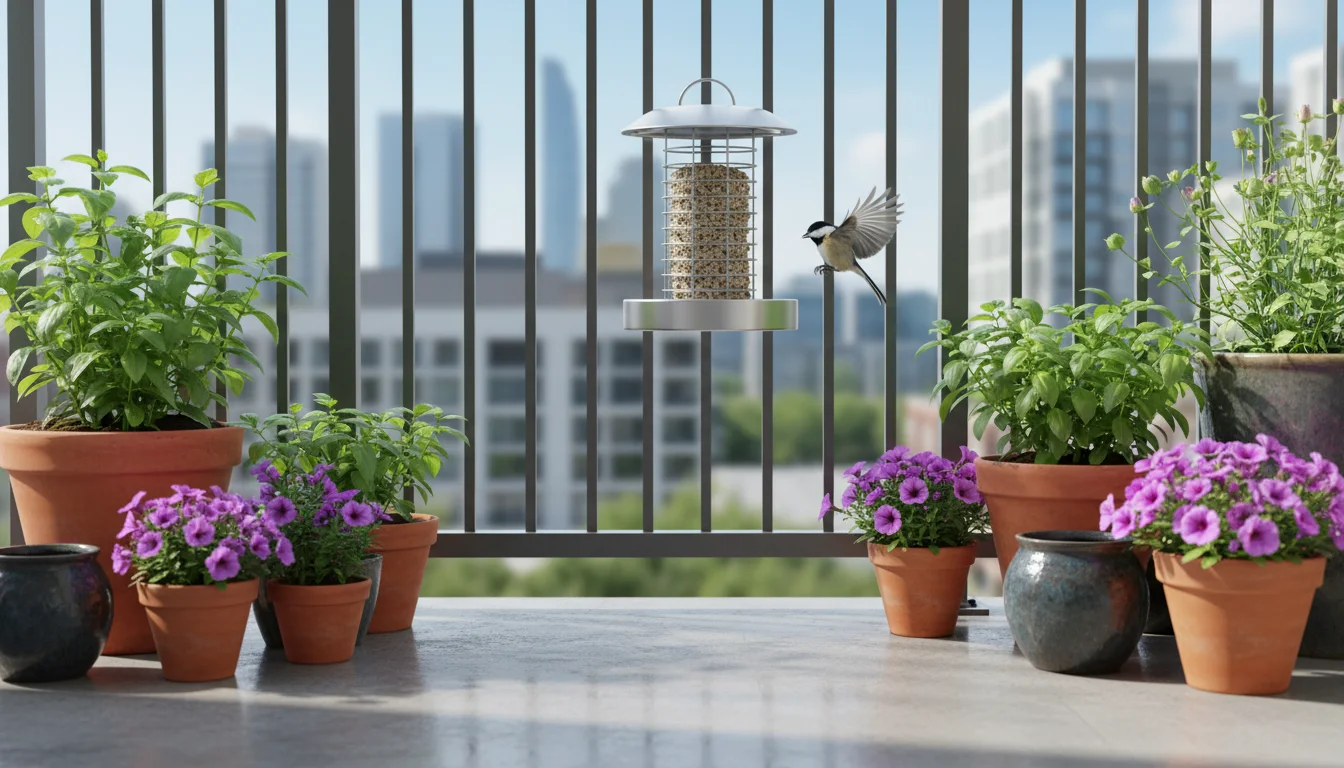
Even with the best no-melt suet cakes, the right feeder and strategic placement are essential for a truly no-mess, apartment-safe bird feeding experience. Your goal is to provide easy access for birds while preventing unwanted spills, deterring pests, and ensuring the safety of your feathered visitors and your balcony.

Choosing the Right Suet Feeder:
- Cage-Style Suet Feeders: These are the most common and effective. They consist of a wire cage designed to hold one standard suet cake. Birds cling to the cage mesh to access the suet. Look for feeders with sturdy metal construction that resist squirrel chewing.
- Upside-Down Suet Feeders: Some feeders are designed to hold the suet cake from the bottom, forcing birds to cling upside down. This design naturally deters starlings and other larger, less agile birds, making the suet more available to smaller clingers like chickadees and woodpeckers.
- Tail-Prop Feeders: Woodpeckers often appreciate a feeder with a “tail prop,” a small ledge at the bottom where they can brace themselves with their tail feathers while feeding. This provides extra comfort and stability for these specialized birds.
- Window Suet Feeders: If your balcony is small or you want even closer observation, suction-cup window feeders can attach directly to your window pane. Ensure these are securely mounted and can withstand bird activity and weather.
Strategic Balcony Placement for No-Mess Feeding:
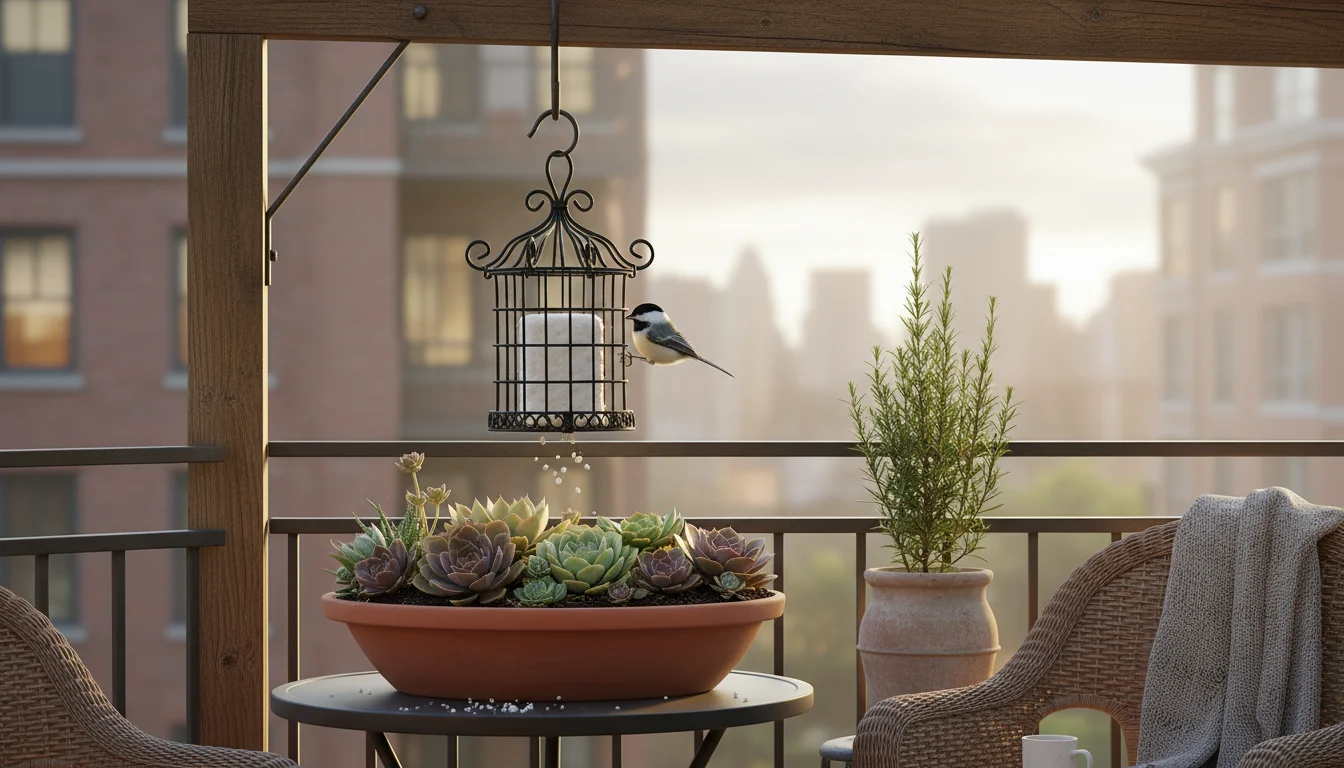
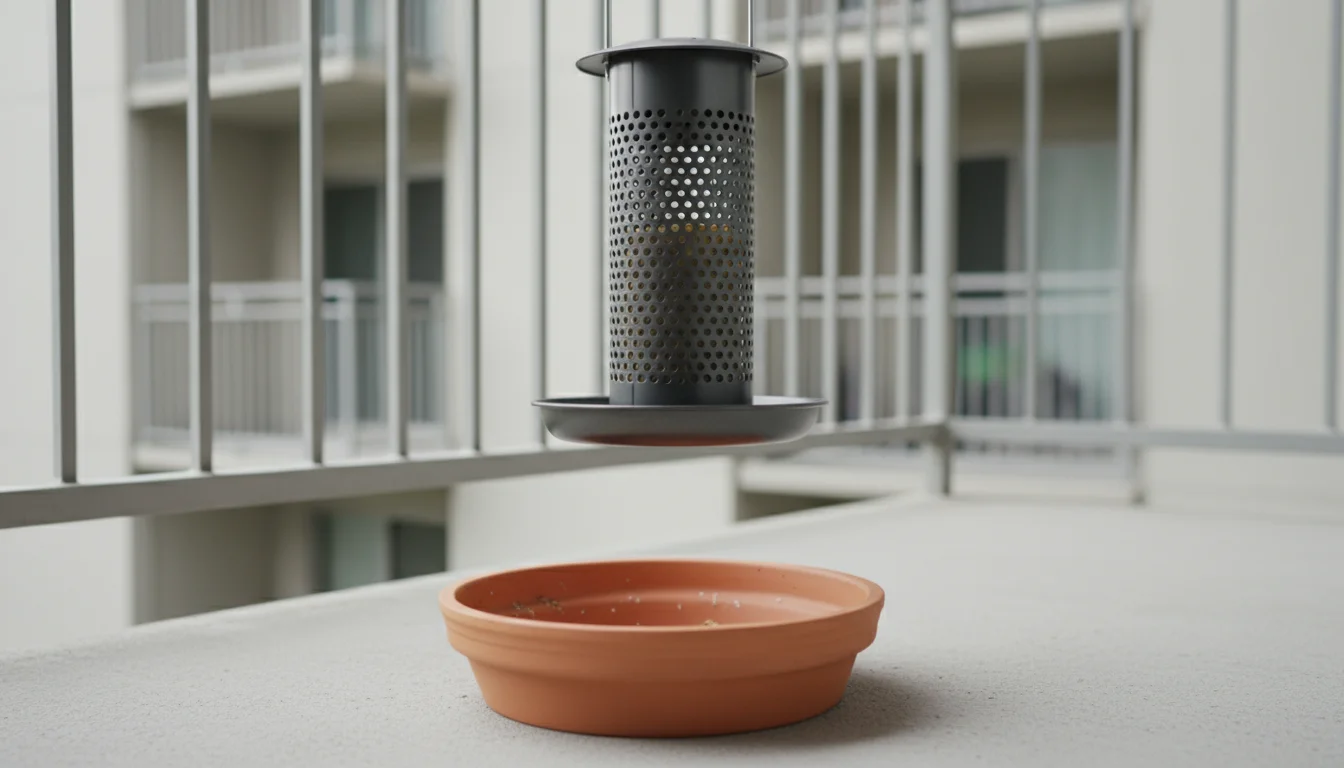
- Over a Tray or Planter: Position your suet feeder directly over a decorative tray, a larger plant saucer, or a wide planter. This catches any crumbs that might fall, preventing them from landing on your balcony floor or, more importantly, on the balconies below. Clean the tray regularly.
- Away from Railings (if possible): If you have ample space, hanging the feeder a little distance from the railing can make it harder for squirrels to access. However, on small balconies, this might not be feasible.
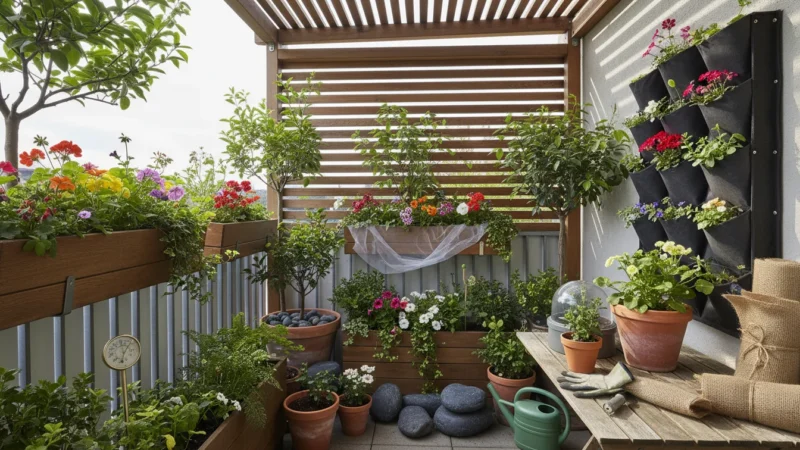
- Near Cover: Birds feel safer when they have nearby cover to retreat to if a predator appears. If you have potted shrubs or small trees on your balcony, place the feeder relatively close to them. This provides security and a natural perch.
- Visibility from Indoors: Position your feeder where you can easily observe the birds from inside your apartment. This enhances your enjoyment of the feeding station.
- Consider Neighbors: Be mindful of your neighbors. Avoid hanging feeders where they might drip or cause noise disturbance. Communication with neighbors about your bird feeding can help prevent issues.
Squirrel and Pest Deterrence:
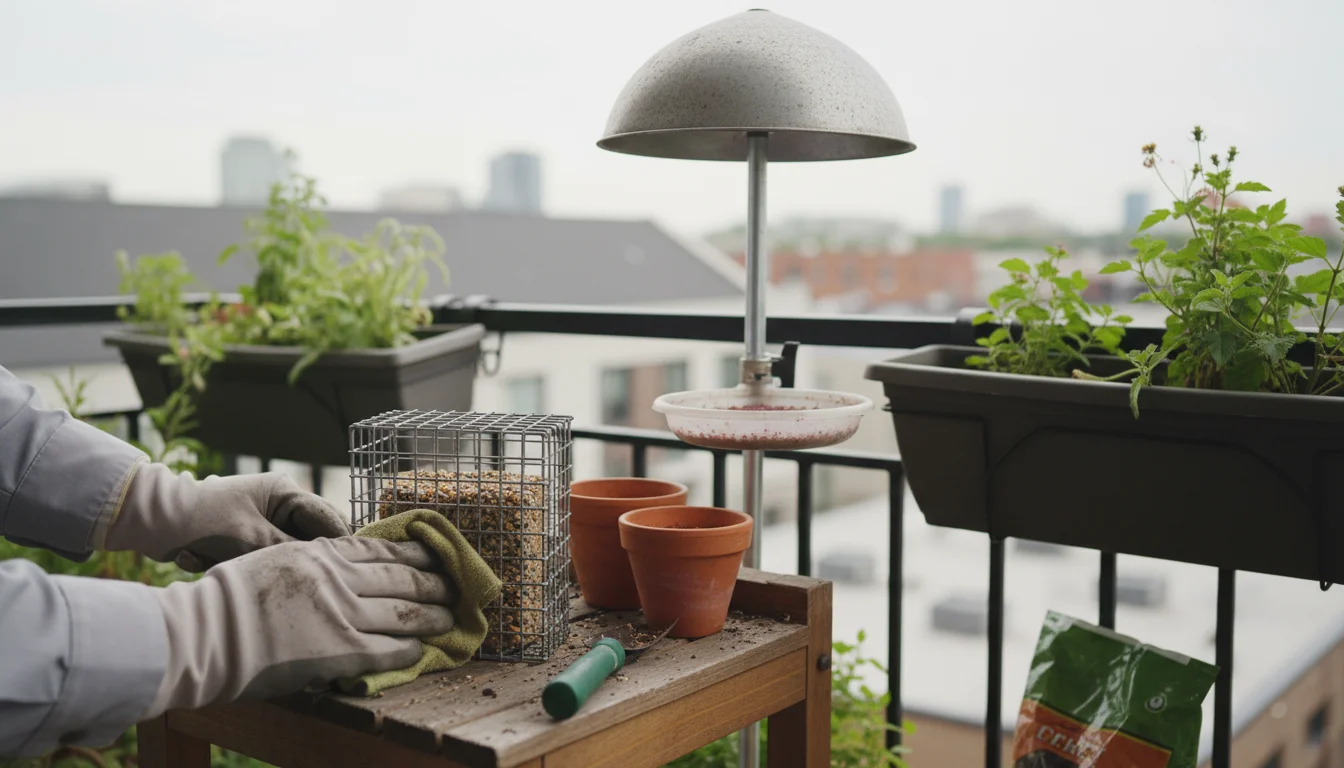
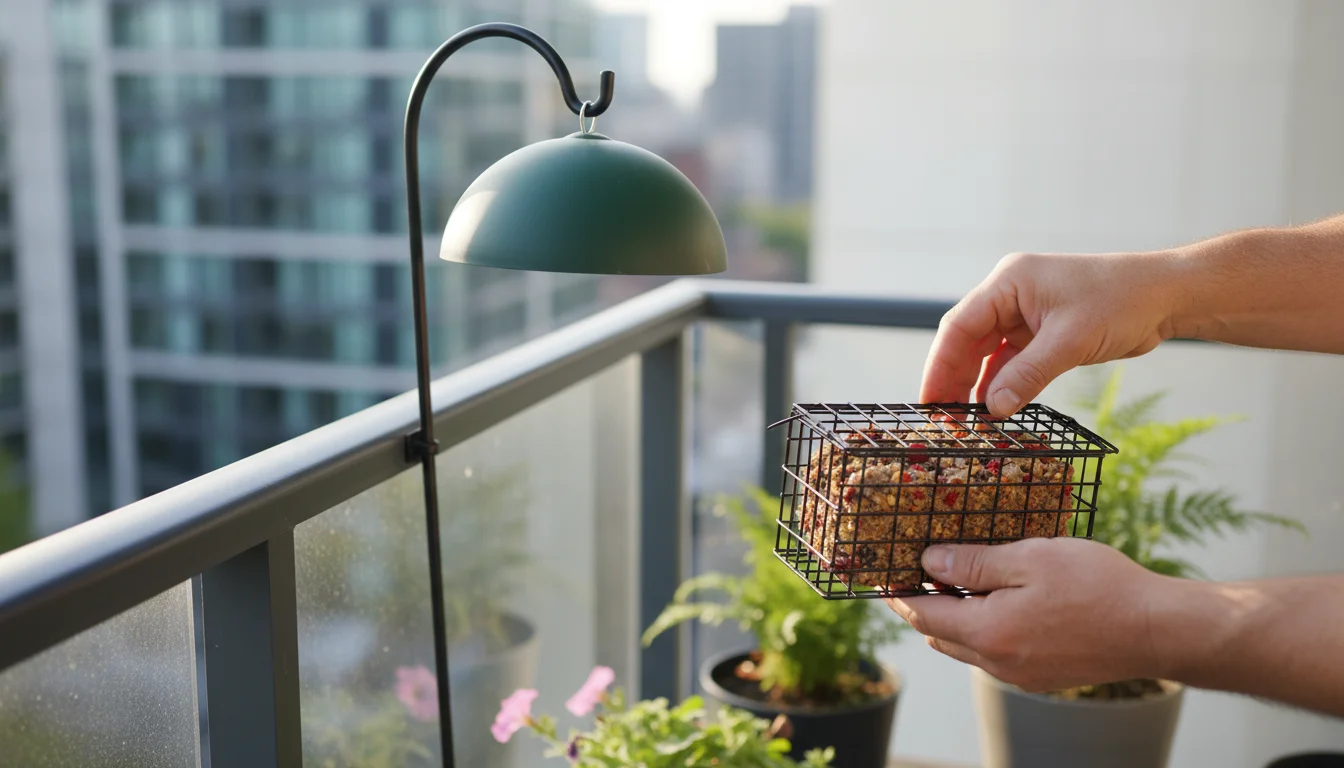
- Baffles: If squirrels are an issue, a physical baffle placed above the feeder can prevent them from climbing down to the suet. For balcony railings, consider a stovepipe baffle attached to the pole from which your feeder hangs.
- Spicy Suet: Incorporating cayenne pepper into your homemade suet (as mentioned in the FAQ) deters mammals like squirrels and raccoons, who dislike the capsaicin, but birds are unaffected.
- Cleanliness: Regularly clean your feeders and the area beneath them. This removes spilled food that could attract ants, rodents, or other unwanted guests.
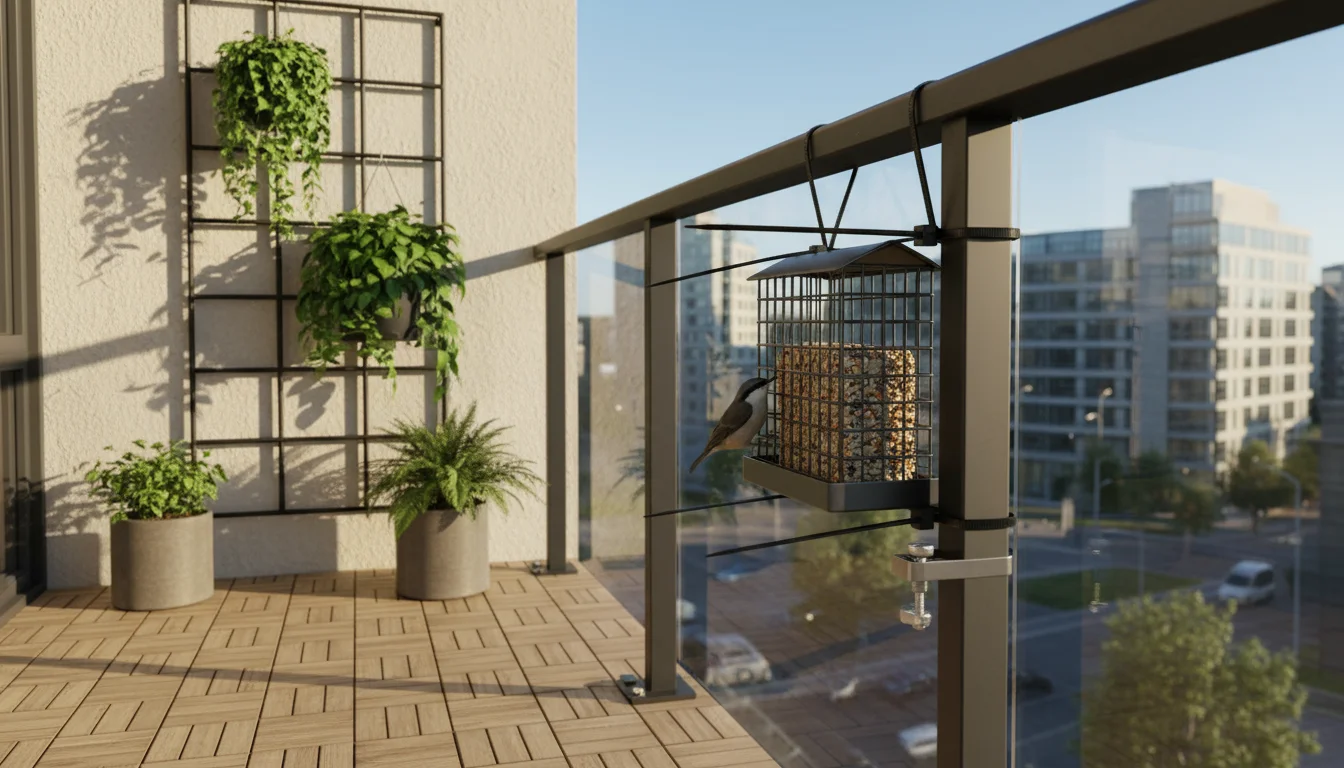
Securing Your Feeders:
Balconies can experience strong winds. Ensure your feeders are securely attached using robust hooks, zip ties, or heavy-duty mounting hardware. You do not want a feeder blowing away and potentially injuring someone or damaging property below. Check attachments periodically for wear and tear.
By thoughtfully choosing your suet holder and strategically placing it on your balcony, you create an optimal environment for apartment-safe bird feeder ideas. This approach ensures a rewarding experience for you and a vital food source for your urban birds, all while maintaining a clean and harmonious living space.
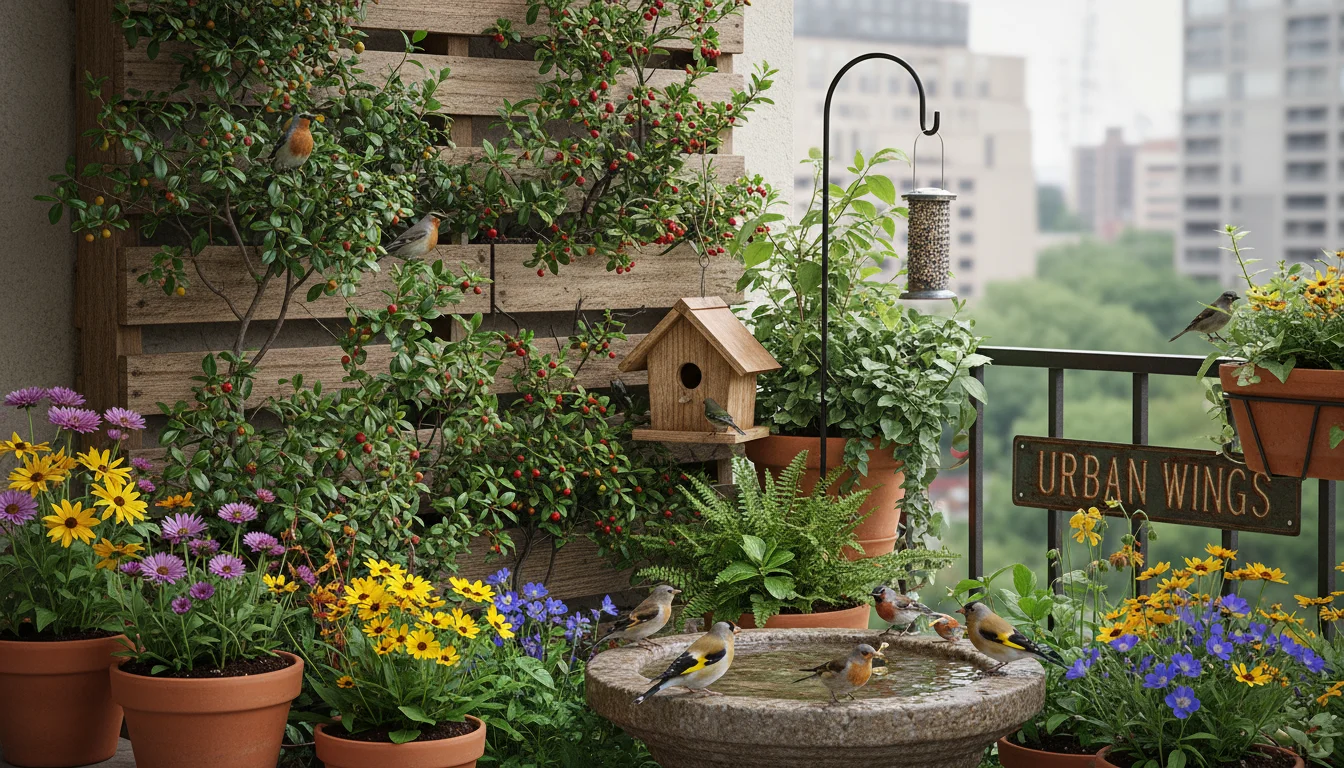
Maximizing Your Balcony Bird Sanctuary: Beyond Suet
While your homemade no-melt suet cakes are a fantastic start for attracting and sustaining balcony birds, transforming your small space into a true bird sanctuary involves more than just food. By adding water, shelter, and native plants, you create a more complete and inviting habitat, increasing the diversity and number of your feathered visitors. This holistic approach supports local wildlife and enhances your personal connection to nature.
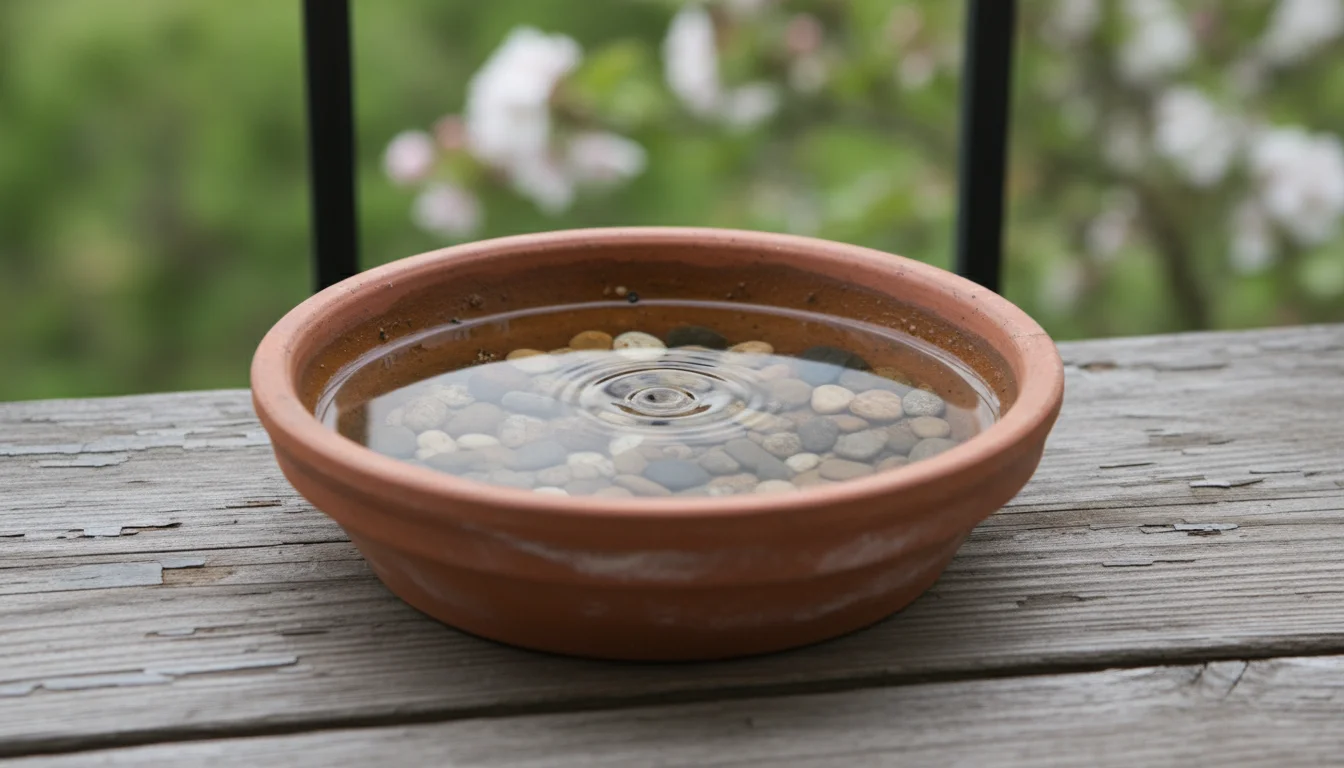
Provide a Fresh Water Source:
Water is just as crucial as food for birds. They need it for drinking and bathing, especially during dry spells or in winter when natural water sources may freeze. A small, shallow bird bath can make a significant difference. Here are some tips:
- Choose a Shallow Container: A terracotta saucer, a large plant tray, or a dedicated mini bird bath works well. Ensure the water depth is no more than 1-2 inches (2.5-5 cm) in the center, gradually sloping to the edges, allowing small birds to safely drink and bathe without risk.
- Maintain Freshness: Change the water daily to prevent algae growth and mosquito breeding. Rinse the bath with a brush, avoiding harsh chemicals.
- Winter Considerations: In colder climates, a heated bird bath or a small water wiggler (which keeps water moving to prevent freezing) can provide a vital winter water source. Alternatively, you can simply offer fresh water multiple times a day when temperatures are above freezing.
- Placement: Place the water source on a stable surface, perhaps elevated from the ground to deter predators, but still within view. Keep it a safe distance from your suet feeder to prevent food particles from contaminating the water.

Offer Shelter and Perching Opportunities with Native Plants:
Birds seek refuge from predators, harsh weather, and simply a place to rest. Your balcony plants can serve this purpose:
- Native Shrubs and Small Trees: Even in containers, small native shrubs like Dwarf Ninebark (Physocarpus opulifolius ‘Tiny Wine’), Compact Oregon Grape (Mahonia aquifolium ‘Compacta’), or specific dwarf conifer varieties offer dense foliage for cover and perching. Native plants are always preferable because they are adapted to your local climate and provide appropriate resources. They also support local insect populations, which birds rely on for food.
- Vines and Trailing Plants: Train native vines like Coral Honeysuckle (Lonicera sempervirens) or Virgin’s Bower (Clematis virginiana) on a trellis or railing. Their dense growth provides excellent shelter.
- Layered Planting: Combine taller plants with medium-sized flowering plants and groundcovers (even in containers) to create a multi-level habitat. This layering mimics natural environments and offers varied shelter options.
- Plants for Foraging: Include plants that produce berries or seeds. For instance, small varieties of coneflowers (Echinacea purpurea) or sunflowers (Helianthus annuus) offer seeds, while serviceberry (Amelanchier spp.) provides berries. These food sources complement your suet and attract a wider range of birds.
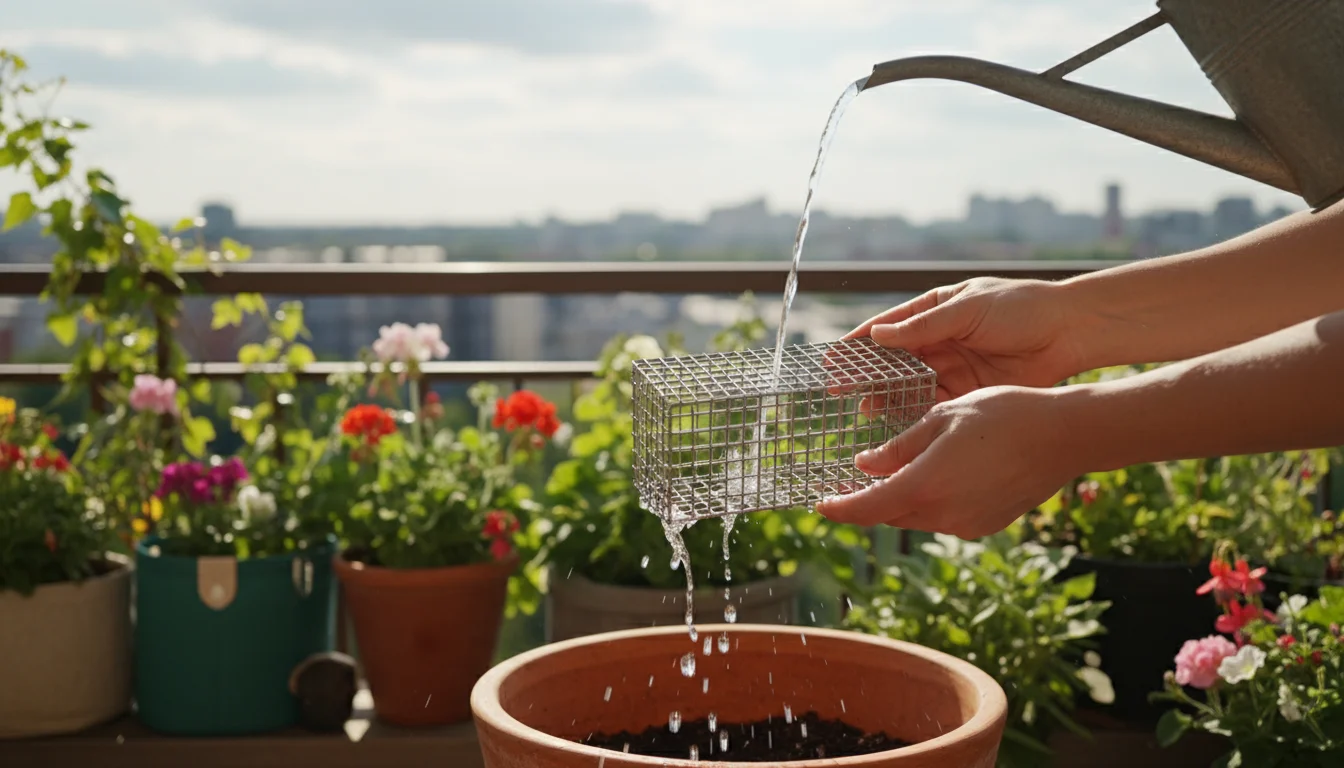
Embrace Eco-Friendly Practices:
- Avoid Pesticides: Refrain from using any chemical pesticides or herbicides on your balcony plants. These chemicals can directly harm birds who consume contaminated insects or plants, and they reduce the natural food available. Embrace organic pest control methods or tolerate a few chewed leaves.
- Regular Feeder Cleaning: Clean your suet feeders regularly, even if your suet cakes are no-mess. Use a weak bleach solution (1 part bleach to 9 parts water) or a vinegar solution, rinse thoroughly, and allow to air dry completely. This prevents the spread of diseases among birds.
- Compost: If you have any discarded natural materials from your balcony plants, consider composting them. This reduces waste and enriches soil for future plantings, creating a sustainable loop for your garden.
By integrating water, shelter, and thoughtful planting into your balcony design, you do more than just feed birds; you create a miniature ecosystem. You transform your urban dwelling into a valuable stopover or home for diverse bird species, bringing vibrant life and natural beauty right to your doorstep.
Troubleshooting Common Balcony Suet Challenges
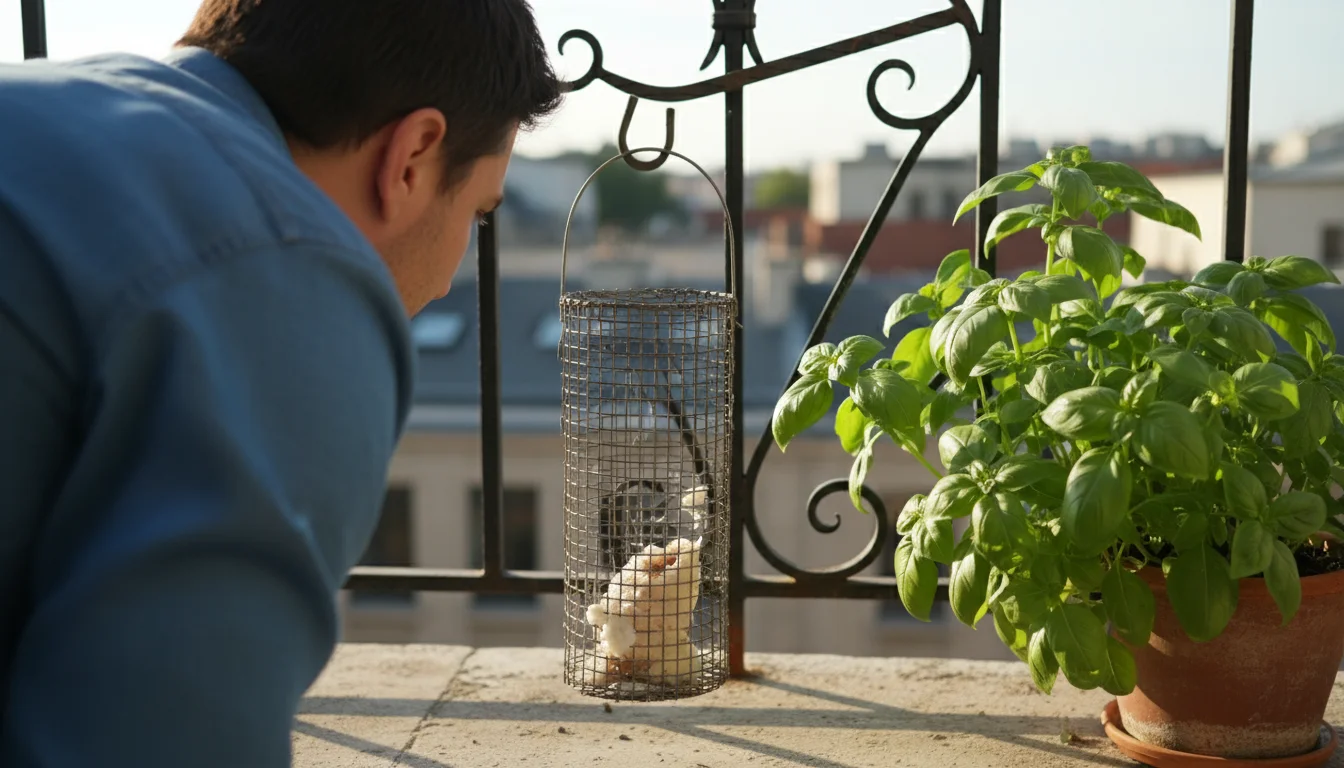
Even with the best intentions and the perfect no-melt suet cakes, you might encounter a few challenges when balcony bird feeding. Knowing how to address these common issues ensures your experience remains enjoyable and sustainable for both you and your feathered friends.
To further embrace eco-friendly city living, you can also start a small-scale vermicomposter to handle kitchen scraps right in your apartment.
1. Mess Prevention and Management:
Despite using no-melt, no-mess recipes, some crumbs can still fall, especially with active feeders. The goal is to minimize and contain any potential mess.
- Use a Catch Tray: As mentioned, positioning your suet feeder directly over a wide, shallow tray or saucer is your best defense against falling crumbs. Clean this tray daily.
- Feeder Design: Opt for suet cages that hold the cake snugly, preventing pieces from being easily dislodged. Some feeders have built-in trays at the bottom.
- Smaller Pieces: If your suet cakes are very large, consider making smaller ones. Less material exposed at once can mean less potential for dislodgement.
- Regular Cleaning: Sweep or wipe down your balcony floor regularly. This prevents accumulation of debris that could attract pests or become unsightly.
2. Dealing with Squirrels and Other Pests:
Squirrels are opportunistic and will quickly discover any readily available food source. Other pests like rats or raccoons can also be a concern, especially in urban areas.
- Spicy Suet: This is one of the most effective non-lethal deterrents. Mix a generous amount of cayenne pepper or crushed red pepper flakes into your suet mixture. Birds do not have the same pain receptors for capsaicin (the compound that makes peppers spicy) as mammals, so they are unaffected. Squirrels, however, find it highly unpleasant.
- Baffles: For hanging feeders, use dome or stovepipe baffles. If your feeder hangs from an arm off the railing, a well-placed baffle below the hanger can prevent squirrels from climbing down.
- Feeder Placement: Try to position your feeder away from jumping-off points like railings, trees, or utility lines if your balcony setup allows. Squirrels are adept jumpers.
- Remove Food at Night: If you notice nocturnal visitors like raccoons or rats, bring your suet feeder indoors each evening and put it back out in the morning. This breaks their foraging routine.
- Cleanliness is Key: Any spilled food or debris on the ground acts as an invitation. Regular cleaning reduces attraction for pests.
3. Suet Going Bad or Not Being Eaten:
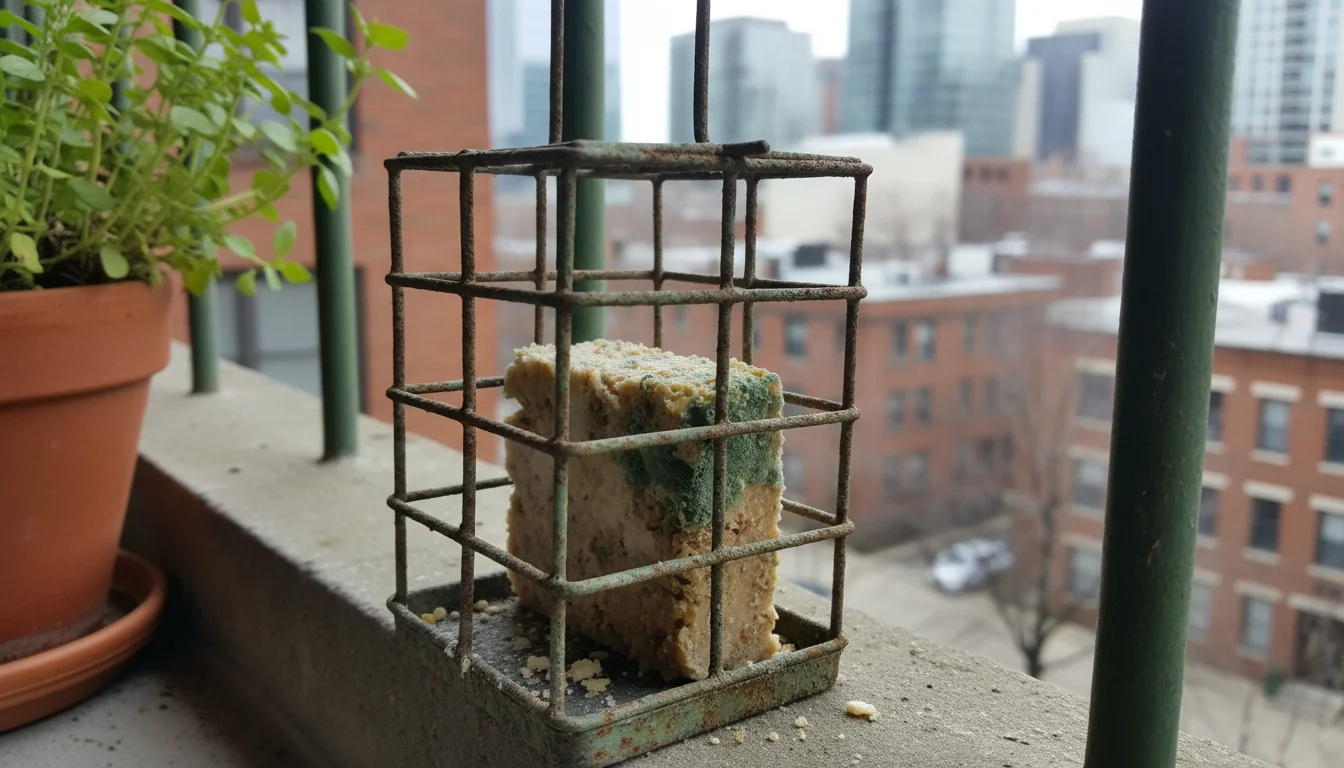
Even no-melt suet can eventually spoil or become unappealing if left out too long or improperly stored.
- Freshness Check: If suet develops a rancid odor, changes color significantly, or shows visible mold, remove it immediately. Moldy food is harmful to birds.
- Quantity Control: Put out only as much suet as birds can consume within a few days, especially during warmer weather. Smaller cakes or less frequent replenishment are better.
- Storage: Store unused suet cakes in an airtight container in the refrigerator for up to 2-3 weeks, or freeze them for several months. Properly stored suet retains its freshness and nutritional value.
- Bird Preference: If birds are not visiting your suet, consider adjusting the ingredients. Some birds prefer different mixes. Try varying the types of seeds, nuts, or dried fruits to see what your local birds favor. Ensure your feeder is in a safe, visible spot.
By proactively addressing these common challenges, you maintain a healthy, attractive feeding station for your winter bird food without creating problems for yourself or your neighbors. Your balcony can remain a harmonious space for both human enjoyment and avian delight.
Frequently Asked Questions
Can I use any type of fat for making suet cakes?
While various fats work, rendered beef suet (especially kidney fat) or lard are best due to their higher melting points and nutritional value for birds. Avoid bacon grease or other highly salted or spiced fats, as these are unhealthy for birds. Vegetable shortenings typically have lower melting points and may not be suitable for no-melt recipes unless combined with strong binders.
How often should I clean my suet feeder?
Clean your suet feeder at least once every two weeks, or more frequently during periods of heavy use or warm, humid weather. Use hot, soapy water and a stiff brush to remove any residue. A diluted bleach solution (one part bleach to nine parts water) or a vinegar solution can disinfect the feeder. Rinse thoroughly and allow it to dry completely before refilling to prevent the spread of diseases among birds.
Will feeding birds on my balcony attract unwanted pests like rats or mice?
The risk of attracting pests is minimal if you practice good hygiene and use no-mess suet. Pests are primarily attracted to spilled seed and food left out overnight. Ensure your suet cakes are truly no-mess, use a catch tray beneath the feeder, clean regularly, and consider bringing feeders inside at night if you notice any nocturnal activity. Adding cayenne pepper to your suet mixture can also deter mammals without harming birds.
Is it safe to feed birds suet in the summer?
Traditional suet can melt in warm summer temperatures, creating a greasy mess and potentially becoming rancid quickly. However, the no-melt recipes in this guide are specifically designed to remain solid in warmer weather, making them safer for spring and autumn feeding. In very hot summer conditions (consistently above 80-85°F or 27-29°C), even no-melt suet can soften. Monitor the suet’s consistency; if it softens, remove it and offer alternative summer bird foods like mealworms or nectar, or simply take a break from suet until temperatures cool.
What types of birds will my suet cakes attract on a balcony?
Your suet cakes will primarily attract insect-eating and omnivorous birds that are common in urban environments. You can expect to see chickadees, titmice, nuthatches, woodpeckers (downy and hairy), wrens, and various sparrows. Depending on your location and the time of year, you might also attract jays, mockingbirds, and even some finches. The specific mix of ingredients in your suet can also influence which species visit most frequently.
For trustworthy gardening information, visit:
Arkansas Extension — Yard & Garden, Kansas State University Extension — Horticulture, Oklahoma State University Extension — Lawn & Garden, Tennessee Extension — Gardening and University of Delaware Extension — Gardening. These organizations provide expert, research-based advice for gardeners at all levels.
Disclaimer: This article is for informational purposes only and is not a substitute for professional gardening advice. Always consult local extension services or horticulture experts for region-specific guidance.




Leave a Reply