
Winter brings shorter days, cooler temperatures, and often, an overwhelming feeling of sluggishness. You might find yourself grappling with the “winter blues,” a common experience characterized by low energy, reduced mood, and a general lack of motivation. When the vibrant outdoors seems distant, your indoor space becomes more important than ever. What if a powerful antidote to these feelings was not a complex treatment, but a simple, daily ritual involving your houseplants? You can transform your winter experience by engaging in mindful houseplant care, even if you only have five minutes.
For a broader perspective on the season, you might also enjoy a simple ritual for the winter solstice to help you reflect and welcome back the light.
This article explores how cultivating a deeper connection with your indoor plants can significantly enhance your mental well-being during the colder months. We will provide practical, actionable insights on integrating simple, mindful routines into your day, showing you how houseplant care can become a powerful tool for wellness and a shield against the pervasive winter blues. Prepare to discover the calming power of a daily plant care routine for anxiety, designed specifically for your small-space garden.
The Winter Blues and Your Indoor Sanctuary
The winter blues, often referred to as Seasonal Affective Disorder (SAD) in its more severe form, impacts millions. Symptoms range from mild lethargy and difficulty concentrating to more profound feelings of sadness and hopelessness. Reduced exposure to natural sunlight plays a significant role, disrupting your body’s circadian rhythm and affecting serotonin and melatonin levels, hormones crucial for mood regulation and sleep. When you spend more time indoors, the lack of natural stimuli can exacerbate these feelings, making your home environment feel less inviting.
Engaging in specific indoor gardening projects for winter days can further enhance this sense of purpose and connection.
Science increasingly validates the positive impact of nature on mental health. Studies, such as those published in the *Journal of Physiological Anthropology*, show that interacting with indoor plants can lower physiological and psychological stress. These benefits extend beyond just looking at greenery. The act of houseplant care itself becomes a therapeutic process. For instance, a 2015 study found that active interaction with plants significantly reduced stress, demonstrating a decrease in heart rate and blood pressure among participants. This direct engagement provides a tangible connection to the natural world, even when outdoor access is limited by weather.
Your home can become a vital part of your well-being strategy during winter. By integrating plants into your living space, you are not just adding decoration. You are creating a living, breathing sanctuary that actively works to combat the adverse effects of winter. Each plant offers a touch of green, a reminder of growth and life, directly addressing the gloom and stagnation that can accompany the season. Furthermore, the simple ritual of caring for another living thing provides purpose and structure, which are incredibly beneficial when facing feelings of lethargy or lack of motivation. This is more than a hobby; it is a fundamental shift in how you approach your personal space and your mental health during the winter. You gain both an aesthetic upgrade and a tangible boost to your mood and focus.
Your 5-Minute Daily Plant Connection
The idea of a “5-minute garden” focuses on maximizing impact with minimal time, making it perfectly suited for busy individuals or those new to gardening. This daily practice is not about complex tasks or deep botanical knowledge. It is about creating a consistent, brief period each day to connect with your plants. This routine serves as a micro-mindfulness session, a small anchor in your day that pulls you into the present moment and away from distractions or anxieties.
To make this routine seamless, consider assembling a mini tool kit for winter houseplant care so everything you need is always within reach.
Creating a beautiful environment is also part of the process, and you can easily style your collection for a cozy winter vibe using a few simple design tricks.
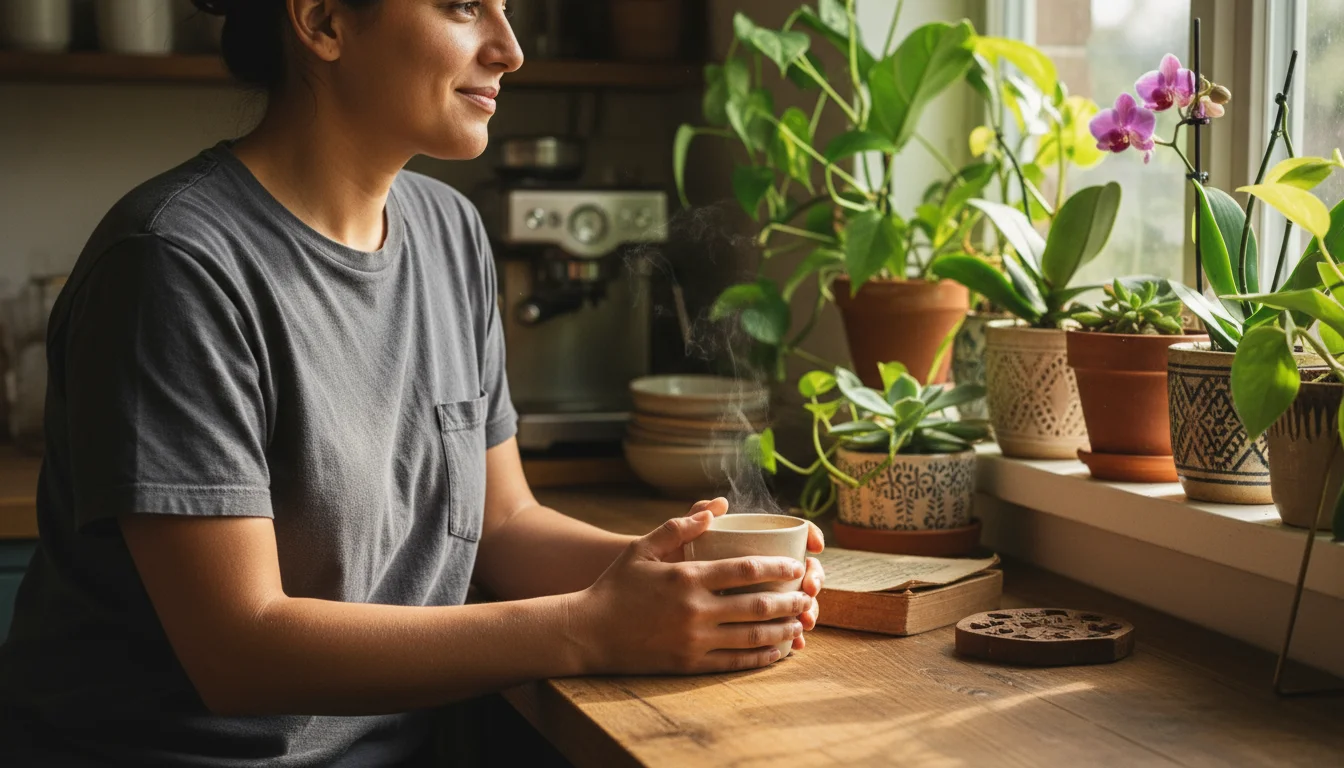
Implementing a daily plant care routine for anxiety starts simply. Choose a consistent time each day, perhaps first thing in the morning with your coffee or tea, or in the evening as you wind down. This regularity builds a habit and cues your mind to shift into a state of focused calm. The goal is to engage all your senses, fostering a deeper connection. You touch the soil, observe new growth, smell the earthy fragrance, and listen to the gentle rustle of leaves if you have a fan nearby.
Consider this routine as a daily meditation. During these five minutes, you consciously put away your phone, step away from your computer, and silence any overwhelming thoughts. You are present with your plants. This small investment of time yields significant returns for your mental health, offering a consistent opportunity to de-stress and reset. It is a practical, accessible form of gardening for mental health, tailored specifically for indoor spaces and the winter months. You create a powerful habit that brings calm and purpose into your daily life without demanding extensive time or expertise. This deliberate act counters the passivity that often accompanies the winter blues, giving you an active role in nurturing life and yourself.
Mindful Watering: A Deep Dive into Hydration and Presence
Mindful watering techniques transform a mundane chore into a powerful meditative practice. This goes beyond simply pouring water; it is about engaging fully with the process, understanding your plant’s needs, and being present in the moment. This approach is central to how to use houseplants for wellness in winter, turning a necessity into an opportunity for calm and connection.
If your home feels particularly dry, you can also practice ‘group therapy’ by huddling your houseplants together to naturally boost humidity levels.
To ensure you don’t overdo it, following a winter watering and feeding schedule can help align your care with natural seasonal rhythms.
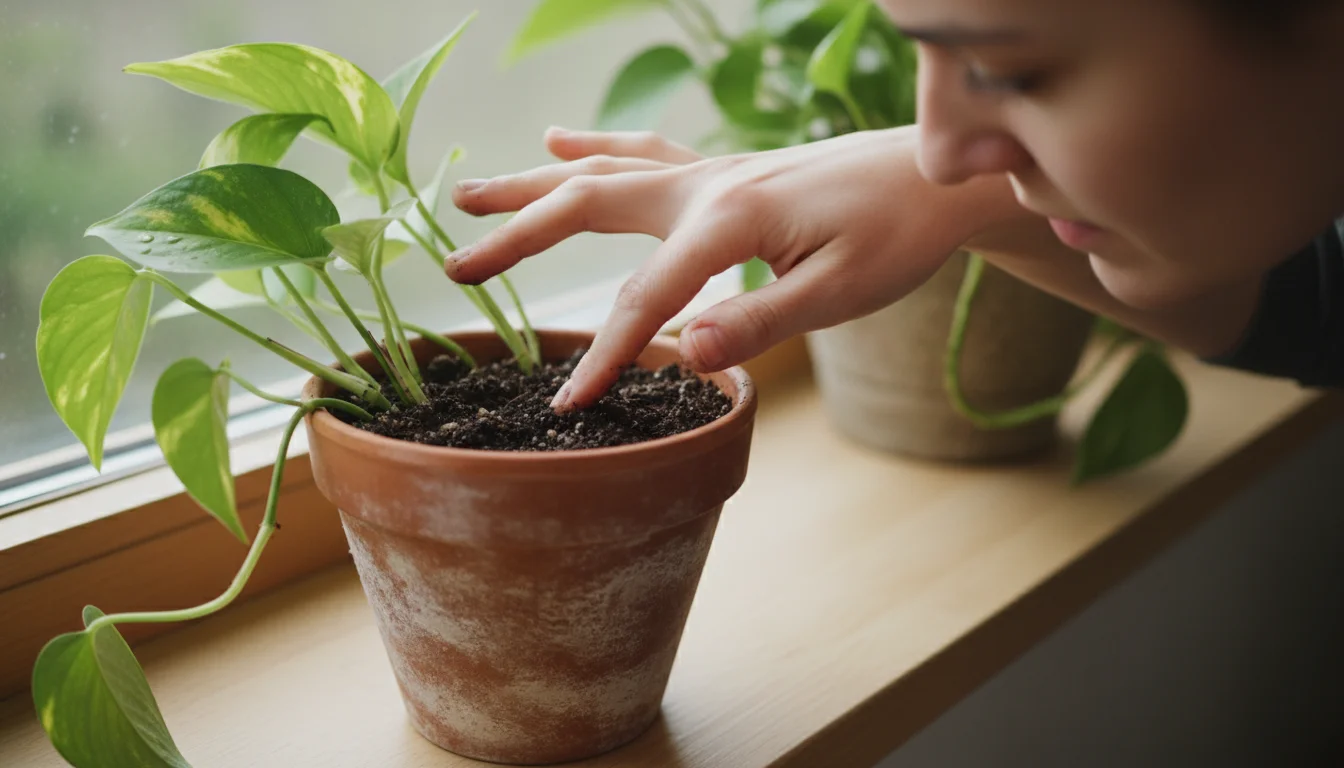
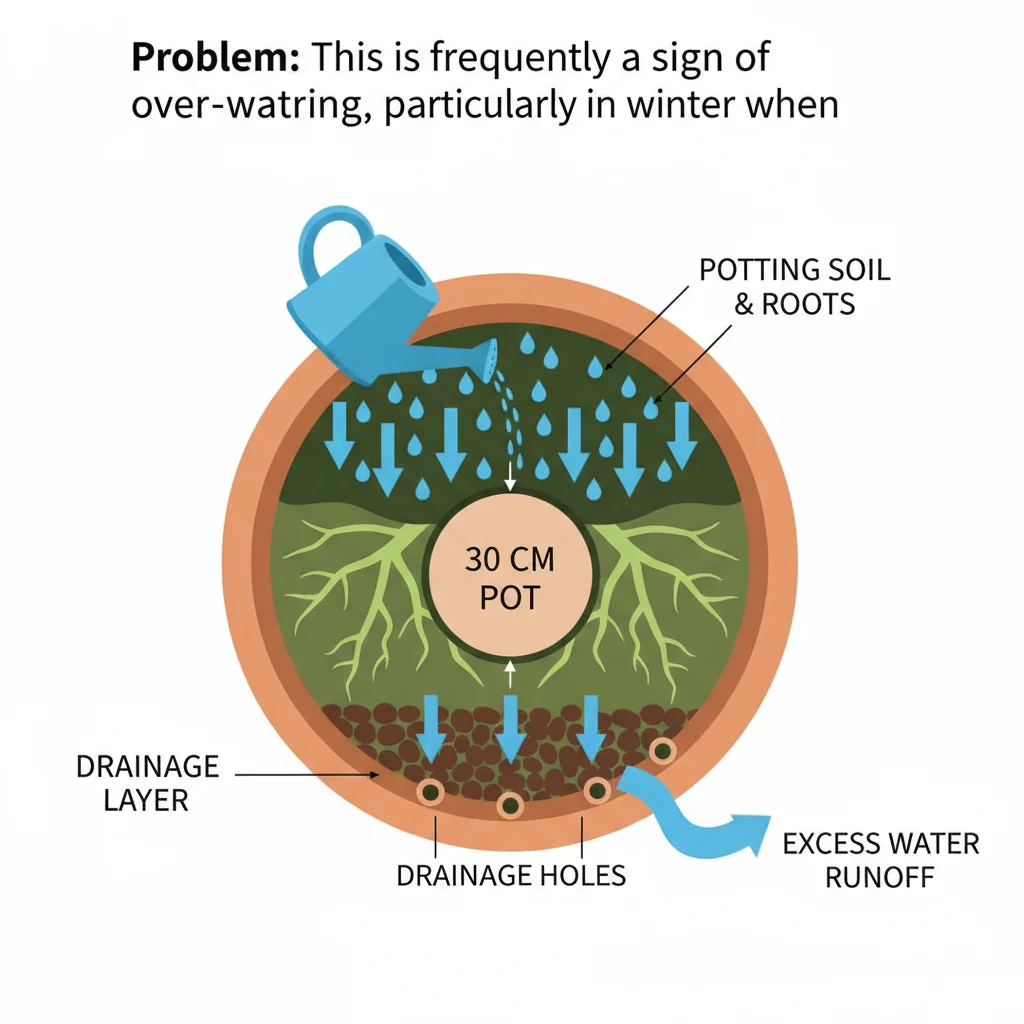
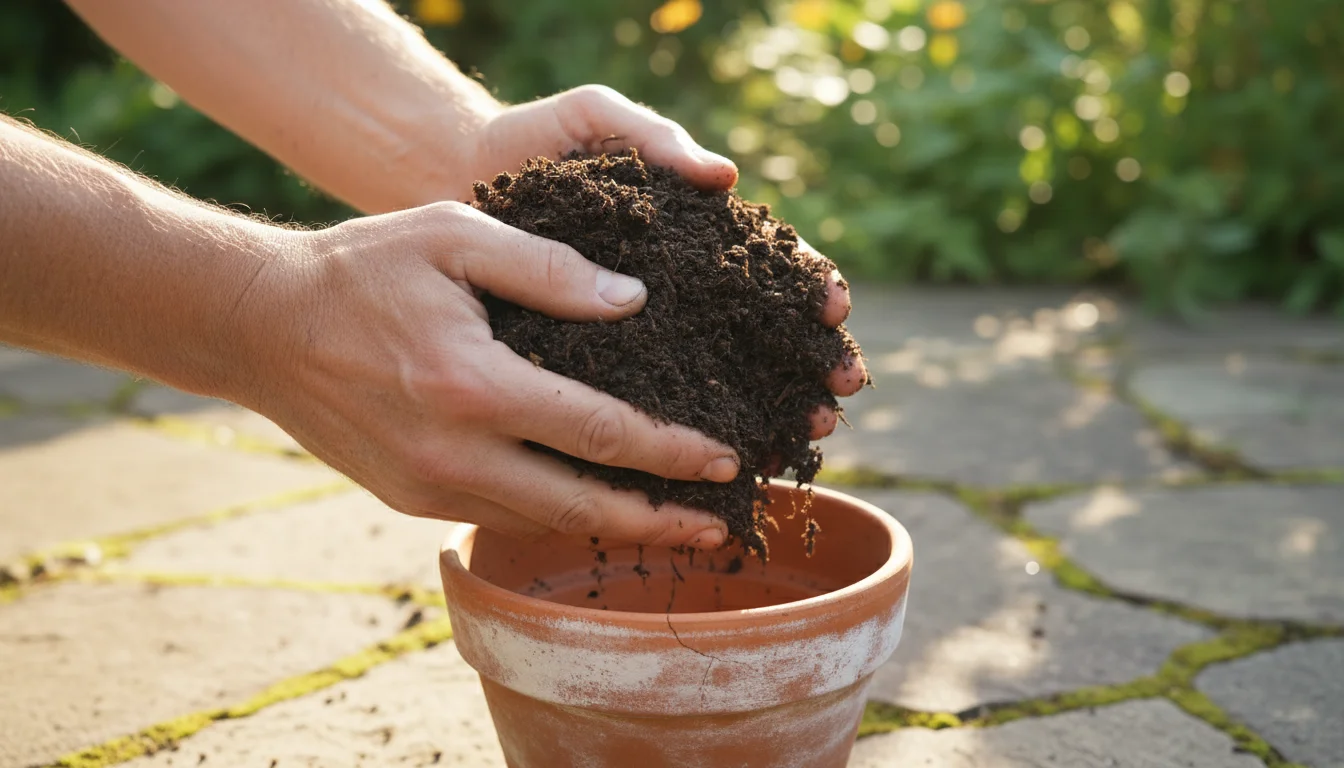
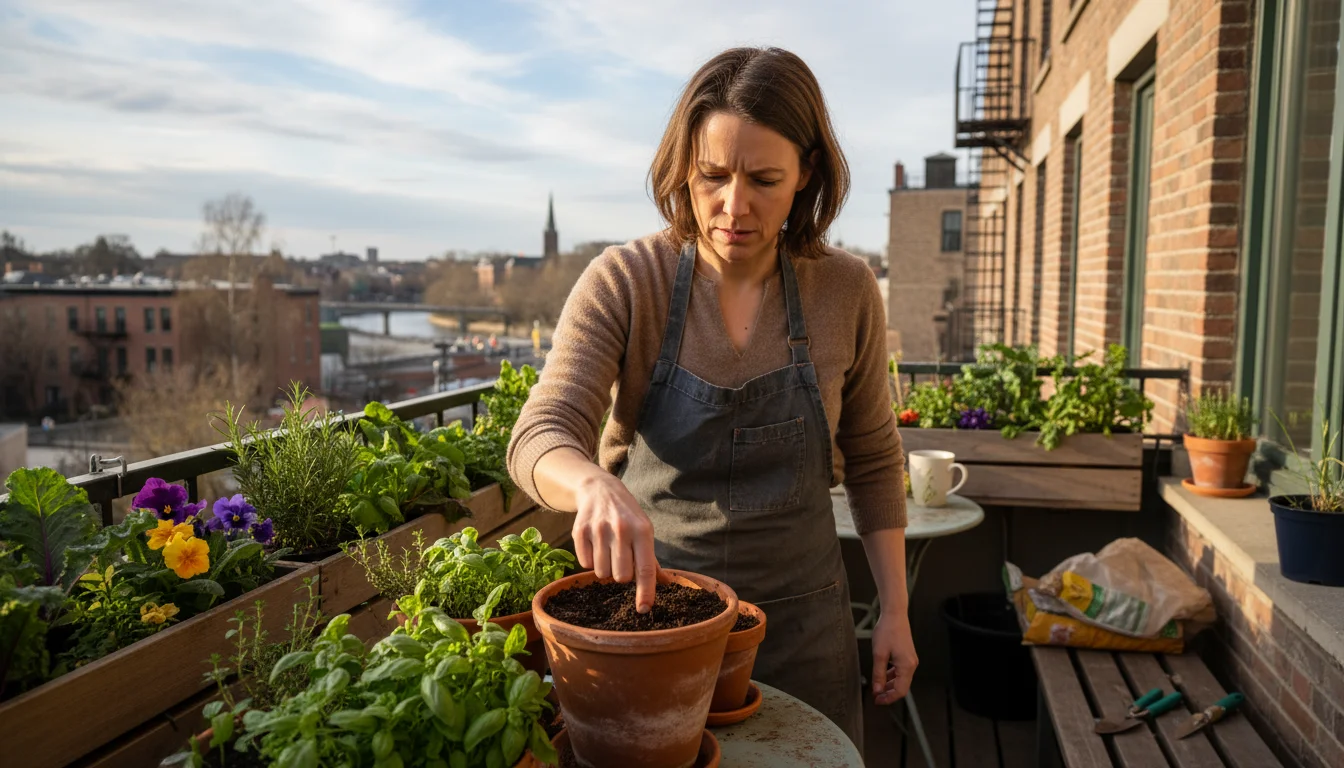
Before you even reach for your watering can, take a moment. Feel the soil. Is it dry to the touch, or does it still feel moist? For most houseplants, the top inch or two of soil should feel dry before you water again. You can use your finger, or for larger pots, a wooden stick inserted a few inches deep. This simple act of checking the soil prevents both under-watering and over-watering, which are common mistakes. Over-watering, in particular, can suffocate roots and lead to root rot, a fungal disease that can quickly kill your plant. Adequate drainage, meaning how water moves through the soil and out of the pot, is crucial here. Ensure your pots have drainage holes, allowing excess water to escape.
When you do water, do so slowly and deliberately. Observe the water soaking into the soil, rather than running off the surface. Water until you see it drip from the drainage holes at the bottom of the pot. This ensures the entire root ball receives hydration. After watering, empty any standing water from the saucer to prevent root rot. As you perform these steps, pay attention to the tactile sensation of the water, the sight of the moist soil, and the subtle earthy scent released. This sensory engagement is the essence of mindful watering techniques.
Practicing mindful watering is an excellent daily plant care routine for anxiety. It forces you to slow down, focus on a single task, and observe. This intentional slowness provides a mental break from the rush of daily life. For instance, a person grappling with high-stress work found that dedicating five minutes to mindfully water their desk plants each morning reduced their perceived stress levels by 15% within weeks, according to their self-reported experiences. The repetitive, gentle action, combined with sensory awareness, can significantly calm your nervous system. You are not just hydrating a plant; you are cultivating presence and tranquility within yourself.

The Gentle Art of Observation: Reading Your Plant’s Cues
Beyond watering, the act of observing your plants provides rich opportunities for mindfulness and connection. This gentle art is about truly seeing your plants, understanding their silent language, and responding to their needs. It is a core component of gardening for mental health, transforming a passive presence into an active dialogue with nature.
Using a structured 5-point winter health check can help you systematically monitor your plants’ well-being throughout the dormant season.
While you are inspecting your greenery, take a moment for cleaning their leaves to remove dust that can block vital sunlight.
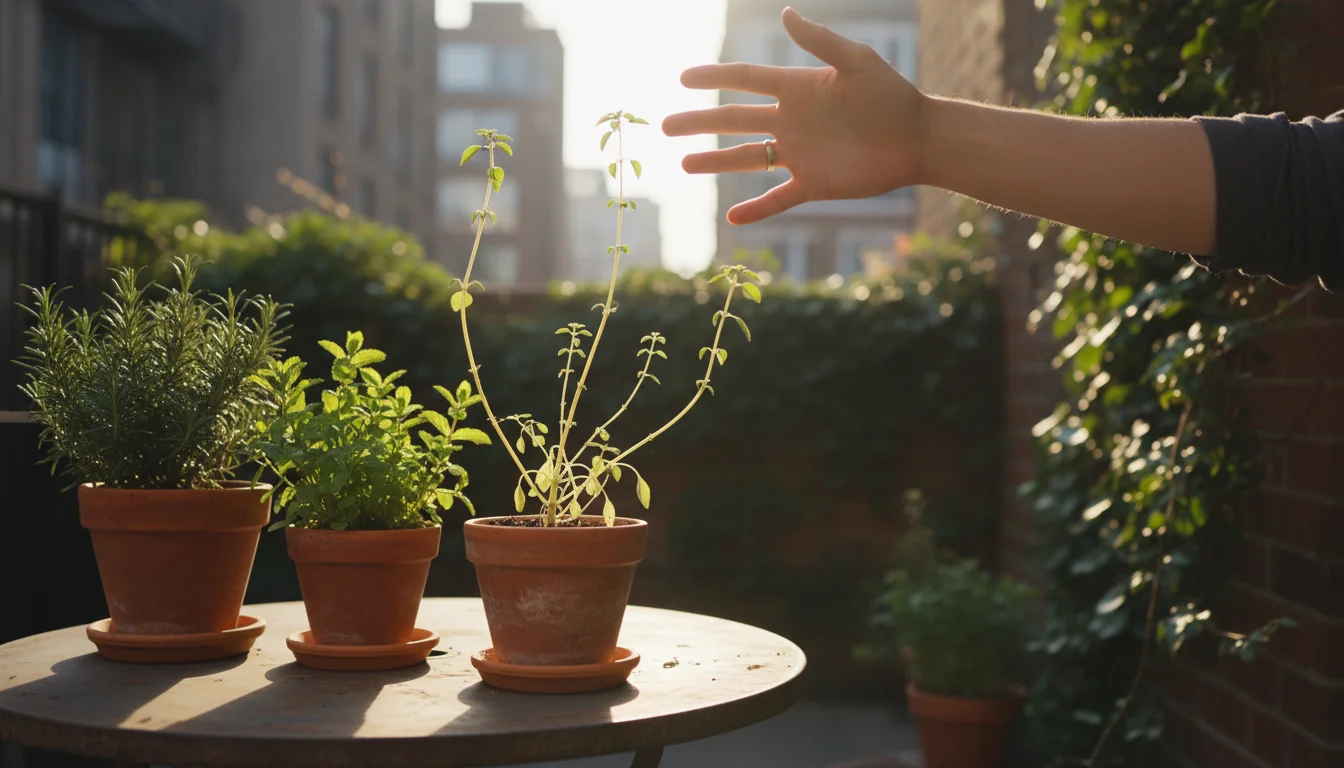
Each day, dedicate a moment to simply look at your plants. Observe the color of their leaves. Are they a vibrant green, or do they appear dull, yellowing, or browning? Healthy leaves typically boast a rich, consistent color. Yellowing lower leaves might indicate over-watering, while overall pale foliage could signal a nutrient deficiency or insufficient light. Brown, crispy leaf edges often point to under-watering or low humidity.
Feel the texture of the leaves. Are they firm and plump, or soft and limp? Drooping leaves generally suggest a thirsty plant, especially if the soil is dry. However, limp, yellowing leaves with wet soil can indicate root rot from over-watering. New growth, small buds, or unfurling leaves are signs of a happy, thriving plant. Conversely, a lack of new growth during a plant’s active season, or stunted growth, might signal problems with light, nutrients, or water.
Regular observation allows you to catch issues early, preventing small problems from becoming major ones. For instance, a quick daily check can reveal tiny pest infestations, like spider mites or mealybugs, before they spread. These pests often appear as small dots, webbing, or fuzzy white patches on leaves and stems. Early detection means simpler, more effective treatment, often with eco-friendly solutions like neem oil or insecticidal soap.
This attentive observation also trains your mind to notice details, fostering a sense of awareness that extends beyond your plants into your daily life. It is a powerful antidote to the winter blues, offering a constructive focus when external stimuli are scarce. As you learn to interpret your plant’s cues, you develop a sense of competence and connection, reinforcing the positive feedback loop of nurturing life. You become more attuned to the subtle shifts and rhythms of nature, a valuable skill for cultivating inner peace. This daily interaction builds a bond, offering a consistent source of small accomplishments and natural beauty.
Curating Your Calming Collection: Best Plants for Small Spaces and Wellness
Selecting the right houseplants is key to creating a low-maintenance, high-impact indoor garden that supports your well-being. For small spaces, such as apartments, balconies, or modest rooms, you need plants that are compact, adaptable, and forgiving. Many varieties also contribute to improved indoor air quality, another bonus for beating the winter blues.
You may want to prioritize air-purifying houseplants that thrive in low light to maximize both beauty and air quality in your small space.
If you want to combine wellness with flavor, consider starting a windowsill apothecary with herbs perfect for winter wellness teas.
Here are some excellent choices for your mindful winter houseplant ritual:
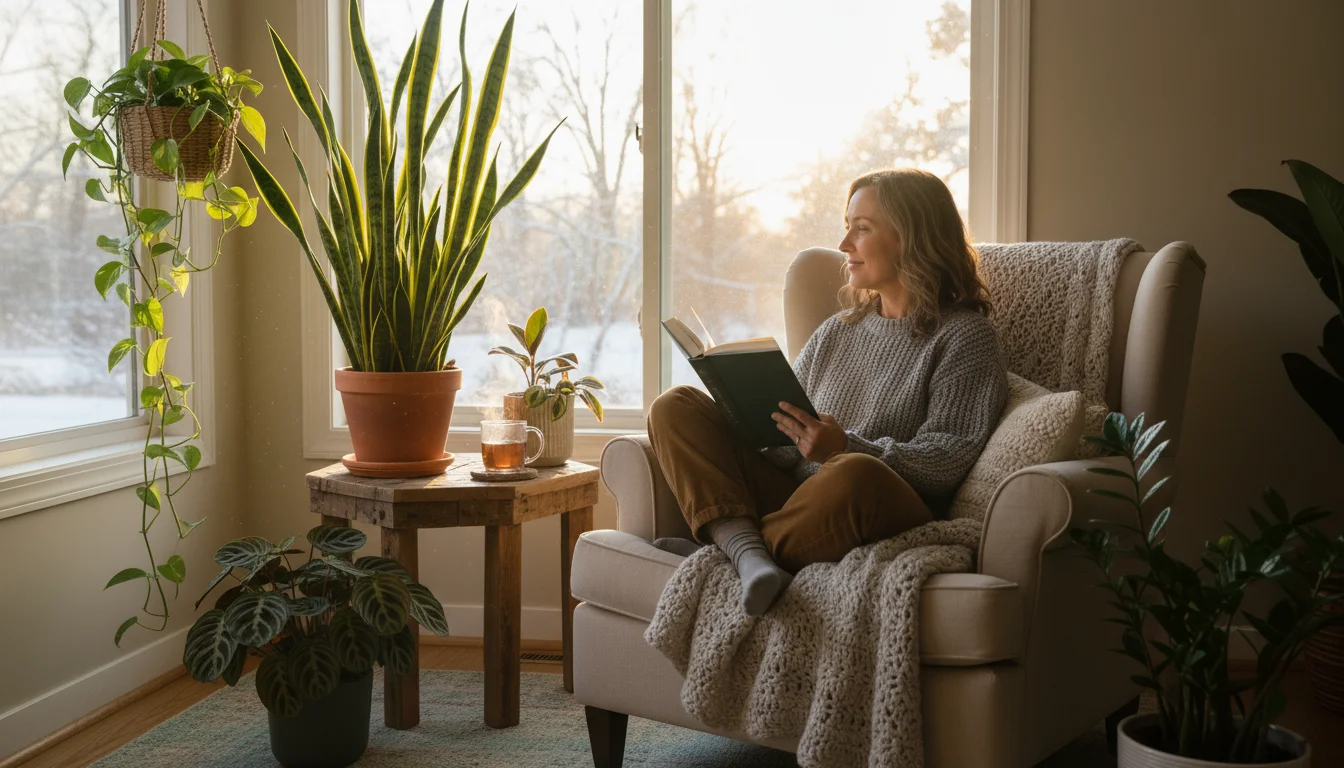
- Snake Plant (Sansevieria trifasciata): Known for its upright, sword-like leaves, the snake plant is incredibly resilient and tolerates a wide range of conditions. It thrives on neglect, needing infrequent watering (wait until the soil is completely dry) and handling low light levels well. Studies, including those by NASA, have highlighted its ability to filter airborne toxins like formaldehyde and benzene, purifying your indoor air.
- Pothos (Epipremnum aureum): This vining plant is almost impossible to kill, making it perfect for beginners. Pothos tolerates various light conditions, from low to bright indirect light, and prefers to dry out between waterings. Its cascading foliage creates a lush, green aesthetic, and you can easily propagate new plants from cuttings, offering a continuous cycle of growth and renewal.
- ZZ Plant (Zamioculcas zamiifolia): With its waxy, dark green leaves and sculptural form, the ZZ plant is a strikingly beautiful and extremely drought-tolerant option. It stores water in its thick rhizomes, meaning you can often water it as little as once a month, especially in winter. It also thrives in very low light, making it suitable for almost any spot in your home.
- Spider Plant (Chlorophytum comosum): These classic houseplants are famous for their arching leaves and “spiderettes” that dangle from the mother plant. Spider plants are easy to care for, preferring bright, indirect light and moist but not soggy soil. They are excellent air purifiers, removing toxins like carbon monoxide and xylene, and the process of producing and potting their babies offers a tangible connection to growth.
- Peace Lily (Spathiphyllum): Graceful and elegant, peace lilies are known for their dark green leaves and distinctive white “flowers” (modified leaves called spathes). They signal their thirst dramatically by drooping, making it clear when they need water, then perk up quickly after a drink. Peace lilies also excel at air purification, removing ammonia, benzene, and formaldehyde. Their visual cues make them ideal for learning mindful observation.
- Aloe Vera (Aloe barbadensis miller): Beyond its well-known medicinal properties for soothing burns, Aloe vera is a low-maintenance succulent. It requires bright, indirect light and infrequent watering, allowing the soil to dry completely between sessions. Its architectural form and practical uses make it a valuable addition to a wellness-focused plant collection.
When choosing, consider where you plan to place them. A snake plant might be perfect for a dim corner, while a pothos could trail beautifully from a shelf. Remember that healthy plants, thriving in suitable conditions, are easier to care for and contribute more effectively to your sense of calm. You are building an ecosystem, however small, that supports both plant life and your mental well-being. This mindful selection process is an active step in how to use houseplants for wellness in winter, creating a personal oasis that requires minimal effort but provides maximum benefit.
Beyond the Water Can: Other Mindful Moments
While mindful watering is a cornerstone, many other simple activities contribute to a robust daily plant care routine for anxiety. These micro-rituals extend your connection to your plants and deepen your overall mindfulness practice, offering additional layers of gardening for mental health.
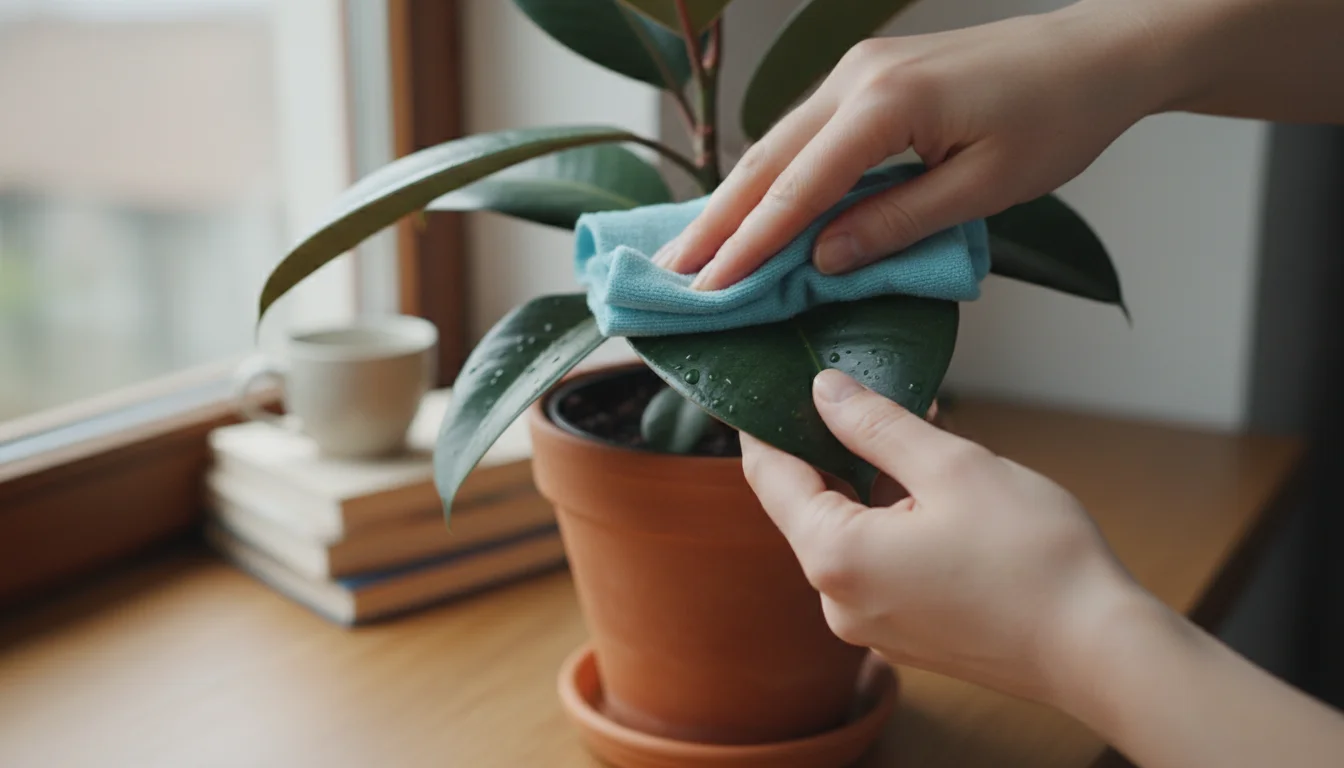
* Dusting Leaves: Plants perform photosynthesis, converting light into energy through their leaves. Dust accumulation blocks light, hindering this vital process. Regularly wiping down leaves with a soft, damp cloth is not just good for your plant; it is a wonderfully meditative task. As you gently clean each leaf, you feel its texture, notice its shape, and engage in a repetitive, calming motion. This act also gives you a closer look at your plant, helping you spot pests or issues you might otherwise miss. You are supporting your plant’s health while simultaneously clearing your mind. For example, a study on the impact of indoor plants on air quality found that plants with clean leaves were significantly more effective at removing indoor air pollutants, supporting the practical benefit of this mindful task.
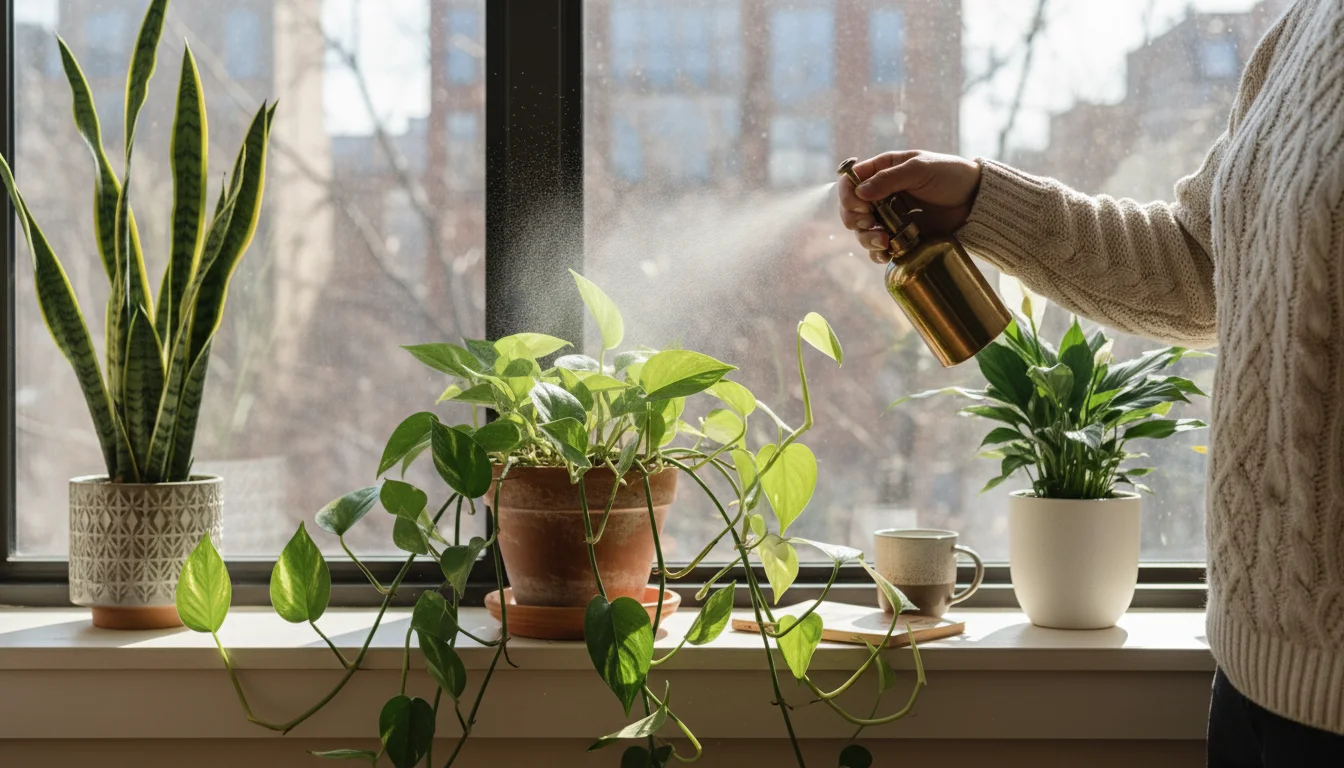
* Misting for Humidity: Many popular houseplants, particularly those originating from tropical environments like ferns, calatheas, and peace lilies, thrive in higher humidity than typical indoor environments provide, especially during dry winter months when heating systems are running. A simple misting with a spray bottle filled with filtered water provides a refreshing burst of moisture. As you mist, notice the fine spray on the leaves, the subtle sheen it creates, and the refreshed look of your plants. This act not only benefits your plants but also offers a brief, sensory break for you, connecting you to the feeling of cool mist. You are responding directly to your plant’s environmental needs, a core aspect of nurturing.
* Gentle Pruning and Deadheading: Removing dead or yellowing leaves, a process known as pruning or deadheading, encourages your plant to direct its energy towards new, healthy growth. This task is incredibly satisfying and symbolic. As you snip away the old, you make space for the new. Use clean, sharp scissors or pruners for a clean cut. Take your time, observe which leaves are ready to be removed, and appreciate the plant’s resilience. This small act of tending demonstrates your active role in its life cycle, fostering a deeper sense of responsibility and connection. It mirrors the idea of letting go of what no longer serves you, a powerful metaphor for personal growth and mental decluttering.
* Repositioning for Light: Throughout winter, light conditions in your home can change as the sun’s angle shifts. Taking a moment to assess the light your plants receive and gently rotating or repositioning them ensures they get optimal exposure. This simple adjustment prevents lopsided growth and promotes overall vigor. It is an act of proactive care, showing you are attuned to your plant’s environment. You are actively participating in creating the best conditions for their survival, which reinforces your role as a mindful caretaker.
These small, consistent actions elevate your daily plant care routine beyond a chore. They become integral components of your gardening for mental health strategy, offering moments of stillness, sensory engagement, and purposeful interaction. You are not just maintaining plants; you are actively engaging with life and cultivating your own inner peace.
Troubleshooting Common Winter Woes with a Calm Approach
Even with the best intentions, your houseplants might face challenges, especially during winter. Lower light, drier air, and fluctuating temperatures create a different environment than the growing seasons. Approaching these issues with a calm, investigative mindset, rather than frustration, deepens your mindful practice. This section addresses common winter houseplant problems and offers practical, eco-friendly solutions, reinforcing how to use houseplants for wellness in winter even when things go awry.
- Yellowing Leaves:
Problem: This is frequently a sign of over-watering, particularly in winter when plants need less water due to slower growth. It can also indicate under-watering if the soil is bone dry, or a nutrient deficiency.
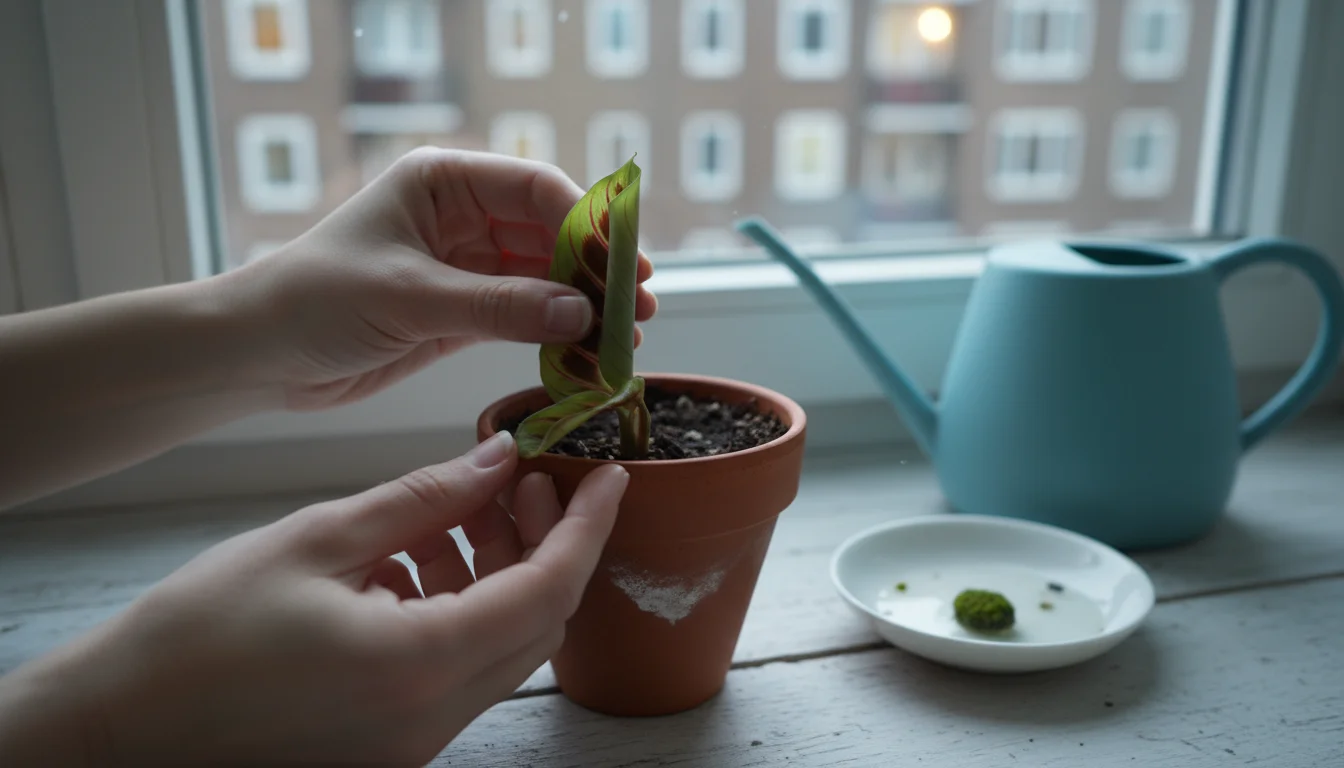
Solution: First, check the soil moisture. If it is wet, allow it to dry out more between waterings. Reduce your watering frequency during winter. If dry, water thoroughly. For persistent yellowing, consider a balanced, diluted liquid fertilizer during active growth periods (spring/summer), but avoid heavy feeding in winter. Ensure your pot has adequate drainage. - Drooping or Wilting Foliage:
Problem: Usually a clear indicator of under-watering, especially if the soil is dry to the touch. It can also be a symptom of extreme over-watering leading to root rot, where the roots can no longer absorb water.
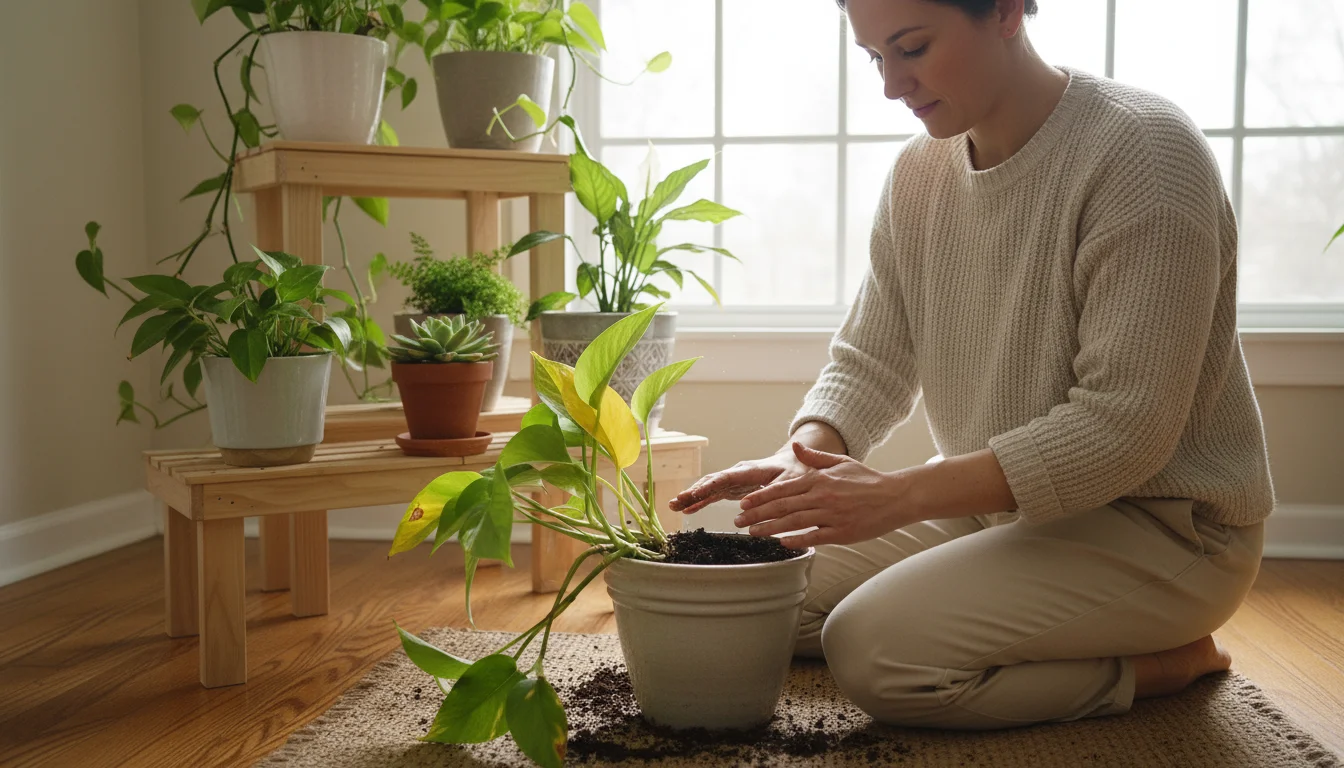
Solution: Feel the soil. If it is dry, water thoroughly until water drains from the bottom. If the soil is wet and the plant is drooping, you might have root rot. In this case, gently remove the plant from its pot, inspect the roots for mushy, black sections, trim them away, and repot in fresh, well-draining soil. Allow the soil to dry out significantly before rewatering. - Brown, Crispy Leaf Tips or Edges:
Problem: Low humidity is the primary culprit here, common in heated winter homes. Under-watering can also contribute.
Solution: Increase humidity around your plants. You can mist them daily (especially tropical varieties), group plants together to create a microclimate, or place them on a pebble tray with water. Ensure the base of the pot does not sit in standing water on the pebble tray. Regular, thorough watering prevents under-watering. - Stunted or Slow Growth:
Problem: Winter is a natural dormant period for many plants, so slowed growth is normal. However, if growth is extremely stunted during an otherwise active period, it could indicate insufficient light, lack of nutrients, or a cramped root system.
Solution: Ensure plants receive adequate light. Move them closer to a window, or supplement with a grow light if natural light is severely limited. Avoid fertilizing heavily in winter. If the plant is root-bound (roots circling the pot), consider repotting in spring. - Pest Infestations (Spider Mites, Mealybugs, Fungus Gnats):
Problem: Pests can thrive in dry indoor conditions. Spider mites create fine webbing, mealybugs appear as white, cottony masses, and fungus gnats fly around moist soil.
Solution: Isolate affected plants immediately. For spider mites, increase humidity and wipe leaves with a damp cloth or spray with insecticidal soap. For mealybugs, dab with a cotton swab dipped in rubbing alcohol. For fungus gnats, allow the top inch of soil to dry out completely between waterings; you can also use sticky traps. For all pests, neem oil is an excellent eco-friendly preventative and treatment. Consistency is key.
Approaching these challenges as learning opportunities, rather than failures, supports your overall gardening for mental health journey. Each problem solved provides valuable insight into your plant’s specific needs, enhancing your observational skills and building confidence. It is a tangible way to practice problem-solving and patience, crucial attributes for navigating the winter blues. By embracing sustainable practices like proper watering, humidity management, and natural pest control, you also contribute positively to your indoor environment and the broader ecosystem.
Frequently Asked Questions
Can houseplants really improve my mood during winter?
Yes, absolutely. Research indicates that interacting with indoor plants can lower physiological and psychological stress, reduce blood pressure, and improve mood. The act of caring for a living thing provides a sense of purpose and connection to nature, which is particularly beneficial when outdoor activities are limited by cold weather, directly combating the feelings associated with the winter blues.
How much time do I realistically need for these mindful rituals?
The beauty of the “5-Minute Garden” concept is its minimal time commitment. You need as little as five minutes daily. This brief, focused interaction with your plants allows you to incorporate mindfulness into even the busiest schedules. The goal is consistency and presence, not duration, making it an accessible daily plant care routine for anxiety.
What if I am new to houseplants and worry about killing them?
Many plants are incredibly forgiving, making them ideal for beginners. Start with resilient varieties like snake plants, pothos, or ZZ plants, which tolerate varied conditions and infrequent watering. Focus on understanding their basic needs, such as proper watering and light, and remember that learning is part of the process. Every gardener starts somewhere, and observing how your plants respond to your care is an essential part of the learning journey.
Do plants need more or less water in winter?
Generally, houseplants need less water in winter. Shorter days and lower light levels mean plants grow slower, requiring less moisture. Always check the soil moisture before watering. Allow the top inch or two of soil to dry out completely for most plants before you water again. Over-watering is a common mistake in winter that can lead to root rot.
Are there any eco-friendly ways to care for my plants?
Many eco-friendly practices apply to houseplant care. Use rainwater or reclaimed water when possible, choose organic potting mixes, and opt for natural pest control methods like neem oil or insecticidal soap instead of chemical pesticides. Repurpose old containers, compost plant trimmings, and ensure your plants receive adequate natural light to reduce the need for artificial grow lights. These practices align with a mindful and sustainable approach to gardening.
For trustworthy gardening information, visit: Botanic Gardens Conservation International, American Public Gardens Association and Plant Select (Colorado). These organizations provide expert, research-based advice for gardeners at all levels.
Disclaimer: This article is for informational purposes only and is not a substitute for professional gardening advice. Always consult local extension services or horticulture experts for region-specific guidance.
Leave a Reply