
The longest night of the year arrives with the winter solstice, a profound moment of stillness and quiet contemplation. While many gardeners associate winter with a complete pause, this specific turning point offers a unique opportunity for mindful gardening. It is a time not for digging or planting, but for reflection, planning, and reconnecting with the deep rhythms of nature. As a gardener, you possess an innate understanding of cycles, growth, and rest. The solstice invites you to embrace winter’s dormancy as a crucial period for preparing the ground, both literally and figuratively, for the vibrant abundance of spring.
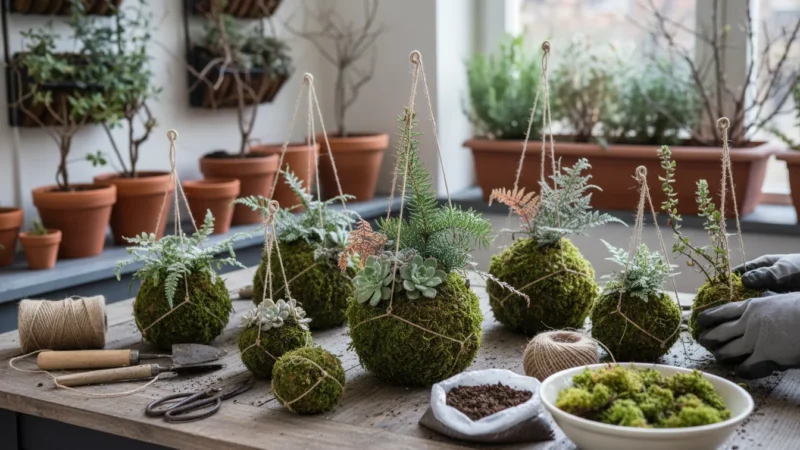
While your outdoor containers rest, you can keep your green thumb active with winter indoor gardening projects that bring life inside.
This article guides you through creating a simple, meaningful ritual around the winter solstice. You will learn how to use this quiet time to review your past gardening efforts, refine your visions for the future, and infuse your passion with renewed energy. Whether you tend a vast plot or nurture a few beloved containers on a balcony, this practice offers a powerful way to stay connected to your plants and your purpose, even when the garden sleeps.
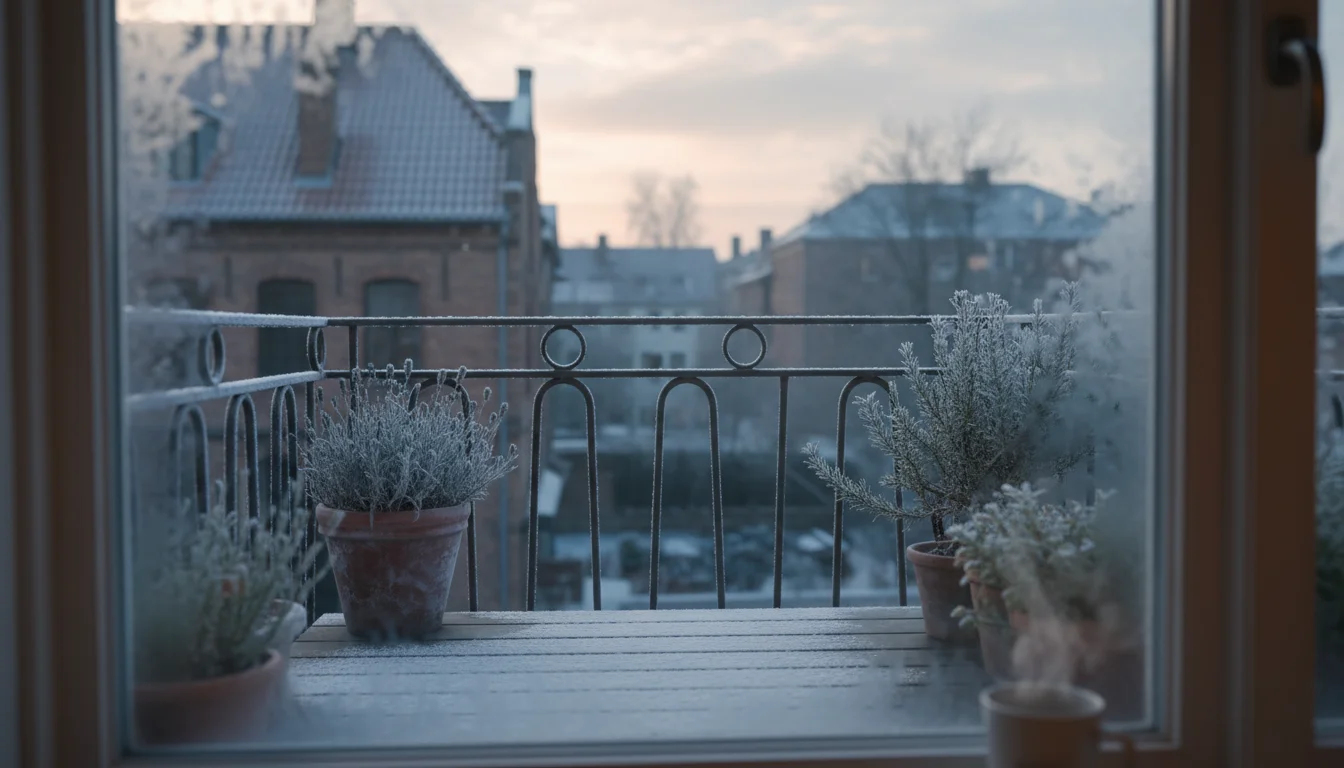
Understanding the Winter Solstice: A Gardener’s Perspective
The winter solstice marks the astronomical beginning of winter in the Northern Hemisphere, occurring annually around December 21st. It represents the shortest day and the longest night of the year, a pivotal point when the sun reaches its lowest arc in the sky. From this day forward, the days gradually lengthen, bringing more sunlight until the summer solstice. This celestial event holds significance across cultures, often symbolizing rebirth, renewal, and the return of light.
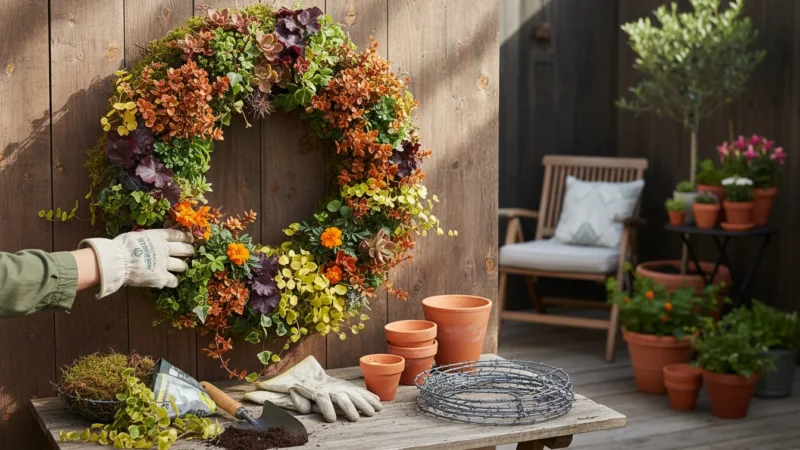
You can also honor the shift in light by creating festive container displays that bring a touch of color to your winter balcony.
For you as a gardener, the winter solstice is more than an astronomical marker; it is a profound natural cue. It is nature’s most explicit invitation to rest. Your plants, especially perennials and trees, respond to the decreasing light and colder temperatures by entering a period of dormancy. This rest is not an absence of life, but a vital phase of energy conservation and internal preparation for future growth. Understanding this natural rhythm helps you align your gardening practices with the earth’s cycles. Instead of fighting winter, you can lean into its lessons of patience and quiet strength. This connection forms the bedrock of mindful gardening, allowing you to appreciate every stage of your garden’s life.
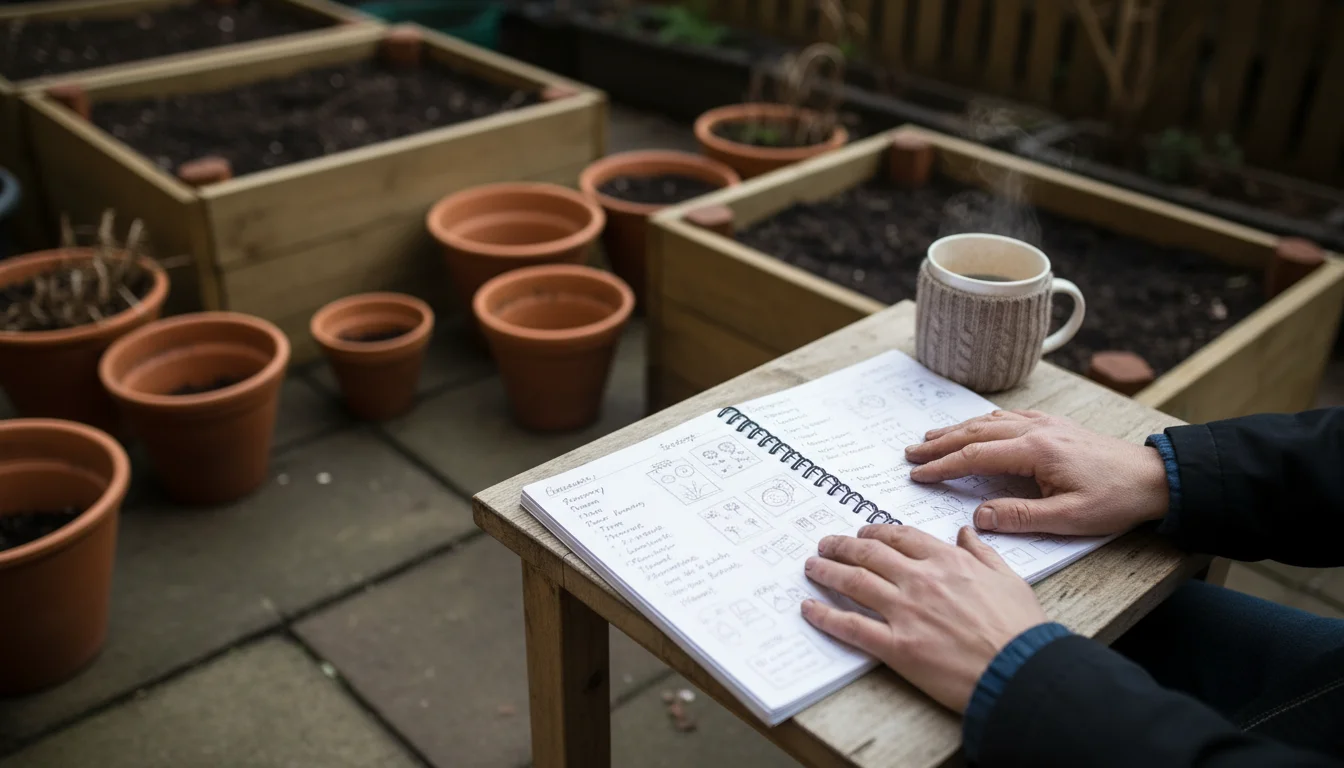
Why This Midwinter Pause Matters for Your Garden
Embracing the midwinter pause offers substantial benefits, both for your garden and for your well-being. This period of dormancy is a natural and necessary component of healthy plant life cycles. Just as you need sleep to recharge, your garden needs winter to consolidate its energy. This downtime allows soil nutrients to redistribute, beneficial microbes to work undisturbed, and perennials to fortify their root systems. Attempting to force growth during winter often leads to weak plants susceptible to disease and pests, wasting your effort and resources.
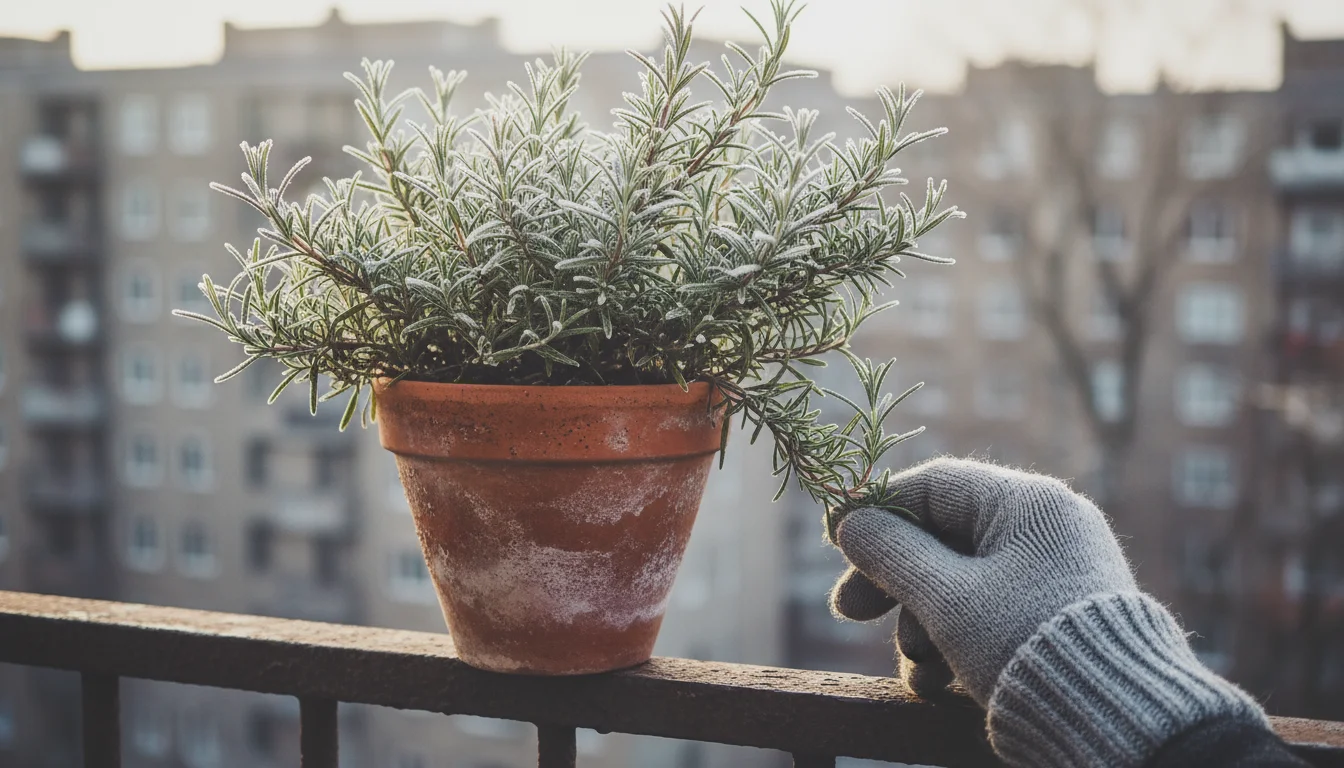
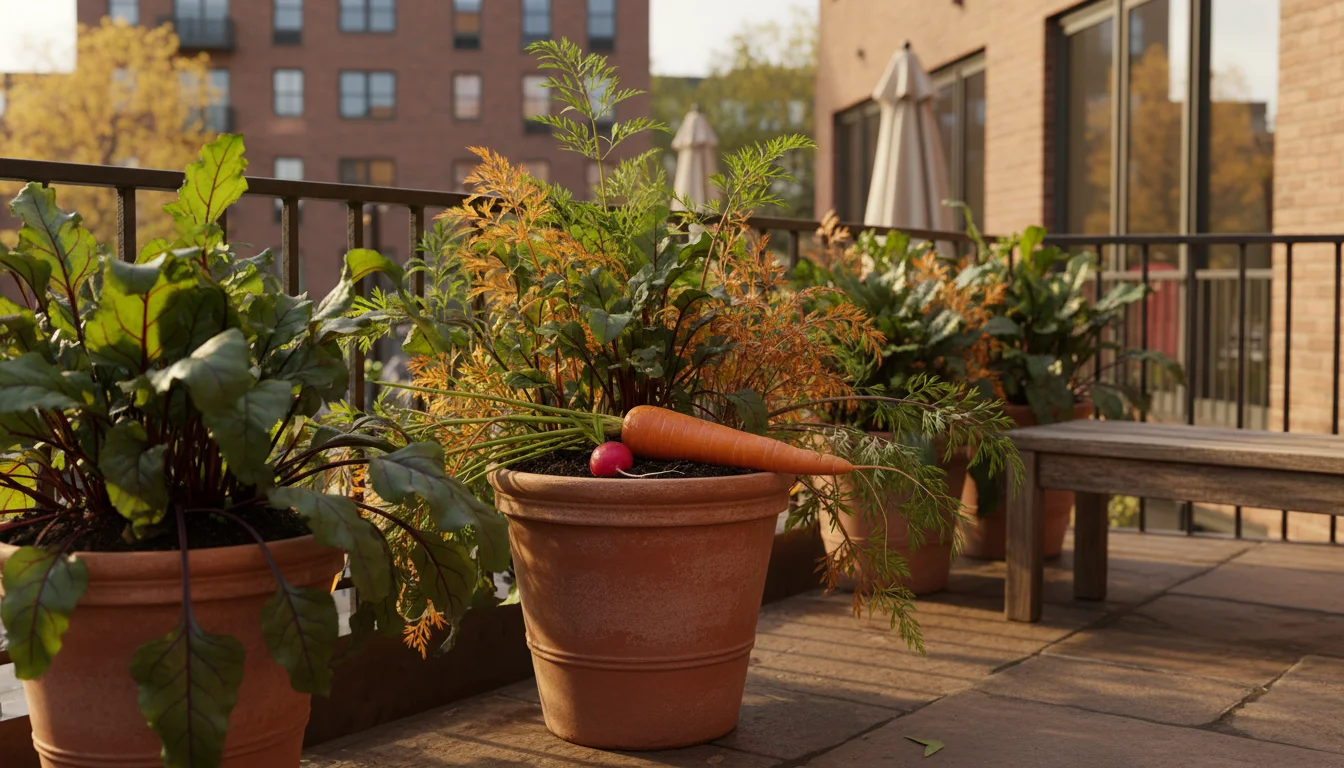
While the garden rests, it is also the final chance to ensure you have followed the best practices for how to overwinter container plants so they survive the deepest frost.
Beyond the biological benefits, the winter solstice provides a powerful mental and emotional reset for you, the gardener. The constant demands of planting, watering, and harvesting can become exhausting. This pause prevents burnout and fosters a deeper, more sustainable relationship with your garden. It shifts your focus from immediate tasks to long-term vision, encouraging reflection on successes and challenges. By consciously stepping back, you gain perspective. You observe your space with fresh eyes, identify patterns, and imagine new possibilities. This reflective approach transforms gardening from a chore into a profound, ongoing conversation with nature, leading to more resilient plants and a more joyful gardening experience. Engaging in `mindful gardening` practices during this time enriches your connection to the earth, even without touching a trowel.

The Solstice Ritual: Crafting Your Mindful Gardening Practice
Creating a winter solstice ritual does not require elaborate preparations. Its power comes from intention and presence. This simple practice helps you honor the season and center your gardening spirit.
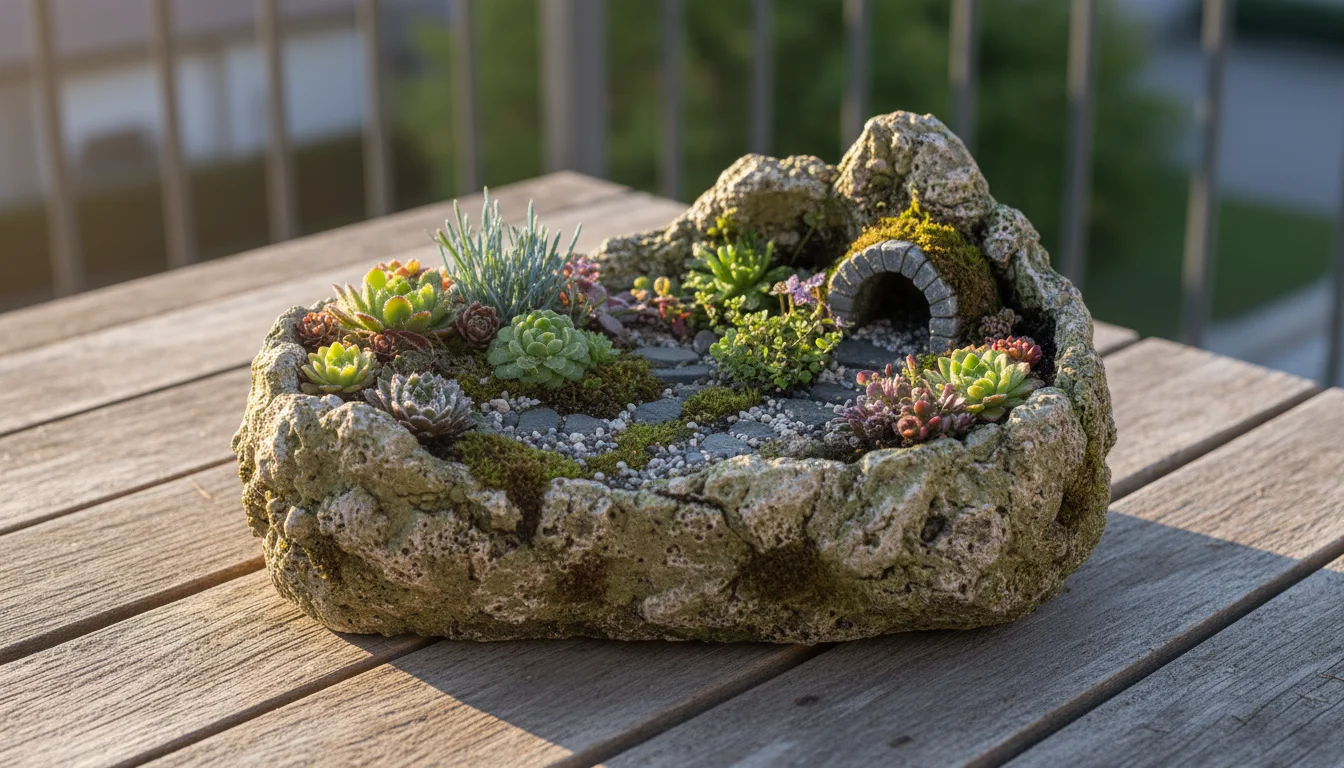
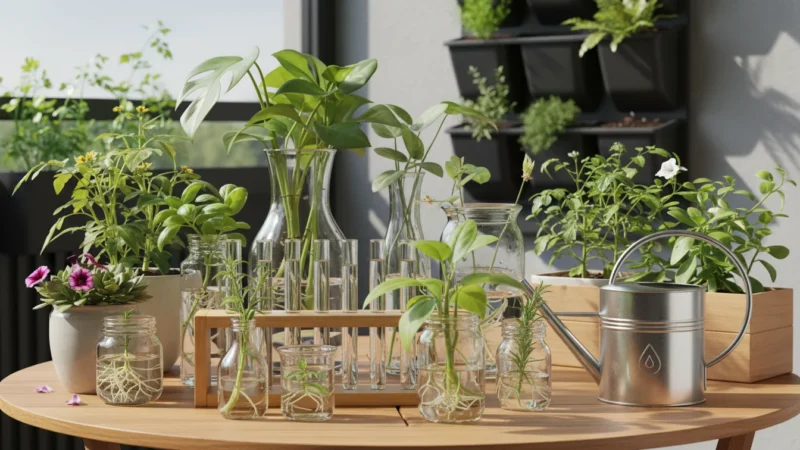
For those who miss the feel of soil between their fingers, crafting a miniature tabletop terrarium can be a soothing addition to your solstice ritual.
Here is a step-by-step guide to developing your personal winter solstice gardening ritual:
- Choose Your Sacred Space and Time: Find a quiet spot in your home where you feel comfortable and undisturbed. This could be near a window overlooking your dormant garden or a cozy corner indoors. Select a specific time on the solstice, perhaps at dawn, dusk, or any time you can dedicate uninterrupted attention.
-
Gather Your Tools for Reflection:
- A Garden Journal: This is central to `garden journaling ideas for winter`. Any notebook will do, but a dedicated journal makes it special.
- A Pen: Choose one that feels good to write with.
- Warm Beverage: A cup of herbal tea, coffee, or hot cocoa enhances the contemplative mood.
- A Candle (Optional): Symbolizing the returning light, a candle can add a gentle glow to your space.
- Photos of Your Garden: Pictures from the past growing season serve as visual prompts for reflection.
- Begin with Stillness and Gratitude: Sit quietly for a few moments. Take a few deep breaths, allowing your mind to settle. Think about your garden from the past year. What are you grateful for? Perhaps the first tomato, a vibrant bloom on your balcony, or simply the joy of watching something grow. Write these moments of gratitude in your journal.
-
Reflect on the Past Season: This is where your garden journal becomes invaluable. Review your notes, photos, and memories from spring, summer, and fall. Ask yourself:
- What grew well in my space? What struggled?
- Which plants brought me the most joy or sustenance?
- What lessons did I learn about my soil, watering habits, or pest management?
- Did I overcommit? Under-plan?
- How did my small-space solutions perform?
Be honest and observational, rather than critical. Document your reflections.
-
Dream and Envision the Future: With your reflections complete, turn your attention to the upcoming year. This is the essence of `garden planning`. Allow your imagination to roam freely.
- What new plants do I want to try?
- Are there specific colors, textures, or scents I want to incorporate?
- How can I optimize my balcony or patio space even further?
- Do I want to try companion planting or vertical gardening?
- What sustainable practices can I adopt more fully?
Sketch ideas, list plants, and articulate your aspirations for your next growing season.
- Set Intentions: Based on your reflections and dreams, set one or two clear intentions for your garden in the coming year. These are not rigid goals but guiding principles. Examples include: “I intend to grow more herbs for culinary use,” or “I intend to create a more resilient, water-wise garden.” Write these intentions clearly in your journal.
- Welcome the Light: Conclude your ritual by acknowledging the return of the light. If you lit a candle, you might sit with its flame for a moment, symbolizing the spark of life returning to your garden. Feel the anticipation for warmer days and new growth. This completes your ritual for `what to do in the garden on winter solstice` from a mindful perspective.
This mindful approach transforms a potentially bleak winter day into a source of inspiration and connection, ensuring your gardening passion remains vibrant year-round.
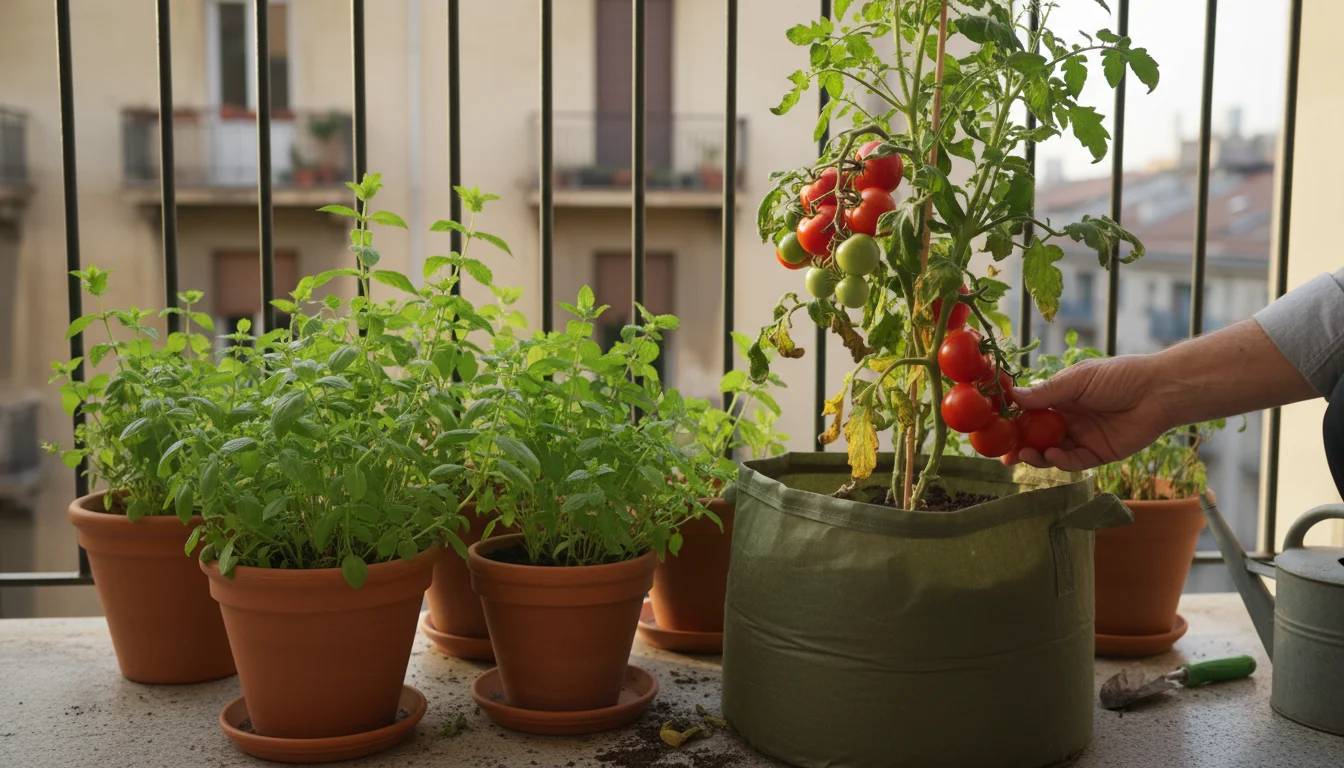
Reflecting on Seasons Past: Lessons from Your Small-Space Garden
The winter solstice offers an ideal opportunity to review your past gardening year with a critical, yet compassionate, eye. For those with limited space, every inch counts, making accurate reflection even more vital for future success. Grab your garden journal, any photos you took, and consider these areas:
This reflective phase is also an excellent time to tackle the great seed sort, organizing your inventory before the spring rush begins.
- Yield and Successes: What plants thrived? Did your container tomatoes produce abundantly? Did the herbs on your kitchen balcony flourish? Document these victories. Understand what conditions led to their success: sunlight, soil mix, watering frequency, specific varieties. Recognizing your wins builds confidence and provides a foundation for future plans.
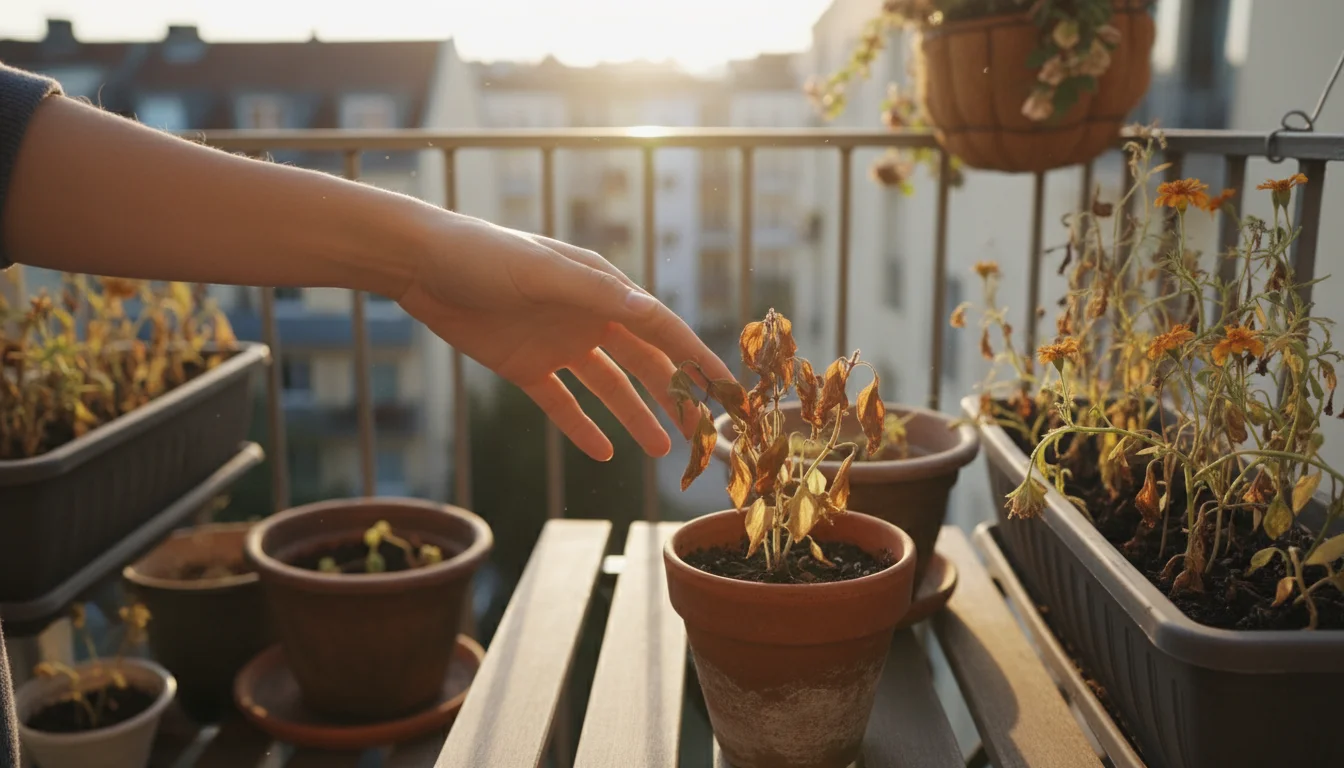
- Challenges and Learning Moments: Not every plant succeeds, and that is a fundamental part of gardening. Did a particular corner of your patio receive too much sun for your leafy greens? Did powdery mildew become an issue on your squash? Did specific pests find your plants appealing? Rather than dwelling on failures, view these as valuable data points. For instance, if a plant struggled with drainage in a pot, you know to amend your soil or choose a different container next year. These are crucial `garden journaling ideas for winter`, turning setbacks into actionable knowledge.
- Space Utilization: Small-space gardeners constantly optimize. Did you use vertical space effectively with trellises or hanging baskets? Were there empty spots you could have filled, or areas that felt overcrowded? Perhaps a plant grew larger than anticipated, shading out its neighbors. Think about flow and accessibility in your small garden. Could you reach all your plants easily for harvesting or care?
- Resource Management: Reflect on your water usage. Did you over or under-water? For container plants, consistent moisture is key, but waterlogging suffocates roots. Consider your compost contributions. Did you have enough organic matter to enrich your small plots or containers? Did you use appropriate soil amendments? Sustainable practices often begin with careful observation of how you manage resources.
- Time Investment: Be honest about the time you dedicated. Did you enjoy the process, or did it feel like a chore? If time was scarce, perhaps simplify your plant choices for next year. If you found extra moments, consider adding a new project. Aligning your garden’s needs with your available time prevents frustration and ensures gardening remains a joy.
This structured reflection allows you to identify patterns, understand your unique microclimate and space, and gather concrete insights that directly inform your `garden planning` for the upcoming season.

Visioning Your Future Garden: Strategic Planning for Small Spaces
With your reflections complete, the winter solstice transitions you naturally into future `garden planning`. This is your chance to reimagine your space, whether it is a window box, a vibrant patio, or a compact backyard. Effective `planning next year’s balcony garden` or small yard starts with a clear vision and practical considerations.
As you dream of new possibilities, consider drafting a winter budget blueprint to prioritize your gardening investments for the year ahead.
Here are key elements to guide your strategic planning:
For trustworthy gardening information, visit:
Royal Horticultural Society (RHS), UF/IFAS Gardening Solutions, University of Illinois Extension — Gardening, UC IPM (University of California Integrated Pest Management) and Missouri Botanical Garden. These organizations provide expert, research-based advice for gardeners at all levels.
-
Define Your Garden’s Purpose: What do you want your garden to provide?
- Edibles: Fresh herbs, vegetables, fruits? Prioritize varieties that offer good yields in small spaces.
- Ornamentals: Flowers for beauty, fragrance, or to attract pollinators?
- Relaxation/Ambiance: A peaceful retreat, a focal point for entertaining?
- Wildlife Habitat: Support for bees, butterflies, or birds?
A clear purpose helps narrow down plant choices and design elements.
-
Map Your Microclimate: Understand your specific growing conditions.
- Sunlight: Track how many hours of direct sunlight each part of your garden receives throughout the day. South-facing balconies often get intense sun, while north-facing ones are shadier. Most vegetables require at least 6 hours of direct sun.
- Wind: Balconies and exposed patios can be windy. Plan for windbreaks or choose resilient plants.
- Temperature: Note areas that stay warmer or colder, which impacts plant hardiness.
Understanding these factors is paramount for successful `garden planning`.
-
Select Your Plants Wisely: For small spaces, plant selection is paramount.
- Compact Varieties: Look for “dwarf,” “bush,” or “patio” versions of vegetables and flowers. These are bred to stay small.
- High-Yielding: Choose plants that produce a lot in a small footprint, such as determinate tomatoes, bush beans, cut-and-come-again lettuces, or columnar fruit trees.
- Vertical Growers: Trellises, obelisks, and hanging baskets maximize upward space. Consider climbing beans, peas, cucumbers, or compact vining fruits.
- Succession Planting: Plan to plant crops at staggered intervals to ensure a continuous harvest, especially for quick-growing greens.
- Native Plants: Integrate native species where possible. They require less water and maintenance once established and provide crucial support for local ecosystems, aligning with sustainable and `mindful gardening` principles.
-
Optimize Container and Potting Choices:
- Size Matters: Ensure containers are adequately sized for mature plants. A small herb might thrive in a 6-inch pot, but a tomato plant needs at least a 5-gallon equivalent.
- Drainage: Every container absolutely requires drainage holes to prevent root rot. This means how water moves through soil is efficient, preventing sogginess.
- Material: Terracotta breathes well but dries quickly. Plastic retains moisture. Self-watering containers are excellent for low-maintenance options. Fabric grow bags offer good aeration.
- Arrangement: Think about visual appeal and plant needs. Taller plants at the back, shorter ones in front. Group plants with similar light and water requirements.
-
Incorporate Sustainable Practices:
- Composting: Even a small vermicompost bin can turn kitchen scraps into nutrient-rich soil for your containers.
- Water Conservation: Use mulches to retain soil moisture. Consider drip irrigation systems for consistent, efficient watering, especially for balcony gardens. Harvest rainwater if feasible.
- Pest Prevention: Focus on healthy soil and appropriate plant spacing to prevent pests. Companion planting can deter certain insects. Learn to identify and manage common pests organically.
- DIY Soil Mixes: Creating your own potting mix often saves money and ensures quality.
By systematically addressing these points, your `garden planning` becomes a well-informed strategy, transforming your winter dreams into a tangible, thriving small-space garden. This proactive approach ensures you maximize your efforts and resources, leading to a more successful and satisfying growing season.
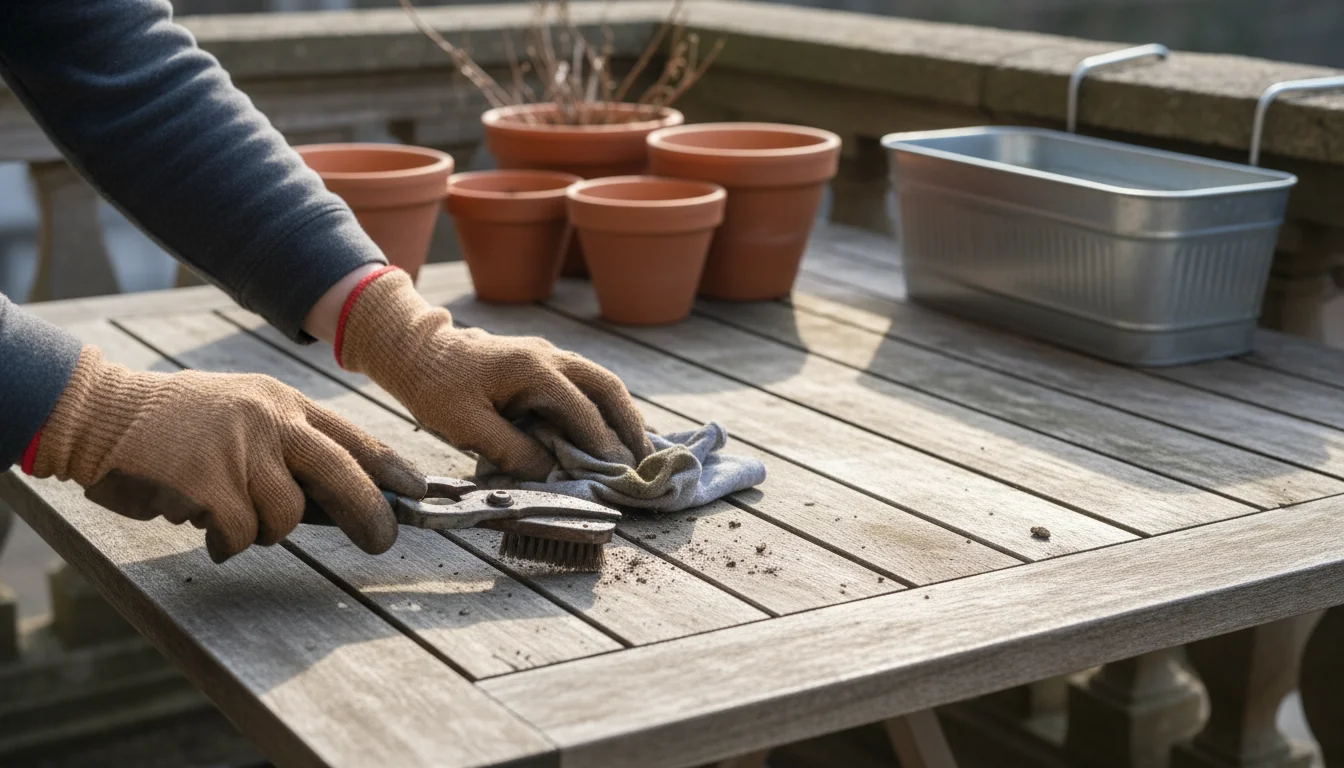
Practical Preparations: What to Do in the Garden on Winter Solstice (and Beyond)
While the winter solstice ritual focuses on mental and emotional preparation, practical tasks remain for you to consider in the garden, particularly in mild climates or for protected spaces. These tasks contribute to a healthier garden when spring arrives.
Here is a guide to what you can do:
- Clean and Sanitize Tools: Winter is the ideal time to clean your pruners, trowels, and other gardening tools. Remove dirt and rust, then wipe them down with a disinfectant (like rubbing alcohol or a bleach solution) to prevent the spread of diseases. Sharpen any dull blades. Proper tool maintenance extends their lifespan and ensures clean cuts that promote plant health.
- Inspect and Repair Containers: Check all your pots, raised beds, and planters for damage. Cracks can worsen with freezing and thawing cycles. Repair or replace any broken items. Clean out old soil from containers that held diseased plants to prevent re-infection. This pre-emptive measure saves you time and frustration in the spring.
- Plan Seed Orders: With your `garden planning` complete, begin browsing seed catalogs or online stores. Many popular varieties sell out quickly, so ordering early ensures you get your preferred plants. Consider heirloom varieties for unique flavors and biodiversity, or disease-resistant types for easier maintenance.
- Nurture Indoor Plants: Your indoor plants might need extra attention during the short, dark days of winter. Ensure they receive adequate light, perhaps by moving them closer to a window or supplementing with grow lights. Reduce watering frequency, as plants use less water in dormancy. Check for pests, which can sometimes thrive indoors when conditions are dry.
- Protect Tender Perennials: In areas with colder winters, apply a layer of mulch around tender perennials in containers or beds. This insulates their roots from extreme temperature fluctuations. For very tender plants on balconies, consider moving them indoors or into a sheltered spot, or covering them with horticultural fleece during cold snaps.
- Review and Amend Soil: If you use raised beds or dedicated garden plots, winter provides an opportunity to amend the soil. Add finished compost, well-rotted manure, or other organic matter. This allows the amendments time to break down and integrate, enriching the soil for spring planting. For containers, consider refreshing a portion of the potting mix or planning to fully replace it for next season. Healthy soil forms the foundation of a thriving garden, aligning with `mindful gardening` and sustainable practices.
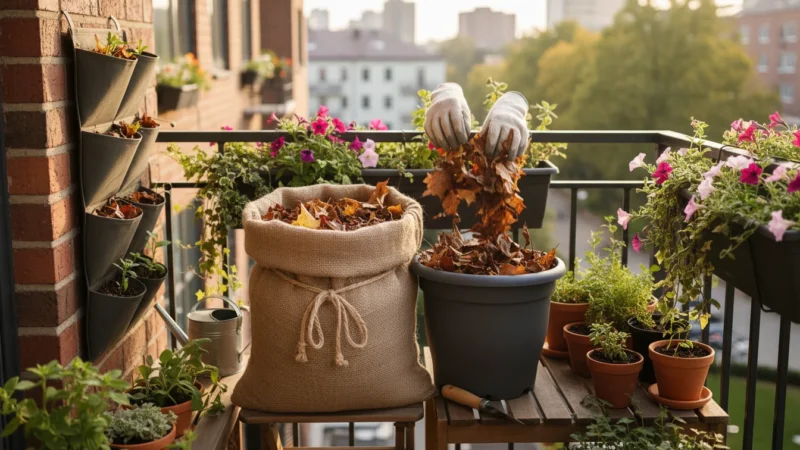
- Compost Maintenance: If you have a compost pile or bin, continue turning it if temperatures permit. Ensure it stays adequately moist (like a wrung-out sponge). Winter composting efficiently processes organic waste, yielding valuable material for your spring `garden planning`.
These proactive steps, completed around the `winter solstice` and throughout the dormant season, ensure your garden is ready to burst forth with life when the light truly returns. It is your practical contribution to the garden’s rest and renewal.

Embracing the Cycle: Winter Solstice as a Starting Point
The winter solstice is not an endpoint, but a powerful starting point. It marks the lowest ebb of light, signaling the inevitable return of longer days and renewed growth. For you, the gardener, embracing this cyclical nature of your craft fosters resilience and deepens your connection to the earth.
Think of the solstice as a quiet conversation with your garden. During the growing season, you give constantly: watering, weeding, tending. Winter offers a time for receiving: lessons from the past, renewed inspiration, and the quiet promise of future abundance. This balance is crucial for sustainable gardening and for your own well-being. By intentionally pausing, reflecting, and planning, you transform a period of apparent inactivity into one of profound growth and preparation.
This annual ritual empowers you to be a more patient, observant, and intentional gardener. It reminds you that growth is not linear, and that periods of rest are as vital as periods of intense activity. As the days begin to lengthen, carrying the promise of spring, you will feel ready, grounded, and excited for the vibrant life that awaits your carefully planned garden. This sustained connection, rooted in an understanding of natural cycles, is the true essence of `mindful gardening`.
Frequently Asked Questions
What exactly is the winter solstice?
The winter solstice is the astronomical event marking the shortest day and longest night of the year. In the Northern Hemisphere, it usually occurs around December 21st. It signifies the point when the sun is at its lowest annual declination, after which the days gradually begin to lengthen, ushering in the return of more daylight.
Why is the winter solstice important for gardeners?
For gardeners, the winter solstice is a significant natural marker. It symbolizes the deepest period of rest and dormancy for most outdoor plants. It provides an ideal time to pause, reflect on the previous growing season, and begin thoughtful `garden planning` for the year ahead. This aligns with nature’s rhythm, encouraging a mindful approach to gardening.
What are some simple `garden journaling ideas for winter`?
During winter, your garden journal becomes a tool for reflection and forward planning. You can write about:
- Your past year’s gardening successes and challenges.
- Lessons learned about specific plants or techniques.
- Dream plants or garden designs for the upcoming season.
- Sketches of your desired garden layout or container arrangements.
- Lists of seeds or supplies to purchase.
- Intentions or goals for your garden in the new year.
This helps solidify your ideas and track progress.
Besides reflection, `what to do in the garden on winter solstice` practically?
While the focus is often on introspection, practical tasks include cleaning and sharpening your tools, inspecting and repairing containers, and planning your seed orders. If conditions are mild, you can amend garden beds with compost or check on tender perennials to ensure they are adequately protected. For indoor plants, this is a good time to adjust watering and light.
How does `planning next year’s balcony garden` benefit from a winter solstice ritual?
The winter solstice ritual provides a structured time to deeply consider your balcony’s unique conditions, review past performance, and visualize future possibilities without the pressure of active growing. This dedicated reflection helps you make informed decisions about plant selection, space utilization, and container choices, leading to a more efficient and productive balcony garden in the coming season.
Disclaimer: This article is for informational purposes only and is not a substitute for professional gardening advice. Always consult local extension services or horticulture experts for region-specific guidance.


Leave a Reply