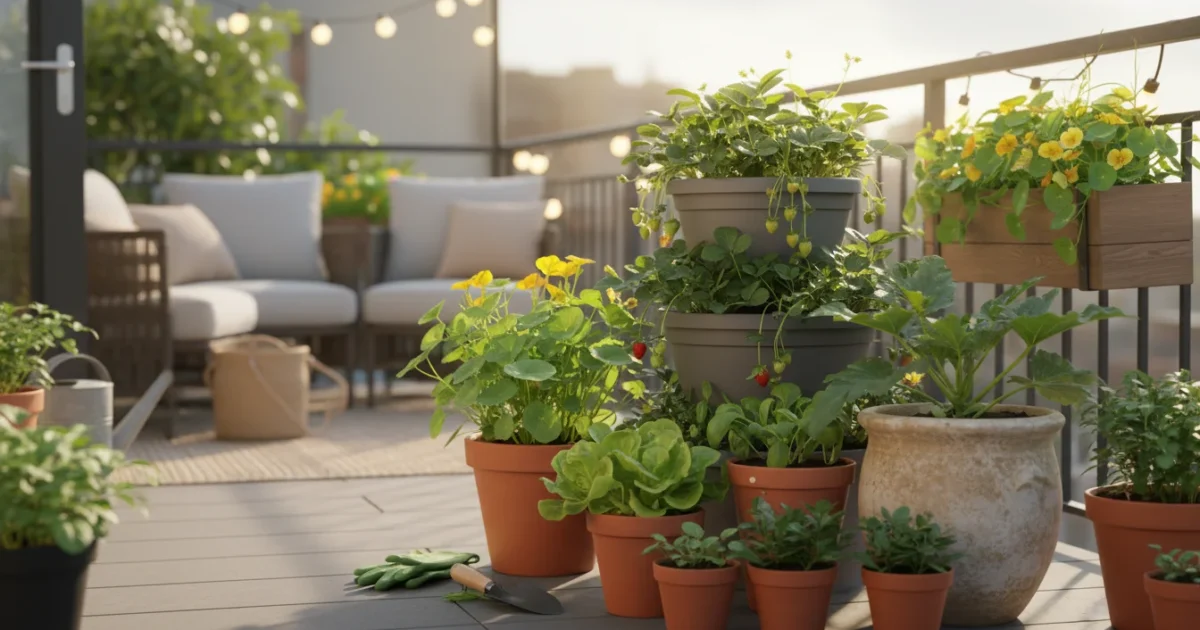
You glance at the calendar and a familiar pang hits: spring is well underway, and your gardening plans, perhaps, remain just plans. The vibrant images of overflowing garden beds you envisioned months ago seem distant. Many gardeners feel this way. It is a common misconception that if you do not plant by early spring, you have missed your chance. This could not be further from the truth, especially for us small-space, low-maintenance enthusiasts.
Here at SimpleGardenJoy.com, we understand life gets busy. We also know the incredible satisfaction of harvesting fresh, home-grown produce. That is why we are here to tell you that late spring offers a fantastic opportunity to kickstart your vegetable garden, even if you are just getting started now. Forget feeling behind. Instead, embrace this moment. Your path to a delicious summer harvest is still wide open, even with limited space. This article provides practical, actionable insights to turn your “last-minute spring vegetable garden ideas” into a thriving reality. We focus on “fast growing vegetables” perfectly suited for “container gardening,” ensuring you get results quickly.
Embrace the Late Spring Opportunity: It’s Not Too Late!
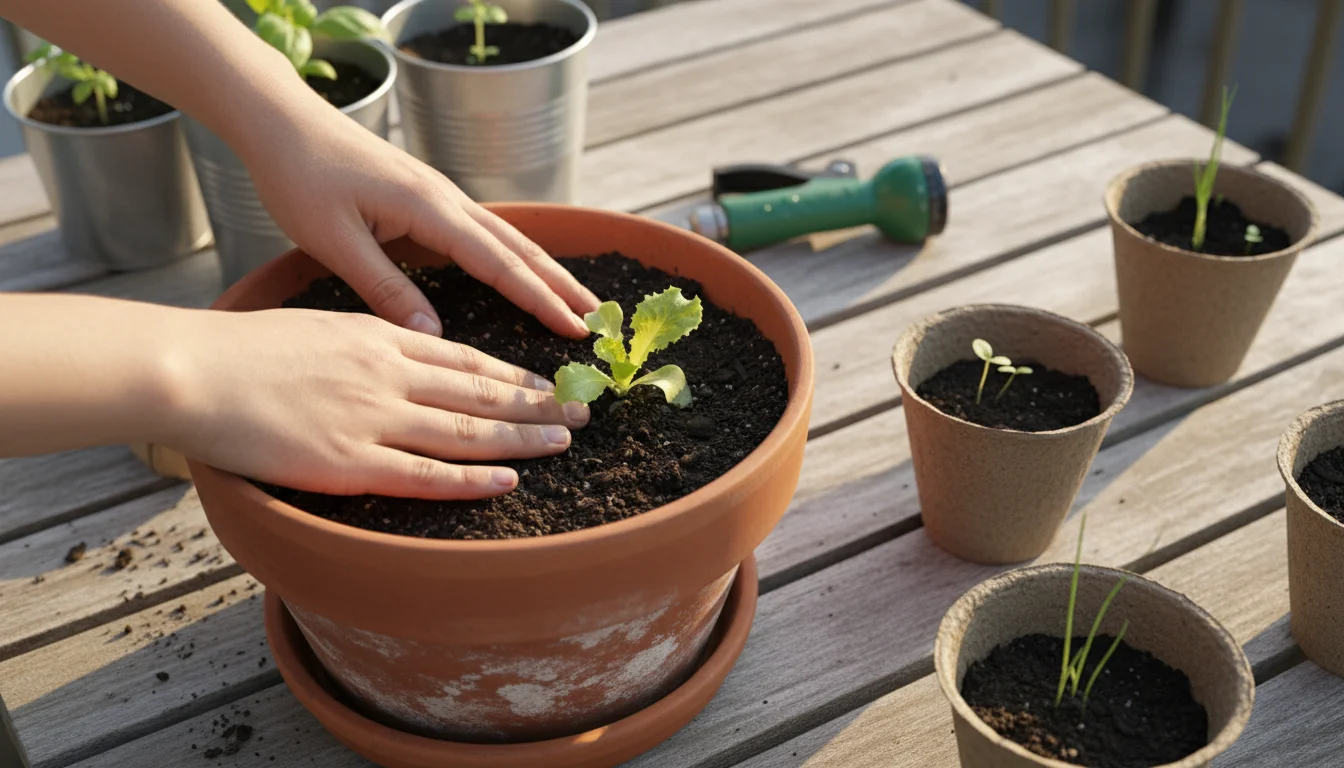
Many gardening guides focus on strict timelines, making you feel pressured to plant specific things at specific times. However, nature offers flexibility. “Late spring planting” provides several distinct advantages. The soil is naturally warmer, which significantly benefits seed germination and initial plant growth, especially for warm-season crops. Days are longer, supplying more sunlight for photosynthesis, and the risk of late frosts generally passes for most regions, reducing the need for protective measures. This means your plants get a robust head start without the worry of cold snaps hindering their progress.
For “container gardening” enthusiasts, late spring is ideal. You gain the flexibility to move pots to capture optimal sunlight as the sun’s path shifts, or to shelter them during unexpected weather. It is a forgiving time to begin, perfect for those who are new to gardening or simply need a gentle push to get started. You are not just catching up, you are seizing an optimal window for rapid growth and a plentiful summer harvest. Do not let the calendar dictate your joy; empower your green thumb instead.
Why Choose Fast-Growing Vegetables? Your Time is Now
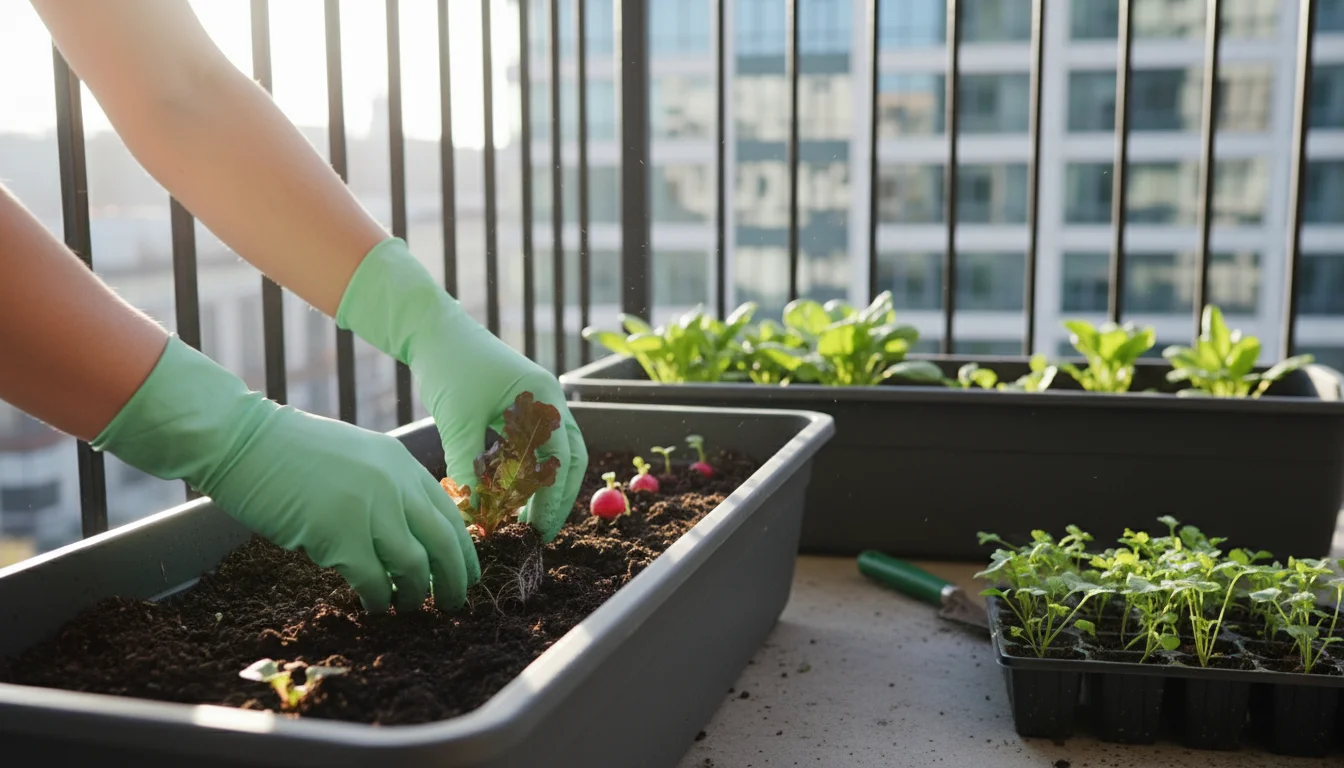
When you begin your garden in late spring, selecting “fast growing vegetables” is not just a preference, it is a strategy. These varieties mature quickly, often within 30 to 60 days from planting to harvest. This rapid turnaround means you will enjoy fresh produce much sooner, usually before the peak heat of summer fully sets in, which can stress some plants. For “what can I plant in pots in May” queries, the answer lies in these quick producers.
Fast-growing varieties also give you the chance to plant successive crops. Once you harvest your first batch, you can immediately sow more seeds, extending your harvest well into late summer or even early fall. This strategy maximizes your small space, turning a single container into a continuous source of fresh food. Furthermore, the quick success builds confidence, a crucial ingredient for any gardener. You experience results quickly, which motivates you to continue and explore more gardening adventures. It is an efficient and rewarding approach to gardening, especially when time feels like a constraint.
Essential Setup for Your Last-Minute Spring Garden
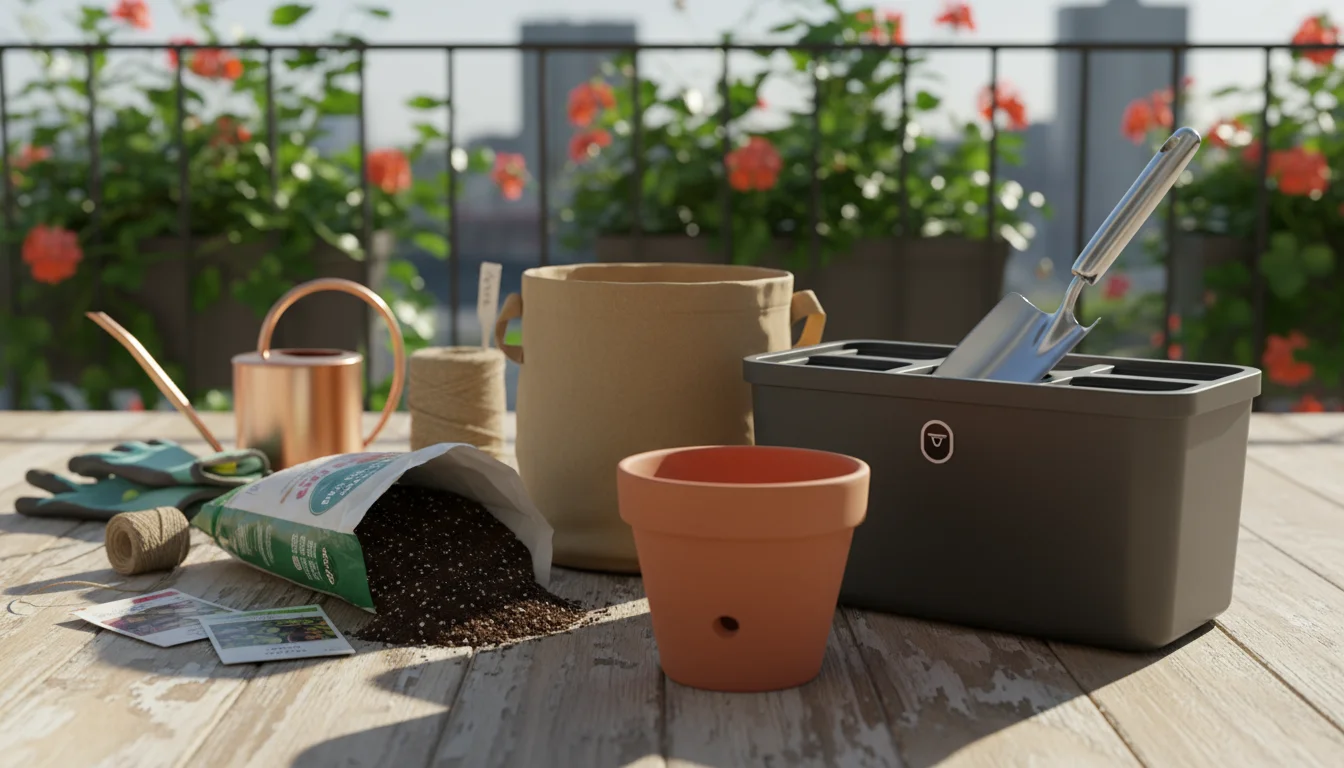
Before you sow a single seed, a little preparation ensures success for your “fast vegetables to grow in containers.” This foundational step is simple yet crucial, preventing common pitfalls and setting your plants up for thriving growth.
Choosing Your Containers Wisely
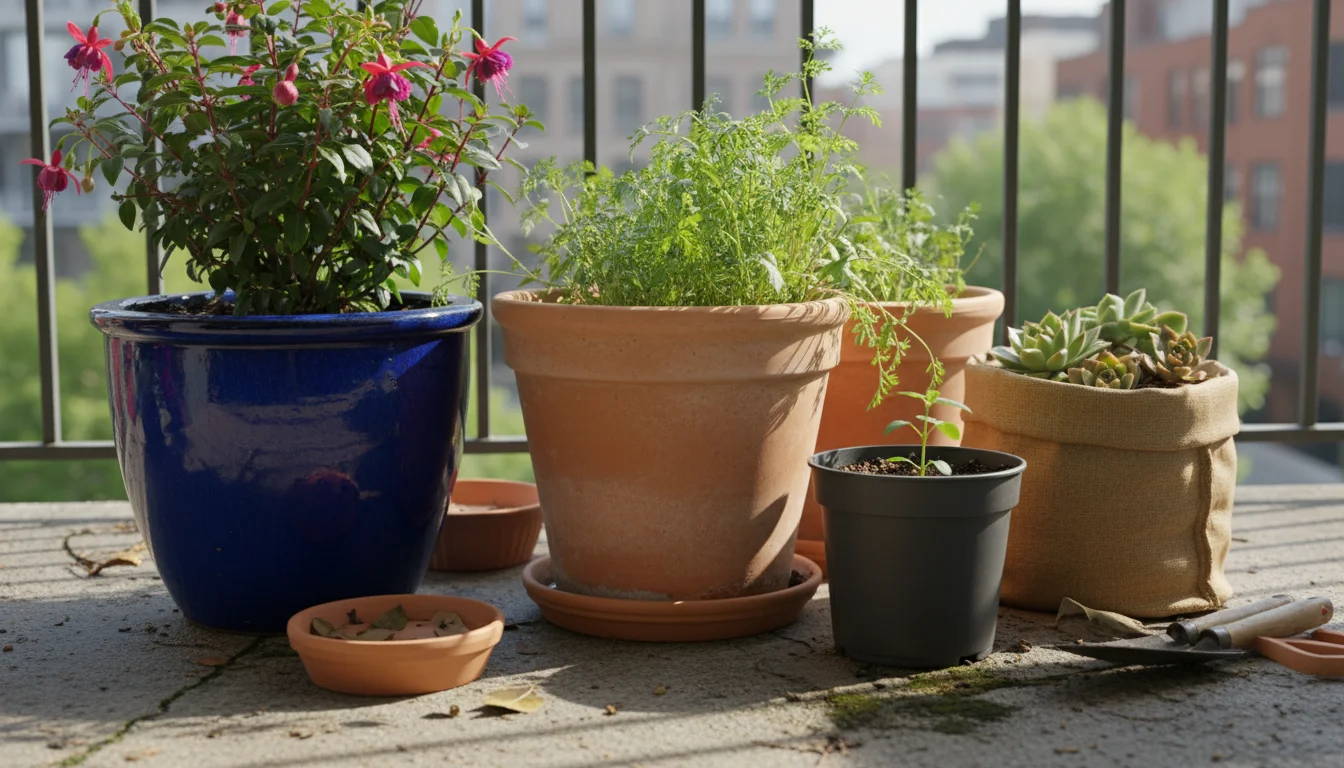
Your containers are the mini-ecosystems for your plants. The right choice is vital for successful “container gardening.”
- Size: Even for fast-growing plants, bigger is generally better. Aim for pots that are at least 6-8 inches deep and wide for smaller greens, and 8-12 inches deep and wide for bush beans or larger radishes. This provides ample room for root development and soil volume to retain moisture.
- Material: Terracotta pots look beautiful but dry out quickly, requiring more frequent watering. Plastic or glazed ceramic pots retain moisture longer. Fabric grow bags are excellent, providing good air circulation to the roots and preventing them from circling, though they also dry out faster than plastic. Ensure any container you choose has drainage holes. Without adequate drainage, water accumulates, suffocating roots and leading to rot.
- Drainage: Every single container absolutely needs drainage holes at the bottom. This allows excess water to escape, preventing waterlogging which is detrimental to plant health. If your pot does not have them, you must drill them yourself. A layer of gravel at the bottom is a common myth; it actually impedes drainage. Simply ensure the holes are clear.
The Foundation: Quality Potting Mix
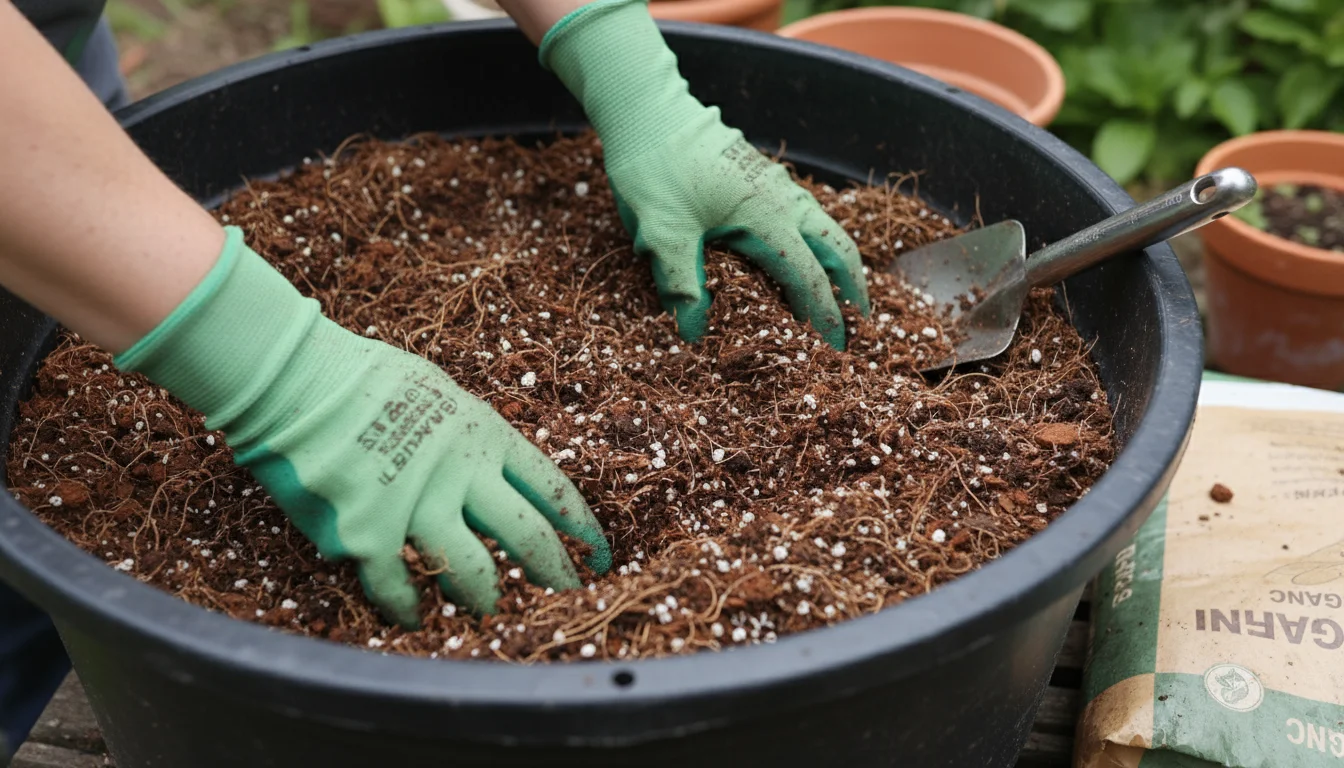
Your soil is where your plants get their nutrients and stability. Do not use garden soil directly from your yard in containers. It is too dense, compacts easily, and often carries weed seeds or pests.
- Potting Mix vs. Garden Soil: Invest in a high-quality, lightweight potting mix specifically formulated for containers. These mixes are designed to provide excellent aeration, retain moisture without becoming waterlogged, and offer a balanced environment for root growth.
- Nutrient Content: Many potting mixes come with slow-release fertilizers already incorporated, giving your plants a good start. If yours does not, consider adding a balanced organic granular fertilizer at planting time, following package instructions.
- Organic Matter: Look for mixes rich in organic matter, such as compost or coco coir. This improves soil structure and nutrient availability. Compost is decomposed organic material that enriches the soil, supplying essential nutrients and beneficial microbes.
Sunshine: Your Garden’s Energy Source
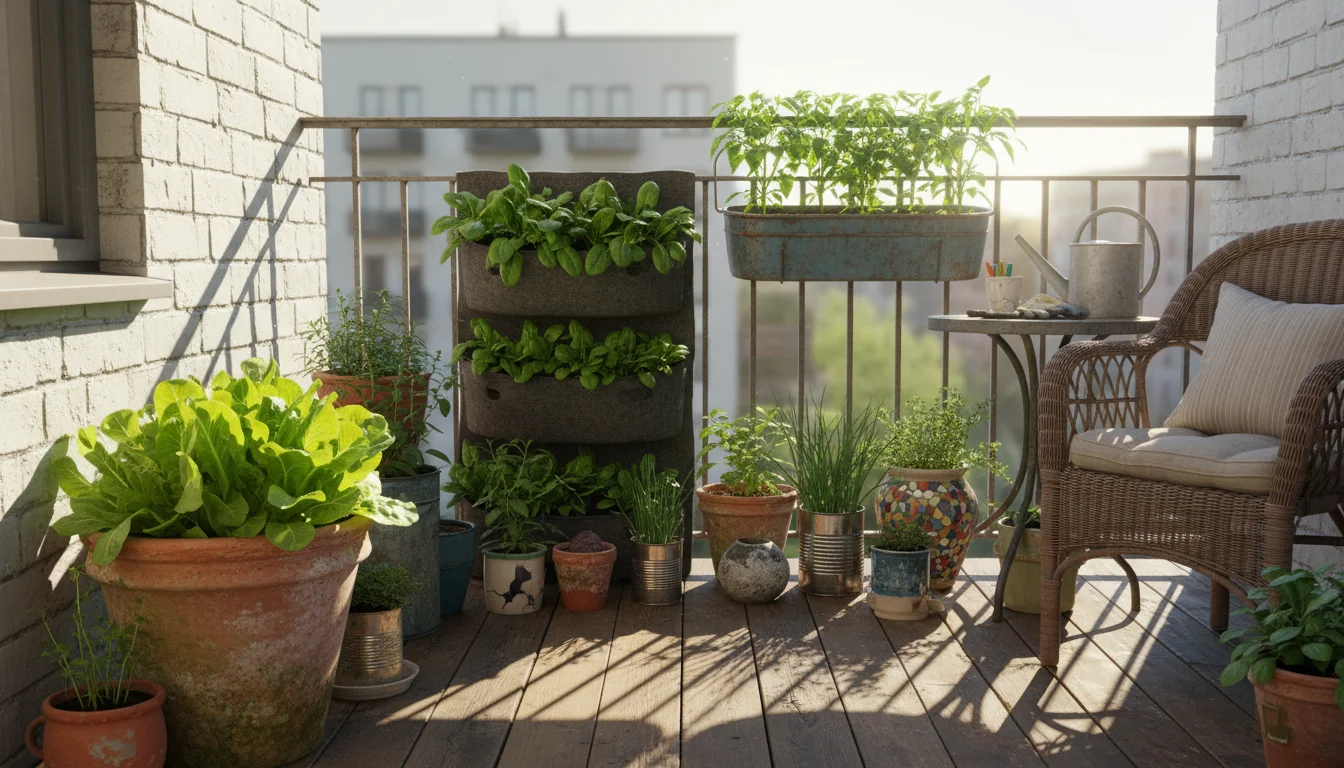
Vegetables need sunlight to perform photosynthesis, their energy-making process.
- Optimal Light: Most “fast growing vegetables” thrive in at least 6-8 hours of direct sunlight per day. Observe your space throughout the day to identify the sunniest spots.
- Adjusting for Limited Sun: If you have less than ideal sun, choose greens like spinach and lettuce, which can tolerate partial shade (4-6 hours of sun) better than fruiting vegetables. Rotate your containers if possible to maximize sun exposure.
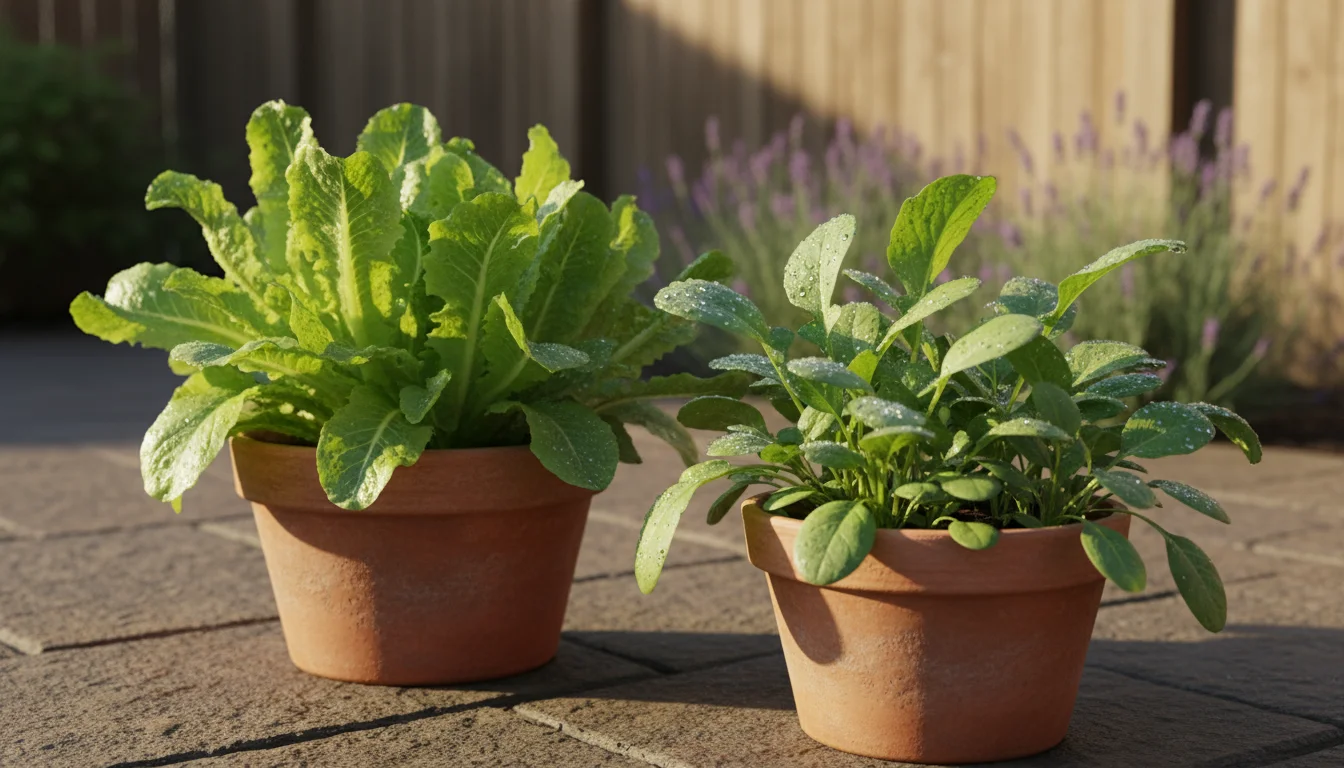
The Top 5 Fast-Growing Veggies for Late Spring Planting
Here are five excellent choices for your “last minute spring vegetable garden ideas,” offering quick growth and suitability for “container gardening.”
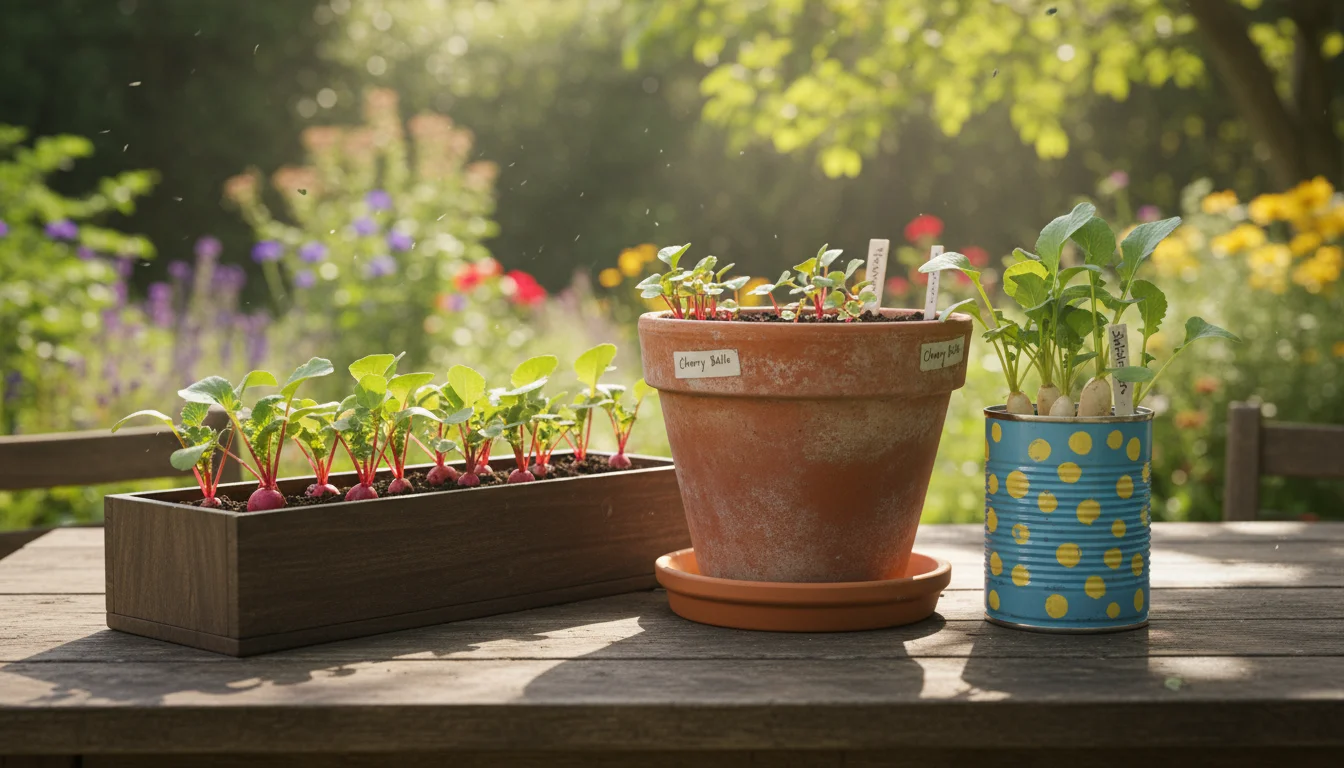
1. Radishes: Quick Crunch, Quick Harvest
Radishes are the ultimate instant gratification crop. Some varieties mature in as little as 20-30 days, perfect for your “late spring planting” efforts. They are crisp, peppery, and incredibly easy to grow.
- Why They’re Great for Procrastinators: Their incredibly short maturity time means you will enjoy your first harvest before you know it. They also take up minimal space.
- Recommended Varieties for Containers: ‘Cherry Belle,’ ‘French Breakfast,’ ‘Easter Egg’ (a mix of colors).
- Planting Instructions:
- Choose a container at least 6 inches deep and wide with good drainage.
- Fill with quality potting mix.
- Sow seeds about 1/2 inch deep and 1 inch apart in rows or scattered.
- Cover lightly with soil and water gently.
- Keep the soil consistently moist.
- Thin seedlings to 2-3 inches apart once they develop their first true leaves. This gives each radish room to grow a full root.
- Care: Consistent moisture is key to preventing radishes from becoming woody or too spicy. Full sun is preferred.
- Harvest: Begin harvesting when roots reach about 1 inch in diameter. Gently pull them from the soil. You can harvest some and let others grow.
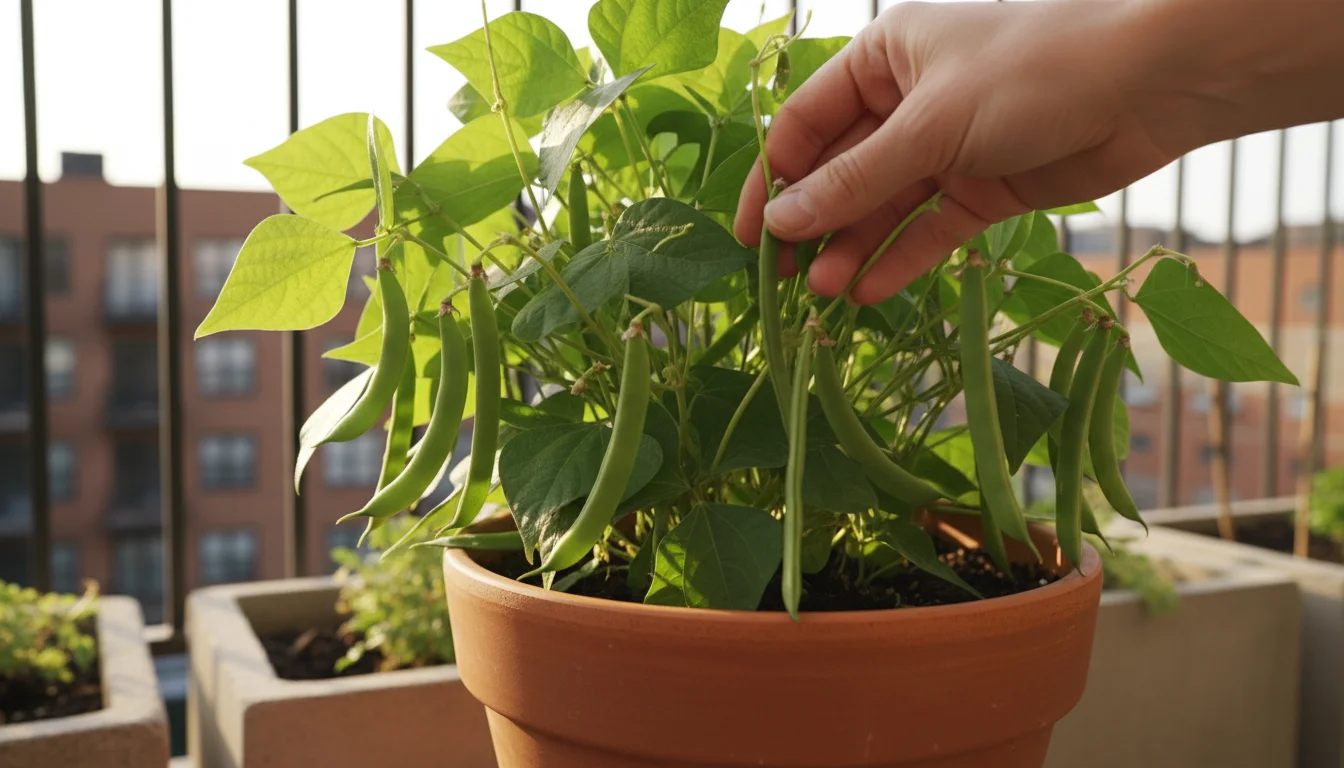
2. Bush Beans: Bountiful Harvests, Compact Growth
Bush beans are another excellent choice for “fast growing vegetables.” Unlike pole beans, bush varieties do not require a trellis, making them perfect for “container gardening.” You can expect harvests in 45-60 days.
- Why They’re Great for Procrastinators: They produce a significant yield in a compact form, offering a continuous harvest over several weeks.
- Recommended Varieties for Containers: ‘Contender,’ ‘Provider,’ ‘Blue Lake Bush.’
- Planting Instructions:
- Select a container at least 8-10 inches deep and wide for 2-3 plants. A larger container, like 12-14 inches, can hold 3-5 plants.
- Use a rich potting mix.
- Sow seeds 1 inch deep and 3-4 inches apart.
- Water well after planting. Beans prefer warm soil for germination.
- Care: Bush beans need full sun and consistent moisture, especially once they start flowering and forming pods. Avoid overhead watering to prevent fungal diseases.
- Harvest: Pick beans when pods are young, tender, and snap easily. Frequent picking encourages more production.
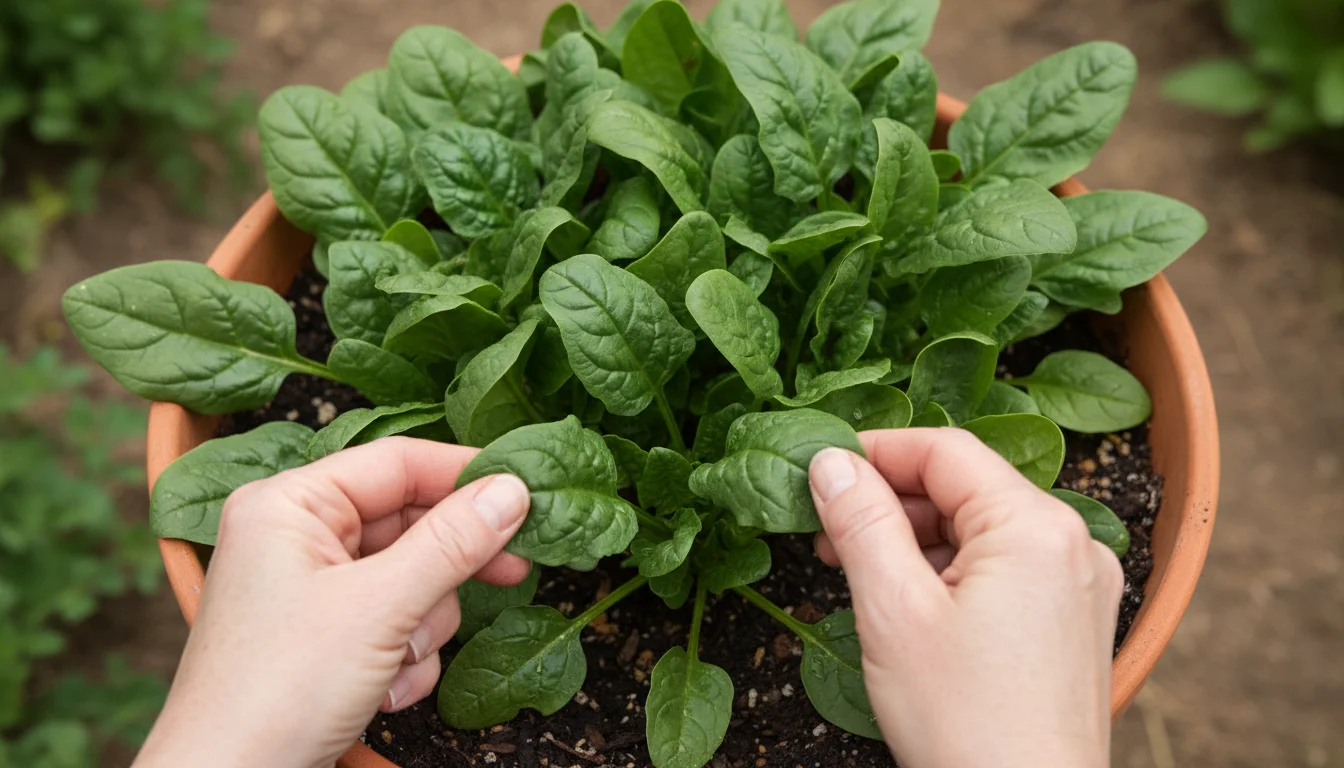
3. Spinach: Nutrient-Packed and Speedy
Spinach is a cool-season leafy green, but many varieties tolerate “late spring planting” well before the intense summer heat sets in. You can harvest tender leaves in 30-45 days.
- Why They’re Great for Procrastinators: Quick growth, highly nutritious, and tolerates some partial shade, making it adaptable for various light conditions.
- Recommended Varieties for Containers: ‘Bloomsdale Long Standing,’ ‘Tyee,’ ‘Space.’
- Planting Instructions:
- Use a container at least 6 inches deep and 8-10 inches wide.
- Sow seeds 1/2 inch deep and 1 inch apart.
- Cover lightly and keep soil consistently moist.
- Thin seedlings to 4-6 inches apart once they establish.
- Care: Spinach thrives in consistently moist, nutrient-rich soil. Provide partial shade during the hottest part of the day if temperatures climb.
- Harvest: Harvest outer leaves as needed, allowing the inner leaves to continue growing (cut-and-come-again method). This extends your harvest.
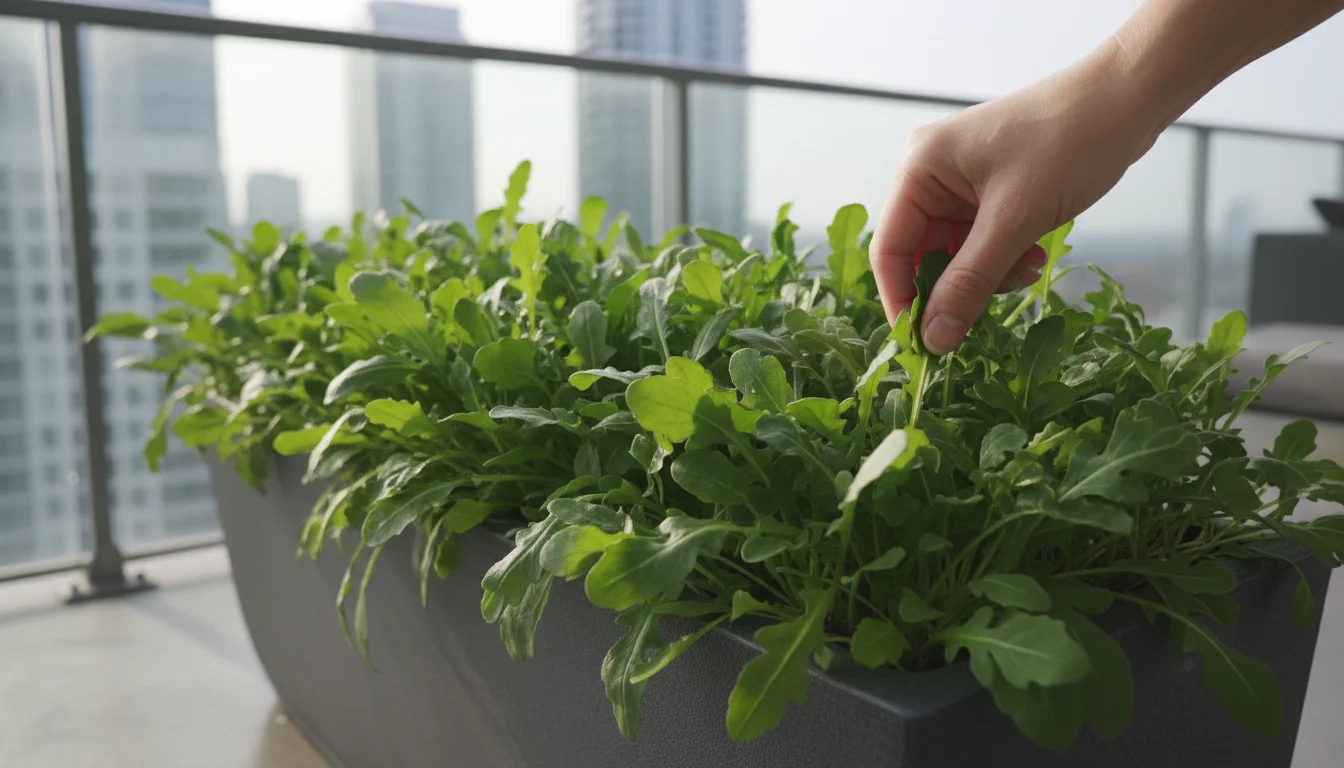
4. Arugula: Peppery Punch in Weeks
Arugula delivers a distinctive, peppery flavor and grows incredibly fast, often ready for harvest in 20-40 days. It is an excellent choice for a “fast growing vegetable” in any “container gardening” setup.
- Why They’re Great for Procrastinators: Exceptionally quick to mature, providing a distinct flavor to salads and dishes.
- Recommended Varieties for Containers: ‘Rocket,’ ‘Astro.’
- Planting Instructions:
- Any container 4-6 inches deep and 6 inches wide or more works well.
- Sow seeds 1/4 inch deep and about 1 inch apart.
- Water gently and keep the soil consistently moist.
- Thin plants to 3-4 inches apart once they establish, or leave them closer for baby greens.
- Care: Arugula needs consistent moisture. If it dries out, leaves can become bitter and plants may bolt (go to seed) prematurely. Provide some afternoon shade in warmer climates.
- Harvest: Harvest outer leaves once they reach a usable size (about 4-6 inches). The cut-and-come-again method works perfectly here.
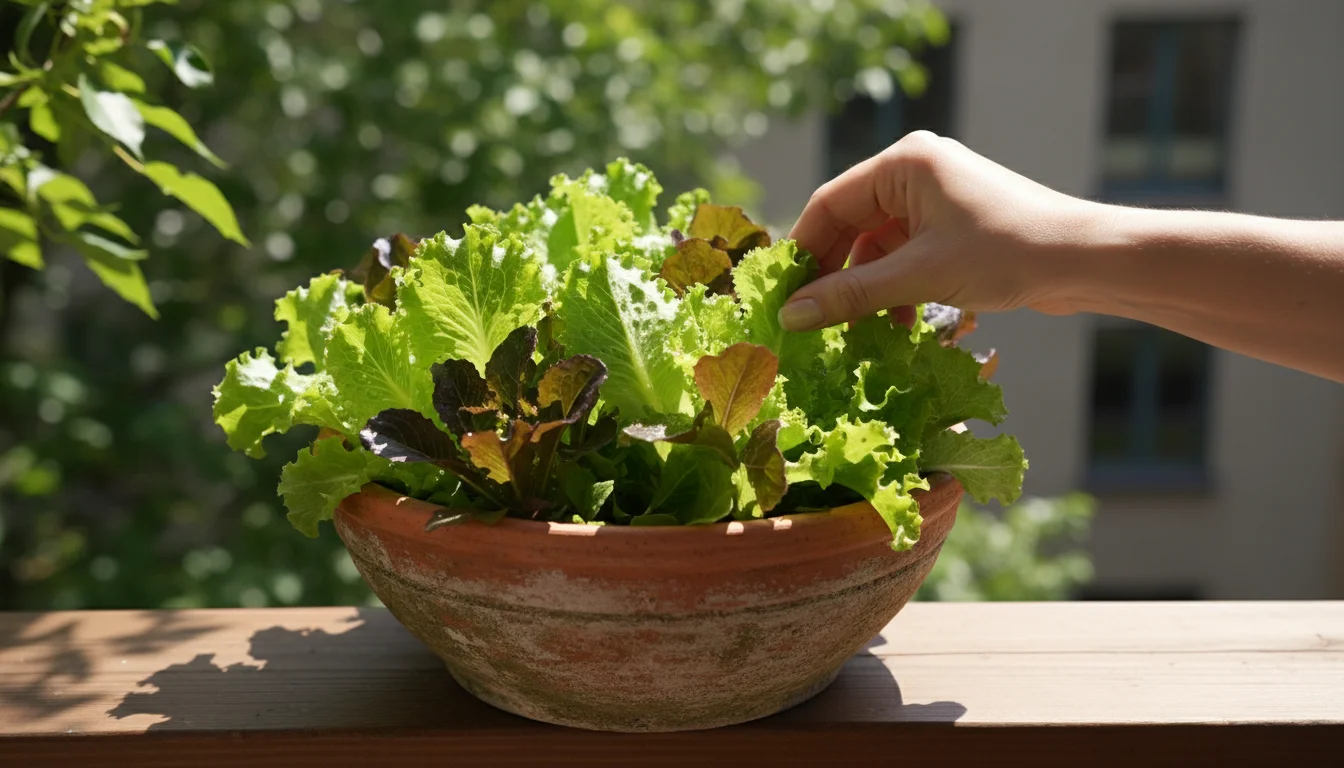
5. Loose Leaf Lettuce: Continuous Green Goodness
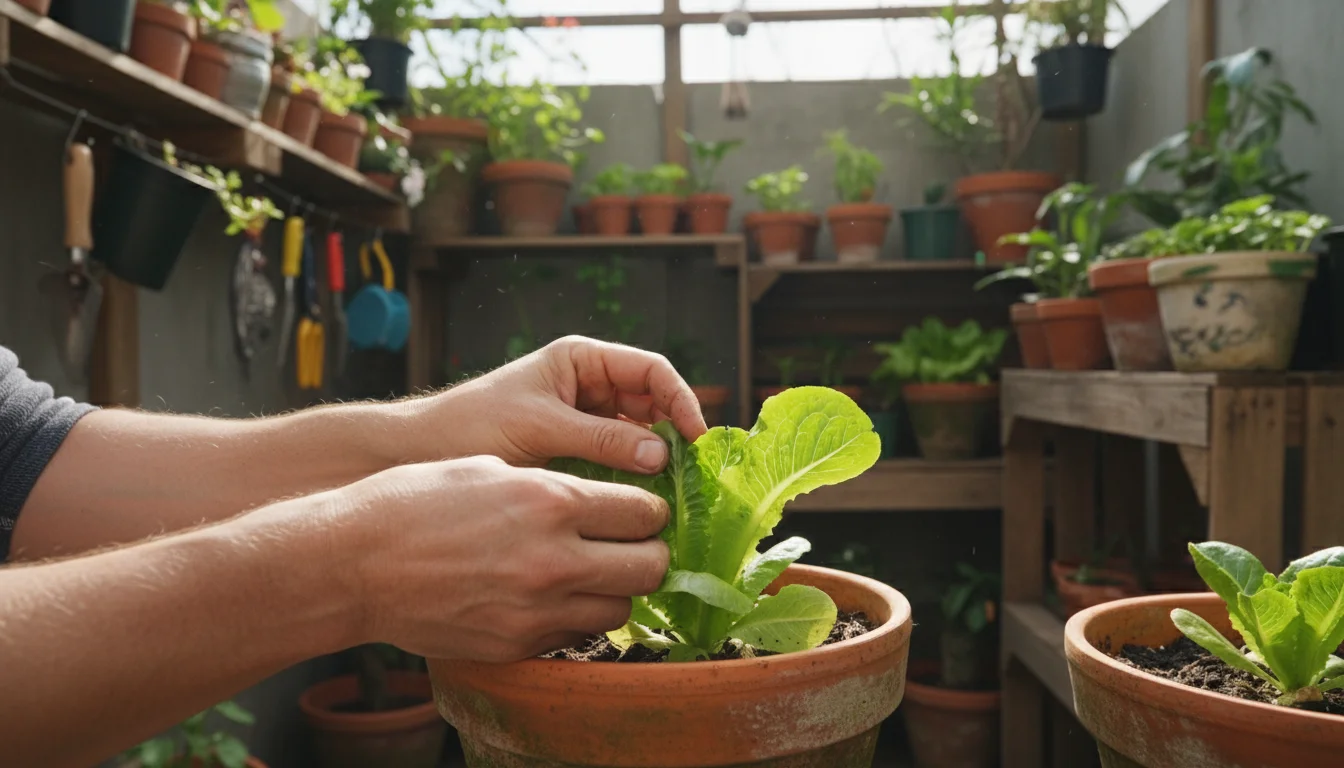
Loose leaf lettuce varieties are ideal for “late spring planting” and “container gardening” because you can harvest individual leaves as needed, providing a continuous supply over weeks. Many are ready in 30-50 days.
- Why They’re Great for Procrastinators: Fast growth, consistent harvest, and a refreshing addition to any meal.
- Recommended Varieties for Containers: ‘Black Seeded Simpson,’ ‘Grand Rapids,’ ‘Red Salad Bowl.’
- Planting Instructions:
- Choose a shallow, wide container (at least 6 inches deep, 10-12 inches wide).
- Sow seeds 1/4 inch deep, about 1 inch apart.
- Cover lightly with soil and water gently to avoid disturbing the tiny seeds.
- Keep the soil consistently moist.
- Thin seedlings to 4-6 inches apart for larger plants, or leave them closer for baby greens.
- Care: Lettuce prefers consistent moisture and partial shade during the hottest parts of the day to prevent bolting and bitterness.
- Harvest: Harvest outer leaves when they are large enough to eat. Avoid taking more than a third of the plant at once to ensure continued growth.
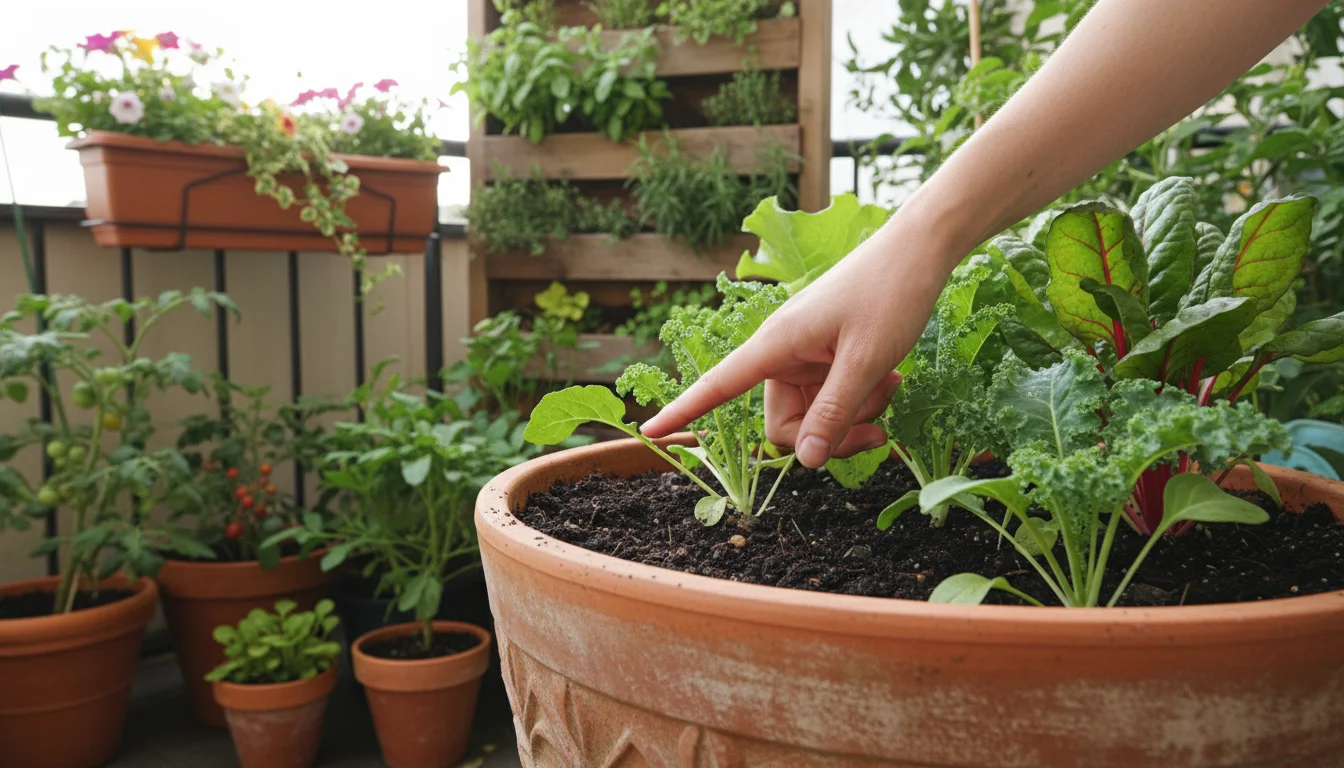
Nurturing Your Late Spring Garden: Care and Maintenance Tips
Getting your “last minute spring vegetable garden ideas” planted is only the first step. Proper care ensures your “fast growing vegetables” thrive and deliver a bountiful harvest.
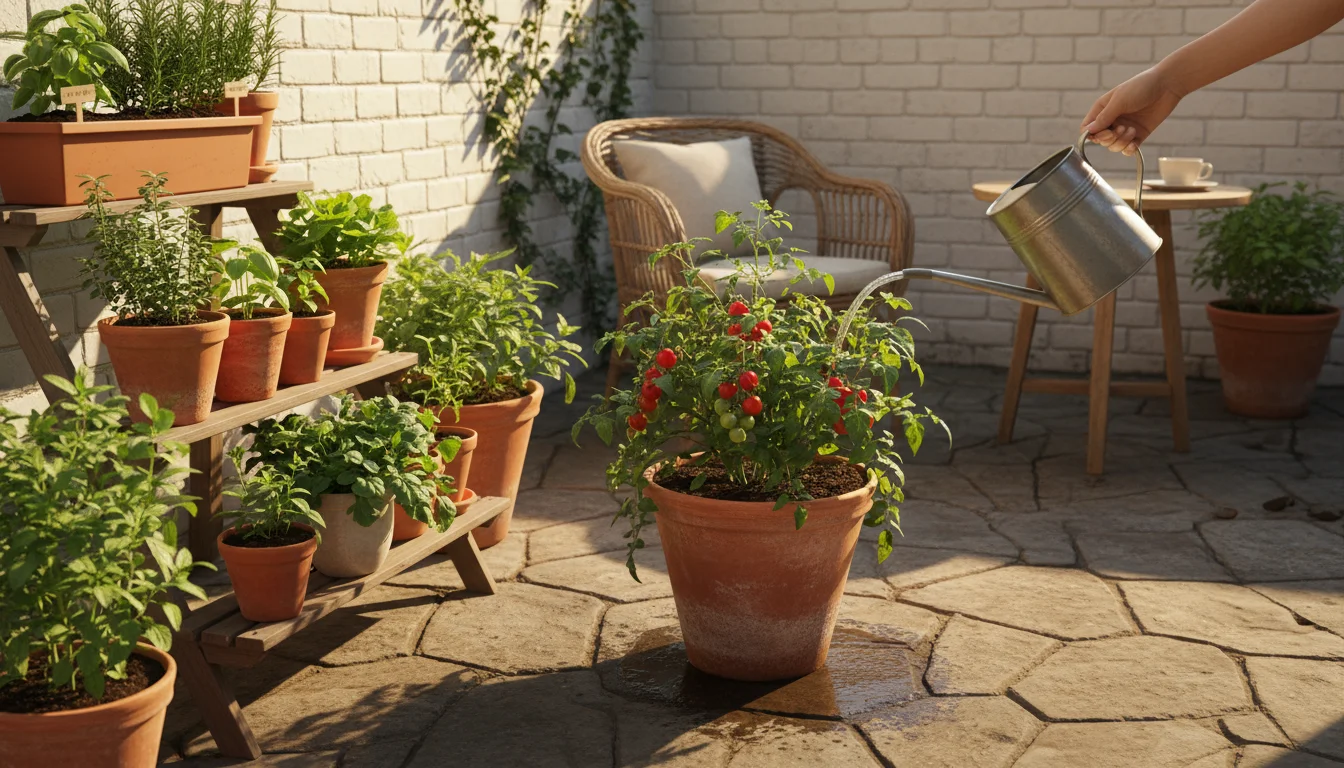
Watering: The Lifeblood of Your Container Garden
Container plants dry out much faster than garden beds. Consistent watering is crucial.
- Frequency: In late spring and moving into summer, you might need to water daily, sometimes even twice a day during heatwaves.
- How to Check: Stick your finger an inch or two into the soil. If it feels dry, it is time to water. Do not wait until plants wilt.
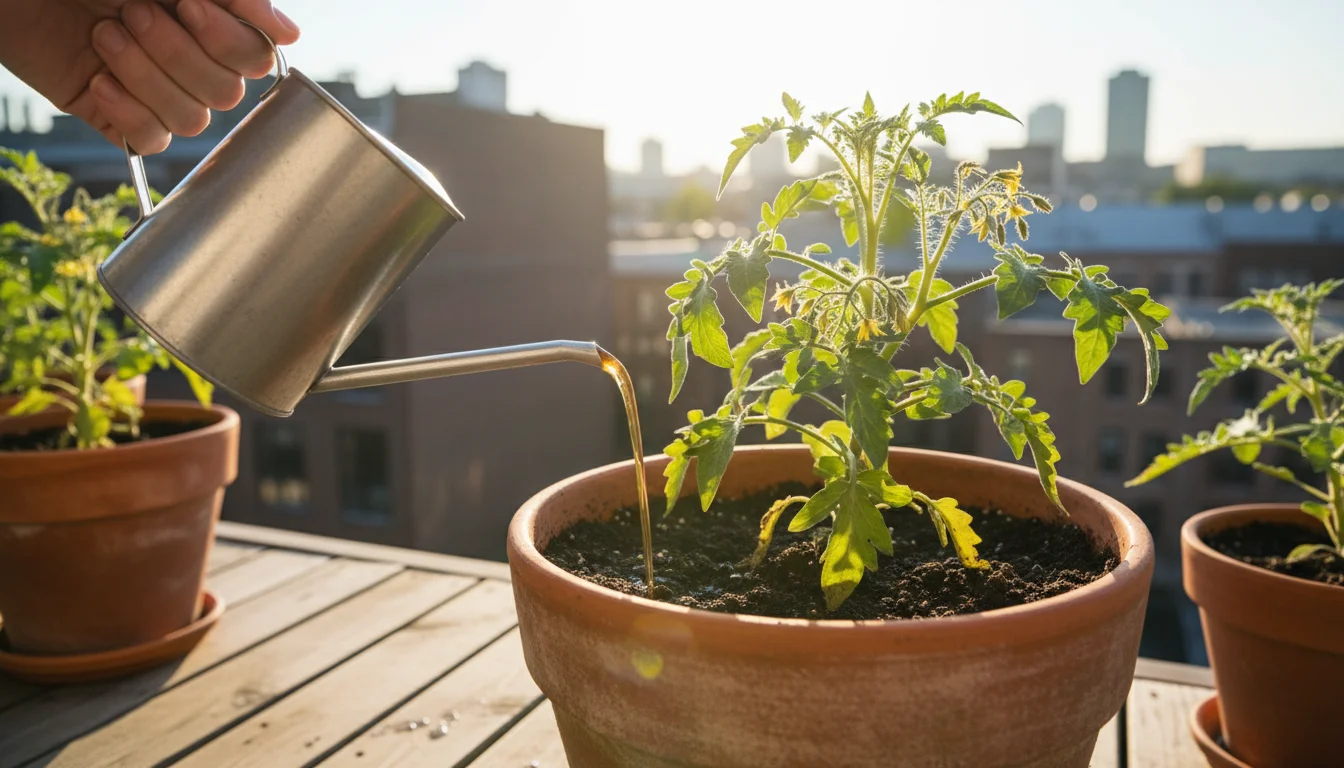
- Technique: Water deeply until water drains from the bottom of the pot. This encourages roots to grow downwards, seeking moisture. Avoid overhead watering late in the day, as wet leaves overnight can encourage fungal diseases. Water at the base of the plant.
Feeding Your Fast Growers
“Fast growing vegetables” are hungry plants. They quickly deplete the nutrients in their limited potting mix.
- Initial Nutrients: If your potting mix did not include fertilizer, apply a balanced granular organic fertilizer at planting.
- Mid-Season Boost: About 2-3 weeks after planting, begin feeding with a diluted liquid organic fertilizer (like fish emulsion or a balanced vegetable formula) every 2-4 weeks. Follow product instructions carefully. This provides the continuous nourishment your plants need for rapid growth and production.
Pest Watch and Prevention
Even speedy gardens attract visitors. Vigilance helps you stay ahead of potential issues.
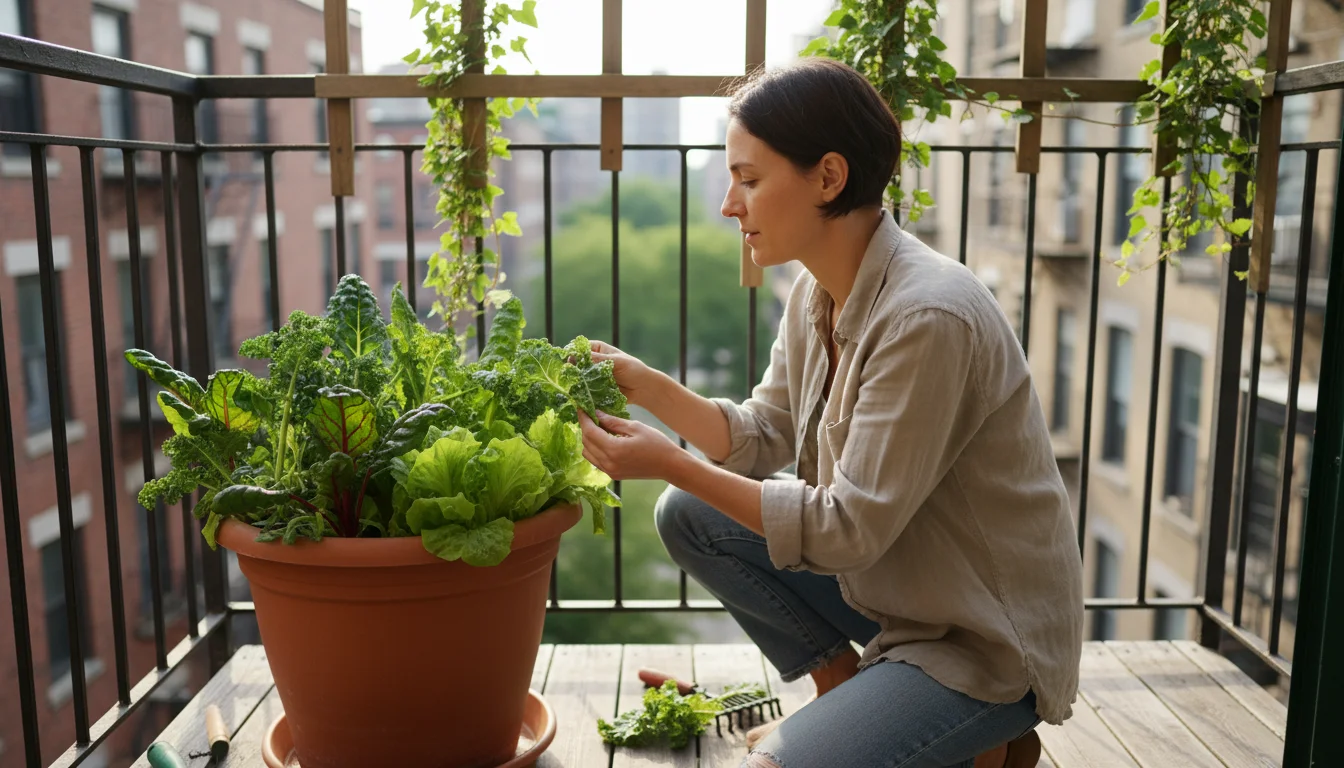
- Daily Checks: Spend a few minutes each day inspecting your plants. Look under leaves, on stems, and for any unusual spots or holes. Early detection makes pest control much easier.
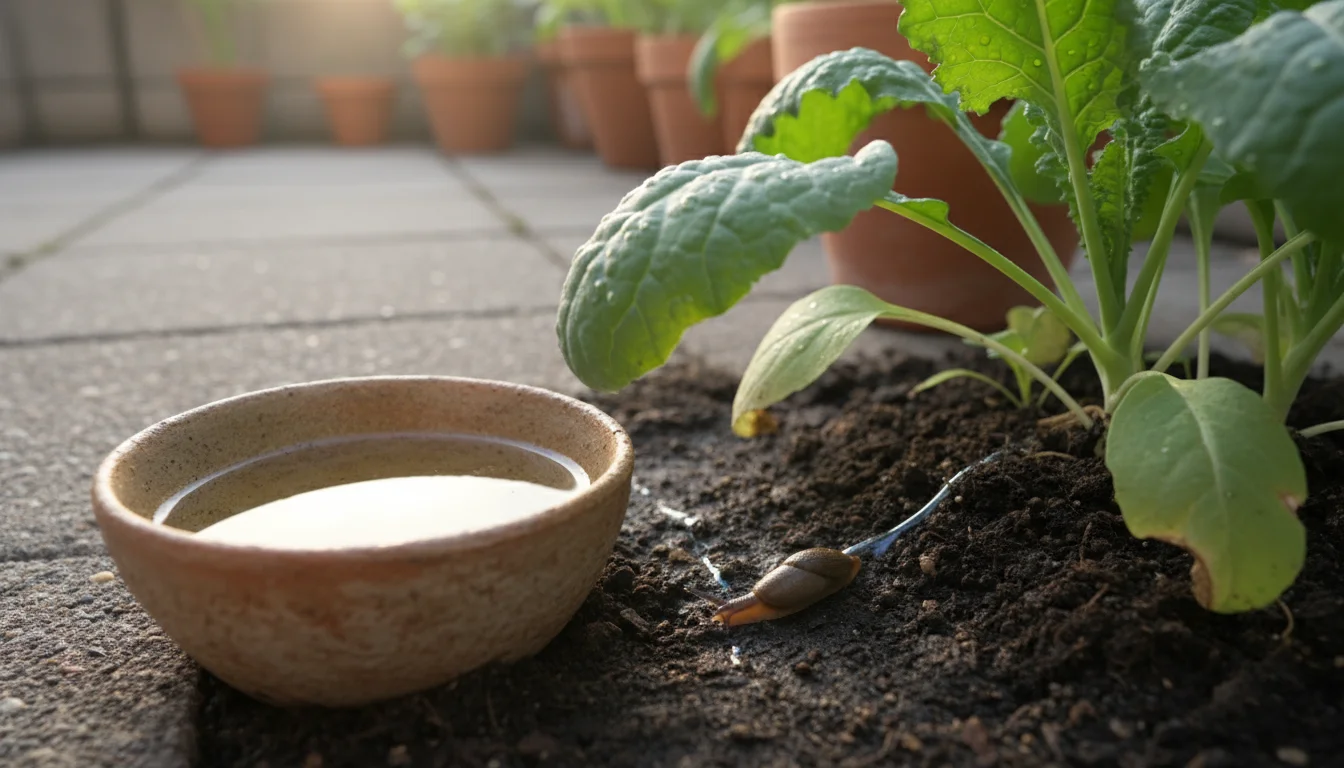
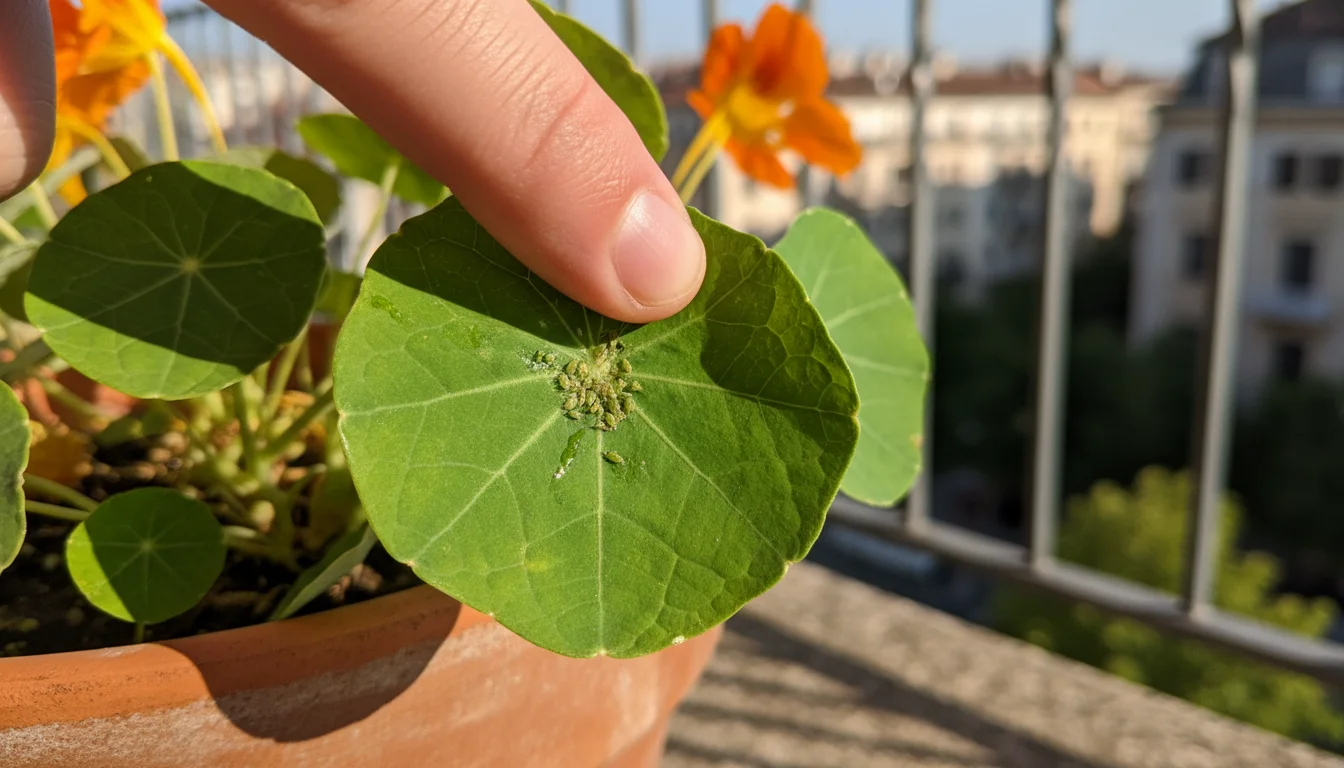
- Common Pests: Aphids (tiny, often green insects clustered on new growth), spider mites (tiny, can cause stippling and webbing on leaves), and slugs/snails (leave slime trails and chew holes).
- Organic Solutions: For aphids, a strong spray of water from your hose often dislodges them. For slugs/snails, set out shallow dishes of beer or hand-pick them in the early morning or evening. Neem oil, an organic pesticide derived from the neem tree, can also be effective against various pests, used as directed.
- Good Airflow: Proper spacing between plants improves air circulation, reducing the likelihood of fungal diseases.
Troubleshooting Common Late Spring Gardening Challenges
Even with the best intentions, you might encounter a few bumps. Understanding common issues helps you address them quickly.
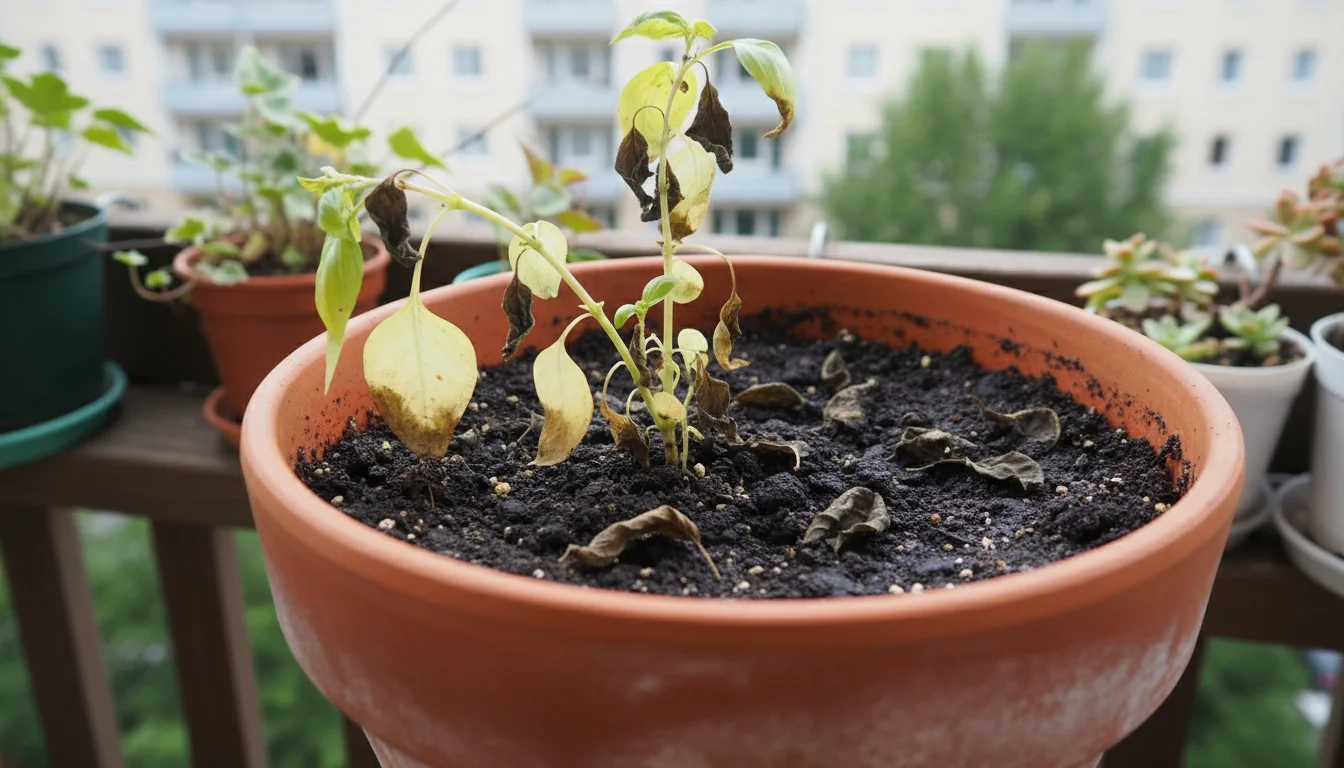
Yellowing Leaves
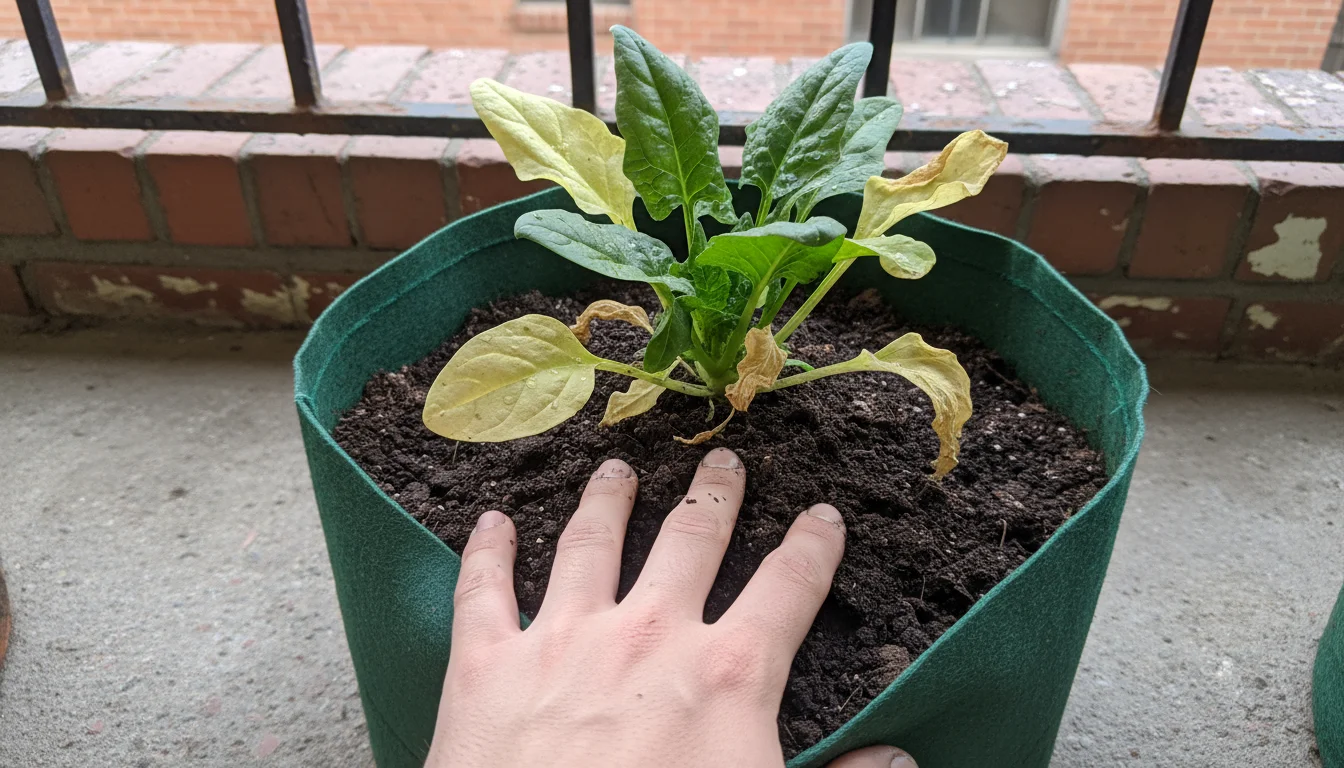
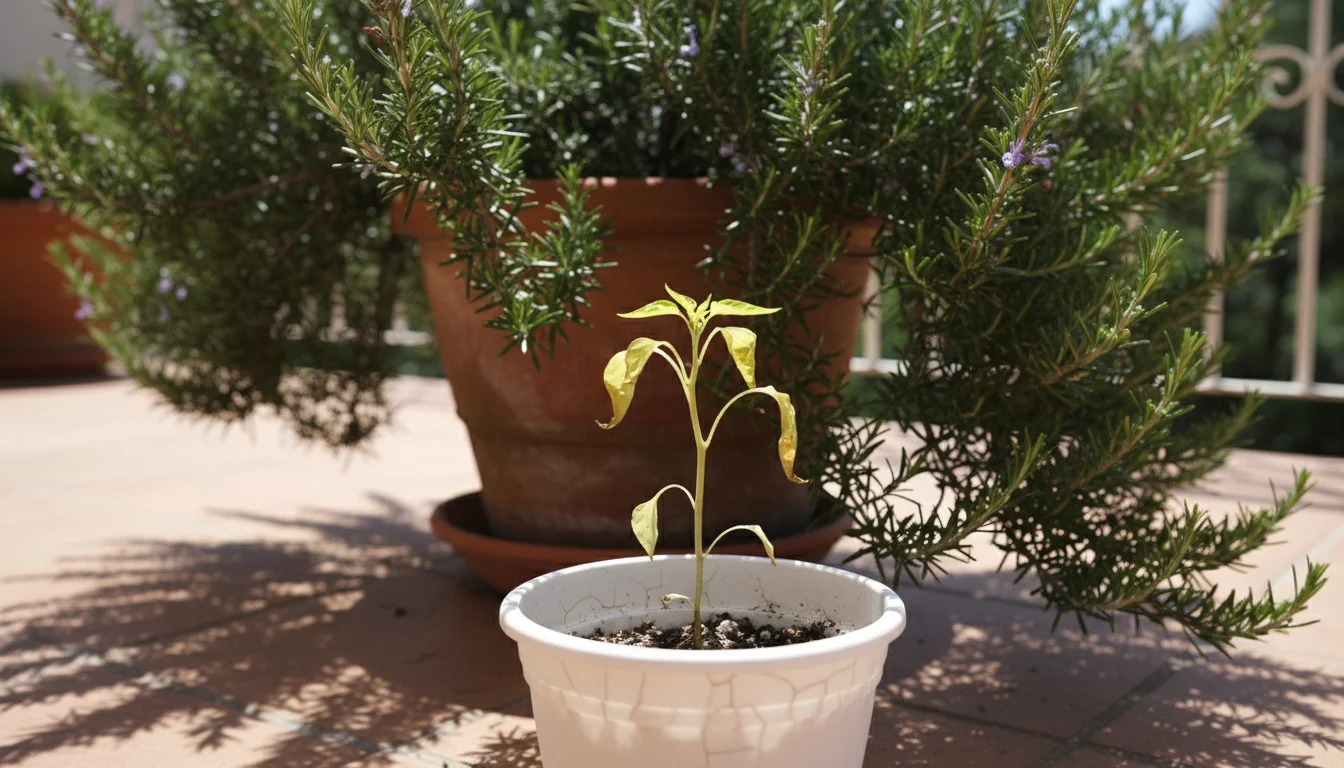
- Cause: Often a sign of nutrient deficiency, overwatering, or underwatering.
- Solution: Check soil moisture. If dry, water thoroughly. If constantly wet, improve drainage or reduce watering frequency. If moisture is correct, consider a dose of liquid fertilizer. Spinach, for example, can show yellowing leaves if it lacks nitrogen.
Plants Bolting (Going to Seed Prematurely)
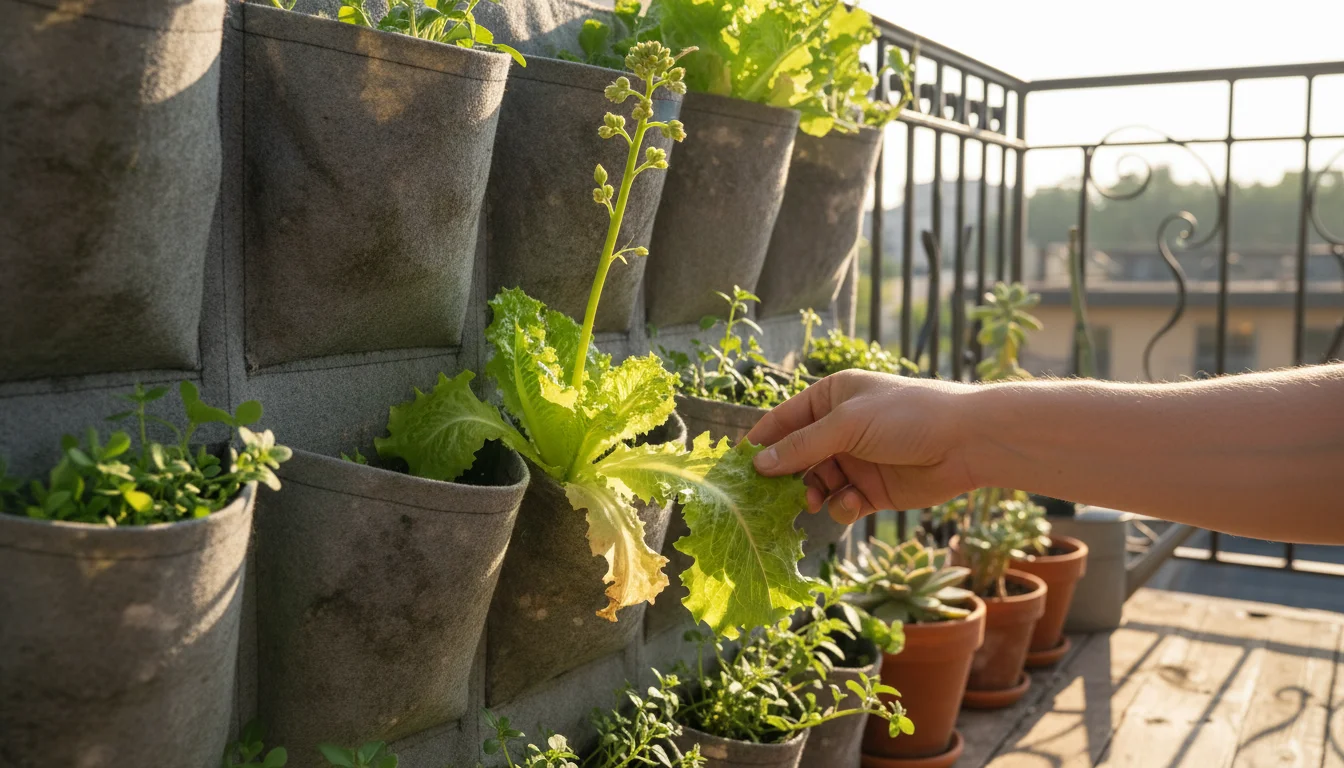
- Cause: Leafy greens like lettuce, spinach, and arugula are particularly prone to bolting when exposed to high temperatures, inconsistent watering, or prolonged day length.
- Solution: Ensure consistent moisture. Provide afternoon shade in hot climates. Choose “bolt-resistant” varieties for “late spring planting.” While you cannot reverse bolting, you can still harvest leaves until they become too bitter.
Slow Growth or Stunted Plants
- Cause: Insufficient sunlight, poor soil nutrients, or improper watering.
- Solution: Verify your plants receive at least 6-8 hours of direct sun. Fertilize with a balanced liquid feed. Check soil moisture and adjust watering. Ensure your containers are large enough; small pots can restrict root growth.
Pests Taking Over
- Cause: Skipping daily checks allows pest populations to explode.
- Solution: Step up your scouting. Remove visible pests by hand. Utilize organic sprays like insecticidal soap or neem oil for more widespread infestations. Encourage beneficial insects like ladybugs, which prey on aphids. Avoid broad-spectrum pesticides that harm beneficial insects.
Sustainable Practices for Your Speedy Harvest
Gardening, even “last minute spring vegetable garden ideas,” provides an excellent opportunity to practice environmental stewardship. Small actions create a big impact.
Water Conservation
Water is a precious resource. Your “container gardening” efforts can be highly efficient.
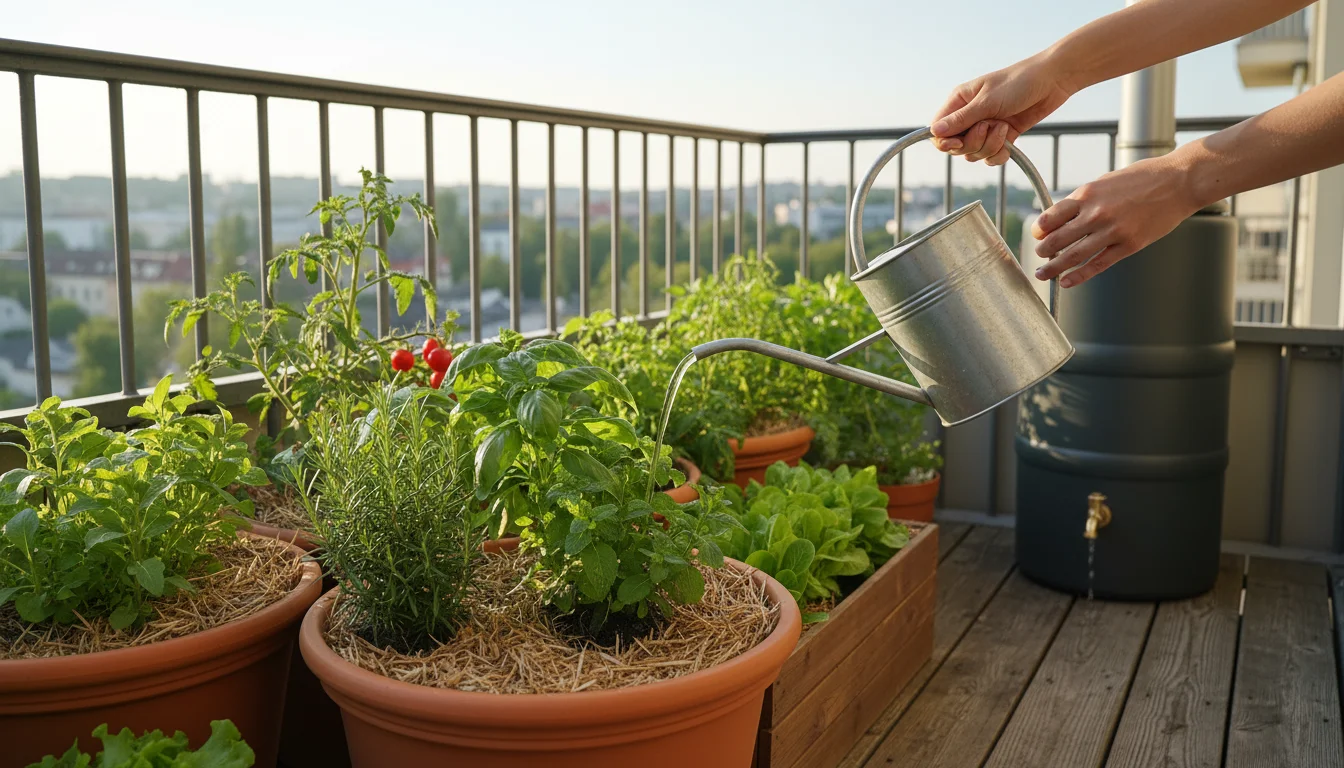
- Mulch: Apply a layer of organic mulch (like straw or shredded leaves) on top of your potting mix. This reduces water evaporation, keeps soil temperatures more consistent, and suppresses weeds.
- Watering Time: Water in the early morning or late evening when temperatures are cooler, minimizing evaporation.
- Rain Barrels: If space allows, consider a small rain barrel to collect rainwater for your plants. Rainwater is free of chlorine and other chemicals found in tap water, which plants often prefer.
Composting
Turn your kitchen scraps into black gold for your garden.
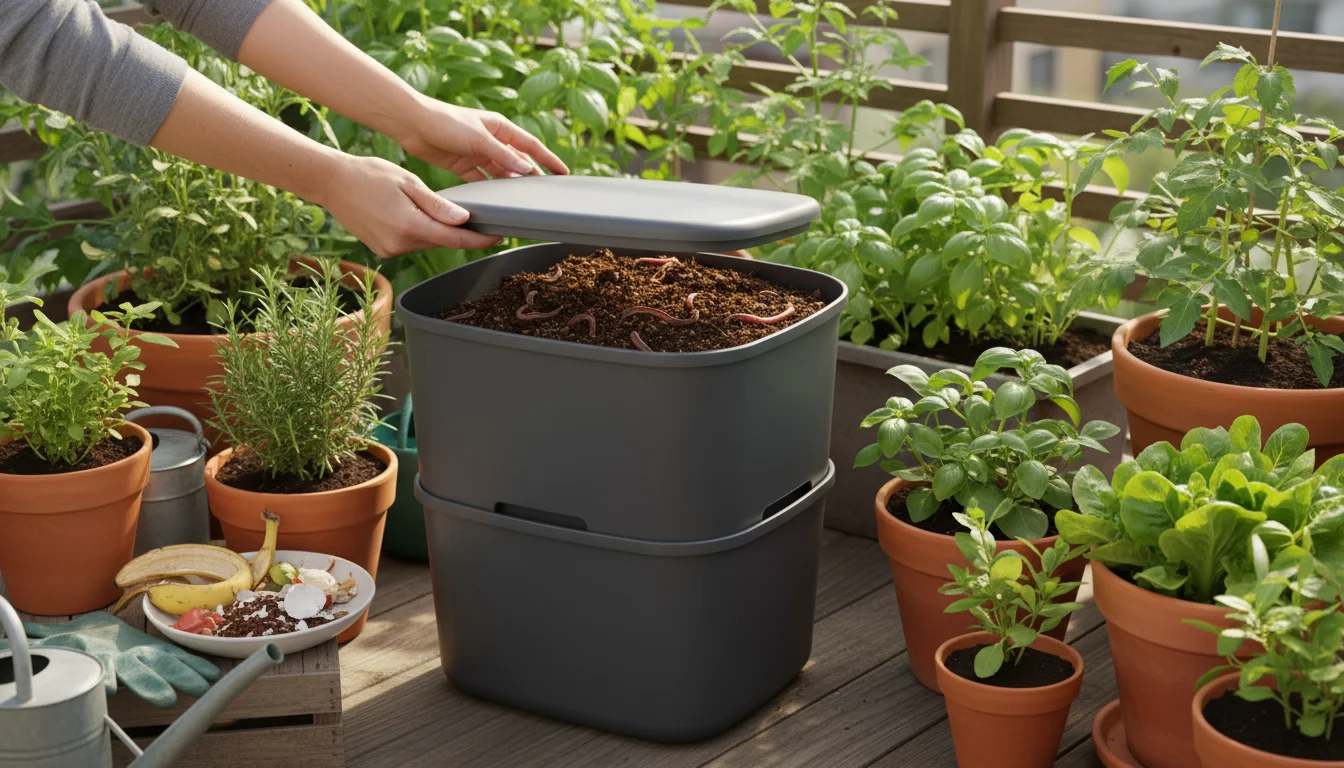
- Small-Scale Composting: Even a small balcony or patio can accommodate a worm bin (vermicompost) or a compact compost tumbler.
- Benefits: Compost enriches your soil, improving its structure, water retention, and nutrient content naturally. This reduces your reliance on bagged fertilizers.
Seed Saving and Successive Planting
Maximize your harvest and save money by being strategic.
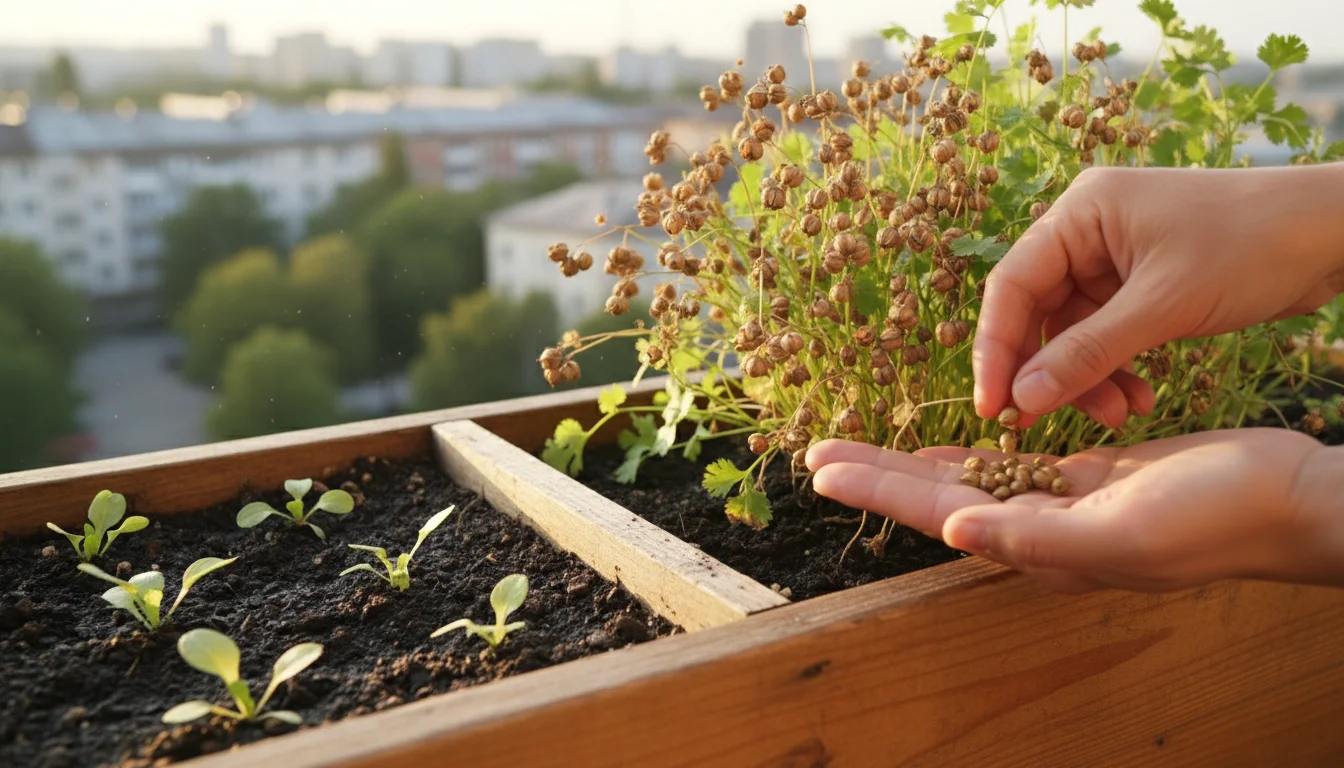
- Successive Planting: As mentioned, once your radishes or lettuce finish, replant another batch. This provides a continuous yield from the same space.
- Seed Saving (for some crops): For open-pollinated varieties of beans or leafy greens, you can let a few plants go to seed at the end of their cycle. Collect and dry these seeds for next season, saving money and preserving desirable traits.
Companion Planting
Some plants help each other.
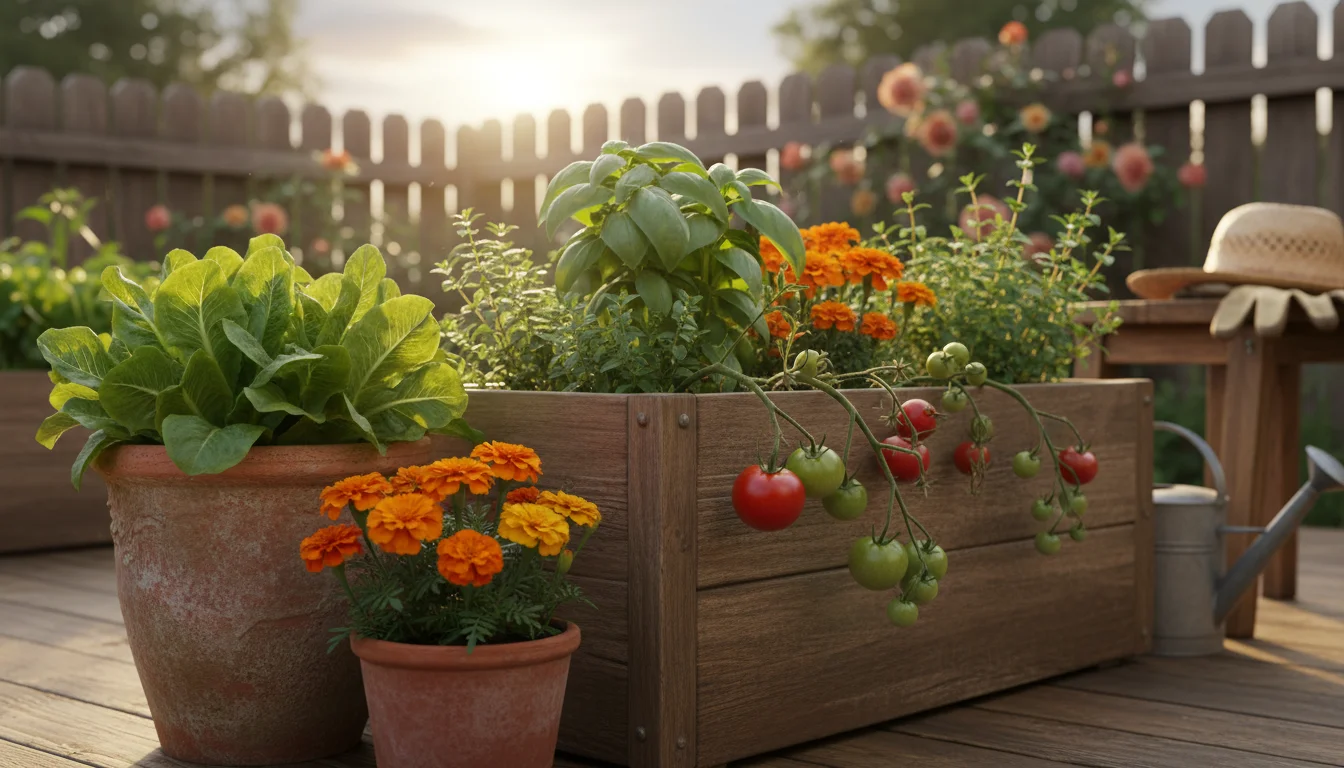
- Natural Pest Repellents: Planting marigolds near your “fast growing vegetables” can deter nematodes and other pests. Nasturtiums can act as a trap crop, luring aphids away from your prized veggies.
- Pollinator Attraction: Include a few flowering herbs like basil or dill in nearby pots to attract beneficial insects such as bees and predatory wasps, which help with pollination and pest control.
Frequently Asked Questions
Gardening often brings up specific questions, especially when you are just getting started or trying “late spring planting” for the first time. Here are answers to some common inquiries.
Can I plant these vegetables from seed or should I use seedlings?
For “fast growing vegetables,” direct sowing seeds into your containers is generally the best and most cost-effective approach. Many of the crops listed, like radishes, beans, spinach, arugula, and lettuce, prefer to be direct-sown because they do not transplant well or grow so quickly from seed that buying seedlings offers little advantage. Starting from seed allows you to select from a wider range of varieties too. Just ensure you plant according to package directions, giving seeds adequate spacing and consistent moisture for germination.
How do I know what “late spring” means for my region?
“Late spring planting” is a flexible term, largely dependent on your local climate and last frost dates. Generally, it refers to the period after your average last frost date, when soil temperatures consistently warm up, and daytime temperatures are reliably mild to warm. For many temperate regions, this often means May or early June. A reliable way to determine this for your specific area is to consult your local Cooperative Extension office. They provide precise planting calendars and frost date information based on local data, offering invaluable guidance for “what can I plant in pots in May.”
What if I don’t have a lot of sun?
Even limited sunlight can yield a rewarding harvest. If your space receives less than the ideal 6-8 hours of direct sun, prioritize the leafy greens on our list. Spinach, lettuce, and arugula are more tolerant of partial shade (4-6 hours of sun) than bush beans or radishes. You will still get a harvest, though growth may be slightly slower or yields a bit smaller. Consider positioning your containers to capture morning sun, which is generally less intense than afternoon sun and beneficial for greens. Reflective surfaces nearby can also bounce light onto your plants.
How can I protect my plants from pests without chemicals?
Non-chemical pest control is entirely achievable for your “fast vegetables to grow in containers.” Your first line of defense is consistent observation: inspect your plants daily to catch pests early. Hand-picking larger pests, like slugs or caterpillars, is effective. A strong spray of water can dislodge aphids. For persistent issues, use organic solutions like insecticidal soap or neem oil, always following label instructions. Encouraging beneficial insects by planting flowering herbs nearby also creates a natural defense system in your garden. Companion planting, such as marigolds, also helps deter specific pests.
Can I grow these veggies indoors?
Yes, with the right conditions, you can grow some of these “fast growing vegetables” indoors, though it presents unique challenges. For plants like lettuce, spinach, and arugula, you need a brightly lit spot receiving at least 6 hours of direct sunlight, or strong grow lights. Radishes and bush beans are more demanding of light and space, making them less ideal for indoor growing unless you have very powerful grow lights and ample room. Ensure good air circulation to prevent fungal issues and maintain consistent temperatures. Indoor growing provides an excellent option for extending your harvest season.
Enjoying Your Summer Harvest: The Reward for Your Procrastination
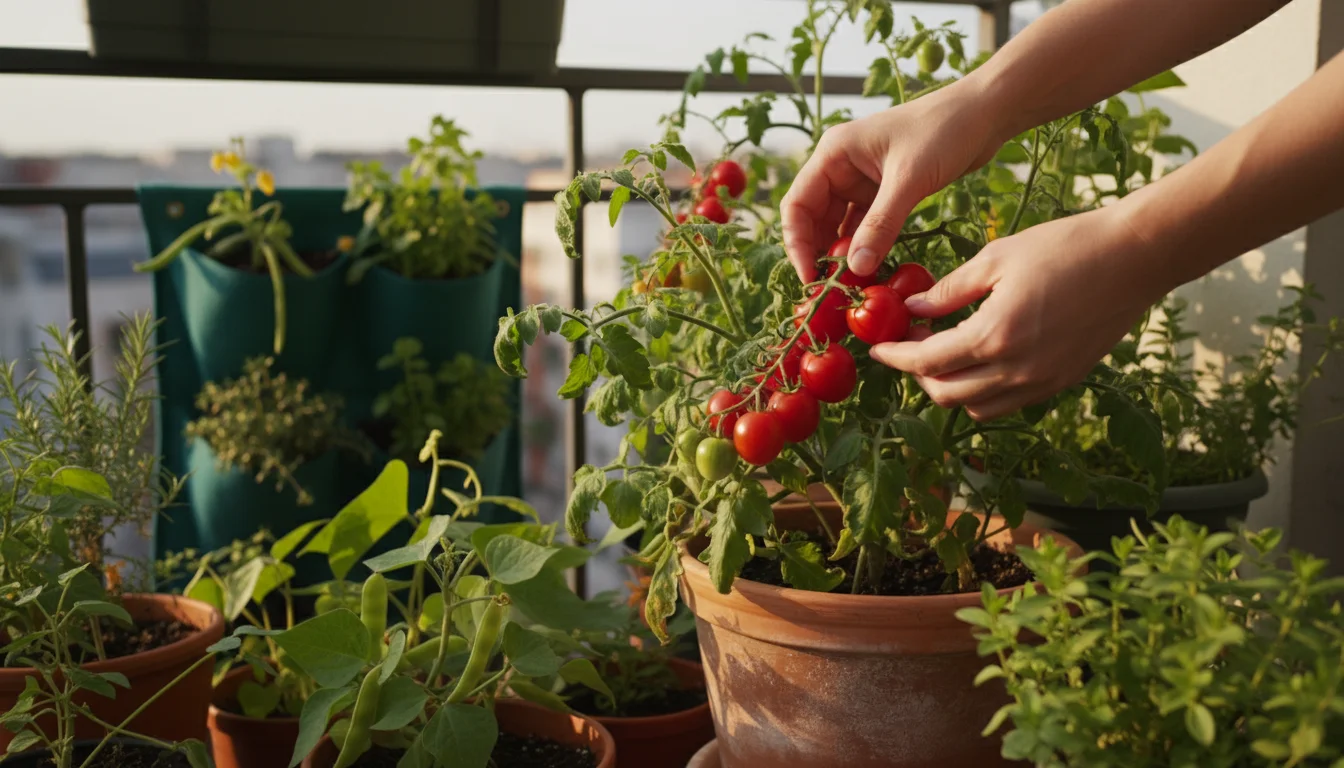
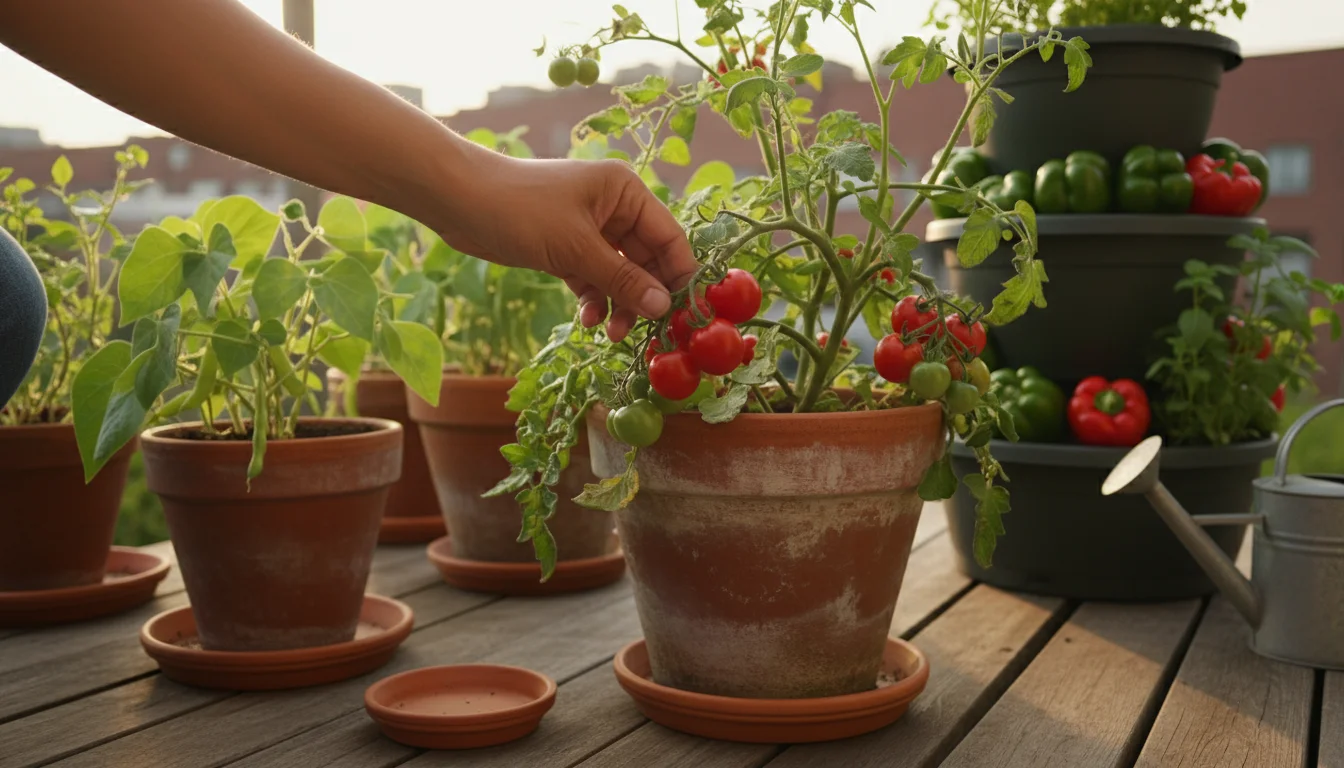
You did it. You embraced the “late spring planting” opportunity, chose your “fast growing vegetables,” set up your “container gardening” space, and nurtured your plants. Now, the real fun begins: harvesting your bounty! There is immense satisfaction in stepping onto your balcony or patio, plucking fresh radishes, snipping crisp lettuce, or snapping tender green beans, knowing they came straight from your effort.
This experience goes beyond just food. Gardening offers a connection to nature, a moment of calm, and a sense of accomplishment. You have proven that a small space and a tight schedule do not have to prevent you from enjoying the freshest produce imaginable. Keep experimenting with “last minute spring vegetable garden ideas,” try new varieties, and continue to learn. Each season brings new opportunities, and your green thumb is now well on its way to becoming an expert. Enjoy your summer harvest, and let it fuel your passion for gardening, no matter how small your plot.
For trustworthy gardening information, visit:
University of Maine Cooperative Extension — Gardening, University of Rhode Island Cooperative Extension — Gardening, Connecticut Agricultural Experiment Station and Massachusetts Horticultural Society. These organizations provide expert, research-based advice for gardeners at all levels.
Disclaimer: This article is for informational purposes only and is not a substitute for professional gardening advice. Always consult local extension services or horticulture experts for region-specific guidance.


Leave a Reply