
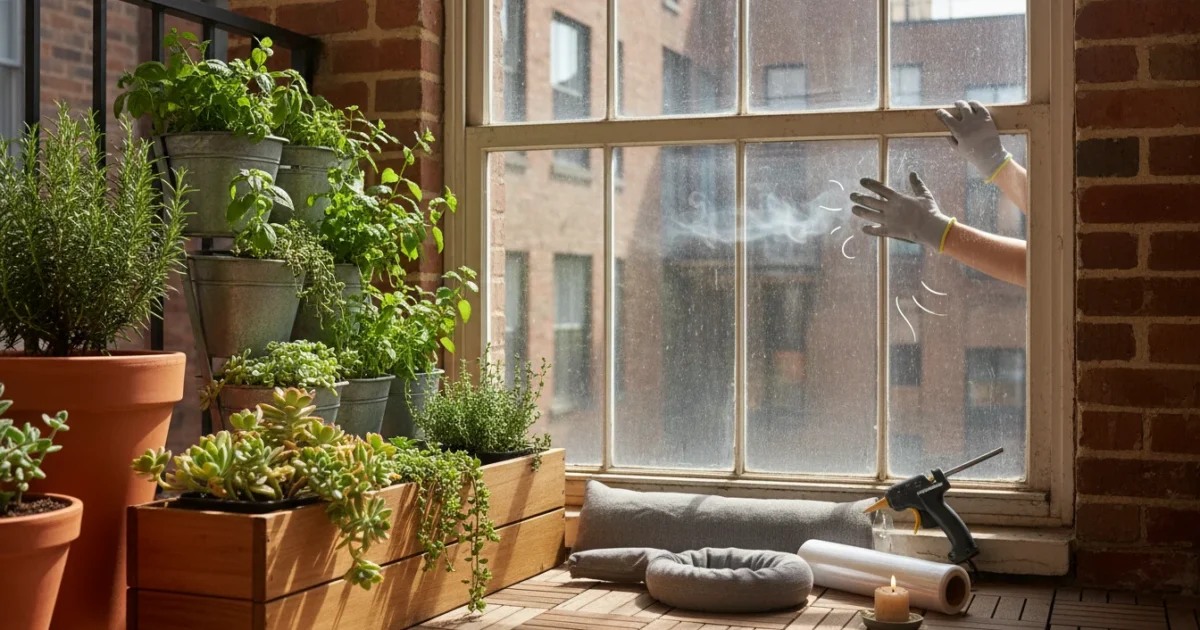
Your houseplants bring life and vibrancy into your small spaces, transforming a sterile apartment or a cozy balcony into a green oasis. You invest time, care, and attention into their well-being, providing the right light, water, and nutrients. Yet, despite your best efforts, you might notice your plants struggling during the colder months. Leaves might curl, edges brown, or growth might stunt without an obvious cause. Often, an unseen enemy is at play: cold window drafts.
Besides fixing drafts, consider the benefits of huddling your houseplants to create a pocket of shared warmth and humidity.
Maintaining a stable environment also helps you stay ahead of other seasonal challenges, such as beating winter’s top indoor pests that often target stressed plants.
These subtle air movements, often escaping through tiny gaps around your windows, can create harsh microclimates that stress your beloved plants. They act as a silent killer, slowly weakening your houseplants and leaving them vulnerable. Understanding how drafts affect your plants and, more importantly, how to find and fix them, empowers you to create a consistently healthy environment. This article provides practical, actionable insights to protect your plants from these sneaky winter houseplant problems, ensuring they thrive even when temperatures drop outside.
Understanding the Invisible Threat: Why Drafts Harm Your Houseplants
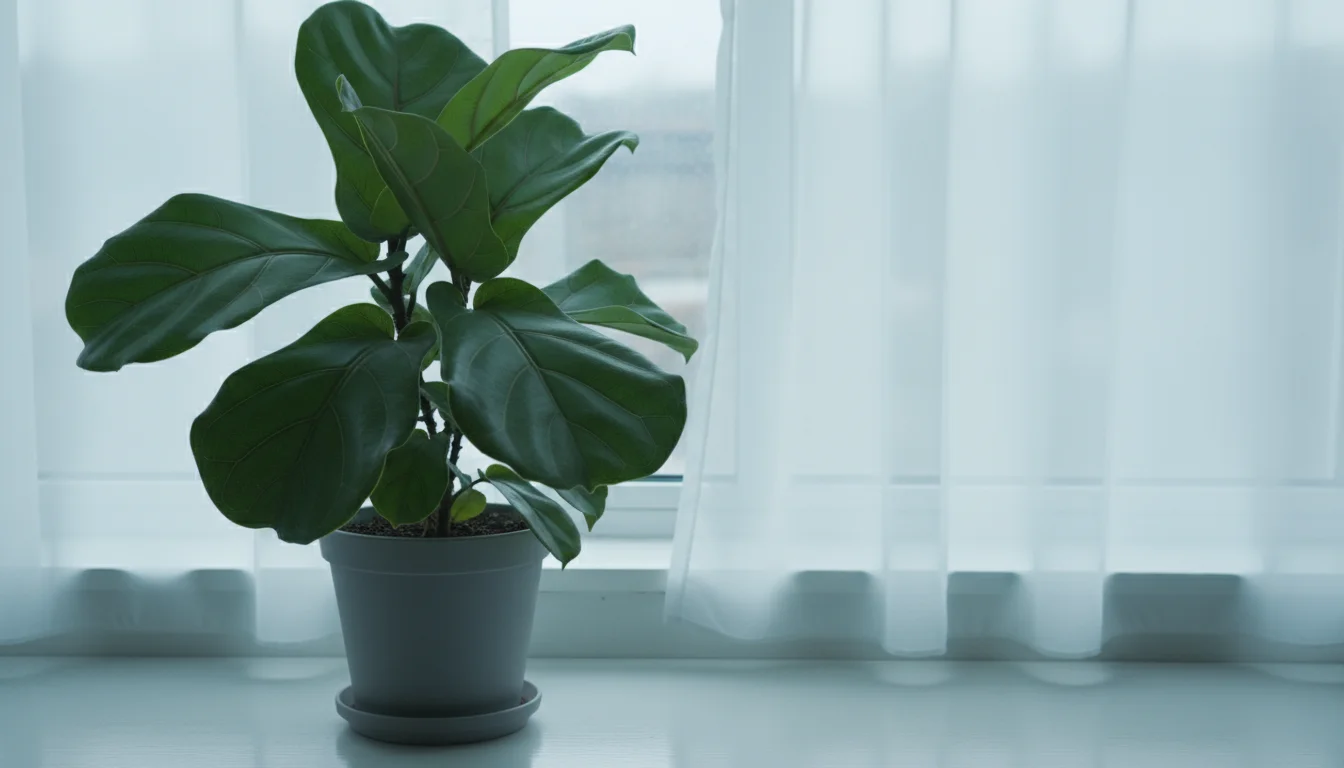
Drafts are simply unwanted air leaks in your home, often around windows and doors. While a slight breeze might feel refreshing to you, it poses a significant threat to your sensitive houseplants. These plants, many originating from tropical or subtropical climates, thrive in stable, warm environments. Even a minor fluctuation in temperature can send them into shock, triggering stress responses that compromise their health.
Plants regulate their internal temperature and moisture through a process called transpiration. Water evaporates from tiny pores, called stomata, on their leaves. This evaporation cools the plant, similar to how human sweat cools your skin. When a cold draft hits a plant, it rapidly increases this rate of evaporation, essentially forcing the plant to lose water much faster than its roots can absorb it. Imagine standing outside in winter with wet clothes on, the wind making you feel much colder. Your plants experience a similar, chilling effect.
Beyond accelerated water loss, cold drafts create localized temperature drops that can damage plant cells. Plant cells contain water, and extreme cold can cause this water to freeze. This expansion ruptures cell walls, leading to irreversible tissue damage. You see this damage as browning, wilting, or yellowing leaves. Consistent exposure to these microclimates severely impacts the plant’s ability to photosynthesize, grow, and even survive. Addressing drafts and plants together means understanding this fundamental biological stressor.
Spotting the Signs: How Cold Drafts Affect Your Plants
Identifying that drafts cause your plant’s distress can be tricky because the symptoms often mimic other problems like incorrect watering or nutrient deficiencies. However, when these symptoms appear primarily on plants near windows during colder months, drafts are a prime suspect. Learning to recognize these specific indicators helps you intervene quickly and save your plants. These are common winter houseplant problems that stem from cold exposure.
Keep in mind that while drafts cause leaves to droop, you also need to manage a proper winter watering and feeding schedule to prevent root issues in cool conditions.
If you decide to relocate your pots, it is the perfect time for a great light migration to capture the limited seasonal sun.
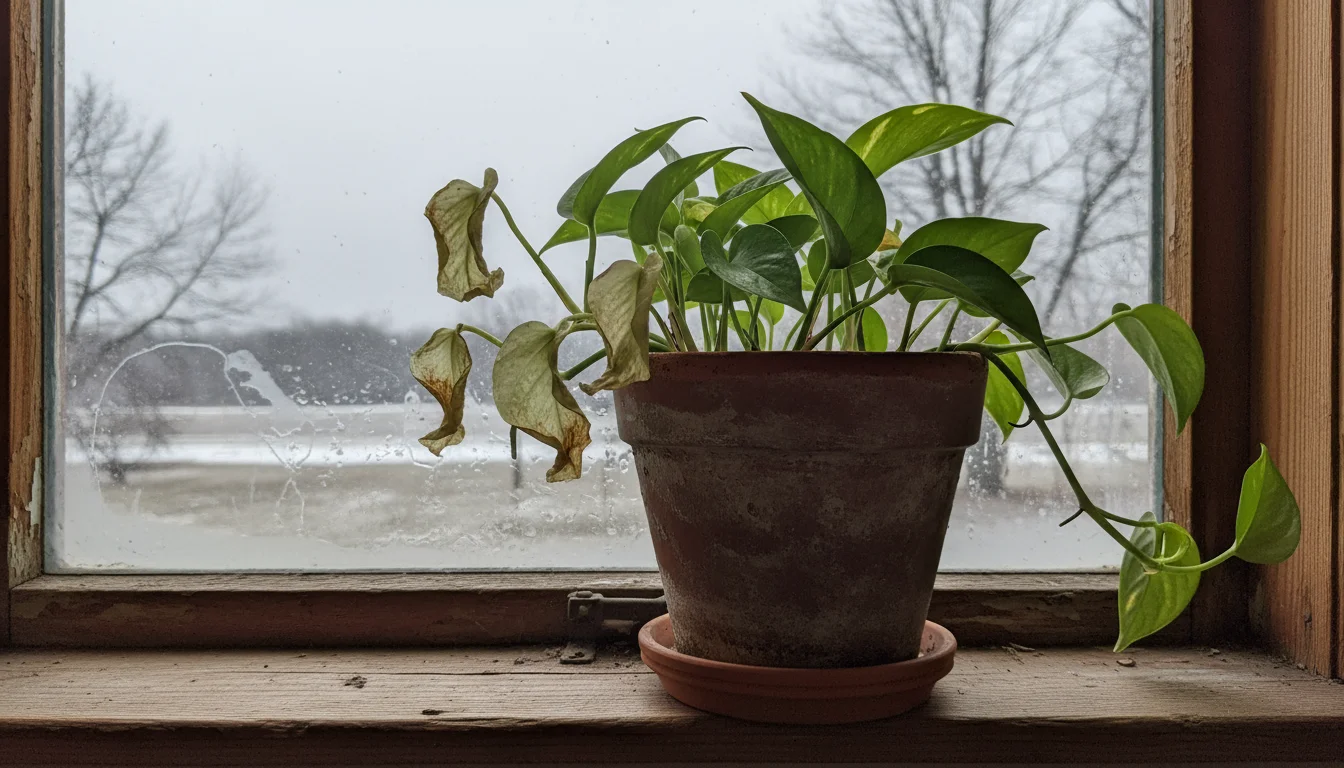
- Curling or Drooping Leaves: Your plant leaves curling in winter often signals cold stress. Plants curl their leaves inwards as a protective mechanism, attempting to reduce the surface area exposed to the cold or to conserve moisture. Leaves might also droop, looking limp and lifeless, even if the soil moisture is adequate.
- Yellowing or Browning Edges and Tips: The exposed edges and tips of leaves are often the first to show damage from cold drafts. These areas dry out quickly due to increased transpiration and cell damage, turning yellow, then brown and crispy. This symptom resembles underwatering or low humidity, but if your watering routine is consistent, consider drafts.
- Stunted Growth: If your plant suddenly stops producing new leaves or its overall growth slows dramatically, cold stress could be the cause. Plants divert energy from growth to survival when under environmental stress. You will notice this more in plants that typically grow year-round.
- Leaf Drop: A significant and sudden drop of otherwise healthy-looking leaves is a clear distress signal. This often happens with Ficus varieties, like the Fiddle Leaf Fig, which are notoriously sensitive to environmental changes. The plant sheds leaves to conserve energy and reduce its surface area.
- Wilting Despite Adequate Watering: When roots get too cold, they become less efficient at absorbing water. Even if the soil is moist, the plant cannot take up enough water to compensate for the rapid moisture loss from leaves due to a draft. This leads to wilting, a classic sign of protecting plants from cold drafts.
- Overall Lack of Vigor: Your plant might simply look unhealthy, dull, or generally unhappy, lacking its usual vibrant appearance. This general decline often accompanies chronic exposure to suboptimal conditions.
Pay close attention to plants positioned directly in front of or very near windows, especially during periods of extreme cold or strong winds. These plants bear the brunt of any drafts.
Becoming a Draft Detective: Simple Ways to Find Leaks
Before you can fix a draft, you must find it. Detecting these invisible air currents requires a bit of detective work, but it is surprisingly simple and often requires no special tools. Focus on all potential entry points around your windows and even exterior doors, as these can create air circulation affecting nearby plants.
Identifying these leaks is a key step in your battle plan for a pest-free indoor garden, as stressed plants are much more susceptible to infestations.
Integrating these checks into your comprehensive winter inspection list helps ensure no environmental factor is overlooked.
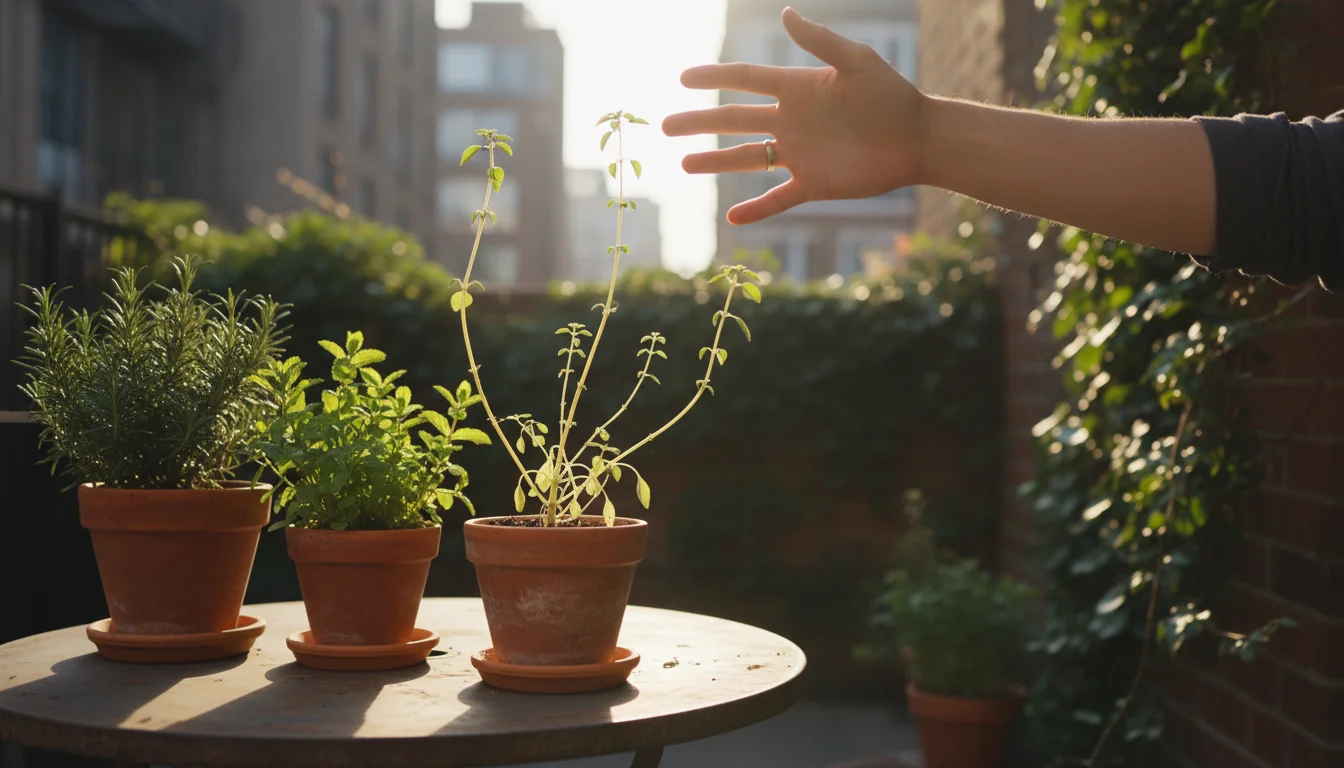
- The Hand Test: This is the simplest and most direct method. On a cold, windy day, slowly move your hand around the entire perimeter of your window frames, along the sash, and where the sills meet the wall. Pay attention to any subtle changes in temperature or faint breezes. Your skin is sensitive enough to detect even minor air movements.
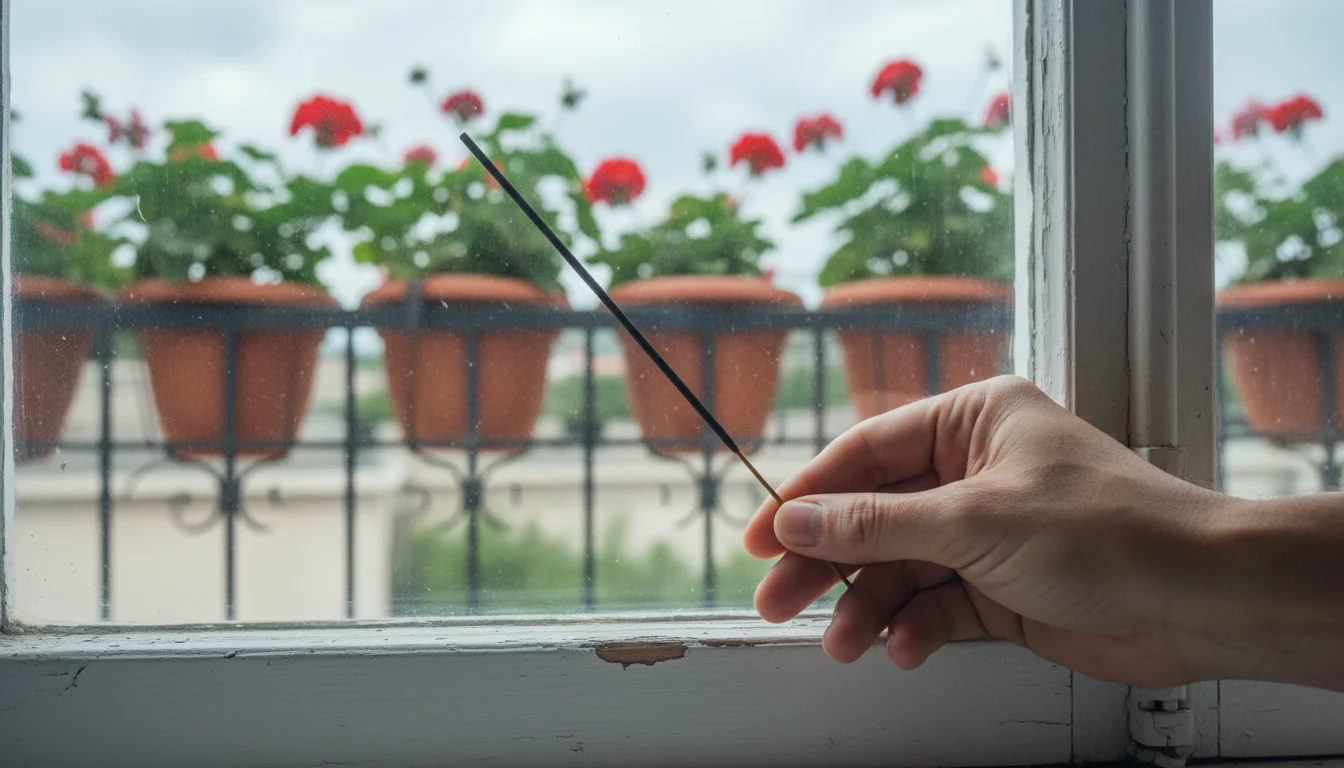
- The Candle or Incense Test: Light a stick of incense or a thin candle and hold it steadily around the edges of your windows. Watch the smoke or flame. If the smoke wavers erratically, moves horizontally, or the flame flickers or bends, you have found a draft. This method works well even on less windy days as it shows subtle air movements.
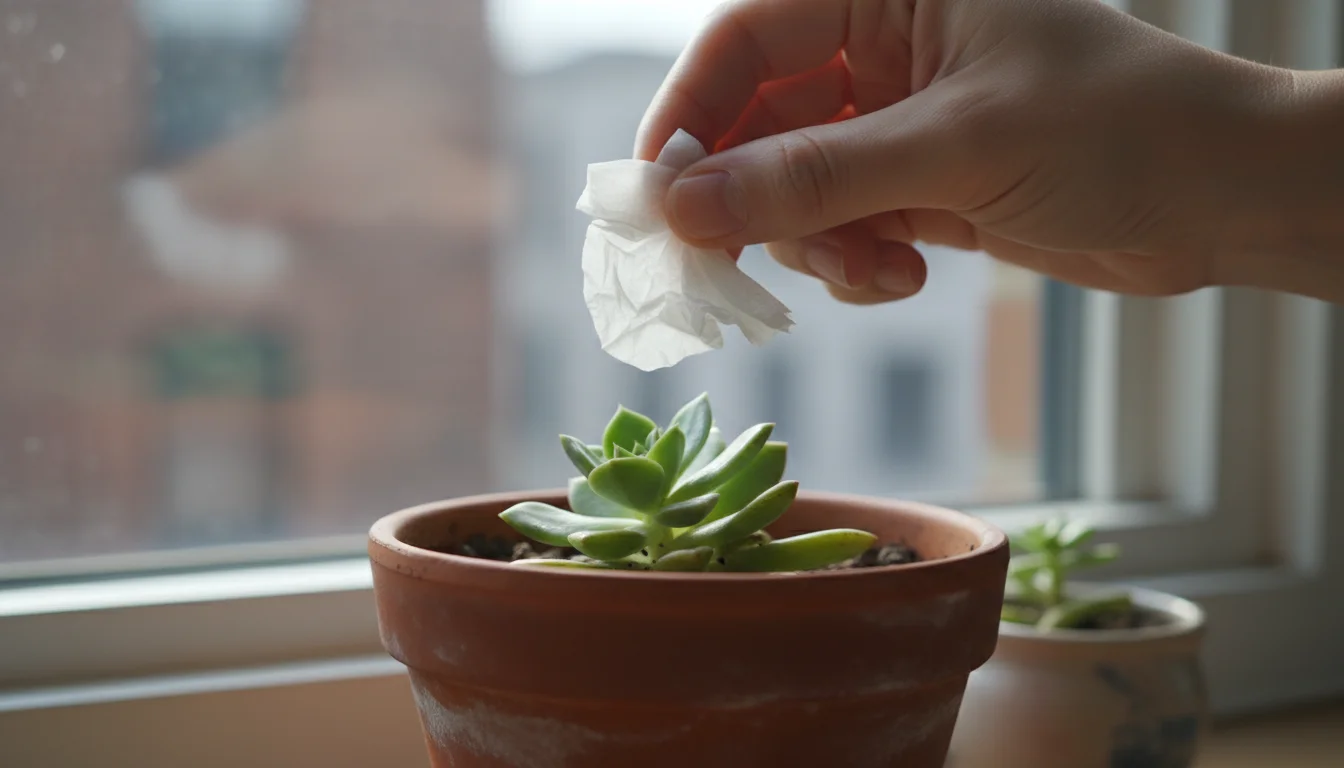
- The Tissue Paper Test: Tape a lightweight piece of tissue paper or a feather to a string. Hold it near window seams and sills. If it flutters or moves in a specific direction, it indicates air movement. This offers a visual cue similar to the candle test but without the fire hazard.
- Visual Inspection: Sometimes, drafts accompany visible gaps. Look for cracks in the caulking around the window frame, worn weatherstripping, or loose windowpanes. You might even see light shining through tiny gaps from outside.
- Water Spray Test (Exterior): If you suspect larger gaps, especially around the exterior of the window frame, have someone stand outside with a garden hose on a gentle spray. While they spray water along the frame, you stand inside and look for any moisture penetration. This is a more aggressive test and should be done carefully to avoid water damage, but it reveals significant leaks.
Perform these tests on a day when there’s a noticeable temperature difference between inside and outside, or when it’s windy. This makes drafts more apparent. Documenting your findings helps you prioritize your repairs, effectively protecting plants from cold drafts.
First Line of Defense: Quick Fixes for Drafty Windows
Once you locate the drafts, you can implement immediate, temporary solutions to provide cold window protection for your plants. These DIY window insulation for plants strategies are cost-effective and require minimal effort, buying you time to consider more permanent fixes.
Having a mini tool kit for winter houseplant care ready makes applying weatherstripping or rope caulk a much faster process.
Temporary and Accessible Solutions:
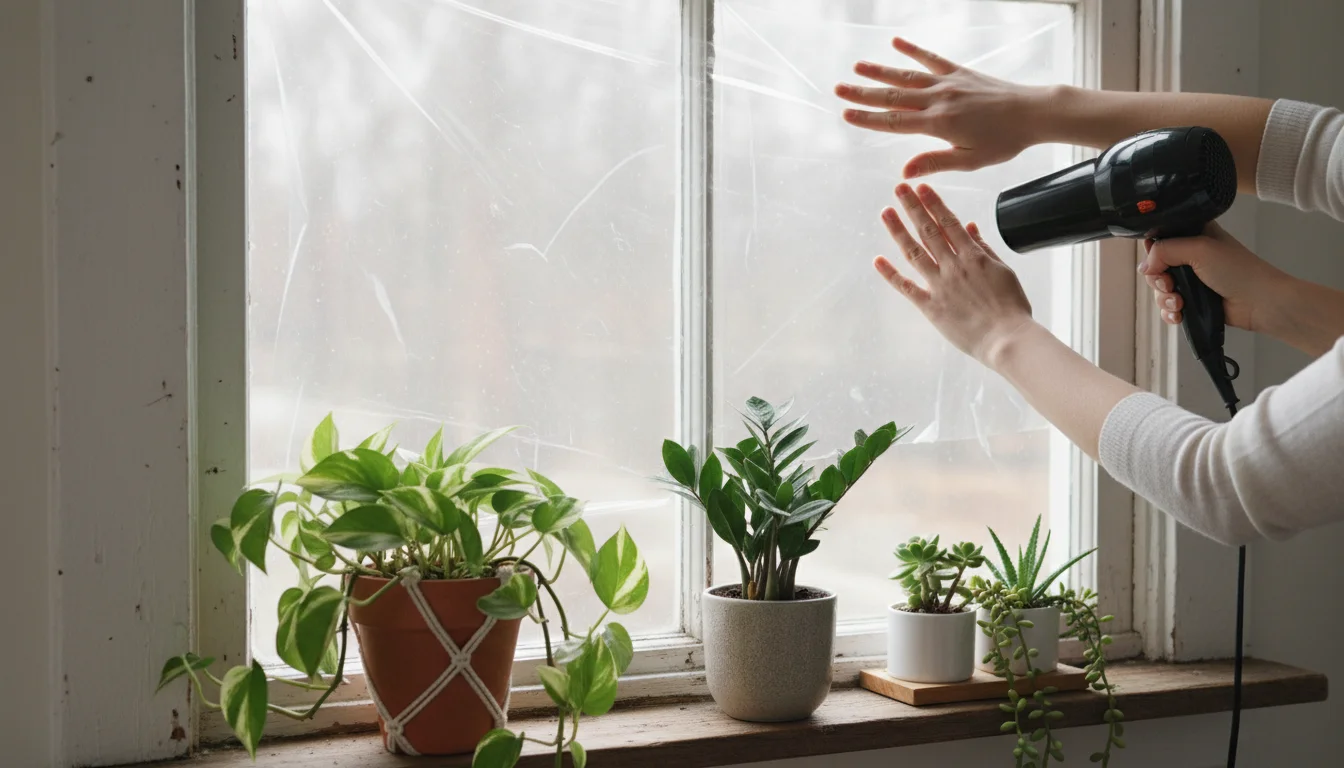
- Window Insulation Kits: These plastic film kits are excellent for drafty windows. You tape the film to the window frame and then use a hairdryer to shrink it taut. It creates an insulating air pocket between the window and your room, significantly reducing heat loss and blocking drafts. These are widely available and relatively inexpensive.
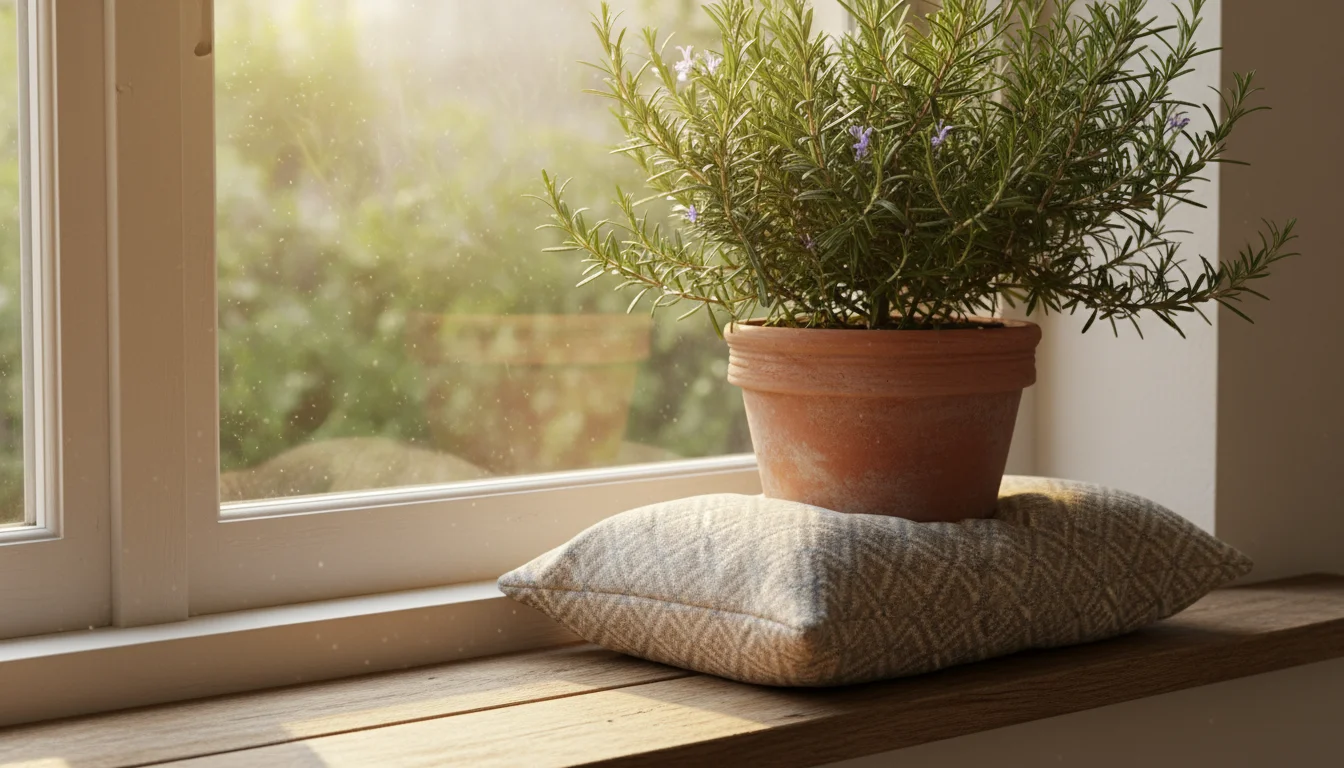
- Draft Stoppers or Door Snakes: These fabric tubes filled with rice, sand, or insulating material are perfect for blocking drafts coming from the bottom of windows or doors. You can buy them or make your own with old fabric and filler. Place them snugly against the window sill.
- Heavy Curtains or Thermal Blinds: Installing thick, insulated curtains or thermal blinds can create a substantial barrier against cold air. Close them at night and on very cold days to add an extra layer of protection. Ensure they do not touch your plants, as the space between the curtain and the window can still get cold.
- Weatherstripping Tape: For minor gaps around operable window sashes, self-adhesive foam weatherstripping tape provides a quick seal. Apply it carefully to the frame where the window closes, ensuring it compresses to block air but does not impede the window’s operation.
- Rope Caulk: This pliable, temporary caulk comes in a roll and you can press it into gaps around windowpanes or frames. It is easy to apply and remove without damaging surfaces, making it ideal for renters or seasonal use.
- Window Putty: For older windows with loose panes, applying window putty directly around the glass where it meets the frame can create a temporary seal against air leakage.
Implementing these quick fixes offers immediate relief for your plants, reducing the impact of drafts and contributing to more stable indoor temperatures. This provides effective protecting plants from cold drafts, especially during an unexpected cold snap.
Long-Term Solutions: Enhancing Your Windows for Plant Protection
While temporary fixes are great for immediate relief, investing in more permanent solutions provides lasting cold window protection and improves your home’s energy efficiency. These upgrades require more effort but offer superior results for your plants and your utility bills.
Once you have secured your windows, be careful not to create new problems by placing houseplants too close to heaters which can be just as damaging as a cold draft.
Permanent and Sustainable Upgrades:
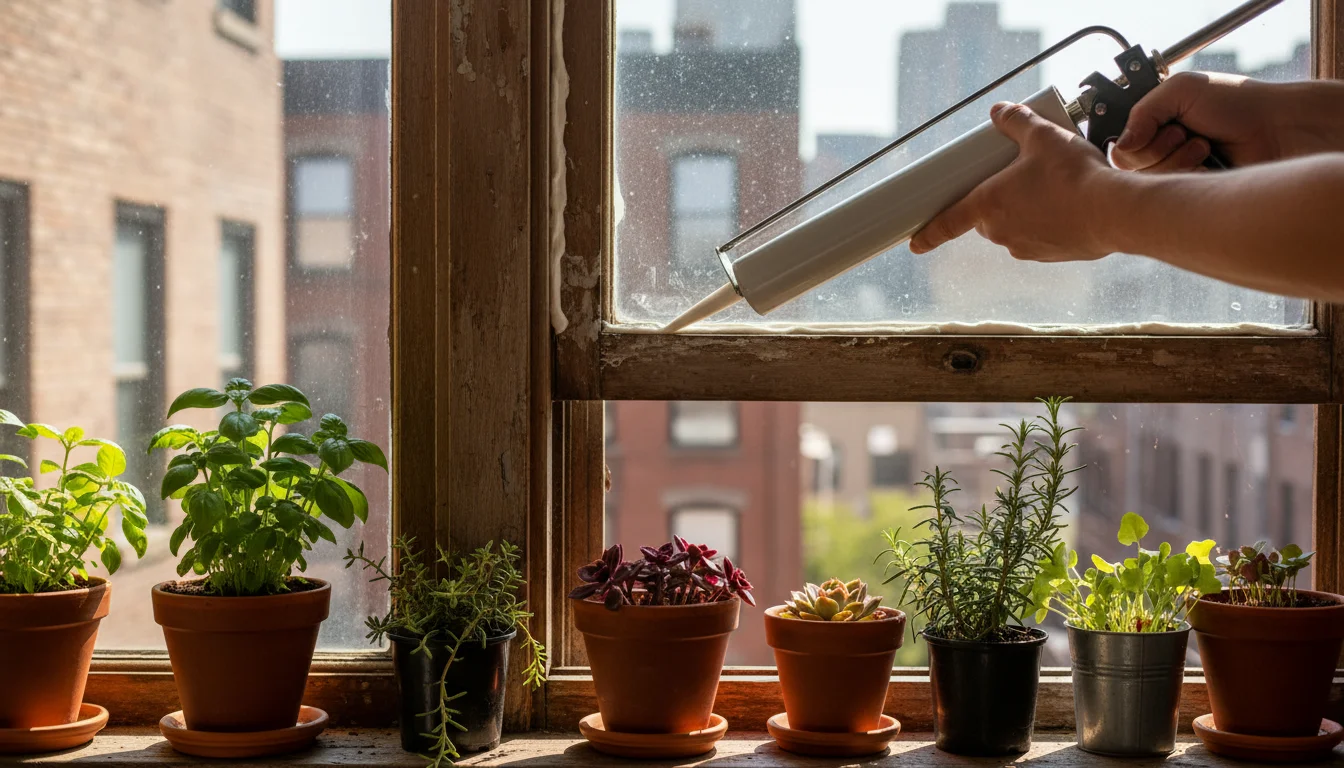
- Re-caulking: Over time, caulk around window frames can crack, shrink, and degrade. Remove old, failing caulk with a utility knife and reapply a fresh bead of exterior-grade, paintable caulk. This creates a durable, airtight seal against drafts and moisture. This is one of the most effective DIY window insulation for plants.
- Replacing Weatherstripping: The weatherstripping around operable windows and doors can compress, crack, or tear, losing its ability to seal. Replace old weatherstripping with new, high-quality material designed for your window type. Options include foam, rubber, vinyl, or metal strips. Ensure a tight seal when the window is closed.
- Adding Storm Windows: For single-pane windows, installing storm windows creates an additional air buffer that significantly improves insulation and blocks drafts. They are a cost-effective alternative to full window replacement and can be installed internally or externally.
- Window Repair or Replacement: If your windows are old, warped, or severely damaged, professional repair or full replacement might be the most effective long-term solution. Modern, energy-efficient windows with double or triple-pane glass and low-emissivity coatings provide superior insulation and draft protection. While a larger investment, it offers the best overall climate control for your home and plants.
- Insulated Shades or Shutters: Custom-fit insulated cellular shades or solid interior shutters provide excellent thermal barriers. They trap air between the window and the room, significantly reducing heat transfer and blocking drafts. When closed, they create a cozy microclimate for nearby plants.
Consider these upgrades during warmer months when you can easily open windows for repairs. These long-term solutions not only protect your plants but also create a more comfortable and energy-efficient living space for you.
Strategic Plant Placement: Where Your Houseplants Will Thrive
Even with excellent draft proofing, some window areas remain cooler than others. Strategic placement of your houseplants is crucial, especially in small spaces where options might seem limited. You can still optimize their positions for light, temperature, and humidity, ensuring optimal health and preventing winter houseplant problems.
Choosing the Right Spot:
- Evaluate Sunlight Exposure: Understand each plant’s light requirements. Low-light plants can tolerate positions further from a window, while high-light plants need direct sun. However, direct sun on a cold windowpane can still expose leaves to extreme temperature fluctuations.
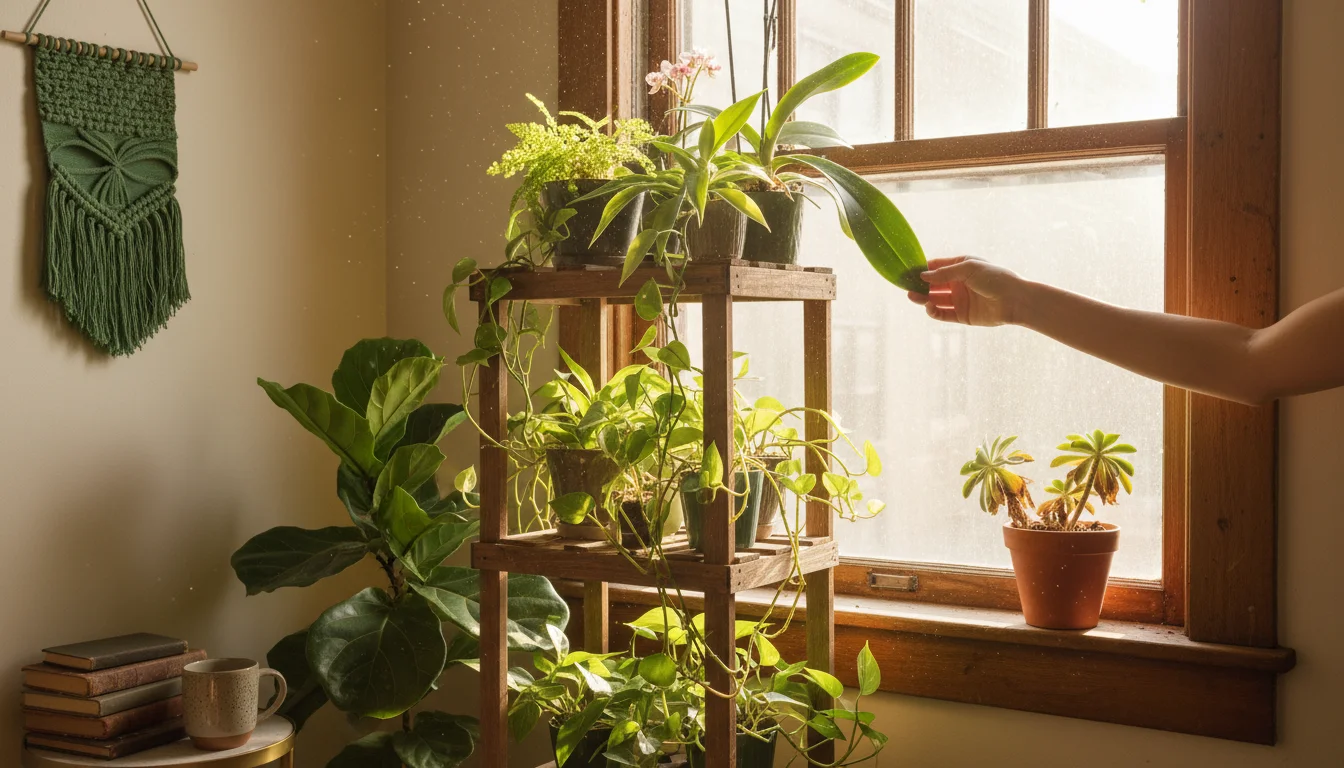
- Consider Proximity to Windows: Even a few inches away from a drafty window can make a significant difference. If you cannot completely seal a draft, move sensitive plants back slightly. A spot 6-12 inches away from the glass often provides enough buffer.
- Utilize Interior Walls: Place highly sensitive plants, or those that prefer consistently warmer temperatures, against interior walls rather than exterior ones. Interior walls maintain a more stable temperature.
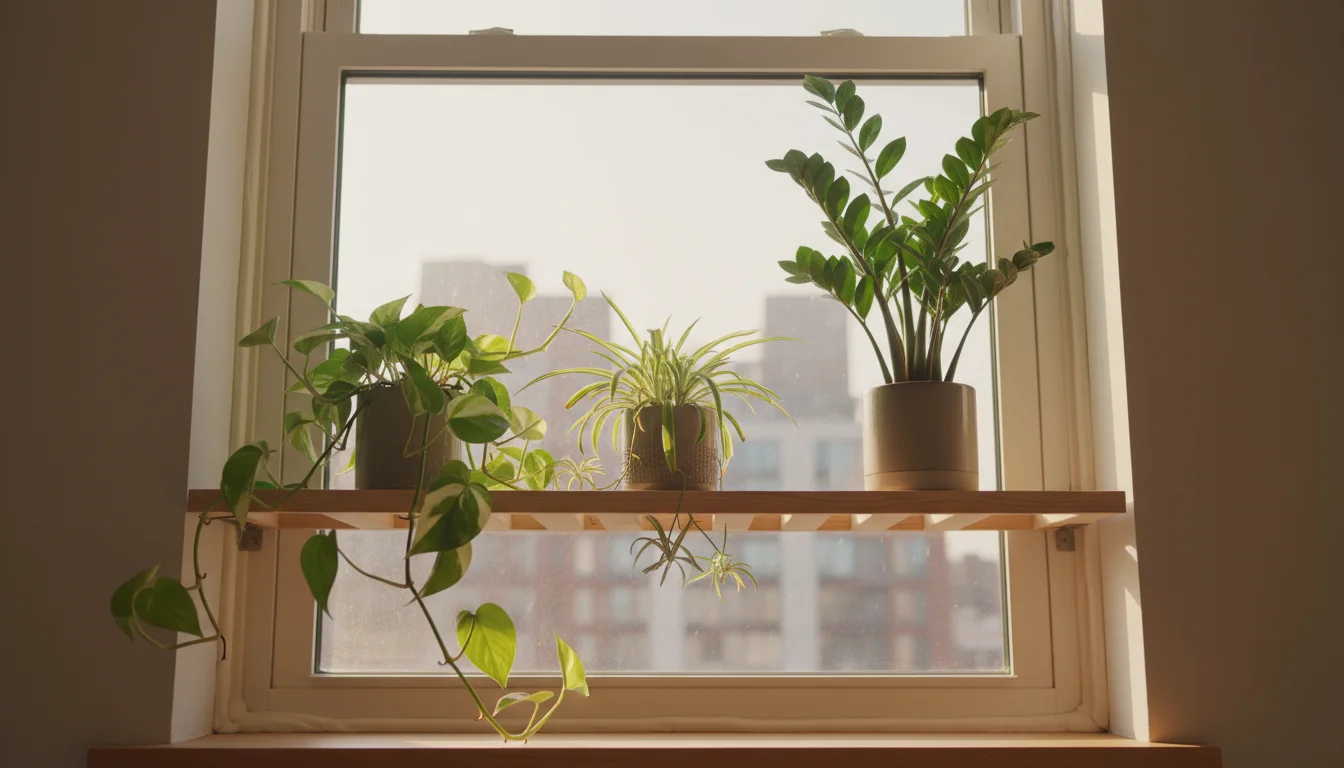
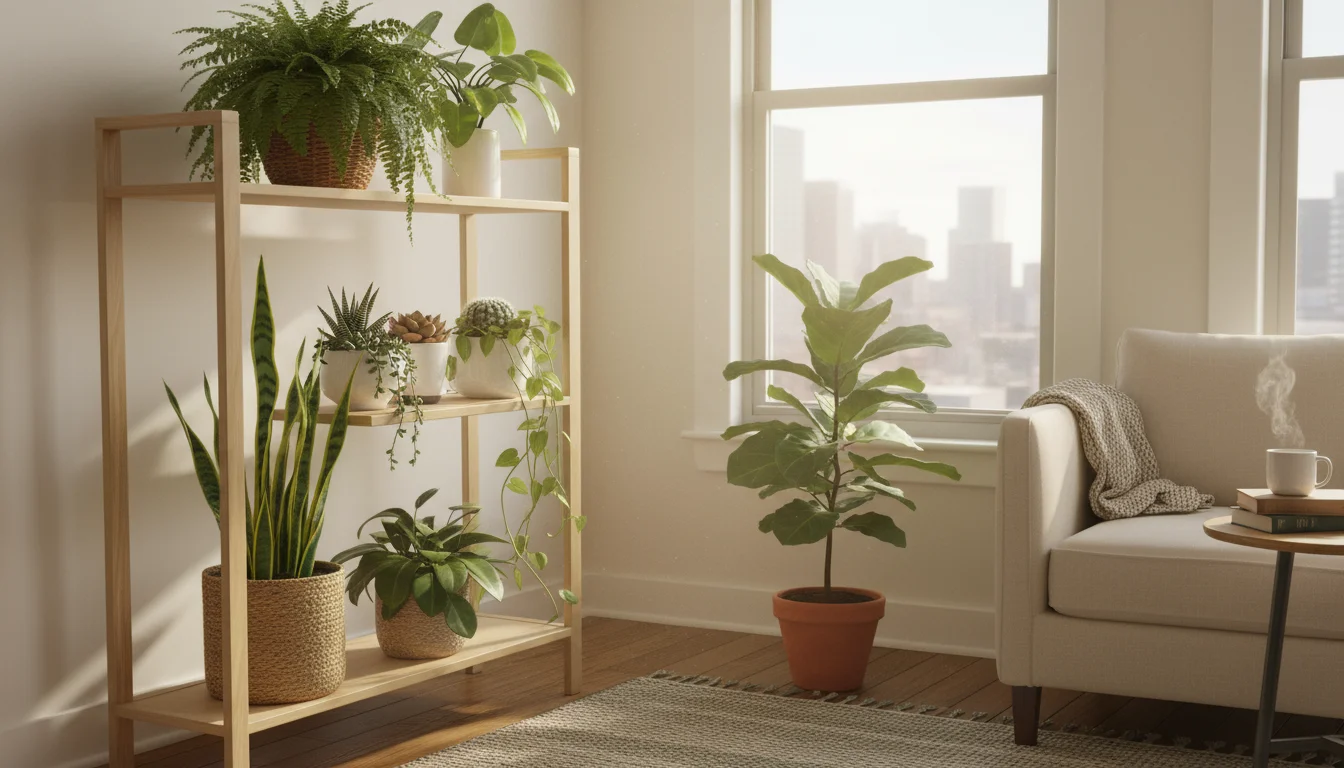
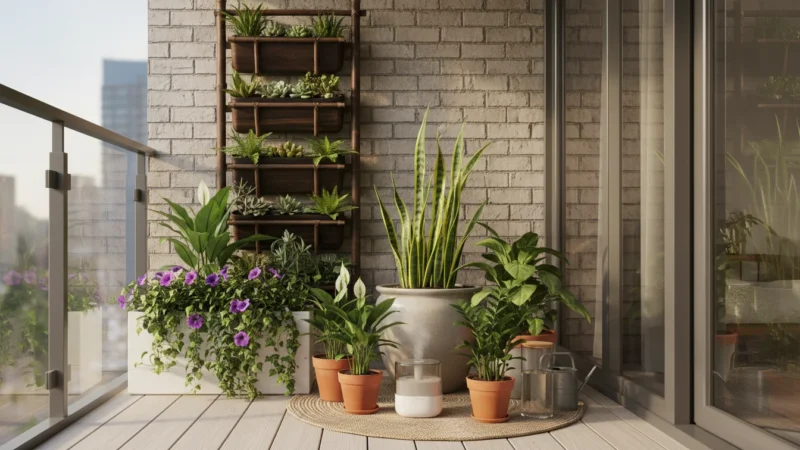
- Use Shelving or Plant Stands: Elevating plants on shelves or stands can help, especially if drafts primarily come from the bottom of windows or floor level. This also maximizes vertical space, a common need in small-space gardening.
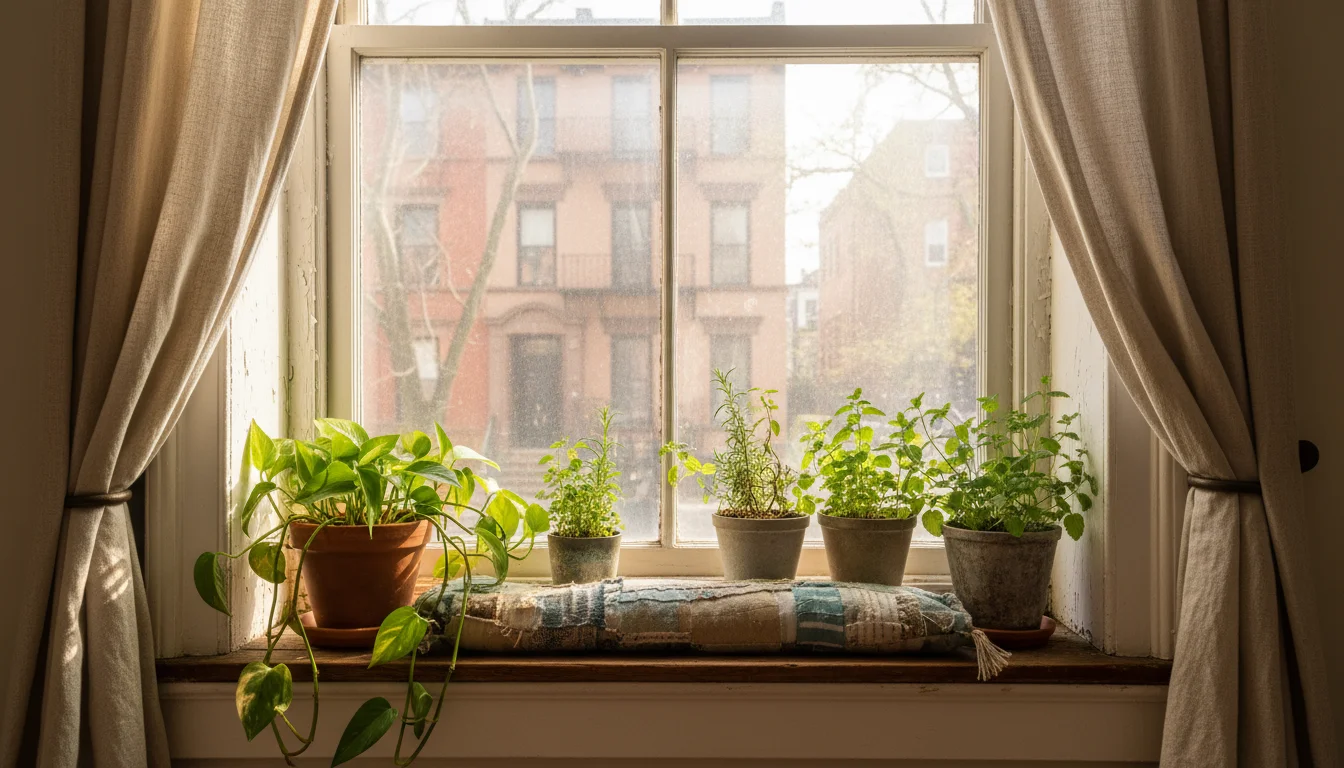
- Group Plants Together: Clustering plants creates a microclimate with slightly higher humidity around them, which can offer some protection from drying drafts. This strategy works best with plants that have similar light and temperature needs.
- Avoid Direct Vents: Just as cold drafts are harmful, hot, dry air from heating vents is equally detrimental. Avoid placing plants directly in the path of furnace vents, which rapidly dehydrate leaves and soil.
- Monitor Temperatures with a Thermometer: Place a small thermometer near your plants to monitor the actual ambient temperature they experience. This gives you concrete data to inform your placement decisions. Aim for consistent temperatures, ideally between 65°F and 75°F for most tropical houseplants.
By carefully considering light, temperature, and air circulation, you create an environment where your plants not only survive but truly thrive. This conscious decision about where your plants live is part of effective protecting plants from cold drafts.
Beyond Drafts: Other Crucial Winter Houseplant Care Tips
Fixing drafts is a major step in protecting your houseplants during winter, but it is part of a broader strategy for cold-weather success. Several other care adjustments become critical during the dormant or semi-dormant period of winter. Understanding these helps you avoid common winter houseplant problems.
Adjust Your Winter Care Routine:
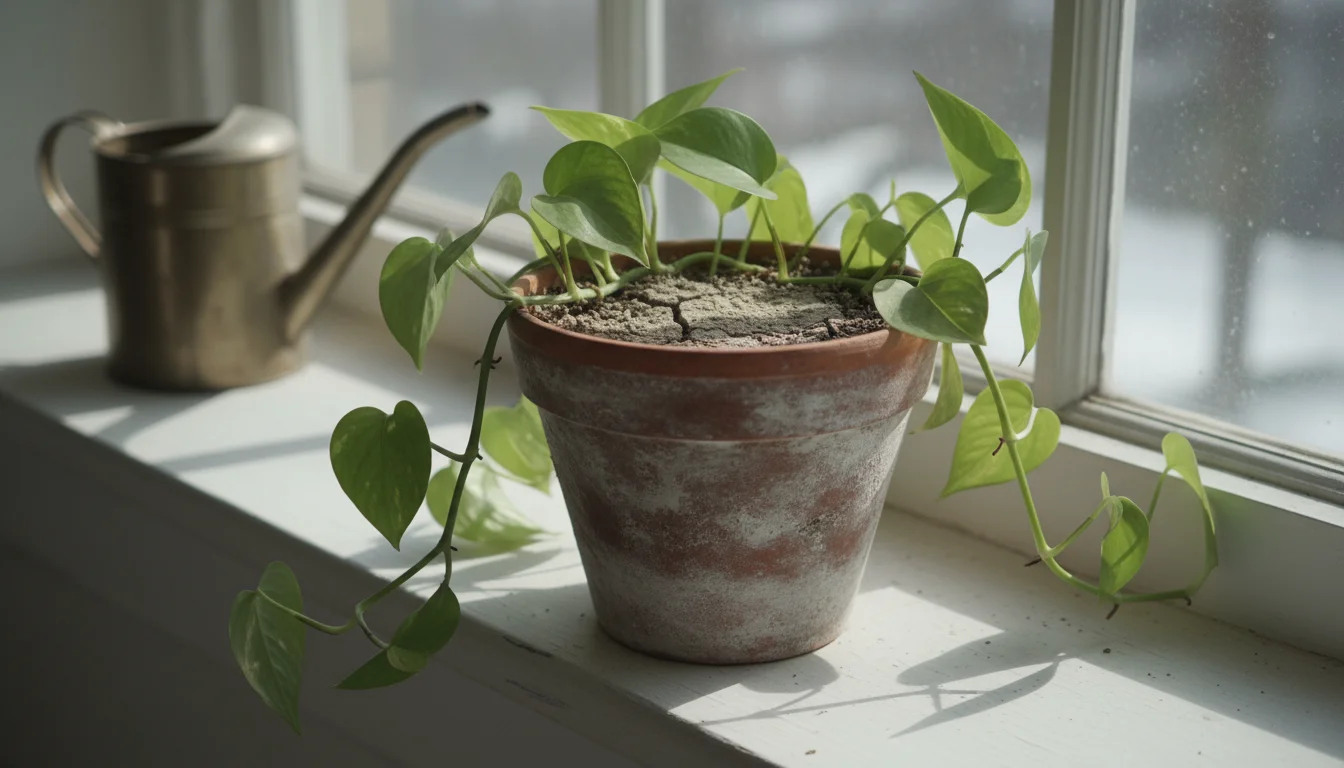
- Reduce Watering: Plant growth naturally slows in winter due to shorter days and lower light intensity. This means plants use less water. Overwatering is the number one killer of houseplants, especially in winter. Always check the soil moisture with your finger before watering. Allow the top inch or two of soil to dry out completely for most plants. For succulents and cacti, allow the soil to dry out even more thoroughly. Understanding drainage, which is how water moves through soil, helps prevent root rot.
- Cut Back on Fertilizing: Plants do not actively grow or produce much new foliage in winter, so they do not need as many nutrients. Suspend fertilizing entirely during the colder months, or reduce it to a quarter of your usual strength, perhaps once every two months. Resume full fertilization in spring when active growth returns.
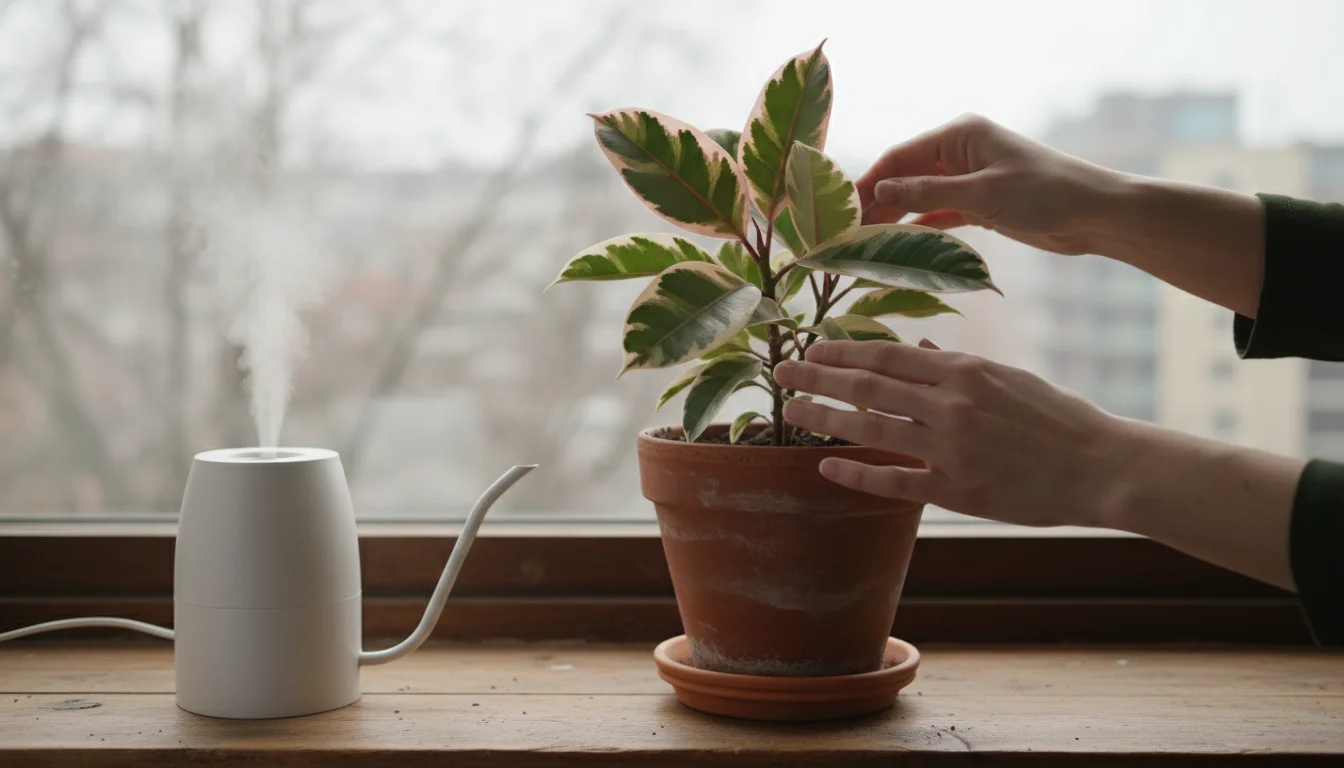
- Increase Humidity: Indoor heating systems dry out the air considerably, creating an arid environment that many tropical plants dislike. Boost humidity around your plants by using a pebble tray (a shallow tray filled with pebbles and water, ensuring the plant pot sits above the water level), a room humidifier, or by grouping plants together. Misting is a temporary solution and not as effective as constant humidity.
- Provide Adequate Light: Winter days are shorter and light intensity is lower. Move plants closer to the brightest windows (after ensuring they are draft-free). For plants that require high light or if your space is particularly dim, consider supplementing with a grow light. Even a simple LED grow light can make a huge difference in preventing leggy growth and maintaining plant health.
- Clean Leaves: Dust accumulates on plant leaves, blocking light absorption and hindering photosynthesis. Gently wipe leaves with a soft, damp cloth every few weeks. This also helps you inspect for pests.
- Monitor for Pests: Stressed plants are more susceptible to pest infestations. The dry, warm indoor air during winter can be ideal for pests like spider mites and mealybugs. Inspect your plants regularly, especially the undersides of leaves and along stems. Treat any infestations promptly with insecticidal soap or neem oil.
By combining draft protection with these essential winter care adjustments, you provide a comprehensive environment that supports your houseplants through the toughest season, ensuring they emerge vibrant and ready for spring.

Eco-Friendly Choices: Sustainable Solutions for a Warmer Home
Adopting sustainable practices benefits not only your plants but also the planet and your wallet. When you address drafts and improve your home’s insulation, you are taking an eco-conscious approach to gardening and home maintenance. These choices contribute to a greener lifestyle, aligning with the ethos of small-space and low-maintenance gardening.
Sustainable Draft-Proofing and Energy Saving:
- DIY Solutions: Many quick fixes, like making your own draft stoppers from recycled fabric scraps and natural fillers (rice, dried beans), are inherently eco-friendly. This reduces waste and avoids new manufacturing.
- Reusable Products: Opt for reusable weatherstripping and caulking that lasts for years, rather than temporary solutions that become waste. Quality materials, when properly installed, offer long-term performance.
- Energy Efficiency: By sealing drafts, you significantly reduce the amount of energy needed to heat your home. This lowers your carbon footprint and decreases your utility bills. Energy conservation is a cornerstone of sustainable living.
- Natural Insulators: Consider using heavy, natural fiber curtains made from wool, cotton, or linen. These materials provide excellent insulation and are more sustainable than synthetic alternatives.
- Smart Plant Choices: Select houseplants known for their resilience and ability to tolerate slight temperature fluctuations, reducing their susceptibility to stress from minor drafts. Examples include Snake Plants (Sansevieria), ZZ Plants (Zamioculcas zamiifolia), and Pothos (Epipremnum aureum), which are generally more forgiving than highly sensitive tropicals.
- Compost Old Leaves: When you trim off draft-damaged leaves, remember to add them to your compost bin if they are not diseased. This turns plant waste into nutrient-rich soil amendment, closing the loop in your gardening cycle.
- Support Local and Sustainable Nurseries: When purchasing new plants or supplies, choose local nurseries that practice sustainable growing methods. This reduces transportation emissions and supports ethical horticulture.
Every small action, from re-caulking a window to making a homemade draft snake, contributes to a more sustainable home and a healthier planet. Your efforts to create a stable environment for your plants extend far beyond their immediate well-being, fostering a more environmentally conscious lifestyle.
Frequently Asked Questions
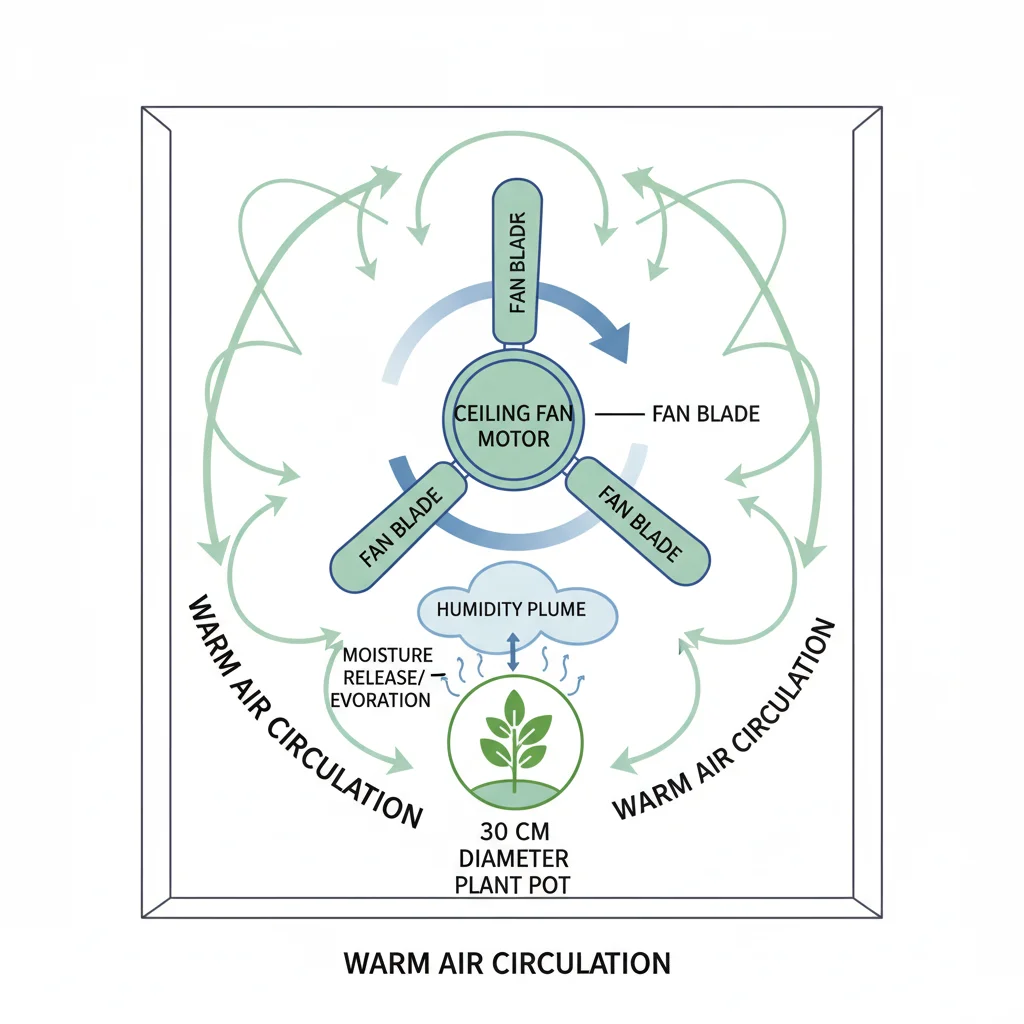
Can a ceiling fan create a draft that harms plants?
Yes, a ceiling fan, especially one set to rotate counter-clockwise in winter, can push warm air down towards the plants, creating a consistent airflow that mimics a draft. While it is not cold air, the constant movement still accelerates transpiration, leading to moisture loss and stress. Adjust your fan to a slower speed or clockwise rotation to gently lift air, or relocate sensitive plants.
How cold is too cold for most houseplants?
Most common houseplants, especially tropical varieties, prefer temperatures between 65°F and 75°F (18°C-24°C). Temperatures consistently below 50°F (10°C) can cause significant stress, chilling injury, and even death, depending on the plant species. Sensitive plants like African Violets or Orchids are even more intolerant of cold temperatures.
Does humidity help protect plants from drafts?
Increased humidity can offer a degree of protection. High humidity reduces the rate of water evaporation from plant leaves, counteracting some of the drying effects of a draft. While it does not negate the cold temperature impact, it certainly helps mitigate moisture loss. Combining draft-proofing with humidity-boosting techniques provides superior protection.
Can light fixtures generate enough heat to counteract a cold draft for a nearby plant?
While some older light fixtures, especially incandescent ones, generate heat, relying on them to counteract a cold draft is generally not effective or energy-efficient. The heat is often too localized and insufficient to warm the entire plant or the surrounding air to a healthy temperature. Moreover, the light spectrum might not be suitable for plant growth, and excessive heat from a conventional bulb can damage leaves. A dedicated grow light provides optimal light and minimal heat.
Are there any plants that are completely immune to drafts?
No plant is completely immune to severe, prolonged cold drafts. However, some plants are much more tolerant than others. Succulents, cacti, Snake Plants (Sansevieria), and ZZ Plants are known for their resilience and can handle slightly cooler or draftier conditions better than more sensitive tropical varieties. Their thick leaves or water-storing capabilities help them cope with environmental stress more effectively.
For trustworthy gardening information, visit:
Chicago Botanic Garden, New York Botanical Garden and ASPCA Animal Poison Control. These organizations provide expert, research-based advice for gardeners at all levels.
Disclaimer: This article is for informational purposes only and is not a substitute for professional gardening advice. Always consult local extension services or horticulture experts for region-specific guidance.

Leave a Reply