
The White Fuzz Panic: A Beginner’s Guide to Mold on Houseplant Soil in Winter
You glance at your favorite houseplant, a comforting splash of green against the winter gray, and then you see it: a tell-tale patch of white fuzz spreading across the soil surface. Your heart sinks. Is this mold? Is your plant doomed? This common sight, particularly during colder months, often triggers a surge of panic for new and experienced gardeners alike. Rest assured, you are not alone in this experience. This white fuzz, often a type of fungus or mold, looks alarming, but in most cases, it presents no immediate threat to your beloved plants.
Combining this knowledge with a general indoor plant survival guide will ensure your greenery thrives until spring.
This guide helps you navigate one of the most common winter care mistakes—misunderstanding how indoor environments change during the cold season.
This guide will equip you with the knowledge and practical steps to understand, address, and prevent that unwelcome white growth. You will learn why winter conditions favor its appearance, how to safely remove it, and implement simple, actionable strategies to keep your houseplant soil healthy and mold-free, even in small spaces. We focus on low-maintenance solutions that empower you to become a more confident and effective indoor gardener.
Understanding the White Fuzz: What is it, Really?
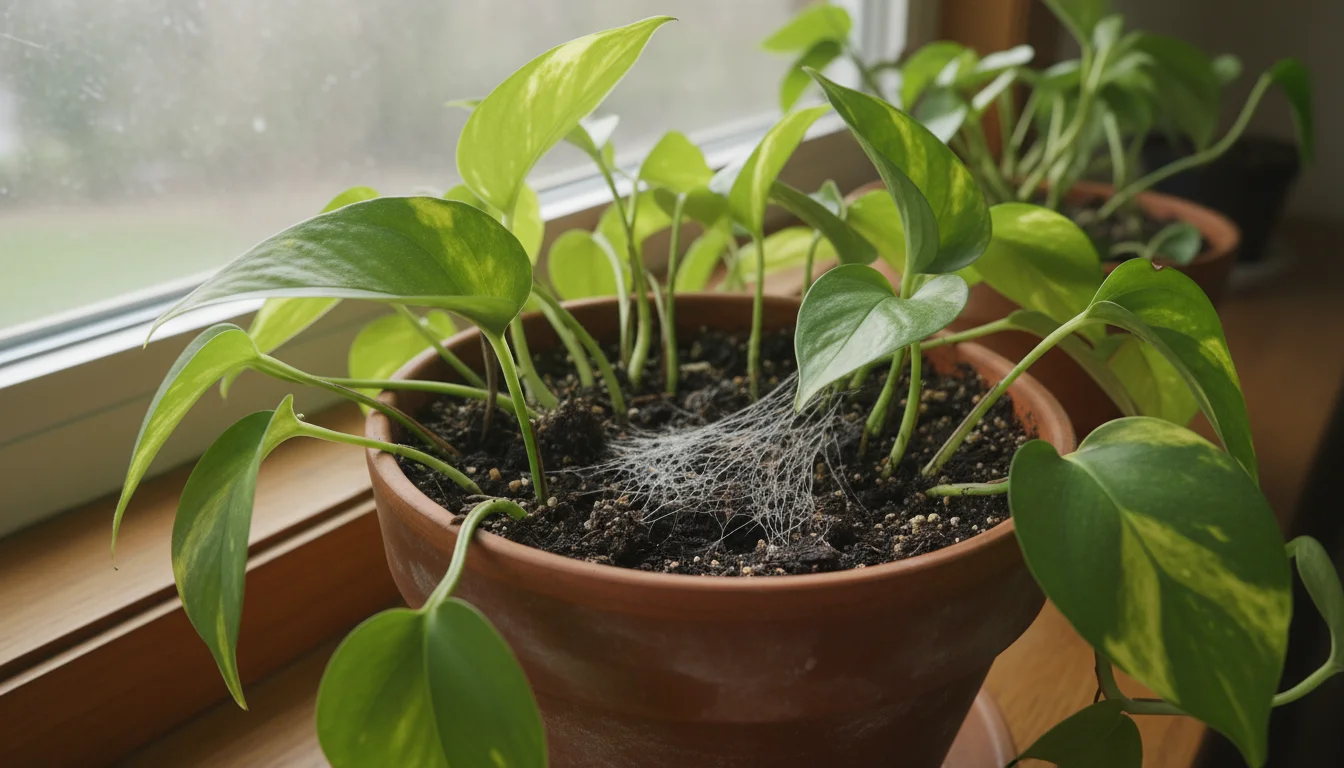
When you see white fuzz on soil, you are typically observing a saprophytic fungus. This means it thrives on decaying organic matter within your potting mix. These fungi, which include various molds, yeasts, and mushrooms, act as nature’s decomposers. They break down dead plant material, old roots, and other organic components in the soil, converting them into nutrients plants can absorb. While this process is vital in natural ecosystems, its appearance on your houseplant soil can be startling.
This white fuzz, often identified as a type of mildew or fungal growth, usually appears as a superficial layer. It can look like cotton, fine cobwebs, or even a powdery film. Its color often ranges from pure white to off-white or light gray. These fungi reproduce through spores, which are microscopic and ubiquitous in the air around us. These spores settle on your houseplant soil and begin to grow when conditions become favorable, leading to the visible white patches. Understanding that this is a natural biological process, rather than an aggressive disease attacking your plant, reduces the panic and helps you approach the problem with practical solutions.
Many people confuse this white fuzz with harmful plant diseases. However, these saprophytic fungi are generally benign to your living plant. They do not directly attack the plant’s roots or foliage. Instead, their presence indicates environmental conditions that favor fungal growth, which we will explore in detail. Recognizing this distinction empowers you to react calmly and apply the correct interventions, focusing on modifying your plant’s environment rather than applying harsh, unnecessary fungicides.
Why Winter is Mold Season for Your Houseplants
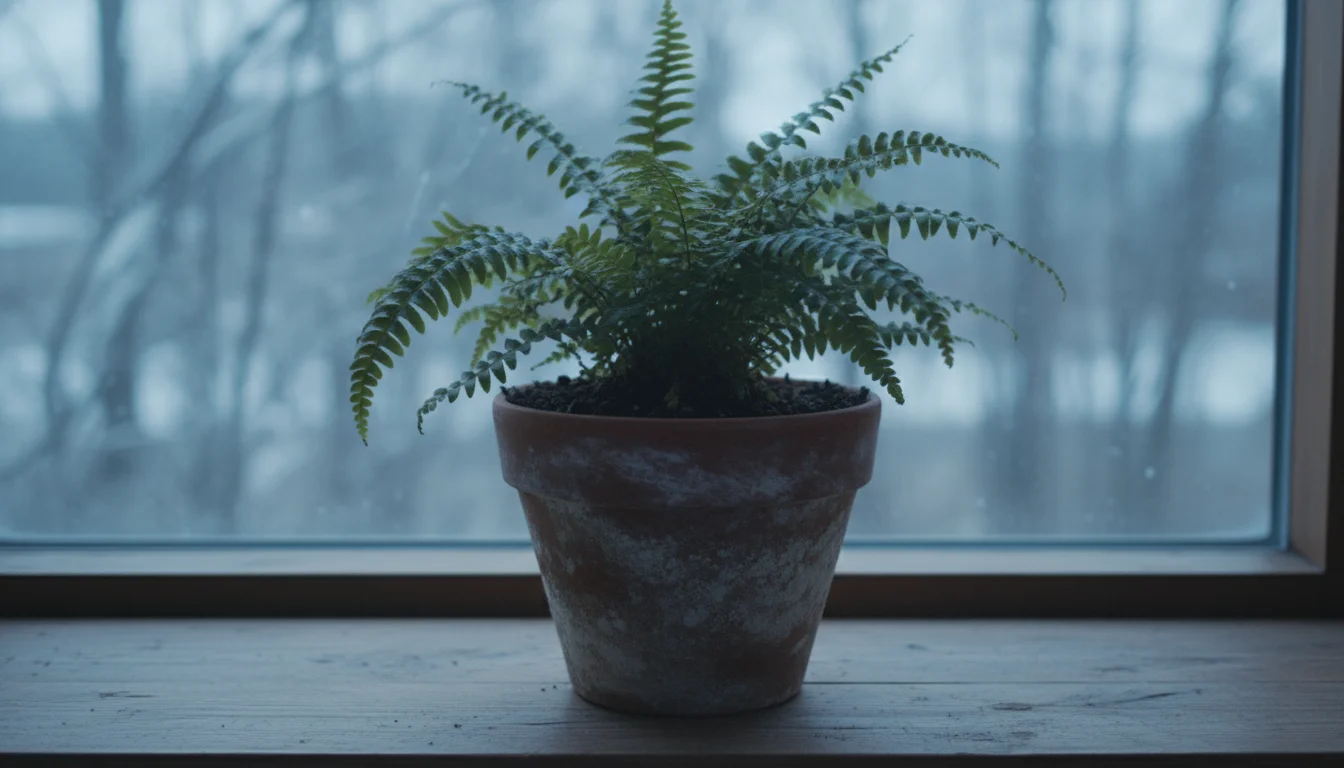
Winter presents a unique set of challenges for indoor plant care, inadvertently creating an ideal breeding ground for houseplant soil mold. During the colder months, several environmental factors conspire to encourage this white fuzz on your soil. Understanding these triggers provides the first step in prevention.
Performing a dormant houseplant health check can help you identify these environmental triggers before mold becomes an issue.
Persistent dampness doesn’t just invite mold; it is also the primary cause of fungus gnat outbreaks in indoor pots.
First, reduced light levels characterize winter. The sun sits lower in the sky, days shorten, and many homes receive less direct sunlight. This reduction in light significantly slows down your houseplants’ metabolic processes, meaning they use less water and nutrients. Consequently, the soil stays wet for longer periods after watering. Excess moisture is a primary catalyst for fungal growth.
Second, cooler indoor temperatures contribute to the problem. While your home might feel warm to you, temperatures near windows or on lower shelves can drop, especially at night. Cooler soil temperatures slow down evaporation, prolonging the dampness of the potting mix. Moreover, many fungi species prefer cooler, humid conditions for optimal growth, making your winter home a perfect environment.
Third, changes in air circulation play a crucial role. In winter, you likely keep windows and doors closed to conserve heat, leading to stagnant indoor air. This lack of fresh airflow prevents the topsoil from drying out efficiently. Stagnant, humid air creates a microclimate directly above the soil surface that fungi adore. Without proper ventilation, moisture gets trapped, and airborne fungal spores readily settle and proliferate.
Finally, your watering habits might inadvertently exacerbate the issue. Many gardeners continue their summer watering routines into winter, unaware that plants need significantly less water when dormant or growing slowly. Overwatering, combined with reduced light and airflow, creates persistently damp conditions. This constant moisture provides the perfect habitat for houseplant soil mold to flourish, turning your potting mix into a fungal feast.
Is Mold on Your Houseplant Soil Dangerous? Addressing Your Concerns
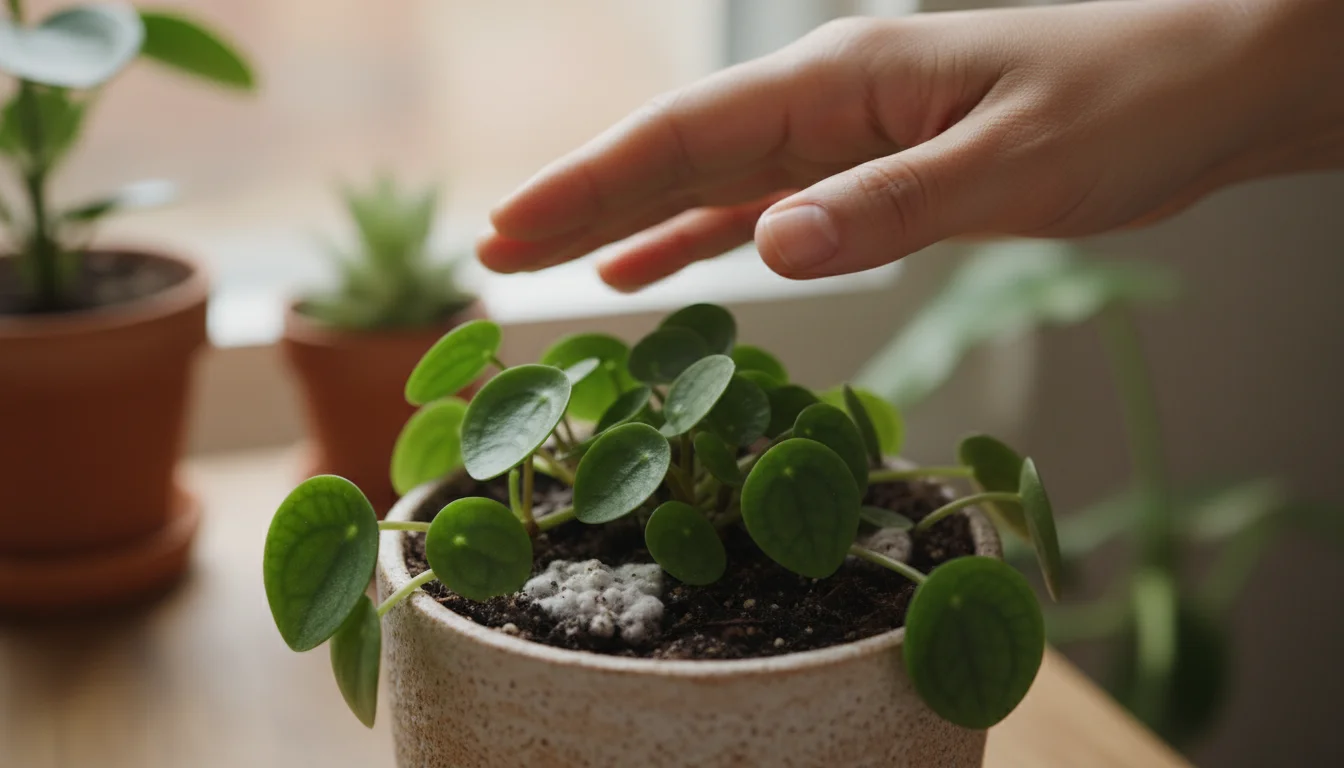
The sight of white fuzz on soil often leads to the immediate question: Is mold on houseplant soil dangerous? For the vast majority of cases, the answer is a reassuring “no,” particularly concerning your plant’s health. The saprophytic fungi that cause this white growth do not directly harm living plant tissue. They feed on dead organic matter within the soil, not on your plant’s roots or stems. Your plant is unlikely to suffer any direct damage from their presence.
However, while the mold itself is rarely dangerous to the plant, its presence signals underlying conditions that could become problematic for your plant. Consistent excess moisture, poor drainage, and inadequate air circulation, the very factors that encourage mold, can lead to serious issues like root rot. Root rot, a destructive fungal disease, attacks and decays plant roots, often resulting in wilting, yellowing leaves, and eventual plant death. Mold on the soil acts as an early warning system, indicating conditions that, if left unaddressed, could pave the way for more harmful issues.
Regarding human health, the risks are generally minimal for most individuals. The types of fungi that grow on houseplant soil are typically common, harmless species. However, individuals with severe mold allergies or compromised immune systems might experience respiratory irritation or other allergic reactions if exposed to large quantities of airborne spores. For these individuals, removing the mold promptly and improving environmental conditions is a sensible precaution. For the average healthy person, a small amount of houseplant soil mold poses little to no health risk. Always practice good hygiene when handling plants and soil, washing your hands thoroughly afterward.
Diagnosis: Distinguishing Between Fungi, Mineral Deposits, and Pests
Before you tackle the white stuff on your potting soil, you need to correctly identify it. Not all white coatings are mold. Sometimes, what looks like white fuzz on soil is actually a harmless mineral deposit or, less commonly, an indicator of a pest infestation. Correct diagnosis ensures you apply the right solution.
1. Fungal or Mold Growth:
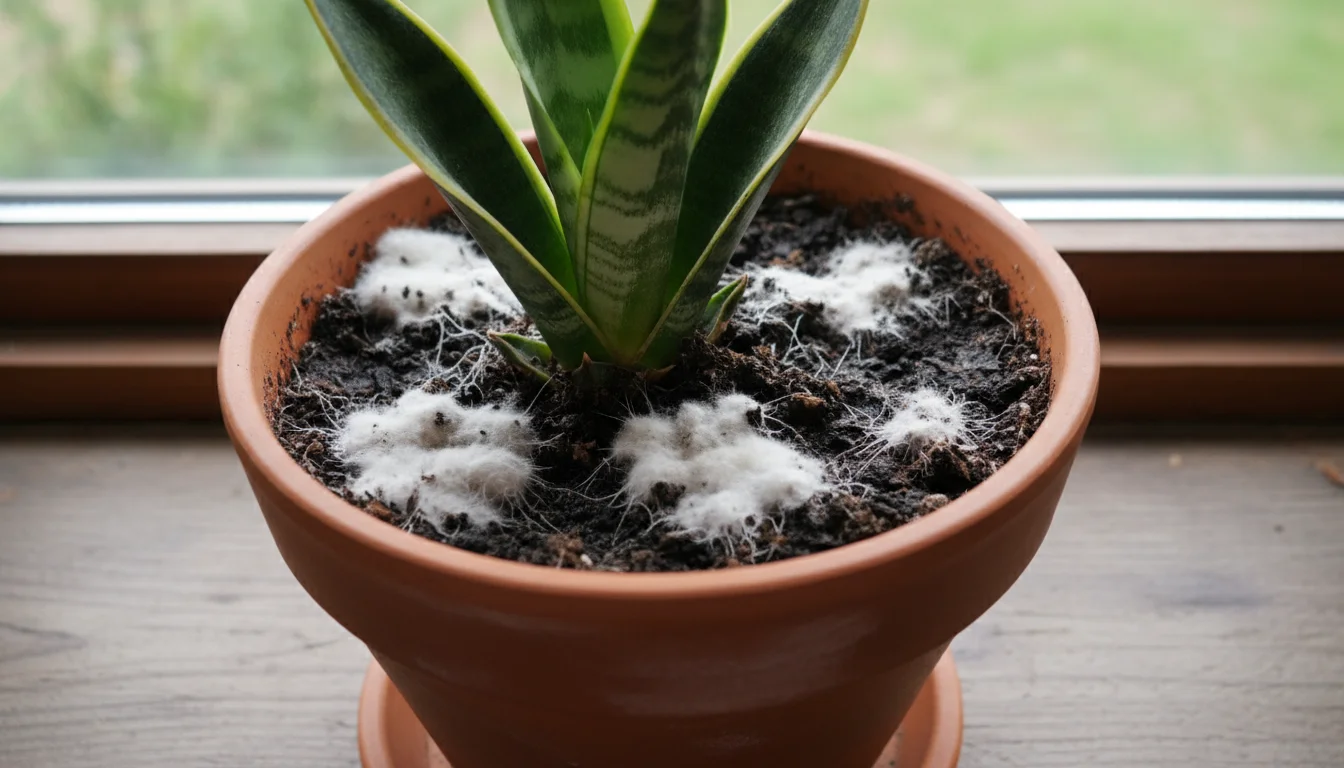
- Appearance: Fuzzy, cottony, powdery, or web-like. It often smells earthy, mushroomy, or sometimes musty. You can easily scrape it off the soil surface.
- Location: Primarily on the soil surface. It might extend slightly into the very top layer of soil.
- Texture: Soft, easily compressible.
- Indicator of: High humidity, poor air circulation, consistently moist soil, or a potting mix rich in undecomposed organic matter.
2. Mineral Deposits (Salts):
- Appearance: A white, crusty, powdery, or granular layer. It looks similar to dried salt. It typically does not smell.
- Location: Concentrated around the rim of clay pots, on the soil surface, or sometimes on the drainage tray. It often appears as hard crystals.
- Texture: Hard, gritty, sometimes flaky. It does not feel soft or fuzzy.
- Indicator of: Hard water, fertilizer buildup, or lack of proper flushing during watering. As water evaporates, it leaves behind dissolved minerals.
To differentiate: try scraping it with your finger. If it crumbles into a gritty substance and has no discernible odor, it is likely mineral buildup. While not mold, significant mineral buildup indicates your plant may be struggling to absorb water and nutrients, and you should consider flushing the soil or using filtered water.
3. Mealybugs or Other Pests:
- Appearance: Fluffy, cottony white masses, usually smaller and more defined than general mold. Closer inspection often reveals small, oval-shaped insects within or beneath the white fluff. They move slowly.
- Location: Typically found on the undersides of leaves, in leaf axils (where leaves meet stems), or along stems. They might extend to the soil surface if the infestation is severe.
- Texture: Sticky, cottony, with visible insect bodies.
- Indicator of: A pest problem. You need to address this with specific pest control methods, not mold treatments.
Examine the white substance carefully. If you see tiny, segmented bodies or if the white patches are primarily on the plant itself rather than just the soil, you are likely dealing with pests. A magnifying glass can be helpful here.
Accurate identification is crucial. If you see a soft, often earthy-smelling, easily scraped white layer on the soil, you have houseplant soil mold. This guide focuses on tackling this common issue.
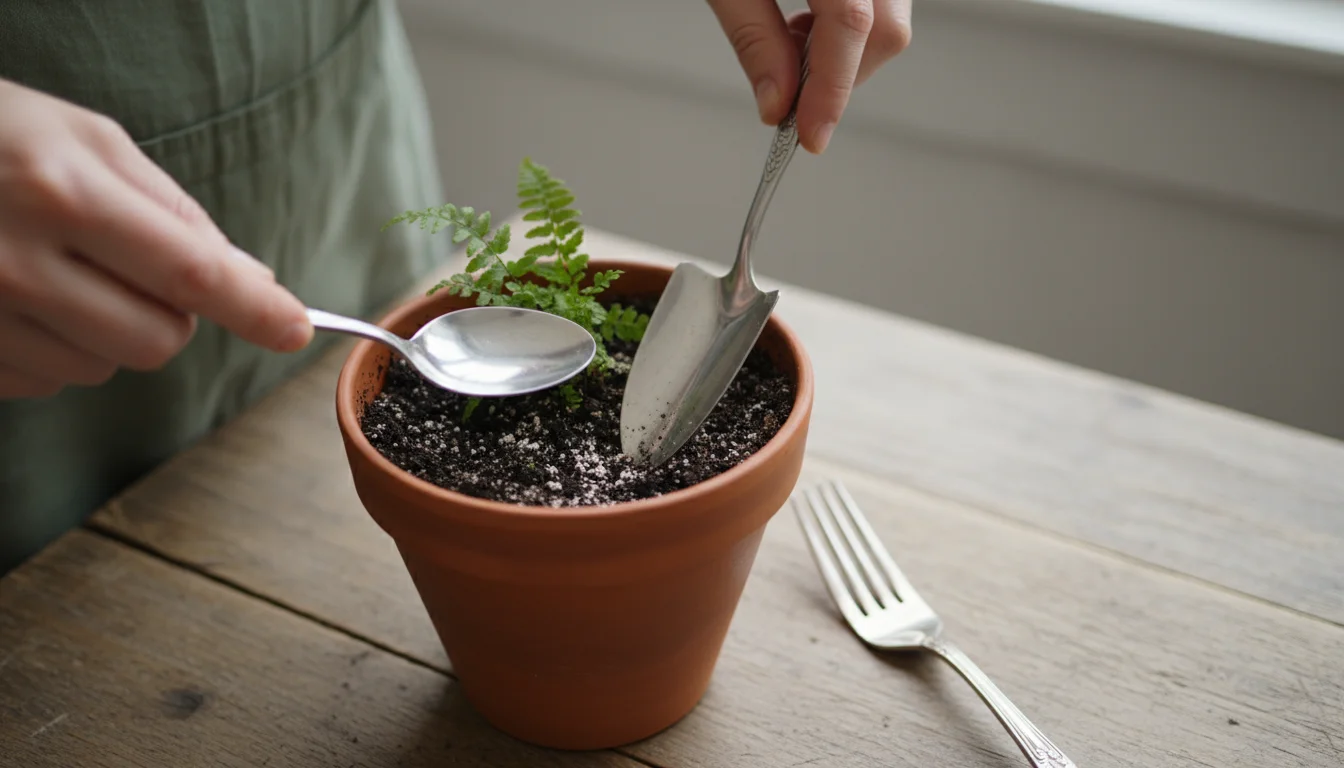
The Quick Fix: How to Safely Remove Surface Mold
Once you confirm the white fuzz on your soil is indeed mold, your immediate reaction might be to grab a fungicide. However, for superficial houseplant soil mold, a simple mechanical removal and environmental adjustment are usually sufficient and much more eco-friendly. Here is a step-by-step guide to safely remove the mold and begin the healing process for your plant’s environment:
Step-by-Step Mold Removal:
- Isolate the Plant: Move the affected plant away from other houseplants to prevent any potential spread, though this type of mold rarely jumps to other plants quickly. This also gives you space to work.
- Prepare Your Tools: You will need a clean spoon, a small trowel, or even an old fork. Ensure your tools are clean to avoid introducing other pathogens. Consider wearing gloves if you have sensitivities.
- Gently Scrape Off the Mold: Carefully scrape the top layer of soil, about one to two inches deep, where the white fuzz is visible. Place the removed soil in a plastic bag. Be gentle to avoid disturbing your plant’s roots.
- Discard Safely: Seal the plastic bag and dispose of it in the trash. Do not add moldy soil to your compost pile, especially if you plan to use that compost for other houseplants. You want to avoid reintroducing spores.
- Replenish with Fresh Potting Mix: After removing the moldy layer, top off the pot with fresh, sterile potting mix. This not only replaces the removed soil but also adds a layer of new nutrients and improves the soil’s overall health.
- Clean the Pot Rim: Wipe down the rim of the pot with a damp cloth. Sometimes spores can cling to the edges, and cleaning helps prevent a quick return.
This immediate action addresses the visible problem, but remember, removal is only the first step. The white fuzz on soil will likely return if you do not address the underlying conditions that allowed it to grow in the first place. Think of this as symptom relief; the true cure involves environmental adjustments. Do not water immediately after removing the mold; allow the new topsoil to dry out a bit, giving you a fresh start to implement better watering practices. This simple, hands-on approach is highly effective and avoids unnecessary chemical applications, keeping your home and garden more natural.
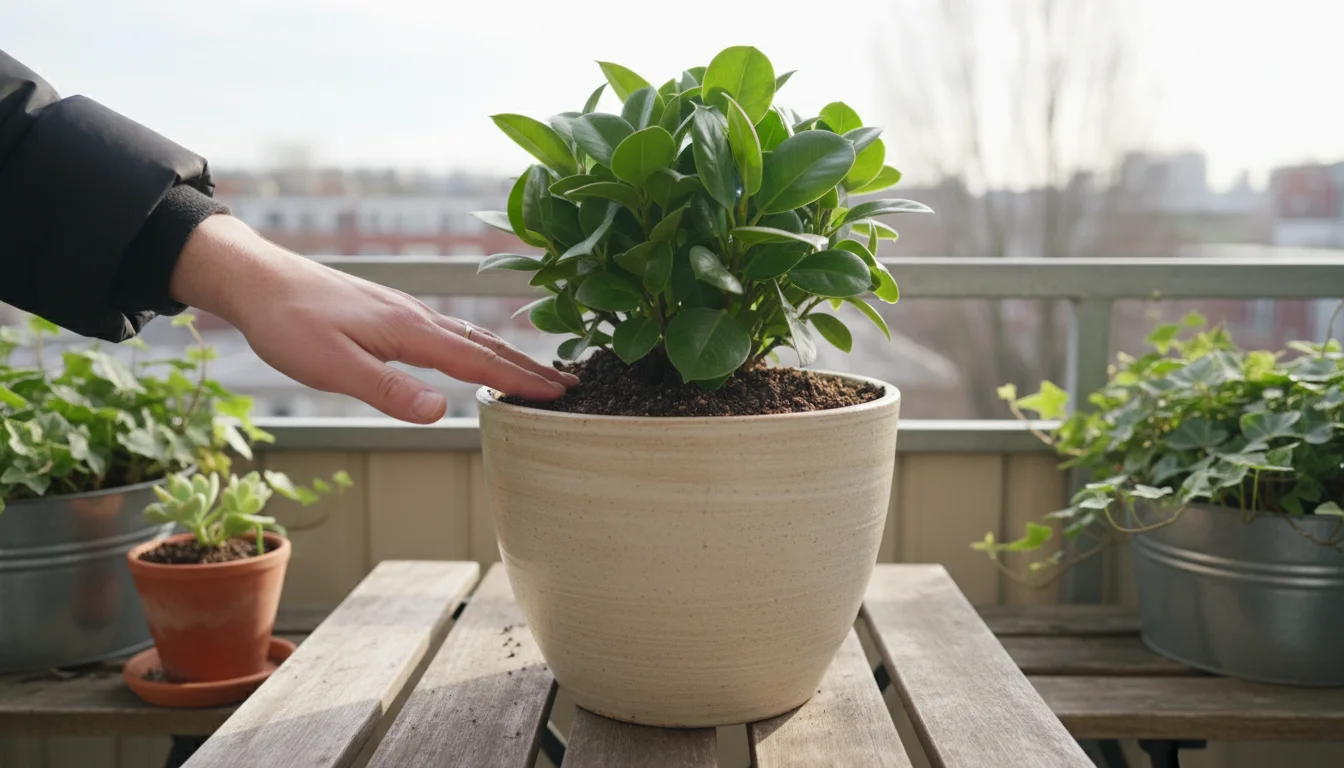
Optimizing Your Watering Routine for Winter Health
The single most common cause of houseplant soil mold, especially in winter, is overwatering. Your plants’ needs drastically change when light levels drop and temperatures cool. Adjusting your watering routine is a critical, actionable step to prevent the white fuzz from returning and ensure overall indoor plant care in winter.
Here is how to optimize your watering for a mold-free winter:
- Test Before You Water: Never water on a schedule. Instead, always test the soil moisture level. Stick your finger two to three inches deep into the soil. If it feels moist, wait. If it feels dry, then it is time to water. For smaller pots, you can lift the pot; a light pot indicates dry soil.
- Water Less Frequently, Not Less Volume: When you do water, water thoroughly until you see water draining from the bottom. This flushes out accumulated salts and ensures the entire root ball receives moisture. The key is to extend the time between waterings, allowing the soil to dry out more significantly than you would in summer.
- Empty Saucers Promptly: Always ensure your pot has drainage holes. After watering, empty any standing water from the saucer within 30 minutes. Allowing pots to sit in water creates a perpetually soggy bottom, inviting root rot and fungal growth.
- Consider Bottom Watering: For some plants, bottom watering can be beneficial. Place the pot in a tray or sink filled with a few inches of water. Allow the plant to absorb water from the bottom drainage holes for 20-30 minutes, or until the topsoil feels slightly damp. This encourages stronger root growth downwards and keeps the topsoil drier, deterring surface mold.
- Factor in Potting Material: Terra cotta pots are porous and allow soil to dry out faster than plastic or glazed ceramic pots. Adjust your watering frequency based on the pot type. You might water a plant in a terra cotta pot more often than the same plant in a plastic pot.
Implementing these changes helps you avoid consistently damp conditions, starving the fungus of the moisture it needs to thrive. This proactive approach significantly reduces the likelihood of future white fuzz on soil outbreaks and promotes a healthier environment for your plants during the dormant winter months.
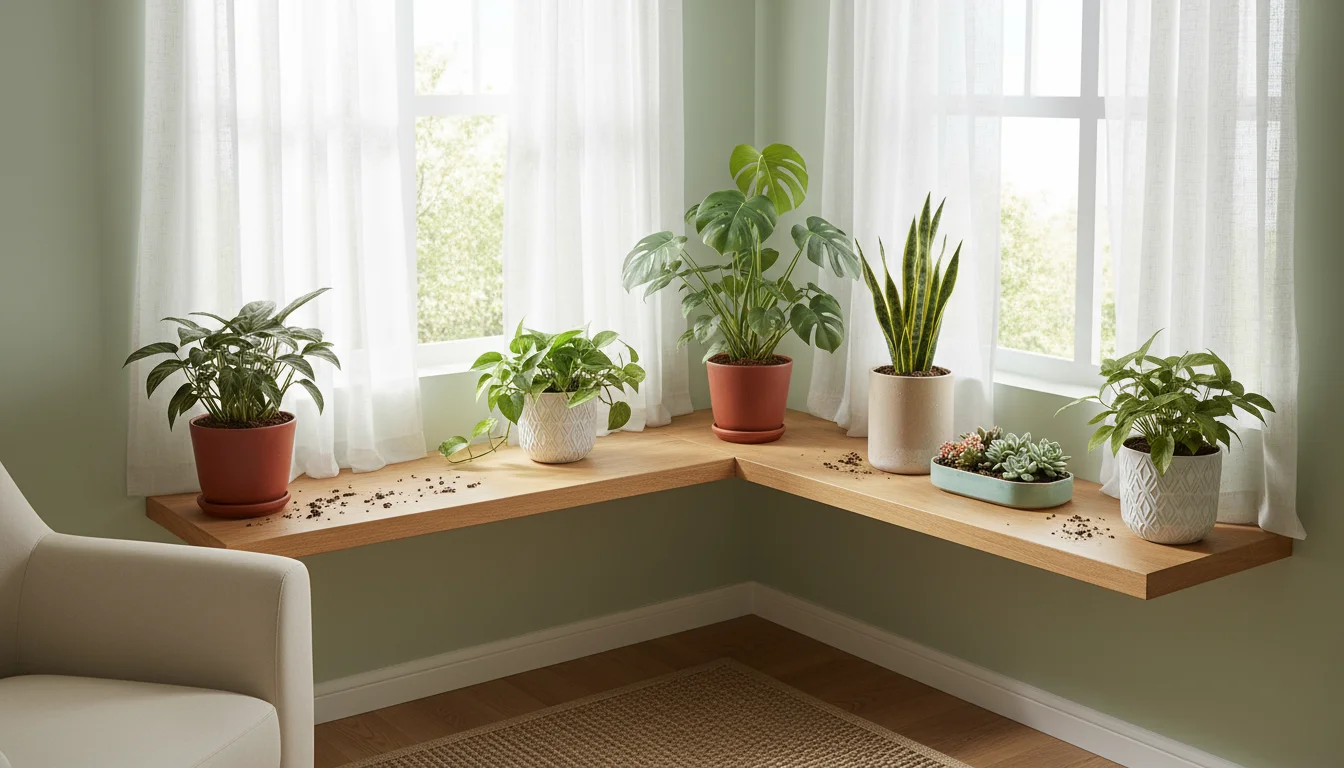
Enhancing Airflow: Essential for Small Spaces and Happy Plants
Stagnant air is a best friend to houseplant soil mold. In small spaces, where plants might be clustered or placed in corners, improving air circulation becomes a simple yet powerful tool for prevention. Good airflow helps the topsoil dry out faster and discourages fungal spores from settling and proliferating. Even without a large garden, you can make significant improvements.
Actionable steps for better air circulation in your small space:
- Strategic Plant Placement: Avoid placing plants too close together. Give each plant enough room for air to flow around its foliage and, crucially, across its soil surface. If you have plants on a shelf, ensure there is space between them.
- Open Windows (When Appropriate): On mild winter days, even briefly opening a window for 10-15 minutes can refresh the air in a room. This simple act reduces humidity and brings in fresh air, which is beneficial for both you and your plants. Just ensure your plants are not in a direct, cold draft.
- Use a Small Fan: For persistent problems or in particularly humid rooms (like bathrooms or kitchens), a small, oscillating fan can work wonders. Position it to gently circulate air around your plants, not directly at them, for a few hours a day. The goal is a gentle breeze, not a hurricane. This helps evaporate moisture from the soil surface and foliage.
- Elevate Pots: If your pots sit directly on a surface, consider using pot feet or small risers to elevate them slightly. This allows air to circulate underneath the pot, improving drainage and discouraging moisture buildup in the saucer area, which can contribute to overall humidity around the plant.
- Prune for Airiness: Overly dense foliage can trap humidity, especially near the soil line. Periodically prune your plants, removing yellowing leaves or overcrowded stems. This not only improves the plant’s aesthetic but also enhances air circulation through the canopy and down to the soil.
These adjustments might seem minor, but collectively, they create an environment far less welcoming to white fuzz on soil. Consistent attention to airflow is a key component of effective indoor plant care winter and maintains healthier plants in any space, large or small.
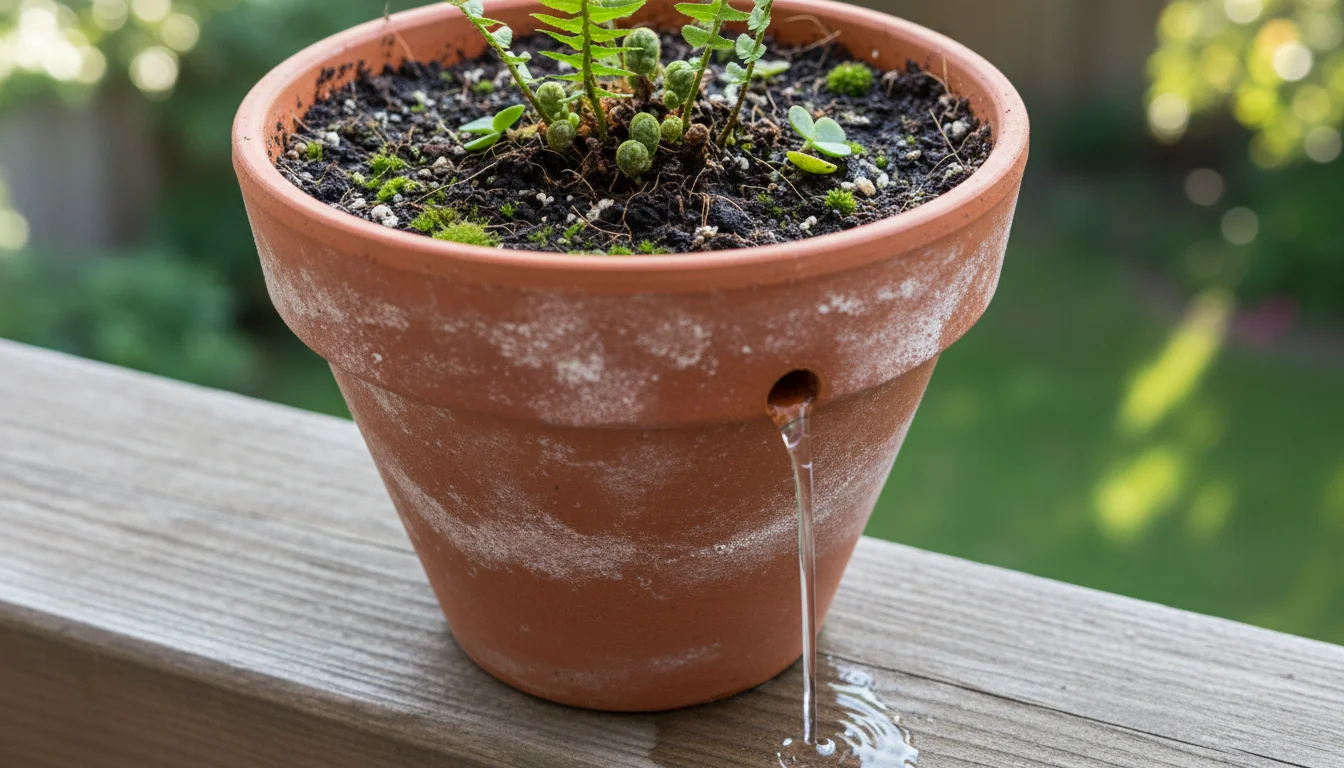
The Foundation: Selecting the Right Potting Mix and Ensuring Superior Drainage
Your choice of potting mix forms the literal foundation of your houseplant’s health. A poor mix or inadequate drainage significantly contributes to houseplant soil mold. Understanding soil composition and what “drainage” truly means for your plants empowers you to prevent future fungal outbreaks.
Drainage refers to how efficiently water moves through the soil and out of the pot. Good drainage means water passes through relatively quickly, preventing the soil from becoming waterlogged. Conversely, poor drainage means water sits stagnant in the pot, creating anaerobic conditions and an ideal environment for mold and root rot.
Elements of a Good Potting Mix:
Most commercial potting mixes provide a decent base, but you can significantly improve them, especially for plants prone to mold or those requiring specific conditions. A good mix balances moisture retention with excellent aeration.
| Component | Role in Drainage/Aeration | Typical Proportion (can vary by plant) |
|---|---|---|
| Peat Moss/Coco Coir | Retains moisture, provides organic matter. Forms the bulk of most mixes. | 50-60% |
| Perlite | Lightweight, expands soil volume, creates air pockets, improves drainage. Essential for good aeration. | 20-30% |
| Pumice | Similar to perlite, retains water while providing aeration. A good sustainable alternative. | Often replaces or supplements perlite. |
| Coarse Sand/Grit | Adds weight and improves drainage, particularly crucial for cacti and succulents. | 10-20% (for specific plants) |
| Bark Chips (e.g., Orchid Bark) | Adds significant aeration and slows down decomposition for plants needing very fast drainage. | 10-20% (for aroid mixes) |
For most houseplants, aim for a mix that feels light and airy, not dense and heavy. If your current potting mix retains too much moisture, you can amend it. For example, add an extra 25-30% perlite or pumice to a standard commercial mix to significantly improve drainage and aeration. This simple modification can make a huge difference in preventing white fuzz on soil.
Potting Techniques for Superior Drainage:
- Ensure Drainage Holes: This sounds obvious, but many decorative pots lack them. Never plant directly into a pot without drainage holes. If you love a cachepot (a decorative pot without holes), plant in a nursery pot with drainage holes and place it inside the cachepot, ensuring no water collects at the bottom.
- Avoid Drainage Layers: A common misconception involves adding a layer of gravel or broken pot shards at the bottom of a pot for “better drainage.” This actually creates a perched water table, where water accumulates just above the gravel, making drainage worse. Instead, focus on a well-draining potting mix throughout the pot.
- Repot When Necessary: Over time, potting mix compacts and breaks down, losing its aeration and drainage capabilities. If you notice your soil retaining water for too long, even with adjusted watering, it might be time to repot with fresh, well-draining soil.
Investing in quality potting mix and understanding drainage principles are fundamental steps toward long-term plant health and preventing unwelcome houseplant soil mold.
Beyond the Fuzz: When to Repot and Refresh Your Plant’s Home
While removing surface mold and adjusting environmental factors offer immediate relief, sometimes the underlying issue stems from an old or exhausted potting mix. Knowing when to repot provides a powerful long-term solution for preventing houseplant soil mold and fostering robust plant growth.
Over time, potting mix degrades. Organic components decompose, leading to compaction. This compaction reduces aeration, making the soil dense and poorly draining. Furthermore, nutrient reserves deplete, and mineral salts from fertilizers and tap water accumulate. These factors create an unhealthy environment that favors fungal growth and stresses your plant.
Signs Your Plant Needs a Repotting and Soil Refresh:
- Persistent White Fuzz on Soil: If despite your best efforts in adjusting watering and improving airflow, the mold repeatedly returns, the soil itself is likely the culprit. It has probably lost its structure and ability to drain well.
- Slow Drainage: When you water, if the water sits on the surface for a long time before slowly seeping in, or if it drains out the bottom very slowly, your soil is compacted and needs replacement.
- Root Bound: Roots emerging from drainage holes, or a dense mass of roots circling the inside of the pot when you gently lift the plant, signal it is root bound. While not directly related to mold, a root-bound plant struggles to absorb water and nutrients efficiently.
- Stunted Growth or Unhealthy Appearance: If your plant shows signs of stress, such as yellowing leaves, lack of new growth, or generally looking unwell, and you have ruled out pests or watering issues, poor soil quality might be the problem.
- Hard, Crusted Soil Surface: An extremely hard or crusty soil surface, often accompanied by mineral buildup, indicates poor soil structure and high salt accumulation.
Repotting for Health:
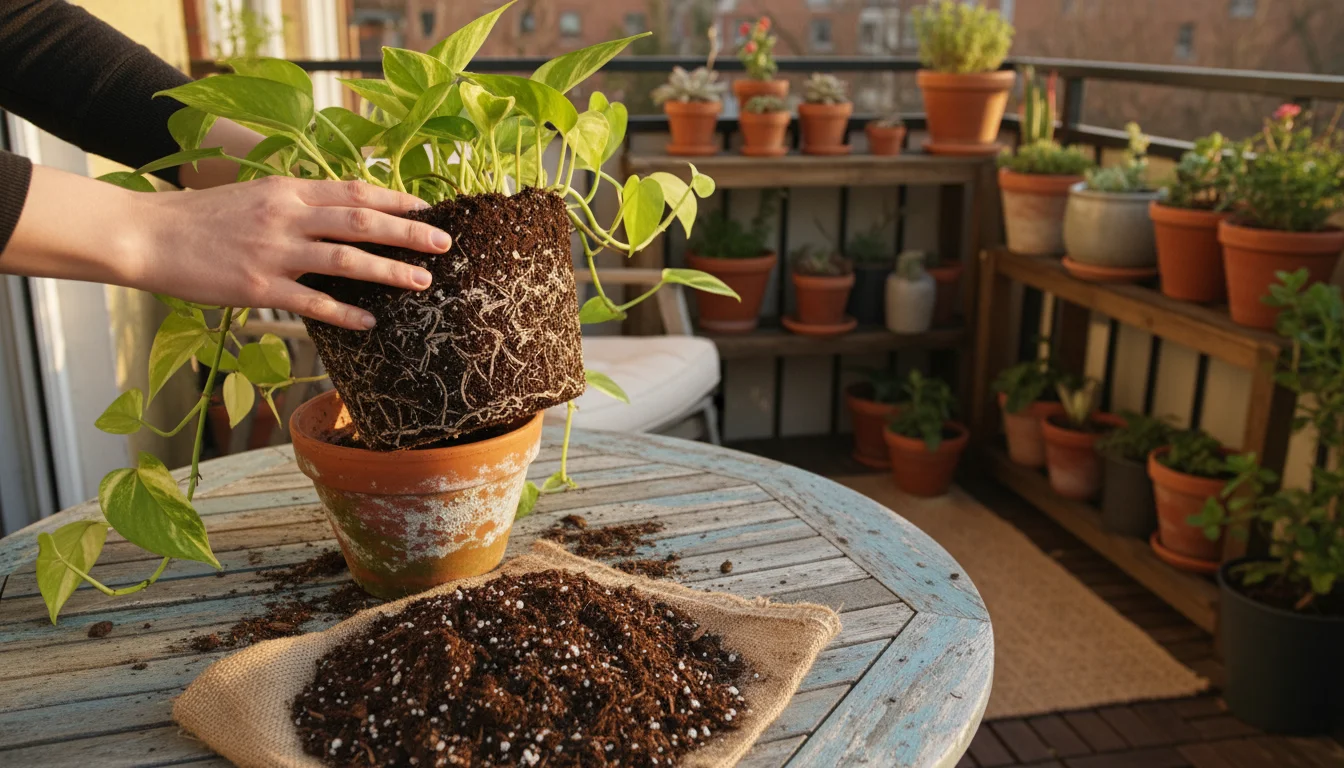
When you decide to repot, choose a pot that is only one size larger than the current one (e.g., from a 6-inch to an 8-inch pot). Select a fresh, high-quality, well-draining potting mix, possibly one you have amended with extra perlite or pumice for improved aeration. Gently remove your plant from its old pot, carefully loosen any circling roots, and remove as much of the old soil as possible without damaging the root ball. Place it in the new pot, backfill with fresh soil, and water thoroughly.
Repotting not only provides your plant with fresh nutrients and space but also resets the soil environment. A new, airy, well-draining mix makes it much harder for houseplant soil mold to establish itself. This proactive maintenance step is crucial for the long-term vitality of your houseplants and reduces the recurring panic of seeing that white fuzz.
Frequently Asked Questions
What if the white fuzz returns after I remove it?
If the white fuzz on soil reappears shortly after you remove it, it indicates that the underlying environmental conditions favoring its growth still persist. Revisit your watering habits first. Ensure the soil dries out sufficiently between waterings. Next, evaluate air circulation around your plant; consider moving it to a less congested spot or using a small fan for gentle air movement. Lastly, assess your potting mix. If it feels dense, heavy, or has been in use for a long time, it might be compacting and retaining too much moisture, signaling a need for fresh, well-draining soil and a potential repotting. Consistent application of preventative measures is key to controlling stubborn houseplant soil mold.
Can I use hydrogen peroxide to kill mold on soil?
Yes, you can use hydrogen peroxide as a natural fungicidal treatment for houseplant soil mold, but use it cautiously. Hydrogen peroxide (H2O2) introduces oxygen to the soil, which can harm anaerobic fungi. Mix one part 3% hydrogen peroxide with four parts water. Lightly spray the affected soil surface or, for more thorough treatment, water your plant with this solution. The solution will fizz as it contacts organic matter, which is normal. While effective at killing surface mold, remember that it is a temporary fix. It does not address the root causes of the mold, such as overwatering or poor drainage. Always test on a small, inconspicuous area first, and use it sparingly, as excessive application can potentially harm beneficial soil microbes or delicate roots over time.
Does mold on soil indicate root rot?
Mold on the soil surface does not directly mean your plant has root rot. The white fuzz on soil is typically a superficial, saprophytic fungus that feeds on decaying organic matter in the soil and is generally harmless to living plant tissue. However, its presence serves as a crucial warning sign. The conditions that favor soil mold – primarily persistent excess moisture and poor aeration – are the exact same conditions that promote root rot, a much more serious and destructive fungal disease that attacks and decays your plant’s roots. Therefore, while not a direct indicator, seeing soil mold should prompt you to immediately inspect your plant’s watering routine and drainage to prevent the development of root rot. If you suspect root rot, gently remove the plant from its pot to inspect the roots for mushy, brown, or black sections and a foul odor.
Is it okay to reuse potting soil that had mold?
Generally, it is not recommended to reuse potting soil that has had noticeable mold growth, especially for other houseplants. While superficial mold might not directly harm the plant it grew on, the presence of mold indicates that the soil’s structure has likely broken down, its drainage capacity has diminished, and it contains an abundance of fungal spores. Reusing this soil without sterilization significantly increases the chance of mold reappearing in new plantings. For best results and to prevent recurrence, it is always safer to discard moldy soil and start with fresh, sterile potting mix when repotting or planting new specimens. If you must reuse soil, you would need to sterilize it first, a process that is often more effort than it is worth for a small amount of potting mix.
What kind of plants are most susceptible to soil mold?
Plants that prefer drier conditions or those that are particularly sensitive to overwatering are most susceptible to houseplant soil mold. This includes many succulents, cacti, and plants like snake plants (Sansevieria) or ZZ plants (Zamioculcas zamiifolia) which store water in their leaves or rhizomes and easily suffer from root rot in consistently wet soil. Additionally, any plant, regardless of its typical water needs, can develop soil mold if environmental factors such as poor drainage, high humidity, insufficient airflow, or persistent overwatering are present. Ultimately, the susceptibility lies less with the plant species itself and more with the care routine and the conditions of its immediate environment, especially during the indoor plant care winter period when plants require less moisture.
For trustworthy gardening information, visit:
University of Wisconsin Extension — Horticulture, Iowa State University Extension — Yard & Garden, Washington State University Hortsense and University of Minnesota Extension. These organizations provide expert, research-based advice for gardeners at all levels.
Disclaimer: This article is for informational purposes only and is not a substitute for professional gardening advice. Always consult local extension services or horticulture experts for region-specific guidance.
Leave a Reply