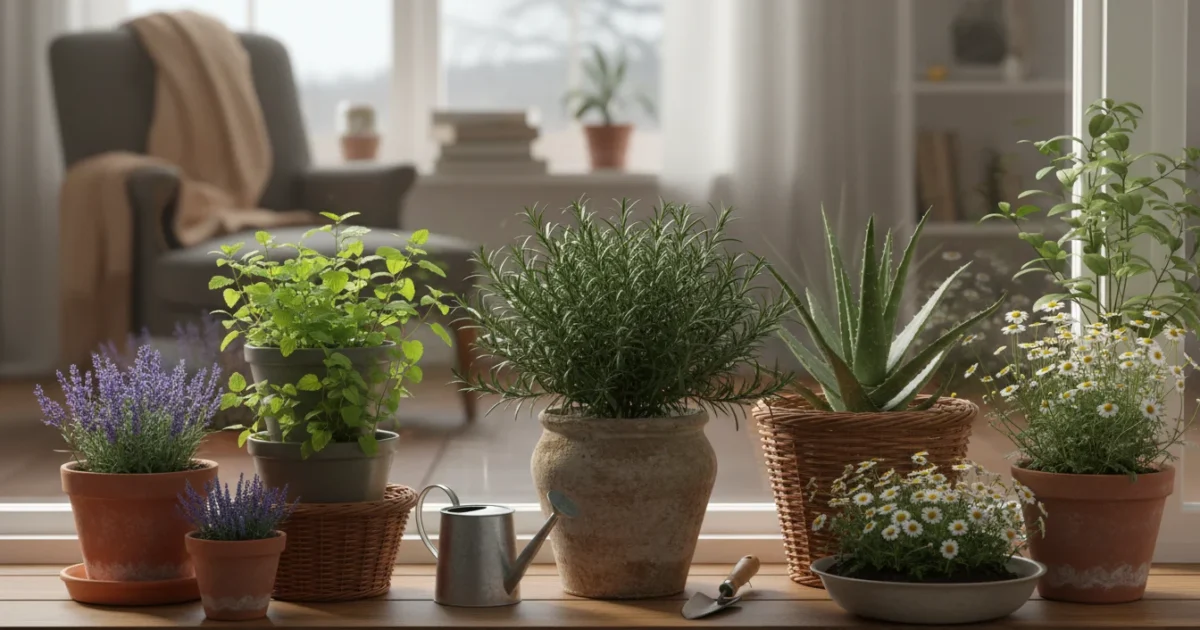
As colder months approach, the vibrant energy of summer gardens fades, leaving many gardeners longing for fresh, green life. But who says your gardening journey must pause? Imagine stepping into your kitchen, the crisp winter air outside, and plucking fresh, aromatic leaves from a thriving indoor herb garden right on your windowsill. This isn’t just a dream; it’s an achievable reality. Cultivating a “windowsill apothecary” allows you to bring the healing power of nature indoors, ensuring you have access to fresh ingredients for soothing winter wellness teas, regardless of the weather outside.
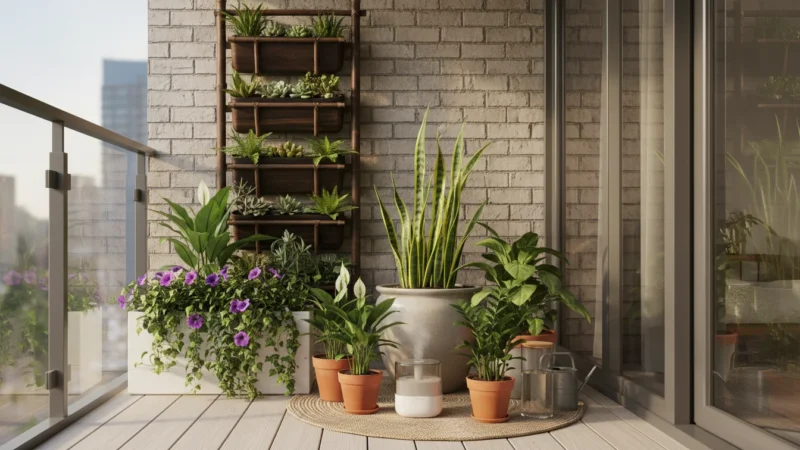
For those with limited space, whether you live in an apartment, a small home, or simply want to maximize your patio or balcony, windowsill gardening offers a practical and rewarding solution. This guide empowers you to transform a sunny spot into a year-round source of beneficial herbs. We will explore five easy-to-grow medicinal herbs perfect for a beginner, detailing their care, harvesting, and how to prepare them for comforting teas. Get ready to embrace the joy of growing herbs for tea and elevate your winter wellness regimen with fresh, home-grown goodness.

Cultivating Your Indoor Apothecary: Why Grow Medicinal Herbs Indoors?
Creating your own windowsill apothecary offers numerous advantages, particularly as you prepare for winter gardening. The benefits extend far beyond simply having beautiful plants in your home. You gain consistent access to fresh ingredients, which retain higher levels of beneficial compounds compared to dried, store-bought alternatives that may have lost potency over time. This continuous supply is crucial for winter wellness, allowing you to brew soothing teas at a moment’s notice.
Think about the cost savings. A small investment in seeds or starter plants quickly pays for itself as you avoid recurring purchases of herbal teas or dried herbs. Moreover, growing your own provides complete control over the cultivation process. You decide exactly what goes into your plants, ensuring they are free from pesticides and harmful chemicals. This commitment to organic practices directly benefits your health and the environment.
For those with limited space, an easy medicinal herb garden for beginners on a windowsill is incredibly efficient. It doesn’t require a yard, elaborate raised beds, or extensive outdoor planning. A bright window, a few pots, and a little consistent care are all you need to start. This approach makes fresh, potent herbs accessible to everyone, regardless of living situation.
Beyond the practical advantages, the act of gardening itself provides therapeutic benefits. Nurturing plants, observing their growth, and harvesting your own ingredients can reduce stress and foster a deeper connection to nature, even when you are indoors. This holistic approach supports both your physical well-being and mental health during the often challenging winter months.

Essential Ingredients for a Thriving Indoor Herb Garden
Success with your indoor herb garden begins with understanding and providing the fundamental needs of your plants. These elements are not complex, but they are crucial for robust growth and plentiful harvests.
Light: The Energy Source
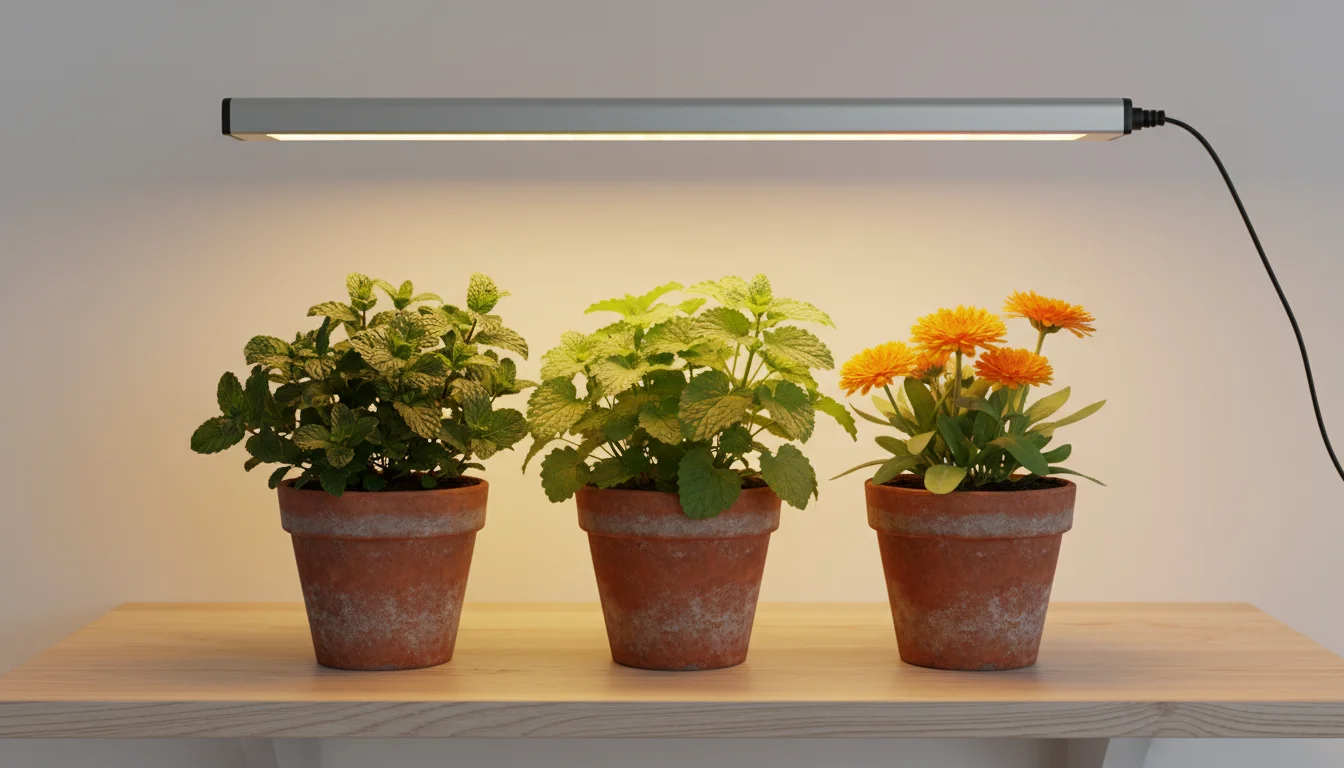
Most medicinal herbs, especially those for tea, require abundant light. A south-facing window is ideal, providing several hours of direct sunlight each day. East or west-facing windows can also work, but they may offer less intense light. If natural light is insufficient, especially during shorter winter days, consider supplementing with a grow light. LED grow lights are energy-efficient and effective. Position them a few inches above your plants, typically for 12-14 hours daily, to mimic natural sunlight and prevent leggy, weak growth.
Containers: Homes with Good Drainage
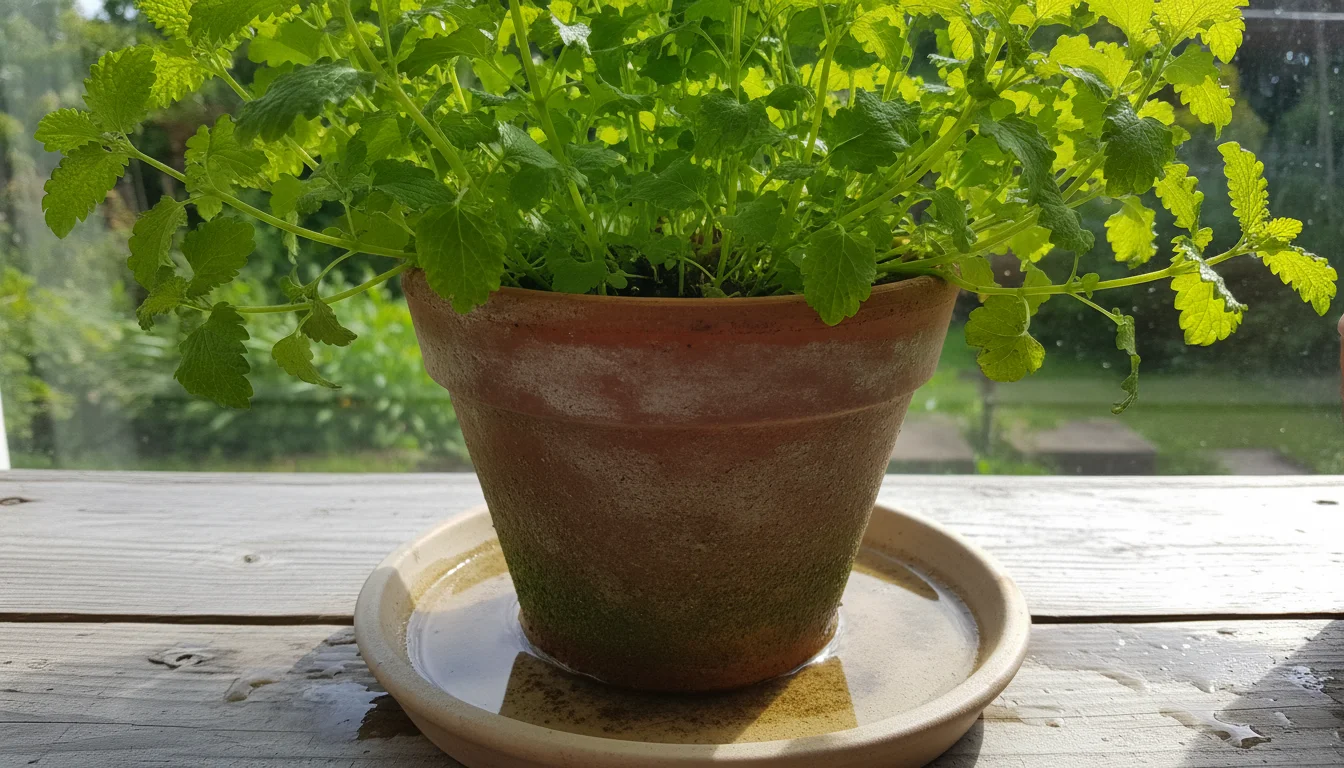
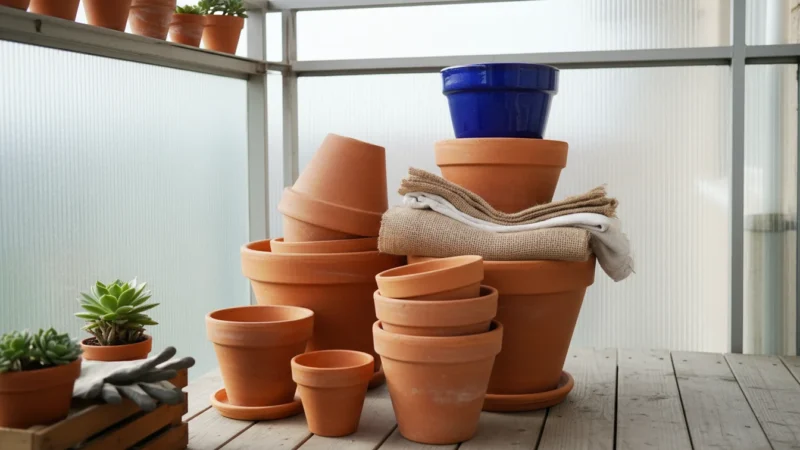
The right container is paramount. Always choose pots with drainage holes at the bottom. “Drainage” refers to how efficiently water can exit the soil, preventing roots from sitting in stagnant water and rotting. Without proper drainage, your herbs will quickly succumb to root rot. Terra cotta pots are excellent because their porous nature allows for air circulation and helps regulate soil moisture. Plastic pots are also viable, but they retain moisture longer, so adjust your watering schedule accordingly. Aim for pots that are at least 6-8 inches in diameter for most herbs, providing ample space for root development.
Soil: The Foundation for Growth
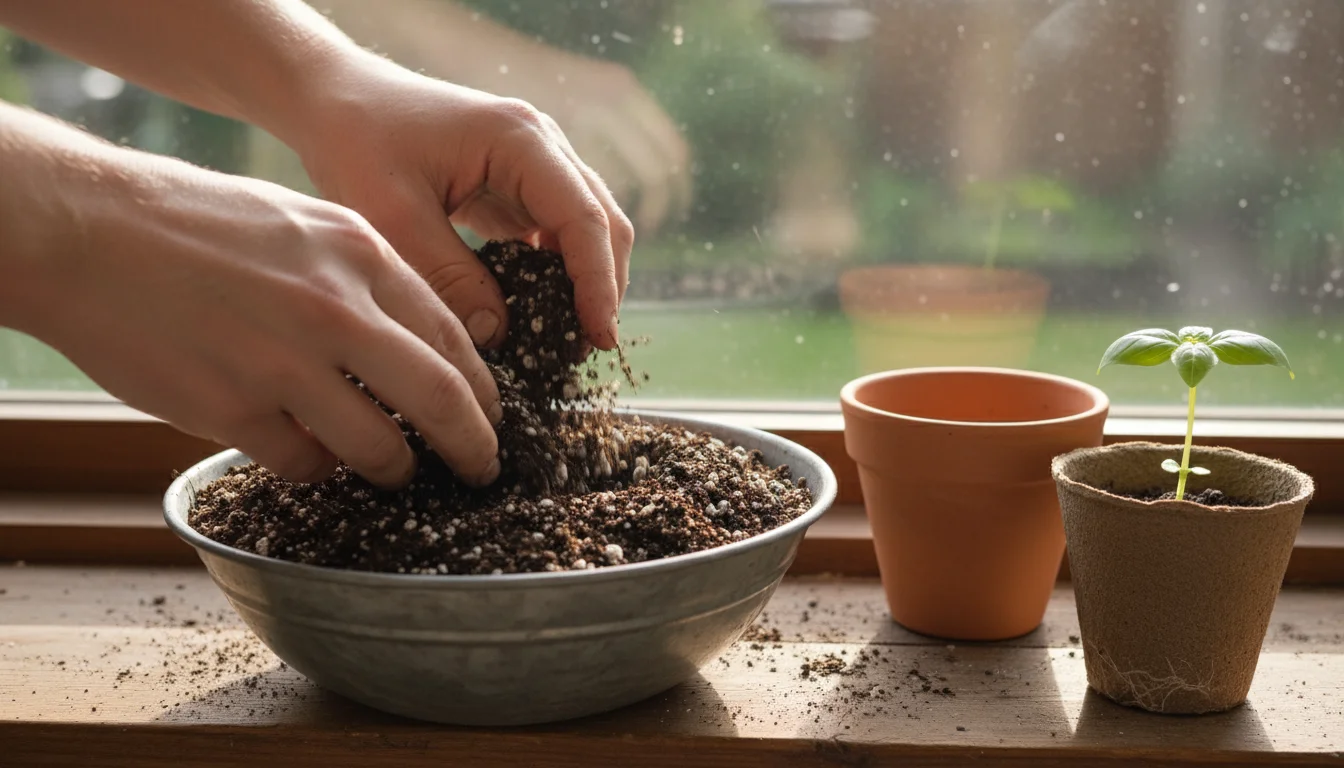
Do not use soil from your outdoor garden for indoor plants. Garden soil is too dense for containers, compacts easily, and can harbor pests or diseases. Instead, use a high-quality potting mix formulated for containers. A good potting mix is light, airy, and drains well, while still retaining enough moisture and nutrients for your herbs. Look for mixes containing perlite or vermiculite, which improve aeration and drainage, critical for healthy root systems.

Watering: The Right Amount, Not Too Much
Overwatering is a common mistake that kills more indoor plants than underwatering. Water your herbs when the top inch of soil feels dry to the touch. Stick your finger into the soil to check. When you water, do so thoroughly until water drains from the bottom of the pot. Discard any excess water that collects in the saucer to prevent your plant from sitting in water. The frequency of watering depends on factors like pot size, humidity, and the specific herb’s needs, so consistent checking is key.
Humidity: Countering Dry Indoor Air
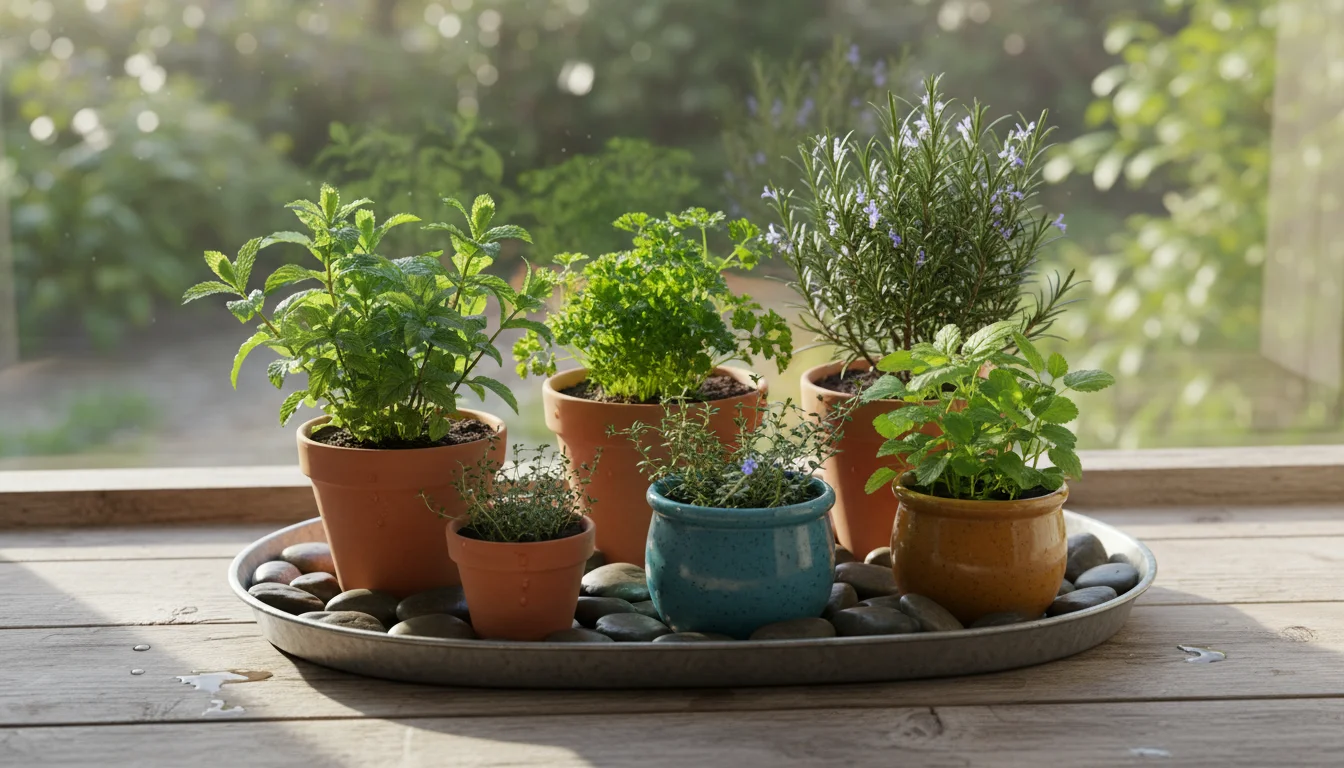
Indoor heating systems often create very dry air, which can stress herbs. Many herbs, especially those originating from more humid climates, appreciate higher humidity. You can boost humidity around your plants by misting their leaves daily with a spray bottle, placing pots on a pebble tray filled with water (ensuring the pot itself isn’t sitting in the water), or grouping plants together to create a microclimate. A small humidifier near your windowsill garden also works wonders.

Air Circulation: Gentle Breezes
While drafts are not good, gentle air circulation helps prevent fungal diseases and strengthens plant stems. If your indoor space feels stagnant, consider occasionally opening a window for a short period (avoiding extreme cold) or using a small fan on a low setting for an hour or two each day. Ensure the fan does not directly blast your plants, but rather creates subtle air movement.
Meet Your Winter Wellness Herbs: Top 5 for Indoor Growing
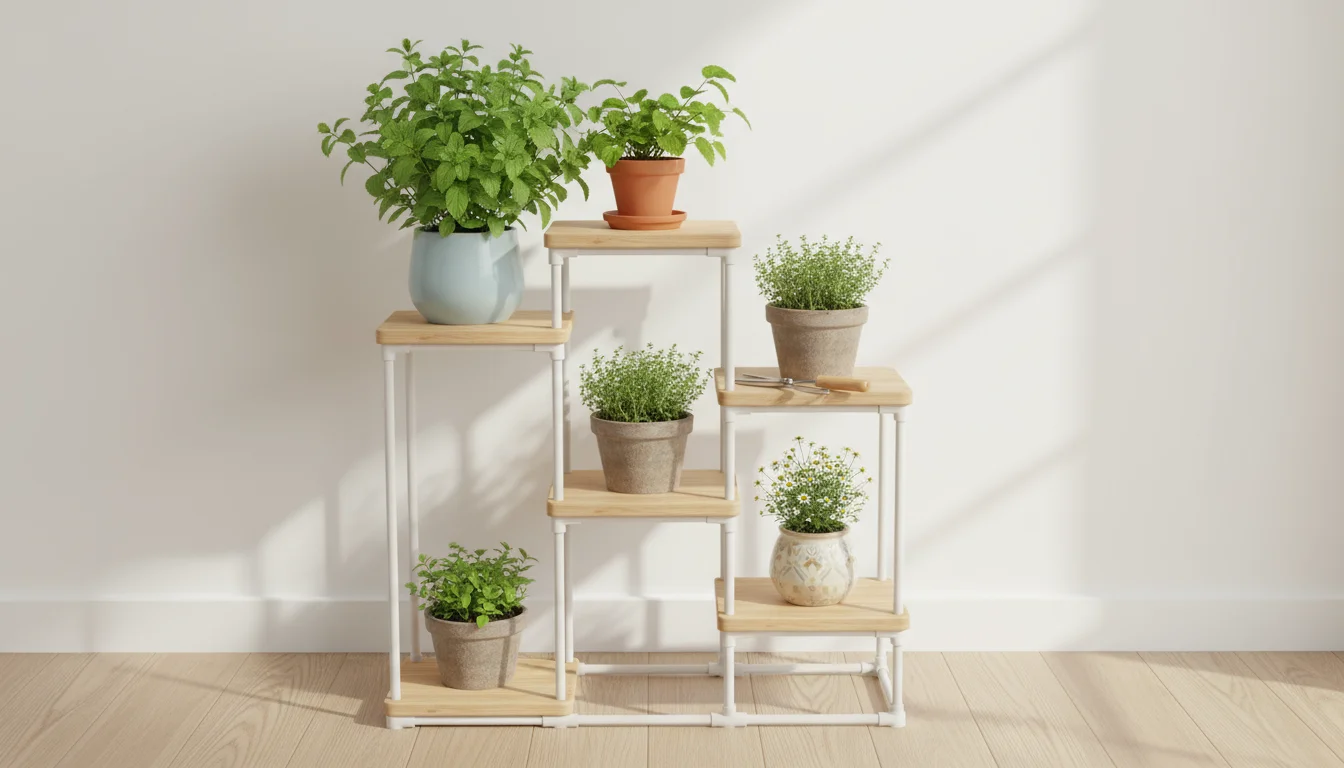
These five herbs are excellent choices for a beginner’s indoor apothecary, offering both ease of growth and valuable medicinal properties perfect for soothing winter ailments. They represent some of the best herbs to grow indoors for colds and general wellness.
1. Chamomile (Matricaria chamomilla)
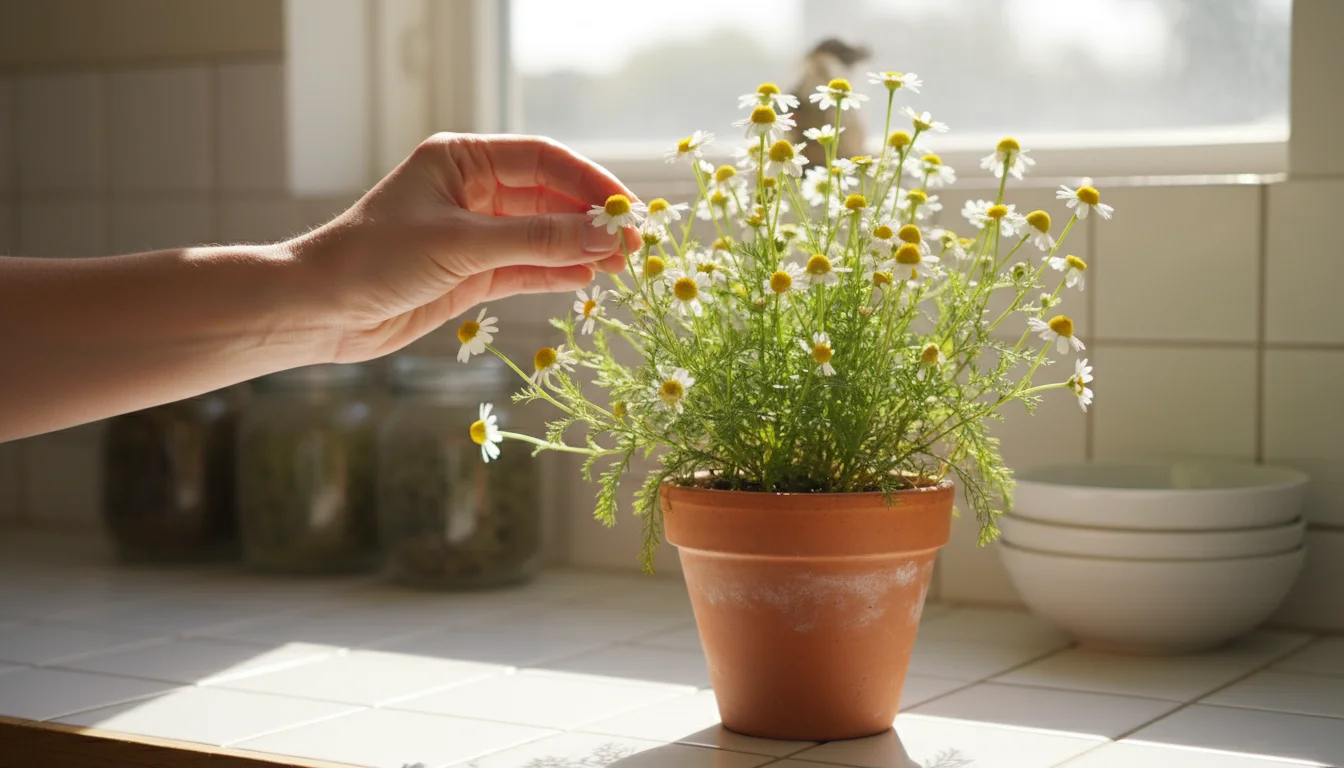
Description: Chamomile is famous for its small, daisy-like flowers and apple-scented foliage. It is widely regarded for its calming properties, making it an excellent choice for relaxing teas to aid sleep and reduce anxiety. It also possesses anti-inflammatory and mild antimicrobial benefits, helpful during cold and flu season.
- Indoor Growing Needs:
- Light: Chamomile thrives in full sun, meaning at least 5-6 hours of direct sunlight. A south-facing window is ideal. Without enough light, it can become leggy and produce fewer flowers.
- Water: Keep the soil consistently moist, but never soggy. Allow the top half-inch of soil to dry out between waterings.
- Soil: Use a well-draining potting mix.
- Containers: Use pots at least 6-8 inches wide to accommodate its spreading roots.
- Pests: Generally pest-free indoors, but occasionally susceptible to aphids or spider mites if conditions are too dry.
- Harvesting for Tea: Harvest the flowers when they are fully open. Snip the flower heads off the plant, leaving a small stem. Regular harvesting encourages more blooms.
- Preparing for Tea: You can use fresh chamomile flowers, but they are most potent when dried. Spread flowers on a clean screen or paper towel in a well-ventilated area away from direct sunlight. Once completely dry (they will be brittle), store them in an airtight container. Use 1-2 teaspoons of dried flowers (or 1 tablespoon fresh) per cup of hot water. Steep for 5-10 minutes.

2. Peppermint (Mentha x piperita)
Description: Peppermint, with its distinctively cool and invigorating aroma, is a hybrid mint known for its menthol content. It is a fantastic herb for digestive issues, nausea, and as a decongestant during colds. Its stimulating scent also helps clear the mind.
- Indoor Growing Needs:
- Light: Prefers bright, indirect light, but tolerates some direct sun. Too much intense, direct sun can scorch its leaves. An east or west-facing window works well.
- Water: Mint likes consistently moist soil. Water when the top inch of soil feels dry. Avoid letting it dry out completely.
- Soil: A rich, well-draining potting mix.
- Containers: Peppermint is a vigorous grower and can quickly take over. Always grow it in its own container to prevent it from outcompeting other herbs. A 8-10 inch pot is a good starting point.
- Pests: Keep an eye out for spider mites, especially in dry conditions. Misting can help deter them.
- Harvesting for Tea: Snip stems with several leaves, preferably in the morning after the dew has dried. Harvest frequently to encourage bushy growth.
- Preparing for Tea: Fresh peppermint leaves make a vibrant, refreshing tea. Simply crush a few fresh leaves (5-7 per cup) and steep in hot water for 5-7 minutes. You can also dry the leaves by hanging bunches upside down in a dark, well-ventilated area, then crumbling and storing them.
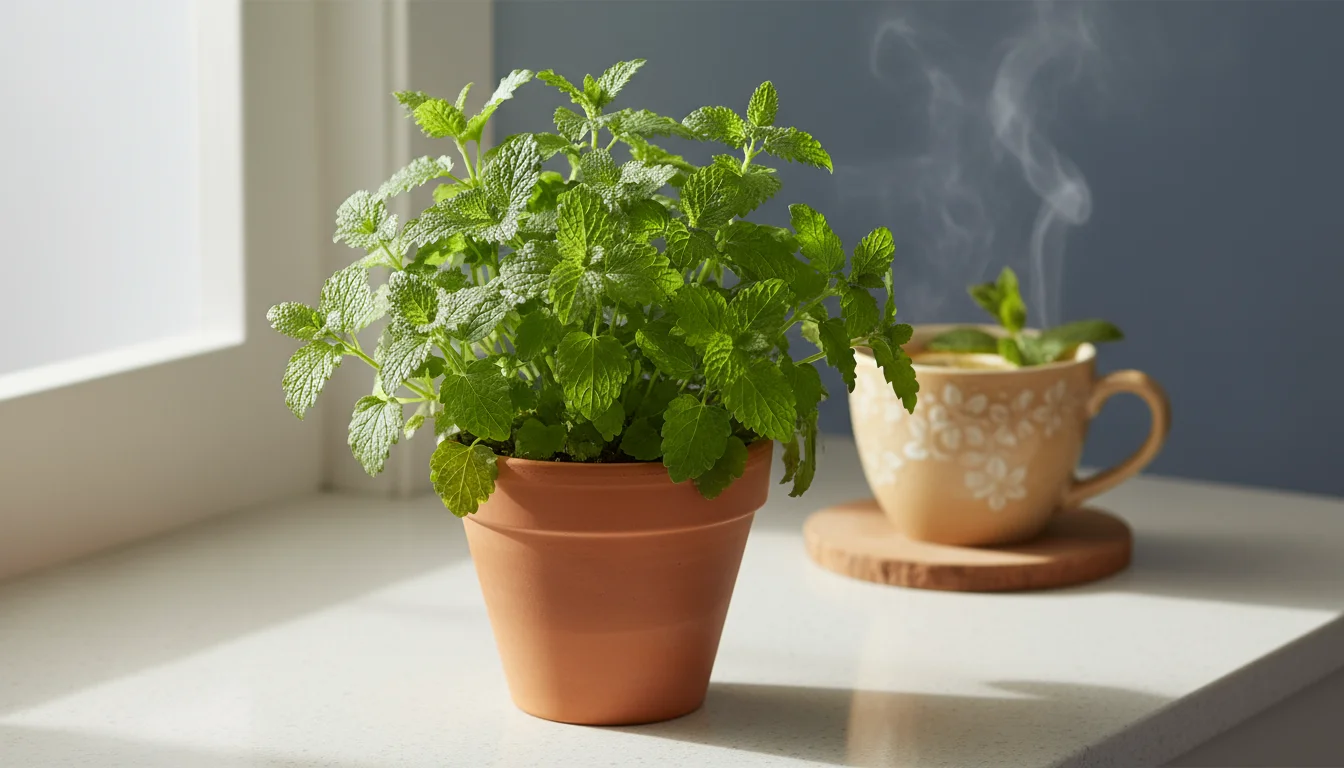
3. Lemon Balm (Melissa officinalis)
Description: Lemon balm, a member of the mint family, offers a delightful lemony fragrance. It is renowned for its calming and uplifting properties, effective in reducing stress, anxiety, and improving sleep. It also has antiviral properties, making it a valuable addition to winter wellness teas.
- Indoor Growing Needs:
- Light: Prefers bright, indirect light, similar to peppermint. Tolerates some direct morning sun.
- Water: Keep the soil consistently moist but not waterlogged. It dislikes drying out completely.
- Soil: A standard, well-draining potting mix.
- Containers: Like mint, lemon balm can spread. While not as aggressive as peppermint, giving it its own 8-inch pot or larger is a good practice.
- Pests: Generally hardy, but can occasionally attract aphids.
- Harvesting for Tea: Snip stems with fresh leaves, focusing on the newer growth. Regular harvesting promotes bushiness.
- Preparing for Tea: Use fresh leaves for the best flavor and potency (a small handful per cup). Steep in hot water for 5-10 minutes. Dried lemon balm is also effective; dry leaves by spreading them on a tray or hanging small bunches.

4. Thyme (Thymus vulgaris)
Description: Thyme, a small-leaved woody herb, is more than just a culinary staple. It possesses strong antiseptic, antifungal, and expectorant properties. Thyme tea is a traditional remedy for coughs, sore throats, and chest congestion, making it one of the best herbs to grow indoors for colds.
- Indoor Growing Needs:
- Light: Thyme loves full sun, at least 6 hours of direct light daily. A bright, south-facing window is crucial for strong growth.
- Water: Thyme is drought-tolerant. Allow the soil to dry out almost completely between waterings to prevent root rot. It thrives on neglect regarding water.
- Soil: Requires excellent drainage. Use a potting mix amended with sand or perlite for extra drainage.
- Containers: A 6-inch pot is sufficient. Ensure it has large drainage holes.
- Pests: Generally resistant to pests, but poor air circulation can lead to powdery mildew.
- Harvesting for Tea: Snip off small sprigs (woody stems with leaves) as needed. Harvest before it flowers for the strongest flavor, though the flowers are also edible.
- Preparing for Tea: Fresh or dried thyme works well. Use 1 teaspoon of fresh leaves (or ½ teaspoon dried) per cup of hot water. Steep for 5 minutes. The flavor is potent, so start with less and adjust to your preference.
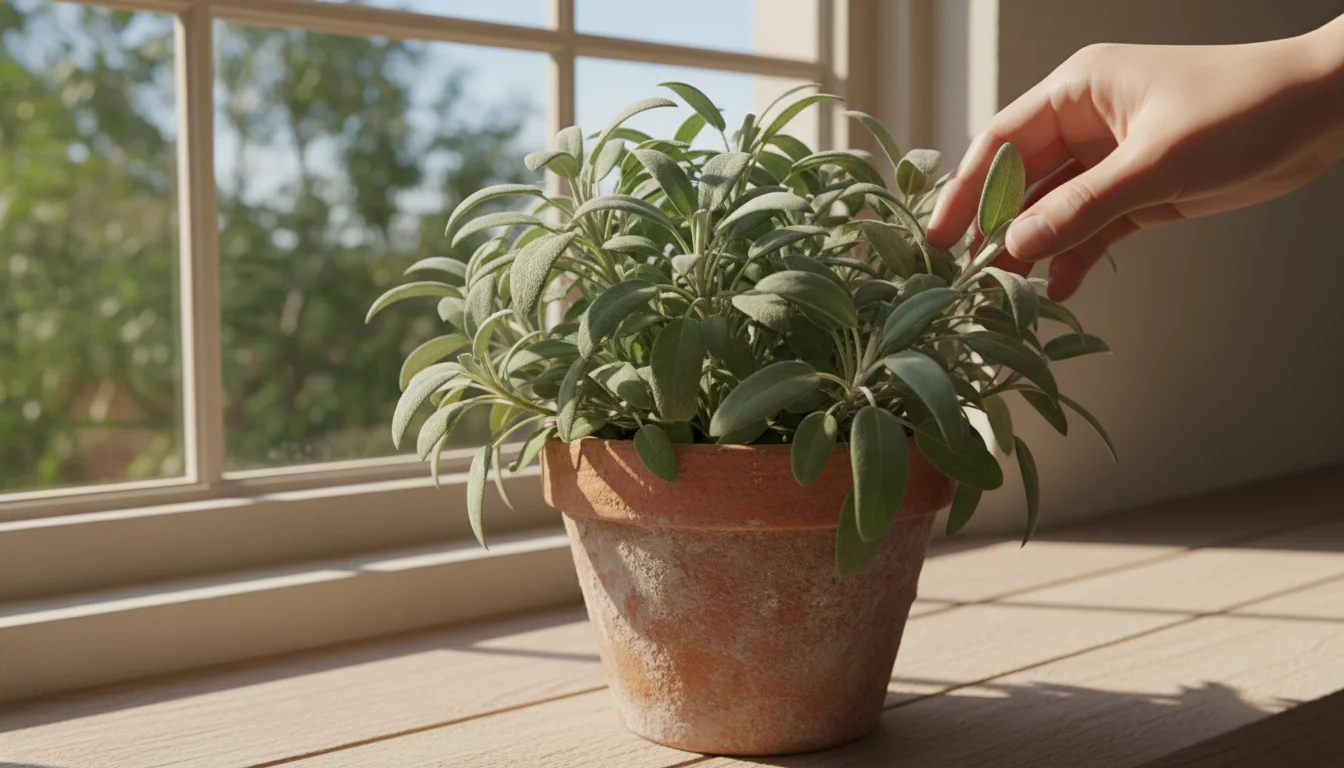
5. Sage (Salvia officinalis)
Description: Sage, with its velvety, aromatic leaves, is a powerful herb traditionally used for sore throats, coughs, and digestive complaints. It has antiseptic, anti-inflammatory, and astringent properties, making sage tea a comforting and effective remedy during winter illnesses.
- Indoor Growing Needs:
- Light: Sage needs abundant light, similar to thyme. Provide at least 6 hours of direct sun daily from a south-facing window. Without enough light, it will become leggy and less flavorful.
- Water: Water moderately. Allow the top 1-2 inches of soil to dry out between waterings. Sage prefers slightly drier conditions than many other herbs.
- Soil: Well-draining potting mix, possibly with some added sand or grit for improved drainage.
- Containers: A 6-8 inch pot is suitable.
- Pests: Generally pest-free, but watch for spider mites in very dry indoor environments.
- Harvesting for Tea: Snip individual leaves or small sprigs. Harvest young leaves for the best flavor. Avoid harvesting more than one-third of the plant at a time.
- Preparing for Tea: Both fresh and dried sage leaves make potent tea. Use 1-2 fresh leaves (or ½ teaspoon dried) per cup of hot water. Steep for 5-8 minutes. Be aware that sage tea can have a strong, slightly bitter flavor, so adjust quantities to taste.
From Seed to Sip: Propagating and Caring for Your Herbs
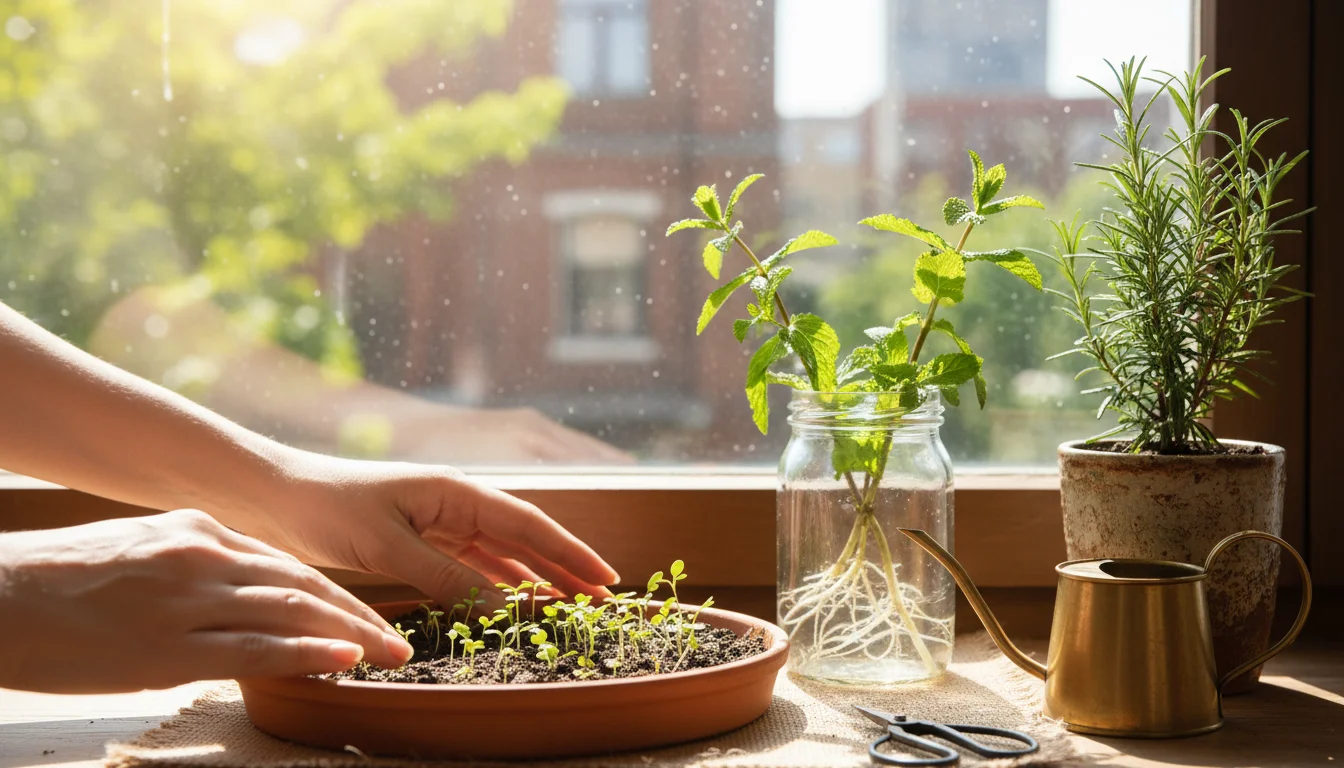
Starting your windowsill garden can happen in several ways: from seeds, cuttings, or by purchasing starter plants. Each method offers unique advantages, allowing you to choose what suits your comfort level and timeline.
Starting from Seed
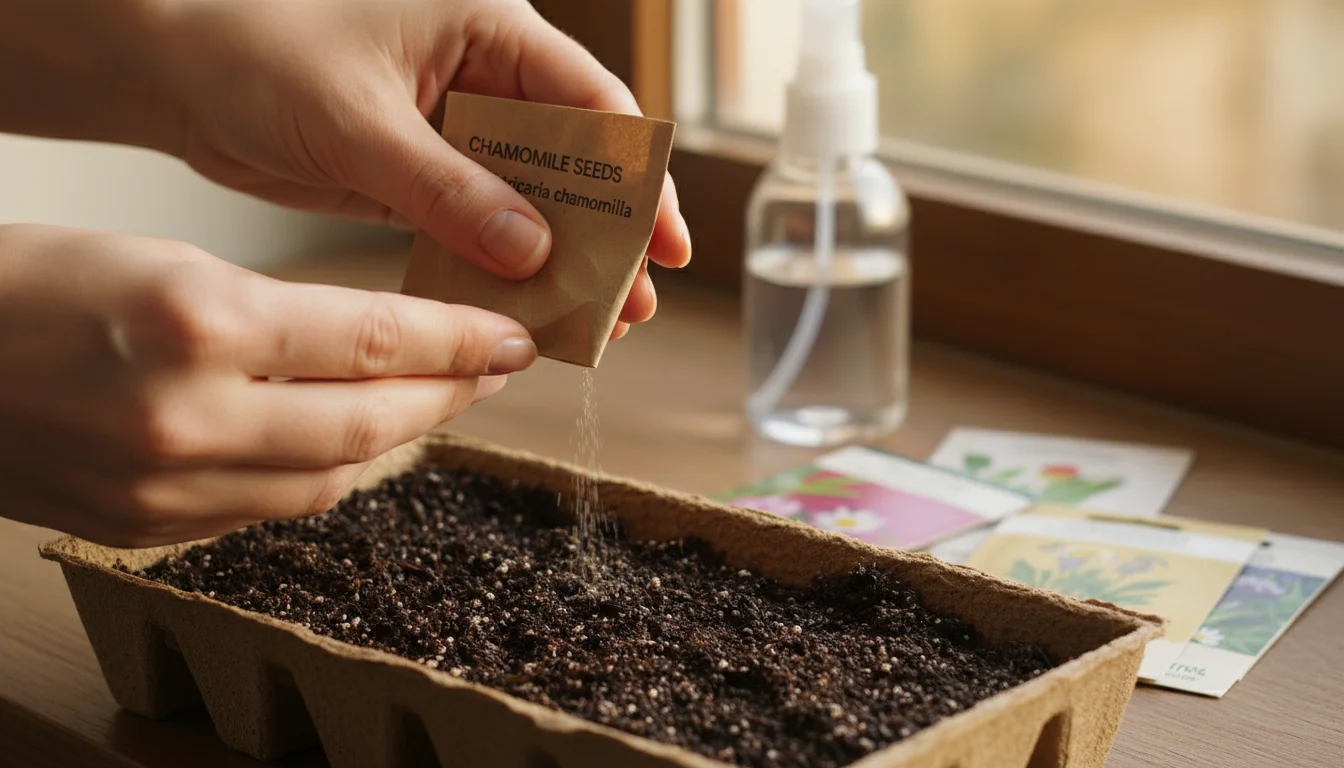
Beginning with seeds is the most economical option and offers the greatest variety. It is also incredibly rewarding to watch a tiny seed sprout and grow into a robust plant. Many of the herbs listed, especially chamomile, are excellent candidates for seed starting indoors.
Step-by-Step for Seed Starting:
- Gather Supplies: You need seed-starting trays or small pots (with drainage!), a sterile seed-starting mix, your chosen seeds, a spray bottle, and a clear dome or plastic wrap for humidity.
- Prepare the Medium: Moisten the seed-starting mix thoroughly until it is damp but not soggy. Fill your trays or pots with the mix, gently firming it down.
- Sow Seeds: Refer to your seed packet for specific planting depth. Most herb seeds are small and only need to be lightly pressed onto the surface or covered with a thin layer (1/8-1/4 inch) of soil. For how to grow chamomile from seed indoors, sprinkle seeds lightly on the soil surface and barely cover, as they need light to germinate.
- Water Gently: Mist the surface with your spray bottle. Avoid heavy watering, which can displace tiny seeds.
- Create Humidity: Cover the trays with a clear plastic dome or plastic wrap to maintain consistent moisture and warmth.
- Provide Warmth & Light: Place the trays in a warm spot, ideally between 65-75°F (18-24°C). Many seeds benefit from bottom heat, which a heating mat can provide. Once seedlings emerge, remove the dome and immediately move them to a very bright location, such as under a grow light for 12-14 hours daily, or in your brightest south-facing window.
- Thin Seedlings: Once seedlings develop their second set of “true” leaves (not the initial cotyledons), thin them to the recommended spacing (usually one plant per small pot or a few inches apart in a larger tray). This gives each plant enough space and resources to thrive.
Propagating from Cuttings
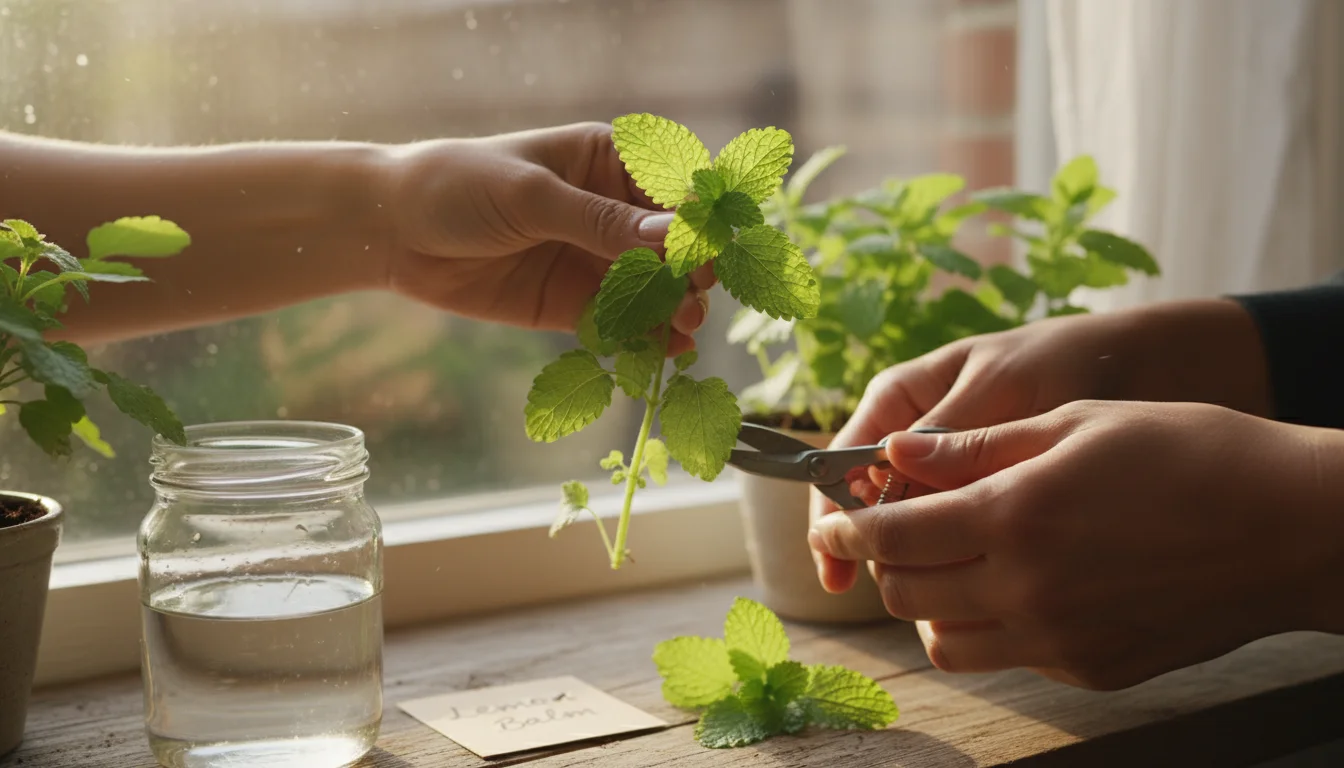
Herbs like peppermint and lemon balm are incredibly easy to propagate from cuttings. This method allows you to multiply existing plants or share them with friends.
Step-by-Step for Cuttings:
- Take Cuttings: Using sharp, clean scissors or pruners, snip a 4-6 inch stem from a healthy, non-flowering plant. Make the cut just below a leaf node (where leaves emerge from the stem).
- Prepare Cuttings: Remove the leaves from the bottom 2-3 inches of the stem.
- Root in Water: Place the prepared cuttings in a glass of water, ensuring the leaf nodes without leaves are submerged. Change the water every few days to keep it fresh.
- Root in Soil: Alternatively, you can dip the cut end in rooting hormone (optional) and plant it directly into a small pot filled with moist potting mix.
- Provide Care: Keep the cuttings in a warm spot with bright, indirect light. You should see roots developing in water within 1-3 weeks. For soil propagation, gently tug on the cutting after a few weeks; if it resists, roots have formed.
- Transplant: Once roots are about an inch long, transplant water-rooted cuttings into small pots with potting mix.
Purchasing Starter Plants
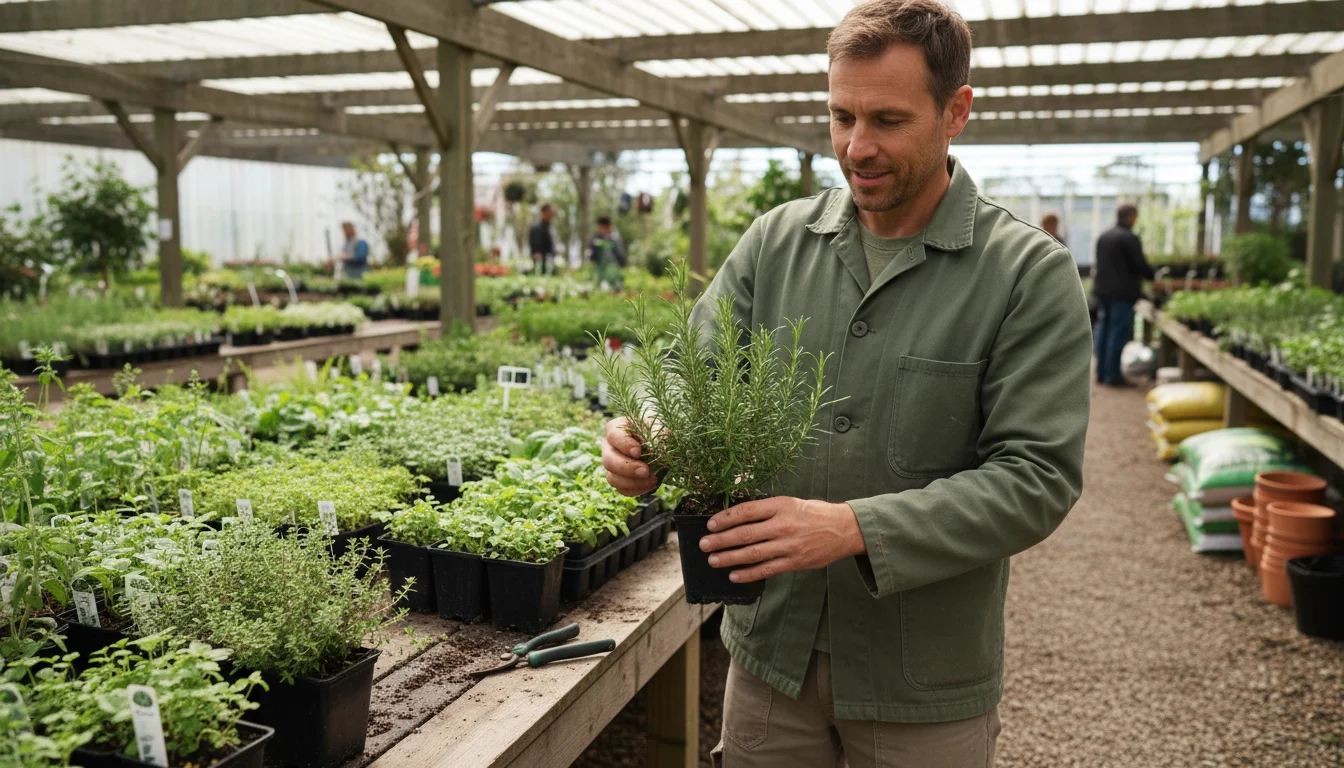
If you prefer an immediate garden, buy small starter plants from a reputable nursery. This gives you a head start and ensures you begin with healthy, established plants. When selecting, look for vibrant green foliage, no signs of pests or disease, and avoid plants that are wilting or leggy.

General Care for Established Herbs
- Fertilizing: Indoor herbs generally do not need heavy feeding. A balanced liquid fertilizer diluted to half strength, applied once every 4-6 weeks during active growth (spring and summer), is usually sufficient. Reduce or stop fertilizing in winter when growth slows.
- Pruning: Regular pruning is essential. It encourages bushier growth, prevents leggy stems, and provides you with fresh leaves for harvest. Simply pinch back the top growing tips of stems. If a plant starts to flower, you can pinch off the flower buds to redirect the plant’s energy back into leaf production, which is what you want for tea.
- Pest Prevention: Inspect your plants regularly for any signs of pests. Catching infestations early makes them much easier to manage. Wipe down leaves with a damp cloth periodically to remove dust and disrupt any developing pest populations.
Crafting Your Own Winter Wellness Teas
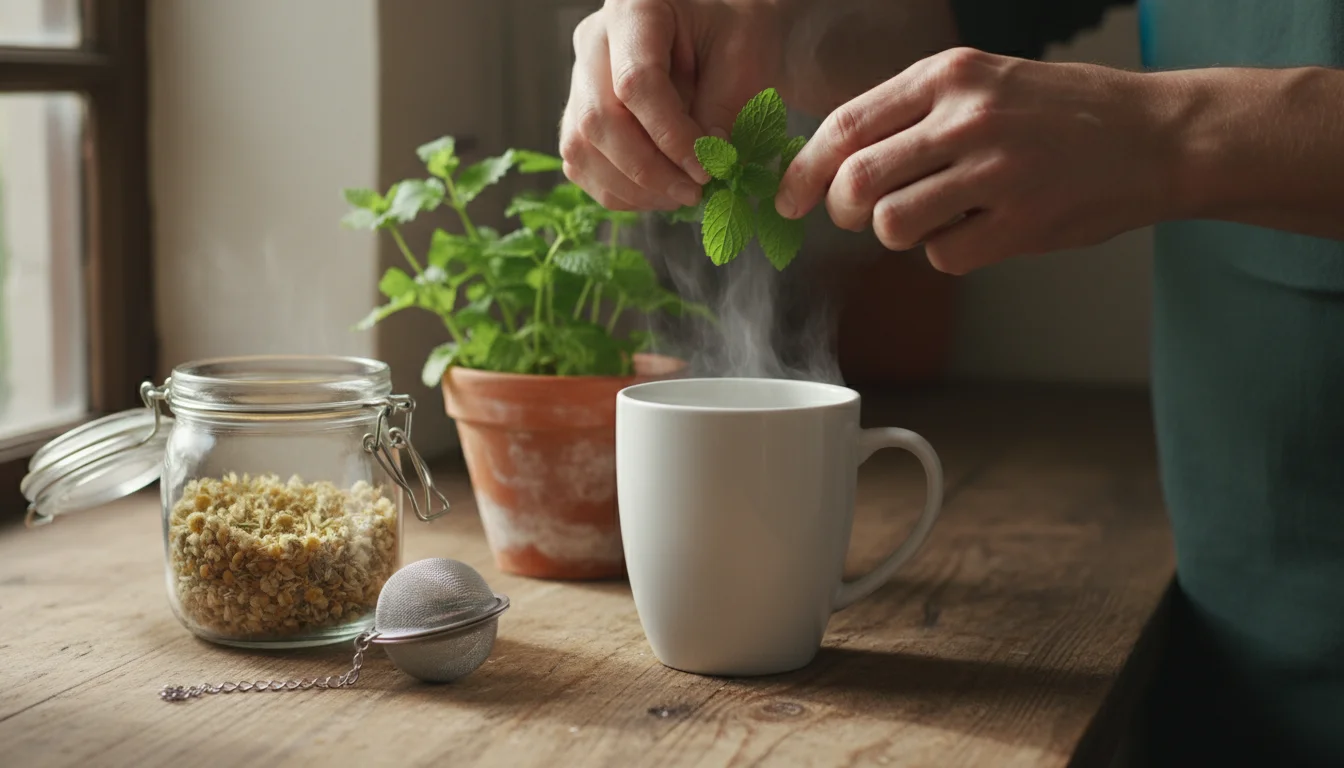
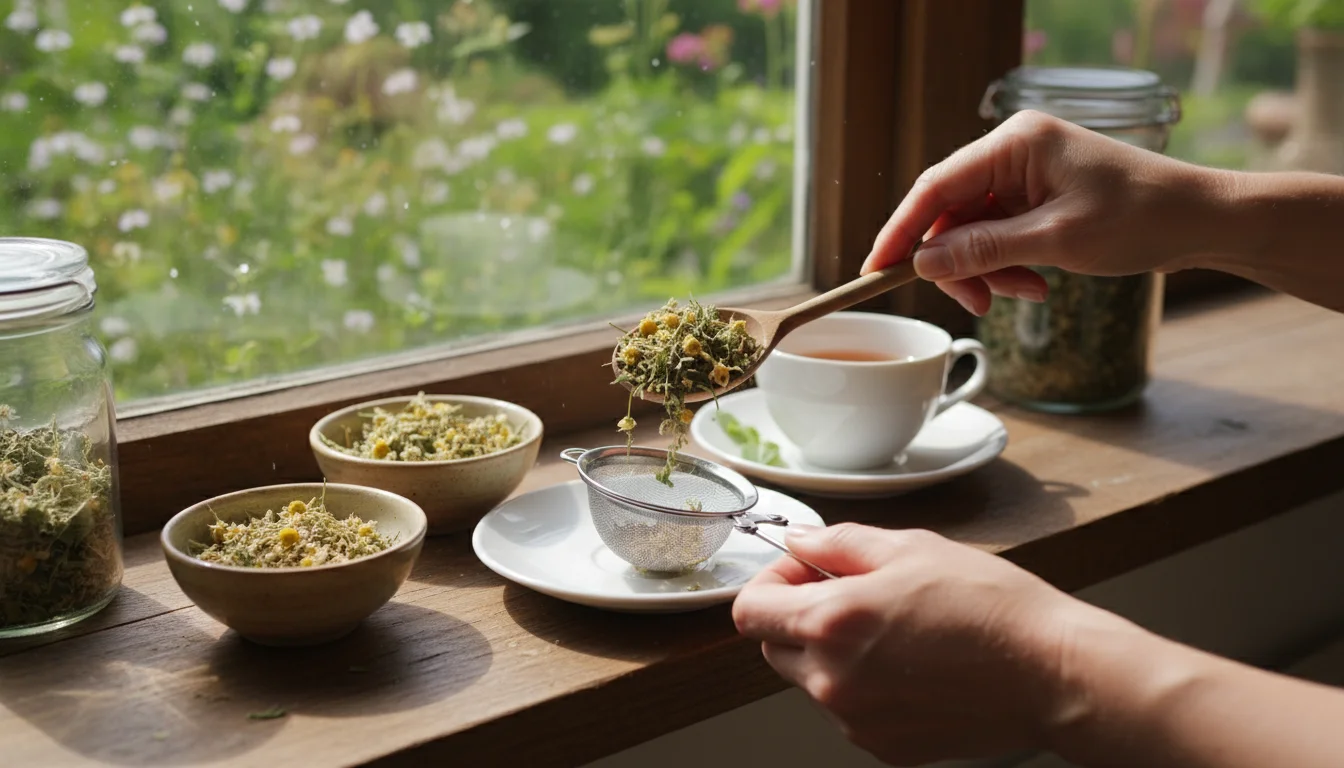
The true joy of your growing herbs for tea comes in the brewing. Fresh herbs provide a more vibrant flavor profile, while dried herbs offer convenience and extend your harvest. Experiment with different combinations to discover your favorite blends for specific wellness needs.
Basic Tea Preparation: Fresh vs. Dried Herbs
- Fresh Herbs:
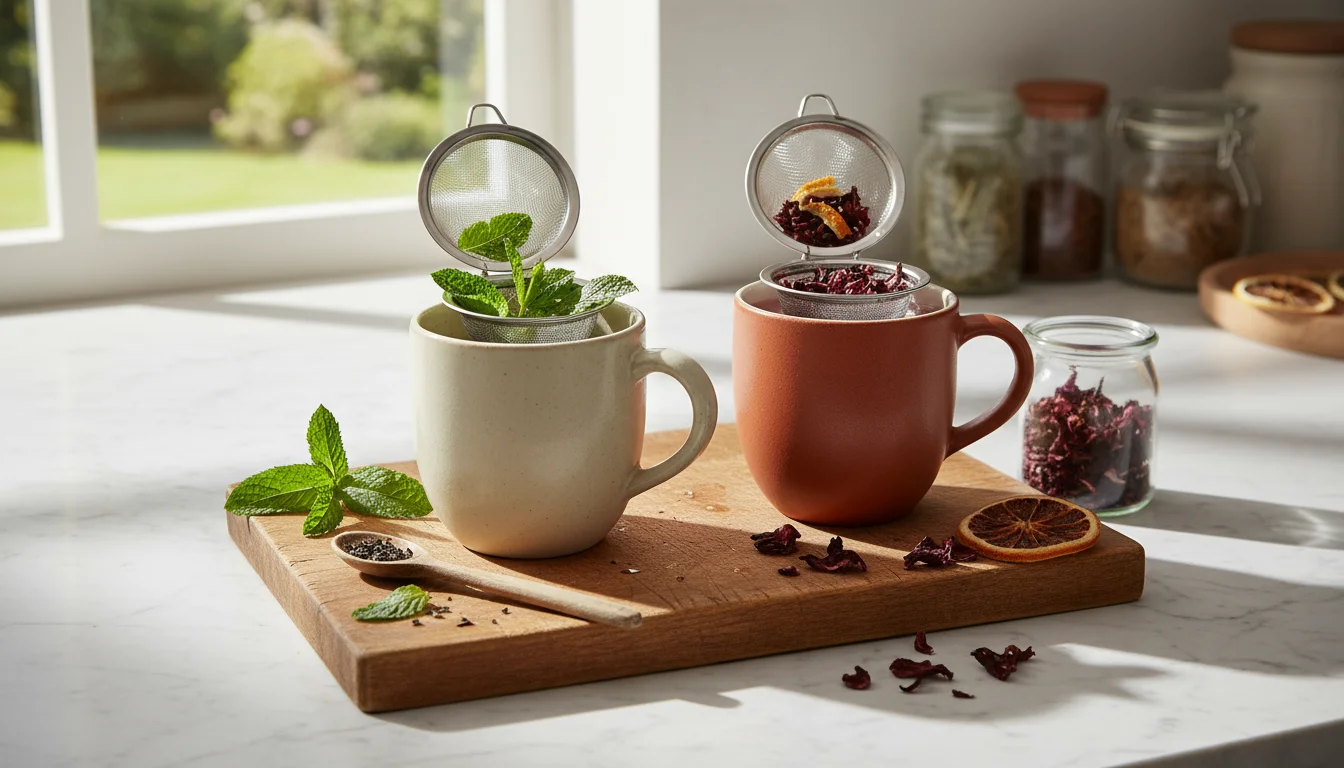
- Preparation: Gently bruise or tear the fresh leaves to release their aromatic oils. For flowers, use them whole.
- Ratio: Generally, use about 1 tablespoon of fresh herbs per 8 ounces (1 cup) of hot water. Adjust to your taste.
- Steeping: Place herbs in a tea infuser or directly in your mug. Pour hot (not boiling) water over them. Steep for 5-10 minutes. The longer you steep, the stronger the flavor and medicinal properties.
- Enjoy: Strain, if necessary, and enjoy immediately.
- Dried Herbs:
- Preparation: Ensure your herbs are completely dry and crumbled.
- Ratio: Use about 1 teaspoon of dried herbs per 8 ounces (1 cup) of hot water. Dried herbs are more concentrated than fresh.
- Steeping: Same as fresh herbs, using an infuser or direct steeping.
- Storage: Store dried herbs in airtight containers in a cool, dark place. They maintain potency for up to a year. Label with the herb name and date.
Combining Herbs for Synergistic Effects
Blending herbs allows you to create teas with combined benefits and more complex flavors. Here are some ideas for your winter wellness teas:
| Wellness Goal | Herb Combination | Why It Works |
|---|---|---|
| Relaxation & Sleep | Chamomile + Lemon Balm | Chamomile soothes the nervous system, while lemon balm calms anxiety and promotes restful sleep. |
| Cold & Flu Relief | Peppermint + Thyme + Sage | Peppermint helps clear congestion. Thyme acts as an expectorant for coughs. Sage soothes sore throats and has antiseptic properties. |
| Digestive Aid | Peppermint + Lemon Balm | Peppermint relieves nausea and indigestion. Lemon balm calms the digestive tract and reduces bloating. |
| Uplifting & Stress Reduction | Lemon Balm + a touch of Peppermint | Lemon balm boosts mood and reduces anxiety, while peppermint adds a refreshing, invigorating lift. |
You can also add other natural ingredients to your teas, such as a slice of fresh ginger for warmth and immune support, a squeeze of lemon for vitamin C, or a spoonful of local honey for its soothing and antimicrobial properties.

Troubleshooting Common Indoor Herb Challenges
Even with the best intentions, your indoor herbs might encounter a few hurdles. Recognizing common problems and knowing how to address them quickly keeps your easy medicinal herb garden for beginners thriving.

Yellowing Leaves
- Cause: Often a sign of overwatering or underwatering. Overwatering leads to root rot, starving leaves of oxygen and nutrients. Underwatering causes leaves to shrivel and yellow from dehydration. Nutrient deficiency is another possibility, especially if older leaves yellow first.
- Solution:
- Watering: Check soil moisture before watering. Allow the top inch of soil to dry out before watering again. Ensure your pots have excellent drainage.
- Nutrients: If watering is correct, consider a light application of a balanced liquid fertilizer, diluted to half strength.
Leggy, Stretched Growth
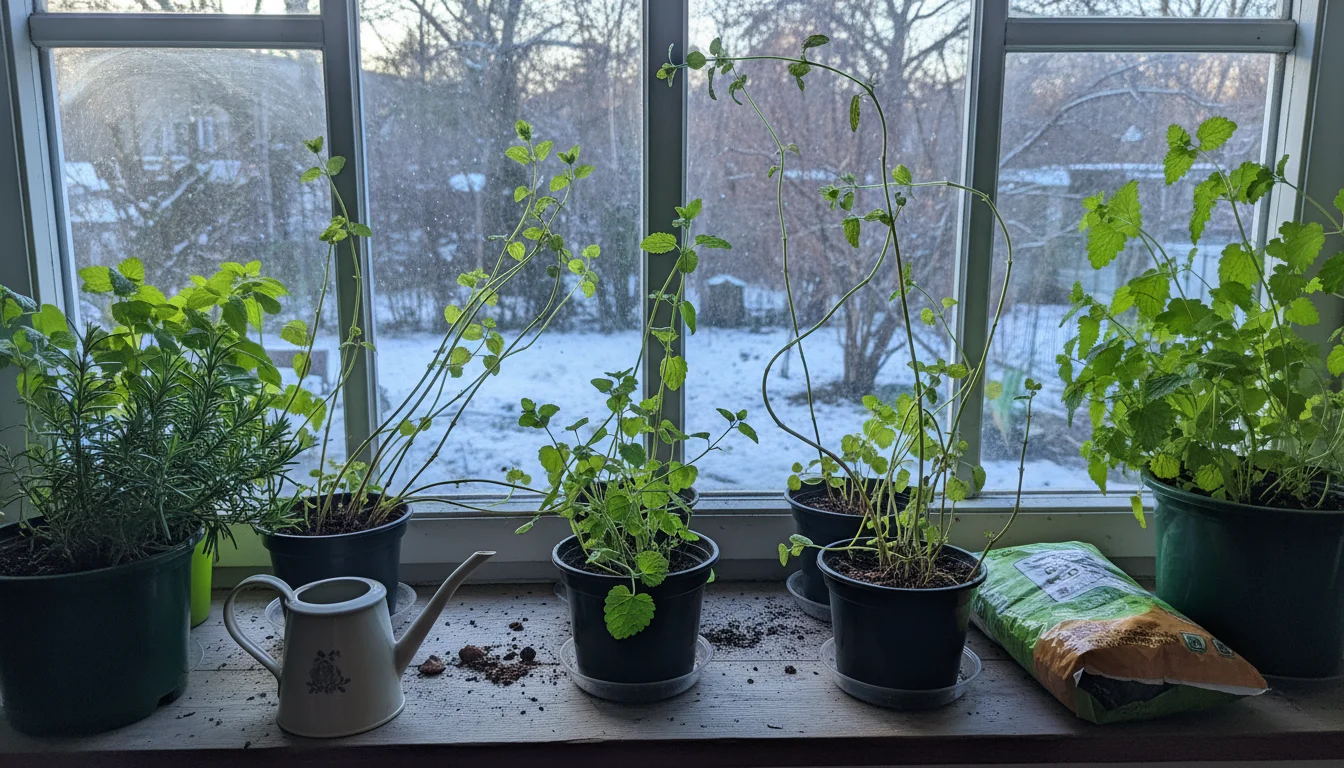
- Cause: Insufficient light. Plants stretch and reach for light, resulting in long, weak stems and sparse foliage. This is particularly common during winter gardening when daylight hours are shorter and light intensity is lower.
- Solution:
- Increase Light: Move your plants to a brighter, south-facing window. If natural light is limited, invest in a grow light and provide 12-14 hours of artificial light daily.
- Prune: Prune back leggy growth to encourage bushier, more compact plants. Harvest the leggy sections for tea.
Pests: The Uninvited Guests
Common indoor herb pests include spider mites, aphids, and fungus gnats. These tiny invaders can quickly weaken and even kill your plants if left unchecked.
- Spider Mites: Tiny, often reddish-brown pests that create fine webbing on leaves. They thrive in dry conditions.
- Solution: Increase humidity around your plants (misting, pebble trays). Wipe leaves with a damp cloth or cotton swab dipped in rubbing alcohol. For severe infestations, use an insecticidal soap or neem oil spray, ensuring full coverage.
- Aphids: Small, soft-bodied insects, often green or black, clustering on new growth and undersides of leaves.
- Solution: Hand-pick them off or gently spray them with a strong stream of water (do this outside or in a sink). Apply insecticidal soap or neem oil.
- Fungus Gnats: Tiny, mosquito-like flies that hover around soil and indicate overly moist conditions. Their larvae feed on roots.
- Solution: Allow the top inch or two of soil to dry out completely between waterings. Yellow sticky traps can catch adult gnats. For larvae, consider using Bacillus thuringiensis israelensis (BTI), a biological control.
Fungal Issues: Powdery Mildew
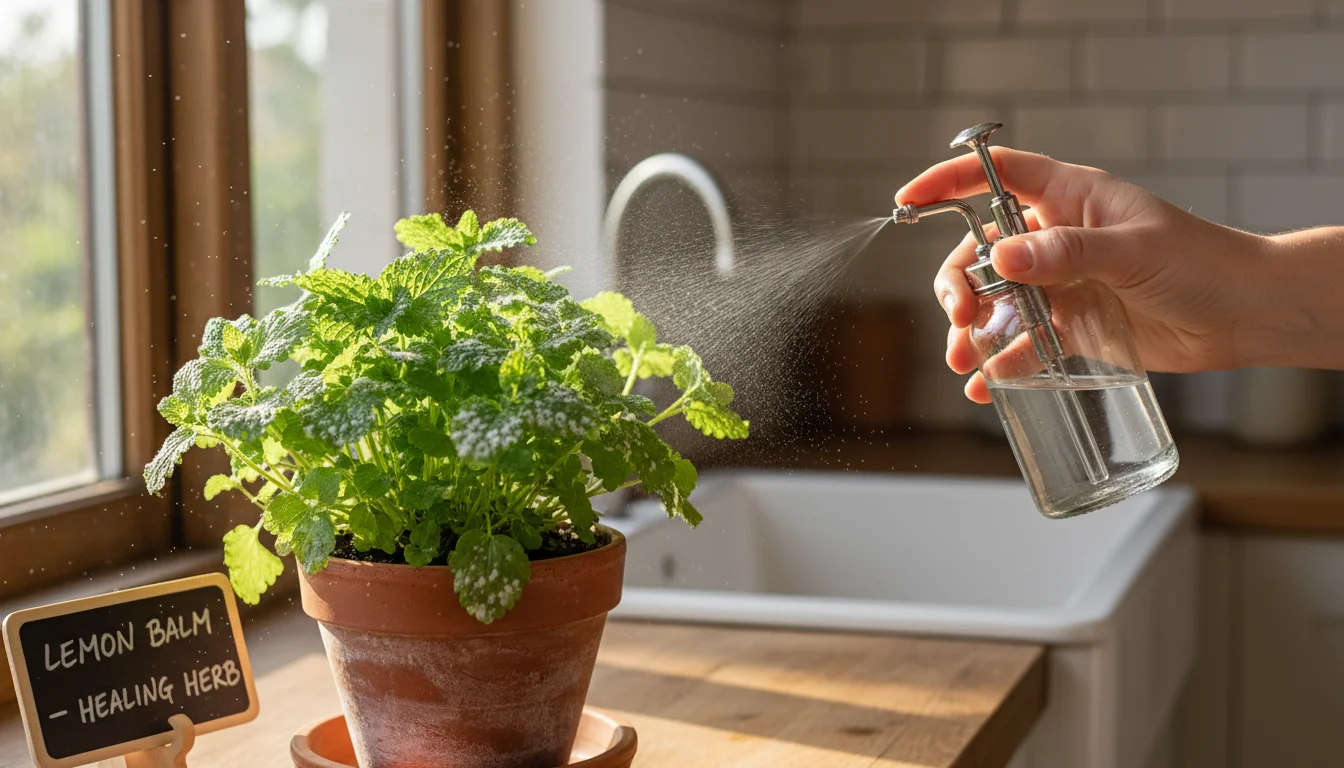
- Cause: Powdery mildew appears as white, powdery patches on leaves, often due to poor air circulation and high humidity combined with stagnant conditions.
- Solution: Improve air circulation around your plants. Remove affected leaves immediately. Spraying with a diluted baking soda solution (1 teaspoon baking soda in 1 quart of water) or neem oil can help.
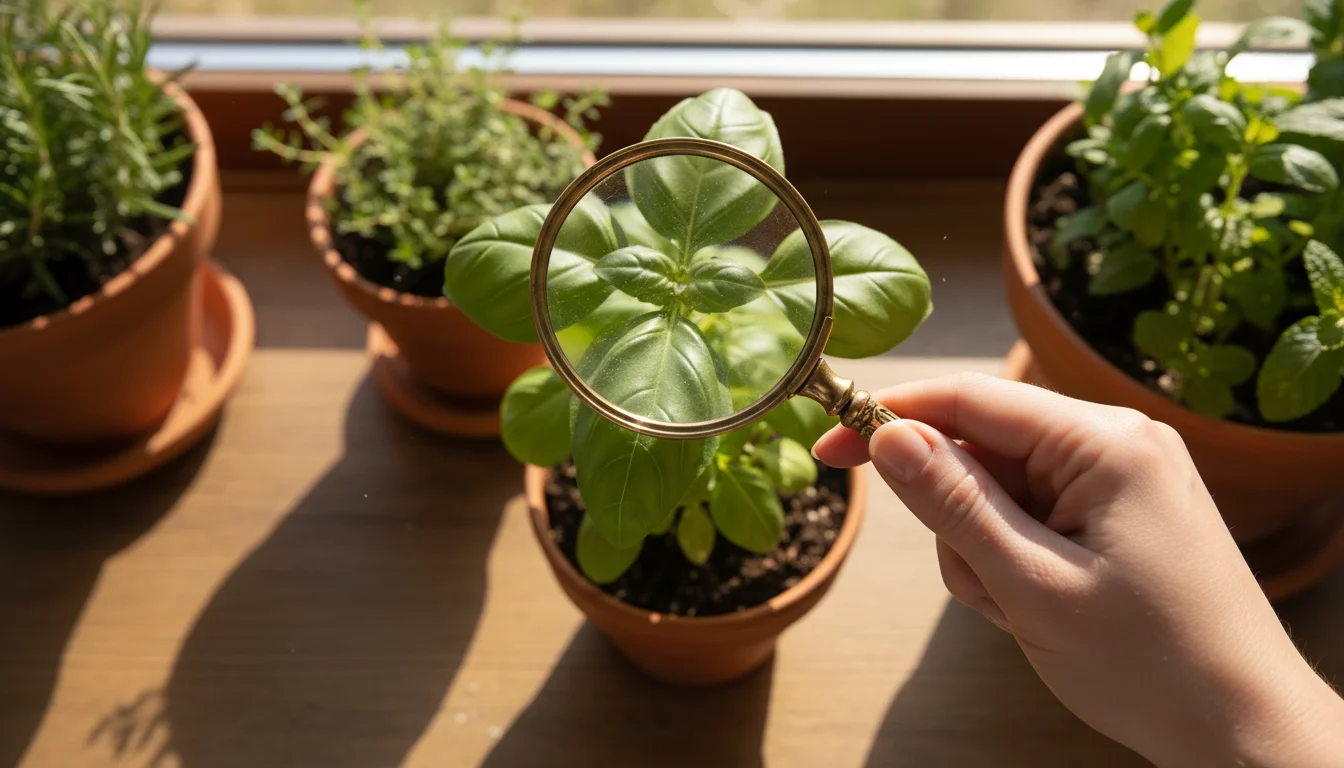
Regular inspection of your plants, especially the undersides of leaves, helps you catch problems early. A healthy plant is more resistant to pests and diseases, so focus on providing optimal light, water, and soil conditions.
Sustainable Practices for Your Windowsill Garden
Embracing eco-friendly methods in your windowsill garden is simple and contributes to a healthier planet. As a supportive gardening coach for SimpleGardenJoy.com, we encourage you to integrate these practices into your routine.
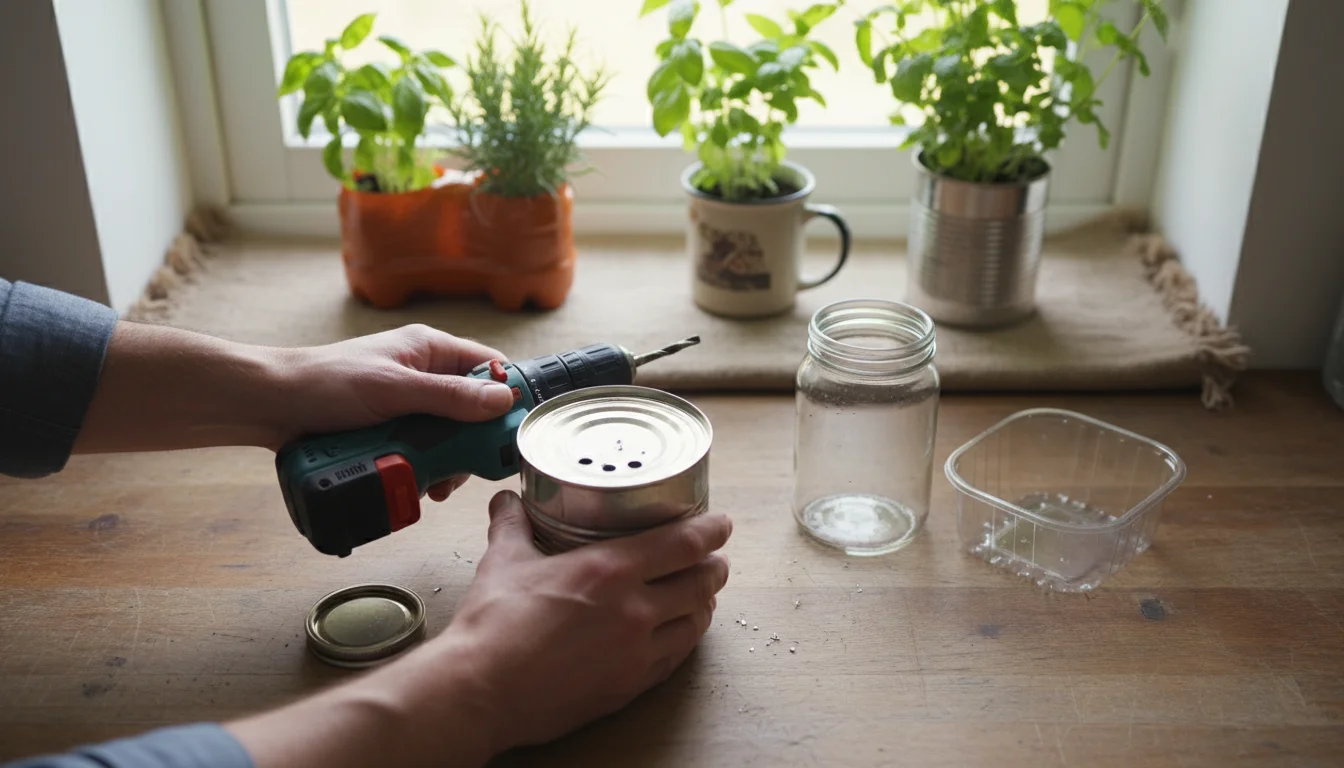
- Reusing and Repurposing Containers: Instead of buying new pots, look for creative ways to repurpose items you already have. Clean plastic food containers, old coffee cans, or even sturdy glass jars can become homes for your herbs, as long as you add drainage holes (use a drill with a suitable bit for plastic or glass). This reduces waste and adds a unique, personal touch to your indoor herb garden.
- Composting Kitchen Scraps: Start a small indoor compost bin for vegetable peels, fruit scraps, and spent coffee grounds. This nutrient-rich compost can be added to your potting mix, enriching the soil naturally and diverting organic waste from landfills.
- Water Conservation: Be mindful of your watering habits. Water only when your plants need it, checking soil moisture first. Consider collecting rainwater (if safe in your area) or using leftover cooled water from cooking vegetables to hydrate your herbs, providing them with extra nutrients.
- Organic Pest Control: Rely on natural methods to manage pests, avoiding harsh chemical pesticides. Neem oil, insecticidal soap, and manual removal are effective and safe for your edible herbs and your home environment. This ensures your teas are free from unwanted residues.
- Seed Saving: For annual herbs like chamomile, allow a few flowers to go to seed. Collect and store these seeds for planting next season. This saves money and helps you develop a strain of herbs well-adapted to your indoor growing conditions.
- Choosing Sustainable Potting Mixes: Look for potting mixes that are peat-free. Peat harvesting has environmental concerns. Many excellent alternatives exist, including those made from coir (coconut fiber), compost, or wood fibers.
By incorporating these sustainable practices, you not only grow a thriving indoor herb garden, but you also become a more conscious and environmentally responsible gardener. Every small step makes a difference.
Frequently Asked Questions
How much light do these herbs really need?
Most of the medicinal herbs listed, especially chamomile, thyme, and sage, require at least 5-6 hours of direct sunlight daily to thrive. A south-facing window provides the best natural light. If you lack direct sun, supplemental grow lights are essential to prevent leggy growth and ensure potent, flavorful leaves for your teas. Peppermint and lemon balm tolerate slightly less direct light, preferring bright, indirect conditions.
Can I use regular garden soil for my indoor herbs?
No, you should avoid using regular garden soil for your indoor herbs. Garden soil is too dense for containers, lacks proper drainage, and can introduce pests, diseases, or weed seeds into your home. Always use a high-quality, well-draining potting mix specifically formulated for container plants. This provides the ideal balance of aeration, moisture retention, and nutrients that indoor herbs need.
How often should I water my indoor herbs?
Watering frequency depends on several factors, including the type of herb, pot size, temperature, and humidity. The best approach is to check the soil moisture regularly. Stick your finger an inch or two into the soil; if it feels dry, it is time to water. Water thoroughly until it drains from the bottom of the pot, then discard any excess. Herbs like thyme prefer to dry out more between waterings, while mint and lemon balm prefer consistently moist soil.
What if my indoor herb plant gets leggy and stretched?
Leggy growth, characterized by long, thin stems with sparse leaves, indicates that your plant is not receiving enough light. To fix this, move your plant to a brighter location or supplement with a grow light. Additionally, prune back the leggy sections. This encourages the plant to produce new, bushier growth from the remaining nodes. Do not discard the pruned stems; use them for tea.
When is the best time to harvest herbs for tea?
For most herbs grown for their leaves (peppermint, lemon balm, sage, thyme), the best time to harvest is in the morning after the dew has dried, but before the midday sun is too intense. This is when their essential oil content is highest. For chamomile, harvest the flowers when they are fully open. Regular, light harvesting encourages the plant to produce more leaves, leading to a bushier and more productive plant. Avoid harvesting more than one-third of the plant at once.
Cultivating your own windowsill garden of medicinal herbs offers immense satisfaction and practical benefits. By following these guidelines, you create a vibrant indoor apothecary, ensuring a fresh supply of potent ingredients for soothing winter wellness teas. Embrace the process, enjoy the harvest, and empower your health with nature’s remedies, all from the comfort of your home.
For trustworthy gardening information, visit:
University of Alaska Fairbanks Extension — Gardening, University of Georgia Extension — Gardening, Louisiana State University AgCenter — Lawn & Garden and Mississippi State University Extension — Lawn & Garden. These organizations provide expert, research-based advice for gardeners at all levels.
Disclaimer: This article is for informational purposes only and is not a substitute for professional gardening advice. Always consult local extension services or horticulture experts for region-specific guidance.

Leave a Reply