
The Winter Budget Blueprint: How to Plan and Save for Next Year’s Dream Balcony Garden
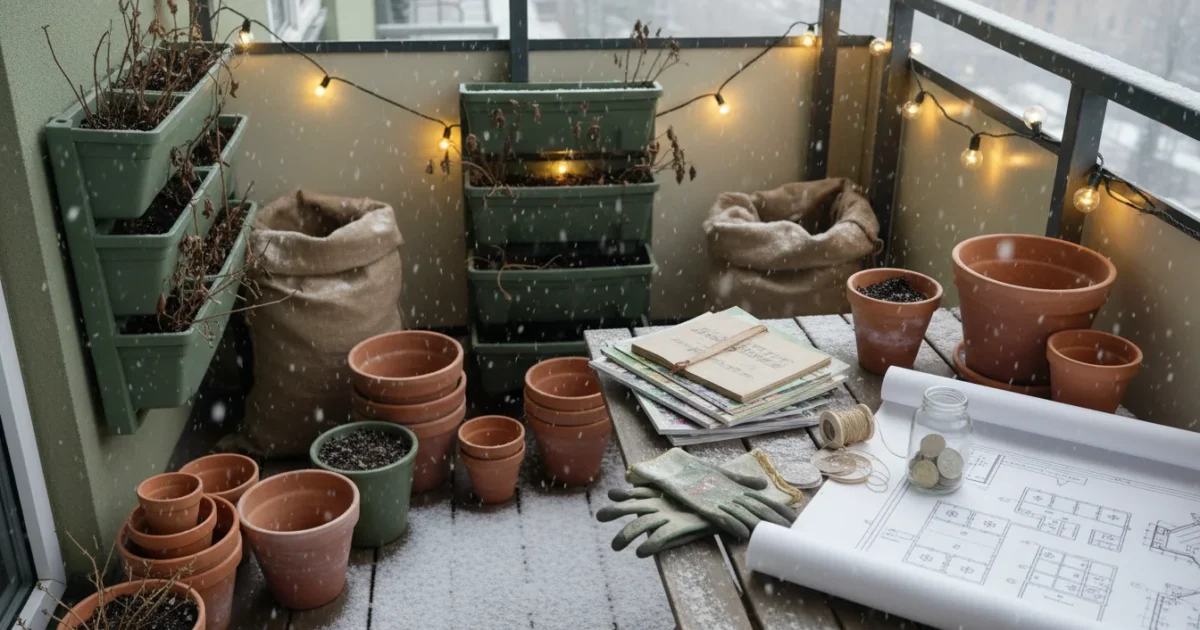
Winter arrives, bringing colder temperatures and shorter days. For many gardeners, this means hanging up the trowel until spring. However, wise gardeners know winter offers the perfect opportunity to cultivate something truly special: a robust financial plan for next year’s gardening endeavors. Instead of waiting for spring fever to spark impulse buys, you can use these quieter months to strategically plan and save for your dream balcony garden. This guide empowers you to approach your garden with intention and a smart budget, ensuring a flourishing season without breaking the bank.
Successful gardening, especially in small spaces, involves thoughtful preparation. When you factor in the financial aspect during the off-season, you gain control over your spending, make informed choices, and ultimately achieve a more sustainable and satisfying garden. Let’s transform winter into your most productive gardening season yet, focusing on smart financial planning for your small space.
Shifting Your Mindset: Why Winter is Prime Time for Garden Planning
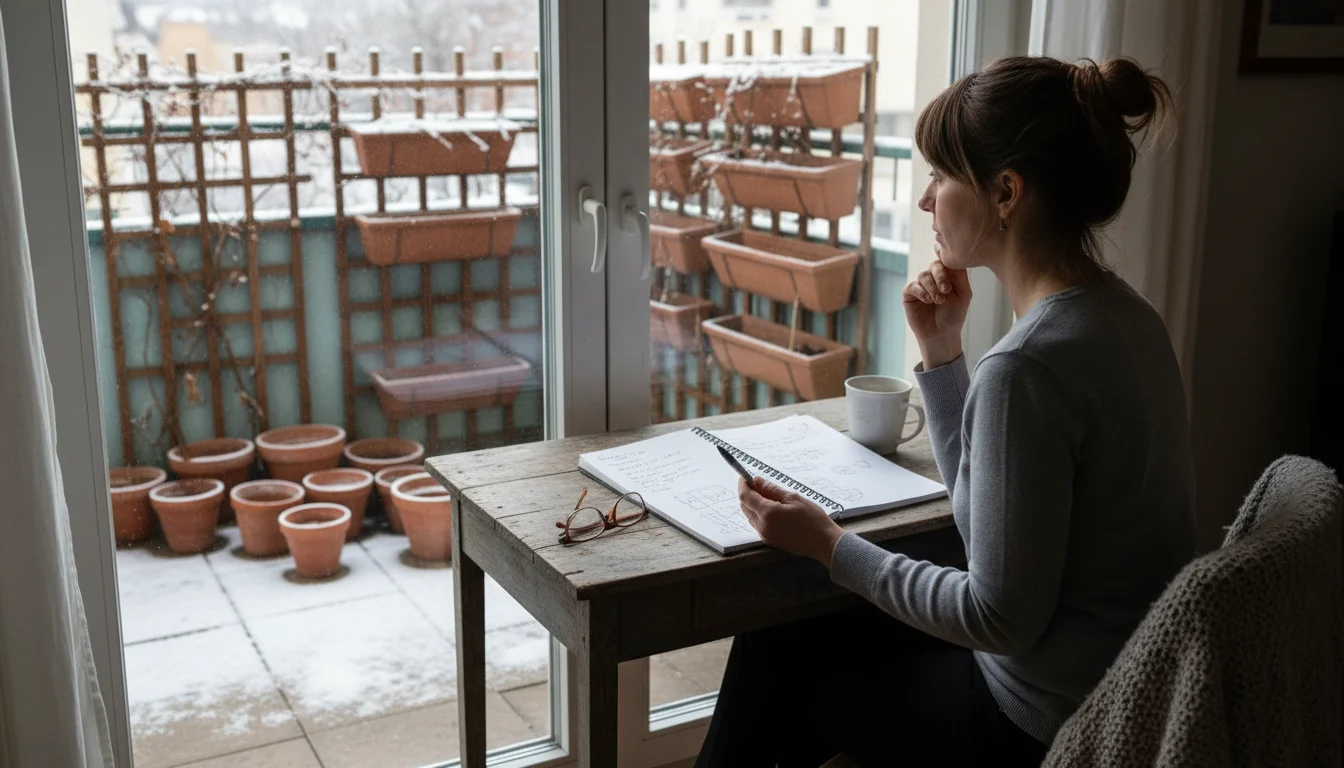
Many people associate gardening with sunshine, warm soil, and vibrant blooms. While those elements define the growing season, winter provides an equally critical period for gardeners. Think of it as your garden’s strategic planning phase. During these cooler months, you gain a unique advantage: distance. You avoid the immediate pressure of planting and the allure of tempting nursery displays. This allows for clear-headed decision making, a cornerstone of successful gardening on a budget.
This off-season advantage is particularly vital for small-space gardeners, such as those with balconies, patios, or tiny yards. Every inch of space counts, and every dollar you spend needs to deliver maximum value. By engaging in deliberate garden planning in winter, you set yourself up for success. You can research plant varieties suitable for your specific light conditions, compare prices on supplies, and even start collecting free or inexpensive materials. This proactive approach prevents hurried, expensive purchases once spring arrives. It transforms your gardening experience from reactive to intentional.
For instance, imagine discovering in April that you need a specific type of container for a plant you just bought. You might rush to the nearest store, paying a premium for whatever is available. If you engaged in planning a balcony garden in winter, you could have identified that need months ago. This foresight allows you to scour clearance sales, repurpose household items, or even find better deals online, all without the pressure of an impending planting deadline. This strategic pause saves you money, reduces stress, and increases the joy you derive from your garden.
Beyond financial savings, winter garden planning offers educational benefits. You have time to delve into gardening books, read articles, or watch tutorials. You can learn about soil science, pest management, or companion planting. This knowledge becomes invaluable when you eventually start planting, helping you avoid costly mistakes. Essentially, winter is not a dormant period for gardeners; it is a powerful incubation period where dreams of next year’s vibrant balcony garden take root, thoughtfully and economically.

Setting Your Garden Vision and Realistic Goals
Before you even think about buying a single seed or bag of soil, define what you want your garden to be. This foundational step guides all subsequent budget decisions. Without a clear vision, you risk aimlessly purchasing items that do not fit your space or your gardening aspirations. Start by asking yourself several key questions:
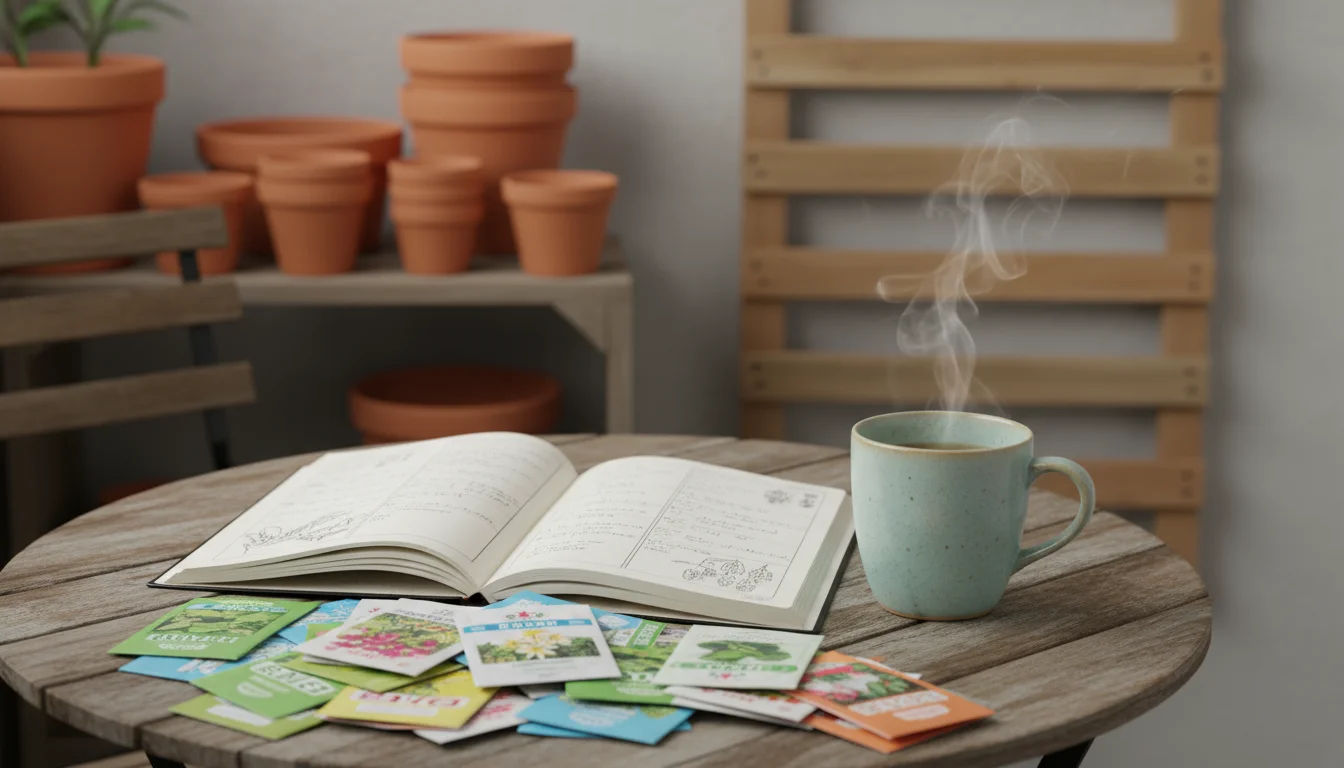
Creating a seed catalog dream board can be a fun, no-cost way to visualize your goals before committing to any purchases.
To avoid repeating past issues, consider performing a fall regret audit to identify which plants or layouts didn’t work for your space.
- What purpose will your garden serve? Do you want fresh herbs for cooking, a bounty of vegetables, a splash of colorful flowers, or a combination?
- What are your space limitations? Measure your balcony or patio. Note down how much direct sunlight it receives throughout the day. Does it get morning sun, afternoon sun, or a mix? Understanding these factors dictates your plant choices and the number of containers you can realistically accommodate.
- How much time can you realistically dedicate to gardening each week? Some plants require more attention than others.
- What is your skill level? Are you a complete beginner, or do you have some experience?
For example, if you dream of a kitchen herb garden, your vision might involve a vertical planter or a few dedicated pots near your kitchen door. This requires specific types of containers and herb seeds. If you envision a productive vegetable patch, you need larger containers, more substantial soil volume, and specific vegetable varieties known for container growth, such as bush beans or determinate tomatoes. A purely ornamental flower garden demands different considerations altogether, focusing on bloom times, color palettes, and container aesthetics.
Once you establish your vision, set realistic goals. Instead of aiming to grow every vegetable under the sun, perhaps focus on three to five plants you truly enjoy eating or that are particularly well-suited to your local climate and sun exposure. This prevents overbuying, a significant cause of budget overrun. For instance, if your balcony receives only partial sun, avoid sun-loving tomatoes and instead prioritize shade-tolerant options like lettuce, spinach, or some herbs. This focused approach ensures your efforts and money yield the best possible results.
Document your vision and goals. Sketch out your balcony layout. Create a list of potential plants based on your research into light requirements and space. This initial planning, even before a budget worksheet, provides the framework for smart spending and helps define your container garden budget from the ground up.
Creating Your Comprehensive Container Garden Budget Worksheet
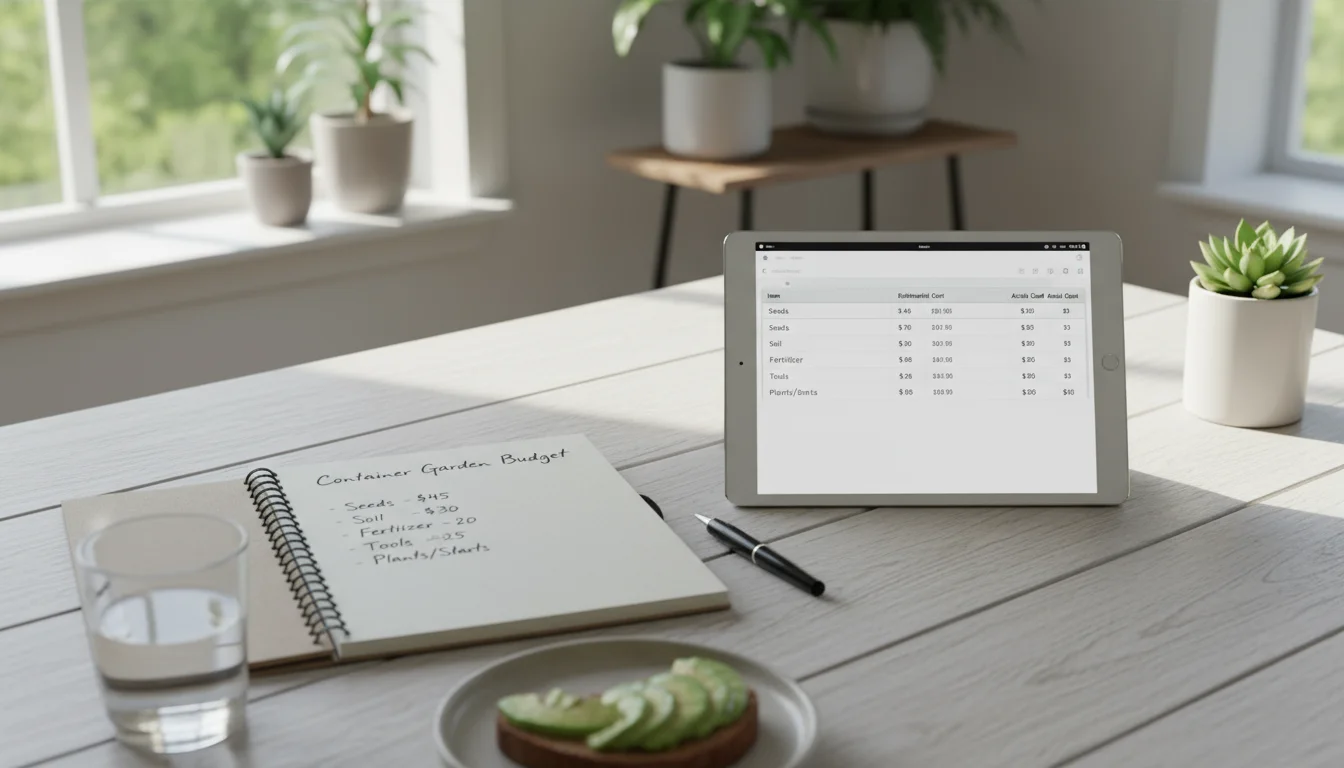
A detailed budget worksheet is your most powerful tool for controlling gardening expenses. It transforms vague intentions into concrete financial targets. Creating a garden budget worksheet involves breaking down every potential cost associated with your balcony garden. This proactive approach helps you anticipate expenses and identify areas for savings long before you open your wallet. You can use a simple spreadsheet program, a notebook, or even a dedicated app.
If you prefer paperless organization, you can also use free gardening apps to track your budget and balcony layout digitally.
Start by listing major categories of expenses. Within each category, detail specific items you anticipate needing. Assign a realistic estimated cost to each item. Remember, the goal is to be thorough. Do not underestimate costs, as it often leads to budget overruns.
Here is a suggested structure for your container garden budget worksheet:
| Category | Item | Estimated Quantity | Estimated Unit Cost | Estimated Total Cost | Notes/Where to Save |
|---|---|---|---|---|---|
| Containers | Large Pots (10-15 gallon) | 2 | $15.00 | $30.00 | Look for clearance sales, terracotta, fabric pots. |
| Medium Pots (5-7 gallon) | 4 | $10.00 | $40.00 | Repurpose old buckets, laundry baskets with drainage holes. | |
| Small Pots/Seed Starting Trays | 1 set | $8.00 | $8.00 | Use egg cartons, yogurt cups. | |
| Soil & Amendments | Potting Mix (large bag) | 2 | $25.00 | $50.00 | Buy in bulk, make your own. |
| Compost/Worm Castings | 1 bag | $12.00 | $12.00 | Start a small vermicompost bin. | |
| Slow-Release Fertilizer | 1 box | $18.00 | $18.00 | Often cheaper than liquid options. | |
| Seeds & Plants | Seed Packets | 10 | $3.00 | $30.00 | Buy open-pollinated, share with friends. |
| Seedlings/Starts (specialty) | 4 | $5.00 | $20.00 | Propagate from cuttings if possible. | |
| Tools & Equipment | Hand Trowel | 1 | $10.00 | $10.00 | Invest in quality once. |
| Small Hand Pruners | 1 | $15.00 | $15.00 | Essential for maintenance. | |
| Watering Can | 1 | $12.00 | $12.00 | A simple hose nozzle works for some balconies. | |
| Pest/Disease Control | Neem Oil/Insecticidal Soap | 1 bottle | $15.00 | $15.00 | Preventative measures reduce need. |
| Beneficial Insects (e.g., ladybugs) | Optional | $20.00 | $20.00 | Only if issues arise. | |
| Miscellaneous | Plant Tags/Markers | 1 pack | $5.00 | $5.00 | Use repurposed plastic or popsicle sticks. |
| Support Stakes/Cages | As needed | $10.00 | $10.00 | DIY from branches or old coat hangers. | |
| TOTAL ESTIMATED BUDGET | $295.00 | ||||
This comprehensive approach to creating a garden budget worksheet allows you to see exactly where your money goes. It also highlights areas where you can implement smart saving strategies, turning your vision for a beautiful and productive balcony garden into a financially feasible reality. Revisit this worksheet regularly as you plan and shop.
Smart Saving Strategies: How to Save Money on Gardening Supplies
Once you have your garden budget worksheet in hand, you can actively seek out savings. Gardening on a budget does not mean sacrificing quality or productivity. It means being resourceful and strategic. Many opportunities exist to reduce costs significantly without compromising your garden’s health or beauty.
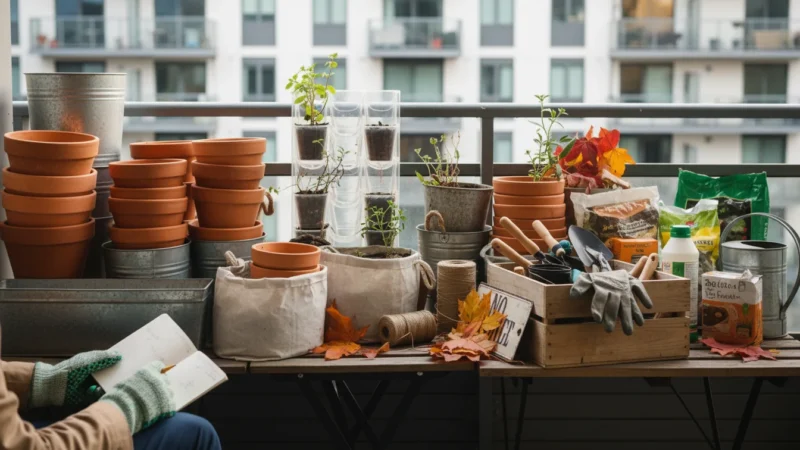
Keeping your accumulated gear organized is easy if you use the garden-in-a-box method to store supplies efficiently during the off-season.
Another excellent way to cut costs is by learning how to save seeds from your current plants to use in next year’s containers.
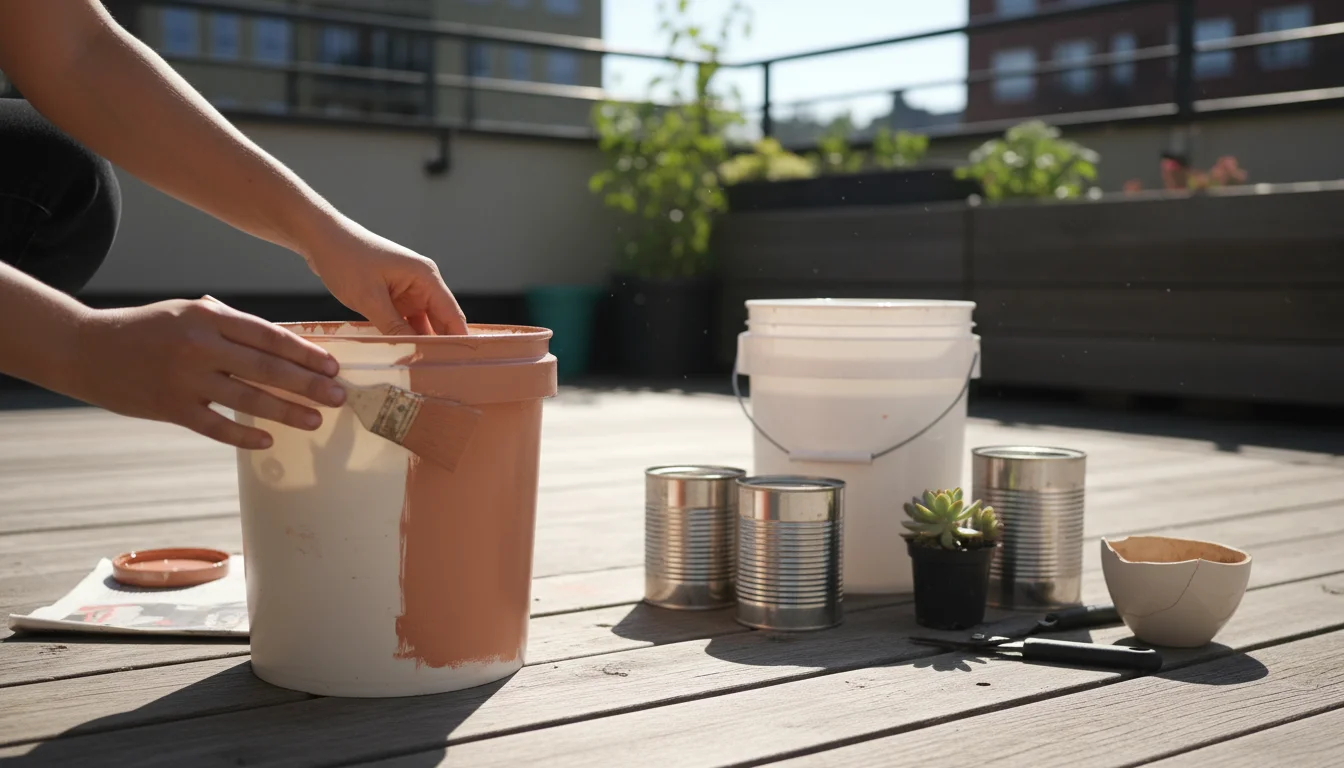
- Repurpose and Upcycle Containers: New containers, particularly decorative ones, add up quickly. Look around your home for items you can repurpose. Old laundry baskets, sturdy plastic food containers, five-gallon buckets from hardware stores, or even tires (with proper drainage holes added) all serve as excellent, free containers. Paint them for a cohesive look. Coffee cans, milk jugs, and yogurt cups work well for seed starting. This approach reduces waste and keeps money in your pocket.
- Start from Seed: Buying seedlings or “starts” from a nursery offers convenience, but growing plants from seed is far more economical. A single packet of seeds, costing a few dollars, often contains dozens of seeds, providing many more plants than you would get from pre-grown starts. This strategy is particularly effective for vegetables like lettuce, radishes, bush beans, and many herbs. You can start seeds indoors during winter, which aligns perfectly with your planning phase.
- Compost Your Own: Soil amendments, like compost and worm castings, improve soil structure and fertility. Buying these in bags increases costs. Consider starting a small compost pile or a vermicompost bin for your kitchen scraps. This eco-friendly practice provides nutrient-rich soil amendments for free, significantly reducing your need to purchase expensive bags of organic matter.
- Bulk Buys and Off-Season Sales: Look for opportunities to buy potting mix, perlite, or other bulk items during off-season sales, usually in late fall or winter. Retailers often clear out inventory to make way for holiday items, or they offer discounts before the spring rush. Partner with a gardening friend to split larger bags for even greater savings.
- DIY Seed Starting Mixes: Instead of purchasing specialized seed starting mixes, you can create your own. A common recipe involves equal parts peat moss (or coco coir), perlite, and vermiculite. This allows you to control the ingredients and often costs less than pre-made mixes.
- Tool Sharing and Borrowing: You do not need every garden gadget. For specialized tools you might only use once or twice a season, consider borrowing from a neighbor or a community garden tool library. For essential tools, invest in good quality items that last many seasons, rather than cheap ones that break and require replacement.
- Seek Out Free Resources: Check online community groups, neighborhood forums, or local freecycling platforms for gardeners giving away excess seeds, divisions of plants, or even spare containers. Many generous gardeners are happy to share their bounty.
By integrating these approaches, you will master how to save money on gardening supplies, ensuring your dream balcony garden flourishes within your financial boundaries.
Investing Wisely: Essential vs. Optional Garden Gear
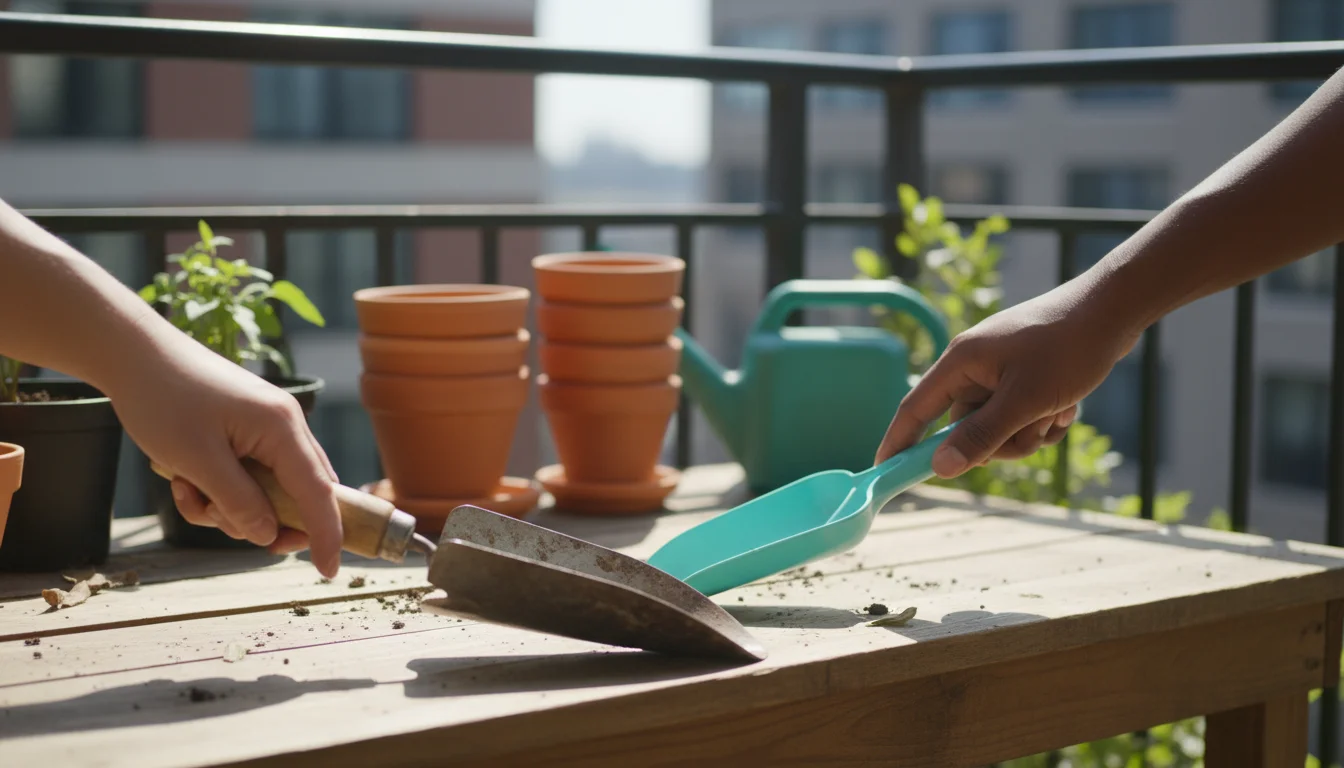
Gardening on a budget involves making smart choices about where to spend and where to save. Some items represent essential investments that pay off in the long run, while others fall into the category of optional luxuries. Understanding this distinction helps you allocate your container garden budget effectively.
Essential Investments: Items That Provide Long-Term Value
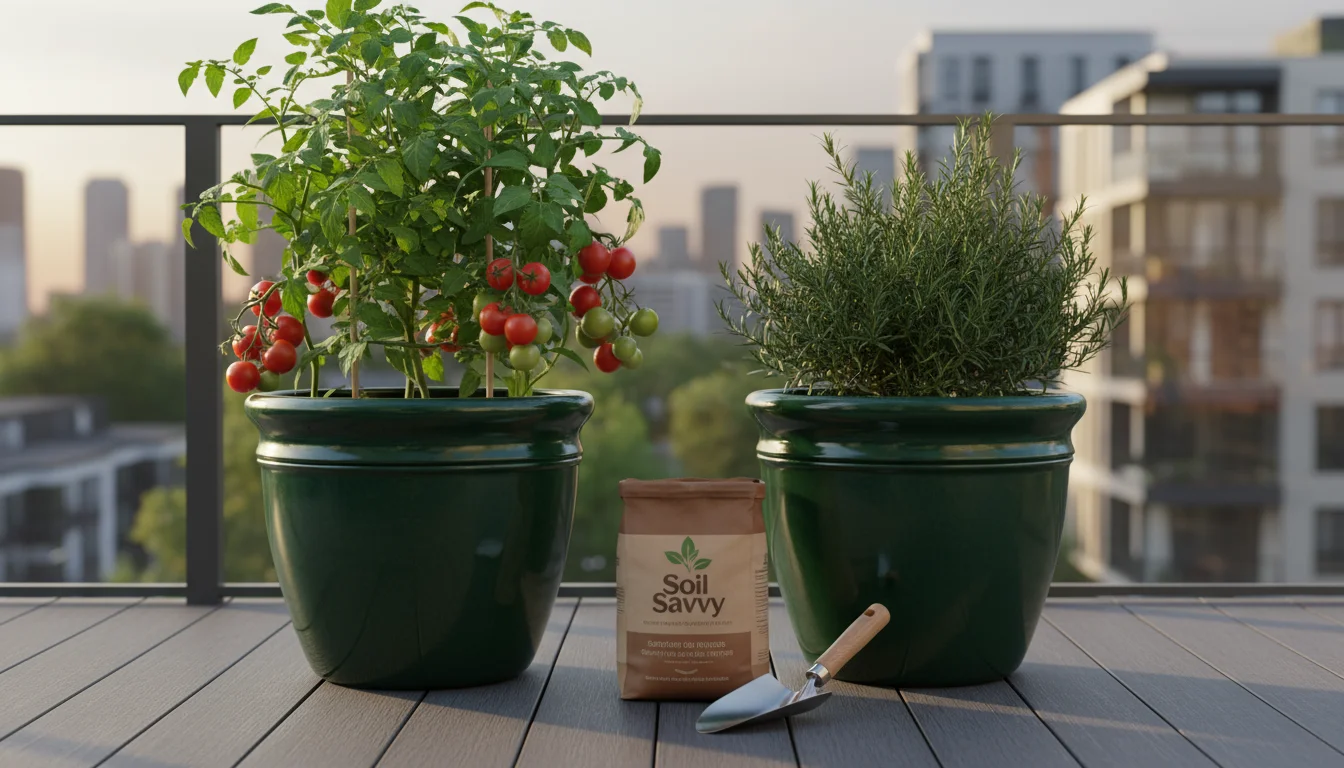
Focus your spending on items that directly impact plant health, productivity, and your gardening comfort. These are the cornerstones of a successful garden:
- Quality Potting Mix: This is arguably your single most important investment for a container garden. Do not skimp on potting mix. Good quality potting mix provides proper drainage, aeration, and nutrient retention, all critical for container-bound plants. Cheap, heavy “garden soil” from your yard compacts easily in pots, suffocating roots and hindering water movement. Invest in a reputable brand designed specifically for containers.
- Durable Containers (for key plants): While repurposing saves money, consider investing in a few high-quality, durable containers for your cornerstone plants, such as your prize tomato or long-lived perennial herbs. Fabric grow bags offer excellent drainage and aeration at a reasonable cost. Sturdy plastic or terracotta pots, if cared for, last for many years.
- Basic, Ergonomic Hand Tools: A good hand trowel, a pair of sharp pruners, and perhaps a small hand fork make a significant difference in your gardening experience. Invest in tools with comfortable handles and durable construction. They perform better, last longer, and prevent hand fatigue. A quality pair of pruners, for example, makes clean cuts, promoting plant health and reducing the risk of disease.
- Seeds from Reputable Sources: While you can often get free seeds, when purchasing, choose trusted seed companies. They offer reliable germination rates and accurately labeled varieties, preventing wasted effort and disappointment.
Optional Luxuries: Items to Consider Later or Skip
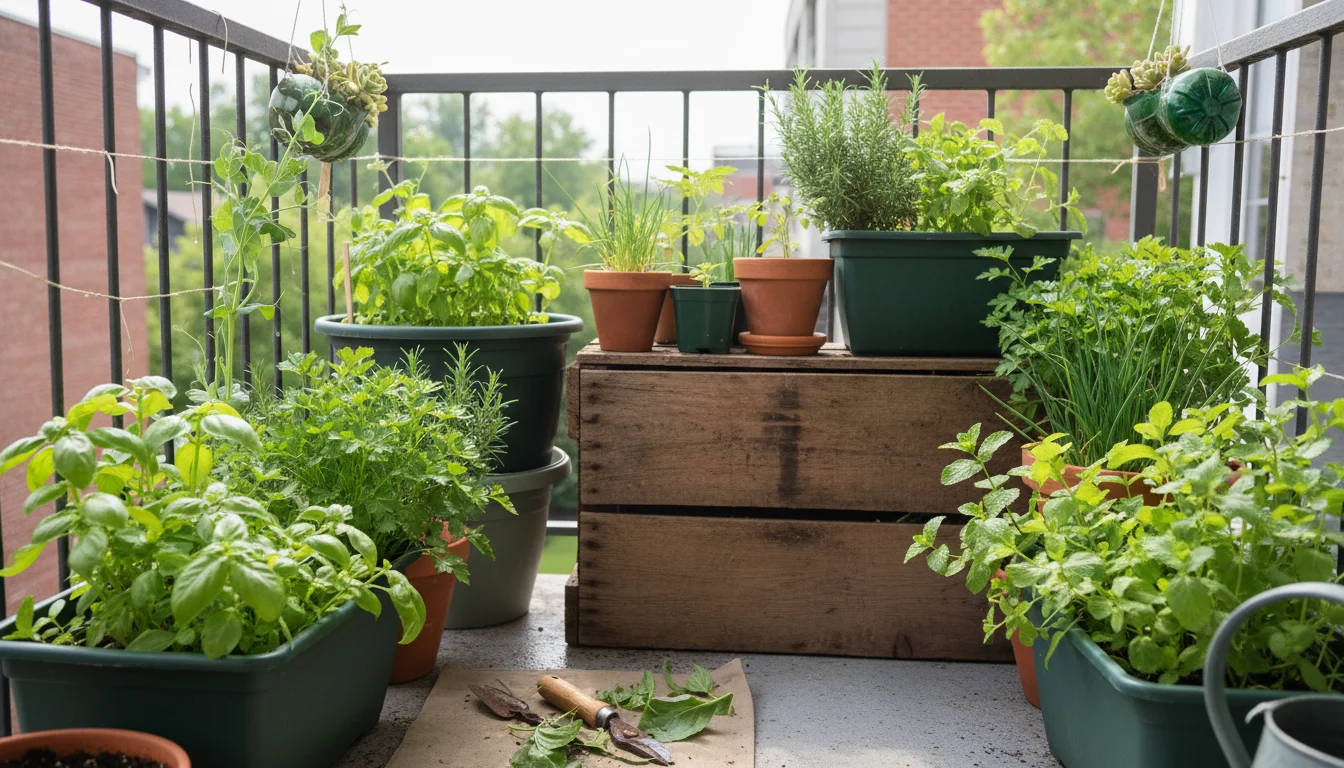
These items might enhance your garden, but they are not necessary for success, especially when you are gardening on a budget. You can always add them later as your budget allows or if you identify a specific need.
- Excessive Decorative Elements: Ornate trellises, expensive statuary, or elaborate decorative pots often carry high price tags. While aesthetically pleasing, they do not directly contribute to plant growth. Prioritize plant needs over decorative embellishments, especially in the initial stages.
- Specialized Single-Purpose Tools: Tools designed for a very specific, infrequent task (e.g., a dedicated bulb planter if you only plant bulbs once a year) often sit unused. See if existing tools or simple household items can perform the same function.
- Automated Watering Systems: While convenient, automated drip irrigation systems for small balconies are an added expense. For a typical balcony garden, a good watering can or a hose with a simple nozzle usually suffices. Learn to hand-water, as it also provides an opportunity to observe your plants closely for any issues.
- High-Tech Gadgets: Soil moisture meters, pH testers, or grow lights for seed starting (if not absolutely essential for your climate) represent additional costs. While useful, you can often gauge soil moisture by feel and observe plant health for nutrient deficiencies. Start simple and add technology as your experience grows.
By differentiating between essential investments and optional luxuries, you ensure your money goes toward what truly matters for a thriving balcony garden, while still adhering to your overall garden planning goals and staying within your budget.
Plant Selection for Your Budget and Balcony
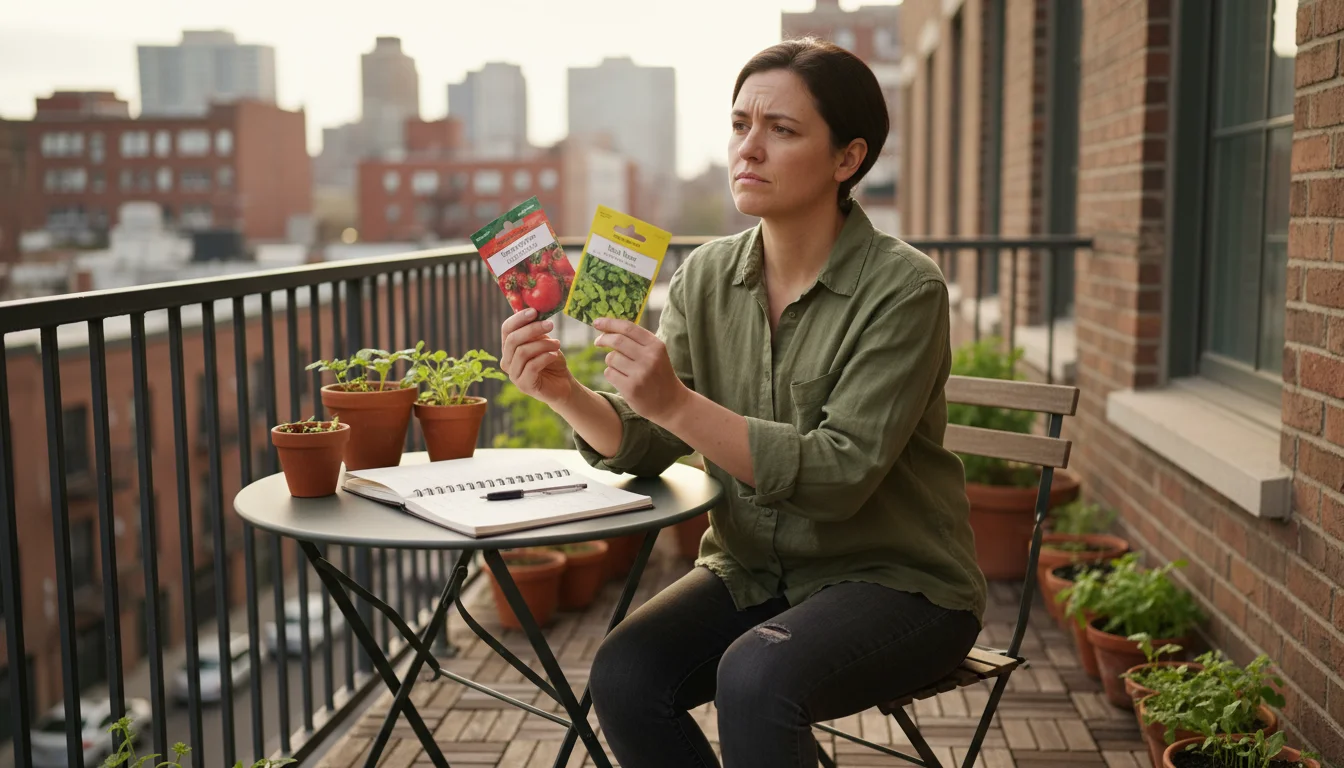
Choosing the right plants is a critical part of successful garden planning and adherence to your budget. Your plant selection directly impacts how much you spend and how much you harvest. Focusing on efficiency and productivity for your small space allows you to maximize your returns on investment.
When deciding what to grow, refer to an apartment seed-starting calendar to plan your budget around specific indoor planting windows.
Cost-Effective Plant Choices
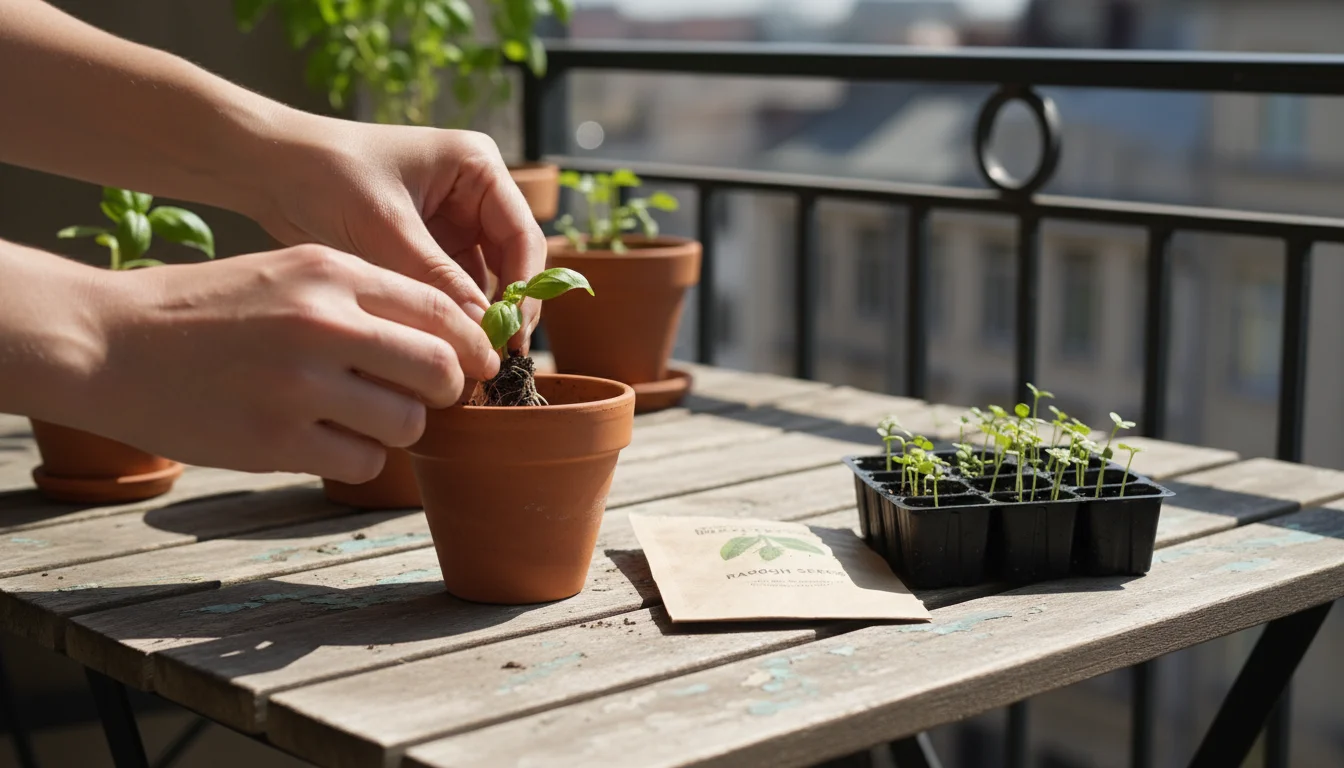
- Start from Seed: As mentioned, seeds are significantly cheaper than purchasing established plants. For example, a packet of radish seeds costs a few dollars and can yield dozens of radishes. Buying a six-pack of radish starts, conversely, gives you six plants for a similar or higher price. This strategy works well for many vegetables, herbs, and annual flowers.
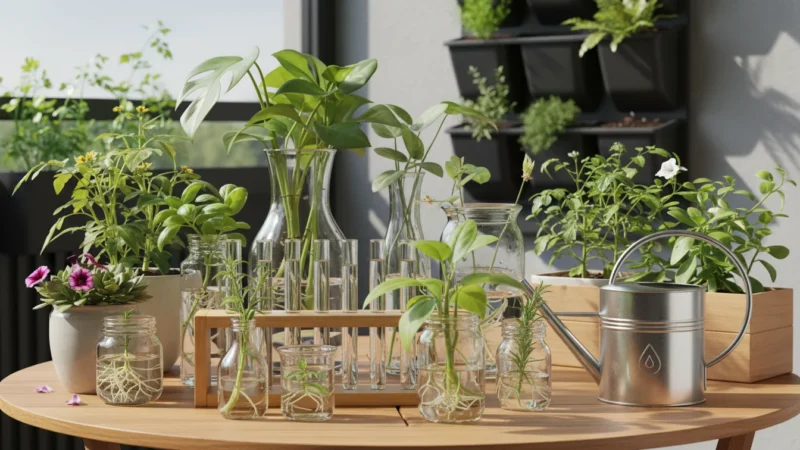
- Propagate from Cuttings: Many herbs like mint, rosemary, basil, and even some flowers propagate easily from cuttings. If you or a friend have an established plant, you can create new plants for free. This zero-cost method saves considerable money over buying new plants each season.
- Choose Productive Varieties: Select plants that offer a high yield relative to their space and resource requirements. For vegetables, look for “bush” varieties for beans or cucumbers, which take up less space than their vining counterparts. Determinate tomato varieties are also excellent for containers, producing a large crop over a shorter period.
- Heirloom Seeds: Heirloom varieties often produce seeds that you can save from year to year, providing a continuous, free supply of future plants. This reduces your seed purchasing budget over time. Learn about proper seed-saving techniques for your chosen plants.
Matching Plants to Your Balcony’s Conditions
Even the most budget-friendly plant will fail if it does not suit your balcony’s environment, resulting in wasted money. Consider these factors:
- Sunlight: Accurately assess how much direct sunlight your balcony receives daily. Full sun plants (tomatoes, peppers, most herbs) need 6+ hours. Partial sun plants (lettuce, spinach, some leafy greens) thrive with 3-6 hours. Shade-tolerant plants (some herbs, certain flowers) do well with less than 3 hours or filtered light.
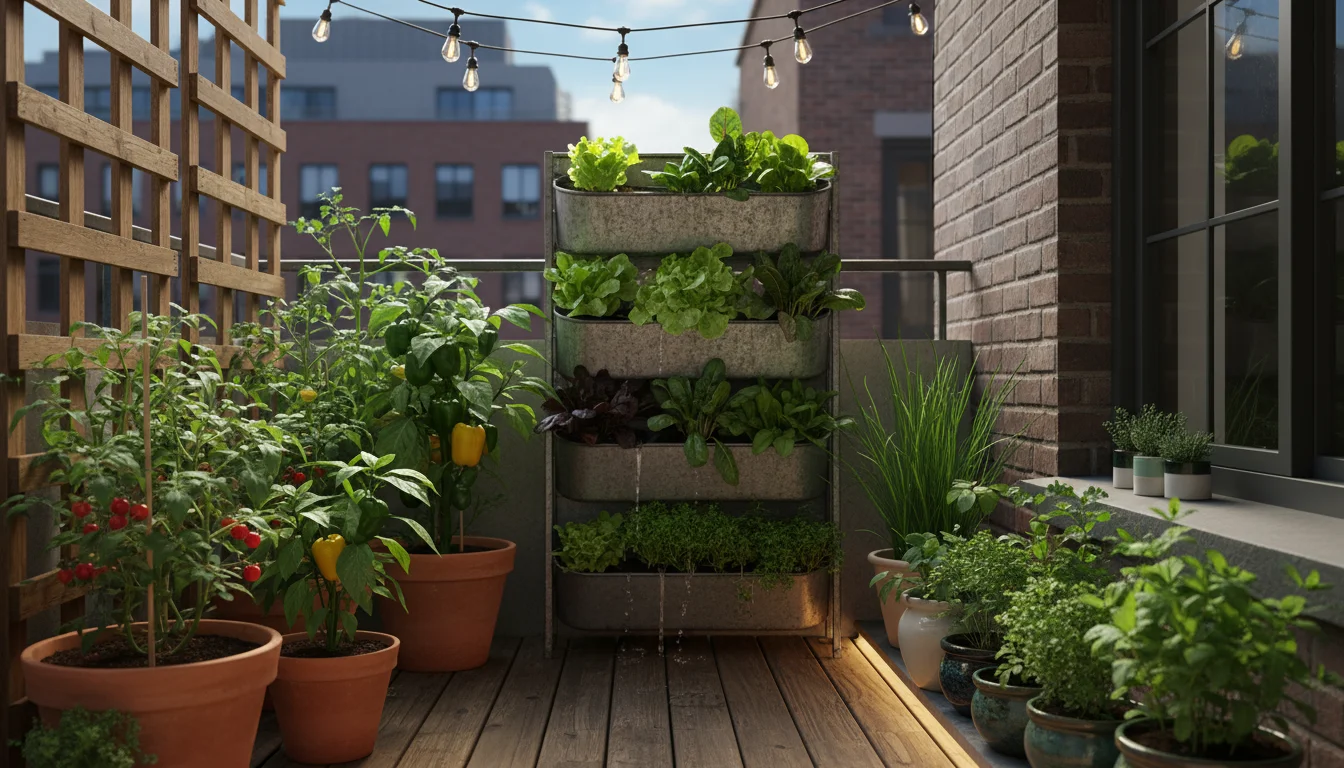
- Space: Choose compact varieties. Look for dwarf or patio-specific plant options. Vertical gardening solutions, such as wall planters or shelving, help you grow more in a limited footprint without adding more containers on the floor.
- Climate: Select plants suited to your local growing zone and season length. Consult local extension services for regional recommendations. They provide expert, research-based advice.
Examples of Budget-Friendly, High-Yield Balcony Plants
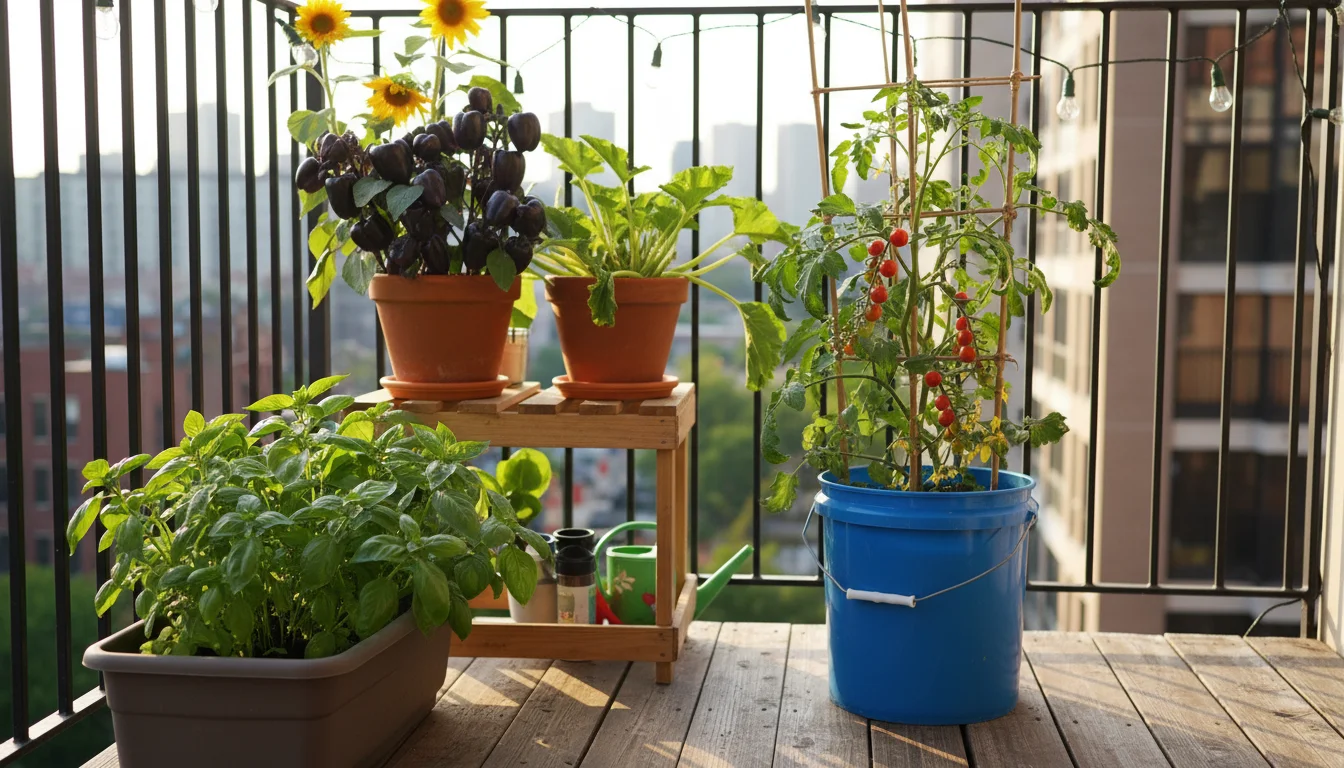
- Leafy Greens: Lettuce, spinach, arugula, and kale grow quickly and tolerate some shade. Harvest individual leaves to extend their lifespan.
- Radishes: Extremely fast-growing, providing a quick harvest and excellent return on seed investment.
- Bush Beans: Produce abundant pods in a compact form, perfect for containers.
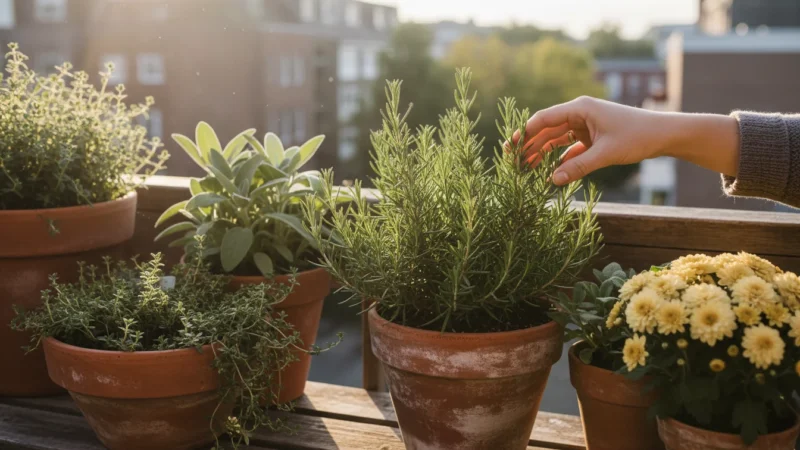
- Herbs: Basil, mint, chives, cilantro, and parsley grow easily in pots and offer continuous harvests.
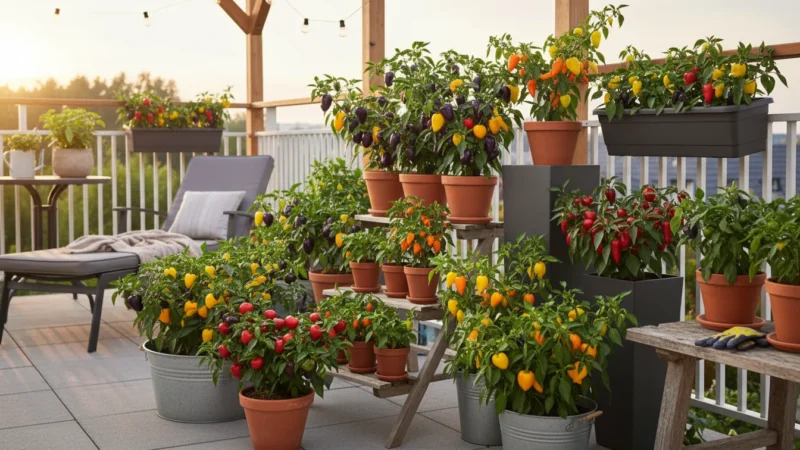
- Cherry Tomatoes (determinate varieties): Many compact cherry tomato types are ideal for containers, yielding many small, sweet fruits.
- Zinnias or Marigolds: Easy to grow from seed, these annual flowers provide continuous blooms and attract pollinators.
By carefully selecting plants that align with your budget, your balcony’s conditions, and your desired harvest, you create a garden that is both economically sensible and incredibly rewarding. This thoughtful approach, a core component of your garden planning, ensures maximum success and minimal financial strain.
Avoiding Common Budget Busting Mistakes
Even with careful planning, it is easy to fall into traps that derail your gardening budget. Recognizing these common pitfalls helps you steer clear of unnecessary expenses and maintain financial discipline throughout the gardening season.
- Impulse Buys at the Nursery: The vibrant displays at garden centers in spring are incredibly enticing. A beautiful plant you “must have” often ends up being poorly suited for your balcony’s light, your container size, or even your local climate. Stick to your pre-planned plant list derived from your winter garden planning. If an unexpected plant catches your eye, research its requirements immediately to confirm it fits your vision and space before purchasing.
- Overbuying Seeds and Plants: It is easy to buy more seed packets than you need, or too many seedlings for your available space. Excess seeds expire or go unused. Too many plants in too few containers lead to overcrowding, poor air circulation, increased pest issues, and reduced yields, meaning wasted plant material and money. Reference your garden budget worksheet and plant layout plan to buy only what you realistically need and can accommodate.
- Ignoring Soil Quality: Attempting to save money by using poor quality soil, or even garden soil from the ground, in containers is a false economy. Garden soil compacts in pots, lacks proper drainage, and often contains weed seeds or pathogens. This leads to struggling plants, increased need for fertilizers, and eventual replacement of plants, costing you more in the long run. Invest in a good quality potting mix designed for containers, as it provides the essential foundation for healthy plant growth. Remember, “drainage” refers to how well water moves through soil, preventing roots from sitting in soggy conditions.
- Failing to Plan for Maintenance Costs: Your budget should not stop at initial purchases. Consider ongoing expenses such as fertilizer, pest control, and replacement plants (if some do not survive). If you know you will need a specific organic pest spray, factor that into your container garden budget. Anticipating these costs prevents surprise expenses later.
- Buying Too Many Tools You Do Not Need: The gardening tool aisle offers a dazzling array of gadgets. While some tools are essential, many are specialized or redundant for a small balcony garden. Resist the urge to buy every shiny new tool. Start with the basics: a good trowel, pruners, and a watering can. You can always acquire additional tools if a genuine need arises. Often, household items suffice for specific tasks.
- Not Factoring in Time and Effort: While not a direct monetary cost, time is valuable. Choosing high-maintenance plants when you have limited time, or embarking on complex DIY projects that drain your energy, can lead to burnout and abandoned projects, effectively wasting the money you did spend. Be realistic about your commitment level when planning.
By consciously avoiding these common budget pitfalls, you maintain control over your spending and ensure your gardening journey remains enjoyable and financially sound. This careful approach to how to save money on gardening supplies extends beyond initial purchases, covering the entire season.
Year-Round Budget Maintenance and Review
Creating a garden budget worksheet in winter is an excellent start, but its true power lies in continuous engagement. Your garden budget is not a static document; it is a dynamic tool that requires year-round maintenance and regular review. This ongoing process helps you stay on track, adapt to unforeseen circumstances, and learn valuable lessons for future gardening seasons. This aspect of garden planning ensures long-term financial success and gardening enjoyment.
Reflecting on your past successes and failures through a reverse garden journal ensures that your future budgets are even more accurate.

Tracking Expenses Throughout the Year
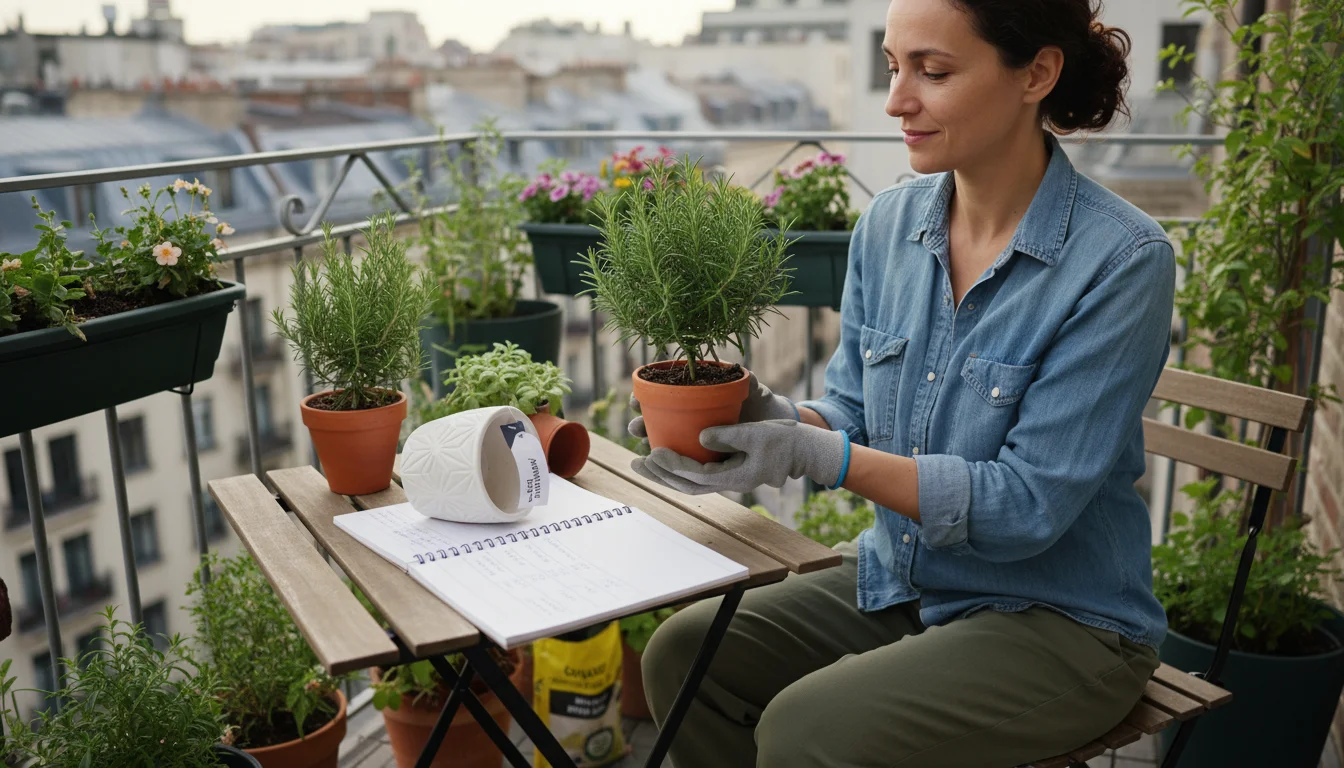
As you make purchases for your garden, meticulously record them. Keep all your receipts, whether physical or digital. Update your budget worksheet with actual costs versus your initial estimates. This tracking provides several key benefits:
- Real-Time Awareness: You immediately see if you are overspending in a particular category. This allows for quick adjustments, such as opting for DIY solutions or postponing non-essential purchases.
- Accurate Data for Future Planning: By tracking actual expenses, you gather precise data. This data becomes invaluable for planning next year’s garden budget, making your estimates even more accurate and realistic. You will know exactly how much you truly spend on potting mix, seeds, or specific plant types.
- Behavioral Insight: Tracking reveals your spending habits. Do you tend to overspend on attractive flowering annuals? Do you frequently buy tools you already own? This self-awareness helps you make more disciplined choices in the future.
Adjusting Your Budget as Needed
Life happens, and your garden may evolve. Be prepared to adjust your budget throughout the year. Perhaps you discovered a fantastic sale on compost, freeing up funds for a new vertical planter. Or maybe a pest infestation required an unexpected purchase of organic insecticide. These situations call for flexibility:
- Reallocate Funds: If you underspent in one area, consider reallocating those savings to another priority.
- Re-evaluate Needs: If an unforeseen expense arises, look for areas where you can cut back. Can you delay buying those decorative plant tags, or use homemade options instead?
- Learn and Adapt: Each adjustment is a learning opportunity. It refines your understanding of your gardening needs and financial limits.

Learning from Each Season
At the end of the growing season, before winter sets in again, conduct a comprehensive review of your budget worksheet. Compare your estimated costs to your actual expenditures. Ask yourself:
- Where did I stay within budget, and why?
- Where did I overspend, and what factors contributed to that?
- Were there items I purchased that I did not really need or use?
- What free or low-cost strategies worked particularly well?
- What would I do differently next year to save more money or get better value?
This post-season analysis is crucial for truly mastering gardening on a budget. It allows you to refine your approach to planning a balcony garden in winter and makes each subsequent gardening season more efficient and enjoyable. By actively maintaining and reviewing your budget, you transform it into a living document that continually supports your dream garden, year after year.
Frequently Asked Questions
Can I really have a productive balcony garden on a tight budget?
Absolutely, you can have a very productive balcony garden on a tight budget. The key is strategic garden planning, starting from seed, repurposing containers, making your own compost, and focusing on high-yield, compact plant varieties. Many successful small-space gardens rely heavily on resourcefulness, not expensive purchases. Your winter budget blueprint will guide you in making those smart, cost-effective decisions.
What is the single most important item to invest in for a container garden?
Without a doubt, the single most important investment for a container garden is a high-quality potting mix. Unlike garden soil, a good potting mix provides the ideal balance of aeration, drainage, and water retention necessary for plants to thrive in confined spaces. Investing in this foundation prevents a host of problems, reduces the need for constant amendments, and ultimately saves you money on replacement plants or extensive troubleshooting.
How do I know if a “deal” on gardening supplies is actually a good value?
Evaluate a “deal” by considering quality, quantity, and your actual needs. A very cheap bag of “garden soil” is not a good value if it compacts in containers and kills your plants. A large bag of potting mix on sale might be a great deal if you have space to store it and genuinely need that quantity. Always compare unit prices, check reviews if buying online, and ensure the product aligns with your pre-planned budget worksheet and specific garden requirements. If you do not need it, even free is not a good deal.
Should I save money by using garden soil from my yard in containers?
No, you should generally avoid using garden soil from your yard in containers. Garden soil, designed for in-ground planting, often becomes too dense and heavy in a pot, leading to poor drainage and inadequate aeration for plant roots. “Drainage” refers to how well water moves through the soil. In containers, garden soil compacts quickly, suffocating roots and holding too much moisture. This causes root rot and other problems. While initially seeming like a cost-saver, it typically leads to plant failure and wasted effort. Always use a purpose-made potting mix for containers.
For trustworthy gardening information, visit:
University of Illinois Extension — Gardening, UC IPM (University of California Integrated Pest Management), Missouri Botanical Garden and Kew Science — Plants of the World. These organizations provide expert, research-based advice for gardeners at all levels.
Disclaimer: This article is for informational purposes only and is not a substitute for professional gardening advice. Always consult local extension services or horticulture experts for region-specific guidance.
Leave a Reply