
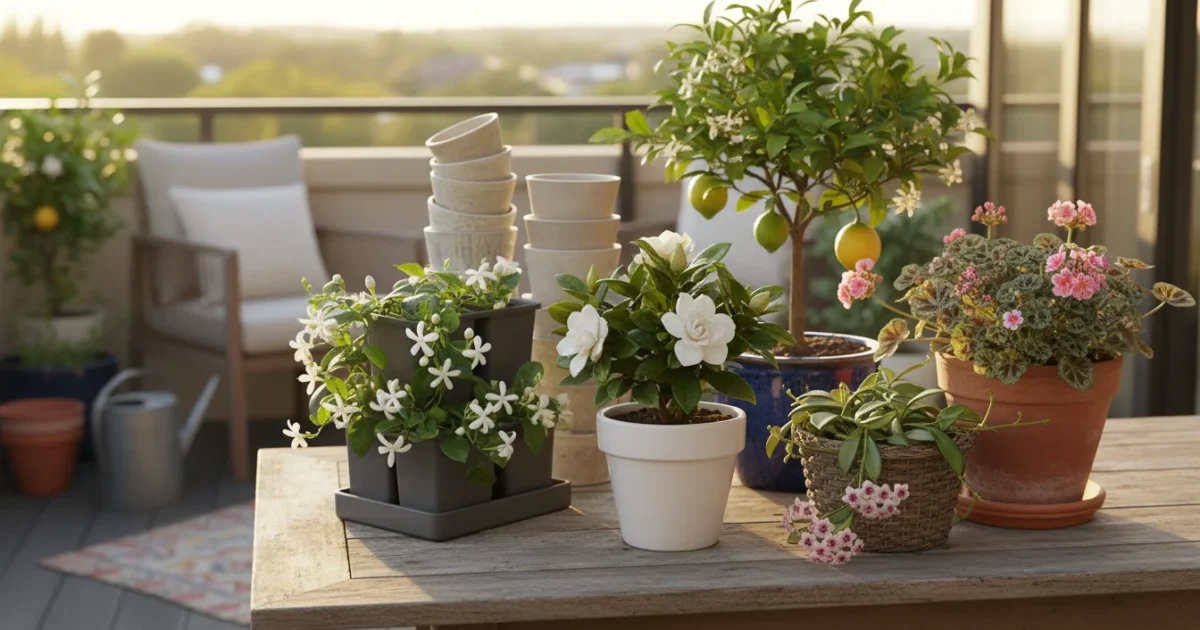
As winter casts its long, dark shadow, your home often becomes a sanctuary from the cold. While cozy, this can also mean stale air and a distinct lack of the fresh, vibrant scents outdoor gardens offer. Many indoor plants provide greenery, but they often leave your senses longing for more. Imagine infusing your small living space, be it a balcony, patio, or a sunny windowsill, with delightful, natural perfumes even in the deepest months of winter. You can move beyond purely ornamental foliage and cultivate a truly sensory indoor garden.
This article guides you through selecting and caring for five incredibly fragrant houseplants that not only survive but actually thrive and bloom, releasing their intoxicating aromas when you need them most. We will explore specific care tips for each plant, ensuring your apartment, small home, or even a cozy nook becomes a haven of natural winter fragrance. Get ready to transform your indoor environment with the best smelling indoor plants that flower in winter, providing practical and actionable insights for your gardening success.
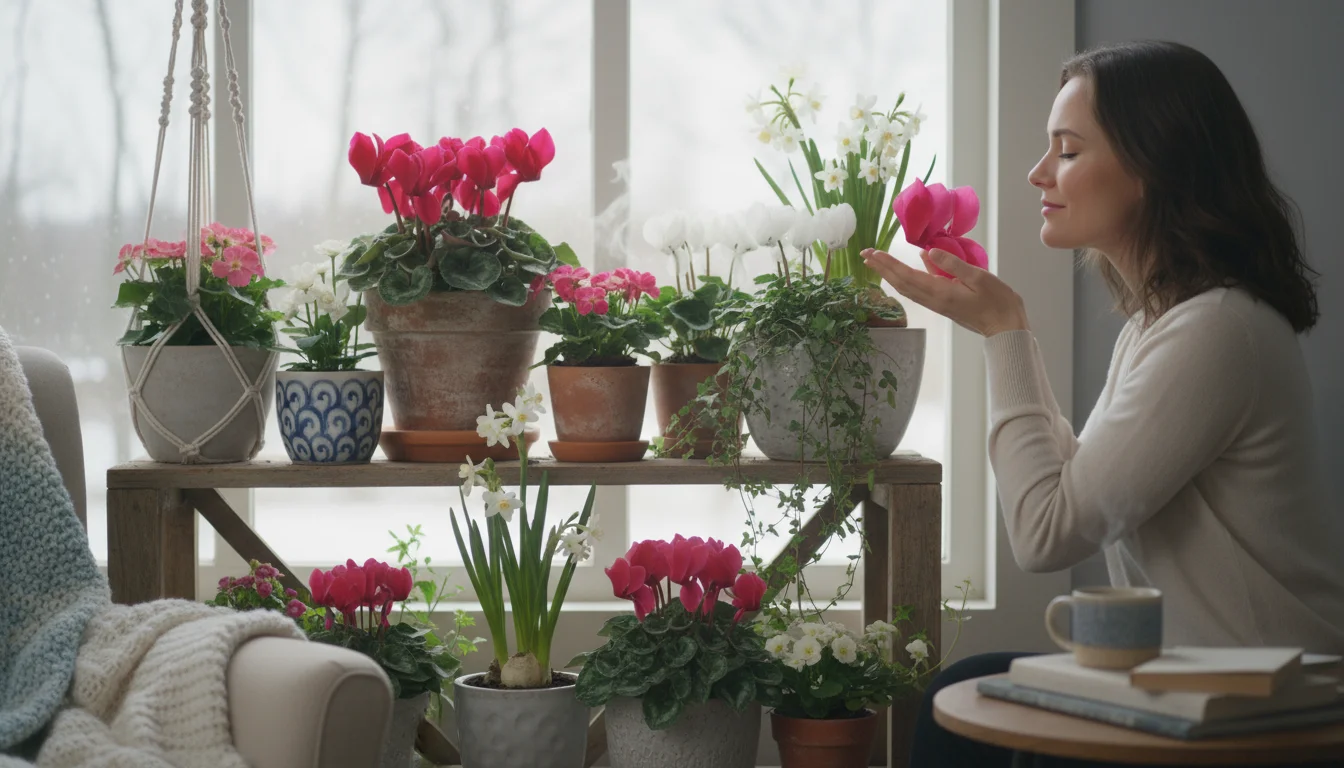
Unveiling Winter Fragrance Indoors
Winter brings shorter days and often a feeling of confinement, especially when cold weather keeps you indoors. The vibrant scents of summer gardens become a distant memory. This shift frequently leads to a less stimulating indoor environment. However, your indoor space does not have to be devoid of sensory delight during the colder months. You can actively combat the winter doldrums by incorporating specific fragrant houseplants that genuinely bloom, releasing their delightful aromas. This strategy offers a powerful alternative to generic indoor greenery, transforming your living area into a dynamic, scented sanctuary.
If you want to add even more variety to your collection, forcing bulbs indoors is an easy way to bring early spring color and fragrance to your home.
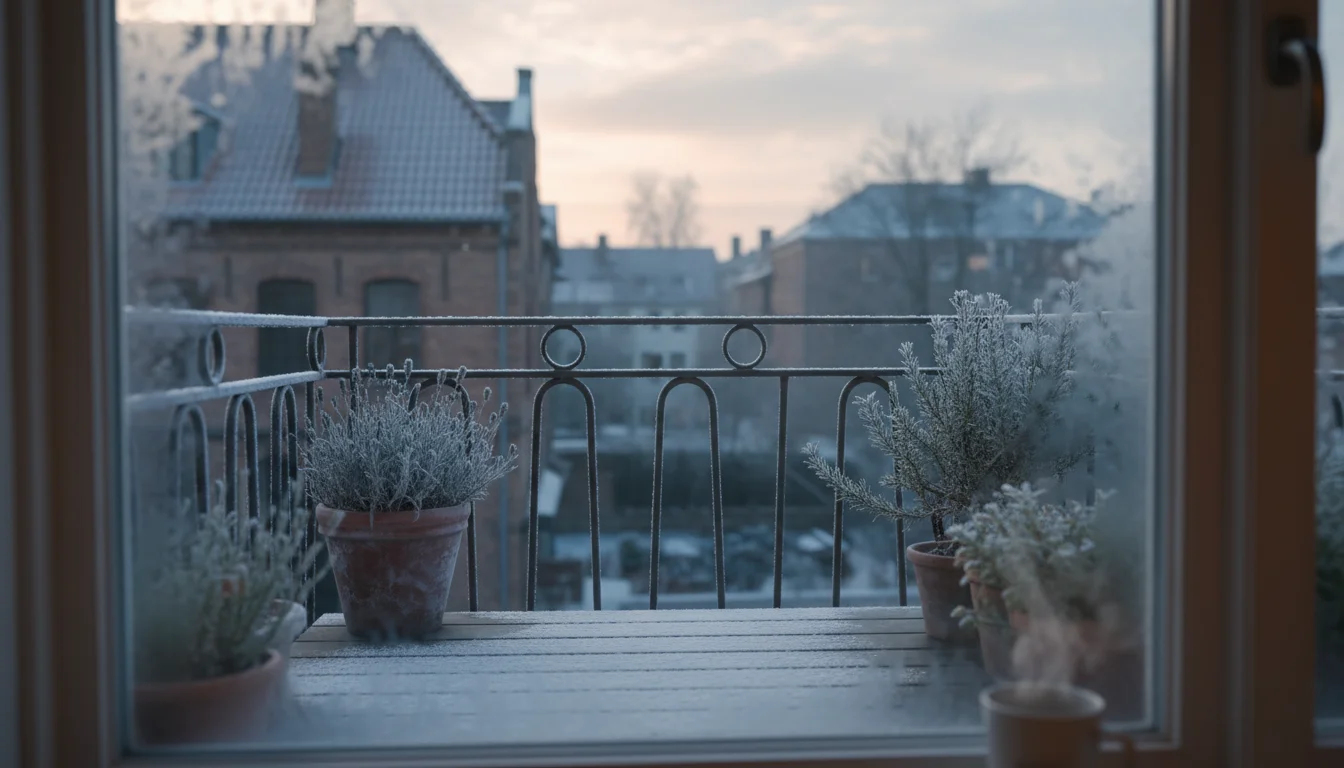
While focus is often indoors, you can also add winter interest to your balcony with cold-hardy plants that offer texture and color.
Selecting plants that bloom in winter provides a unique advantage. They defy the natural cycle of dormancy, offering beauty and scent when most other plants rest. These indoor flowering plants become focal points, not only visually appealing but also providing a rich aromatic experience. For those with limited space, such as apartment dwellers or those gardening on small patios and balconies, these plants serve a dual purpose. They act as decorative elements and natural air fresheners, creating an inviting and refreshing atmosphere without requiring significant square footage. You will discover that creating a winter scent-scape is entirely achievable, regardless of your gardening experience or available space.
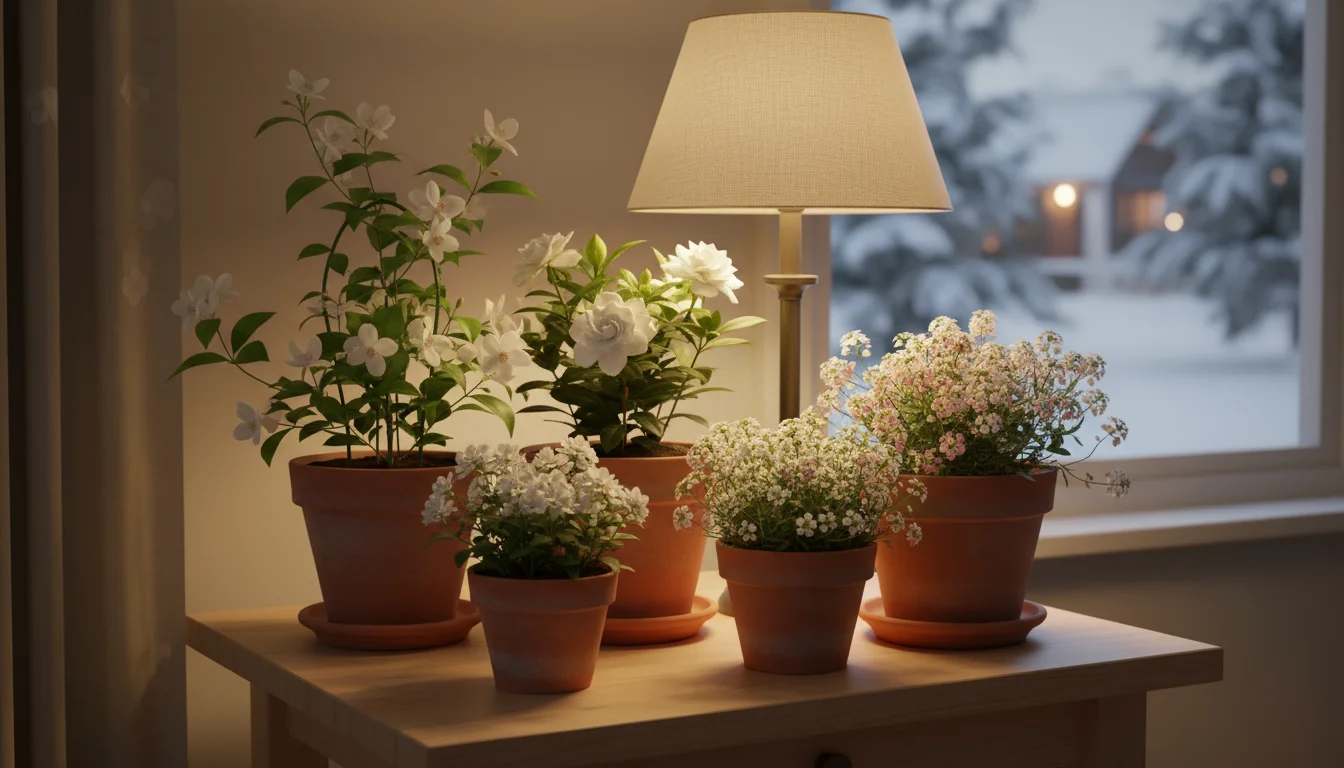
Why Fragrant Houseplants Matter in Winter
The impact of scent on mood and well-being is scientifically recognized. Studies show that specific aromas can reduce stress, improve sleep quality, and even boost cognitive function. During winter, when seasonal affective disorder can be prevalent and natural light scarce, introducing uplifting fragrances into your home becomes particularly beneficial. Fragrant houseplants offer a natural, continuous source of these mood-enhancing aromas, unlike synthetic air fresheners which can sometimes contain harsh chemicals. You gain a truly organic and visually appealing solution.
To complete your sanctuary, try using designer tricks to style your houseplants for a lush, layered aesthetic.
Consider the practical aspects as well. In tightly sealed winter homes, air can become stagnant and stuffy. Fragrant indoor flowering plants naturally refresh the air, providing a subtle, consistent perfume that enhances your living environment. They become living diffusers, offering a healthier and more sustainable way to manage indoor air quality. For small-space gardeners, every plant must earn its spot. A plant that offers beautiful blooms and a captivating scent delivers excellent value. These best smelling indoor plants that flower in winter elevate your space beyond mere decoration, turning it into a vibrant, sensory experience that nurtures your spirit throughout the darkest months.
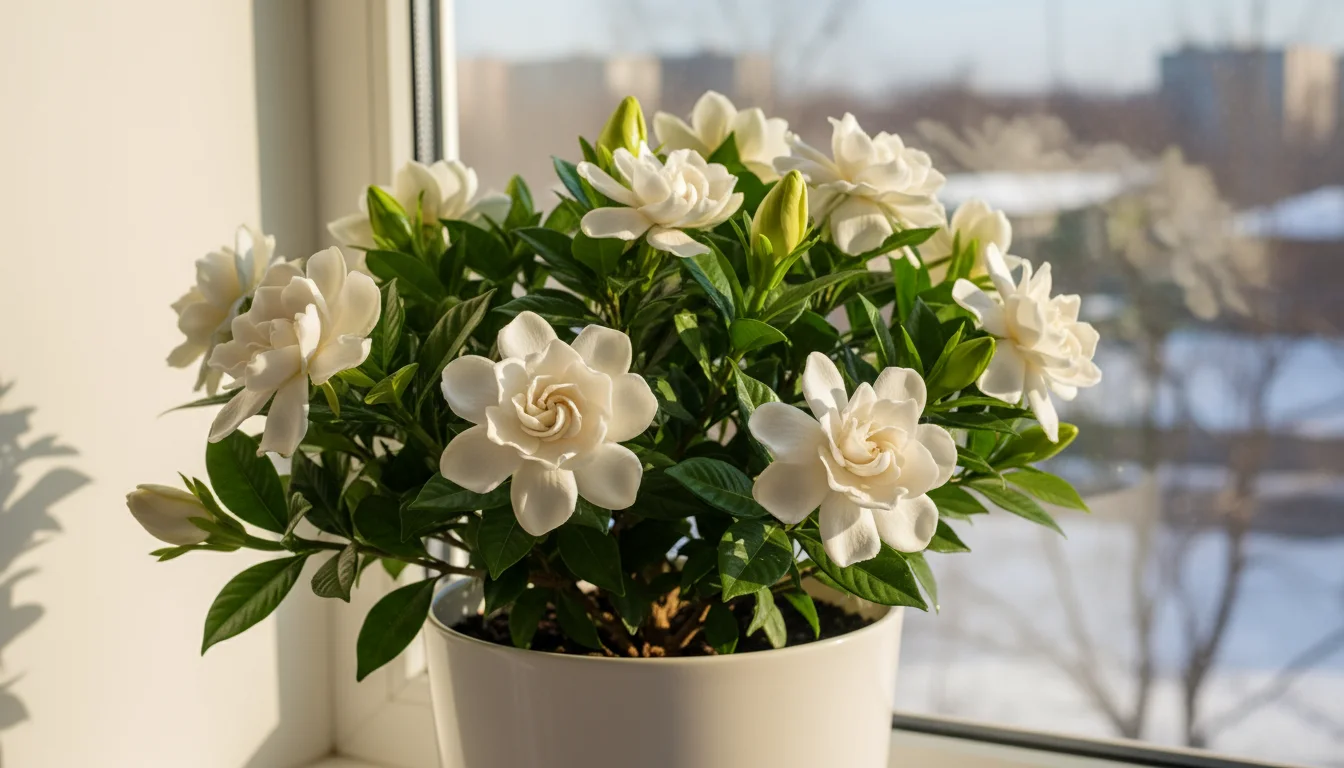
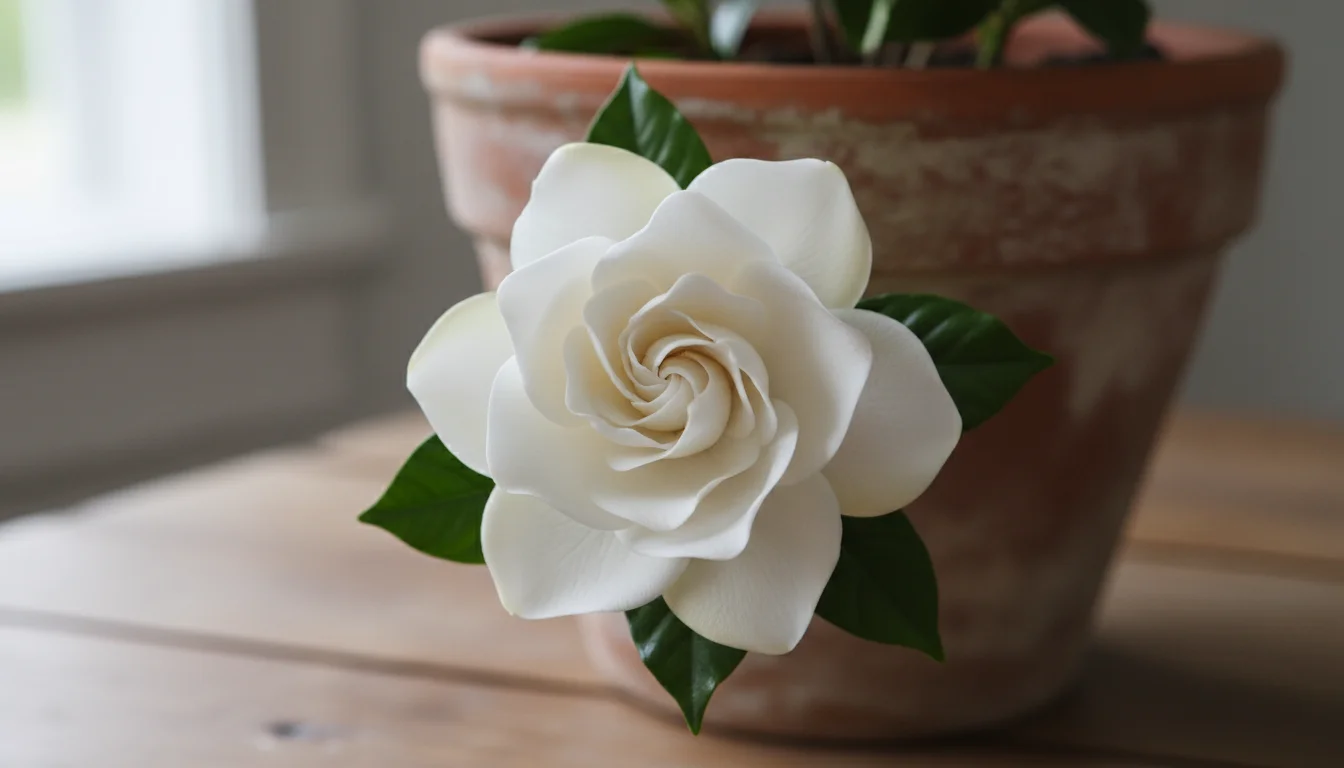
Fragrant Houseplant 1: Gardenia Jasminoides (Cape Jasmine)
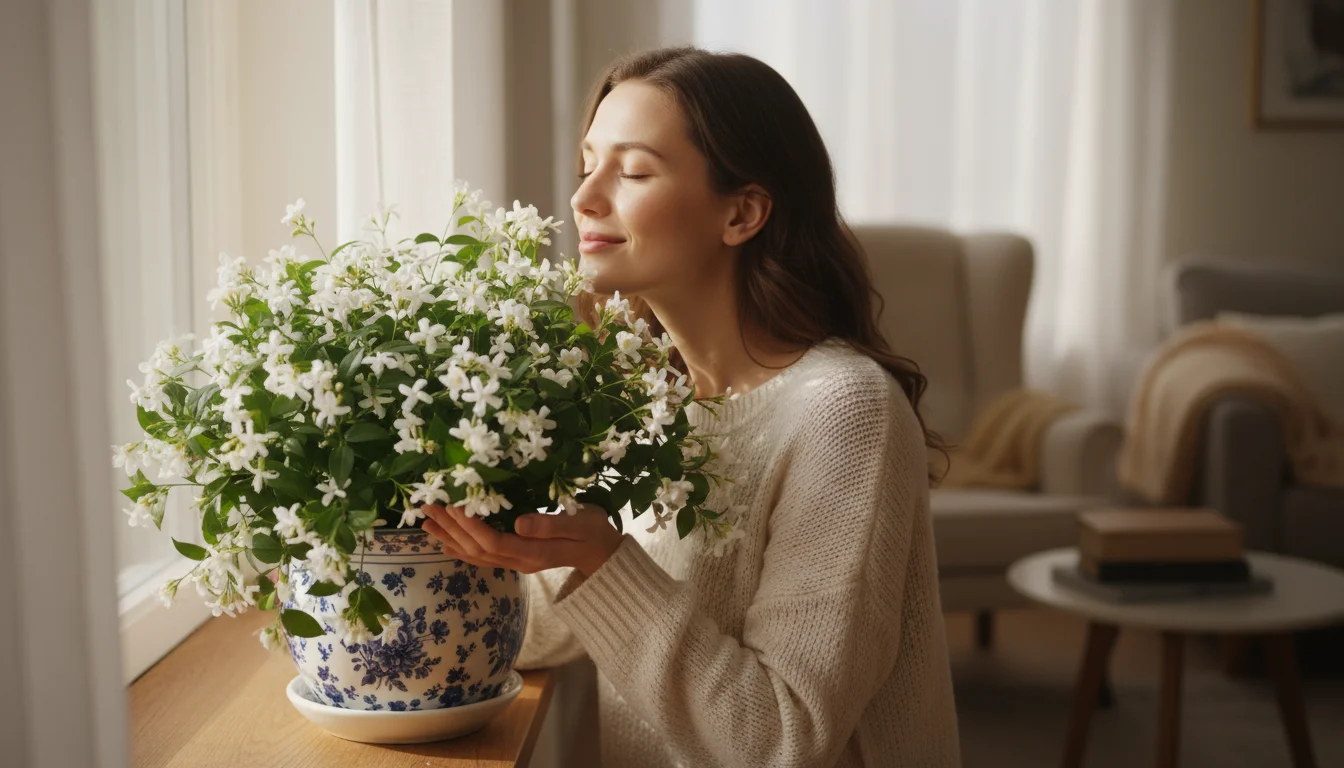
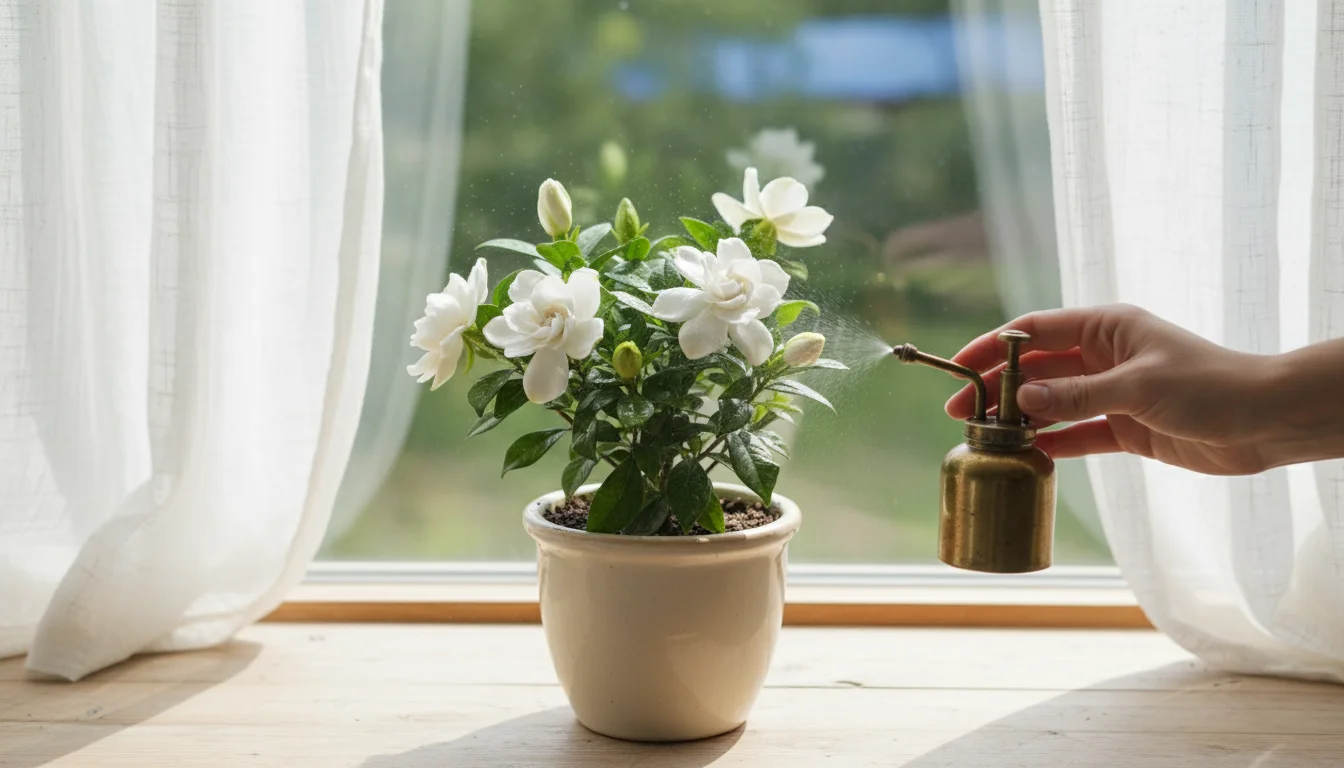
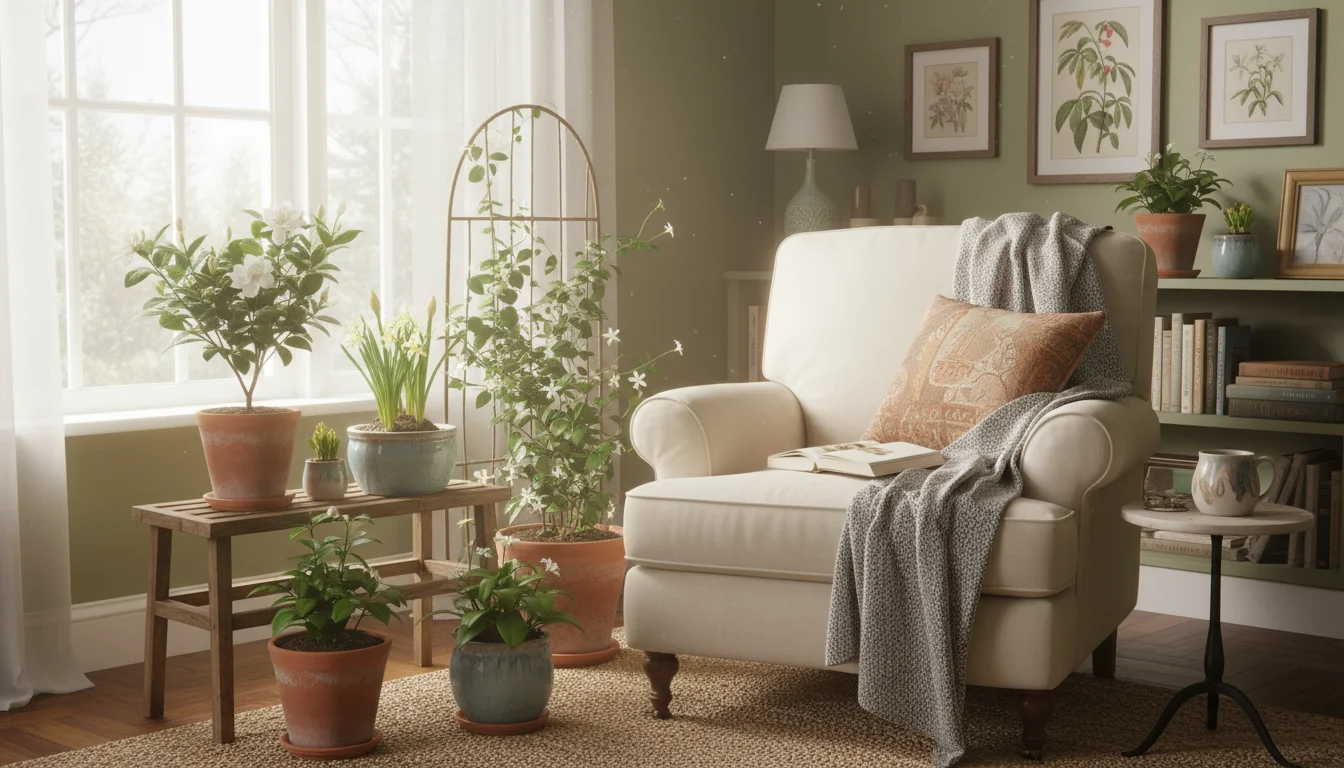
Gardenias are renowned for their exquisite, creamy-white flowers and intensely sweet fragrance. Often associated with luxury and elegance, the Cape Jasmine brings a touch of tropical paradise indoors. Its scent is heady, rich, and unforgettable, making it a prime candidate for your winter scent-scape. Gardenias can be a bit particular, but their captivating aroma makes the effort incredibly rewarding. They are perfectly suited for a sunny windowsill in an apartment or a sheltered spot on a small patio.
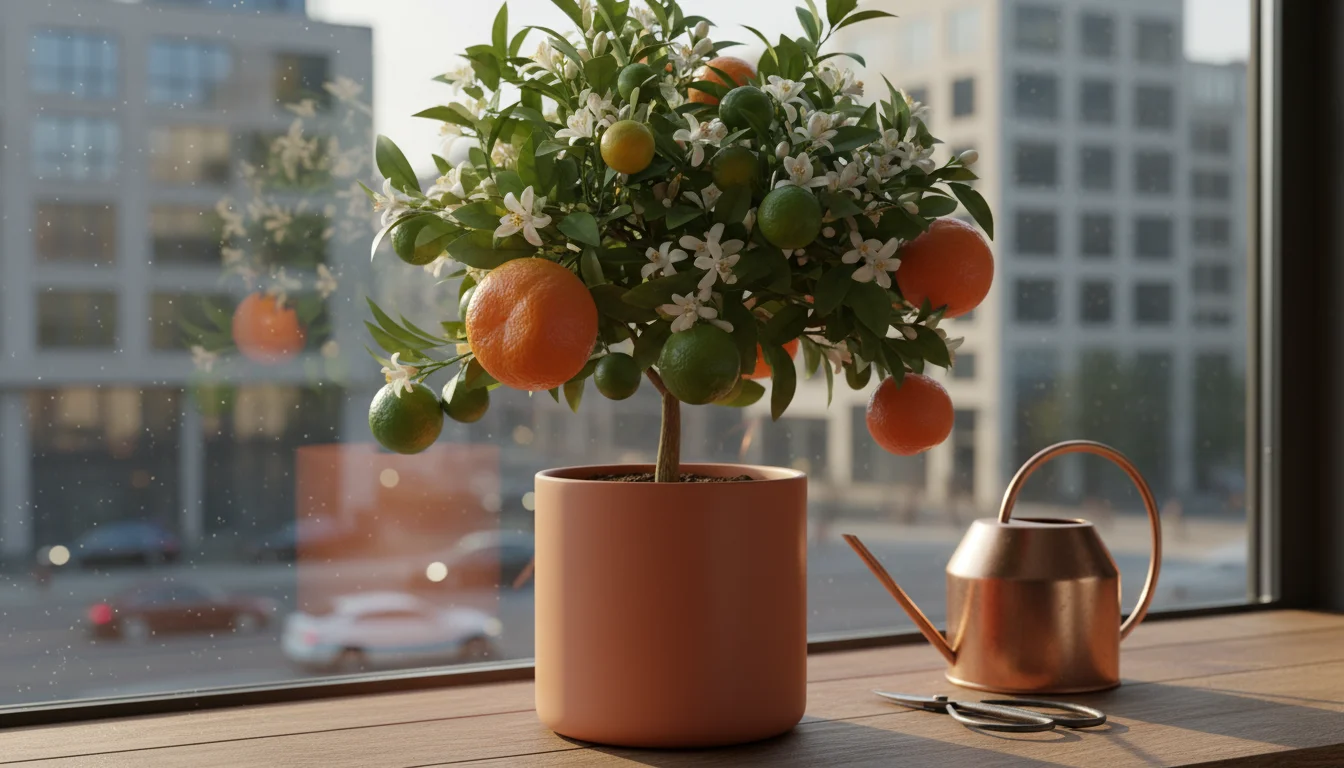
Because they stay relatively compact, calamondin oranges are frequently cited as some of the best indoor trees for apartments and small spaces.
If you are passionate about aromatic plants, you can also learn how to design a fragrant fall container garden to enjoy pleasant scents outdoors earlier in the season.
To ensure these specialized bloomers survive the season, it is vital to avoid common winter care mistakes that can lead to root rot or leaf drop.
Scent Profile:
A classic, strong, sweet, and velvety floral scent, often described as intoxicating. One bloom can perfume an entire room.
Key Care Requirements for Indoor Growth:
- Light: Gardenias demand bright, indirect light. A south or west-facing window with sheer curtains is ideal. Direct, harsh winter sun can scorch leaves, but insufficient light prevents blooming.
- Water: Keep the soil consistently moist but never soggy. Use filtered or rainwater if possible, as gardenias are sensitive to hard water (which contains high mineral content). Allow the top inch of soil to dry slightly between waterings.
- Humidity: This is crucial. Gardenias thrive in high humidity (60% or more). To achieve this in a dry winter home, mist daily with soft water, place the pot on a pebble tray filled with water (making sure the pot does not sit directly in the water), or use a small humidifier nearby.
- Soil: Use an acidic, well-draining potting mix. A blend formulated for acid-loving plants or a mix of peat moss, perlite, and pine bark works well. Good drainage ensures water moves efficiently through the soil, preventing root rot.
- Temperature: Maintain consistent temperatures between 65-75°F (18-24°C) during the day and slightly cooler at night (around 60°F or 15°C). Avoid drafts and sudden temperature fluctuations.
- Fertilization: Feed with an acid-forming fertilizer specifically for gardenias or camellias every 2-4 weeks during the growing and blooming season (fall through spring). Reduce feeding in summer.
- Pruning: Prune after flowering to maintain shape and encourage bushier growth. Remove spent blooms to redirect energy into new flower production.
- Pest Watch: Keep an eye out for spider mites, mealybugs, and whiteflies, especially in dry, warm conditions. Treat promptly with insecticidal soap.
With careful attention to its needs, your Gardenia jasminoides will reward you with glorious winter blooms and a captivating scent, proving itself a truly deserving fragrant houseplant.
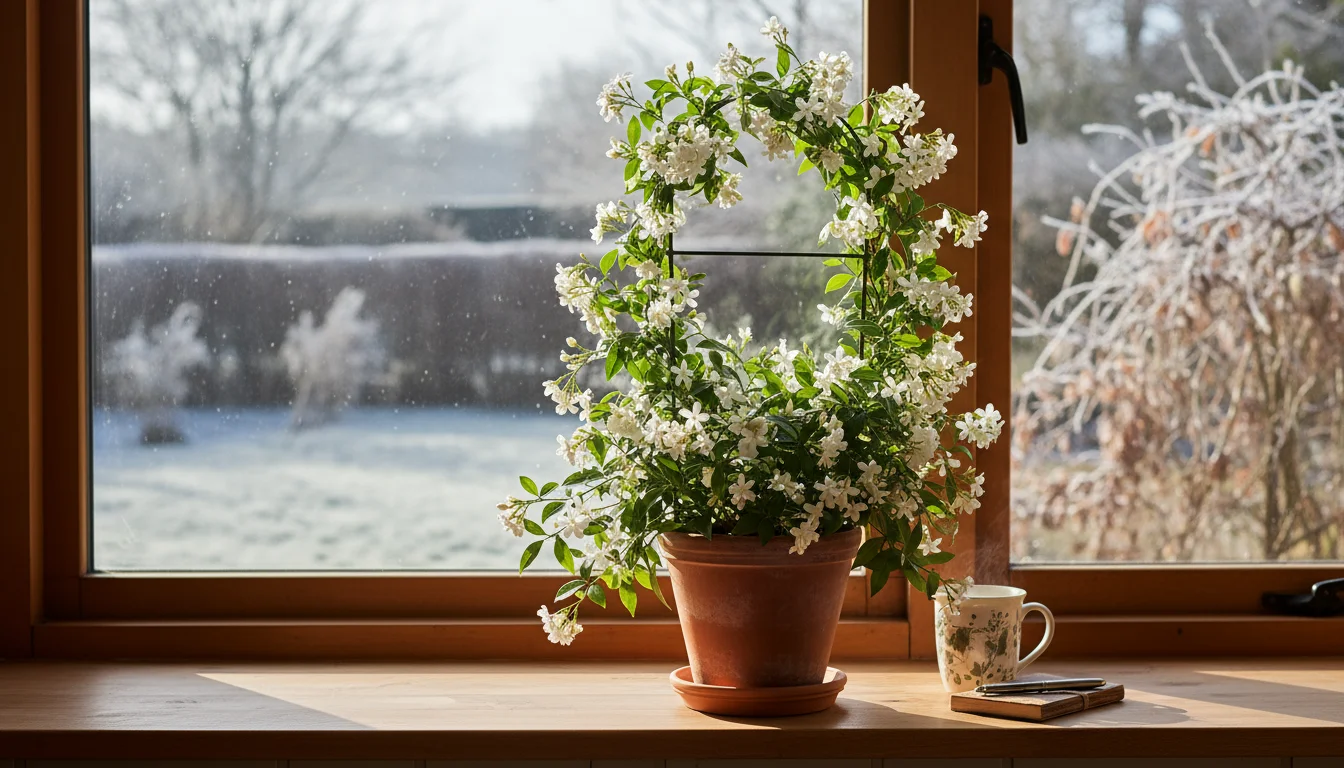
Fragrant Houseplant 2: Stephanotis Floribunda (Madagascar Jasmine)
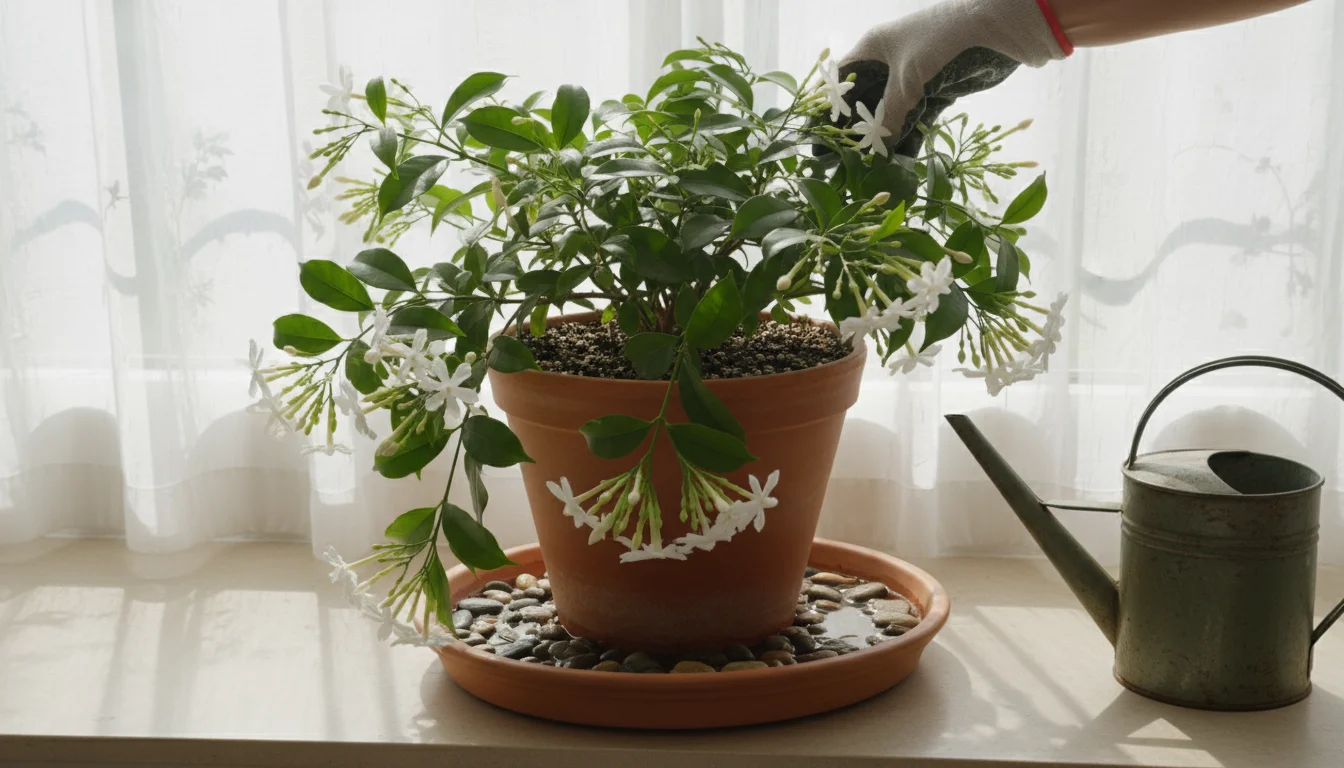
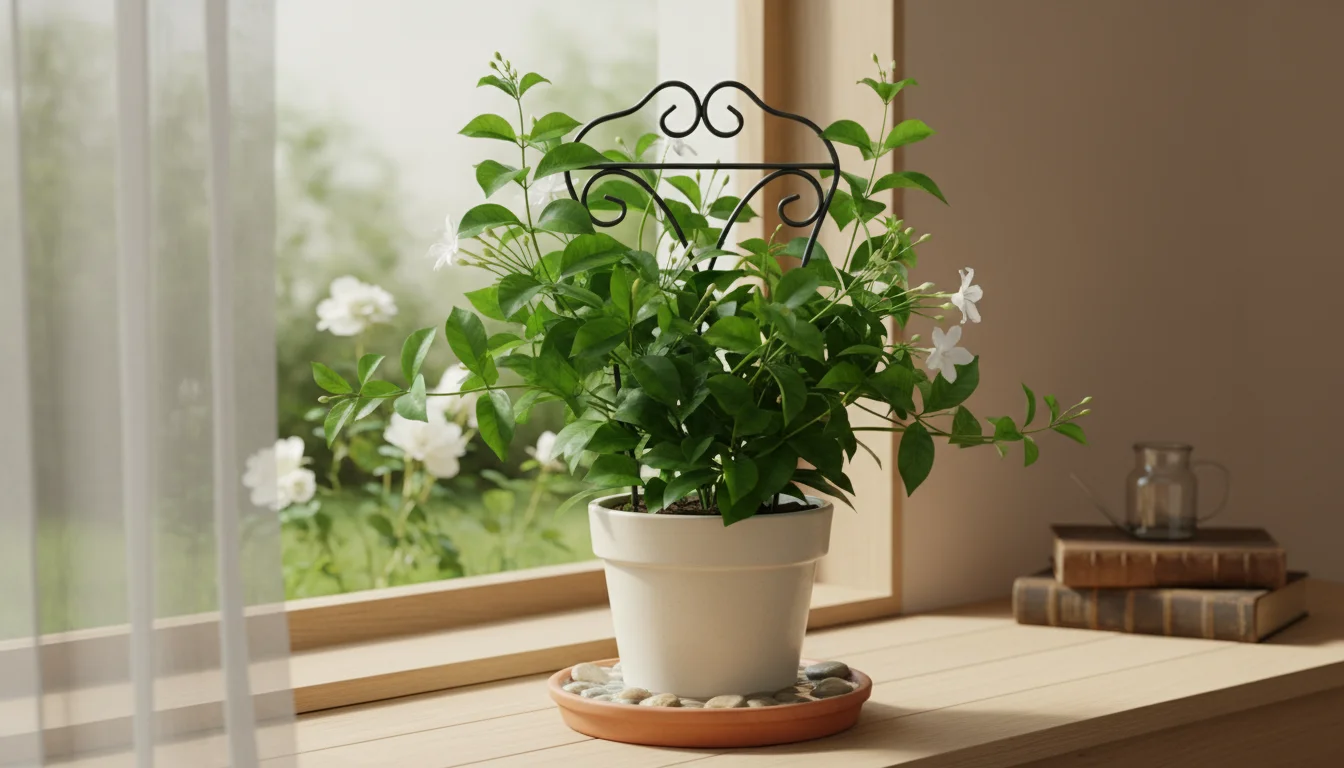
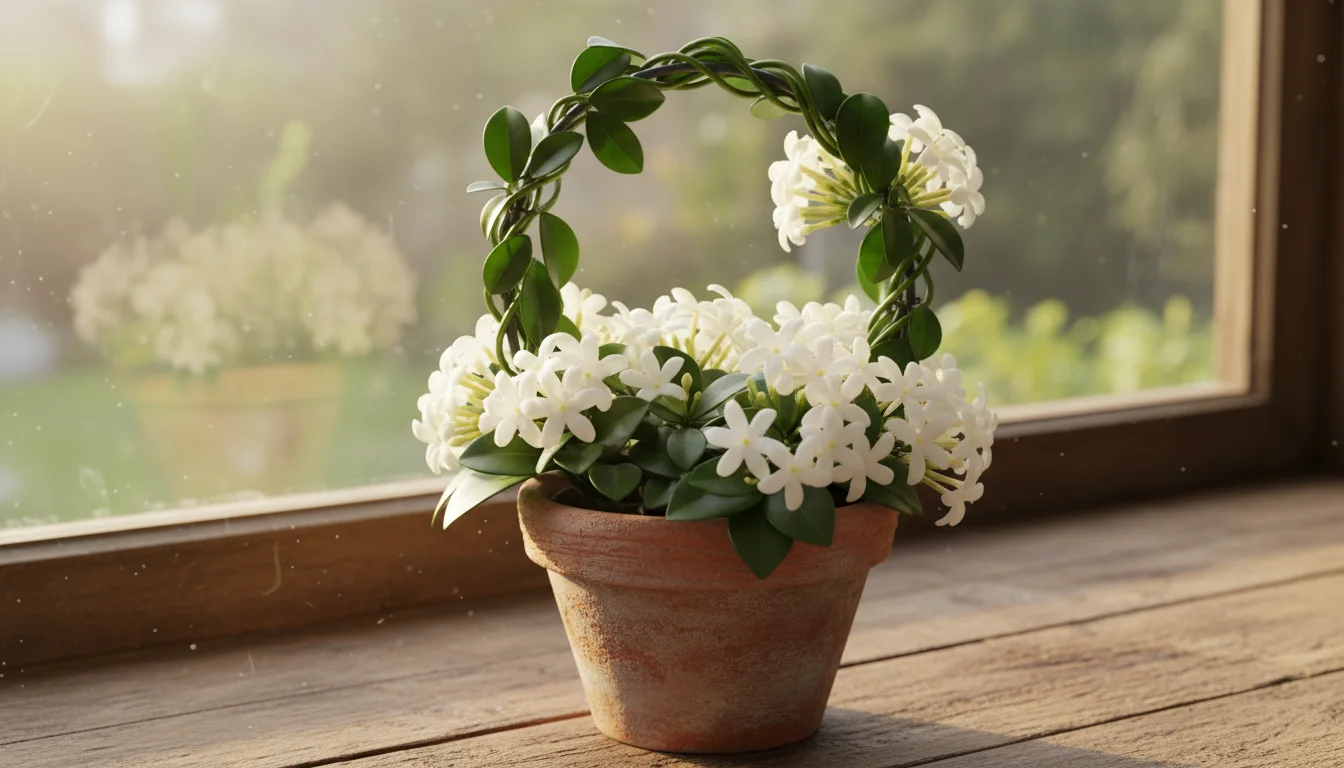
Stephanotis floribunda, commonly known as Madagascar Jasmine, presents clusters of waxy, pristine white flowers that exude a wonderfully sweet and clean perfume. Its vining habit makes it perfect for training on a small trellis or hoop, adding vertical interest to your small space. This plant is a popular choice for bridal bouquets due to its beauty and fragrance, and it brings that same elegance and aroma into your home during winter.
Scent Profile:
A sweet, musky, jasmine-like scent with a hint of citrus. It is potent yet not overwhelming, creating a sophisticated fragrance.
Key Care Requirements for Indoor Growth:
- Light: Stephanotis requires bright, indirect light for robust growth and abundant flowering. A few hours of gentle morning sun is acceptable, but protect it from intense afternoon sun, which can scorch the leaves.
- Water: Water thoroughly when the top inch of soil feels dry. Allow excess water to drain completely. Reduce watering slightly during its resting period after flowering, but never let the soil dry out completely.
- Humidity: High humidity is essential. Aim for 50-60%. Regular misting, a pebble tray, or placing it near a humidifier will help keep it happy, especially during dry winter months.
- Soil: Use a rich, well-draining potting mix. A good quality all-purpose potting mix amended with some perlite or sand for improved drainage works well.
- Temperature: Maintain warm temperatures, ideally between 65-80°F (18-27°C) during the day. Avoid temperatures below 60°F (15°C) and protect it from cold drafts.
- Fertilization: Feed every 2-4 weeks with a balanced liquid fertilizer diluted to half strength during its active growing and blooming phases (late fall through spring). Reduce or stop feeding during summer dormancy.
- Support: As a climber, provide a small trellis, stake, or wire hoop for its vines to twine around. This keeps the plant tidy and encourages more blooms.
- Pruning: Prune to control size and shape, and to remove any weak or leggy growth. Light pruning after flowering can encourage new growth and more blooms.
Stephanotis floribunda is a truly exquisite fragrant houseplant, offering both a beautiful display and a luxurious scent, making it an excellent addition to your collection of winter blooming plants.
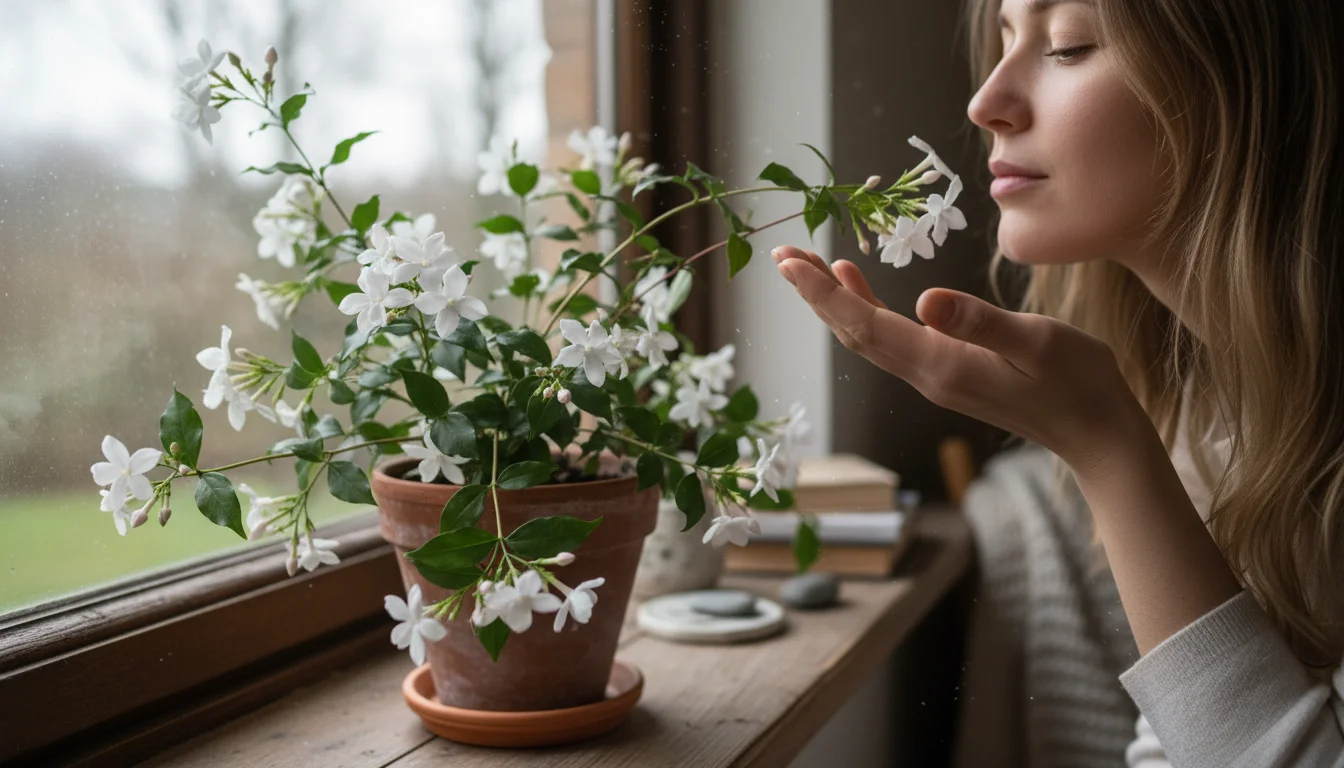
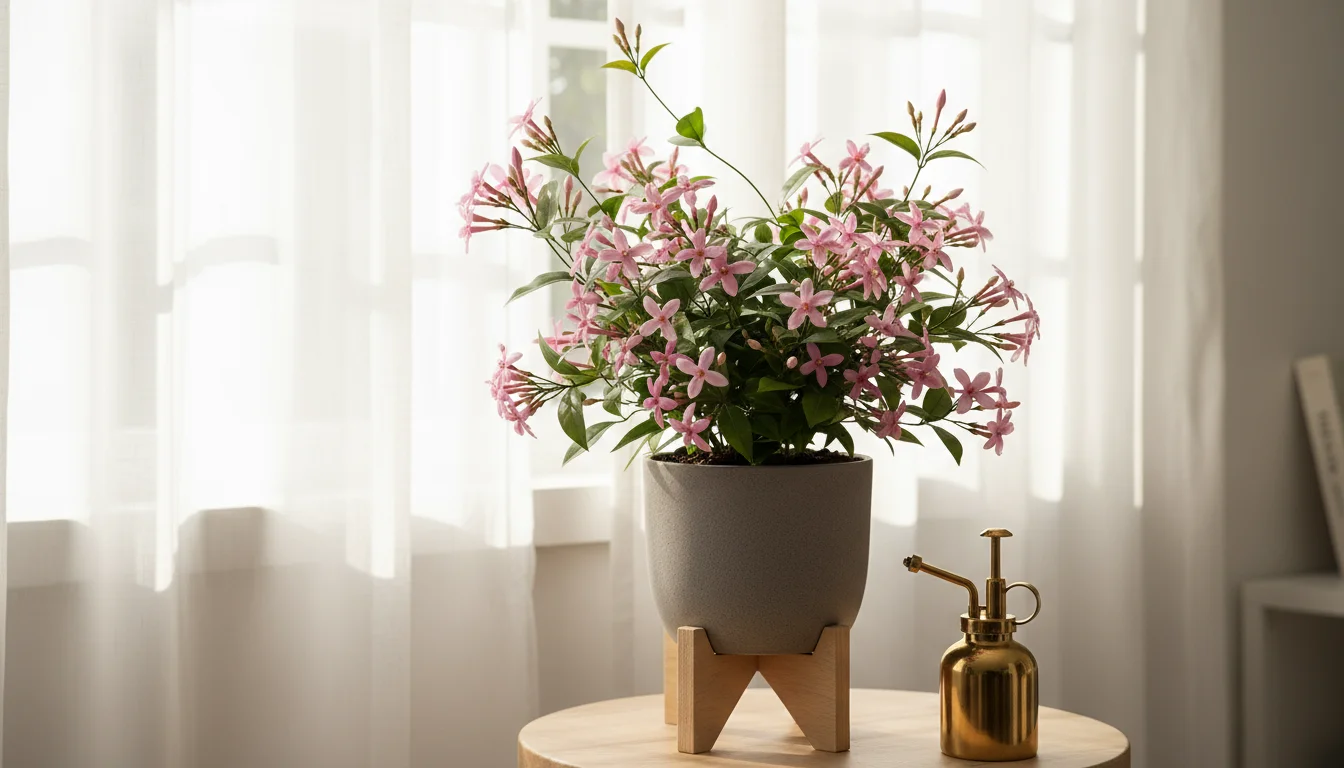
Fragrant Houseplant 3: Jasminum Polyanthum (Pink Jasmine)
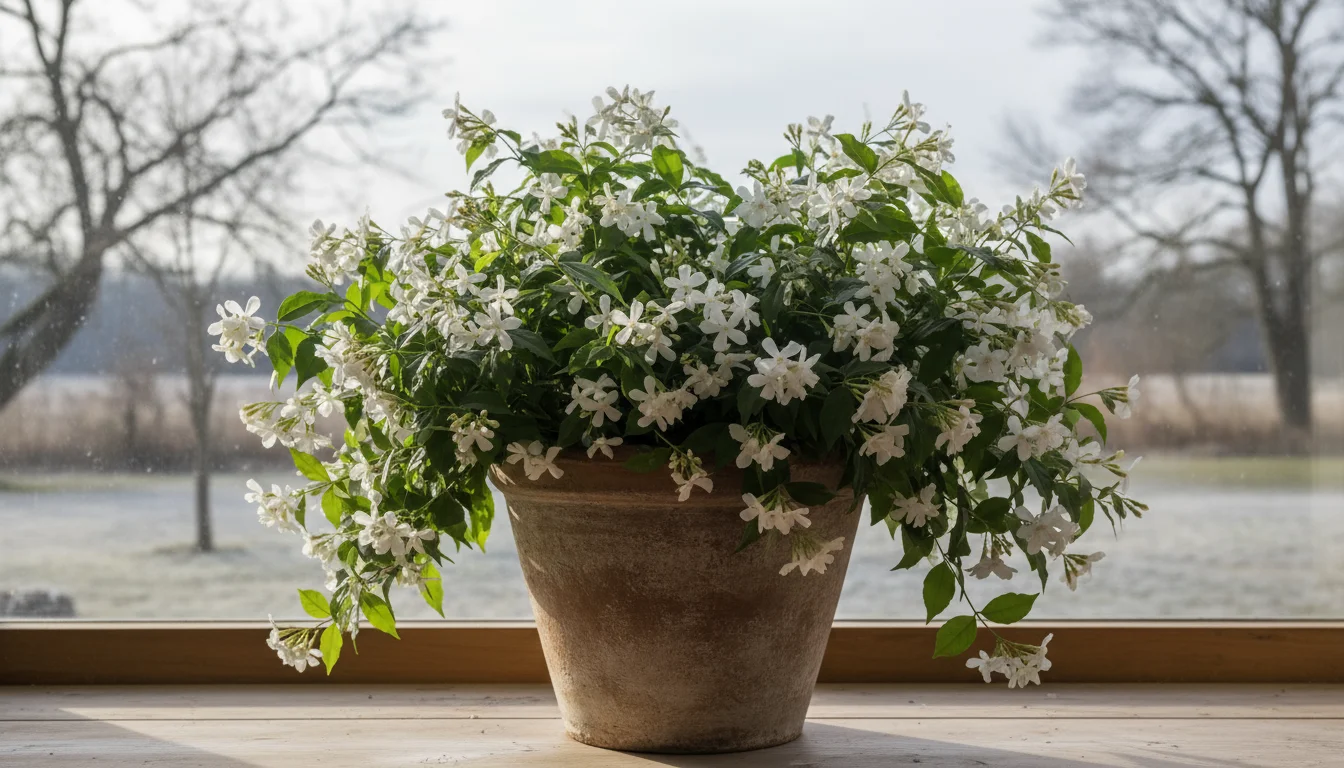
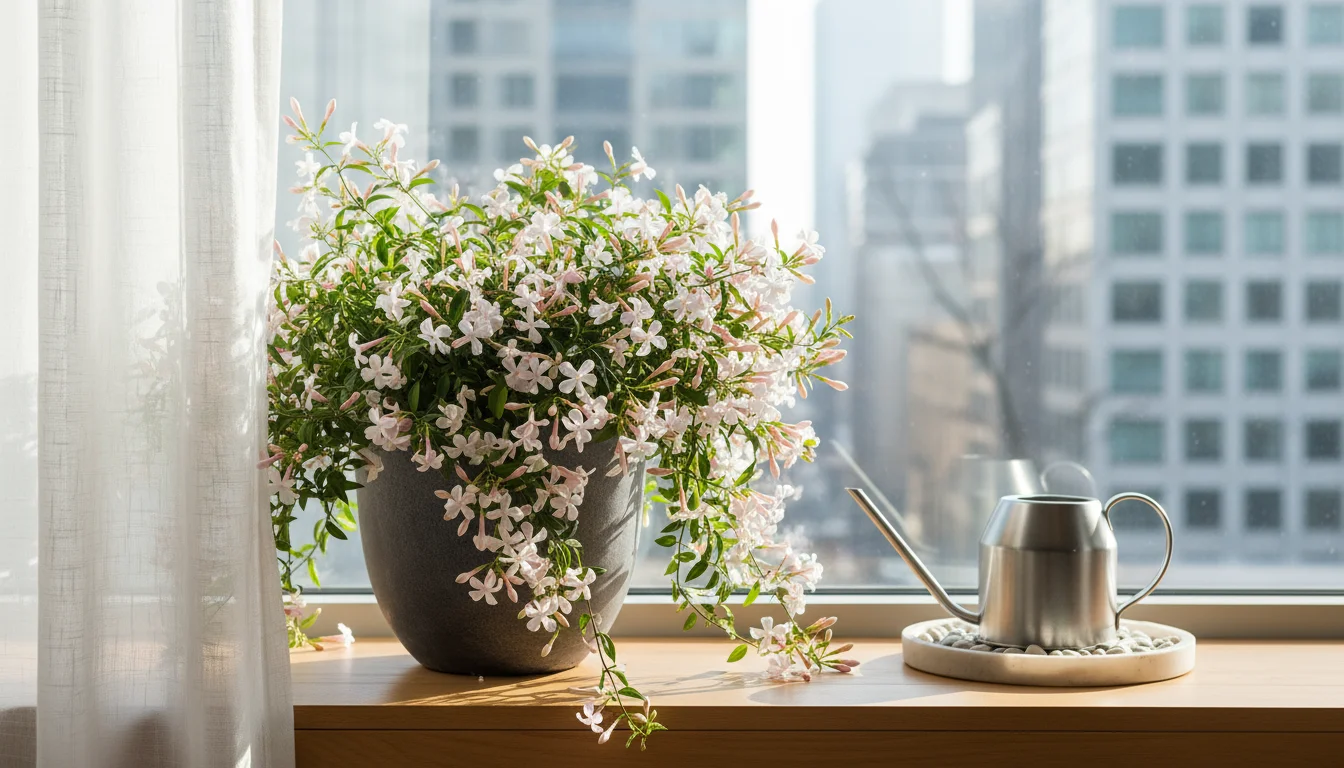
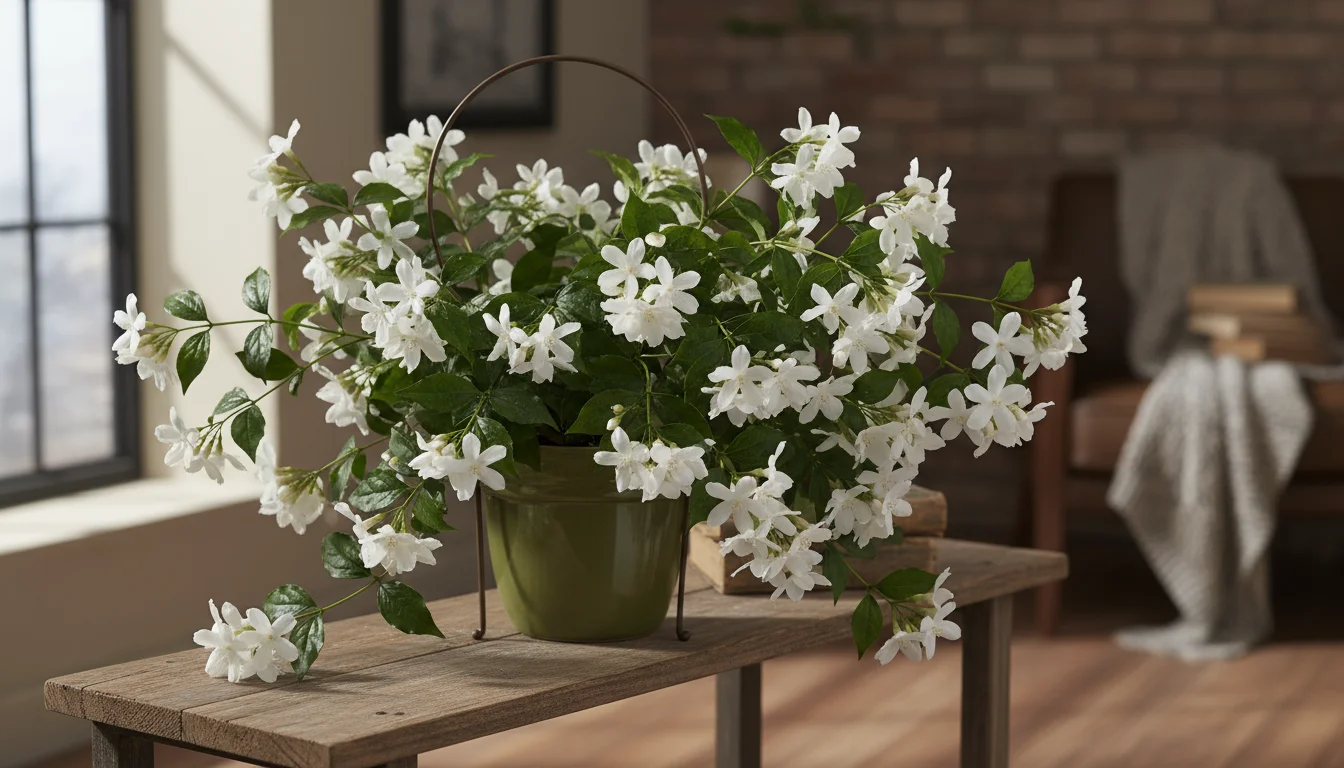
Jasminum polyanthum, often called Pink Jasmine, is one of the most beloved indoor flowering plants for its incredible fragrance and ease of care relative to some other jasmines. Its clusters of delicate white, star-shaped flowers, emerging from pink buds, release an intensely sweet and classic jasmine scent. This vigorous vine is perfect for training on small trellises, hanging baskets, or letting it gracefully cascade from a shelf, making it an ideal low light fragrant plant for apartments or smaller homes. Growing winter jasmine indoors in a pot is a rewarding experience, transforming your space with its captivating perfume.
Scent Profile:
A strong, sweet, classic jasmine fragrance with green undertones. It is exhilarating and uplifting.
Key Care Requirements for Indoor Growth:
- Light: Pink Jasmine thrives in bright, indirect light. A south or west-facing window is excellent, especially during winter when light levels are lower. It can tolerate slightly less light than gardenias but will bloom more profusely with ample brightness.
- Water: Keep the soil consistently moist when the plant is actively growing and flowering. Allow the top inch of soil to dry out slightly before watering again. During its semi-dormant period in summer, reduce watering but do not let it dry out completely.
- Humidity: Moderate to high humidity (50% or more) is preferred. Regular misting, especially during blooming, or a pebble tray will help.
- Soil: Use a well-draining, fertile potting mix. A standard houseplant mix amended with some perlite or vermiculite for better drainage works well.
- Temperature: Prefers cooler temperatures during its bloom period, ideally between 55-65°F (13-18°C) at night and up to 70°F (21°C) during the day. A slight temperature drop helps initiate flowering.
- Fertilization: Feed with a balanced liquid fertilizer every 2-4 weeks during the active growth and flowering period (fall through spring). Reduce feeding once flowering stops.
- Support & Pruning: As a vigorous climber, provide a small trellis or stake for support. Prune heavily after flowering to maintain shape and encourage new growth. You can prune off up to one-third of the plant.
This fragrant houseplant is a reliable performer, gracing your home with its enchanting perfume and delicate blooms throughout the winter months. Its adaptability makes it a fantastic choice for any small-space gardener seeking winter blooming plants.
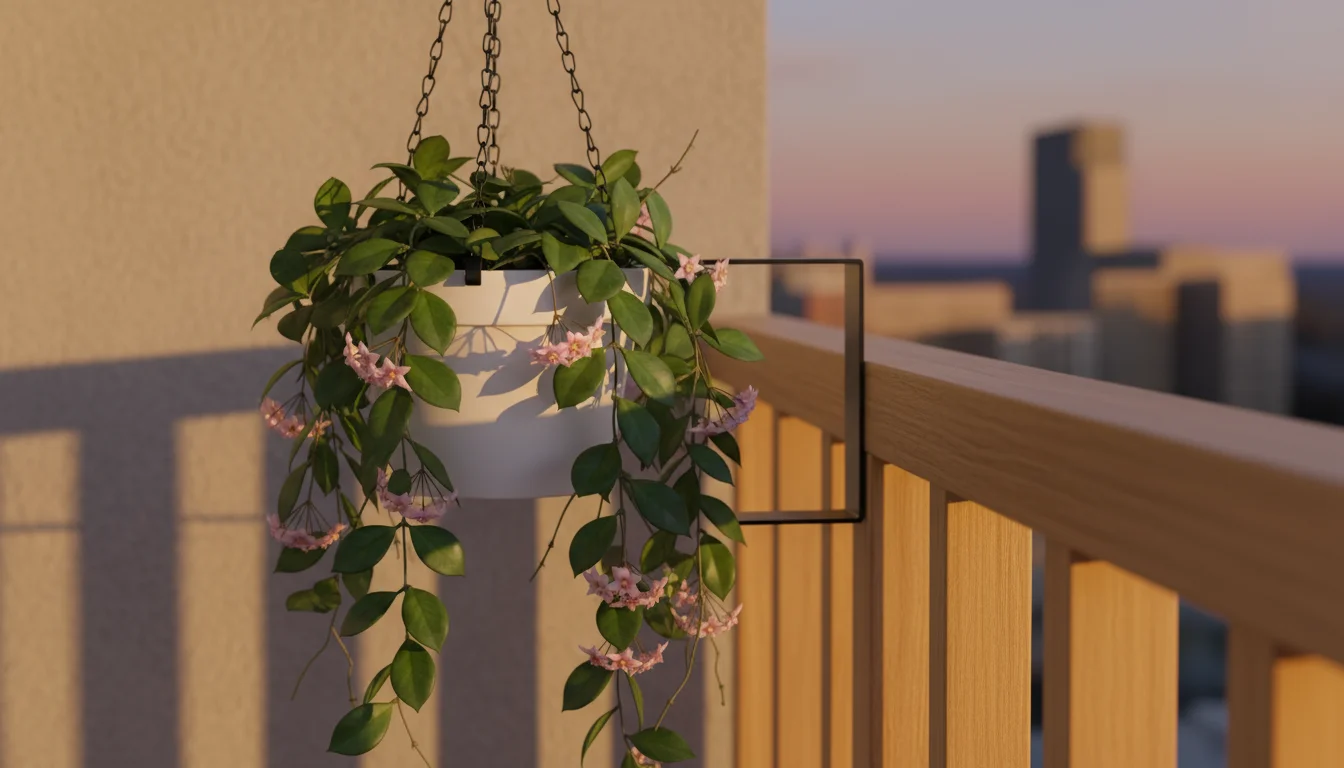
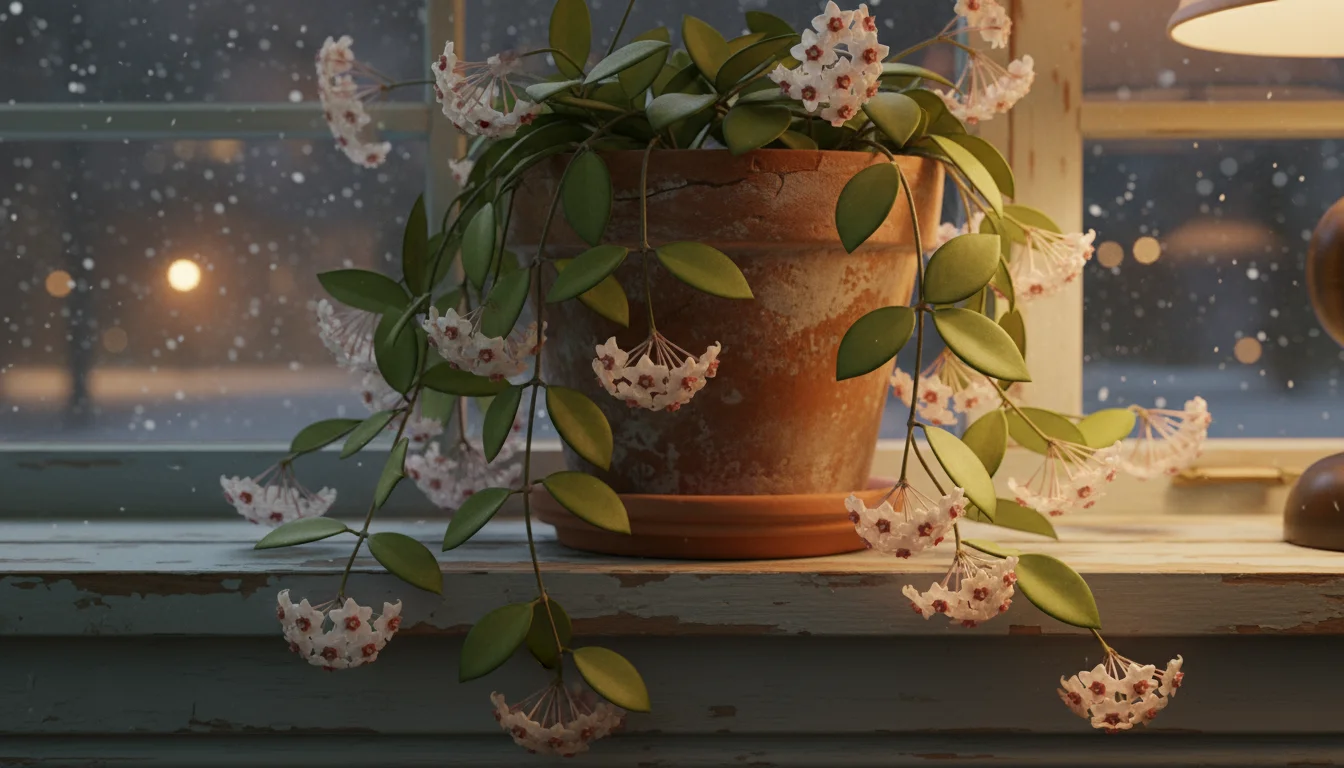
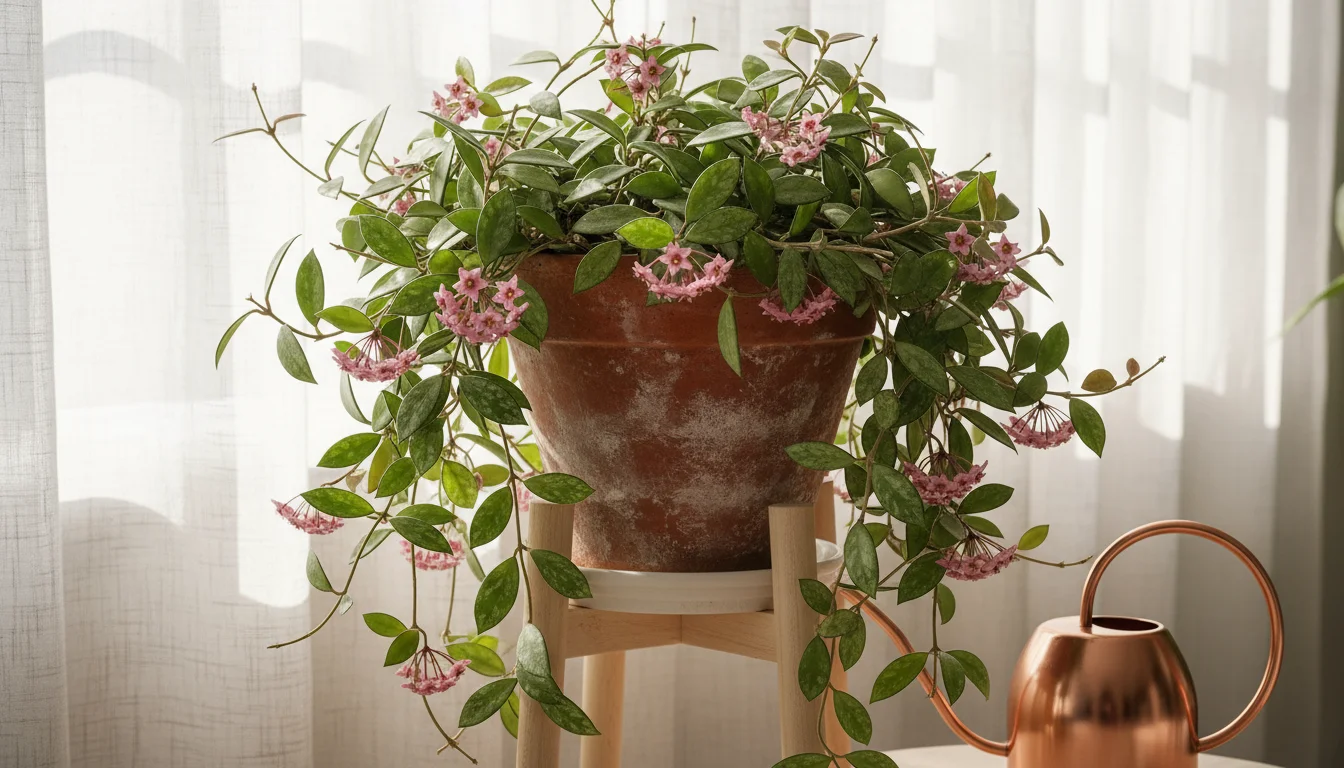
Fragrant Houseplant 4: Hoya Carnosa (Wax Plant)
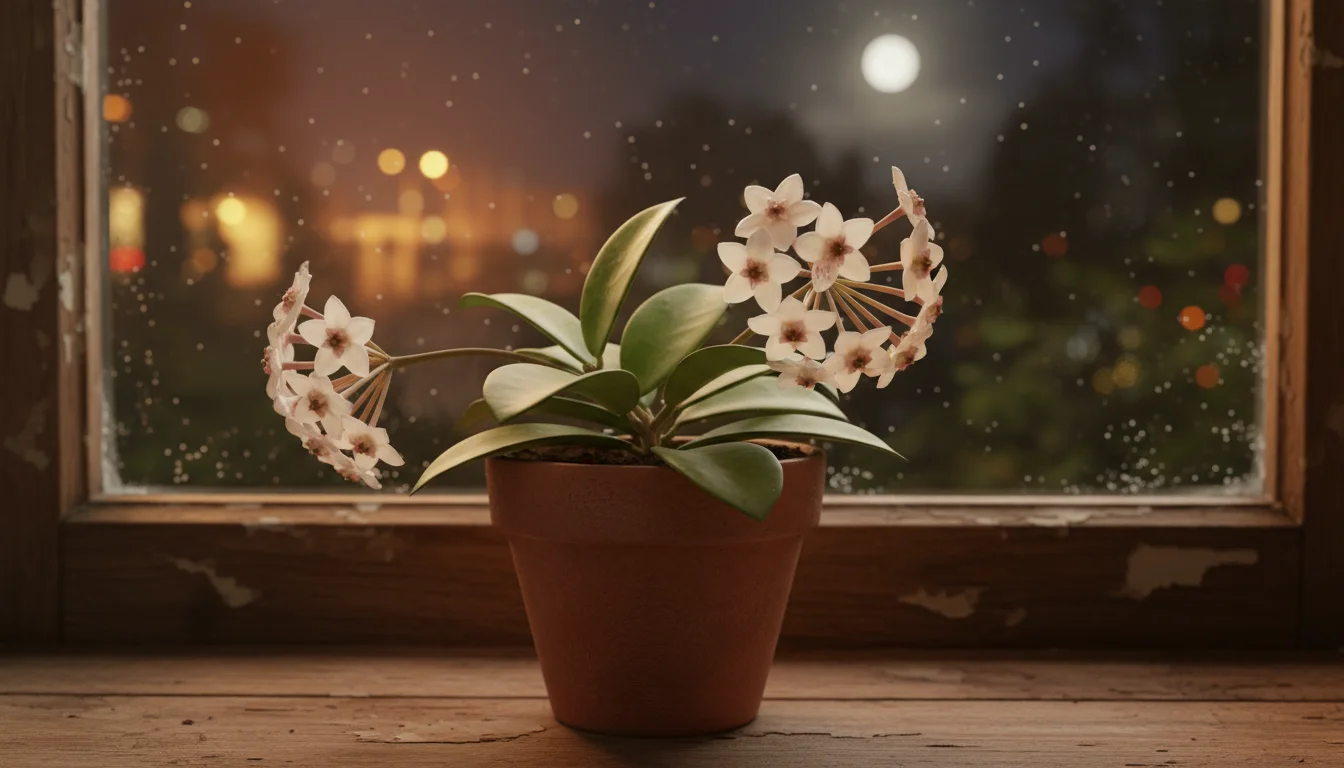
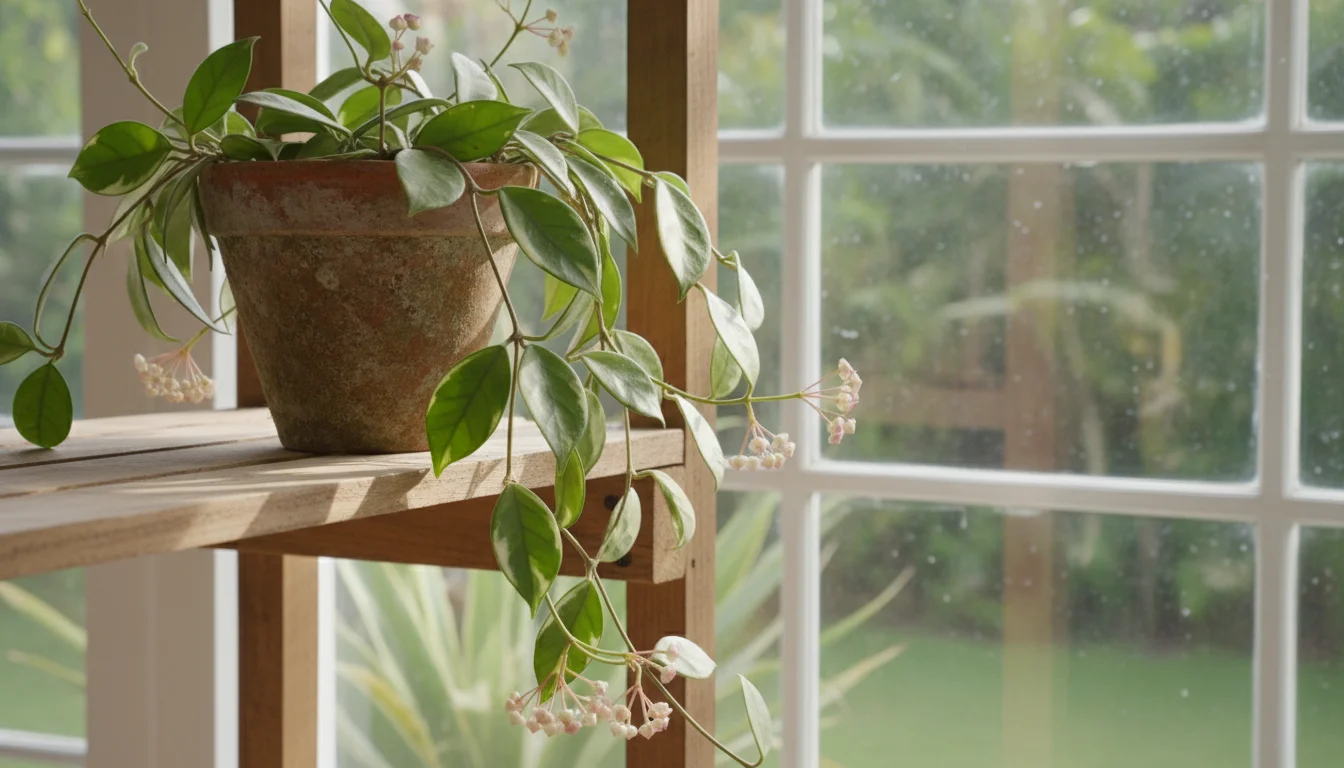
Hoya carnosa, widely known as the Wax Plant, offers a unique beauty with its thick, waxy leaves and clusters of star-shaped, often pink-tinged flowers. While not all Hoyas are heavily scented, Hoya carnosa is known for its sweet, honey-like fragrance that becomes most pronounced in the evenings. These indoor flowering plants are incredibly low maintenance, making them perfect for beginners and those seeking easy-care fragrant houseplants. Their trailing habit works beautifully in hanging baskets or draped over shelves.
Scent Profile:
A sweet, delicate, honey-like or vanilla-like scent, often stronger at night. Some varieties may also have chocolate or citrus notes.
Key Care Requirements for Indoor Growth:
- Light: Hoyas prefer bright, indirect light. They can tolerate some direct morning sun, but intense afternoon sun can scorch their leaves. Adequate light is crucial for flowering. They can handle lower light conditions but will not flower as readily.
- Water: Allow the soil to dry out almost completely between waterings. Hoya leaves store water, so they are quite drought-tolerant. Overwatering is the most common cause of problems, leading to root rot. Reduce watering significantly in winter when the plant is less active.
- Humidity: Hoyas appreciate moderate to high humidity but tolerate average household humidity well. Occasional misting or a pebble tray can benefit them.
- Soil: Use a well-draining, airy potting mix. A succulent or orchid mix, or a standard potting mix amended with perlite and orchid bark, provides the ideal conditions.
- Temperature: They thrive in average room temperatures, between 60-80°F (15-27°C). Protect them from cold drafts.
- Fertilization: Feed sparingly. A balanced liquid fertilizer diluted to half strength once a month during spring and summer is sufficient. Avoid fertilizing in winter.
- Flowering Tip: Do not remove the spent flower stalks (peduncles). Hoyas will re-bloom from these same stalks year after year.
- Potting: Hoyas prefer to be slightly root-bound, which often encourages blooming. Repot only when absolutely necessary, usually every 2-3 years.
Hoya carnosa combines striking foliage with charming, fragrant blooms, making it a truly rewarding and low-maintenance addition to your collection of best smelling indoor plants that flower in winter.
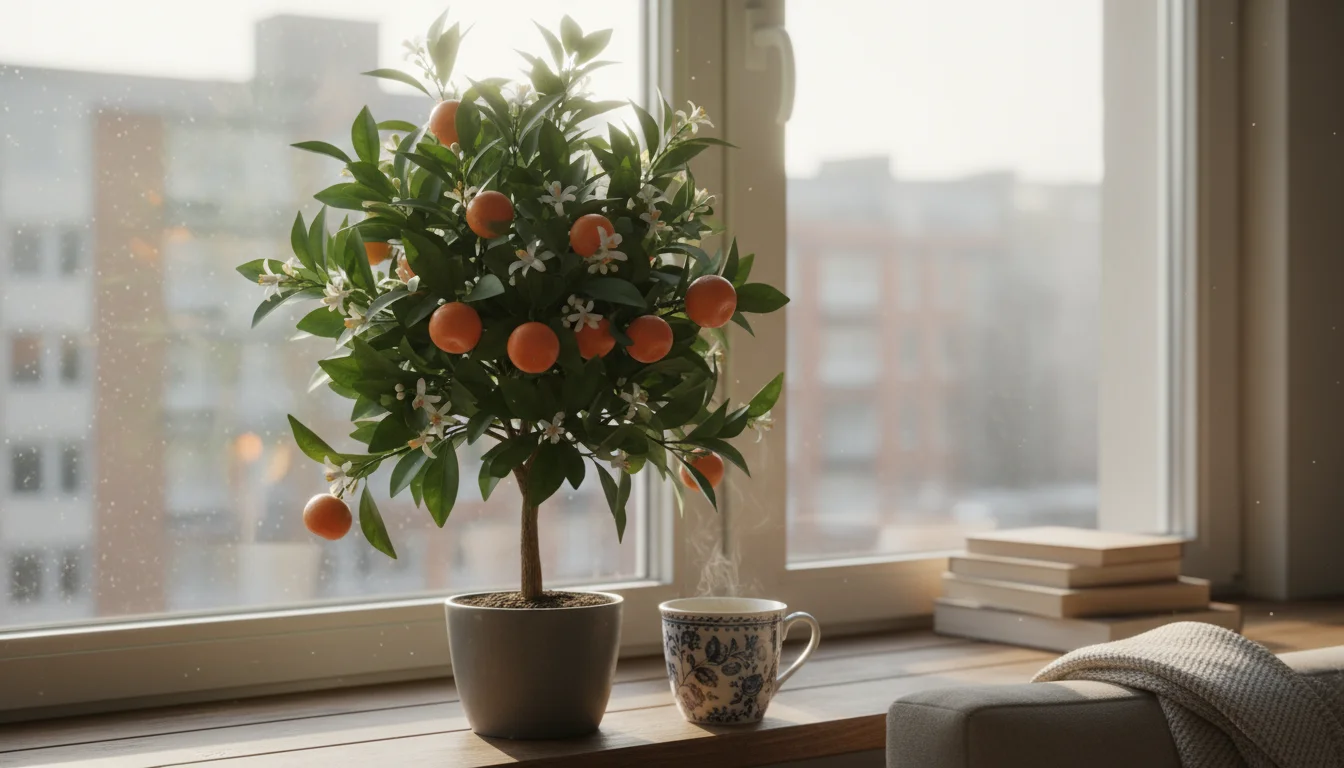
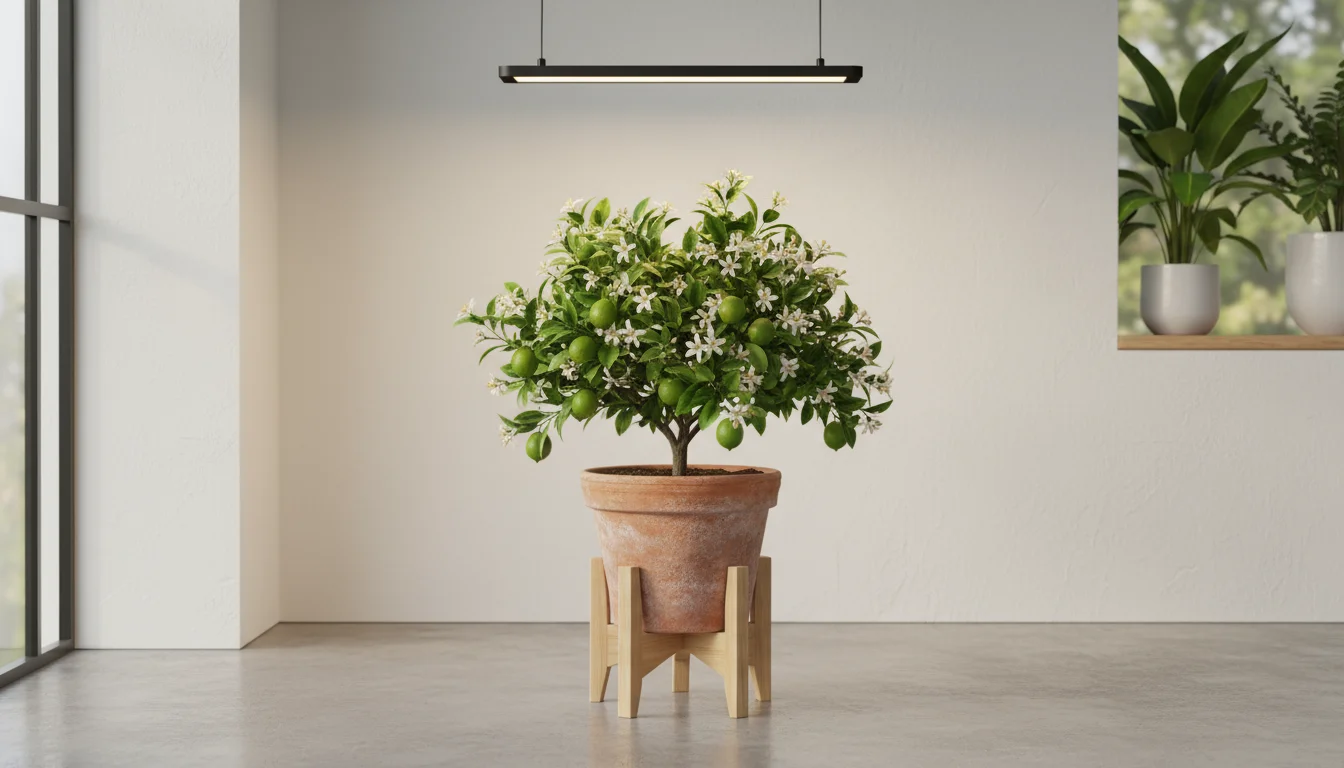
Fragrant Houseplant 5: Citrus Calamondin (Calamondin Orange)
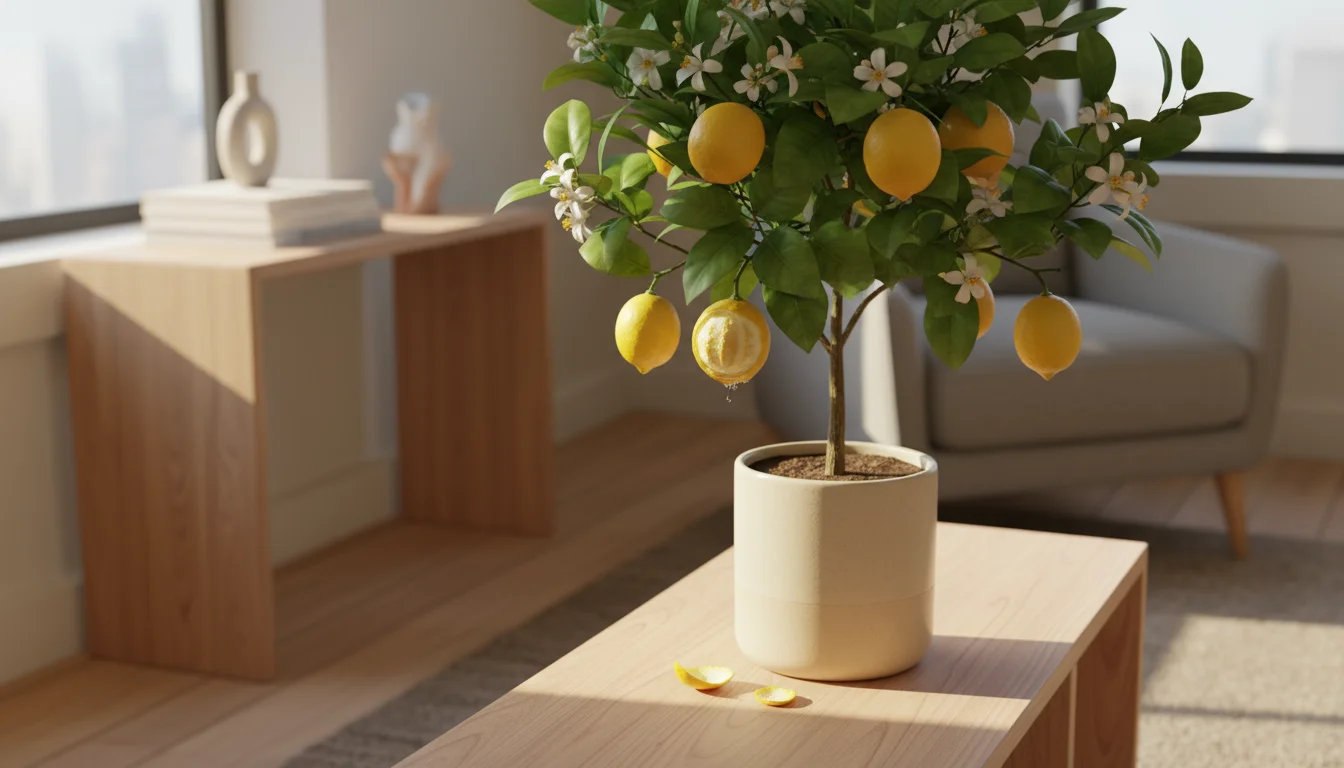
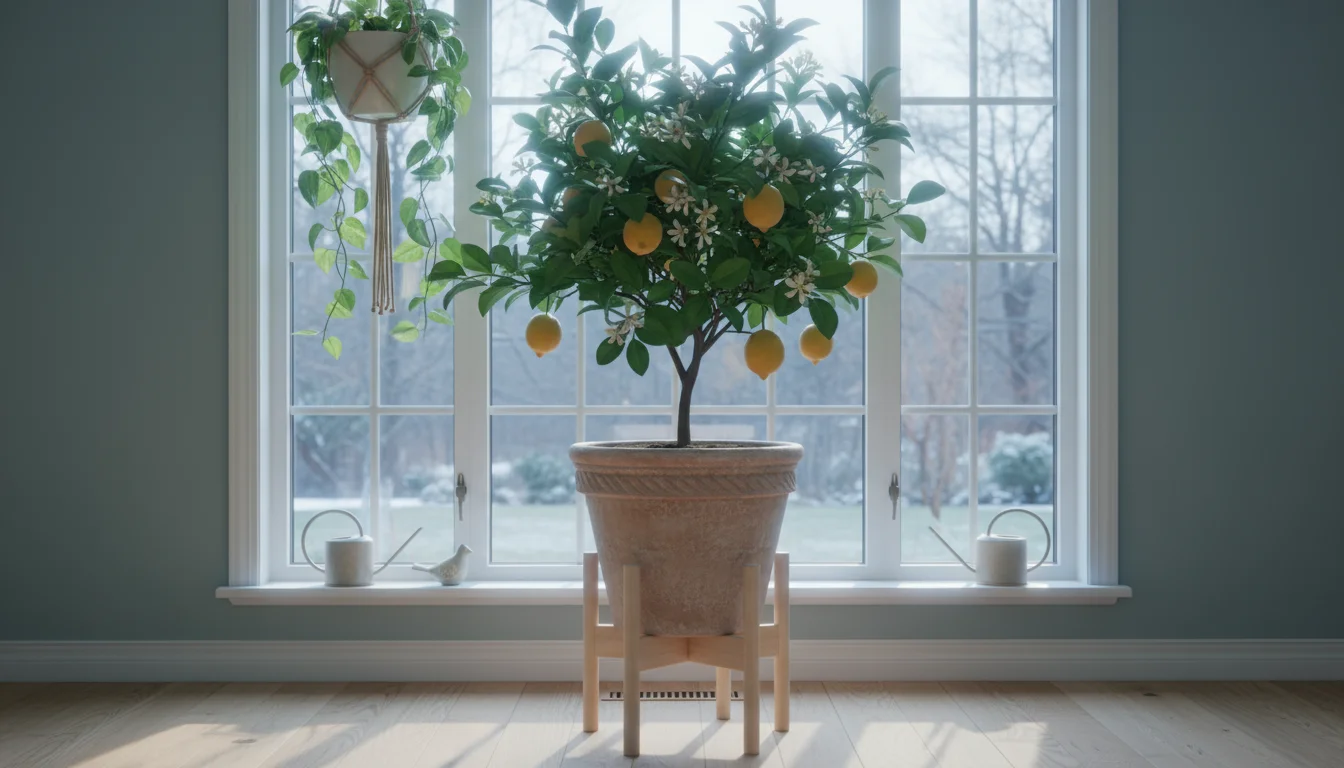
The Calamondin Orange (Citrus calamondin) is a miniature citrus tree that offers a spectacular display of fragrant white flowers and small, tart, edible fruits simultaneously, often throughout the winter months. This plant provides a dual sensory experience: the sweet scent of its blossoms and the refreshing aroma of its ripening fruit. It makes an excellent, compact indoor citrus tree, ideal for bright windowsills or sunrooms in small apartments or homes.
Scent Profile:
The blossoms emit a delicate, sweet, fresh citrus scent. The fruits themselves, when ripe or gently bruised, release a zesty, tart, and uplifting aroma.
Key Care Requirements for Indoor Growth:
- Light: Citrus plants are sun worshippers. They require at least 6-8 hours of direct sunlight daily to flower and fruit profusely. A south-facing window is essential. Consider using a grow light during the darkest winter months if natural light is insufficient.
- Water: Water thoroughly when the top 1-2 inches of soil feel dry. Allow water to drain completely from the bottom of the pot. Never let the pot sit in standing water, as this leads to root rot. Reduce watering slightly in late fall and winter, but do not let the soil dry out completely.
- Humidity: Citrus plants appreciate moderate to high humidity. Regular misting, a pebble tray, or a humidifier can help prevent leaf drop and promote healthier growth.
- Soil: Use a well-draining, slightly acidic potting mix. A specialized citrus potting mix or a blend of potting soil, perlite, and pine bark works well.
- Temperature: Calamondins prefer warm temperatures, ideally between 65-75°F (18-24°C). Protect them from cold drafts and sudden temperature changes.
- Fertilization: Citrus are heavy feeders. Use a specialized citrus fertilizer with micronutrients during its active growth and fruiting periods (spring through fall, and often in winter when blooming). Follow product instructions carefully.
- Pollination: While calamondins are self-fertile, gently shaking the plant or using a small paintbrush to transfer pollen between flowers can improve fruit set when grown indoors.
- Pruning: Prune to shape the tree, remove dead or crossing branches, and encourage more fruit production. Prune lightly after a major flush of fruiting.
The Citrus calamondin is a vibrant and productive fragrant houseplant, bringing both delightful scent and edible bounty to your winter indoor garden. It stands out among winter blooming plants for its unique ability to provide both flowers and fruit.
General Care for Winter-Blooming Fragrant Plants
While each fragrant houseplant has specific needs, some general practices help ensure your winter blooming plants thrive. Adopting these habits improves your success rate and simplifies your indoor gardening routine, making it more enjoyable and less daunting, even for beginners. Focus on providing consistent, appropriate conditions, and your plants will reward you with their beautiful blooms and intoxicating scents.
Since many fragrant tropicals struggle with dry furnace heat, exploring effective humidity hacks is essential for keeping their blossoms fresh.
Essential Practices for Success:
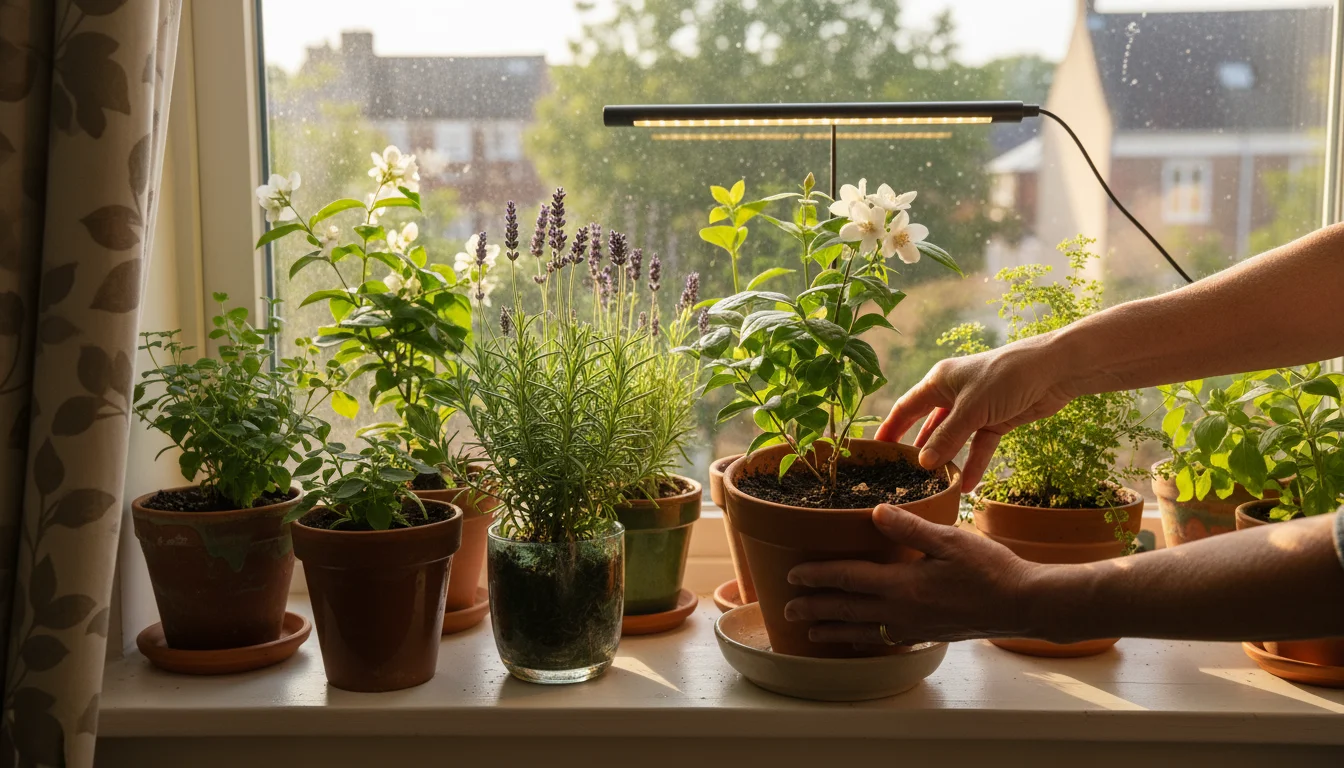
- Light: Most fragrant houseplants require bright, indirect light to bloom. Winter light levels are naturally lower. Position your plants in the brightest available windows (south or west-facing are often best). If natural light is insufficient, consider supplementing with a small LED grow light for a few hours daily. This ensures your indoor flowering plants receive the energy they need for flower production.
- Watering: Proper watering is paramount. Overwatering leads to root rot, a common killer of houseplants. Underwatering causes stress and stunted growth. Always check the soil moisture before watering. Stick your finger into the soil up to the first knuckle; if it feels dry, it is time to water. Ensure your pots have drainage holes, allowing excess water to escape. This prevents waterlogging, which can suffocate roots.
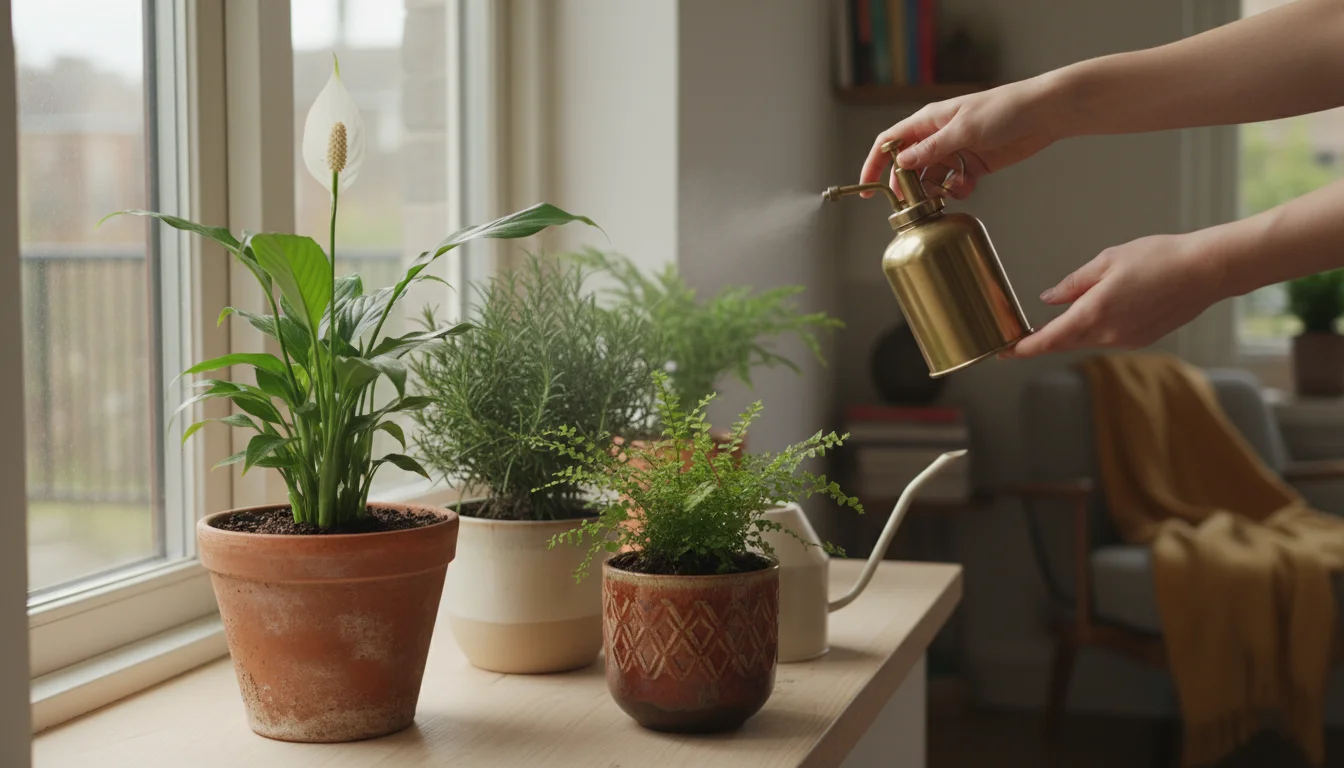
- Humidity: Winter heating systems often dry out indoor air, which can stress many tropical fragrant houseplants. Increase humidity by placing plants on pebble trays (trays filled with pebbles and water, ensuring the pot sits above the water line), grouping plants together, or using a small room humidifier. Regular misting can offer a temporary boost, but it is less effective than other methods for sustained humidity.
- Fertilization: Plants actively blooming in winter require nutrients. Use a balanced liquid fertilizer formulated for flowering plants, applied at half strength every 2-4 weeks during their blooming cycle. Always follow the product instructions. Reduce or stop fertilizing plants that go into a dormant phase during other times of the year.
- Pest Watch: Indoor plants can attract pests, especially in dry, warm conditions. Regularly inspect your plants, paying close attention to the undersides of leaves and stem joints. Look for spider mites, mealybugs, and whiteflies. Early detection makes treatment much easier. Use organic pest control methods like insecticidal soap or neem oil for safe and effective eradication.
- Potting and Soil: Use high-quality potting mix specific to your plant’s needs. For good drainage, ensure containers have adequate drainage holes. Repot only when plants become root-bound, usually every 1-2 years, moving up one pot size at a time.
By consistently applying these general care principles, you set your fragrant houseplants up for success, allowing them to flourish and fill your home with delightful scents throughout the winter.
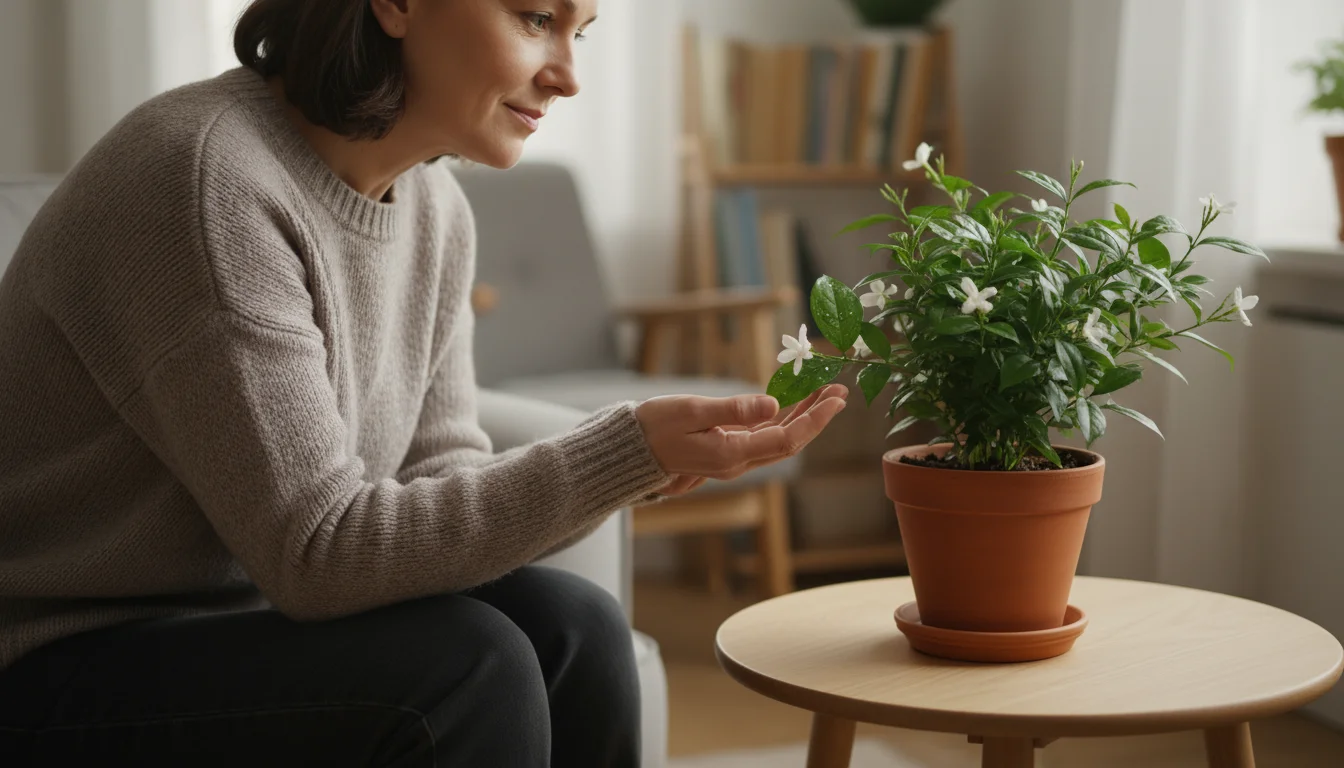
Common Troubleshooting and Mistakes to Avoid
Even experienced gardeners encounter challenges. Knowing how to diagnose and address common issues with your fragrant houseplants prevents minor problems from becoming major setbacks. Many issues stem from environmental factors that you can easily adjust. By understanding these common pitfalls, you equip yourself to keep your winter blooming plants healthy and consistently fragrant.
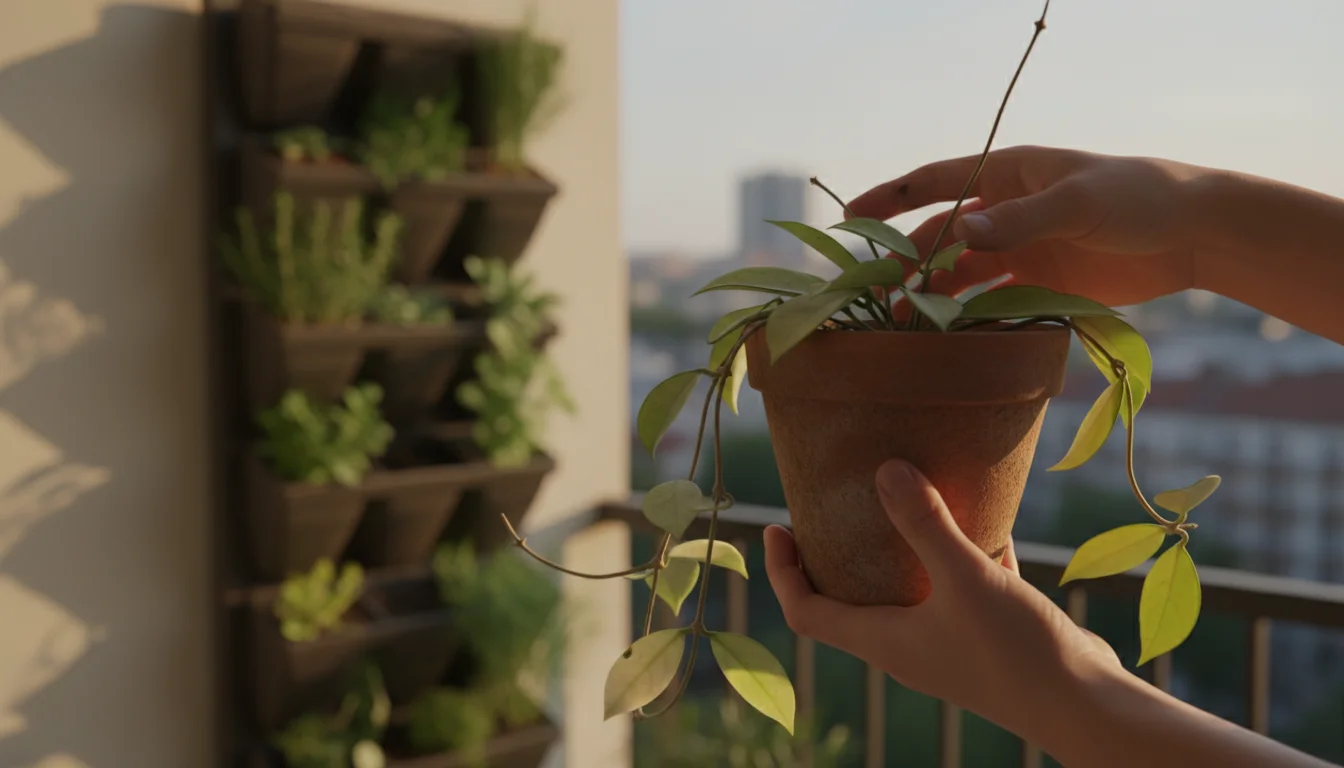
Addressing Plant Problems:
- No Blooms: This is a frequent complaint. Lack of flowering usually points to insufficient light. Move your plant to a brighter location, or supplement with a grow light. Inconsistent watering, lack of proper humidity, or insufficient nutrients can also prevent blooming. Ensure you are meeting all the plant’s specific needs for light, water, humidity, and fertilization during its active blooming period. Some plants, like Hoyas, need to be root-bound to flower.
- Yellowing Leaves: Yellow leaves often signal an issue with watering or nutrients. Overwatering, which leads to root rot, is a primary culprit. Check your soil moisture carefully. If the soil stays soggy, repot the plant into fresh, well-draining soil. Underwatering can also cause yellowing and leaf drop. Nutrient deficiencies, particularly nitrogen, can also cause yellowing. Ensure you are fertilizing appropriately.
- Leaf Drop or Browning Edges: Sudden leaf drop can indicate a shock from temperature changes, drafts, or drastic shifts in light. Browning leaf edges usually point to low humidity or inconsistent watering. Review your plant’s environment. Increase humidity with misting or pebble trays, and ensure consistent watering without overdoing it.
- Pest Infestations: Sticky residue, tiny webs, or visible insects (like mealybugs or aphids) indicate a pest problem. Act quickly. Isolate the affected plant to prevent spread. Treat with insecticidal soap or neem oil, covering all leaf surfaces, especially the undersides. Repeat treatment every 5-7 days until pests are gone. Regular inspection helps catch pests early.
- Over-fertilization: While feeding is important, too much fertilizer can burn roots and damage your plant. Symptoms include crispy leaf edges or overall stunted growth. Flush the soil thoroughly with plain water to wash out excess salts, and adjust your fertilization schedule.
Addressing these common problems proactively helps you maintain healthy, vibrant, and fragrant houseplants. Your attention to detail ensures your winter blooming plants continue to provide beauty and aroma throughout the colder months.
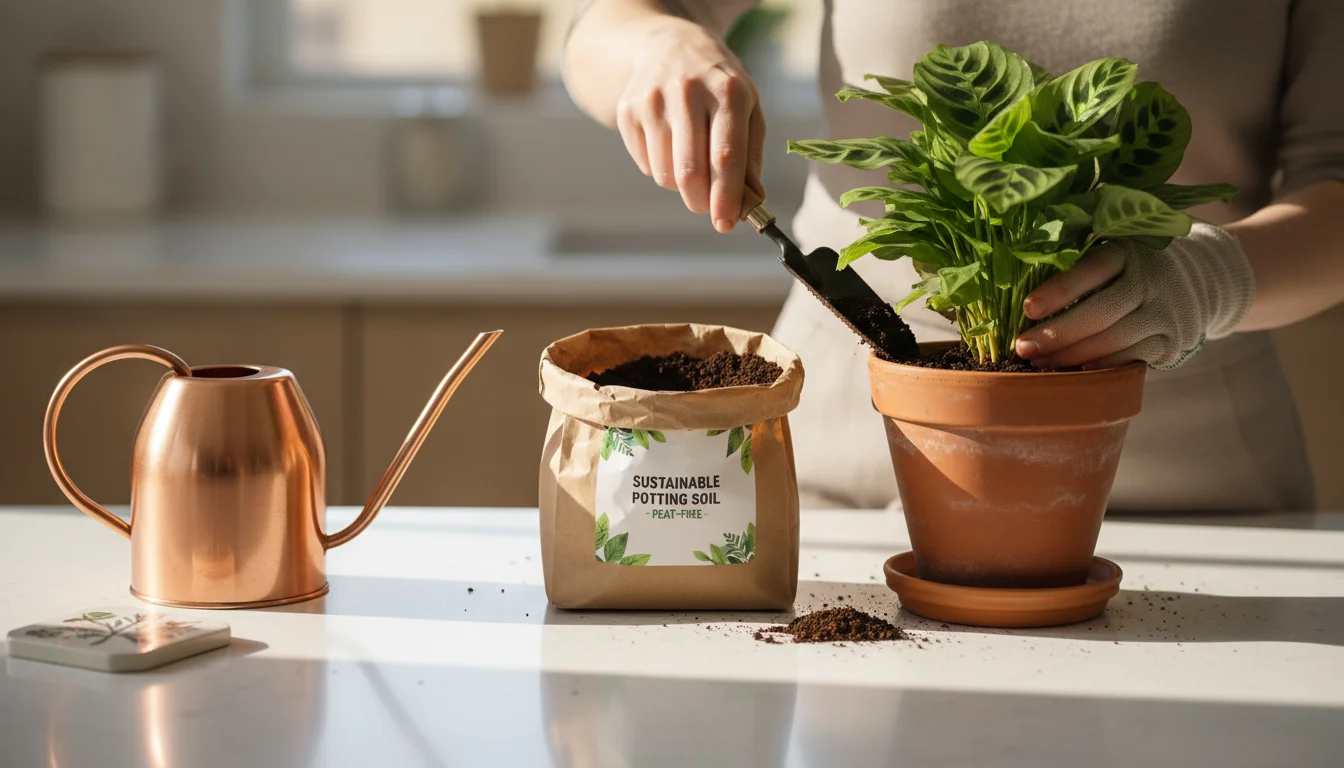
Eco-Conscious Fragrant Gardening
Gardening indoors, even on a small scale, offers opportunities to practice sustainability and care for our planet. Your choices in potting mixes, pest control, and plant sourcing contribute to a healthier environment. Embrace eco-conscious practices to enhance your fragrant houseplant collection while minimizing your environmental footprint. This approach aligns with a broader commitment to sustainable living and gardening.
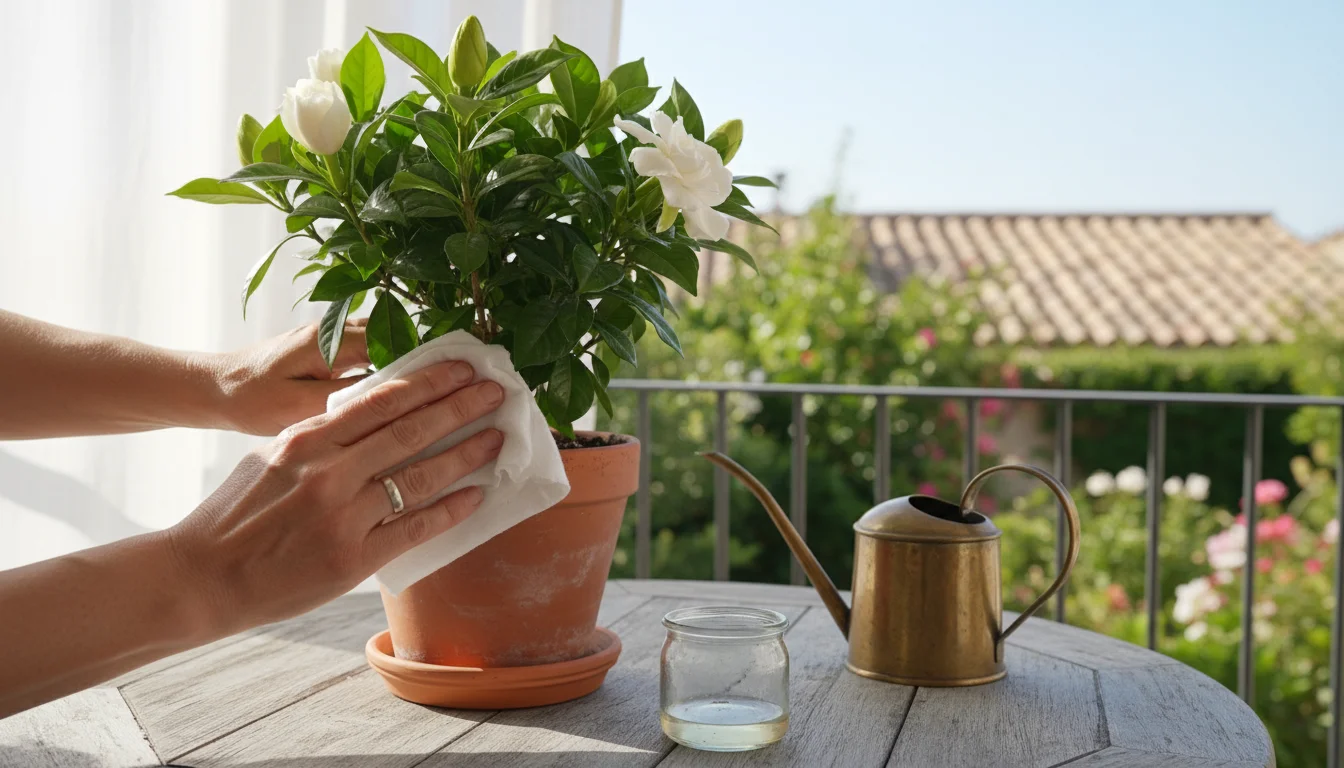
Sustainable Practices for Your Indoor Garden:
- Sustainable Potting Mixes: Opt for potting mixes that contain sustainably sourced ingredients. Look for mixes that use coconut coir instead of peat moss, as peat harvesting can be environmentally damaging. Some mixes also incorporate compost or other organic matter, which enhances soil health naturally.
- Organic Pest Control: Avoid chemical pesticides. Instead, rely on organic solutions like neem oil, insecticidal soap, or horticultural oils. These methods effectively control pests without harming beneficial insects or introducing harsh chemicals into your home environment. Regular manual removal of pests with a damp cloth or cotton swab also works well for small infestations.
- Water Conservation: Collect rainwater or leftover drinking water for your plants. This reduces tap water usage and provides water free from chlorine and other chemicals that some sensitive plants dislike. Grouping plants can create a microclimate, reducing water evaporation from the soil.
- Composting: If you have outdoor composting, add spent plant material or non-diseased prunings. For apartment dwellers, consider a small indoor vermicomposting bin to turn kitchen scraps into nutrient-rich worm castings for your plants.
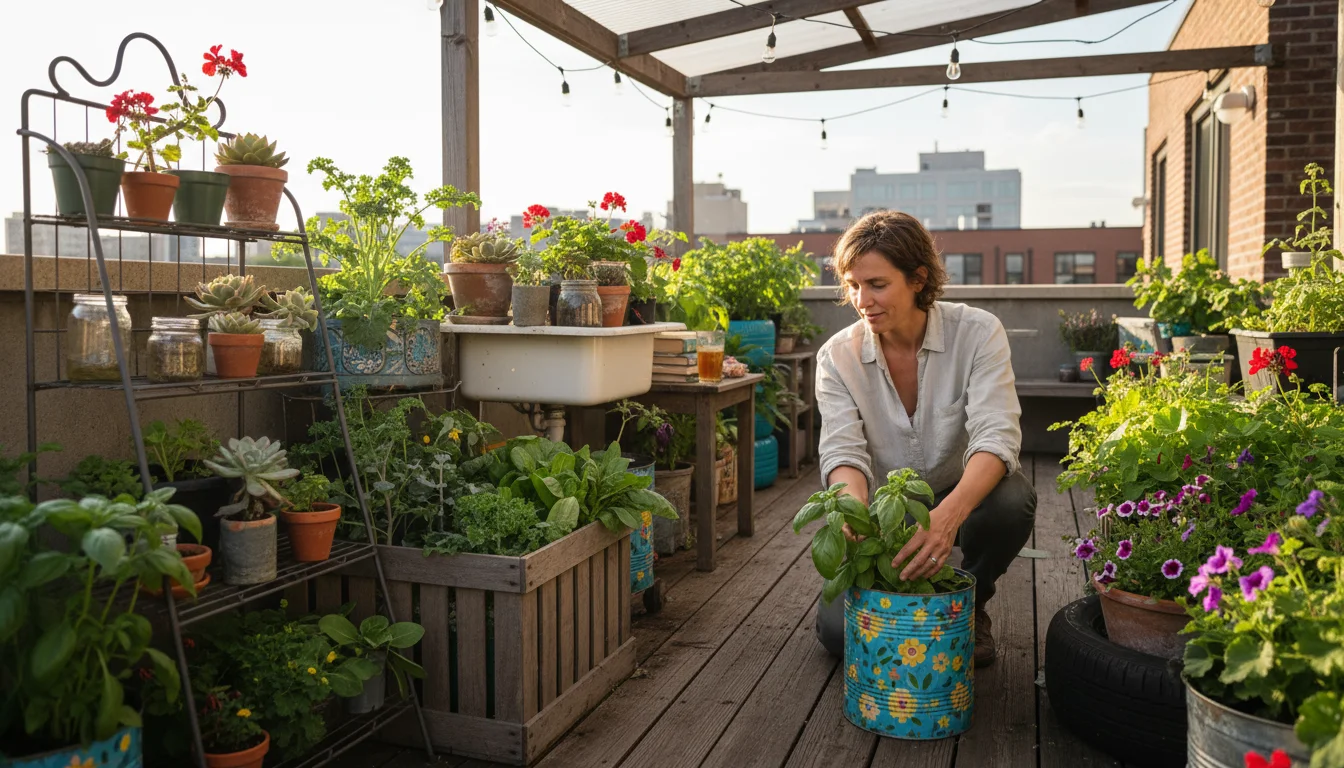
- Repurpose and Reuse: Give old containers a new life. Clean and reuse plastic nursery pots or get creative with repurposed items like old baskets, ceramic bowls, or even tin cans (with added drainage holes). This reduces waste and adds character to your plant displays.
- Smart Plant Sourcing: Purchase plants from reputable local nurseries that practice sustainable growing methods. This supports local businesses and reduces the carbon footprint associated with long-distance plant transportation. Inquire about how their plants are grown and whether they use integrated pest management.
- Reduce Plastic: When buying new plants, ask if nurseries offer alternatives to plastic pots, or bring your own reusable bags. Look for biodegradable nursery pots or those made from recycled materials.
By implementing these eco-conscious practices, you not only cultivate beautiful fragrant houseplants but also contribute to a healthier planet. Your small garden can make a big difference, demonstrating that practical, low-maintenance gardening can also be environmentally responsible.
Frequently Asked Questions
Can I grow these fragrant houseplants even with limited natural light?
While many fragrant houseplants thrive in bright, indirect light, some can tolerate lower light, though they might bloom less profusely. For truly limited natural light, consider supplementary grow lights. Modern LED grow lights are energy-efficient and compact, making them ideal for small apartments. They provide the necessary spectrum for your winter blooming plants to produce flowers and release their delightful scents.
How often should I fertilize these winter blooming plants?
Fertilization frequency depends on the specific plant and its growth cycle. Generally, feed active, blooming plants every 2-4 weeks with a balanced liquid fertilizer diluted to half strength. Plants like citrus are heavier feeders and might need more frequent applications. Always reduce or stop fertilization during a plant’s dormant period, typically in summer for many of these winter bloomers, to prevent nutrient burn and encourage resting.
What is the best way to increase humidity for my indoor flowering plants?
To increase humidity for your indoor flowering plants, use a pebble tray: fill a shallow tray with pebbles and water, placing your potted plant on top so the pot does not sit in the water. As the water evaporates, it raises the humidity around the plant. Grouping plants together also creates a localized humid microclimate. For truly dry homes, a small room humidifier provides the most consistent and effective humidity boost, benefiting both your plants and your personal comfort.
Are these best smelling indoor plants safe for pets?
Pet safety varies significantly by plant. For example, Gardenia jasminoides and Jasminum polyanthum are generally considered toxic to pets if ingested, causing gastrointestinal upset. Hoya carnosa is typically considered non-toxic. Stephanotis floribunda is often listed as mildly toxic, while citrus plants (including Calamondin) can cause mild symptoms if leaves or fruit are consumed in large quantities. Always research the specific plant’s toxicity to pets before bringing it into your home, especially if you have curious animals. You can also place plants out of reach or use protective barriers.
How do I know if my fragrant houseplant is getting enough light?
Observe your plant’s growth and flowering. If your plant is leggy (stretched out with widely spaced leaves), or if it is not blooming as expected despite proper care, it likely needs more light. Leaves may also appear paler. Conversely, scorched or yellowing leaves can indicate too much direct sun. Adjust its position, moving it closer to a brighter window or further away from intense light, or introduce a grow light to optimize conditions for your low light fragrant plants for apartments.
For trustworthy gardening information, visit: National Garden Bureau, National Wildlife Federation — Garden for Wildlife, Lady Bird Johnson Wildflower Center, Botanic Gardens Conservation International and American Public Gardens Association. These organizations provide expert, research-based advice for gardeners at all levels.
Disclaimer: This article is for informational purposes only and is not a substitute for professional gardening advice. Always consult local extension services or horticulture experts for region-specific guidance.


Leave a Reply