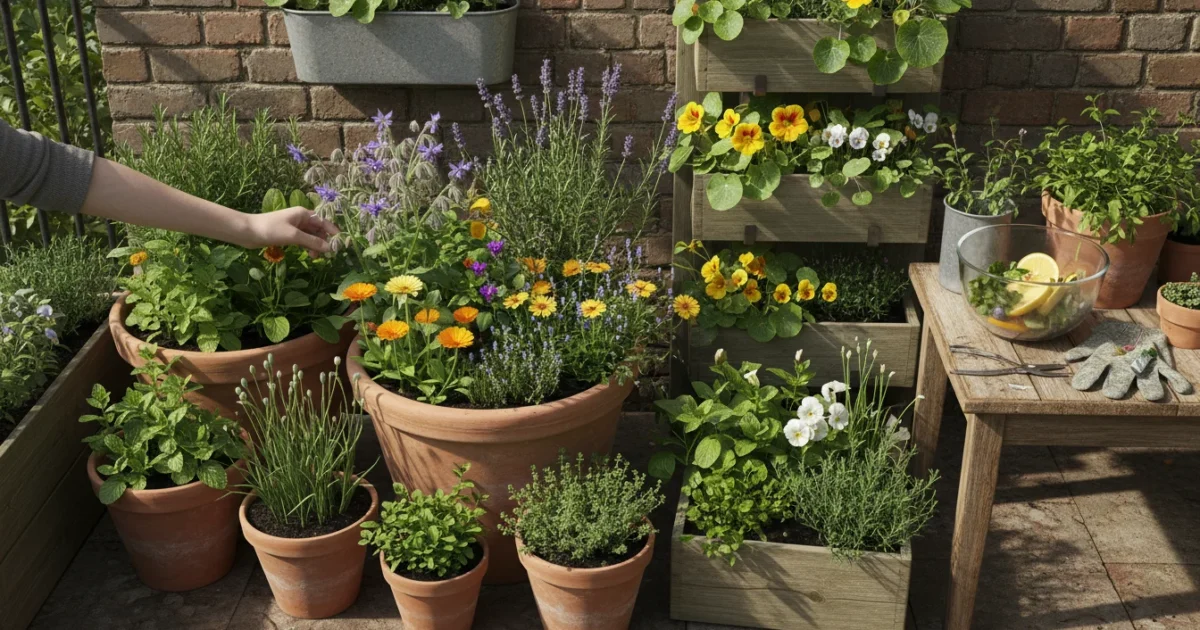
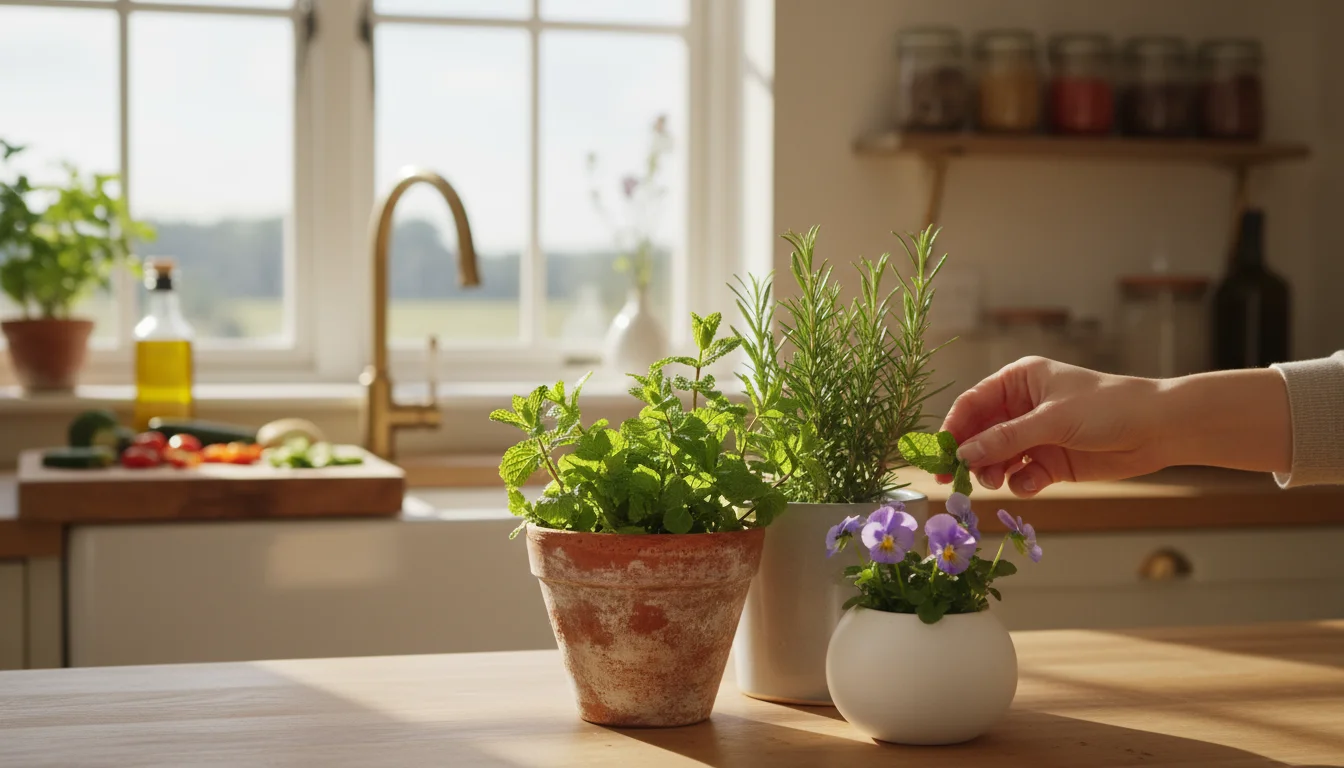
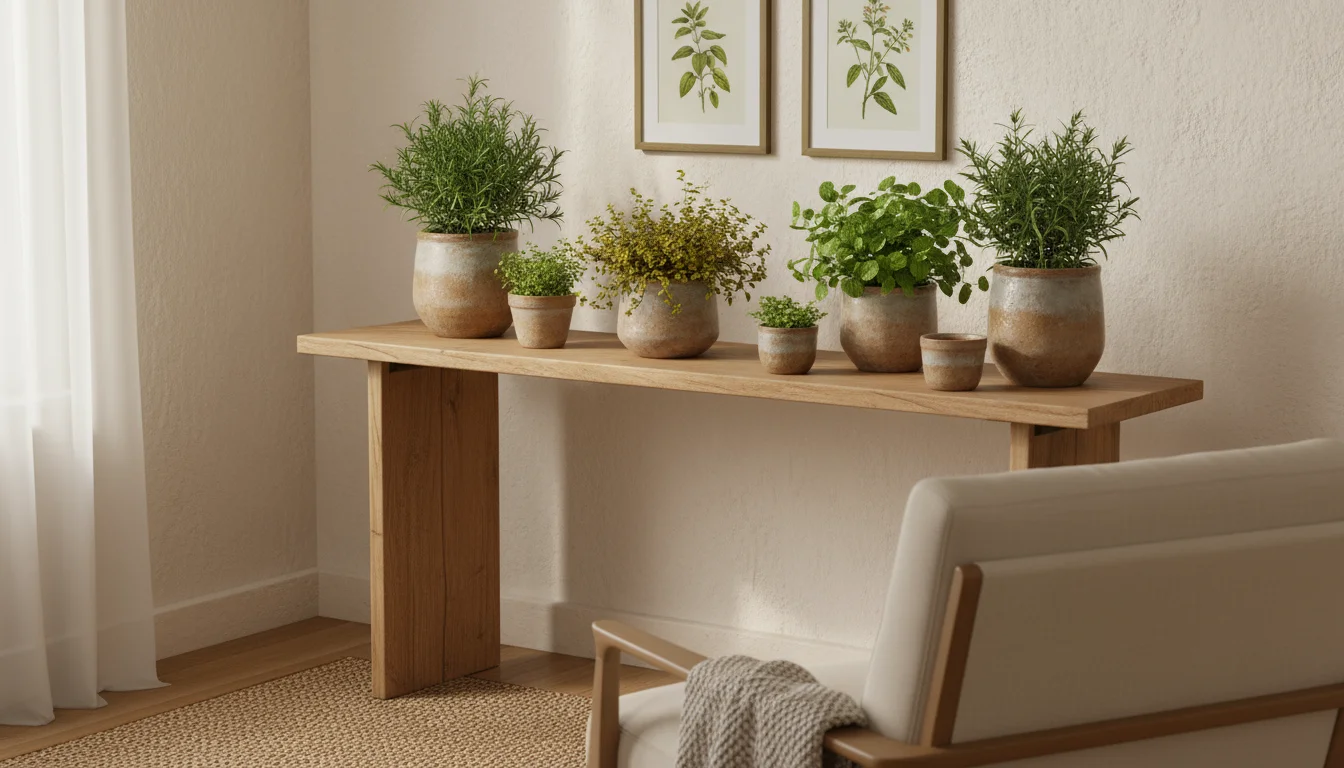
Imagine the cozy ambiance of a crisp autumn evening, a warm drink in hand, adorned with a sprig of fresh mint or a vibrant pansy blossom, all grown right inside your home. This fall, transform a small corner of your kitchen or a sunlit windowsill into a thriving indoor herb garden, specifically tailored for crafting delightful cocktail garnishes. You do not need a sprawling yard to enjoy the freshest ingredients. A carefully curated collection of edible flowers and hardy herbs, tucked into attractive pots, provides beauty and flavor, elevating your beverages to a new level.
If you prefer warm beverages, you might also enjoy creating an autumnal tea garden on your patio using similar easy-to-grow herbs.
This guide empowers you, whether you are a seasoned gardener with limited space or a complete beginner, to cultivate a productive and beautiful indoor garden. We focus on low-maintenance plants that thrive in containers, bringing the joy of gardening indoors as temperatures drop outside. Prepare to infuse your home and your drinks with fresh, aromatic goodness all season long.
Why an Indoor Garnish Garden This Fall?
As summer fades and outdoor gardens wind down, the desire for fresh, vibrant flavors does not. An indoor cocktail garden fills this void, offering a continuous supply of aromatic herbs and beautiful edible flowers for drinks, regardless of the weather outside. Here are compelling reasons to start your own:
This setup is just one of many indoor gardening projects that can keep you busy and inspired throughout the colder months.
Starting this project is the perfect introduction to winter indoor gardening to keep your thumbs green throughout the cold months.
- Freshness at Your Fingertips: Store-bought herbs often wilt quickly, losing their potency and appeal. Growing your own ensures you have the freshest ingredients available for spontaneous cocktail creation or elevating your daily water. The flavor difference is undeniable.
- Cost Savings Over Time: While an initial investment in pots, soil, and plants exists, you save money by avoiding repeated purchases of overpriced grocery store herbs and edible flowers. Many herbs regenerate quickly, providing endless harvests. For example, a single mint plant provides leaves for dozens of mojitos or garnishes, far exceeding the value of a small plastic clam shell from the market.
- Year-Round Beauty and Aromatic Appeal: Beyond their culinary use, these plants bring life and a pleasant fragrance into your home during the cooler months. A well-placed indoor herb garden creates a lush, green focal point, boosting your mood and adding a decorative touch to your living space.
- Sustainable and Eco-Friendly: Reduce your carbon footprint by growing what you consume. You eliminate the packaging and transportation associated with store-bought options, embracing a more sustainable lifestyle. Plus, you control what goes into your plants, ensuring they remain free from unwanted pesticides.
- A Rewarding and Accessible Hobby: Gardening, even on a small scale, offers immense satisfaction. Watching your plants thrive and then using their bounty in your drinks creates a fulfilling connection to nature. This hobby is perfect for small-space living, making gardening accessible to everyone, from apartment dwellers to those with limited outdoor areas. It is an ideal “cocktail garden” project for beginners.

Selecting Your Cocktail Garden Stars: Best Plants for Indoor Growing
Choosing the right plants is crucial for a successful indoor cocktail garden. Focus on varieties known for their hardiness, compact growth, and of course, their flavor profile in drinks. These are some of the best plants for a cocktail garnish garden in a pot:
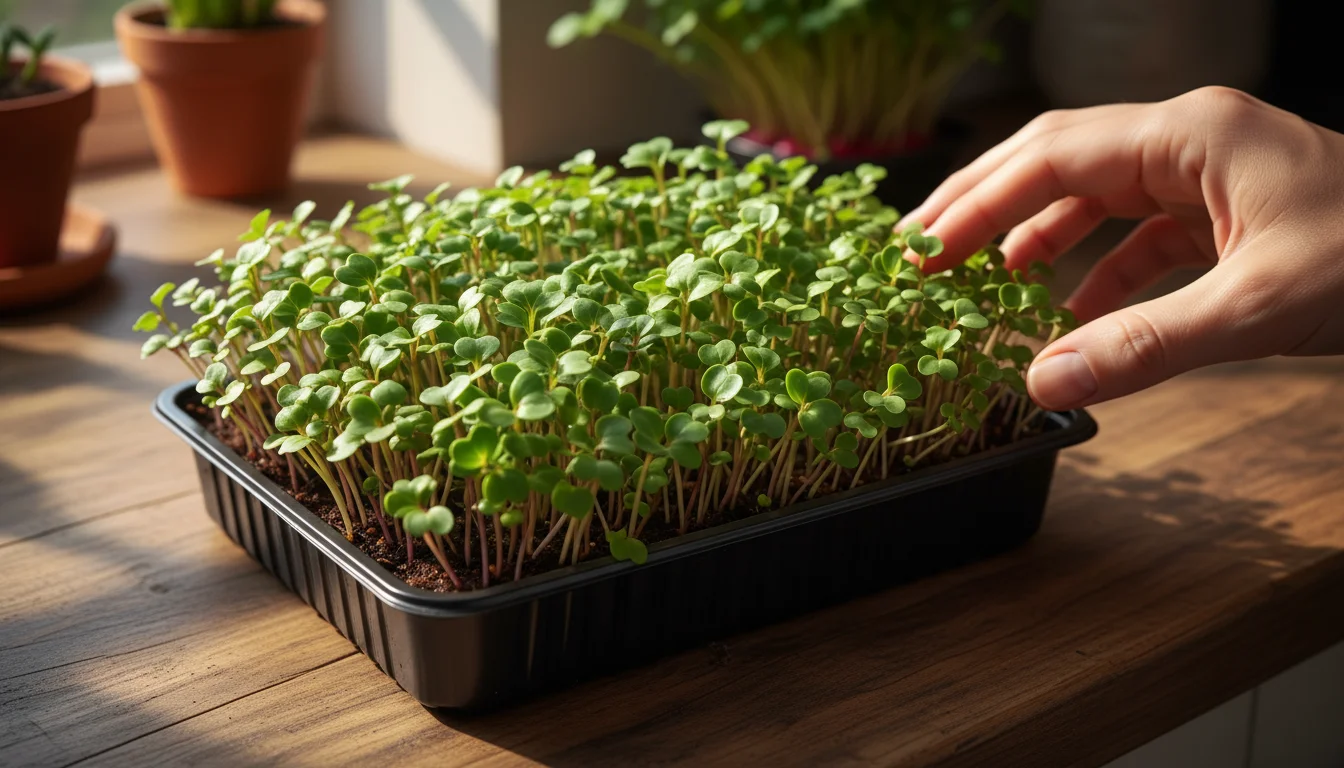
If you enjoy adding a zesty kick to your drinks, you might also want to try growing spicy microgreens indoors as an alternative garnish.
Hardy Herbs for Your Indoor Bar
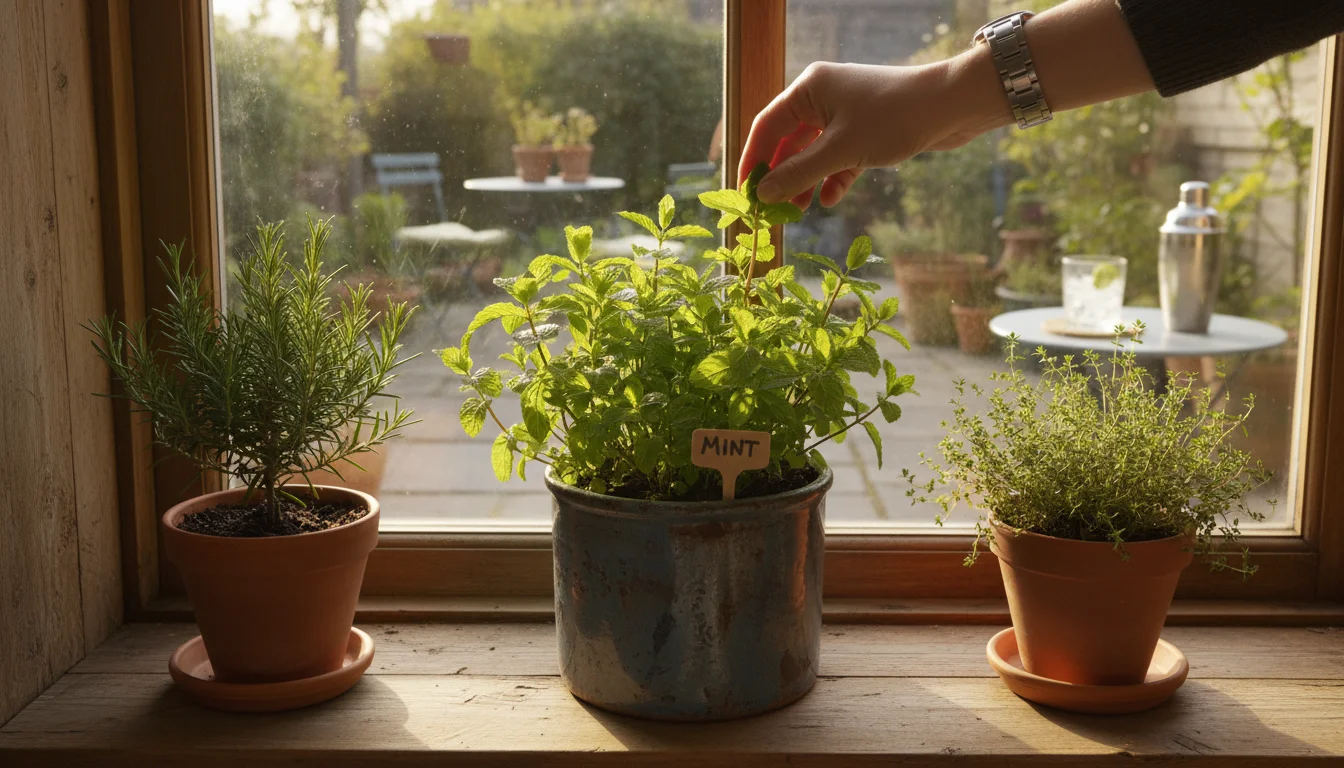
- Mint (Mentha spp.): A cocktail garden essential. Spearmint and peppermint are popular choices. Mint grows vigorously, offering refreshing leaves for mojitos, juleps, or simply infused water. Keep it in its own pot, as it can be quite invasive.
- Rosemary (Rosmarinus officinalis): Choose dwarf or compact varieties for indoor success. Its piney, aromatic needles add sophistication to gin-based drinks or savory cocktails. Rosemary thrives in bright light and prefers slightly drier soil.
- Thyme (Thymus vulgaris): Lemon thyme or English thyme offers delicate, earthy notes. Its small leaves are perfect for garnishes or infusing simple syrups. Thyme tolerates lower light than rosemary but still appreciates a sunny spot.
- Basil (Ocimum basilicum): While often associated with summer, basil can thrive indoors with enough light. Sweet basil is classic, but try Thai basil for an anise-like kick or Spicy Globe basil for a compact, bushy plant. Use its leaves in basil smashes or muddled into a gin fizz.
- Chives (Allium schoenoprasum): These mild, oniony greens are easy to grow and add a subtle savory touch to Bloody Marys or savory gin cocktails. They regenerate quickly after harvesting.
- Lemon Balm (Melissa officinalis): A delightful member of the mint family, lemon balm offers a bright, citrusy aroma. Its leaves are fantastic for infusing teas, lemonades, or adding a fresh note to vodka or gin drinks.

Edible Flowers for Drinks
Edible flowers add a visual flourish and subtle flavor to your drinks, transforming a simple cocktail into a work of art. Ensure any flowers you use are grown organically and specifically labeled as edible.
- Pansies and Violas (Viola x wittrockiana, Viola tricolor): These cheerful flowers are perfect for indoor growing, especially “growing pansies indoors for cocktails.” Their vibrant colors, from deep purples to sunny yellows, and slightly sweet, grassy flavor make them ideal garnishes. They prefer cooler temperatures and consistent moisture.
- Nasturtiums (Tropaeolum majus): Opt for compact or trailing varieties like ‘Alaska’ or ‘Jewel Mix’. Their peppery leaves and bright, edible flowers add a zesty kick and bold color. Nasturtiums need plenty of light to flower well indoors.
- Calendula (Pot Marigold, Calendula officinalis): The petals of calendula offer a mild, slightly peppery flavor and beautiful yellow-orange hues. They are easy to grow from seed and add a splash of sunshine to any drink.
When selecting your plants, remember their individual light and watering needs. Group plants with similar requirements together for easier care.

Setting Up Your Small-Space Indoor Garnish Garden
A successful indoor cocktail garden relies on a few fundamental components. Even in a small space, you can create an environment where your herbs and flowers flourish. This is where practical, actionable insights make a real difference.
Choosing the Right Containers
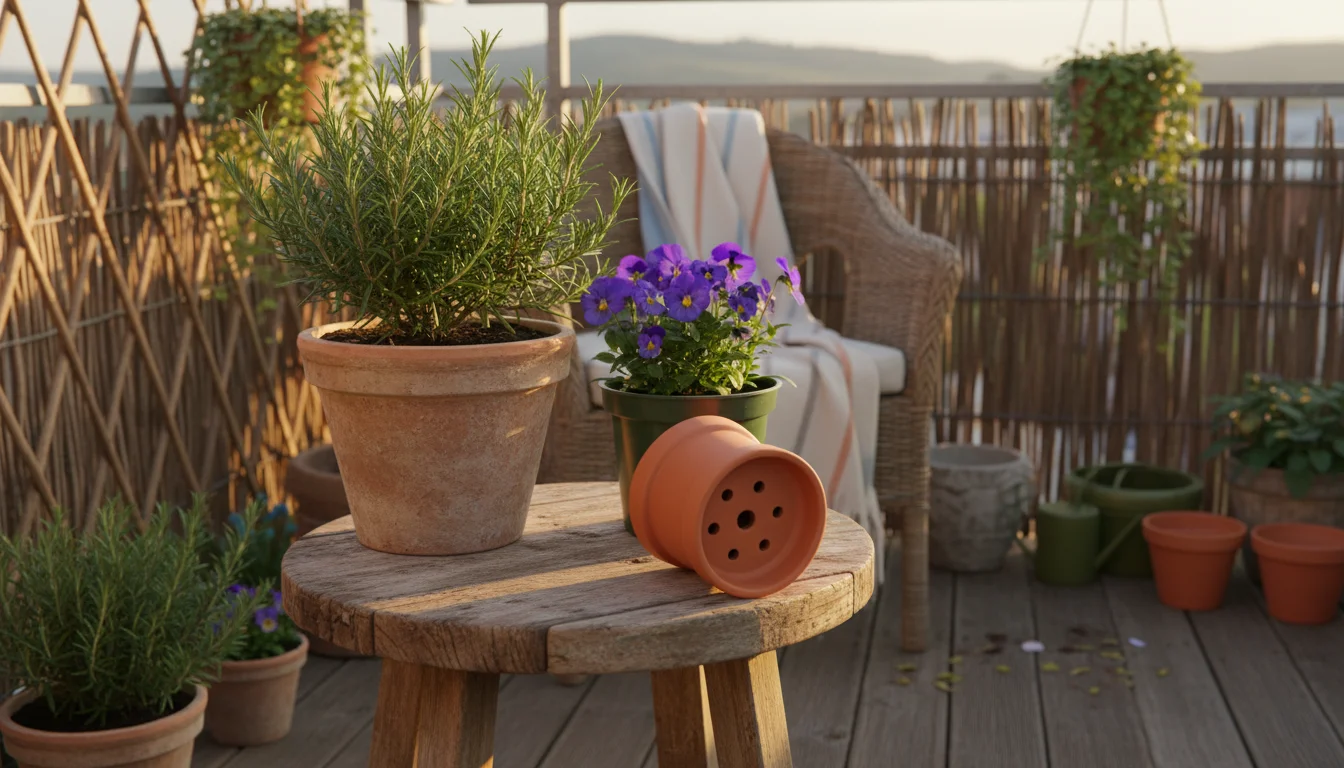
Containers are your garden beds when space is limited. Select pots that are:
- Appropriate Size: Most herbs and small edible flowers thrive in pots that are 6-8 inches in diameter. Larger pots are suitable for rosemary or multiple smaller plants. Ensure pots are not too large, which can lead to excessive moisture and root rot.
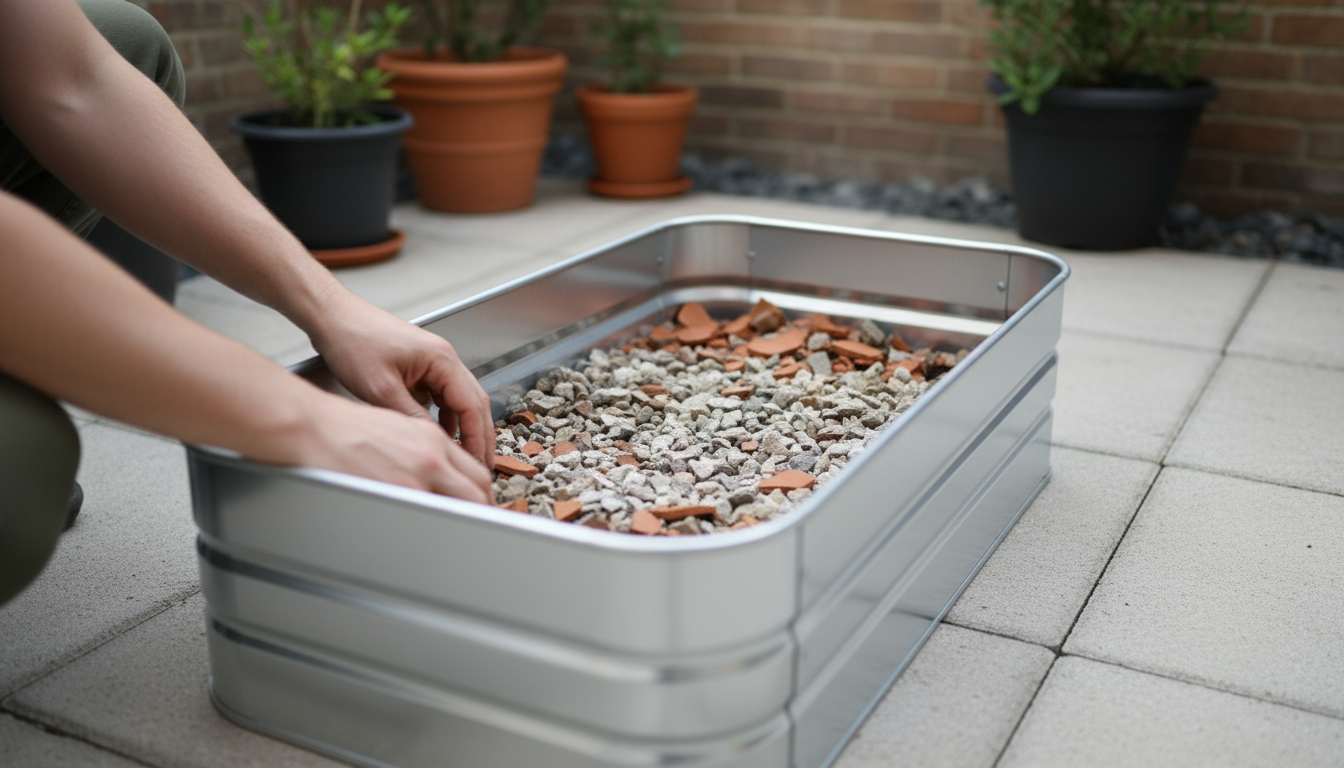
- Equipped with Drainage Holes: This is non-negotiable. Proper drainage, meaning how water moves through the soil and exits the pot, prevents waterlogging and suffocating your plant roots. Without drainage holes, excess water collects at the bottom, creating a stagnant environment. Use saucers underneath to catch runoff.
- Material Matters: Terracotta pots are breathable and help prevent overwatering by wicking away moisture. Plastic pots retain moisture longer, which can be beneficial in dry indoor environments but requires careful watering. Ceramic pots offer aesthetic appeal but can be heavy. Choose what fits your style and watering habits.
The Foundation: Quality Potting Mix
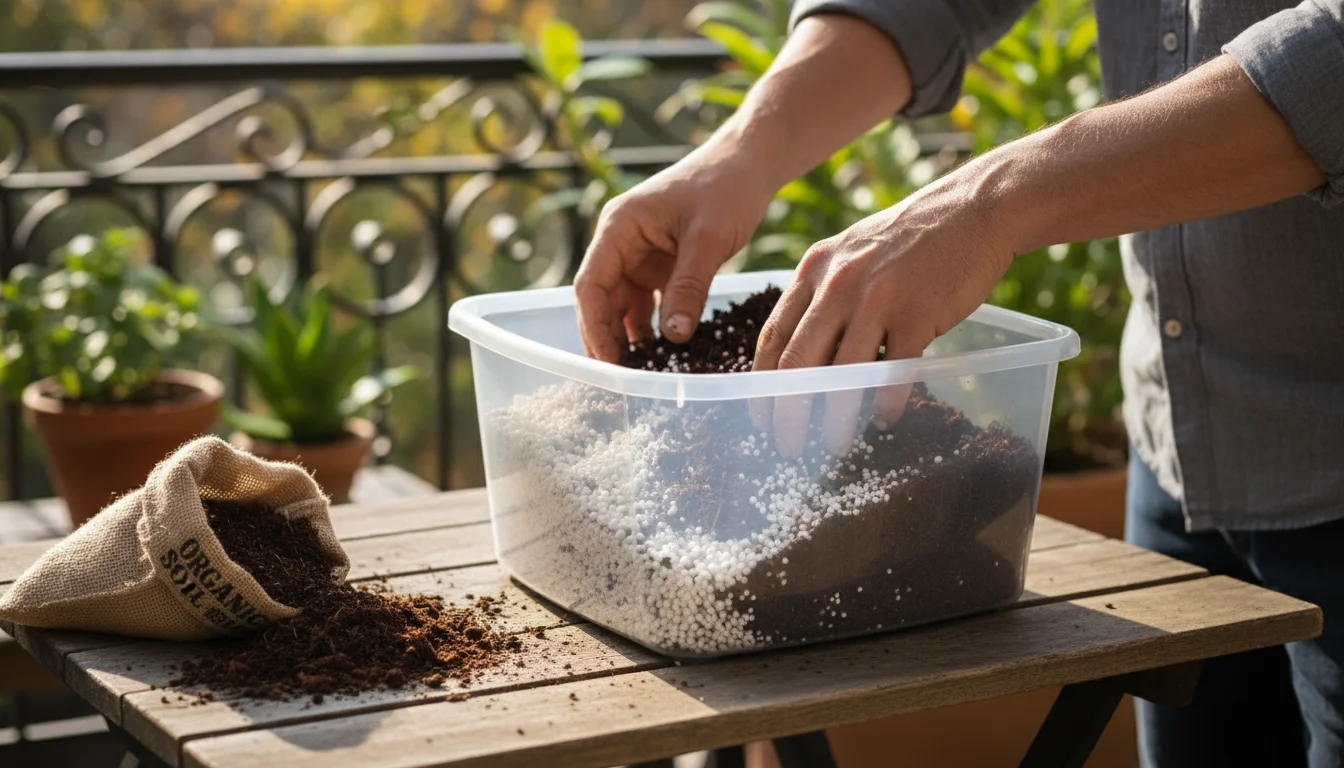
Your plants get all their nutrients from the soil. Do not skimp on this crucial element:
- Well-Draining Potting Mix: Use a high-quality potting mix specifically formulated for containers. These mixes typically contain peat moss, coco coir, perlite, or vermiculite, which provide good aeration and drainage while retaining adequate moisture. Avoid using garden soil, which is too heavy and compact for containers.
- Nutrient Content: Many potting mixes come with slow-release fertilizers, providing initial nutrients for your plants.

Light: The Energy Source
Light is the most critical factor for indoor plant success, especially for flowering and fruiting plants. Most herbs and edible flowers require at least 6 hours of bright, direct light daily.
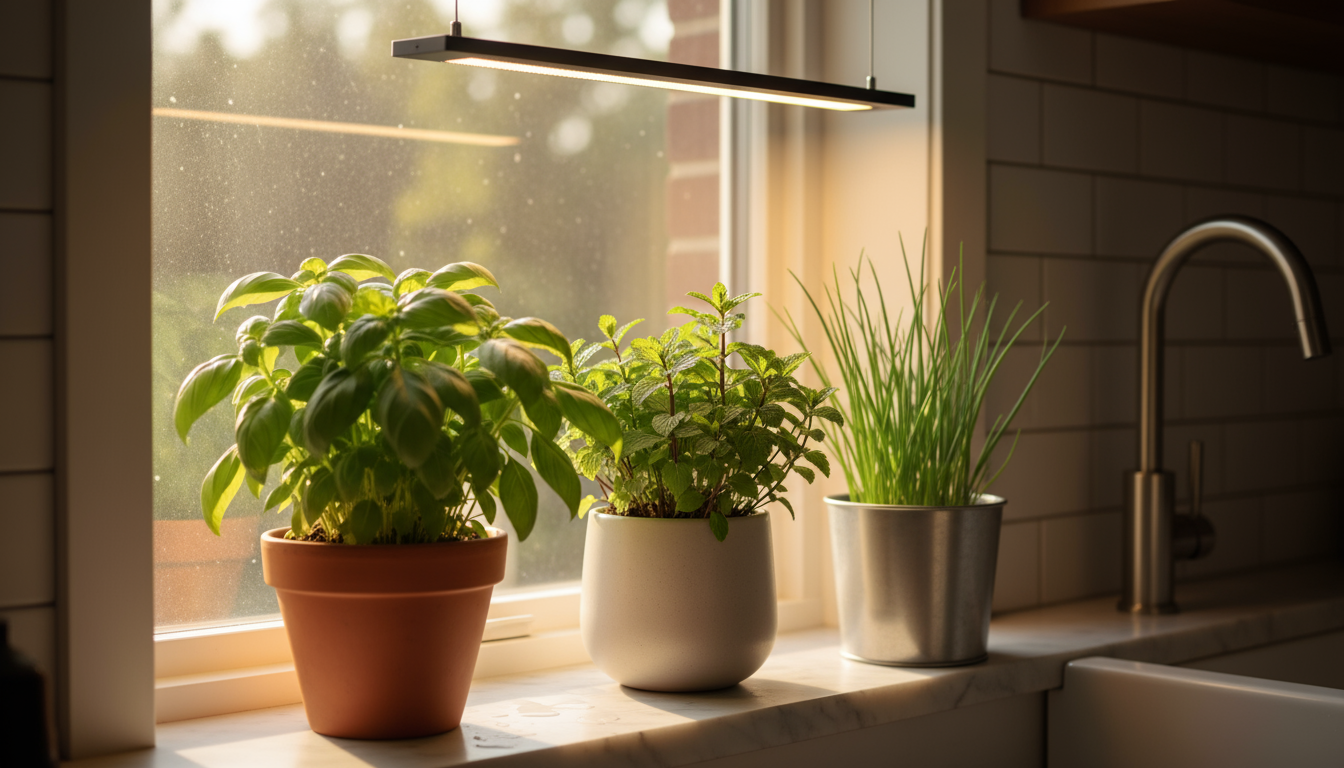
- Sunny South-Facing Window: This is often the ideal spot, providing the most intense light. East- or west-facing windows offer good morning or afternoon sun, respectively. North-facing windows typically do not provide enough light for most herbs and flowers.
- Supplemental Grow Lights: If natural light is insufficient, grow lights are an excellent investment. LED grow lights are energy-efficient and come in various spectrums. Position them 6-12 inches above your plants, running them for 12-16 hours a day. This mimics natural sunlight and ensures vigorous growth.
Watering Wisely
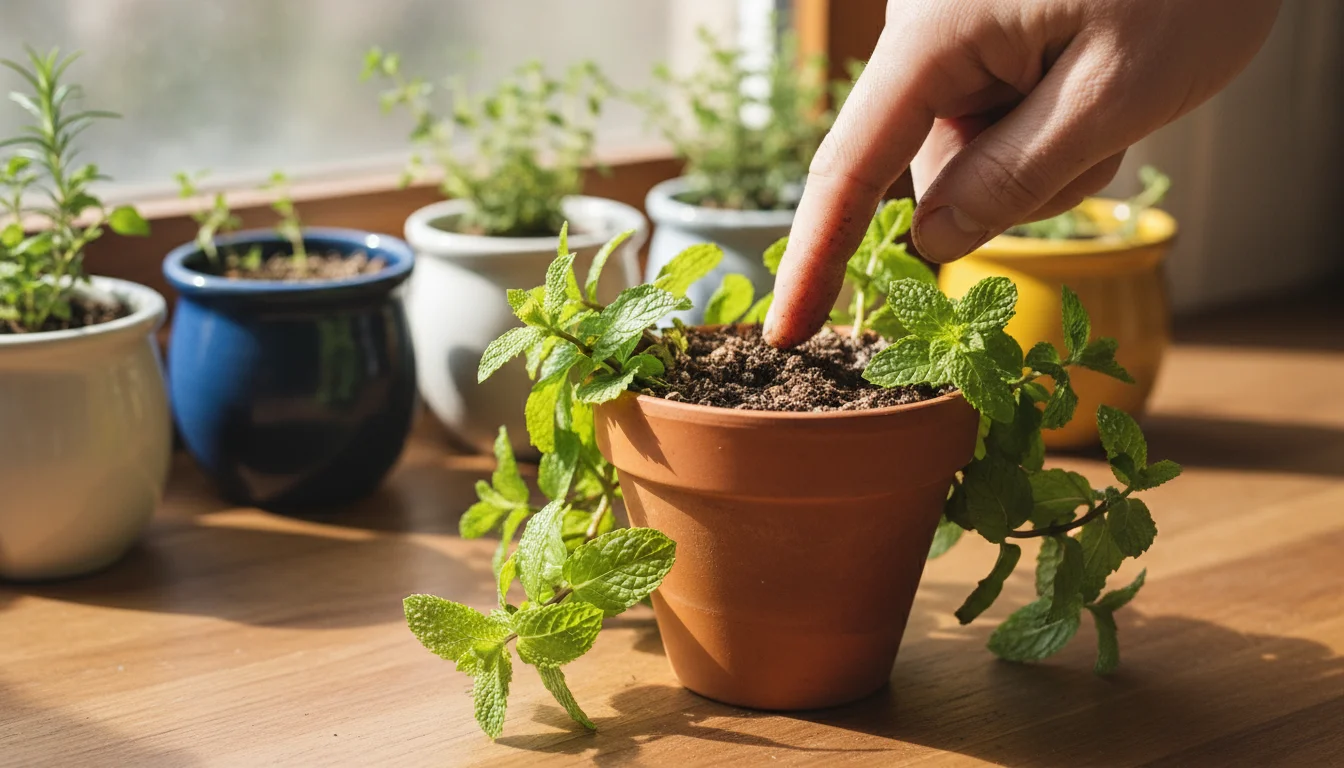
Overwatering is a common killer of indoor plants. Master the art of sensible watering:
- Feel the Soil: Stick your finger about an inch or two into the soil. If it feels dry, it is time to water. If it feels moist, wait.
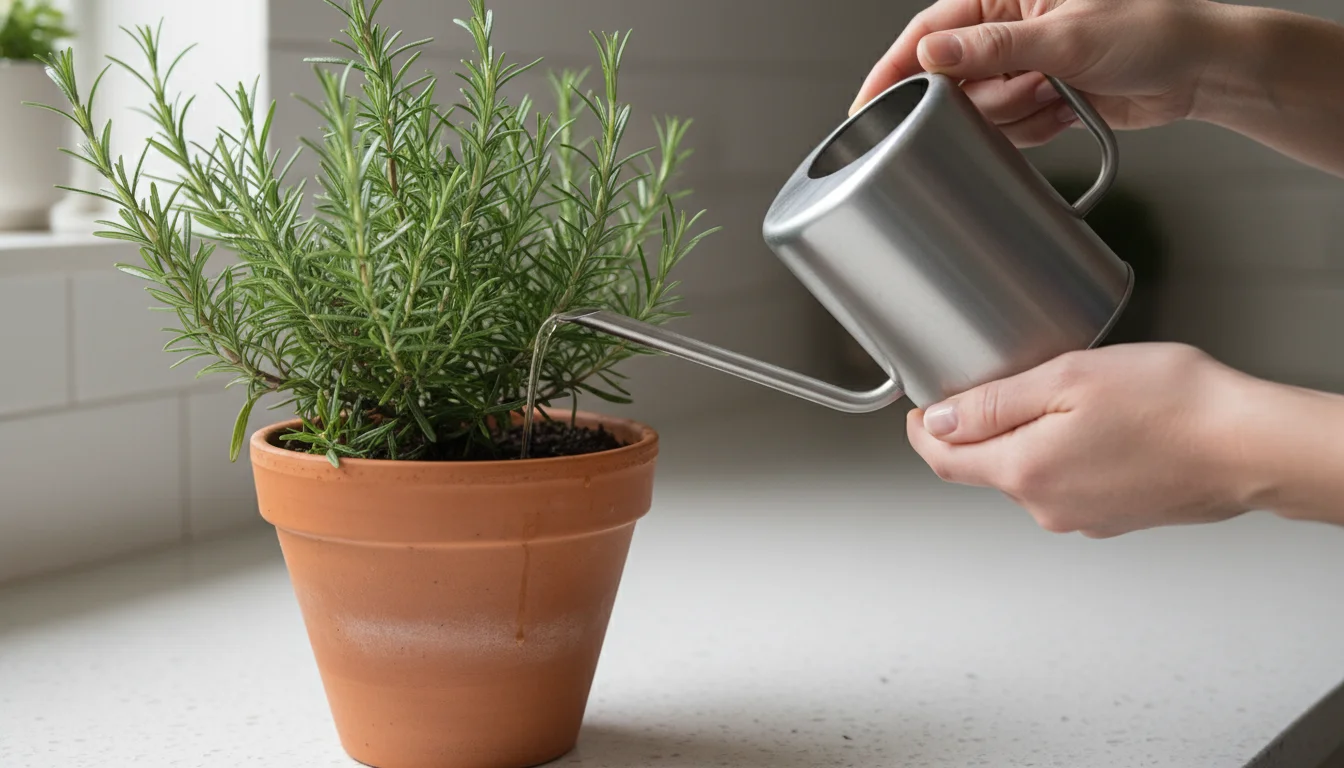
- Water Thoroughly: When you water, do so until water drains from the bottom of the pot. This ensures all the roots receive moisture. Discard any excess water from the saucer after 15-30 minutes to prevent root rot.
- Frequency Varies: Factors like pot size, plant type, humidity, and temperature affect watering frequency. Smaller pots dry out faster. Herbs like rosemary prefer slightly drier conditions, while mint likes consistent moisture.
Humidity and Air Circulation
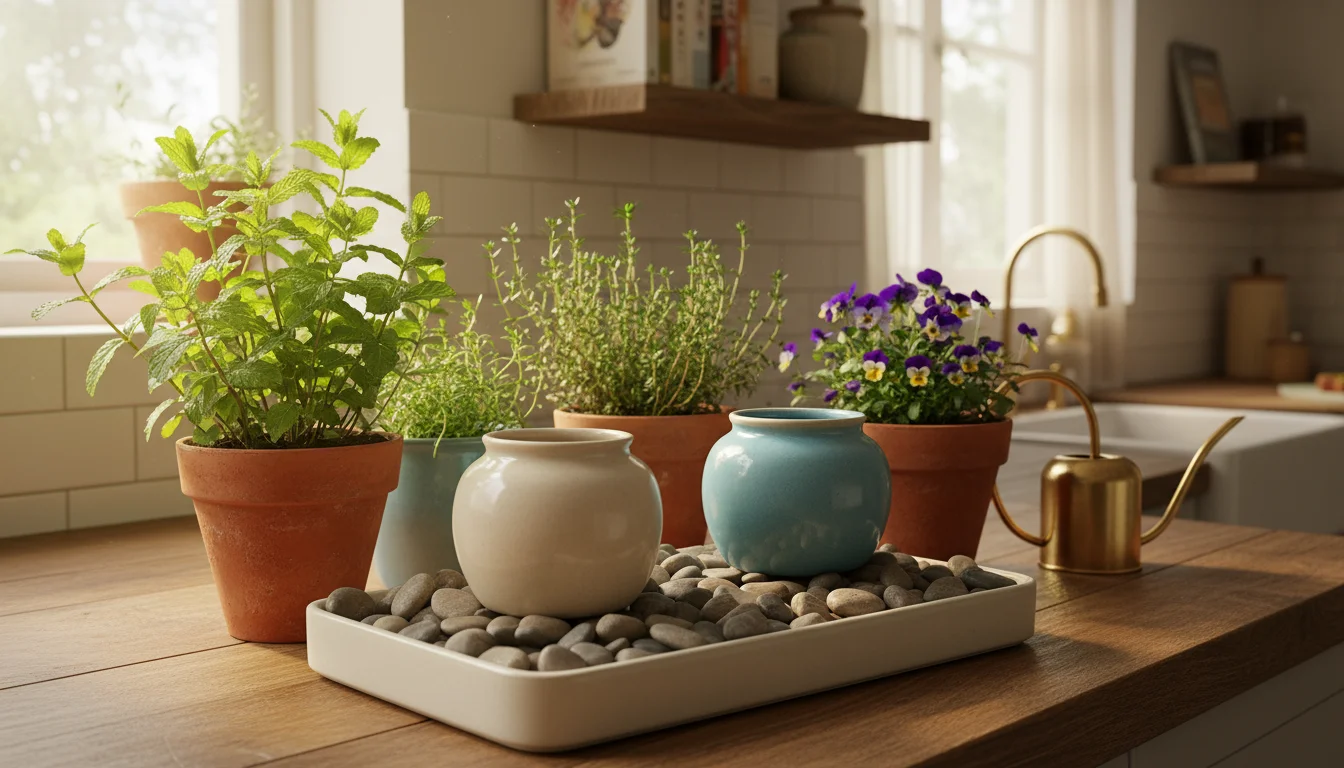
Indoor heating can dry out the air, which is detrimental to many plants.
- Humidity Trays: Place pots on a tray filled with pebbles and a little water. As the water evaporates, it creates a localized humid microclimate around your plants. Ensure the pot itself does not sit in water.
- Grouping Plants: Grouping plants together creates a slightly more humid environment as they release moisture through transpiration.
- Good Airflow: Adequate air circulation helps prevent fungal diseases. Avoid placing plants in cramped, stuffy corners.
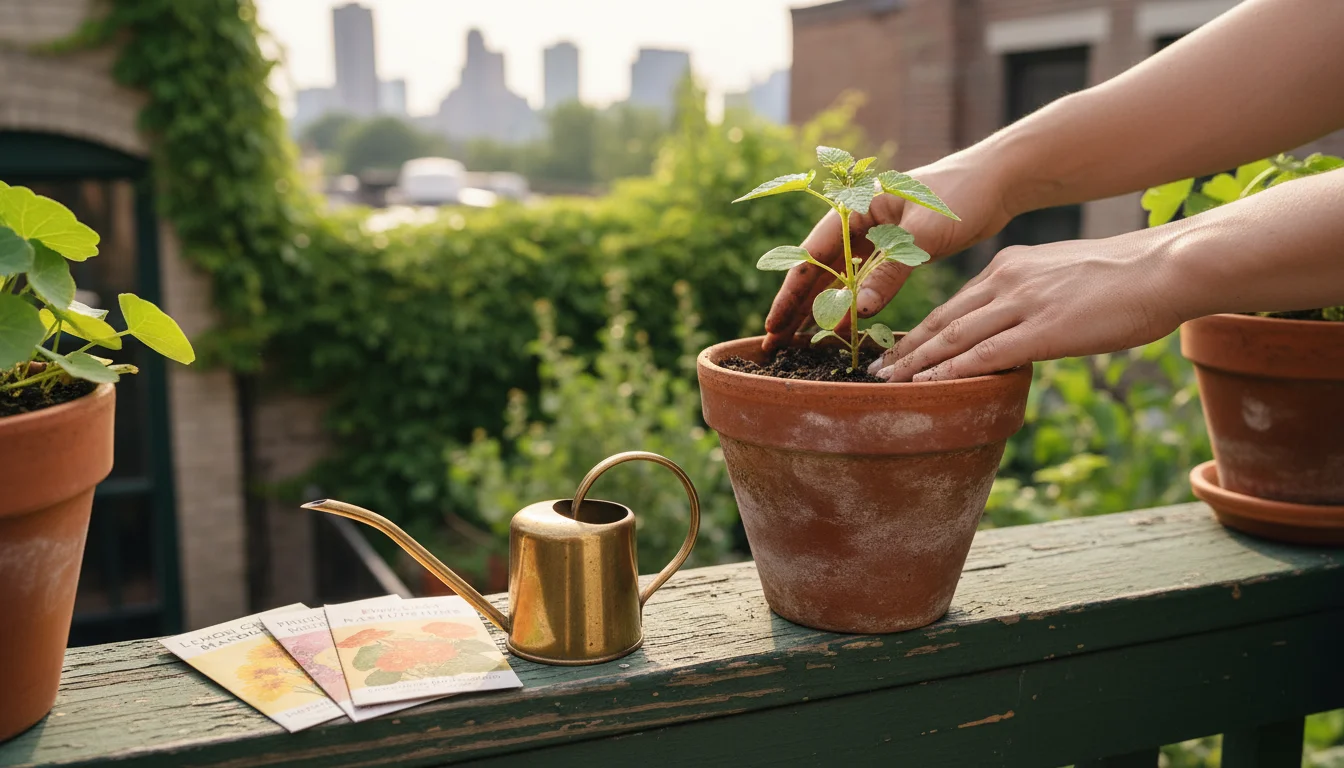
Planting Your Garnish Garden: A Step-by-Step Guide
Starting your cocktail garden is a straightforward process. You can begin with seeds or purchase small starter plants (seedlings) from a local nursery. Seedlings offer quicker gratification, while seeds provide a more economical and expansive selection.
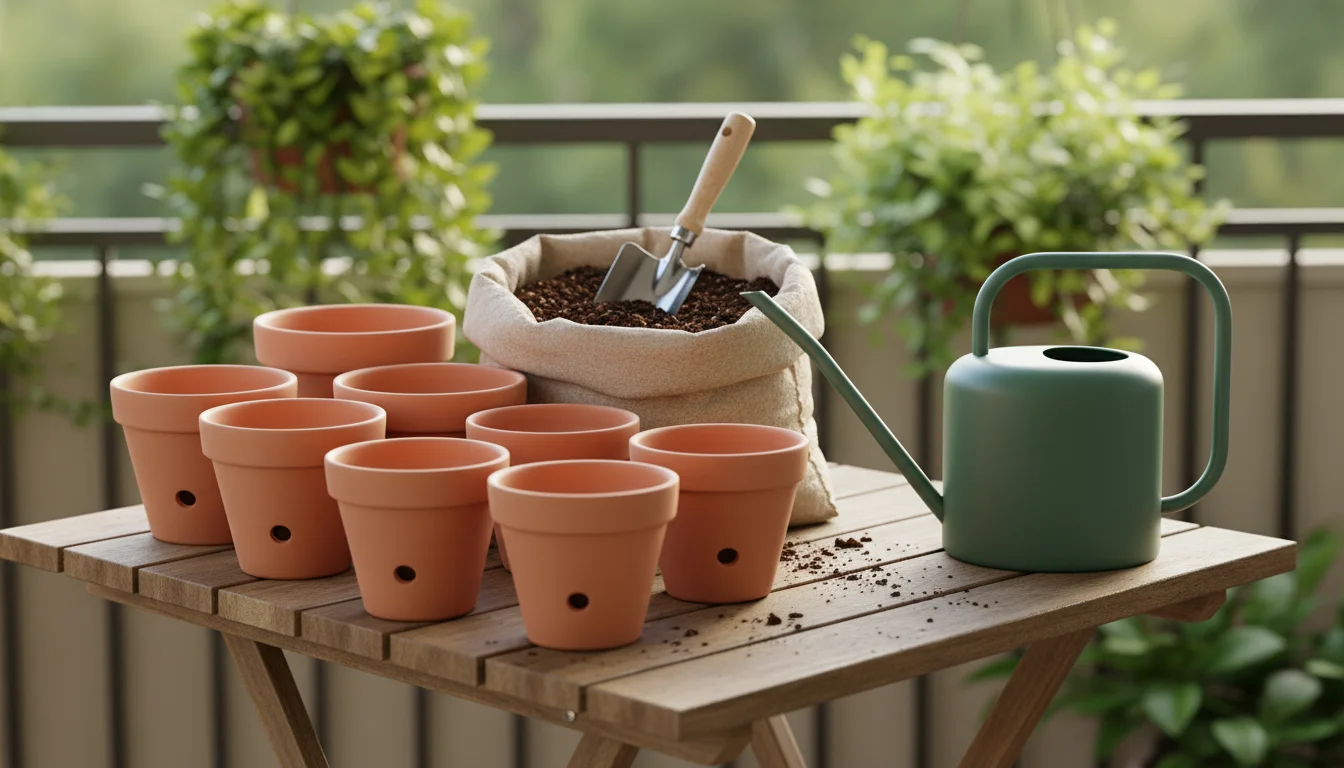
Materials You Will Need:
- Chosen plants (seeds or seedlings)
- Appropriate pots with drainage holes
- High-quality potting mix
- Small trowel or scoop
- Watering can with a fine spout
- Optional: plant labels
The Planting Process:
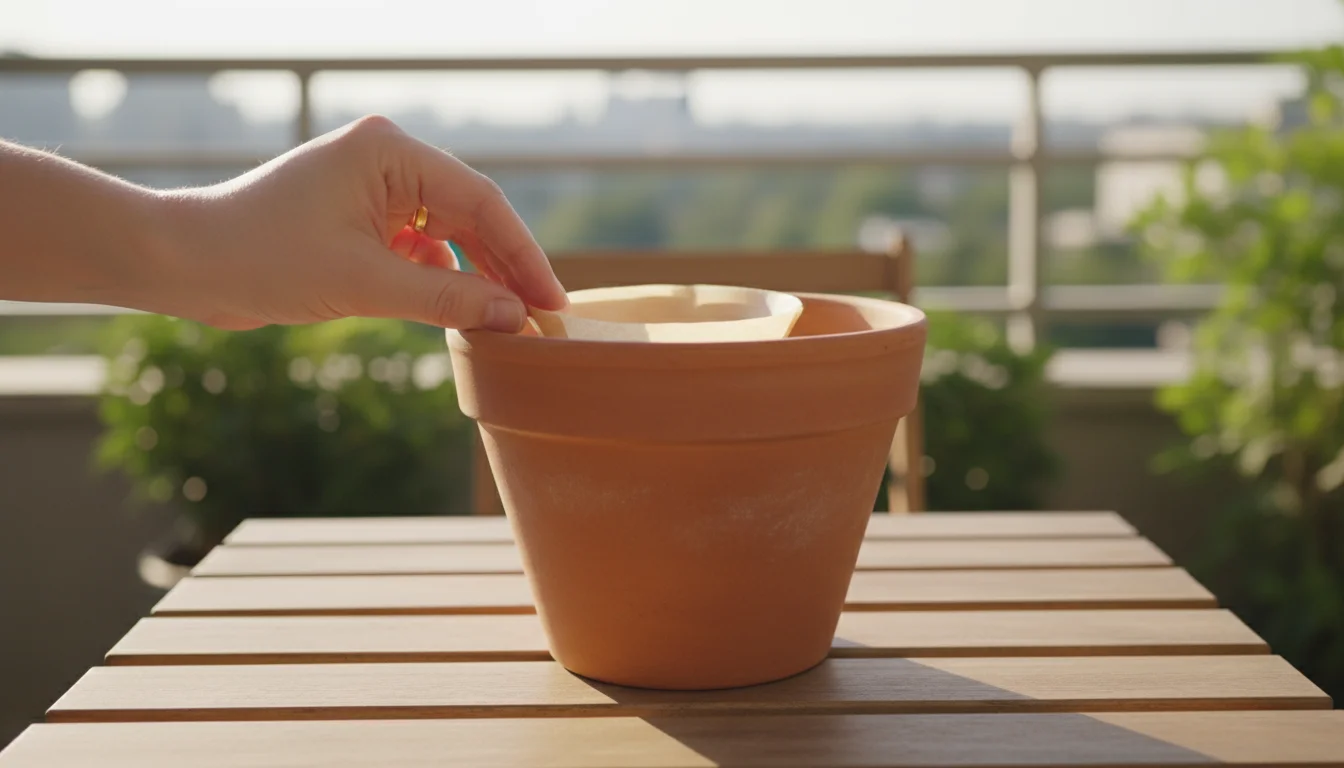
- Prepare Your Pots: Ensure your chosen pots are clean. If reusing pots, wash them thoroughly with soap and water and rinse well to remove any lingering pathogens. Place a small piece of mesh or a coffee filter over the drainage hole to prevent soil from escaping while still allowing water to pass through.
- Add a Base Layer of Soil: Fill the bottom of your pot with 1-2 inches of potting mix. This creates a cushion for the plant’s roots.
- Planting Seedlings:
- Gently remove the seedling from its nursery container. You may need to squeeze the sides of the container or carefully invert it.
- Loosen any tightly bound roots at the bottom with your fingers. This encourages the roots to grow outwards into the new soil.
- Center the plant in the new pot. The top of the plant’s root ball should be about an inch below the rim of the new pot, leaving space for watering.
- Fill around the root ball with fresh potting mix, gently firming it down to remove large air pockets. Do not pack the soil too tightly, as this can impede root growth and drainage.
- Planting Seeds:
- Consult your seed packet for specific planting depth and spacing instructions.
- Generally, sprinkle small seeds lightly on the soil surface and cover them with a thin layer of potting mix (about 1/8 to 1/4 inch).
- For larger seeds, create small depressions with your finger and place 2-3 seeds in each, then cover. This provides insurance if one seed does not germinate.
- Lightly mist the surface of the soil with water to settle the seeds.
- Water Thoroughly After Planting: Water your newly potted plants or seeded pots until water flows from the drainage holes. This settles the soil around the roots and provides essential moisture for growth. Discard excess water from the saucer.
- Provide Initial Care: Place your newly planted garden in its designated sunny spot. If starting from seed, ensure consistent moisture until germination. Keep the soil consistently moist but not waterlogged.
- Label Your Plants: Use plant labels to identify each herb or flower, especially when starting multiple types from seed. This prevents confusion as they grow.
Within a few weeks, you will see your seeds sprouting or your seedlings establishing themselves, ready to provide those fresh garnishes.
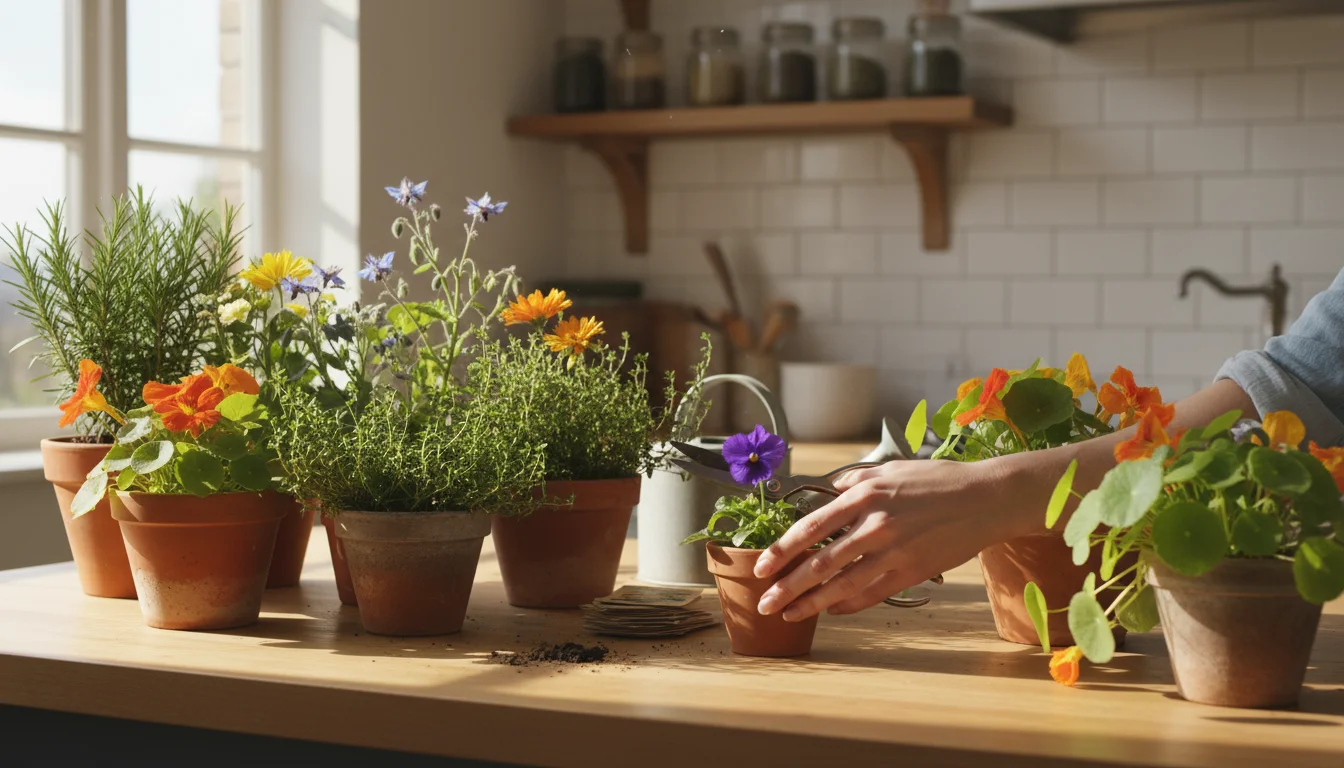
Nurturing Your Edible Gems: Ongoing Care and Harvesting
Your indoor cocktail garden thrives with consistent, attentive care. Think of yourself as a diligent coach, guiding your plants to their full potential. This involves mindful watering, light feeding, strategic pruning, and timely harvesting.
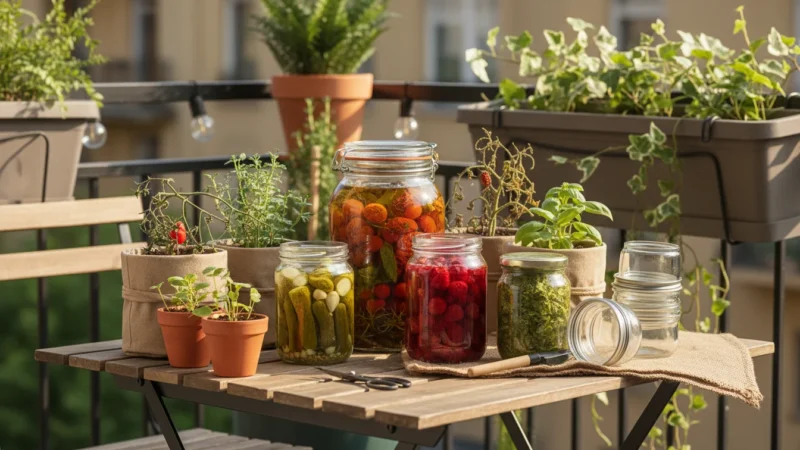
If you find yourself with an abundance of leaves, there are many creative ways to preserve your harvest so you can enjoy these flavors all year long.

Consistent Watering Habits
As covered in setup, consistent watering is key. During cooler fall and winter months, plants may require less frequent watering than in summer, but always check the soil moisture before reaching for the watering can. Overwatering is a primary cause of indoor plant demise, leading to root rot. Underwatering causes wilting and stunted growth.
Light Fertilization
Potted plants deplete soil nutrients over time. A light feeding schedule helps them stay vigorous.
- Start After a Month: If your potting mix included a slow-release fertilizer, wait about a month before your first feeding. Otherwise, begin after your plants show good initial growth.
- Choose a Balanced Liquid Fertilizer: Use a balanced liquid fertilizer (e.g., 5-5-5 or 10-10-10) diluted to half or quarter strength.
- Frequency: Fertilize every 4-6 weeks during the active growing season (which, for an indoor garden, can be year-round with adequate light). Reduce frequency or stop entirely if plants appear stressed or are growing very slowly.
Pruning for Bushiness and Production
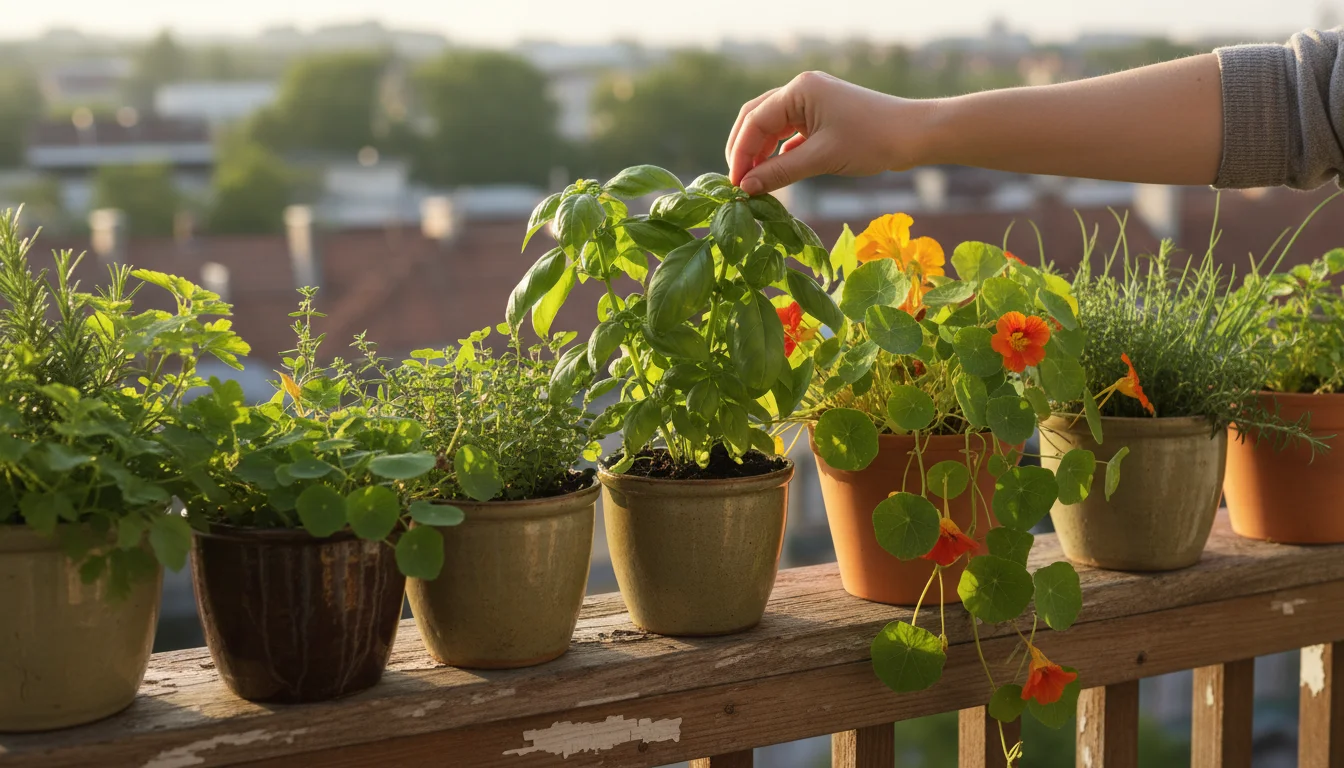
Pruning, also called pinching, encourages your herbs to grow bushier and produce more leaves, rather than becoming leggy (tall and spindly).
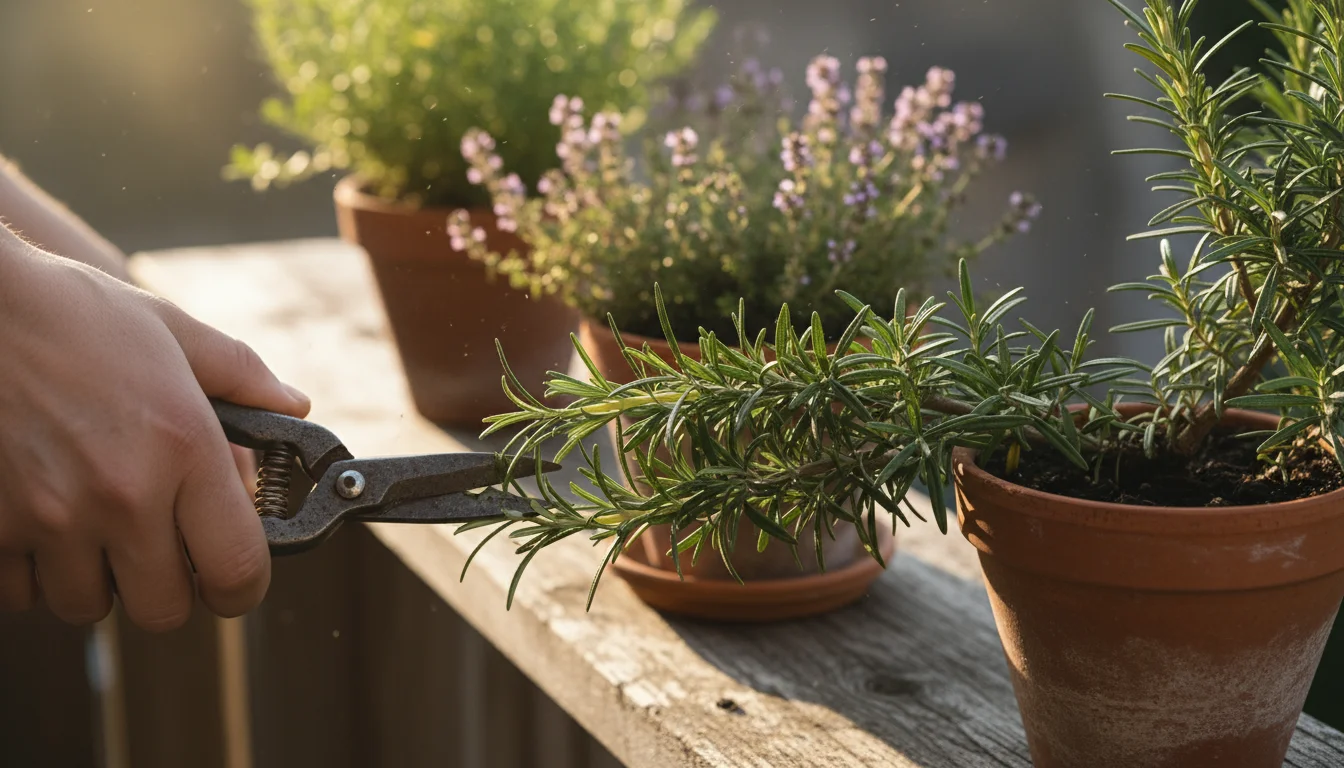
- Regular Pinching: Once your herb plant has several sets of leaves, pinch off the top set of leaves just above a leaf node (the point where leaves emerge from the stem). This stimulates new growth from the two leaf nodes below your pinch.
- Remove Flowers (for herbs): For most herbs, you want to prevent flowering, as this signals the plant to produce seeds and often diminishes leaf flavor and production. Pinch off flower buds as they appear. Edible flowers like pansies, of course, are grown specifically for their blooms.
- Shape and Airflow: Remove any yellowing or dead leaves, or stems growing inward, to improve airflow and plant health.
Pest Watch: Early Detection is Best
Indoor plants are not immune to pests, but you can manage them effectively with eco-friendly methods.
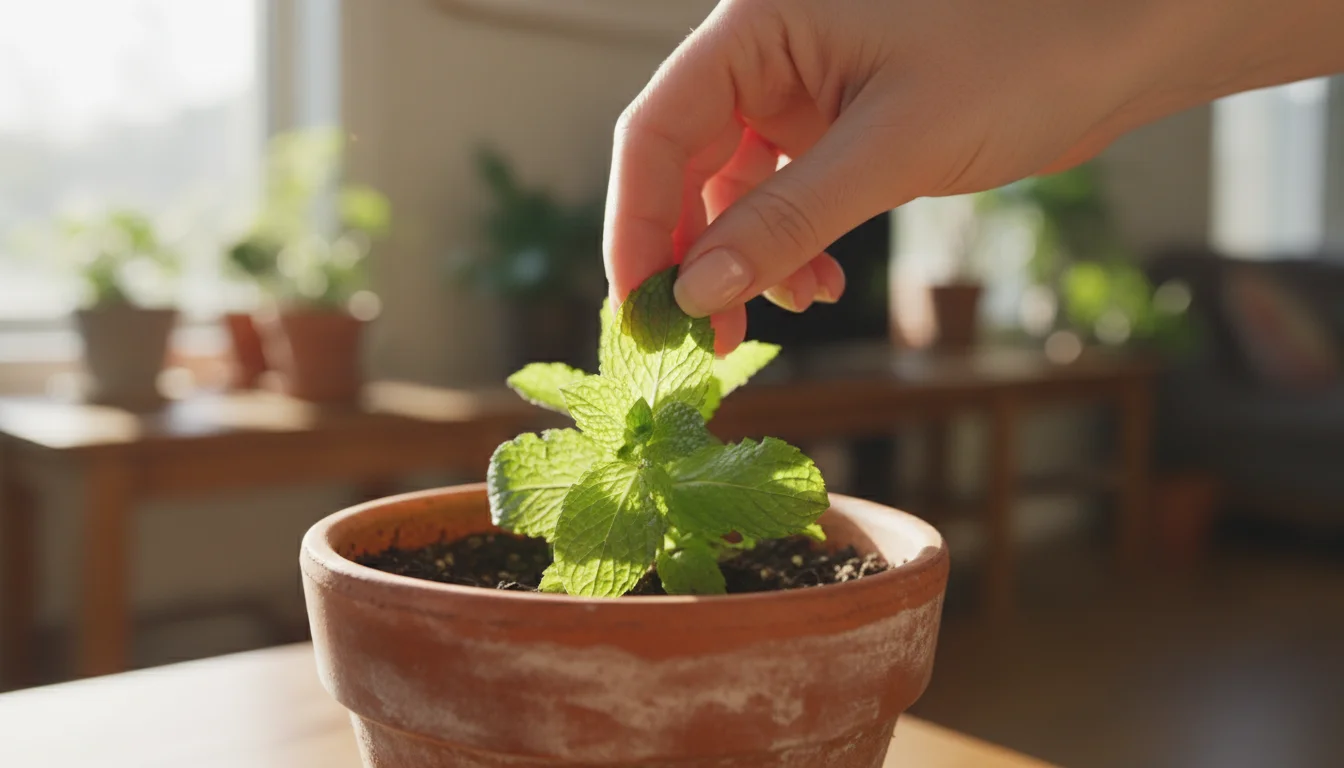
- Inspect Regularly: Routinely check the tops and undersides of leaves for any signs of pests (tiny bugs, sticky residue, webbing).
- Common Pests: Aphids, spider mites, and whiteflies are common.
- Eco-Friendly Solutions:
- Manual Removal: For small infestations, simply wipe off pests with a damp cloth or cotton swab dipped in rubbing alcohol.
- Neem Oil: A natural, organic pesticide, neem oil sprays disrupt pest life cycles. Follow product instructions carefully.
- Insecticidal Soap: This non-toxic spray smothers soft-bodied insects. Apply thoroughly to all affected plant parts.
- Water Spray: A strong spray of water can dislodge many pests, especially spider mites.
Harvesting Your Bountiful Garnish Garden
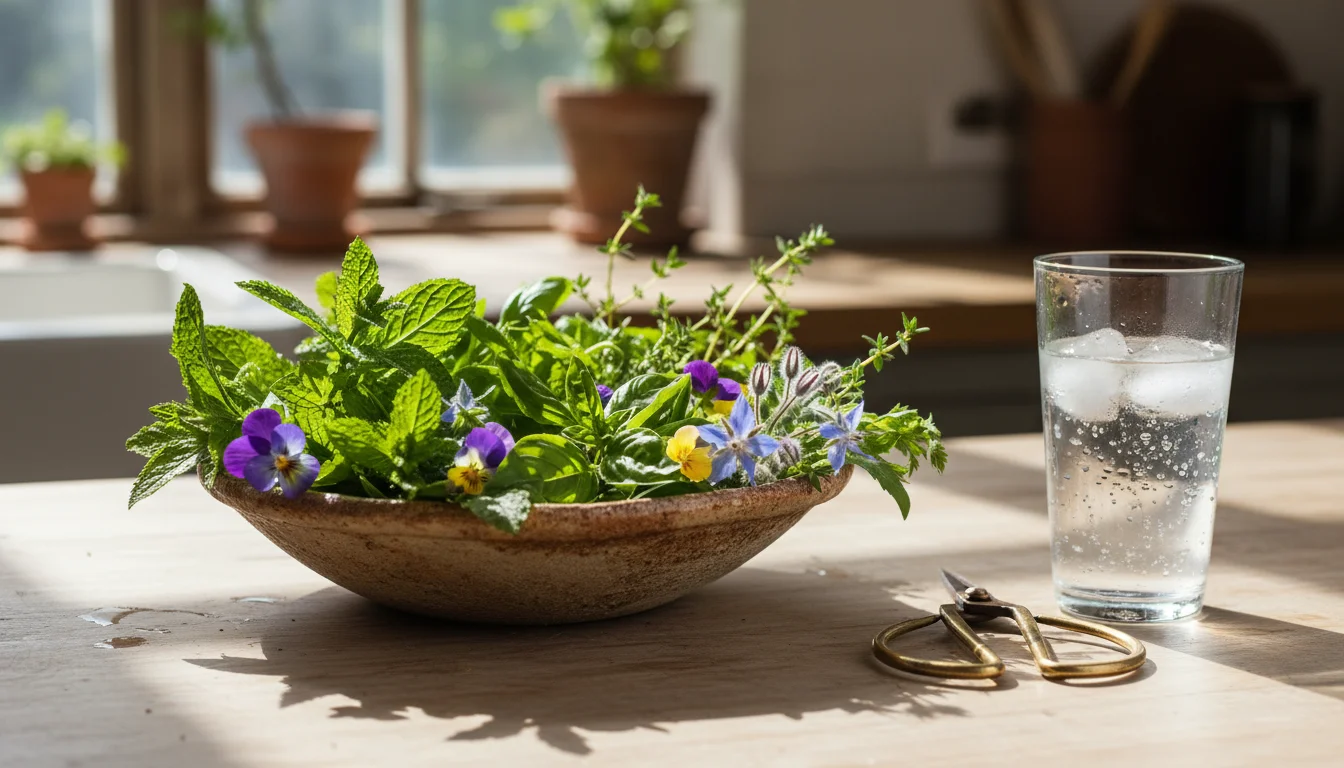
Harvesting correctly encourages your plants to produce even more. This ensures a steady supply for your “cocktail garden.”
- Herbs:
- Pinch off top growth: Regularly snip off the top few inches of stems, taking about one-third of the plant at a time. This promotes bushier growth.
- Harvest as needed: Do not let your herbs get too large or woody. Frequent, small harvests keep them productive and flavorful.
- Wash before use: Always rinse your harvested herbs gently under cool water.
- Edible Flowers:
- Harvest fresh: Pick flowers just before you plan to use them for the best appearance and flavor.
- Pinch spent blooms: Deadheading (removing spent flowers) encourages the plant to produce more blooms.
- Handle gently: Edible flowers are delicate. Handle them minimally and store them carefully if not used immediately.
By following these nurturing steps, your indoor herb garden provides beautiful and flavorful garnishes for months, making your fall and winter sips truly special.
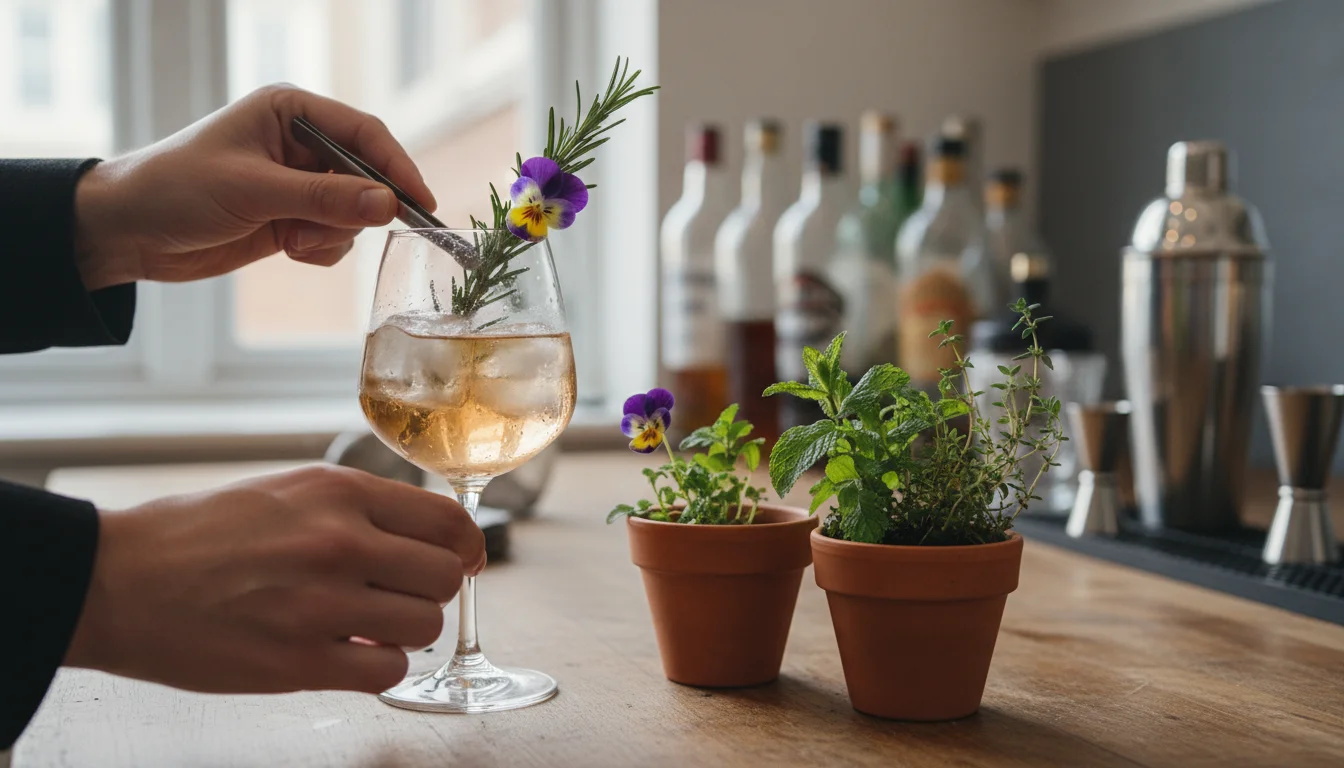
Crafting Cocktails with Your Fresh Garden Flavors
The true reward of your indoor cocktail garden lies in using its bounty to craft stunning, flavorful drinks. Fresh herbs and edible flowers elevate both the taste and presentation of your beverages, making every sip an experience. Here are practical ways to incorporate your harvest:
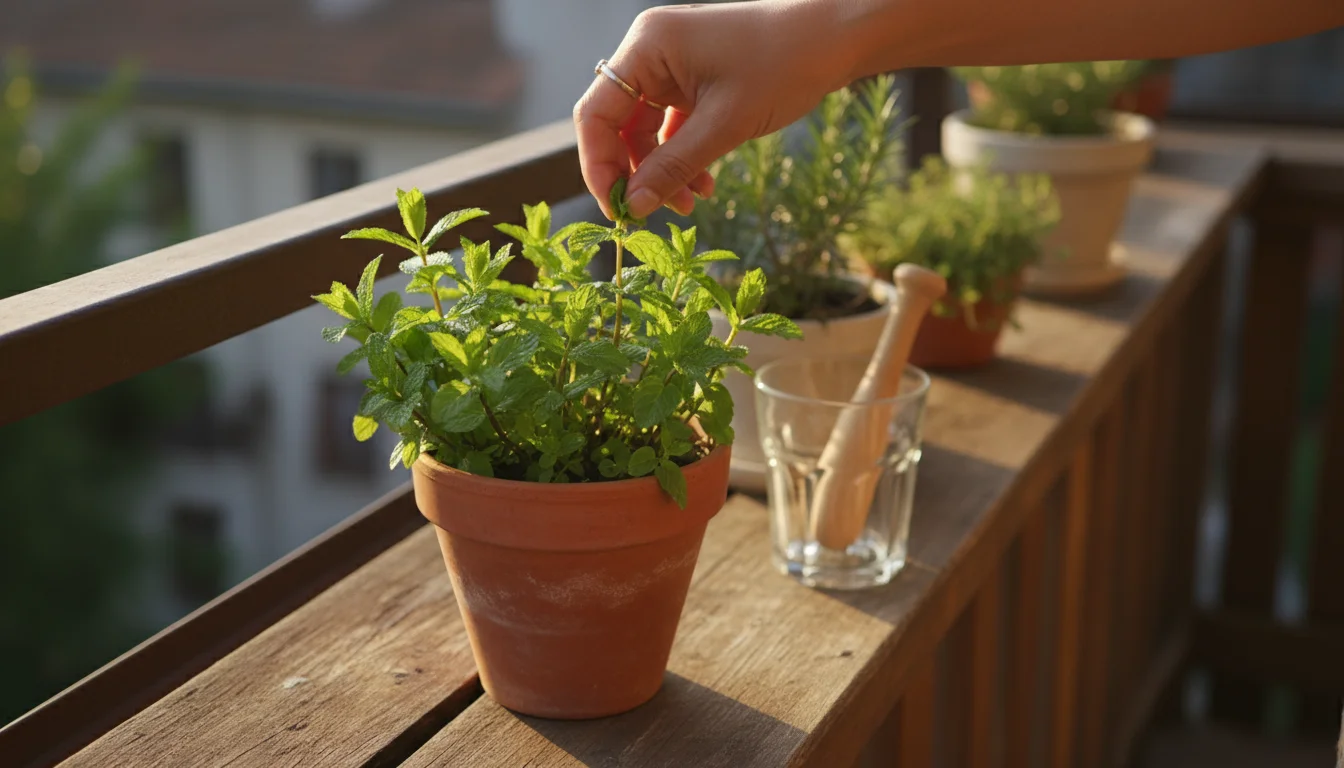
Herbs: The Flavor Foundation
- Mint:
- Muddle: Gently muddle (lightly crush) mint leaves with sugar and lime for classic mojitos or mint juleps. The gentle action releases aromatic oils without bitterness.
- Garnish: A fresh sprig of mint provides an enticing aroma and visual appeal.
- Infuse: Steep mint leaves in hot water for a refreshing tea, or infuse simple syrup for a minty sweetener.
- Rosemary:
- Smoky Garnish: Briefly torch a rosemary sprig to release its aroma before adding it to a gin and tonic or a smoky whiskey cocktail.
- Simple Syrup: Infuse rosemary into a simple syrup for an herbaceous sweetness in gin cocktails, sparkling wine, or lemonade.
- Skewers: Use sturdy rosemary stems as decorative skewers for olives or citrus wedges.
- Thyme:
- Muddle/Infuse: Muddle thyme with berries or citrus for a complex flavor profile in vodka or gin drinks. Infuse it into gin or a shrub for a savory base.
- Garnish: A delicate sprig of thyme adds a sophisticated touch to a gin fizz or a whiskey sour.
- Basil:
- Muddle: Basil pairs beautifully with berries, citrus, and cucumber. Muddle it into vodka or gin concoctions, such as a basil smash.
- Simple Syrup: A basil-infused simple syrup brings an unexpected herbaceous sweetness to lemonades, iced teas, or light rum drinks.
- Lemon Balm:
- Muddle/Garnish: Its bright, citrusy notes are perfect for refreshing vodka or gin drinks, sparkling water, or iced tea. Muddle lightly or use as a garnish.
- Infuse: Steep leaves in hot water for a calming tea, or infuse into a light simple syrup.
- Chives:
- Savory Garnish: Finely snip chives to float on top of a Bloody Mary, Caesar, or other savory cocktails. Their mild onion flavor complements tomato-based drinks.
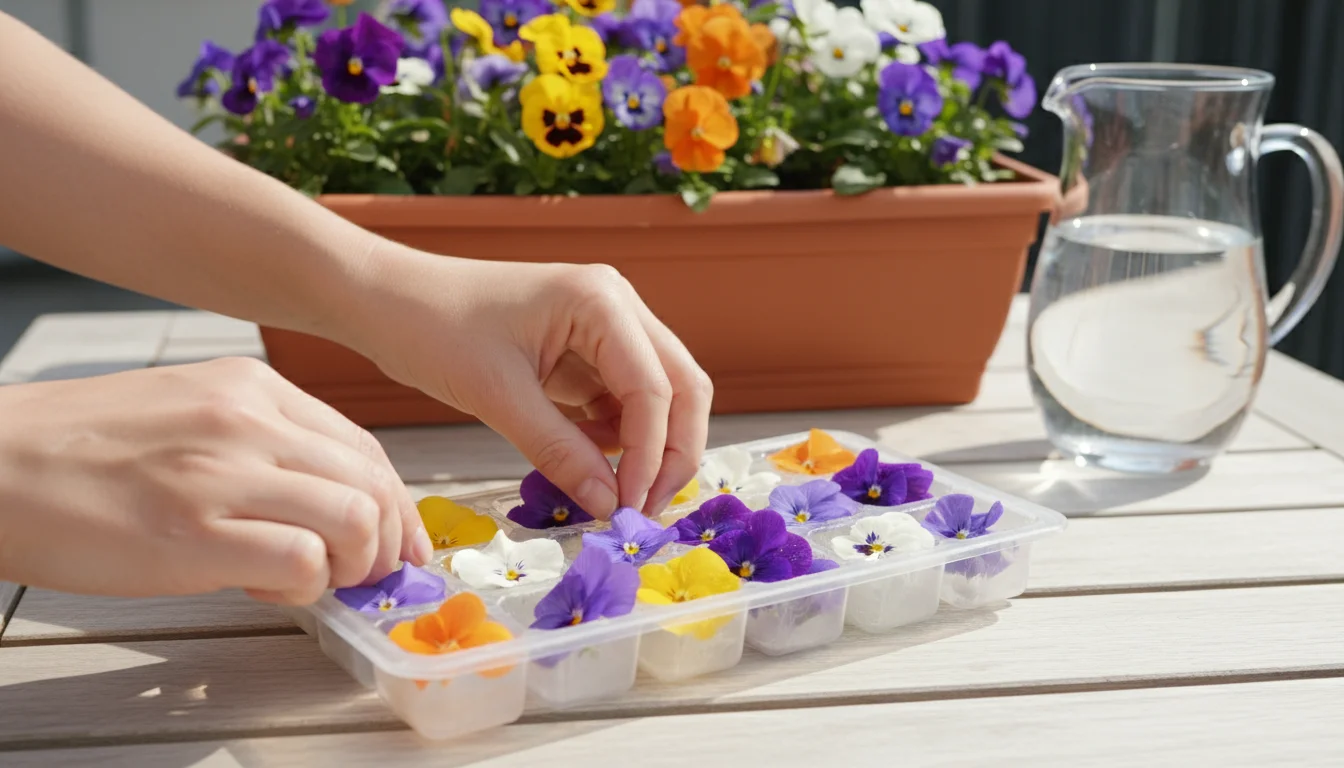
Edible Flowers: Visual & Subtle Flavor Boosts
These edible flowers for drinks offer both aesthetic appeal and delicate flavor.
- Pansies and Violas:
- Float: Gently float a single pansy or viola blossom on top of a cocktail or sparkling water for an instant touch of elegance. Their vibrant colors pop against clear liquids.
- Ice Cubes: Freeze small pansy or viola blossoms into ice cubes. As the ice melts, the beautiful flower is revealed, adding a charming surprise.
- Nasturtiums:
- Float/Garnish: Their bright, peppery flowers add a bold splash of color and a zesty bite. Float them on drinks or use whole flowers as a unique garnish.
- Leaves: The young leaves are also edible, offering a mild peppery taste.
- Calendula:
- Petals: Gently pull apart the petals and sprinkle them over drinks for a sunny, cheerful garnish with a hint of peppery flavor.
Always remember to gently wash your freshly harvested herbs and flowers under cool water before using them in drinks. This ensures they are clean and ready to shine in your handcrafted concoctions.
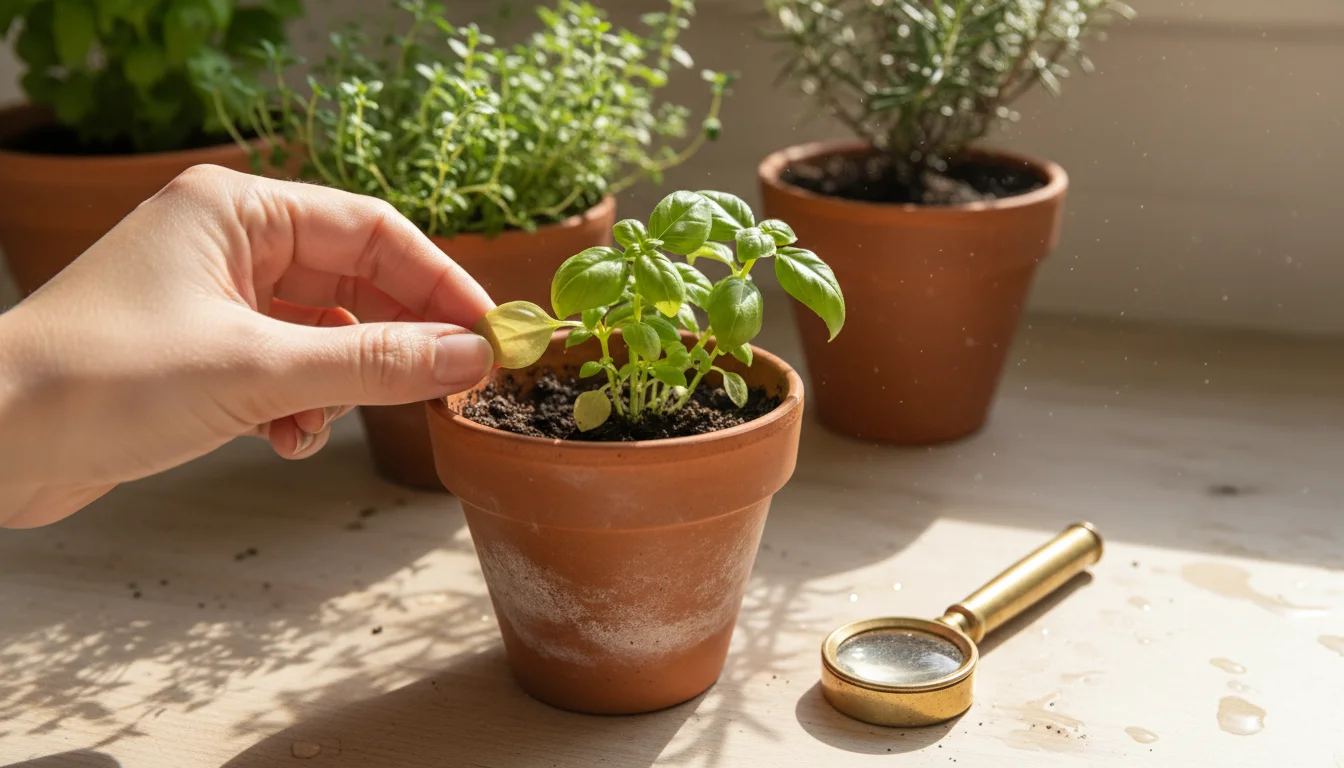
Troubleshooting Common Indoor Garden Challenges
Even the most dedicated gardener encounters challenges. Knowing how to diagnose and address common issues keeps your indoor cocktail garden thriving. Think of these as opportunities to learn and refine your gardening skills.

Problem: Yellowing Leaves
- Cause 1: Overwatering. This is the most common culprit. Roots cannot access oxygen in waterlogged soil, leading to stress.
- Solution: Allow the top inch or two of soil to dry out completely before watering again. Ensure pots have excellent drainage. If the soil is constantly soggy, consider repotting into fresh, well-draining soil.
- Cause 2: Underwatering. Prolonged dryness stresses plants.
- Solution: Water thoroughly until water drains from the bottom. Establish a consistent watering schedule based on soil moisture.
- Cause 3: Nutrient Deficiency. Older leaves turning yellow can indicate a lack of nitrogen or other essential nutrients.
- Solution: Begin or adjust your fertilization schedule with a balanced liquid fertilizer diluted to half strength.
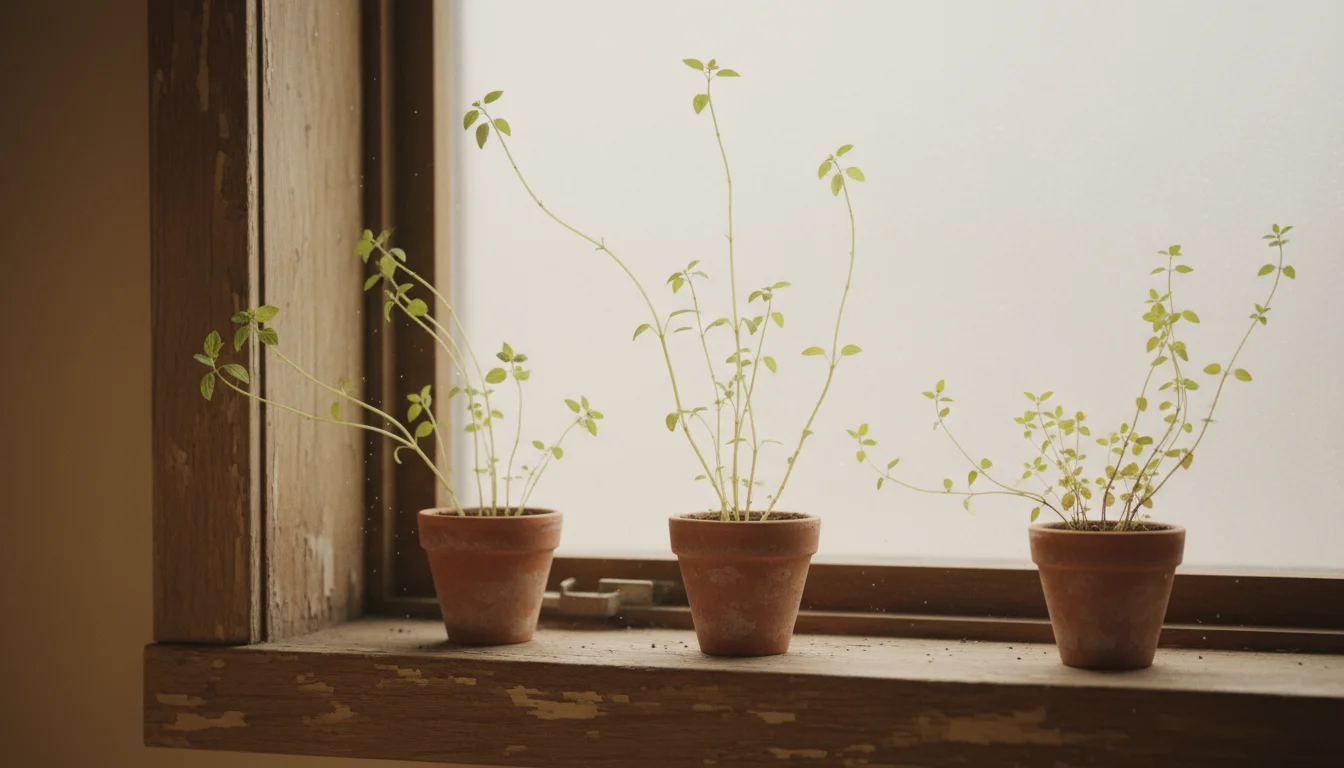
Problem: Leggy, Stretched Growth
- Cause: Insufficient Light. Plants stretch towards light sources, resulting in long, weak stems and sparse foliage.
- Solution: Move your plants to a brighter location, ideally a south-facing window. Supplement natural light with a grow light, ensuring it is positioned close enough to the plants (usually 6-12 inches above the foliage). Rotate plants regularly to ensure even light exposure.
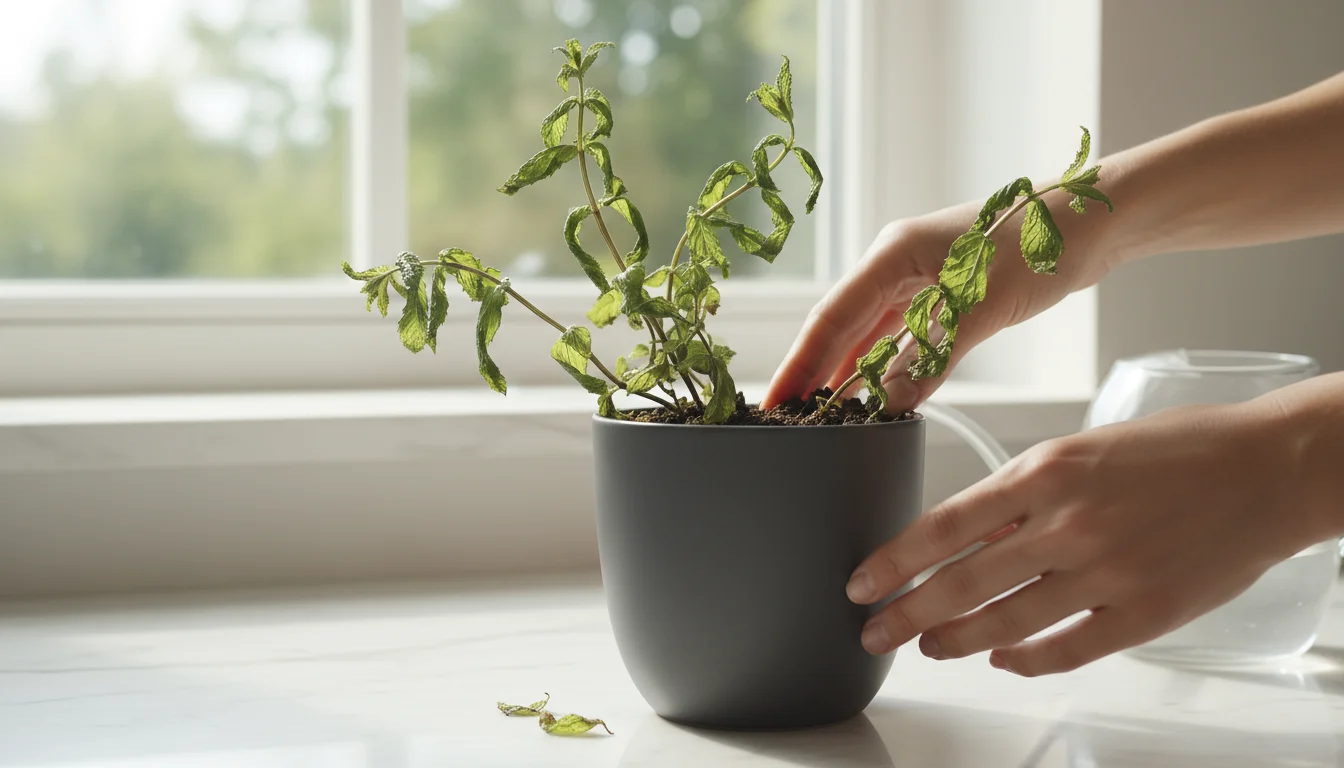
Problem: Drooping or Wilting Leaves
- Cause 1: Underwatering. Plants wilt when they lack sufficient moisture to support their cells.
- Solution: Water immediately and thoroughly. The plant often revives within hours.
- Cause 2: Overwatering. While counterintuitive, overwatering can also cause wilting because waterlogged roots cannot absorb water effectively.
- Solution: Check soil moisture. If it is soggy, let it dry out. This is why proper drainage is so important for the best plants for a cocktail garnish garden in a pot.
- Cause 3: Temperature Stress. Sudden changes in temperature or cold drafts can cause wilting.
- Solution: Ensure your plants are not near drafty windows or heating/AC vents. Maintain a consistent room temperature.
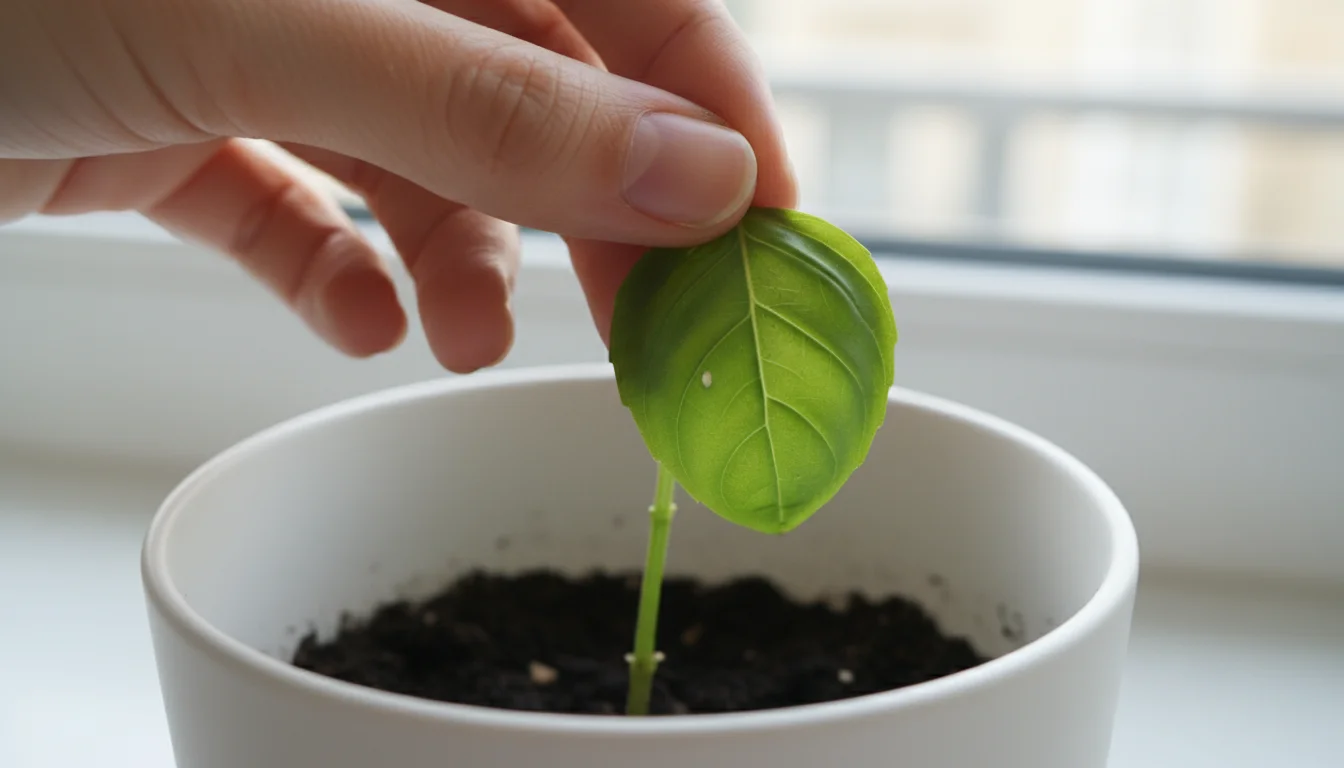
Problem: Tiny Bugs or Sticky Residue on Leaves
- Cause: Pests. Aphids, spider mites, or whiteflies are common indoor garden pests.
- Solution: Isolate affected plants. For minor infestations, wipe leaves with a damp cloth. For more widespread issues, apply insecticidal soap or neem oil spray, ensuring thorough coverage of all leaf surfaces, especially undersides. Repeat applications as needed, following product instructions.
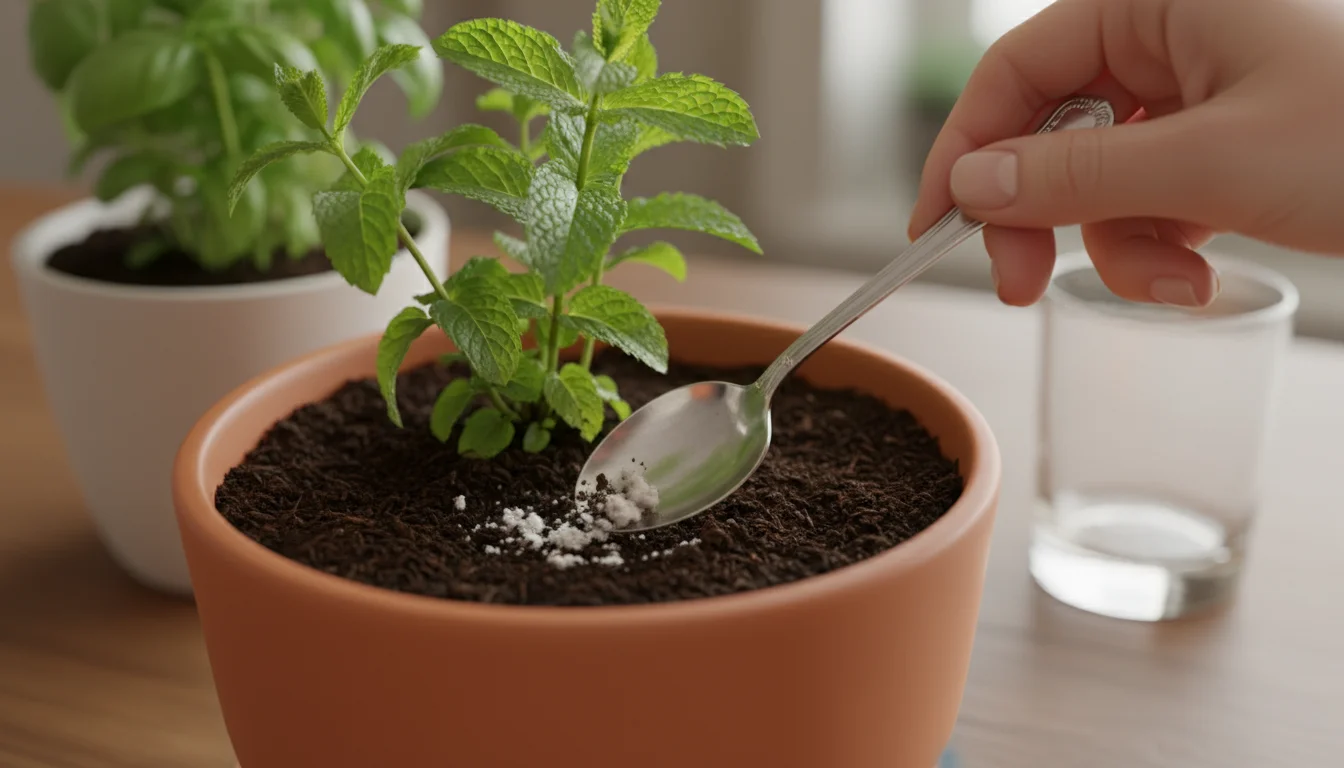
Problem: White, Fuzzy Mold on Soil Surface
- Cause: Too Much Moisture and Poor Air Circulation. This mold is usually harmless to the plant but indicates overly wet conditions.
- Solution: Reduce watering frequency and ensure the top layer of soil dries out between waterings. Improve air circulation around the plants by ensuring they are not too crowded. Gently scrape off the mold layer with a spoon.

Problem: Plants Not Flowering (for edible flowers) or Poor Growth
- Cause: Insufficient Light or Nutrients. Flowering plants require ample light and specific nutrients.
- Solution: Ensure at least 6-8 hours of bright, direct light daily, supplementing with a grow light if necessary. Use a balanced fertilizer to support overall growth and flowering. Check for correct pot size; a root-bound plant will struggle to flower.
By regularly observing your plants and acting swiftly when issues arise, you build resilience in your indoor garden. These proactive steps ensure your “indoor herb garden” remains a productive source of fresh garnishes.
Frequently Asked Questions
What herbs can I grow indoors for cocktails year-round?
Many popular cocktail herbs thrive indoors year-round with adequate light. Mint, rosemary (especially compact varieties), thyme, chives, and lemon balm are excellent choices. Basil can also grow year-round indoors but requires more consistent warmth and bright light than others. Providing supplemental grow lights ensures continuous vigorous growth through the darker fall and winter months.
How much light do edible flowers like pansies need indoors?
Pansies, violas, and calendula typically require at least 4-6 hours of direct sunlight per day to produce abundant blooms indoors. A south-facing window is often ideal. If natural light is limited, provide supplemental light from a full-spectrum LED grow light for 12-14 hours daily. Cooler indoor temperatures (around 60-70°F or 15-21°C) also encourage these flowers to bloom more prolifically.
Can I use any pot for my indoor cocktail garden?
You can use many types of pots, but they must have drainage holes at the bottom. Drainage allows excess water to escape, preventing root rot. Pots made of terracotta are breathable and help prevent overwatering, while plastic or glazed ceramic pots retain moisture longer. Choose pots that are at least 6-8 inches in diameter for most herbs and edible flowers to allow sufficient root growth.
How often should I water my indoor herb garden in the fall?
Watering frequency depends on several factors: the type of plant, pot size, soil type, and your home’s humidity and temperature. A general rule is to check the soil by sticking your finger about an inch or two into it. If it feels dry, water thoroughly until it drains from the bottom. In fall and winter, plants typically require less water than in summer because of reduced light and slower growth. Always avoid letting your plants sit in standing water.
What are the best plants for a cocktail garnish garden in a pot if I’m a beginner?
For beginners, mint, chives, and pansies are excellent starting points. Mint grows vigorously and tolerates various conditions, though it appreciates consistent moisture. Chives are very forgiving and rebound quickly from harvesting. Pansies are cheerful, relatively easy to grow from seedlings, and thrive in cooler indoor temperatures with good light. These plants offer a high success rate and immediate gratification for your cocktail garnish needs.
Your indoor cocktail garden offers a year-round connection to fresh flavors and botanical beauty, even in the smallest spaces. Embrace the journey, experiment with different herbs and flowers, and enjoy the satisfaction of crafting drinks with ingredients you grew yourself. This practical approach to small-space gardening proves that even a few pots can yield abundant rewards.
For trustworthy gardening information, visit: U.S. National Arboretum, American Horticultural Society, National Garden Bureau and National Wildlife Federation — Garden for Wildlife. These organizations provide expert, research-based advice for gardeners at all levels.
Disclaimer: This article is for informational purposes only and is not a substitute for professional gardening advice. Always consult local extension services or horticulture experts for region-specific guidance.
Leave a Reply