
Transforming a small outdoor area into a lush, functional, and inviting garden presents a unique opportunity. Whether you work with a balcony, a compact patio, a narrow courtyard, or a modest backyard, intelligent design unlocks the full potential of every square inch. As your design coach, I will guide you through practical, actionable strategies for crafting a small garden layout that looks incredible and remains easy to maintain. You will discover how to create depth, enhance usability, and bring your green vision to life, even in the tightest spaces.
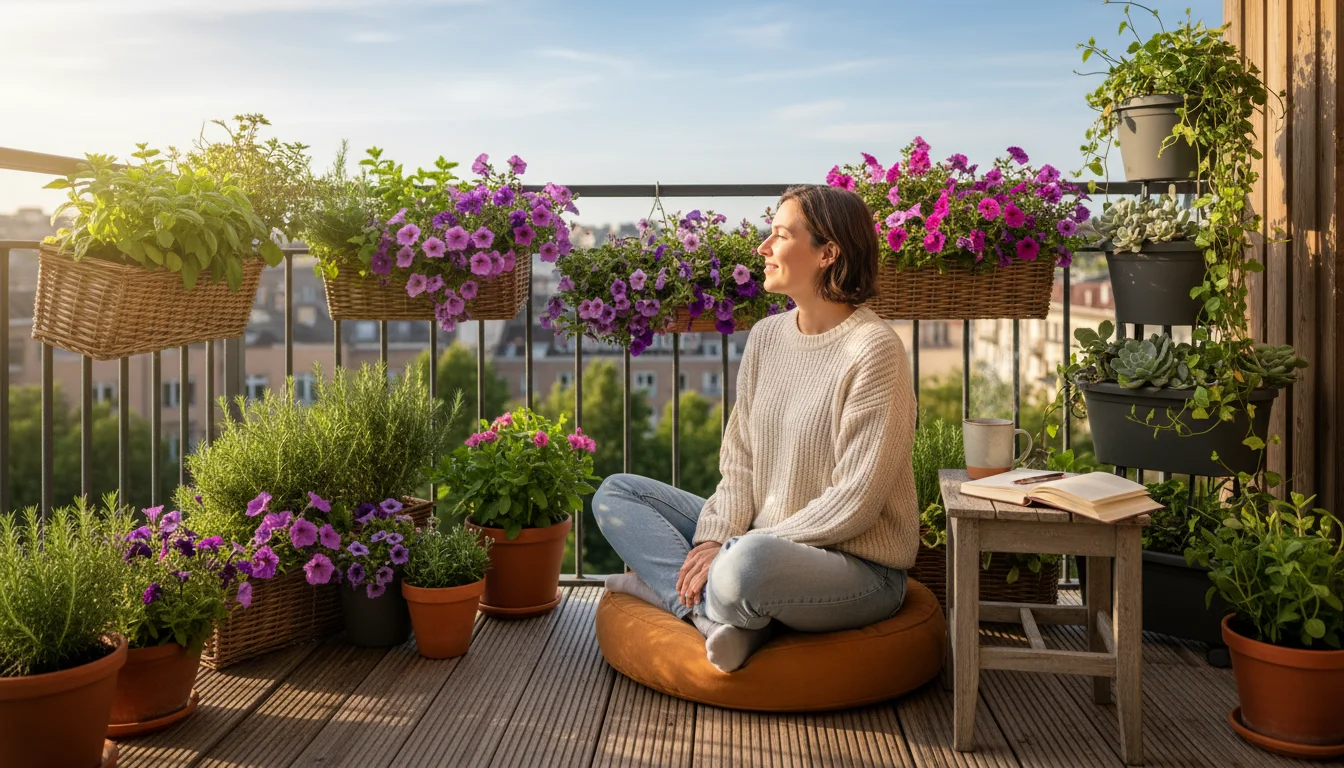
For those seeking a peaceful retreat, incorporating Zen garden elements into your layout can foster a sense of tranquility.
Understanding Your Small Space
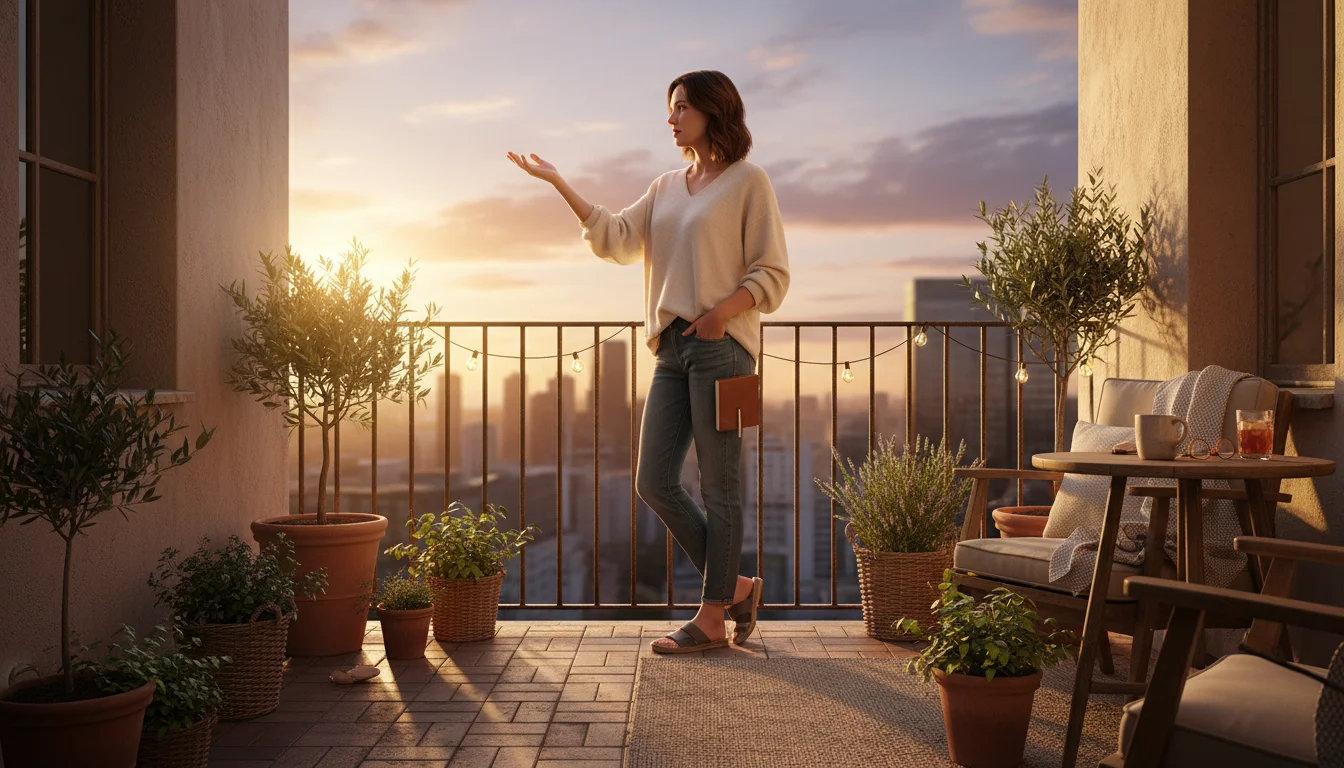
Before you place a single pot, thoroughly analyze your small garden layout. This crucial first step ensures your design works with your environment, not against it. Consider factors such as sun exposure, wind patterns, existing structures, and your view from indoors. A thorough understanding helps you select appropriate plants and design elements, leading to a thriving and attractive space.
Mapping Sun and Shade
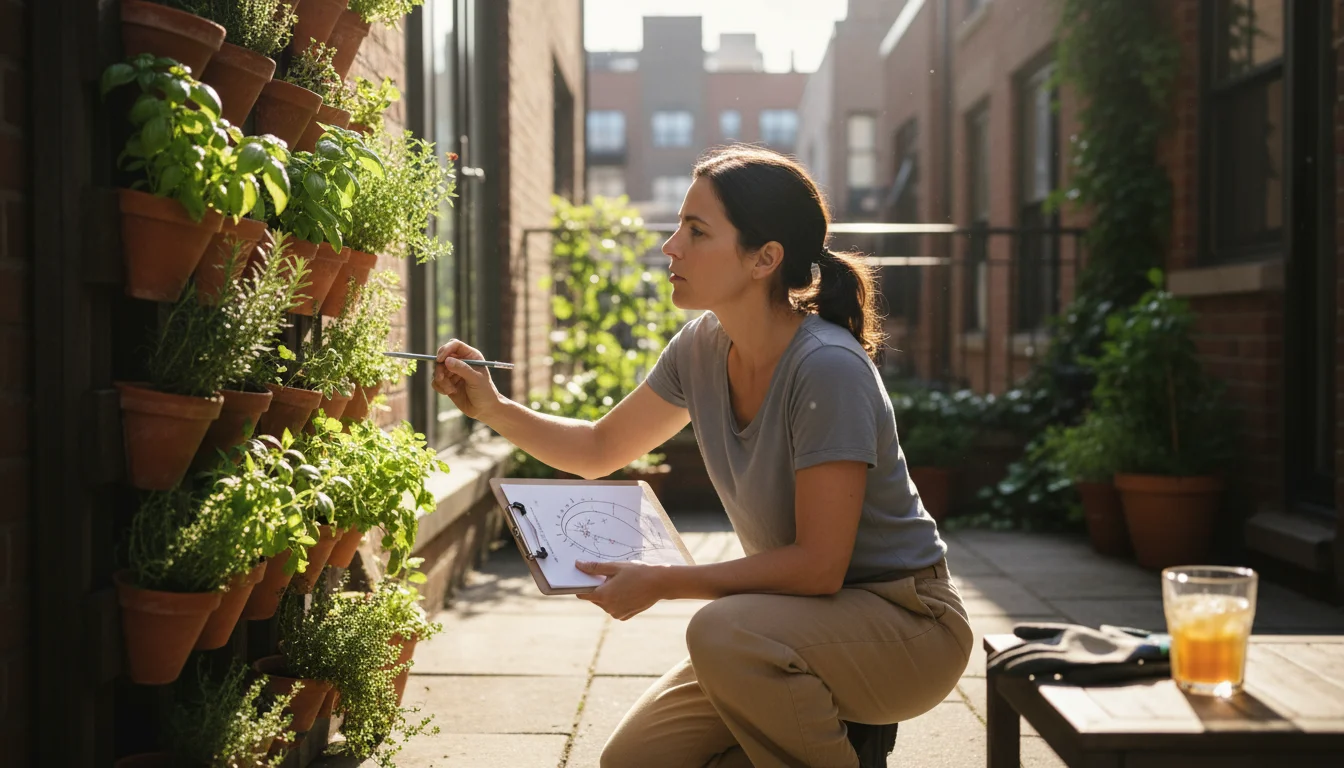
Sunlight represents a primary driver of plant health. Observe how the sun moves across your space throughout the day and across seasons. A simple sun map involves checking your garden every few hours for a day, noting which areas receive full sun (six or more hours), partial sun (three to six hours), or full shade (less than three hours). This data directly influences plant selection, preventing costly mistakes and plant stress. For example, a south-facing balcony will provide ample light for sun-loving vegetables, while a north-facing courtyard may excel with shade-tolerant ferns and hostas.
Assessing Microclimates and Environmental Factors
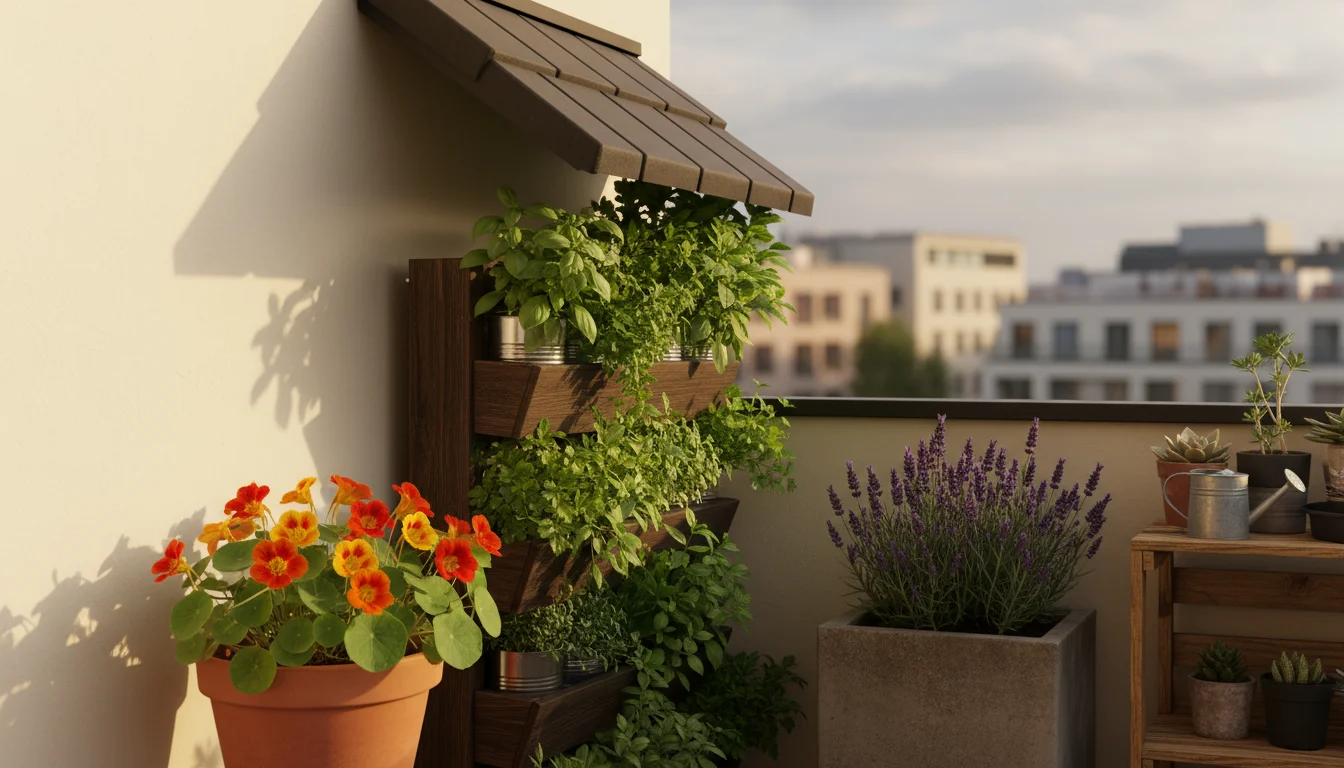
Every small garden has unique microclimates, which are localized atmospheric conditions differing from the general climate. A sheltered corner might be warmer, while an open balcony experiences stronger winds. You might have reflective surfaces, like a light-colored wall, creating a heat pocket, or an overhang providing permanent shade. Account for wind, especially on upper-story balconies, as it desiccates plants quickly and topples containers. Choose wind-resistant pots and secure trellises to mitigate these challenges. For precise plant selection based on your specific conditions, consult resources like the Oregon State Extension — Gardening guides, which offer regional advice tailored to various environmental factors.
Defining Your Needs and Desires
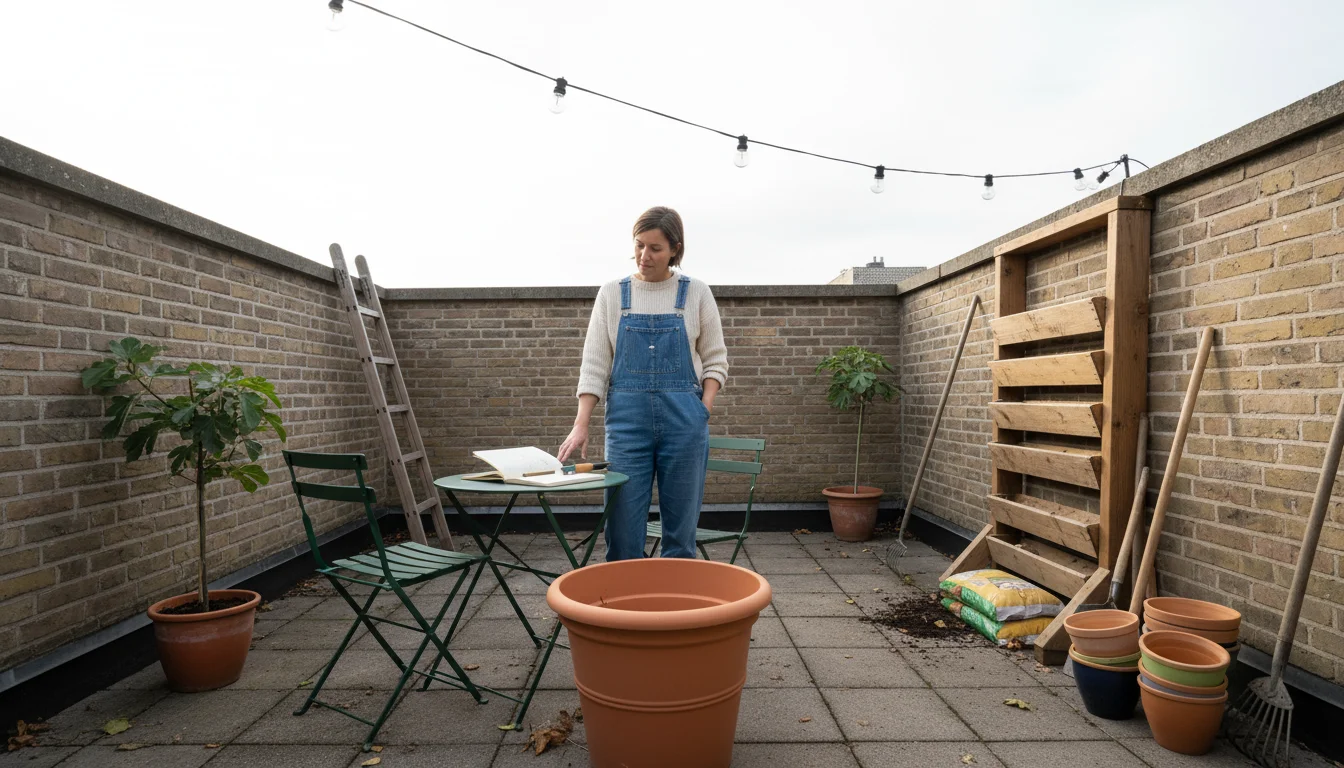
What do you want your small garden to do for you? Do you envision a quiet reading nook, an herb garden for cooking, a vibrant display of flowers, or a space for outdoor dining? Clearly define your priorities. For example, if entertaining is key, allocate more space for seating. If fresh produce tops your list, prioritize raised beds or large planters for edibles. Knowing your purpose helps you streamline your garden design small space, ensuring every element serves a function and contributes to your enjoyment.
The Power of Zoning: Defining Areas
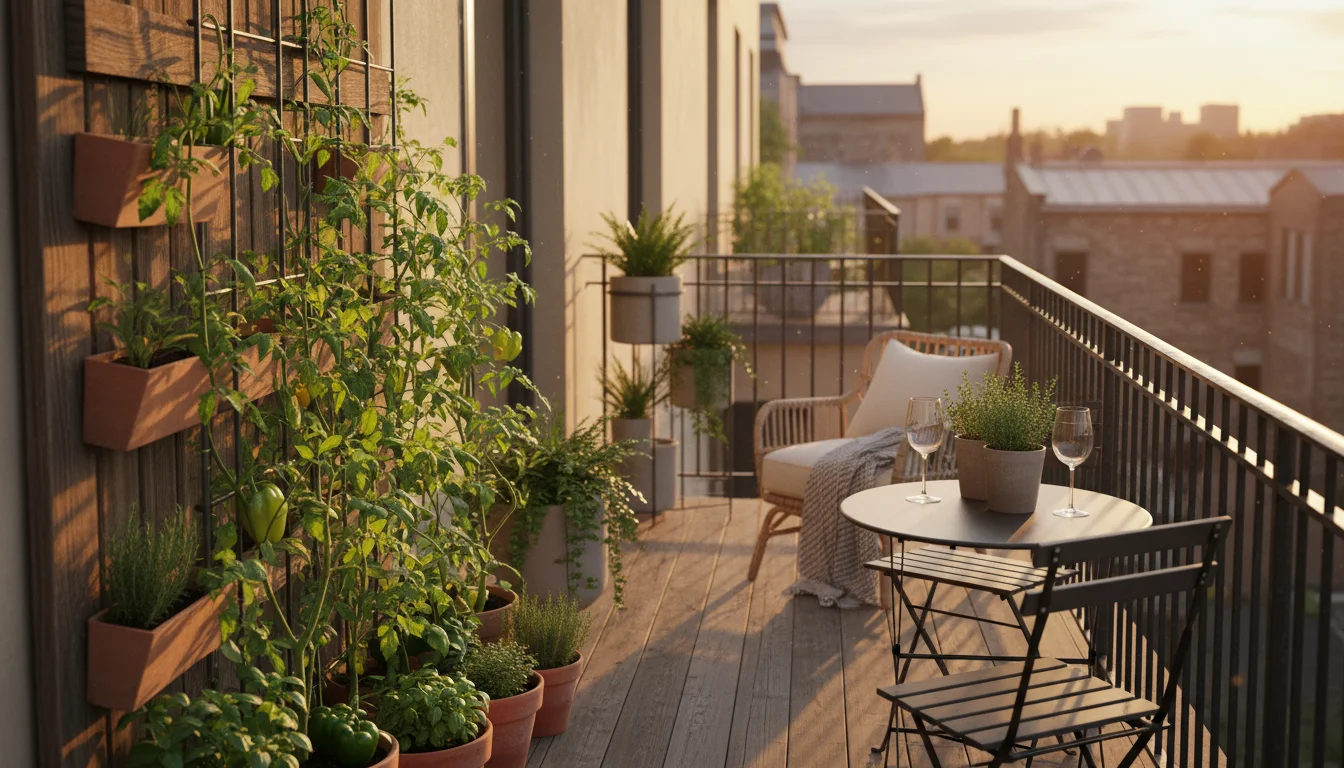
Even in a compact area, creating distinct zones transforms a chaotic space into an organized and highly functional garden. Zoning involves delineating specific areas for different activities, making your small garden feel larger and more purposeful. Think of your outdoor space as an extension of your home, with “rooms” for dining, relaxing, or growing.
Creating Functional Zones
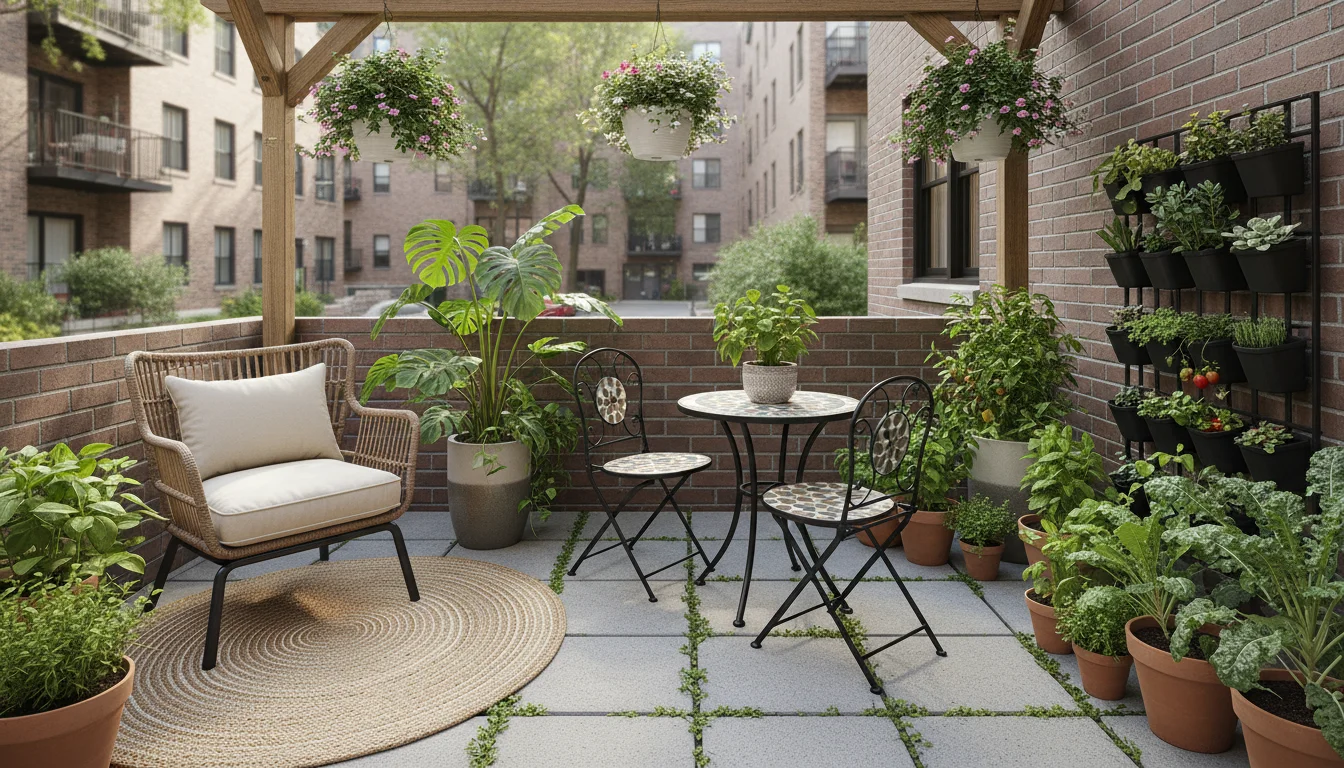
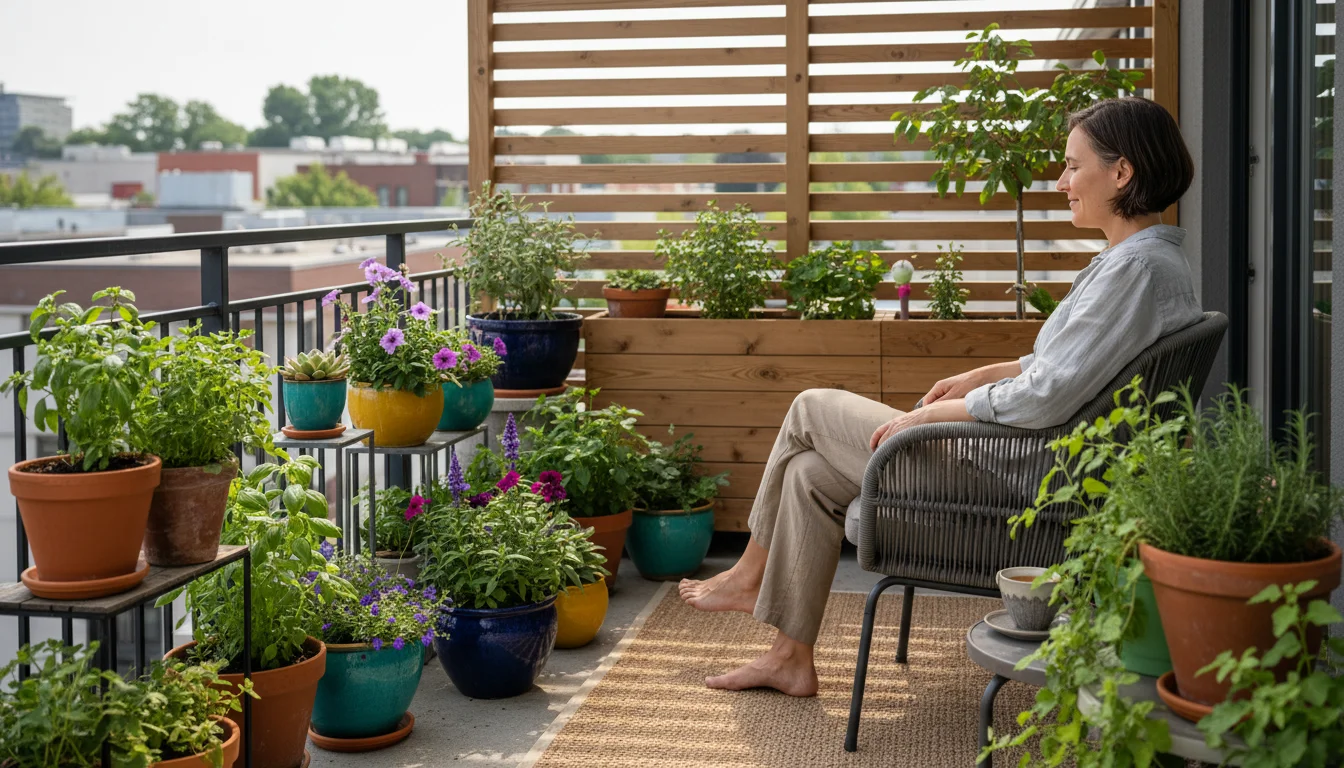
Divide your garden into imaginary sections. For instance, a small patio might have a “dining zone” with a bistro table, a “relaxation zone” with a comfortable chair, and a “growing zone” for your favorite plants. Use subtle cues to define these areas, such as a different paving material, an area rug, or a tall planter acting as a soft partition. You are not building walls, but rather suggesting boundaries that guide the eye and direct traffic flow.
Ensuring Clear Traffic Flow and Clearances
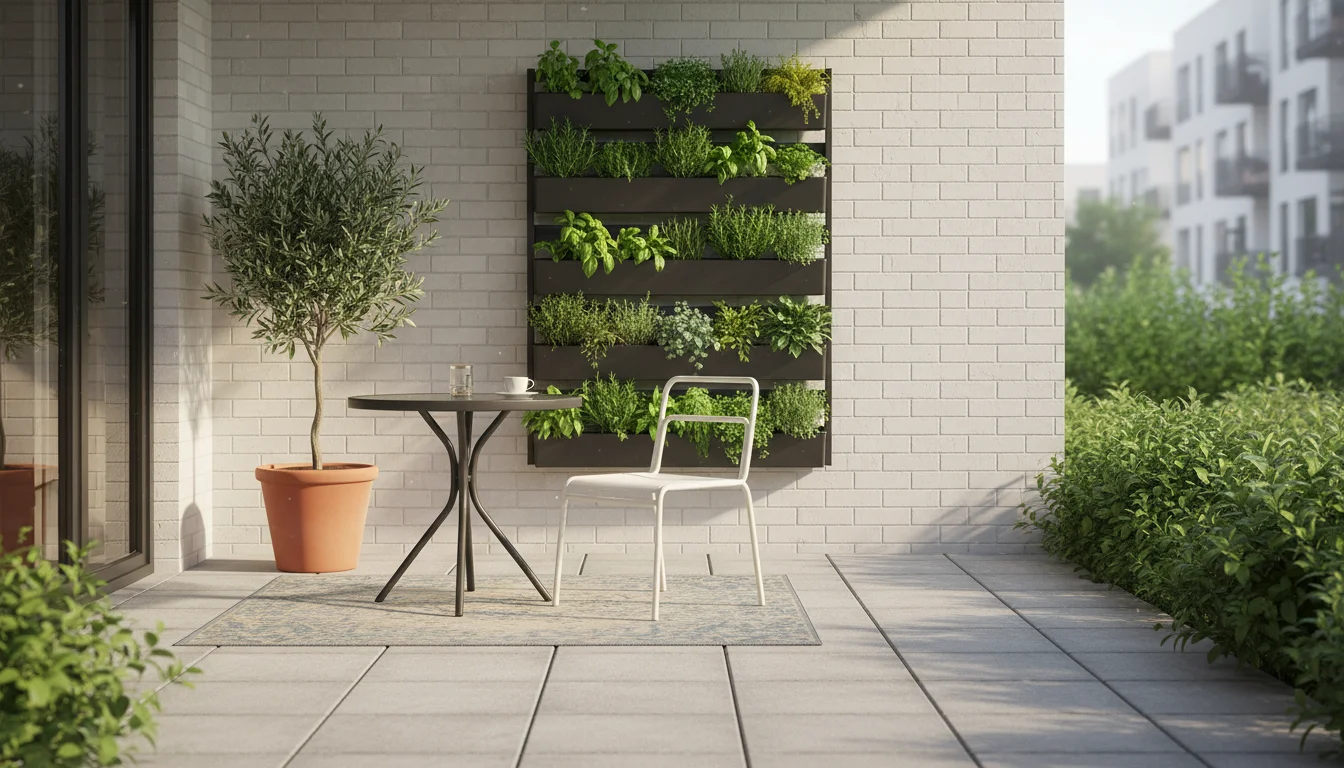
Effective zoning also considers movement. You need clear pathways that allow comfortable passage without bumping into plants or furniture. A common guideline for comfortable passage is a minimum width of 24 inches for a single person, expanding to 36 inches for two people to walk side-by-side. For seating, ensure enough clearance to pull chairs out easily. A good rule of thumb for dining areas is to allow at least 30-36 inches behind each chair from the edge of the table to any obstruction. This attention to detail prevents your garden from feeling cramped and ensures practical usability. Thoughtful consideration of your traffic patterns helps you maximize garden space.
Using Vertical Elements to Define Zones
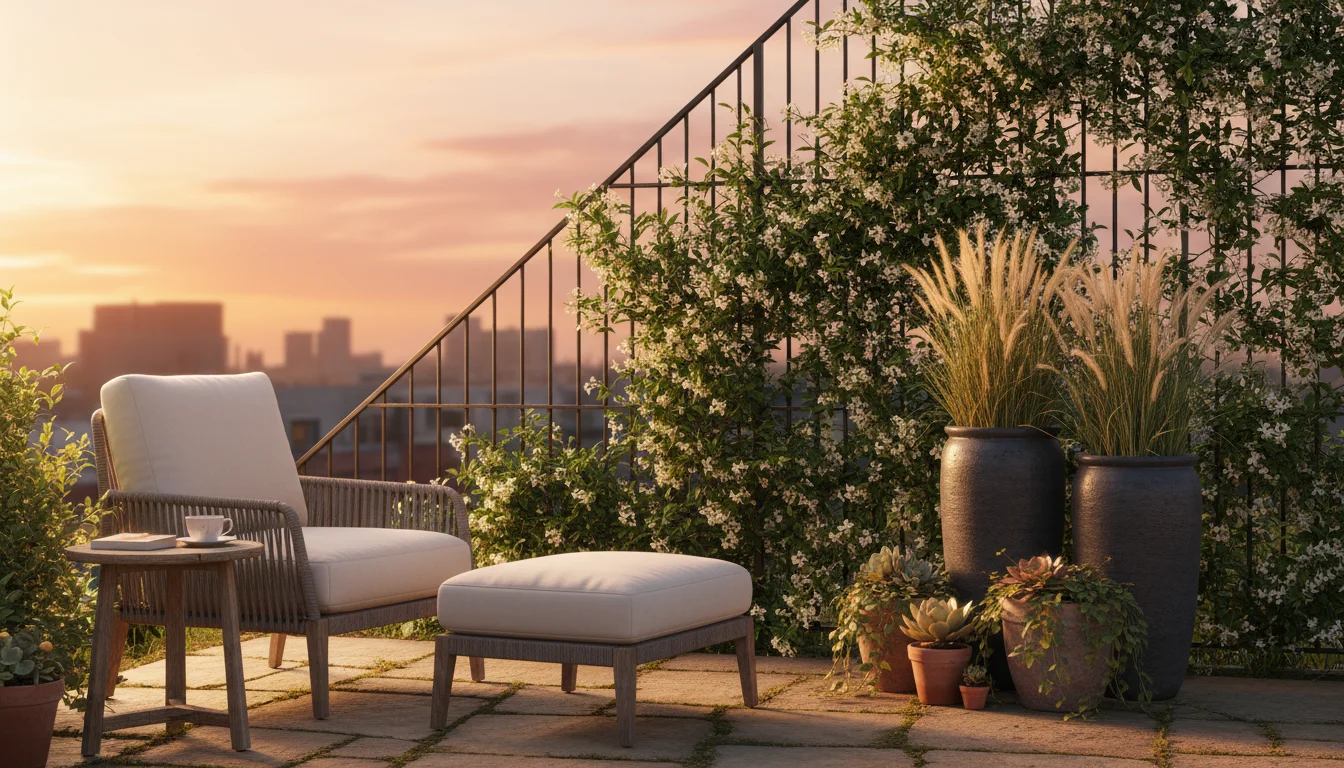
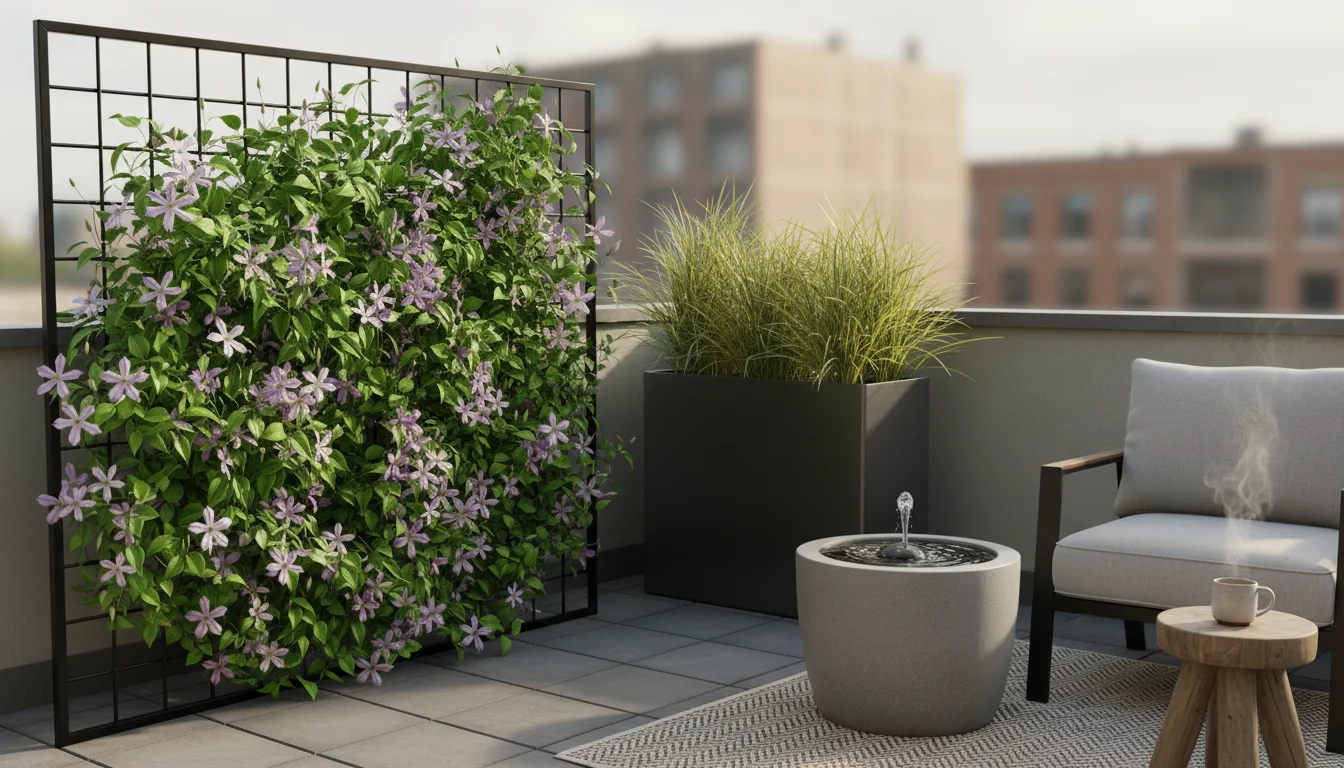
Vertical elements excel at defining zones without taking up precious floor space. A decorative screen or a trellis covered in climbing plants can separate a seating area from a service area. A tall, narrow planter creates a soft boundary, providing both visual interest and privacy. These elements contribute to the overall aesthetics while serving a practical zoning purpose, helping you create a cohesive small garden layout.
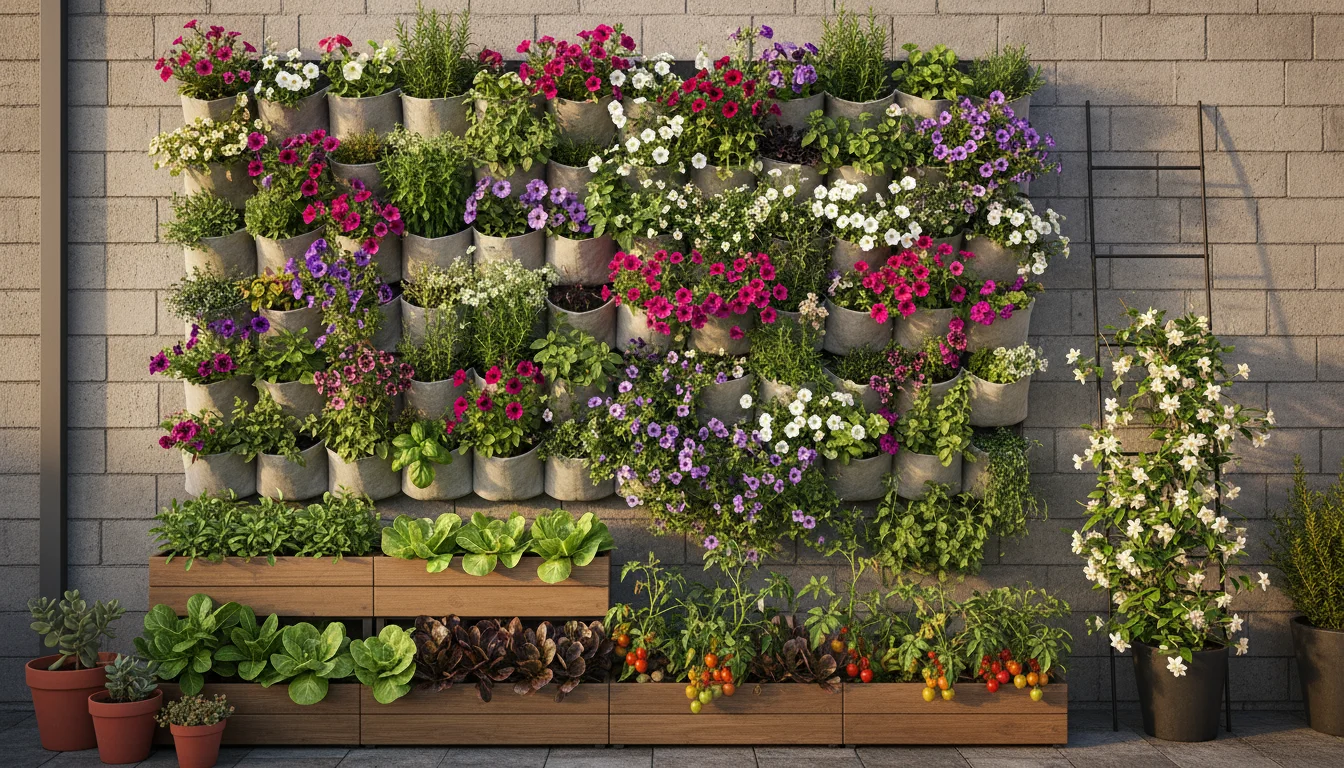
Vertical Gardening Unlocked: Elevate Your Design
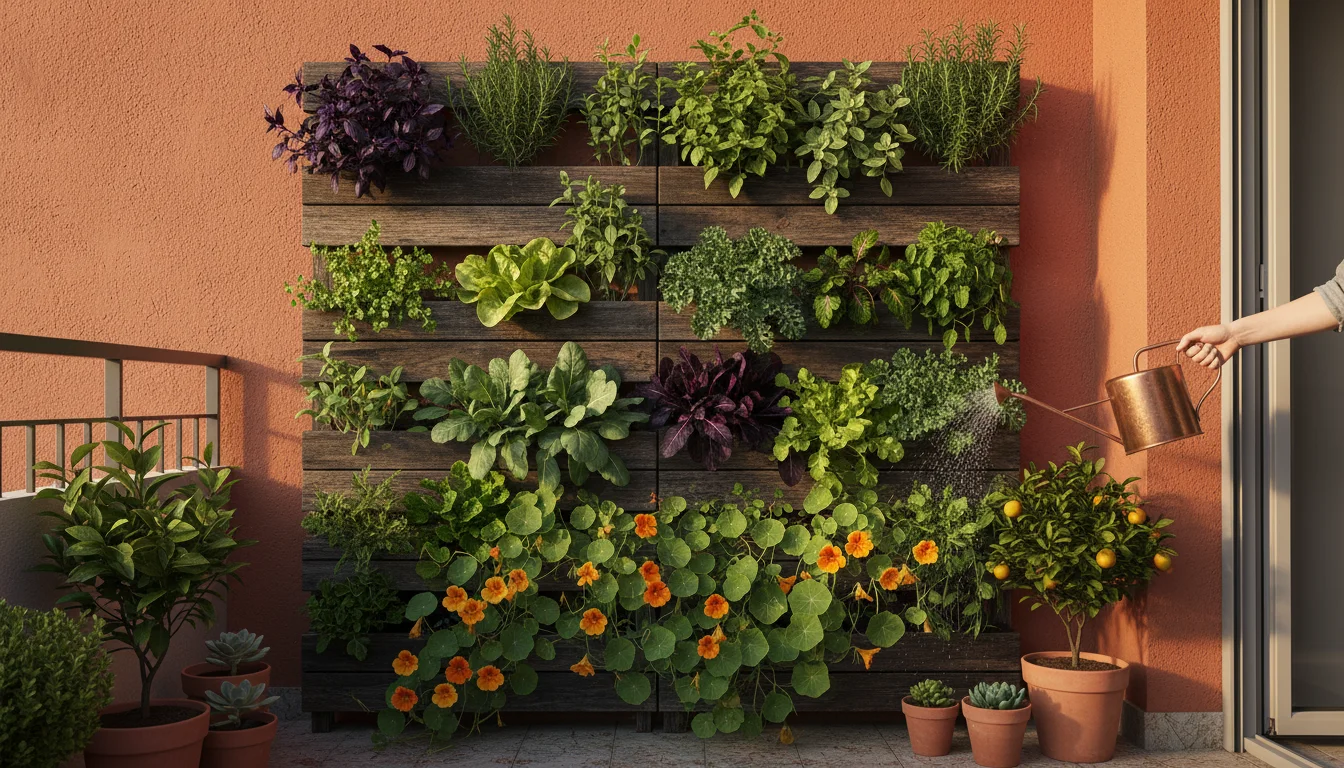
Vertical gardening is perhaps the most impactful strategy for any small garden layout, allowing you to cultivate upwards when horizontal space runs out. It adds visual interest, boosts plant capacity, and creates a sense of enclosure and privacy. You literally grow up, transforming blank walls or fences into living tapestries.
If you are working with limited floor area, exploring creative vertical garden ideas can help you maximize your planting potential.
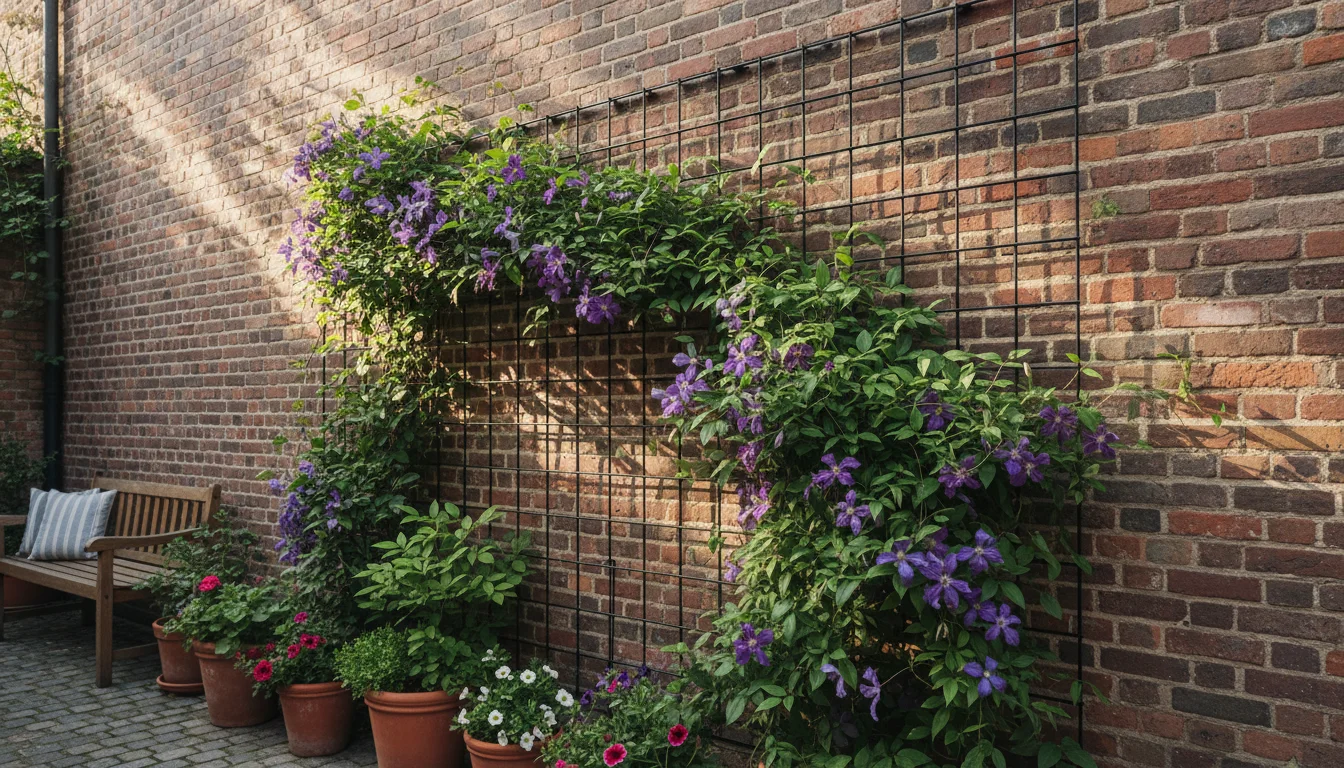
Trellises and Climbing Plants
Trellises offer a classic and elegant way to go vertical. Install them against walls, fences, or even freestanding as room dividers. Choose vining plants like clematis, jasmine, or edible options such as cucumbers and pole beans. Securely attach trellises to ensure stability, especially in windy conditions. The visual impact of a wall covered in lush foliage dramatically softens hard surfaces and adds a natural element to your garden design small space.
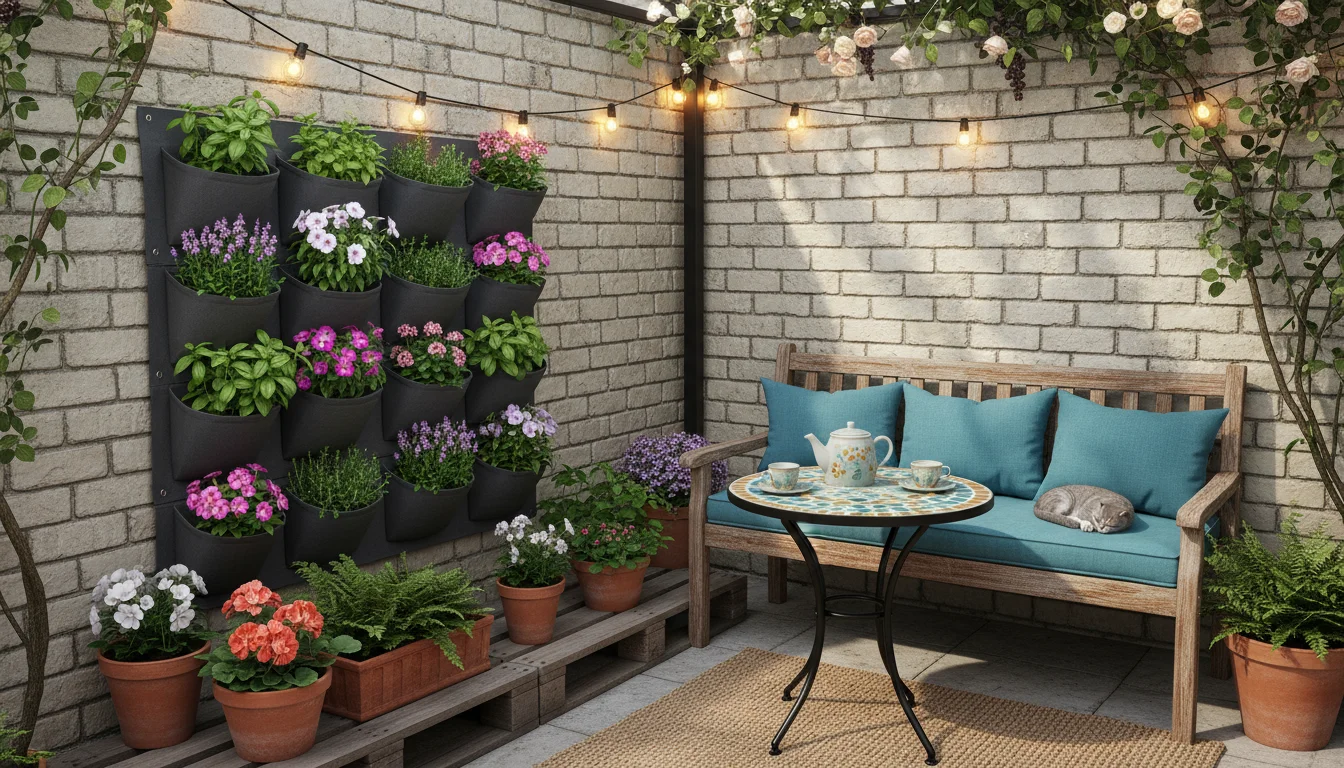
Wall Planters and Pocket Systems
Wall planters come in various forms, from individual pots mounted to a frame to fabric pocket systems. These are perfect for herbs, succulents, or small flowering annuals. Ensure your wall can support the weight of the planters, especially when filled with wet soil. Proper drainage is key; avoid systems where water accumulates, as this can lead to root rot. For detailed guidance on wall planter selection and setup, the Cornell Garden-Based Learning site provides excellent resources.
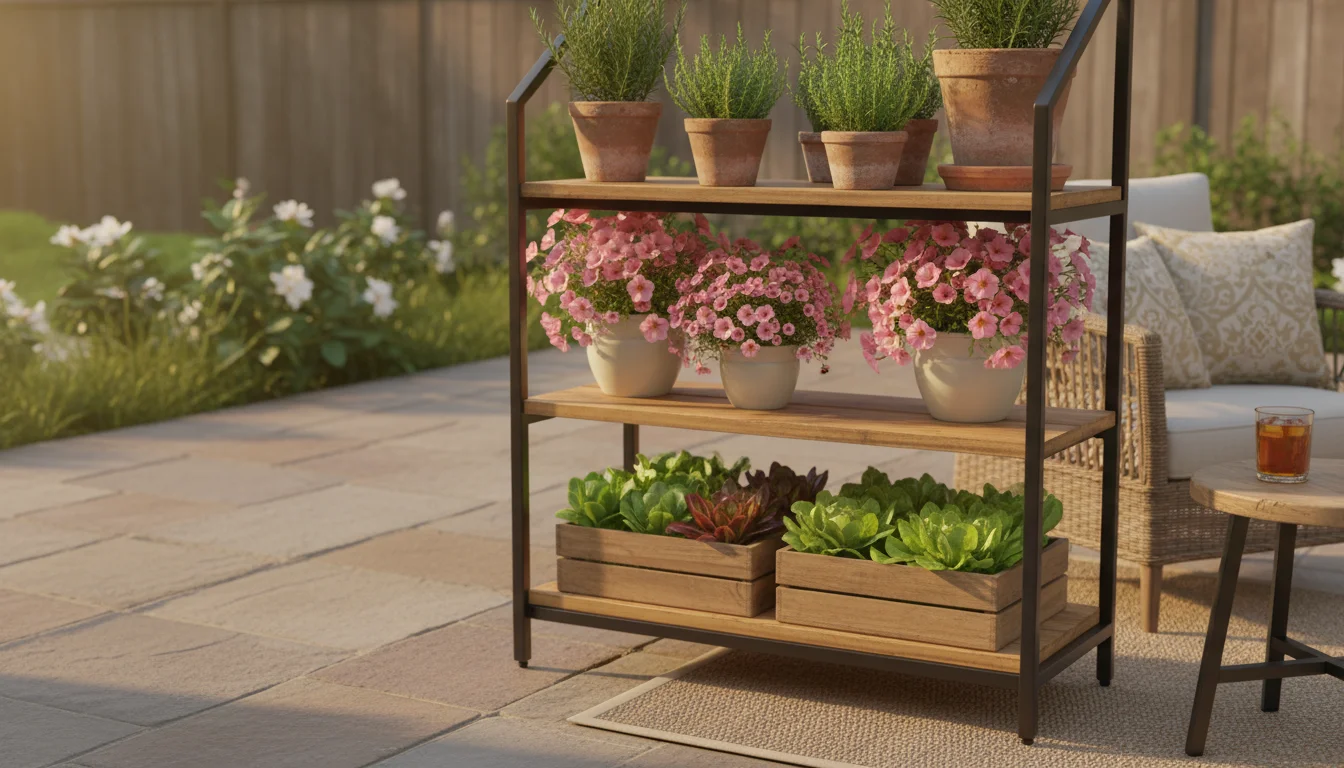
Tiered Stands and Shelving Units
Tiered plant stands, shelving units, and ladders allow you to display multiple plants in a compact footprint. They are versatile, portable, and provide varying levels for different plant sizes and sun requirements. Place sun-loving plants on higher shelves and shade-tolerant options below. This layering adds visual depth and maximizes garden space efficiently. Consider shelving made from weather-resistant materials like treated wood, metal, or durable plastic.
Utilizing Railings and Overhangs
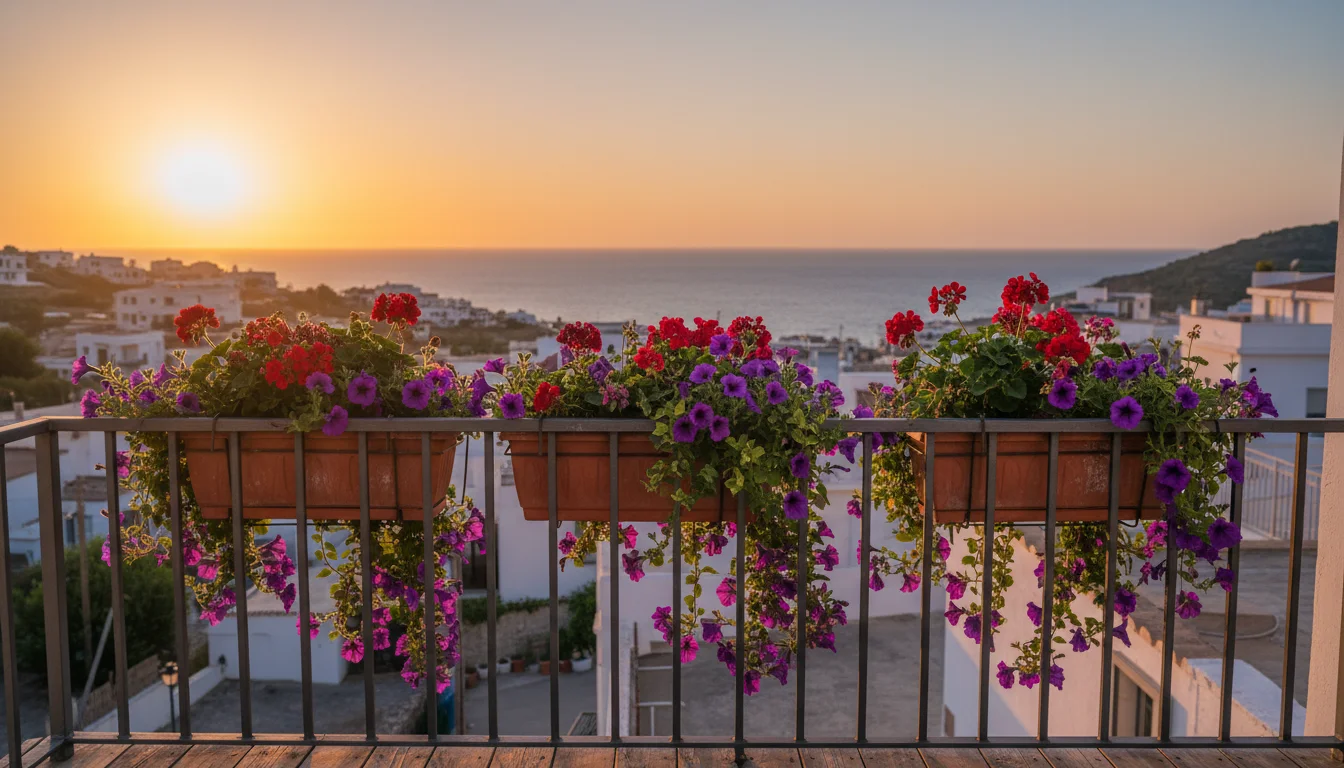
Do not forget railings on balconies or deck edges. Railing planters attach securely, offering additional planting space without consuming floor area. Hanging baskets suspended from overhangs or sturdy hooks also contribute to vertical layering, spilling color and foliage downwards. Always check weight limits for railings and overhangs, particularly with multiple heavy, watered planters.
Smart Container Strategies: Flexibility and Impact
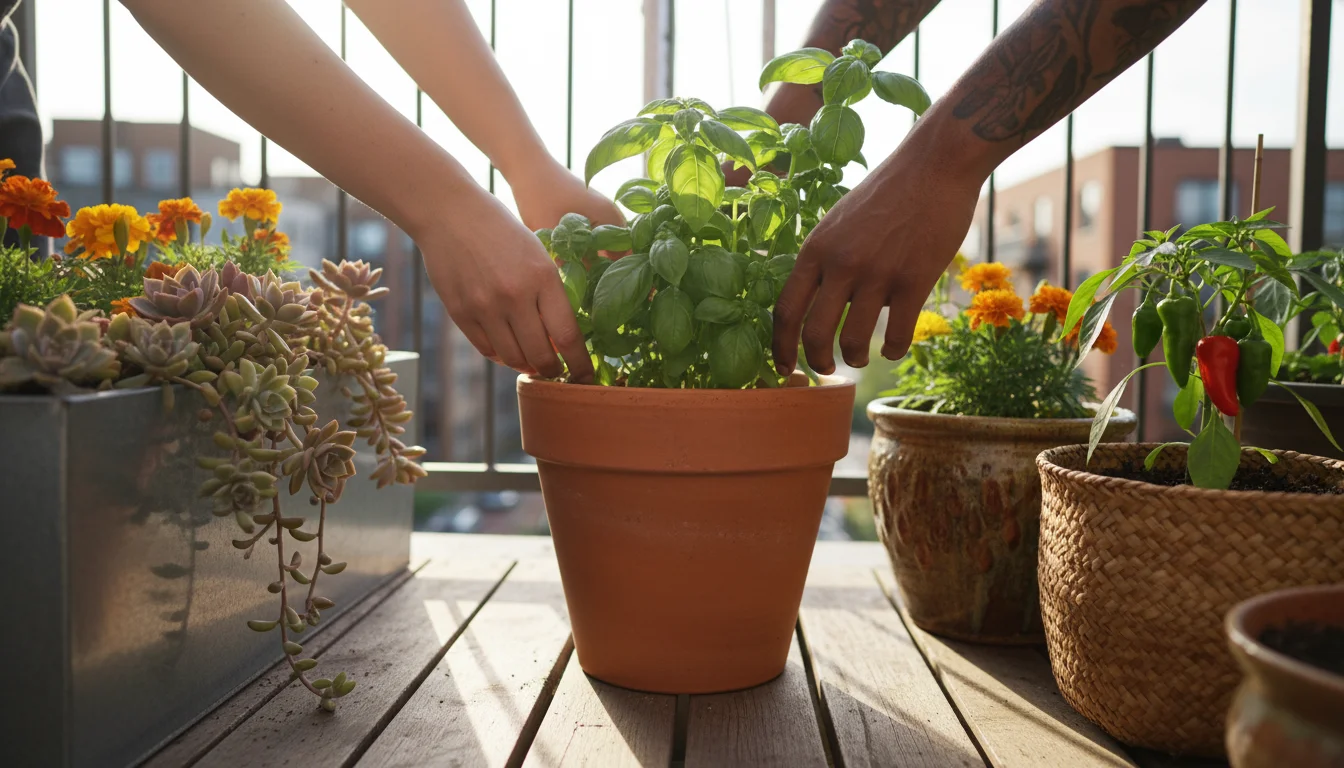
Containers are the cornerstone of small-space gardening, providing unparalleled flexibility and design opportunities. A thoughtful container strategy allows you to experiment with different plants, adapt to changing conditions, and easily refresh your garden’s look.
To get started with the basics of potting and soil, see our beginner’s guide to container gardening.
Choosing the Right Sizes and Materials
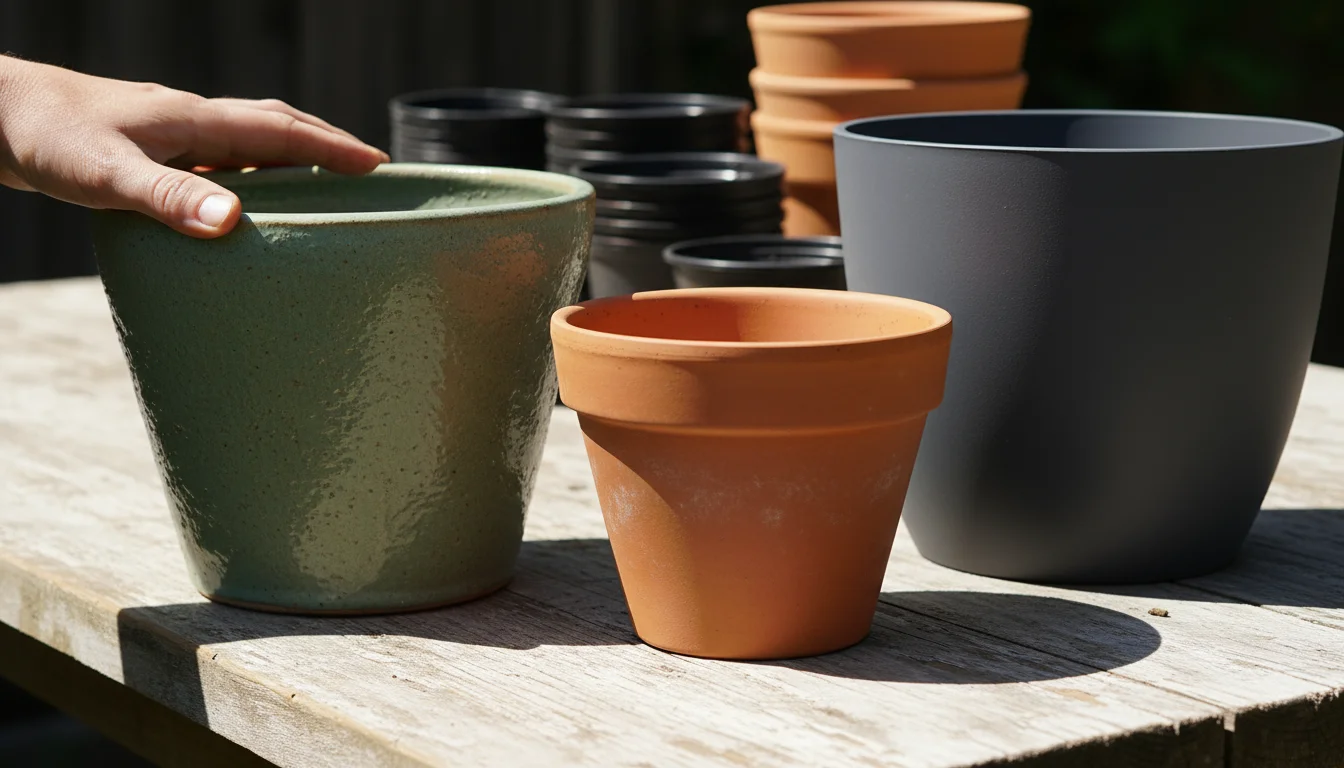
Resist the urge to buy many small pots. A few larger containers create more impact and provide a better environment for plant roots, reducing the need for frequent watering. Aim for pots with a minimum diameter of 10-12 inches for most plants, and much larger for small shrubs or substantial edible crops. Regarding materials, terra cotta breathes well but dries out quickly; plastic retains moisture but can look less elegant; glazed ceramic offers excellent moisture retention and aesthetic appeal; and lightweight options like fiberglass suit balconies with weight restrictions. Choose materials that complement your overall small garden layout.
Cohesion in Color and Finish
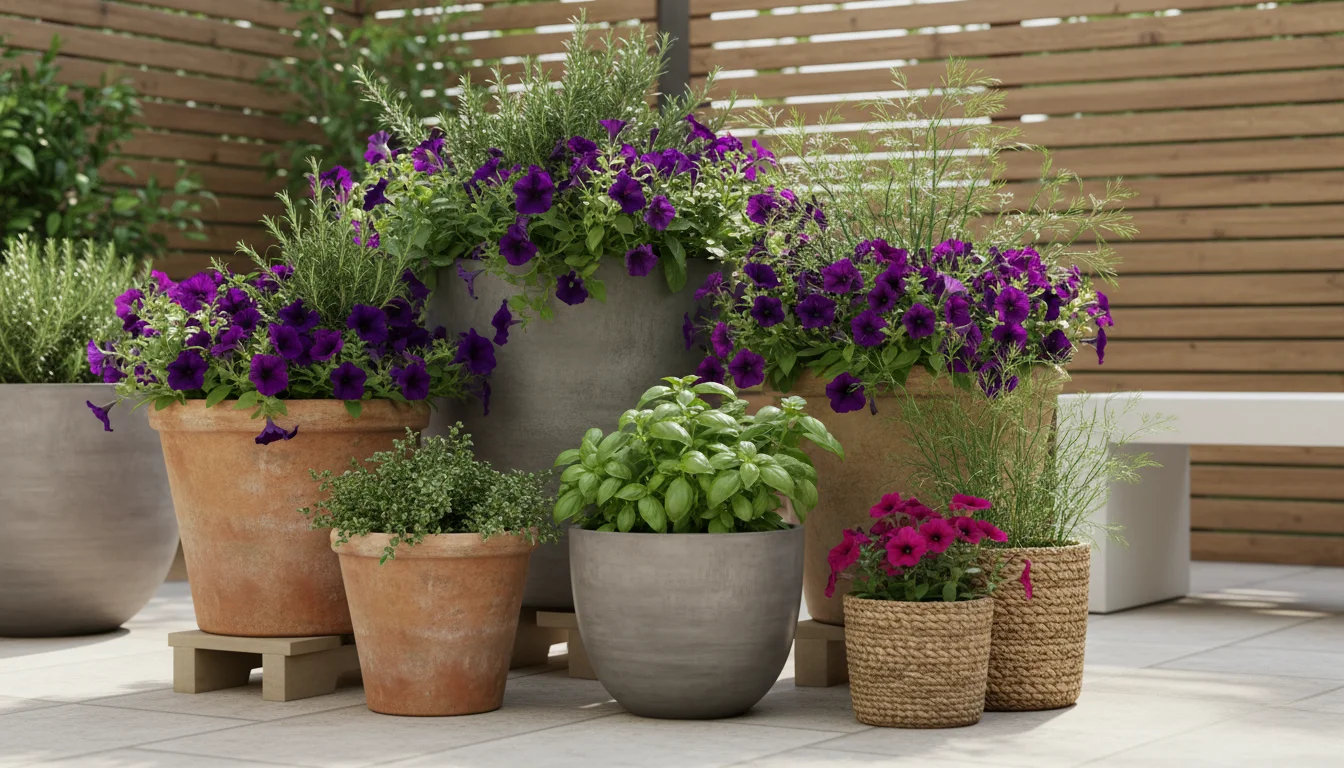
While variety is good, a cohesive color or finish palette for your containers creates a more unified and sophisticated look. Choose pots in similar shades of gray, terra cotta, blue, or a mix of natural textures. This cohesion allows your plants to be the stars, rather than having the containers compete for attention. Grouping containers of varying heights but similar finishes also enhances visual appeal.
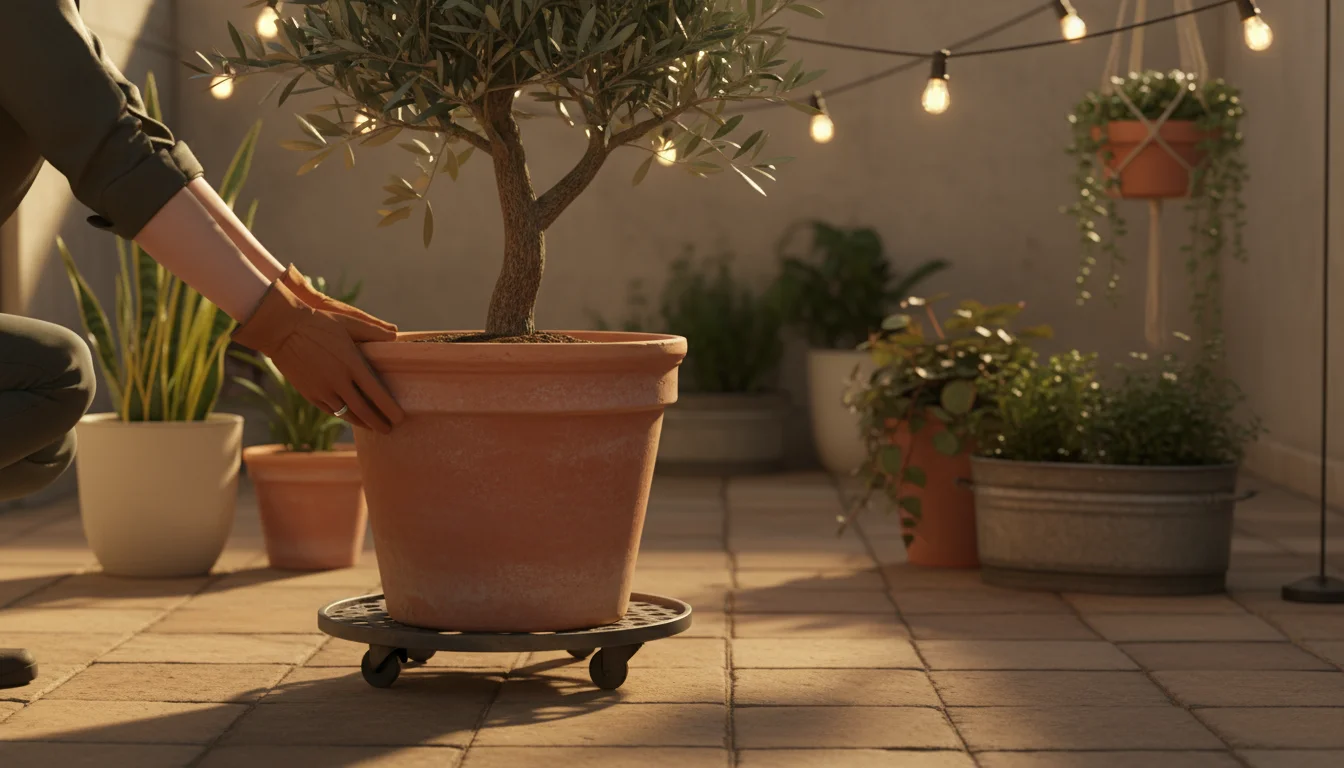
Wheeled Bases for Flexibility
For larger, heavier containers, invest in wheeled bases or dollies. This simple addition allows you to easily move plants to optimize sun exposure, bring tender plants indoors during cold snaps, or reconfigure your garden design small space for entertaining. Mobility offers tremendous adaptability, empowering you to adjust your small garden layout on a whim.
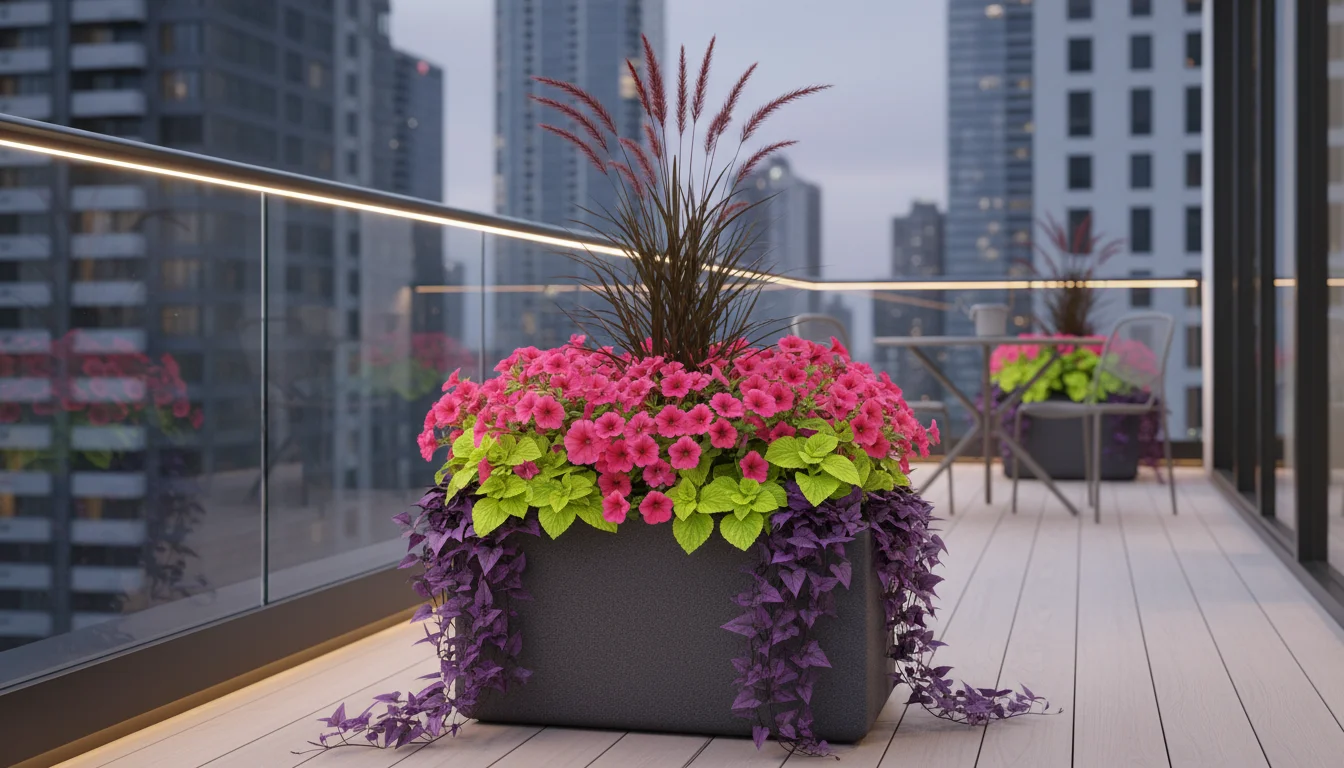
Container Planting Techniques: The Thriller, Filler, Spiller
For visually compelling containers, employ the “Thriller, Filler, Spiller” technique.
- Thriller: A tall, dramatic plant placed in the center or back of the pot, providing vertical interest (e.g., ornamental grass, canna lily, small upright shrub).
- Filler: Medium-height plants that fill out the middle ground of the container, adding volume and texture (e.g., impatiens, coleus, petunias).
- Spiller: Trailing plants that cascade over the edge of the pot, softening the hard lines and adding movement (e.g., sweet potato vine, creeping jenny, lobelia).
This combination ensures a balanced, full, and attractive display that maximizes garden space vertically and horizontally within each pot.
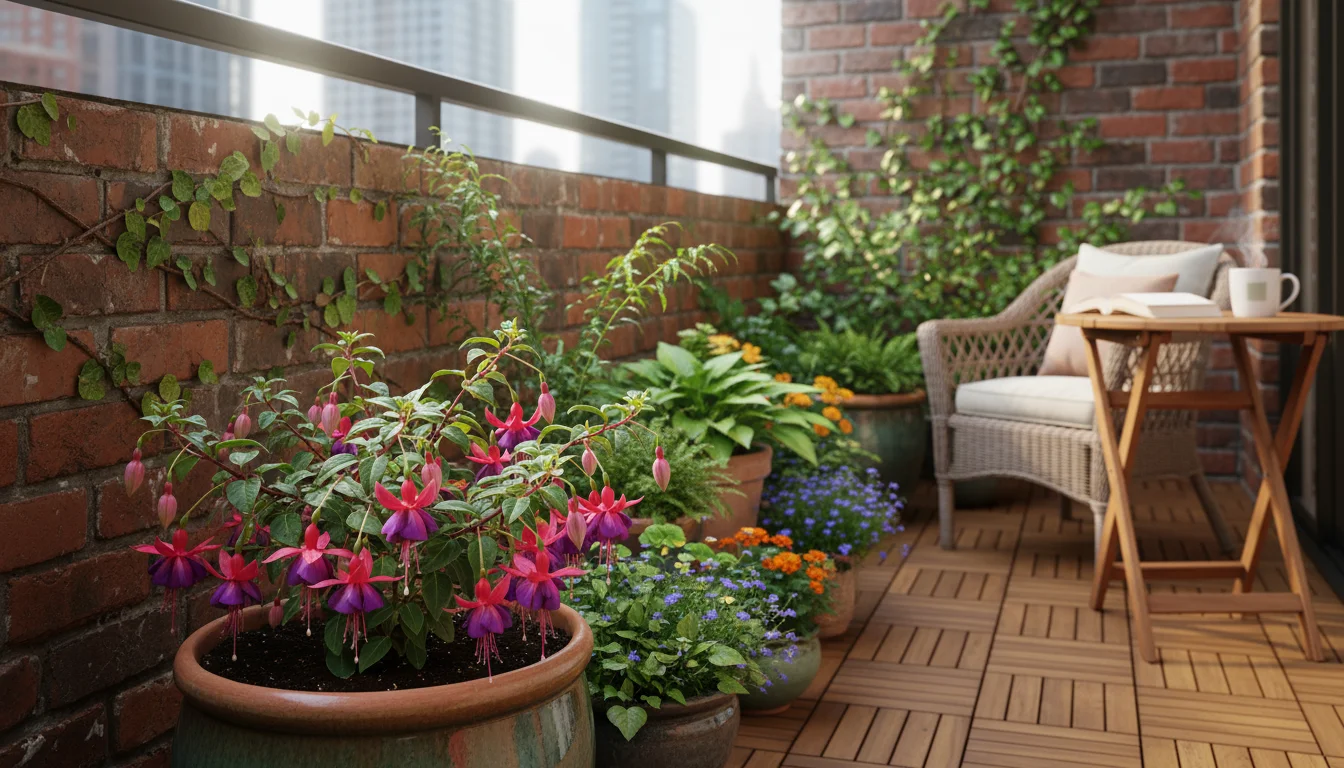
Crafting Visual Depth and Focal Points
Making a small garden feel larger involves tricking the eye. By creating visual depth and strategically placing focal points, you can transform a flat, confined space into a dynamic and expansive-feeling oasis. A focal point is simply the first thing your eye notices, drawing it into the garden.
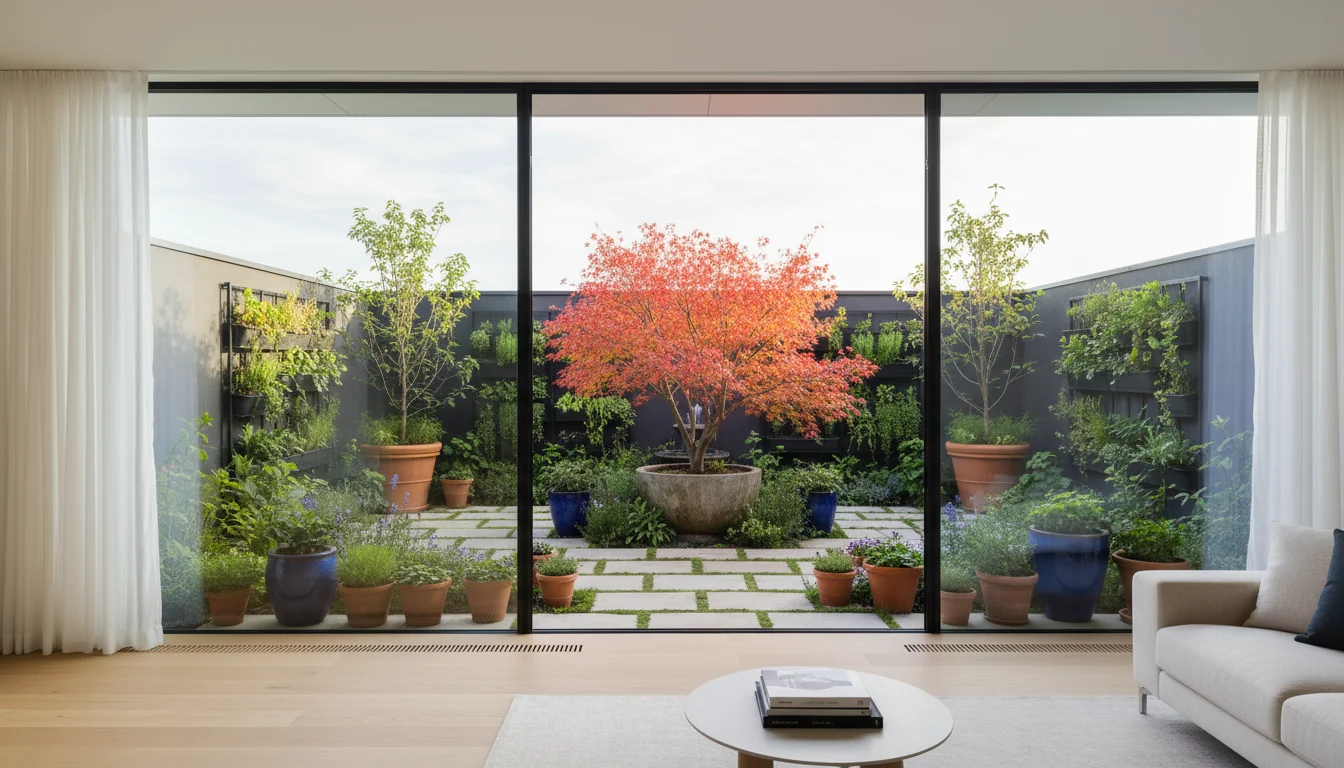
Establishing Clear Sightlines
Consider the view from your most frequent vantage points, such as your living room window or your primary seating area. Design your small garden layout to direct the eye through the space. Create pathways, even if symbolic, that lead the gaze towards an interesting element. Avoid placing bulky items directly in your primary sightline, which can make the space feel cluttered and visually blocked.
Defining Focal Points
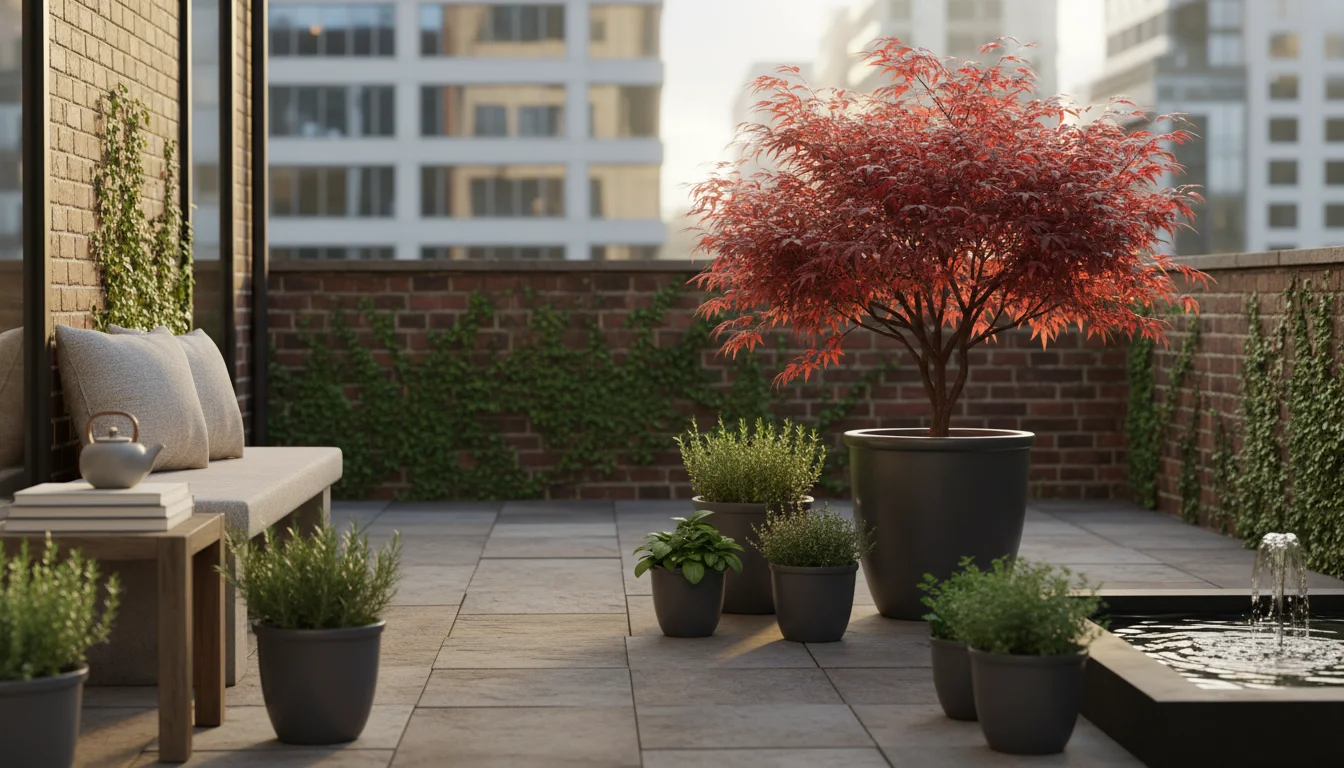
Every garden benefits from a focal point. This could be a striking plant, a piece of garden art, a small water feature, or an attractive seating arrangement. In a small space, one strong focal point is generally more effective than several competing ones. Place it at the far end of your view, drawing the eye through the garden and suggesting greater distance. For example, a vibrant red Japanese maple in a corner pot or a carefully chosen sculpture can anchor your design.
Symmetry Versus Asymmetry
You can achieve balance through either symmetry or asymmetry.
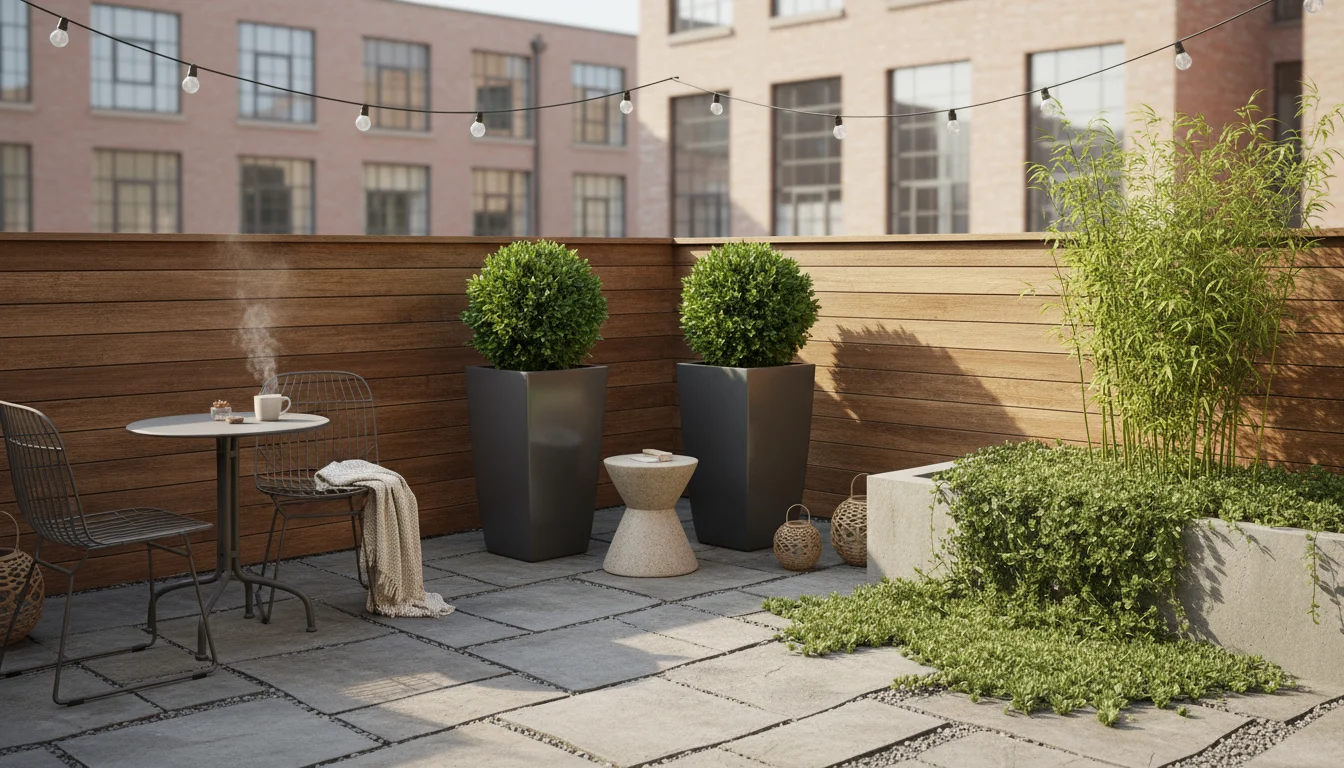
- Symmetry: Creates a formal, orderly feel. This involves mirroring elements on either side of a central axis, like two identical planters flanking an entryway. It brings a sense of calm and structure to a small garden.
- Asymmetry: Offers a more natural, dynamic, and informal look. Balance is achieved through contrast in size, texture, and placement, without direct mirroring. For instance, a large plant on one side might be balanced by a grouping of smaller pots on the other. Asymmetry often feels more relaxed and allows for greater creativity in a small garden layout.
Choose the approach that best suits your personal style and the architecture of your home.
Using Eye-Level Anchors
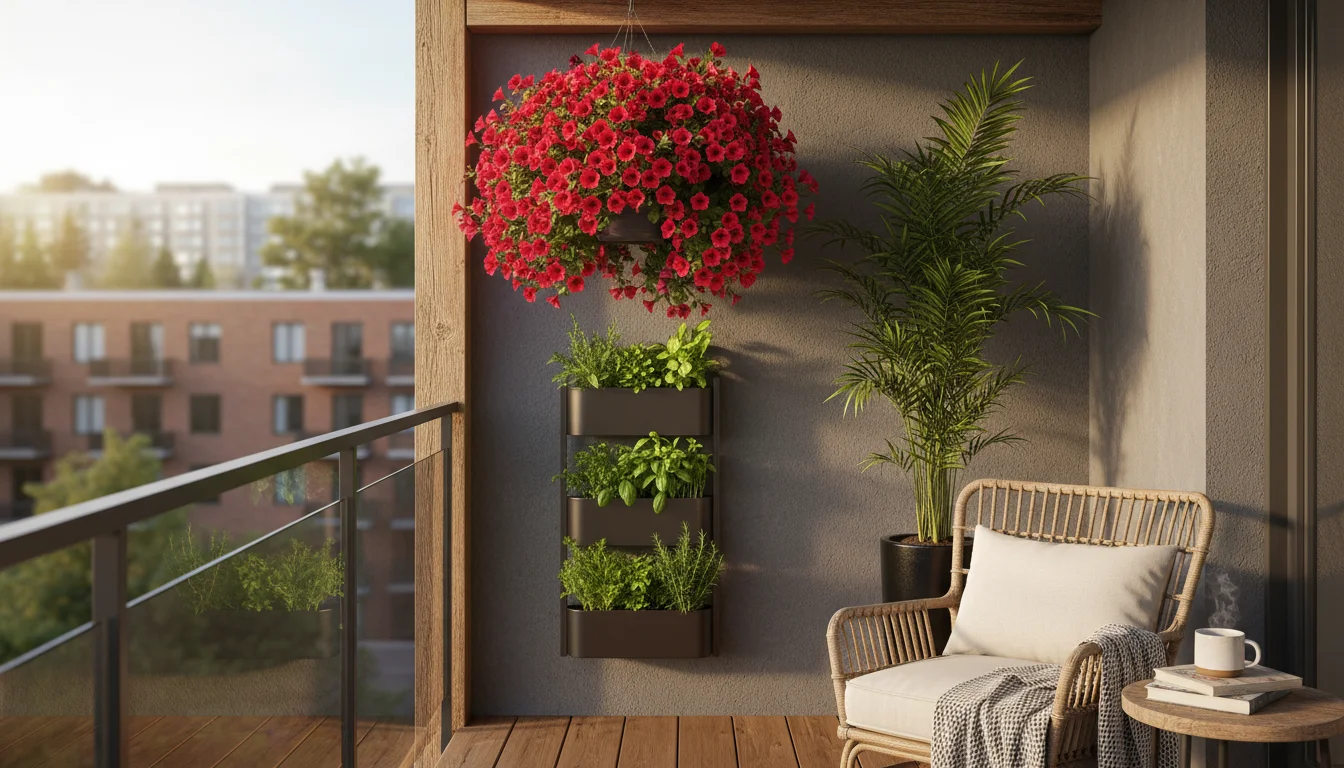
Don’t limit visual interest to ground level. Incorporate elements at various heights to create layers and draw the eye upwards. This could include a tall plant, a hanging basket, a wall-mounted piece of art, or decorative lighting. These eye-level anchors provide visual interest and prevent the garden from feeling flat, contributing to a more dynamic small garden layout.
Color, Texture, and Seasonal Interest
The judicious use of color and texture, combined with planning for seasonal appeal, dramatically elevates your small garden layout. These elements create visual richness and ensure your garden remains engaging throughout the year.
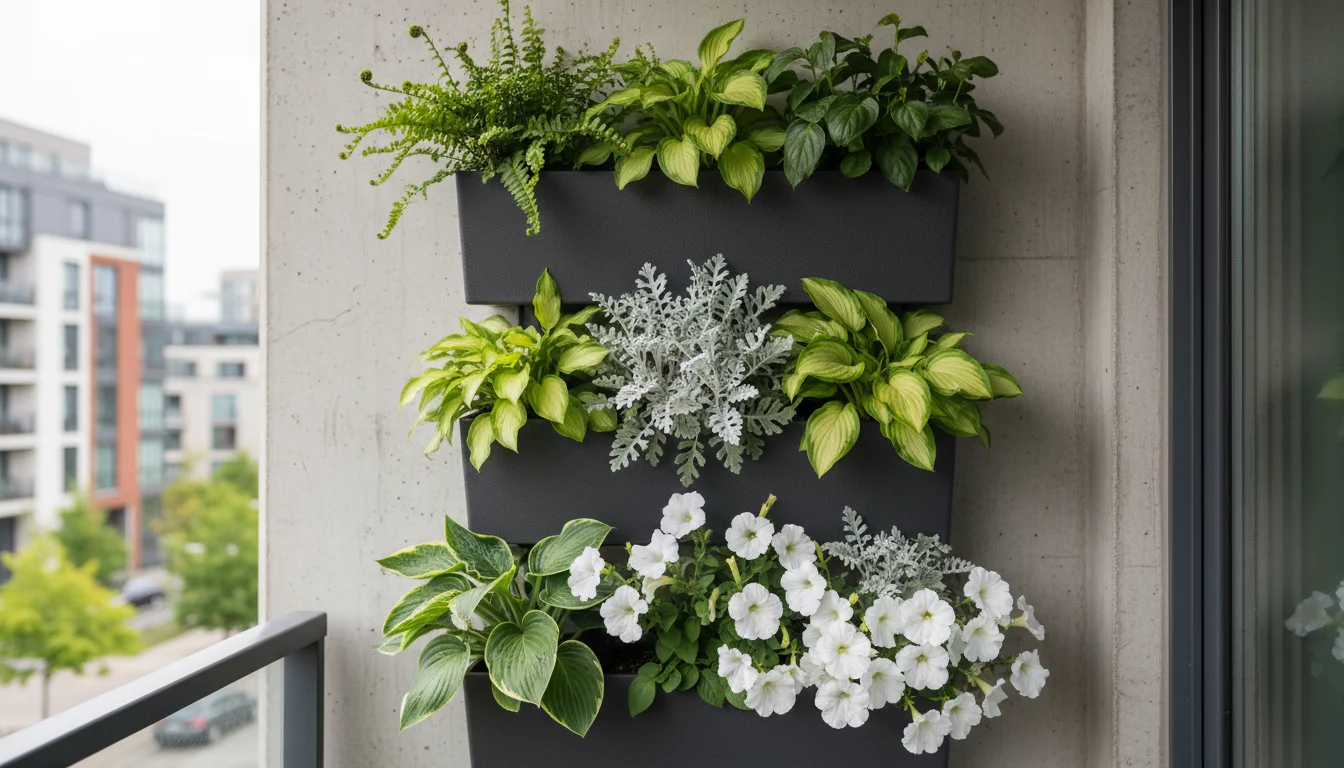
Crafting a Cohesive Color Palette
In small spaces, a limited color palette often works best, creating a sense of harmony and reducing visual clutter. Choose two or three primary colors and use various shades and tones within that range. For example, a palette of greens, whites, and silvers can create a serene, sophisticated look. Vibrant colors like reds, oranges, and yellows add energy but use them sparingly as accents to avoid overwhelming the space. Consider the color of your hardscaping and existing structures when developing your palette. For reliable plant color ideas, explore resources like Kew Science — Plants of the World, which offers extensive plant descriptions including bloom and foliage colors.
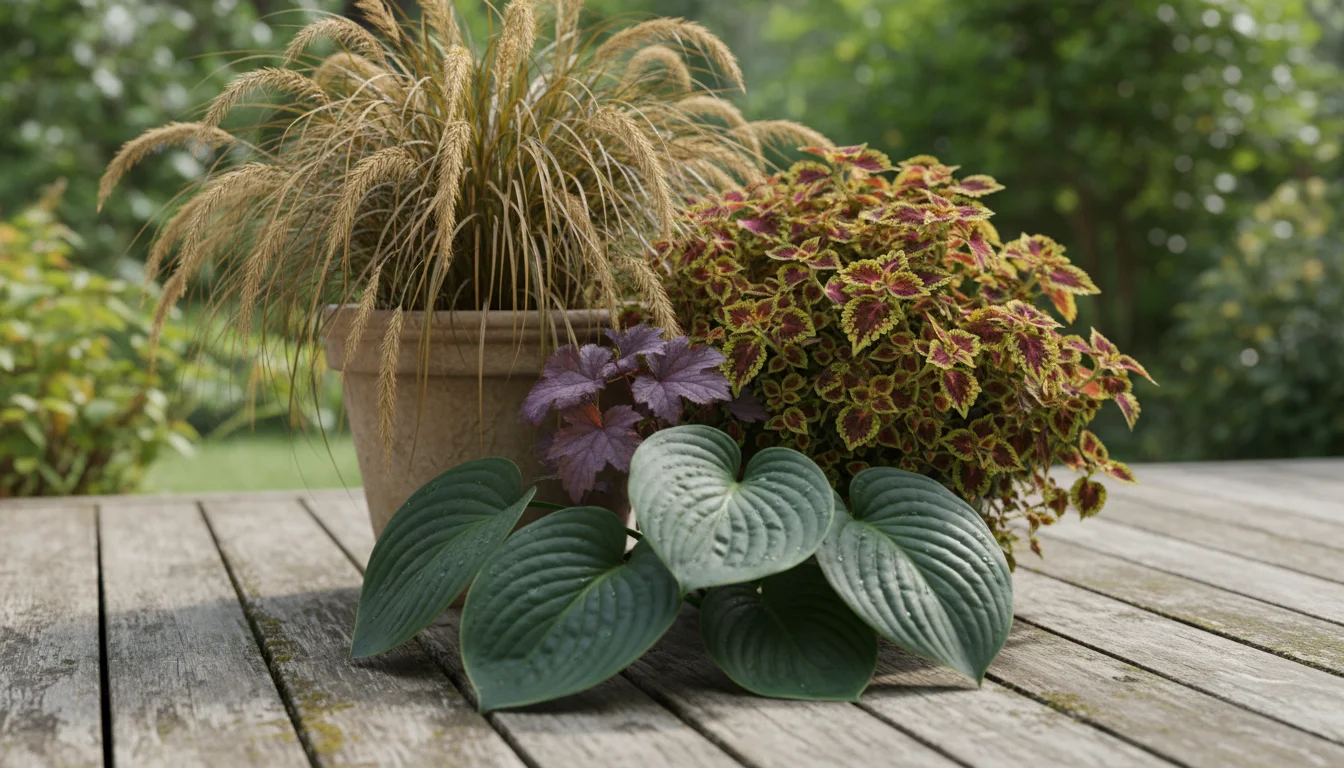
The Power of Foliage Contrast
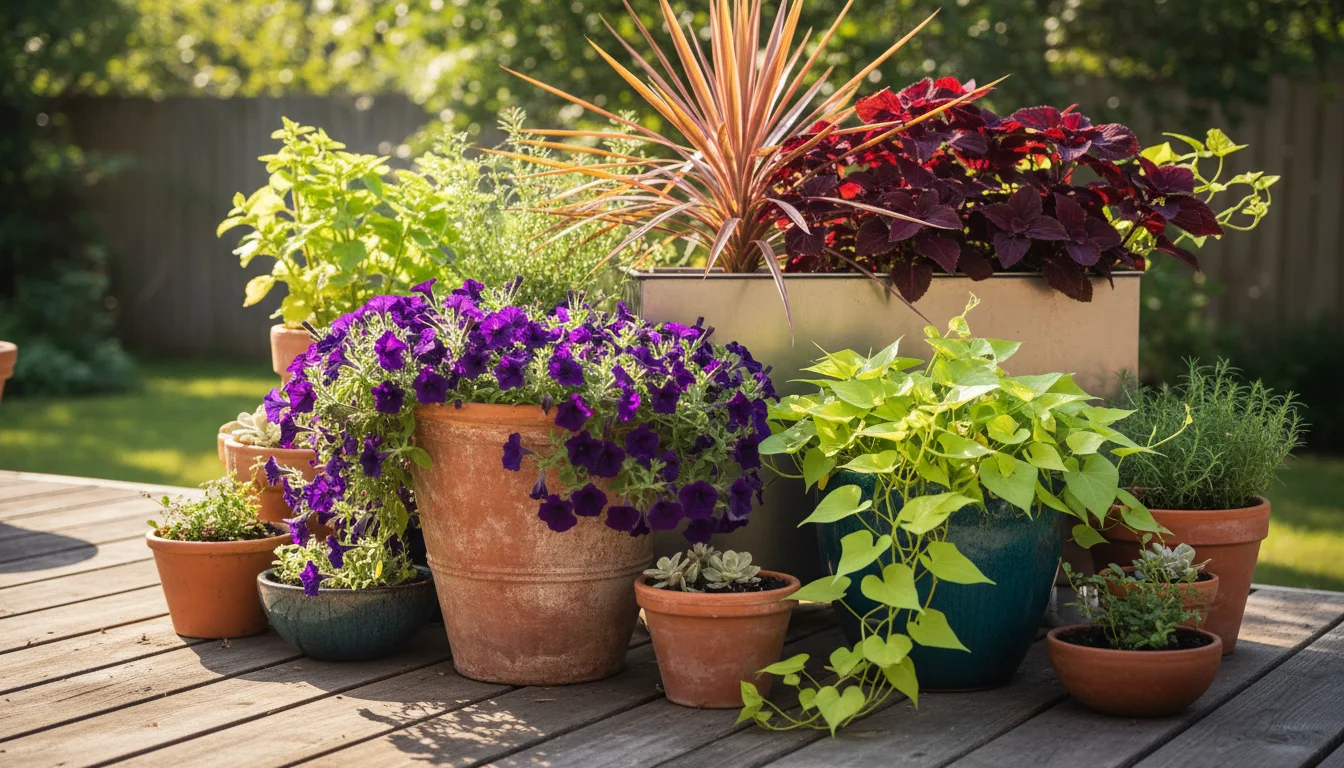
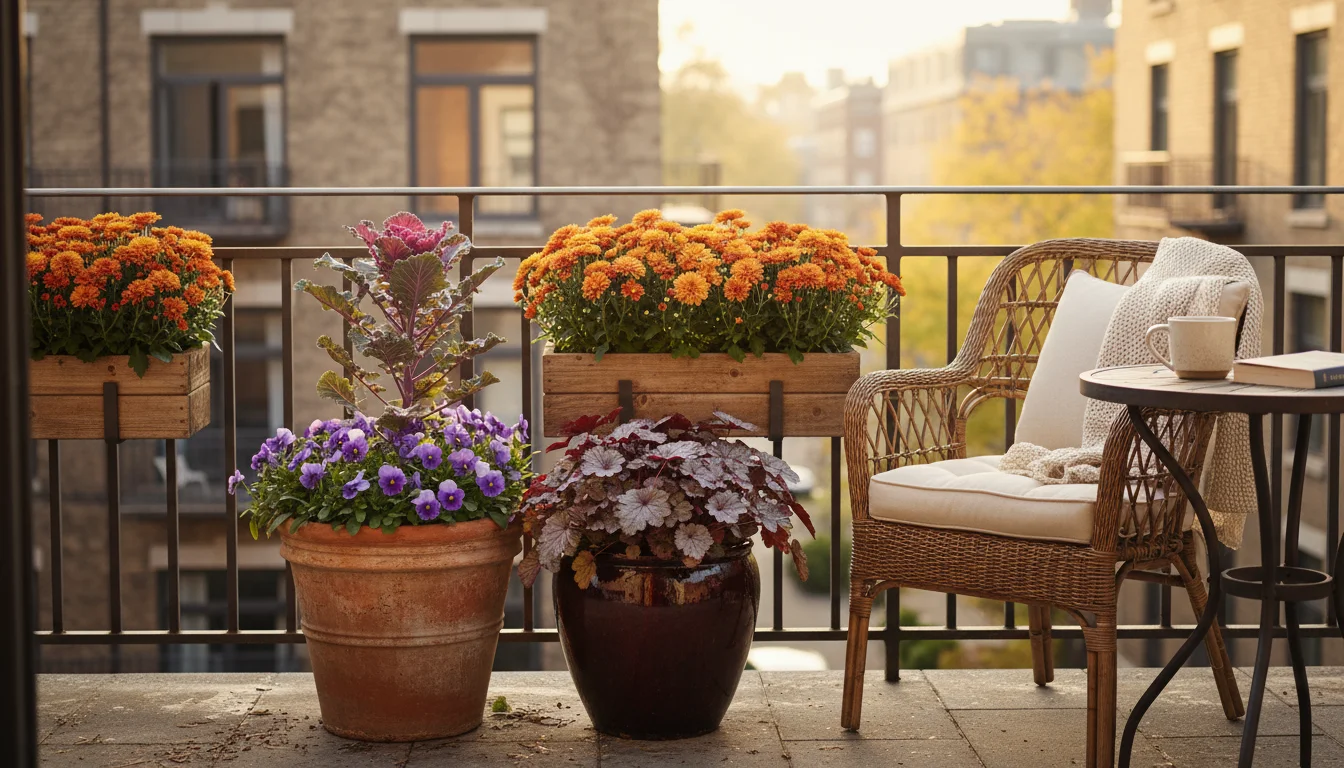
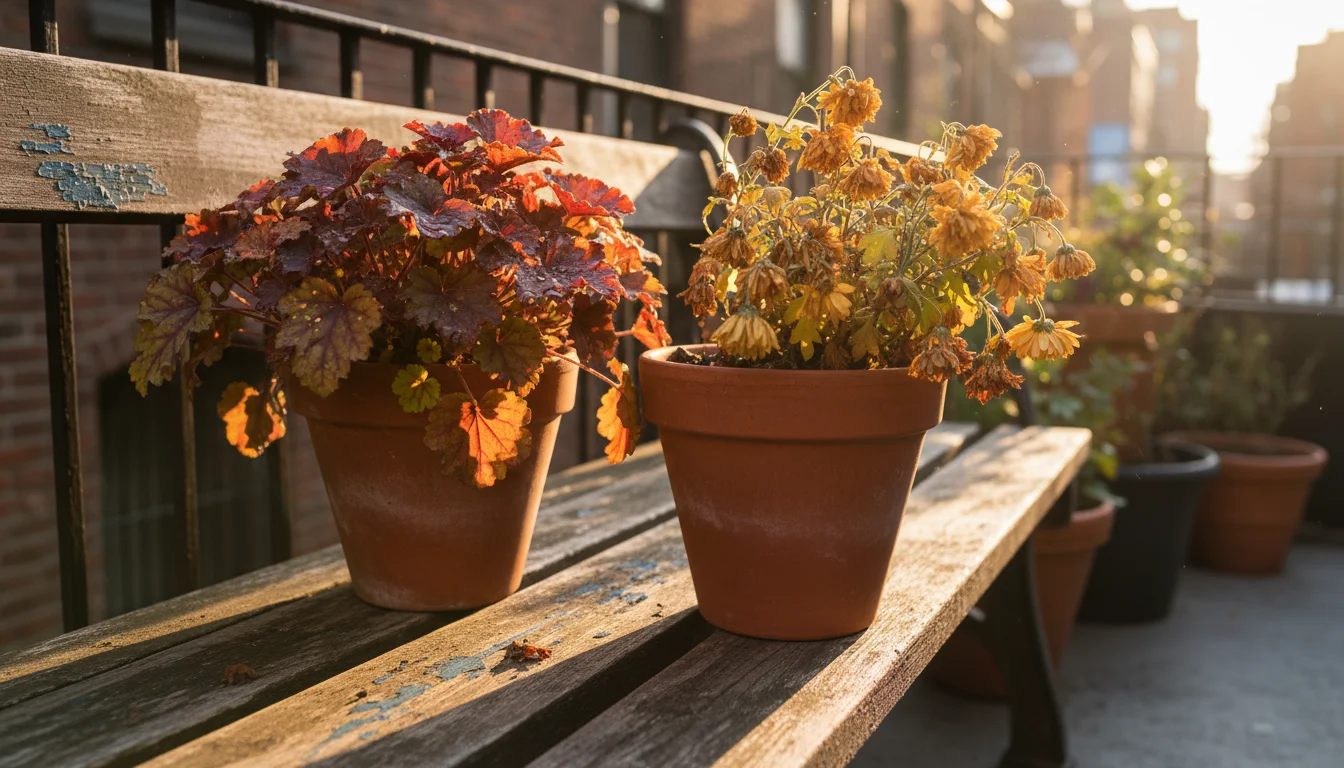
Do not rely solely on flowers for color. Foliage offers enduring interest and a wide array of greens, purples, silvers, and variegated patterns. Contrasting foliage textures—fine, feathery leaves next to broad, glossy ones—adds depth and dynamism even in the absence of blooms. Think of plants like coleus, hostas, Heuchera, and various ornamental grasses for their impressive foliage. Foliage contrast ensures your garden design small space remains appealing even during non-flowering periods.
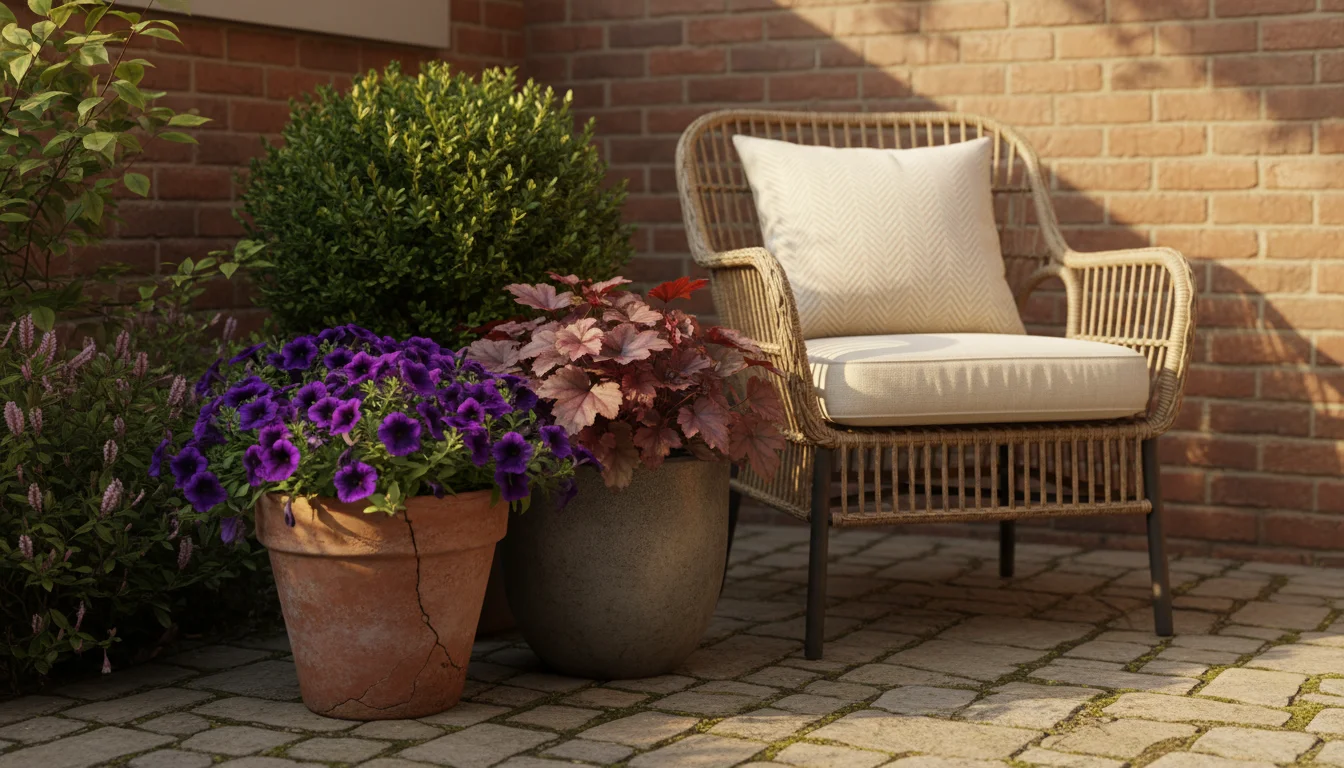
Planning for Seasonal Interest
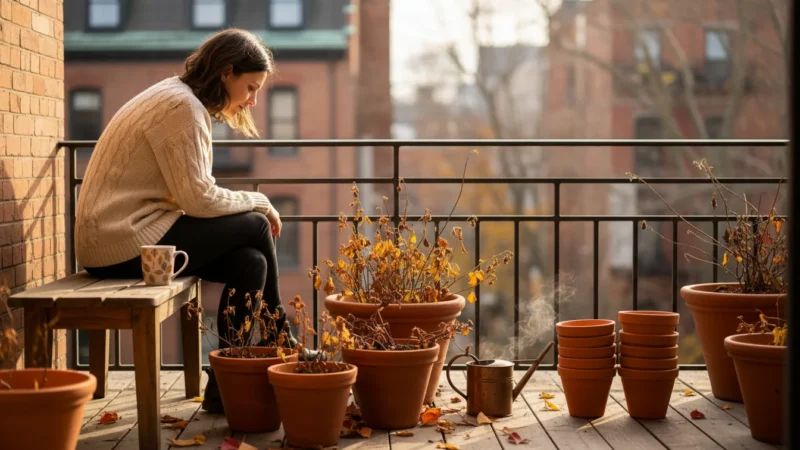
To ensure your small garden layout remains vibrant all year, select plants with staggered bloom times or those that offer multi-seasonal appeal. Include early spring bulbs, summer annuals, fall foliage plants, and perhaps a small evergreen for winter structure.
Consider this sample plant palette for year-round interest in a sunny, small garden:
| Season | Plant Type | Example Plants | Key Contribution |
|---|---|---|---|
| Spring | Bulbs & Early Bloomers | Dwarf Daffodils, Crocus, Primroses | First burst of color, cheerful |
| Summer | Annuals & Perennials | Petunias, Geraniums, Salvia, Coneflower | Continuous vibrant blooms, pollinator attraction |
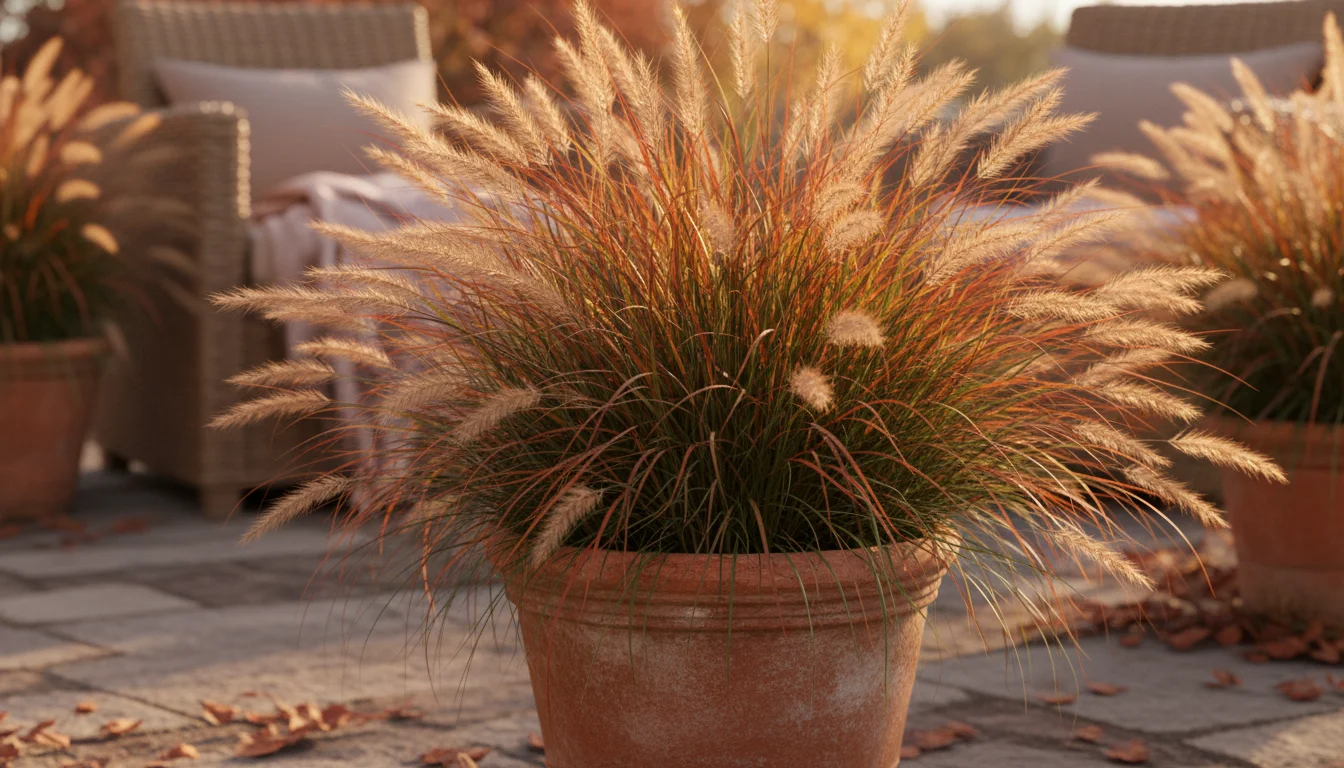
| Fall | Foliage & Late Bloomers | Chrysanthemums, Heuchera (foliage), Ornamental Grasses | Rich textures, warm colors, structural interest |
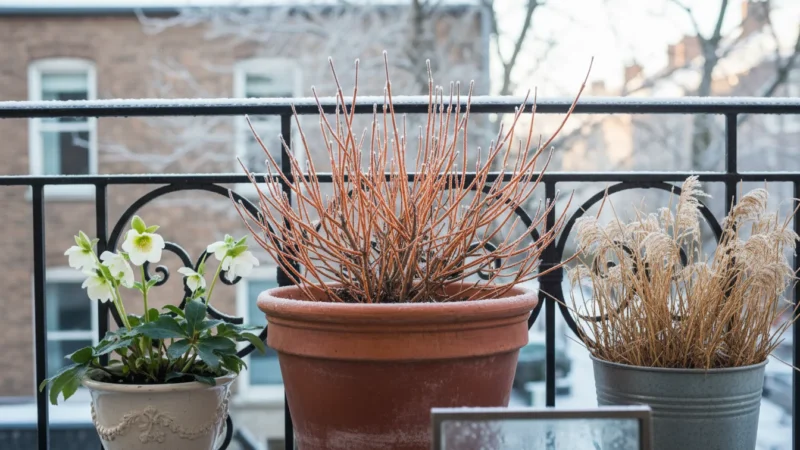
| Winter | Evergreen Structure | Dwarf Conifers, Boxwood, Hellebore | Greenery, form, subtle winter blooms |
This strategic selection ensures there is always something to catch your eye, enhancing the value of your garden design small space across all seasons.
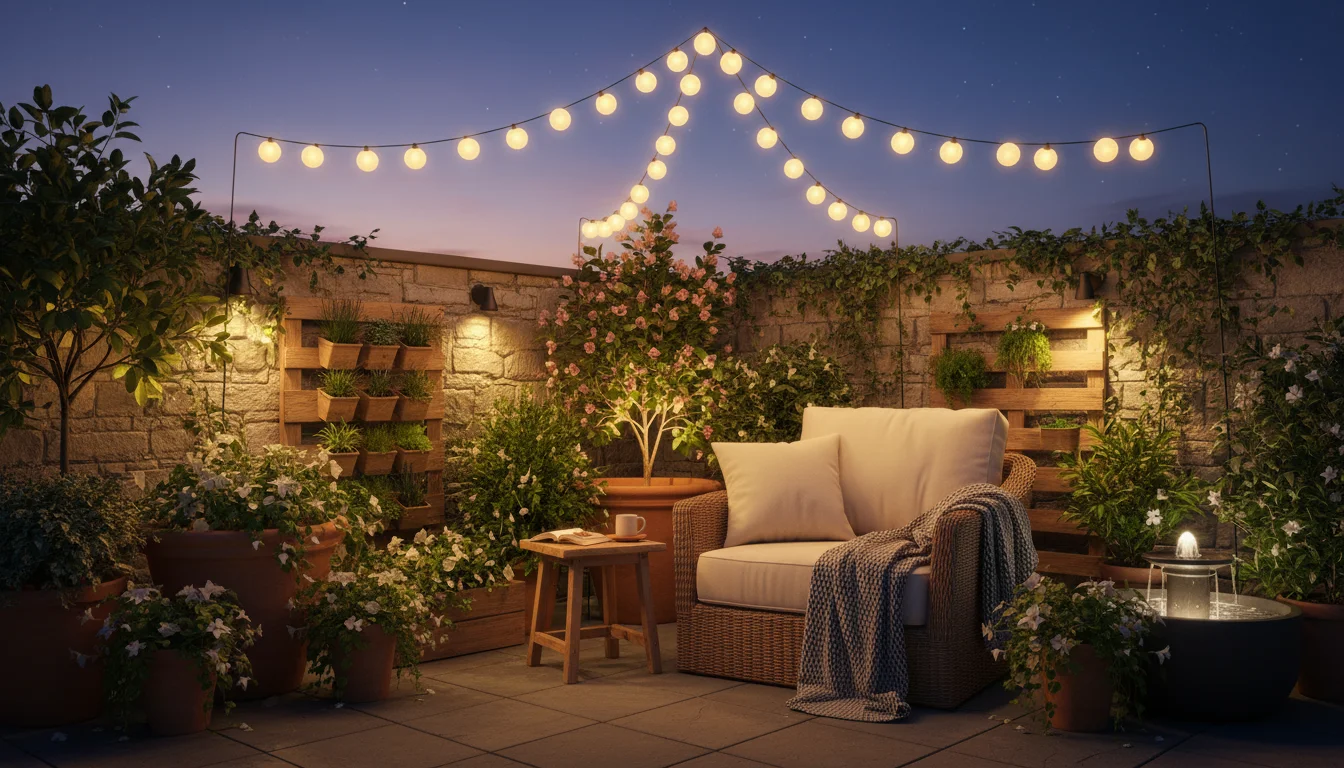
Illuminating Your Small Garden: Lighting for Ambiance and Safety
Lighting extends the usability of your small garden into the evening hours, creating inviting ambiance and ensuring safe navigation. Thoughtful lighting transforms your outdoor space into a magical retreat after sunset.
Check out these clever garden lighting ideas for small spaces to make your patio usable long after the sun goes down.
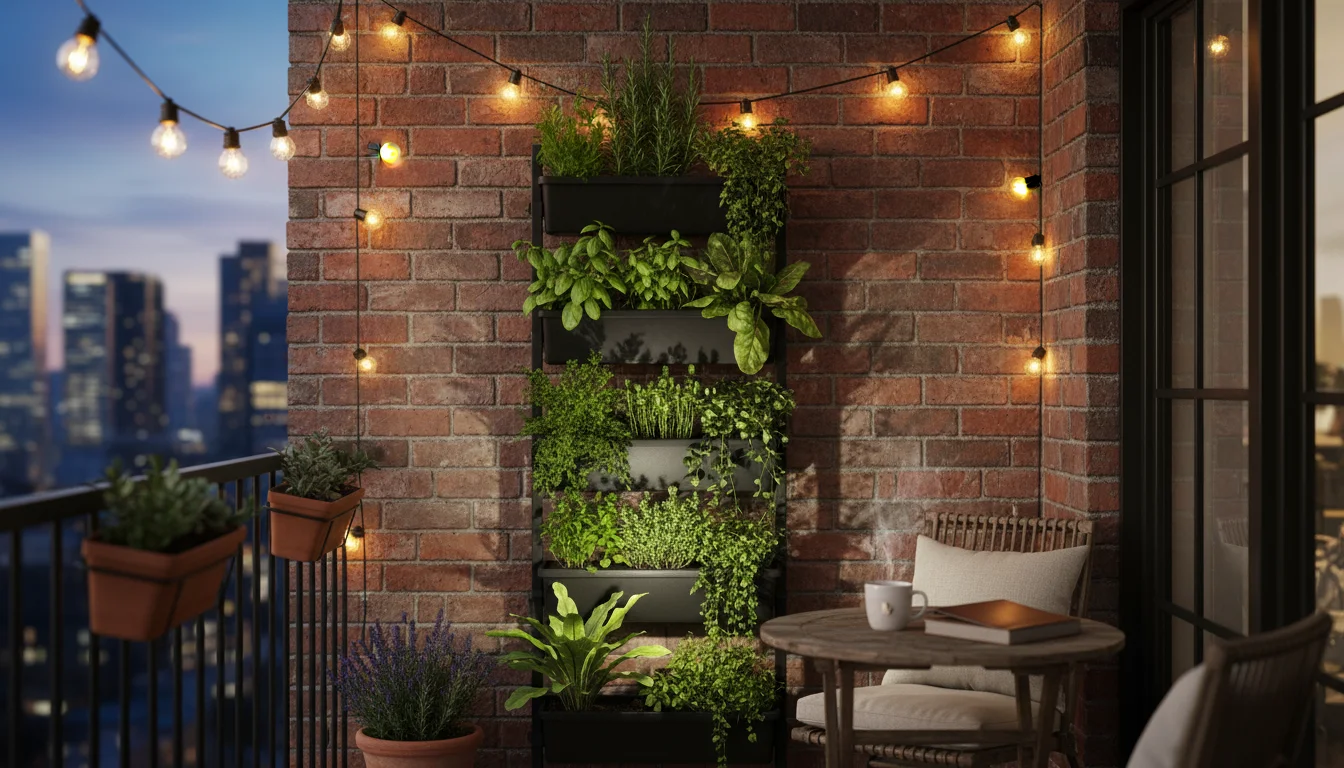
Layered Lighting for Ambiance
Employ different types of lighting to create depth and interest.
- Task Lighting: Bright enough for activities like grilling or reading.
- Accent Lighting: Highlights specific features, such as a striking plant, a piece of art, or a water feature. Uplighting from below often creates dramatic shadows.
- Ambient Lighting: Provides a general glow, creating a comfortable and inviting atmosphere. String lights, lanterns, or soft overhead fixtures fall into this category.
Avoid harsh, bright lights that create glare. Instead, opt for warmer color temperatures to foster a relaxing environment.
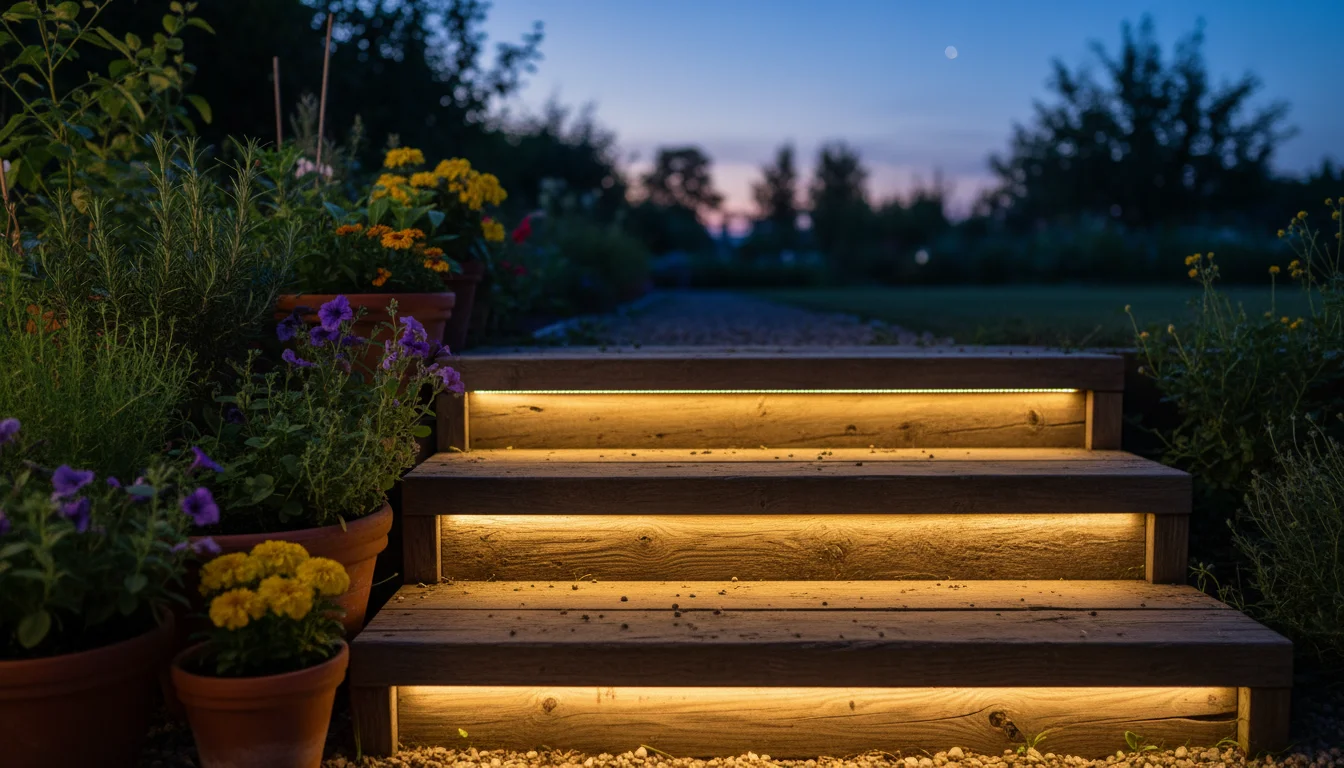
Practical Lighting for Safety
Ensure pathways and steps are adequately lit to prevent trips and falls. Solar-powered path lights offer an easy, wire-free solution for ground-level illumination. For steps, consider recessed lights or subtle strip lighting. All outdoor electrical fixtures must be rated for outdoor use and installed according to local electrical codes. For safety guidelines regarding outdoor electrical installations, resources like the University of Minnesota Extension offer practical advice.
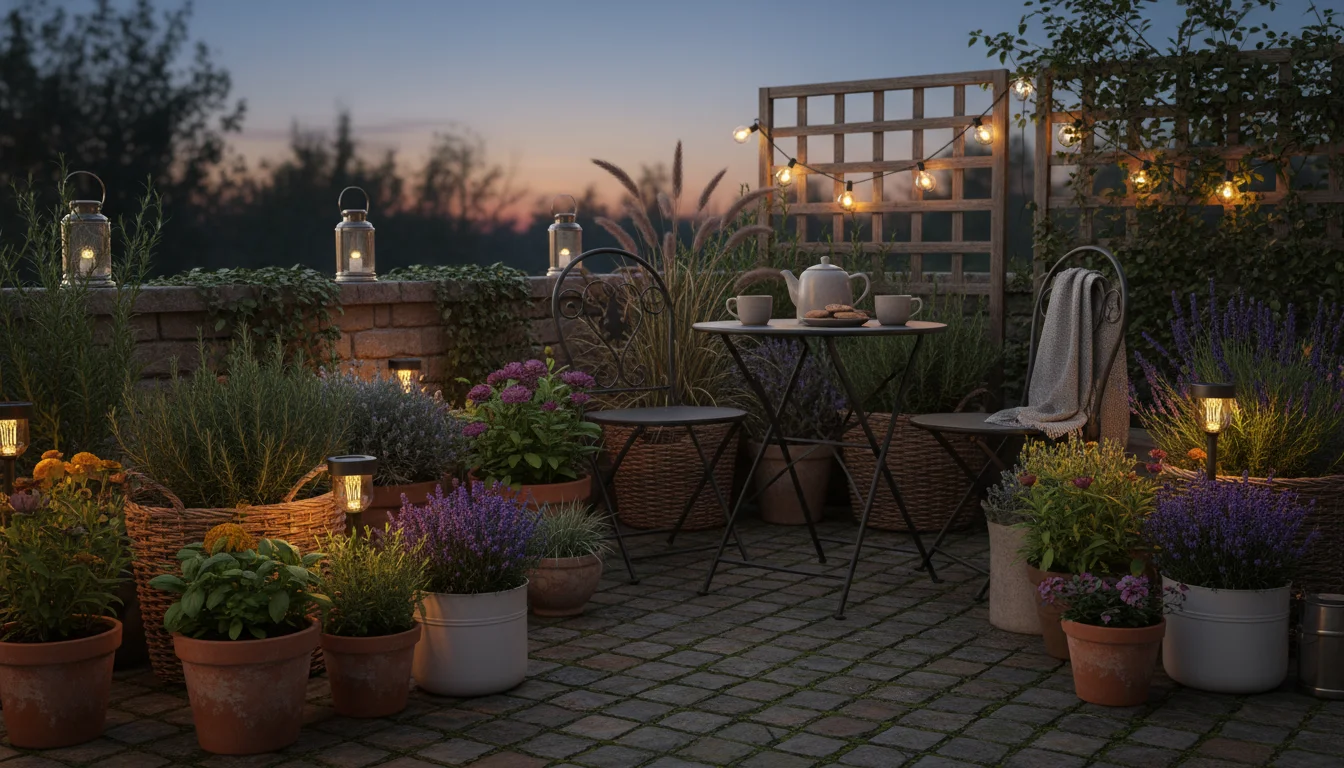
String Lights and Solar Stakes
String lights (bistro lights) add an instant festive and cozy atmosphere. Drape them across a pergola, along a fence, or weave them through a trellis. Solar-powered stake lights are perfect for highlighting container groupings or garden beds without the need for external power sources, making them a low-maintenance choice for maximizing garden space’s evening appeal.
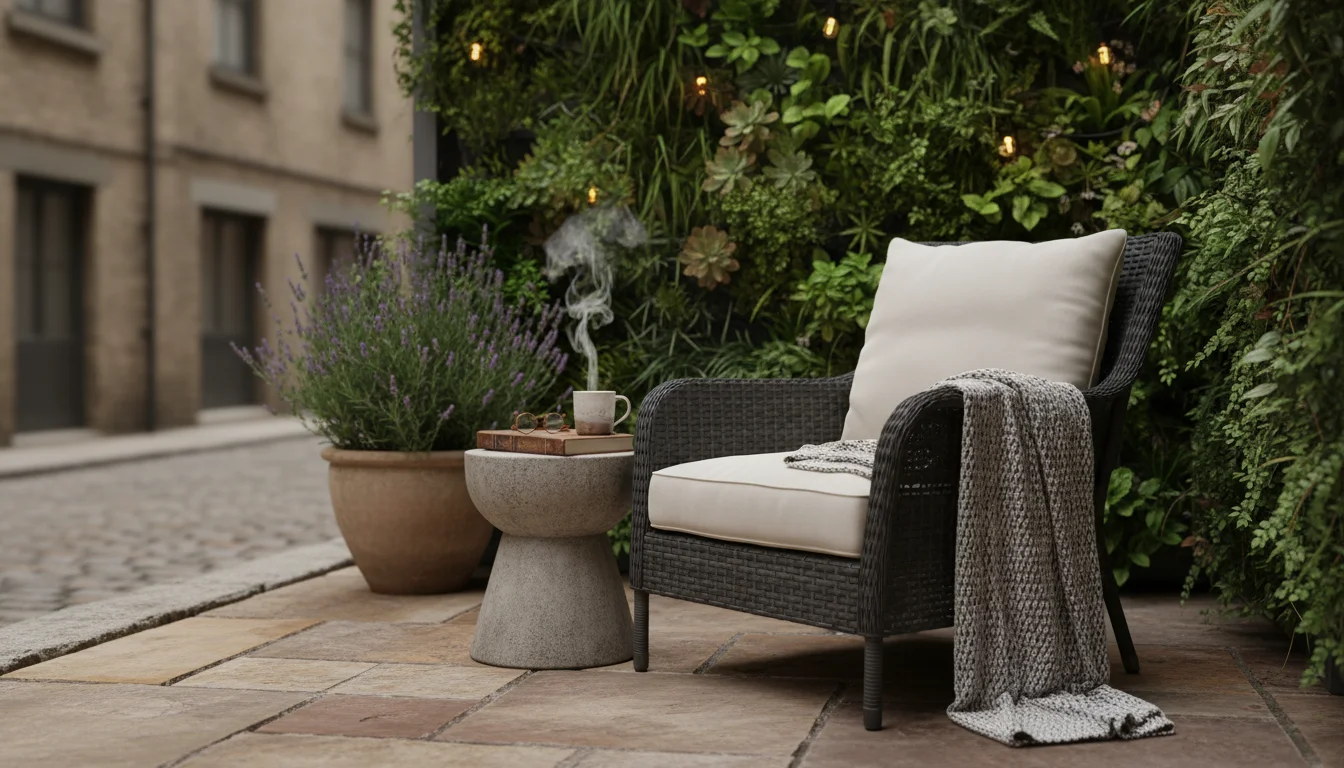
Privacy and Comfort in Compact Spaces
In a small garden, privacy and comfort are paramount. You want your outdoor retreat to feel secluded and protected from prying eyes and harsh elements. Strategic placement of screens, plants, and comfort elements elevates the usability and enjoyment of your small garden layout.
For more ways to shield your space from neighbors, look into these outdoor privacy ideas using plants.
Creating Visual and Auditory Screening
Address privacy needs with vertical elements. Lattice panels, bamboo screens, or decorative metal panels offer immediate visual barriers. Plant fast-growing vines on these structures to create a living wall. Tall, narrow planters filled with dense shrubs or ornamental grasses also provide effective screening without occupying much ground space. To soften urban noise, consider adding a small water feature; the gentle sound of bubbling water provides pleasant auditory screening. For specific plant suggestions for privacy, UF/IFAS Gardening Solutions offers regional plant lists.
Controlling Microclimates for Comfort
Earlier, you assessed your garden’s microclimates. Now, actively manage them for comfort.
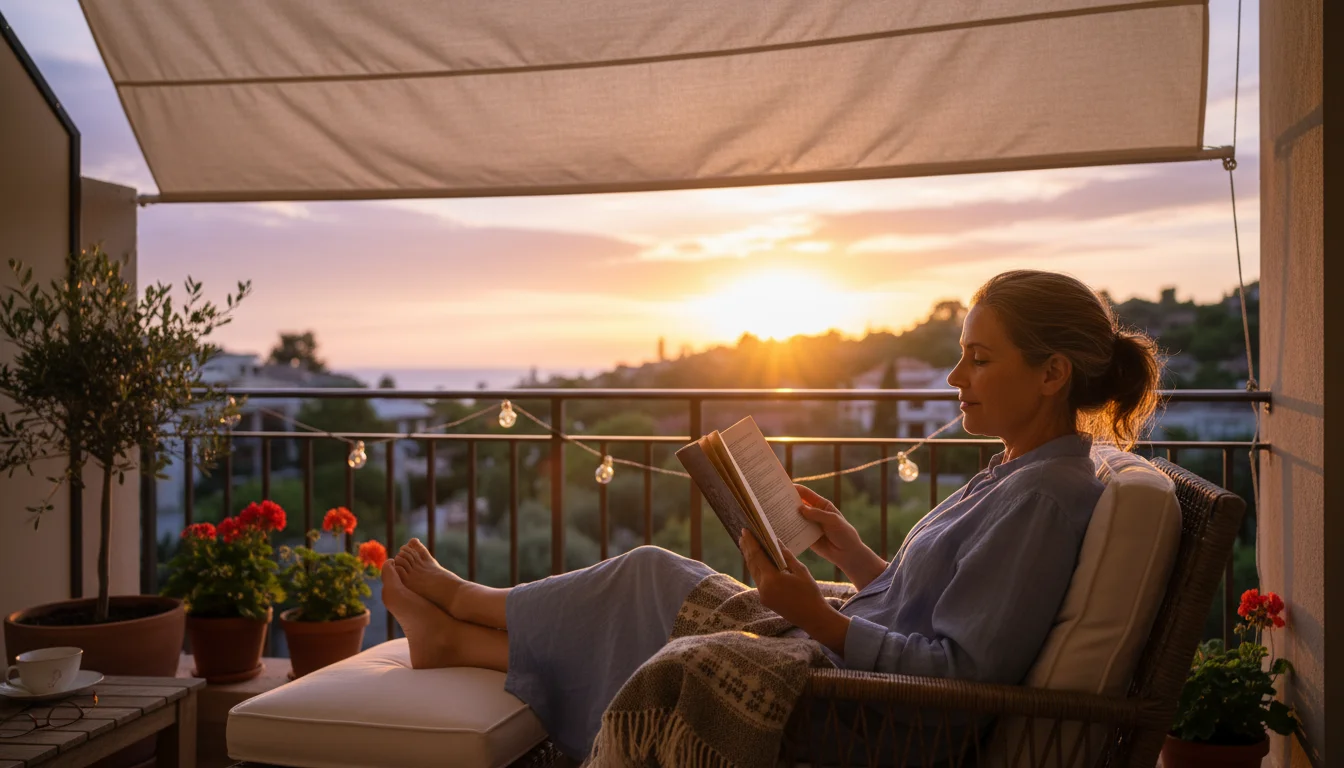
- Wind Breaks: If your space is exposed, strategically place dense shrubs, sturdy screens, or even outdoor curtains to block prevailing winds.
- Shade Sails: For sunny spots, a retractable shade sail or umbrella provides welcome relief from intense sun, making your patio or balcony usable during hot afternoons.
- Heat Pockets: If your garden suffers from excessive heat due to reflective surfaces, introduce plants with large leaves or consider painting walls a lighter, non-reflective color to reduce heat absorption.
These adjustments make your small garden more comfortable, encouraging you to spend more time enjoying your meticulously designed space.
Thoughtful Seating and Textiles
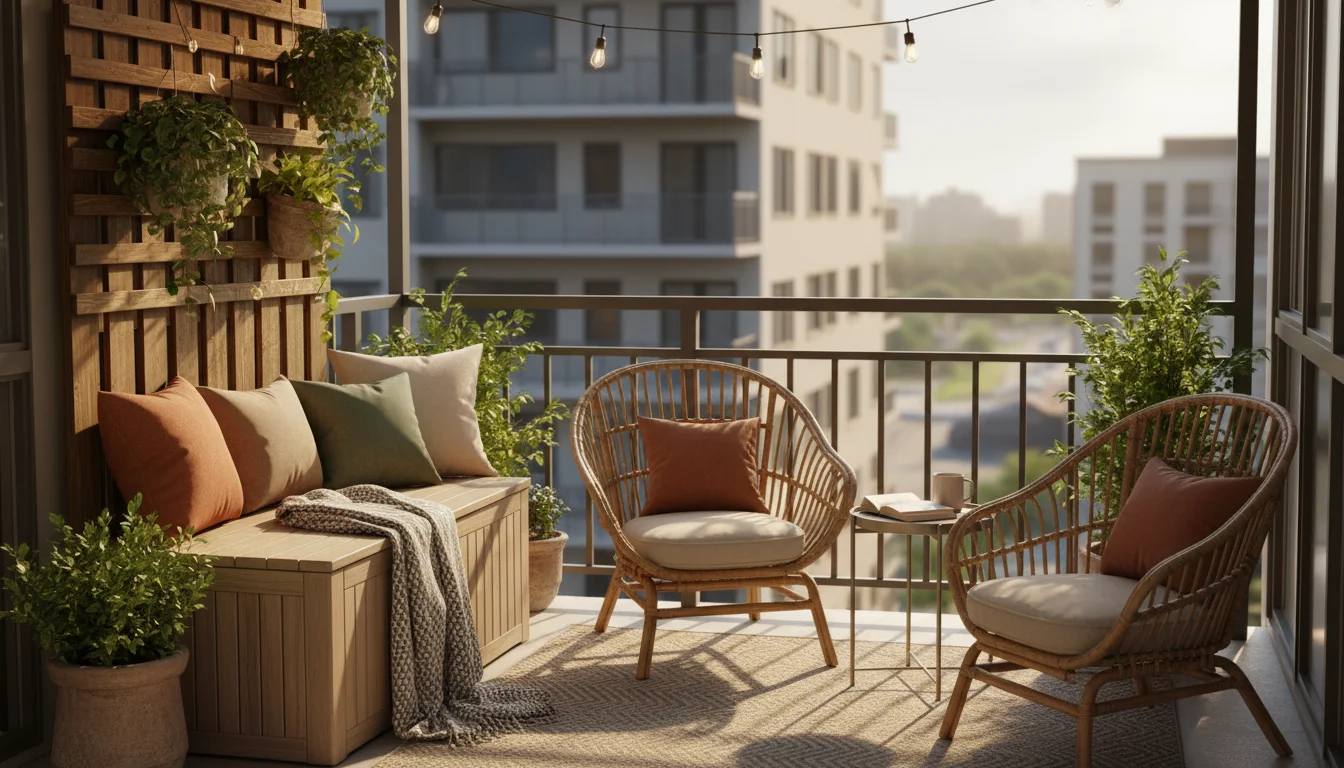
Comfortable seating is essential. Opt for compact, multi-functional furniture, such as benches with built-in storage or foldable bistro sets. Soften hard surfaces with outdoor cushions, pillows, and throws. These textiles add a layer of coziness and personality. Remember to choose weather-resistant materials for all outdoor furnishings to ensure longevity.
Sustainable Planting for Low-Maintenance Beauty
A beautiful small garden layout does not require constant effort. By embracing sustainable planting choices, you create a garden that thrives with minimal intervention, benefiting both you and the environment.
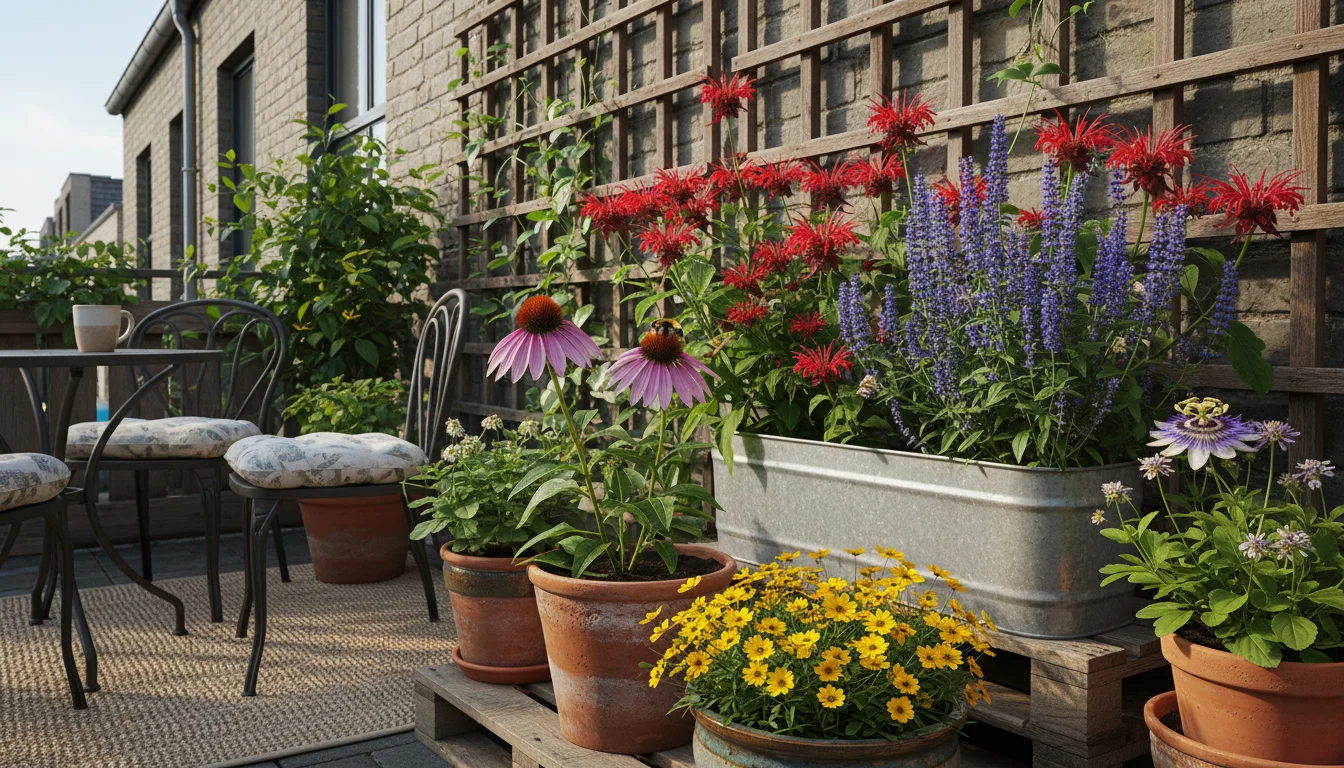
Embracing Native and Pollinator-Friendly Plants
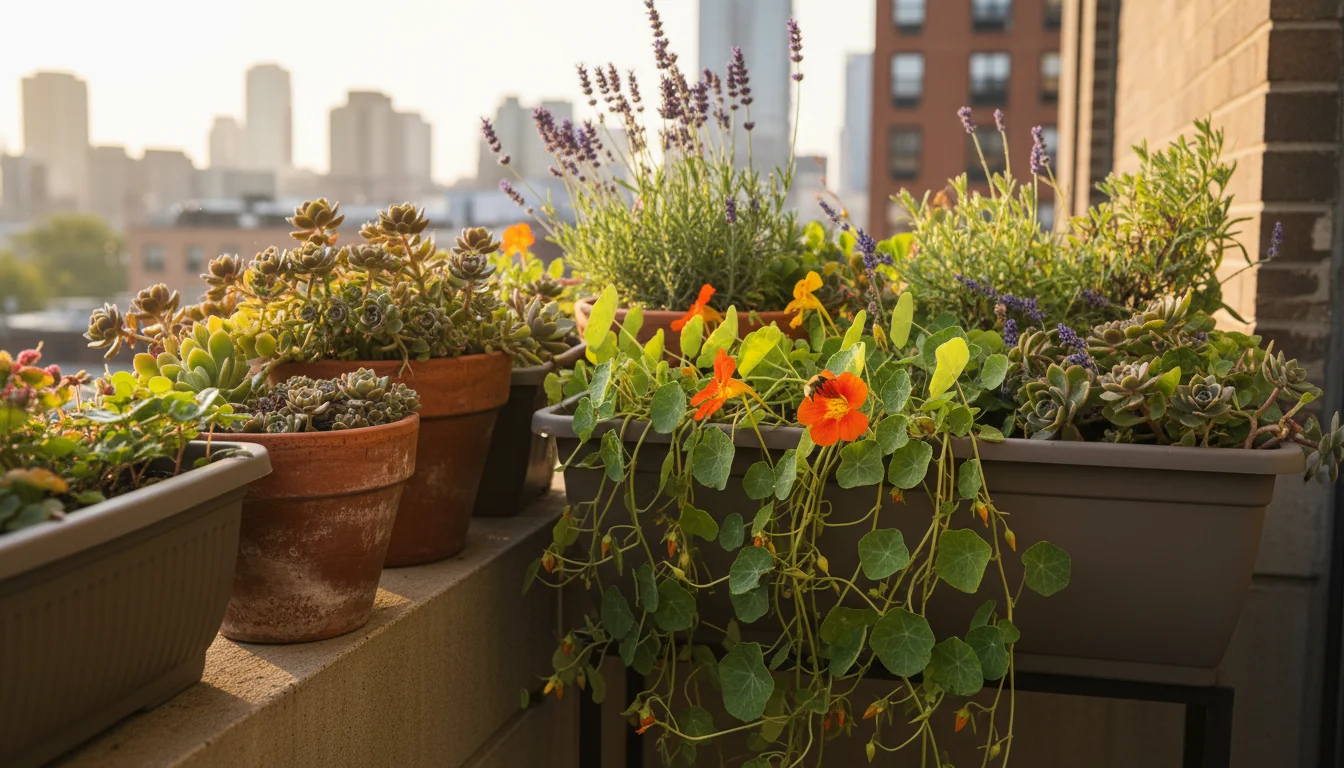
Prioritize native plants adapted to your local climate. They require less water, fertilizer, and pest control because they naturally resist local diseases and pests. Native plants also support local ecosystems, providing vital food and habitat for pollinators like bees and butterflies. Look for regional guides from your local extension service to identify suitable native species for your area. Examples include coneflowers, milkweed, bee balm, and various native grasses.
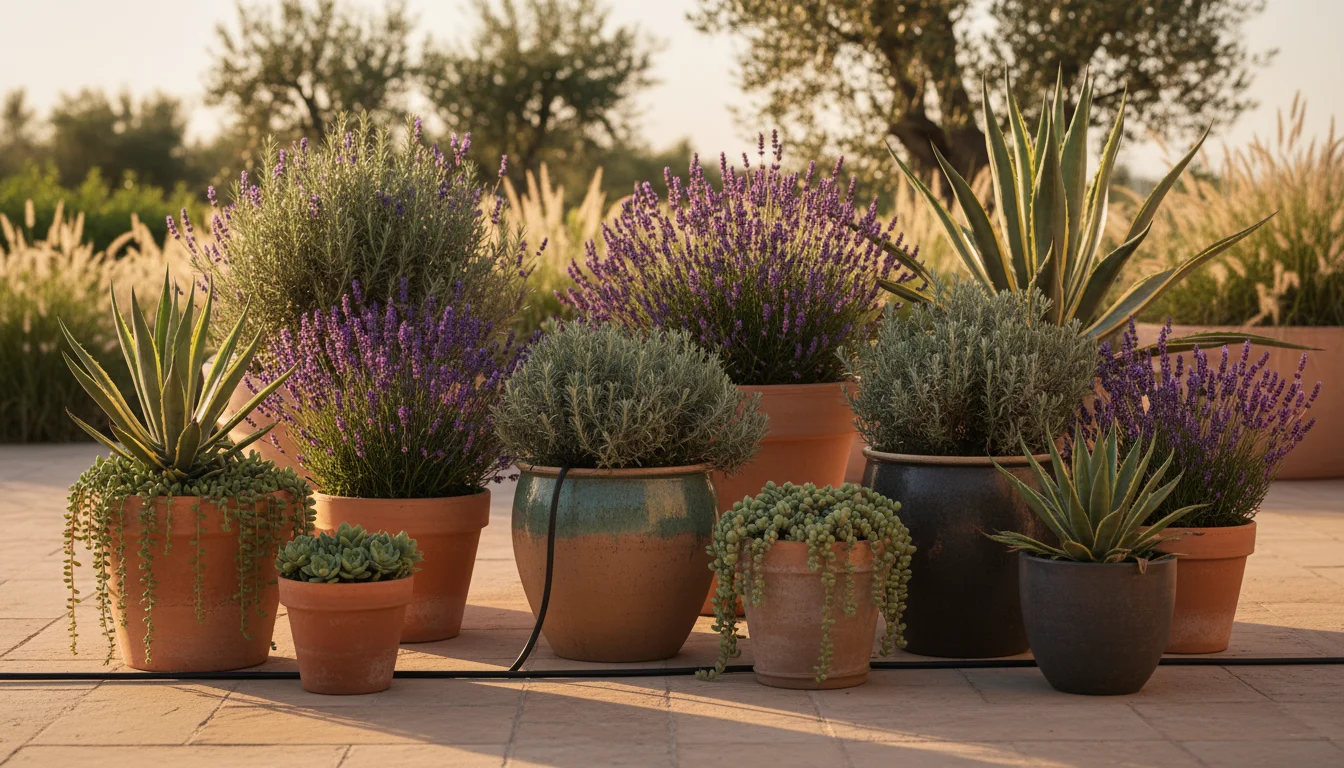
Water-Wise Plant Choices
Select drought-tolerant plants, especially if you live in a region with water restrictions or simply want to conserve resources. Succulents, sedums, lavender, rosemary, and many ornamental grasses are excellent choices that thrive with less water. Group plants with similar water needs together to optimize irrigation schedules. Implementing efficient watering systems, such as drip irrigation for containers, further reduces water waste and simplifies maintenance, allowing you to maximize garden space without excess water consumption.
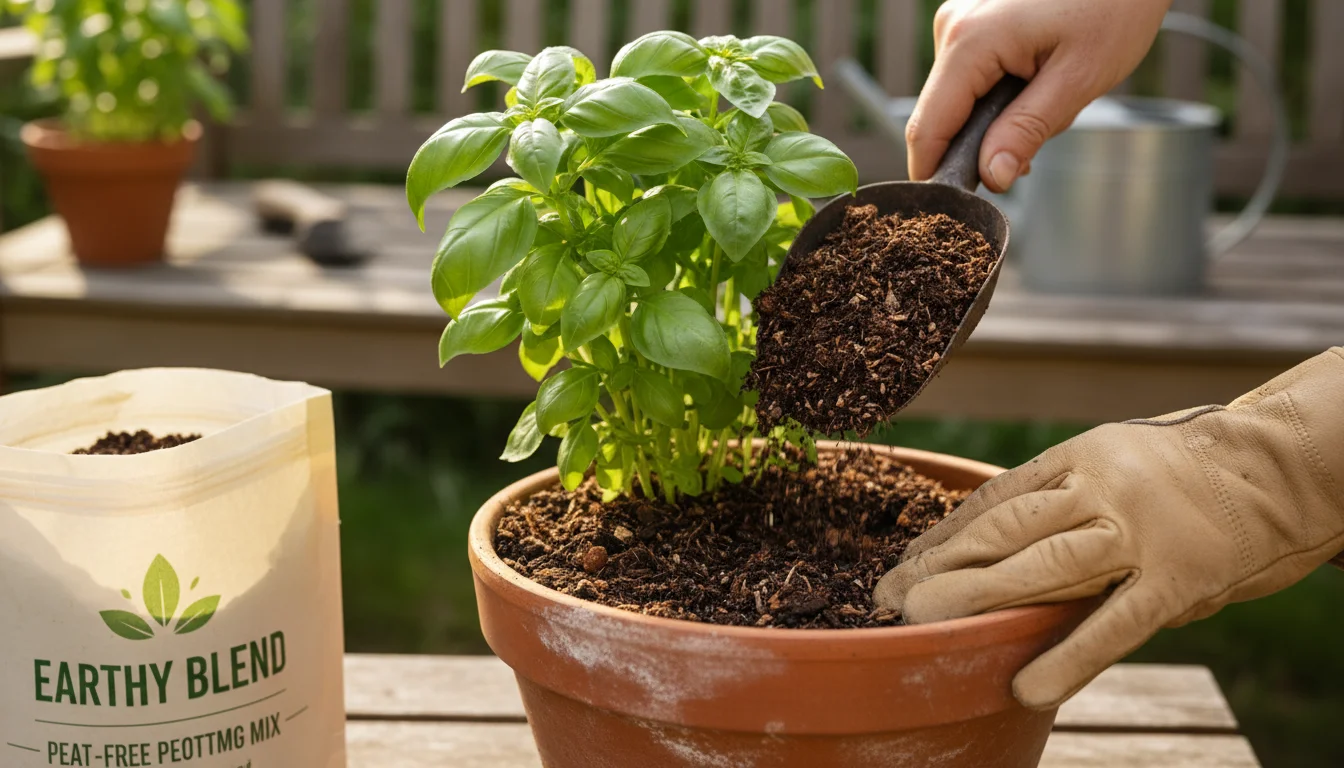
Using Peat-Free Potting Mixes
For container gardening, choose high-quality, peat-free potting mixes. Peat harvesting has significant environmental impacts. Sustainable alternatives often use coir, compost, or wood fibers. These mixes provide excellent drainage and aeration, crucial for healthy root development in pots. Regularly refresh the top layer of your potting mix with compost to replenish nutrients.
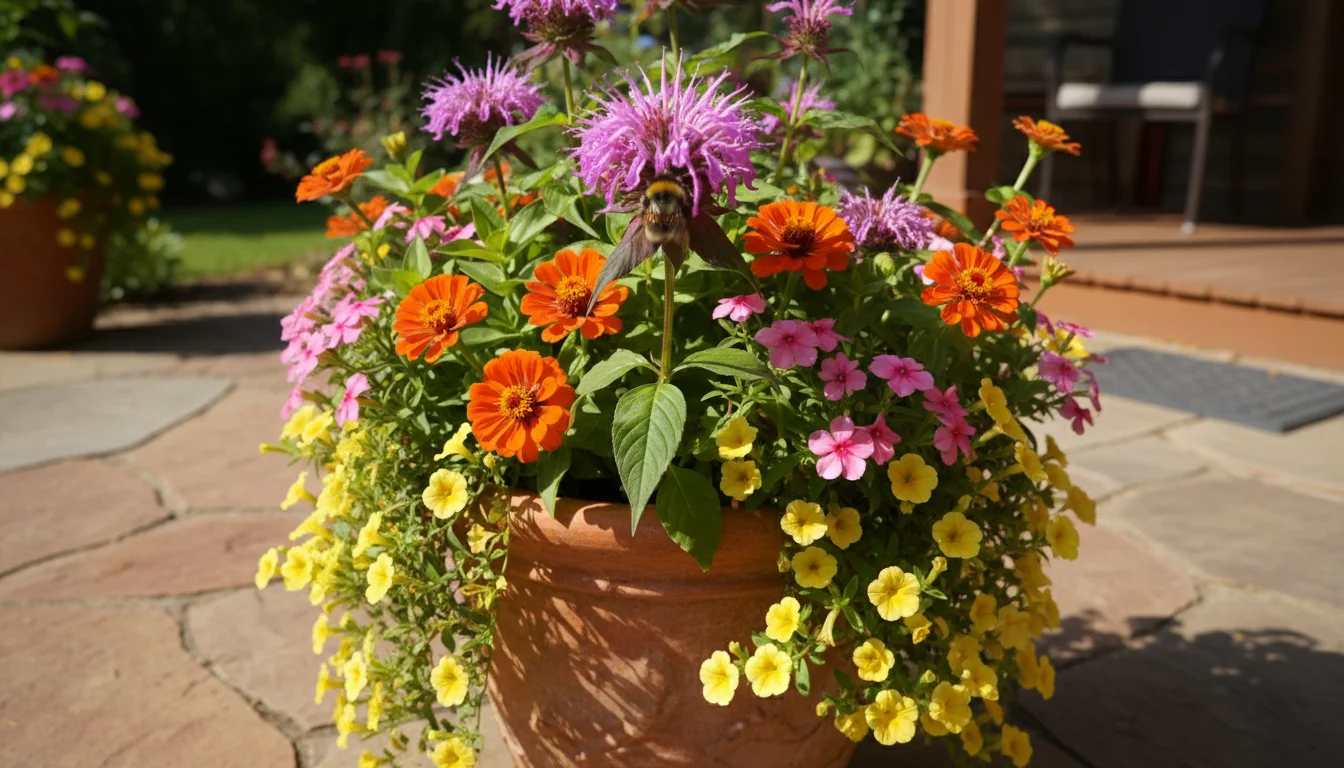
The Thriller, Filler, Spiller for Pollinators
Adapt the “Thriller, Filler, Spiller” concept with pollinator-friendly plants.
- Thriller: A tall flowering plant like a bee balm (Monarda) or a small butterfly bush (Buddleia ‘Lo & Behold’ series).
- Filler: Mid-height flowers like zinnias, cosmos, or pentas.
- Spiller: Trailing plants like calibrachoa or sweet alyssum.
This combination offers a continuous feast for pollinators and brings vibrant life to your small garden layout. Ensure you choose plants that are not treated with systemic pesticides harmful to bees.
Maintenance by Design: Making it Easy
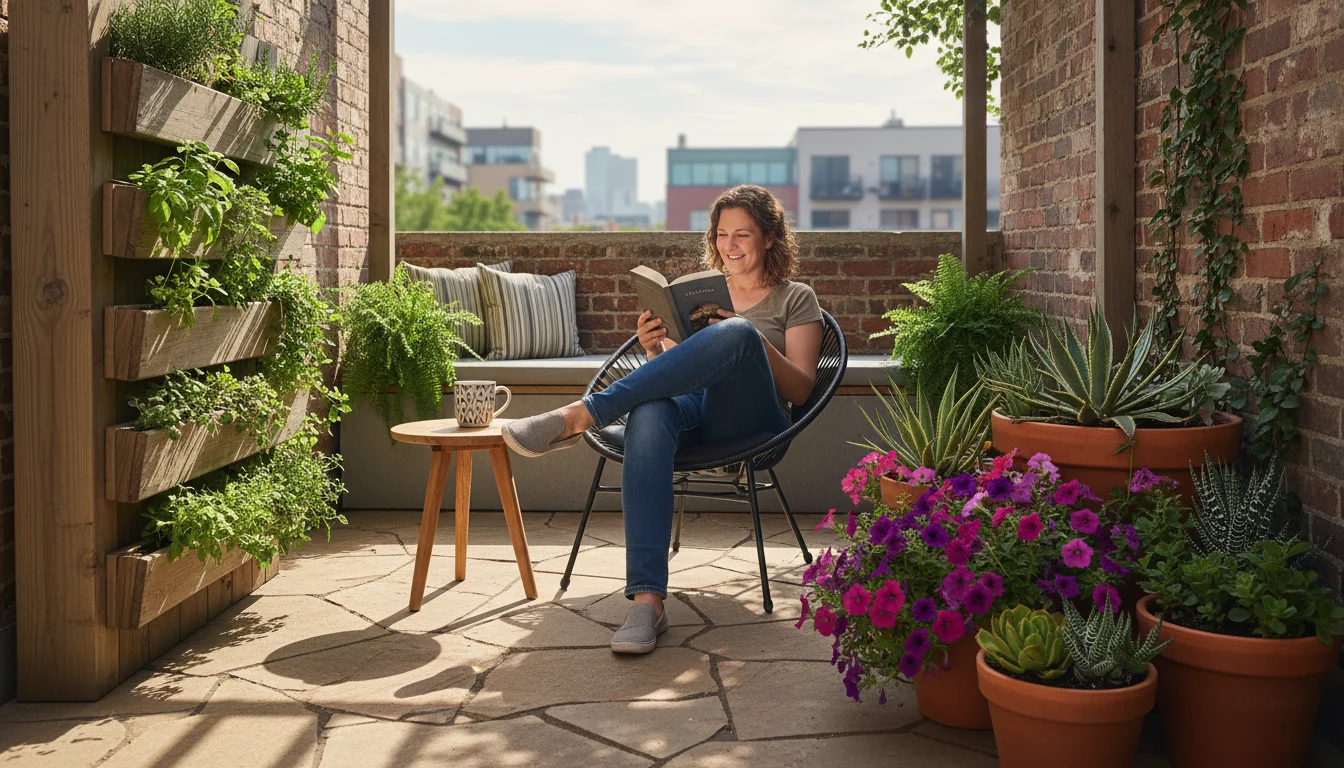
The best small garden layout is one you genuinely enjoy, not one that burdens you with endless chores. Design for low maintenance from the outset, and you will spend more time relaxing and less time working.
Selecting Low-Upkeep Choices
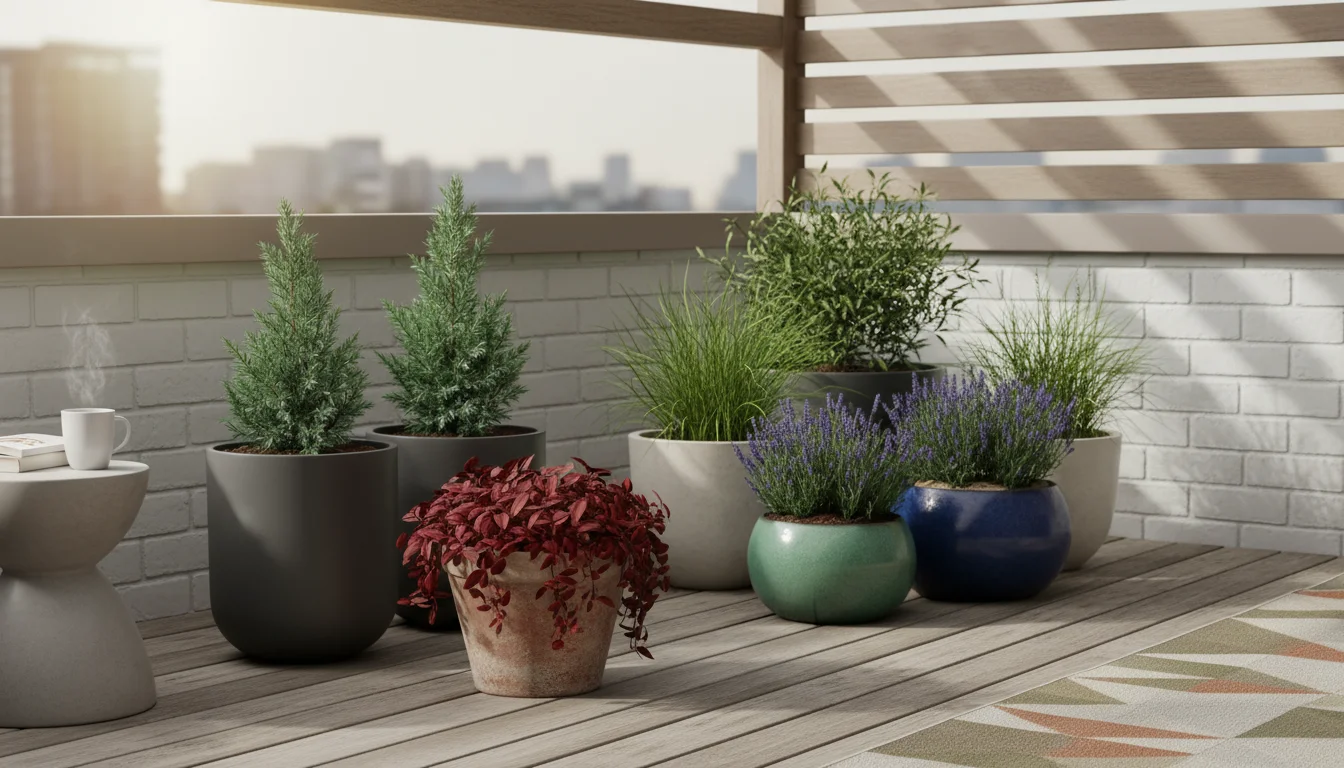
When choosing plants, prioritize those with low maintenance requirements. Look for species that are naturally pest and disease resistant, do not require frequent deadheading, and have a tidy growth habit. Avoid plants that are known to be aggressive spreaders or require constant pruning to stay within bounds. Consider slow-growing dwarf varieties of shrubs and trees to minimize the need for frequent trimming. Selecting the right plants upfront drastically reduces future effort.
Smart Irrigation Rhythm
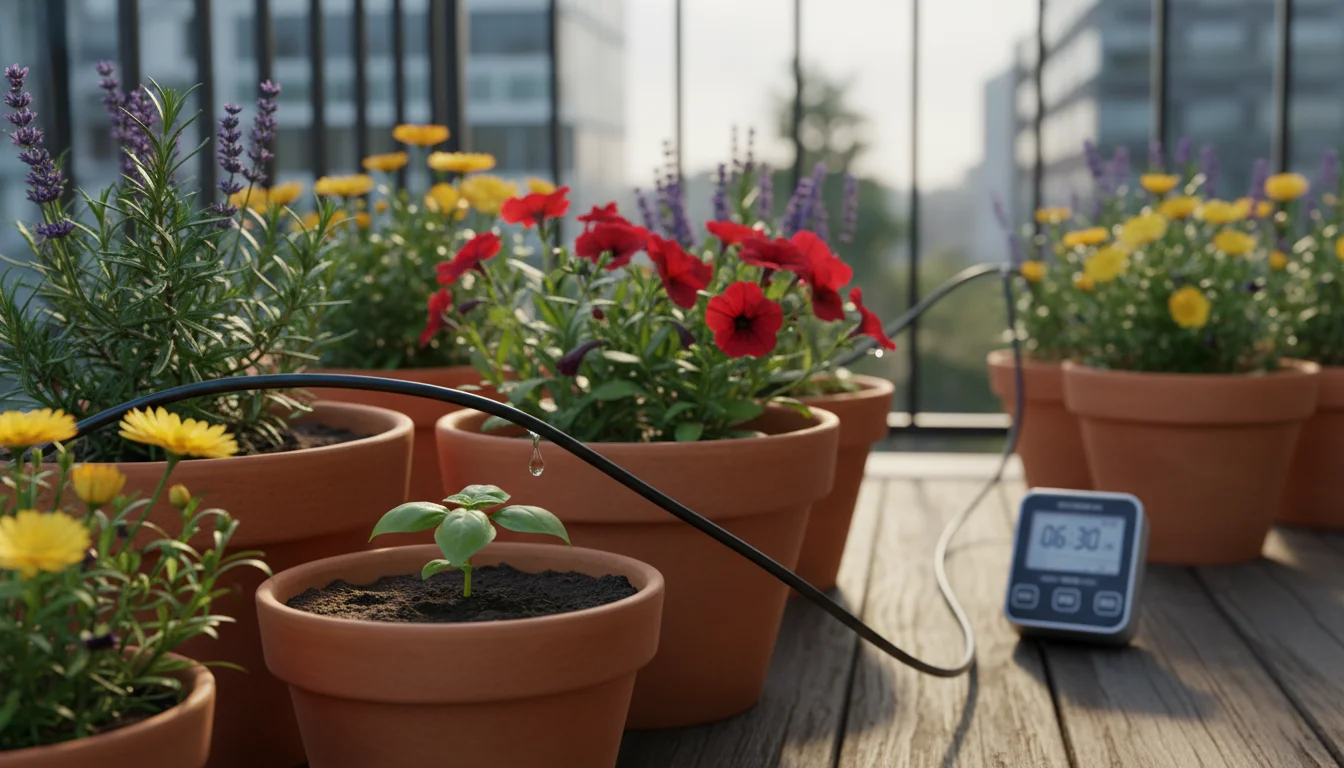
Establish an efficient watering routine. Manual watering is often required for containers, but you can simplify it. Water deeply when the top inch or two of soil feels dry, rather than frequent, shallow watering. This encourages deeper root growth, making plants more resilient. For multiple containers, consider a simple drip irrigation system connected to a timer. This automates watering, ensures consistency, and saves you time and effort. You can find comprehensive watering guides from university extension services, such as Oregon State Extension’s gardening resources, that provide regional watering recommendations.
Potting Mix Refresh and Fertilization
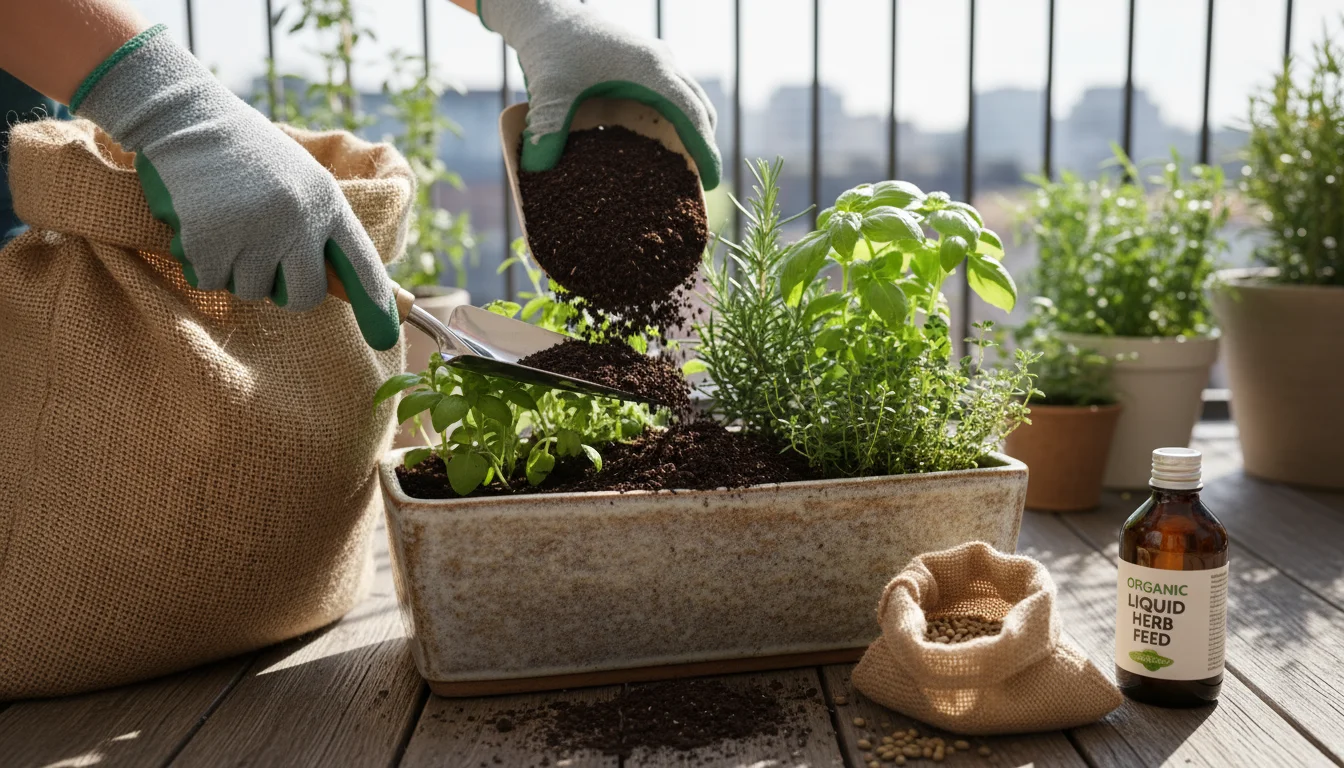
Container plants deplete soil nutrients over time. To keep them thriving, plan an annual potting mix refresh. Every spring, scrape off the top few inches of old potting mix and replace it with fresh, nutrient-rich peat-free compost. You can also incorporate a slow-release granular fertilizer at this time. For liquid feed, use a balanced organic fertilizer every 2-4 weeks during the growing season. Consistent, measured feeding supports robust plant growth without excessive effort. This simple routine maintains healthy plants without the need for constant vigilance, making your garden design small space truly low-maintenance.
Frequently Asked Questions
How do I make my tiny balcony garden feel bigger?
To make your tiny balcony garden feel bigger, use vertical space extensively with wall planters and trellises. Choose a limited color palette for cohesion, incorporate reflective surfaces like mirrors to create depth, and select compact, multi-functional furniture. Ensure clear pathways and a strong focal point to draw the eye, making the space feel more expansive.
What are the best plants for a low-maintenance small garden?
For a low-maintenance small garden, choose native plants, succulents, ornamental grasses, and compact evergreen shrubs. These often require less water, fertilizer, and pest management. Examples include Sedum, Lavender, Dwarf Nandina, and various Heuchera varieties, all contributing to a beautiful small garden layout with minimal effort.
Can I grow vegetables in a small garden layout?
Absolutely. Many vegetables thrive in small garden layouts. Focus on compact, bush, or vining varieties that you can train vertically. Examples include bush beans, compact tomatoes (like ‘Patio’ or ‘Tiny Tim’), radishes, lettuce, spinach, and vining crops like cucumbers or pole beans grown on trellises. Use large containers to provide ample root space.
How do I provide privacy in a small urban garden?
To provide privacy in a small urban garden, use a combination of vertical elements. Install lattice screens with climbing vines, place tall, dense container shrubs like bamboo (in pots to control spread) or narrow evergreens, and consider outdoor curtains or shade sails for overhead privacy. These elements create visual barriers and a sense of enclosure.
What is the most common mistake in small garden design?
The most common mistake in small garden design is overstuffing the space with too many elements or oversized plants. This leads to a cluttered, cramped feel that diminishes enjoyment. Instead, focus on a few well-chosen plants and design features, ensuring each item has a purpose and sufficient room to thrive, allowing you to maximize garden space effectively.
Disclaimer: This article is for informational purposes only and is not a substitute for professional advice. Consult local extension services for region-specific recommendations.
Leave a Reply