
Blueprint for a Better Balcony: How to Use Fall’s ‘Empty Slate’ to Fix Last Season’s Layout Mistakes
Fall offers you a unique opportunity to transform your small gardening space. As summer’s bounty fades and you clear away spent plants, your balcony, patio, or small yard becomes a blank canvas. This “empty slate” provides the perfect moment to reflect on your previous season’s successes and, more importantly, its challenges. Did your tomatoes not get enough sun? Did your herbs dry out too quickly? Now is the time to analyze those experiences and strategically plan for a thriving, beautiful, and more efficient garden next year.
Even if your balcony is currently bare, there are productive ways to utilize the space before winter truly sets in.
Consider this your personal guide to harnessing the quiet months of autumn. You will learn to identify common pitfalls in balcony garden design, understand your microclimate better, and implement actionable strategies for a more organized and productive small garden layout. We empower you to turn last season’s layout mistakes into valuable lessons, ensuring your next gardening endeavor delivers maximum joy with minimal fuss. Let’s make your next growing season your best one yet, starting with thoughtful fall garden planning.
Embrace the Autumn Advantage: Why Fall is Prime Planning Time
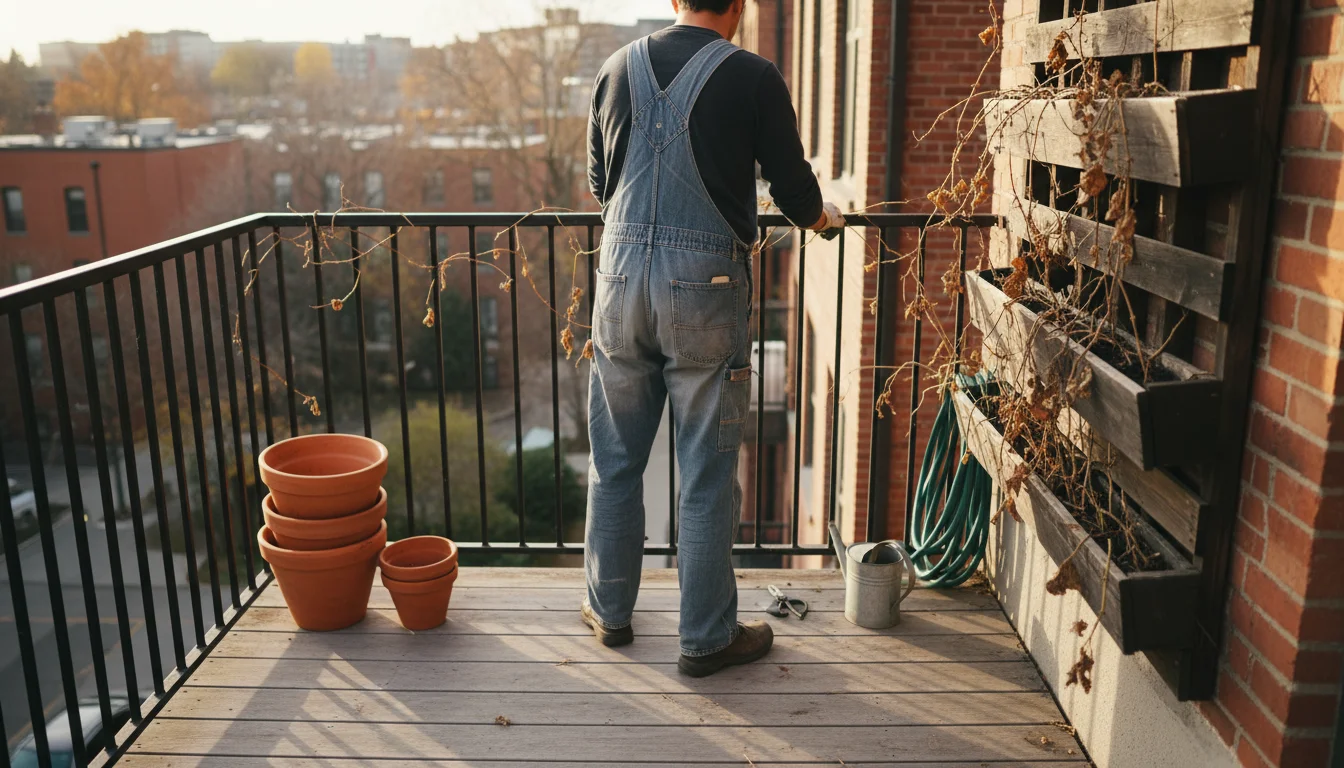
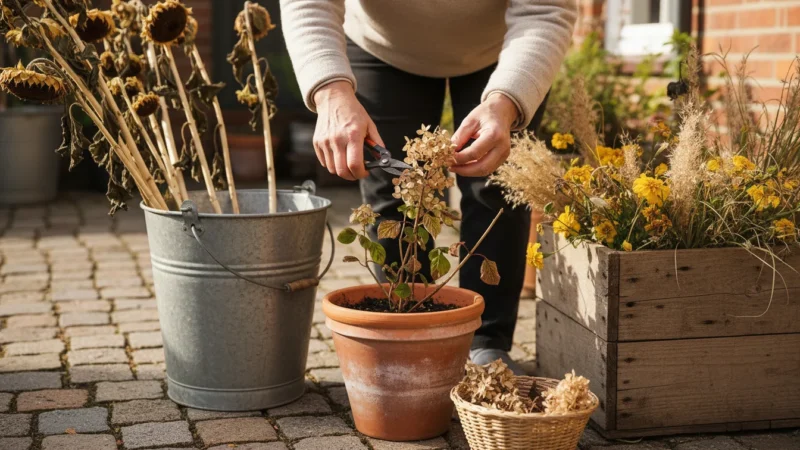
Many gardeners view fall as the end of the season, a time for winding down. Smart gardeners, however, recognize it as the beginning of the next. Fall offers you a distinct advantage for planning balcony garden for next year. With the pressure of daily watering and harvesting behind you, you gain clarity and perspective. The bare bones of your outdoor space become visible, allowing you to see structural issues or opportunities that summer foliage once obscured.
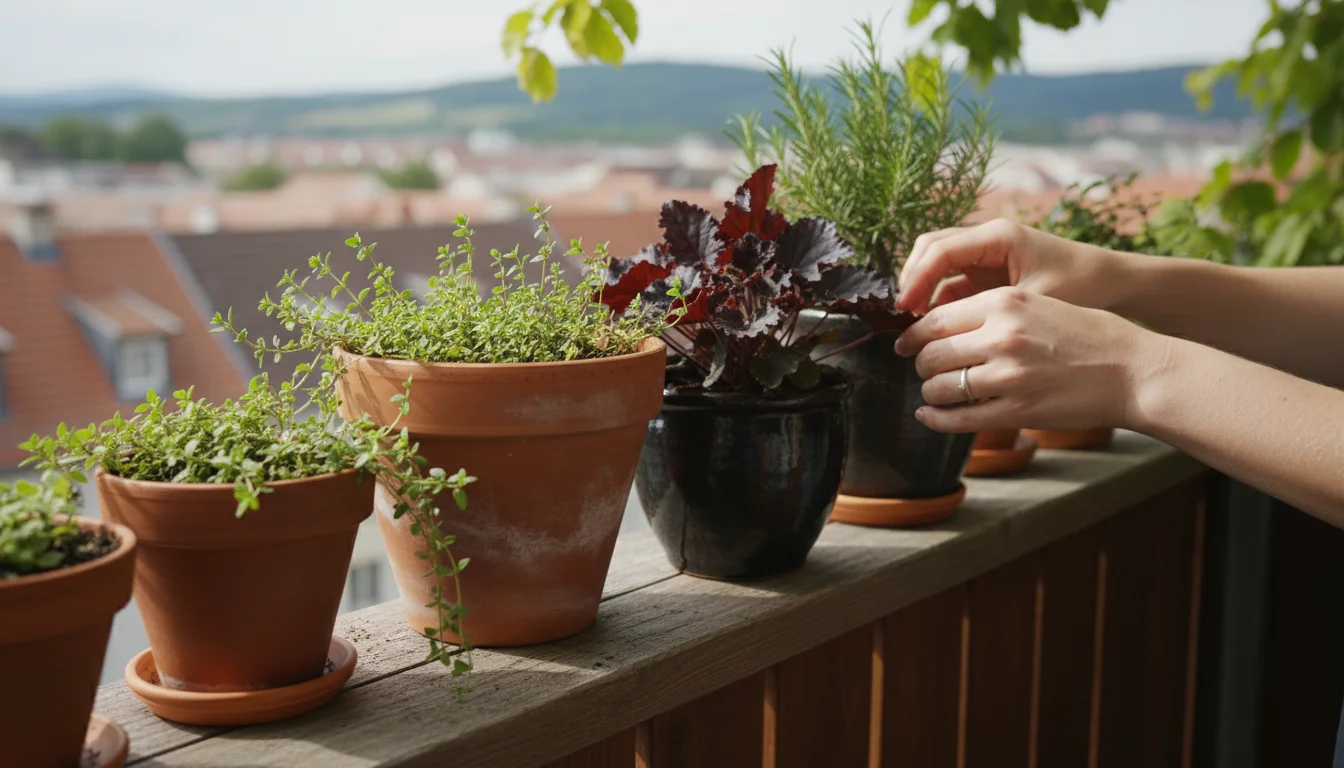
This is also the ideal season for a fall pot swap to physically reconfigure your layout while the containers are lighter and easier to move.
This period of dormancy is invaluable. Your memories of what worked and what failed remain fresh. You remember exactly which plants thrived in their spots and which struggled. You recall the awkward corners, the areas that received too much or too little sun, and the times you tripped over poorly placed pots. Documenting these observations now, before the cold truly sets in, ensures you capture accurate data for your planning. Imagine trying to remember these specifics six months from now, amidst the rush of spring planting; it becomes much harder. Fall allows you to slow down, analyze, and strategically design, laying a solid foundation for your spring revival. It is the crucial step for fixing garden layout problems before they become issues again next season.
Your Balcony Report Card: Analyzing Last Season’s Layout
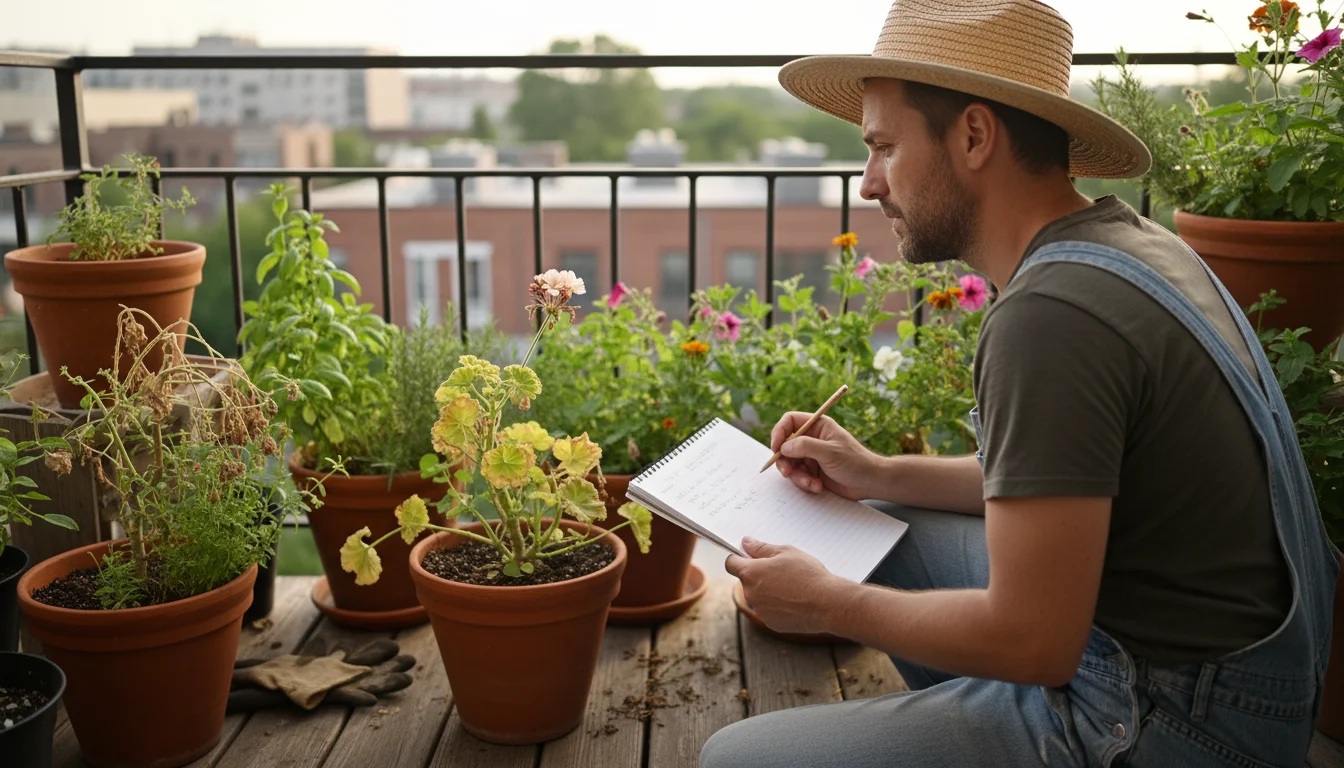
Before you draw a single line for your new balcony garden design, conduct a thorough audit of your past season. This process acts as your garden’s “report card,” identifying areas for improvement and celebrating what went well. Your goal is to gather concrete evidence of both success and failure.
Reviewing these points helps you avoid the common balcony garden mistakes that often hinder first-time urban growers.
Here’s how to give your garden its annual review:
- Review Your Photos and Notes: Did you take pictures throughout the season? Review them. Look for signs of stressed plants, overcrowded containers, or areas that appeared sparse. If you kept a gardening journal, reread your entries. What issues did you note? Which solutions did you try?
- Physical Inspection: Walk around your balcony with fresh eyes. Identify the literal “dead spots” or areas where plants never quite took off. Observe any uneven wear on surfaces, indicating high-traffic pathways or inconvenient placements. Notice how water accumulated or drained.
- Sunlight Tracking Review: Did you accurately assess sunlight exposure last spring? Fall sun angles differ, but your memory of summer’s intense rays or persistent shade is reliable. Remember specific plants that bolted (went to seed prematurely) from too much sun or stunted from too little.
- Watering Woes: Did you struggle with uneven watering? Did some pots dry out daily while others remained soggy? This often points to poor container choices, inadequate drainage, or inefficient arrangement. Think about the effort you expended on watering; can you streamline it?
- Accessibility and Flow: Could you easily reach all your plants for watering, pruning, or harvesting? Did your layout create obstacles, making it difficult to move around or enjoy your space? A good small garden layout prioritizes both plant health and human comfort.
- Pest and Disease Hotspots: Did certain areas consistently attract pests or suffer from disease? Sometimes this relates to air circulation, plant spacing, or even the type of plants grouped together.
- Harvest Happiness: Which plants produced abundantly? Which ones disappointed? This feedback helps you refine your plant selection for the future, ensuring you focus your limited space on high-yield, high-satisfaction crops or ornamentals.
By completing this detailed assessment, you move beyond guesswork. You compile a list of specific, actionable insights, providing a clear foundation for planning balcony garden for next year. This is how you transform vague observations into a strategic plan for fixing garden layout problems systematically.
Understanding Your Microclimate: Sun, Shade, and Wind Patterns
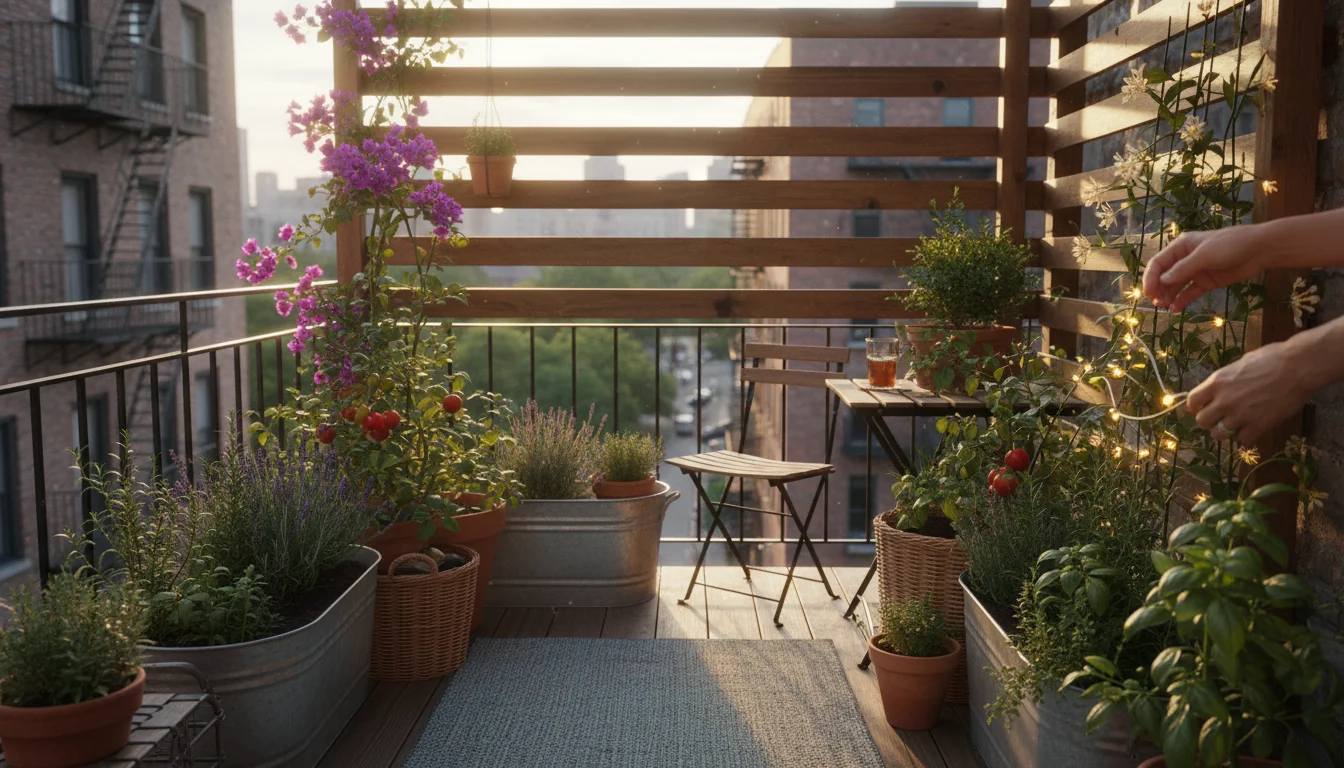
Every balcony, no matter its size, possesses a unique microclimate. This refers to the very localized atmospheric conditions that differ from the broader climate of your region. Factors like sunlight exposure, wind patterns, and ambient temperature create these specific conditions. Understanding your microclimate is paramount for effective balcony garden design and preventing future layout mistakes.

Sunlight: Your Garden’s Fuel
Sunlight is the most critical element for plant growth. Plants are categorized by their light needs: full sun (6+ hours of direct sun daily), partial sun/shade (3-6 hours), and full shade (less than 3 hours). Misplacing a sun-loving plant in shade or vice versa guarantees poor performance.
- Observe and Map: Even in fall, you can remember your summer sun patterns. Spend a few days observing your balcony from morning to evening. Note where direct sunlight hits and for how long. Use a simple diagram of your balcony and mark zones: “Full Sun Zone,” “Morning Sun Zone,” “Afternoon Shade Zone,” etc. Pay attention to how the sun shifts with the season. For example, a south-facing balcony might get intense, all-day sun in summer, but much less in winter.
- Consider Obstructions: Nearby buildings, trees, or even your own railing can cast significant shadows. Account for these when mapping your sun zones.
Wind: The Unseen Force
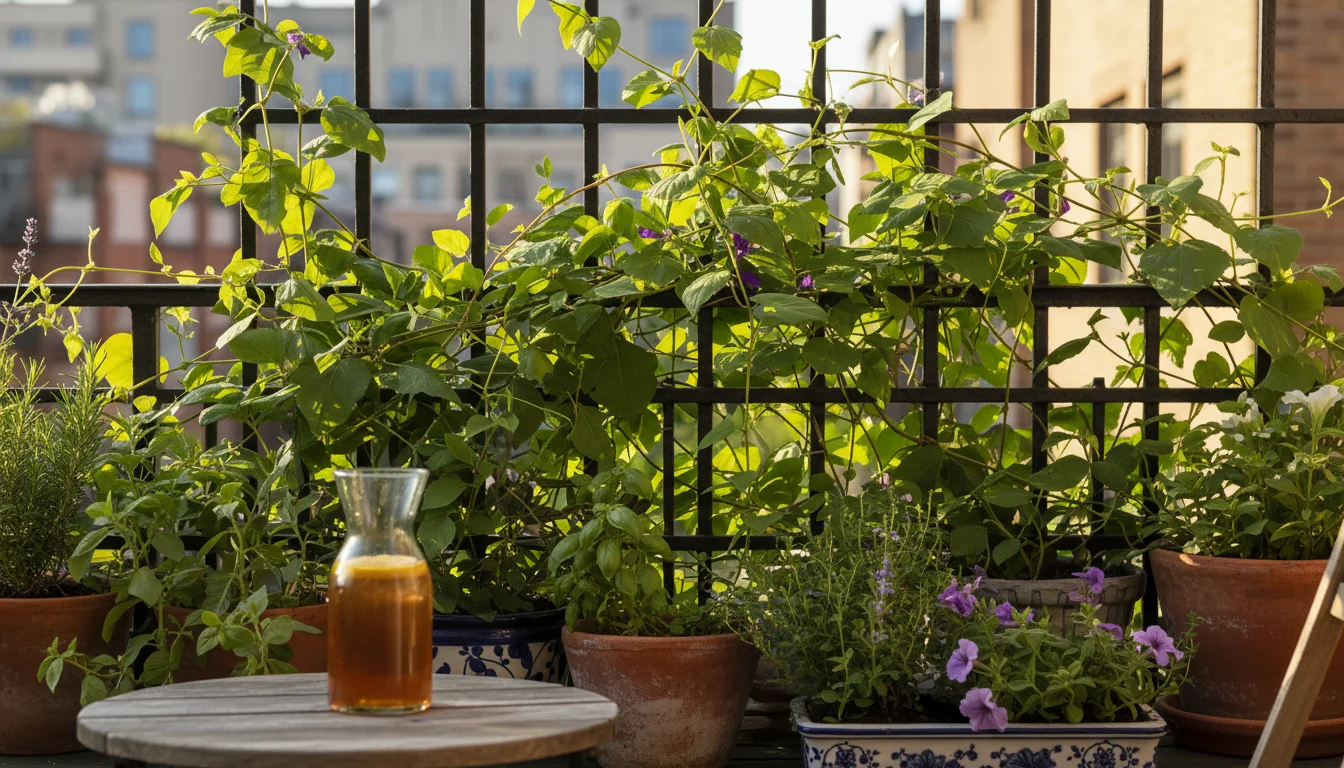
Balconies, especially on higher floors, often experience significant wind. Wind desiccates plants, strips leaves, and can topple containers. Strong winds create physical stress that stunts growth and compromises plant health.
- Identify Wind Corridors: Notice where wind funnels or blasts across your space. Are there specific corners that act as wind tunnels?
- Assess Wind Direction: Which direction do the strongest winds typically come from? This impacts where you might place wind-tolerant plants or protective barriers.
- Consider Protection: If wind is a major issue, plan for windbreaks. These might include sturdy trellises with climbing plants, strategically placed taller containers, or even temporary screens you can deploy during stormy weather. Remember, a windbreak does not need to be completely solid; a permeable barrier often works better by diffusing the wind rather than creating turbulence.
Temperature Fluctuations: Hot Spots and Cold Pockets
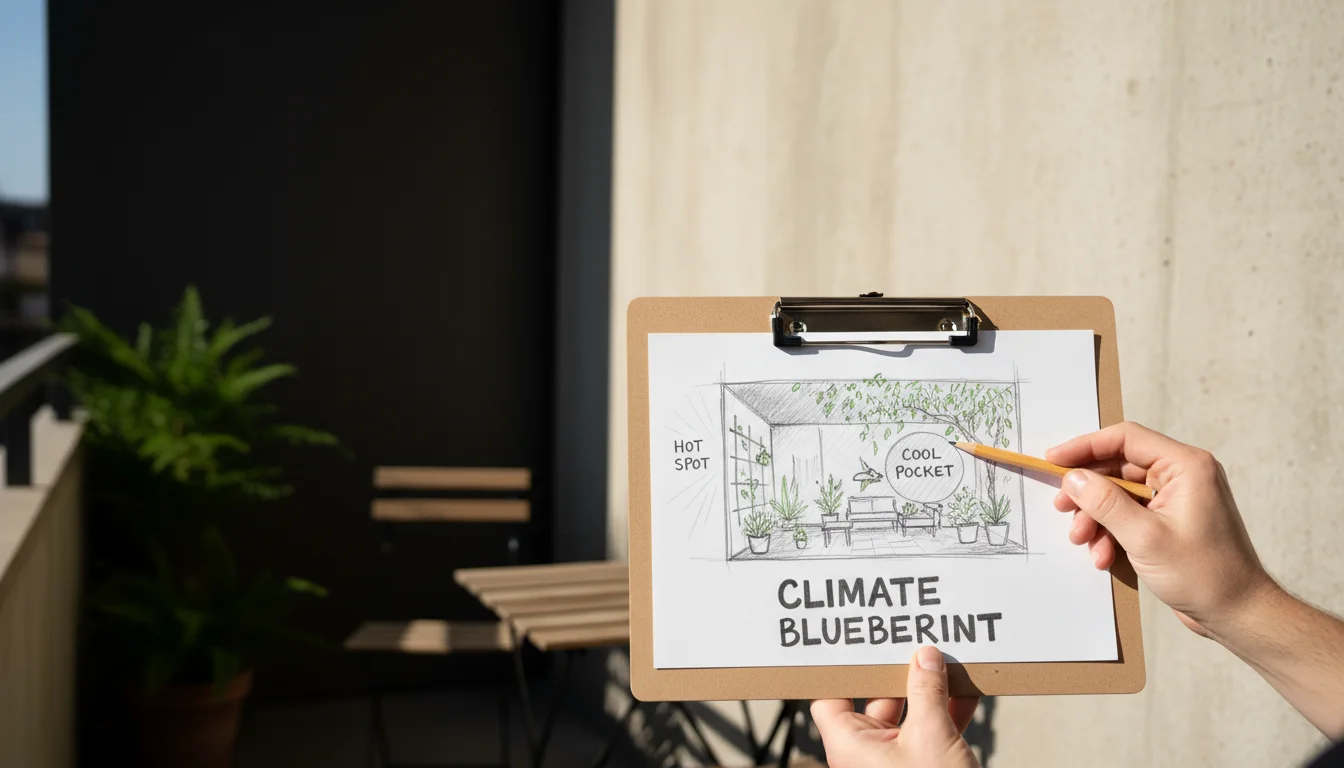
Urban environments, with their concrete and brick, create unique temperature zones. Your balcony might have areas that retain heat, becoming significantly hotter than ambient air, or shaded pockets that remain cooler. These micro-differences impact plant choice and placement.
- Heat Sinks: Concrete walls or dark-colored surfaces absorb and radiate heat, creating hot microclimates that can stress heat-sensitive plants.
- Cool Pockets: Shaded corners, especially near the ground or against the building, might be cooler and retain moisture longer.
By mapping these elements onto your balcony diagram, you develop a “climate blueprint.” This visual tool becomes indispensable for planning balcony garden for next year, guiding your decisions on which plants to grow and precisely where to place them for optimal health and vigor. It is a critical step in effective small garden layout.
Strategic Container Selection and Placement: Maximizing Every Inch
The right container for the right plant in the right spot makes all the difference in a small garden layout. Your container choices directly impact plant health, watering frequency, and the overall aesthetics and functionality of your balcony garden design. Avoid simply grabbing any pot; instead, make deliberate decisions about material, size, and drainage.
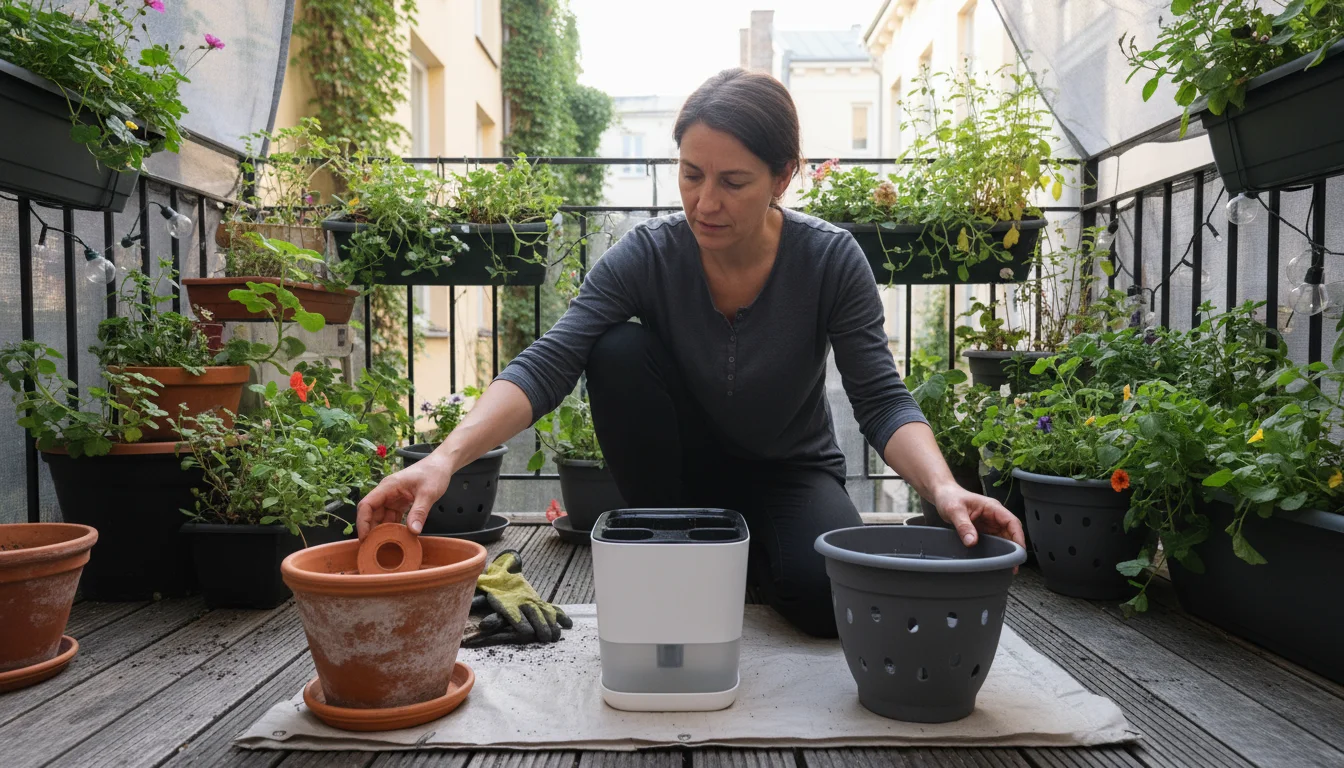
Before selecting new gear, take a moment to declutter your gardening supplies to determine which pots are worth keeping and which should be replaced.
This transition period is the perfect time to swap pots and reorganize your container inventory based on last season’s growth results.
Choosing Your Containers Wisely
When selecting pots, consider these factors:
- Material Matters:
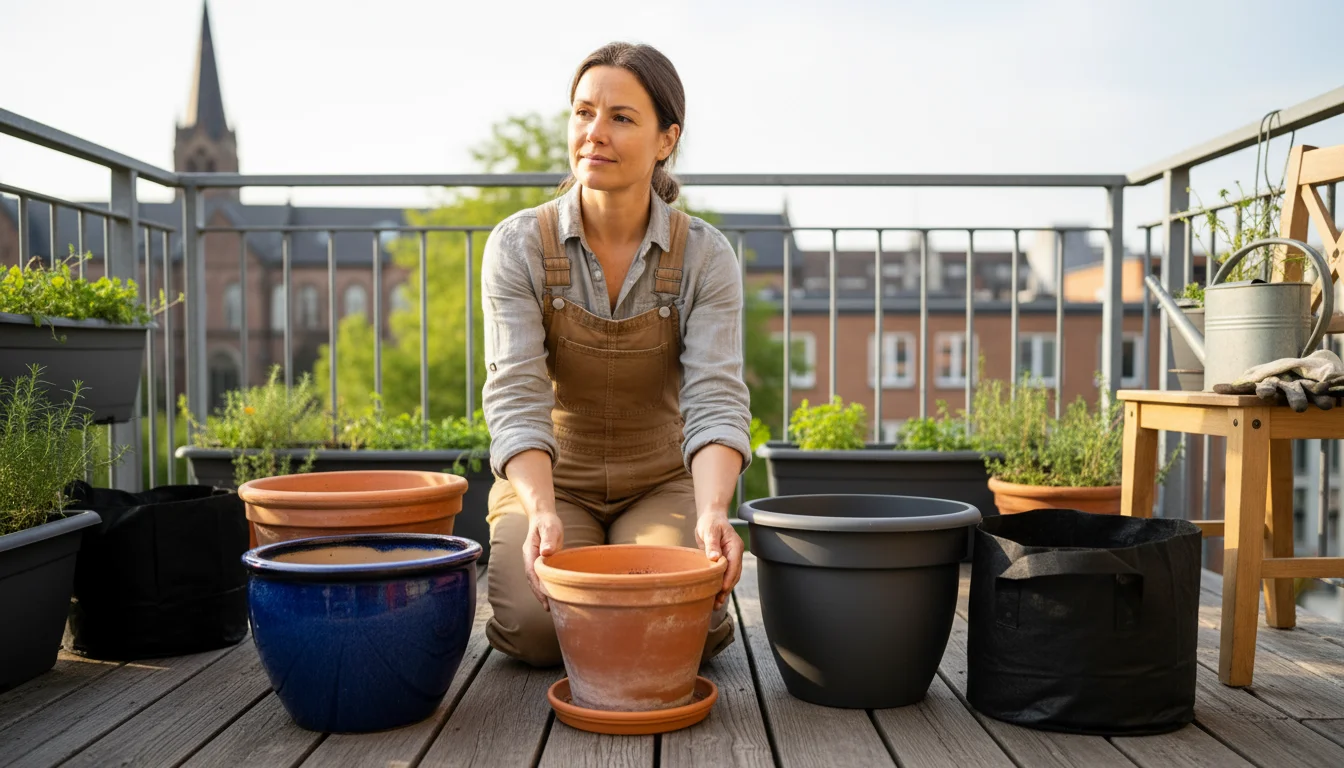
- Terracotta/Clay: Porous, promoting air circulation and allowing soil to dry out faster. Excellent for plants that prefer drier feet, but requires more frequent watering in hot climates.
- Plastic: Lightweight, affordable, and retains moisture well. Ideal for thirsty plants or if you travel frequently. Dark plastic can absorb significant heat in direct sun, potentially overheating roots.
- Glazed Ceramic: Decorative and holds moisture similar to plastic. Heavier than plastic, making it more stable but less portable.
- Fabric Grow Bags: Offer excellent aeration, preventing root circling, and regulating soil temperature. They are lightweight and foldable for storage, perfect for balcony garden design.
- Metal: Can look sleek, but metal heats up rapidly in the sun, potentially cooking roots. Use with caution or consider insulation.
- Size is Key: Under-potting (using a pot too small) starves roots and leads to constant watering. Over-potting can lead to waterlogged soil and root rot. Generally, match the pot size to the mature root ball of the plant. A general rule for vegetables: leafy greens like lettuce need at least 6-8 inches of soil depth, while tomatoes and peppers prefer 12-18 inches.
- Drainage Holes: Every container absolutely requires drainage holes. Without them, water collects at the bottom, suffocating roots and leading to root rot. If a decorative pot lacks holes, use it as a cachepot, placing a slightly smaller pot with drainage inside.
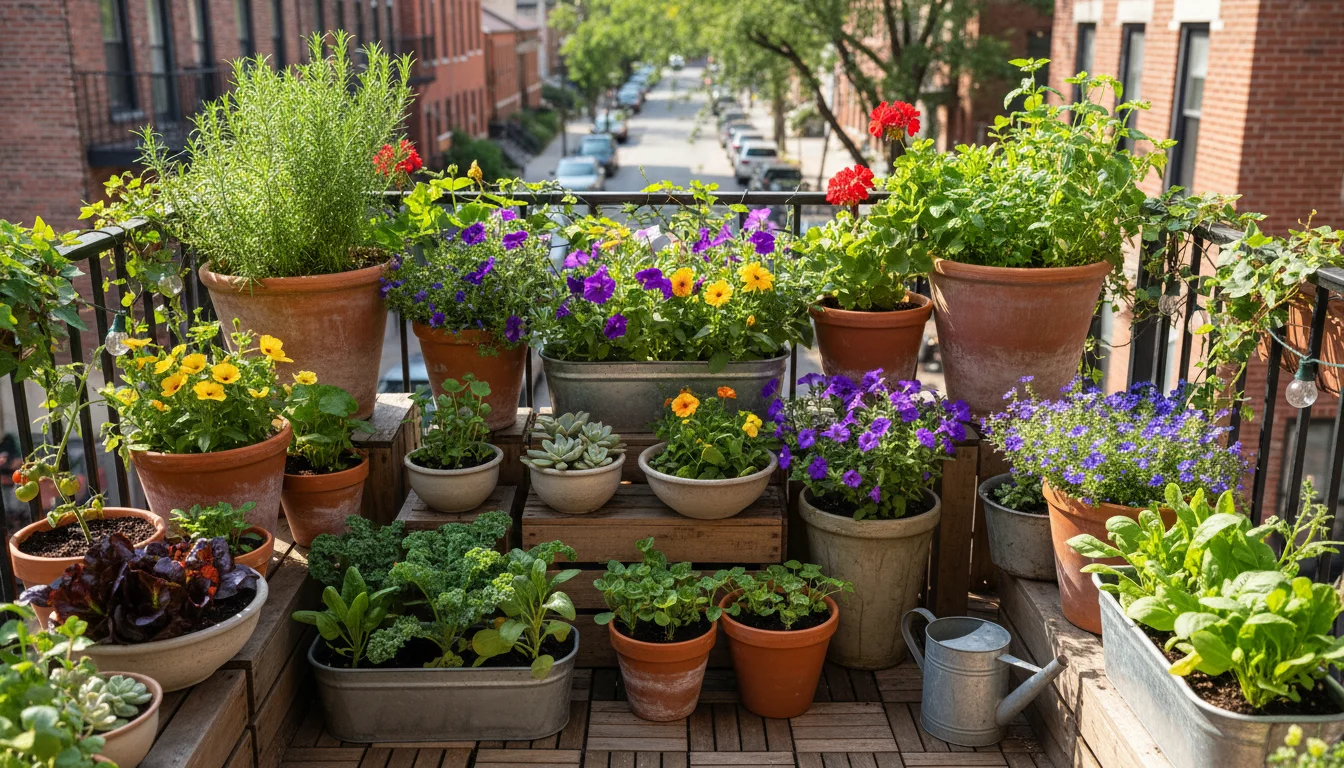
Intelligent Pot Arrangement: How to Arrange Pots on a Small Balcony
Effective placement enhances plant growth and creates an inviting, accessible space. This is where your microclimate map becomes invaluable.
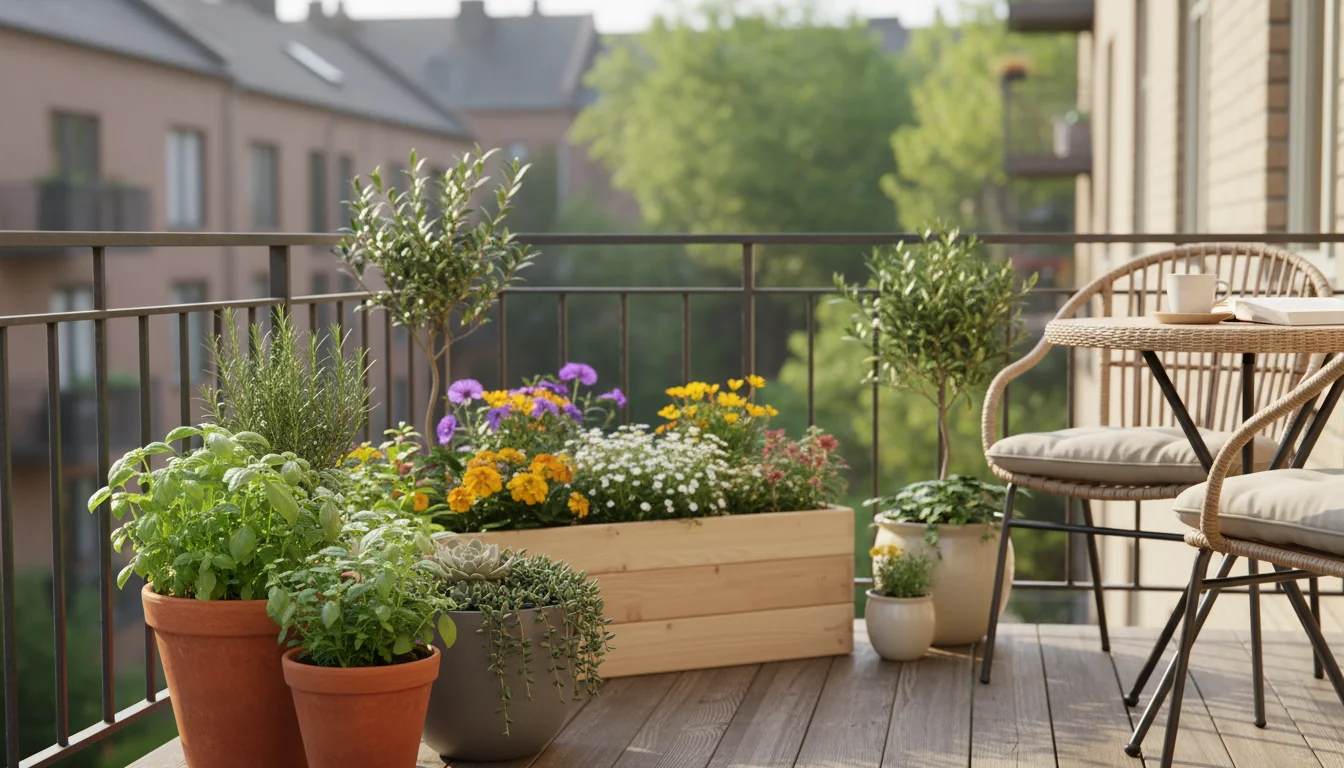
- Group by Need: Place sun-loving plants in the sunniest spots, shade-lovers in shadier areas. Group plants with similar watering needs together. This simplifies your routine and prevents over or under-watering neighboring plants.
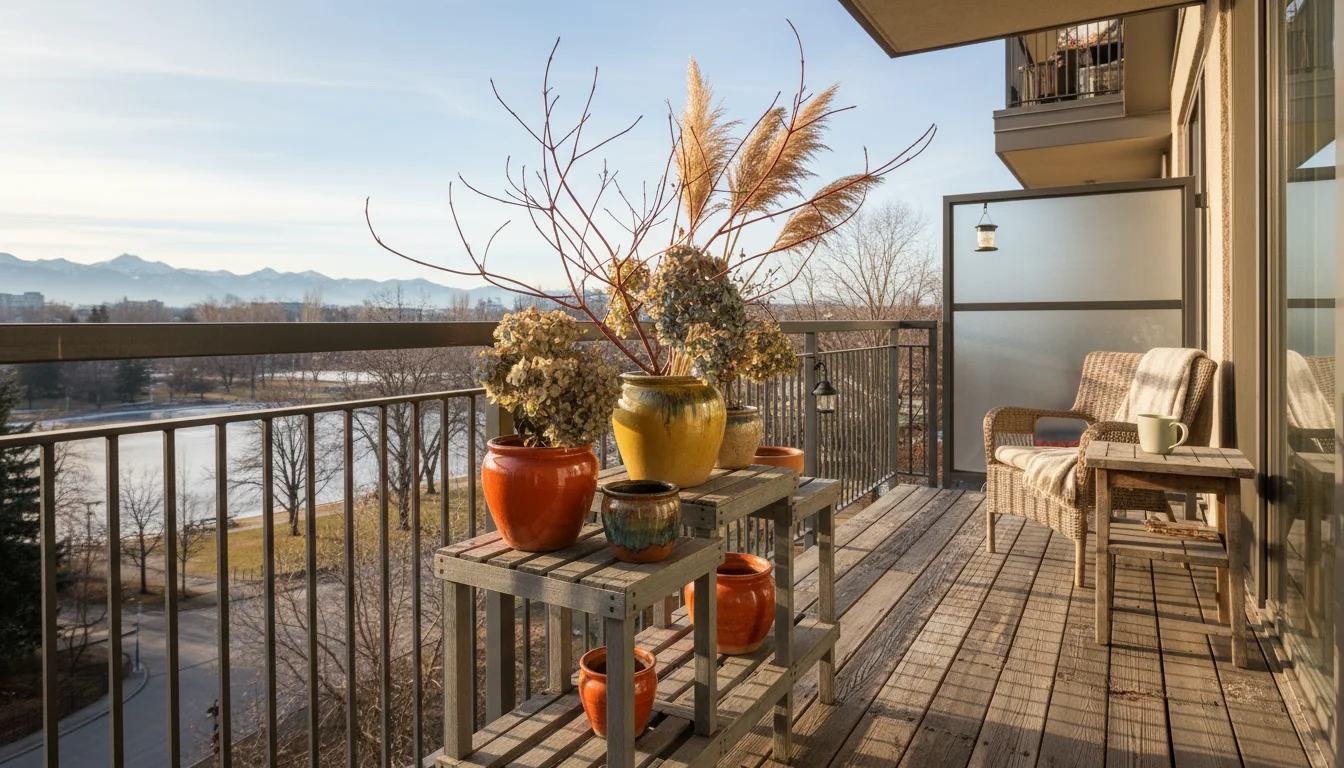
- Vary Heights: Create visual interest and maximize light exposure by varying container heights. Use risers, plant stands, or hanging baskets. Taller plants go towards the back or sides, shorter ones towards the front.
- Consider Access: Ensure you can easily reach all plants for watering, pruning, and harvesting. Avoid placing heavy, immobile containers in high-traffic pathways. Keep essential tools nearby.
- Pathway Priority: Designate clear pathways. Even on a small balcony, you need space to move, sit, and tend your plants. A common mistake in small garden layout is sacrificing pathway space for more plants. You want to enjoy your space, not just manage it.
- Weight Distribution: Be mindful of your balcony’s weight limits. Distribute heavy pots, especially those filled with soil and water, evenly. Concrete pots full of wet soil weigh significantly more than plastic ones. If unsure, consult your building manager.
- Windbreaks and Shelters: Use larger, sturdier plants or containers to shield more delicate ones from wind. Place sensitive plants in more sheltered corners.
By thoughtfully selecting and arranging your containers, you optimize your growing conditions and create a functional, attractive balcony garden design. This proactive approach prevents the common frustration of struggling plants and cramped quarters, effectively fixing garden layout problems before they arise.
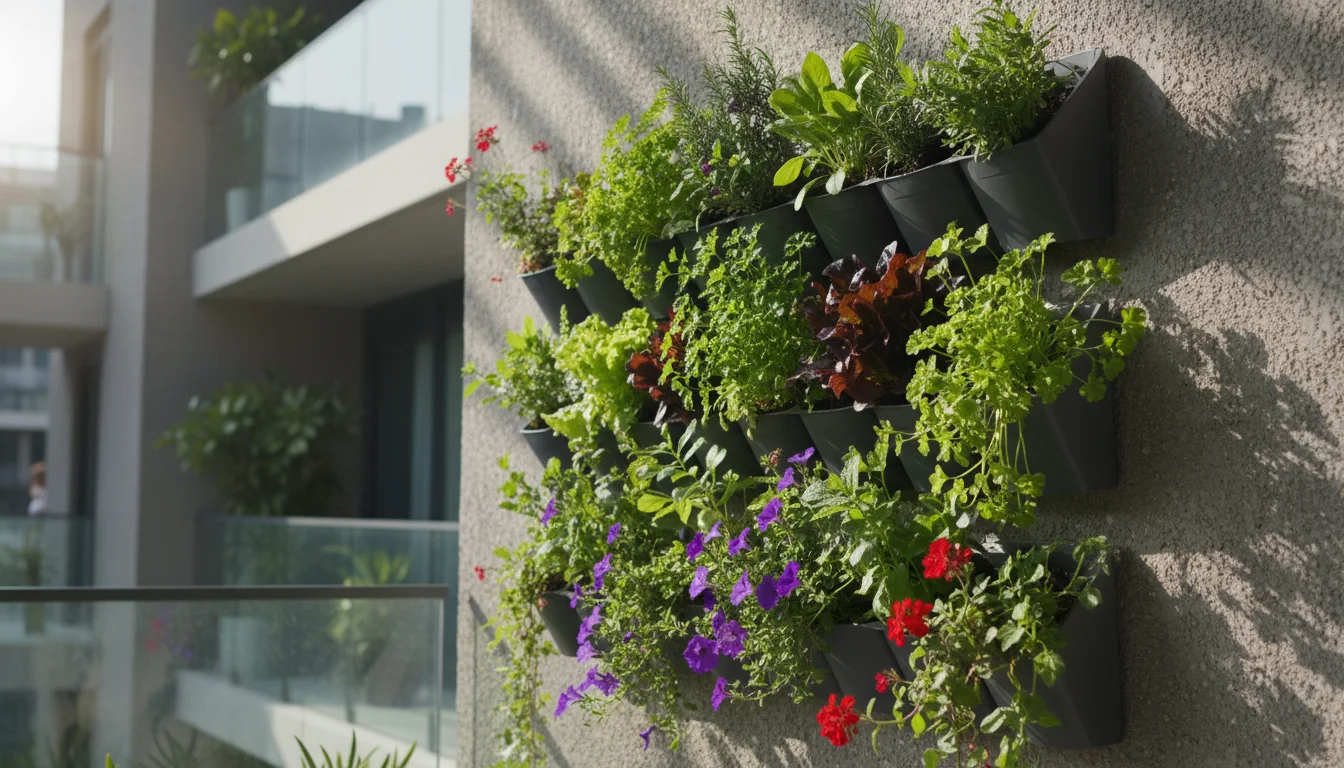
Going Up: Vertical Gardening Solutions for Small Spaces
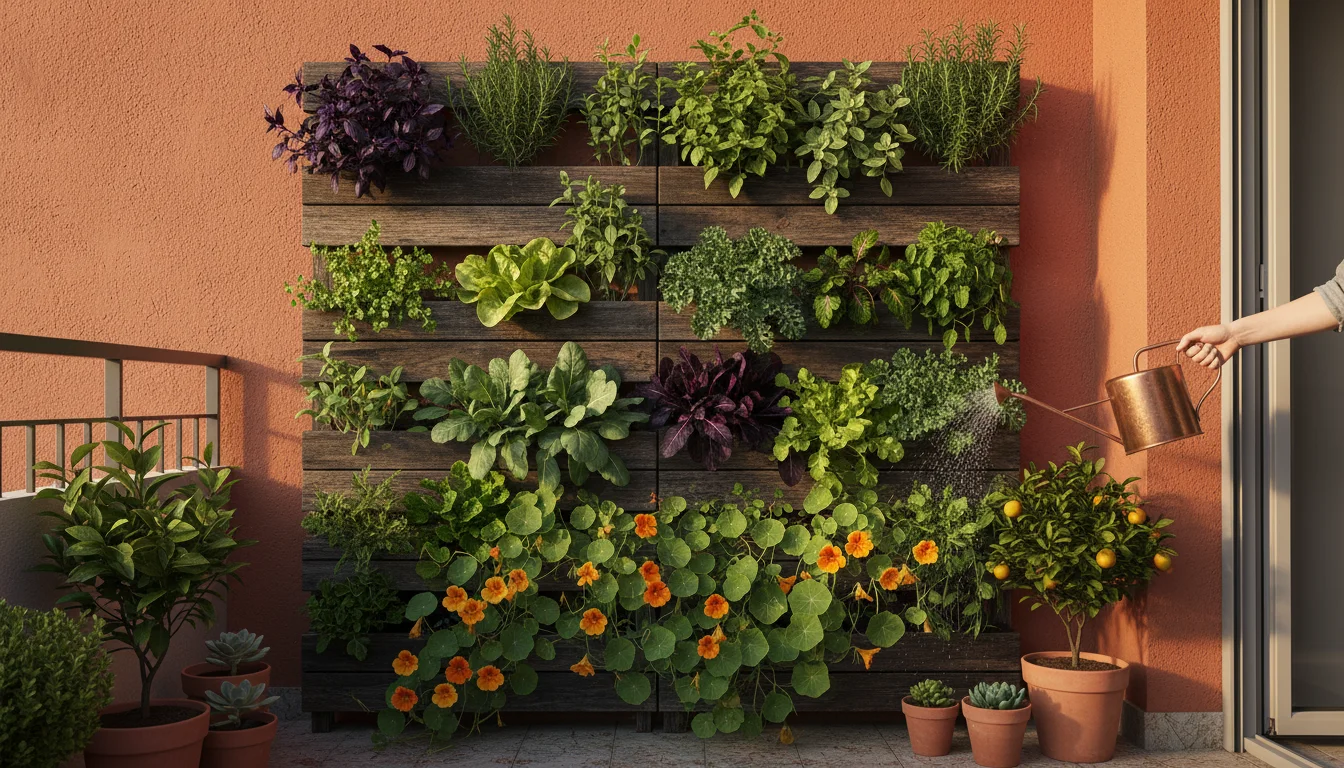
When horizontal space is limited, the only way to grow is up. Vertical gardening is a transformative strategy for small garden layout, significantly increasing your growing potential without expanding your footprint. It works particularly well for balcony garden design, turning unused wall space into a vibrant tapestry of greenery.
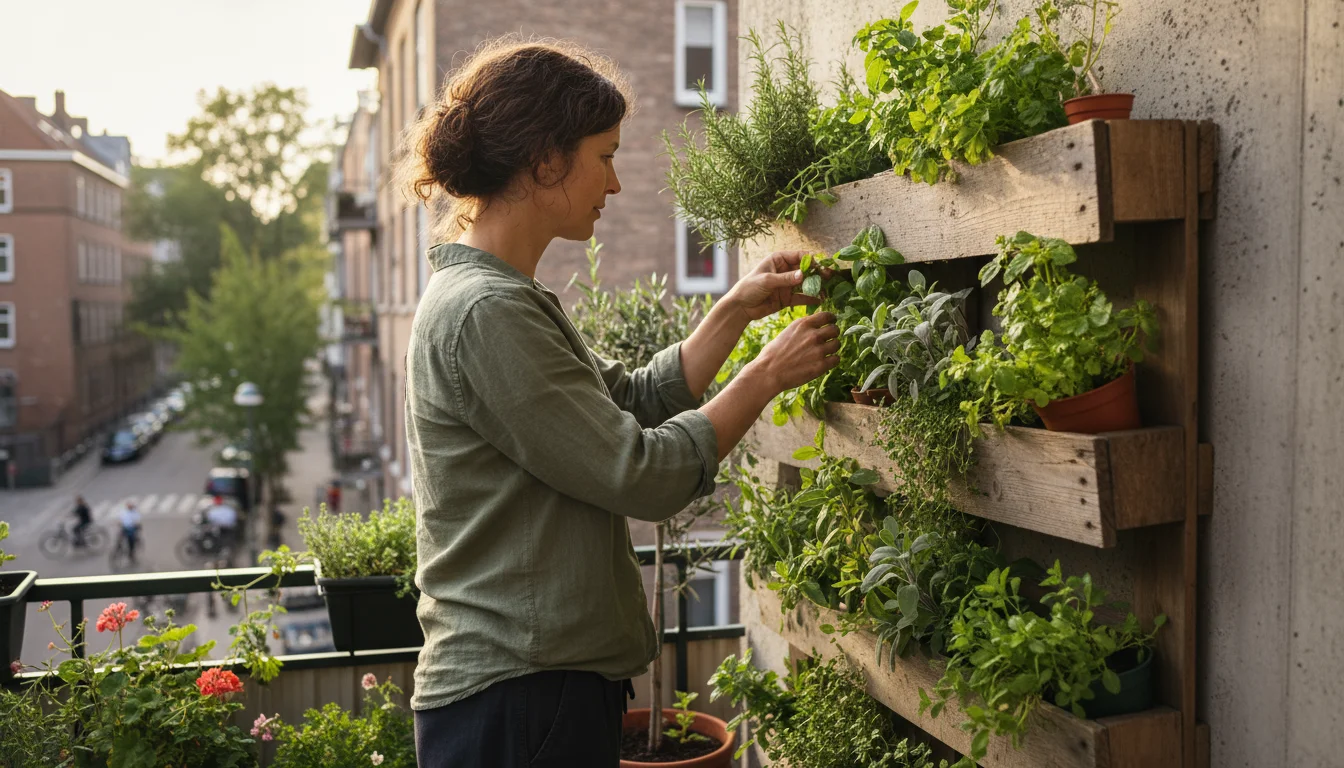
Why Vertical?
- Maximizes Space: You leverage walls, railings, and ceilings for planting, freeing up precious floor space.
- Improves Air Circulation: Plants are less crowded, which can reduce disease and pest issues.
- Ergonomic Benefits: Many vertical systems bring plants up to eye level, reducing bending and stooping for care and harvesting.
- Aesthetic Appeal: Vertical gardens add dramatic visual interest, transforming plain walls into living art.
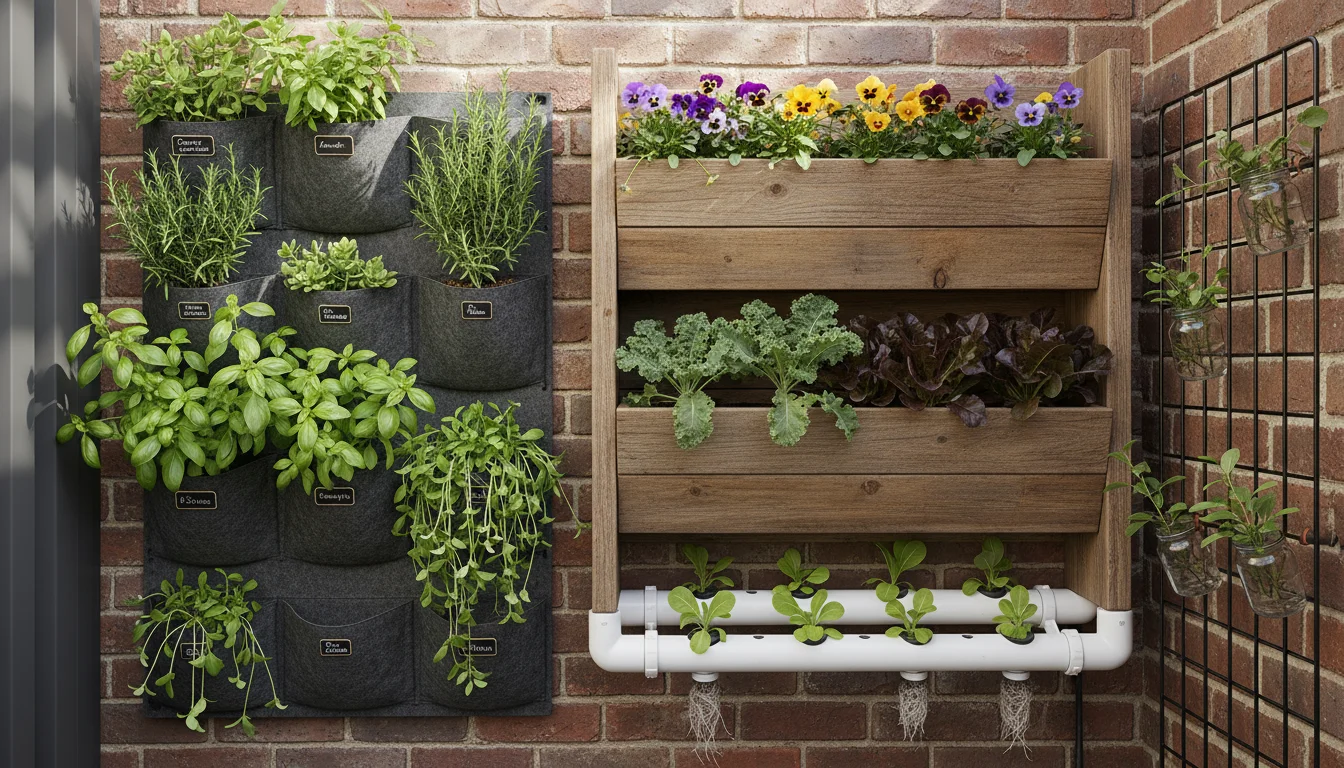
Popular Vertical Gardening Systems
- Wall-Mounted Planters/Pockets: These systems consist of individual pockets or connected units that attach directly to a wall or railing. They are fantastic for herbs, small leafy greens, succulents, and trailing plants. Ensure the wall can support the weight of the system filled with wet soil and plants.
- Tiered Planters/Shelving Units: These systems feature multiple levels of planting trays or shelves. They allow you to stack several plants in a relatively small footprint. They work well for edibles and ornamentals, creating a compact garden tower.
- Pallet Gardens: Repurposed wooden pallets, stood upright and modified with fabric or landscape cloth, make rustic and eco-friendly vertical planters. You can plant in the gaps between the slats. Treat the wood if it will be exposed to significant moisture.
- Trellises and Obelisks: While not strictly “containers,” trellises and obelisks provide essential vertical support for climbing plants like peas, beans, cucumbers, small melons, and certain flowering vines. Integrate these into your balcony garden design to encourage upward growth and shade lower plants if desired.
- Hanging Baskets: Don’t underestimate the power of overhead space. Hanging baskets are perfect for trailing plants, strawberries, and cascading flowers, adding another dimension to your garden. Ensure your balcony structure can safely support their weight when watered.
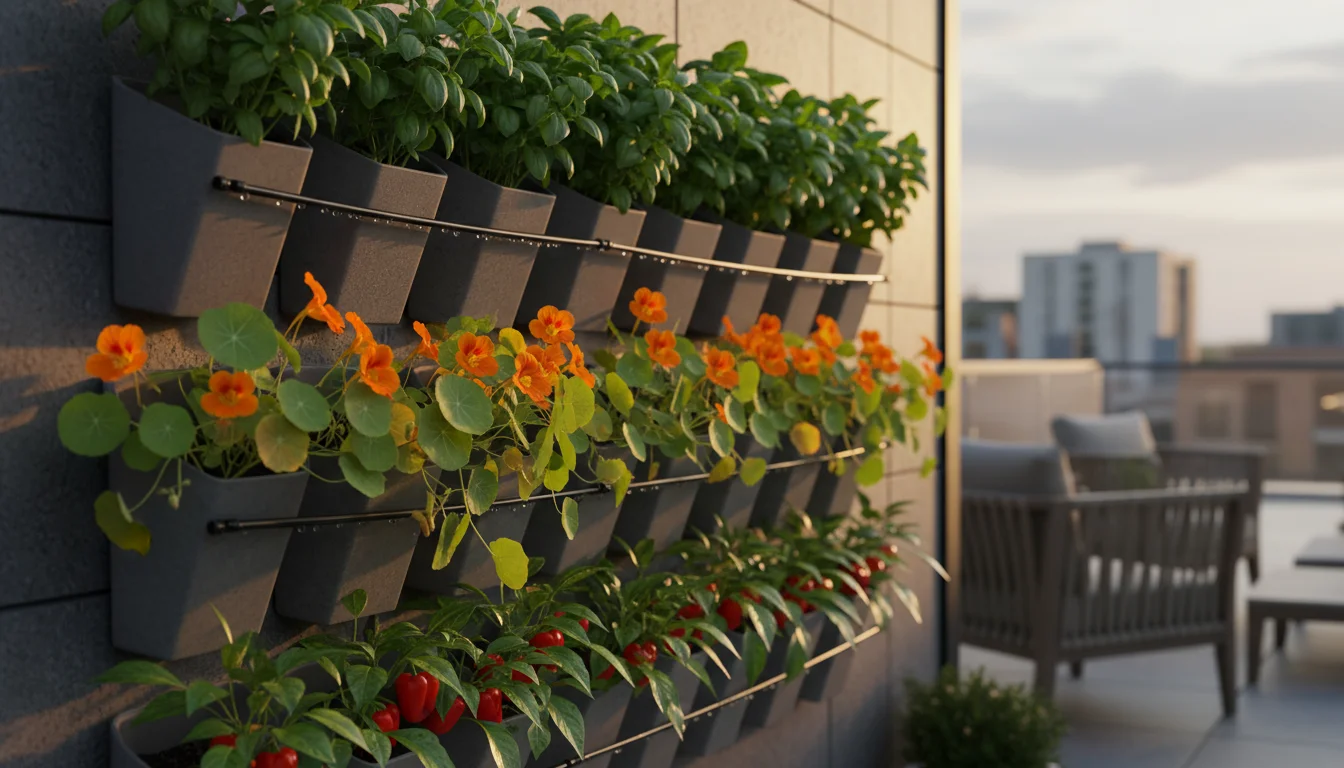
Tips for Successful Vertical Gardening
- Watering Considerations: Vertical gardens often dry out faster than traditional pots due to increased air exposure. Plan for consistent watering. Some systems even integrate drip irrigation.
- Sunlight Distribution: Ensure all levels of your vertical garden receive adequate sunlight based on the plants’ needs. Rotate systems if necessary to provide even exposure.
- Plant Selection: Choose plants with shallow root systems or a compact, trailing, or climbing habit. Lettuce, spinach, strawberries, herbs, nasturtiums, and small peppers thrive in vertical setups.
- Weight and Stability: Always consider the weight of your chosen system once it’s filled with wet soil and mature plants. Secure wall-mounted systems properly to prevent accidents.
Incorporating vertical elements dramatically enhances your small garden layout, turning previously unused space into productive and beautiful growing areas. This is a primary strategy for `balcony garden design` when space is at a premium.
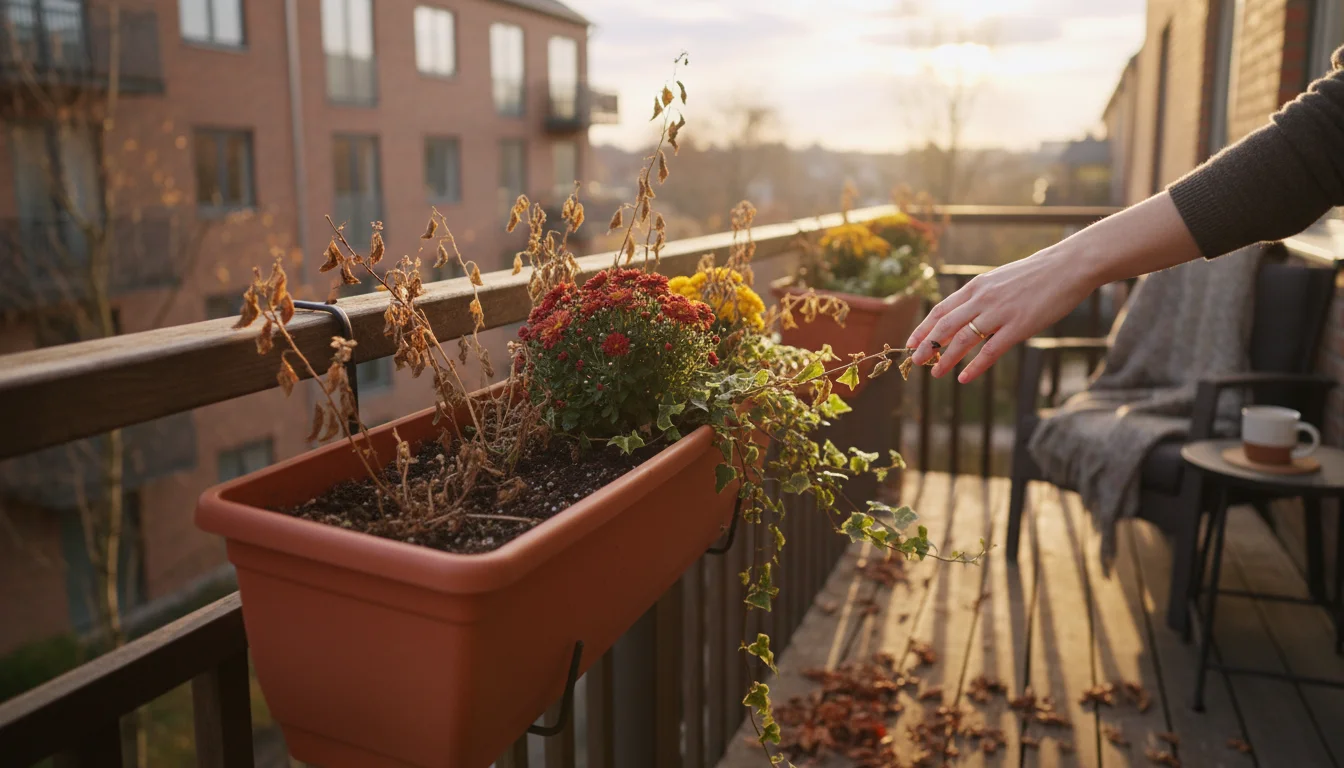
The Flow of Water: Smart Drainage and Efficient Watering Systems
Water management is often the biggest challenge and source of frustration for balcony gardeners. Improper drainage and inefficient watering methods lead to either waterlogged roots or dried-out plants. Fall is the ideal time for planning balcony garden for next year by reassessing how water moves through your space and designing solutions for a healthier, less demanding routine. Your goal is to simplify and optimize the flow of water.
Understanding Drainage: The Foundation of Plant Health
Drainage is simply how water moves through soil and out of your container. Good drainage means water passes through, leaving moisture but not saturation around the roots. Poor drainage, conversely, means water sits, starving roots of oxygen and leading to root rot.
- Adequate Drainage Holes: We covered this, but it bears repeating: every pot needs multiple drainage holes at the bottom. Aim for holes roughly 0.5 to 1 inch in diameter.
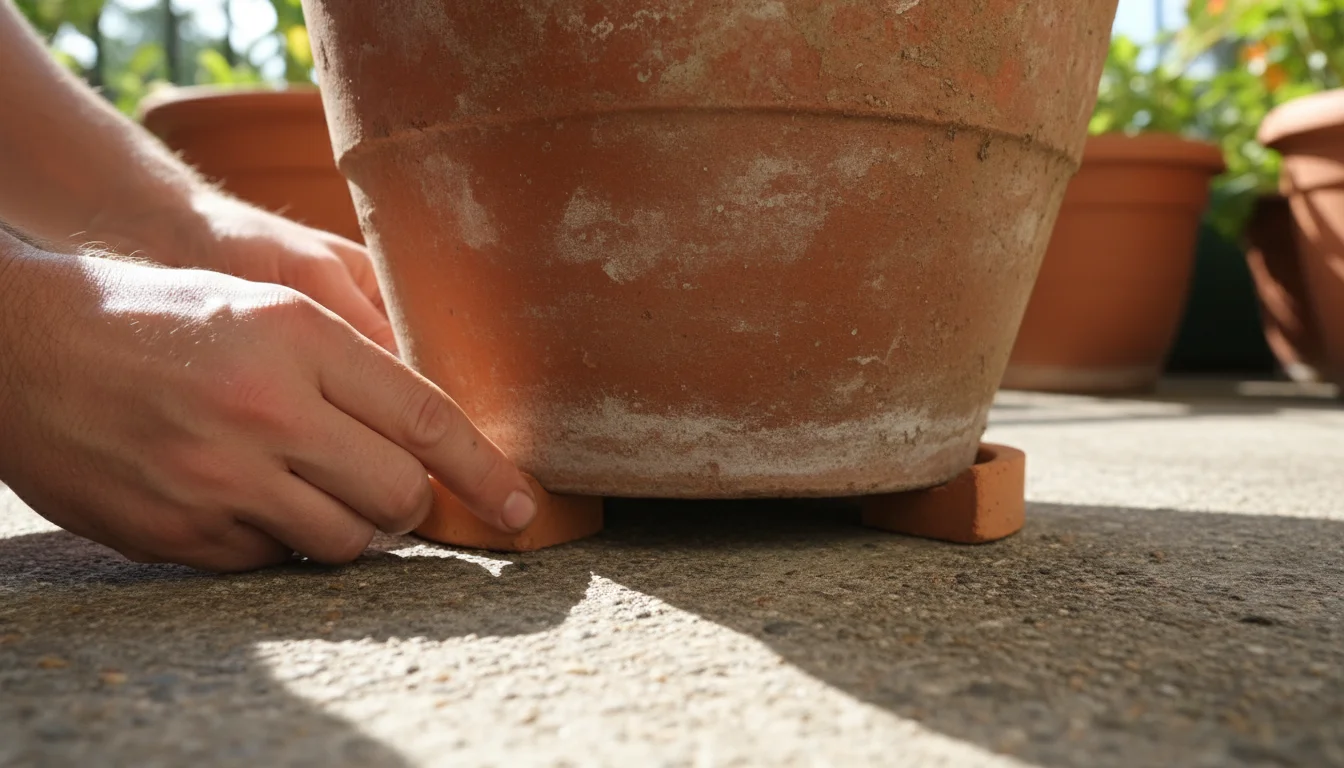
- Elevate Your Pots: Do not let your pots sit directly on a solid surface, especially if they have bottom drainage. Water will accumulate underneath, effectively blocking the drainage holes. Use pot feet, bricks, or wooden blocks to elevate containers, allowing air to circulate and water to escape freely. This simple step prevents many drainage-related issues.
- Quality Potting Mix: The soil itself plays a crucial role. A good potting mix for containers contains perlite or vermiculite to ensure proper aeration and drainage. Avoid using garden soil, which compacts easily in pots and often retains too much water.
- Saucers with Caution: While saucers catch overflow, they can also cause drainage problems if water sits in them for extended periods. Empty saucers promptly after watering to prevent roots from sitting in stagnant water. Consider self-watering planters that incorporate a reservoir, allowing plants to draw water as needed without sitting in saturated soil.
Efficient Watering: Saving Time and Water
Your watering routine should be as efficient as possible, especially if you have a busy schedule. Consider these strategies for planning balcony garden for next year to save time and water.
- Grouping by Water Needs: As mentioned in container placement, grouping plants with similar hydration requirements simplifies watering. You will not overwater a succulent while trying to adequately water a thirsty tomato.
- Watering Tools:
- Long-Spout Watering Can: Essential for reaching plants without spilling or disturbing soil.
- Hose with a Gentle Nozzle: If you have access to a spigot, a lightweight hose makes watering quicker and more thorough for multiple containers.
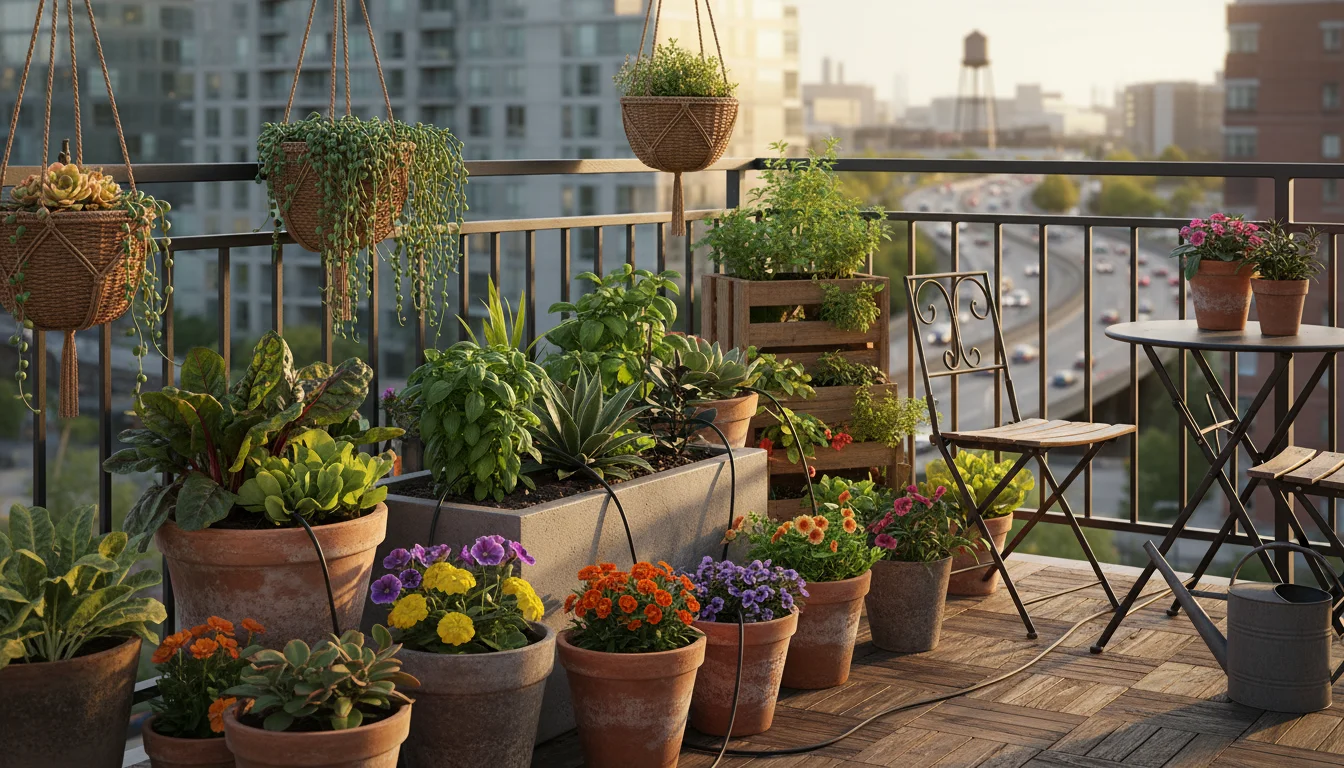
- Drip Irrigation Systems: For larger balcony gardens or those with many containers, a micro-drip irrigation system is a game-changer. These systems deliver water directly to the plant’s root zone, minimizing evaporation and providing consistent moisture. You can even set them on timers. Many affordable DIY kits exist for small spaces.
- Mulch: Apply a layer of organic mulch (like coco coir, wood chips, or straw) to the top of your containers. Mulch reduces water evaporation from the soil surface by up to 30%, suppresses weeds, and helps regulate soil temperature. This means you water less frequently.
- Watering Schedule vs. Observation: While a schedule provides a general guide, always feel the soil before watering. Stick your finger about an inch or two into the soil. If it feels dry, water. If it feels moist, wait. This prevents both overwatering and underwatering, making your small garden layout more responsive to plant needs.
By implementing these smart drainage and efficient watering practices, you will significantly reduce your gardening workload and create healthier conditions for your plants. This attention to detail in your fall garden planning ensures your next season runs smoothly, transforming watering from a chore into a manageable task.
Plant Picks and Companion Power: Designing for Year-Round Appeal
With your structural layout optimized, focus now on the living elements of your balcony garden design: the plants. Thoughtful plant selection and arrangement create a dynamic, productive, and aesthetically pleasing space. This involves considering seasonal interest, plant functions, and the benefits of companion planting. Planning balcony garden for next year means selecting plants that thrive in your space and work well together.
Strategic Plant Selection
- Know Your Zones: Understand your USDA hardiness zone or local climate equivalent. This guides you on which perennials, shrubs, or trees can survive winter outdoors on your balcony. For annuals, focus on plants that thrive during your specific growing season.
- Match Plants to Microclimate: Refer to your microclimate map. Only select plants whose light and temperature requirements align with the conditions in your designated planting zones. Placing a full-sun tomato in a shady corner guarantees a meager harvest.
- Consider Growth Habits:
- Compact Varieties: Opt for dwarf or compact varieties of vegetables and ornamentals. Many seed catalogs and nurseries now offer selections specifically bred for small spaces.
- Determinate vs. Indeterminate Tomatoes: For tomatoes, determinate varieties grow to a specific size and produce their fruit within a concentrated period, making them excellent for containers. Indeterminate varieties continue to grow and produce throughout the season, requiring more extensive support and pruning.
- Bush vs. Pole Beans: Bush beans are self-supporting and compact; pole beans require vertical support. Choose what fits your vertical gardening plans.
- Seasonal Interest: Plan for a succession of blooms or harvests. Include plants that provide beauty or food in spring, summer, and fall. For example, spring bulbs, summer annuals, and fall-blooming mums or ornamental cabbages keep your balcony lively.
- Functionality: Beyond aesthetics, consider the purpose of each plant. Do you want fresh herbs for cooking? Pollinator-attracting flowers? Privacy screening? Edible plants are a favorite for small garden layout.
Harnessing Companion Planting
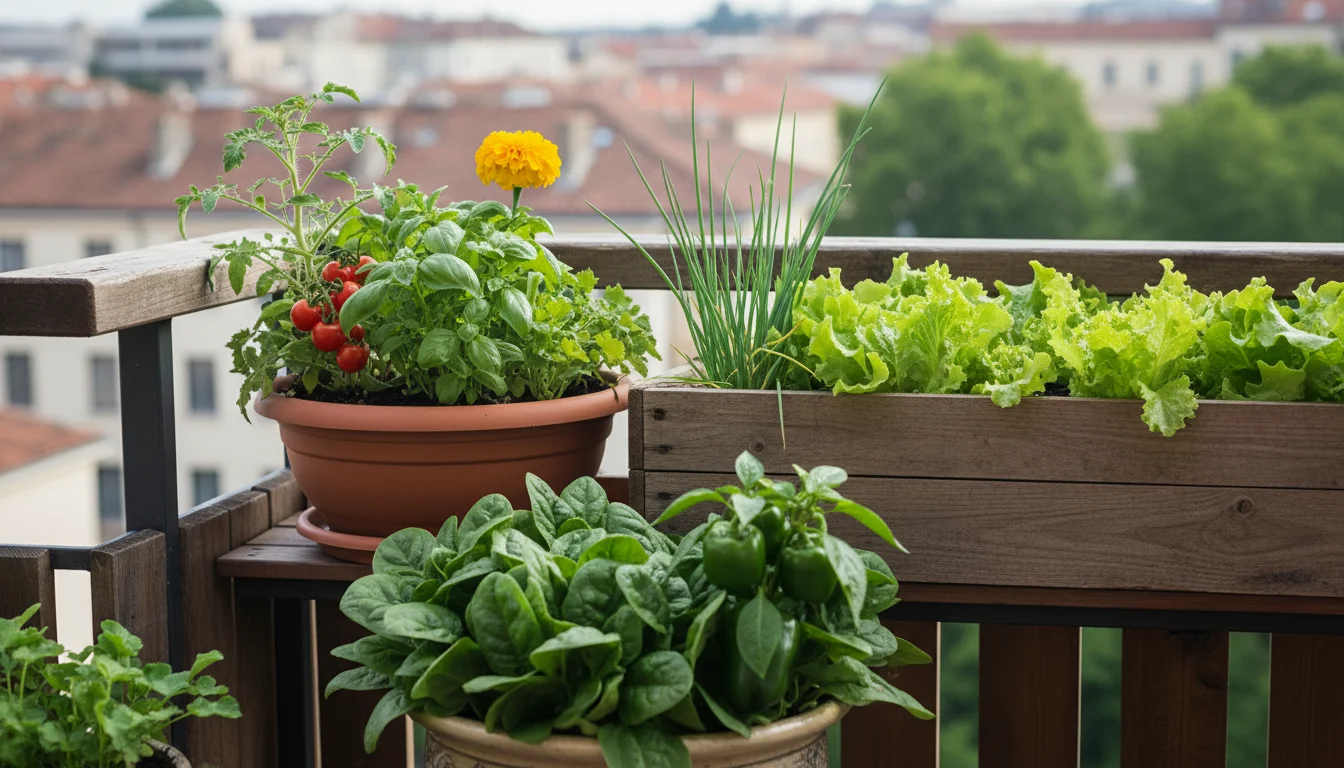
Companion planting involves growing different plant species close together for mutual benefit. This can deter pests, attract beneficial insects, improve soil health, and even enhance flavors. It is an intelligent strategy for balcony garden design where every square inch matters.
| Plant | Good Companions | Benefits |
|---|---|---|
| Tomatoes | Basil, Marigolds, Nasturtiums | Basil improves flavor; Marigolds deter nematodes; Nasturtiums act as a trap crop for aphids. |
| Lettuce/Greens | Mint, Chives, Marigolds | Mint deters slugs; Chives deter aphids; Marigolds deter soil nematodes. |
| Carrots | Rosemary, Lettuce, Radishes | Rosemary deters carrot rust fly; Lettuce shades soil, keeping it cool; Radishes break up soil. |
| Peppers | Basil, Spinach, Marigolds | Basil may improve growth and flavor; Spinach helps keep soil moist; Marigolds deter pests. |
| Cucumbers | Radishes, Nasturtiums, Marigolds | Radishes deter cucumber beetles; Nasturtiums deter cucumber beetles and whiteflies; Marigolds deter nematodes. |
When implementing companion planting on your balcony, ensure each plant still receives its necessary light, water, and nutrients. Overcrowding, even with beneficial companions, can lead to stress. Your fall garden planning allows you to consider these plant pairings, optimizing your small garden layout for a healthier and more productive season. This focus on plant relationships is a key step in fixing garden layout problems and moving towards an integrated gardening system.
Sustainable Balcony Practices: Nurturing Your Space and the Planet
Gardening on a balcony offers a unique opportunity to adopt environmentally conscious practices. Incorporating sustainability into your balcony garden design not only benefits the planet but also often makes your gardening more efficient and cost-effective. Embrace these eco-friendly strategies in your fall garden planning.
Reduce, Reuse, Recycle: Containers and Materials
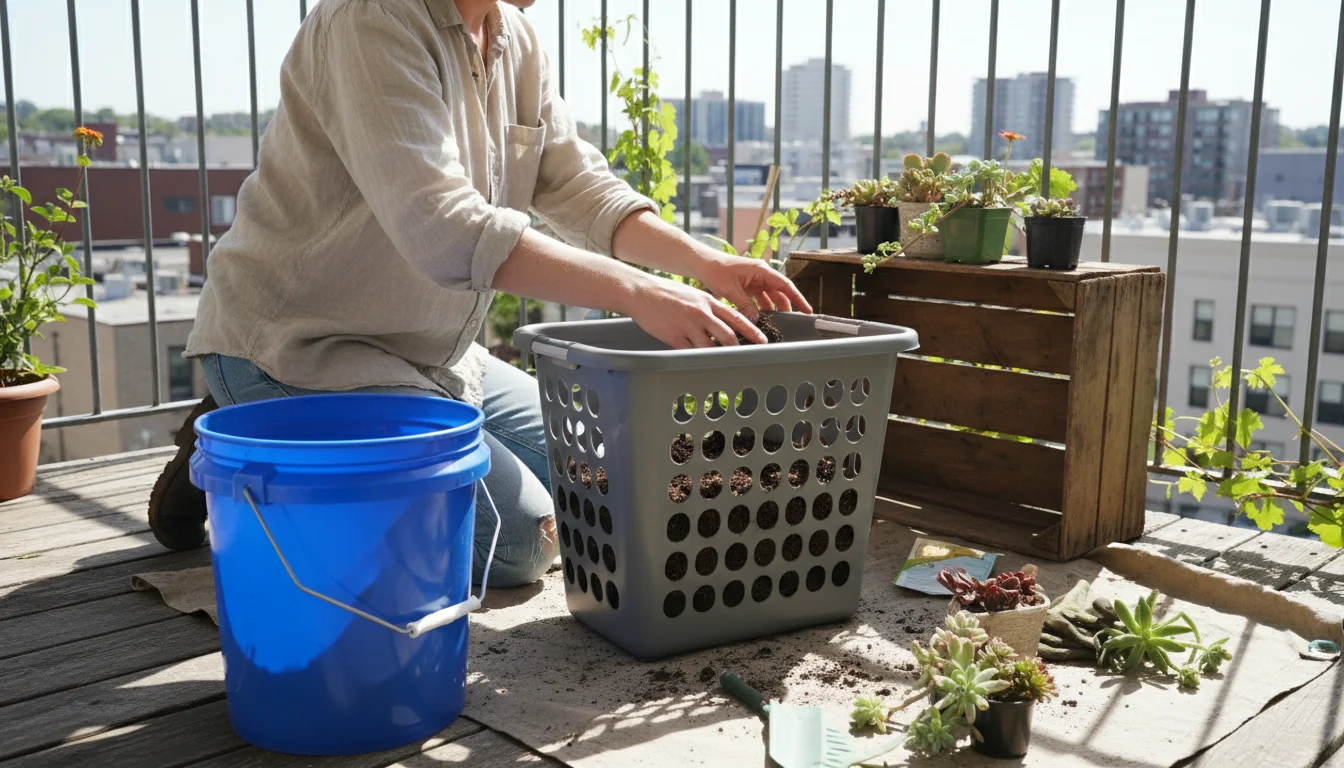
- Repurpose Containers: Before buying new pots, look around. Five-gallon buckets, old tires (check for leaching concerns), laundry baskets (with added drainage), or even sturdy food-grade containers can become planters. Wash them thoroughly and ensure proper drainage holes.
- Upcycle Materials: Old wooden planks can become shelves or raised bed sides. Discarded furniture can be transformed into vertical planters. Be creative with materials that might otherwise end up in landfills.
- Durable Over Disposable: Invest in high-quality, long-lasting containers, tools, and watering equipment. While they might cost more initially, they reduce waste in the long run.
Water Conservation: Every Drop Counts
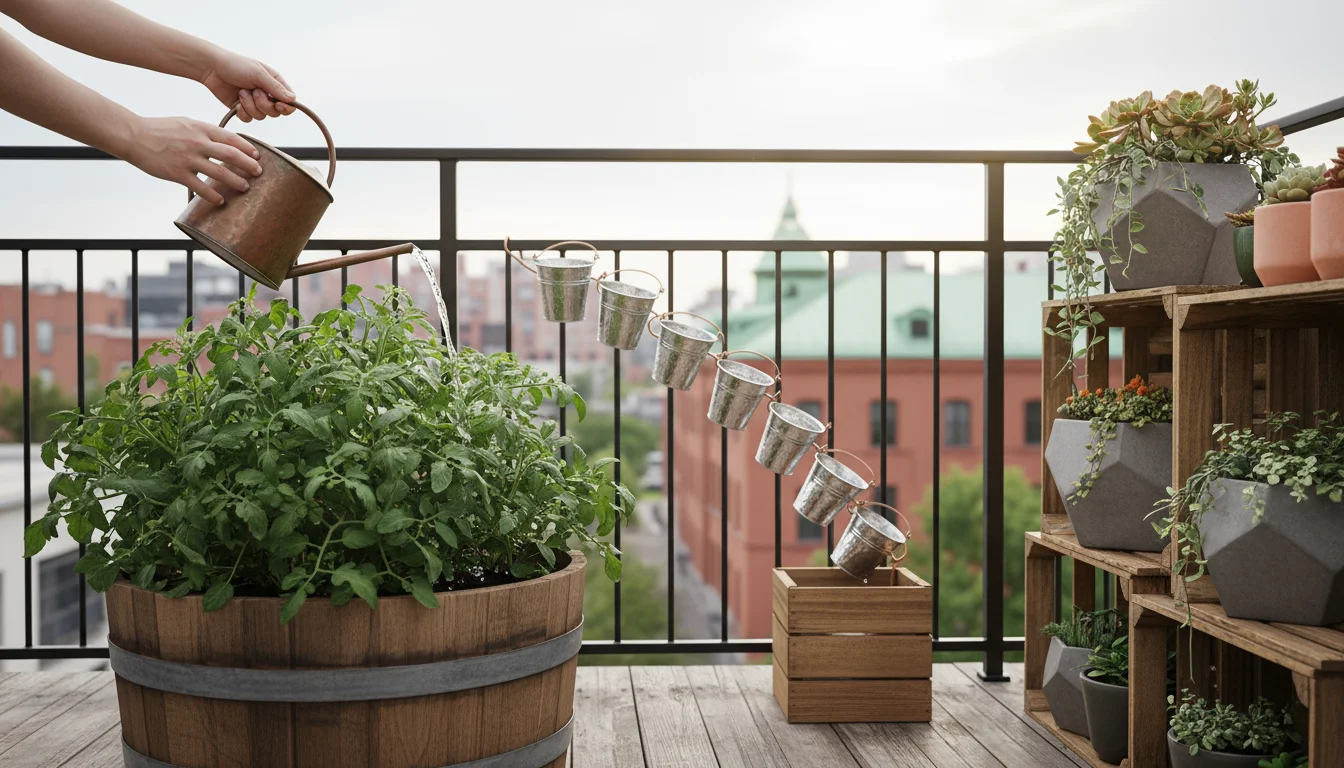
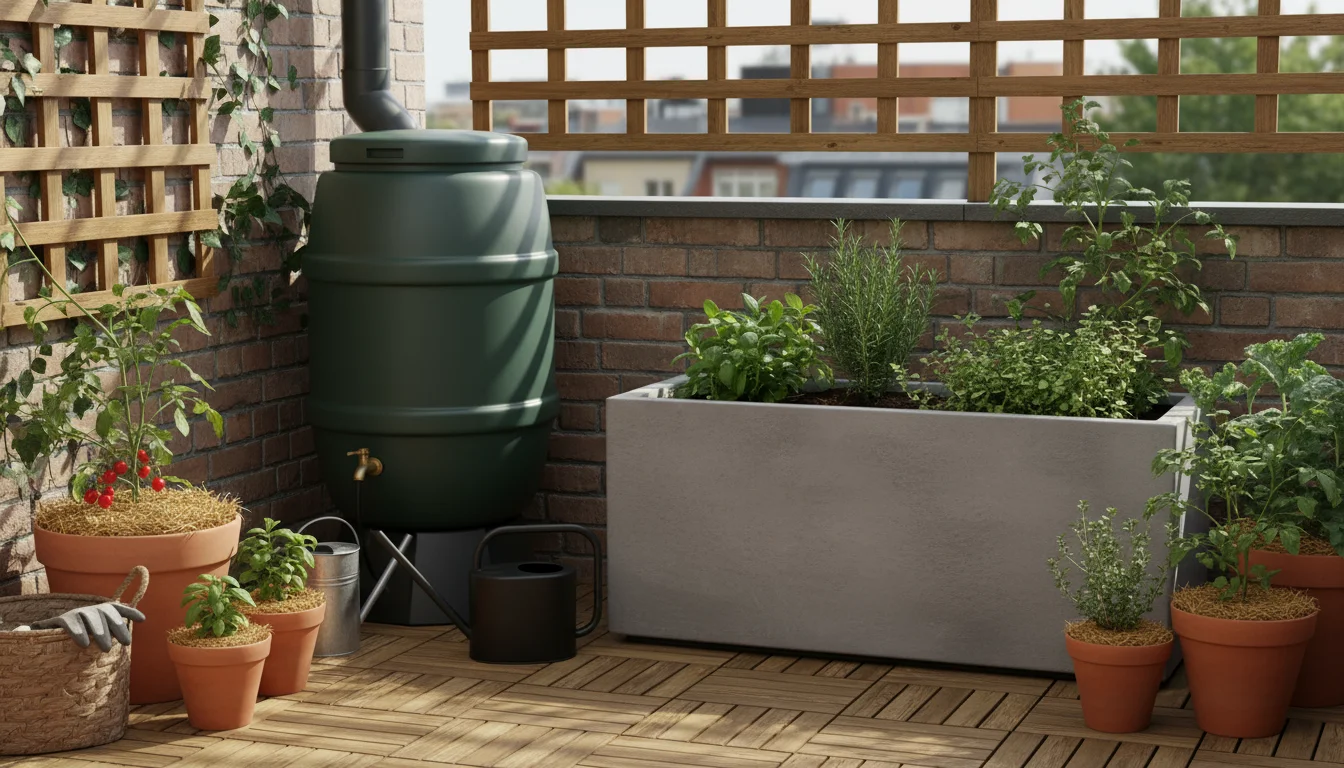
- Rainwater Harvesting: If your balcony design and local regulations permit, consider a small rain barrel or collection system. Even a simple bucket can collect enough rainwater for watering your plants, reducing reliance on treated tap water.
- Mulching is Essential: As previously discussed, a layer of mulch drastically reduces water evaporation, meaning you water less often and use less water overall.
- Efficient Watering: Use targeted watering methods like drip irrigation or a watering can. Avoid overhead sprinklers that waste water through evaporation and can promote fungal diseases.
- Self-Watering Planters: These systems feature a reservoir that provides consistent moisture to plants, often reducing watering frequency and water waste.
Soil Health and Composting: Feeding Your Garden Naturally
- Compost Power: Compost enriches your potting mix, providing essential nutrients, improving drainage, and enhancing water retention. If space allows, a small worm bin (vermicomposting) is perfect for balcony use. It converts kitchen scraps into nutrient-rich “worm castings” with no odor.
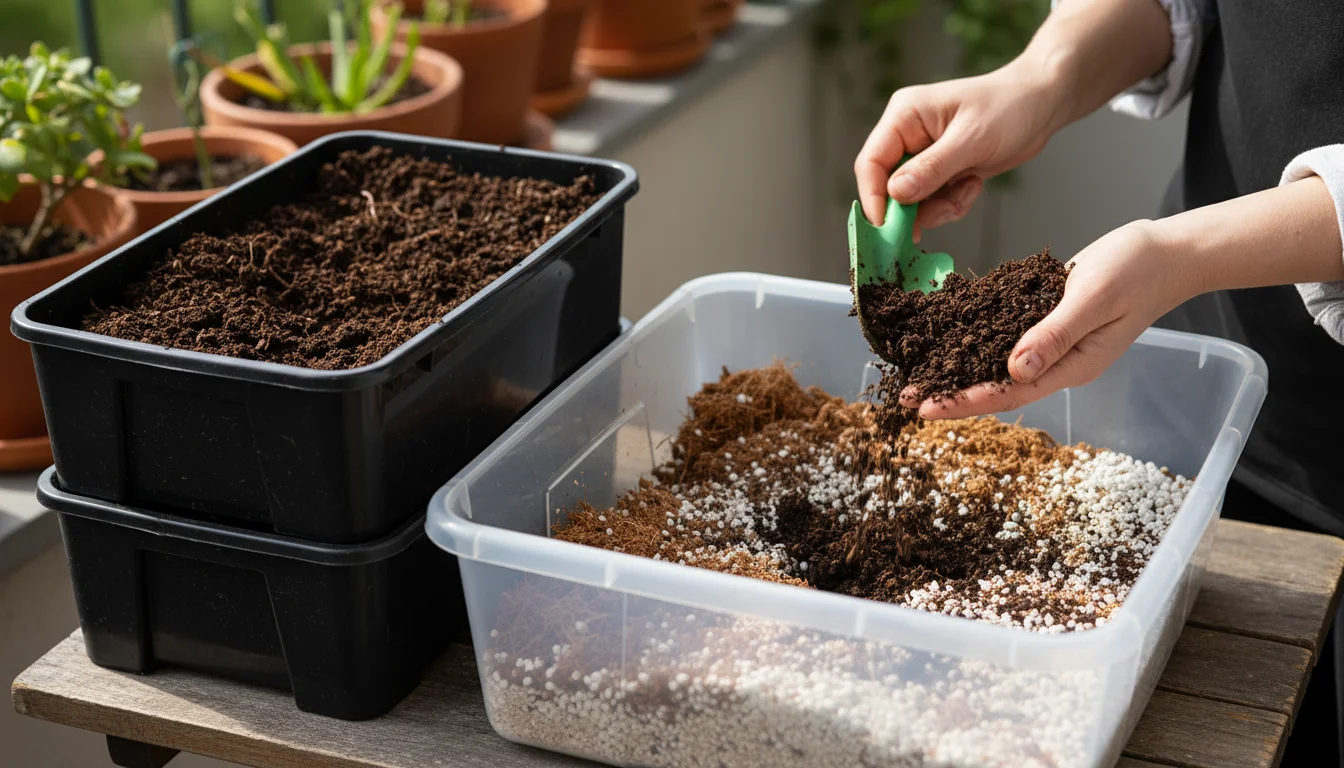
- DIY Potting Mix: You can create your own potting mix using compost, coco coir (a sustainable alternative to peat moss), perlite, and a slow-release organic fertilizer. This allows you to control ingredients and avoid unnecessary chemicals.
- Cover Cropping (Fall/Winter): For larger containers or raised beds, planting a “cover crop” in fall helps prevent soil erosion, adds organic matter when tilled in, and improves soil structure. Examples include clover or winter rye.
Integrated Pest Management (IPM): Natural Defenses
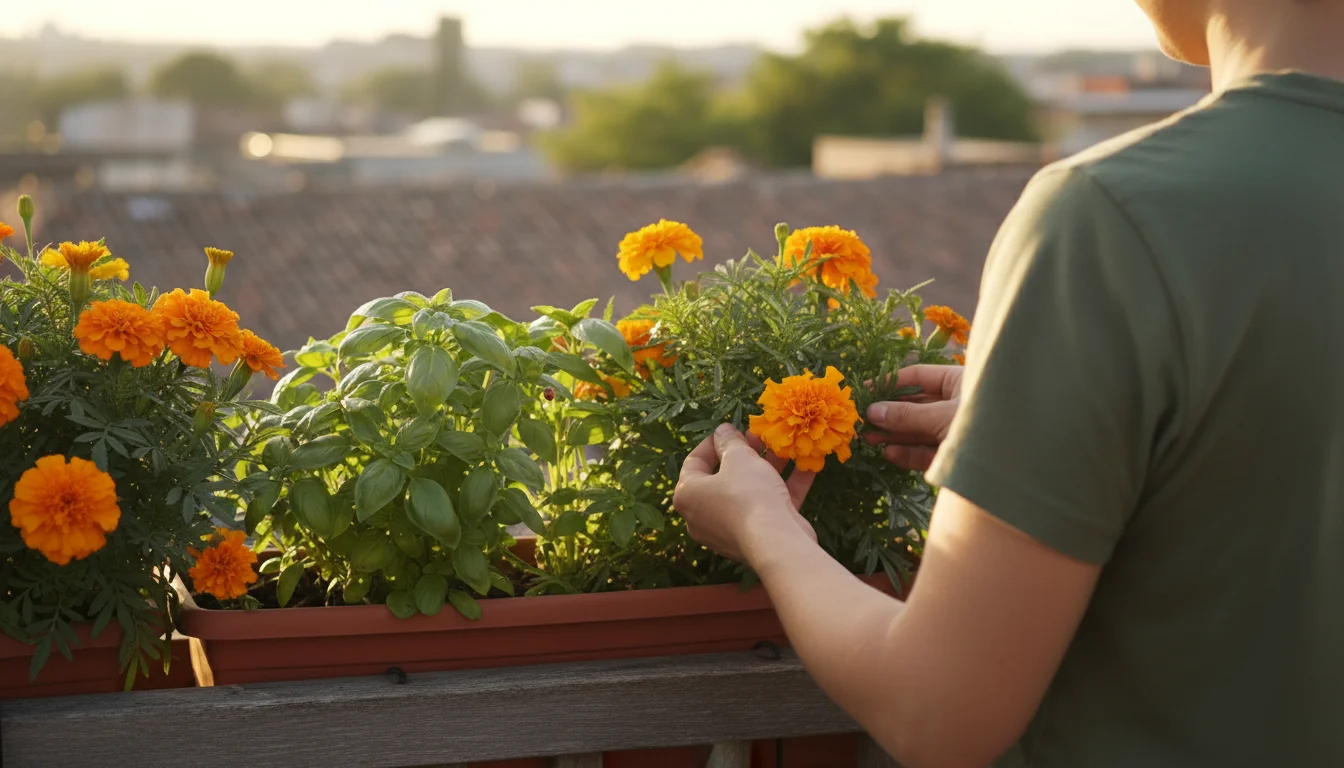
- Beneficial Insects: Encourage beneficial insects like ladybugs and lacewings, which prey on common pests. Plant flowers that attract them, such as dill, cilantro, and marigolds.
- Manual Removal: Regularly inspect your plants and hand-pick pests. A strong stream of water can dislodge aphids.
- Organic Pest Control: Use organic solutions like neem oil or insecticidal soap as a last resort, always following instructions carefully.
- Companion Planting: Utilize the power of companion planting to deter pests naturally.
By integrating these sustainable practices into your fall garden planning and balcony garden design, you cultivate a healthier, more resilient garden and contribute to a greener environment. This approach is not just good for your plants, it is good for the planet, ensuring a vibrant and responsible small garden layout for years to come.

Bringing Your Blueprint to Life: A Step-by-Step Planning Guide
You have assessed your past season, understood your microclimate, and considered containers, vertical solutions, water management, and sustainable practices. Now, it is time to synthesize this information into a concrete blueprint for planning balcony garden for next year. This step-by-step guide helps you translate your insights into an actionable design.
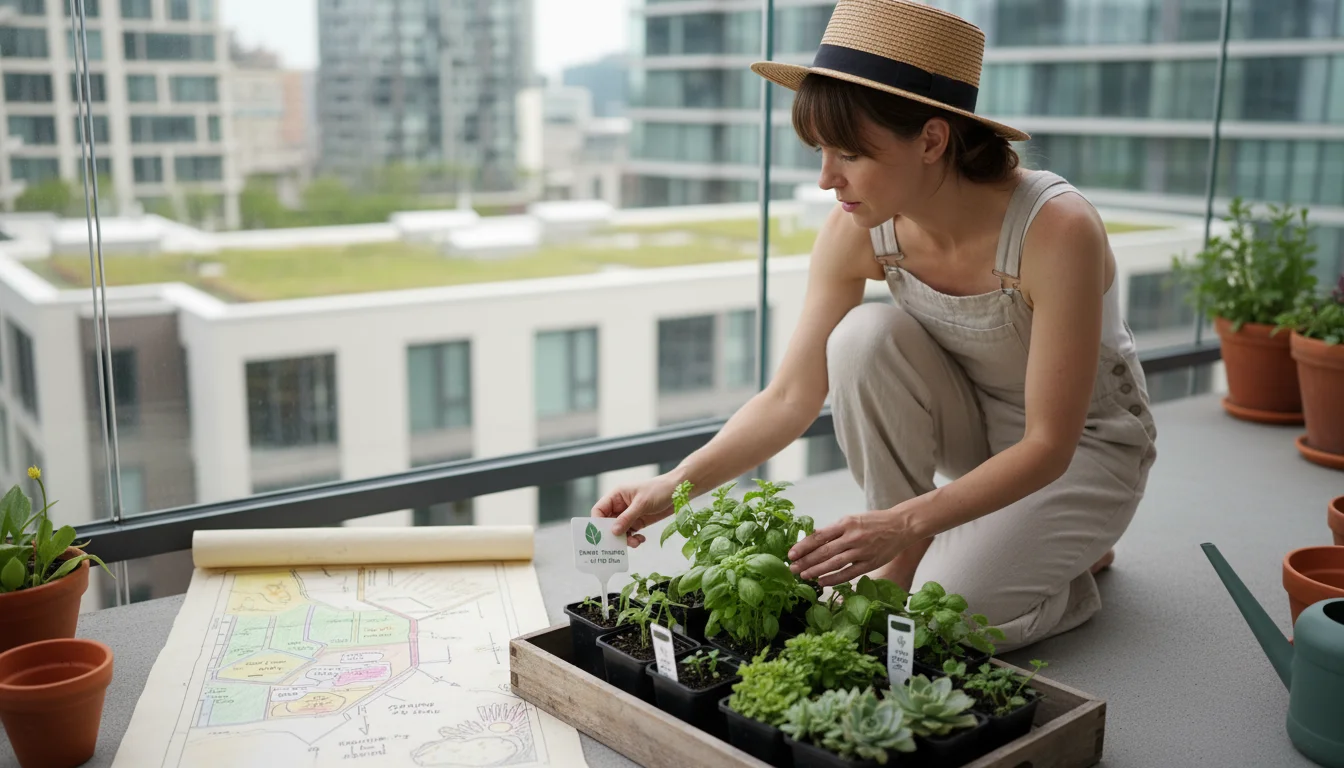
- Sketch Your Balcony Diagram:
- Start with a simple overhead view of your balcony, patio, or small yard. Use graph paper for scale if you want precision.
- Mark fixed elements: doors, railings, windows, electrical outlets, water spigots, and any furniture you plan to keep.
- Draw in your microclimate zones: full sun, partial sun, shade, and prevalent wind directions. This map is your guide for optimal plant placement.
- Place Your Anchor Elements:
- Identify any large or permanent features: a favorite seating area, a large storage unit, or substantial planters you plan to reuse.
- Mark these on your diagram. They form the core around which your remaining layout will revolve.
- Integrate Vertical Structures:
- Decide where trellises, shelving units, wall-mounted planters, or hanging baskets will go. These are crucial for maximizing your small garden layout.
- Consider how they affect light to other plants or access pathways.
- Position Containers and Group Plants:
- Using your microclimate map, draw in specific containers. Use circles or squares to represent different pot sizes.
- Group plants with similar needs. For example, all your sun-loving herbs might go in a long planter along the sunniest railing.
- Think about access. Can you reach every plant easily? Is there enough space to move around?
- Vary container heights to create visual depth and allow all plants access to light.
- Plan Your Pathways:
- Ensure clear, unobstructed pathways. You need to move comfortably for watering, tending, and enjoying your space.
- Avoid placing pots where they create trip hazards.
- Map Your Watering Strategy:
- Consider the placement of your watering can or hose. Is it easily accessible?
- If you plan for drip irrigation, mark where the main line will run and where emitters will be placed in each pot.
- Note areas that might need more frequent watering due to sun exposure or container material.
- List Your Plant Selections:
- Based on your microclimate and container choices, create a list of specific plants you want to grow.
- Note their light, water, and space requirements.
- Consider companion planting pairings for each container or grouping.
- Use this list to create a shopping guide for seeds or seedlings in spring.
- Refine and Visualize:
- Step back from your diagram. Does the flow make sense? Is it aesthetically pleasing?
- Imagine yourself walking, sitting, and gardening in the space. Does anything feel awkward or inefficient?
- Share your blueprint with a friend for an objective perspective.
- This iterative process allows you to make adjustments on paper before you start buying plants and moving heavy pots, effectively fixing garden layout problems before they even begin.
By following these steps, you transform the “empty slate” of fall into a detailed, practical blueprint for a thriving balcony garden. You move from abstract ideas to concrete plans, setting yourself up for a season of success and enjoyment. This systematic fall garden planning ensures your small garden layout is optimized for beauty, productivity, and ease of maintenance.

Frequently Asked Questions
How do I know if my balcony can support the weight of many pots?
Always consult your building management or a structural engineer for specific weight limits on your balcony. As a general rule, distribute heavy containers evenly, placing the heaviest ones closer to the building structure rather than along the railing. Concrete pots filled with wet soil can be very heavy. Opt for lighter plastic or fabric grow bags if you have concerns.
What are some low-maintenance plants for a small balcony garden?
Many plants thrive with minimal fuss. Good options include succulents, herbs like rosemary and thyme, nasturtiums, calendula, dwarf varieties of peppers or tomatoes, and certain leafy greens like lettuce and spinach. These plants generally require consistent watering but tolerate occasional neglect better than high-needs specimens. Choose plants well-suited to your specific microclimate to ensure easier care.
Can I start composting on a small balcony?
Absolutely! Vermicomposting (worm composting) is an excellent option for balconies. A small worm bin easily manages kitchen scraps like fruit and vegetable peels, coffee grounds, and tea bags, producing nutrient-rich compost without odors. Ensure your bin is enclosed and protected from extreme temperatures.
How can I protect my balcony plants from strong winds?
Strategically place taller, sturdier plants or trellises to act as windbreaks for more delicate plants. Consider fabric or slatted screens that diffuse wind rather than block it entirely, which prevents turbulence. Anchor all tall or top-heavy containers securely to prevent them from toppling over. Positioning containers against the building wall also offers some protection.
When should I start implementing my fall garden planning?
Begin your planning process as soon as you clear out your summer garden. Fall provides the quiet time needed for assessment and design. You can order seeds in late fall or early winter, and purchase any hardscape elements like new containers or vertical systems during winter sales. This allows you to hit the ground running when spring arrives.
For trustworthy gardening information, visit:
Washington State University Hortsense, University of Minnesota Extension, Penn State Extension — Trees, Lawns and Landscapes, Clemson University Extension — Home & Garden and Colorado State University Extension — Gardening. These organizations provide expert, research-based advice for gardeners at all levels.
Disclaimer: This article is for informational purposes only and is not a substitute for professional gardening advice. Always consult local extension services or horticulture experts for region-specific guidance.

Leave a Reply