
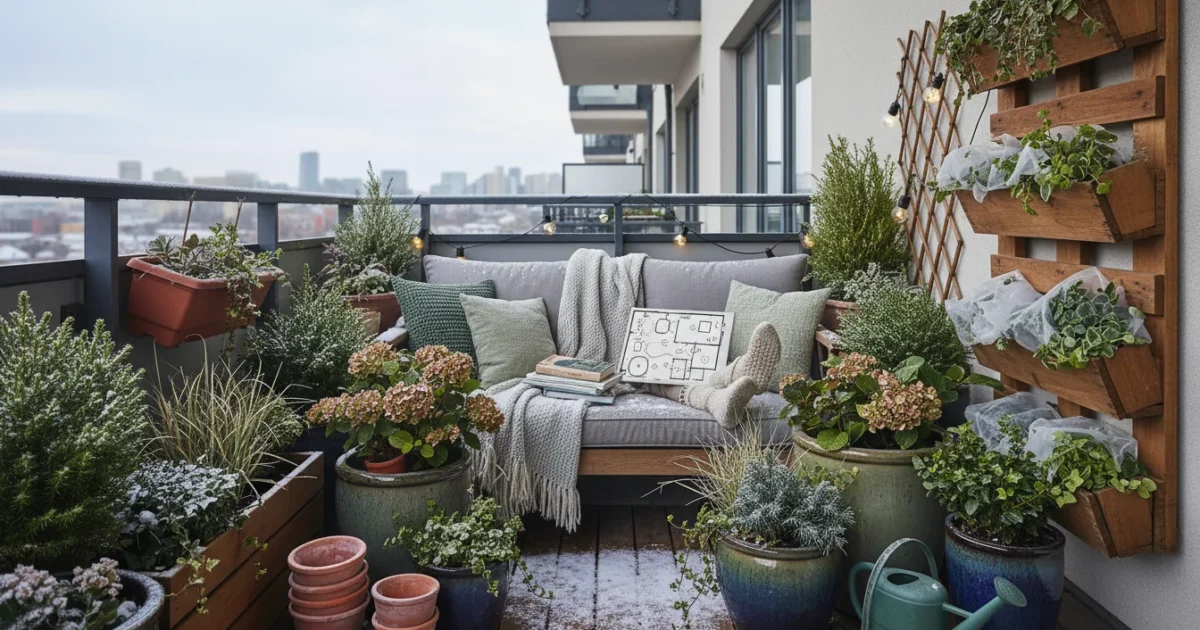
Winter often feels like a lull in the gardening calendar, but for the smart small-space gardener, it is prime time. While the snow falls or the temperatures dip, you hold the power to craft your most successful balcony garden yet. This isn’t just about dreaming. It is about a proactive, strategic approach to design and planning, ensuring your spring planting is effortless and your growing season delivers abundant joy. You can transform your cozy couch into a command center for brilliant garden planning. Embrace this off-season opportunity to map out every detail, from sun exposure to plant choices, guaranteeing a thriving, low-maintenance haven when warmer weather arrives.
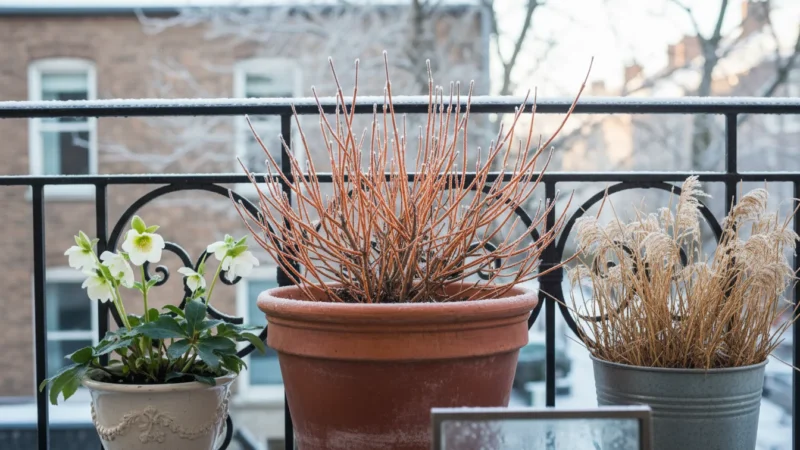
While you wait for the growing season to begin, you can also incorporate stunning winter plants to ensure your view stays vibrant even during the coldest months.
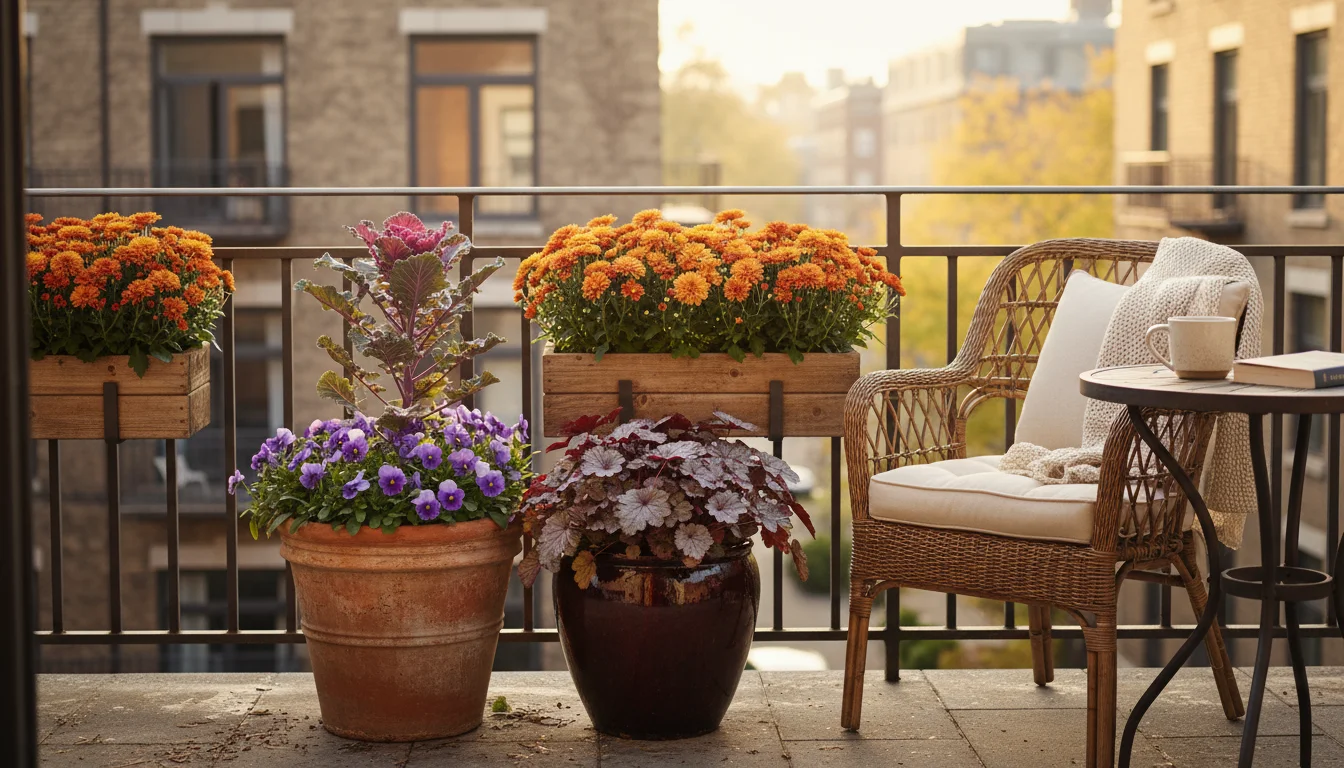
While you focus on future growth, don’t forget to style your bare winter balcony to keep it looking beautiful even before the first seedlings emerge.
A well-planned balcony garden minimizes waste, maximizes yield, and reduces last-minute stress. You avoid impulse purchases that do not fit your space or light conditions. You ensure you have the right containers, the best soil, and a clear vision for watering and care. This blueprint empowers you to make informed decisions, translating your garden aspirations into a practical, beautiful reality. Let’s dive into how you can make your winter months work wonders for your future outdoor oasis.
Why Winter is Your Best Garden Planning Partner
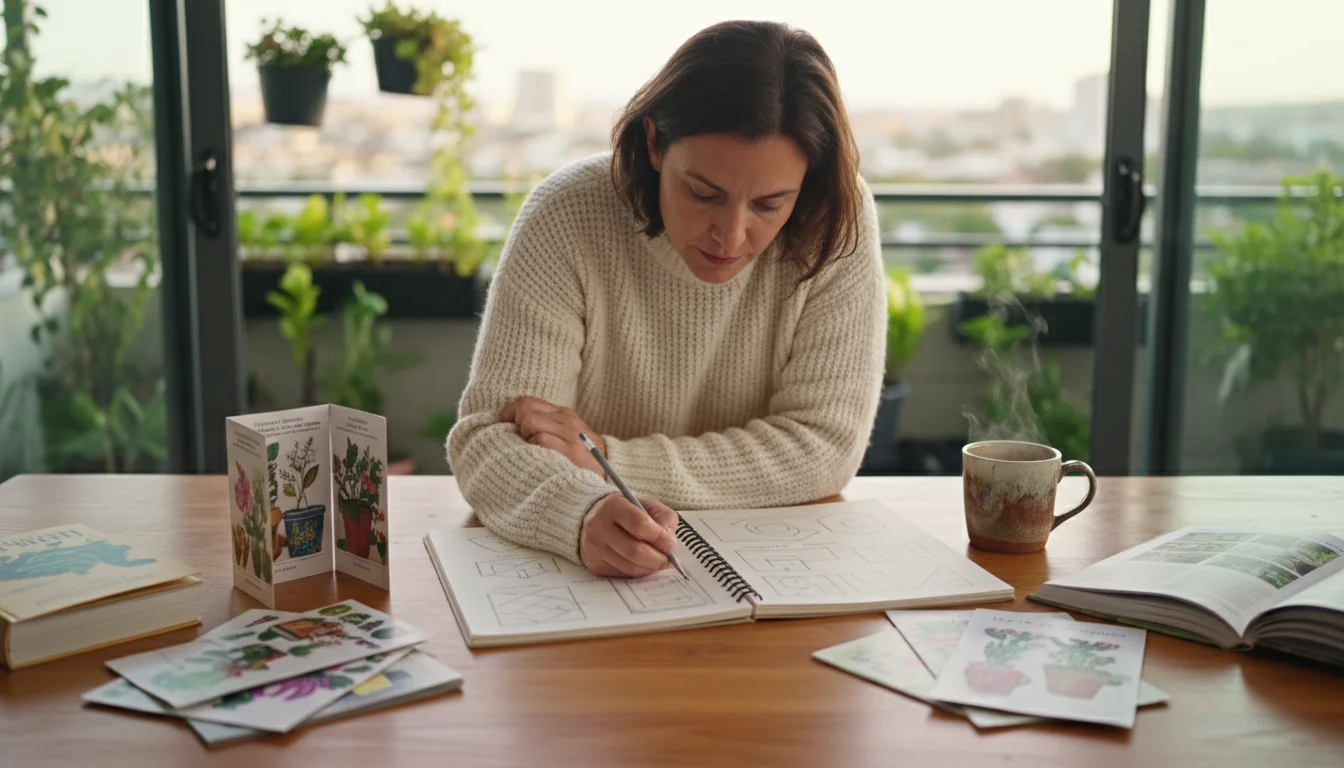
Many gardeners view winter as a dormant period, a time when nothing happens in the garden. For the resourceful small-space gardener, however, winter transforms into an invaluable season for strategic planning and preparation. Think of it as your secret weapon, providing a crucial head start that sets you up for unparalleled success when spring planting begins. This proactive approach lets you make thoughtful decisions, avoiding the common pitfalls of rushed spring purchases and haphazard layouts. You gain a significant advantage by tackling your garden planning during the colder months, ensuring a more efficient, enjoyable, and bountiful growing season.
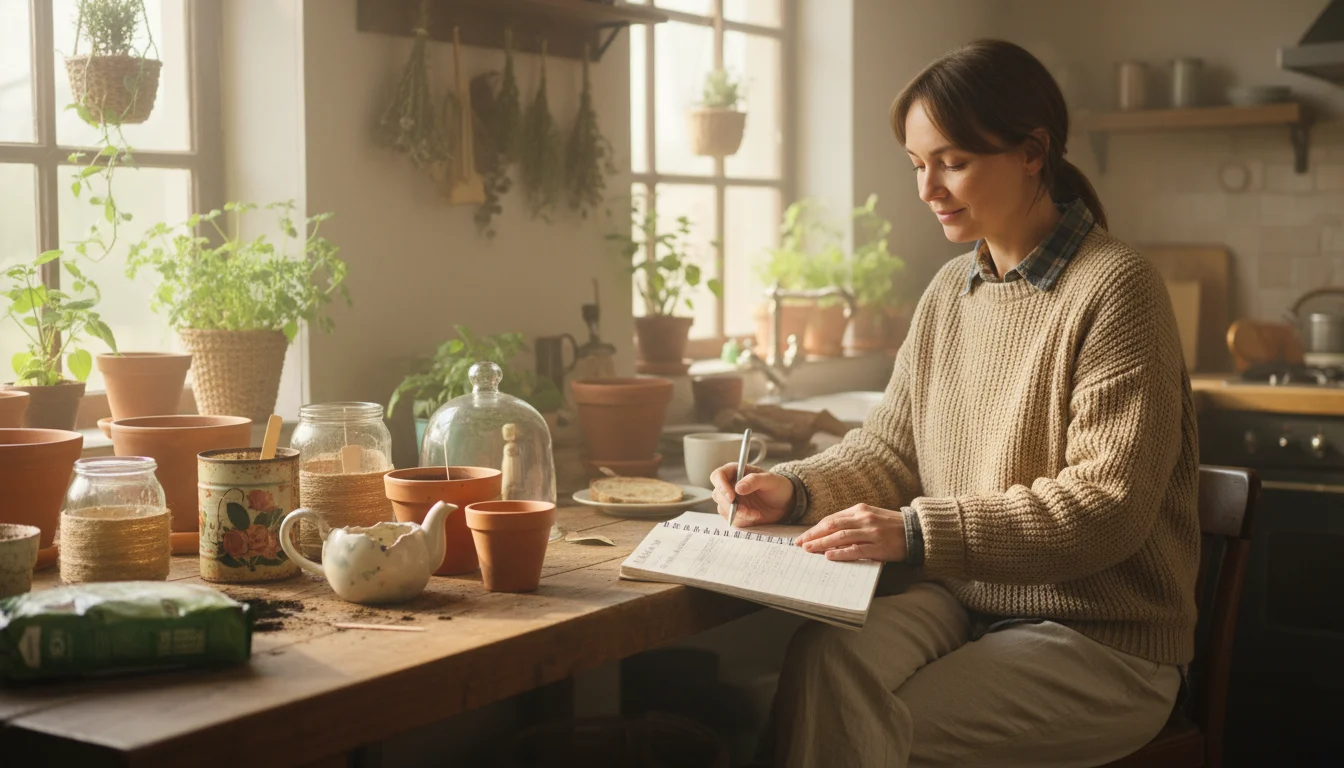
Using a reflective garden journal during these quiet months helps ensure you don’t repeat the errors of previous seasons.
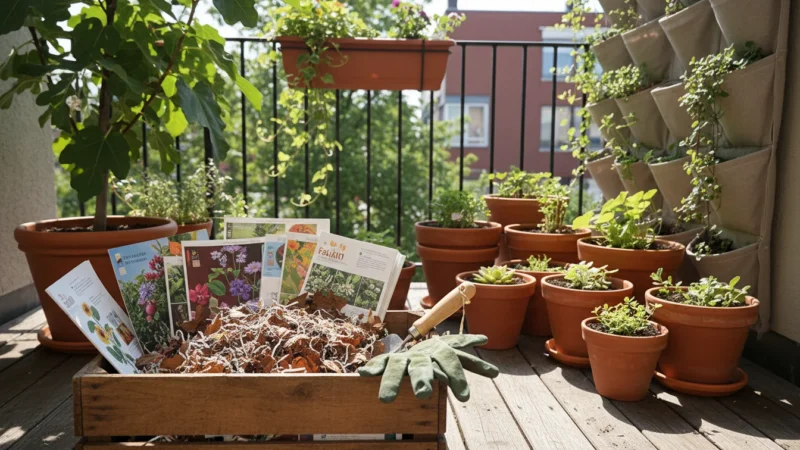
As part of your strategic timing, keep an apartment seed-starting calendar handy to ensure you begin your indoor crops at the optimal moment for spring transplanting.
One of the primary benefits of winter garden planning is the luxury of time. Spring’s arrival often brings a flurry of tasks, from turning soil to planting seedlings, all under the pressure of limited daylight and rapidly warming temperatures. By dedicating your winter downtime to detailed planning, you alleviate this spring rush. You possess the mental space to research plants, assess your balcony’s unique conditions, and meticulously design your layout. This unhurried process significantly enhances decision-making quality, leading to a garden that truly reflects your desires and thrives within your specific environment.
Winter planning also empowers you to create a budget-friendly garden. When you plan thoroughly, you identify exactly what you need, from specific container sizes to particular soil amendments. This allows you to hunt for sales, compare prices, and even repurpose existing materials, rather than making last-minute, potentially expensive, impulse buys. For example, knowing you need specific types of self-watering planters gives you weeks to monitor online sales or check local hardware stores for clearance items. Data shows that gardeners who plan their purchases save an average of 15-20% on their initial setup costs compared to those who buy impulsively in spring.
Furthermore, this off-season work provides an excellent opportunity for skill development. You can delve into topics like companion planting for pest control, learn about different container materials, or research the best varieties of vegetables for limited space. This knowledge builds your confidence and expertise, making you a more effective and adaptable gardener. You discover which plants are genuinely low-maintenance and thrive in containers, matching them to your lifestyle. This makes gardening less of a chore and more of a rewarding hobby. Your winter garden projects directly contribute to a more enjoyable and productive future garden.
Ultimately, winter planning transforms gardening from a reactive endeavor into a strategic one. You move from simply reacting to spring’s arrival to actively orchestrating your garden’s success. You create a detailed blueprint that serves as your guide, removing guesswork and increasing your chances of a flourishing, beautiful, and highly productive balcony garden. This preparation allows you to hit the ground running when the weather breaks, enjoying the fruits of your winter labor from the very first sprout.
Assessing Your Balcony’s Potential: Light, Space, and Microclimates
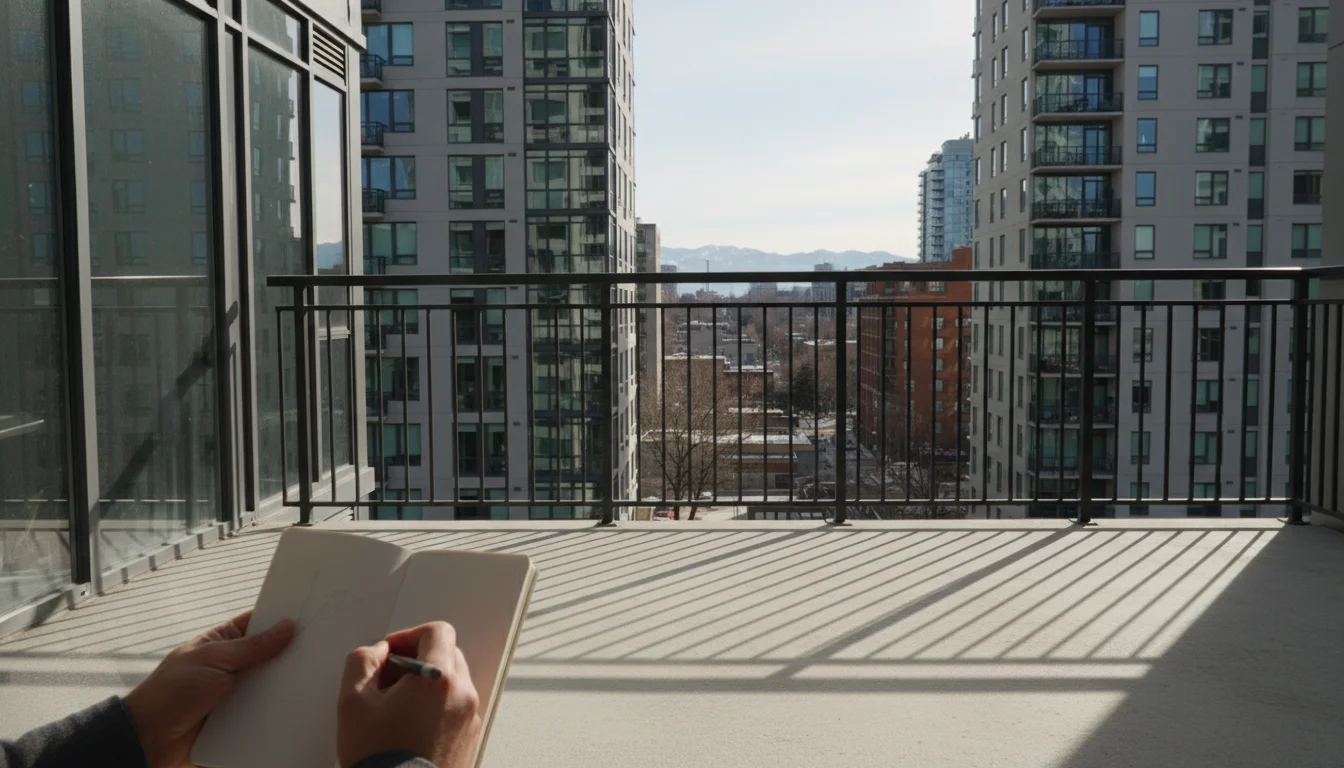
Before you draw a single plant on your graph paper, you must thoroughly understand your balcony’s unique characteristics. Every balcony, patio, or small yard presents a distinct environment, influenced by its orientation, surrounding structures, and even prevailing winds. Conducting a detailed assessment of these factors during winter allows you to make informed decisions that align with your actual growing conditions, not just your aspirations. This step forms the bedrock of a successful balcony garden design.
1. Evaluate Sun Exposure
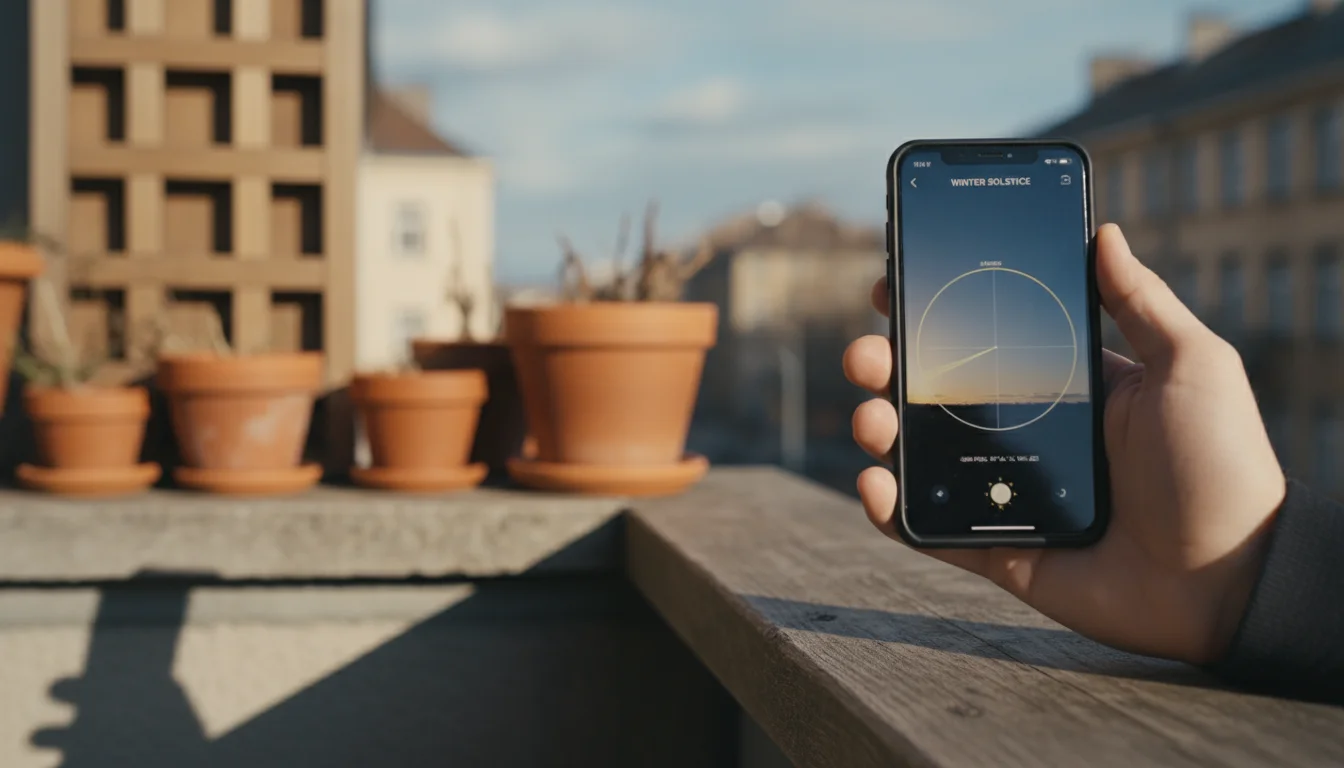
Sunlight is the single most critical factor for plant health. Most fruiting vegetables and many herbs require at least 6-8 hours of direct sun daily to thrive. Others, like leafy greens, tolerate partial shade (3-5 hours of sun). You need to precisely map how the sun moves across your balcony throughout the day, especially during the peak growing season. While winter sun is weaker, you can still observe general patterns. During spring, track the sun’s path at different hours, noting which areas receive morning, afternoon, or full-day sun. Sketch this on a simple diagram of your balcony. For instance, a balcony facing south generally receives the most intense, prolonged sun exposure, while a north-facing balcony might be primarily shaded.
To accurately assess sun exposure, consider a practical exercise. Take photos or make notes at regular intervals, for example, every two hours from 8 AM to 6 PM, for a few days. Note exactly where the sun hits and for how long. Pay attention to shadows cast by neighboring buildings, railings, or even your own apartment walls. This level of detail is critical for selecting the right plants for each specific spot.
2. Measure Your Space
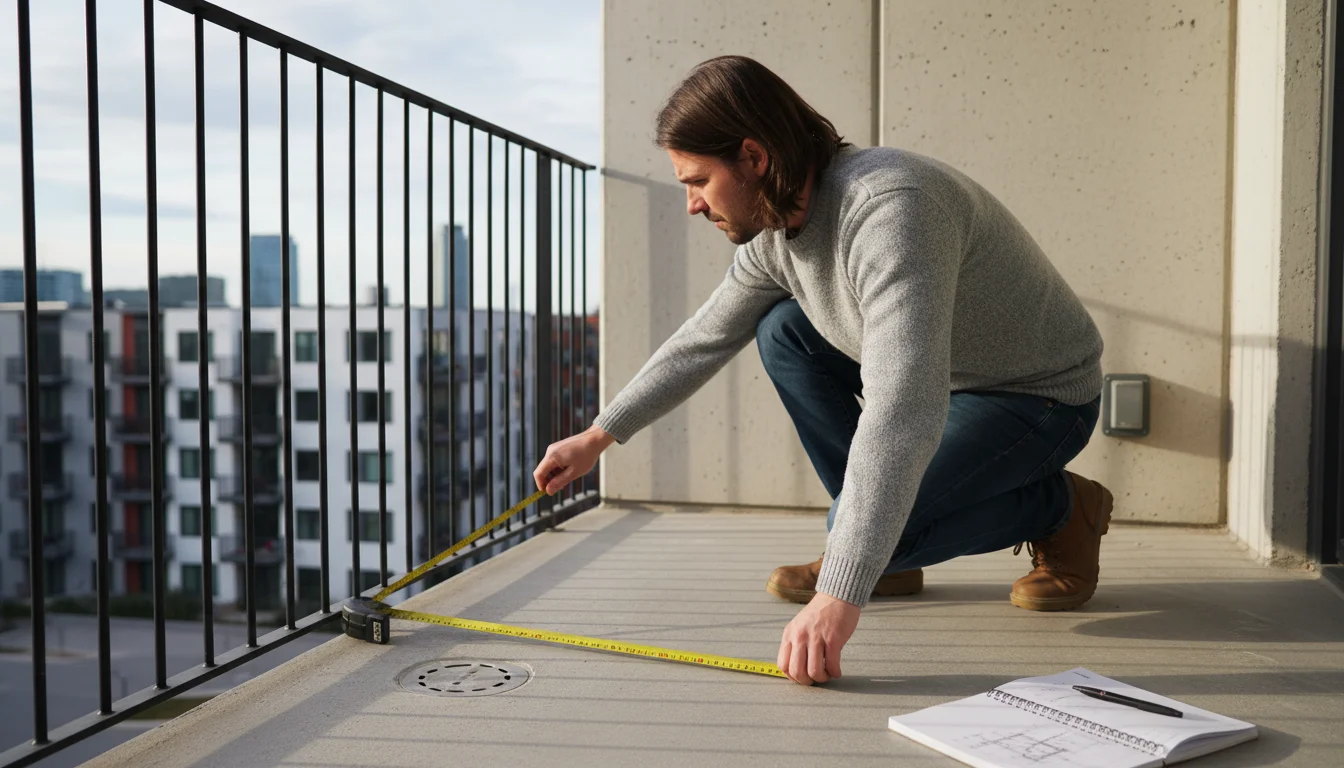
Understanding your physical dimensions is paramount for a small space garden layout. Grab a measuring tape and meticulously record the length, width, and usable height of your balcony. Account for any fixed elements such as doors that open outwards, railings, electrical outlets, water spigots, or built-in seating. These elements define your constraints and opportunities. Knowing these exact measurements allows you to select containers and structures that fit perfectly without crowding your living space or impeding access. For example, a 12-inch wide balcony allows for a single row of 8-inch containers, while a 4-foot wide space provides room for multiple rows or larger planters.
Consider the footprint of potential furniture you want to keep on the balcony. Will your garden compete with a bistro set or a lounge chair? Your measurements should incorporate pathways and access points for watering and maintenance, ensuring you can comfortably move around your garden without causing damage.
3. Identify Microclimates
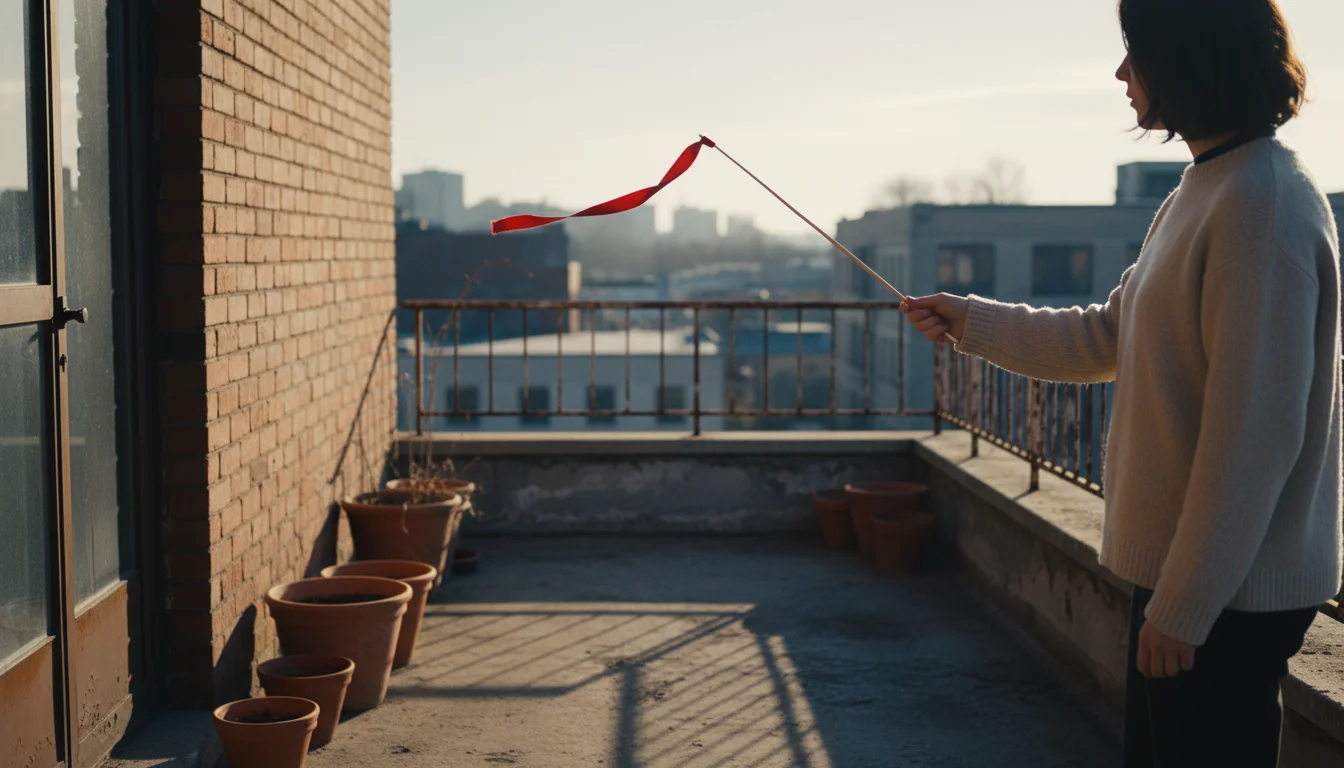
Even within a small balcony, variations in exposure create distinct microclimates. These are localized climate conditions that differ from the general climate of the area. For example, a corner shielded by a building wall might be warmer and less windy than an open edge. Conversely, a spot near an air conditioning unit could be significantly warmer. A balcony directly over a heat-radiating roof or concrete slab will experience higher soil temperatures. Observe prevailing wind directions. Strong winds can dehydrate plants quickly and physically damage them. Tall buildings often create wind tunnels. Understanding these nuances helps you place sensitive plants in sheltered spots and choose robust varieties for exposed areas.
You can test for microclimates by placing thermometers in different areas of your balcony on a warm, sunny day. Observe temperature fluctuations. Notice how quickly soil in various pots dries out. This information informs your plant placement. For example, heat-loving basil might thrive in a sheltered, sunny corner, while delicate lettuces might bolt (go to seed prematurely) in the same spot, preferring a cooler, partially shaded area.
Visualizing Your Dream: The Power of Graph Paper and Sketching
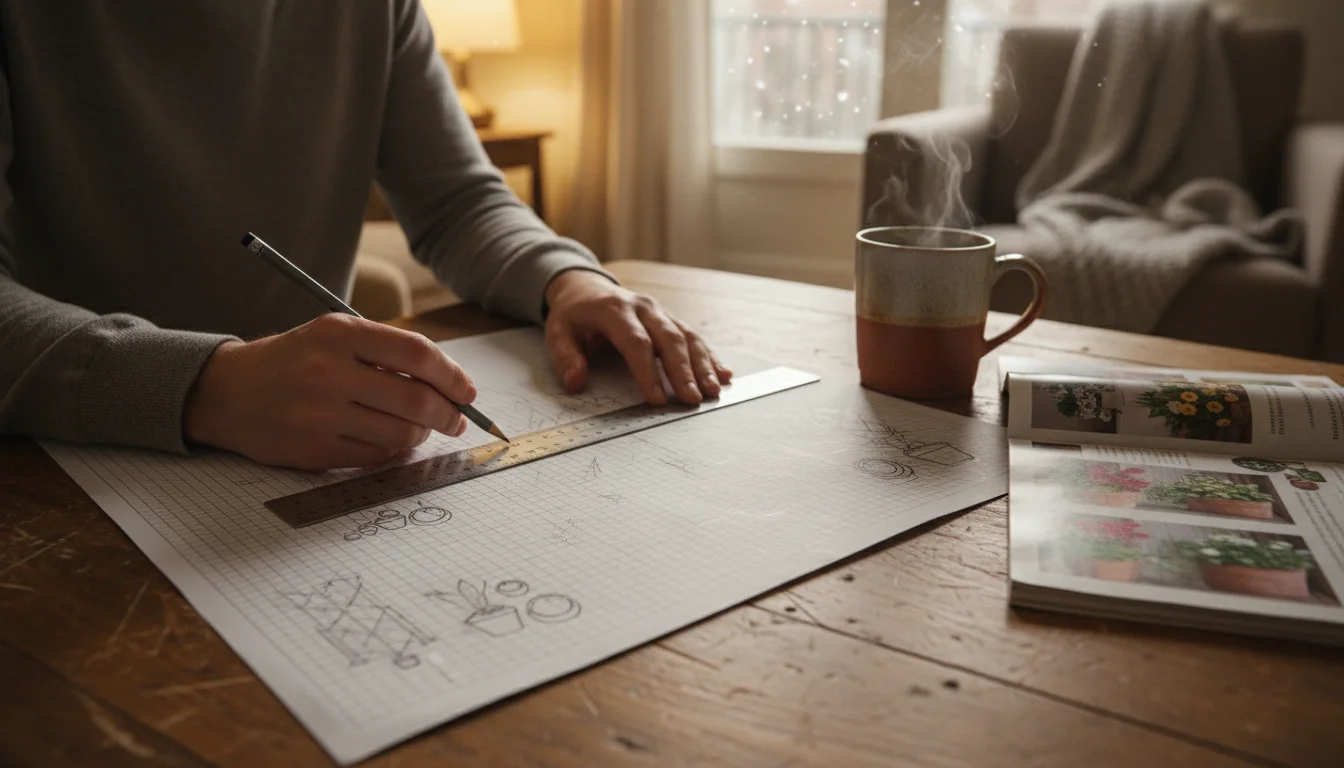
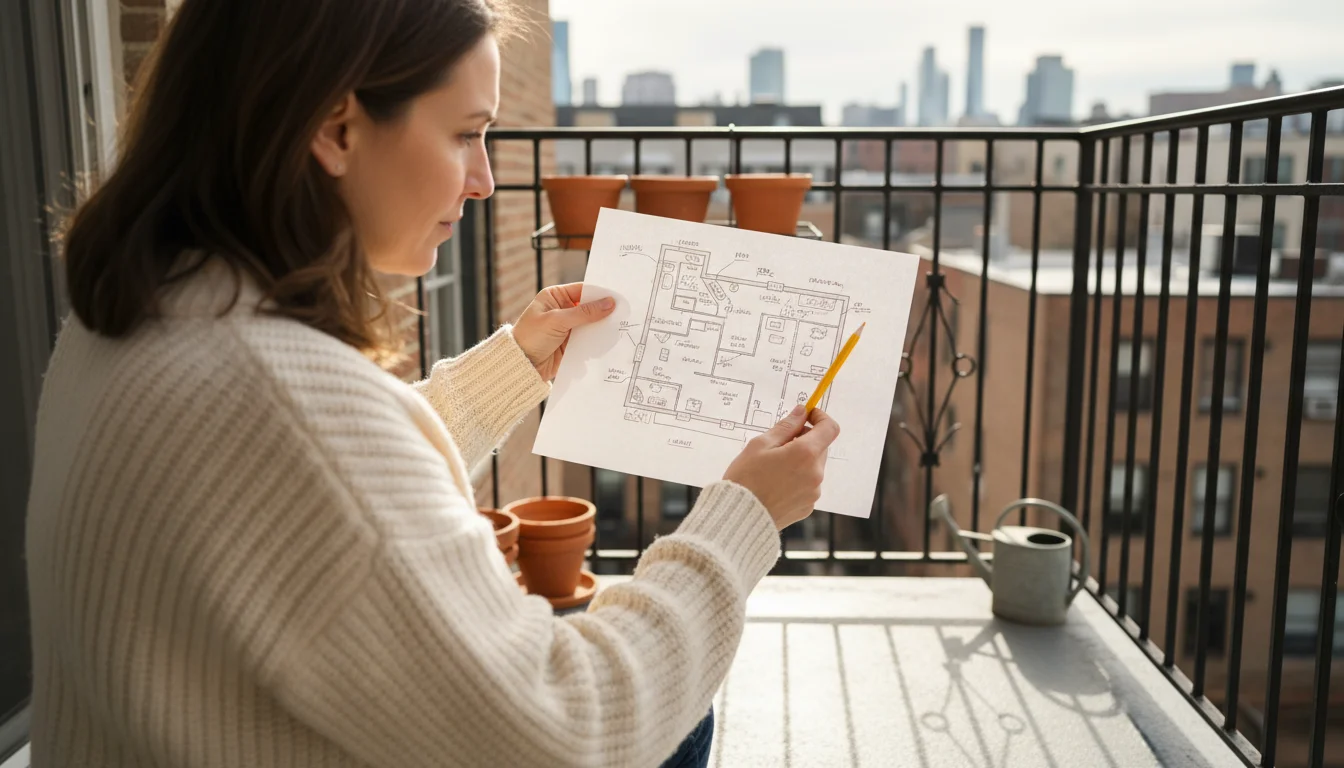
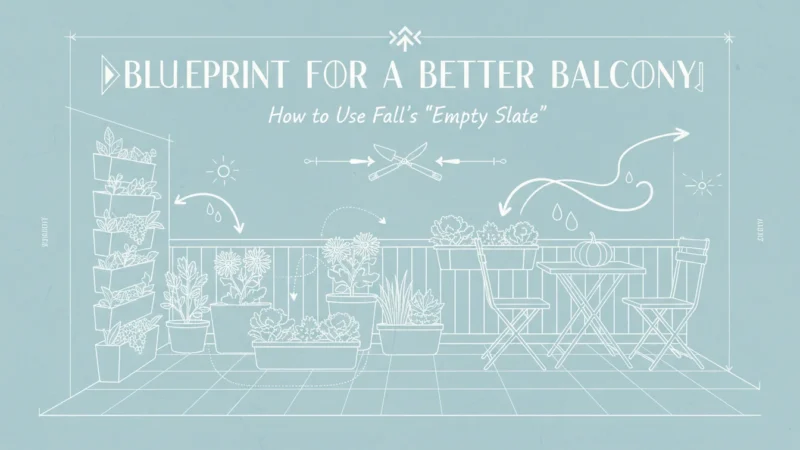
Once you possess a thorough understanding of your balcony’s environmental conditions and dimensions, the exciting phase of design begins. This is where you transform abstract ideas into a tangible plan. Using graph paper, pencil, and a ruler provides an incredibly effective, low-tech way to visualize your small space garden layout. This method ensures every element has a designated place, preventing guesswork and maximizing your balcony’s potential. It is a critical step in garden planning and an excellent winter garden project for anyone wondering how to plan a container garden for beginners.
If you prefer a tech-savvy approach over pencil and paper, there are several free gardening apps that can help you visualize your container setup digitally.
1. Establish Your Scale
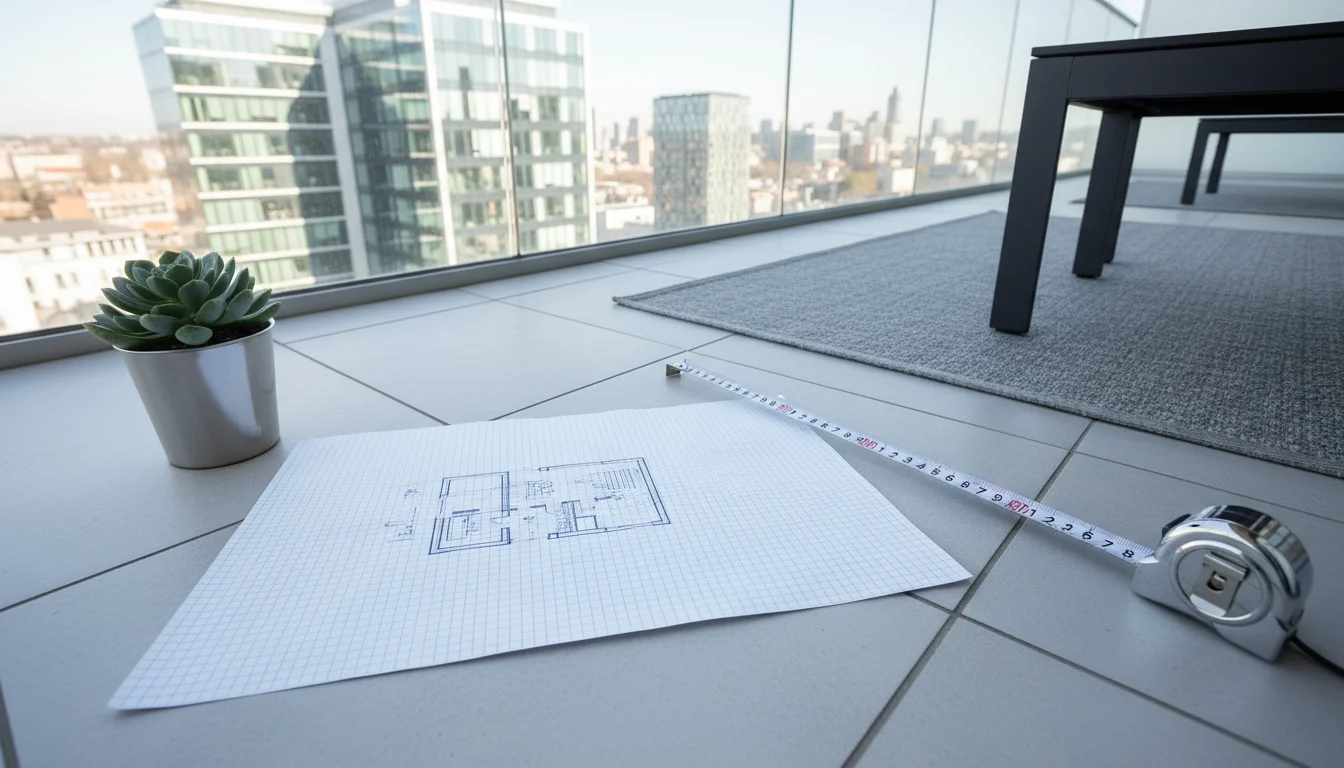
Start by drawing a scaled outline of your balcony on graph paper. A common scale for small spaces is 1 square equals 6 inches or 1 foot. If your balcony measures 10 feet by 4 feet, and you use a 1-foot scale, your drawing will be 10 squares by 4 squares. Accurately mark fixed features like doors, railings, and permanent fixtures. This scaled drawing becomes your base map.
2. Map Sun and Shade Zones
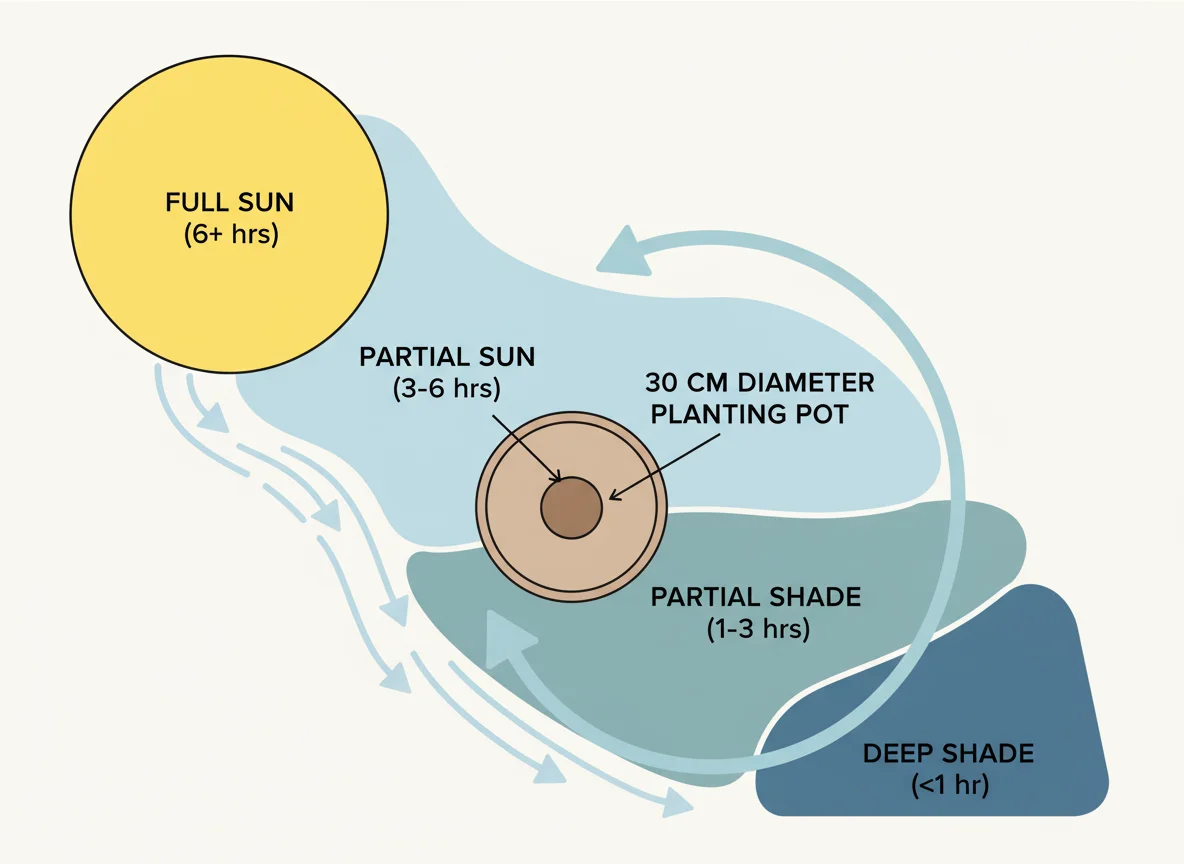
Transfer your sun exposure observations onto your base map. Use different colored pencils or shading to mark areas that receive full sun (6+ hours), partial sun (3-5 hours), and shade (less than 3 hours). This visual representation immediately shows you where sun-loving tomatoes or peppers will thrive and where leafy greens or shade-tolerant herbs belong. This helps in balcony garden design by preventing you from placing plants in unsuitable conditions, leading to healthier growth and higher yields.
3. Plot Your Containers and Furniture
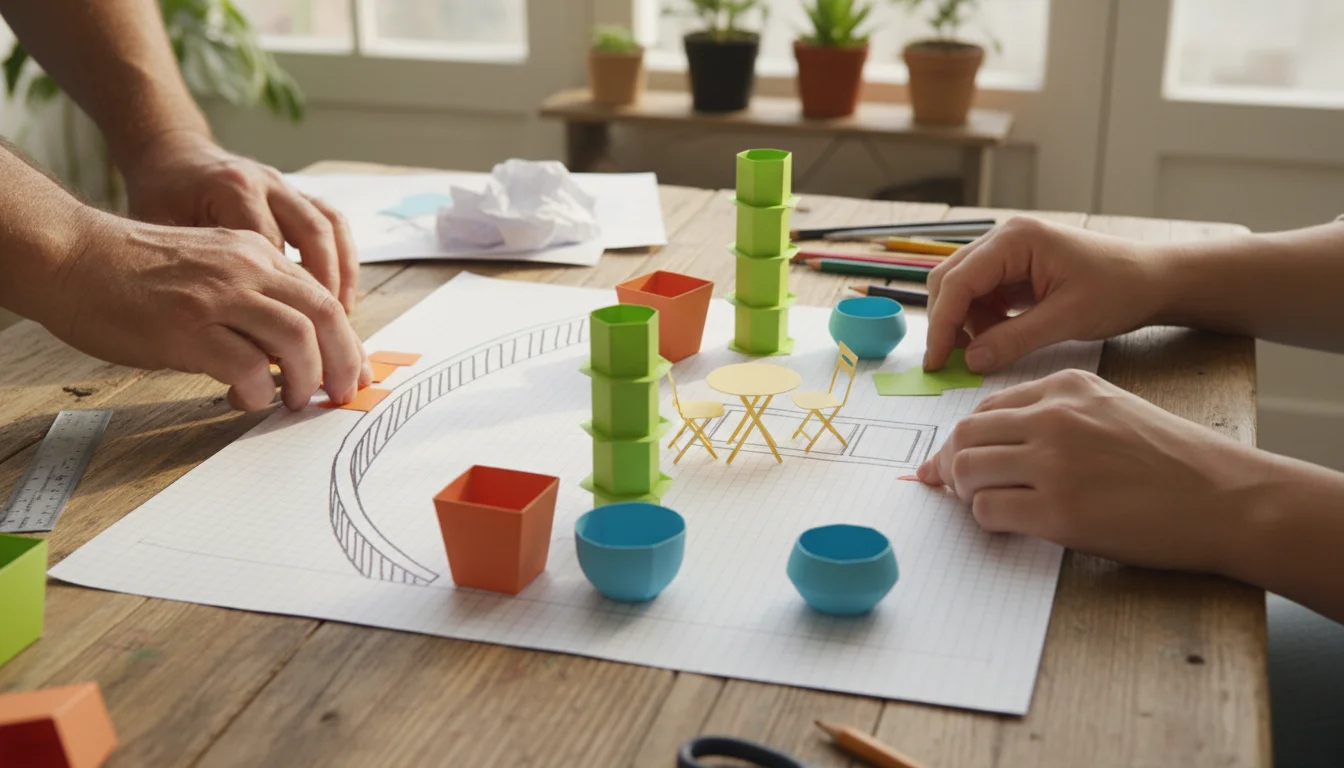
Now, represent your desired containers and any existing or new furniture. Cut out small pieces of paper, scaled to match the sizes of your pots, raised beds, or even a small bistro table. For instance, if a large planter is 2 feet by 1 foot, cut out a paper rectangle that is 2 squares by 1 square on your 1-foot scale map. Move these cutouts around your graph paper plan. This allows you to experiment with different arrangements, ensuring everything fits without blocking pathways or doors.
- Consider different container shapes: round, square, rectangular.
- Experiment with height variations: tall trellises, hanging baskets, tiered planters.
- Ensure adequate spacing for plant growth and air circulation.
- Do not forget about access for watering and harvesting.
4. Incorporate Vertical Elements
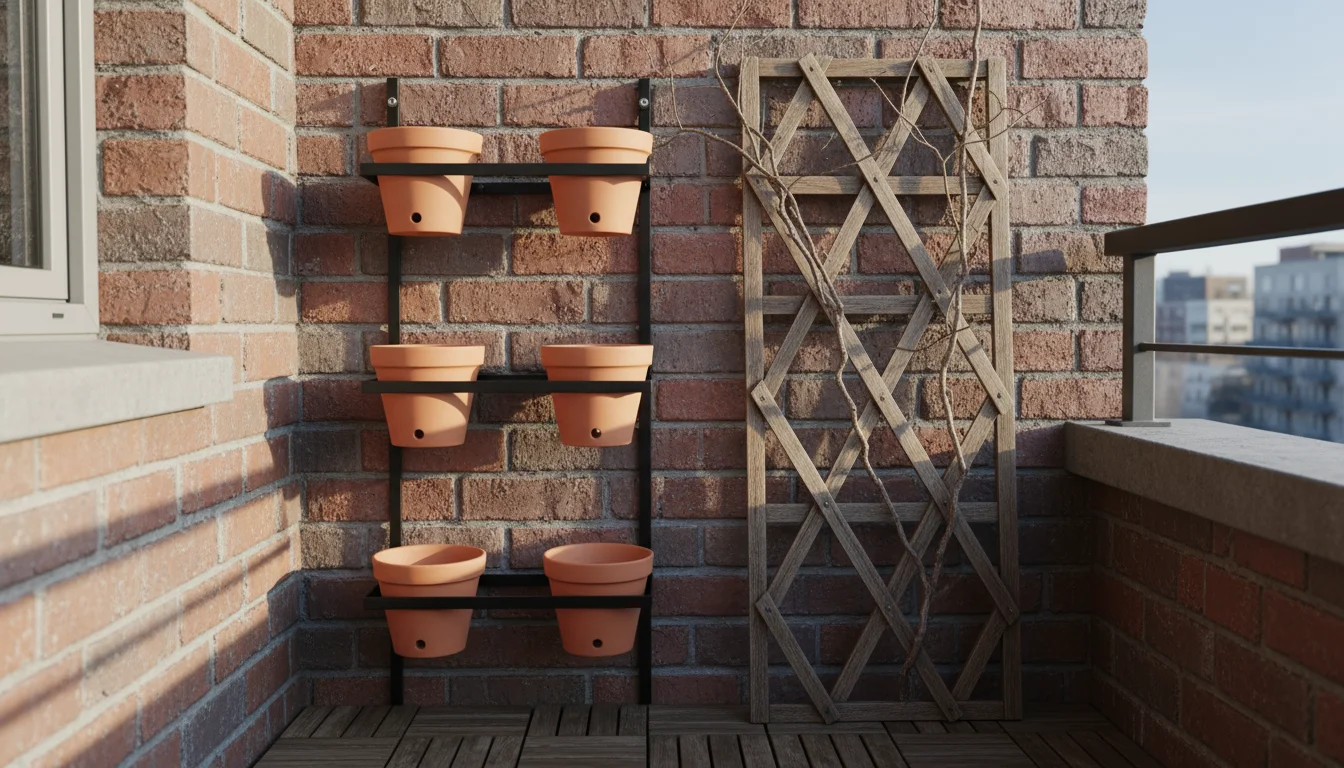
Vertical gardening dramatically expands your usable growing area. On your graph paper, consider where vertical structures like trellises, wall-mounted planters, or shelving units might go. Draw these in, indicating their dimensions and how they interact with your horizontal layout. For example, a climbing cucumber vine on a trellis might be placed at the back of a large container, extending upwards rather than outwards. This is a crucial element of effective small space garden layout.
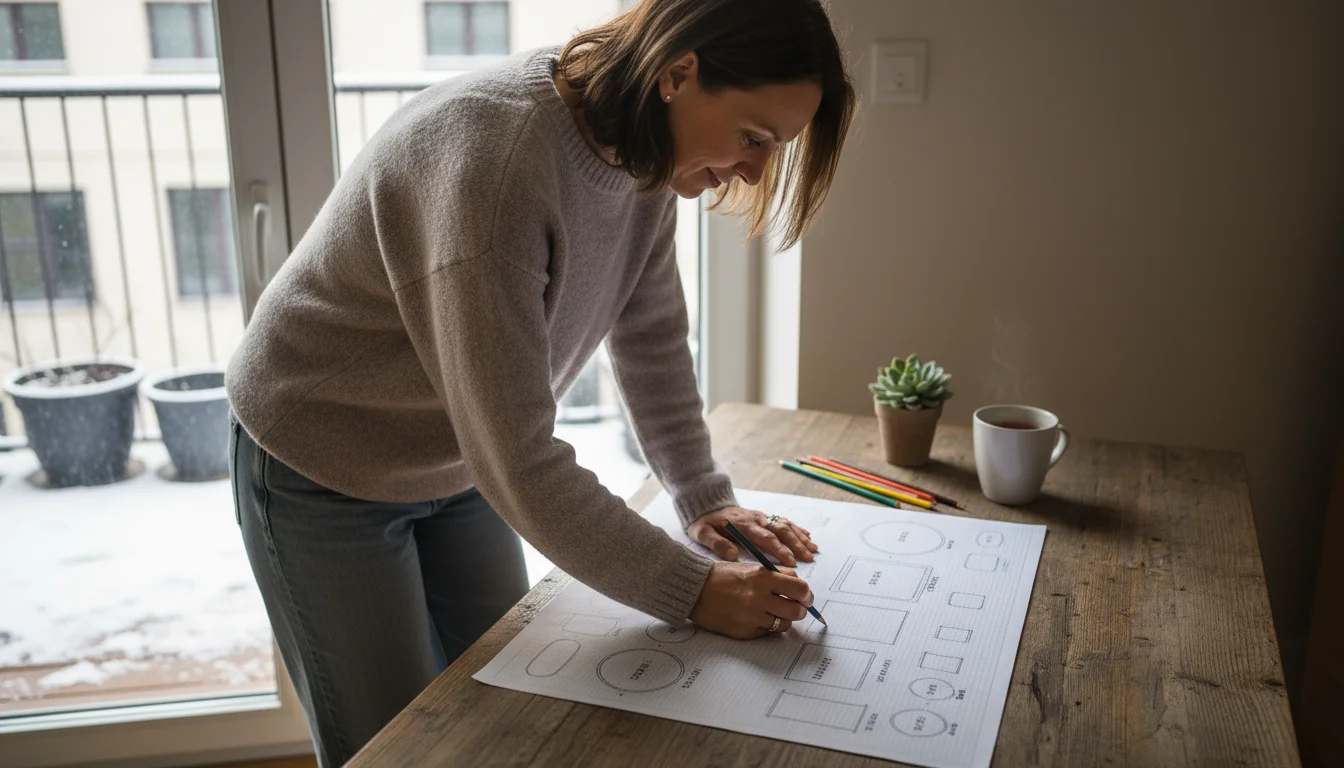
5. Sketch in Your Plants
With your containers and structures in place, sketch in your chosen plants. Consider their mature size. A small basil seedling becomes a bushy plant. A compact tomato can still reach 3-4 feet. This prevents overcrowding, a common mistake in container gardening. Label specific plants for specific pots, keeping their light and space needs in mind. This detailed visual plan, often referred to as using graph paper to design a garden, becomes an invaluable reference when you start buying seeds and seedlings.
This process of drawing and redrawing helps you refine your balcony layout ideas for vegetables and flowers. You might realize a large planter blocks too much light from another area, or that a specific arrangement maximizes your precious sunny spots. This winter garden project lays the foundation for a truly optimized and beautiful balcony space.
Choosing Your Stars: Plants for Small Spaces and Containers
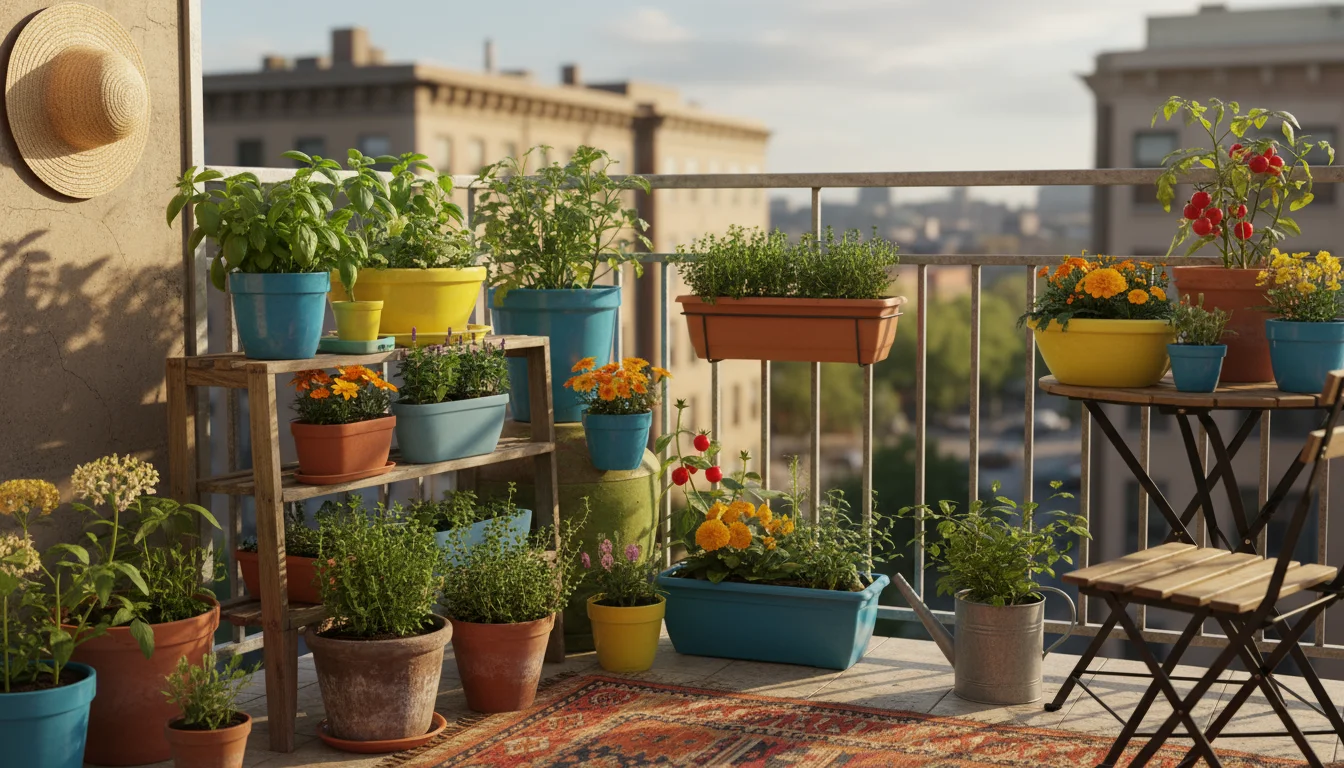
With your balcony blueprint in hand, the next exciting step involves selecting the plants that will bring your vision to life. For small-space and low-maintenance gardening, specific plant characteristics become paramount. You need varieties that perform well in containers, do not sprawl excessively, and offer a good return on your investment of space and effort. This strategic selection is key to a flourishing balcony layout ideas for vegetables, herbs, and flowers.
1. Embrace Compact and Bushy Varieties
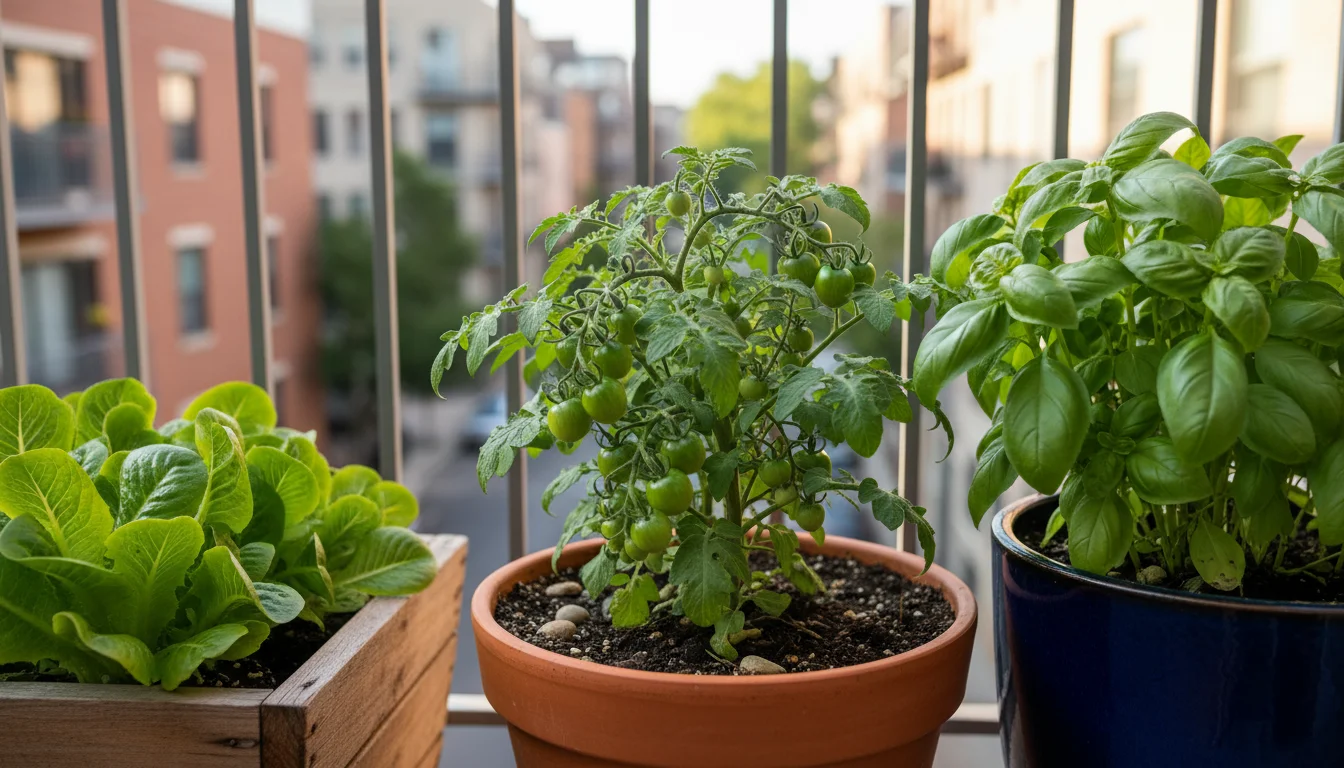
Avoid sprawling plants that quickly outgrow their containers and overwhelm your limited space. Look for cultivars explicitly bred for container gardening, often labeled “bush,” “dwarf,” “patio,” or “compact.” For instance, instead of indeterminate tomatoes that climb indefinitely, choose determinate or “patio” tomato varieties. Similarly, bush beans are far more suitable for pots than pole beans, which require extensive trellising. These smaller, more controlled growth habits mean healthier plants and easier management for you.
Examples of excellent compact choices:
- Vegetables: ‘Patio Princess’ tomatoes, ‘Bush Champion’ cucumbers, ‘Little Gem’ lettuce, ‘Thumbelina’ carrots, ‘Container’ zucchini.
- Herbs: Bush basil, creeping thyme, rosemary, mint (contained to prevent spreading), chives.
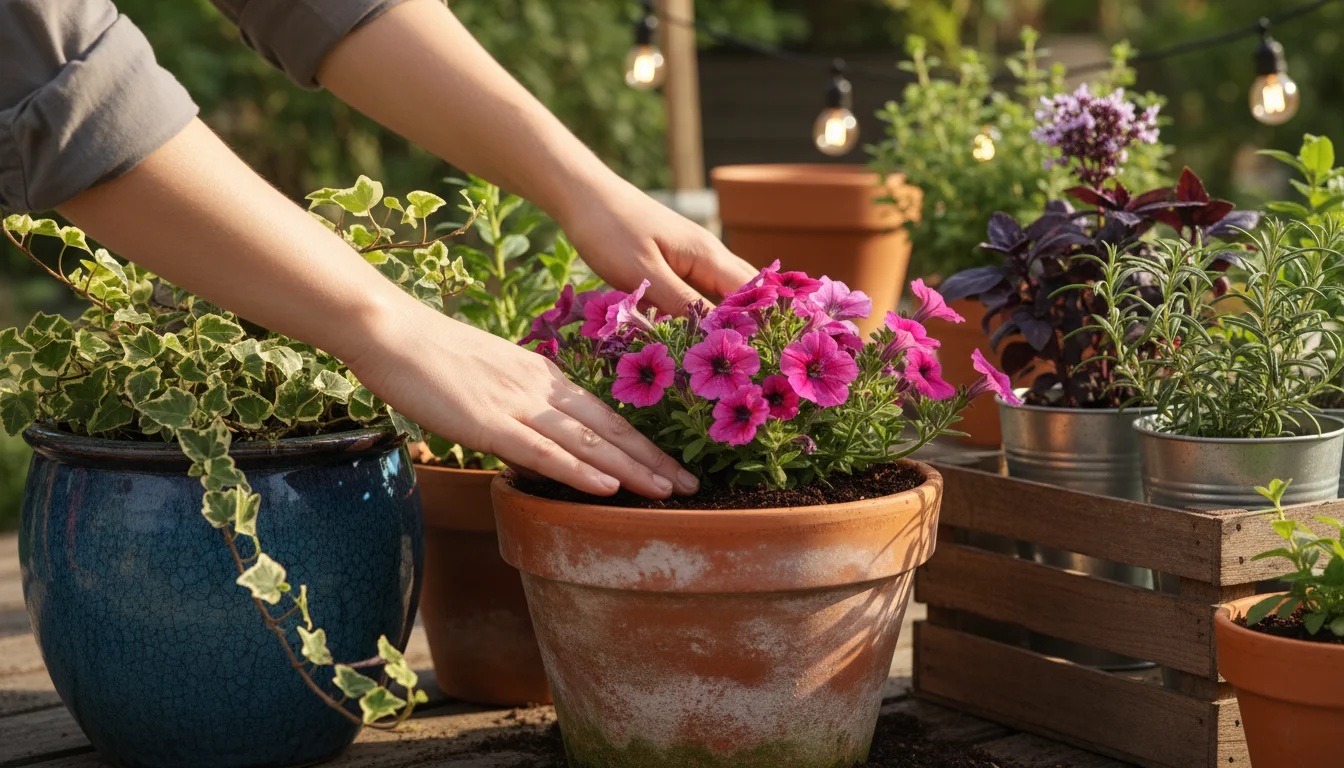
- Flowers: Dwarf nasturtiums, calendula, marigolds, petunias, pansies.
2. Prioritize High-Yielding or Continuously Harvesting Plants
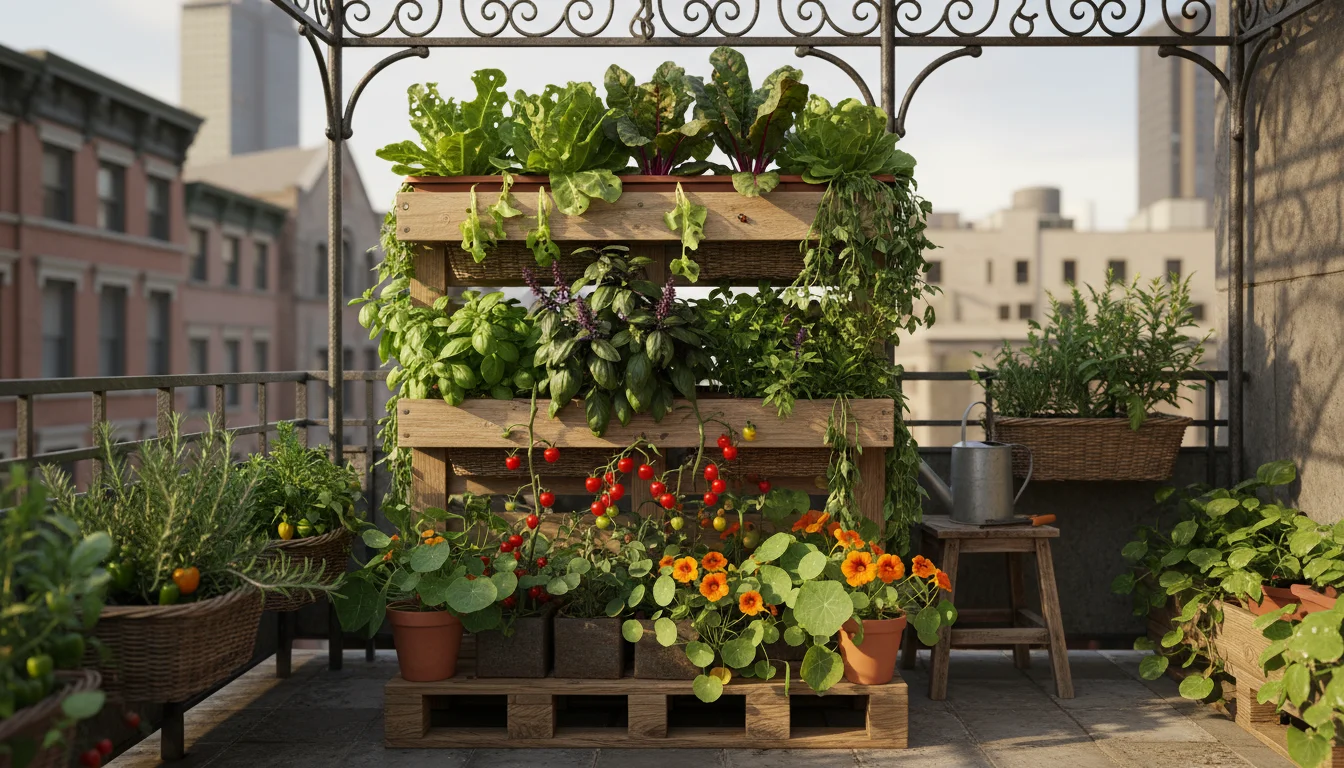
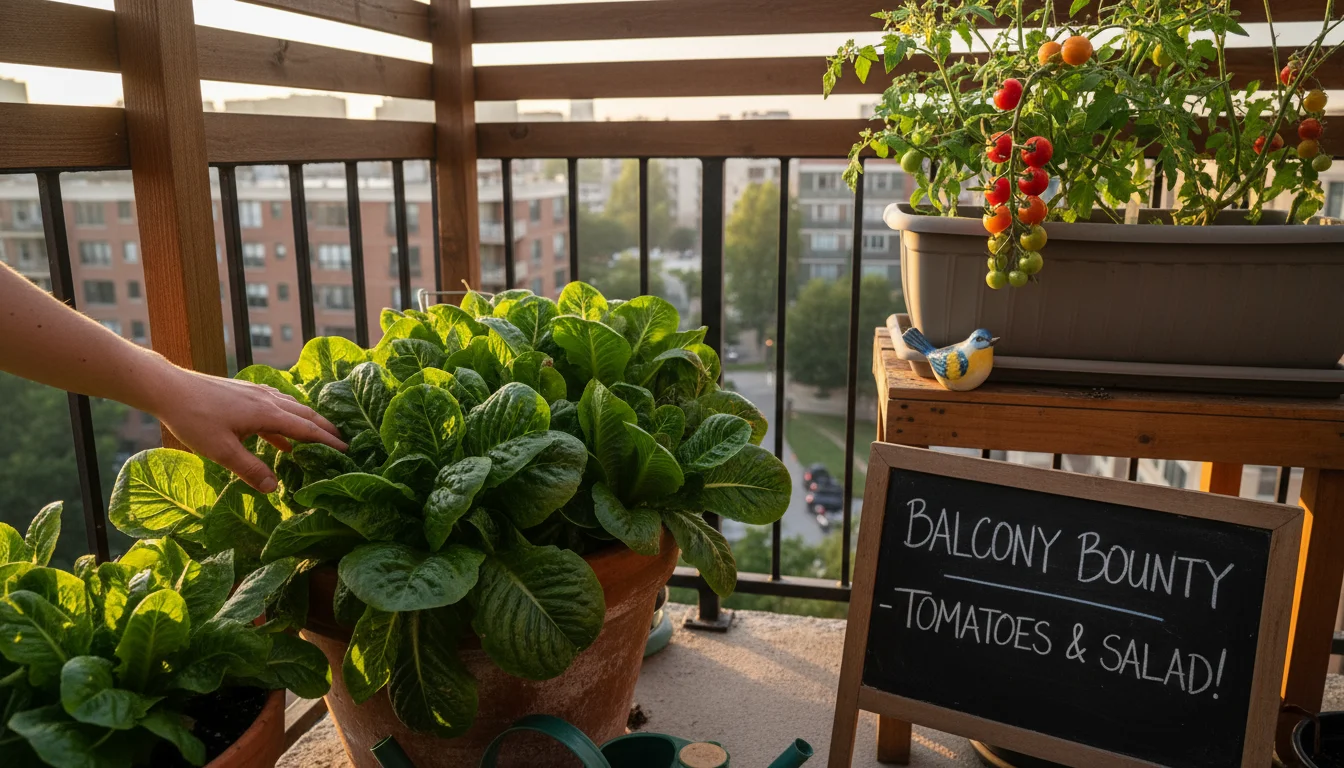
Every square inch of your balcony garden is precious. Choose plants that offer a continuous harvest or a high yield relative to their size. Leafy greens like lettuce, spinach, and Swiss chard allow for “cut-and-come-again” harvesting, providing multiple meals from a single plant. Herbs like basil, mint, and cilantro can be regularly snipped for culinary use, encouraging bushier growth. Cherry tomatoes produce a consistent supply of fruit throughout the season, unlike larger slicing tomatoes which might offer fewer, heavier harvests.
Consider plants with multiple uses, such as edible flowers like nasturtiums or calendula, which add beauty and can be incorporated into salads. This maximizes the utility of each plant you choose.
3. Match Plants to Your Sun Exposure Zones
Refer back to your sun map. This is where your diligent winter garden projects pay off. Place sun-loving plants (like tomatoes, peppers, eggplant, most herbs) in areas receiving 6+ hours of direct sun. Partial-sun plants (lettuce, spinach, kale, radishes) thrive in spots with 3-5 hours of sun, particularly morning sun. Shade-tolerant plants (some lettuces, mint, certain flowers) can occupy the shadier corners. Misplacing a plant in unsuitable light conditions is a common reason for poor growth or plant failure.
Even if you only have a few hours of sun, you still have options. Embrace the greens. Many varieties of lettuce, spinach, and kale will produce well with less than full sun. You can also focus on herbs that tolerate some shade, such as parsley, cilantro, and mint.
4. Think About Companion Planting for Pest and Disease Management
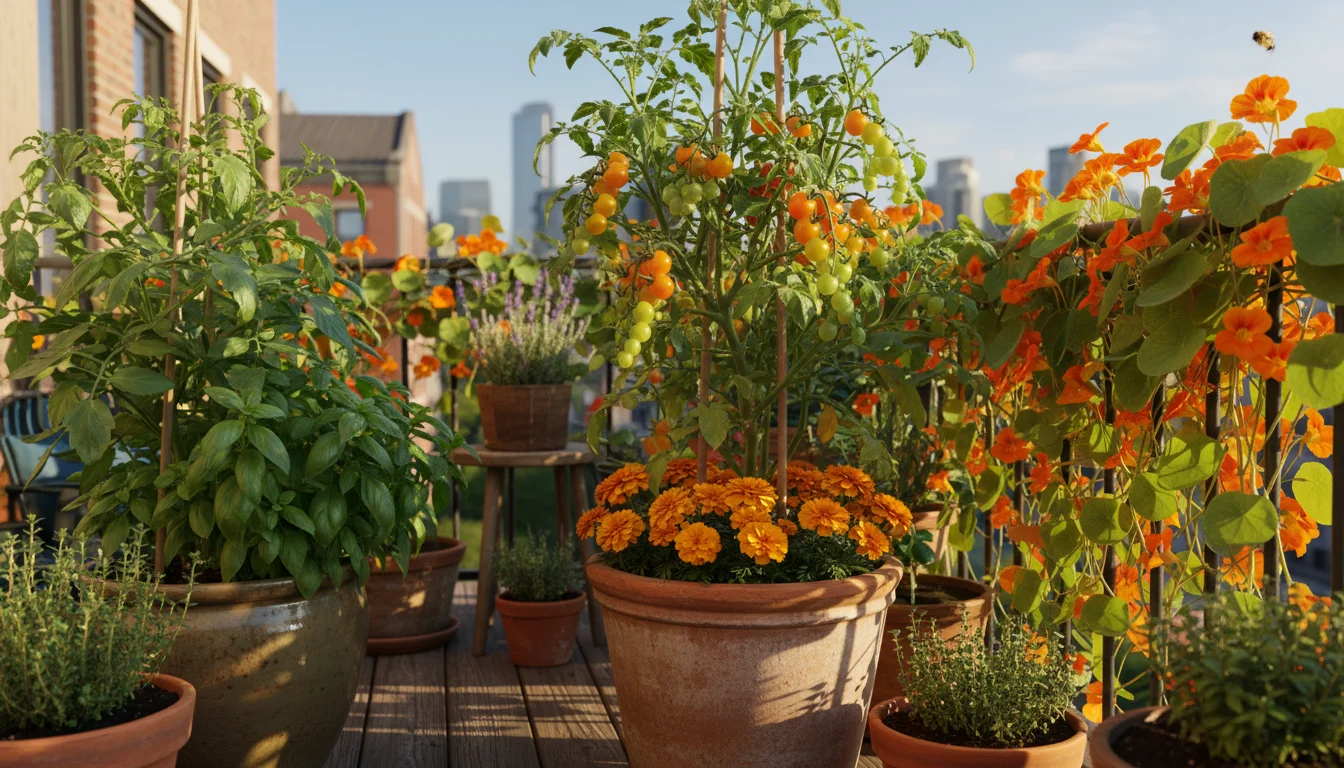
While not strictly about plant size, strategic companion planting helps maintain a healthy, low-maintenance garden. Certain plants deter pests or attract beneficial insects. For example, planting marigolds near tomatoes can help repel nematodes and other pests. Basil planted with tomatoes reportedly enhances their flavor and deters flies. Nasturtiums can act as a trap crop, drawing aphids away from other vegetables. Incorporating these natural defenses reduces your reliance on chemical interventions, promoting an eco-friendly approach.
Researching these pairings during your winter garden projects contributes to a more resilient garden environment. This foresight significantly impacts the overall health and productivity of your balcony garden, making it easier for you to succeed as a beginner gardener.
Container Chemistry: Selecting Pots, Soil, and Watering Solutions
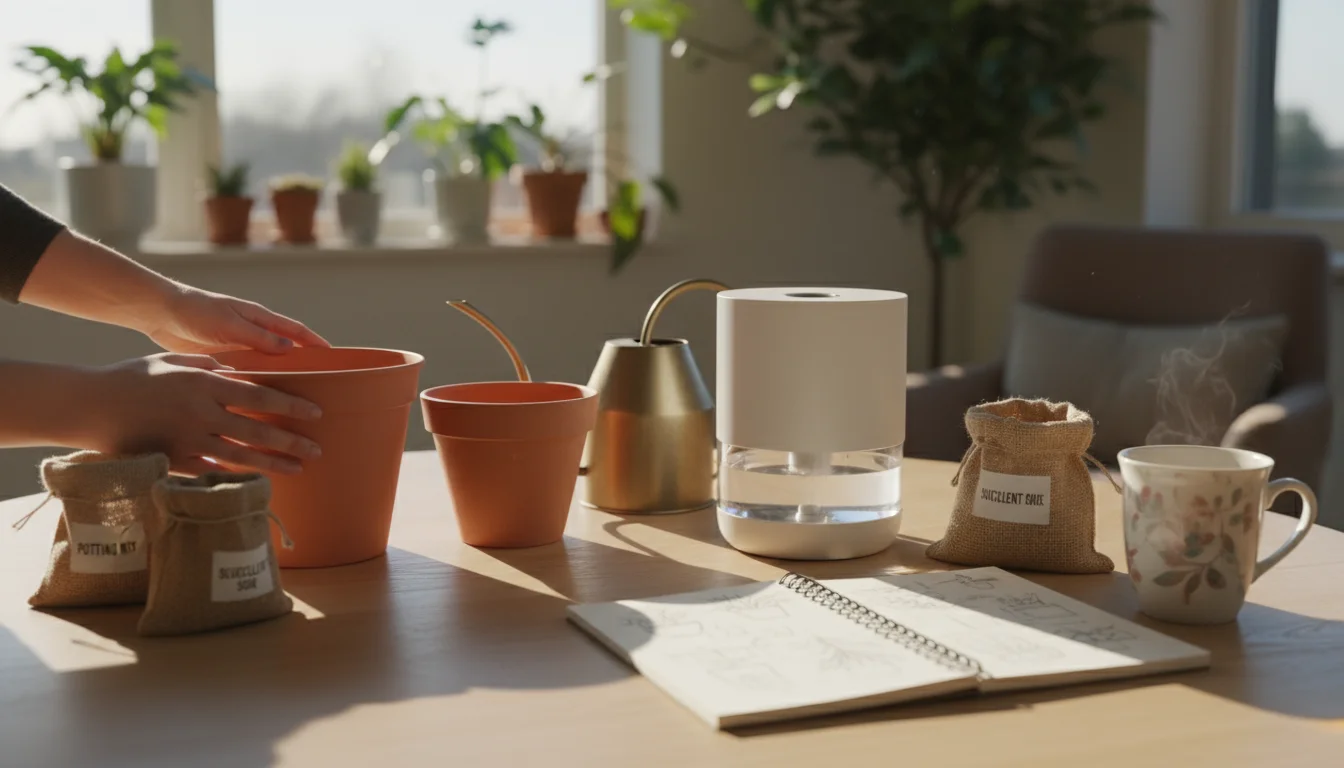
The success of your container garden hinges not only on your plant choices but also on the foundation you provide: the right containers, the appropriate soil, and an effective watering strategy. These elements are interconnected and directly impact plant health, growth, and your overall maintenance effort. Understanding their “chemistry” during your winter garden projects is a crucial step in how to plan a container garden for beginners.
1. Choosing the Right Containers
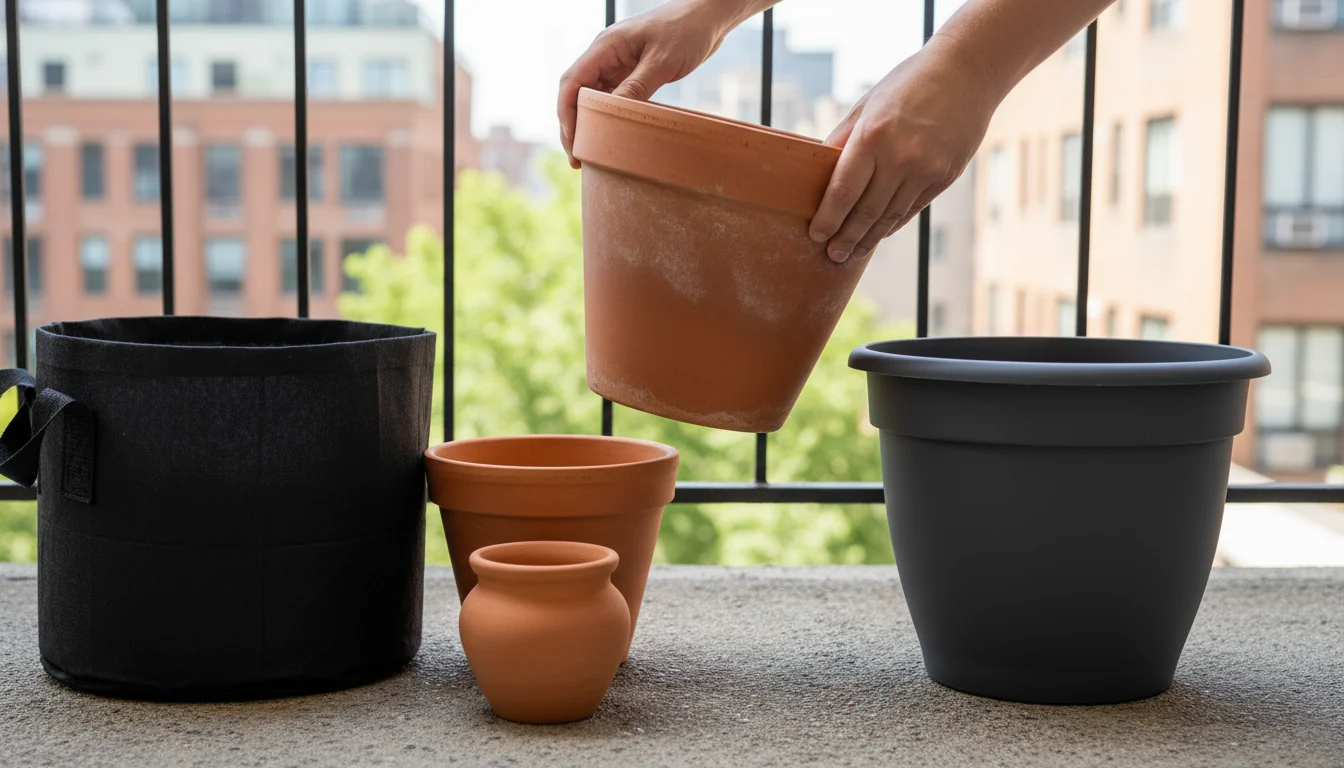
Containers come in a vast array of materials, sizes, and styles, each with pros and cons. Your choices directly influence moisture retention, root space, and aesthetic appeal. Size is paramount: inadequate root space stunts growth and limits production. A general rule for most vegetables is a minimum of 5-gallon equivalent (about 10-12 inches in diameter) per plant, though some, like lettuce, tolerate smaller pots. Tomatoes and peppers thrive in 10-gallon or larger containers.
| Container Material | Pros | Cons | Best Use |
|---|---|---|---|
| Terracotta/Clay | Porous, excellent drainage, classic look. | Dries out quickly, heavy, fragile. | Drought-tolerant plants, aesthetic appeal. |
| Plastic | Lightweight, retains moisture, inexpensive, durable. | Can look cheap, may overheat roots in direct sun. | Most vegetables, herbs, moisture-loving plants. |
| Fabric (Grow Bags) | Excellent aeration, prevents root circling, light, foldable. | Dries out quickly, less aesthetic appeal, shorter lifespan. | Root vegetables (potatoes), tomatoes, temporary planting. |
| Wood/Half Barrels | Insulates roots, attractive, durable (if treated). | Heavy, can rot, needs drainage holes drilled. | Larger plants, small trees, permanent features. |
Regardless of material, ensure every container has drainage holes. This is critical for preventing root rot, which occurs when roots sit in stagnant water. Water movement through the soil, which we call drainage, washes away excess salts and provides fresh oxygen to roots. Without adequate drainage, your plants will suffer.
2. Selecting the Best Potting Mix
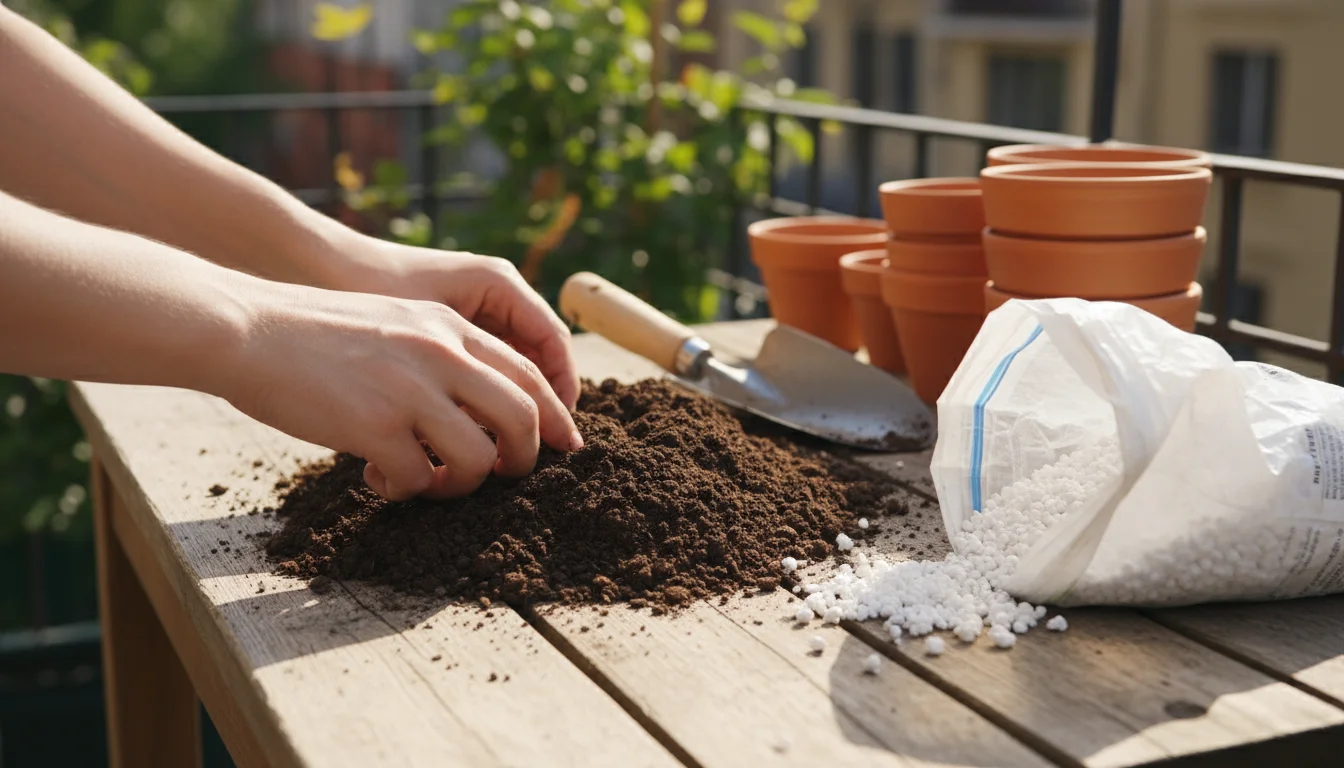
Do not use garden soil in containers. Garden soil compacts readily, prevents adequate drainage, and often harbors pests and diseases. Instead, invest in a high-quality potting mix. Potting mixes are specifically formulated to be lightweight, well-draining, and retain moisture while still providing aeration for roots. They typically contain a blend of peat moss or coco coir, perlite or vermiculite for drainage, and often some compost or slow-release fertilizer.
For vegetables and herbs, choose an organic potting mix if possible. You can enhance your mix by adding perlite for extra drainage (especially if you tend to overwater) or compost for additional nutrients. A good potting mix provides the optimal balance of moisture retention and oxygen flow, which is crucial for healthy root development in confined spaces.
3. Implementing Effective Watering Solutions
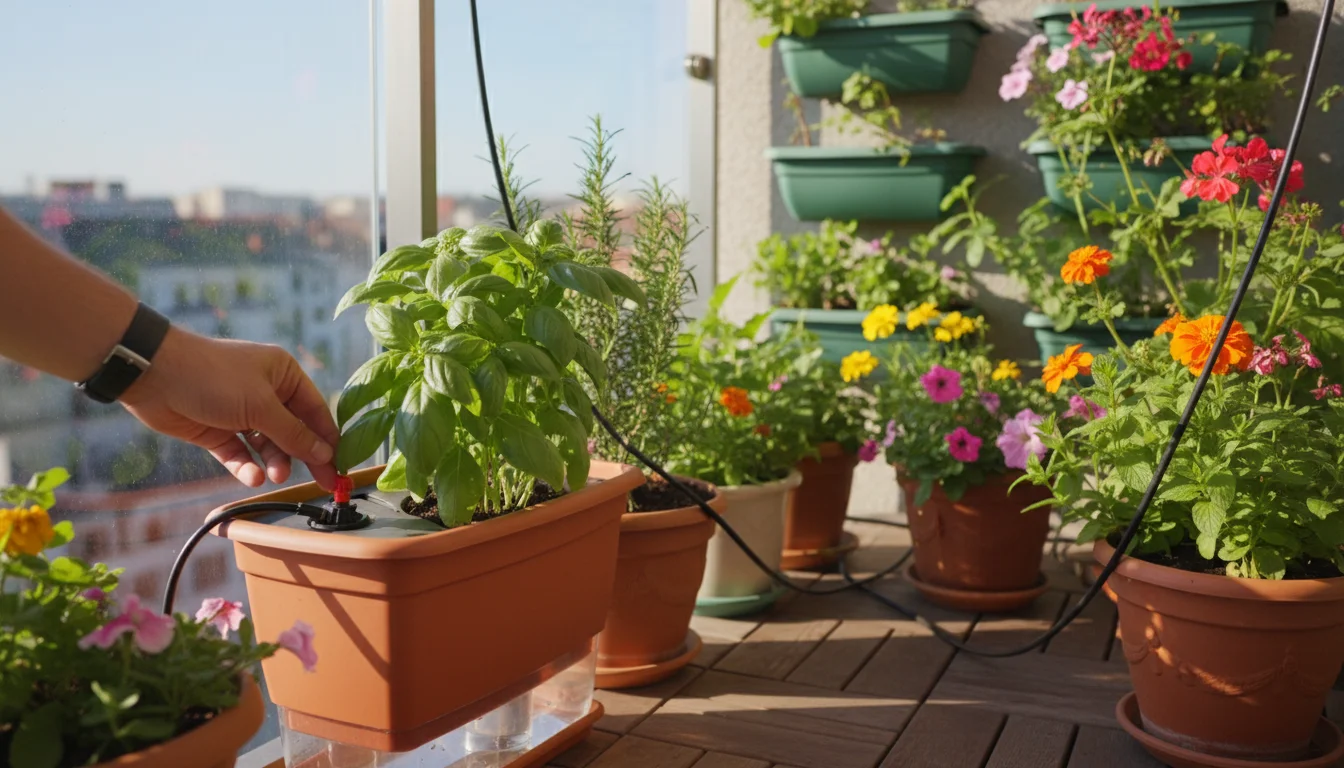
Container plants dry out much faster than in-ground gardens due to increased exposure to air and limited soil volume. A consistent watering strategy is non-negotiable for success. Manual watering works for small balcony gardens, but for larger setups, consider automated solutions. Drip irrigation systems, while an initial investment, save time, conserve water, and deliver consistent moisture directly to the root zone. You can find simple, gravity-fed drip kits or more advanced systems with timers.
Self-watering containers offer another excellent low-maintenance option. These pots have a reservoir at the bottom that wicks water up to the soil, providing a steady supply and extending watering intervals. They significantly reduce the frequency of manual watering, which is a major benefit for busy gardeners. Whichever method you choose, remember that consistent moisture, without waterlogging, is your goal.
Monitoring soil moisture is simple. Stick your finger about an inch or two into the soil. If it feels dry, it’s time to water. Avoid watering on a fixed schedule. Instead, water based on the plant’s needs and current weather conditions.
Maximizing Every Inch: Vertical Gardening and Smart Storage
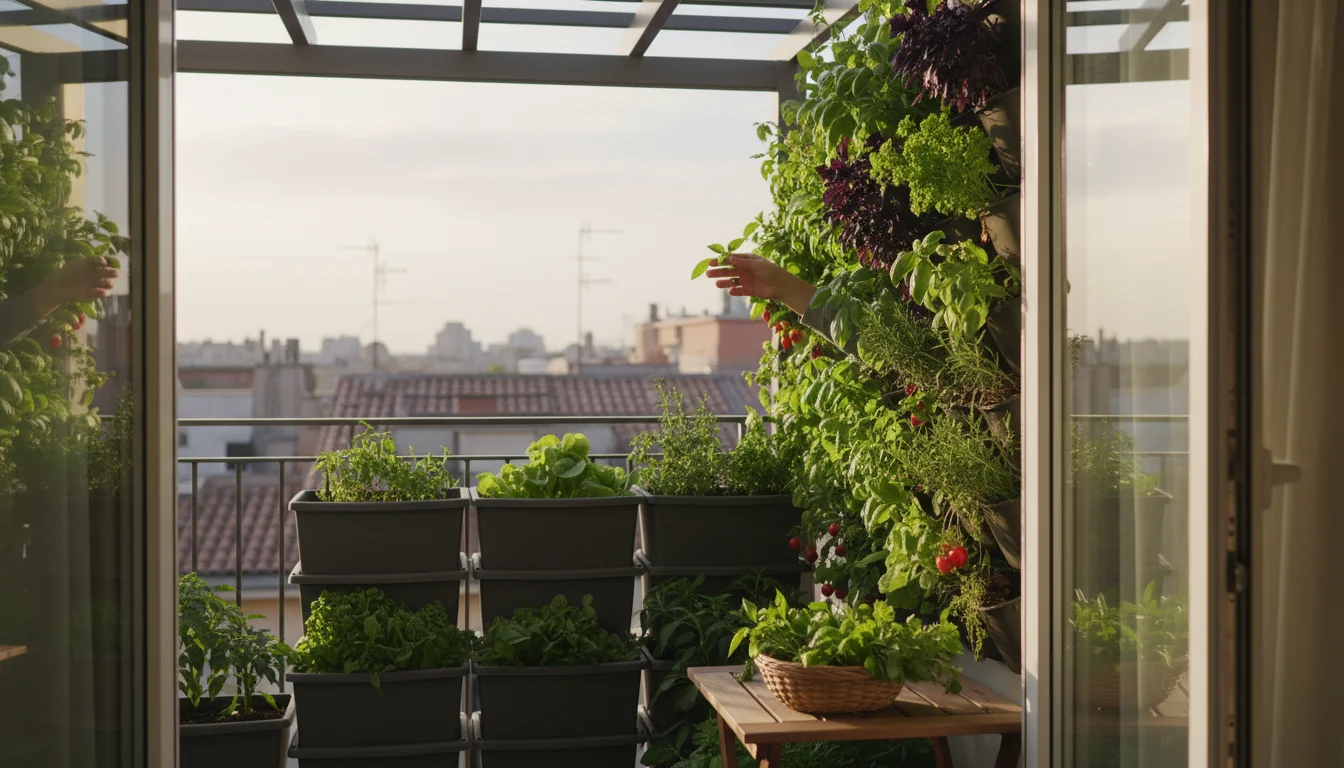
For small-space gardeners, every square inch of your balcony or patio represents potential. Vertical gardening techniques and smart storage solutions are not merely aesthetic choices; they are essential strategies to multiply your growing area and maintain an organized, efficient garden. You can significantly increase your harvest and create a more visually appealing space by thinking upwards and intelligently about organization. These are critical elements of effective small space garden layout and balcony garden design.
1. Embrace Vertical Growing Structures
Vertical gardening involves growing plants upwards, utilizing walls, railings, and freestanding structures. This strategy dramatically expands your usable growing space without consuming precious horizontal real estate. It’s particularly effective for plants that naturally climb or can be trained to do so.
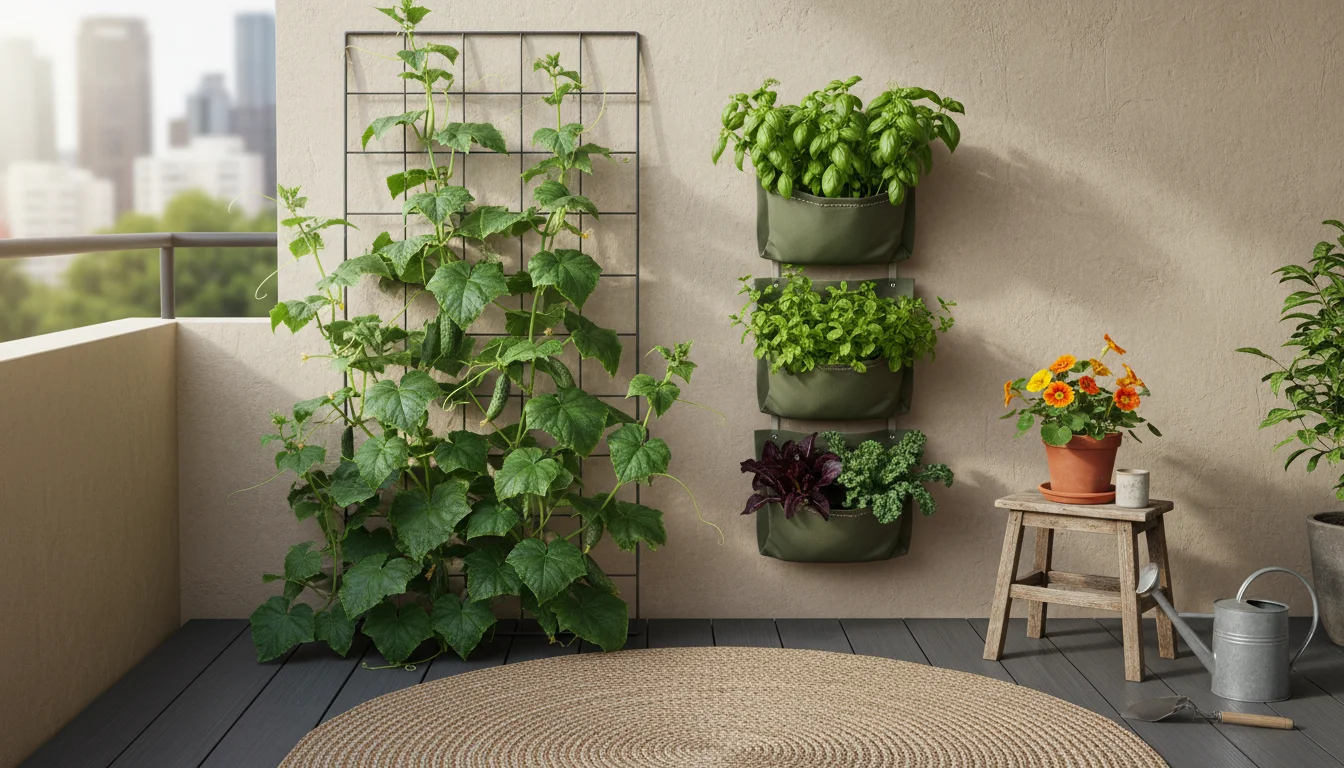
- Trellises: Install trellises against walls or attach them to railing planters. They provide support for climbing plants like cucumbers, pole beans, small squash varieties, peas, and even indeterminate tomatoes. Choose sturdy trellises that can withstand the weight of mature plants and fruit.
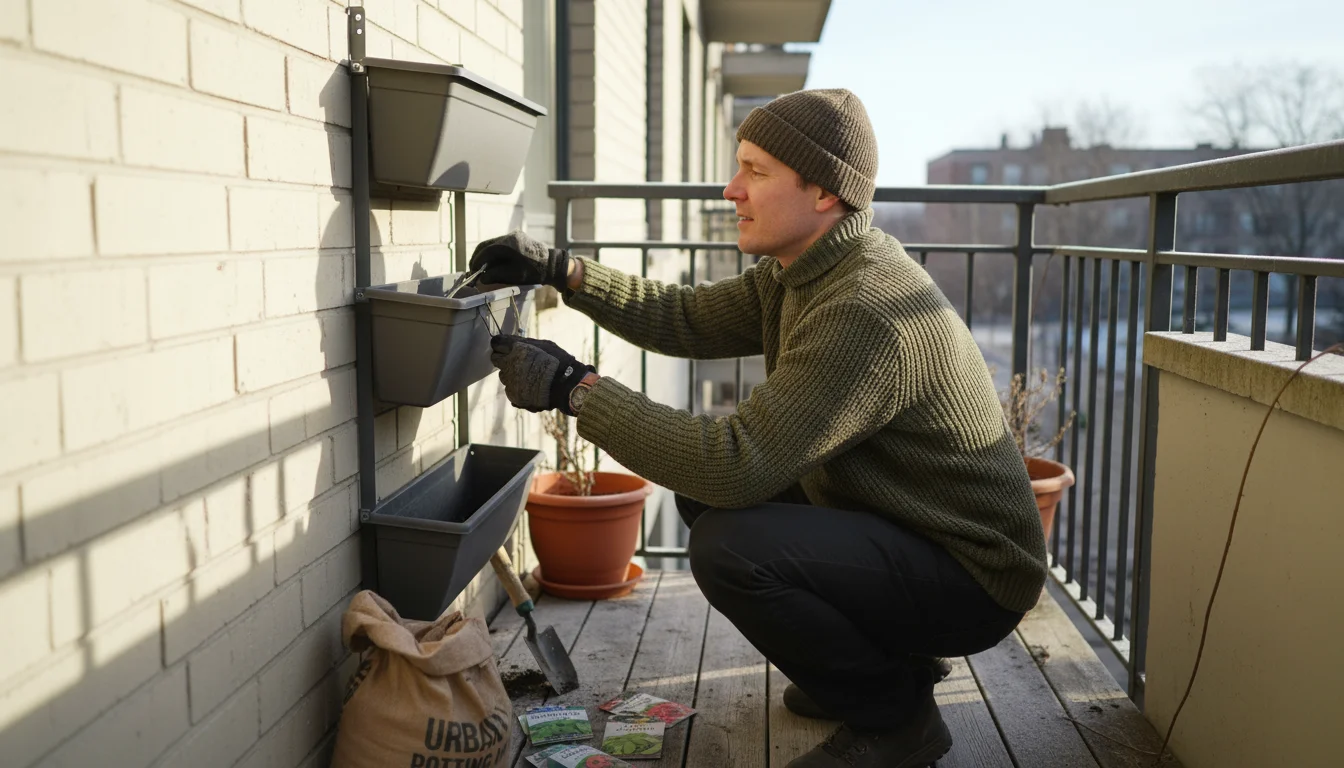
- Wall-Mounted Planters/Pockets: Systems of fabric pockets or tiered plastic planters can transform a bare wall into a living tapestry of herbs, leafy greens, or shallow-rooted flowers. Ensure your wall can support the weight of these systems once filled with soil and watered plants.
- Shelving Units: Freestanding or wall-mounted shelves offer multiple levels for containers. This allows you to stack different plant types, utilizing vertical space. Place sun-loving plants on higher shelves and shade-tolerant plants on lower ones. Look for sturdy, weather-resistant shelving.
- Stackable Planters: These clever containers stack vertically, often with individual planting pockets, forming a tower of plants. They are perfect for strawberries, herbs, or small annual flowers.
- Hanging Baskets: Suspended from hooks or ceiling mounts, hanging baskets add a beautiful dimension. They are ideal for trailing plants like nasturtiums, sweet potatoes (the edible kind), or cascading petunias, freeing up floor space.
When implementing vertical structures, consider stability. Your balcony garden design must account for the weight of the structures, soil, and plants, especially when watered and exposed to wind. Secure everything properly to prevent hazards.
2. Optimize Storage and Organization
A tidy garden is a low-maintenance garden. Smart storage solutions keep your tools, fertilizers, and extra pots organized and easily accessible, preventing clutter and making daily tasks more efficient. Disorganization leads to frustration and can deter you from maintaining your garden.
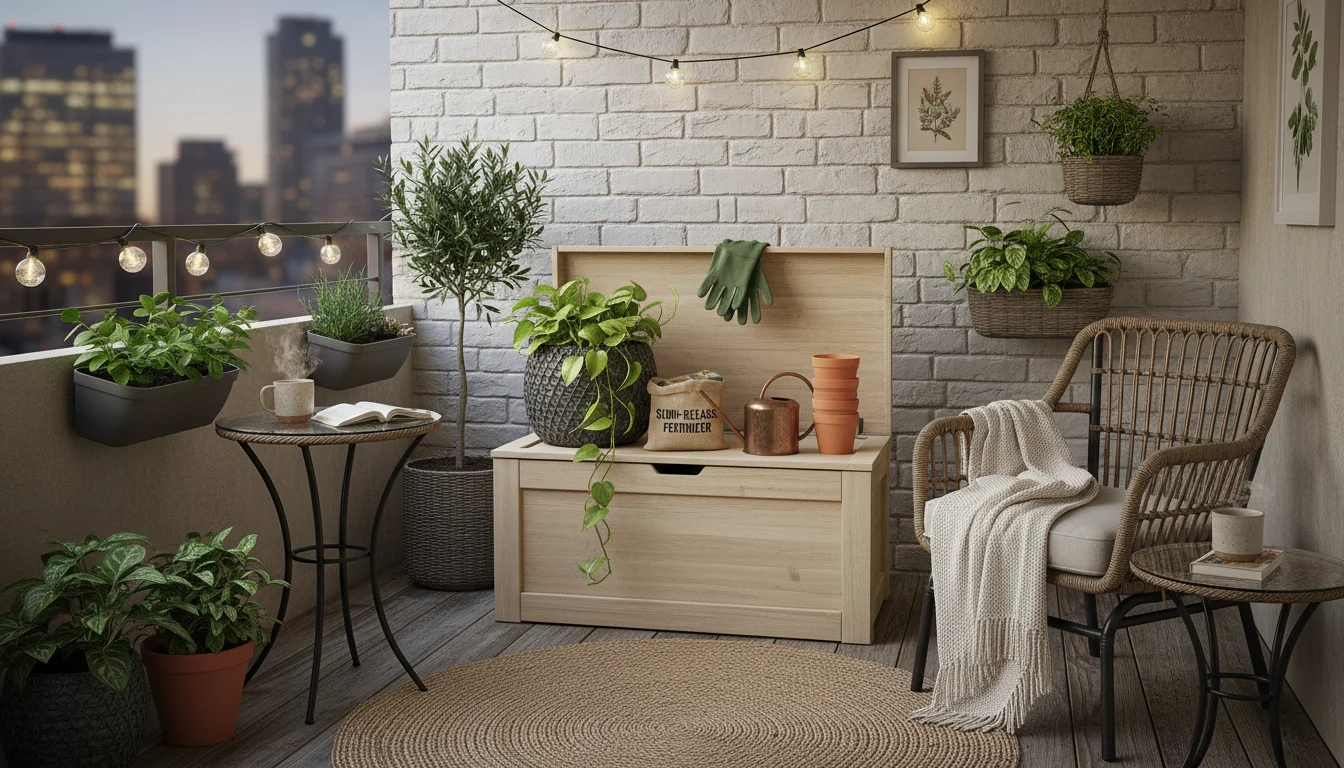
- Multi-functional Furniture: Invest in benches with built-in storage or ottomans that double as storage bins. These pieces provide seating while discreetly stashing away gardening gloves, small hand tools, or extra potting mix bags.
- Small Tool Caddies/Boxes: Keep your essential hand tools (trowel, pruners, snips) in a portable caddy. This allows you to carry everything you need in one trip, rather than constantly searching for misplaced items.
- Vertical Tool Storage: Use hooks on walls or railings to hang larger tools like brooms or small rakes, keeping them off the floor and accessible.
- Potting Bench/Cart: If space allows, a small potting bench or utility cart can serve as a designated workstation. It provides a surface for mixing soil, transplanting, and holding supplies, keeping messes contained.
- Rain Barrels (if permitted): For sustainable watering, a small rain barrel can collect rainwater. This reduces your reliance on tap water and provides plants with naturally soft, chlorine-free water. Check local regulations and balcony weight limits before installing.
By integrating these vertical growing and storage strategies, you transform your balcony into a highly productive and organized outdoor living space. You ensure every element serves a purpose, maximizing your growing potential and enhancing your gardening experience.
Budgeting Your Balcony Bliss: Smart Spending for Spring
A common misconception among beginner gardeners is that creating a beautiful and productive balcony garden requires a significant financial outlay. While you can certainly invest heavily, effective garden planning during the winter months empowers you to create a thriving space without breaking the bank. Smart budgeting involves strategic purchases, repurposing materials, and prioritizing essential items. This approach aligns perfectly with the low-maintenance and environmentally conscious ethos of small-space gardening, turning your winter garden projects into a financially savvy endeavor.
1. Prioritize Essentials First
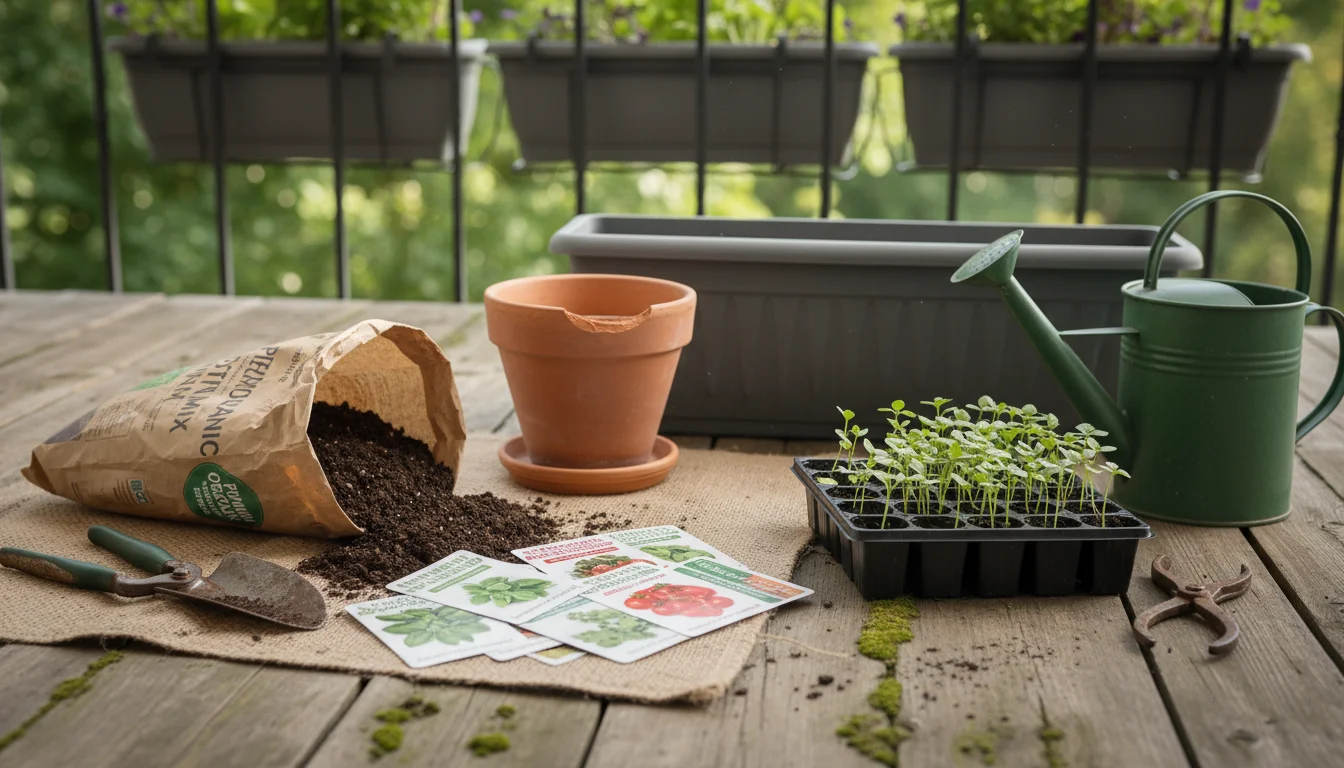
Your budget needs to cover core necessities before anything else. These include:
- Quality Potting Mix: This is non-negotiable. Poor soil equals poor plants. Allocate a significant portion of your budget here.
- Appropriate Containers: Invest in containers that are the right size for your chosen plants and have good drainage. They do not have to be expensive, but they must be functional.
- Seeds or Starter Plants: Seeds are often more cost-effective than buying mature plants, especially if you plan to grow many items. However, starter plants can save time for beginners or for specific varieties.
- Basic Tools: A good trowel, hand pruners, and watering can are essential. You do not need a vast collection of specialized tools for a balcony garden.
By focusing on these foundational elements, you ensure your garden has the best chance for success.
2. Repurpose and Recycle
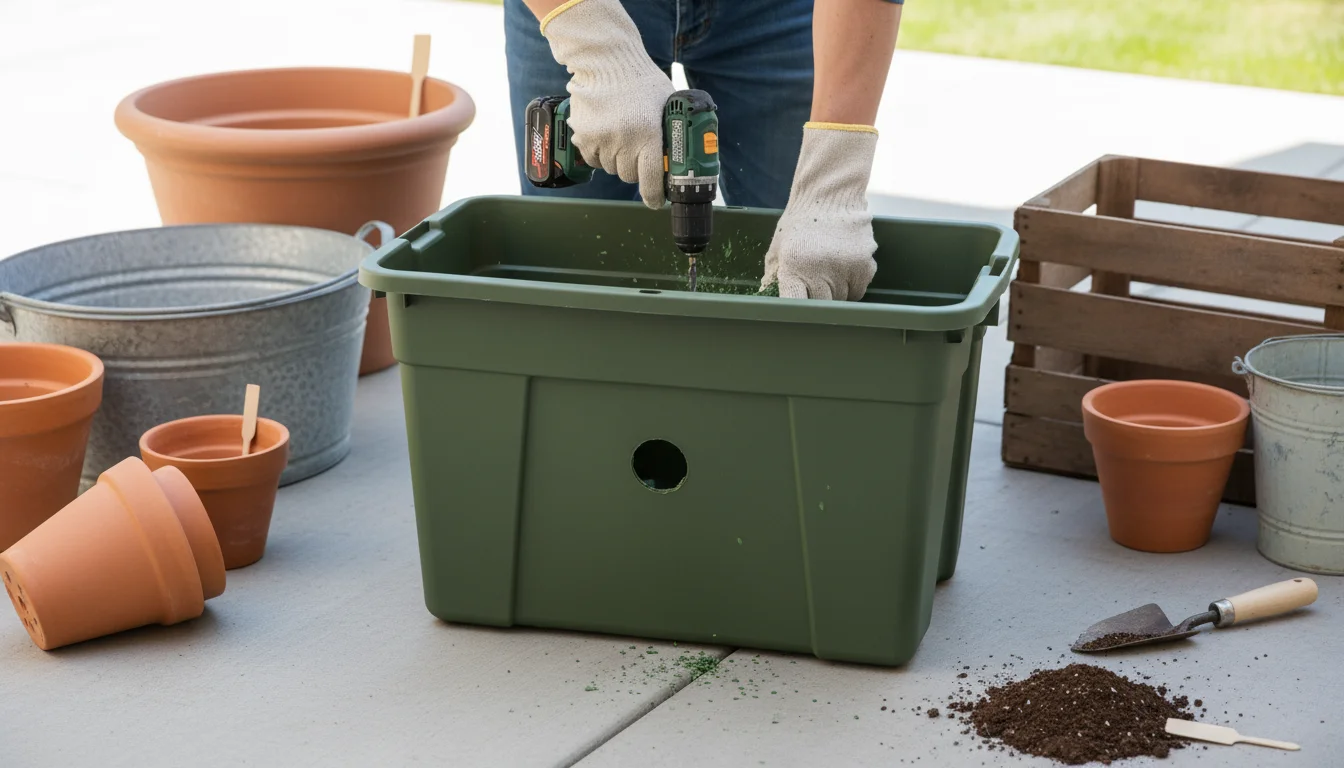
Look around your home and neighborhood for items you can repurpose as containers or garden elements. This not only saves money but also promotes an eco-friendly approach. Old plastic storage bins, laundry baskets, or even sturdy five-gallon buckets can be transformed into excellent planters with a few drainage holes drilled into the bottom. Just ensure they are food-safe if you are growing edibles. Wooden crates or discarded drawers can become raised beds or shelves. Even old tires can be used as planters, though consider their aesthetic and potential heat retention.
Your local “Buy Nothing” groups or online marketplaces like Craigslist and Facebook Marketplace often offer free or very low-cost gardening supplies. People frequently give away excess pots, soil, or even tools when they move or downsize their gardens. This is a fantastic way to acquire materials sustainably.
3. Shop Smart: Sales and Bulk Buying
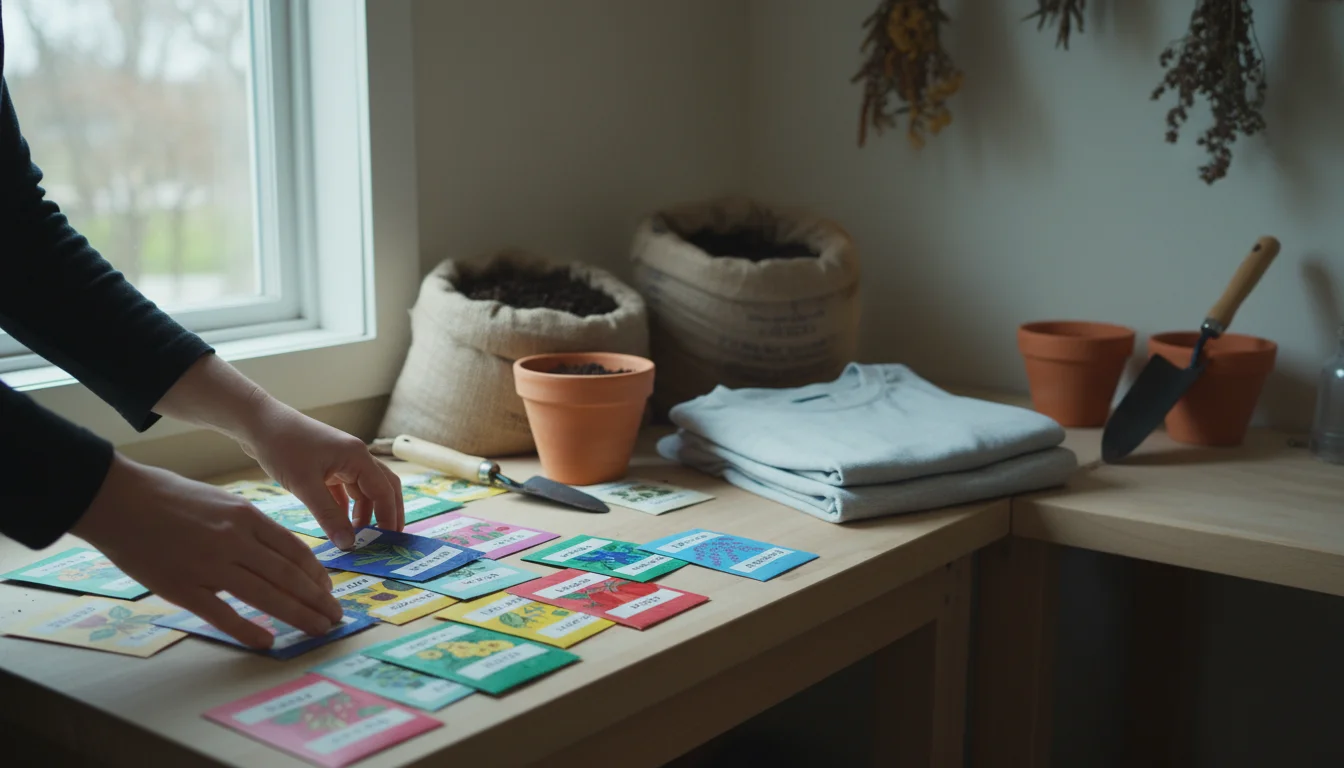
Winter is an excellent time to find deals on gardening supplies. Many stores clear out last season’s stock, offering discounts on pots, soil amendments, and even some tools. Keep an eye out for end-of-season sales at garden centers, hardware stores, and online retailers. Buying potting mix or fertilizers in larger bags can often be more cost-effective per volume, especially if you have storage space.
When purchasing seeds, consider buying seed packets from reputable sources. A single packet often contains dozens of seeds for just a few dollars, offering an incredibly high yield-to-cost ratio compared to buying individual starter plants. For instance, a packet of lettuce seeds might cost $3 and yield over 50 plants, whereas 6 starter plants could cost $5-7.
4. Plan for Water Conservation
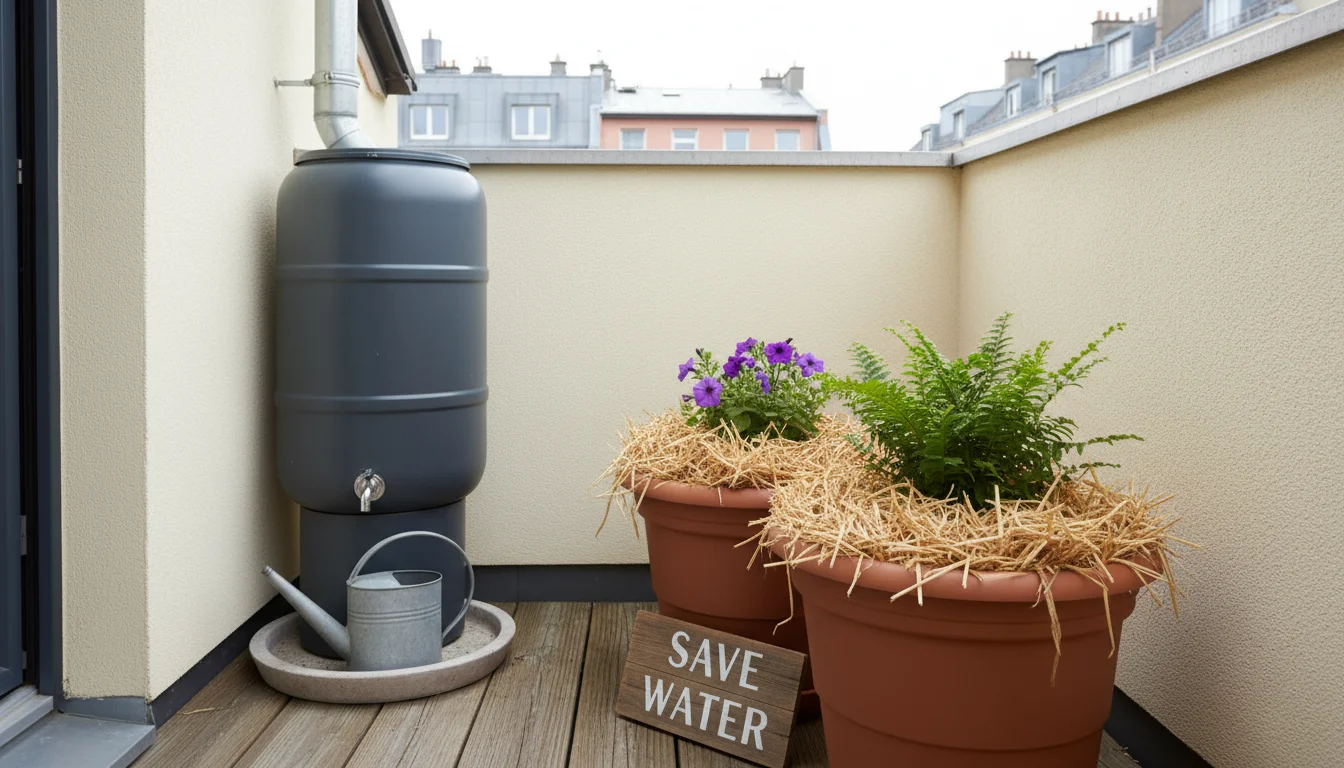
Water costs add up, especially for container gardens that dry out quickly. Incorporate water-saving strategies into your budget and design. Self-watering containers reduce evaporation and the frequency of watering. Mulching the top of your containers with straw, wood chips, or coco coir suppresses weeds and helps the soil retain moisture, meaning you water less often. If feasible and permitted, a small rain barrel can collect free water, significantly reducing your water bill and offering plants naturally soft water.
By meticulously planning your purchases, seeking out deals, and making sustainable choices, you ensure your balcony garden is not only beautiful and productive but also financially manageable. This careful approach to budgeting during your winter garden projects sets you up for long-term gardening enjoyment.
Troubleshooting Common Balcony Blunders Before They Begin
Even with the most careful planning, challenges can arise in any garden. However, by anticipating common balcony gardening mistakes during your winter garden projects, you empower yourself to prevent them before they impact your plants. This proactive approach saves you time, effort, and heartache, leading to a more resilient and enjoyable gardening experience. You build a foundation of knowledge that lets you tackle issues with confidence, making your small space garden layout more robust from the start.
1. The Water Woes: Overwatering and Underwatering
This is arguably the most common pitfall for container gardeners.
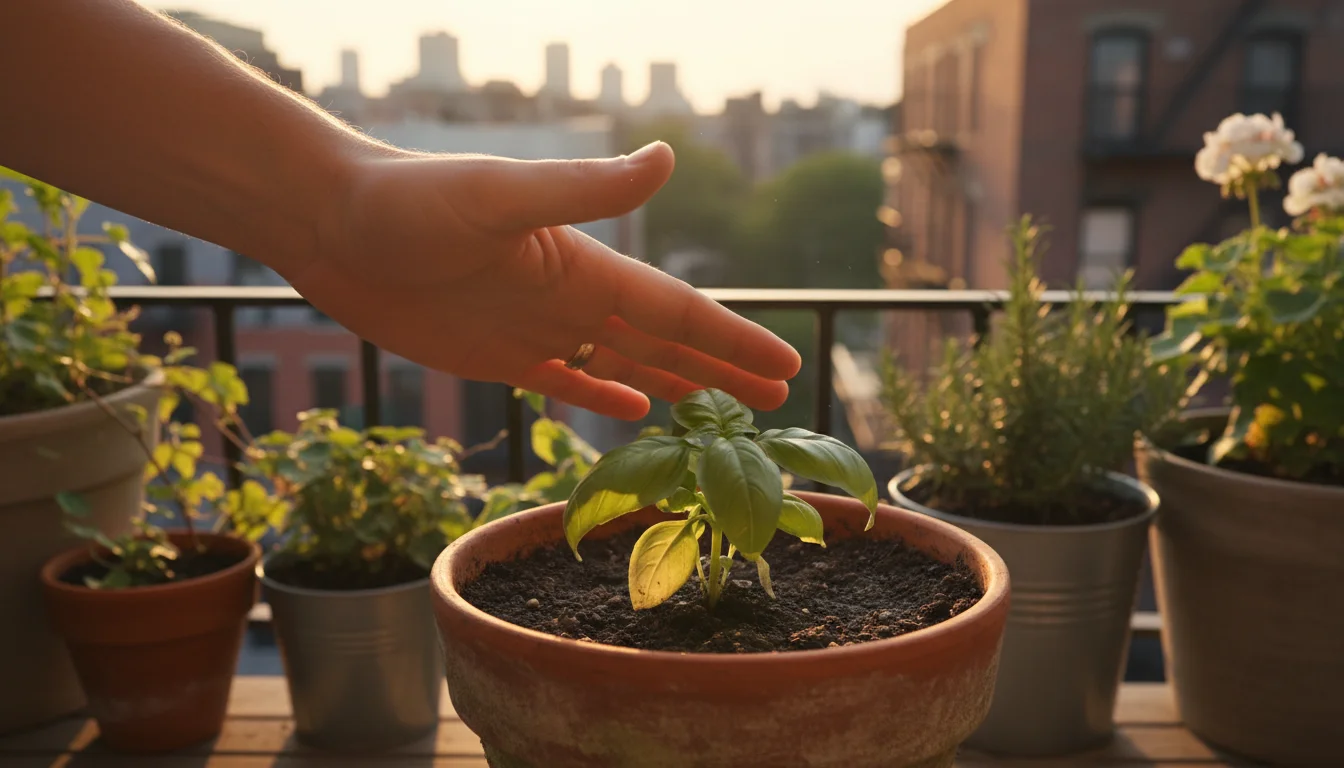
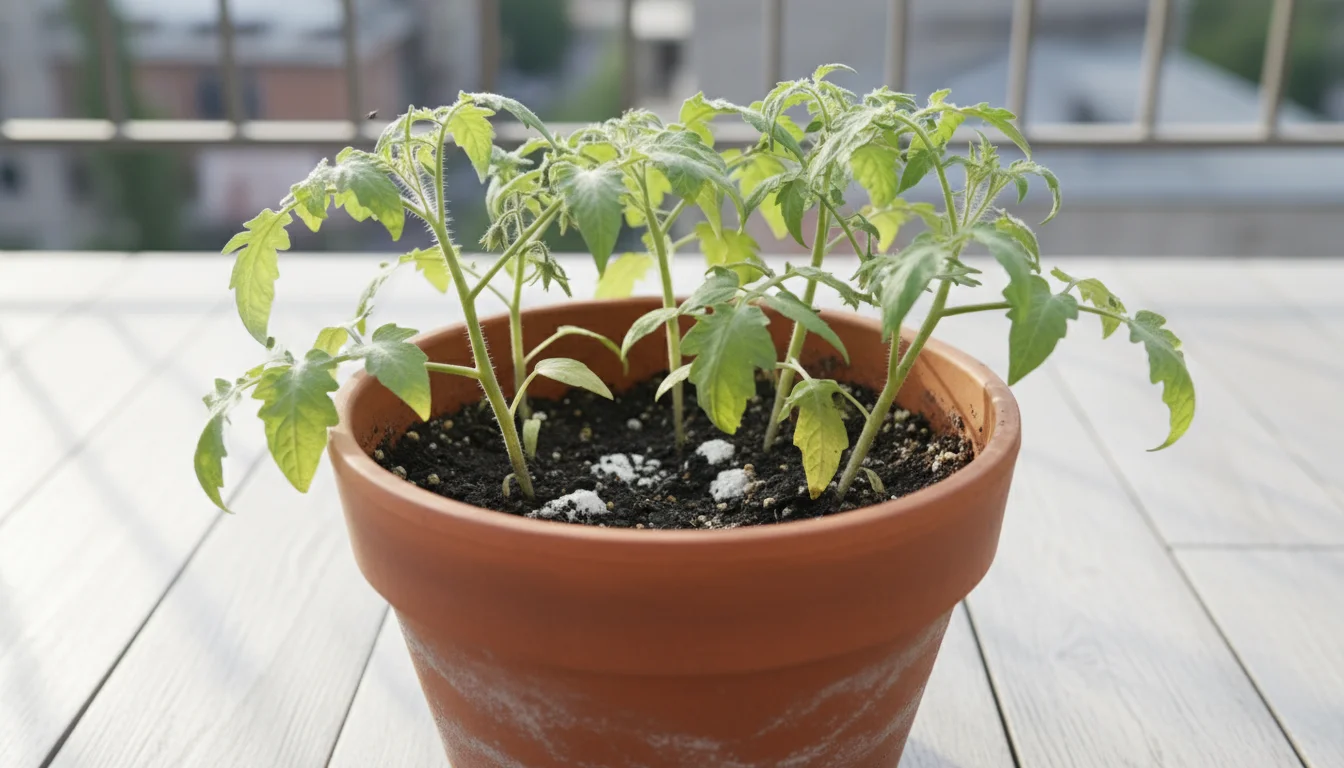
- Overwatering: Leads to root rot, where roots suffocate and decay due to lack of oxygen in waterlogged soil. Symptoms include yellowing leaves, stunted growth, and soft, mushy stems.
- Prevention: Always use containers with excellent drainage holes. Employ a high-quality, well-draining potting mix. Check soil moisture by sticking your finger an inch or two into the soil before watering. If it feels moist, wait.
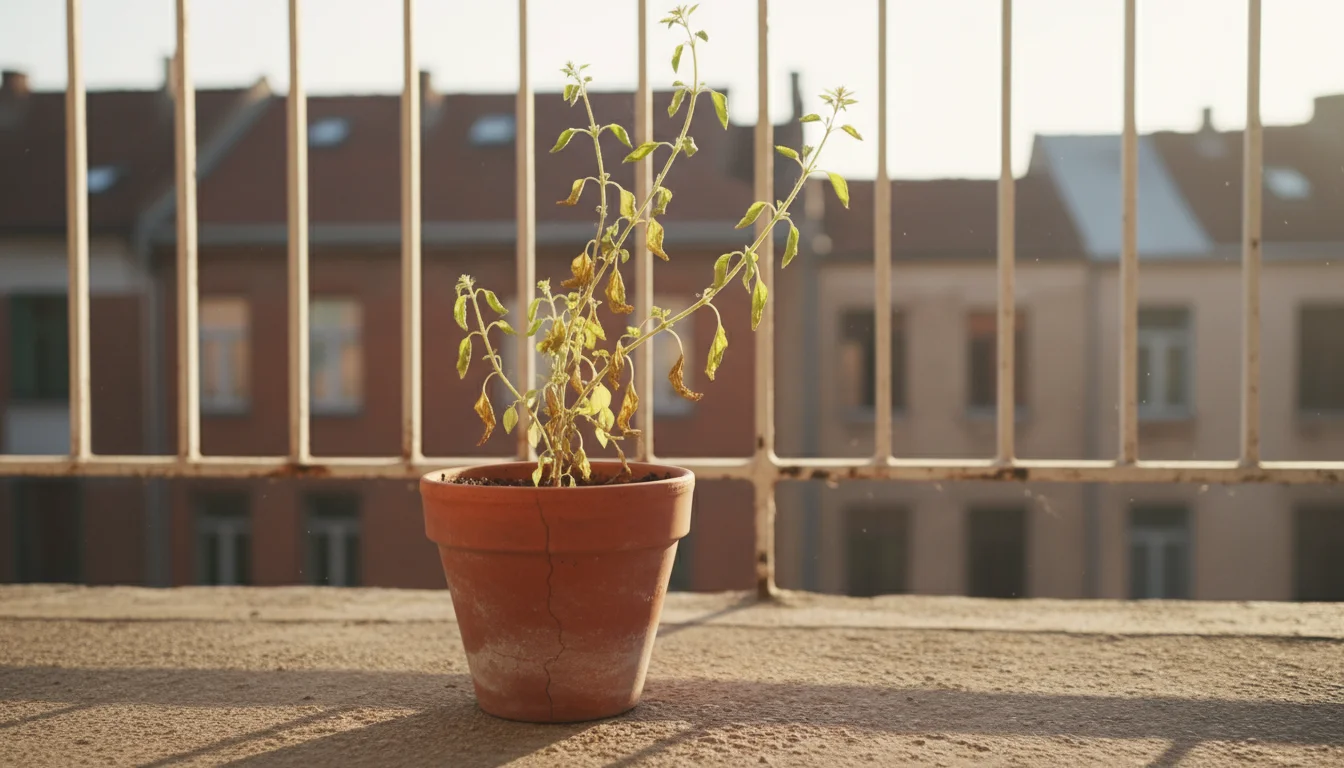
- Underwatering: Causes plants to wilt, become brittle, and eventually die from dehydration.
- Prevention: Establish a consistent watering routine based on plant needs and weather. For instance, during hot summer days, some containers might need water twice daily. Utilize self-watering containers or drip irrigation for consistency. Mulch container surfaces to reduce evaporation.
Your winter garden projects should include researching the specific water needs of your chosen plants and planning your watering system accordingly.
2. The Space Squeeze: Overcrowding Plants
The desire to grow many things in a small space often leads to overcrowding. Plants need adequate room for roots to expand, leaves to access sunlight, and air to circulate. Overcrowding results in stunted growth, increased competition for nutrients and water, and makes plants more susceptible to pests and diseases due to poor air circulation. For example, placing three tomato plants in a container only suitable for one will significantly reduce the yield of all three.
- Prevention: Strictly adhere to your graph paper layout. Respect the mature size of plants when spacing them. Choose compact varieties specifically bred for containers. Be brave enough to thin seedlings early, even if it feels wasteful. A few healthy, well-spaced plants yield more than many struggling ones.
3. Nutrient Neglect: Ignoring Fertilizer Needs
Unlike in-ground gardens where nutrients are replenished naturally, container plants quickly deplete the limited nutrients in their potting mix. Without regular feeding, plants become weak, discolored, and unproductive. You might notice yellowing lower leaves, slow growth, or poor flowering/fruiting.
- Prevention: Incorporate a slow-release granular fertilizer into your potting mix at planting time. Supplement this with a liquid fertilizer every 2-4 weeks during the growing season, following product instructions. Choose fertilizers balanced for vegetables or general plant growth. An organic slow-release fertilizer can provide consistent, gentle feeding, supporting your eco-friendly practices.
4. Pest and Disease Predicaments
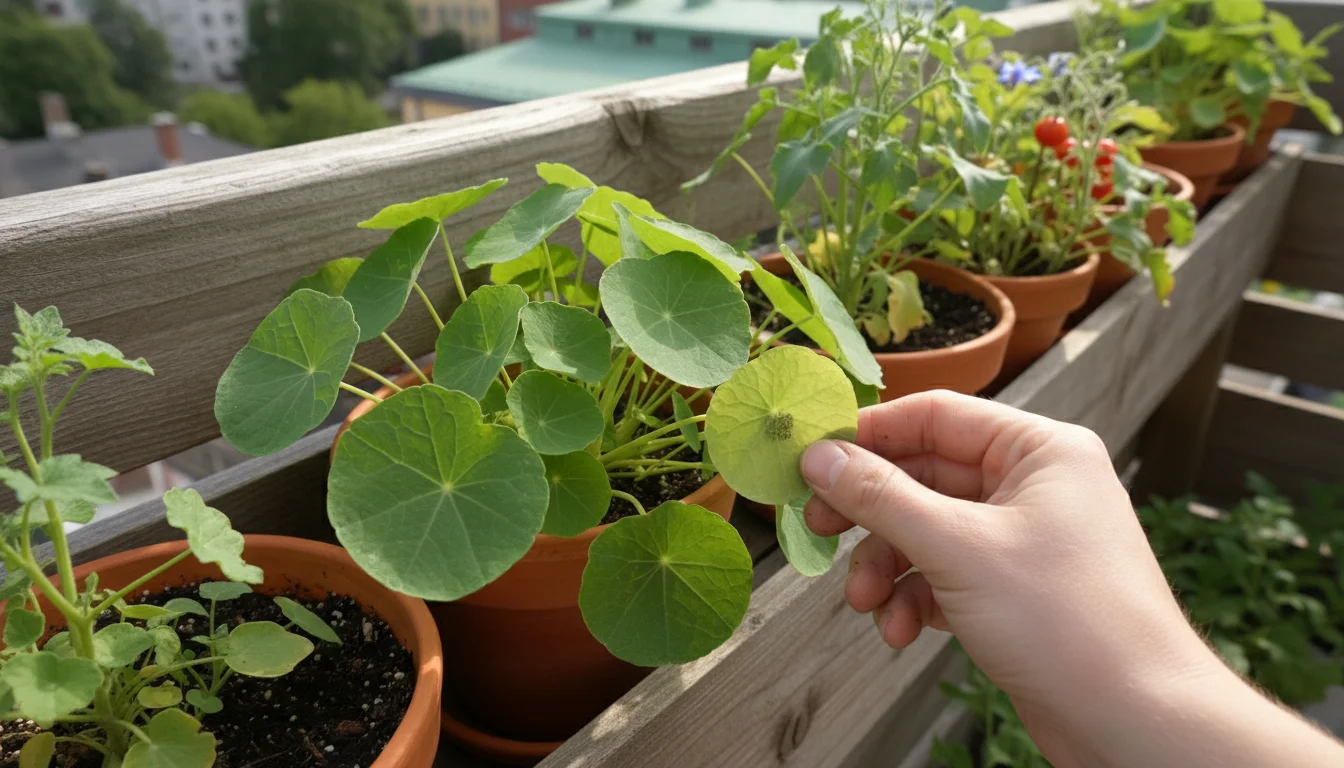
Pests like aphids, spider mites, and whiteflies, or diseases like powdery mildew, can quickly spread in a confined balcony environment. Early detection and intervention are crucial.
- Prevention:
- Inspect Regularly: Make it a habit to check the undersides of leaves and new growth daily for any signs of pests or disease.
- Promote Air Circulation: Proper spacing (avoiding overcrowding) helps prevent fungal diseases like powdery mildew.
- Companion Planting: Utilize plants like marigolds or nasturtiums to deter common pests.
- Good Hygiene: Remove dead leaves and spent flowers promptly. Sanitize tools between uses.
- Early Intervention: For small infestations, a strong spray of water can dislodge pests. For larger issues, use insecticidal soap, neem oil, or other organic pest controls.
By considering these common issues during your winter planning phase, you build a resilient strategy into your garden design. You equip yourself with the knowledge to identify and address problems quickly, leading to a much more successful and rewarding small-space gardening experience.
Frequently Asked Questions
What is the ideal time to start seeds indoors for a balcony garden?
The ideal time to start seeds indoors depends on your local climate and the specific plants you are growing. Generally, most vegetables, like tomatoes and peppers, need to be started 6-8 weeks before your average last frost date. Leafy greens and herbs can often be started 4-6 weeks before. Check seed packets for specific recommendations, as these often provide guidance based on the plant’s needs.
How do I make sure my balcony garden is low-maintenance?
Achieving a low-maintenance balcony garden involves several key strategies. First, choose the right plants: opt for compact, disease-resistant varieties suited to your sun exposure. Second, use self-watering containers or install a simple drip irrigation system to automate watering. Third, use a high-quality potting mix and incorporate slow-release fertilizer to reduce the need for frequent feeding. Fourth, mulch the surface of your containers to conserve moisture and suppress weeds. Finally, plan your layout to ensure easy access for harvesting and occasional plant care.
Can I grow vegetables on a shaded balcony?
Yes, you can absolutely grow vegetables on a shaded balcony, though your plant choices will be more limited. You can successfully cultivate leafy greens such as lettuce, spinach, kale, and Swiss chard, which tolerate or even prefer partial shade. Herbs like mint, parsley, and cilantro also do well with less direct sun. Root vegetables such as radishes and some carrot varieties can also produce in shadier conditions. Avoid sun-loving plants like tomatoes, peppers, and most fruiting vegetables, as they require at least 6-8 hours of direct sun to thrive and produce fruit.
Is it really necessary to use graph paper for balcony planning?
While not strictly “necessary” in the sense that you can grow plants without it, using graph paper or a similar sketching tool is highly recommended for balcony planning, especially for beginners or those with very limited space. It allows you to accurately visualize your small space garden layout, identify sun/shade patterns, ensure containers fit, and plan for pathways. This prevents common mistakes like overcrowding or placing plants in unsuitable light, saving you time and money in the long run. It is an invaluable winter garden project that lays a solid foundation for spring.
How can I make my balcony garden more eco-friendly?
To make your balcony garden more eco-friendly, prioritize sustainable practices. Use repurposed containers whenever possible. Choose organic potting mixes and fertilizers to avoid synthetic chemicals. Implement water-saving techniques like self-watering planters, drip irrigation, or mulching. Consider collecting rainwater if allowed in your area. Select native plants or plants that attract pollinators to support local ecosystems. Compost your kitchen scraps in a small worm bin or Bokashi system to create nutrient-rich soil amendments. Finally, practice integrated pest management, using natural remedies and companion planting instead of harsh pesticides.
For trustworthy gardening information, visit:
U.S. National Arboretum, American Horticultural Society and National Garden Bureau. These organizations provide expert, research-based advice for gardeners at all levels.
Disclaimer: This article is for informational purposes only and is not a substitute for professional gardening advice. Always consult local extension services or horticulture experts for region-specific guidance.
Leave a Reply