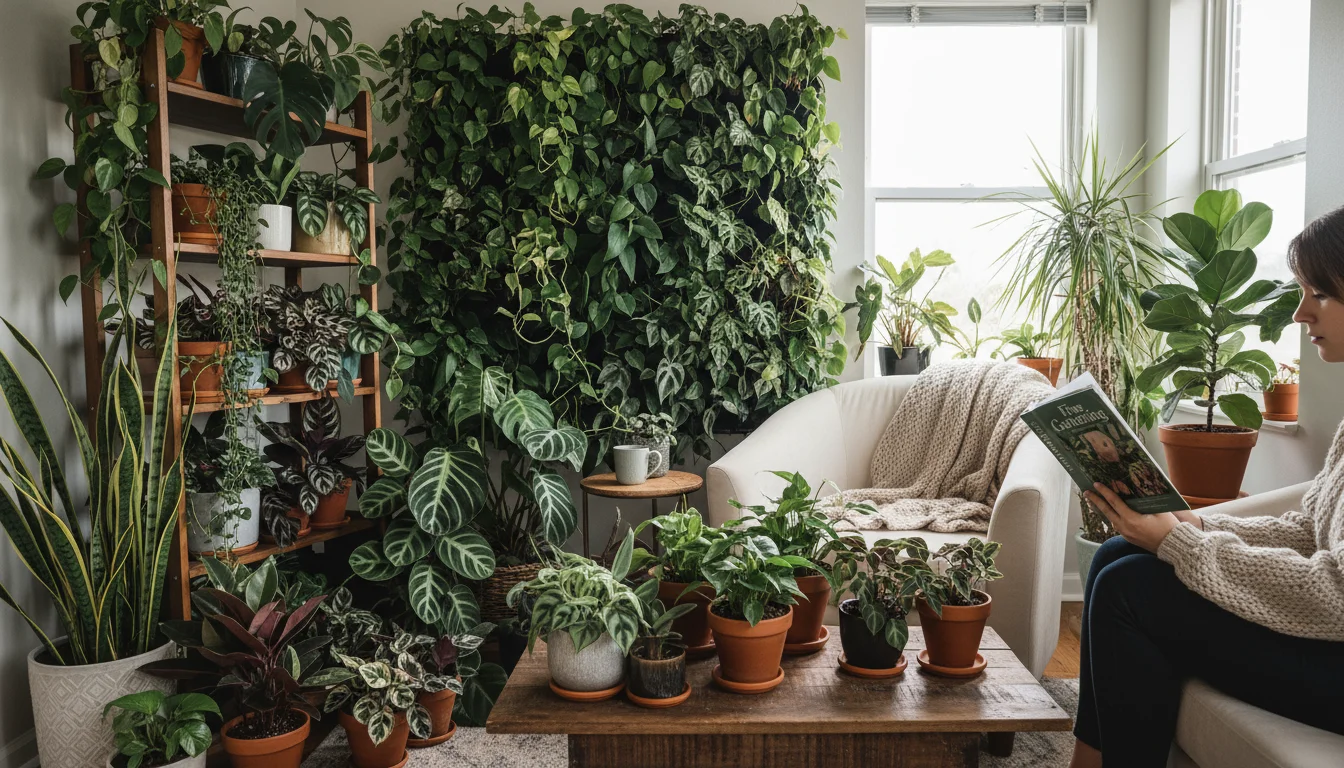
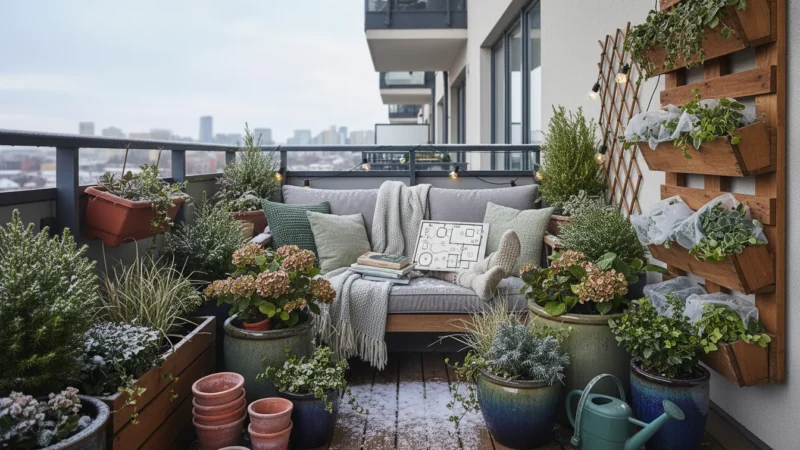
As the days grow shorter and the air outside turns crisp, your home transforms into a haven from the winter chill. Imagine stepping into a space that feels vibrant, alive, and refreshingly green, even when snow blankets the ground. This is the magic of the ‘Winter Jungle’ look: an interior design trend that brings the lushness of nature indoors, creating a cozy, invigorating atmosphere with your houseplants. You might think this aesthetic requires ample space, but with a few clever designer tricks, you can achieve this captivating style even in the smallest apartments, on a balcony, or in a compact patio area. We will guide you through practical, actionable steps to turn your indoor plants into a stunning, year-round display, making your home feel like a warm, verdant escape.
Embracing the Winter Jungle Aesthetic: Why it Matters
The concept of a ‘Winter Jungle’ extends beyond mere decoration. It is about creating an environment that supports your well-being, especially during the colder months when outdoor gardening activities pause. Think of your houseplants as living art, transforming sterile corners into vibrant focal points. This approach to `indoor garden design` offers tangible benefits. Scientific studies, such as those conducted by NASA, highlight how certain plants can improve indoor air quality by filtering out common toxins. Beyond air purification, the presence of plants reduces stress levels, improves mood, and even boosts productivity. For those with limited space, a carefully arranged collection of plants maximizes your living area’s potential, making a small apartment or a snug balcony feel larger and more inviting. This aesthetic connects you to nature, providing a daily dose of green therapy during winter’s gray days. It represents an intentional choice to cultivate beauty and tranquility in your immediate surroundings, directly impacting your home’s atmosphere and your personal sense of peace.
Starting a few intentional indoor gardening projects during the colder months is a great way to stay connected to your hobby.
Implementing the Winter Jungle look means you actively engage with your living space, turning it into a dynamic, evolving sanctuary. It is an opportunity for creative expression, allowing you to showcase your personality through the textures, colors, and arrangements of your green companions. You are not simply placing plants. You are designing an experience, a micro-ecosystem within your home that brings warmth and life. This mindful approach to `apartment decor with plants` can revitalize your perception of home, making every moment indoors a bit more joyful and connected to the natural world. It is a powerful way to combat the winter blues, offering a constant reminder of growth and vitality.
Trick 1: Grouping for Impact and Visual Cohesion
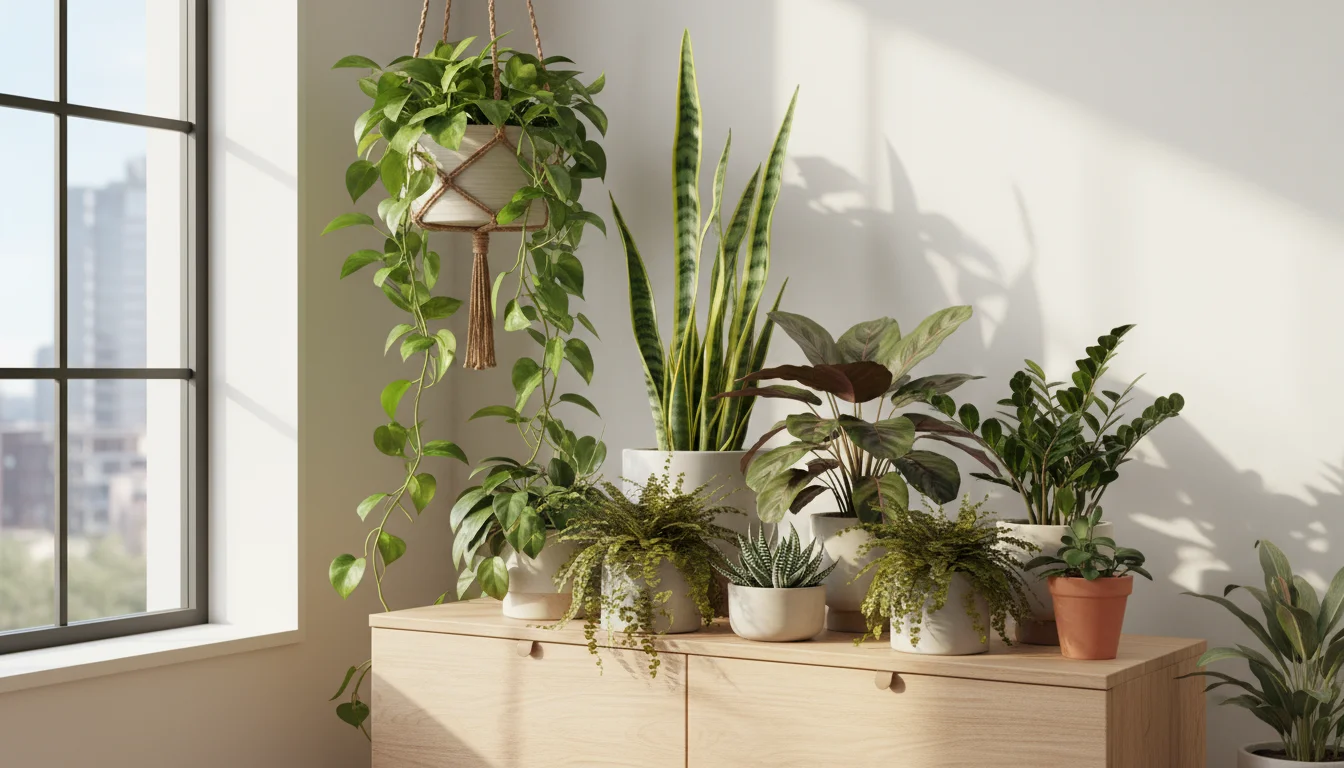
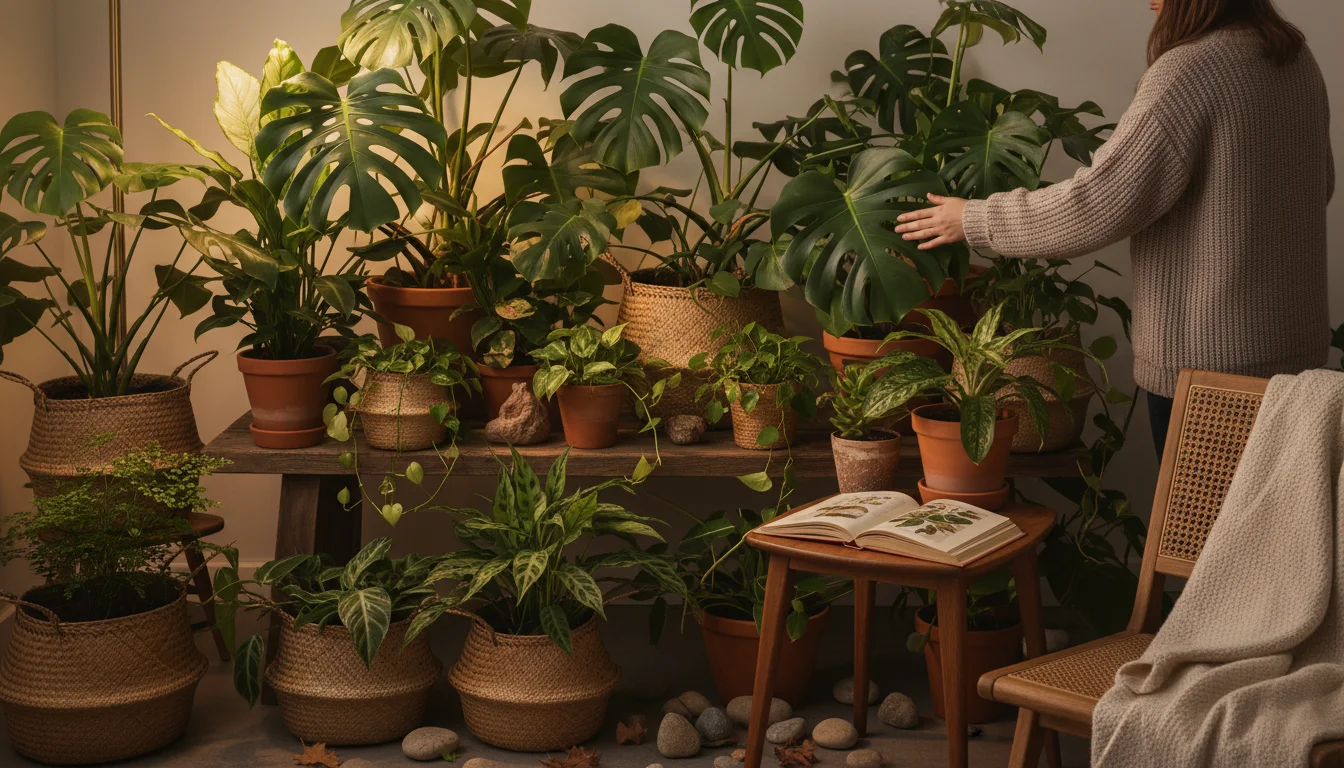
One of the most effective strategies for `styling houseplants` is to group them. Instead of scattering single plants throughout your space, gather them into clusters. This creates a powerful visual statement, turning a collection of individual plants into a cohesive, impactful display. Grouping plants also offers practical benefits. Plants release moisture through transpiration, and when clustered, they create a mini-microclimate with increased humidity. This is particularly advantageous in dry indoor winter environments, benefiting tropical plants especially. You effectively provide a more comfortable, humid atmosphere that helps your plants thrive.
For those with very limited surface area, a DIY tabletop terrarium offers a concentrated burst of greenery that fits perfectly on a coffee table.
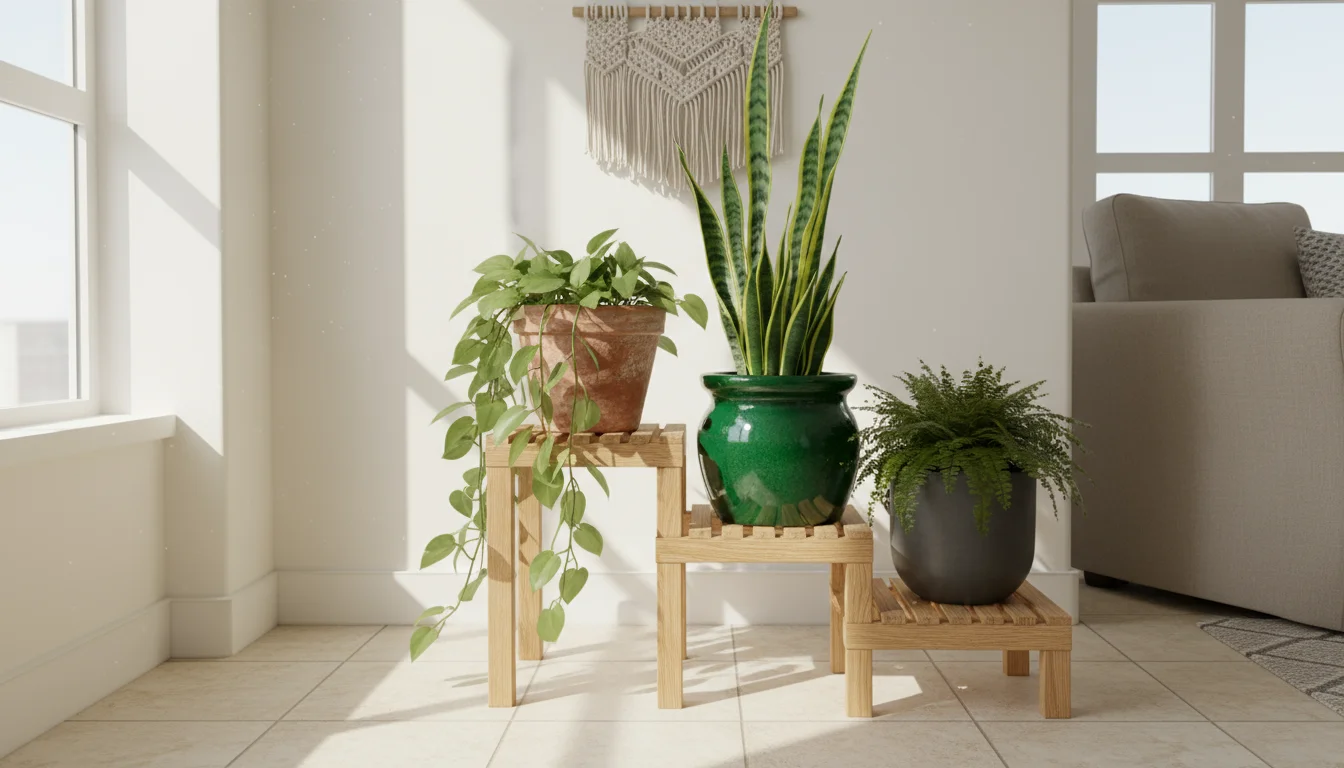
When you group plants, consider varying their heights, leaf shapes, and textures to create visual interest. For instance, pair a tall, upright Snake Plant (Sansevieria trifasciata) with a bushy Peace Lily (Spathiphyllum) and a trailing Pothos (Epipremnum aureum). This combination offers a dynamic interplay of forms without overwhelming the eye. Use different pot sizes and materials within a grouping to add another layer of depth and personality. For a small space, think vertically. Use a tiered plant stand or a stack of sturdy books to elevate some plants, allowing trailing varieties to cascade down. This maximizes your plant count in a limited footprint, making it easier for you to achieve that lush, jungle feel. Ensure each plant still receives adequate light. Rotate the grouping regularly to ensure all sides of the plants are exposed to light, promoting even growth.
Consider the color palette of your plants and their pots. While green dominates, many plants offer variegation, dark purple hues, or bright red new growth. Complement these with pots in neutral tones or choose pots that pick up on a subtle color within your plant’s foliage. This deliberate consideration of color and form elevates your grouping from a simple collection to a curated display. A well-designed plant grouping becomes a living focal point, drawing the eye and making your space feel intentionally styled and inviting. This technique is fundamental to `how to arrange houseplants in a small apartment`, allowing you to create maximum impact with minimal floor space.
Trick 2: Elevate Your Greenery with Smart Plant Stands and Shelving
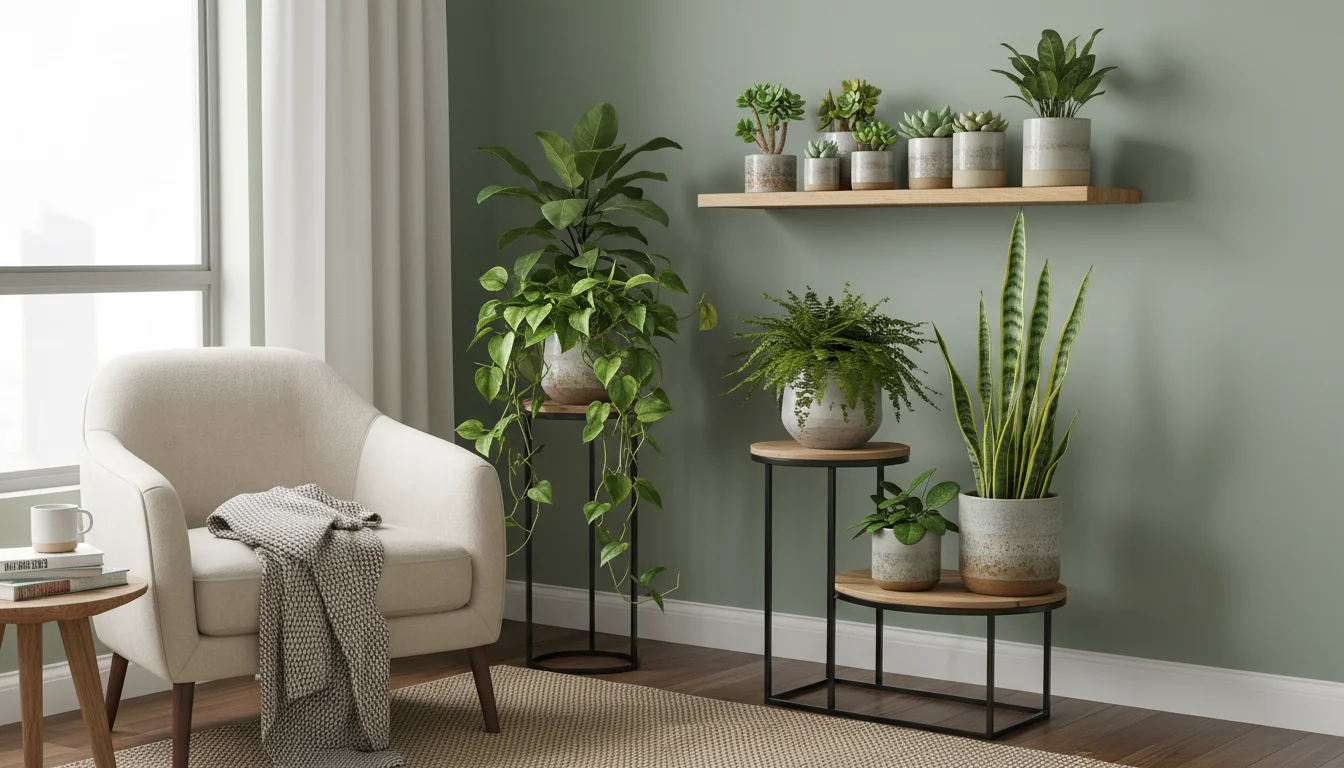
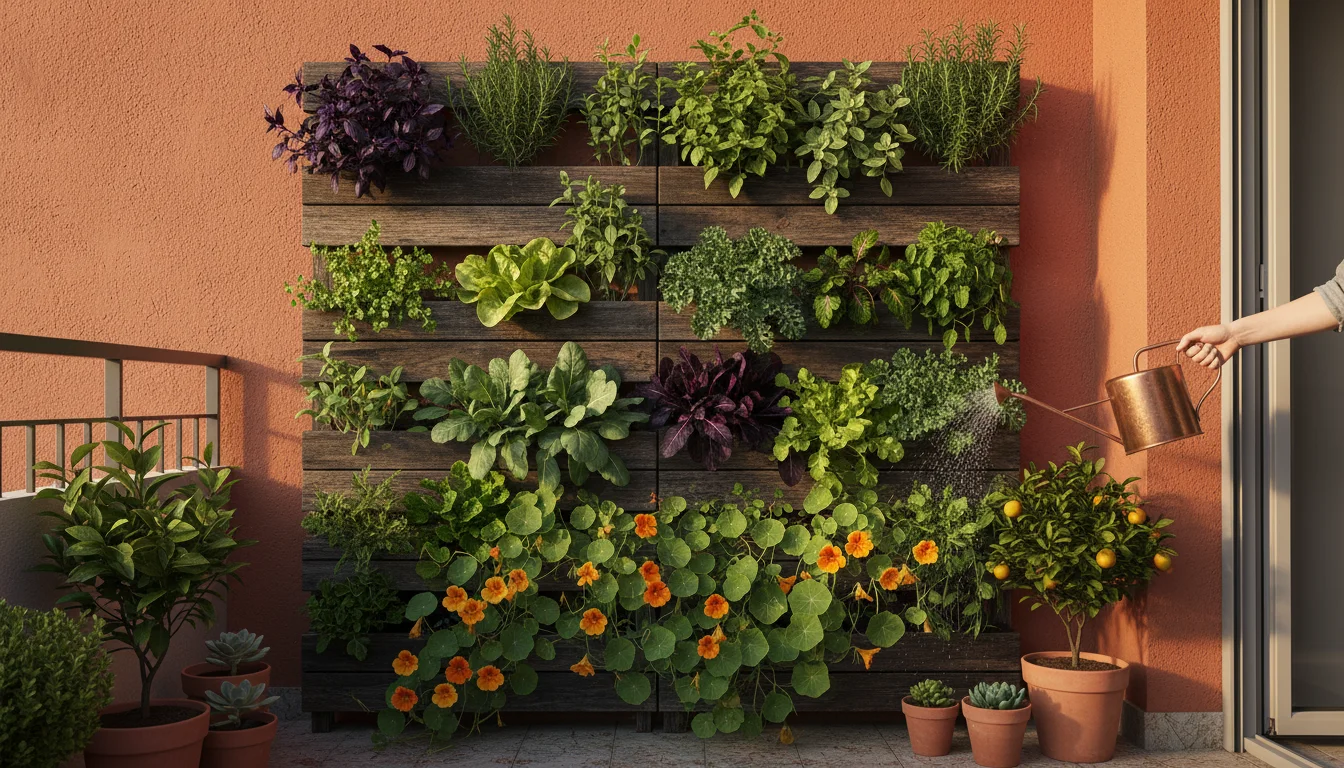
To truly achieve a ‘Winter Jungle’ look in a small space, you must think vertically. Floorspace often comes at a premium, but walls and unused corners offer untapped potential. `Using plant stands and shelves for small space design` is not just about holding plants; it is about creating dynamic visual layers and maximizing your green real estate. Plant stands come in various forms, from elegant mid-century modern designs to rustic wooden tiers. A multi-tiered stand allows you to display several plants at different heights, adding depth and visual interest without consuming much floor area. Corner stands are particularly effective for small apartments, transforming an often-overlooked space into a lush plant haven.
For those with low-light corners, building a DIY grow light shelf is a budget-friendly way to ensure your jungle stays green.
Shelving offers even more versatility. Floating shelves installed at varying heights can create an illusion of plants suspended in mid-air, lending a modern, airy feel. Consider wall-mounted shelving units, like etageres, which provide ample display space without a bulky footprint. For trailing plants such as Pothos, Philodendrons, or String of Pearls, shelves allow their vines to drape gracefully, mimicking the natural canopy of a jungle. Ensure your shelves are sturdy and securely anchored to the wall, especially when holding heavier ceramic pots. Strategically placed shelves can also position plants closer to light sources, which is crucial during the low-light winter months. Before installing, observe how natural light moves across your wall throughout the day to optimize placement for your plants’ health.
When selecting stands and shelves, consider materials that complement your existing decor. Metal stands offer a contemporary look, while natural wood adds warmth. Transparent acrylic shelves can make plants appear to float, enhancing a minimalist aesthetic. Do not be afraid to mix and match. A sturdy plant stand might anchor a grouping, while a floating shelf above it holds lighter, smaller plants. This layered approach is key to achieving a dense, yet organized, `indoor garden design` that feels intentional and stylish. Think of these elements as the architectural framework for your living display, providing structure and height to your green oasis.
Trick 4: The Art of Potting: Containers as Design Elements
Your plant containers are not just functional vessels; they are integral design elements that profoundly impact the overall look of your ‘Winter Jungle.’ The right pot can elevate a simple plant into a statement piece, enhancing the visual harmony of your `apartment decor with plants`. Consider the material, color, and texture of your pots. Terracotta pots offer a classic, earthy feel and are excellent for plants that prefer their soil to dry out between waterings, as the porous material allows for good air circulation and evaporation. Ceramic pots, often glazed, come in an endless array of colors and finishes, allowing you to introduce sophisticated accents or vibrant pops of color. Modern spaces might benefit from sleek metal planters or minimalist concrete pots, while bohemian aesthetics pair well with woven baskets or macramé hangers.
Even if you aren’t ready for a full repotting project, a mid-winter soil refresh can give your indoor jungle a much-needed nutrient boost.
When selecting pots, always prioritize functionality. Every pot must have a drainage hole to prevent water from accumulating at the bottom, which can lead to root rot. Root rot occurs when roots sit in stagnant water, depriving them of oxygen and causing them to decay. If you fall in love with a decorative pot without a drainage hole, use it as a cachepot. A cachepot is a decorative outer pot. Plant your specimen in a slightly smaller, inexpensive plastic nursery pot with drainage holes, then simply place this inner pot inside your decorative cachepot. This allows you to combine style with essential plant health. When you water, remove the inner pot, let it drain thoroughly, and then return it to the cachepot.
Harmonize your pot choices. You do not need every pot to match exactly, but aim for a cohesive theme. Perhaps all your pots are within a certain color family (e.g., muted greens, whites, and grays) or share a common material (e.g., all ceramic, but varying shapes). Alternatively, choose one or two statement pots in a contrasting color or bold pattern to serve as focal points within a grouping. This thoughtful selection of containers enhances the `styling houseplants` effort, transforming them from mere necessities into deliberate artistic choices. Remember, the pot frames the plant, so choose frames that complement and amplify the beauty of your living greenery. This attention to detail significantly contributes to the perceived luxury and thoughtfulness of your indoor garden design.
Trick 5: Strategic Lighting and Accessories for Ambiance
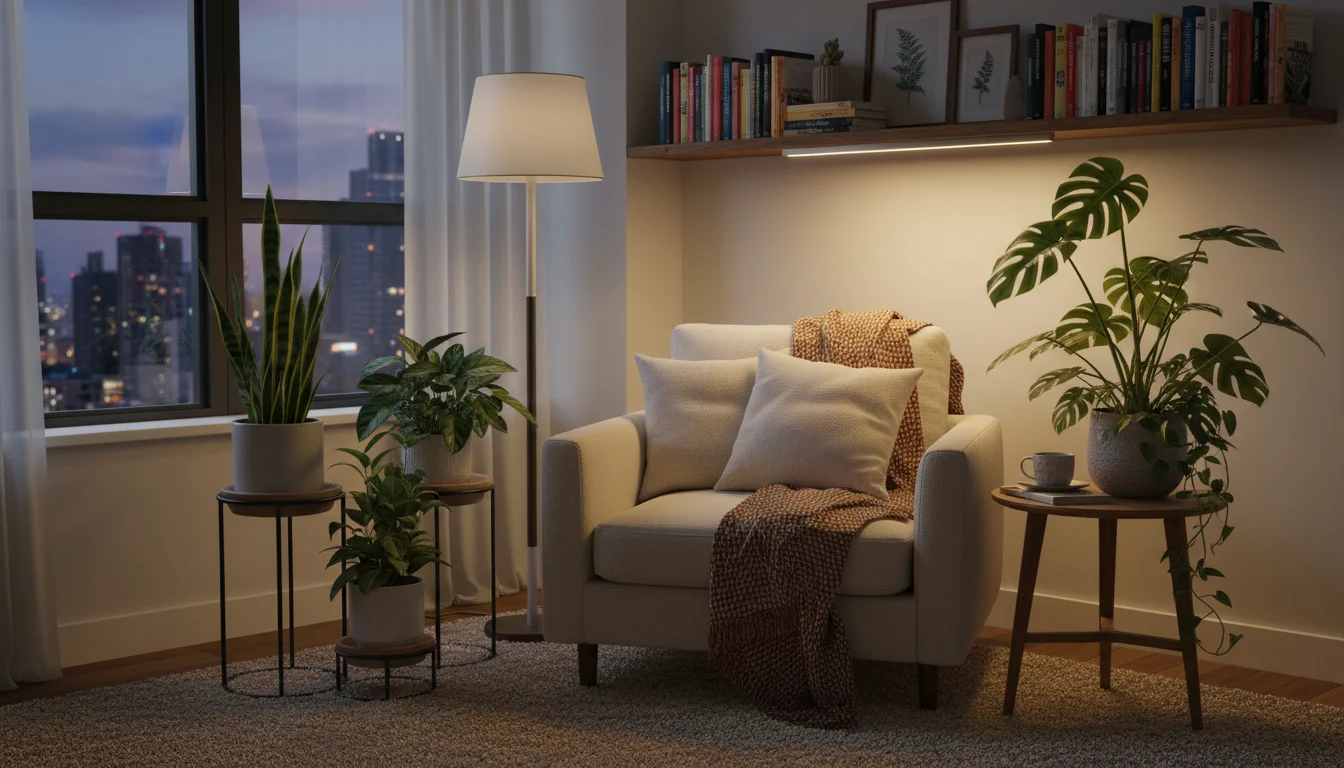
Creating a truly cozy and inviting ‘Winter Jungle’ involves more than just plants; it requires a thoughtful approach to lighting and decorative accessories. During winter, natural light often diminishes, making artificial light sources even more crucial for both plant health and human comfort. Consider installing a subtle grow light to supplement natural light, especially for plants that need brighter conditions. Modern grow lights are no longer bulky, industrial fixtures. Many options exist as sleek LED strips, small spotlight bulbs, or even integrated into stylish floor lamps, blending seamlessly into your home decor. Position these to illuminate your plant groupings, providing essential light for growth while also casting a warm glow that enhances the jungle ambiance.
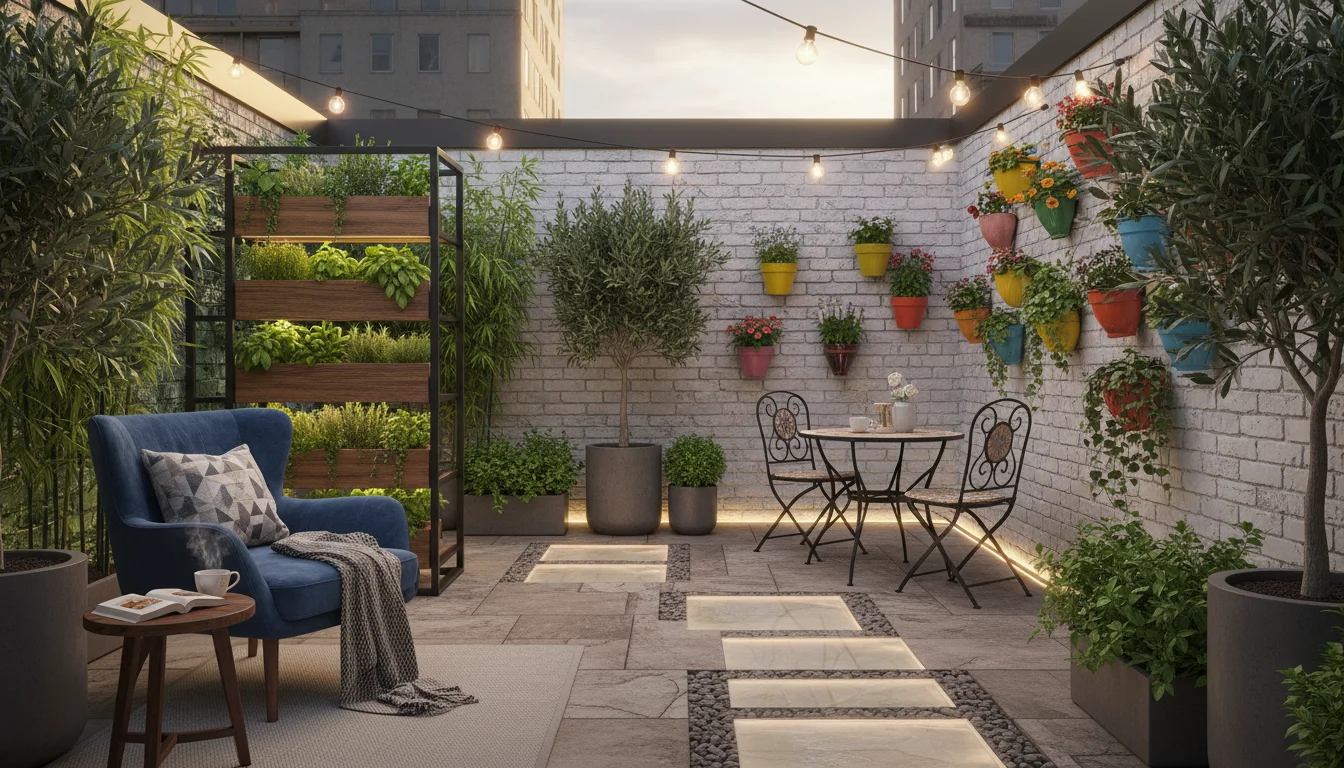
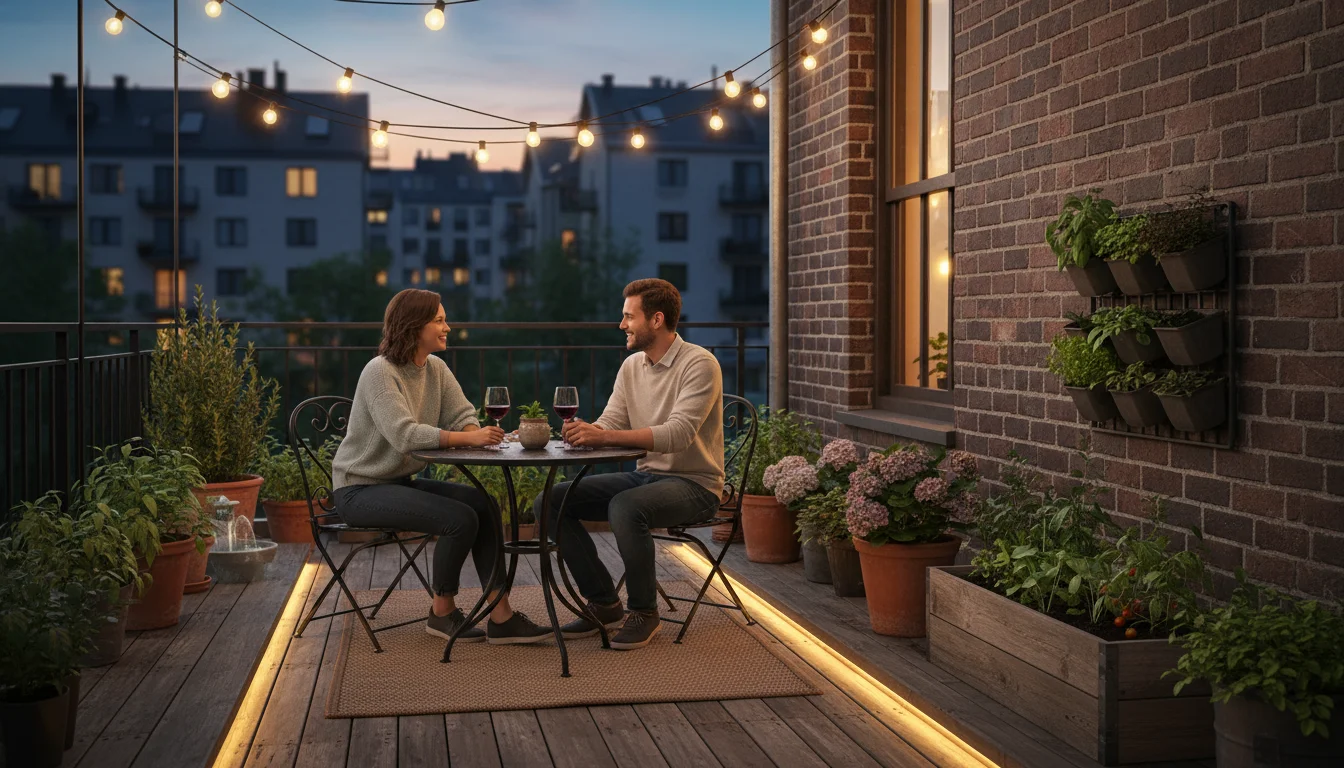
Beyond functional lighting, think about ambient lighting. Small string lights woven through a plant shelf or wrapped around a large upright plant can create a magical, twinkling effect. A floor lamp placed near a cluster of plants can highlight their forms and cast intriguing shadows, adding depth to your space. You are essentially painting with light to enhance the verdant textures and shapes of your plants, making them pop even on the darkest winter days. This attention to lighting directly impacts how visually appealing and cozy your `indoor garden design` feels.
Accessories play a vital role in completing the ‘Winter Jungle’ aesthetic. Incorporate elements that complement your plants and add to the cozy vibe. Mirrors strategically placed behind or beside plant groupings can amplify light and create the illusion of more plants, expanding your green display in a small space. Natural elements like smooth river stones at the base of a pot, a piece of interesting driftwood, or decorative moss can add a touch of authenticity. Consider small, nature-inspired figurines or botanical prints on nearby walls. Soft textiles, such as throw blankets or cushions in earthy tones, placed near your plant display, invite you to sit and enjoy your green oasis. Remember, `how to arrange houseplants in a small apartment` means every element serves a purpose, contributing to both the functional and aesthetic success of your design. These thoughtful additions transform a collection of plants into a fully immersive, inviting environment.
Mastering Plant Care for a Thriving Winter Jungle
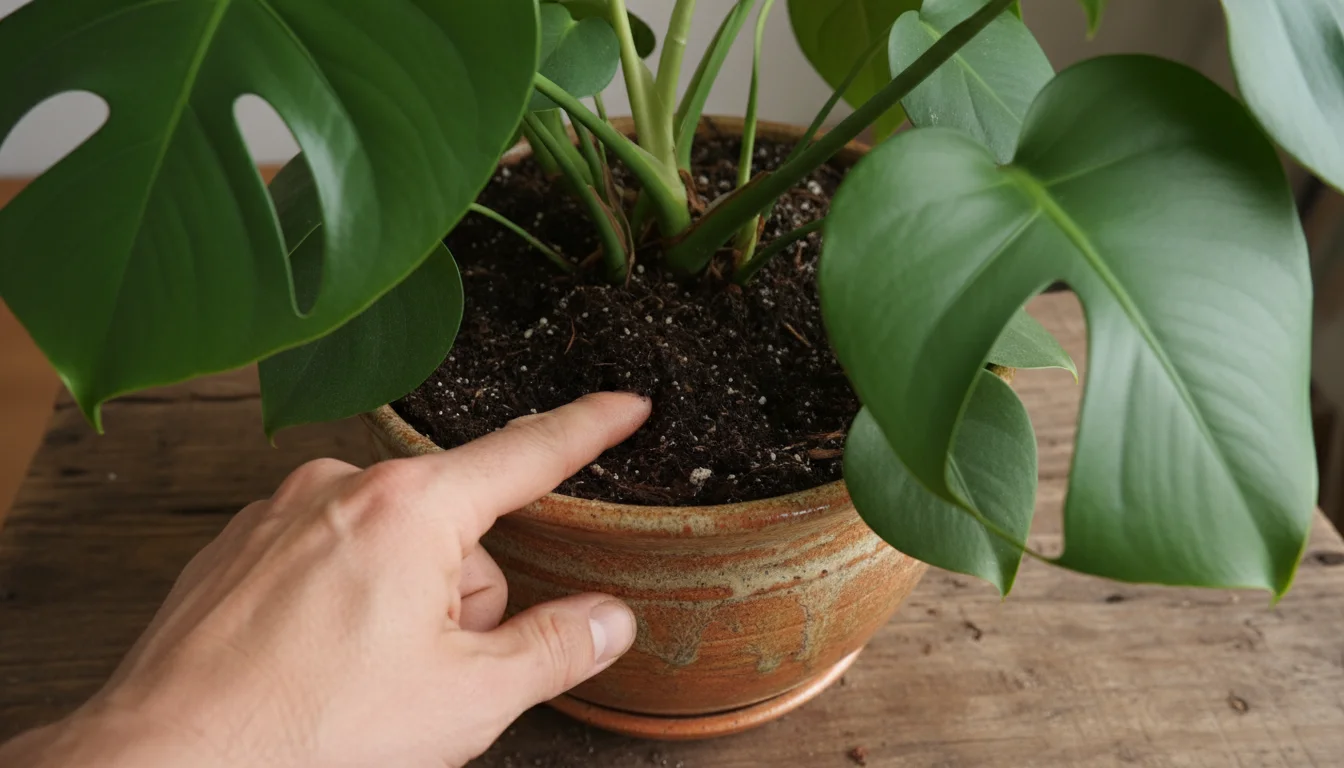
A beautiful ‘Winter Jungle’ is a thriving one. Even the most meticulously styled arrangement will lose its appeal if the plants within it are struggling. Mastering basic plant care, especially during the challenging winter months, is fundamental to maintaining your lush indoor oasis. Winter brings unique challenges: lower light levels, drier air from heating systems, and often a period of reduced growth (dormancy) for many plants. Understanding these factors helps you adjust your care routine appropriately. Overwatering is the most common killer of houseplants, especially in winter. Plants generally require less water when light levels are lower and their growth slows. Always check the soil moisture before watering. Insert your finger about an inch or two into the soil. If it feels dry, it is time to water. If it still feels damp, wait a few more days. Proper drainage, how water moves through soil, is crucial. Ensure your pots have drainage holes, and use a well-draining potting mix.
It is also vital to learn how to create healthy microclimates so that your central heating doesn’t dry out sensitive foliage.
Humidity is another critical factor. Indoor heating can drastically reduce humidity, which is detrimental to many tropical houseplants. Grouping plants, as discussed, creates some localized humidity. You can further boost humidity with pebble trays (trays filled with pebbles and water, ensuring the pot does not sit directly in the water) or by misting plants, particularly those with aerial roots like many aroids. A small humidifier placed near your plant collection offers the most consistent solution. Fertilization requirements also change. Most plants enter a period of dormancy or slower growth in winter and do not need as much, if any, fertilizer. Over-fertilizing can harm dormant plants, leading to nutrient burn. Resume a regular feeding schedule in spring when active growth resumes.
Regular maintenance ensures your plants remain healthy and attractive. Dust leaves gently with a soft, damp cloth or give them a quick shower. Dust can block pores on the leaves, reducing the plant’s ability to photosynthesize, the process by which plants convert light energy into chemical energy. Inspect your plants frequently for pests. Early detection makes pest control much easier. Isolate any affected plant immediately to prevent spread and treat it with appropriate organic solutions, such as neem oil or insecticidal soap. Prune away any yellowing or dead leaves. This not only keeps your plants looking tidy but also directs the plant’s energy towards healthy growth. By proactively addressing these care elements, you ensure your `styling houseplants` efforts result in a vibrant, flourishing display that truly embodies the ‘Winter Jungle’ spirit, making `making indoor plants look good in winter` a manageable and rewarding endeavor.
Common Mistakes to Avoid When Designing Your Indoor Garden
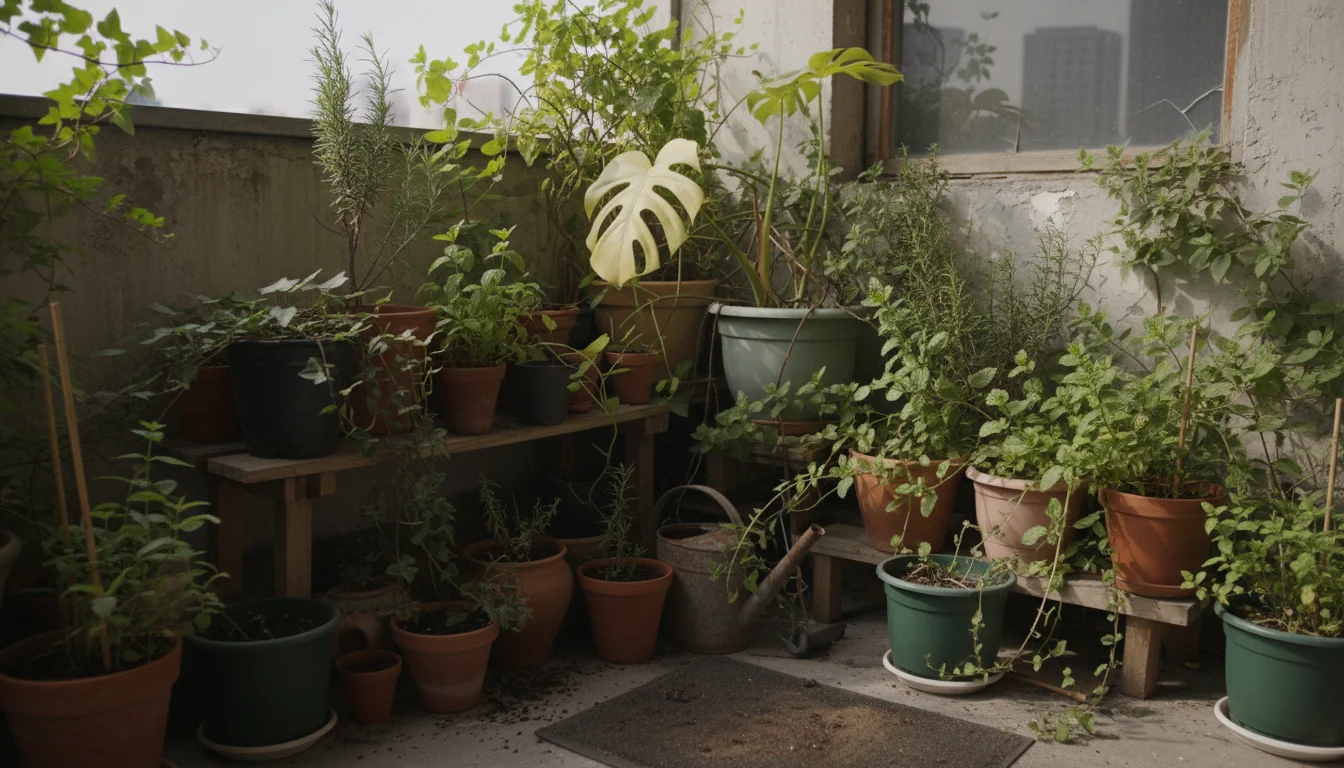
Creating a beautiful `indoor garden design` in a small space is a rewarding endeavor, but certain pitfalls can undermine your efforts. Being aware of these common mistakes allows you to avoid them and ensure your ‘Winter Jungle’ thrives. First, avoid overcrowding your space. While the goal is a lush, jungle-like feel, jamming too many plants into a small area restricts air circulation, blocks light, and makes individual plant care challenging. This leads to stressed plants, increased pest issues, and a cluttered, rather than cozy, aesthetic. Plan your groupings thoughtfully, leaving enough breathing room for each plant to grow and for you to easily water and prune.
To keep your display thriving, be sure to avoid common winter care mistakes that can lead to overwatering or stress.
Second, a significant error is ignoring light requirements. You might fall in love with a plant, but if your chosen spot does not provide its necessary light, it will struggle. Low-light tolerant plants like ZZ Plants or Snake Plants excel in dimmer corners, but sun-lovers like Fiddle Leaf Figs will slowly decline without bright, indirect light. Always research a plant’s light needs before you buy it, and choose plants appropriate for the specific light conditions of your home. Rotating plants regularly helps ensure even light exposure, preventing them from becoming leggy or lopsided, which detracts from `styling houseplants` effectively.
Third, neglecting proper drainage is a common and often fatal mistake. We discussed drainage holes earlier, but it bears repeating. Pots without drainage holes, or potting mixes that retain too much water, lead to root rot. If you use cachepots, always remove the inner pot for watering and allow it to drain completely before returning it. Similarly, remember to adjust your watering schedule for winter. Most plants require significantly less water during the colder, darker months. Overwatering is more detrimental than underwatering during this period. Forgetting about humidity, especially in heated homes, also harms many tropical plants. Implement solutions like pebble trays or humidifiers to counter dry air.
Finally, do not make the mistake of forgetting about future growth. Your small plant will not stay small forever. Consider its mature size when planning your arrangement. What looks perfect today might become unwieldy in six months. Plan for pruning or relocating plants as they grow. This foresight is crucial for sustainable `apartment decor with plants`. By avoiding these common errors, you set yourself up for long-term success, ensuring your ‘Winter Jungle’ remains a vibrant and healthy sanctuary, making `how to arrange houseplants in a small apartment` a skill you master over time.
Eco-Friendly Tips for a Sustainable Indoor Oasis
As you cultivate your ‘Winter Jungle,’ consider incorporating environmentally conscious practices into your `indoor garden design`. Sustainable gardening extends beyond the outdoors; it is about making mindful choices that benefit both your plants and the planet. One crucial step involves choosing plants from reputable local nurseries whenever possible. Local sourcing reduces the carbon footprint associated with long-distance transportation and supports local businesses. Furthermore, these plants are often better acclimated to your regional climate, reducing transplant shock.
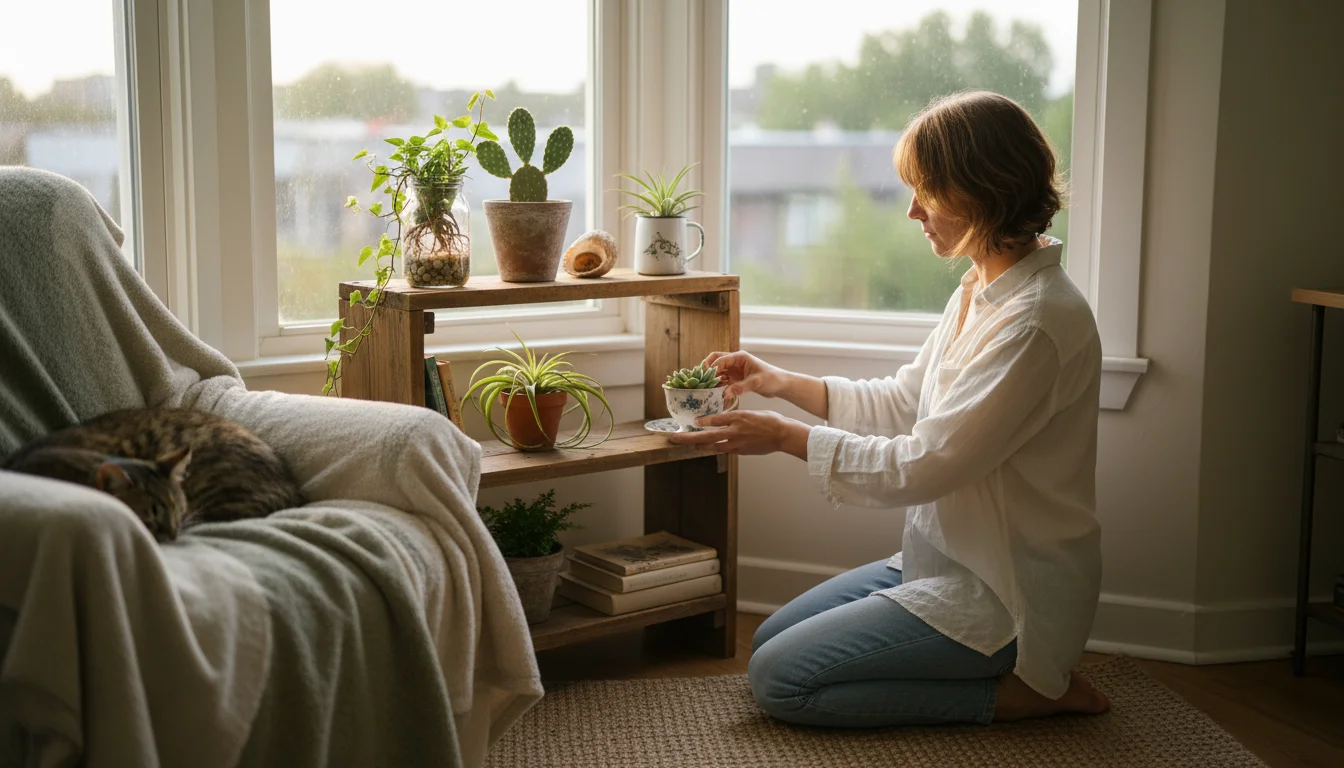
Embrace repurposed and sustainable containers. Instead of always buying new, look for creative ways to reuse items. Old teacups, glass jars, or even vintage colanders can become charming planters with proper drainage solutions. When buying new pots, opt for materials like terracotta, ceramic, or recycled plastics, which are more environmentally friendly than virgin plastics. Consider materials that are durable and will last for many years, reducing the need for frequent replacements. Always ensure your pots have proper drainage to prevent root issues, which helps avoid discarding unhealthy plants.
Compost your plant waste. Instead of tossing spent leaves, pruned stems, or old potting mix, start a small indoor composting system or add them to an outdoor compost pile. This enriches your soil and reduces landfill waste. When it comes to plant care products, prioritize organic pest control methods and natural fertilizers. Neem oil, insecticidal soap, or simply wiping leaves with a damp cloth can effectively manage most houseplant pests without introducing harmful chemicals into your home environment. Use organic compost or worm castings as gentle, slow-release fertilizers, providing your plants with nutrients in an eco-friendly way. For `styling houseplants` in an environmentally conscious manner, consider making your own plant stakes from fallen branches or using natural twine instead of plastic ties.
Finally, conserve water. Collect rainwater for your houseplants or repurpose water from cooking vegetables (once cooled and unsalted). Grouping plants also helps retain humidity, reducing the need for constant misting. By adopting these eco-friendly habits, you not only create a stunning ‘Winter Jungle’ but also contribute to a healthier planet, aligning your `apartment decor with plants` with sustainable living principles. This holistic approach ensures your green space is not only beautiful but also kind to the environment.
Frequently Asked Questions
What are the best low-light plants for a winter jungle in a small apartment?
For small apartments with limited natural light, consider plants like the ZZ Plant (Zamioculcas zamiifolia), Snake Plant (Sansevieria trifasciata), Pothos (Epipremnum aureum), Peace Lily (Spathiphyllum), and Cast Iron Plant (Aspidistra elatior). These varieties tolerate lower light conditions and remain relatively low-maintenance, making them excellent choices for `making indoor plants look good in winter` without excessive fuss. They are resilient and contribute beautifully to a lush, green aesthetic even in dimmer corners.
How do I handle watering my houseplants in winter?
You should significantly reduce your watering frequency in winter. Most houseplants experience slower growth or dormancy during this period, requiring less moisture. Always check the soil moisture by sticking your finger about an inch or two deep. Water only when the soil feels dry. Overwatering is the most common cause of plant death in winter, leading to root rot. Err on the side of underwatering rather than overwatering, ensuring proper drainage in all pots.
Can I really create a jungle look in a tiny apartment?
Absolutely! Creating a ‘Winter Jungle’ in a tiny apartment focuses on maximizing vertical space and strategic grouping. Utilize plant stands, wall-mounted shelves, and hanging planters to draw the eye upward and utilize unused wall areas. Grouping plants together creates a lush visual impact without spreading them out. Focus on a curated selection of plants that thrive in your light conditions and are appropriately sized for your space. This approach to `how to arrange houseplants in a small apartment` can transform even the smallest nook into a vibrant oasis.
What about pests in a dense indoor garden?
A dense indoor garden can sometimes attract pests, but diligent inspection helps. Regularly inspect the undersides of leaves and stems for any signs of pests like spider mites, mealybugs, or fungus gnats. Treat any infected plants immediately by isolating them and using organic solutions such as neem oil, insecticidal soap, or rubbing alcohol on a cotton swab. Ensuring good air circulation by not overcrowding plants and maintaining proper humidity levels also helps deter pests. Consistent preventative care is key.
How often should I fertilize my houseplants in winter?
Most houseplants do not require fertilization during the winter months. Many enter a period of reduced growth or dormancy, and providing excess nutrients can actually harm them. It is generally best to pause fertilization from late fall until early spring when you observe new growth emerging. Resume a regular, diluted feeding schedule once your plants actively start growing again in the spring.
For trustworthy gardening information, visit:
U.S. National Arboretum, American Horticultural Society, National Garden Bureau, National Wildlife Federation — Garden for Wildlife and Lady Bird Johnson Wildflower Center. These organizations provide expert, research-based advice for gardeners at all levels.
Disclaimer: This article is for informational purposes only and is not a substitute for professional gardening advice. Always consult local extension services or horticulture experts for region-specific guidance.

Leave a Reply