
Winter often brings a stark beauty to the natural world, but it can leave your beloved balcony, patio, or small yard feeling a bit bare. Those empty pots, once overflowing with vibrant blooms and lush foliage, now sit as silent reminders of warmer seasons. You want to maintain visual interest and a touch of nature, even when the cold descends. This is where the Winter Sculpture Project comes in. It offers an inspiring, low-maintenance, and eco-friendly solution to transform your dormant outdoor space into a captivating display of natural art.
Imagine turning those empty planters into canvases for striking arrangements of bare branches, dried seed heads, and other natural treasures. This project empowers you to create unique, dynamic sculptures that capture the quiet elegance of winter. You bring warmth, texture, and sophisticated design to your outdoor areas, utilizing materials readily available in nature or from your own garden cleanup. This approach to decorating your balcony for winter with natural elements provides a sustainable and beautiful alternative to synthetic decorations.
The Winter Sculpture Project is more than simply filling empty pot ideas. It is an invitation to engage with the season’s unique aesthetics, embracing the beauty of dormancy and the quiet strength of natural forms. You create winter interest containers that stand as elegant focal points, providing texture and structure against a backdrop of crisp air and often muted colors. You are about to discover how simple, sustainable elements elevate your outdoor living space during the coldest months.
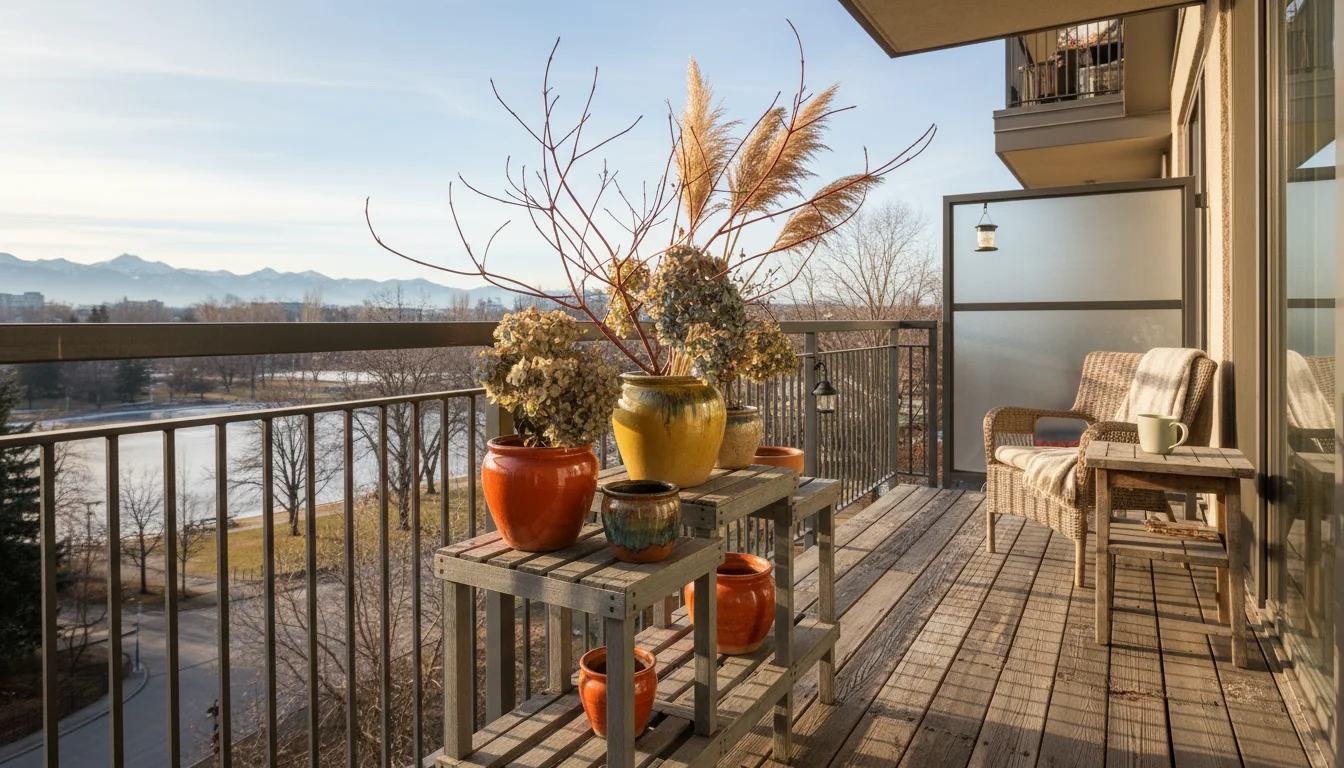
The Magic of Winter Interest: Why Your Balcony Deserves Natural Art
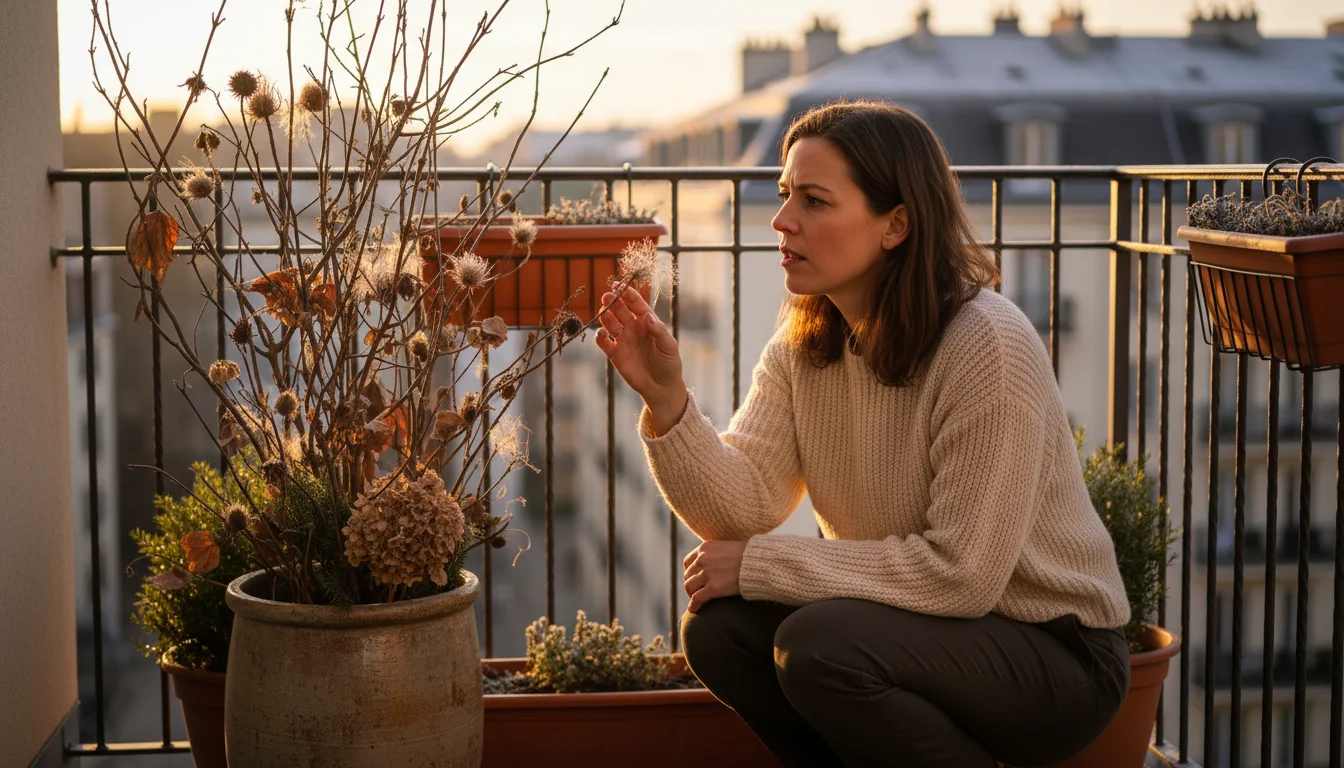
Your balcony or small garden does not need to hibernate entirely once the last flowers fade. Many gardeners assume winter means packing away everything and accepting a barren landscape. However, winter offers a unique opportunity to appreciate different forms of beauty: the intricate patterns of bare branches, the delicate structures of dried seed heads, and the subtle variations in natural textures. Embracing this perspective allows you to transform what might seem like empty pot ideas into vibrant, artistic statements.
You can also pair these arrangements with unexpected plants for winter interest to create a truly diverse display.
To further enhance the ambiance, consider a winter balcony glow-up using soft lighting and repurposed materials.
Creating winter interest containers provides several compelling benefits for you and your space. First, it offers continuous visual appeal. Instead of staring at empty planters, you enjoy a curated display that adds character and sophistication. These natural sculptures become year-round decor, maintaining your balcony’s charm even without living plants. This transforms a functional space into an extension of your indoor living, maintaining an inviting atmosphere.
Second, this project aligns perfectly with a low-maintenance gardening philosophy. Once you arrange your branches and seed heads, they require virtually no ongoing care. You do not need to worry about watering, fertilizing, or pest control. This makes them ideal for busy individuals or anyone seeking a beautiful, effortless solution for winter balcony decor. This ease of care ensures your outdoor space remains attractive without demanding your constant attention.
Third, using natural elements is inherently sustainable and environmentally conscious. You repurpose what nature provides, reducing waste and minimizing your ecological footprint. Rather than purchasing new, manufactured decorations that may contribute to plastic waste or require significant energy to produce, you source materials locally and renewably. This practice embodies responsible gardening, harmonizing your aesthetic choices with environmental stewardship.
Finally, the Winter Sculpture Project encourages creativity and connection with nature. You become an artist, interpreting the beauty of the natural world through your arrangements. Each piece you create is unique, reflecting your personal style and the materials you discover. This process deepens your appreciation for the seasonal changes and the enduring beauty found in even the most dormant forms. You find inspiration in every twig and seed pod, turning simple elements into profound statements.
What to do with empty planters in winter no longer presents a challenge. It presents an opportunity to craft exquisite, natural art. These sculptures bring life and form to your outdoor areas, proving that beauty thrives even in the quietest season.
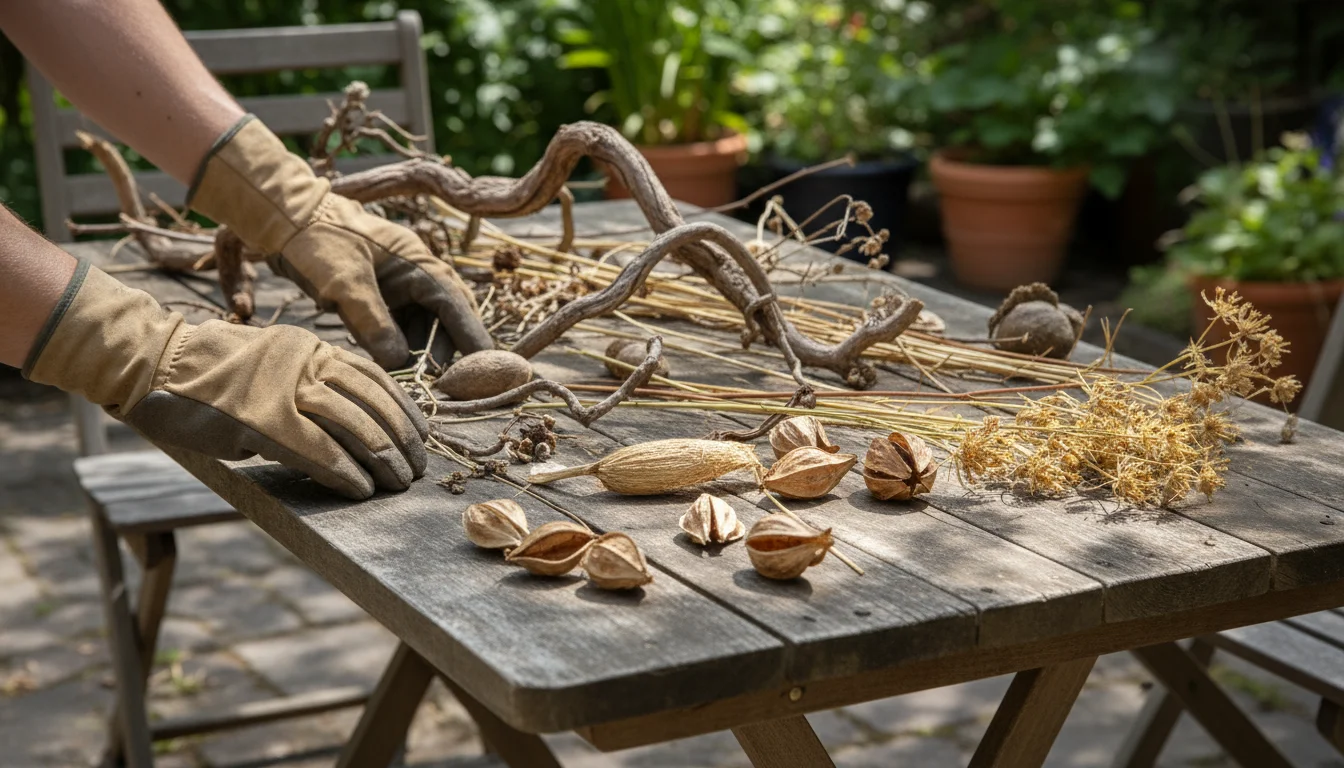
Gathering Your Artistic Elements: Ethical Sourcing and Sustainability
The foundation of any successful Winter Sculpture Project lies in the quality and variety of your natural materials. However, how you acquire these materials is as important as what you choose. Ethical sourcing and sustainable practices ensure you respect nature while gathering your treasures. This approach protects local ecosystems and supports long-term environmental health.
By leaving some materials in place, you help create a winter shelter for insects within your small-space garden.
Focusing on plants that look stunning as they fade allows you to harvest the most visually appealing materials for your sculptures.
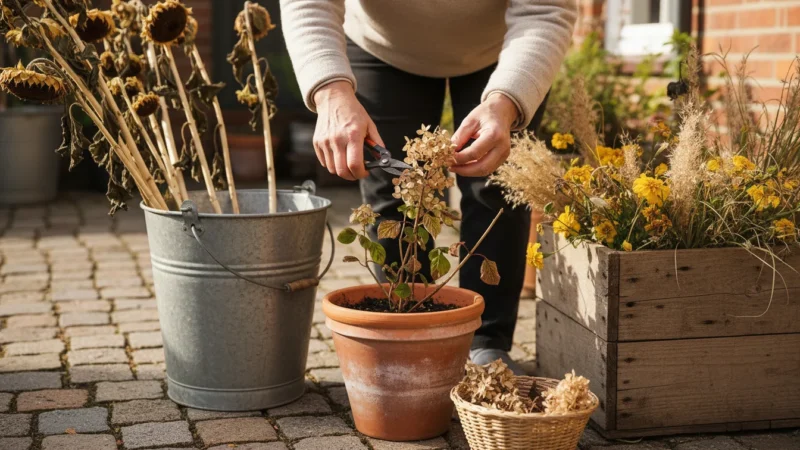
Start by looking in your own garden. If you grow perennials, ornamental grasses, or shrubs, winter pruning often yields excellent material. Dried hydrangeas, spent coneflowers (Echinacea), or tall sedum flower heads offer fantastic texture and structure. Pruned branches from deciduous trees or shrubs, such as dogwood (Cornus spp.) with its vibrant red or yellow stems, or contorted hazel (Corylus avellana ‘Contorta’) with its whimsical twists, provide striking architectural elements. Always collect material after the growing season finishes and plants have gone dormant, usually after the first hard frost. This minimizes stress on the plant.
If you venture beyond your property, observe a few key principles. Always obtain permission before collecting from private land. For public spaces, like parks or nature preserves, check local regulations. Many parks prohibit foraging or removal of natural elements to protect wildlife habitats and plant populations. Respect these rules. You can often find suitable materials in areas slated for development, along roadsides (away from traffic and pollution), or after storms have brought down branches.
Focus on collecting fallen branches, twigs, and spent plant stalks. These are already detached from their source, meaning you cause no harm to living plants. If you must prune a living plant, do so sparingly and correctly. Make clean cuts with sharp pruners, following proper horticultural guidelines to ensure the plant heals well. Never strip a plant bare or take so much that you jeopardize its health. A good rule of thumb is to take no more than 10-15% of a healthy plant’s material at one time.
Consider the environmental impact of your choices. Avoid gathering rare or endangered species. Be mindful of wildlife. Seed heads provide vital food sources for birds and small animals during winter. Take only a small portion, leaving plenty behind for nature’s residents. If you see signs of animal habitation, like nests or insect activity, choose another spot. This balanced approach supports local biodiversity while enriching your display.
When you gather your materials, inspect them for pests or diseases. You do not want to introduce unwanted guests into your home or contaminate your healthy garden areas. A quick brush-off or a gentle rinse with water can remove loose debris and small insects. Allowing materials to dry thoroughly in a well-ventilated area before arranging them helps prevent mold or mildew.
For trustworthy gardening information, visit:
Brooklyn Botanic Garden, Chicago Botanic Garden, New York Botanical Garden and ASPCA Animal Poison Control. These organizations provide expert, research-based advice for gardeners at all levels.
Before incorporating any found materials, especially if pets might interact with your display, confirm they are non-toxic. The ASPCA Animal Poison Control website is an excellent resource for checking plant toxicity. Prioritizing safety ensures your beautiful creations remain harmless to all inhabitants of your home.
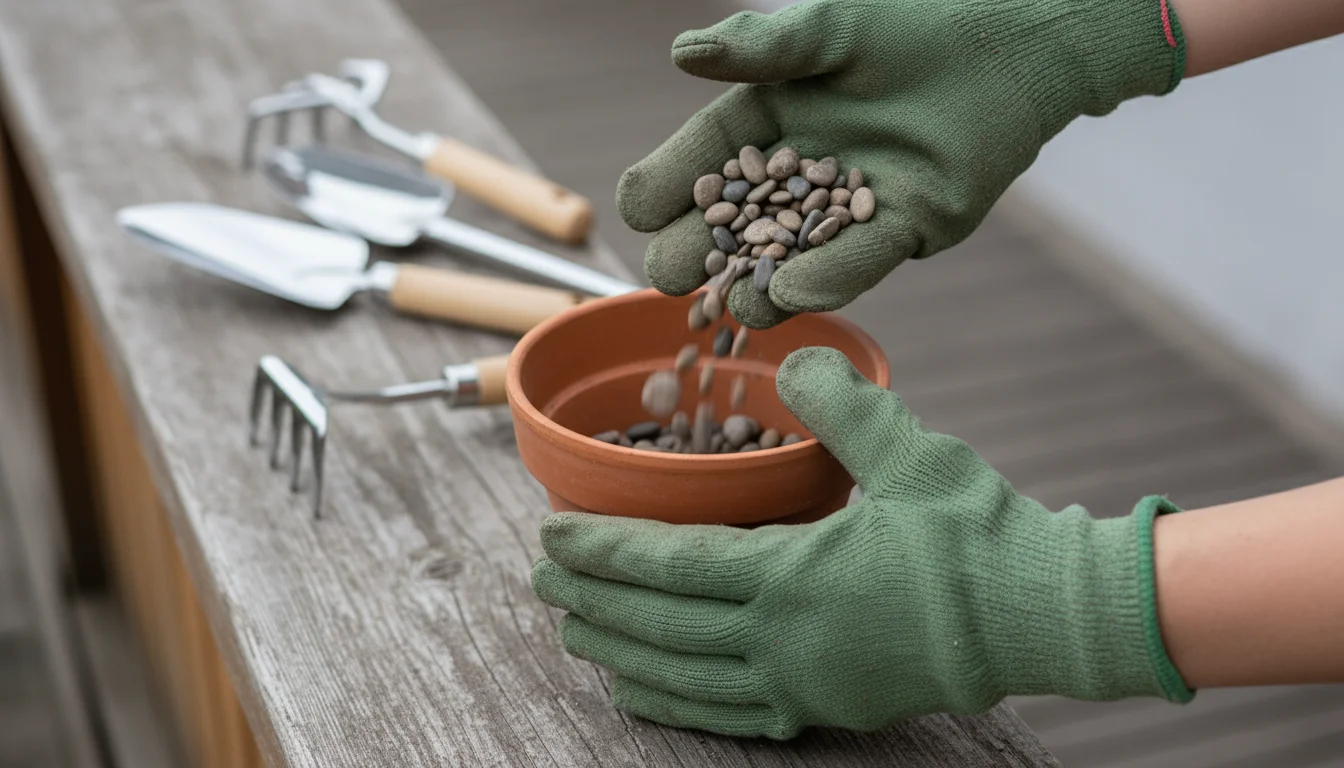
Essential Tools and Materials: Setting Up Your Workspace
Embarking on your Winter Sculpture Project requires a few basic tools and materials. You likely already own many of these items, simplifying the preparation process. Having everything organized before you begin makes the creative process smooth and enjoyable. You will work efficiently and safely when your workspace is ready.
Setting up your winter display is also an excellent time to re-evaluate your balcony layout for the coming spring.
Here is what you will need:
- Pruners or Loppers: Sharp bypass pruners are essential for making clean cuts on branches and stalks. For thicker branches, small loppers will save you effort and ensure precise cuts. Good quality tools prevent damage to the plant you are cutting from and give you a cleaner piece for your sculpture.
- Gloves: Protect your hands from thorns, rough bark, and any potential irritants. Heavy-duty gardening gloves work best.
- Empty Pots or Planters: Utilize the planters already on your balcony or patio. Ensure they have good drainage holes. You can also acquire attractive, weather-resistant pots if you need more. Ceramic, terracotta, metal, or durable plastic pots all work well.
- Weighting Material: This is crucial for stability. Small pebbles, gravel, sand, or even rocks collected from your garden effectively anchor your branches. You can also use potting soil, but gravel offers better stability for tall, top-heavy arrangements and provides excellent drainage.
- Floral Foam or Chicken Wire (Optional): For more intricate or precise arrangements, floral foam (dry variety) or crumpled chicken wire placed in the pot offers additional support and allows you to position branches exactly where you want them. Chicken wire is a more eco-friendly and reusable option.
- Wire (Optional): Thin floral wire or craft wire helps secure smaller elements, like bundles of seed heads, to larger branches, or to hold components together.
- Twine or Natural Cord (Optional): Use this to bind elements together for a rustic look or to create loops for hanging smaller decorative items.
- Watering Can (Empty) or Bucket: Useful for moistening the sand or soil if you choose to use it for anchoring, or simply to hold your collected materials temporarily.
- A Tarp or Drop Cloth: Lay this down in your workspace to catch debris, making cleanup much easier.
- Your Collected Natural Materials: Of course, your bare branches, dried seed heads, ornamental grasses, and other natural treasures form the heart of your project.
Set up your workspace in an area where you have enough room to spread out your materials and envision your arrangements. A clear table or a designated spot on your balcony works perfectly. Gather all your tools within reach. This organized approach helps you focus on the creative aspect without interruptions. You will find the process much more enjoyable and the results more satisfying.
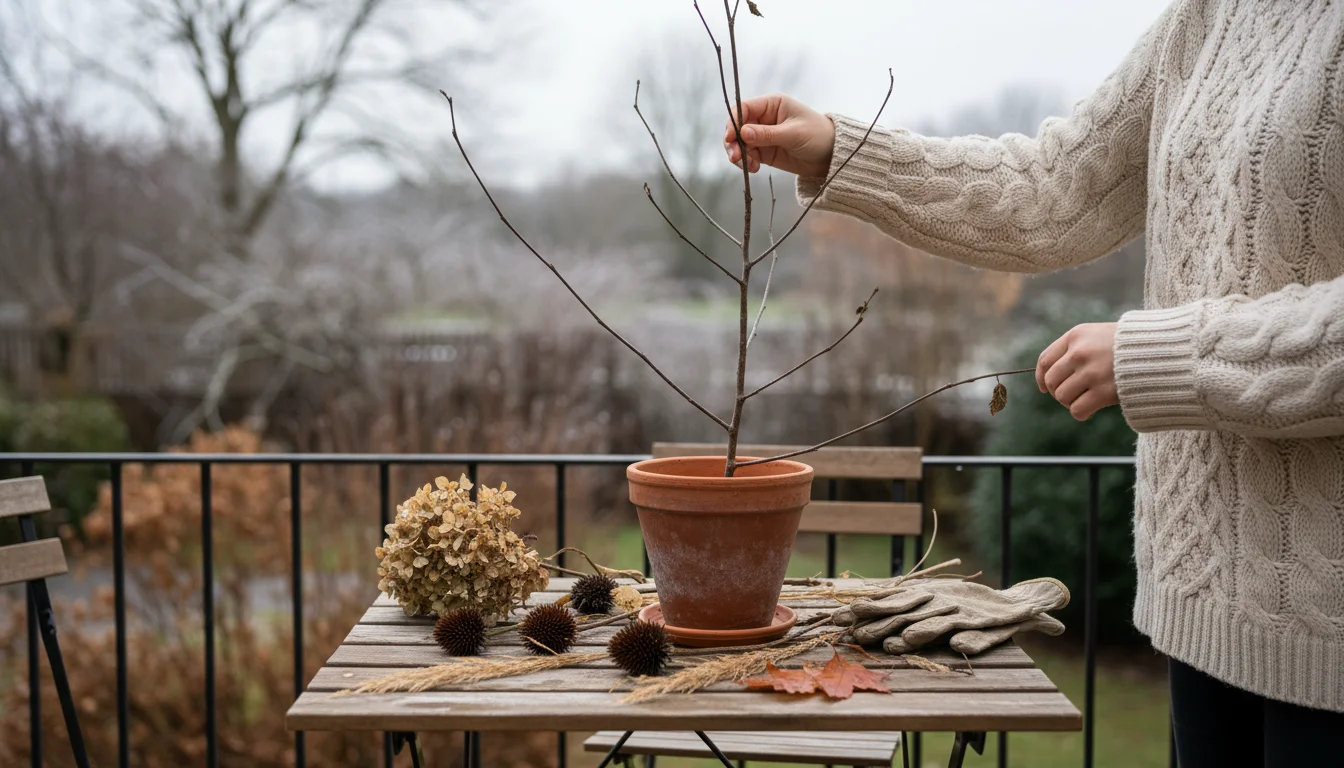
Designing Your Winter Masterpiece: Principles of Arrangement
Transforming simple natural elements into a captivating winter sculpture involves applying basic design principles. Think of your empty pot ideas as blank canvases. You become the artist, using branches and seed heads as your brushes and paint. This artistic approach elevates your winter balcony decor from mere assemblage to thoughtful design. You aim for balance, texture, and visual flow.
1. Consider Scale and Proportion:
The size of your sculpture should relate harmoniously to both the pot and its surroundings. A tall, slender pot often benefits from equally tall, architectural branches, while a wider, shorter pot might accommodate a broader, more expansive arrangement. Avoid overwhelming a small balcony with an enormous sculpture, or losing a delicate arrangement in a vast space. You want the arrangement to feel intentional and proportional, creating a sense of visual equilibrium.
2. Focus on Form and Line:
Bare branches provide incredible linear elements. Look for interesting shapes: graceful curves, strong verticals, or intricate zigzags. These lines guide the eye through the sculpture. Seed heads and dried flowers add distinct forms, from the delicate spheres of dried alliums to the sturdy cones of coneflowers. Play with these natural shapes to create a dynamic composition. A strong vertical branch can serve as the backbone, with smaller, more delicate elements spiraling around it.
3. Embrace Texture:
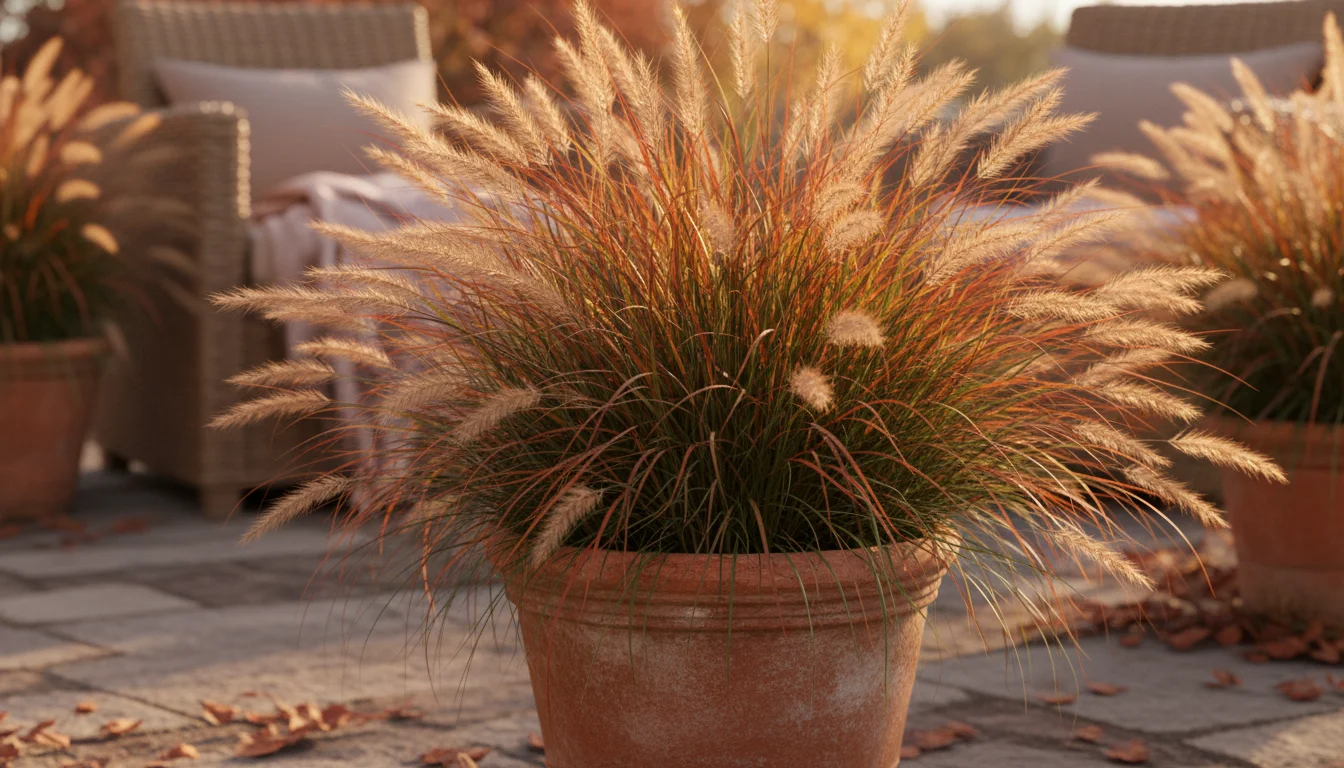
Winter emphasizes texture. The smooth bark of a birch branch, the rough, gnarled surface of an oak twig, the feathery plumes of ornamental grasses, and the intricate patterns of dried seed pods all contribute to the sensory experience. Combine different textures to add depth and interest. A juxtaposition of smooth and rough, or fine and coarse, creates visual richness that engages the viewer.
4. Create Focal Points:
Every good design benefits from a focal point, an area that immediately draws the eye. This could be a particularly striking branch, a cluster of unique seed heads, or a combination of elements. Once you establish your focal point, arrange other elements around it to support and enhance its prominence. This creates a clear hierarchy within your design, making it easy to appreciate.
5. Understand Balance:
Balance in design does not always mean symmetry. Asymmetrical balance often feels more natural and dynamic. Achieve this by distributing visual weight evenly, even if the elements on each side are different. A heavy, dark branch on one side can balance several lighter, airier elements on the other. Step back frequently to assess your arrangement from different angles, ensuring it feels stable and harmonious.
6. Play with Negative Space:
The empty space around and between your elements is just as important as the elements themselves. Negative space defines the forms and allows each piece to breathe. Avoid overcrowding your pot. Give your branches and seed heads room to express their individual beauty. This creates an open, airy feel that prevents your sculpture from looking dense or heavy.
7. Consider Your Vantage Point:
Since these sculptures will live on a balcony or patio, view them from both inside your home and from various angles outside. Ensure they look appealing from all perspectives you commonly observe. You want to enjoy their beauty whether you are sipping coffee indoors or relaxing on your outdoor seating.
By consciously applying these design principles, you transform your what to do with empty planters in winter problem into an exciting creative endeavor. You create winter interest containers that are not merely decorative but truly sculptural, reflecting the elegance and artistry of nature.
Step-by-Step: Constructing Your Branch and Seed Head Sculptures
Now that you understand the design principles and have gathered your materials, it is time to bring your vision to life. This step-by-step guide walks you through the process of constructing your beautiful winter sculptures. You will find that the physical act of arranging is as meditative and rewarding as the final display.
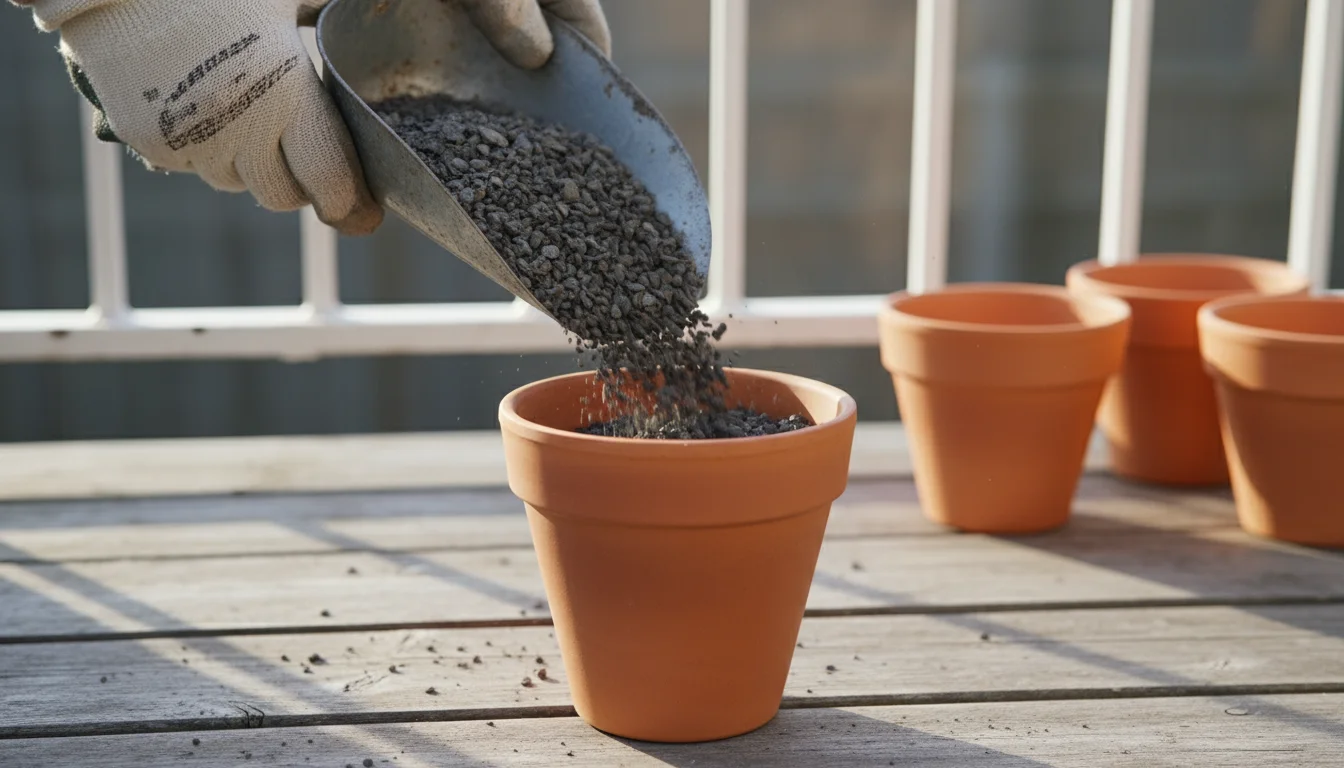
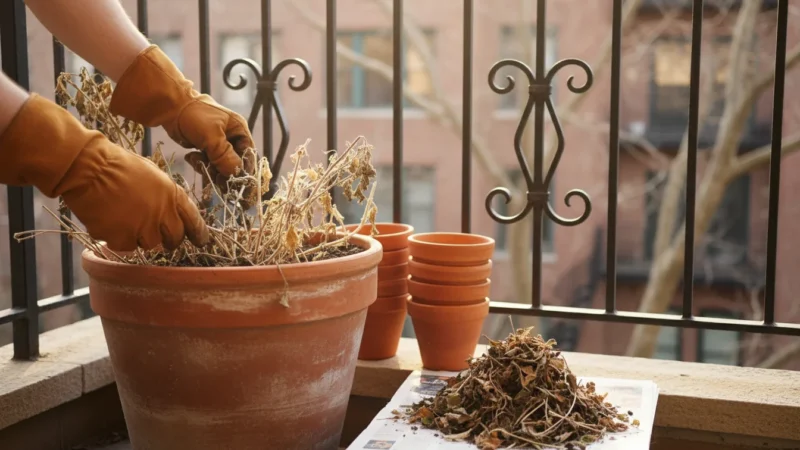
- Prepare Your Pots: Begin by ensuring your empty pots are clean and free of any old soil or debris. Check that drainage holes are clear. If you plan to reuse soil from previous plantings, ensure it is relatively fresh and does not contain signs of disease. For stability, particularly with taller designs, adding a layer of gravel or pebbles to the bottom of the pot improves drainage and provides ballast.
- Establish Your Anchor: Fill the pot with your chosen weighting material. If you use gravel, fill it nearly to the top. If you prefer sand or soil, fill it about two-thirds full. This material provides the foundation that holds your branches upright. Consider moistening sand or soil slightly to make it more compact and stable, but do not make it muddy.
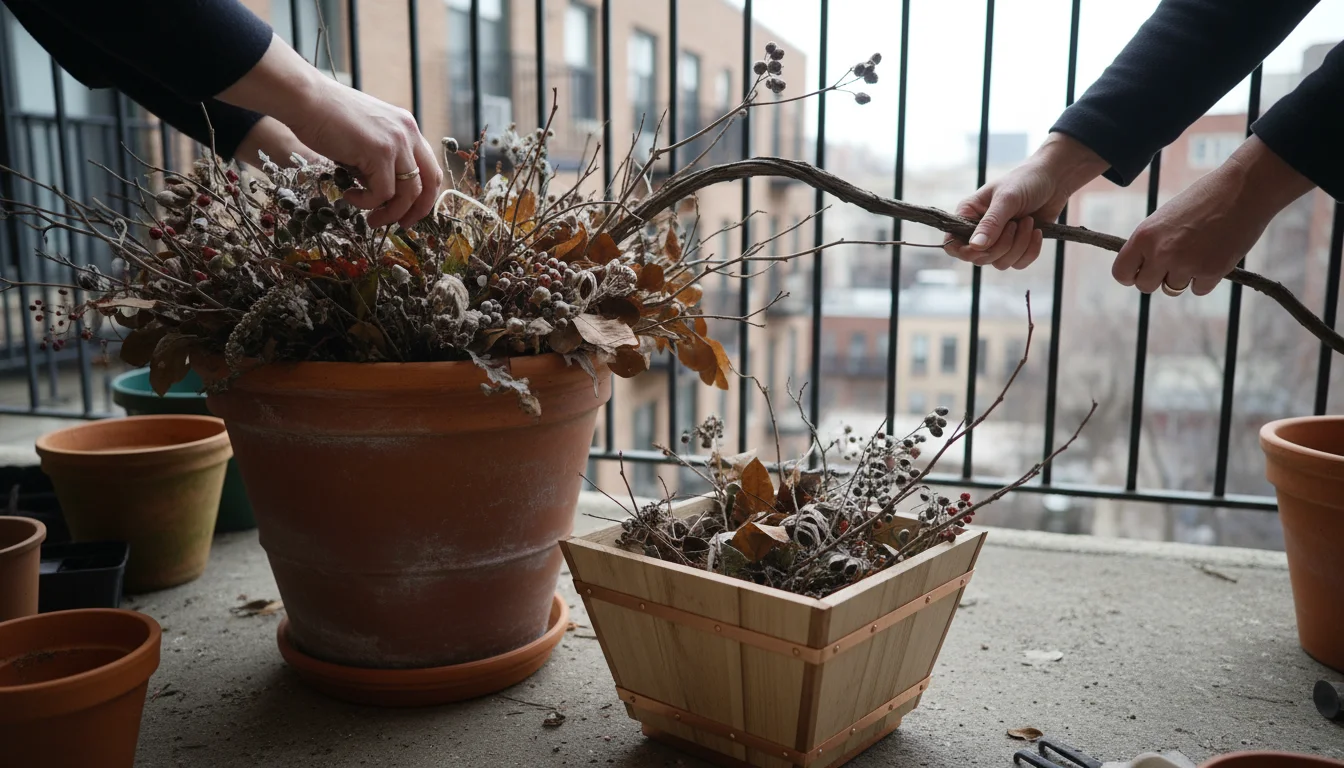
- Insert Your Main Branches: Start with your largest, most architectural branches. These form the backbone of your sculpture. Insert the cut end deeply into the weighting material, ensuring it feels firmly anchored. Angle them to create dynamic lines. Think about the dominant direction you want your sculpture to take—vertical, sweeping, or asymmetrical. Spin the pot around as you work, observing the branches from all angles to confirm balance and visual appeal. This initial placement is critical for the overall stability and form.
- Build the Structure with Secondary Branches: Once your main branches are in place, add smaller, complementary branches. Use these to fill out the form, add complexity, and create depth. Layer them, allowing some to cross or overlap, but avoid a cluttered look. Remember to consider negative space. These branches should enhance the focal points you established in your design phase. If using floral foam or chicken wire, push the branch ends firmly into the foam or weave them through the wire to secure them.
- Integrate Seed Heads and Dried Elements: Now, introduce your seed heads, dried flowers, and ornamental grasses. Tuck these into the spaces between branches. They provide texture, softer forms, and intricate details. Group some elements for impact, such as a cluster of dried hydrangea heads, and scatter others to create a naturalistic feel. You can use floral wire or twine to attach smaller elements securely to branches if they do not stay put when inserted into the weighting material.
- Refine and Adjust: Step back and evaluate your creation. Does it look balanced from all sides? Do you see distinct layers and textures? Adjust any elements that seem out of place. You might prune a branch slightly, reposition a seed head, or add a few more small twigs to fill a gap. This iterative process of placing, stepping back, and refining is key to achieving a polished, artistic look.
- Add Finishing Touches (Optional): Once satisfied with the arrangement, you can add a top layer of decorative gravel, polished stones, or moss to cover the weighting material. This provides a clean, finished appearance and further anchors the elements. Ensure the top layer is compact enough to hold the bases of your elements firmly.
- Secure and Test Stability: Give your finished sculpture a gentle wobble. It should feel robust and not easily tip over. If it feels unstable, add more weighting material, or reposition the main branches to create a wider, more secure base. For very tall arrangements, you may need to add additional rocks or bricks to the bottom of the pot for extra stability against strong winter winds.
Your winter sculpture is now complete, ready to grace your balcony or patio. This decorating balcony for winter with natural elements project offers both a creative outlet and a stunning result. You have transformed empty pot ideas into elegant winter interest containers, a testament to nature’s enduring beauty.
Beyond Branches: Incorporating Additional Natural Elements
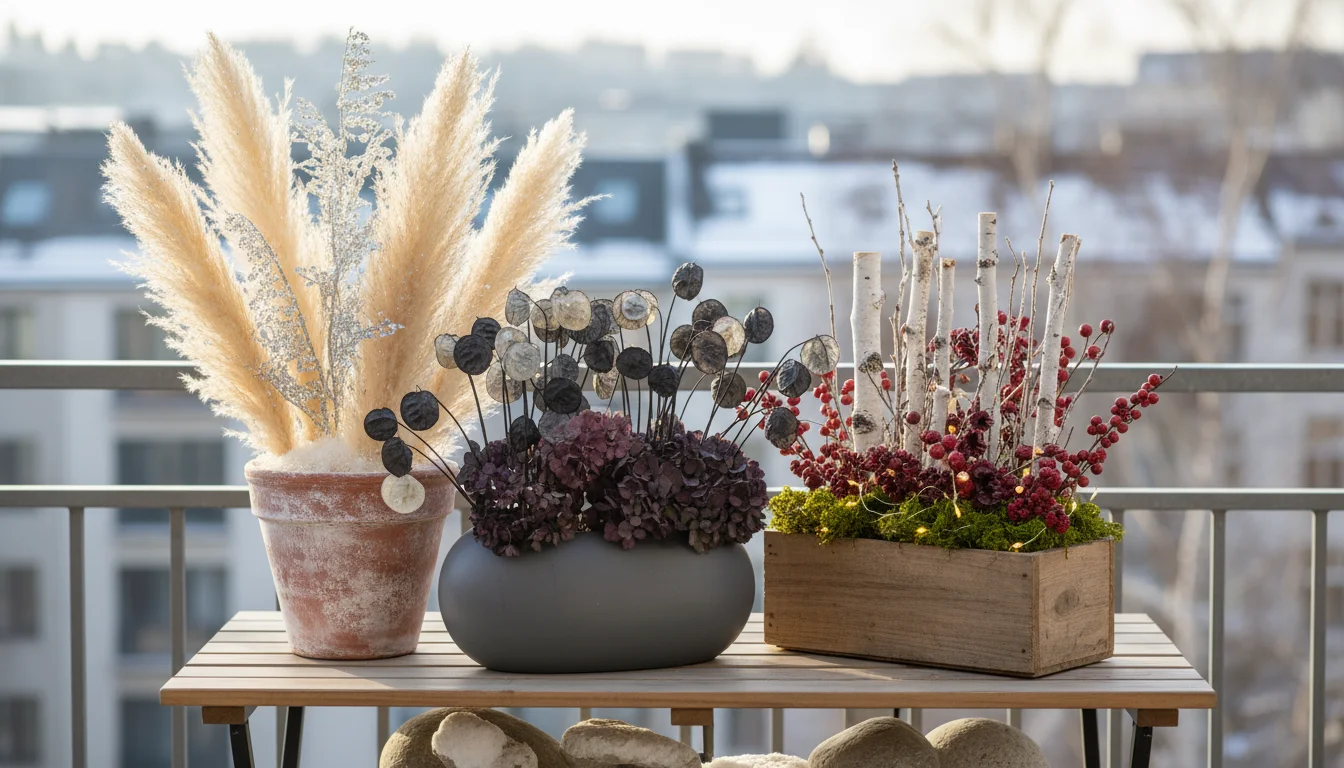
While bare branches and seed heads form the core of your winter sculptures, expanding your palette of natural elements enhances their visual richness and unique character. You can integrate various other treasures from nature to add color, texture, and unexpected charm to your empty pot ideas. This broadens your creative possibilities, allowing for even more personalized winter balcony decor.
Pinecones and Other Cones: Collect pinecones, spruce cones, or larch cones. Their distinct shapes and textures add robust, earthy elements. You can arrange them in clusters at the base of your branches, wire them onto larger branches, or even string them together to drape gracefully. Their natural browns and greens provide a grounding color palette.
Dried Berries and Fruit: Look for dried berries on branches that are non-toxic if you have pets. Winterberry holly (Ilex verticillata) offers bright red berries that persist into winter, providing a vibrant pop of color. Small, dried crabapples or rose hips can also add beautiful, natural accents. Ensure these are thoroughly dried to prevent decay. Always check for toxicity, especially if your pets have access to the area. For example, some holly varieties are toxic to pets if ingested. Consult the ASPCA Animal Poison Control website for pet-safe options.
Stones and Rocks: Smooth river stones or interesting rocks add weight, texture, and a grounding presence at the base of your arrangements. They can also serve as an attractive cover for your weighting material, offering a more finished look. Arrange them artfully to complement the verticality of your branches.
Dried Leaves: While many leaves decompose quickly, some, like oak leaves, retain their shape and color longer. Their rich brown, russet, or gold tones add warmth and a different type of texture. You can layer them at the base or even wire individual leaves onto branches for a delicate effect.
Moss and Lichen-Covered Twigs: Twigs adorned with natural moss or lichen bring an ancient, serene quality to your sculptures. The soft, velvety textures and subtle greens and grays contrast beautifully with the starkness of bare branches. Gather these sparingly, ensuring you do not remove too much from any one area.
Bamboo Stakes or Canes: For a more minimalist or architectural look, incorporate bamboo stakes. Their uniform lines offer a different kind of structure, particularly effective in modern or Asian-inspired designs. You can cut them to varying heights for visual interest.
Driftwood or Found Wood: If you live near a beach or river, pieces of weathered driftwood offer unique sculptural forms. Their smooth, sculpted surfaces and muted colors add an intriguing, organic element to your winter interest containers.
When incorporating these additional elements, maintain the principles of balance and proportion. You want each addition to enhance, not overwhelm, your primary branch and seed head structure. Experiment with different combinations to discover what truly resonates with your aesthetic. This thoughtful layering of natural materials ensures your what to do with empty planters in winter solution becomes a truly captivating and unique display.
Maintaining Your Winter Sculptures: Durability and Longevity
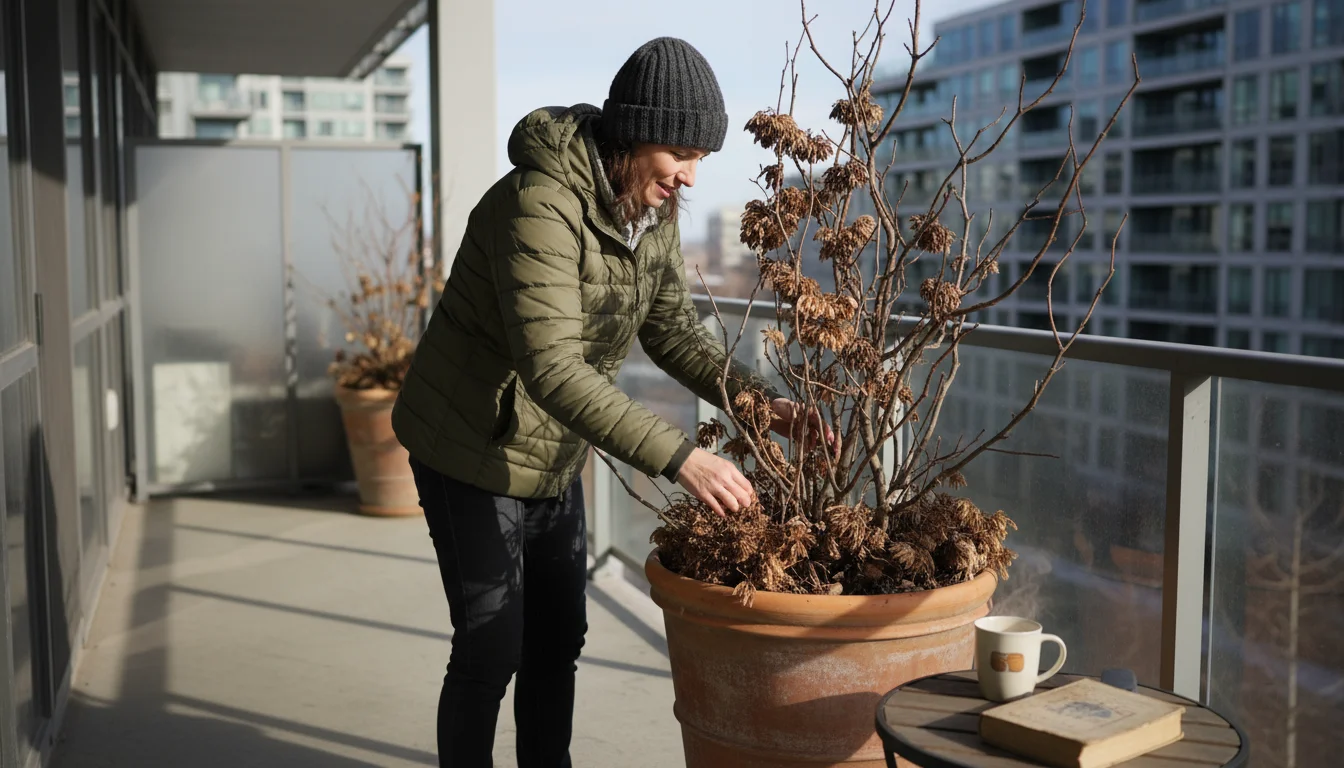
One of the great advantages of the Winter Sculpture Project is its minimal maintenance. Once you install your artful arrangements, they generally require very little ongoing care. However, a few considerations ensure your winter balcony decor remains beautiful and lasts throughout the season. You protect your investment of time and effort by understanding these simple practices.
1. Weather Resilience:
Your natural sculptures are designed to withstand winter conditions. Bare branches and dried seed heads are naturally robust. They tolerate cold, snow, and ice remarkably well. In fact, a dusting of snow or a glaze of ice often enhances their beauty, creating stunning, frosted effects. Ensure your chosen pots are also weather-resistant and do not crack in freezing temperatures. Terracotta pots can sometimes be prone to cracking if not properly glazed or if they hold standing water that freezes. Durable plastic, fiberglass, or metal pots are generally more forgiving in severe cold.
2. Securing Against Wind:
Wind is the primary challenge for outdoor sculptures. Strong gusts can dislodge branches or even tip over lighter pots. If you live in a particularly windy location, take extra precautions during construction. Use heavier weighting materials like large rocks or concrete blocks at the bottom of your pots. Ensure all branches are deeply and firmly inserted into the anchor material. You might also consider placing heavier, less wind-prone pots in more exposed areas, or positioning your sculptures close to a wall or railing for some protection. Periodically check your sculptures after major wind events to ensure everything remains secure.
3. Cleaning and Refreshing:
Over time, dust, pollen, or environmental grime might accumulate on your sculptures. A gentle shake can dislodge loose debris. For more persistent dirt, a soft brush or a quick, light spray with water (on a mild day when temperatures are above freezing) can refresh their appearance. Avoid harsh chemicals or vigorous scrubbing, which could damage delicate seed heads or remove natural patinas. You might also notice some fading of natural colors over a long winter, which is a natural part of the aging process and often adds to their rustic charm.
4. Longevity of Materials:
The lifespan of your natural elements varies. Sturdy branches can last for several seasons, maintaining their structural integrity. Delicate seed heads or dried grasses might become more brittle over time, especially with repeated exposure to harsh weather cycles. You can expect most elements to last a full winter season, providing several months of beauty. Some hardier elements might even carry over into the next year. You extend the life of your sculptures by choosing durable materials during collection.
5. Pest Inspection:
While unlikely to attract significant pests during winter, occasionally you might find small spiders or overwintering insects seeking shelter among your branches. Generally, these are harmless outdoor dwellers. If you brought elements indoors at any point, a quick inspection before returning them outside prevents any unintended indoor pest issues.
By taking these simple maintenance steps, you ensure your what to do with empty planters in winter solutions continue to provide elegant winter interest containers. Your decorating balcony for winter with natural elements will remain a source of joy throughout the coldest months, requiring very little effort on your part.
Common Mistakes to Avoid for Stunning Winter Displays
Creating beautiful winter sculptures is a rewarding endeavor, but a few common missteps can detract from their impact or longevity. By knowing what to avoid, you set yourself up for success, ensuring your winter balcony decor remains stunning throughout the season. You overcome potential pitfalls, creating truly captivating winter interest containers.
1. Overcrowding the Pot:
A common mistake is trying to fit too many elements into one pot. This results in a cluttered, visually heavy arrangement that loses its sculptural quality. Remember that negative space is crucial for defining forms and allowing each element to be appreciated. Instead of cramming, choose fewer, more impactful branches and position them thoughtfully. You achieve a more sophisticated and artful look when elements have room to breathe.
2. Insufficient Anchoring:
Perhaps the most critical mistake, especially for outdoor displays, is not properly anchoring your branches. If your primary branches feel wobbly, strong winds will quickly topple your creation. Always ensure branches are inserted deeply and firmly into heavy weighting material. Do not rely solely on light soil. Gravel, sand, or rocks provide the necessary stability. For taller arrangements, consider a wider pot base for improved balance. You prevent frustration and damage by prioritizing stability.
3. Ignoring Scale and Proportion:
Placing a tiny, delicate arrangement in a massive pot, or conversely, a towering sculpture in a minuscule planter, creates an imbalance. The sculpture should complement the pot and the surrounding space. Pay attention to the ratio of the branches’ height to the pot’s height, and the overall width of the arrangement compared to the pot’s diameter. You achieve visual harmony by considering these relationships.
4. Neglecting Design Principles:
Just throwing a collection of branches into a pot often results in a messy rather than artistic display. Take a moment to consider form, line, texture, and balance. Think about how the elements interact. Avoid making all branches the same height or placing them symmetrically without intention. You create a more dynamic and engaging piece when you apply basic design principles.
5. Overlooking Pet Safety:
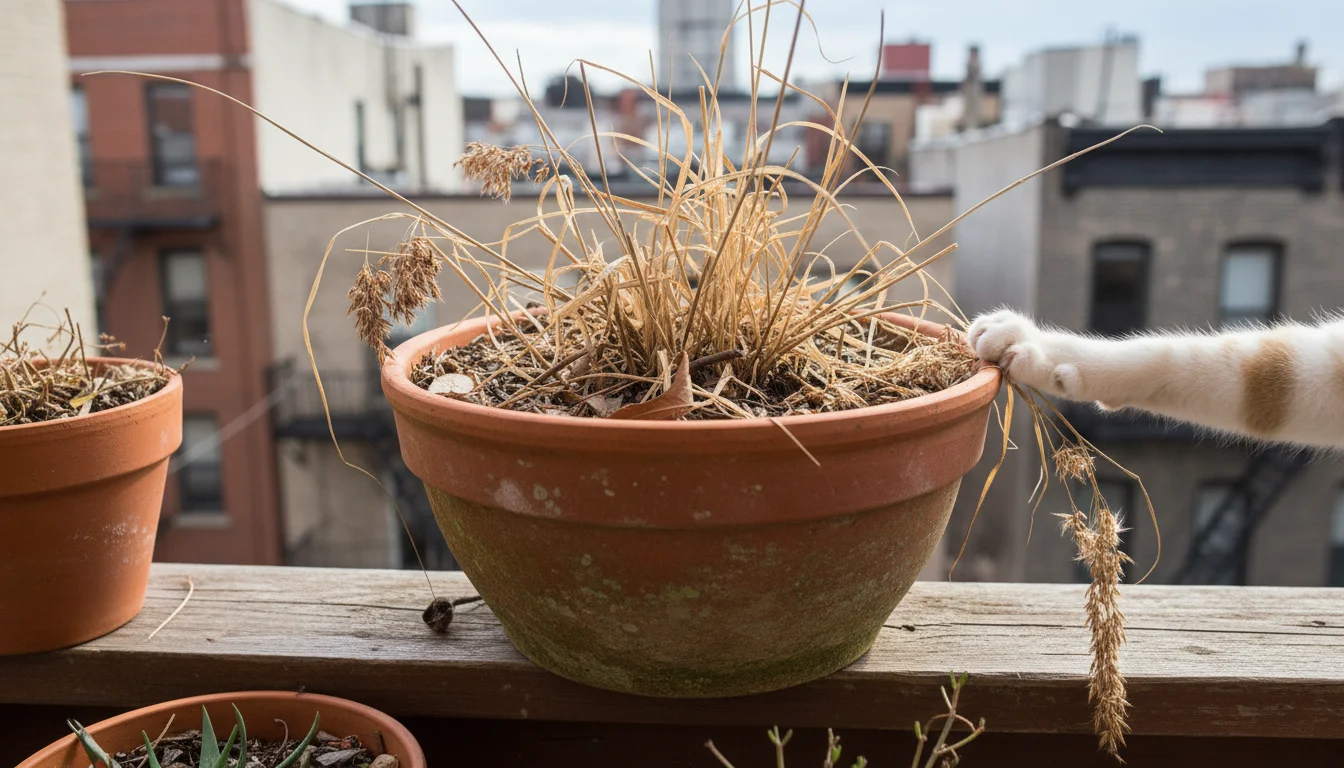
If you have pets that frequent your balcony or patio, overlooking the toxicity of certain natural elements can be a serious issue. While many dried elements are harmless, some plants retain toxic compounds even when dried. Before incorporating any specific berry, seed head, or dried flower, verify its safety for pets using resources like the ASPCA Animal Poison Control website. You ensure the well-being of your furry friends by taking this preventative step.
6. Forgetting the “All-Around” View:
A sculpture designed for a small space, like a balcony, is often viewed from multiple angles, including from inside your home. Avoid creating a “front-only” display. Spin your pot as you work, ensuring it looks appealing from 360 degrees. You maximize the enjoyment of your art when it looks good from every perspective.
By being mindful of these common mistakes, you ensure your efforts in decorating balcony for winter with natural elements yield truly impressive and enduring results. You elevate your empty pot ideas into purposeful and beautiful works of winter art.
Embracing the Eco-Friendly Aspect: Post-Season Plans
The Winter Sculpture Project extends its eco-friendly benefits beyond the creation phase. When winter eventually gives way to spring, you have the opportunity to sustainably transition your natural art. This thoughtful approach ensures minimal waste and maximum benefit to your garden or environment. You continue to practice environmentally conscious gardening, even as seasons change.
1. Composting Your Materials:
The most straightforward and sustainable post-season plan for your natural elements is composting. Since your sculptures consist entirely of organic materials, they are perfect additions to your compost pile or bin. Break down larger branches into smaller pieces if necessary. Seed heads, dried leaves, and smaller twigs readily decompose, enriching your soil for future plantings. This process returns valuable nutrients to the earth, completing the natural cycle. You reduce landfill waste and contribute to healthy soil.
2. Using as Mulch:
If you do not have a compost system, you can chop your sturdier branches and dried elements into smaller bits and use them as a natural mulch around existing perennial plants or shrubs. This helps suppress weeds, retain soil moisture, and moderate soil temperature as the weather warms. As they slowly break down, they will also contribute organic matter to the soil.
3. Creating Brush Piles for Wildlife:
Consider creating a small brush pile in an out-of-the-way corner of a larger yard, if you have one, or even a discreet spot in a community garden. These brush piles provide valuable habitat and shelter for birds, beneficial insects, and small animals. It offers a protective haven and an additional food source. This provides continued utility for your collected materials beyond their aesthetic purpose.
4. Repurposing Durable Elements:
Some hardier branches or particularly interesting sculptural pieces might remain in excellent condition. You can clean them, store them in a dry place, and potentially reuse them for next year’s Winter Sculpture Project or for other craft endeavors. This prolongs their life and further reduces the need for new material collection. You practice resourcefulness, a cornerstone of sustainable living.
5. Preparing Pots for Spring:
Once you remove the natural elements, your empty pots are ready for spring planting. Clean them thoroughly, removing any lingering debris or weighting material. Ensure drainage holes remain clear. You can then fill them with fresh potting mix, ready to welcome vibrant spring flowers, herbs, or vegetables. This seamless transition means your empty pot ideas are only temporary, always serving a purpose.
By embracing these post-season practices, you ensure your Winter Sculpture Project remains a fully sustainable and environmentally responsible endeavor. You transform what to do with empty planters in winter into an elegant solution that benefits both your aesthetic sensibilities and the natural world. Your decorating balcony for winter with natural elements is a testament to mindful living and gardening.
Frequently Asked Questions
You likely have a few questions as you consider embarking on your Winter Sculpture Project. Here, we address some common inquiries, providing practical answers to help you create and maintain your natural winter art.
How long do these winter sculptures last?
The longevity of your winter sculptures largely depends on the materials you use and the weather conditions they experience. Sturdy, bare branches from trees and shrubs can last for several winters, maintaining their structural integrity. More delicate elements, such as dried seed heads and grasses, might become brittle and degrade over a single winter season, especially if exposed to heavy snow and strong winds. Generally, you can expect a beautiful display that lasts throughout the entire winter, providing months of enjoyment.
Can I use artificial elements?
While you can certainly incorporate artificial elements into your outdoor decor, the Winter Sculpture Project specifically emphasizes the beauty and sustainability of natural materials. The charm of these sculptures lies in their organic forms, textures, and the way they gracefully age and interact with the elements. Using natural materials aligns with an eco-friendly approach, reducing plastic waste and connecting you more deeply with the changing seasons. We encourage you to explore the vast array of beauty found in nature first.
Are these sculptures safe for pets?
Pet safety is a crucial consideration, especially if your pets have access to your balcony or patio. While many common branches and dried seed heads are harmless, certain plants can be toxic if ingested. Always research the specific plants you collect. For example, some berries that persist into winter can be harmful. Before you finalize your selection, consult reliable resources such as the ASPCA Animal Poison Control website to verify the toxicity of any natural elements you plan to include. Prioritizing non-toxic materials ensures your beautiful display remains safe for all members of your household.
What if I do not have a yard to gather materials?
Limited space is often a reality for small-space gardeners, meaning you might not have a yard to source materials. However, many options exist. Look for city parks or community gardens that conduct pruning; often, they have fallen branches or discarded trimmings they are happy for you to take. Local florists sometimes discard interesting dried elements. You can also find dried botanicals at craft stores or online suppliers. During autumn, keep an eye out for fallen leaves, interesting twigs, or pinecones during walks in natural areas, always being respectful of local regulations and private property. Many local arboretums or botanical gardens might also have designated areas for collecting fallen debris or offer workshops on creating natural decor.
For trustworthy gardening information, visit:
Brooklyn Botanic Garden, Chicago Botanic Garden, New York Botanical Garden and ASPCA Animal Poison Control. These organizations provide expert, research-based advice for gardeners at all levels.
Disclaimer: This article is for informational purposes only and is not a substitute for professional gardening advice. Always consult local extension services or horticulture experts for region-specific guidance.

Leave a Reply