
Beyond Dormancy: A Simple Feeding Guide for Houseplants That Actively Grow in Winter
As winter’s chill descends, many gardeners assume their houseplants universally enter a state of dormancy, halting growth and requiring minimal attention. This common misconception often leads to neglected nutrient needs for a surprising number of indoor plants that continue to flourish, even thrive, during the colder months. You might unknowingly starve your actively growing tropical foliage, blooming orchids, or even your tiny indoor microgreens. Understanding which plants defy the winter slumber and how to properly feed them transforms your indoor gardening experience, ensuring vibrant health and continuous development.
This guide equips you with practical, actionable insights for optimal winter houseplant care. You will learn to identify actively growing plants, select the right nutrients, and apply fertilizers correctly, debunking the “no feed in winter” myth for your thriving indoor oasis. Let’s move beyond the old rules and embrace a more dynamic approach to indoor gardening.
The Winter Growth Myth: Debunking Dormancy for Active Houseplants
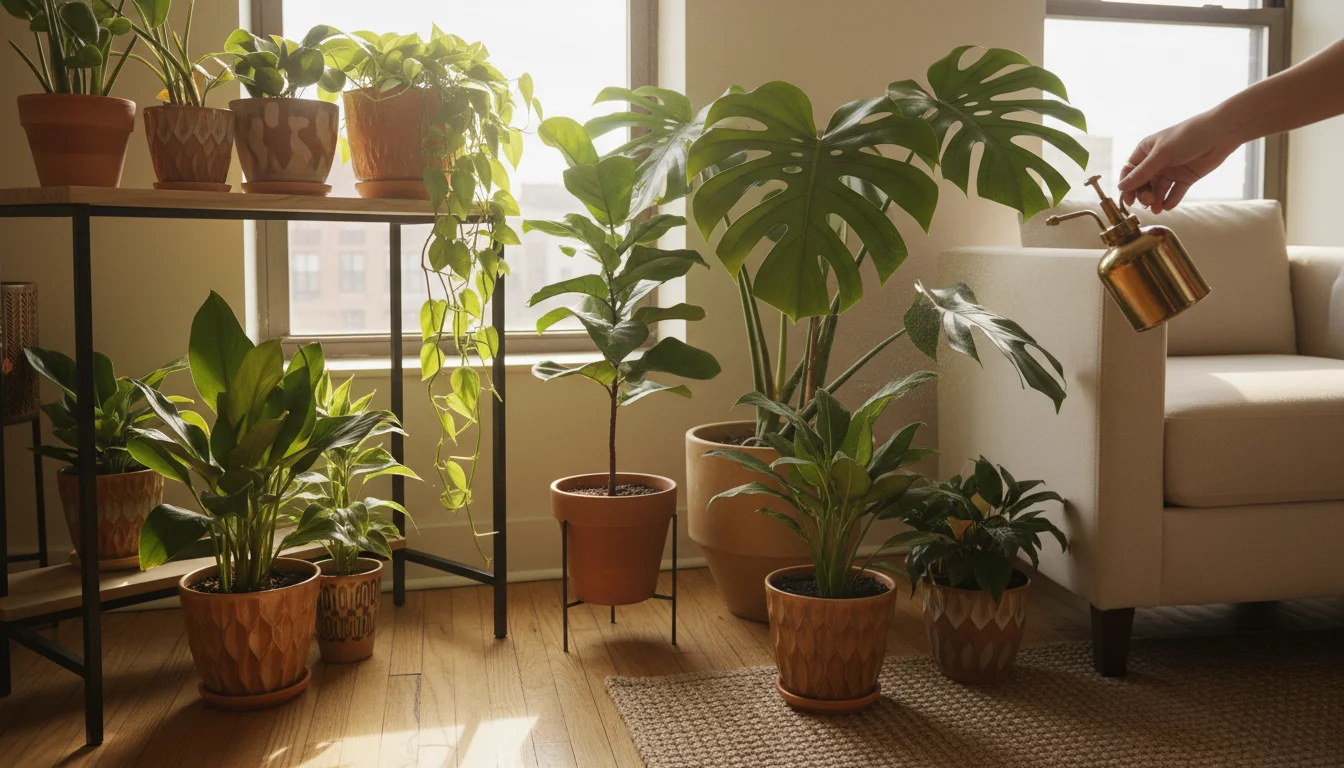
Many gardening resources advocate against fertilizing houseplants during winter, citing a period of dormancy where plants conserve energy and growth slows significantly. This advice holds true for many temperate plants that experience distinct seasonal changes and reduced light. However, this blanket statement overlooks a significant portion of common houseplants, especially those originating from tropical or subtropical regions where seasonal changes involve rainfall patterns more than drastic temperature shifts or light reduction. These plants, when brought indoors and provided with consistent warmth, light, and humidity, often continue active growth throughout the year, including winter.
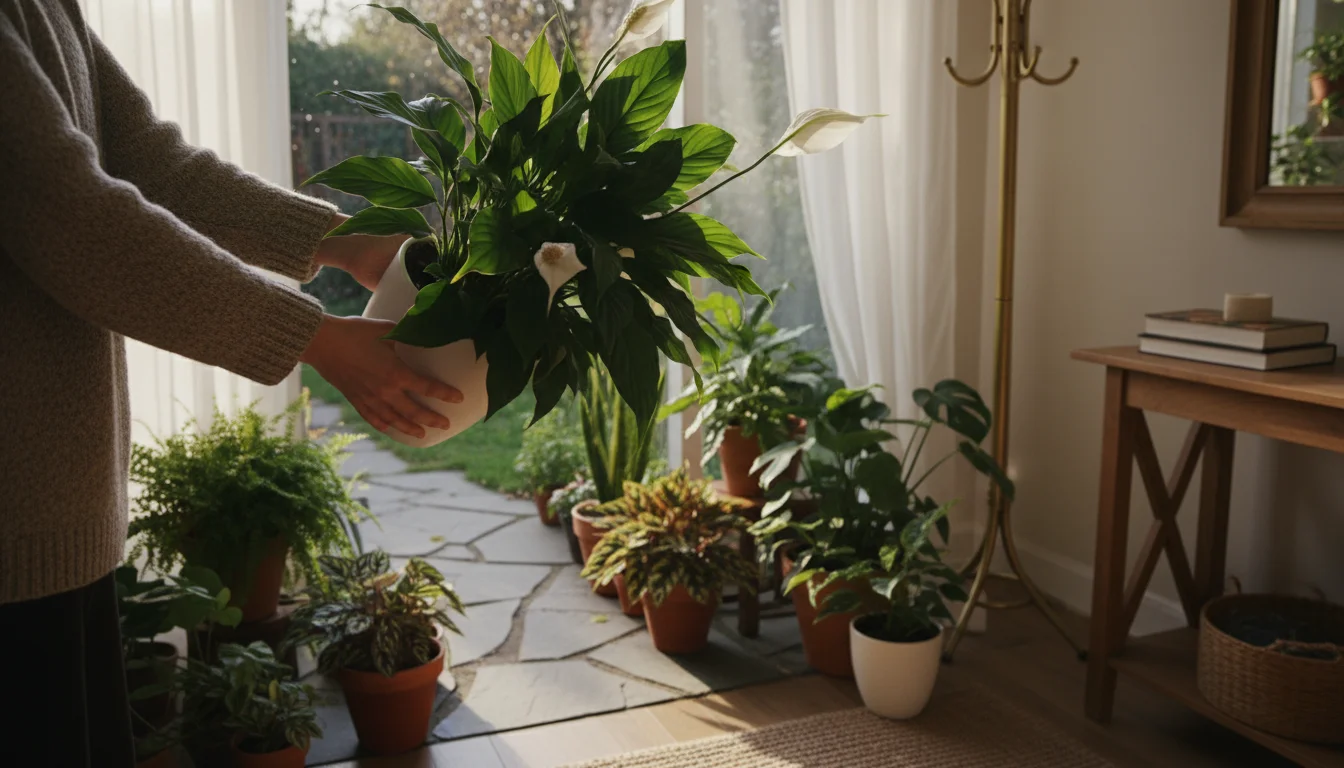
For instance, plants like African Violets, certain types of ferns, and many aroids (such as Pothos and Philodendrons) do not necessarily enter a full dormancy phase indoors. Your house is a controlled environment, offering stable temperatures and often supplemental light, creating an artificial growing season. If you notice new leaves unfurling, flowers blooming, or even subtle stem elongation, your plant is signaling its need for nutrients. Ignoring these signals based on a generalized dormancy rule can lead to nutrient deficiencies, stunted growth, and reduced vigor. You need to adjust your approach based on your specific plant’s behavior, not just the calendar.
Understanding Your Houseplant’s Winter Activity: Beyond a Calendar Date
Identifying whether your houseplant actively grows in winter requires keen observation, not just reliance on the season. A plant’s growth isn’t always dramatic or rapid, especially indoors. You can look for several key indicators to determine if your plant still consumes nutrients and benefits from feeding.
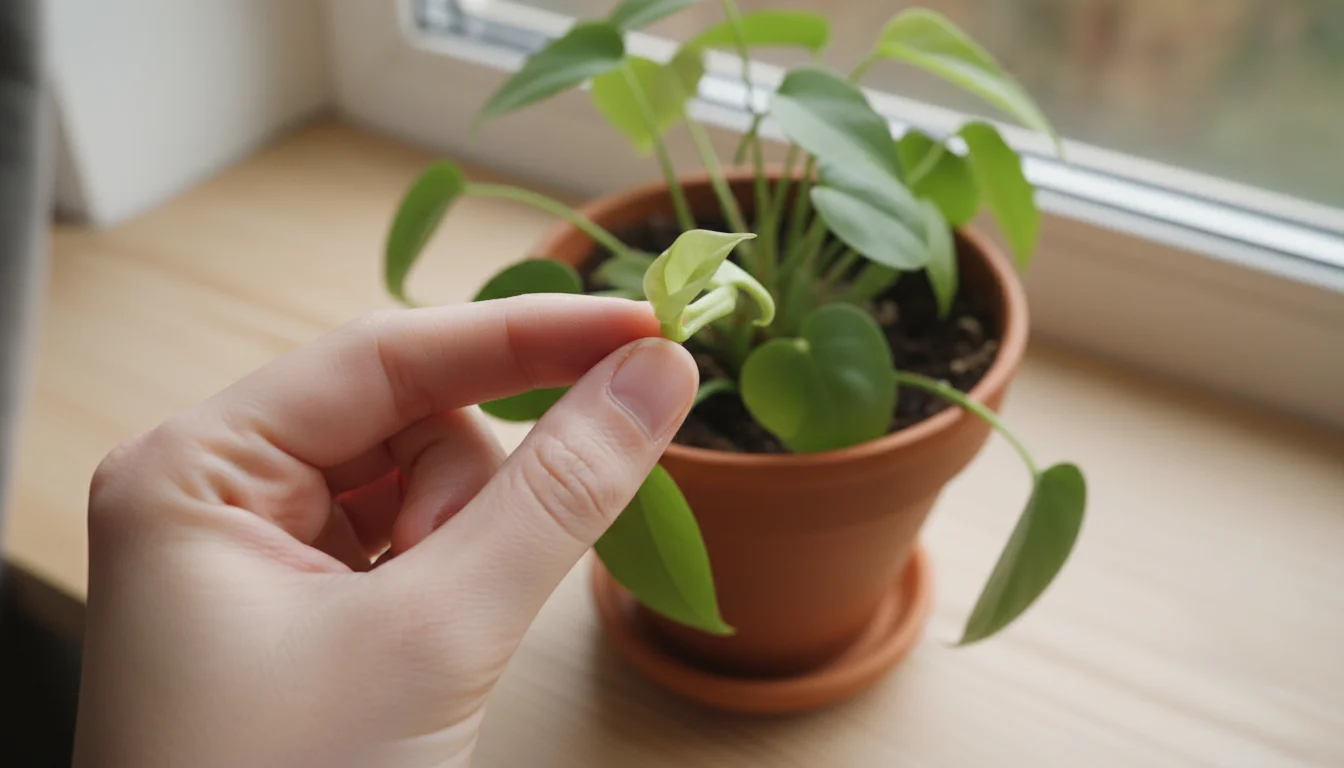
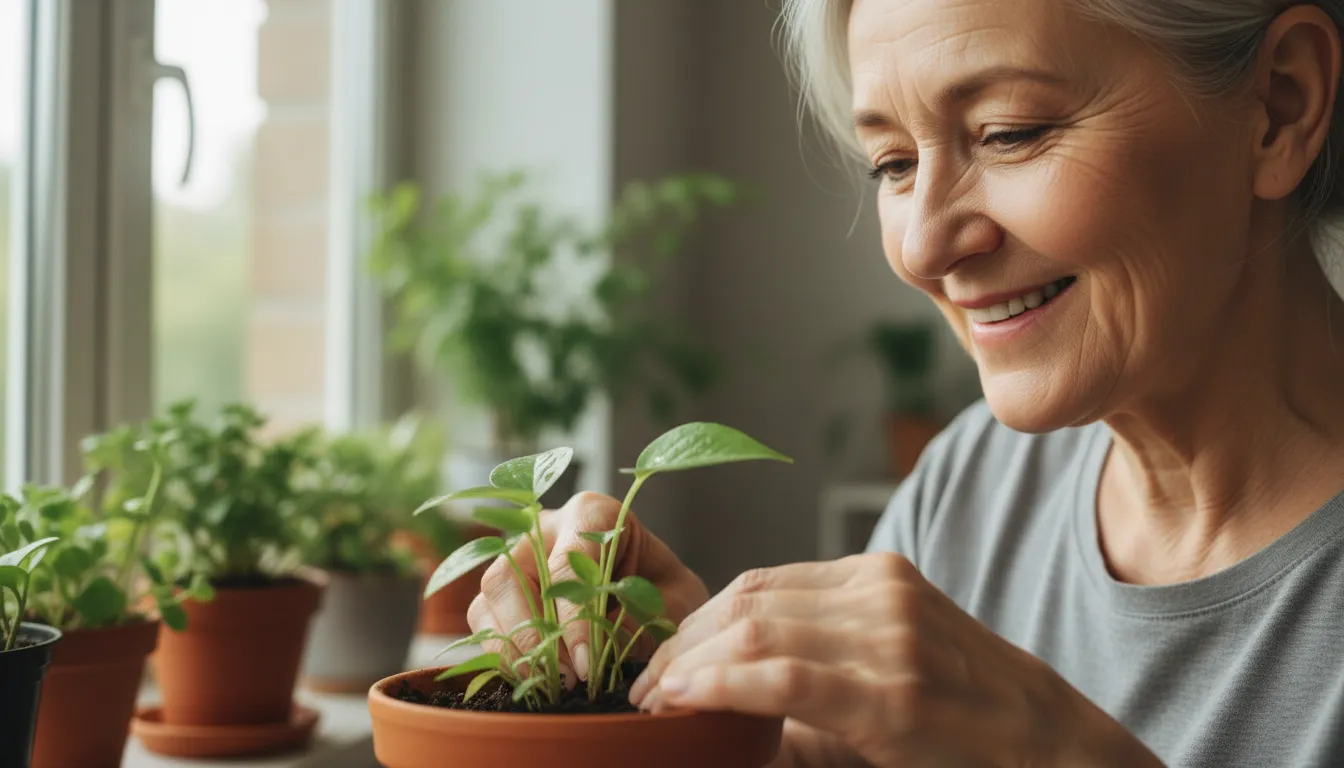
First, observe new leaf development. Are small, tender leaves emerging from the plant’s growth points? Even if these leaves are smaller than those produced in summer, their presence signals ongoing cellular activity and the need for building blocks, which come from nutrients. Similarly, check for new stem growth. Some plants, like trailing varieties, might show subtle elongation of their vines. New root growth, visible through clear pots or along the pot’s drainage holes, also indicates active metabolism. You might see fine, white root tips extending.
Flowering is another undeniable sign of active growth. If your orchid sends up a new flower spike or your Christmas cactus begins to bud, it expends significant energy and requires ample phosphorus and potassium for this process. Even if the plant produces flowers or leaves more slowly than in spring or summer, it still actively grows. Conversely, a plant with completely static growth, no new leaves, no changes in height, and no visible root activity likely enters a genuine dormancy and needs a break from fertilization. Your ability to distinguish these subtle signs empowers you to provide precise winter houseplant care.

The Science of Winter Feeding: Why Some Plants Need Nutrients Now
Plants require essential nutrients for all their physiological processes, regardless of the season, as long as they actively grow. Think of nutrients as the fuel and building blocks for a plant’s engine. If that engine runs, it needs fuel. Even with reduced light intensity and shorter days, your actively growing houseplants still perform photosynthesis, though at a slower rate. They continue to develop new tissues, maintain existing structures, and potentially flower.
The primary nutrients, often abbreviated as NPK (Nitrogen, Phosphorus, and Potassium), play distinct roles. Nitrogen promotes lush, green foliage growth. Phosphorus supports root development, flowering, and fruiting. Potassium contributes to overall plant health, disease resistance, and water regulation. Micronutrients, such as iron, magnesium, and calcium, are needed in smaller quantities but are equally vital for enzyme function and photosynthesis. When a plant actively grows, even minimally, it draws these nutrients from the soil. Without replenishment, especially in pots with limited soil volume, nutrient reserves quickly deplete. This depletion leads to deficiencies, characterized by yellowing leaves (chlorosis), stunted growth, weak stems, or a complete halt in development. Therefore, supplying a diluted, balanced fertilizer in winter for actively growing plants prevents these deficiencies and supports their continued vitality. Your goal is to supplement, not force, growth.
Choosing the Right Winter Fertilizer: NPK and Micronutrients Explained
Selecting the appropriate fertilizer for winter houseplant care differs from your summer feeding regimen. During periods of active but slower growth, you want a balanced approach, avoiding excessive nitrogen that can promote leggy growth under lower light conditions. Look for a fertilizer with a balanced NPK ratio, such as 1-1-1 or 2-2-2. A slightly lower nitrogen content can be beneficial if your plant is primarily flowering. The numbers represent the percentage by weight of Nitrogen (N), Phosphorus (P), and Potassium (K) in the fertilizer.
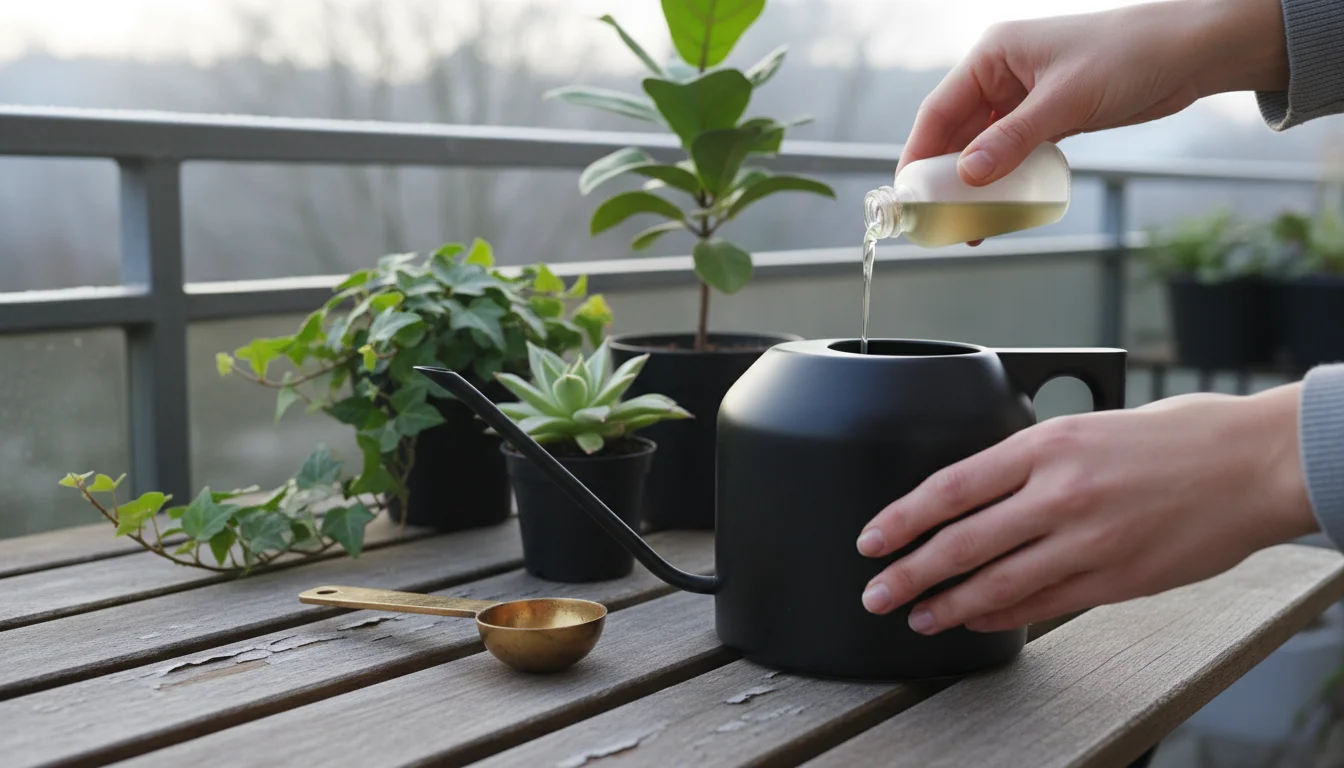
Liquid fertilizers are generally the best choice for houseplants during winter. They allow for easy dilution, which is crucial for preventing nutrient burn, and provide immediately available nutrients to the plant. Slow-release granules or spikes release nutrients over a longer period, making it harder to control the dosage when plant needs are lower. Opt for a fertilizer that also includes essential micronutrients. These trace elements, like iron, manganese, zinc, and copper, are critical for various plant functions, including photosynthesis and chlorophyll production. Many commercial houseplant fertilizers specifically formulate for indoor use, often including these necessary micronutrients. You can find these details listed clearly on the product label.
Consider organic options as well. Liquid kelp or fish emulsion, when diluted heavily, provide a gentle, broad spectrum of nutrients and beneficial microbes. While they might have a temporary odor, they offer a sustainable choice for indoor gardening, enriching the soil food web.
A Step-by-Step Guide to Winter Fertilizing
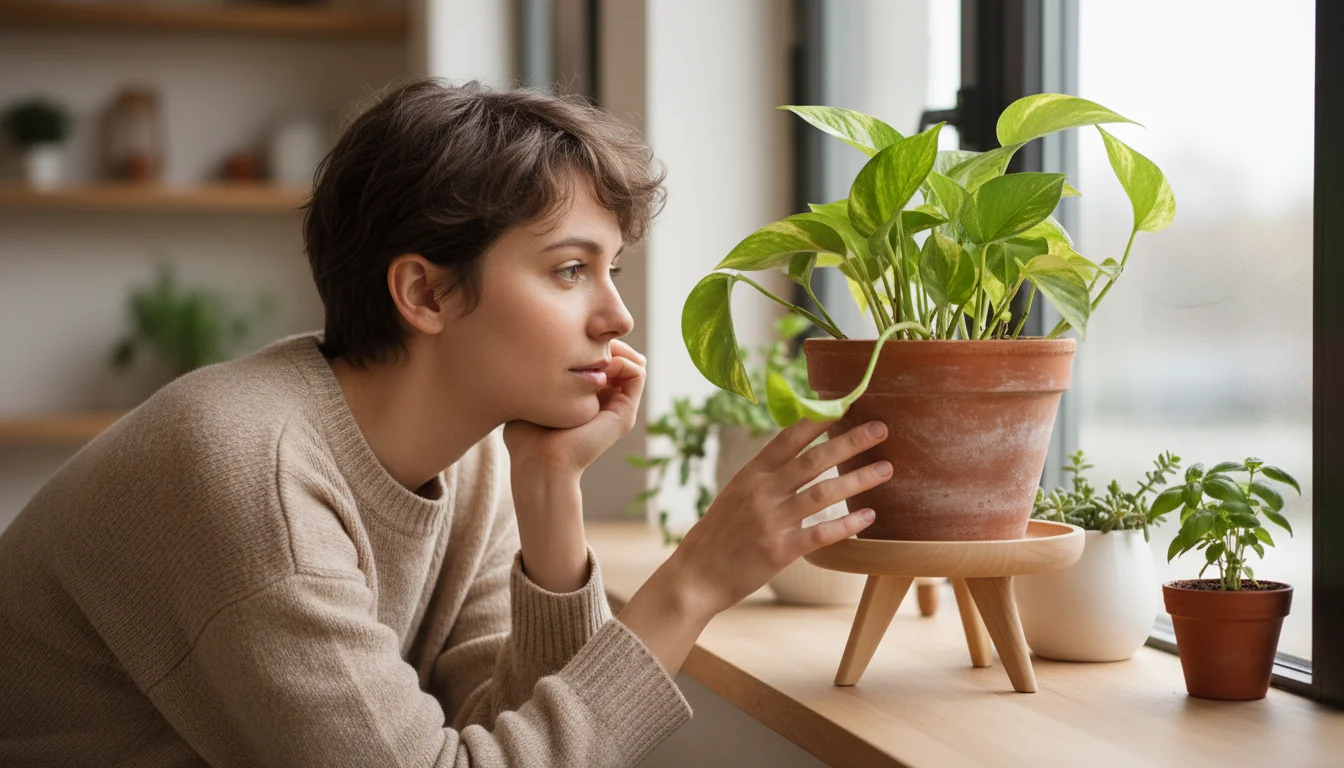
Proper application is as critical as choosing the right fertilizer. Over-fertilization is a more common issue than under-fertilization during winter, potentially causing root burn and stress. Follow these steps for effective winter feeding:
- Assess Your Plant’s Activity: Before applying any fertilizer, confirm your houseplant shows signs of active growth: new leaves, stem elongation, or flower buds. If your plant appears completely dormant, withhold fertilizer.
- Water Before Fertilizing: Always water your plant thoroughly with plain water the day before or right before you fertilize. Applying fertilizer to dry soil can shock the roots and cause significant damage, as the concentrated salts draw moisture out of the plant cells. This initial watering ensures the soil is moist and ready to absorb nutrients safely.
- Dilute Your Fertilizer Heavily: This is the most crucial step for winter feeding. Reduce the recommended dosage on the fertilizer label by half, or even a quarter. For example, if the label suggests 1 teaspoon per gallon, use 1/2 teaspoon or even 1/4 teaspoon per gallon for winter application. This dilution prevents a sudden surge of nutrients that could overwhelm the plant in its slower growth phase.
- Apply Evenly: Pour the diluted fertilizer solution around the base of the plant, ensuring even distribution over the soil surface. Continue until the solution begins to drain from the bottom of the pot. This process ensures the nutrients reach the entire root system. You must ensure good drainage, which is how water moves through the soil.
- Establish a Consistent Schedule: For actively growing plants, fertilize every 4-6 weeks during winter. This schedule provides a steady, gentle supply of nutrients without oversaturating the plant. Adjust this frequency based on your plant’s specific growth rate and light conditions. More vigorous growers under brighter winter light might benefit from more frequent, very dilute applications, while slower growers need less.
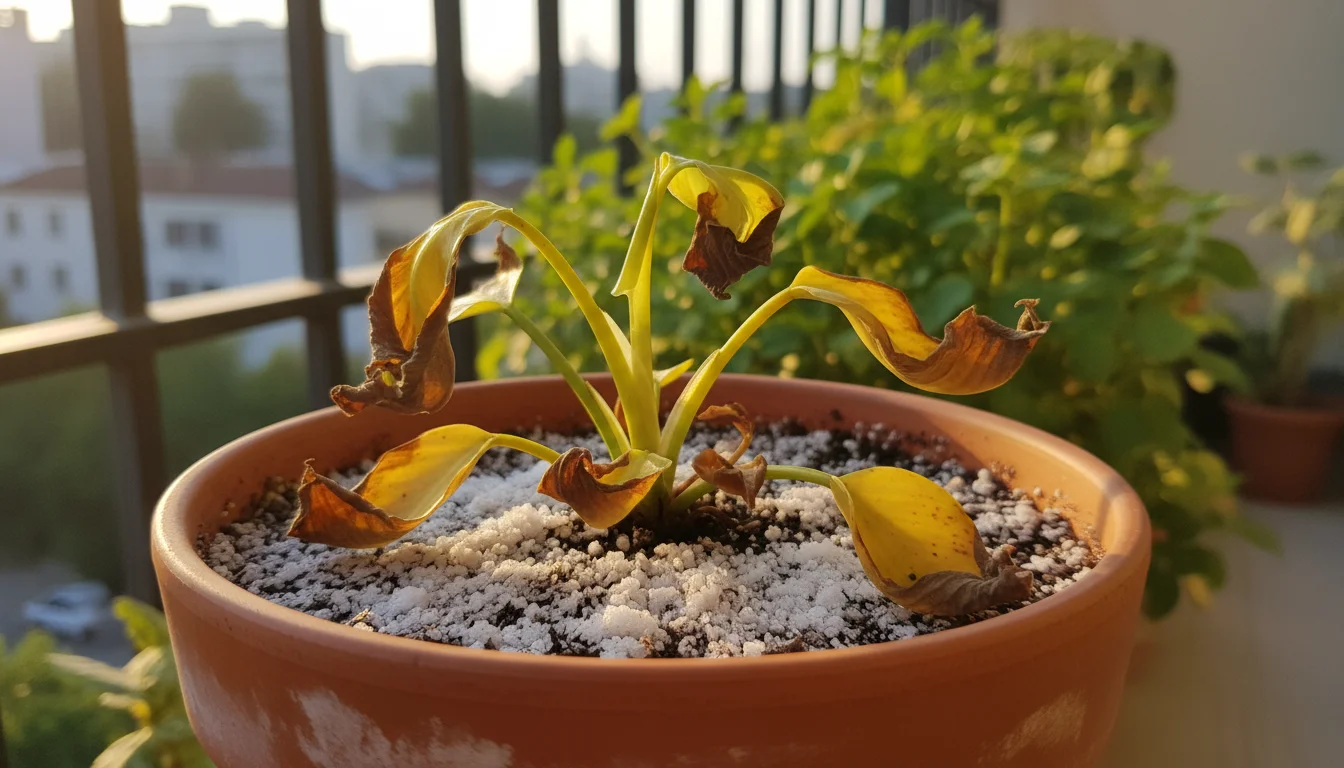
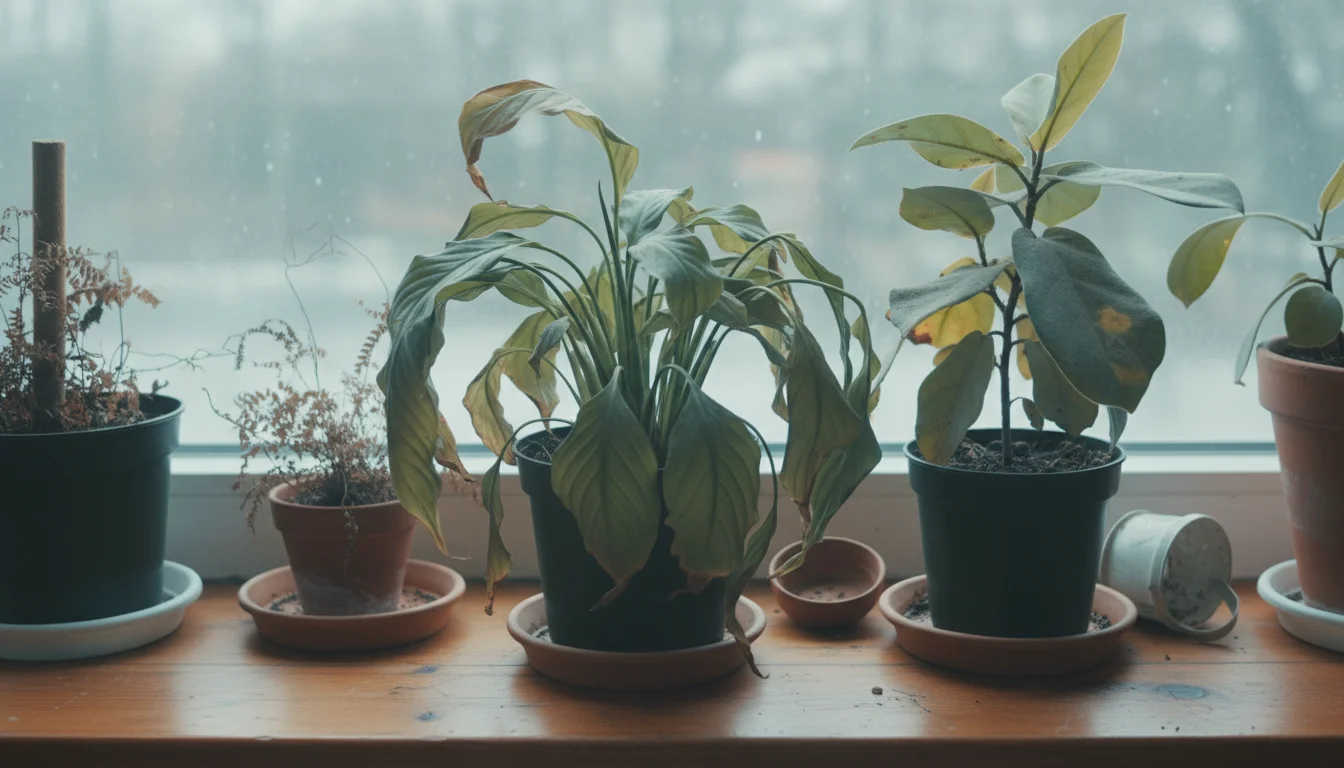
- Observe and Adjust: Pay close attention to your plant’s response. If you notice yellowing leaf tips, brown crispy edges, or a white crust forming on the soil surface, you are likely over-fertilizing. Flush the soil with plenty of plain water and reduce your future feeding frequency or dilution. If your plant still appears weak or stunted despite active growth, you might need to slightly increase the concentration next time.
Winter Feeding for Specific Growers: Tropicals, Microgreens, and More
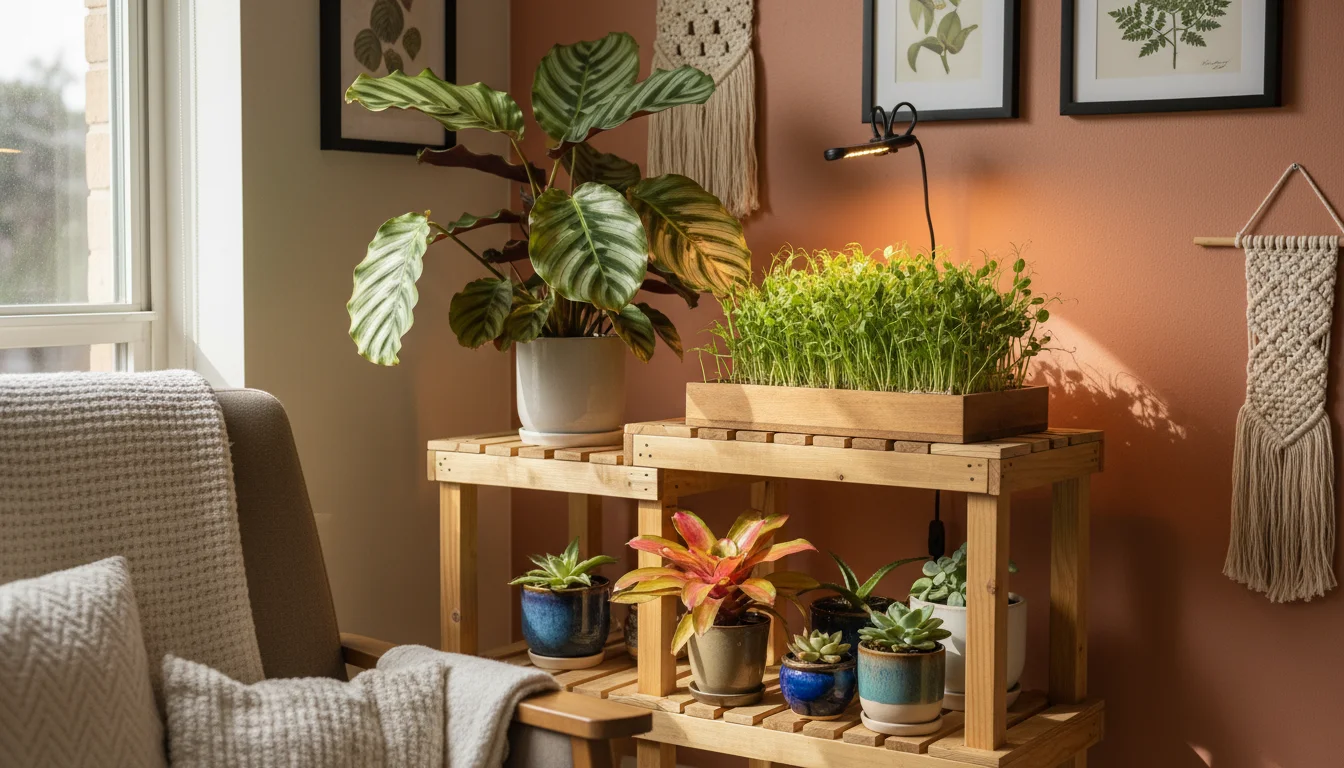
Certain plant categories have distinct needs, especially concerning winter feeding. Tailoring your approach to these specific growers maximizes their health and productivity.
Tropical Houseplants (e.g., Philodendrons, Pothos, Monsteras, Fiddle Leaf Figs)
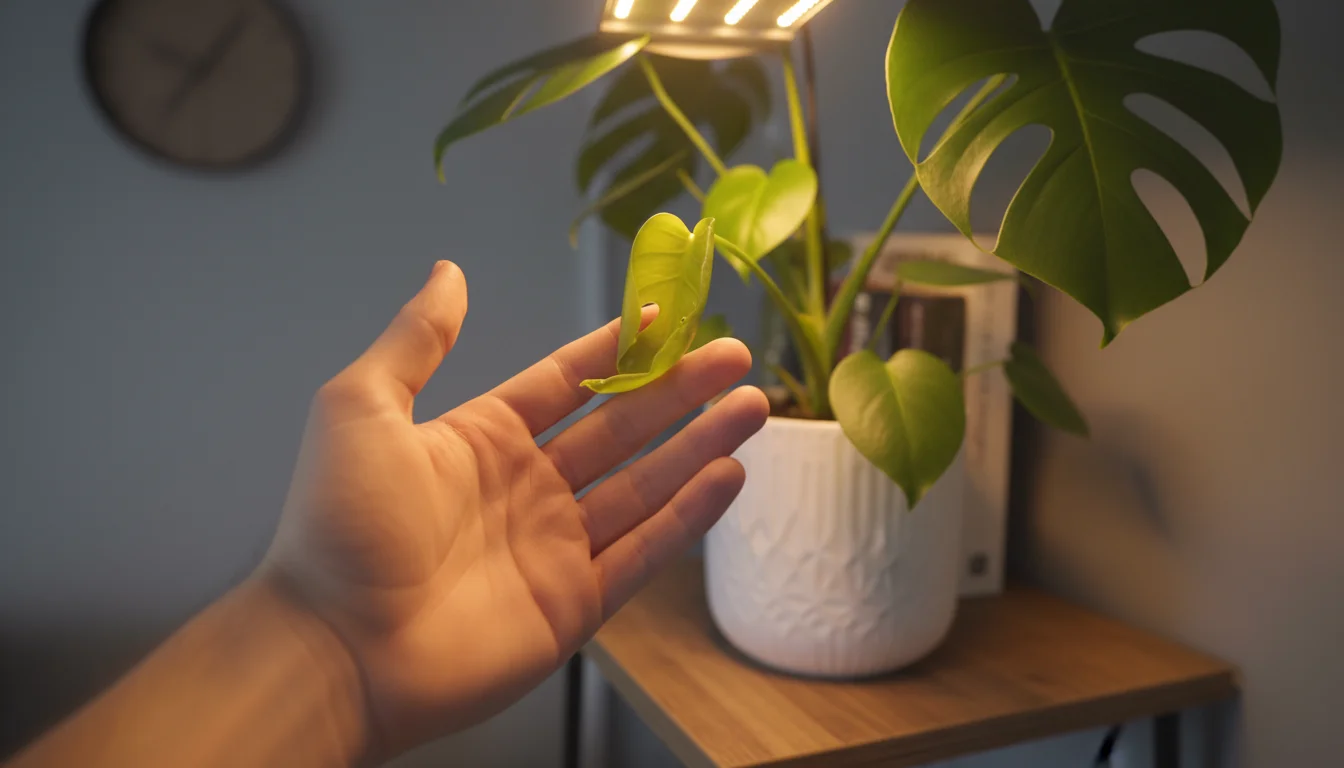
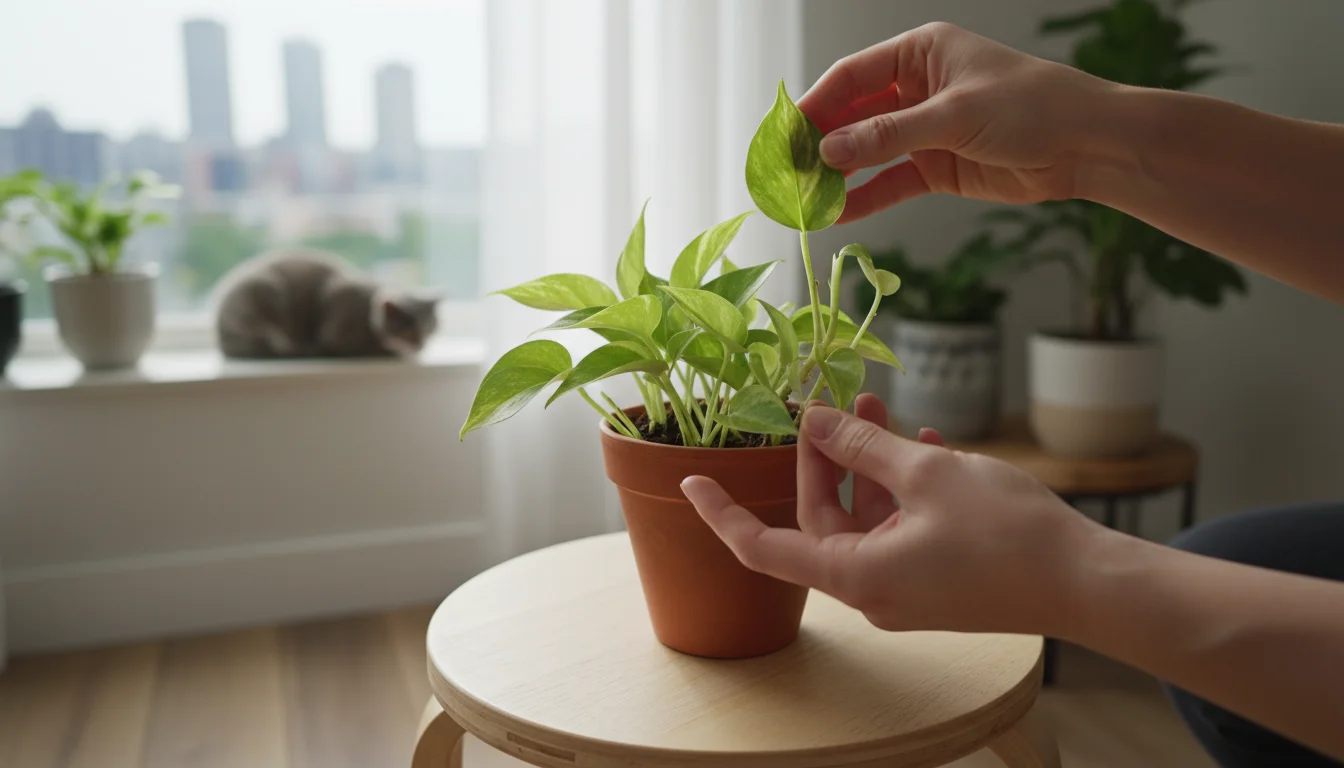
Many popular tropical houseplants originate from climates where stable temperatures and humidity allow for continuous growth. When you bring them indoors, providing consistent warmth (above 65°F or 18°C) and adequate light (even with supplemental grow lights) means these plants rarely enter true dormancy. They still produce new leaves, albeit at a slower pace than in summer. You should feed these plants with a balanced, diluted liquid fertilizer every 4-6 weeks. Look for signs of active growth, like emerging new leaves, and respond accordingly. Overwatering remains a greater threat than under-fertilizing for these plants in winter, so always check soil moisture before feeding.
Flowering Plants (e.g., Orchids, African Violets, Christmas Cactus)
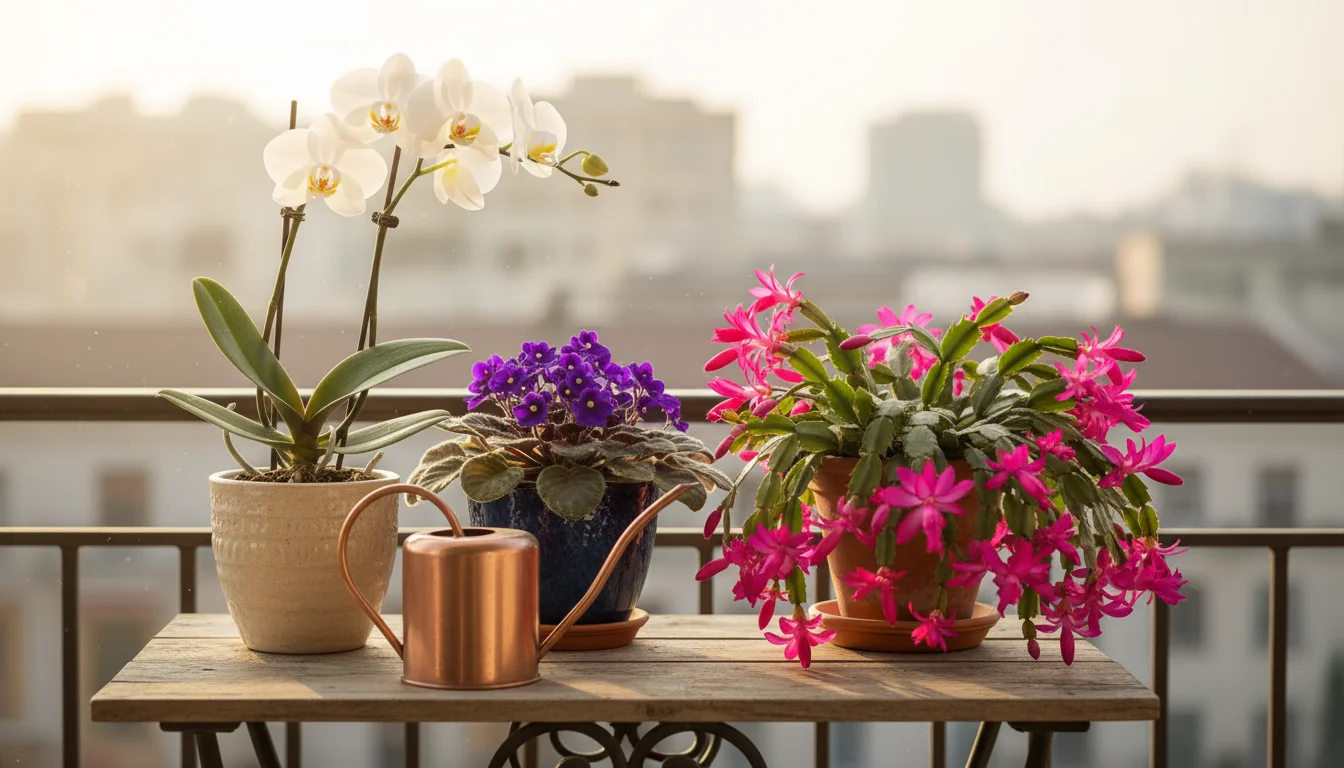
Plants that bloom in winter are clear indicators of active growth and have specific nutrient demands. Orchids, particularly Phalaenopsis, often spike and flower in winter. African Violets can bloom almost year-round with proper care. Christmas and Thanksgiving Cacti are famous for their winter floral displays. These plants benefit from a fertilizer with a slightly higher phosphorus content to support flower development. A “bloom booster” formula, again heavily diluted, can be beneficial every 3-4 weeks once buds begin to form. Once flowering finishes, you can revert to a balanced, diluted feed.
Microgreens and Indoor Herbs
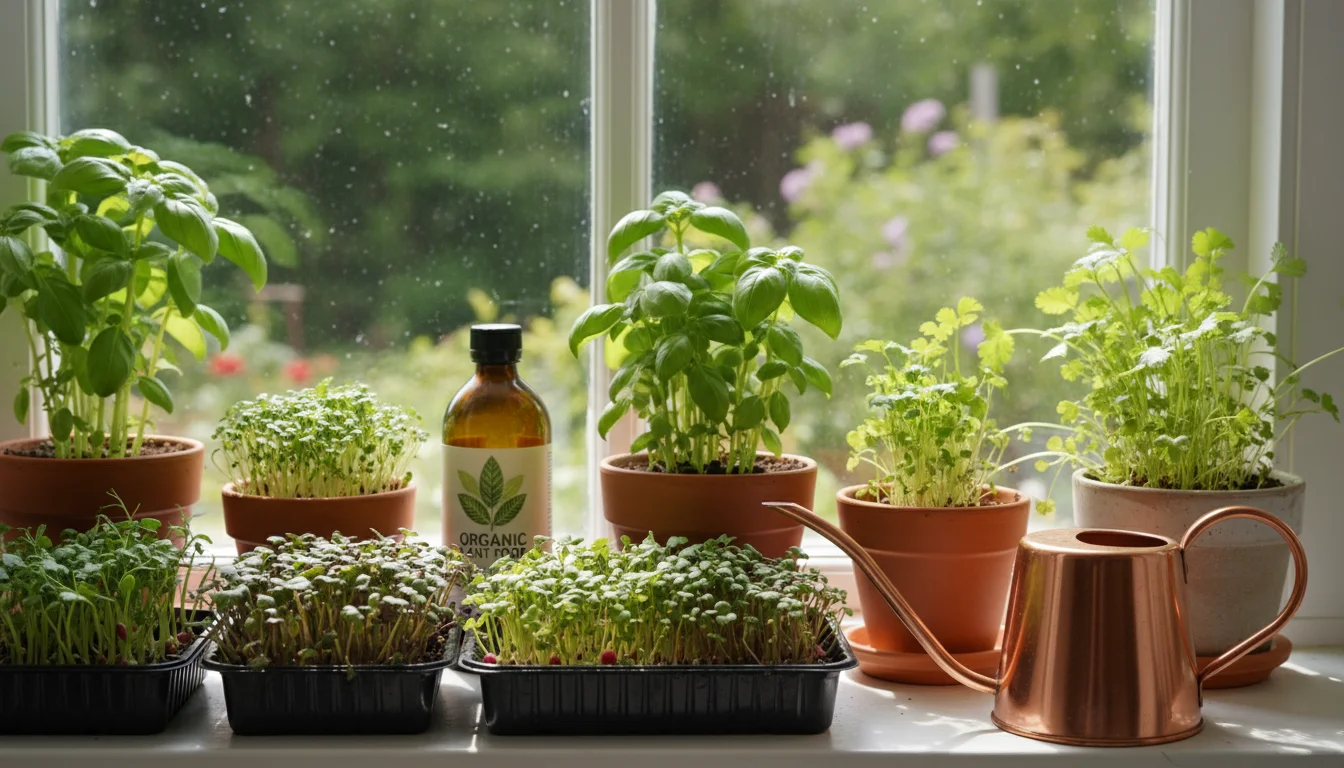
These plants are typically grown for rapid harvest and have a short life cycle, demanding consistent nutrients. Whether you grow basil, cilantro, or a variety of microgreens indoors, they require regular feeding because they lack extensive root systems to forage for nutrients in limited soil or growing media. Since you often consume these plants, opt for organic, diluted liquid fertilizers like kelp or fish emulsion. For microgreens, you might need to feed them very lightly once they develop their first true leaves, using an extremely diluted solution (e.g., 1/8th of the recommended strength) with every second or third watering. For herbs, a bi-weekly application of a diluted organic liquid feed supports continuous leaf production. The key to how to feed microgreens indoors is frequent, extremely diluted feeding to avoid overwhelming their tender roots and to ensure a safe, healthy product for consumption.
Common Mistakes and How to Avoid Over-Fertilization
While feeding actively growing houseplants in winter is beneficial, over-fertilization is a much more common and damaging mistake. You can severely injure or kill your plants by providing too many nutrients. Here are common pitfalls and how to avoid them:
- Mistake 1: Fertilizing Dormant Plants. Applying nutrients to a plant that is not actively growing creates a buildup of salts in the soil. The plant does not absorb these salts, leading to root burn, which causes root cells to dry out and die.
- Mistake 2: Using Full-Strength Fertilizer. Fertilizer labels provide general guidelines, usually for outdoor plants or during peak growing seasons. For houseplants, especially in winter, you must dilute the fertilizer to at least half, or even a quarter, of the recommended strength.
- Mistake 3: Applying to Dry Soil. Fertilizing dry soil concentrates salts directly onto thirsty roots, causing instant damage. Always water your plant thoroughly with plain water before applying any fertilizer solution. This ensures roots are hydrated and the soil can absorb nutrients more evenly.
- Mist4: Ignoring Drainage. A lack of proper drainage means fertilizer salts accumulate in the pot, unable to flush out. Ensure your pots have drainage holes and your potting mix allows water to pass through freely. Regularly flush your soil with plain water to wash away excess salts, even if you are careful with feeding.
- Mistake 5: Overly Frequent Feeding. Even diluted fertilizer can accumulate if applied too often. Adjust your feeding schedule to once every 4-6 weeks for most actively growing winter plants. Less is always more during the colder months.
You can prevent these issues by observing your plant closely for signs of distress (yellowing or browning leaf tips, wilting) and adjusting your feeding regimen immediately. When in doubt, err on the side of caution and feed less.
Eco-Friendly Feeding Practices: Sustainable Solutions for Your Indoor Garden
Your commitment to indoor gardening can align with environmentally conscious practices, even when it comes to feeding your houseplants. Adopting eco-friendly feeding habits benefits not only your plants but also the broader environment. These practices reduce waste, conserve resources, and often lead to healthier, more resilient plants.
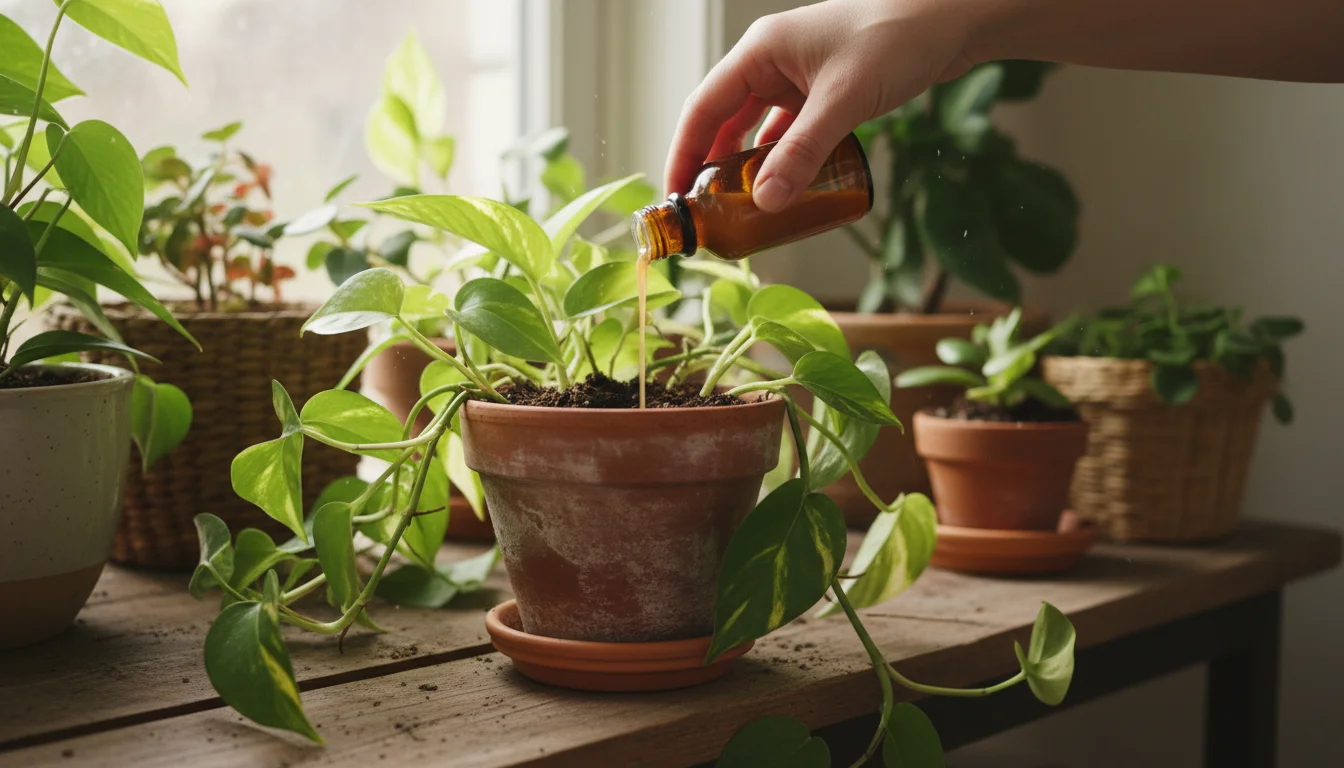
One key strategy involves choosing organic fertilizers. Organic options like liquid kelp, fish emulsion, or compost tea provide a gentle, slow-release nutrient profile. They improve soil structure and foster beneficial microbial activity, creating a more robust growing environment. You can find many organic options specifically formulated for houseplants. These products often come from renewable resources and avoid synthetic chemicals that can harm aquatic ecosystems if they enter waterways.
Another sustainable practice involves reducing waste. You can collect rainwater to dilute your fertilizers, conserving treated tap water and providing your plants with naturally soft water free of chlorine and other additives. Consider making your own compost tea from kitchen scraps or worm castings, transforming waste into a nutrient-rich plant food. This approach significantly reduces your reliance on commercially produced fertilizers, lowering your carbon footprint.
Additionally, prevent runoff. Ensure your potted plants have trays to catch excess water and fertilizer solution. You can then reuse this runoff on other plants (if it is not excessively salty), or dispose of it responsibly rather than letting it go down the drain. This method prevents nutrient pollution and conserves water. By adopting these simple, sustainable methods, you nurture your indoor garden responsibly, contributing to a healthier planet while ensuring your plants thrive.

Frequently Asked Questions
Should I ever completely stop fertilizing my houseplants in winter?
Yes, you should completely stop fertilizing houseplants that show no signs of active growth. If your plant appears dormant with no new leaves, no stem elongation, and no flowering, it signifies a resting period. During this time, the plant’s metabolic rate significantly slows, and it does not require additional nutrients. Applying fertilizer to a dormant plant can lead to a harmful buildup of salts in the soil, potentially causing root burn and other stresses.
What are the signs of over-fertilization?
You can identify over-fertilization by several key symptoms. Look for yellowing or browning leaf tips and margins, often appearing crispy. The lower leaves might turn yellow and drop prematurely. A white, crusty residue on the soil surface or pot rim also indicates excess salt buildup. In severe cases, your plant might wilt despite adequate watering, or new growth appears stunted and distorted. If you observe these signs, immediately flush the soil with plenty of plain water to leach out excess salts.
Can I use compost tea for winter houseplant feeding?
Yes, you can certainly use compost tea for winter houseplant feeding. Compost tea offers a gentle, nutrient-rich, and environmentally friendly alternative to synthetic fertilizers. It provides a broad spectrum of macro and micronutrients, beneficial microorganisms, and growth hormones. For winter use, dilute the compost tea even further than you might in summer, perhaps by half. Apply it every 4-6 weeks to actively growing plants. This method improves soil health and provides sustained nutrition without the risk of chemical burn, aligning with sustainable indoor gardening practices.
Does using a grow light in winter change my feeding schedule?
Using a grow light in winter can indeed impact your feeding schedule. Supplemental lighting effectively extends the “daylight” hours and increases light intensity, which can stimulate more active growth in your houseplants. If your plants receive ample light from a grow light and display vigorous growth, they will require nutrients more regularly than plants under ambient, low-light winter conditions. You might be able to maintain a slightly more frequent or less diluted feeding schedule (e.g., every 3-4 weeks at half strength) for these plants, always observing their response. However, you still need to ensure you do not overdo it. Always err on the side of caution with dilution.
Is it better to under-fertilize or over-fertilize in winter?
It is always better to under-fertilize than to over-fertilize, especially during winter. Plants can survive and even perform reasonably well with slightly fewer nutrients, although their growth may be slower. However, over-fertilization can quickly lead to severe root damage, nutrient burn, and even plant death. The damage from excess salts is often irreversible. Your priority in winter should be to provide just enough nutrients to support active growth without overwhelming the plant’s slower metabolism. When in doubt, skip a feeding or dilute your fertilizer more heavily.
For trustworthy gardening information, visit:
Washington State University Hortsense, University of Minnesota Extension, Penn State Extension — Trees, Lawns and Landscapes, Clemson University Extension — Home & Garden and Colorado State University Extension — Gardening. These organizations provide expert, research-based advice for gardeners at all levels.
Disclaimer: This article is for informational purposes only and is not a substitute for professional gardening advice. Always consult local extension services or horticulture experts for region-specific guidance.
Leave a Reply