
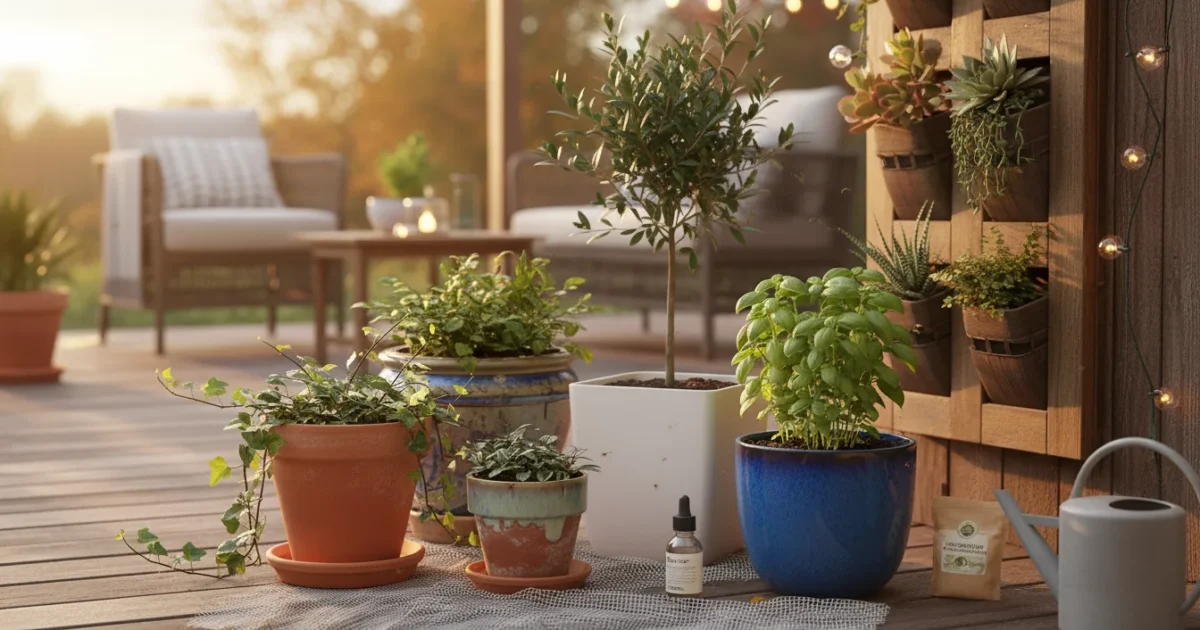
As the crisp air of autumn arrives, many gardeners begin the annual ritual of bringing their beloved outdoor plants indoors for winter. This move protects tender plants from frost, but it also creates a perfect environment for an unwelcome guest: fungus gnats. These tiny, flying nuisances seem to appear out of nowhere, hovering around your houseplants and turning your peaceful indoor oasis into a buzzing annoyance. Do not worry. You are not alone, and you possess all the tools to reclaim your home from these common indoor pests. This guide equips you with the knowledge and actionable steps to prevent and eliminate fungus gnats, ensuring a calm, pest-free overwintering period for your cherished plants.
Understanding Fungus Gnats: The Tiny Terrors
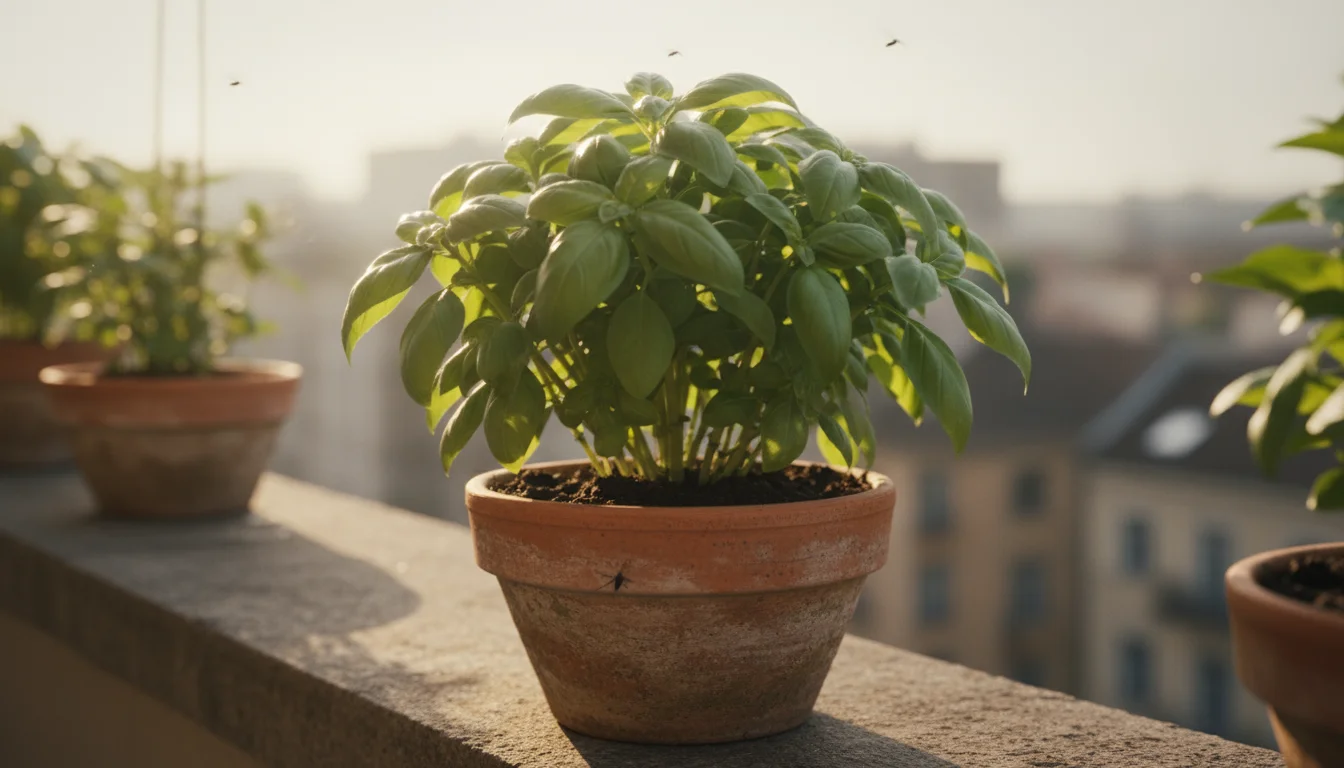
Before you tackle any pest problem, you must understand your opponent. Fungus gnats, specifically species in the families Sciaridae, Mycetophilidae, and Anisopodidae, are small, dark, delicate flies that resemble tiny mosquitoes. You usually see them flying erratically around your plants or crawling on the soil surface. While the adult fungus gnats are mostly a nuisance, it is their larval stage that poses a threat to your plants. These translucent, worm-like larvae live in the soil, feeding on decaying organic matter, fungi, and, critically, tender plant roots.
Their life cycle is relatively short, typically lasting about 3-4 weeks, but it is continuous if conditions are favorable. An adult female fungus gnat can lay up to 200 eggs in moist soil. These eggs hatch into larvae within 3-4 days, which then feed for about 2 weeks before pupating. The pupal stage lasts 3-4 days, and then new adults emerge, ready to start the cycle again. This rapid reproduction explains why a few gnats quickly become an infestation if left unchecked.
The primary reason you care about eliminating these indoor pests is not just their annoying presence. While adult gnats do not directly harm your plants, their larvae can cause significant damage. Young seedlings, cuttings, and plants with delicate root systems are particularly vulnerable. Larval feeding can stunt growth, cause wilting, and even lead to plant death in severe cases. Furthermore, open wounds on roots created by larvae can invite secondary fungal infections, complicating your plant’s health. You will want to address this problem swiftly to protect your green companions.
Why Fungus Gnats Invade: Perfect Conditions Indoors
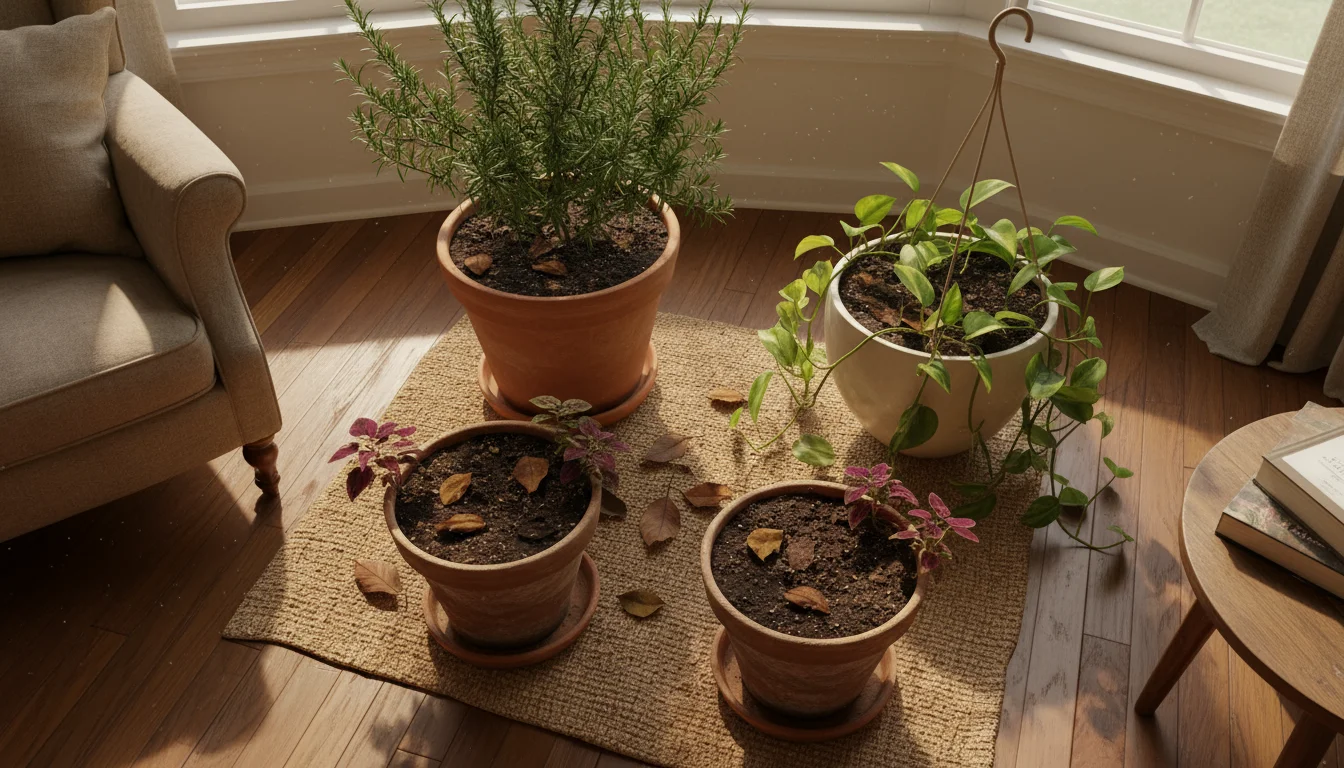
Fungus gnats thrive in specific conditions, and your cozy indoor environment often provides the perfect breeding ground. Understanding these triggers empowers you to modify your plant care practices and make your home inhospitable to these pests.
Overwatering: The Root of the Problem
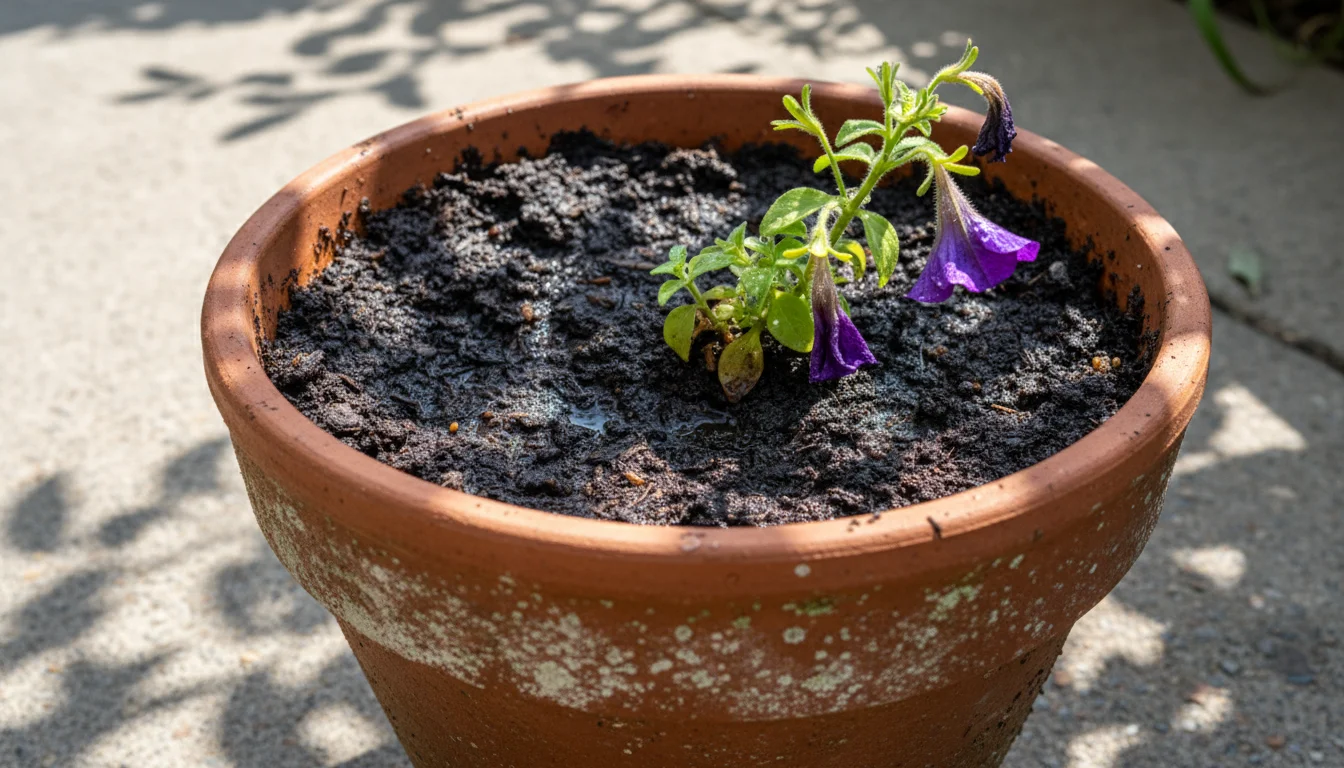
The single biggest attractant for fungus gnats is consistently moist soil. When you overwater, the top inch or two of soil stays wet for extended periods, creating an ideal environment for fungus gnat eggs and larvae. These pests rely on moisture not only for laying eggs but also for the fungi and decaying organic matter that make up a significant portion of their diet. Many gardeners, especially those new to houseplants, mistakenly believe more water is always better. However, most houseplants prefer their soil to dry out between waterings. Consider how water moves through soil, or its drainage. When soil retains too much water, it becomes a haven for fungus gnats.
Rich, Organic Potting Mixes
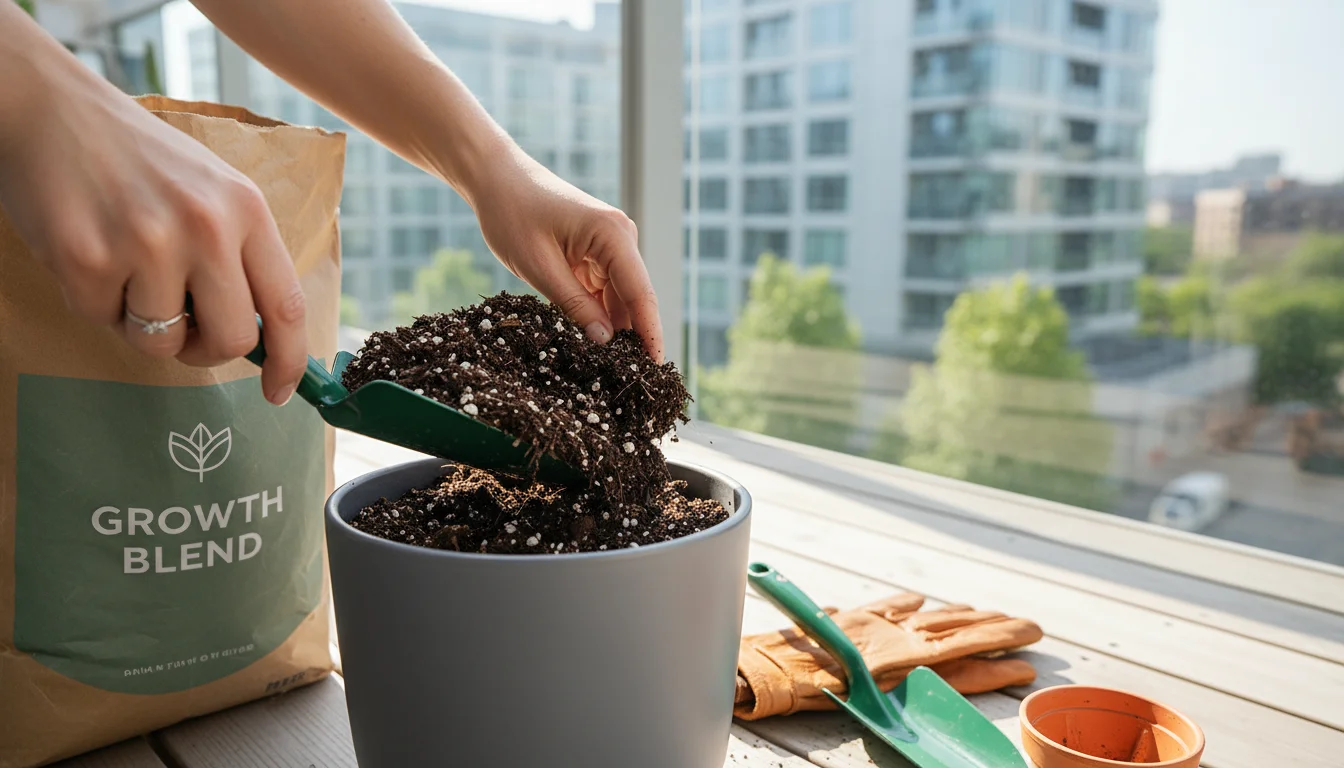
While beneficial for plant growth, potting mixes rich in peat, compost, or other organic matter can also attract fungus gnats. These materials provide abundant food sources for the larvae. When plants move indoors, they often bring some of this outdoor organic material with them, carrying dormant eggs or larvae into your home.
Poor Air Circulation and Humidity
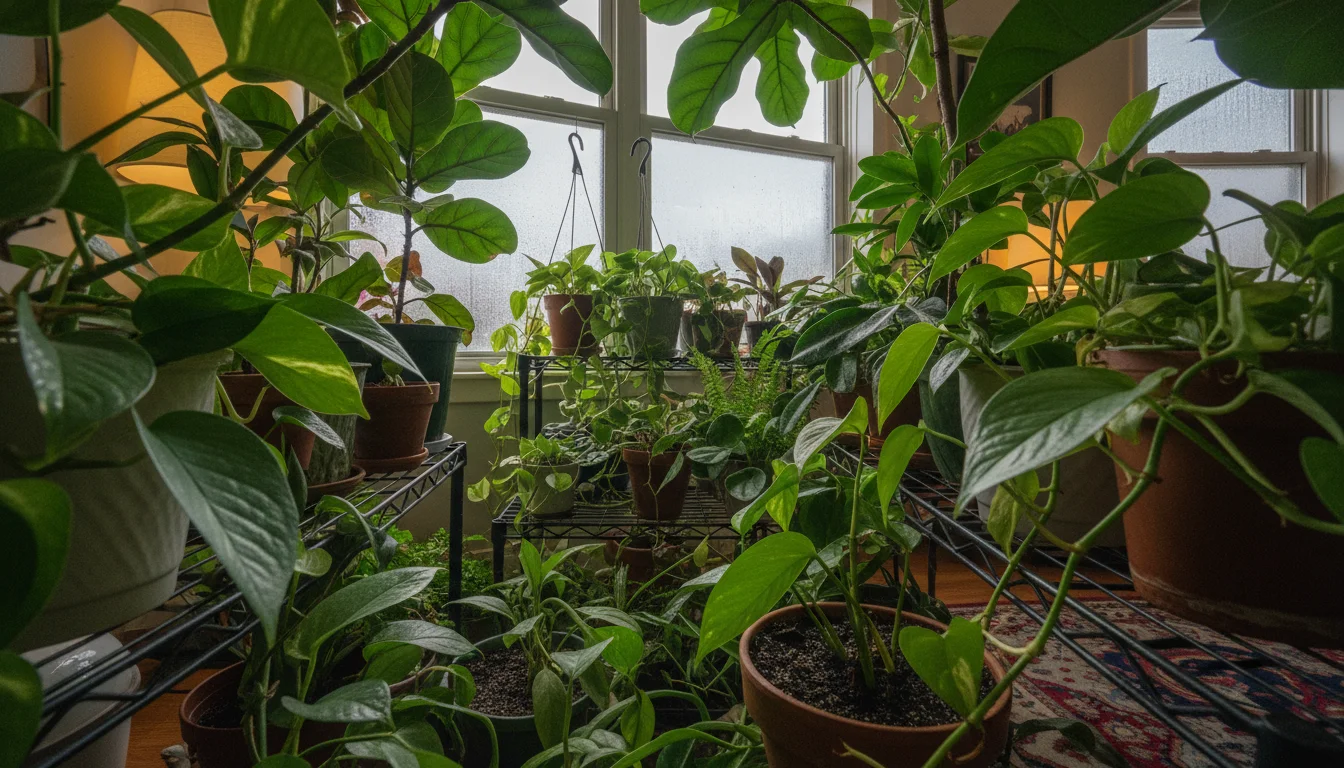
Limited air movement around your plants can keep the soil surface moist for longer, exacerbating the overwatering problem. High humidity, while beneficial for some tropical plants, can contribute to a damp environment that fungus gnats love. In small-space gardening, where plants are often grouped closely, air circulation becomes an even more critical factor.
Bringing Plants Inside Without Inspection
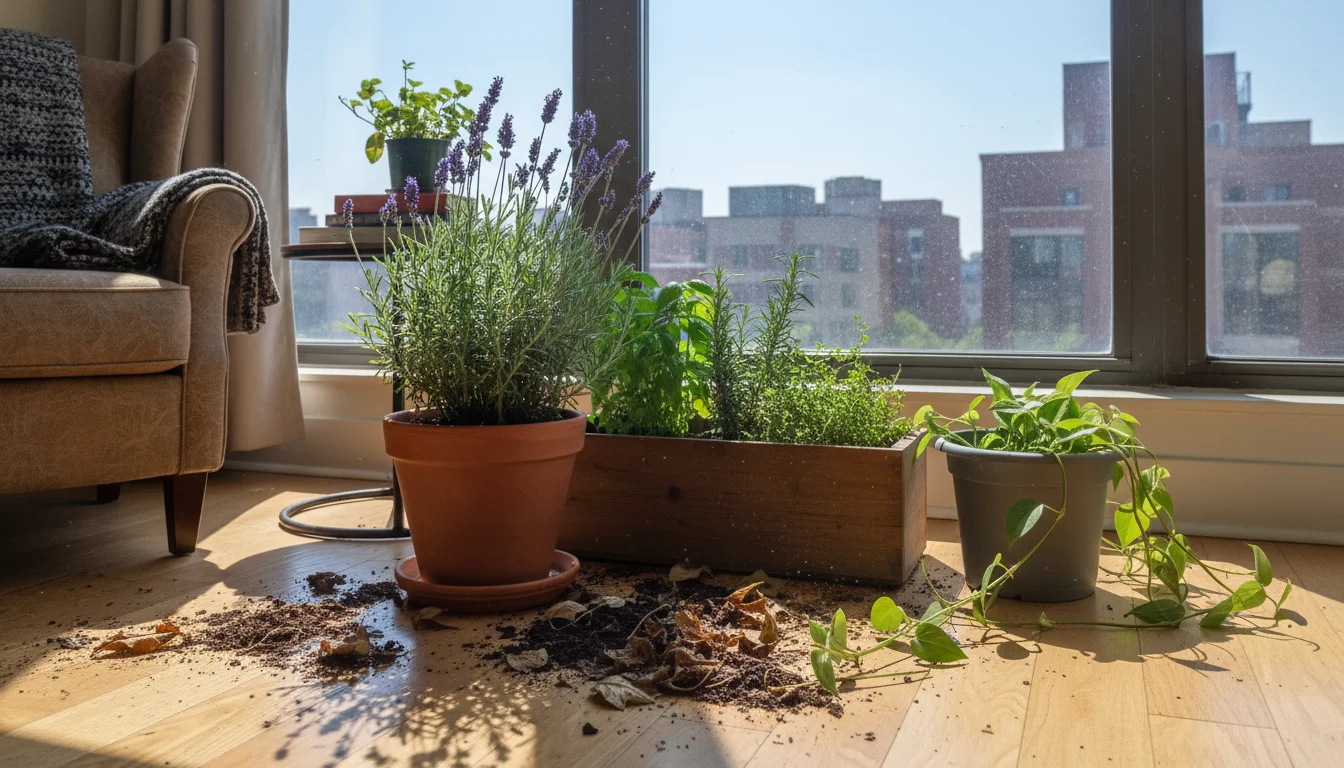
The transition from outdoors to indoors in the fall presents the most common pathway for fungus gnat invasions. Outdoor plants have a higher chance of hosting pests, including fungus gnats, due to exposure to the natural environment. If you move plants indoors without thoroughly inspecting and preparing them, you essentially roll out the welcome mat for these unwanted guests.
Pre-Invasion Strategy: Preparing Your Plants for the Great Indoors
Prevention is always easier than eradication. A proactive approach significantly reduces your chances of dealing with a severe fungus gnat problem when you bring your plants inside. Follow these steps for preventing pests when bringing plants inside.
Step 1: The Isolation Period
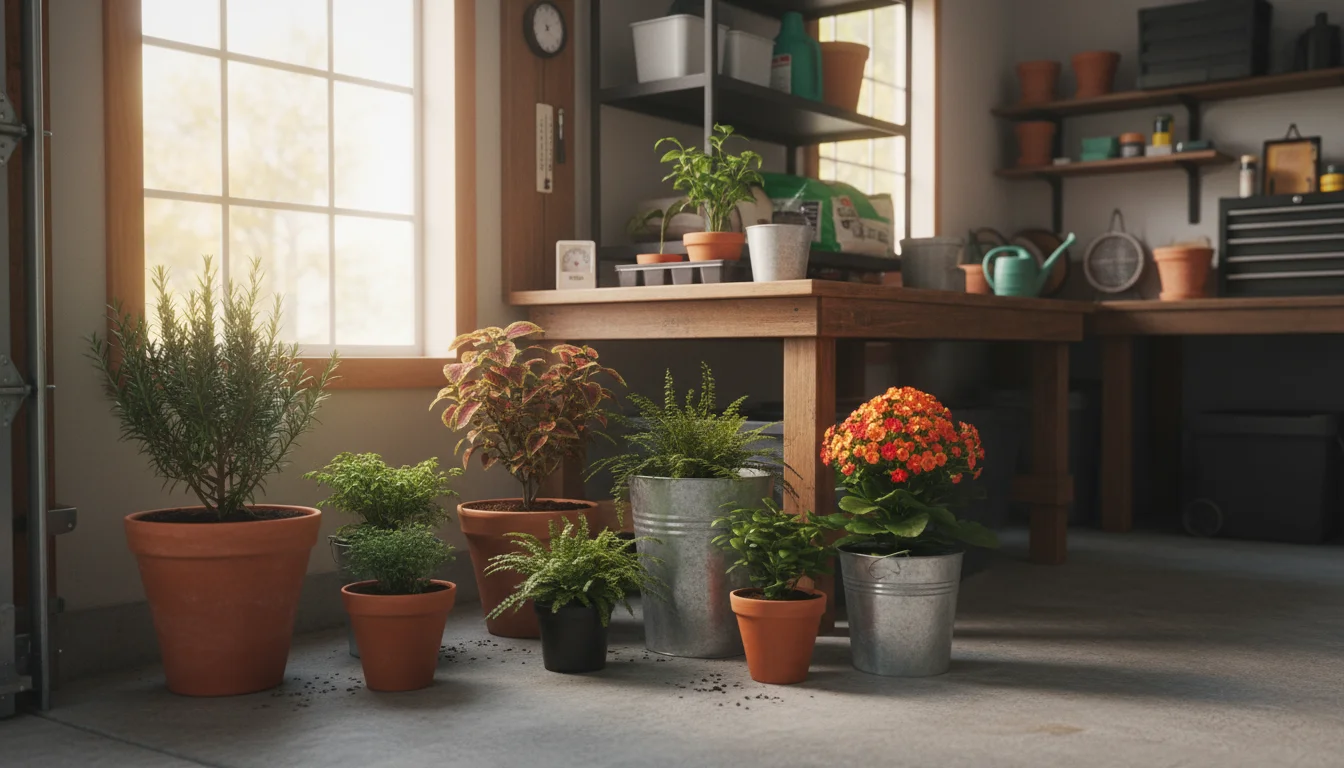
As autumn approaches, plan to bring your plants indoors before nighttime temperatures consistently drop below 50-55°F (10-13°C). Before they enter your main living space, place all incoming plants in a temporary isolation zone for at least two weeks. A garage, sunroom, or even a less-used corner of a room works well. This buffer period allows you to observe plants for any signs of pests, including fungus gnats, and address issues before they spread to your existing indoor plant collection.
Step 2: Thorough Inspection
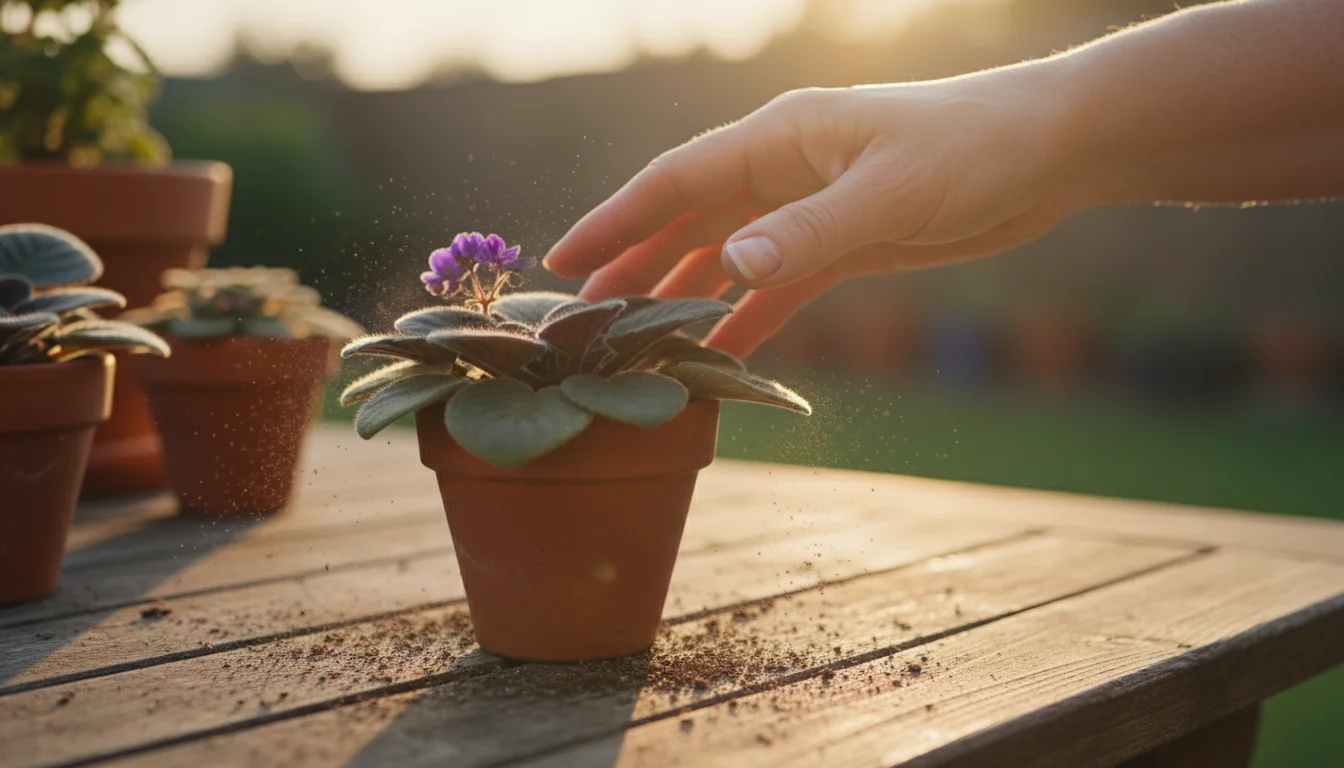
During the isolation period, meticulously inspect every plant. Look closely at the soil surface for tiny, flying insects or small, clear larvae. Examine the undersides of leaves and stems for other potential pests like aphids or spider mites, as you want to address all issues at once. Gently wiggle the plant to see if any gnats fly up from the soil.
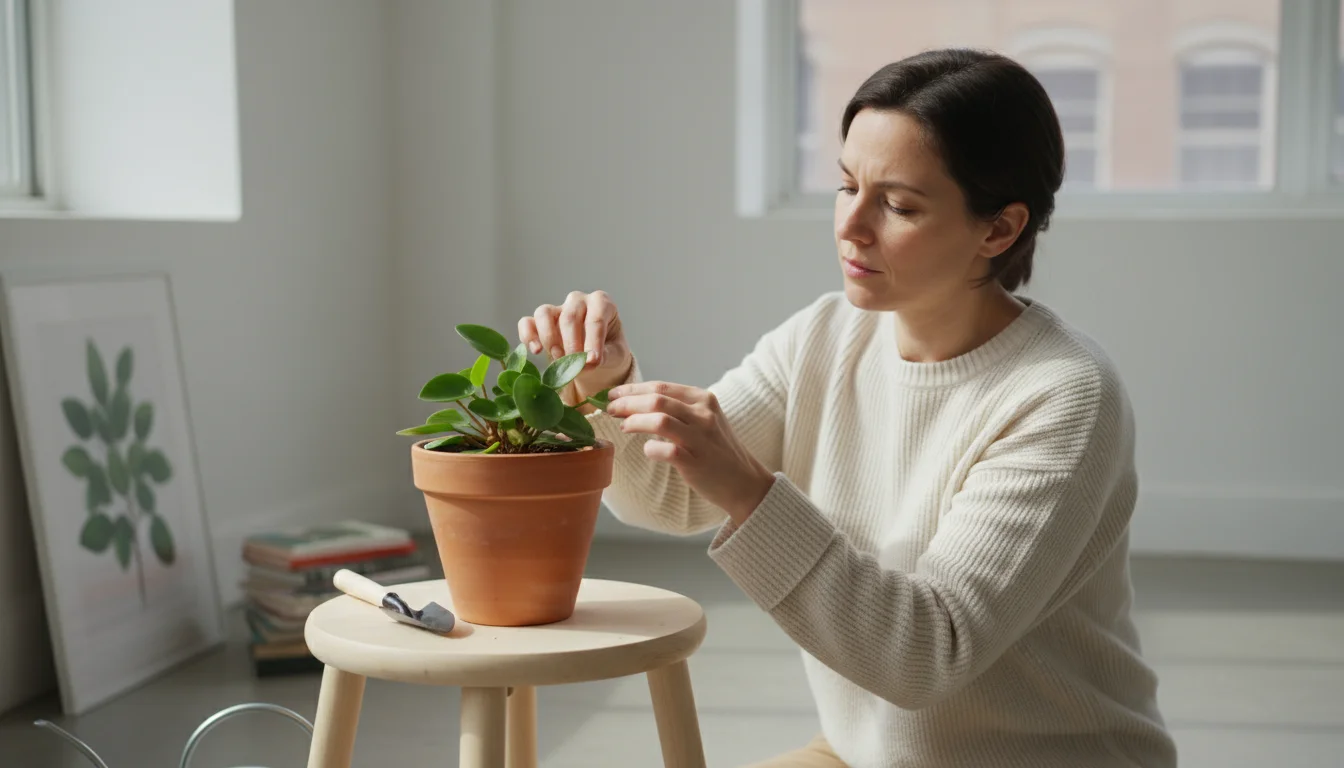
Step 3: Repotting or Topdressing
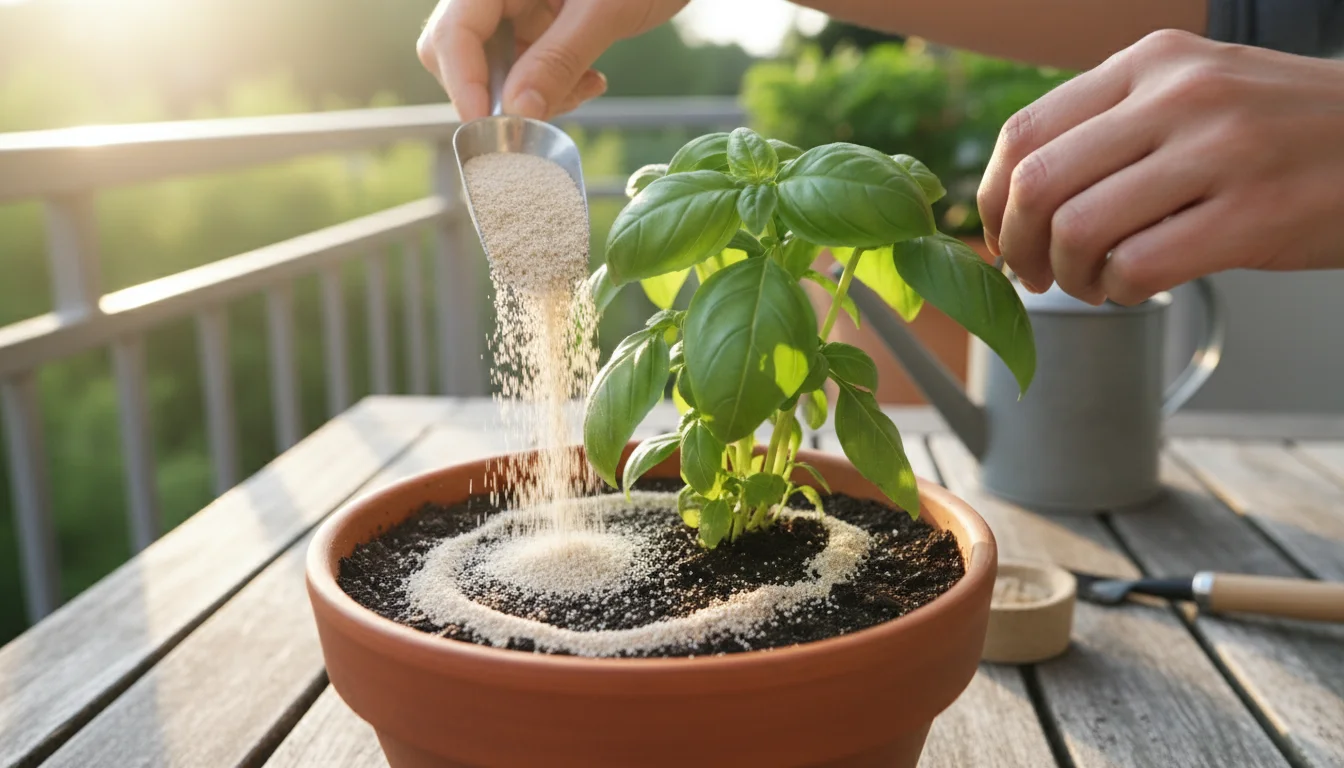
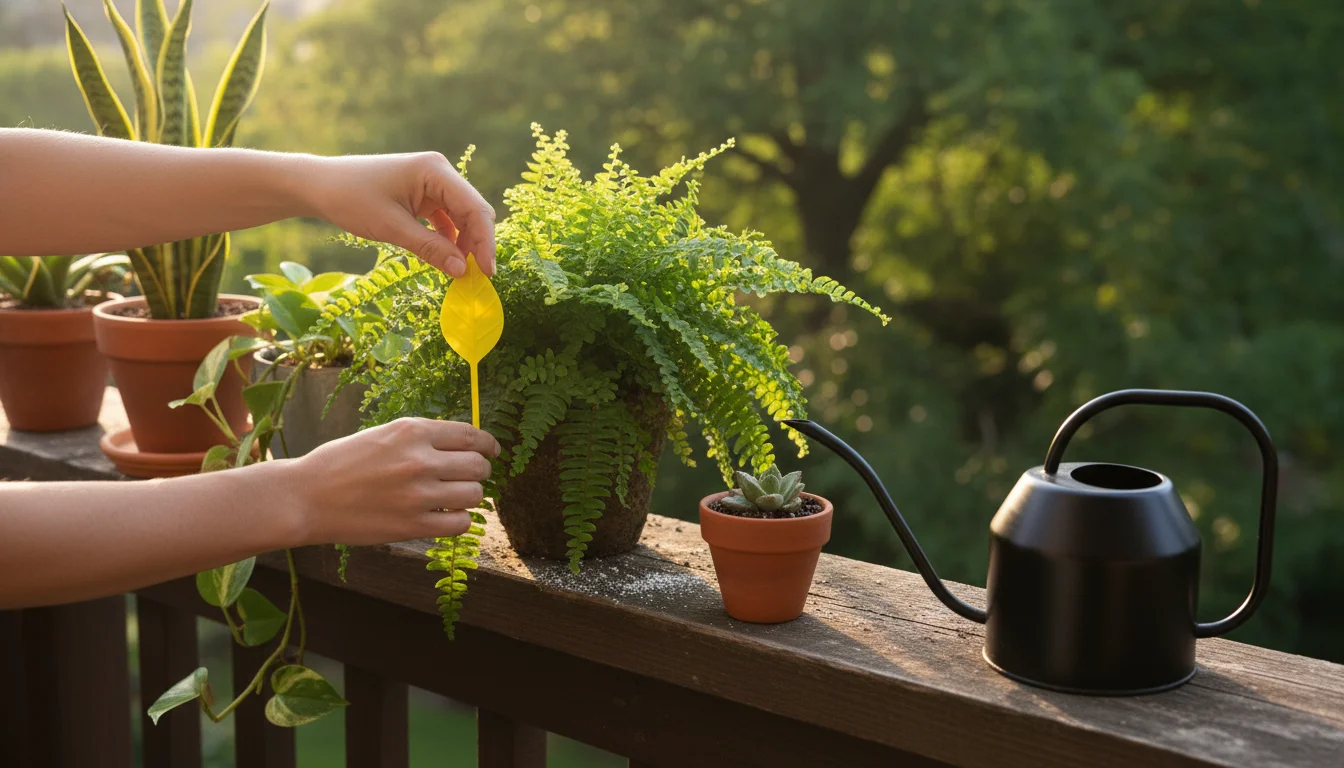
This is one of the most effective steps for preventing pests when bringing plants inside. Consider repotting outdoor plants into fresh, sterile potting mix before bringing them indoors. This eliminates any existing eggs or larvae in the old soil. If repotting is too stressful for the plant or impractical, remove the top 1-2 inches of old soil and replace it with fresh, sterile mix. Alternatively, you can top-dress with a layer of horticultural sand or fine gravel, about 1/2 inch thick. This dry barrier prevents adult fungus gnats from laying eggs in the moist soil below and emerging larvae from reaching the surface.
Step 4: Pruning and Cleaning
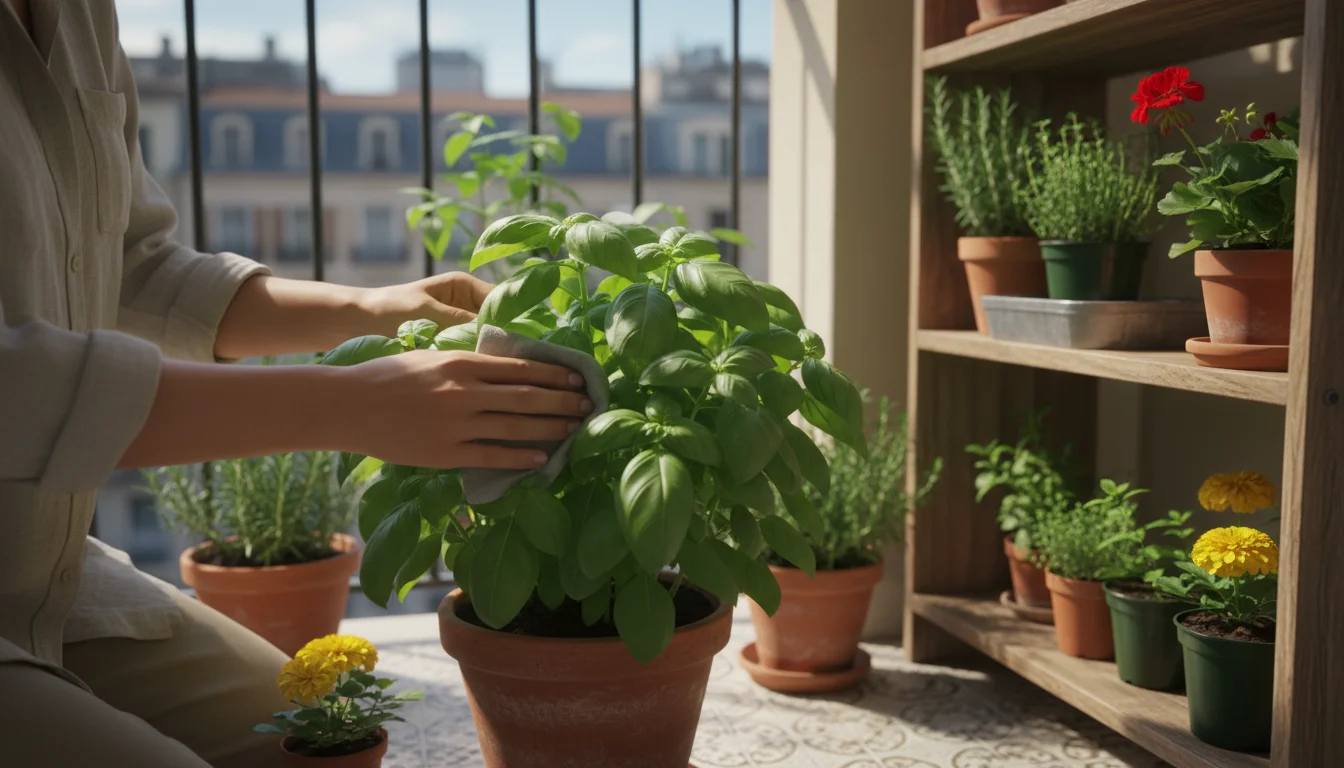
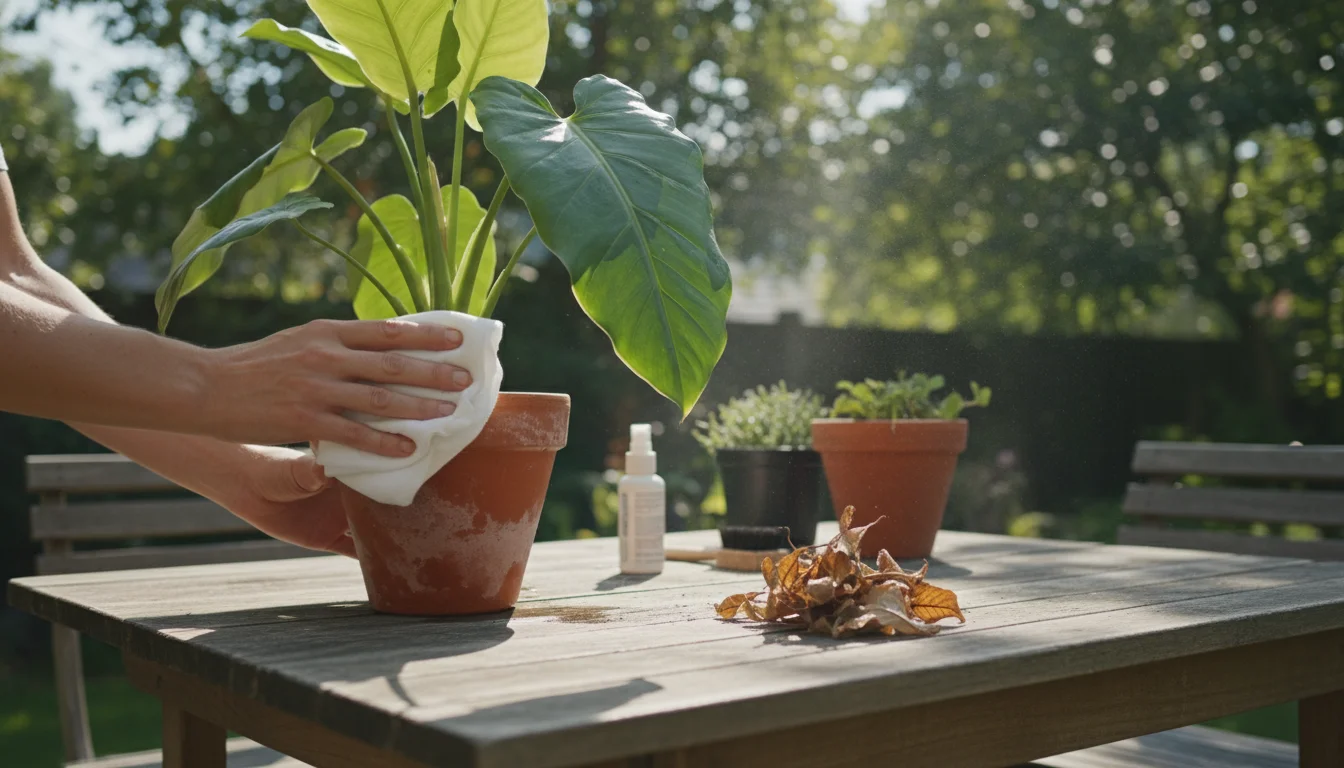
Remove any dead or decaying leaves and flowers from your plants. This eliminates potential food sources for fungus gnat larvae. Wipe down the leaves with a damp cloth to remove dust and any lingering outdoor debris. Clean the outside of the pots thoroughly, scrubbing away any algae or dirt. This attention to cleanliness helps create a less appealing environment for pests.
Step 5: Adjust Watering Habits
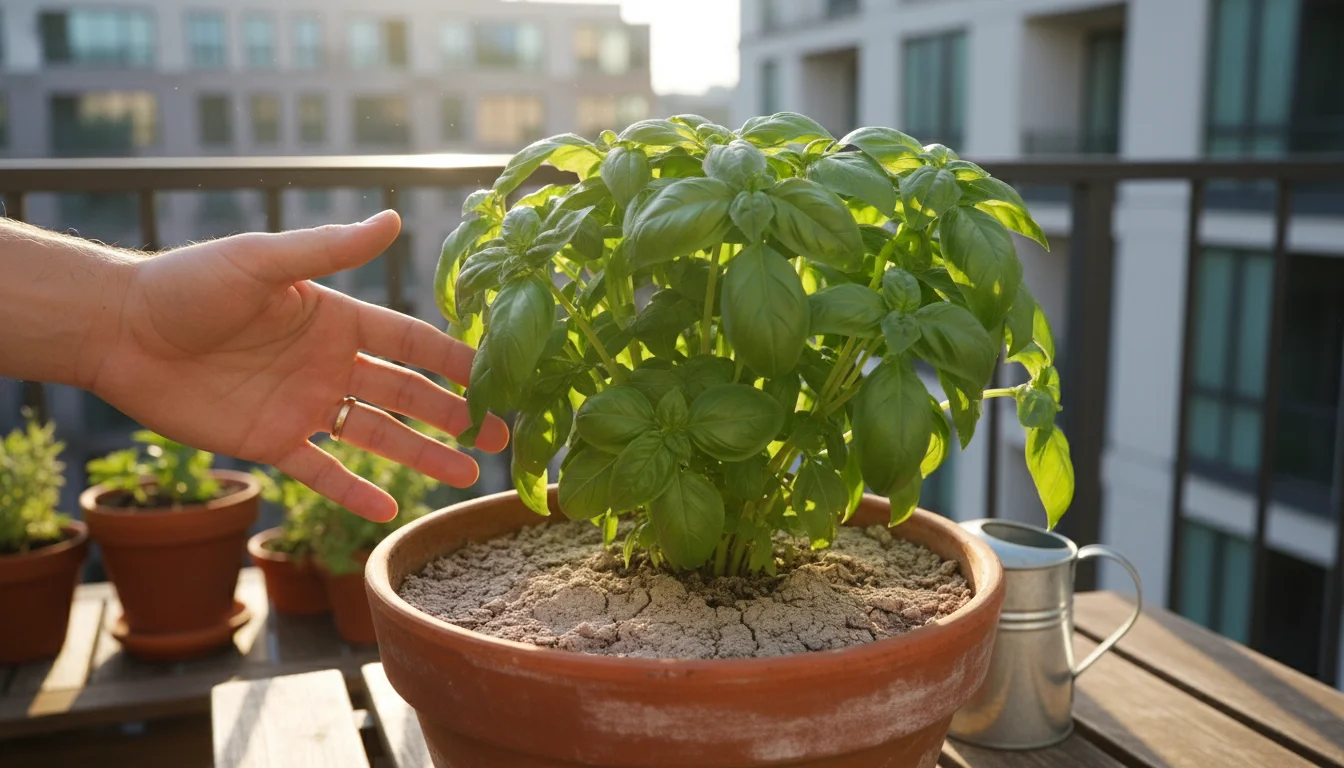
Before bringing plants indoors, gradually transition them to a drier watering schedule. Allow the top 1-2 inches of soil to dry out completely between waterings. This reduces the moisture levels that fungus gnats depend on. Once indoors, continue this practice, making sure not to overwater. You will find this adjustment critical in preventing future infestations of these indoor pests.
Your Battle Plan: How to Get Rid of Fungus Gnats on Houseplants
Even with the best preventative measures, sometimes fungus gnats slip through. If you find yourself facing an infestation, do not despair. A multi-pronged approach helps you how to get rid of fungus gnats on houseplants effectively.
For those dealing with a persistent outbreak, implementing a 4-pronged annihilation plan can help break the life cycle once and for all.
Tactic 1: Control Soil Moisture (The Foundation)
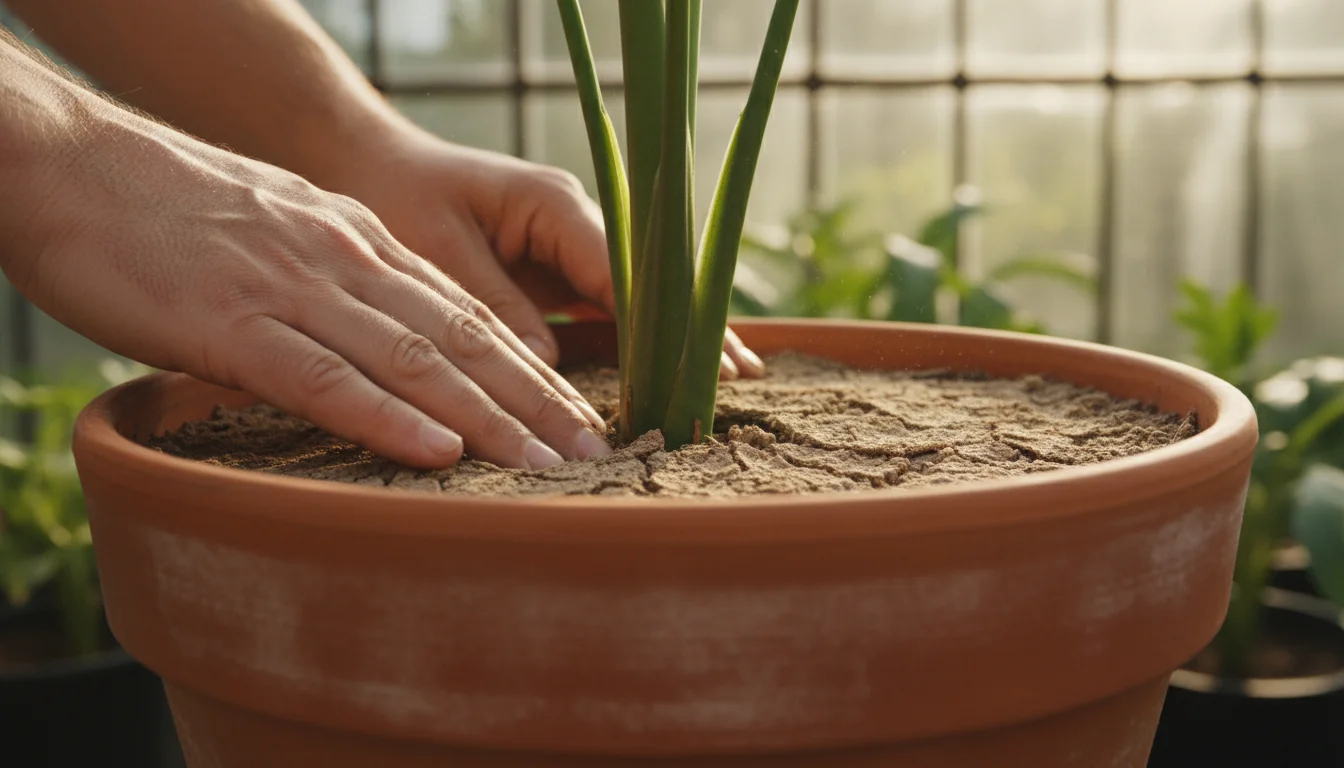
This is the most critical step. Fungus gnats cannot complete their life cycle without consistent moisture. Let the top 2-3 inches of soil dry out completely between waterings. For many plants, this means allowing the soil to dry out until the pot feels significantly lighter. Water thoroughly when you do water, ensuring excess drains away, but then wait. You will notice a drastic reduction in gnat populations simply by changing your watering routine. Use a moisture meter or your finger to check soil dampness deep within the pot.
Tactic 2: Deploy Yellow Sticky Traps for Fungus Gnats
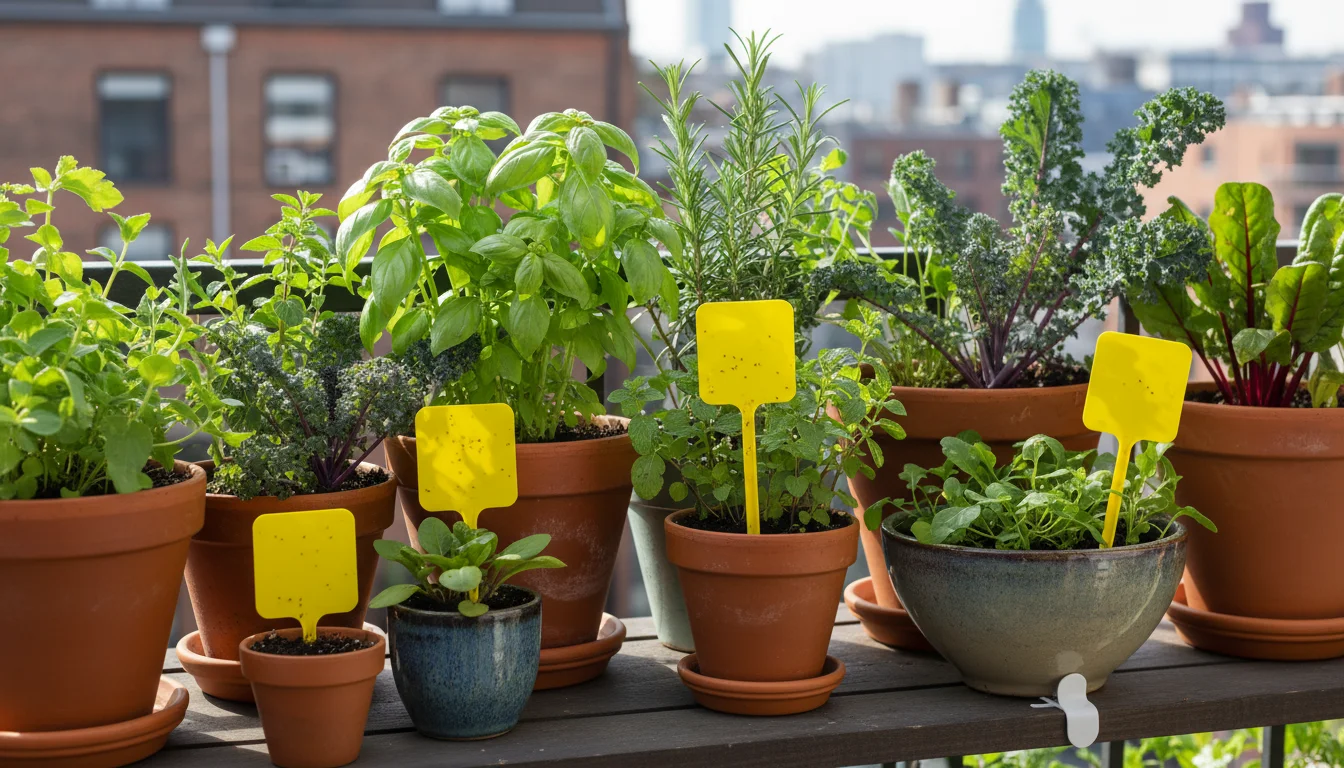
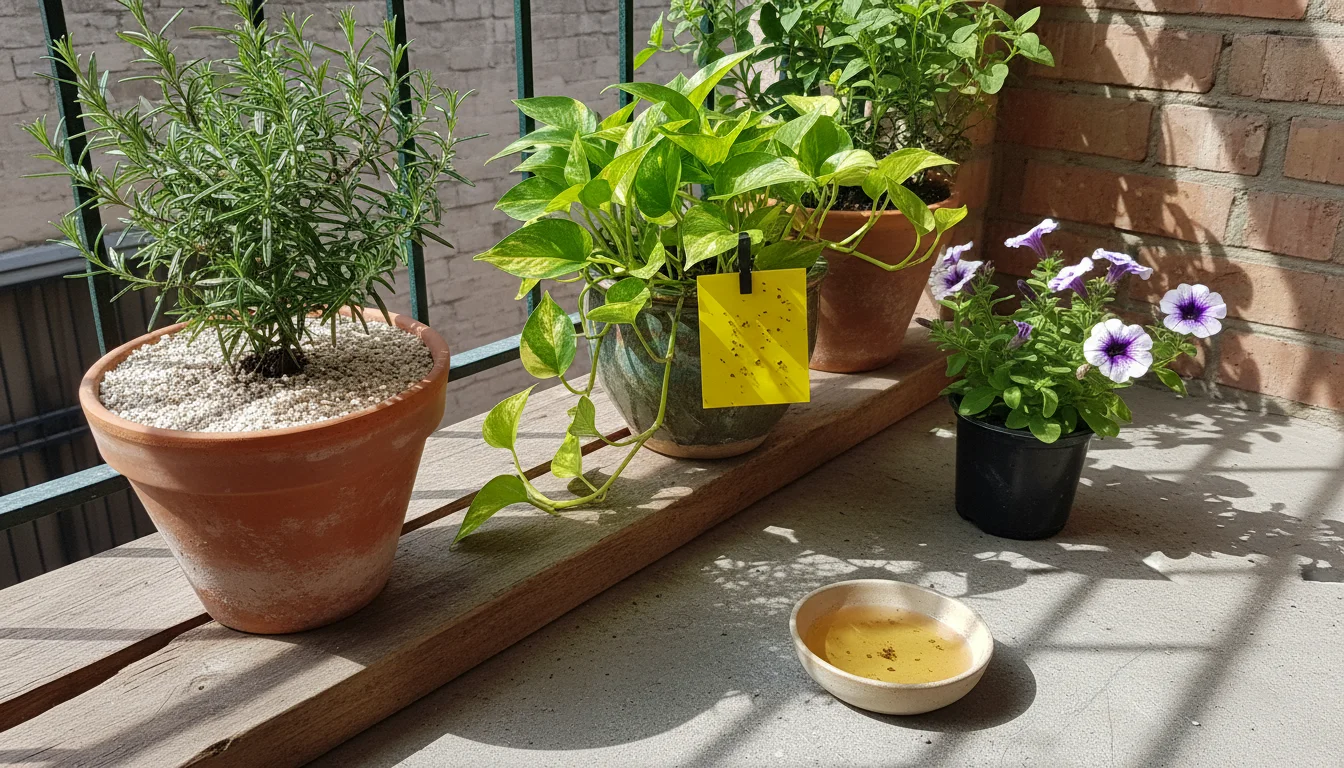
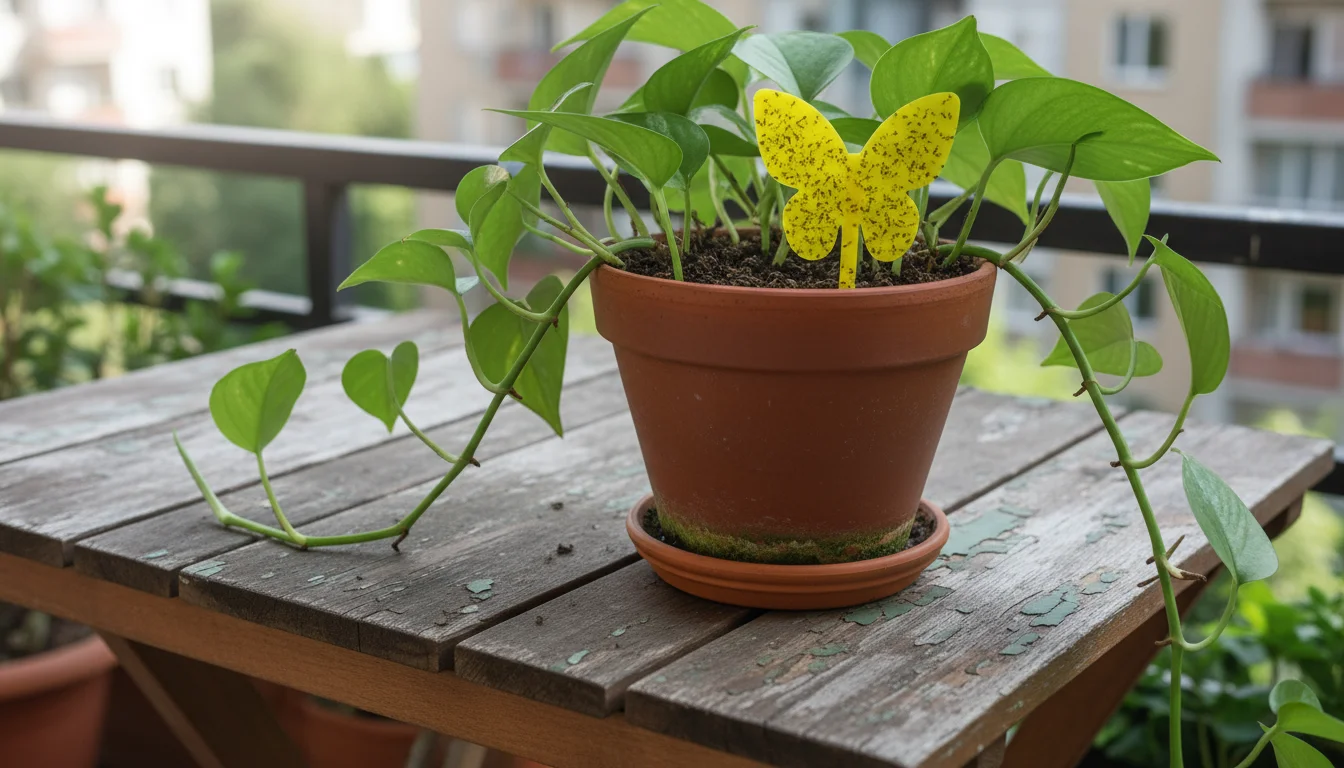
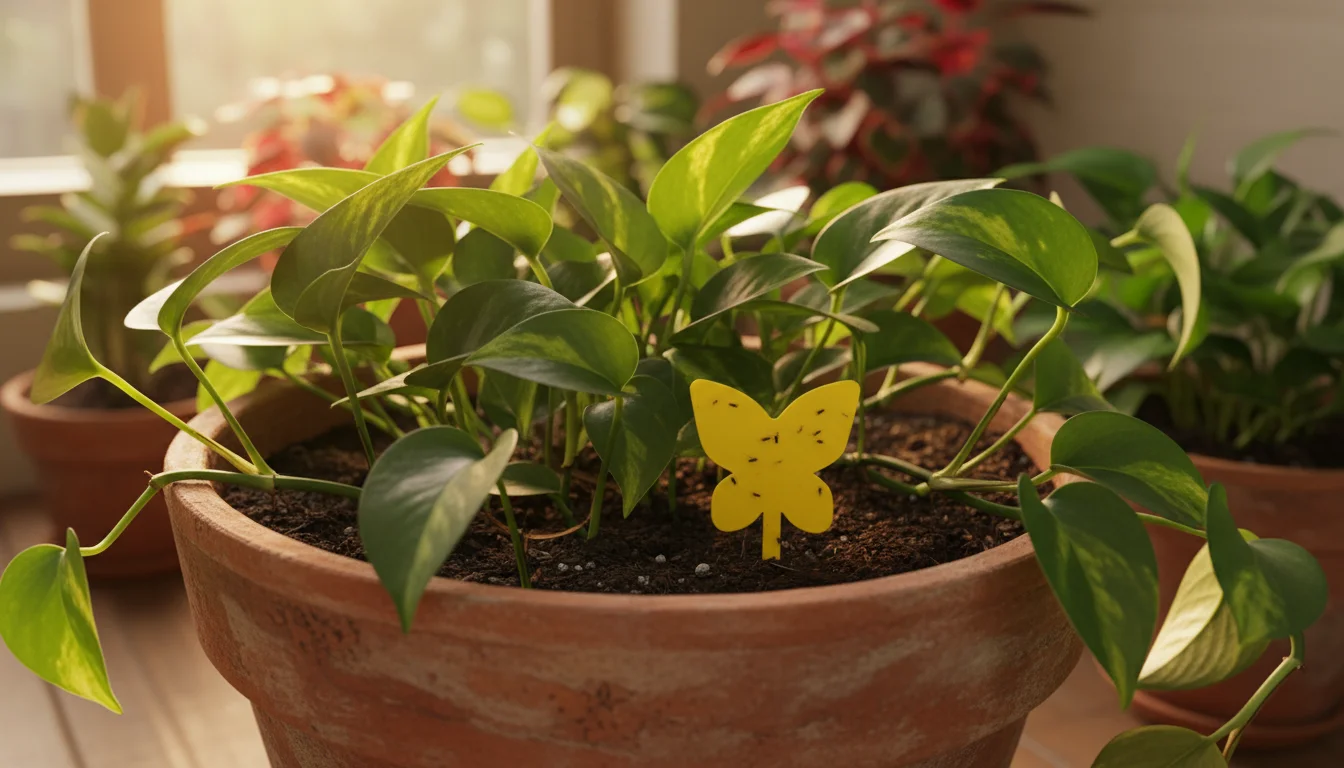
Yellow sticky traps are an incredibly effective monitoring and control tool. Adult fungus gnats are attracted to the color yellow. These small, bright yellow cards, coated in a strong adhesive, catch adult gnats as they fly around. Place several yellow sticky traps for fungus gnats in and around your infested plants. While they will not eliminate the larvae in the soil, they dramatically reduce the adult population, breaking the reproductive cycle. Replace them regularly as they fill up with gnats and dust.
Tactic 3: Beneficial Nematodes (Steinernema feltiae)
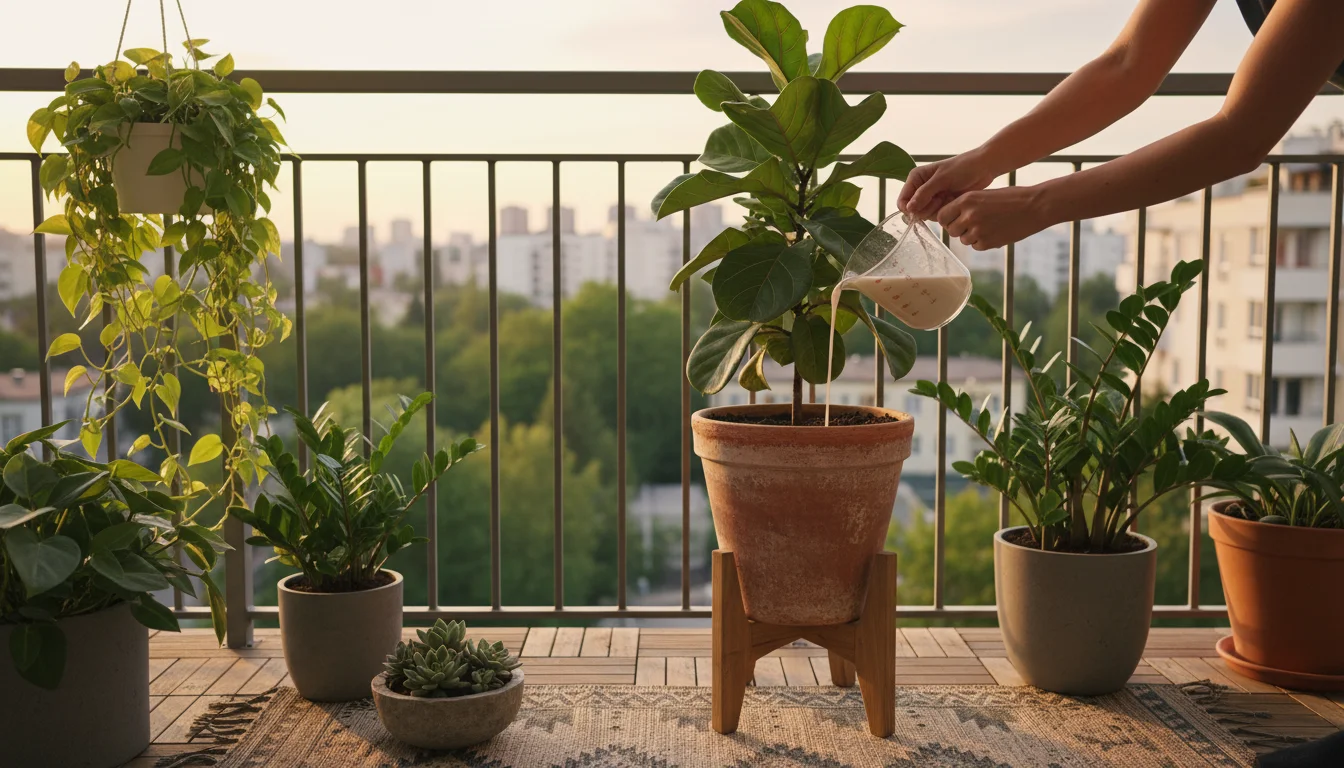
For a powerful, biological control, introduce beneficial nematodes. These microscopic, parasitic roundworms are natural predators of fungus gnat larvae. You mix them with water and apply them to the soil, just like watering your plants. The nematodes actively seek out and infect fungus gnat larvae, stopping their development. They are completely safe for plants, pets, and humans. This is an excellent eco-friendly solution for heavy infestations and acts as a long-term deterrent. Data from horticultural trials demonstrate that specific nematode species achieve over 80% control of fungus gnat larvae within two weeks of application.
Tactic 4: Bacillus thuringiensis israelensis (Bti)
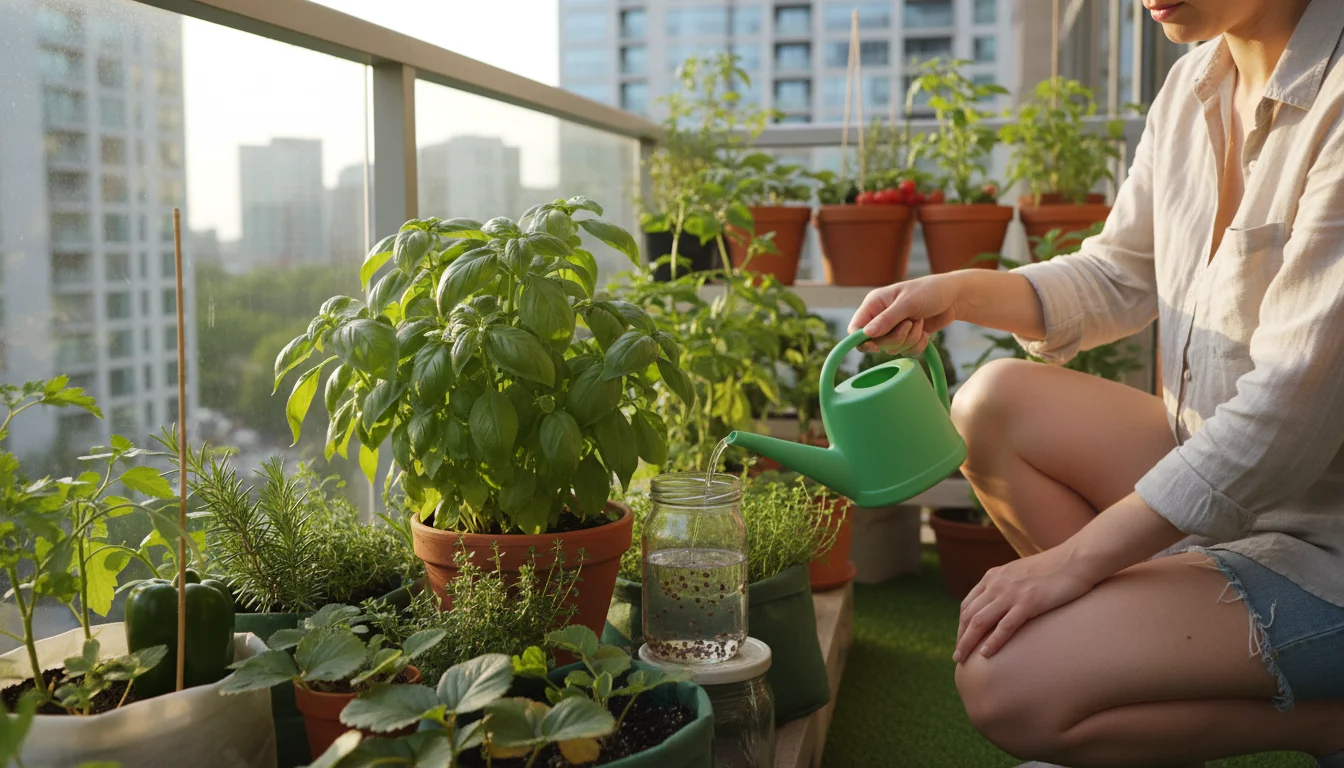
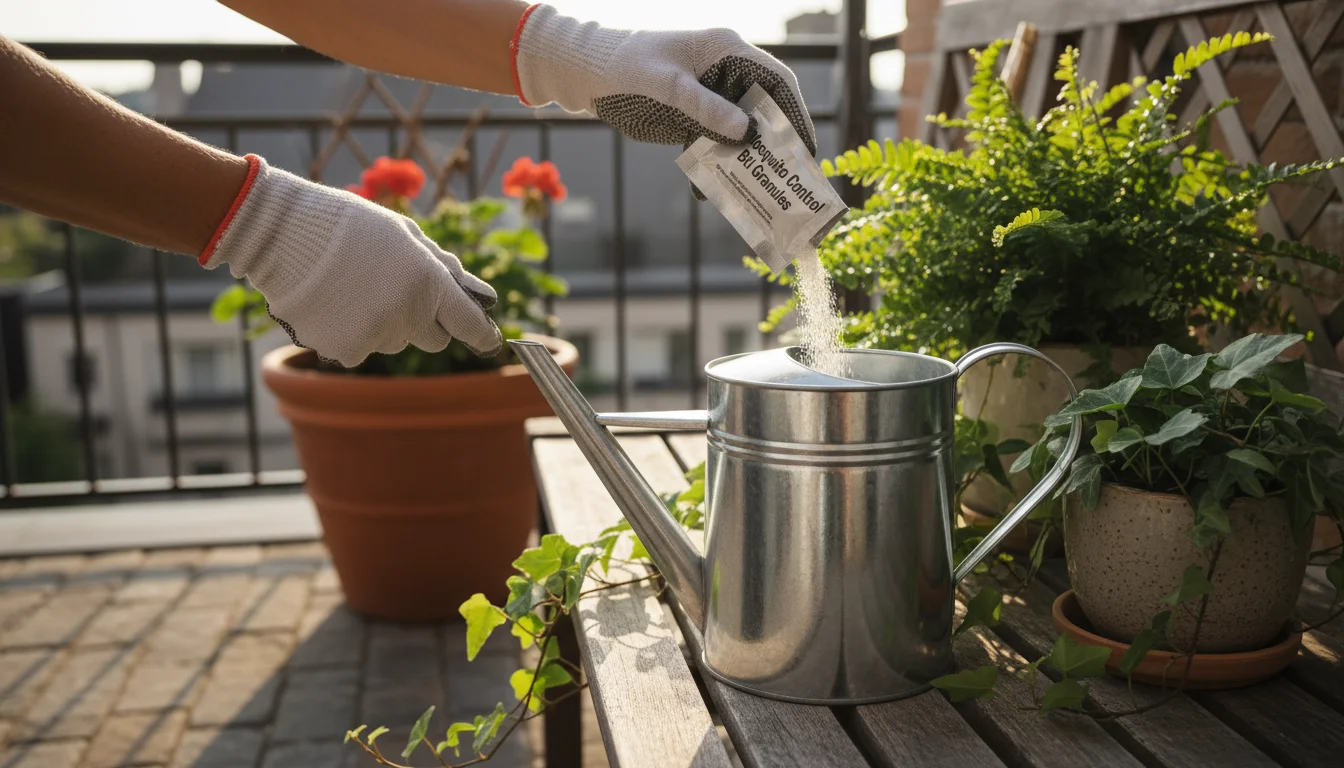
Bti is a naturally occurring bacterium that targets the larvae of specific insects, including fungus gnats and mosquitoes, without harming other beneficial insects, pets, or humans. Products containing Bti, often sold as “mosquito bits” or “dunks,” are readily available. Soak the bits in water, then use that water to irrigate your plants. The larvae ingest the Bti and die. Apply Bti treatments consistently for several weeks to break the gnat life cycle. This approach provides targeted control directly in the soil where the larvae reside.
Tactic 5: Horticultural Sand or Diatomaceous Earth
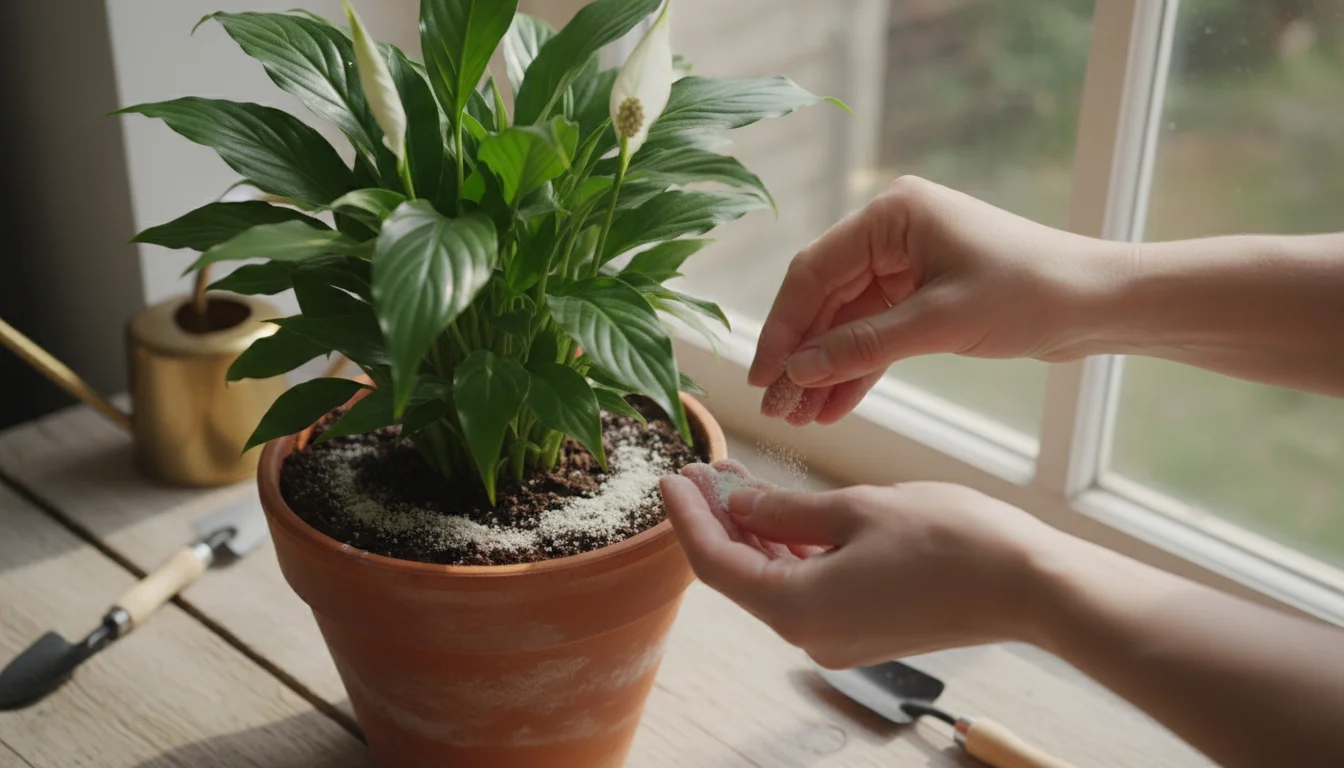
As a physical barrier, apply a 1/2 to 1-inch layer of horticultural sand or food-grade diatomaceous earth (DE) on top of your potting mix. Horticultural sand provides a dry, uninviting surface for adult gnats to lay eggs. Diatomaceous earth consists of finely ground fossilized diatoms. Its microscopic sharp edges cut through the exoskeletons of soft-bodied insects, dehydrating and killing them upon contact. Both methods create a hostile environment for adult gnats and emerging larvae.
Advanced Tactics: Long-Term Prevention and Maintenance
Once you get rid of fungus gnats on houseplants, maintaining a gnat-free environment requires consistent attention to detail and a commitment to smart gardening practices.

Perfecting Your Watering Routine
The single most impactful long-term strategy is adopting proper watering techniques. Instead of watering on a strict schedule, water based on your plant’s needs. Use your finger to check the soil moisture. Stick your finger 2-3 inches deep into the soil. If it feels dry, then it is time to water. If it feels damp, wait a few more days. For many plants, bottom watering can be beneficial. Place the pot in a tray of water and allow the plant to soak up water from the drainage holes. This keeps the top layer of soil dry, deterring fungus gnats, and encourages deeper root growth.
Choosing the Right Soil
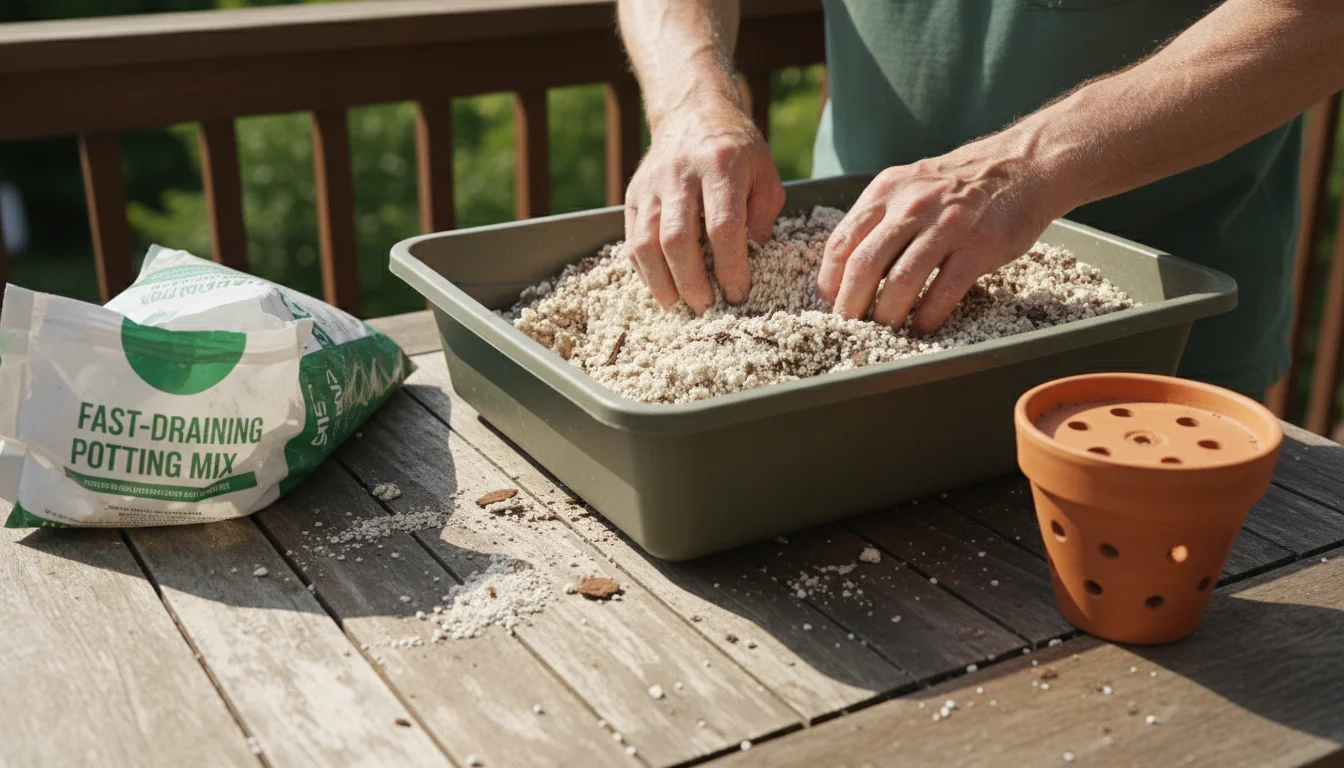
Select a well-draining potting mix. Avoid heavy, dense soils that retain too much moisture. Many commercial potting mixes contain a high percentage of peat moss, which can hold a lot of water. You can improve drainage by mixing in perlite, coarse sand, or bark chips. For small-space gardeners, pre-mixed, fast-draining potting soils formulated for succulents or cacti often work well for many houseplants, even if they are not succulents. Ensure your pots have drainage holes; this is non-negotiable for healthy plants and gnat prevention.
Enhancing Air Circulation
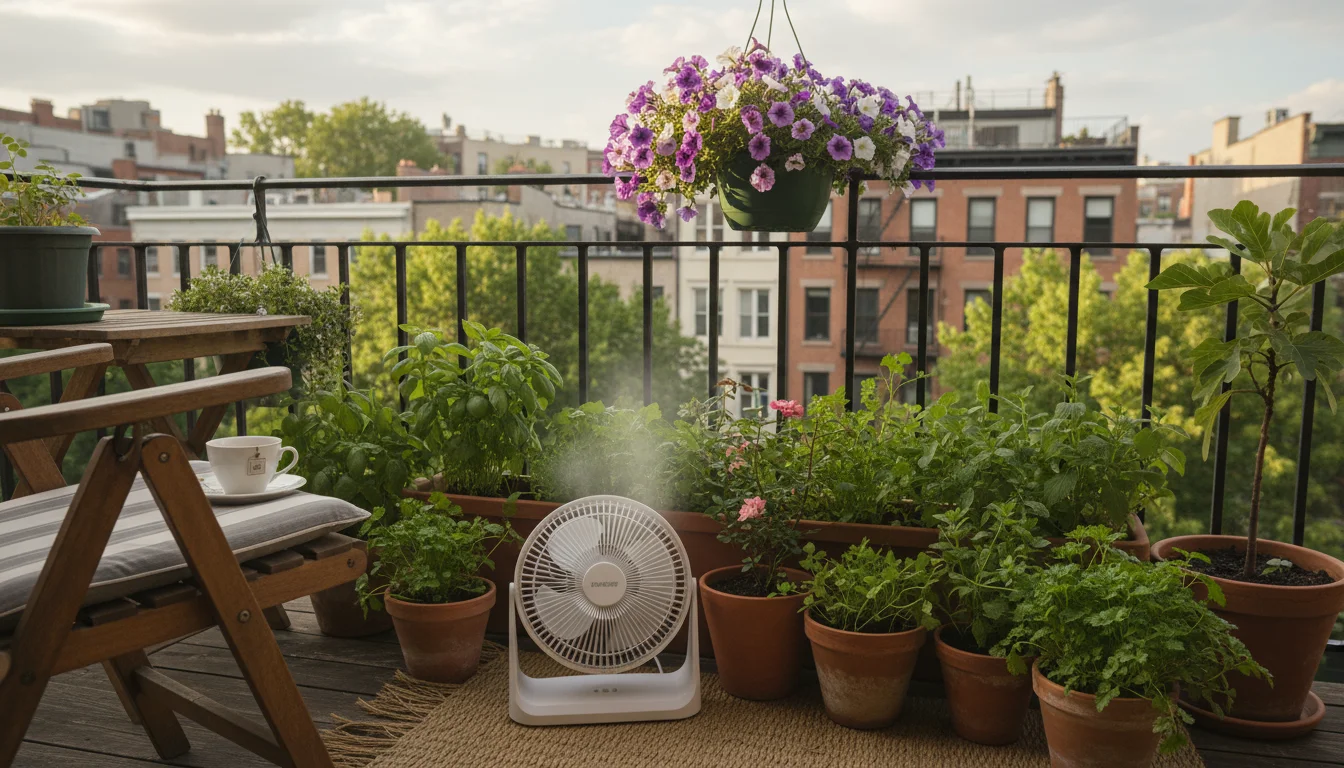
Good air circulation helps the soil surface dry out faster and makes your environment less appealing to fungus gnats. Avoid crowding your plants too closely together. If you have many plants in a small space, consider using a small oscillating fan on a low setting for a few hours a day. This not only discourages gnats but also strengthens plant stems and helps prevent other fungal diseases.

Quarantine New Plants
Develop a habit of quarantining all new plant acquisitions for at least 2-4 weeks before introducing them to your existing collection. This includes plants you purchase from nurseries, gift plants, or cuttings. During this period, inspect them daily for signs of pests, including fungus gnats. Treat any issues you find before the plant joins its new neighbors. This small step significantly reduces the risk of introducing new indoor pests.
Sanitation and Cleanliness
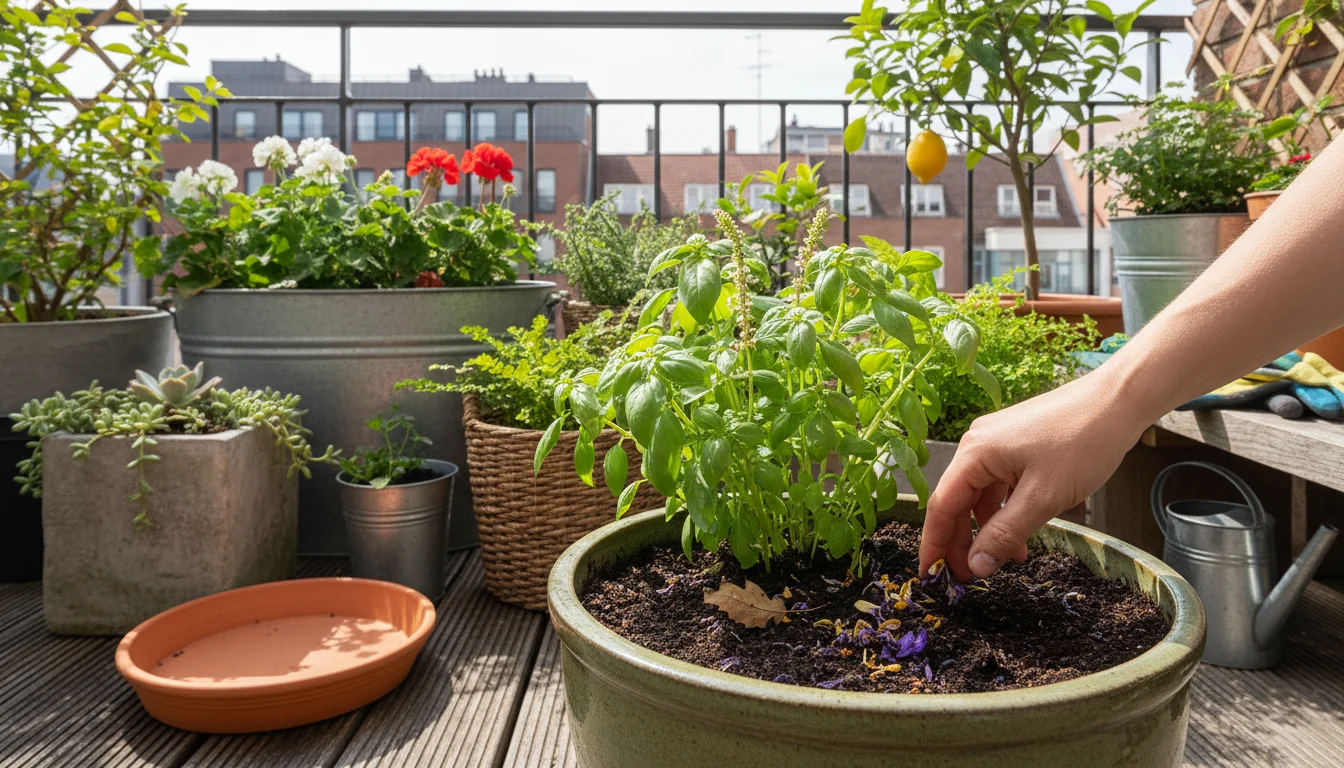
Regularly remove any fallen leaves, spent flowers, or other organic debris from the soil surface and around your plant pots. These decaying materials provide food sources for fungus gnat larvae. Clean your plant saucers frequently to prevent standing water and algae growth. A clean growing environment is a healthy growing environment.
Eco-Friendly Solutions for Sustainable Pest Control
As a responsible gardener, you prioritize solutions that protect your plants, your home, and the environment. Many effective fungus gnat controls align with eco-friendly and sustainable practices.
Embrace Biological Controls
Beneficial nematodes and Bti are cornerstones of sustainable pest management. They offer targeted control with no harmful residues. These living organisms provide a natural way to manage pests, integrating seamlessly into an organic gardening approach. Using these biological agents reduces your reliance on chemical pesticides, protecting beneficial insects and maintaining ecological balance in your indoor garden.
Leverage Cultural Practices
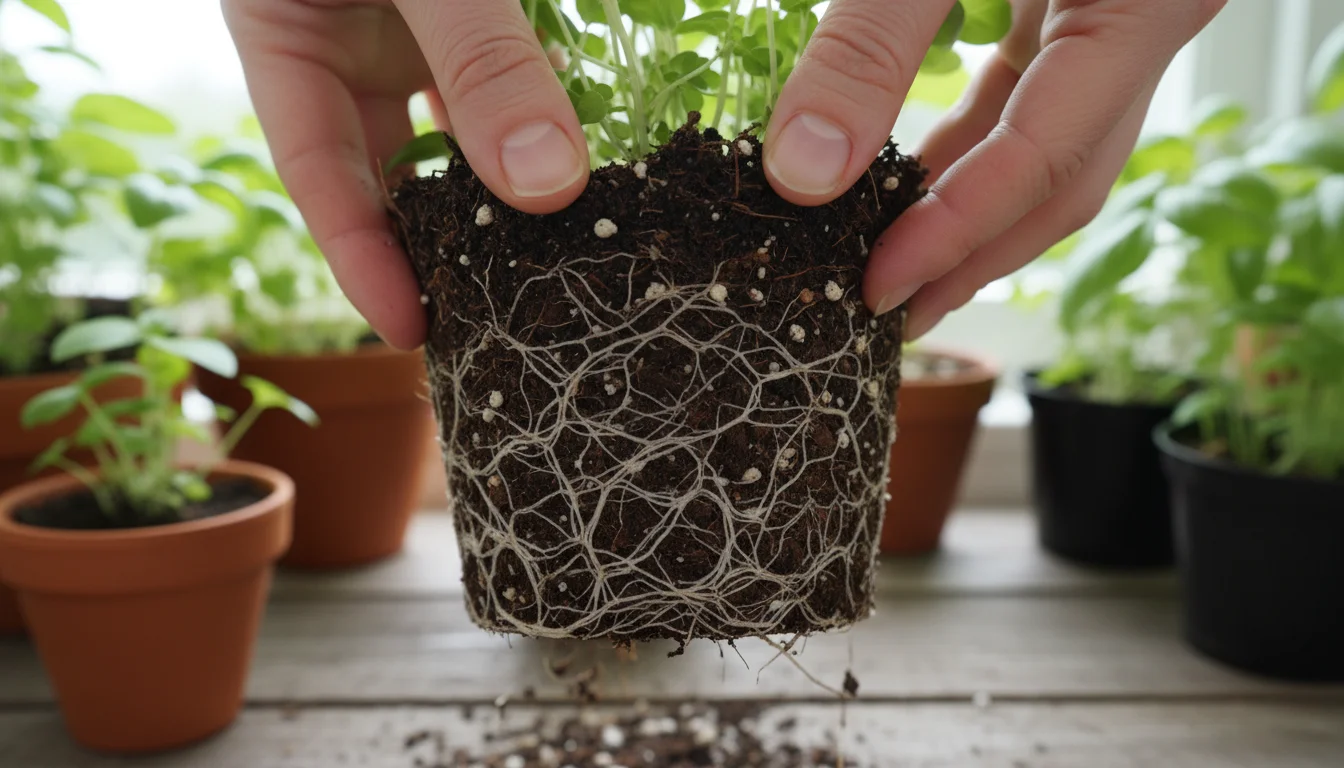
Your watering habits, choice of soil, and plant spacing are cultural practices that have the largest environmental impact. By avoiding overwatering, you conserve water, reduce nutrient runoff, and prevent conditions favorable to pests. Choosing appropriate, peat-free potting mixes when possible supports environmental sustainability by reducing reliance on peat harvesting, which impacts wetlands. Improving air circulation naturally minimizes pest problems, reducing the need for interventions.
DIY Traps and Barriers
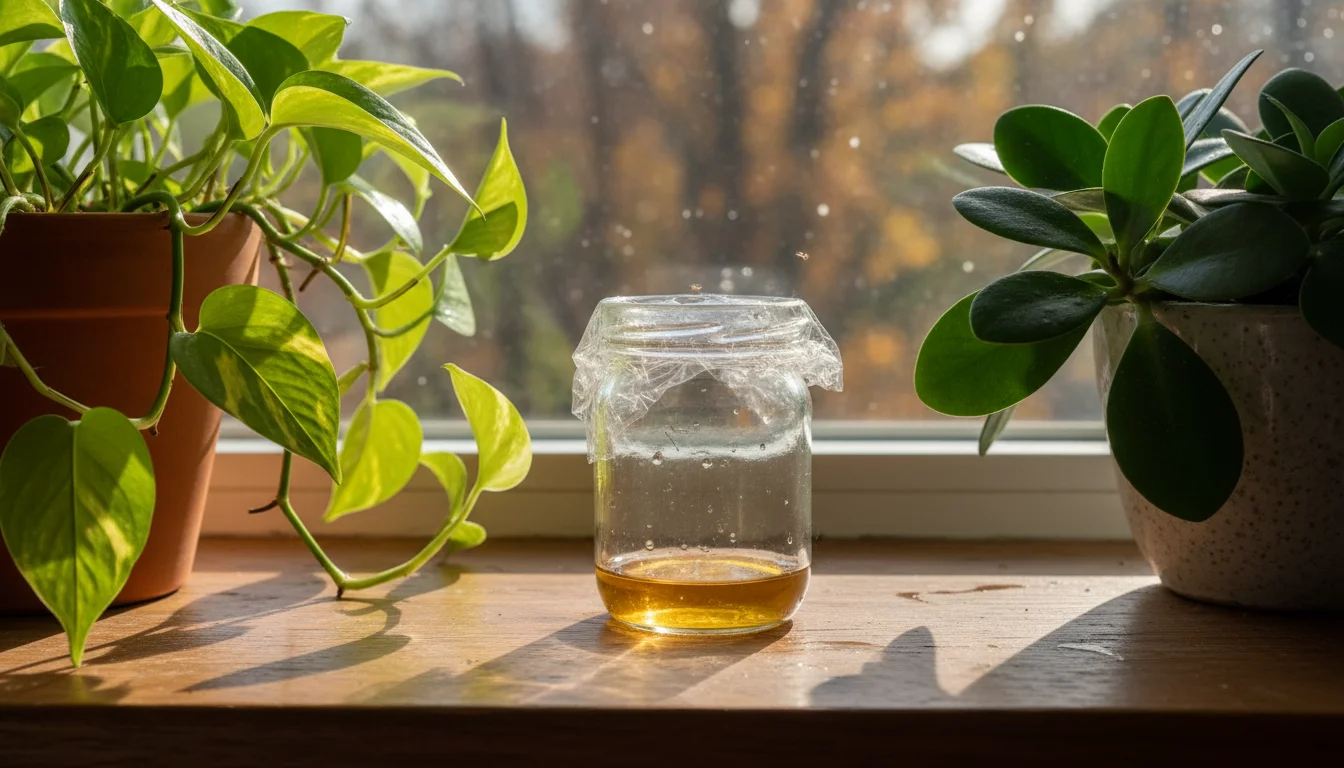
Yellow sticky traps, while commercially produced, are a low-impact solution for monitoring and control. Creating a barrier with horticultural sand or food-grade diatomaceous earth uses natural materials to physically deter pests. You can even create simple apple cider vinegar traps (a small dish with apple cider vinegar and a drop of dish soap) to catch adult gnats. These methods rely on physical or natural deterrents rather than synthetic chemicals.
Compost Safely
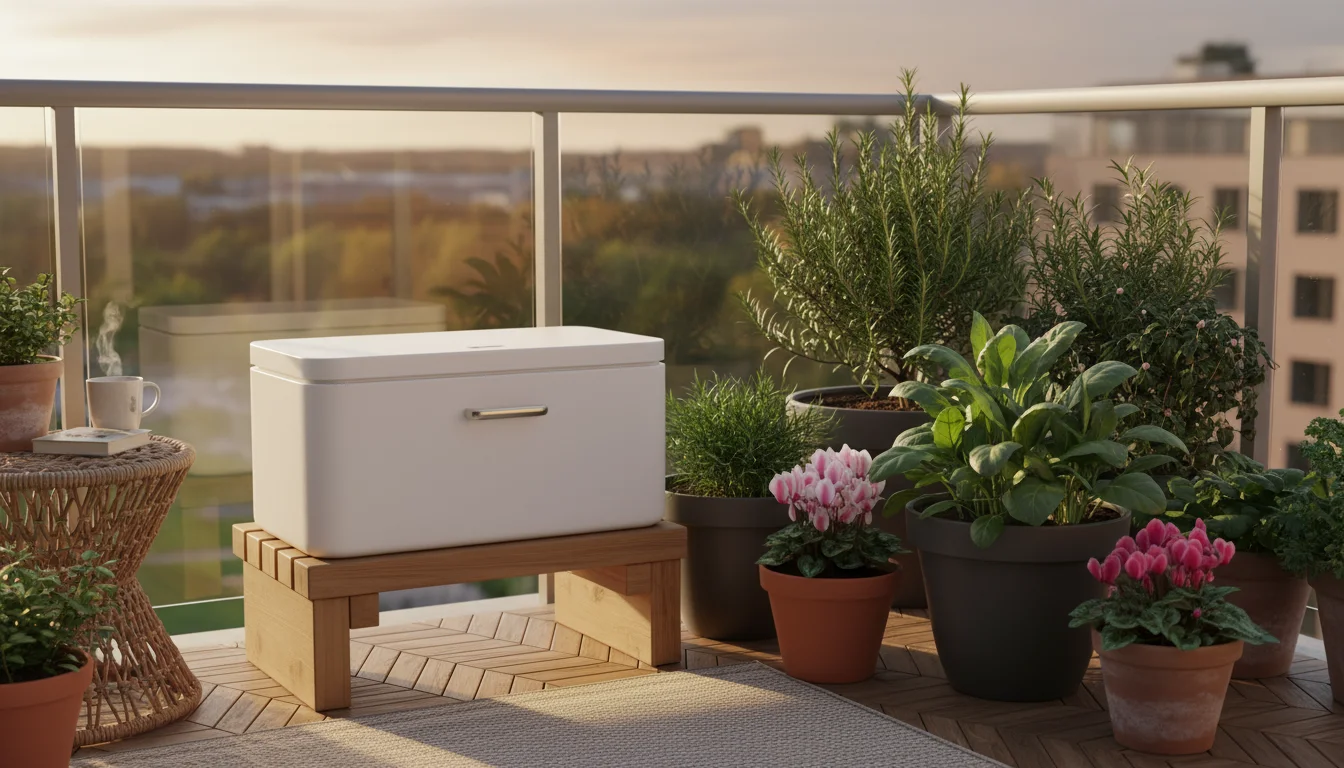
If you compost, ensure your indoor composting systems are well-managed and do not attract pests. Keep them sealed, and monitor moisture levels. For outdoor composting, keep it away from your plant staging areas, especially when preparing for overwintering plants. This minimizes the chance of transferring pest eggs or larvae from your compost to your plant pots.
For trustworthy gardening information, visit:
Pollinator Partnership, International Society for Horticultural Science (ISHS), Plantlife (UK) and Botanical Society of America. These organizations provide expert, research-based advice for gardeners at all levels.
Common Mistakes to Avoid
Even experienced gardeners can make mistakes when battling fungus gnats. Recognizing and avoiding these common pitfalls will save you time and frustration.
Mistake 1: Ignoring the Problem
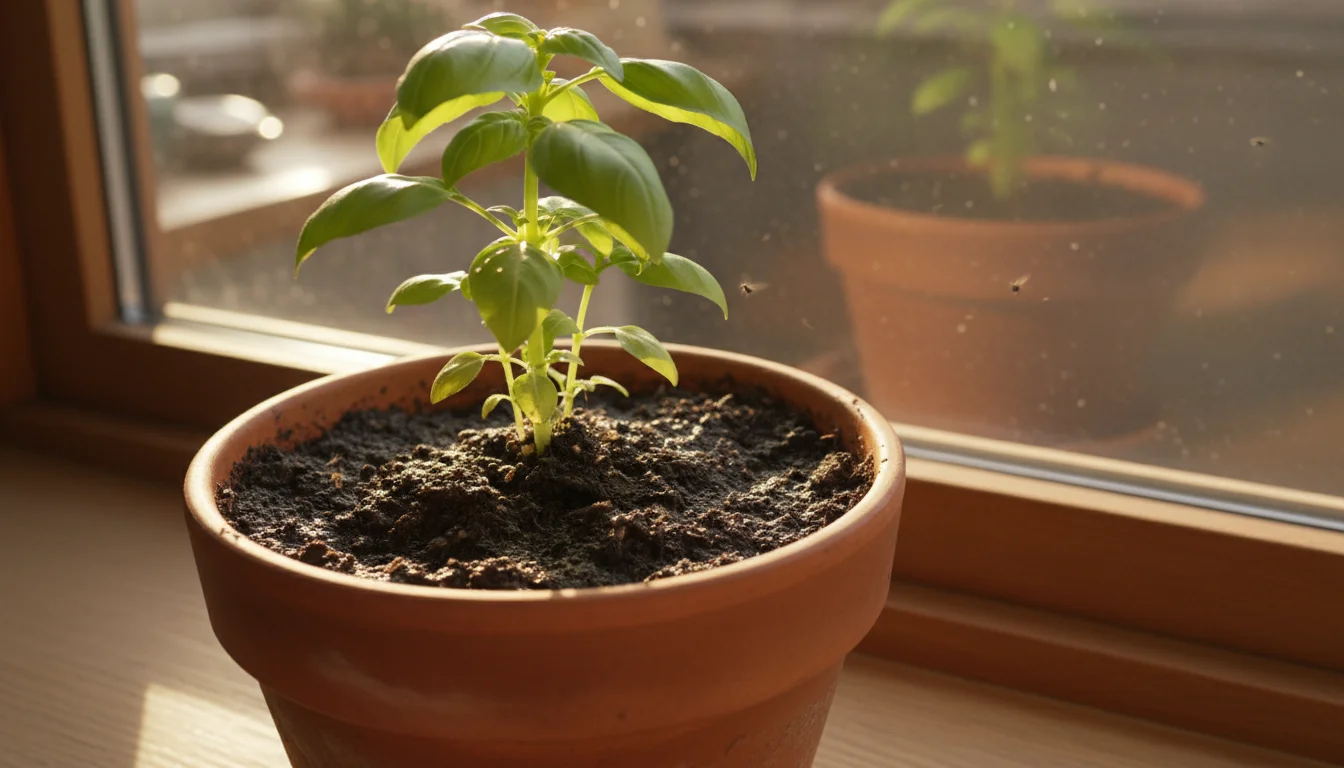
You might see a few gnats and dismiss them as harmless. However, given their rapid life cycle, a small problem quickly escalates into a major infestation. Early detection and immediate action are crucial. The moment you spot even one gnat, begin your preventative and treatment strategies.
Mistake 2: Overwatering as a Reaction
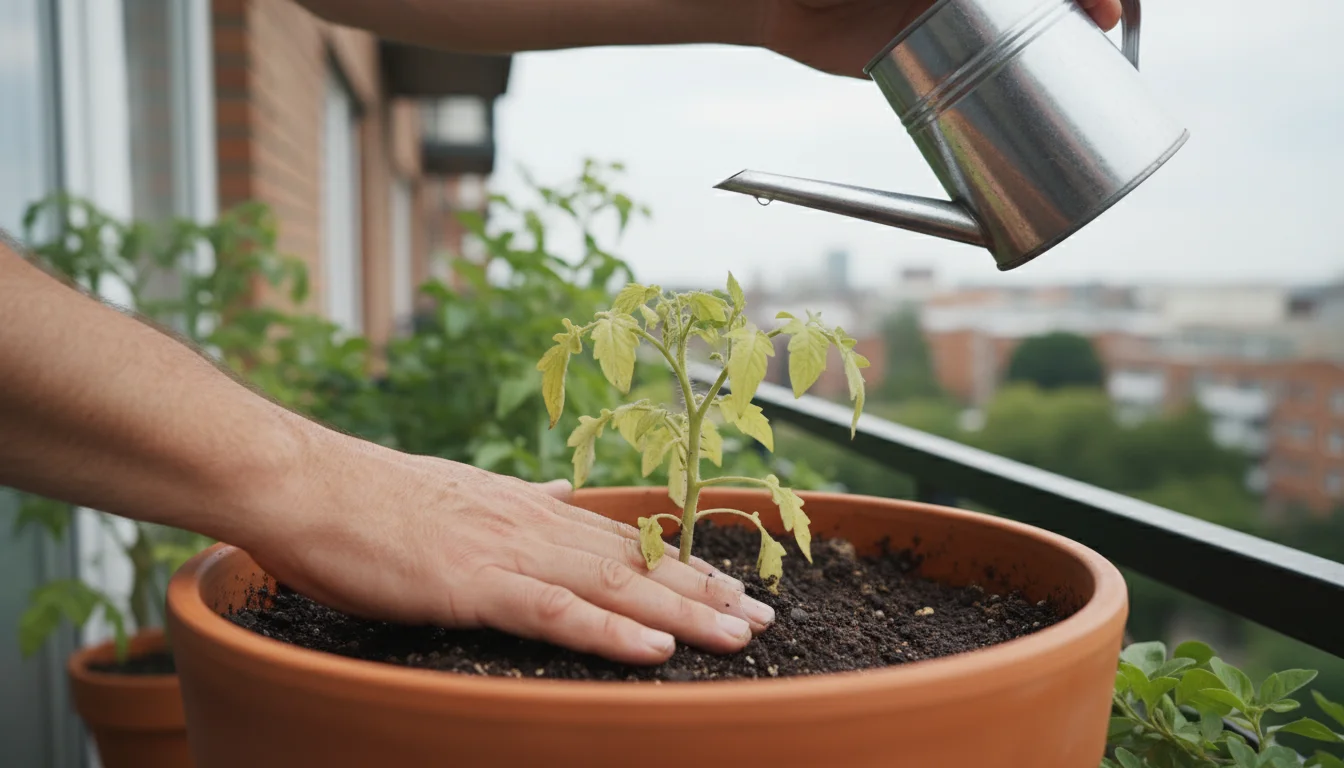
Some gardeners, seeing their plants struggle, might instinctively water them more, assuming the problem is dehydration. If fungus gnats are present, increased watering makes the problem worse. Always check soil moisture before watering, and resist the urge to water a plant just because it looks sad. Wilting can also be a symptom of root damage caused by gnat larvae, not just thirst.

Mistake 3: Inconsistent Treatment
Treating fungus gnats once and then stopping is rarely effective. Remember their continuous life cycle. You must interrupt this cycle at multiple stages. This means consistently allowing soil to dry out, replacing yellow sticky traps regularly, and reapplying biological controls as recommended. A one-off treatment will only reduce the population temporarily.
Mistake 4: Not Addressing All Plants
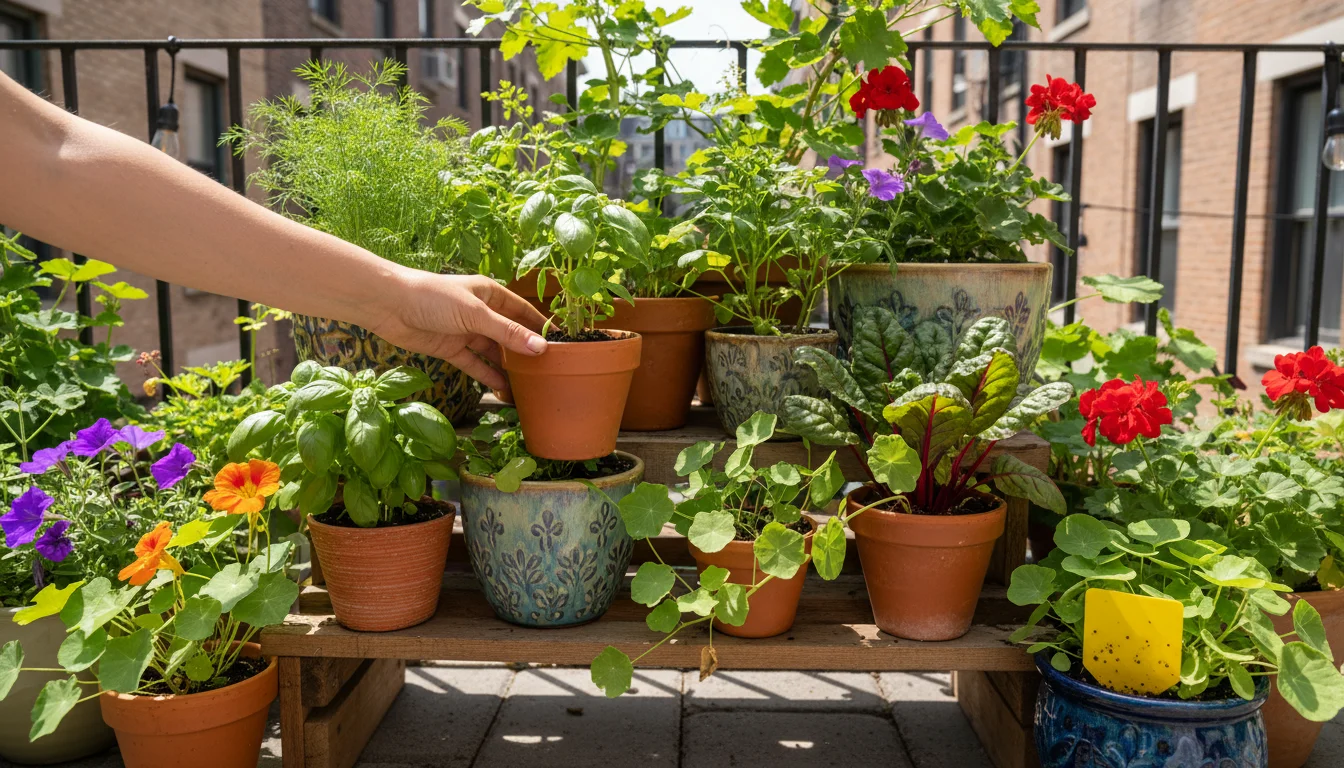
If you find fungus gnats in one plant, assume others are at risk. Even if you do not see active gnats, their eggs or larvae could be present in nearby pots. Treat all plants in the affected area, or at minimum, implement strict preventative watering and monitoring for all plants in your collection. Isolate highly affected plants to prevent spread.
Mistake 5: Relying Solely on Adult Traps
While yellow sticky traps for fungus gnats are excellent for capturing adults, they do not address the larvae in the soil. You must combine adult trapping with methods that target the larval stage, such as Bti or beneficial nematodes, alongside critical moisture control. Thinking sticky traps alone will solve the problem leads to ongoing infestations.
Mistake 6: Using Harsh Chemical Pesticides
Many chemical pesticides are not effective against fungus gnats, especially the larvae, and can harm beneficial insects, pets, and your indoor air quality. They are often unnecessary, given the array of effective, eco-friendly alternatives available. Focus on cultural controls and biological solutions instead.
Plant-Specific Considerations for Fungus Gnat Vulnerability
While fungus gnats can affect almost any plant, certain types are more susceptible due to their specific care requirements or growth habits. Understanding these vulnerabilities helps you tailor your approach to how to get rid of fungus gnats on houseplants, especially when overwintering plants in small spaces.
High-Moisture Lovers
Plants that prefer consistently moist soil are prime targets for fungus gnats. Examples include:
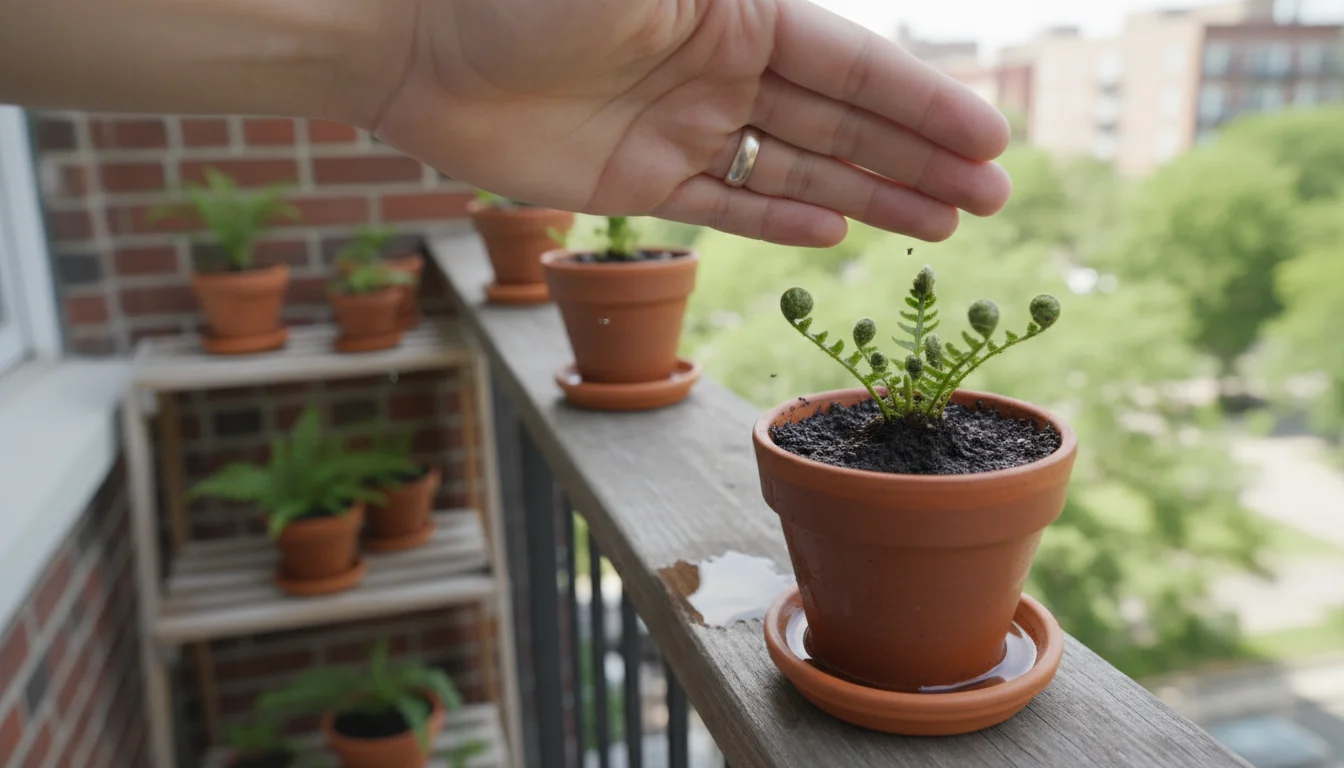
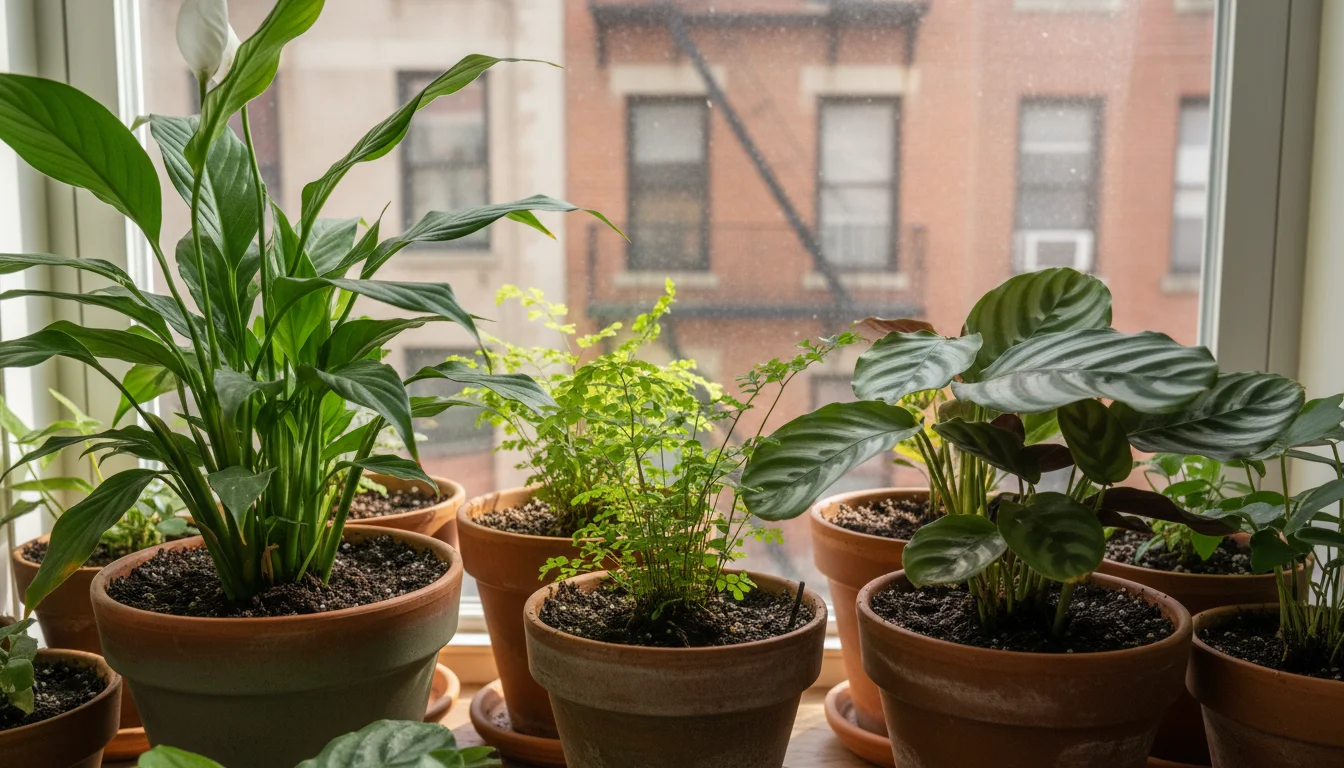
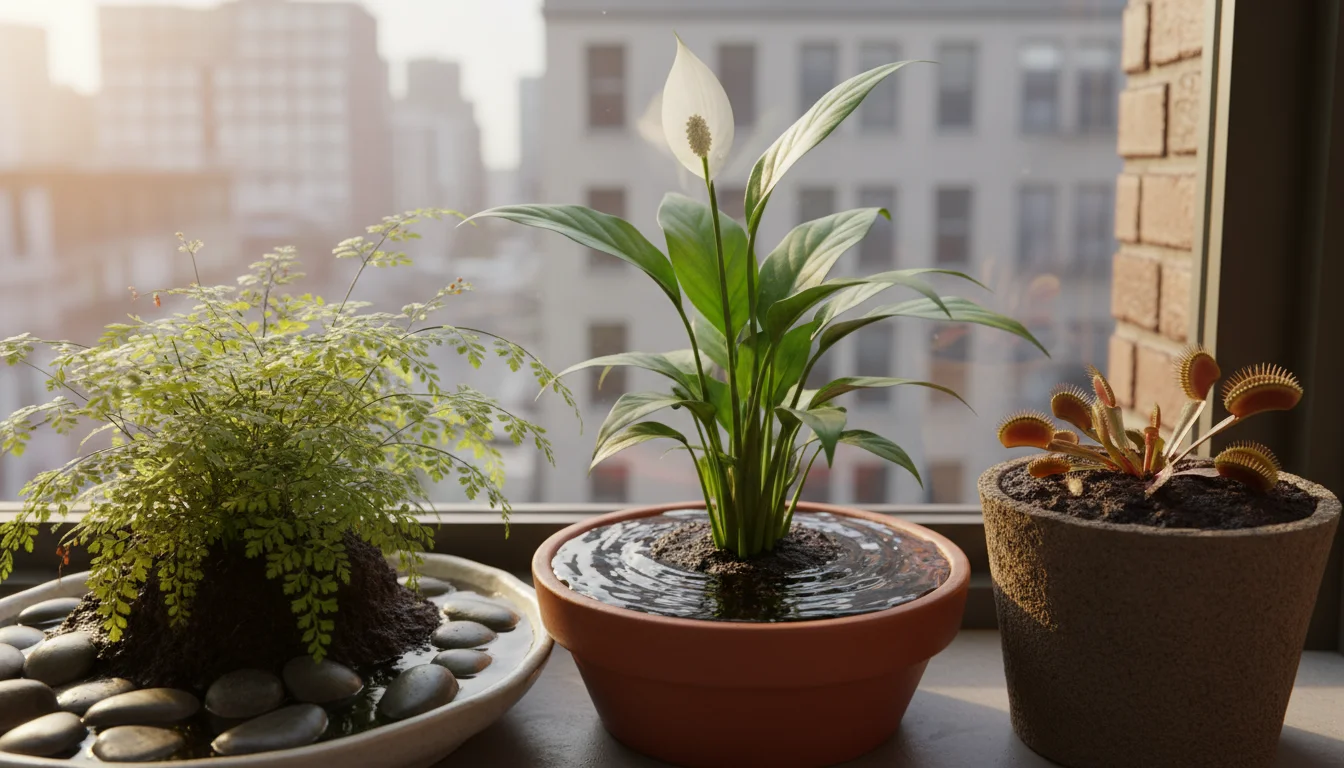
- Ferns: Maidenhair ferns, Boston ferns, and other varieties thrive in high humidity and moist soil, making them very attractive to gnats.
- Carnivorous Plants: Many carnivorous plants, such as Venus flytraps and pitcher plants, require consistently wet conditions and often grow in peat-based mixes, creating ideal gnat habitats.
- Prayer Plants (Maranta, Calathea): These plants prefer evenly moist soil and high humidity, making them susceptible.
- Peace Lilies: Known for wilting dramatically when dry, many gardeners tend to overwater peace lilies, inadvertently inviting gnats.
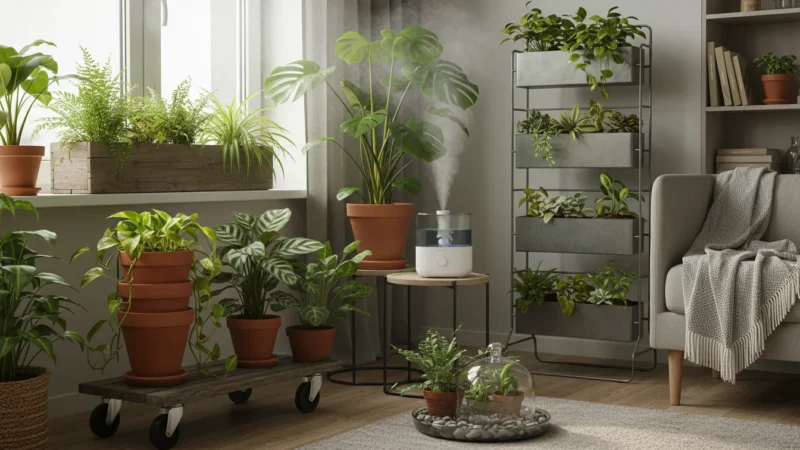
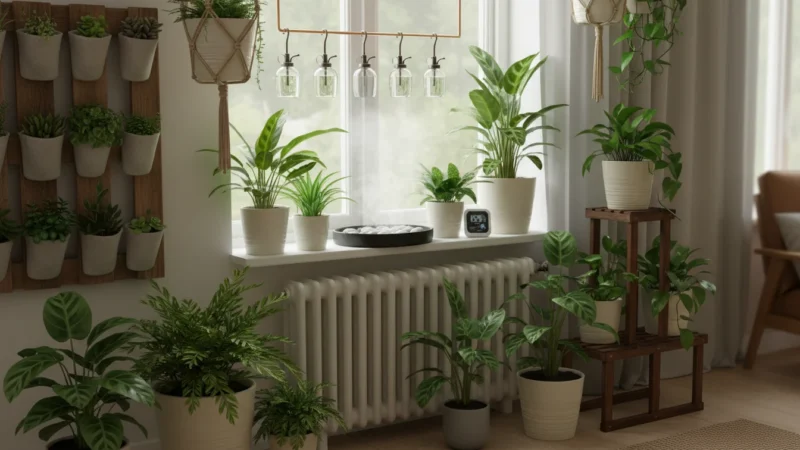
For these plants, focusing on bottom watering, using decorative pebble trays for humidity (without letting pots sit in standing water), and ensuring excellent air circulation becomes even more critical.
Seedlings and Cuttings
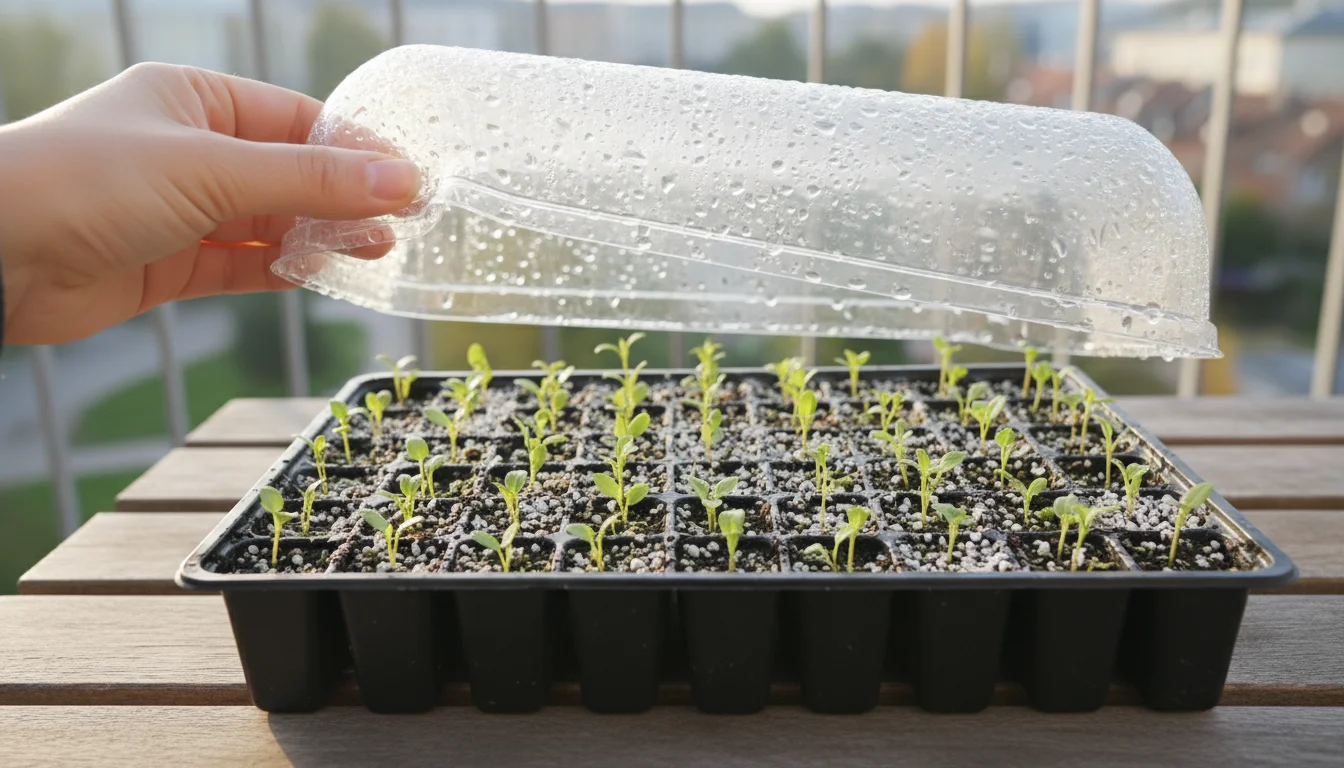
Young plants, fresh seedlings, and rooting cuttings are highly vulnerable. Their delicate root systems are easily damaged by fungus gnat larvae, which can lead to damping off (a fungal disease that causes seedlings to collapse) or failure to root. When starting seeds or propagating cuttings, use sterile seed-starting mix, ensure excellent drainage, and consider a top layer of perlite or fine sand to deter gnats from the outset. Covering seed trays with domes can create humidity, but ensure you ventilate regularly to prevent excessive moisture on the soil surface.
Plants in Rich, Organic Soil
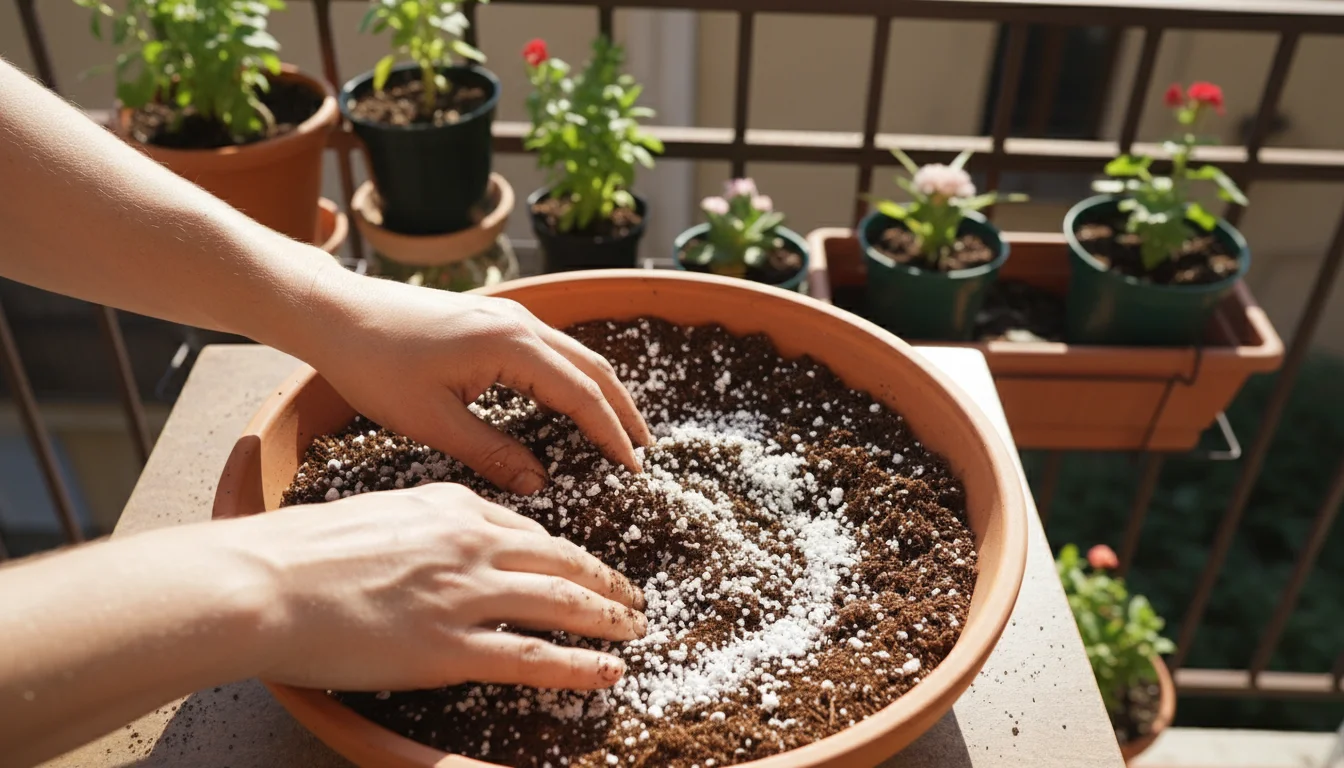
Any plant in a heavily organic potting mix, especially those with significant amounts of compost or coir, can attract gnats if overwatered. This includes many common houseplants. Consider adding more perlite or pumice to your standard potting mix to improve drainage, regardless of the plant type. This simple modification can make a big difference.
Herbs and Edibles
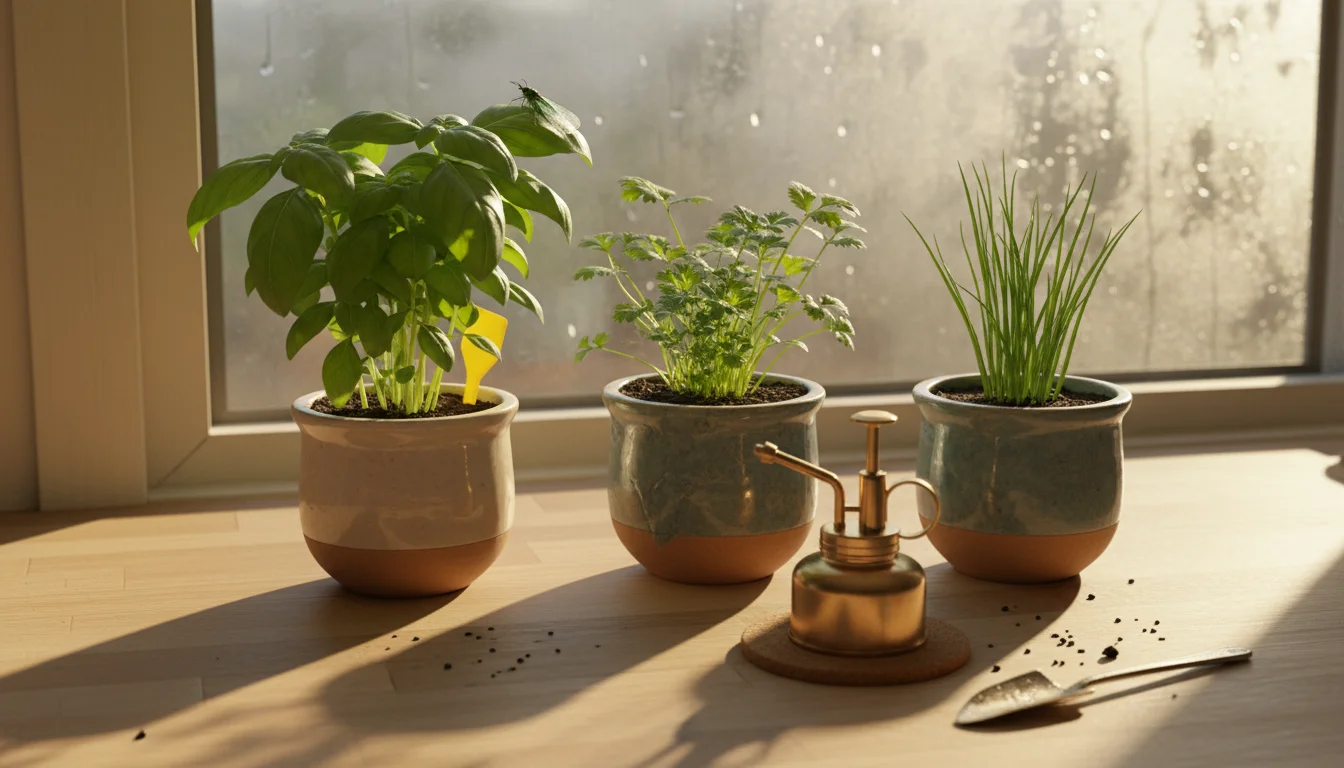
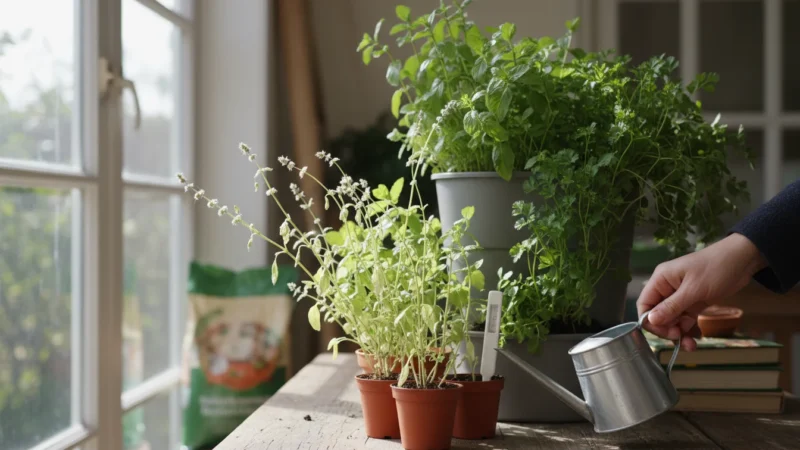
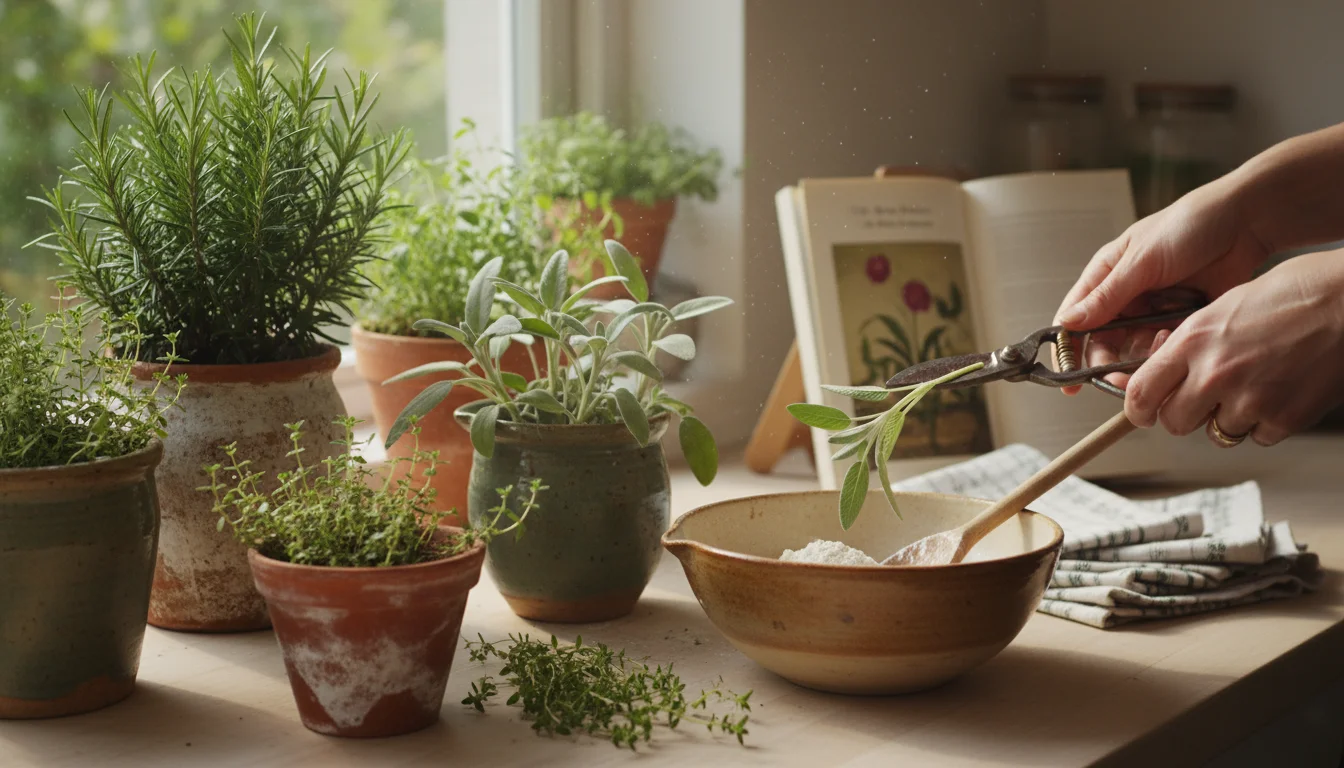
Indoor herb gardens are frequently affected by fungus gnats, partly because gardeners often keep the soil moist for continuous harvesting and because herbs are often started from seed or small plants that are more vulnerable. When you bring these valuable plants inside, they become high-risk candidates for indoor pests. Use methods like yellow sticky traps for fungus gnats, Bti, or diatomaceous earth that are safe for edible plants.
Small-Space Specifics
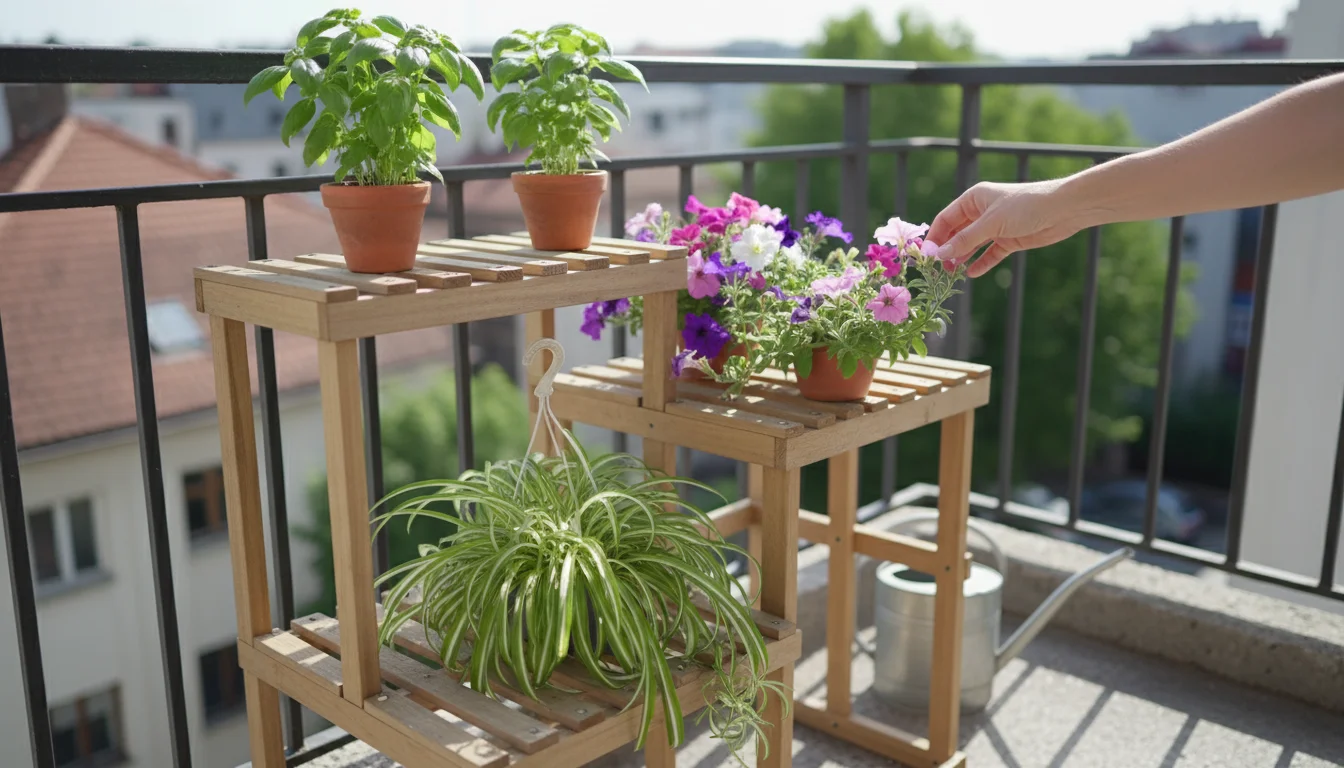
In small-space gardening, you often group plants closely, which can reduce air circulation and increase localized humidity. This makes all your plants more susceptible. Consider plant stands or shelving that allow for better airflow between pots. Regularly check all plants, not just the ones showing obvious signs of infestation, as gnats spread easily when plants are in close proximity.
Frequently Asked Questions
Can fungus gnats harm my established plants?
While adult fungus gnats are harmless to plants, their larvae feed on organic matter in the soil and, critically, on tender plant roots. For established, healthy plants, a mild infestation might cause minimal damage. However, severe infestations can stunt growth, cause wilting, and lead to root damage that weakens the plant, making it susceptible to other diseases. Young seedlings, cuttings, and plants with delicate root systems are at a higher risk of significant harm.
Are fungus gnats dangerous to humans or pets?
No, fungus gnats are not dangerous to humans or pets. They do not bite, sting, or transmit diseases. Their primary harm is to your plants and their presence is largely a nuisance to people in your home. The control methods recommended, such as Bti and beneficial nematodes, are safe for use around children and pets when applied according to instructions.
How quickly can fungus gnats spread to other plants?
Fungus gnats can spread quite rapidly. Adult females can fly from one plant to another to lay eggs in any suitably moist soil. Given their short life cycle of about 3-4 weeks, an infestation can escalate quickly if conditions are favorable across multiple pots. Always inspect and treat all plants in an affected area, and consider isolating any new plants.
Will letting the soil dry out kill all the fungus gnats?
Letting the soil dry out significantly is the most crucial step in controlling fungus gnats. It directly targets the larvae, which cannot survive in dry conditions, and prevents adult females from laying new eggs. While it might not eliminate every single gnat, it dramatically disrupts their life cycle and reduces their numbers. Combine this with other methods, such as yellow sticky traps for fungus gnats, for comprehensive eradication.
Can I use hydrogen peroxide to kill fungus gnat larvae?
Yes, you can use a diluted hydrogen peroxide solution as an immediate treatment for fungus gnat larvae. Mix one part 3% hydrogen peroxide with four parts water. Drench the soil with this solution when the top inch or two is dry. The hydrogen peroxide fizzles on contact with organic matter and kills larvae. Use this method sparingly, as repeated use can harm beneficial soil microorganisms and potentially stress sensitive plant roots. Always test on a small area first.
Disclaimer: This article is for informational purposes only and is not a substitute for professional gardening advice. Always consult local extension services or horticulture experts for region-specific guidance.
Leave a Reply