
Winter arrives, and with it, a common challenge for indoor gardeners: dry air. Your home, cozy and warm for you, becomes a desert for your beloved houseplants. Low humidity causes brown leaf tips, slow growth, and makes your plants more susceptible to pests. You can install humidifiers or mist constantly, but there is a simpler, more natural solution hiding in plain sight: group your plants together. This clever strategy, which we affectionately call “plant group therapy,” costs nothing, looks fantastic, and creates a miniature jungle ecosystem right in your home.
This is one of several indoor gardening projects for winter that can keep your home green and vibrant during the colder months.
Grouping your houseplants in winter is one of the most effective, low-maintenance ways to combat dry indoor air and ensure your green companions thrive through the colder months. It mimics nature’s way of building microclimates, where plants support each other by releasing moisture into the air. Let’s explore how this simple technique works and how you can implement it for healthier, happier plants.
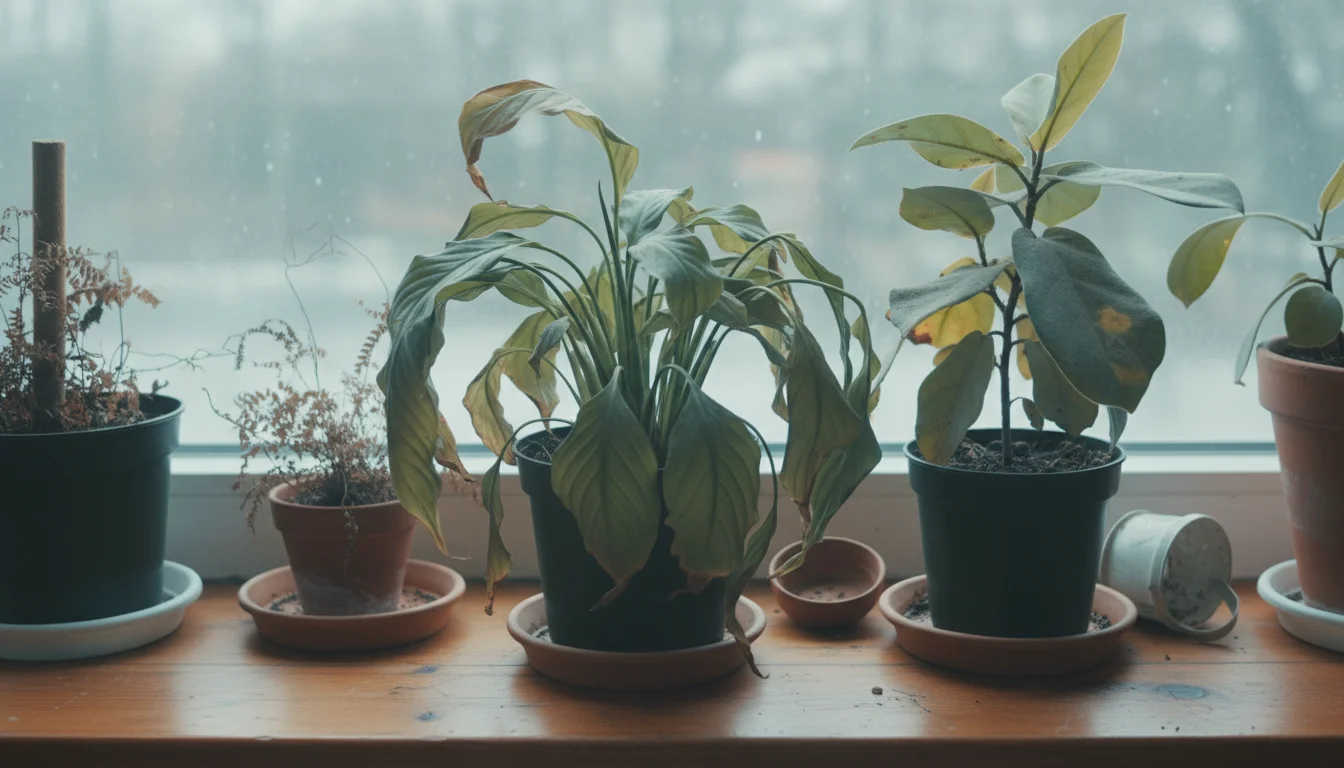
The Winter Challenge: Why Your Houseplants Struggle with Dry Air
As outdoor temperatures drop, you turn up the heat indoors. While this keeps you comfortable, it also drastically reduces the relative humidity in your home. Central heating systems, wood stoves, and even space heaters pull moisture from the air, often dropping humidity levels to as low as 10-20%. This is a stark contrast to the 60-80% humidity many tropical houseplants prefer.
If you’ve recently moved your outdoor containers inside, this beginner’s guide to boosting humidity can help them survive the transition.
Think about the natural habitat of most popular houseplants: rainforests, jungles, and humid subtropical regions. These environments offer consistent moisture in the air. When you bring these plants indoors, especially in winter, you ask them to adapt to conditions far removed from their evolutionary comfort zone.
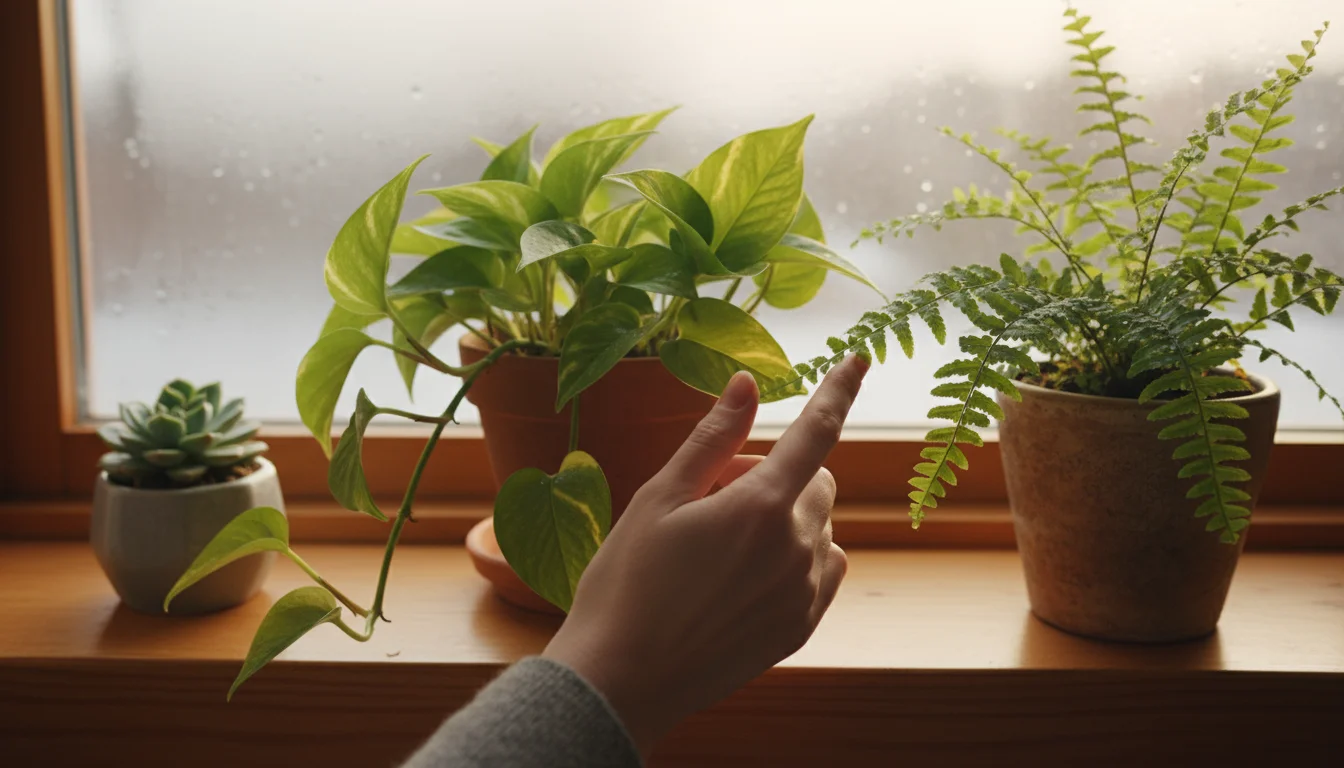
Low humidity manifests in several noticeable ways on your plants. You might observe crispy, brown leaf edges or tips, especially on plants like calatheas, prayer plants, or ferns. Flowers may drop prematurely, or buds might fail to open. Pests like spider mites thrive in dry conditions, multiplying rapidly when plants are stressed and vulnerable. Addressing this environmental stress is key to successful winter plant care, and creating a microclimate for plants indoors through grouping offers a simple, effective solution.
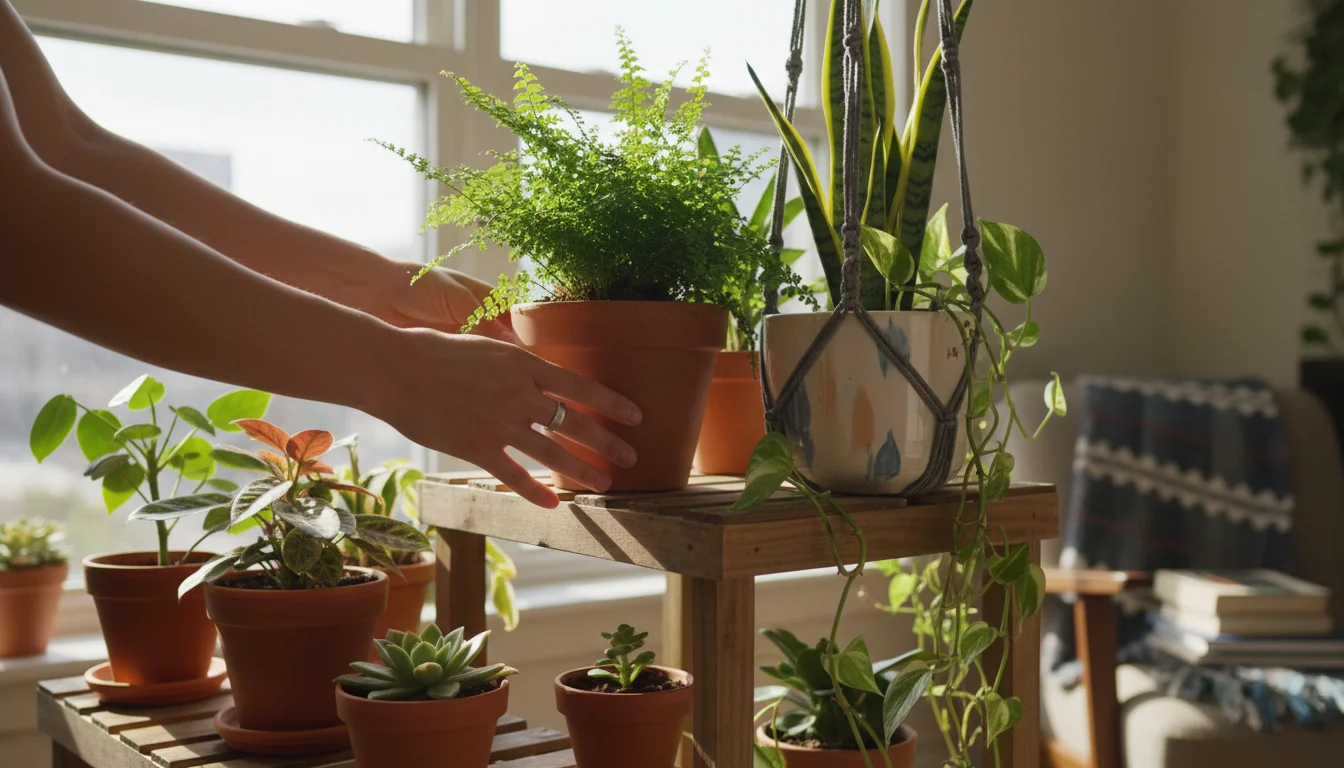
What is Plant Grouping, and How Does It Work?
Plant grouping is exactly what it sounds like: arranging several houseplants close together. You gather your plants into a tight cluster, allowing their foliage to nearly touch and their pots to stand shoulder-to-shoulder. This simple act transforms a collection of individual plants into a collective, creating an environment that benefits them all.
The core principle behind grouping houseplants is transpiration. Plants release water vapor into the air through tiny pores on their leaves, a process called transpiration. When you place multiple plants together, the water vapor transpired by each individual plant accumulates in the small space between them. This localized accumulation of moisture increases the relative humidity directly around the plant foliage, forming a miniature, more humid zone. This zone is what we refer to as a “microclimate.”
Consider it a miniature, self-regulating humidistat for your plants. Each plant contributes to the overall moisture level, effectively moisturizing its neighbors and benefiting from the moisture released by others. This collective effort helps combat the drying effects of your home’s winter air, making it one of the most effective strategies for using plant groups to raise humidity.
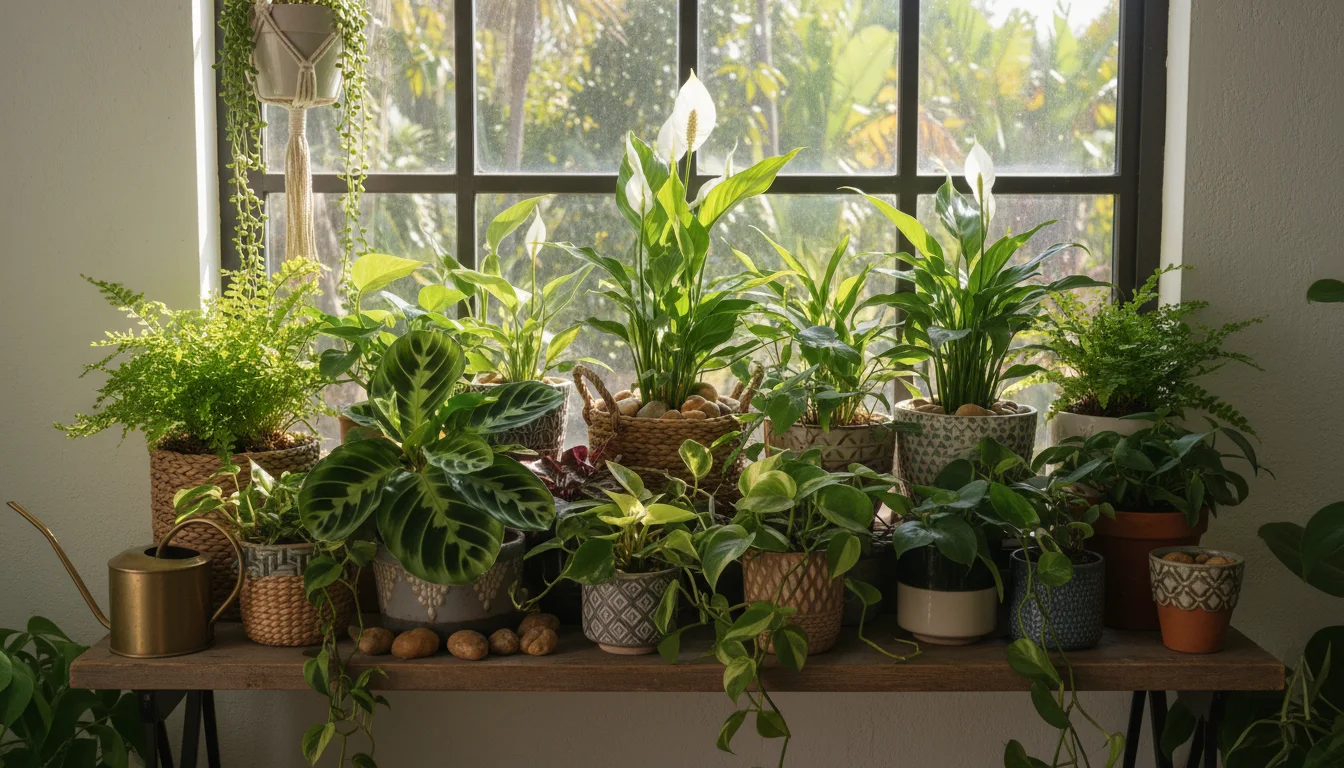
The Science Behind the Huddle: How Grouping Boosts Humidity
Understanding the science confirms the power of plant grouping. Plants constantly absorb water through their roots and release it into the atmosphere through their leaves. This process, transpiration, is vital for nutrient transport and cooling. However, in dry indoor environments, plants can transpire too rapidly, leading to dehydration and stress.
When you group your plants, the air directly surrounding the cluster becomes saturated with water vapor from their collective transpiration. This saturation reduces the rate at which each individual plant transpires, because the air around them holds more moisture. Imagine a room with a single person breathing versus a crowded room: the air in the crowded room will feel more humid due to everyone’s respiration. The same principle applies to plants and water vapor.
This localized increase in humidity mitigates the harsh effects of dry air. Plants lose less water, their stomata (the pores on their leaves) can function more efficiently, and they experience less stress. Studies show that grouping plants can increase relative humidity by 10-20% in the immediate vicinity of the plants, a significant improvement for tropical varieties struggling in typical indoor conditions. This tangible increase in moisture demonstrates exactly why you should group houseplants together in winter. It is a natural, sustainable way to create a microclimate for plants indoors without relying on artificial devices.
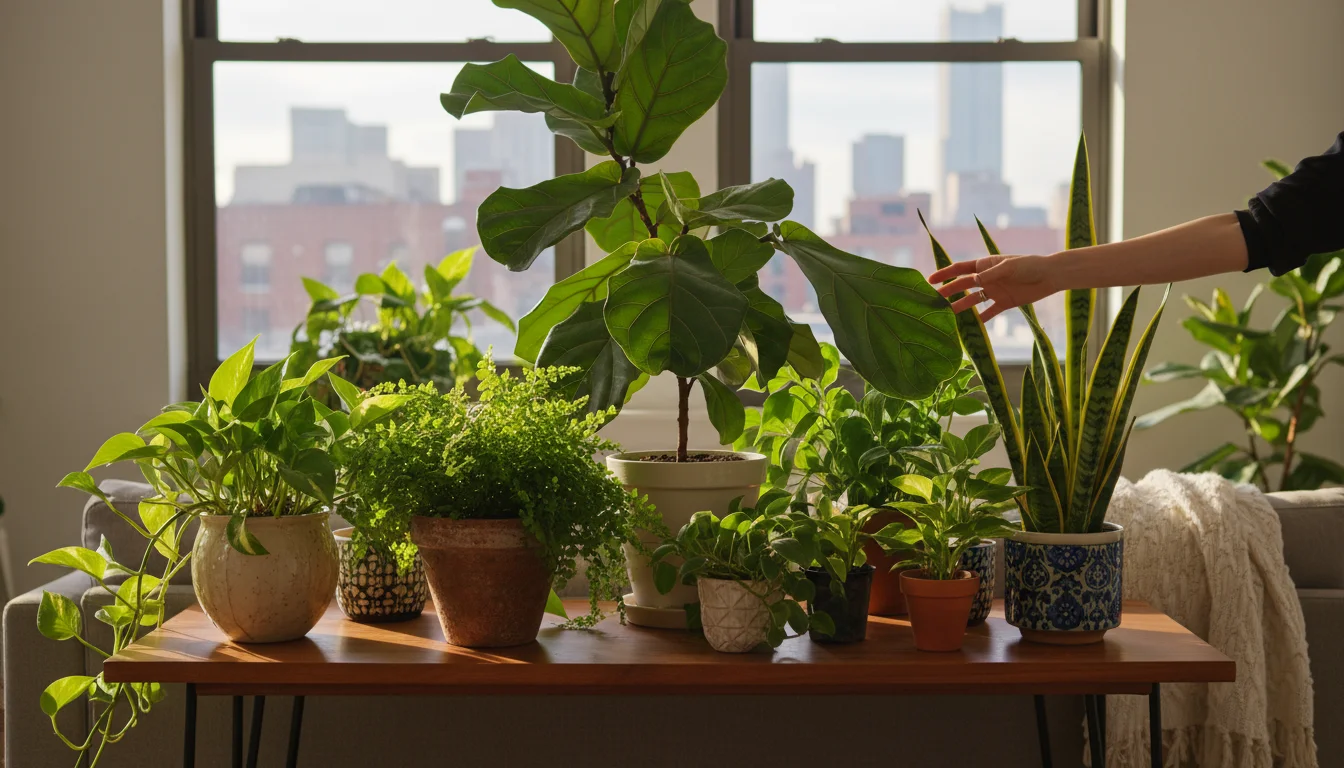
Beyond Humidity: More Practical Benefits of Grouping Your Green Friends
While increasing humidity is the primary reason for grouping, this practice offers several other practical advantages for both your plants and your gardening routine.
Beyond health benefits, you can use designer tricks to style your houseplants to create a lush, ‘winter jungle’ aesthetic in any room.
- Pest Control: Healthy, hydrated plants are naturally more resilient to pests. Spider mites, for example, despise high humidity. By creating a more humid microclimate, you make the environment less appealing to these common houseplant nuisances. Grouping also makes it easier to inspect multiple plants at once, allowing you to catch any pest issues early.
- Temperature Regulation: A cluster of plants can also create a slightly more stable temperature zone. The collective mass of plants and their pots can buffer minor temperature fluctuations, protecting individual plants from sudden drafts or cold spots near windows. This gentle buffering contributes to overall plant health.
- Community Support: There is an anecdotal aspect of “plant talk” or collective energy, but scientifically, the shared microclimate is a form of community support. Plants thrive when their environmental needs are met, and grouping helps meet those needs collectively. You are fostering a small ecosystem that enhances each plant’s well-being.
- Easier Care Routine: Watering and general plant care become more streamlined when plants are grouped. You can water several plants in one go, check their soil moisture efficiently, and conduct quick inspections for pests or diseases. This efficiency makes your winter plant care routine simpler and more enjoyable.
- Enhanced Aesthetics: A well-arranged group of plants creates a lush, abundant display. It can turn a collection of individual pots into a stunning focal point, making your home feel more vibrant and alive. This aesthetic benefit is a significant bonus for any indoor gardener.
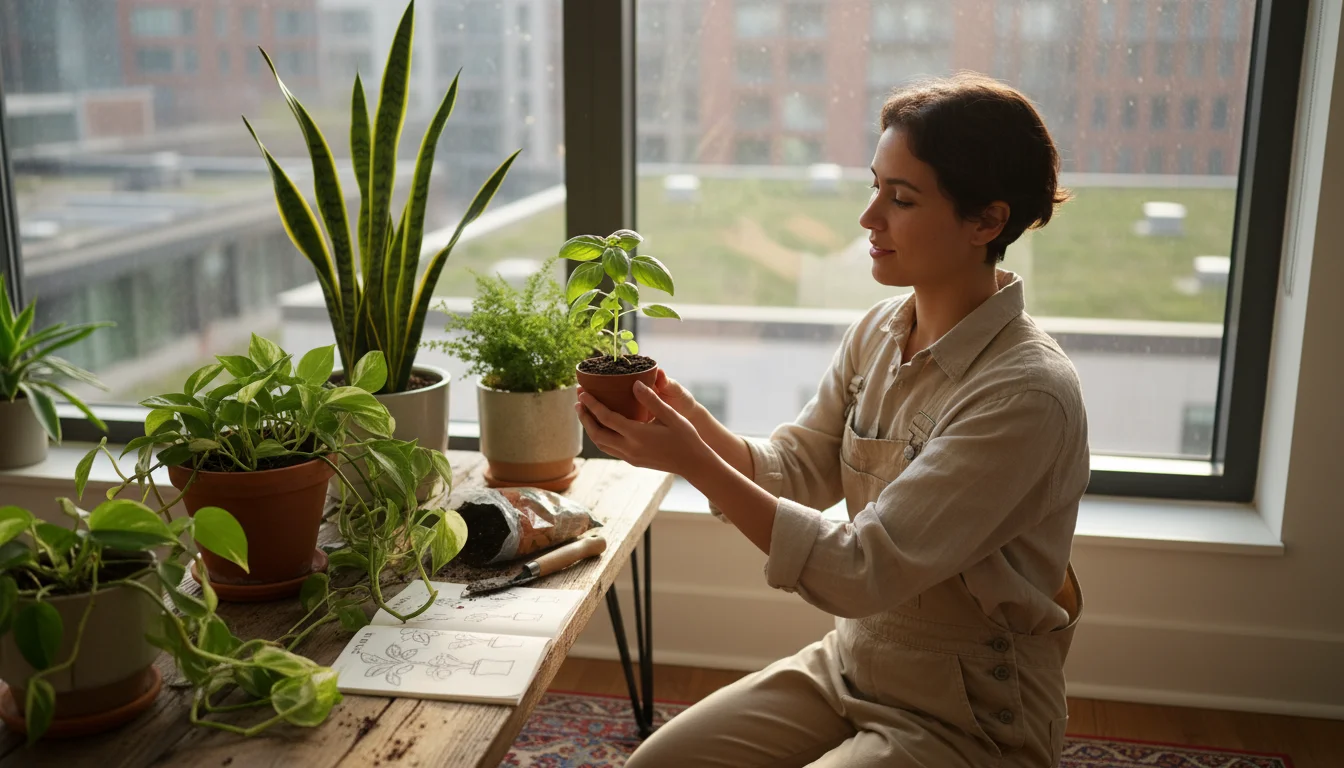
How to Group Your Houseplants Effectively: A Step-by-Step Guide
Implementing plant grouping is straightforward, but a few key considerations ensure you maximize its benefits. Follow these steps to create your thriving plant huddle:
- Choose Your Location Wisely: Select a spot that receives adequate light for all the plants you plan to group. Consider light intensity and duration. A south-facing window might be too intense for some shade-loving plants, even in winter, while a north-facing window might not offer enough light for sun-lovers. Aim for a bright, indirect light spot if you have a diverse collection. Avoid placing your group directly next to heat vents or drafty windows.
- Assess Plant Needs: While grouping creates a shared microclimate, individual plants still have specific requirements. Try to group plants with similar light, water, and temperature preferences. For example, tropical plants that love high humidity and consistent moisture do well together. Cacti and succulents, which prefer dry conditions, generally should not be part of a tropical huddle.
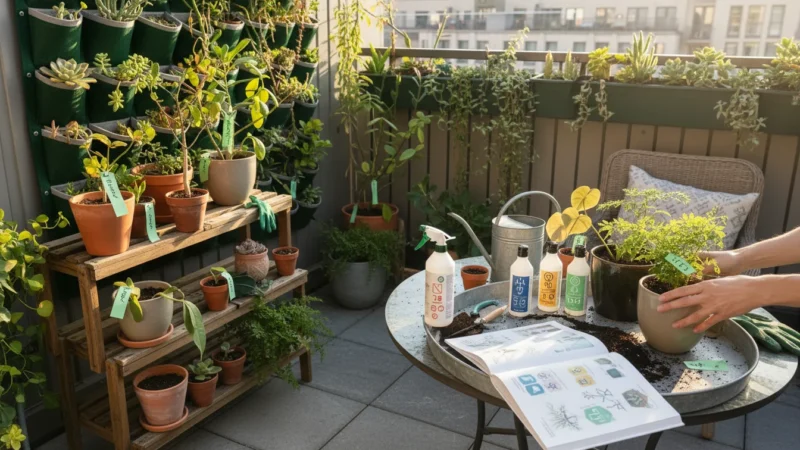
- Clean Your Plants: Before huddling your plants together, inspect each one for pests or diseases. Treat any issues immediately. Grouping healthy plants prevents the rapid spread of problems through the collective. Wipe down leaves to remove dust and improve light absorption.
- Arrange for Airflow: While you want plants close to maximize humidity, avoid overcrowding to the point where air circulation is completely stifled. Leave a small amount of space between foliage where possible, especially for plants prone to fungal issues. Good airflow helps prevent mold and mildew. Consider varying plant heights to allow light to reach lower leaves and create visual interest.
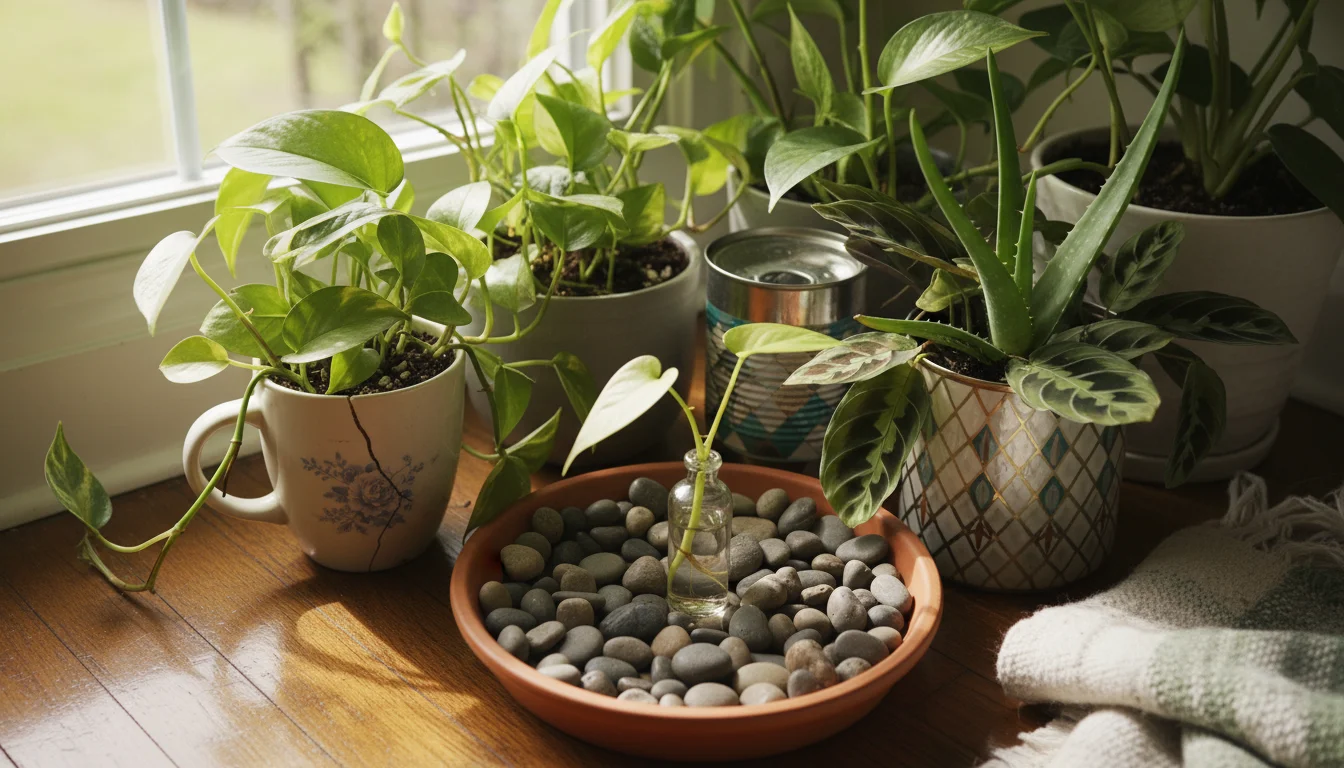
- Utilize Humidity Trays (Optional but Recommended): For an extra boost to increase humidity for plants, place your grouped plants on a pebble tray. Fill a shallow tray with pebbles and add water to just below the top of the pebbles. As the water evaporates, it adds moisture to the air around your plant group. Ensure the plant pots sit on the pebbles, not in the water, to prevent root rot. This method significantly enhances the effectiveness of using plant groups to raise humidity.
- Monitor and Adjust: Once your plant group is established, observe your plants closely. Check soil moisture regularly. With increased humidity, plants might need slightly less frequent watering than when they were isolated. Look for signs of stress or pest activity. Adjust plant positions if some are not receiving enough light or appear to be struggling. Your goal is to create a thriving microclimate for plants indoors that supports every member of the group.
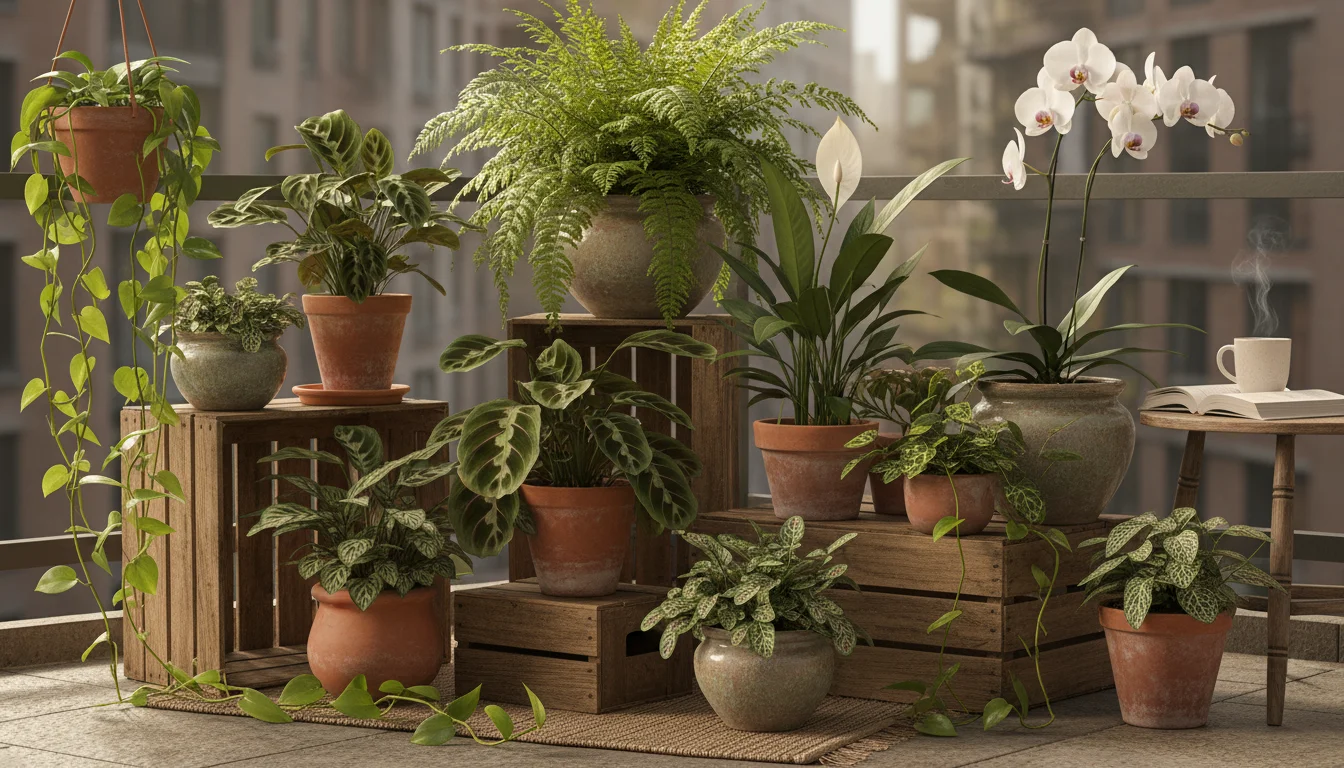
Choosing the Right Plants for Your Winter Huddle
Not all plants are equally suited for the cozy confines of a winter huddle. The best candidates are those that naturally thrive in higher humidity and can tolerate proximity to other plants. Focus on tropical and subtropical varieties.
Here are some excellent choices for your grouping, known for their love of humidity and generally compatible care needs:
- Ferns (e.g., Boston Fern, Maidenhair Fern, Staghorn Fern): These are classic humidity lovers. Their delicate fronds often brown and crisp in dry air. Grouping provides them the moisture they crave.
- Prayer Plants (e.g., Maranta, Calathea, Stromanthe): Known for their stunning foliage, these plants are highly sensitive to low humidity, often showing crispy edges and curling leaves. They are perfect candidates for a humid huddle.
- Pothos and Philodendrons: These popular, easy-care vining plants are adaptable but certainly appreciate extra humidity, especially in winter. Their lush growth helps contribute to the overall moisture output.
- Peace Lilies (Spathiphyllum): With their elegant white spathes and dark green leaves, Peace Lilies thrive in consistent moisture, both in the soil and the air. Grouping helps prevent their leaf tips from browning.
- Fittonia (Nerve Plant): A small but mighty humidity enthusiast, Fittonias suffer quickly in dry conditions. They are excellent for filling in lower spaces in a plant group.
- Alocasia and Colocasia: These striking plants with their large, dramatic leaves originate from very humid environments. Grouping them is crucial for maintaining their health and preventing leaf crisping.
- Orchids (Phalaenopsis): While they require specific watering, many popular orchid varieties like Phalaenopsis benefit greatly from increased ambient humidity. Place them within the group, ensuring good air circulation around their roots.
- Spider Plants (Chlorophytum comosum): Another adaptable plant, spider plants often develop brown tips in dry air. Grouping can help keep their foliage green and healthy.
Avoid grouping succulents, cacti, or other plants that prefer very dry conditions, as the increased humidity could lead to rot or fungal issues for them. Instead, create separate dry-loving groups for these plants, or keep them isolated.
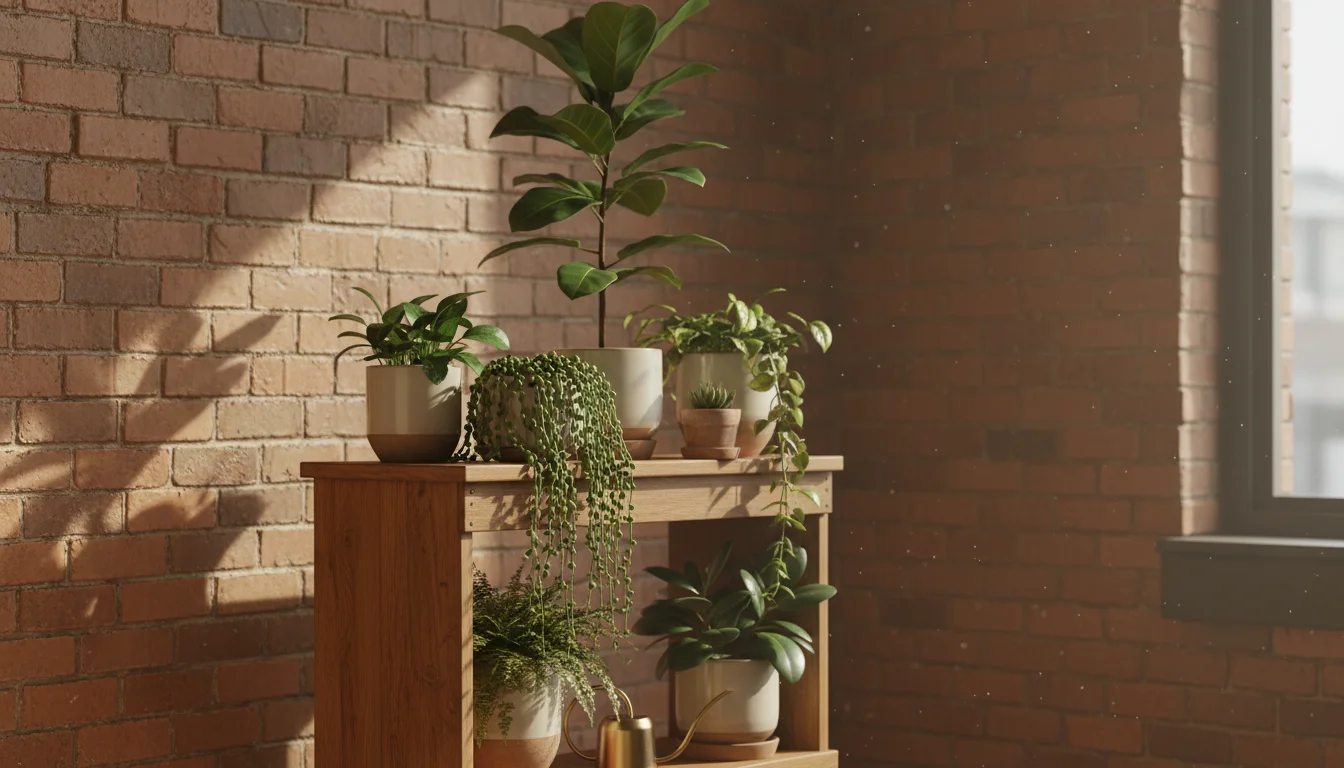
Aesthetic and Design Considerations: Making Your Plant Huddle Stylish
Grouping plants for health does not mean sacrificing aesthetics. You can create a visually appealing arrangement that complements your home decor. Think of your plant huddle as a living art installation.
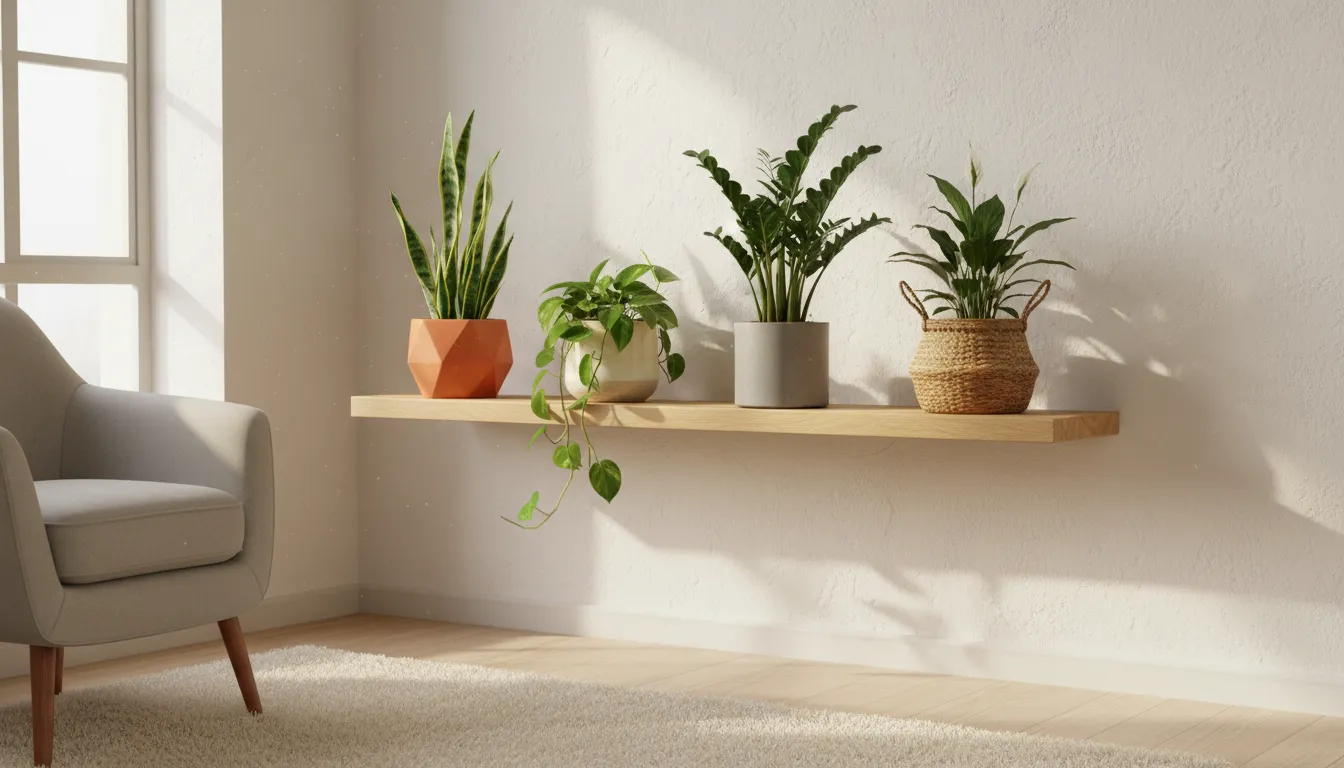
- Vary Heights and Textures: Combine plants of different heights, leaf sizes, and textures to add visual interest. Tall plants can form a backdrop, while medium-sized plants fill the middle, and smaller, trailing plants spill over the edges. For example, a tall Fiddle Leaf Fig could anchor a group, surrounded by a bushy Peace Lily and a trailing Pothos.
- Choose Complementary Colors: While most houseplants are green, they come in a spectrum of shades and variegation. Mix dark green with variegated patterns, or add a touch of color with a plant like a Calathea ‘Red Vein’ or a vibrant Coleus (if winter light permits).
- Use Cohesive Planters: Matching or coordinating your plant pots can create a sense of unity and sophistication. You do not need expensive pots; even simple terracotta pots look elegant when consistently used. Alternatively, choose pots with varied textures and shapes but a similar color palette for an eclectic yet harmonious look.
- Incorporate a Plant Stand or Shelf: Elevate some plants on stands or use a tiered shelving unit to create vertical interest and allow for more plants in a smaller footprint. This also helps with light distribution, ensuring that plants lower down receive adequate exposure.
- Consider a Focal Point: Design your group around a particularly stunning plant. This central “star” draws the eye and makes the entire arrangement more impactful.
- Balance and Symmetry: Even if you prefer an asymmetrical arrangement, aim for visual balance. Ensure the weight of the plants feels evenly distributed, preventing the group from looking top-heavy or lopsided.
- Add Decorative Elements: Incorporate small decorative items like a smooth stone, a small piece of driftwood, or a miniature figurine to enhance the “miniature jungle” feel. Be careful not to clutter the space, keeping the plants as the main attraction.
By paying attention to these design principles, your functional plant huddle becomes a beautiful, intentional feature in your home.
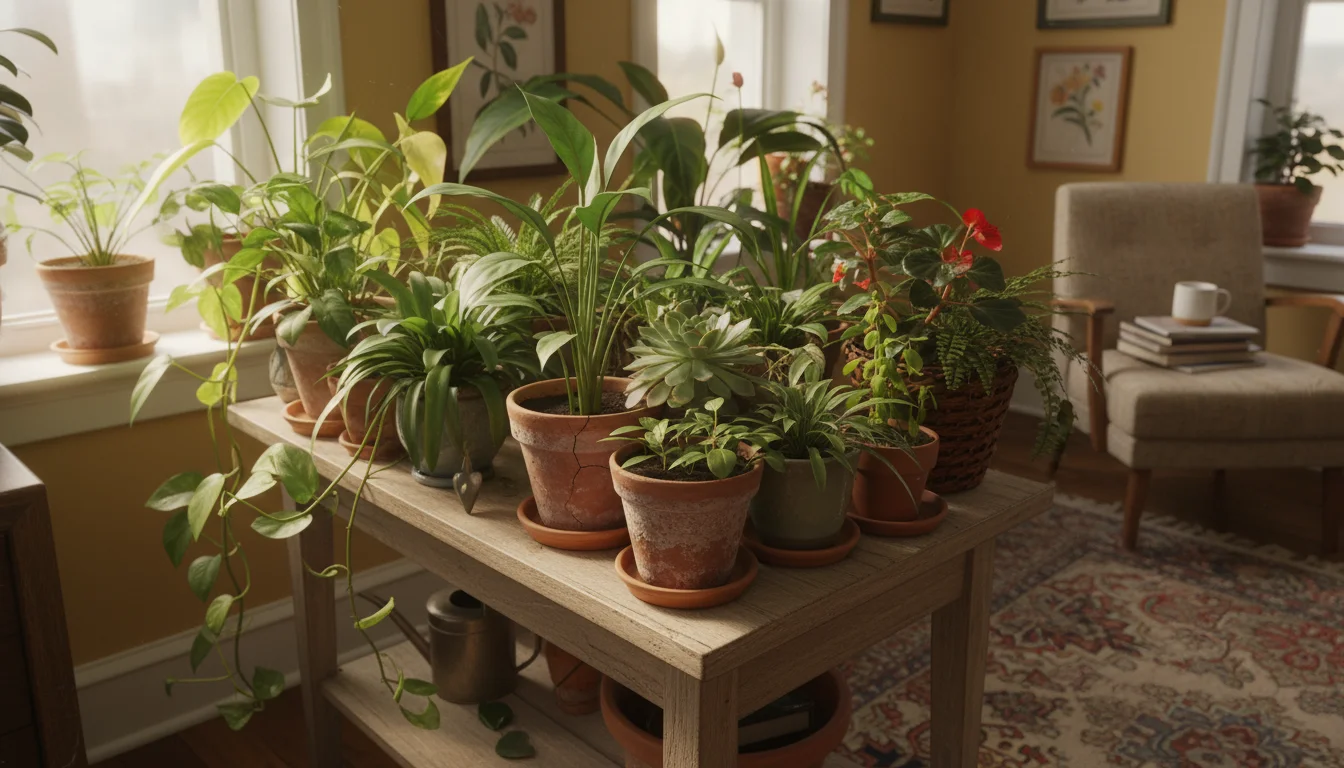
Common Mistakes to Avoid When Grouping Houseplants
While grouping offers significant benefits, avoiding certain pitfalls ensures your plants remain healthy and happy.
- Overcrowding: While closeness is key for humidity, excessive crowding can restrict airflow. Poor air circulation can lead to fungal diseases like powdery mildew, especially in humid conditions. Ensure leaves have a little room to breathe, and occasionally rotate plants to expose all sides to light and air.
- Neglecting Pest Inspections: Grouping plants makes pest management more challenging if an infestation begins. A single infected plant can quickly spread pests to its neighbors. Always inspect new plants before adding them to your group. Regularly check all plants for signs of pests, especially during winter when plants are often stressed.
- Ignoring Individual Plant Needs: While grouping creates a shared microclimate, it does not erase individual plant requirements. Do not put a desert cactus in a tropical plant huddle, for instance. Group plants with similar light, water, and soil preferences to avoid stress for any member of the group.
- Uneven Watering: With plants grouped closely, you might inadvertently overwater some while underwatering others. Always check the soil moisture of each plant individually before watering. The increased humidity in the group might mean plants need less frequent watering overall.
- Insufficient Light: Plants at the center or bottom of a dense group might not receive enough light, leading to leggy growth or yellowing leaves. Periodically rearrange your group, rotating plants and giving every plant its turn in optimal light conditions.
- Lack of Drainage: Ensure all pots have drainage holes. Standing water in pots, especially in a humid environment, quickly leads to root rot. If using decorative cachepots, remove plants for watering or ensure no water accumulates at the bottom.
By proactively addressing these potential issues, you can maximize the advantages of grouping while minimizing any risks, making your winter plant care journey smoother.
Eco-Friendly Grouping: Sustainable Tips for Your Indoor Jungle
Embracing eco-friendly practices in your gardening aligns perfectly with the low-maintenance, sustainable ethos of plant grouping.
- Utilize Recycled Materials: Repurpose old trays, saucers, or even shallow plastic containers as humidity trays. Old ceramic tiles or broken pottery can serve as pebbles. Get creative with materials you already have.
- Water Wisely: The increased humidity in a grouped setting might reduce the frequency of watering. Always check soil moisture rather than sticking to a rigid schedule. Consider collecting rainwater or using water from dehumidifiers (if untreated) for your plants.
- Natural Pest Control: The enhanced humidity created by grouping acts as a natural deterrent for many pests. Should pests appear, prioritize organic pest control methods such as neem oil, insecticidal soap, or manual removal, rather than synthetic pesticides.
- DIY Humidifiers: Beyond pebble trays, consider placing open containers of water near your plant group for an added humidity boost, especially if your home is extremely dry. This provides passive, continuous moisture release without electricity.
- Compost Your Plant Waste: When pruning or repotting, compost any plant trimmings or spent soil. This reduces waste and creates nutrient-rich compost for future gardening projects.
- Propagation from Grouped Plants: Grouping creates a healthy environment where plants often thrive. Take advantage of vigorous growth by propagating cuttings from your healthy plants. This allows you to expand your collection sustainably or share with friends without buying new plants.
By integrating these sustainable tips, you enhance the benefits of grouping and contribute to a healthier planet.
Frequently Asked Questions
Does grouping plants actually increase humidity enough?
Yes, grouping plants together effectively increases the localized humidity directly around their foliage. While it might not significantly alter the humidity of an entire room, it creates a crucial microclimate where the plants themselves experience notably higher moisture levels. This localized increase, often by 10-20%, is enough to alleviate stress for most humidity-loving houseplants in dry indoor environments, especially when combined with a pebble tray.
Can I group all my houseplants together?
You should primarily group plants with similar environmental needs, particularly those that thrive in higher humidity. Avoid grouping plants like cacti, succulents, or snake plants that prefer drier conditions, as the increased humidity could lead to overwatering issues or fungal diseases for them. Always consider each plant’s specific requirements for light, water, and humidity when forming a group.
How close should plants be in a group?
Aim for plants to be close enough so their foliage almost touches. This proximity allows the transpired moisture from each plant to accumulate in the shared space, forming the beneficial microclimate. However, ensure there is still some minimal air circulation to prevent stagnant air, which can encourage fungal growth. You want cozy, not suffocating, conditions.
Do I need to water grouped plants differently?
You might find that grouped plants require slightly less frequent watering than isolated plants. The increased humidity within the huddle reduces the rate at which water evaporates from the soil and transpires from the leaves. Always check the soil moisture of each individual pot before watering, as light and specific plant needs still vary, even within a group. Do not assume all plants in the group need water simultaneously.
Will grouping plants attract more pests?
Healthy, thriving plants that receive adequate humidity are generally more resistant to common houseplant pests like spider mites, which prefer dry conditions. However, grouping plants means an infestation on one plant can spread more easily to its neighbors. This makes regular inspection crucial. Before grouping, always check new plants for pests and ensure your existing plants are healthy. Good airflow within the group also helps deter pests and diseases.
For trustworthy gardening information, visit:
Connecticut Agricultural Experiment Station, Massachusetts Horticultural Society, Denver Botanic Gardens, San Diego Botanic Garden and U.S. National Arboretum. These organizations provide expert, research-based advice for gardeners at all levels.
Disclaimer: This article is for informational purposes only and is not a substitute for professional gardening advice. Always consult local extension services or horticulture experts for region-specific guidance.

Leave a Reply