
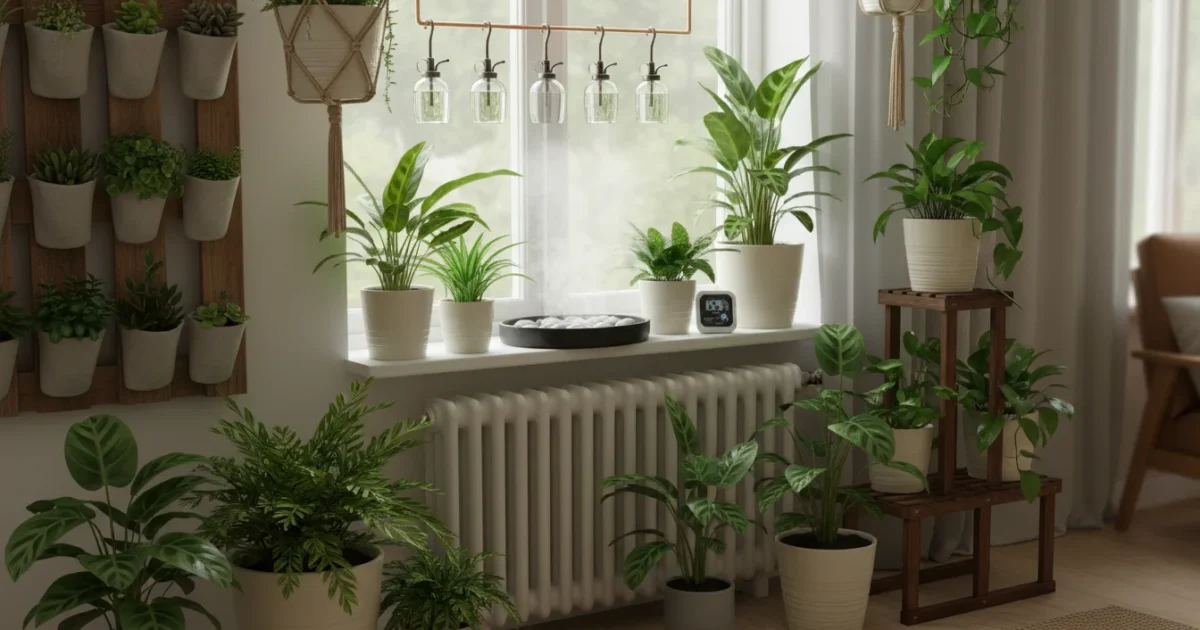
Winter brings cozy comforts: warm drinks, soft blankets, and the gentle hum of your heating system. For you, it means comfort from the cold. For your beloved indoor plants, particularly those nestled in small spaces like apartments or sunrooms, it often signals a silent, slow struggle. The very systems keeping you warm, such as radiators and forced-air heaters, drastically strip the air of moisture, creating an arid environment many plants find intolerable. This dramatic drop in indoor plant humidity levels during winter is a major culprit behind brown leaf tips, stunted growth, and increased pest susceptibility. As your dedicated gardening coach, I am here to help you understand this often-overlooked challenge and equip you with practical, actionable strategies to turn your dry apartment into a flourishing humidity haven for your houseplants.
You do not need a greenhouse to keep your plants thriving through the colder months. With a little understanding and some clever techniques, you can easily create the perfect microclimate, ensuring your indoor garden remains vibrant and healthy, even when the air outside bites.
Understanding Indoor Humidity: What It Means for Your Plants
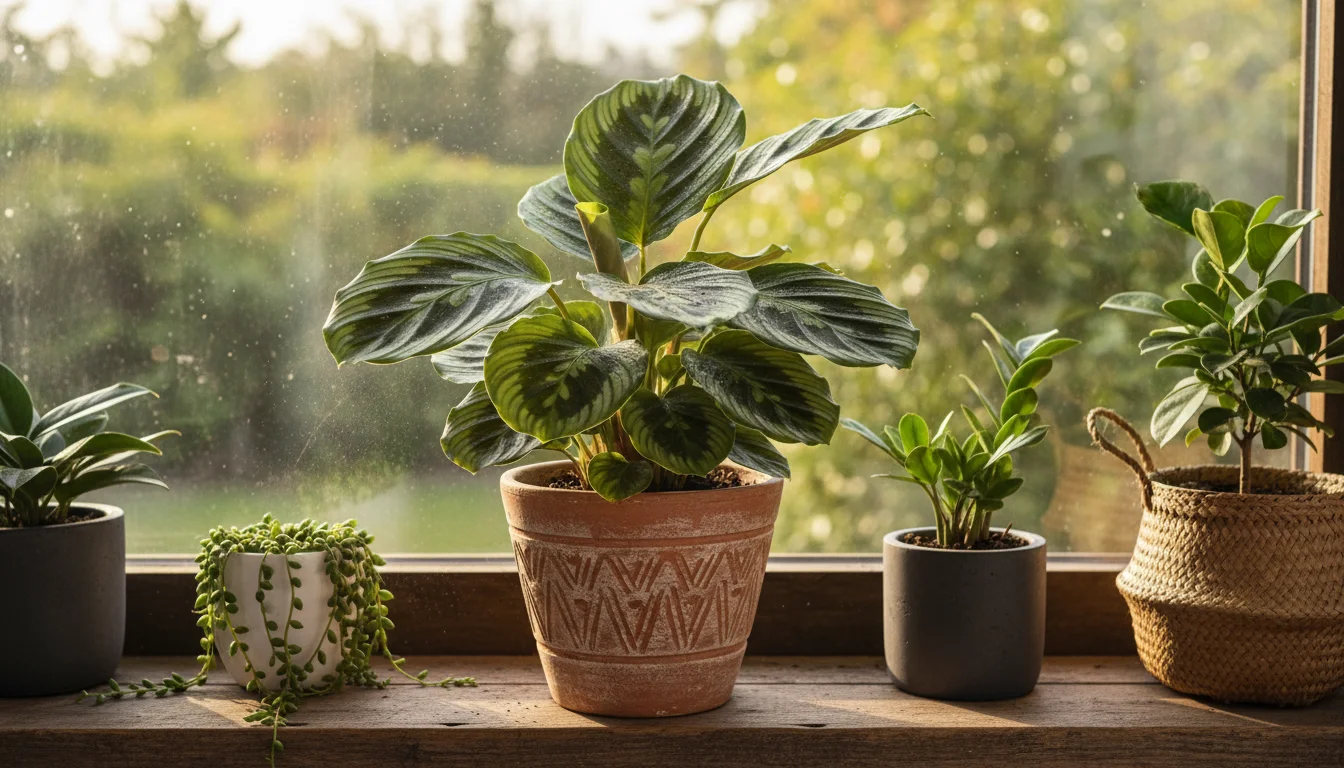
To truly combat dry air, you must first understand what humidity means for your plants. Humidity refers to the amount of water vapor present in the air. When we talk about “relative humidity,” we are describing the percentage of moisture the air holds compared to the maximum amount it can hold at a specific temperature. Think of it like a sponge: a 50% relative humidity means the air is holding half the water it possibly could. For most tropical houseplants, originating from rainforests or jungles, a relative humidity level between 50% and 70% is ideal. These plants evolved in environments where the air consistently feels moist, a far cry from the typical winter home.
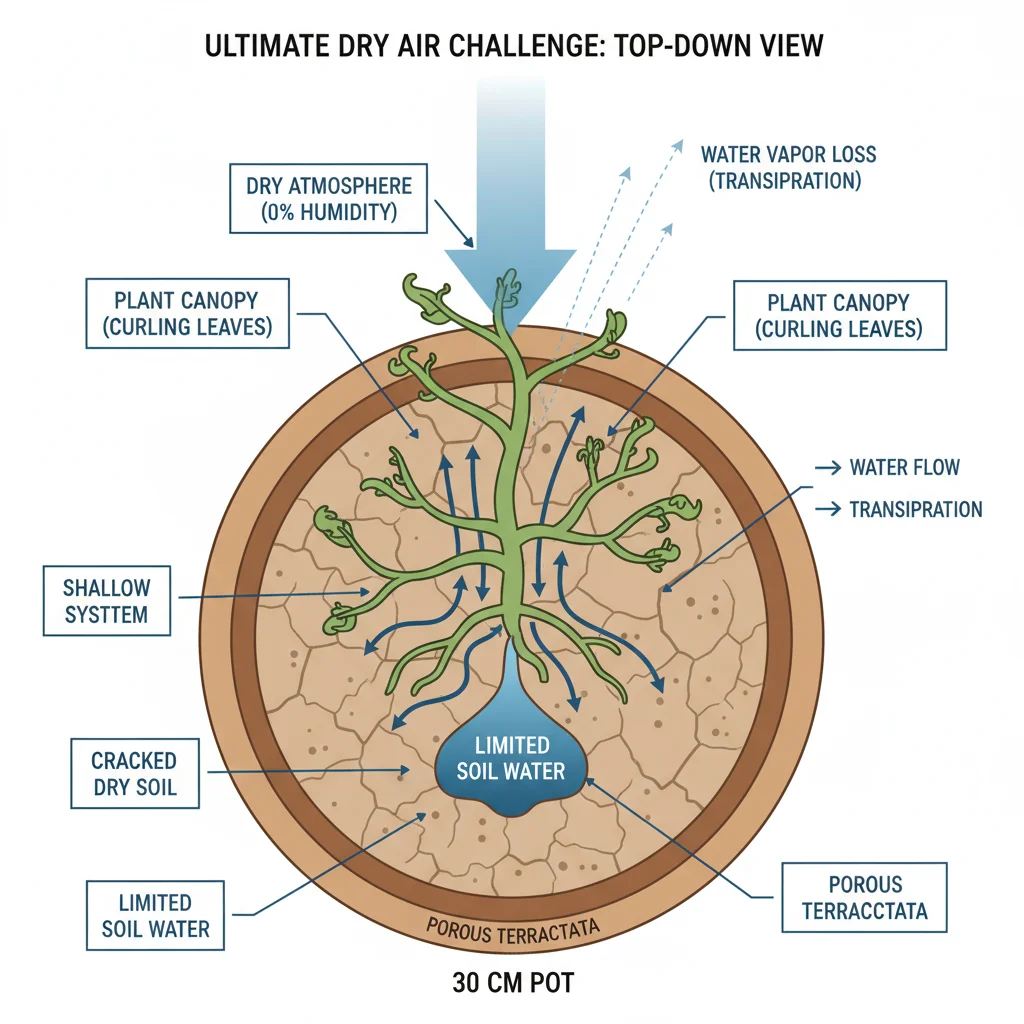
Plants “breathe” through tiny pores on their leaves called stomata. They release water vapor into the air through a process called transpiration. This process is crucial; it helps pull water and nutrients up from the roots, similar to how a straw works. When the air surrounding your plant is too dry, it essentially acts like a super-absorbent towel, pulling moisture out of the leaves at an accelerated rate. Your plant then struggles to transpire efficiently, leading to stress. It loses more water than its roots can supply, causing immediate and long-term damage. This struggle manifests as crispy leaf edges, browning tips, and a general lack of vigor. Some studies indicate that consistently low humidity, below 30%, can reduce plant growth rates by as much as 20% in susceptible species, impacting their ability to photosynthesize effectively.
Your goal for winter houseplant care, especially in apartment gardening, is to mimic the naturally moist conditions these plants need. Ignoring indoor plant humidity is like asking a fish to live out of water, a subtle but significant factor in their health and survival.
The Dry Air Culprit: How Winter Heating Systems Harm Your Houseplants
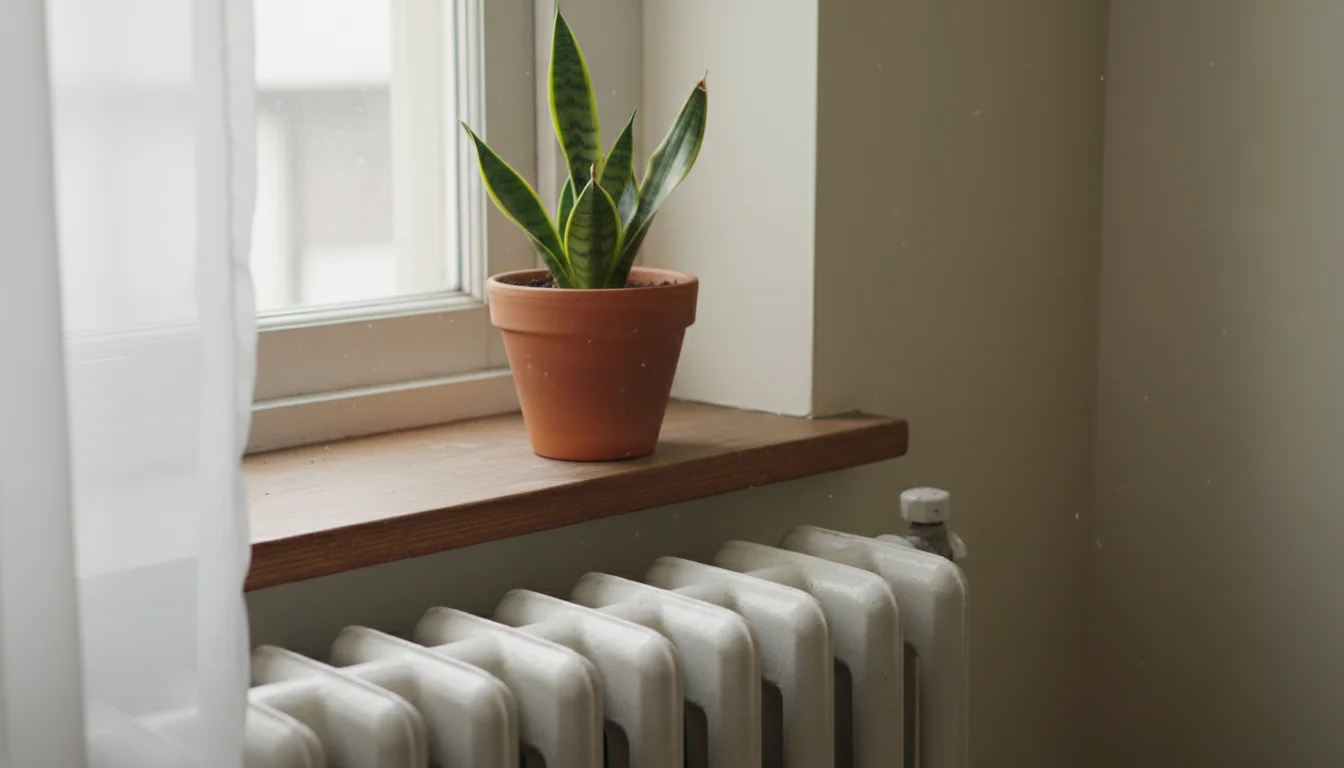
The transition from autumn to winter ushers in a period where your heating system becomes indispensable. However, this comfort comes at a cost to your indoor plants. Radiators, forced-air furnaces, and even small electric space heaters are highly efficient at raising air temperature, but they are equally effective at desiccating the air. As air heats up, its capacity to hold moisture increases, but the actual amount of moisture in the air often remains constant or even decreases if no new moisture is introduced. This results in a drastic drop in relative humidity. For instance, outdoor winter air at 20°F and 80% relative humidity, when heated to 70°F indoors, plummets to a mere 10-15% relative humidity. This is significantly lower than the 40-60% ideal range for most houseplants.
Understanding if your heater is cooking your plants is the first step in mitigating the damaging effects of forced-air systems.
Think of it as the ultimate dry air challenge for plants that evolved in lush, humid environments. When plants encounter such arid conditions, they initiate survival responses. Their stomata may close to conserve water, which unfortunately also halts photosynthesis and nutrient uptake. This explains why you see stunted growth even when you provide adequate light and water. The visible symptoms are unmistakable: brown, crispy leaf edges and tips, yellowing leaves that eventually drop, and a dull, lackluster appearance. Flowering plants might drop buds prematurely or produce smaller, less vibrant blooms. Pests, like spider mites, also thrive in dry conditions. They find it easier to establish colonies on weakened, dehydrated plants, adding another layer of stress to your indoor garden. This cycle of dryness and vulnerability rapidly depletes your plant’s vitality, making proactive winter houseplant care essential.
Assessing Your Home’s Humidity: Simple Methods to Measure Dryness
Before you implement solutions, you need to understand the extent of the problem. Accurately assessing your home’s humidity levels helps you tailor your approach to meet your plants’ specific needs. Fortunately, measuring indoor humidity is straightforward, even in a small apartment or patio setup.
While checking for dryness, it is also wise to ensure you aren’t dealing with harmful window drafts that can chill your tropical varieties.
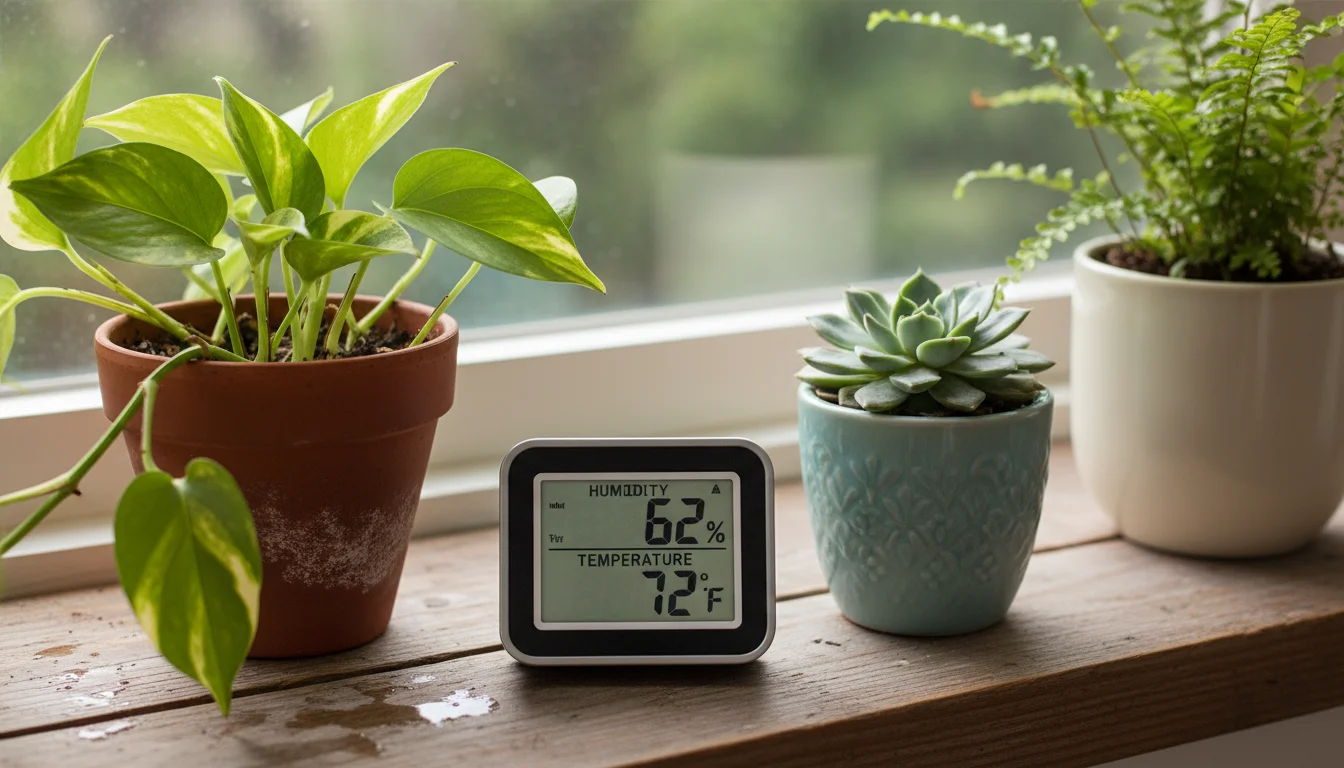
The most precise method involves using a hygrometer. These small, affordable devices measure the relative humidity in a room. You can find both digital and analog versions. Digital hygrometers typically provide a precise reading and often include temperature measurements, giving you a complete picture of your plant’s immediate environment. Place a hygrometer near your plants, but not directly on a humidity tray or next to a humidifier, which could give an artificially high reading for that specific spot. Monitor the readings over a few days, observing fluctuations throughout the day and night. Most houseplants thrive when the hygrometer reads between 40% and 60%. If your readings consistently fall below 30%, your plants are likely experiencing significant stress.
If you prefer a simpler, DIY approach, you can perform a quick ice cube test. Fill a glass with water and add a few ice cubes. Let it sit for 5-10 minutes. If condensation forms on the outside of the glass, your humidity levels are likely adequate. If no condensation appears, your air is quite dry, indicating a need for intervention. Finally, observing your plants themselves offers crucial clues. Constantly browning leaf tips on plants like calatheas or ferns, despite regular watering, directly indicates a lack of ambient moisture. Crispy edges or shedding leaves, especially on plants known for their humidity needs, also signal distress. Your plants are often the best indicators of their environmental well-being, providing visual feedback on your home’s humidity conditions.
Building a Plant Humidity Tray for Small Spaces: A Step-by-Step Guide
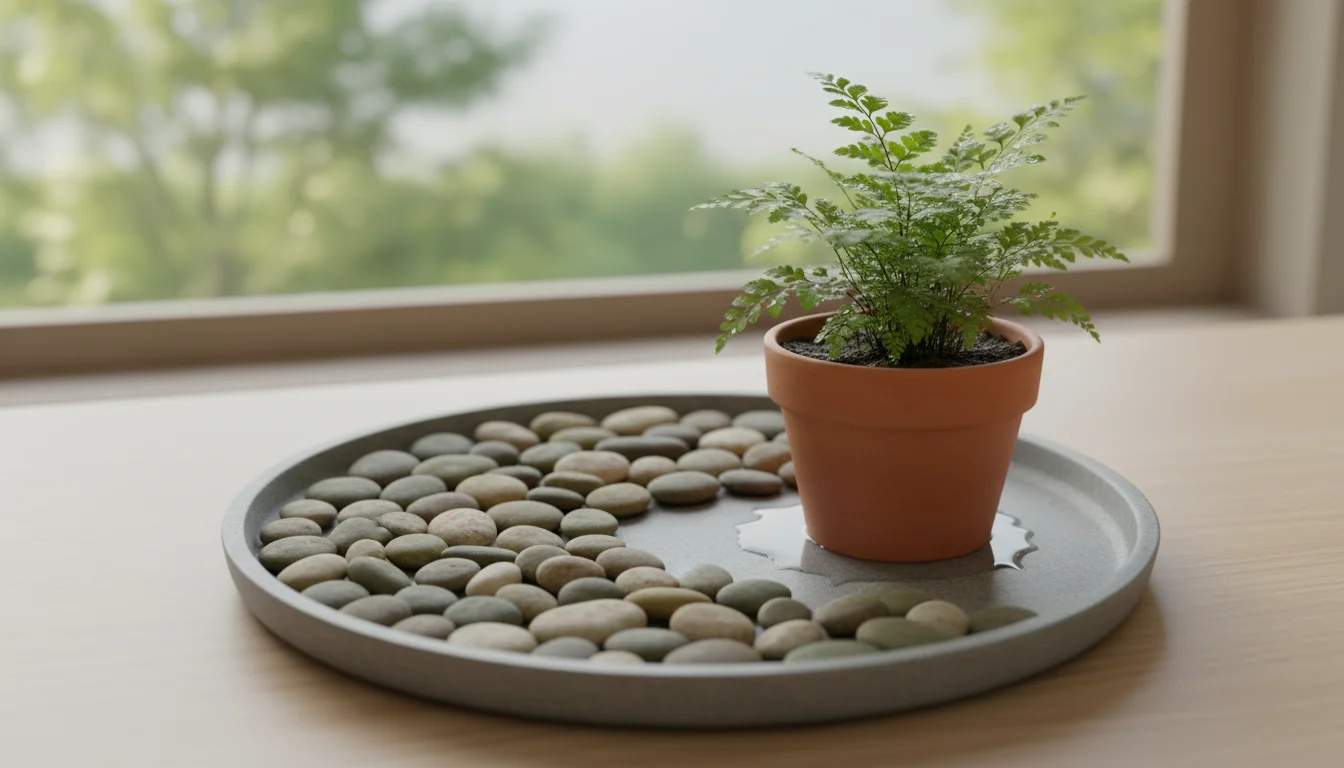
One of the most effective and eco-friendly ways to boost localized indoor plant humidity, especially for apartment gardening, is by creating a DIY plant humidity tray for small spaces. This method works by increasing evaporation directly around your plant, creating a mini-microclimate without affecting the entire room. It is simple, inexpensive, and requires minimal maintenance.
Materials You Will Need:
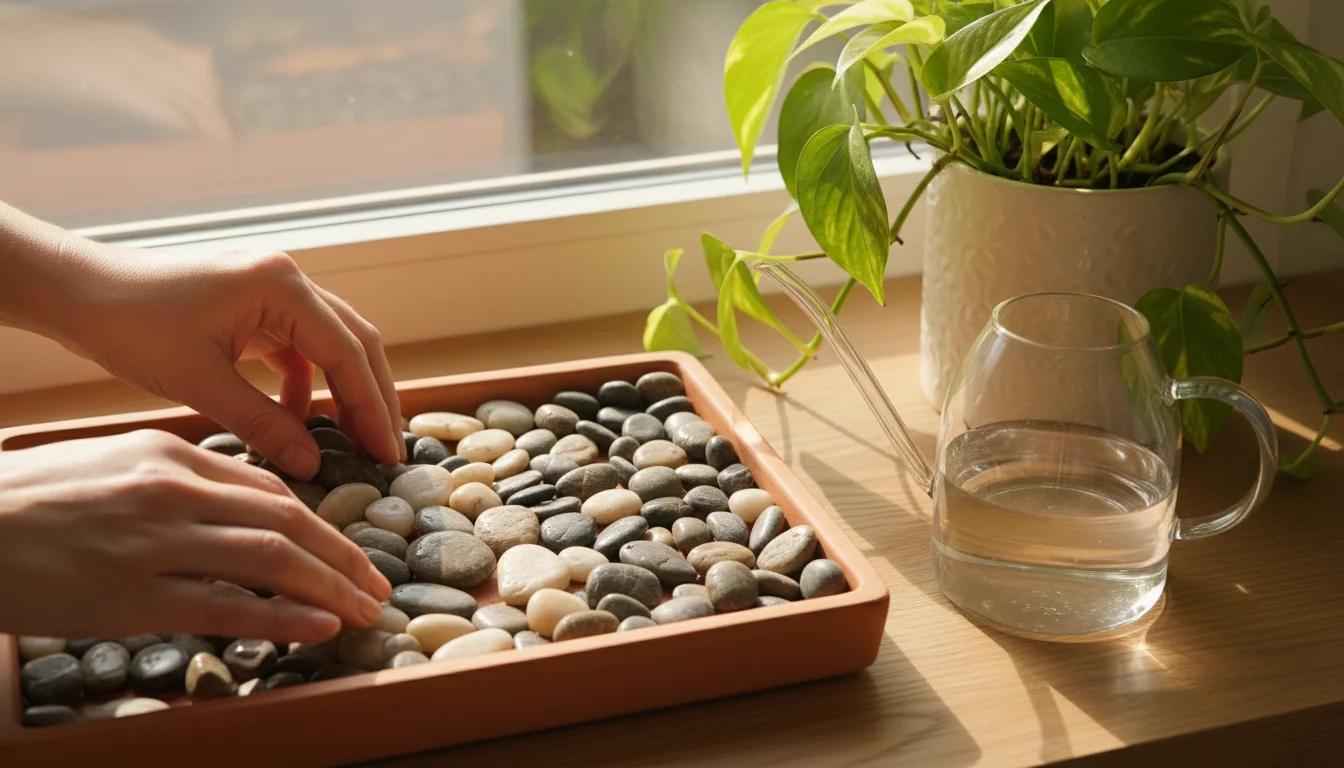
- A shallow, waterproof tray or saucer, slightly larger than the base of your plant pot.
- Pebbles, gravel, or decorative stones (ensure they are clean).
- Water.
- Your thirsty houseplant.
Step-by-Step Instructions:
- Choose Your Tray: Select a tray that is wide enough to extend a few inches beyond the diameter of your plant’s pot. This allows sufficient surface area for water evaporation. Options include plastic drip trays, ceramic saucers, or even decorative shallow bowls.
- Add a Layer of Pebbles: Spread an even layer of pebbles or gravel across the bottom of your chosen tray. The pebbles should be deep enough to raise the bottom of your plant pot out of the water.
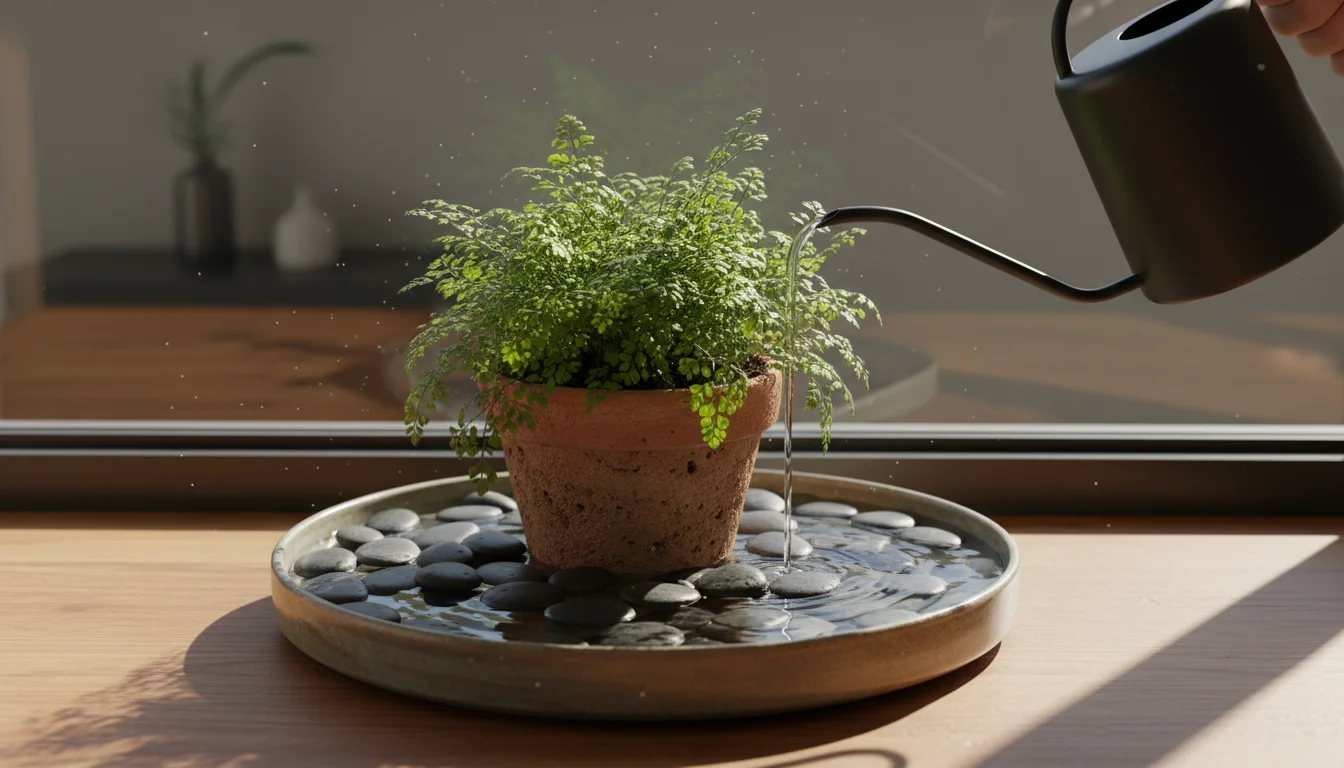
- Fill with Water: Carefully pour water into the tray until the water level is just below the top surface of the pebbles. It is crucial that the water does not touch the bottom of your plant pot, as this can lead to root rot. The pebbles create a barrier, elevating the pot while allowing water to evaporate around it.
- Place Your Plant: Set your potted plant directly on top of the pebbles in the tray. Ensure the pot’s drainage holes are not submerged in water.
- Monitor and Refill: As the water evaporates, it adds humidity to the air immediately surrounding your plant. Check the water level every few days, especially during periods of active heating, and refill as needed. You will notice the water level drops quickly, indicating successful evaporation.
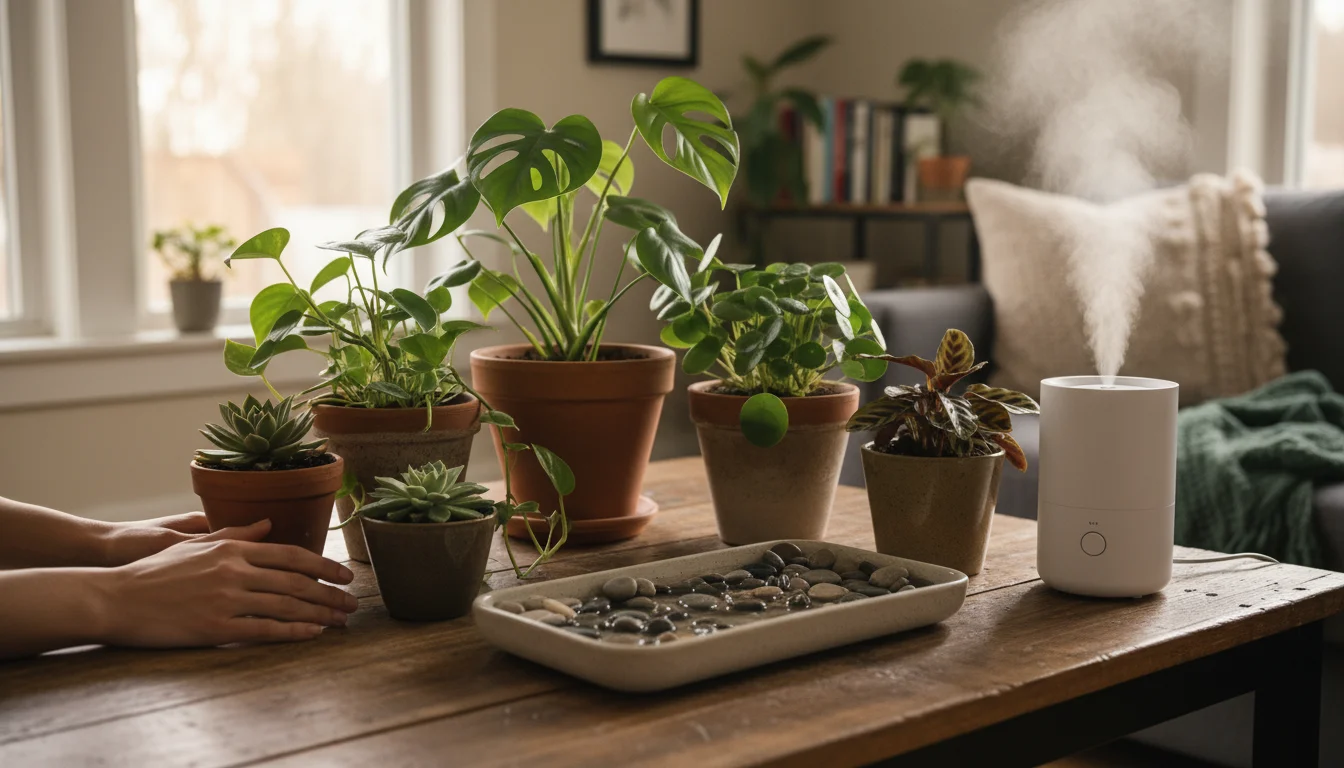
A humidity tray is particularly effective because it delivers consistent, gentle moisture right where your plant needs it most. This localized boost is incredibly beneficial for plants prone to crispy leaf edges. You can make multiple trays for individual plants or create a larger communal tray for a group of plants. This method leverages natural processes, requiring no electricity and minimal resources, making it a sustainable choice for any small-space gardener.
Grouping Plants Strategically: Creating Microclimates Naturally
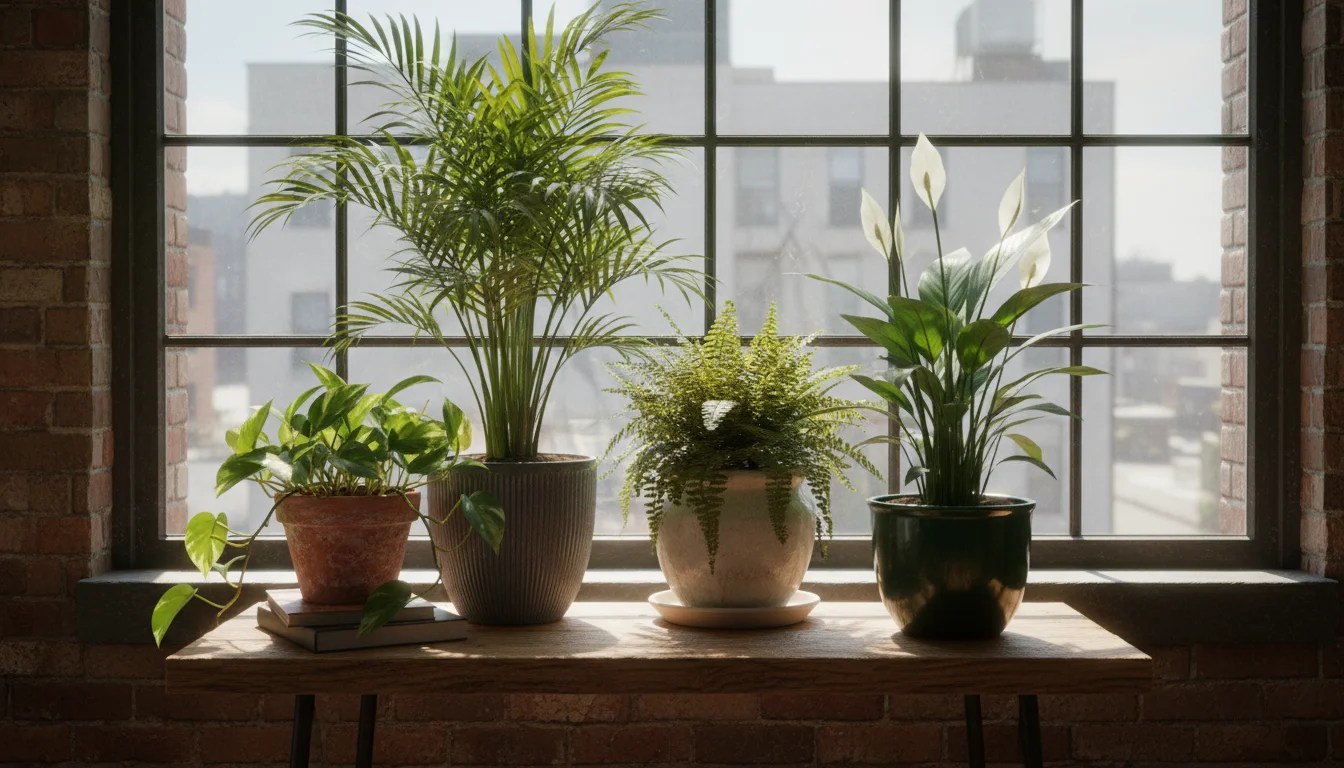
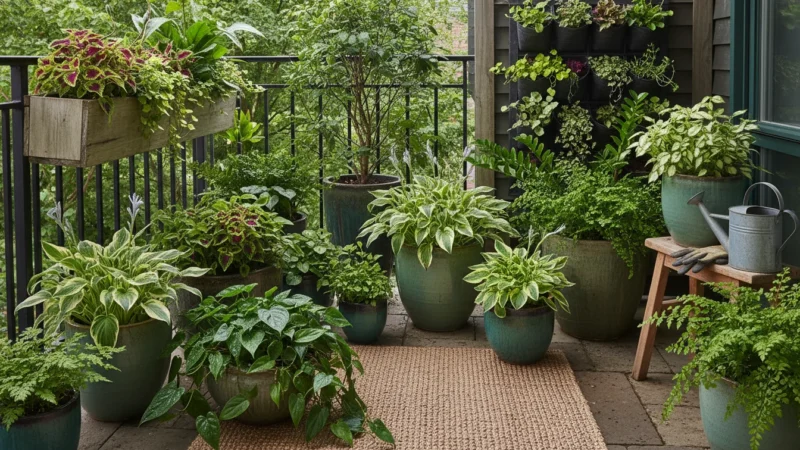
Another smart, low-cost strategy for increasing indoor plant humidity in your small garden is to group your plants together. This method leverages a natural process called transpiration, where plants release water vapor through their leaves. When you place several plants in close proximity, the collective transpiration from these plants creates a localized zone of higher humidity, often referred to as a “microclimate.” It is like several mini-humidifiers working in harmony.
Many indoor gardeners find that huddling houseplants together is one of the most effective natural ways to trap moisture in a shared microclimate.
Consider the natural habitats of many common houseplants. They often grow in dense clusters or under the canopy of larger plants, where air circulation is present but not excessively breezy, and moisture accumulates. Replicating this in your home, especially in an apartment, is surprisingly effective. When plants are grouped, the water vapor they release gets trapped in the immediate vicinity of the group, slowing down the rate at which the dry room air pulls moisture away. This means each plant benefits from the moisture released by its neighbors, collectively raising the relative humidity in their shared space.
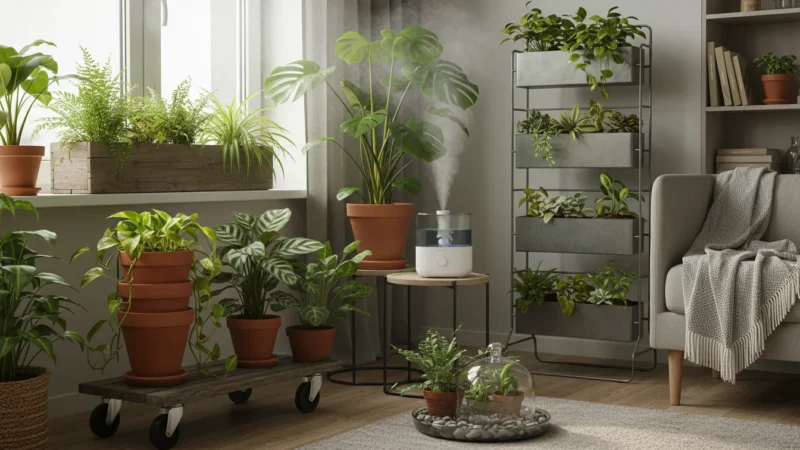
When grouping your plants, think about optimal spacing. Place them close enough so their leaves almost touch, but ensure they still receive adequate light and have some airflow to prevent fungal issues. Overcrowding can lead to problems like reduced light penetration and stagnant air, which encourages pests and diseases. For instance, a grouping of three to five plants on a small shelf or windowsill can elevate local humidity levels by an impressive 10-15 percentage points compared to isolated plants. This is particularly useful for small-space gardening where you might not have room for a large humidifier. Combining this technique with a communal humidity tray beneath the group further amplifies the effect. Not only does grouping plants provide a humidity boost, but it also creates a lush, visually appealing display, making your small indoor garden feel more vibrant and alive. This natural approach supports your plants’ health and contributes to a more sustainable gardening practice.

Misting, Humidifiers, and Other Humidity-Boosting Techniques
Beyond humidity trays and grouping, several other techniques can effectively increase moisture levels for your houseplants. Each method has its advantages and considerations, making them suitable for different plant needs and living situations.
You might wonder which methods are truly worth your effort; a look at how different humidity hacks rank can help you choose the best tools for your space.
To see how these methods compare in effectiveness, you can explore our ranking of humidity hacks to see what delivers the best results.

Misting:
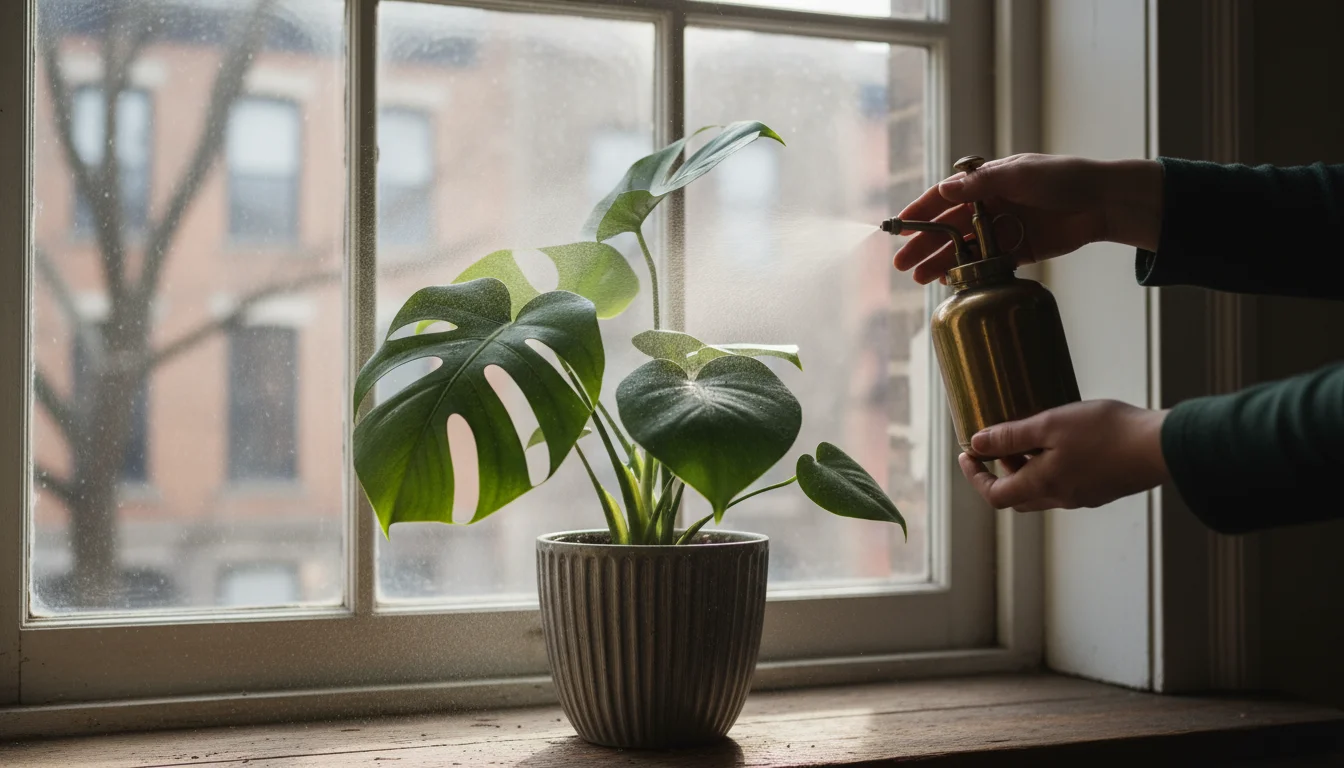
Misting your plants involves spraying a fine mist of water onto their leaves. This provides an immediate, albeit temporary, boost in humidity. Plants with thin leaves, like ferns or calatheas, often appreciate misting. Misting should occur in the morning so the leaves have ample time to dry before nightfall, which helps prevent fungal diseases. Use distilled or filtered water to avoid leaving mineral deposits on the leaves, which can block stomata and reduce aesthetic appeal. While a satisfying ritual, understand that misting alone offers a very short-lived humidity increase. It is best used as a supplementary technique rather than a primary solution for consistently dry environments.
Room Humidifiers:
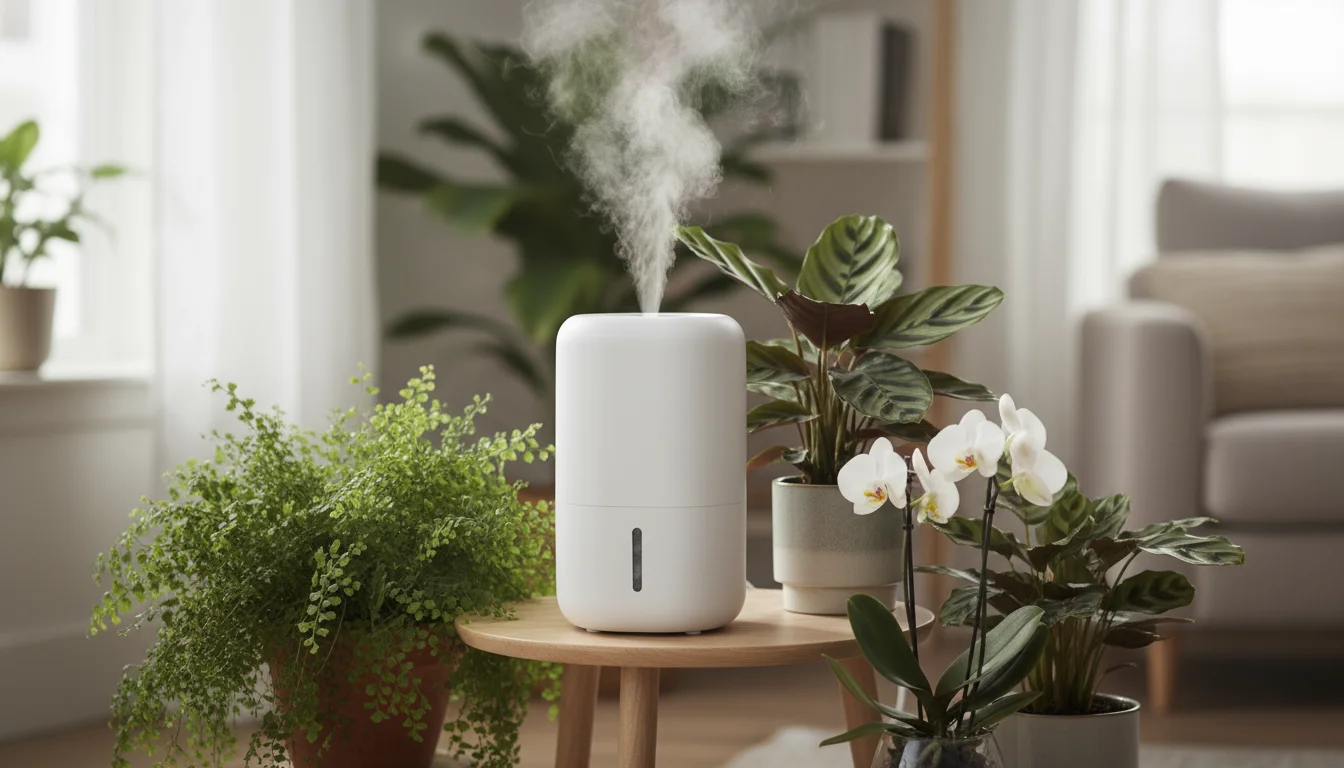
For gardeners with a larger collection of humidity-loving plants, especially in a consistently dry home or apartment, a room humidifier offers the most significant and consistent increase in ambient humidity. You can choose between cool mist and warm mist humidifiers. Cool mist humidifiers are generally safer around children and pets, and they use less electricity. Warm mist humidifiers can raise room temperature slightly but also kill airborne bacteria. Place the humidifier near your plants, but not so close that they get drenched. Monitor the room’s humidity with a hygrometer and set the humidifier to maintain levels between 40-60%. Regular cleaning of your humidifier is crucial to prevent mold and bacteria growth, which you do not want circulating around your plants or in your home. Some humidifiers come with built-in hygrometers and automatic shut-off features for convenience.

Other Evaporation Methods:
- Bowls of Water: Placing shallow bowls of water near your plants or heating vents can contribute to overall room humidity through passive evaporation. This is a very simple, low-effort method.
- Wet Towels: Drape a wet towel over a chair near your plants, or place it near a radiator, being careful not to block the heat source. As the towel dries, it releases moisture into the air. This requires frequent re-wetting but can provide a temporary boost.
- Terrariums or Cloches: For individual, highly sensitive plants, a terrarium or a glass cloche creates a self-contained, high-humidity environment. This is an excellent solution for small spaces or for showcasing a special plant that demands specific conditions. Ensure adequate ventilation within terrariums to prevent stagnation.
When implementing these methods, always consider water quality. Tap water often contains minerals that can leave unsightly white residue on leaves or inside humidifiers. Using distilled, filtered, or rainwater is a more eco-friendly and plant-friendly approach, preventing mineral buildup and promoting healthier plant surfaces. Combining a few of these techniques, such as a humidity tray with occasional misting, provides comprehensive winter houseplant care.
Thriving in Dry Air: Houseplants That Tolerate Lower Humidity
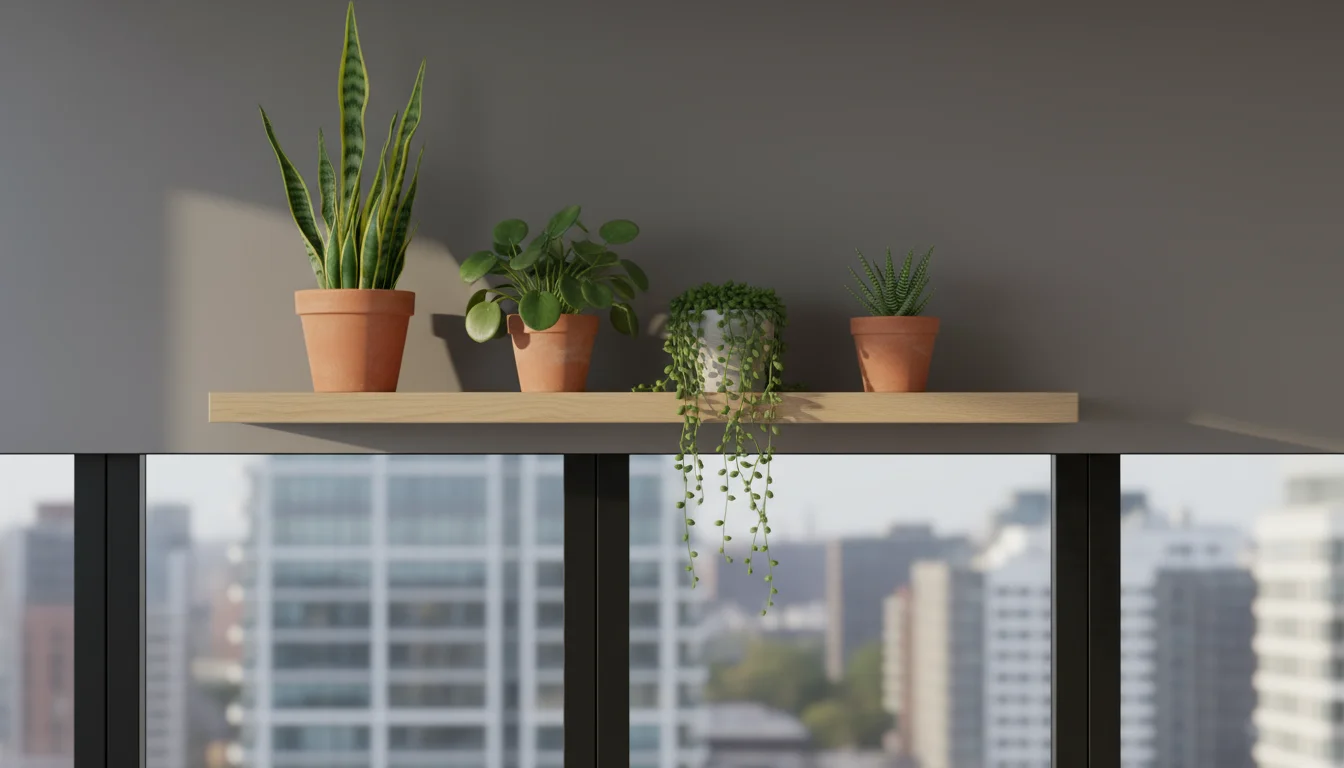
While many popular houseplants demand high humidity, you can curate a collection of beautiful and resilient plants perfectly suited for drier indoor conditions. If your apartment consistently struggles with low humidity, even after your best efforts, choosing plants that naturally tolerate dry air can save you considerable effort and prevent plant distress. These “plants that survive dry apartments” are a lifeline for busy or less experienced gardeners.
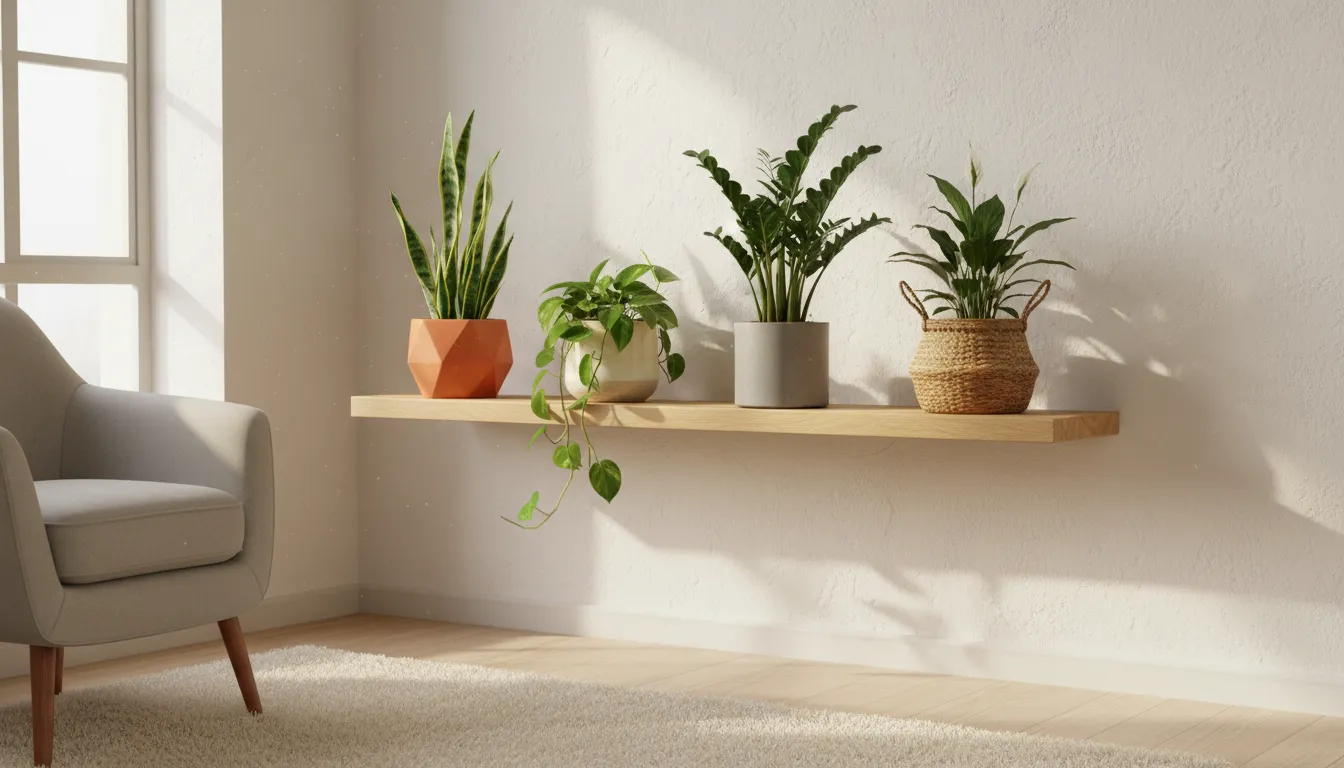
Here is a selection of houseplants known for their ability to thrive in less humid environments, often requiring minimal indoor plant humidity:
| Plant Name | Key Characteristics | Dry Air Tolerance Notes |
|---|---|---|
| Snake Plant (Sansevieria trifasciata) | Upright, stiff, sword-like leaves. Extremely low maintenance. | Tolerates very low humidity. Its thick, succulent-like leaves efficiently store water, making it incredibly drought-tolerant. |
| ZZ Plant (Zamioculcas zamiifolia) | Waxy, dark green leaves on upright stems. Slow-growing. | Exceptional tolerance for dry air and infrequent watering. Rhizomes (underground stems) store water. |
| Pothos (Epipremnum aureum) | Trailing vines with heart-shaped leaves, various variegations. | Adaptable to a wide range of conditions, including lower humidity, though it appreciates moderate levels. |
| Spider Plant (Chlorophytum comosum) | Arching, grass-like leaves with “spiderette” offsets. | Very forgiving. While it prefers moderate humidity, it tolerates drier air well, though tips might brown slightly. |
| Cast Iron Plant (Aspidistra elatior) | Dark green, leathery leaves. Known for its hardiness. | Lives up to its name, tolerating neglect, low light, and dry indoor air with remarkable resilience. |
| Aloe Vera (Aloe barbadensis miller) | Fleshy, succulent leaves with medicinal properties. | As a succulent, it thrives in dry conditions. Its leaves are designed for water storage, minimizing humidity needs. |
| Christmas Cactus (Schlumbergera bridgesii) | Segmented, flat stems; known for winter blooms. | Unlike true desert cacti, it is epiphytic, but still tolerates lower humidity better than many tropicals, especially when dormant. |
Incorporating these dry air plants into your indoor garden allows you to maintain a diverse and beautiful collection without constantly battling low humidity. While they tolerate dryness, ensuring proper watering (allowing soil to dry between waterings) remains important. Selecting these resilient varieties significantly eases the burden of winter houseplant care, letting you enjoy your green space with less worry about environmental conditions.
Common Mistakes to Avoid When Boosting Plant Humidity
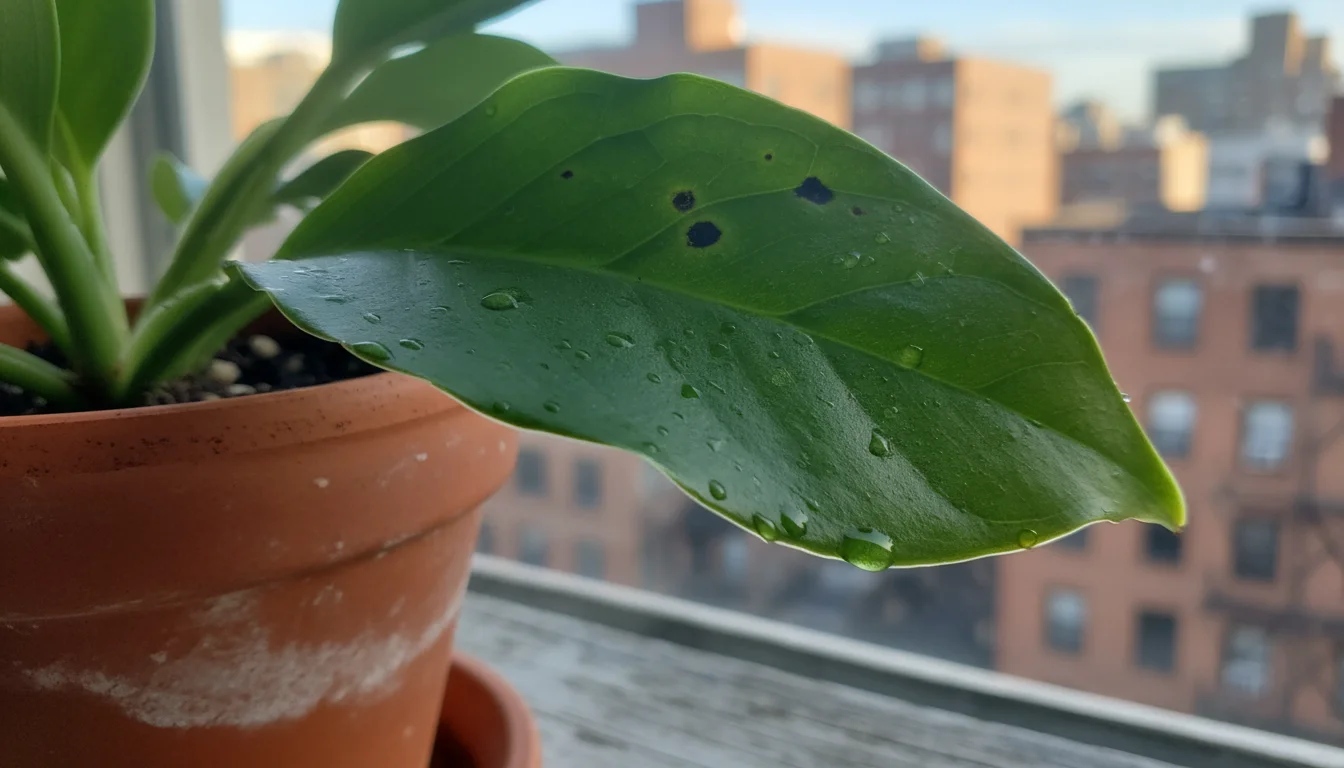
While boosting indoor plant humidity is crucial for your plants’ well-being in winter, you can make common missteps that inadvertently cause more harm than good. Avoiding these pitfalls ensures your efforts translate into healthy, thriving plants rather than new problems.
It is easy to over-correct in the cold months, so ensure you aren’t loving your houseplants to death by combining high humidity with overwatering.
Reviewing these common winter care mistakes will ensure your attempts to help don’t accidentally lead to more stress.
- Over-Misting Leading to Fungal Diseases: Misting offers a temporary humidity spike, but excessive or poorly timed misting creates a damp environment on leaf surfaces. Water droplets sitting on leaves for extended periods, especially overnight, provide ideal conditions for fungal and bacterial infections to take hold. Aim to mist in the morning, allowing leaves to dry naturally throughout the day. Ensure good air circulation around misted plants to speed up drying.
- Letting Pots Sit in Standing Water: When using a DIY plant humidity tray for small spaces, ensure the bottom of your plant pot never sits directly in water. The purpose of the pebbles is to elevate the pot above the water level. If roots remain submerged, they will essentially drown due to lack of oxygen, leading to root rot. Root rot is a common and often fatal issue for houseplants.
- Ignoring Air Circulation: Even with increased humidity, good air circulation remains vital. Stagnant, humid air is a breeding ground for pests like fungus gnats and diseases such as powdery mildew. While grouping plants helps create microclimates, avoid overcrowding. Ensure there is enough space for air to move around and through the foliage. A gentle fan in a larger room can provide air movement without drying out the plants too much.
- Assuming All Plants Need High Humidity: Not every houseplant is a tropical humidity lover. As discussed, many plants, like succulents, cacti, snake plants, and ZZ plants, prefer or tolerate dry air. Providing excessively high humidity to these plants can lead to overwatering issues or encourage diseases they are not adapted to withstand. Always research your specific plant’s needs.
- Forgetting to Monitor Humidity Levels: Relying solely on visual cues or guesswork can be misleading. Without a hygrometer, you might be over- or under-compensating with your humidity-boosting efforts. Consistent monitoring helps you maintain the optimal range (40-60% for most tropicals) and adjust your methods as indoor conditions change throughout winter.
- Overcompensating with Watering: Sometimes, crispy leaf tips are mistaken for signs of underwatering. In a dry environment, plants transpire more, but their soil may not dry out at the same rate. Before increasing your watering frequency, always check the soil moisture. Stick a finger about an inch or two into the soil. If it feels moist, wait. Overwatering in an attempt to address humidity issues can quickly lead to root rot.
By being mindful of these common mistakes, you can provide effective winter houseplant care, ensuring your plants receive the humidity they need without inadvertently inviting other problems into your indoor garden.
Frequently Asked Questions
How often should I mist my plants in winter?
Misting provides a very temporary boost in humidity, lasting only a few minutes. For a meaningful impact, you would need to mist several times a day, which is generally not practical and can increase the risk of fungal issues. Instead, focus on more consistent methods like humidity trays or humidifiers. If you do mist, aim for once a day in the morning, specifically targeting plants that show clear signs of dry air stress, such as browning leaf tips.
Can I use tap water in my humidifier/mister?
Using tap water in humidifiers or misters is generally not recommended. Tap water often contains minerals like calcium and magnesium. These minerals can leave white, crusty deposits on your plant’s leaves, blocking stomata and impacting photosynthesis. In humidifiers, these minerals can lead to white dust settling on furniture and can cause mineral buildup, reducing the humidifier’s efficiency and lifespan. For best results, use distilled water, filtered water, or collected rainwater, which are free of these harsh minerals.
Will opening a window help with humidity?
During winter, opening a window usually introduces colder, drier air into your home, which further decreases indoor humidity levels. While fresh air circulation is beneficial for plants, doing so in winter for humidity purposes is counterproductive. If you need to air out a room, do it quickly and consider moving sensitive plants away from the direct draft. Focus on internal solutions to manage humidity during the colder months.
What are the immediate signs my plant needs more humidity?
Your plants provide clear visual cues when they lack sufficient humidity. Look for brown, crispy leaf tips and edges, often starting on older leaves. Leaves may also curl inward or droop, even if the soil is adequately moist. Flowers might drop prematurely, or new growth may appear stunted and distorted. Certain plants, like ferns, calatheas, and peace lilies, are particularly sensitive and will show these symptoms quickly in dry conditions. If you observe these signs, it is time to implement humidity-boosting strategies.
Sustaining Your Indoor Oasis: Long-Term Winter Plant Care Tips
Creating a humidity haven for your indoor garden is not a one-time fix; it is an ongoing aspect of thoughtful winter houseplant care. Your plants rely on consistent conditions to thrive, especially when contending with the challenges of dry indoor air. By integrating humidity management into a holistic care routine, you ensure your small-space garden remains a vibrant, healthy oasis throughout the colder months and beyond.
In addition to humidity, adjusting your winter watering and feeding schedule is vital for overall health during the slower growing season.
Think of humidity as one pillar of comprehensive plant care, alongside proper watering, adequate light, and diligent pest management. You must continue to observe your plants closely. Their appearance and growth patterns are your best indicators of their well-being. Adjust your watering schedule as needed; even with increased humidity, plants may still need less water in winter due to slower growth and shorter daylight hours. Always check soil moisture before watering. Consider supplementing natural light with grow lights if your windowsills become too dim in winter, as strong light also helps plants utilize available moisture more efficiently.
Regularly check for pests, as dry conditions can make plants more susceptible to common indoor culprits like spider mites. A quick wipe-down of leaves or a gentle shower can deter pests and clean dust, simultaneously providing a small boost of humidity. Embrace eco-friendly practices by using collected rainwater for misting or humidifiers when possible, reducing your reliance on treated tap water. You can also minimize the environmental footprint by opting for energy-efficient humidifiers and choosing natural methods like humidity trays and plant grouping first.
Ultimately, nurturing your indoor garden through winter’s dry air builds a deeper connection with your plants. You learn to interpret their subtle signals and respond with tailored care. The small adjustments you make to create a humidity haven result in more resilient, beautiful plants that reward your efforts with lush foliage and vibrant growth, transforming your apartment or small space into a continuous source of joy.
For trustworthy gardening information, visit:
Wild Ones — Native Plants, Natural Landscapes, Pollinator Partnership and International Society for Horticultural Science (ISHS). These organizations provide expert, research-based advice for gardeners at all levels.
Disclaimer: This article is for informational purposes only and is not a substitute for professional gardening advice. Always consult local extension services or horticulture experts for region-specific guidance.
Leave a Reply