
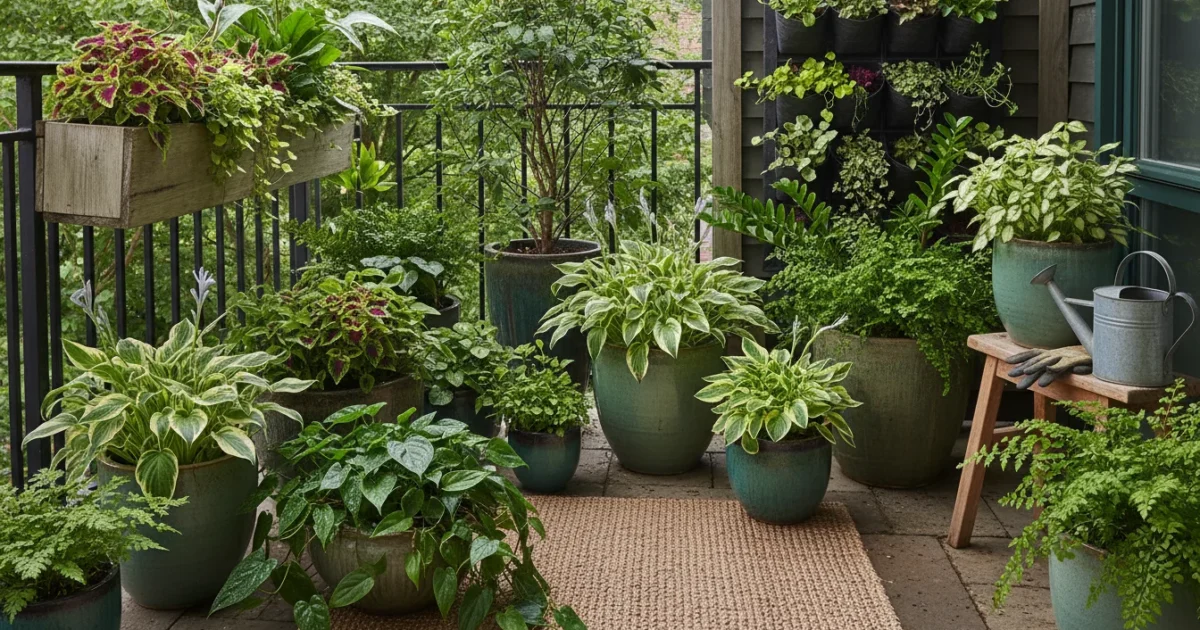
Do you look at your north-facing window and see a gardening challenge, or worse, an empty space? Many aspiring gardeners believe a lack of direct sunlight means you cannot cultivate a vibrant indoor oasis. This is a common misconception. Your north-facing window, often considered a dark room, offers a unique opportunity to create a stunning foliage garden. You can grow a surprising array of beautiful, low light plants that thrive in these gentle conditions. This guide empowers you to transform that shaded nook into a lush, thriving haven, perfect for indoor gardening for beginners and experienced plant enthusiasts alike.
Even if you live in an apartment with no direct sun, a north-facing window provides consistent, indirect light. This stable environment is ideal for many plants that scorch in harsh direct sun. We will explore how to select, care for, and arrange the best plants for apartment with no direct sun, ensuring your indoor garden flourishes. Prepare to redefine your gardening possibilities and embrace the beauty of a shade tolerant houseplants collection.
Unlocking the Potential of Your North-Facing Window
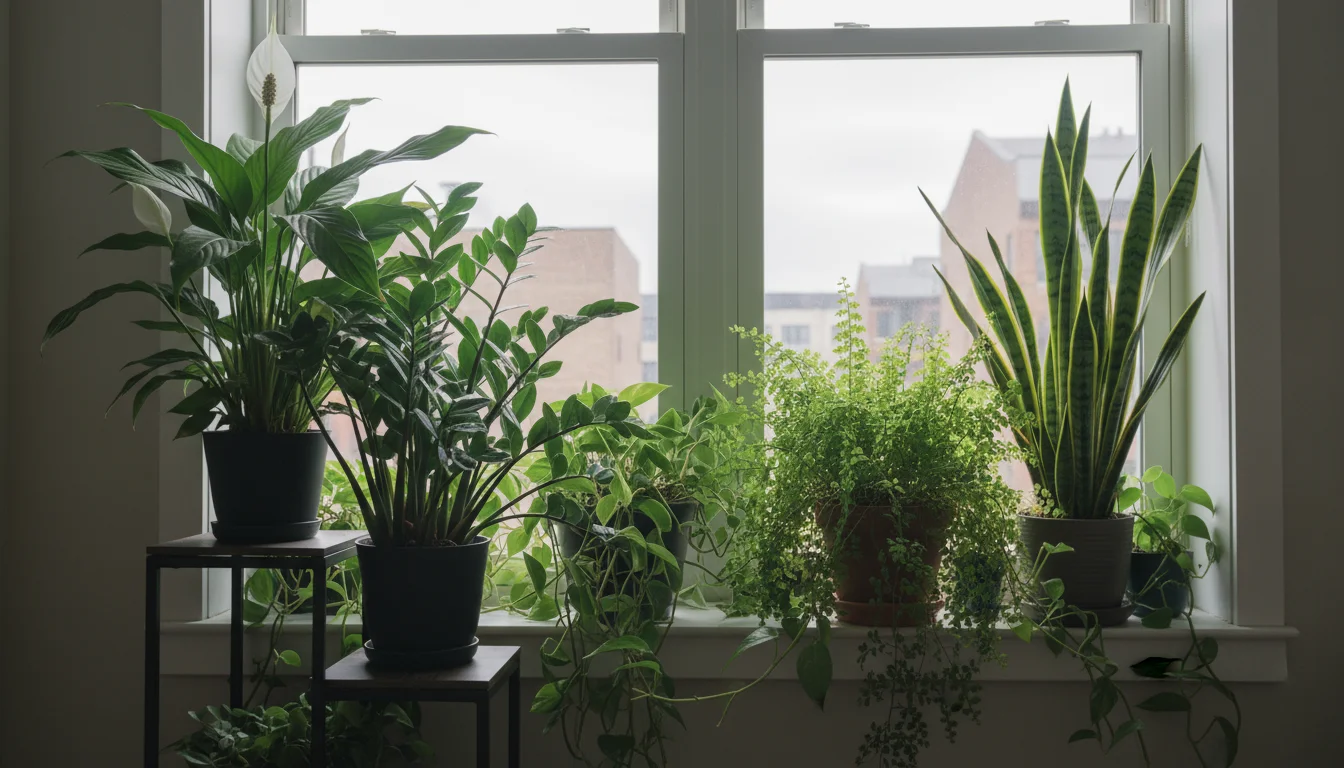
Your north-facing window receives consistent, indirect light throughout the day. This differs significantly from east-facing windows, which get morning sun, or west-facing, which experience harsh afternoon sun. South-facing windows, of course, receive the most intense direct light. The even, gentle illumination from a north window mimics the understory of a forest, a natural habitat for many popular houseplants. This makes it an ideal spot for shade tolerant houseplants that would otherwise suffer from sunburn or stress in brighter conditions.
For those interested in edible projects, a north window can even host a windowsill salad bar featuring nutrient-dense microgreens.
For individuals with limited space, such as apartment dwellers or those with small yards, maximizing every available light source becomes crucial. A north-facing window represents an untapped resource. It provides enough light for photosynthesis, the process plants use to convert light into energy, without the intensity that causes leaf burn or rapid drying of soil. This steady, diffused light creates a calm environment where many foliage plants can thrive, showcasing their vibrant greens, intriguing patterns, and varied textures. You simply need to know which plants prefer this setting and how to care for plants in a dark room effectively.
Understanding Low Light Environments for Indoor Gardening
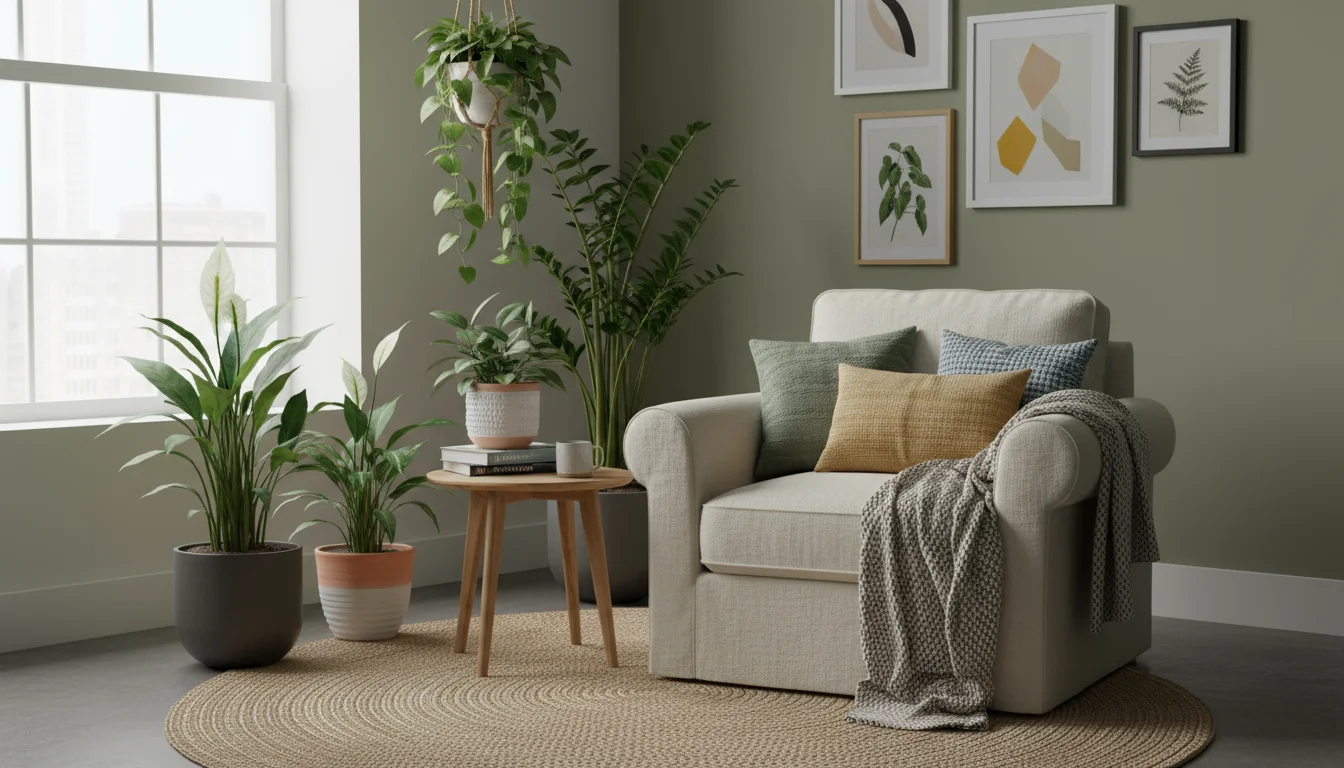
When we talk about “low light,” we refer to areas that do not receive direct sunlight. This includes rooms with windows facing north, or areas far from any window in a brighter room. A north-facing window specifically provides what we call indirect or filtered light. Imagine standing near the window: you can see clearly, read a book, and the area feels bright, but the sun’s rays never directly touch the space. This is the sweet spot for many low light plants.
Many popular houseplants originate from tropical understories, where they grow beneath the canopy of larger trees. They naturally adapt to receiving only diffused light. Their leaves are often designed to efficiently capture what little light penetrates the dense overhead foliage. For example, plants like ZZ plants (Zamioculcas zamiifolia) and Pothos (Epipremnum aureum) have adapted to low light conditions by slowing down their growth rate and requiring less frequent watering. This makes them perfect north facing window plants.
Understanding the difference between truly dark and low light is essential. A closet with no windows is dark. A north-facing window, however, offers sufficient ambient light for specific plant varieties to not only survive, but flourish. The key to successful indoor gardening for beginners in these conditions lies in choosing the right species and adjusting your care routine to match the reduced light levels.
Selecting the Best Low Light Plants for Your Apartment
Choosing the correct low light plants is the foundation of a thriving north-facing window garden. Focus on species known for their adaptability and preference for indirect light. These are the best plants for apartment with no direct sun, often requiring minimal fuss, which makes them ideal for a low-maintenance approach.
While many choices are compact, some of the best indoor trees can also thrive in large pots within a north-facing room.
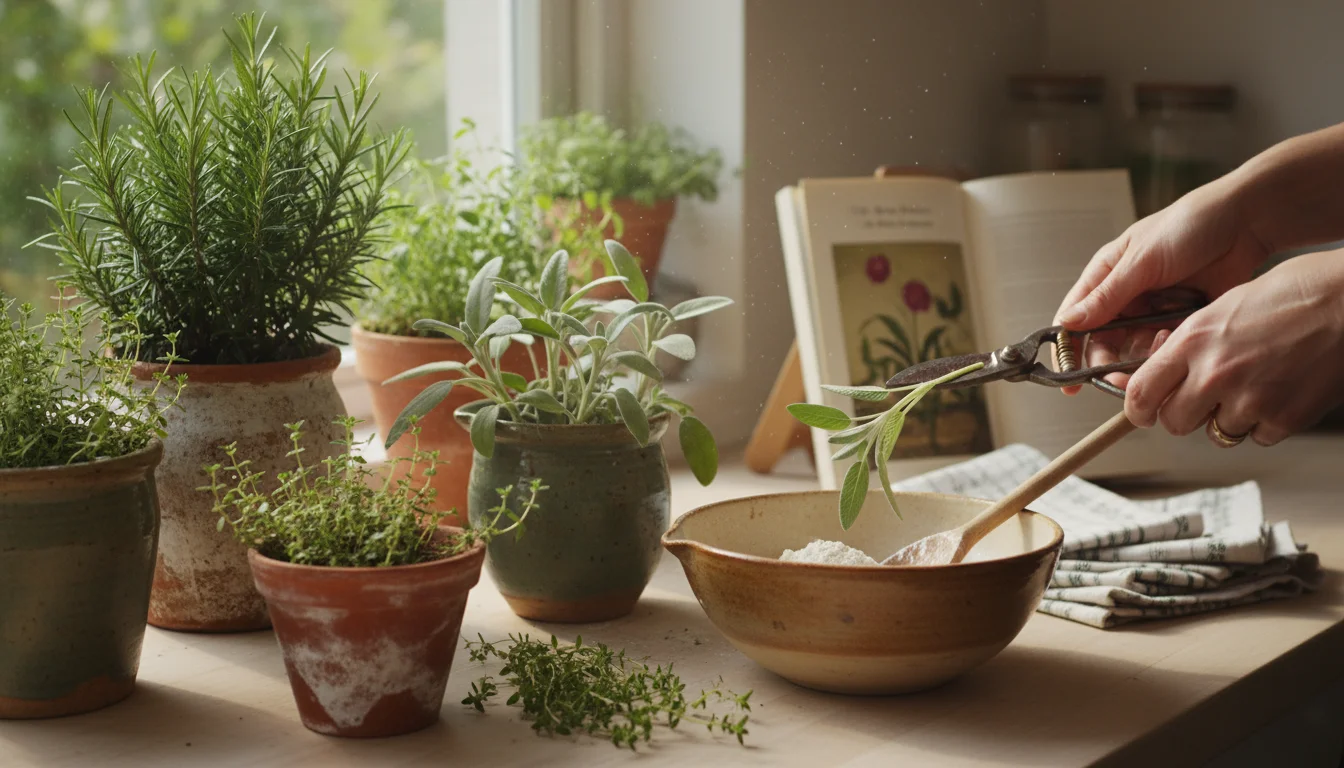
If you want to move beyond foliage, you can even grow herbs indoors if you place them in the brightest part of your north-facing window.
If floor space is limited, you can also explore vertical garden ideas for apartments to stack your greenery up the wall.
Here are some top contenders:
- ZZ Plant (Zamioculcas zamiifolia): This plant is nearly indestructible. It tolerates very low light, irregular watering, and general neglect. Its glossy, dark green leaves make a strong visual statement. It stores water in its rhizomes, meaning it forgives forgotten watering sessions.
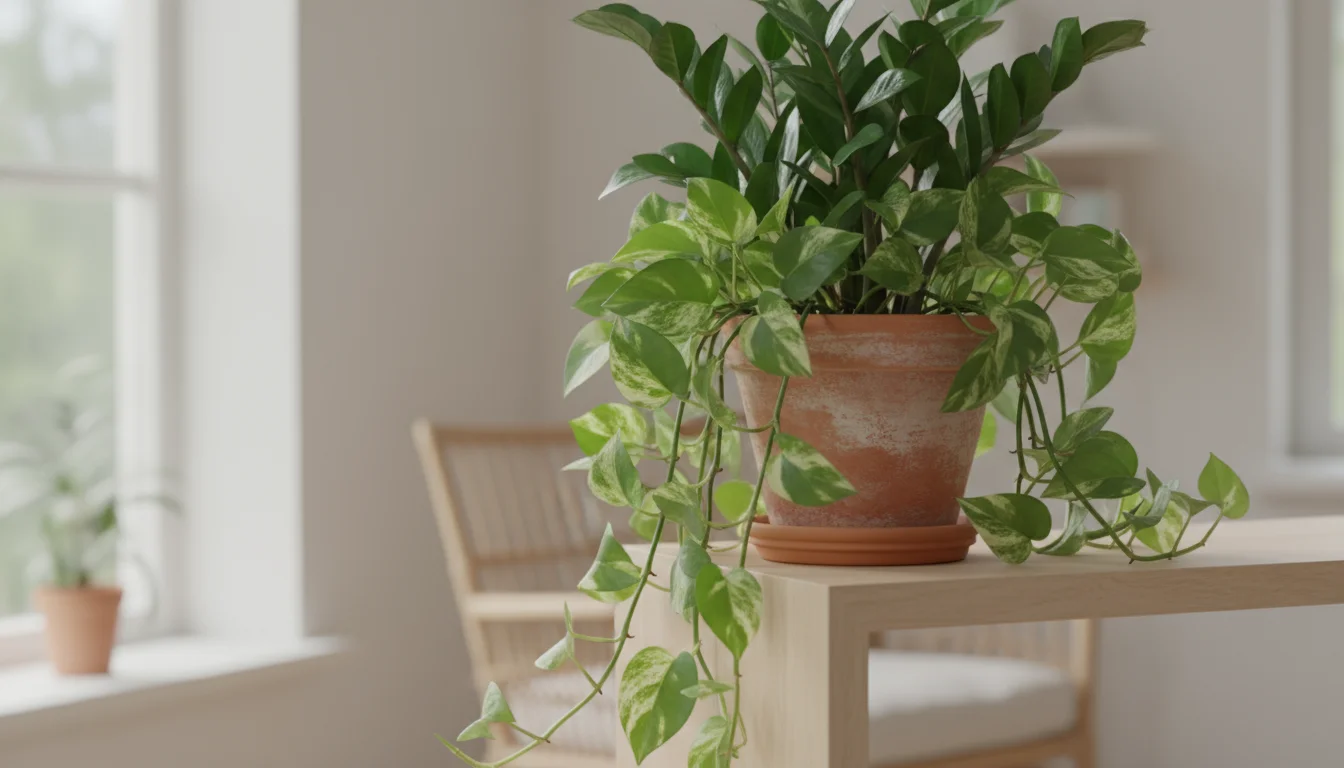
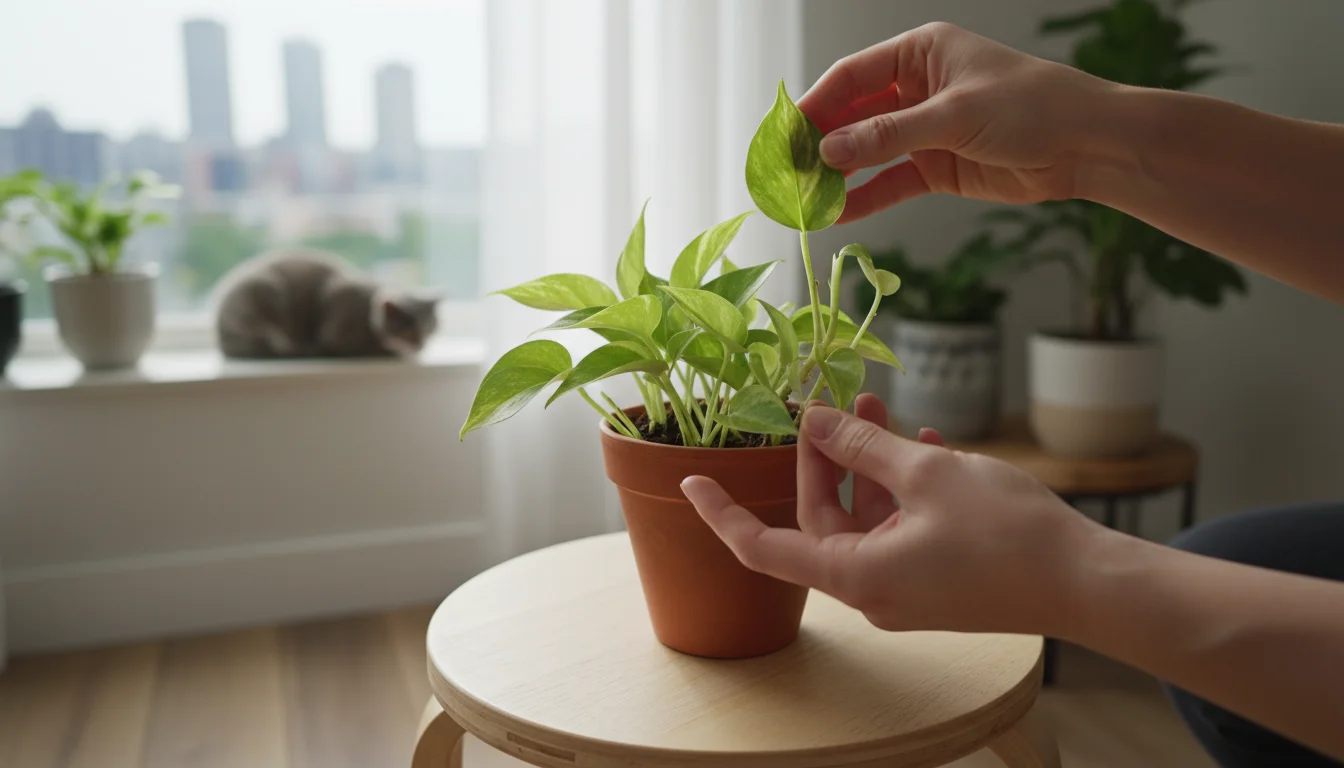
- Pothos (Epipremnum aureum): Available in various variegated forms, Pothos is incredibly versatile. Its trailing vines look excellent hanging or climbing. It adapts well to low light, though variegation may be less pronounced in darker spots. This is a classic choice for indoor gardening for beginners.
- Snake Plant (Sansevieria trifasciata): Known for its upright, architectural leaves, the Snake Plant purifies air and tolerates extremely low light and infrequent watering. Its striking form adds modern elegance to any space. It also thrives as a north facing window plant.
- Peace Lily (Spathiphyllum): With its elegant white “flowers” (bracts) and deep green leaves, the Peace Lily brightens up dim corners. It signals its need for water by drooping, making it easy to care for. Ensure consistent moisture, but avoid overwatering.
- Ferns (various species, e.g., Boston Fern, Kimberly Queen Fern): Many ferns, especially those native to humid forest floors, thrive in indirect light and high humidity. While they need more consistent moisture than succulents, their feathery fronds add a lush, tropical feel.
- Prayer Plant (Maranta leuconeura): Famous for its decorative, patterned leaves that fold up at night, the Prayer Plant prefers indirect light and consistent humidity. Keep its soil consistently moist, but not soggy.
- Chinese Evergreen (Aglaonema): These plants boast beautiful patterned foliage in shades of green, silver, and red. They are robust, tolerant of low light, and relatively drought-tolerant. They are excellent shade tolerant houseplants.
- Philodendron (various species): Heartleaf Philodendron (Philodendron hederaceum) is a classic for its easy care and trailing habit. Like Pothos, it thrives in north-facing windows and adds a cascading element to your display.
- Spider Plant (Chlorophytum comosum): While it appreciates brighter indirect light, the Spider Plant can adapt to low light conditions. It produces “spiderettes” that you can propagate easily, making it a rewarding plant for indoor gardening for beginners.
When selecting your plants, consider their mature size and growth habit. A mix of upright, bushy, and trailing plants creates visual interest and makes your small space feel more dynamic. Opt for plants with diverse leaf shapes, colors, and textures to build a rich tapestry in your north-facing window. Remember, variegated plants might lose some of their color in very low light, so prioritize strong, healthy green foliage varieties if light is extremely limited.
Essential Care Practices for Your Shade-Loving Foliage
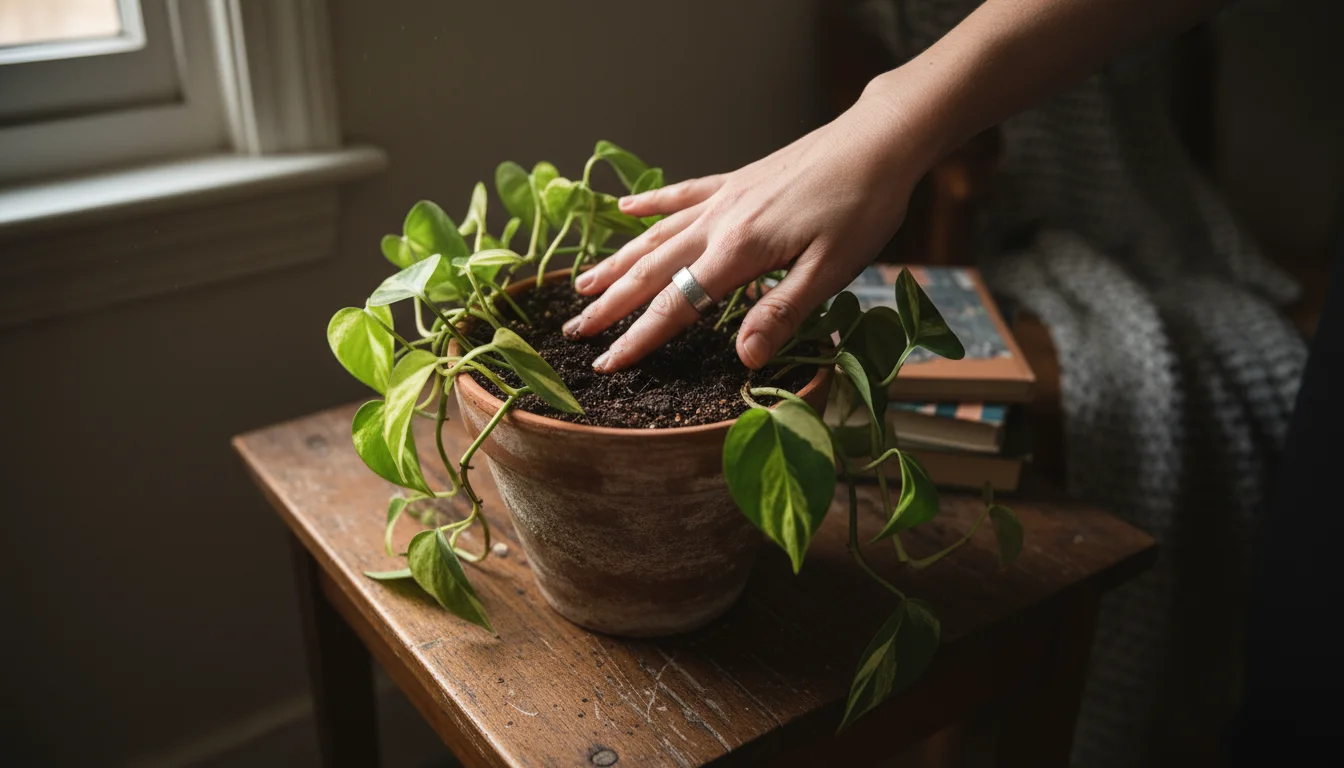
Caring for plants in a low light environment, such as a north-facing window or a dark room, differs from high-light plant care. The primary difference is the rate of water evaporation and nutrient uptake. Plants in low light perform photosynthesis more slowly, meaning they use less water and nutrients. Adjusting your care routine accordingly prevents common issues like root rot and leggy growth.
To ensure your greenery thrives through the darkest months, consider assembling a low-light survival kit designed for apartment settings.
If your window is heavily shaded by outdoor buildings, you might want to research if you really need grow lights to give your foliage a boost.
Light Adaptation and Rotation
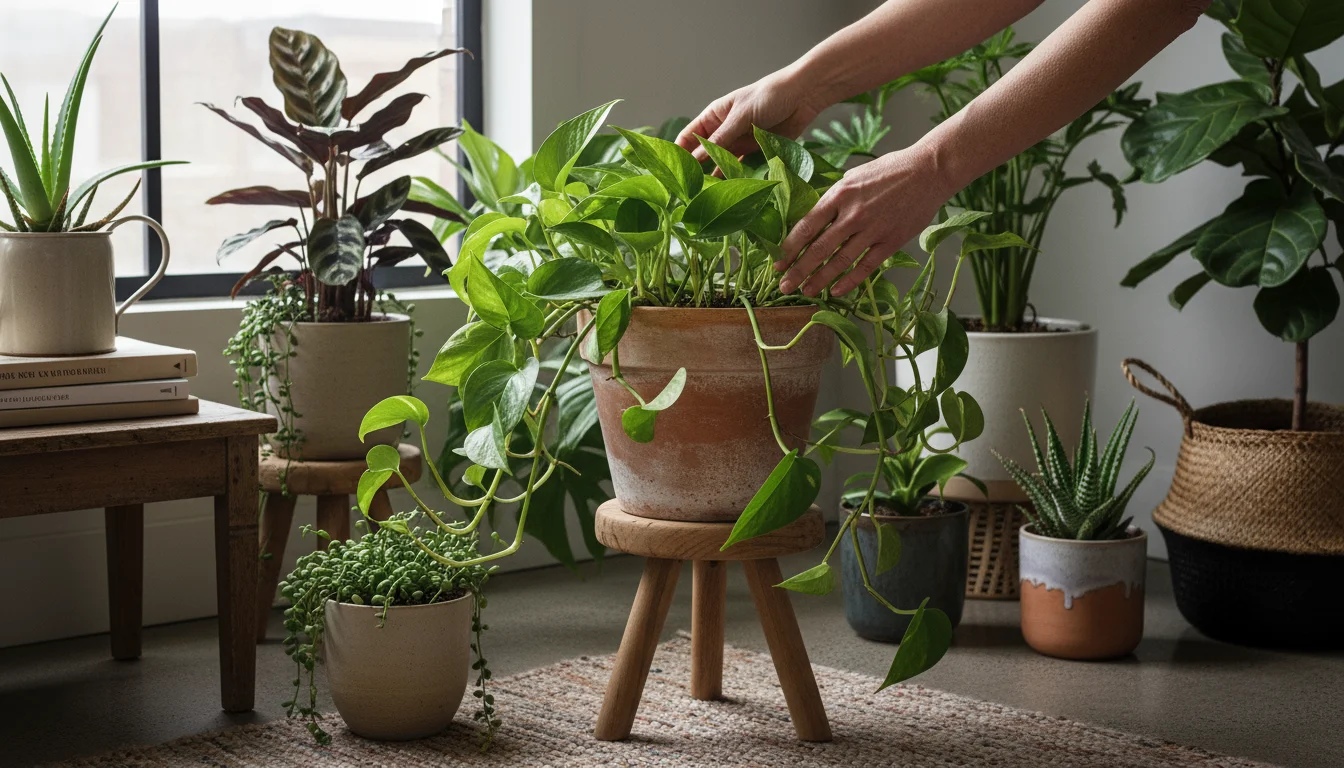
Even though your plants tolerate low light, you can still optimize their exposure. Rotate your plants every few weeks. This ensures all sides receive even light, preventing lopsided growth. If a plant seems to be stretching significantly towards the window (a phenomenon called etiolation), it may be asking for slightly more light. You might move it closer to the window or consider supplementing with a low-intensity grow light during winter, especially for a winter indoor garden low light setup.
Humidity Management
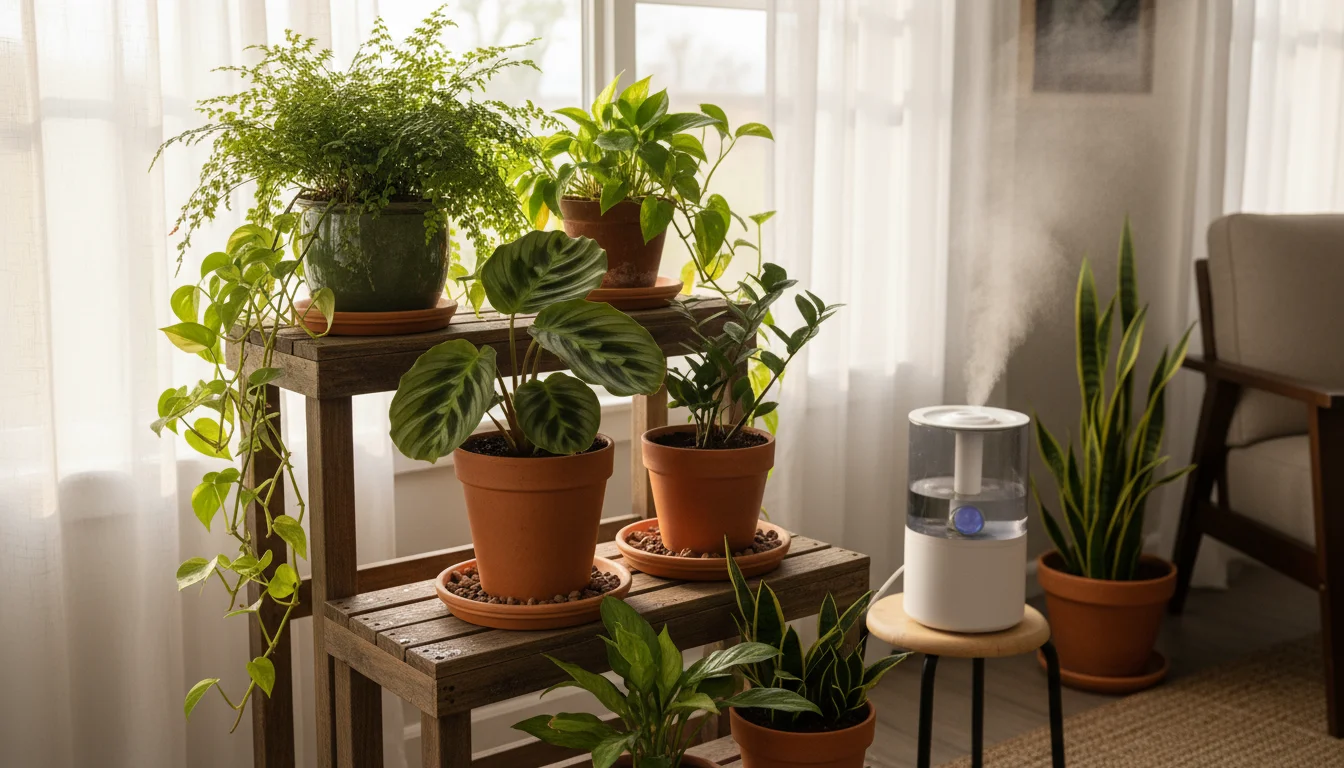
Many low light plants are tropical and appreciate higher humidity. North-facing windows often have more stable temperatures and less direct heat, which can help maintain humidity. However, indoor air, especially in winter, tends to be dry. Increase humidity by:
- Grouping plants: Plants release moisture through their leaves, creating a microclimate.
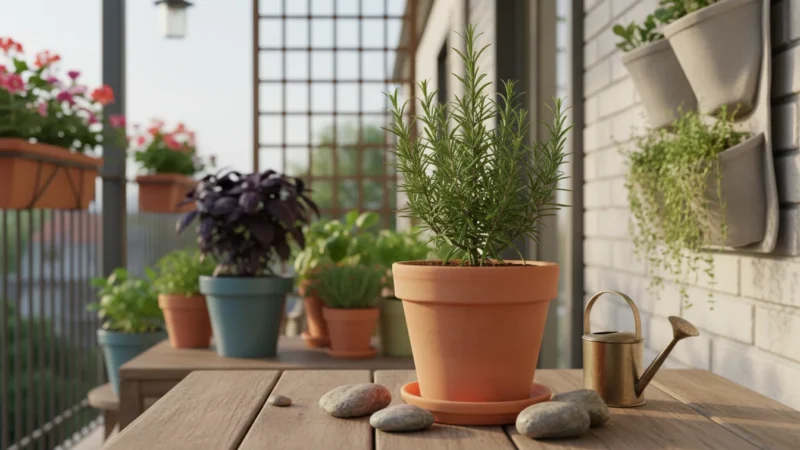
- Pebble trays: Fill a shallow tray with pebbles and water, placing pots on top. Ensure the pot bottoms do not sit in the water.
- Misting: While often debated, occasional misting can provide temporary relief, especially for ferns and prayer plants.
- Humidifier: For a significant boost, a small room humidifier works wonders, particularly beneficial for a winter indoor garden low light.
Dusting Leaves
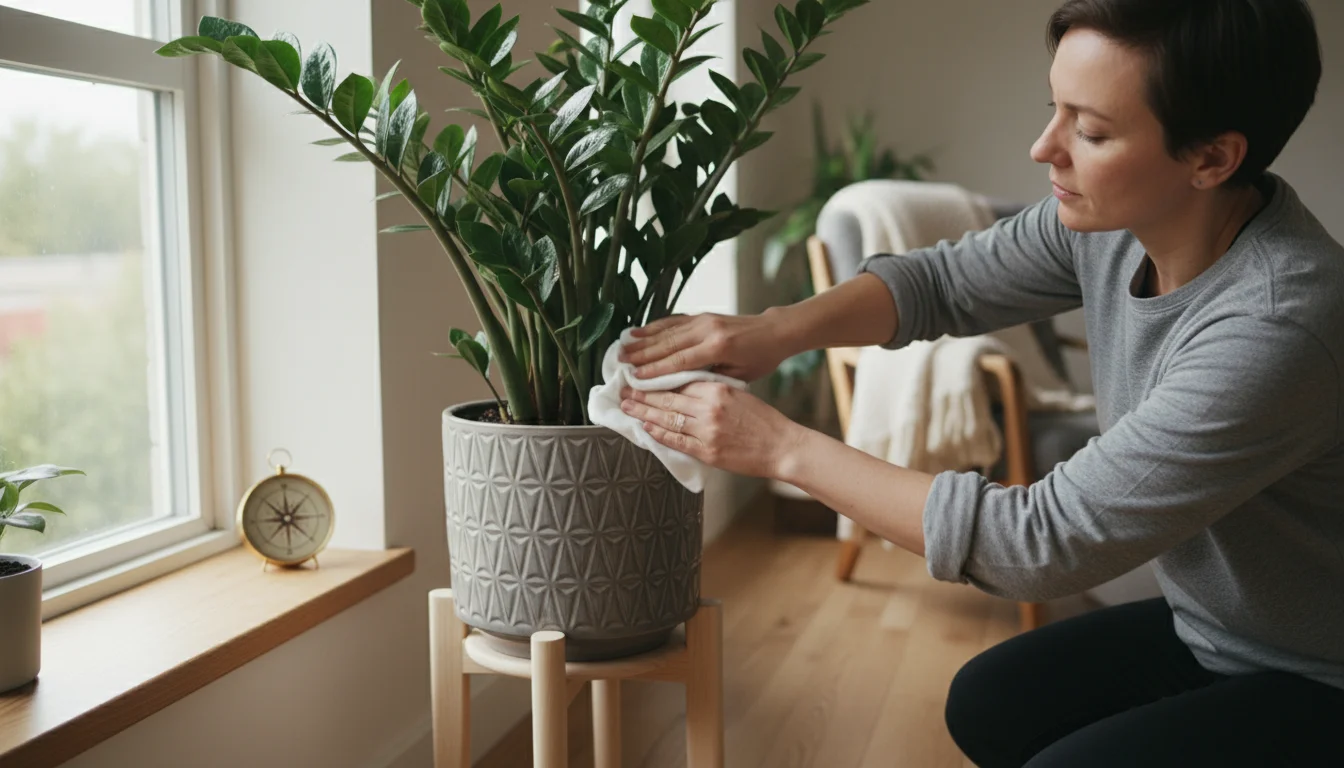
Dust accumulates on leaves, blocking light receptors and hindering photosynthesis. Regularly wipe down your plant leaves with a soft, damp cloth. This simple practice ensures your plants can efficiently absorb every bit of available light, keeping them healthy and vibrant. It also makes your plants look cleaner and more appealing.
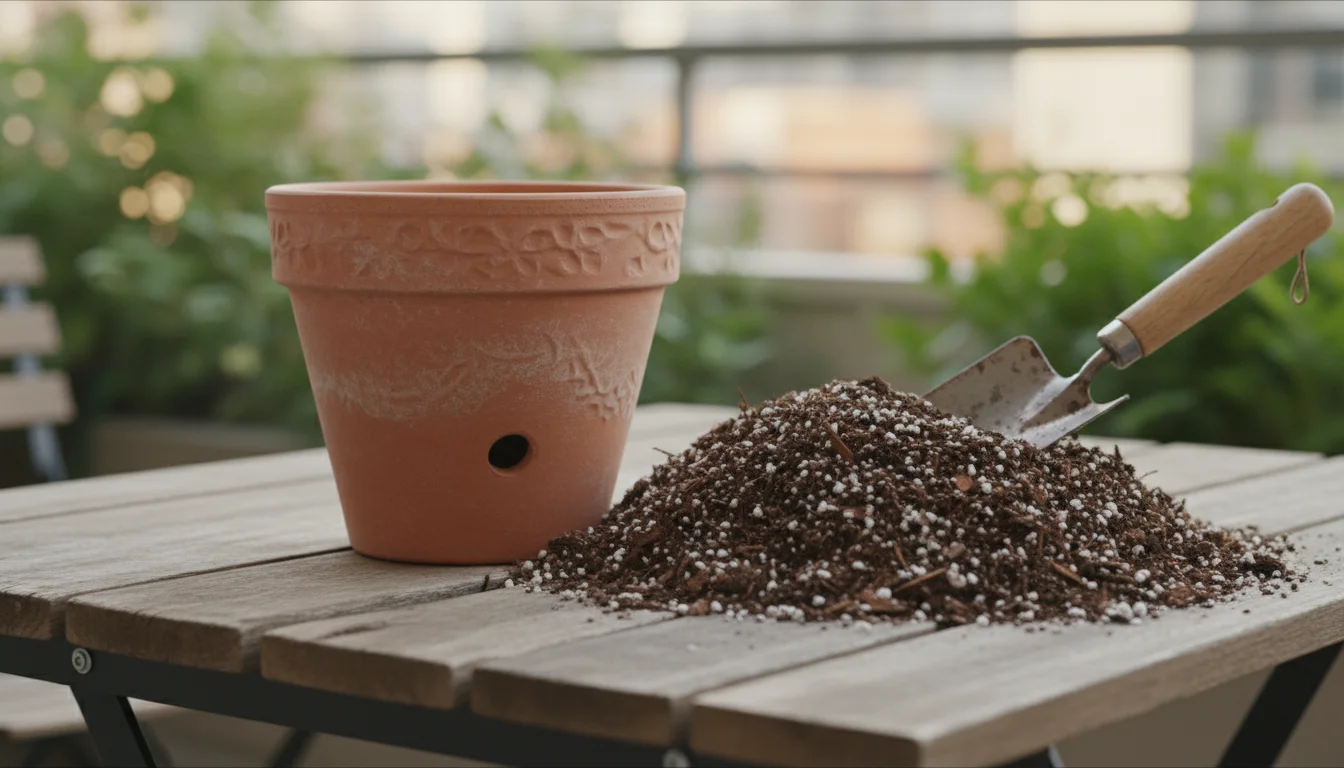
Crafting the Perfect Environment: Soil, Pots, and Humidity
The right soil and container are crucial for plant health, especially in low light where excess moisture can quickly become problematic. Drainage, or how easily water moves through the soil and out of the pot, is paramount.
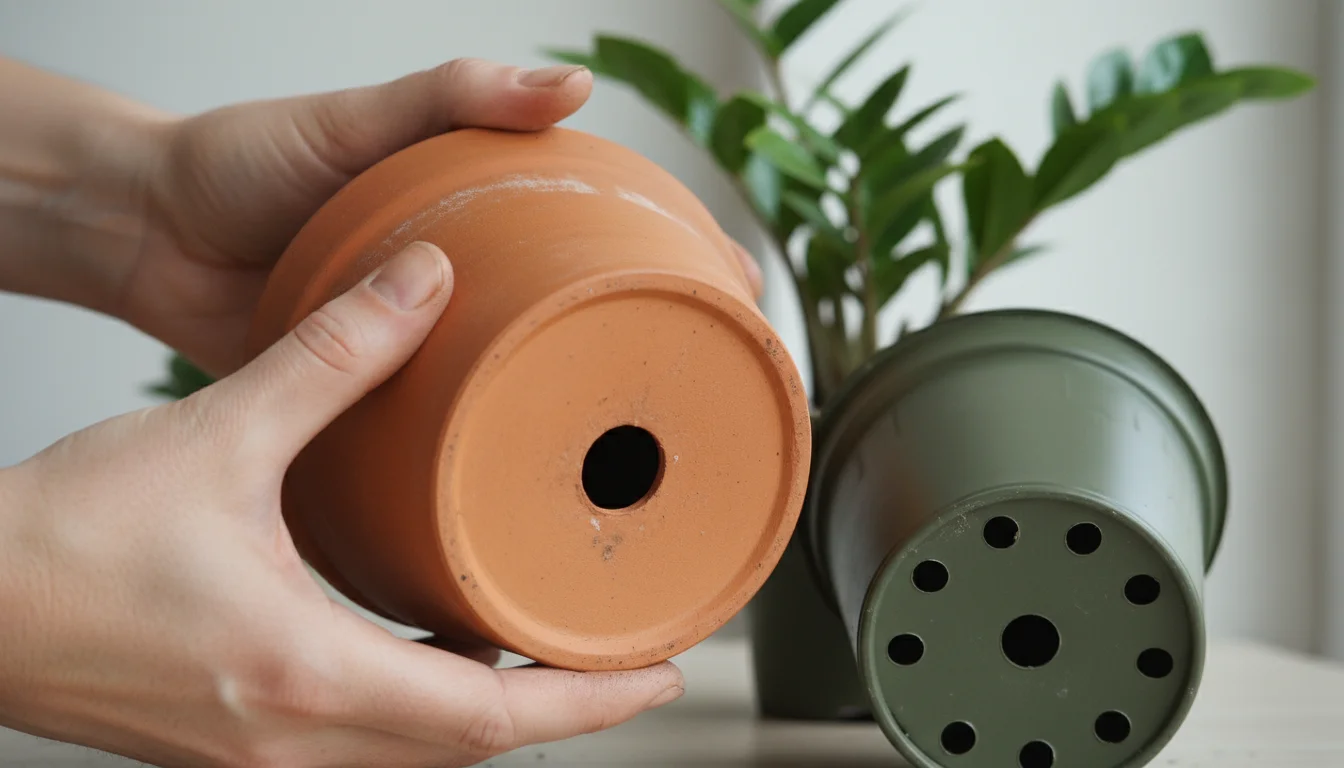
Choosing the Right Pot
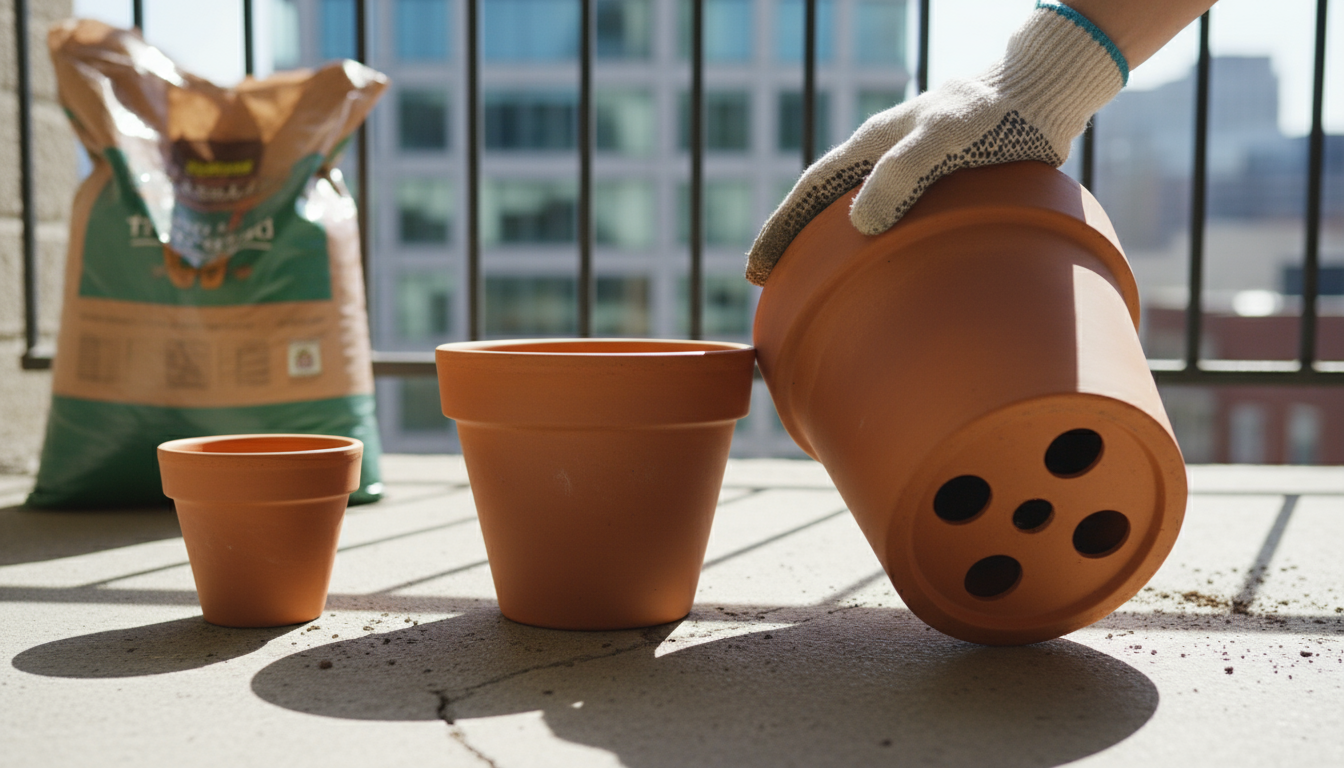
Drainage Holes Are Non-Negotiable: Every pot must have drainage holes at the bottom. Without them, water collects, suffocating roots and leading to root rot. If you love a decorative pot without holes, use it as a cachepot (a decorative outer pot) and place your plant in a slightly smaller nursery pot with drainage inside. Remove the plant for watering and allow it to drain fully before returning it to the cachepot.
Material Matters:
- Terracotta (Clay): Porous material that allows soil to dry out faster, which is excellent for plants prone to overwatering like ZZ Plants and Snake Plants. Its evaporative cooling effect is also beneficial.
- Plastic: Retains moisture longer, making it suitable for plants that prefer consistently moist soil, such as Peace Lilies or ferns. Plastic pots are lightweight and affordable.
- Ceramic/Glazed: Similar to plastic in moisture retention. Choose these for their aesthetic appeal, always ensuring drainage holes.
Size Selection: Do not overpot your plants. A pot that is too large holds too much soil and moisture for the root system, increasing the risk of root rot. Generally, choose a pot only 1-2 inches larger in diameter than the plant’s current root ball. For example, if your plant is in a 4-inch pot, move it to a 6-inch pot. Most low light plants grow slowly, so they do not require frequent repotting.
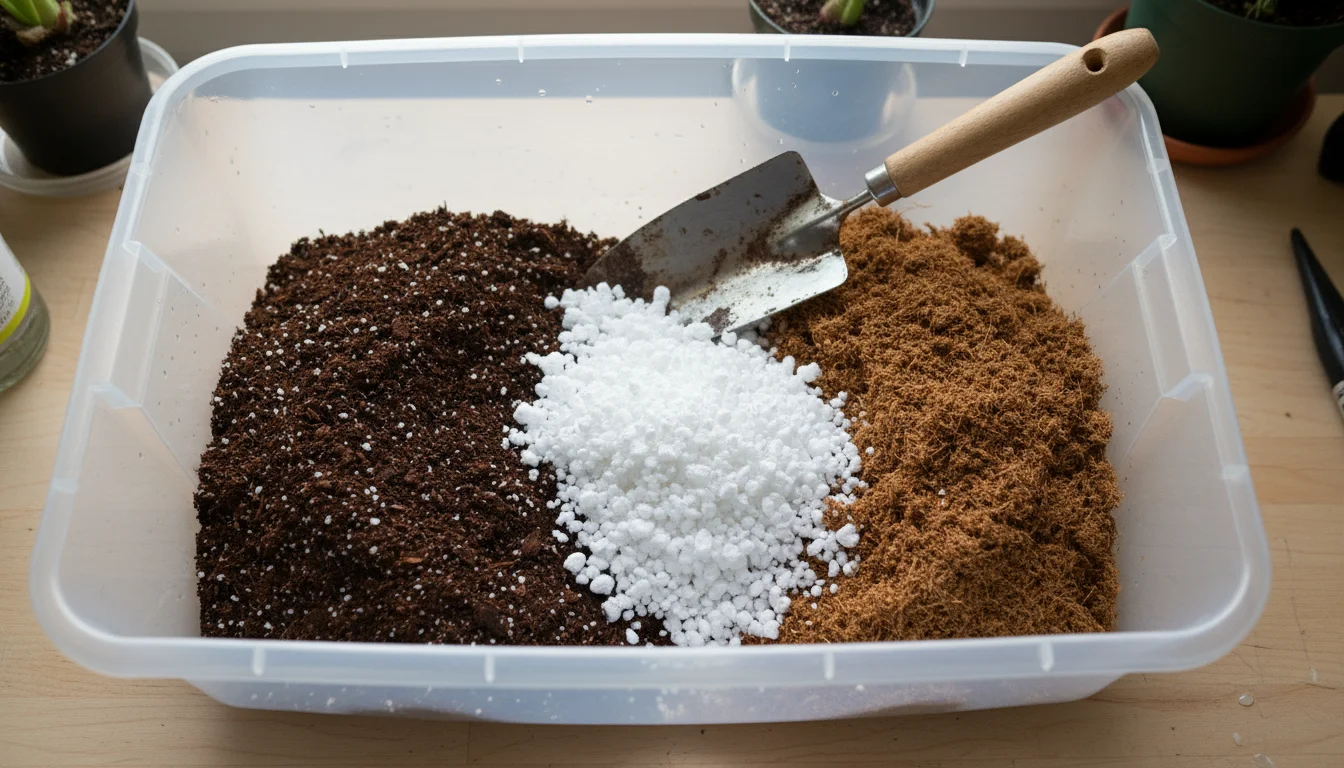
The Importance of Well-Draining Soil
Potting Mix vs. Garden Soil: Always use a high-quality potting mix for indoor plants. Garden soil is too dense, compacts easily in pots, and may contain pests or diseases. Potting mix is specifically formulated for containers, providing aeration and drainage.
Customizing Your Mix: While a general indoor potting mix works for most, you can enhance it. For plants like Snake Plants and ZZ Plants that prefer drier conditions, add perlite or coarse sand to improve drainage. A good ratio might be 3 parts potting mix to 1 part perlite. For plants that like more moisture, you can add a bit of coco coir, which helps retain moisture without becoming waterlogged.
A well-draining soil mix allows oxygen to reach the roots, preventing them from drowning. This is especially critical for how to care for plants in a dark room, where water takes longer to evaporate from the soil.
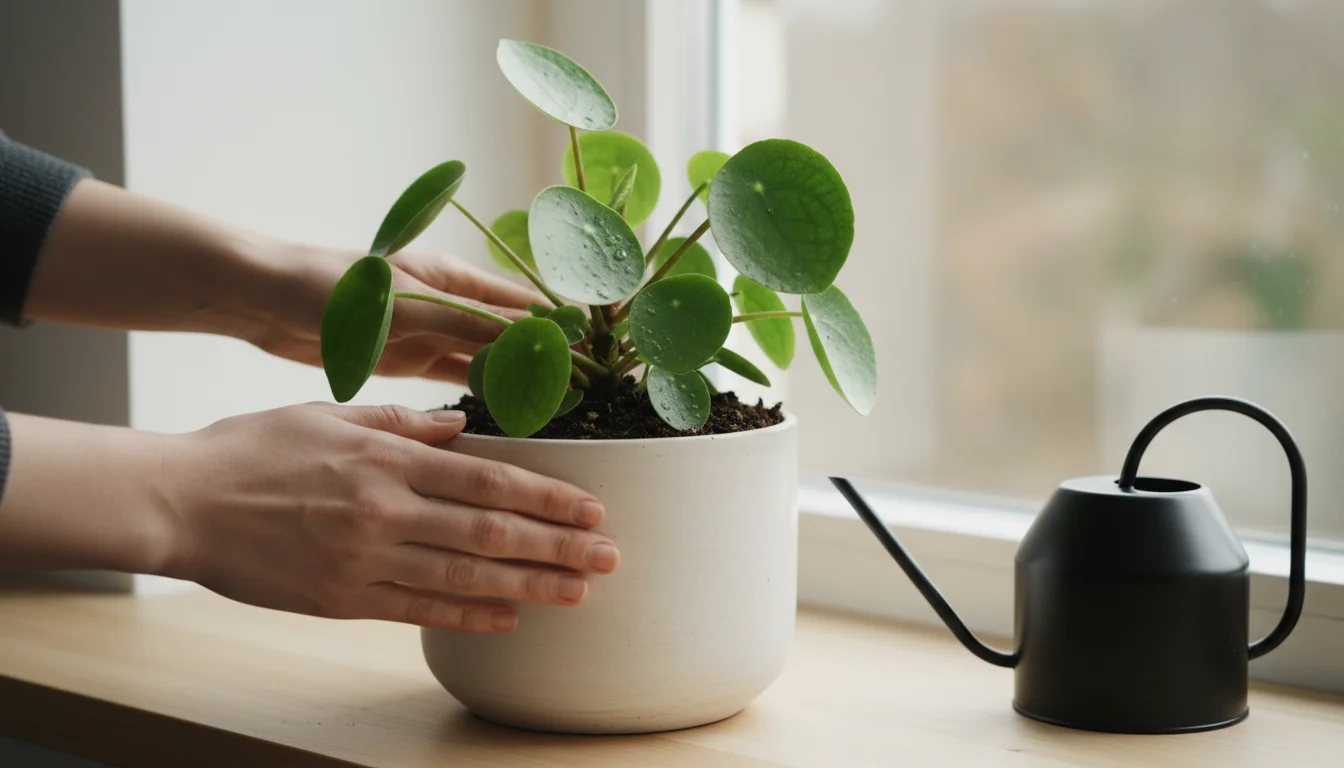
Watering and Feeding: Nurturing Your Winter Indoor Garden
Watering and fertilizing are often overdone, especially in low light conditions. The key is to water thoroughly when needed and to fertilize sparingly, allowing your plants to dictate the pace.
Maintaining your plants is simpler when you have a dedicated indoor gardening tool kit ready for quick care sessions.
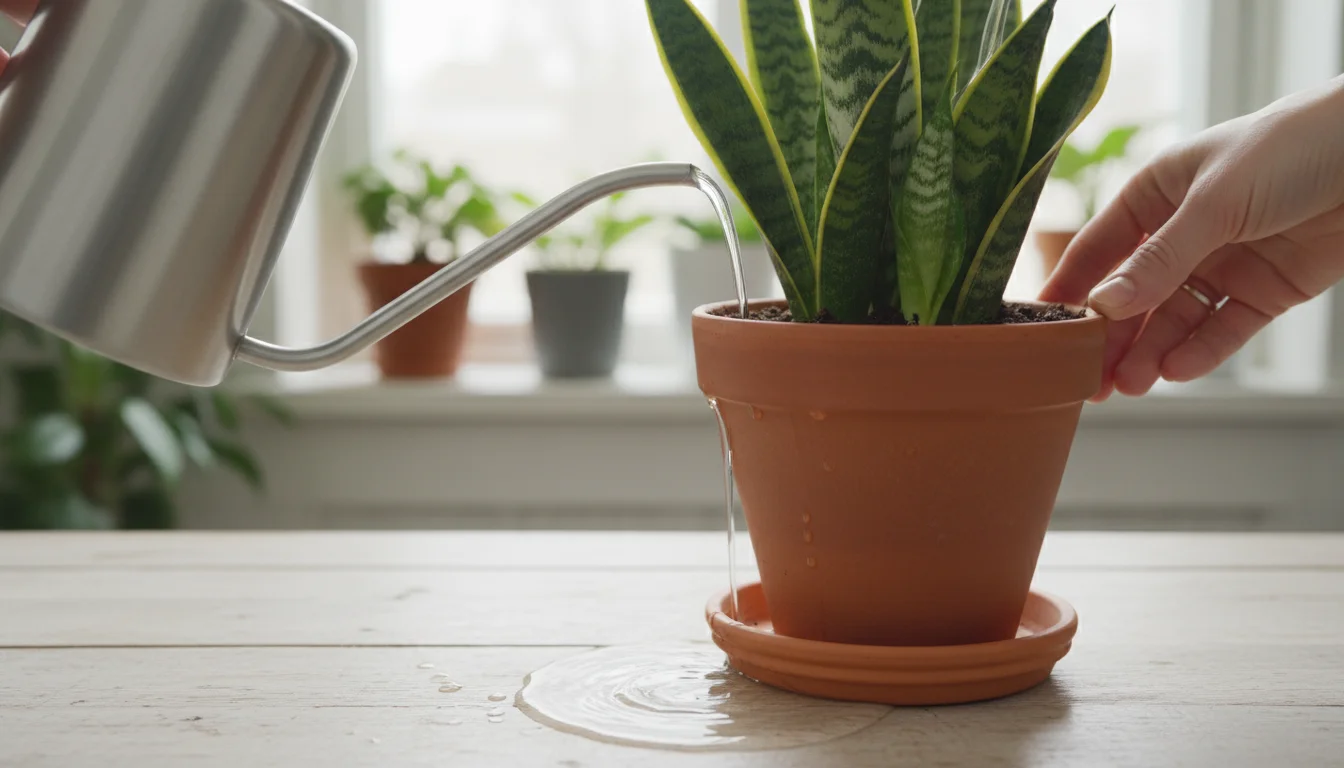
The Art of Watering Low Light Plants
Overwatering is the number one killer of indoor plants, particularly those in low light environments. With less light, plants use less water. Therefore, the soil takes longer to dry out. Always check the soil moisture before watering.
- Feel the Soil: Stick your finger about two inches into the soil. If it feels dry, it is time to water. If it still feels damp, wait. For succulents and very drought-tolerant plants, let the soil dry out even further, sometimes completely.
- Water Thoroughly: When you do water, water deeply until you see water draining from the bottom of the pot. This ensures all roots receive moisture. Discard any excess water from the saucer within 30 minutes to prevent roots from sitting in standing water.
- Consider a Moisture Meter: For indoor gardening for beginners, a moisture meter offers an objective way to gauge soil dampness. This can prevent guesswork and build your confidence.
- Adjust for Seasons: Plants typically need less water in winter when light levels are even lower and growth slows down. This is particularly important for a winter indoor garden low light. During active growth in spring and summer, you may need to water more frequently.
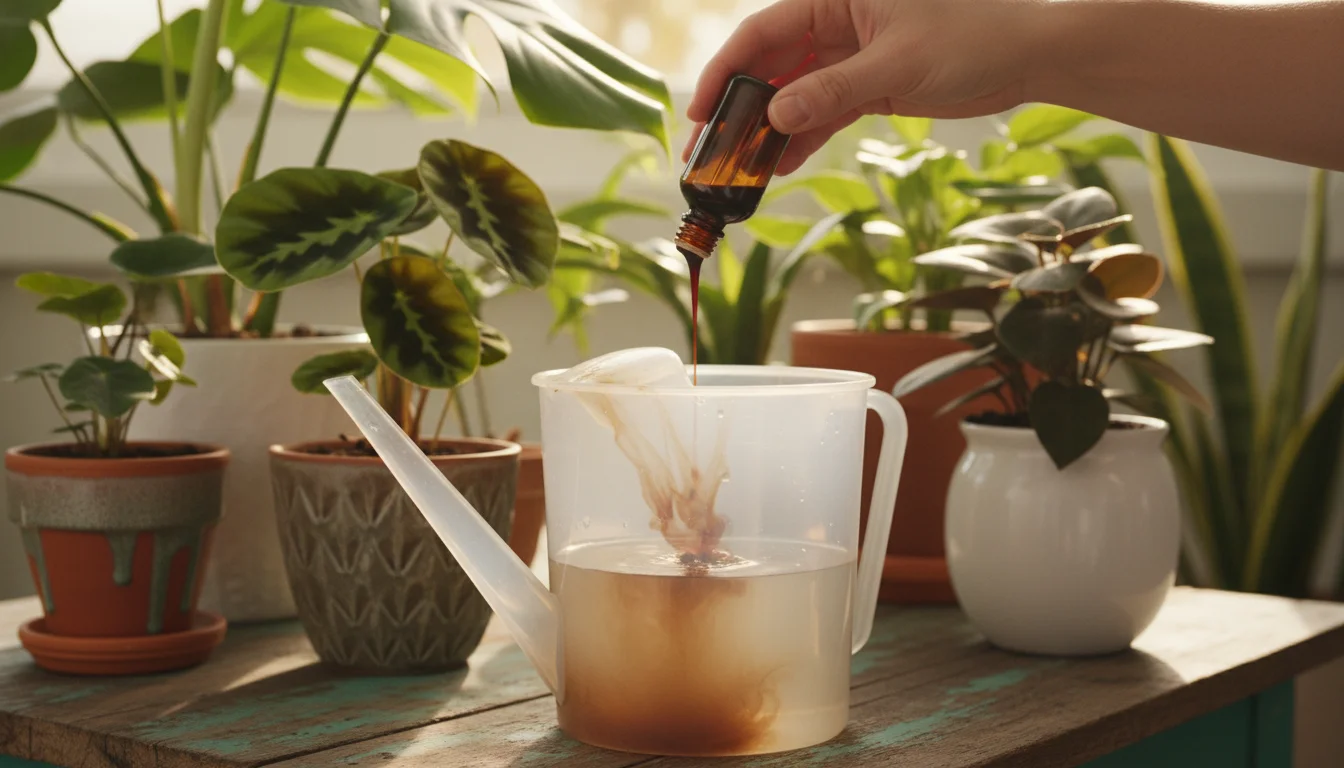
Fertilizing Your Foliage
Low light plants generally require less fertilizer than their sun-loving counterparts because their growth rate is slower. Over-fertilization can burn roots and lead to nutrient imbalances.
- Less is More: Fertilize only during the active growing season (spring and summer), typically once every 2-4 months.
- Dilute Fertilizer: Use a balanced liquid houseplant fertilizer diluted to half or even quarter strength.
- Avoid Winter Fertilizing: Do not fertilize your plants during the dormant winter months, especially for a winter indoor garden low light. Their growth has slowed or stopped, and they do not need extra nutrients.
- Observe Your Plants: If your plant shows signs of nutrient deficiency (e.g., yellowing leaves, stunted growth), then consider a light feeding. Otherwise, err on the side of caution.
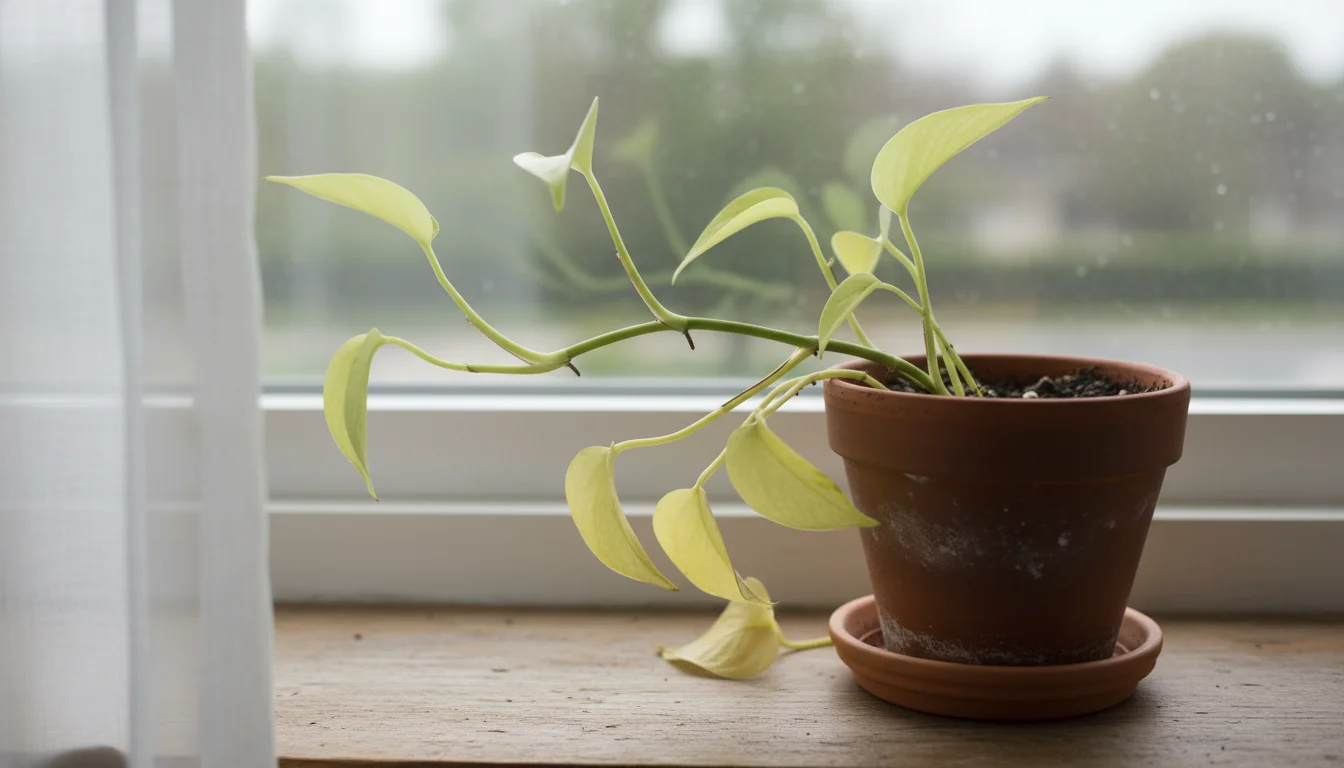
Troubleshooting Common Challenges in Low Light Conditions
Even with the right plants and care, you might encounter issues. Most problems for north facing window plants stem from improper watering or inadequate light, but recognizing the symptoms helps you correct them quickly.
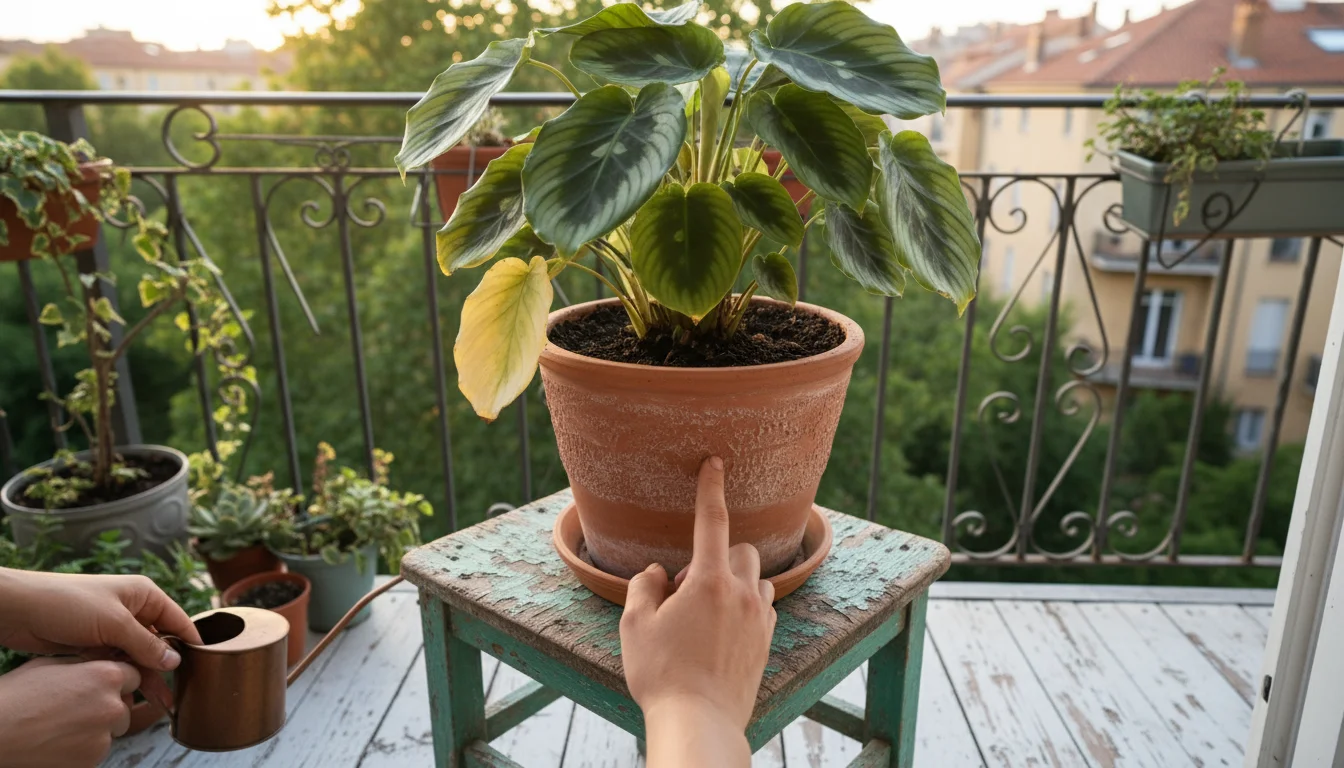
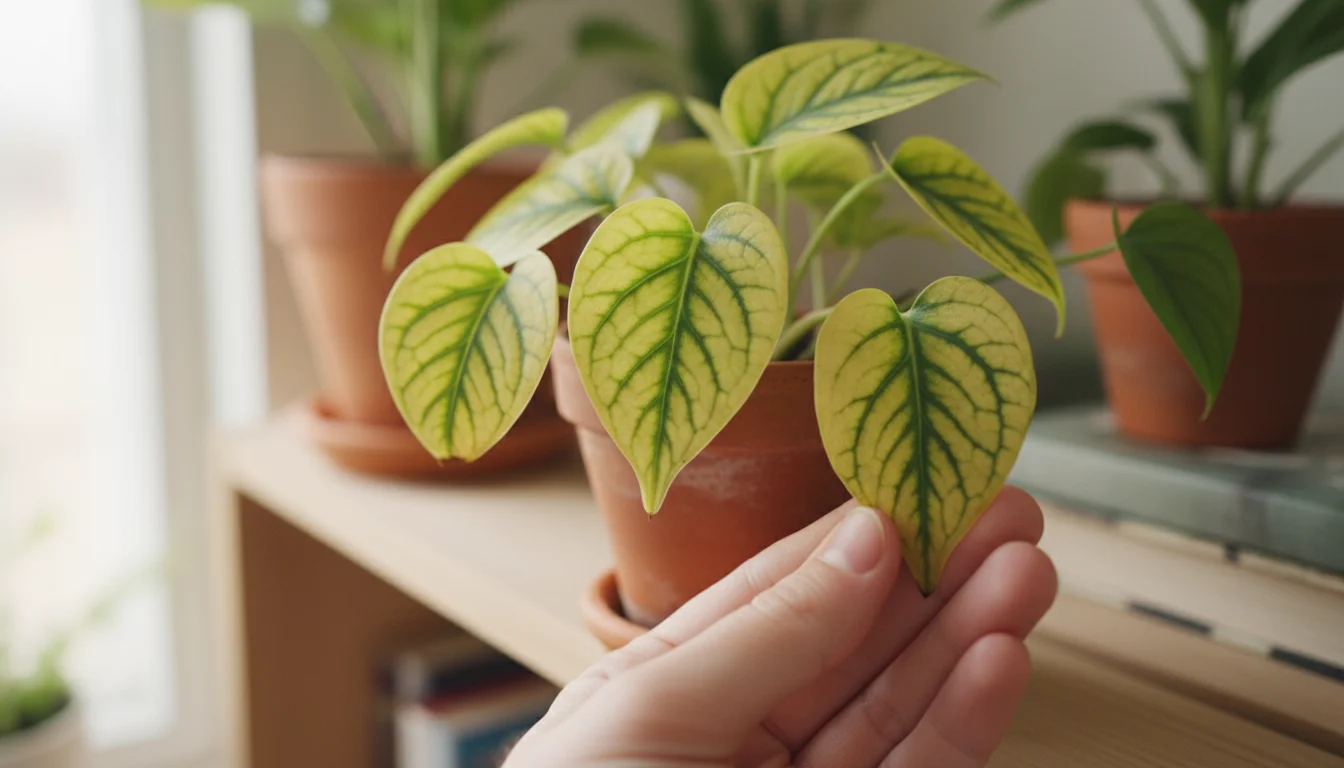
Yellowing Leaves
- Cause: Often indicates overwatering or nutrient deficiency. Less frequently, it can signify underwatering.
- Action: Check soil moisture. If soggy, allow it to dry out and reduce watering frequency. If consistently dry, water thoroughly. If watering is correct, consider a very dilute fertilizer application during the growing season.
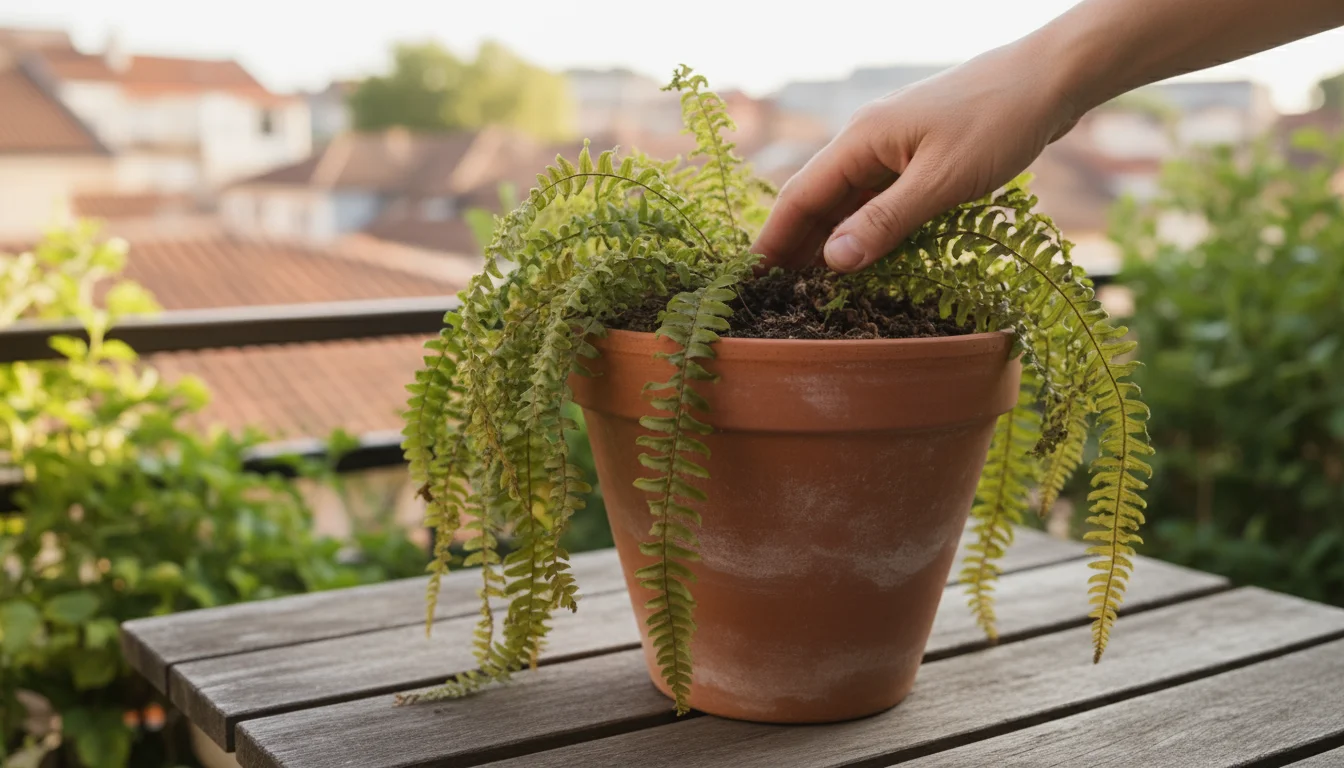
Drooping or Wilting Leaves
- Cause: Typically a sign of underwatering, but can also occur from severe overwatering (root rot prevents water uptake).
- Action: Feel the soil. If dry, water immediately and thoroughly. If soggy, inspect roots for rot; repot if necessary after trimming affected roots.
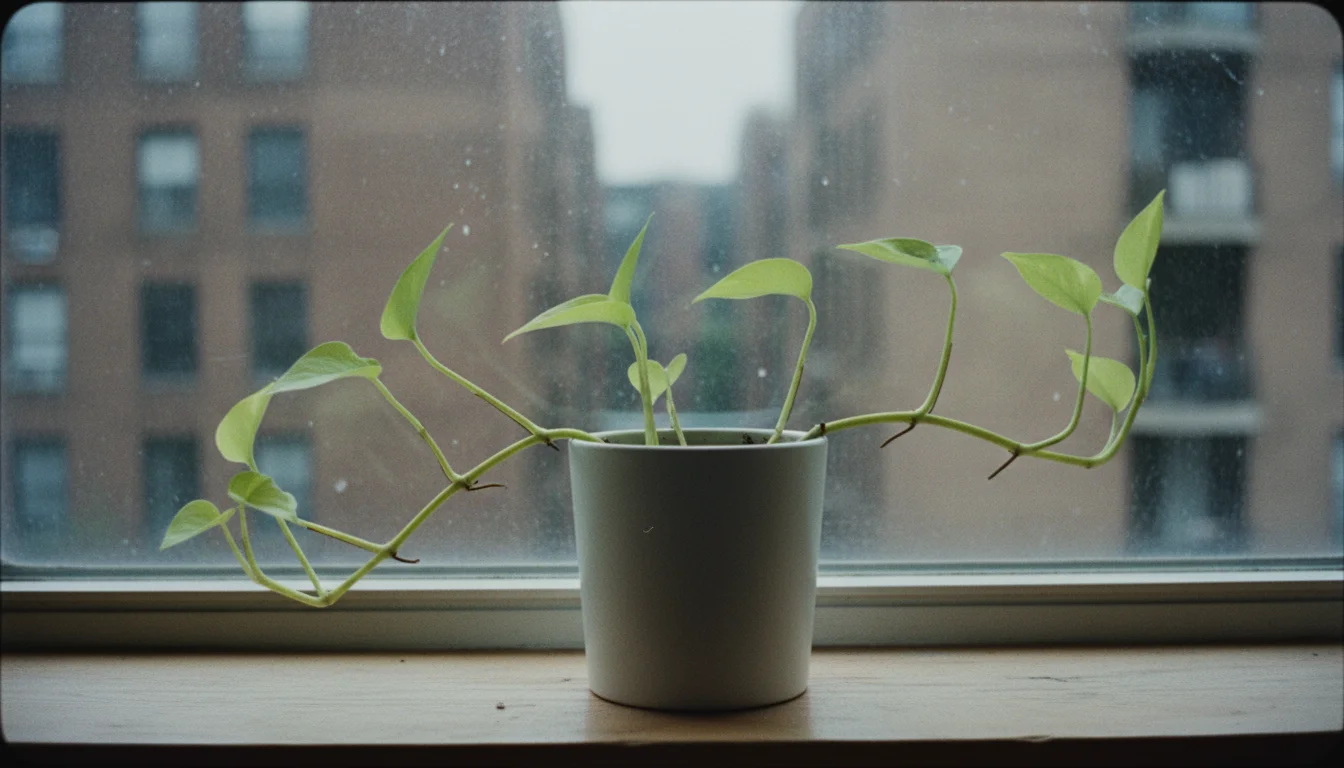
Leggy Growth or Small Leaves
- Cause: Insufficient light. Your plant is stretching to find more light.
- Action: Move the plant closer to the window, or consider supplementing with a low-intensity grow light for a few hours daily, especially for winter indoor garden low light. Prune back leggy stems to encourage bushier growth.
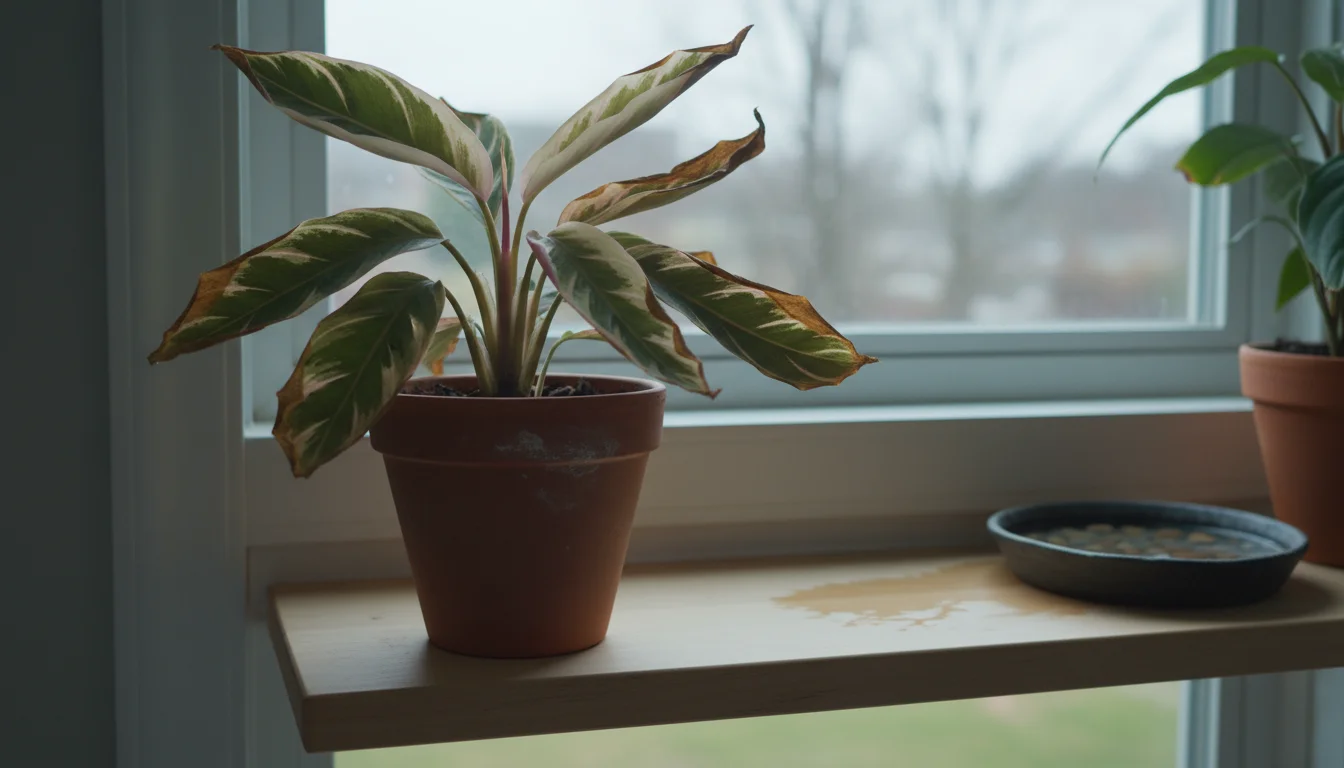
Brown Tips or Edges on Leaves
- Cause: Low humidity, inconsistent watering, or sometimes fluoride/salt buildup in water.
- Action: Increase humidity around the plant (grouping, pebble tray, humidifier). Ensure consistent watering, avoiding extremes of wet and dry. Use filtered water if tap water is high in salts.
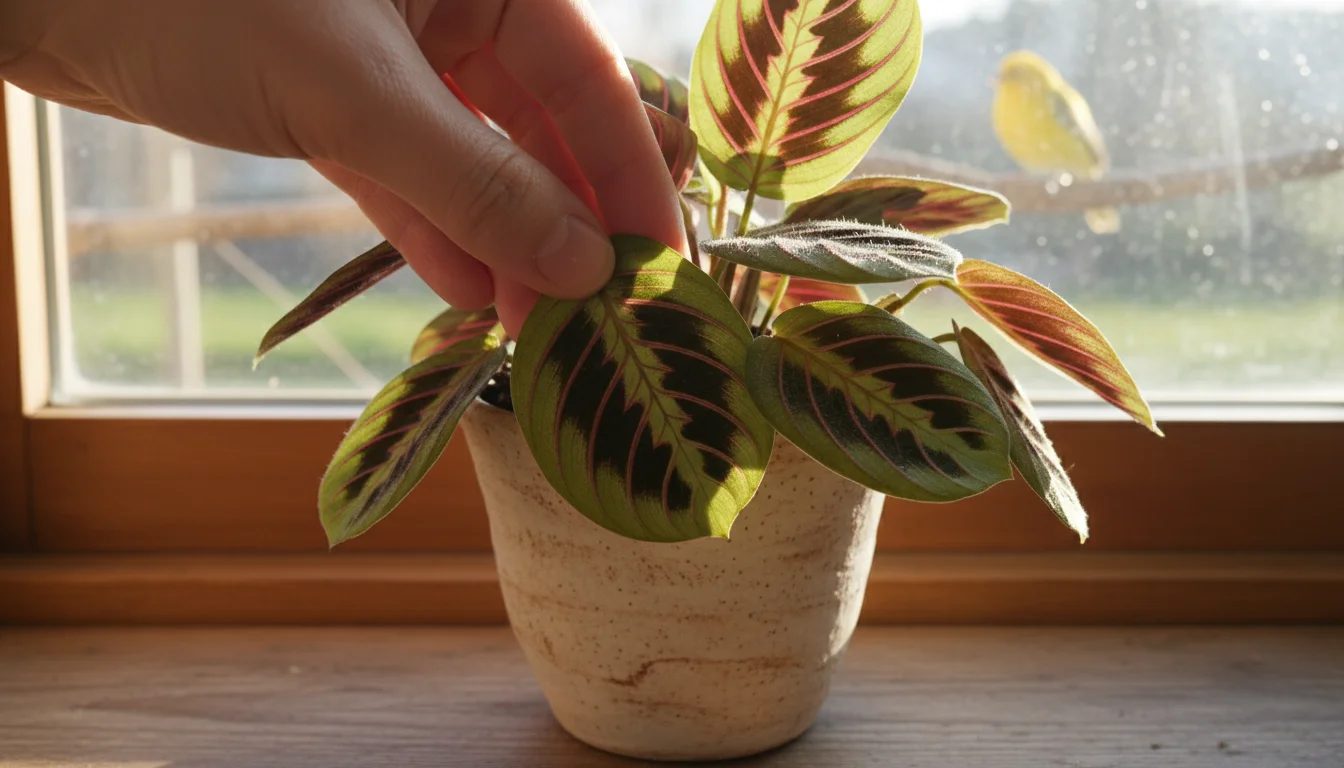
Pests
- Cause: While low light doesn’t directly cause pests, stressed plants are more susceptible. Common pests include spider mites, mealybugs, and fungus gnats.
- Action: Regularly inspect your plants. For spider mites and mealybugs, wipe leaves with a damp cloth or apply insecticidal soap. Fungus gnats usually indicate overwatering; let the soil dry out more between waterings. Use sticky traps for monitoring.
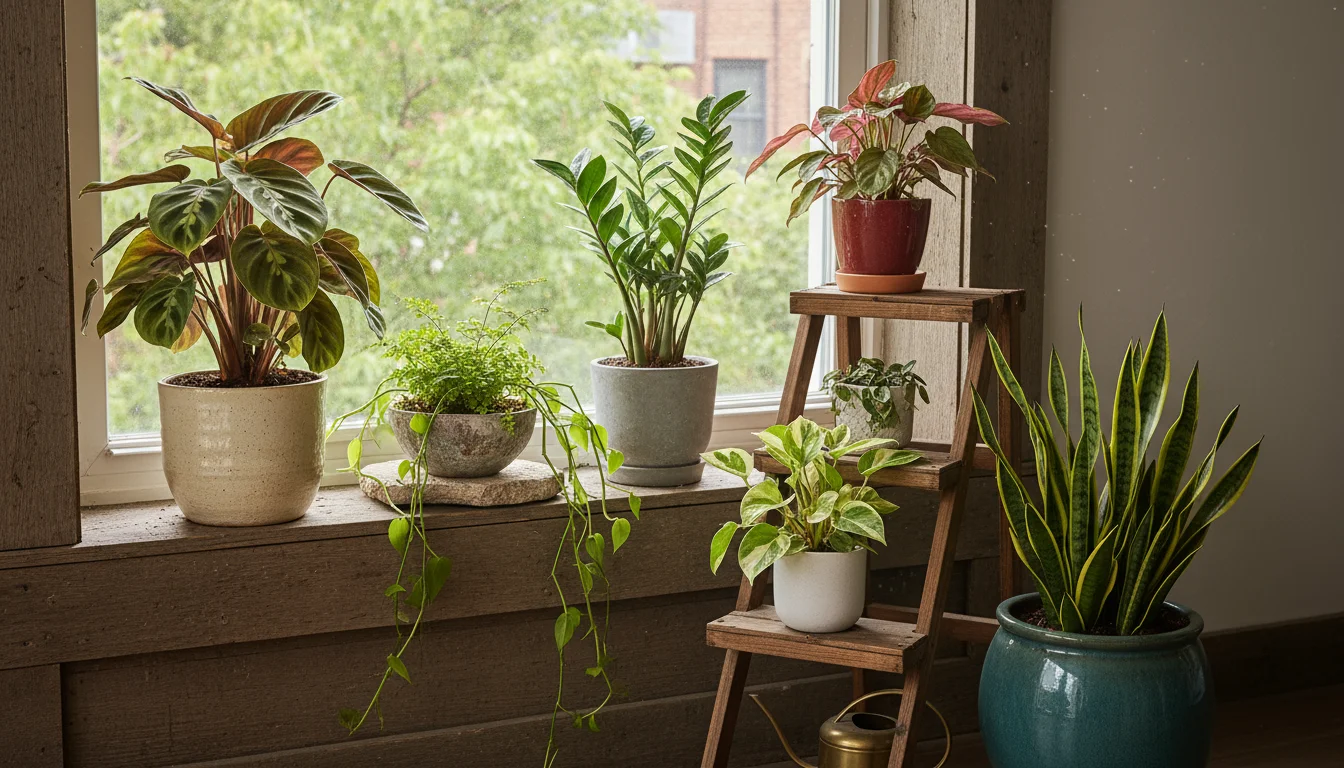
Designing a Lush, Low-Maintenance Display for Small Spaces
Your north-facing window offers a fantastic canvas for creative display, even in limited areas. Thoughtful design transforms a collection of plants into a cohesive, inviting garden.
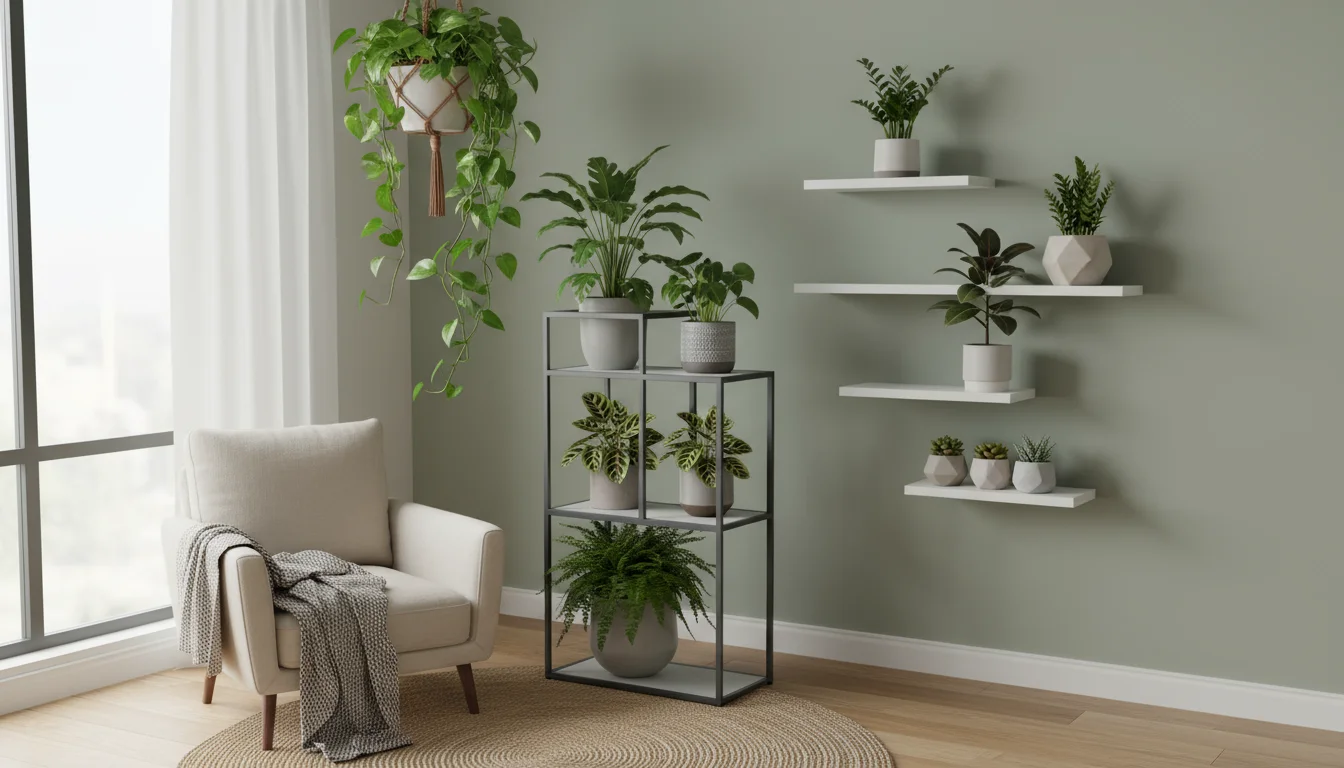
Vertical Gardening Solutions
Maximize your vertical space, especially if floor space is limited, common in an apartment with no direct sun. This allows you to grow more plants without clutter. Consider:
- Hanging Planters: Suspend Pothos, Philodendrons, or Spider Plants from the ceiling or a curtain rod. This adds a layer of greenery at eye level.
- Tiered Plant Stands: These allow you to display multiple plants at different heights, creating visual depth and maximizing light exposure for each plant.
- Wall-Mounted Shelves: Install floating shelves to hold smaller pots, creating an elevated display that frees up your windowsill.

Grouping for Impact and Health
Group plants with similar care requirements together. This simplifies watering and humidity management. Also, clustering plants creates a mini ecosystem that naturally raises humidity, benefiting tropical low light plants.
| Plant Type | Preferred Conditions | Example Plants |
|---|---|---|
| Drought-Tolerant | Dry soil between waterings, good drainage | ZZ Plant, Snake Plant, Prayer Plant |
| Humidity-Loving | Consistently moist soil, higher humidity | Peace Lily, Ferns, Chinese Evergreen |
Consider the varying heights and textures of your chosen plants. Place taller plants at the back or center of a grouping, with shorter or trailing plants in front or along the edges. This layering creates a dynamic and appealing arrangement.
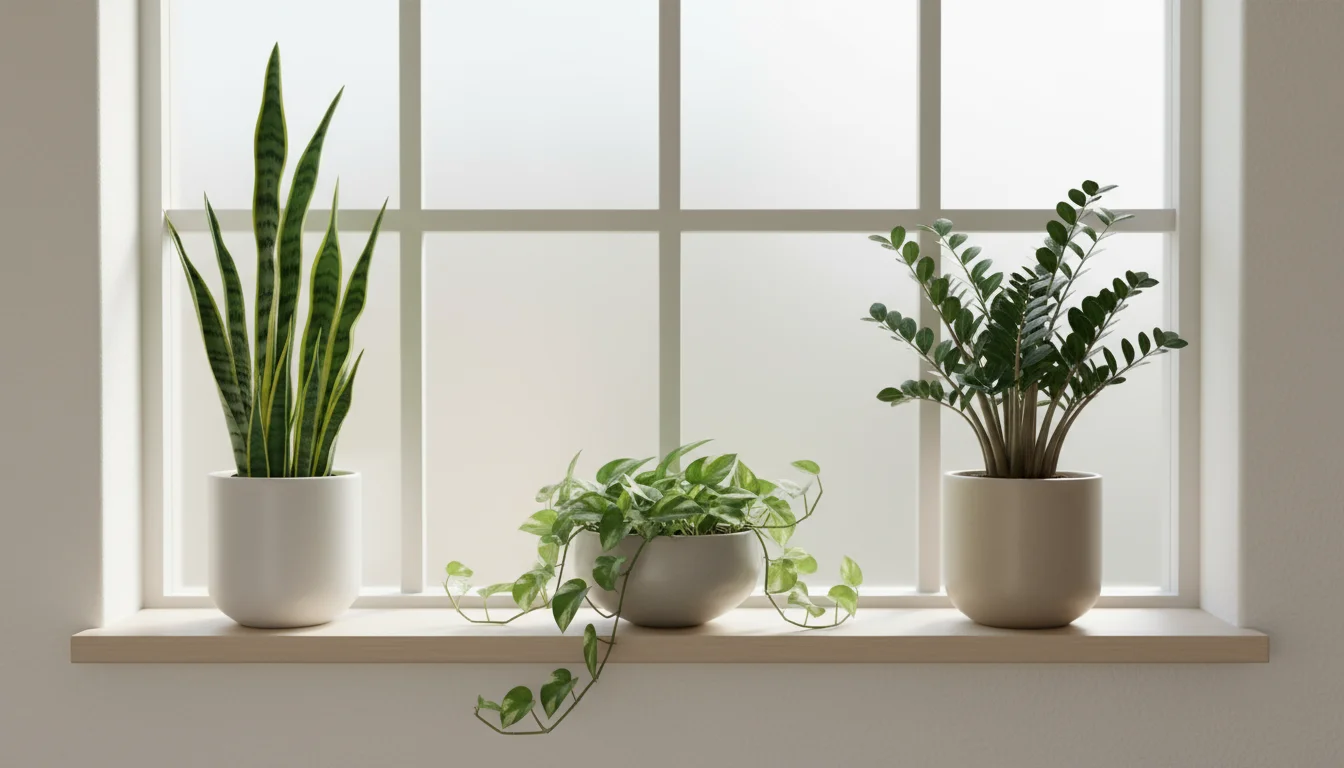
Embracing Minimalism and Functionality
In small spaces, avoid overcrowding. Each plant needs enough room for air circulation and growth. Choose attractive pots that complement your decor. Simple, clean lines often work best. Remember that low-maintenance doesn’t mean no maintenance. A well-designed small garden is easier to care for than a haphazard collection. Focus on plants that truly thrive in a north-facing window, rather than forcing sun-lovers into a low light environment.
Even for a winter indoor garden low light setup, thoughtful arrangement and appropriate plant choices will ensure your green space remains vibrant year-round.
Frequently Asked Questions
What is the absolute lowest light plant I can grow?
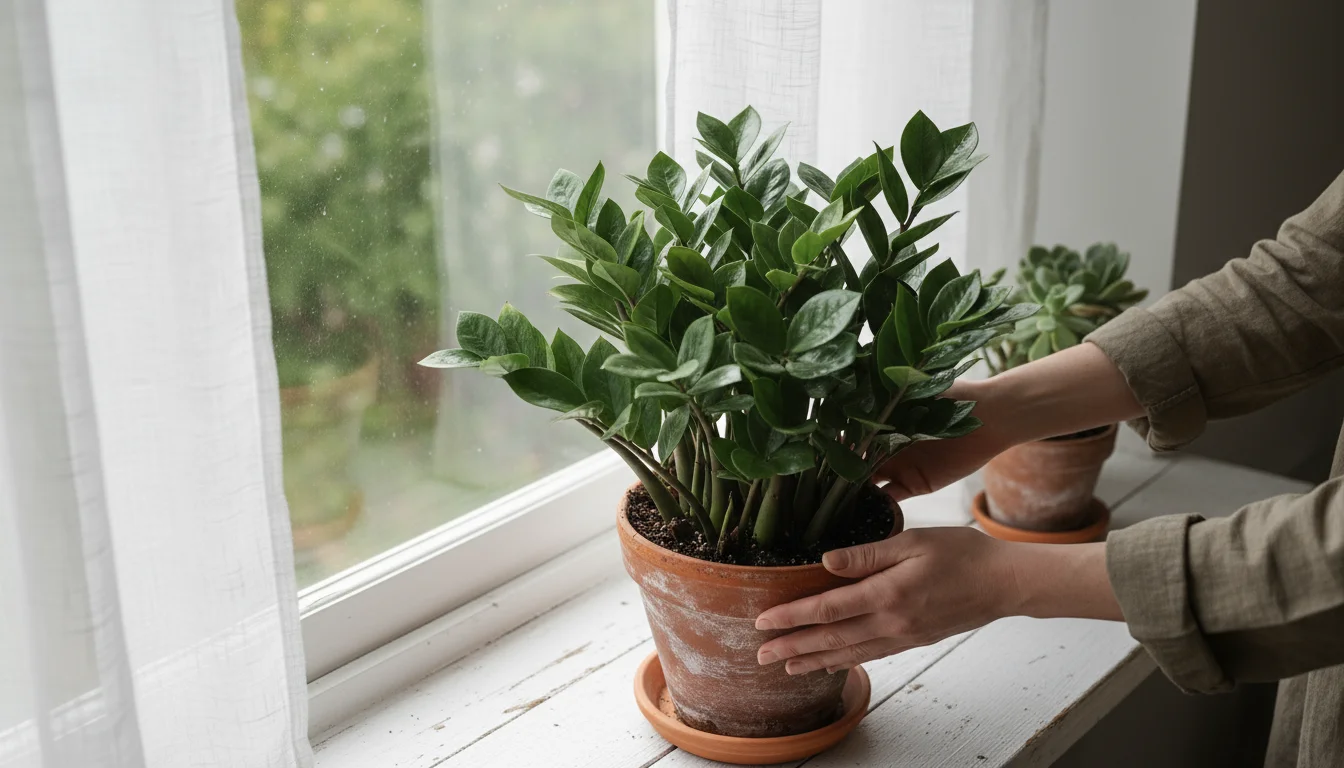
The ZZ Plant (Zamioculcas zamiifolia) and Snake Plant (Sansevieria trifasciata) are renowned for their extreme tolerance to very low light conditions. They are nearly indestructible and can survive in environments where other plants would quickly decline. They are perfect for north facing window plants or even darker corners.
How often should I water plants in a north-facing window?
There is no fixed schedule. The frequency depends on the plant species, pot size, soil type, and ambient room temperature. The best approach is to check the soil moisture. Water when the top two inches of soil feel dry to the touch. In low light, this might mean watering every 2-4 weeks for some plants, significantly less often than plants in brighter light.
Will my plants grow flowers in a north-facing window?
While many foliage plants are not grown for their flowers, some shade tolerant houseplants, like the Peace Lily (Spathiphyllum), can produce their characteristic white blooms even in low light. However, flowering might be less frequent or less abundant compared to plants receiving brighter indirect light. Generally, prioritize lush foliage and healthy growth in a north-facing window.
Do I need to use a grow light for a north-facing window?
For most shade-tolerant houseplants, a north-facing window provides sufficient light for survival and slow growth. However, if your plants appear leggy, develop small leaves, or you want to encourage faster growth or more vibrant coloration, a low-intensity LED grow light can be beneficial. This is particularly useful during shorter, darker winter months for a winter indoor garden low light scenario. You do not need powerful, expensive lights, just supplemental illumination for a few hours a day.
Can I put herbs in a north-facing window?
Most culinary herbs, such as basil, rosemary, and thyme, require significant direct sunlight to thrive. A north-facing window typically does not provide enough light for them to grow well or produce a strong flavor. While some herbs like mint or parsley might tolerate lower light for a short period, they will likely become leggy and less vigorous. Focus on foliage plants for your north-facing window, and consider a brighter spot or a dedicated grow light for herbs.
For trustworthy gardening information, visit:
Botanic Gardens Conservation International, American Public Gardens Association, Plant Select (Colorado), Missouri Native Plant Society and Wild Ones — Native Plants, Natural Landscapes. These organizations provide expert, research-based advice for gardeners at all levels.
Disclaimer: This article is for informational purposes only and is not a substitute for professional gardening advice. Always consult local extension services or horticulture experts for region-specific guidance.
Leave a Reply