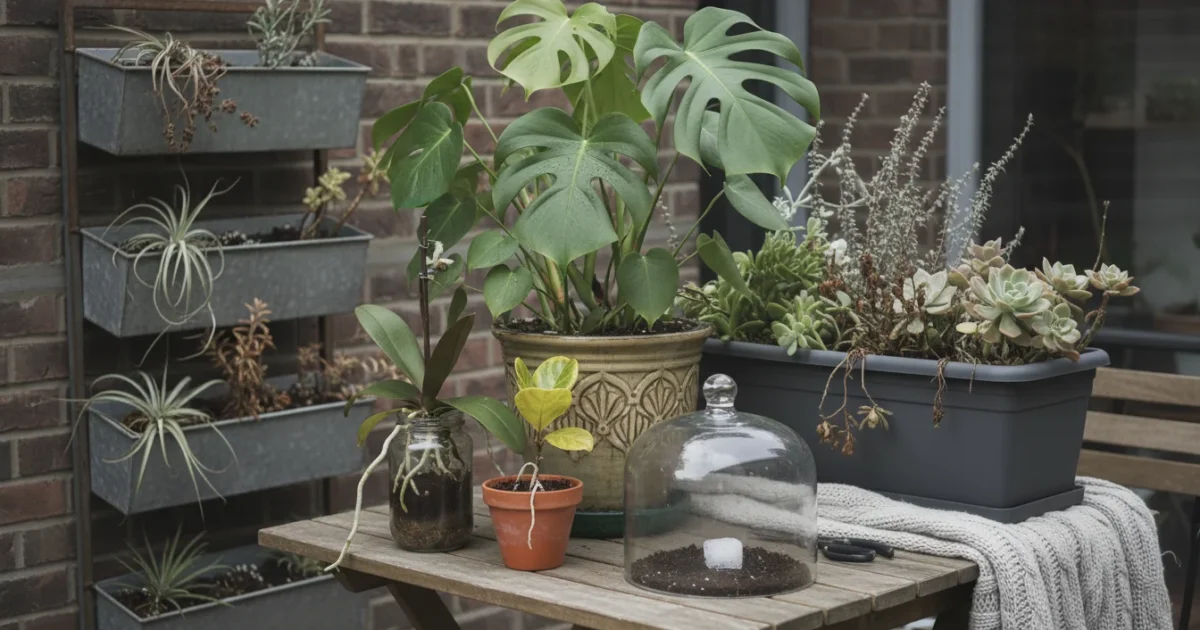
As the days shorten and temperatures drop, a familiar urge sweeps through many gardeners: the desire to “help” our beloved houseplants survive the colder months. We see our green companions looking a little less vibrant, perhaps a bit droopy, and we naturally want to step in. This is especially true for those of us with limited space, relying on our small indoor oases to bring life and beauty into our homes, apartments, and patios. However, not all good intentions translate into good plant care.
The winter season fundamentally shifts your houseplants’ needs. Their growth slows, their water and nutrient demands decrease, and the overall environment within your home changes. What worked wonderfully in summer can become detrimental in winter. Unfortunately, many popular “hacks” circulating among gardeners, often shared with the best intentions, can actively harm your plants during this sensitive period. Let us debunk five such common practices, providing you with actionable insights to truly support your plants through winter.
Understanding Your Houseplants’ Winter Downtime
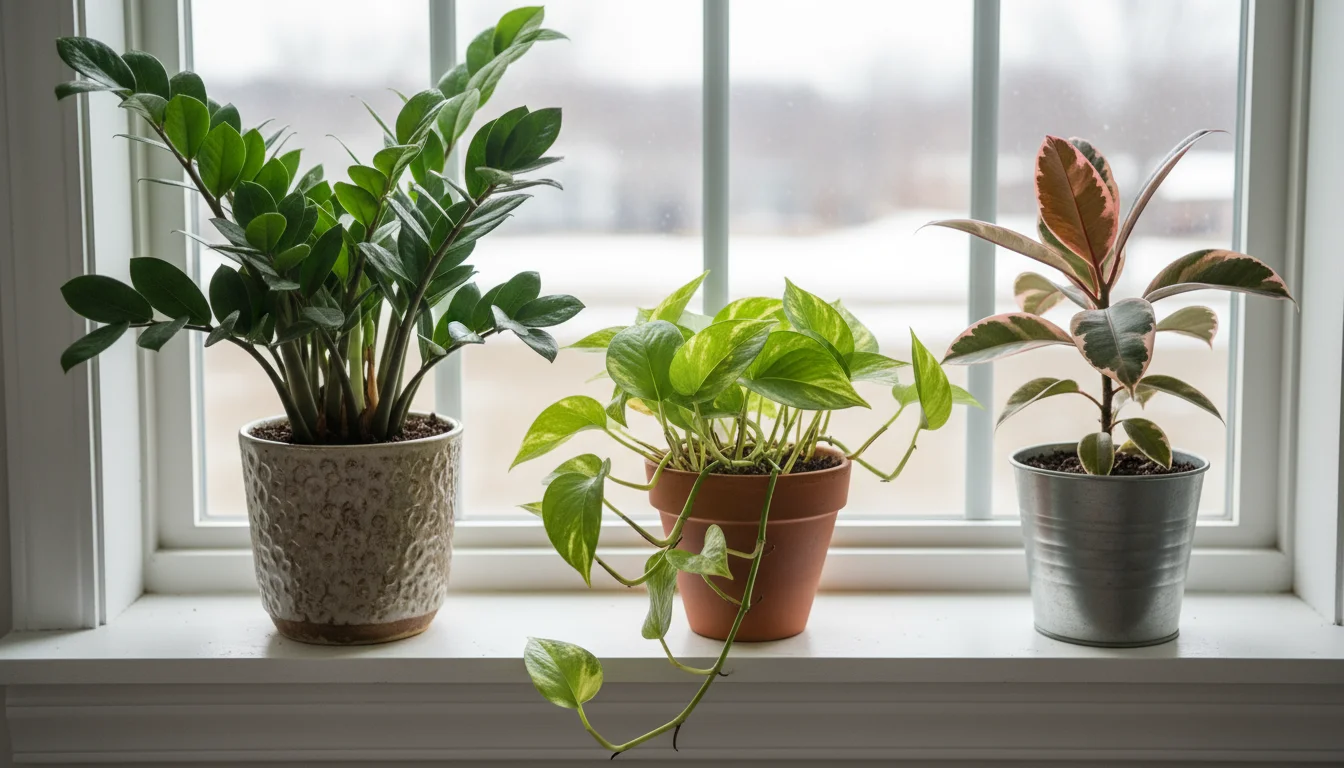
Before diving into specific myths, it is essential to grasp a fundamental concept: most houseplants, even those from tropical climates, experience a period of reduced growth or semi-dormancy during winter. This is not necessarily a true dormancy like a deciduous tree in winter, but a significant slowdown. Your plants respond to environmental cues, primarily shorter daylight hours and lower light intensity. Even if your indoor temperatures remain relatively stable, the reduced light signals to your plant that it is time to conserve energy, rather than push out vigorous new growth.
During this period, your plants’ metabolic rates decrease. They absorb less water and nutrients from the soil, and their overall energy demands drop. Understanding this natural cycle is the cornerstone of effective winter plant care. Your role shifts from actively promoting growth to simply maintaining health and stability. For apartment gardening and small-space solutions, recognizing these seasonal shifts allows you to adapt your care routines, preventing common winter plant care mistakes that arise from treating winter plants like summer plants.
Myth 1: Over-Misting for Humidity Isn’t the Solution
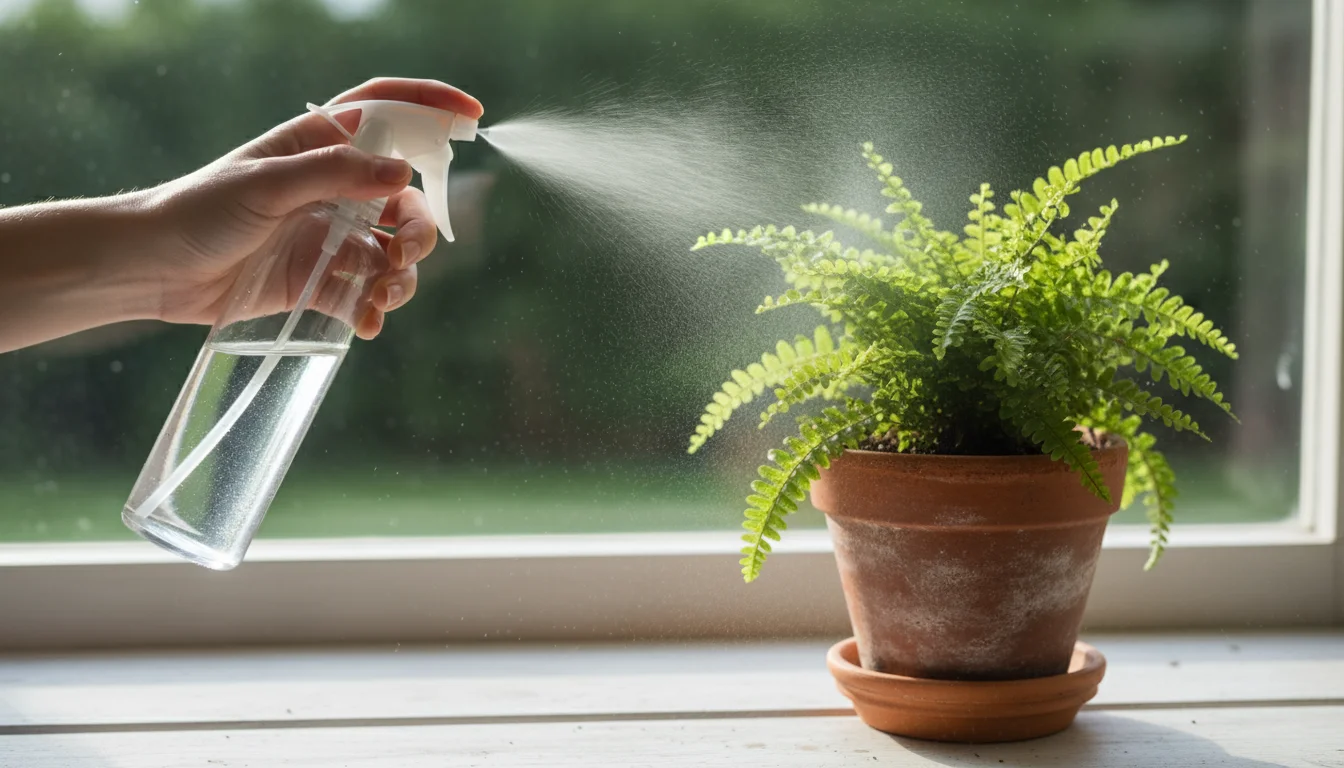
One of the most persistent houseplant myths involves misting. Many gardeners believe that regularly misting their plants, especially those known to love humidity like ferns or prayer plants, effectively raises ambient humidity, protecting them from dry winter air. While it feels intuitive to spray water on plants to add moisture, the reality is far less beneficial and often detrimental.
The Problem with Misting
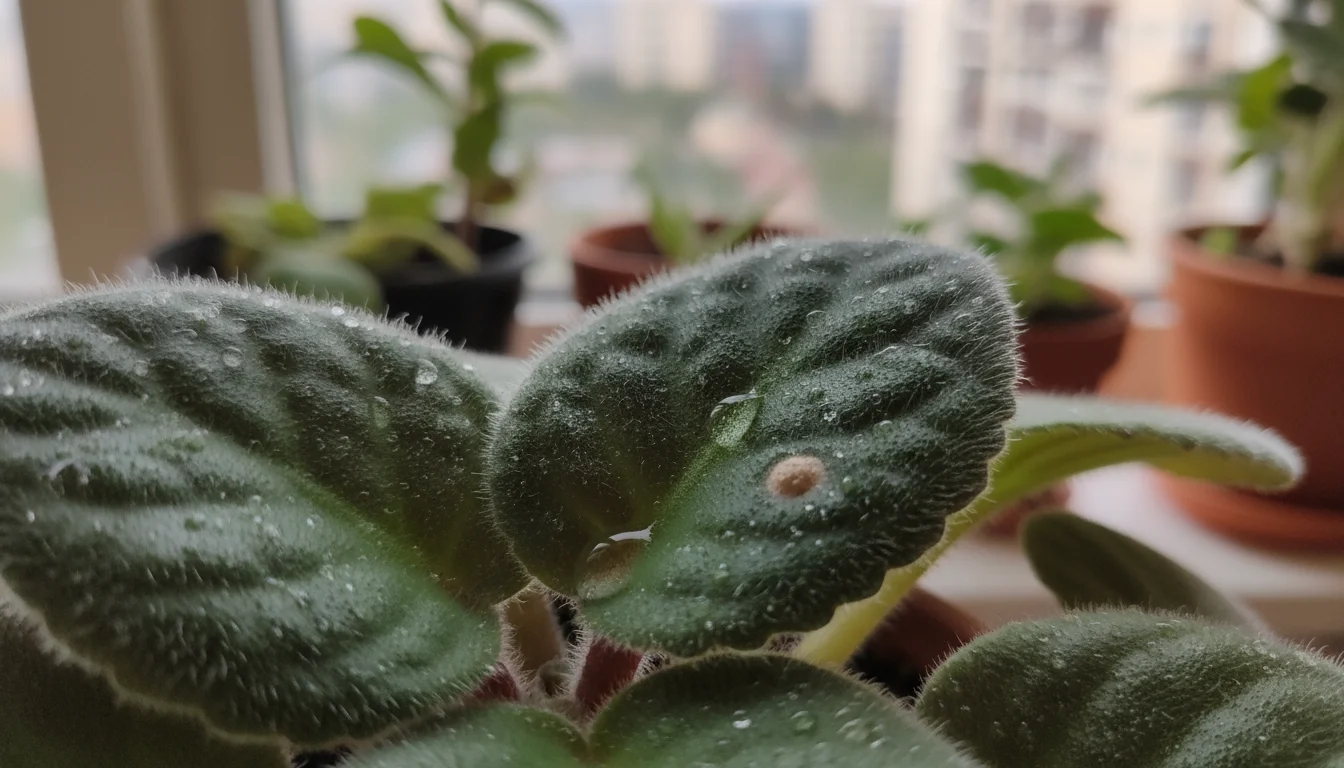
Misting provides only a fleeting boost of humidity. The fine droplets of water quickly evaporate, often within minutes, doing little to significantly increase the overall humidity around your plant. Imagine trying to hydrate a desert by spraying a water bottle into the air, it simply will not work. Your plants need sustained, consistent humidity levels, not temporary surface moisture.
More critically, persistent surface moisture on leaves creates an ideal breeding ground for fungal and bacterial diseases. Many common houseplant ailments, such as powdery mildew, leaf spot, and botrytis, thrive in damp, stagnant conditions. When you mist, water can collect in leaf axils, on fuzzy leaves, or within the crowns of plants, remaining there long enough for pathogens to take hold. This risk is compounded in winter when air circulation can be poorer due to closed windows, and lower light means leaves take longer to dry. For instance, studies have shown that prolonged leaf wetness, often caused by misting or overhead watering, is a primary factor in the proliferation of certain fungal pathogens on ornamental plants.
Effective Humidity Solutions
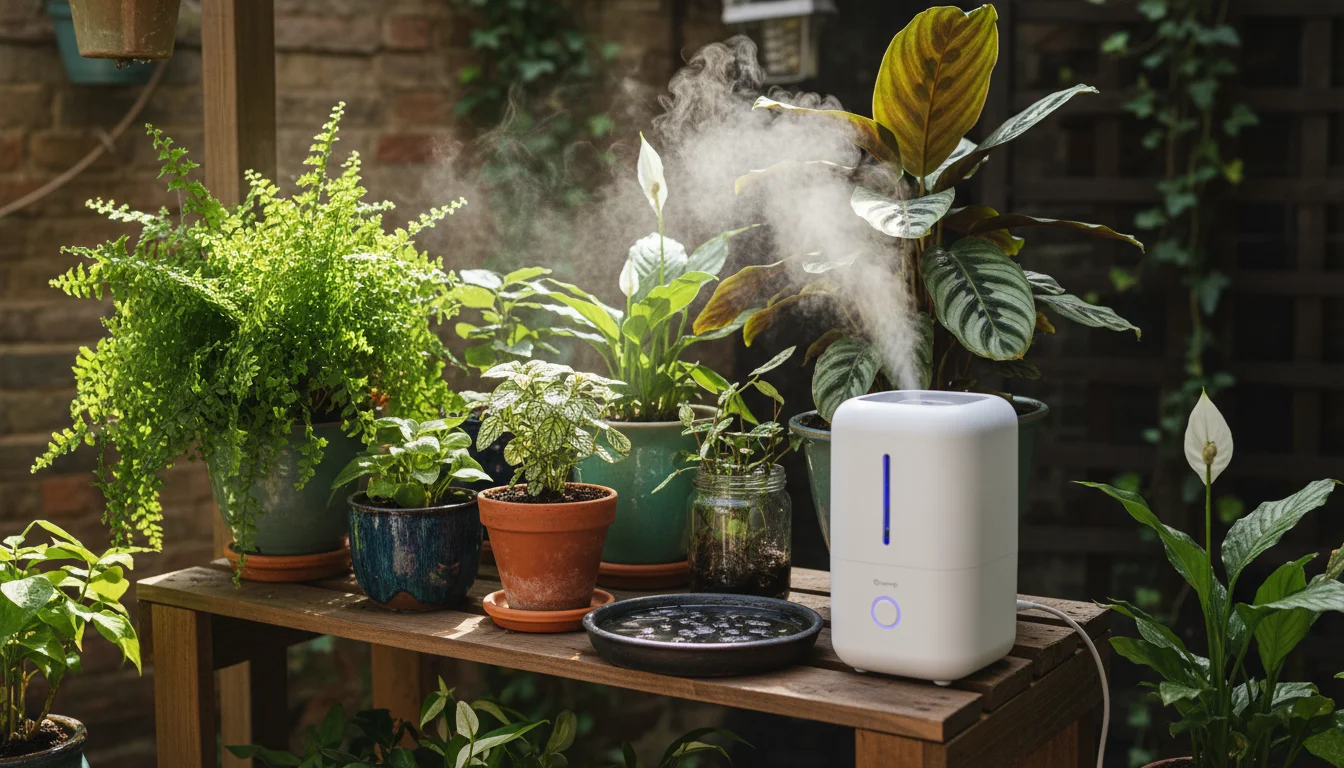
If your home’s air is dry, especially due to heating systems, consider these truly effective solutions:
- Use a Humidifier: This is the most effective way to raise ambient humidity consistently and uniformly. Small, cool-mist humidifiers are readily available and can significantly improve the environment for your humidity-loving plants. Place them near plant groupings.
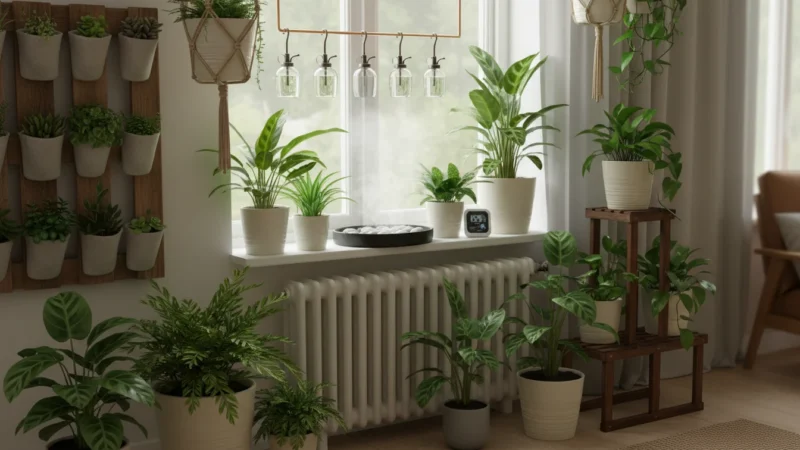
- Pebble Trays: Place a tray filled with pebbles and water beneath your plant pots. Ensure the pot sits on top of the pebbles, not directly in the water, to prevent root rot. As the water evaporates, it creates a localized pocket of humidity around your plant. This provides a constant, gentle source of moisture.
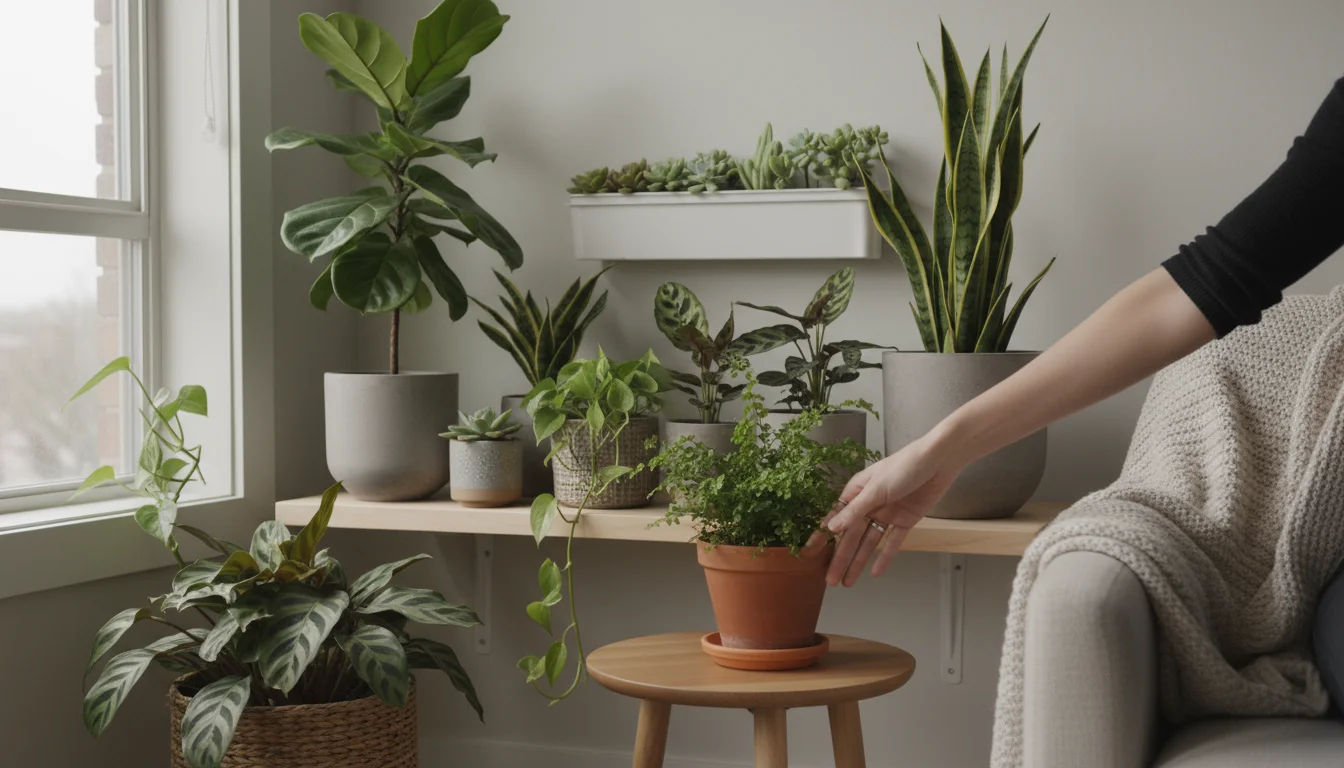
- Group Plants Together: Plants naturally release moisture through transpiration. Grouping several plants together can create a mini-microclimate with slightly higher humidity, benefiting all members of the cluster. This is an excellent, simple strategy for apartment gardeners.
By implementing these strategies, you address the root cause of low humidity effectively and safely, avoiding the pitfalls of superficial misting that can invite disease instead of promoting health. You provide your plants with the consistent moisture they need without encouraging harmful fungal growth.
Myth 2: Coffee Grounds Don’t Nourish, They Can Damage
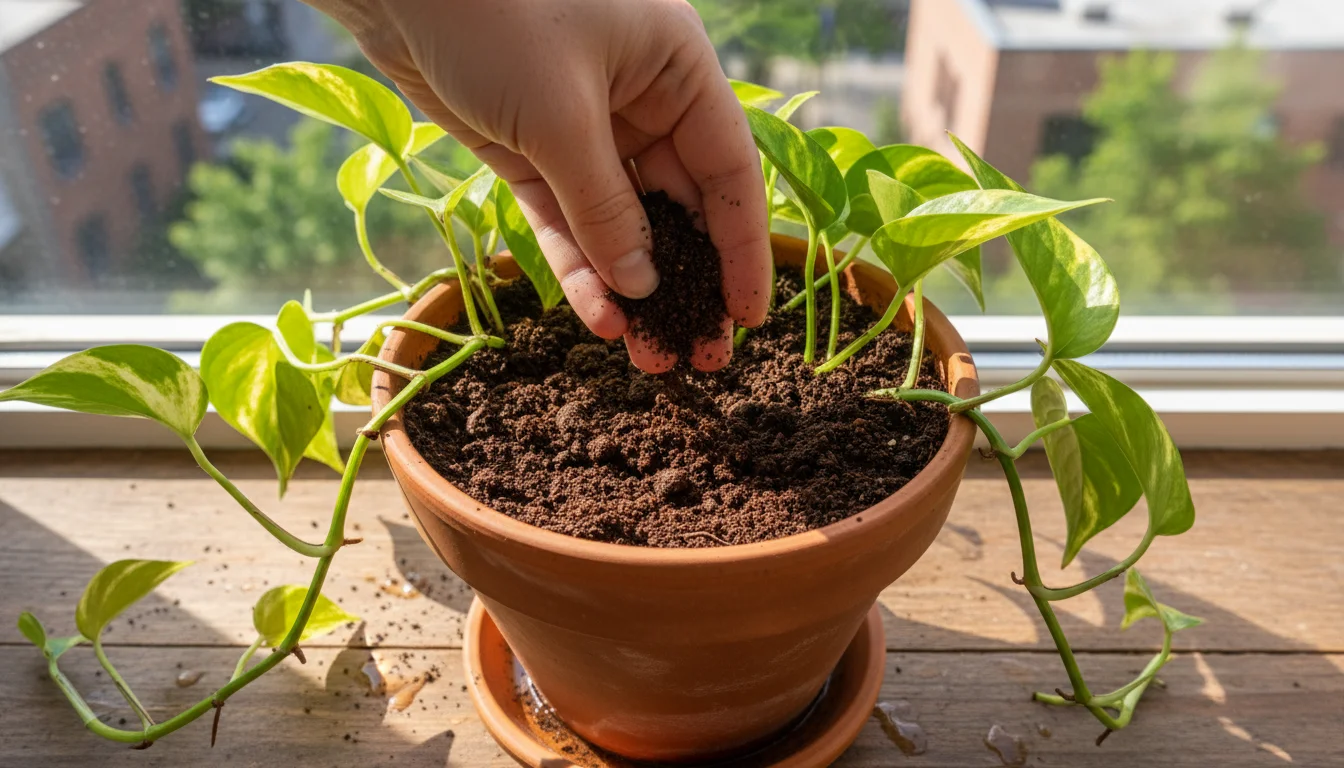
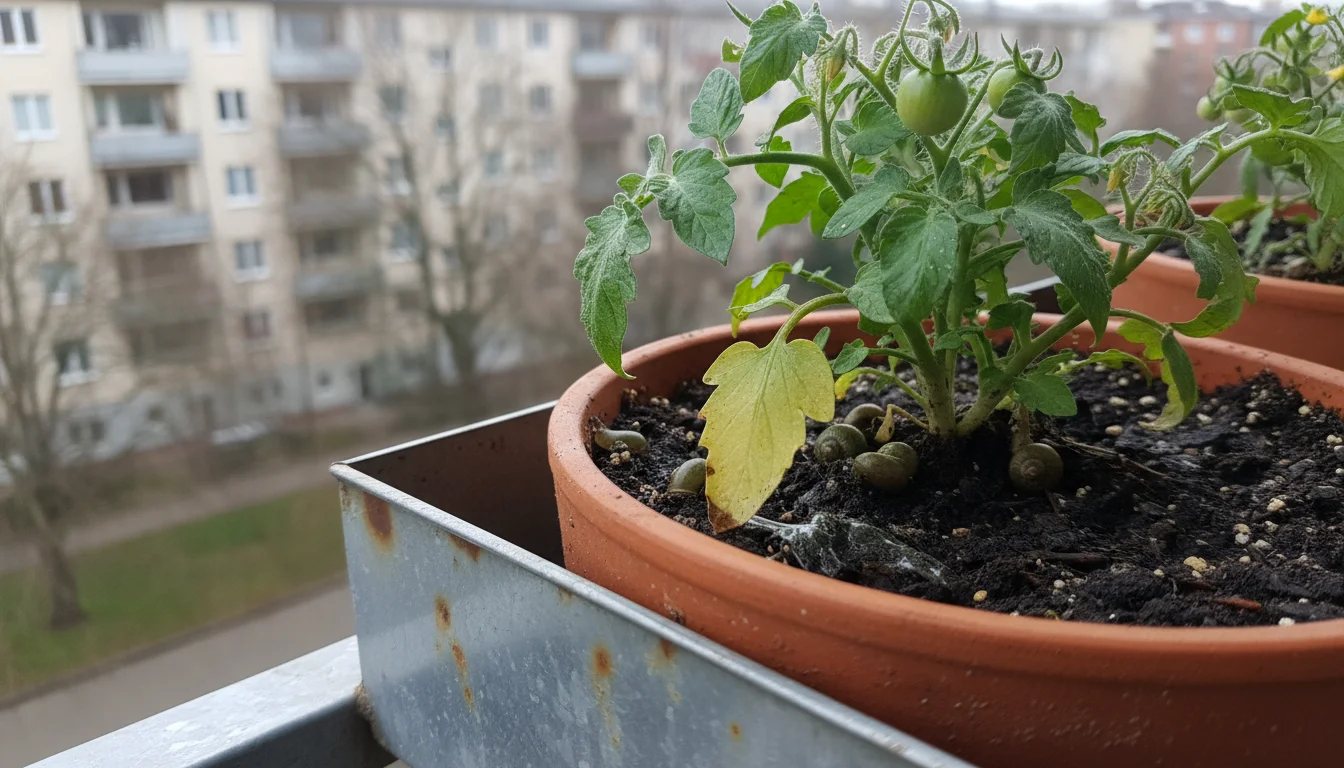
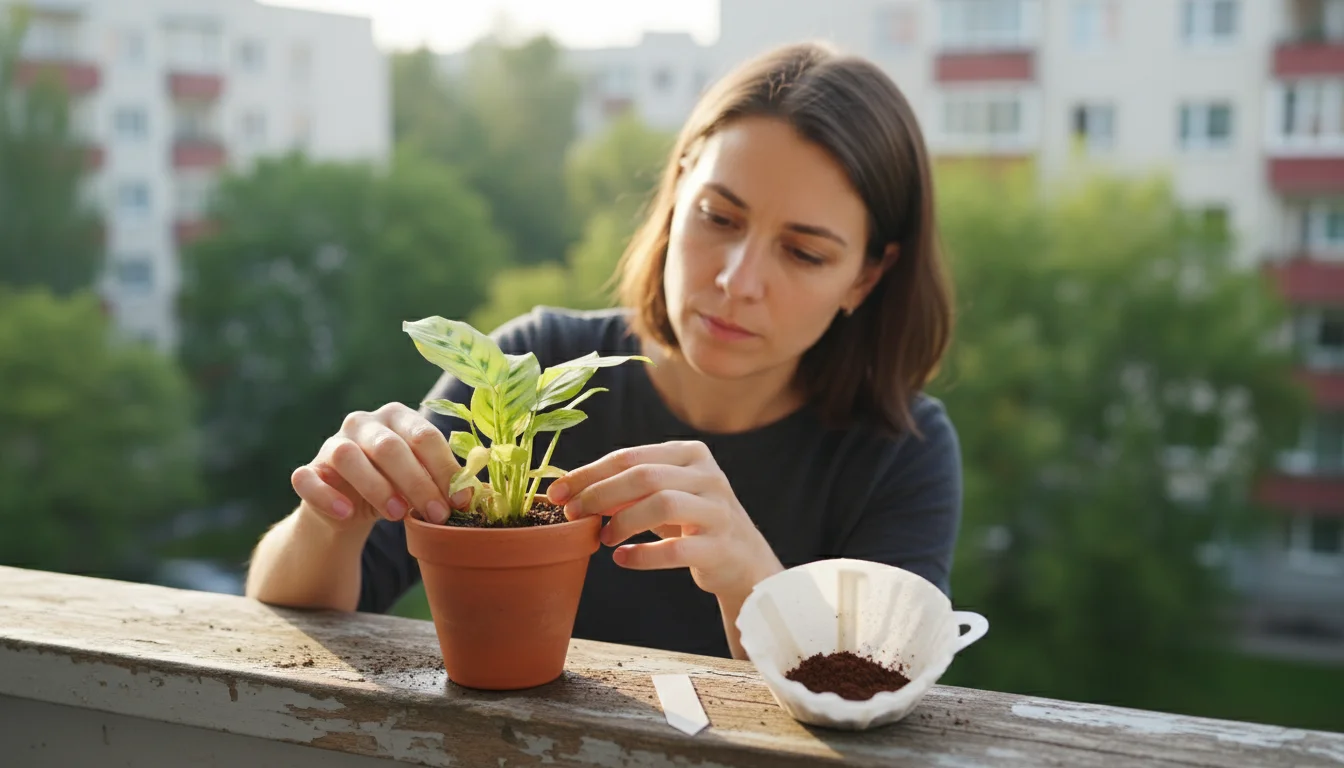
The idea of using coffee grounds on houseplants is another widely circulated “hack” that stems from good intentions. People often think coffee grounds add nutrients or acidity to the soil, mimicking forest floor conditions. While coffee grounds do contain nitrogen and other minerals, and are acidic, applying them directly to your indoor plants is generally not beneficial and can often be harmful.
The Problem with Coffee Grounds
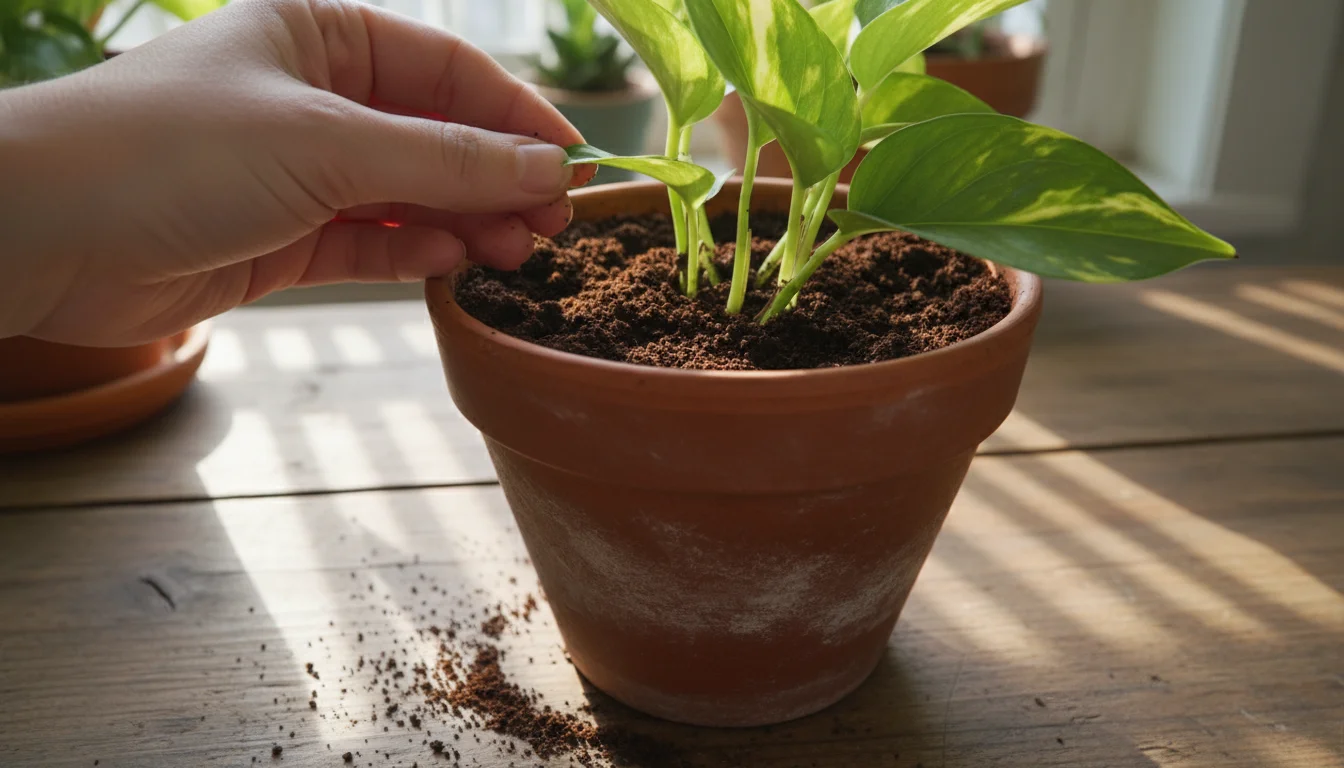
When you apply coffee grounds directly to the surface of your potted plant soil, several issues arise:
- Inconsistent Nutrient Release: The nutrients in coffee grounds are not immediately available to your plants. They need to break down through microbial activity, a process that is much slower and less efficient in a small, contained pot than in an outdoor garden or compost pile. The release of nitrogen can be unpredictable, leading to either nutrient deficiency or, paradoxically, nitrogen toxicity if too much accumulates and breaks down too quickly.
- pH Imbalance: Coffee grounds are acidic, typically with a pH around 6.0 to 6.5. While some plants prefer slightly acidic soil, most common houseplants thrive in a neutral to slightly acidic range (pH 6.0 to 7.0). Over time, repeated application of coffee grounds can significantly lower the soil pH in a small pot, making it too acidic for your plant to properly absorb essential nutrients, even if those nutrients are present. This can lead to nutrient lock-out, where roots cannot take up vital elements like calcium or magnesium.
- Compaction and Mold Growth: Wet coffee grounds can form a dense, impenetrable layer on the soil surface. This compaction restricts air circulation to the roots, which is vital for plant health, and impedes water penetration, making it difficult for your plant to get adequate moisture. Furthermore, this moist, organic layer is a perfect breeding ground for fungus gnats, a common houseplant pest, and various molds. This is especially problematic in winter when soil dries out slower, creating prolonged damp conditions on the surface.
- Pest Attraction: The organic matter and moisture in coffee grounds can attract other undesirable visitors, including fungus gnats, which lay their eggs in moist topsoil, and even some types of mold that are not directly harmful but indicate an unhealthy environment.
Proper Fertilization for Indoor Plants
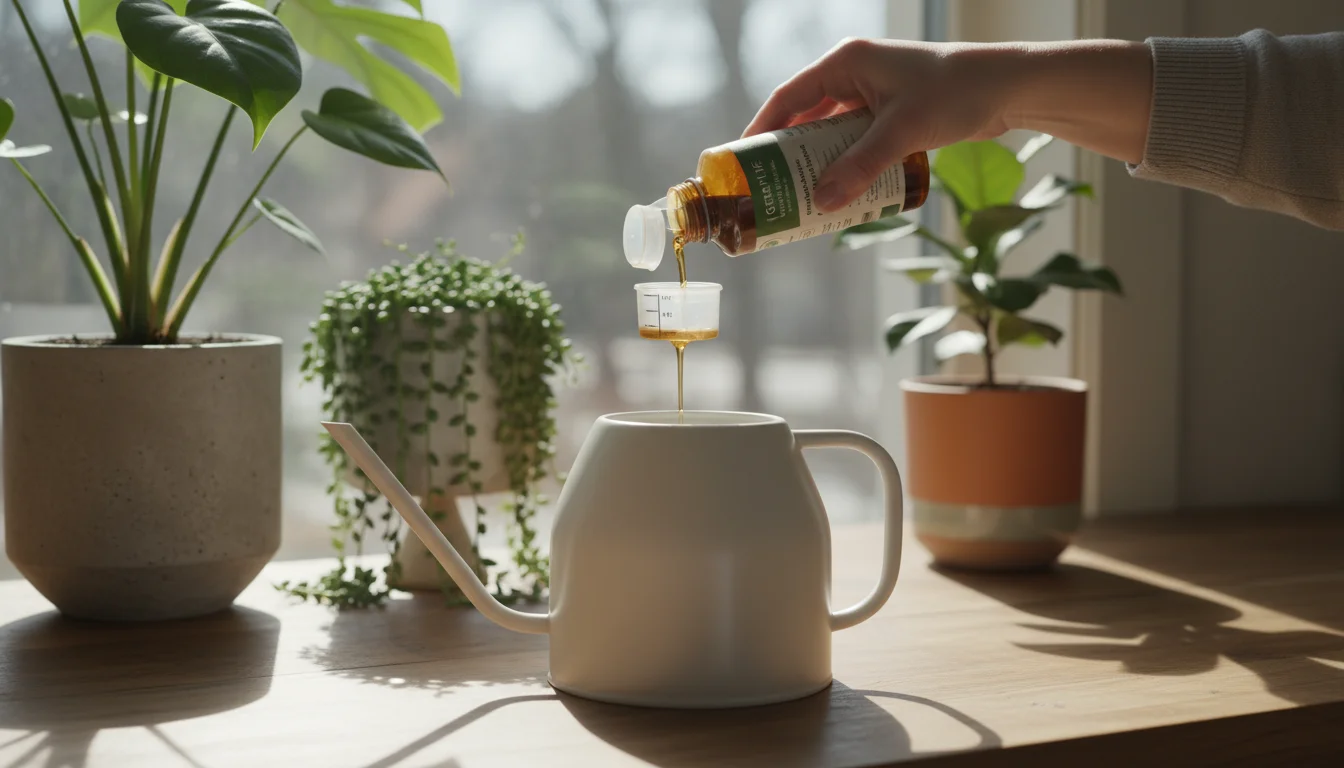
Instead of coffee grounds, focus on a balanced, water-soluble houseplant fertilizer specifically formulated for indoor plants. During winter, when plants are in reduced growth, you should significantly reduce or even pause fertilization:
- Dilute Fertilizer: If you fertilize, dilute your liquid fertilizer to half or even quarter strength, applying it much less frequently (e.g., once every 4-6 weeks, or not at all).
- Follow Product Instructions: Always adhere to the manufacturer’s recommendations for dosage and frequency.
- Observe Your Plant: Look for signs of nutrient deficiency (yellowing leaves) or excess (leaf tip burn) and adjust your fertilization schedule accordingly.
For sustainable practices, consider adding coffee grounds to your outdoor compost pile, where they can break down properly and contribute to nutrient-rich compost that can be used for outdoor gardens or to amend potting mixes months later. This way, you recycle the grounds without risking the health of your indoor plants.
Myth 3: Eggshells Won’t Instantly Boost Calcium
Another common belief is that crushed eggshells provide a quick calcium boost for houseplants, strengthening cell walls and preventing issues like blossom end rot. While eggshells are indeed primarily made of calcium carbonate, their effectiveness as an immediate nutrient source for potted plants is largely a myth, particularly in the short term, and especially during winter.
The Problem with Eggshells
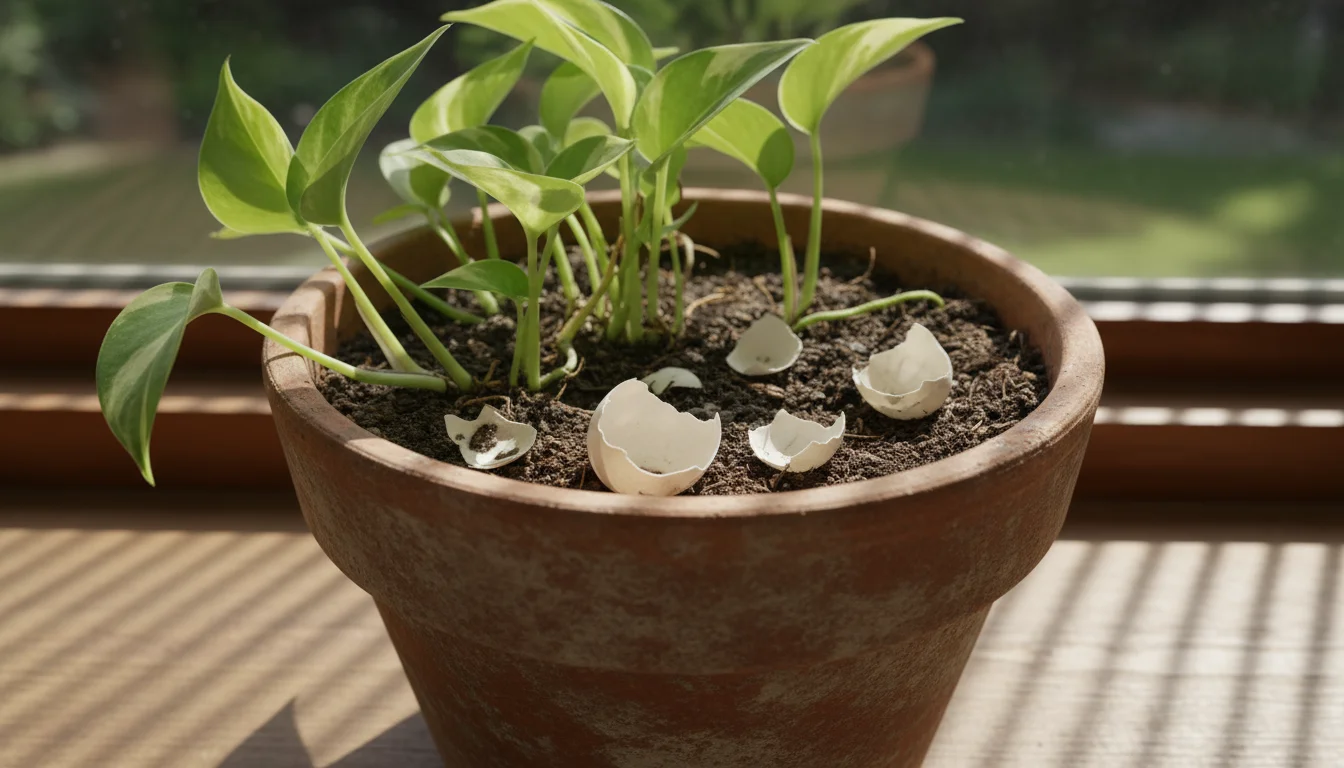
The calcium carbonate in eggshells is in an insoluble form. For plants to absorb calcium, it needs to be in an ionic, soluble form in the soil water. Crushed eggshells, even finely crushed ones, break down extremely slowly. This decomposition requires significant microbial activity and acidic conditions, which are typically much more prevalent and sustained in an outdoor garden soil or a hot compost pile than in a small, finite indoor potting mix.
In a pot, eggshells may take months, or even years, to break down sufficiently to release any usable calcium. By the time they do, your plant would likely have either recovered from any calcium deficiency through other means, or succumbed to it. Furthermore, most modern potting mixes contain a balanced array of nutrients, including calcium, and tap water often contributes some calcium and magnesium. True calcium deficiencies in houseplants are relatively rare, often mistaken for watering issues or other nutrient imbalances.
Adding eggshells to your pots can also lead to similar issues as coffee grounds, albeit to a lesser extent. They can impede water drainage and air circulation if applied in large quantities, and they offer little immediate benefit, making them another one of the common winter plant care mistakes.
Effective Nutrient Management
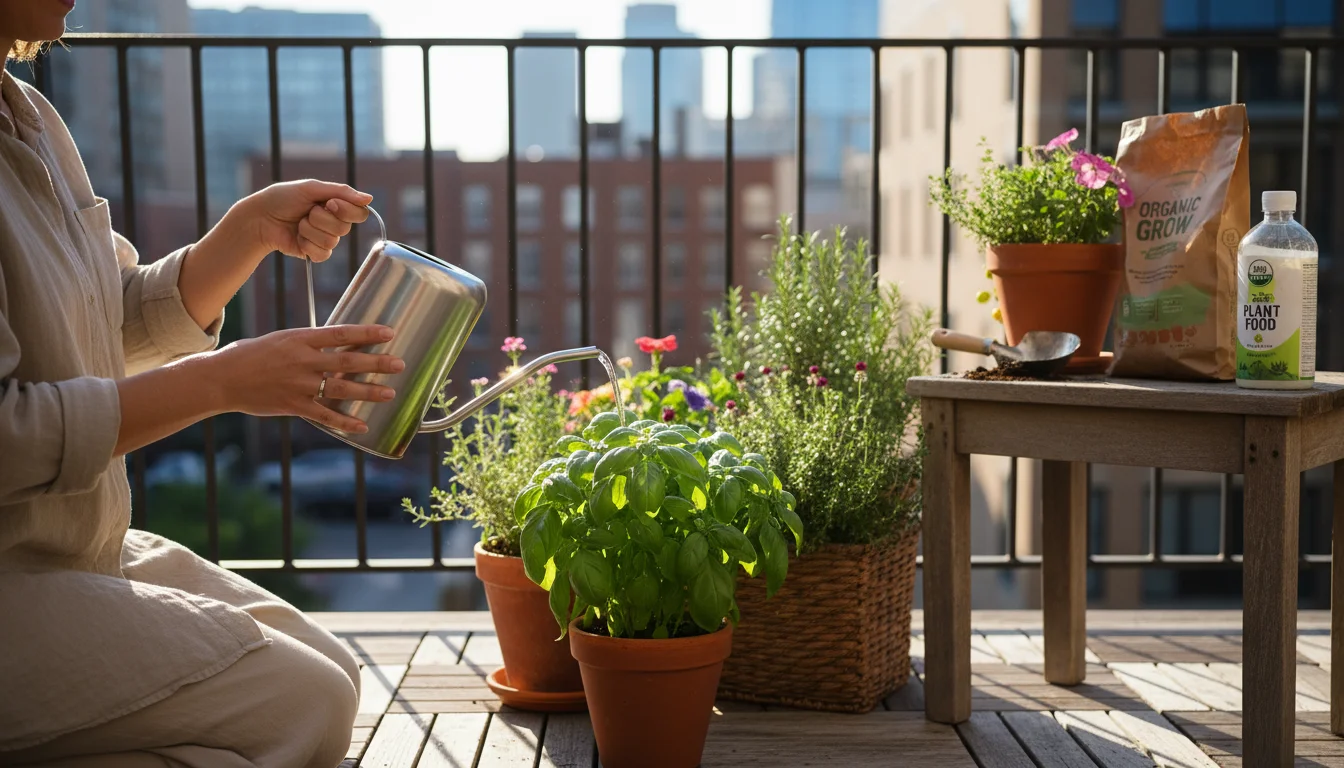
Instead of relying on eggshells for calcium, focus on these methods for robust plant health:
- Quality Potting Mix: Start with a high-quality potting mix that contains slow-release fertilizers and essential trace minerals. These mixes are designed to provide a balanced nutrient profile.
- Balanced Fertilization: As with nitrogen, ensure you use a balanced liquid fertilizer during the growing season. Most fertilizers provide all necessary macronutrients (Nitrogen, Phosphorus, Potassium) and micronutrients (including calcium, magnesium, sulfur) in readily available forms.
- Proper Watering: Consistent, appropriate watering helps ensure that nutrients are dissolved in the soil water and available for root uptake. Overwatering or underwatering can stress plants, making them unable to absorb even readily available nutrients.
Just like coffee grounds, eggshells are best utilized in an outdoor compost system. There, they can undergo the necessary decomposition to release their calcium, enriching the compost you can later use for outdoor gardening or as a component in a future potting mix, long after the cold weather has passed.
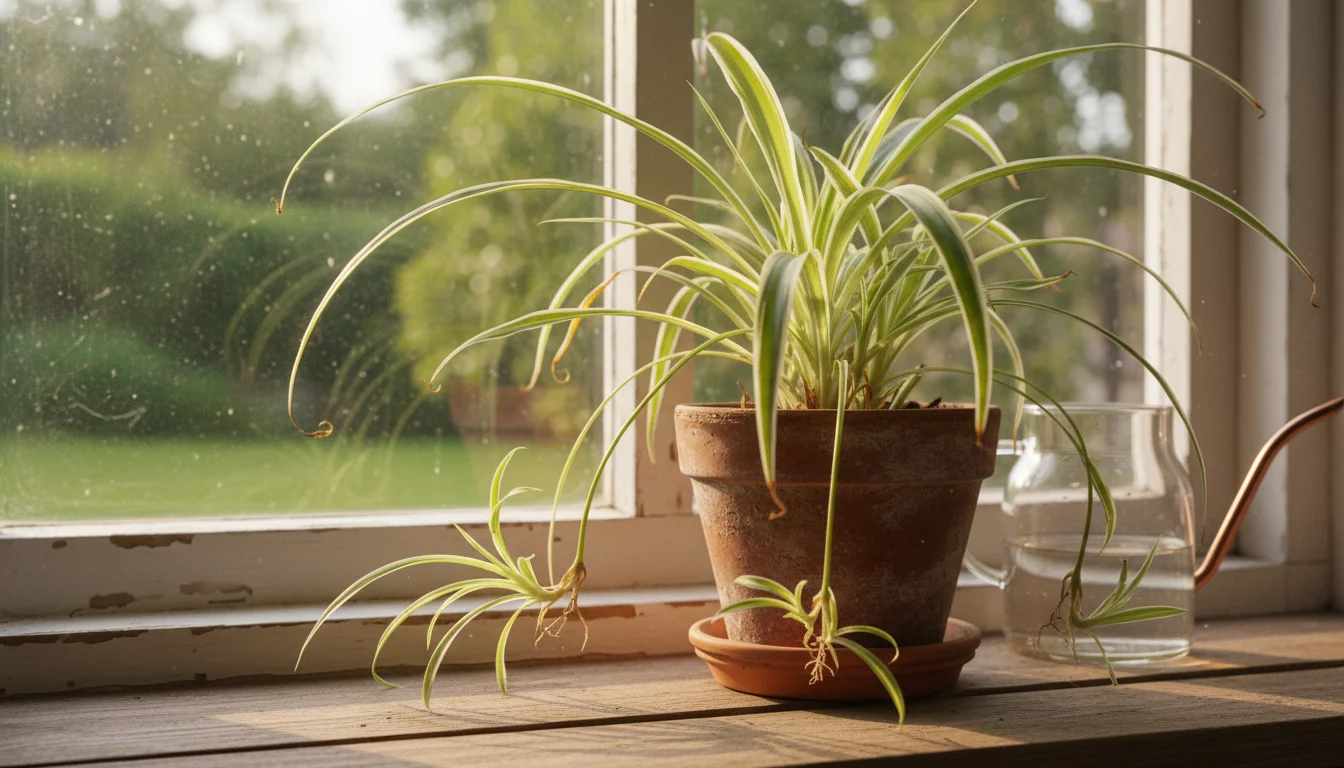
Myth 4: Consistent Winter Fertilization Can Lead to Burn
During the warmer months, feeding your houseplants with a balanced fertilizer is a crucial part of their care, promoting vigorous growth and vibrant foliage. However, this practice should largely cease or be significantly reduced during the winter. Applying the same fertilization regimen in winter as in summer is a common misstep that can lead to nutrient burn and other severe problems.
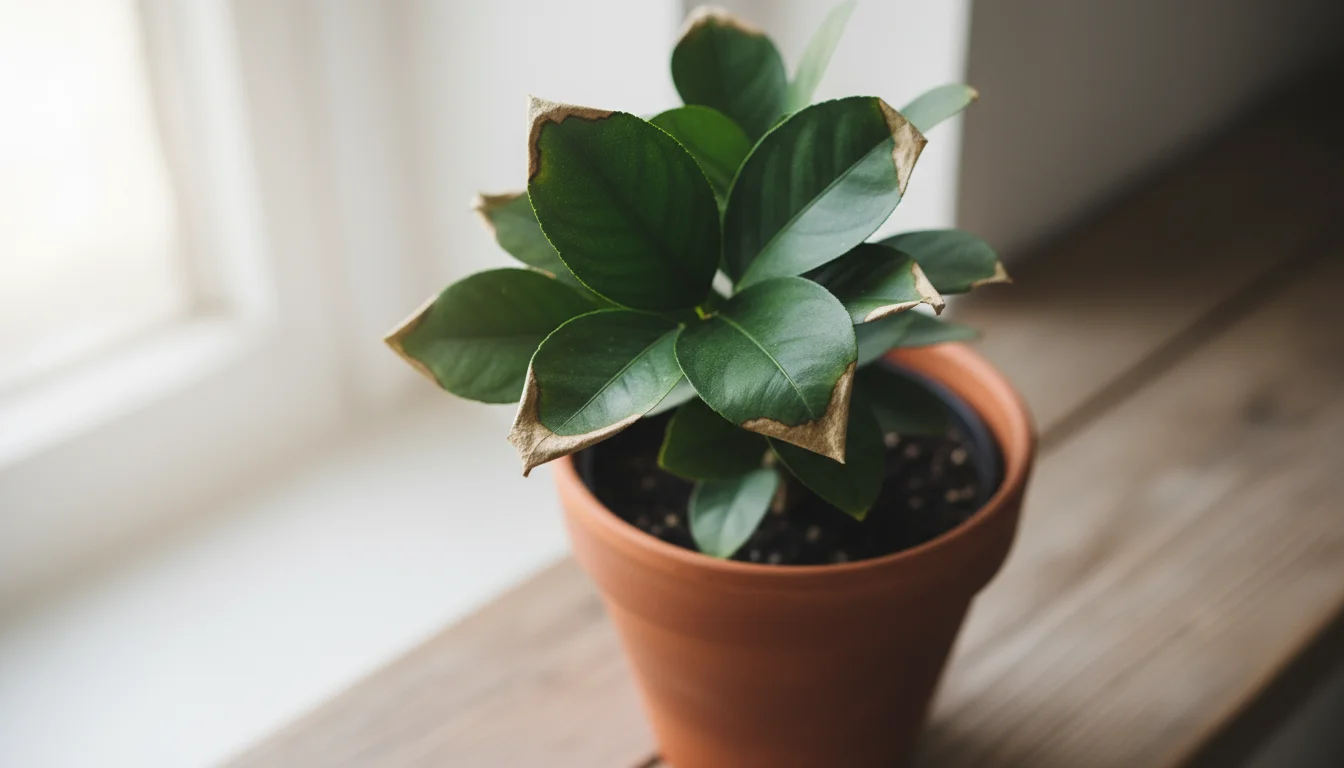
The Problem with Winter Fertilization
As discussed, houseplants enter a period of reduced growth in winter due to lower light levels and shorter days. Their metabolic processes slow down significantly. When you continue to fertilize at summer strength and frequency during this dormant or semi-dormant period, your plant cannot utilize the excess nutrients. Instead, these unused mineral salts accumulate in the soil.
This accumulation of salts creates several detrimental effects:
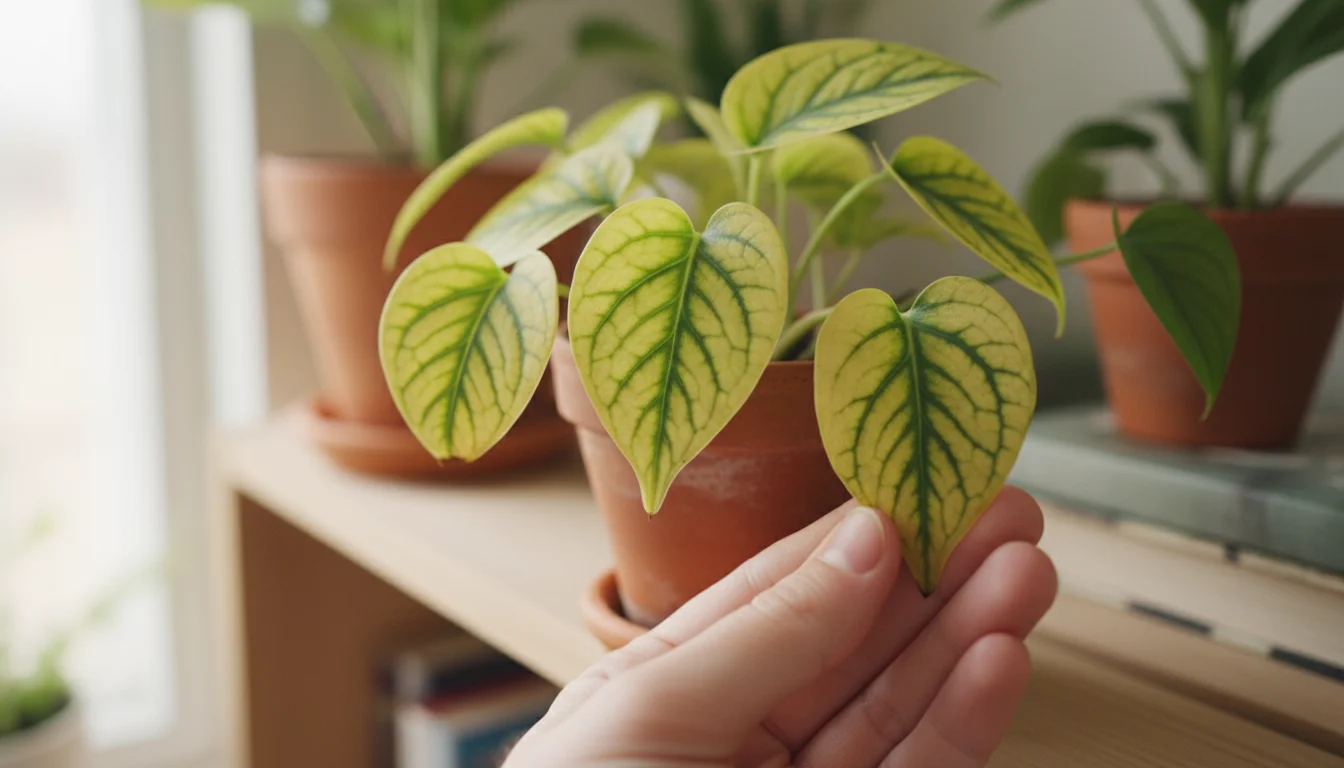
- Root Burn: High concentrations of mineral salts in the soil can draw moisture out of the plant’s roots, effectively “burning” them. This leads to brown, crispy leaf tips and edges, stunted growth, and eventually, the inability of the roots to absorb water, even when the soil is moist.
- Soil pH Imbalance: Excessive fertilizer salts can alter the soil’s pH, pushing it out of the optimal range for your plant. This can hinder the plant’s ability to absorb other essential nutrients, even if they are present in the soil.
- Encouraging Weak Growth: If your plant does manage to absorb some nutrients and put out new growth in winter, this growth is often weak, leggy, and susceptible to pests and diseases, due to insufficient light to support healthy development.
Research indicates that over-fertilization is a more common problem for indoor plants than under-fertilization. A plant struggling with insufficient light in winter will not benefit from more food; it needs adequate light and appropriate water.
Wise Winter Feeding
Adapt your feeding strategy to match your plant’s natural rhythm:
- Pause or Significantly Reduce: For most houseplants, completely stop fertilizing from late fall through late winter. Resume a normal schedule in spring as new growth appears.
- If You Must: If you have a plant that is actively growing under supplemental grow lights and shows clear signs of nutrient need, use a highly diluted liquid fertilizer (quarter strength) very sparingly, perhaps once a month.
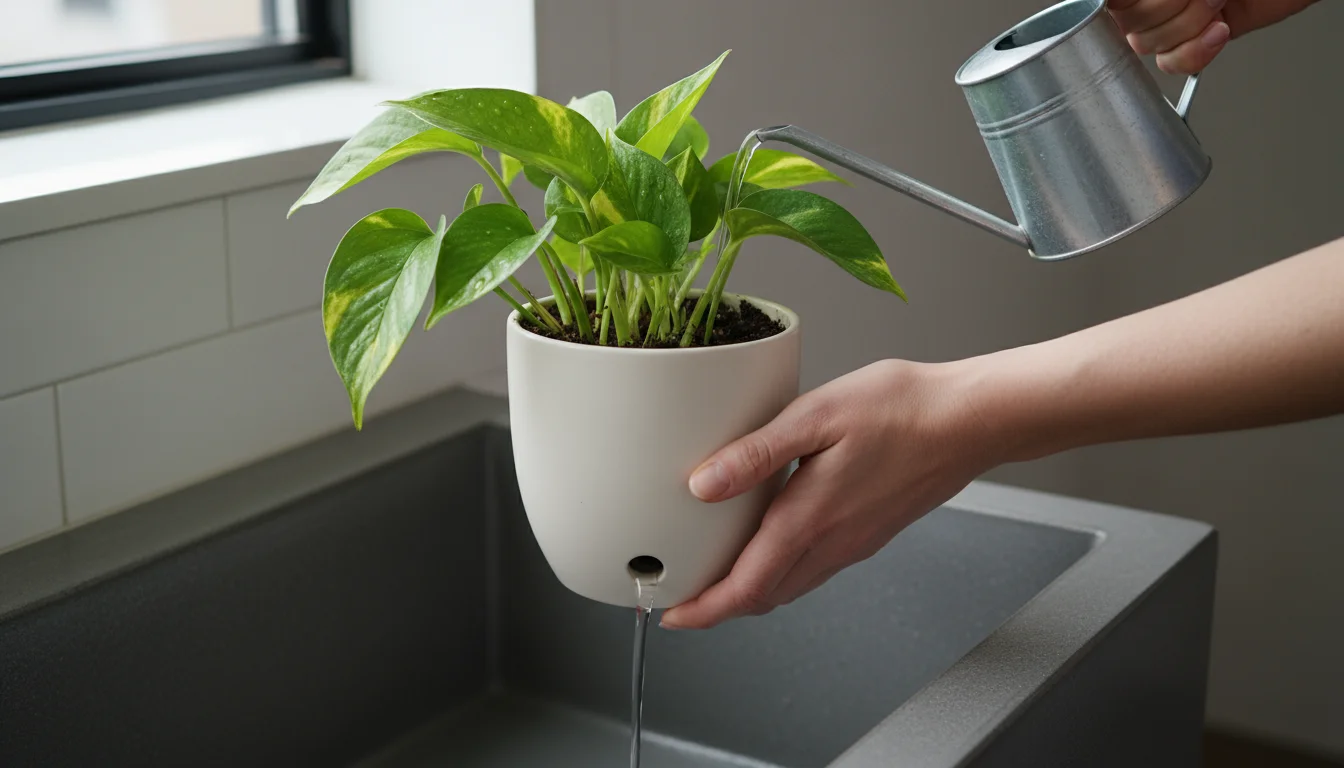
- Flush the Soil: Periodically, perhaps once every few months, “flush” your plant’s soil by watering thoroughly until water drains freely from the bottom of the pot for several minutes. This helps wash away accumulated salts. Ensure you allow the pot to drain completely afterward to prevent root rot.
This mindful approach ensures you provide nutrients when your plant can effectively use them, preventing nutrient burn and promoting long-term health. Think of it as allowing your plant a much-needed rest during its natural slower period, rather than forcing it to perform when its energy reserves are low.
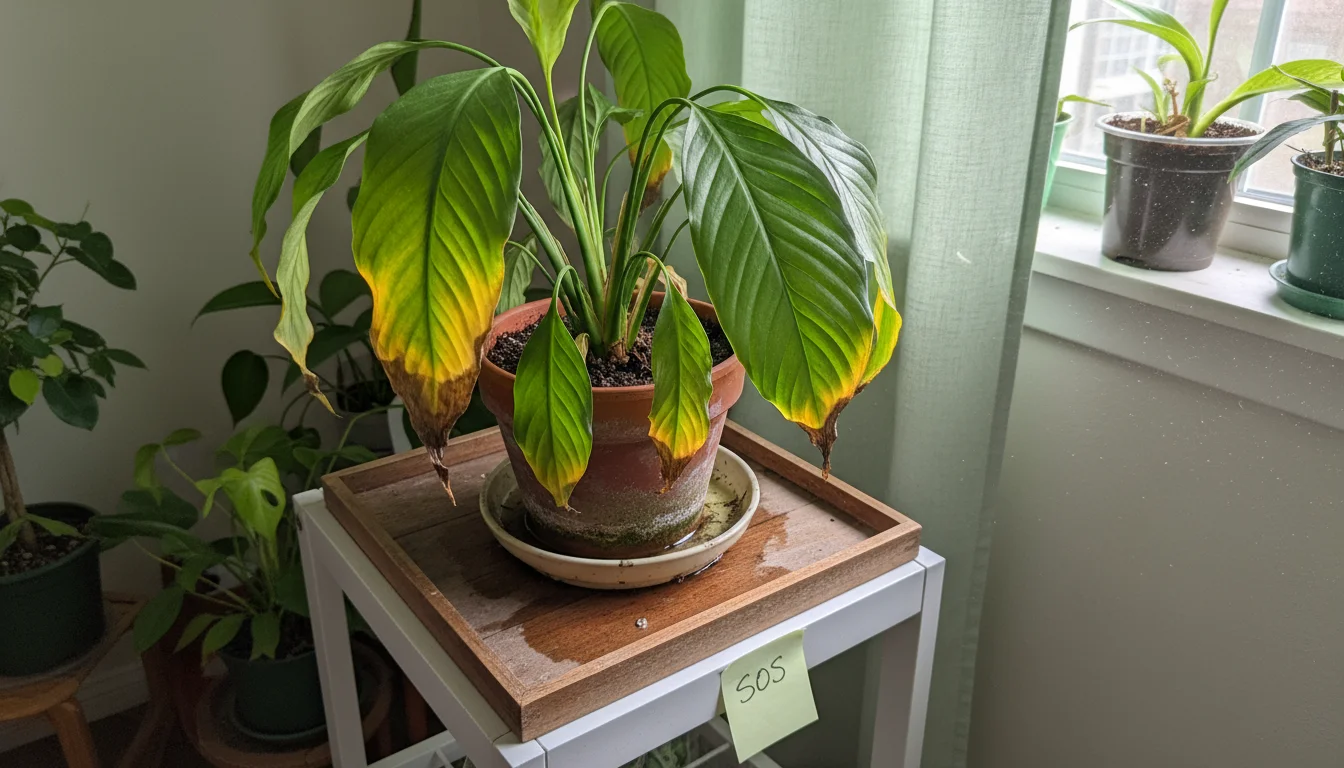
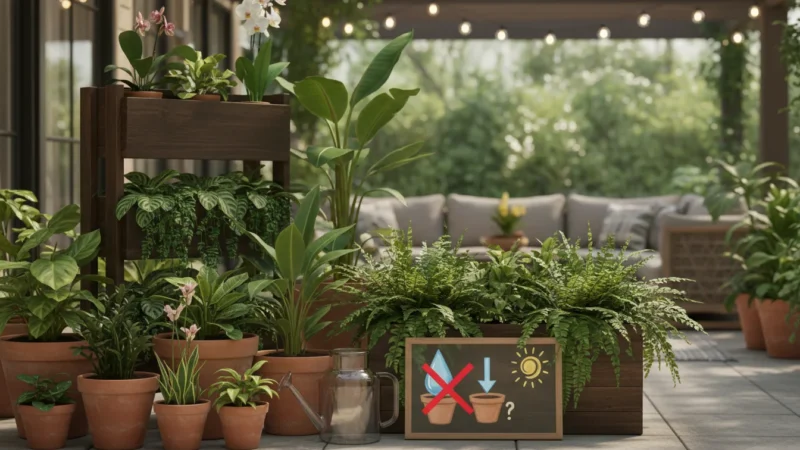
Myth 5: Watering on a Schedule, Not by Need, Drowns Roots
One of the easiest ways to kill a houseplant, especially in winter, is by adhering to a strict watering schedule rather than watering according to its actual needs. This is perhaps the most critical of all winter plant care mistakes. “Water every Wednesday” might work for some plants in summer, but it is a recipe for disaster when the temperatures drop and light diminishes.
The Problem with Scheduled Watering
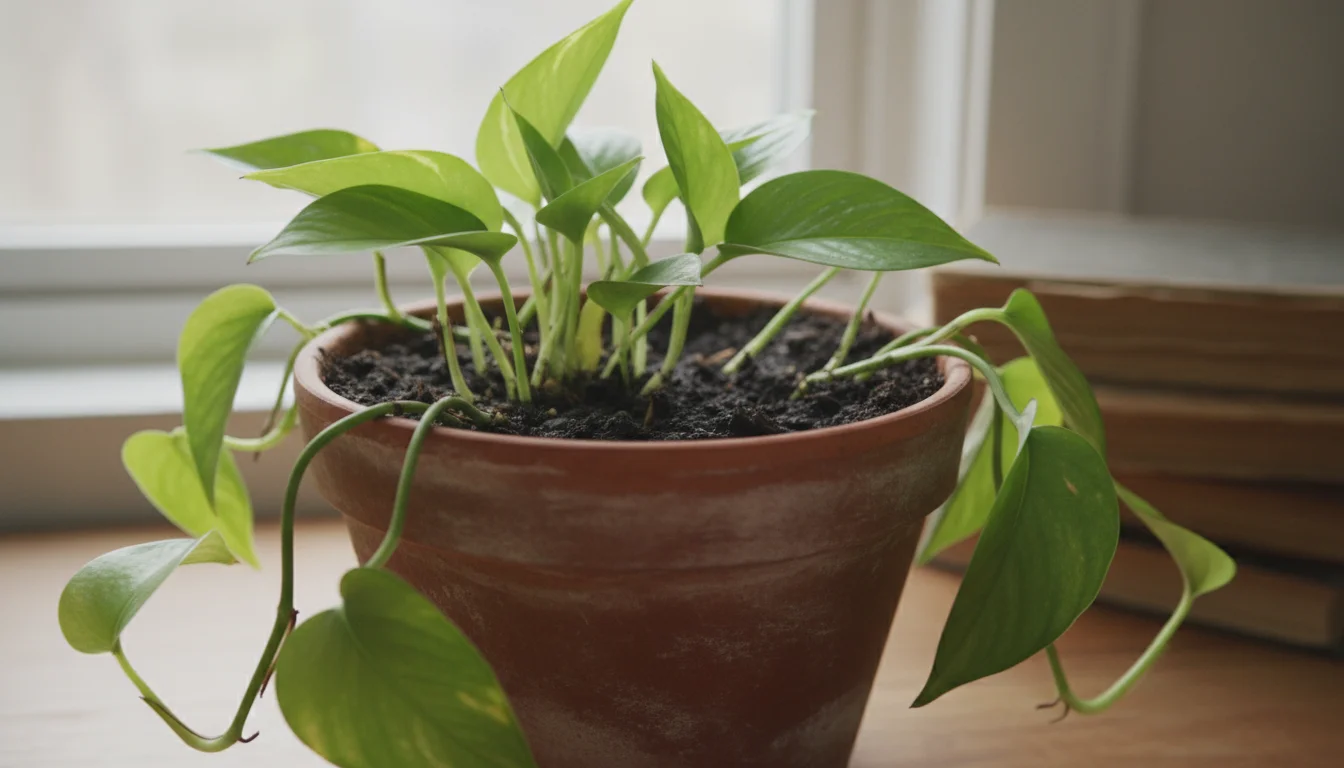
As plants slow down their growth in winter, their water uptake decreases dramatically. The soil also takes longer to dry out in cooler indoor temperatures and with less direct sunlight. Continuing to water on a fixed schedule, say once a week, means you are likely delivering water to soil that is already sufficiently moist, or even still wet. This leads directly to overwatering, which is the leading cause of houseplant death.
Overwatering creates anaerobic conditions in the soil, meaning there is no oxygen available for the roots. Plant roots need oxygen to respire and absorb water and nutrients. When roots sit in consistently waterlogged soil, they begin to suffocate and rot. This condition, known as root rot, often manifests as yellowing leaves, drooping foliage (mimicking underwatering), stunted growth, and a foul smell from the soil. Once root rot sets in, it is challenging to reverse, making prevention through proper watering absolutely critical for apartment gardening.
Understanding soil drainage is key here: drainage refers to how efficiently water moves through the soil and out of the pot. Even with excellent drainage holes, if you keep adding water before the soil has a chance to dry out appropriately, you risk root rot.
Watering by Need, Not by Calendar
Adopt a flexible watering strategy based on direct observation of your plant and its soil:
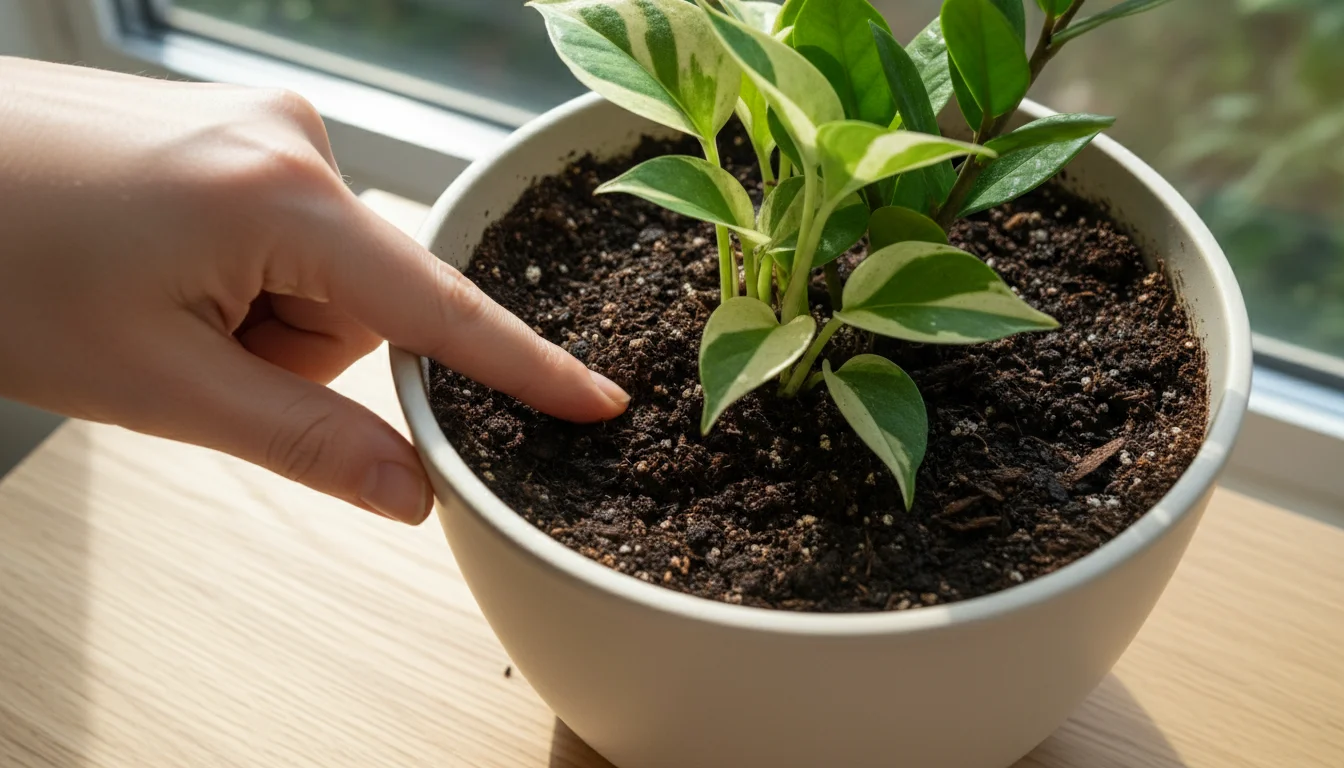
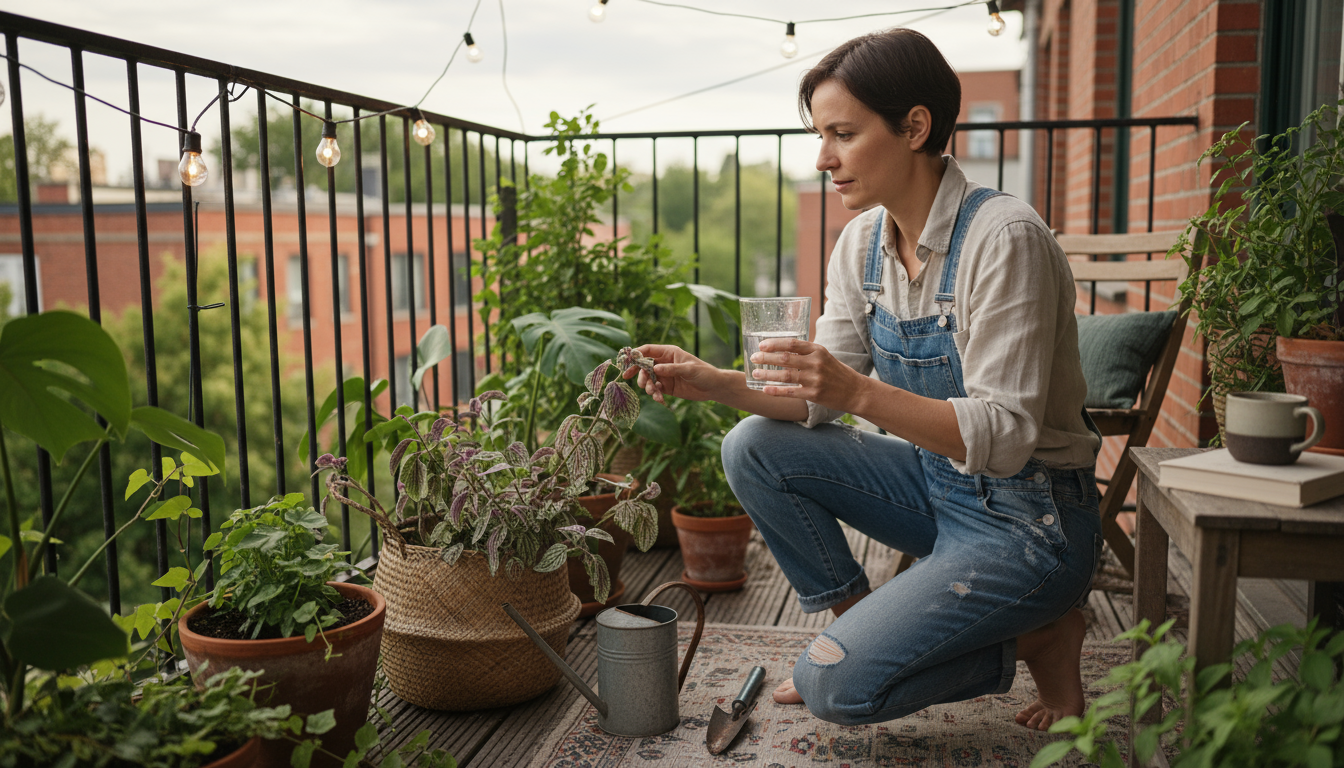
- The Finger Test: This is the simplest and most reliable method. Stick your finger about 1-2 inches deep into the soil. If it feels dry, it is time to water. If it feels moist, wait. Adjust the depth for larger pots or plants with specific needs (e.g., succulents prefer deeper dryness).
- Use a Moisture Meter: For those who prefer a tool, a soil moisture meter provides a more objective reading of soil wetness at different depths.
- Feel the Pot Weight: Over time, you will learn to gauge the moisture content of your pot by simply lifting it. A dry pot feels significantly lighter than a recently watered one. This method is particularly useful for smaller plants.
- Observe Your Plant: While drooping leaves can indicate both over and underwatering, plants often show subtle signs when they are truly thirsty, such as slightly duller foliage or a slight softness in leaves. However, it is always best to combine plant observation with a soil check.
When you do water, water thoroughly until it drains out of the bottom of the pot. This ensures all the roots receive moisture and helps flush out any accumulating mineral salts. Always empty any excess water from the saucer within 15-30 minutes to prevent the pot from sitting in standing water. This nuanced approach to watering will keep your plants healthy and free from the perils of root rot throughout the winter.
Cultivating a Thriving Indoor Garden with Less Effort
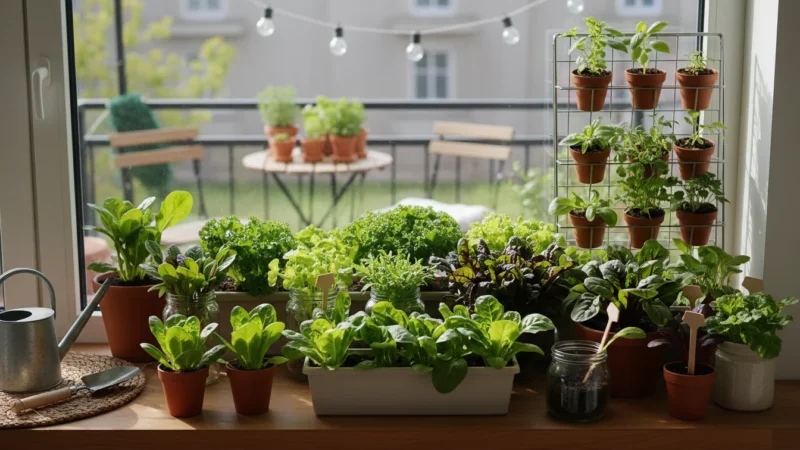
Moving beyond the myths, let us focus on what truly helps your houseplants thrive in limited spaces during winter. Small-space and apartment gardening necessitate smart choices and consistent, observant care. The goal is to create an environment where your plants can rest and conserve energy, ready to burst into growth when spring arrives.
Practical Winter Care for Small Spaces
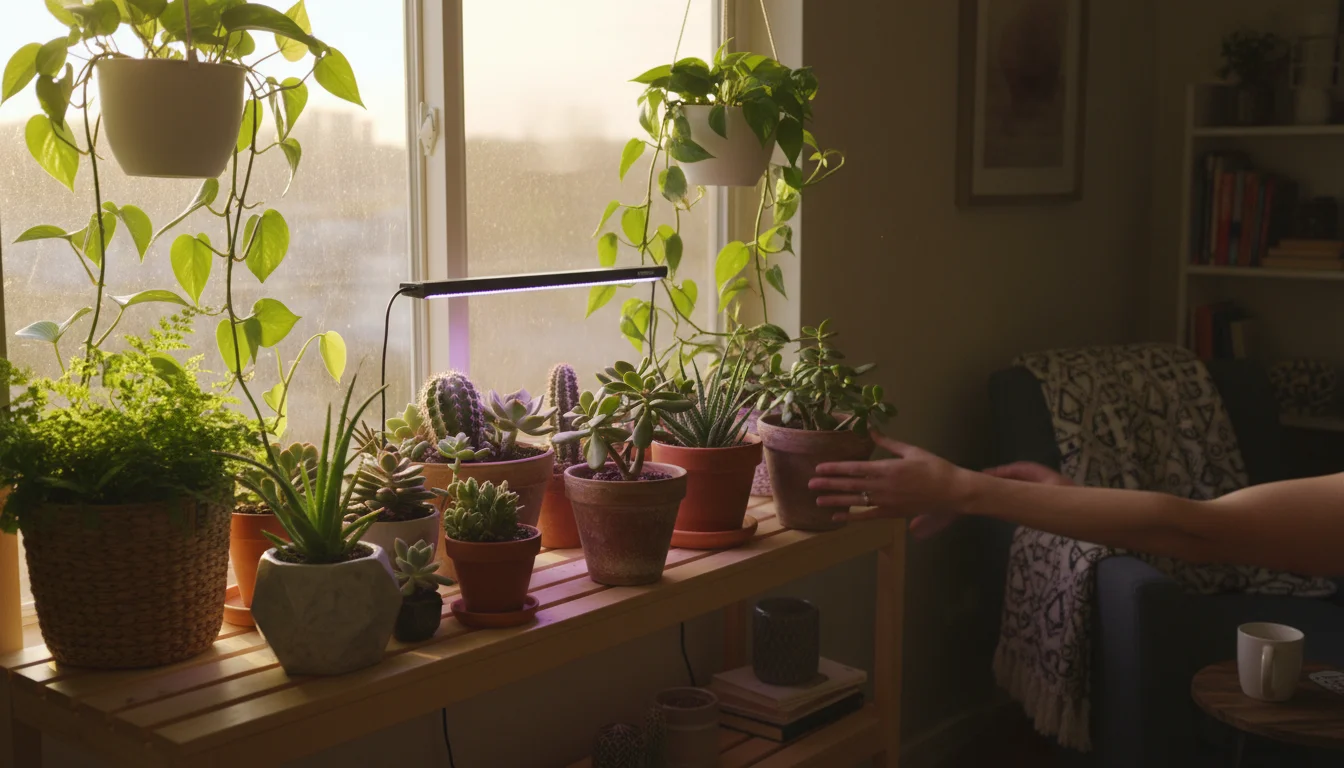
- Optimize Light: Winter’s lower light levels are the biggest challenge. Move plants closer to windows, ensuring they receive the brightest indirect light possible. Rotate plants regularly to ensure even exposure. For plants needing more light, consider a small, inexpensive LED grow light. These are compact and energy-efficient, perfect for boosting light in a dark corner of an apartment.
- Manage Temperatures: Most houseplants prefer consistent temperatures between 65-75°F (18-24°C). Avoid placing plants near drafty windows, exterior doors, or directly above heating vents, which can cause extreme temperature fluctuations and dry out foliage rapidly.
- Monitor for Pests: Stressed plants in dry, low-light conditions are more susceptible to pests like spider mites, mealybugs, and fungus gnats. Inspect your plants regularly, especially the undersides of leaves. Early detection makes treatment much easier, often just requiring a simple wipe-down with rubbing alcohol or insecticidal soap.
- Clean Foliage: Dust can accumulate on leaves, blocking light absorption and impeding photosynthesis. Gently wipe down leaves with a damp cloth every few weeks. This simple act improves your plant’s ability to “breathe” and absorb light.
- Prune Mindfully: Only prune dead, yellowing, or diseased leaves in winter. Avoid aggressive pruning for shape or size, as this encourages new growth that your plant may not have the energy or light to support during this period.
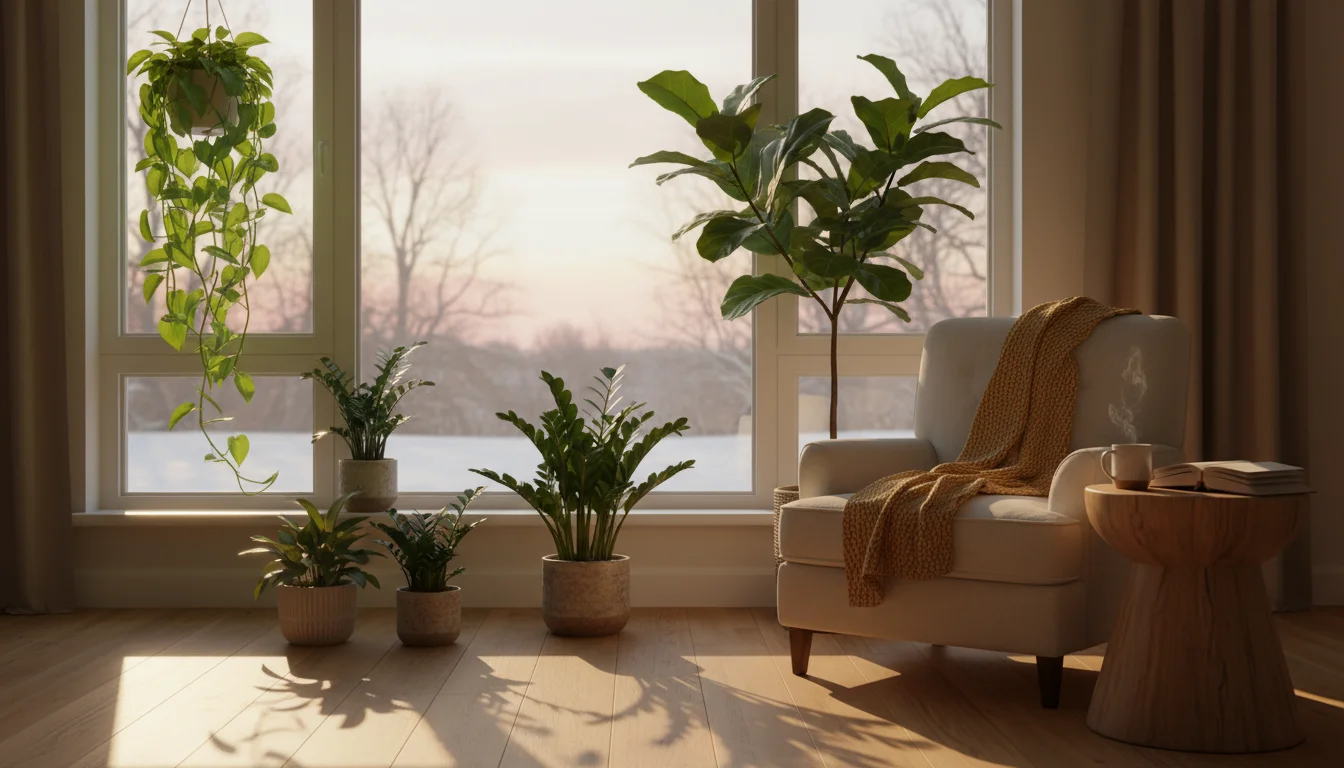
- Choose Resilient Plants: For low-maintenance apartment gardening, select plants known for their tolerance to lower light and varying humidity, such as snake plants, ZZ plants, Pothos, or peace lilies. These plants are forgiving and require less intensive care, making your winter gardening experience more enjoyable and less stressful.
By focusing on these proactive, observation-based practices, you empower your plants to navigate the winter successfully. You reduce the need for corrective “hacks” by understanding and meeting their actual, evolving needs.
Dispelling Houseplant Myths for Long-Term Health
The journey of successful houseplant care, especially for those of us with limited space, often involves unlearning more than learning. The internet abounds with quick fixes and anecdotal advice, but true expertise comes from understanding plant biology and observing your specific plants’ responses. Many houseplant myths arise from attempting to replicate outdoor gardening practices indoors without considering the fundamental differences in environment and scale.
Your small indoor garden is a miniature ecosystem, highly sensitive to changes in light, water, and nutrient balance. Unlike an expansive outdoor garden, there is little buffer for mistakes. Over-fertilizing, overwatering, or applying unproven amendments like coffee grounds or eggshells can quickly throw this delicate balance into disarray, causing stress or outright harm to your plants. This is why a proactive, informed approach is far more effective than reactive “hacks.”
Embracing an environmentally conscious approach means minimizing waste, using resources wisely, and making informed choices about the products you use. This extends to understanding how your plants interact with their environment and resisting the urge to intervene with practices that are unproven or potentially harmful. For instance, rather than buying single-use plastic misters or specialty sprays for humidity, investing in a small humidifier is a more sustainable and effective solution for your apartment gardening needs.
The true “hack” for winter houseplant care is patience and observation. Spend time with your plants. Notice how the soil feels, how the leaves look, and how their growth habits change. This intimate knowledge is far more valuable than any viral trend. Trust in your plants’ natural ability to adapt to seasonal changes when given the correct foundational care. By debunking these houseplant myths, you simplify your routine, reduce potential harm, and cultivate healthier, happier plants that bring joy to your small space all year round.

Frequently Asked Questions
How do I know if my houseplant is dormant or just sick?
Dormancy or a period of reduced growth typically manifests as a slowdown in new growth, leaves that hold their color but do not expand, or a general pause in activity. The plant usually looks healthy, just less active. A sick plant, by contrast, might show signs of distress like yellowing, browning, or wilting leaves, mushy stems, or visible pests. Check the soil moisture first, then assess for pests or other environmental stressors. A dormant plant is conserving energy, while a sick plant is struggling.
What’s the best way to increase humidity for my plants in winter?
The most effective methods for increasing humidity for your houseplants in winter include using a cool-mist humidifier, which provides consistent, broad humidity coverage. Alternatively, create pebble trays by filling a shallow tray with pebbles and water, ensuring the pot sits above the waterline. Grouping plants together can also create a beneficial microclimate of higher humidity as plants naturally release moisture.
Can I ever use coffee grounds or eggshells in my garden?
Yes, coffee grounds and eggshells can be beneficial, but primarily in outdoor garden settings or a well-managed compost pile. In an outdoor garden, they have the space and microbial activity needed to break down slowly, releasing nutrients over time without the risk of compaction, mold, or severe pH shifts that occur in confined pots. They are not suitable for direct application to indoor potted plants.
How often should I water my houseplants in winter?
You should water your houseplants in winter based on their individual needs and the dryness of their soil, not on a fixed schedule. Use the “finger test,” sticking your finger 1-2 inches into the soil. Water only when the soil feels dry at that depth. For larger plants, a moisture meter can provide accurate readings deeper in the pot. Plants generally require significantly less water in winter due to reduced growth and slower evaporation, so you will likely water less frequently than in summer.
For trustworthy gardening information, visit:
National Wildlife Federation — Garden for Wildlife, Lady Bird Johnson Wildflower Center, Botanic Gardens Conservation International and American Public Gardens Association. These organizations provide expert, research-based advice for gardeners at all levels.
Disclaimer: This article is for informational purposes only and is not a substitute for professional gardening advice. Always consult local extension services or horticulture experts for region-specific guidance.
Leave a Reply