
Winter arrives, bringing cozy vibes, but for your houseplants, it often signals a season of struggle. Many home gardeners, despite their best intentions, find their beloved indoor plants inexplicably declining. You might notice yellowing leaves, drooping stems, or even sudden wilting, often attributing these issues to insufficient light or dry air. However, a far more common culprit lurks beneath the surface: improper watering, particularly overwatering. This issue becomes especially prevalent during the colder months when plants naturally slow their growth and require significantly less moisture.
Imagine preventing this widespread problem for less than the cost of a fancy coffee. You can equip yourself with an invaluable tool that removes all guesswork from your watering routine. This humble device, often available for around $10, provides precise, actionable insights into your soil’s moisture levels, transforming your winter houseplant care from a hopeful guess into a confident, successful practice. We are talking about the soil moisture meter, your new best friend for keeping your indoor greenery thriving year-round.
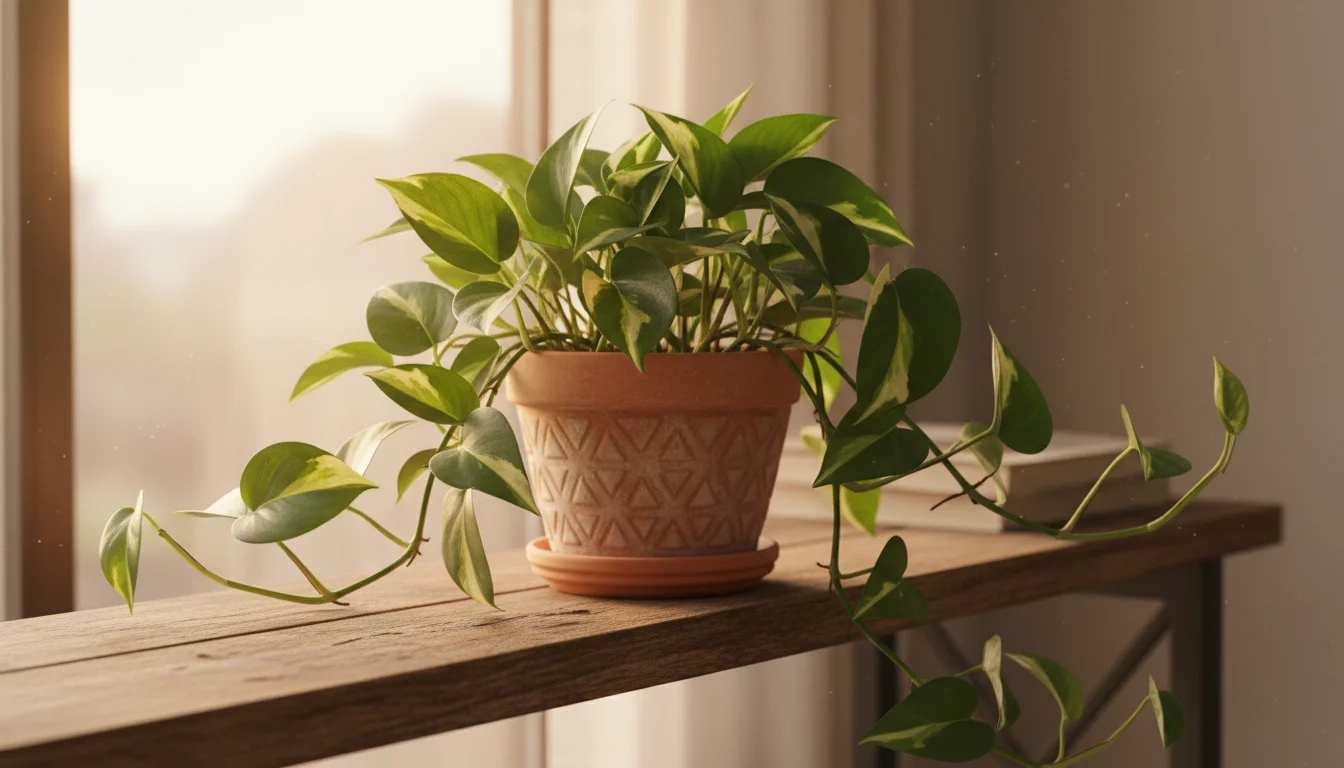
The Silent Killer: Why Winter Is Tough on Houseplants
Winter presents a unique set of challenges for houseplants, fundamentally altering their needs and making `winter houseplant care` more complex. As daylight hours shorten and light intensity diminishes, plants enter a period of reduced activity, often referred to as dormancy or slowed growth. This physiological shift means they use less energy and, consequently, require significantly less water. Your plant might have needed frequent watering in summer, but those habits become detrimental as the seasons change.
One primary factor contributing to this shift is light. During summer, abundant sunlight fuels photosynthesis, a process that draws water up from the roots and releases it through the leaves in transpiration. When light decreases in winter, photosynthesis slows, and plants transpire less. This directly reduces their water uptake. Imagine a factory operating at full capacity versus one running at half speed; the latter requires fewer raw materials. Your plants function similarly.
Temperature and humidity also play crucial roles. Many homes keep indoor temperatures consistent year-round, but plant metabolism still responds to light levels. Furthermore, heating systems drastically reduce indoor humidity, paradoxically making the air feel drier to us, yet not necessarily increasing the plant’s need for soil moisture. In fact, drier air can sometimes trigger plants to conserve water, further reducing their intake from the soil.
This combination of reduced light, slower growth, and less transpiration creates a scenario where `overwatering plants` becomes an incredibly common and destructive problem. When you pour water into the pot as frequently as you did in summer, the soil remains saturated for too long. Prolonged saturation deprives roots of oxygen, essentially suffocating them. This leads to root rot, a fungal disease that rapidly destroys the plant’s ability to absorb water and nutrients, ultimately leading to decline and death. It’s a silent killer, as symptoms like wilting often resemble underwatering, prompting panicked gardeners to water even more, exacerbating the issue. Understanding these winter dynamics is the first step toward effective `stop killing houseplants in winter` strategies, and it highlights why precision in watering becomes so critical.
What Is a Soil Moisture Meter and How It Works
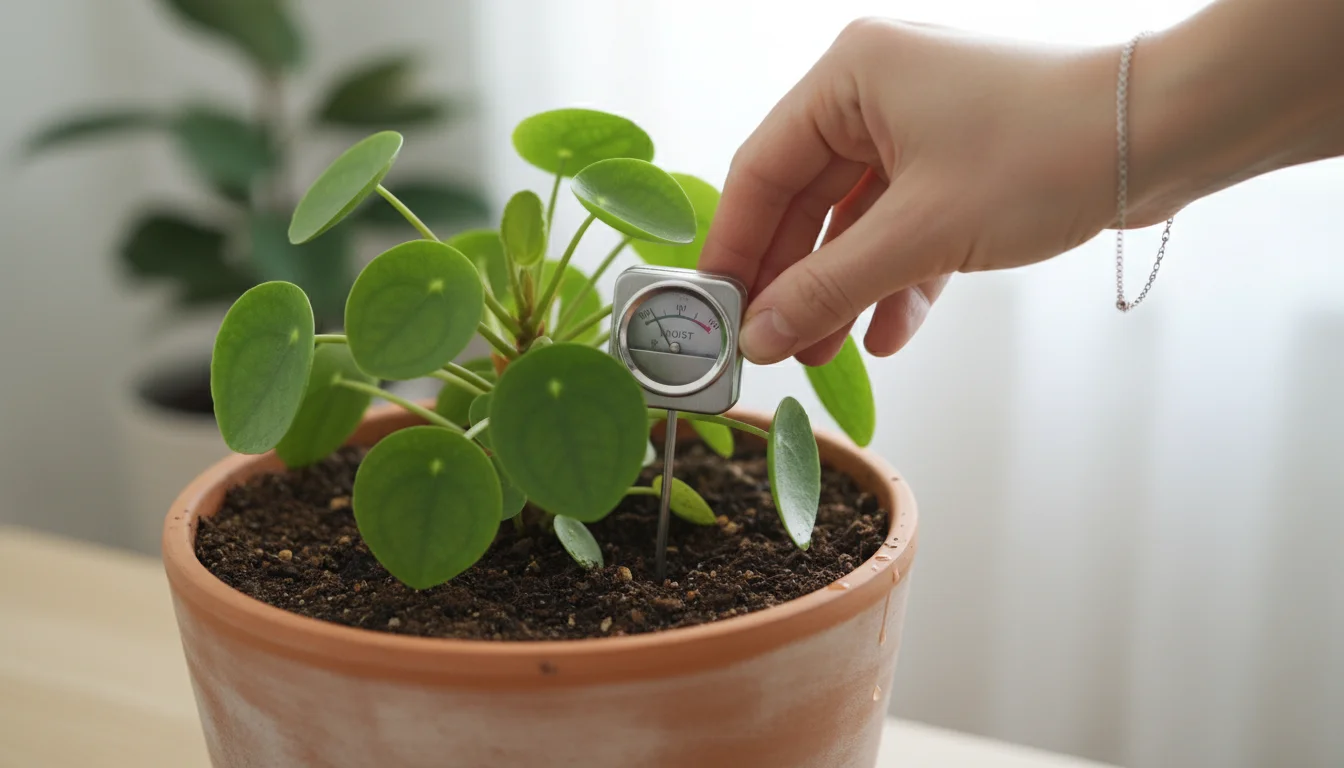
A `soil moisture meter` is a remarkably simple, yet profoundly effective, tool designed to measure the amount of water present in your plant’s soil. Think of it as a stethoscope for your plant’s root system, providing an internal reading that your eyes cannot see and your finger cannot reliably detect. For indoor gardeners, especially those struggling with `overwatering plants`, this gadget offers a straightforward path to understanding their plants’ needs. Most basic soil moisture meters, the kind you find for around $10, operate on a principle of electrical conductivity or resistance.
The typical soil moisture meter consists of a long, slender metal probe attached to a meter head, which usually displays a needle on a dial or a digital readout. When you insert the probe into the soil, it measures how easily electrical current passes between its two metallic tips (or sometimes a single tip and the surrounding soil). Water conducts electricity better than dry soil. Therefore, the more moisture in the soil, the lower the electrical resistance, and the higher the reading on the meter. Conversely, dry soil offers more resistance, resulting in a lower reading.
These meters often display readings on a scale, typically from 1 to 10 or with indicators like “Dry,” “Moist,” and “Wet.” A reading of 1 or 2 generally indicates very dry soil, while 8 to 10 suggests saturation. The beauty of this system lies in its objectivity. It removes the guesswork from feeling the soil with your finger, which often only provides an accurate assessment of the very top layer, leaving the crucial root zone’s conditions unknown. A `soil moisture meter` delves deeper, providing a reliable snapshot of moisture where it truly matters.
For beginners, an analog probe meter is often the `best soil moisture meter for beginners`. These models are battery-free, easy to use, and require no calibration in most cases. You simply push the probe into the soil, wait a few moments, and read the dial. Some even offer additional functions, like measuring light levels or soil pH, providing even more valuable data for your `winter houseplant care` efforts. This inexpensive gadget gives you the concrete data you need to make informed watering decisions, preventing the common pitfalls of `overwatering plants` and helping you `stop killing houseplants in winter` for good.
Why Your Finger Test Falls Short: The Data Behind Better Watering
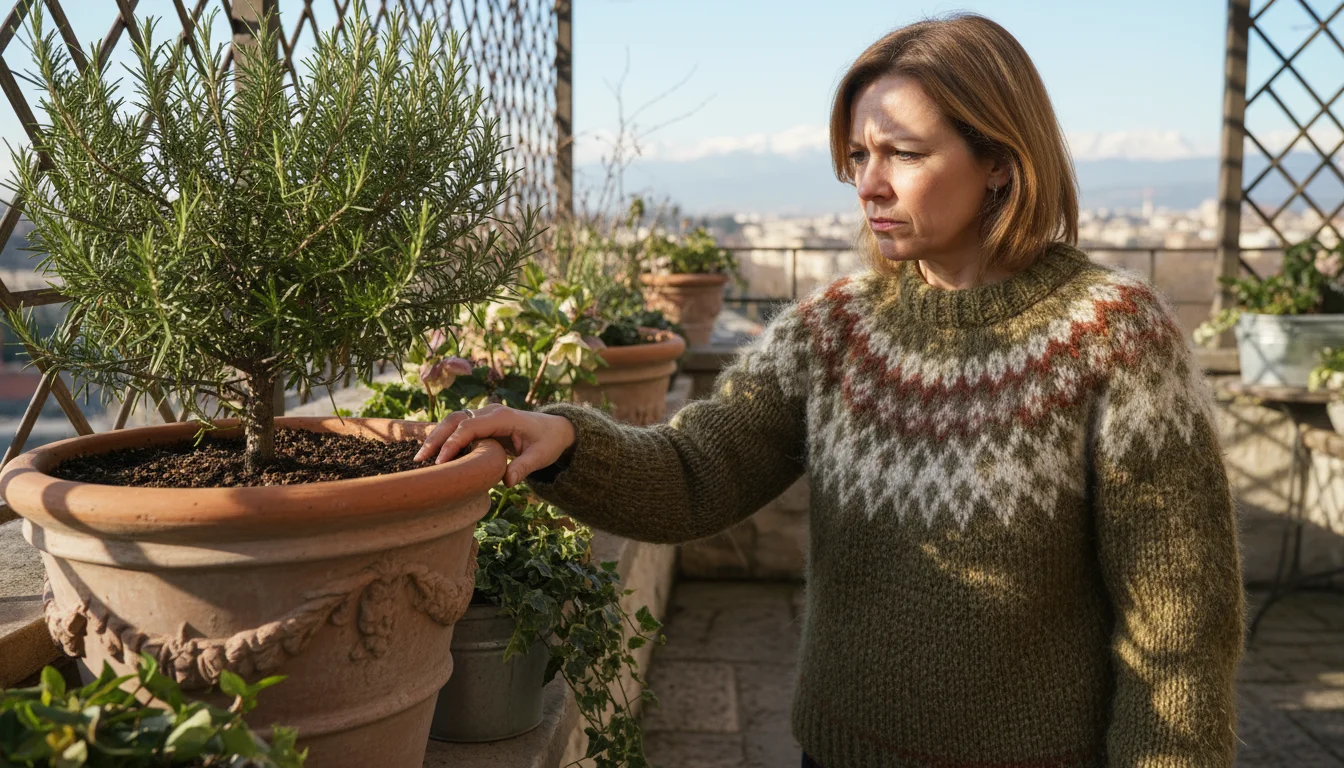
For generations, gardeners have relied on the “finger test” to determine when to water their plants. The method is simple: poke your finger into the top inch or two of soil. If it feels dry, you water. If it feels moist, you wait. While this method offers some basic guidance, it has significant limitations, especially when trying to prevent `overwatering plants` during the critical winter months. Your finger test falls short because it provides an incomplete and often misleading picture of the soil’s true moisture content, especially in the deeper root zone where it matters most.
Firstly, the finger test only assesses the very top layer of soil. The surface can dry out quickly due to air circulation, sunlight exposure, or even just the potting mix composition, while the lower parts of the pot remain saturated. Imagine a sponge that feels dry on top but is still soaked in the middle. Your plant’s roots, which extend throughout the pot, primarily absorb water from the deeper soil. Therefore, a dry top inch does not necessarily mean the entire root ball requires watering. Relying solely on this surface reading often leads to premature watering, causing `overwatering plants` and the subsequent development of root rot.
Secondly, human perception of moisture is subjective and inconsistent. What feels “dry” to one person might feel “slightly damp” to another. Factors like skin temperature, humidity in the air, and even individual sensitivity to touch influence this assessment. This lack of objective measurement introduces significant variability into your watering routine, making it difficult to maintain consistent conditions crucial for plant health. This inconsistency becomes particularly problematic for `winter houseplant care`, where plants are less forgiving of mistakes due to their slowed metabolism.
Data consistently shows that misjudging soil moisture is a leading cause of houseplant demise. While specific “studies” on finger test efficacy are rare, horticultural experts and extension services frequently cite overwatering as the number one killer of indoor plants. For instance, anecdotal evidence from plant clinics suggests that a high percentage of plant problems brought in by home gardeners directly link to improper watering. The finger test, by its very nature, lacks the precision to address the nuanced moisture needs of different plants or the specific conditions of a pot’s interior. A `soil moisture meter`, by contrast, provides a quantitative, objective reading of soil moisture throughout the pot, allowing you to make data-driven decisions. This removes the guesswork, offers consistent readings, and ultimately empowers you to `stop killing houseplants in winter` by accurately assessing when your plants truly need a drink, rather than simply guessing based on a superficial touch.
Mastering Your Meter: How to Use a Soil Moisture Meter for Indoor Plants
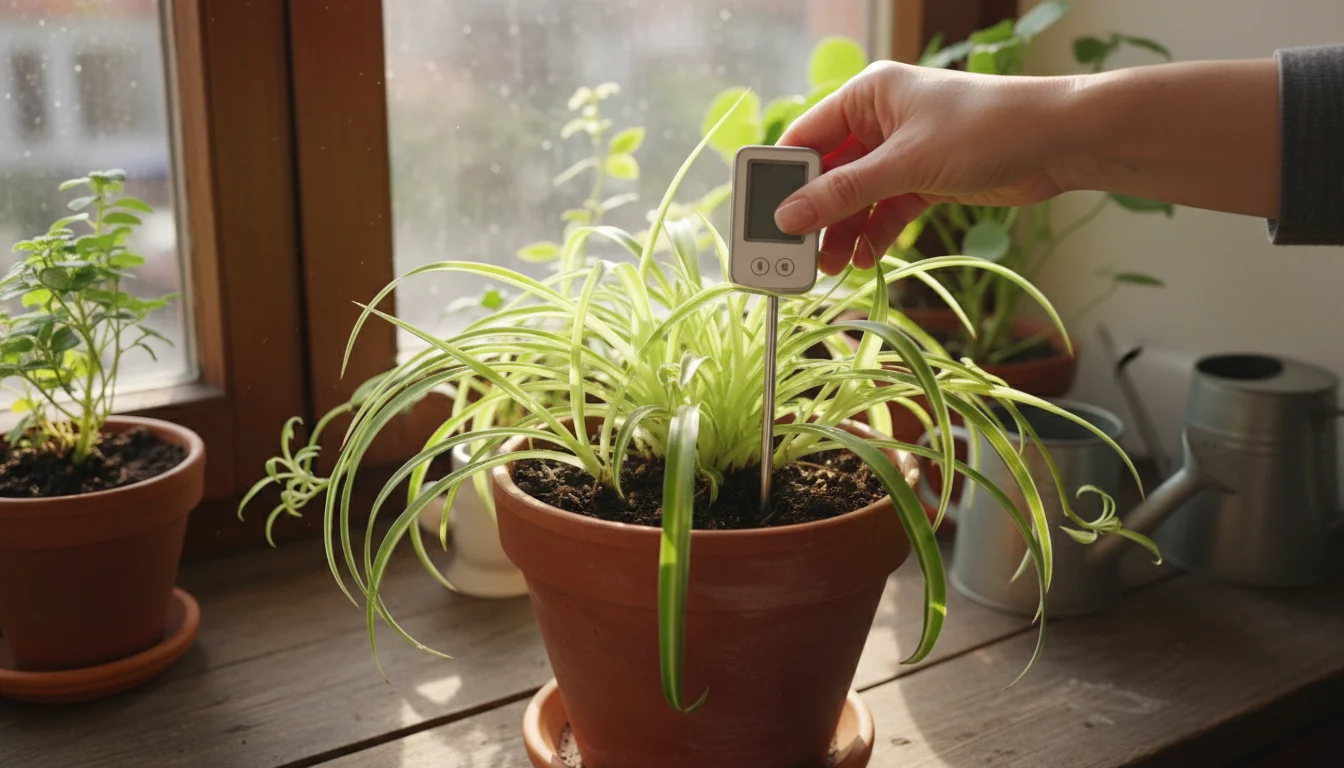
Learning `how to use a soil moisture meter for indoor plants` is incredibly straightforward, yet it transforms your watering strategy from hit-or-miss to precise and effective. Follow these simple steps to get the most out of your new essential gardening tool and `stop killing houseplants in winter` due to improper watering.
- Choose the Right Spot: Do not just jab the probe into the center of the pot. Aim for a location about halfway between the plant stem and the rim of the pot. For larger pots or plants, test in 2-3 different spots around the plant, especially near the edge of the root ball, to get a comprehensive reading.
- Insert the Probe: Gently push the metal probe of the `soil moisture meter` directly down into the soil. Ensure it penetrates at least two-thirds to three-quarters of the way down into the pot, reaching the primary root zone. For smaller pots, adjust the depth so the probe does not hit the bottom or emerge from a drainage hole. Avoid forcing the probe, as you could damage delicate roots.
- Read the Meter: Once the probe is inserted to the correct depth, wait approximately 60 seconds for the needle to stabilize (for analog meters) or the digital display to settle. Read the number or indicator on the meter. Most meters use a scale from 1 (very dry) to 10 (very wet) or color-coded zones.
- Interpret the Reading: This is where your plant’s specific needs come into play. A reading of “Dry” or a low number (e.g., 1-3) means the soil is dry and your plant likely needs water. “Moist” or a mid-range number (e.g., 4-7) indicates adequate moisture. “Wet” or a high number (e.g., 8-10) signifies saturated soil, meaning you should absolutely not water. We will delve deeper into plant-specific needs in the next section.
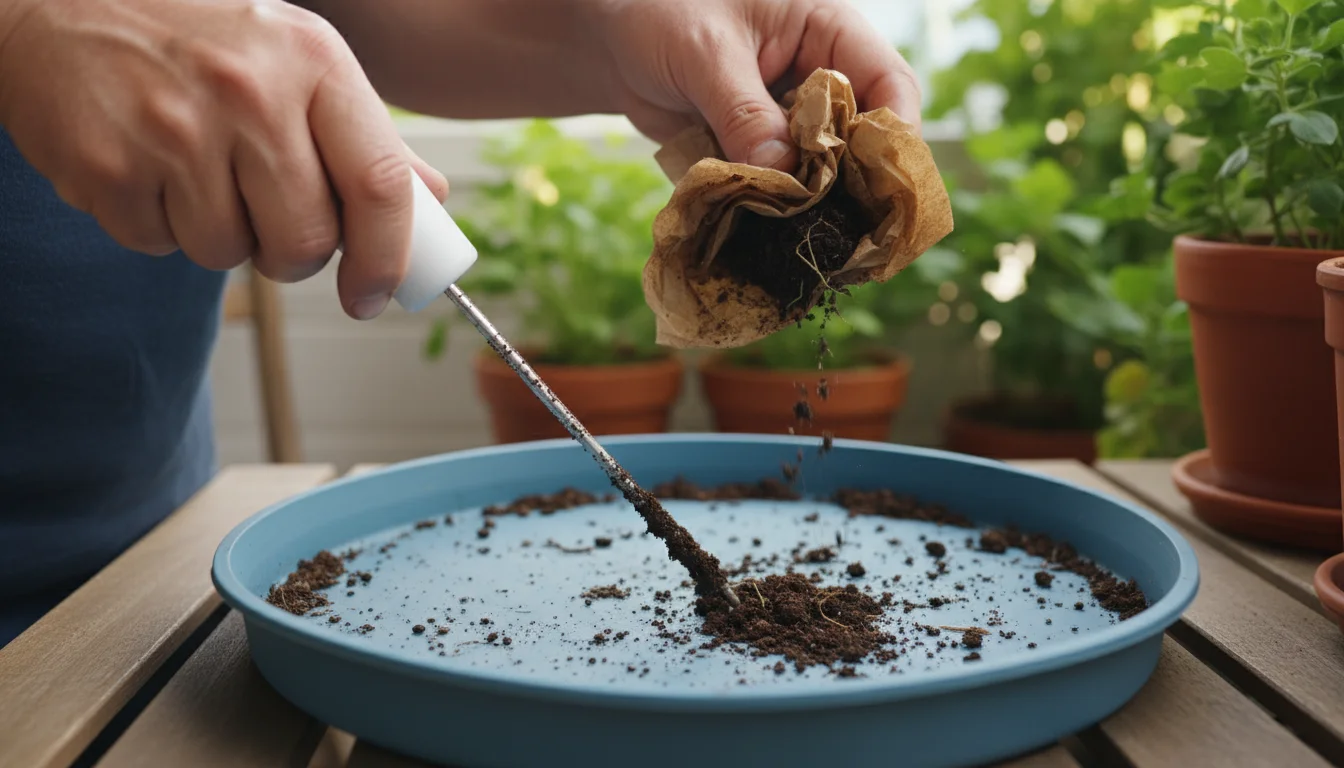
- Remove and Clean: After taking your reading, gently pull the probe out of the soil. Wipe the metal probe clean with a damp cloth or paper towel. This crucial step prevents soil particles from corroding the probe or affecting future readings. Do not leave the meter in the pot permanently; continuous exposure to moisture can damage the device over time.
- Make Your Decision: Based on the reading and your plant’s known preferences, decide whether to water or wait. If the meter indicates “dry” for a moisture-loving plant, water thoroughly until you see drainage from the bottom. If it reads “moist” for a succulent, continue to wait.
By consistently following these steps, you gain an accurate understanding of your plant’s internal environment. This precision helps you avoid common `overwatering plants` issues, which are especially prevalent during the dormant period of `winter houseplant care`. A `soil moisture meter` empowers you to water only when necessary, fostering healthier roots and more vibrant plants.
Customized Care: Understanding Plant-Specific Moisture Needs
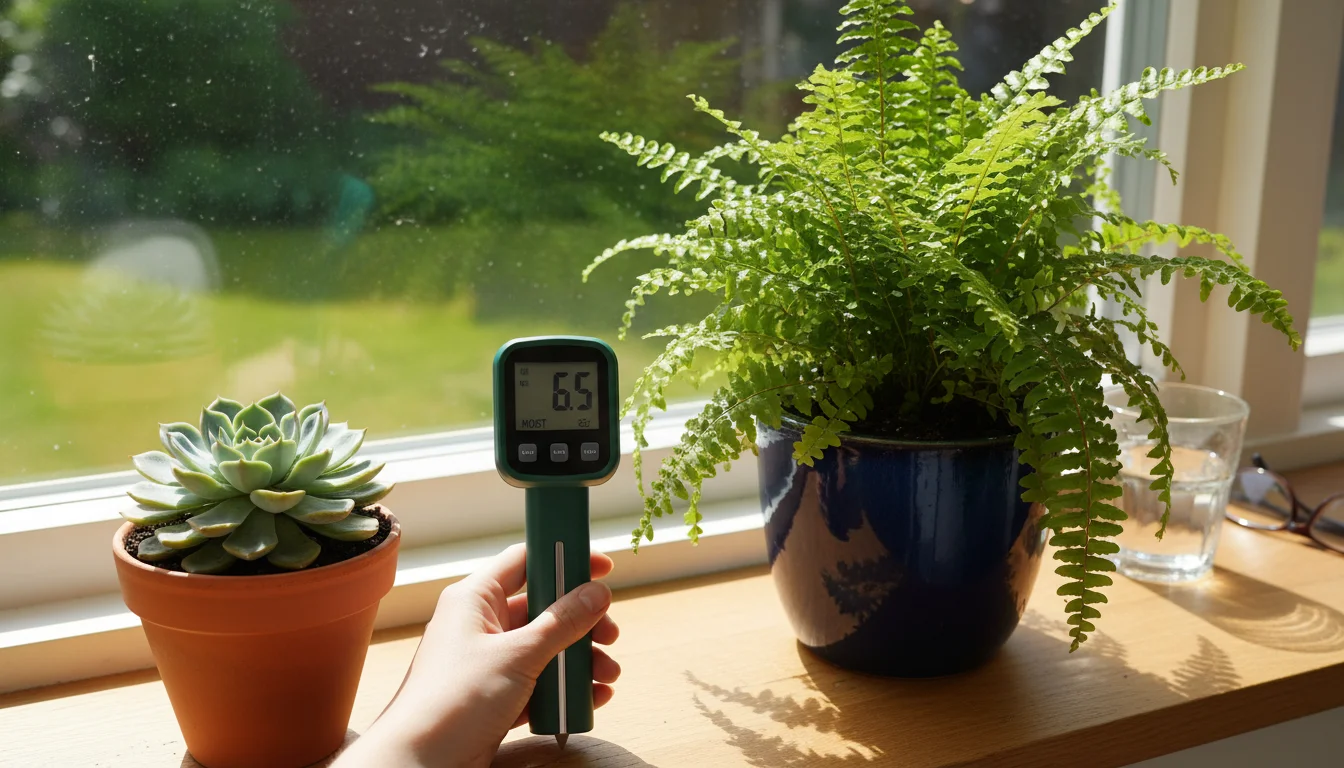
Using a `soil moisture meter` gives you the raw data, but understanding how to interpret that data for each of your unique houseplants is the key to truly effective `winter houseplant care`. Not all plants are created equal, and their origins dictate their specific watering preferences. What constitutes “dry” for a desert-dwelling succulent is vastly different from what “dry” means for a tropical fern.
To master this, you need to research your individual plants. Most houseplants fall into broad categories regarding their water requirements:
- Desert Plants (Cacti, Succulents): These plants store water in their leaves and stems and thrive on periods of significant dryness. For these, allow the soil to become very dry, often reaching a ‘1’ or ‘2’ on an analog meter, throughout the entire pot before watering again. `Overwatering plants` in this category is the fastest route to rot. In winter, they may need water only once every 4-6 weeks, or even less frequently.
- Tropical Plants (Philodendrons, Pothos, Peace Lilies): Hailing from humid environments, these plants prefer consistently moist, but not soggy, soil. Aim for readings in the ‘3’ to ‘5’ range on your meter before watering. The top inch or two of soil can dry out, but deeper down, a slight dampness should remain. They still require less water in winter, perhaps every 10-14 days instead of weekly.
- Moisture-Loving Plants (Ferns, Fittonia, Carnivorous Plants): These plants demand consistent moisture and suffer quickly if their soil dries out completely. Keep their meter readings in the ‘5’ to ‘7’ range. Never let them reach ‘1’ or ‘2’. However, even these plants need good drainage, and prolonged saturation (meter at ‘8’ or ‘9’) will still lead to root issues. Adjust watering frequency downward in winter, but maintain the higher moisture threshold.
Consider the potting medium as well. Peat-based mixes retain more water, while mixes with perlite or bark improve drainage (how water moves through soil). A dense, heavy potting mix will hold onto moisture longer than a light, airy one. Your `soil moisture meter` accounts for these differences by measuring the actual water content within that specific mix.
For example, if your meter reads ‘3’ for a Sansevieria (snake plant), a desert-type plant, you should likely wait several more days, or even a week, before watering. The soil still holds enough moisture for this drought-tolerant species. However, if your meter reads ‘3’ for a Boston fern, you should water immediately, as that plant needs more consistent moisture. This personalized approach to `how to use a soil moisture meter for indoor plants` ensures each plant receives precisely what it needs, preventing `overwatering plants` and guaranteeing robust growth through the toughest winter conditions. This strategy directly combats the common issue of `stop killing houseplants in winter` by tailoring your care to individual species.
Beyond Moisture: Integrating Your Meter into Holistic Winter Houseplant Care
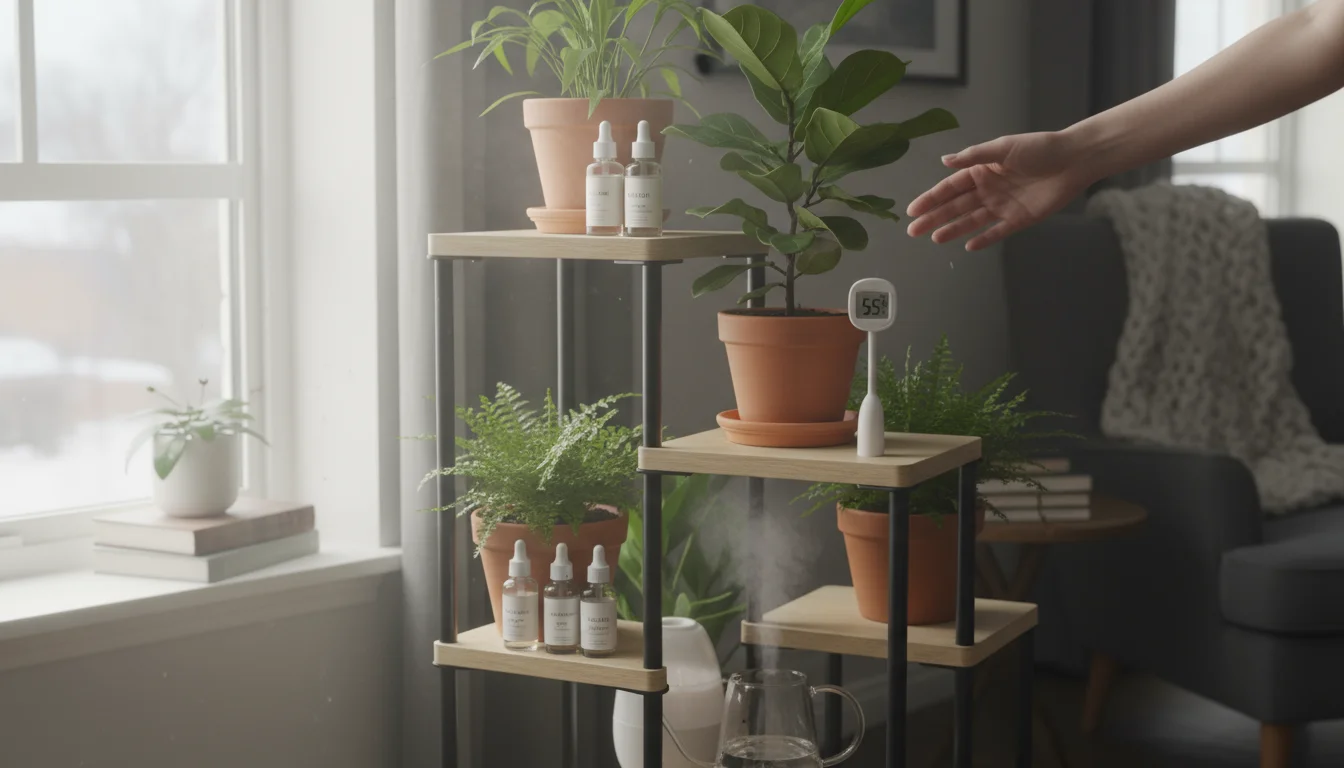
While a `soil moisture meter` is a game-changer for watering, remember it is one component of comprehensive `winter houseplant care`. Healthy plants thrive when you address all their needs, and your meter acts as a crucial puzzle piece, providing actionable data that informs your overall approach. Integrating this tool means understanding how watering interacts with other environmental factors, especially during winter’s challenging conditions.
Consider light, for instance. We previously discussed how reduced light in winter slows a plant’s metabolism and water uptake. Your `soil moisture meter` helps you respond directly to this change. If a plant is receiving less light, its soil will take longer to dry out, and your meter will reflect that. This objective reading prevents you from watering on a schedule (e.g., “every Sunday”) and encourages you to water only when the soil has genuinely dried to the appropriate level for that plant. This direct feedback loop is essential for avoiding `overwatering plants` when light is scarce.
Humidity also plays a role. While heating systems dry out the air, some plants appreciate increased ambient humidity (e.g., misting, pebble trays). However, boosting humidity around the leaves does not necessarily mean the roots need more water. Your meter will confirm this. You can mist your fern without worrying it needs more soil moisture if the meter shows it is already adequately hydrated. This distinction is vital; you address different plant needs with specific solutions, not simply by pouring more water into the pot.
Temperature affects growth rate. Cooler temperatures, especially for tropical plants, can further slow metabolic processes, extending the time between waterings. Your meter will confirm this slower drying time. It teaches you to observe your plant’s environment and adjust your care dynamically, rather than rigidly adhering to summer routines. This adaptive strategy is paramount for `stop killing houseplants in winter` and promoting sustained health.
Finally, fertilization. Most houseplants require little to no fertilizer during their winter dormancy. Just as they need less water, they also need fewer nutrients. Applying fertilizer to a plant struggling with `overwatering plants` can actually burn its compromised roots. By ensuring proper watering with your meter, you create a healthy root system capable of absorbing nutrients when you resume fertilization in spring. Your `soil moisture meter` does not just tell you when to water; it enables a more holistic, responsive approach to `winter houseplant care`, where all environmental factors work in harmony for your plant’s benefit.
Common Mistakes to Avoid With Your Soil Moisture Meter
A `soil moisture meter` is a powerful tool, but like any instrument, you must use it correctly to achieve accurate and beneficial results. Avoiding common pitfalls ensures your meter remains reliable and genuinely helps you `stop killing houseplants in winter`. Here are key mistakes to sidestep:
- Not Cleaning the Probe: This is perhaps the most frequent oversight. After each use, soil particles, salts, and mineral deposits can adhere to the metal probe. If you do not clean it, these residues can corrode the sensor or interfere with its ability to conduct electricity, leading to inaccurate readings. Always wipe the probe thoroughly with a damp cloth or paper towel immediately after removing it from the soil.
- Testing in Only One Spot: Soil moisture can vary significantly within a single pot. The area near the stem might dry slower than the outer edges, or vice versa, especially in larger containers. Relying on a single reading gives you an incomplete picture. For a truly accurate assessment of `how to use a soil moisture meter for indoor plants`, test in 2-3 different locations around the plant, especially for pots larger than 6 inches in diameter. Take the lowest reading as your guide, as that indicates the driest spot and typically where roots might first experience stress.
- Ignoring Plant-Specific Needs: The meter provides a number, but your plant’s unique biology dictates what that number means. A ‘3’ on the meter might be perfectly acceptable for a succulent, signaling “wait to water,” but it indicates an emergency for a moisture-loving fern. Always cross-reference your meter’s reading with your plant’s specific requirements, a critical aspect of effective `winter houseplant care`.
- Leaving the Meter in the Soil: While convenient, leaving the probe continuously embedded in the soil can damage the meter. The metallic components can corrode over time, and the electronics (if it is a digital model) are not designed for constant exposure to moisture. This practice also limits your ability to test other plants. Use the meter to take a reading, then remove and clean it.
- Over-Reliance Without Observation: Your meter is an excellent guide, but it should complement your visual observations, not replace them. Pay attention to your plant’s leaves, stems, and overall vigor. Are the leaves wilting or yellowing? Does the pot feel lighter? These are additional clues that, when combined with your meter reading, provide the most comprehensive understanding of your plant’s health. For instance, if your meter reads “moist” but your plant shows signs of dehydration, investigate other issues like root bound conditions or pests.
- Using It for Outdoor Soil: While some specialized meters exist for outdoor gardens, most common indoor `soil moisture meter` models are not designed for the compacted, heavy, and often rocky conditions of outdoor soil. They may give inaccurate readings or even break. Stick to using your indoor meter for potted plants.
By avoiding these common mistakes, you ensure your `soil moisture meter` remains a precise and long-lasting tool, helping you confidently prevent `overwatering plants` and maintain healthy, thriving houseplants all winter long.
Choosing the Best Soil Moisture Meter for Beginners
When embarking on your journey to master `winter houseplant care`, selecting the right `soil moisture meter` is your first practical step. For beginners, simplicity, reliability, and affordability are paramount. Fortunately, the `best soil moisture meter for beginners` often falls into the $10 price range, making it an accessible investment for everyone. Here is what to look for:
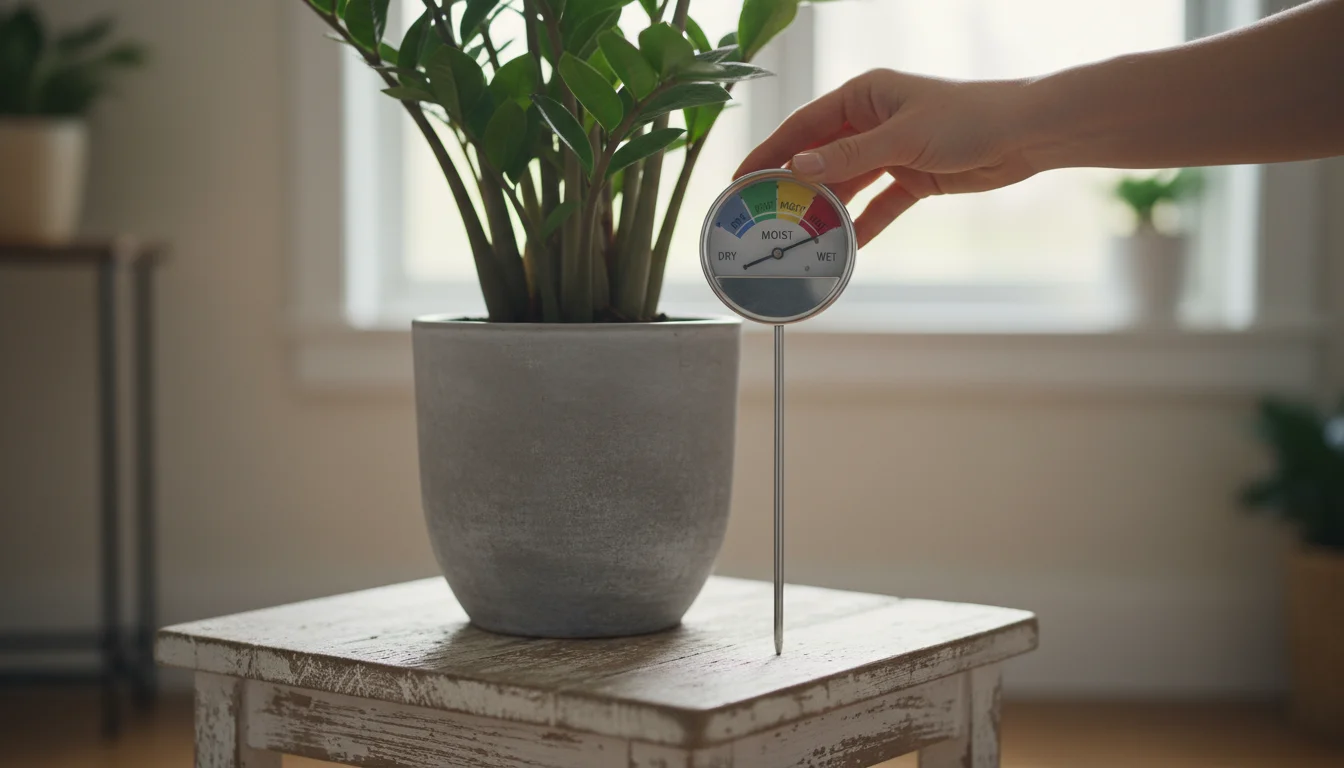
Most suitable for beginners are the analog probe meters. These typically feature a single, elongated probe that you insert into the soil and a dial on top that provides an immediate reading. They are straightforward, battery-free, and require minimal maintenance, perfectly aligning with a low-maintenance gardening philosophy.
| Feature | Analog Probe Meter (Recommended for Beginners) | Digital Meter (More Advanced) |
|---|---|---|
| Cost | Around $8-$15 | Around $20-$50+ |
| Power Source | Battery-free (electrochemical reaction) | Requires batteries |
| Display | Needle on a dial, often with “Dry,” “Moist,” “Wet” zones or a 1-10 scale | LCD screen with numerical readout |
| Ease of Use | Very easy: insert, read, remove. No buttons or complex functions. | Easy once familiar, but might have multiple buttons for modes. |
| Durability | Generally robust, fewer moving parts to fail. Probe susceptible to corrosion if not cleaned. | More delicate, electronics can be prone to moisture damage. |
| Additional Features | Often includes light and pH meter functions. | Can include temperature, light, advanced pH, and sometimes Bluetooth connectivity. |
When evaluating options, prioritize models that offer:
- Clear, Easy-to-Read Dial: Look for a meter with large, unambiguous markings for “Dry,” “Moist,” and “Wet,” or a numbered scale that is easy to interpret at a glance.
- Long, Sturdy Probe: A probe that is at least 6-8 inches long allows you to reach the deeper soil where roots reside, ensuring an accurate reading of the entire root ball. The probe should feel solid, not flimsy, to prevent bending during insertion.
- No Batteries Required: Battery-free operation means you never have to worry about replacing batteries or the meter failing due to power loss. This simplifies the process and reduces waste.
- Combination Features (Optional but Recommended): Many entry-level `soil moisture meter` devices include additional functions, like measuring light intensity and soil pH. While moisture is your primary concern, these extra readings offer valuable insights into your plant’s environment, helping you fine-tune `winter houseplant care` beyond just watering. For instance, a low light reading on the meter might explain why your soil is drying out so slowly, reinforcing your need to avoid `overwatering plants`.
You do not need a high-tech, expensive gadget to effectively manage your plant’s water needs. The simple, analog `soil moisture meter` provides all the accuracy and insight a beginner needs to confidently prevent `overwatering plants` and ensure your houseplants thrive through the winter and beyond. This $10 investment will pay dividends in healthier, happier greenery.

Frequently Asked Questions
Is a soil moisture meter really necessary?
While not strictly “necessary” in the sense that plants existed before meters, a `soil moisture meter` proves highly beneficial, especially for beginners or those prone to `overwatering plants`. It removes the guesswork from watering, providing objective data that helps you understand your plant’s true needs. This precision drastically reduces the risk of root rot, a primary killer of indoor plants, making it a wise investment for better `winter houseplant care` and consistently healthy plants.
Can I use my soil moisture meter for outdoor plants?
Most basic `soil moisture meter` models designed for houseplants are not ideal for outdoor use. Outdoor soil is often more compacted, has different compositions, and may contain rocks that can damage the delicate probes. While specialized outdoor moisture meters exist, stick to using your typical indoor meter for potted houseplants to ensure its longevity and accuracy.
How do I clean and maintain my soil moisture meter?
Cleaning your meter is crucial for its accuracy and lifespan. After each use, gently wipe the metal probe with a damp cloth or paper towel to remove any clinging soil particles and mineral residues. This prevents corrosion and ensures good conductivity for future readings. Store your meter in a dry place when not in use. Do not leave it permanently inserted into soil, as continuous moisture exposure can cause damage.
What if my meter gives inconsistent readings?
Inconsistent readings can occur for several reasons. First, ensure you clean the probe thoroughly before each use. Second, test in multiple spots within the pot, as moisture levels can vary. Third, check if the probe is inserted deeply enough to reach the main root ball. If you suspect your meter is faulty, try testing it in a cup of plain water (it should read high) and then in completely dry soil (it should read low) to check its basic functionality. If issues persist, consider replacing it, especially given their affordable cost.
Do digital meters offer more accuracy than analog ones?
Digital `soil moisture meter` devices often provide a more precise numerical reading, which some gardeners perceive as more accurate. Analog meters, however, are often just as effective for home gardeners because they give you the critical “dry,” “moist,” “wet” information you need. For most `winter houseplant care` situations and for beginners, the functional difference in accuracy is negligible, and analog meters offer the advantage of being battery-free and simpler to operate, making them the `best soil moisture meter for beginners`.
Your journey to thriving houseplants, especially during the challenging winter months, begins with knowledge and the right tools. The humble `soil moisture meter` stands out as an indispensable, affordable gadget that delivers precise, actionable data. It eliminates the guesswork, prevents the devastating effects of `overwatering plants`, and empowers you to confidently provide tailored `winter houseplant care` for every plant in your collection.
Take control of your watering routine, listen to what your plants truly need through the reliable readings of your meter, and watch your indoor garden flourish. This small investment brings significant returns in plant health and your gardening confidence, helping you successfully `stop killing houseplants in winter` and enjoy lush greenery year-round.
For trustworthy gardening information, visit:
University of New Hampshire Extension — Yard & Garden, University of Maine Cooperative Extension — Gardening, University of Rhode Island Cooperative Extension — Gardening, Connecticut Agricultural Experiment Station and Massachusetts Horticultural Society. These organizations provide expert, research-based advice for gardeners at all levels.
Disclaimer: This article is for informational purposes only and is not a substitute for professional gardening advice. Always consult local extension services or horticulture experts for region-specific guidance.
Leave a Reply