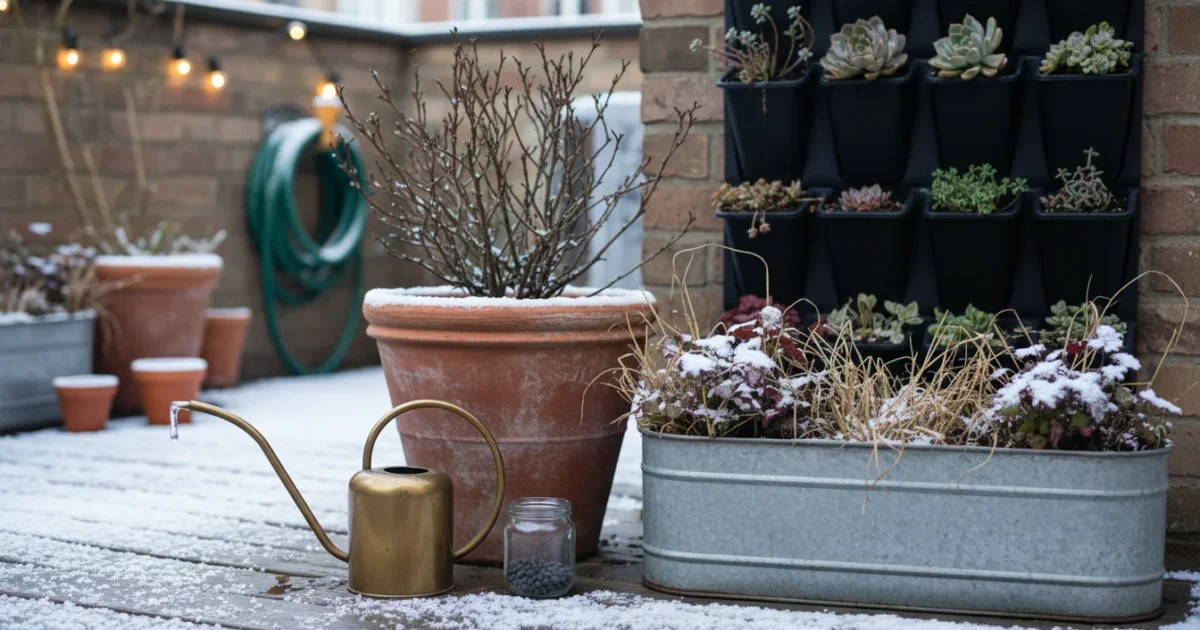
As the days shorten and temperatures drop, your beloved indoor plants enter a crucial phase known as dormancy. This natural resting period requires a significant shift in your plant care routine. Many beginner and intermediate gardeners unknowingly continue their spring and summer watering and fertilizing habits through winter, leading to common problems like root rot, nutrient burn, and even plant death. Understanding and adapting to your houseplants’ needs during these colder months is essential for their long-term health and vitality.
Building a solid foundation with a seasonal guide to repotting and fertilizing will help you recognize when to push growth and when to pull back.
Think of it as putting your plants on a ‘Dormancy Diet’ for the winter. Just as our nutritional needs might change with the seasons, so do our plants’. This guide provides practical, actionable insights into adjusting your indoor plant watering and feeding schedules, ensuring your green companions not only survive but thrive through the colder season.
Unpacking Plant Dormancy: What it Means for Your Indoor Greens
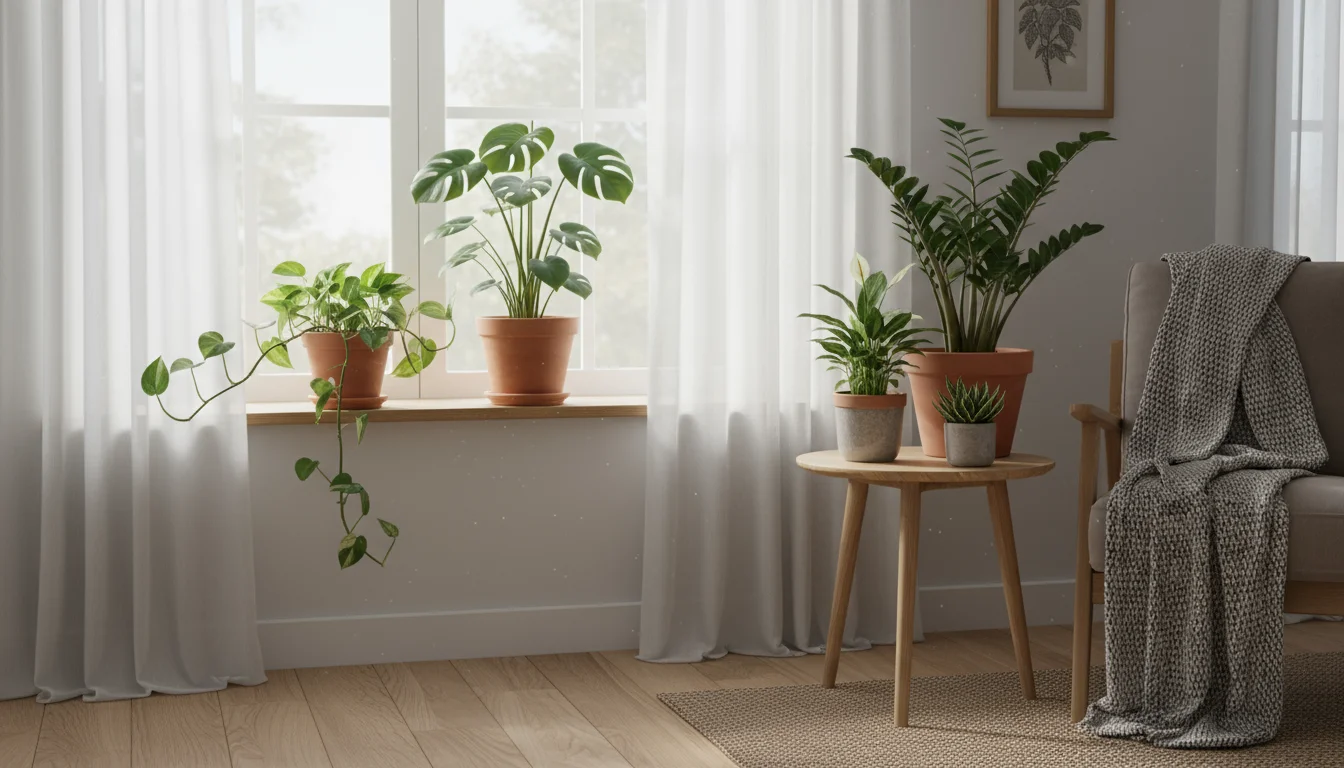
Plant dormancy is a natural biological process where plants slow down their growth and metabolic activity to conserve energy. This response primarily occurs in colder months or during periods of stress, like drought, when environmental conditions are less favorable for active growth. For your indoor plants, even though they are shielded from outdoor extremes, the reduction in daylight hours and often lower indoor temperatures signal a time for rest. This is a critical aspect of winter plant care.
For those new to this phase, our guide to letting potted plants go dormant can help you navigate the process without stress.
During dormancy, plants require significantly less energy. Their need for water decreases because transpiration, the process of water movement through a plant and its evaporation from aerial parts, slows down considerably. Photosynthesis also reduces due to lower light levels, meaning the plant uses less water to convert light into energy. Similarly, nutrient uptake from the soil slows to a crawl as new growth ceases. Pushing excessive water and fertilizer on a dormant plant is akin to force-feeding someone who is not hungry; it creates more problems than benefits.
Understanding this fundamental shift in your plant’s life cycle is the first step in successful houseplant dormancy management. You are not neglecting your plants; you are respecting their natural rhythm and providing them with precisely what they need to rest and prepare for robust growth in spring.
The Perils of Overwatering: Why Winter Demands a New Approach
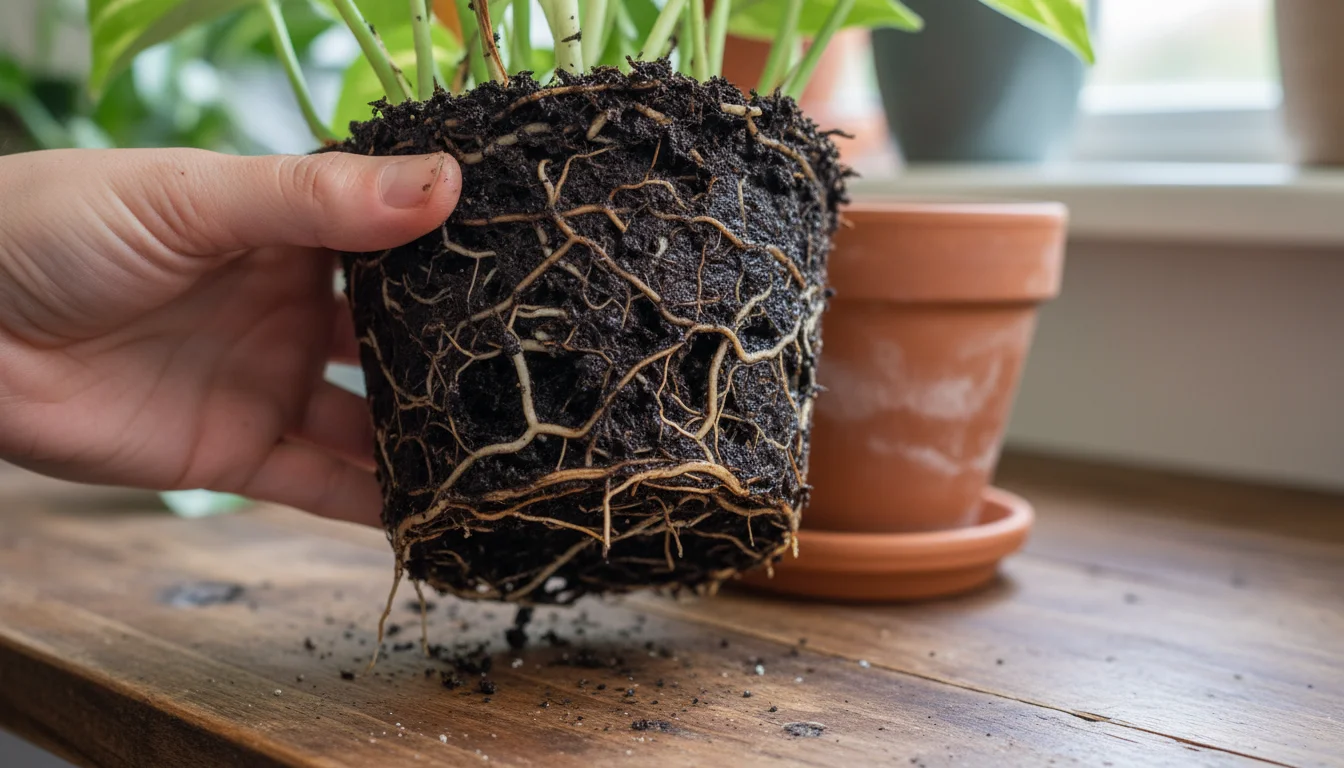
Overwatering stands as the leading cause of death for indoor plants, especially during winter. When plants are dormant, their roots do not actively absorb as much moisture. If you continue to water your houseplants how often to water houseplants in winter as you did in summer, the excess water sits in the soil. This creates an anaerobic, or oxygen-deprived, environment that stifles roots and invites harmful fungal and bacterial pathogens.
The primary consequence of persistent overwatering is root rot. This condition occurs when roots, deprived of oxygen, begin to decay. Rotted roots cannot absorb water or nutrients, causing the plant to effectively dehydrate and starve, even with abundant moisture in the soil. Signs of root rot often mimic underwatering, such as wilting and yellowing leaves, which can mislead gardeners into watering even more, exacerbating the problem. Data from horticultural studies consistently show that improper watering techniques, particularly overwatering during dormant periods, account for a substantial percentage of plant losses in indoor environments.
Beyond root rot, perpetually wet soil can attract fungus gnats, small bothersome insects that thrive in moist conditions. While generally harmless to mature plants, their larvae feed on decaying organic matter and sometimes delicate root hairs, especially on seedlings. Furthermore, the constant dampness can lead to unsightly mold growth on the soil surface. Adapting your indoor plant watering routine becomes crucial to avoid these pitfalls and maintain a healthy environment for your small-space garden.
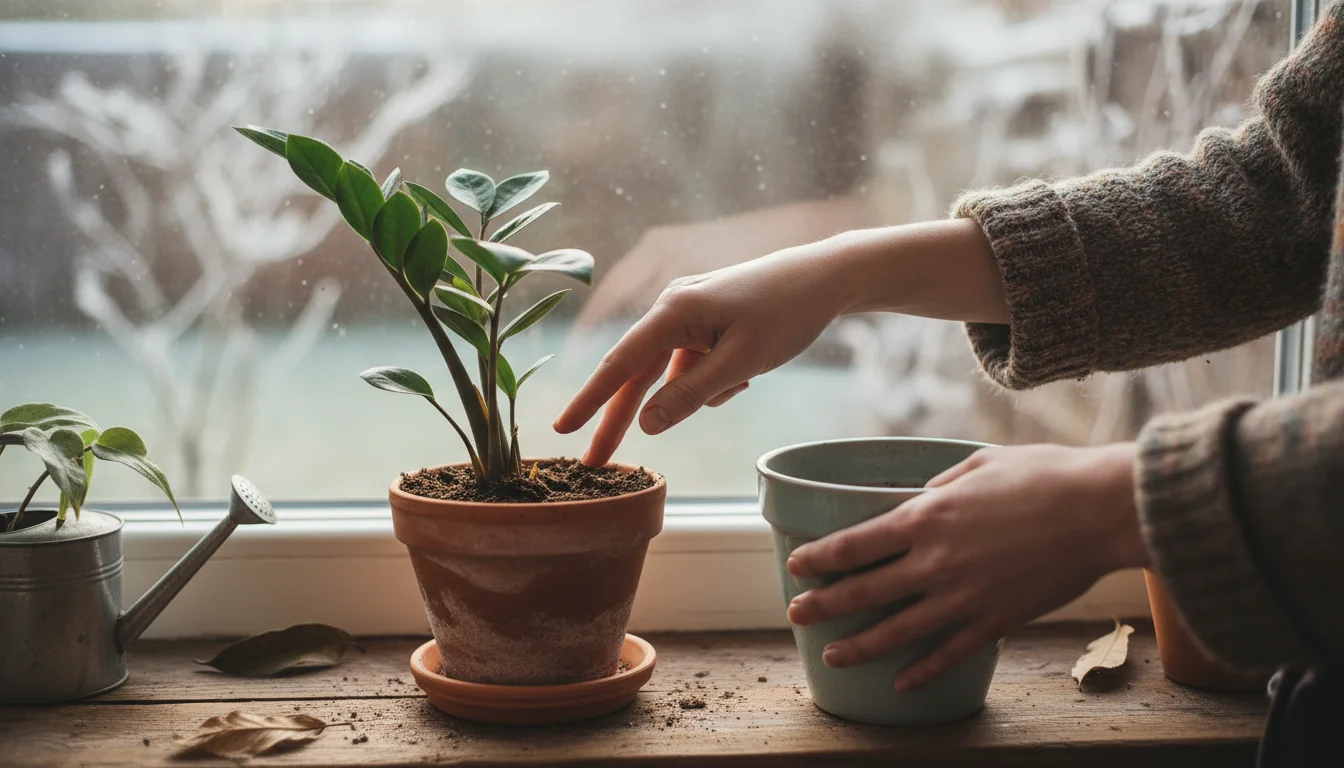
Crafting Your Winter Watering Schedule: A Step-by-Step Guide
Moving away from a fixed watering schedule and instead learning to read your plants and their soil is the most effective strategy for winter plant care. Here is how you can develop a responsive watering routine for the colder months:
Improving your potting mix with a soil remix for better drainage can further prevent moisture-related issues during these months.
Before you adjust your routine, it is wise to perform a houseplant health check to assess the current condition of your foliage.
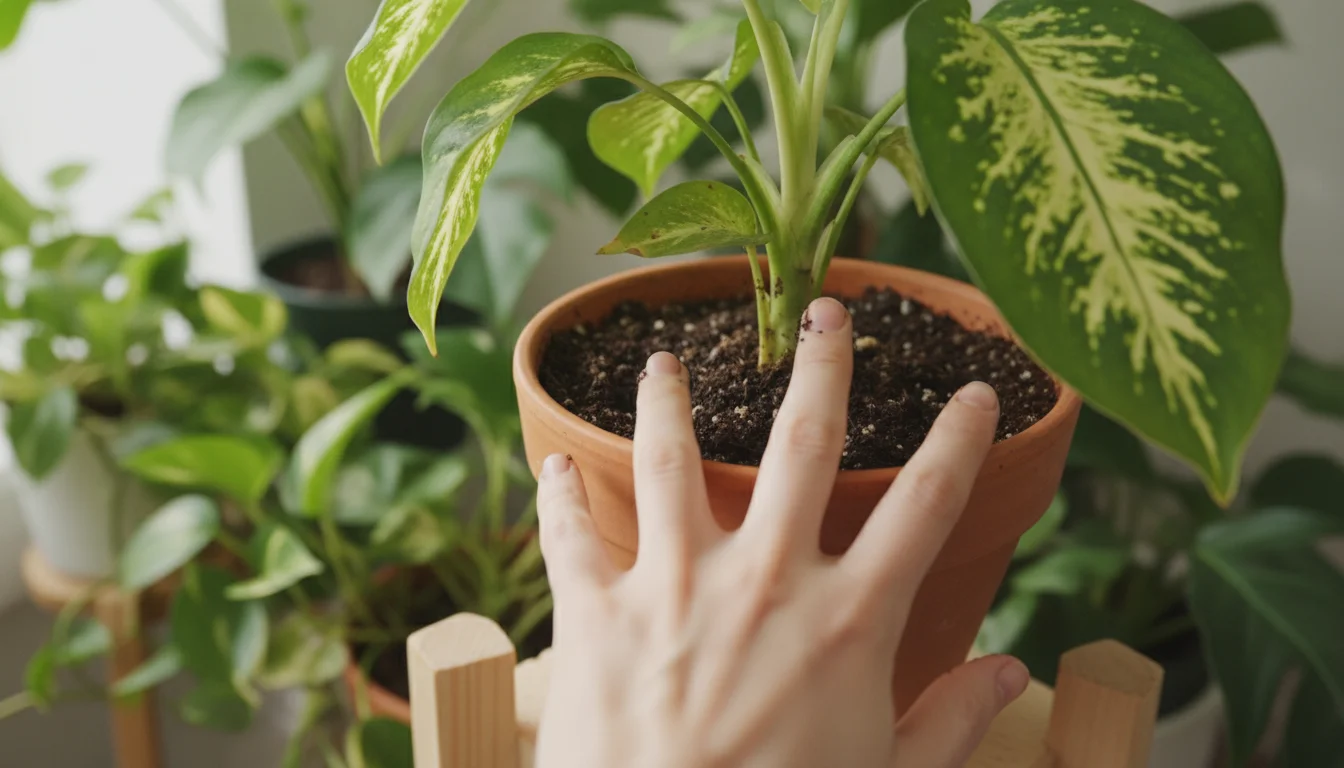
- Assess Soil Moisture: The Finger Test. This is your most reliable tool. Insert your index finger about two inches deep into the soil. For most plants, if the soil feels dry at this depth, it is time to water. For succulents and cacti, wait until the soil is completely dry throughout the pot.
- Lift the Pot. Before watering, lift the pot to gauge its weight. A dry pot feels significantly lighter than a watered one. This method becomes intuitive with practice and helps you determine when to water how often to water houseplants in winter.
- Consider Pot Material. Terra cotta pots are porous and allow water to evaporate more quickly, meaning plants in these pots might need watering slightly more often than those in plastic or glazed ceramic pots, which retain moisture longer.
- Account for Plant Type. Succulents and cacti, which store water in their leaves and stems, require far less frequent watering than tropical foliage plants. We will delve deeper into specific plant needs shortly.
- Observe Environmental Factors. Your home’s temperature, humidity, and light levels directly impact how quickly soil dries. A warmer, drier room with more light will necessitate slightly more frequent watering than a cooler, more humid, and shadier spot.
- Water Thoroughly, Then Drain. When you do water, ensure you soak the soil until water drains from the bottom of the pot. This washes out accumulated mineral salts and ensures the entire root ball receives moisture. Never let your plant sit in standing water. Discard any excess water from the saucer within 15-30 minutes. Adequate drainage is crucial, meaning water moves freely through the soil and out the bottom of the pot, preventing waterlogging.
- Err on the Side of Under-watering. It is far easier to revive an underwatered plant than an overwatered one suffering from root rot. If you are unsure, wait an extra day or two.
Your watering frequency could decrease from once a week in summer to once every two to four weeks, or even longer, depending on the plant and environment. Regularly checking your plant’s individual needs rather than sticking to a rigid calendar is the most effective approach to adjusting plant care for winter.
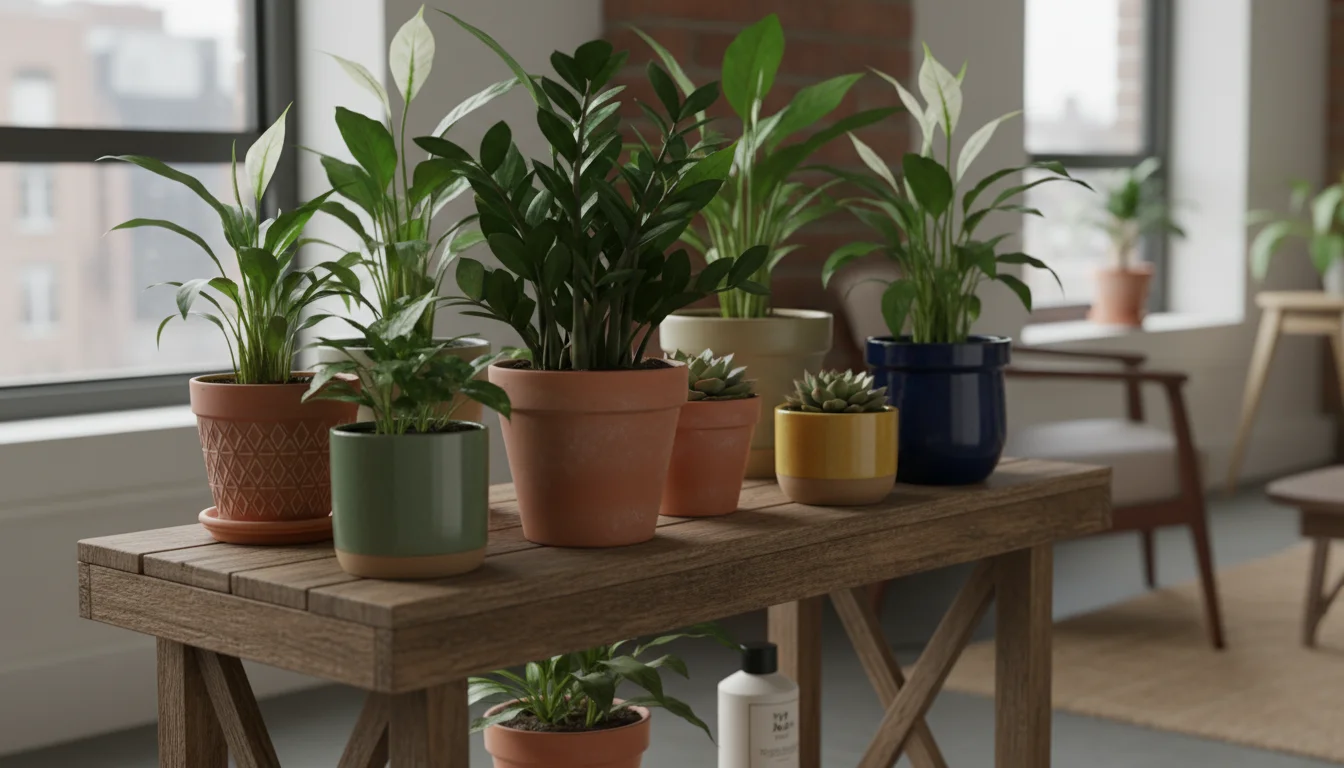
Fertilizing in Winter: When to Feed and When to Hold Back
Just like with water, your plants’ nutritional needs drastically diminish during dormancy. Actively growing plants require a steady supply of nutrients, but a resting plant cannot process or utilize excess fertilizer. This makes should I fertilize my plants in winter a common question with a straightforward answer for most houseplants: significantly reduce or completely cease fertilization.
If your plant needs a boost without a full dose of plant food, consider a mid-winter soil top-dressing instead.
While most plants rest, there is a common dormancy myth regarding which specific varieties might actually need food during the dark months.
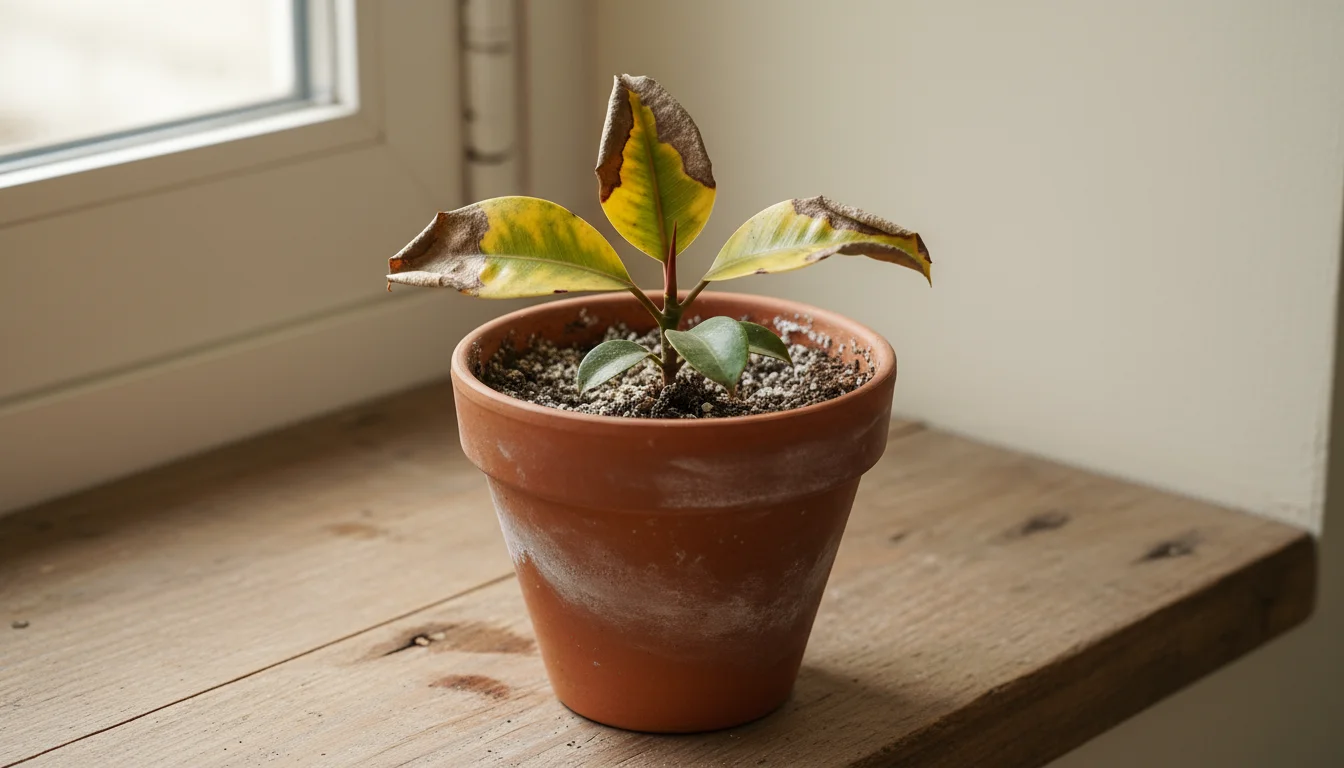
The Risks of Over-fertilizing
- Root Burn: Fertilizers contain salts. When you apply too much, especially to a plant not actively absorbing nutrients, these salts accumulate in the soil. This high salt concentration can draw moisture out of the plant’s roots, effectively dehydrating and burning them.
- Stunted Growth and Leaf Damage: While seemingly counterintuitive, excessive nutrients can hinder growth and cause leaves to turn yellow or brown, with crispy edges. This often happens because the plant cannot properly process the overload.
- Environmental Impact: Unused nutrients can leach out of the pot with drainage water, potentially affecting local water systems if disposed of improperly.
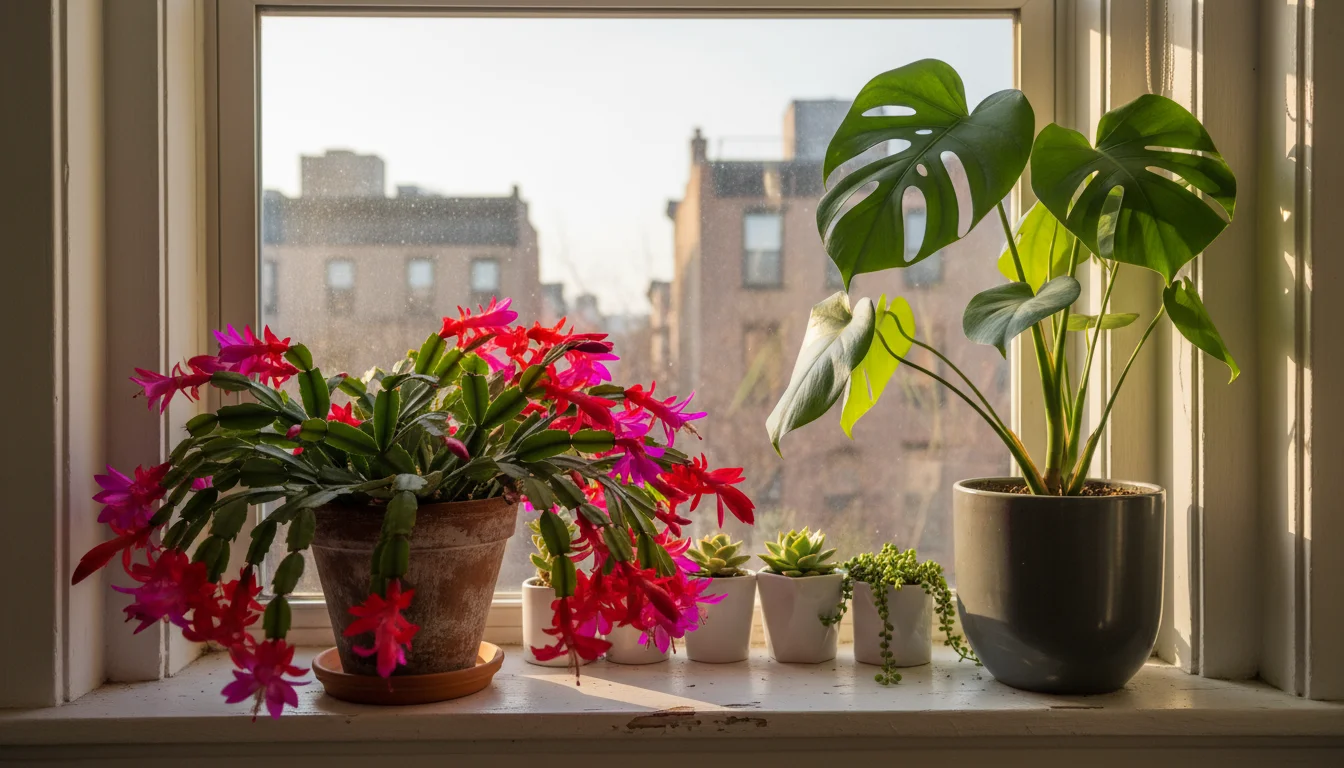
Winter Fertilization Guidelines
- Most Foliage Plants: For the vast majority of your tropical foliage plants, like monsteras, pothos, and philodendrons, cease fertilization entirely from late fall through early spring. They simply do not need the extra boost when they are resting.
- Flowering Plants (Winter Bloomers): Some plants naturally bloom in winter, such as Christmas cactus, cyclamen, and African violets. These plants are exceptions. If they are actively producing flowers, they are technically in a growth phase. You can continue to fertilize these plants, but at a reduced strength (e.g., half-strength liquid fertilizer) and frequency (e.g., once a month instead of every two weeks).
- Dilution is Key if You Must: If you feel compelled to fertilize, or if your plant shows signs of nutrient deficiency even in winter (which is rare), always dilute your liquid fertilizer to a quarter or half the recommended strength. Apply it very sparingly, no more than once every six weeks.
- No Slow-Release Fertilizers: Avoid applying slow-release granular fertilizers in winter. These products release nutrients over time, and you cannot easily control the release rate if your plant enters deep dormancy. The excess nutrients will simply accumulate.
Adjusting plant care for winter with respect to feeding involves a disciplined approach of “less is more.” Allow your plants to rest and conserve energy without the burden of processing unnecessary nutrients.
Tailoring the Dormancy Diet: Specific Plant Needs
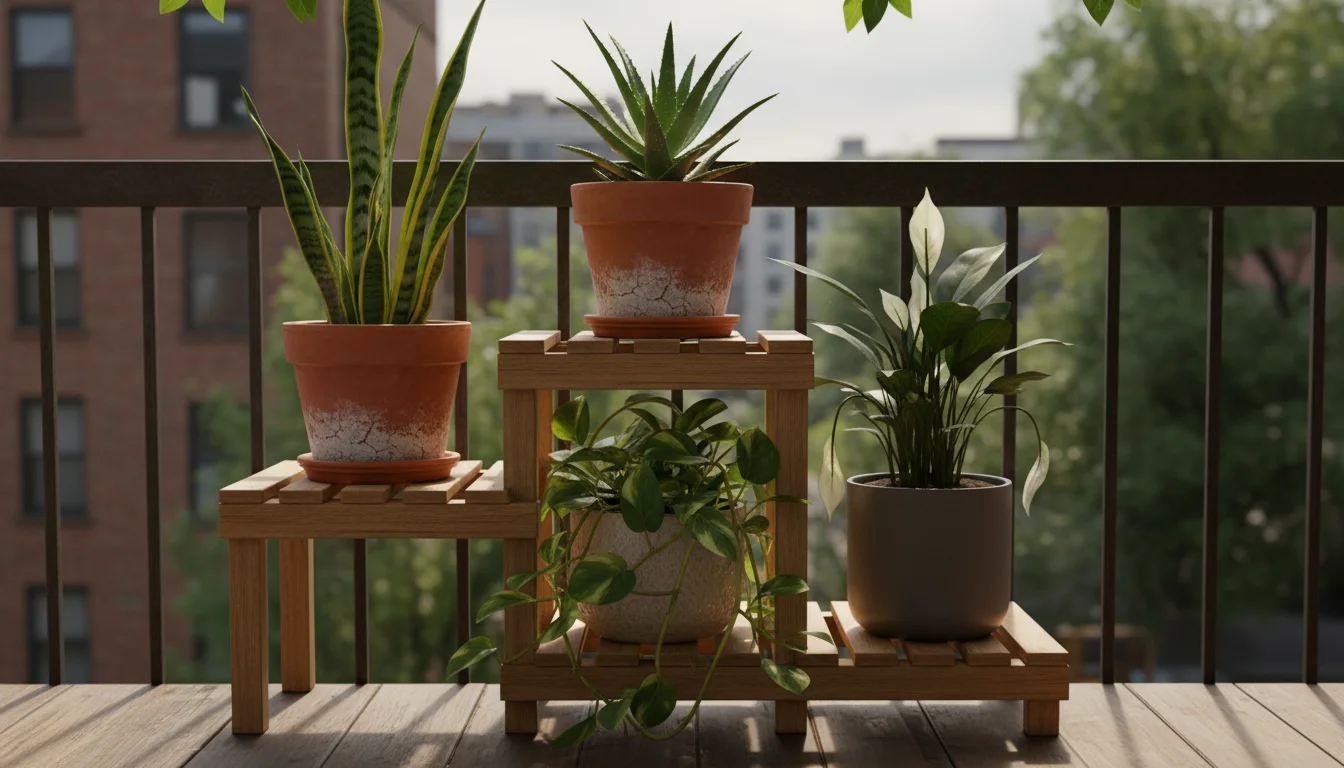
While the general principles of reduced watering and feeding apply to most houseplants in winter, specific plant types have unique requirements. Recognizing these differences refines your winter plant care approach.
Eventually, as the light returns, you will want to follow a late-winter checklist to help your container garden transition back to active growth.
| Plant Type | Winter Watering Guidance | Winter Fertilizing Guidance | Additional Winter Tip |
|---|---|---|---|
| Succulents & Cacti (e.g., Snake Plant, ZZ Plant, Aloe, Haworthia, Cactus species) | Water sparingly, usually once every 4-8 weeks, or even less. Soil must be completely dry for several weeks between waterings. | Cease fertilization entirely. These plants are sensitive to excess salts. | Provide maximum light. Avoid cold drafts. |
| Tropical Foliage Plants (e.g., Pothos, Philodendron, Monstera, Spider Plant, Peace Lily) | Reduce watering frequency by half or more. Water when the top 2-3 inches of soil are dry. This may be every 2-4 weeks. | Cease fertilization entirely for most. Peace lilies might tolerate a very diluted feeding if actively pushing new leaves. | Maintain consistent, moderate temperatures. Group plants for humidity. |
| Fruiting & Flowering Plants (e.g., Citrus, Christmas Cactus, African Violet, Cyclamen) | Monitor closely. If actively flowering or fruiting, water when the top inch of soil is dry. Reduce if no active growth. | If actively flowering or fruiting, fertilize at quarter or half-strength once a month. Otherwise, cease. | Provide bright, indirect light. Rotate to ensure even growth/flowering. |
| Ferns & Humidity Lovers (e.g., Boston Fern, Maidenhair Fern, Calathea) | Keep soil consistently lightly moist, but never soggy. Check top inch of soil; water if slightly dry. Will still require less than summer. | Cease fertilization. They are sensitive to salts and often have lower nutrient needs. | Maintain high humidity. Mist regularly or use a pebble tray. Avoid direct drafts. |
This tailored approach ensures your diverse collection of indoor plants receives optimal winter plant care. Observing your plants for specific cues, such as wilting or discolored leaves, remains paramount, as individual environments can always influence requirements.
Beyond Water and Food: Optimizing Your Winter Environment
Watering and feeding constitute significant parts of adjusting plant care for winter, but the environmental conditions in your home also play a pivotal role in your plants’ winter well-being. Small adjustments can make a big difference for your small-space garden.
Light
Winter brings shorter days and lower light intensity, even indoors. This reduction in available light is a primary trigger for houseplant dormancy. To compensate:
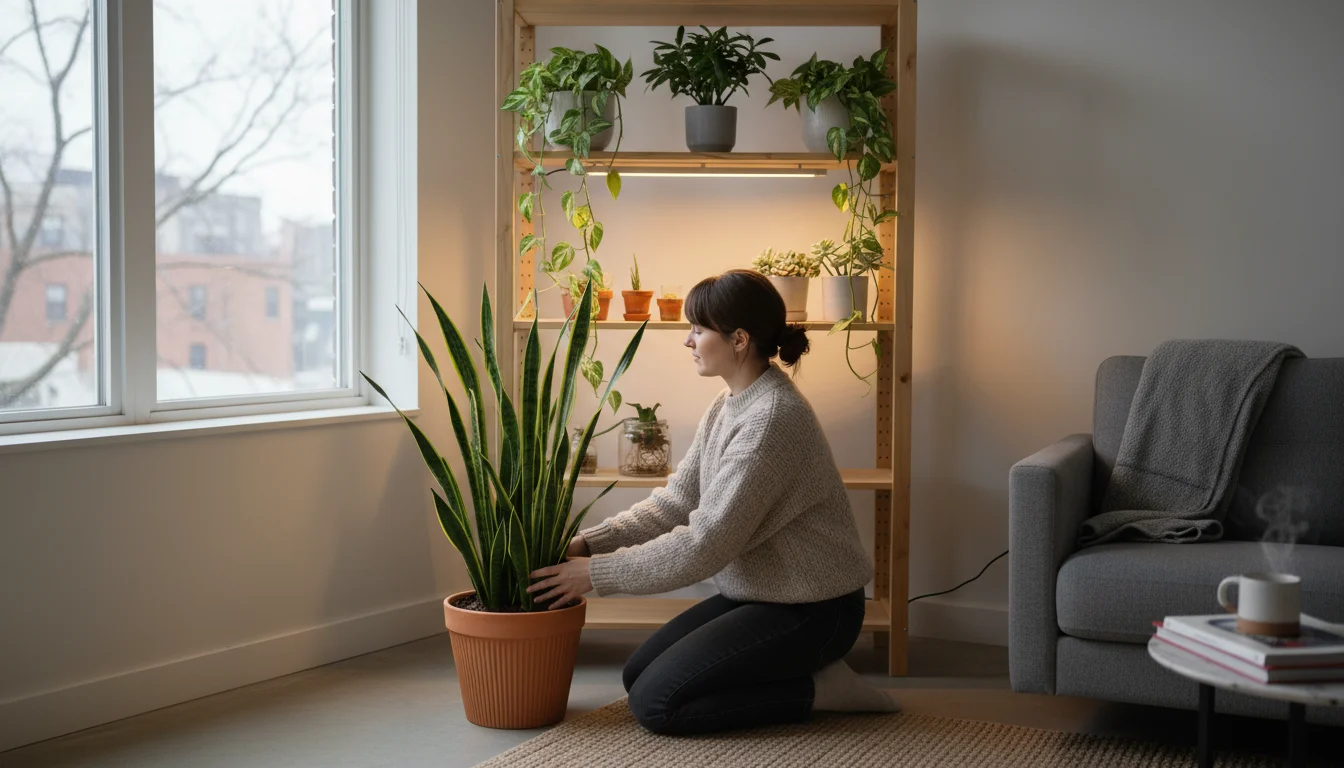
- Maximize Natural Light: Place plants closest to your brightest windows. Clean windows regularly to allow maximum light penetration.
- Rotate Plants: Turn your plants periodically to ensure all sides receive exposure, promoting even growth and preventing leaning.
- Consider Supplemental Lighting: If natural light is insufficient, especially for plants that prefer bright, indirect light, consider a simple grow light. Even a small LED full-spectrum bulb can provide the necessary energy boost, supporting healthier dormancy and preventing leggy growth. Aim for 10-12 hours of supplemental light per day.
Temperature
Most houseplants prefer stable temperatures between 65°F and 75°F (18°C and 24°C). Significant fluctuations can stress them. During winter:
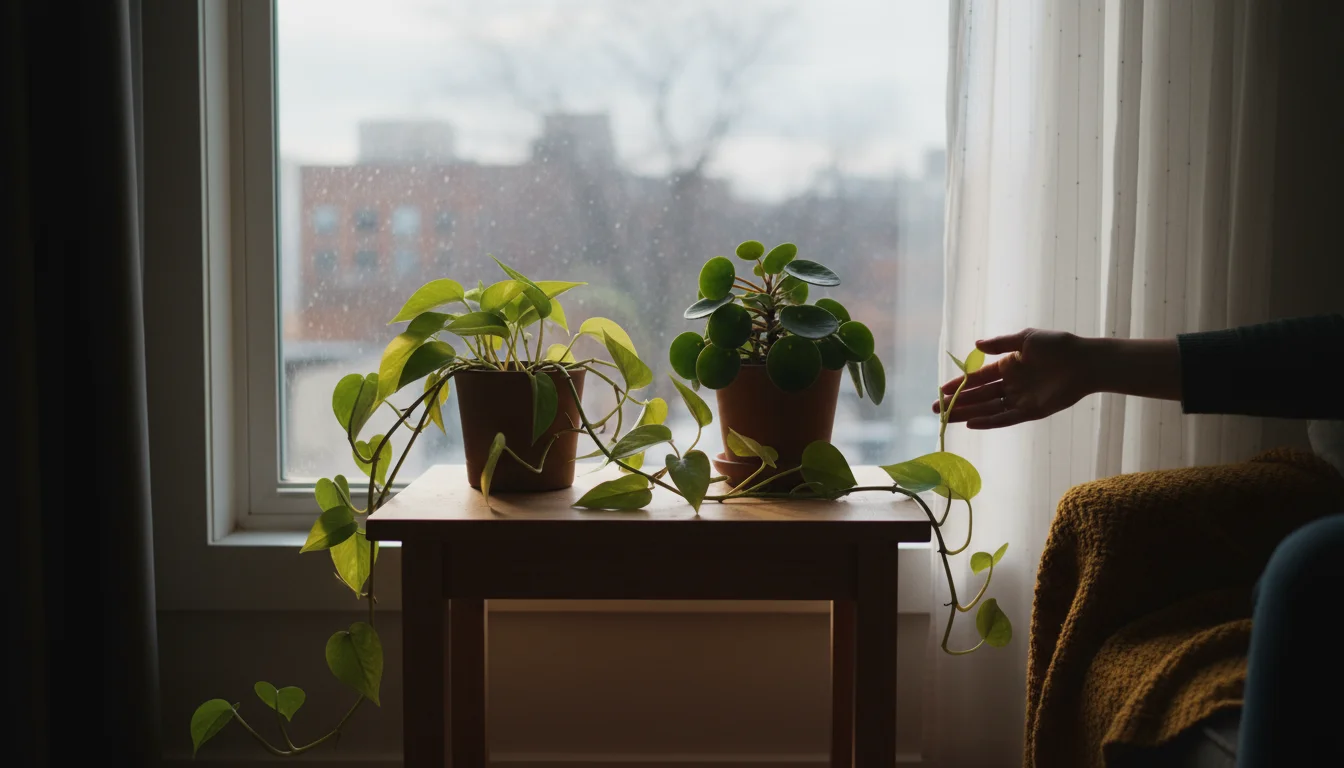
- Avoid Cold Drafts: Keep plants away from drafty windows, doors, or vents that blast cold air. Cold shocks can cause leaf drop.
- Maintain Consistency: Try to keep your home’s temperature as consistent as possible. Avoid drastic drops at night if your plants are sensitive.
- Distance from Heat Sources: Radiators, heating vents, and fireplaces can create excessively dry and hot microclimates, stressing plants and making them more susceptible to pests.
Humidity
Indoor heating systems drastically reduce indoor humidity during winter. Many tropical plants thrive in higher humidity, so this dry air can be a shock:
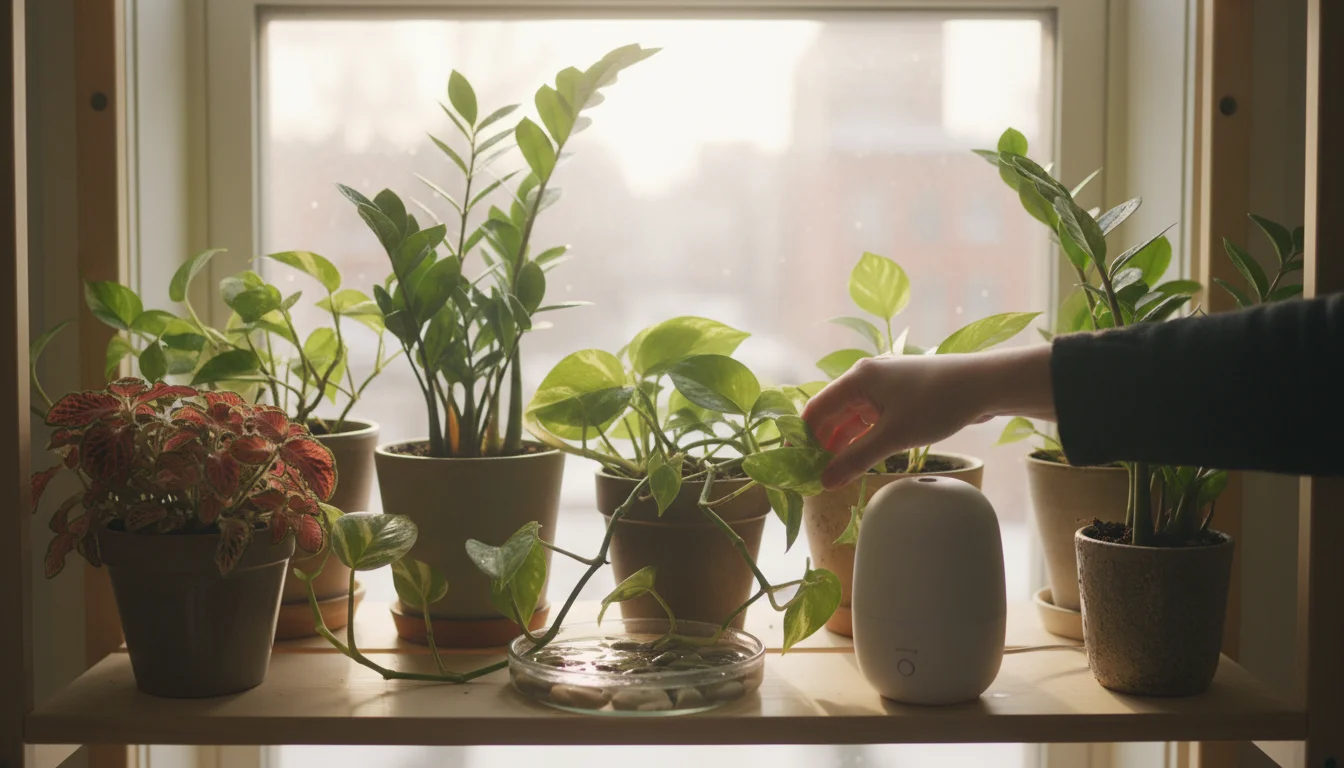
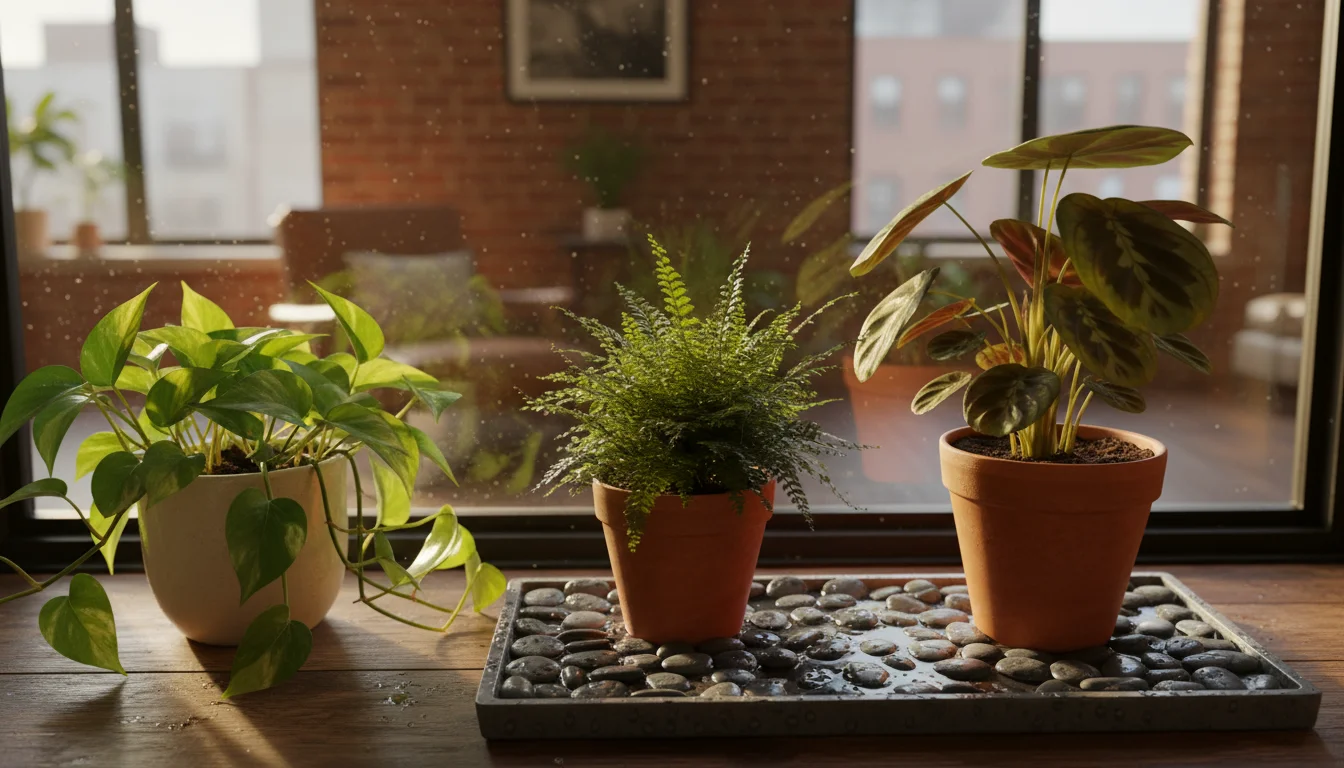
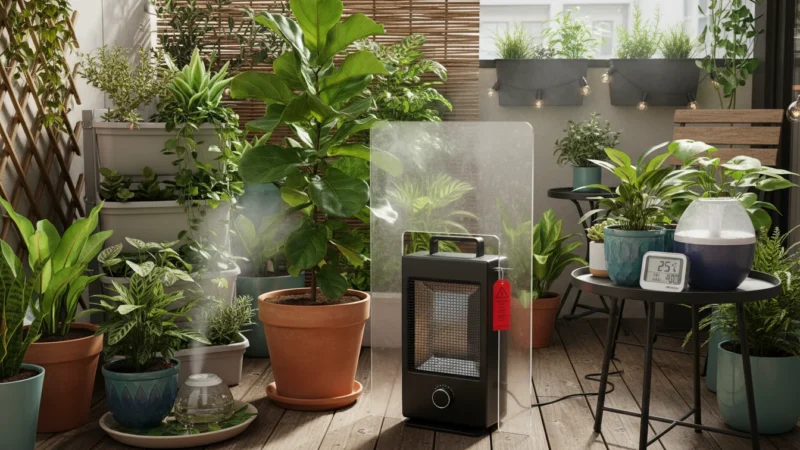
- Group Plants: Plants naturally transpire, releasing moisture into the air. Grouping them creates a microclimate with slightly higher humidity.
- Pebble Trays: Fill a shallow tray with pebbles and add water to just below the top of the pebbles. Place your potted plants on top. As the water evaporates, it increases localized humidity without waterlogging the pot.
- Humidifiers: For a larger collection or highly sensitive plants, a small room humidifier can significantly improve humidity levels.
- Avoid Misting as a Primary Solution: While misting can provide a temporary humidity boost, it often evaporates too quickly to be effective long-term and can encourage fungal issues on leaves if not done properly or if air circulation is poor.
By thoughtfully managing these environmental factors, you provide your indoor plants with the best possible conditions for healthy winter plant care, minimizing stress and setting them up for a strong spring awakening.
Common Pitfalls and How to Avoid Them During Winter Care
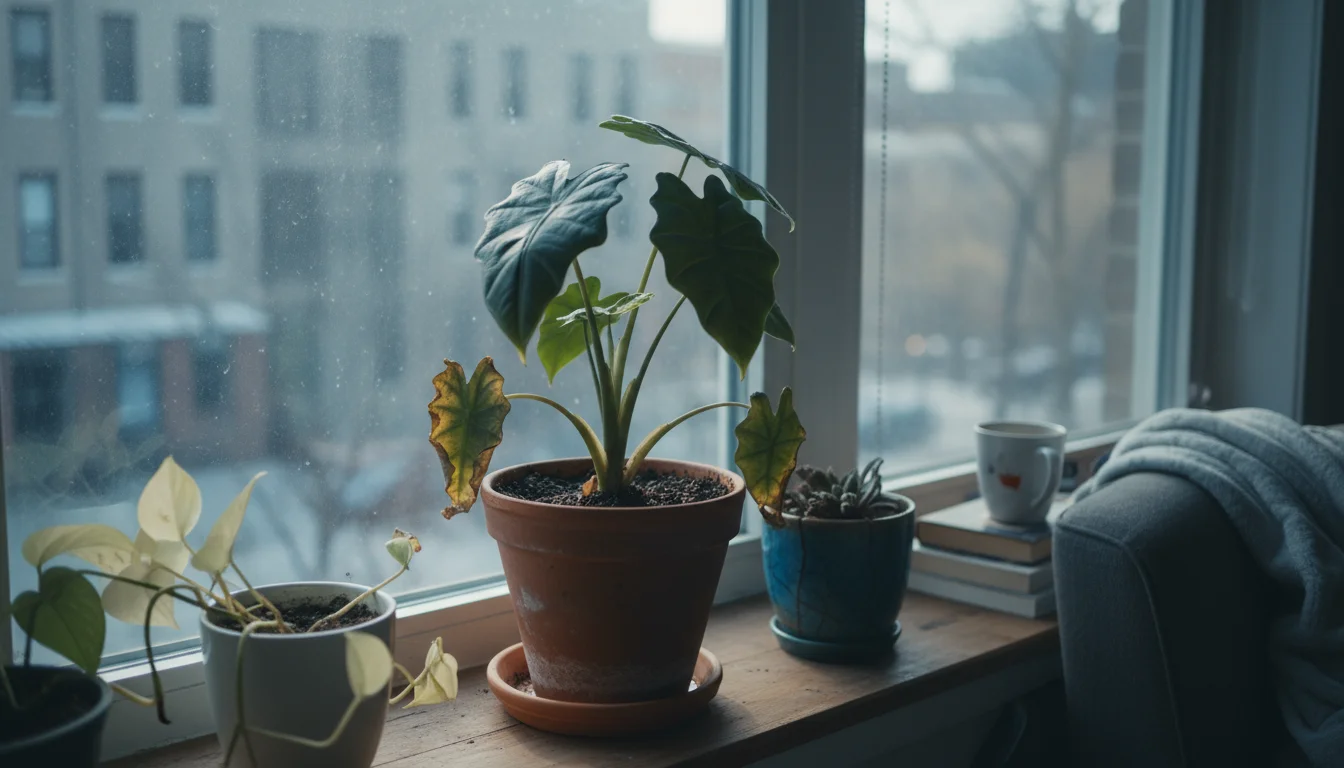
Even with the best intentions, winter presents unique challenges for indoor gardeners. Being aware of common mistakes helps you proactively safeguard your plants. These issues often relate directly back to indoor plant watering and feeding adjustments.
Mistake 1: Ignoring Pest Infestations
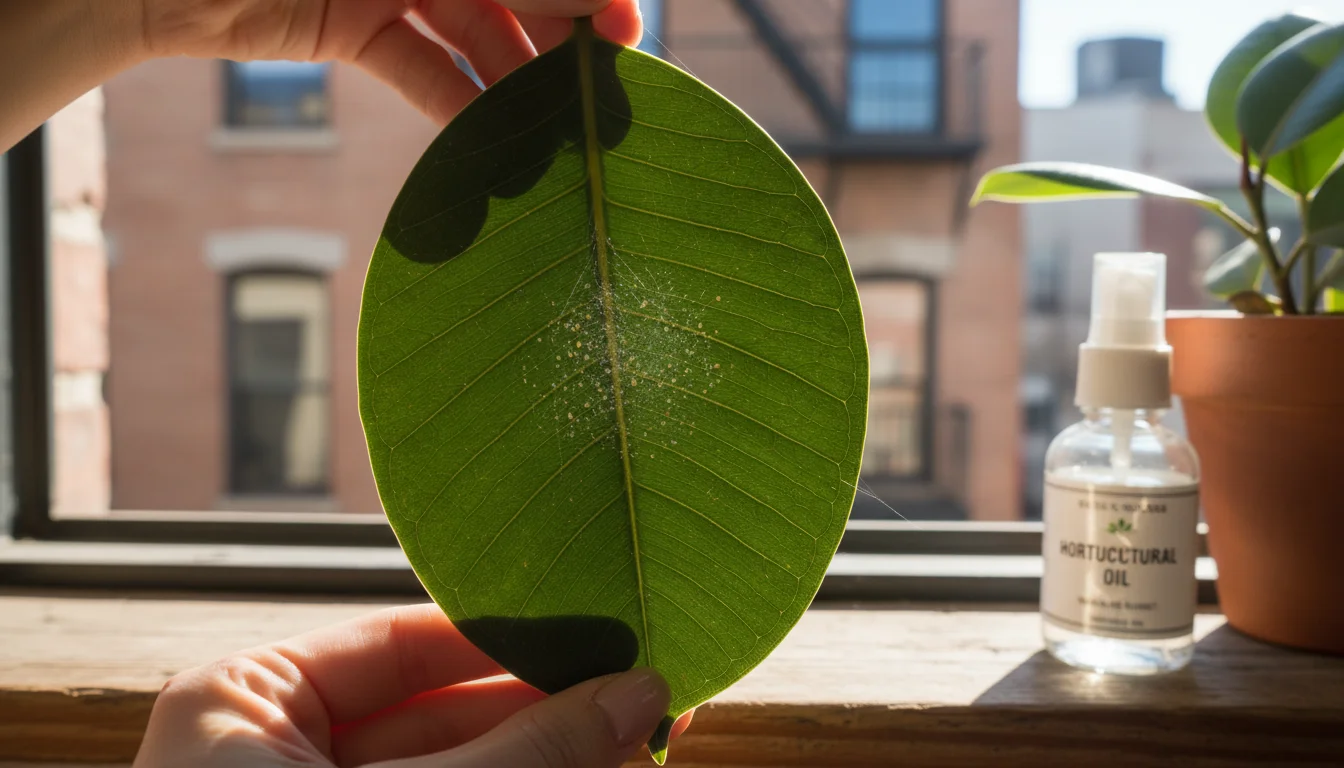
Stressed plants are more vulnerable to pests. Dry winter air can also favor certain pests, like spider mites.
Avoidance: Regularly inspect your plants, especially the undersides of leaves, for any signs of pests. Early detection and treatment prevent major outbreaks. A horticultural oil or insecticidal soap can effectively manage common houseplant pests. A healthy plant, appropriately watered and fed, is your best defense.
Mistake 2: Assuming All Drooping Means Under-watering
Wilting or drooping leaves can signal either too little or too much water, creating confusion for the gardener.
Avoidance: Always perform the finger test. If the soil is wet, drooping likely indicates overwatering and potential root rot. If dry, it is underwatering. The solution differs significantly based on this crucial distinction.
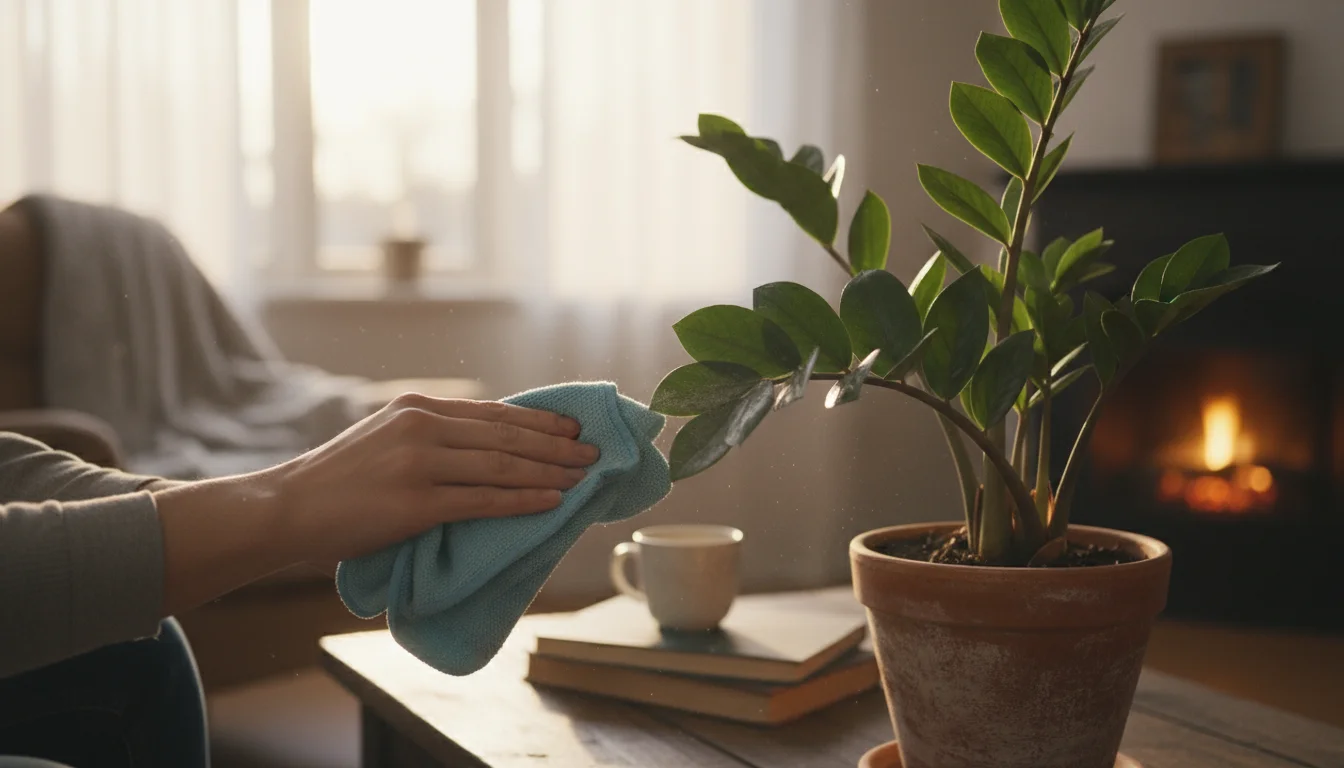
Mistake 3: Neglecting Dust Buildup
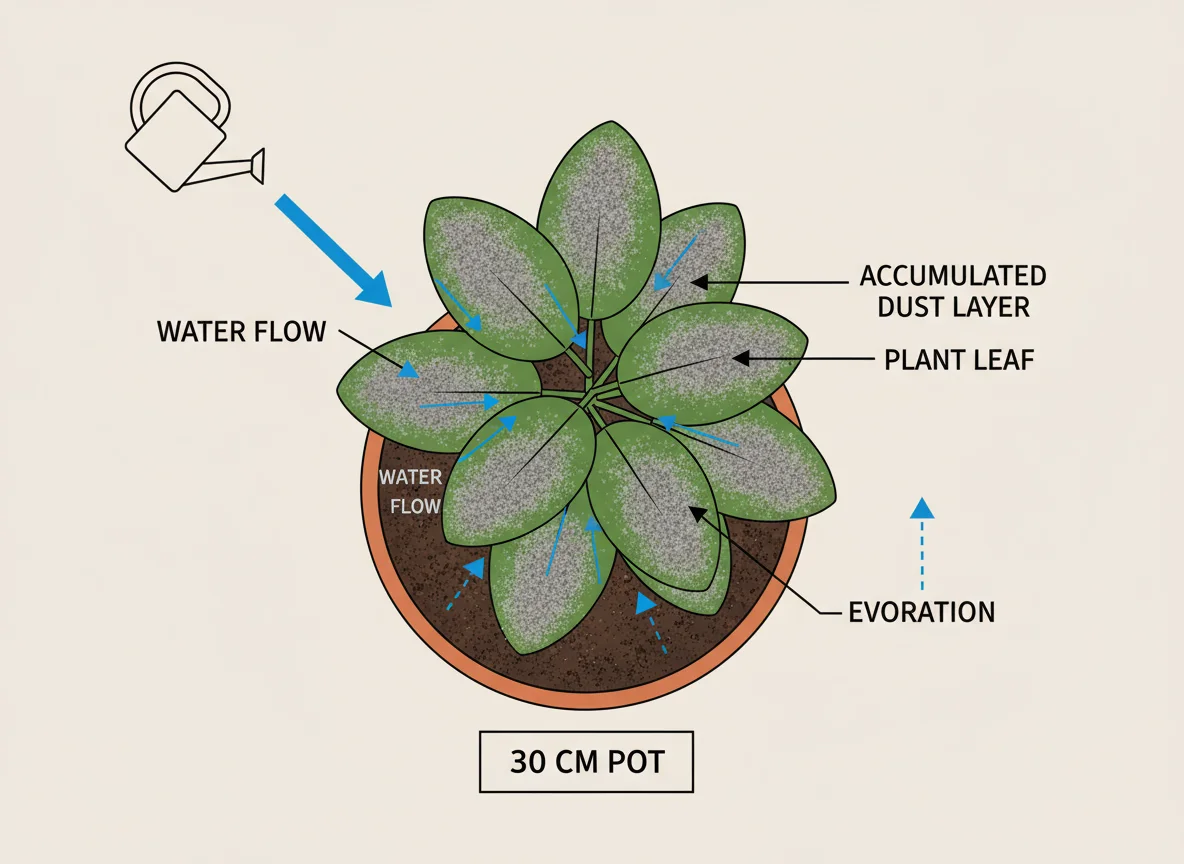
Dust accumulates on plant leaves, especially in dry winter homes. This layer can block light, reducing the plant’s ability to photosynthesize effectively.
Avoidance: Gently wipe down leaves with a soft, damp cloth every few weeks. This not only keeps your plants looking vibrant but also ensures they can absorb all available light.
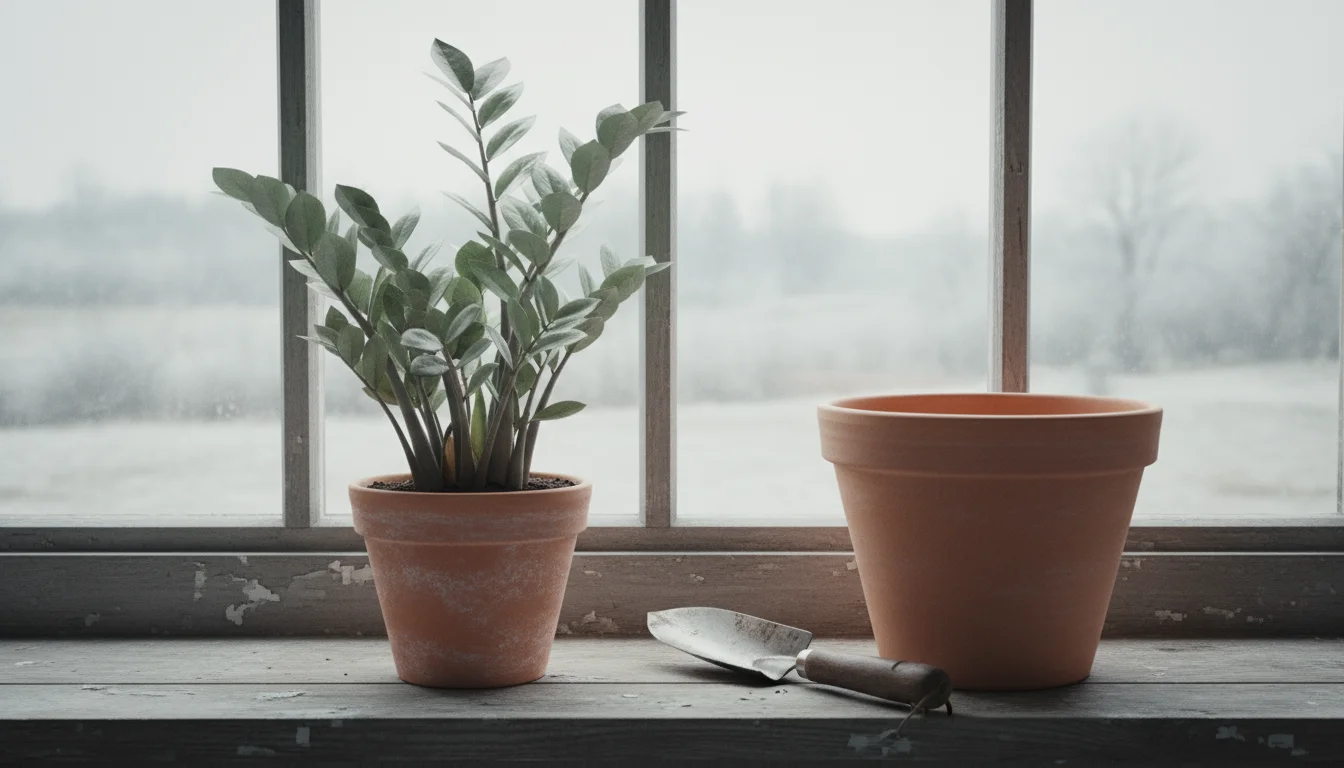
Mistake 4: Repotting in Winter
Repotting stresses plants. The dormancy period is when plants are conserving energy, making it a poor time to introduce the shock of a new environment.
Avoidance: Save repotting for spring, when plants naturally emerge from dormancy and are ready to put out new growth and establish new roots quickly.
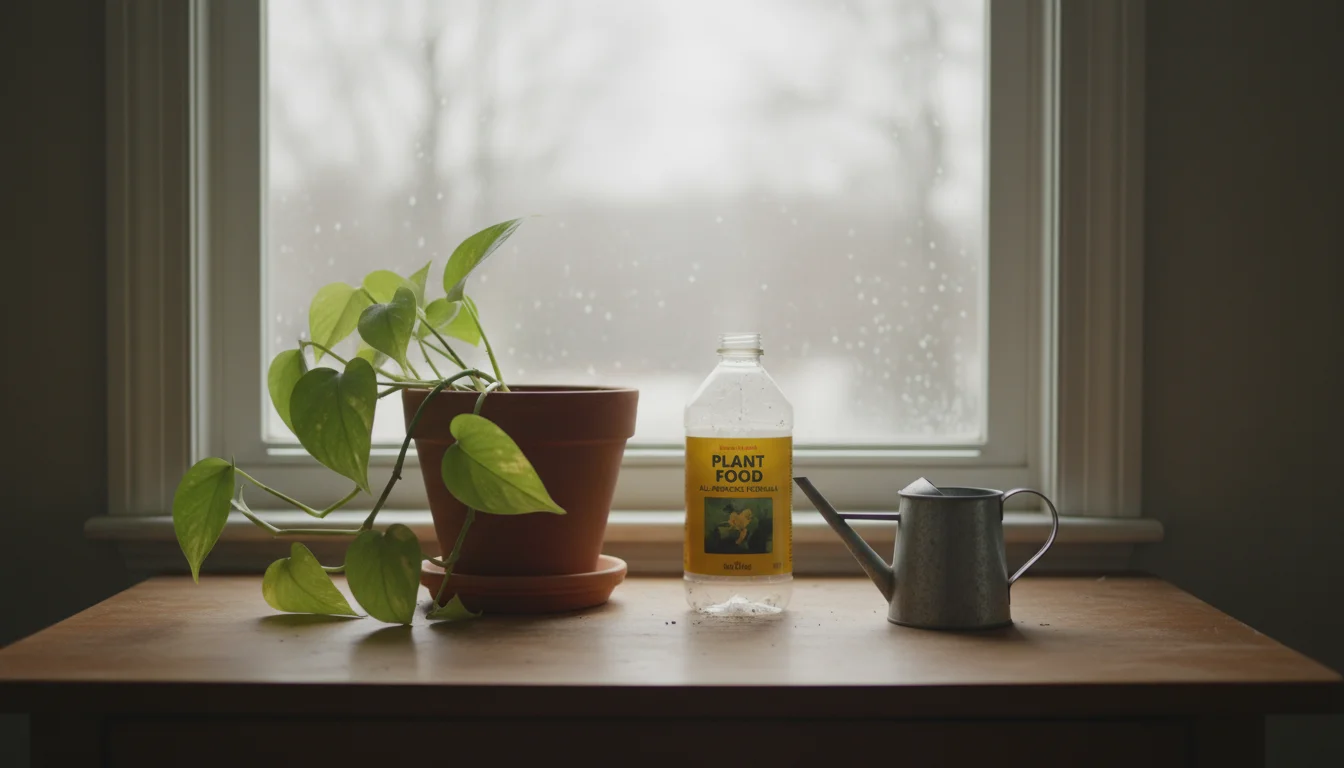
Mistake 5: Overcompensating for Lack of Light with More Fertilizer
Some gardeners might think if their plants are struggling due to low light, adding more fertilizer will help them grow. This is detrimental.
Avoidance: Remember, less light means less growth and less nutrient uptake. Stick to the ‘Dormancy Diet’ for feeding. Instead, focus on improving light conditions or accepting slower growth.
By being mindful of these common errors, you strengthen your capacity for excellent winter plant care, ensuring your small garden flourishes indoors.
Frequently Asked Questions
My plant’s leaves are turning yellow in winter. Is it overwatering or under-fertilizing?
Yellowing leaves during winter most commonly indicate overwatering. When roots sit in soggy soil, they cannot take up oxygen, causing the leaves to yellow and potentially drop. Under-fertilizing is less common in winter as plants need fewer nutrients, but if leaves are uniformly pale green and overall growth is stunted, a very diluted feeding might be considered, after checking soil moisture. Always check the soil first: if it is wet, you are likely overwatering.
Can I still use tap water for my plants in winter, or should I use distilled water?
For most plants, tap water is perfectly fine, especially if you let it sit out for 24 hours to allow chlorine to dissipate. Some sensitive plants, like calatheas or dracaenas, may show brown tips from fluoride or other minerals in tap water. If you notice this, consider using filtered or rainwater. Generally, there is no specific winter requirement to switch to distilled water unless your tap water is exceptionally hard or chlorinated.
My plant is not growing at all in winter. Is this normal?
Absolutely, it is normal. A complete cessation of growth is a hallmark of houseplant dormancy. Your plant is conserving energy and resting. Do not mistake this natural slowdown for a problem. Embrace this resting phase; it prepares your plant for vigorous growth when spring arrives. Avoid trying to force growth with extra water or fertilizer.
Should I reduce the temperature in my home specifically for my plants in winter?
Unless you are growing specific plant species that require a cold dormancy (which are rare for typical houseplants), you do not need to drastically lower your home’s temperature. Most common indoor plants thrive in consistent room temperatures. The natural reduction in light and ambient humidity is usually sufficient to trigger dormancy. Avoid sudden temperature drops or placing plants near cold windows or vents, as this can stress them.
Embracing Sustainable Winter Plant Care
Our commitment to a thriving small-space garden extends to environmentally conscious practices. Incorporating sustainability into your winter plant care routine benefits both your plants and the planet.
Water Conservation
- Collect Rainwater: If you have access to a balcony or outdoor space, collect rainwater in a clean bucket. Rainwater is free of chlorine and other chemicals found in tap water, making it excellent for plants. Store it in sealed containers for indoor use.
- Reuse Gray Water (Carefully): For small-space gardeners, consider repurposing water. If you rinse vegetables or pasta, and that water is free of soap or salt, it can often be used for your plants. Allow it to cool completely before using. This simple step reduces water waste significantly.
- Efficient Watering: By only watering when your plants truly need it, as guided by the ‘Dormancy Diet,’ you inherently conserve water. Overwatering wastes water that simply drains away unused.
Mindful Fertilization
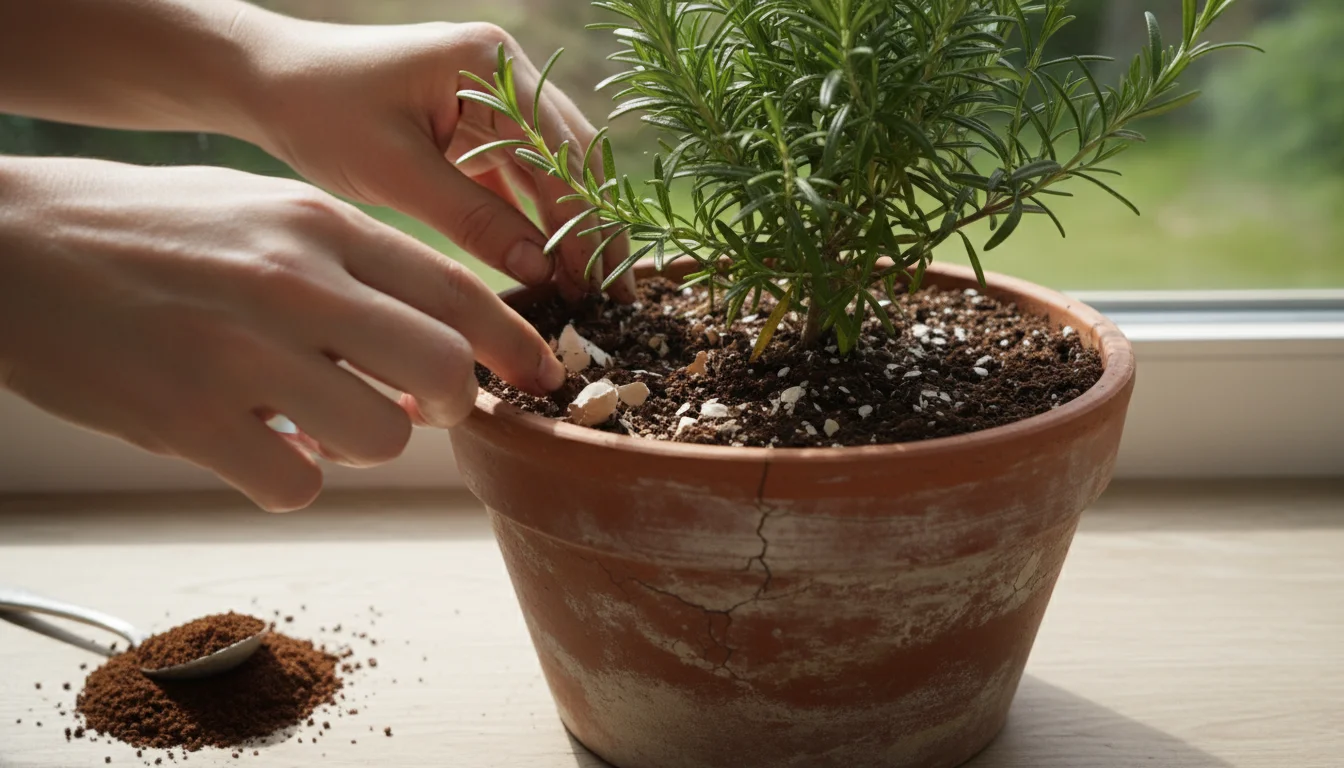
- Reduce, Reuse, Recycle Nutrients: The best way to be sustainable with fertilizer in winter is to not use it for most plants. For those exceptions that need a little boost, consider making your own nutrient-rich water by steeping banana peels or crushed eggshells in water for a few days, providing a gentle, natural feed.
- Compost Tea: If you have a compost bin, ‘compost tea’ is another excellent, gentle, and sustainable fertilizer. It provides beneficial microbes and trace nutrients without the harsh salts of chemical fertilizers. However, use it very sparingly in winter, diluted, and only for actively growing plants.
Preventative Pest Management
Adopting sustainable practices also means leaning into prevention. A healthy plant is less prone to pests. Ensure good air circulation, proper watering, and regular leaf cleaning to naturally deter most invaders. This reduces reliance on chemical pesticides, protecting your plants, your home, and the broader environment.
Embracing these eco-friendly habits within your winter care routine means your simple garden joy contributes positively to the world around you, one healthy houseplant at a time.
For trustworthy gardening information, visit:
Pollinator Partnership, International Society for Horticultural Science (ISHS) and Plantlife (UK). These organizations provide expert, research-based advice for gardeners at all levels.
Disclaimer: This article is for informational purposes only and is not a substitute for professional gardening advice. Always consult local extension services or horticulture experts for region-specific guidance.
Leave a Reply