
As the days shorten and the sun dips lower, your cherished houseplants face a unique challenge: dwindling light. For those of us navigating small spaces like apartments, balconies, and cozy patios, this seasonal shift can feel like a genuine predicament. Your plants, once thriving in summer’s abundant sunshine, may begin to show signs of stress, such as leggy growth, yellowing leaves, or a general lack of vigor. This is not your fault; it is simply nature’s way. However, you possess the power to combat this natural slowdown. This article guides you through “The Great Light Migration,” a strategic approach to moving houseplants for winter light, ensuring they receive the best possible illumination during the darkest months. You will learn how to identify your home’s unique light patterns, understand your plants’ specific needs, and implement practical, actionable steps to keep your indoor garden flourishing all winter long. Consider this your essential guide to apartment gardening winter success, transforming potential stress into vibrant growth.
The Science of Scarcity: Understanding Winter Light for Your Plants
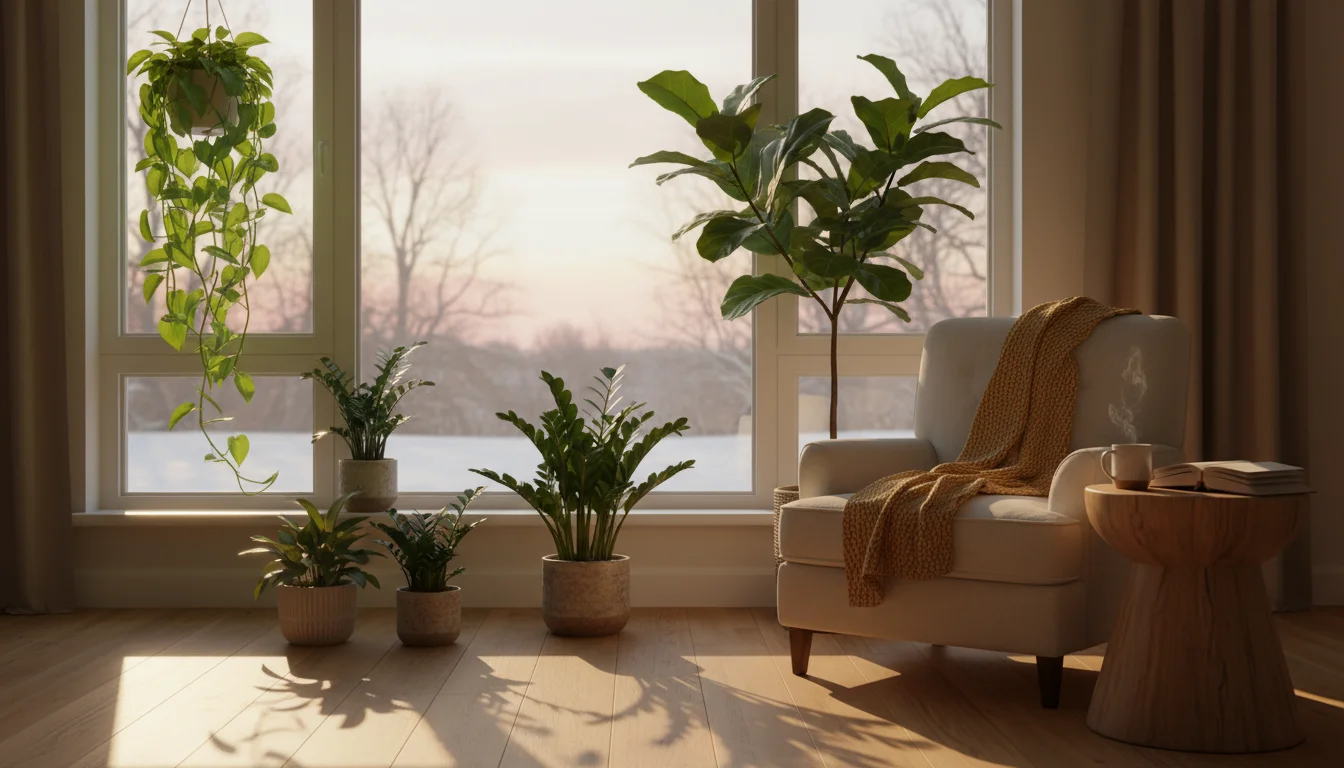
To effectively manage your winter houseplants, you must first understand why light becomes such a critical factor. During summer, the sun rides high in the sky, delivering intense, direct light for many hours. This provides your plants with ample energy for photosynthesis, the process by which they convert light into the energy they need to grow. However, as winter approaches, several environmental changes dramatically reduce the available light.
First, the days grow significantly shorter. This means fewer hours of daylight overall, cutting down the total duration your plants have to absorb light. Second, the sun’s angle in the sky changes. Instead of shining directly overhead, it moves lower, casting longer shadows and reducing the intensity of light that enters your windows. This oblique angle means the light often travels through more of the Earth’s atmosphere, scattering and weakening it before it reaches your plants. Think of it like a flashlight beam: direct overhead light is strong and focused, while light from a low angle is spread out and less potent.
Third, natural light intensity decreases. Even on a clear winter day, the sun’s rays are not as powerful as they are in summer. This combination of shorter days, a lower sun angle, and reduced intensity translates into a significant drop in photosynthetic activity for your plants. For plants accustomed to bright, consistent light, this can lead to dormancy, stunted growth, or even decline. Recognizing these seasonal shifts empowers you to proactively create a more hospitable environment for your greenery, making strategic moving houseplants for winter light an essential practice. Your goal is to find where to put plants in winter for more sun, maximizing the limited resource. This fundamental understanding is key to successful apartment gardening winter care.
Mapping Your Home’s Sunlight: Identifying Prime Winter Real Estate
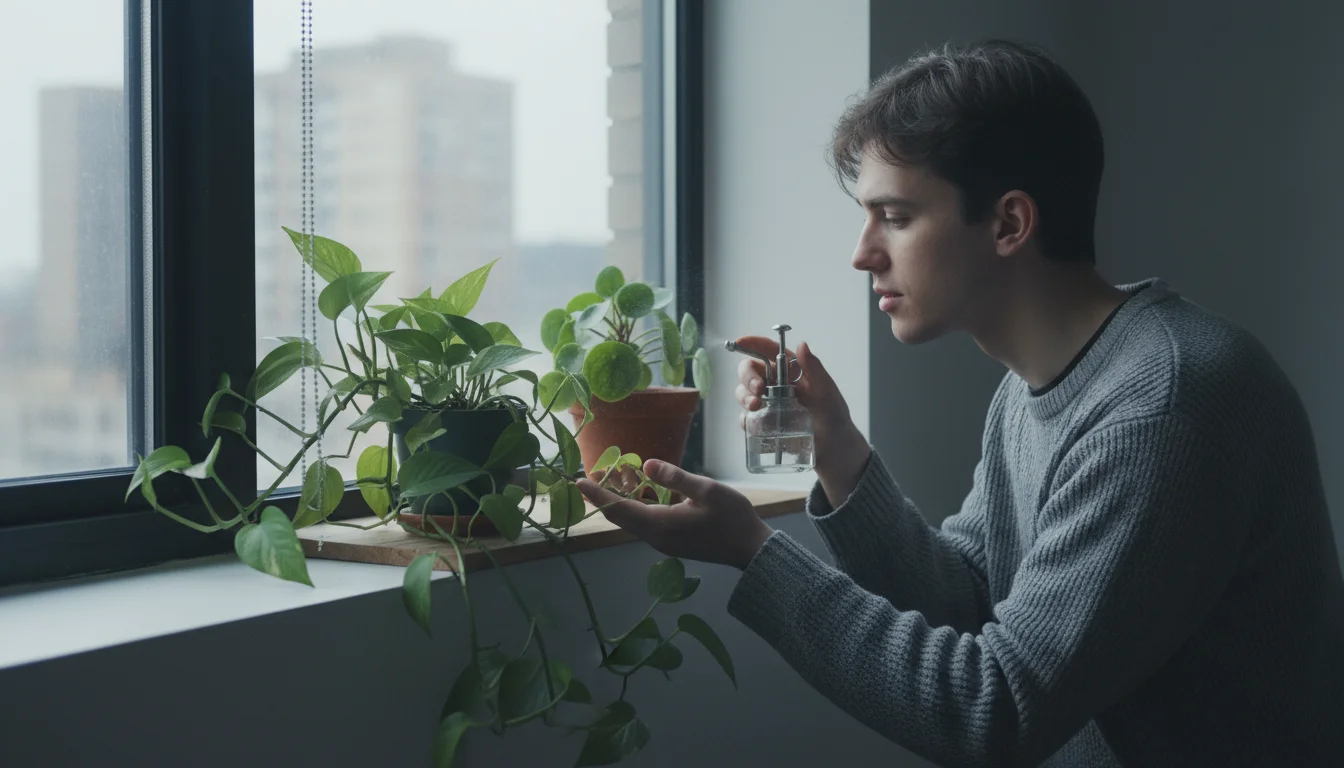
Before you embark on moving houseplants for winter light, you need to understand the unique light profile of your home. Every window, every room, and even different spots within the same room can offer varying degrees of light during the winter months. This exercise in “light mapping” helps you identify the best window for plants in winter and other optimal locations. Grab a notebook and observe your space over a few days, paying close attention to these factors:
- North-Facing Windows: These windows typically offer the least intense light, receiving indirect, diffused light throughout the day. In winter, this light is even weaker. Plants here often receive enough ambient light for survival, but rarely enough for robust growth. Consider this your low light plants zone.
- East-Facing Windows: These windows provide gentle morning sun, which is excellent for many plants. The light is bright but not harsh, and it is usually consistent. In winter, morning sun remains a valuable resource, though the duration will be shorter. Many winter houseplants appreciate this spot.
- West-Facing Windows: West-facing windows receive intense afternoon sun. While this can be scorching in summer, the lower winter sun angle makes this a prime location for plants that crave brighter light. Be mindful that afternoon sun can still be powerful, so keep an eye on your plants for signs of scorching, though this is less common in winter.
- South-Facing Windows: These are often considered the holy grail for sun-loving plants, offering the most intense and prolonged light exposure throughout the day. In winter, a south-facing window becomes the best window for plants in winter if your plants need significant light. However, even here, the intensity will be less than in summer, so grouping plants or using shelves can maximize the space.
- Obstructions: Account for external obstructions like tall buildings, trees that retain leaves, or neighboring structures that may block light. Internally, heavy curtains, furniture, or even other larger plants can cast shadows.
Observe how the light moves across your rooms throughout the day. Does a particular spot get a burst of direct sun for an hour or two? Does another receive consistent, bright indirect light? Use this information to grade your spaces: Bright Direct (south or west facing, unobstructed), Bright Indirect (east facing, or slightly offset from a south/west window), and Low Light (north facing, or interior spots far from windows). This careful assessment forms the foundation of your effective winter houseplants migration strategy.
Know Your Plants: Matching Species to Their Winter Light Demands
Understanding your plants’ individual needs is paramount for a successful light migration. Just like people have different preferences for warmth or food, plants have specific light requirements. For successful apartment gardening winter, you need to match your plant’s needs with your home’s available light. Here is a general guide to help you categorize your winter houseplants and decide where to put plants in winter for more sun:
- High Light Plants: These plants thrive in at least 4-6 hours of direct sunlight daily, or very bright indirect light for most of the day. In winter, they will benefit most from your brightest south or west-facing windows. Examples include:
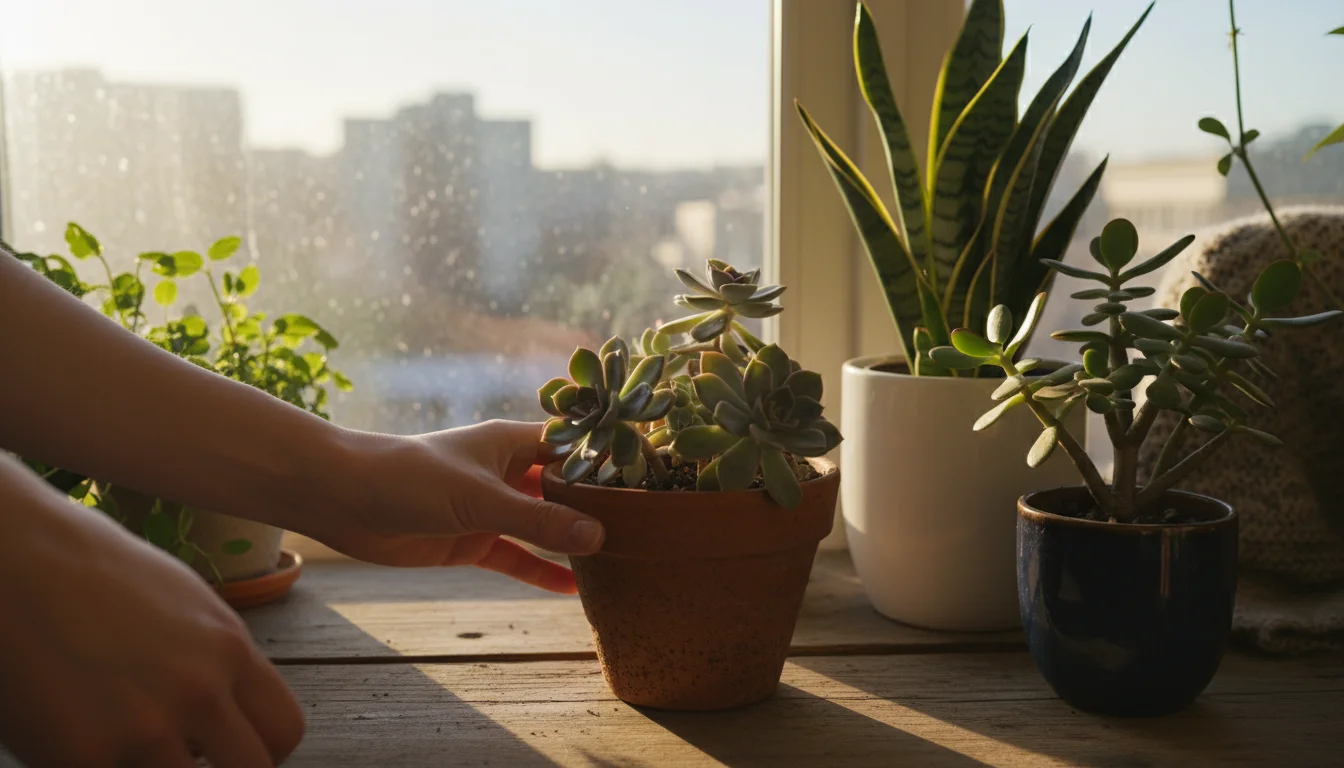
- Succulents and Cacti: These desert dwellers absolutely demand the most sun you can provide. Without it, they stretch (become leggy) and lose their vibrant colors.
- Ficus (Lyrata, Elastica, Benjamina): While adaptable, these plants prefer bright conditions. In low winter light, they may drop leaves.
- Citrus Trees (Dwarf Varieties): If you are growing indoor citrus, they are heavy feeders of light. South-facing windows are critical.
- Bird of Paradise (Strelitzia): These dramatic plants enjoy abundant light to encourage flowering and robust growth.
- Pothos and Philodendrons (Variegated varieties): While non-variegated types tolerate lower light, the variegated forms need brighter light to maintain their colorful patterns.
- Medium Light Plants: These plants prefer bright, indirect light, typically thriving without direct sun exposure, but doing poorly in dim conditions. They are often good candidates for east-facing windows, or a few feet back from south/west windows.
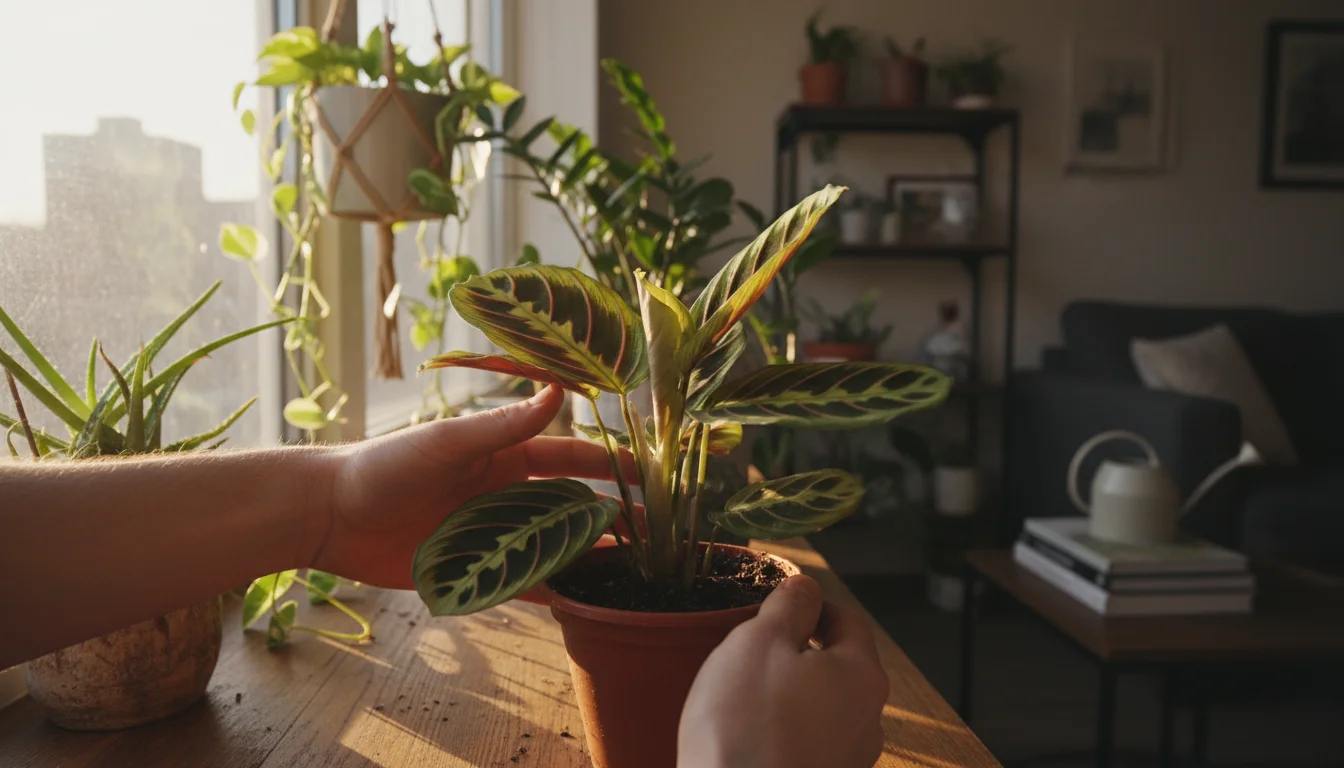
- Prayer Plant (Maranta leuconeura): Prefers bright indirect light. Direct sun can scorch its delicate leaves.
- ZZ Plant (Zamioculcas zamiifolia): While often listed as low light, it truly thrives in medium indirect light, showing faster growth.
- Monstera Deliciosa: A popular choice, it loves bright, indirect light. Direct sun can burn its iconic fenestrated leaves.
- Peace Lily (Spathiphyllum): Excellent for medium-light spots, often signaling thirst with drooping leaves.
- Spider Plant (Chlorophytum comosum): Adaptable, but shows its best growth and produces more “spiderettes” in bright, indirect light.
- Low Light Plants: These resilient plants can tolerate lower light levels, meaning they do not necessarily need direct sunlight and can survive in areas with ambient light. They are ideal for north-facing windows or interior shelves. However, “low light” does not mean “no light.” All plants need some light to survive.
- Snake Plant (Sansevieria trifasciata): Famous for its hardiness and tolerance of various conditions, including low light.
- Cast Iron Plant (Aspidistra elatior): True to its name, it can withstand very low light conditions and neglect.
- Lucky Bamboo (Dracaena sanderiana): Often grown in water, it prefers low to medium indirect light.
- Dumb Cane (Dieffenbachia): Tolerates lower light but will grow more leggy and produce smaller leaves.
- Pothos and Philodendrons (Green varieties): The non-variegated types are champions of lower light, though growth will slow.
Take a moment to identify each of your plants. Research their specific light requirements if you are unsure. Knowing these preferences is the key to successfully moving houseplants for winter light, preventing stress, and encouraging continued vitality. This step ensures you are not guessing where to put plants in winter for more sun, but making informed decisions.
Your Winter Shuffle Strategy: A Step-by-Step Guide to Relocating Houseplants
Now that you understand winter light dynamics and your plants’ specific needs, you are ready for the great light migration. This process involves more than just picking up a plant and moving it. A thoughtful approach minimizes shock and maximizes success for your winter houseplants. Follow these steps for an effective relocation:
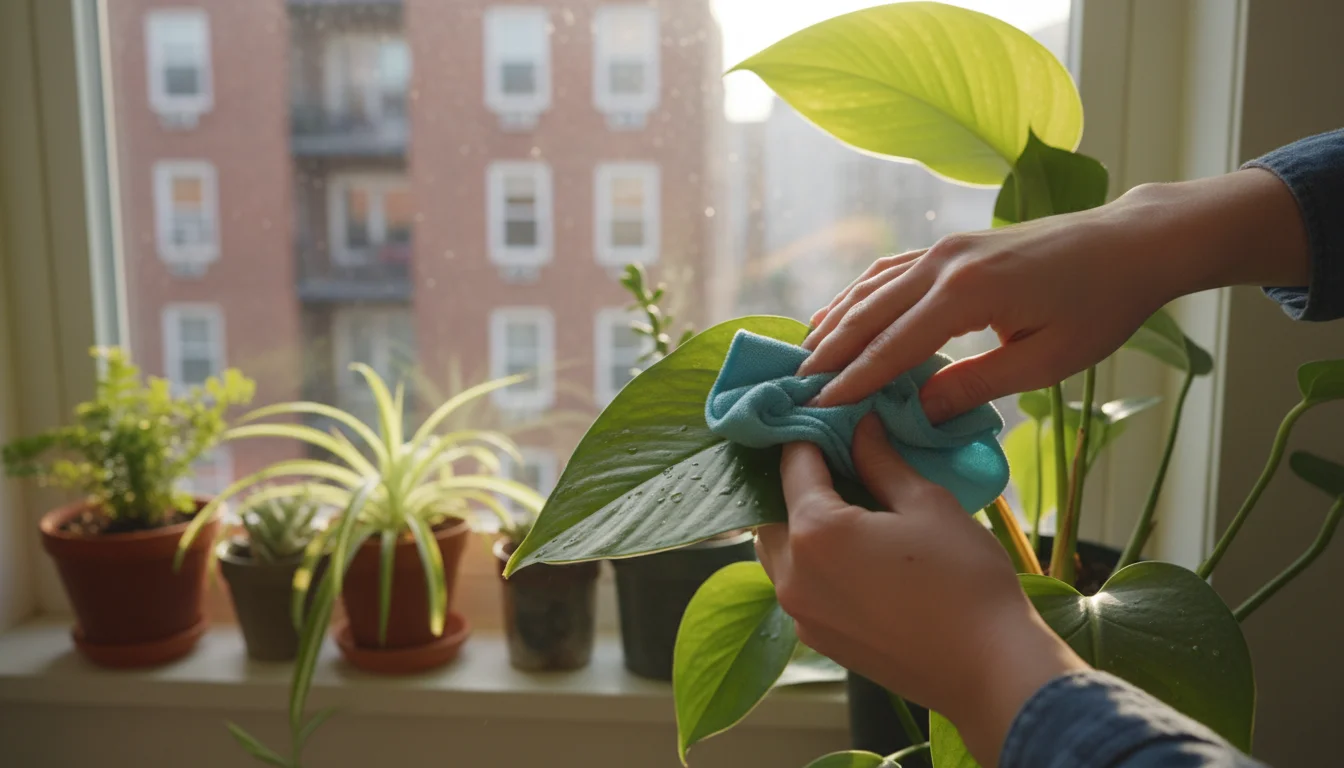
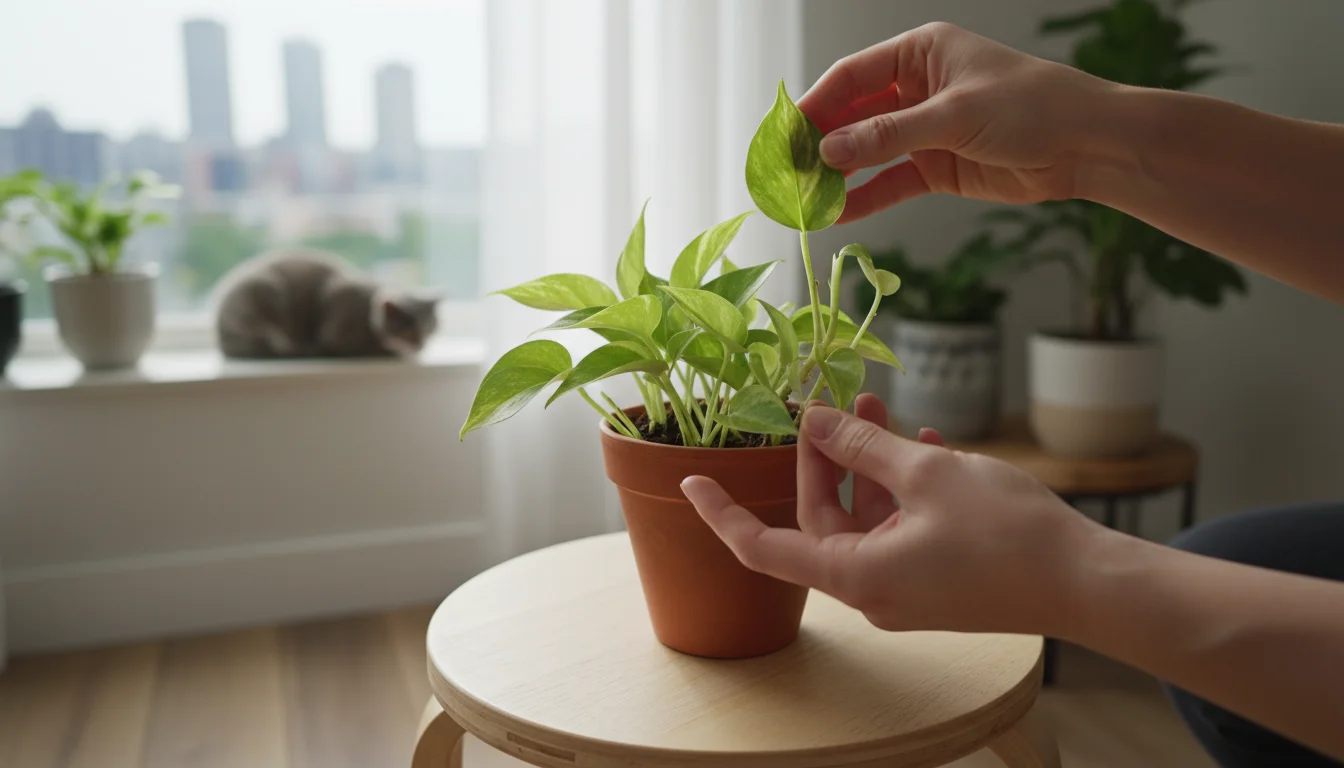
- Clean Your Plants and Pots: Before moving, wipe down leaves with a damp cloth to remove dust. Dust impedes photosynthesis by blocking light absorption. Clean the outside of pots as well. This small step makes a significant difference in light absorption.
- Inspect for Pests: Moving plants around gives you an excellent opportunity to check for pests. Look under leaves, in crevices, and around the soil line. Isolating and treating any infested plants before moving them prevents pests from spreading to your entire collection in their new winter homes.
- Acclimate Gradually: Sudden, drastic changes in light can shock a plant. If you are moving a plant from a very low-light area to a bright, south-facing window, do it gradually over a week or two. Start by placing it a few feet from the brightest window, then move it closer every couple of days. This allows the plant to adjust its cellular structure to handle the increased light intensity. Think of it like a gradual sunburn prevention plan for your plants.
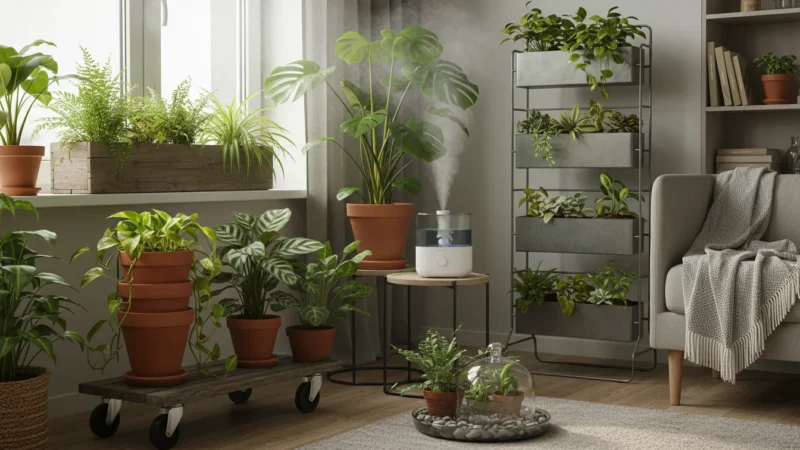
- Optimize Vertical Space: In small apartments or limited spaces, utilizing vertical real estate is crucial. Consider tiered plant stands, hanging planters, or wall-mounted shelves to accommodate more winter houseplants near your best window for plants in winter. This also helps you group plants with similar light needs together.
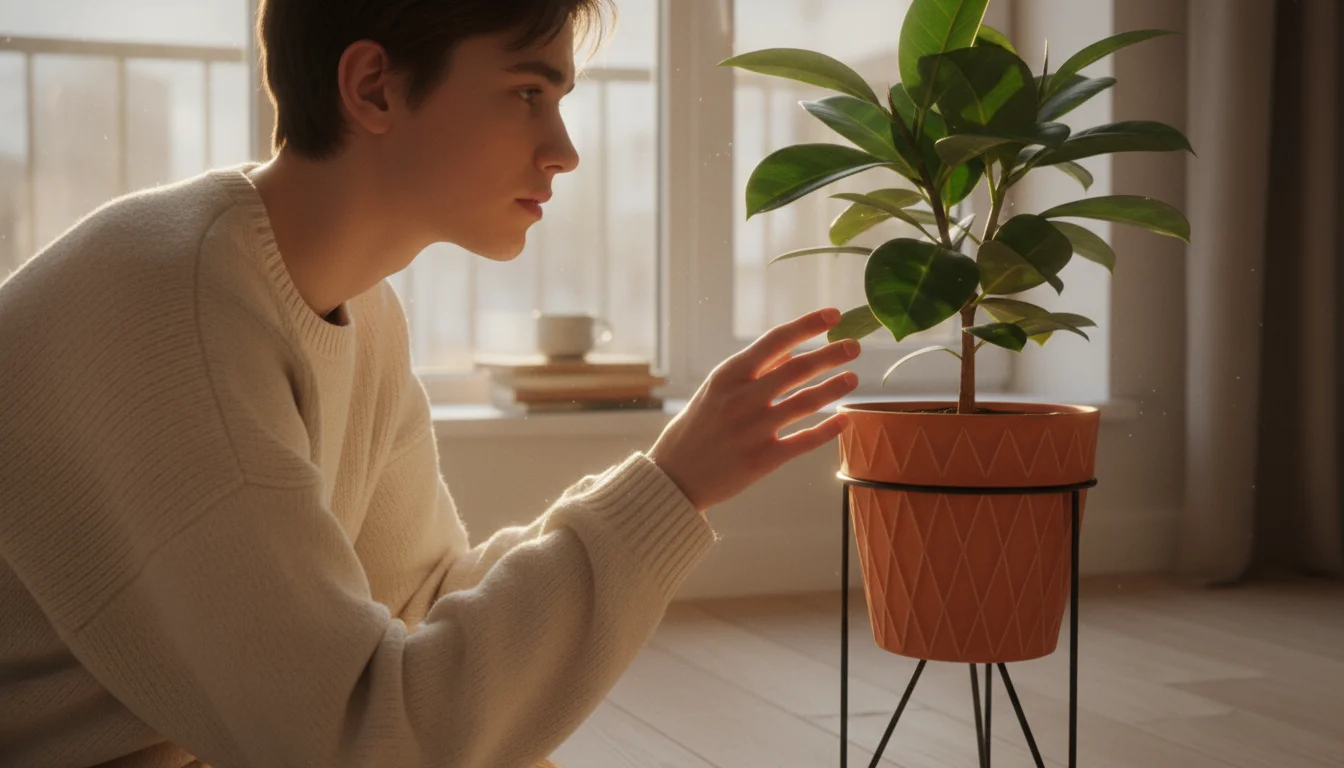
- Rotate Regularly: Even in the best window for plants in winter, light may still be directional. To ensure even growth, rotate your plants a quarter turn every week or two. This prevents them from leaning towards the light source, resulting in lopsided growth.
- Group Plants Strategically: Grouping plants can create microclimates that increase local humidity, which is beneficial in dry winter indoor air. Place plants with similar light and humidity needs together. Taller plants can provide some shade for smaller, more sensitive plants if placed strategically.
- Clean Windows: This might seem obvious, but dusty or grimy windows can significantly reduce the amount of light entering your home. Give your windows a thorough cleaning before you start the migration. This simple act can increase available light by a surprising margin, directly benefiting your apartment gardening winter efforts.
By following these steps, you are not just randomly moving houseplants for winter light; you are implementing a thoughtful, strategic shuffle that prioritizes plant health and optimizes your limited winter light resources. This hands-on approach directly supports vibrant growth for all your winter houseplants.
Maximizing Every Ray: Strategies for Boosting Light Beyond Window Sills
Even with careful planning and strategic placement, your winter houseplants in small spaces may still struggle with insufficient light. This is especially true for apartment gardening winter when natural light is at its lowest. Fortunately, several practical and actionable strategies exist to boost the light your plants receive, ensuring their continued health and vibrancy. You do not always need direct sunlight to provide adequate illumination.
For those with truly dark corners, building a DIY grow light shelf is an affordable way to provide consistent light regardless of the weather.
1. Incorporate Reflective Surfaces:
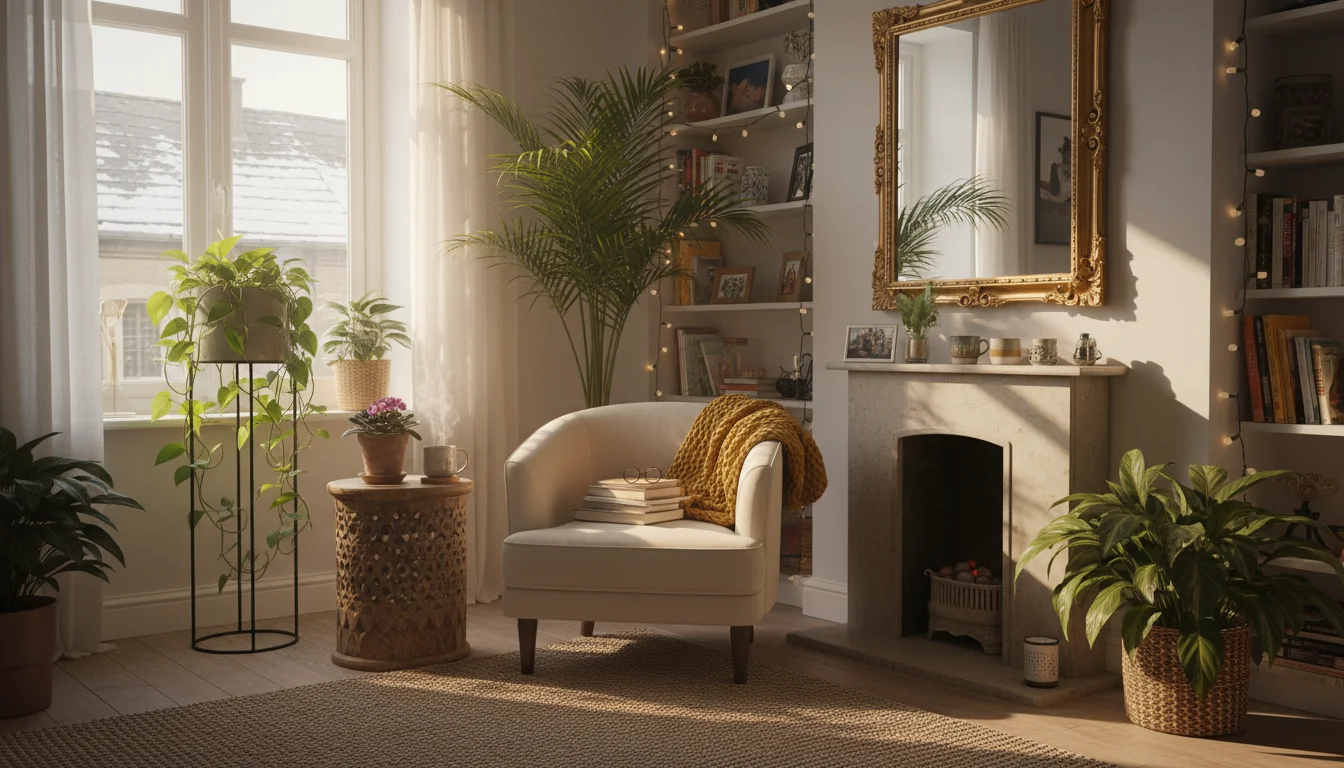
- Mirrors: Position a mirror opposite your brightest window. It will reflect valuable light deeper into the room, reaching plants that are farther from the window.
- Foil or Mylar: For a more temporary or utilitarian solution, you can use aluminum foil or Mylar sheets as reflective backdrops behind your plants. While not as aesthetically pleasing, they are highly effective at bouncing light back onto the plant foliage, especially useful for south or west-facing windows where the light can be intense but still limited in coverage.
- Light-Colored Walls and Surfaces: Ensure your plant display areas have light-colored walls or surfaces. Darker colors absorb light, while lighter colors reflect it, helping to brighten the overall environment for your winter houseplants.
2. Utilize Grow Lights:
For many small-space gardeners, grow lights are a game-changer for winter houseplants. Modern grow lights are efficient, come in various styles, and do not necessarily require a large setup.
- Types of Grow Lights:
- LED Grow Lights: These are highly energy-efficient, produce little heat, and come in full-spectrum options that mimic natural sunlight. They are excellent for apartment gardening winter setups due to their compact size and versatility.
- Fluorescent Lights (T5 or T8): These are also energy-efficient and good for supplementing light, especially for seedlings or plants with moderate light needs. They are often longer and can cover more plants.
- Placement and Duration: Position grow lights a few inches to a foot above your plants, depending on the light intensity and plant needs. Most plants benefit from 12-16 hours of supplemental light per day. Using a simple timer ensures consistency.
- Consider Aesthetic Options: Many decorative grow lights are now available, integrating seamlessly into your home decor without looking overly industrial. Look for clip-on lights or sleek pendant designs that can illuminate a small grouping of plants.
3. Clean Foliage Regularly:
Dust accumulation on leaves acts as a barrier, physically blocking light from reaching the plant’s photosynthetic cells. Regularly wipe down the leaves of your winter houseplants with a damp cloth. For plants with fuzzy leaves, use a soft brush. This simple maintenance task dramatically increases the plant’s ability to absorb the available light, no matter how scarce. This is a crucial step for where to put plants in winter for more sun, as it maximizes the efficiency of every photon.
By combining strategic placement (moving houseplants for winter light) with these light-boosting tactics, you can create an environment where your plants not only survive but truly thrive throughout the winter months, transforming your small space into a vibrant green oasis.
Holistic Winter Care: Adjusting Watering, Humidity, and Temperature After the Move
Moving your winter houseplants for better light is a crucial step, but it is part of a larger, holistic winter care strategy. Your plants’ other needs—watering, humidity, and temperature—are intrinsically linked to light levels and also require adjustment during the colder months. Neglecting these aspects can undermine the benefits of finding the best window for plants in winter.
It’s also the perfect time to run a dormant plant health check to ensure your collection is coping well with the indoor climate.
Watering: Less is Often More
With less light, plants photosynthesize less, meaning they use less energy and, consequently, less water. Their growth rate slows significantly, or they may even enter a period of semi-dormancy. Overwatering is the single biggest killer of houseplants, especially in winter.
- Reduce Frequency: The general rule is to water less frequently in winter. Allow the top inch or two of soil to dry out completely before watering again. For succulents and cacti, let the soil dry out even more thoroughly.
- Feel the Soil: Do not stick to a rigid watering schedule. Instead, always feel the soil moisture. Stick your finger two inches deep. If it feels damp, wait.
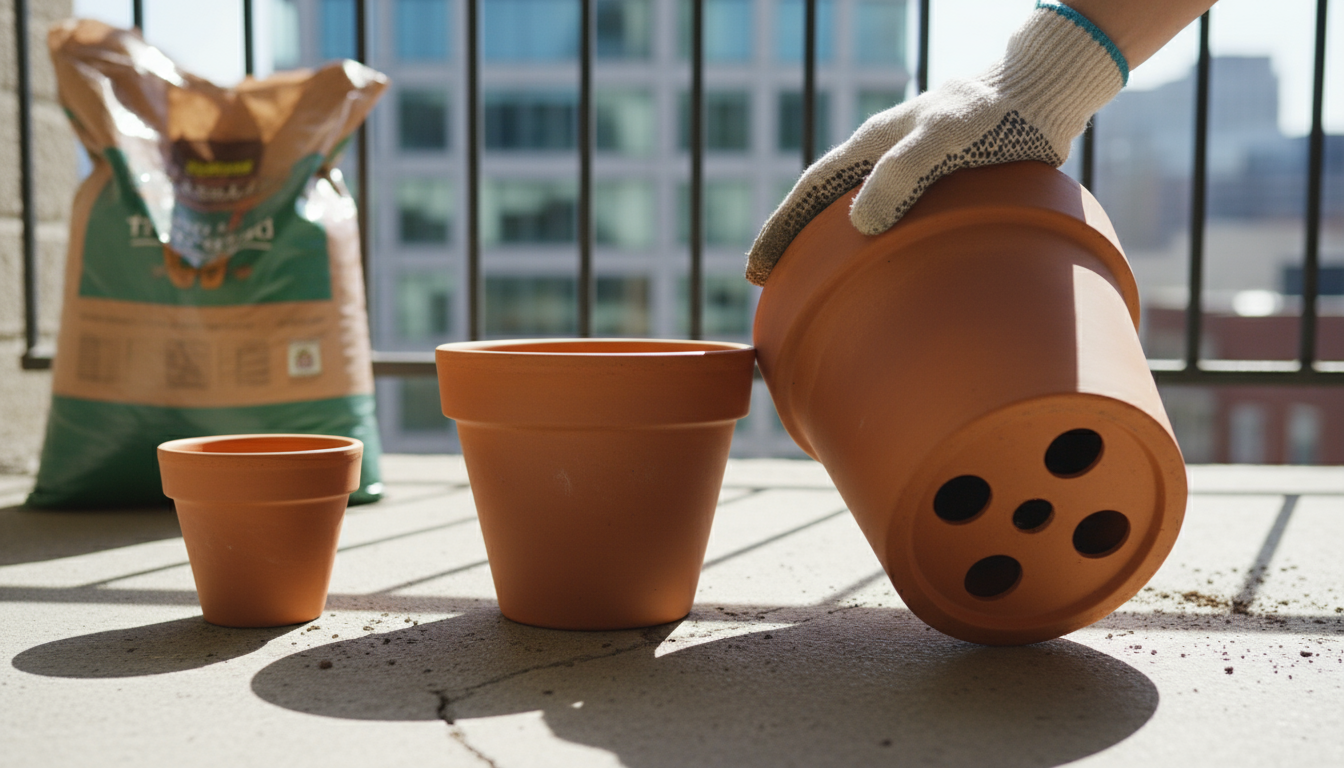
- Check Drainage: Ensure your pots have good drainage holes. Poor drainage, meaning water sits at the bottom of the pot, leads to root rot, which is fatal. When you do water, water thoroughly until it drains from the bottom, then discard any excess water in the saucer after about 15-20 minutes.
Humidity: Counteracting Dry Indoor Air
Our homes become notoriously dry in winter due to heating systems. Many tropical houseplants suffer in low humidity, showing symptoms like crispy leaf edges or browning tips. This is especially true for apartment gardening winter where airflow might be limited.
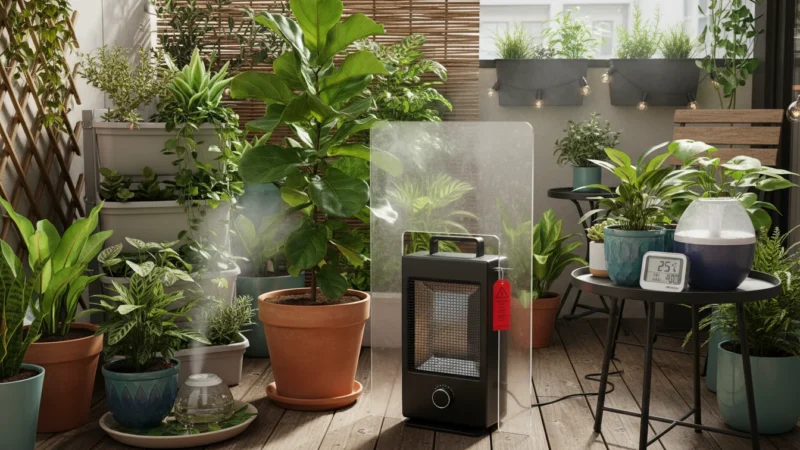
- Pebble Trays: Place trays filled with pebbles and a shallow layer of water beneath your plants. As the water evaporates, it increases local humidity around the plants. Ensure the plant pot sits on the pebbles, not in the water, to prevent root rot.
- Group Plants: As mentioned, grouping plants together can naturally increase humidity in their immediate vicinity through transpiration.
- Humidifiers: A small room humidifier is an excellent investment for dedicated plant enthusiasts, especially for humidity-loving winter houseplants like ferns, calatheas, and some types of aroids.
- Misting (with caution): While popular, misting provides only a very temporary humidity boost. It can also encourage fungal diseases if water sits on leaves for too long without evaporating, particularly in cooler temperatures. Focus on more consistent methods.
Temperature: Avoiding Extremes
Most houseplants prefer stable temperatures. Drafts from windows or exterior doors, as well as proximity to heating vents, can cause stress.
- Avoid Drafts: When you are moving houseplants for winter light, be mindful of cold drafts from windows. Even the best window for plants in winter might have a draft issue. Pull plants back a few inches or use weatherstripping if needed.
- Mind Heat Sources: Similarly, avoid placing plants directly above or next to heating vents or radiators. The dry, hot air can quickly dehydrate foliage and cause stress.
- Consistent Temperature: Aim for a consistent room temperature, typically between 65-75°F (18-24°C) for most tropical plants.
By integrating these adjustments into your winter care routine, you provide your winter houseplants with the comprehensive support they need to not just survive, but to truly thrive, despite the challenges of the season. Your vigilance in these areas ensures your investment in moving them for light truly pays off.
Navigating Pitfalls: Common Mistakes During Your Great Light Migration
Even with the best intentions, it is easy to stumble upon common mistakes when undertaking your great light migration for winter houseplants. Avoiding these pitfalls ensures a smoother transition and healthier plants, especially when you are focused on apartment gardening winter success.
Before you move your collection, review these common winter care mistakes to ensure you aren’t accidentally harming your plants during the transition.
1. Neglecting Gradual Acclimation:
Mistake: Suddenly moving a plant from a dim corner directly into a super-bright, south-facing window.
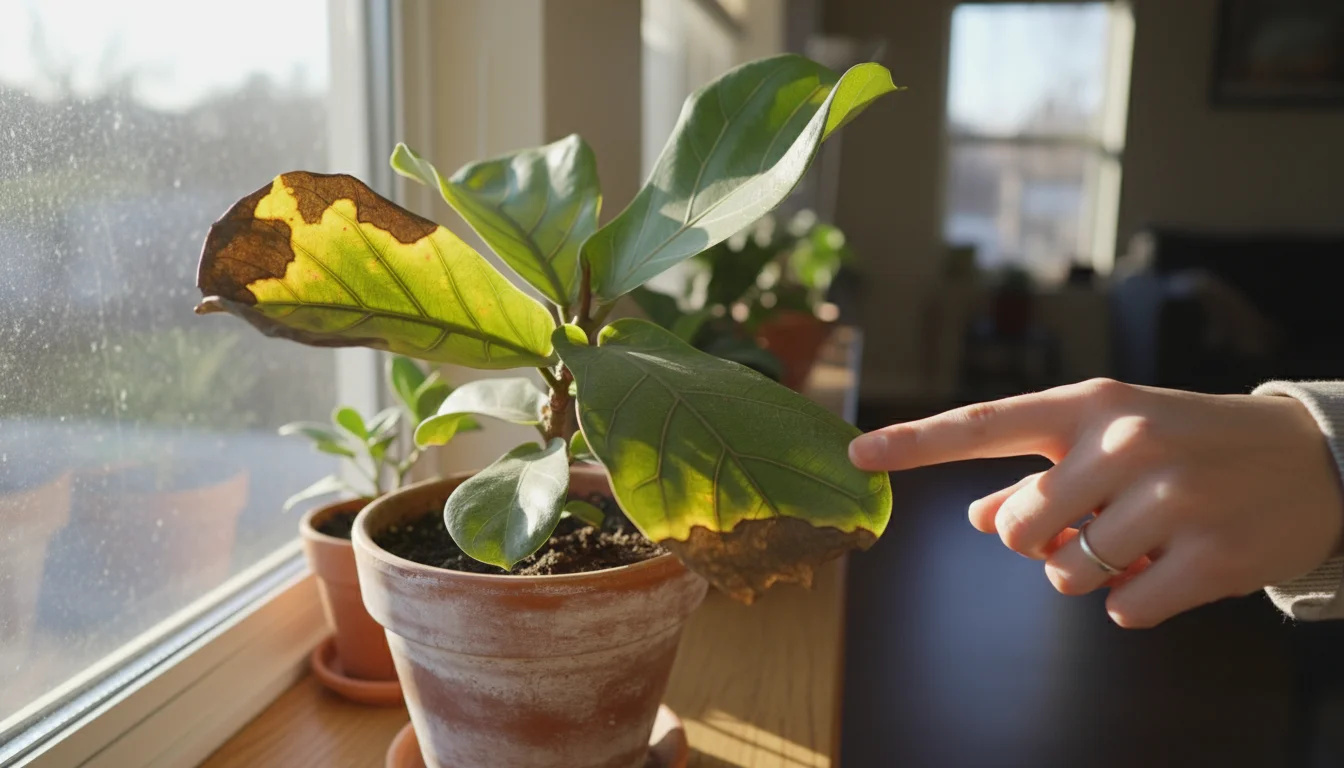
Why it is a problem: Plants, like people, get “sunburned.” Their leaves are not accustomed to the intense light, and the sudden change can cause leaf scorch, yellowing, or even leaf drop. This is especially critical when trying to find where to put plants in winter for more sun.
Solution: Always acclimate gradually. Over 1-2 weeks, slowly move the plant closer to its new, brighter spot. Start a few feet away, then move it a foot or two closer every few days. This gives the plant time to adjust its cellular structure and develop more protective pigments.
2. Overwatering in New Locations:
Mistake: Continuing your summer watering schedule even after moving plants to a spot with less intense winter light, or simply assuming more light equals more water.
Why it is a problem: Less light means slower growth and reduced water uptake. Overwatering in winter is the leading cause of root rot, where roots suffocate and decay due to constantly wet soil. This is a common issue for winter houseplants.
Solution: Always check the soil moisture before watering. Stick your finger two inches into the soil. Only water when the soil feels dry to the touch. When in doubt, err on the side of underwatering during winter. Drainage is key, so ensure excess water can escape the pot.
3. Ignoring Temperature Fluctuations and Drafts:
Mistake: Placing plants directly against cold window panes or near leaky windows and exterior doors.
Why it is a problem: Cold drafts and extreme temperature fluctuations stress plants. Tropical plants, in particular, are sensitive to chills and can suffer leaf damage, stunted growth, or even succumb to cold shock. Even the best window for plants in winter can be problematic if it is too drafty.
Solution: Keep plants a few inches away from cold window panes. Check for drafts around windows and doors, and consider weatherstripping if necessary. Avoid placing plants directly in front of heating vents, which can also cause stress due to dry, hot air.
4. Forgetting About Humidity:
Mistake: Overlooking the dry indoor air caused by winter heating systems.
Why it is a problem: Many houseplants are tropical in origin and thrive in high humidity. Dry air causes crispy leaf tips, brown edges, and makes plants more susceptible to pests like spider mites.
Solution: Boost humidity with pebble trays, grouping plants, or a humidifier. Regularly misting is a temporary fix but may not be sufficient for very sensitive plants. Focus on consistent, localized humidity solutions for your apartment gardening winter setup.
5. Skipping Pest Inspections:
Mistake: Moving plants without checking for hitchhiking pests.
Why it is a problem: Pests can easily transfer from one plant to another in a new, crowded winter location. A single infested plant can quickly compromise your entire collection.
Solution: Thoroughly inspect all plants for signs of pests (sticky residue, tiny insects, webbing) before and during the migration. Isolate and treat any affected plants immediately. This prevents a small problem from becoming a widespread infestation among your winter houseplants.
By being mindful of these common missteps, you can ensure your great light migration is a success, leading to happier, healthier winter houseplants throughout the colder months.
Frequently Asked Questions
Can I use regular household lights to supplement winter sun?
Regular household lights, such as incandescent or standard LED bulbs, do provide some light, but they lack the specific spectrum and intensity plants need for efficient photosynthesis. While they can offer a very minimal supplement for low light plants, they are not a substitute for natural sunlight or dedicated grow lights. For optimal growth, especially for sun-loving plants, invest in a full-spectrum LED grow light designed for plants. These ensure your winter houseplants receive the correct wavelengths for healthy development.
My plant is getting leggy in winter, even after moving it. What does this mean?
Leggy growth, characterized by stretched-out stems with sparse leaves, is a classic sign of a plant desperately searching for more light. Even after moving, your plant might still not be receiving enough light intensity or duration. This often happens even at the best window for plants in winter if the light is still weaker than its ideal. Consider supplementing with a grow light, ensuring it is positioned close enough to the plant. Also, review your “light map” to confirm you have placed the plant in the absolute brightest spot available for its species. This is a common challenge in apartment gardening winter.
Should I fertilize my houseplants during winter?
Generally, no. Most houseplants enter a period of reduced growth or dormancy during winter due to lower light levels and cooler temperatures. Fertilizing during this time can burn their roots, as they are not actively using nutrients. Resume fertilizing in spring when daylight hours increase and plants show signs of active growth. If you are using supplemental grow lights for an extended period and see active growth, you might fertilize very sparingly at a diluted strength, but otherwise, hold off for most winter houseplants.
How close can I put my plants to a window in winter?
You can typically place your plants quite close to a window in winter, especially if you are seeking the best window for plants in winter. The sun’s rays are much weaker, so the risk of scorching is significantly reduced compared to summer. However, be cautious of cold drafts and direct contact with very cold window panes, which can cause leaf damage or temperature shock. Keep plants a few inches away to allow for air circulation and to prevent them from touching cold glass. Monitor for any signs of stress, but generally, closer is better for light in winter.
What are some easy, low-maintenance low light plants for winter?
For small spaces and low-maintenance apartment gardening winter, consider plants like the Snake Plant (Sansevieria), ZZ Plant (Zamioculcas zamiifolia), Cast Iron Plant (Aspidistra elatior), or various Pothos varieties. These plants tolerate lower light conditions well, require less frequent watering, and are generally very forgiving. While they will not grow as vigorously as in brighter conditions, they will maintain their health and beauty with minimal fuss, making them excellent winter houseplants.
Embracing the Season: Sustainable Practices for Healthy Winter Houseplants
The great light migration is more than just moving plants; it is an act of proactive care, a commitment to understanding and meeting your plants’ needs. By strategically shuffling your winter houseplants for maximum winter sun, you are fostering a thriving indoor garden, even when the outdoor world is dormant. This approach aligns perfectly with sustainable and environmentally conscious gardening practices.
Keeping your hands busy with creative indoor gardening projects can make the long wait for spring much more enjoyable.
Observe and Adapt: Sustainable gardening emphasizes observation. Pay close attention to your plants. Are they stretching for light? Are their leaves yellowing? These are their ways of communicating. Your willingness to observe and adapt your care routine is the most eco-friendly practice of all, reducing waste from unhealthy plants and minimizing resource use.
Mindful Resource Use: When you properly locate your winter houseplants, you reduce the need for excessive supplemental lighting, saving energy. Optimizing your watering schedule prevents water waste and reduces the risk of root rot, which can lead to plant loss. These small adjustments in apartment gardening winter care contribute to a larger environmental impact.
Choosing the Right Plants: Part of long-term sustainability involves selecting plants that are well-suited to your home’s natural light conditions, especially in winter. Opting for low light plants if your home is naturally dim reduces the struggle for both you and your plants, leading to a more successful and less resource-intensive gardening experience. Understanding where to put plants in winter for more sun becomes a sustainable skill.
Your journey through “The Great Light Migration” transforms a seasonal challenge into an opportunity for deeper connection with your plants. You become a more attuned and responsive gardener, capable of providing exactly what your green companions need, no matter the season. Embrace this practical approach, and watch your indoor oasis flourish through the winter and beyond. Your thoughtful actions ensure your plants not only survive the darker months, but truly thrive, bringing joy and a touch of nature to your small space.
For trustworthy gardening information, visit:
Oregon State Extension — Gardening, Royal Horticultural Society (RHS), UF/IFAS Gardening Solutions and University of Illinois Extension — Gardening. These organizations provide expert, research-based advice for gardeners at all levels.
Disclaimer: This article is for informational purposes only and is not a substitute for professional gardening advice. Always consult local extension services or horticulture experts for region-specific guidance.
Leave a Reply