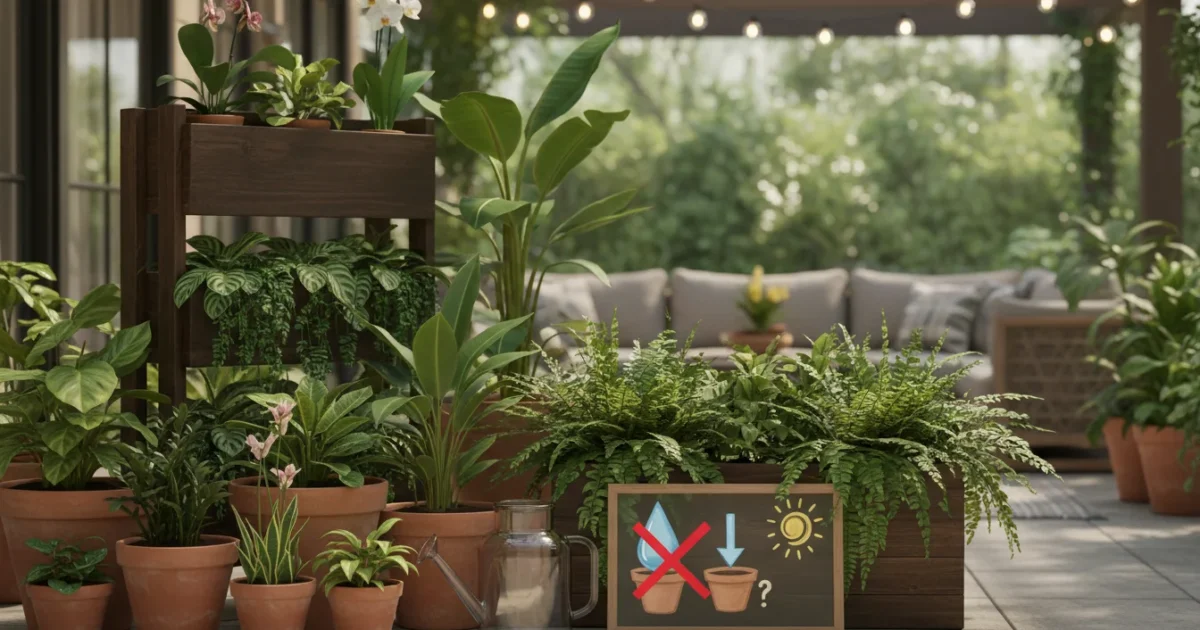
Many gardeners learn a common piece of advice for watering orchids and other tropical houseplants: use ice cubes. Proponents suggest this method delivers water slowly, preventing overwatering and mimicking natural, gradual moisture absorption. However, this popular technique, particularly for your cherished tropical plants, actually works against their natural needs. As a practical gardening coach, I want to guide you toward watering practices that truly support your plants, especially during the challenging winter months when indoor conditions often become exceptionally dry.
Winter presents a unique set of challenges for indoor plants. Your home’s heating systems reduce humidity, creating an arid environment that tropical plants find stressful. Understanding proper winter houseplant care, especially watering, becomes critical for their survival and health. Let’s debunk the ice cube watering myth and equip you with the knowledge to keep your tropical beauties thriving all season long.
Understanding the Ice Cube Watering Myth
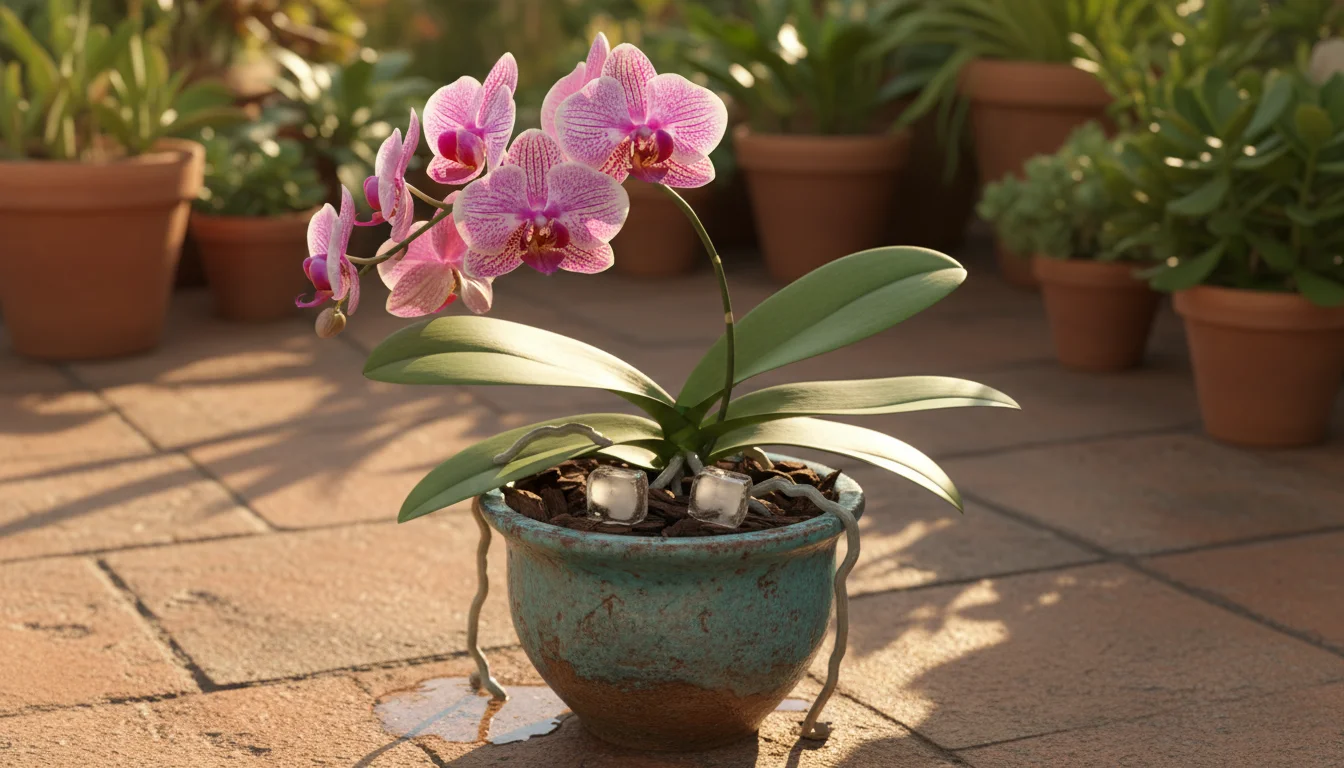
The ice cube watering myth gained traction because it appears to solve a common problem: overwatering. Placing an ice cube on the soil seems like a controlled way to deliver a small amount of water gradually as it melts. Many plant enthusiasts, particularly those new to orchid care, adopted this method, believing it replicates a gentle drip. The thought process suggests that slow melting prevents waterlogging, a condition where roots sit in stagnant water and suffocate. This seemingly logical approach, however, overlooks the specific physiological needs of tropical plants.
The myth specifically targets tropical plants, like orchids, peace lilies, and philodendrons, because these plants come from warm, humid environments. Their root systems are adapted to consistent, warm moisture, not cold. The idea of slow release appeals to those who struggle with determining when and how much to water, especially in the winter months when plants typically require less water. People might see temporary success because tropical plants in very dry conditions often show signs of stress, and any water, even cold water, provides some relief. But this short-term “solution” creates long-term issues for the plant’s health.
Let’s consider the origin of many popular houseplants. Most tropical houseplants originate from regions near the equator, where temperatures rarely drop below 60 degrees Fahrenheit (15 degrees Celsius). Their natural environment provides consistent warmth and high humidity. Introducing ice, which has a temperature of 32 degrees Fahrenheit (0 degrees Celsius), imposes an extreme thermal shock on their sensitive root systems. This temperature difference causes stress that can severely hinder a plant’s ability to absorb water and nutrients, ultimately leading to poor growth and even root damage.
Why Cold Water Harms Tropical Plant Roots
Tropical plants, by definition, thrive in warm environments. Their cells, particularly those in their root systems, operate optimally within specific temperature ranges. When you introduce ice-cold water, several detrimental effects occur:
If your plant’s roots have already been compromised by excess cold moisture, you may need a root rot rescue plan to restore its health.
- Thermal Shock: Plant roots experience a sudden, dramatic drop in temperature. This shock can damage cell membranes and disrupt enzymatic processes vital for water and nutrient uptake. Imagine stepping into an ice bath; your body responds by constricting blood vessels. Plant roots react similarly, limiting their ability to absorb necessary moisture. Studies on plant physiology consistently show that optimal root function occurs at temperatures well above freezing. For most tropical houseplants, soil temperatures between 65-75 degrees Fahrenheit (18-24 degrees Celsius) support healthy root activity. Introducing water at 32 degrees Fahrenheit significantly lowers the localized soil temperature, moving it far outside this healthy range.
- Reduced Water Absorption: Cold water reduces the permeability of root cells, making it harder for the plant to take in water. Even if plenty of water is available, the plant struggles to absorb it efficiently. This situation creates a physiological drought, where the plant shows symptoms of underwatering (wilting, yellowing leaves) despite adequate moisture in the soil. The roots essentially “freeze up” their absorption capabilities.
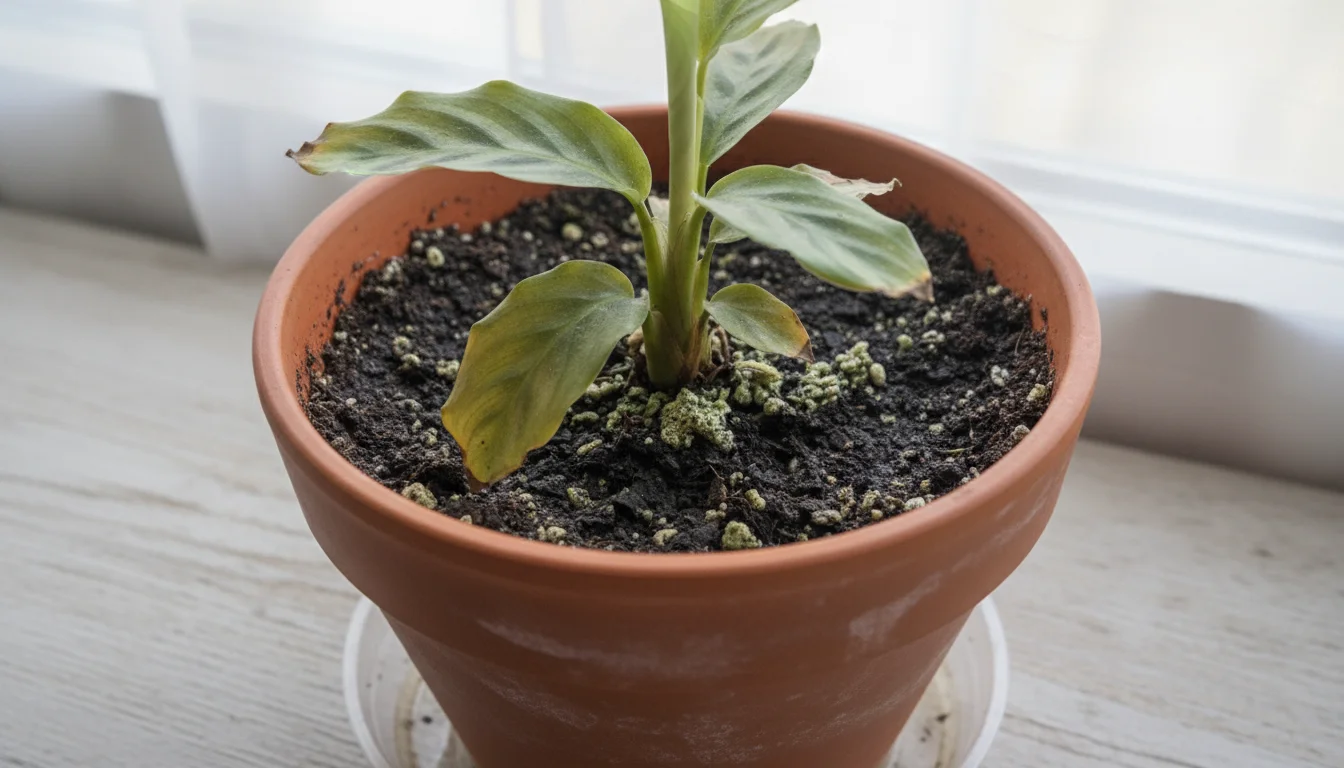
- Increased Susceptibility to Diseases: Cold, wet soil creates an ideal environment for pathogenic fungi and bacteria to thrive. When roots are stressed by cold temperatures, their natural defenses weaken, making them more vulnerable to root rot and other diseases. These pathogens often lead to irreversible damage and plant death.
- Slowed Growth and Stunted Development: A plant constantly subjected to cold watering experiences chronic stress. This stress diverts energy from growth, flowering, and overall development towards survival mechanisms. You might notice slower growth, smaller leaves, or a complete absence of blooms, even if other care factors seem adequate.
- Damage to Orchid Roots (Velamen): Orchids, in particular, possess specialized aerial roots covered in a spongy layer called velamen. This velamen efficiently absorbs moisture and nutrients from the air. When ice melts directly onto these sensitive roots, it can cause immediate tissue damage and disrupt the velamen’s structure, impairing its primary function. While some orchids tolerate cooler temperatures, direct contact with melting ice presents a harsh, unnatural exposure for their delicate root systems.
Your goal should always be to provide water that closely matches the ambient temperature of your home, or even slightly warmer. This minimizes stress and maximizes the plant’s ability to utilize the water effectively.
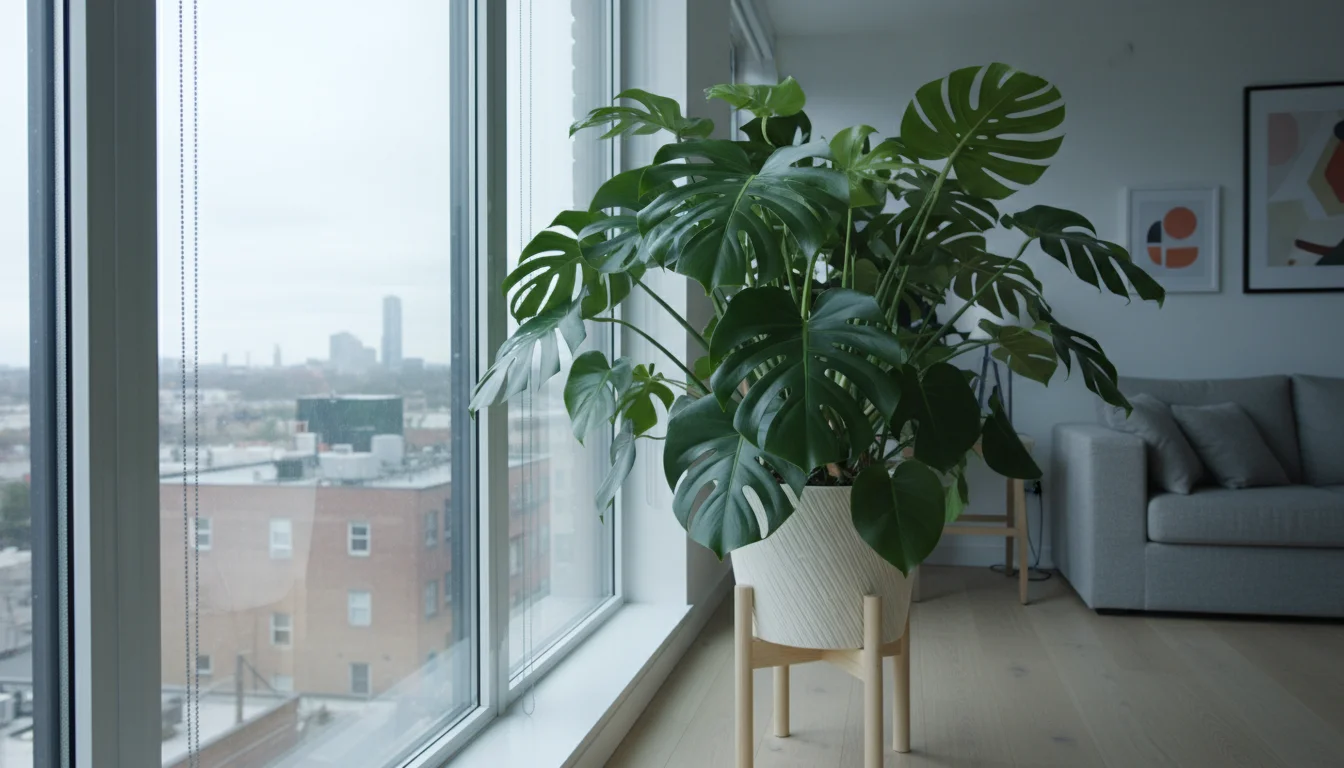
Why Winter Watering is Different for Houseplants
Winter brings a shift in conditions that profoundly impacts your houseplants’ watering needs. Understanding these changes empowers you to adjust your routine and prevent common mistakes.
Keep in mind that while many species rest, some houseplants actively grow in winter and may have slightly higher nutrient and water requirements than those in true dormancy.
- Reduced Light Intensity and Duration: Shorter days and lower sun angles mean significantly less light reaches your indoor plants. Light drives photosynthesis, the process by which plants convert light energy into food. With less light, plants photosynthesize less, reducing their energy demands and consequently, their need for water. They simply do not “work” as hard in winter.
- Plant Dormancy (or Semi-Dormancy): Many tropical houseplants, though evergreen, enter a period of reduced activity or semi-dormancy in winter. Their growth slows, and some may even shed a few leaves. This natural slowdown directly translates to decreased water usage. Overwatering a dormant plant is one of the quickest ways to cause root rot.
- Dry Indoor Air from Heating Systems: This is a major factor. Furnaces, radiators, and other heating systems drastically lower indoor humidity levels. While this dry air might seem to suggest plants need more water, it primarily affects foliar transpiration (water loss from leaves), not necessarily root uptake. Dry air can cause leaves to crisp or brown, but overcompensating with soil water usually leads to saturated soil, especially when the plant’s metabolic rate is low.
- Lower Temperatures: Even if your home stays warm, ambient temperatures are generally lower than in summer. Cooler temperatures also contribute to slower evaporation from the soil surface and reduced water uptake by roots, necessitating less frequent watering.
The key takeaway here is that your plants do not need as much water in winter as they do during their active growing season in spring and summer. Your task shifts from consistent heavy watering to careful, monitored hydration.

The Right Way to Water Tropical Houseplants in Winter
Abandon the ice cube method. Instead, adopt these proven techniques for optimal winter watering. Your goal is to provide thorough, even hydration when the plant needs it, allowing the soil to dry out appropriately between waterings.
If you find that water runs straight down the sides without soaking in, you might be dealing with a hard, water-repellent soil problem common in dry homes.
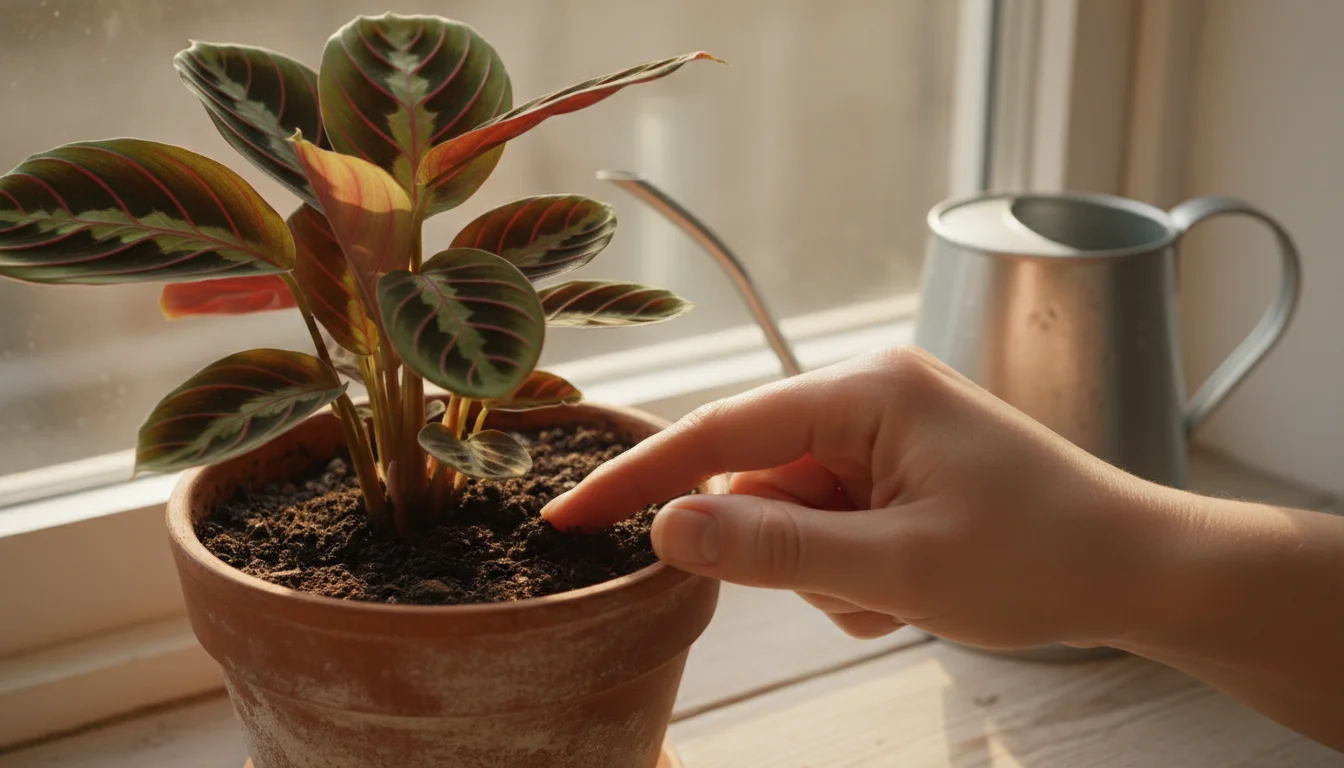
Step-by-Step Guide to Proper Winter Watering:
- Assess Soil Moisture: This is the most crucial step. Do not water on a schedule. Instead, feel the soil.
- For most tropical houseplants, insert your finger about 1-2 inches deep into the soil. If it feels dry, it’s likely time to water.
- For plants that prefer consistent moisture, like ferns, check when the top inch of soil begins to feel slightly dry.
- For plants that like to dry out more, like succulents or certain philodendrons, wait until the top 2-3 inches are dry.
- A moisture meter (discussed below) offers an even more accurate reading.
- Use Room Temperature Water: Always use water that is at room temperature or slightly lukewarm. This prevents thermal shock to the roots. Fill your watering can and let it sit for a few hours, or even overnight, to allow the water to de-chlorinate and reach ambient temperature.
- Water Thoroughly: When you water, water generously until you see water draining from the bottom of the pot. This ensures that all the soil receives moisture, encouraging healthy root development.
- Top Watering: Pour water slowly and evenly over the soil surface. Continue until water flows freely from the drainage holes. This flushes out excess mineral salts that can build up in the soil.
- Bottom Watering: Place your potted plant (with drainage holes) into a saucer or tray filled with 1-2 inches of room-temperature water. Let the plant sit for 15-30 minutes, or until the top of the soil feels moist. The roots absorb water from the bottom up. This method is excellent for plants that dislike having wet leaves or have tightly packed root balls, and it prevents soil compaction. Remove the plant from the water and allow it to drain completely before returning it to its spot.
- Ensure Adequate Drainage: Never let your plant sit in standing water. After watering, ensure all excess water drains from the pot. Empty any saucers or cachepots within 30 minutes. Good drainage prevents root rot, a silent killer of houseplants. Drainage refers to how easily water moves through the soil and out of the pot.
- Adjust Frequency, Not Quantity: In winter, you will water less frequently, but you still water thoroughly when the plant needs it. Instead of watering a full watering can every week, you might water a full watering can every two to three weeks, depending on the plant and your home environment.
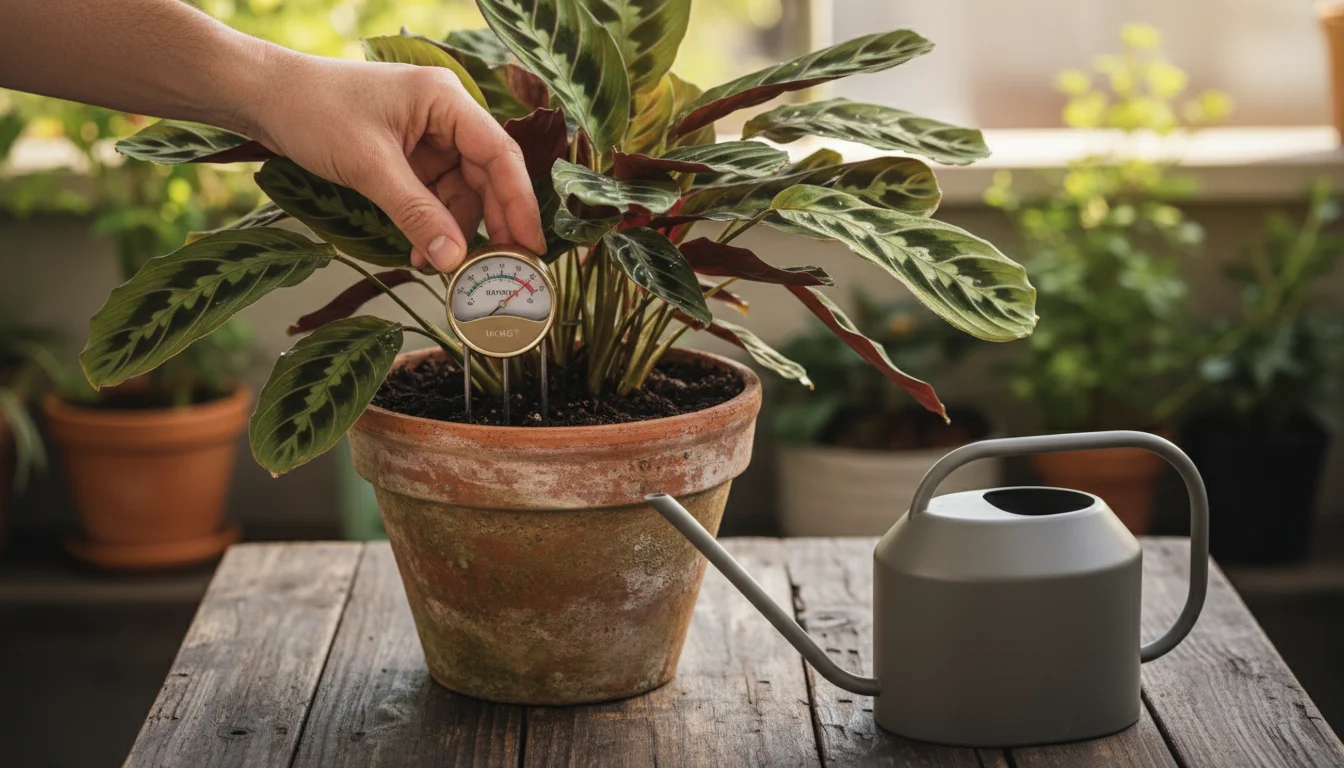
Essential Tools for Accurate Watering
You do not need many fancy gadgets, but a few simple tools significantly improve your watering accuracy and prevent common mistakes.
- Moisture Meter: This inexpensive device is a game-changer for beginner and intermediate gardeners. Insert the probe into the soil, and it provides a reading (typically from 1 to 10) indicating soil moisture levels. A reading of 1-3 often means dry, 4-7 moist, and 8-10 wet. Different plants prefer different ranges. For example, a peace lily might prefer a 4-5, while a snake plant thrives at 2-3 before watering. This takes the guesswork out of the “finger test,” especially for deeper soil levels.
- Watering Can with a Long Spout: A watering can allows for precise water delivery. The long spout helps you direct water exactly where it needs to go, avoiding the leaves (which can lead to fungal issues) and distributing it evenly over the soil surface. Choose one with a comfortable handle and a capacity appropriate for the number and size of your plants.
- Drainage Saucers: Essential for catching excess water and protecting your surfaces. Ensure the saucer is large enough to contain runoff and provides a slight air gap between the pot and the saucer itself, if possible, to aid drainage.
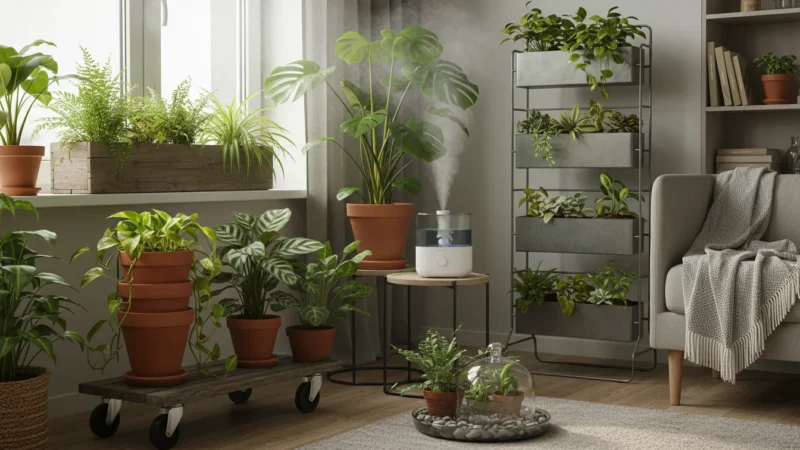
- Humidity Tray (Optional, but Recommended): While not directly a watering tool, a humidity tray complements proper watering by addressing the dry winter air. Fill a shallow tray with pebbles and add water to just below the top of the pebbles. Place your potted plant on top of the pebbles. As the water evaporates, it creates a localized microclimate of higher humidity around your plant, easing stress from dry air.
Investing in these tools empowers you to make informed watering decisions, moving away from guessing and towards data-driven care for your plants.
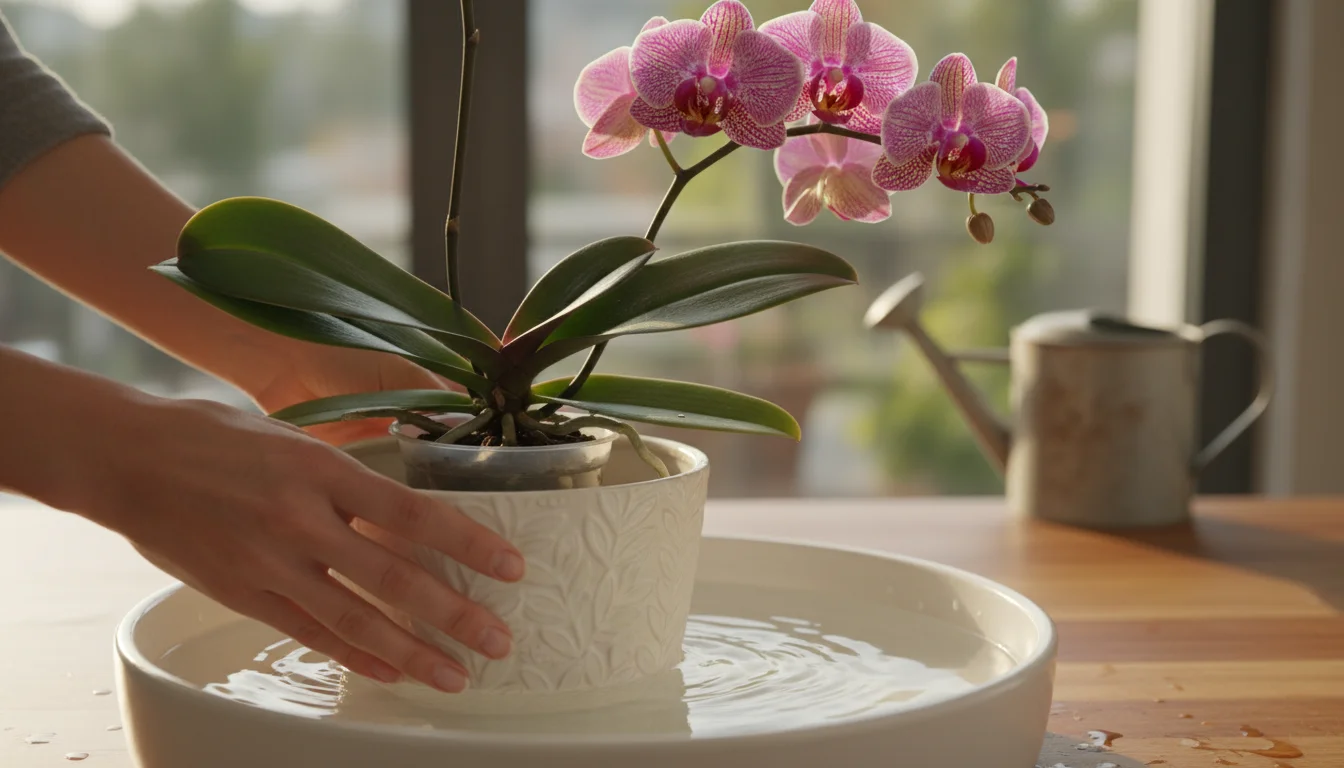
Winter Care for Specific Tropical Houseplants
While general principles apply, specific tropical plants have nuances in their winter watering needs. Let’s look at some popular varieties:
- Orchids (Phalaenopsis, particularly): Many people incorrectly use ice cubes for orchids. Orchids, especially Phalaenopsis, possess aerial roots that prefer high humidity and quick drainage. In winter, reduce watering frequency. Allow the growing medium (often bark or moss) to dry out almost completely between waterings. Submerge the pot in room-temperature water for 10-15 minutes, allowing the roots to soak up moisture, then drain thoroughly. Water approximately every 7-14 days, depending on your home’s humidity and the potting medium. Never let an orchid sit in standing water.
- Peace Lilies (Spathiphyllum): Peace lilies famously wilt dramatically when thirsty, making their needs easy to read. In winter, allow the top 1-2 inches of soil to dry out before watering. They appreciate consistent moisture but resent soggy feet. Water thoroughly with room-temperature water, ensuring good drainage. You might find you water them every 10-14 days instead of weekly.
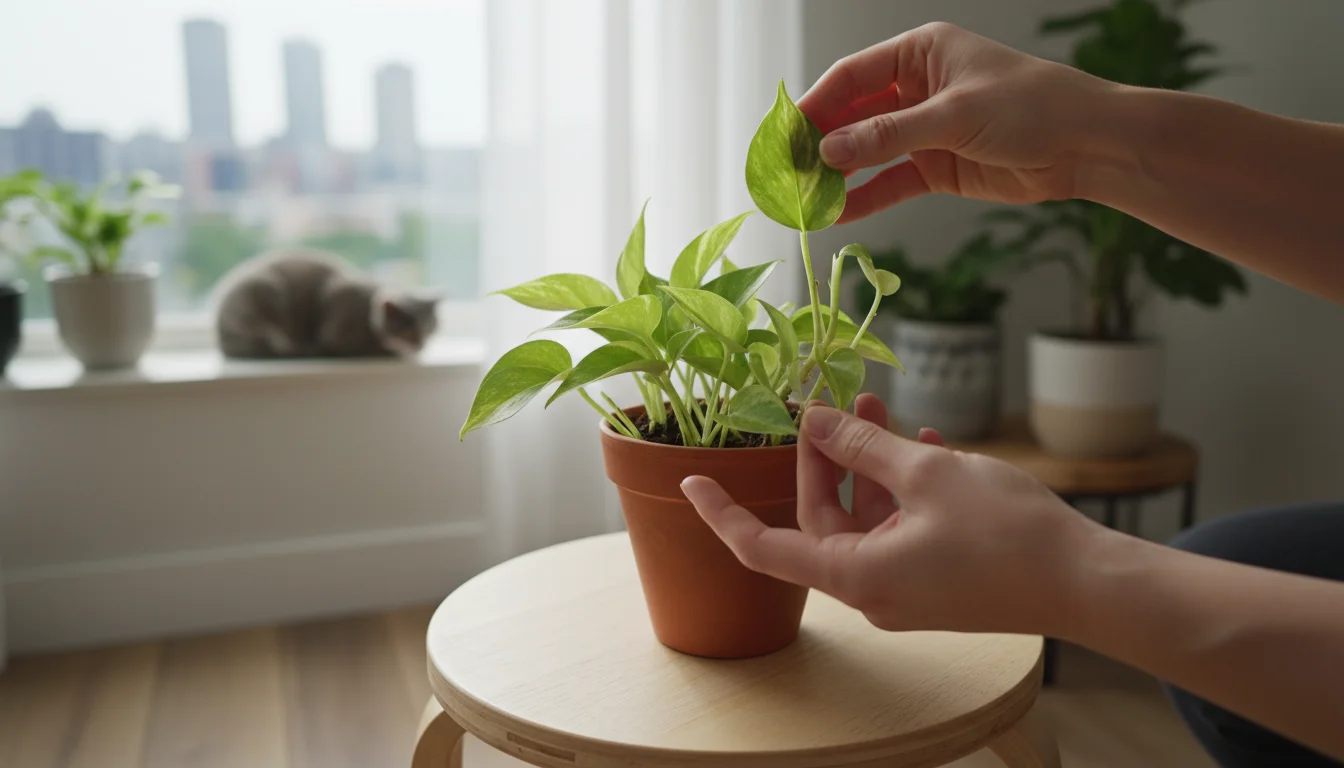
- Pothos (Epipremnum aureum) and Philodendrons: These vining plants are quite forgiving. Allow the top 2-3 inches of soil to dry out completely before watering. They tolerate slightly drier conditions in winter. Overwatering leads to yellowing leaves and root rot. Water thoroughly, letting all excess drain. You could easily extend watering intervals to every 2-3 weeks.
- Monstera (Monstera deliciosa): Monsteras appreciate consistent moisture during their active growth but require less in winter. Allow the top 2-3 inches of soil to dry out. When watering, provide a thorough soak, letting water drain completely. Adjust frequency to every 2-3 weeks. Watch for yellowing lower leaves as a sign of overwatering.
- Prayer Plants (Maranta, Calathea): These plants are more sensitive to dry soil and low humidity. Keep their soil consistently moist, but never soggy. Allow only the top inch to dry out. Use distilled or filtered room-temperature water if possible, as they are sensitive to chlorine. They greatly benefit from humidity trays in winter.
- Fiddle Leaf Fig (Ficus lyrata): Fiddle leaf figs are prone to root rot if overwatered. In winter, allow the top 2-3 inches of soil to dry out completely. Water thoroughly until water drains from the bottom. Ensure excellent drainage. You might water every 2-4 weeks. Brown spots on leaves often indicate inconsistent watering.
Always remember to consider your plant’s specific needs, the type of potting mix, and the conditions in your home. These are general guidelines; always check the soil moisture before deciding to water.

Optimizing Your Indoor Environment Beyond Water
Watering correctly forms one part of successful winter houseplant care. The overall environment in your home plays an equally critical role, especially for tropical plants during the dry, cool winter months.
You can also try huddling your houseplants together to create a localized microclimate with higher humidity levels.
Since heaters dry out the air quickly, you may need to compare different winter humidity hacks to find the most effective way to keep your foliage from crisping.
Since dry air is a major winter hurdle, check out these proven humidity hacks to keep your tropicals comfortable.
- Humidity Management: As discussed, heating systems dramatically reduce indoor humidity. Tropical plants thrive in humidity levels between 50-70 percent.
- Humidity Trays: Place plants on pebble trays filled with water. As the water evaporates, it increases localized humidity.
- Grouping Plants: Plants naturally transpire, releasing moisture into the air. Grouping plants together creates a small, humid microclimate.
- Humidifiers: For a significant impact, especially with many tropical plants, consider a room humidifier. This provides consistent, widespread humidity.
- Misting: While it offers temporary relief, misting alone does not significantly raise humidity for long periods. It can, however, help clean leaves and slightly increase surface moisture. Misting should not be your primary humidity solution.
- Light Adjustments: Winter light is weaker and shorter.
- Relocate Plants: Move plants closer to south or west-facing windows to maximize available light.
- Clean Windows and Leaves: Dust on windows and plant leaves reduces light penetration. Keep both clean.
- Supplemental Grow Lights: For plants with high light requirements or in particularly dim areas, consider LED grow lights. These simulate natural sunlight and prevent leggy growth.
- Temperature Stability: Tropical plants prefer consistent, warm temperatures.
- Avoid Drafts: Keep plants away from cold drafts from windows or doors.
- Maintain Consistent Temperatures: Aim for temperatures between 65-75 degrees Fahrenheit (18-24 degrees Celsius) during the day and no lower than 60 degrees Fahrenheit (15 degrees Celsius) at night.
- Keep Away from Heat Sources: Direct heat from radiators or heating vents causes rapid drying and stress.
- Air Circulation: Good air circulation prevents stagnant air, which can lead to fungal issues, especially when humidity is higher. Ensure your plants have adequate space between them. A gentle fan can help, but avoid strong, direct drafts.
By actively managing these environmental factors, you create a much more hospitable home for your tropical plants, helping them not just survive, but thrive through the winter.
Troubleshooting Common Winter Watering Problems
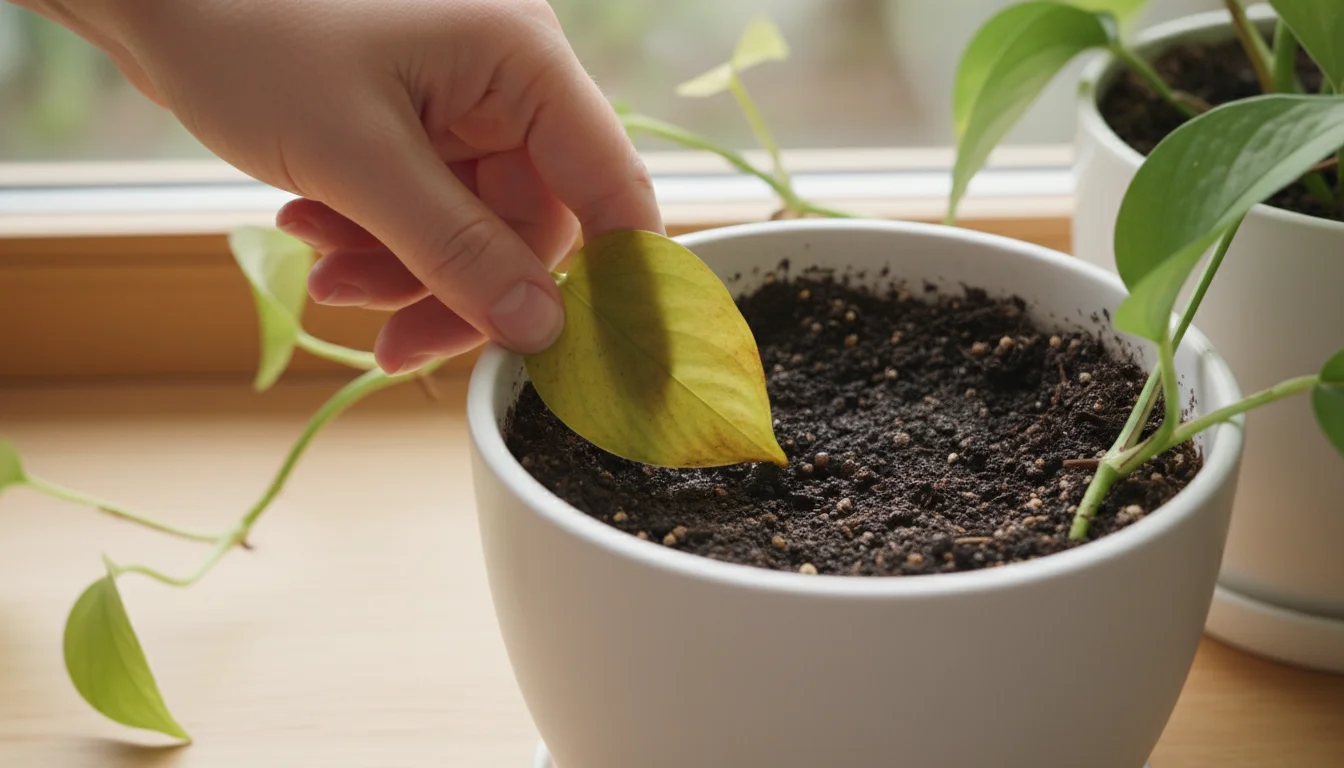
Even with the best intentions, you might encounter issues. Knowing how to diagnose and address problems helps you react quickly and save your plants.
Signs of Overwatering:
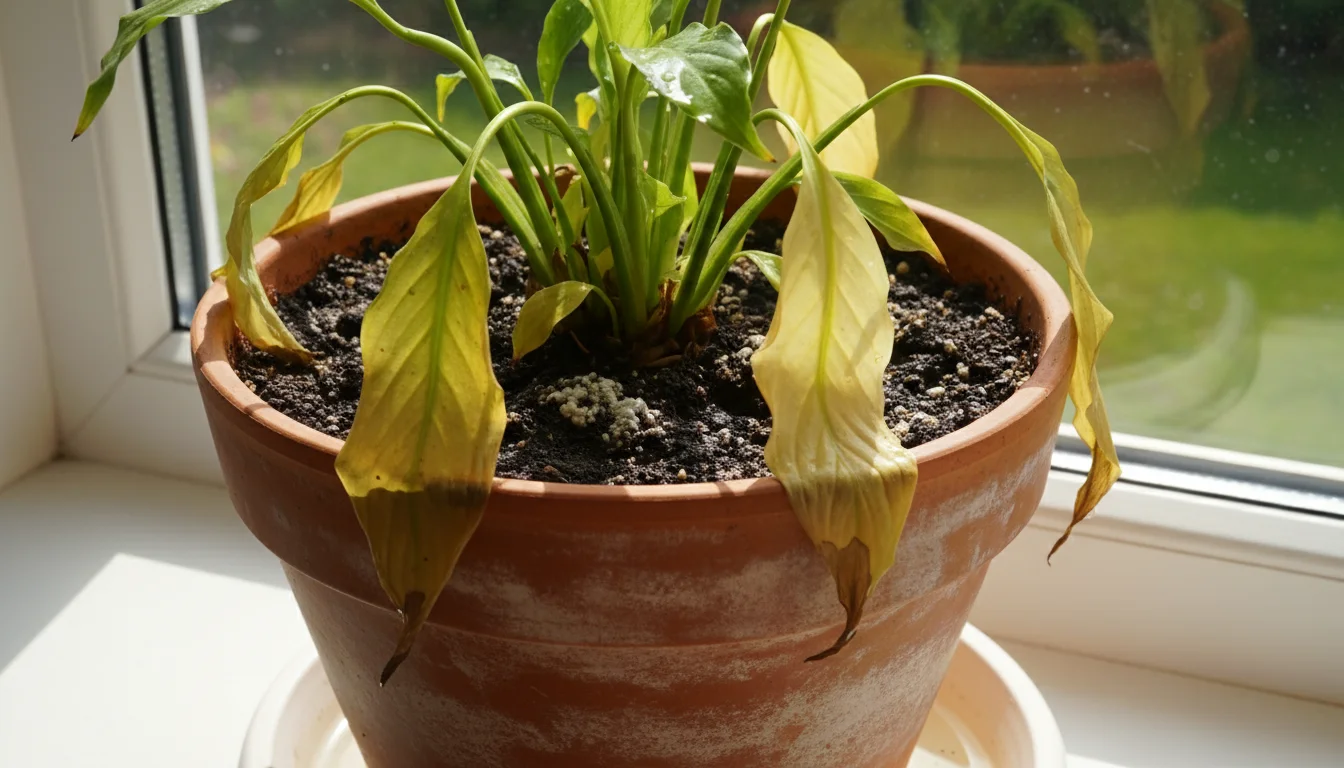
Overwatering is one of the most common plant killers, especially in winter when plants need less water. It does not mean giving too much water at once; it means watering too frequently, leaving the soil constantly soggy.
- Yellowing Leaves: Often starting with lower leaves, yellowing indicates cells are suffocating from lack of oxygen due to waterlogged soil.
- Wilting Despite Wet Soil: Roots cannot absorb water when they are drowning. The plant shows signs of thirst even though the soil feels wet. This is a critical indicator of root rot.
- Stunted Growth: The plant struggles to produce new growth. Existing growth may appear weak or small.
- Mushy Stems or Base: The base of the stem or petioles (leaf stalks) may feel soft and mushy, indicating advanced root rot.
- Fungus Gnats: Small, black flying insects often hover around overly wet soil, as they lay eggs in constantly moist conditions.
- Foul Odor from Soil: A sour or musty smell indicates anaerobic conditions and decaying roots.
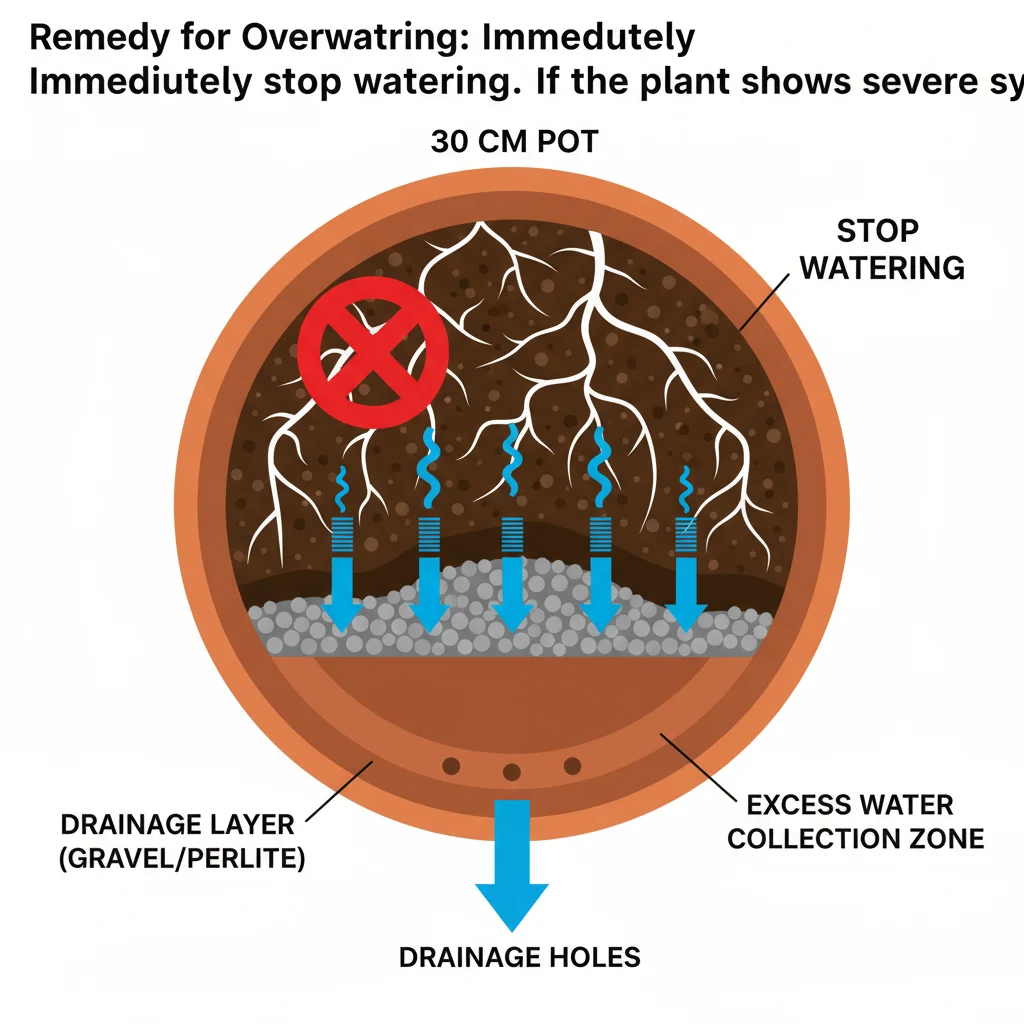
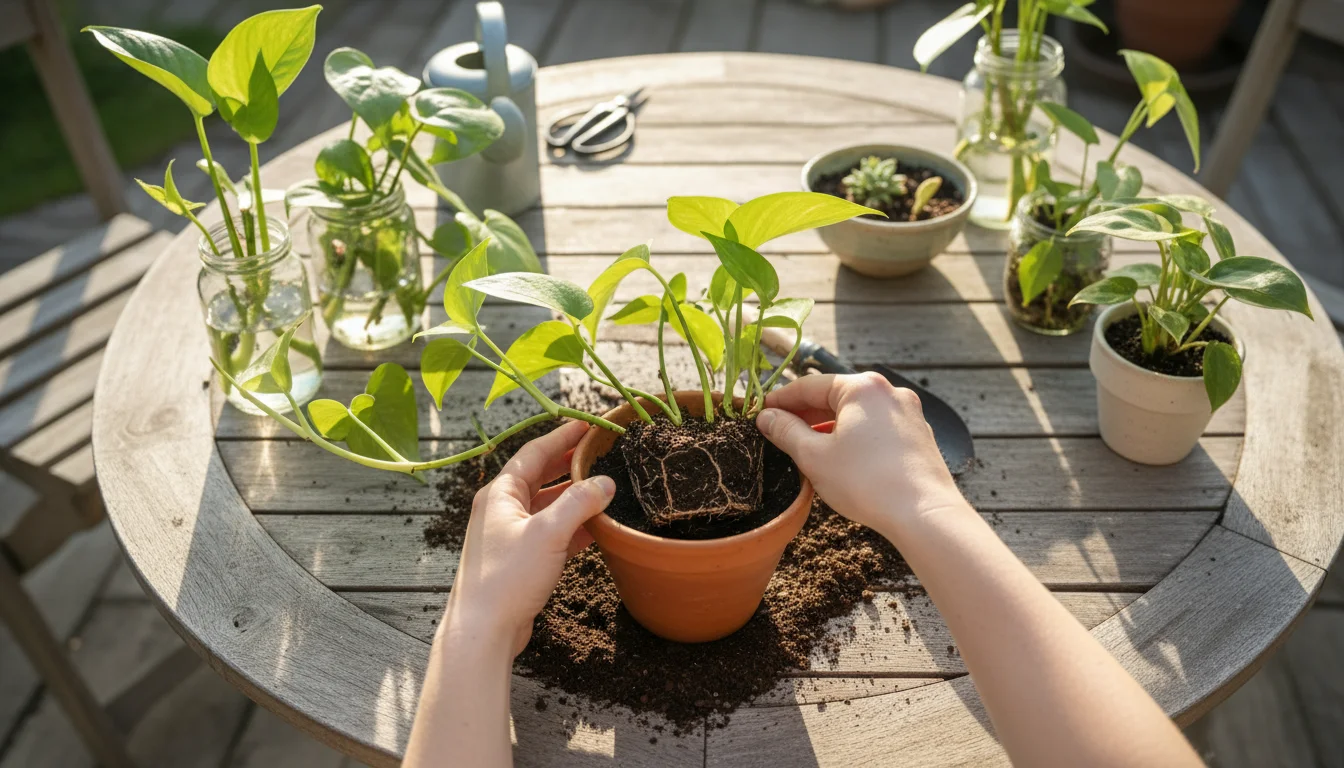
Remedy for Overwatering: Immediately stop watering. If the plant shows severe symptoms (wilting with wet soil, mushy stems), repot it. Gently remove the plant, shake off old soil, inspect roots. Trim off any brown, mushy, or slimy roots with clean scissors. Repot into fresh, dry potting mix and a clean pot (or one sterilized with a 10% bleach solution). Wait a few days before watering lightly. Ensure the pot has excellent drainage.
Signs of Underwatering:
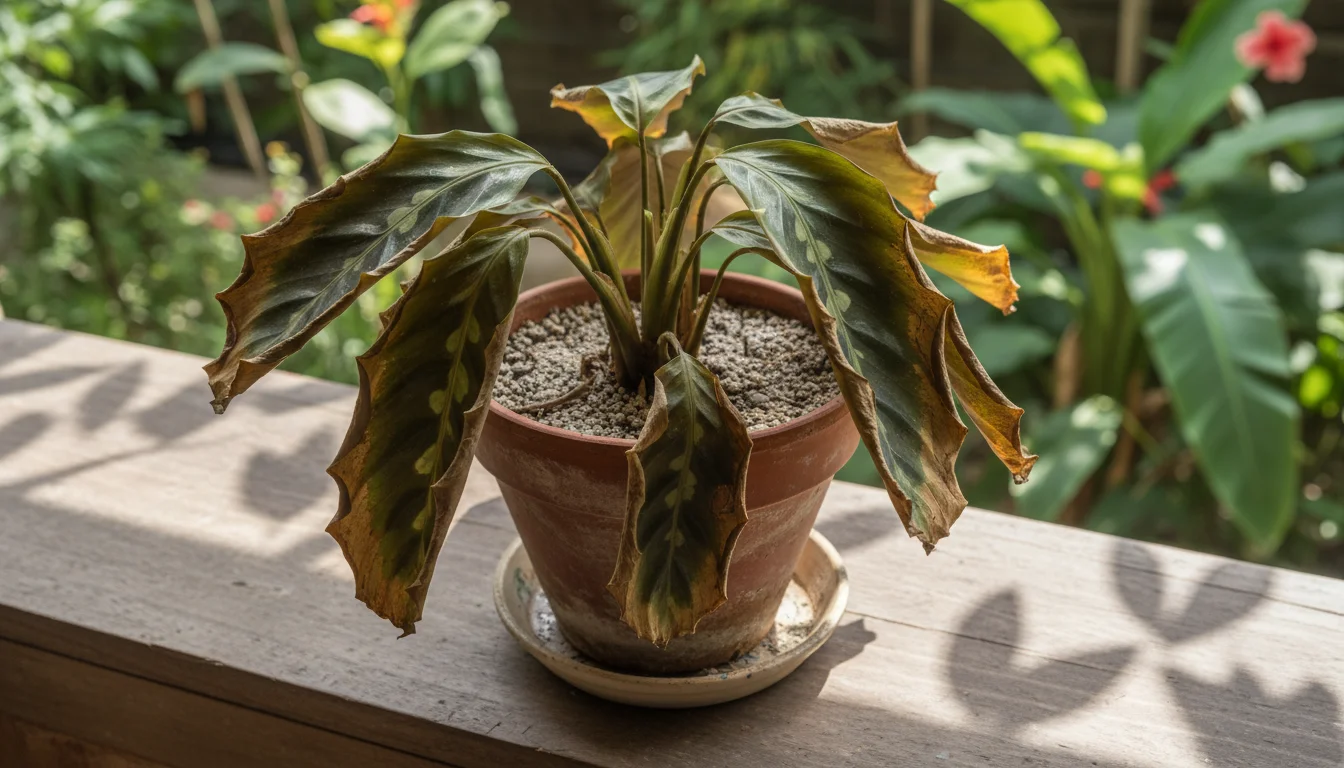
Underwatered plants look thirsty, but unlike overwatered plants, their soil will be dry.
- Drooping or Wilting Leaves: Leaves lose turgor pressure and hang limply.
- Crispy, Brown Leaf Edges or Tips: Especially common in tropical plants sensitive to dry air and insufficient moisture.
- Stunted or No Growth: Lack of water inhibits all plant processes.
- Soil Pulling Away from Pot Edges: The soil shrinks when completely dry, leaving a gap.
- Lightweight Pot: The pot feels noticeably lighter than when recently watered.
Remedy for Underwatering: Water thoroughly using room-temperature water. If the soil is extremely dry and compacted, bottom watering often works best. Allow the plant to soak up water until the soil is evenly moist. For severe cases, you might need to rehydrate the root ball by submerging the entire pot in water for 30 minutes to an hour, then draining completely. Increase your checking frequency to prevent future occurrences.
Consistency and observation are your best tools. Learn to “read” your plant. It communicates its needs through its leaves, stems, and overall appearance.
Eco-Friendly Watering for Houseplants
Gardening sustainably extends to your indoor plants as well. Adopting eco-friendly watering practices conserves resources and benefits your plants.
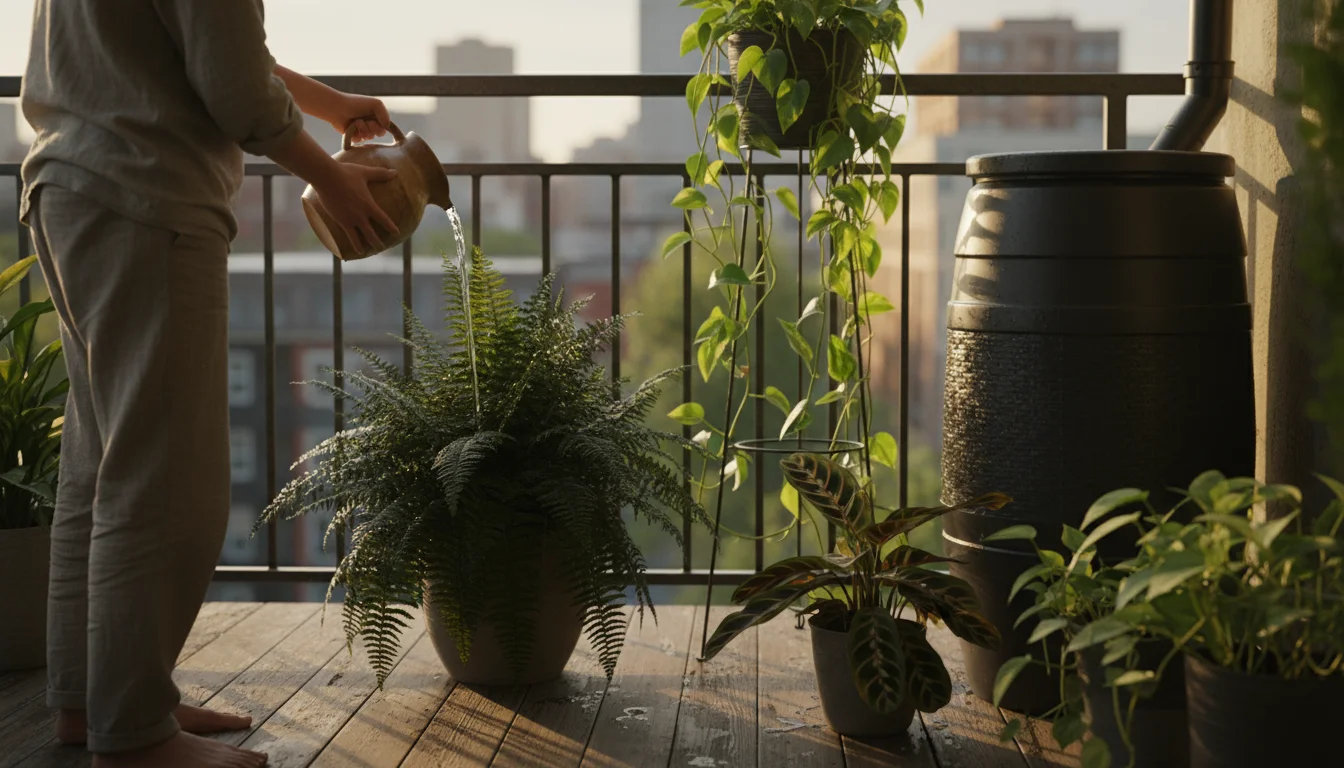
- Collect Rainwater: Rainwater is naturally soft and free of chlorine and other chemicals found in tap water, which can be beneficial for sensitive plants like prayer plants and ferns. Place a clean bucket or container outside during a rain shower. Store collected water in a sealed container for later use. Always allow it to reach room temperature before watering.
- Reuse Household Water:
- Cooking Water: After boiling or steaming vegetables (without salt or excessive spices), let the water cool. This nutrient-rich water can be excellent for your plants.
- Dehumidifier Water: If you use a dehumidifier, the collected water is essentially distilled. It is excellent for sensitive plants.
- Optimize Watering Timing: Water your plants in the morning. This gives the leaves time to dry before nightfall, reducing the risk of fungal diseases, and allows the plant to absorb moisture throughout the day when it is most active.
- Prevent Evaporation:
- Mulch: A thin layer of pebbles, coco coir, or sphagnum moss on the soil surface helps reduce water evaporation, keeping the soil moist for longer.
- Self-Watering Pots: These pots have a reservoir that wicks water up to the soil as needed, reducing water waste and ensuring consistent moisture without frequent checks.
- Address Runoff: Do not let excess water go to waste. If you bottom water or place plants on a humidity tray, the water that does not get absorbed can be used for other plants or to refill the humidity tray.
Every small action contributes to a more sustainable gardening practice. Your plants, and the planet, will thank you.
Frequently Asked Questions
Does bottom watering help prevent fungus gnats?
Yes, bottom watering significantly helps prevent fungus gnats. Fungus gnats lay their eggs in the top inch or two of consistently moist soil. By bottom watering, you keep the top layer of soil drier, making it less appealing for gnat reproduction. This method also encourages deeper root growth as plants reach down for water.
Can I use filtered water for my houseplants?
Yes, using filtered water for your houseplants is generally beneficial, especially for plants sensitive to chlorine, fluoride, or mineral salts. Filtered water removes these chemicals, reducing potential leaf burn or mineral buildup in the soil. Allow filtered water to reach room temperature before use.
How often should I check the soil moisture during winter?
You should check soil moisture frequently, even daily, especially for new plants or when adjusting your watering routine. While you will likely water less often in winter, regular checks ensure you catch the moment your plant truly needs water. A moisture meter offers the most accurate and consistent way to do this.
My apartment is extremely dry in winter. How do I water houseplants in a dry apartment?
Watering plants in a dry apartment requires a multi-pronged approach. First, follow proper watering techniques: water thoroughly when the top few inches of soil are dry, using room-temperature water. Second, prioritize increasing ambient humidity: use humidity trays, group plants, and consider a humidifier. Third, monitor soil moisture diligently, as dry air can make the top layer of soil feel dry quickly, even if deeper soil remains moist. Adjust your watering frequency based on actual soil conditions, not just surface dryness.
For trustworthy gardening information, visit:
Mississippi State University Extension — Lawn & Garden, Arkansas Extension — Yard & Garden and Kansas State University Extension — Horticulture. These organizations provide expert, research-based advice for gardeners at all levels.
Disclaimer: This article is for informational purposes only and is not a substitute for professional gardening advice. Always consult local extension services or horticulture experts for region-specific guidance.

Leave a Reply