
The ‘Winter Blues’ Buster: How to Create a Mini Indoor Sensory Garden for Touch and Smell
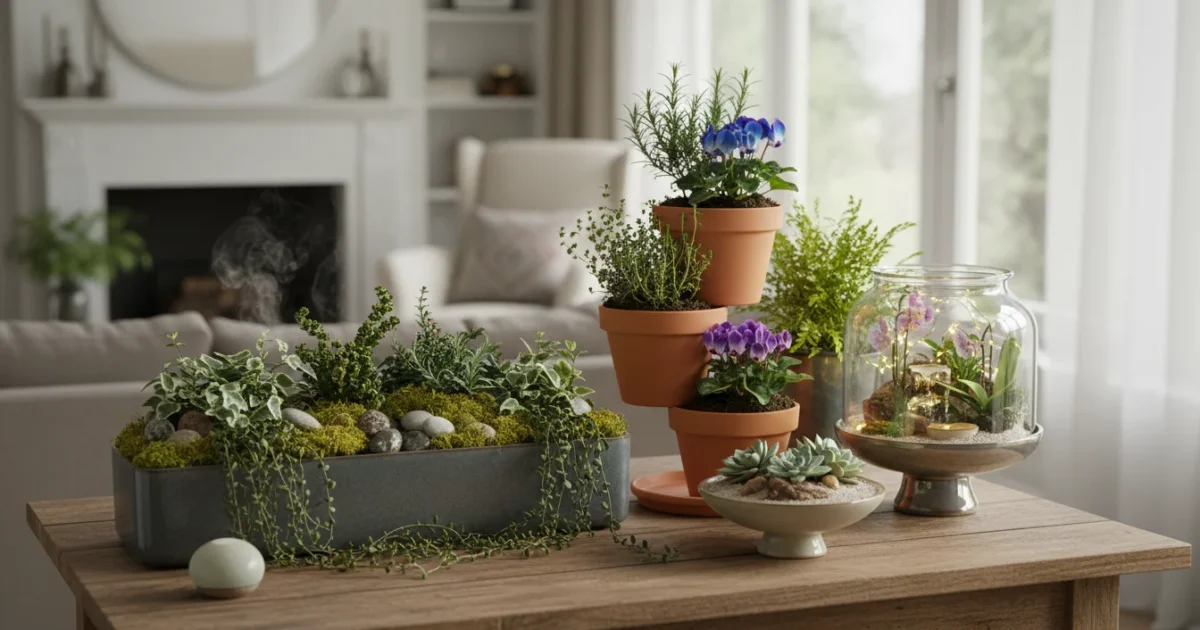
Winter often brings a quiet hush, shorter days, and a yearning for the vibrant life of spring and summer. If you find yourself missing the garden’s warmth and wonder, a mini indoor sensory garden offers a powerful antidote. This isn’t just about growing plants; it’s about cultivating a small, accessible oasis designed to delight your senses of touch and smell, right within your home. Imagine brushing past fragrant leaves, inhaling their delightful aroma, or feeling the unique textures of various foliage. This simple yet profound practice connects you with nature, even when the world outside feels dormant. Creating your own indoor sensory garden provides a fulfilling `winter gardening project`, transforming your apartment, balcony, or small yard into a year-round haven. It’s an opportunity to bring life, scent, and texture indoors, boosting your mood and enhancing your living space.
Cultivating Calm: What is an Indoor Sensory Garden?
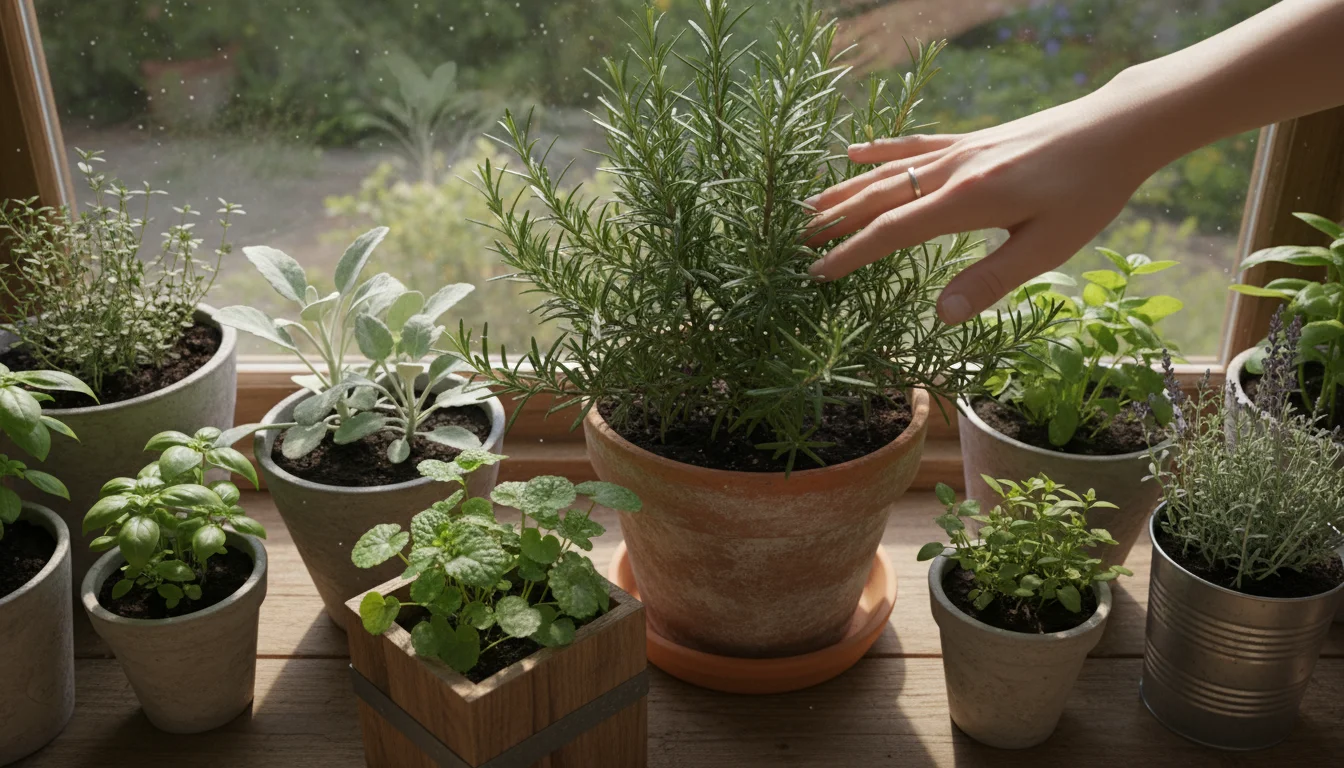
An `indoor sensory garden` focuses on engaging specific senses, primarily touch and smell in this case, to create a deeply personal and enriching experience. Unlike traditional ornamental gardens, which often prioritize visual appeal, a sensory garden encourages interaction. You don’t just look at these plants; you touch them, you smell them, you experience them intimately. This approach makes gardening incredibly accessible, especially for those with limited space like balconies, patios, or small indoor areas.
Think of it as a micro-ecosystem designed for your well-being. By carefully selecting plants known for their aromatic foliage or distinctive textures, you construct a space that offers comfort, stimulation, and a connection to the natural world. This deliberate choice of plants allows you to create a dynamic environment that shifts with your interaction. A simple brush of a hand releases a burst of fragrance; a gentle squeeze reveals a unique leaf structure. This intentional design transforms a simple collection of potted plants into a therapeutic retreat.
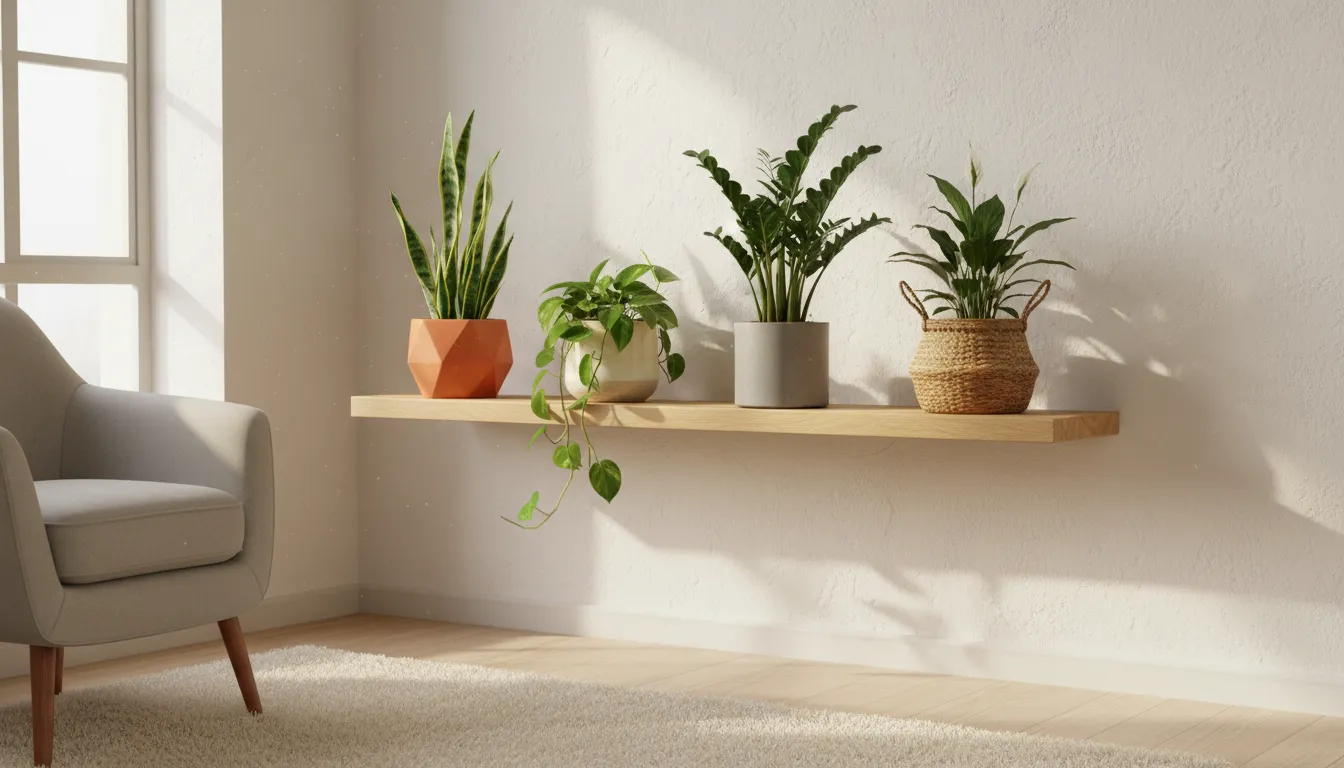
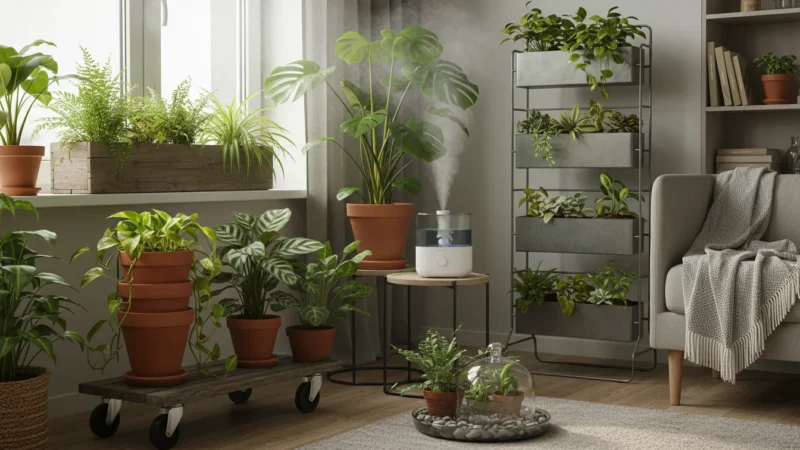
The beauty of an indoor sensory garden lies in its adaptability. You can create one on a sunny windowsill, a small shelf, a rolling cart, or even a dedicated corner of a room. The size remains secondary to the sensory impact. Whether you’re an absolute beginner or have some gardening experience, building this type of garden is a rewarding `winter gardening project` that offers immediate and lasting benefits. It’s an ideal way to keep your green thumb active and your spirits high during the colder months.
Banish Winter Blues: The Mental Wellness Benefits
Connecting with nature offers significant mental health benefits. During winter, when outdoor activities diminish and natural light lessens, these benefits become even more crucial. Creating an indoor sensory garden actively counters the “winter blues” by providing consistent, positive engagement with living plants. This practice contributes directly to `gardening for mental health`.
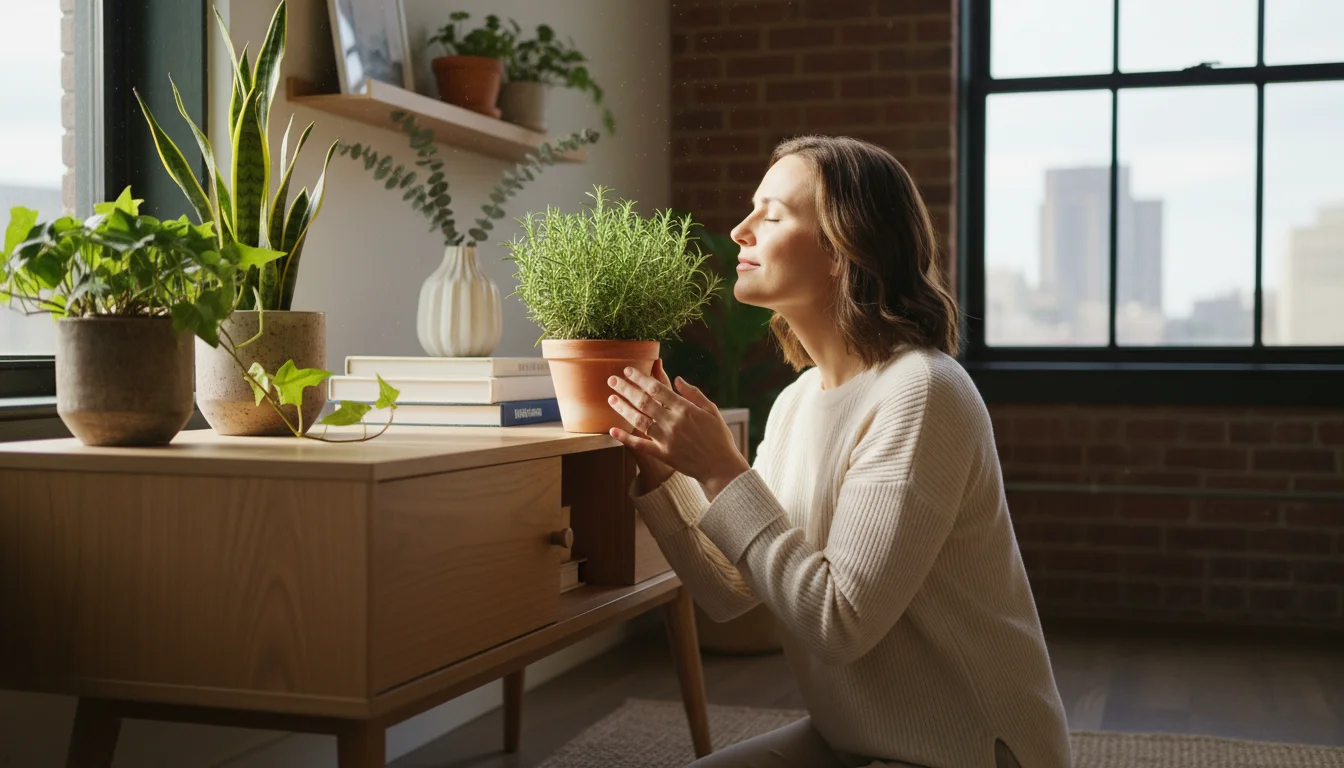
Research consistently shows that interacting with plants reduces stress and anxiety. The simple act of tending to a living organism provides a sense of purpose and achievement. When you engage your senses of touch and smell in your indoor garden, you trigger a primal connection to the natural world. Fragrant herbs, for example, contain essential oils that, when released, can have calming or uplifting effects on your mood. Imagine inhaling the soothing scent of lavender or the invigorating aroma of peppermint. These natural scents stimulate your olfactory system, influencing your limbic system, which controls emotions. This direct sensory input provides an immediate shift in your emotional state, promoting relaxation and focus.
Furthermore, the tactile experience of gardening offers a grounding effect. Touching different leaf textures, feeling the soil, or gently pruning a plant requires focused attention, drawing you away from daily worries. This mindful engagement acts as a form of meditation, helping to quiet a busy mind. A study by the Royal College of Physicians found that regular gardening can improve mental well-being and reduce symptoms of depression. Your mini indoor sensory garden provides a readily available source for these positive interactions, making it an accessible and enjoyable way to nurture your mental and emotional health throughout the year, especially when outdoor options are limited.
This small green space empowers you to take control of your environment, creating a sanctuary where you can pause, breathe, and reconnect. It offers a continuous source of joy, a reminder of growth and renewal, and a practical tool for daily self-care.
Blueprint for Bliss: Designing Your Mini Sensory Space
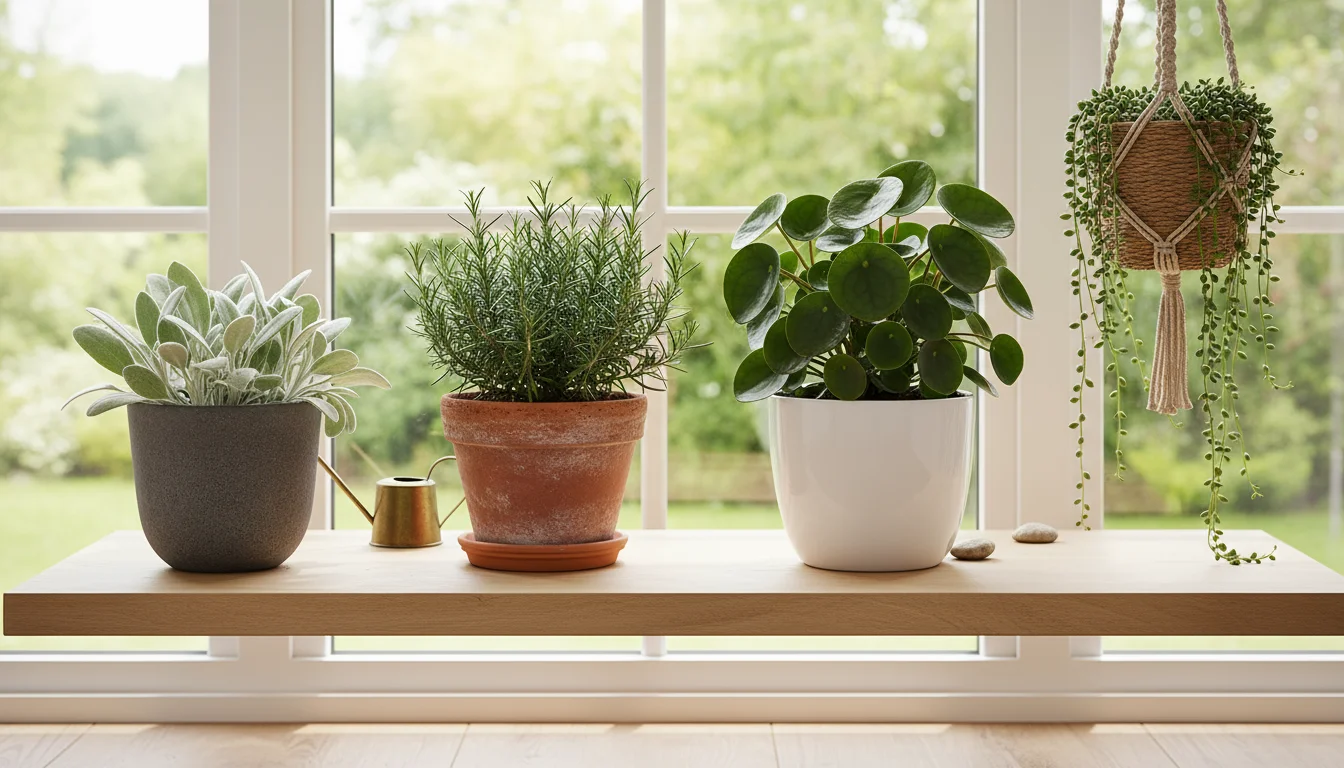
Careful planning transforms a simple collection of pots into a thriving `indoor sensory garden`. Your design choices directly impact the health of your plants and your ability to enjoy their sensory qualities. Consider these key elements:
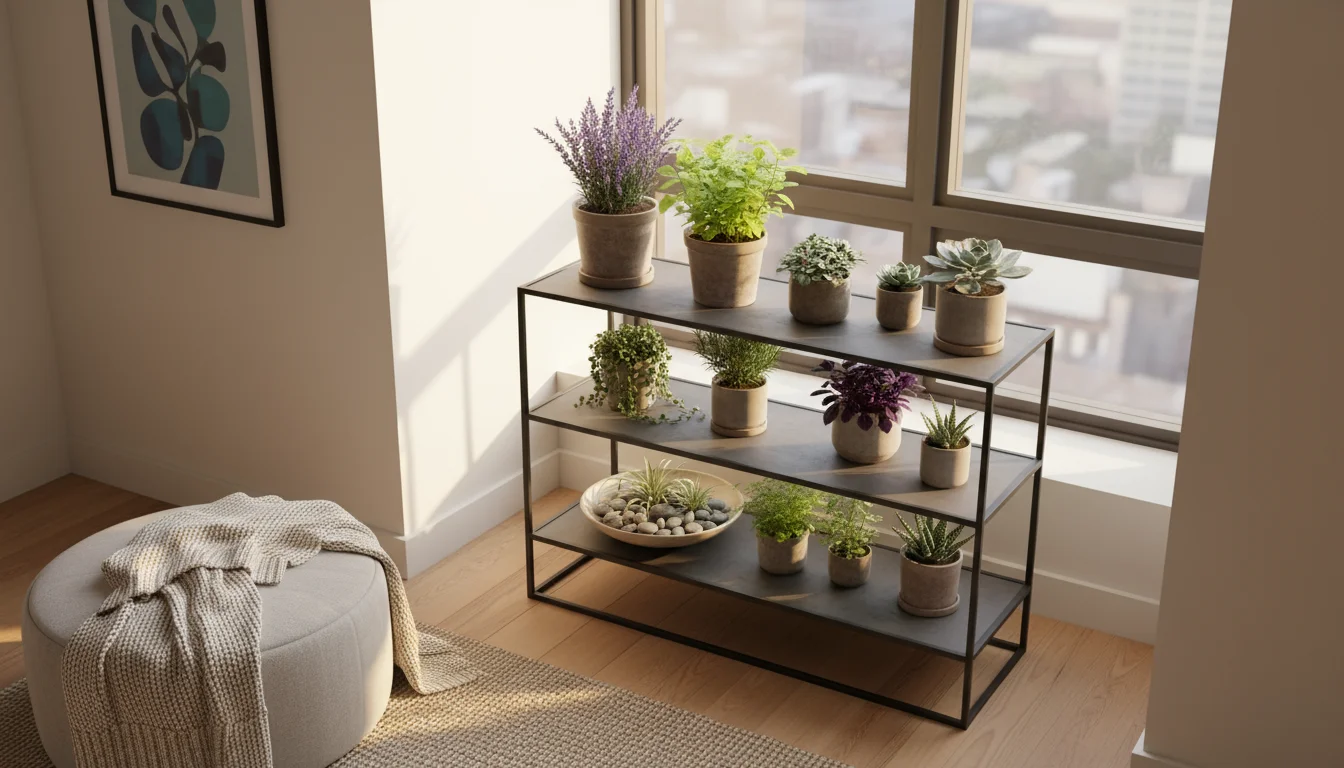
Location and Light
The most crucial factor for any indoor garden is light. Most fragrant herbs and tactile plants thrive on ample sunlight.
- Sunny Window: A south-facing window in the Northern Hemisphere typically offers the most intense and consistent light. East-facing windows provide gentle morning sun, which many plants appreciate, while west-facing windows offer strong afternoon light.
- Light Requirements: Observe your chosen spot throughout the day. Does it receive at least 4-6 hours of direct sunlight? If not, consider supplementing with a grow light. Modern LED grow lights are energy-efficient and compact, making them perfect for small spaces. Place them 6-12 inches above your plants, adjusting as they grow.
- Air Circulation: Good air flow prevents fungal diseases. Ensure your garden isn’t tucked into a stagnant corner. Gentle air movement, perhaps from an open window or a small fan on a low setting, benefits plant health.
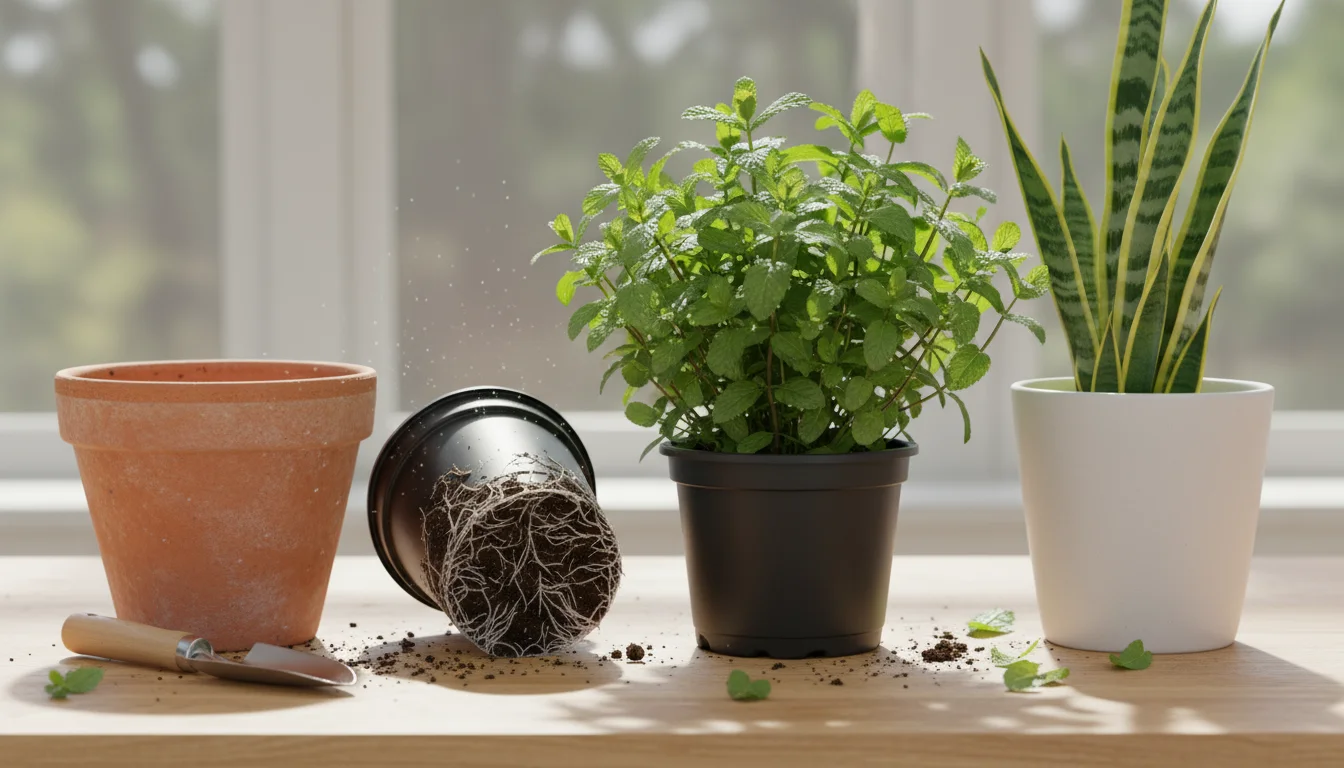
Container Choices for Optimal Growth
Containers are more than just decorative. They directly influence drainage and root health.
- Drainage Holes: This is non-negotiable. Excess water leads to root rot, a common killer of indoor plants. Every pot must have drainage holes at the bottom. If you use decorative cachepots (pots without holes), ensure you remove the plant in its nursery pot for watering, or place a layer of pebbles at the bottom of the cachepot to keep the inner pot elevated, preventing it from sitting in standing water.
- Material Matters:
- Terra Cotta: Porous, allowing soil to breathe and excess moisture to evaporate. Excellent for plants that prefer drier conditions. However, they dry out faster, requiring more frequent watering.
- Plastic: Retains moisture longer, making them suitable for plants that prefer consistently moist soil. Lighter and less expensive.
- Ceramic/Glazed: Similar to plastic in moisture retention, often heavier and more decorative.
- Size: Choose pots that accommodate your plant’s mature size. Starting with a pot that is too large can lead to overly wet soil, while a pot too small restricts root growth. Generally, a pot 6-8 inches in diameter works well for many individual herbs. Consider larger rectangular window boxes for a collection.
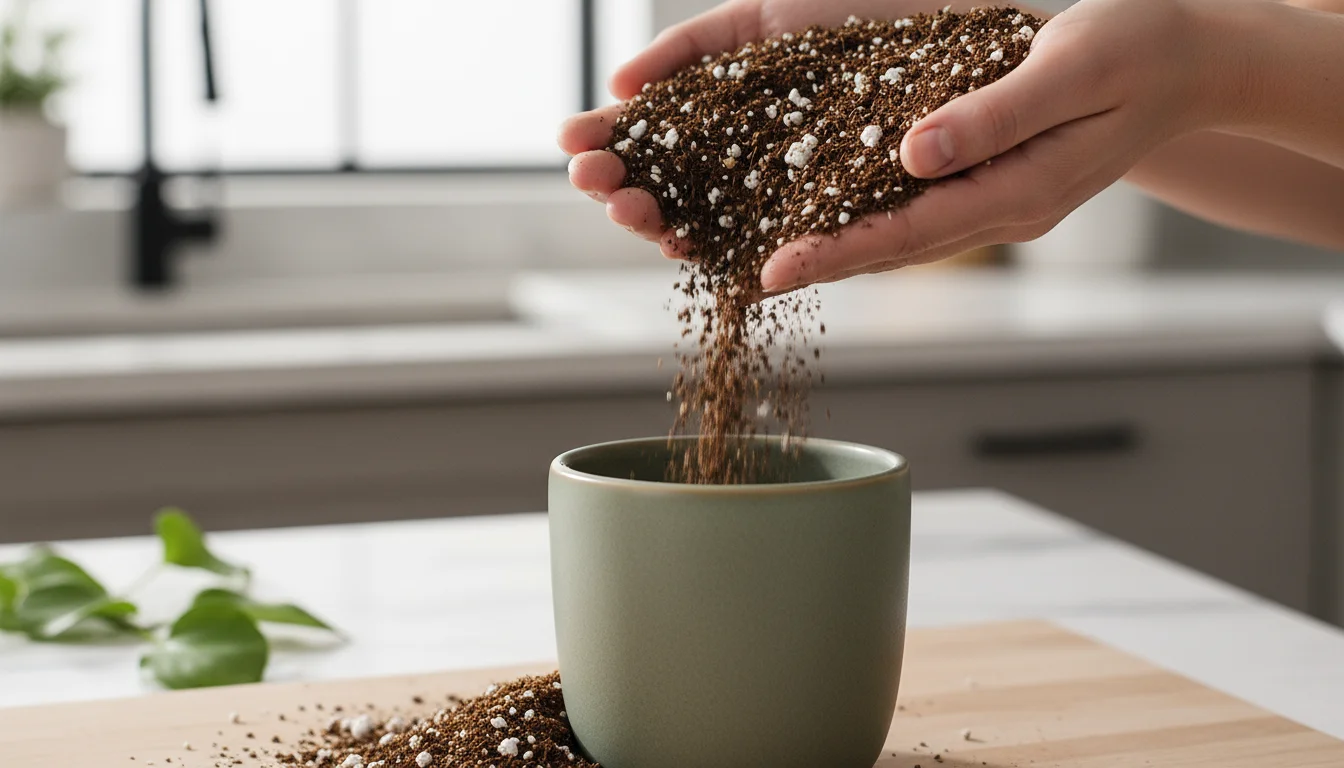
The Foundation: Quality Potting Mix
Your potting mix is your plants’ anchor and nutrient source.
- Well-Draining: Select a high-quality potting mix specifically designed for containers. This ensures proper drainage, or how water moves through the soil, preventing soggy roots. Look for mixes containing perlite or vermiculite for aeration.
- Nutrient-Rich: A good mix provides initial nutrients. You will supplement this with liquid fertilizer later.
- Avoid Garden Soil: Never use soil from your outdoor garden in pots. It compacts too easily, lacks aeration, and may harbor pests and diseases.
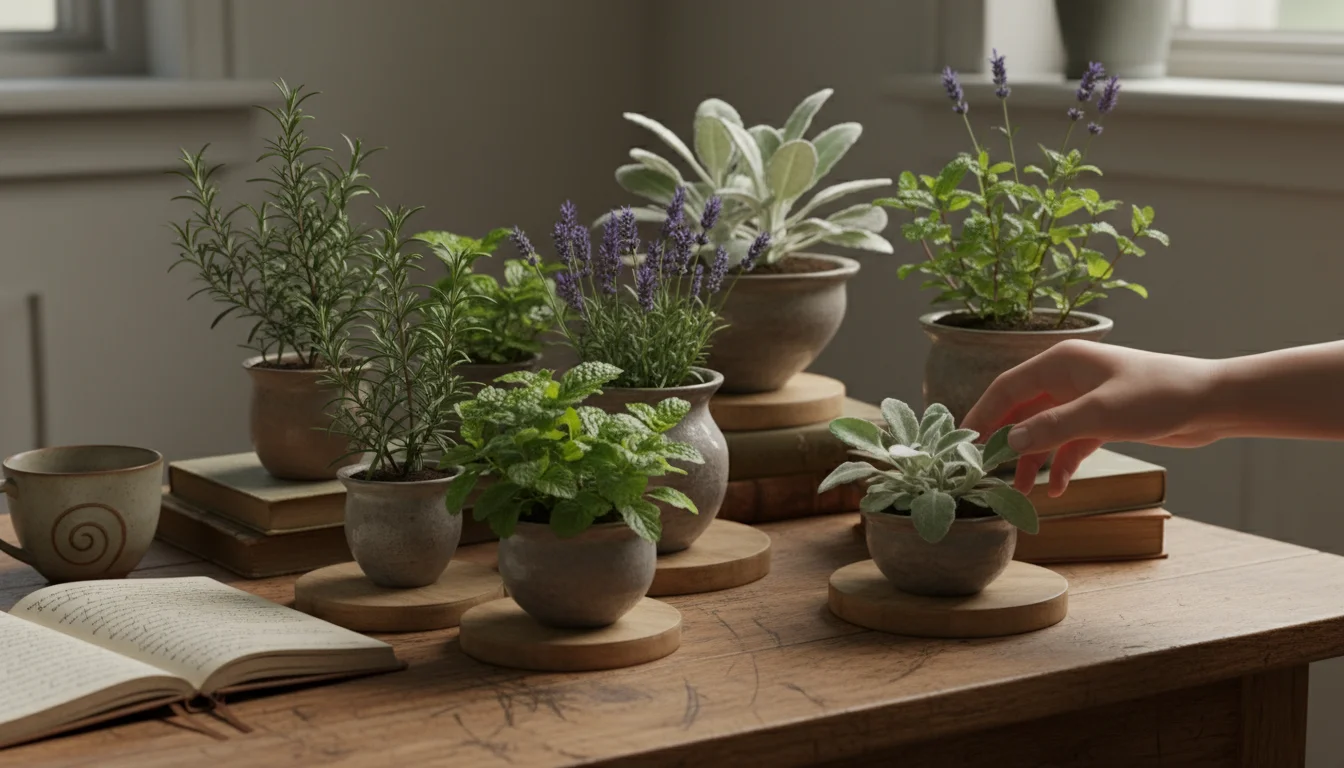
Arrangement and Accessibility
Design your garden for easy interaction and visual appeal.
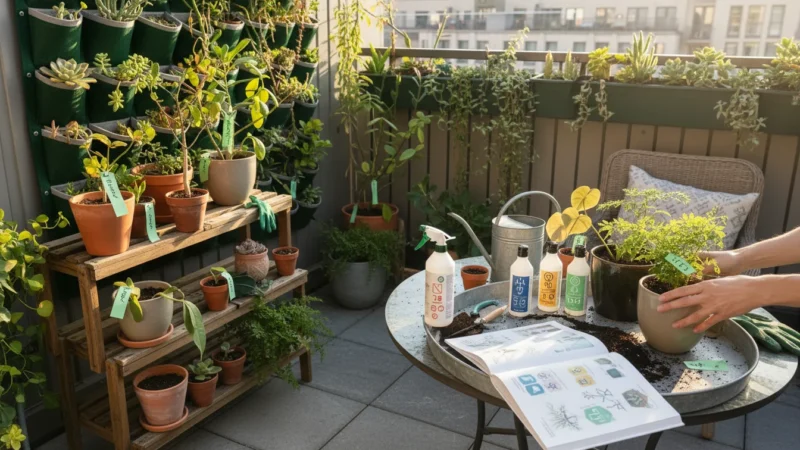
- Height Variation: Use stands or varying pot sizes to create different levels, making plants easier to touch and smell.
- Grouping: Group plants with similar light and water requirements. This creates a cohesive look and simplifies care.
- Accessibility: Place the garden in an area you frequent, such as a kitchen counter, a bedside table, or a desk. This encourages regular interaction and enjoyment.
Scents of Serenity: Choosing Fragrant Herbs for Your Garden
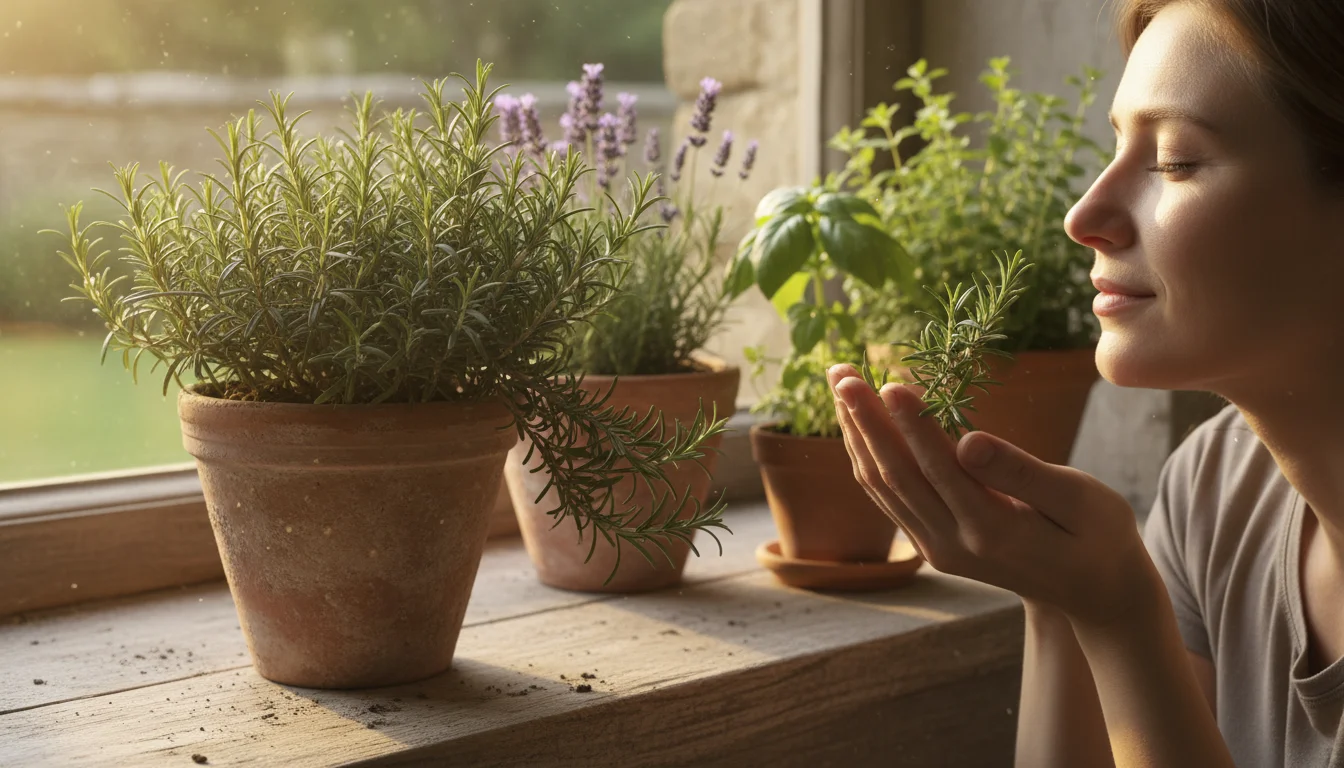
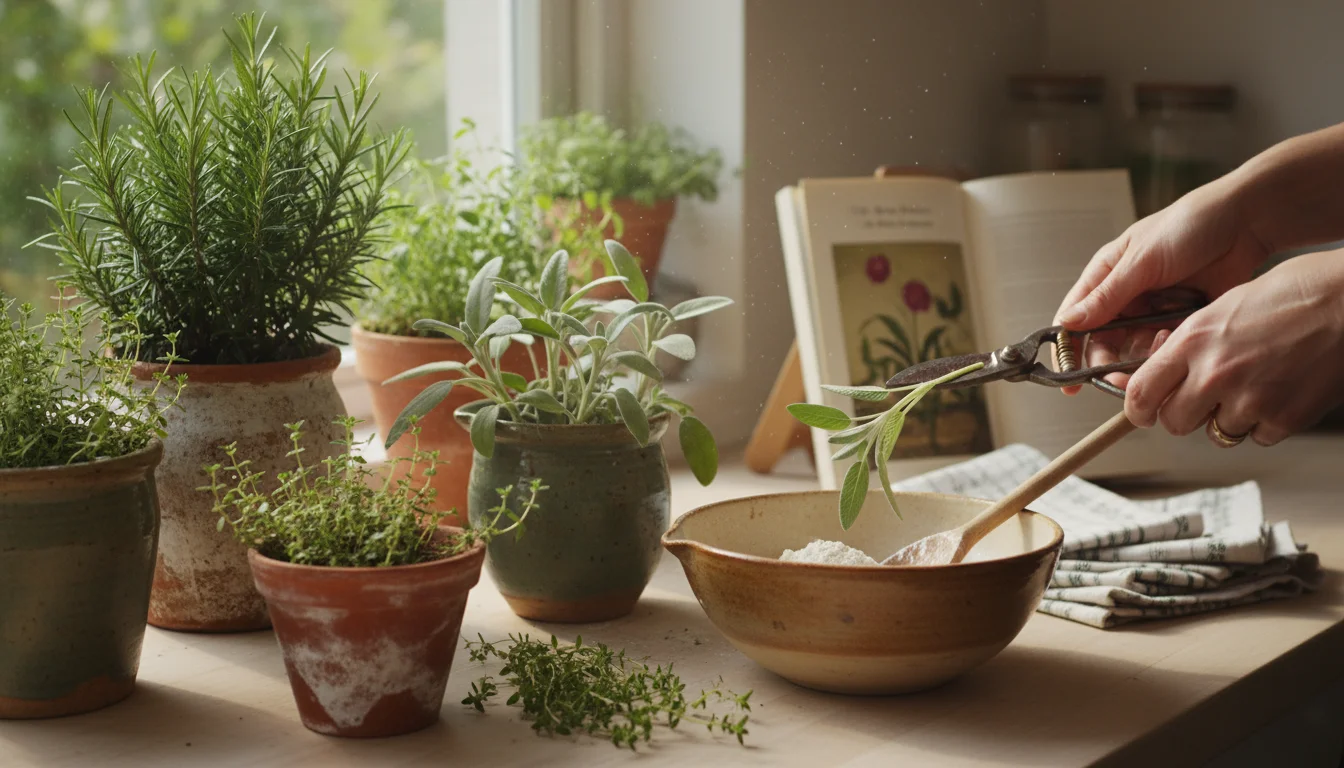
The aromatic power of herbs provides a cornerstone for your indoor sensory garden. These plants not only release wonderful scents but many also offer culinary uses, adding another layer of practical value. When selecting `fragrant herbs indoors`, consider both their aroma profile and their growth habits.
Top Picks for Best Smelling Herbs to Grow Indoors in Winter
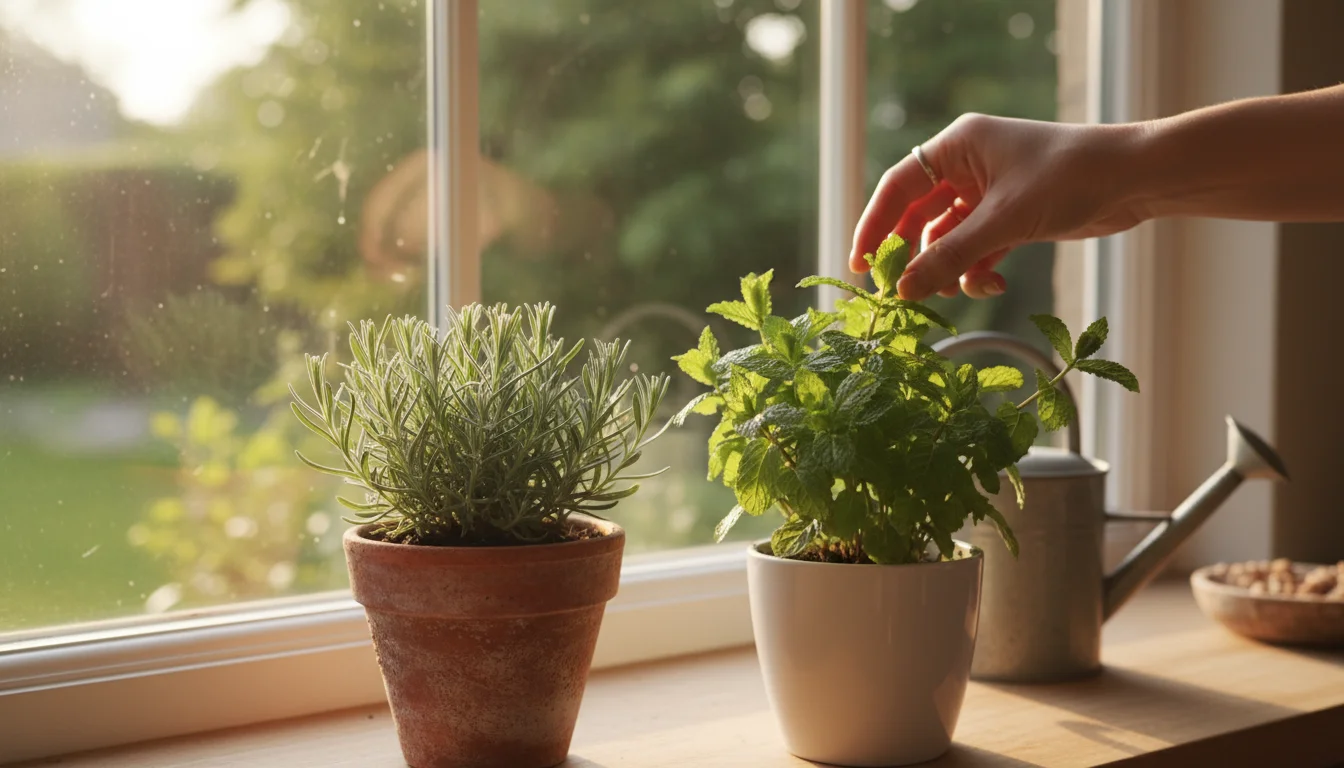
- Lavender (Lavandula angustifolia): Known for its calming, floral scent, lavender is a classic choice. While it can be challenging indoors without strong light, dwarf varieties like ‘Munstead’ or ‘Hidcote’ perform better. Provide ample direct sunlight and allow the soil to dry out between waterings. Gently brush the leaves to release its soothing aroma. Lavender is often linked to relaxation and sleep promotion.
- Peppermint (Mentha x piperita): An incredibly invigorating and refreshing scent, peppermint thrives indoors. It prefers consistent moisture and bright, indirect light. Be aware that mints are vigorous growers and often benefit from their own pot to prevent them from overtaking other plants. Simply rubbing a leaf between your fingers releases its potent, uplifting fragrance.
- Rosemary (Salvia rosmarinus): The piney, savory scent of rosemary instantly transports you to a Mediterranean garden. It needs abundant direct sunlight and well-draining soil that dries out completely between waterings. Upright varieties work well in pots. Its needle-like leaves are also pleasantly tactile. Studies suggest rosemary oil can improve concentration.
- Lemon Balm (Melissa officinalis): A delightful citrusy, slightly minty aroma characterizes lemon balm. This herb is relatively easy to grow indoors, preferring bright, indirect light and consistent moisture. Its leaves are soft and inviting to touch, and its scent is known for its calming properties, making it excellent for `gardening for mental health`.
- Scented Geraniums (Pelargonium species): These are fantastic for their diverse fragrances: rose, lemon, apple, peppermint, nutmeg, and even chocolate mint. Scented geraniums are prolific growers with interesting leaf textures. They require plenty of sunlight and appreciate being allowed to dry out between waterings. Their easy care and variety of scents make them a must-have.
- Thyme (Thymus vulgaris): With its earthy, slightly peppery scent, thyme is both aromatic and useful in the kitchen. Creeping varieties have a more delicate texture. Thyme needs bright light and excellent drainage, preferring to dry out between waterings. Run your hand over its tiny leaves for a burst of scent.
Tips for Maximizing Fragrance
- Gentle Interaction: The most effective way to release the fragrance from these plants is through gentle interaction. Brush your hand lightly over the leaves, or lightly rub a leaf between your fingers. This action breaks open the tiny oil glands on the foliage, releasing their essential oils.
- Pruning: Regular pruning not only keeps your plants healthy and bushy but also encourages new growth, which often has the most potent fragrance. Pruning also gives you more fragrant clippings to enjoy.
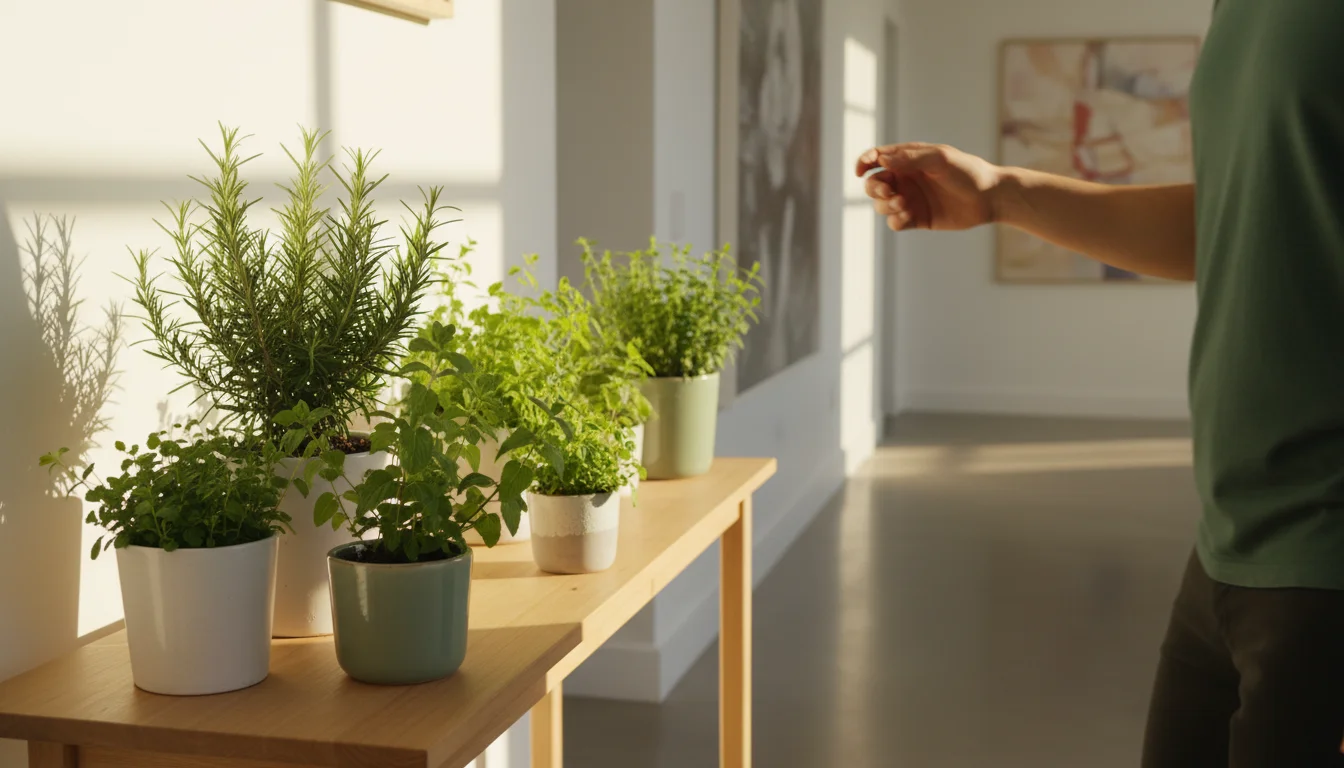
- Placement: Position your most fragrant plants where you will naturally brush past them or easily reach them, such as near a doorway, on a frequently used shelf, or within arm’s reach on your desk.
By selecting a variety of `best smelling herbs to grow indoors in winter`, you create a diverse aromatic experience that can shift with your mood or need, providing an ongoing source of natural well-being.
Touch and Discover: Engaging Plants for Tactile Experiences
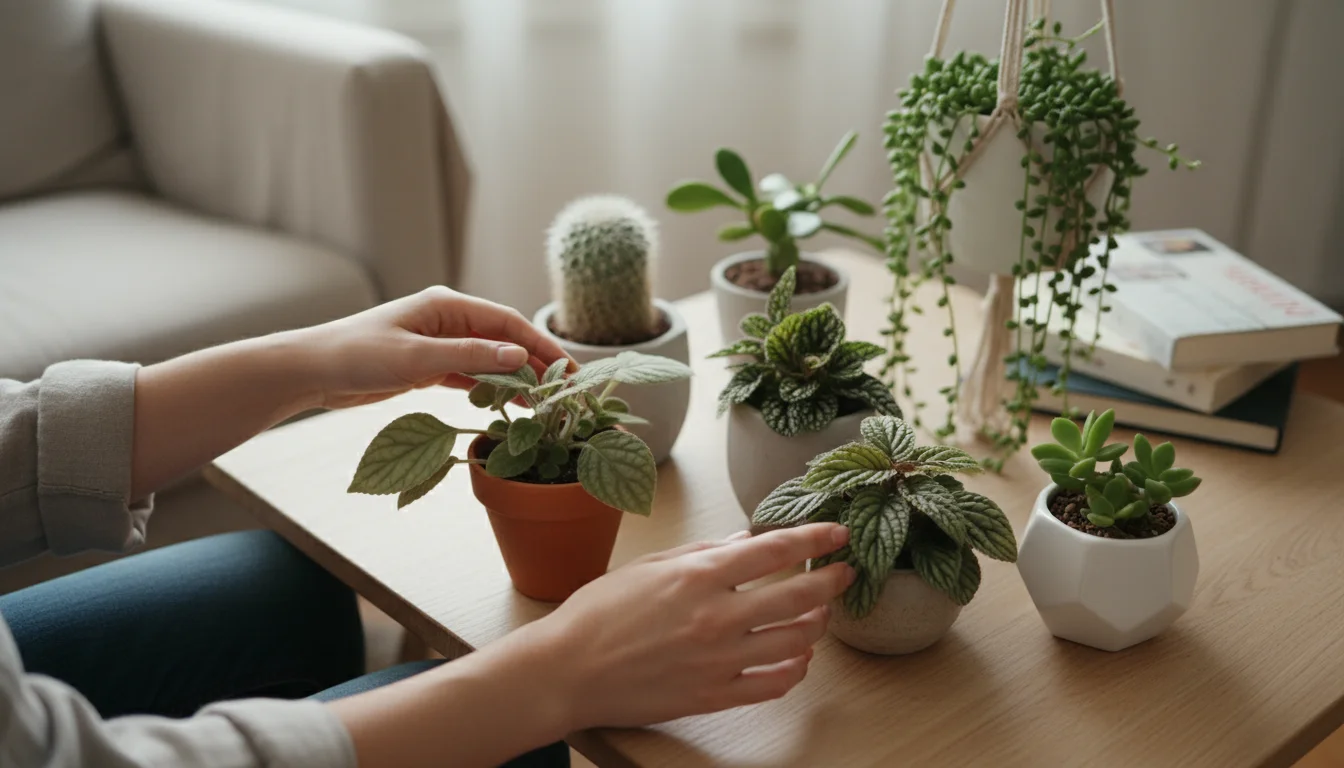
Beyond scent, the sense of touch adds another rich layer to your `indoor sensory garden`. Integrating plants with distinct textures invites interaction and provides a grounding, engaging experience. `Tactile plants for apartments` are often compact and well-suited for container life.
Intriguing Tactile Plants for Your Indoor Garden
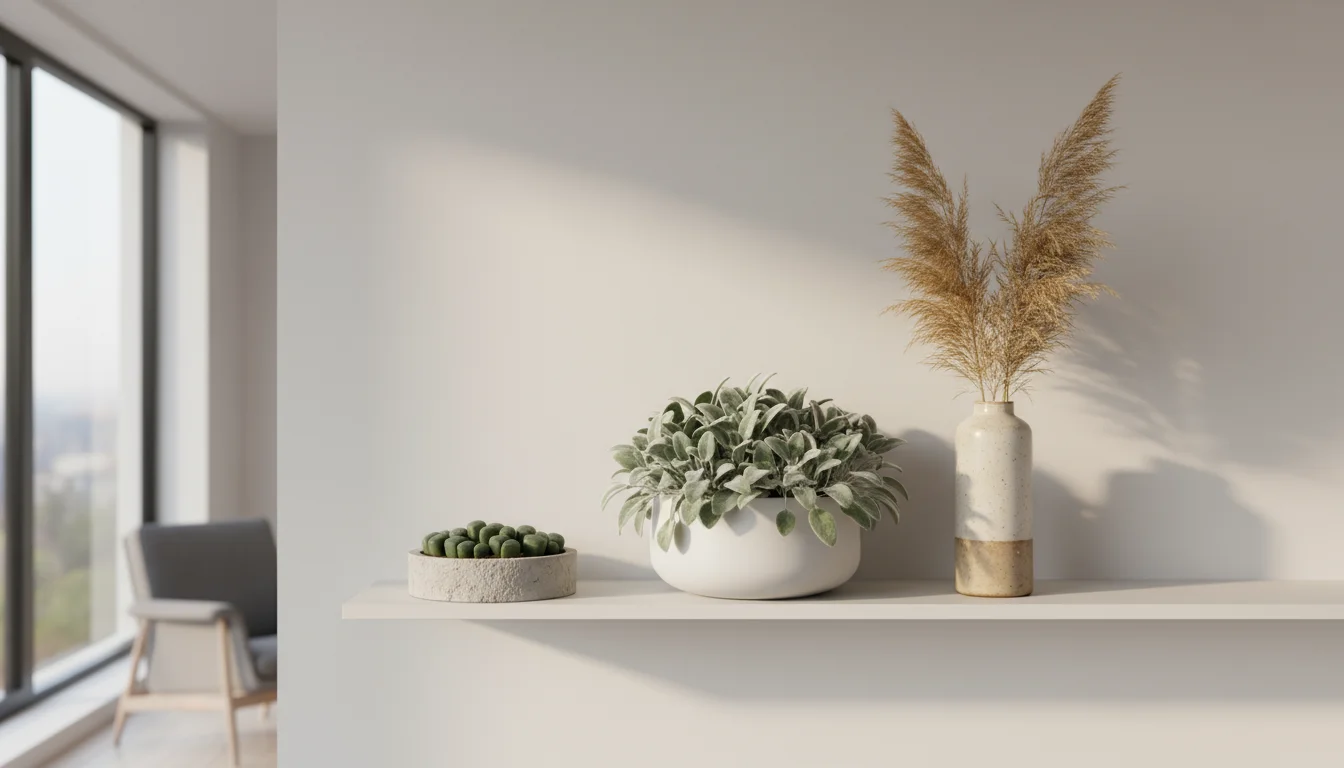
- Lamb’s Ear (Stachys byzantina): While primarily an outdoor plant, dwarf varieties or young plants can be grown indoors with sufficient light. Its leaves are incredibly soft, thick, and velvety, feeling exactly like a lamb’s ear. This plant offers an unparalleled tactile experience. Provide strong light and well-draining soil.
- Pussy Willow (Salix discolor): Though typically a larger shrub, you can force branches in water or grow a small, containerized dwarf variety indoors during winter for its fuzzy catkins. The soft, furry catkins are a delight to touch and a wonderful sign of spring emerging.
- Aloe Vera (Aloe barbadensis miller): This succulent offers thick, fleshy leaves with a smooth, firm texture. The serrated edges provide a subtle contrast. Beyond its tactile qualities, it’s a practical plant for soothing minor burns and skin irritations. Aloe vera needs bright light and infrequent watering.
- Jade Plant (Crassula ovata): Known for its smooth, plump, coin-shaped leaves, the jade plant is highly tactile. Its firm, cool leaves feel substantial and satisfying to touch. This resilient succulent thrives in bright light and prefers its soil to dry out between waterings.
- Prayer Plant (Maranta leuconeura): The leaves of a prayer plant have a distinct, slightly velvety texture, and many varieties feature intricate patterns. More uniquely, its leaves fold up at night, offering a dynamic tactile experience as you observe their movement. Prayer plants prefer bright, indirect light and consistently moist soil.
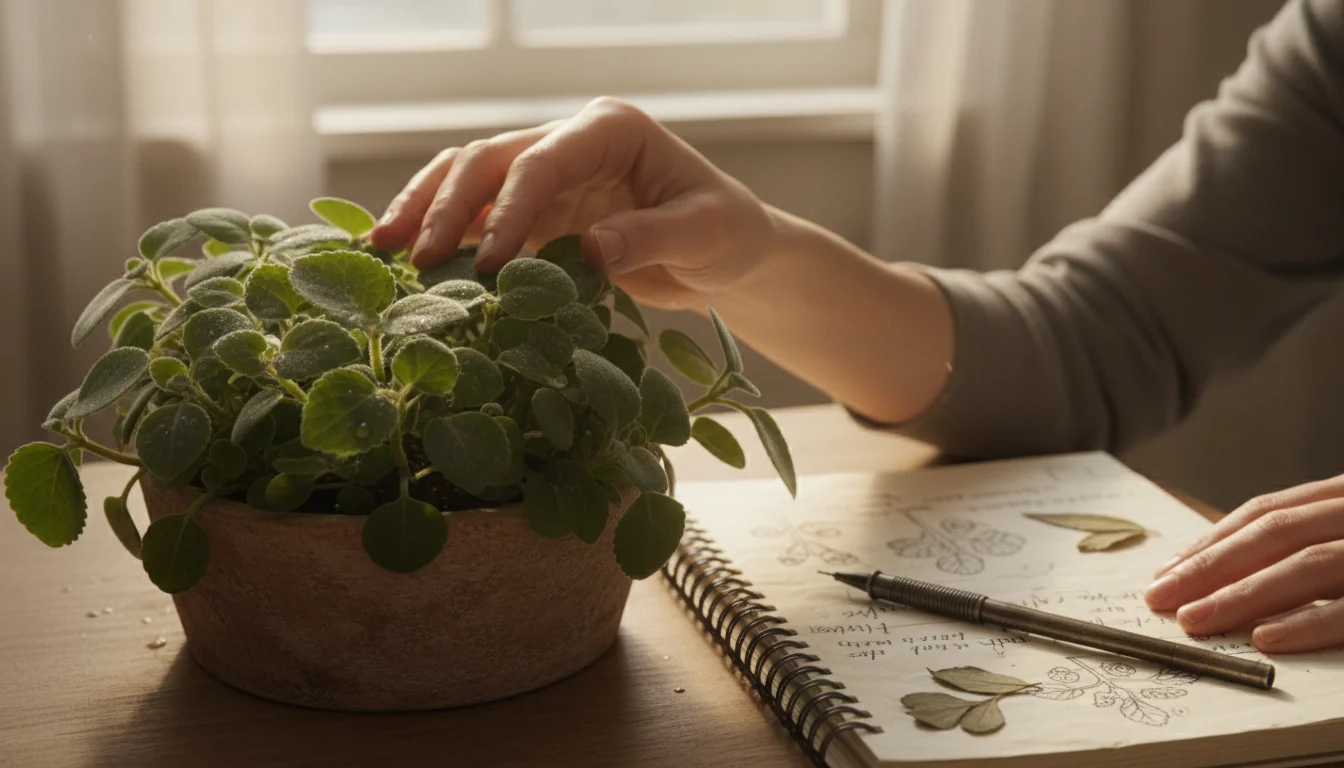
- African Violet (Saintpaulia): The fuzzy, velvety leaves of African violets are incredibly soft and inviting to touch. These compact plants are famous for their beautiful flowers, but their foliage also provides a wonderful tactile element. They thrive in bright, indirect light and appreciate consistent moisture, avoiding water on their leaves.
- Gynura aurantiaca (Purple Passion Plant): Covered in fine, soft, purple hairs, the leaves of this plant are visually stunning and remarkably soft to the touch. It’s an easy-care plant that adds both color and unique texture to your garden. Provide bright, indirect light and keep the soil consistently moist.
Incorporating Tactile Elements
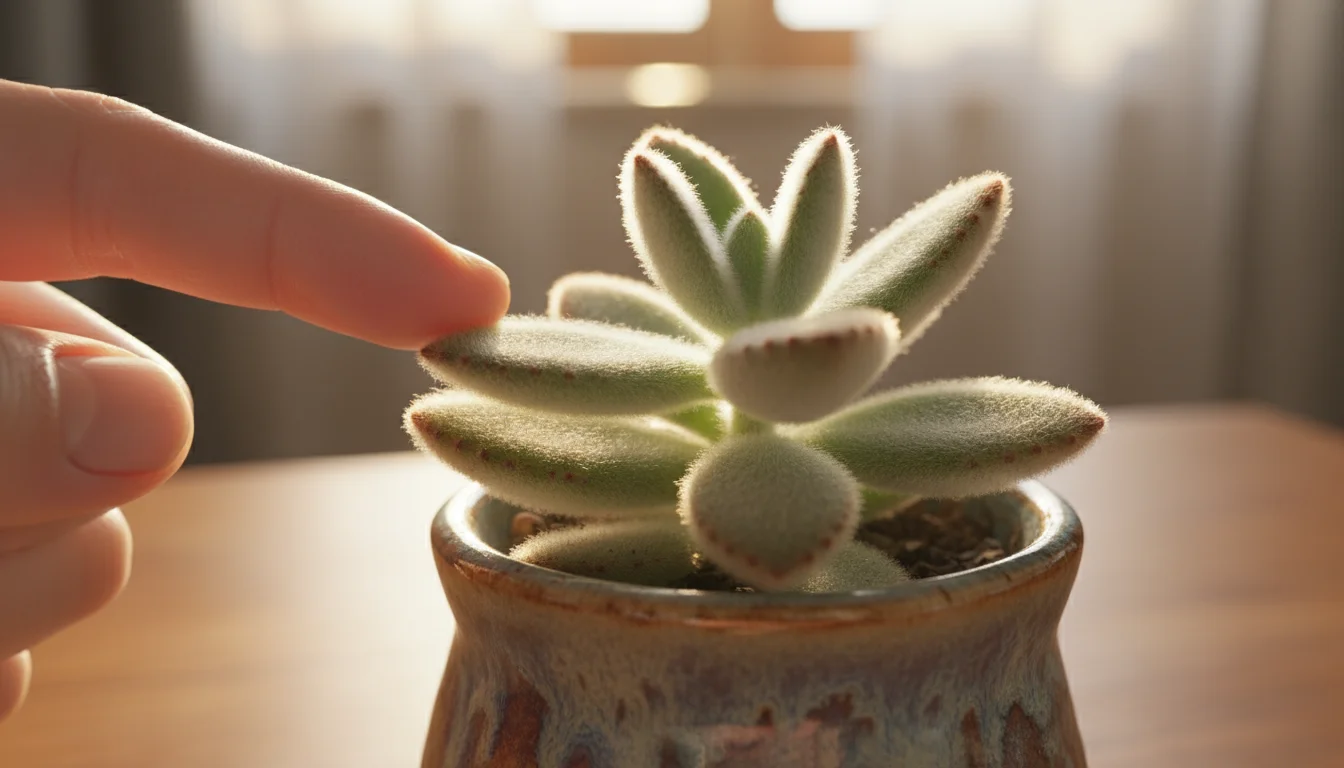
When arranging your garden, place `tactile plants for apartments` where you can easily reach out and touch them. Combine plants with contrasting textures – a soft lamb’s ear next to a smooth jade plant – to enhance the sensory exploration. This creates a dynamic environment that encourages engagement and offers a wide range of sensory input, enriching your `indoor sensory garden` experience.
From Concept to Cultivation: Your Step-by-Step Setup Guide
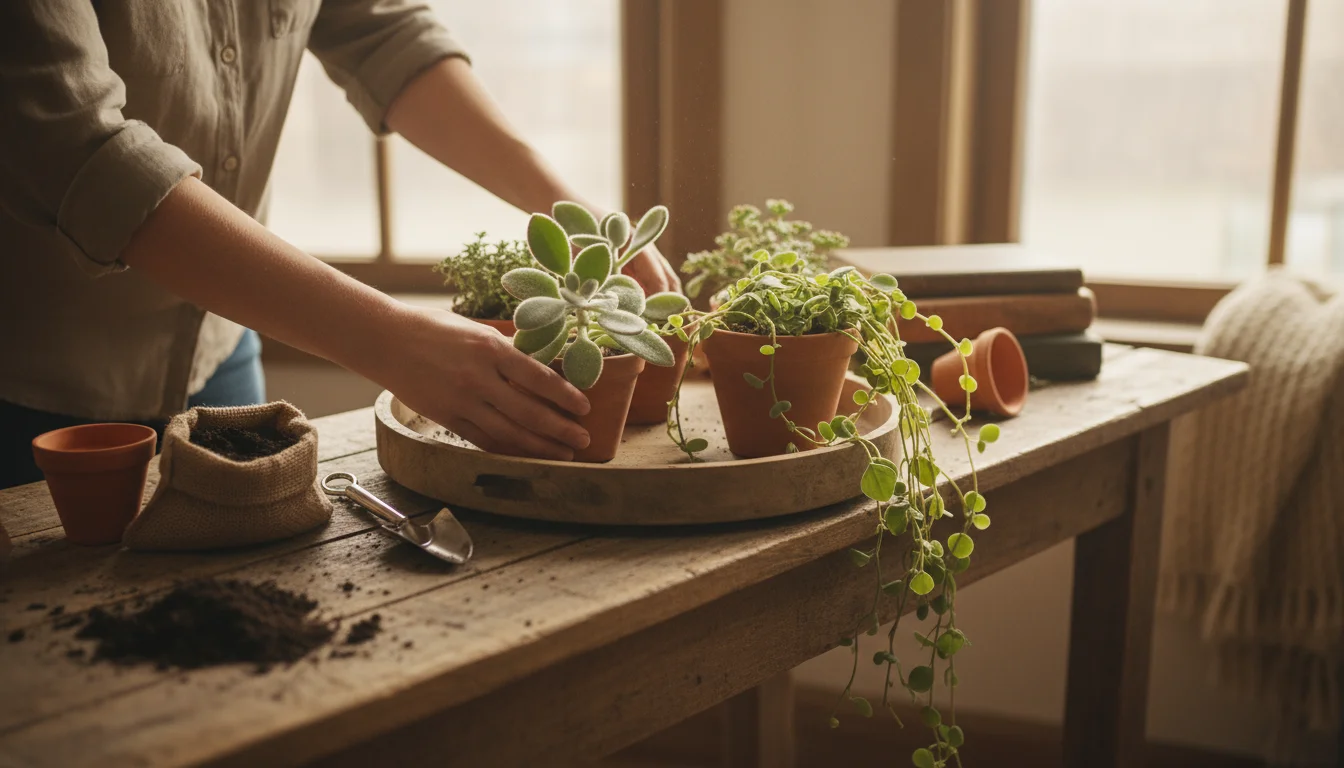
Bringing your `indoor sensory garden` to life is a rewarding process. Follow these steps to ensure a healthy and thriving green space that offers sensory delight.
Materials You Will Need:
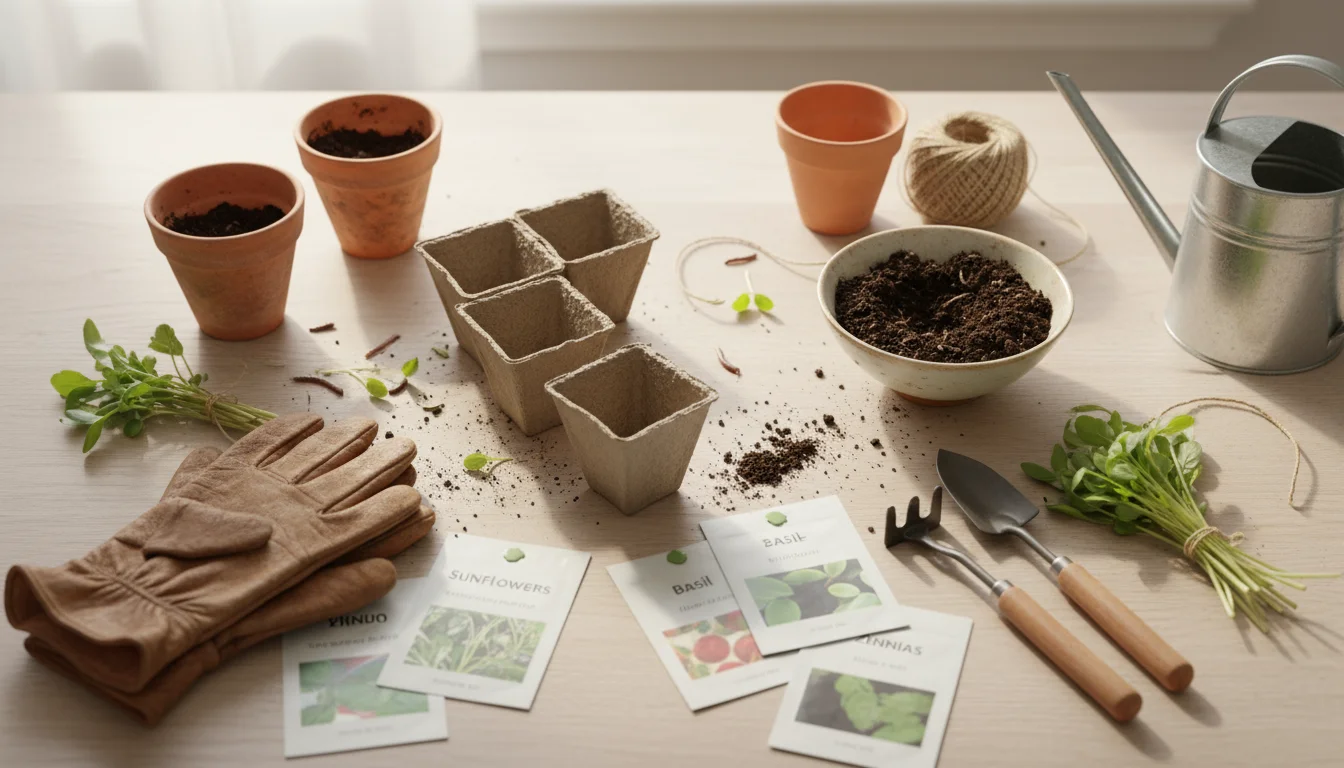
- Chosen plants (fragrant herbs and tactile plants)
- Appropriate containers with drainage holes
- High-quality indoor potting mix
- Small trowel or scoop
- Watering can with a fine spout
- Optional: pebbles or gravel for bottom of cachepots (if using)
- Optional: small decorative stones or bark for top dressing
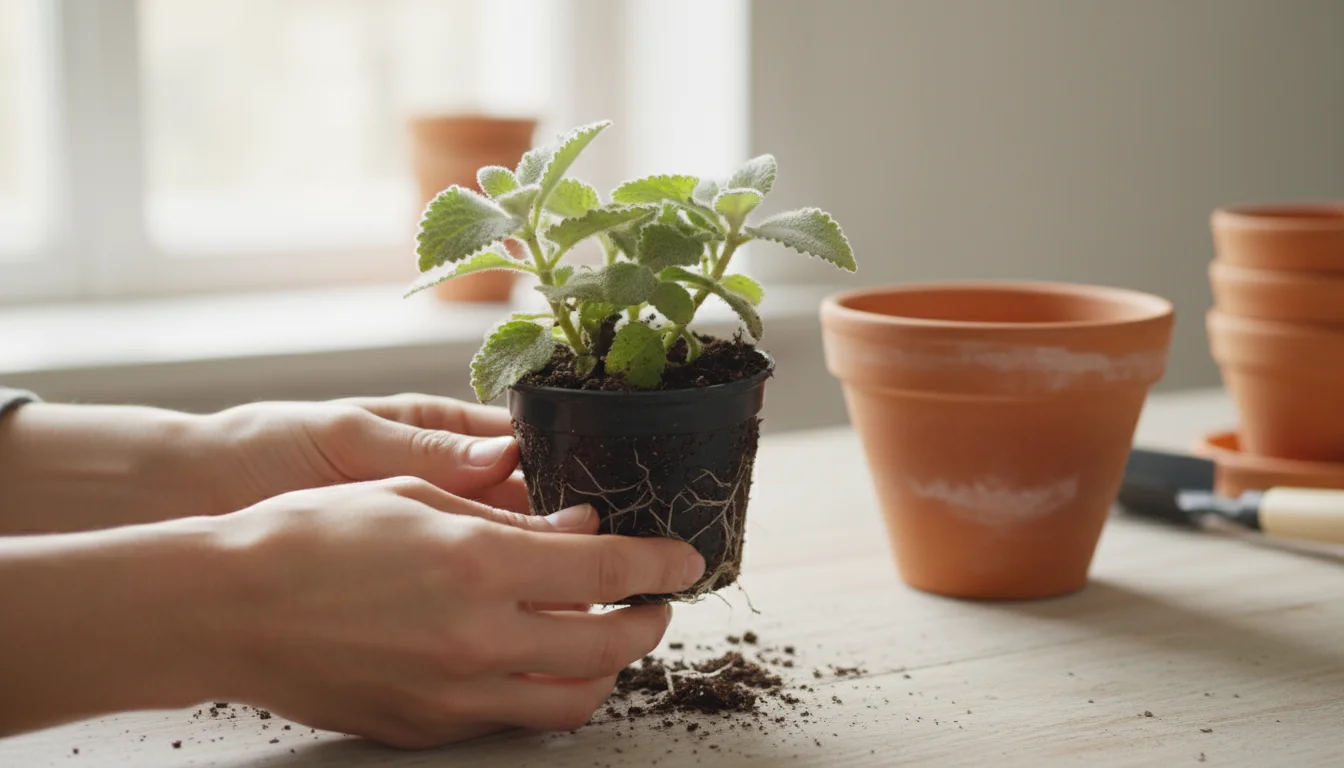
Step-by-Step Planting Process:
- Prepare Your Containers: If using cachepots, place a layer of pebbles or gravel at the bottom to elevate the plant pot and prevent it from sitting in standing water. For all other pots, ensure the drainage holes are clear.
- Add Potting Mix: Fill your chosen pot with potting mix, leaving about an inch or two from the rim. Don’t press it down too firmly yet; you want it light and airy for the roots.
- Remove Plant from Nursery Pot: Gently squeeze the sides of the nursery pot and carefully tip the plant out. Support the base of the plant. If the roots are tightly bound (root-bound), gently loosen them with your fingers to encourage outward growth.
- Position the Plant: Place the plant in the center of its new pot. The top of the root ball should be level with, or slightly below, the rim of the new pot. This ensures there’s enough space for watering without soil overflowing.
- Fill with Soil: Add more potting mix around the root ball, gently patting it down to remove large air pockets. Do not compact the soil too tightly; it needs to remain light for proper aeration and drainage, which is how water moves through the soil.
- Water Thoroughly: Water your newly potted plant until water drains freely from the bottom holes. This helps settle the soil and provides initial moisture to the roots. Discard any excess water from saucers or cachepots after about 15-20 minutes.
- Initial Placement: Place your newly planted `indoor sensory garden` in its designated spot, ensuring it receives the appropriate amount of light as determined during your design phase.
- Observe and Interact: Spend time with your garden. Gently touch the leaves of your `tactile plants for apartments`, brush past your `fragrant herbs indoors`, and enjoy the scents. This early interaction reinforces the purpose of your sensory garden.
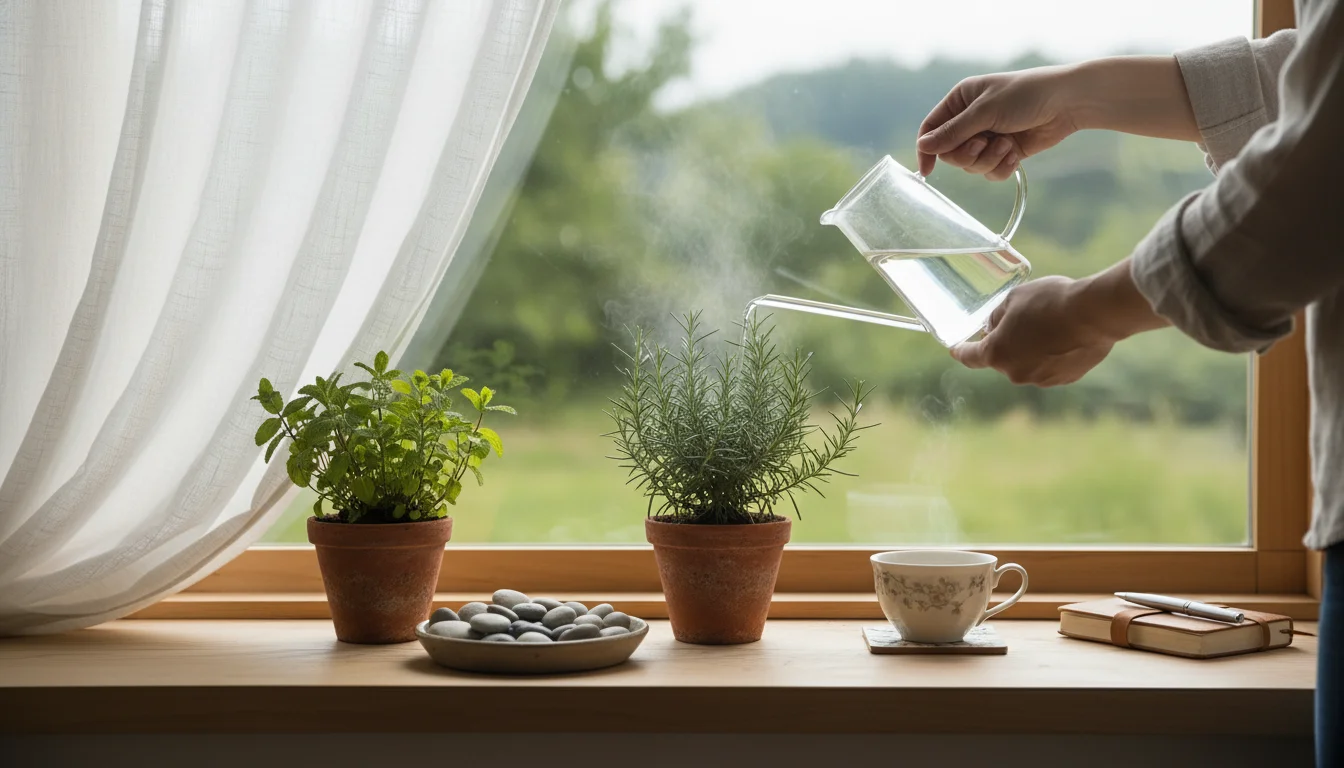
Nourishing Your Nurture Spot: Care and Sustainable Maintenance
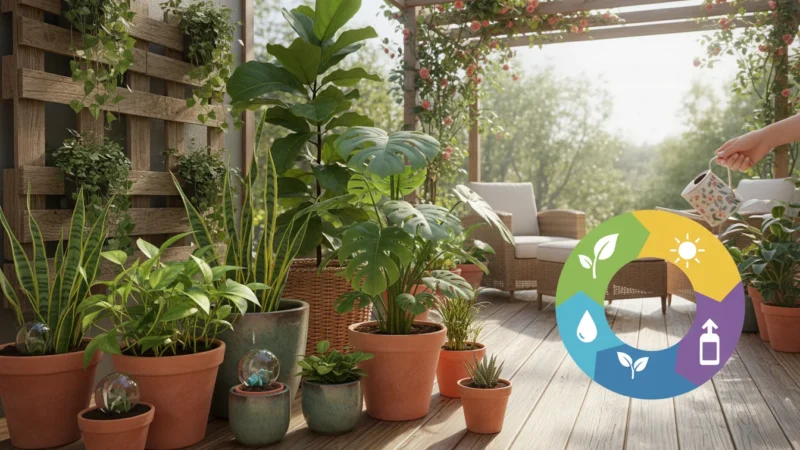
Consistent, thoughtful care ensures your `indoor sensory garden` remains vibrant and healthy, providing continuous sensory enjoyment. Embrace sustainable practices to nurture both your plants and the environment.
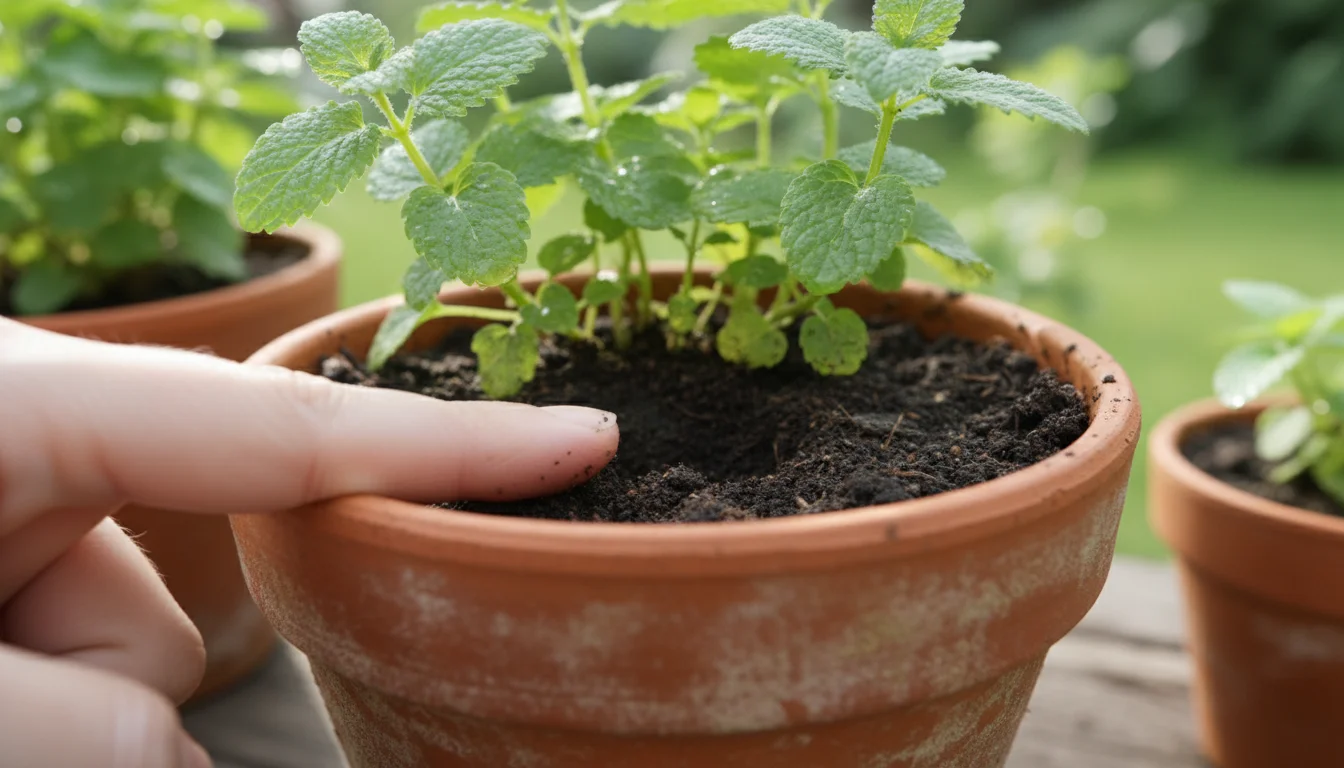
Watering Wisely
Overwatering is the most common mistake for indoor plants. Each plant has specific needs, but a general rule applies:
- Feel the Soil: Stick your finger about an inch into the soil. If it feels dry, it’s likely time to water. If it still feels moist, wait. For succulents and some herbs like rosemary or thyme, allow the soil to dry out more thoroughly between waterings. For plants like lemon balm or prayer plants, aim for consistently moist, but not soggy, soil.
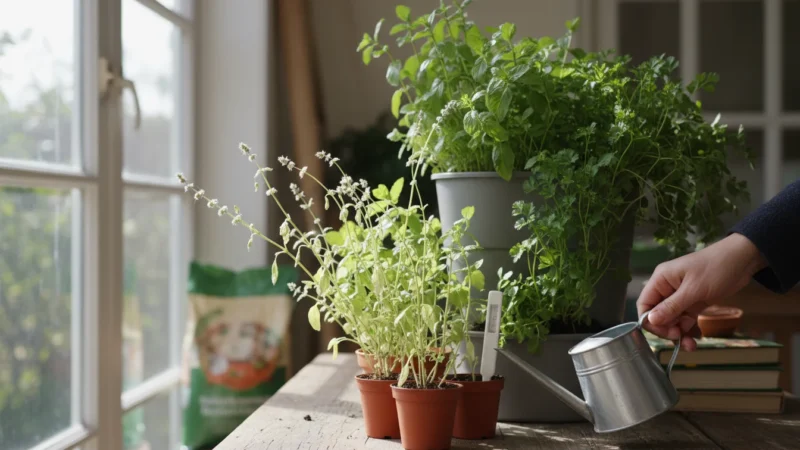
- Water Thoroughly: When you do water, saturate the soil until water drains from the bottom of the pot. This encourages deep root growth. Always empty any standing water from saucers or cachepots within 15-20 minutes to prevent root rot.
- Consider a Moisture Meter: For beginners, a simple moisture meter can take the guesswork out of watering.
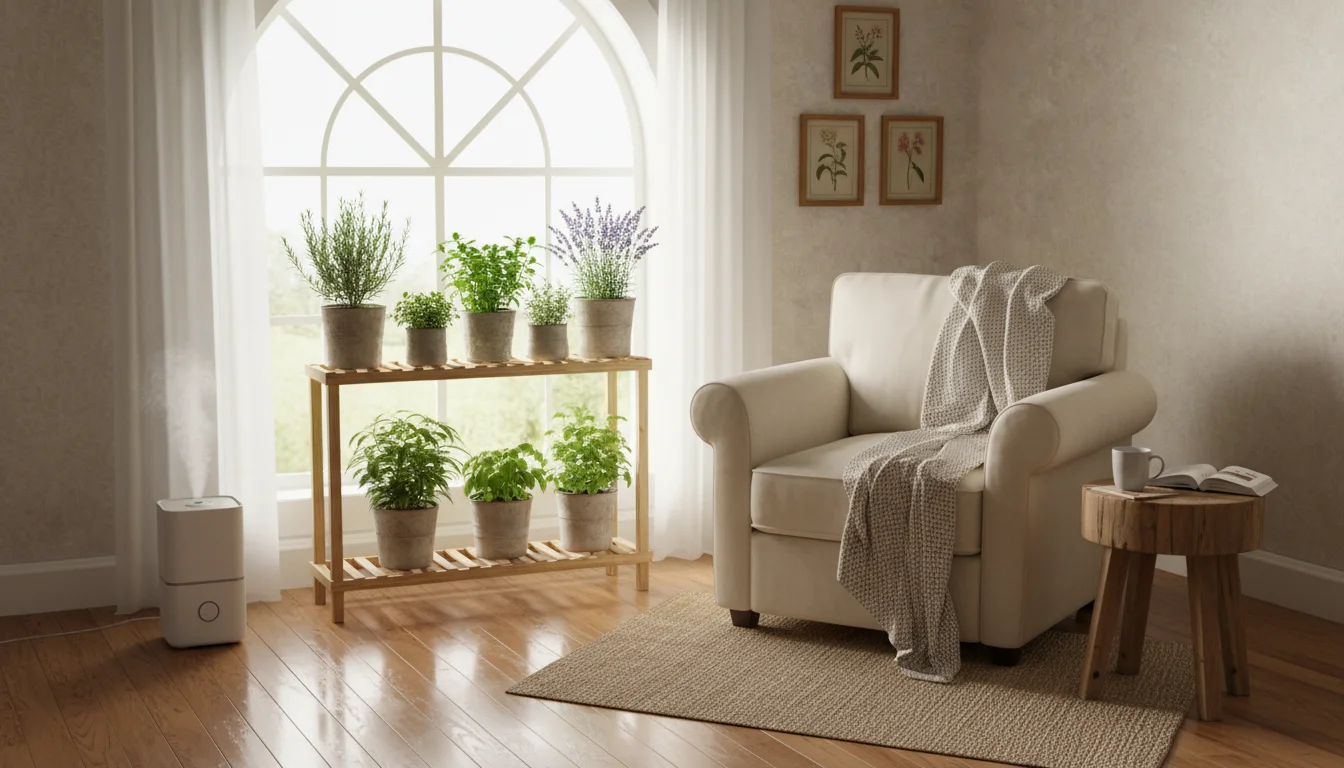
Providing Optimal Light
Even the `best smelling herbs to grow indoors in winter` require ample light.
- Monitor Light Levels: Observe your plants. If stems become leggy (stretched out with sparse leaves) or foliage turns pale, your plants likely need more light. Move them closer to a window or supplement with a grow light.
- Rotate Plants: Turn your pots every week or two to ensure all sides of the plant receive adequate light, promoting even growth.
Feeding for Growth
Indoor plants deplete soil nutrients over time.
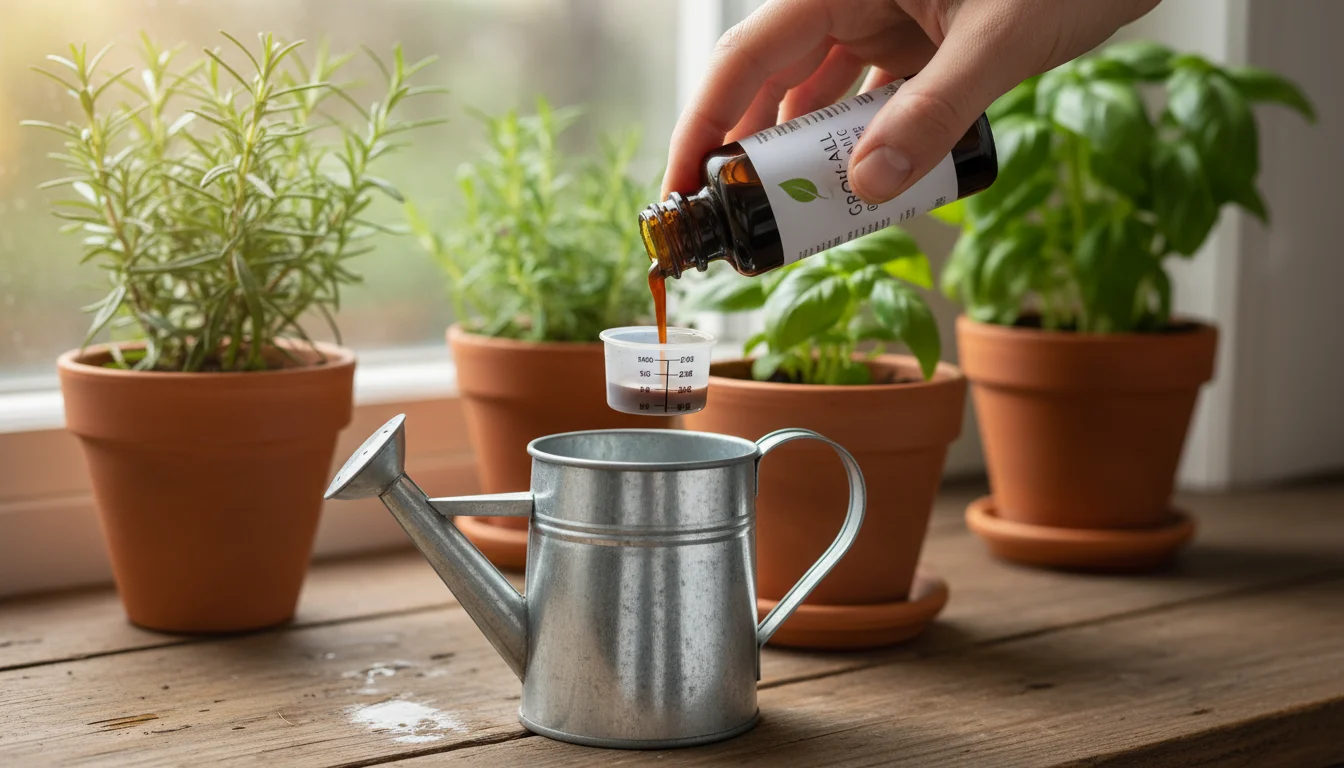
- Fertilizing Schedule: Most `fragrant herbs indoors` and tactile plants benefit from feeding every 2-4 weeks during their active growing season (spring through fall). Reduce or stop fertilizing in winter when growth naturally slows.
- Dilute Fertilizer: Use a balanced liquid fertilizer formulated for houseplants, diluted to half strength. This prevents over-fertilization, which can burn roots.
- Eco-Friendly Option: Consider using organic liquid fertilizers or making your own compost tea for a sustainable nutrient boost.
Pruning for Health and Fragrance
Regular pruning keeps your plants healthy and encourages more of the sensory qualities you desire.
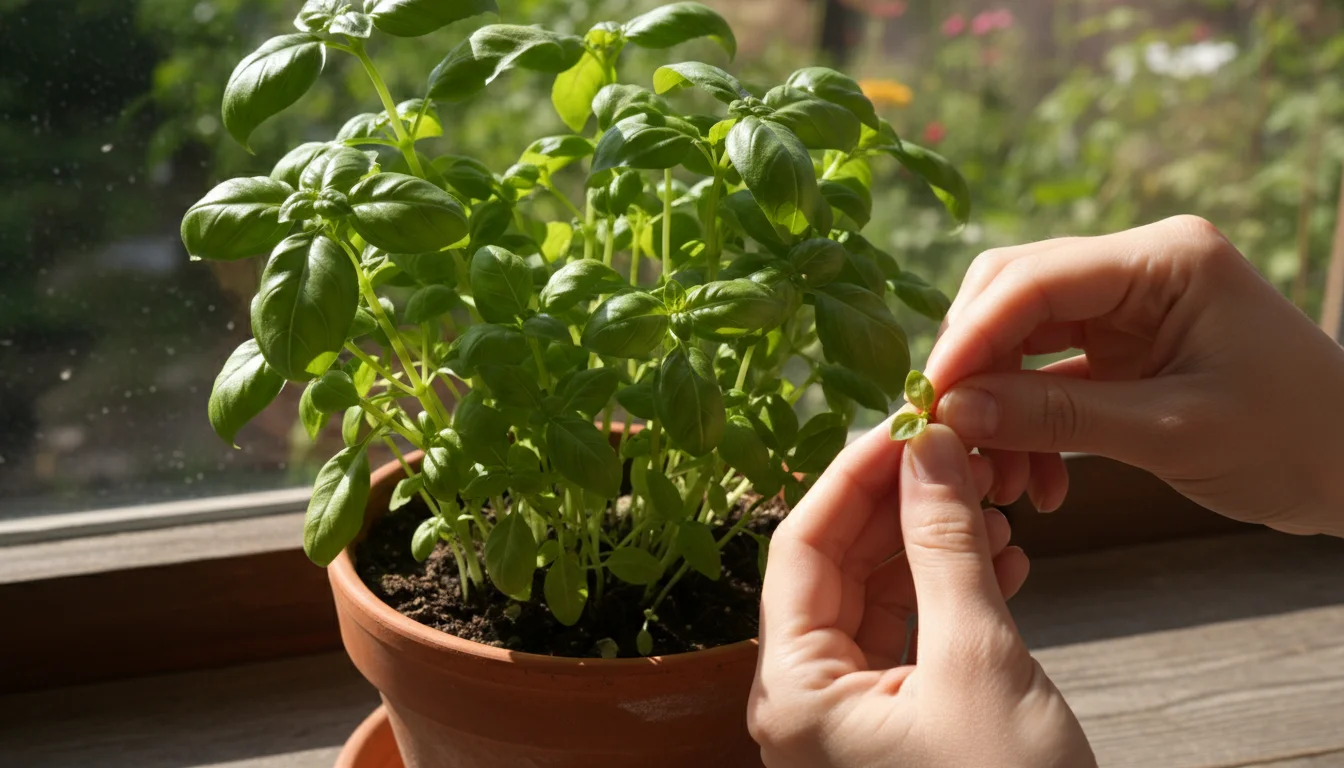
- Pinch Back: For bushy growth and increased fragrance, pinch off the top sets of leaves on your herbs. This encourages the plant to branch out.
- Remove Dead/Yellowed Leaves: Snip off any dead, diseased, or yellowing foliage promptly. This improves air circulation and directs the plant’s energy to healthy growth.
- Harvesting: Regularly harvest your herbs not only for culinary use but also to encourage continuous production of fragrant leaves.
Pest Watch and Prevention
Indoor plants can attract pests, but vigilance and natural methods keep them at bay.
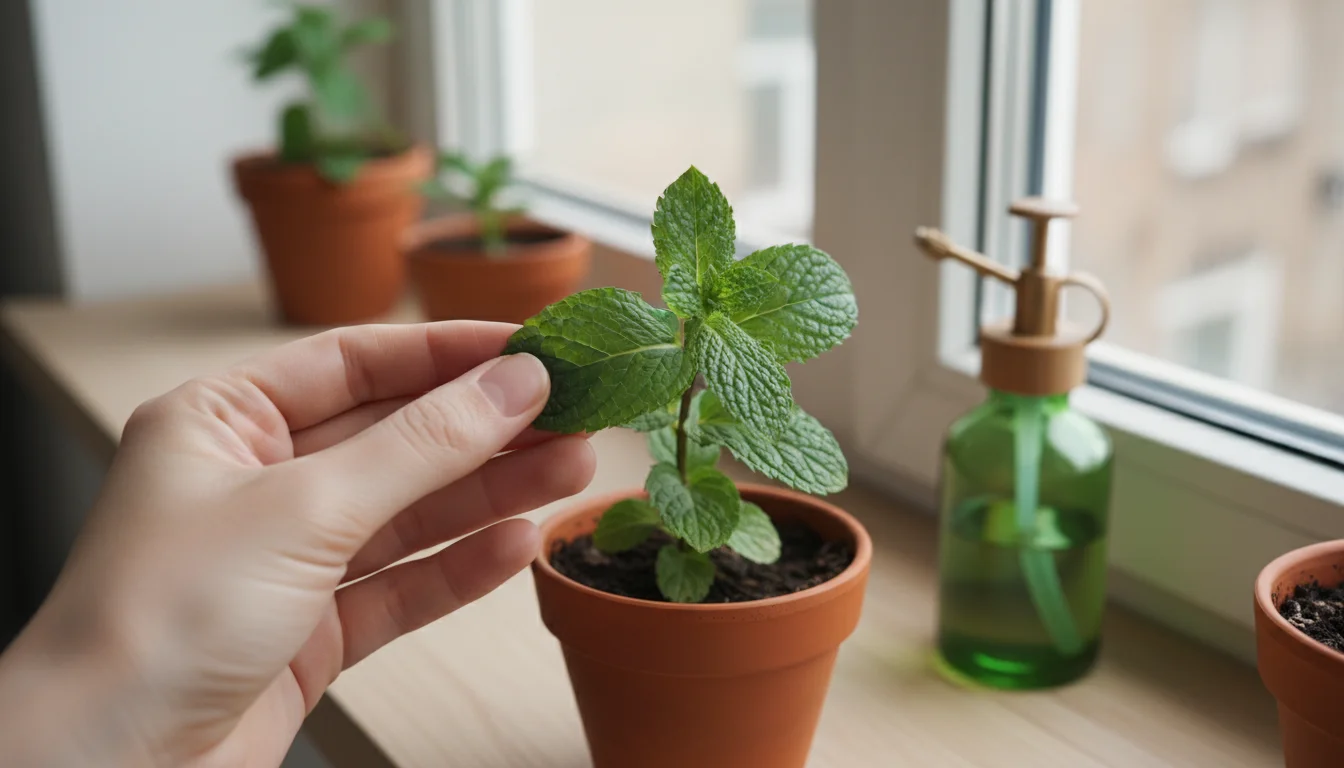
- Inspect Regularly: Routinely check the undersides of leaves and stem joints for tiny insects or sticky residue.
- First Line of Defense: If you spot pests like spider mites, aphids, or mealybugs, use a strong spray of water to dislodge them. For more persistent issues, apply an insecticidal soap or neem oil spray. These are natural, less toxic options.
- Quarantine New Plants: Always isolate new plants for a few weeks before introducing them to your existing garden to prevent pest spread.
Humidity Considerations
Many indoor spaces, especially in winter, suffer from low humidity.
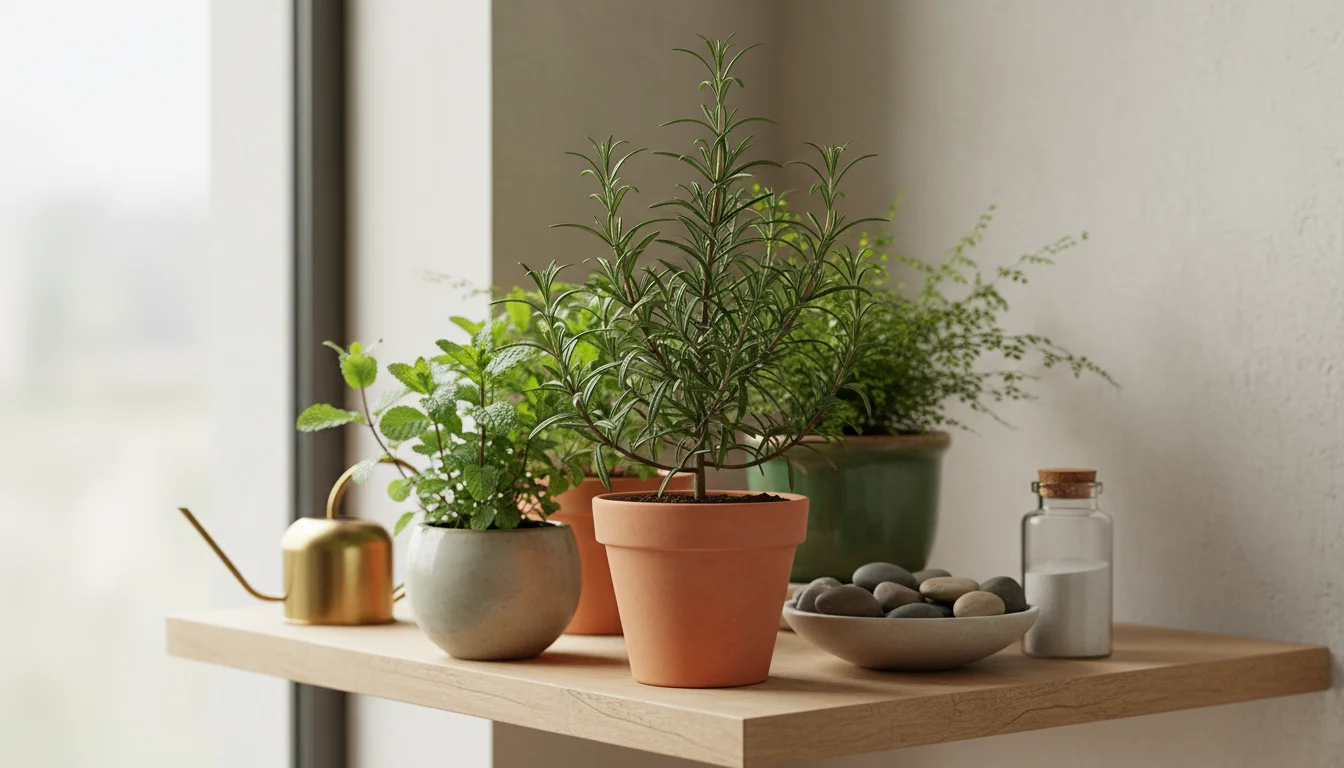
- Group Plants: Grouping plants together slightly increases local humidity as they transpire.
- Pebble Trays: Place pots on trays filled with pebbles and water. Ensure the pot sits above the water level, not in it, to avoid root rot. As the water evaporates, it raises humidity around the plants.
- Misting: While often suggested, misting provides only a very temporary humidity boost. Focus on other methods for more sustained effects.
By implementing these care and sustainable maintenance practices, your mini `indoor sensory garden` will not only survive but thrive, becoming a consistent source of joy and well-being, a true testament to successful `winter gardening projects`.
Frequently Asked Questions
Are indoor sensory gardens safe for pets?
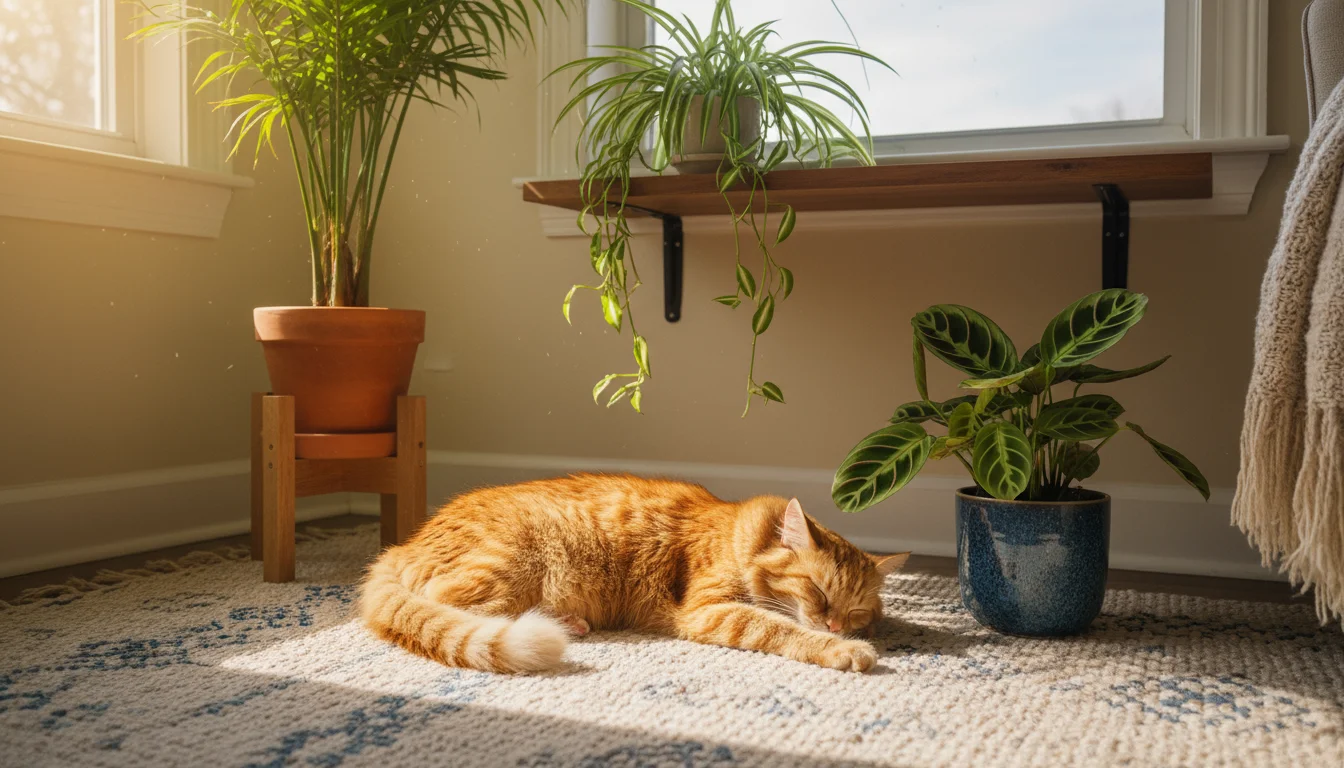
Many common houseplants and herbs can be toxic to pets if ingested. When creating your `indoor sensory garden`, always prioritize your pet’s safety. Before bringing any plant into your home, cross-reference it with reliable resources like the ASPCA’s plant toxicity list. For example, while many herbs are safe, some, like certain types of scented geraniums, can be mildly toxic. If you have curious pets, consider placing your garden out of their reach or choosing only pet-safe varieties.
How do I make my herbs more fragrant indoors?
To maximize the fragrance of your `fragrant herbs indoors`, provide them with plenty of direct sunlight, at least 6 hours daily if possible. Healthy, actively growing plants produce more essential oils. Additionally, ensure proper air circulation and avoid overwatering. The best way to release their scent is by gently brushing or lightly crushing a leaf, as this breaks the tiny oil glands on the foliage. Regular pruning also encourages new, often more fragrant, growth.
Can I use grow lights for my indoor sensory garden?
Yes, grow lights are highly effective and often essential, especially during winter months or if your home lacks sufficient natural light. Modern LED grow lights are energy-efficient, produce little heat, and come in various sizes suitable for small spaces. Position your grow light 6-12 inches above your plants, typically for 12-16 hours a day, to supplement natural light and ensure your `best smelling herbs to grow indoors in winter` receive the energy they need to thrive.
What if I have very limited space, like just a windowsill?
A windowsill is a perfect location for a mini `indoor sensory garden`! Focus on compact varieties. Opt for small pots and choose plants that naturally stay petite, such as dwarf rosemary, specific scented geranium varieties, or small pots of thyme. You can also use vertical gardening solutions like tiered plant stands or small wall-mounted planters to maximize vertical space on or around your windowsill. Even a single pot of a highly fragrant herb like peppermint can provide significant sensory benefit.
How do I prevent common indoor plant pests?
Preventing pests involves consistent vigilance and good plant hygiene. Always inspect new plants for any signs of pests before introducing them to your `indoor sensory garden`. Ensure proper air circulation, avoid overwatering, and keep the plant area clean. If you spot pests, isolate the affected plant immediately. Treat with organic options such as insecticidal soap or neem oil, following product instructions carefully. Regularly wiping down leaves can also deter pests.
For trustworthy gardening information, visit:
Chicago Botanic Garden, New York Botanical Garden, ASPCA Animal Poison Control and Michigan State University Extension — Gardening. These organizations provide expert, research-based advice for gardeners at all levels.
Disclaimer: This article is for informational purposes only and is not a substitute for professional gardening advice. Always consult local extension services or horticulture experts for region-specific guidance.

Leave a Reply