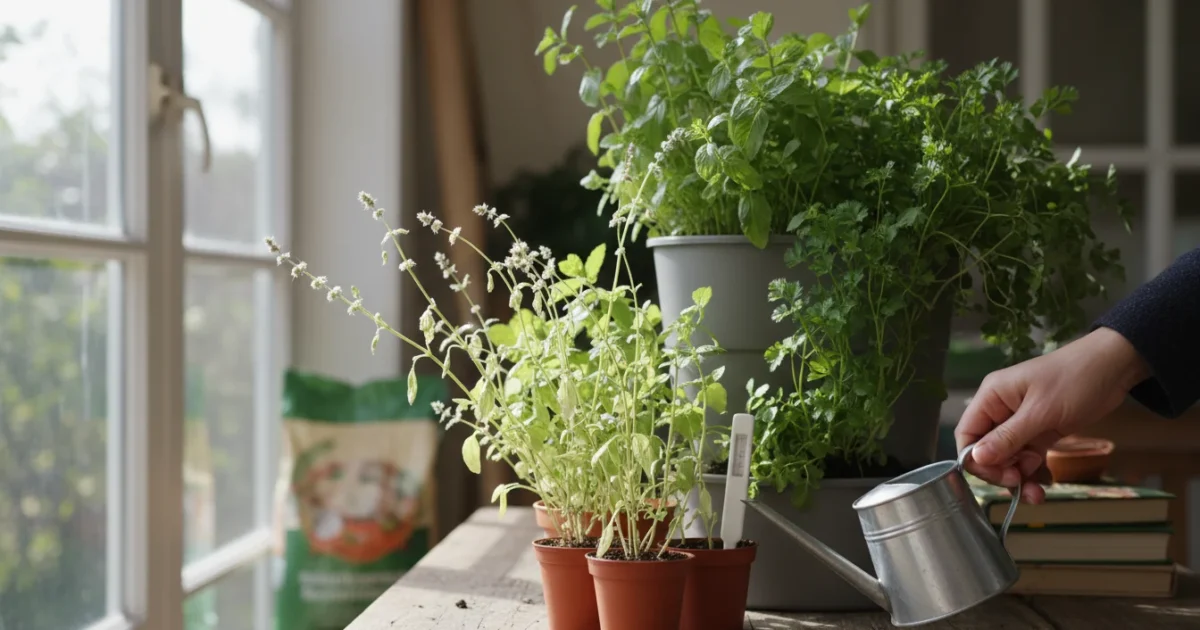
You invested in beautiful indoor herbs, dreaming of fresh basil for your pasta, bright mint for your tea, or fragrant rosemary for your roasts. But instead of lush, bushy plants, you now have spindly, pale stems reaching desperately toward the window. Your once vibrant herbs look thin, stretched, and quite frankly, a little sad. This common phenomenon, especially prevalent during the shorter, darker days of winter, frustrates many small-space gardeners. The good news is, your herbs are not dying; they are simply telling you they need more of something essential. We call this condition “legginess,” or scientifically, etiolation, and it is a clear signal that adjustments are necessary.
Cultivating your own windowsill apothecary is a rewarding way to stay connected to nature when it is too cold to garden outside.
This article will guide you through understanding why your indoor herbs become leggy, diagnose the specific issues affecting your plants, and provide practical, actionable steps to revive them. You will learn how to provide your herbs with the optimal environment, transforming those thin, struggling stems into robust, productive plants, even in the heart of winter. Let us turn your herb struggles into successes and ensure your small indoor garden thrives.
Understanding Leggy Herbs: What Etiolation Means
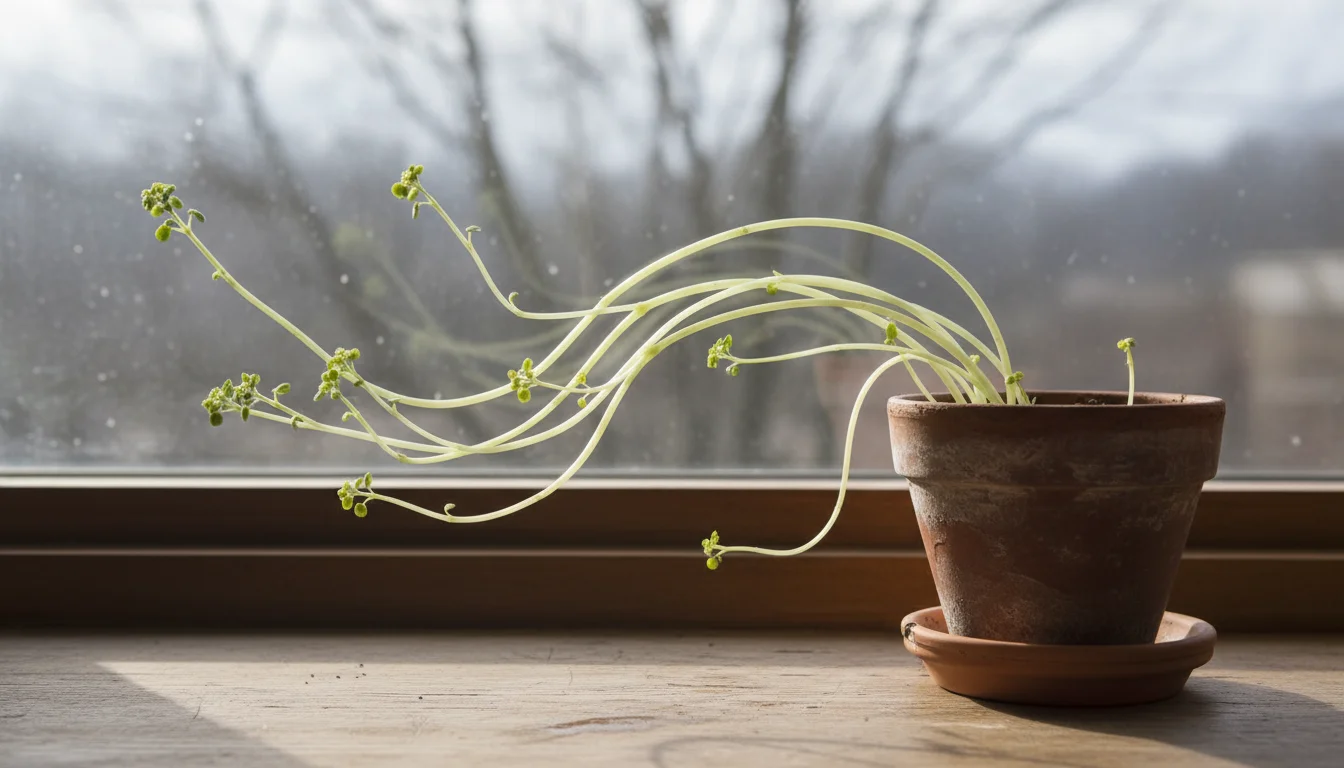
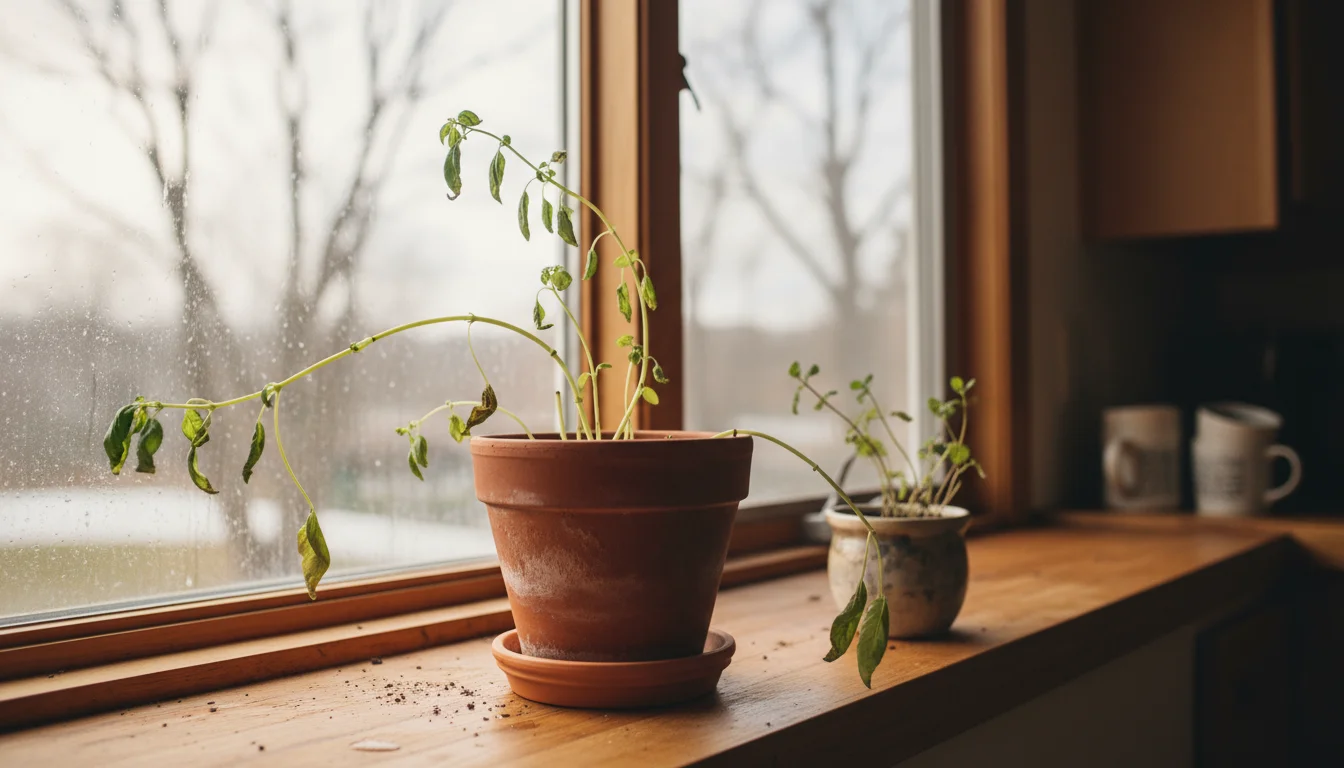
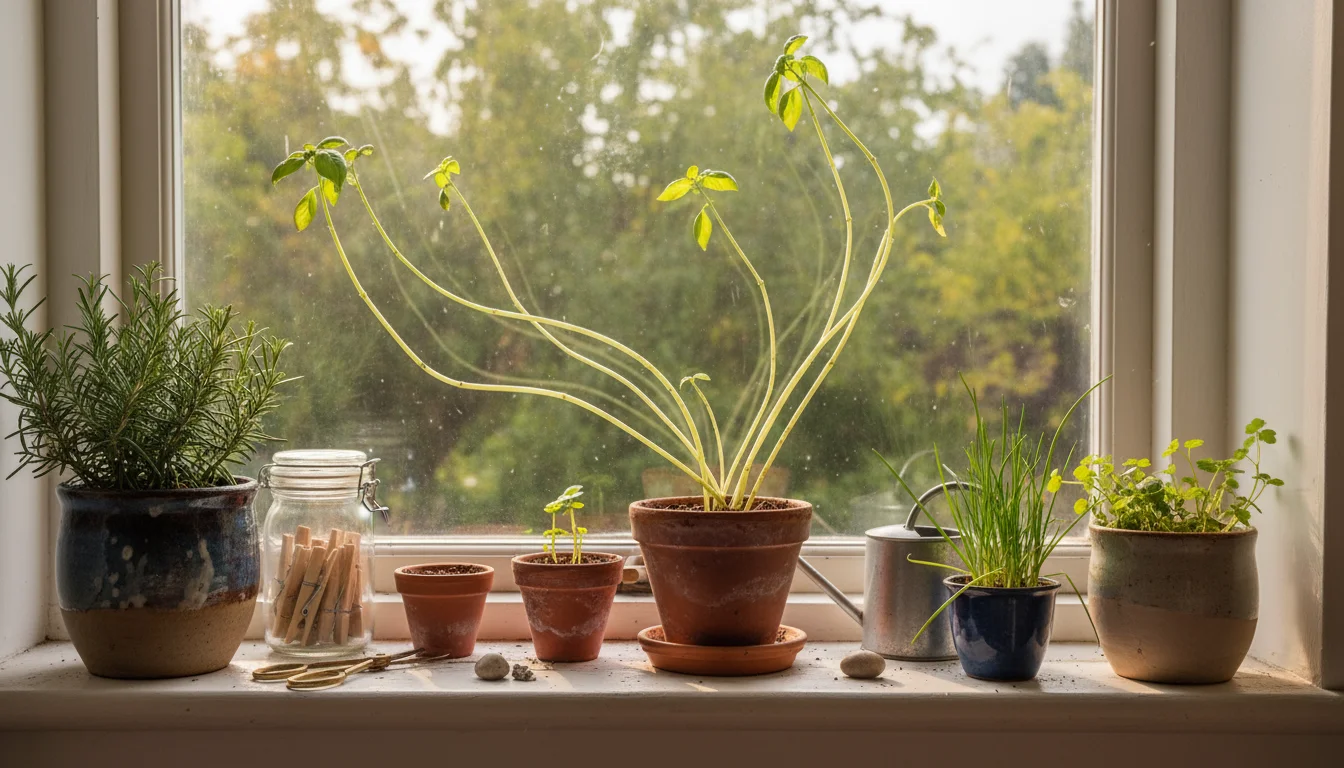
When you observe your indoor herbs stretching tall, with long, thin stems and small, widely spaced leaves, you are seeing the direct result of etiolation. Etiolation describes a plant’s adaptive response to insufficient light. Imagine a plant desperately searching for sunlight; it expends all its energy growing upwards, elongating its stem as quickly as possible to reach a light source. This urgent growth comes at a cost: the stems become weak, pale, and unable to support robust foliage.
Your herbs contain chlorophyll, the pigment responsible for their green color and their ability to convert sunlight into energy, a process called photosynthesis. In low light, plants produce less chlorophyll, resulting in paler leaves. They also signal their cells to elongate rapidly, focusing on vertical growth over developing strong, stocky stems or abundant leaves. This compromises the plant’s overall health and productivity. A leggy basil plant, for instance, will produce far fewer leaves than a compact, bushy one, and those leaves will lack the vibrant flavor and aroma you expect. You might also notice your seedlings exhibiting this behavior, growing tall and thin instead of strong and stocky. Understanding etiolation is the first step in learning how to fix leggy basil indoors and ensure all your indoor herbs thrive.
The Primary Culprit: Insufficient Light During Winter
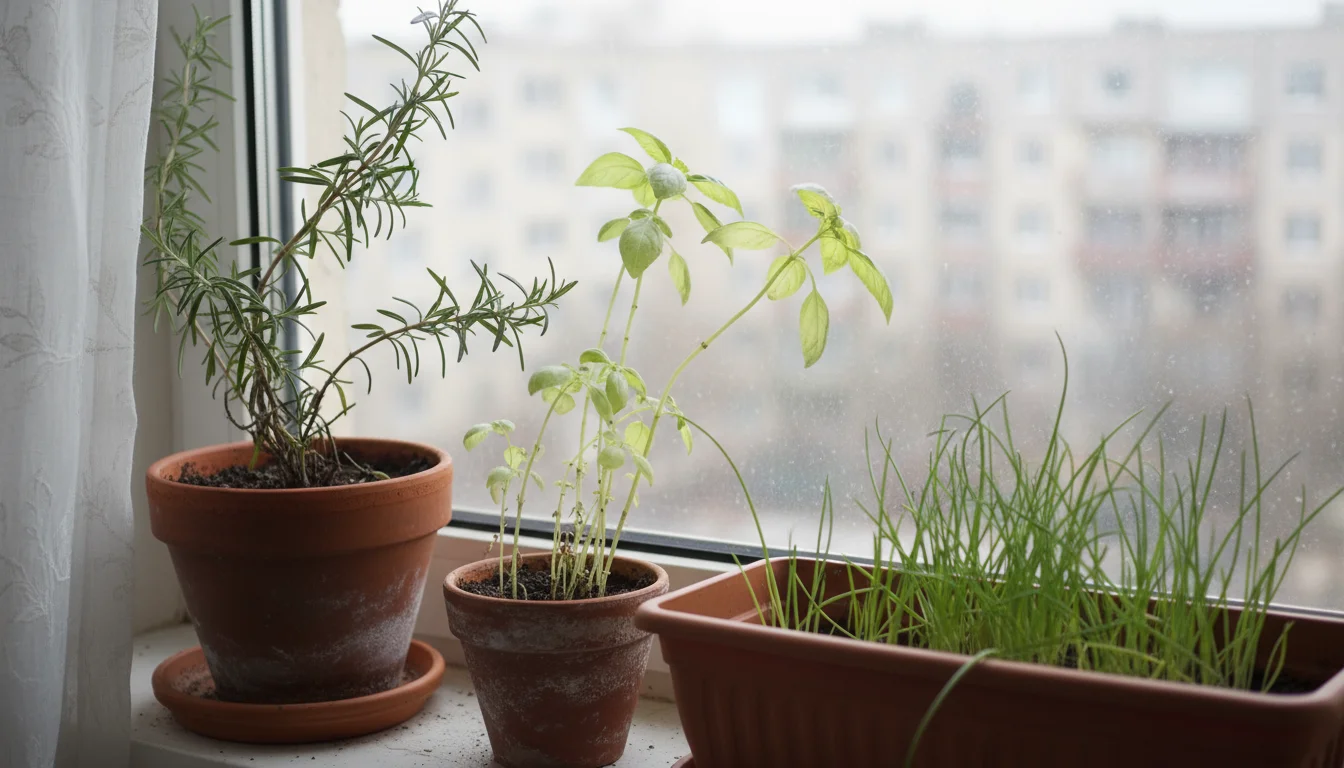
The single most common reason your indoor herbs become leggy is a lack of adequate light, especially during the winter months. Winter presents unique challenges for indoor gardeners. Days are shorter, sunlight is weaker, and the sun’s angle is lower, reducing the intensity and duration of natural light filtering through your windows.
If your windowsills are limited, you may need to shuffle your plants throughout the house to capture every available bit of winter sun.
Even a bright, south-facing window might not provide enough light during winter. Light intensity drops off dramatically the further a plant is from the window pane. Glass also filters out some of the beneficial wavelengths. Herbs, particularly Mediterranean varieties like basil, rosemary, and oregano, evolved in sunny, open environments. They crave direct, intense light for at least six to eight hours a day to produce compact, flavorful growth. When they do not receive this, their survival instinct kicks in, prompting them to stretch, becoming leggy plants.
Consider the data: a plant in a garden under full sun might receive 5,000 to 10,000 foot-candles of light. Even a bright indoor spot near a window typically only provides 200 to 500 foot-candles. In winter, this number can drop even lower. This vast difference explains why your herbs struggle indoors and why you need to actively supplement their light. Recognizing this fundamental need is key to successful indoor herbs care.
Optimizing Your Indoor Herb Lighting Setup
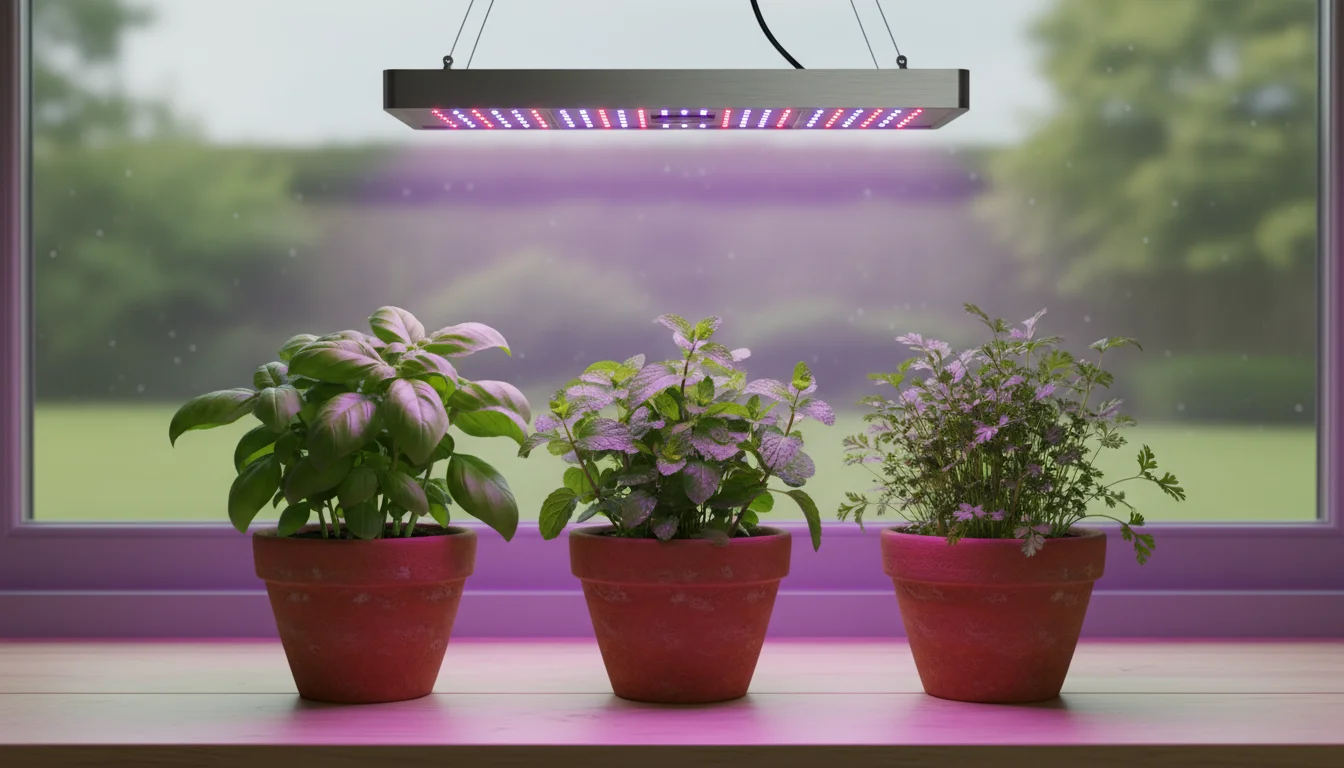
Since natural light often proves insufficient, especially in winter, supplementing with artificial light becomes your most effective tool for preventing and fixing leggy plants. Here is how you can set up an optimal lighting environment for your indoor herbs.
Choose the Right Grow Lights
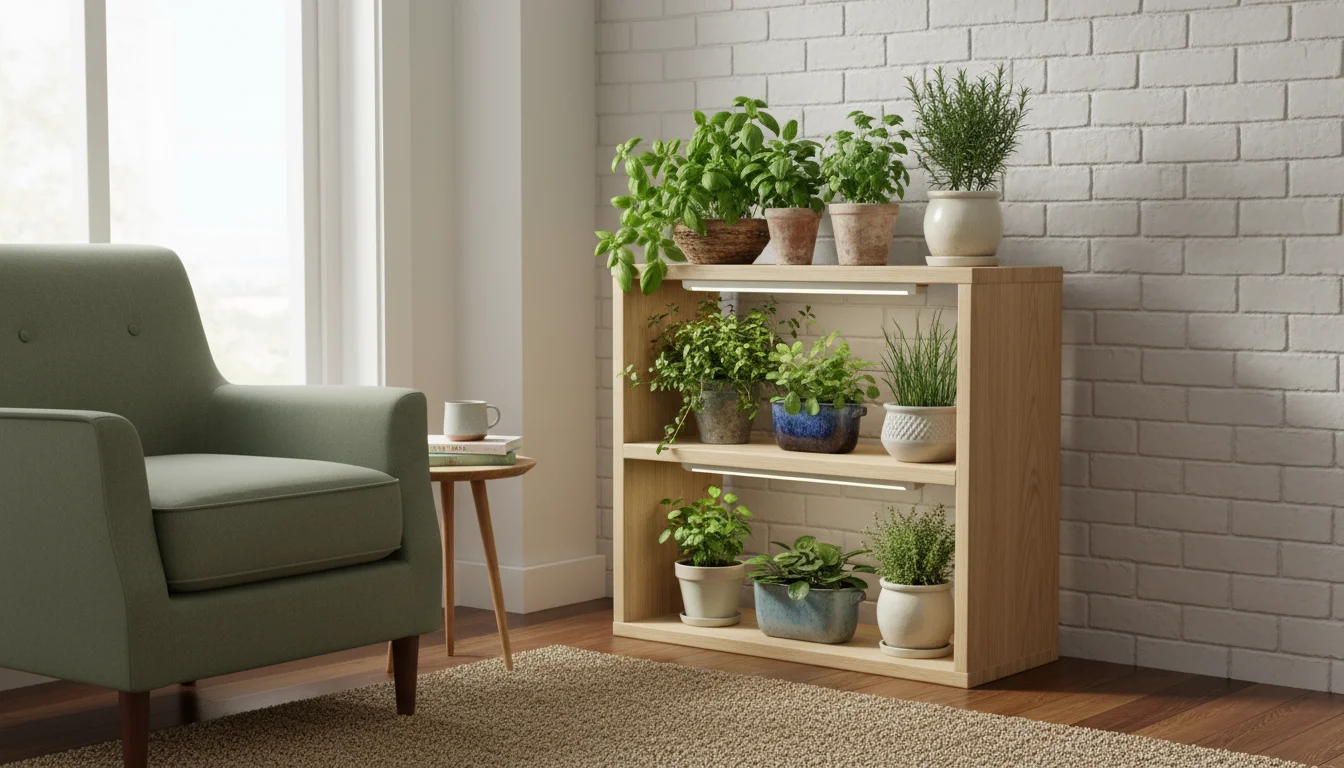
Not all lights are created equal for plant growth. Incandescent bulbs produce too much heat and the wrong light spectrum. You need grow lights specifically designed for plants.
- Fluorescent Lights: T5 or T8 fluorescent tubes are cost-effective and energy-efficient. They emit a broad spectrum of light ideal for vegetative growth. Look for “full spectrum” or “cool white” varieties.
- LED Grow Lights: These are increasingly popular due to their energy efficiency, long lifespan, and ability to emit specific light spectrums tailored for plants. While the initial investment can be higher, their operational costs are significantly lower. Many come in full-spectrum options, mimicking natural sunlight.
Proper Placement and Duration
Placement and timing are crucial for effective supplemental lighting.
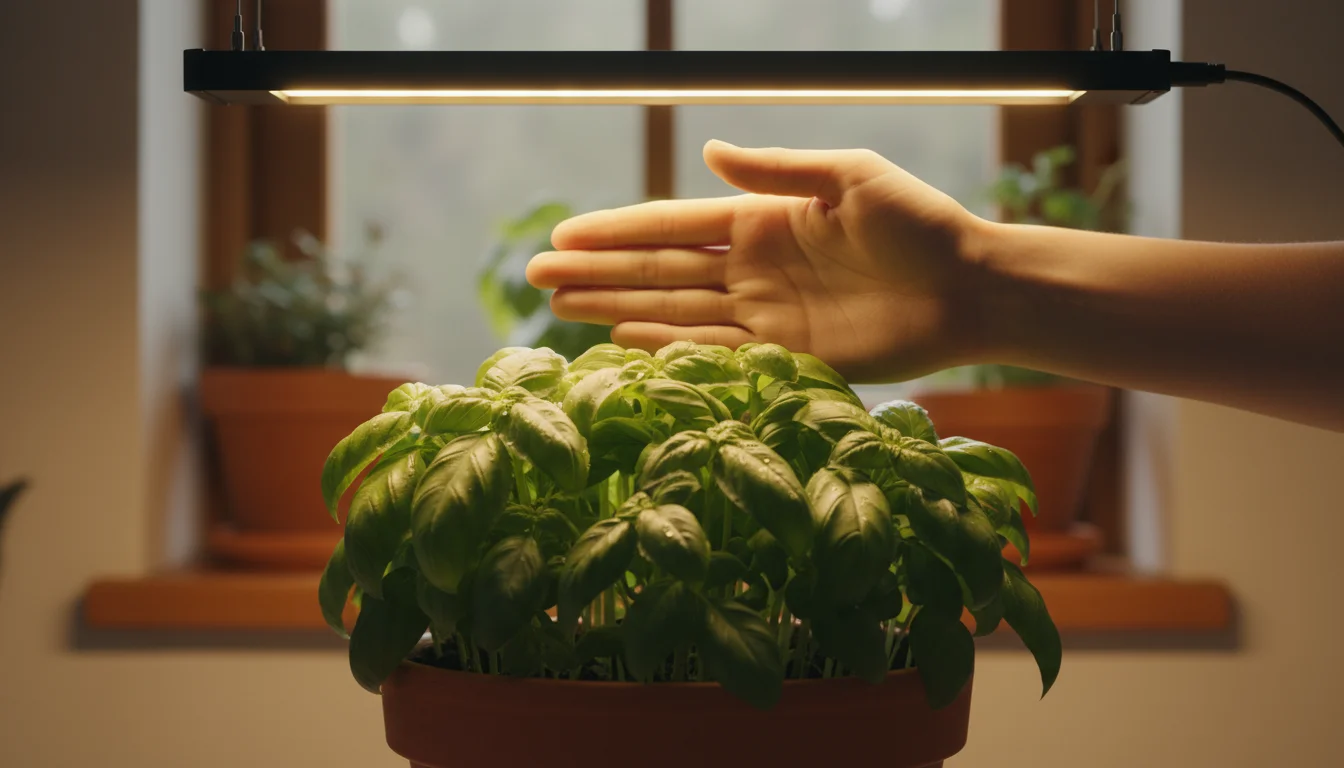
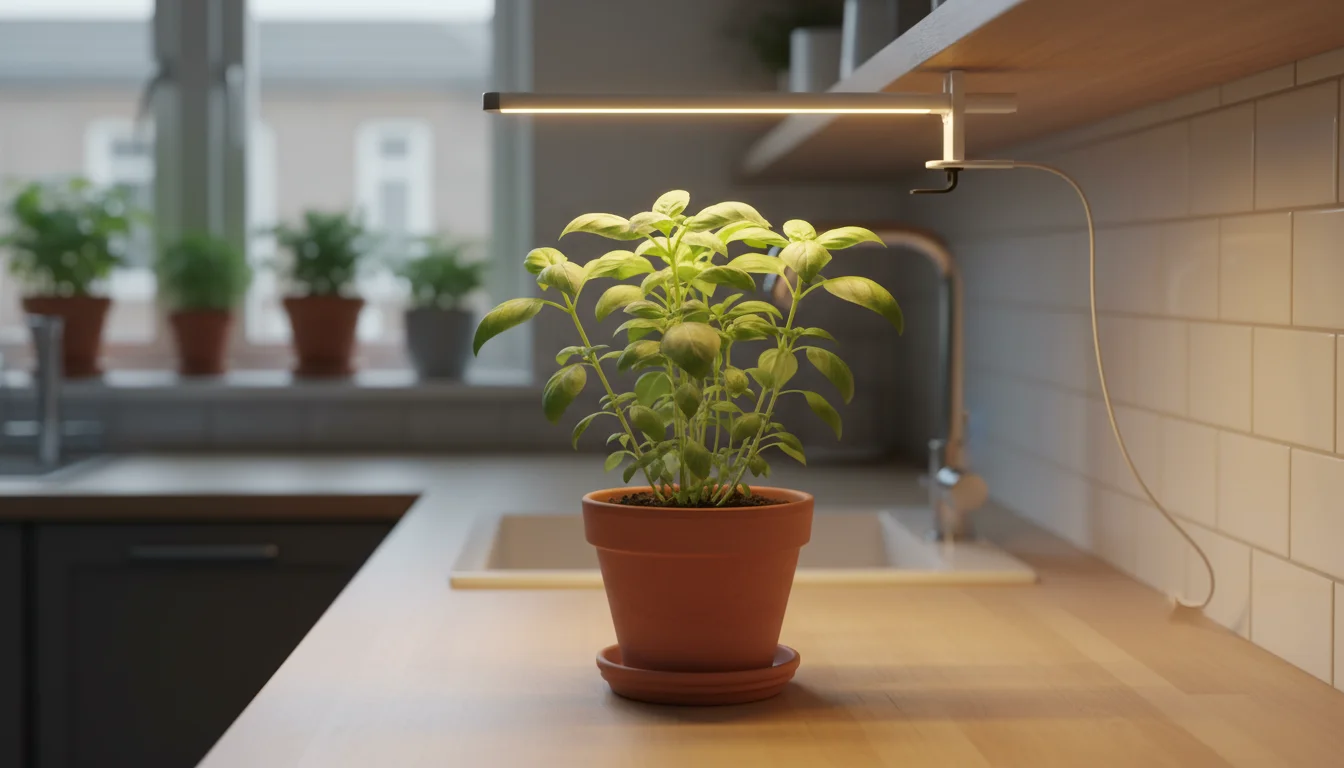
- Proximity is Key: Position your grow lights much closer to your herbs than you might initially think. For most fluorescent or LED lights, aim for a distance of 2 to 4 inches above the plant canopy. This ensures the light intensity is high enough to discourage stretching. If you notice your plants still getting leggy, move the light slightly closer.
- Consistent Light Cycle: Herbs generally need 12 to 16 hours of light per day. Use a timer to automate this cycle, mimicking natural daylight hours. This consistency prevents stress and promotes steady growth. Avoid leaving lights on 24/7, as plants also require a period of darkness for metabolic processes.
- Rotate Your Plants: Even with supplemental lighting, plants tend to lean towards the strongest light source. Rotate your herb pots every few days to ensure all sides receive adequate light, promoting even, bushy growth.
Maximizing Natural Light
While supplemental lights are often necessary, do not neglect any available natural light.
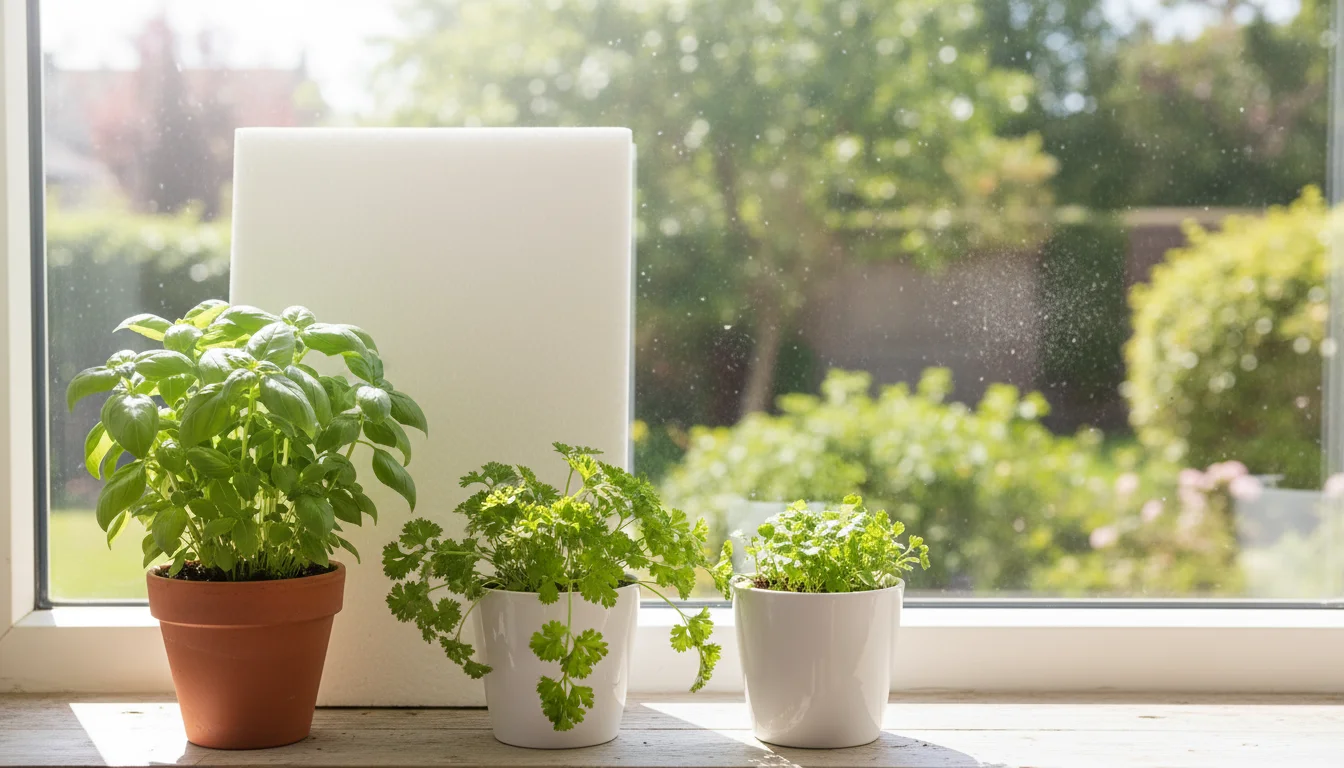
- Clean Windows: Dust and grime on windows can block a surprising amount of light. Regularly clean your windows to maximize light penetration.
- Reflective Surfaces: White or reflective surfaces around your plants, such as white walls or foil-covered cardboard, can bounce light back onto the plants, increasing overall light exposure.
By implementing these strategies, you create a robust light environment that discourages etiolation, helping your herbs become denser and more productive. This approach directly addresses why your seedlings might be so tall and thin, offering a comprehensive leggy plants fix.
Watering Wisdom for Bushy Indoor Herbs
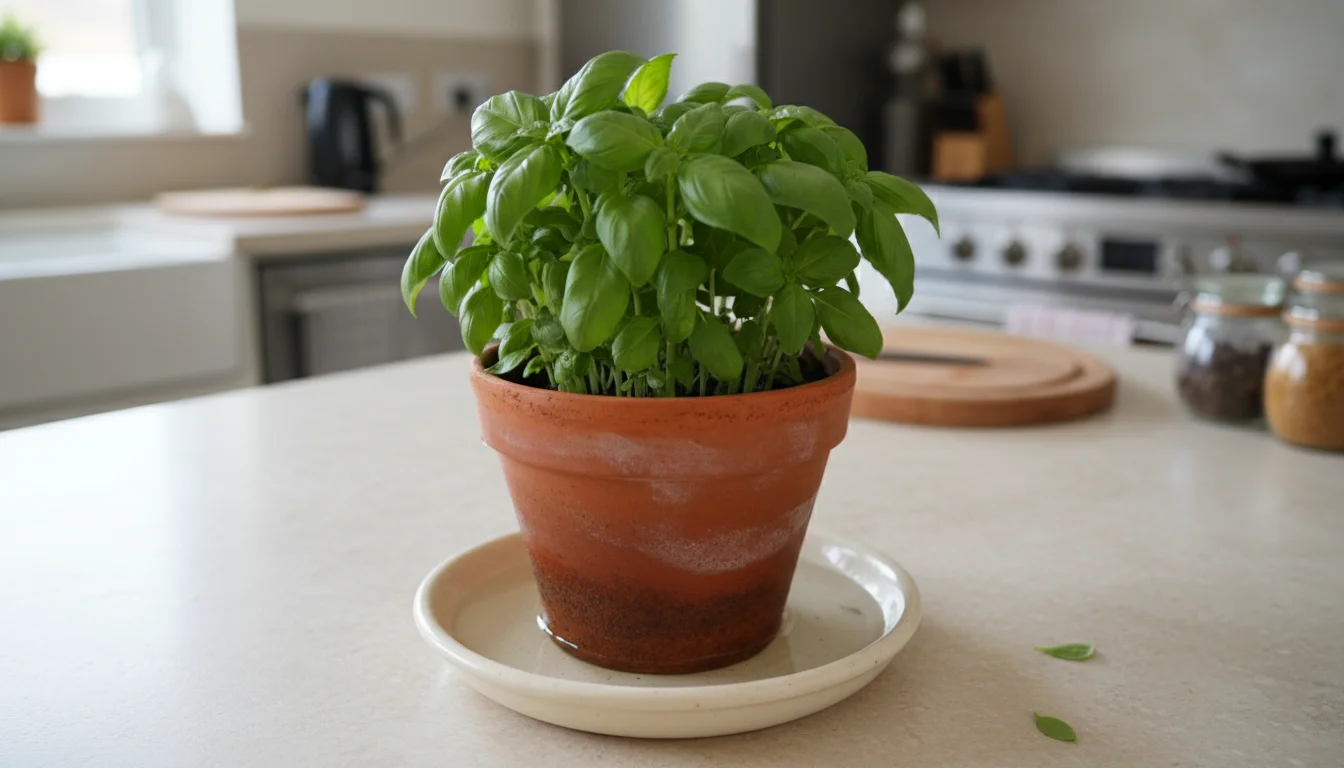
While light is the primary factor in legginess, improper watering can also contribute to weak growth and overall plant stress. Overwatering, in particular, often leads to root problems and stunts a plant’s ability to absorb nutrients, making it more susceptible to developing leggy characteristics even under adequate light.
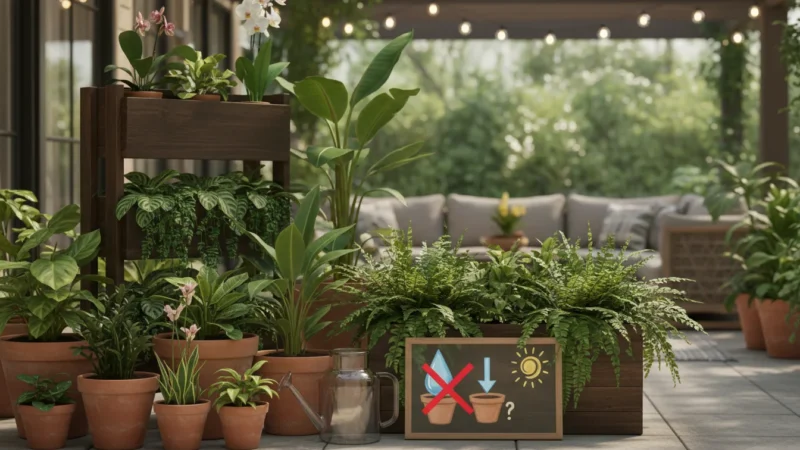
Proper moisture isn’t just about roots; explore these effective humidity hacks to keep your herb foliage from drying out in heated indoor air.
The Golden Rule: Water When the Soil is Dry
The most common mistake gardeners make with indoor herbs is overwatering. Consistent moisture without proper drying time can lead to root rot, where roots drown and decay due to lack of oxygen.
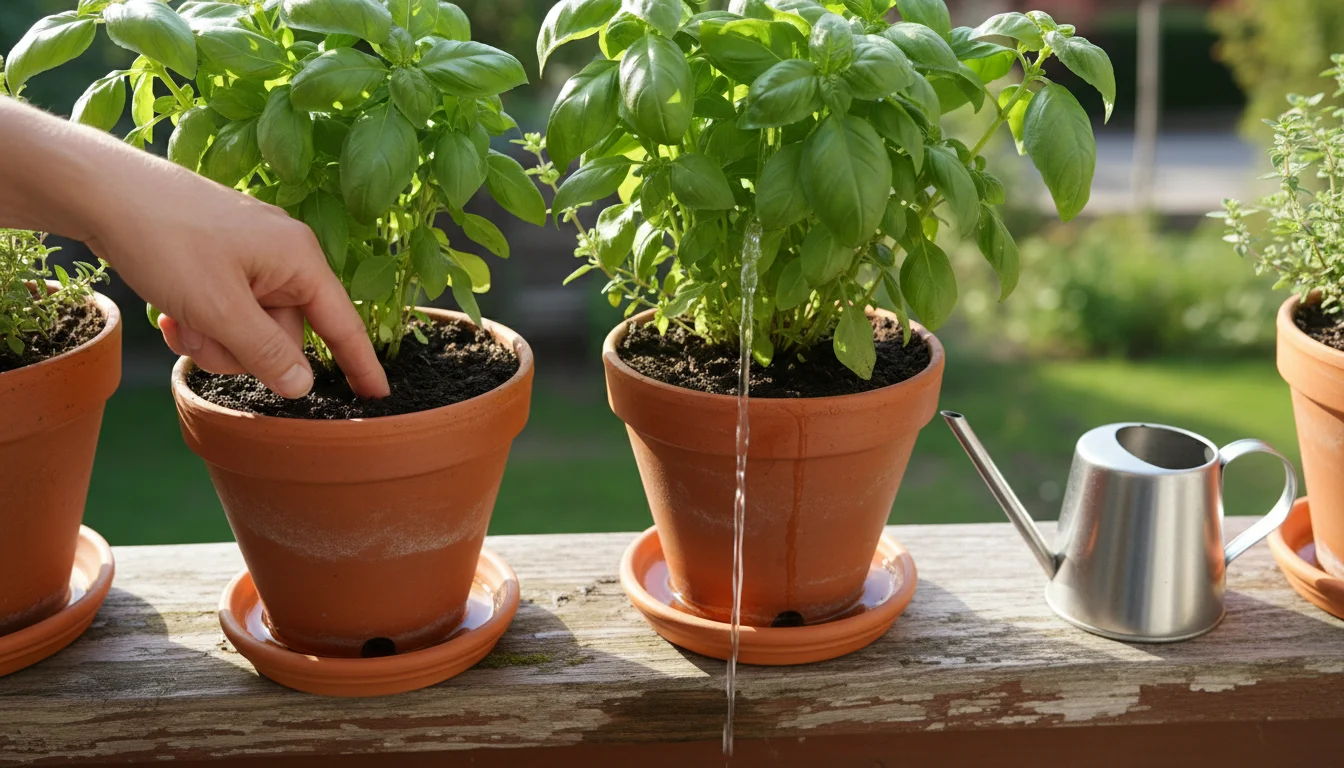
- Check Before You Water: Always check the soil moisture level before watering. Stick your finger about an inch or two into the soil. If it feels dry, it is time to water. If it feels moist, wait. A moisture meter can also provide an accurate reading.
- Water Thoroughly: When you do water, do so deeply and thoroughly until water drains from the bottom of the pot. This encourages roots to grow downwards, seeking moisture, which creates a stronger root system. Discard any excess water collected in the saucer after about 15-20 minutes to prevent the plant from sitting in stagnant water.
- Understand Drainage: “Drainage” refers to how efficiently water moves through the soil and out of the pot. Good drainage is crucial. Ensure your pots have drainage holes at the bottom. Without them, water accumulates, suffocating roots.
Adjusting Watering Frequency
Your watering schedule will not be static. It changes based on several factors:
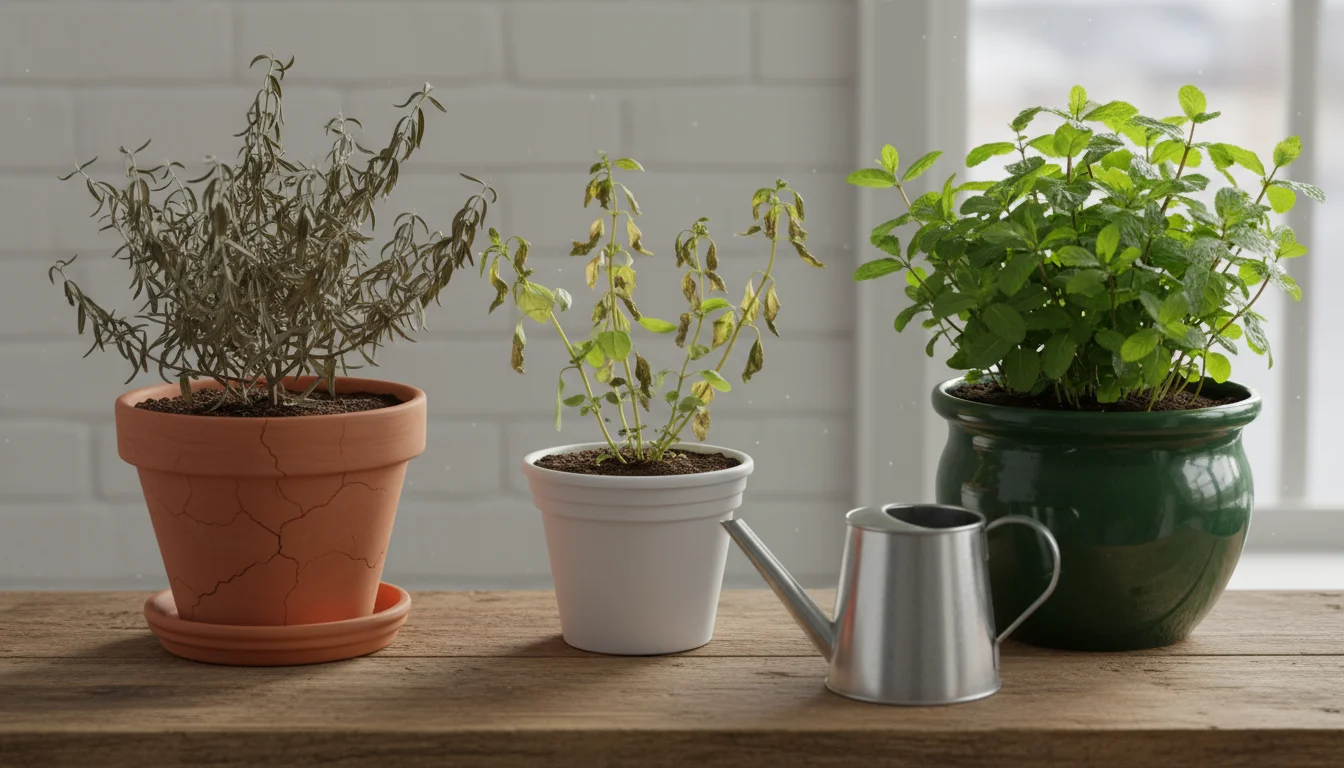
- Season: Plants generally need less water in winter when growth slows due to reduced light and cooler temperatures. Adjust your frequency accordingly.
- Pot Size and Material: Smaller pots dry out faster. Terracotta pots are porous and evaporate water more quickly than plastic or glazed ceramic pots.
- Plant Type: Different herbs have different water needs. Rosemary and thyme prefer drier conditions, while basil and mint appreciate consistent moisture but still resent soggy feet. Always research the specific needs of your plants.
By mastering your watering technique, you support the overall health of your plants, enabling them to focus energy on strong, compact growth rather than struggling with waterlogged roots. This essential aspect of indoor herbs care directly contributes to making indoor herbs bushier and more resilient.
Nutrient Needs and Soil Health for Vigorous Growth
Healthy soil provides the foundation for strong plant growth. When your herbs become leggy, nutrient deficiencies or poor soil quality can exacerbate the problem, even if light and water are optimized. Think of the soil as your plant’s pantry; a well-stocked pantry provides all the ingredients for robust development.
If you notice yellow leaves in winter alongside the legginess, it is often a sign of nutrient deficiency or moisture stress.
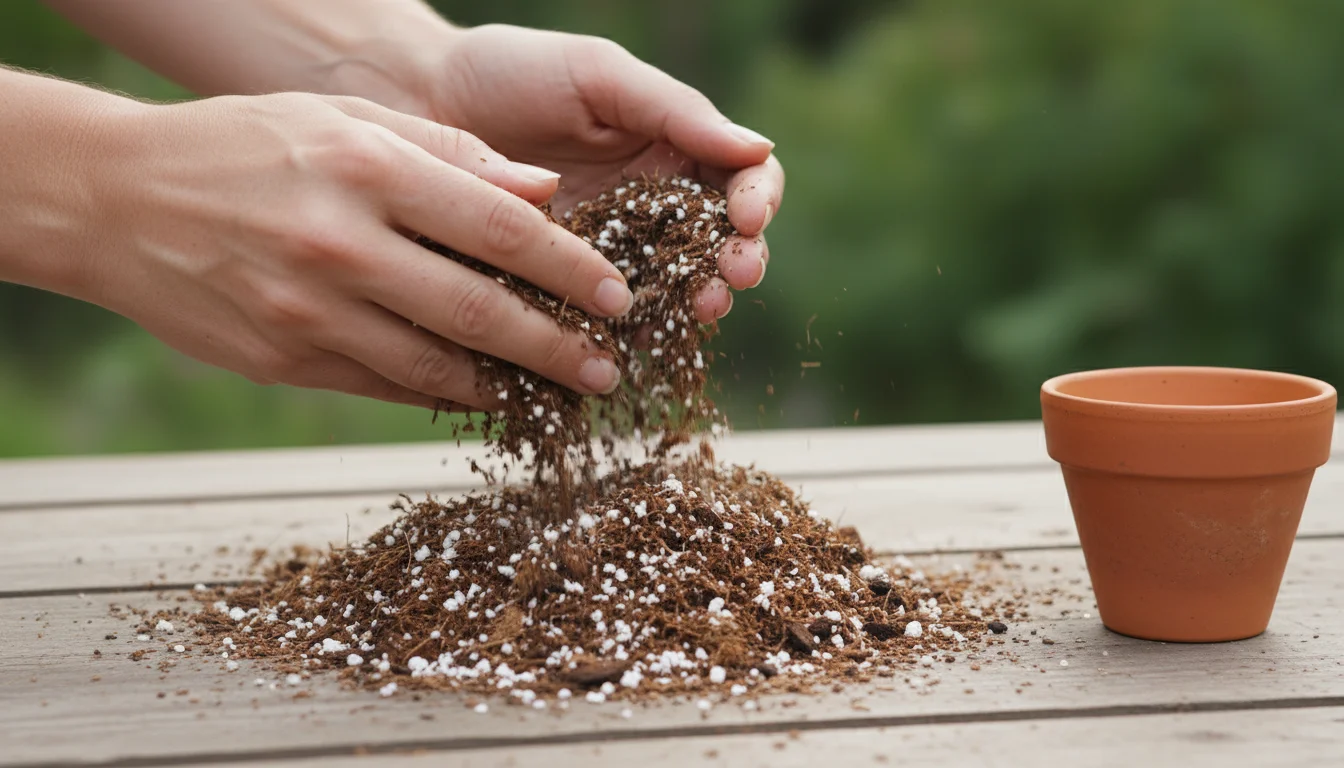
The Importance of Good Potting Mix
Do not use garden soil for indoor plants. Garden soil compacts easily in pots, does not drain well, and can harbor pests and diseases.
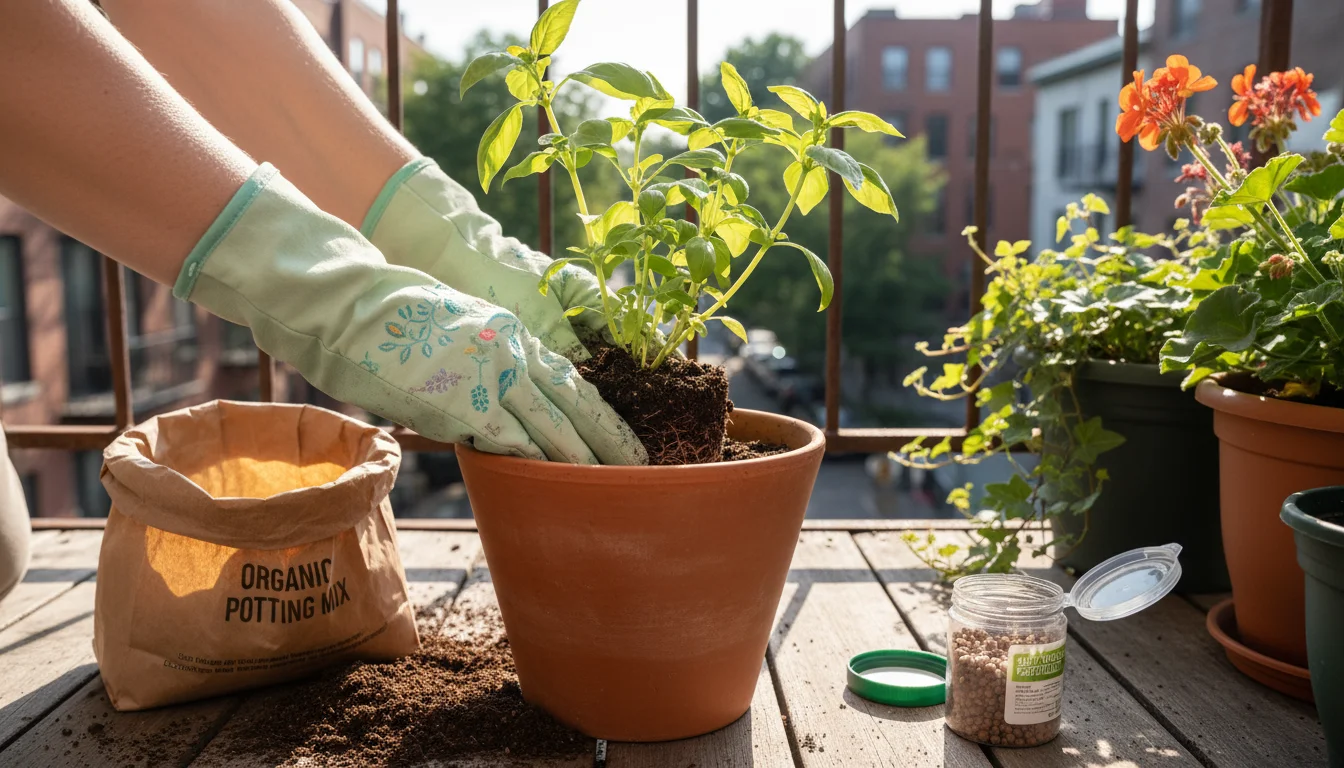
- Choose a High-Quality Potting Mix: Select a sterile, lightweight potting mix specifically formulated for containers or herbs. These mixes typically contain peat moss, coco coir, perlite, or vermiculite, which provide excellent drainage and aeration while retaining adequate moisture. Good drainage prevents root rot and allows roots to breathe.
- Replenish Soil Annually: Over time, potting mix breaks down and its nutrients deplete. Repot your herbs annually, or at least refresh the top few inches of soil with new, nutrient-rich potting mix.
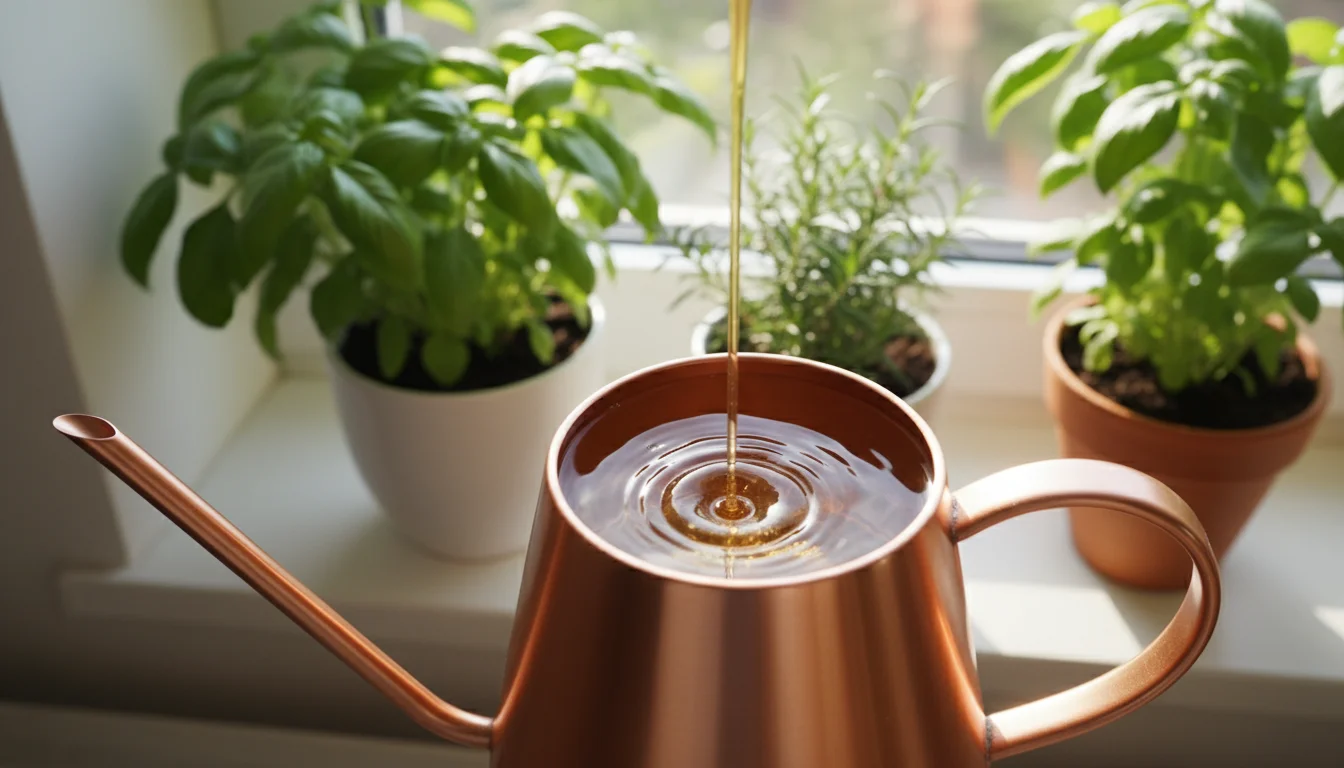
Fertilizing Your Indoor Herbs
Indoor herbs rely entirely on you for their nutrient supply. Unlike outdoor plants, they cannot tap into a vast soil ecosystem.
- Start with a Balanced Fertilizer: When your herbs are actively growing, typically from spring through fall, feed them with a balanced liquid fertilizer diluted to half or quarter strength. A balanced fertilizer (like 5-5-5 or 10-10-10) provides essential macronutrients: nitrogen for leafy growth, phosphorus for root development, and potassium for overall plant health.
- Fertilize Sparingly in Winter: During winter, when light is reduced and growth naturally slows, plants require significantly less fertilizer. Over-fertilizing can lead to nutrient burn or salt buildup, further stressing your leggy plants. Reduce feeding to once a month or stop entirely if growth has completely stalled.
- Watch for Deficiency Signs: Pale green or yellowing leaves can indicate a nitrogen deficiency. Stunted growth or weak stems might suggest a lack of phosphorus. Observing your plants helps you tailor their feeding schedule.
By ensuring your herbs grow in a well-draining, nutrient-rich soil and receive appropriate fertilization, you provide them with the energy they need to produce strong, healthy stems and lush foliage. This contributes significantly to solving the problem of why your seedlings are so tall and thin and achieving beautiful, bushy indoor herbs.
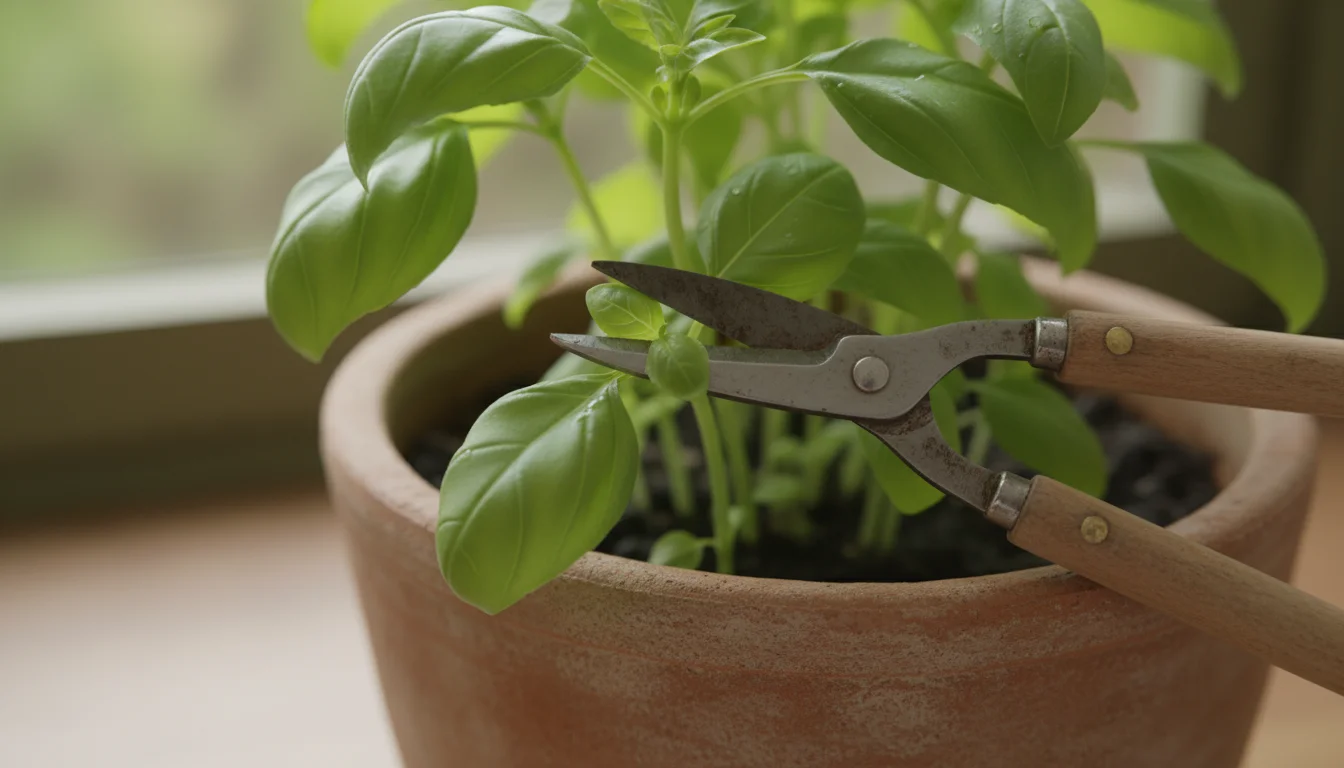
The Art of Pruning: Making Indoor Herbs Bushier
Pruning often feels intimidating, but it is one of the most effective and essential practices for transforming leggy plants into robust, bushy specimens. When a plant grows tall and thin, its energy concentrates on vertical growth. Pruning redirects this energy, encouraging lateral branching and a more compact, dense form. This is particularly crucial for how to fix leggy basil indoors.
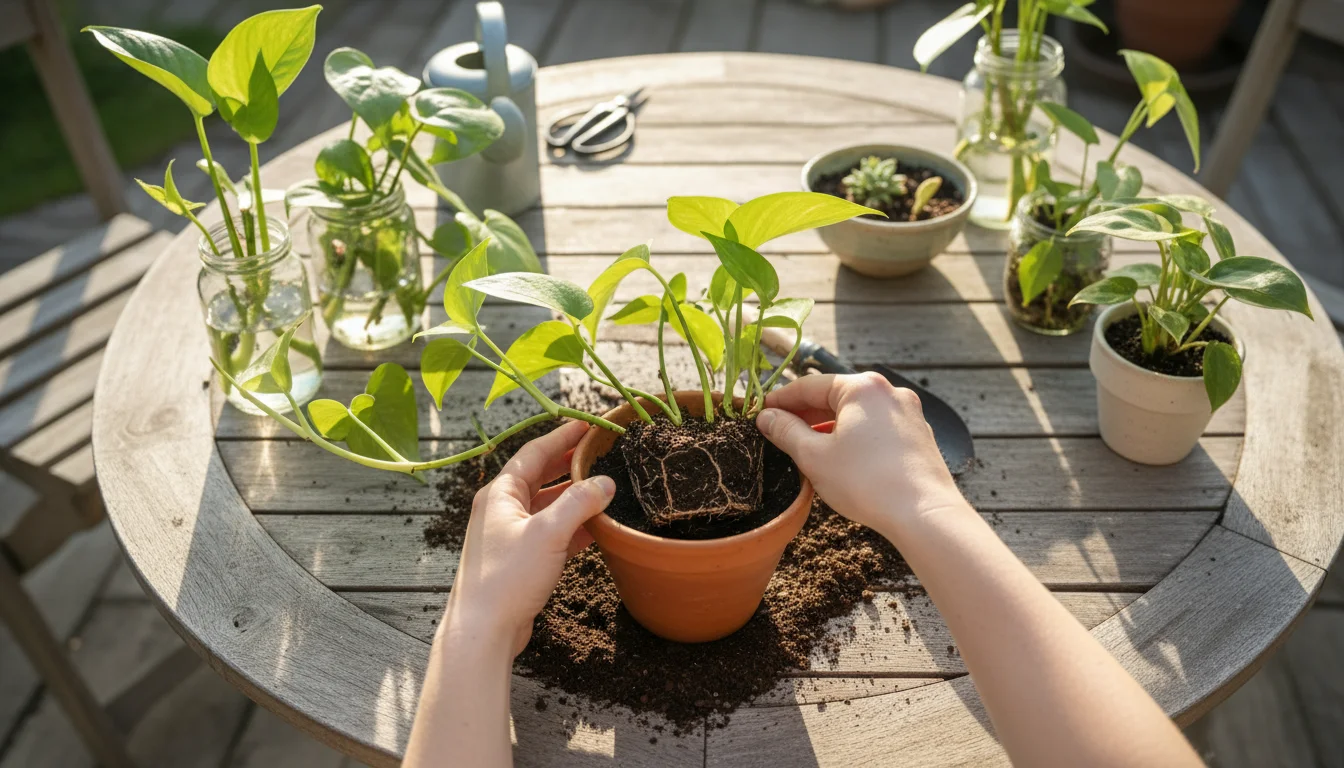
When you trim back leggy growth, save those cuttings for a winter propagation project to grow entirely new plants for free.
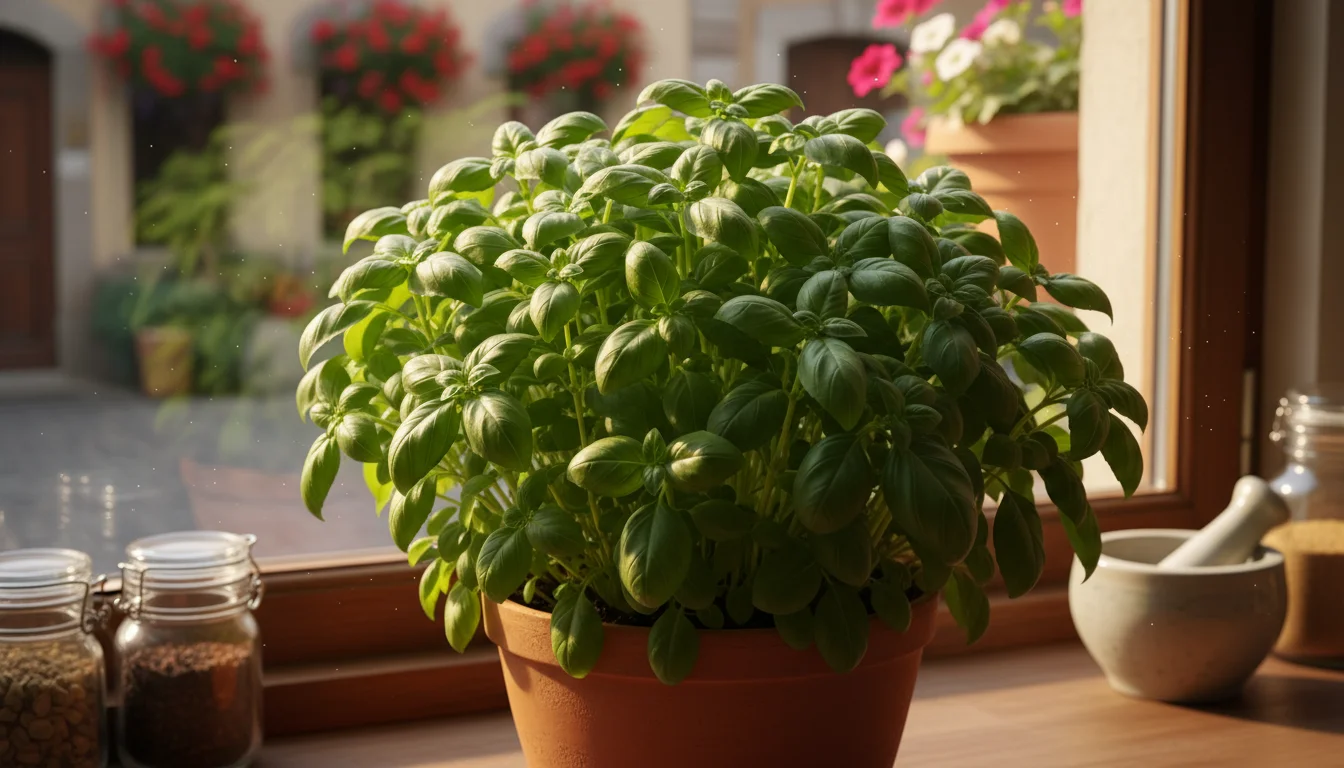
Understanding Why Pruning Works
When you prune a plant, you remove the apical bud, which is the growth tip at the top of the main stem. This tip produces a hormone called auxin, which suppresses the growth of side shoots (lateral buds) further down the stem. This phenomenon is called apical dominance. By removing the apical bud, you eliminate the source of auxin, signaling the lateral buds to activate and grow. The result is a plant that branches out, becoming wider and bushier.

How to Prune Leggy Herbs, Step by Step
Proper pruning is a simple technique that yields dramatic results.
- Gather Your Tools: Use clean, sharp scissors or pruners. Sterilizing them with rubbing alcohol prevents the spread of diseases.
- Identify the Right Spot: Look for a node on the stem. A node is where a leaf or a pair of leaves attaches to the stem, and it is also where new growth points (lateral buds) are located.
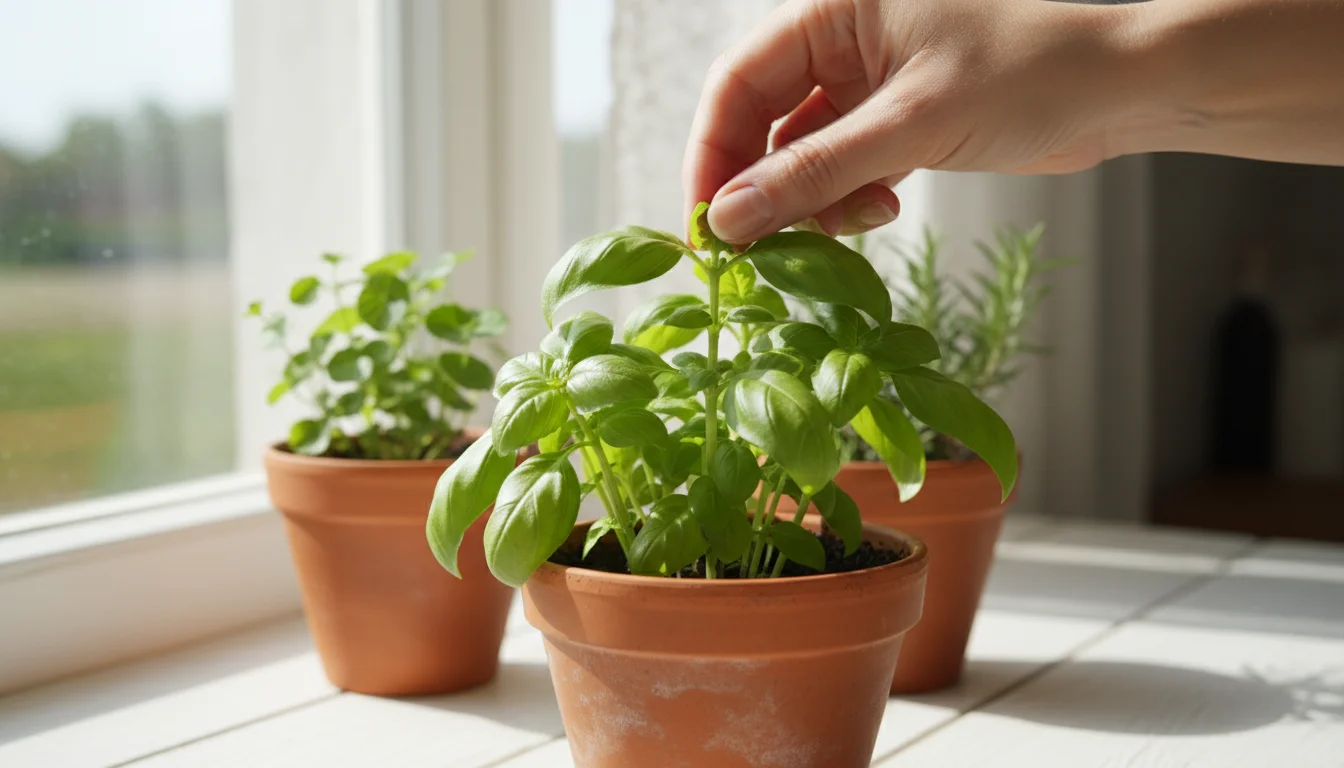
- Make the Cut: Cut the stem just above a set of healthy leaves or a node. For leggy plants, you might need to cut back a significant portion of the stretched stem, perhaps by one-third to one-half of its length. Do not be afraid to be bold; your plant will recover. For basil, you often cut back to just above the second or third set of true leaves from the bottom.
- Repeat Regularly: Prune your herbs regularly, especially basil, mint, and oregano, which are fast growers. Pinch off the top sets of leaves every week or two during the growing season. This continuous pruning prevents legginess from returning and encourages ongoing bushiness.
Specific Pruning Tips for Common Leggy Herbs
- Basil: The poster child for legginess. Pinch off the central stem just above a leaf node, ensuring you leave at least one or two sets of leaves below. This encourages two new stems to grow from that node, effectively doubling your harvest and creating a bushier plant.
- Mint: Mint is vigorous. Prune frequently by snipping stems back by about one-third. This keeps it compact and flavorful.
- Rosemary, Thyme, Oregano: For these woody herbs, prune back leggy stems to encourage new, compact growth. Avoid cutting into very old, woody stems that have no leaves, as they may not regrow. Focus on the softer, greener growth.
Pruning is a foundational aspect of indoor herbs care. It not only addresses how to fix leggy basil indoors, but it is also the most effective way of making indoor herbs bushier and ensuring a continuous supply of fresh, flavorful leaves.
Temperature, Humidity, and Air Circulation: Hidden Factors
While light, water, nutrients, and pruning form the core of leggy plant fixes, other environmental factors play a subtle yet important role in the overall health and vigor of your indoor herbs. Temperature, humidity, and air circulation can indirectly contribute to legginess or simply prevent your plants from thriving as they should.
Temperature: Finding the Sweet Spot
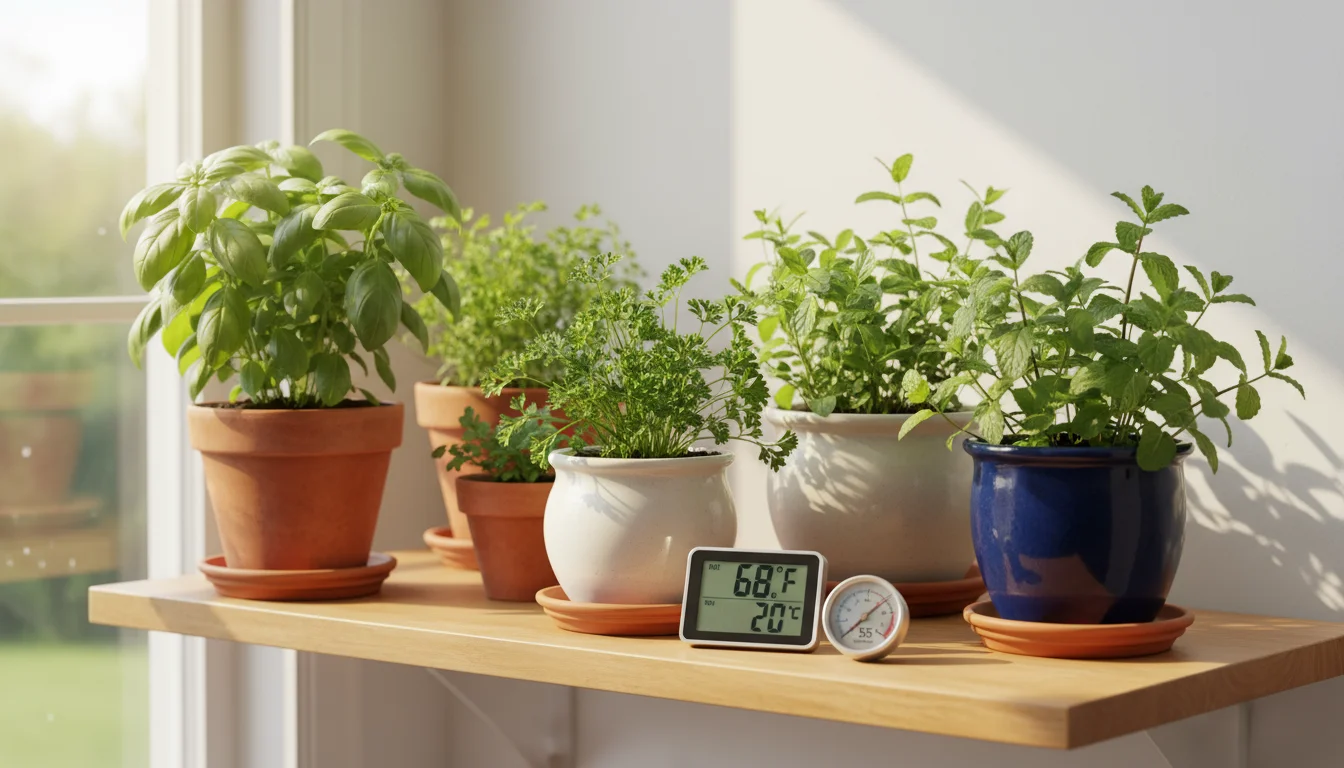
Most culinary herbs prefer moderate temperatures, similar to what you find in a comfortable home.
- Avoid Extremes: Sudden temperature fluctuations or extreme cold drafts can stress plants, slowing growth and making them more susceptible to issues. Keep plants away from constantly opening doors or drafty windows during winter.
- Ideal Range: Generally, a consistent temperature between 65-75°F (18-24°C) during the day and slightly cooler at night (around 55-65°F or 13-18°C) is ideal for most herbs. When temperatures are too warm in combination with low light, plants stretch even more aggressively.
Humidity: A Matter of Balance
Indoor environments, especially in winter with heating systems running, tend to be very dry. Many herbs, particularly those originating from tropical or Mediterranean climates, appreciate a moderate level of humidity.
- Combat Dry Air: Low humidity can stress plants, leading to crisp leaf edges or stunted growth. To increase humidity around your herbs:
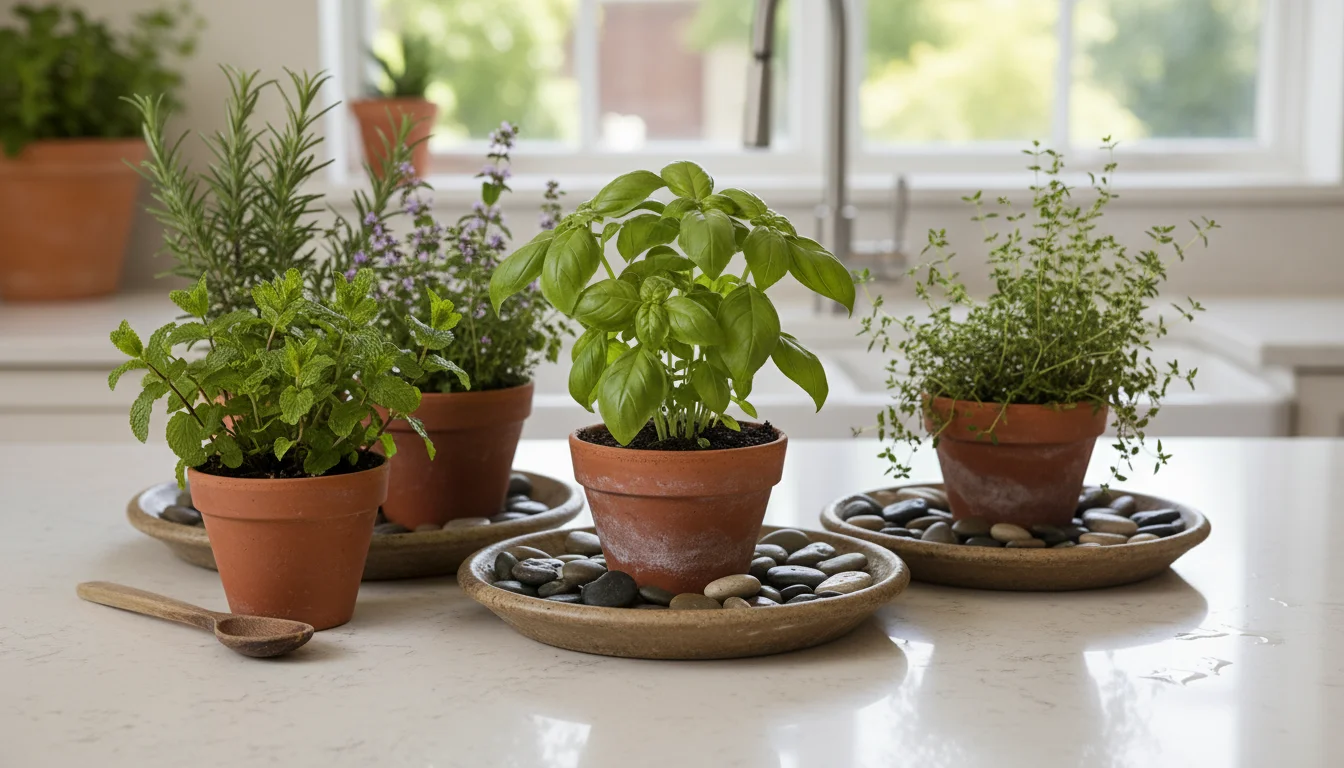
- Pebble Trays: Place pots on trays filled with pebbles and water, ensuring the pot bottoms do not sit directly in the water. As the water evaporates, it increases localized humidity.
- Misting: Lightly misting plants with water can temporarily increase humidity, but its effect is fleeting.
- Group Plants: Grouping plants together creates a microclimate with slightly higher humidity as they transpire.
Air Circulation: Preventing Stagnation
Good air circulation is essential for indoor plants.
- Prevents Disease: Stagnant air, especially in humid conditions, creates an ideal breeding ground for fungal diseases like powdery mildew, which can weaken plants and impede growth.
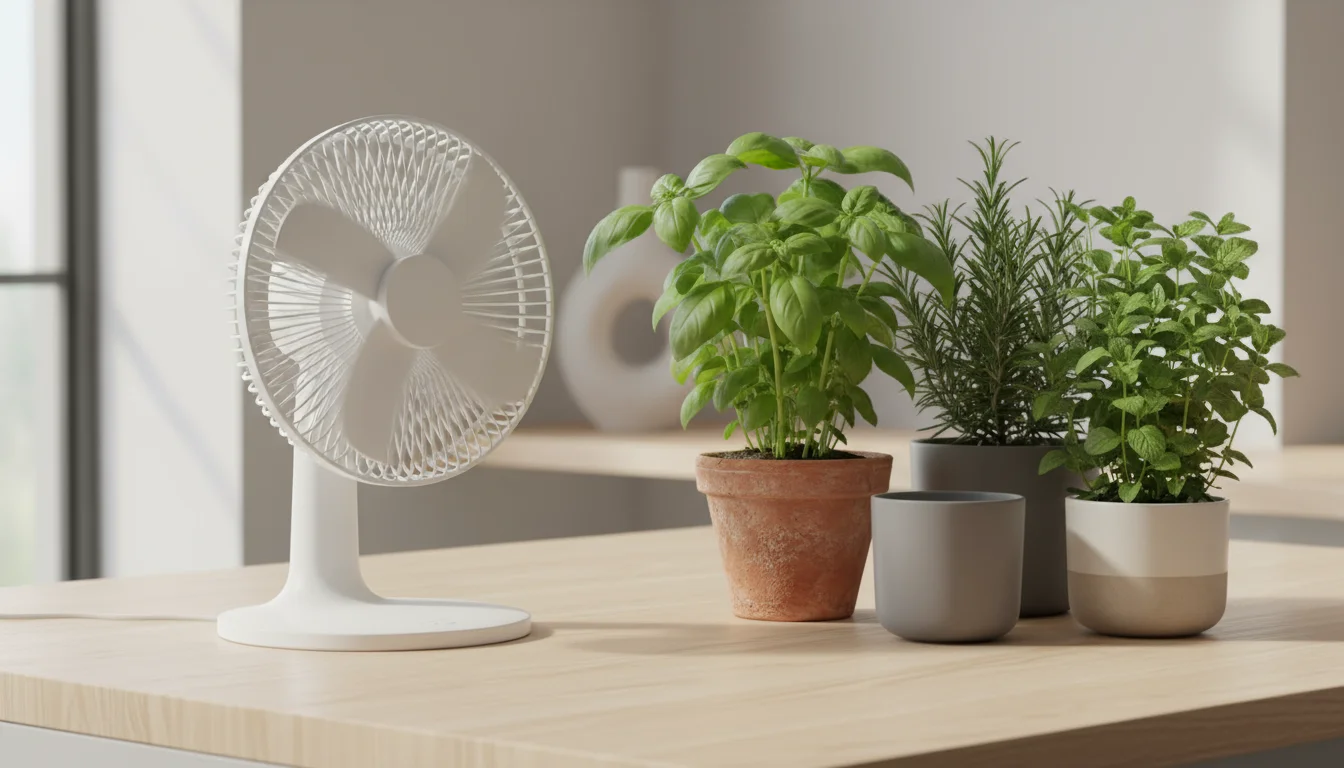
- Strengthens Stems: Gentle air movement, such as from a small fan set on a low setting, mimics outdoor breezes. This encourages plants to develop stronger, sturdier stems as they subtly sway, helping to prevent the very weakness associated with leggy plants.
By paying attention to these often-overlooked environmental factors, you create a more holistic and supportive environment for your indoor herbs, contributing to their overall vitality and helping them resist the tendency to become thin and weak. This comprehensive indoor herbs care approach is crucial for healthy, bushy growth.
Common Mistakes and Advanced Tips for Thriving Herbs
Even with the best intentions, indoor herb gardening can present challenges. Avoiding common pitfalls and adopting some advanced techniques can significantly improve your success in making indoor herbs bushier and keeping them from becoming leggy.
Many indoor gardeners find themselves loving their houseplants to death by fussing over them too much during the winter dormancy period.
Mistakes to Avoid
- Ignoring Plant Signals: Your plants communicate their needs. Pale, stretched stems scream “more light.” Yellowing leaves might indicate overwatering or nutrient deficiency. Learn to read these signs.
- Overwatering: As mentioned, this is the most frequent mistake. Always check soil moisture before watering. When in doubt, it is better to slightly underwater than to overwater.
- Using the Wrong Soil: Garden soil is too heavy and compact for containers, leading to poor drainage and suffocated roots. Always use a high-quality potting mix.
- Neglecting Pruning: Fear of pruning often leads to leggy, unproductive plants. Embrace it as a vital practice for encouraging bushiness and increasing yield.
- Inconsistent Care: Plants thrive on routine. Try to provide consistent light, watering, and temperature. Erratic care causes stress.
Advanced Tips for Robust Indoor Herb Growth
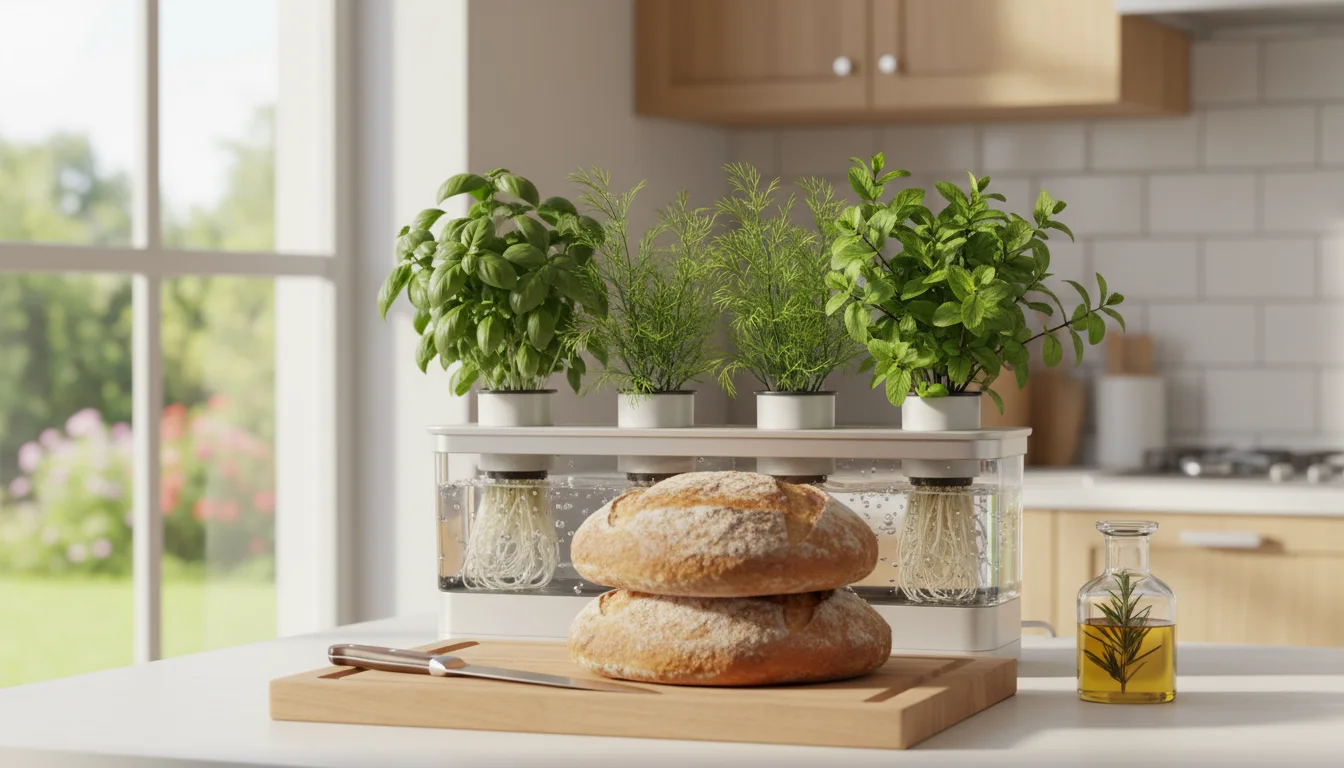
- Consider Hydroponics: For a truly hands-off approach to nutrient and water management, consider small-scale hydroponic systems designed for indoor herbs. These systems provide precise nutrient delivery and can produce incredibly vigorous growth.
- Bottom Watering: To encourage deep root growth and reduce surface algae, try bottom watering. Place your potted herb in a tray of water for 20-30 minutes, allowing the soil to soak up water from the bottom. Remove and let drain.
- Compost Tea: Instead of synthetic fertilizers, consider using diluted compost tea for a gentle, organic nutrient boost that also improves soil microbial life. Simply steep finished compost in water for a day or two, then strain and dilute the liquid.
- Succession Planting: For fast-growing herbs like basil or cilantro, plant small batches every few weeks. This ensures a continuous harvest and means you are always starting with young, vigorous plants that are less prone to becoming severely leggy. If you have a particularly leggy plant that is beyond recovery, sometimes starting fresh is the best approach.
- Monitor for Pests: Stressed, leggy plants are more susceptible to pests like aphids or spider mites. Inspect your plants regularly. Early detection and treatment with insecticidal soap or neem oil can prevent infestations from spiraling out of control.
By proactively addressing potential issues and integrating these advanced techniques, you elevate your indoor herbs care and become a more confident and successful gardener. You master the art of the leggy plants fix, ensuring your small space is always filled with lush, aromatic herbs.

Frequently Asked Questions
Why do my indoor herbs get so tall and thin even with a grow light?
Even with a grow light, your herbs can still become tall and thin if the light is not intense enough or positioned too far away. The goal is to mimic direct sunlight, meaning your grow light needs to be very close to the plant canopy, typically 2-4 inches for most LED or fluorescent lights. Additionally, ensuring a consistent 12-16 hour light cycle is crucial. Increase light intensity or move the light closer to provide the necessary energy for compact growth, effectively addressing the “why are my seedlings so tall and thin” problem.
Can I revive a severely leggy herb, or should I start over?
You can often revive a severely leggy herb. The first step is to drastically prune it back to a healthy set of leaves or a node, even if it means removing most of the stretched growth. Then, immediately address the underlying causes, primarily by increasing light intensity and ensuring proper watering. While it might look sparse initially, new, bushier growth will emerge if the root system is healthy. For fast-growing annuals like basil, sometimes starting fresh with new seeds or cuttings and applying preventative care from the start is more efficient.
How can I make my indoor basil plant bushier after it gets leggy?
To make your indoor basil plant bushier, consistent pruning is key. Once you have improved its light conditions, pinch off the central stem just above a pair of leaves. This encourages two new stems to grow from that point, creating a fuller plant. Continue this pinching technique on new growth every week or two, preventing it from stretching again and promoting lateral branching. Regular pruning is the most effective way of how to fix leggy basil indoors and achieve a dense, productive plant.
What is the ideal temperature range for most indoor herbs?
Most culinary indoor herbs thrive in typical household temperatures, ideally between 65-75°F (18-24°C) during the day. They can tolerate slightly cooler temperatures at night, down to around 55-65°F (13-18°C), which can actually promote stronger growth. Avoid extreme temperature fluctuations, cold drafts, or placing them too close to heat sources, as these can stress the plants and contribute to weak growth.
For trustworthy gardening information, visit:
National Garden Bureau, National Wildlife Federation — Garden for Wildlife, Lady Bird Johnson Wildflower Center, Botanic Gardens Conservation International and American Public Gardens Association. These organizations provide expert, research-based advice for gardeners at all levels.
Disclaimer: This article is for informational purposes only and is not a substitute for professional gardening advice. Always consult local extension services or horticulture experts for region-specific guidance.
Leave a Reply