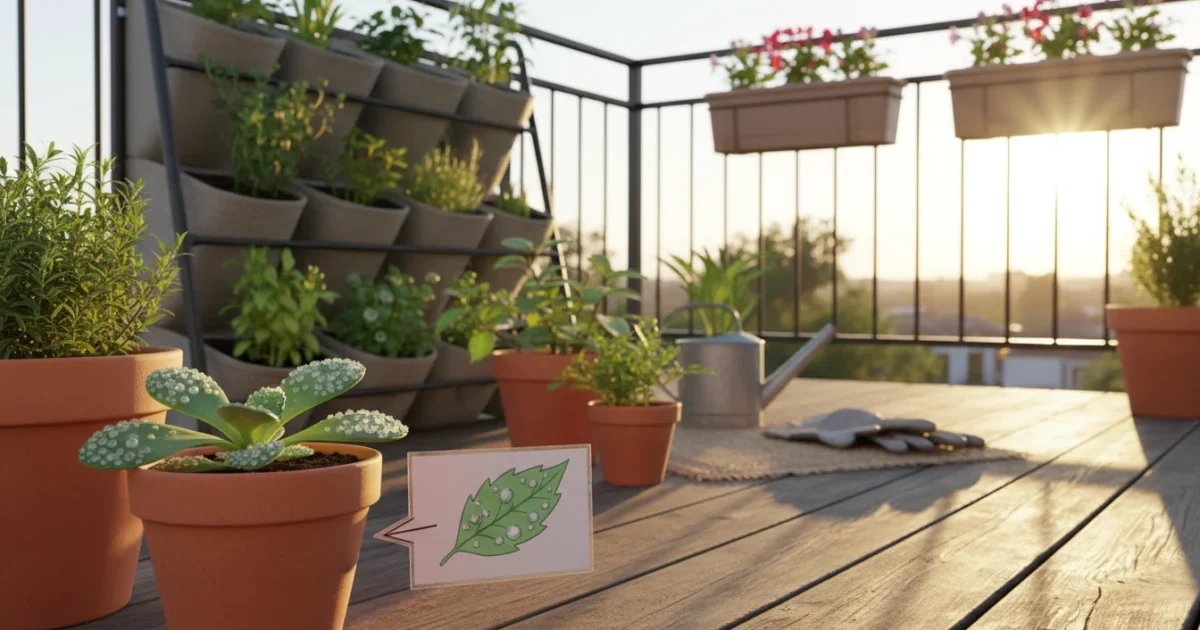
You notice small, water-soaked blisters on your beloved houseplant’s leaves. Perhaps they look like tiny warts, corky growths, or just an odd texture. Your first thought might be pests or a dreaded disease. Before panic sets in, consider a common, often misunderstood plant condition, especially prevalent during the colder months: plant edema. This issue, also known as dropsy, results from your plant taking in too much water for its environment, causing internal pressure to build up. It is a physiological response, not an infestation or infection, and you can effectively manage it with simple adjustments to your care routine.
Edema most frequently affects indoor plants during winter due to changes in light, temperature, and humidity. Understanding its causes and symptoms empowers you to keep your plants healthy and thriving, even in less-than-ideal indoor conditions. This guide provides practical insights and actionable steps to identify, prevent, and fix edema in your container plants, transforming you into a confident indoor gardener.
Understanding Plant Edema: What It Is
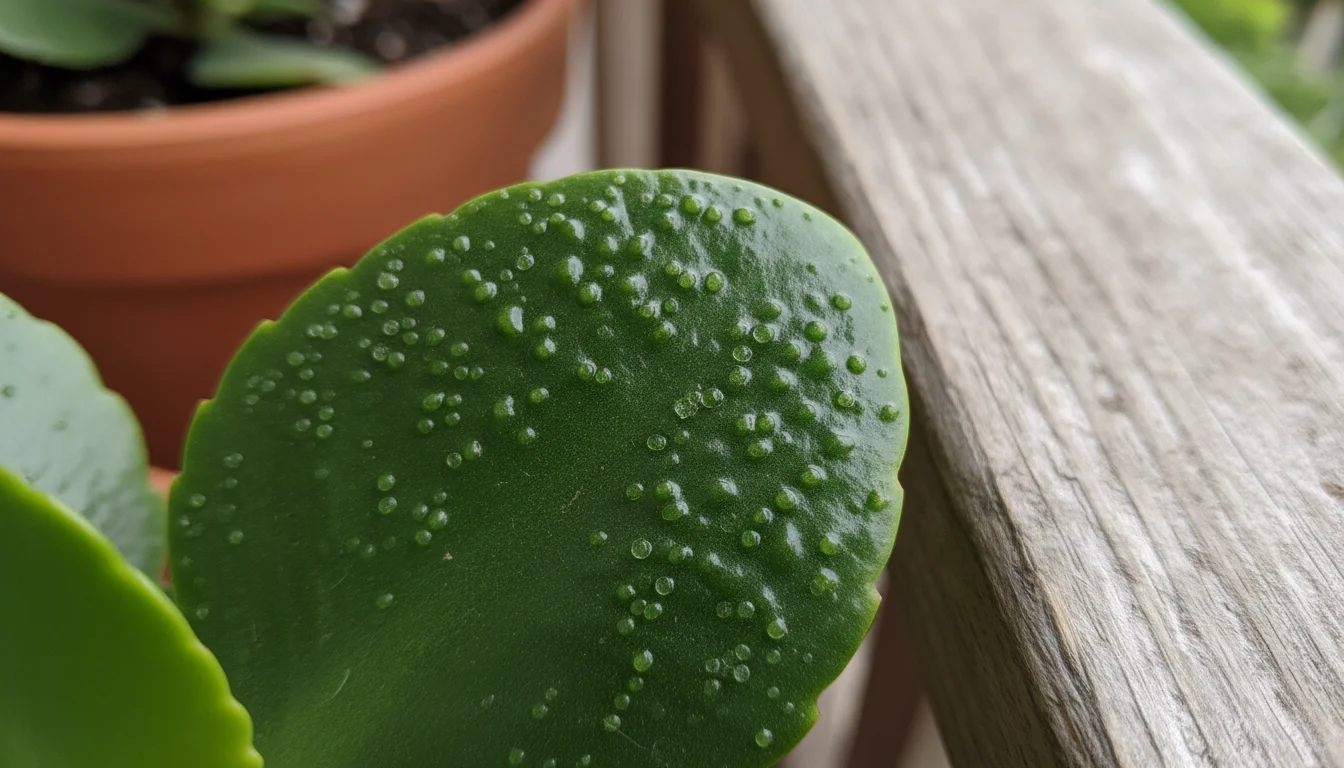
Plant edema, or dropsy, occurs when a plant absorbs water through its roots faster than it can release that water through its leaves. Think of it like this: your plant’s roots act like tiny straws, constantly pulling water from the soil. Its leaves, in turn, have microscopic pores called stomata that release excess water vapor into the air, a process known as transpiration. When transpiration slows down, but water uptake continues at a high rate, cells in the leaves or stems become engorged with water. This overfilling causes the cells to swell and sometimes burst, forming the characteristic blisters, bumps, or corky lesions you observe.
This physiological disorder primarily affects container plants, especially those growing indoors where environmental conditions often differ from their natural habitats. It is not a disease spread by pathogens or pests. Instead, it is a direct response to an imbalance in the plant’s water regulation system. Recognizing this distinction is crucial because your approach to solving edema involves environmental adjustments, not chemical treatments for pests or fungi.
The appearance of edema varies depending on the plant species, but the underlying cause remains consistent: an imbalance in water management. You might notice these symptoms appear suddenly, often after a period of overwatering, a drop in temperature, or an increase in humidity. Understanding this basic mechanism is the first step towards effectively managing houseplant leaf problems.
Why Winter Conditions Trigger Edema
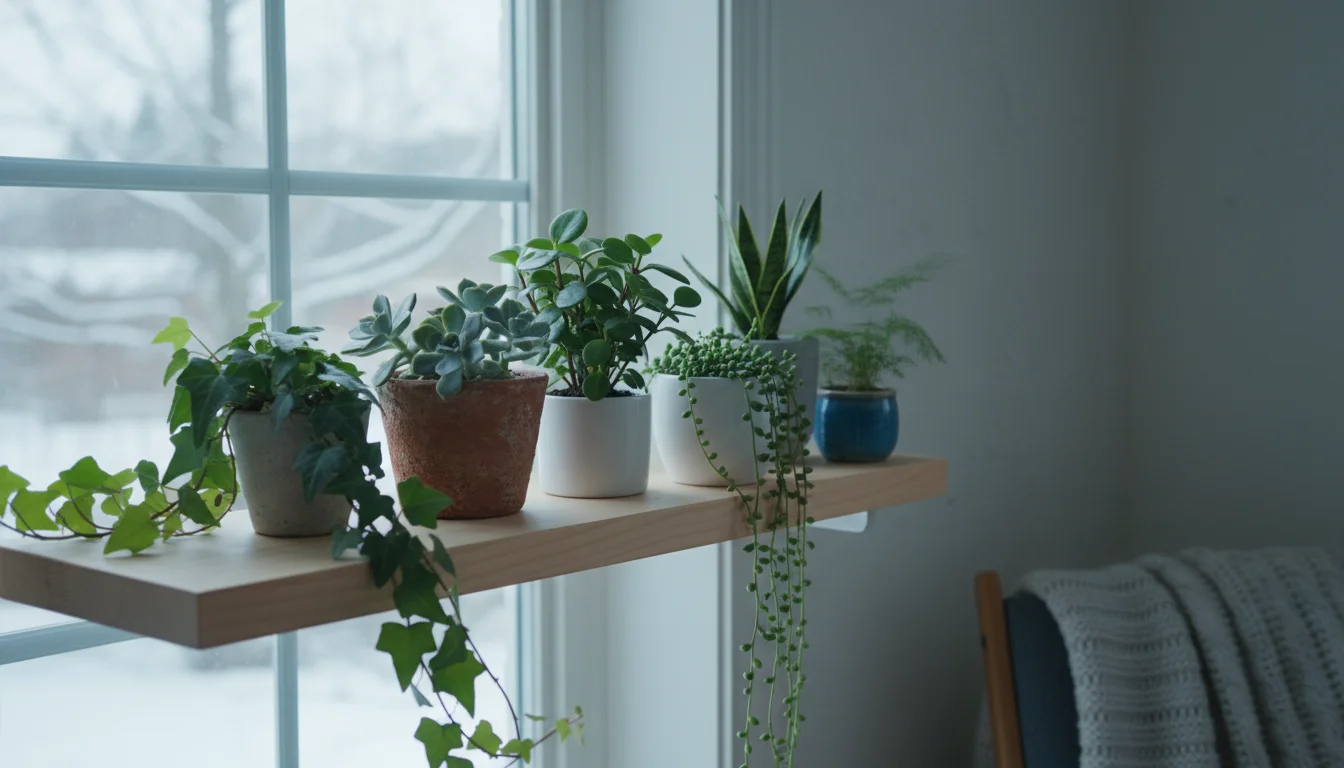
Winter presents a unique set of challenges for indoor plants, creating the perfect storm for edema development. Several factors contribute to this increased susceptibility during the colder months:
- Reduced Light Levels: Daylight hours shorten significantly in winter, and the intensity of sunlight decreases. Plants rely on light for photosynthesis, which also drives transpiration. Less light means slower photosynthesis and consequently, less water vapor released through the leaves. Your plant takes in the same amount of water, but it processes less of it.
- Cooler Temperatures: Indoor temperatures often drop in winter, especially near windows or during the night. Cooler air holds less moisture, but more importantly, lower temperatures directly reduce a plant’s metabolic rate, including transpiration. Just as light slows down, so does the rate at which water moves through and out of the plant.
- Increased Humidity: Paradoxically, while winter air outside is dry, indoor environments can sometimes have higher humidity, especially in kitchens or bathrooms, or if you use humidifiers. High ambient humidity reduces the vapor pressure deficit between the plant leaf and the surrounding air. This makes it harder for the plant to release water vapor, effectively slowing down transpiration. If the air around your plant is already saturated with moisture, the plant cannot easily release its own excess water.
- Overwatering Tendencies: Many gardeners continue their summer watering routines into winter, not realizing their plants’ water needs change dramatically. Because of the reduced light, cooler temperatures, and increased humidity, plants need significantly less water in winter. Giving a plant the same amount of water as in summer leads directly to overwatering symptoms. The roots continue to absorb moisture from the constantly damp soil, but the plant cannot release it efficiently. This situation often leads to what is edema on plant leaves.
- Poor Air Circulation: Stagnant air around your plants further compounds the problem. Good air circulation helps to move moist air away from the leaves, facilitating transpiration. In winter, closed windows and doors often mean less natural airflow, trapping humid air around your plants.
These combined environmental factors reduce your plant’s ability to regulate its internal water balance, leading to the cellular swelling and characteristic blisters on indoor plant leaves. Recognizing these winter-specific triggers empowers you to adjust your care practices and prevent this common issue.
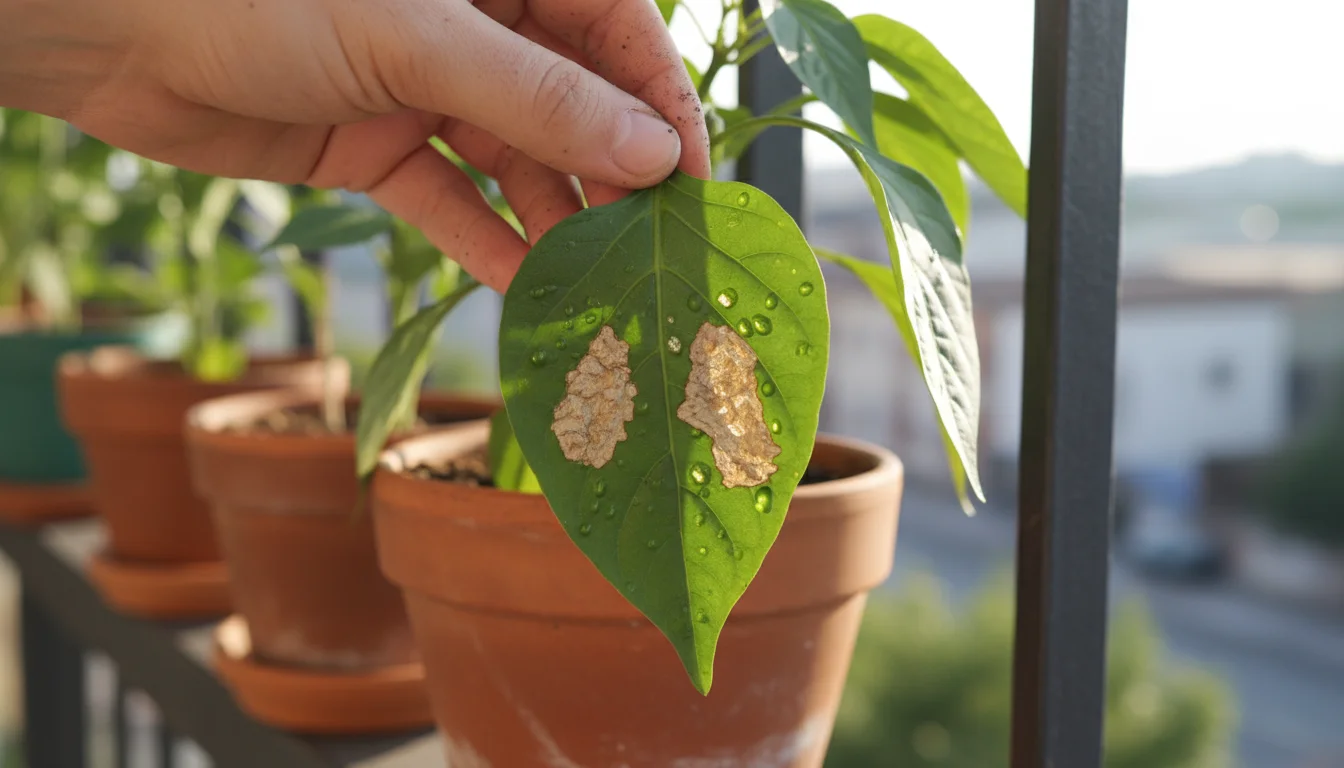
Spotting the Signs: Identifying Edema on Your Plants
Identifying plant edema requires careful observation, as its symptoms can sometimes mimic those of pests or diseases. However, once you learn what to look for, you will easily recognize the tell-tale signs of this physiological disorder. Pay close attention to these common symptoms:
- Tiny Blisters or Bumps: This is the most distinctive symptom. You will see small, raised bumps or blisters on the undersides of leaves, and sometimes on the top surfaces. These can be translucent, water-soaked, or green at first, eventually turning brown, yellow, or reddish. They vary in size, from pinpricks to a few millimeters.
- Corky Growths: As the blisters age, they often rupture and heal, forming rough, corky growths or scab-like lesions. These feel firm to the touch and typically have a brownish or tan color. You might mistake these for scale insects, but they do not scrape off easily and lack the insect-like structure.
- Wart-like Protrusions: In some plants, edema manifests as distinct wart-like protrusions rather than uniform blisters. These are particularly common on the stems and leaf petioles of certain succulents and thick-leaved plants.
- Leaf Distortion or Yellowing: Severely affected leaves may become distorted, curled, or yellow. While yellowing often indicates overwatering, in the case of edema, you will also see the characteristic bumps alongside the discoloration.
- Swollen Stems: Less commonly, edema can affect the stems, causing them to appear swollen or develop similar corky lesions.
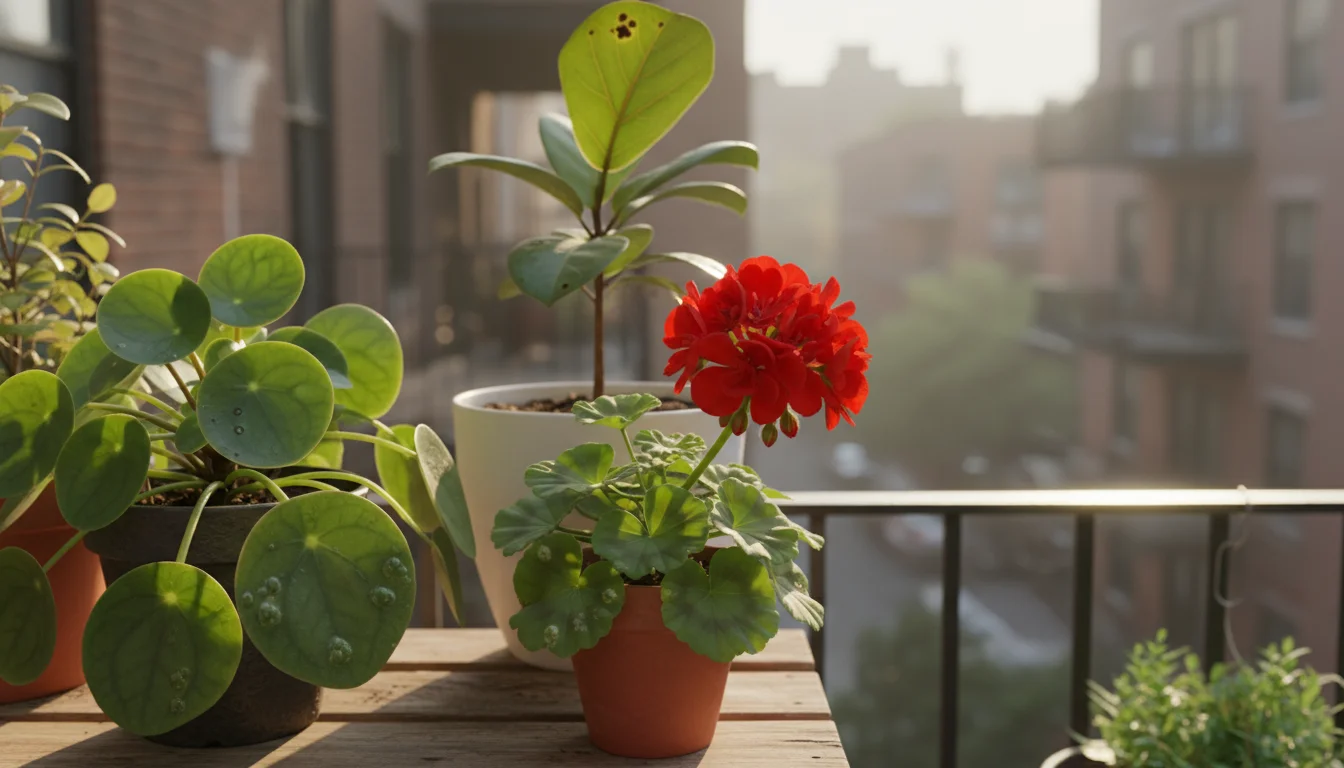
Plants Most Susceptible to Edema
While any plant can develop edema under the right conditions, some species are particularly prone to it:
- Geraniums (Pelargonium spp.): Often show prominent blisters on their lower leaf surfaces.
- Peperomia (Peperomia spp.): Develop small, wart-like bumps, especially on the undersides of leaves.
- Fittonia (Nerve Plant): Its delicate leaves can show water-soaked spots.
- Ficus (e.g., Fiddle Leaf Fig, Rubber Plant): Can develop tiny, brown or red spots, often on younger leaves, which can later become corky.
- Succulents: Many succulents, like Kalanchoe, develop corky brown spots on their leaves and stems.
- Ivy (Hedera spp.): Shows small, raised bumps, particularly on the leaf undersides.
When examining your plant, gently feel the affected areas. If the bumps are firm and part of the leaf structure, rather than something that can be picked off (like a pest), you are likely dealing with edema. Distinguishing these blisters on indoor plant leaves from other houseplant leaf problems is key to effective treatment. For example, spider mites create webbing and tiny dots, while fungal spots typically appear sunken or powdery. Edema’s characteristic raised, blister-like appearance makes it unique.
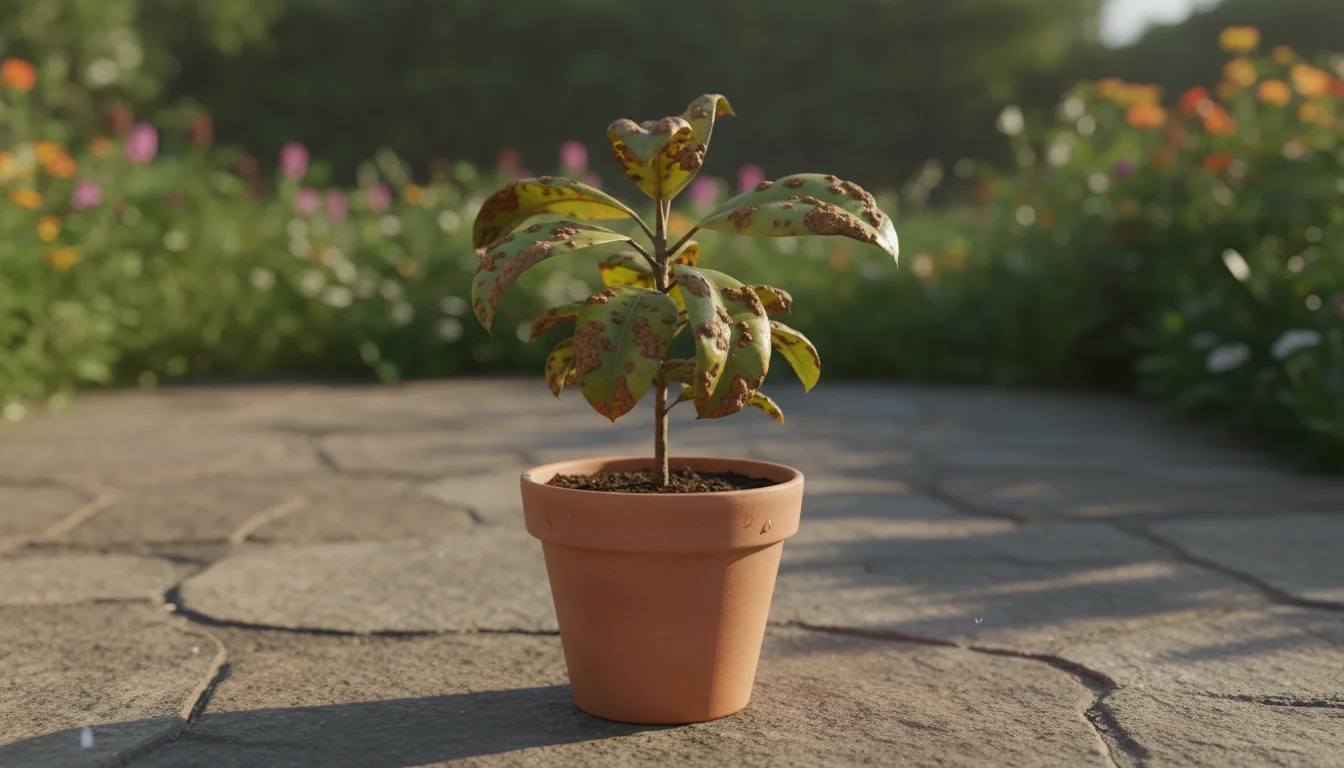
The Damage Edema Causes: Why You Should Act
While plant edema does not represent an immediate death sentence for your plant, you should address it promptly to maintain plant health and aesthetics. Ignoring edema can lead to several undesirable outcomes:
- Aesthetic Damage: The most obvious impact is on your plant’s appearance. The blisters and corky growths are unsightly, diminishing the plant’s decorative value. Severely affected leaves can become discolored, distorted, and generally unhealthy looking.
- Reduced Photosynthesis: When leaf cells are damaged or distorted by edema, their ability to perform photosynthesis decreases. Photosynthesis, the process by which plants convert light energy into chemical energy, is vital for growth and overall plant vigor. Less efficient photosynthesis translates to a weaker, less robust plant.
- Increased Stress: Edema is a sign of physiological stress. A stressed plant is more susceptible to secondary problems, including pest infestations and fungal diseases. Compromised cell walls from edema provide easier entry points for pathogens, even though edema itself is not a disease.
- Leaf Drop: In severe or prolonged cases, affected leaves may turn yellow, brown, and eventually drop off. While plants can often grow new leaves, significant leaf loss weakens the plant and stunts its growth. This is particularly concerning for smaller container plants where leaf surface area is critical.
- Stunted Growth: A plant constantly battling edema dedicates energy to recovery and repair instead of new growth. You will notice slower growth rates, smaller new leaves, and a general lack of vibrancy compared to a healthy plant.
Addressing edema is not just about aesthetics. It is about restoring your plant’s natural balance, reducing stress, and promoting healthy, vigorous growth. By understanding why you should act, you empower yourself to implement the necessary preventative and corrective measures.
Preventing Edema: Your First Line of Defense
Proactive prevention is the most effective strategy for managing plant edema. By implementing a few practical adjustments, you can significantly reduce the risk of those unsightly blisters appearing on your container plants. These strategies primarily focus on optimizing your plant’s environment and watering practices, especially during the challenging winter months.
1. Master Your Watering Routine
This is the single most critical factor in preventing edema, as overwatering symptoms are the root cause.
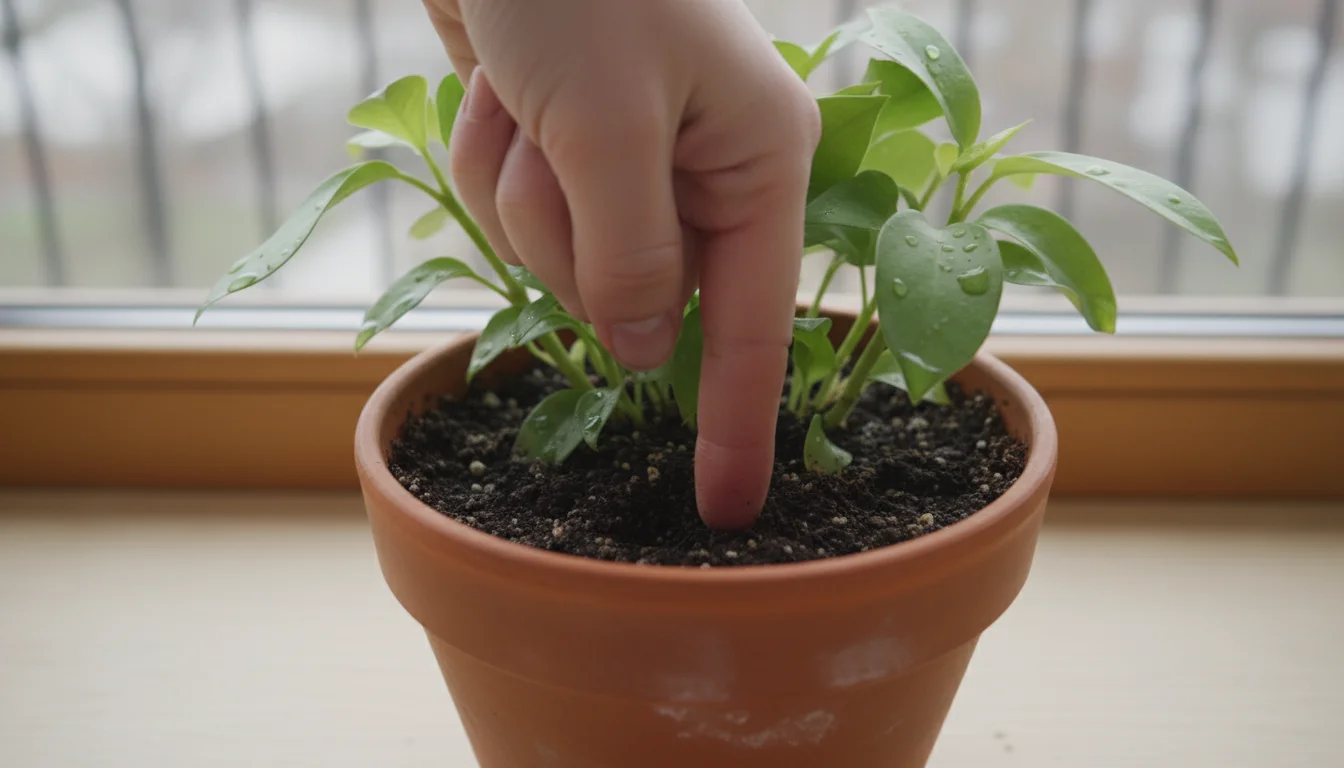
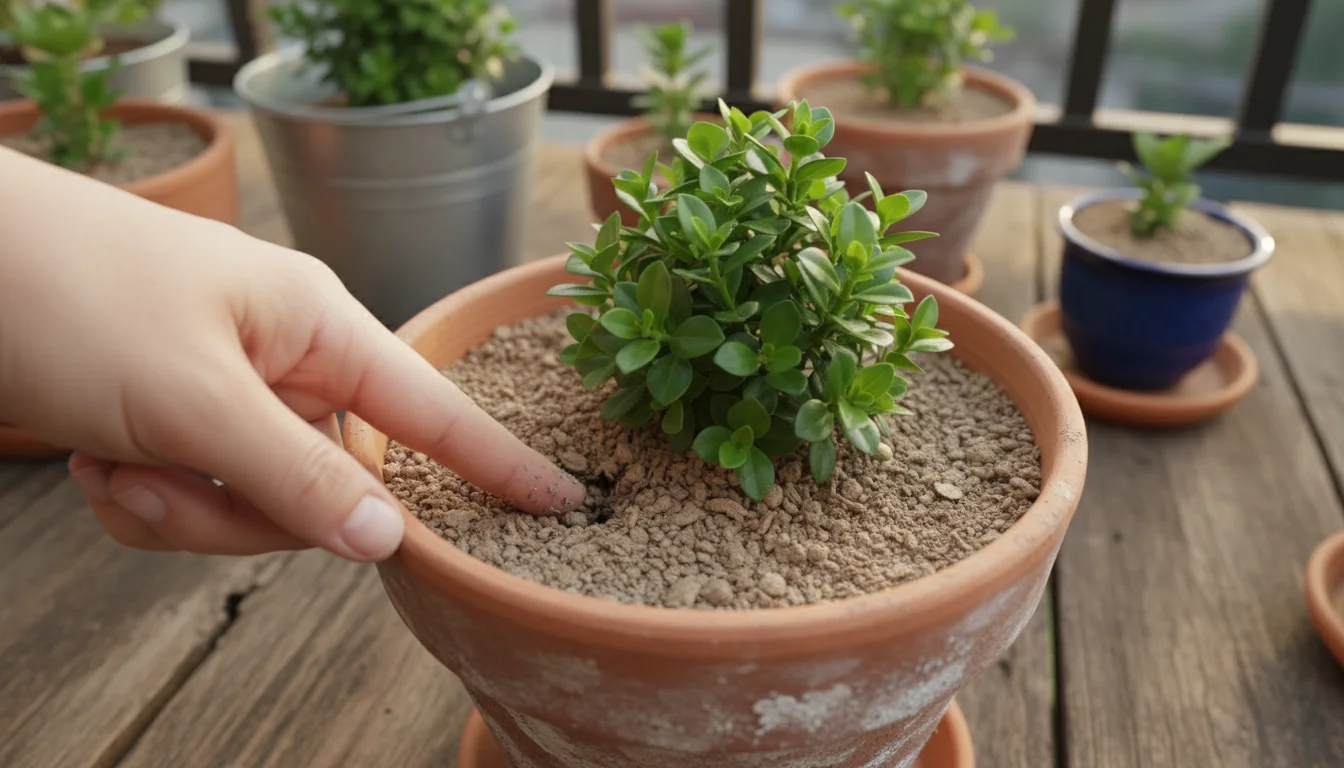
- Check Soil Moisture: Do not water on a schedule. Instead, check the soil moisture levels before watering. Insert your finger about 2 inches deep into the soil. If it feels moist, wait. Only water when the top few inches of soil feel dry. For smaller pots, you can lift the pot to gauge its weight. A light pot usually indicates dry soil.
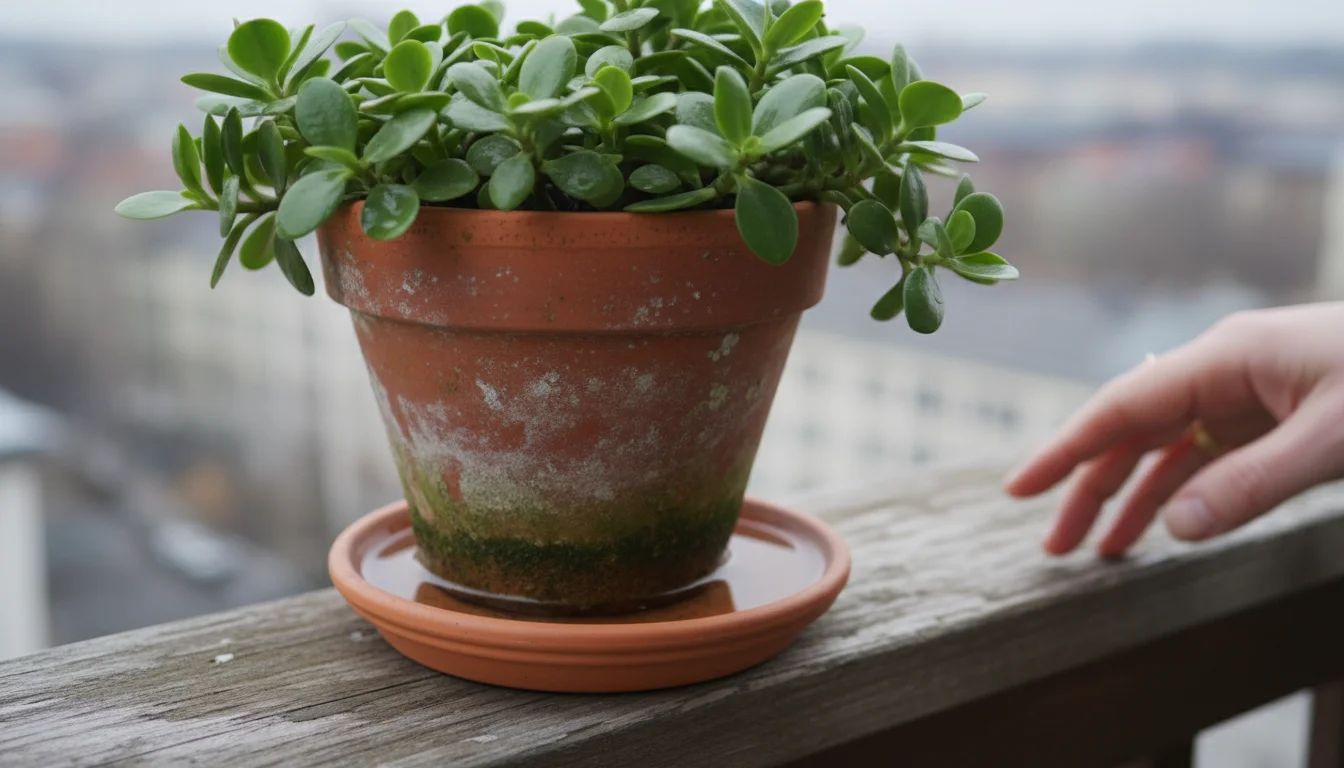
- Water Thoroughly, Then Drain: When you do water, water until it drains from the bottom of the pot. This flushes out accumulated salts and ensures the entire root ball receives moisture. Immediately empty any standing water from the saucer. Leaving roots sitting in water suffocates them and exacerbates overwatering problems.
- Adjust for Winter: Plants require significantly less water in winter. Reduce the frequency of watering. If you watered weekly in summer, you might need to water every two to three weeks, or even less frequently, in winter. Your plant’s water needs decrease dramatically with lower light and temperatures.
- Consider Bottom Watering: For some plants, bottom watering can be beneficial. Place the pot in a tray of water and let the plant wick up moisture for 15-30 minutes. This method ensures the plant only takes what it needs, though you still need to monitor soil moisture carefully.
2. Optimize Environmental Conditions
Controlling your plant’s immediate environment directly influences its ability to transpire efficiently.
- Improve Air Circulation: Stagnant, humid air around plants hinders transpiration. Ensure good airflow by:
- Spacing plants adequately so air moves freely around them.
- Opening windows periodically on mild winter days to introduce fresh air (avoid cold drafts directly on plants).
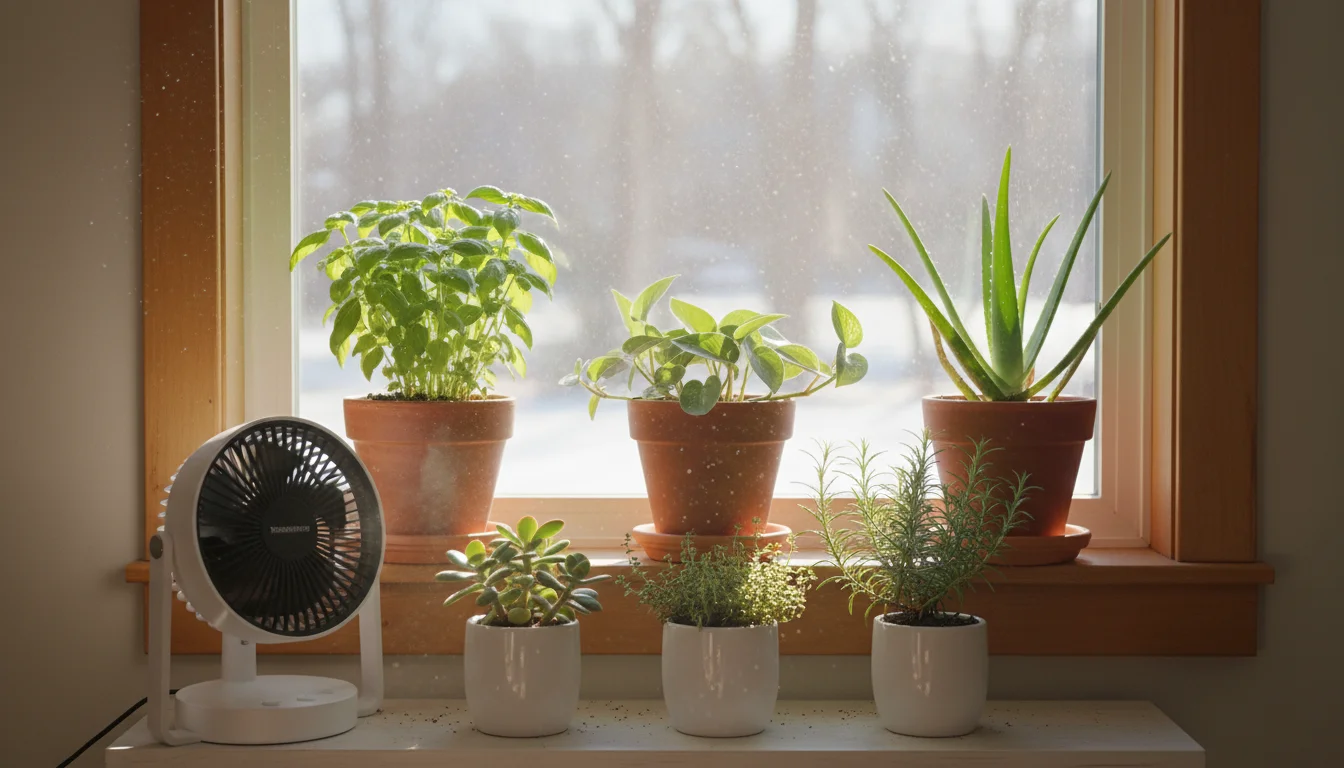
- Using a small oscillating fan on a low setting for a few hours a day, positioned to gently move air without blasting plants. This is particularly effective in enclosed spaces or with many plants.
- Regulate Humidity: While low humidity can stress plants, excessively high humidity can contribute to edema.
- Avoid placing plants directly over humidifiers if they are already showing signs of overwatering.
- If you live in a naturally humid climate, prioritize excellent air circulation and very careful watering.
- Aim for a balanced humidity level, generally between 40-60%, which benefits most houseplants without encouraging edema.
- Maintain Stable Temperatures: Plants prefer consistent temperatures.
- Avoid placing plants near cold windows or exterior doors where they experience sudden drops in temperature.
- Protect plants from cold drafts.
- Ideal indoor temperatures for most houseplants are between 65-75°F (18-24°C) during the day and slightly cooler at night.
- Provide Adequate Light: Although light levels are lower in winter, maximize what you have.
- Move plants closer to windows, ensuring they receive the brightest indirect light available.
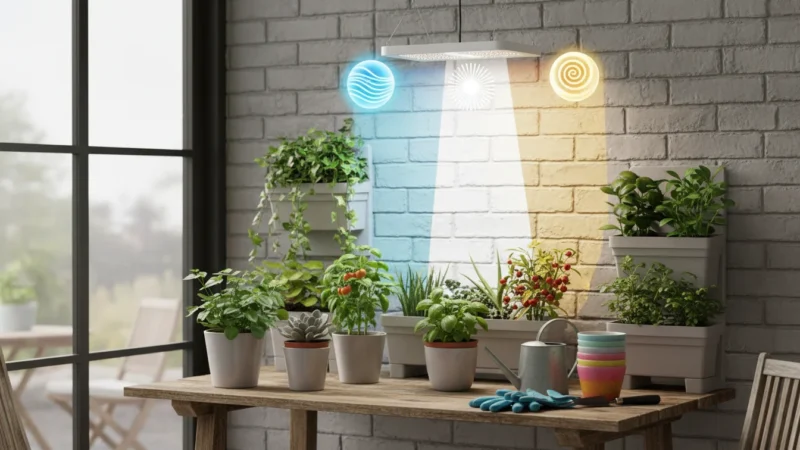
- Consider supplemental grow lights, especially for plants known to be light-hungry, to help maintain their metabolic rate and support transpiration. This helps plants process the water they take in.
By actively managing these aspects of your plant’s care, you create an environment where edema is far less likely to develop. Remember, consistency and observation are your most powerful tools in preventing houseplant leaf problems.
Fixing Edema: A Step-by-Step Recovery Plan
If you discover your plant already has those tiny blisters on its leaves, do not despair. Edema is fixable, and your plant can recover with timely intervention. The key is to address the underlying environmental imbalances that caused the condition. Here is your step-by-step recovery plan to help fix edema in container plants:
Step 1: Assess and Adjust Your Watering
This is the most crucial step. Your goal is to reduce water uptake until the plant can properly regulate its internal moisture.
- Stop Watering Immediately: If the soil is wet, do not add more water. Allow the top several inches of soil to dry out completely before watering again. For some plants, you may even want the soil to dry out almost entirely.
- Check Drainage: Ensure your pot has adequate drainage holes and that they are not clogged. If water sits in the saucer, promptly empty it.
- Adjust Future Watering Frequency: Once the soil dries, significantly reduce your watering frequency for the winter months. Instead of watering every week, try every 10-14 days, or even longer, depending on the plant and environment. Always check soil moisture before watering.
Step 2: Optimize Environmental Conditions
Create an environment that promotes healthy transpiration.
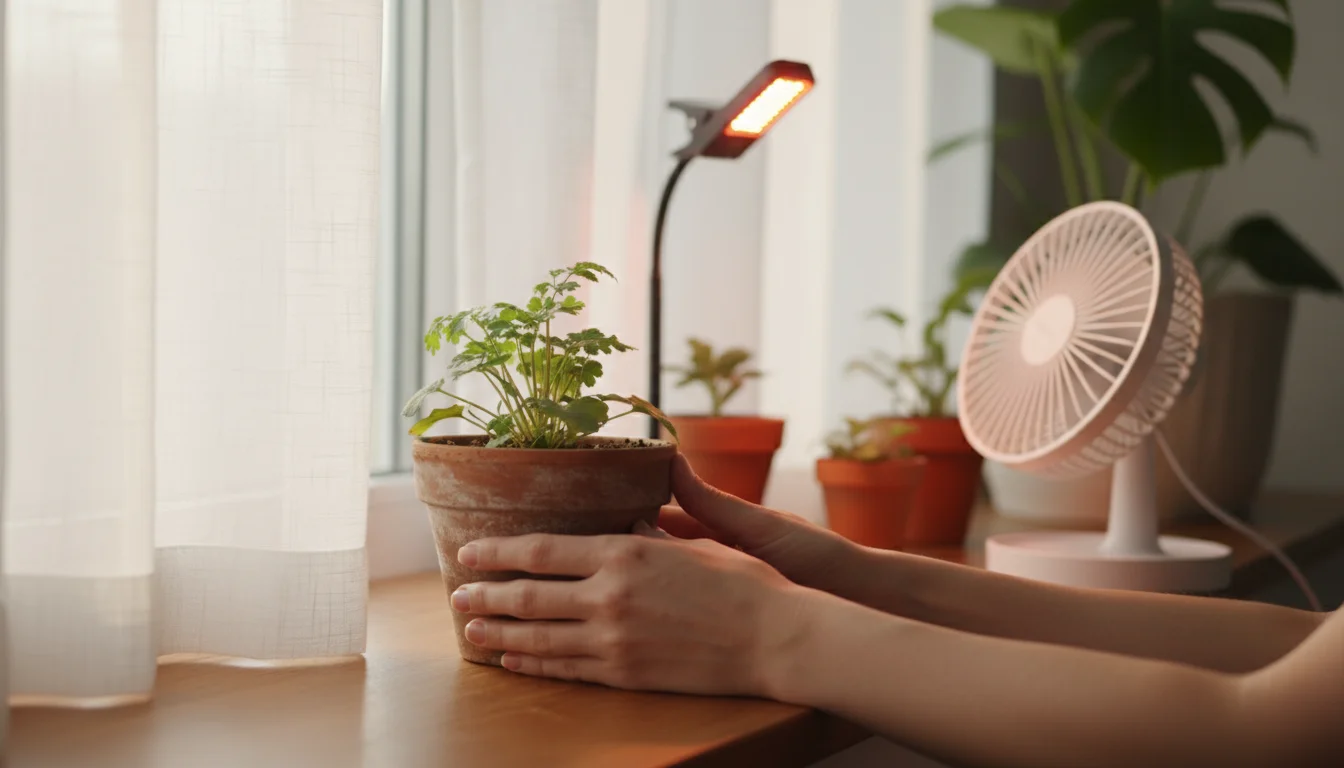
- Increase Air Circulation: Move your plant to a location with better airflow. If necessary, use a small fan on a low setting to gently circulate air around the plant for a few hours a day. This helps evaporate moisture from leaf surfaces and reduces ambient humidity directly around the plant.
- Lower Humidity (if too high): If your indoor humidity is consistently very high, especially around the affected plant, consider moving it to a drier spot. Avoid misting the plant until symptoms resolve.
- Ensure Adequate Light: Move the plant to the brightest spot in your home that offers indirect light. More light supports the plant’s metabolic processes, including transpiration. If natural light is insufficient, introduce supplemental grow lights.
- Maintain Consistent Temperature: Protect your plant from extreme temperature fluctuations or cold drafts. Keep it in an area with a stable, moderate temperature, ideally between 65-75°F (18-24°C).
Step 3: Address Affected Leaves
While the damaged cells cannot revert to normal, you can help the plant by removing the worst-affected parts.
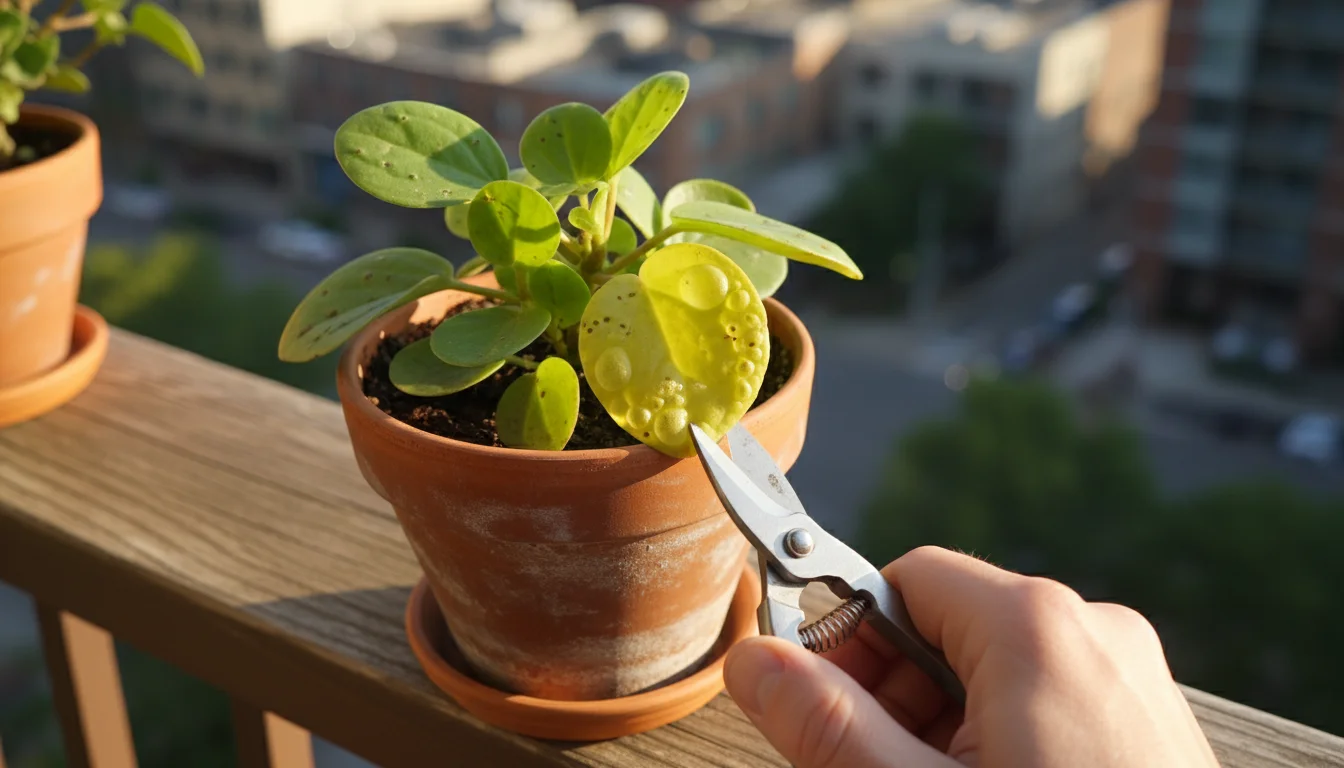
- Prune Severely Damaged Leaves: Use clean, sharp pruners or scissors to remove leaves that are heavily blistered, yellowed, or distorted. Cut them off at the stem or petiole. This improves the plant’s appearance and redirects its energy towards new, healthy growth rather than trying to sustain damaged tissue.
- Leave Mildly Affected Leaves: If leaves have only a few small, corky spots, you can often leave them. They still contribute to photosynthesis, and their damage is largely cosmetic.
Step 4: Monitor and Be Patient
Recovery from edema takes time.
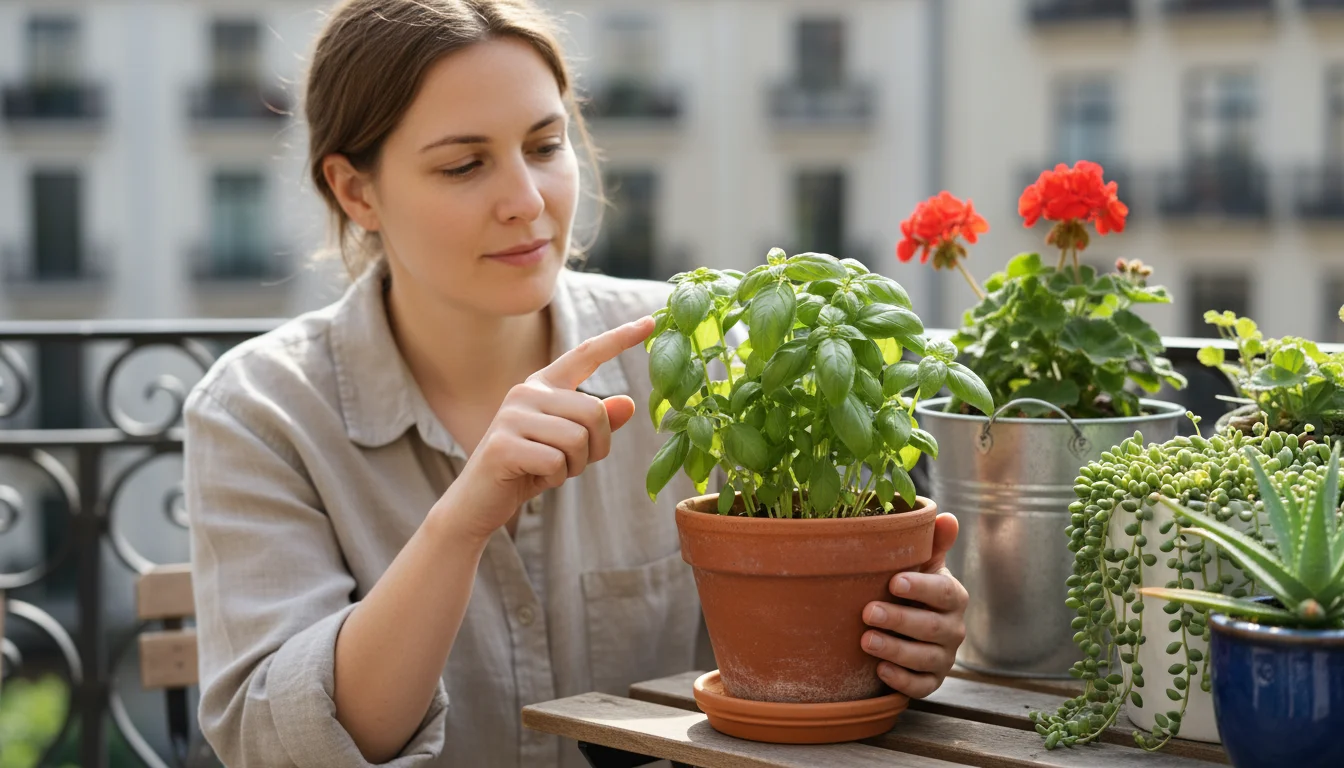
- Observe New Growth: Look for new leaves emerging that are free of blisters. This indicates your adjustments are working.
- Consistent Monitoring: Continue to monitor soil moisture, light, temperature, and air circulation. Consistency in your updated care routine prevents recurrence.
By following these steps, you actively help your plant overcome plant edema, allowing it to return to its vibrant, healthy state.
Choosing the Right Container and Soil for Prevention
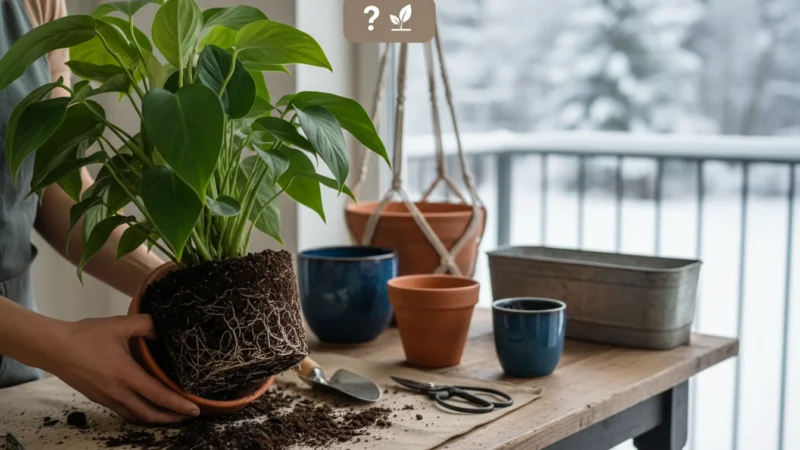
The foundation of a healthy container plant lies in its pot and potting mix. Selecting the right combination is a crucial preventative measure against edema, directly influencing how water moves through your plant’s environment. Incorrect choices often contribute to overwatering symptoms and, consequently, edema.
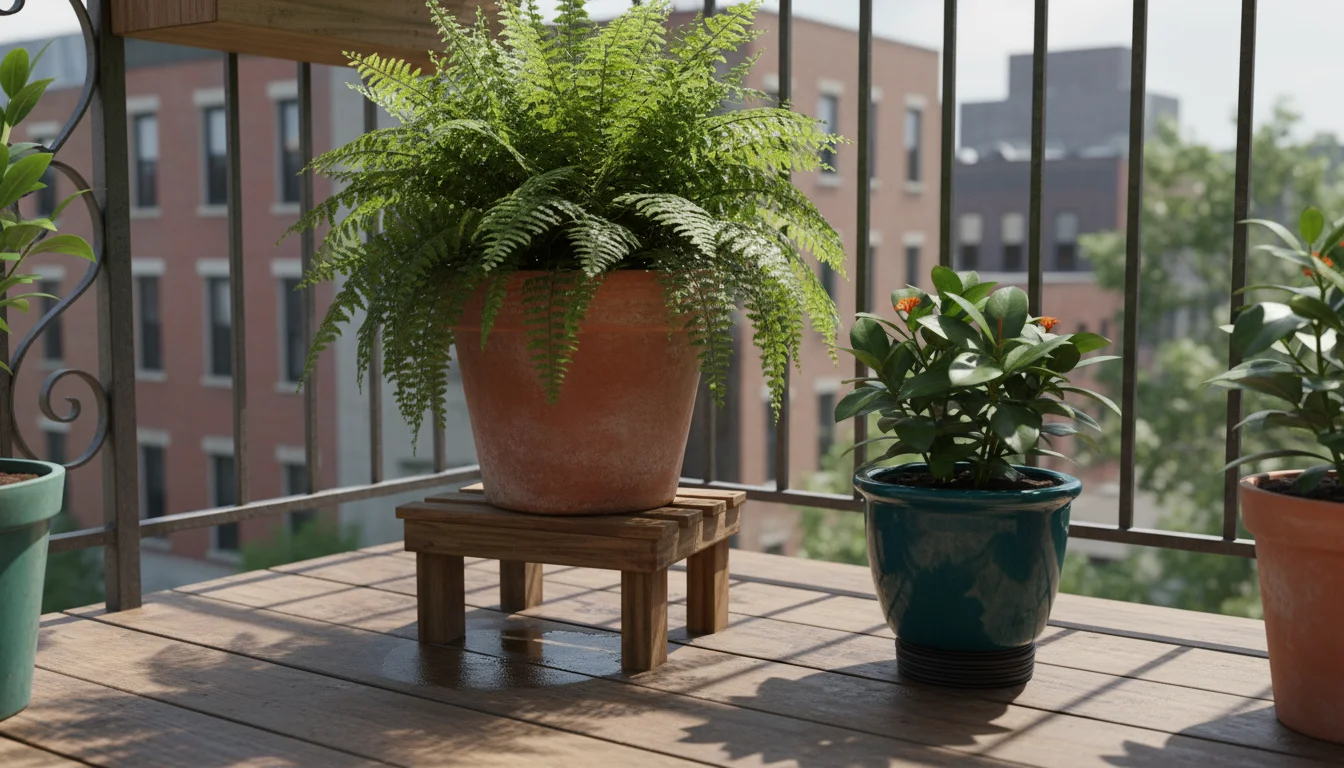
Container Considerations
The container plays a significant role in managing soil moisture. You must pick the right material and size.
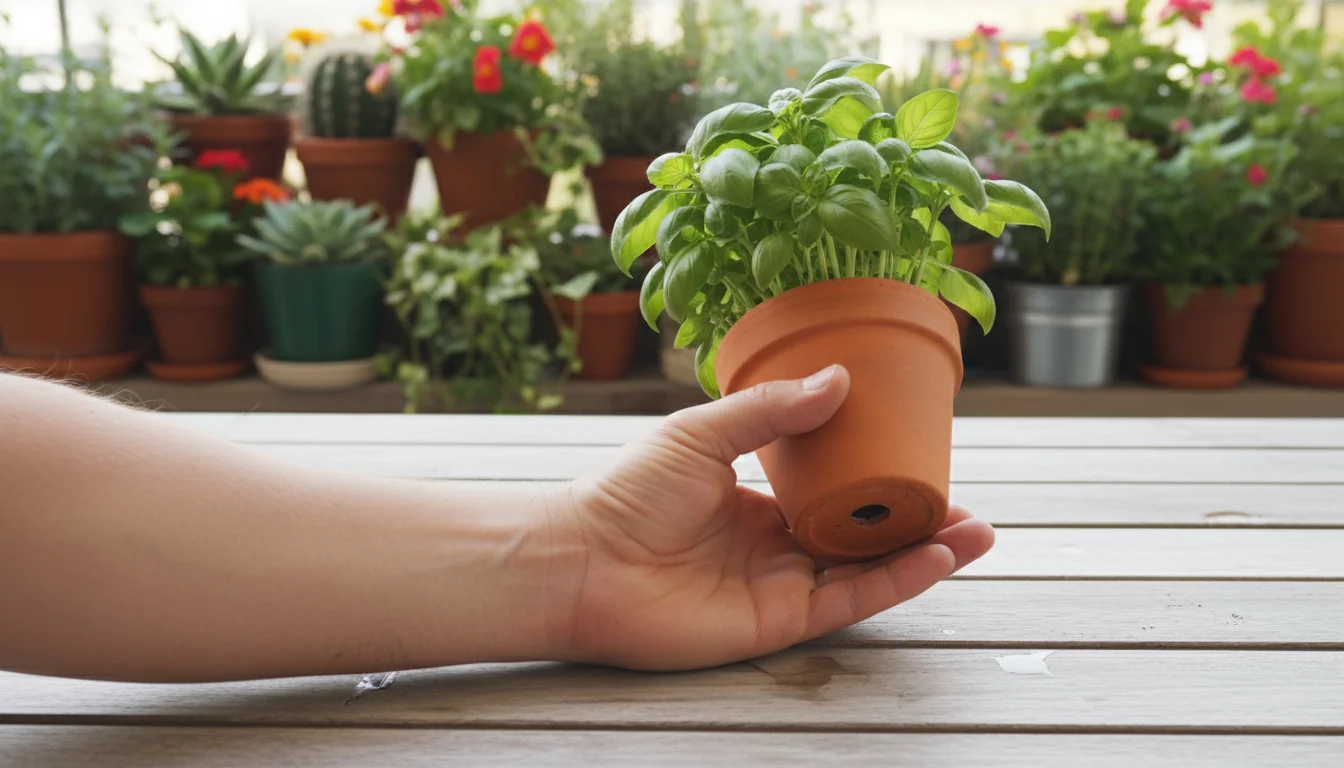
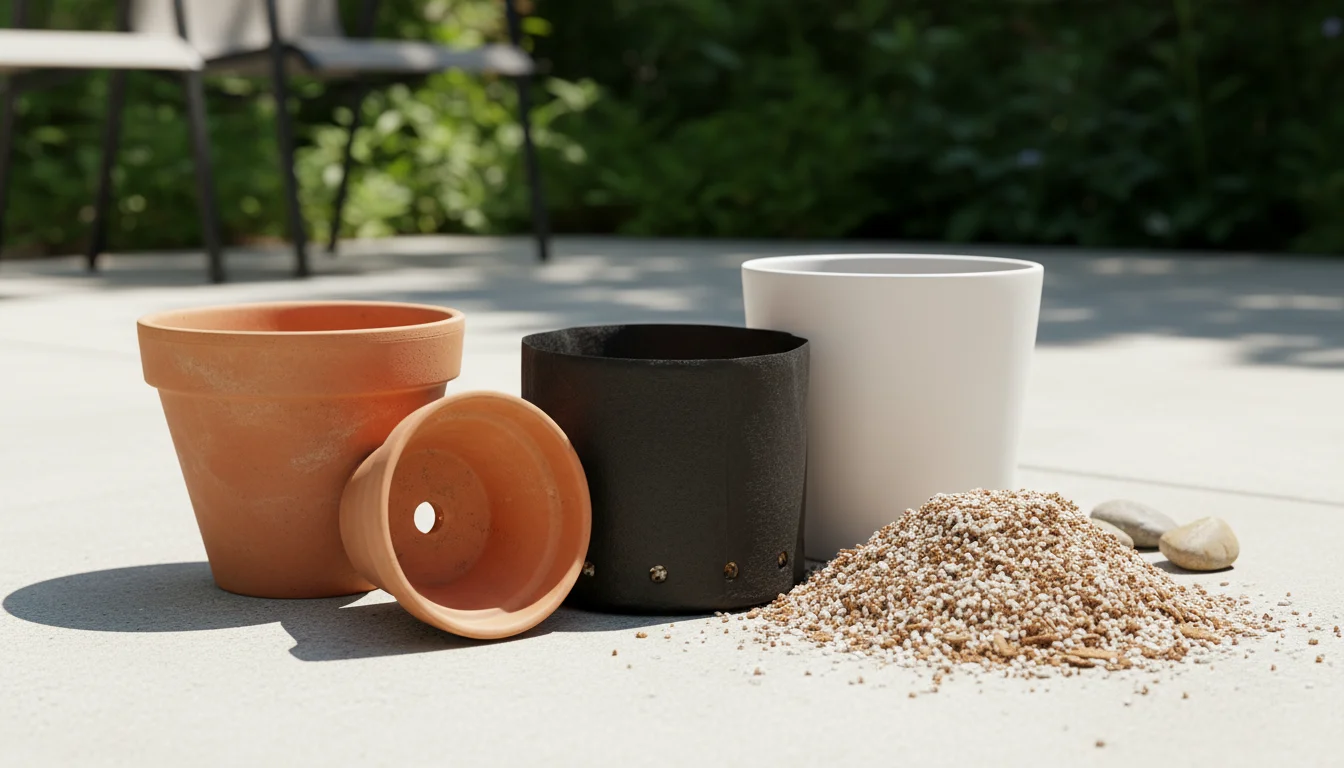
- Drainage Holes are Non-Negotiable: Every container plant needs at least one drainage hole at the bottom. This allows excess water to escape, preventing the soil from becoming waterlogged. A pot without drainage holes guarantees standing water, root suffocation, and a high risk of edema. If your decorative pot lacks drainage, place your plant in a slightly smaller nursery pot with holes and set it inside the decorative pot. Remove the plant for watering and allow it to drain completely before returning it.
- Pot Material Matters:
- Terracotta (Clay) Pots: These are excellent choices for plants prone to edema. Terracotta is porous, meaning it allows air and moisture to pass through its walls. This promotes faster drying of the soil, reducing the chances of overwatering. However, terracotta dries out quickly, so very thirsty plants might need more frequent watering.
- Plastic or Glazed Ceramic Pots: These materials are non-porous. They retain moisture longer, which is beneficial for plants that prefer consistently moist soil or for gardeners who tend to underwater. For edema-susceptible plants, use these pots with extra caution. Ensure your potting mix is very well-draining, and actively adjust your watering frequency downwards.
- Correct Pot Size: Avoid potting your plant in a container that is too large. An oversized pot holds a greater volume of soil than the plant’s roots can effectively utilize. This excess soil stays wet for longer, increasing the risk of root rot and edema. When repotting, choose a container only one size larger than the current one (e.g., from a 6-inch to an 8-inch pot).
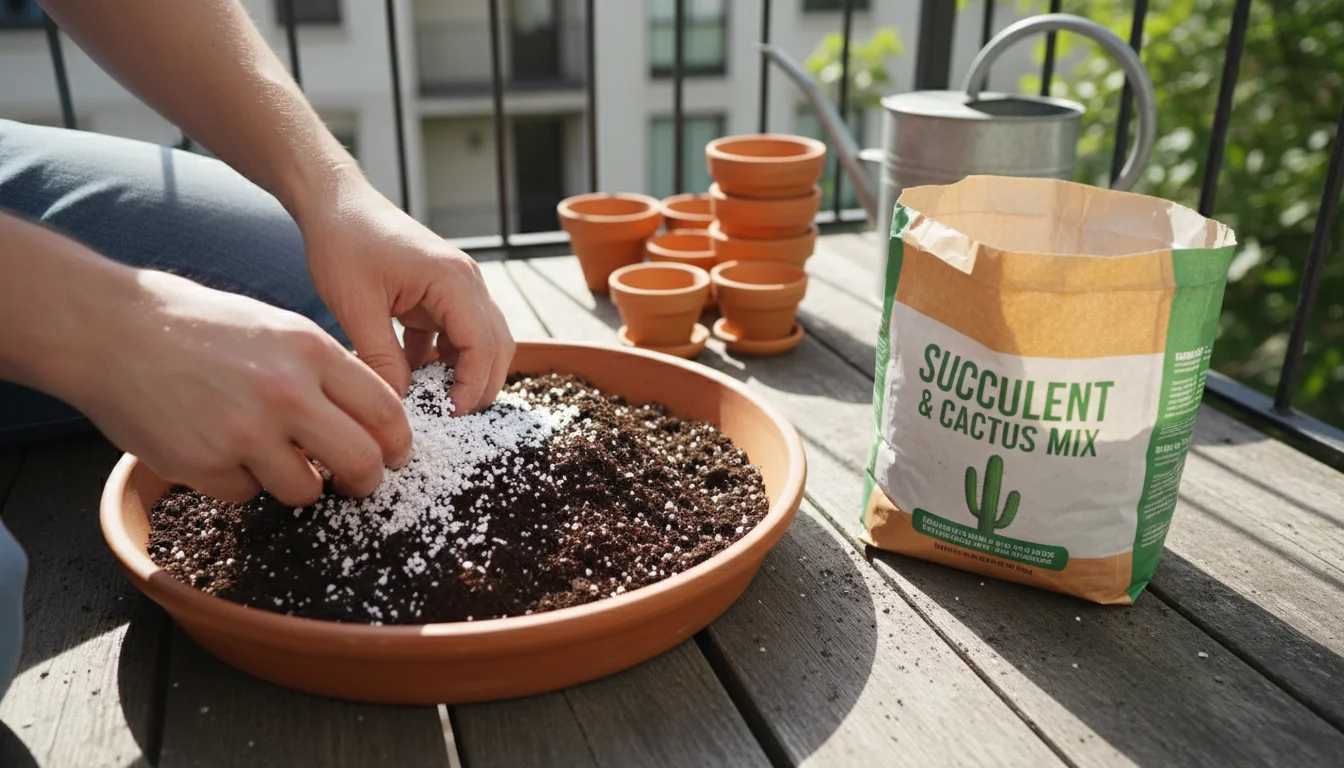
Optimizing Your Potting Mix
The soil itself dictates how well water drains and how much air reaches the roots. Poorly draining soil is a primary contributor to what is edema on plant leaves.
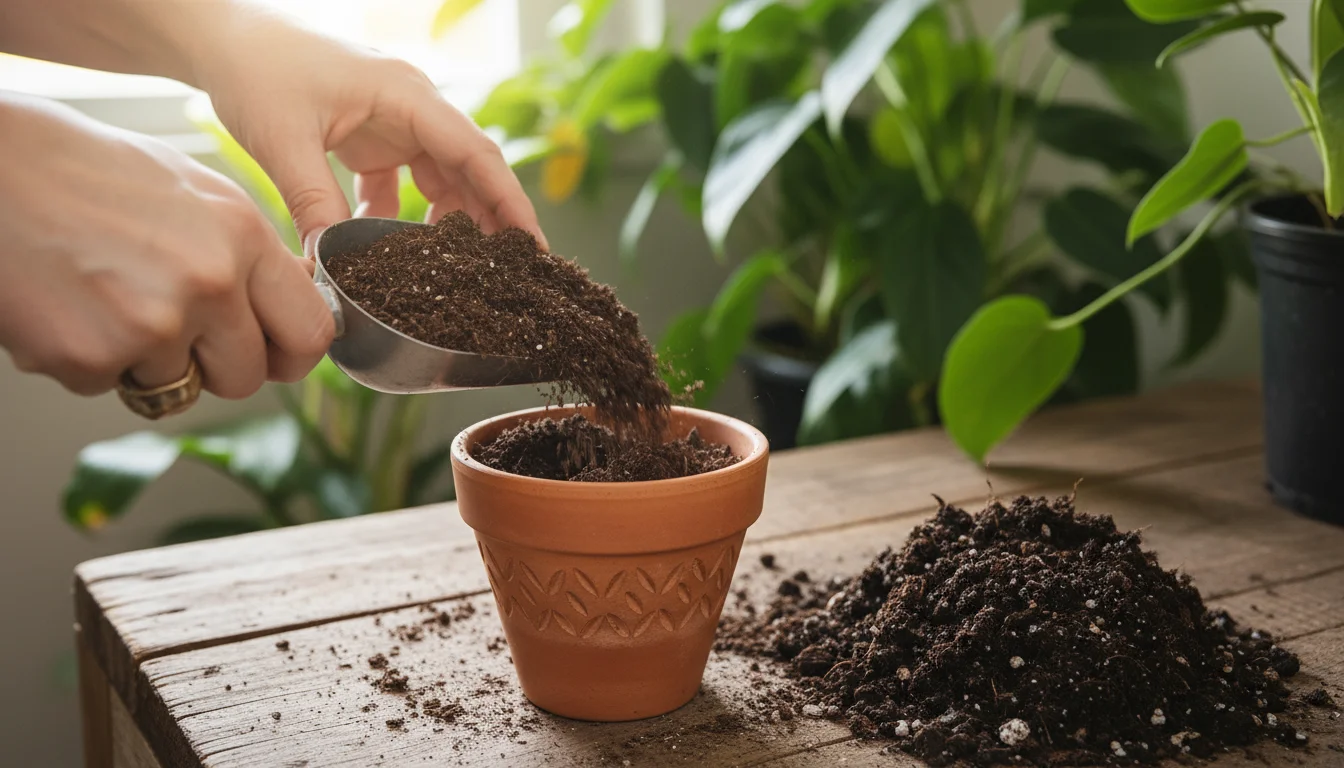
- Choose a Well-Draining Mix: Standard potting mixes often contain peat moss, which retains a lot of moisture. While suitable for some plants, it can be too heavy for those prone to edema. Opt for a potting mix specifically labeled for “succulents,” “cacti,” or “aeroids” if available, as these are formulated for fast drainage.
- Amend for Better Drainage: You can easily improve a standard potting mix. Add amendments that increase aeration and drainage. Good options include:
- Perlite: Lightweight, volcanic rock that improves drainage and aeration. Mix 1 part perlite to 3-4 parts potting mix.
- Pumice: Similar to perlite, but heavier and less prone to floating to the top of the pot.
- Coarse Sand: Horticultural-grade coarse sand (not play sand) enhances drainage. Use sparingly, as too much can make the soil too dense.
- Orchid Bark/Coconut Coir Chunks: These organic materials create pockets of air and improve drainage, especially for plants that prefer a chunkier, airier mix.
- Avoid Garden Soil: Never use soil from your garden in containers. Garden soil is too dense, compacts easily in pots, and lacks the aeration container plants need. It leads to poor drainage and suffocated roots, almost guaranteeing problems like edema.
By carefully selecting your container and tailoring your potting mix, you create an optimal environment that supports healthy root function and proper water regulation, effectively preventing how to fix edema in container plants from becoming a frequent question.
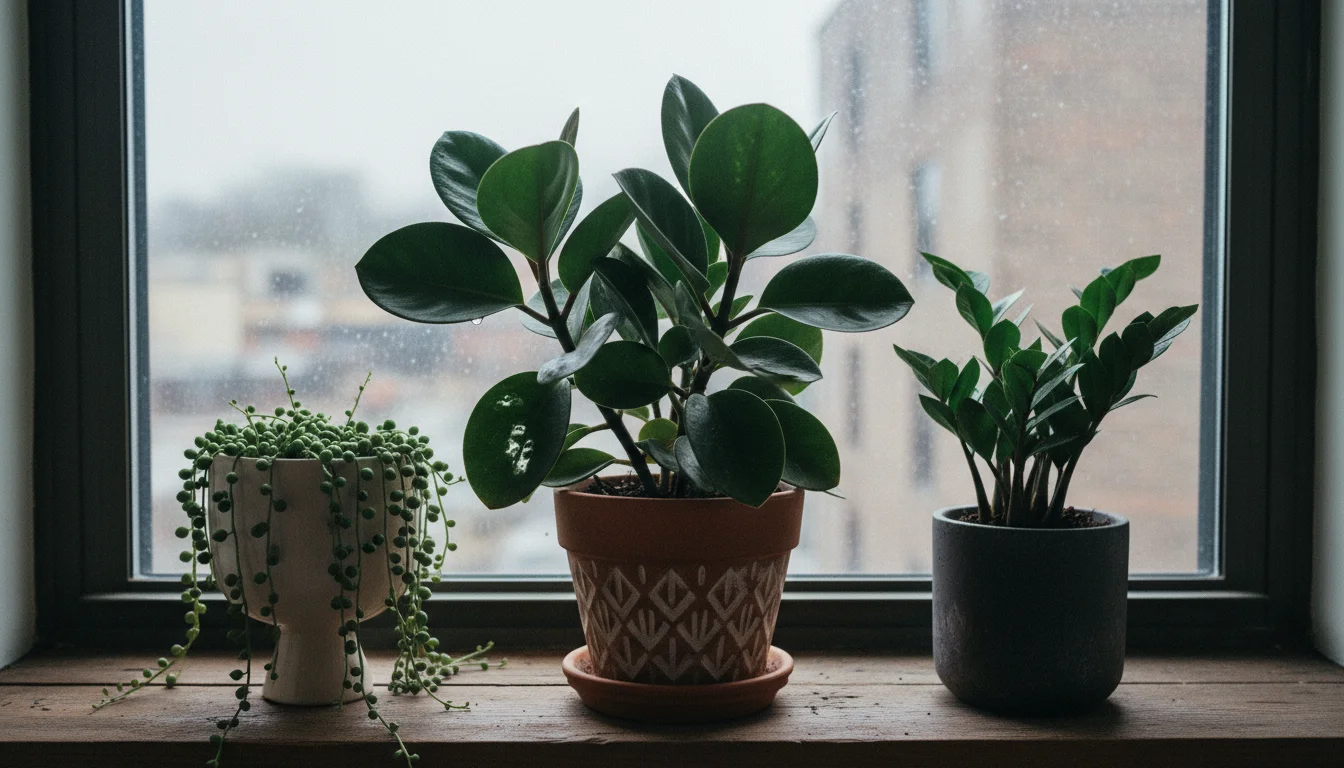
Common Edema-Susceptible Houseplants and Their Care
Some houseplants are simply more prone to edema due to their physiology or common indoor care. Recognizing these plants helps you be extra vigilant with their watering and environmental conditions. Here is a look at some common susceptible species and tailored care tips.
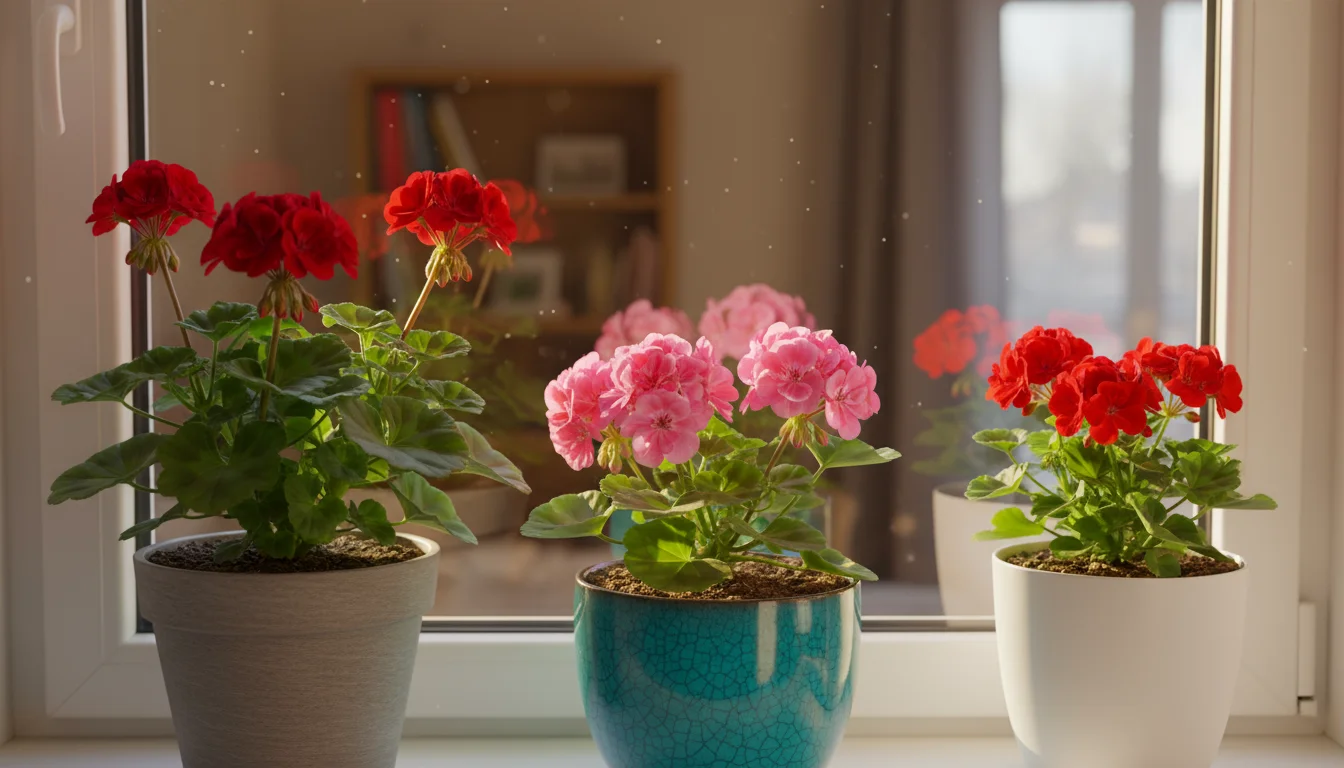
Geraniums (Pelargonium species)
Geraniums are notorious for developing edema, often manifesting as small, water-soaked blisters that turn brown and corky on the undersides of their leaves.
- Care Tips:
- Allow the top inch or two of soil to dry out completely between waterings.
- Provide bright light; move them to your sunniest window in winter.
- Ensure excellent air circulation around the plants.
- Use a well-draining potting mix.
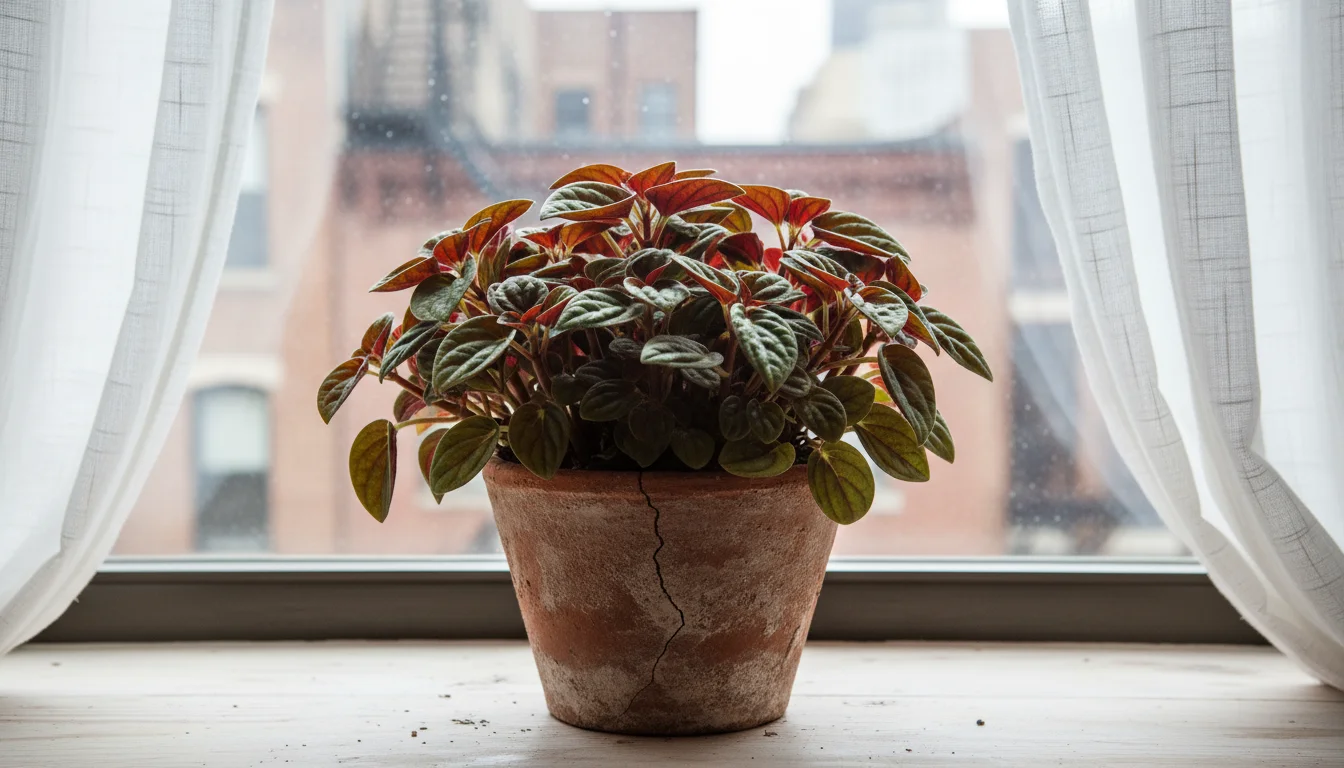
Peperomia (Peperomia species)
Many Peperomia varieties, with their thick, succulent-like leaves, show edema as tiny, raised, wart-like bumps.
- Care Tips:
- Treat Peperomia more like succulents regarding watering. Allow the soil to dry out almost completely between waterings, especially in winter.
- They prefer bright, indirect light.
- A chunky, well-aerated potting mix with perlite or orchid bark is ideal.
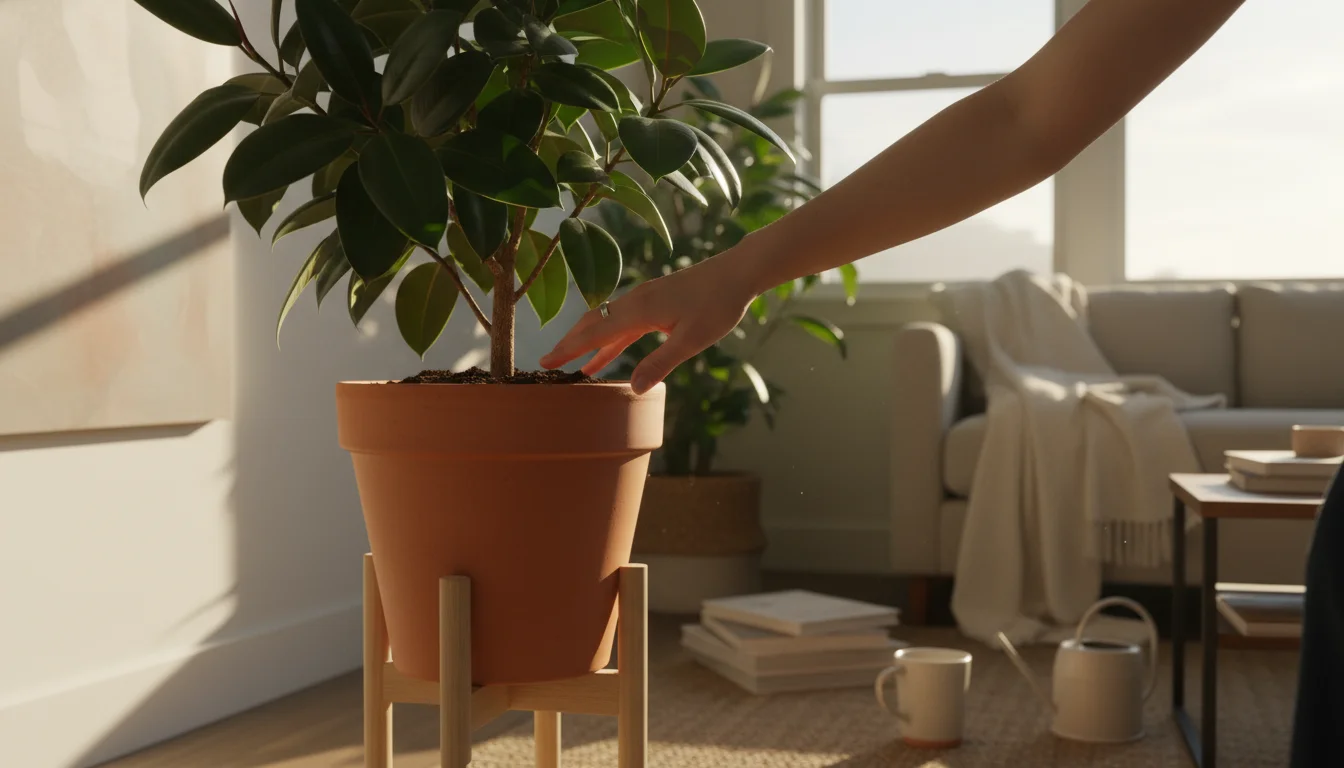
Ficus (e.g., Fiddle Leaf Fig, Rubber Plant, Weeping Fig)
Ficus species, particularly young plants or those with new growth, can develop small, reddish-brown spots or blisters, especially on the undersides of leaves. These often become corky.
- Care Tips:
- Water thoroughly when the top 2-3 inches of soil are dry, then allow to drain completely. Reduce frequency in winter.
- Provide bright, indirect light; they do not tolerate low light well.
- Maintain consistent temperatures and avoid drafts.
- Ensure good air movement around their large leaves.
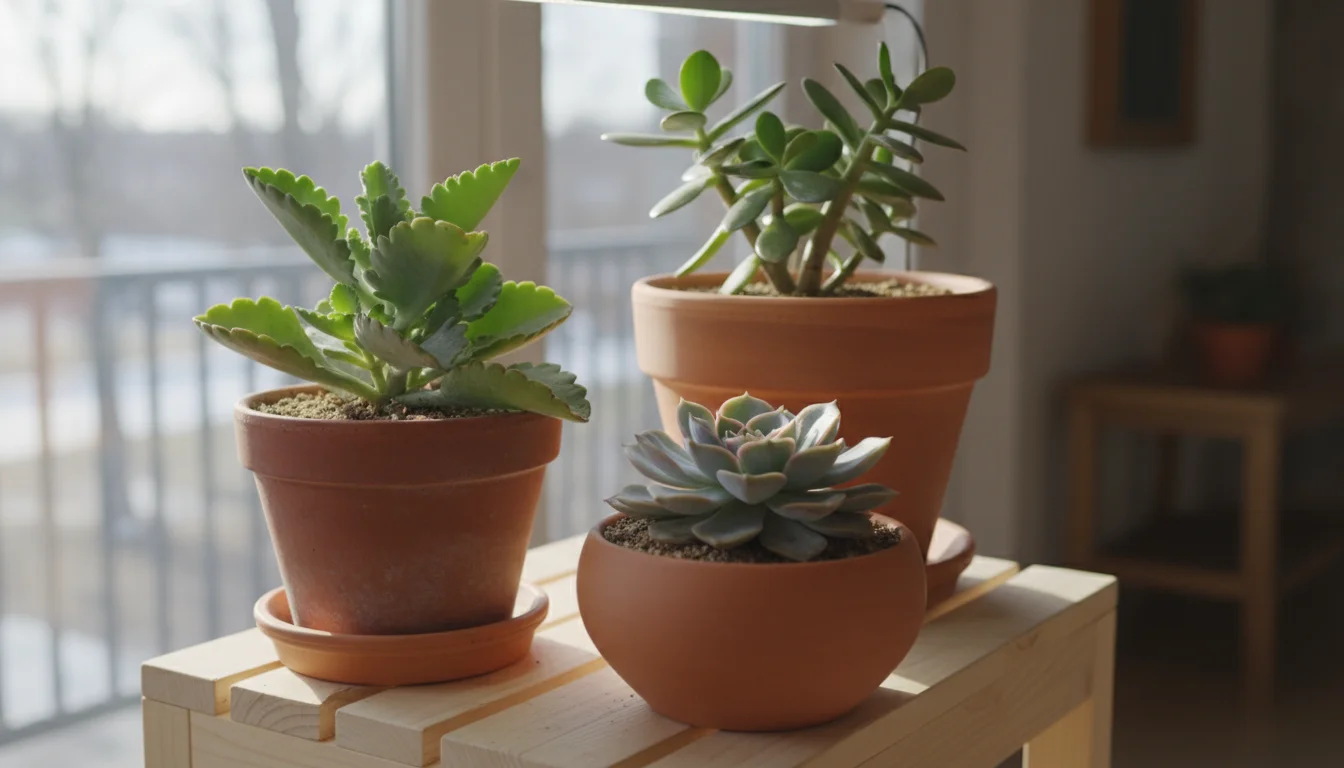
Succulents (e.g., Kalanchoe, Echeveria, Crassula)
While many succulents tolerate periods of dryness, they are also prone to edema when overwatered, especially in low light or high humidity. Edema often appears as corky brown spots or raised blisters on their fleshy leaves and stems.
- Care Tips:
- Water deeply but infrequently. Allow the soil to dry out completely, and then some, before watering again. For most succulents in winter, watering once a month or even less is sufficient.
- They demand excellent drainage. Use a specialized succulent/cactus potting mix.
- Provide the brightest possible light, including supplemental light if necessary, to help them maintain healthy growth.
- Ensure good air circulation.
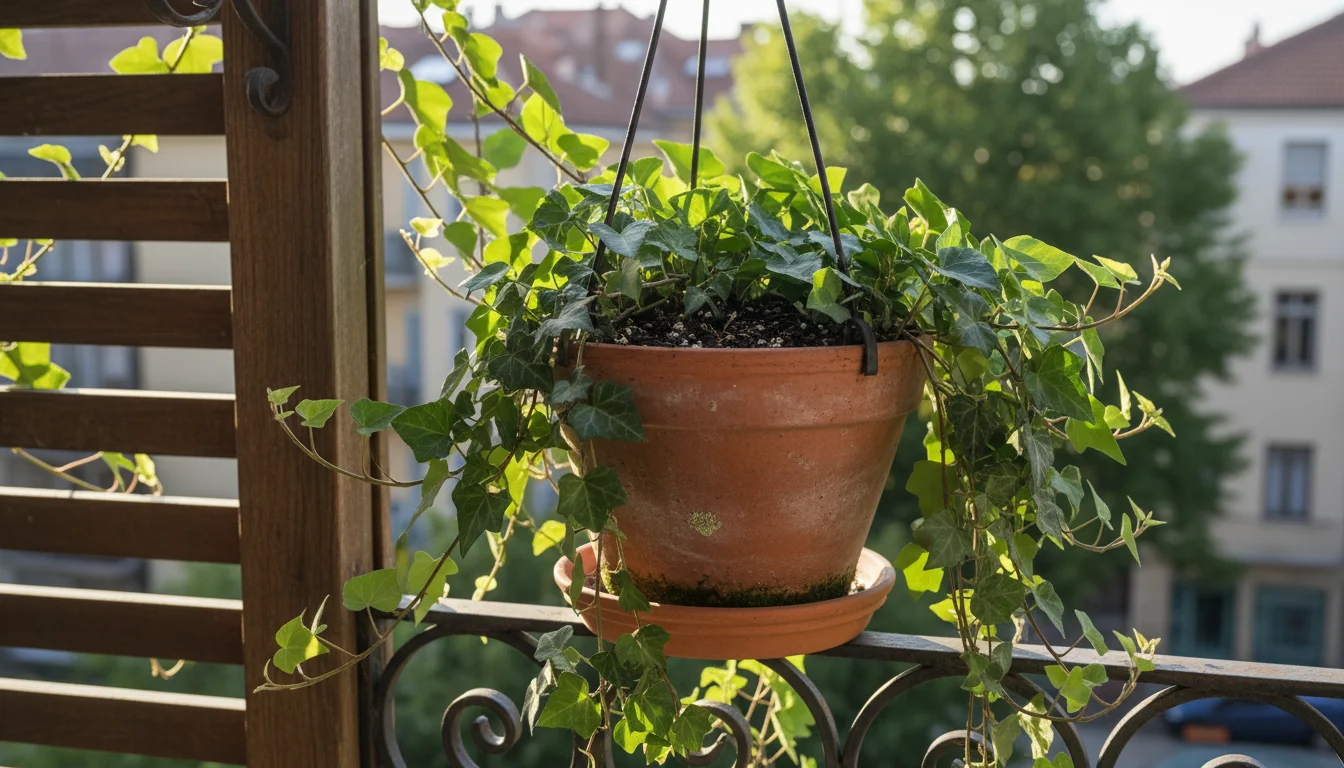
Ivy (Hedera species)
English Ivy and similar varieties can develop small, raised bumps or blisters on the undersides of their leaves, often mistaken for pests.
- Care Tips:
- Keep soil consistently moist but never soggy. Allow the top inch of soil to dry before watering.
- Prefers bright, indirect light.
- High humidity is often recommended for ivy, but combine this with excellent air circulation to prevent edema.
By understanding the specific needs of these common edema-susceptible houseplants, you can tailor your care approach and prevent those tell-tale blisters from appearing, ensuring your plants remain healthy and attractive throughout the winter.

Frequently Asked Questions
Can edema spread from one plant to another?
No, plant edema is a physiological disorder, not a disease caused by pathogens or pests. It arises from an internal imbalance in water regulation within a single plant. Therefore, it cannot spread to other plants, even if they are in close proximity. However, if multiple plants in your collection exhibit edema, it indicates that your general environmental conditions or watering practices are contributing to the problem across the board.
Do edema blisters ever disappear?
No, the physical blisters, corky growths, or wart-like bumps caused by edema are permanent damage to the leaf cells. Once cells swell and burst, they cannot revert to their original state. However, if you correct the underlying environmental issues, new growth will emerge healthy and free of edema. You can choose to prune off severely affected leaves for aesthetic reasons or simply allow them to remain until the plant naturally sheds them.
Is it safe to eat vegetables or herbs with edema?
Yes, edema does not make edible plants toxic. The condition is purely physiological and does not involve any harmful pathogens or chemicals. While the texture or appearance of affected leaves might be less appealing, they are still safe to consume. Focus on correcting the conditions to ensure future healthy growth and better yields.
What is the difference between edema and a fungal infection?
Edema spots are typically raised, blister-like, or corky growths that appear to be part of the plant’s tissue structure. They are usually firm. Fungal infections, on the other hand, often present as sunken spots, soft lesions, powdery mildew, or fuzzy growths that can often be wiped off or appear as discoloration. Fungal diseases also tend to spread, unlike edema. If you suspect a fungal issue, consult resources on identifying specific plant diseases.
Can outdoor plants get edema?
Yes, outdoor plants can also experience edema, particularly during periods of cool, wet weather followed by sudden temperature changes, or if they are in poorly draining soil. Certain vegetables, such as cabbage and broccoli, and some ornamental plants are more susceptible. The principles of prevention and correction remain the same: ensure proper drainage, adjust watering based on environmental conditions, and provide adequate air circulation.
For trustworthy gardening information, visit:
San Diego Botanic Garden, U.S. National Arboretum, American Horticultural Society and National Garden Bureau. These organizations provide expert, research-based advice for gardeners at all levels.
Disclaimer: This article is for informational purposes only and is not a substitute for professional gardening advice. Always consult local extension services or horticulture experts for region-specific guidance.

Leave a Reply