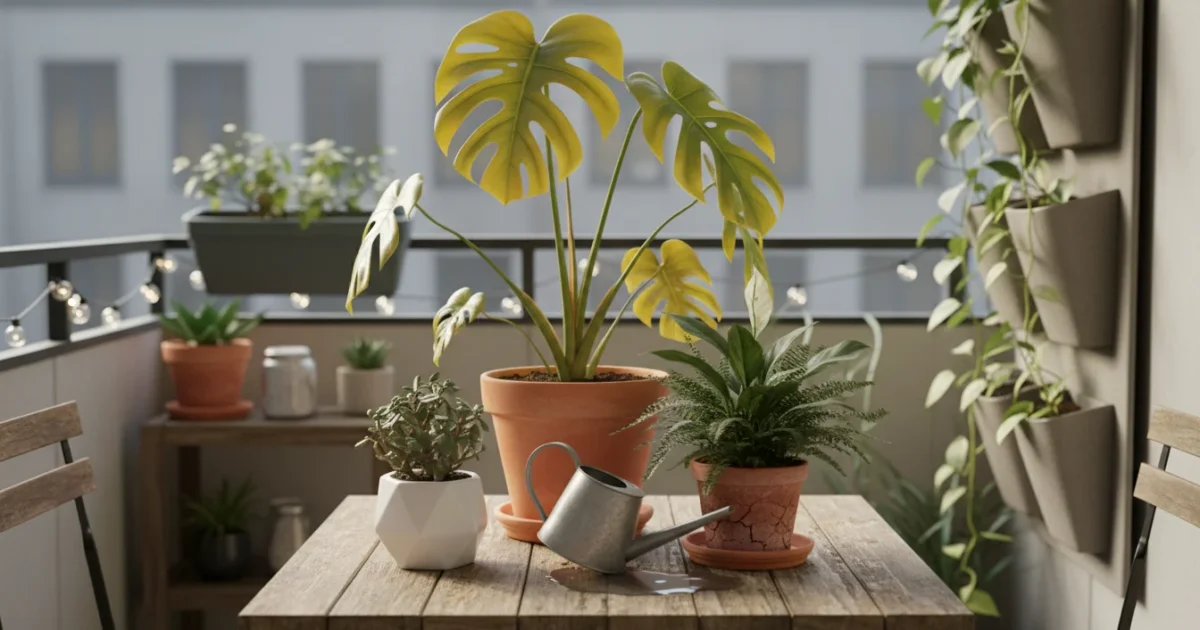
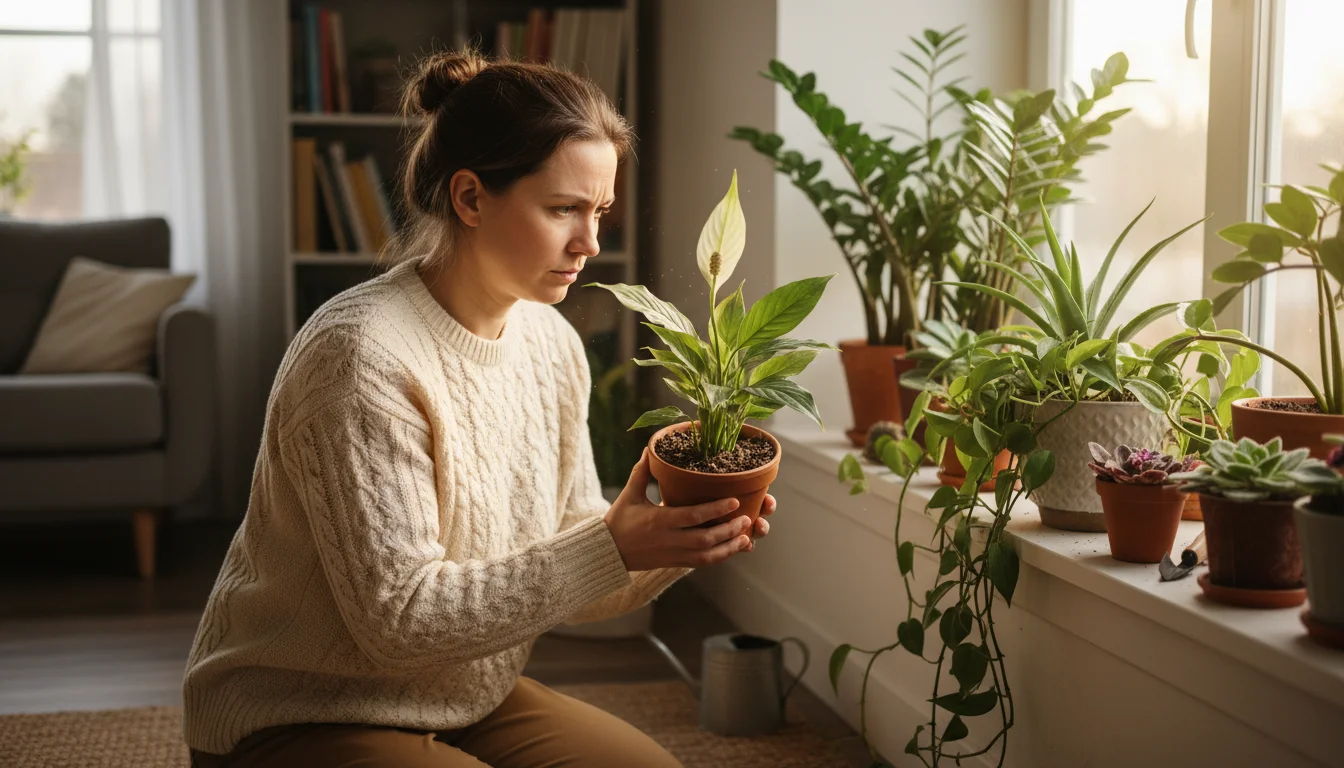
Winter arrives, and you naturally want to keep your beloved houseplants cozy and thriving. You water them, you make sure they look happy, and you give them your best attention. Yet, come spring, many gardeners find their indoor green companions looking worse for wear, or even tragically gone. You might not realize it, but your kind intentions could be contributing to their decline. Many common winter care practices, even those seemingly backed by good intentions, actually create challenges for your plants. Understanding the subtle shifts in your plant’s needs during the colder months makes all the difference.
Learning the basics of winter indoor gardening can help you transition your hobby through the seasons successfully.
Winter presents a unique set of environmental factors for your indoor plants. Shorter days mean less natural light, indoor heating lowers humidity, and overall plant metabolism slows down significantly. These changes demand a different approach to care than you apply during the active growing seasons of spring and summer. Neglecting to adjust your routine can lead to issues ranging from yellowing leaves to irreversible root rot. We will guide you through the seven most common `winter houseplant mistakes` and provide actionable steps to keep your plants healthy, vibrant, and resilient until spring.
Understanding Winter’s Impact on Your Indoor Plants
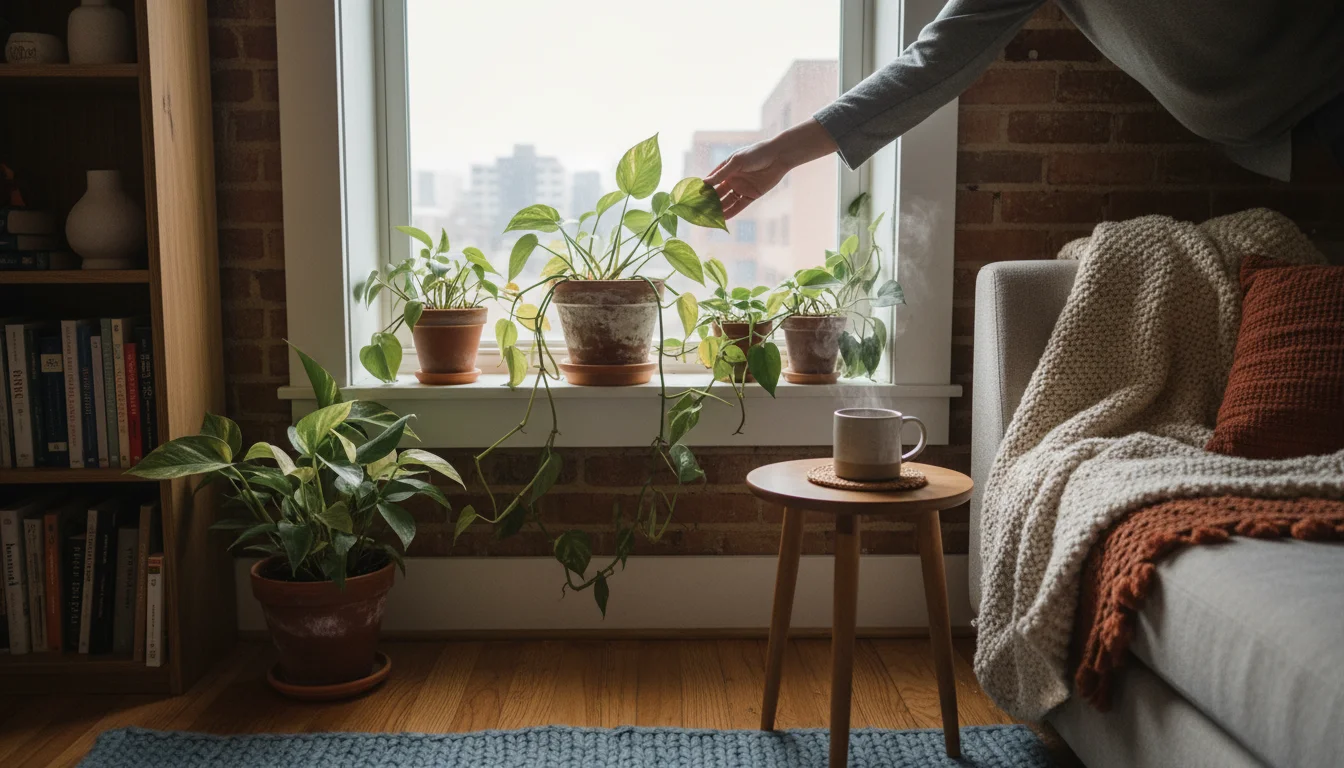
As the days shorten and outdoor temperatures drop, your houseplants experience significant environmental shifts, even though they remain indoors. These changes directly affect their growth cycles and overall health. During spring and summer, plants actively photosynthesize, using abundant sunlight to convert carbon dioxide and water into energy. This process supports vigorous growth, requiring more water and nutrients.
In winter, this all changes. Natural light intensity decreases dramatically, and the duration of daylight hours shortens. Most houseplants, particularly tropical varieties, respond to this reduced light by entering a period of semi-dormancy or significantly slowed growth. Their metabolic processes slow down, meaning they require far less energy to sustain themselves. Consequently, their need for water and nutrients diminishes considerably.
Indoor heating systems further complicate matters. Furnaces and heaters dry out the air, drastically lowering humidity levels within your home. Many popular houseplants, such as ferns, prayer plants, and even many types of philodendrons, originate from humid jungle environments. Dry air stresses these plants, making them more susceptible to pests and causing issues like brown, crispy leaf edges.
Temperature fluctuations also play a role. While your home maintains a relatively stable temperature, areas near windows or exterior doors can experience significant drops, exposing plants to cold drafts. Plants prefer consistent temperatures, and sudden chills or prolonged exposure to cold can shock their systems, leading to leaf drop or stunted growth. Recognizing these fundamental changes helps you adjust your `indoor plant care guide` to prevent `killing houseplants` during their most vulnerable season.
Mistake 1: Overwatering – The Silent Killer of Winter Houseplants
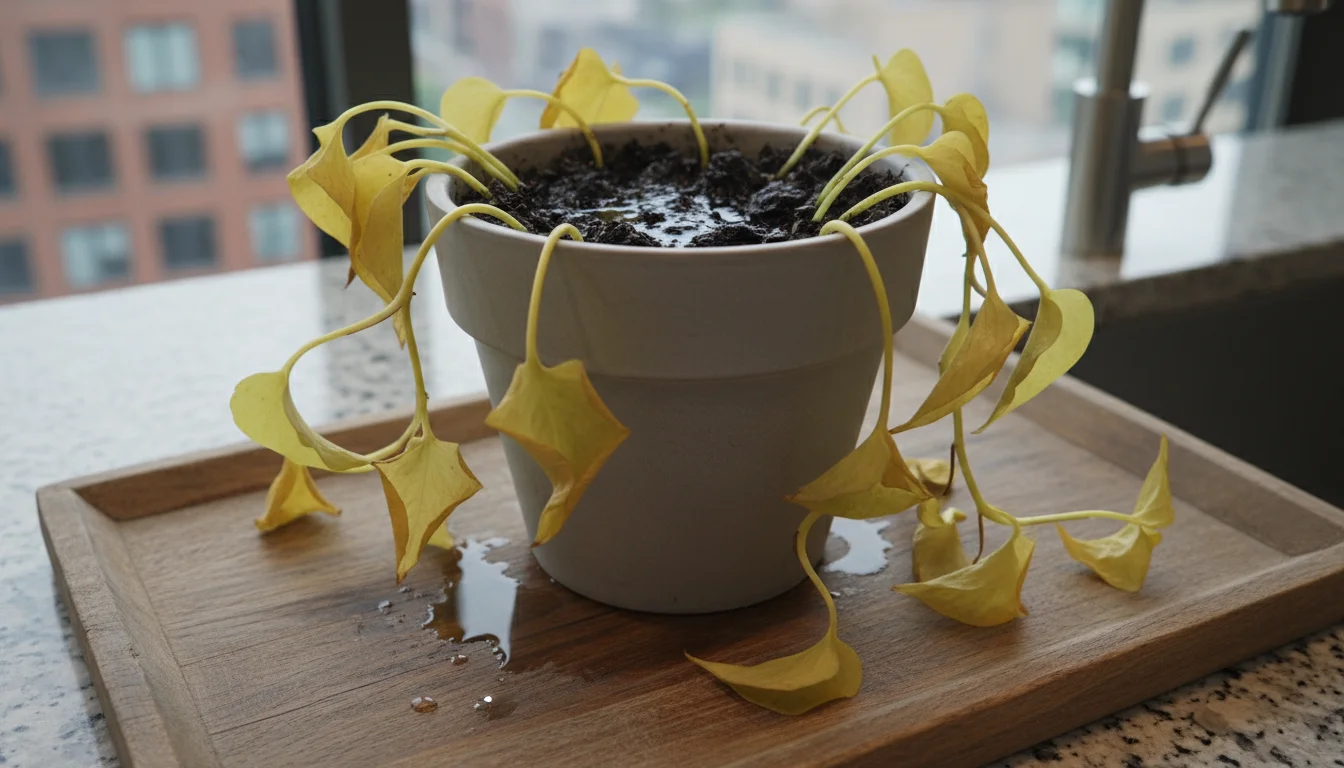
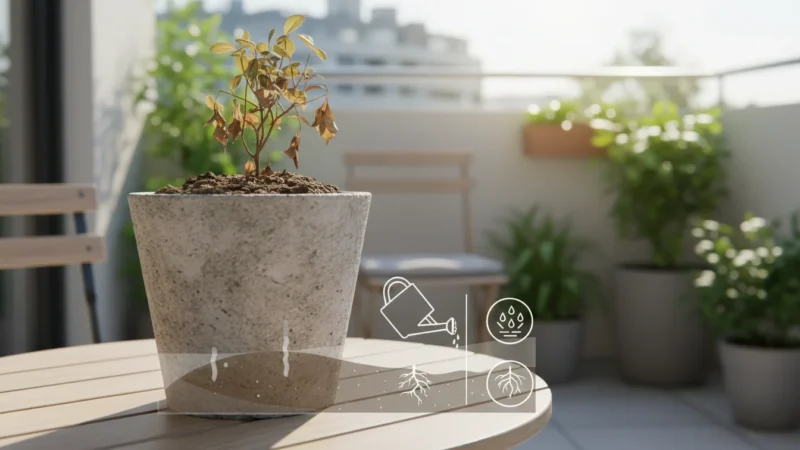
Overwatering stands as the leading cause of `killing houseplants` during the winter. This mistake often stems from a well-intentioned desire to keep plants hydrated, but it fails to account for their reduced metabolic activity. When plants slow their growth in winter, they consume significantly less water. Continuing your summer watering routine floods their root systems.
Beyond quantity, it’s also worth checking if your winter tap water quality is affecting sensitive root systems during this period of slow growth.
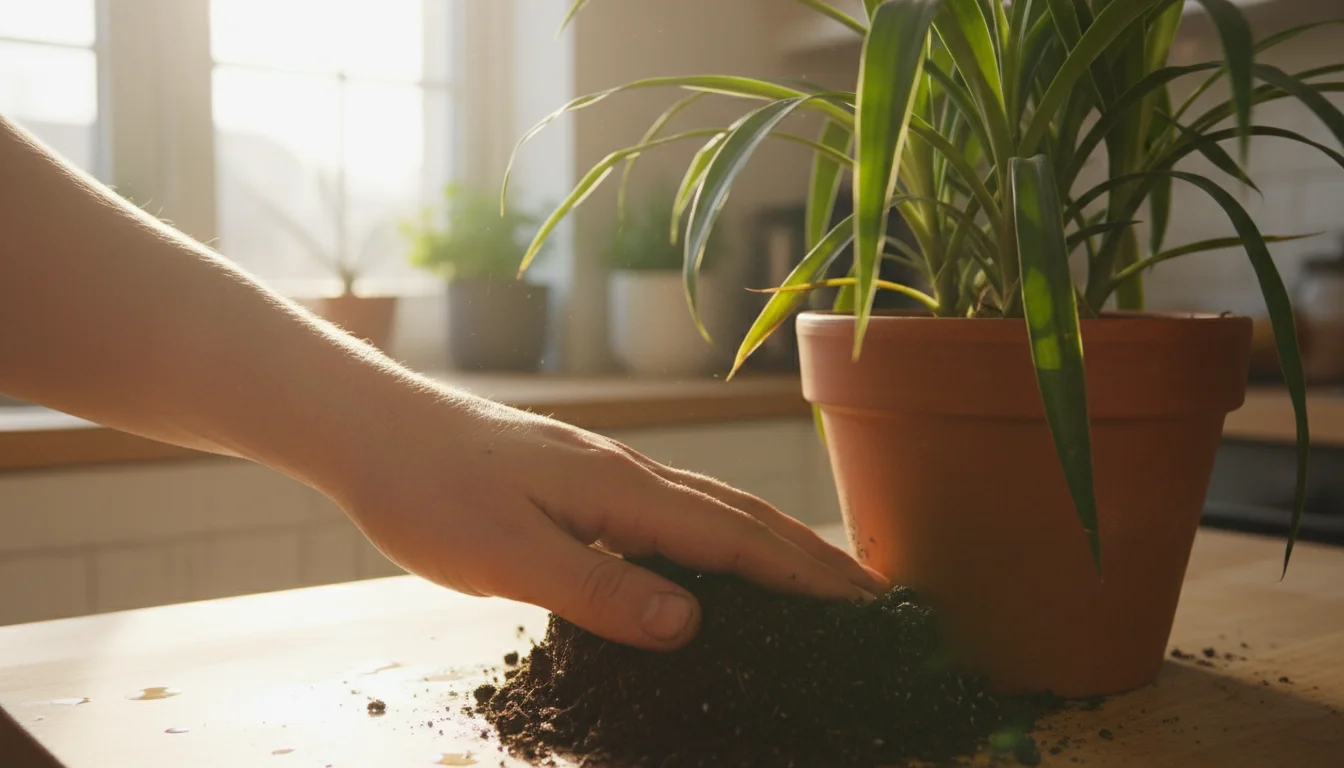
Why Overwatering is Harmful in Winter
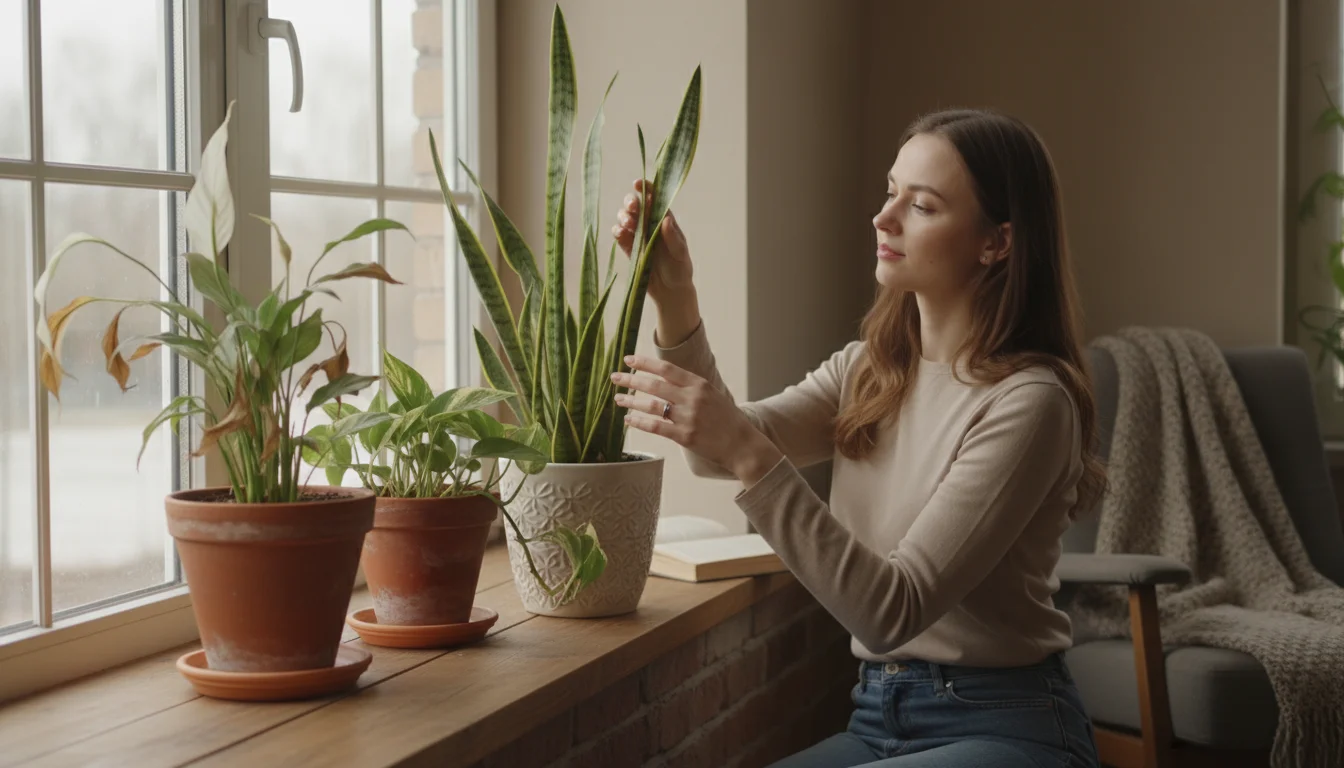
Roots need oxygen to function. When soil remains constantly saturated, water fills the air pockets, depriving roots of vital oxygen. This leads to root rot, a fungal disease that attacks and destroys the root system. Once roots rot, they cannot absorb water or nutrients, and the plant quickly declines. Since symptoms like yellowing leaves or wilting can also indicate underwatering, many gardeners mistakenly apply more water, exacerbating the problem. Identifying the `signs of overwatering houseplants in winter` becomes crucial for prevention.
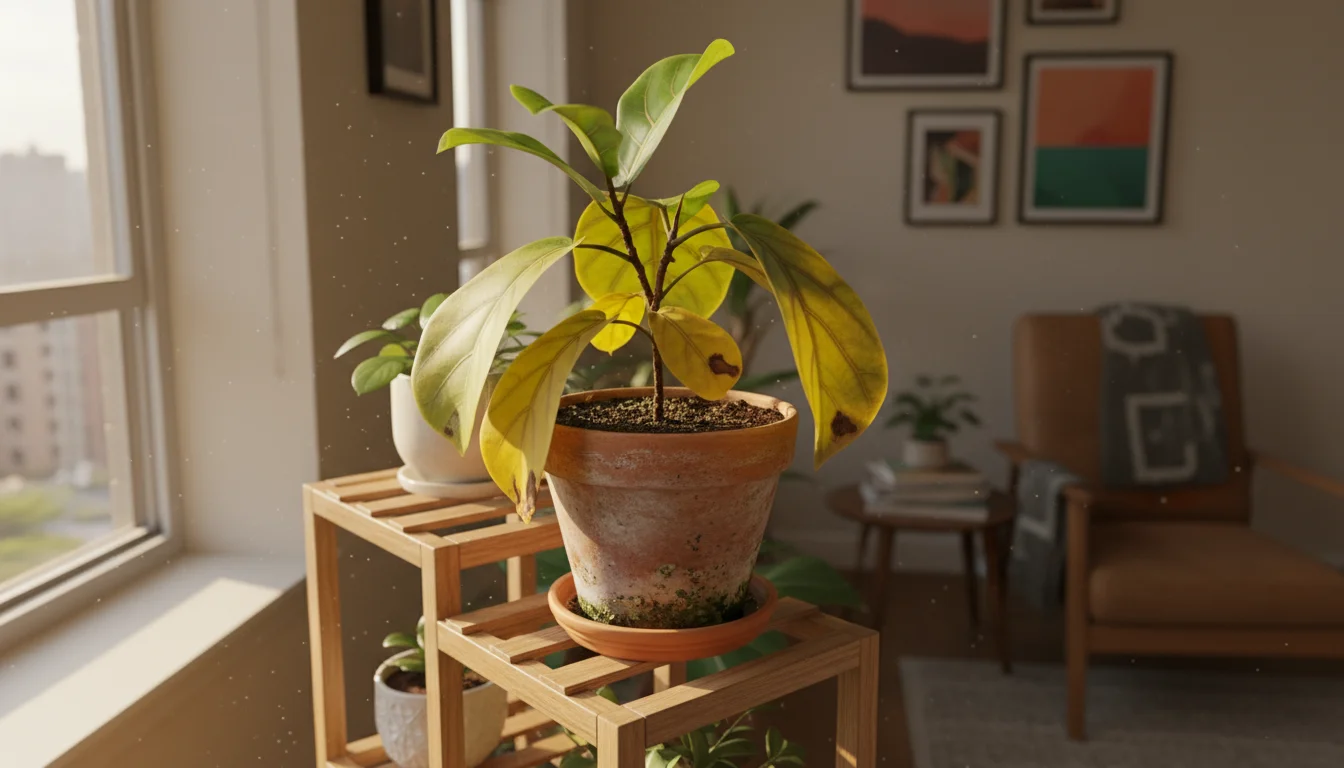
Signs of Overwatering Houseplants in Winter
- Yellowing leaves, especially lower ones: This often starts with older leaves turning yellow and eventually falling off.
- Wilting despite wet soil: If your plant looks droopy but the soil is soggy, root rot is likely preventing water uptake.
- Mushy stems or leaves: A clear indication of cellular breakdown due to excessive moisture.
- Stagnant growth: While slow growth is normal in winter, a plant that appears completely stalled or declining points to an issue.
- Fungus gnats: These small, fly-like insects thrive in consistently moist soil, indicating prolonged dampness.
- Foul odor from the soil: A strong, musty, or rotten smell suggests root rot is active.
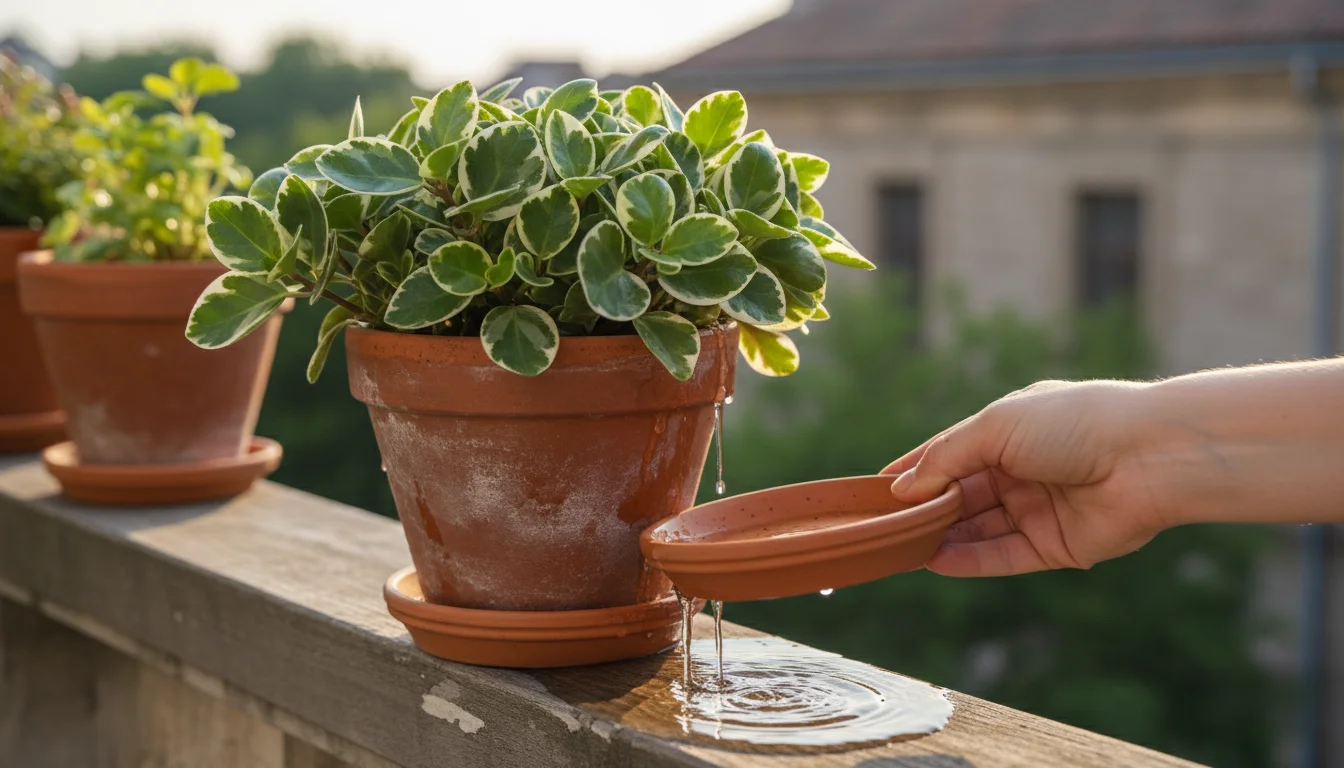
Practical Steps to Avoid Overwatering
Adjusting your watering frequency is the most impactful change you can make. Do not water on a schedule. Instead, water based on the plant’s actual needs.
- Check Soil Moisture: Before you water, stick your finger two inches deep into the soil. For most plants, wait until the top two inches feel dry. For succulents and cacti, allow the soil to dry out completely before watering again. You can also lift the pot; a significantly lighter pot indicates dry soil.
- Water Thoroughly, Then Drain: When you do water, provide enough water so it drains freely from the pot’s bottom. This ensures all roots receive moisture.
- Empty Saucers: Never let your plant sit in standing water. Discard any excess water collected in the saucer within 15-30 minutes of watering. This prevents roots from soaking and rotting.
- Reduce Frequency: You might find yourself watering only once every 2-4 weeks, or even less frequently for some plants, compared to weekly watering in summer. Each plant is unique, so consistent checking is key.
Remember, it is always easier to revive an underwatered plant than an overwatered one. Err on the side of caution during winter.
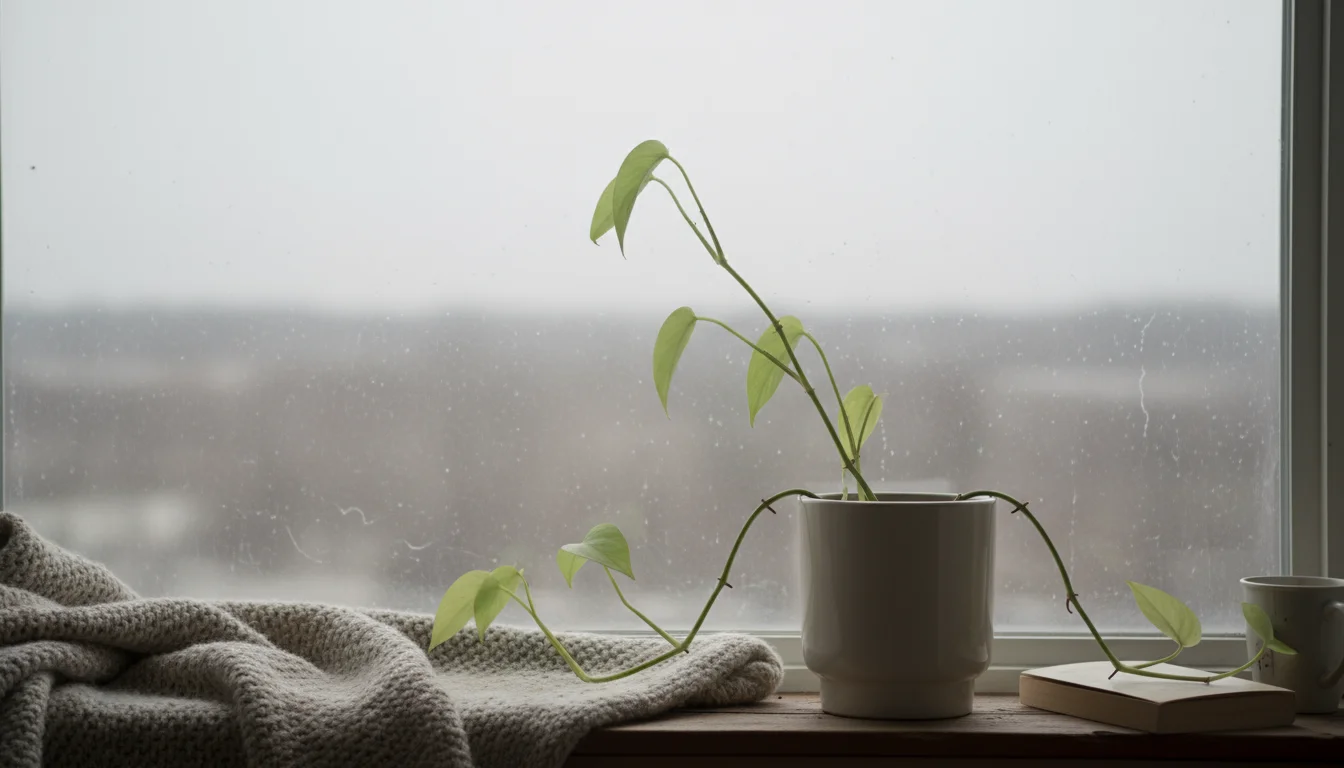
Mistake 2: Insufficient Light – Battling the Short Days
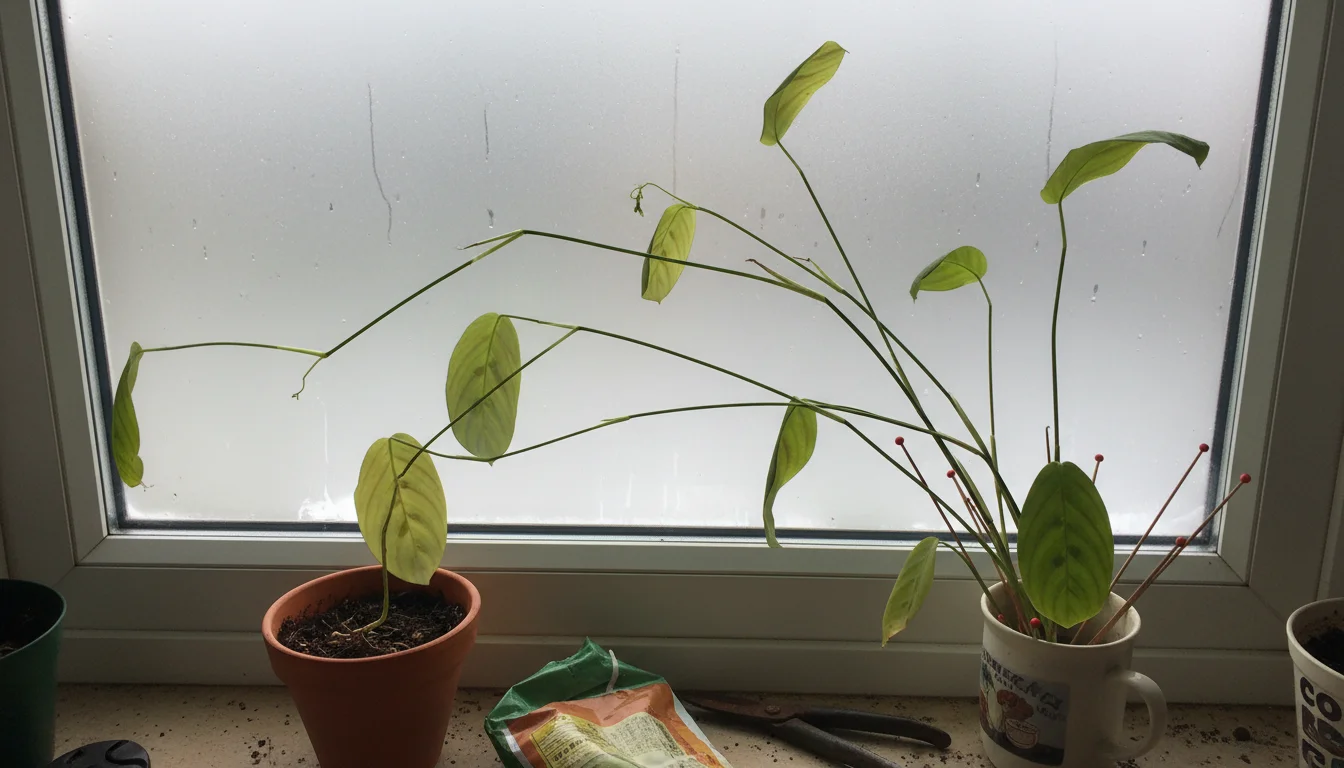
Winter brings shorter days and a lower sun angle, meaning even a south-facing window offers significantly less light intensity than it does in summer. Most `winter houseplant mistakes` often overlook this fundamental change. Plants rely on light for photosynthesis, their primary energy source. Reduced light directly impacts their ability to grow and maintain health.
The Impact of Low Winter Light
When plants do not receive enough light, they become “leggy,” stretching out to find a light source, resulting in weak, elongated stems and sparse foliage. Their leaves may also become smaller or lighter in color, indicating a lack of chlorophyll production. Flowers, if your plant is a blooming variety, may fail to form or drop prematurely.
Actionable Steps for Boosting Winter Light
- Relocate Plants: Move plants to your brightest available window. South-facing windows typically offer the most intense light, followed by east-facing windows, which provide gentle morning sun. West-facing windows offer strong afternoon light, which can be beneficial, but watch for excessive heat if the window is poorly insulated. Avoid north-facing windows for high-light plants, as they offer the least direct light.
- Rotate Plants Regularly: To encourage even growth and prevent one side of the plant from stretching towards the light, rotate your plants a quarter turn every week or two.
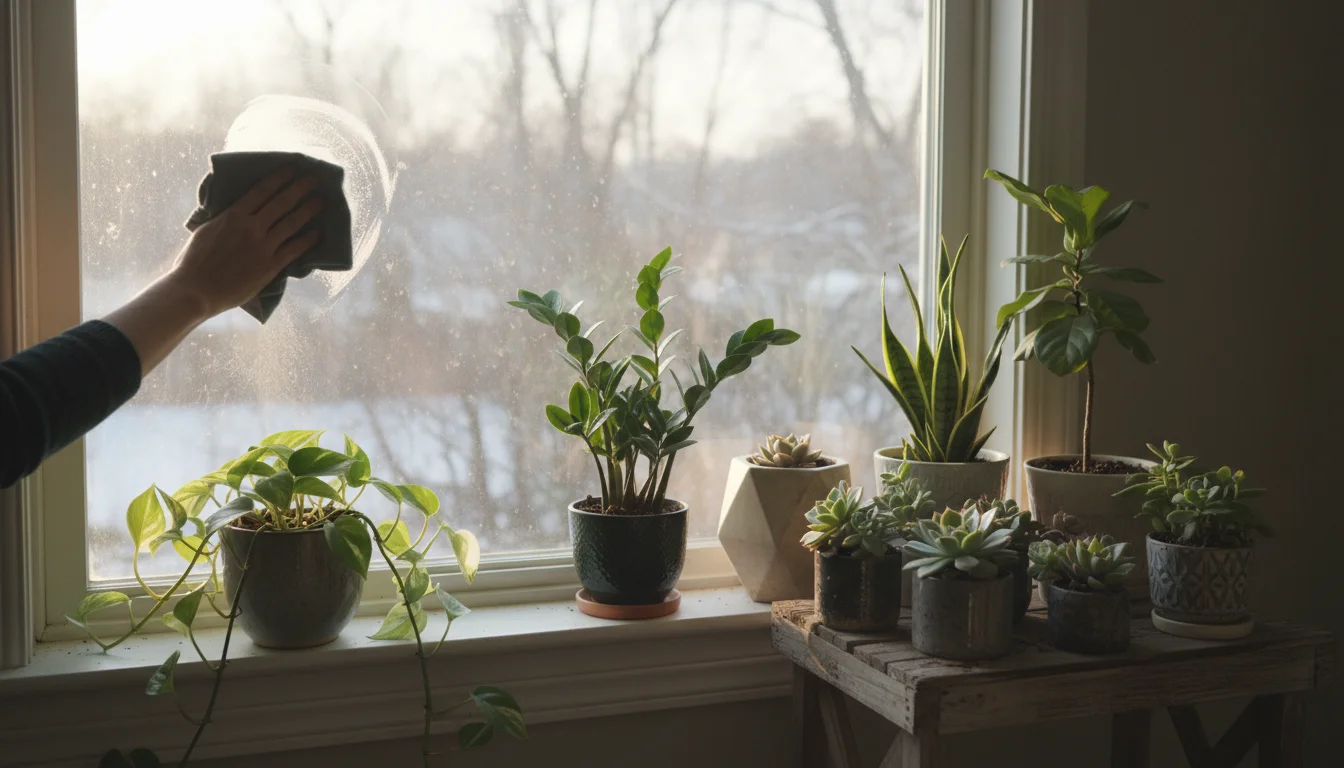
- Clean Windows: Dust and grime on windows can block a surprising amount of light. Regularly clean both the inside and outside of your windows to maximize light penetration.
- Utilize Grow Lights: For plants with high light requirements or in particularly dim rooms, supplemental grow lights prove invaluable. Full-spectrum LED grow lights are energy-efficient and effective. You do not need large, expensive setups; a small LED bulb in a desk lamp often suffices for a few plants. Aim for 12-16 hours of light per day, mimicking natural daylight cycles.
- Prune for Airflow: While not directly about light, pruning dense foliage can improve light penetration to inner leaves and increase air circulation, benefiting overall plant health in lower light conditions.
Pay close attention to your plant’s response. If new growth appears pale or stretched, increase the light. If leaves scorch or fade, the light might be too intense.
Mistake 3: Ignoring Humidity Needs – The Dry Air Dilemma
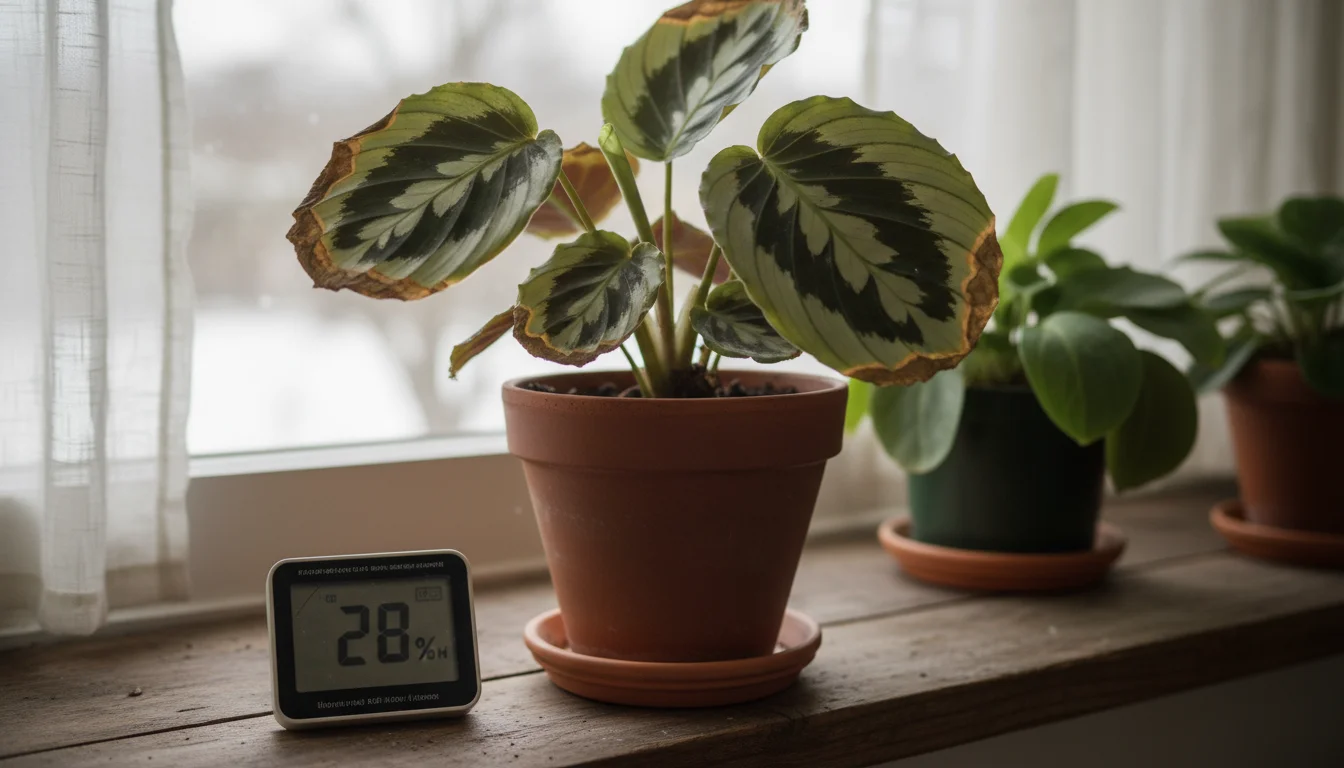
Winter indoor environments are notoriously dry. As central heating systems run constantly, they strip moisture from the air, often dropping indoor humidity levels well below what many houseplants prefer. Most tropical plants thrive in environments with 60-80% humidity. Your home, especially during winter, might register as low as 20-30%. This significant difference causes stress for your plants.
One effective way to boost moisture is by huddling your houseplants together to create a natural humidity microclimate.
If you are struggling with low moisture, check out these humidity hacks to see what really works for indoor greenery.
Symptoms of Low Humidity
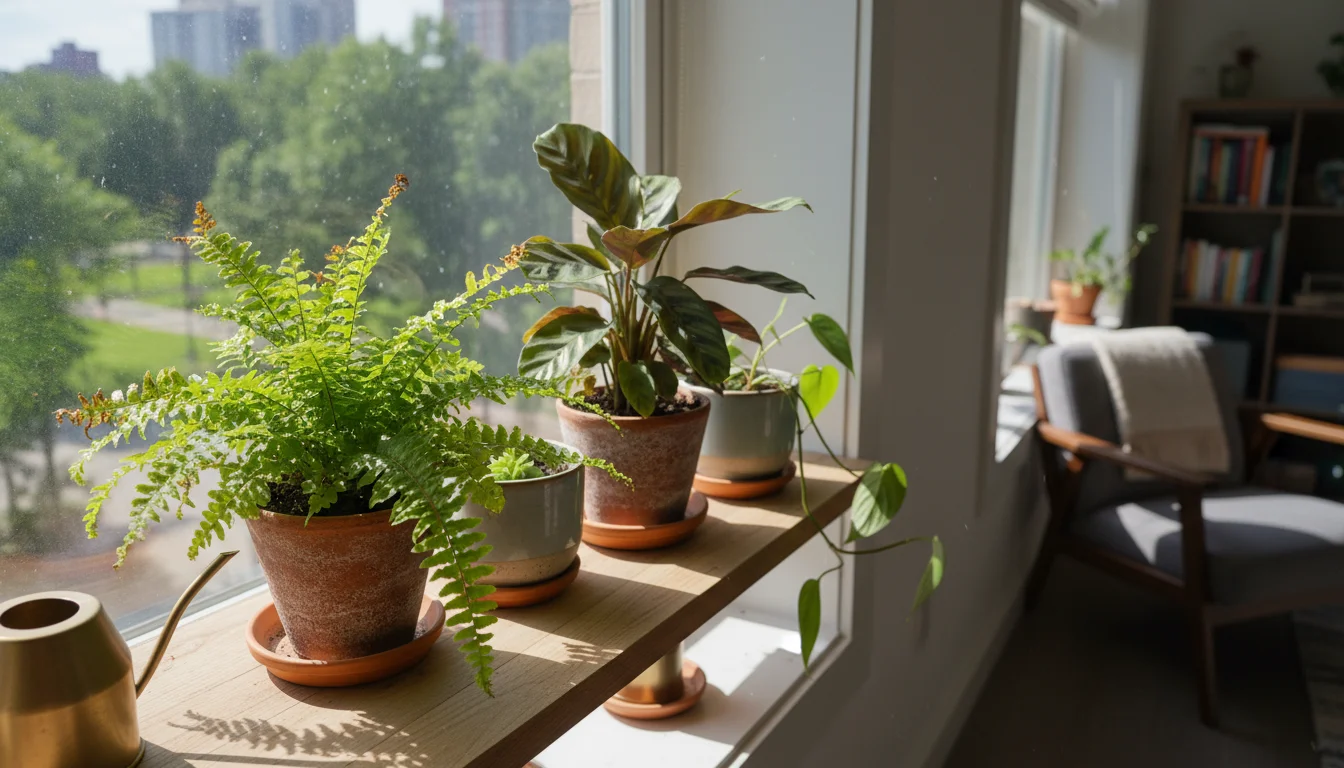
- Brown, crispy leaf tips or edges: This is a common and clear indicator, especially on plants like calatheas, ferns, and even some philodendrons.
- Stunted growth: Plants may struggle to produce new leaves or grow slowly.
- Drooping or wilting leaves: While often associated with watering issues, dry air can also cause plants to look thirsty.
- Increased pest susceptibility: Spider mites, in particular, flourish in dry, dusty conditions and can quickly infest stressed plants.
Effective Solutions for Boosting Humidity
Simply misting your plants rarely provides a lasting solution. While a temporary boost feels good, the water quickly evaporates, often leaving behind mineral deposits on leaves. More consistent methods are necessary.
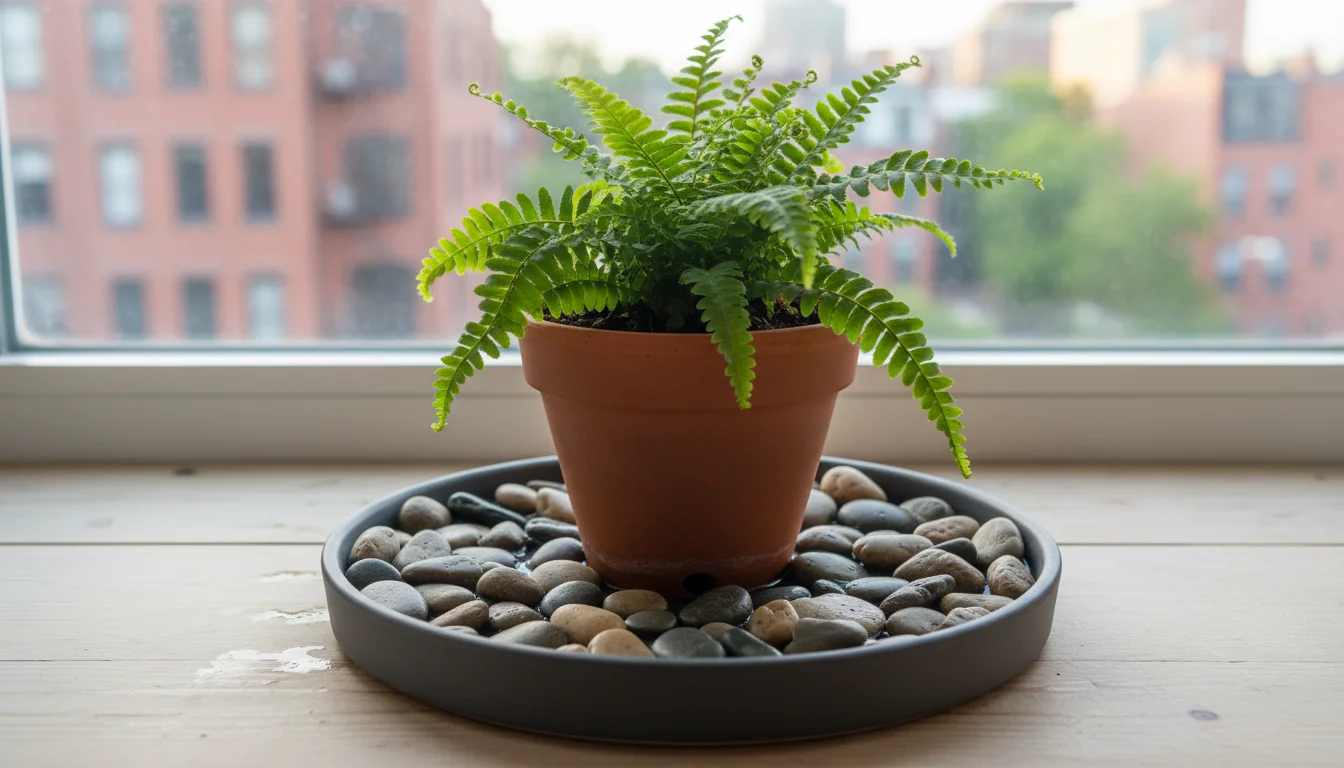
- Pebble Trays: Fill a shallow tray with pebbles and add water until it reaches just below the top of the pebbles. Place your plant pot on top of the pebbles, ensuring the pot does not sit directly in the water. As the water evaporates, it creates a localized pocket of humidity around the plant.
- Humidifiers: A small room humidifier is one of the most effective ways to increase ambient humidity. Place it near your plant collection and run it for several hours a day, especially during the driest parts of winter. This benefits both your plants and your own comfort.
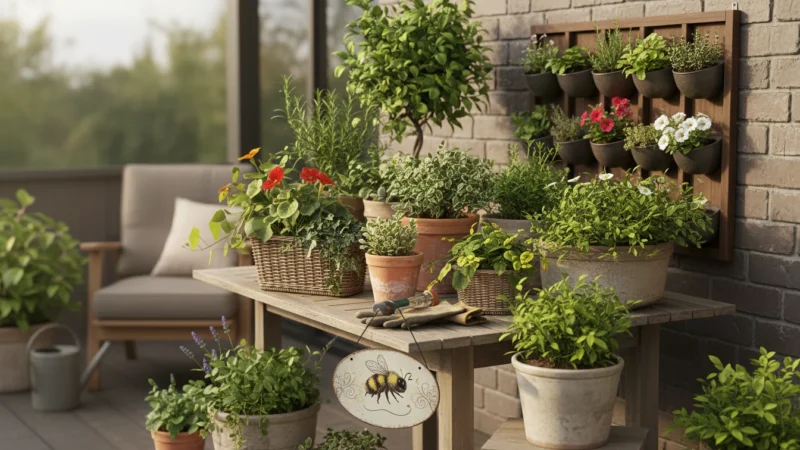
- Group Plants Together: Plants naturally release moisture through transpiration. Grouping several plants closely together creates a microclimate with slightly higher humidity, benefiting all members of the cluster. Ensure good airflow to prevent fungal issues.
- Terrariums or Cloches: For particularly sensitive plants that demand very high humidity, consider placing them in a terrarium or under a glass cloche. This creates a self-contained, high-humidity environment.
- Bathroom Placement: If you have a bright bathroom, it can be an ideal spot for humidity-loving plants. The steam from showers provides a natural, consistent humidity boost.
Regularly check your humidity levels with a hygrometer, an inexpensive tool that helps you monitor conditions and adjust your efforts accordingly. Maintaining adequate humidity helps prevent brown leaf tips and reduces the risk of pest infestations, keeping your plants happier through winter.
Mistake 4: Temperature Extremes and Cold Drafts – A Shock to the System
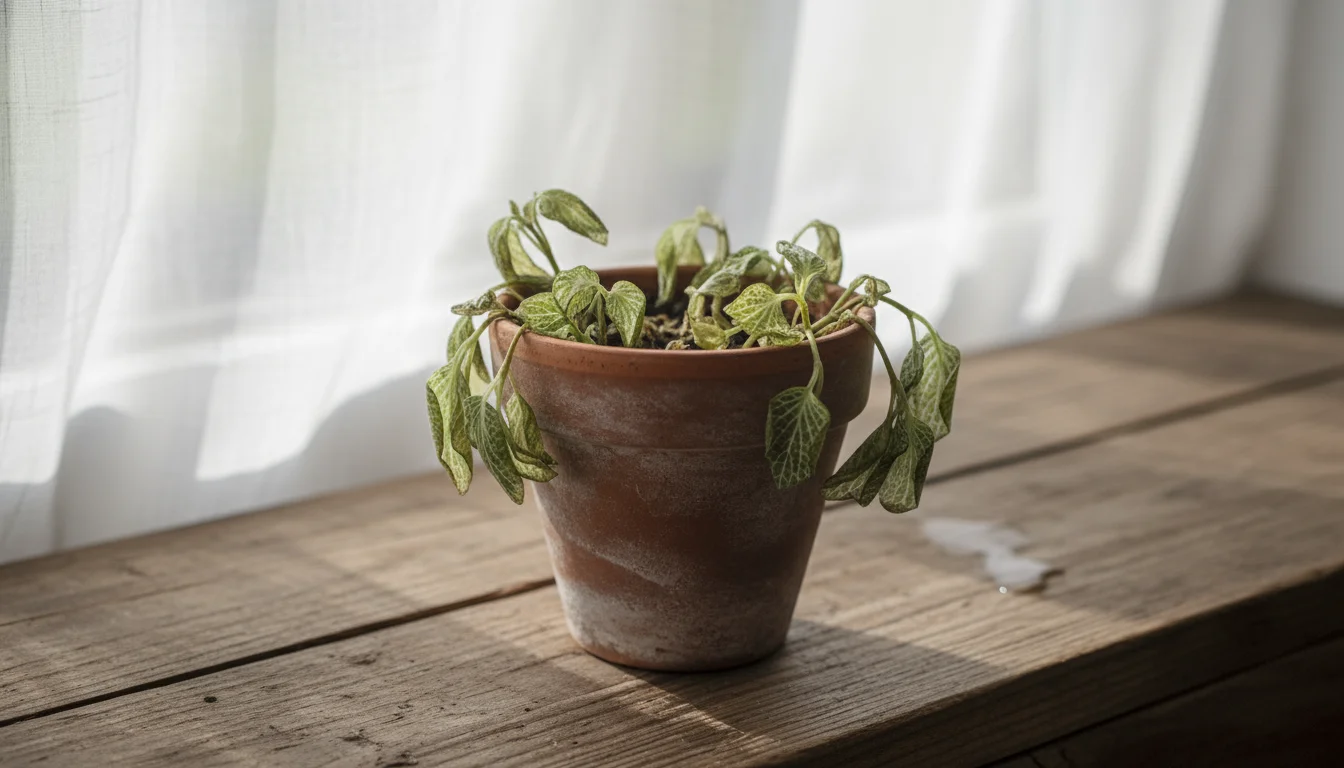
While your home might feel warm and comfortable to you, certain areas can expose your houseplants to temperature fluctuations that stress them considerably. Many common houseplants are tropical in origin and thrive in consistent, warm temperatures, typically between 65-80°F (18-27°C). Winter often brings challenges with cold drafts and rapid temperature shifts that can be detrimental to these sensitive plants.
If your plant stands are near a heating source, make sure to protect your pots from radiators to prevent the soil from drying out too aggressively.
The Dangers of Temperature Swings
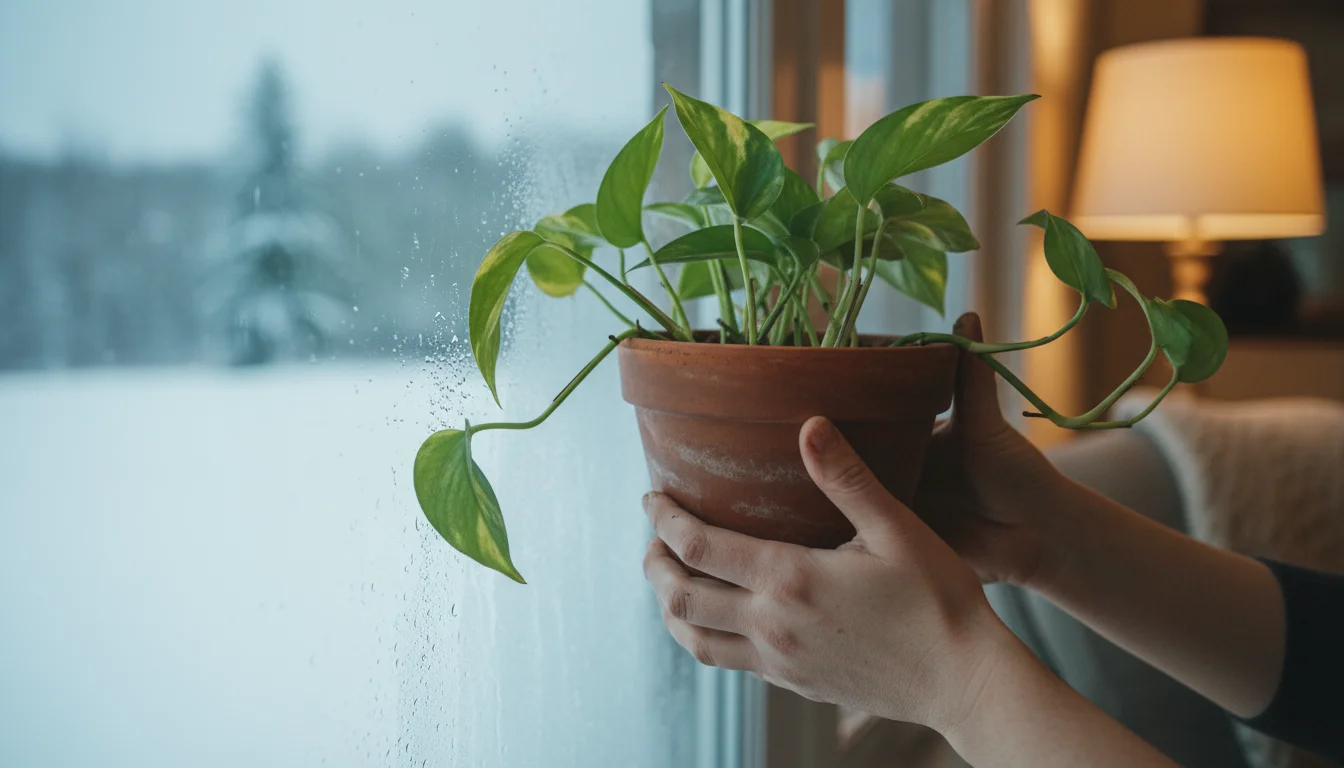
- Cold Windows: Glass panes lose heat rapidly, especially on cold nights. Placing plants directly against a window, even a sunny one, can expose them to significantly lower temperatures than the rest of the room. This can lead to chilling injury, causing leaves to yellow, turn black, or drop off. `Moving houseplants away from cold windows` becomes essential.
- Drafts: Gaps around windows and doors, or even the rush of cold air when you open an exterior door, create sudden cold drafts. These sudden temperature drops can shock plants, leading to stress, leaf drop, and weakened defenses.
- Heating Vents: Conversely, placing plants too close to heating vents or radiators exposes them to blasts of hot, dry air. This dehydrates leaves rapidly and often results in crispy foliage and increased pest problems.
Protecting Your Plants from Temperature Extremes
Proactive placement and monitoring protect your plants from these unseen threats.
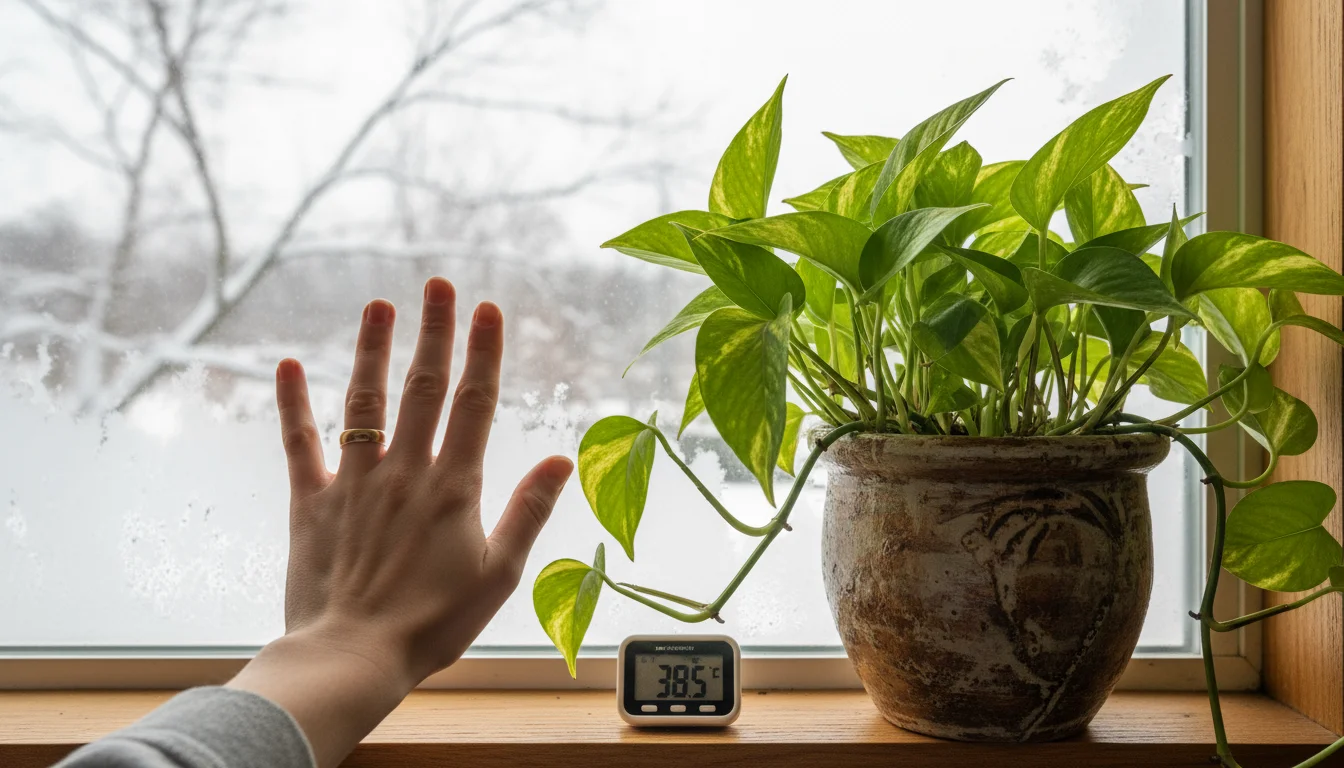
- Maintain Distance from Cold Windows: Position your plants a few inches to a foot away from cold window panes, especially overnight. This simple act prevents direct exposure to chilling temperatures. You can use an inexpensive thermometer to check the temperature directly at the plant’s location compared to the room’s ambient temperature.
- Inspect for Drafts: Feel for cold air currents around windows and doors. Use weatherstripping or draft stoppers to seal gaps. If you cannot eliminate a draft, move sensitive plants to a more sheltered location.
- Avoid Heating Vents: Never place plants directly in the path of hot air from heating vents or radiators. If space is limited, use a physical barrier to deflect the airflow, or ensure regular misting or humidification to counteract the drying effect.
- Consistent Room Temperature: Aim for a stable indoor temperature. While you might turn down the thermostat at night to save energy, avoid drastic drops. A consistent temperature, even if slightly cooler, is generally better than wide fluctuations. Most plants tolerate slightly cooler temperatures (e.g., 60°F or 15°C) at night, provided they have adequate light during the day, but sudden drops below 50°F (10°C) are risky for many tropical species.
- Insulate Pots: For plants in terracotta pots, which can wick away heat and moisture, consider placing them inside a larger decorative pot (a cachepot) to add a layer of insulation, especially if they are near a cooler area.
By being mindful of microclimates within your home, you provide a stable and comfortable environment for your houseplants throughout the winter months.
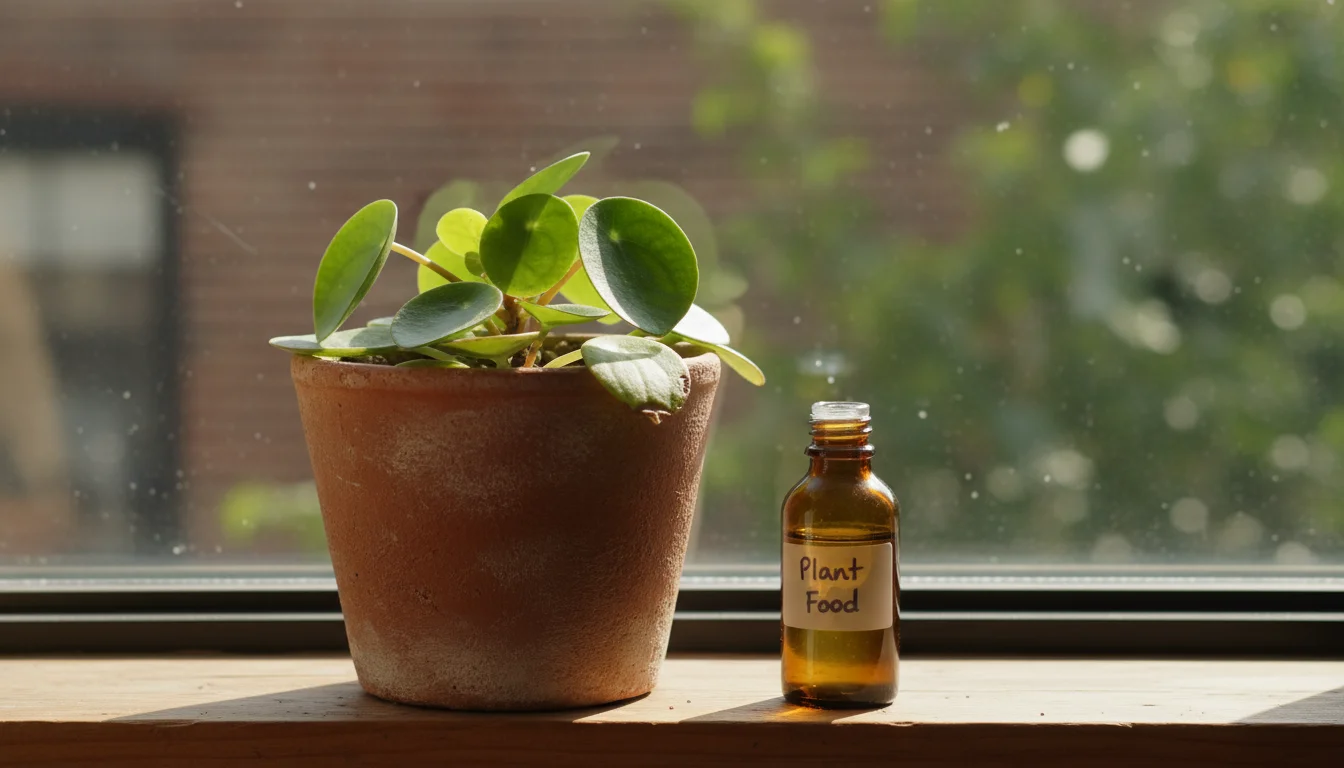
Mistake 5: Over-fertilizing – An Unnecessary Winter Burden
During their active growing season, houseplants benefit from regular fertilization, providing essential nutrients for foliage, root development, and flowering. However, this need changes dramatically in winter. Applying fertilizer when your plant is in a period of slowed growth or semi-dormancy is one of the common `winter houseplant mistakes` that causes more harm than good.
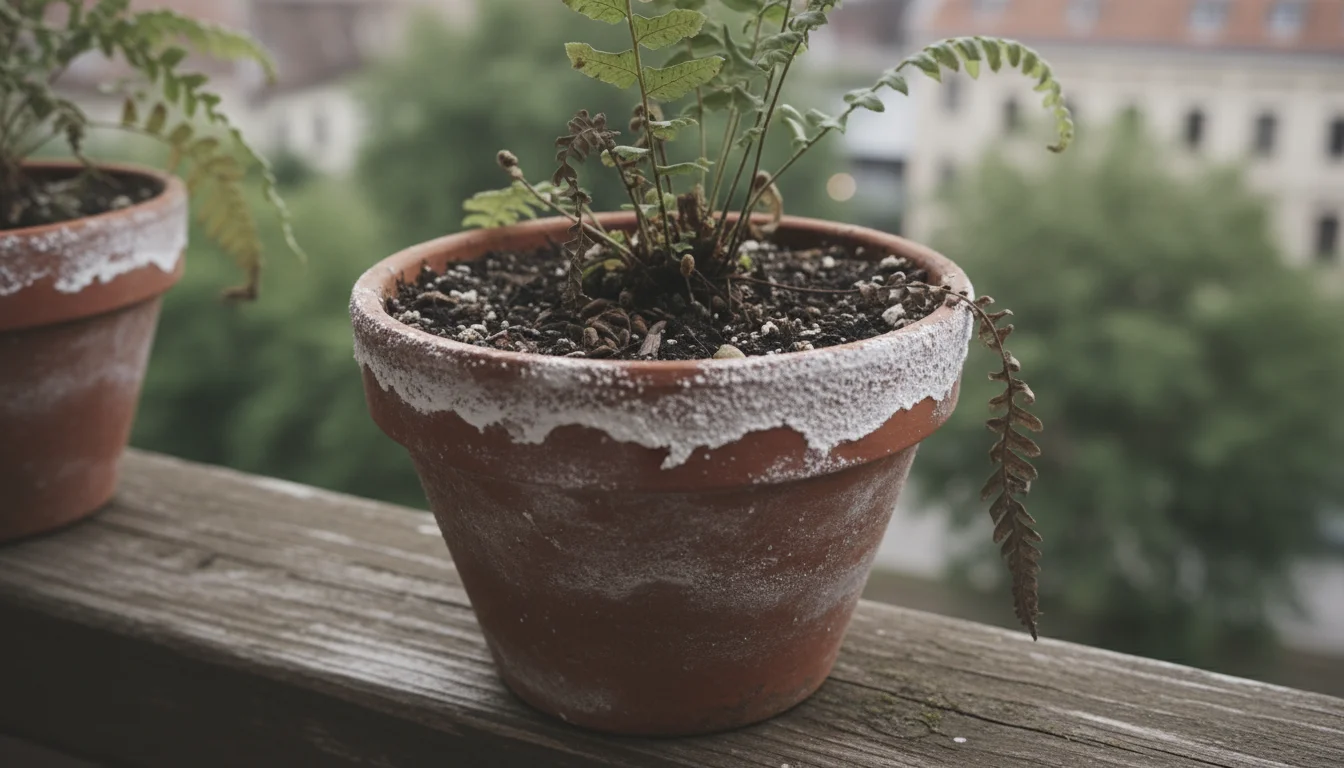
Why Fertilizing in Winter is Detrimental
As discussed, plants reduce their metabolic activity in winter due to less light and cooler temperatures. They simply do not have the energy or the need to process the extra nutrients from fertilizer. When you fertilize, the unused salts and minerals accumulate in the soil. This salt buildup can cause several problems:
- Root Burn: High concentrations of salts draw moisture out of plant roots, essentially dehydrating them, leading to damage and even root death. This manifests as brown, crispy leaf edges or tips.
- Stunted Growth: Instead of promoting growth, over-fertilization can inhibit it, as the plant becomes stressed trying to cope with the excess nutrients.
- Increased Susceptibility to Pests and Diseases: A stressed plant is a weak plant, making it more vulnerable to common houseplant pests like spider mites and mealybugs, and various fungal issues.
- Unbalanced Nutrient Uptake: An excess of one nutrient can prevent the plant from absorbing other necessary elements, leading to further deficiencies.
The Correct Approach to Winter Fertilization
For most houseplants, the rule of thumb for winter is simple: do not fertilize.
- Stop Fertilizing: Begin reducing or stopping fertilization completely by late fall (October/November in many regions) and resume only when you see signs of active new growth in spring (February/March).
- Consider Exceptions for Active Growers: Some plants, like African Violets or certain orchids, may bloom or grow actively even in winter if provided with ideal conditions (e.g., supplemental grow lights). For these specific plants, you might use a highly diluted fertilizer solution (e.g., quarter strength) very sparingly, perhaps once a month. However, for the vast majority of foliage plants, cessation is best.
- Flush the Soil: If you suspect you have over-fertilized or want to prevent salt buildup, flush the soil periodically. To do this, place the plant in a sink or shower and slowly pour water through the soil for several minutes, allowing it to drain completely. This washes away excess salt. Do this only when the plant genuinely needs watering, and ensure excellent drainage.
- Focus on Other Care: During winter, your efforts are better spent on optimizing light, humidity, and proper watering, rather than on providing nutrients.
Remember, a period of rest without fertilizer is natural and beneficial for your plants, allowing them to conserve energy and emerge stronger in spring.
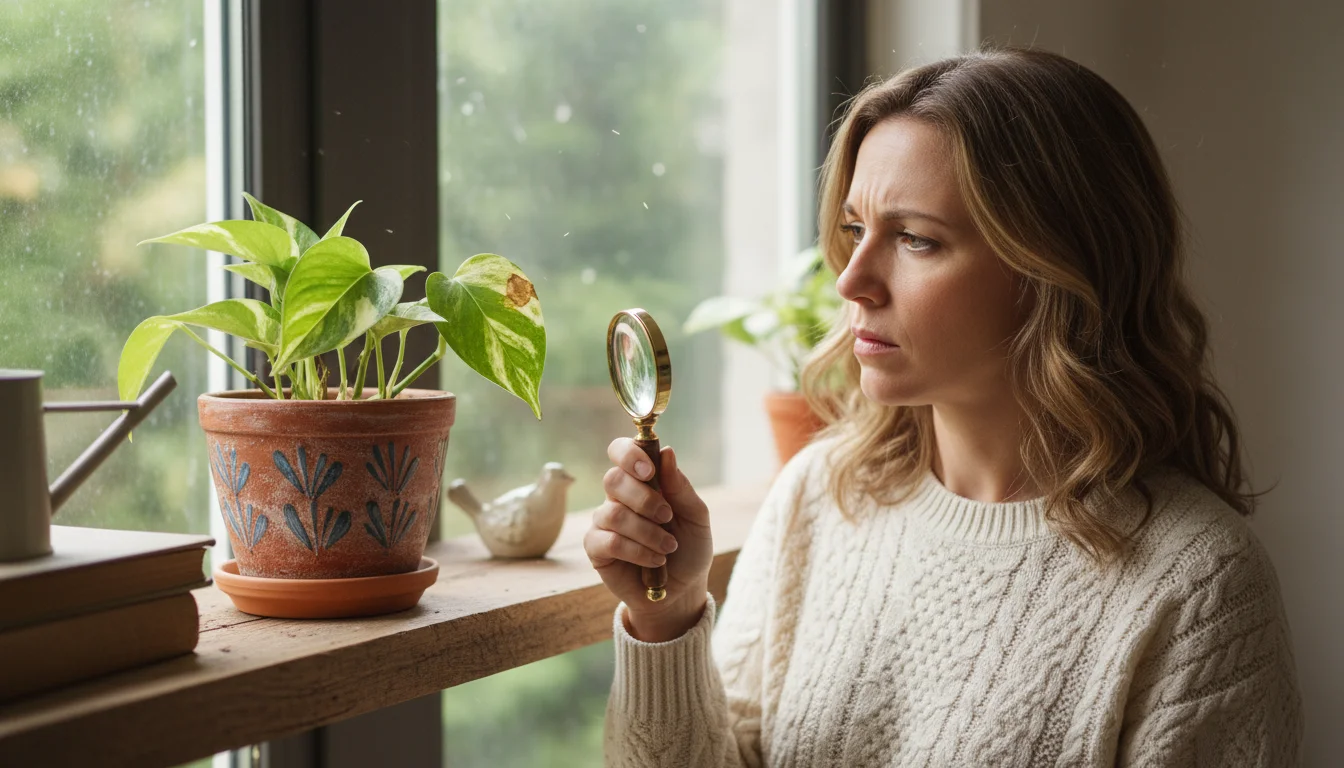
Mistake 6: Forgetting to Check for Pests – Winter’s Sneaky Invaders
You might think pests are a summer problem, but winter actually creates prime conditions for certain houseplant pests to thrive. The dry, warm indoor air, coupled with plants that are already stressed from lower light and humidity, makes them particularly vulnerable. Overlooking regular pest checks is one of the critical `winter houseplant mistakes` that can lead to widespread infestations.
Stagnant indoor air can encourage infestations, so learning to identify common winter pests early is the best way to save a struggling plant.
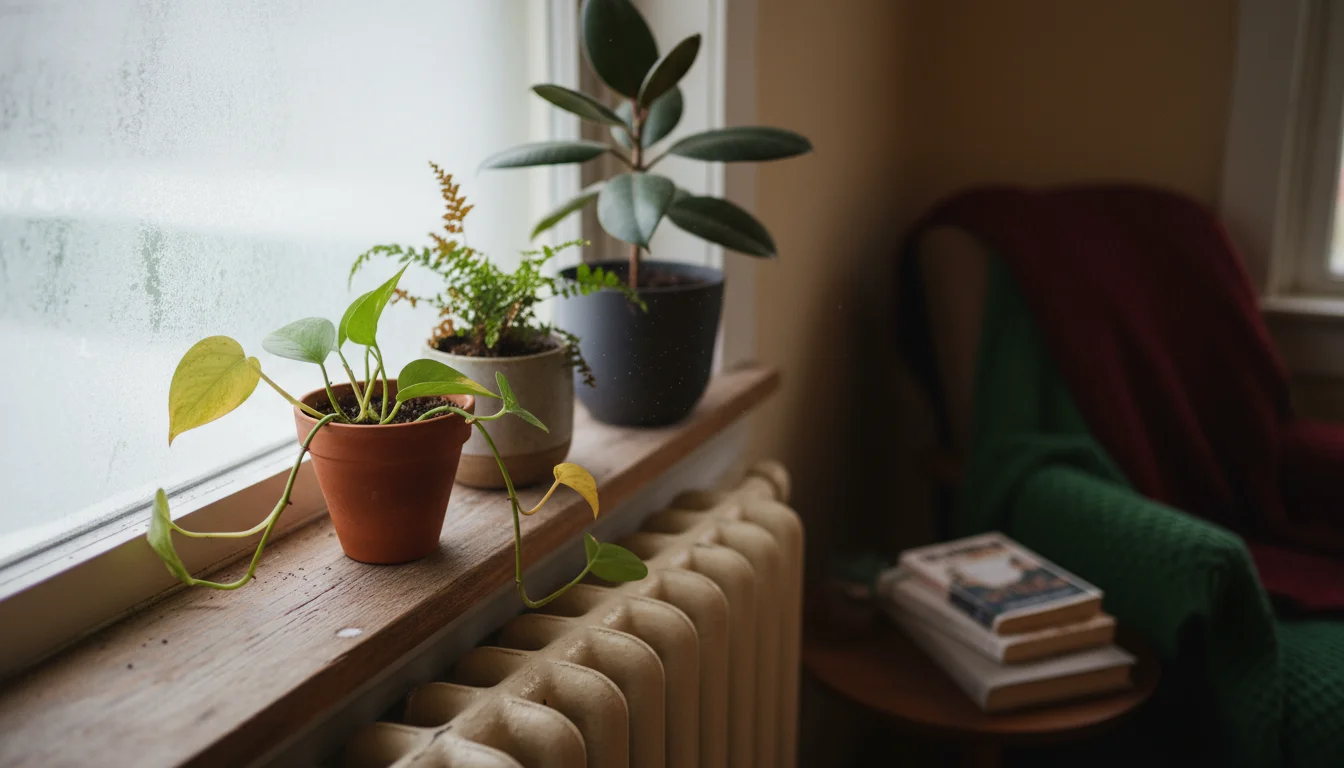
Why Pests Love Winter Indoors
- Dry Air: Many common pests, especially spider mites, thrive in low humidity. Your indoor heating provides them with the perfect breeding ground.
- Stressed Plants: Plants under environmental stress have weakened immune systems, making them less able to fend off pest attacks.
- Lack of Natural Predators: Indoors, plants lack the natural predators that help keep pest populations in check outdoors.
- Reduced Vigilance: Gardeners often assume pests are dormant in winter, leading to less frequent inspection.
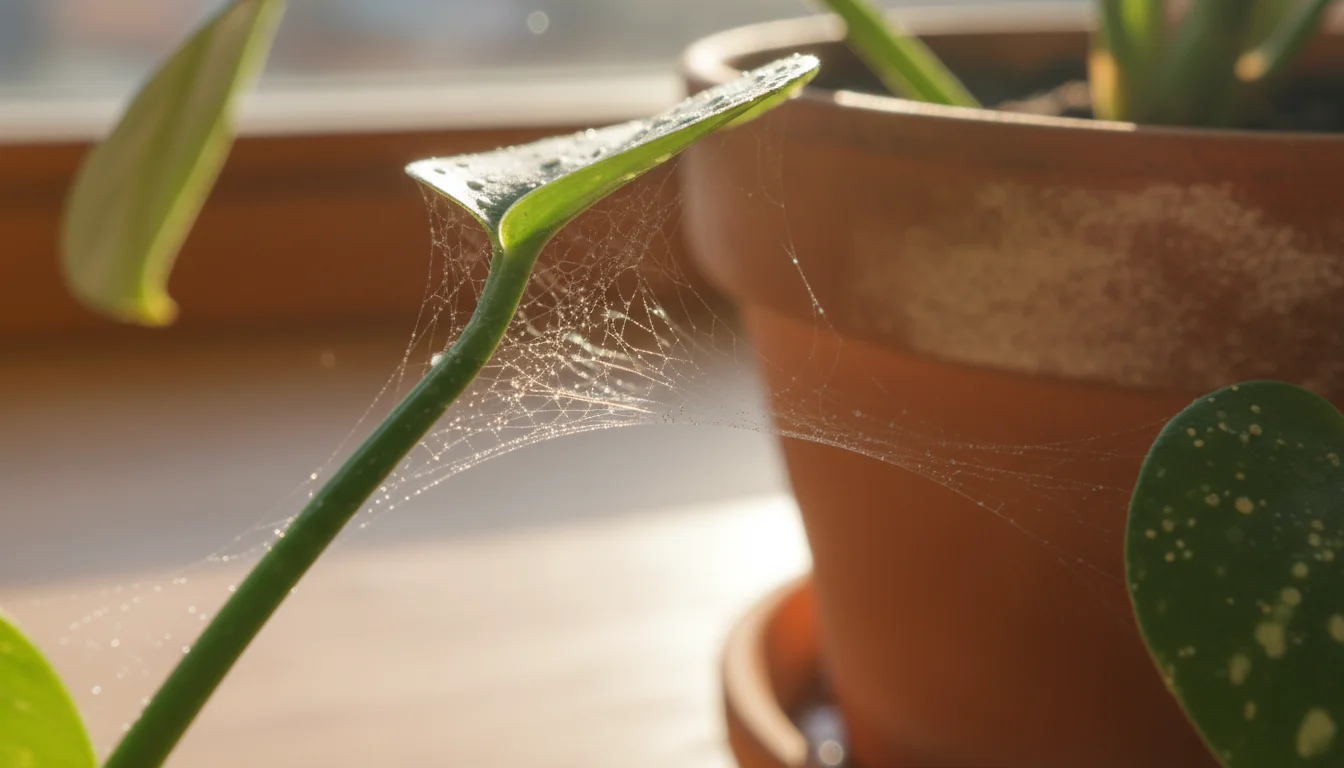
Common Winter Houseplant Pests and Their Signs
Knowing what to look for helps you catch infestations early:
- Spider Mites: Tiny, almost invisible red or brown specks. Look for fine webbing, especially on new growth or between leaf stems. Leaves may develop stippling (tiny yellow or white dots) and eventually turn bronze or yellow.
- Mealybugs: Small, white, cottony masses found in leaf axils (where leaves meet stems) and on the undersides of leaves. They secrete sticky honeydew.
- Aphids: Small, pear-shaped insects, green, black, or brown, clustered on new growth and flower buds. They also leave sticky honeydew.
- Fungus Gnats: Tiny, black, mosquito-like flies that hover around the soil surface. Their larvae feed on organic matter and sometimes fine roots in overly moist soil.
- Scale: Small, brown, or black bumps that look like tiny shells, often found on stems and leaf undersides. They are stationary once attached and also produce honeydew.
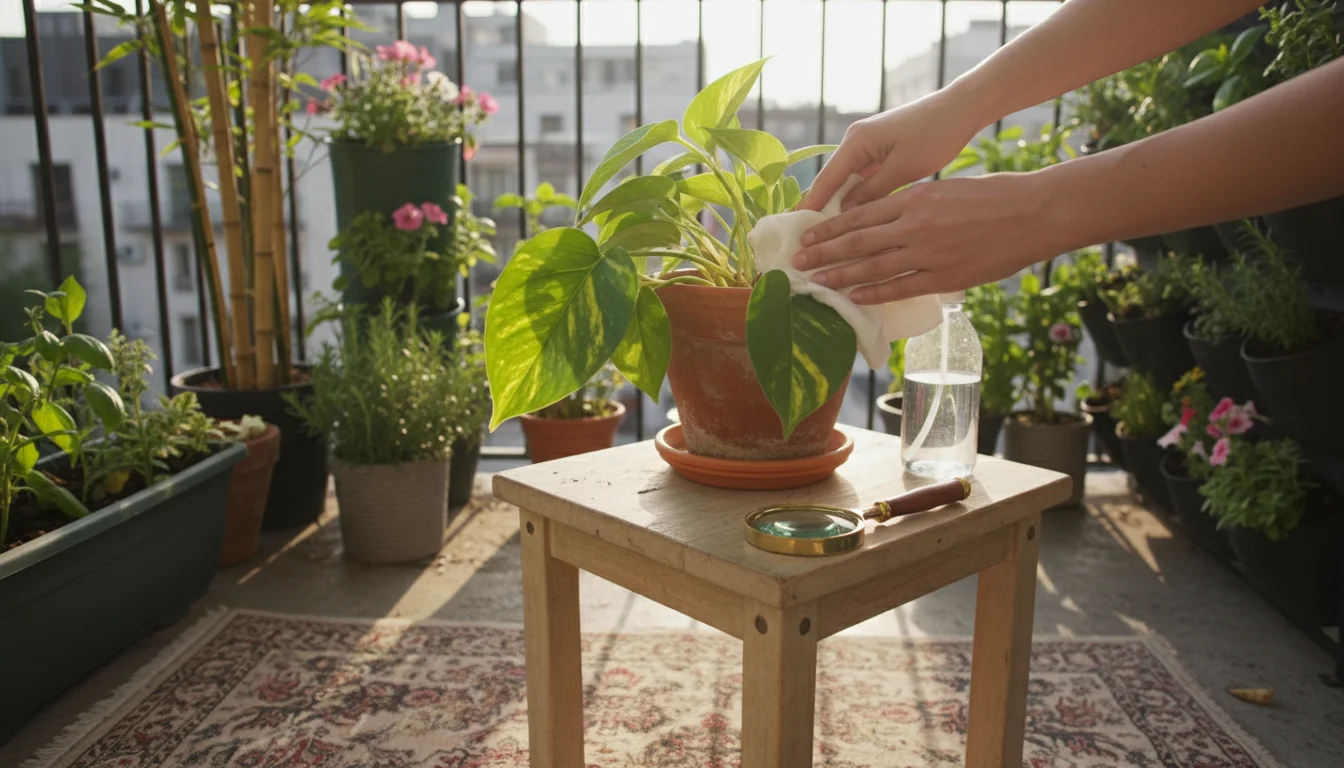
Proactive Pest Management in Winter
Regular inspection and prompt action are your best defenses. Integrate pest checks into your routine.
- Weekly Inspections: Dedicate a few minutes each week to thoroughly inspect your plants. Examine the tops and undersides of leaves, stems, and leaf axils. Use a magnifying glass for tiny pests like spider mites.
- Isolate New Plants: Always quarantine new plants for at least two to four weeks before introducing them to your existing collection. This prevents bringing in new pests.
- Maintain Cleanliness: Remove any fallen leaves or debris from the soil surface, as these can provide hiding spots for pests.
- Wipe Down Leaves: Regularly wipe plant leaves with a damp cloth. This removes dust and dislodges early pest populations.
- Treat Early and Consistently:
- Mild Infestations: For small numbers of pests, use a cotton swab dipped in rubbing alcohol to dab them directly. For spider mites, a strong spray of water from a showerhead can knock them off.
- Moderate Infestations: Apply insecticidal soap or neem oil spray. Neem oil works as an insect growth regulator and repellent. Mix according to package directions and spray thoroughly, ensuring coverage on both sides of leaves. Repeat treatments every 7-10 days for several weeks to break the pest life cycle.
- Fungus Gnats: Reduce watering frequency to allow the top inch or two of soil to dry out completely. You can also use sticky traps to catch adults and beneficial nematodes in the soil to target larvae.
Early detection and consistent treatment prevent minor pest issues from escalating into major problems, saving your plants and your sanity.
Mistake 7: Neglecting Winter Dust and Cleaning – Your Plant’s Breathing Room
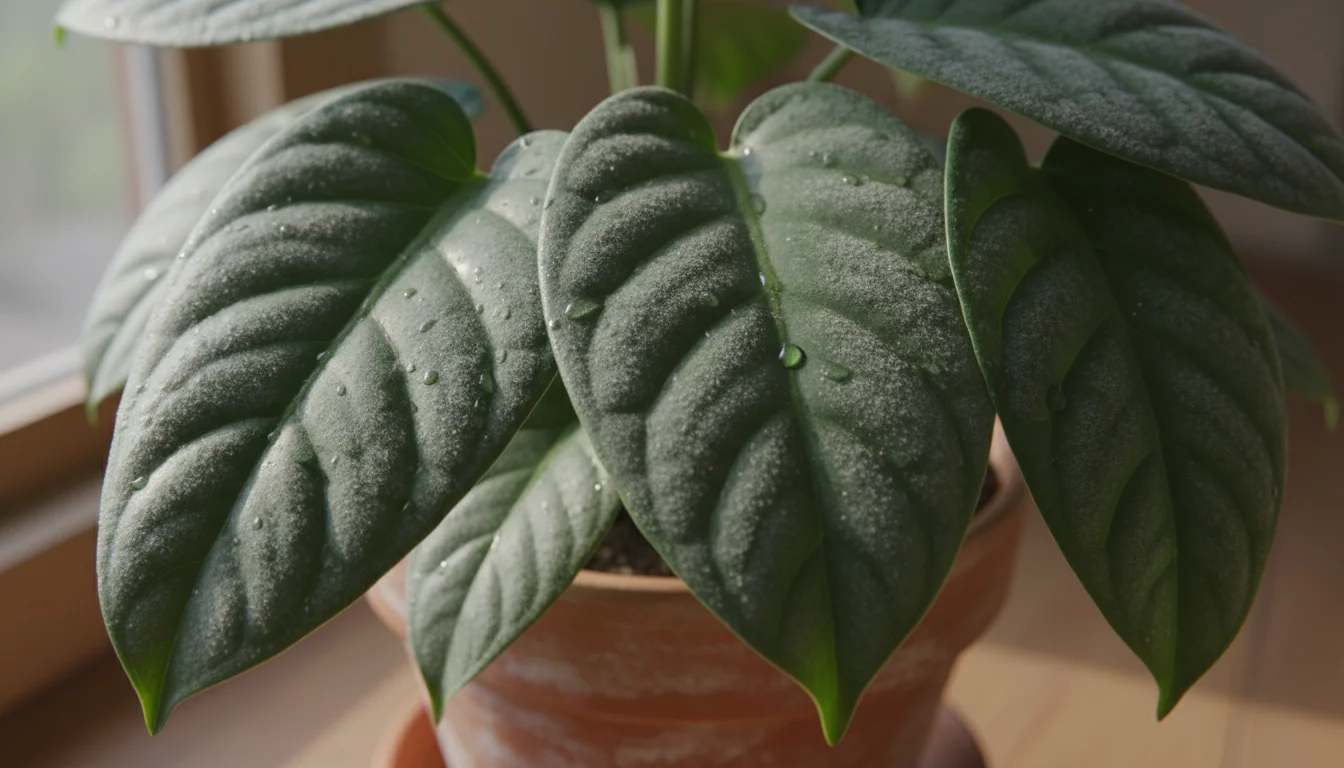
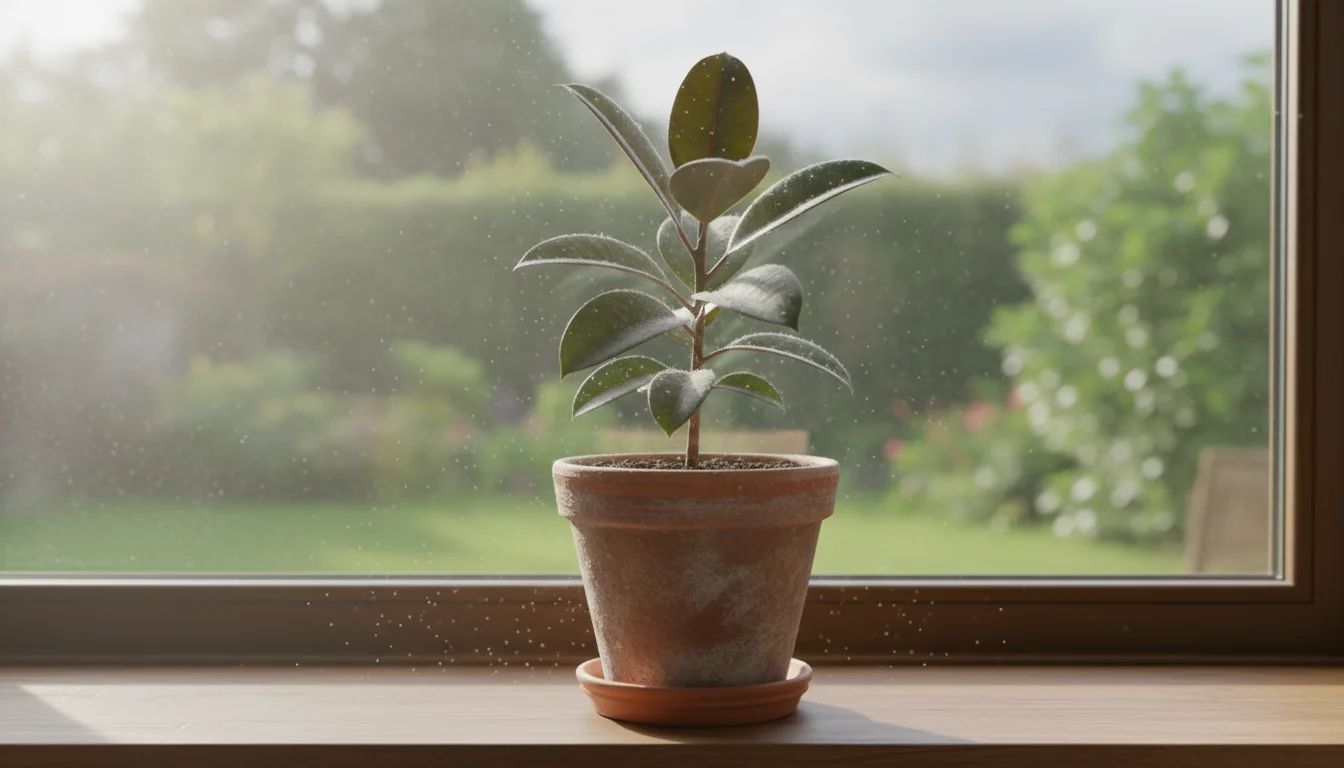
In winter, as windows remain closed and heating systems circulate air, dust accumulates more rapidly indoors. This dust settles on your houseplants’ leaves, forming a thin film that can significantly hinder their health. Neglecting to clean your plant’s leaves is a frequently overlooked `winter houseplant mistake` with tangible consequences.
Take a moment to properly clean your plant’s leaves, which ensures they can maximize what little sunlight is available.
Why Dust is Detrimental to Plant Health
Plant leaves are vital for photosynthesis, the process where plants convert light energy into chemical energy. Small pores on the leaves, called stomata, allow for gas exchange (taking in carbon dioxide and releasing oxygen and water vapor). A layer of dust interferes with both these critical functions:
- Blocks Light: Dust particles block light from reaching the leaf surface, reducing the plant’s ability to photosynthesize efficiently. Even a thin layer can diminish light absorption by 10-20%.
- Obstructs Stomata: Dust can clog the stomata, impeding the plant’s ability to “breathe” and regulate moisture. This leads to inefficient gas exchange and can stress the plant.
- Attracts Pests: Dusty, dry conditions are highly attractive to pests like spider mites. A clean plant is less likely to harbor these unwanted guests.
- Reduced Aesthetics: Naturally, dusty leaves make your plants look dull and unhealthy, detracting from their beauty in your home.
Simple Steps for Cleaning Your Houseplant Leaves
Regular cleaning is a quick and easy way to support your plant’s health and appearance.
- Wipe Broad Leaves: For plants with large, smooth leaves (like Monstera, Fiddle Leaf Fig, Pothos), use a soft, damp cloth or sponge. Gently support the underside of the leaf with one hand and wipe the top surface with the other. You can use plain water or a very diluted solution of mild dish soap (a drop per gallon of water) for extra shine, followed by a clean water rinse.
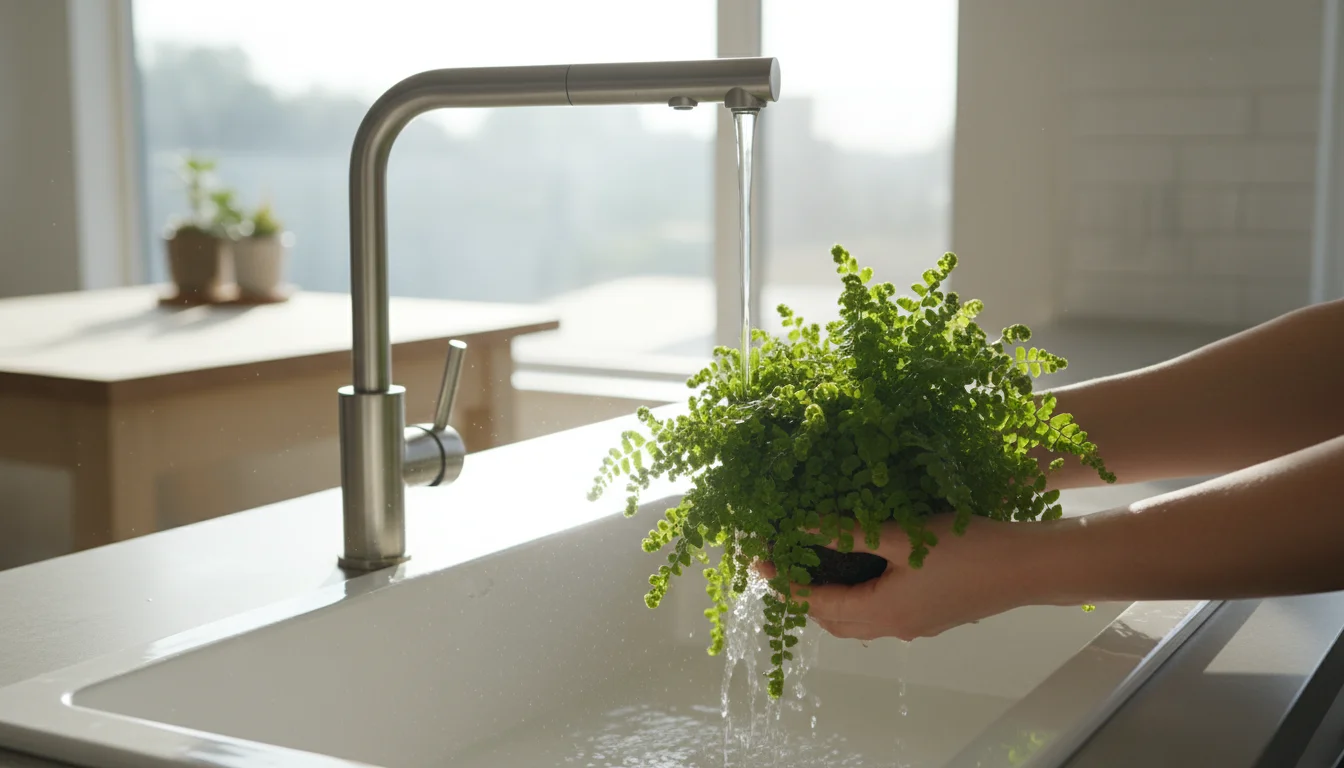
- Shower Smaller Plants: For plants with many small leaves or intricate foliage (like ferns, asparagus ferns, or even some small Ficus varieties), place the entire plant in a sink or shower. Use a gentle stream of lukewarm water to thoroughly rinse off dust. Ensure the water drains completely from the pot afterward. This method also provides a temporary humidity boost.
- Use a Soft Brush: For plants with fuzzy or delicate leaves (like African Violets, some Begonias), avoid wiping them with a wet cloth, as this can cause spotting or damage. Instead, use a soft-bristled brush (like a clean makeup brush or a soft paintbrush) to gently brush off the dust.
- Regularity is Key: Aim to clean your plants every 2-4 weeks during winter, or whenever you notice a visible layer of dust.
A clean plant can breathe easier, photosynthesize more effectively, and generally appear healthier and more vibrant, contributing significantly to its overall well-being throughout the winter months.
Why Are My Houseplants Dying in Winter? Troubleshooting Common Issues
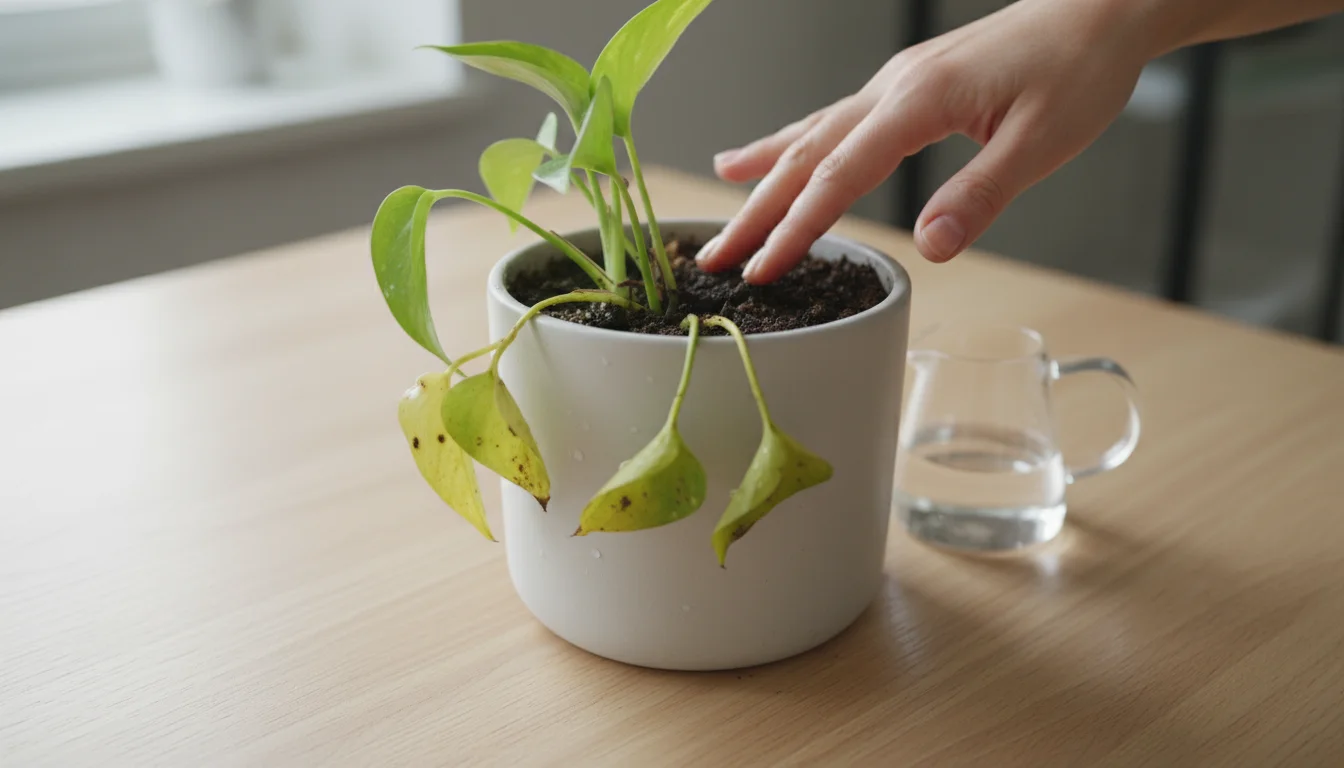
Even with your best efforts, sometimes you see your houseplants struggling, making you wonder, `why are my houseplants dying in winter`? It is often a combination of factors, but understanding common symptoms helps you diagnose the problem. This troubleshooting guide helps you pinpoint potential issues and implement corrective action.
If you are facing a total foliage loss, consult our winter emergency recovery guide to see if your plant can still be saved.
| Symptom | Likely Cause(s) | Action to Take |
|---|---|---|
| Yellowing lower leaves, moist soil, wilting | Overwatering, root rot | Reduce watering frequency drastically; check soil moisture before watering. Consider repotting if severe. |
| Brown, crispy leaf tips/edges, generally dry soil | Low humidity, underwatering | Increase humidity (pebble tray, humidifier). Check soil moisture more frequently; water thoroughly when dry. |
| Pale, elongated stems; small, sparse leaves | Insufficient light | Move to a brighter location; supplement with grow lights. Rotate plant regularly. |
| Sudden leaf drop, yellowing or browning leaves, sometimes black spots | Cold drafts, sudden temperature changes | Move `moving houseplants away from cold windows` or drafty areas. Maintain consistent room temperature. |
| Brown, burnt-looking spots on leaves | Too much direct sunlight (for sensitive plants) or chemical burn from fertilizer | Move plant slightly further from window; stop fertilizing in winter. Flush soil if fertilizer is suspected. |
| Sticky residue on leaves or nearby surfaces, tiny webs, small bugs | Pest infestation (mealybugs, spider mites, aphids) | Inspect thoroughly; isolate plant. Treat with insecticidal soap or neem oil. Wipe leaves clean. |
| No new growth, dull appearance, plant seems generally “unhappy” | General stress from multiple factors (light, water, humidity) | Review all care practices. Ensure optimal light, humidity, and proper watering. Avoid fertilizing. Patience is key. |
| Fungus gnats (small flies) flying around soil | Overly wet soil, often due to overwatering | Let soil dry out more between waterings. Use sticky traps for adults. |
Observe your plants closely. They communicate their needs through their foliage and growth patterns. Often, a combination of subtle issues leads to decline. By systematically addressing each potential problem, you help your plants recover and thrive.
Sustainable Practices for Thriving Winter Houseplants
Gardening indoors offers an excellent opportunity to embrace eco-friendly habits. By adopting sustainable practices, you support both your plants and the environment, creating a healthier `indoor plant care guide` overall.
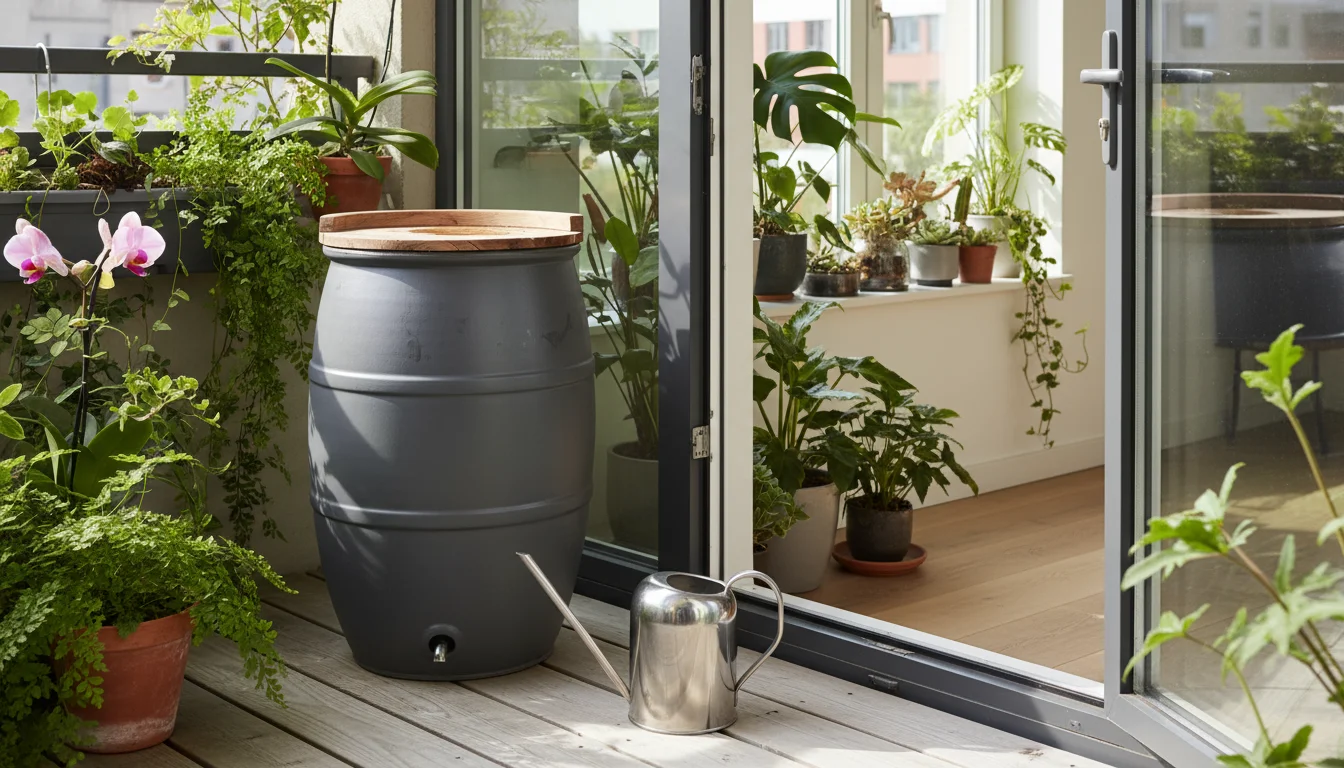
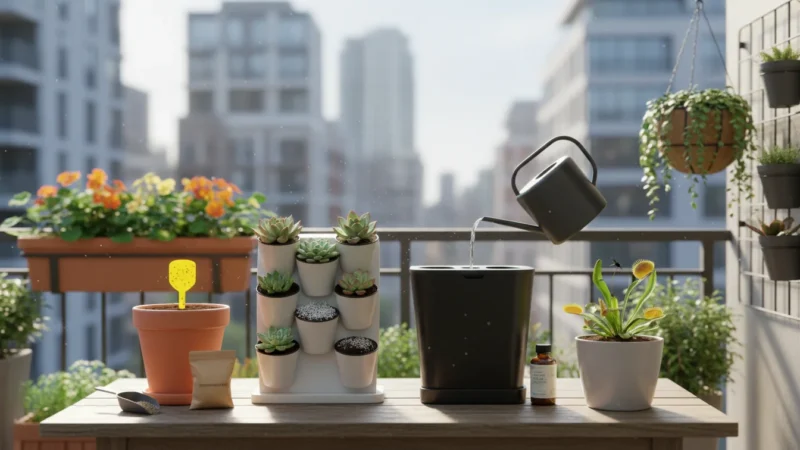
- Rainwater Collection: Collect rainwater for your houseplants. Rainwater is naturally soft and free of the chlorine and other chemicals often found in tap water, which can be harsh on sensitive plant roots over time. A simple bucket placed outdoors during a rain shower is all you need. Store it in a closed container to prevent mosquito larvae.
- Composting for Plant Health: If you have an outdoor compost bin, enrich your potting mix with homemade compost when repotting in spring. Compost improves soil structure, aeration, and nutrient retention, reducing the need for synthetic fertilizers. Even kitchen scraps like banana peels or coffee grounds can be composted.
- Natural Pest Control: Opt for natural and organic pest control methods. Instead of harsh chemical pesticides, use insecticidal soap, neem oil, or rubbing alcohol for treating infestations. These are less harmful to the environment and safer for use indoors. Consistent cleaning and inspection remain your primary defense.
- Repurpose and Reuse Pots: Before buying new pots, consider if you can reuse existing plastic containers or repurpose items like old ceramic bowls (add drainage holes if needed). When you do purchase new pots, choose durable materials like terracotta or recycled plastics that last for years.
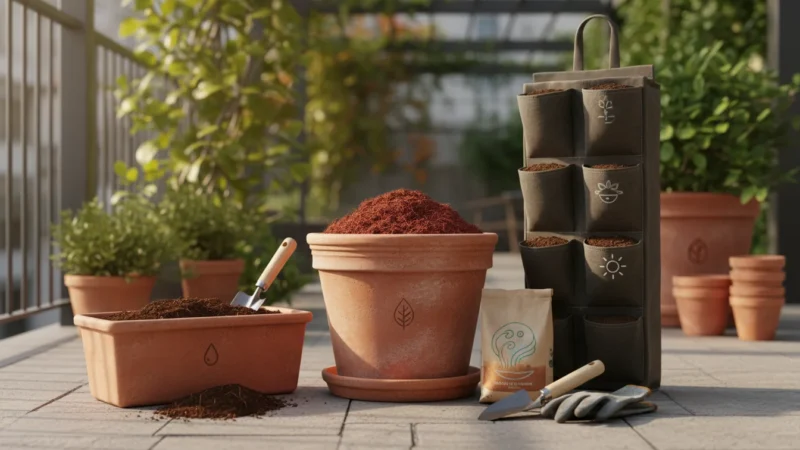
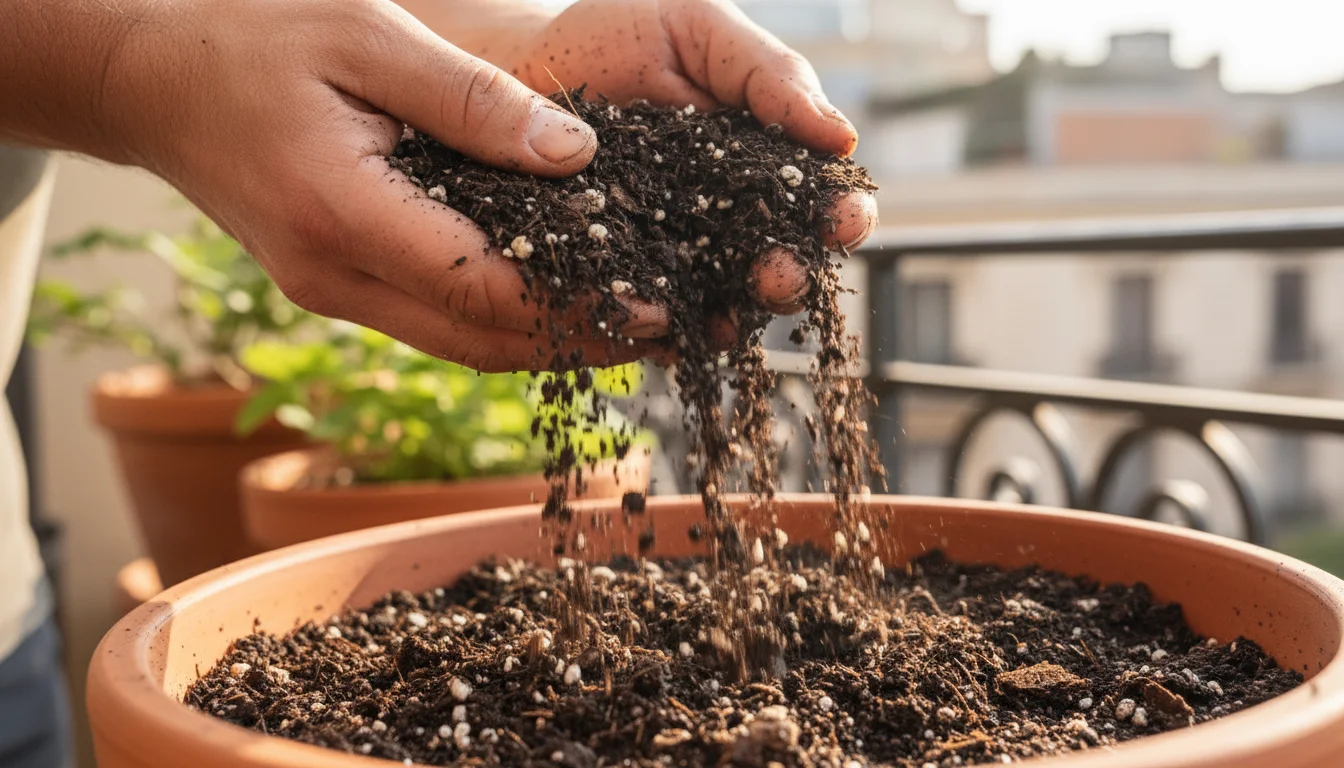
- DIY Soil Mixes: Learn to create your own potting mixes using components like coco coir (a sustainable alternative to peat moss), perlite, and worm castings. This reduces reliance on pre-packaged mixes, which often contain peat moss that is harvested from delicate wetland ecosystems.
- Energy-Efficient Grow Lights: If using supplemental lighting, invest in energy-efficient LED grow lights. They consume significantly less electricity than older fluorescent or incandescent options, reducing your energy footprint.
Adopting these sustainable practices ensures your indoor gardening hobby remains kind to the planet, making your small-space garden a testament to mindful living.
Frequently Asked Questions
Should I repot my houseplants in winter?
Generally, you should avoid repotting houseplants in winter. Most plants enter a period of slowed growth or dormancy during the colder months, and repotting causes significant stress to their root systems. New growth slows down, making it harder for the plant to recover from the shock of being moved. It is always best to wait until spring, when plants naturally begin their active growth cycle, to repot them. This timing allows them to quickly establish themselves in their new environment.
Do all houseplants need less water in winter?
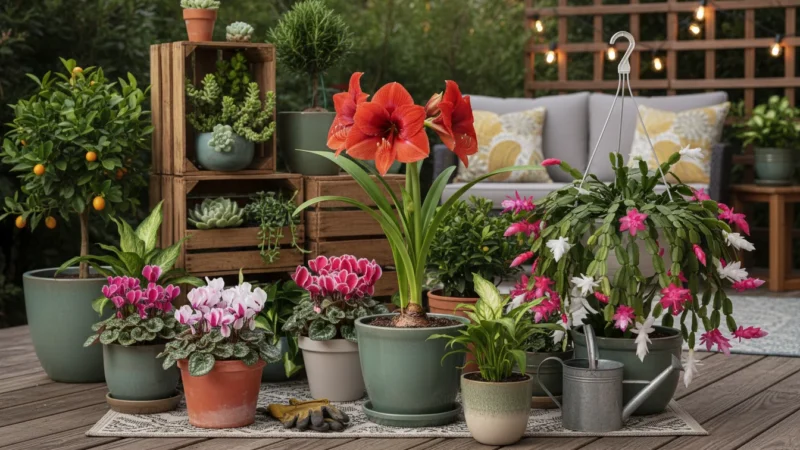
Most houseplants do require significantly less water in winter due to reduced light and slower growth rates. However, there are a few exceptions. Plants that actively bloom in winter, such as Christmas cacti or cyclamen, may need slightly more consistent moisture. Also, plants grown under supplemental grow lights that maintain summer-like conditions might dry out more quickly. Always check the soil moisture level before watering, regardless of the season. Use the finger test: if the top two inches of soil feel dry, it is time to water for most plants. For succulents, let the soil dry out completely.
How do I know if my plant is getting enough light indoors?
Your plant communicates its light needs through its appearance. If it is not getting enough light, new growth will appear leggy, stretched, and often pale or yellowish. Lower leaves might drop, and the plant may stop producing new leaves entirely. If your plant is a flowering variety, it may fail to bloom or produce small, weak flowers. Conversely, if a plant is receiving too much direct light for its species, its leaves might look bleached, scorched, or develop brown spots. Observe new growth closely and adjust its position accordingly. A light meter, even a simple phone app, provides helpful data, but your plant’s visual cues are the best indicator.
What is the best way to increase humidity for my houseplants?
The most effective long-term solution for increasing humidity for houseplants is to use a room humidifier. Small, inexpensive humidifiers make a significant difference, especially when grouped around your plants. Other effective methods include placing plants on pebble trays filled with water (making sure the pot itself does not sit in the water) or grouping several plants together to create a localized microclimate. Misting provides only a temporary boost and is not a reliable long-term solution for sustained humidity. Consider placing humidity-loving plants in a bright bathroom, where natural steam from showers contributes to higher moisture levels.
Can I put my houseplants outside briefly on a warm winter day?
You should generally avoid putting your houseplants outside briefly on a warm winter day. While the sun might feel inviting, the difference in temperature, even a slight breeze, and changes in light intensity can shock your plant. This sudden environmental shift often causes more stress than benefit. Furthermore, a “warm” winter day can still see drastic temperature drops after sunset, which could severely damage or kill a sensitive houseplant. It is safer to keep your plants indoors, maintain consistent conditions, and supplement light or humidity if needed, rather than exposing them to unpredictable outdoor winter elements.
Caring for your houseplants in winter is about observation, adjustment, and a little patience. By understanding their needs and avoiding these common `winter houseplant mistakes`, you ensure your green friends not only survive but truly thrive, bringing joy to your home until spring. You have the knowledge now to be a confident winter plant parent. Trust your instincts, but more importantly, trust your plants to show you what they need.
For trustworthy gardening information, visit:
Kansas State University Extension — Horticulture, Oklahoma State University Extension — Lawn & Garden, Tennessee Extension — Gardening and University of Delaware Extension — Gardening. These organizations provide expert, research-based advice for gardeners at all levels.
Disclaimer: This article is for informational purposes only and is not a substitute for professional gardening advice. Always consult local extension services or horticulture experts for region-specific guidance.
Leave a Reply