
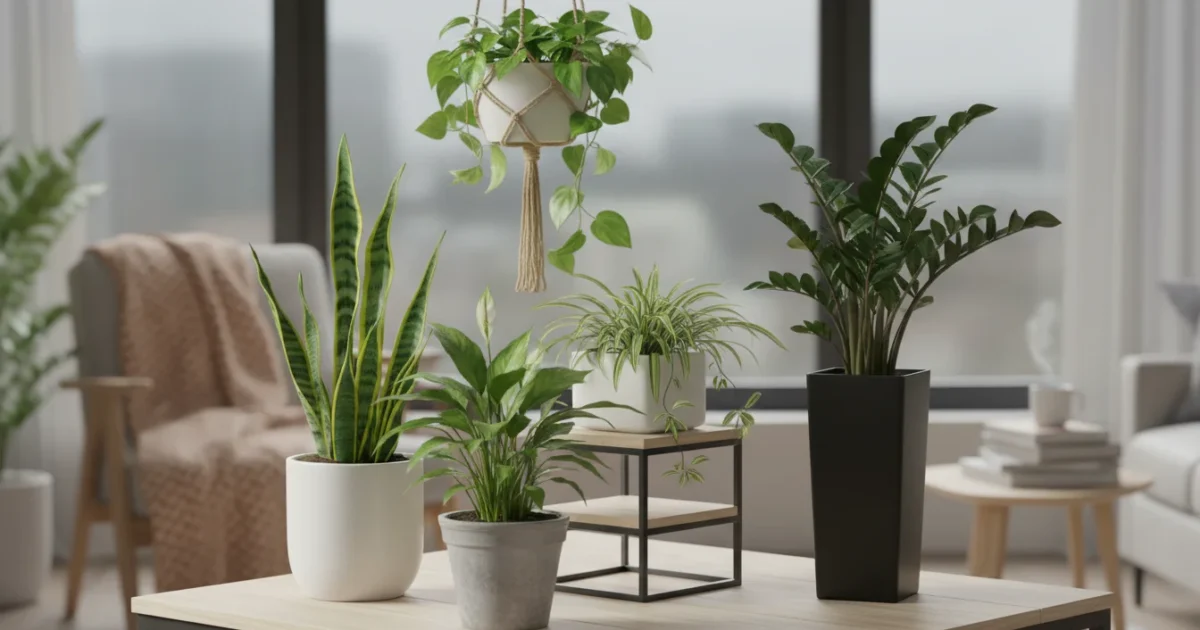
Winter brings its own unique set of challenges, especially when it comes to the air inside your home. As we seal up our houses against the cold, we often inadvertently trap stale air and airborne pollutants. Heating systems further exacerbate the issue, creating dry conditions that can irritate your skin, eyes, and respiratory system. For those living in smaller spaces, like apartments with limited natural light or homes with efficient but dry central heating, finding natural solutions becomes even more crucial. You might think bringing plants indoors during winter is an uphill battle, especially with less sunlight and dry air, but think again. Certain resilient houseplants are perfectly adapted to these indoor conditions, offering not only a splash of much-needed greenery but also a significant boost to your indoor air quality.
This article explores five remarkable air-purifying plants that stand strong against low light and the dry heat typical of winter homes. These aren’t just decorative additions; they are hardworking allies in your quest for healthier indoor air, simplifying your gardening efforts while delivering tangible benefits. Get ready to transform your living space into a refreshing oasis, even when the outdoor world is bleak and cold. We empower you with the knowledge and confidence to choose, care for, and enjoy these amazing plants, making your home a cleaner, more vibrant place this winter.
Understanding Winter Indoor Air Challenges
As temperatures drop outside, we tend to close our windows and crank up the heat, inadvertently trapping pollutants indoors. Your home, a sanctuary in winter, can accumulate volatile organic compounds (VOCs) from common household items. Think about the chemicals off-gassing from new furniture, cleaning supplies, paints, glues, and even synthetic fabrics. These chemicals are present in almost every home, and while they might not always be noticeable, they impact your air quality. Beyond VOCs, dust, pet dander, mold spores, and bacteria also circulate, especially when ventilation is reduced.
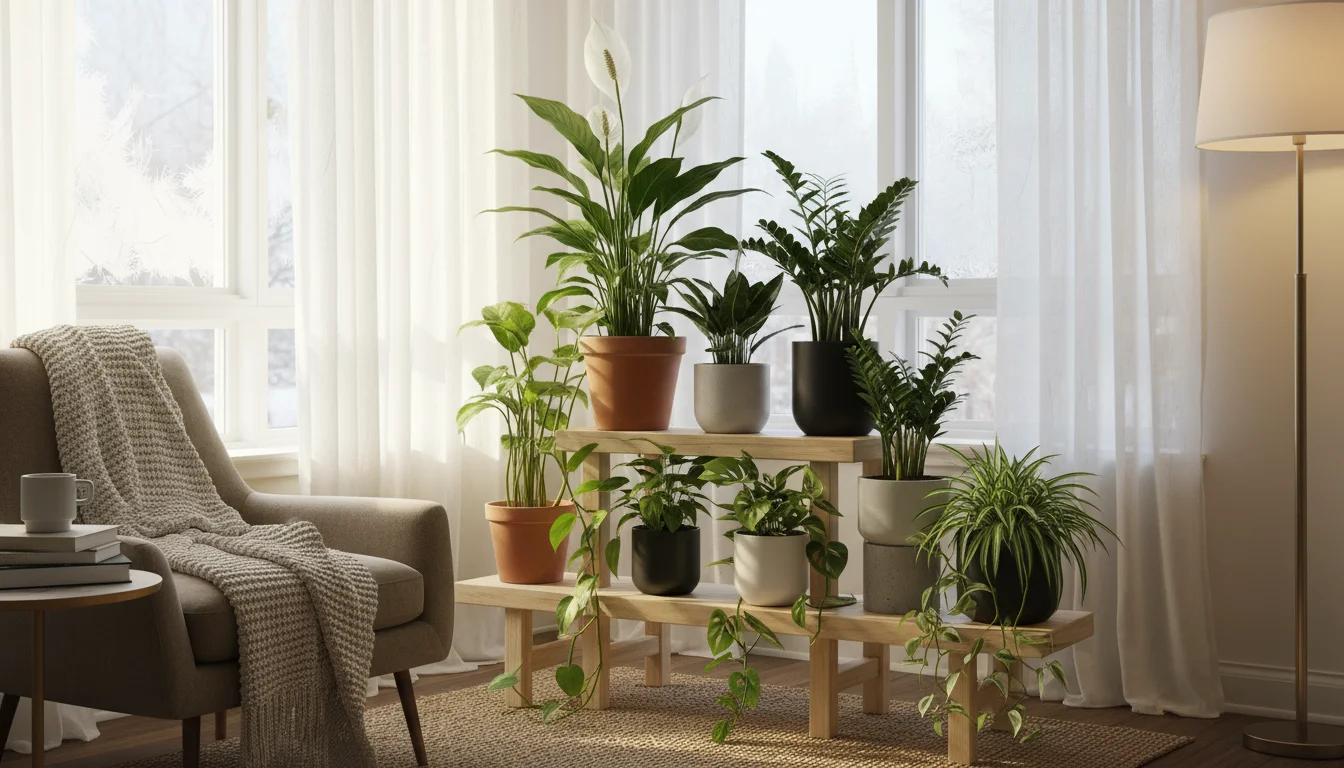
One effective way to boost air moisture naturally is through grouping your houseplants, which helps them thrive together during the dry season.
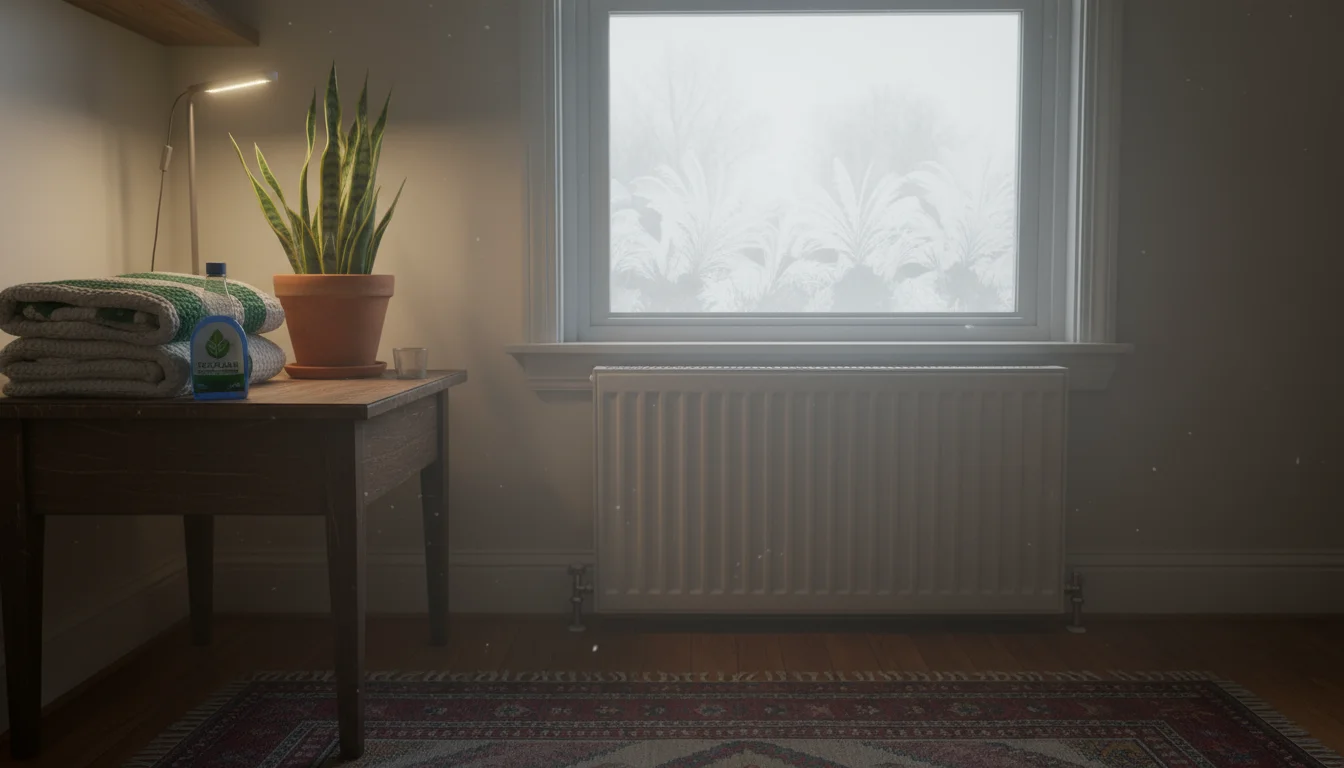
If you are concerned that your heater is cooking your plants, learning to create protective microclimates can save your greenery from the worst of the dry vents.
The typical dry heat from furnaces and radiators further compounds these issues. Low humidity levels can dry out your nasal passages, making you more susceptible to colds and flu. It can also irritate existing respiratory conditions like asthma and allergies. This combination of stale air, chemical pollutants, and dry conditions creates an environment that many find uncomfortable and potentially unhealthy. Recognizing these challenges is the first step toward creating a healthier, more comfortable indoor environment for you and your family. Your efforts to improve air quality during these colder months directly contribute to your overall well-being.
How Houseplants Clean Your Air: The Science Simplified
The idea of plants purifying air is not just a pleasant thought; it is a scientifically supported fact. Plants are natural air filters, working around the clock to remove harmful substances from your indoor environment. While the exact mechanisms are complex, understanding the basic process empowers you to appreciate their contribution to your home’s health.
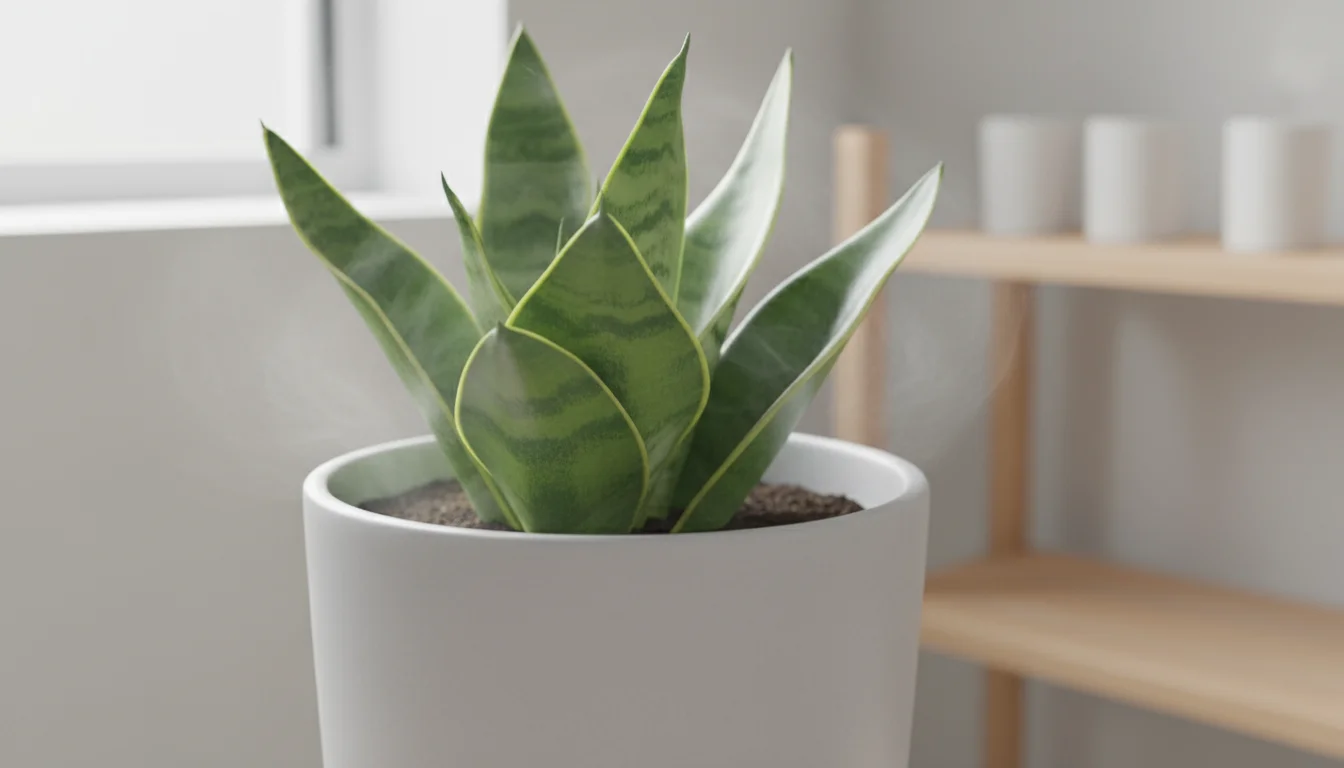
Plants utilize a process called photosynthesis, where they take in carbon dioxide and release oxygen. This process primarily occurs through tiny pores on their leaves, known as stomata. However, their air-purifying prowess extends beyond just gas exchange. Plants also absorb airborne toxins through these same stomata. Once inside the plant, these pollutants travel down to the root system. Microbes living in the plant’s root zone then break down these toxic compounds, essentially neutralizing them and converting them into nutrients for the plant. This symbiotic relationship between the plant and its root microbes forms a powerful biological filtration system.
The significant scientific backing for this concept largely stems from research conducted by NASA in the late 1980s. Their Clean Air Study specifically investigated how common houseplants could remove toxic organic chemicals like benzene, formaldehyde, and trichloroethylene from sealed environments. Benzene, often found in plastics, synthetic fibers, and some detergents, can irritate eyes and skin. Formaldehyde, common in pressed wood products, paints, and certain fabrics, causes similar irritation and respiratory issues. Trichloroethylene, used in solvents and printing inks, also poses health risks. NASA’s findings demonstrated that various houseplants effectively scrubbed these compounds from the air. While these studies focused on sealed environments, the principles apply to your home, offering a natural and aesthetically pleasing way to reduce airborne pollutants. The study found that certain plants significantly reduced the concentrations of these VOCs within 24 hours. The collective action of multiple plants further enhances this filtering effect, making your efforts more impactful.
Beyond chemical removal, plants also release moisture into the air through transpiration. This process, where water evaporates from the leaves, acts as a natural humidifier. In dry winter conditions, this added humidity is a welcome bonus, counteracting the drying effects of central heating and making your home feel more comfortable. Thus, plants are not just decorations; they are active contributors to a healthier, more humid indoor atmosphere.
Meet Your Winter Air-Purifying Allies
Choosing the right plants for your low-light, dry-heat winter home makes all the difference. These five champions are not only effective air purifiers, but they also tolerate conditions that would challenge many other plants. Their resilience makes them perfect companions for beginners and seasoned gardeners alike.
For those who want to add a sensory layer to their indoor garden, consider fragrant houseplants that bloom in winter to combat the seasonal blues.
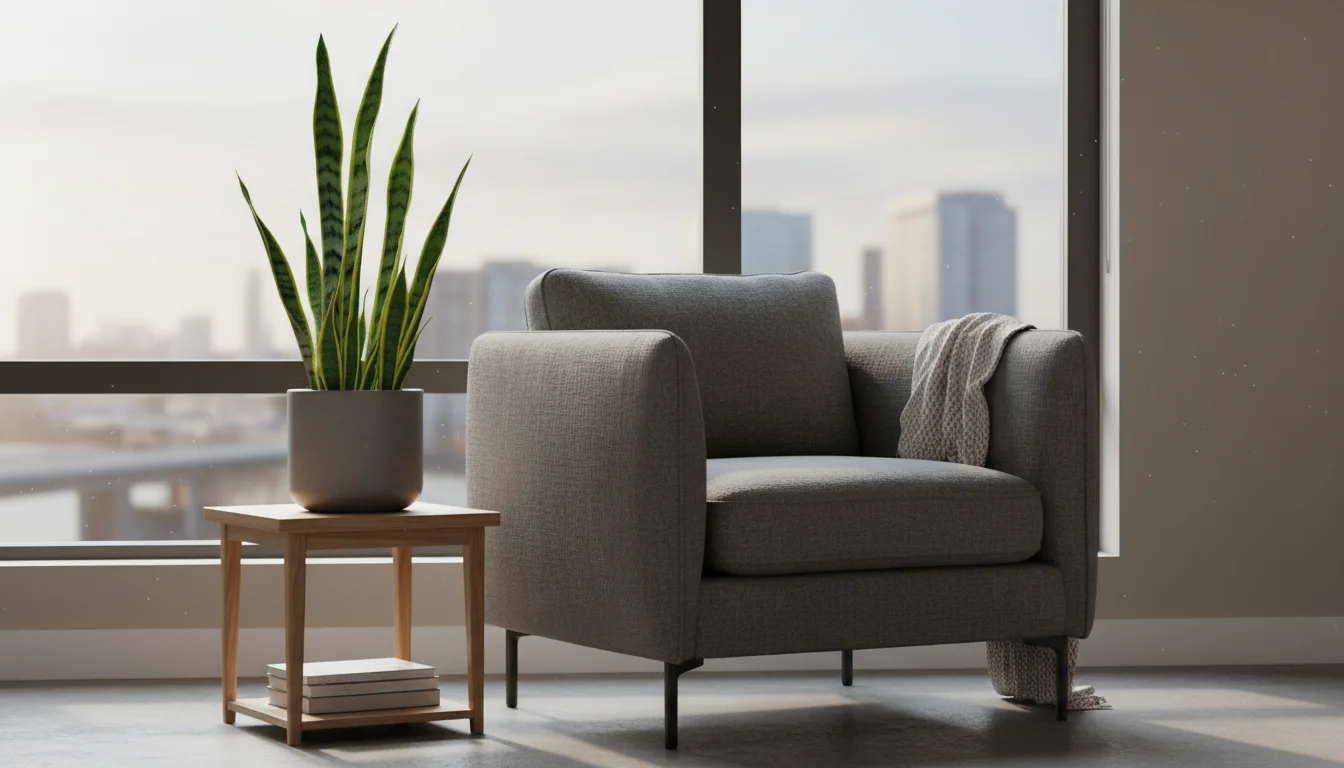
1. Snake Plant (Sansevieria trifasciata)
Often called “Mother-in-Law’s Tongue,” the Snake Plant is a true survivor. Its stiff, upright leaves, often variegated with shades of green and yellow, make a striking architectural statement. This plant tops many lists for its extreme tolerance of neglect. It thrives on minimal attention, making it an ideal choice if you are new to gardening or have a busy schedule.
- Air Purification Power: The Snake Plant is exceptionally effective at removing formaldehyde, benzene, trichloroethylene, and xylene from the air. It uniquely converts carbon dioxide to oxygen at night, making it an excellent choice for bedrooms.
- Low Light Tolerance: It tolerates very low light conditions, even surviving in rooms with only artificial light. While it appreciates brighter, indirect light, it truly excels where other plants struggle.
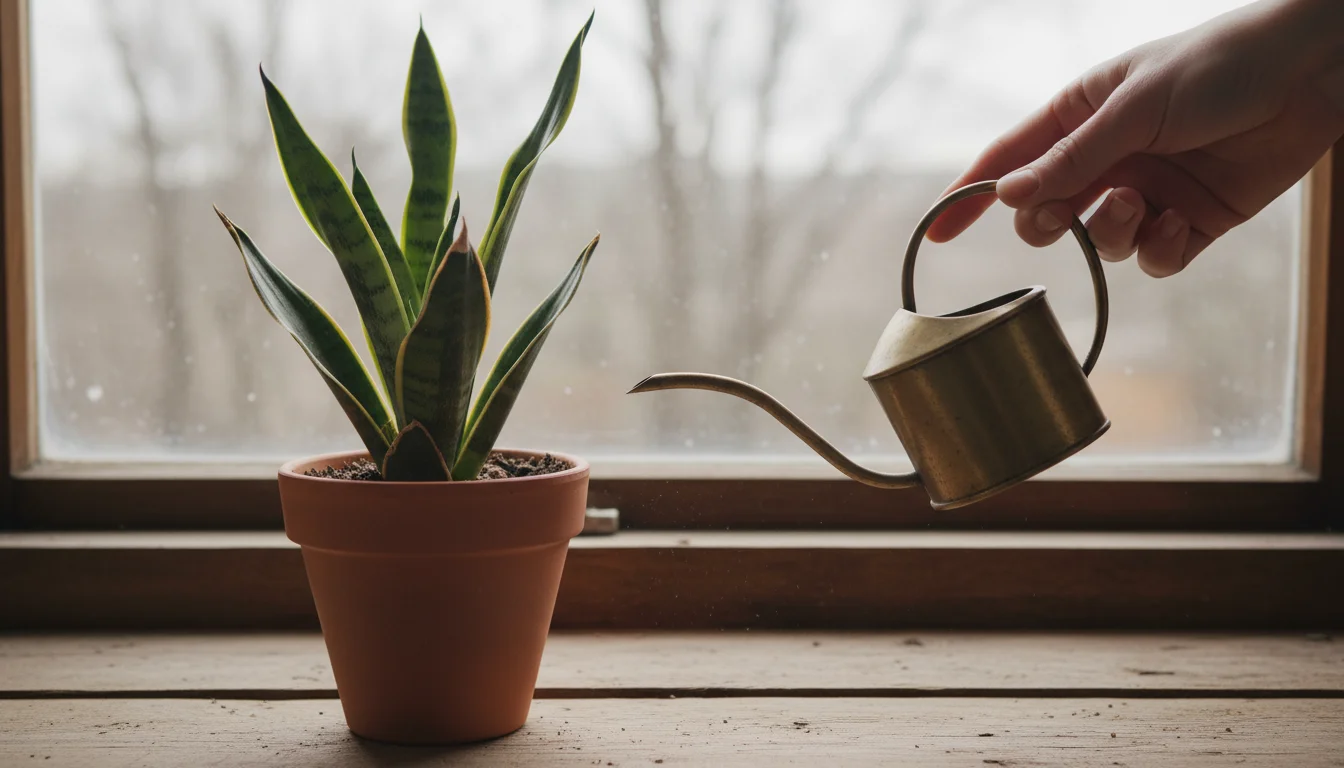
- Dry Heat Resilience: Its thick, succulent-like leaves store water, allowing it to withstand prolonged periods of dry air and infrequent watering. It prefers drier conditions and hates soggy soil, which means it handles your winter heating system’s drying effects very well.
- Care Tip: Water sparingly. Allow the soil to dry out completely between waterings, especially in winter. Overwatering is the most common cause of its demise.
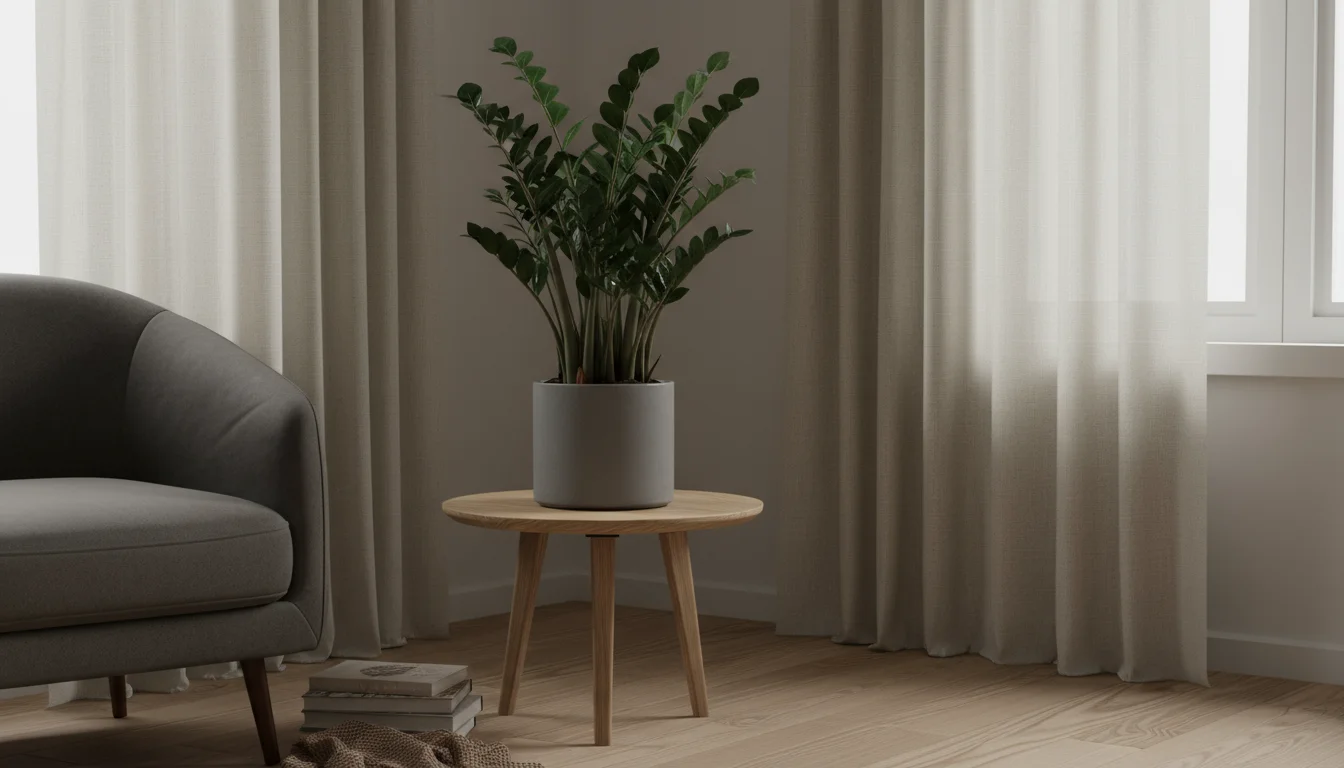
2. ZZ Plant (Zamioculcas zamiifolia)
The ZZ Plant, or Zanzibar Gem, is almost indestructible. Its glossy, dark green leaves emerge on thick, upright stems, adding a sophisticated touch to any room. This plant’s ability to thrive under incredibly challenging conditions has earned it a reputation as one of the easiest houseplants to care for.
- Air Purification Power: The ZZ Plant efficiently removes xylene, toluene, and benzene from the air. Its ability to clean the air, combined with its low maintenance, makes it a valuable addition.
- Low Light Tolerance: The ZZ Plant tolerates extremely low light, often growing quite well in dimly lit offices and rooms. It adapts beautifully to various light levels, though bright, indirect light encourages faster growth.
- Dry Heat Resilience: Its thick, waxy leaves and potato-like rhizomes (underground stems) store water, enabling it to go for weeks, sometimes even months, without water. This makes it incredibly tolerant of dry indoor air and infrequent watering schedules common during winter.
- Care Tip: Seriously, ignore it. Water only when the soil is completely dry to the touch, and then water thoroughly. Err on the side of underwatering rather than overwatering.
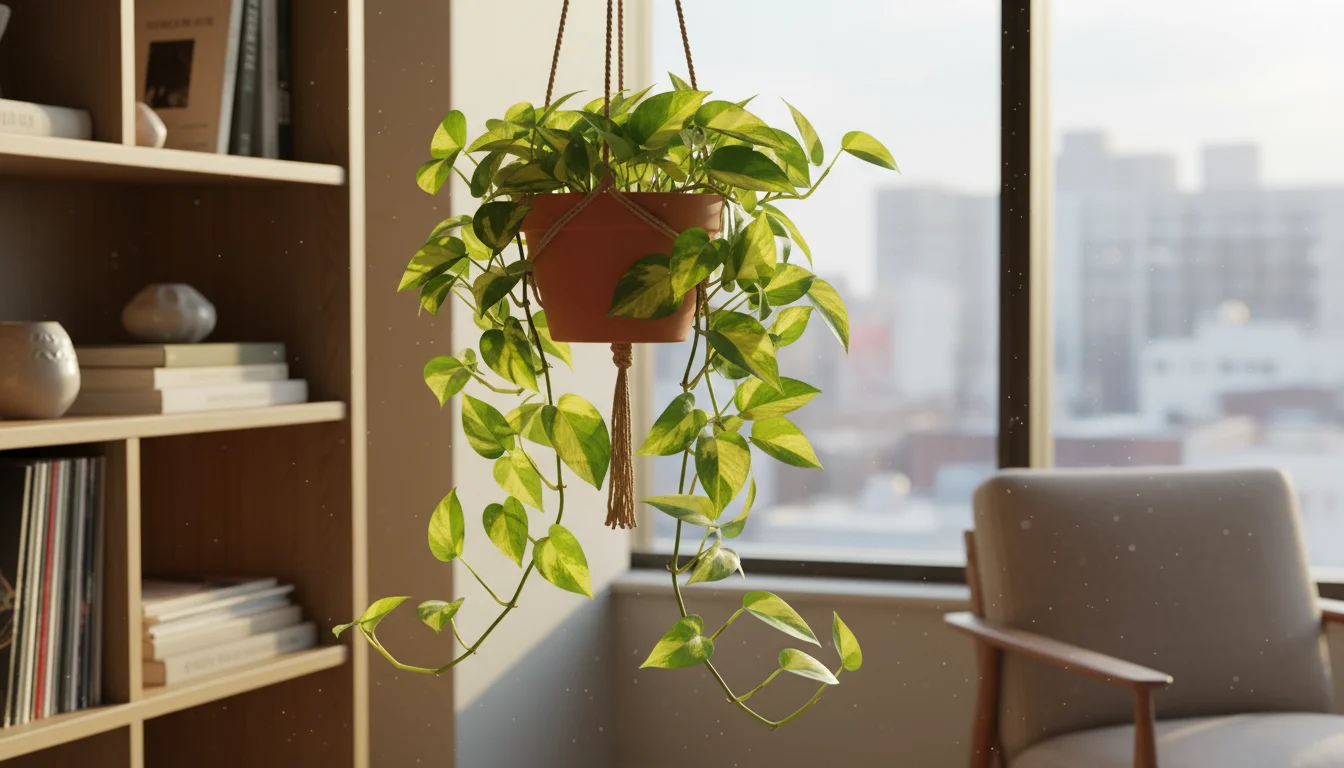
3. Pothos (Epipremnum aureum)
Pothos, sometimes called Devil’s Ivy, is a popular choice for good reason. Its trailing vines, adorned with heart-shaped leaves, come in various variegations, from solid green to splashes of yellow or white. This versatile plant looks great in hanging baskets, on shelves, or allowed to trail across surfaces.
- Air Purification Power: Pothos is a powerful air purifier, tackling formaldehyde, benzene, xylene, and carbon monoxide. It is often cited as one of the top plants for removing common household toxins.
- Low Light Tolerance: Pothos tolerates low light conditions very well, although its variegation might become less pronounced in dimmer settings. It thrives in medium to bright indirect light, but remains happy in shadier spots.
- Dry Heat Resilience: While it appreciates some humidity, Pothos is remarkably adaptable to typical household humidity levels, even those lowered by winter heating. Its resilience means it won’t shrivel up at the first sign of dry air.
- Care Tip: Water when the top inch or two of soil feels dry. You will see its leaves start to droop slightly when it is thirsty, giving you a clear signal.
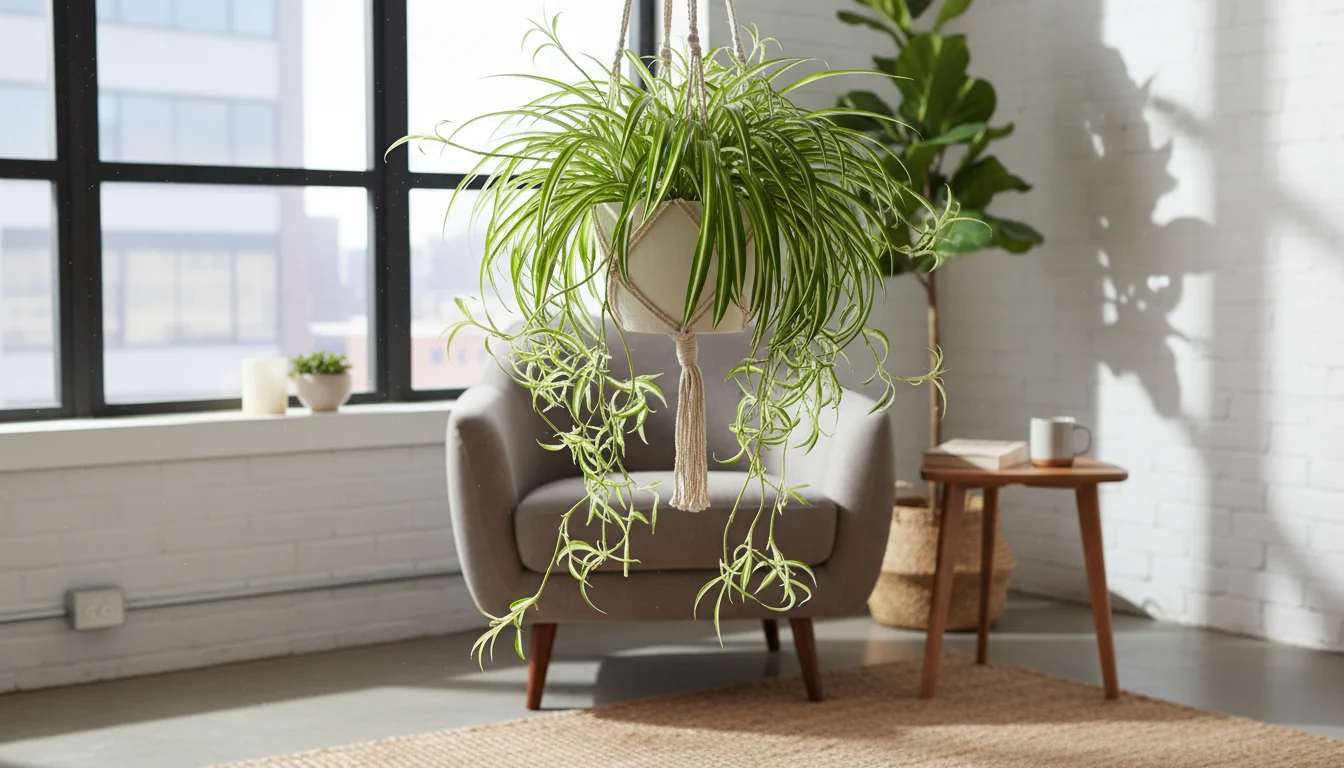
4. Spider Plant (Chlorophytum comosum)
The classic Spider Plant, with its arching, variegated leaves and characteristic “spiderettes” that dangle from its stems, adds a cheerful, vibrant touch to any room. It is a fantastic plant for beginners and known for its prolific growth.
- Air Purification Power: Spider Plants are excellent at removing formaldehyde, xylene, and carbon monoxide from your indoor air. They are particularly good for homes with fireplaces or gas stoves.
- Low Light Tolerance: While they prefer bright, indirect light, Spider Plants readily adapt to lower light conditions. In dimmer environments, their growth might slow, and variegation might be less pronounced, but they remain healthy.
- Dry Heat Resilience: Spider Plants are surprisingly resilient to dry air. While they appreciate occasional misting, they tolerate average household humidity levels, making them a good fit for heated winter homes. Ensure consistent, but not excessive, watering.
- Care Tip: Water when the top inch of soil is dry. They are sensitive to fluoride and chlorine in tap water, which can cause brown tips. Using filtered or rainwater helps avoid this.
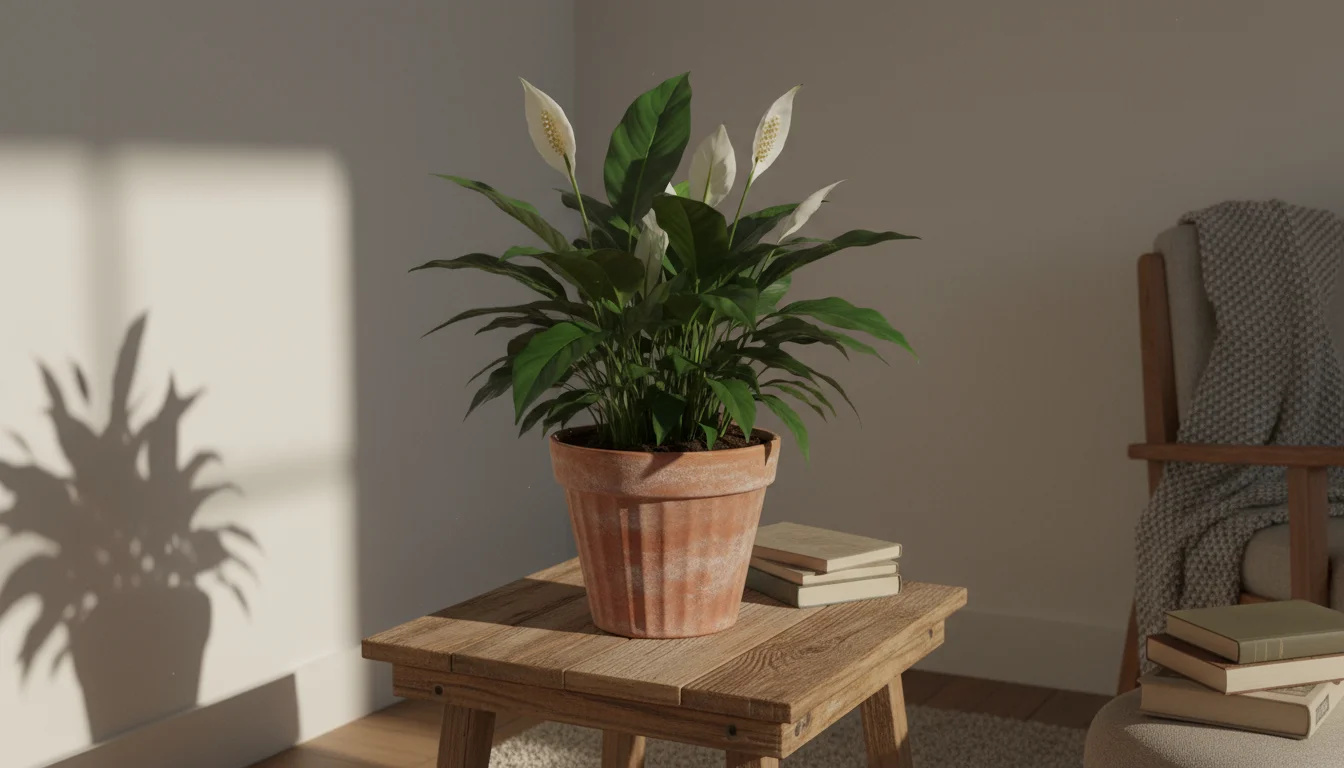
5. Peace Lily (Spathiphyllum wallisii)
The elegant Peace Lily is admired for its glossy, dark green leaves and striking white “flower” bracts, which are actually modified leaves surrounding a central spadix. It brings a touch of tropical beauty and calm to any space.
- Air Purification Power: The Peace Lily is a superstar in air purification, removing formaldehyde, benzene, trichloroethylene, ammonia, and xylene. Its broad leaves offer significant surface area for toxin absorption.
- Low Light Tolerance: Peace Lilies prefer medium to low indirect light. Direct sunlight can scorch their leaves, making shadier spots ideal. Their tolerance for lower light conditions makes them perfect for various indoor locations.
- Dry Heat Resilience: While Peace Lilies are known for preferring higher humidity, they can adapt to drier winter conditions if you manage their watering correctly. They visibly droop when thirsty, giving you a clear signal, and perk up quickly after a drink.
- Care Tip: Keep the soil consistently moist, but never waterlogged. Wait until the plant slightly droops before watering thoroughly. Mist its leaves occasionally if your home is exceptionally dry, or place it near a humidifier for optimal health.
Essential Care Strategies for Winter Thriving
Even with resilient plants, winter presents unique care challenges due to reduced light and dry air. Adjusting your care routine ensures your plants not only survive but thrive, continuing to purify your air effectively.
For a complete list of tips on maintaining plant health, consult our comprehensive indoor plant survival guide.
Watering Wisely
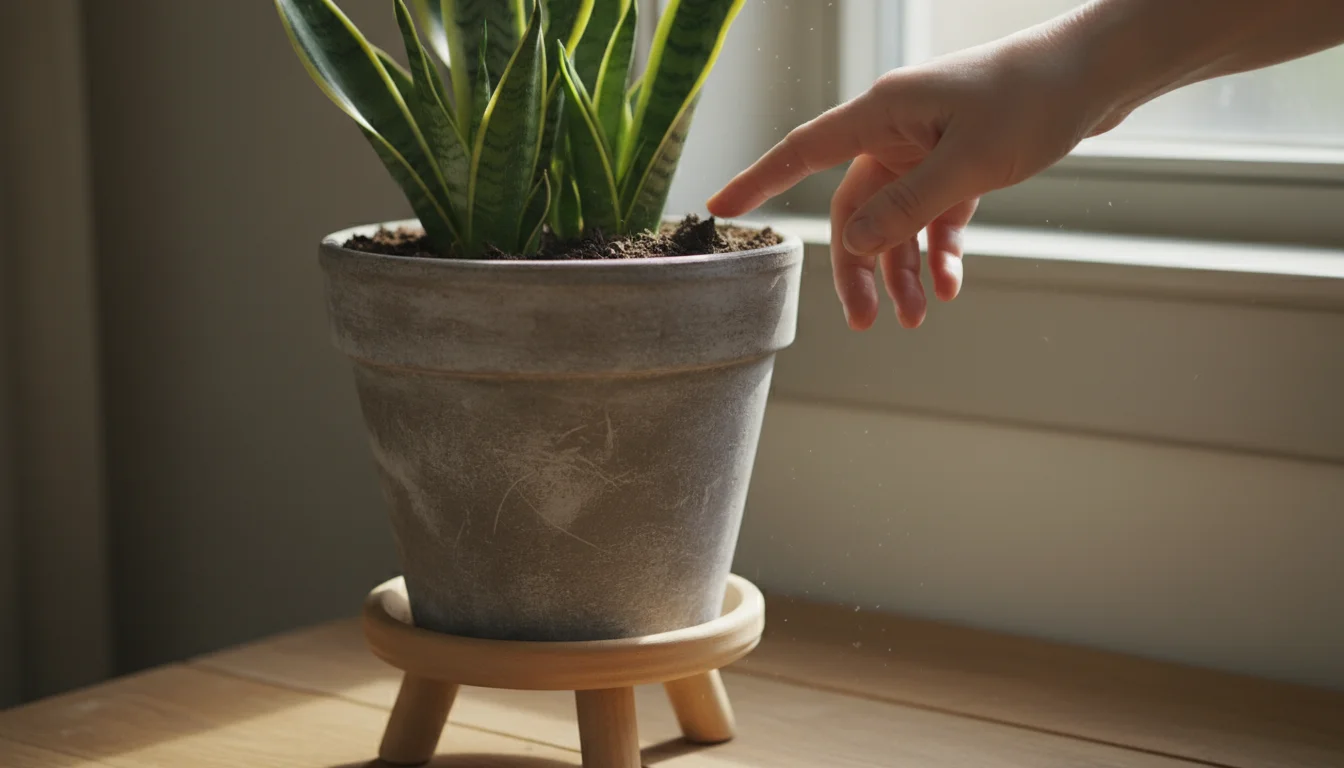
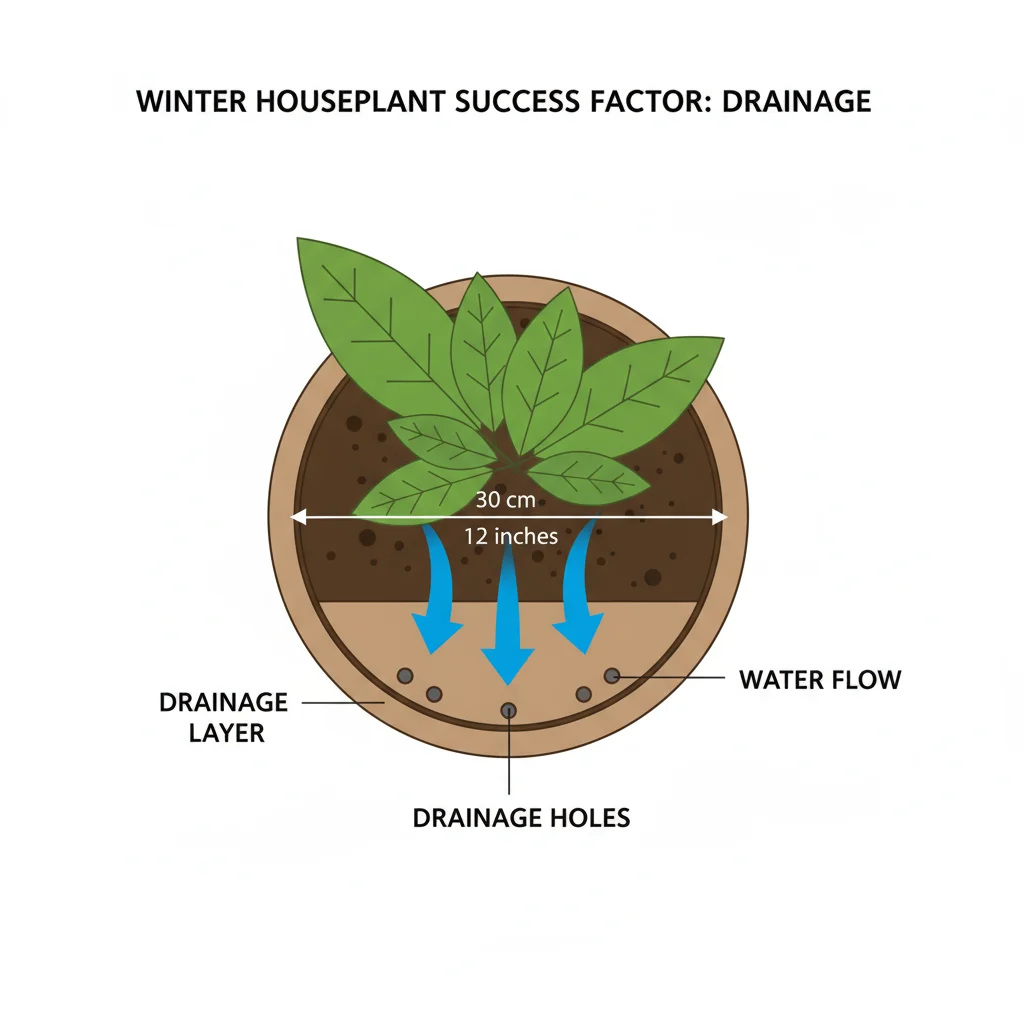
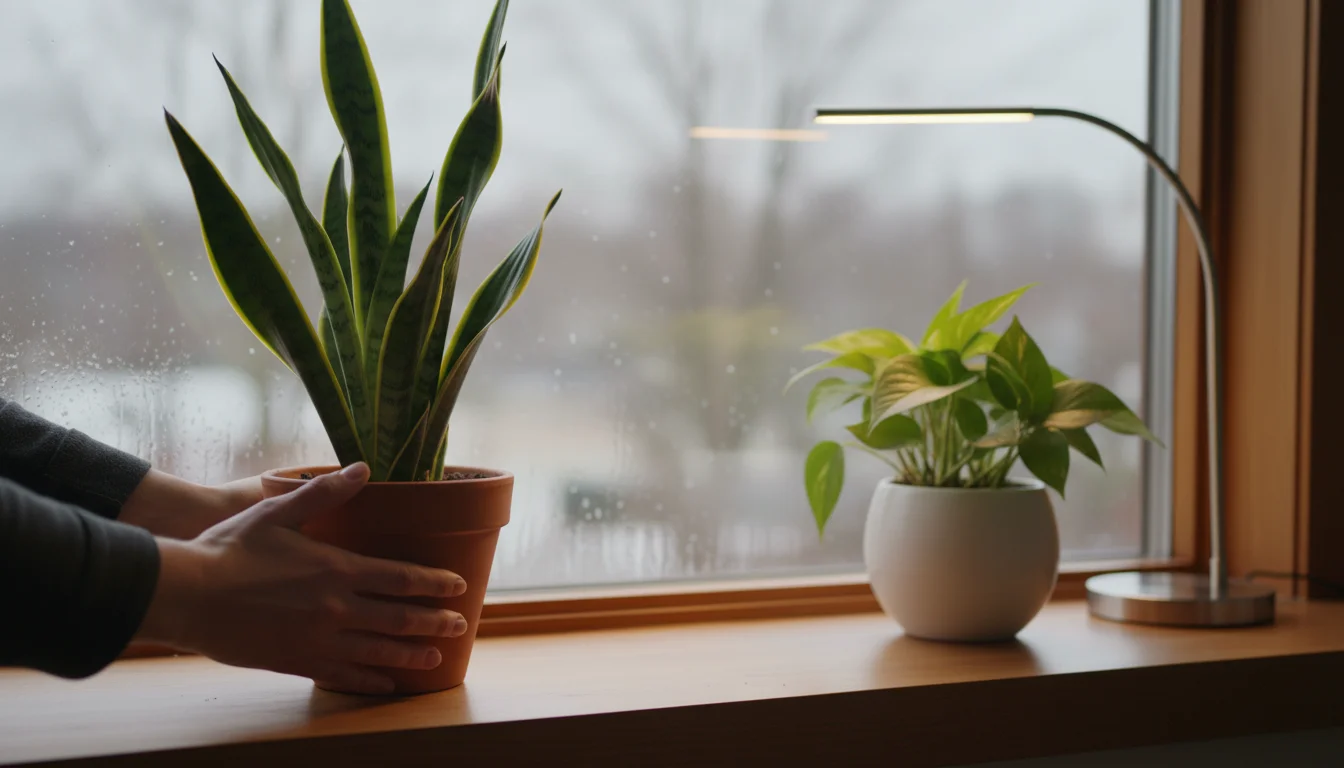
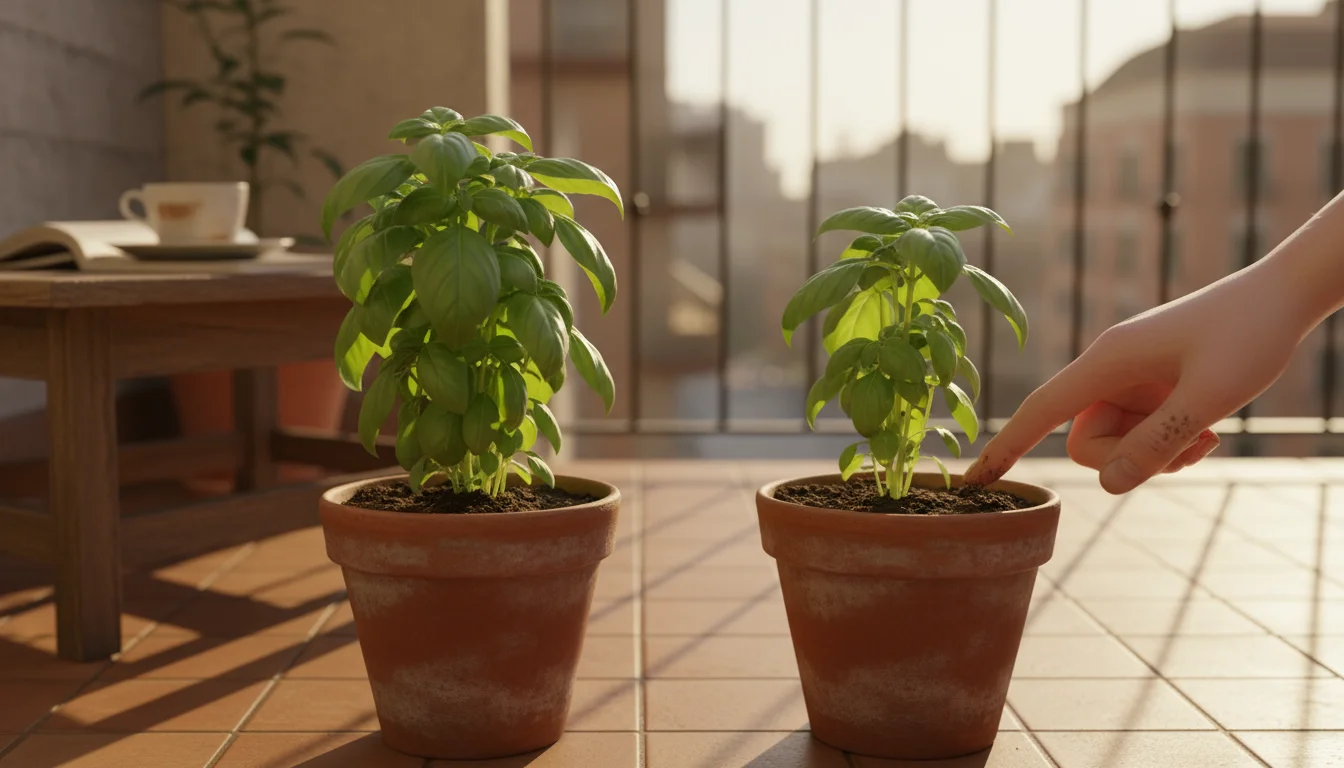
This is arguably the most critical factor for winter houseplant success. During winter, plant growth slows significantly dueening to less light and cooler temperatures. This means plants use less water. Overwatering is the number one killer of houseplants, especially in winter. Instead of sticking to a rigid schedule, check the soil moisture. For most of these dry-tolerant plants, wait until the top few inches of soil feel completely dry before watering. For Snake Plants and ZZ Plants, allow the soil to dry out almost entirely. When you do water, water thoroughly until it drains out the bottom of the pot. Ensure your pots have drainage holes, allowing excess water to escape. This prevents root rot, a common issue when soil stays soggy. Remove any standing water from saucers after about 30 minutes.
Managing Light Exposure
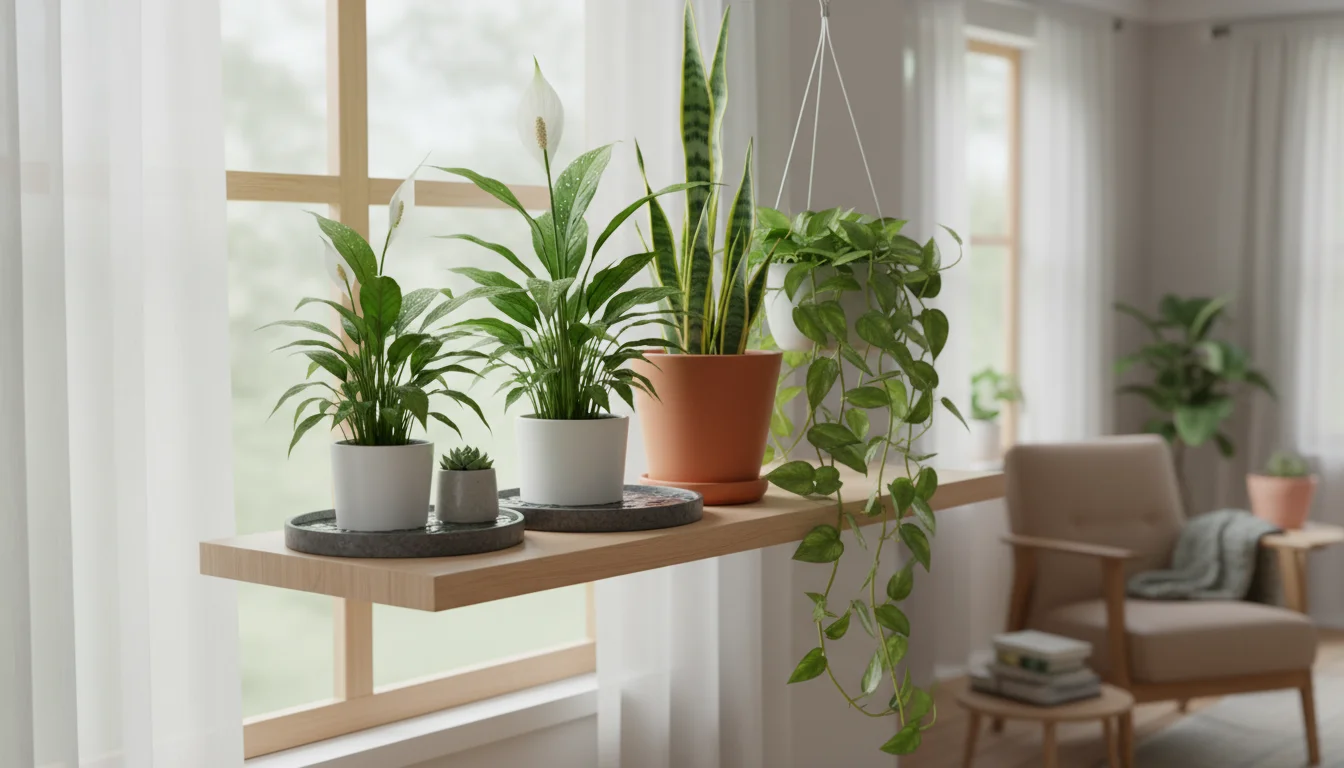
Winter days are shorter, and the sun sits lower in the sky, reducing available natural light. Even though your chosen plants tolerate low light, they still benefit from the brightest indirect light you can provide. Move plants closer to windows, but avoid placing them directly against cold glass, which can shock them. Rotate your plants every few weeks to ensure all sides receive adequate light, preventing lopsided growth. If your space is exceptionally dim, consider investing in a simple LED grow light. These energy-efficient lights can supplement natural light, ensuring your plants remain vigorous and healthy.
Addressing Dry Air (Humidity)
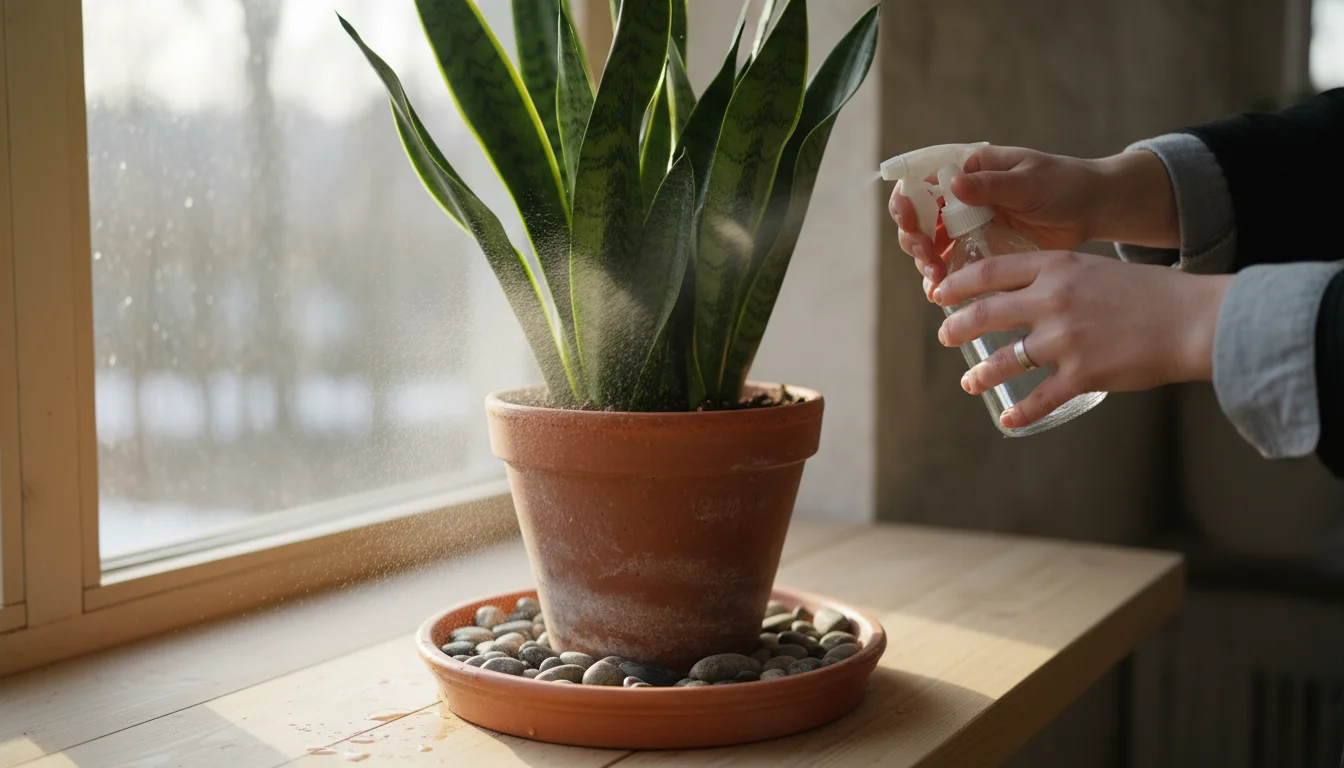
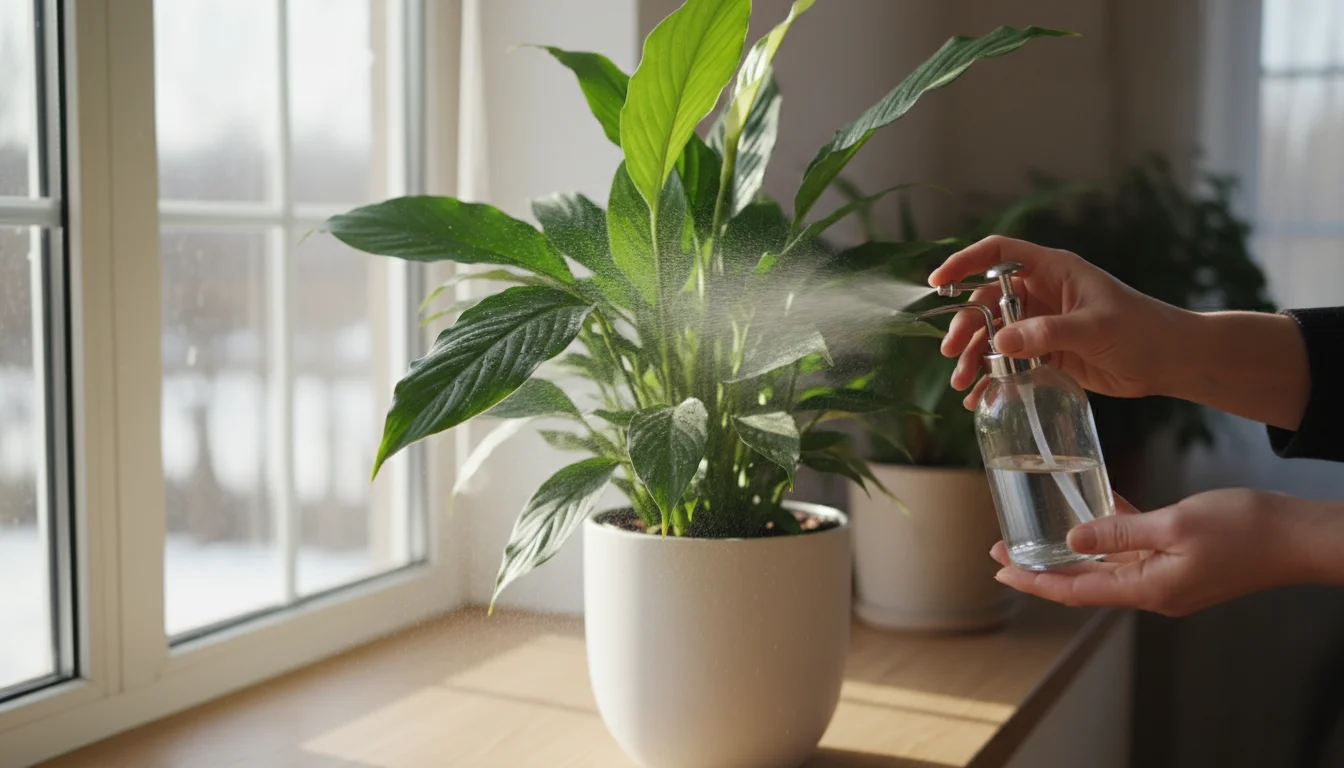
Central heating dramatically lowers indoor humidity, which can stress some plants. While our recommended plants tolerate dry air better than most, you can still improve their environment. Misting leaves occasionally provides a temporary boost, but the effect is short-lived. A more effective solution is grouping plants. As plants transpire, they release moisture, creating a microclimate of higher humidity around them. You can also place plants on pebble trays: fill a shallow tray with pebbles and add water just below the top of the pebbles. The evaporating water increases humidity around the plants without making the soil soggy. For plants like the Peace Lily, a small room humidifier can make a significant difference, benefiting both your plants and your personal comfort.
Fertilizing Habits
Most houseplants do not require fertilizer during their dormant winter period. Fertilizing a plant that is not actively growing can actually harm it, leading to nutrient buildup and root burn. Resume a light feeding schedule in spring when you observe new growth. Stick to a balanced, diluted liquid fertilizer when you restart. For now, focus on proper watering and light to support your plants.
Optimizing Placement for Maximum Benefit
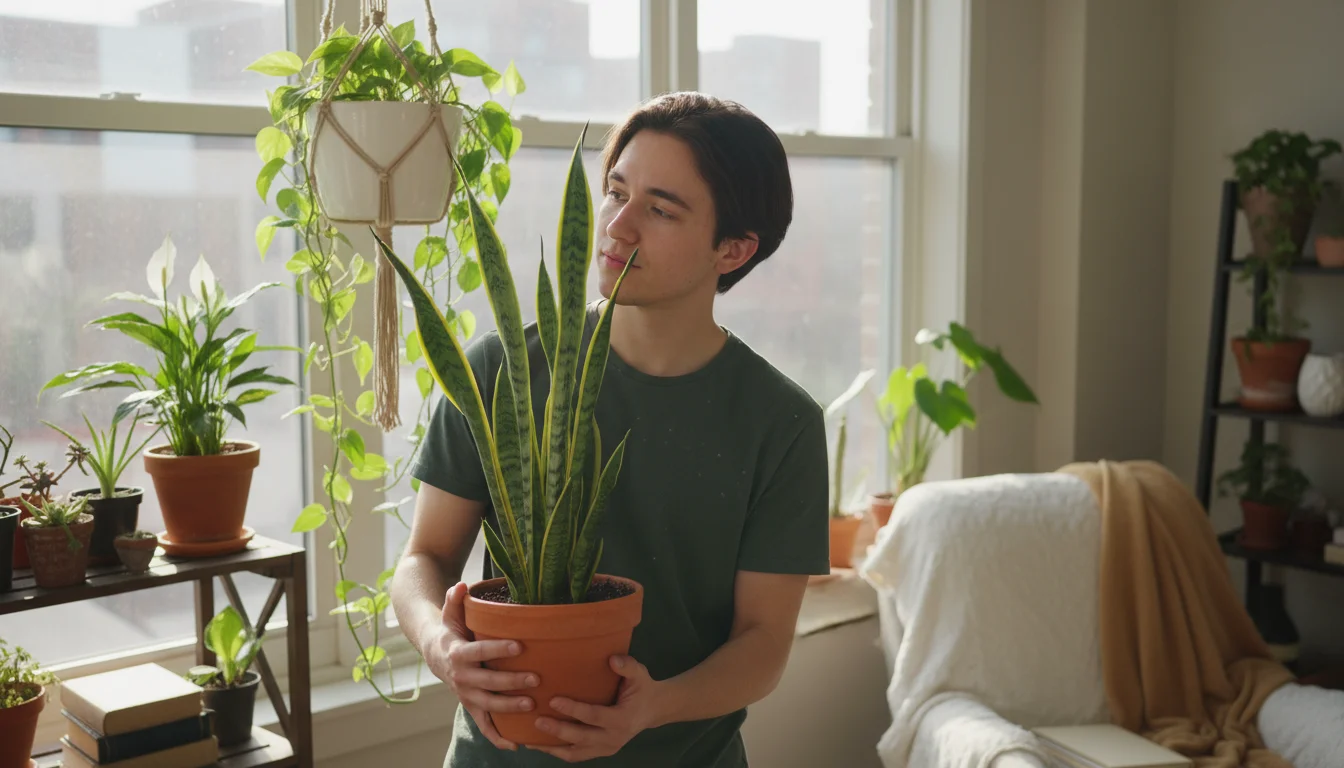
Strategic placement ensures your plants get the right light and humidity, allowing them to purify your air most effectively. Consider both the plant’s needs and your home’s layout.
You can also lean into the aesthetics of the season by following designer tricks for a winter jungle look that creates a cozy, green retreat.
As the sun’s path changes, you may need to perform a light migration to move your pots into the brightest remaining spots in your home.
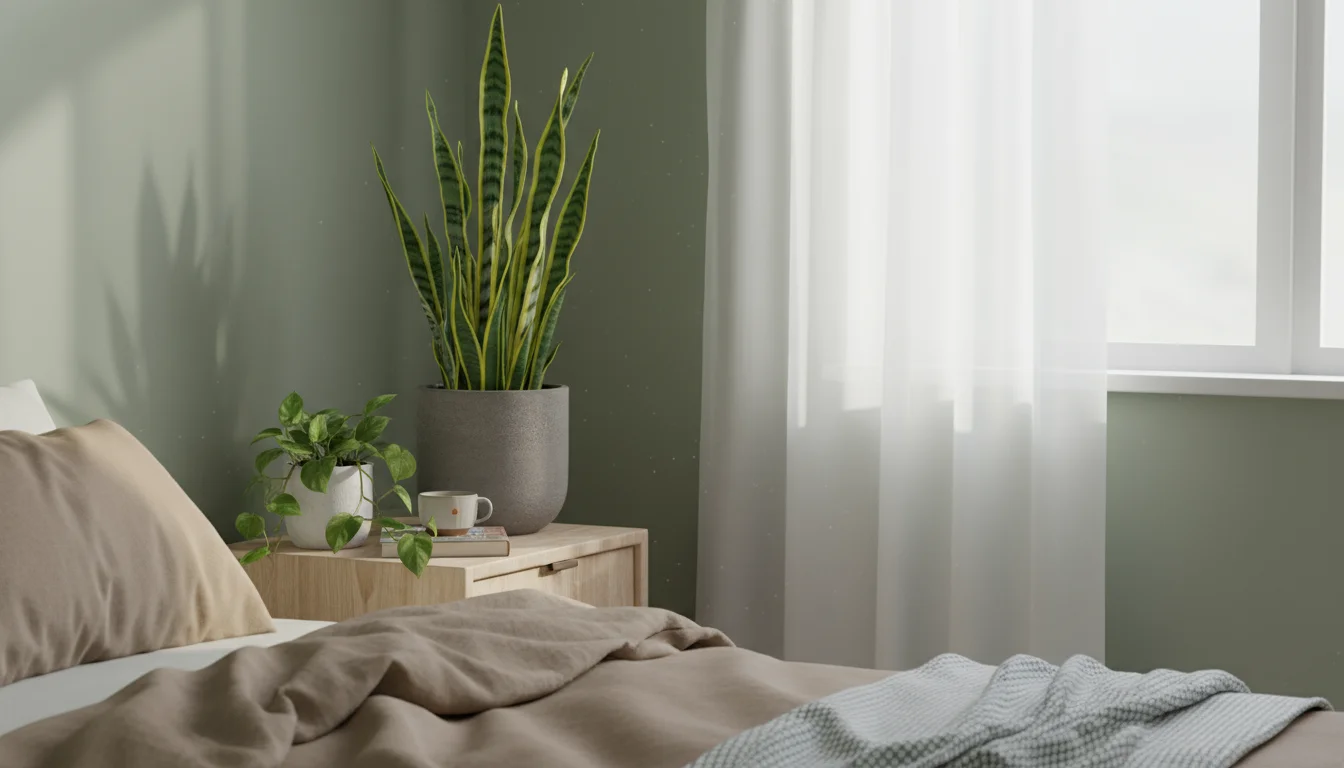
Bedroom Bliss
For enhancing bedroom air quality, Snake Plants are exceptional because they release oxygen at night. Placing one or two Snake Plants in your bedroom can contribute to a fresher sleeping environment. ZZ Plants and Pothos also make great bedroom companions due to their low-light tolerance and air-purifying abilities. Avoid placing too many plants in a very small, unventilated bedroom, as excess humidity could become an issue, though this is rare with a few plants and dry winter air.
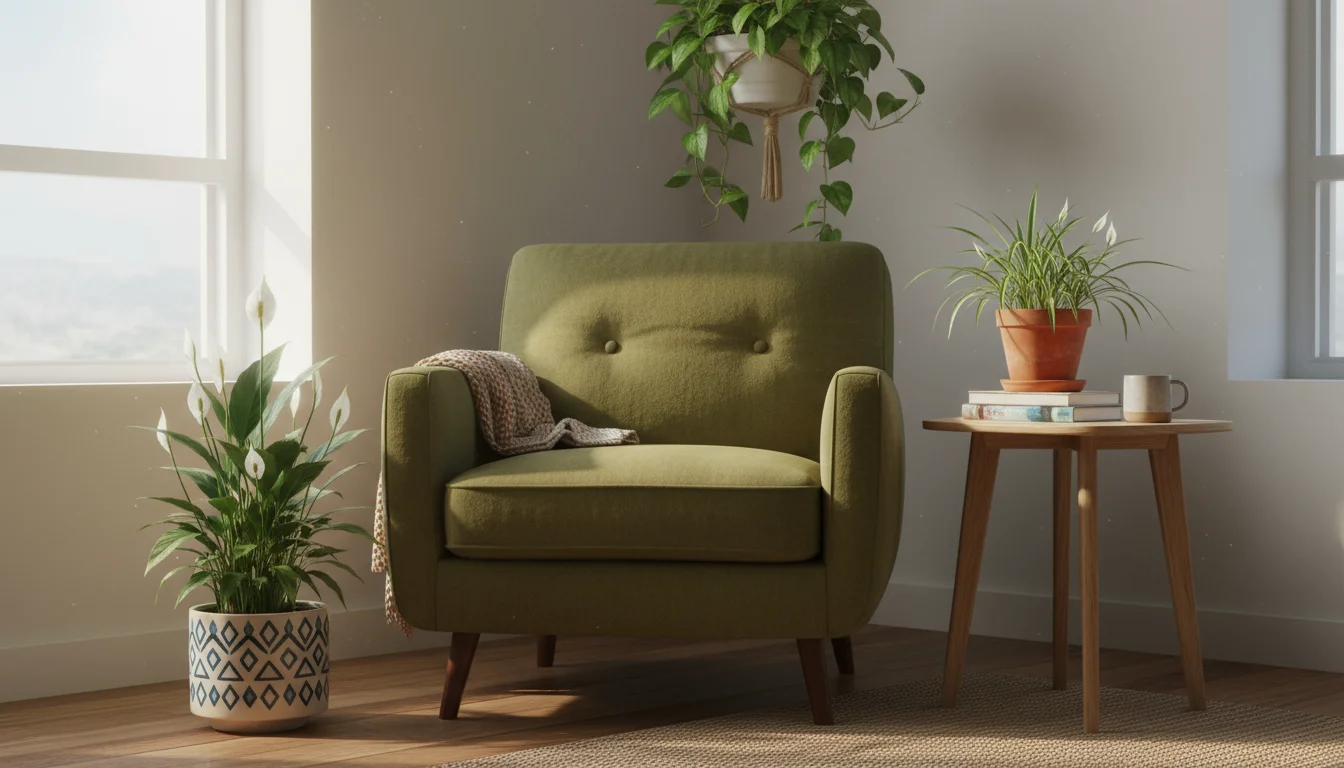
Living Areas and Home Offices
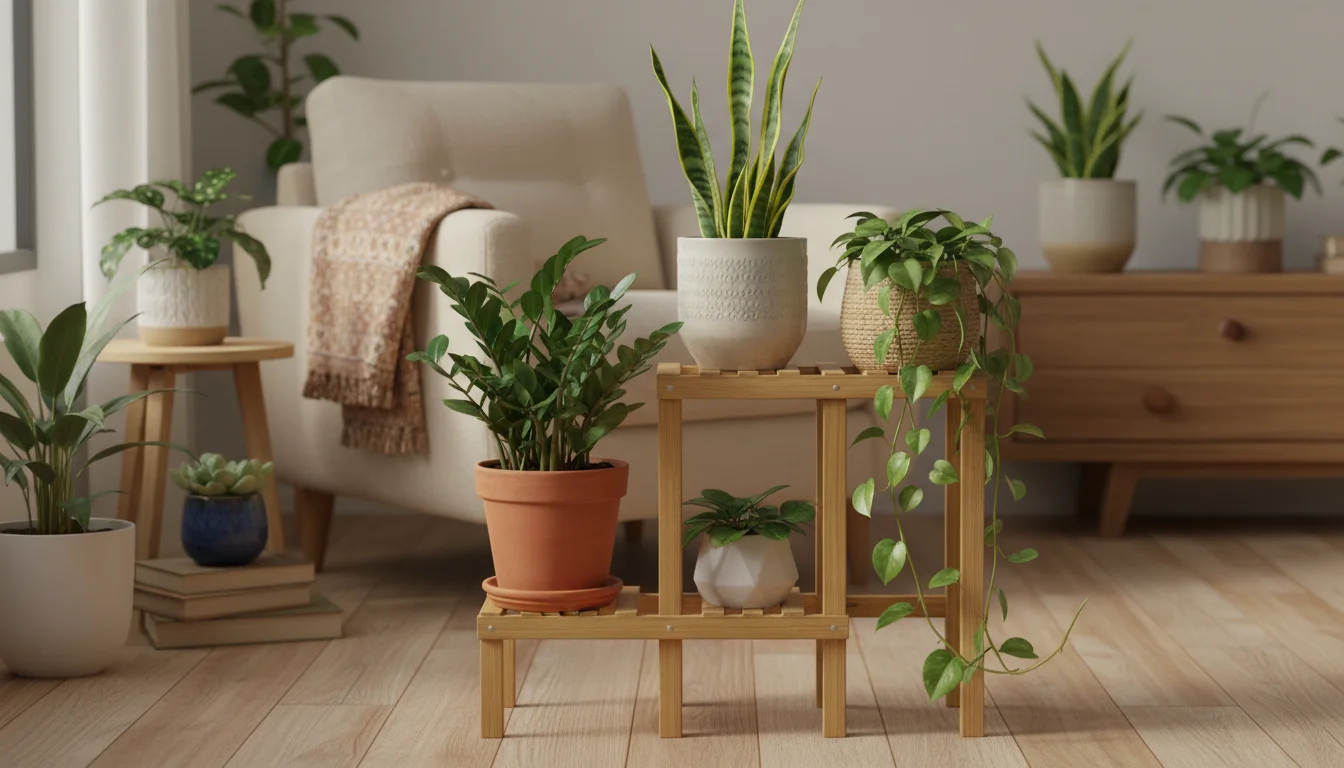
Living rooms and home offices often benefit most from air-purifying plants due to the presence of furniture, electronics, and cleaning products that can off-gas VOCs. Place Pothos on high shelves or in hanging baskets to allow their vines to trail, adding visual interest while purifying the air. Spider Plants look fantastic on desks or in a sunny corner. Peace Lilies, with their elegant appearance, make excellent floor plants in a bright but indirect light spot. Consider placing plants near areas where you spend a lot of time, such as next to your favorite reading chair or on your desk.
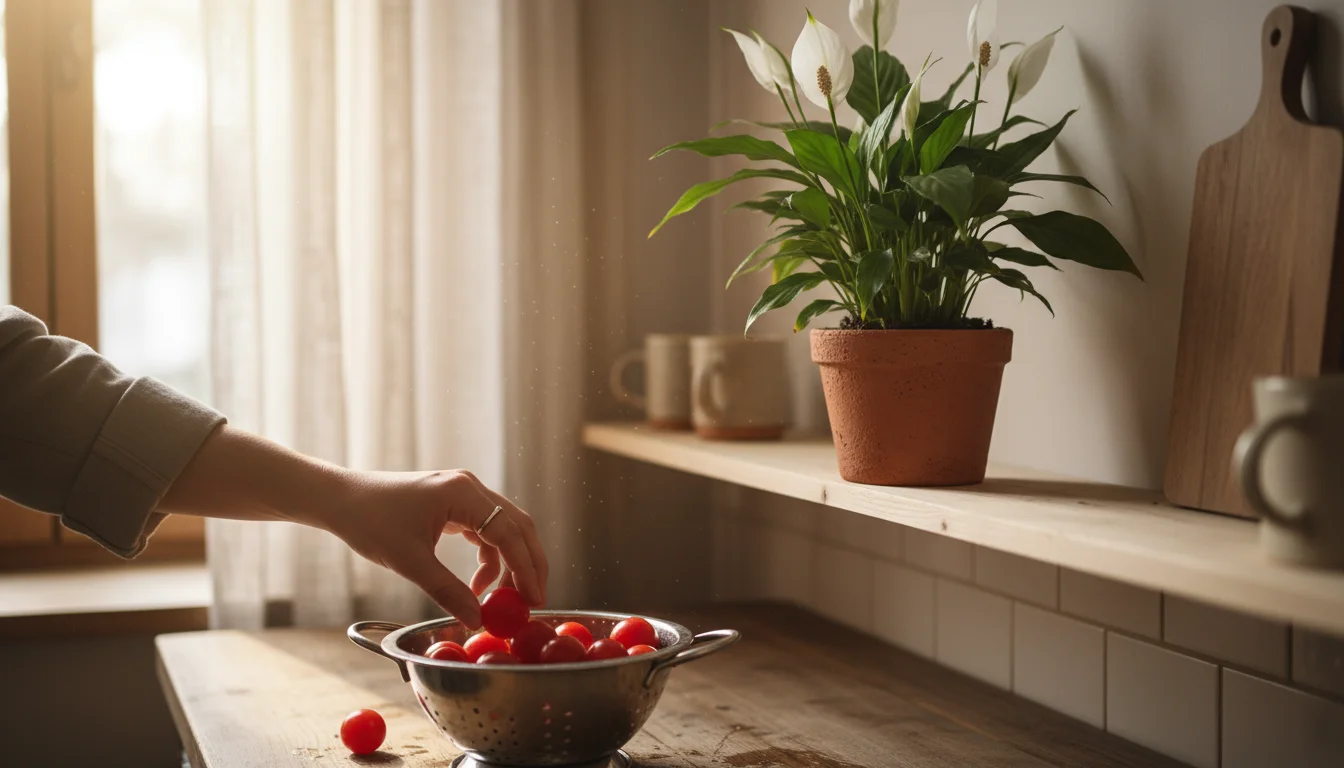
Kitchen and Bathroom
While often smaller spaces, kitchens and bathrooms can also benefit. Kitchens generate various odors and some pollutants from cooking. Peace Lilies and Spider Plants tolerate the fluctuating conditions well. Bathrooms often have higher humidity, which some plants appreciate, but the low light can be a challenge. Snake Plants and ZZ Plants are excellent choices for bathrooms, tolerating low light and benefiting from any available humidity without needing constant high levels. Ensure good air circulation in bathrooms to prevent mold.
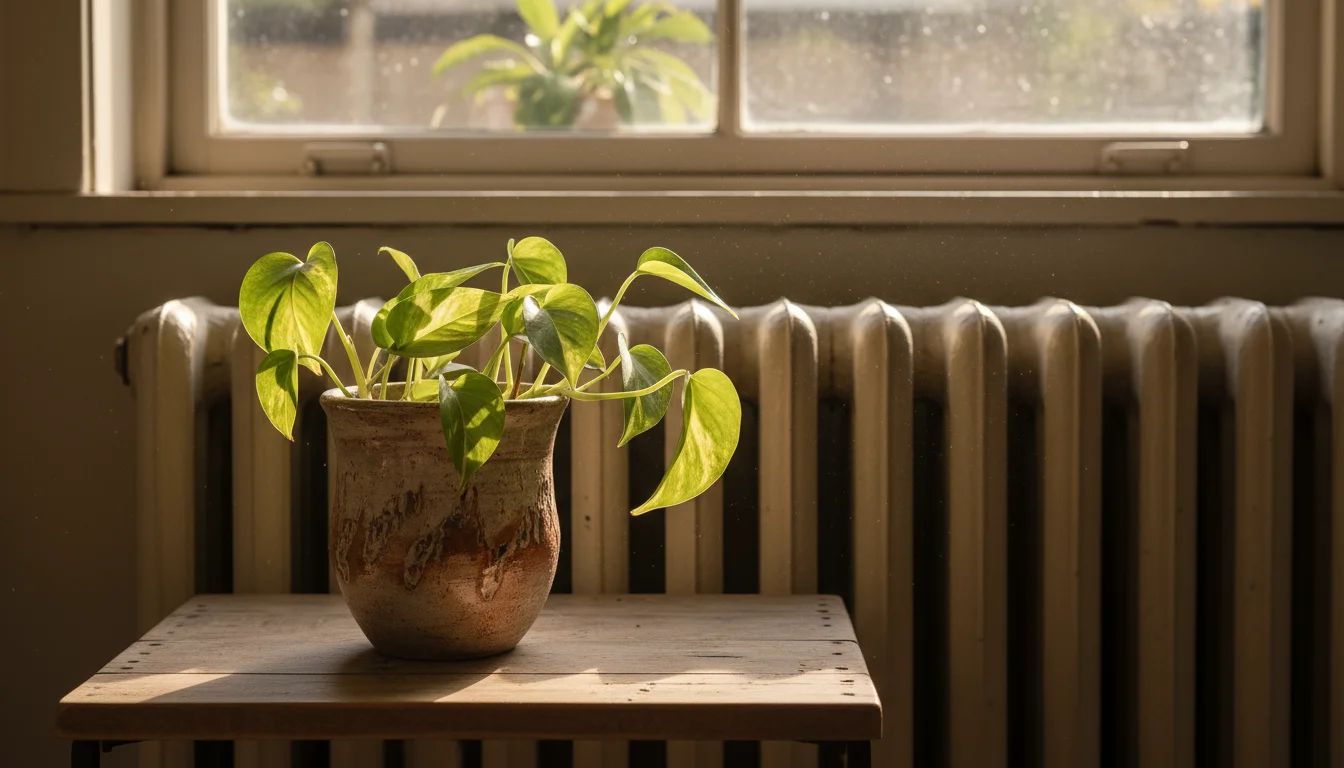
Considering Proximity to Heating Sources
Avoid placing plants directly next to radiators, heating vents, or fireplaces. The intense dry heat and drafts from these sources can rapidly dehydrate and stress your plants. Keep them at a safe distance, allowing them to benefit from the ambient warmth without being scorched. A few feet away is usually sufficient to protect them from direct heat blasts.
Troubleshooting Common Winter Houseplant Issues
Even with the hardiest plants, winter conditions can sometimes lead to problems. Knowing how to identify and address these issues helps keep your plants healthy and effective.
Be careful not to over-attend to your greenery; many growers mistakenly over-water when plants are actually entering a resting phase.
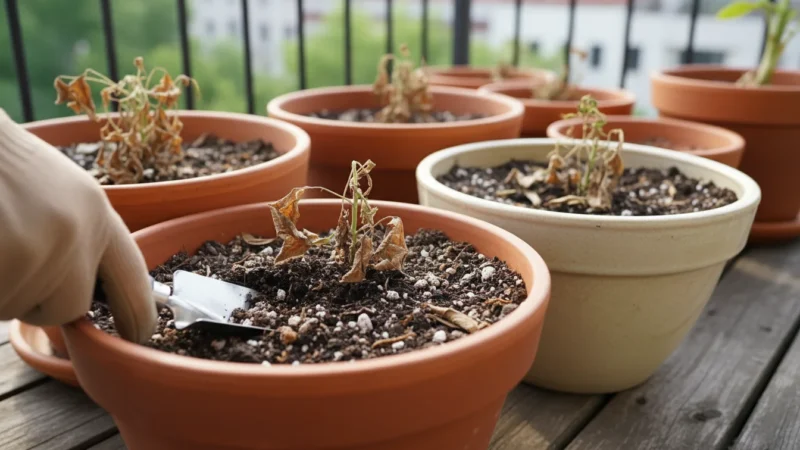
Many gardeners unintentionally harm their collection by loving their houseplants to death with too much water or fertilizer during the dormant season.
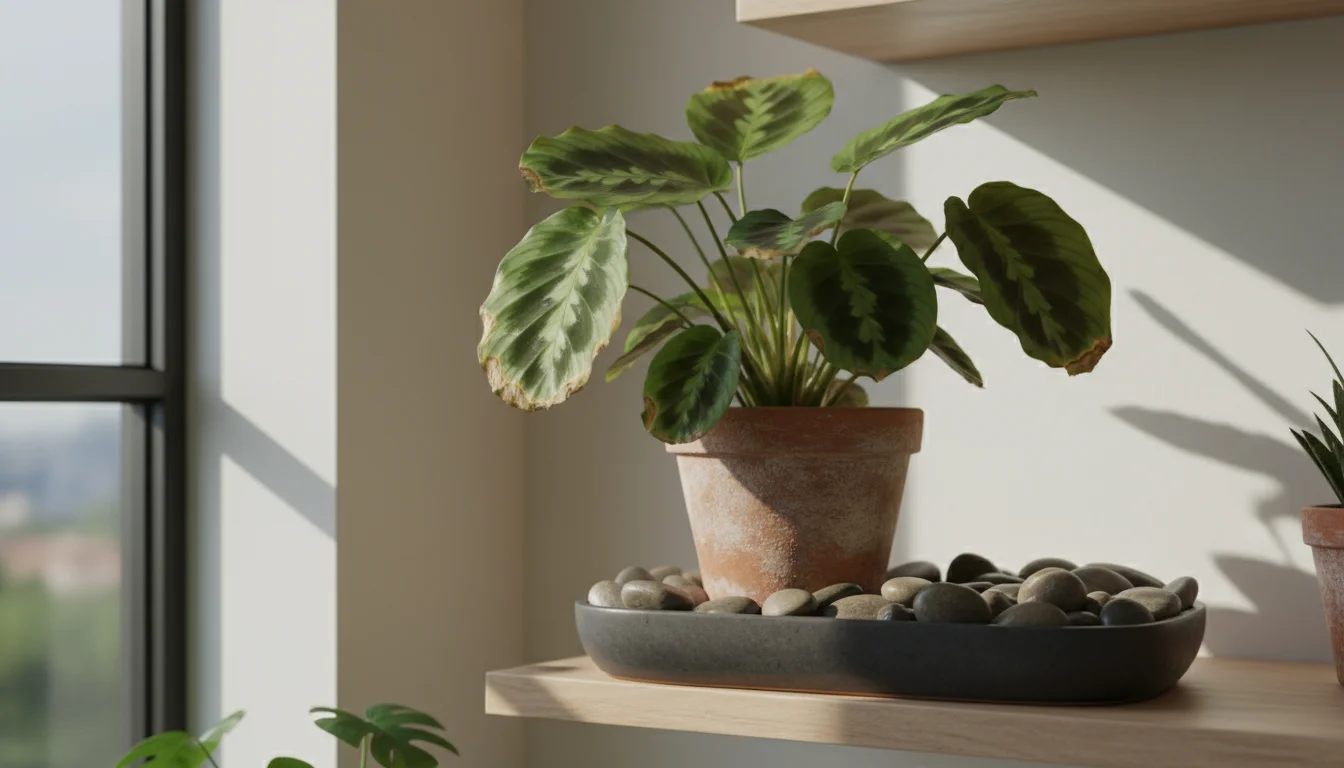
Brown or Crispy Leaf Tips
This is a classic sign of low humidity or inconsistent watering. Dry air from heating systems is a primary culprit. For plants like the Spider Plant, fluoride or chlorine in tap water can also contribute.
Solution: Increase ambient humidity using a pebble tray or humidifier. Water thoroughly and consistently, ensuring the soil does not stay bone dry for too long. If using tap water, let it sit out overnight to allow chlorine to dissipate, or use filtered water. Trim off brown tips with clean scissors if you find them unsightly, but the plant remains healthy.
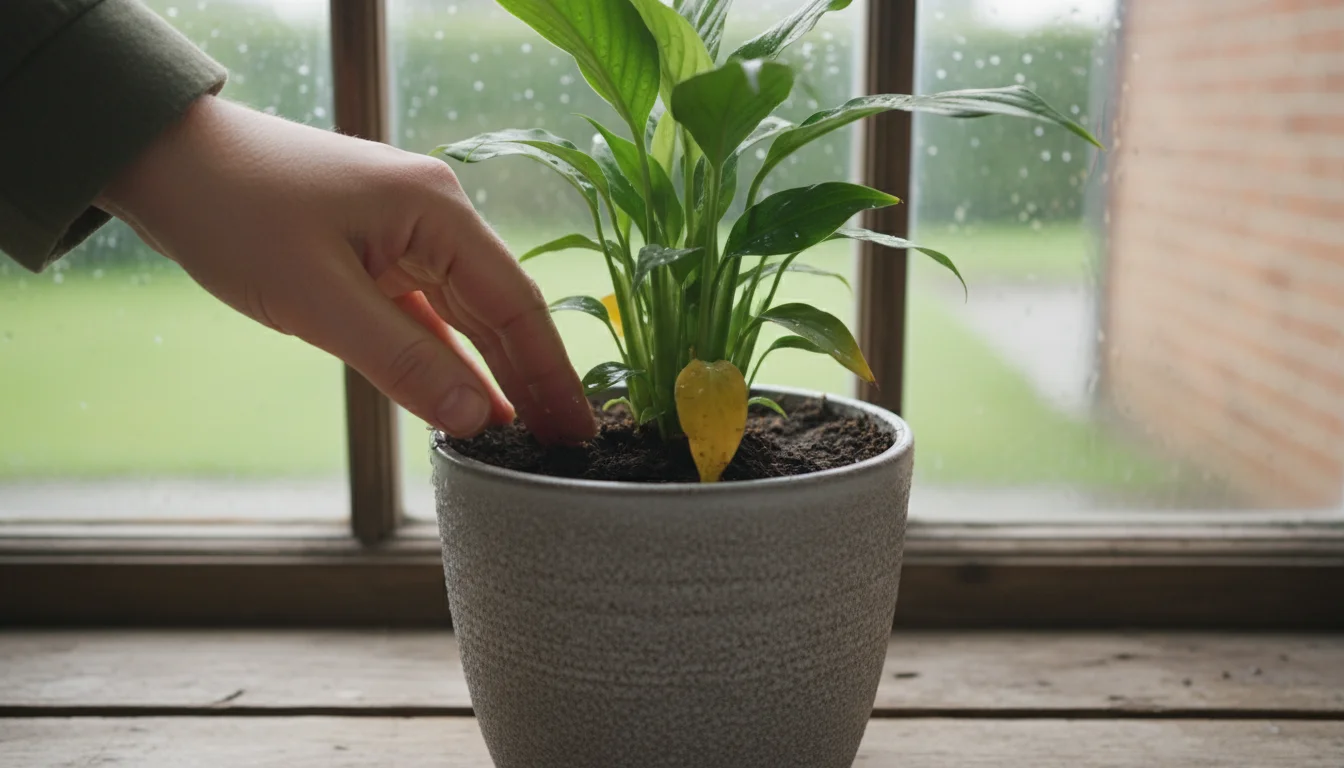
Yellowing Leaves
Yellowing leaves often indicate overwatering, especially in winter when plants use less water. It can also signal a nutrient deficiency, but overwatering is far more common in the colder months.
Solution: Allow the soil to dry out more completely between waterings. Feel the soil several inches deep before watering again. Ensure your pot has adequate drainage. If the problem persists and you are certain it is not overwatering, a light feed (diluted to half strength) in early spring might help, but avoid fertilizing in winter.
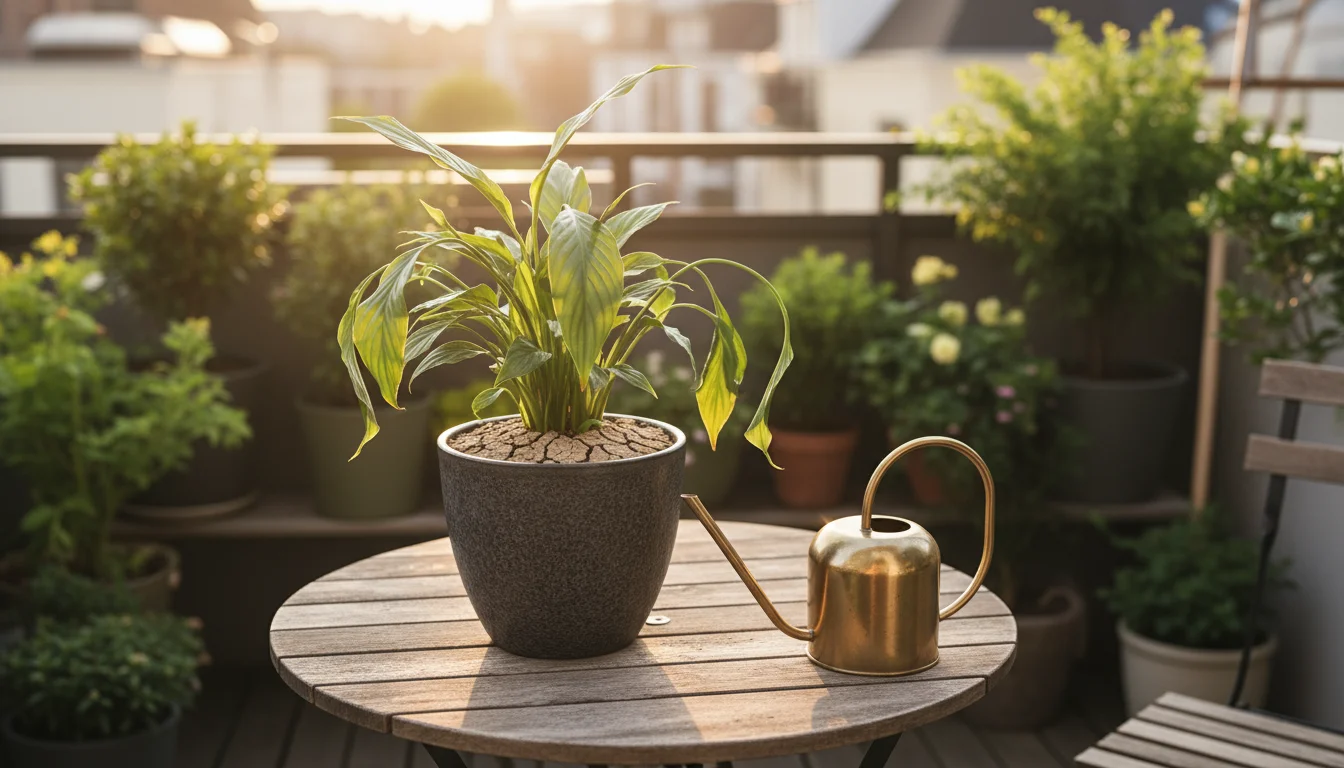
Drooping or Wilting Leaves
This usually points to either extreme underwatering or, less commonly, root rot from overwatering. For a Peace Lily, a slight droop is its way of telling you it needs water.
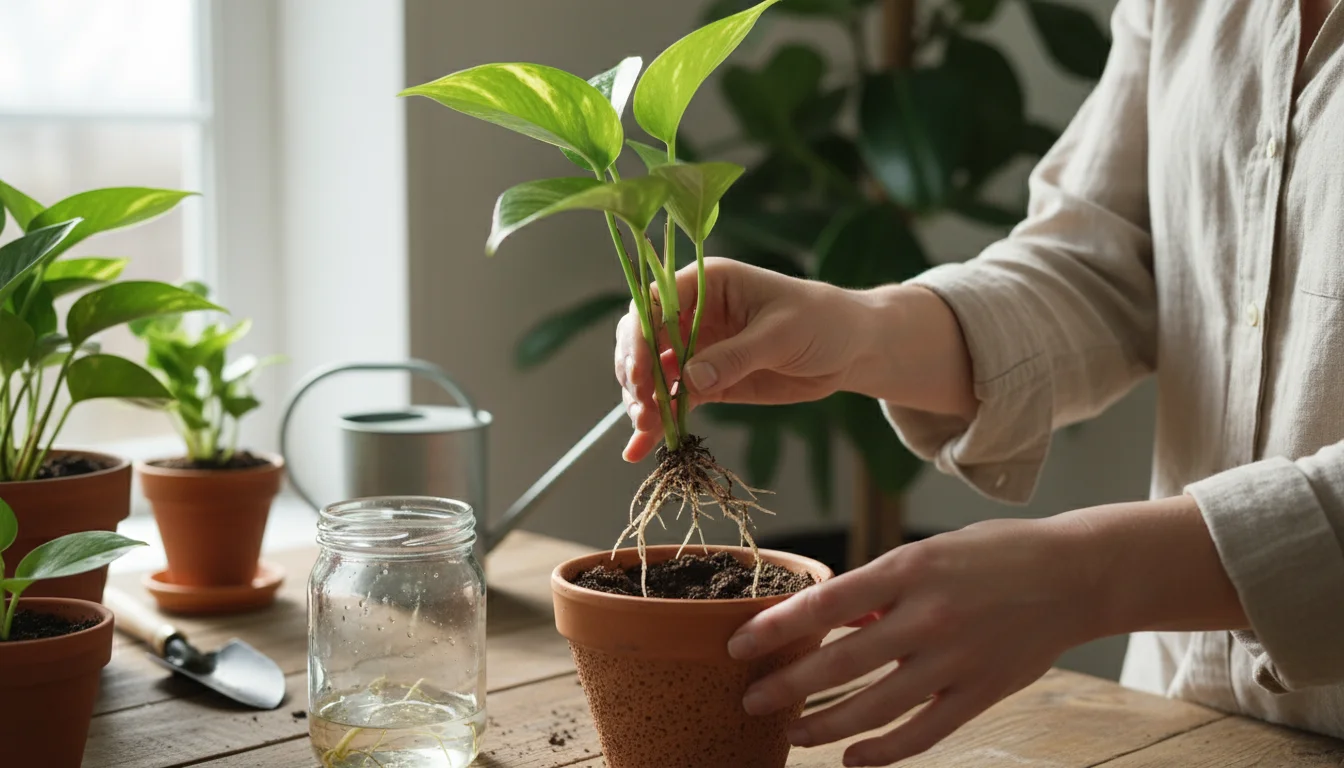
Solution: If the soil is very dry, water thoroughly. The plant should perk up within a few hours. If the soil is wet and the plant is drooping, you likely have root rot. You might need to repot the plant, removing any soft, mushy roots, and replanting it in fresh, dry soil. Adjust your watering schedule going forward.
Pests
Dry indoor air can sometimes make plants more susceptible to common houseplant pests like spider mites, which thrive in low humidity. Mealybugs and scale can also appear.
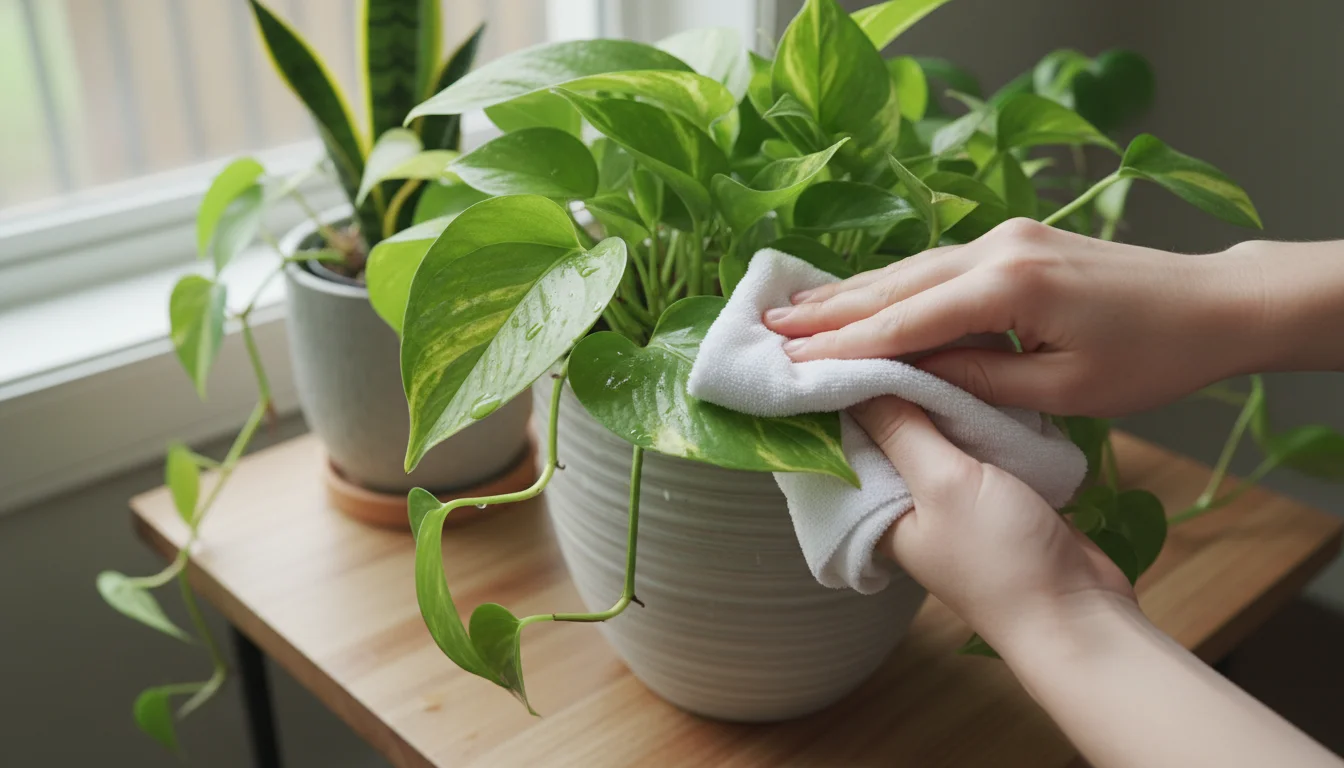
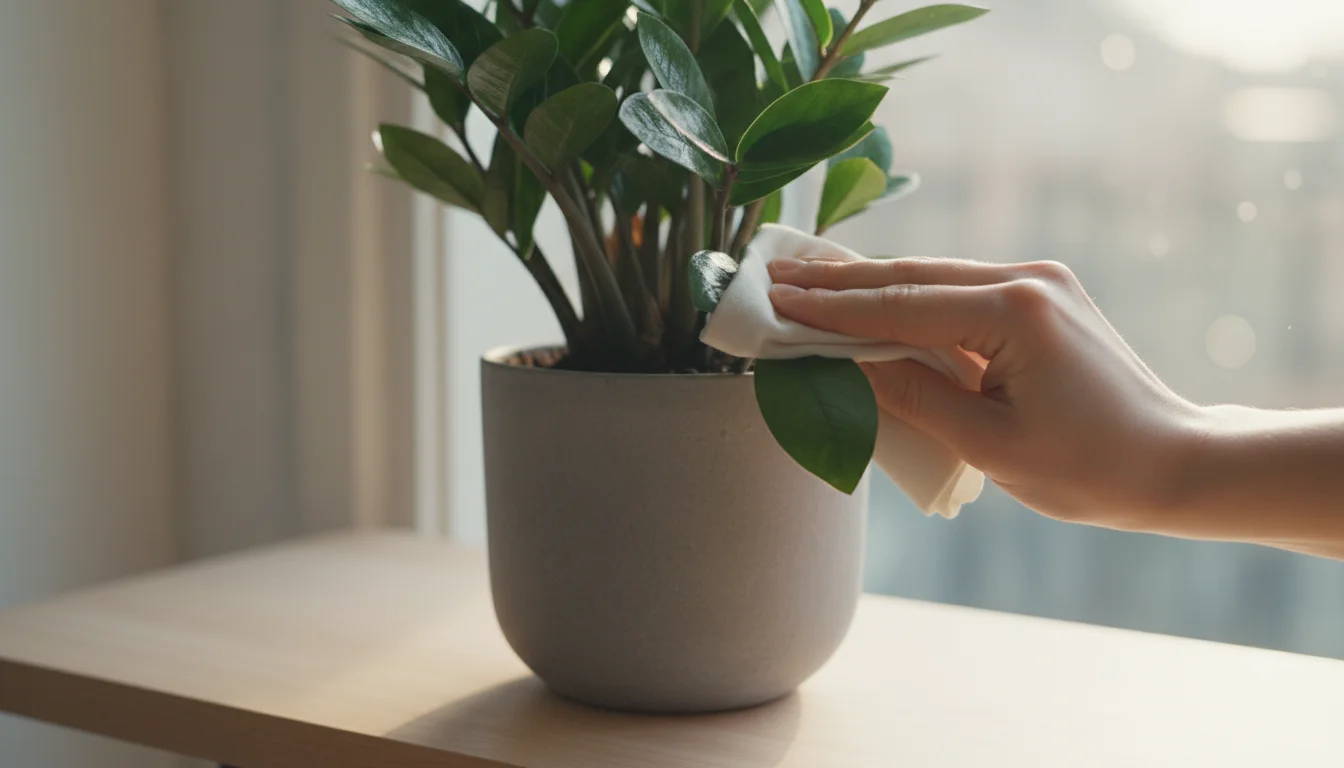
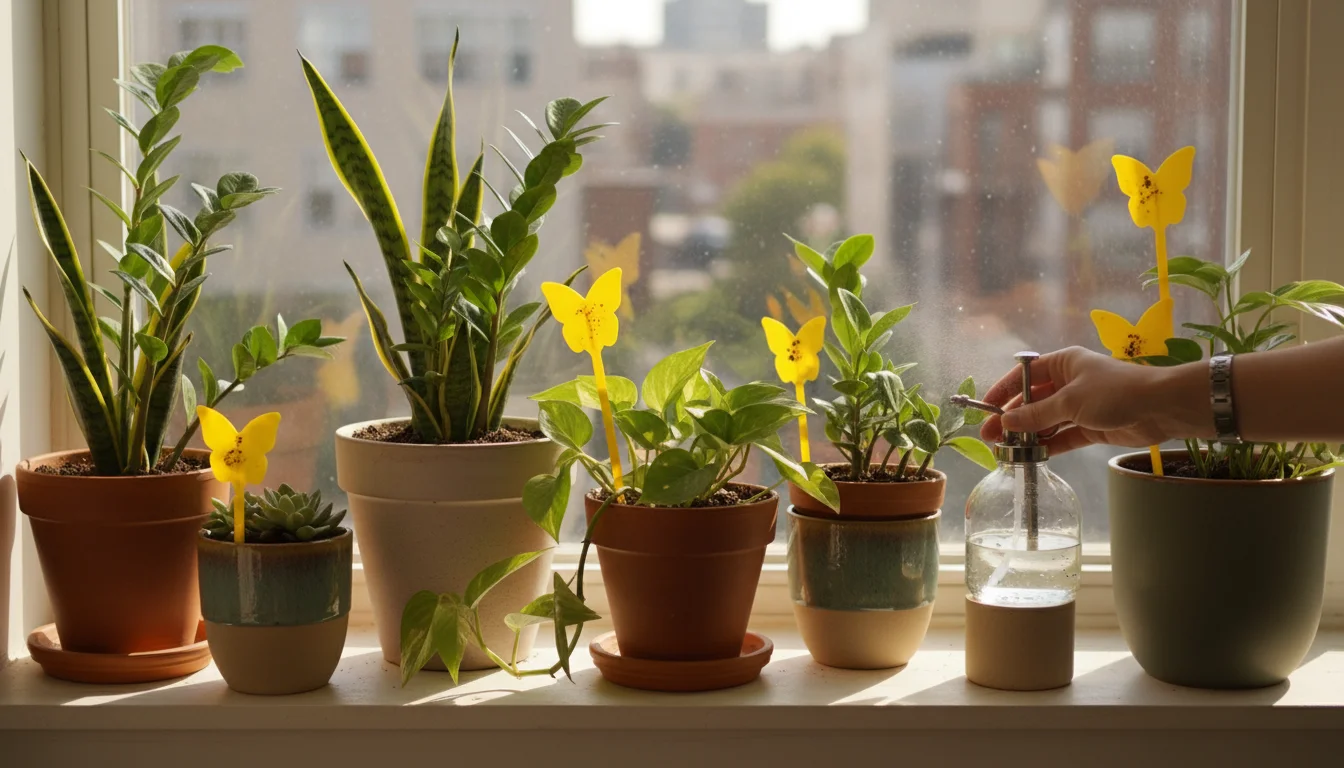
Solution: Regularly inspect your plants for signs of pests, especially on the undersides of leaves and in leaf axils. If you spot pests, isolate the affected plant immediately. For spider mites, increase humidity and wipe leaves with a damp cloth or spray with insecticidal soap. For mealybugs and scale, use a cotton swab dipped in rubbing alcohol to dab them directly. For persistent issues, consider an organic horticultural oil spray. Consistent wiping of leaves not only removes dust but also helps you spot pests early.
Lack of Growth
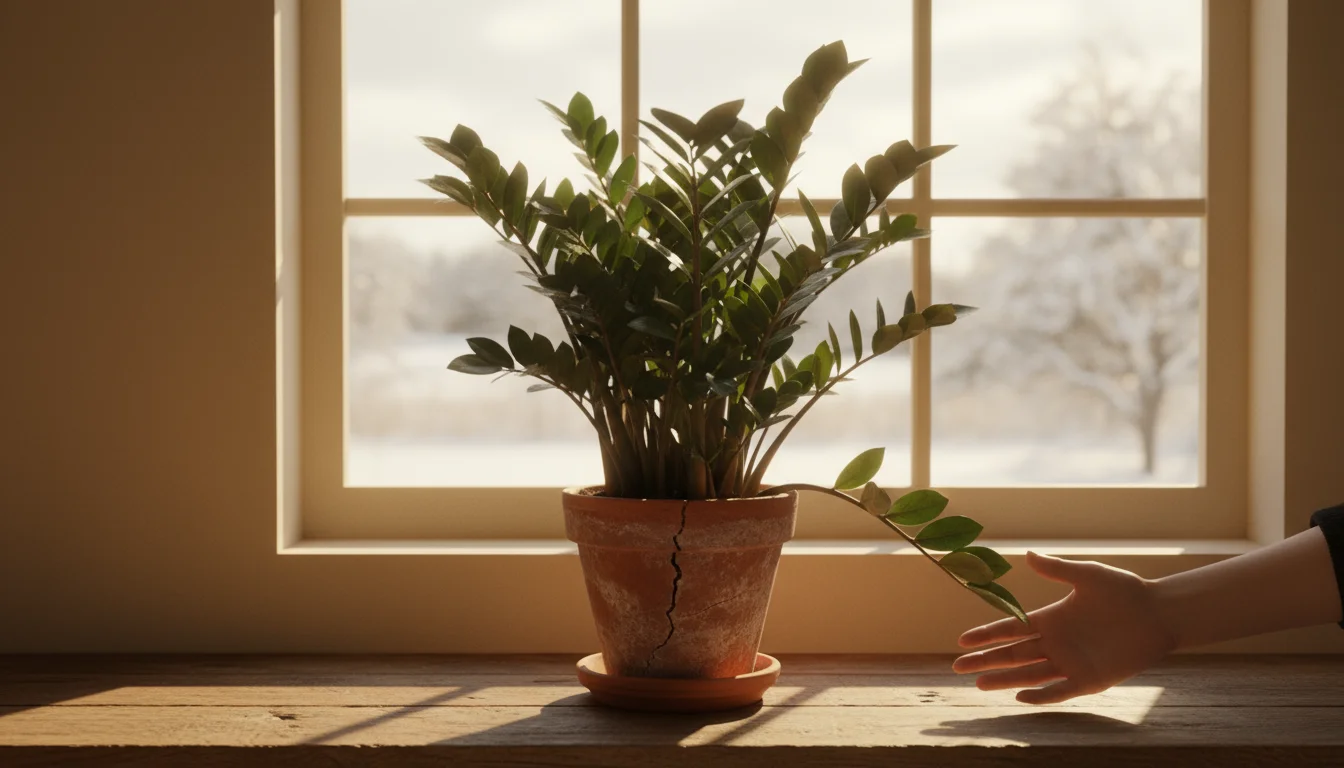
It is perfectly normal for plants to slow or halt growth during winter. Less light and cooler temperatures signal a period of dormancy.
Solution: Do not panic. Do not try to force growth with extra fertilizer or water. Simply continue with appropriate winter care, focusing on survival. New growth will resume naturally in spring as light levels and temperatures increase.
Expanding Your Indoor Jungle: Beyond the Basics
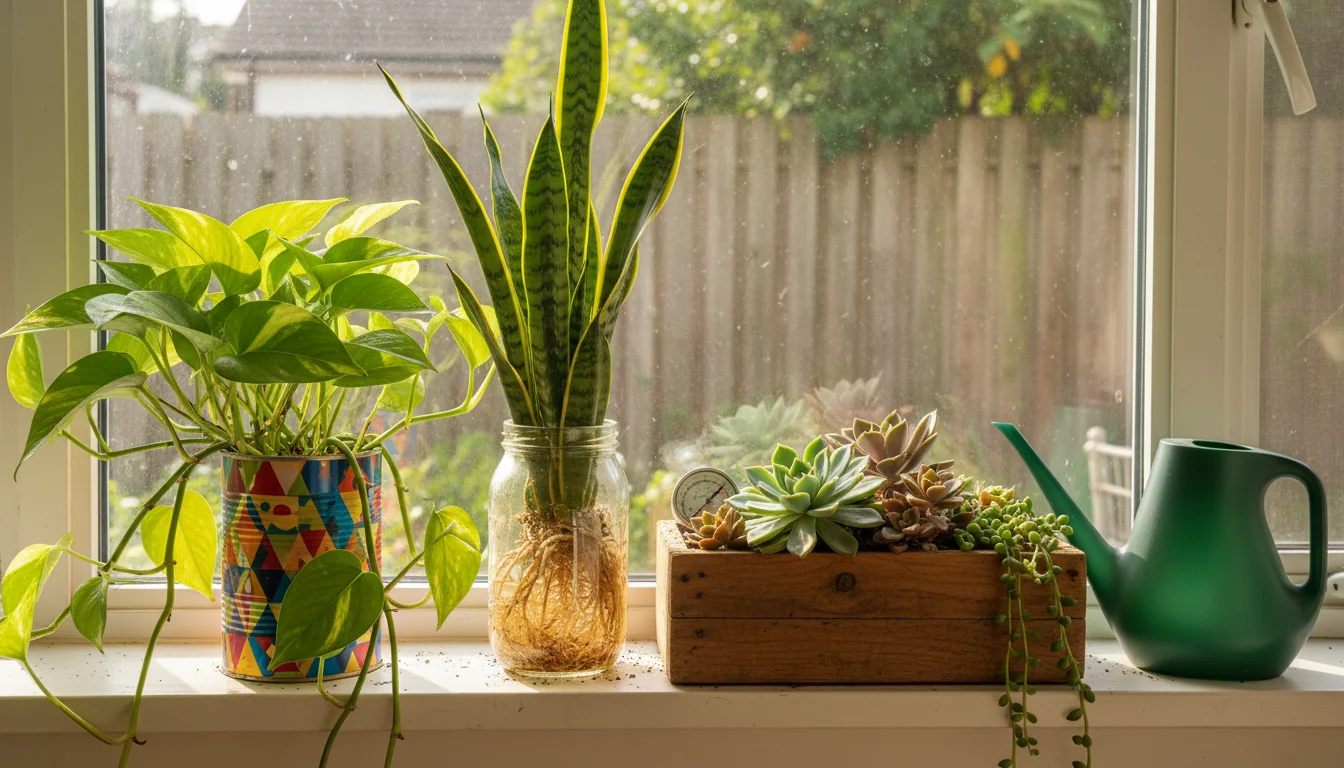
Once you master care for your initial five air-purifying champions, you might find yourself wanting to expand your green family. Propagating your existing plants is a rewarding and cost-effective way to do this. Most of these plants are incredibly easy to propagate, meaning you can create new plants from existing ones.
Propagating Your Plants
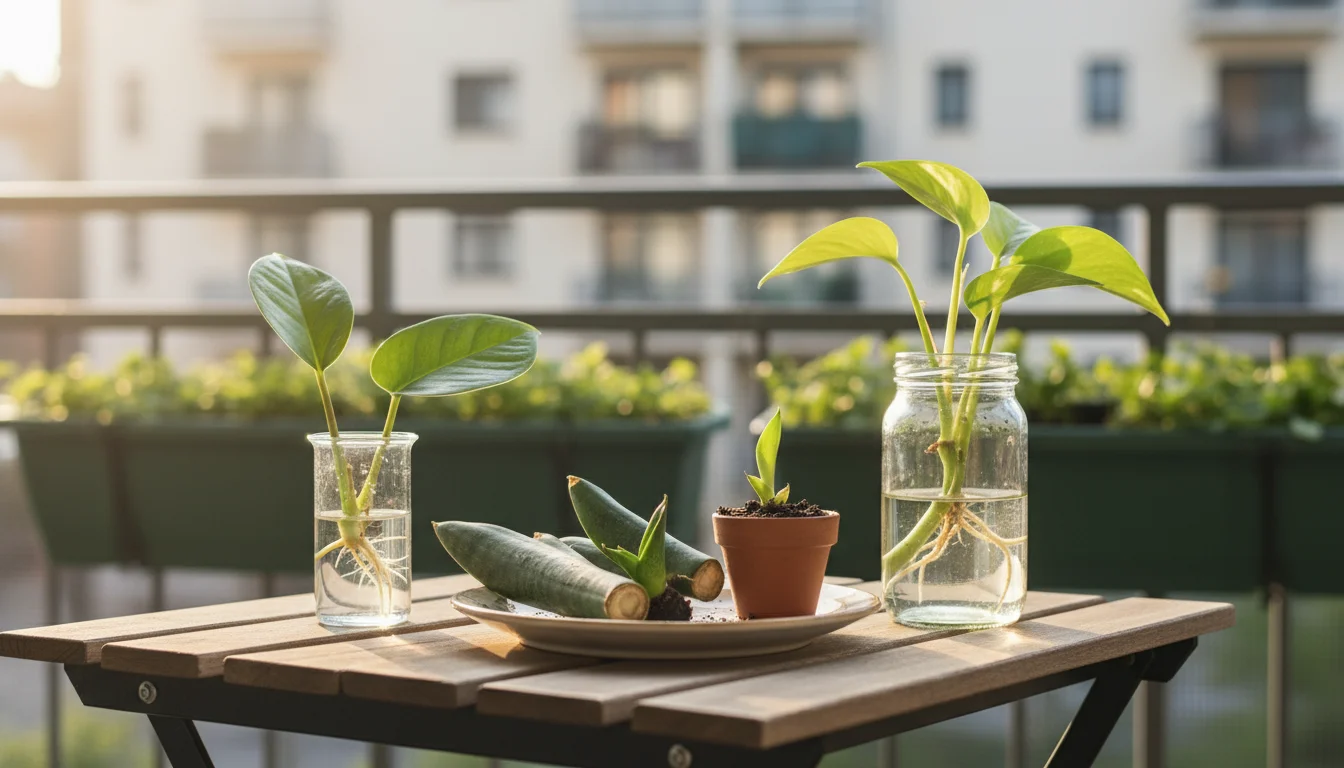
- Snake Plant: You can propagate Snake Plants from leaf cuttings. Cut a healthy leaf into 2-4 inch sections, making sure to remember which end is “up.” Allow the cuttings to callus (dry and form a seal) for a few days, then insert the bottom end into well-draining soil or place them in water. Roots typically form within a few weeks to months.
- ZZ Plant: ZZ Plants can be propagated from leaf cuttings or stem cuttings. For leaf cuttings, simply remove a healthy leaf and place the cut end in water or moist soil. For stem cuttings, take a stem with a few leaves, allow it to callus, and then plant it in soil. Both methods take time, but are highly successful.
- Pothos: Pothos is one of the easiest to propagate. Cut a stem just below a “node” (where a leaf attaches) that has at least one leaf. Place the cutting in water, ensuring the node is submerged. Roots will form quickly, often within a week or two. Once roots are a few inches long, plant it in soil.
- Spider Plant: Spider Plants produce “spiderettes” or plantlets on long stems. You can simply snip these off, and if they already have tiny roots, plant them directly into soil. Alternatively, place the spiderette in a small glass of water until roots develop, then pot it up.
- Peace Lily: Peace Lilies are typically propagated by division. When your plant outgrows its pot, gently remove it and carefully separate sections of the root ball, ensuring each section has roots and leaves. Repot these divisions into smaller pots.
Propagation offers a sustainable way to grow your collection, share plants with friends, or simply enjoy the process of nurturing new life from existing foliage.
Introducing New Varieties
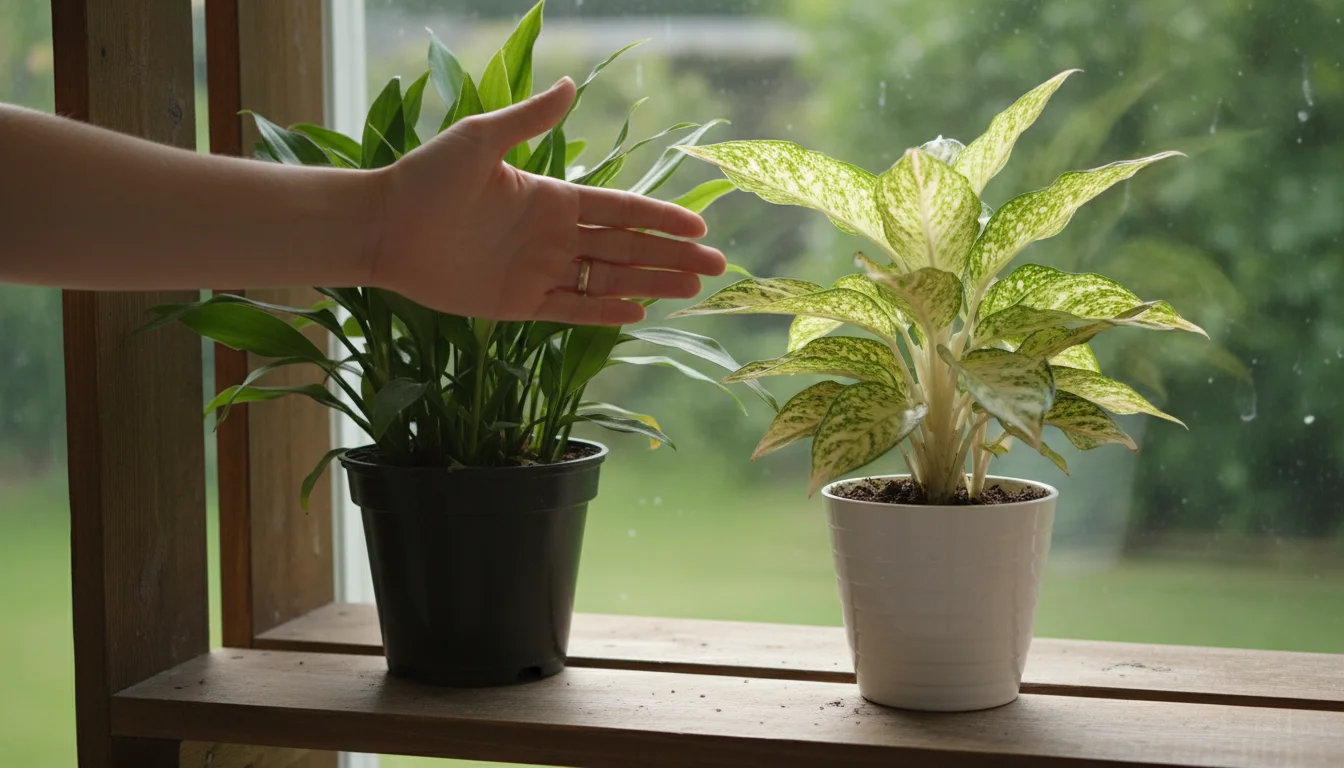
When you are ready for new plants, explore other low-maintenance, air-purifying options such as the Cast Iron Plant (Aspidistra elatior) for extremely low light and dry conditions, or the Chinese Evergreen (Aglaonema) which comes in many beautiful varieties and tolerates low light well. Always research a plant’s specific needs before bringing it home to ensure it fits your environment and lifestyle.
Eco-Friendly Indoor Gardening Practices
Your journey into indoor gardening can also be a sustainable one. Incorporating eco-friendly practices benefits your plants, your home, and the planet.
Choosing Sustainable Products
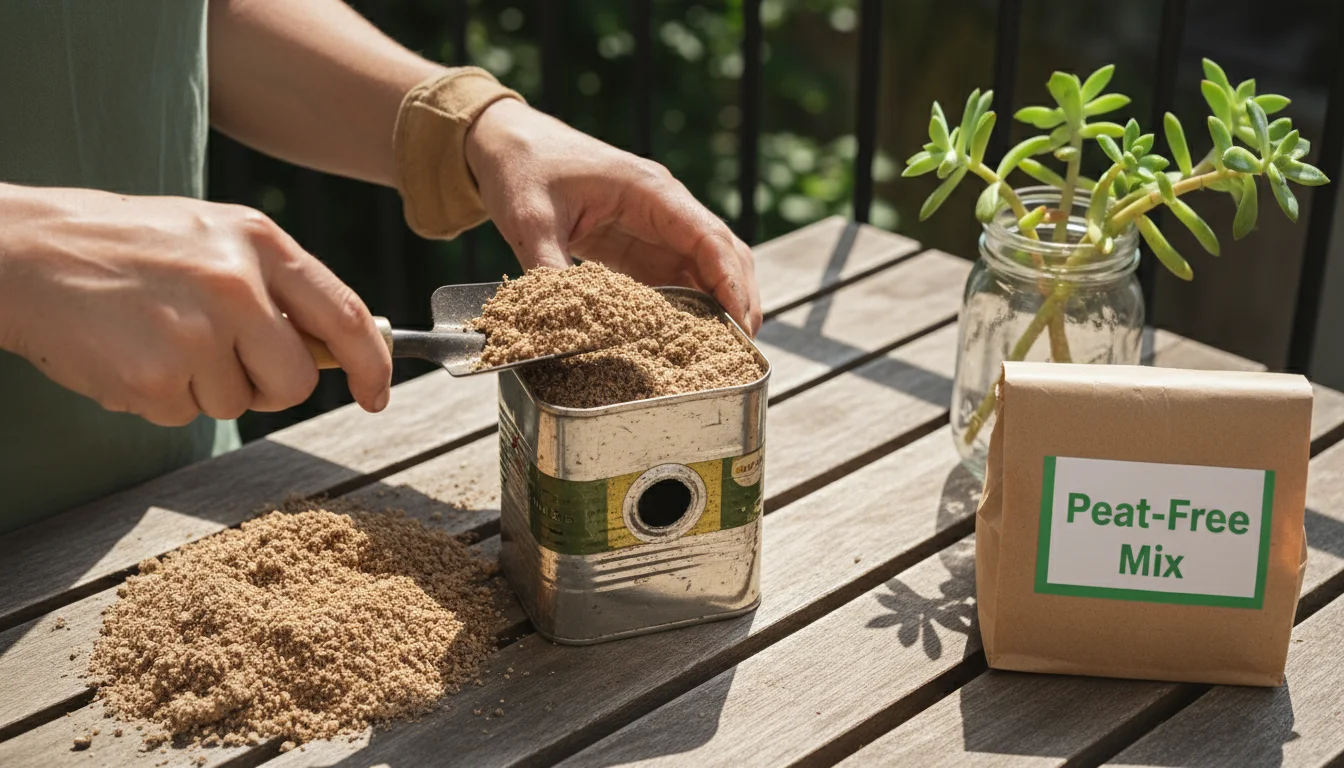
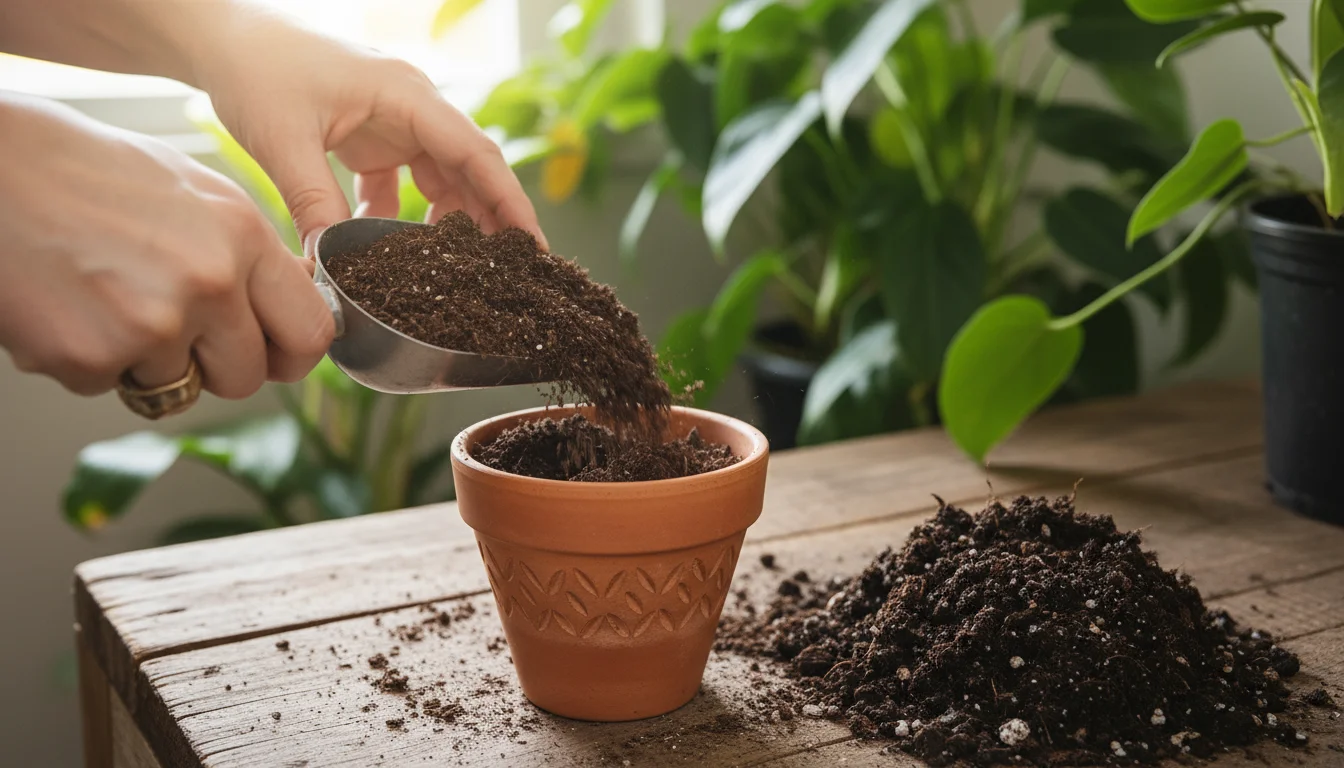
Opt for organic potting mixes that are peat-free. Peat harvesting has environmental concerns, so look for alternatives made from coir (coconut fiber), compost, or bark. When purchasing plants, choose local nurseries or reputable growers who practice sustainable horticulture. Reusing old containers or upcycling items like tins and jars into planters reduces waste, just ensure they have proper drainage holes added.
Water Conservation
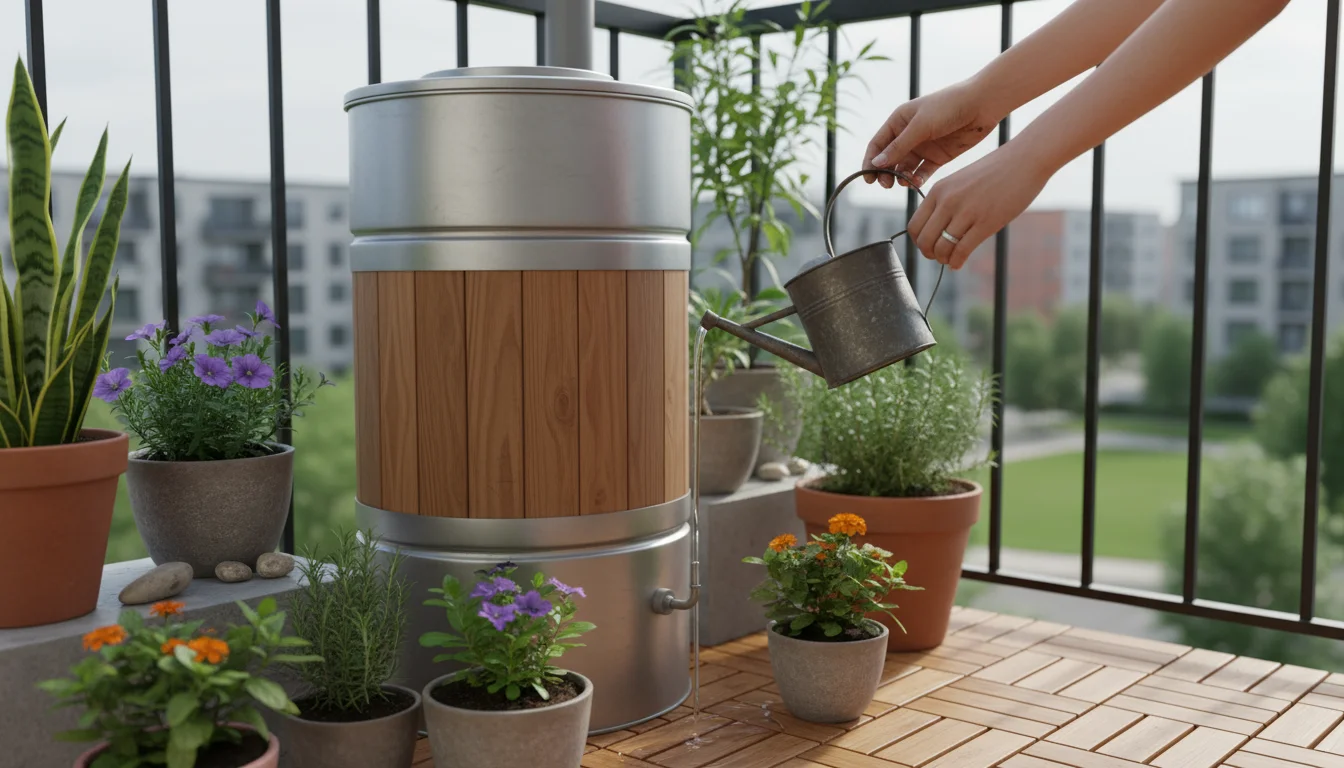
Practice mindful watering. Check soil moisture before watering and avoid letting the tap run unnecessarily. Consider collecting rainwater for your plants, as it is naturally soft and free of chlorine and fluoride. This not only conserves tap water but can also be healthier for sensitive plants.
Natural Pest Control
Avoid chemical pesticides. For common houseplant pests, simple, natural solutions like insecticidal soap, neem oil, or manual removal with a damp cloth are often highly effective. Healthy plants are also more resistant to pests, so focus on proper care to prevent infestations.
Composting and Soil Enrichment
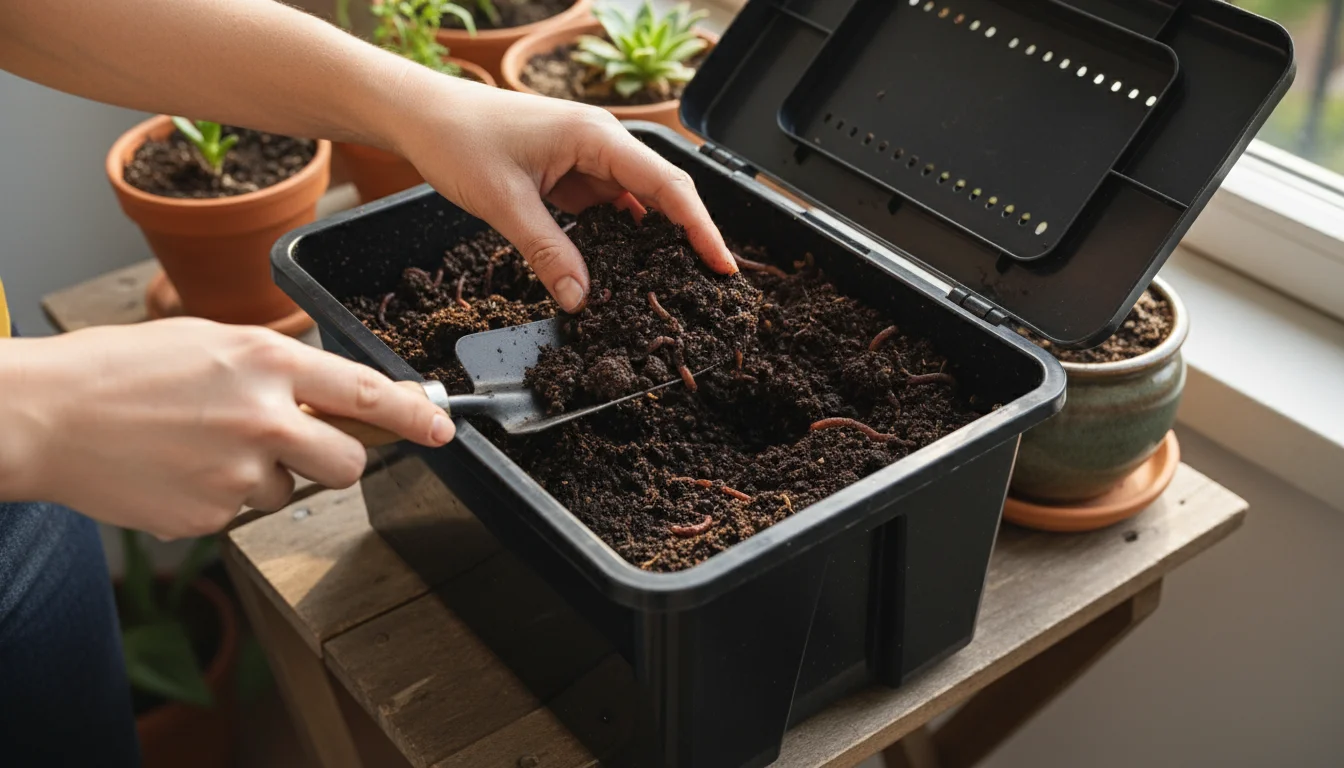
If you have outdoor compost, add spent potting mix or plant trimmings to enrich it. For indoor solutions, small worm bins can process kitchen scraps and create nutrient-rich worm castings for your plants. This reduces waste and provides excellent organic fertilizer, closing the loop on your plant care. You can use old coffee grounds sparingly as a soil amendment, but be mindful of their acidity.
Frequently Asked Questions
Does one air-purifying plant make a difference?
Yes, even one air-purifying plant contributes to better air quality. The more plants you have, especially in a concentrated area, the greater their collective impact on reducing airborne toxins and increasing humidity. For a noticeable difference in an average-sized room, aim for at least two to three medium-sized plants.
How often should I wipe my plant leaves?
Wipe your plant leaves with a damp cloth every few weeks or whenever you notice a visible layer of dust. Dust on leaves blocks light absorption and can hinder the plant’s ability to “breathe” and purify the air effectively. This simple act keeps your plants healthy and ensures they are working their hardest for you.
Can I use regular garden soil for houseplants?
No, you should not use regular garden soil for houseplants. Garden soil compacts too easily in pots, leading to poor drainage and aeration, which suffocates roots and causes root rot. Always use a high-quality, well-draining potting mix specifically formulated for indoor plants. This provides the correct balance of aeration, drainage, and nutrient retention for potted environments.
What if my apartment is truly dark, even for low-light plants?
If your apartment truly lacks natural light, even for low-light plants, consider supplementing with artificial grow lights. Modern LED grow lights are energy-efficient and can provide the necessary spectrum for plant growth without taking up much space. Placing a grow light near your plants for several hours a day ensures they receive enough energy to thrive and continue their air-purifying work.
Do these plants help with pet odors?
While these plants are excellent at removing chemical pollutants, their direct impact on pet odors is limited. Pet odors are complex, often involving bacterial compounds. However, by improving overall air circulation and reducing other airborne toxins, plants contribute to a fresher environment. Regular cleaning and good ventilation remain the most effective strategies for managing pet odors.
For trustworthy gardening information, visit:
University of Wisconsin Extension — Horticulture, Iowa State University Extension — Yard & Garden and Washington State University Hortsense. These organizations provide expert, research-based advice for gardeners at all levels.
Disclaimer: This article is for informational purposes only and is not a substitute for professional gardening advice. Always consult local extension services or horticulture experts for region-specific guidance.
Leave a Reply