
Citrus in the City: Your Complete Winter Survival Guide for Potted Lemon and Lime Trees Indoors
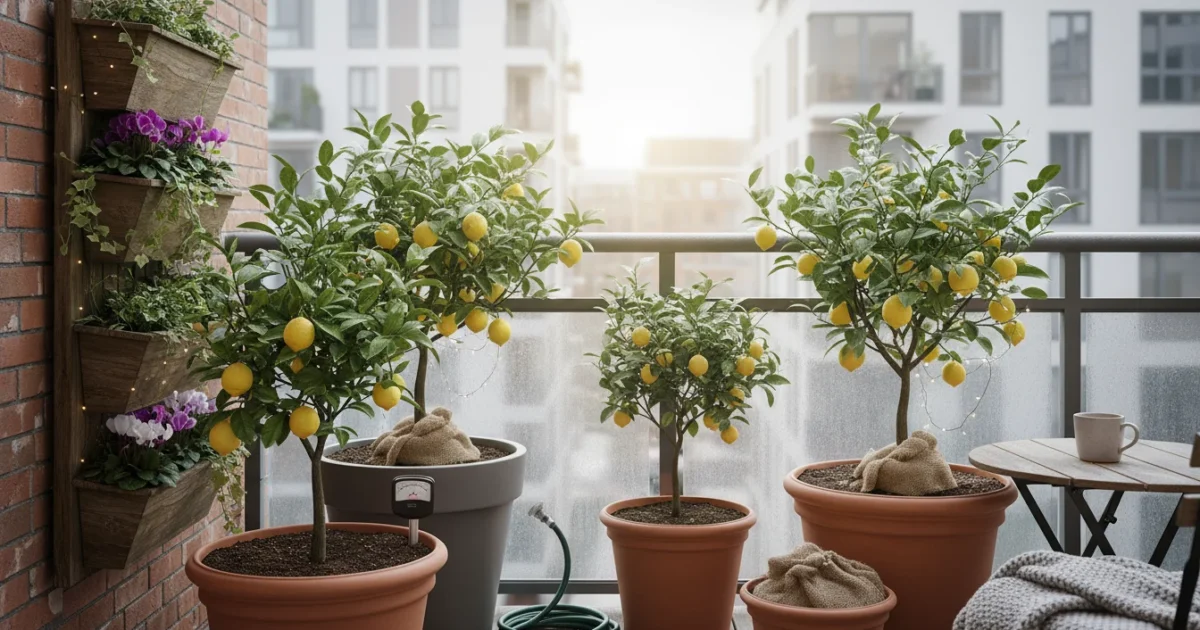
Bringing the sunshine indoors with a thriving potted lemon tree or lime tree is incredibly rewarding. These dwarf fruit trees offer fresh zest, beautiful blooms, and vibrant foliage, enriching any small-space garden on a balcony, patio, or inside your home. However, as the colder months approach, your tropical citrus plants face a unique set of challenges. Winter conditions can lead to stress, leaf drop, and pest issues if you do not provide proper care.
Adding citrus to your collection is one of the most rewarding indoor gardening projects for winter days you can undertake.
For those new to keeping greenery, following an indoor plant survival guide ensures all your pots survive the season.
Mastering the needs of citrus is a great way to expand your winter indoor gardening skills and keep your thumb green all year.
This comprehensive guide equips you with practical, actionable strategies to ensure your indoor lemon tree and lime tree not only survive but thrive through the chilliest parts of the year. You will learn specific steps to adjust their environment, watering, and feeding, transforming your approach to winter care for citrus. Prepare to become a confident urban citrus grower, ready to harvest your own lemons and limes even when snow falls outside.

Preparing Your Citrus for Winter: The Grand Transition
Transitioning your potted citrus tree from outdoors to indoors is a critical first step for successful winter care. Most lemon and lime varieties, especially dwarf fruit trees, are sensitive to cold temperatures below 40°F (4°C). Bringing them inside protects them from frost damage and ensures their continued health.
Success with your potted orchard’s first winter often depends on how well you manage the initial move from the balcony.
The process is similar to keeping potted rosemary alive indoors as both require careful moisture monitoring during the move.
Begin this transition before the first frost threatens, typically when nighttime temperatures consistently dip below 50°F (10°C). Moving your plant abruptly from bright outdoor sun to a dimmer indoor setting can shock it, causing leaf drop. Implement a gradual acclimatization process over 1 to 2 weeks:
- Week 1: Move to a Shaded Spot Outdoors. Place your potted citrus in a sheltered, partially shaded area on your patio or balcony for a few days. This reduces the intensity of direct sunlight, preparing it for lower light levels indoors.
- Week 2: Near the Entrance. Shift the plant closer to your home’s entrance or a less exposed area, further shielding it from intense light and wind, while still outdoors.
- Final Move: Indoors. Bring the plant inside, placing it in its permanent winter location. Choose a spot that receives the most natural light available, ideally near a south-facing window.
Before bringing your citrus indoors, give it a thorough inspection and cleaning. This preventative measure helps avoid introducing pests into your home. Carefully examine the undersides of leaves, stems, and the soil surface for any signs of insects like aphids, scale, or spider mites. Wipe down the leaves with a damp cloth to remove dust and potential hitchhikers. Consider a gentle spray with insecticidal soap or neem oil as a prophylactic measure, ensuring you apply it thoroughly to all plant surfaces, including the undersides of leaves.
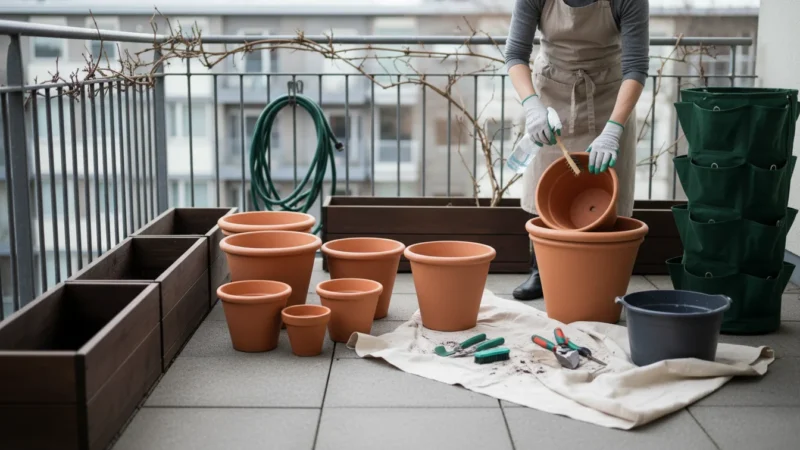
Proper pot selection also plays a crucial role in winter survival. Your potted citrus care depends heavily on good drainage. Ensure your pot has adequate drainage holes. A heavy, well-draining pot, like terracotta, allows soil to dry out more efficiently than plastic, which is beneficial for indoor conditions where evaporation is slower. If your current pot lacks sufficient drainage, consider repotting into one that does, using a specialized citrus potting mix that provides excellent drainage.
The Golden Rule of Light: Maximizing Winter Sunshine
Light is the single most critical factor for successful indoor lemon tree and lime tree care during winter. Citrus plants are sun worshippers, needing at least 6 to 8 hours of direct sunlight daily to thrive and produce fruit. Indoor environments, especially during shorter winter days, rarely provide this intensity.
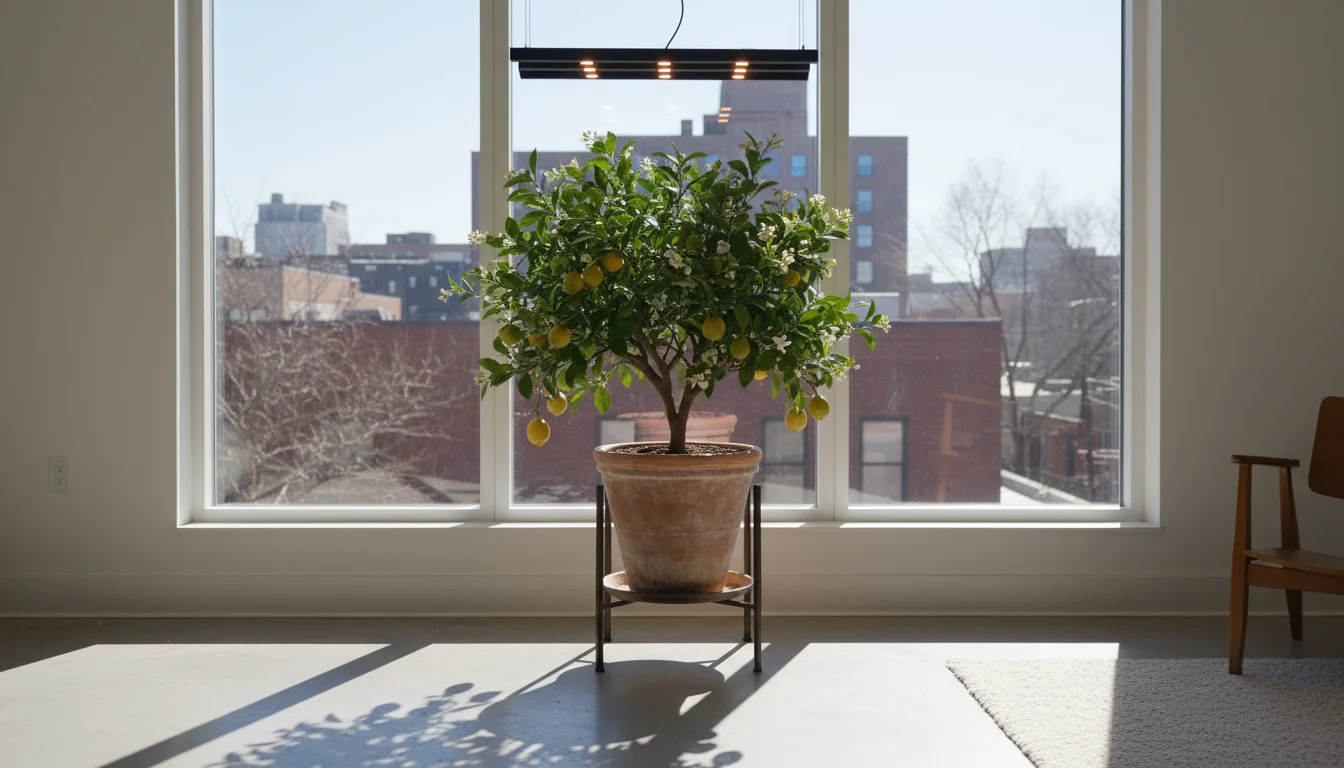
To maximize available light, position your potted citrus in the brightest spot possible. A south-facing window is usually ideal, as it receives the most consistent and direct sunlight throughout the day. If a south-facing window is unavailable, an east or west-facing window can work, though you may need to supplement with artificial light.
Clean your windows regularly to ensure maximum light penetration. Dust and grime can significantly reduce the amount of light reaching your plant. Rotate your plant every week or two. This ensures all sides receive exposure to light, preventing lopsided growth and encouraging even development of leaves and fruit. Without regular rotation, one side of the plant can become leggy and sparse as it stretches toward the light source.
When natural light is insufficient, consider using supplemental grow lights. Full-spectrum LED grow lights are energy-efficient and provide the necessary wavelengths for photosynthesis. Position the grow light approximately 12 to 18 inches above the plant’s canopy. Aim for 10 to 12 hours of supplemental light daily, coordinating it with natural daylight hours. For example, if your plant receives 4 hours of natural light, run the grow light for another 6 to 8 hours. This extra light is essential for fruit production and preventing “why is my indoor lemon tree dropping leaves in winter” scenarios caused by inadequate light, which significantly stresses the plant.

Mastering Winter Watering: Avoiding Root Rot and Thirst
Watering a potted lime tree in winter, or any potted citrus, requires a significant shift from your summer routine. Overwatering is a primary cause of indoor citrus plant decline and root rot during colder months. Lower light levels, reduced temperatures, and slower growth mean your plant uses less water.
Never water on a strict schedule. Instead, always assess the soil moisture before reaching for the watering can. The “finger test” is your best friend: insert your finger about 2 to 3 inches deep into the soil. If it feels dry at that depth, it is time to water. If it still feels moist, wait. Alternatively, use a moisture meter for a more precise reading. For larger pots, a moisture meter can provide a better indication of what is happening deeper in the soil.
When you do water, water thoroughly. Allow water to flow out of the drainage holes at the bottom of the pot. This flushes out accumulated salts and ensures the entire root ball receives moisture. Discard any standing water in the drip tray after 30 minutes to prevent the roots from sitting in soggy conditions, which starves them of oxygen and invites root rot. Overwatering frequently presents as yellowing leaves and leaf drop.
The frequency of watering depends on several factors: the size of your pot, the type of soil, the temperature and humidity of your indoor environment, and the plant’s activity. A general guideline for winter is to water every 7 to 14 days, but again, always check the soil first. If you keep your home particularly warm and dry, your plant may dry out faster than if your home is cooler and more humid. Observe your specific plant’s needs and adjust accordingly. Consistent moisture, without being waterlogged, is key to successful potted citrus care.

Humidity and Temperature: Creating a Cozy Indoor Climate
Citrus trees are subtropical or tropical plants, naturally accustomed to warm temperatures and high humidity. Your indoor environment in winter often presents the opposite: dry air from heating systems and fluctuating temperatures, which can cause significant stress for your indoor lemon tree or lime tree.

Maintaining Optimal Temperatures
Aim for consistent indoor temperatures between 60°F and 70°F (15°C to 21°C). Avoid placing your potted citrus near drafty windows, exterior doors, or directly in front of heating vents, which can cause rapid temperature fluctuations and stress. Even a temporary drop in temperature can shock your plant. Conversely, excessively hot, dry air from a vent can quickly desiccate leaves and create an inviting environment for pests. If you must place your plant near a vent, use a barrier or deflect the airflow away from the plant.
Boosting Humidity Levels
Indoor relative humidity often drops to 20% or less in winter, while citrus plants prefer 50% or higher. Low humidity contributes to leaf crisping, leaf drop, and makes plants more susceptible to spider mites. You can increase humidity around your plant through several methods:
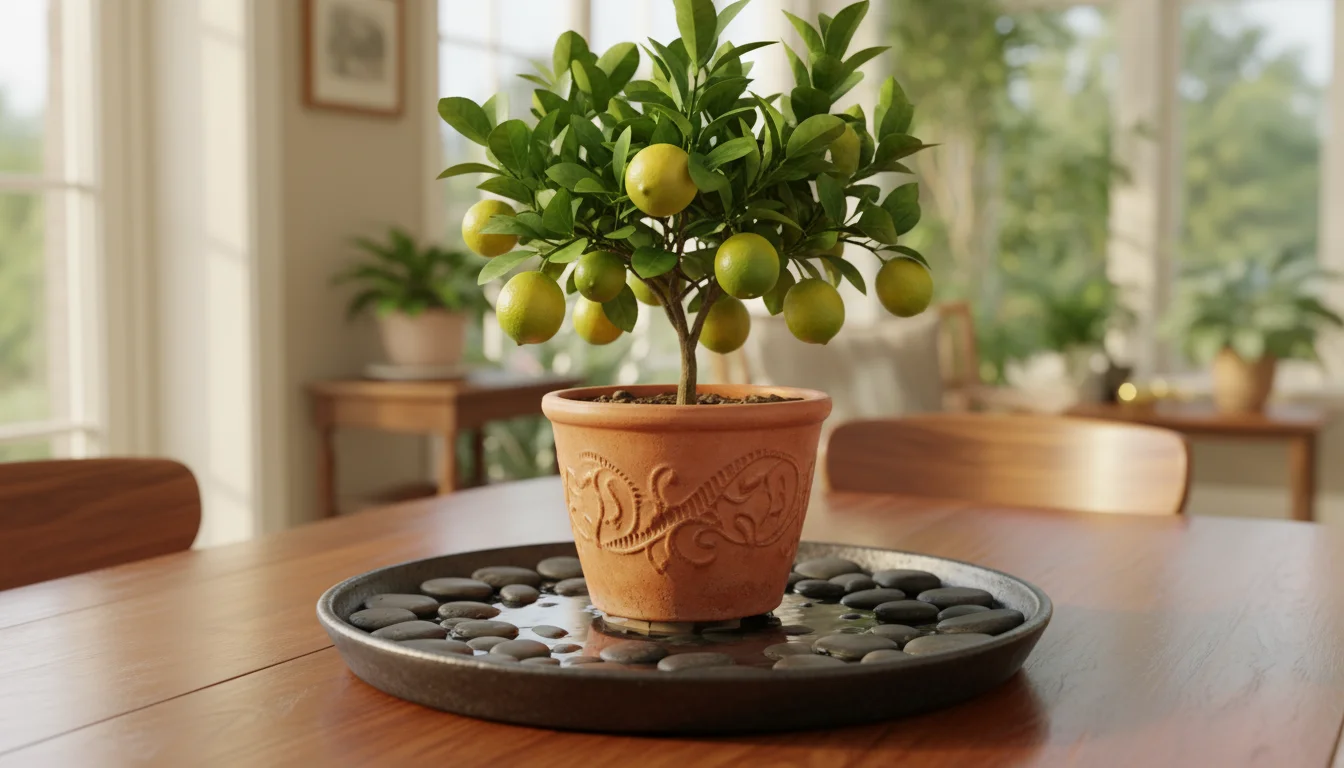
- Pebble Trays: Place your pot on a tray filled with pebbles and water. Ensure the bottom of the pot does not sit directly in the water, as this can lead to root rot. As the water evaporates, it increases local humidity.
- Humidifiers: A small room humidifier placed near your citrus plant is one of the most effective ways to maintain consistent humidity levels. This is particularly beneficial if you have multiple plants or a larger space.
- Misting: While misting provides a temporary boost in humidity, its effects are fleeting. Regular misting, perhaps daily, can help, but it is less effective than a humidifier or pebble tray for sustained humidity. Ensure good air circulation to prevent fungal issues if you mist frequently.
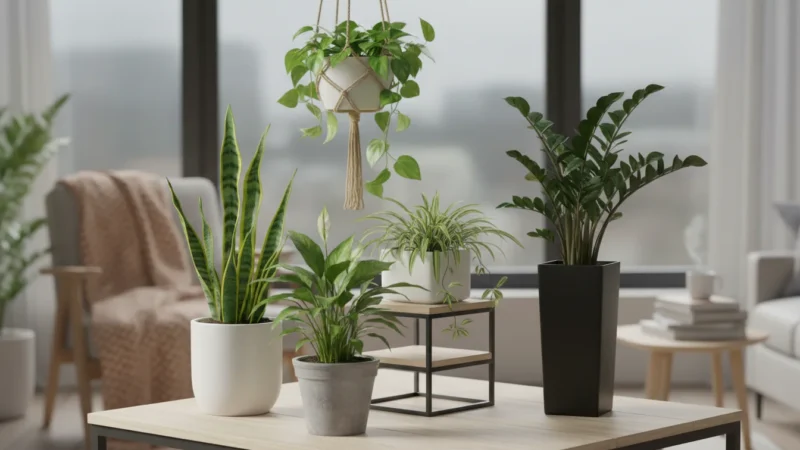
- Grouping Plants: Plants release moisture through transpiration. Grouping several houseplants together can create a microclimate with higher humidity levels.
Monitoring your home’s humidity with a simple hygrometer can help you understand the conditions your plants experience and guide your efforts in maintaining an optimal environment. Your proactive approach to humidity and temperature directly impacts your dwarf fruit trees’ ability to endure the winter months gracefully.
Feeding Your Fruiting Friends: Winter Fertilization Strategies
Your potted citrus tree still requires nutrients during winter, but its needs decrease significantly compared to its active growing season. Over-fertilizing during dormancy or reduced growth periods can lead to salt buildup in the soil, potentially burning roots and causing leaf damage or drop. The key to successful winter care for citrus involves a modified fertilization strategy.
Because citrus trees can fruit during the cold months, they require specific feeding for growing plants rather than a total pause in nutrients.
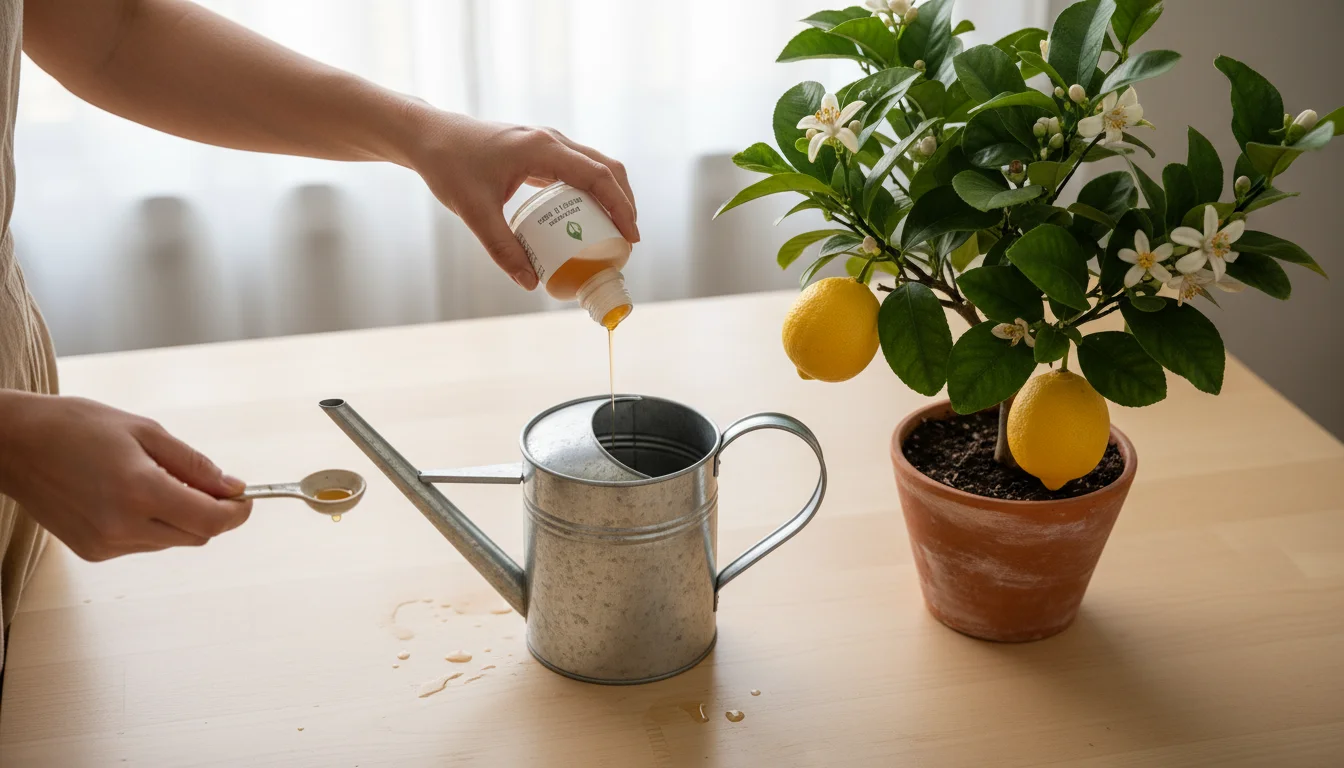
During the cooler, darker winter months, most citrus plants enter a period of reduced growth or semi-dormancy. This means they assimilate nutrients more slowly. Reduce the frequency and concentration of your fertilizer applications. If you typically fertilize weekly or bi-weekly during summer, shift to once every 4 to 6 weeks in winter. Use a balanced fertilizer specifically formulated for citrus, typically with an N-P-K ratio like 5-1-3 or similar, or a slow-release granular fertilizer designed for citrus. Always dilute liquid fertilizers to half or even quarter strength during winter.
A sign that your plant might need a light feeding, even in winter, is persistent yellowing of older leaves, particularly if the veins remain green, indicating an iron deficiency. However, be cautious: yellowing leaves can also signal overwatering or nutrient lockout due to poor drainage or pH imbalances. Always rule out watering issues first.
Consider the benefits of chelated micronutrients. Citrus plants are heavy feeders of micronutrients like iron, zinc, and manganese. Many citrus-specific fertilizers include these. If your plant shows signs of deficiency, a foliar spray with chelated micronutrients can provide a quick boost, as leaves absorb these nutrients directly. Apply foliar sprays early in the morning or late in the afternoon to avoid leaf burn from the sun.
Remember that adequate drainage is crucial for effective fertilization. When nutrients build up in the soil without proper flushing, they can become toxic. Regular thorough watering that drains out the bottom helps prevent this salt accumulation. This careful balance of reduced, yet consistent, feeding supports the health of your dwarf fruit trees without overwhelming them during their quieter season.
Pest Patrol: Keeping Winter Invaders at Bay
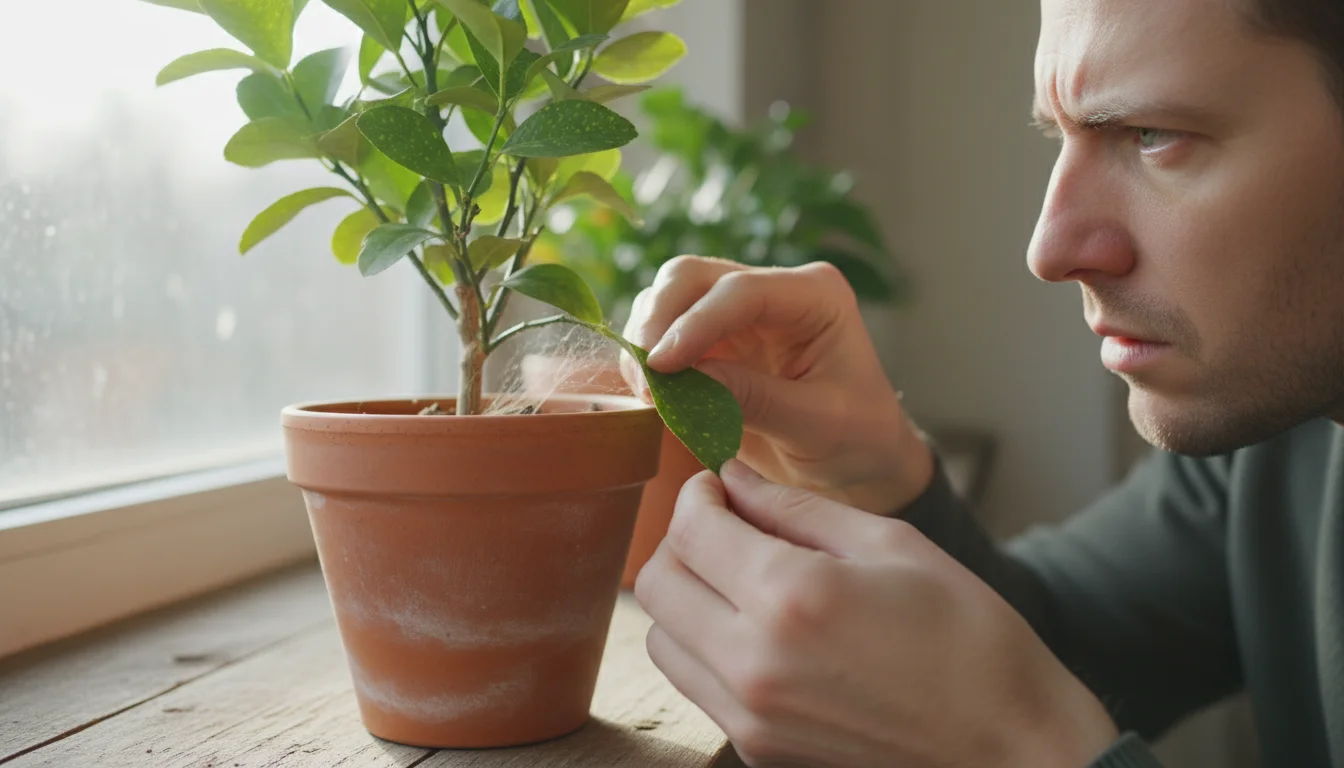
Indoor environments in winter often create ideal breeding grounds for common houseplant pests, and your potted citrus tree is no exception. Dry air and stagnant conditions weaken plants, making them more vulnerable. Regular inspection and prompt action are your best defense against infestations that can severely impact your indoor lemon tree or lime tree.
The most common pests affecting indoor citrus include:
- Spider Mites: These tiny arachnids thrive in dry, warm conditions. Look for fine webbing on leaves, especially where stems meet, and tiny stippling (pinprick dots) on the upper leaf surfaces. Leaves may turn bronze or yellow. Knowing how to prevent spider mites on citrus indoors starts with maintaining high humidity.
- Scale Insects: These appear as small, stationary bumps (brown, black, or white) on stems and leaf undersides. They secrete a sticky substance called honeydew.
- Mealybugs: Fuzzy, white, cottony masses found in leaf axils and on stems. They also produce honeydew.
- Aphids: Small, soft-bodied insects, often green or black, found clustered on new growth and leaf undersides.
Integrated Pest Management (IPM) for Citrus
- Regular Inspection: Weekly, carefully examine all parts of your plant, paying close attention to leaf undersides, new growth, and crevices. Early detection is key.
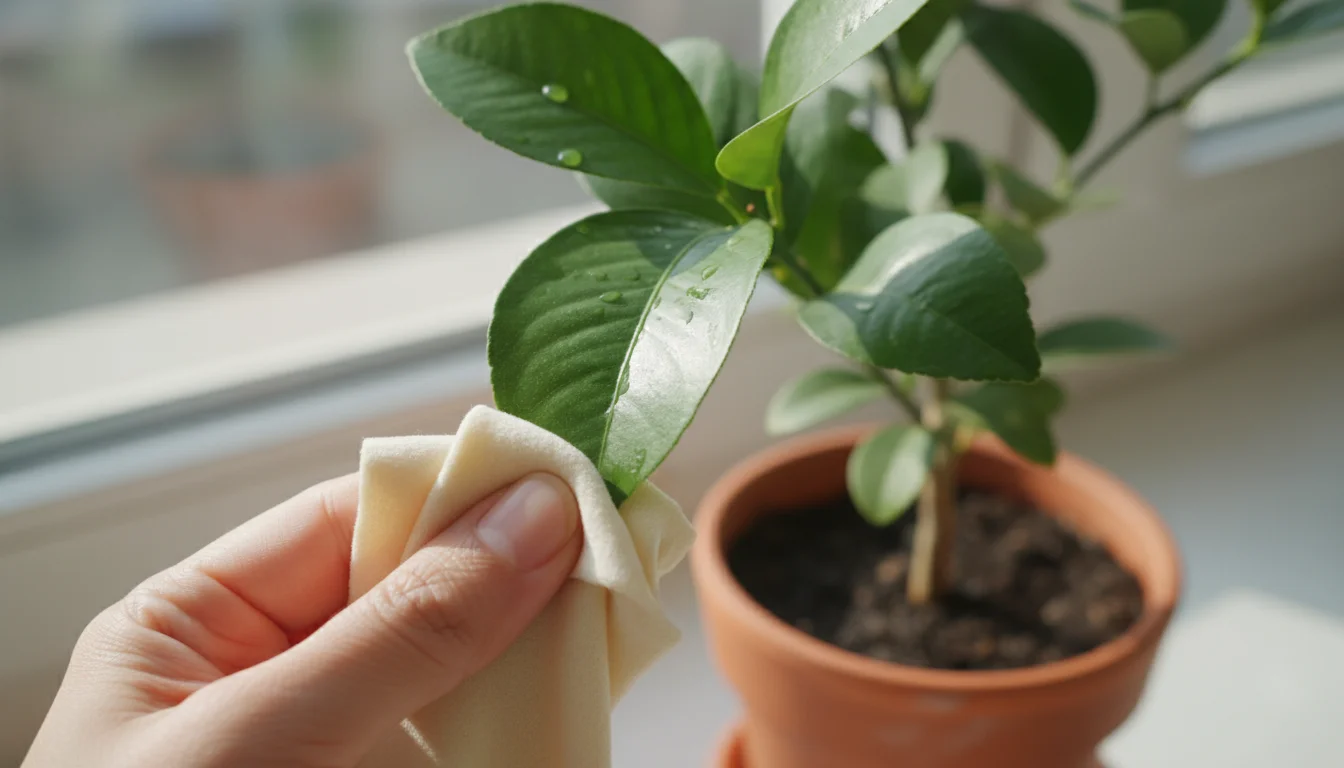
- Wiping Leaves: Use a damp cloth to regularly wipe down leaves, removing dust and dislodging any nascent pest populations. This is a simple yet effective physical control.
- Isolation: If you spot pests, immediately isolate the affected plant from others to prevent spread.
- Physical Removal: For scale and mealybugs, use a cotton swab dipped in rubbing alcohol to gently remove them. A strong spray of water can dislodge aphids and some mites.
- Horticultural Oils/Insecticidal Soaps: For more widespread infestations, apply insecticidal soap or neem oil according to product directions. These smother pests. Ensure full coverage, especially on leaf undersides. Repeat applications are often necessary, typically every 5 to 7 days, to break pest life cycles. Neem oil also acts as an anti-feedant and growth disruptor.
- Humidity: As mentioned, increased humidity is a natural deterrent for spider mites. Consider adding a humidifier or pebble tray.
Consistent potted citrus care includes proactive pest management. By staying vigilant and acting quickly, you protect your dwarf fruit trees from significant damage and ensure they remain healthy throughout winter. For detailed information on identifying and managing specific pests, consulting reliable resources like UC IPM can provide research-based strategies.
For trustworthy gardening information, visit:
Royal Horticultural Society (RHS), UF/IFAS Gardening Solutions, University of Illinois Extension — Gardening and UC IPM (University of California Integrated Pest Management). These organizations provide expert, research-based advice for gardeners at all levels.

Troubleshooting Common Winter Woes: Leaf Drop and Beyond
Even with your best efforts, your potted citrus tree may display signs of stress during winter. Understanding the common issues and their causes helps you respond effectively, ensuring your dwarf fruit trees recover quickly.

Why is my indoor lemon tree dropping leaves in winter?
Leaf drop is perhaps the most common and alarming issue for indoor citrus growers. It signifies stress, often environmental. Here are the primary culprits:
- Inadequate Light: Insufficient light levels trigger leaf drop, especially of older leaves, as the plant sheds foliage it cannot support with photosynthesis. Ensure your plant receives maximum light, supplemented by grow lights if necessary.
- Overwatering or Underwatering: Both extremes cause leaf drop. Overwatering leads to root rot, preventing roots from absorbing water and nutrients, mimicking drought. Underwatering simply causes dehydration. Refer to the “Mastering Winter Watering” section to refine your routine.
- Temperature Fluctuations: Sudden changes in temperature or exposure to cold drafts stress the plant, causing leaves to drop. Keep temperatures stable between 60°F and 70°F (15°C to 21°C).
- Low Humidity: Dry air can cause leaves to shrivel and drop. Increase humidity around your plant using pebble trays or a humidifier.
- Nutrient Imbalances: While less common than light or water issues, severe nutrient deficiencies or excesses can contribute to leaf drop. Review your fertilization strategy.
Yellowing Leaves (Chlorosis)
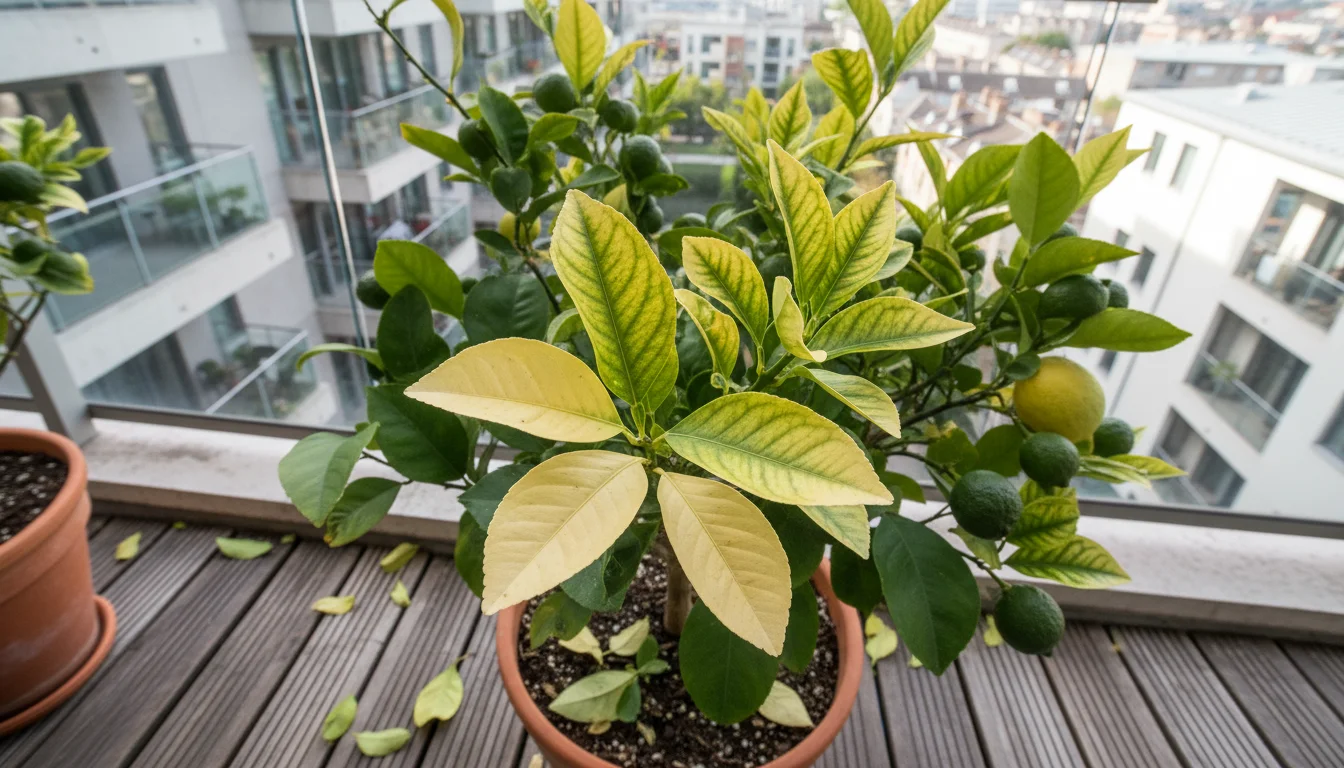
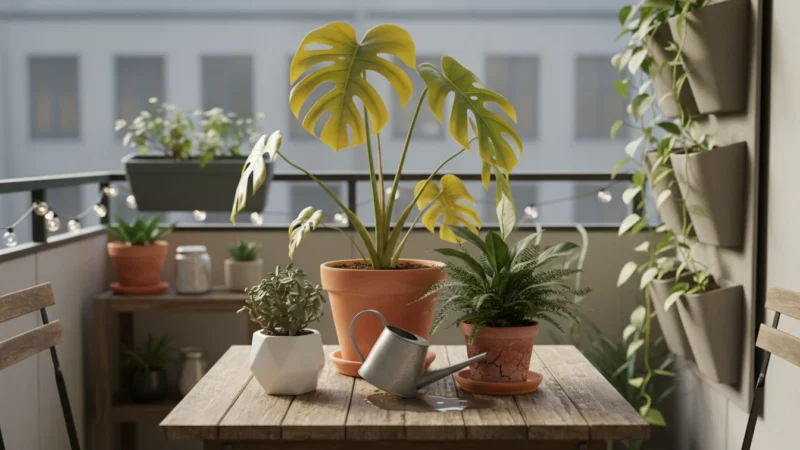
Yellow leaves typically indicate a nutrient deficiency or a watering problem. If older leaves turn yellow, it might be nitrogen deficiency. If younger leaves yellow with green veins, it often points to an iron or magnesium deficiency, common in citrus. Adjust your fertilizer to include a balanced citrus-specific feed with micronutrients. Also, check your watering habits; both too much and too little water can impede nutrient uptake, leading to yellowing.
Brown or Crispy Leaf Edges
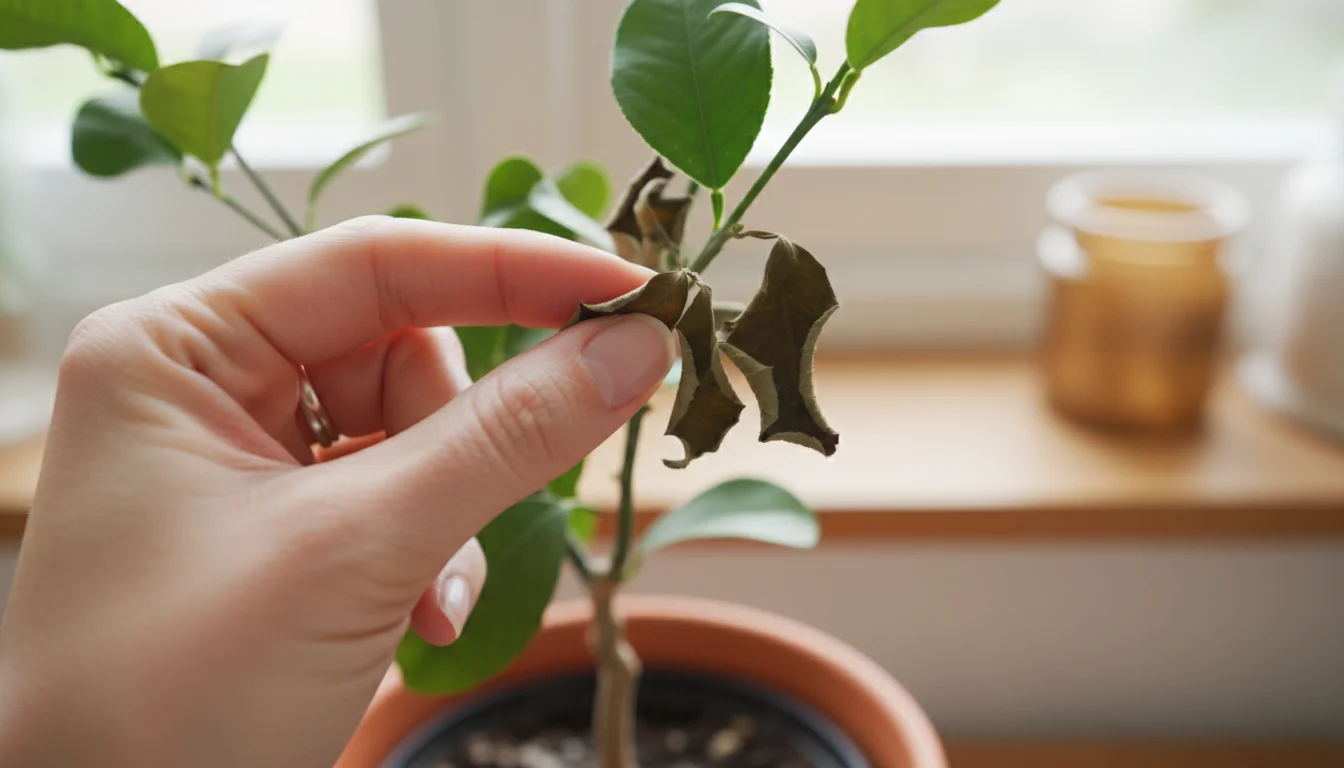
This usually signals low humidity or inconsistent watering. The edges of the leaves dry out and become brittle. Increase humidity levels and ensure consistent, thorough watering without waterlogging the soil. It can also indicate salt buildup from over-fertilization, which requires flushing the soil with plain water until it drains heavily from the bottom.
No Fruit Production or Flower Drop
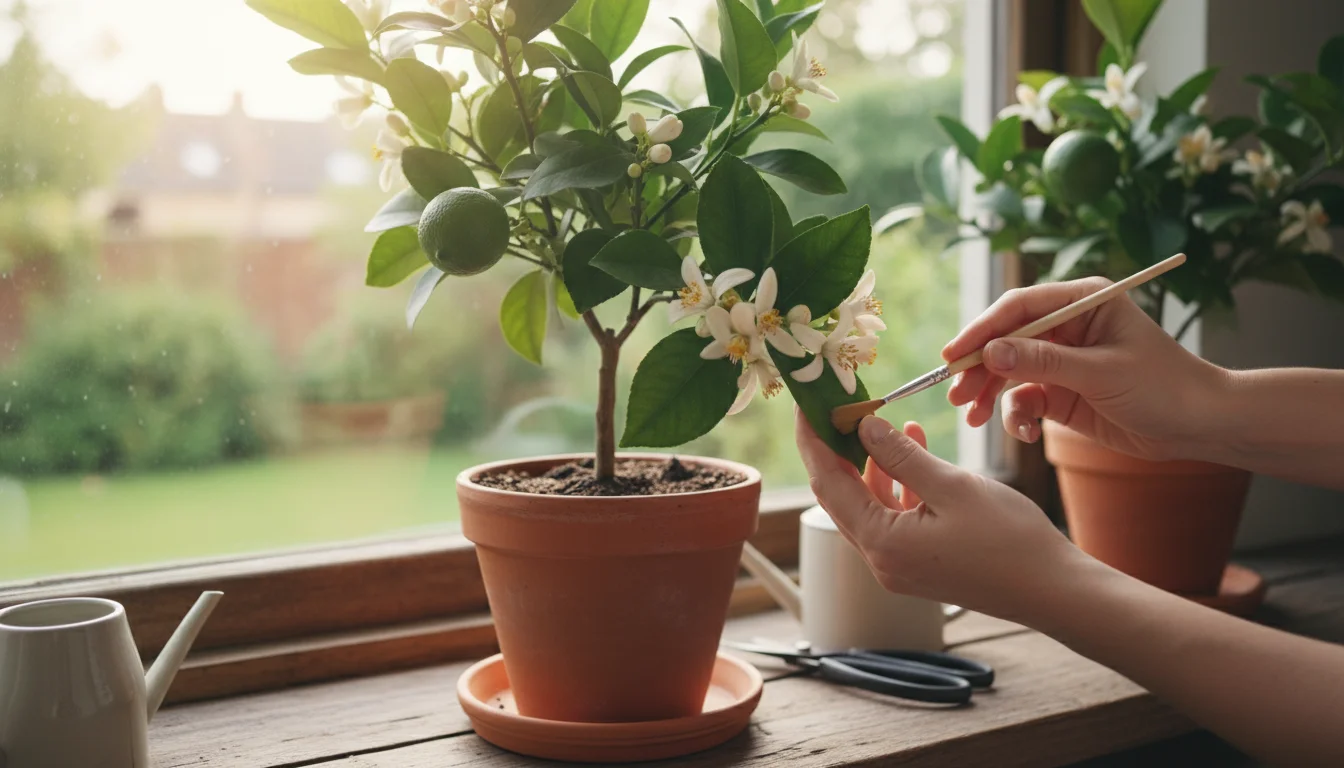
If your plant flowers but then drops them or produces no fruit, it often comes down to insufficient light, lack of pollination, or environmental stress. Citrus flowers require pollination to set fruit. Indoors, you become the pollinator. Use a small, soft paintbrush or cotton swab to gently transfer pollen from flower to flower. Ensure adequate light, stable temperatures, and proper humidity to reduce plant stress.
Addressing these issues promptly helps maintain the health and vigor of your potted citrus. Consistent observation is your most powerful tool in diagnosing and solving winter challenges.
Pruning for Health and Productivity: A Winter Essential
Pruning is a vital aspect of potted citrus care, even during winter. While heavy pruning typically occurs in late winter or early spring before new growth emerges, light maintenance pruning can be done throughout the year, especially to address specific issues. Strategic pruning maintains plant health, encourages fruit production, and manages the size and shape of your dwarf fruit trees, making them suitable for small-space gardening.

Goals of Winter Pruning
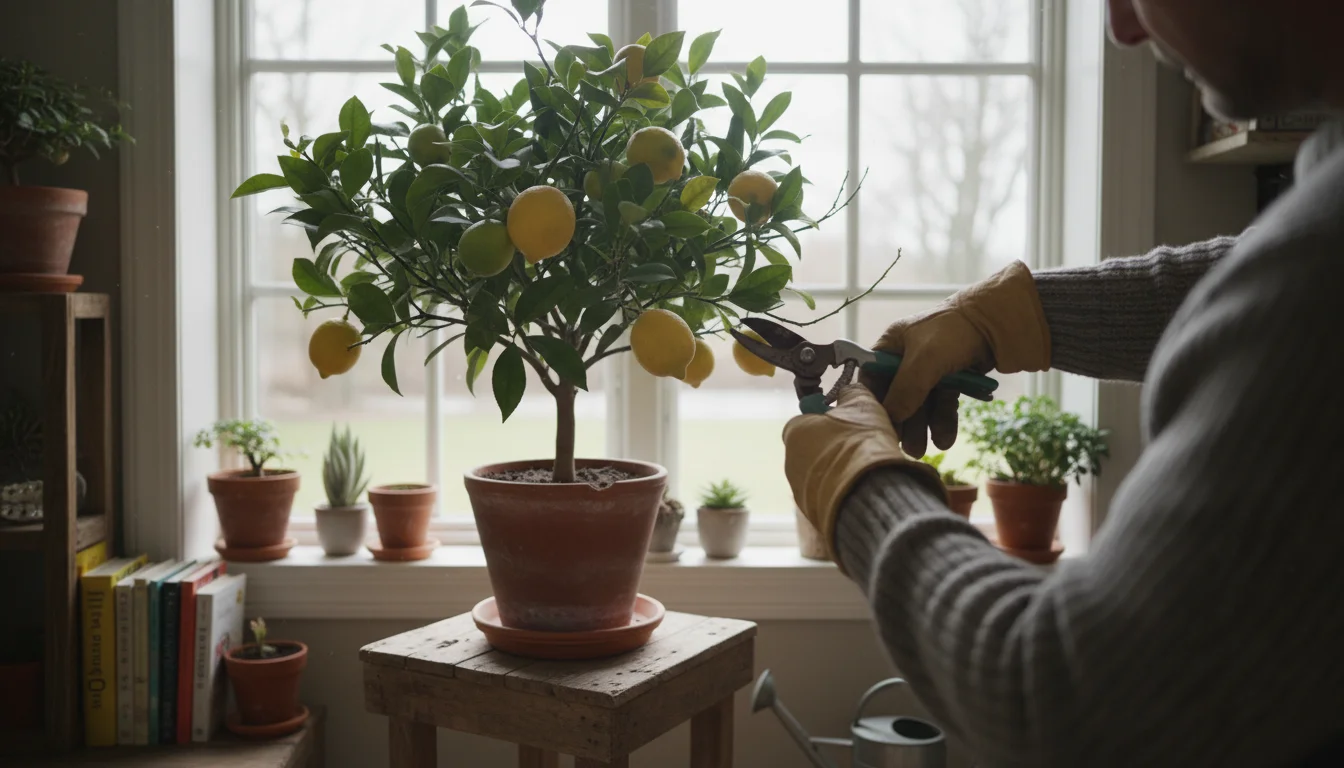
- Remove Dead, Damaged, or Diseased Wood: Inspect your plant for any branches that appear dead, broken, or show signs of disease. Removing these immediately prevents the spread of potential issues and redirects the plant’s energy towards healthy growth. Make clean cuts back to healthy wood, using sharp, sterilized pruning shears.
- Improve Air Circulation: Dense foliage can restrict airflow within the canopy, creating a humid, stagnant environment ideal for pests and fungal diseases. Thin out overcrowded branches, especially in the center of the plant, to improve air circulation. This helps in preventing “how to prevent spider mites on citrus indoors” problems, as good airflow deters them.
- Shape and Size Management: For indoor lemon tree and lime tree plants, maintaining a manageable size and attractive shape is crucial. Lightly prune any leggy or errant branches that disrupt the plant’s overall form. You can also pinch back growing tips to encourage bushier growth rather than vertical elongation.
- Remove Suckers and Water Sprouts: Suckers are vigorous shoots that emerge from below the graft union on the rootstock. Water sprouts are rapidly growing, vertical shoots that appear on older branches. These consume significant energy without contributing to fruit production. Remove them as soon as you spot them by cutting them flush with the main stem or branch.
Always use clean, sharp pruning tools to make precise cuts, which heal faster and reduce the risk of introducing diseases. Sterilize your tools with rubbing alcohol between plants or after making cuts on diseased branches. Pruning stimulates new growth, so time more significant pruning just before the plant is expected to enter a period of active growth, typically late winter or early spring, as temperatures begin to rise and light levels improve. This ensures the plant has ample energy to recover and produce new foliage and flowers. Your careful pruning contributes significantly to the long-term vitality and fruitfulness of your potted citrus.

Frequently Asked Questions
When should I bring my potted citrus indoors for winter?
Bring your potted citrus indoors when nighttime temperatures consistently drop below 50°F (10°C), and definitely before the first hard frost. Gradual acclimatization over one to two weeks helps reduce shock and leaf drop, allowing your plant to adjust to lower light and humidity levels.
Can I use regular potting soil for my indoor lemon tree?
No, regular potting soil is often too dense and retains too much moisture for citrus trees. Citrus plants require a well-draining, slightly acidic soil mix. Use a specialized citrus potting mix or create your own by combining equal parts of peat moss or coco coir, perlite or coarse sand, and a good quality potting soil. This ensures excellent drainage, which is crucial for preventing root rot, a common issue in potted citrus care.
How do I know if I am overwatering or underwatering my potted lime tree in winter?
Both overwatering and underwatering can cause similar symptoms, such as yellowing leaves and leaf drop. The key difference lies in the soil moisture. For overwatering, the soil will feel consistently wet, often heavy, and may smell stagnant. For underwatering, the soil will be completely dry and hard. Always perform the “finger test” or use a moisture meter: water only when the top 2 to 3 inches of soil feel dry. When you water, do so thoroughly until water drains from the bottom, then discard excess water from the saucer.
My indoor lemon tree is dropping flowers and small fruits. What is wrong?
Flower and fruit drop usually indicates environmental stress or insufficient pollination. Common causes include inadequate light, sudden temperature changes, low humidity, or inconsistent watering. Ensure your plant receives at least 6-8 hours of bright, direct light daily, maintaining stable temperatures and higher humidity. For pollination, gently transfer pollen between flowers using a small brush or cotton swab. Reviewing these environmental factors helps identify and correct the issue.
What is the best way to prevent spider mites on citrus indoors?
Preventing spider mites primarily involves maintaining high humidity and consistent vigilance. Spider mites thrive in dry conditions. Use a humidifier or pebble trays to increase humidity around your plant. Regularly inspect your plant, especially the undersides of leaves, for early signs of webbing or stippling. Wiping leaves with a damp cloth also helps. If you detect mites, promptly treat with insecticidal soap or neem oil, ensuring thorough coverage and repeated applications to break their life cycle.
Caring for your potted lemon and lime trees through winter is an achievable goal with the right knowledge and consistent attention. By focusing on light, water, humidity, and pest management, you provide the ideal conditions for your dwarf fruit trees to flourish, bringing year-round joy and fresh produce to your urban garden. Embrace these practical strategies, and your citrus will reward your efforts with fragrant blossoms and delicious fruit, even in the coldest months.
Disclaimer: This article is for informational purposes only and is not a substitute for professional gardening advice. Always consult local extension services or horticulture experts for region-specific guidance.

Leave a Reply