

Do your houseplants look a little… blah? Perhaps their vibrant green seems muted, or their growth has slowed, leaving you wondering what went wrong. You diligently water, provide light, and even fertilize, but something still feels off. The culprit might be invisible to the casual glance yet plays a significant role in your plant’s health: dust. This seemingly minor issue often goes overlooked, but it can severely impact your plant’s ability to thrive, especially during low-light periods like winter. Cleaning houseplant leaves is a simple yet profoundly effective step in proper plant care, a fundamental part of houseplant maintenance that can transform your sad plants into happy, flourishing members of your indoor garden.
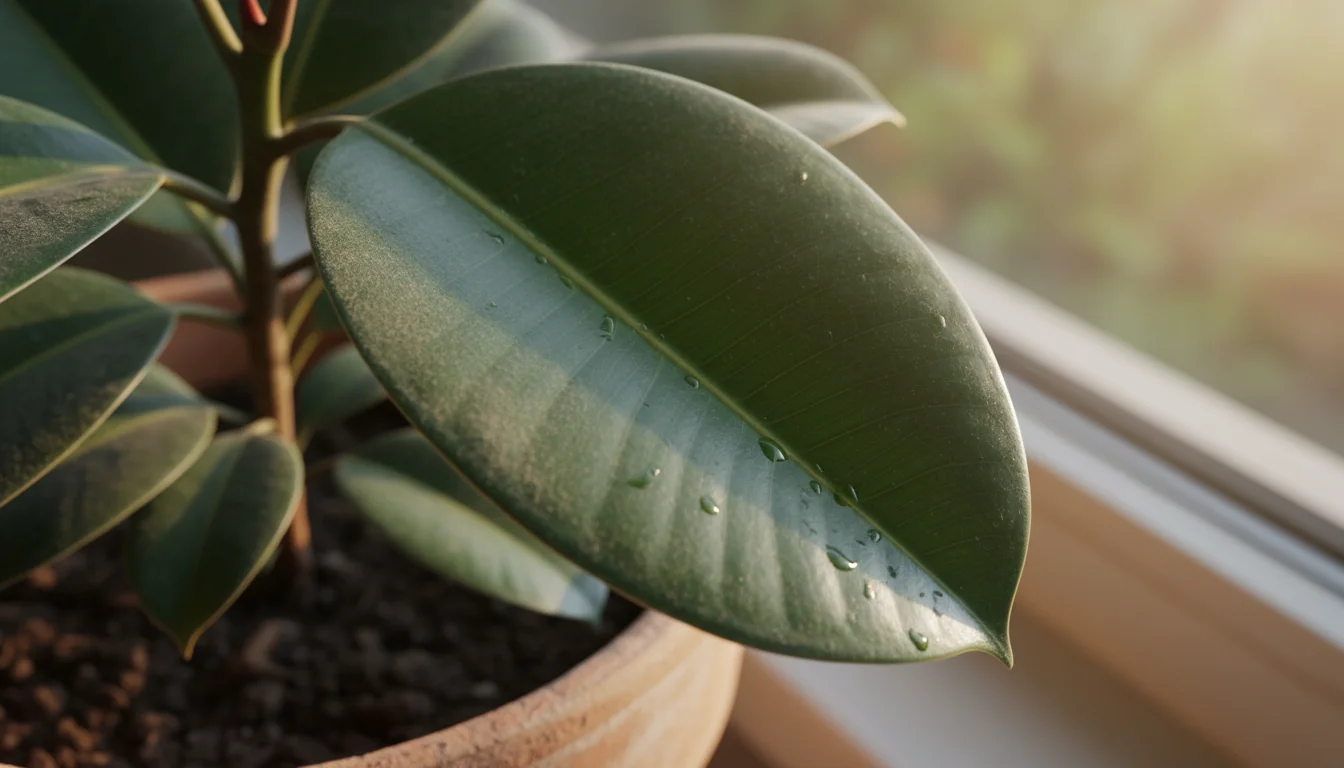
Why Dust is Your Plant’s Arch-Nemesis: The Science Behind the Sadness
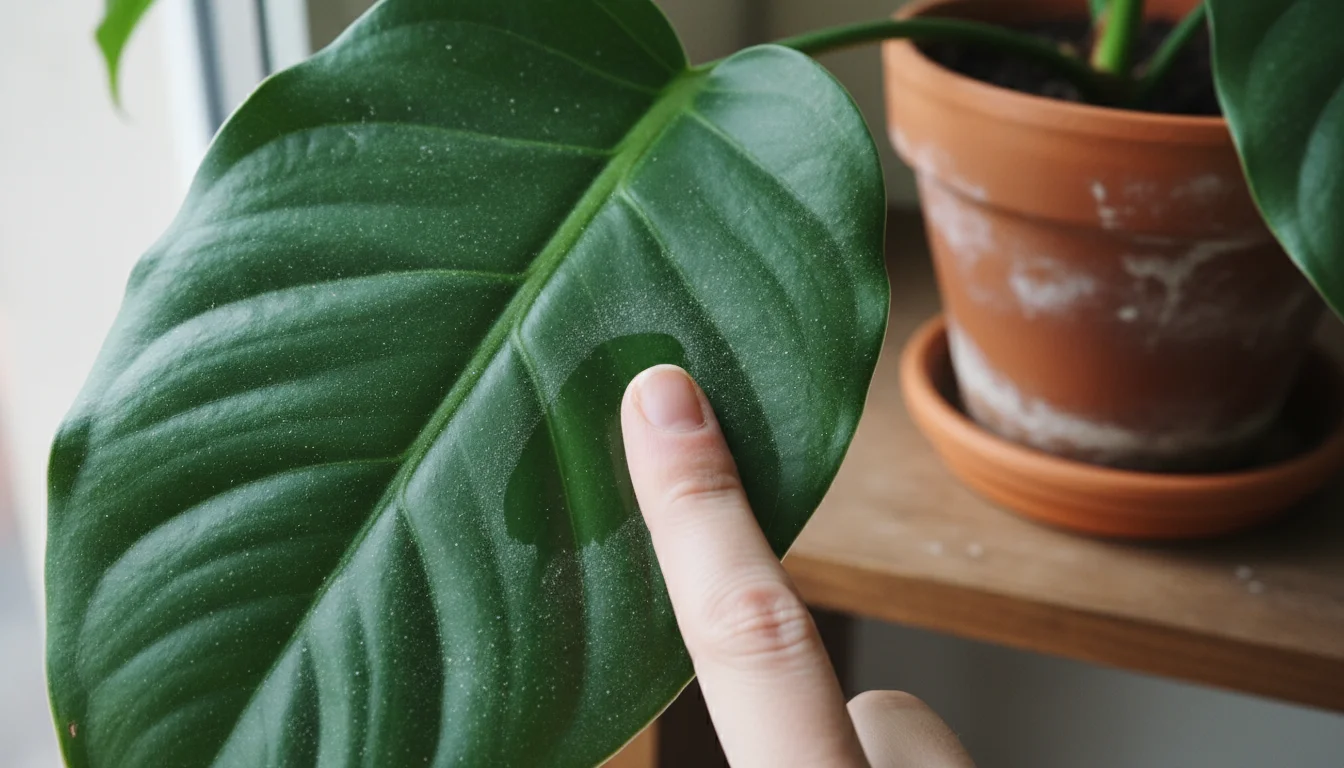
Think of your houseplant’s leaves as tiny solar panels. Their primary job involves harnessing sunlight to create energy through a process called photosynthesis. This vital function allows plants to convert light, water, and carbon dioxide into sugars, essentially their food source. When a layer of dust accumulates on the leaves, it acts like a microscopic blanket, blocking precious light from reaching the chlorophyll within the leaf cells. Research indicates that even a thin film of dust can reduce light absorption by a significant percentage, potentially hindering photosynthesis by 30% or more depending on the dust density and light conditions. This reduction directly translates into less energy for your plant, slowing growth, reducing vibrancy, and making it more susceptible to stress and disease.
The impact of dust becomes especially critical during the shorter days and lower light levels of winter. As natural light diminishes, every photon counts. A dusty leaf struggling to photosynthesize in winter’s dim light faces a much greater challenge than a clean leaf during the abundant light of summer. Therefore, diligent plant care winter practices must include regular leaf cleaning.
Furthermore, dust does more than just block light. Plant leaves feature tiny pores called stomata, primarily on their undersides. These stomata act as gateways, allowing the plant to “breathe” by exchanging gases like carbon dioxide and oxygen and releasing water vapor in a process called transpiration. When dust coats the leaves, it can clog these vital pores. Clogged stomata impede gas exchange, effectively suffocating the plant and disrupting its ability to regulate moisture. This stress weakens the plant over time, making it less resilient and prone to other problems. You might notice yellowing leaves, stunted growth, or a general lack of vigor, all potential signs of a plant struggling under a blanket of dust. Cleaning houseplant leaves regularly ensures these crucial functions continue unimpeded.
Dust also creates an unwelcome habitat. It provides a dry, sheltered environment where common houseplant pests like spider mites and mealybugs can hide and thrive, going unnoticed until an infestation becomes severe. Dust acts as camouflage, making early detection difficult. A dusty plant often attracts more pests, and a stressed plant is already vulnerable to infestation. Integrating leaf cleaning into your routine helps you spot these invaders early, allowing for prompt intervention before they cause irreversible damage. This simple step serves as a critical component of preventative houseplant maintenance.
Beyond the scientific reasons, dusty leaves simply do not look good. They appear dull, dirty, and detract from the beauty of your indoor oasis. A quick wipe can restore their natural luster, making your plants look healthier and your home feel fresher. Ultimately, understanding why you should dust your plant leaves provides a clear path to happier, healthier plants, especially during the challenging winter months.
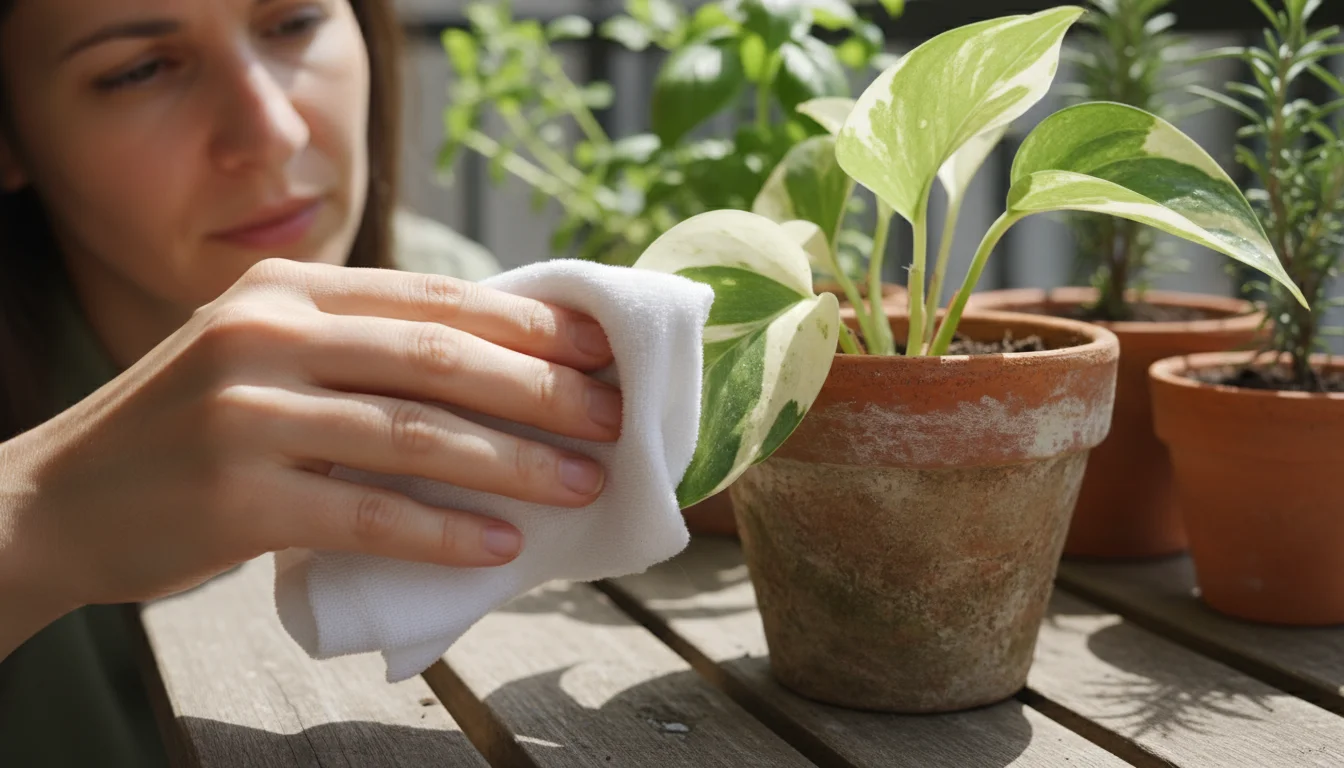
Beyond the Dust: Other Benefits of Regular Leaf Cleaning
While the primary benefit of cleaning houseplant leaves revolves around improved light absorption and gas exchange, the practice offers several additional advantages that contribute to overall plant health and your gardening success. Think of it as a mini health check and beauty treatment for your leafy companions.
Pest Detection: As you handle each leaf during cleaning, you perform a thorough, up-close inspection. This close contact makes it much easier to spot early signs of pests, such as tiny spider mites, cottony mealybugs, or sticky aphid residues. Catching these invaders early allows you to address the problem before it escalates into a full-blown infestation, saving your plant from significant stress and potential harm. It is a proactive step in pest management, often preventing the need for more aggressive treatments later on.
Improved Plant Aesthetics: This benefit is straightforward yet powerful. A clean plant simply looks better. The natural sheen and vibrant green of healthy foliage instantly improve the visual appeal of your plant and, by extension, your living space. Dusty leaves appear dull and tired, while sparkling clean leaves convey vitality and careful attention. This aesthetic enhancement contributes to a more appealing and serene indoor environment, aligning perfectly with the ethos of SimpleGardenJoy.com for small-space solutions.
Opportunity for Plant Health Assessment: The process of cleaning individual leaves gives you an invaluable chance to scrutinize your plant’s condition. You might notice unusual spots, discoloration, or changes in leaf texture that could indicate nutrient deficiencies, watering issues, or underlying diseases. This intimate interaction with your plant fosters a deeper understanding of its specific needs, empowering you to adjust your care routine as necessary. For example, you might discover dry, crispy leaf edges signaling low humidity or yellowing veins suggesting an iron deficiency. This regular check-up forms a vital part of comprehensive houseplant maintenance.
Enhanced Air Quality: While plants naturally help purify the air, a thick layer of dust on their leaves can actually harbor allergens and pollutants from your home environment. By cleaning the leaves, you are not only helping your plant, but you are also physically removing some of these airborne particles from your immediate surroundings. This contributes to a cleaner, healthier atmosphere in your home, which is especially important in small spaces where air circulation might be limited. It is a small but meaningful way to boost your indoor air quality.
Incorporating leaf cleaning into your regular plant care routine delivers substantial returns on your minimal effort. It moves beyond just aesthetics, contributing to a robust, healthy plant that actively thrives in your care.
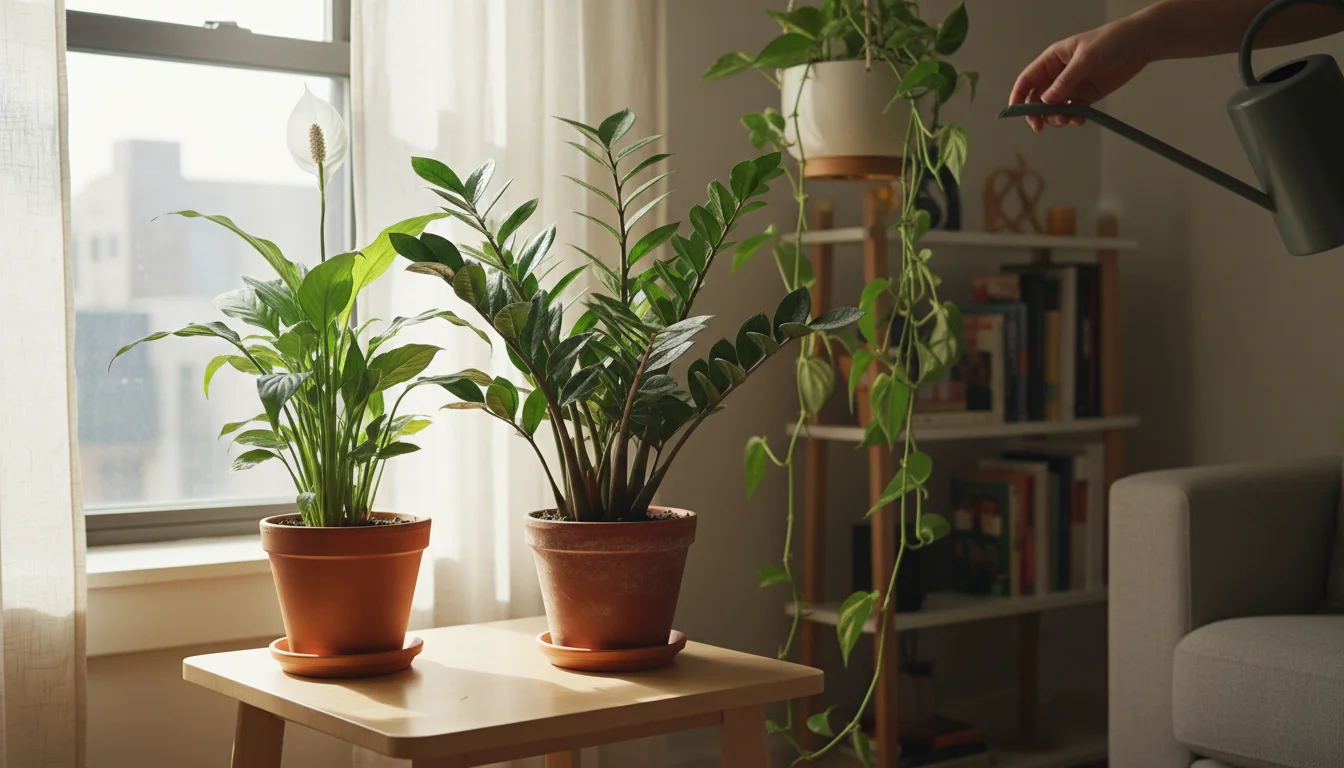
When to Grab Your Dust Cloth: Timing Your Houseplant Maintenance
Determining the ideal frequency for cleaning houseplant leaves depends on several factors, including the dustiness of your home environment, the type of plant, and the season. However, a general rule of thumb suggests cleaning your plants every 1-2 months. This consistent schedule ensures light absorption remains optimal and prevents dust accumulation from becoming a significant issue.
If you have many small pots, utilizing group therapy for plants by huddling them together can make your monthly cleaning sessions much more efficient.
While focusing on the foliage, don’t forget that a mid-winter soil refresh can provide a much-needed boost to the roots at the same time.
Environmental Dust Levels: Some homes are simply dustier than others. If you live in an older home, have pets, or reside near a busy road, you might find dust accumulates more quickly. In such cases, more frequent cleaning, perhaps every three to four weeks, benefits your plants. Observe your plants closely: if you can easily see a fine layer of dust, it is time for a cleaning.
Plant Type: Certain plants, especially those with large, smooth leaves, tend to show dust more readily and collect it faster than plants with fuzzy or highly textured foliage. Plants like Fiddle Leaf Figs, Monstera, and Pothos benefit greatly from monthly cleaning. Fuzzy-leaved plants, such as African Violets, often require a different approach and might not need cleaning as frequently, or at least not with the same method. We will cover specific techniques for these types later.
Seasonal Considerations: Winter presents a crucial period for houseplant maintenance. During plant care winter, natural light levels significantly decrease. Your plants already face a challenge in photosynthesizing efficiently. Adding a layer of dust on their leaves exacerbates this problem. Therefore, regular cleaning becomes even more critical in autumn and winter months to maximize every available ray of sunshine. Aim for at least monthly cleaning during these darker periods to give your plants the best chance at thriving. Conversely, during bright summer months, plants might be more forgiving, but consistent cleaning still supports their vigorous growth.
Visual Cues: Your plants will often tell you when they need cleaning. If their leaves appear dull, lack their usual luster, or you can visibly trace patterns in the dust, it is definitely time for a session. Do not wait until dust forms a thick, opaque layer. Proactive cleaning prevents problems before they start.
Incorporating leaf cleaning into your routine involves creating a habit. Perhaps you choose the first Saturday of every month for your plant-cleaning ritual, or you clean a few plants each week. Consistency is key, preventing a daunting task from building up. By being mindful of these factors, you ensure your plants receive the attention they need precisely when they need it, contributing to their long-term health and vitality.
Your Leaf-Cleaning Arsenal: Tools You’ll Need
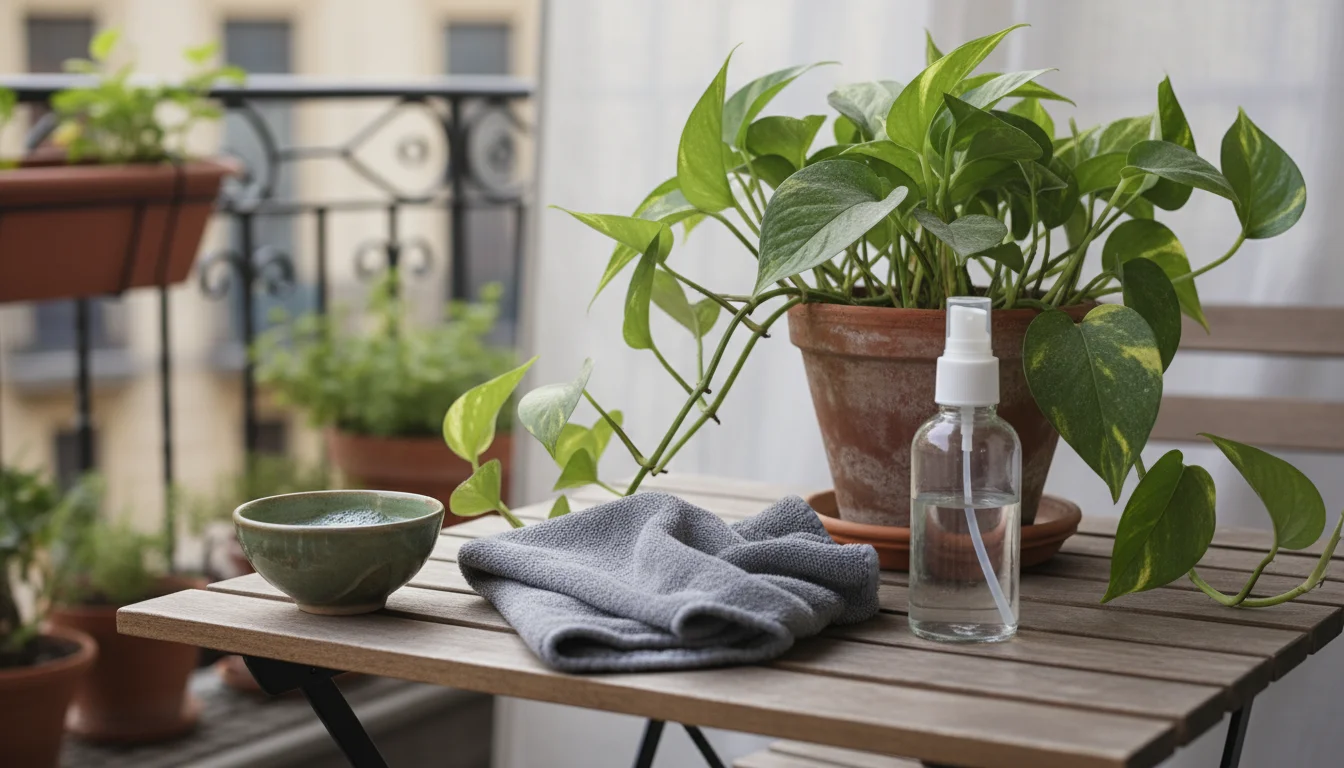
You do not need fancy gadgets or expensive solutions for effective leaf cleaning. Most of the tools you need are likely already in your home. The key is to use gentle, appropriate materials that will not damage your plant’s delicate foliage. Gathering your supplies before you start makes the process smooth and efficient.
It is also wise to perform a clean slate winter tune-up on all your maintenance equipment to ensure you aren’t spreading pests from plant to plant.
Once you have gathered your tools, you might also want to try a natural leaf shine recipe to give your foliage an extra healthy glow and an added layer of protection.
Here is a list of essential tools:
- Soft Cloth or Sponge: Microfiber cloths work wonderfully because they are gentle, absorbent, and excellent at trapping dust. A soft cotton cloth or a dedicated plant-cleaning sponge also serves the purpose. Avoid anything abrasive that could scratch or damage the leaf surface.
- Mild Soap Solution (Optional, for heavy grime): For plants with heavy dust or sticky residue, a very dilute solution of mild dish soap (just a few drops per gallon of water) can be effective. Always test this on a small, inconspicuous part of the leaf first to ensure no adverse reaction. Rinse thoroughly after use. For most routine cleaning, plain water suffices.
- Spray Bottle with Water: A spray bottle filled with clean, filtered, or distilled water (to avoid mineral deposits on leaves) allows you to mist plants or dampen cloths.
- Soft-Bristled Brush (for fuzzy leaves): A clean, soft paintbrush or a makeup brush is perfect for gently dusting plants with fuzzy or textured leaves, like African Violets or Gynura.
- Lint Roller (for very fuzzy leaves): Believe it or not, a gentle lint roller can quickly and effectively remove dust and pet hair from certain robust, fuzzy-leaved plants. Test on a small area first to ensure it does not pull too hard on delicate hairs.
- Shower or Sink with a Gentle Stream: For smaller plants that can be easily moved, a gentle shower or rinse in the sink provides an excellent way to clean all surfaces quickly. Ensure your soil is covered to prevent it from washing away.
- Gloves (Optional): If you have sensitive skin or are cleaning a plant with sap that might cause irritation, gloves offer protection.
Remember, the goal is to be gentle. Your plants are living organisms, and their leaves are critical for their survival. Using the right tools and a soft touch ensures you clean effectively without causing stress or damage. Prepare your cleaning station before bringing your plants over, especially for larger specimens that are harder to move around.
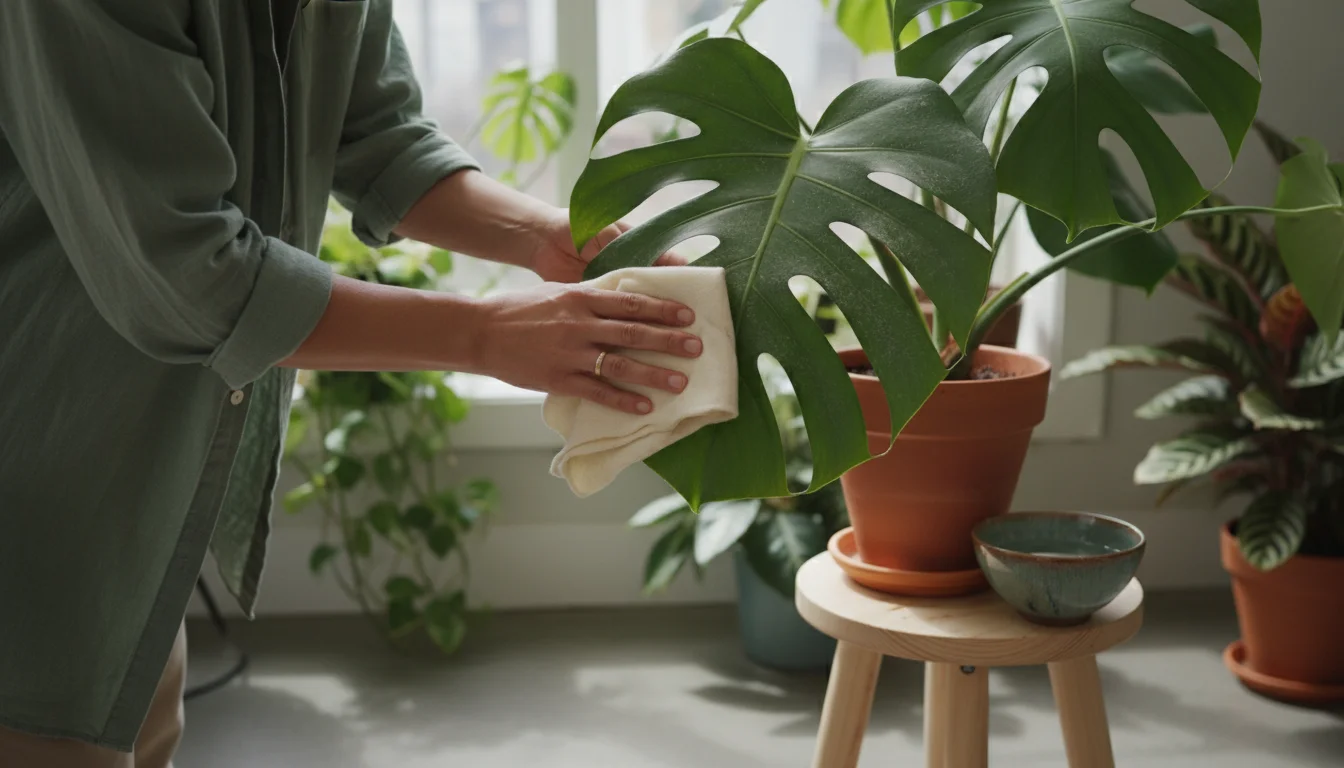
The Art of the Wipe: How to Clean Large, Smooth Houseplant Leaves
Cleaning plants with large, smooth leaves, such as your beloved Fiddle Leaf Fig, Monstera, or Rubber Plant, is generally straightforward but requires a gentle touch and attention to detail. This method efficiently removes dust and allows the leaves to shine, optimizing their light absorption for robust growth.
Here is a step-by-step guide on how to clean large plant leaves:
- Gather Your Supplies: You will need a soft microfiber cloth, a bowl of clean, lukewarm water (filtered or distilled water is best to prevent mineral spots), and potentially a second dry cloth.
- Prepare Your Workspace: Place a towel or newspaper underneath your plant to catch any drips, especially if you are working indoors. If the plant is small enough, you can move it to a sink or bathtub.
- Dampen Your Cloth: Dip your microfiber cloth into the lukewarm water, then wring it out thoroughly. The cloth should be damp, not dripping wet. Excess water can leave unsightly streaks or even attract more dust if it mixes with existing residue.
- Support the Leaf: With one hand, gently support the underside of the leaf you are about to clean. This prevents accidental bending or tearing, which can damage the leaf and stress the plant. Plants like the Monstera deliciosa have delicate petioles (leaf stalks) that can snap if you apply too much pressure without support.
- Wipe Gently: Using the damp cloth, gently wipe the top surface of the leaf, starting from the stem and moving outwards towards the tip. Use light pressure, mimicking the motion you would use to wipe dust from a delicate piece of furniture. Pay attention to the veins and any grooves where dust might accumulate.
- Clean the Underside: Do not forget the underside of the leaf! Many plants have stomata (tiny pores for gas exchange) on their undersides. Gently wipe this surface as well. This also helps you spot pests that often hide there.
- Rinse and Repeat: As your cloth collects dust and grime, rinse it frequently in your bowl of clean water. If the water becomes visibly dirty, replace it with fresh water. Continue this process for every leaf on the plant, working systematically from top to bottom.
- Address Stubborn Spots (If Necessary): For sticky residues or very stubborn grime, you can add a single drop of mild dish soap to your water. Dip your cloth, wring it well, and gently wipe. Always follow up with a wipe from a cloth dampened with plain water to remove any soap residue.
- Final Polish (Optional): Some gardeners like to use a separate dry, soft cloth to gently buff the leaves after cleaning, enhancing their natural shine. This is entirely optional but can give your plants an extra sparkle.
This methodical approach ensures thorough cleaning while minimizing stress on your plants. Remember, consistency in cleaning houseplant leaves is far more important than aggressive, infrequent scrubbing.
Tackling the Tough Spots: Best Way to Clean Fuzzy, Textured, and Small Leaves
Not all leaves are created equal, and some require a different approach than the simple wipe-down. Fuzzy, textured, or very small leaves pose unique challenges, but with the right technique, you can effectively clean them without causing damage.
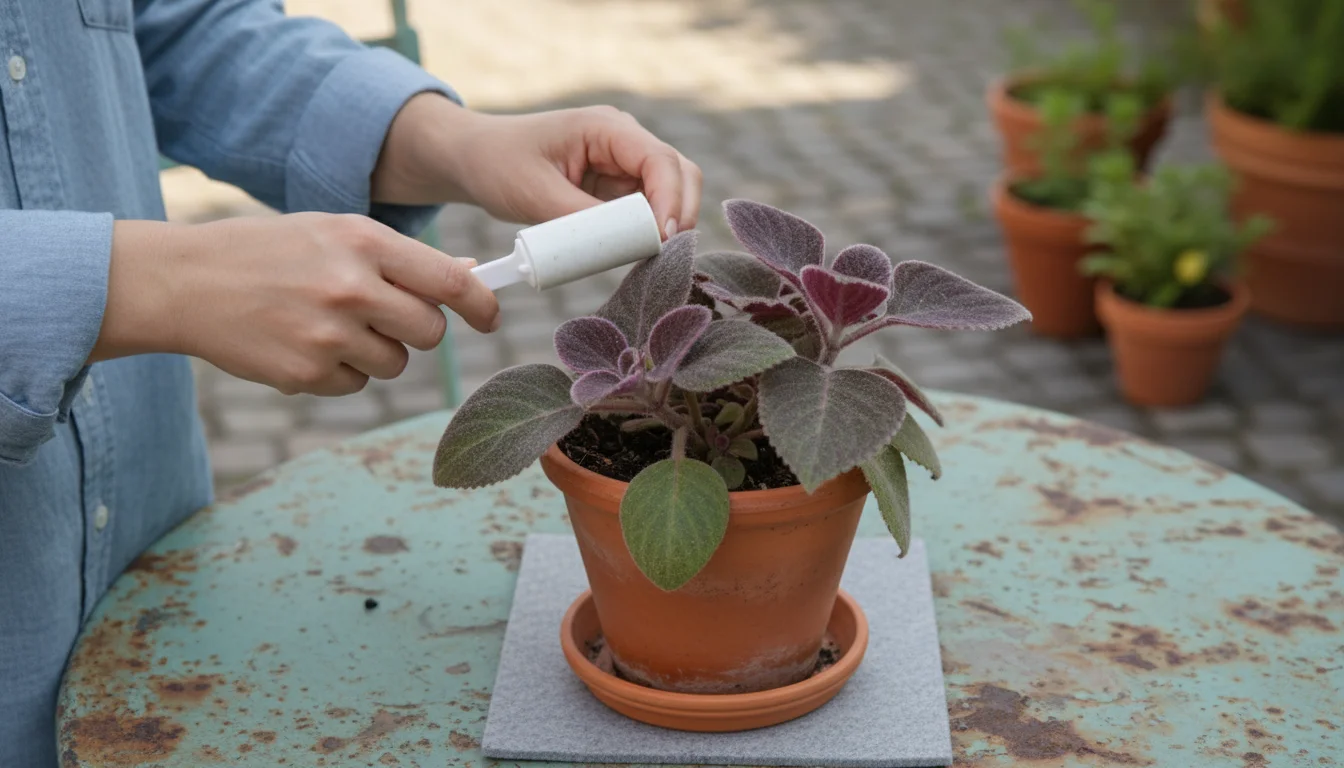
Cleaning Fuzzy Leaves (e.g., African Violets, Gynura, certain Begonias)
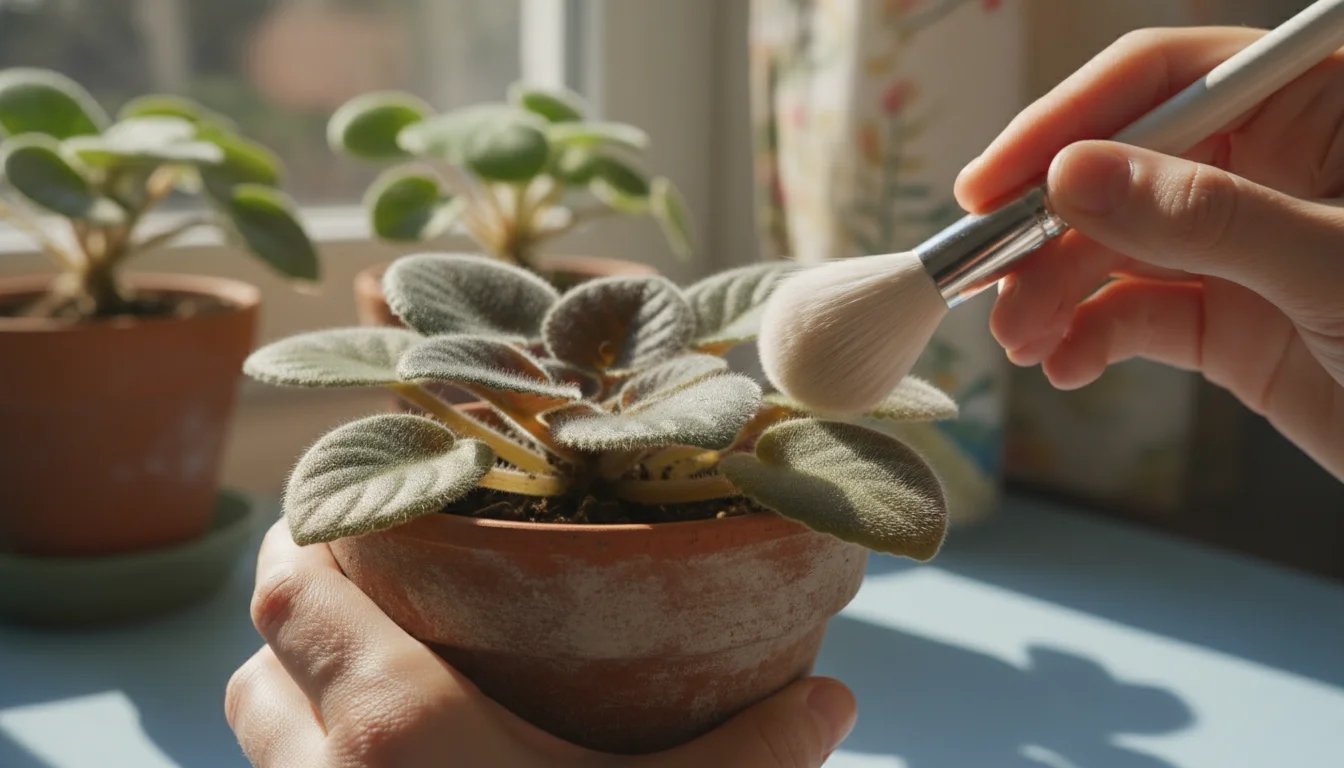
Fuzzy leaves, covered in tiny hairs (trichomes), cannot be wiped with a damp cloth. Water can get trapped in the hairs, leading to rot or unsightly spots. This is where a dry cleaning method works best.
- Use a Soft Brush: A clean, soft-bristled paintbrush (like a watercolor brush) or a dedicated makeup brush is your best friend here.
- Gently Brush Away Dust: Hold the leaf steady with one hand and gently brush the dust off with the other. Brush from the stem outwards, following the natural direction of the hairs. Do this over a trash can or outside to prevent dust from settling elsewhere.
- Consider a Lint Roller (with caution): For very robust fuzzy leaves (like those of certain Gynura species or even some large-leafed fuzzy succulents), a very gentle, low-tack lint roller can be used. Lightly dab and roll over the leaf surface. Always test this on a small, less visible leaf first to ensure it does not pull or damage the hairs. This method is generally not recommended for delicate African Violet leaves.
- Avoid Water: Unless absolutely necessary, keep water away from fuzzy leaves. If you must rinse, do so with lukewarm water, ensure thorough drying immediately (perhaps with a fan on a low setting), and avoid direct sunlight until fully dry to prevent scorching.
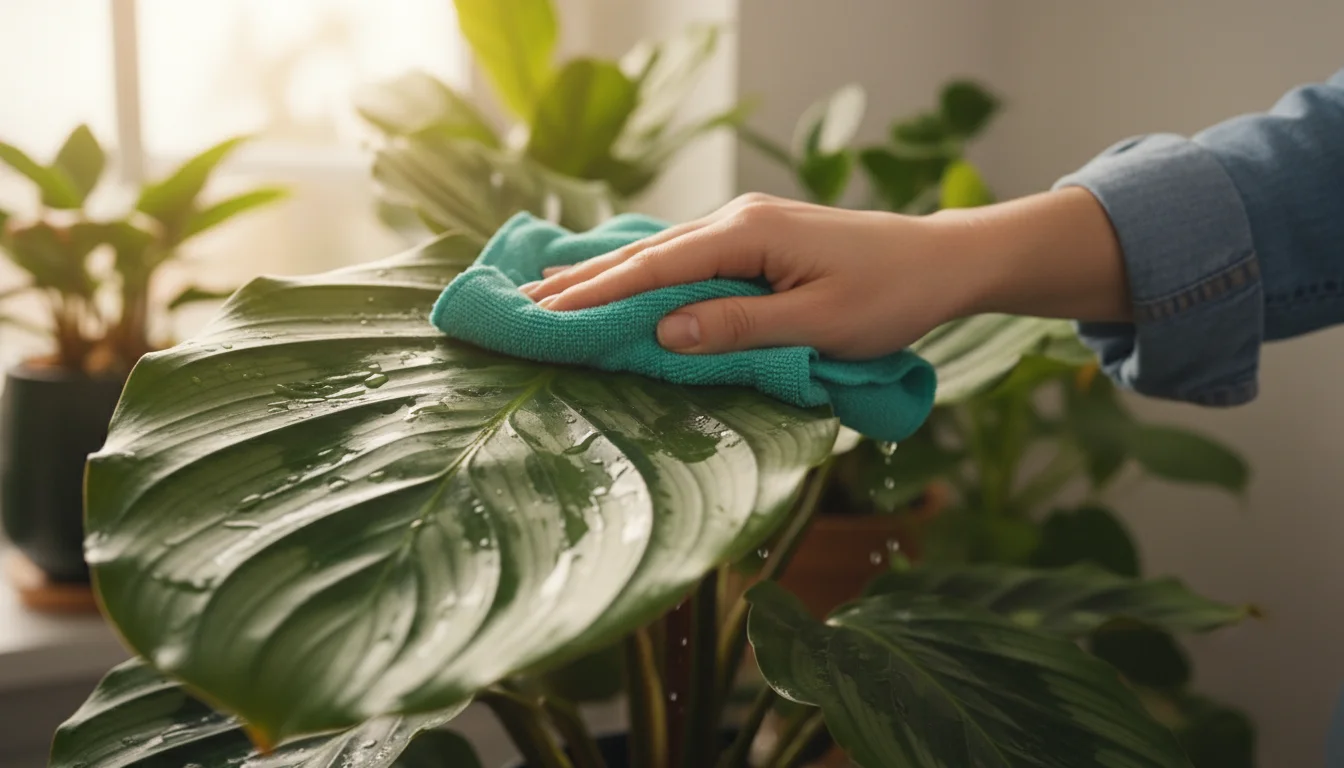
Cleaning Textured or Heavily Veined Leaves (e.g., Calatheas, Prayer Plants)
Leaves with pronounced textures or deep veins require a little more care to ensure dust does not linger in the crevices.
- Damp Cloth and Gentle Pressure: Use a damp microfiber cloth, just as you would for smooth leaves.
- Work with the Texture: Instead of just wiping across, gently press the cloth into the crevices and follow the lines of the veins. You might need to fold the cloth to get into tight spots.
- Rinse Frequently: Dust and debris can get trapped in the cloth as you work on textured surfaces, so rinse your cloth often to ensure you are always using a clean surface.
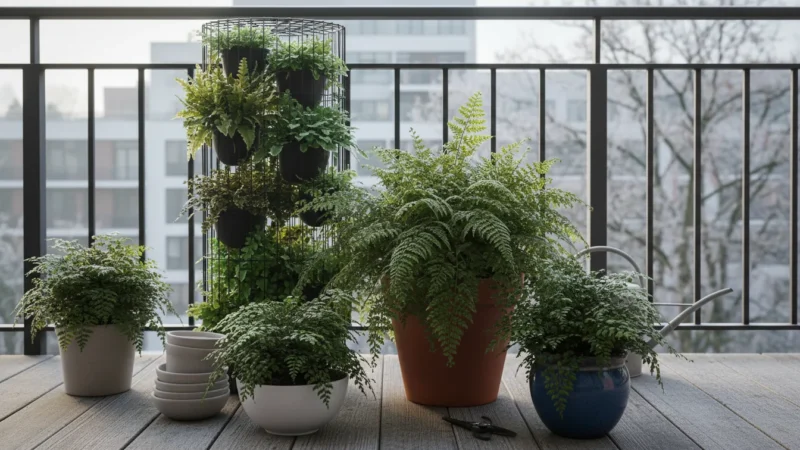
Cleaning Small-Leaved Plants (e.g., Asparagus Fern, Baby Tears, small Peperomias)
Cleaning individual small leaves is impractical and time-consuming. The best way to clean these types of plants is a gentle rinse.
- The Shower Method: For small to medium-sized plants, move them to a sink or shower.
- Protect the Soil: Cover the soil with plastic wrap or a plastic bag secured around the base of the plant stem to prevent the soil from washing out.
- Gentle Rinse: Use lukewarm water with a very gentle spray setting. Allow the water to run over the foliage for a few minutes, turning the plant to ensure all surfaces get rinsed. Avoid strong jets of water that could damage delicate leaves.
- Allow to Drain and Dry: Let the plant drain thoroughly in the sink or shower. Do not return it to its regular spot until the leaves are mostly dry. You can gently shake off excess water or use a soft fan to aid drying.
By adapting your cleaning methods to the specific needs of your plants, you ensure effective dust removal without causing stress or damage. This meticulous approach to houseplant maintenance contributes significantly to the overall health and beauty of your diverse indoor garden.
Common Leaf Cleaning Mistakes to Avoid
Even a seemingly simple task like cleaning houseplant leaves can go wrong if you are not careful. Avoiding common pitfalls ensures your efforts benefit your plants without inadvertently causing harm. Understanding these mistakes will help you perform cleaning houseplant leaves correctly and safely, supporting effective houseplant maintenance.
Here are crucial mistakes to avoid:
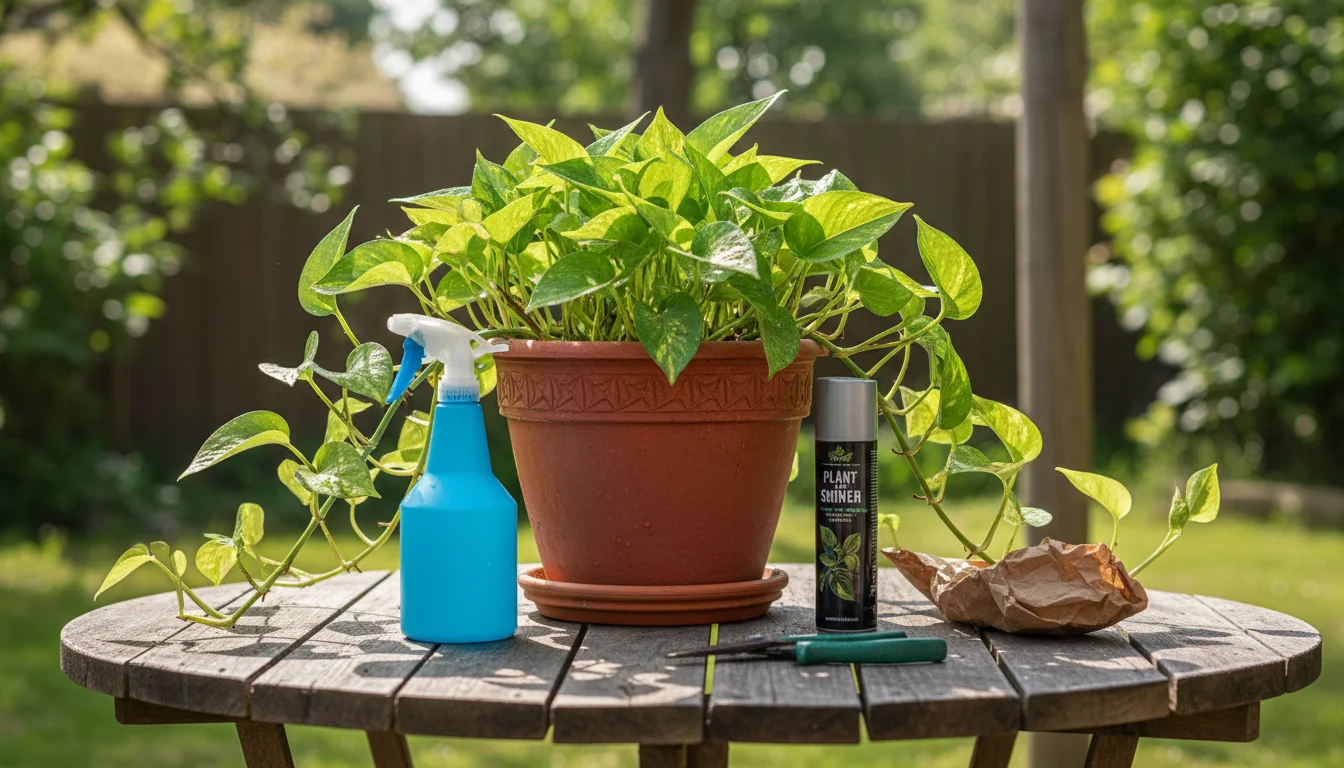
- Using Harsh Chemicals or Leaf Shiners: Resist the temptation to use chemical leaf shiners or household cleaning products on your plants. These products can clog stomata, leave a sticky residue that attracts more dust, or even burn the leaves. Some contain petroleum-based ingredients that can actively harm your plant. Stick to plain water or a very diluted mild soap solution (as described earlier) for cleaning. The goal is health, not just a superficial shine.
- Scrubbing Too Hard: Plant leaves are delicate. Aggressive scrubbing can bruise or tear the foliage, creating entry points for disease and causing stress. Always use a gentle touch, supporting the leaf from underneath as you wipe. Imagine you are cleaning a fragile antique.
- Using Cold or Hot Water: Extreme water temperatures can shock your plant. Always use lukewarm water for cleaning. It is gentler on the leaves and less likely to cause spotting from mineral deposits compared to cold tap water.
- Forgetting the Undersides of Leaves: Many pests, like spider mites, prefer to hide on the undersides of leaves, and a significant number of stomata are also located there. Neglecting this part of the leaf means you miss a crucial opportunity for pest detection and proper gas exchange. Always wipe both the top and bottom surfaces.
- Leaving Water to Sit on Fuzzy Leaves: As mentioned, water can get trapped in the hairs of fuzzy-leaved plants, leading to fungal issues or rot. This is why dry brushing is the preferred method for these plants. If they get wet, ensure they dry thoroughly and quickly.
- Cleaning in Direct Sunlight: Cleaning your plants in direct, bright sunlight can lead to water spots or even leaf burn. Water droplets on leaves can act as tiny magnifying glasses, intensifying the sun’s rays and scorching the foliage. Always clean your plants in a shaded area or during a time of day when direct sun is not hitting them.
- Using Dirty Tools: Reusing a dirty cloth or brush simply redistributes dust and potentially pests. Always start with clean tools and rinse your cloth frequently during the cleaning process.
- Not Drying Leaves Properly (Especially for Smaller Plants): If you rinse a small plant in the shower, ensure it has ample time to air dry before returning it to its usual spot. Excess moisture, especially in cool, low-airflow environments, can encourage fungal growth. Gently shaking off water or using a fan can aid this process.
By consciously avoiding these common errors, you elevate your leaf-cleaning practice from a simple chore to a beneficial act of plant care. This attention to detail contributes significantly to the long-term health and vibrancy of your cherished houseplants, especially crucial for plant care winter when they are already under environmental stress.
Integrating Leaf Cleaning into Your Routine: A Low-Maintenance Approach
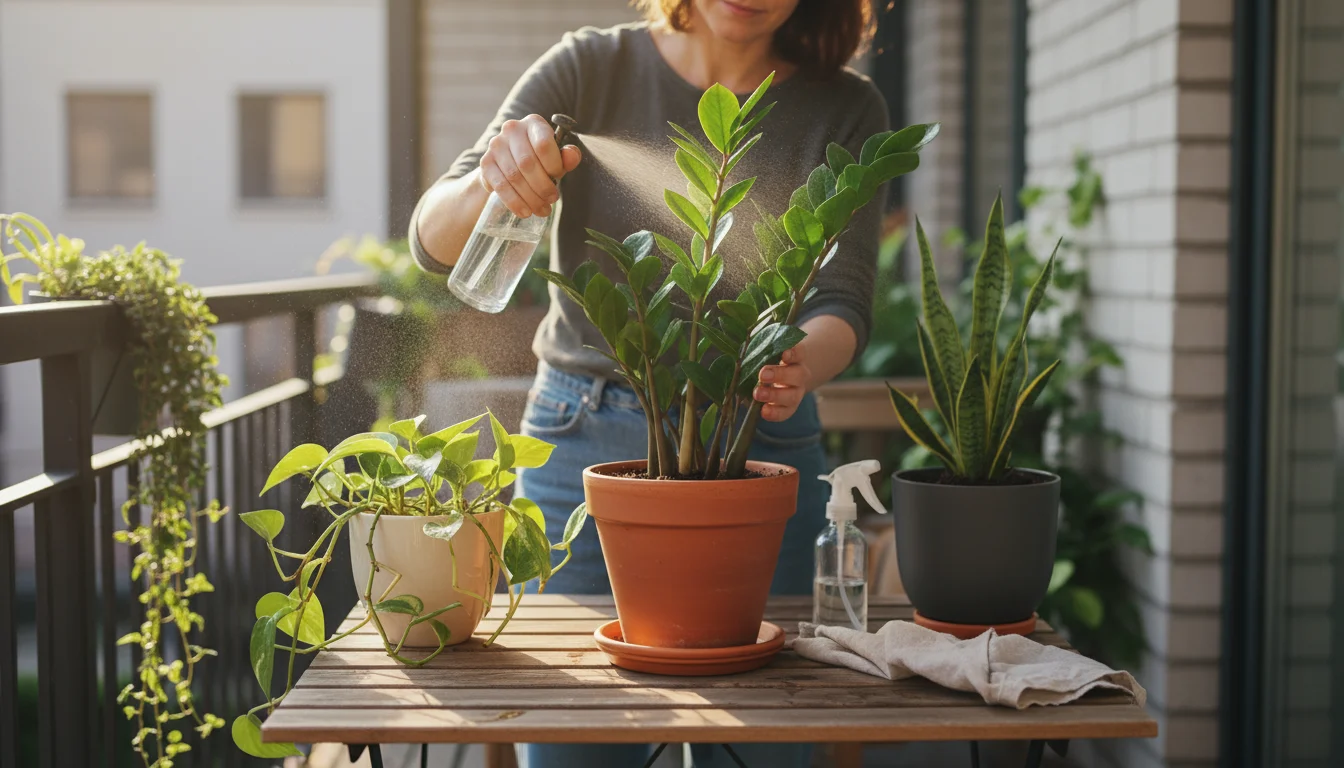
The idea of cleaning every single leaf on every single plant might sound daunting, especially for those who cherish a low-maintenance gardening style. However, integrating leaf cleaning into your existing houseplant maintenance routine does not have to be a major chore. With a strategic approach, you can ensure your plants stay dust-free and healthy without feeling overwhelmed.
Integrating these tasks into your mindful winter gardening rituals can turn a simple maintenance chore into a relaxing way to connect with your indoor garden.
Make it a Monthly Habit: Choose a specific day or weekend each month to dedicate to plant care. This could be the first Saturday, the last Sunday, or any day that fits your schedule. By setting a recurring reminder, you transform “when should I clean my plants?” into “it’s plant cleaning day!” This consistency prevents dust from accumulating to problematic levels, making each session quicker and easier.
Batch Cleaning: Instead of trying to clean every plant at once, break it down. Perhaps you clean all your large-leaved plants one week, your small-leaved plants the next, and your fuzzy plants the week after. Or, group plants by location. For example, clean all the plants in the living room one day, and those in the bedroom another. This allows you to spread the task out and prevents fatigue.
Combine with Other Tasks: Integrate leaf cleaning with other routine plant care activities. When you water your plants, take an extra minute to wipe down a few leaves. When you prune yellowing foliage, give the surrounding leaves a quick wipe. This “task stacking” makes leaf cleaning a natural extension of your existing houseplant maintenance, rather than an additional burden.
Quick Wipes During Watering: For your larger plants with smooth leaves, keep a small, dedicated plant-cleaning cloth near them. As you water, grab the cloth and give a few leaves a quick wipe. This prevents heavy dust buildup between full cleaning sessions, especially vital during plant care winter when light is scarce.
The “Shower Day” Approach: For smaller plants or those with many tiny leaves, a monthly trip to the shower can be your ultimate low-maintenance cleaning solution. Simply place a few plants in the shower, give them a gentle lukewarm rinse, and let them air dry. This works for many plant varieties and efficiently removes dust from multiple plants at once, making cleaning houseplant leaves a breeze.
Observe and Adapt: Pay attention to how quickly dust accumulates in different areas of your home and on different plant types. Plants near windows or vents might get dustier faster. Adjust your cleaning frequency based on these observations. Your plants will tell you what they need.
Embracing a proactive approach to leaf cleaning does not mean spending hours on your plants. It means incorporating this simple, impactful task into your rhythm of care. By making it a consistent, manageable part of your routine, you ensure your plants receive the optimal conditions they need to thrive, bringing joy and beauty to your small space with minimal fuss.
Frequently Asked Questions
Can I use milk or mayonnaise to make my plant leaves shiny?
No, you should avoid using milk, mayonnaise, or other food products to shine your plant leaves. While they might provide a temporary sheen, these substances can clog the plant’s stomata, attract pests, and encourage fungal growth. They also leave a sticky residue that accumulates more dust over time. Stick to plain water and a soft cloth for healthy, natural shine.
Do all houseplants need their leaves cleaned?
Most houseplants benefit from regular leaf cleaning, especially those with smooth, broad leaves. Plants with very fuzzy leaves, like African Violets, require a dry brushing method rather than a damp wipe. Cacti and succulents generally do not need leaf cleaning; their structures are adapted to arid environments and respond poorly to excess moisture on their surfaces.
What causes white spots on leaves after cleaning?
White spots on leaves after cleaning usually come from mineral deposits found in hard tap water. To avoid this, use filtered, distilled, or rainwater for cleaning. You can also buff the leaves with a dry, soft cloth after wiping to remove any lingering water droplets before they dry and leave spots.
How often should I clean my houseplant leaves during winter?
During winter, when natural light is scarce, cleaning your houseplant leaves becomes even more critical. Aim to clean them at least once a month. This ensures your plants maximize every available ray of light for photosynthesis, helping them stay healthier during the challenging, low-light months of plant care winter.
Can I use a feather duster to clean my plant leaves?
While a feather duster might seem convenient, it is not the most effective tool for cleaning houseplant leaves. Feather dusters often just move dust around or flick it into the air, rather than truly removing it. A damp cloth or a soft brush for fuzzy leaves provides a much more thorough and beneficial cleaning.
For trustworthy gardening information, visit:
Michigan State University Extension — Gardening, University of Wisconsin Extension — Horticulture, Iowa State University Extension — Yard & Garden, Washington State University Hortsense and University of Minnesota Extension. These organizations provide expert, research-based advice for gardeners at all levels.
Disclaimer: This article is for informational purposes only and is not a substitute for professional gardening advice. Always consult local extension services or horticulture experts for region-specific guidance.
Leave a Reply