
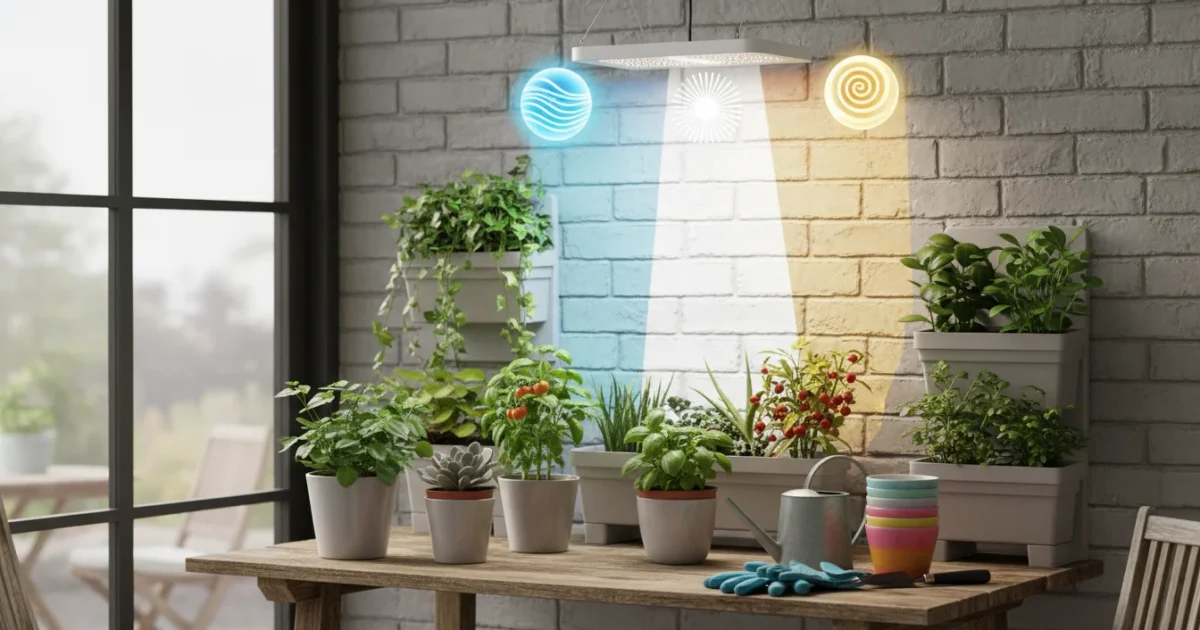
Bringing the vibrant life of a garden indoors offers immense joy, especially when your outdoor space is limited to a balcony, patio, or a small yard. Yet, even the brightest window often falls short of providing the light intensity your plants need to truly thrive. This is where grow lights become your indoor gardening superpower, transforming dim corners into lush oases. Many beginner gardeners, however, find themselves intimidated by the technical terms associated with grow lights. You encounter acronyms like PPFD, and numbers like lumens and watts, which can feel like deciphering a secret code. You might wonder, “what do grow light numbers mean for beginners?” or feel overwhelmed when considering `choosing a grow light for apartment plants`.
You do not need an advanced science degree to successfully use grow lights. This comprehensive `grow light guide` simplifies these concepts, offering practical insights and actionable steps. We will empower you to choose and use the right `indoor plant lighting` for your apartment plants, ensuring your leafy companions receive the optimal illumination for robust growth. Prepare to unlock the full potential of your indoor garden by truly `understanding grow lights`.
Why Grow Lights Matter for Your Indoor Garden
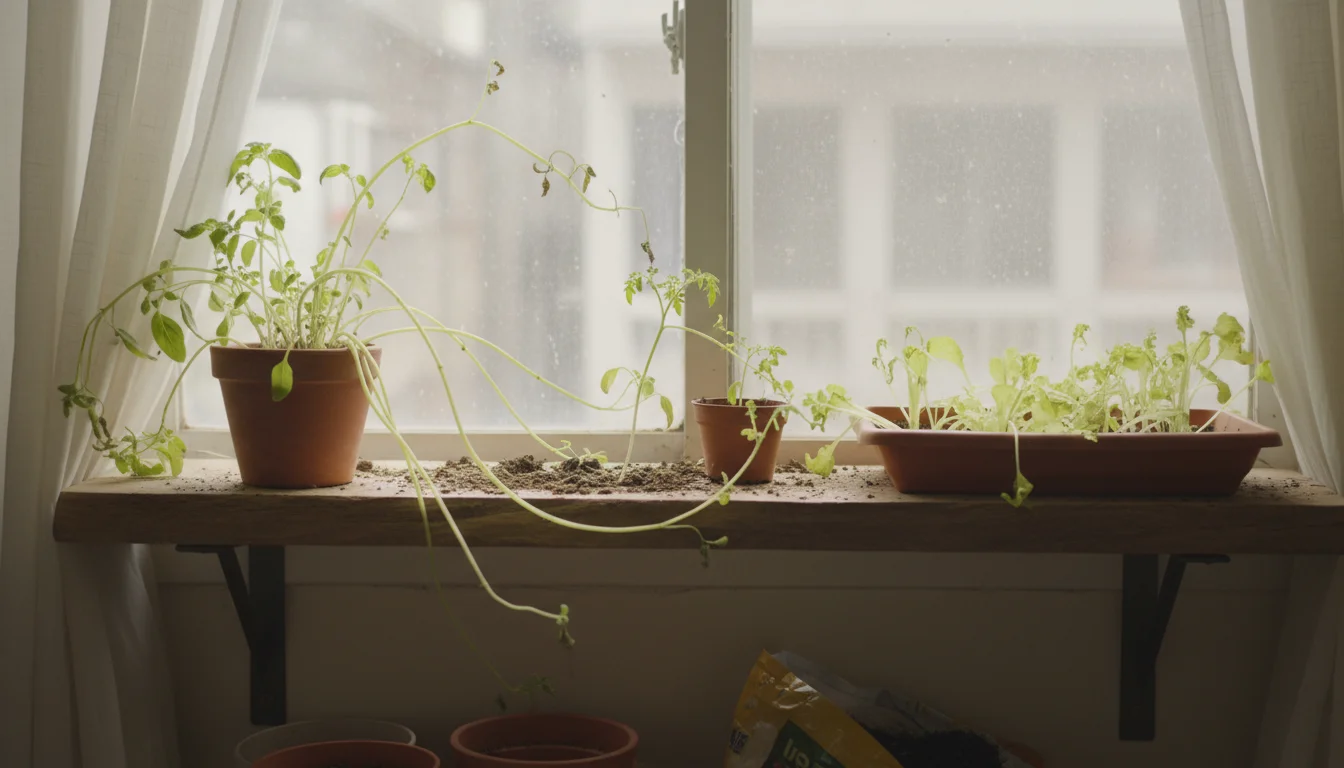
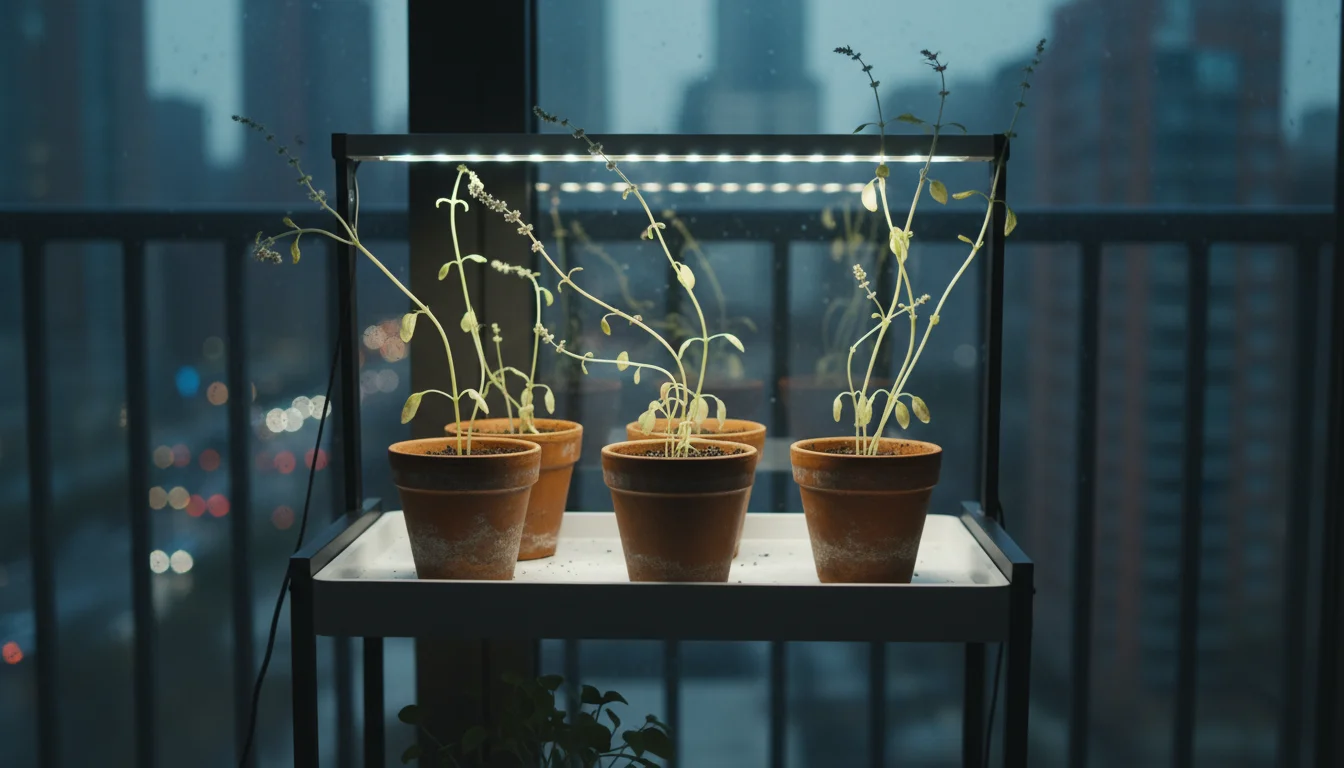
Your plants need light to produce energy through a process called photosynthesis. Think of light as their essential “food.” Outdoors, the sun provides an abundance of this crucial energy. Indoors, even a bright, south-facing window typically offers only a fraction of the intensity and duration plants need, especially during shorter winter days or in homes with limited natural light. Without enough light, plants become leggy, weak, and fail to flower or fruit. They stretch excessively towards the light source, a phenomenon called etiolation, developing sparse foliage and pale leaves. This signals a desperate need for more energy, resulting in stunted growth and a decline in overall health.
These systems are particularly useful for winter indoor gardening, allowing you to maintain a productive harvest even when natural daylight is scarce.
For small-space gardeners, this challenge becomes even more pronounced. Balconies might receive sun only at certain times of day, and indoor nooks often lack direct, strong sunlight. Grow lights bridge this critical gap. They deliver the specific wavelengths and intensity plants require, effectively simulating optimal sunlight conditions within your home. This means you can successfully cultivate a wider variety of plants, ranging from culinary herbs and nutrient-rich vegetables to vibrant flowering ornamentals, regardless of your natural light situation. Grow lights offer consistency and precise control over your plants’ environment, allowing you to create ideal growing conditions year-round. This makes them an invaluable tool for any dedicated `indoor plant lighting` enthusiast seeking consistent, healthy growth.
Demystifying Grow Light Metrics: Watts, Lumens, and PPFD Explained Simply
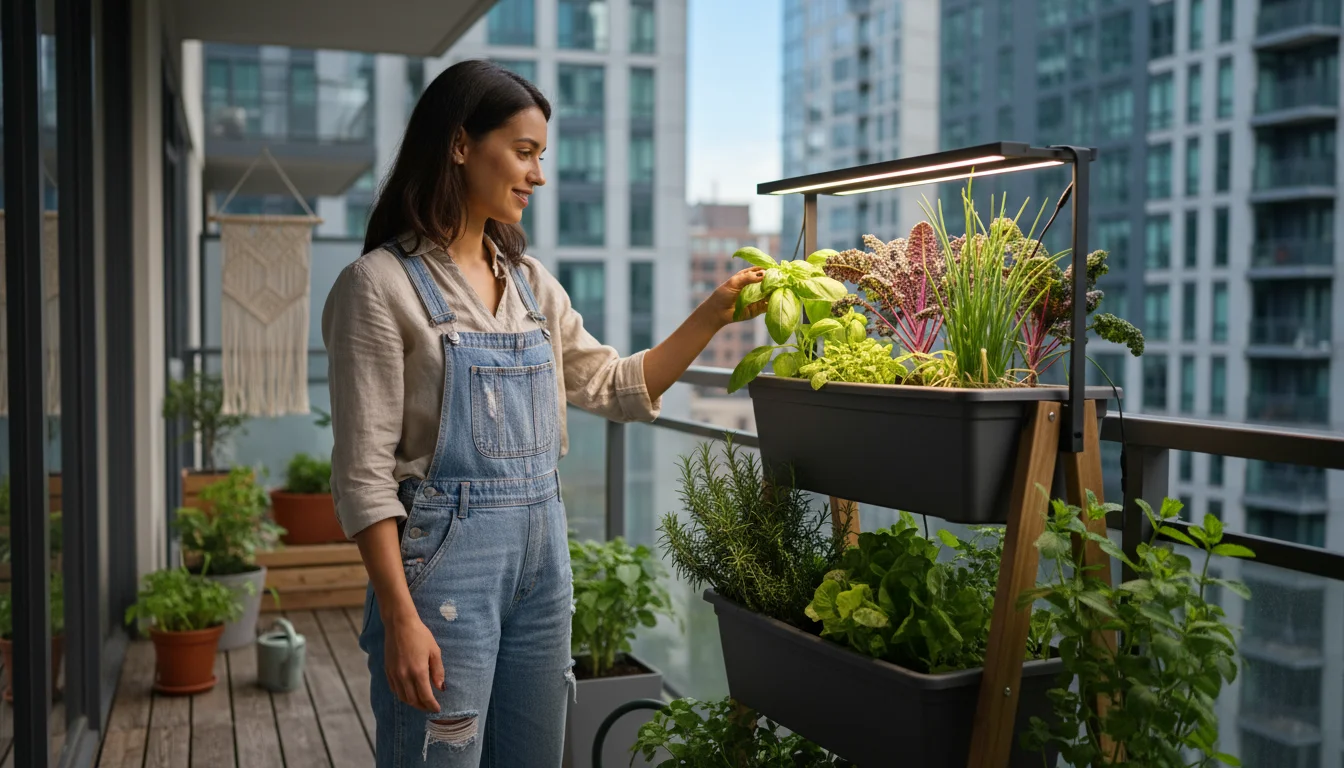
Navigating the world of grow lights means encountering several technical terms that can initially seem daunting. Understanding these concepts helps you make informed decisions, ensuring you invest in a light that truly benefits your plants. Let us break down Watts, Lumens, and PPFD, focusing on what each means for your gardening success and simplifying the answer to “what do grow light numbers mean for beginners.”
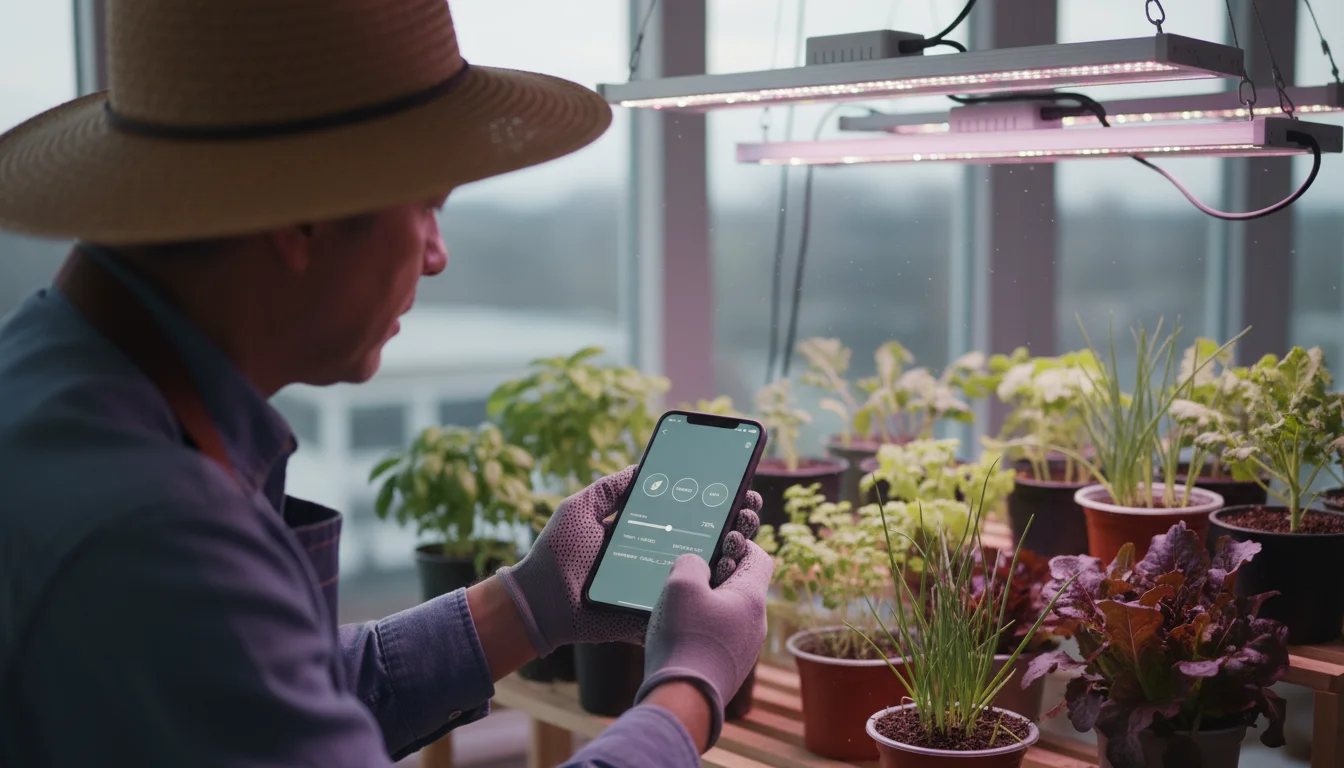
To take the guesswork out of these measurements, you can utilize modern gardening apps and sensors to track the light levels in your apartment accurately.
Understanding Watts: Power Consumption, Not Plant Power
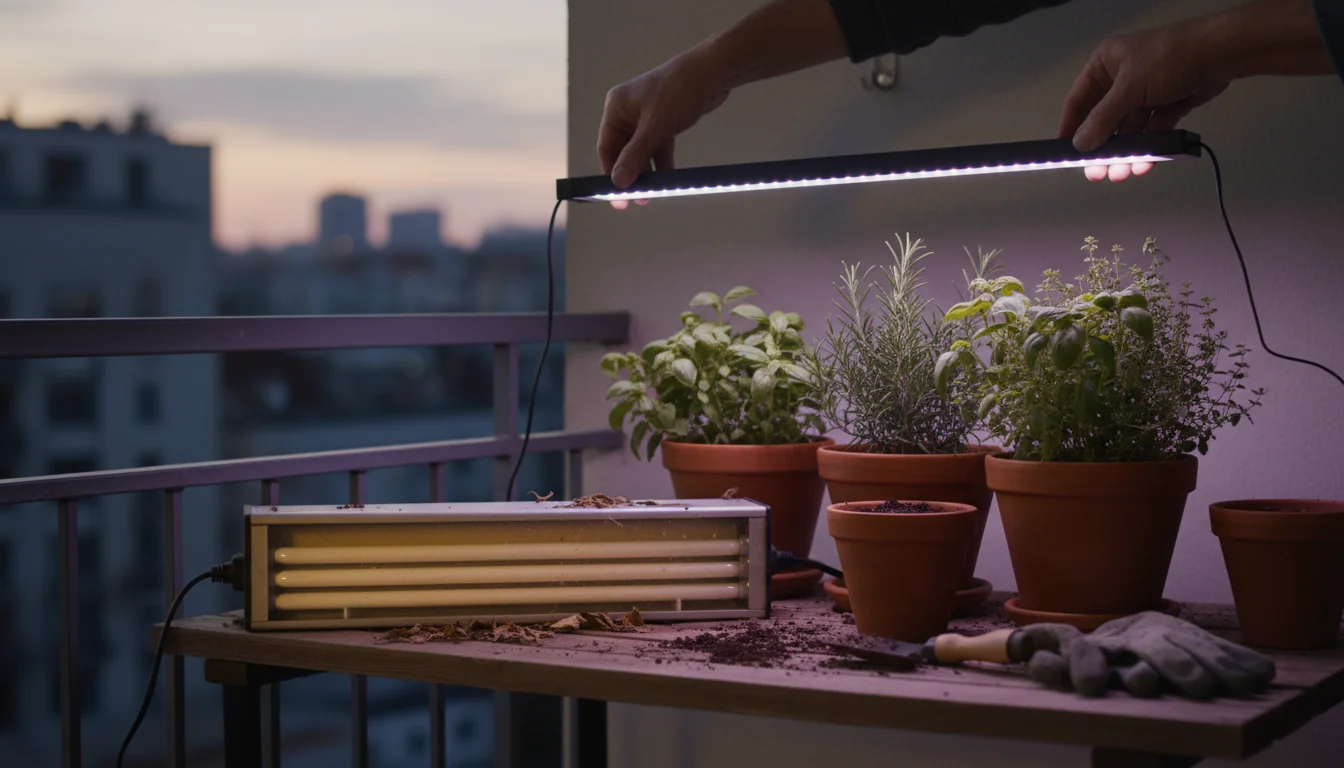
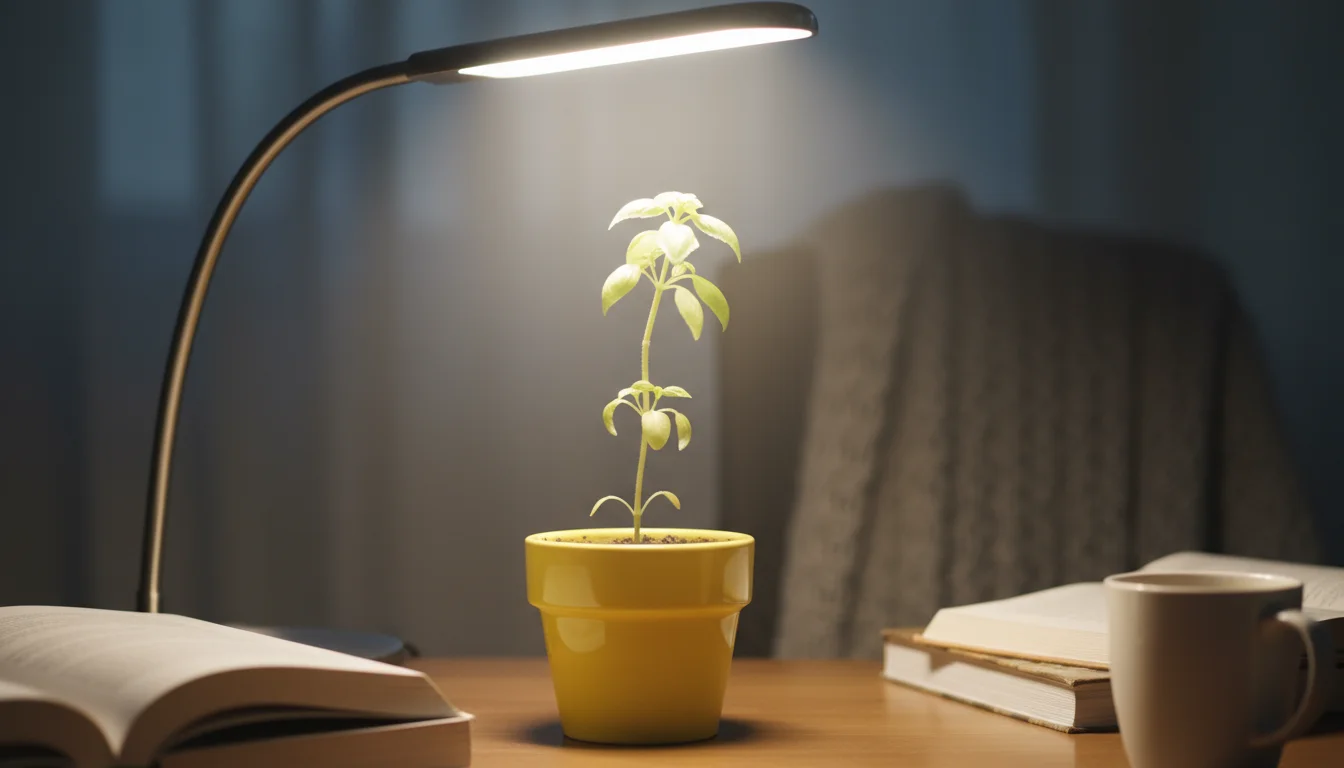
Watts (W) measure the amount of electrical power a light fixture consumes. This figure directly relates to your electricity bill. While a higher wattage often suggests a more powerful light, it does not directly tell you how much usable light your plants receive. Older grow light technologies, like incandescent or fluorescent bulbs, required high wattage to produce sufficient light for plants. Modern LED grow lights, however, are significantly more energy-efficient. They can produce the same or even greater light intensity for plants using far fewer watts. When you compare grow lights, consider wattage in terms of energy cost, but avoid using it as the sole indicator of plant growth potential. Focus instead on the actual light output that plants can effectively utilize.
Understanding Lumens: Light for Human Eyes, Not Plant Growth
Lumens measure the total amount of visible light produced by a light source, as perceived by the human eye. We commonly use lumens to describe how bright a household light bulb is for illuminating a room. The human eye is most sensitive to green and yellow light, which are paradoxically not the most important wavelengths for plant photosynthesis. Plants primarily use red and blue light to convert light energy into chemical energy. Therefore, a grow light with a high lumen rating might appear very bright to you, but it could be producing light wavelengths that plants do not efficiently use for growth. For example, a standard household bulb might have a high lumen rating, but its spectrum and intensity are inappropriate for sustained plant cultivation. Lumens serve as a poor metric for evaluating a grow light’s effectiveness for your plants. For true `understanding grow lights`, turn your attention to the metric that accurately quantifies light for plant biology: PPFD.
Understanding PPFD: The Most Important Metric for Plant Growth
PPFD stands for Photosynthetic Photon Flux Density. This is the single most crucial measurement for `indoor plant lighting`. PPFD tells you exactly how many photosynthetically active photons land on a specific surface area per second. In simpler terms, it measures the amount of useful light energy that actually reaches your plants’ leaves. PPFD is expressed in micromoles per square meter per second (µmol/m²/s).
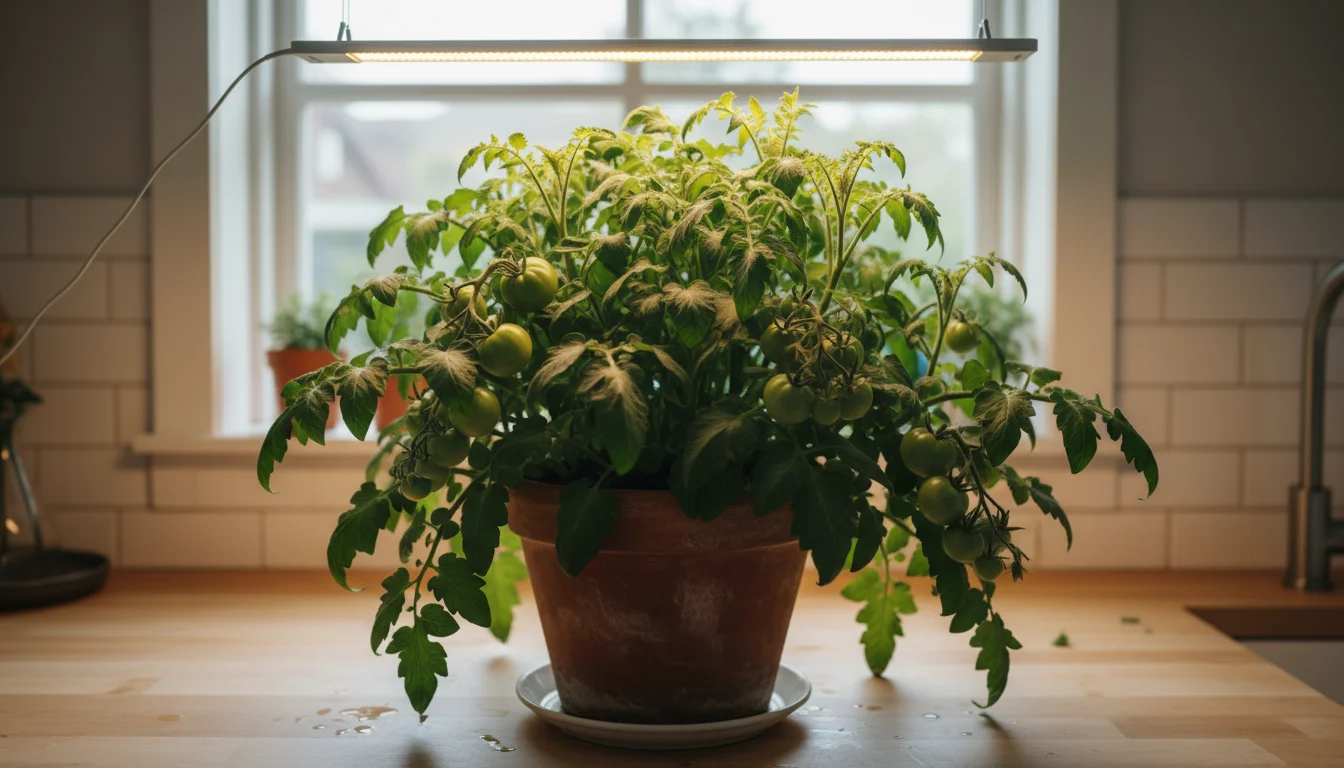
Why is PPFD so critical? Plants only use certain wavelengths of light for photosynthesis. PPFD specifically quantifies these useful photons. It takes into account both the intensity and the relevant spectrum of light that plants absorb. A higher PPFD value means more usable light energy hits your plant leaves, leading to more robust photosynthesis and healthier, faster growth. This metric directly helps you understand if your light provides enough “food” for your specific plants. Different plants have distinct PPFD requirements. Low-light plants like ferns, peace lilies, or philodendrons might thrive with 100-200 µmol/m²/s. Medium-light plants such as leafy greens, herbs, and most common houseplants generally need 200-400 µmol/m²/s. High-light plants, including fruiting plants like tomatoes, peppers, or cannabis, might require 600-900 µmol/m²/s or more during their flowering and fruiting stages. Understanding PPFD allows you to precisely match the light intensity to your plant’s needs, preventing both light starvation and potentially damaging light burn. When you see this number, you are truly `understanding grow lights` from your plant’s perspective.
The Color of Light: Full Spectrum vs. Red/Blue and What Your Plants Need
Beyond intensity, the color or spectrum of light plays a vital role in plant development. Different wavelengths trigger specific physiological responses in plants. Understanding these helps you select a light that supports all stages of your plant’s life cycle, providing the right `indoor plant lighting`.
If you are tight on space, you might even consider the one-bulb challenge to keep a single favorite herb thriving through the darker months.
Full Spectrum Grow Lights: Mimicking the Sun
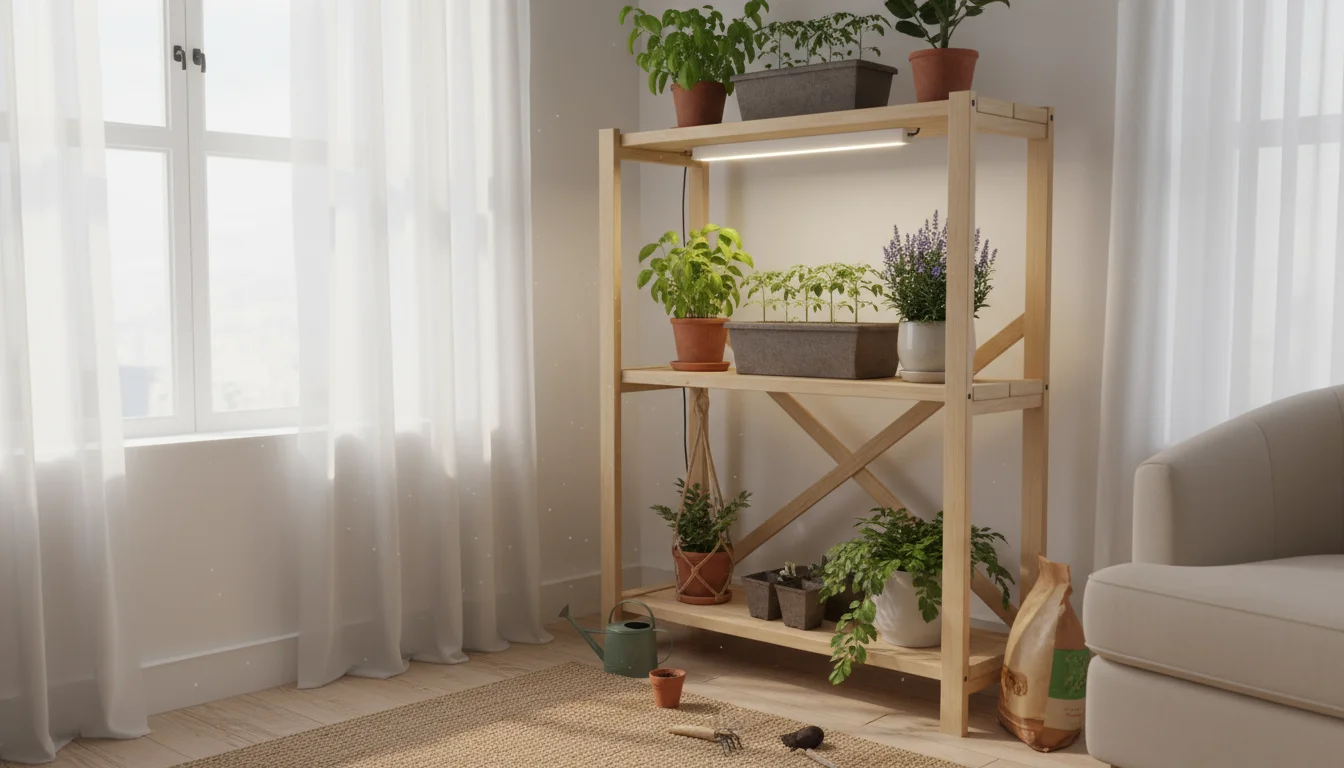
Full spectrum grow lights emit light across the entire visible spectrum, often including some UV and infrared wavelengths, closely mimicking natural sunlight. These lights typically appear white or a soft warm white to the human eye, making them much more pleasant for indoor living spaces than their purple counterparts. The balanced spectrum effectively supports all stages of plant growth, from seedling germination and vigorous vegetative growth to prolific flowering and fruiting. Full spectrum lights are an excellent choice for general `indoor plant lighting`, ensuring your plants receive a broad range of wavelengths necessary for overall health, strong structure, and even the development of beneficial secondary metabolites. For beginners, a `full spectrum vs red blue grow lights` comparison typically concludes with full spectrum as the safest and most versatile option, simplifying the choice significantly. You do not need to worry about switching lights for different growth stages, making them ideal for mixed plant collections or continuous growth cycles in your small space.
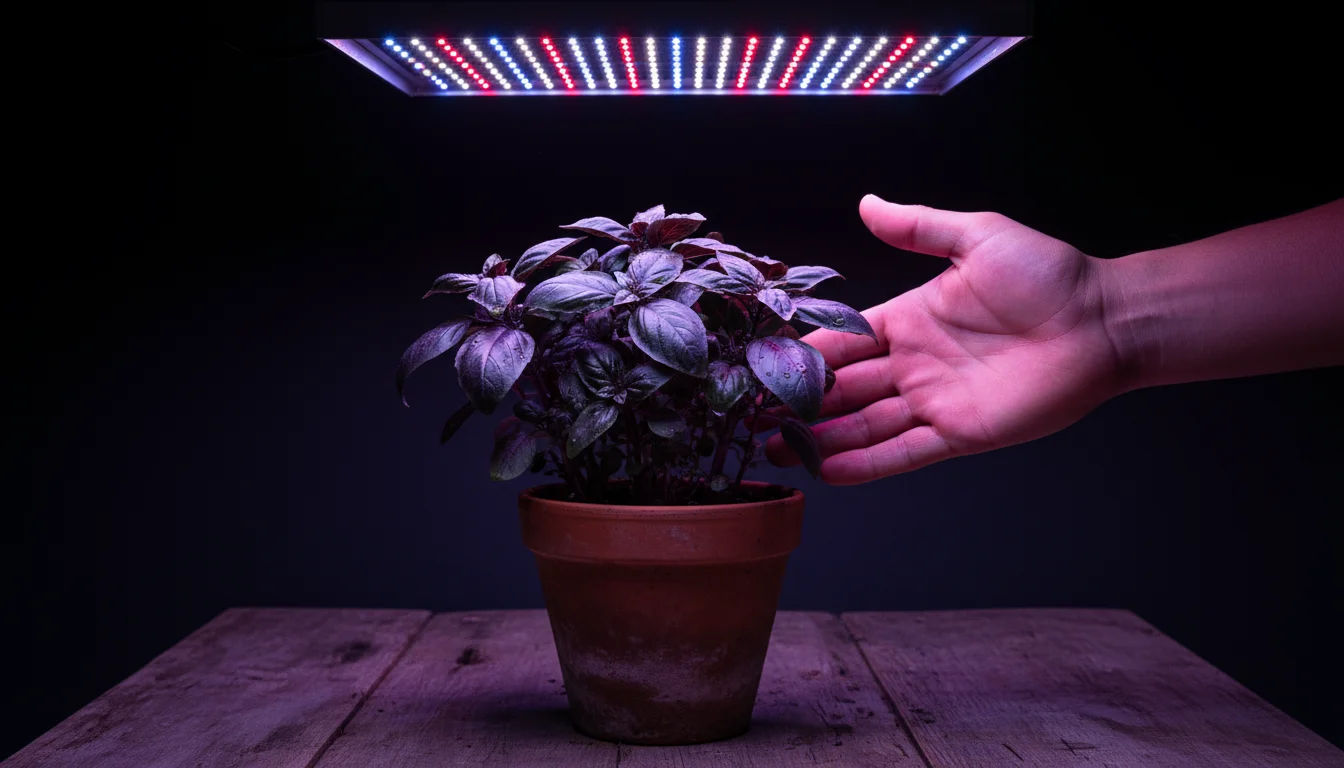
Red/Blue (Blurple) Grow Lights: Targeted Wavelengths
Older generations of LED grow lights often focused on emitting predominantly red and blue wavelengths, leading to their distinctive purple or “blurple” appearance. Plants primarily use blue light for vegetative growth, promoting strong, compact stems and healthy, dark green leaves. Red light is crucial for flowering, fruiting, and overall plant biomass production. While highly efficient for photosynthesis by targeting these key wavelengths, these “blurple” lights are visually less appealing for homes and can make accurate plant inspection for pests or diseases difficult due to the unnatural coloration. They also might not provide the full range of beneficial wavelengths found in full spectrum lights that contribute to overall plant health, flavor profiles, and pest resistance. While effective, `full spectrum vs red blue grow lights` discussions now heavily favor full spectrum LEDs, which have largely superseded red/blue lights as the preferred option for home gardeners due to their improved aesthetics and comprehensive light delivery. Unless you have a very specific, research-backed reason to target only red and blue, a full spectrum light offers broader benefits and a more pleasant visual experience for your indoor garden.
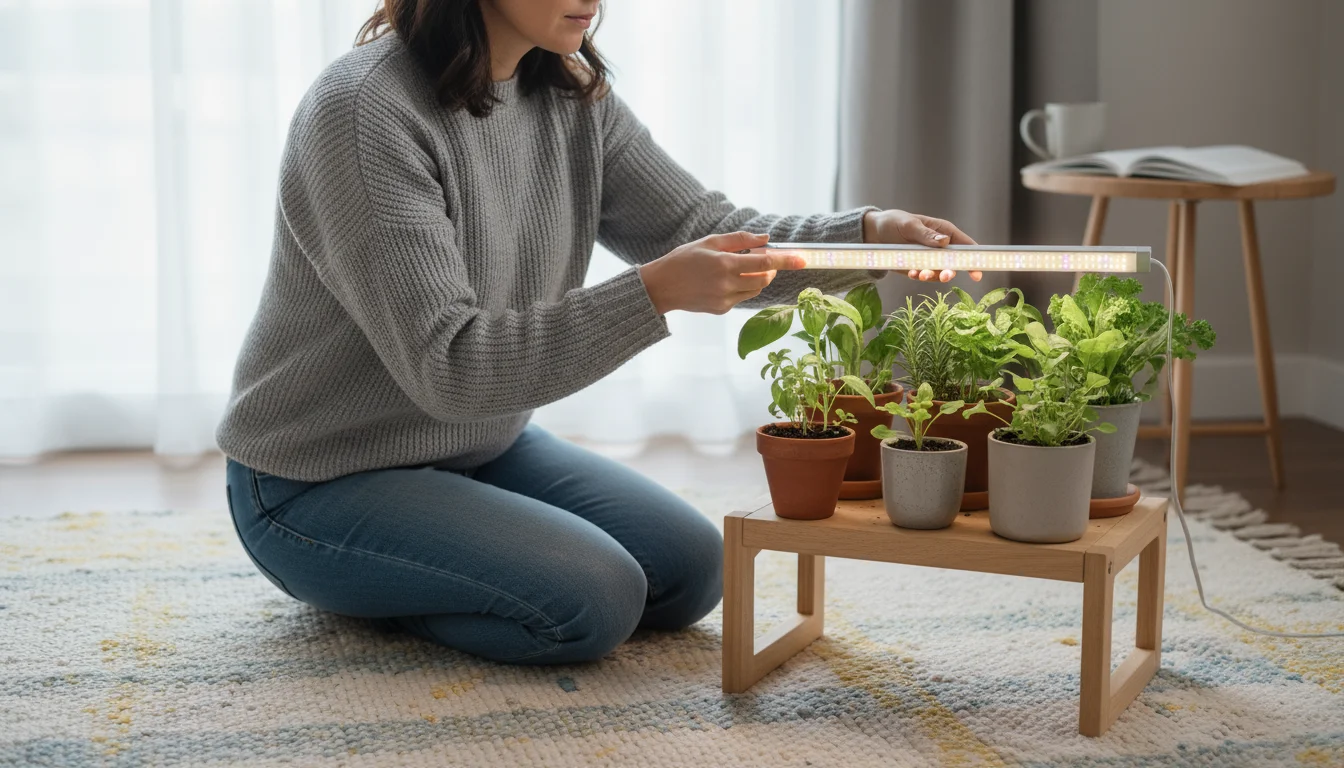
Choosing the Right Grow Light for Your Small Space: A Practical Guide
Selecting a grow light for your apartment plants means balancing effectiveness with your specific spatial constraints and your plants’ needs. This section provides a practical `grow light guide` to help you navigate the myriad options, focusing on `choosing a grow light for apartment plants` and offering actionable advice.
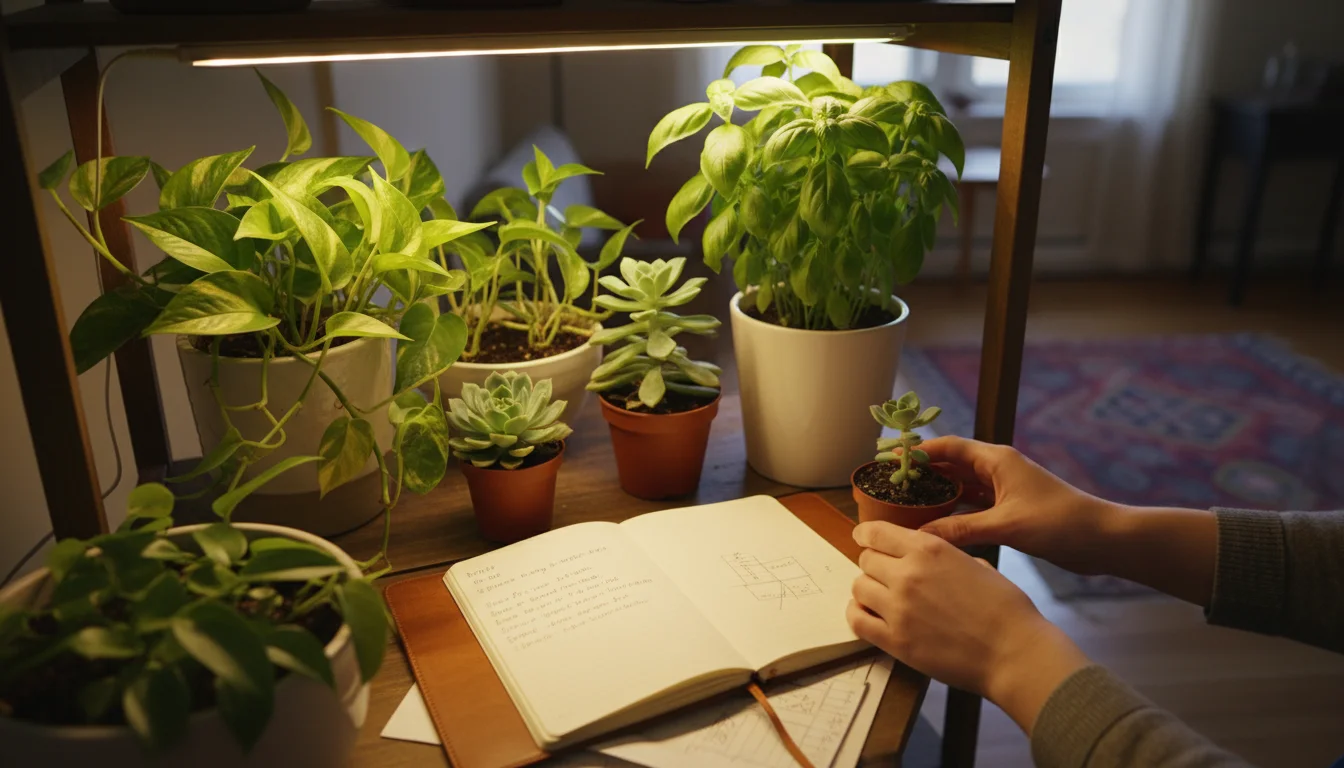
Assess Your Plant’s Light Needs
Before buying, thoroughly understand your plants’ specific requirements. Do you intend to grow high-light plants like cannabis, peppers, tomatoes, or succulents? Or perhaps low-to-medium light plants such as culinary herbs, leafy greens (lettuce, spinach), orchids, or most common houseplants (e.g., Pothos, Philodendron, ZZ plants)? Research their optimal PPFD ranges. This ensures you do not inadvertently over-light or under-light your precious plants. A general `grow light guide` for common small-space plants includes:
- Low-Light Plants (e.g., Peace Lily, Ferns, African Violets, Prayer Plants): 50-150 µmol/m²/s
- Medium-Light Plants (e.g., Herbs, Leafy Greens, Pothos, Philodendron, Spider Plants, Sansevieria): 150-400 µmol/m²/s
- High-Light Plants (e.g., Fruiting Vegetables, Seedlings, Succulents, Cannabis, Fiddle Leaf Fig): 400-800+ µmol/m²/s
These are general guidelines. Always cross-reference with specific plant care information from reputable sources. Remember, your goal is to provide enough light for vigorous growth without causing light burn or stress.
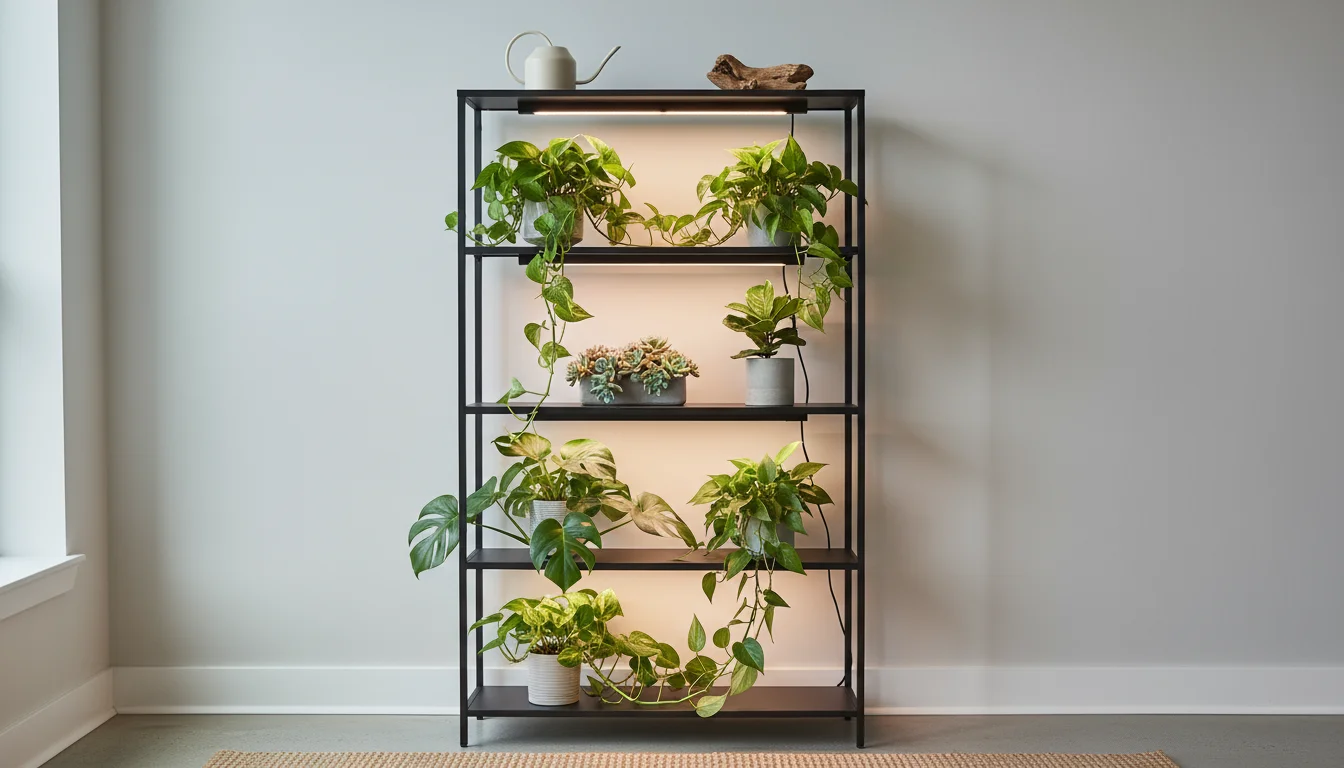
Consider Light Form Factors for Small Spaces
For apartment and small-space gardening, LED technology offers the best blend of energy efficiency, minimal heat output, and a diverse range of form factors. Forget bulky, hot HID lights; modern LEDs are specifically designed for compact and enclosed environments.
- LED Grow Light Bulbs: These screw into standard E26/E27 light fixtures. They are excellent for supplementing light for individual plants or small groupings. Look for `full spectrum vs red blue grow lights` labeled specifically for plants. They offer an easy, cost-effective entry point into `indoor plant lighting`, perfect for a desk plant or a small corner.
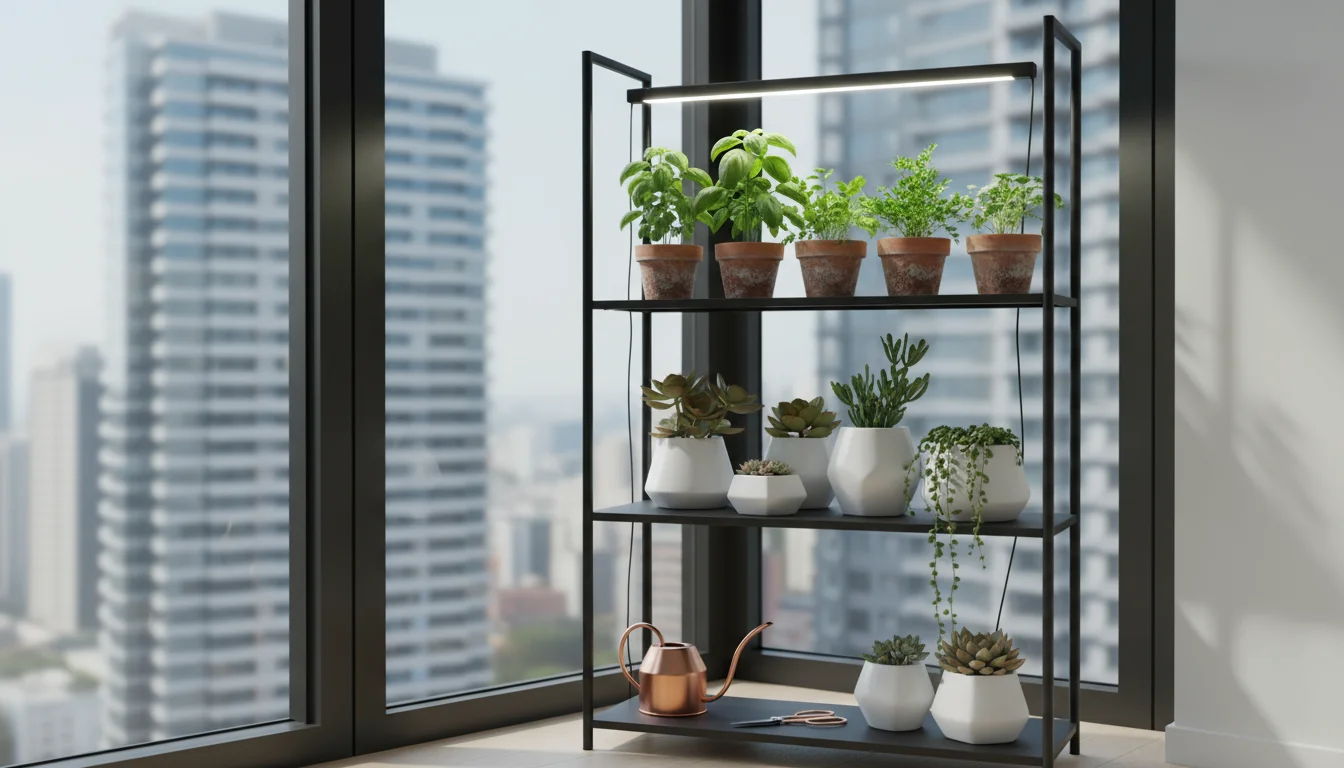
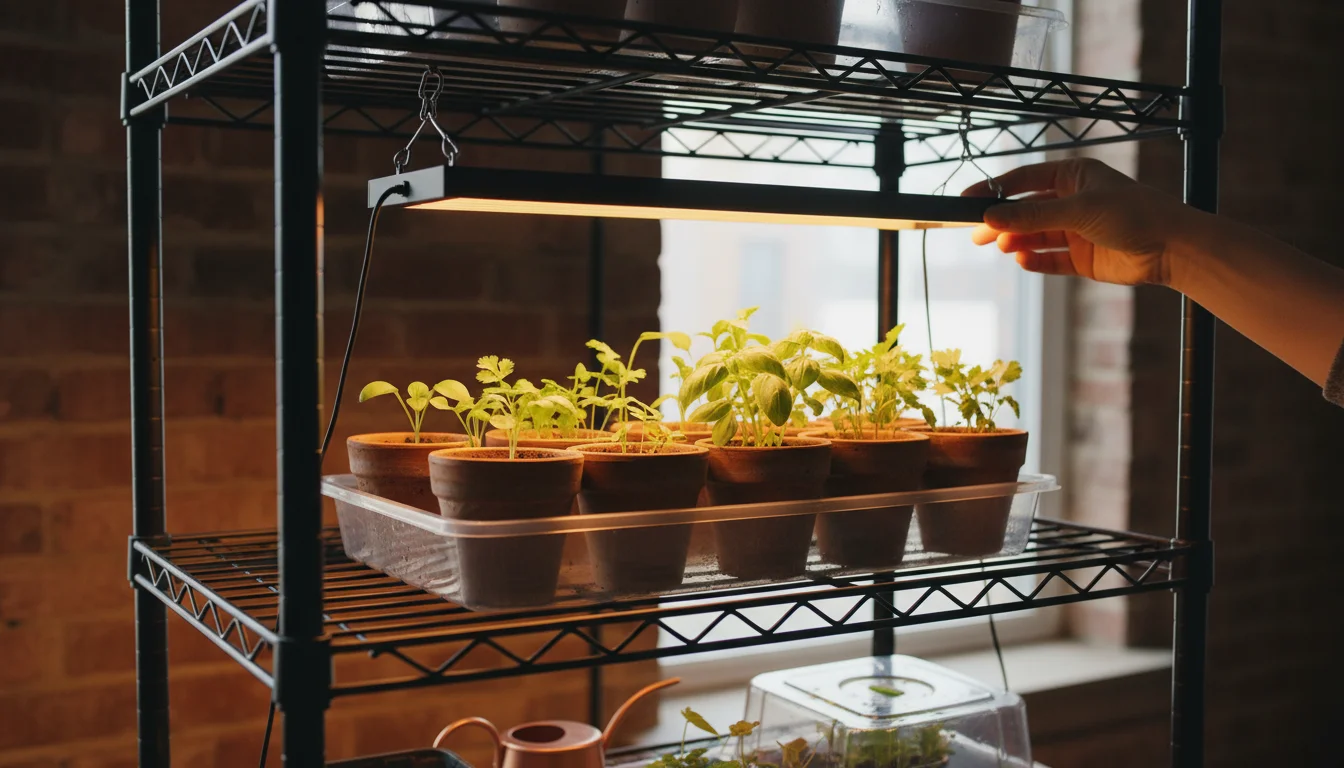
- LED Strip Lights/Under-Cabinet Lights: These are ideal for shelving units, propagating trays, or maximizing vertical space. These narrow lights fit exceptionally well into tight spots, providing uniform lighting over a small, elongated area. Many come with adhesive backing for easy installation under shelves or inside cabinets. They are perfect for creating multi-tiered indoor gardens.
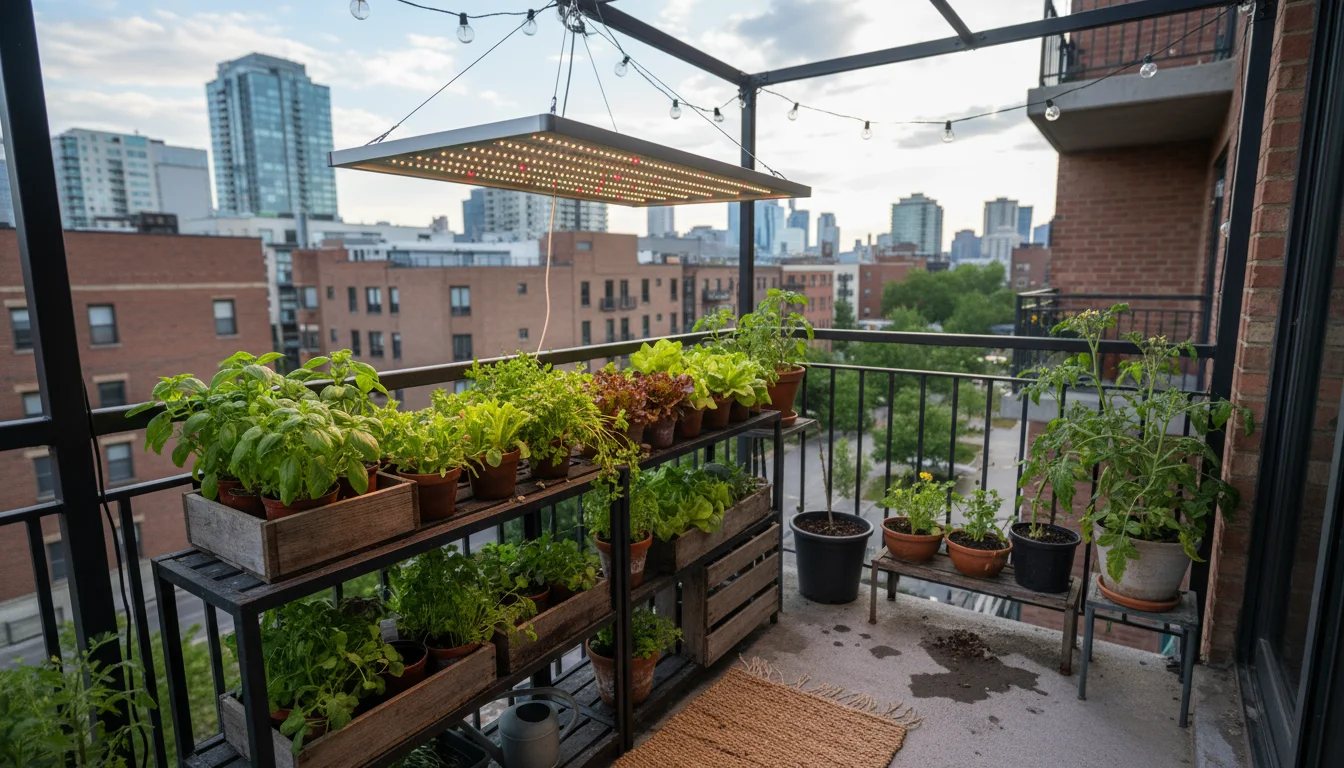
- Small LED Grow Light Panels: Compact panels offer more powerful and even coverage than individual bulbs, suitable for a small plant shelf, a dedicated growing cabinet, or a desktop growing area. They typically include dimming features and adjustable hangers, providing crucial flexibility as your plants grow and their light needs change. These are a great step up for multiple plants.
- Integrated Grow Shelves/Hydroponic Systems: Some all-in-one systems come with built-in grow lights, offering a complete solution for small-space food production. These often utilize vertical farming principles and are excellent for maximizing yield in minimal footprints, allowing you to grow a variety of produce in your apartment.
Evaluate Coverage Area and Light Uniformity
Think critically about the footprint of your specific growing area. A circular bulb typically provides focused light directly beneath it, while a rectangular panel or strip offers broader, more uniform coverage. Measure your space carefully. Choose a light whose effective coverage area closely matches the size of your plant arrangement. Avoid lights that concentrate all their intensity in a tiny spot, leaving the edges dim and your perimeter plants struggling, unless you are growing only a single plant directly beneath a spotlight-style bulb. Look for grow lights that promise good uniformity across their specified coverage area to ensure all your plants receive adequate, even illumination.
Budget and Efficiency: Long-Term Savings
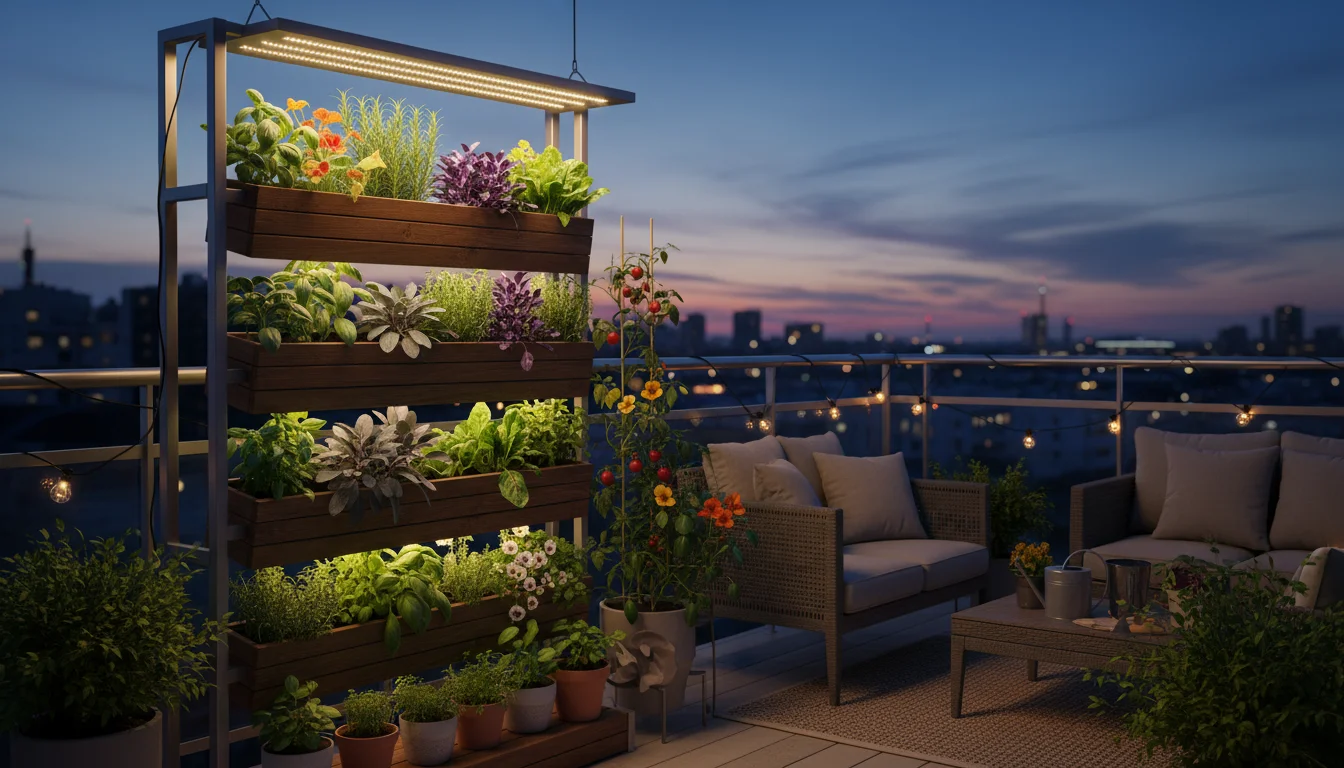
While the initial purchase cost matters, also consider the long-term energy consumption. LEDs, though sometimes pricier upfront than older technologies, save significantly on electricity bills due to their exceptionally high efficiency and extended lifespan. They also produce considerably less heat, reducing the need for additional ventilation or cooling in a small space. Invest in a quality LED grow light; it pays for itself in energy savings and superior plant health over time. Look for lights with positive reviews from other gardeners, reputable brands, and those that clearly state their PPFD output and coverage area. This transparent data is key for `understanding grow lights` and making a wise investment.
Setting Up Your Grow Light for Optimal Growth: Distance, Duration, and Placement
You have chosen your grow light based on a solid `grow light guide`. Now, let us set it up for maximum impact. Proper distance, duration, and strategic placement are crucial for harnessing your light’s full potential and avoiding common pitfalls like light burn or leggy growth, which can sabotage your efforts in `indoor plant lighting`.
The Crucial Role of Light Distance
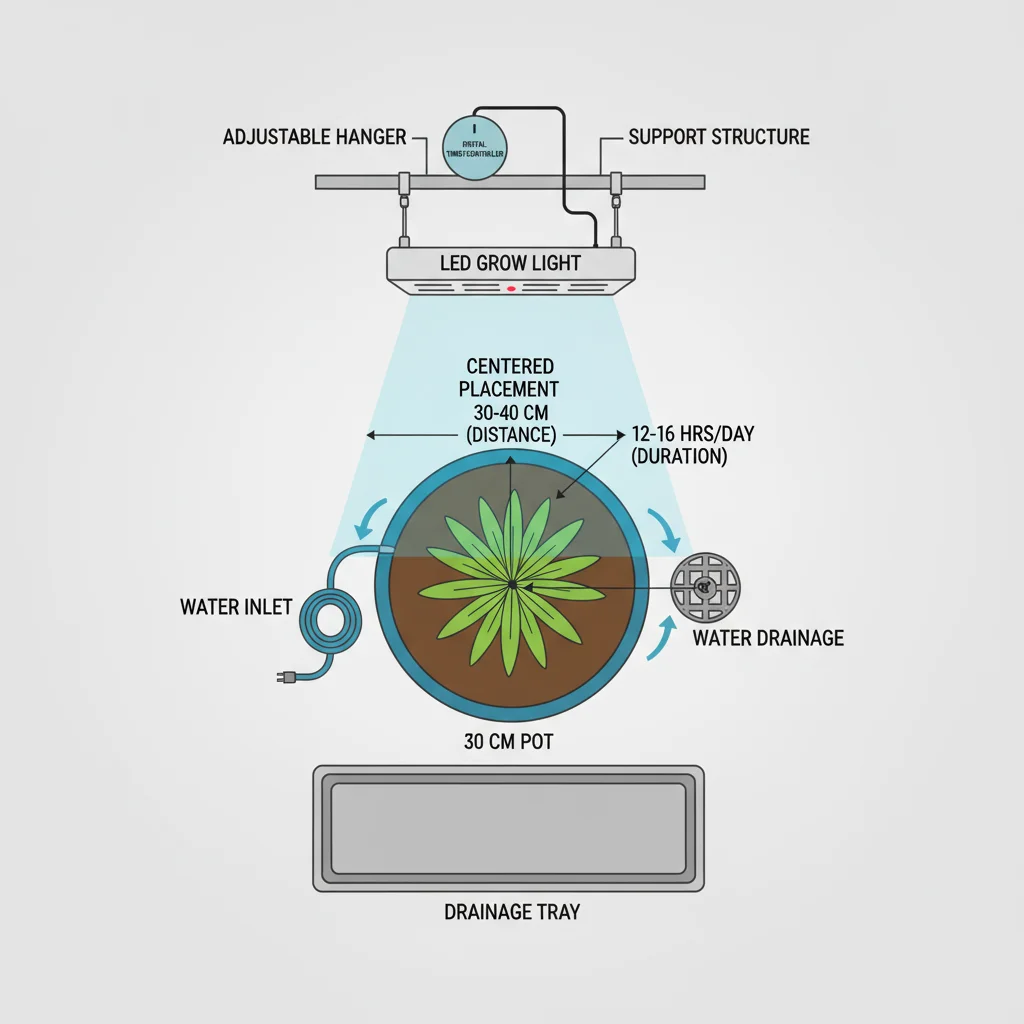
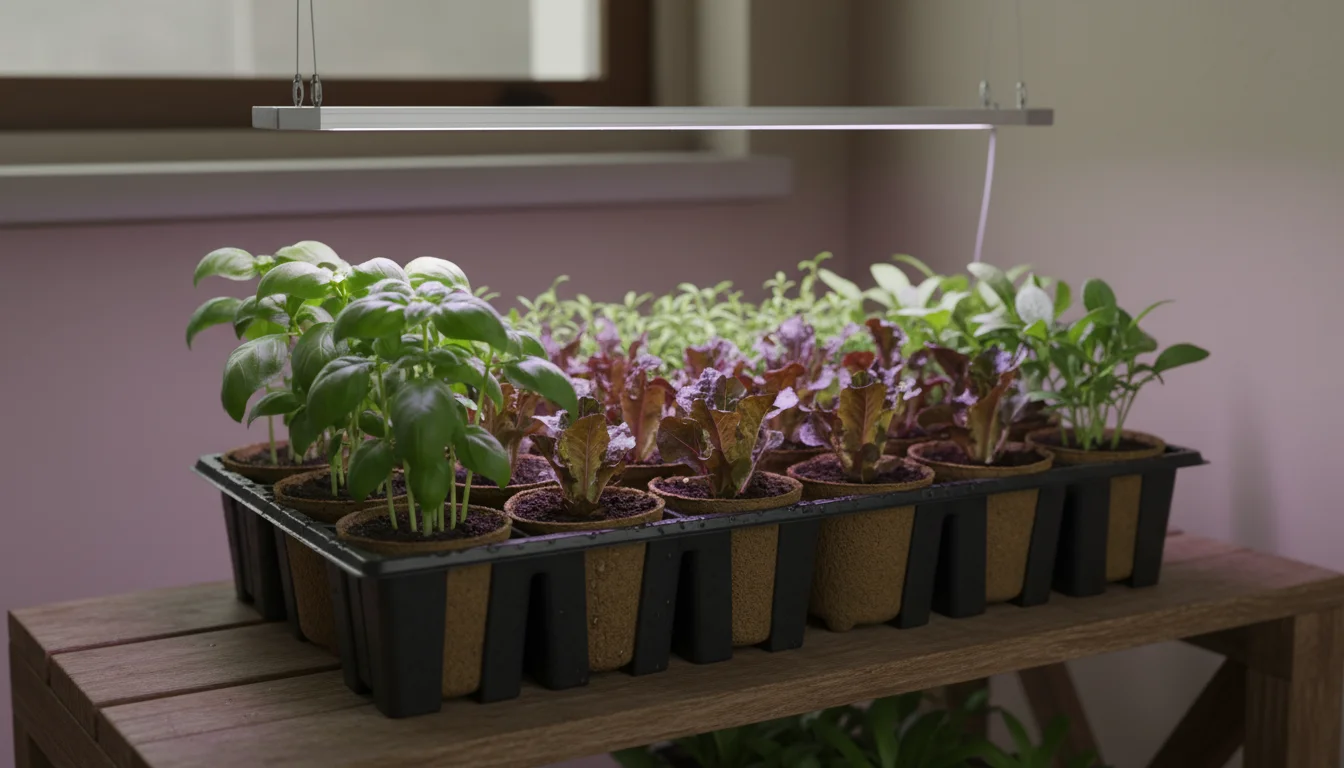
Light intensity diminishes rapidly with distance. This concept, known as the inverse square law, means that doubling the distance from your light source reduces the light intensity by a factor of four. Therefore, placing your grow light at the correct height above your plant canopy is paramount. If placed too close, your plants might suffer from light burn, exhibiting bleached, scorched leaves, or even crispy edges. If placed too far, they become leggy, stretching unsuccessfully for more light, developing weak stems and sparse foliage. The ideal distance depends directly on your specific grow light’s power (its PPFD output) and your plant’s individual light requirements.
- For seedlings and young plants: Start with lights further away, perhaps 18-24 inches (45-60 cm) from the plant canopy, especially with stronger lights. As they mature and strengthen, you can gradually lower the light, always observing their response for any signs of stress.
- For established medium-light plants (e.g., most herbs, leafy greens, common houseplants): Often 12-18 inches (30-45 cm) works well, but again, watch your plants closely.
- For high-light plants (e.g., fruiting vegetables, succulents): You might bring the light closer, perhaps 6-12 inches (15-30 cm), but monitor them continuously for any signs of heat stress or bleaching.
Many modern LED grow lights come with recommended hanging heights and often have dimming capabilities, which provides immense flexibility. Always refer to the manufacturer’s guidelines for your specific model as a starting point. Use adjustable hangers or chains to easily change the distance as your plants grow. Your plants will communicate their needs: excessive stretching indicates the light is too far, while yellowing, crispy, or curling leaves at the top indicate it is too close.
Determining Light Duration (Photoperiod)
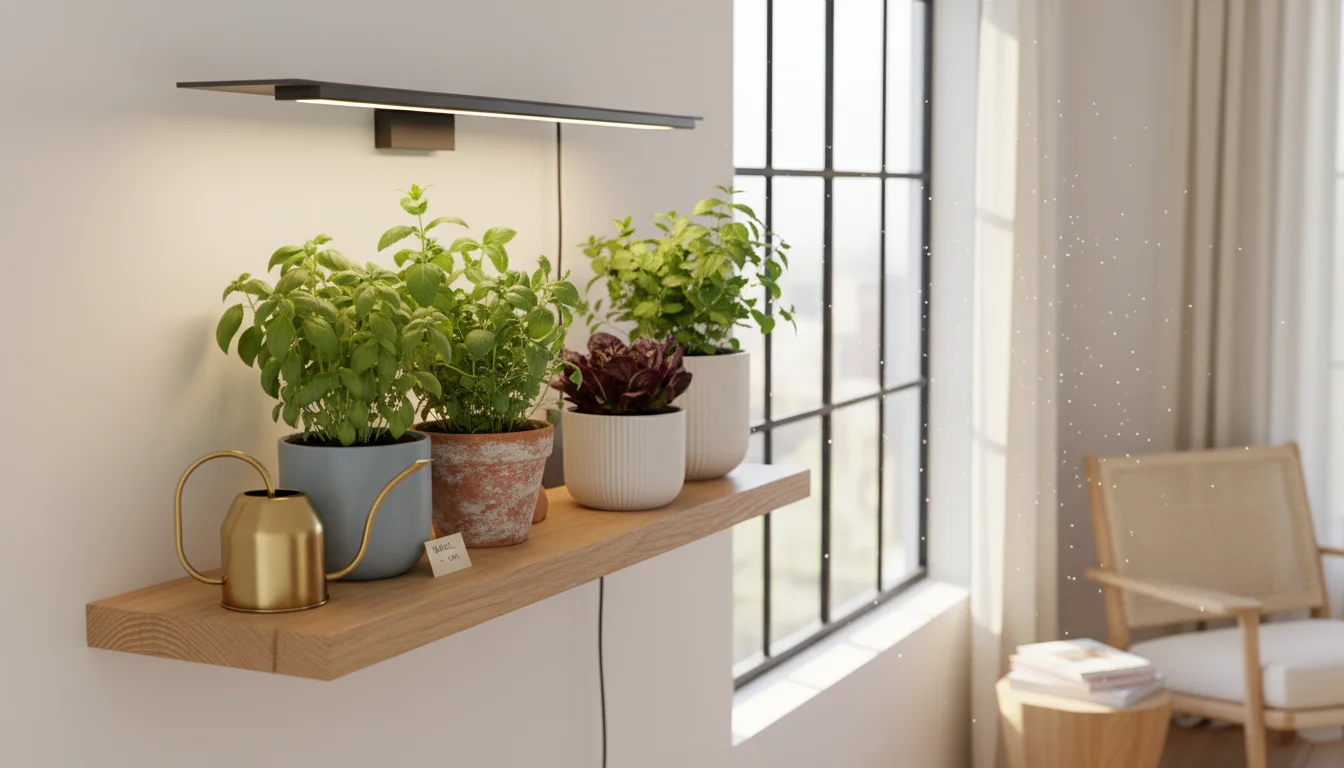
Plants, much like humans, need periods of both light and darkness. The duration of light, known as the photoperiod, influences different growth stages and triggers specific biological processes. Most `indoor plant lighting` setups benefit from 12-16 hours of light per day, consistently followed by 8-12 hours of darkness. The “on” period provides the essential energy for photosynthesis, while the “off” period allows for crucial respiration, nutrient transport, and other vital metabolic processes necessary for healthy growth and development.
- Vegetative Growth (leafy greens, most herbs, general houseplants): Aim for 14-16 hours of light, followed by 8-10 hours of darkness. This promotes lush foliage and strong structural development.
- Flowering/Fruiting (e.g., tomatoes, peppers, some specialty herbs): Often requires a shorter day, typically 12 hours of light and 12 hours of darkness. Some plants might prefer slightly longer light cycles, so research your specific variety.
- Seedlings/Clones: Often benefit from extended light periods, such as 16-18 hours of light, to encourage rapid initial growth and establishment.
Consistency is key for optimal plant health. Use a simple mechanical or digital timer to automate your light schedule. This ensures your plants receive consistent light cycles every single day, mimicking natural rhythms and significantly reducing your daily maintenance tasks. This consistent cycle is paramount for `understanding grow lights` and their impact on plant health.
Strategic Light Placement
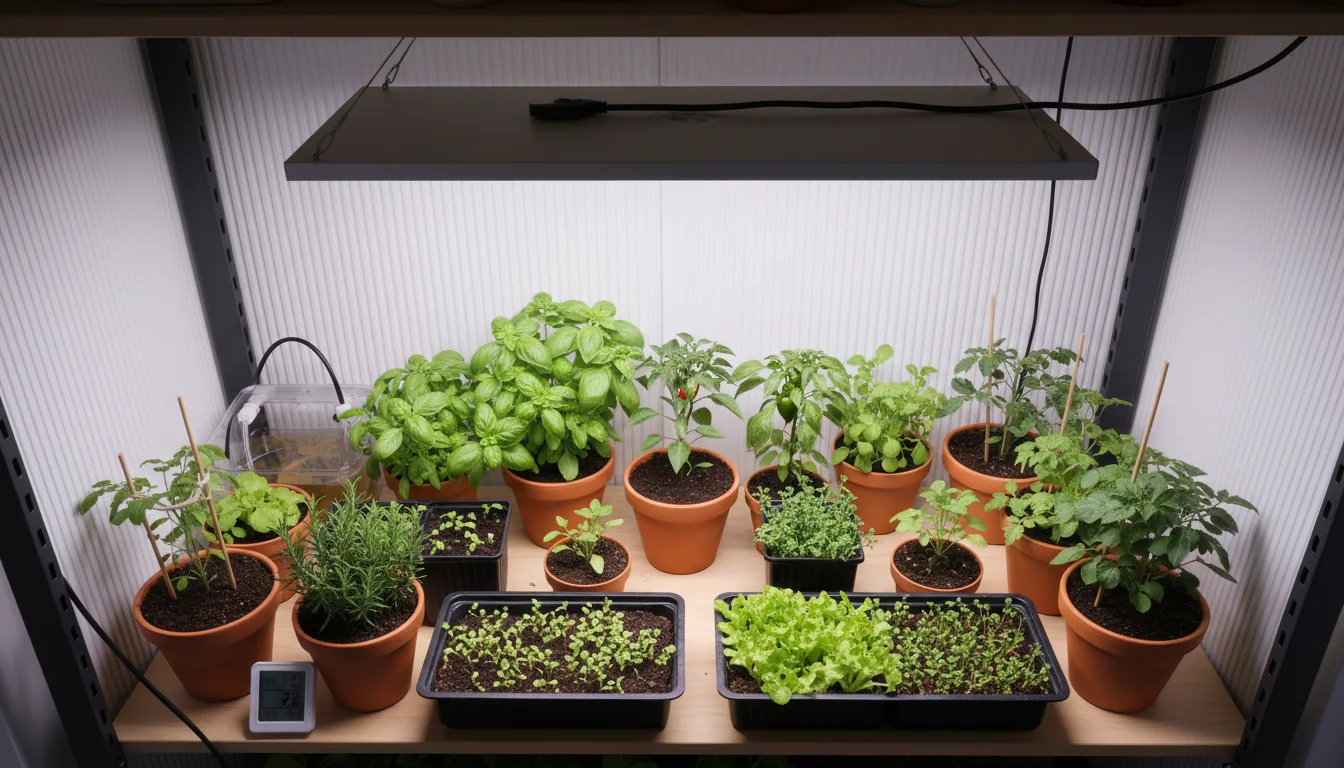
Always place your grow light directly above your plants. Remember that light intensity decreases significantly as you move away from the center or to the sides of the light source. For rectangular growing areas, choose strip or panel lights that are sized to cover the entire footprint evenly. For individual plants, a single, focused grow light bulb might suffice. Ensure the light covers the entire canopy of your plants, not just a small spot in the middle. If growing multiple plants, arrange them to ensure even light distribution, placing taller plants or those with higher light needs directly under the center of the light, and smaller or lower-light plants towards the edges. Rotate your plants periodically to ensure all sides receive adequate light, promoting balanced growth and preventing uneven stretching or leaning.
Maximizing Efficiency and Sustainability with Your Grow Lights
As a supportive and environmentally conscious gardener, you want to make the most of your resources. Using grow lights efficiently benefits both your plants and the planet, saving energy, reducing costs, and minimizing your environmental footprint.
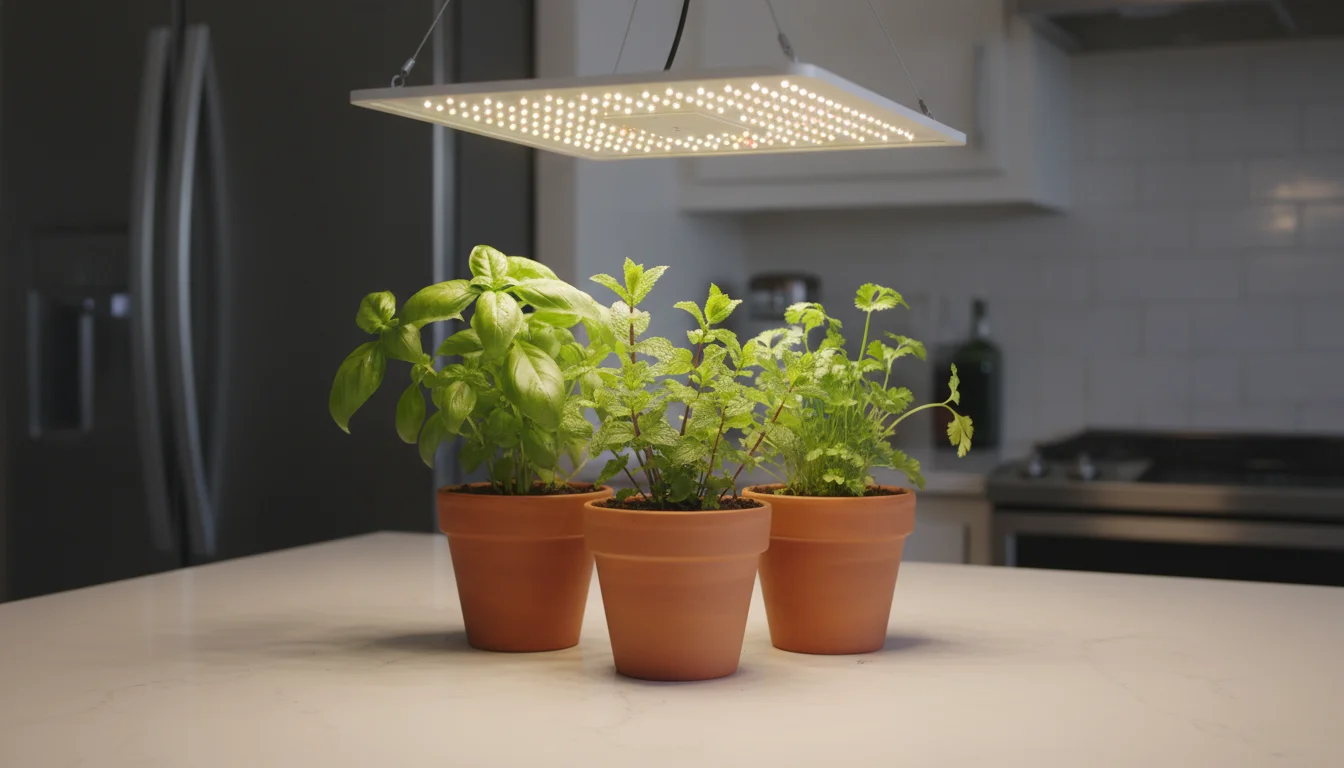
Embrace Energy-Efficient LEDs
LED (Light Emitting Diode) technology stands as the most energy-efficient and effective option for grow lights available today. They consume significantly less electricity than older technologies like fluorescent, HID, or incandescent bulbs, while providing superior light spectrum and intensity specifically optimized for plants. Switching to LEDs immediately reduces your energy consumption and associated carbon emissions. Modern LEDs also boast an impressive lifespan, often lasting tens of thousands of hours, which means fewer replacements and significantly less waste ending up in landfills. When you choose an LED, you invest in long-term savings and demonstrate a commitment to environmental responsibility, a key part of `understanding grow lights` in a modern context.
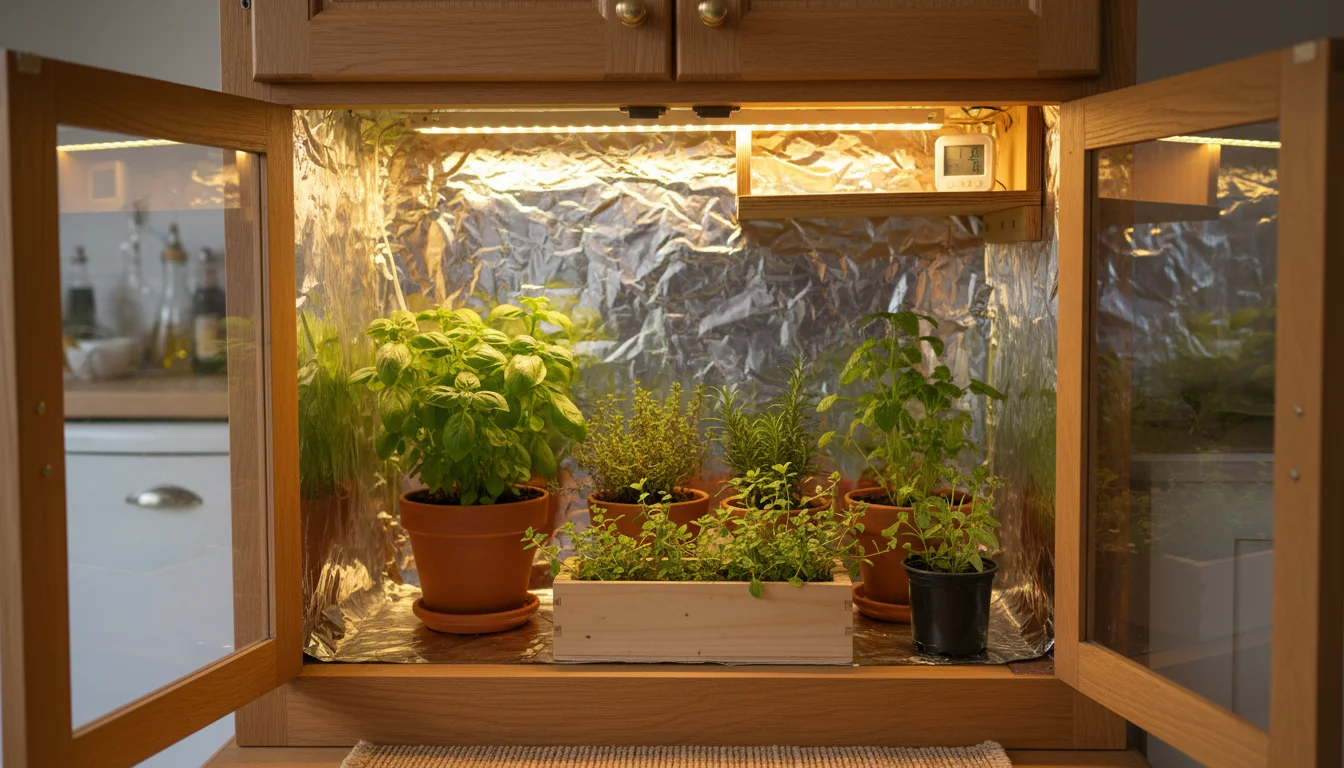
Utilize Reflective Surfaces
Light that escapes past your plants or out of your growing area is wasted energy. Maximize the light reaching your plants by strategically using reflective materials around your growing area. Mylar sheets, flat white paint, or even readily available aluminum foil can effectively redirect stray light back towards your plant canopy. This simple trick dramatically increases the PPFD your plants receive without consuming a single extra watt of electricity. A small grow tent, often lined with highly reflective material, encapsulates light exceptionally well, ensuring every photon counts. For smaller setups, consider lining the inside of a cardboard box or a cabinet with white paper or Mylar, or painting the interior with flat white paint. This inexpensive addition significantly boosts your `indoor plant lighting` efficiency.
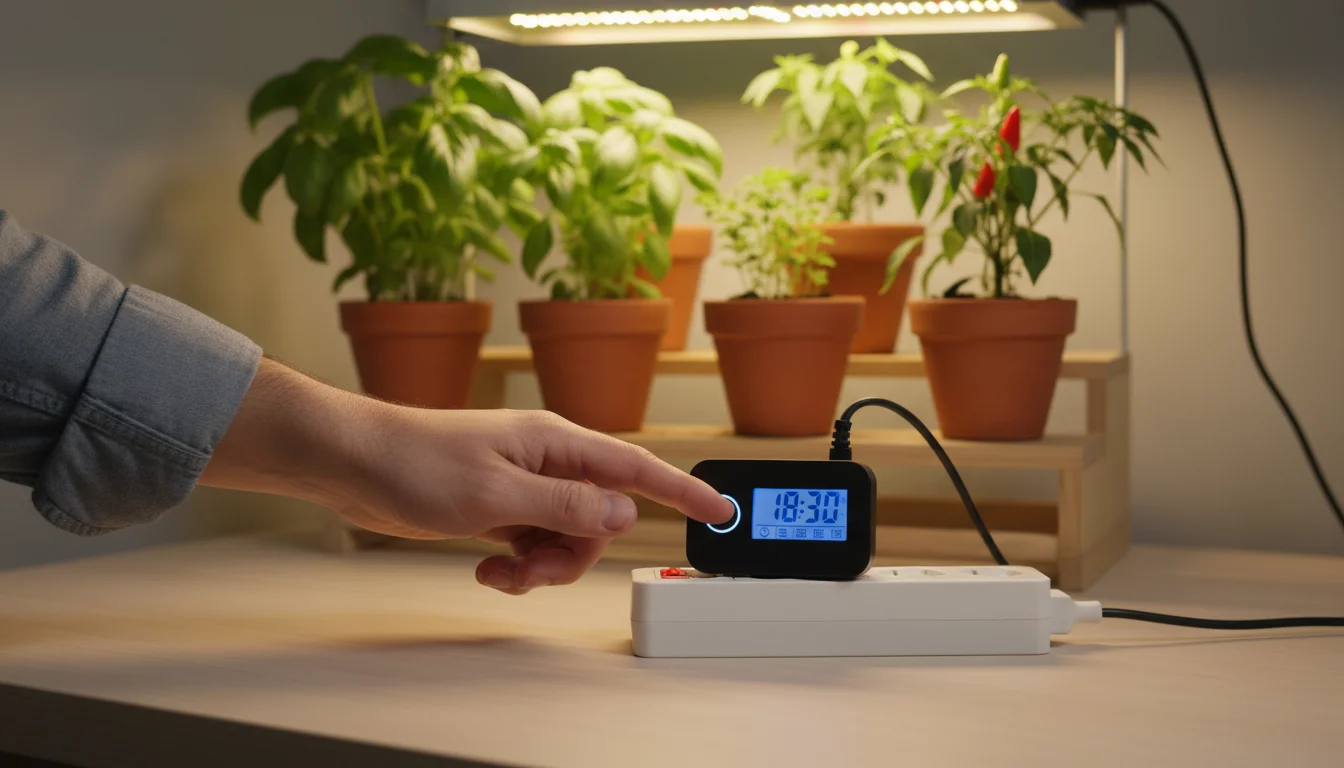
Smart Scheduling with Timers
A reliable timer is your best friend for maximizing efficiency. Manually turning lights on and off can lead to inconsistencies in your plants’ daily cycles and wasted energy if you forget to switch them off promptly. A timer ensures your plants receive precisely the light duration they need, no more, no less. This prevents unnecessary energy consumption during their essential dark period and maintains a consistent light schedule, which is vital for plant health and development. Digital timers offer precise, programmable control, while mechanical timers are simpler, durable, and cost-effective. Implementing a timer system represents a significant step towards efficient, low-maintenance, and successful `indoor plant lighting`.
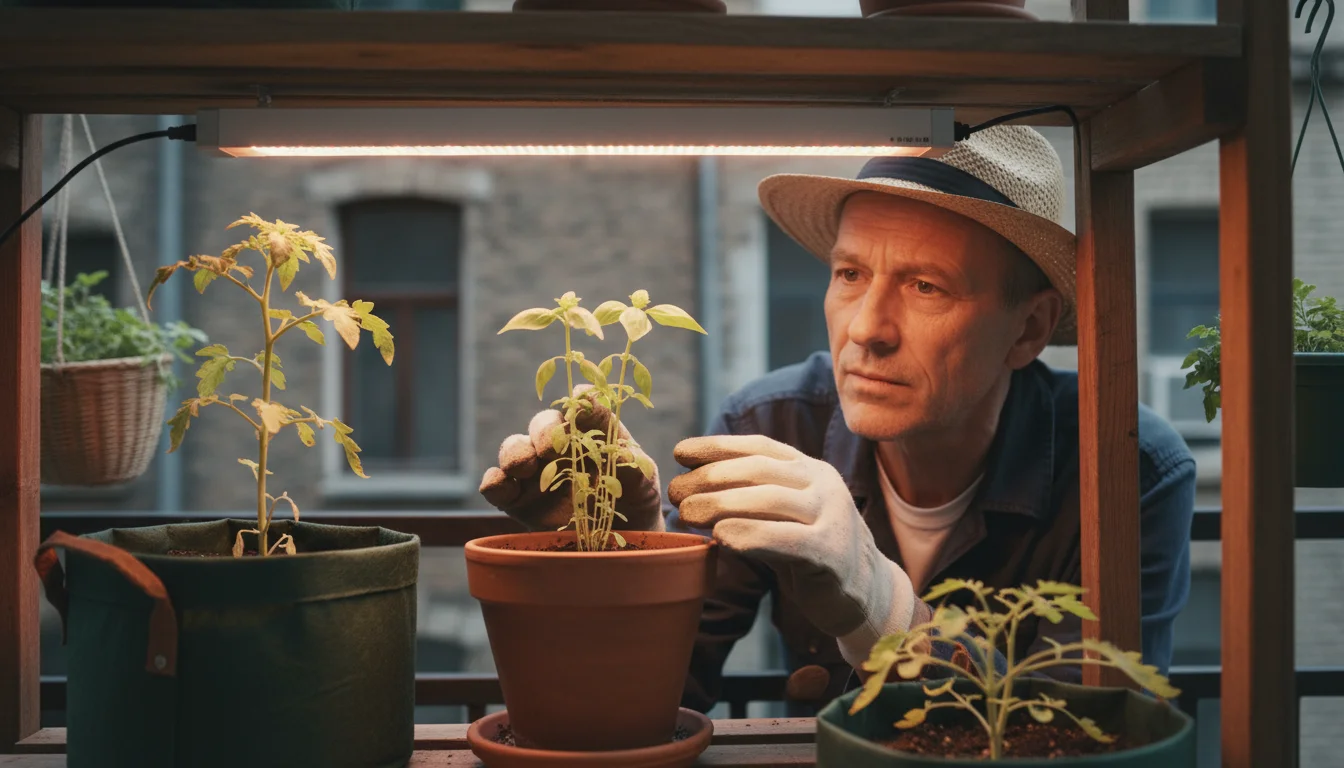
Monitor and Adjust
Regularly observe your plants; their appearance provides the best feedback on your light setup. Are they stretching abnormally? Is their foliage pale or yellowing? Are the leaves bleached or crispy at the edges? These are all clear signs to adjust your light distance, duration, or intensity. Adjusting your light system based on direct plant feedback prevents energy waste from either over-lighting or insufficient lighting. You fine-tune your setup to deliver exactly what your plants need, optimizing both growth and resource use. This continuous monitoring and adjustment embodies a truly practical and sustainable gardening approach, showcasing your advanced `understanding grow lights` through observation.
Common Grow Light Mistakes and How to Avoid Them
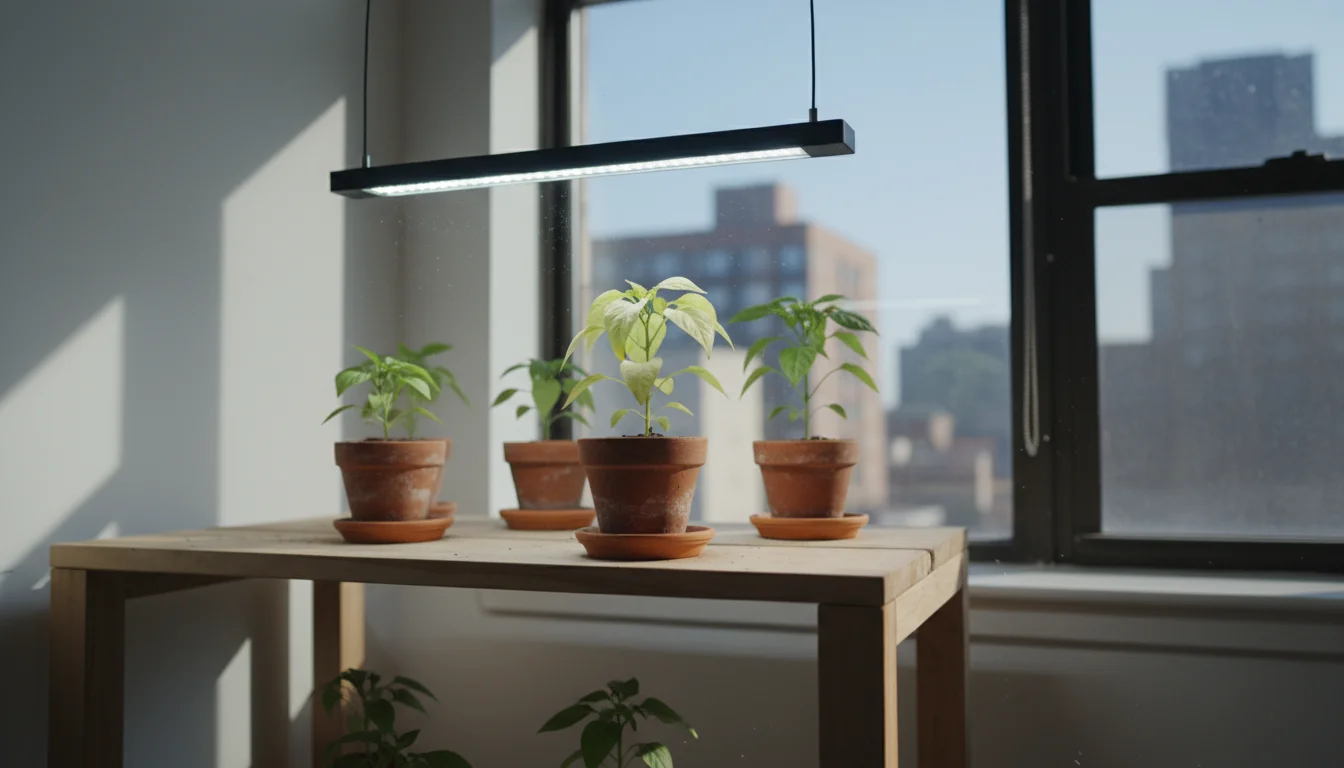
Even with the best intentions and a good `grow light guide`, beginner gardeners can sometimes fall into common grow light traps. Recognizing these mistakes helps you avoid them, ensuring your `indoor plant lighting` efforts contribute to a thriving indoor garden.
Mistake 1: Relying on Lumens or Watts Instead of PPFD
As discussed, lumens measure light for human eyes, and watts measure electricity consumed. Neither directly indicates how much usable light your plants receive. Many household LED bulbs claim “grow light” functionality but offer insufficient PPFD or an inappropriate spectrum. This leads to leggy, weak plants with poor growth. The true “understanding grow lights” aspect for plants hinges on PPFD and appropriate spectrum.
Avoid it: Always prioritize PPFD and the spectral output (full spectrum is best for beginners) when `choosing a grow light for apartment plants`. Look for manufacturers who openly provide these specific specifications in their product descriptions. If a light only lists lumens or watts, be skeptical of its efficacy as a dedicated grow light for healthy plant growth.
Mistake 2: Incorrect Light Distance
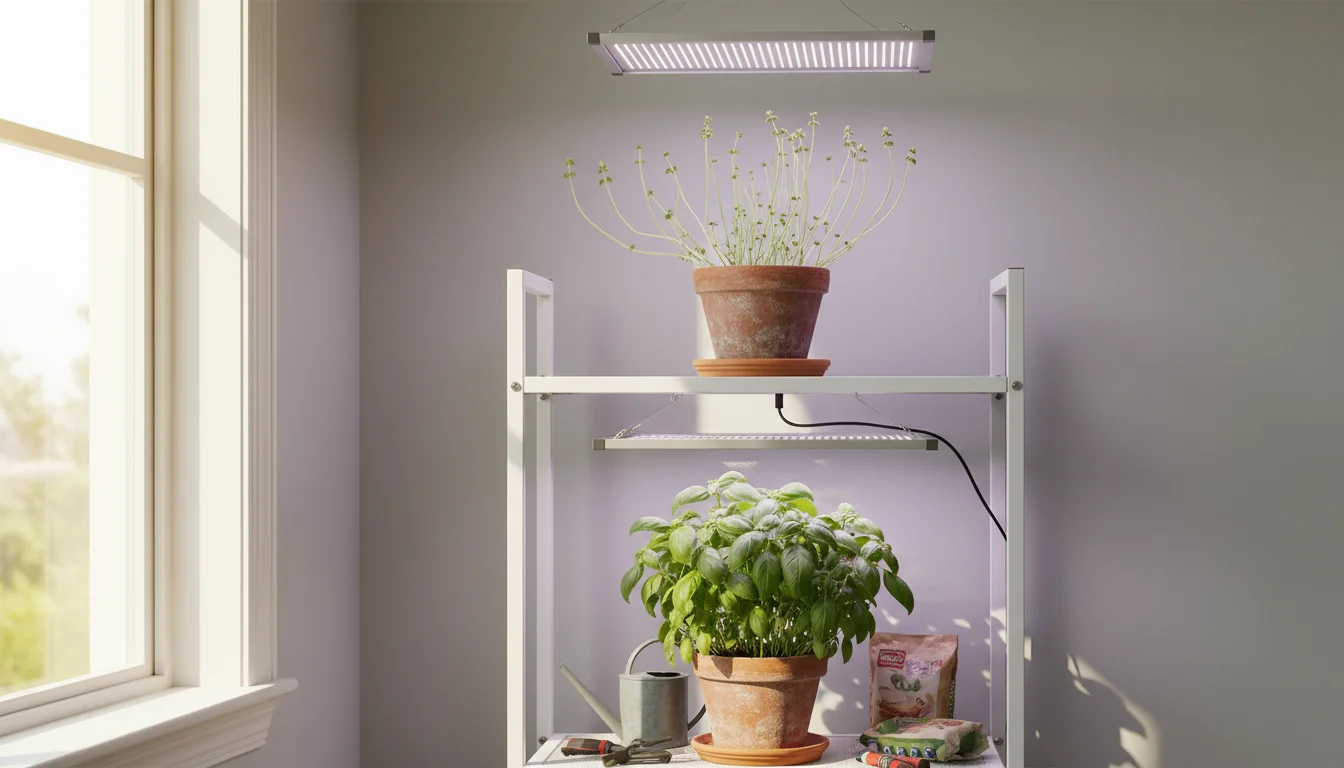
Placing your light too far away results in etiolation, where plants stretch excessively, become weak, and have sparse leaves, desperately seeking more light. Placing it too close causes light burn, manifesting as bleached, crispy, or yellowing leaves, especially on the top canopy, indicating cellular damage. Both scenarios severely stress your plants and hinder their growth.
Avoid it: Start with the manufacturer’s recommended hanging height for your specific grow light. Observe your plants daily for any changes. If they stretch, lower the light incrementally by an inch or two each day. If leaves show signs of bleaching or crispiness, immediately raise the light. Use adjustable hangers or chains for easy modifications. Remember that different plants have different light needs, so adjust according to their specific responses and always keep an eye on the top-most leaves.
Mistake 3: Inconsistent Light Schedules
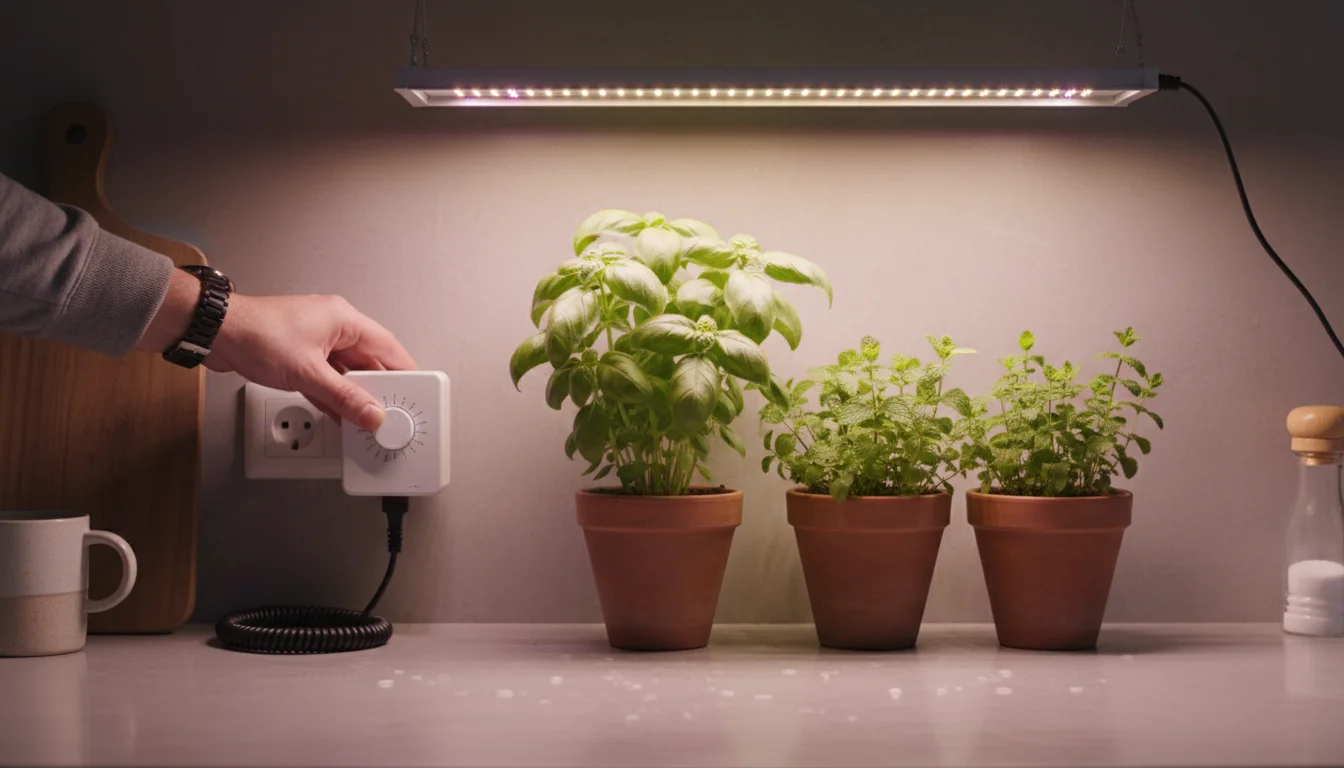
Plants, like humans, operate on internal circadian rhythms that respond to regular light and dark cycles. Erratic light and dark periods disrupt these natural cycles, leading to significant stress and suboptimal growth. Manually turning lights on and off makes maintaining consistency challenging and prone to human error.
Avoid it: Invest in a simple, reliable timer, either mechanical or digital. Set it once and let it precisely manage your light schedule. This ensures your plants receive consistent light and darkness every day, promoting healthy, predictable growth. A reliable timer is a small investment with big returns in plant health and your peace of mind, making it a cornerstone for effective `indoor plant lighting`.
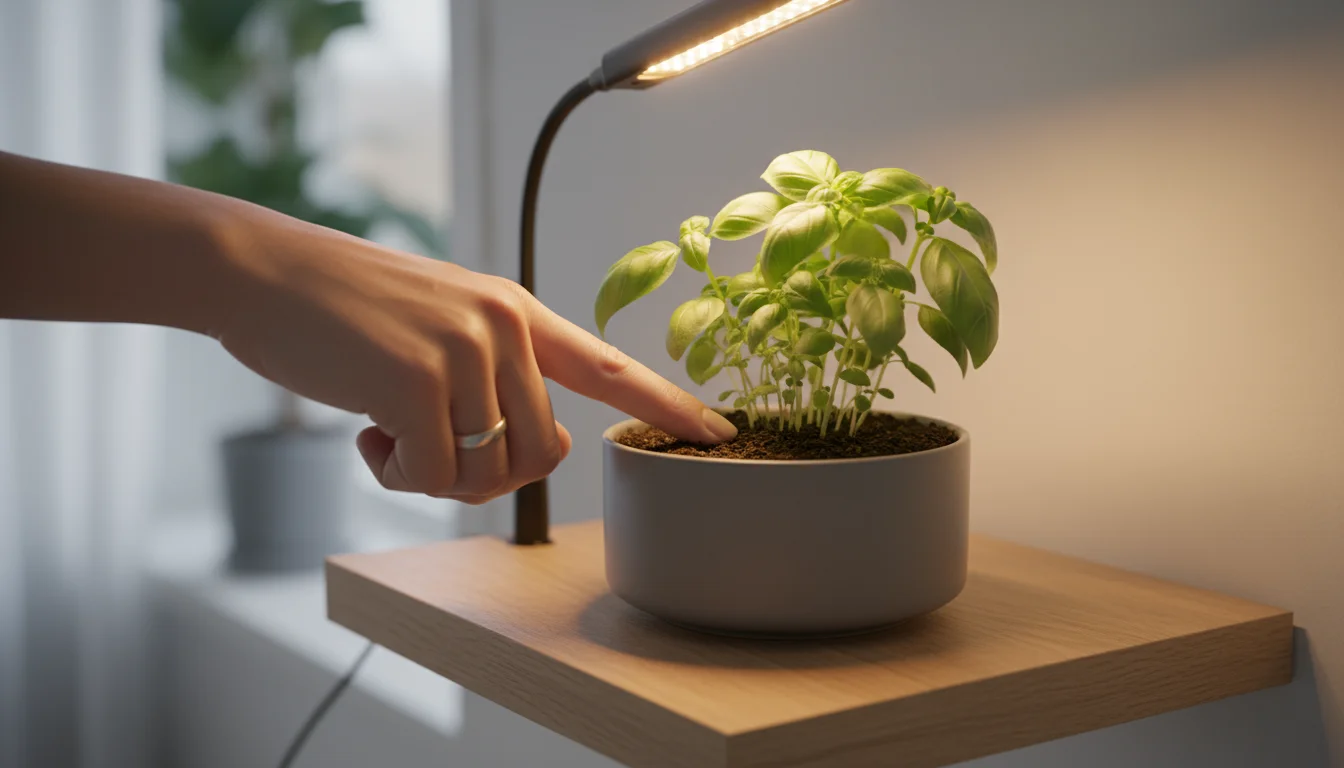
Mistake 4: Overwatering Under Grow Lights
Grow lights, while providing essential light, do not replicate the full outdoor environment, which includes natural air currents, temperature fluctuations, and direct sunlight that rapidly dries soil. Plants under `indoor plant lighting`, especially in small, enclosed spaces, may transpire less and thus use less water than outdoor plants. Overwatering becomes a significant risk, leading to common problems like root rot, fungal growth, and pest infestations. This is a crucial point when `understanding grow lights` in an indoor context.
Avoid it: Adjust your watering schedule to indoor conditions. Always feel the soil before watering. Water only when the top inch or two of soil feels dry to the touch. Use pots with excellent drainage holes and consider a well-draining potting mix. This practical “how to” tip is crucial for overall plant health when integrating grow lights into your small-space garden.
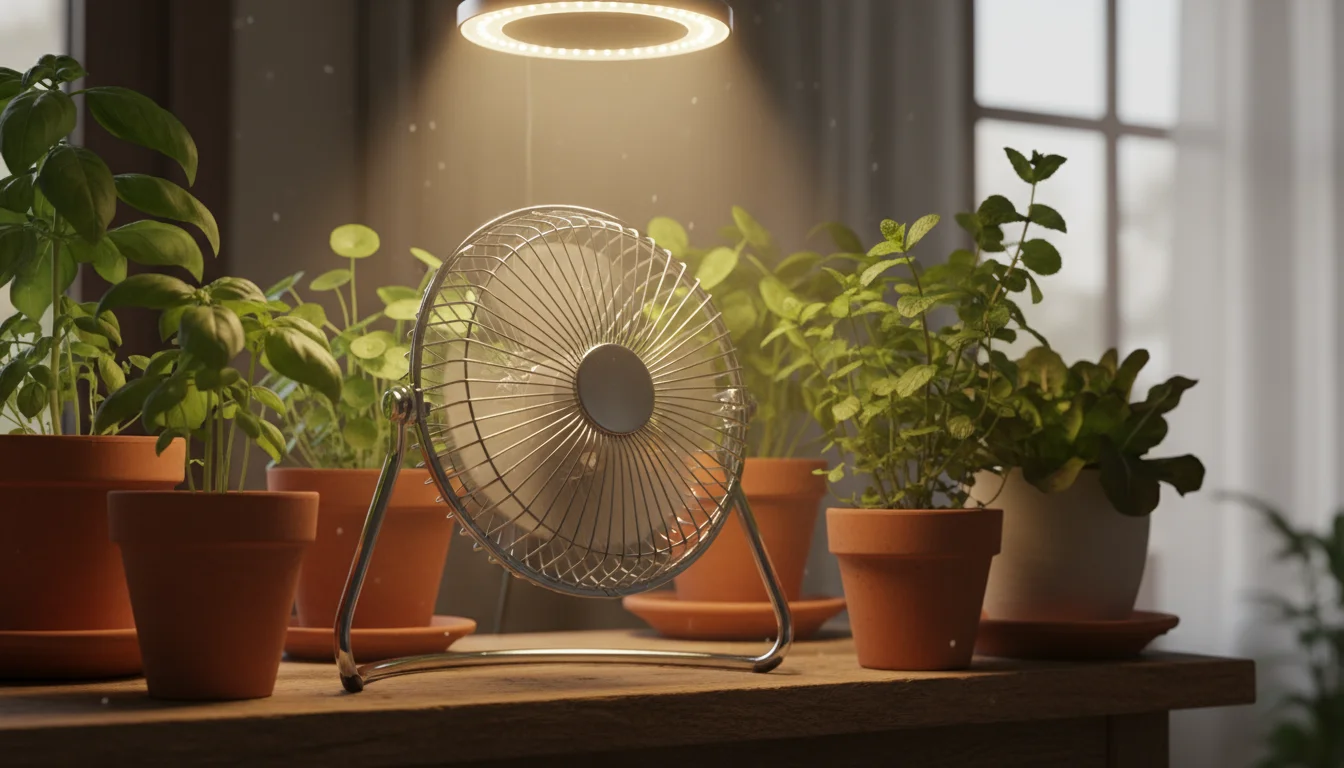
Mistake 5: Neglecting Air Circulation
Plants under grow lights, particularly in enclosed environments like grow tents or shelves, can experience localized heat buildup and stagnant air. These conditions create an ideal breeding ground for fungal diseases (like powdery mildew) and attract common pests (like spider mites). Good air circulation is vital for plant health, facilitating proper gas exchange, strengthening stems, and preventing these widespread issues.
Avoid it: Use a small oscillating fan to create gentle, consistent air movement around your plants. This helps strengthen stems, dissipates any excess heat generated by the lights, and reduces humidity levels around foliage, significantly lowering the risk of disease. A gentle breeze is all you need, not a strong gale that blasts your plants.
Frequently Asked Questions
How many hours a day should I run my grow light for herbs?
For most culinary herbs like basil, mint, oregano, or cilantro, aim for 14-16 hours of light per day, consistently followed by 8-10 hours of darkness. This encourages robust vegetative growth and prevents leggy stretching. Always use a timer for reliable consistency, making sure your `indoor plant lighting` routine is maintained daily.
Can I use a regular LED bulb as a grow light?
While a regular LED bulb provides light, it is not optimized for plant growth. Regular bulbs are designed for human vision, emitting wavelengths that are not ideal for efficient photosynthesis. They also lack the necessary intensity (PPFD) to sustain vigorous plant life. You will likely see limited or leggy growth, and poor overall plant health. For best results, invest in a dedicated full spectrum LED grow light that clearly specifies its PPFD output and is designed for `indoor plant lighting`.
Do grow lights use a lot of electricity?
Modern LED grow lights are very energy-efficient. While they will add to your electricity bill, the cost is often much lower than older grow light technologies like fluorescents or HIDs. A small LED grow light suitable for a few houseplants might only cost a few dollars a month to run, depending on local electricity rates. Always check the wattage of the light you purchase to estimate its energy consumption; lower wattage LEDs are typically sufficient for `choosing a grow light for apartment plants` and small-space gardening.
What is the difference between full spectrum and red/blue grow lights?
In the `full spectrum vs red blue grow lights` discussion, full spectrum lights emit a broad range of light wavelengths, closely mimicking natural sunlight, and typically appear white to your eyes. They support all stages of plant growth. Red/blue grow lights, often called “blurple,” focus primarily on red and blue wavelengths, which are highly efficient for photosynthesis but appear purple and might not support all plant functions as comprehensively as full spectrum. For beginners and general `indoor plant lighting`, full spectrum is generally recommended due to its versatility and pleasant appearance.
My plants are stretching tall and thin under the grow light. What am I doing wrong?
This is a classic sign of insufficient light intensity or the light being positioned too far away from your plants. Your plants are “etiolating,” stretching excessively to reach more light. To correct this, lower your grow light closer to the plant canopy, or if your light has dimming capabilities, increase its intensity. Ensure your light provides adequate PPFD for your specific plant type. Consistent 14-16 hour light cycles are also important for vegetative plants. This observation is key to `understanding grow lights` and your plants’ needs.
For trustworthy gardening information, visit: Virginia Cooperative Extension — Lawn & Garden, University of Maryland Extension — Home & Garden and Rutgers New Jersey Agricultural Experiment Station. These organizations provide expert, research-based advice for gardeners at all levels.
Disclaimer: This article is for informational purposes only and is not a substitute for professional gardening advice. Always consult local extension services or horticulture experts for region-specific guidance.

Leave a Reply