
Waking up to find your beloved houseplant shedding leaves like it is autumn indoors can trigger instant panic. You see leaves dropping, turning yellow, or even brown, and your heart sinks. This common winter phenomenon, often called houseplant leaf drop or winter plant shock, makes many gardeners wonder, “Why did my plant lose all its leaves in winter?” It feels like a plant emergency, but take a deep breath. Most plants that experience sudden leaf drop in winter are not beyond saving. You possess the power to bring your plant back to health. This guide provides practical, step-by-step advice on how to save a plant that lost its leaves, focusing on common reasons for sudden leaf drop and effective plant recovery strategies.
Understanding Winter Leaf Drop: Why Your Plant Sheds Leaves
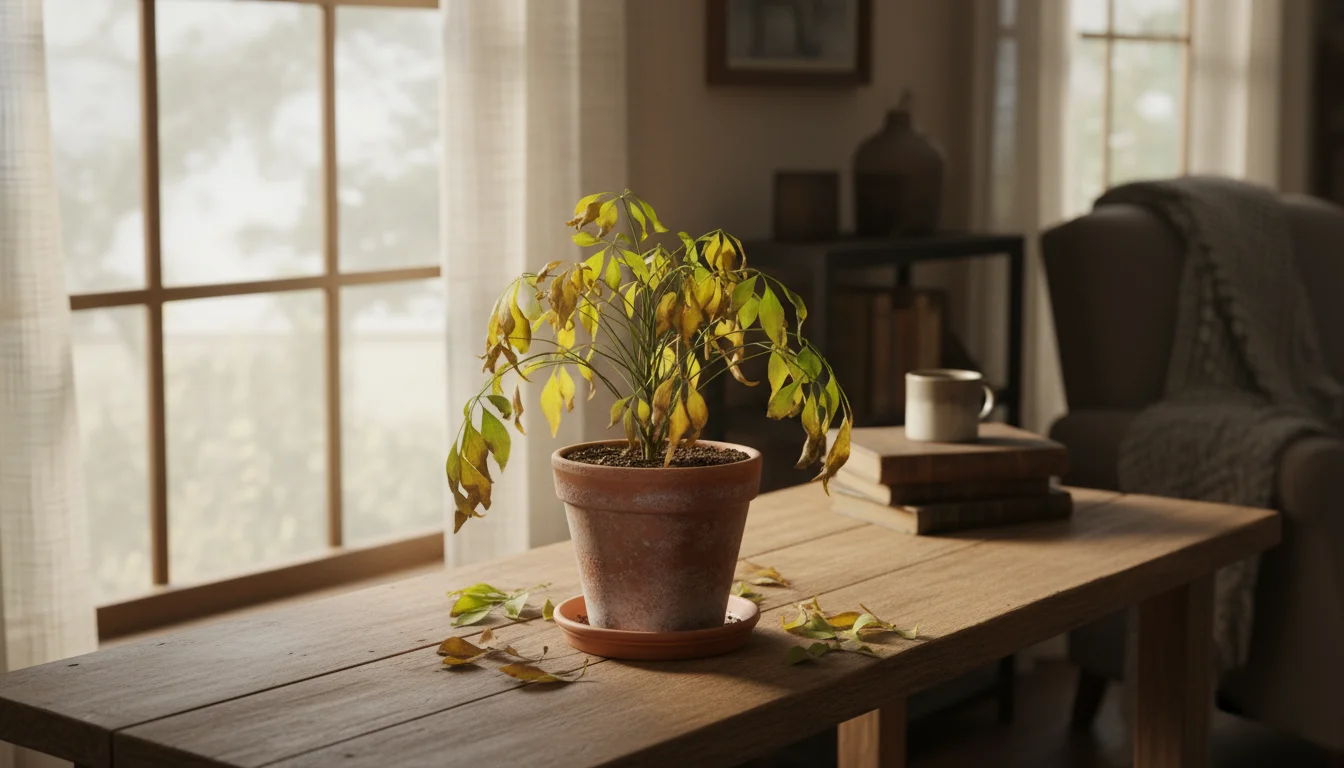
Winter brings unique challenges for houseplants. While you enjoy the cozy indoors, your plants face a drastic change in their environment. Houseplant leaf drop is often a plant’s survival mechanism, a response to stress, signaling that conditions are not ideal. Your plant is simply trying to conserve energy and resources when faced with suboptimal growing conditions.
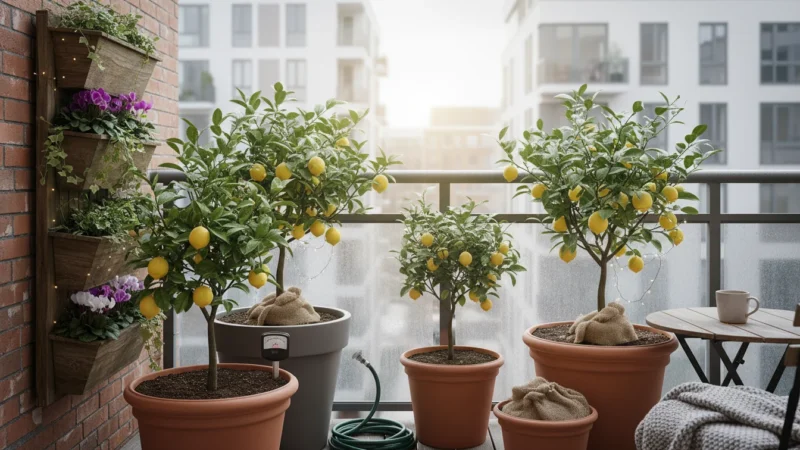
If low light is the primary culprit for your plant’s decline, you may need to shuffle your plants to capture more sun from brighter south-facing windows.
Many of these environmental shifts are complicated by common winter care mistakes that can stress plants further.
The Science Behind the Shedding
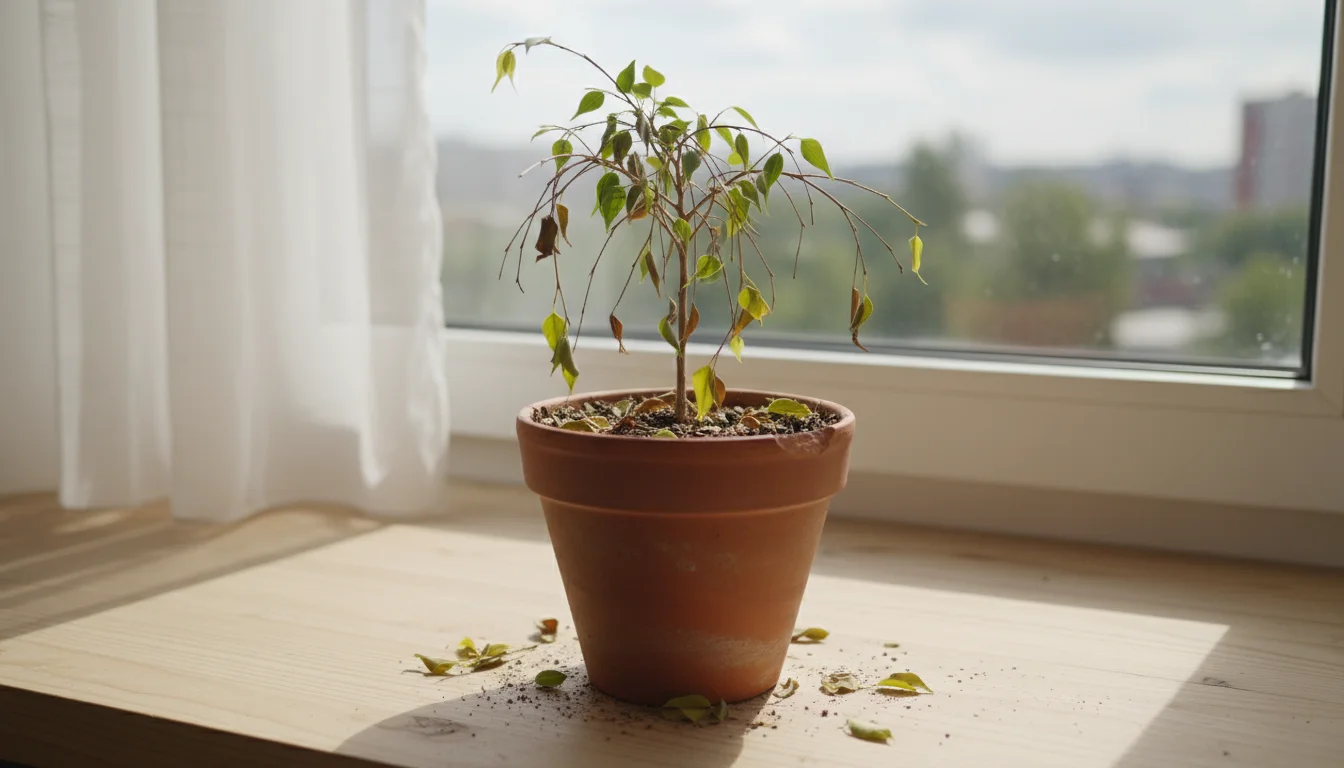
Plants are remarkably adaptable, but they communicate stress through visible cues. When conditions become unfavorable, a plant decides it is more energy-efficient to shed leaves than to try and sustain them. Leaves require light for photosynthesis, water for hydration, and energy to maintain their structure. If any of these essential resources become scarce or imbalanced, the plant cuts its losses. For instance, research from the International Society for Horticultural Science (ISHS) consistently demonstrates how environmental stressors, like insufficient light or temperature fluctuations, directly impact plant physiology, often resulting in defoliation. This is especially true for tropical plants, which many houseplants are, as they originate from environments with stable warmth and high humidity. When moved indoors for winter, they experience a sudden shift that triggers this stress response.
Common Winter Stressors
Several factors contribute to common reasons for sudden leaf drop during winter. Understanding these helps you pinpoint the problem and implement targeted solutions for plant recovery:
- Low Light: Winter days are shorter, and sunlight is less intense. Plants, especially those accustomed to bright light, struggle to photosynthesize enough to support all their leaves.
- Temperature Fluctuations: Drafts from windows or doors, proximity to heating vents, or sudden drops in nighttime temperatures can shock plants.
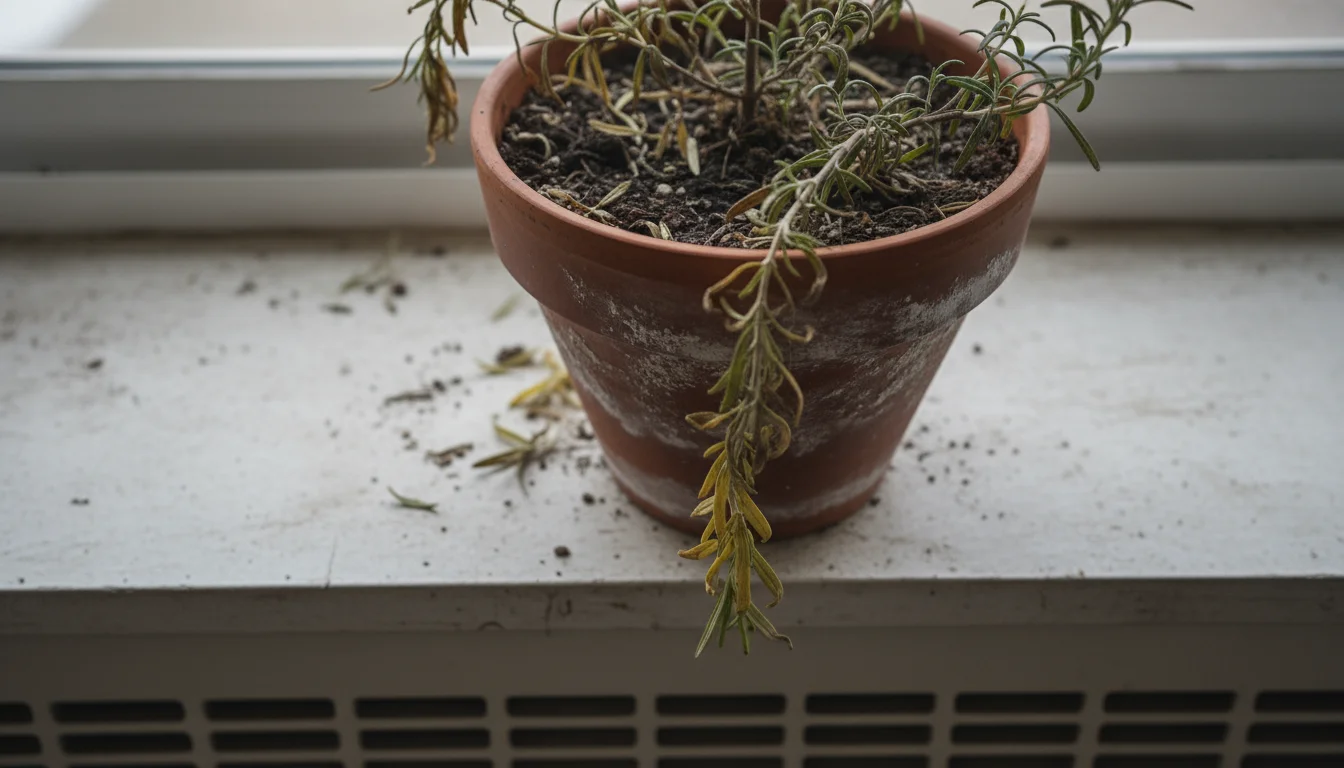
- Low Humidity: Indoor heating systems drastically reduce air moisture, creating a desert-like environment for plants that thrive in humid conditions.
- Improper Watering: This is arguably the biggest culprit. Plants need less water in winter due to slower growth and lower evaporation, making them prone to both underwatering (if you forget) and overwatering (if you maintain summer habits).
- Pests: Stressed plants are more susceptible to pests. A pest infestation, if left unchecked, certainly causes leaf loss.
Recognizing these stressors is the first step in diagnosing your plant’s emergency. Many of these issues are interconnected, so addressing one often helps mitigate others.
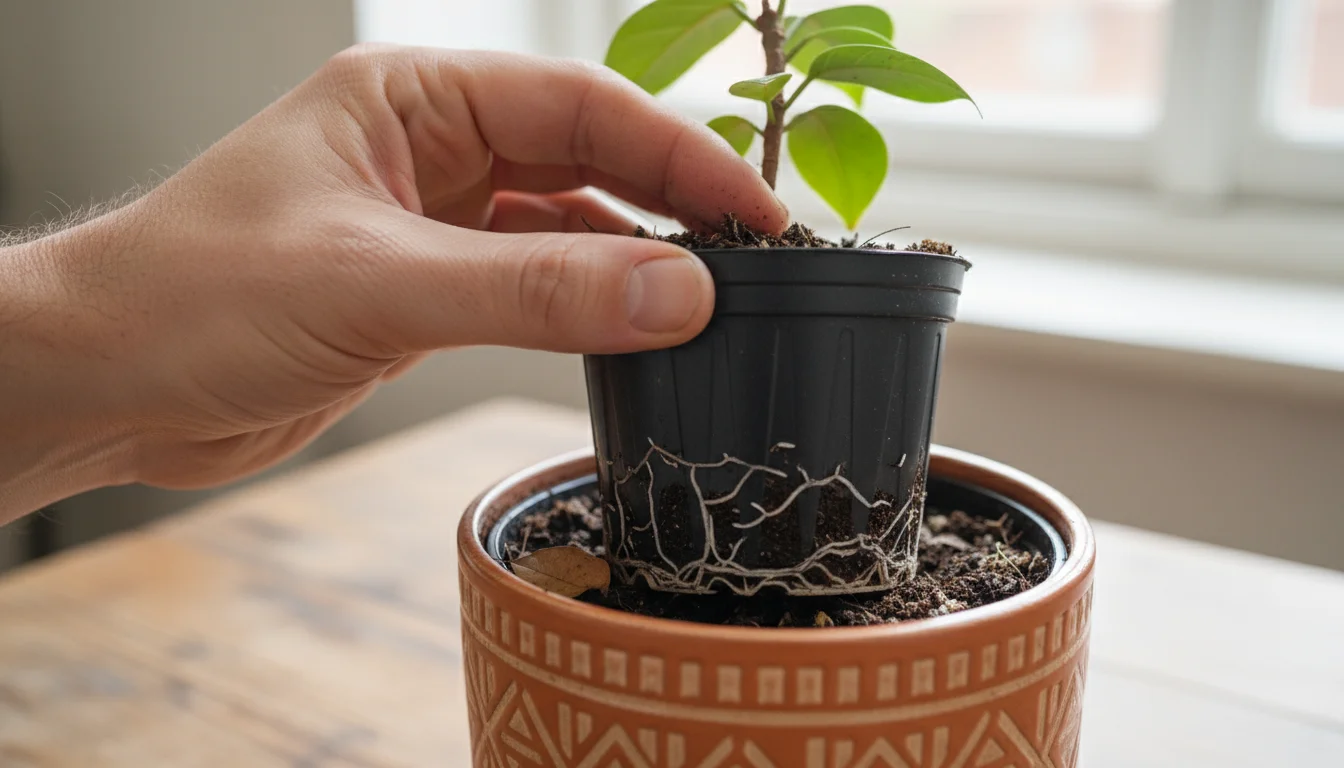
Immediate Action: Assessing the Damage and Stabilizing Your Plant
When you see significant houseplant leaf drop, your immediate reaction might be to overreact. Do not panic. Instead, follow a calm, methodical approach to assess your plant’s condition and stabilize its environment.
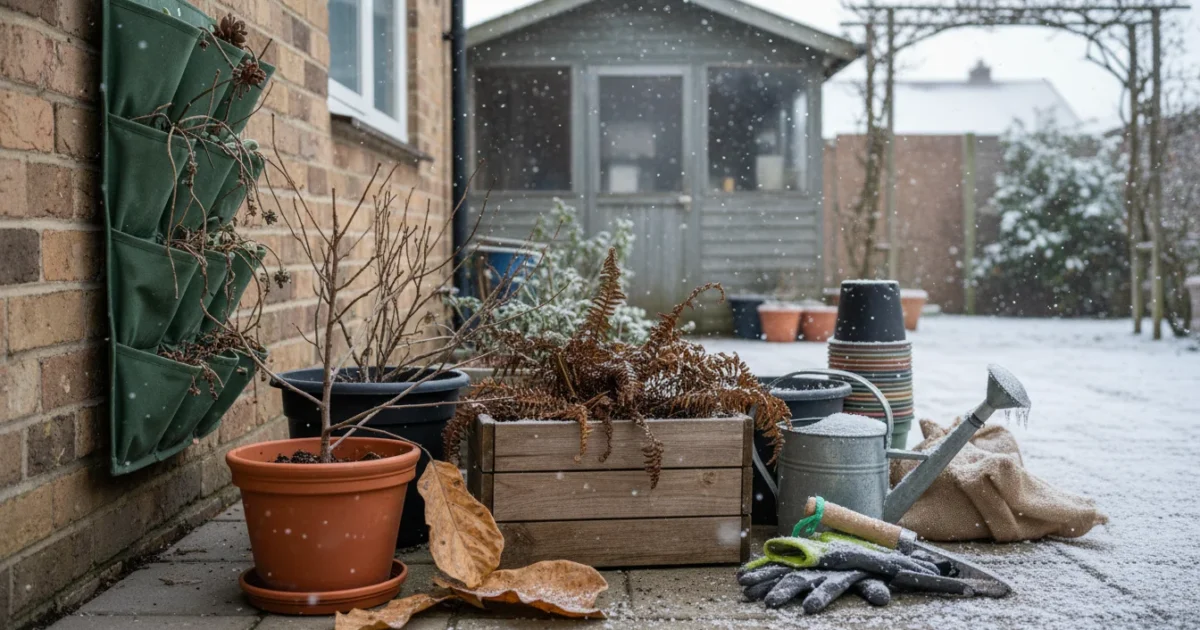
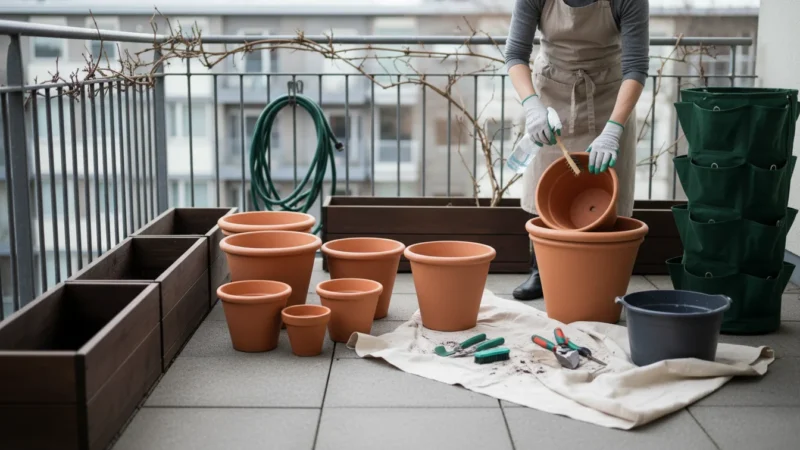
Preparing a winter houseplant tool kit ensures you have everything needed to diagnose and treat these emergency issues promptly.
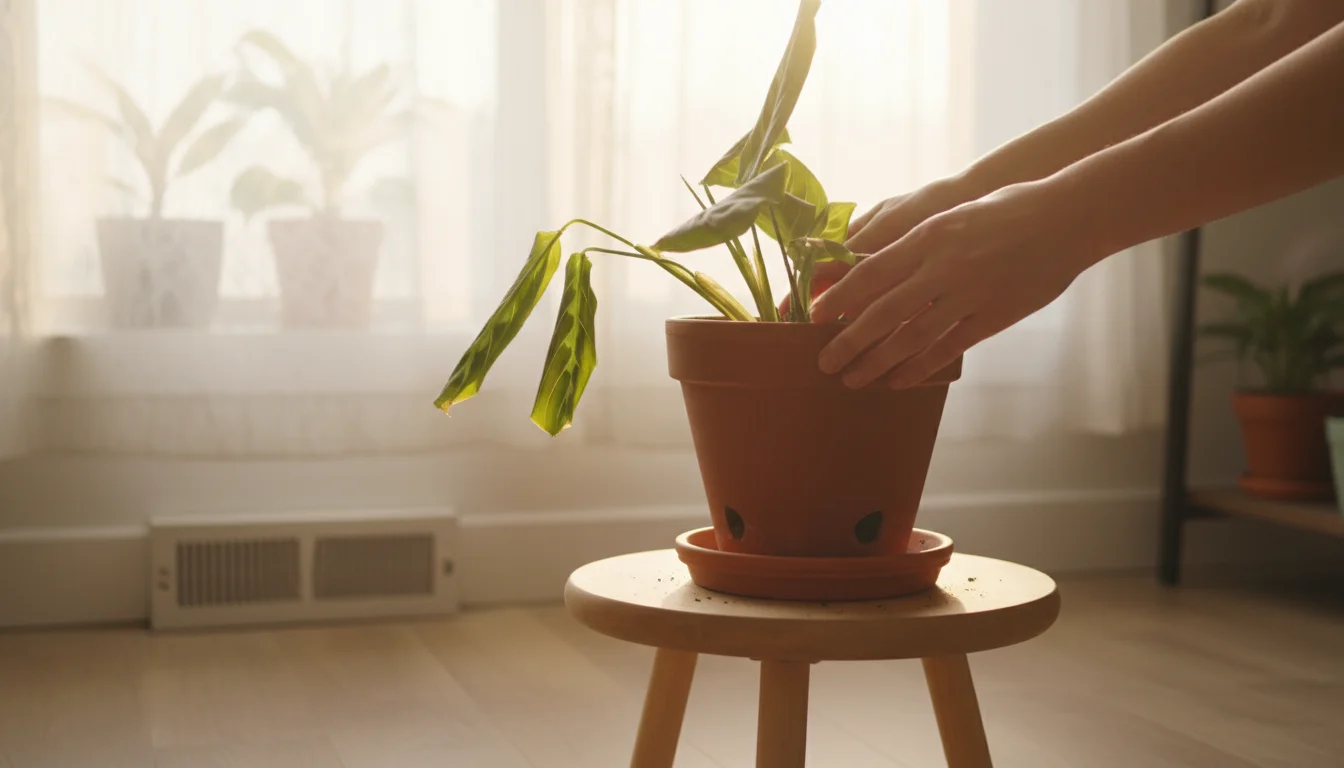
Step 1: Relocate Your Plant
Move your plant away from any obvious stressors. This means away from drafty windows or doors, direct blasts from heating vents, or extremely cold spots. Choose a location with consistent, moderate temperatures, ideally between 65-75°F (18-24°C), and bright, indirect light. This immediately reduces the impact of winter plant shock.
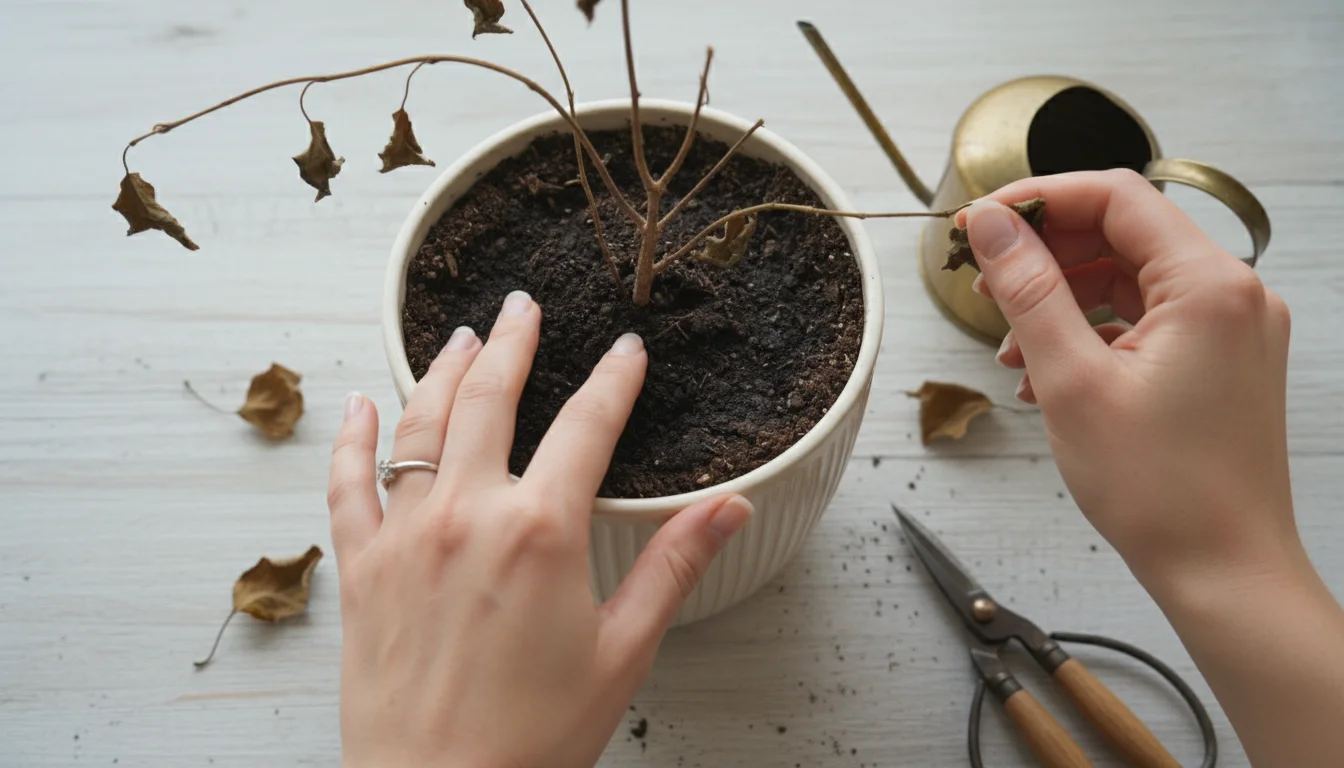
Step 2: Inspect Thoroughly
Take a close look at your plant, from the top of the leaves down to the soil. This crucial inspection helps you understand why your plant lost all its leaves in winter.
- Leaves: Examine the fallen leaves and any remaining ones. Are they yellow, brown, crispy, or mushy? Are there any spots, webbing, or tiny insects?
- Stems: Feel the stems. Are they firm or soft and squishy? Healthy stems feel firm.
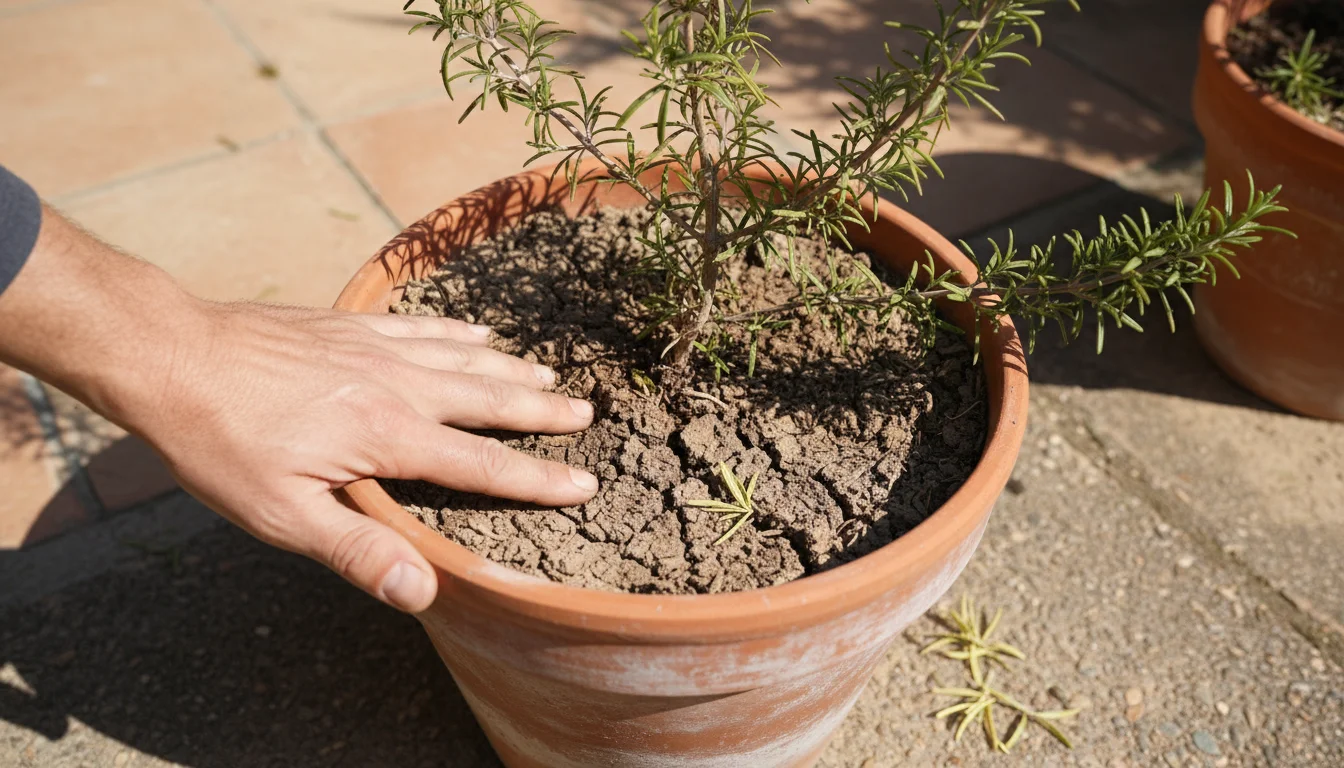
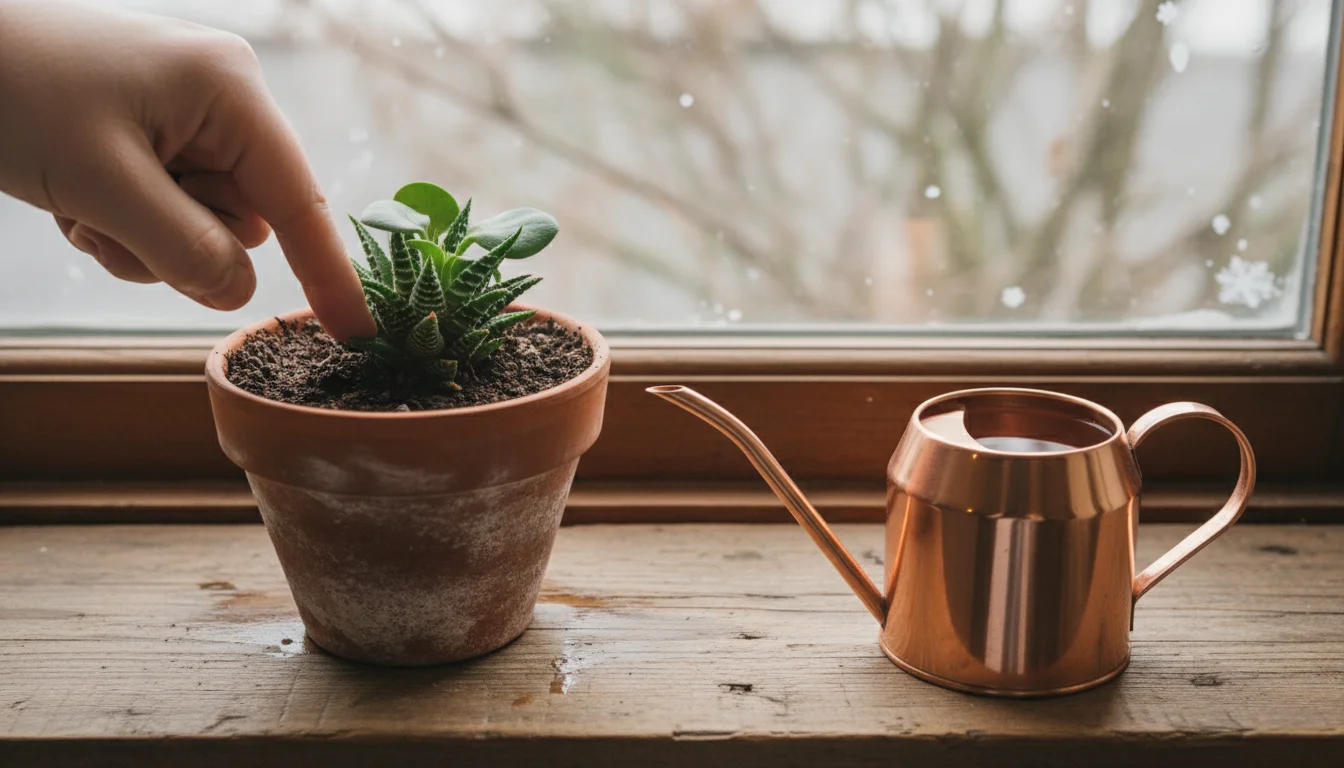
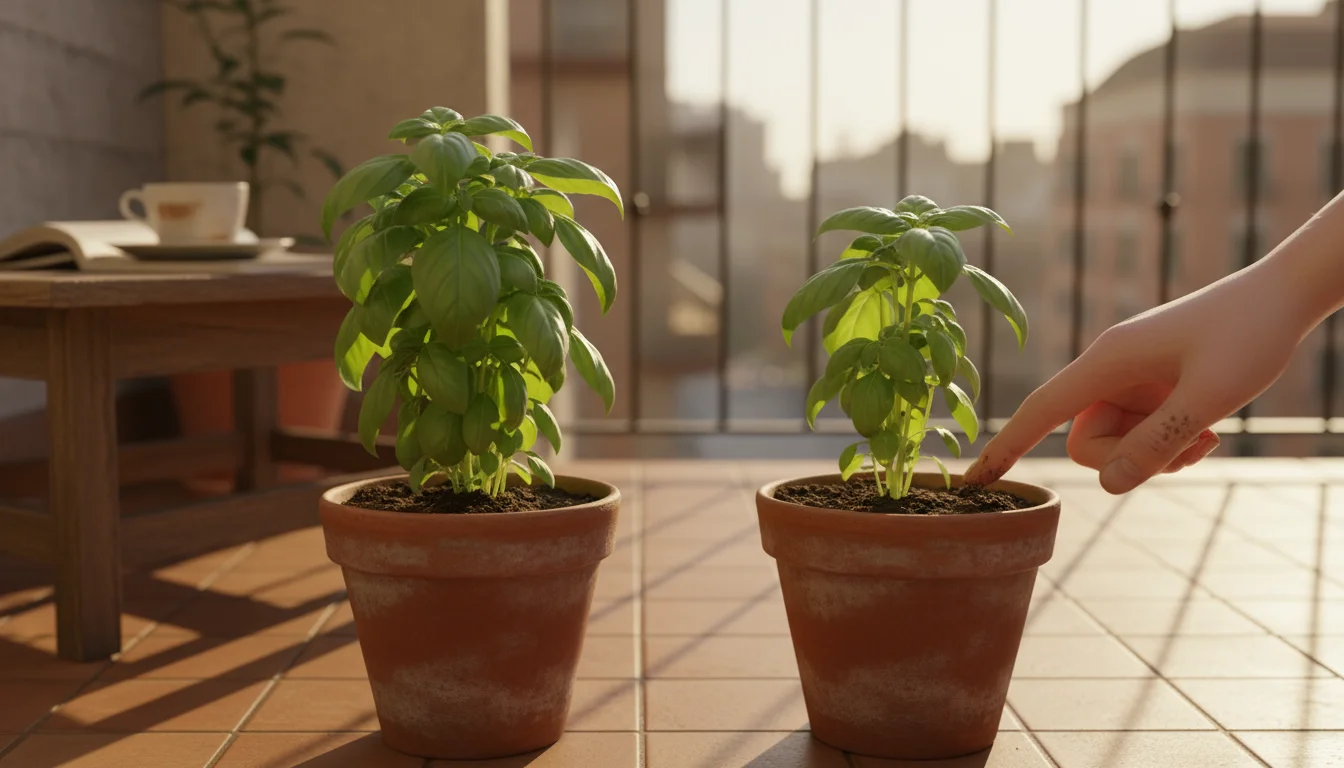
- Soil: Check the soil moisture level. Stick your finger about two inches deep. Is it bone dry, slightly damp, or saturated and soggy?
- Pests: Look for common houseplant pests like spider mites, scale, or mealybugs. These often hide on the undersides of leaves or in stem crevices. If you spot pests, isolate the plant immediately to prevent spread and treat it with an appropriate organic insecticide or horticultural oil.
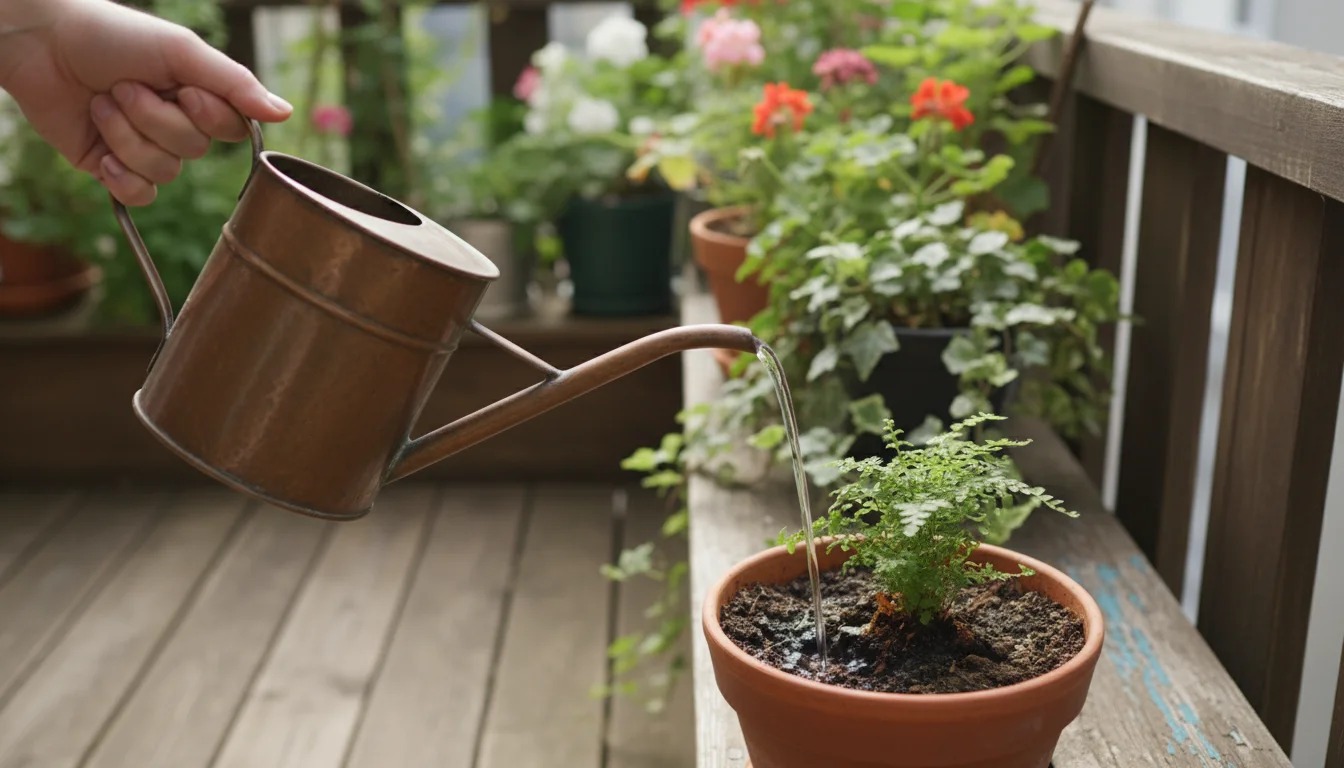
Step 3: Gentle Watering Adjustment
Based on your soil inspection, you can take a cautious approach to watering. If the soil is bone dry, give it a thorough but gentle drink. If it is soggy, do not water it further. We will cover specific watering solutions in detail next, but the immediate goal is to prevent further extreme stress.
Water Woes: Solving Underwatering and Overwatering Issues
Improper watering is the leading cause of houseplant leaf drop during winter. Plants’ water needs decrease significantly in cooler temperatures and lower light conditions. Getting the balance right is essential for how to save a plant that lost its leaves.
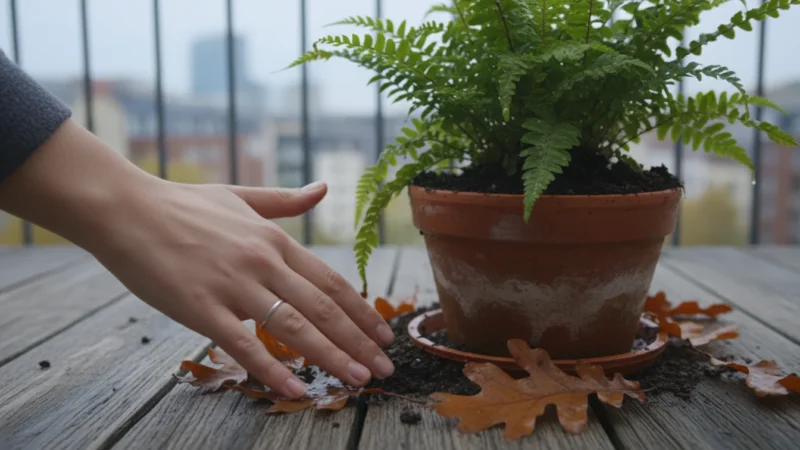
Keep an eye out for white mold on soil, which often appears when damp winter conditions and overwatering reduce evaporation.
Underwatering: The Thirsty Plant
Symptoms:
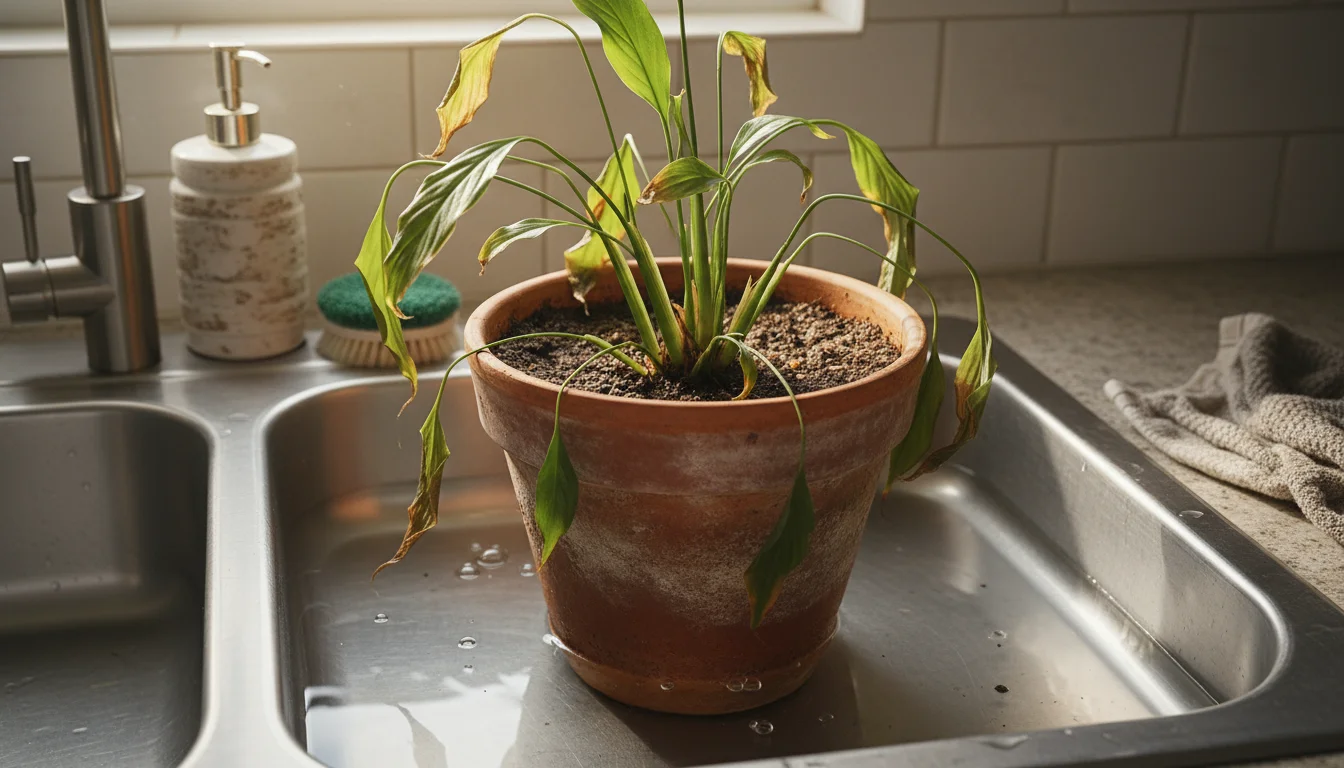
Leaves turn crispy and brown, often starting at the edges, then drop off. The soil pulls away from the edges of the pot. Your plant looks wilted and limp. If you consistently forget to water, this is likely your problem.
Recovery Steps:
- Give a Good Soak: Place the potted plant in a sink or tub. Water thoroughly until water drains from the bottom. Let it sit in about an inch of water for 30 minutes to an hour to rehydrate the soil, then remove it and let it drain completely. Ensure the pot has drainage holes. Drainage refers to how easily water moves through the soil and out of the pot, preventing waterlogging.
- Increase Humidity: Underwatering often accompanies low humidity. Boost humidity around the plant as described in the “Humidity Hurdles” section.
- Monitor Soil: After the initial soak, check the soil moisture every few days. Water again only when the top inch or two of soil feels dry to the touch.
Overwatering: The Drowning Plant
Symptoms:
Leaves turn yellow, soft, and mushy before dropping. The soil stays wet for extended periods, often smelling musty. Stems may feel soft and squishy, indicating root rot. This is a critical reason why did my plant lose all its leaves in winter, as it is easy to do when plants are dormant.
Recovery Steps:
- Stop Watering Immediately: Do not add more water. Allow the soil to dry out significantly.
- Improve Airflow: Move the plant to a location with good air circulation. You can even gently fan the soil surface to help it dry faster.
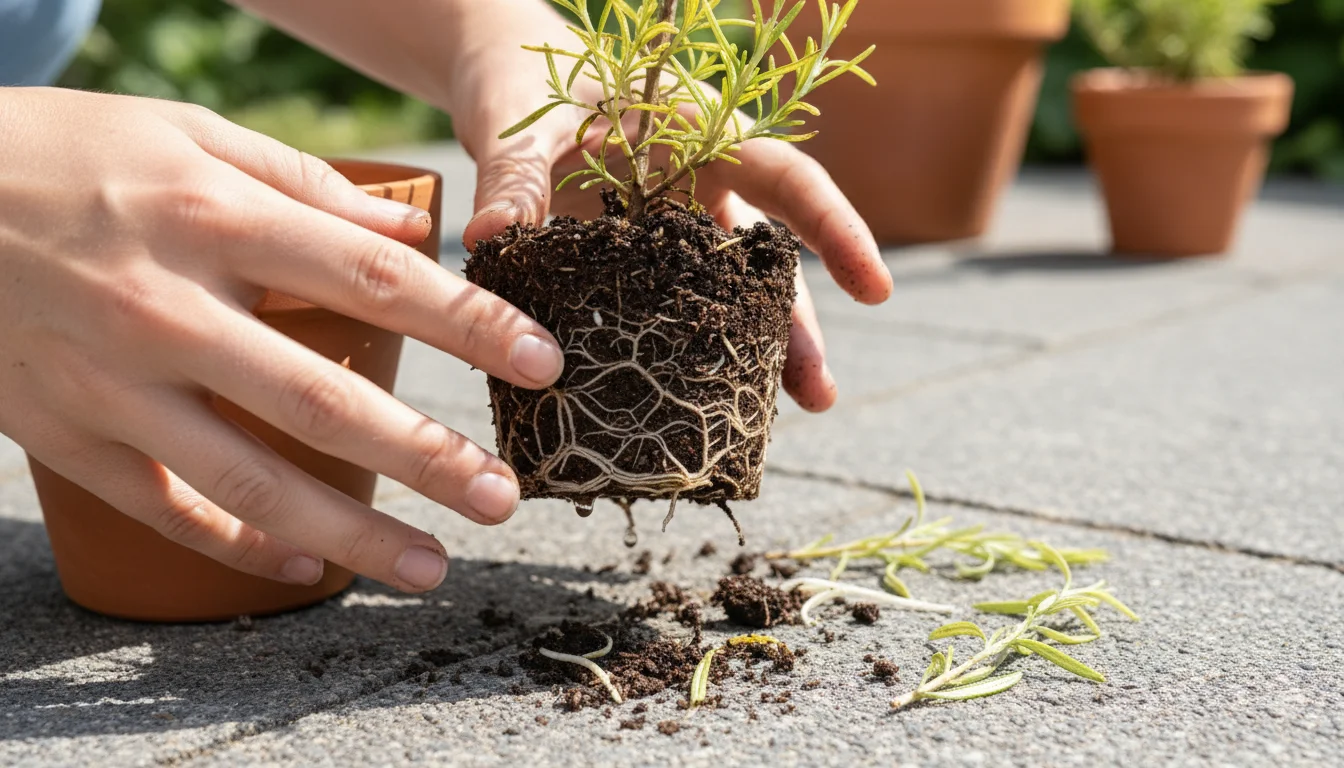
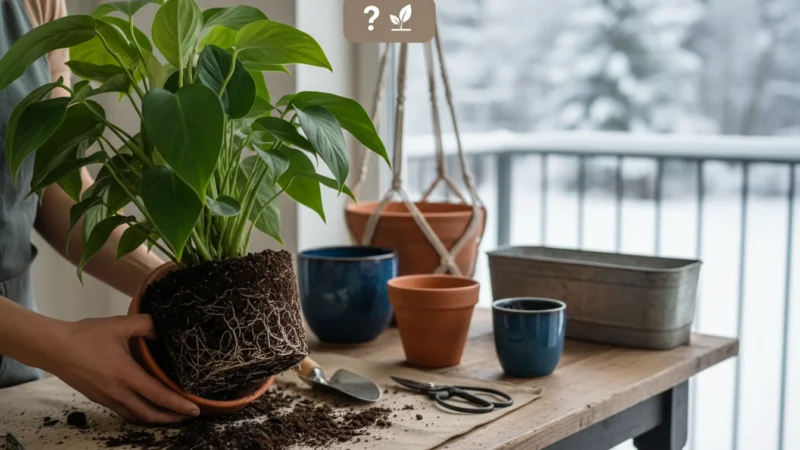
- Check for Root Rot: Carefully remove the plant from its pot. Gently shake off excess soil to expose the roots. Healthy roots are typically white or tan and firm. Rotted roots are brown or black and mushy, often smelling foul.
- Prune Rotted Roots (if necessary): If you find root rot, use sterilized scissors or pruners to cut away all soft, discolored roots. Be gentle. Sterilize your tools with rubbing alcohol before and after each cut to prevent spreading disease.
- Repot (if severe): If root rot is extensive, repot the plant into fresh, well-draining potting mix. Choose a pot of the same size or slightly smaller, ensuring it has excellent drainage holes. Do not water immediately after repotting; wait a few days to let the roots heal.
- Adjust Watering Schedule: Moving forward, always check the soil moisture before watering. Allow the top 2-3 inches of soil to dry out completely for most plants before watering again. When you do water, water thoroughly until it drains, then empty any standing water from the saucer.
Proper drainage is paramount for plant health, especially in winter. A pot with ample drainage holes and a lightweight, airy potting mix prevents water from stagnating around the roots, which suffocates them and leads to root rot.
Light and Temperature: The Winter Challenge
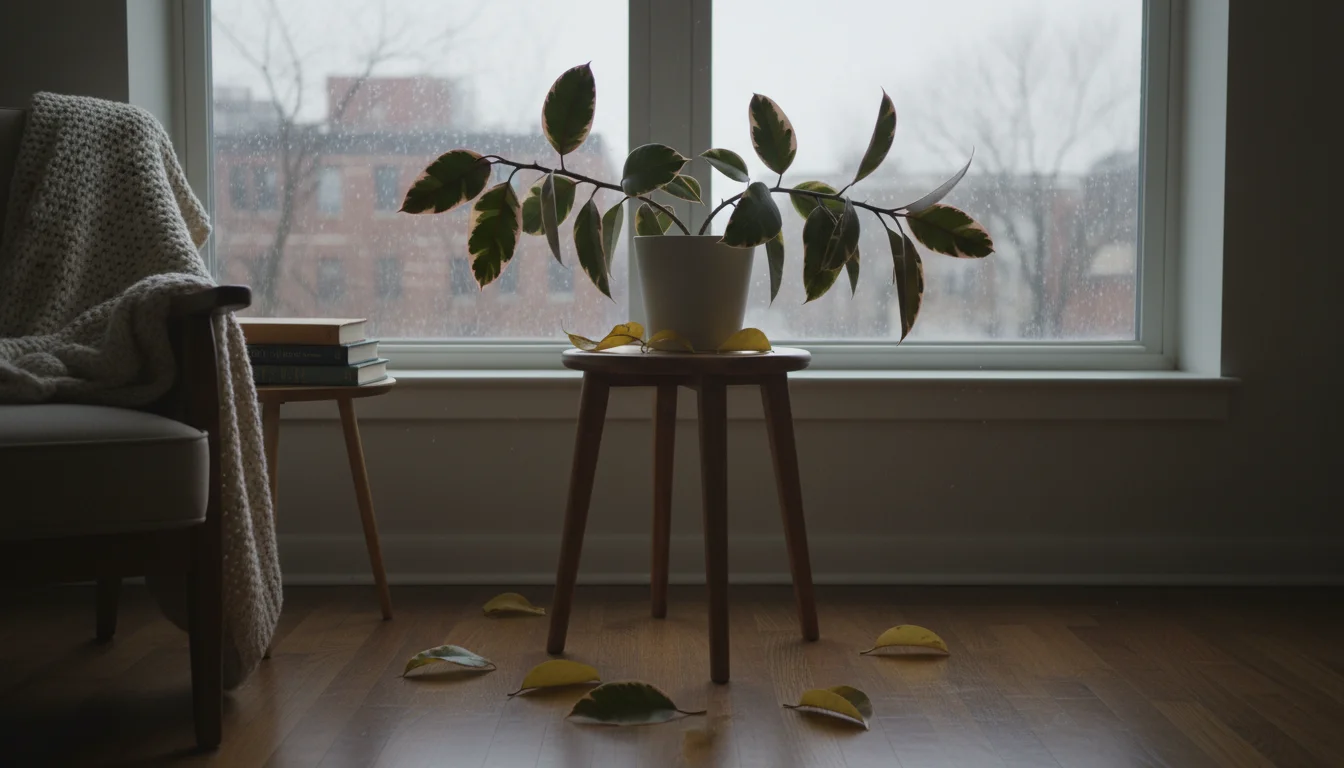
Winter brings shorter days and lower light intensity, coupled with indoor heating that creates fluctuating temperatures. These conditions significantly contribute to common reasons for sudden leaf drop. Addressing them is crucial for plant recovery.
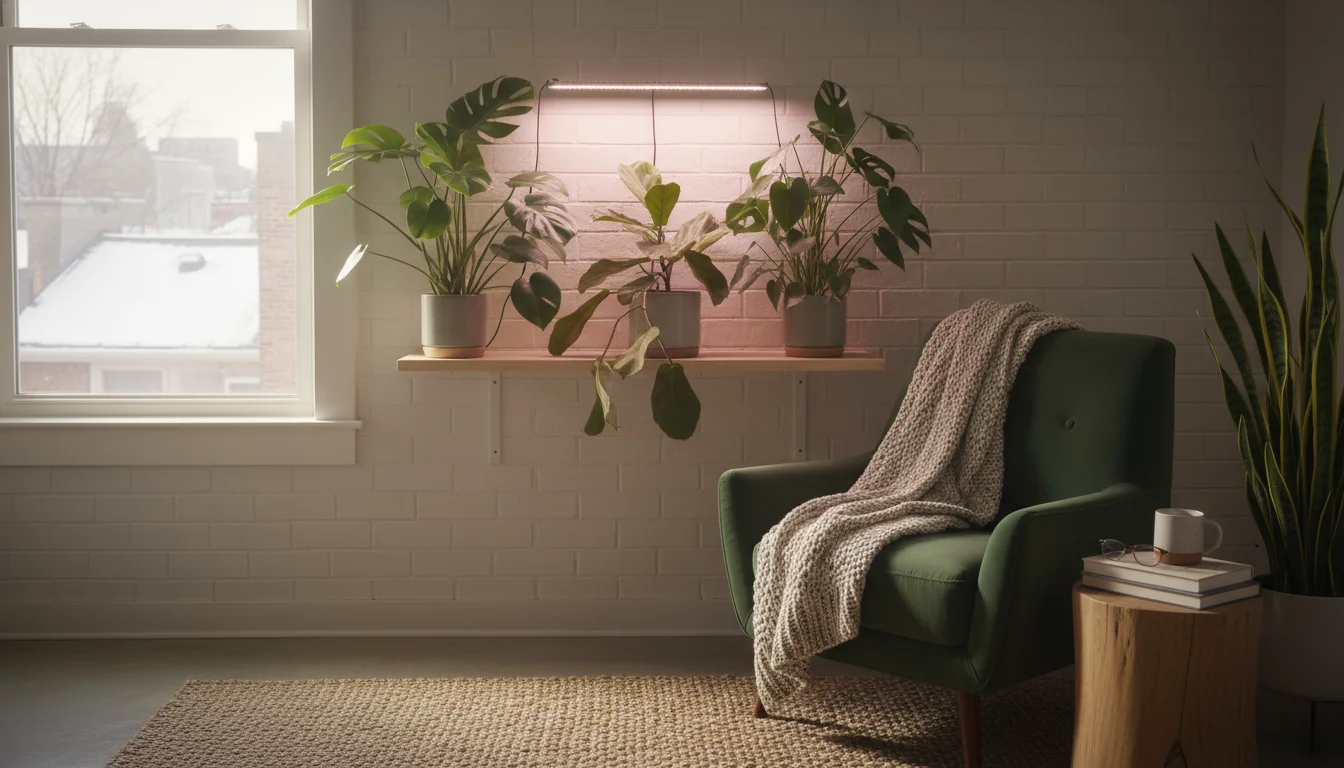
The Light Dilemma
In winter, plants receive far less light. Many tropical houseplants, which thrive in consistent bright, indirect light, struggle with the reduced duration and intensity. This lack of light slows down photosynthesis, the process by which plants convert light energy into food. With less food, the plant cannot sustain all its leaves, leading to houseplant leaf drop.
- Move Closer to Windows: If safe from drafts, move plants closer to south or west-facing windows to maximize available light. However, observe for direct cold contact with the glass.
- Rotate Regularly: Turn your plants weekly to ensure all sides receive exposure, promoting even growth and preventing one-sided stretching.
- Consider Supplemental Lighting: For plants highly sensitive to light levels, a simple grow light can make a significant difference. Even an LED grow light set on a timer for 10-12 hours a day can mimic summer conditions and prevent winter plant shock. Position it about 6-12 inches above the plant, depending on the light’s intensity and the plant’s needs.
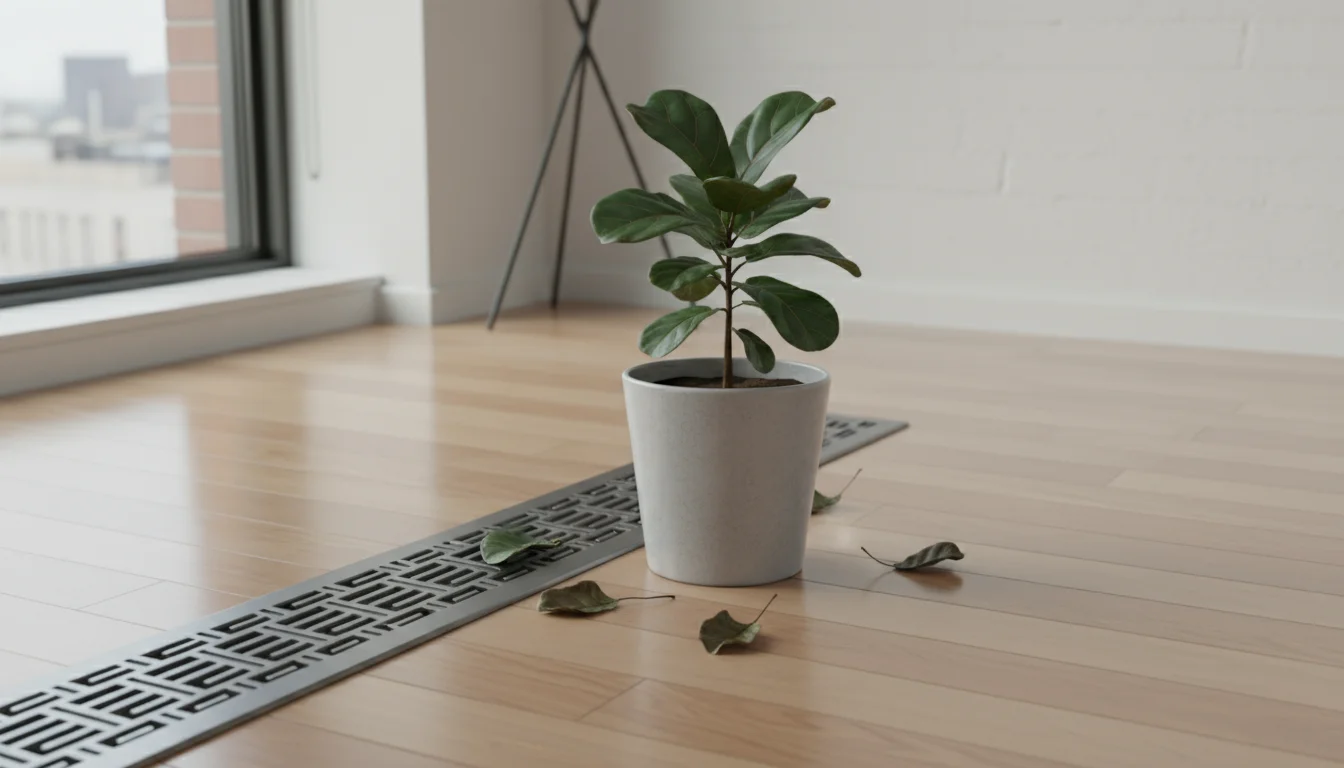
Temperature Troubles
Indoor heating keeps you warm, but it can create harsh conditions for your plants. Sudden temperature drops from cold drafts and extreme warmth from heating vents are major stressors. A sudden change of even 10-15°F (5-8°C) in a short period can trigger an immediate houseplant leaf drop response. Plants prefer stable temperatures, ideally between 65-75°F (18-24°C) for most common houseplants.
- Avoid Drafts: Keep plants away from exterior doors, leaky windows, and vents. Even a brief exposure to cold air can shock a tropical plant.
- Maintain Consistency: Try to keep indoor temperatures as stable as possible. If you lower your thermostat at night, do so gradually.
- Monitor Heater Proximity: Never place plants directly in the path of a heating vent. The dry, hot air rapidly dehydrates leaves and stresses the plant, leading to why did my plant lose all its leaves in winter.
You can use a simple indoor thermometer to monitor temperatures in different areas of your home. This helps you find the most stable spots for your plants, facilitating plant recovery.
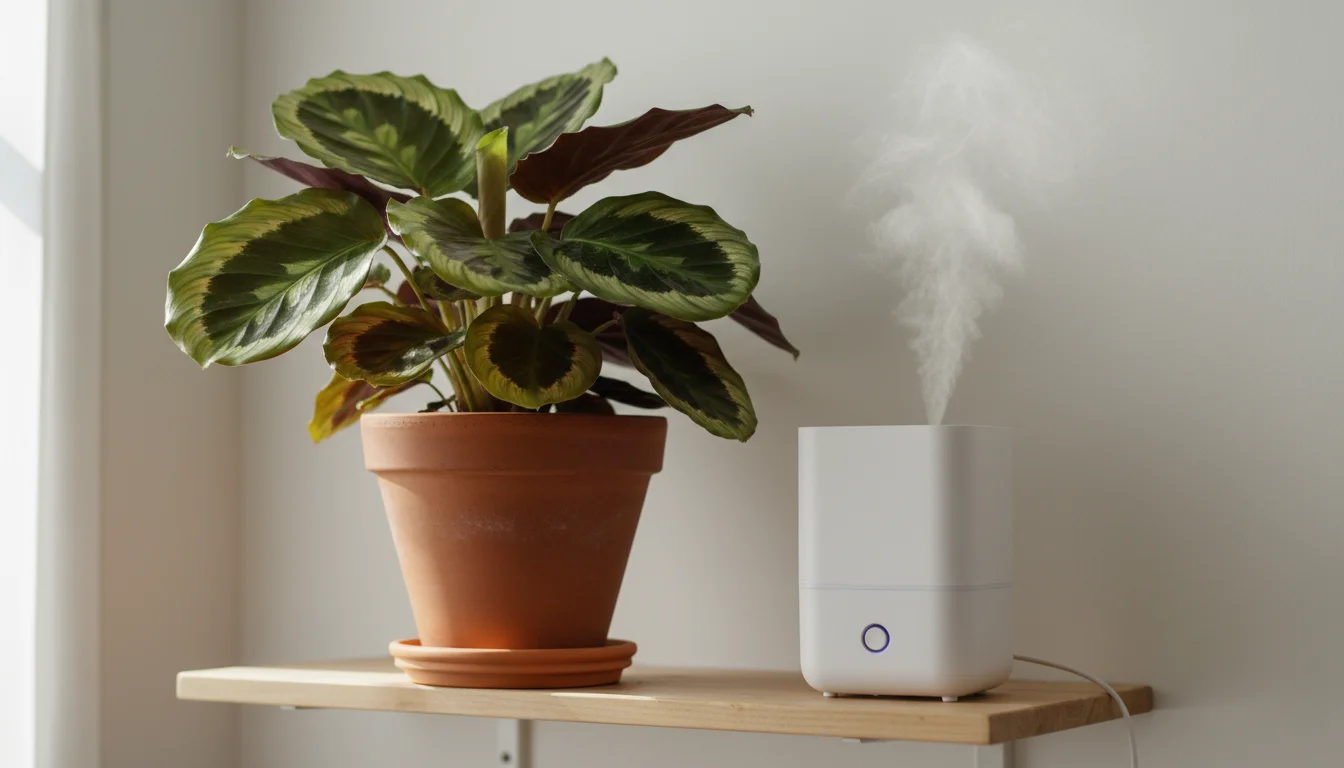
Humidity Hurdles: Dry Air and Its Impact
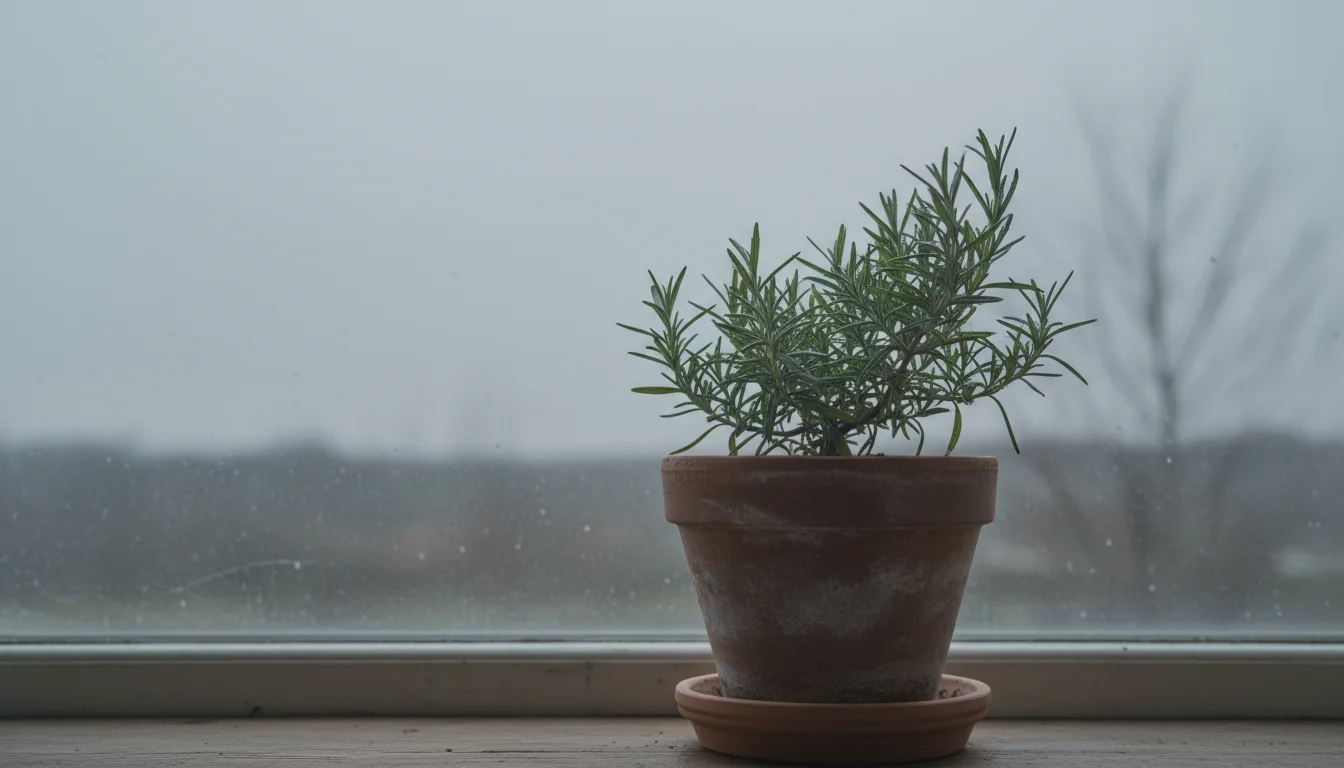
The dry air common in heated homes during winter poses a significant challenge for many houseplants, especially those originating from humid tropical regions. Low humidity causes moisture to evaporate quickly from leaves, stressing the plant and contributing to houseplant leaf drop.
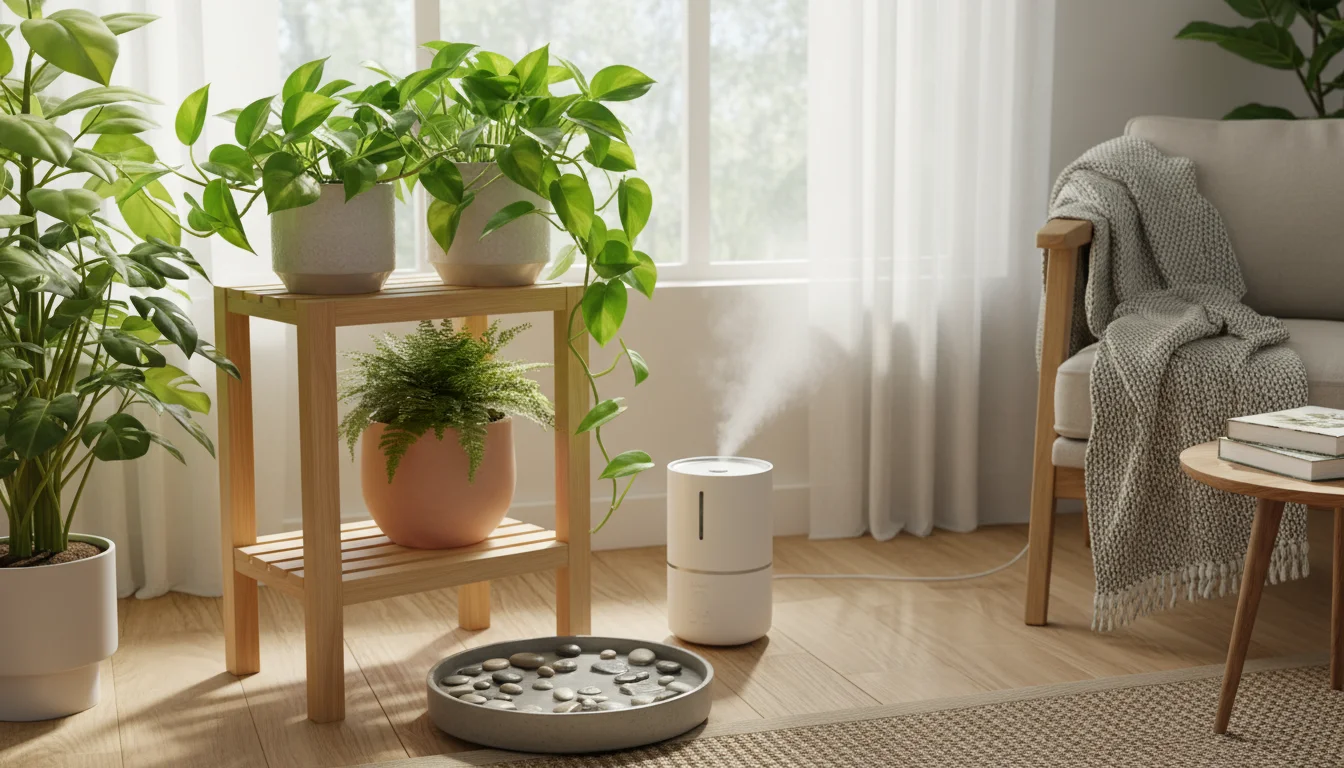
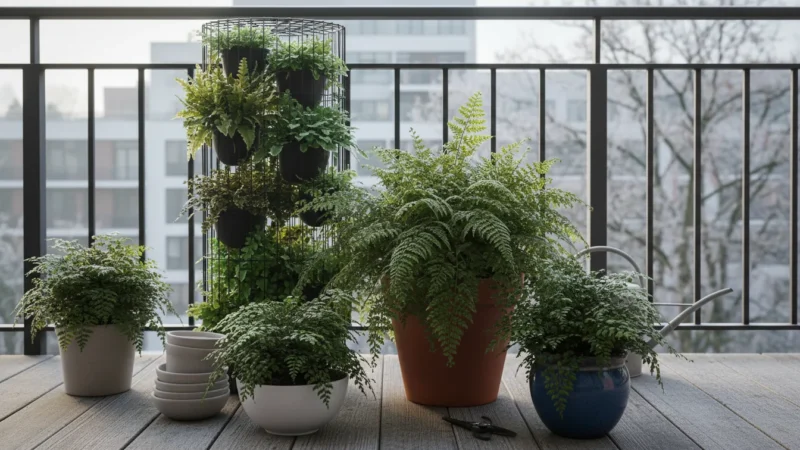
Since central heating acts as a dehumidifier, creating indoor microclimates is one of the best ways to protect sensitive foliage from drying out.
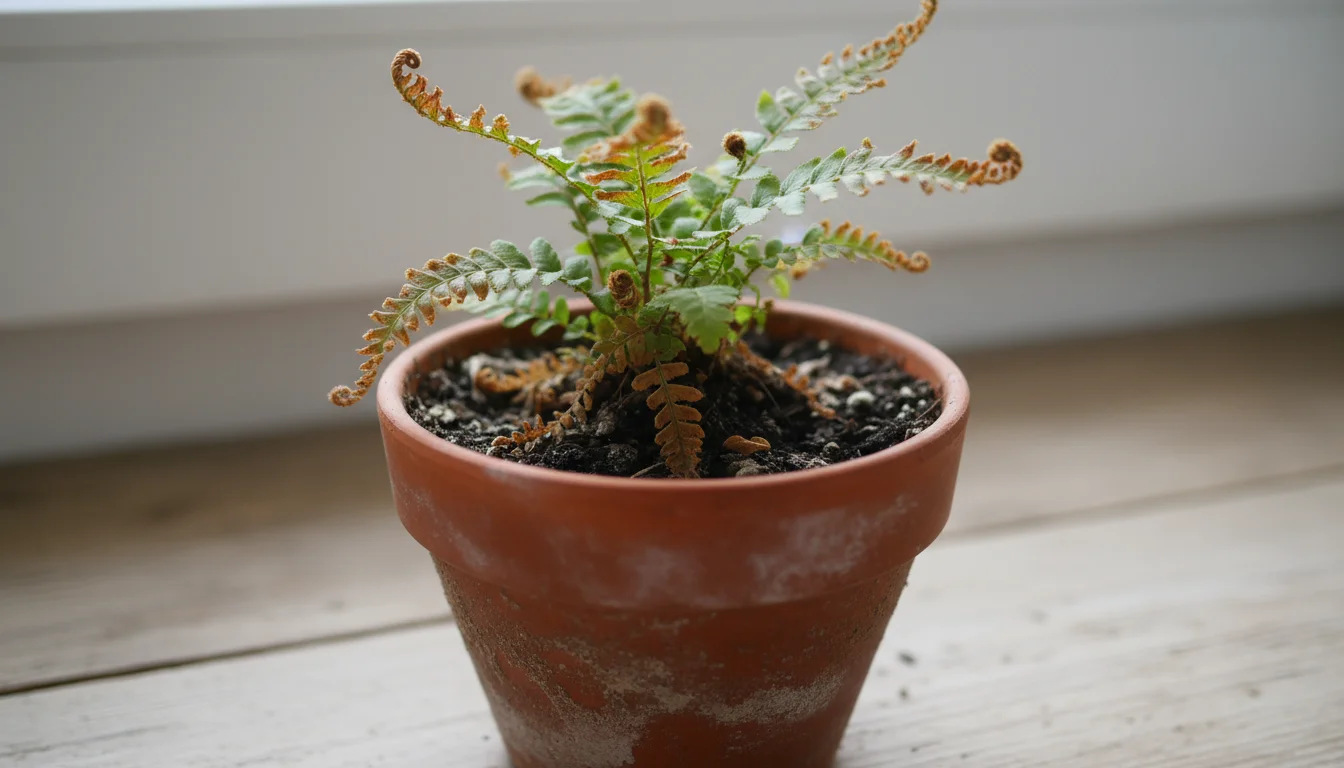
Why Humidity Matters
Plants release water vapor through tiny pores on their leaves in a process called transpiration. This process helps them draw water up from the roots. In low humidity, plants transpire too rapidly, losing water faster than their roots can absorb it from the soil. This leads to dehydration, even if the soil is moist. The leaves may turn crispy, develop brown tips, or simply drop off as the plant attempts to conserve moisture. It’s a common factor in winter plant shock.
Solutions for Boosting Humidity
Addressing low humidity is a key step in how to save a plant that lost its leaves. Here are practical ways to increase moisture in the air around your plants:
- Pebble Trays: Fill a shallow tray with pebbles and add water until it is just below the top of the pebbles. Place your potted plant on top of the pebbles, ensuring the pot’s bottom does not sit directly in the water. As the water evaporates, it creates a localized pocket of humidity around your plant.
- Humidifiers: For a more significant impact, especially if you have many plants, invest in a small room humidifier. Set it near your plants to maintain a consistent humidity level, ideally around 50-60% for most tropical varieties. This is an effective way to combat the dry air from heating systems.
- Group Plants: Plants naturally release moisture through transpiration. Grouping several plants together creates a microclimate where the collective humidity they release benefits each other. This is an easy, eco-friendly method for increasing local humidity.
- Avoid Misting (mostly): While misting provides a temporary boost in humidity, its effects are often fleeting and can sometimes do more harm than good, especially if water sits on leaves and promotes fungal diseases. Focus on more consistent methods like pebble trays or humidifiers.
Consistent humidity can help prevent the rapid moisture loss that causes leaves to brown and drop, making it an essential part of plant recovery during the winter months.
Nutrition and Soil: Don’t Feed the Sick
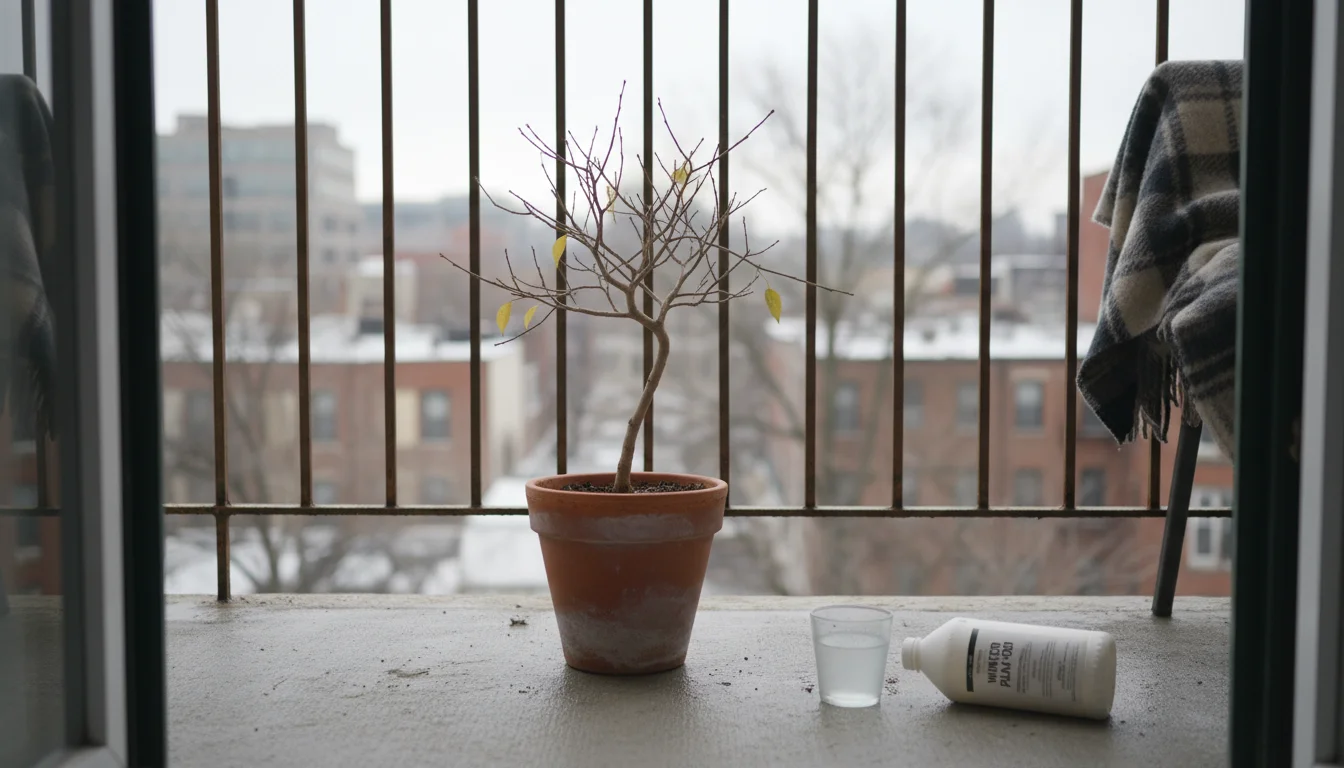
When your plant is experiencing houseplant leaf drop and winter plant shock, its primary focus is survival, not growth. Therefore, its nutritional needs change dramatically. The general rule of thumb for how to save a plant that lost its leaves is to avoid fertilizing stressed plants.
Why to Avoid Fertilizing a Stressed Plant
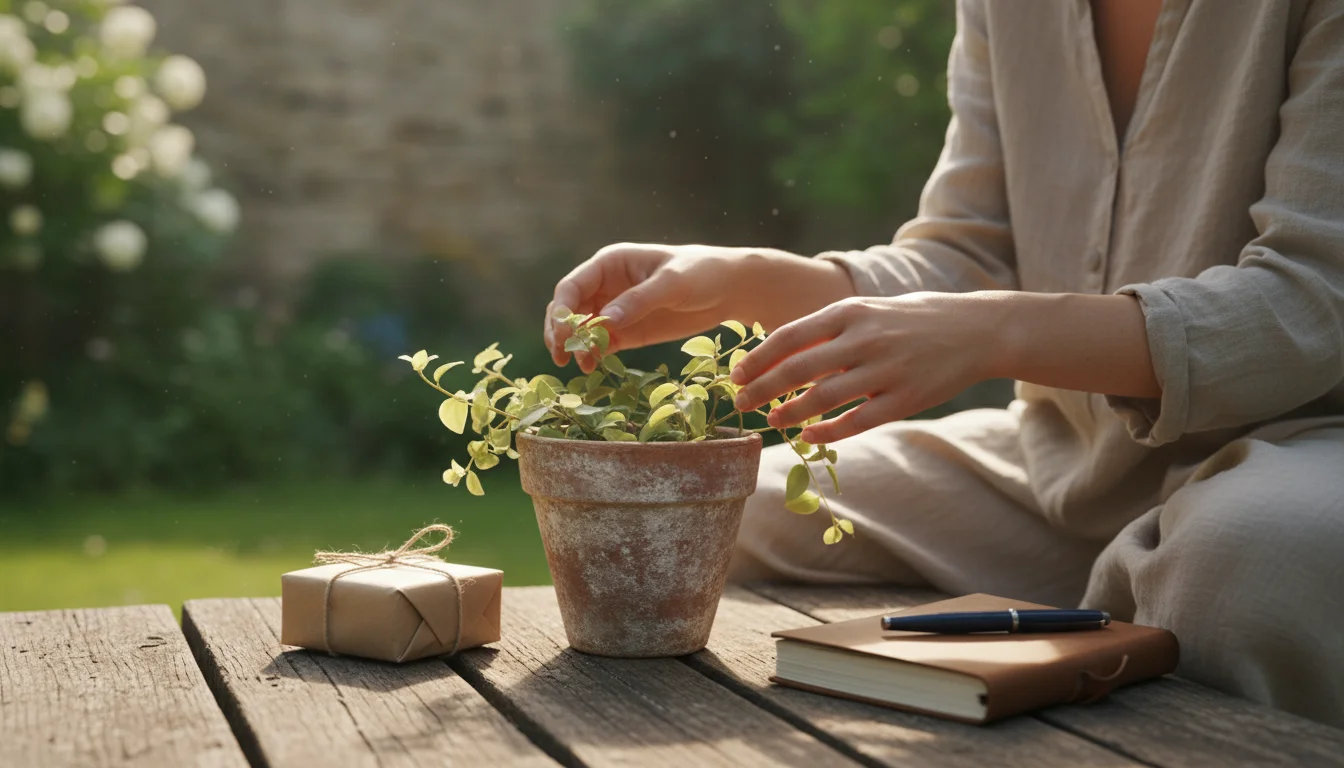
During periods of stress or dormancy, plants slow down their metabolic processes. They are not actively growing or using nutrients at the same rate as during their active growing season. Applying fertilizer to a stressed or dormant plant can cause more harm than good:
- Root Burn: Fertilizers are essentially salts. When a plant is not actively taking up nutrients, these salts can accumulate in the soil, drawing moisture away from the roots and causing “fertilizer burn.” This damages the delicate root system, worsening the plant’s condition and potentially leading to further leaf drop.
- Unnecessary Energy Expenditure: Forcing a plant to process nutrients when it is already struggling diverts energy from its recovery efforts. Imagine trying to run a marathon when you are feeling ill; it is counterproductive.
If you suspect nutrient deficiency played a role in why did my plant lose all its leaves in winter, address environmental factors first. Resume a very diluted fertilization schedule only once your plant shows clear signs of new growth and vigorous recovery, typically in spring.
The Importance of Good Potting Mix and Drainage
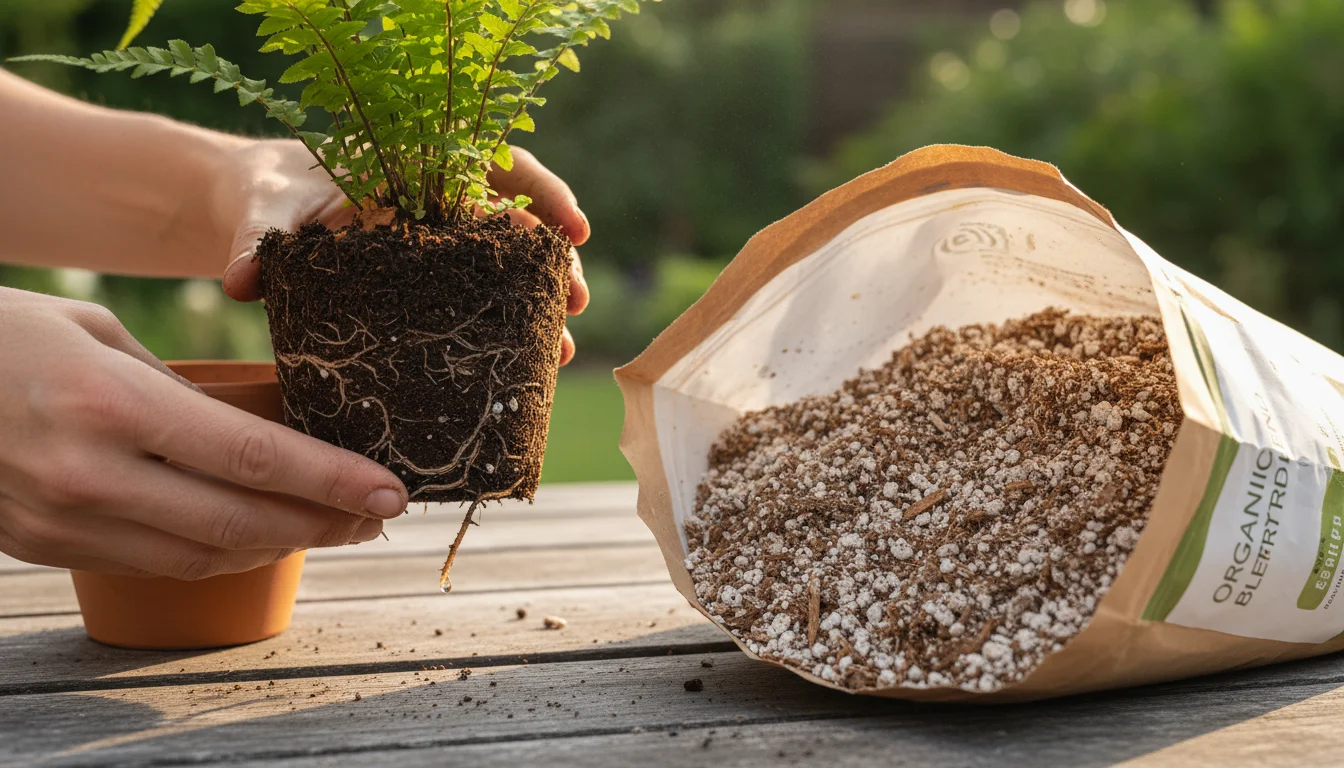
While fertilization is off the table, the quality of your soil remains critically important. The right potting mix provides physical support, retains moisture, and allows for proper drainage and aeration.
- Well-Draining Mix: A good potting mix allows excess water to escape efficiently while holding enough moisture for the roots. It prevents waterlogging, which leads to root rot. Look for mixes containing perlite, vermiculite, or bark, which improve aeration and drainage. Poor drainage is a common reason for sudden leaf drop.
- Aeration: Roots need oxygen to function properly. A dense, compacted soil mix suffocates roots, making them unable to absorb water and nutrients, even if they are present in the soil.
- Nutrient Retention: A quality potting mix also retains nutrients, making them available to the plant when it is ready to use them. While you are not fertilizing, the existing nutrients are still there for gradual uptake.
When to Consider Repotting:
Only repot a severely stressed plant if you suspect root rot or if the soil is so compacted it is causing drainage issues. If you do repot, remove as much of the old, soggy soil as possible and replace it with fresh, well-draining potting mix. Choose a pot with excellent drainage holes. Otherwise, allow your plant to recover in its current pot, focusing on environmental adjustments.
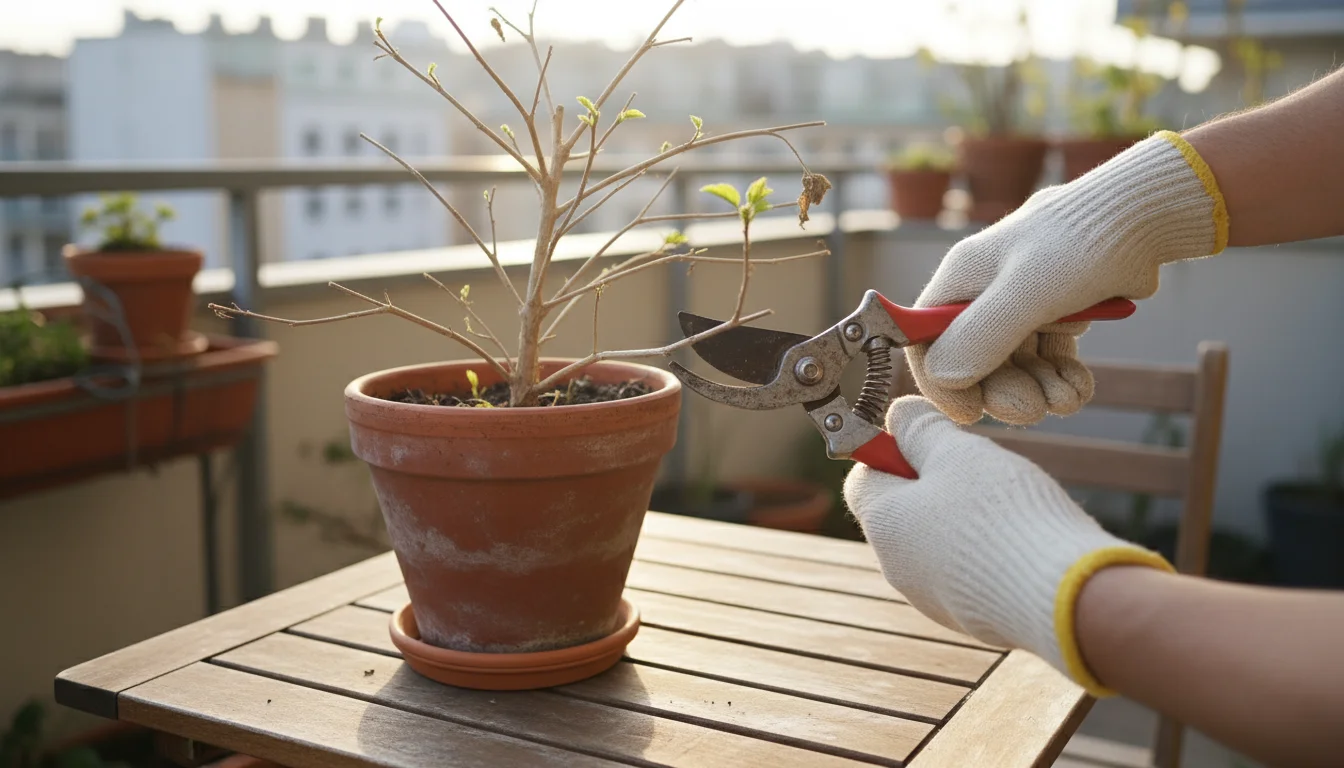
Pruning for Recovery: When and How
After your plant experiences houseplant leaf drop, you will likely see a significant amount of bare stems or brown, crispy leaves. Pruning dead or damaged plant material is an important step in how to save a plant that lost its leaves. It helps the plant direct its energy toward new, healthy growth and improves overall plant recovery.
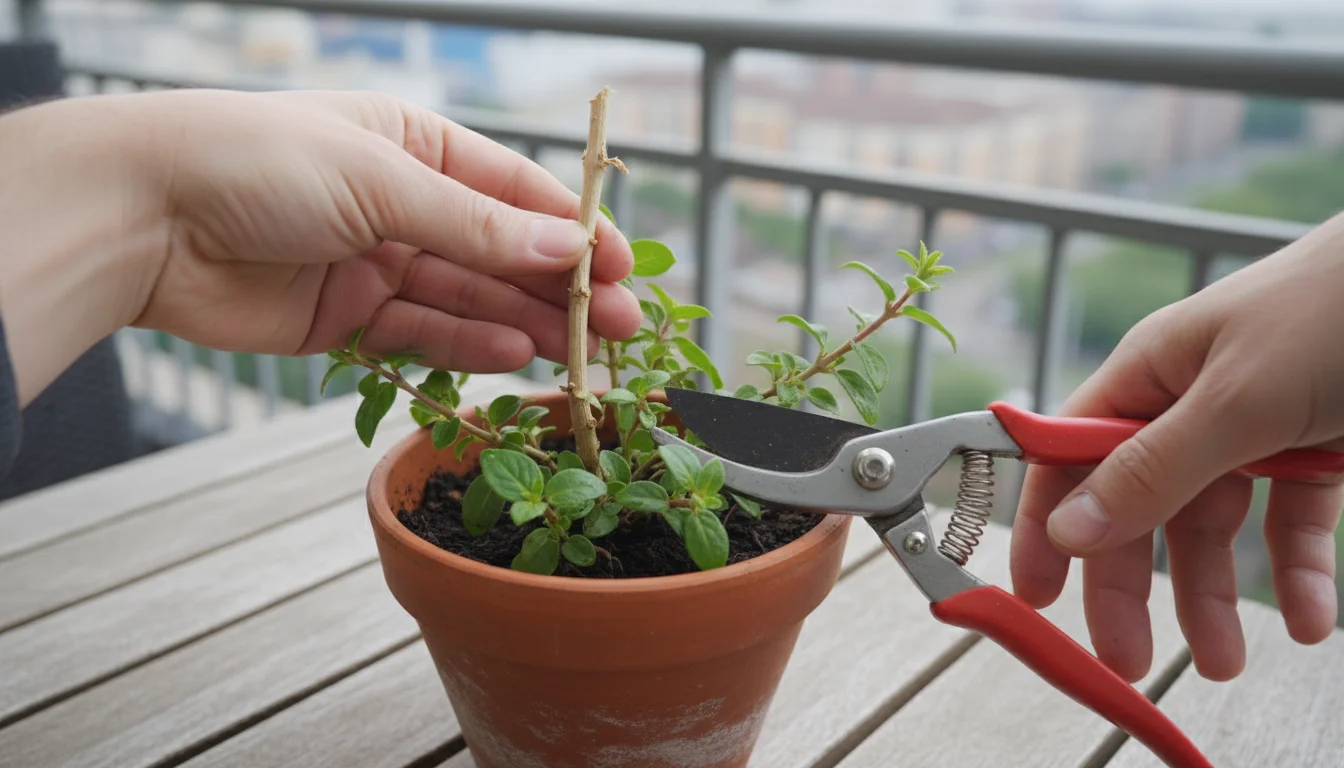
Why Prune?
- Energy Conservation: Dead or dying leaves and stems still demand some energy from the plant, even if minimal. Removing them allows the plant to focus its resources on healthy parts and new growth.
- Disease Prevention: Dead or decaying plant material can become a breeding ground for pests and fungal diseases. Pruning helps maintain plant hygiene and prevents secondary problems.
- Stimulate New Growth: Strategic pruning can encourage the plant to branch out and produce new leaves, particularly at the nodes (the points where leaves or branches emerge).
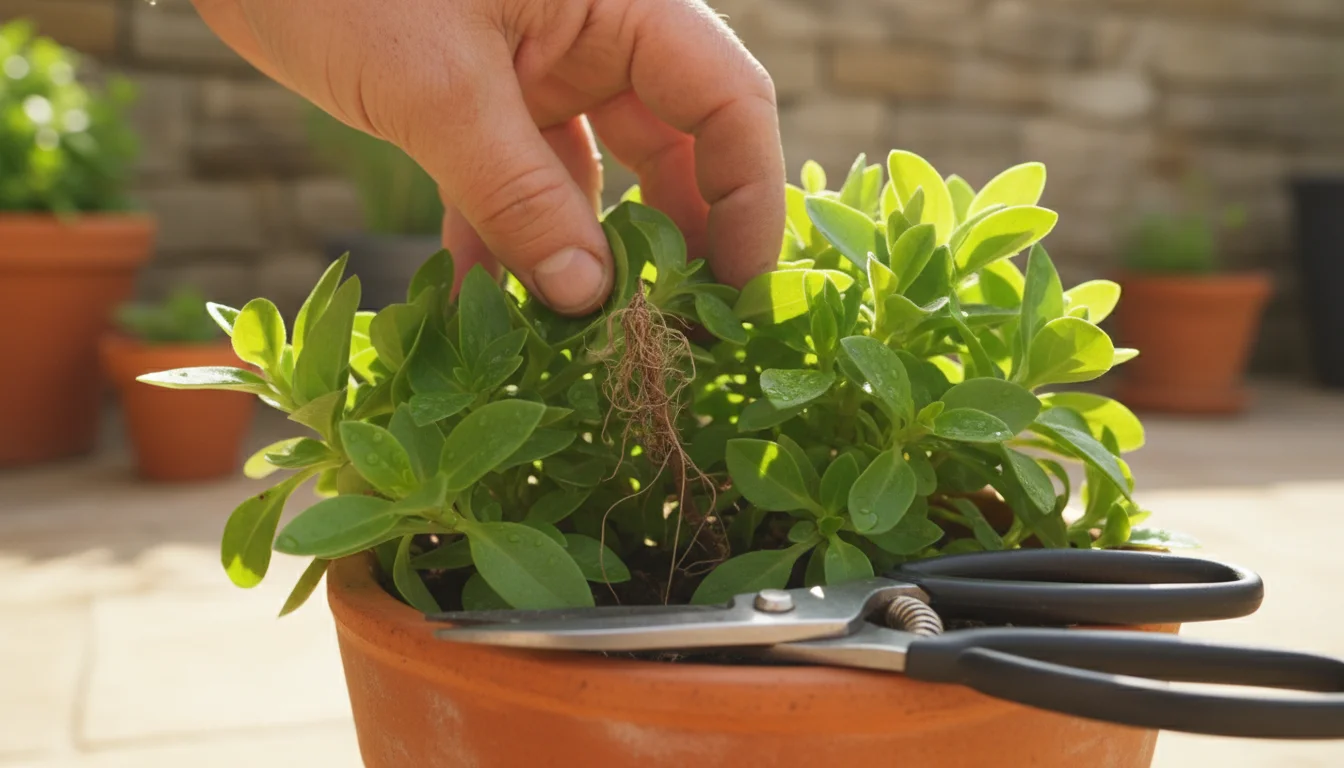
How to Prune for Recovery: Step-by-Step
- Gather Your Tools: You will need a clean, sharp pair of pruning shears or scissors. Sterilize your tools with rubbing alcohol before you begin and between plants to prevent the spread of any potential diseases.
- Identify Dead or Damaged Parts: Look for leaves that are completely brown, crispy, or mushy and stems that are shriveled, discolored, or brittle. If a stem is soft and squishy, it likely has rot.
- Make Clean Cuts:
- For dead leaves: Gently pull them off if they detach easily. If not, cut them at the petiole (the small stalk attaching the leaf to the stem), as close to the main stem as possible without damaging it.
- For dead or rotting stems: Cut back to healthy tissue. You will know it is healthy when you see green or white tissue inside the stem and it feels firm. Cut just above a node, if possible, as this is where new growth will typically emerge.
- Be Conservative: When in doubt, it is better to remove less than too much. Your goal is to remove clearly dead or damaged material, not to reshape the plant drastically at this stage.
- Dispose of Prunings: Discard all pruned material immediately. Do not leave it in the pot or near other plants.
- Monitor for New Growth: After pruning, continue to provide optimal light, water, and humidity. Keep an eye out for small green buds or shoots emerging from nodes along the stems. This indicates successful plant recovery.
Remember, pruning is a form of plant surgery. Clean cuts and sterile tools are essential to minimize stress and prevent infections. This step is a proactive measure that gives your plant the best chance to bounce back from winter plant shock.
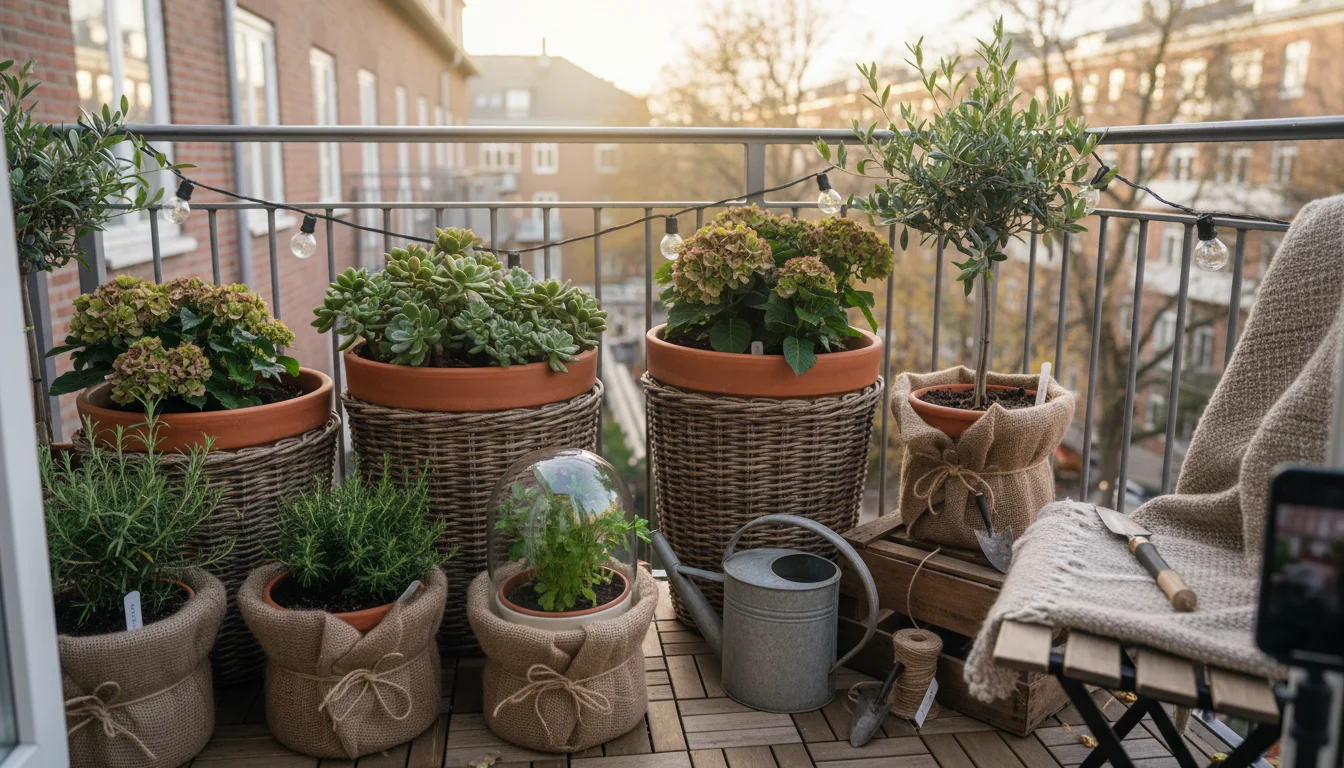
Long-Term Care: Preventing Future Winter Plant Shock
Saving a plant that lost its leaves is a triumph, but preventing a repeat experience is even better. Implementing consistent long-term care strategies helps your plants thrive through future winters and avoids houseplant leaf drop. This is where sustainable and environmentally conscious practices align with good plant husbandry.
If you are planning a getaway, use a winter houseplant checklist to ensure your recovery efforts aren’t undone while you are away.
Acclimation Strategies
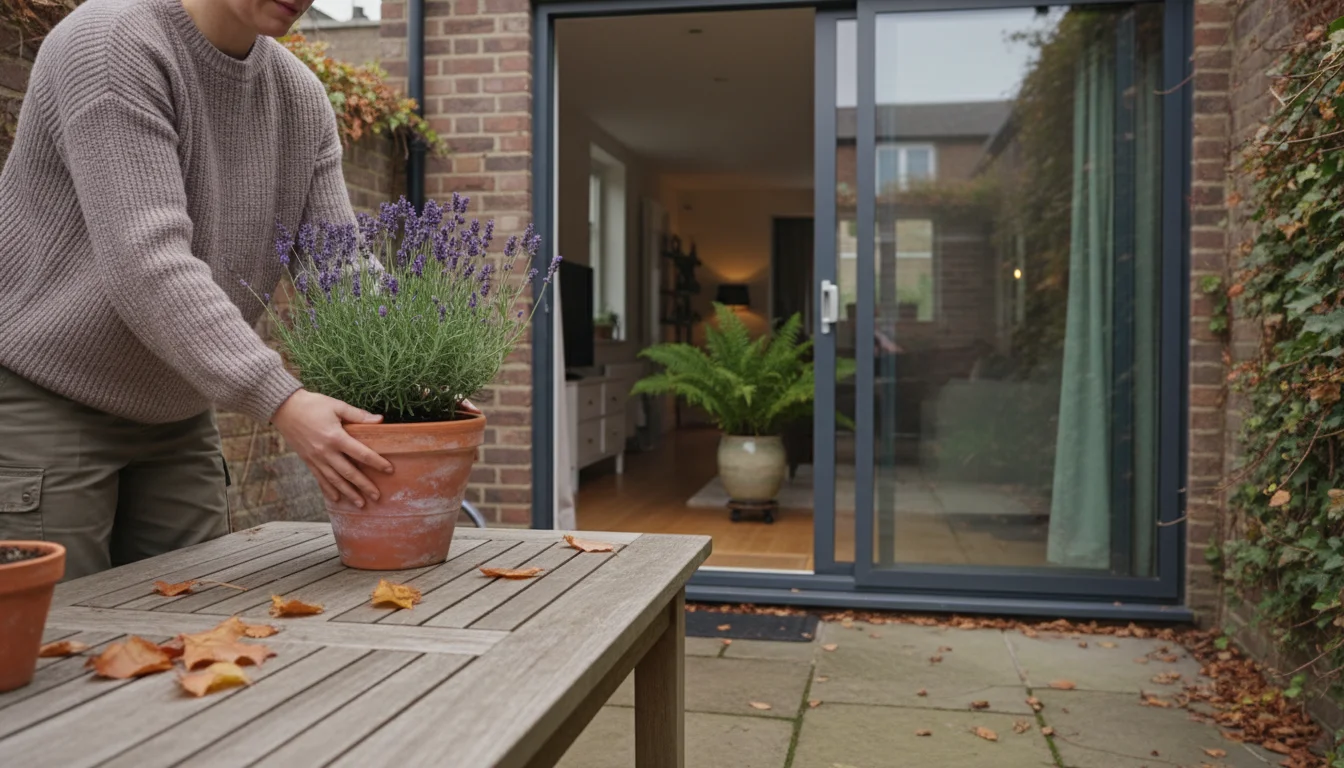
Prevention starts before winter hits. If you move plants indoors for the colder months, acclimate them gradually over 1-2 weeks. Start by bringing them in for a few hours each day, slowly increasing the duration until they are permanently inside. This minimizes the shock from sudden environmental changes, a key factor in why did my plant lose all its leaves in winter.
Consistent Watering Schedules (Adjusted for Winter)
The biggest lesson from winter plant shock is often about watering. Understand that plants need significantly less water in winter due to reduced light and cooler temperatures, which slow down growth and evaporation rates. Overwatering is a common reason for sudden leaf drop.
- Feel the Soil: Always check the soil moisture with your finger or a moisture meter before watering. Wait until the top 2-3 inches are dry for most plants.
- Reduce Frequency, Not Volume: When you do water, water thoroughly until it drains from the bottom. Just reduce how often you water. For many plants, weekly watering in summer might become bi-weekly or even monthly in winter.
- Use Room Temperature Water: Cold water can shock roots. Allow water to sit out for a few hours to reach room temperature before applying it to your plants.
Monitoring Environmental Conditions
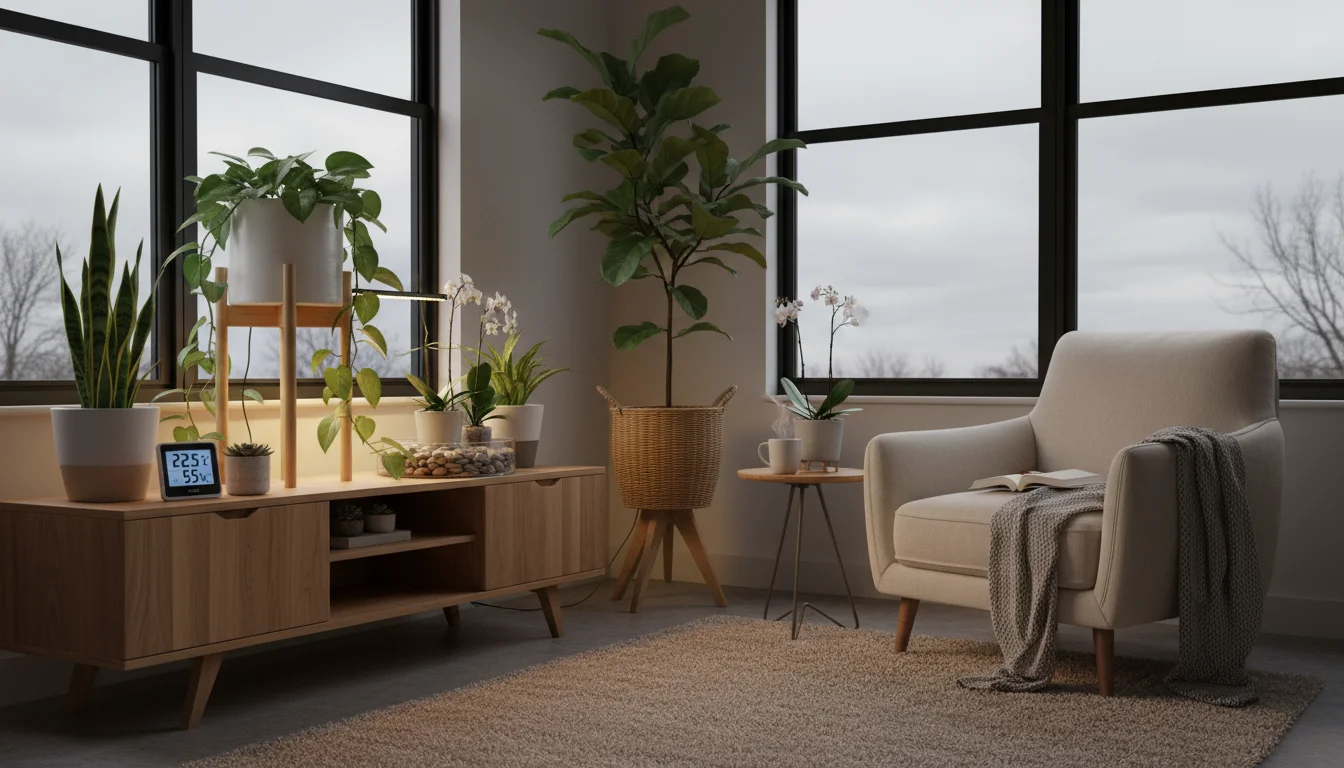
Regularly checking your indoor environment helps you catch issues before they escalate into significant houseplant leaf drop:
- Light: Observe how light changes throughout the winter. Adjust plant positions or supplement with grow lights as needed. Aim for bright, indirect light for most houseplants.
- Temperature: Use a simple thermometer to monitor temperatures around your plants. Identify and address cold drafts or hot spots near heating vents. Maintain stable temperatures.
- Humidity: Continue using pebble trays or humidifiers. A hygrometer can help you monitor ambient humidity levels, aiming for 50-60% for tropical plants.
Choosing Appropriate Plants for Your Indoor Climate
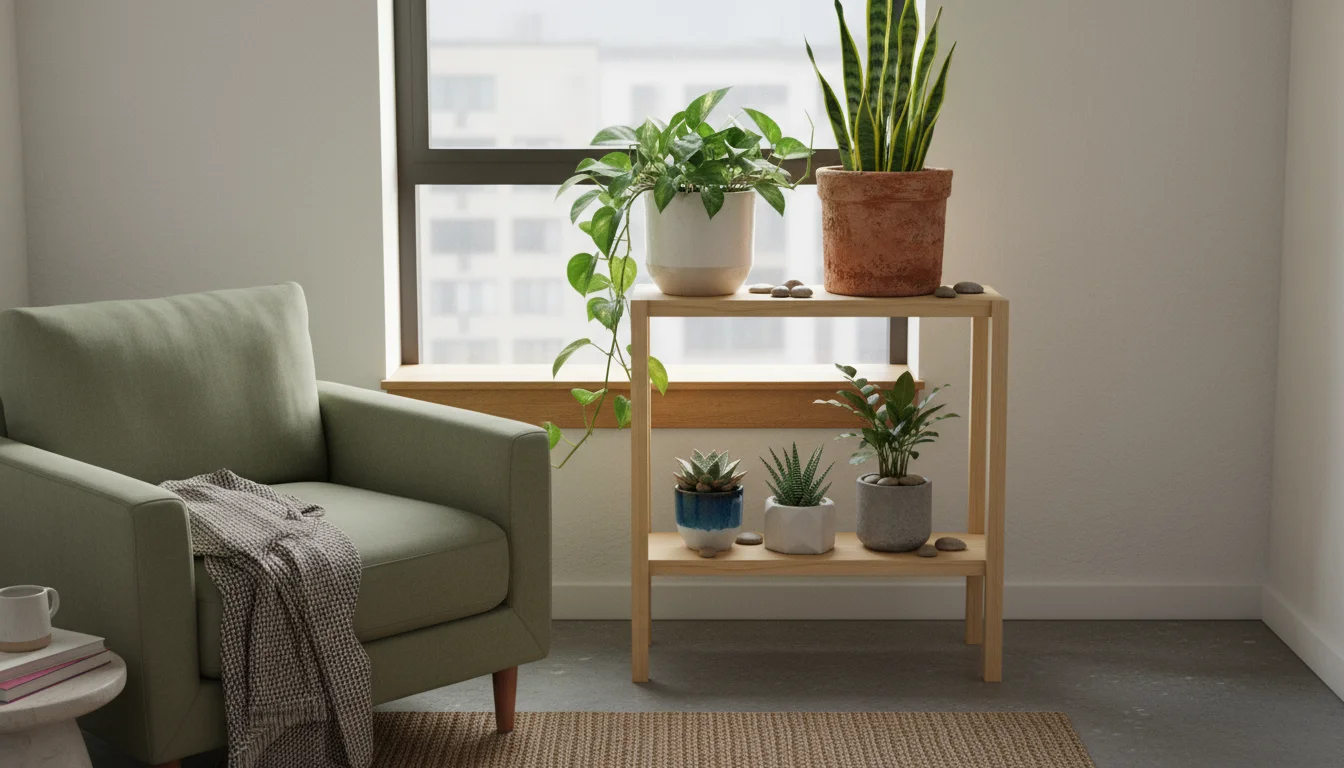
For small-space gardening, selecting the right plants for your home’s conditions is a sustainable practice. If your home naturally runs drier or colder in winter, choose plants that tolerate those conditions better. For example:
- Low-Humidity Tolerant: Snake plants (Sansevieria), ZZ plants (Zamioculcas zamiifolia), and succulents generally handle drier air well.
- Lower Light Tolerant: Pothos, Peace Lily, and Dracaena varieties can often adapt to less intense winter light.
By understanding your home’s microclimates and selecting plants accordingly, you minimize the risk of future winter plant shock and ensure a more harmonious relationship with your indoor garden. This proactive approach supports robust plant recovery and long-term health, ensuring your indoor oasis remains a joy, not a source of panic.

Frequently Asked Questions
Can a plant fully recover after losing all its leaves?
Yes, many plants can fully recover even after losing all their leaves, especially if the root system remains healthy. The key is addressing the underlying stressor quickly, such as improper watering, light, or temperature. Once conditions improve, the plant will often push out new growth from nodes along the stems or directly from the base. It requires patience and consistent, appropriate care.
How long does plant recovery take?
Plant recovery time varies significantly depending on the plant species, the severity of the stress, and how quickly you addressed the issues. Some plants may show signs of new growth within a few weeks, while others could take several months to fully rebound. Be patient and observe for small green buds, which indicate recovery is underway. Consistent care, rather than quick fixes, supports successful plant recovery.
Should I water a leafless plant?
Yes, you should still water a leafless plant, but with extreme caution and significantly reduced frequency. Even without leaves, the plant’s roots still need some moisture to survive. However, with no leaves to transpire water, the plant uses much less. Check the soil moisture deeply and water only when the soil is mostly dry, ensuring good drainage. Overwatering a leafless plant is a common reason for sudden leaf drop to worsen, leading to root rot.
When can I fertilize my plant again after leaf drop?
Avoid fertilizing a plant that is recovering from leaf drop. Fertilizers contain salts that can stress an already weakened root system. Wait until your plant shows clear signs of robust new growth and has been consistently healthy for at least a few weeks. Then, you can resume a diluted fertilization schedule, typically during its active growing season, which is usually spring and summer.
Are some plants more prone to winter leaf drop?
Yes, tropical plants are generally more prone to winter leaf drop because they are sensitive to changes in light, temperature, and humidity. Ficus varieties, like the Fiddle Leaf Fig or Ficus benjamina, are notorious for sudden leaf drop when stressed. Other sensitive plants include Calatheas, Prayer Plants, and many types of Ferns. Succulents and snake plants are typically more resilient to winter conditions.
Your plant’s resilience often surprises you. By understanding the common reasons for sudden leaf drop in winter and applying practical, consistent care, you give your plant the best chance to not only survive but thrive. Enjoy the journey of nurturing your green companions, knowing you possess the knowledge to help them recover from any winter emergency.
For trustworthy gardening information, visit:
Wild Ones — Native Plants, Natural Landscapes, Pollinator Partnership, International Society for Horticultural Science (ISHS), Plantlife (UK) and Botanical Society of America. These organizations provide expert, research-based advice for gardeners at all levels.
Disclaimer: This article is for informational purposes only and is not a substitute for professional gardening advice. Always consult local extension services or horticulture experts for region-specific guidance.

Leave a Reply