
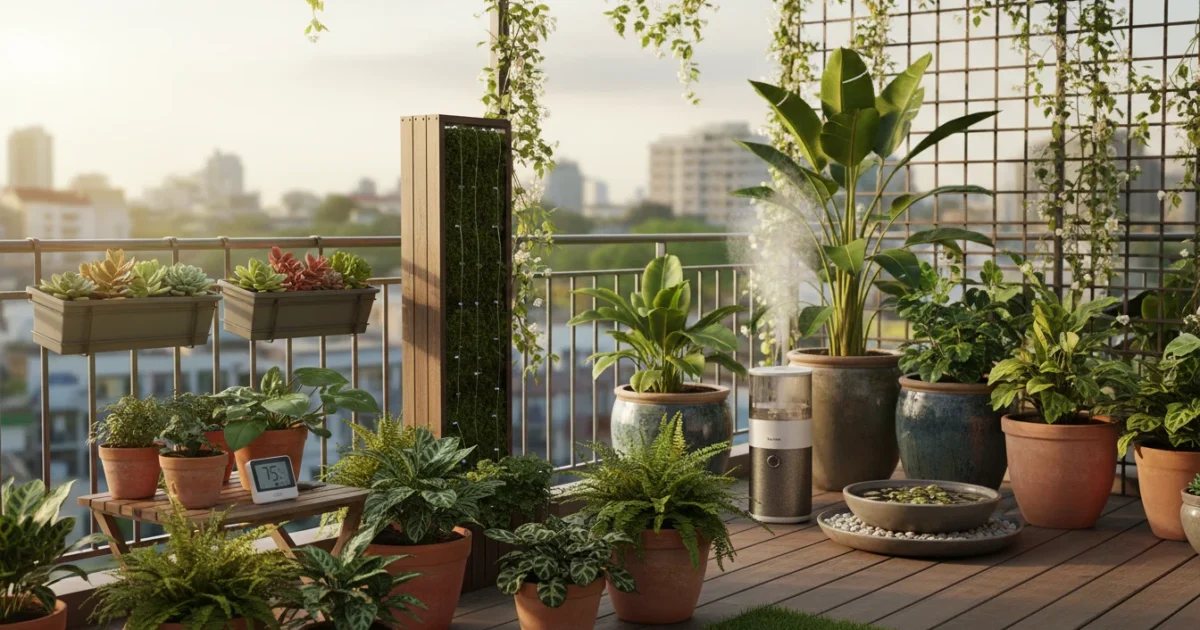
Winter brings cozy warmth indoors, which is wonderful for you, but often detrimental to your beloved houseplants. The air inside your apartment or small home becomes significantly drier due to central heating. This dramatic drop in humidity levels, often falling below 30%, can stress your plants, leading to crispy leaf edges, wilting, and a general decline in their health. Many popular tropical houseplants, such as Fiddle Leaf Figs, Prayer Plants, and Calatheas, originate from naturally humid environments. They thrive when the air around them holds ample moisture.
While focusing on humidity, it is also vital to avoid common hydration errors like the ice cube watering myth which can shock tropical roots.
As your dedicated gardening coach, I understand the challenges of maintaining vibrant indoor greenery, especially in compact spaces. You need practical, effective solutions to combat low humidity without turning your living room into a tropical rainforest. We will cut through the myths and evaluate common methods, from simple misting to more robust approaches like humidifiers, to determine what truly works to increase humidity for plants in winter. Let’s explore the best way to increase humidity for indoor plants in winter, ensuring your green companions remain lush and healthy through the colder months.
Understanding Plant Humidity and Why It Matters
Humidity refers to the amount of water vapor present in the air. Plants absorb water through their roots, which then travels up to their leaves. A process called transpiration releases this water vapor into the air through tiny pores on the leaves called stomata. This acts like a plant’s internal cooling system, similar to how we sweat. When the air around a plant is very dry, plants transpire at a much faster rate. Think of it like a sponge in a desert versus a sponge in a steamy bathroom, the desert sponge dries out much quicker.
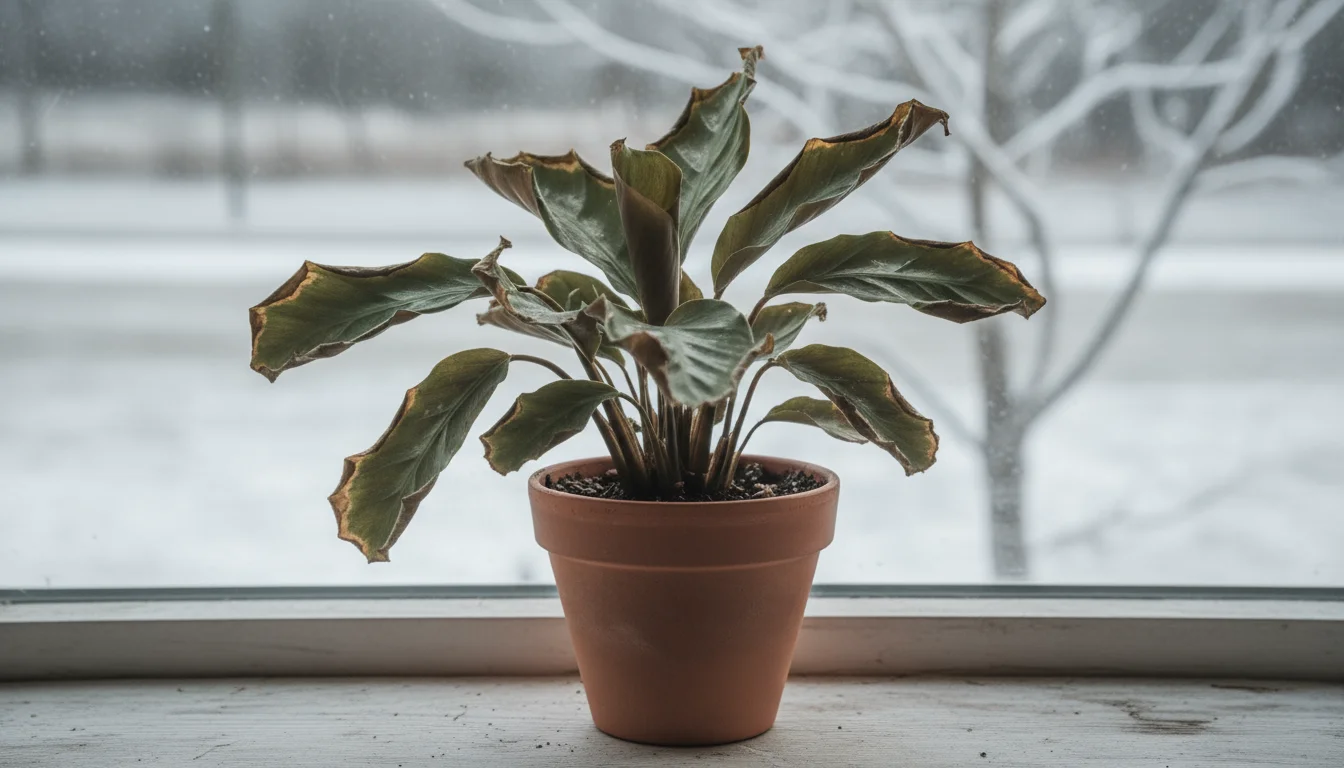
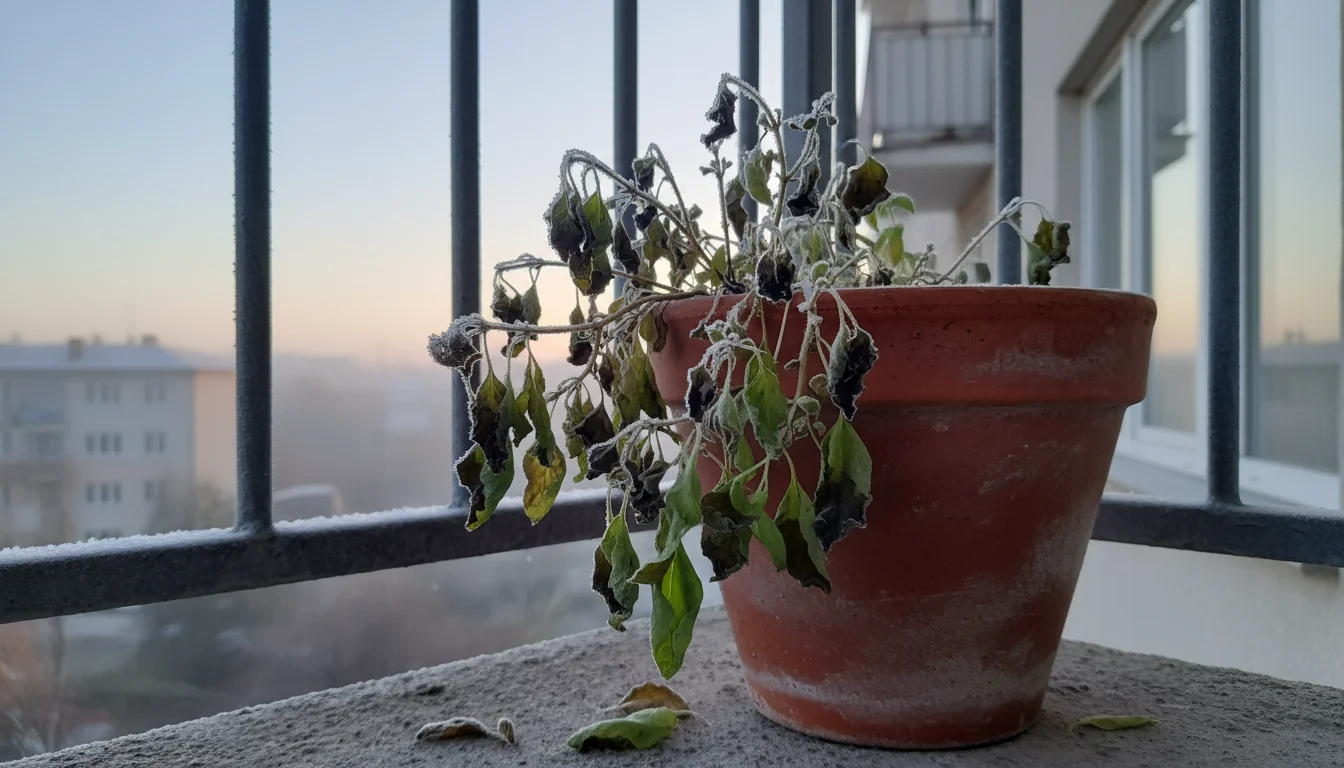
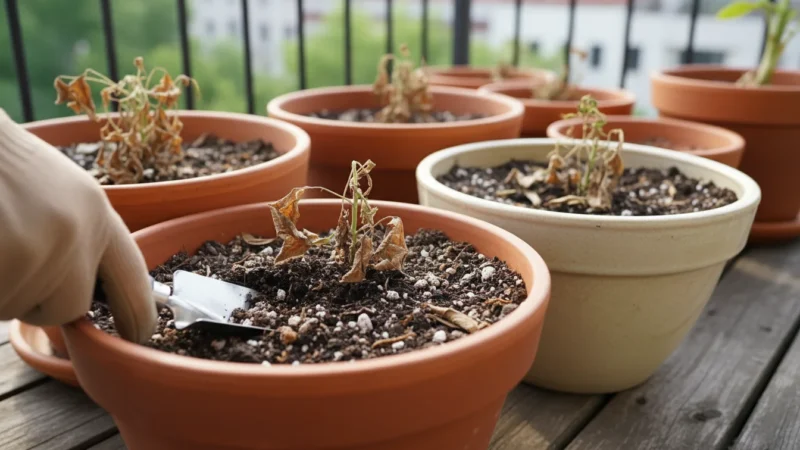
For many houseplants, particularly those originating from tropical rainforests, high humidity is crucial for optimal health. They evolved in environments where the air consistently holds a significant amount of moisture. Low humidity causes several tell-tale signs: leaf tips turn brown and crispy, edges curl, leaves might drop prematurely, and new growth may appear stunted or malformed. These symptoms are not just cosmetic, they indicate your plant is under stress, struggling to absorb enough moisture from the soil to compensate for the rapid water loss through its leaves. Consistent low humidity weakens your plants, making them more susceptible to pests and diseases.
The Scientific Challenge of Dry Indoor Air
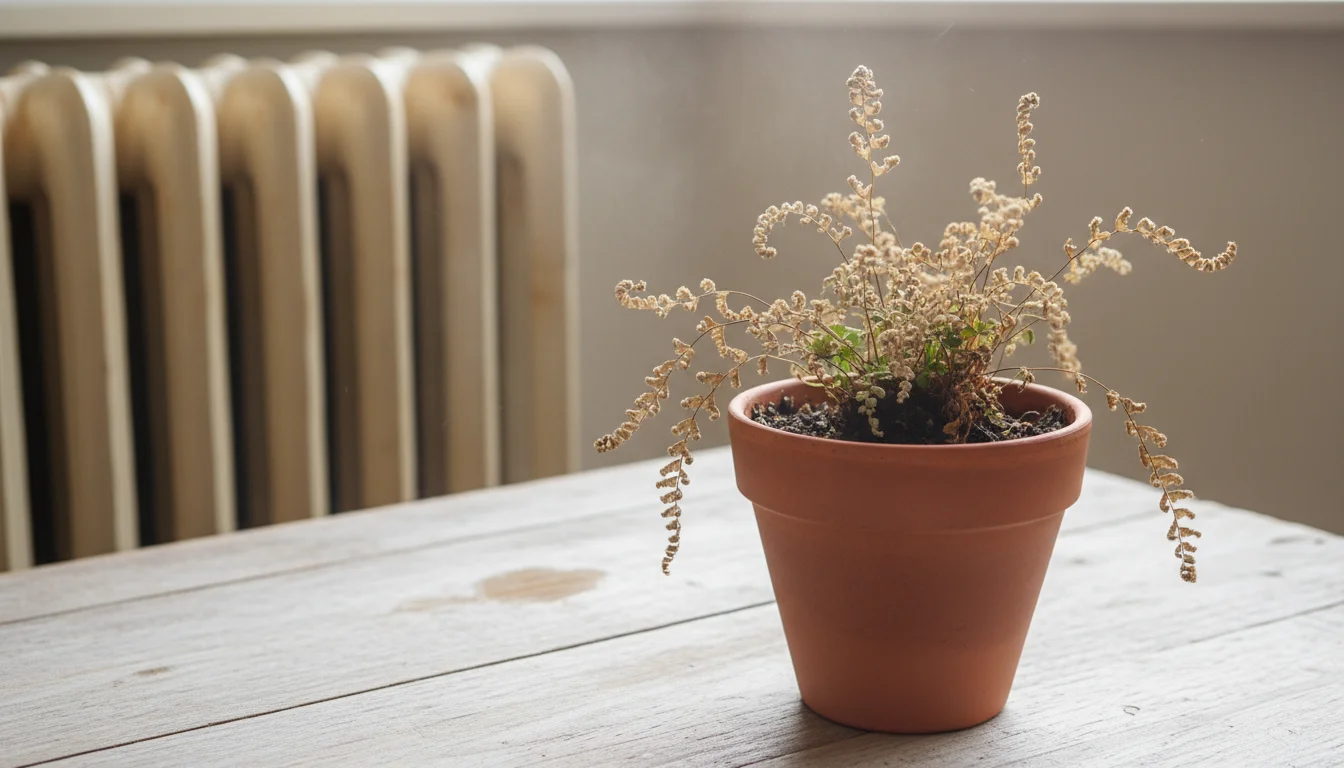
Your home’s environment in winter presents a unique challenge for houseplants. As outdoor temperatures drop, the air holds less moisture. When this cold, dry air enters your home, your heating system warms it up, but it does not add moisture. This significantly lowers the relative humidity inside. While a comfortable indoor humidity level for humans often falls between 30% and 50%, many tropical plants prefer 60% or even higher. During winter, indoor humidity can plummet to 20% or less, creating a hostile environment for plants that crave moisture.
Many urban gardeners find that their apartment feels like a desert the moment the central heating kicks in, making it difficult for lush greenery to survive.
Consider the concept of vapor pressure deficit (VPD). Simply put, VPD is the difference between the amount of moisture in the air and the amount of moisture the air can hold when saturated. A high VPD means the air is very dry and ‘thirsty,’ pulling moisture aggressively from plant leaves. This intense moisture draw can overwhelm a plant’s ability to take up water through its roots, leading to dehydration even when the soil is adequately moist. This is why addressing low humidity solutions is so critical for effective winter houseplant care, especially for those plant varieties sensitive to arid conditions. Understanding this scientific principle helps you appreciate why surface-level solutions often fall short and why a sustained effort to increase humidity for plants is necessary.
Ranking Humidity Solutions: From Least to Most Effective
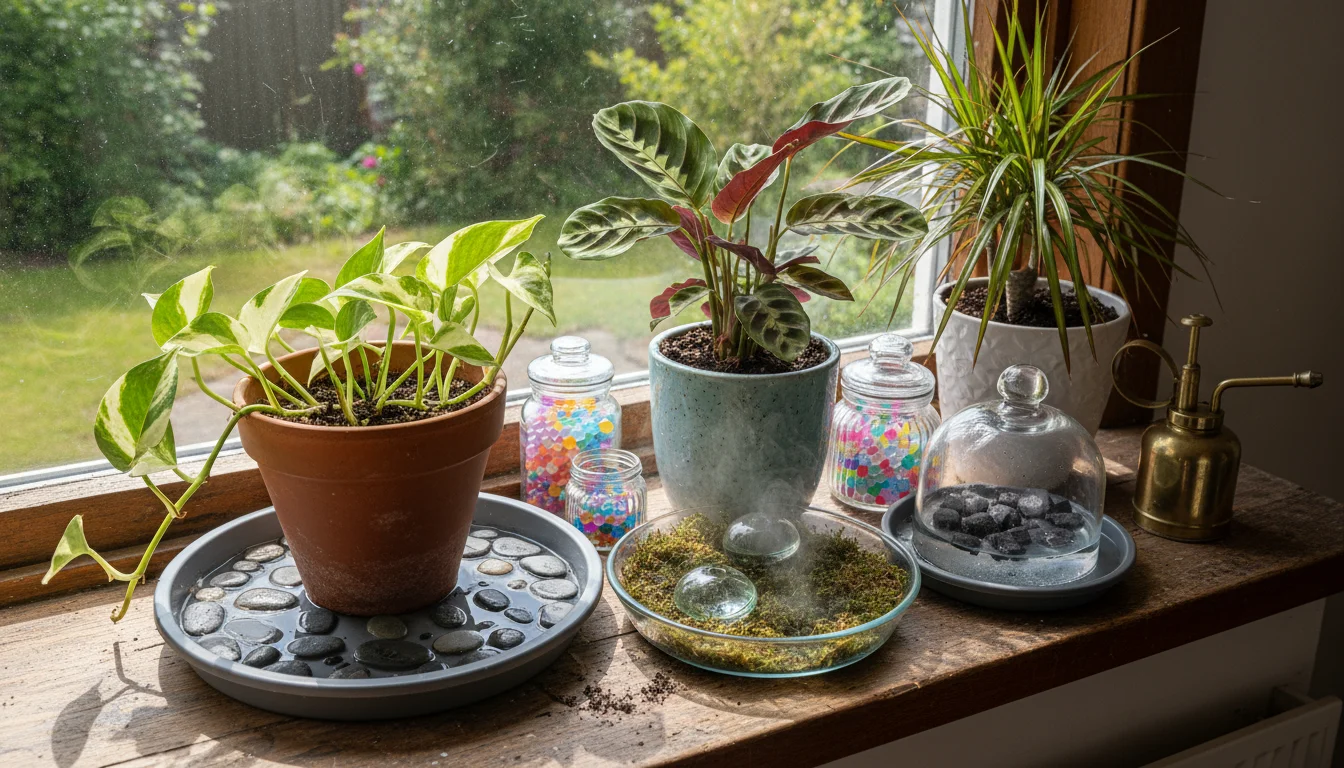
Many methods claim to boost humidity for houseplants, but their effectiveness varies greatly. This ranking provides a data-driven comparison, helping you decide where to invest your time and resources for the best results in your small space.
| Humidity Hack | Effectiveness | Cost | Maintenance | Key Considerations |
|---|---|---|---|---|
| Misting Plants | Low (short-lived effect) | Very Low (spray bottle) | High (frequent application) | Can encourage fungal diseases if leaves stay wet, does not significantly increase ambient humidity. |
| Pebble Trays | Low to Moderate (localized) | Low (tray, pebbles) | Moderate (refill water, clean tray) | Provides a slight, localized humidity boost immediately around the plant, requires consistent water refilling. |
| Grouping Plants | Moderate (cumulative effect) | None | Low (plant arrangement) | Leverages natural transpiration. Effectiveness increases with plant density and overall plant health. |
| Humidifiers | High (widespread, sustained) | Moderate to High (initial purchase, electricity, filters) | Moderate (refill water, regular cleaning) | The most effective method for consistent humidity across a wider area, requires monitoring and maintenance. |
As you can see, while some methods are low-cost and low-effort, they offer limited benefit. For serious low humidity solutions, particularly during dry winter months, more robust interventions become essential. The “best way to increase humidity for indoor plants in winter” often involves a combination of strategies, with humidifiers playing a central role.
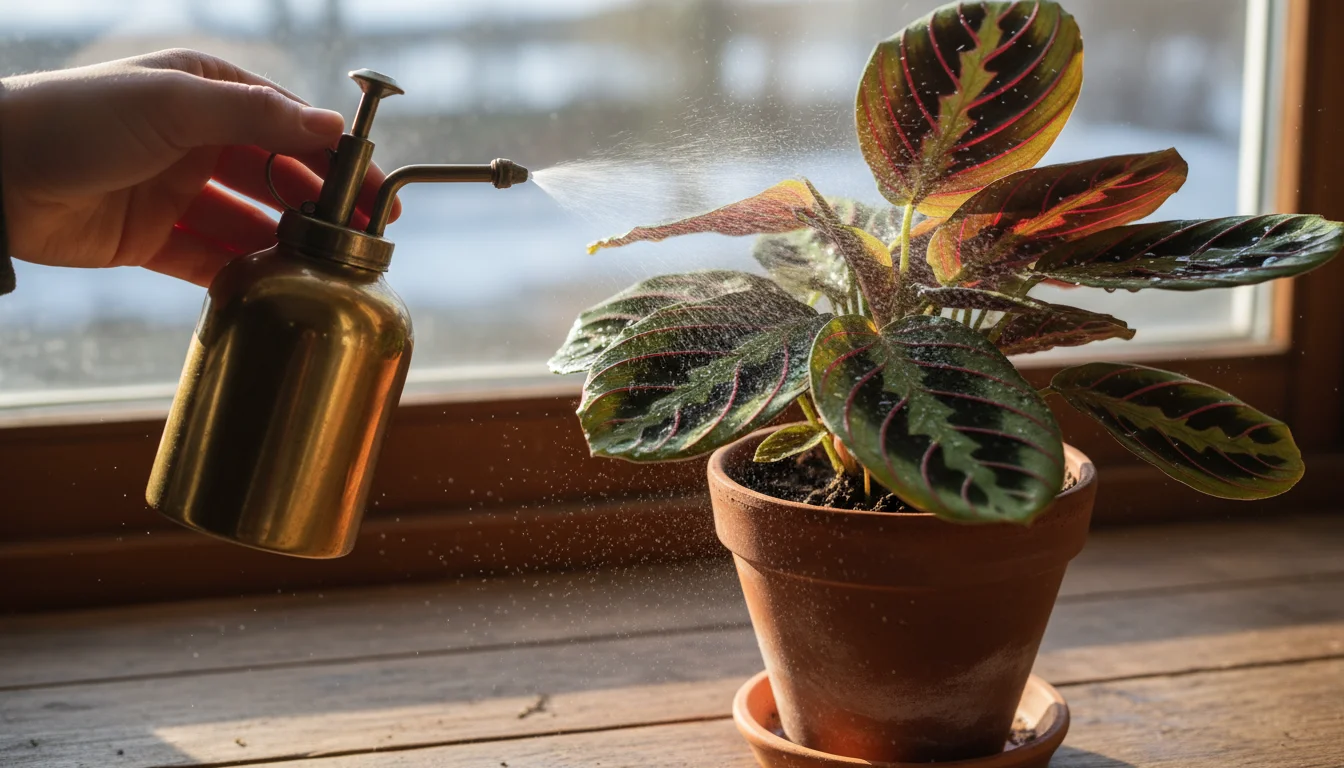
Method 1: Misting Plants – The Myth vs. The Reality
Misting plants is a widely propagated piece of advice for increasing humidity, and it feels intuitive. You spray water on the leaves, and for a moment, the plant looks refreshed. However, when we evaluate “misting plants vs humidifier for apartments,” the science reveals a different story about misting’s effectiveness.
If your plants are currently sitting right next to a heat source, you may need to learn how to create a humidity haven to shield them from direct blasts of dry air.
When you mist a plant, you introduce a fine layer of water droplets to its leaves. These droplets evaporate rapidly, usually within minutes, especially in a dry, heated indoor environment. While this fleeting burst of moisture provides a very temporary increase in humidity directly around the leaf surface, it does little to raise the overall ambient humidity of the room or provide the sustained moisture your tropical plants require. For a meaningful impact, you would need to mist your plants every 10-15 minutes, which is impractical for any gardener.
Furthermore, misting can have negative consequences. Continuously wet leaves, particularly those with fuzzy textures or in areas with poor air circulation, create an ideal breeding ground for fungal diseases. Powdery mildew, bacterial leaf spot, and other issues thrive in stagnant, damp conditions. These diseases can quickly weaken or even kill your plant. While some plants, like ferns, appreciate an occasional gentle mist for aesthetic reasons or to clean dust from their leaves, relying on misting as a primary humidity solution is largely ineffective and carries risks for the overall health of your plants. This is a crucial point for anyone seeking true low humidity solutions.
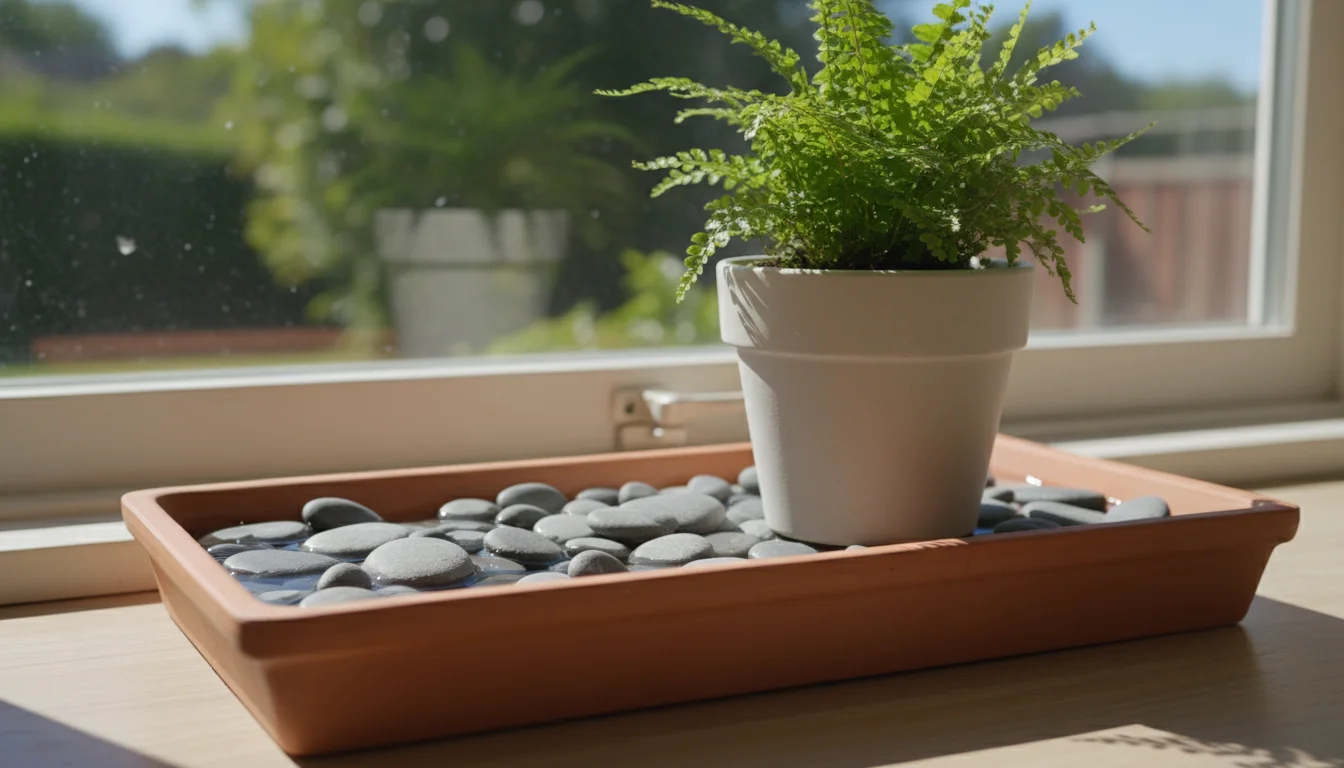
Method 2: Pebble Trays for Plants – Do They Really Work?
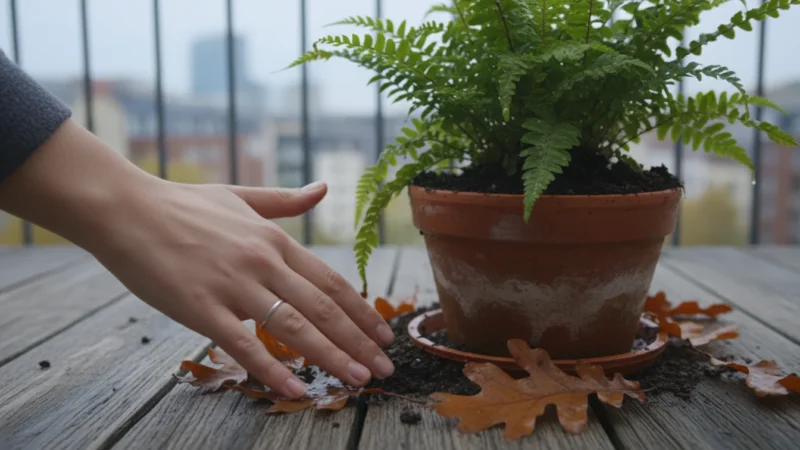
The concept behind pebble trays is simple: fill a shallow tray with pebbles, add water until it just reaches below the top of the pebbles, and then place your potted plant on top. The idea is that as the water evaporates from the tray, it increases the humidity directly around the plant. So, do pebble trays for plants really work?
This method is particularly helpful for soilless air plants that rely entirely on the surrounding air for their moisture needs.
The answer is: yes, but with significant limitations. A pebble tray does create a localized microclimate of slightly higher humidity immediately around the plant. This happens because the evaporating water increases the moisture content of the air in a very confined area. For a plant sitting directly above a pebble tray, this can offer a small, beneficial boost. For example, a study by the American Society for Horticultural Science noted that localized humidity could be marginally increased by such methods.
However, the effect is typically minimal and does not extend far beyond the immediate vicinity of the tray. It will not significantly alter the overall humidity of your room or even a small group of plants unless you have many, very large trays. For particularly dry indoor conditions, where ambient humidity might be below 20%, a pebble tray might only raise the humidity by a few percentage points directly around the plant. While this might offer some relief to a struggling plant, it is rarely sufficient as the sole solution for plants demanding consistently high humidity. Setting up a pebble tray is a simple, low-cost low humidity solution you can implement, but manage your expectations about its widespread impact. Ensure the water level always stays below the base of your pot to prevent root rot.
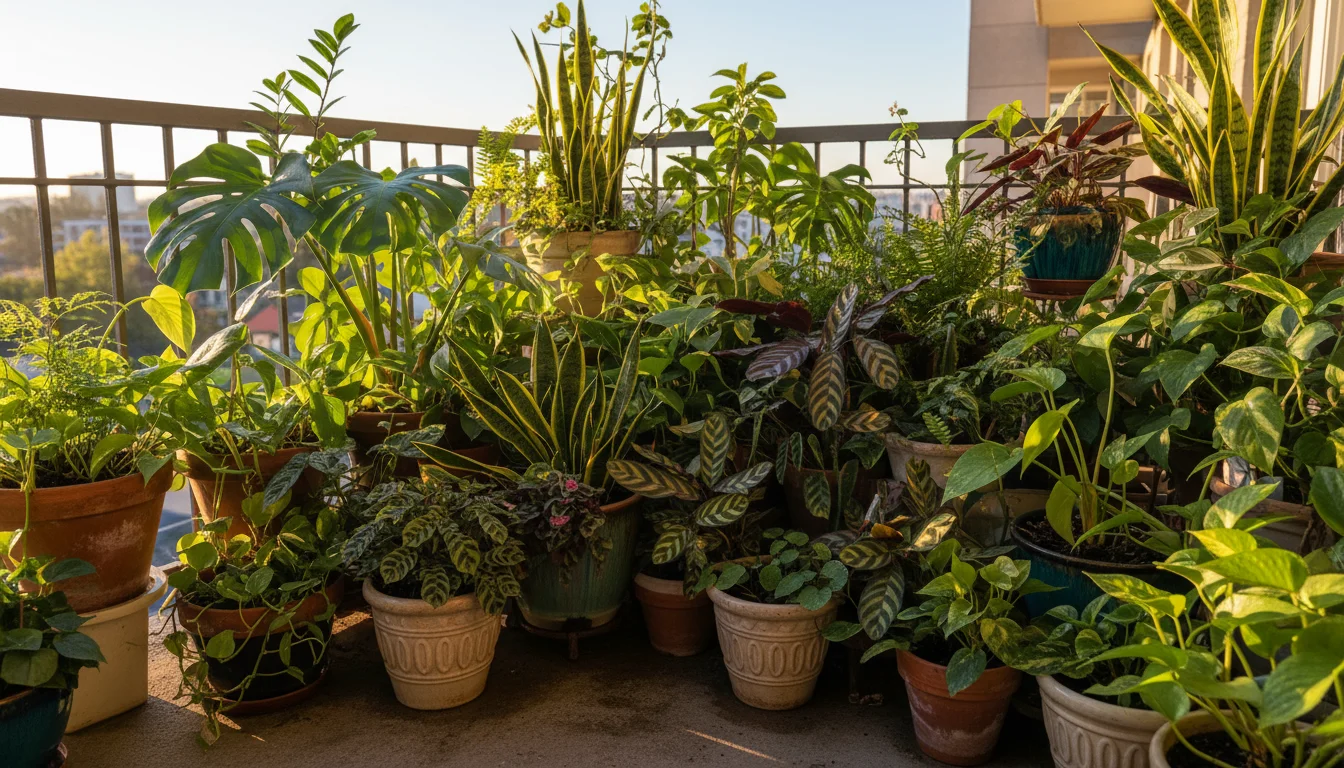
Method 3: Grouping Plants – A Natural Boost
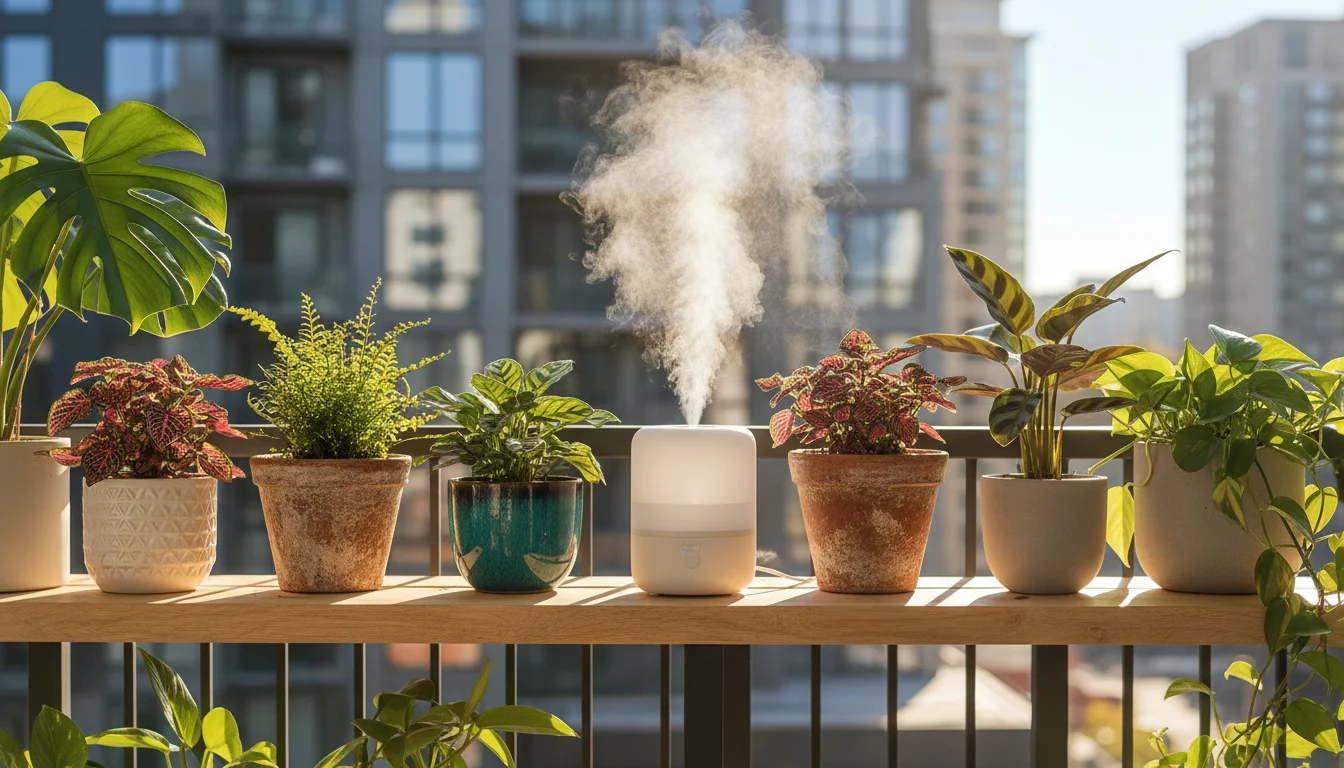
One of the most natural and aesthetically pleasing ways to increase humidity for plants is by grouping them together. This method leverages the biological process of transpiration, where plants release water vapor through their leaves.
When you cluster several plants closely, the moisture transpired by each plant contributes to a shared, slightly more humid microclimate. Imagine a tiny indoor ecosystem where plants collectively breathe out moisture, benefiting from each other’s release. This mutual benefit is why many tropical plants thrive when placed together. A dense collection of plants can create a noticeable difference in humidity levels in their immediate area, often more significant and sustained than misting alone.
To implement this, arrange your humidity-loving plants in a tight cluster on a shelf, a plant stand, or a table. Ensure you still provide adequate air circulation within the group to prevent fungal issues, but keep them close enough so their leaf canopies almost touch. This approach also offers a visual advantage, creating a lush, jungle-like display perfect for small-space gardening. This is an effective, zero-cost component of your overall winter houseplant care strategy, especially when combined with other methods. You will notice plants like ferns, calatheas, and peace lilies respond positively to being part of a group.
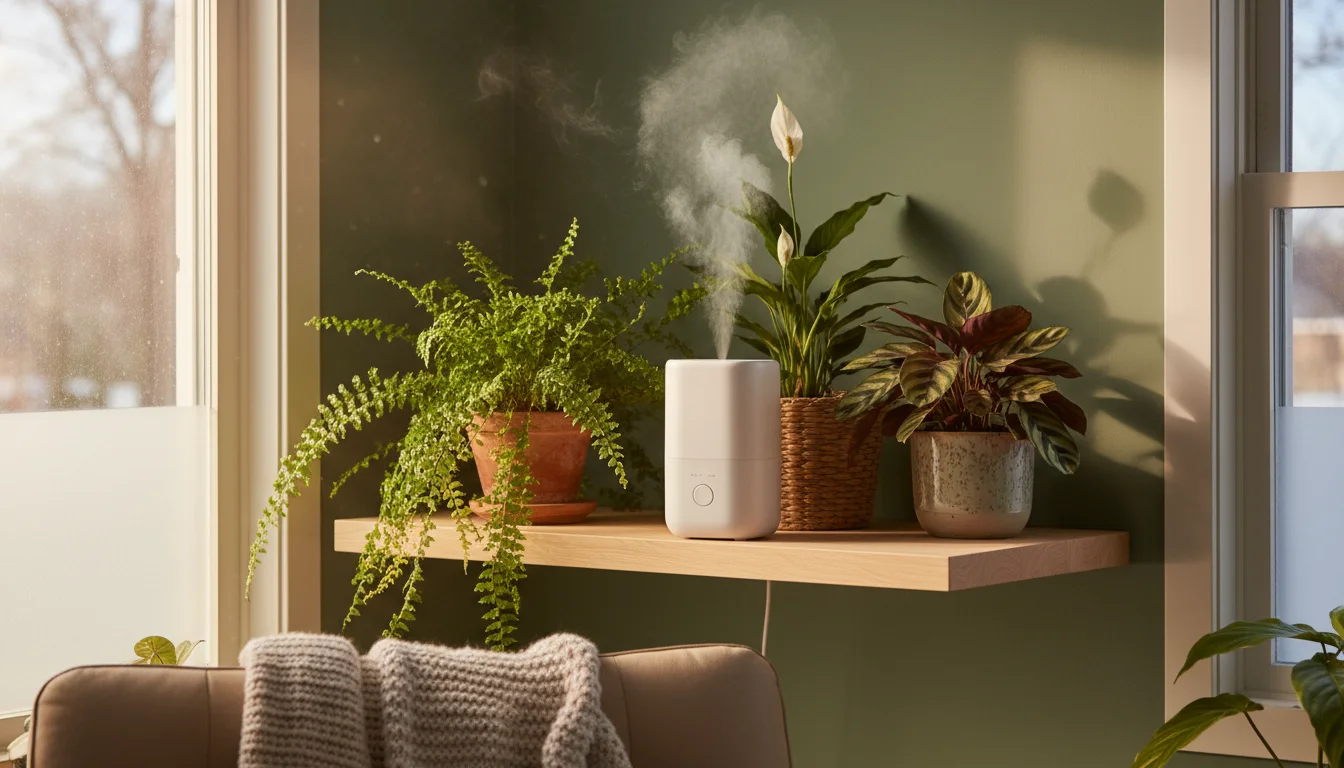
Method 4: Local Humidifiers – The Most Effective Solution
When you are serious about providing consistent and adequate humidity, particularly in dry winter conditions, a room humidifier is undeniably the best way to increase humidity for indoor plants in winter. This method directly addresses the core problem of dry air by adding a significant amount of water vapor into the atmosphere, creating a sustained environment beneficial for your plants.
Setting up these humidity stations can be one of many productive indoor gardening projects to tackle while your outdoor garden is dormant.
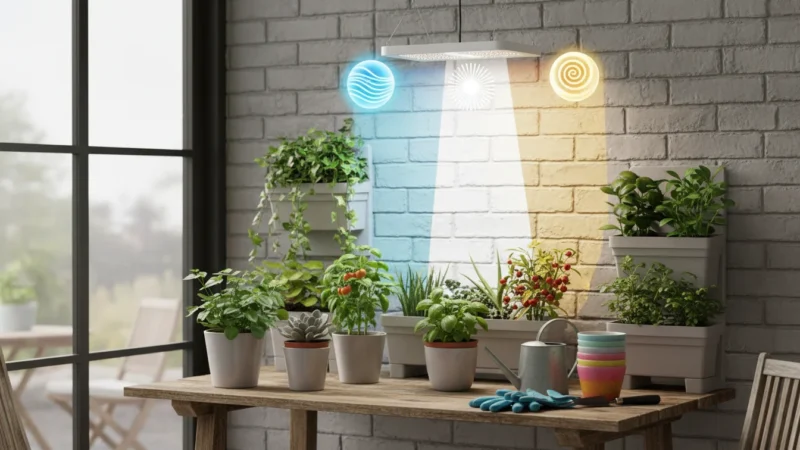
A humidifier is often the most important component of a winter survival kit for apartment plants, especially when natural sunlight is also scarce.
While optimizing air moisture, don’t fall for other common misconceptions like the ice cube watering myth, which can actually shock your tropical plants’ roots.
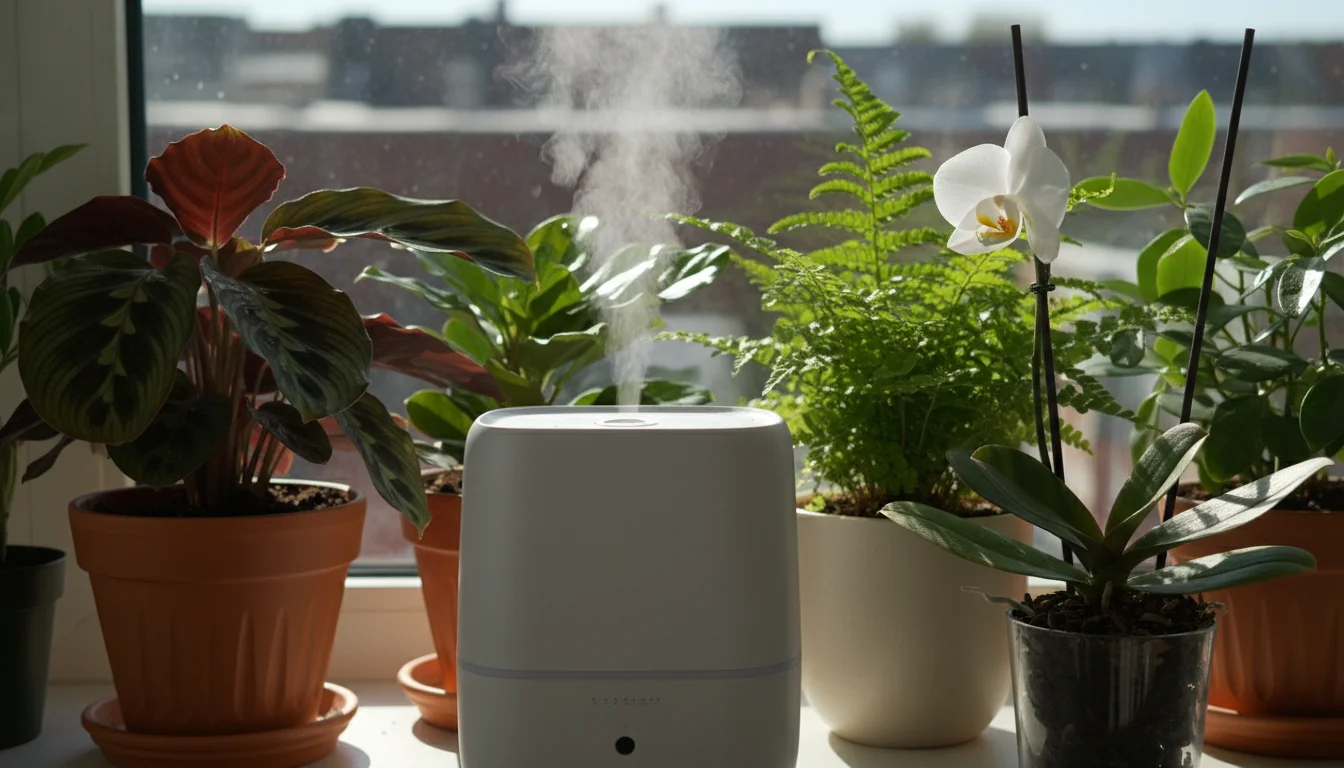
Types of Humidifiers for Apartments:
- Ultrasonic Humidifiers: These use high-frequency vibrations to produce a fine, cool mist. They are generally quiet and efficient. They are excellent for small to medium-sized rooms and work well for grouping plants. Many models come with a humidistat, allowing you to set a desired humidity level, which the unit then maintains automatically. This precise control is invaluable for sensitive plants.
- Evaporative Humidifiers: These work by drawing air through a moistened wick filter. They are often self-regulating, meaning they will only release as much moisture as the air can hold, reducing the risk of over-humidification. They tend to be slightly louder than ultrasonic models due to a fan, but some people prefer them as they do not produce the “white dust” that ultrasonic models can if you use tap water with high mineral content.
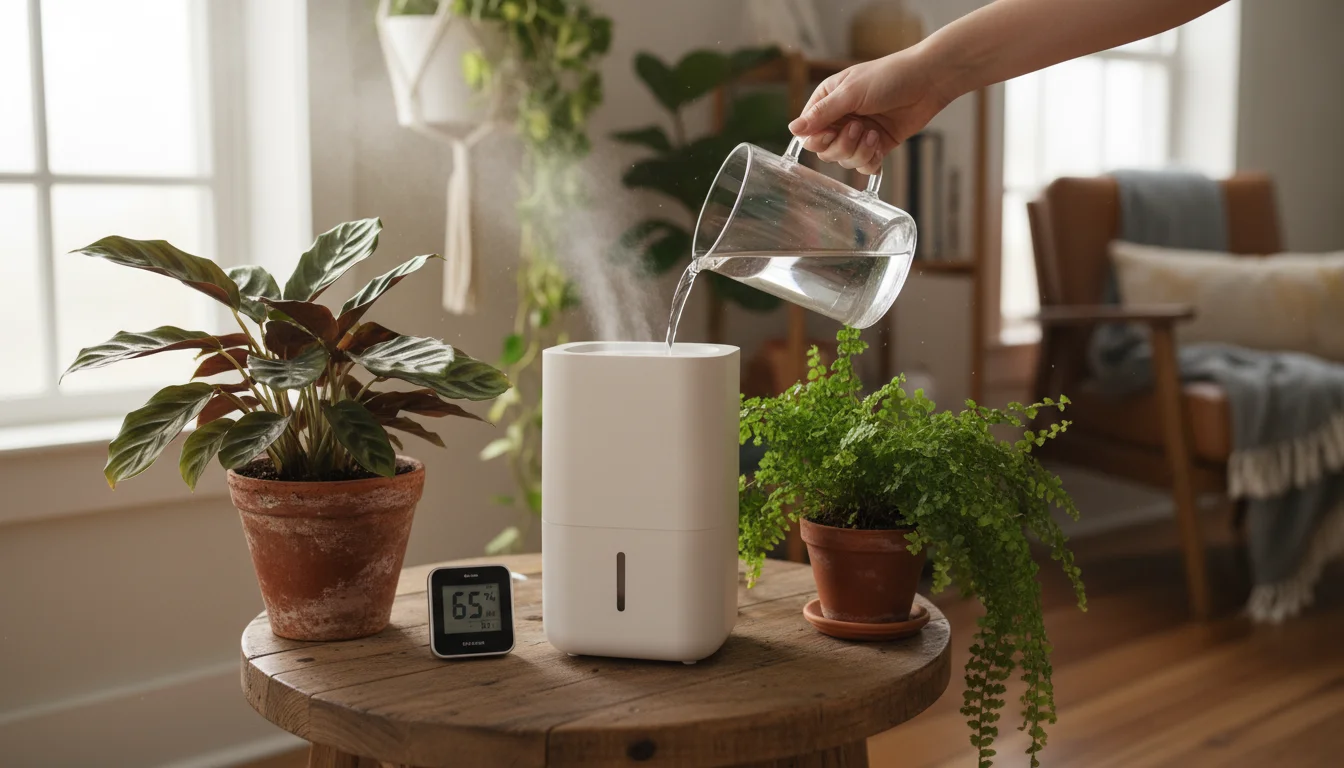
Implementing a Humidifier for Your Plants:
- Placement: Position the humidifier close to your cluster of humidity-loving plants. For larger collections, you might need more than one unit, or a larger capacity humidifier.
- Water Quality: Use distilled water in ultrasonic humidifiers to prevent white dust (mineral residue) from settling on your plants and furniture. For evaporative humidifiers, tap water is usually fine, but you will need to clean the wick and reservoir regularly to prevent mineral buildup and mold.
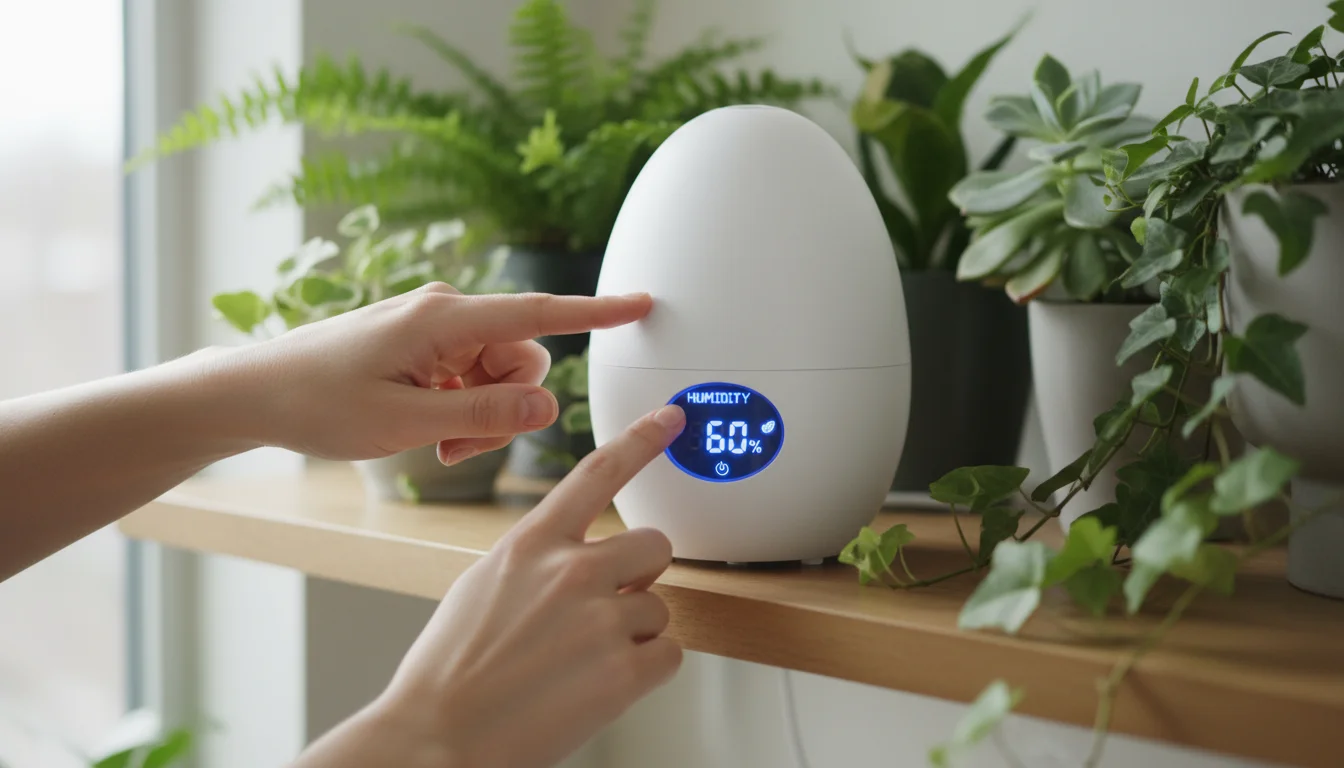
- Monitoring: Invest in a simple hygrometer (humidity monitor). This inexpensive device helps you track the actual humidity levels around your plants, allowing you to adjust your humidifier settings to maintain optimal conditions, typically between 50-70% for most tropical varieties.
- Maintenance: Regular cleaning is crucial. Humidifiers can become breeding grounds for mold and bacteria if not properly maintained. Follow the manufacturer’s instructions for daily water changes and weekly deep cleaning.
While humidifiers represent a higher initial investment and require ongoing maintenance, they provide the most consistent and effective solution for combating low humidity. When considering “misting plants vs humidifier for apartments,” the humidifier unequivocally wins for delivering lasting, plant-beneficial moisture.
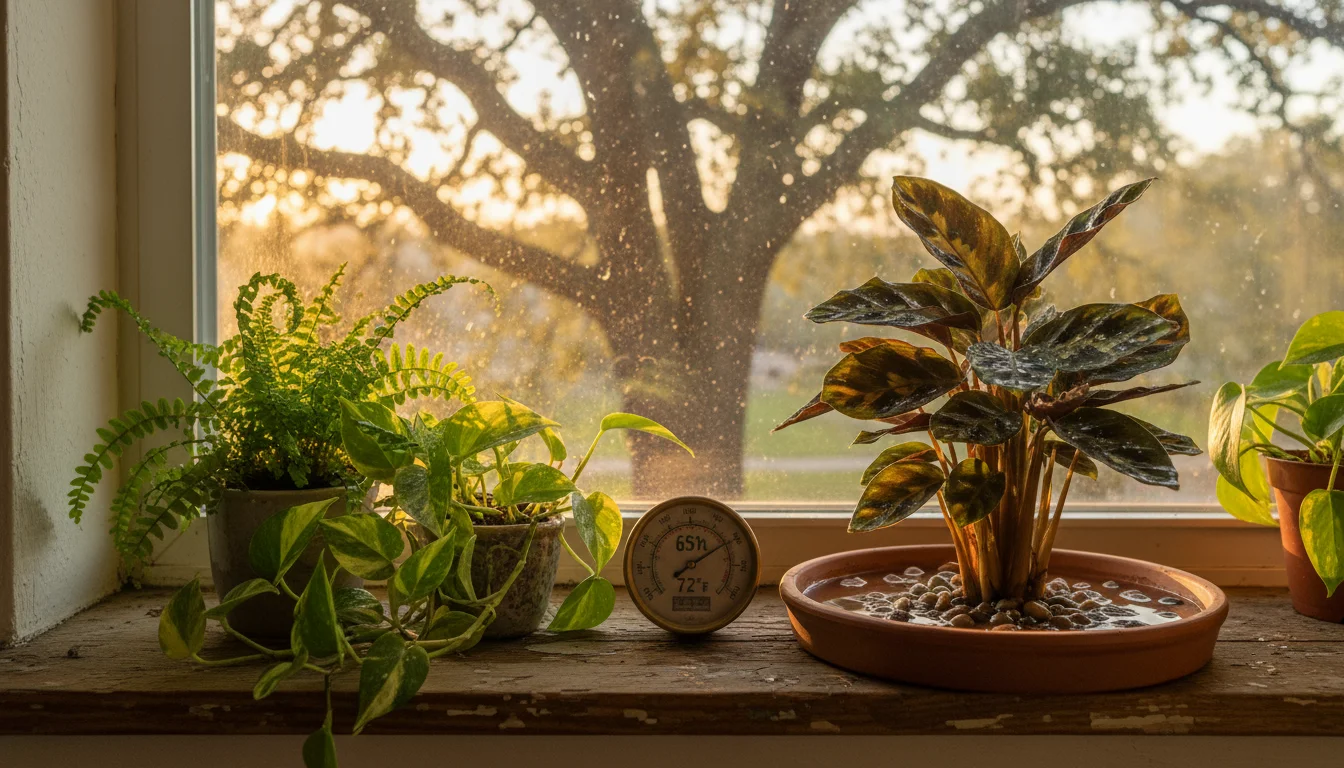
Integrating Humidity Management into Your Winter Houseplant Care
Effective humidity management is not a standalone task, it is an integral part of comprehensive winter houseplant care. You achieve the best results by combining several low humidity solutions, creating a layered approach that benefits your plants year-round, especially during the dry season.
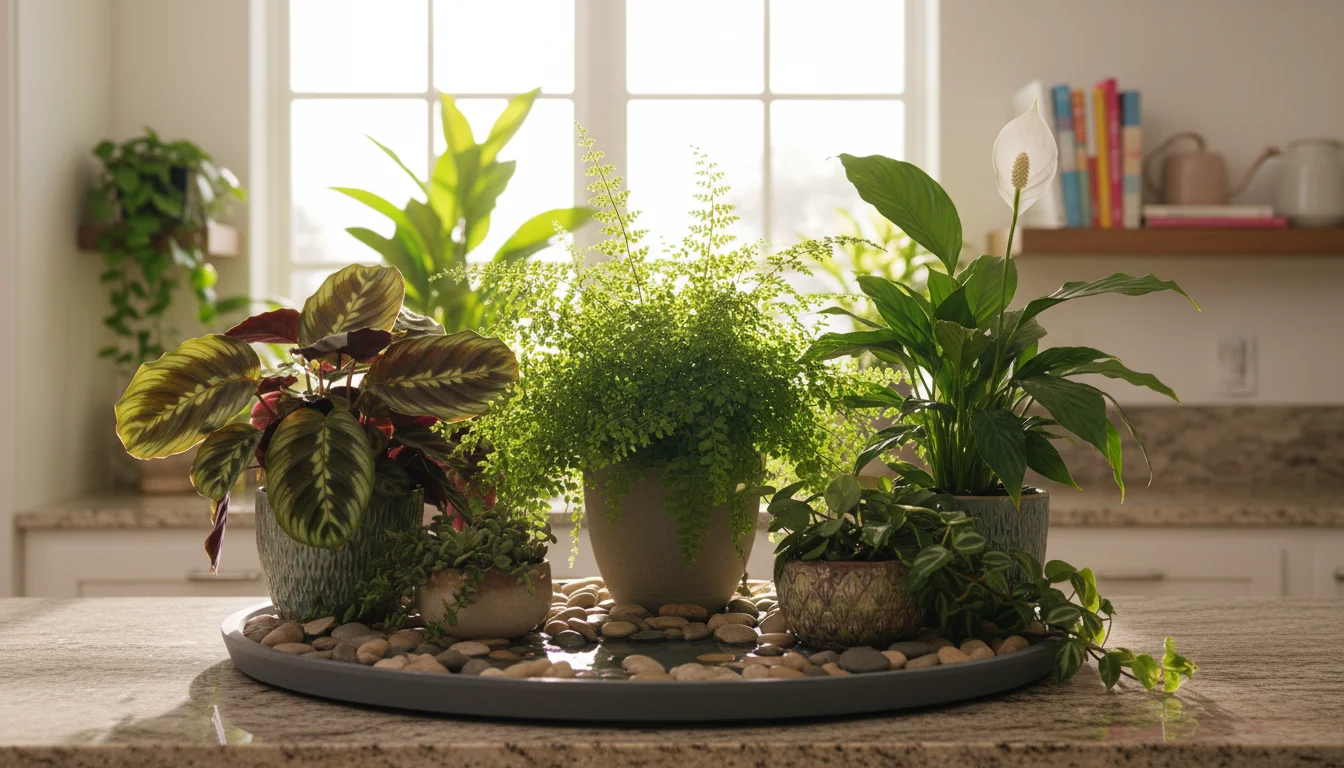
A Holistic Approach to Moisture:
- Assess Your Plants: Identify which of your houseplants are true humidity lovers (e.g., ferns, calatheas, peace lilies, philodendrons) and prioritize their placement near humidity sources. Plants like succulents or cacti require much less humidity and should be kept separate.
- Strategize Placement: Place humidity-loving plants in naturally more humid areas of your home if possible, such as a bathroom with a window (if it gets adequate light) or near a kitchen sink. Avoid placing them directly above or next to heat vents, which will rapidly dry out their foliage.
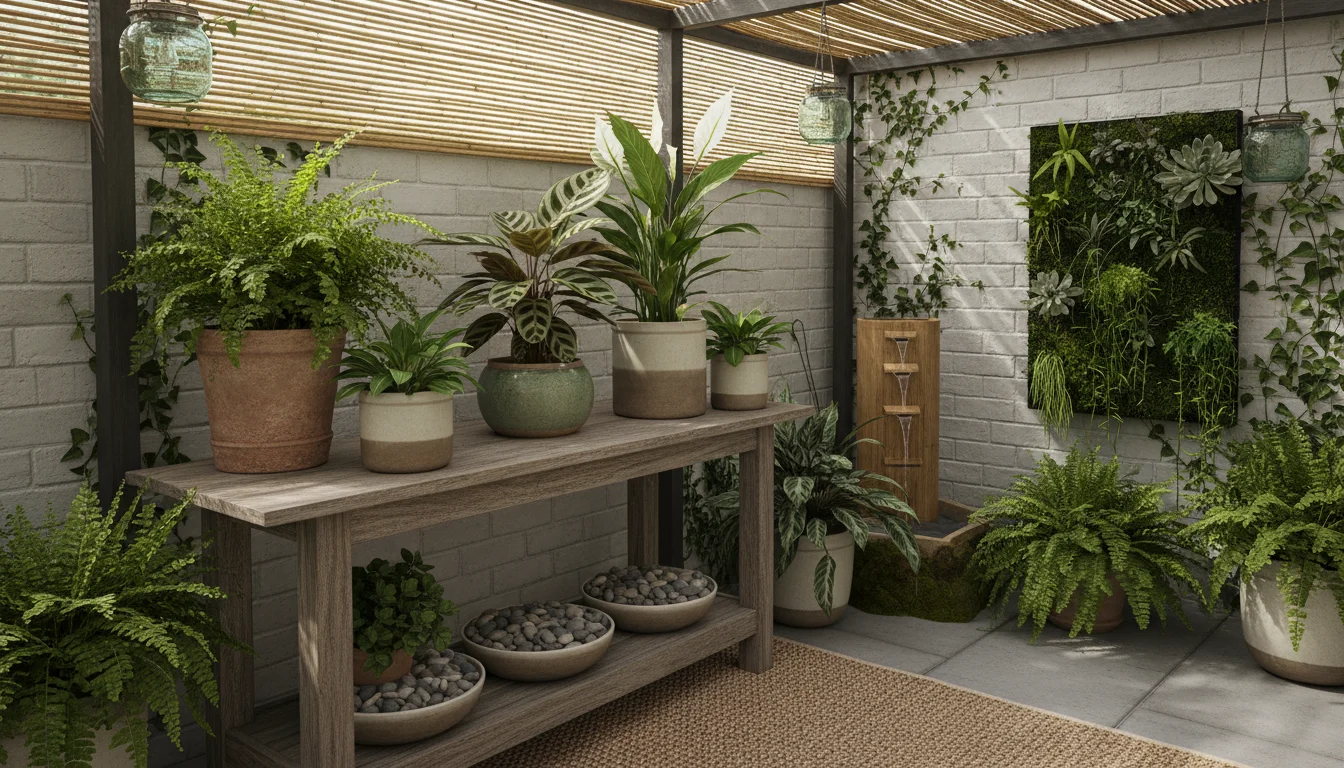
- Group and Enhance: Implement the grouping strategy. Cluster your humidity-sensitive plants together. Augment this with pebble trays beneath the grouped plants for an additional, albeit localized, boost. Remember, the goal is to create a small, moist microclimate.
- Humidifier as the Core: For consistent, widespread relief, position a well-maintained humidifier near your primary plant display. Use a hygrometer to ensure you maintain your target humidity range, typically 50-70%.
- Consider Watering Adjustments: While humidity is about aerial moisture, ensure your soil watering practices are also correct. Plants may still need consistent moisture at the roots, but be careful not to overwater in cooler, less active growth periods, as this can lead to root rot.
- Regular Inspection: Frequently check your plants for signs of low humidity (crispy tips, curling leaves) or, conversely, signs of too much humidity in specific spots (mold on soil, yellowing leaves with black spots indicating fungal issues). Early detection allows for quick adjustments.
By thoughtfully combining these strategies, you create an environment that mimics the natural habitats of your tropical plants, ensuring they not only survive but truly thrive during the challenging winter months. This approach addresses how to increase humidity for plants effectively and sustainably.
Eco-Friendly Humidity Tips for Sustainable Gardening
As gardeners, we strive for practices that benefit our plants without harming the planet. Incorporating eco-friendly considerations into your humidity hacks contributes to sustainable gardening.
Mindful Humidifier Use:
- Energy Efficiency: Choose energy-efficient humidifier models, often indicated by an Energy Star rating. While they consume electricity, newer models are designed to operate more efficiently.
- Smart Use: Use your humidifier with a humidistat. This prevents it from running unnecessarily, conserving energy once the desired humidity level is reached.
- Water Conservation: While humidifiers use water, consider collecting rainwater or filtered greywater (from rinsing fruits, not soapy water) for use in your humidifier, where appropriate and safe for your specific model. Always check manufacturer guidelines before using anything other than distilled or tap water.
Natural and Passive Methods:
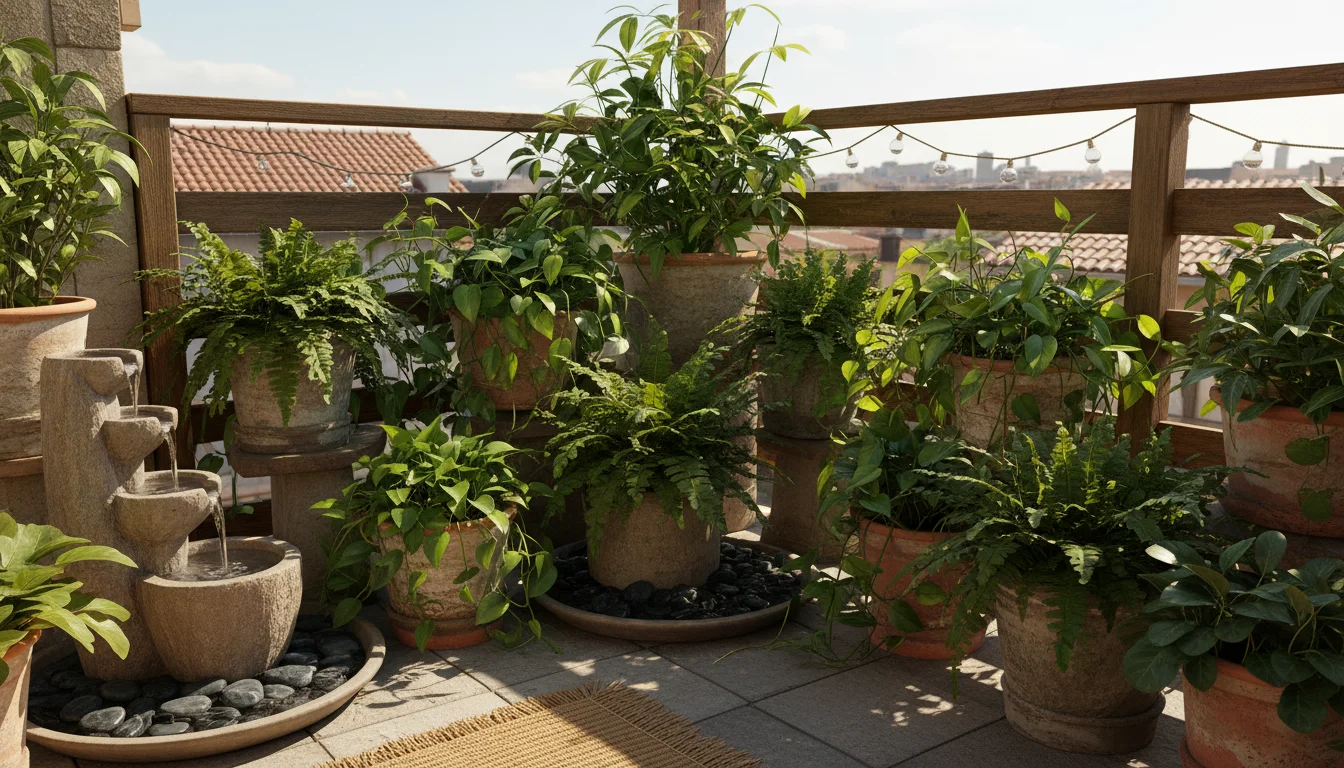
- Embrace Grouping: This is a prime example of a zero-energy, natural humidity hack. Grouping plants maximizes their collective transpiration, offering a sustainable boost.
- Pebble Trays: Using pebble trays is also an eco-friendly option. Use recycled glass pebbles or locally sourced stones. The water evaporates naturally, requiring no electricity.
- Indoor Water Features: A small, recirculating tabletop fountain can add a pleasant ambient sound and contribute a minor amount of humidity through evaporation, though less than a dedicated humidifier. Choose energy-efficient pump models.
Your choices make a difference. By opting for smart technology and leveraging natural processes, you can increase humidity for plants while maintaining an environmentally conscious approach to your winter houseplant care.
Troubleshooting Common Humidity Problems
Even with the best intentions, you might encounter issues when managing humidity. Understanding common problems helps you diagnose and fix them quickly, ensuring your low humidity solutions remain effective.
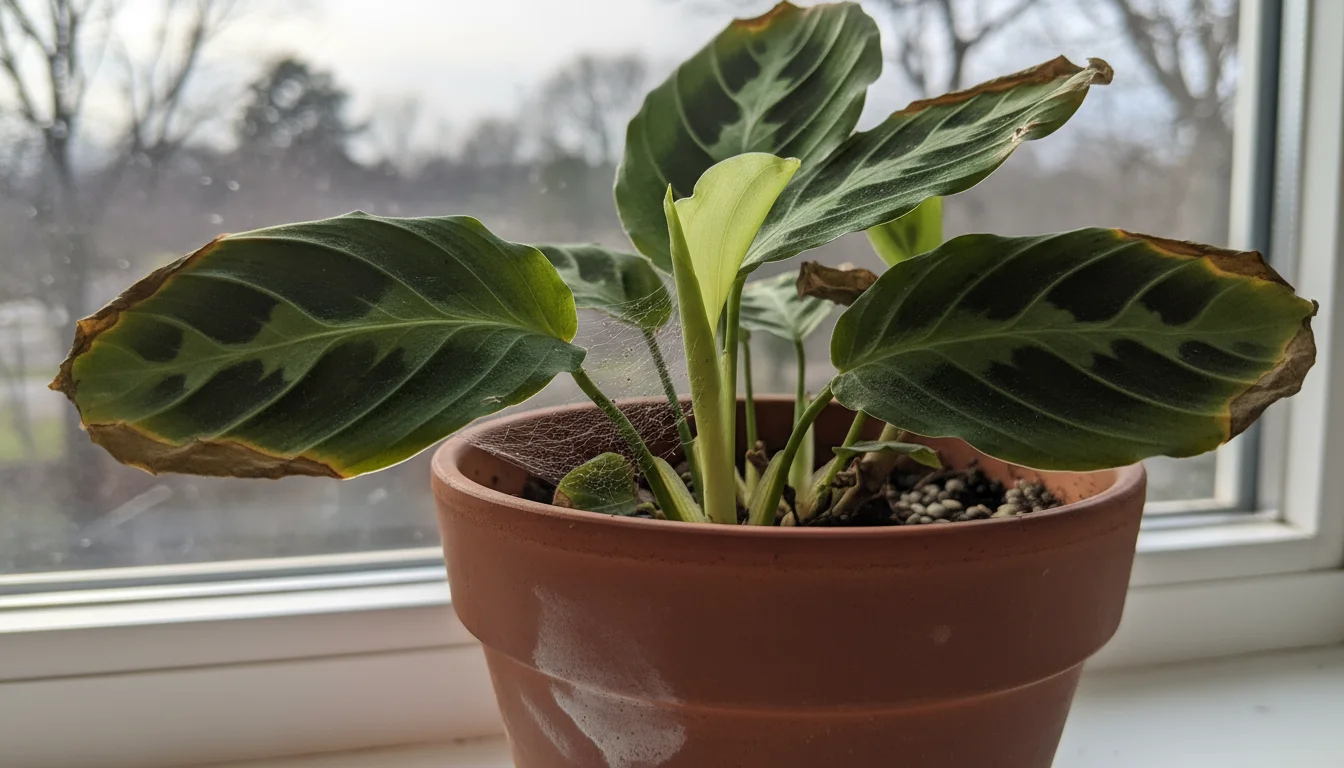
Signs of Persistent Low Humidity:
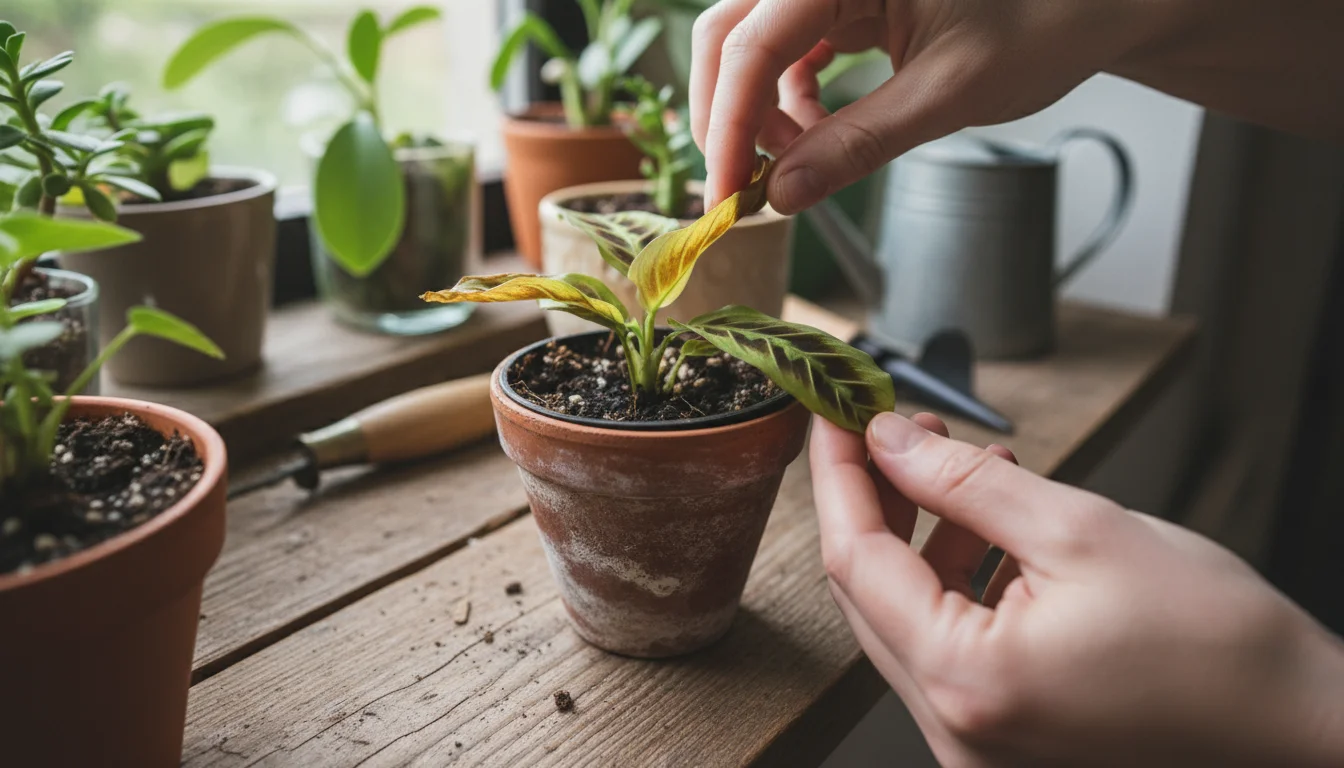
- Crispy Leaf Edges and Tips: This is the most common sign. The plant is losing water faster than its roots can supply it. Increase humidifier runtime, move plants closer to the humidifier, or group them more tightly.
- Stunted or Deformed New Growth: Dry air can inhibit the proper unfurling of new leaves, causing them to stick or come out twisted.
- Bud Drop: Flowering plants, such as orchids or gardenias, may drop their flower buds before they open due to lack of humidity.
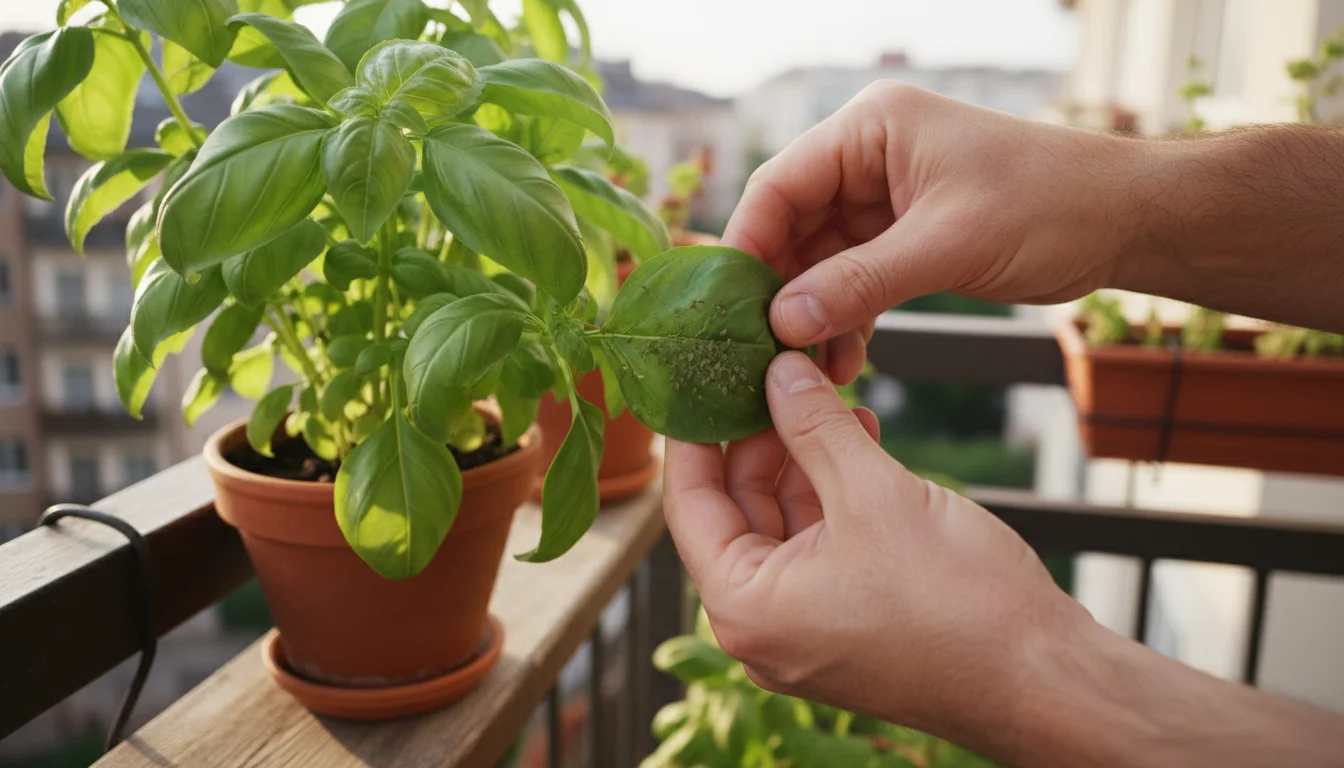
- Increased Pest Activity: Pests like spider mites thrive in dry conditions. While not directly a humidity symptom, low humidity weakens plants, making them more vulnerable to infestations. If you see fine webbing or tiny dots on leaves, check for spider mites and increase humidity promptly.
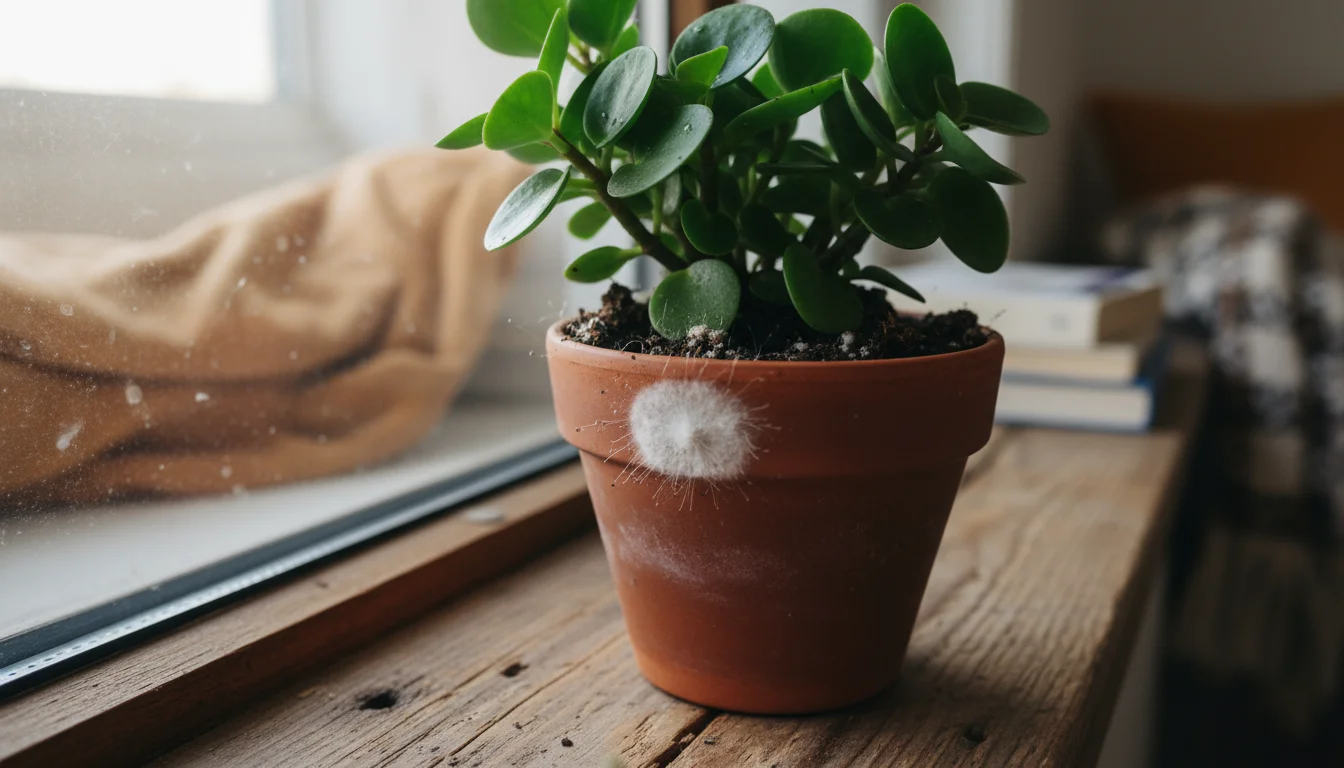
Signs of Excessive Humidity (Less Common Indoors, but Possible):
- Mold on Soil Surface: If the top layer of soil stays damp for too long and you notice fuzzy white or green growth, humidity might be too high, or air circulation is poor. Reduce humidifier use and improve airflow.
- Fungal Leaf Spots: Dark, sunken spots on leaves can indicate bacterial or fungal infections, often exacerbated by consistently wet leaves and high humidity combined with poor air circulation. Ensure leaves dry off quickly after misting (if you still mist) and provide good airflow.
- Rotting Stems or Leaves: In extreme cases, combined with overwatering, very high humidity and lack of air movement can lead to plant rot.
The key to successful humidity management is balance. Use a hygrometer to monitor actual humidity levels, and observe your plants closely. Adjust your strategies as needed. Remember, consistent moderate humidity is often better than fluctuating extremes for most houseplants.
Frequently Asked Questions
Can I simply boil water on the stove to increase humidity for plants?
Boiling water on the stove does release steam and temporarily increases humidity. However, this method is highly inefficient and unsustainable for consistent humidity management. It requires constant attention, consumes significant energy, and provides only short-lived bursts of moisture, making it impractical as a regular low humidity solution. A dedicated humidifier offers a much more controlled and safer approach.
How often should I clean my humidifier?
For optimal performance and to prevent the growth of mold or bacteria, you should refill your humidifier daily with fresh water and clean the reservoir thoroughly at least once a week. If you use an evaporative humidifier, replace the wick filter according to the manufacturer’s recommendations, usually every 1-3 months. Consistent maintenance ensures the air released by your humidifier remains clean and beneficial for your plants and your home.
Will moving my plants to the bathroom help increase humidity?
Yes, placing humidity-loving plants in a bathroom, particularly one with frequent showers, can significantly help increase humidity for plants. Bathrooms naturally experience higher humidity levels compared to other rooms in your home. Ensure the bathroom receives adequate light for your specific plant’s needs. If the bathroom lacks natural light, consider supplemental grow lights. Always make sure there is also good air circulation to prevent fungal issues associated with stagnant, damp air.
Are there any plants that do not need high humidity?
Absolutely. Many popular houseplants actually prefer lower humidity levels. Succulents, such as Cacti, Aloes, and Haworthias, thrive in dry conditions and do not require any additional humidity. Similarly, Snake Plants (Sansevieria), ZZ Plants (Zamioculcas zamiifolia), and Pothos are quite tolerant of average household humidity. Understanding your specific plant’s needs is a crucial part of effective winter houseplant care.
Can too much humidity harm my plants?
While most tropical plants love humidity, too much of a good thing can indeed be harmful, especially without proper air circulation. Excessively high humidity (above 80% consistently) combined with stagnant air can lead to fungal diseases, bacterial infections, and root rot. Always aim for a balanced humidity range, typically between 50-70% for most tropical varieties, and ensure good airflow around your plants to prevent moisture from sitting on leaves for too long.
By understanding your plants’ needs and implementing the right strategies, you can easily maintain a vibrant indoor garden, even through the driest winter months. Your efforts will be rewarded with healthy, thriving houseplants that brighten your small space all year long.
For trustworthy gardening information, visit:
Missouri Botanical Garden, Kew Science — Plants of the World, Brooklyn Botanic Garden, Chicago Botanic Garden and New York Botanical Garden. These organizations provide expert, research-based advice for gardeners at all levels.
Disclaimer: This article is for informational purposes only and is not a substitute for professional gardening advice. Always consult local extension services or horticulture experts for region-specific guidance.

Leave a Reply