Stop Drowning Your Plants: How to Adjust Your Container Watering Schedule for Cooler Fall Weather
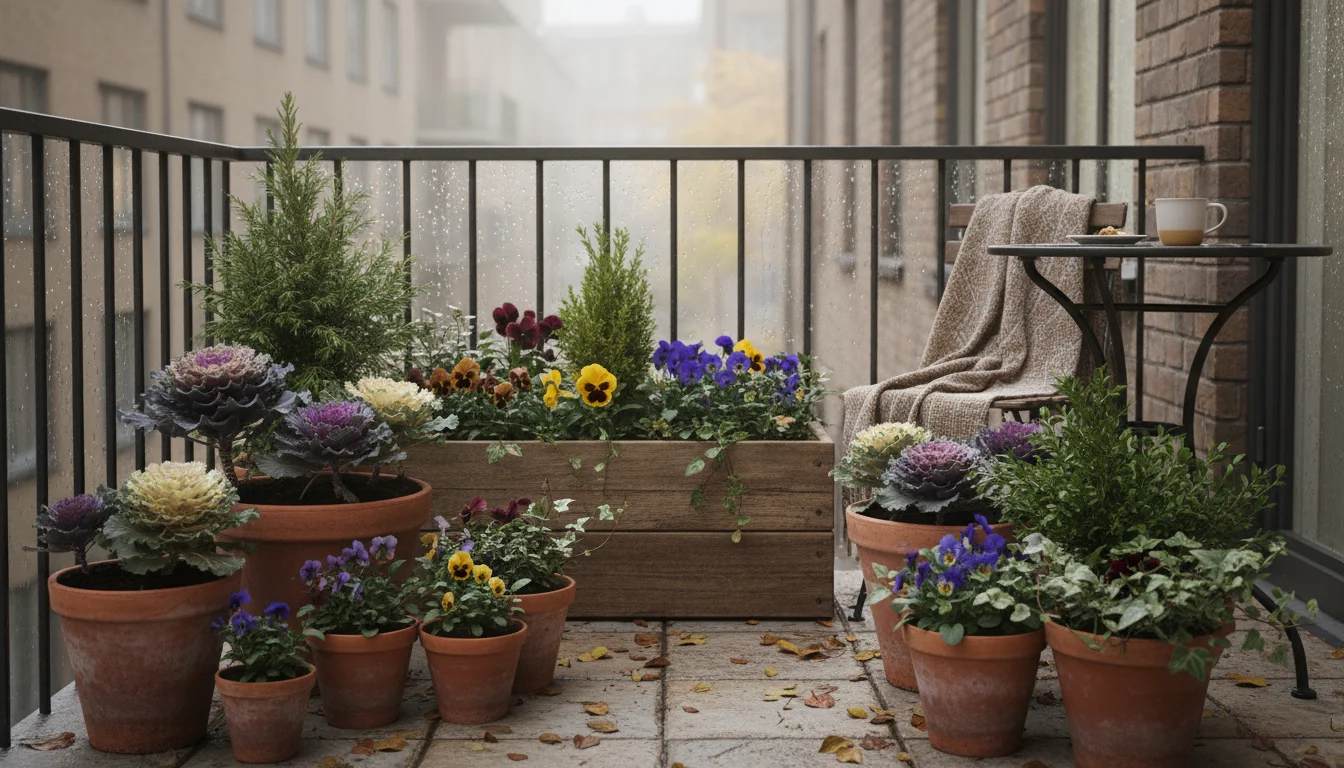
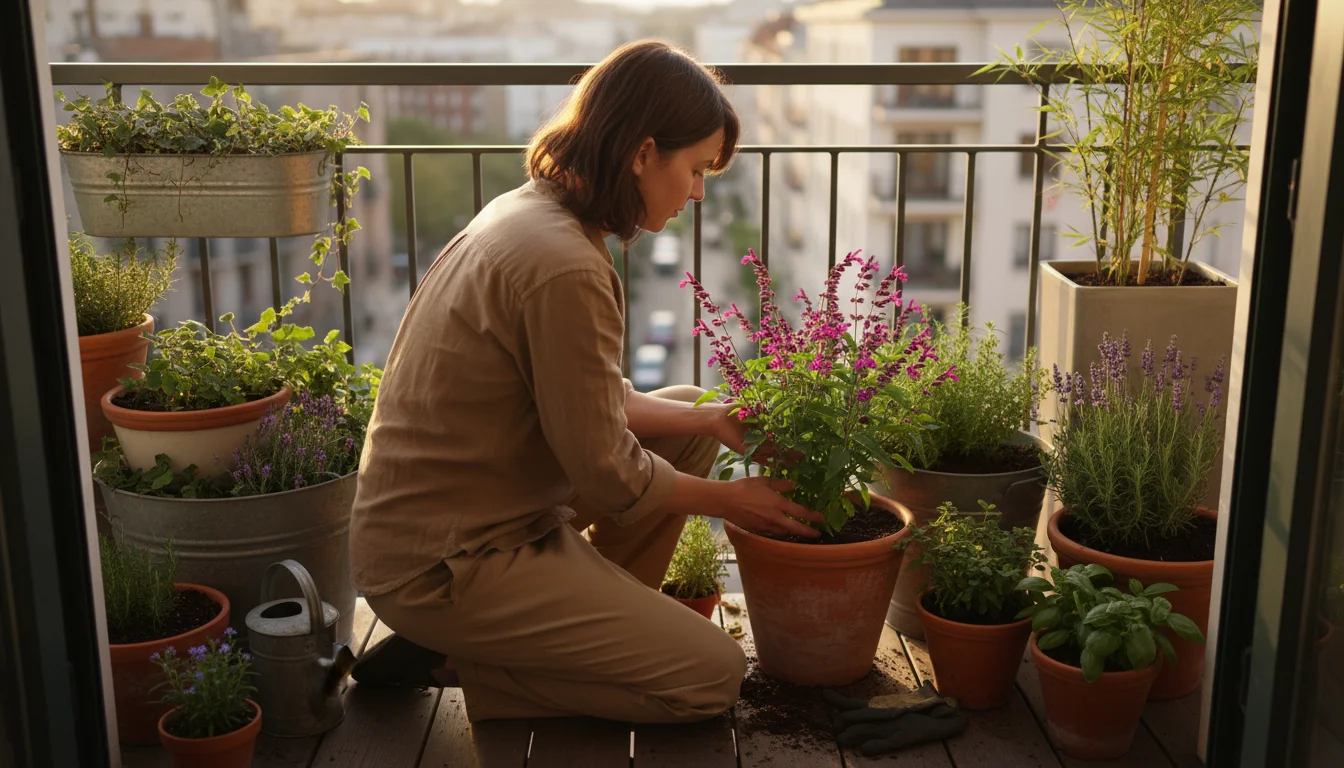
As the vibrant colors of summer gardens begin to fade, many gardeners shift their focus to preparing for cooler temperatures. You might find yourself still following the same watering habits you practiced during the scorching summer months. This common mistake, overwatering container plants as fall arrives, often leads to sad, struggling plants. Understanding how to adjust your watering schedule for cooler fall weather is crucial for the health and longevity of your potted greenery, especially in a small-space balcony garden.
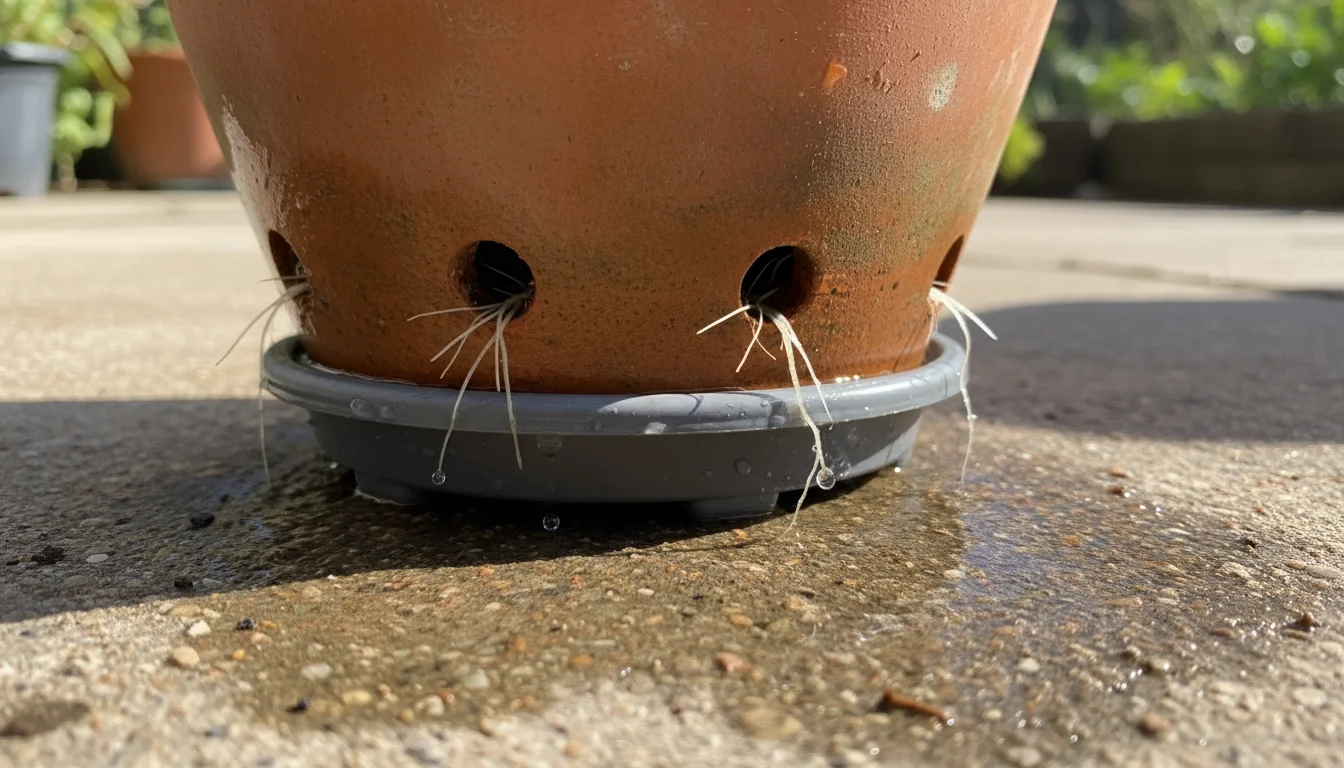
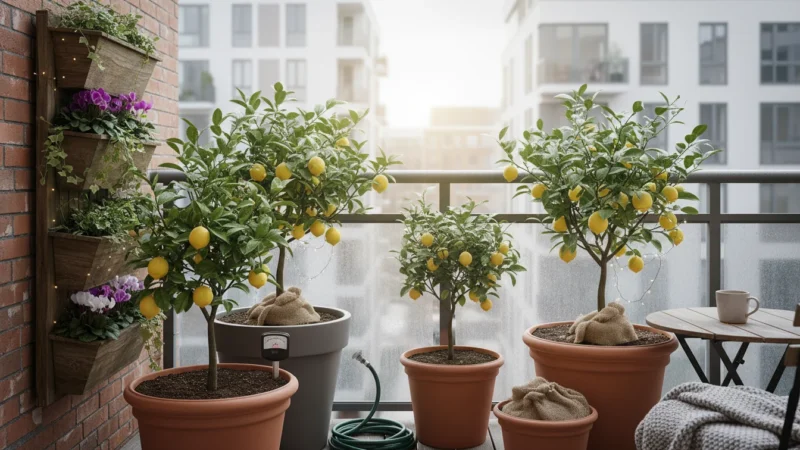
Proper drainage is especially important for those on upper floors, as you must manage container drainage carefully to avoid flooding the patio below during wet autumn weeks.
Cooler temperatures, reduced sunlight, and changing plant metabolic rates significantly impact how much water your container plants need. What worked perfectly in August could drown your plants in October. This guide helps you navigate the subtle shifts required in your fall plant care, ensuring your containers thrive well into autumn and beyond. You will learn to recognize the signs of overwatering, develop an intuitive approach to checking soil moisture, and create a precise watering schedule tailored to your specific plants and environment.
Why Fall Watering Differs for Container Plants
The transition from summer to fall brings a cascade of environmental changes that directly affect your container plants’ water needs. Ignoring these shifts can quickly lead to overwatering, a far more common problem in autumn than underwatering. Here is why your watering approach must adapt:
Don’t forget to keep a beginner’s frost checklist handy, as watering needs change even more drastically once freezing temperatures are in the forecast.
Reduced Evaporation Rates
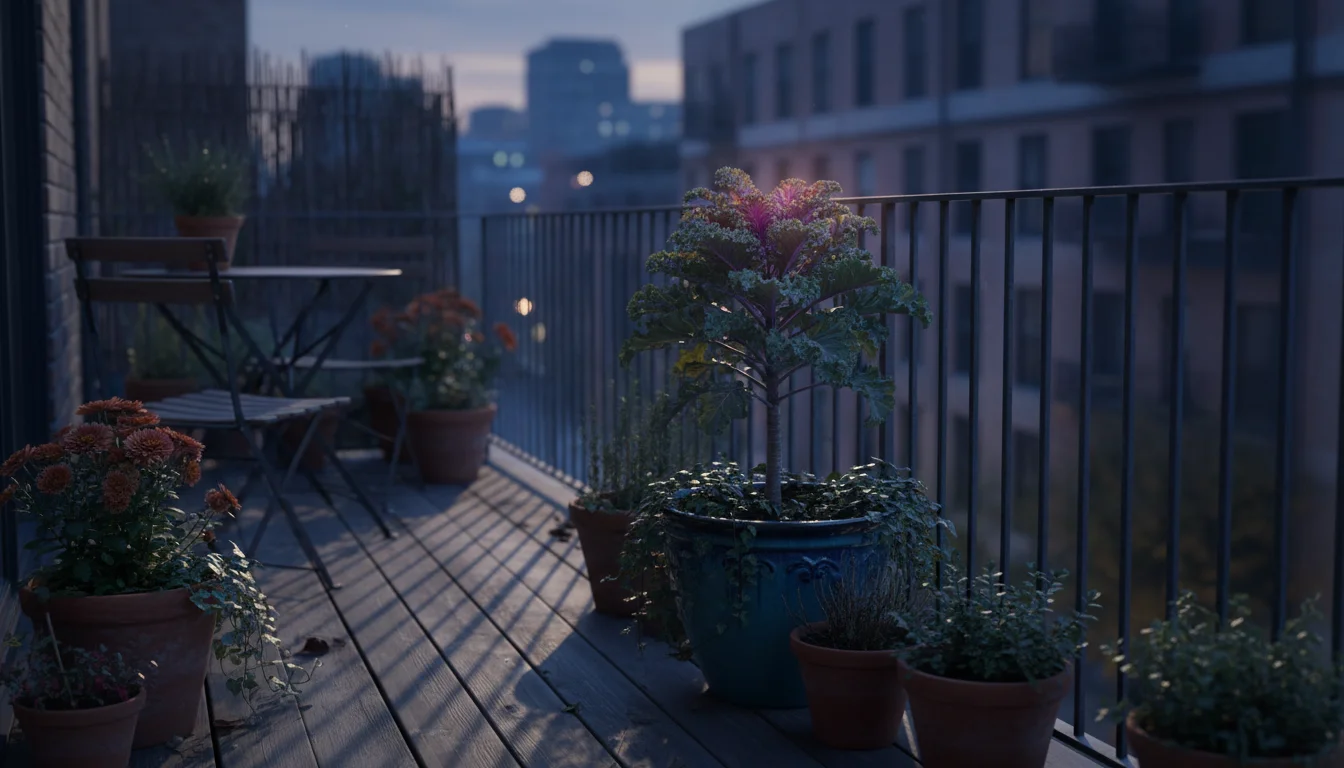
Summer’s intense heat and abundant sunshine cause water to evaporate quickly from both soil surfaces and plant leaves, a process known as transpiration. As fall settles in, temperatures drop, and the sun’s intensity diminishes. These cooler, often cloudier conditions significantly slow down evaporation. Your soil retains moisture for longer periods, meaning your plants simply do not use water as rapidly as they did during peak summer. Data from university extension services consistently shows that cooler weather can reduce soil moisture loss by 30-50% compared to summer highs, directly impacting how often to water pots in the fall.
Shorter Days and Less Sunlight
Daylight hours shorten dramatically in fall. Plants rely on sunlight for photosynthesis, the process by which they convert light energy into food. Less light means less active photosynthesis. When photosynthesis slows, plants use less water. Imagine a factory operating at half capacity, it requires less fuel. Similarly, your plants become less “thirsty” as the days grow shorter.
Plant Dormancy and Slowed Growth
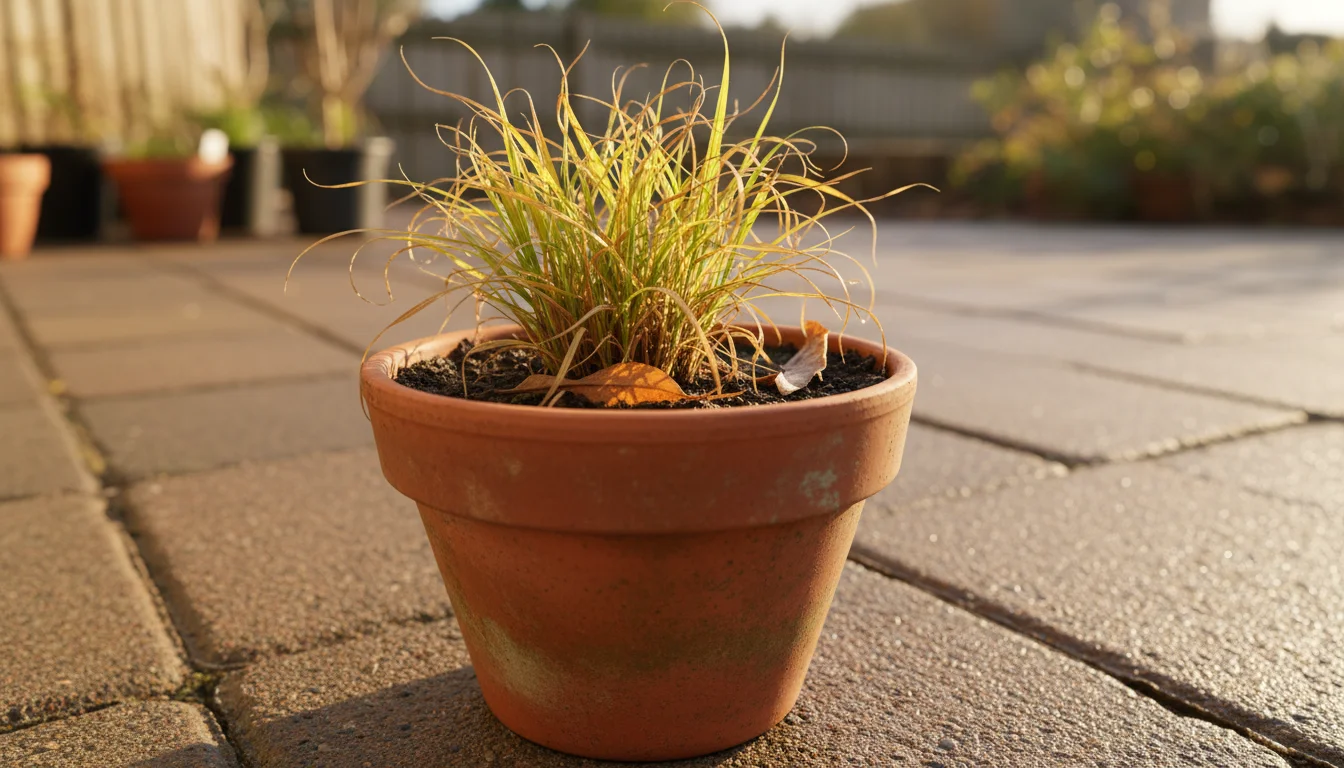
Many plants enter a period of reduced growth or even dormancy as autumn progresses, preparing for winter. During this phase, their metabolic rate decreases substantially. They are not actively producing new leaves or flowers at the same pace, so their water consumption drops. Perennials and many shrubs in containers, for example, will naturally slow down their internal processes, signaling a need for less frequent watering. Deciduous plants may even drop their leaves, further reducing their water requirements as there are fewer surfaces for transpiration.
Increased Risk of Root Rot
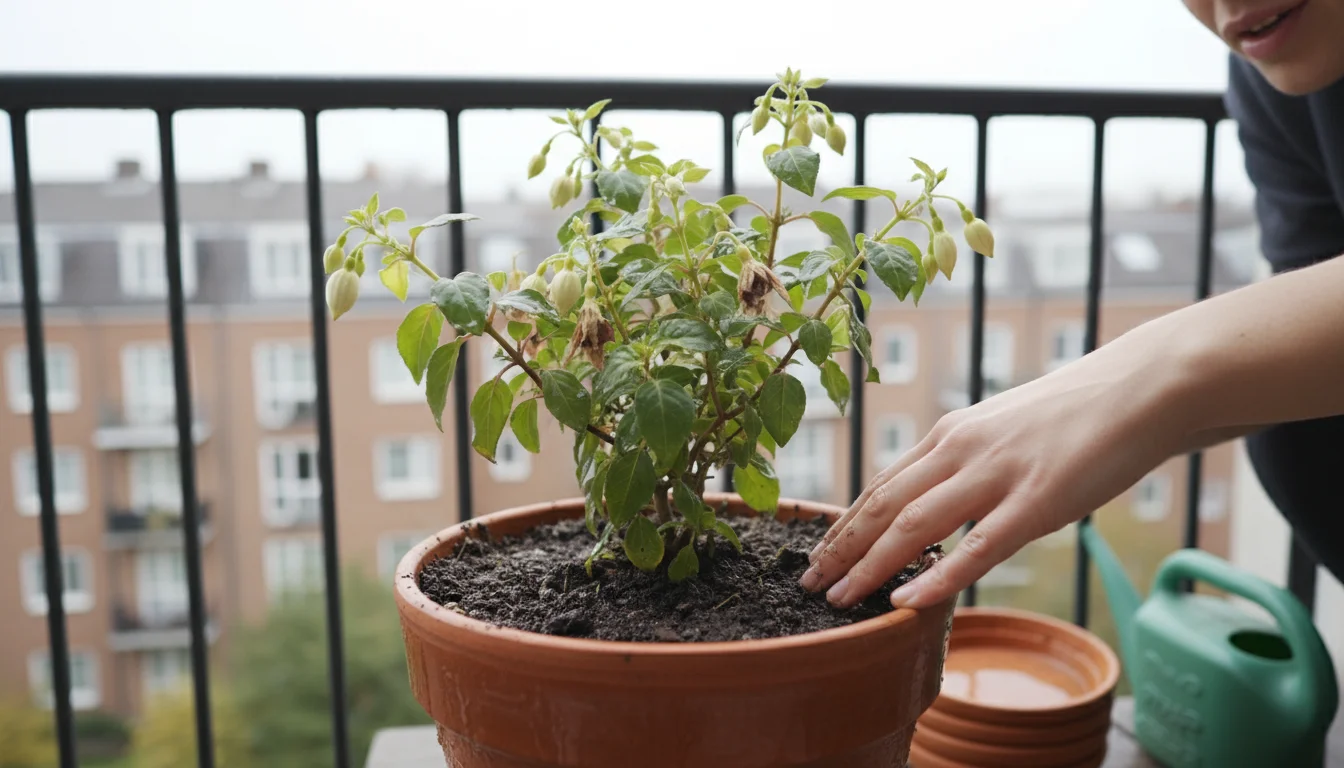
Overwatering in cooler conditions poses a serious threat: root rot. When soil stays consistently wet, especially with lower evaporation, the roots sit in standing water. This deprives them of oxygen, essential for their survival. Without oxygen, roots cannot absorb nutrients or water, ironically causing the plant to show symptoms similar to underwatering, such as wilting. The lack of oxygen also creates an anaerobic environment, perfect for the proliferation of harmful fungi and bacteria that attack and decay roots. Once root rot takes hold, it is challenging to reverse, often proving fatal for the plant. This makes preventing overwatering a primary concern for fall plant care.
Identifying Overwatering Symptoms in Cool Weather
Recognizing the signs of overwatering is your first line of defense against root rot and plant decline. Many overwatering symptoms can mimic underwatering, making diagnosis tricky. However, specific indicators, especially when combined with cool weather and a moist soil profile, point clearly to excess water. Knowing these specific signs of overwatering in cool weather ensures you address the problem promptly.
Identifying these issues early is a vital part of your seasonal garden audit to ensure you avoid repeating maintenance errors next season.
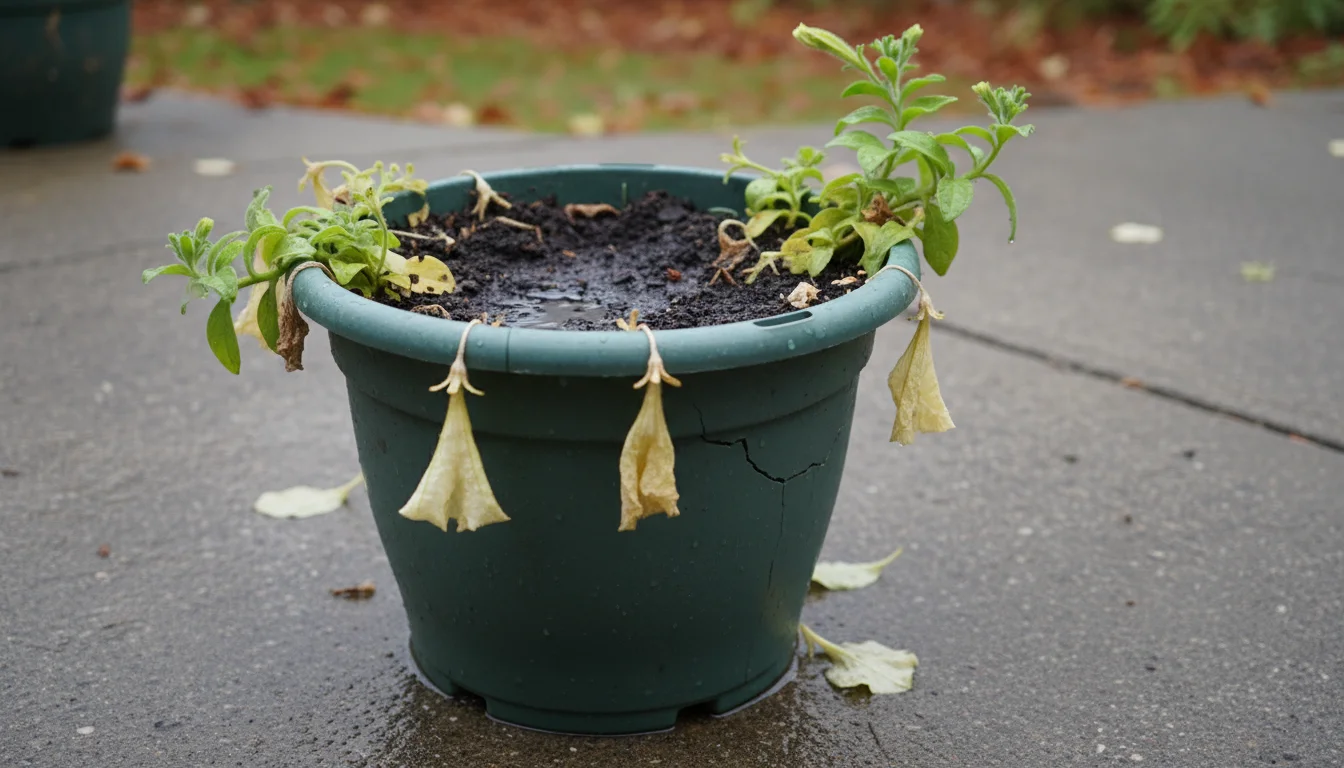
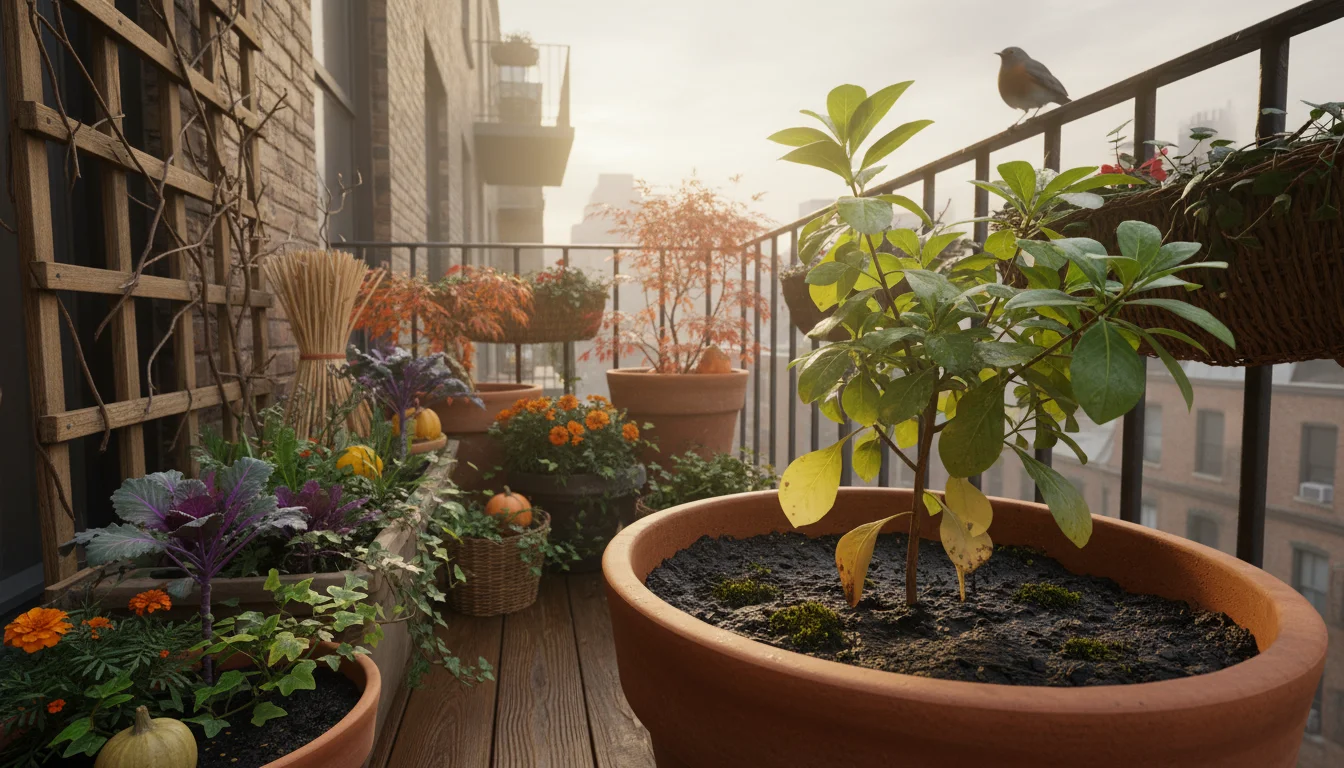
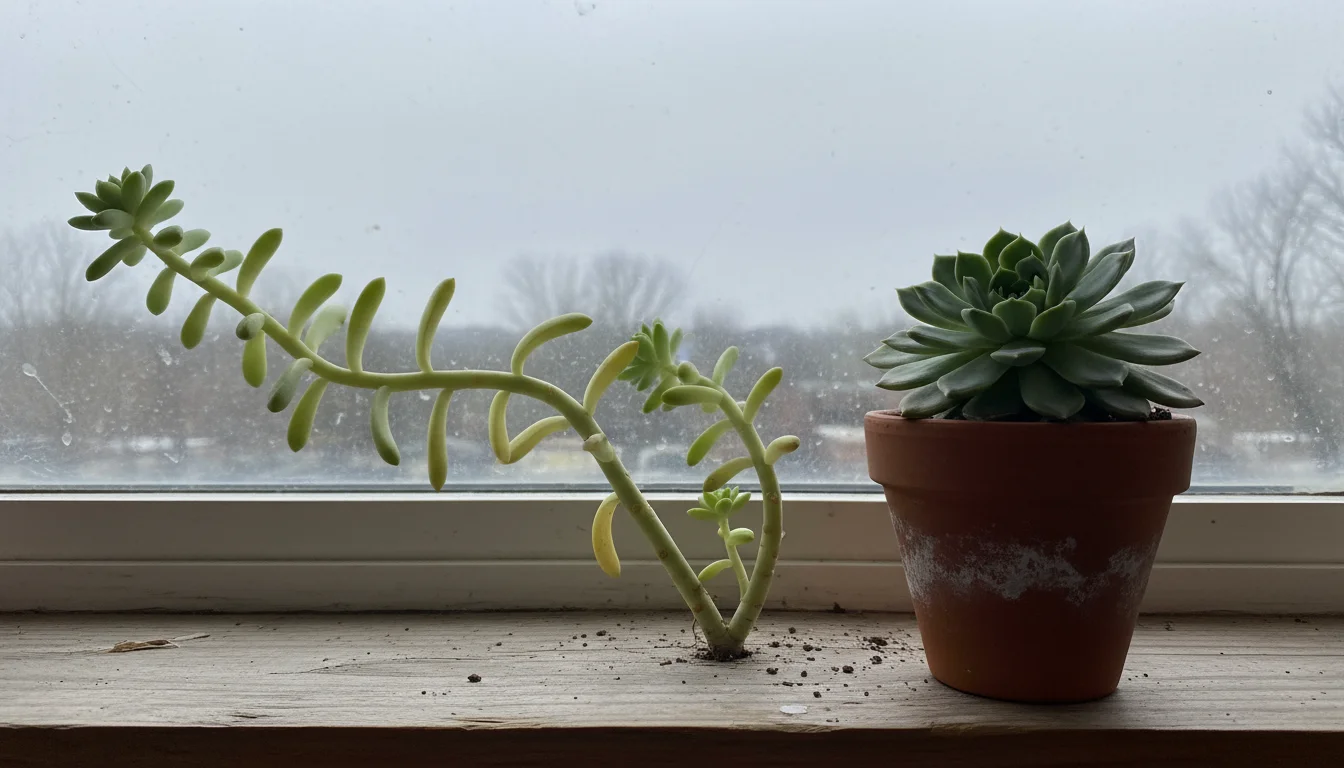
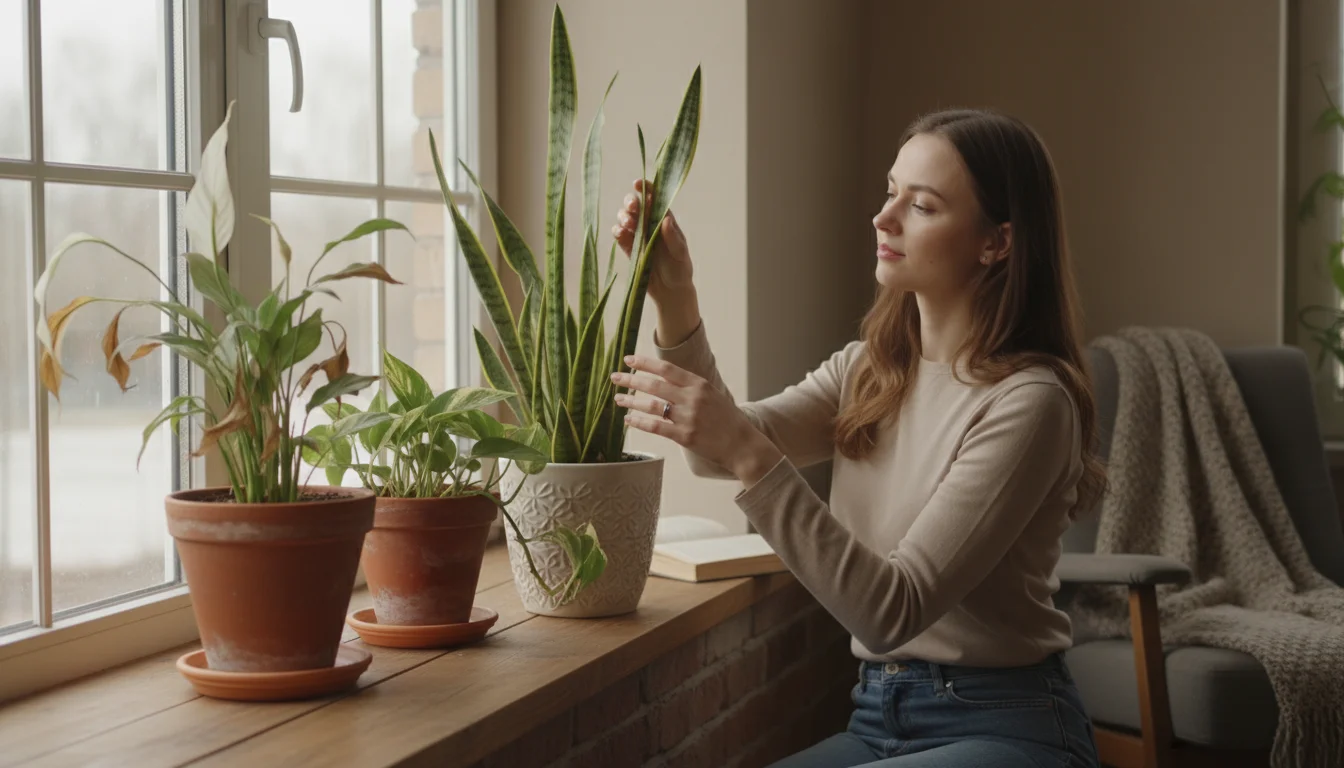
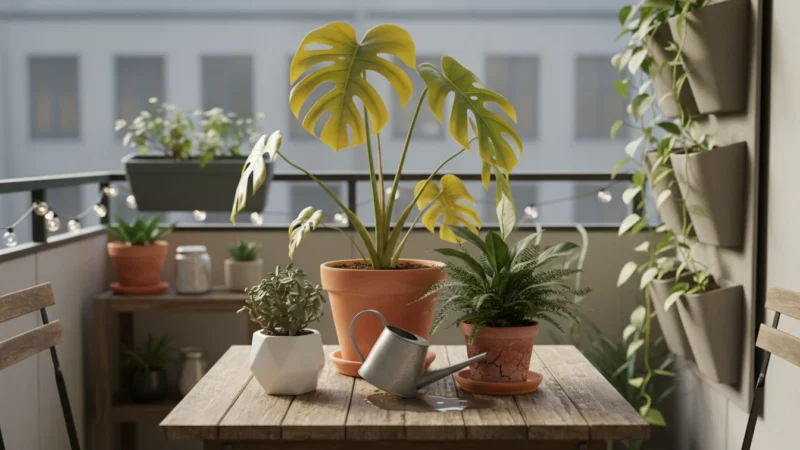
- Wilting, Yellowing Leaves: This is the most common and often confusing symptom. Both overwatered and underwatered plants wilt. With overwatering, however, the leaves typically turn yellow before wilting, and they often feel soft and limp, not crispy. The yellowing usually starts with lower leaves and progresses upwards. This happens because roots, starved of oxygen, cannot transport water and nutrients effectively to the foliage.
- Stunted Growth or Lack of New Growth: If your plant looks like it has stopped growing or new leaves appear small and weak, overwatering might be the culprit. The root system is stressed and cannot support healthy top growth.
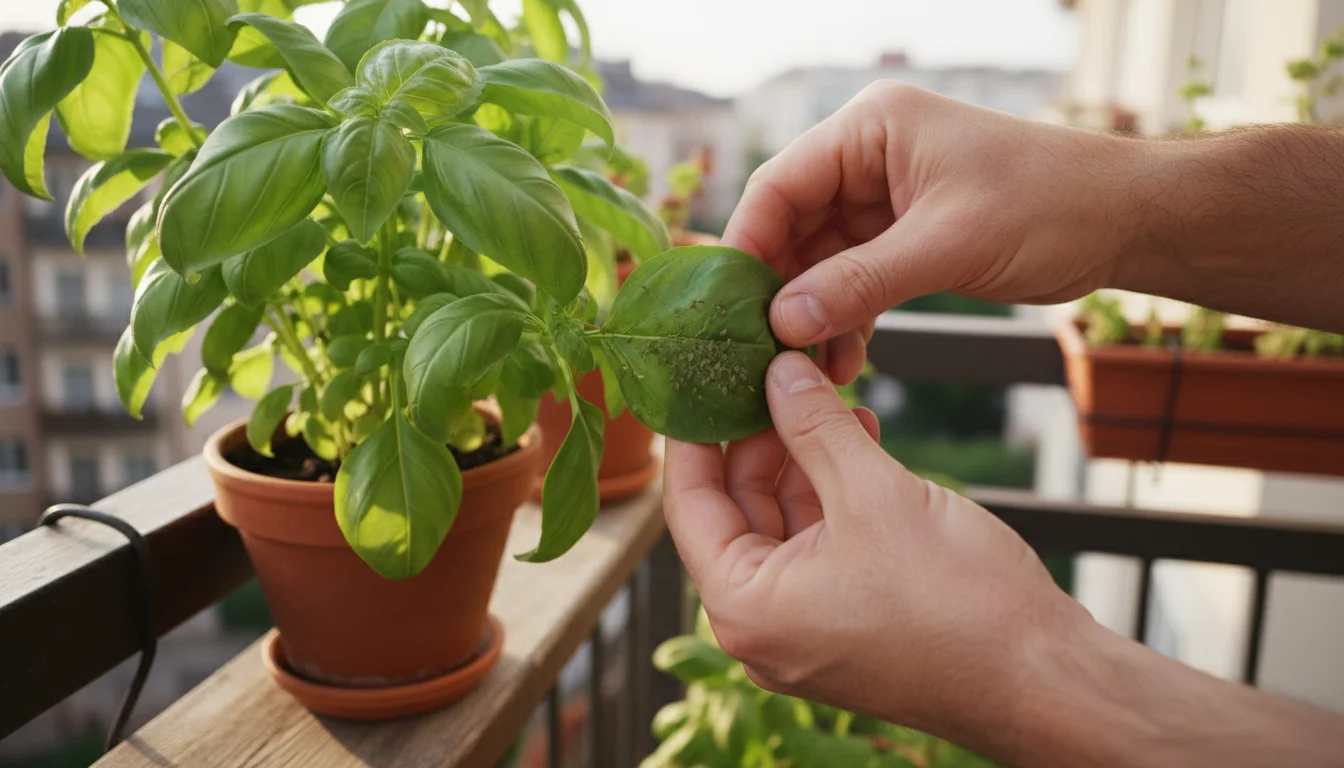
- Edema: This symptom involves small, blister-like swellings or bumps on the leaves, usually on the undersides. It occurs when a plant takes up more water than it can transpire, causing cells to burst. These bumps might turn brown or corky over time. This is a clear indicator of too much moisture.
- Foul Odor from Soil: If you detect a musty, sour, or rotten smell emanating from the soil, it is a strong sign of anaerobic conditions and potential root rot. This odor results from decaying organic matter and the proliferation of harmful bacteria due to lack of oxygen.
- Mold or Algae Growth on Soil Surface: A green, fuzzy, or white layer on the soil surface indicates consistent excessive moisture. While not always harmful to the plant directly, it confirms that your soil is staying wet for too long, creating an environment ripe for root issues.
- Leaves Turning Brown and Falling Off: Unlike the crispy brown leaves of an underwatered plant, overwatered leaves often turn brown and mushy, sometimes with dark spots, before dropping off. This decay is a direct result of cellular breakdown from too much water and oxygen deprivation.
- Soft, Mushy Stem Base: If the base of your plant’s stem feels soft, mushy, or discolored (darker than usual), this is a critical sign of stem rot, which frequently accompanies root rot from overwatering. This indicates advanced damage.
When you observe these signs, first check the soil moisture deeply. If the soil is wet several inches down and you see these symptoms, you are likely dealing with overwatering. Adjusting your watering container plants routine immediately can save your plant.
The Finger Test: Your Best Tool for Soil Moisture Assessment
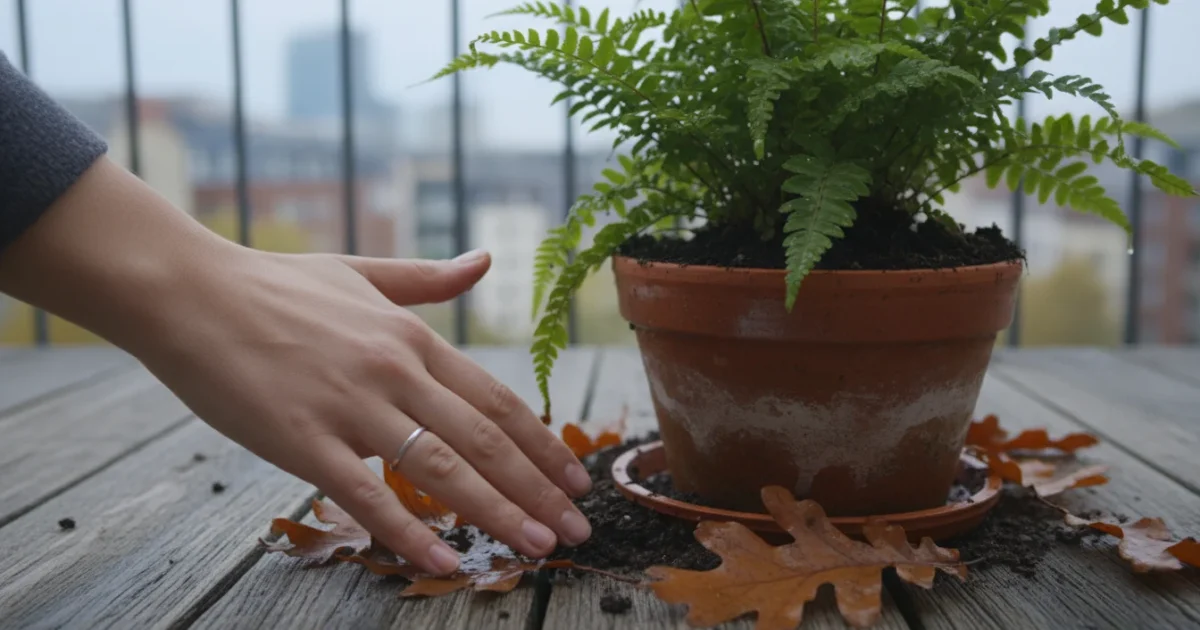
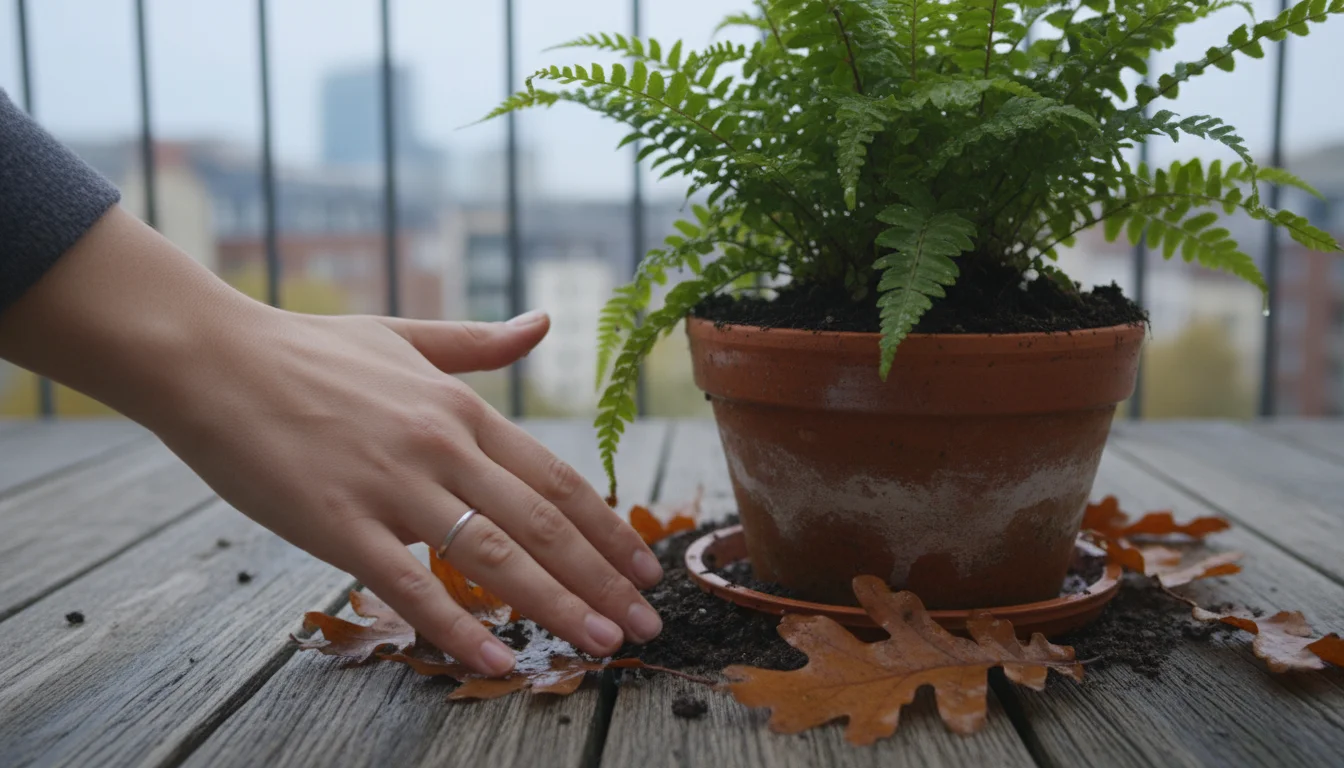
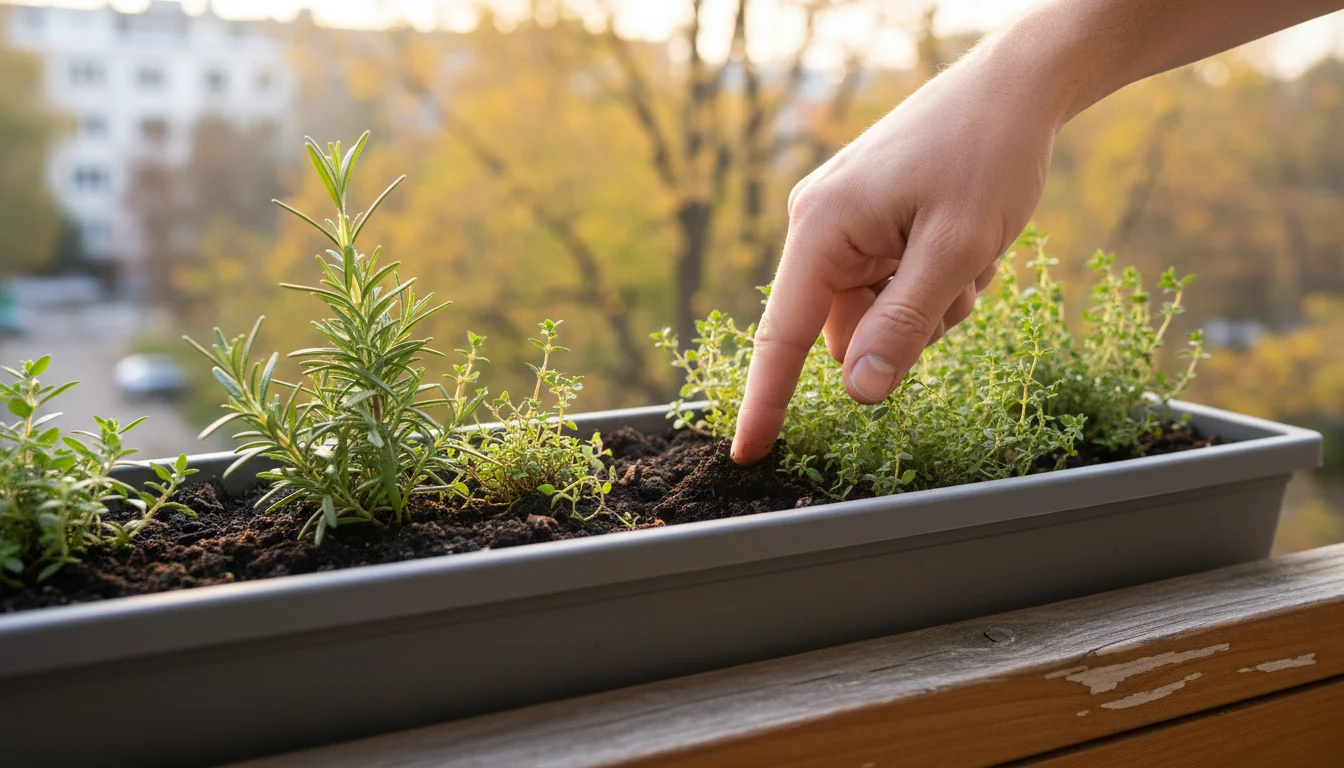
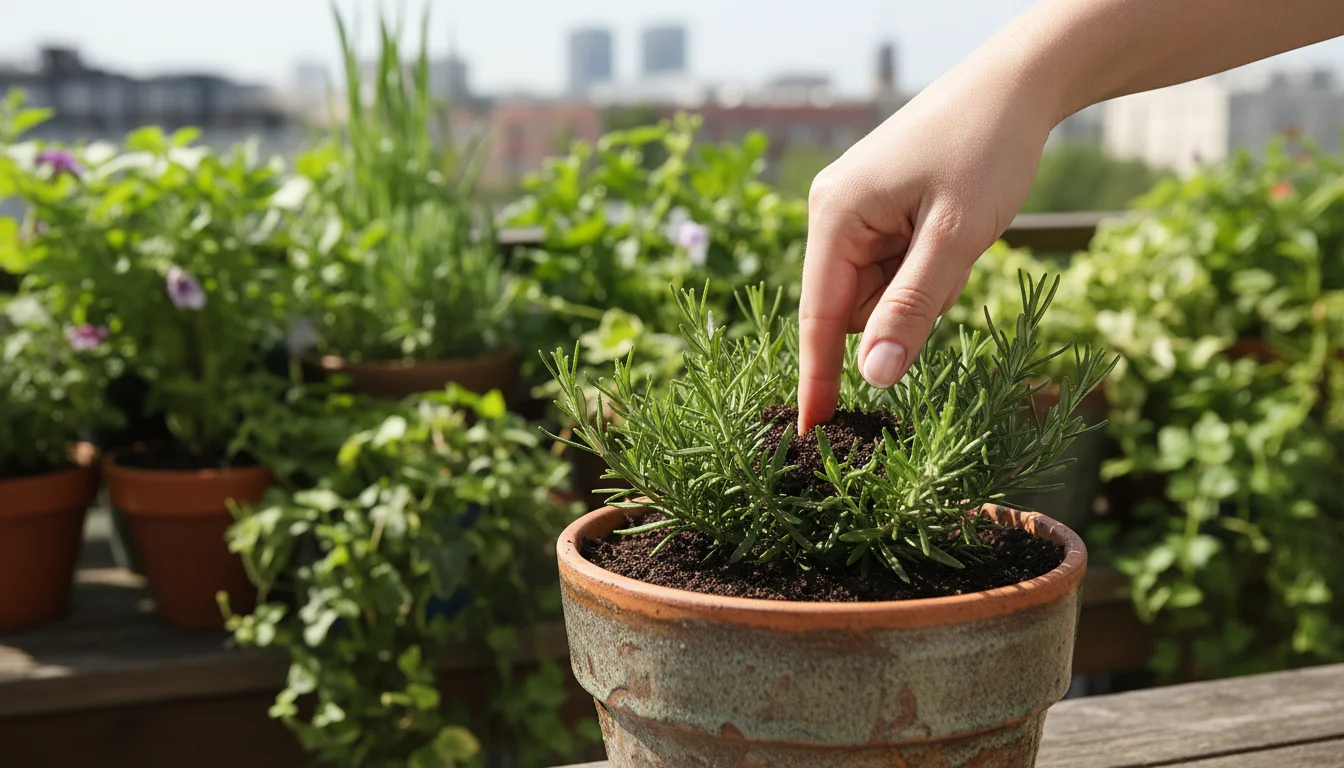
Forget rigid watering schedules. The most reliable method for determining when your container plants need water in fall is the “finger test.” This simple, tactile approach allows you to assess the actual moisture level deep within the soil, giving you an accurate picture of your plant’s needs. It takes the guesswork out of how often to water pots in the fall.
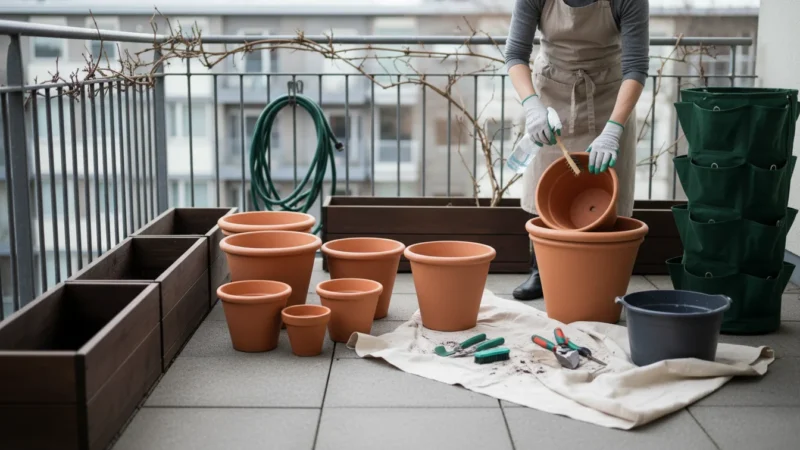
While you are checking your soil, it’s also a great time to start purging and cleaning containers that are no longer in use to keep your balcony organized.
Here is how to perform the finger test effectively:
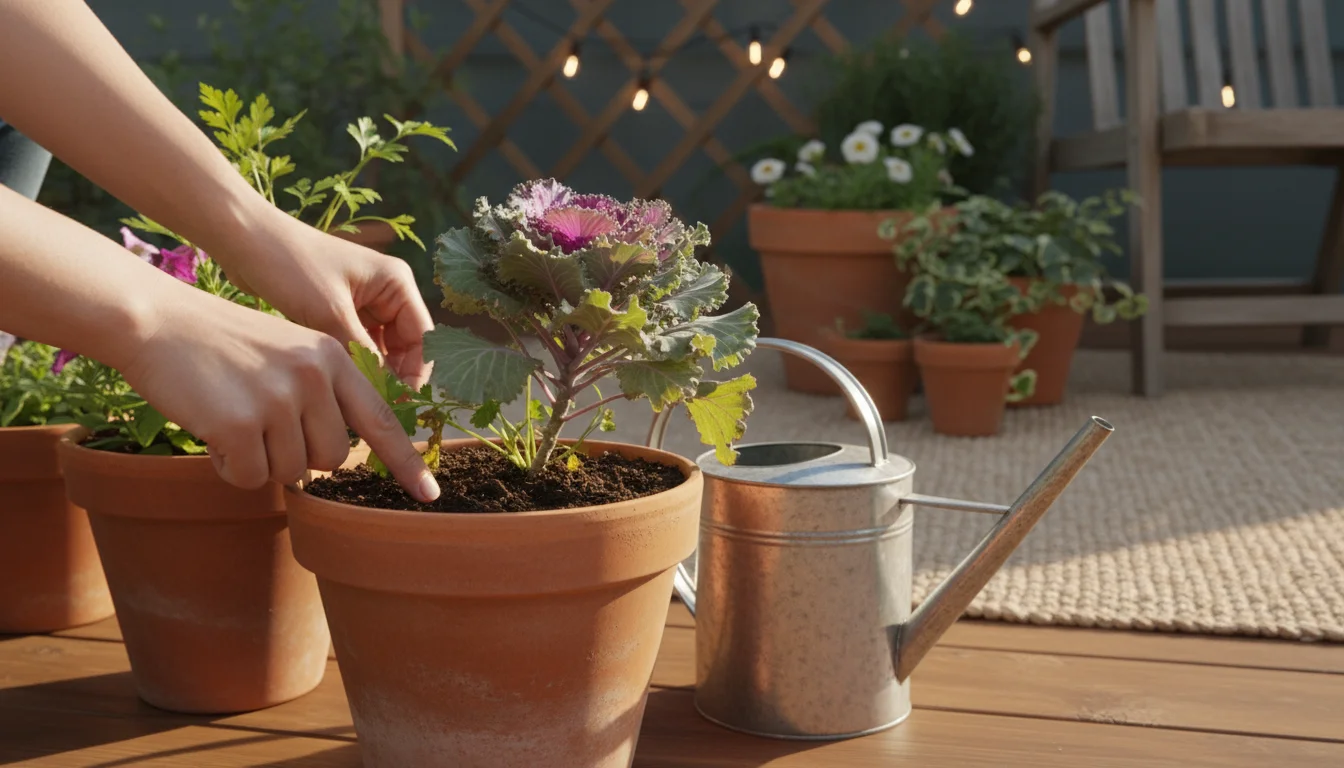
- Insert Your Finger: Gently push your index finger about two inches (5 cm) deep into the soil. For smaller pots, one inch might suffice. You need to feel beyond the surface, as the top layer often dries out more quickly than the soil deeper down.
-
Assess the Moisture:
- If the soil feels dry and crumbly: Your plant likely needs water. This indicates that the moisture reservoir in the root zone is depleted.
- If the soil feels cool and slightly damp: Wait a day or two. The plant still has sufficient moisture. Remember, in fall, “slightly damp” is often ideal, as excessive moisture leads to problems.
- If the soil feels wet, muddy, or clings heavily to your finger: Do not water. Your plant is already saturated, and adding more water will lead to overwatering. This is a critical observation, especially in cool weather.
- Repeat Regularly: Make the finger test a routine. Check your plants every few days, even daily during the first week of adjusting your watering schedule. This builds your intuition and helps you understand each plant’s specific rhythm.
This method provides a direct measurement of what your plant experiences. It accounts for all variables affecting soil moisture, such as container size, soil type, plant species, and ambient weather conditions. While some gardeners use moisture meters, the finger test remains a universally accessible and highly accurate method for determining actual soil dampness, crucial for effective fall plant care.
Factors Influencing Your Fall Watering Schedule
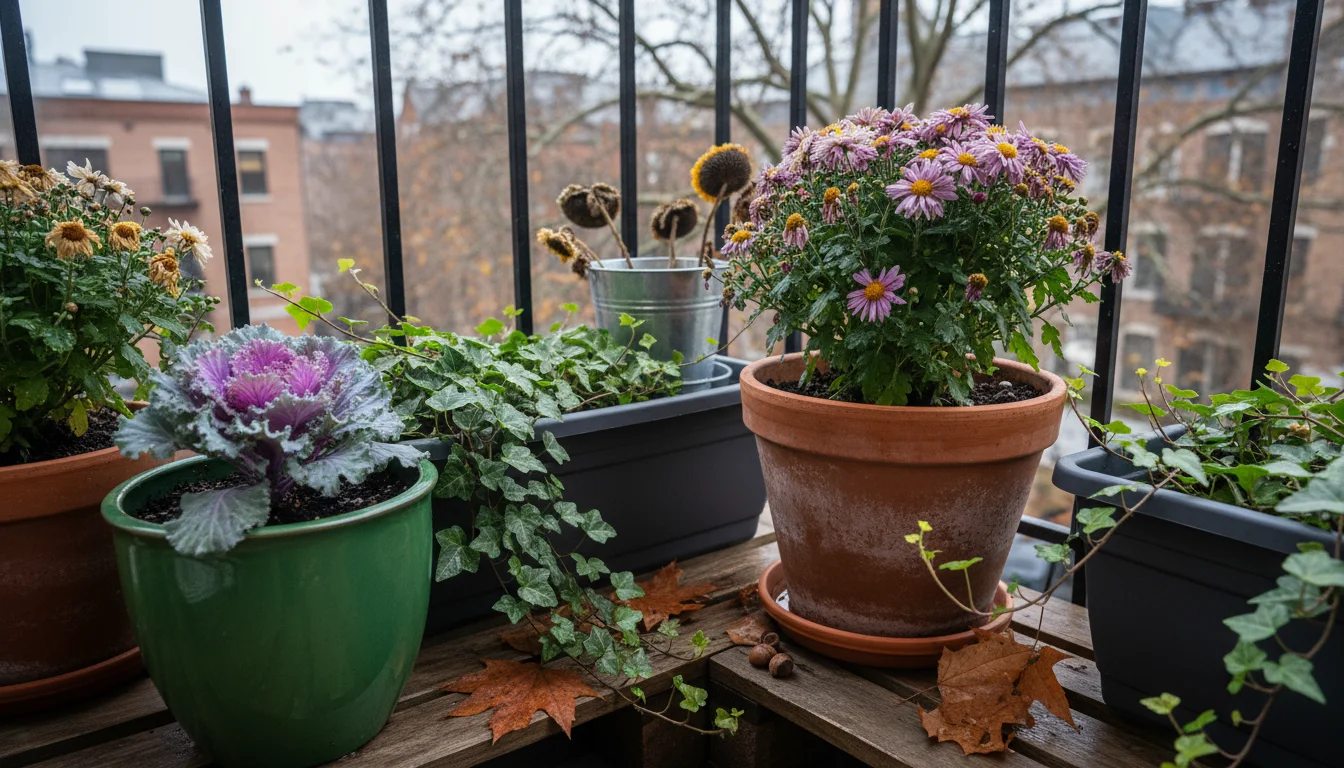
Developing an effective watering schedule for your balcony garden in autumn means considering several factors beyond just the calendar. Each element plays a significant role in how quickly your container plants use water and how long their soil stays moist. Ignoring any of these could lead to incorrect watering decisions.
Plant Type and Size
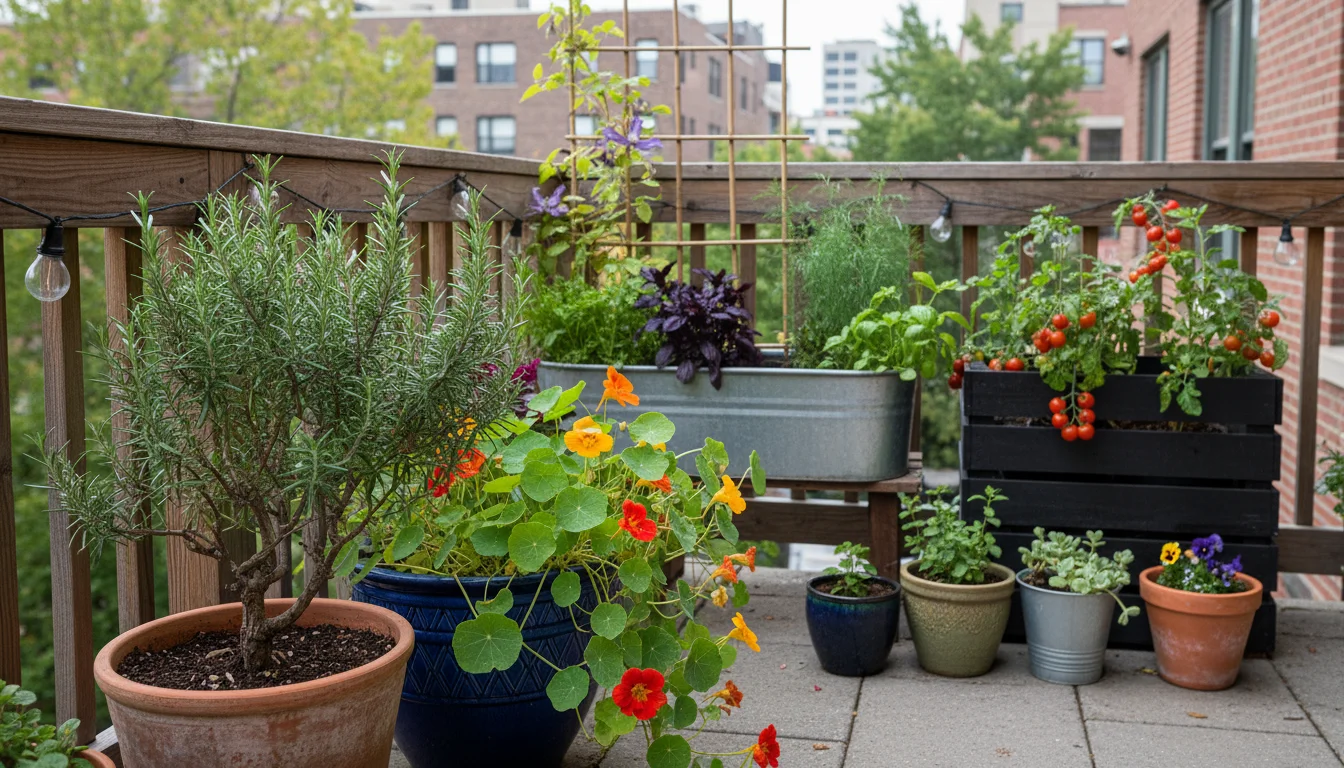
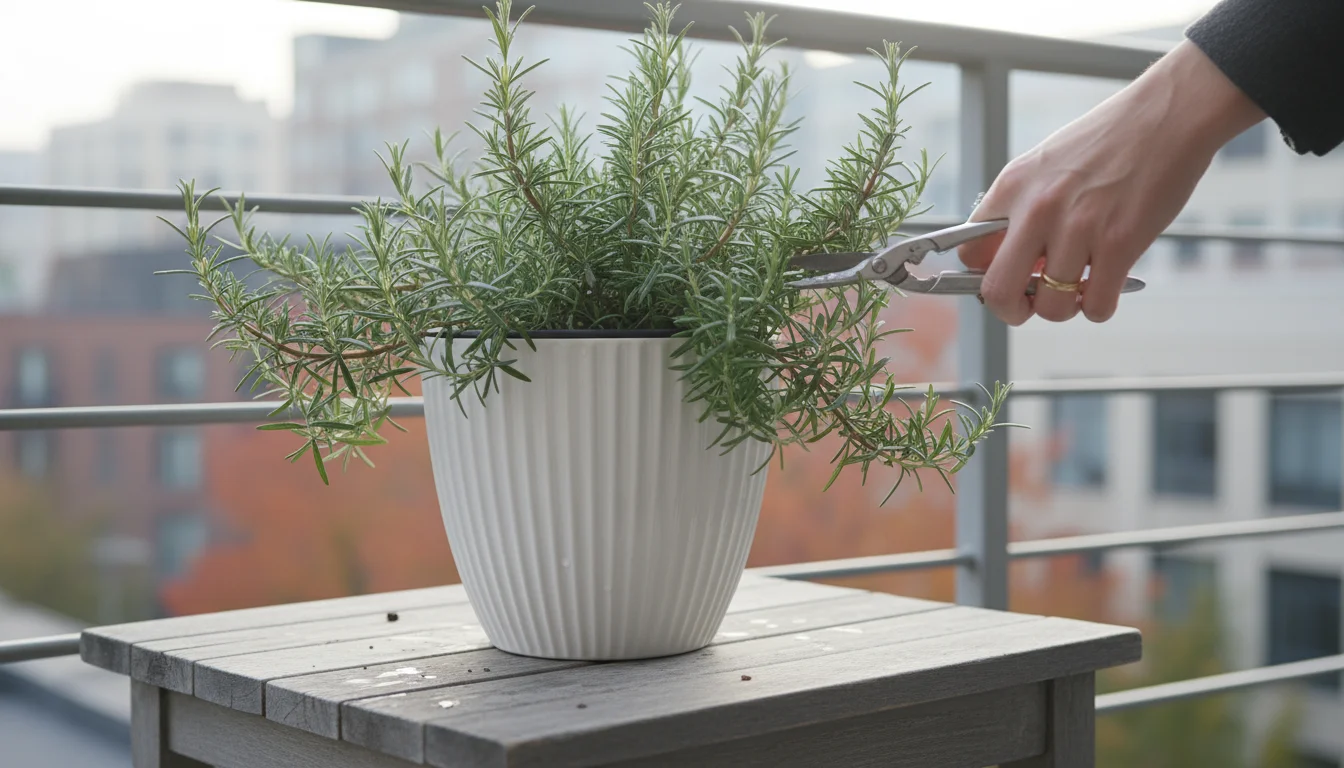
Different plants have vastly different water requirements. Succulents and cacti, adapted to arid environments, need very little water, especially in fall. Herbs like rosemary or lavender also prefer drier conditions. Foliage plants, like ferns or impatiens, might need more frequent watering, though still less than in summer. Larger plants with extensive root systems generally draw more moisture from the soil than small seedlings. Actively growing plants, even in fall, will use more water than those entering dormancy. For example, a pansy actively blooming in a fall container will require more consistent moisture than a dormant rosemary bush in a nearby pot.
Container Material
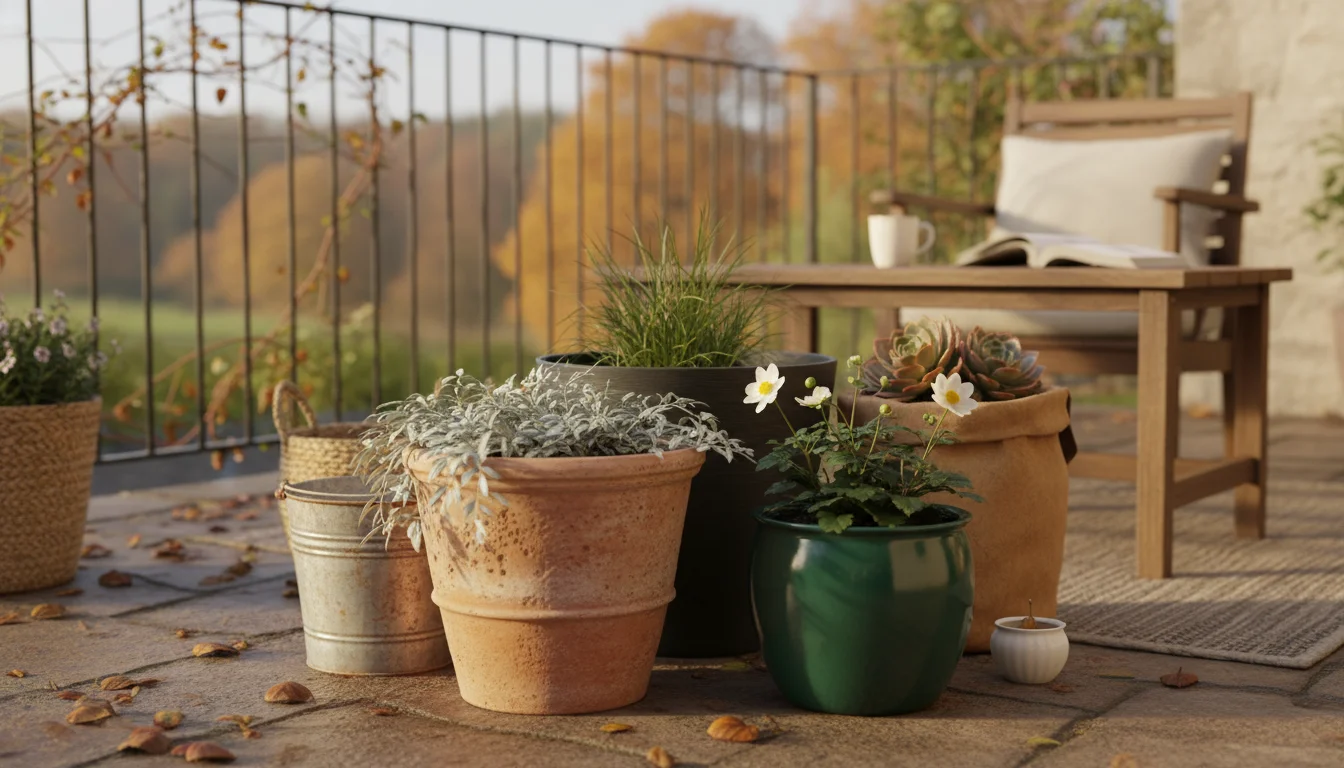
The material of your plant’s container profoundly influences how quickly the soil dries out:
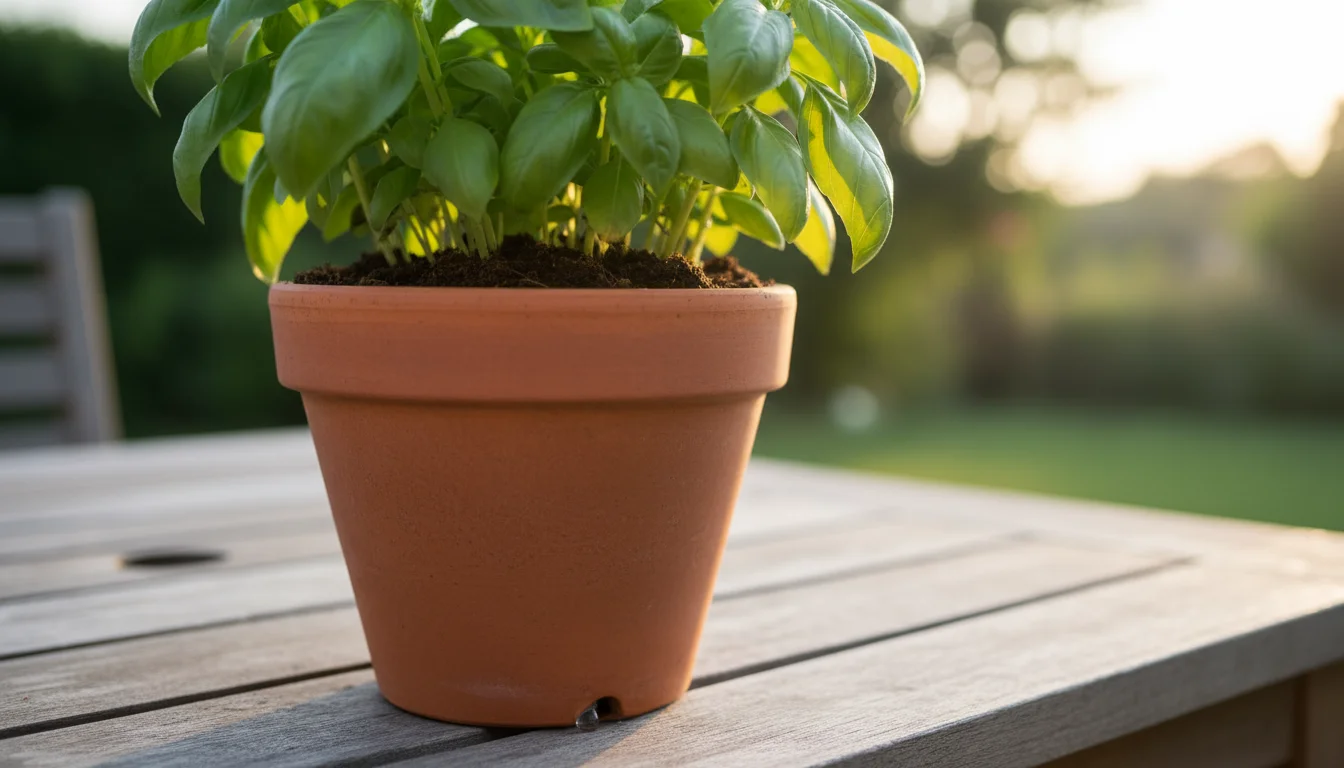
- Terracotta and Unglazed Clay: These porous materials allow water to evaporate through the pot walls, leading to faster drying times. While beneficial in summer to prevent overwatering, in fall, this can still mean more frequent watering than a plastic pot.
- Plastic, Glazed Ceramic, and Metal: These non-porous materials retain moisture much longer because water can only escape through the soil surface or drainage holes. This increases the risk of overwatering in cool weather, so you must check soil moisture diligently.
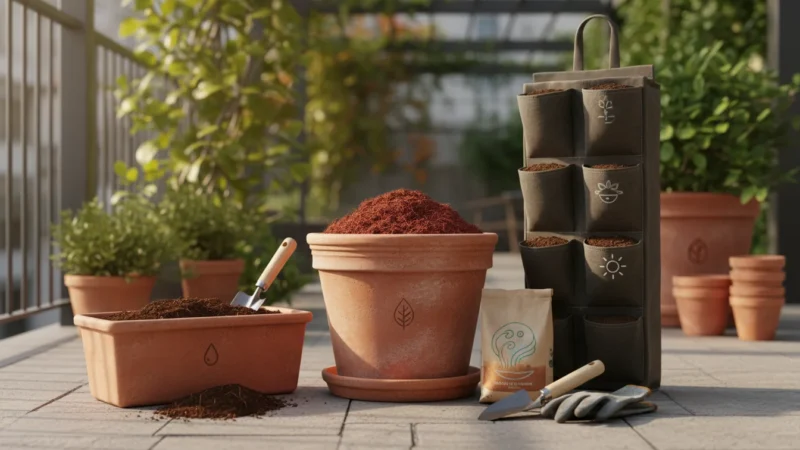
- Fabric Grow Bags: These offer excellent aeration and drainage, preventing waterlogging. They allow roots to “air prune,” fostering healthier root systems. While they dry out faster than plastic, their breathability reduces root rot risk, making watering less critical in terms of timing, but still requiring attention to overall moisture levels.
Potting Mix Composition
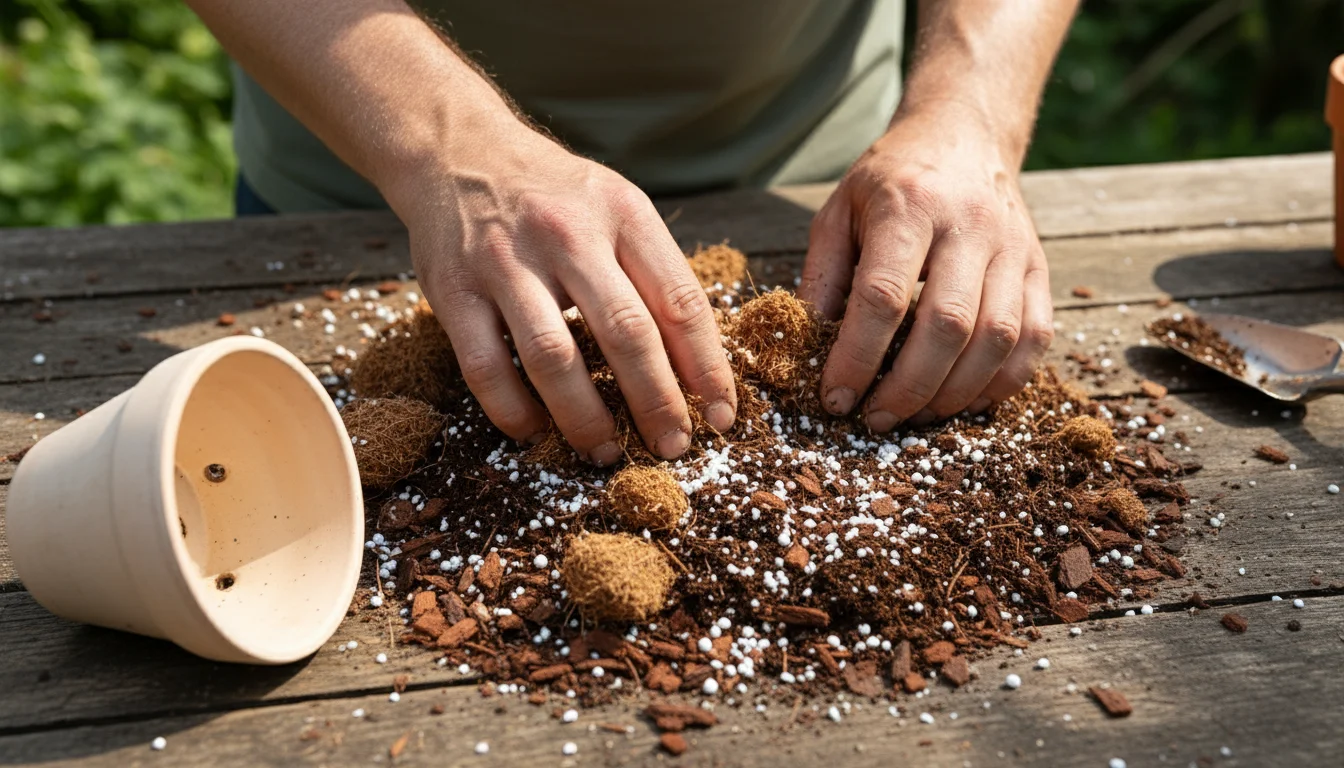
The type of potting mix you use directly affects drainage and moisture retention. A high-quality container potting mix is essential for good drainage, which describes how water moves through soil. It prevents soggy conditions. A mix rich in peat moss or coco coir holds more water, which can be problematic in fall if not managed correctly. Conversely, a mix with a high percentage of perlite, vermiculite, or bark chips improves drainage and aeration, helping to prevent root rot. Always choose a potting mix specifically designed for containers, as garden soil becomes too compact in pots, hindering drainage and airflow.
Drainage Holes
Proper drainage holes are non-negotiable for container plants. Without them, water collects at the bottom of the pot, suffocating roots and leading to inevitable root rot. Ensure every pot has at least one, preferably multiple, adequate drainage holes. If a pot lacks them, drill them yourself or choose another container. Elevating pots slightly off the ground with pot feet or blocks also improves drainage and airflow around the bottom, preventing water from pooling.
Local Weather and Environment
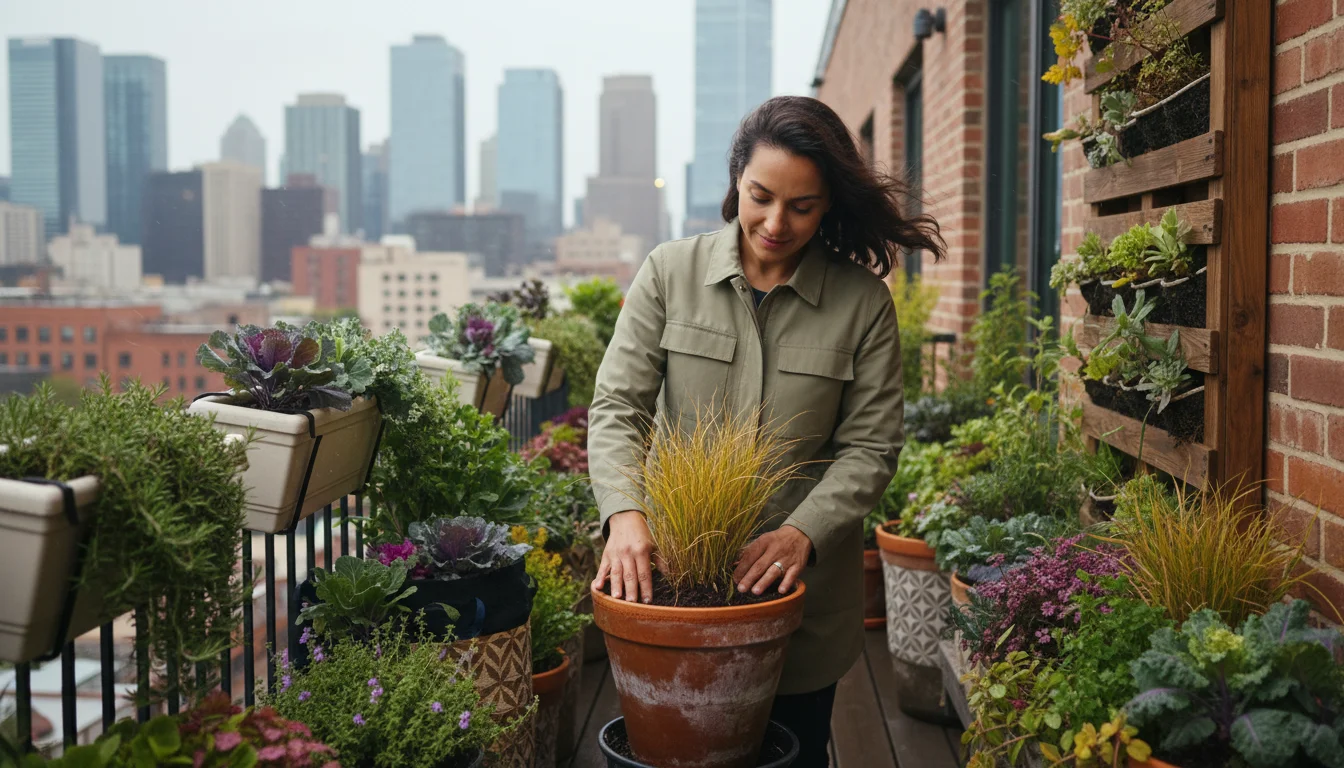
Your specific microclimate greatly impacts watering needs. A balcony garden exposed to prevailing winds will dry out faster than one sheltered by walls. Periods of rain will reduce your need to water. Even cloudy days, common in fall, mean less evaporation and slower drying soil. Monitor local forecasts and your immediate environment. On a persistently rainy or overcast week, you might not need to water at all. A sudden warm spell, however, could temporarily increase water demand, requiring a quick check and potential watering. This dynamic adjustment is key to successful watering container plants.
Crafting Your Tailored Fall Watering Schedule
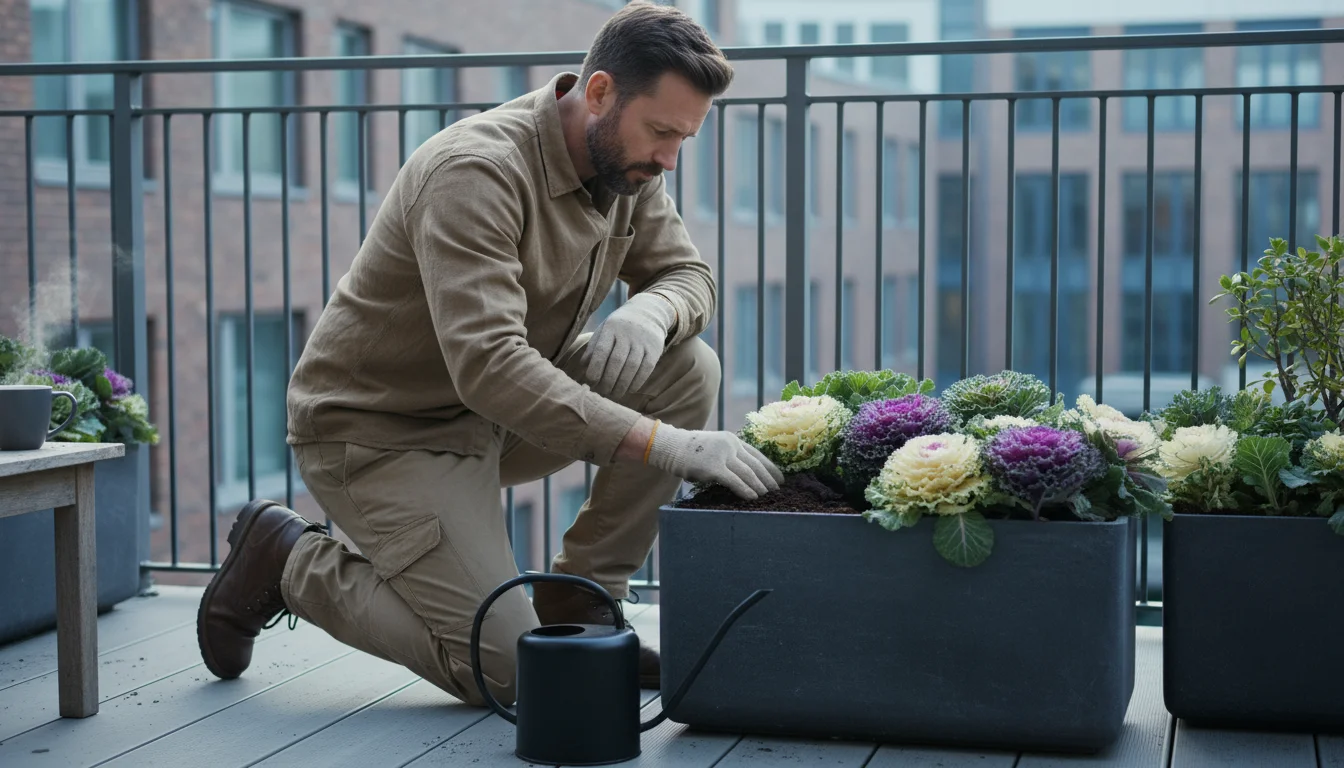
Moving from a reactive “water when it looks dry” summer approach to a proactive, mindful fall watering schedule is pivotal. Your goal is to provide consistent moisture without waterlogging the soil. This requires observation, consistency, and a willingness to adjust. Here is a step-by-step approach to creating your optimal watering schedule for balcony garden in autumn.
Step 1: Initial Assessment and Baseline
Before you make any changes, assess each container. Perform the finger test on every plant. Note down its plant type, container material, and current soil moisture. This gives you a baseline. If a plant feels bone dry, water it thoroughly. If it is soggy, let it dry out significantly before considering more water. You might find some plants need water every 4-5 days, while others might stretch to 10-14 days or even longer.

Step 2: Establish a Weekly Check-in Routine
Commit to checking all your container plants on a specific day each week. This creates a rhythm for your fall plant care. On your chosen day, perform the finger test on every pot. This consistent check helps you learn each plant’s drying pattern and prevents you from forgetting about less thirsty plants.
Step 3: Water Deeply, But Less Frequently
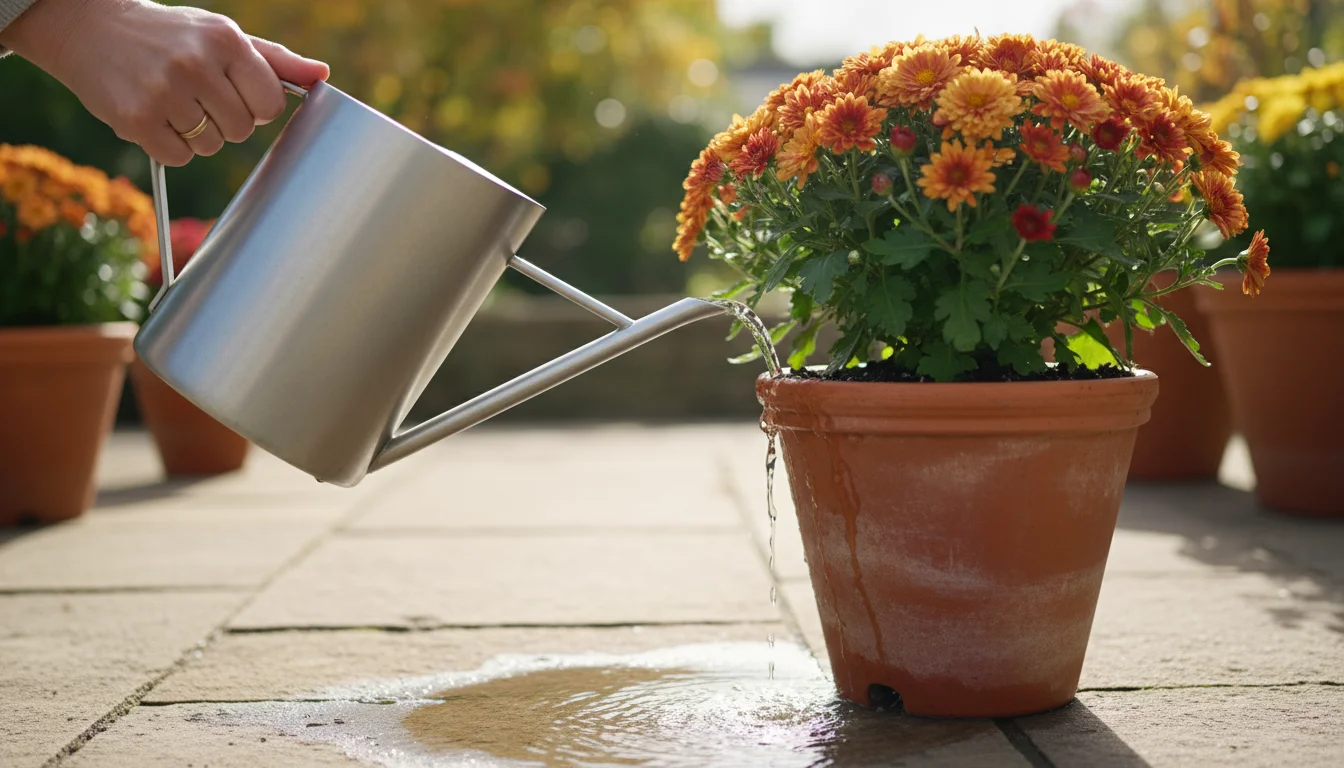
When you do water, do it thoroughly. Water until you see moisture draining from the bottom of the pot. This ensures the entire root ball receives hydration. Avoid shallow, frequent sips, which encourage shallow root growth. After watering, ensure no excess water remains in saucers for more than 30 minutes. Standing water leads to root issues. The crucial adjustment in fall is that you will perform this deep watering much less often than in summer. Where you might have watered daily or every other day in July, you might now water every 5-10 days, or even every two weeks for some plants.
Step 4: Monitor and Adjust Based on Weather
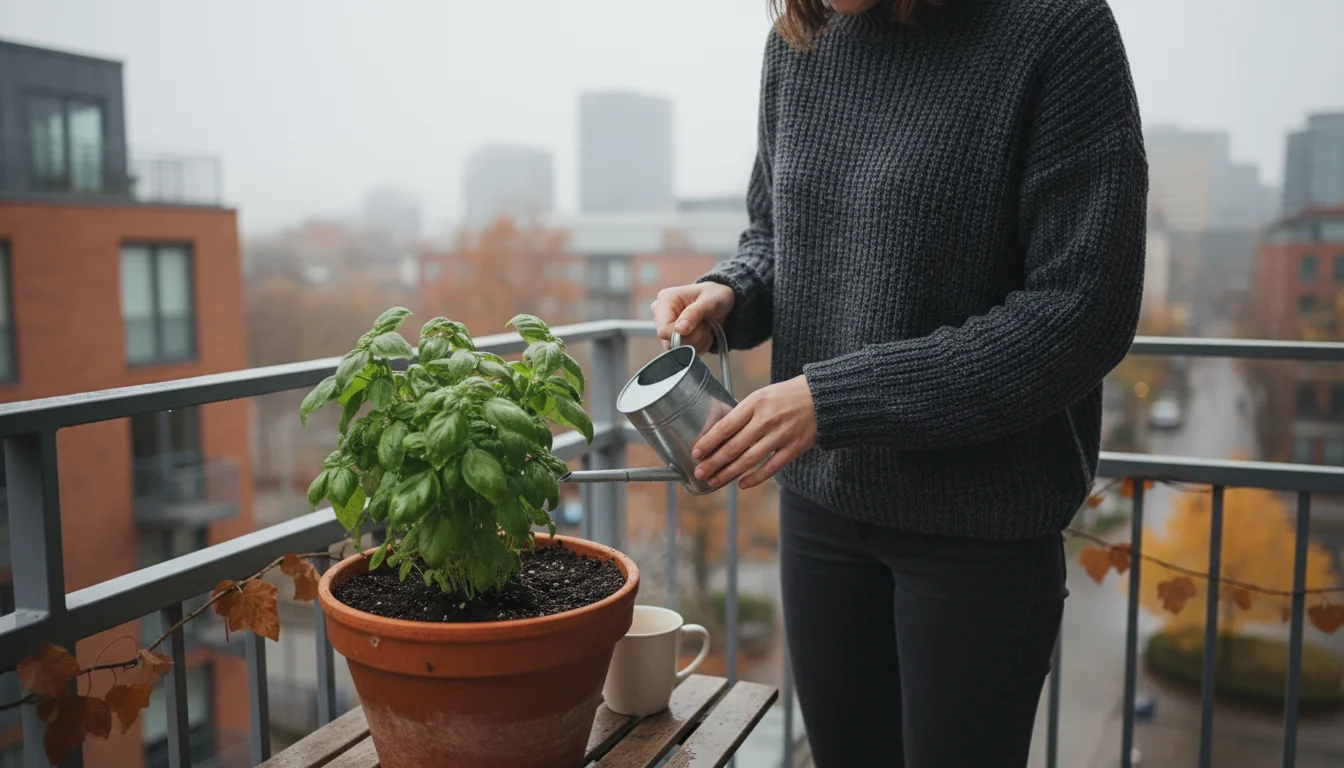
Fall weather is notoriously unpredictable. A week of warm, sunny days might mean you need to water slightly more often. A stretch of cold, rainy, or overcast days might mean you skip a scheduled watering entirely. Keep an eye on the forecast and adjust your watering container plants routine accordingly. A good rule of thumb: if it rains consistently, assume your outdoor container plants do not need additional watering for several days afterward. Always perform the finger test before reaching for the watering can.
Step 5: Group Plants by Water Needs (Optional, but Recommended)
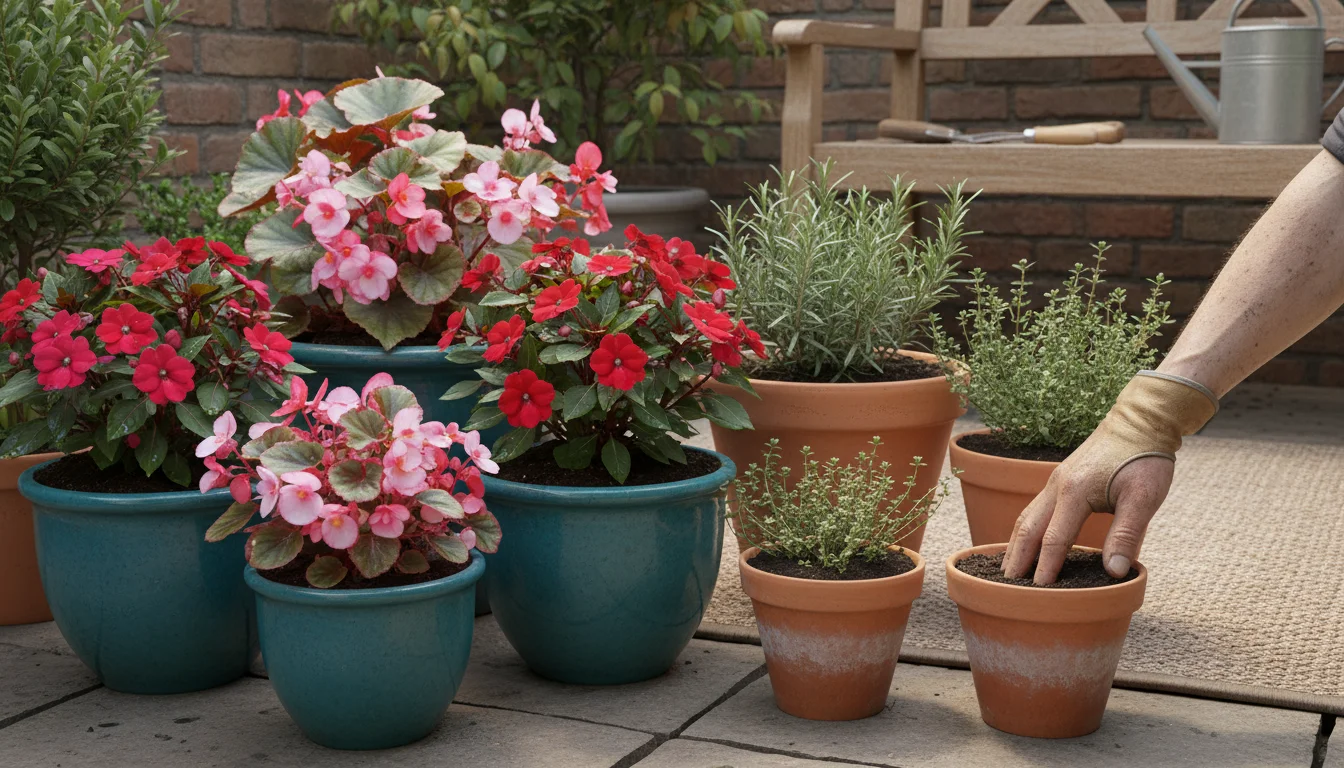
If you have many container plants, group them by similar water requirements. Place drought-tolerant plants together and moisture-loving plants together. This simplifies your routine. You can then check a group of plants with similar needs simultaneously, making your watering schedule for balcony garden in autumn more efficient.
Example Watering Schedule Adjustment:
| Plant Type | Summer Watering Frequency (Approx.) | Fall Watering Frequency (Approx.) | Notes for Fall |
|---|---|---|---|
| Impatiens, Begonias | Daily to every other day | Every 3-7 days | Still prefer consistent moisture, but check for sogginess. |
| Herbs (Rosemary, Thyme) | Every 2-3 days | Every 7-14 days | Prefer drier soil; allow to dry out almost completely. |
| Geraniums, Petunias | Every other day | Every 5-10 days | Tolerate slight dryness between waterings. |
| Succulents, Cacti | Every 1-2 weeks | Every 2-4 weeks or less | Water only when soil is completely dry for an extended period. |
Note: These are approximations. Always defer to the finger test for precise needs.
Smart Watering Tools for Autumn Container Care
While the finger test remains your most reliable method for assessing soil moisture, certain tools can assist you, particularly as you fine-tune your watering schedule for balcony garden in autumn. These tools provide supplementary information and can enhance your fall plant care routine.
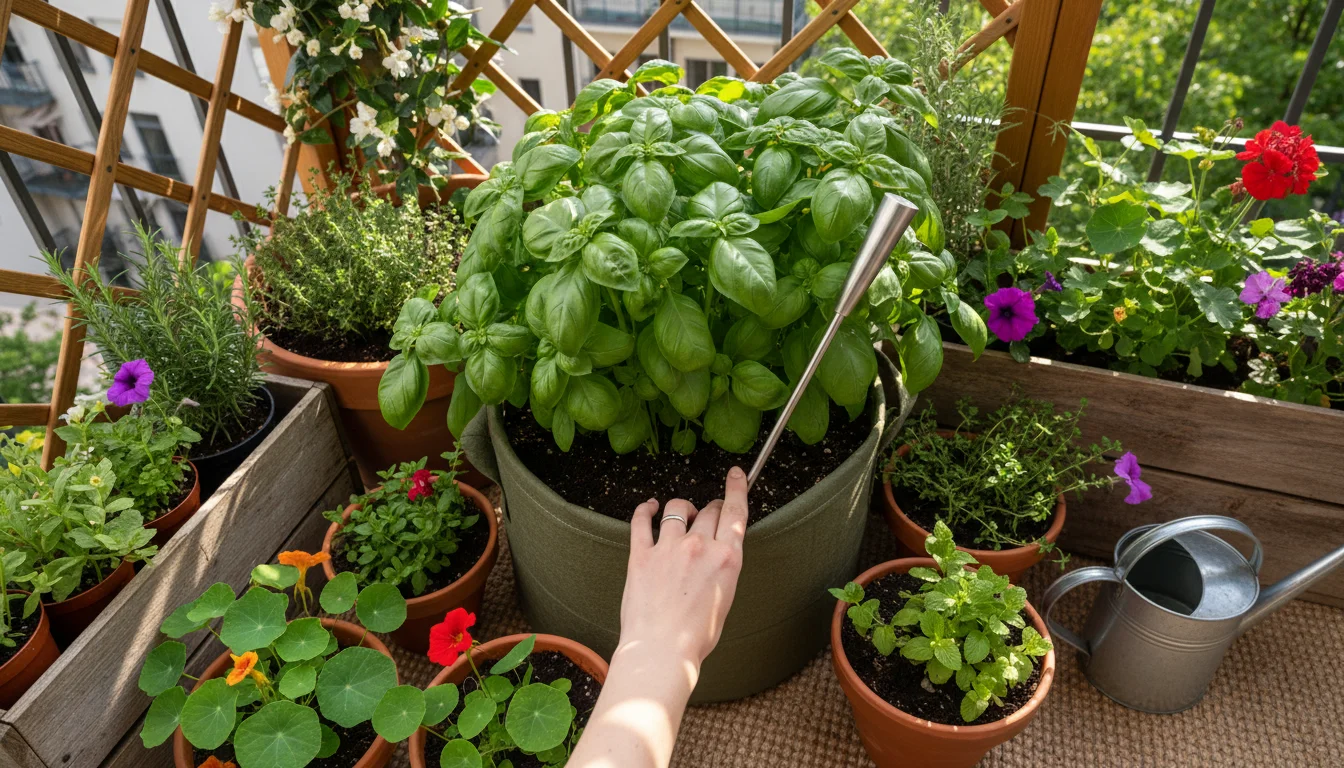
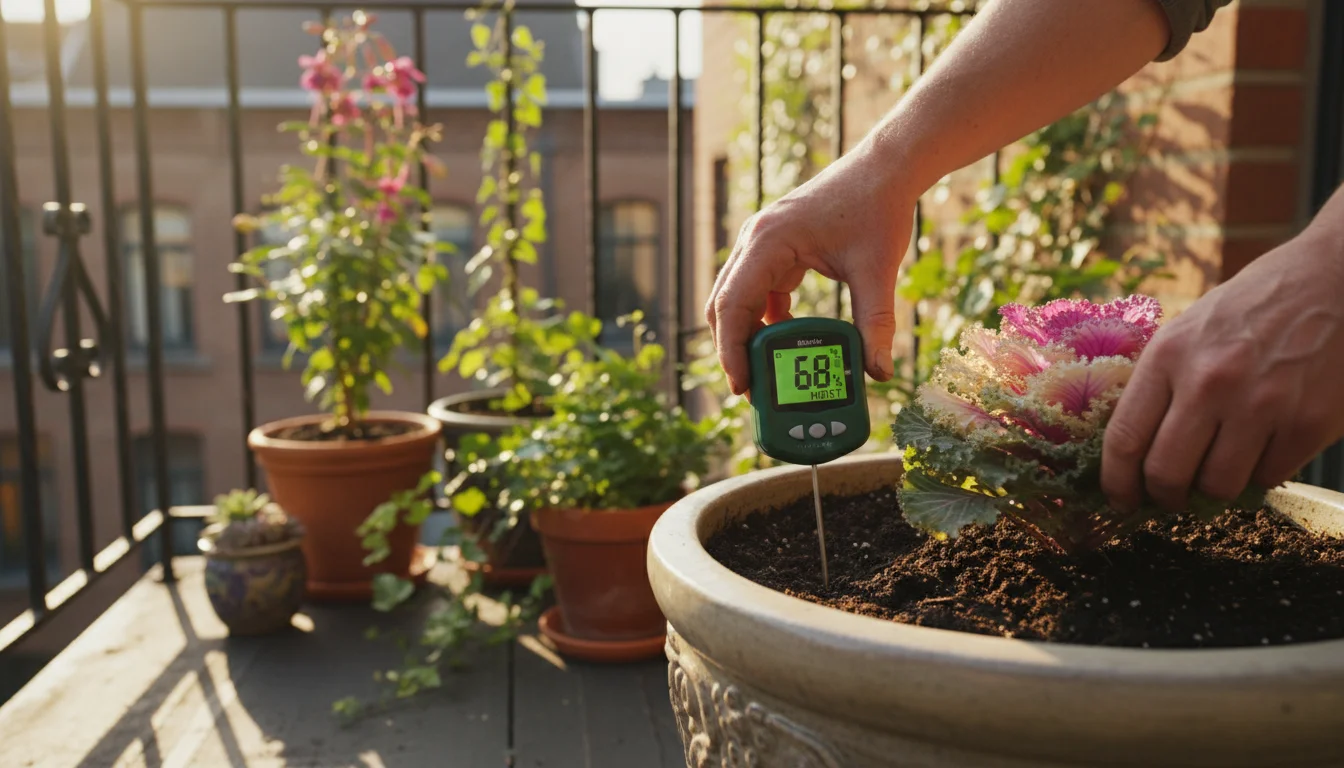
Moisture Meters
Moisture meters are handy devices that you insert into the soil to get a reading of its moisture level. They typically provide a scale from “dry” to “wet” or a numerical value. These can be particularly useful for:
- Large Containers: Your finger might not reach deep enough into very large pots. A longer probe on a moisture meter can provide a reading from deeper within the root zone.
- Hard-to-Reach Plants: For plants positioned in difficult spots, a meter can save you from constantly moving them or awkwardly trying to perform the finger test.
- Beginners: If you are new to gardening, a moisture meter can offer a helpful visual confirmation as you learn to interpret how soil feels.
Caveats: Moisture meters measure electrical conductivity, which correlates with moisture but can be influenced by soil salinity or fertilizer levels. They are also prone to errors if you hit an air pocket or a piece of bark. Always use a moisture meter as a guide and cross-reference its readings with your finger test, especially when first learning how often to water pots in the fall. Calibrate your intuition rather than relying solely on the device.
Self-Watering Pots (with Fall Adjustments)
Self-watering pots, which feature a reservoir and a wicking system to draw water up to the soil, are popular for their convenience. They can be beneficial in summer, but they require careful management in fall to prevent overwatering. The constant access to water, combined with reduced plant needs, can lead to perpetually soggy soil and root rot. If you use self-watering pots in autumn:
- Empty the Reservoir: Allow the reservoir to completely dry out between fillings. Do not keep it consistently topped up as you would in summer.
- Fill Partially: When you do water, fill the reservoir only partially, perhaps to one-quarter or one-half capacity, depending on the plant’s needs. This provides a shorter period of moisture before drying out.
- Top-Water Occasionally: Sometimes, top-watering can help flush out accumulated salts and ensure the topsoil receives moisture.
- Consider Draining for Dormant Plants: For plants entering full dormancy, you might even consider emptying the reservoir and watering from the top very sparingly, allowing the soil to dry out almost completely.
Self-watering containers can be a blessing for busy gardeners, but they demand a more hands-on approach and frequent checks of the soil directly in fall to ensure you are not creating conditions for overwatering symptoms.
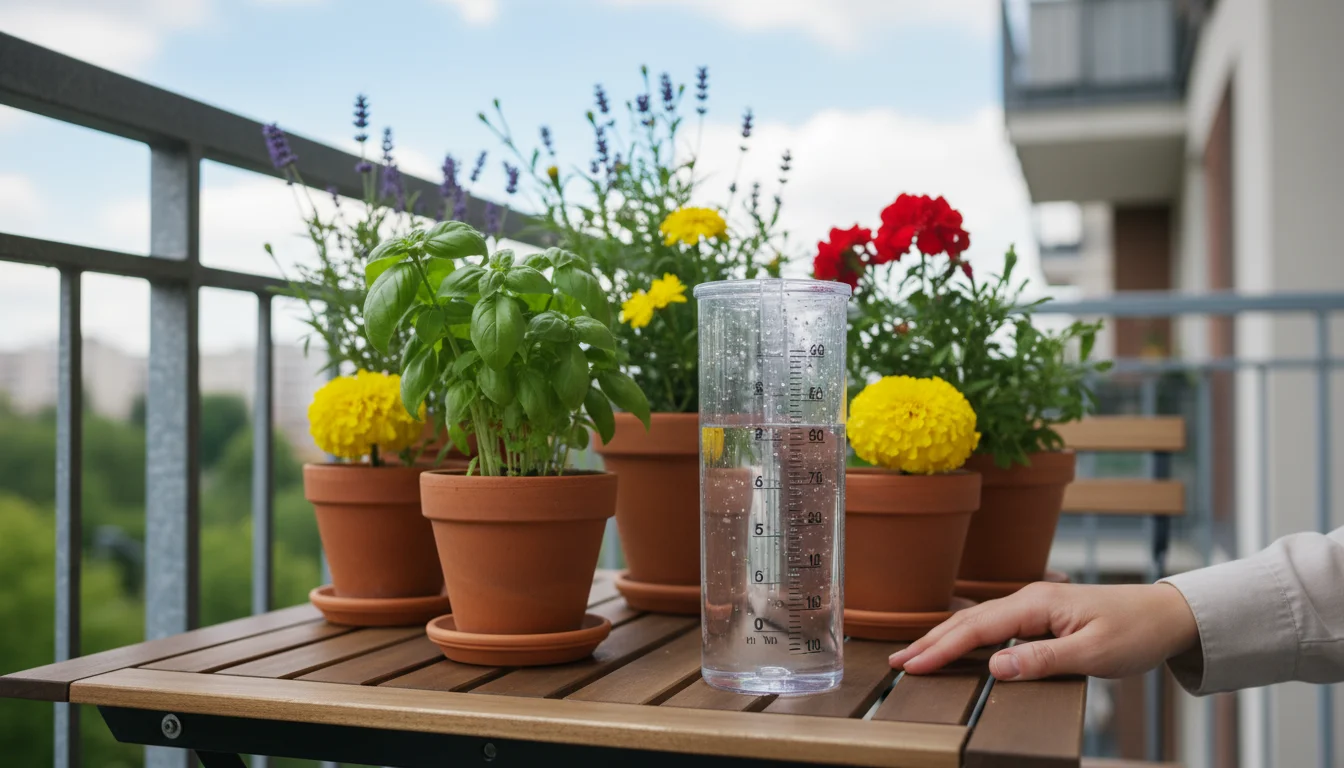
Rain Gauges
For outdoor balcony gardens, a simple rain gauge helps you track natural precipitation. If your pots receive a significant amount of rain, you can skip your manual watering for several days, directly reducing the risk of overwatering container plants. This is a simple, low-tech tool that directly informs your outdoor watering decisions.
Eco-Friendly Watering Practices for Fall
As a supportive and environmentally conscious gardener, you want to ensure your fall plant care practices are not only effective but also sustainable. Adopting eco-friendly watering habits conserves water, reduces waste, and contributes to a healthier environment. Here are actionable tips for mindful watering container plants in the autumn.
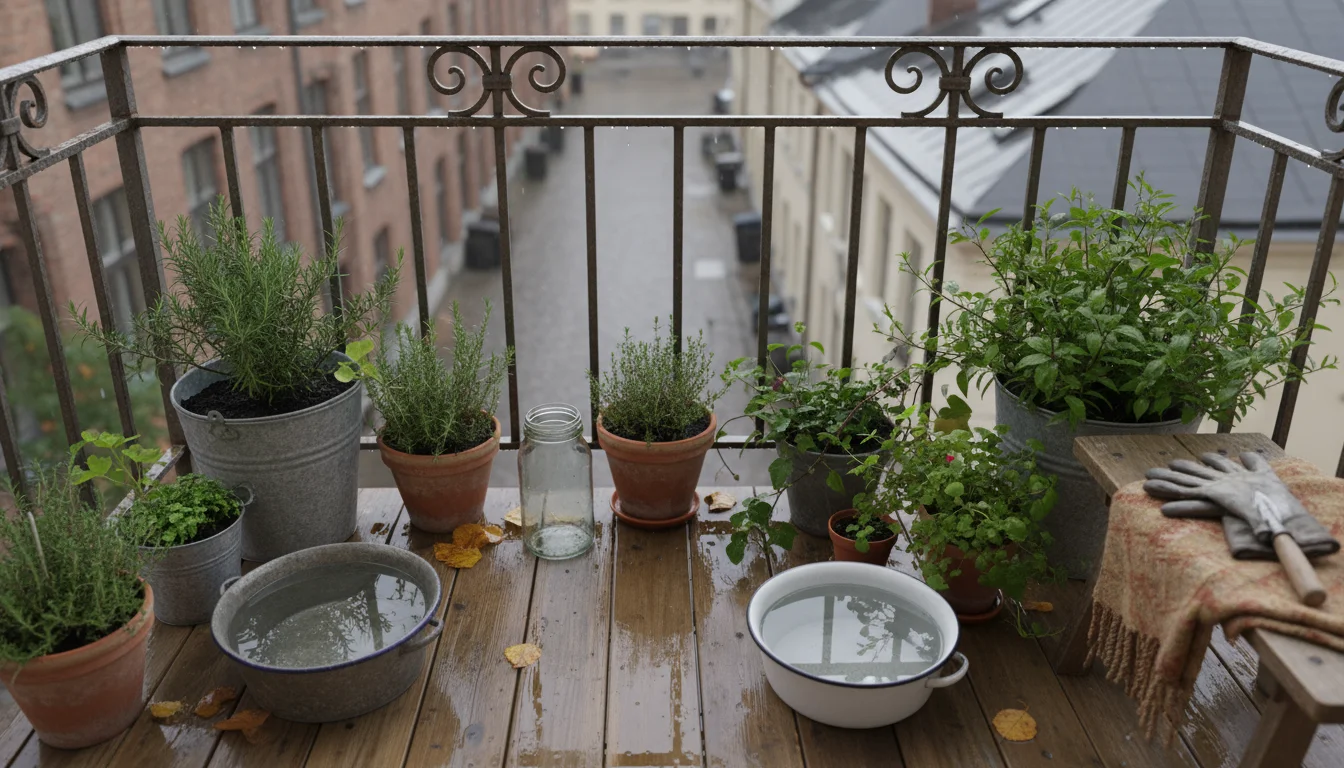
Collect Rainwater
Rainwater is naturally soft, free of chlorine and other chemicals found in tap water, making it excellent for plants. Set up a rain barrel or simply place buckets and containers strategically on your balcony or patio to capture rainfall. This collected water is perfect for your container plants and significantly reduces your reliance on municipal water sources. It is also an effective way to manage your watering schedule for balcony garden in autumn, as you are utilizing a free, natural resource.
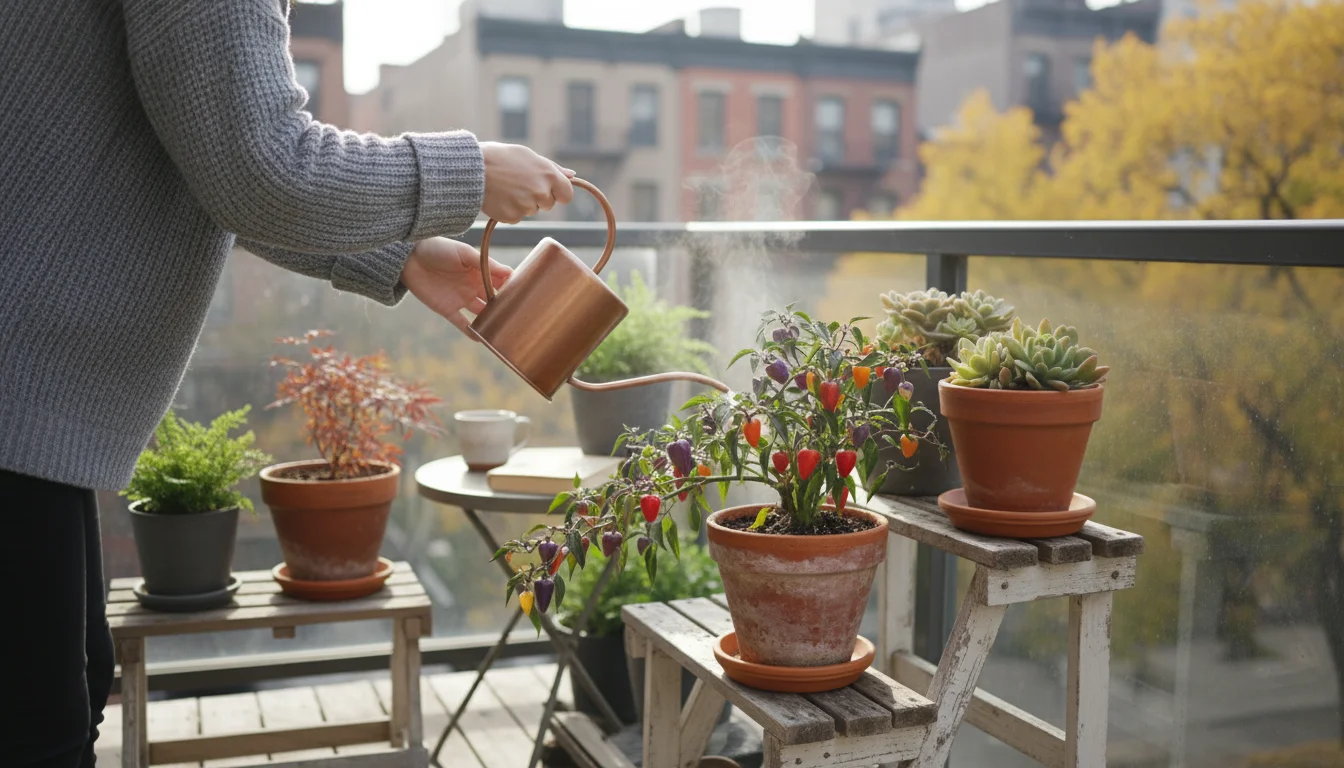
Water in the Morning
The best time to water your container plants, even in fall, is in the morning. This timing allows the plants to absorb the water before the slight warmth of the day encourages evaporation, yet it also provides enough time for the foliage to dry before evening. Wet leaves overnight, especially in cool, damp fall conditions, can lead to fungal diseases. Early morning watering ensures your plants get the hydration they need without prolonged dampness.
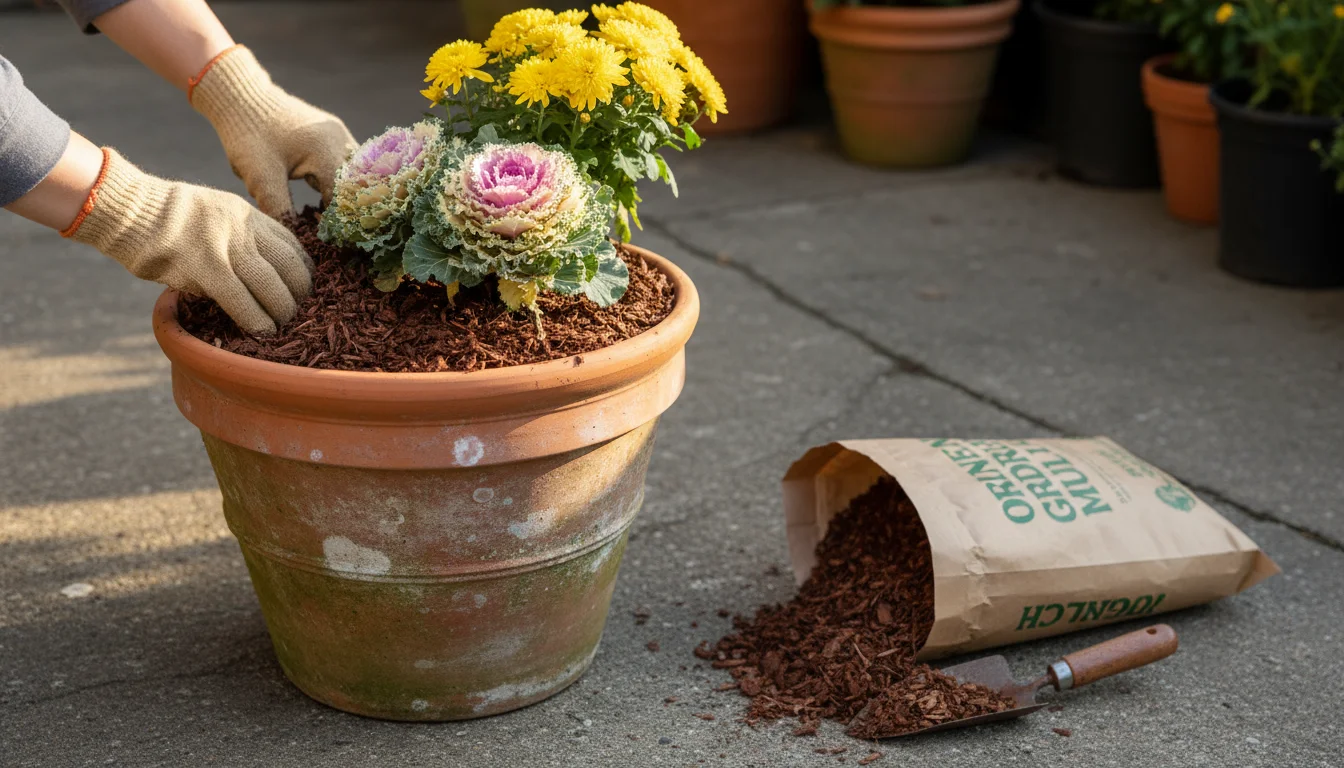
Mulch Your Containers
Applying a layer of mulch to the top of your container soil offers numerous benefits. Organic mulches like shredded bark, wood chips, or coco coir effectively reduce water evaporation from the soil surface, helping the soil retain moisture longer. A 1-2 inch layer of mulch can decrease watering frequency by 20-30%. Mulch also helps moderate soil temperature, insulating roots from sudden drops in temperature, and suppresses weed growth, which would otherwise compete for water. This simple practice significantly contributes to efficient watering container plants.
Prioritize and Consolidate
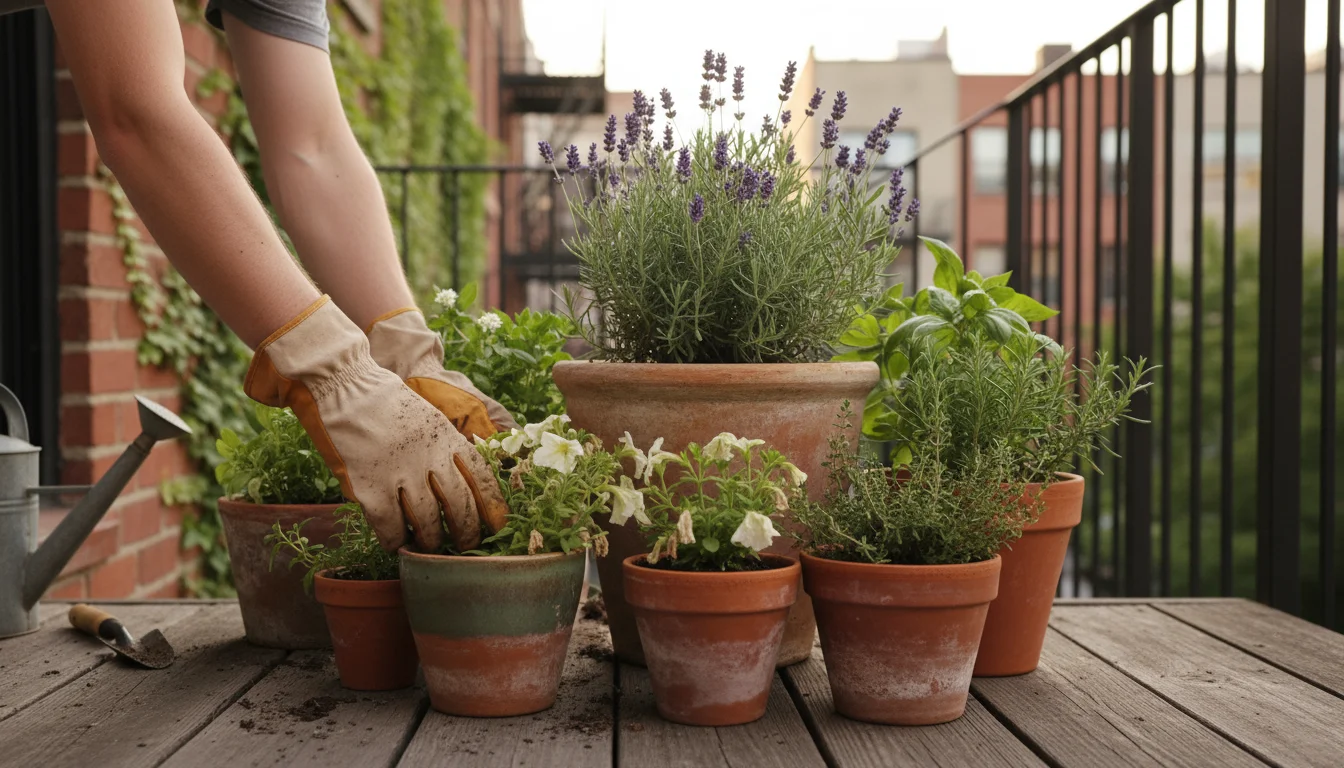
In fall, some container plants might be reaching the end of their life cycle or preparing for dormancy. Prioritize your watering efforts on plants you want to keep thriving or overwinter. Consider consolidating smaller pots into larger ones, which naturally retain moisture better due to a larger soil volume. If you have several small pots that dry out quickly, grouping them together can create a slightly more humid microclimate, reducing water loss.
Check for Leaks and Efficient Delivery
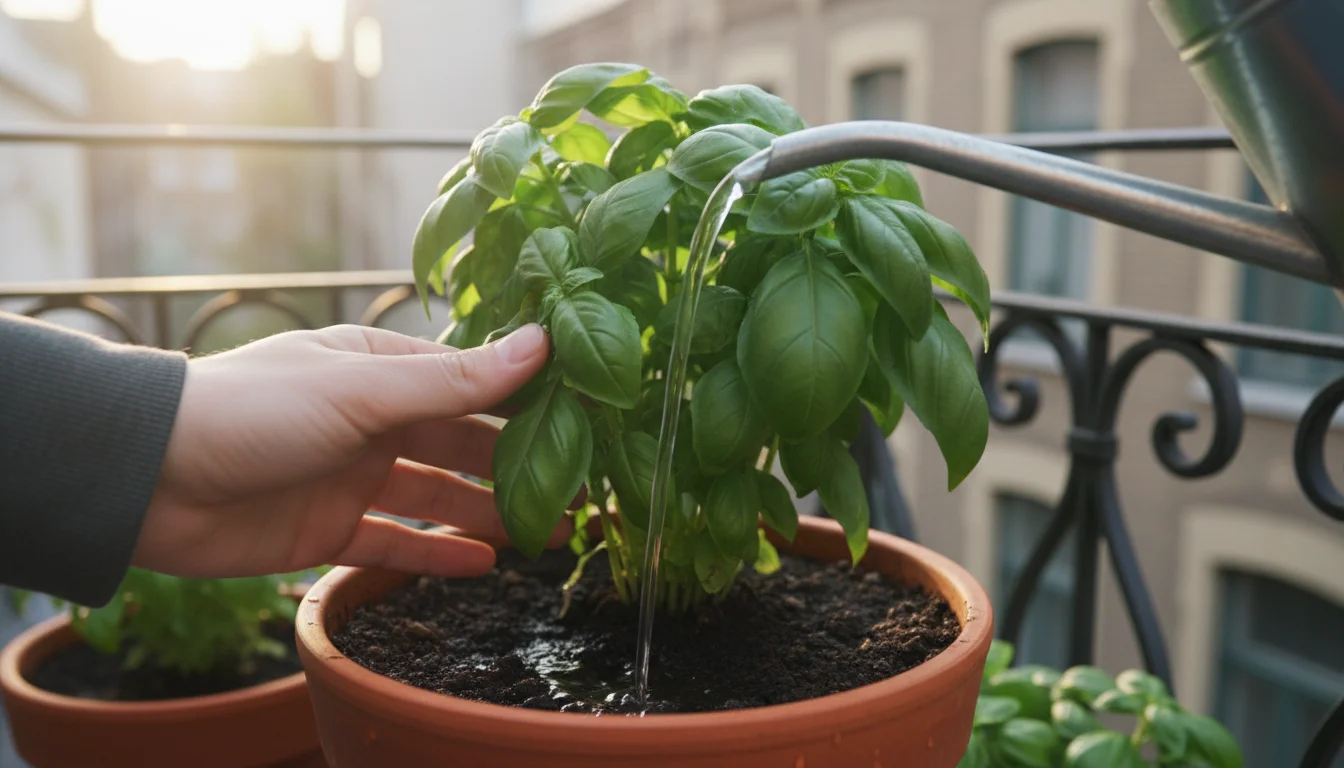
Ensure your watering can or hose is not leaking, wasting precious water. Deliver water directly to the soil surface around the base of the plant, avoiding spraying foliage unnecessarily. This direct delivery ensures water reaches the roots where it is needed most, minimizing runoff and evaporation. For very dense foliage, gently push leaves aside to water the soil directly. This careful approach optimizes every drop of water for your fall plant care.
Troubleshooting Common Fall Watering Mistakes
Even with the best intentions, you might encounter challenges when adjusting your watering schedule for cooler fall weather. Recognizing these common mistakes and knowing how to correct them can save your plants and reduce your gardening frustration. Preventing signs of overwatering in cool weather is key.
Mistake 1: Sticking to a Rigid Summer Watering Schedule
The Problem: You continue to water your container plants every other day, or even daily, because that is what worked in July. You fail to account for cooler temperatures and reduced sunlight.
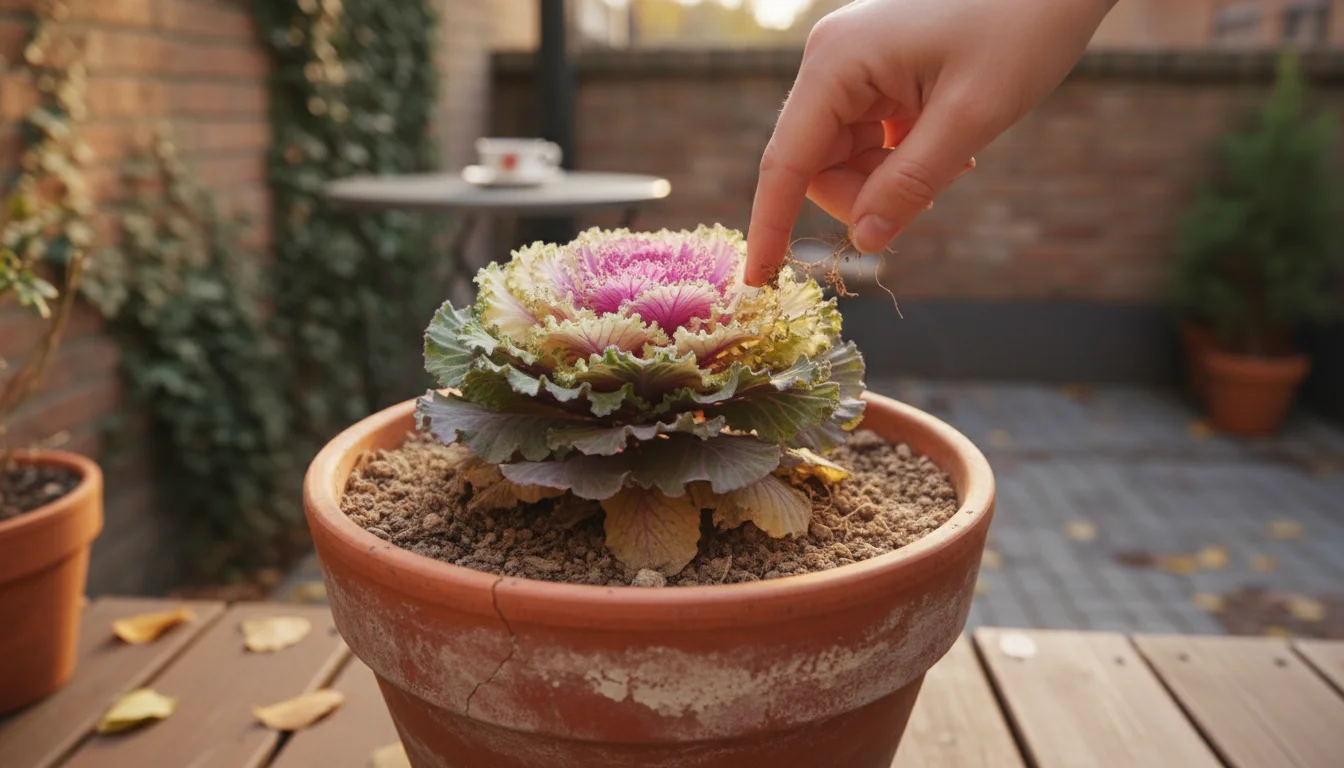
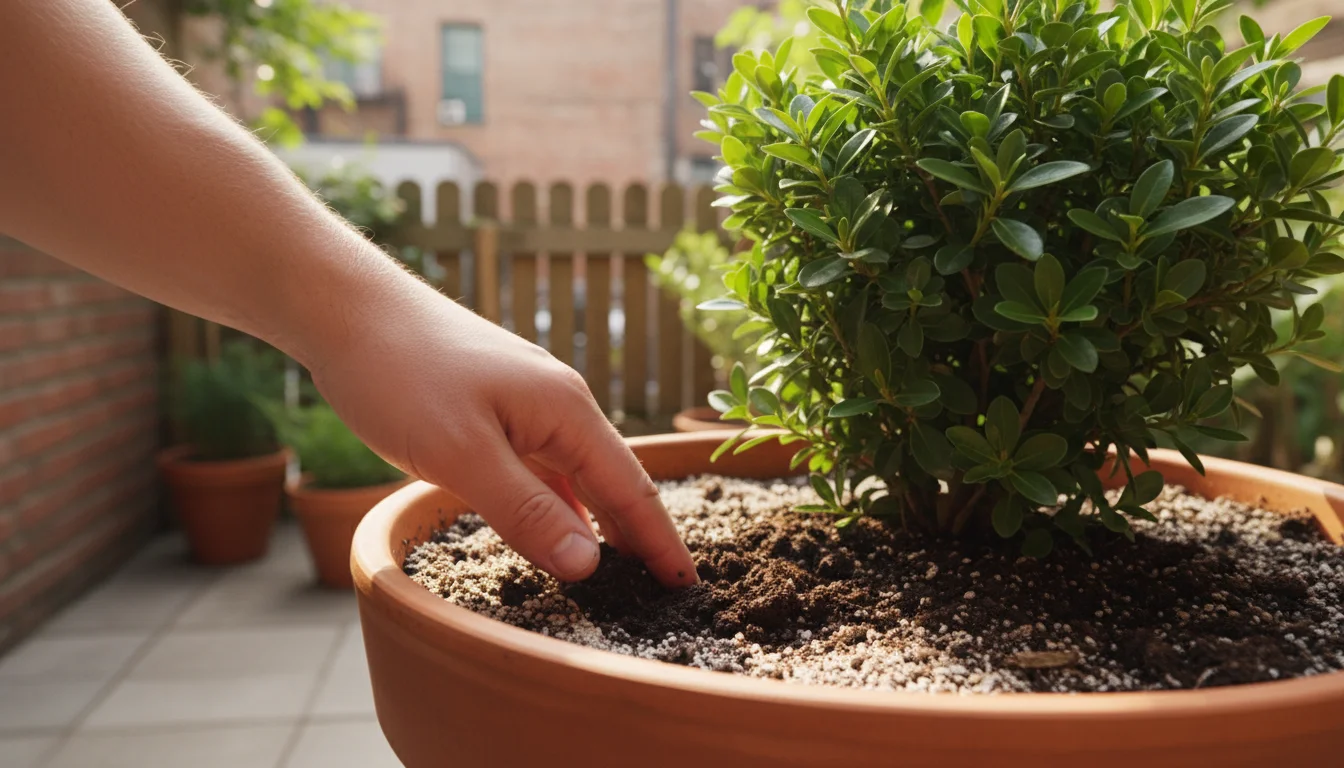
The Solution: Immediately switch to an “as needed” watering approach based on the finger test. Begin by extending the time between waterings. If you watered every two days in summer, try every five days in fall, then adjust further. You are looking to feel dry soil at least two inches deep before you add more water. This is the fundamental shift in how often to water pots in the fall.
Mistake 2: Relying Solely on Surface Soil Appearance
The Problem: The top inch of soil looks dry, so you water. However, deeper in the pot, the soil is still saturated, especially in cooler conditions where surface evaporation is slow.
The Solution: Always use the finger test to check soil moisture at least two inches deep. The surface can be misleading. For larger containers, a moisture meter can provide deeper insights. If you notice signs of overwatering symptoms, pause all watering immediately and let the pot dry out substantially.
Mistake 3: Poor Drainage
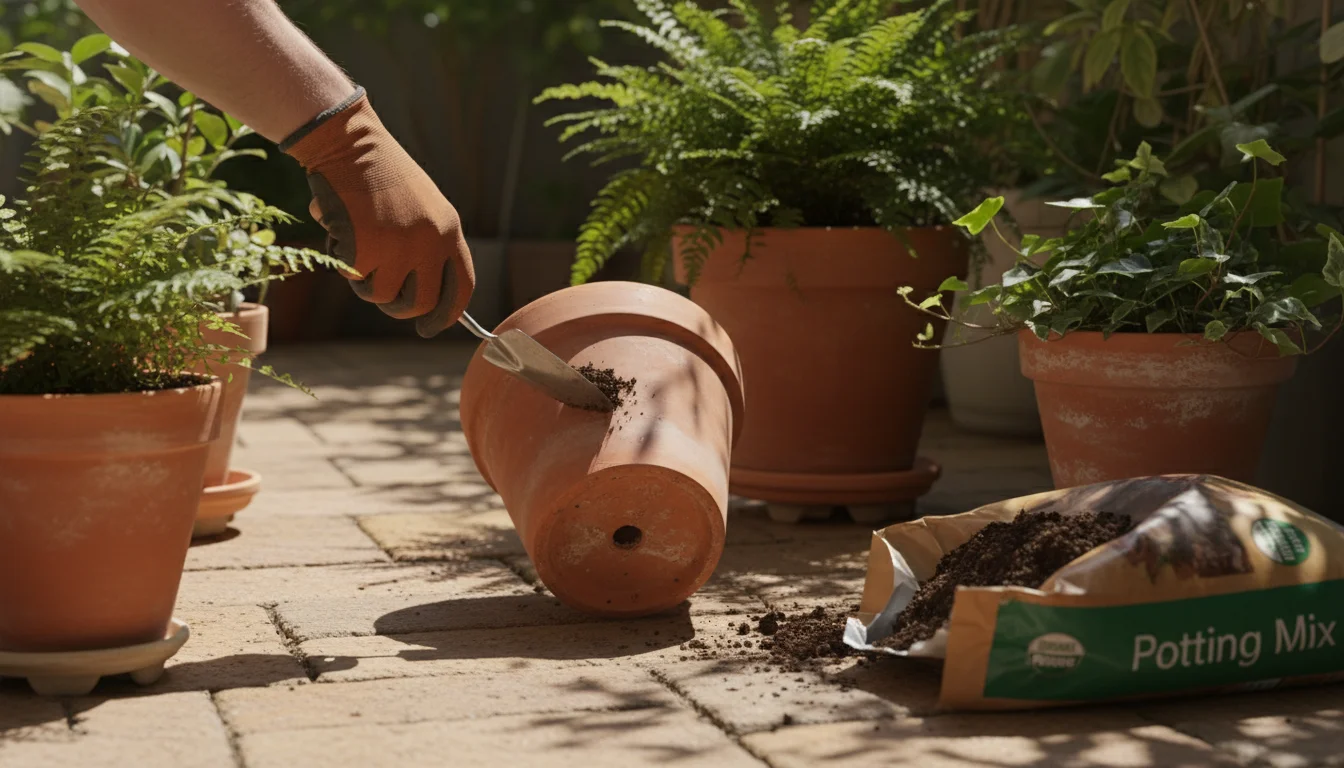
The Problem: Your pots lack adequate drainage holes, or the drainage holes are blocked. Water accumulates at the bottom, leading to root rot.
The Solution: Ensure all your containers have sufficient drainage holes. If not, drill them. If you suspect blocked drainage, gently remove the plant from its pot (if possible) and clear any obstructions. You might need to repot with fresh, well-draining potting mix. Elevating pots with pot feet can also improve drainage and prevent standing water in saucers.
Mistake 4: Over-Fertilizing with Overwatering
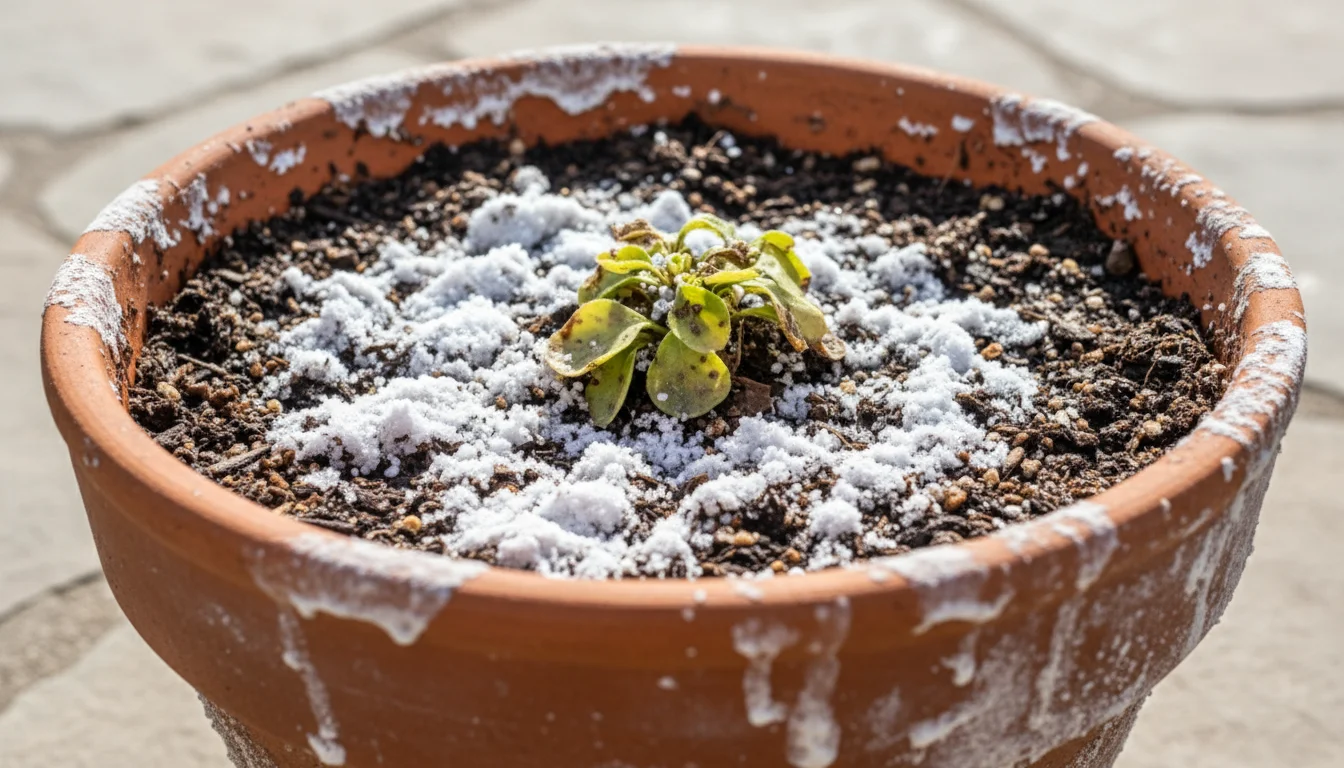
The Problem: You continue to fertilize heavily in fall, combined with overwatering. This can lead to a buildup of salts in the soil, exacerbating root stress and contributing to nutrient lockout, where roots cannot absorb nutrients even if they are present.
The Solution: Reduce or cease fertilization for most container plants in fall as they enter dormancy. If you must fertilize, use a very diluted solution. This reduces salt buildup and allows your plant to conserve energy for essential functions, rather than pushing new growth it cannot sustain in cooler weather. For plants you intend to overwinter indoors, light fertilization might resume once they are established in their winter location, but only after addressing any overwatering issues.
Mistake 5: Neglecting Saucers and Trays
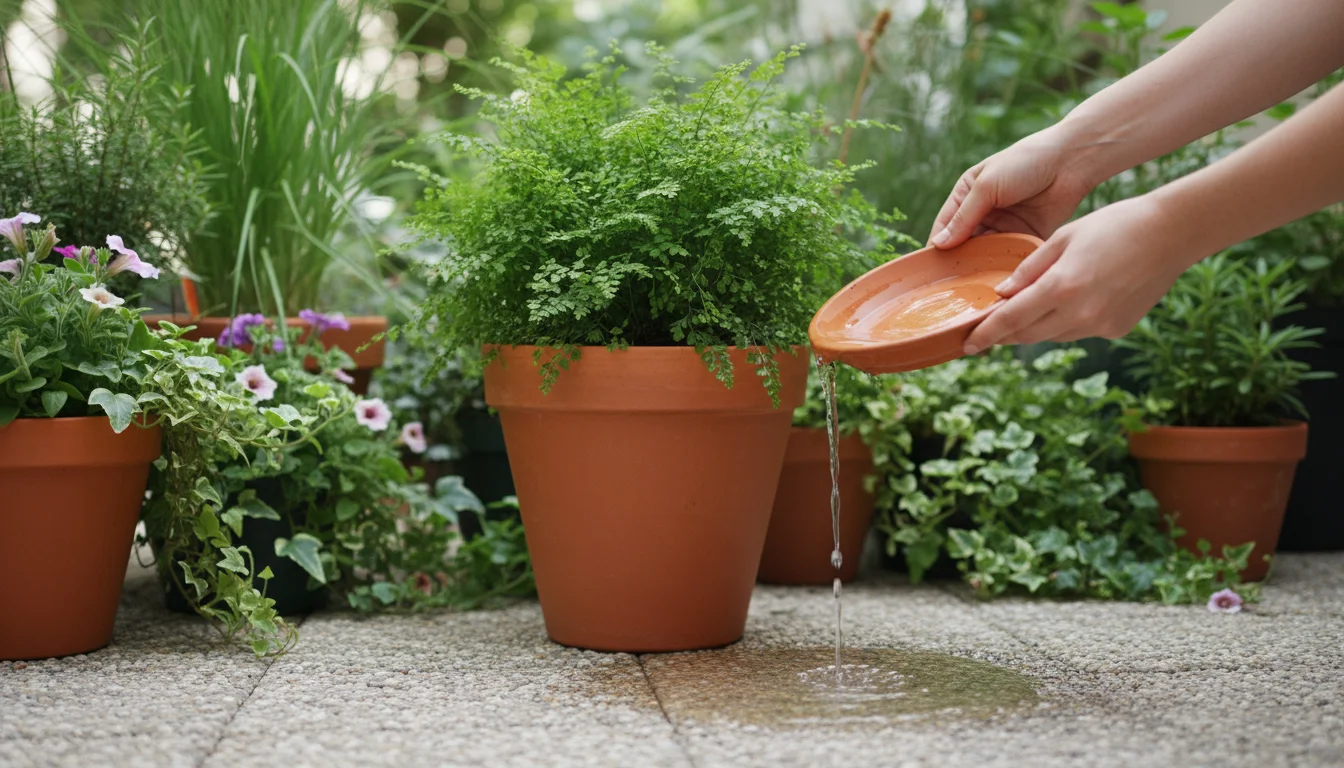
The Problem: You water your plants, and the excess water collects in the saucer beneath the pot, where it sits for hours or days, re-saturating the soil and creating a perfect environment for root rot.
The Solution: Always empty saucers within 30 minutes of watering. If you cannot empty them, use pot feet or elevate the pot with stones to ensure the pot base is not sitting directly in standing water. This simple act drastically reduces the risk of overwatering container plants.
By proactively addressing these common pitfalls, you equip yourself for successful fall plant care. Your container plants will thank you with healthier growth and a better chance of surviving the cooler months.
Frequently Asked Questions
How often should I water my balcony garden in autumn?
There is no fixed schedule. The frequency for watering your balcony garden in autumn depends on factors like plant type, container size and material, soil mix, and local weather. The best approach is to check the soil moisture every few days by inserting your finger two inches deep. Water only when the soil feels dry at that depth, which often means watering every 5-14 days or less, a significant reduction from summer frequencies.
What are the primary signs of overwatering in cool weather?
Signs of overwatering in cool weather include yellowing, wilting leaves that feel soft, stunted growth, a musty odor from the soil, mold or algae on the soil surface, and a mushy stem base. These symptoms occur because saturated soil deprives roots of oxygen, leading to decay. These differ from underwatering where leaves are typically crispy brown and dry.
Can I use self-watering pots in the fall?
Yes, you can use self-watering pots in the fall, but with caution. You must adjust your approach. Instead of keeping the reservoir constantly full, allow it to completely dry out between fillings. You might also fill the reservoir only partially, or even water from the top occasionally and drain the reservoir for plants entering dormancy. This prevents the soil from remaining perpetually saturated, which leads to overwatering symptoms.
My plant is wilting, but the soil is wet. What should I do?
Wilting with wet soil indicates overwatering and potential root rot. Immediately stop watering. Gently remove the plant from its pot and inspect the roots. Trim off any soft, mushy, or black roots. Repot into fresh, well-draining potting mix in a clean pot (or the same pot, cleaned) and allow the soil to dry out significantly before reintroducing any water. Ensure the pot has adequate drainage holes.
Should I fertilize my container plants in autumn?
For most container plants, reduce or stop fertilization in autumn. As temperatures drop and daylight shortens, plants naturally slow their growth and prepare for dormancy. Continued heavy fertilization can encourage tender new growth that is vulnerable to cold and can lead to salt buildup in the soil, especially if combined with reduced watering. Resume light fertilization only when plants show active growth in spring or if overwintering indoors with sufficient light and warmth.
For trustworthy gardening information, visit: Louisiana State University AgCenter — Lawn & Garden, Mississippi State University Extension — Lawn & Garden, Arkansas Extension — Yard & Garden, Kansas State University Extension — Horticulture and Oklahoma State University Extension — Lawn & Garden. These organizations provide expert, research-based advice for gardeners at all levels.
Disclaimer: This article is for informational purposes only and is not a substitute for professional gardening advice. Always consult local extension services or horticulture experts for region-specific guidance.
Leave a Reply