
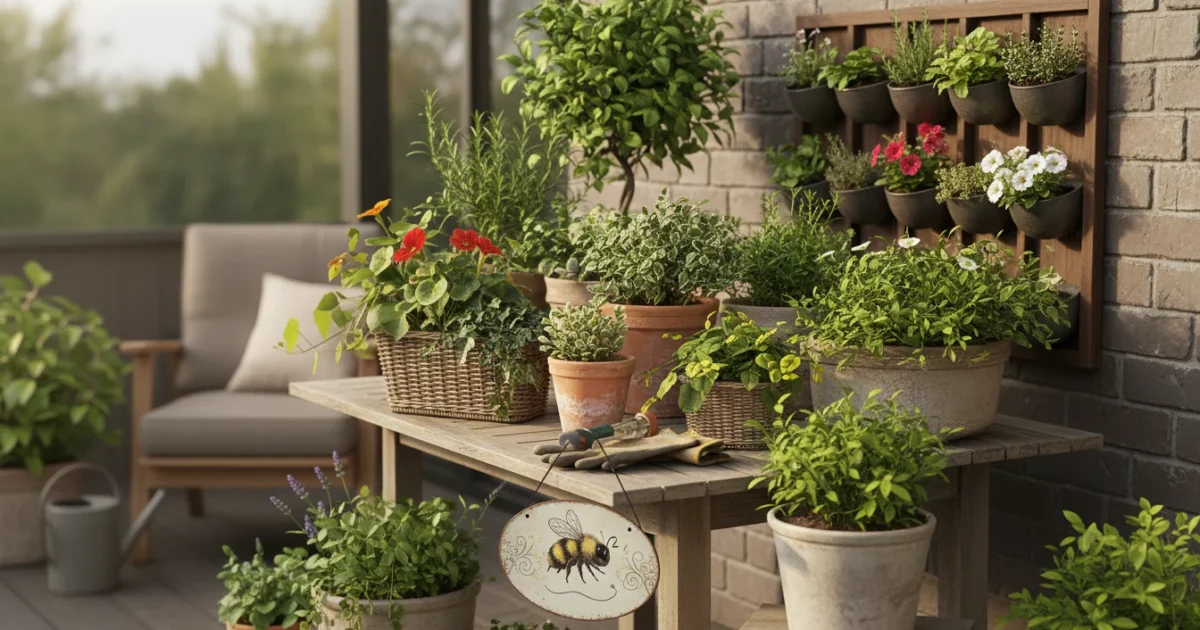
As the days shorten and a crisp chill fills the air, many gardeners, especially those new to container gardening, feel a natural urge to protect their beloved potted plants. You might instinctively want to bring them indoors, water them more, or even offer extra fertilizer, hoping to keep them thriving through the cold months. This common impulse, born of good intentions, often leads to an unfortunate outcome: inadvertently killing your plants with too much kindness.
The truth is, many plants require a period of rest, a natural slowdown called dormancy, to survive and flourish in subsequent growing seasons. This is particularly true for many perennials, shrubs, and even some herbs grown in containers. Instead of fighting winter, you empower your plants by embracing their need for a seasonal pause. This guide gives you the practical, actionable insights you need to confidently add “letting go” to your winter plant care routine, ensuring your container garden emerges stronger and healthier next spring.
Understanding Plant Dormancy: Nature’s Winter Nap
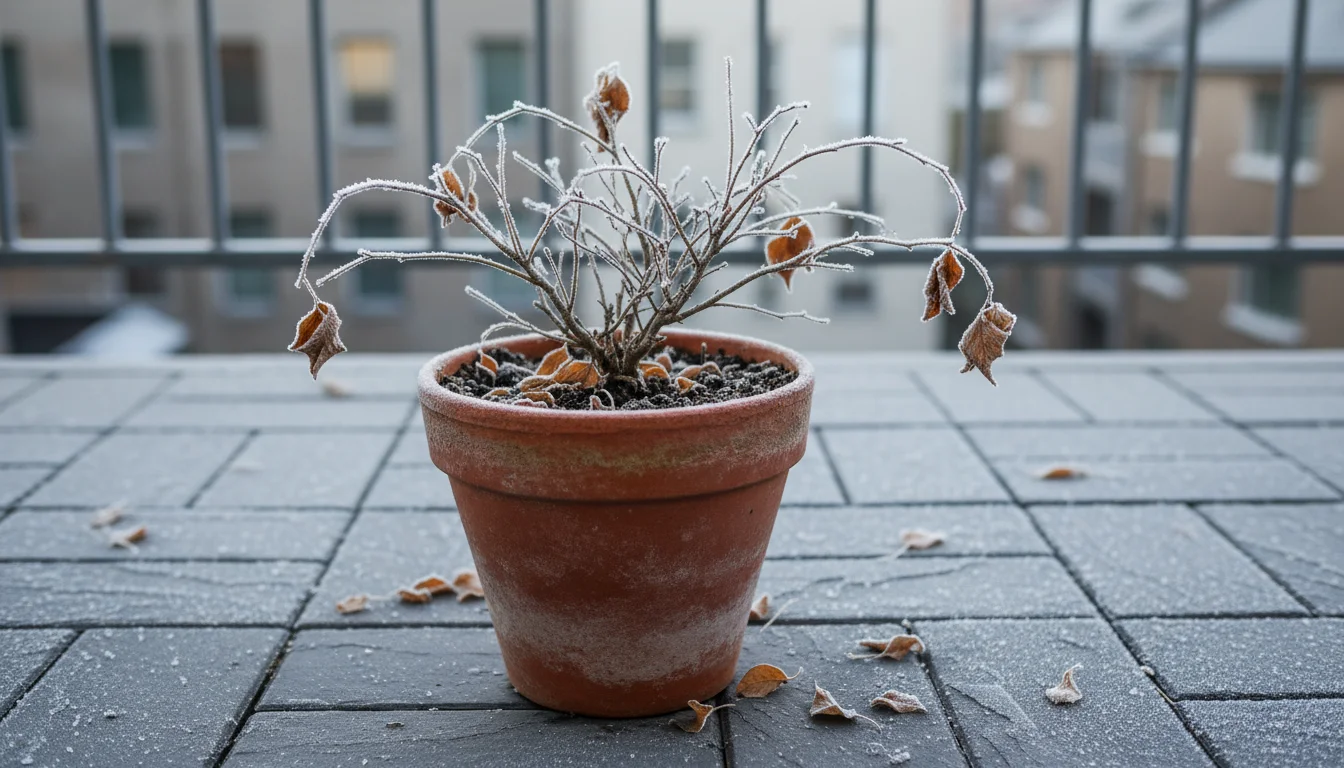
Dormancy is a plant’s natural survival strategy when faced with unfavorable environmental conditions, such as cold temperatures or lack of available water. Think of it as a deep, restorative sleep. During dormancy, a plant significantly slows down its metabolic processes. It reduces energy consumption, stops active growth, and conserves resources until conditions become favorable again. This biological imperative allows plants to endure harsh winters and ensures they have enough stored energy to burst forth with new growth in the spring.
For a deeper dive into protecting your plants from severe weather, check out our guide on how to overwinter container plants effectively.
How Dormancy Works: A Biological Pause
When temperatures drop and daylight hours shorten, plants sense these environmental cues. Their internal clocks trigger a series of physiological changes:
- Reduced Photosynthesis: Plants actively convert sunlight into energy (photosynthesis) during the growing season. In winter, with less light and colder temperatures, this process becomes inefficient, so they scale it back dramatically.
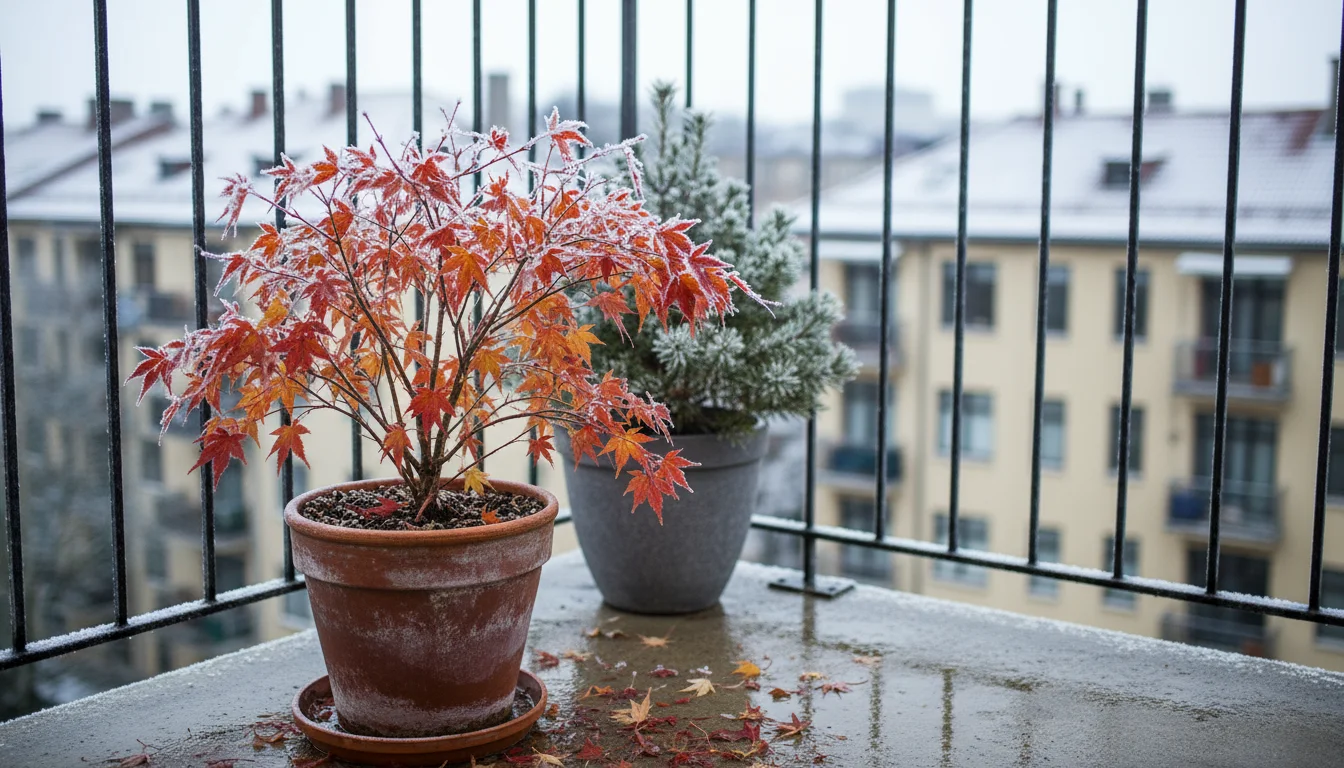
- Shedding Leaves: Deciduous plants famously shed their leaves. This action prevents water loss through transpiration, a critical survival mechanism when the ground is frozen and water uptake is difficult. It also eliminates potential sites for snow accumulation and subsequent branch breakage.
- Antifreeze Production: Many plants produce natural compounds, similar to antifreeze, which prevent ice crystals from forming within their cells. This cellular protection is vital for surviving sub-zero temperatures.
- Energy Storage: Before going dormant, plants store energy, primarily in their roots, stems, and bulbs, as carbohydrates. These reserves fuel new growth when spring arrives.
The Crucial Need for a Cold Period in Container Plants
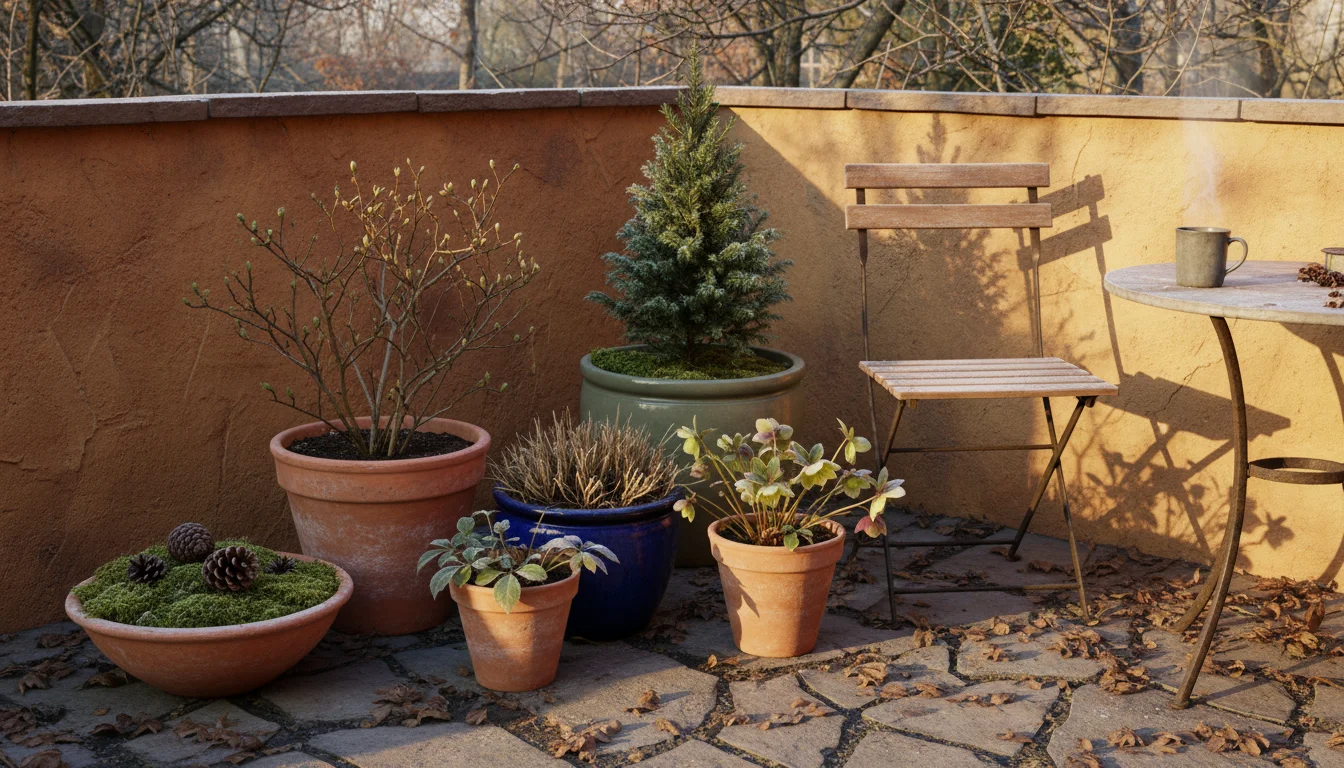
For many perennial and woody plants, a period of cold dormancy is not simply an option, it is a biological requirement. This chilling period, often referred to as vernalization, is essential for stimulating flower bud formation and robust spring growth. Without adequate exposure to cold, these plants may fail to flower, produce weak growth, or even die. While your instincts might scream “protect and warm!”, your plant often needs to experience the cold to truly thrive.
In containers, plants are more exposed to temperature fluctuations than their in-ground counterparts. The soil in a pot freezes and thaws more rapidly, making the effects of cold more pronounced on the roots. Therefore, providing a sheltered, consistently cool environment for your container plants to achieve proper dormancy becomes even more important.
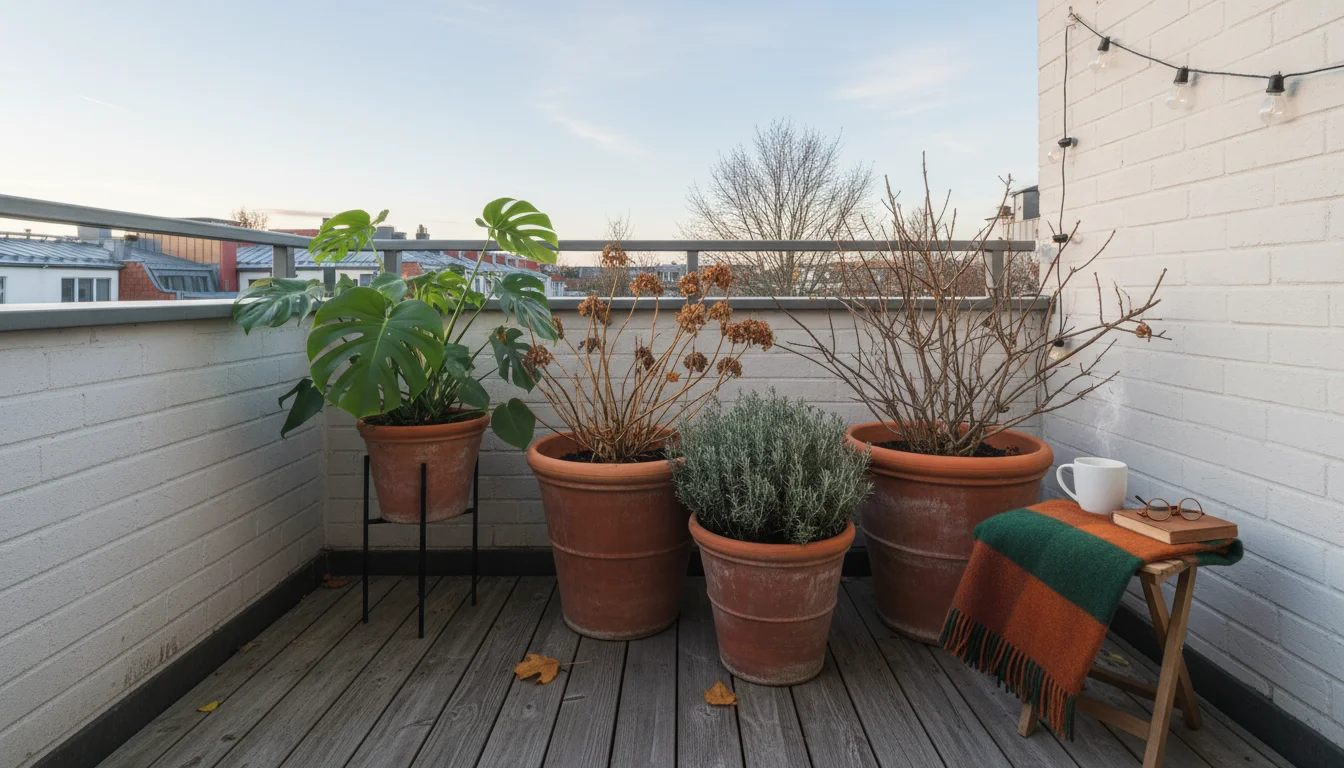
Which Potted Plants Benefit from Winter Dormancy?
Understanding which of your potted plants are candidates for winter dormancy is the first critical step. Not all plants require or benefit from this process. Tropical plants, for instance, prefer warmth year-round and should be brought indoors before cold weather hits. However, many common outdoor container plants, particularly those native to temperate climates, thrive with a proper winter rest.
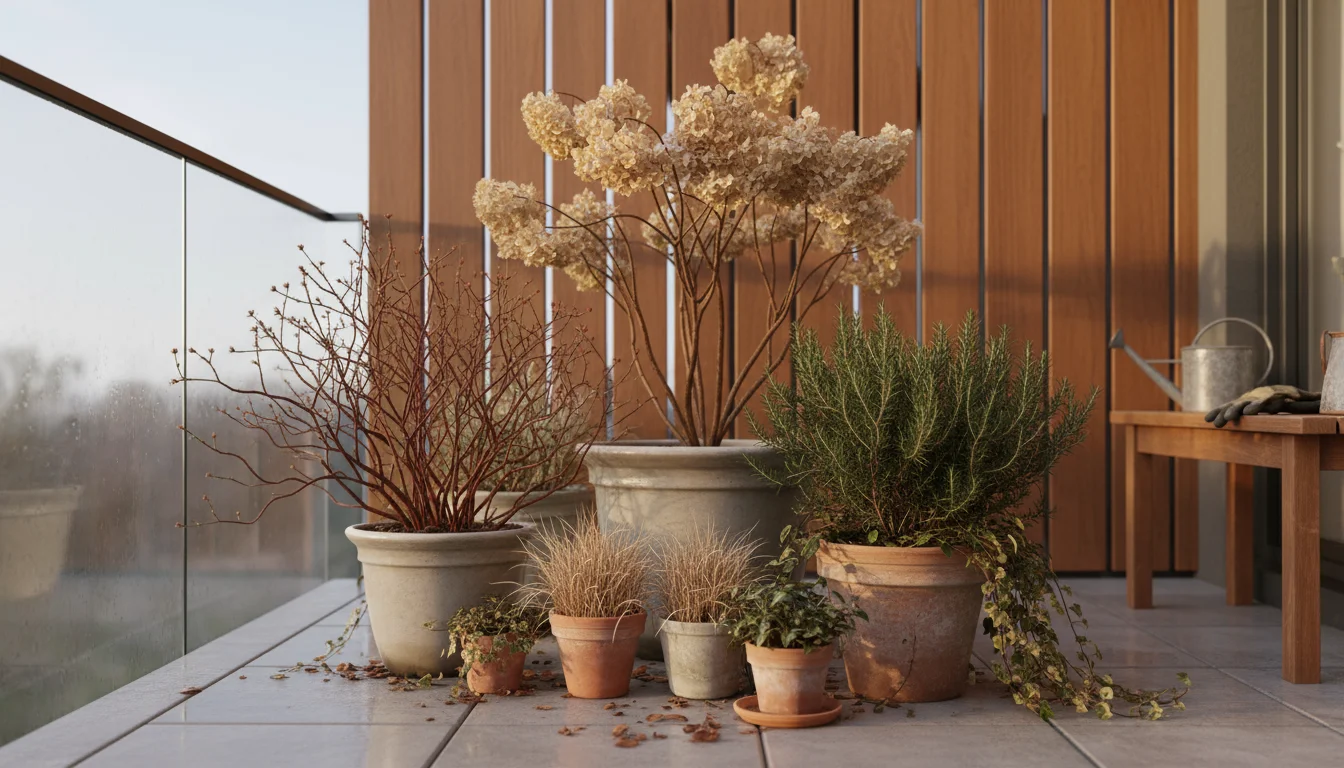
Deciduous Perennials and Shrubs
These plants naturally shed their leaves and appear “dead” during winter. They absolutely require a cold period to perform well in subsequent seasons.
- Fruiting Shrubs: Many berry plants like blueberries (Vaccinium spp.), raspberries (Rubus idaeus), and some dwarf fruit trees (e.g., dwarf fig trees, Ficus carica) are excellent candidates for container dormancy. They need specific chilling hours to produce fruit.
- Flowering Shrubs: Varieties such as hydrangeas (Hydrangea macrophylla), some roses (Rosa spp.), and small deciduous viburnums (Viburnum spp.) often perform better after a winter’s rest.
- Perennial Herbs: Many hardy herbs like lavender (Lavandula spp.), rosemary (Rosmarinus officinalis, hardy varieties), thyme (Thymus vulgaris), and sage (Salvia officinalis) can overwinter dormant in containers, particularly in milder climates or with protection.
- Ornamental Grasses: Many varieties of ornamental grasses (e.g., switchgrass, fountain grass) go dormant, turning brown and ceasing growth.
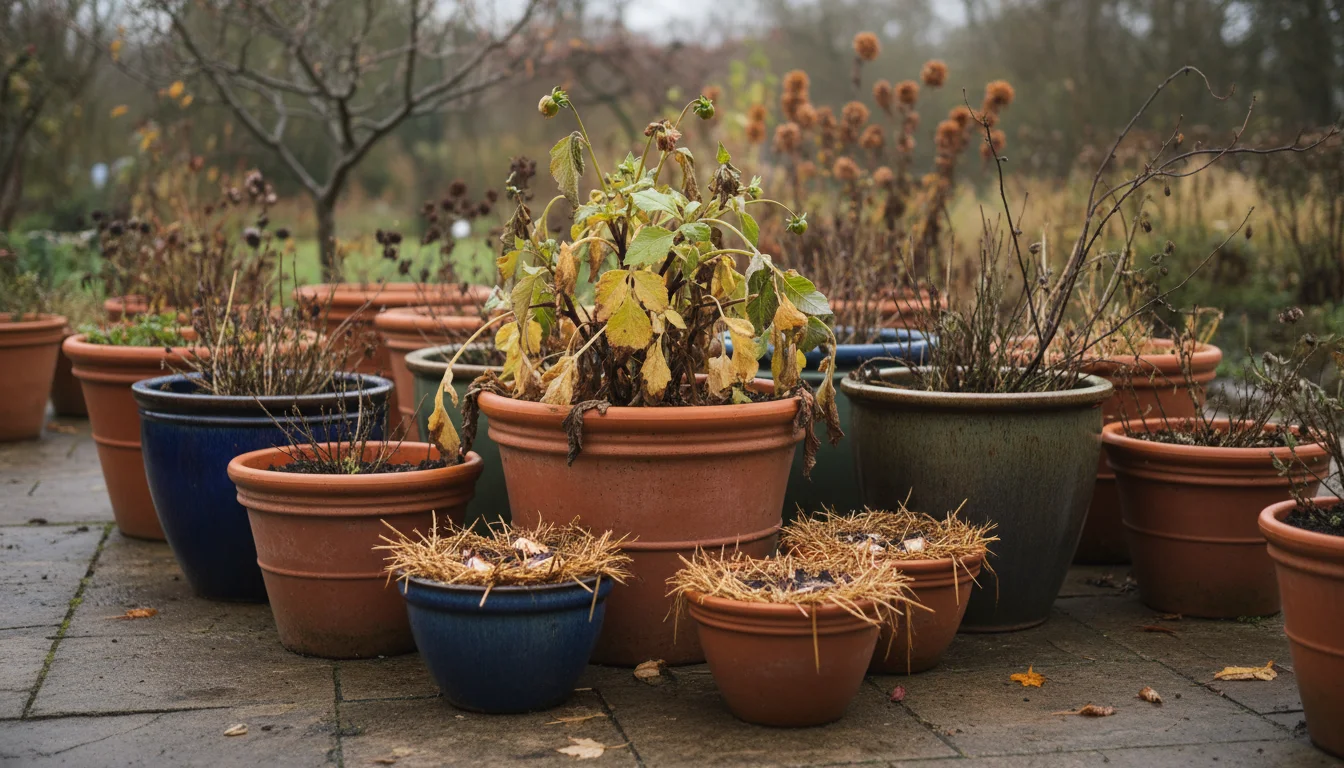
Bulbs, Tubers, and Corms
Many plants grown from bulbs, tubers, or corms are naturally programmed to enter dormancy, storing energy underground.
- Summer-Flowering Bulbs (Lifted): While often lifted and stored indoors, some hardier summer-flowering bulbs like dahlias (Dahlia spp.) or cannas (Canna indica) can be overwintered in their pots in suitable conditions, allowing the foliage to die back naturally.
- Spring-Flowering Bulbs (Planted in Fall): Tulips (Tulipa spp.), daffodils (Narcissus spp.), and hyacinths (Hyacinthus orientalis) require a cold period to stimulate flowering. If you plant these in containers in the fall, they will naturally go dormant over winter.
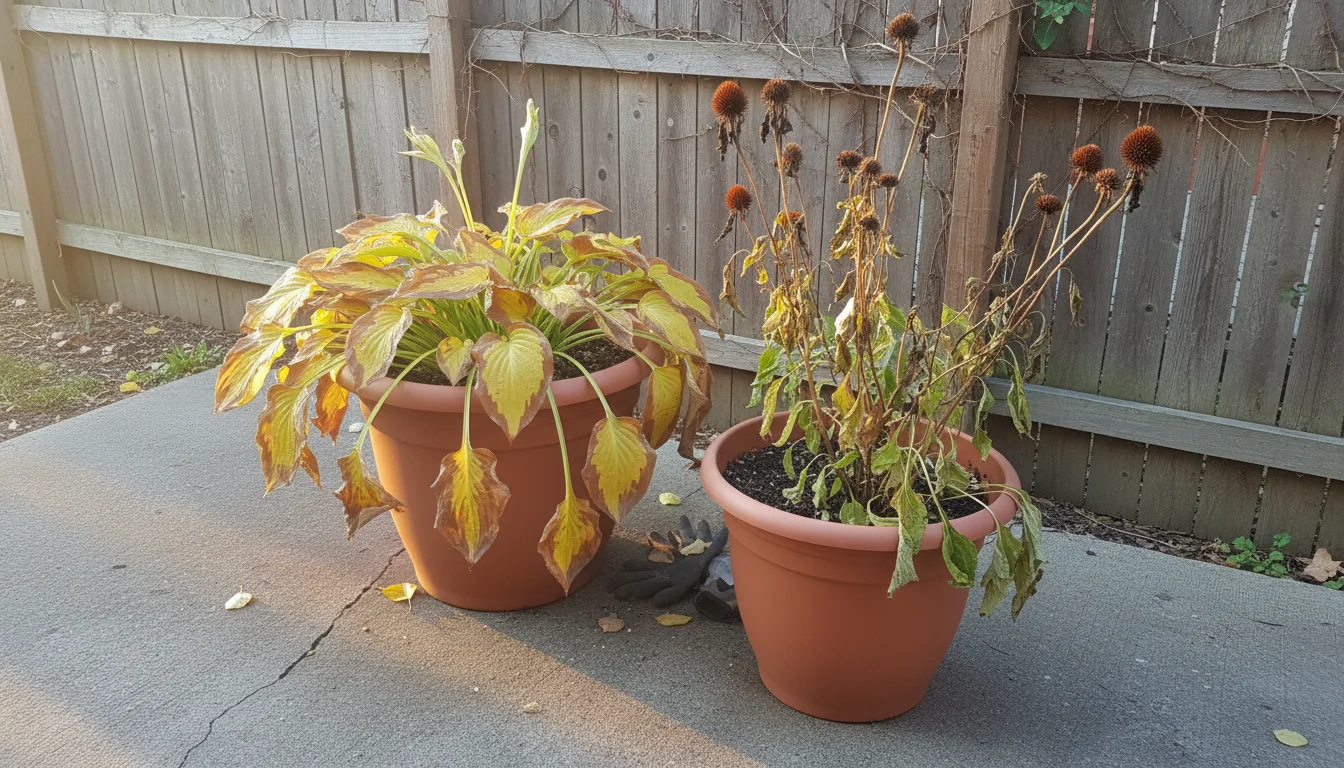
Hardy Perennials
A wide range of herbaceous perennials, which die back to the ground each winter, can successfully overwinter in containers.
- Hostas (Hosta spp.): These shade lovers thrive after a winter rest. Their leaves yellow and die back, and they return reliably in spring.
- Daylilies (Hemerocallis spp.): Similar to hostas, daylilies benefit from dormancy, with their foliage dying back to the crown.
- Coneflowers (Echinacea purpurea): Hardy and resilient, coneflowers can overwinter in pots, though their foliage may look less tidy.
Plants That Do NOT Go Dormant (and Need Warmth)
Equally important is knowing which plants do not go dormant and require different winter care. These are typically tropical or tender plants:
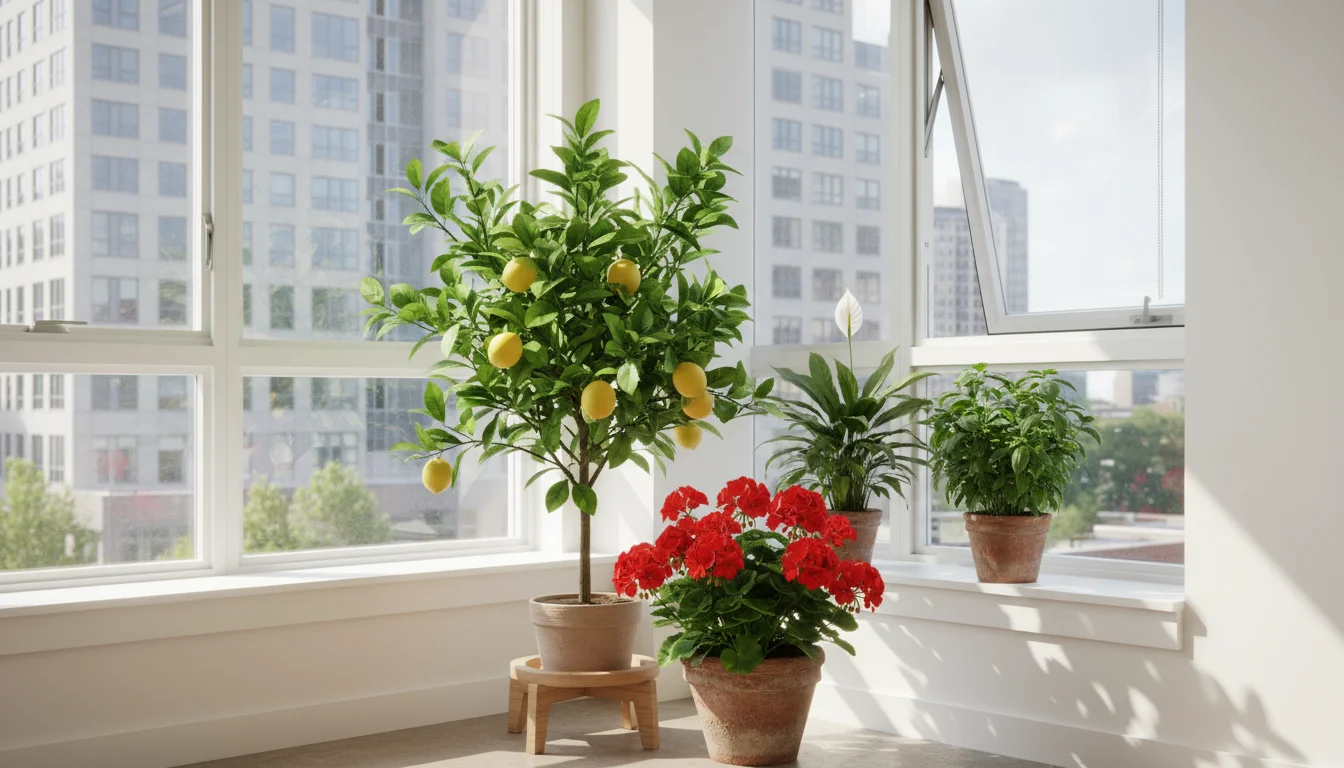
- Tropical houseplants: Monstera, philodendron, peace lily.
- Tender herbs: Basil (Ocimum basilicum).
- Citrus trees: (Citrus spp.) require bright, cool indoor conditions, but not full dormancy.
- Geraniums (Pelargonium spp.): Often brought indoors as houseplants or overwintered in a semi-dormant, but not completely dormant, state.
Always research the specific needs of your plants. A quick search for “Is [plant name] hardy in my zone?” or “Does [plant name] need dormancy?” provides critical information for your winter preparations.
Preparing Your Potted Plants for Their Long Winter’s Rest
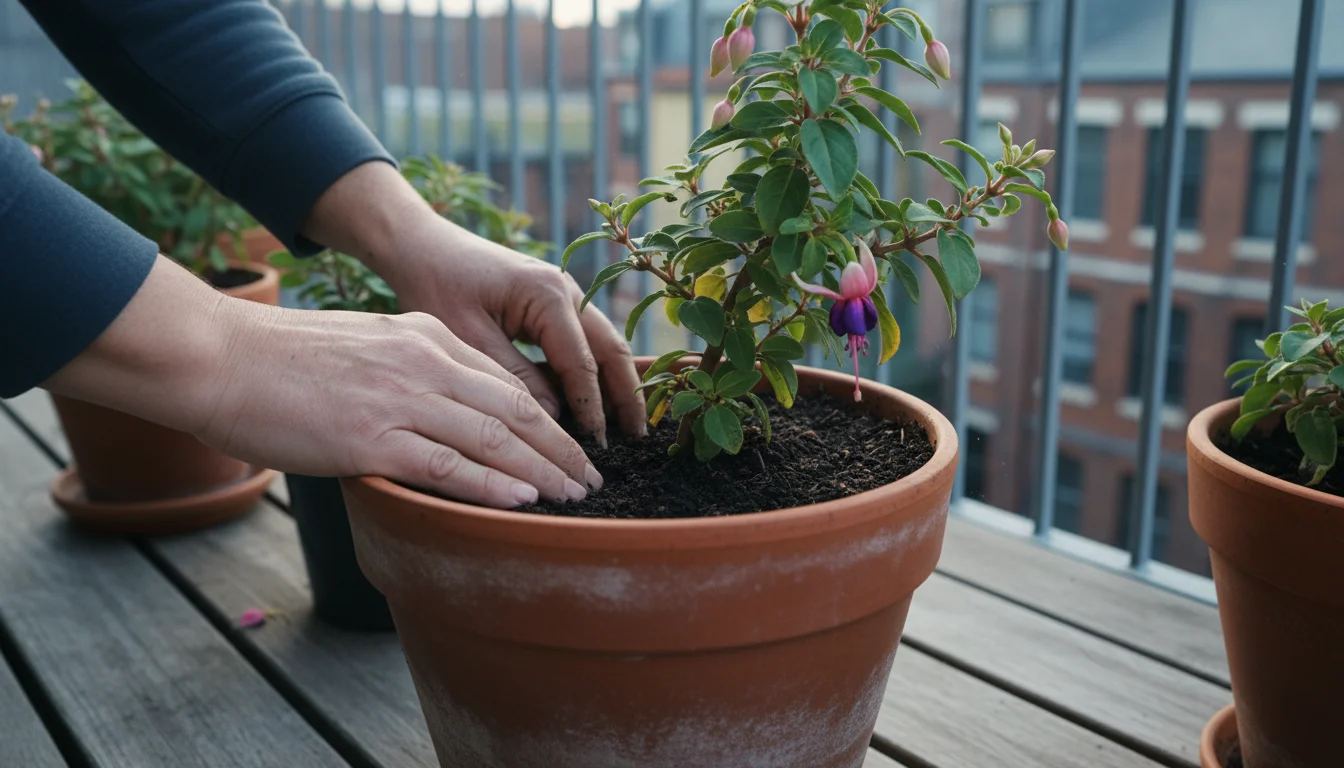
Preparing your container plants for dormancy involves a gradual transition, not an abrupt change. Mimicking nature’s cues helps your plants understand it is time to slow down and conserve energy.
This transitional period is also the perfect time to perform a fall container garden purge to clear out spent annuals and prepare your space for the coming year.
Timing is Key: Watch for Nature’s Signals
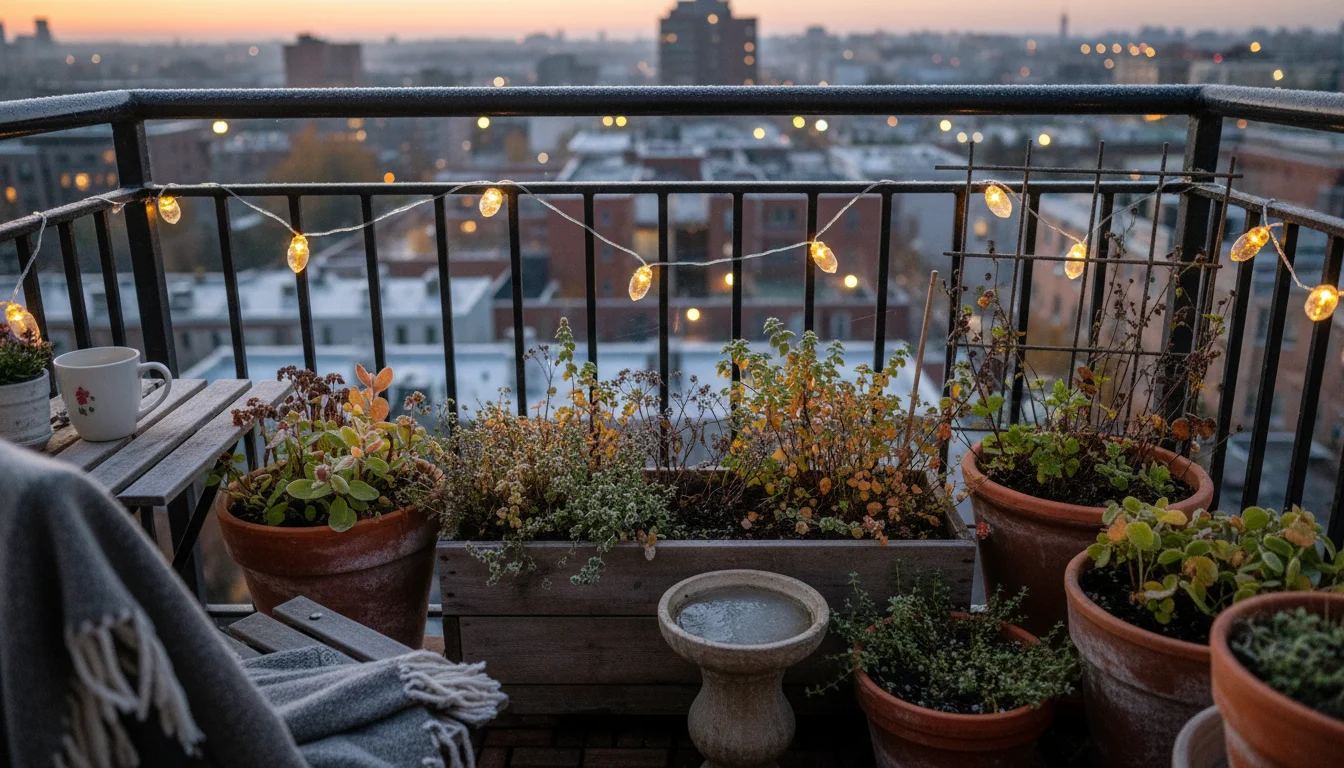
Begin preparing your plants as summer transitions into fall. You will notice distinct natural cues:
- Shorter Days: Daylight hours visibly decrease.
- Cooler Temperatures: Nighttime temperatures consistently drop into the 40s and 50s Fahrenheit (around 4-10 degrees Celsius).
- First Light Frost: A light frost is a strong signal for many plants to begin their dormancy process.
Do not wait until a hard freeze to start. A gradual change is far less stressful for your plants.
Step-by-Step Preparation
-
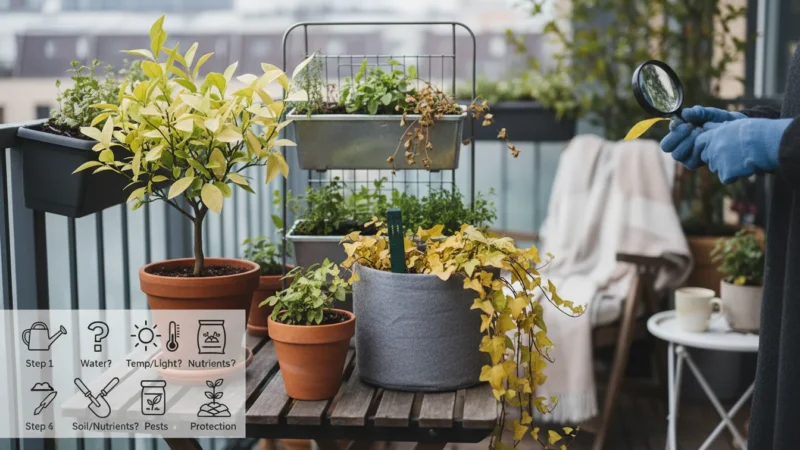
Gradually Reduce Watering: Starting in late summer or early fall, begin to decrease the frequency of your watering. Do not let the plant completely dry out initially, but allow the top few inches of soil to dry before watering again. This signals to the plant that water is becoming scarce, encouraging it to conserve moisture and prepare for dormancy. This process helps condition the plant for the much-reduced watering schedule it will follow during its dormant phase.
-
Cease Fertilizing Entirely: Stop all fertilization by late summer or early fall. Fertilizers encourage new, tender growth, which is highly susceptible to frost damage and contradicts the plant’s need to slow down. Any new growth produced late in the season will drain the plant’s stored energy rather than contribute to its winter survival.
-
Light Pruning (Optional and Minimal): For most plants going dormant, avoid heavy pruning in the fall. Heavy pruning stimulates new growth, which, as mentioned, is detrimental before winter. You can remove any dead, diseased, or damaged branches to tidy up the plant and prevent potential pest or disease issues during dormancy. For some herbaceous perennials, you may choose to cut back the brown, withered foliage after a hard frost, but many gardeners leave it for winter interest or to provide additional protection to the crown. For woody plants, save major shaping until late winter or early spring.
-
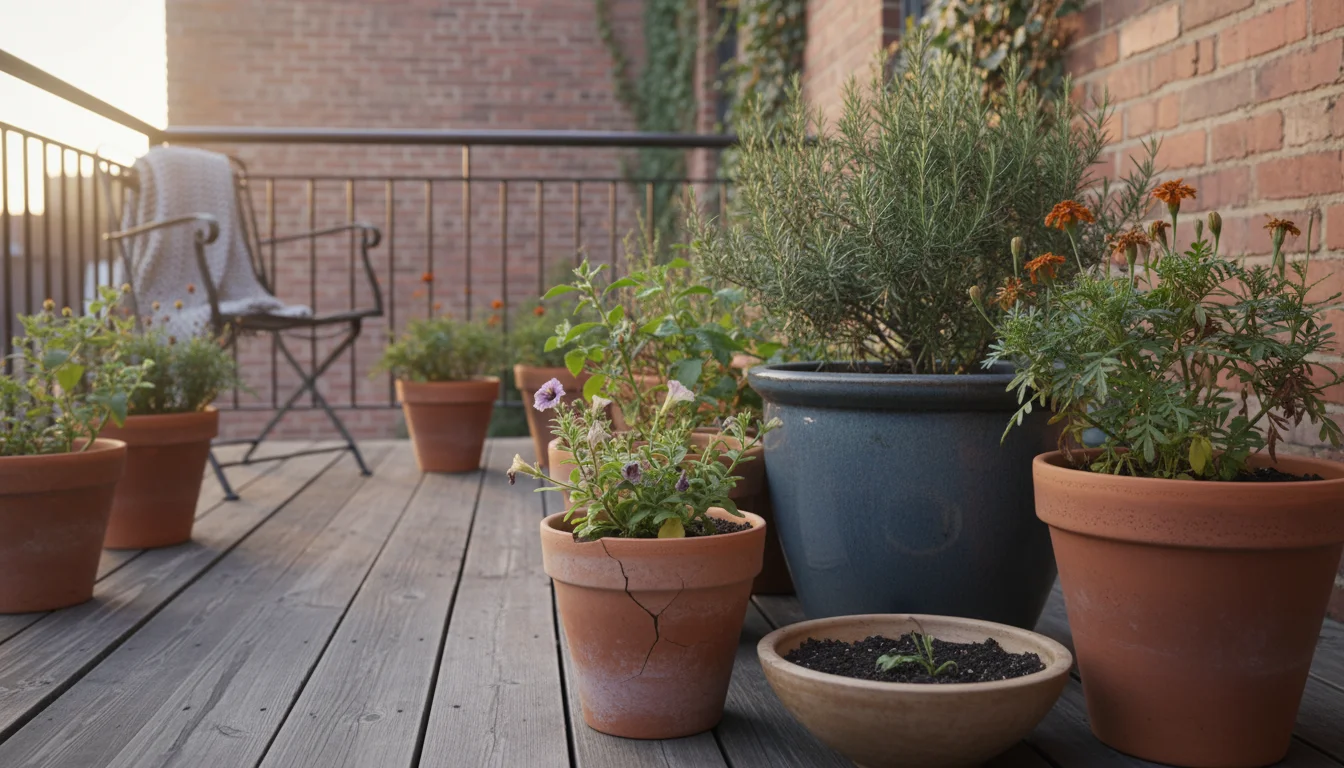
Clean Up Around the Base: Remove any fallen leaves or plant debris from the surface of the container. This simple step helps prevent fungal diseases and reduces hiding places for overwintering pests. A clean environment contributes to a healthier dormant period.
-
Inspect for Pests and Diseases: Before moving plants to their winter location, thoroughly inspect them for any signs of pests or diseases. Address any issues you find. Treating problems now prevents them from worsening during dormancy or spreading to other plants. A strong, healthy plant enters dormancy with better chances of success.
-
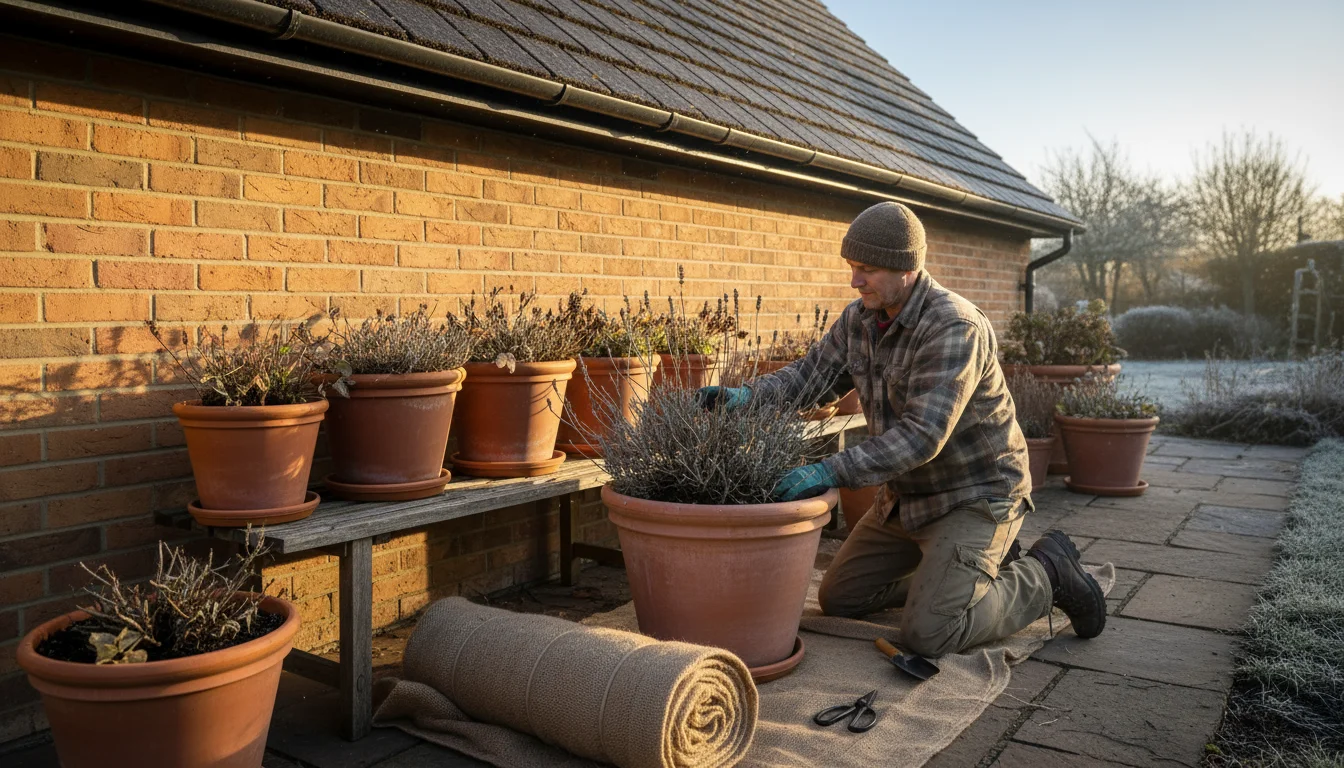
Consider Container Insulation: For plants overwintering outdoors on a balcony or patio, insulating the containers is critical. The roots of potted plants are much more vulnerable to freezing temperatures than those in the ground. You can wrap pots with burlap, bubble wrap, or old blankets. Grouping pots together creates a microclimate, offering mutual protection. Placing pots on bricks or “pot feet” helps prevent them from freezing to the ground and improves drainage.
By following these steps, you actively assist your plants in their natural transition to dormancy, setting them up for a successful winter rest and a vibrant return in spring.
<– INSERT IMAGE HERE –>
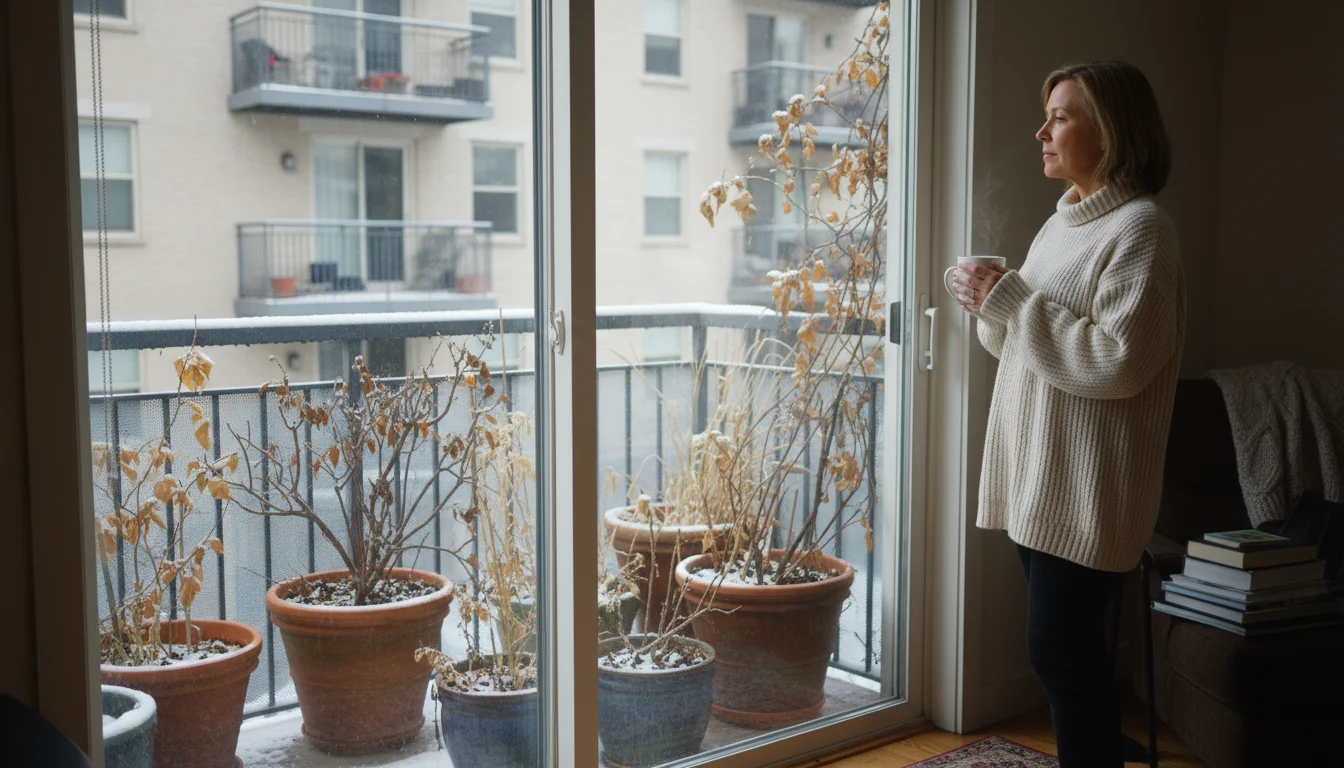
The ‘Do Not Disturb’ Rules: Your Winter Care Action Plan
Once your plants enter dormancy, your main job shifts from active care to passive observation. The ‘Do Not Disturb’ list is about strategic neglect, providing just enough intervention to prevent problems without disrupting the natural process.
1. Drastically Reduce Watering
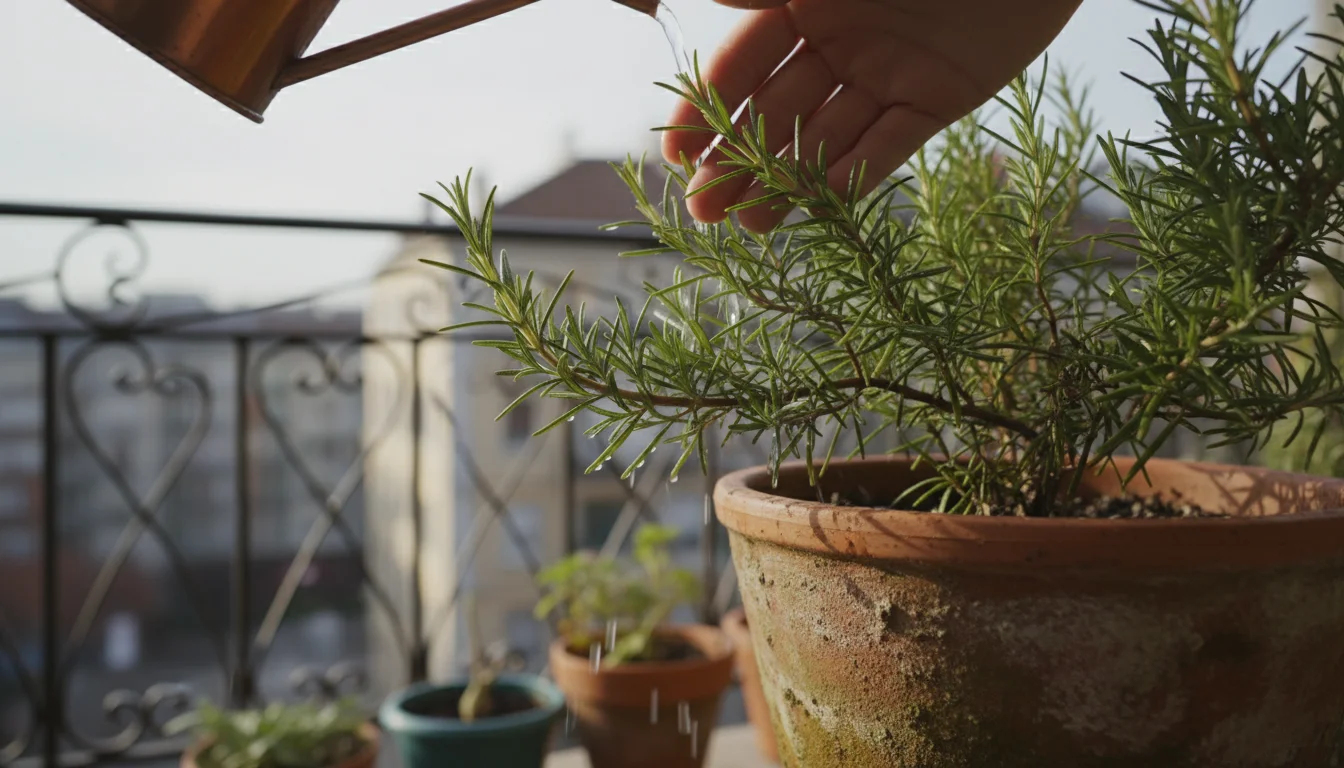
This is perhaps the most critical rule. Dormant plants require very little water. Their metabolic activity is minimal, and they do not actively grow, so they do not transpire much moisture. Overwatering is the number one killer of dormant container plants. Excess moisture in cold soil leads to root rot, a fungal disease that suffocates and kills roots.
- How to Water: Water sparingly, perhaps once every 2-4 weeks, or even less frequently depending on your climate and plant species. The goal is to prevent the potting mix from becoming bone dry and desiccating the roots, not to promote active growth.
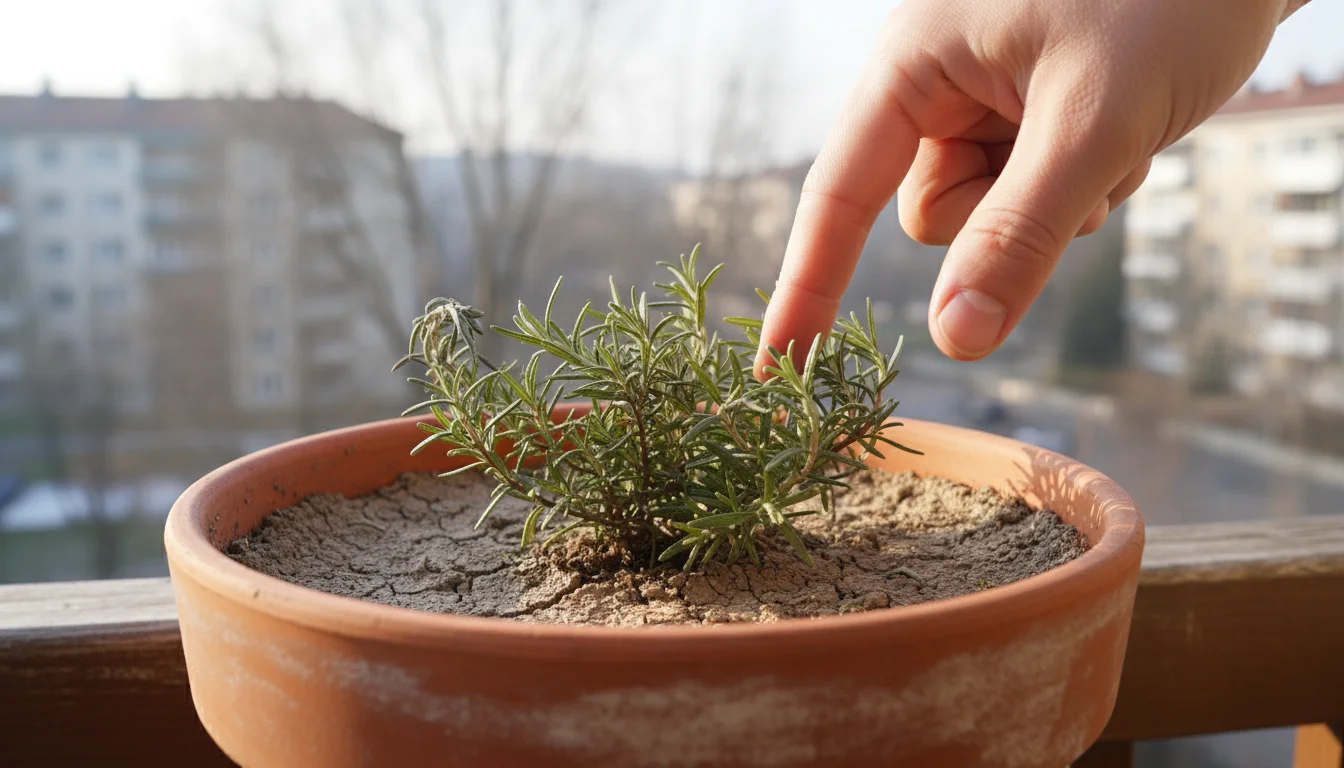
- Check Soil Moisture: Always check the soil before watering. Stick your finger 2-3 inches into the soil. If it feels moist, wait. If it feels dry, provide a small amount of water. For larger pots, a moisture meter offers a reliable reading.
- Ensure Drainage: Good drainage remains crucial. Never let pots sit in standing water.
2. Stop Fertilizing Entirely
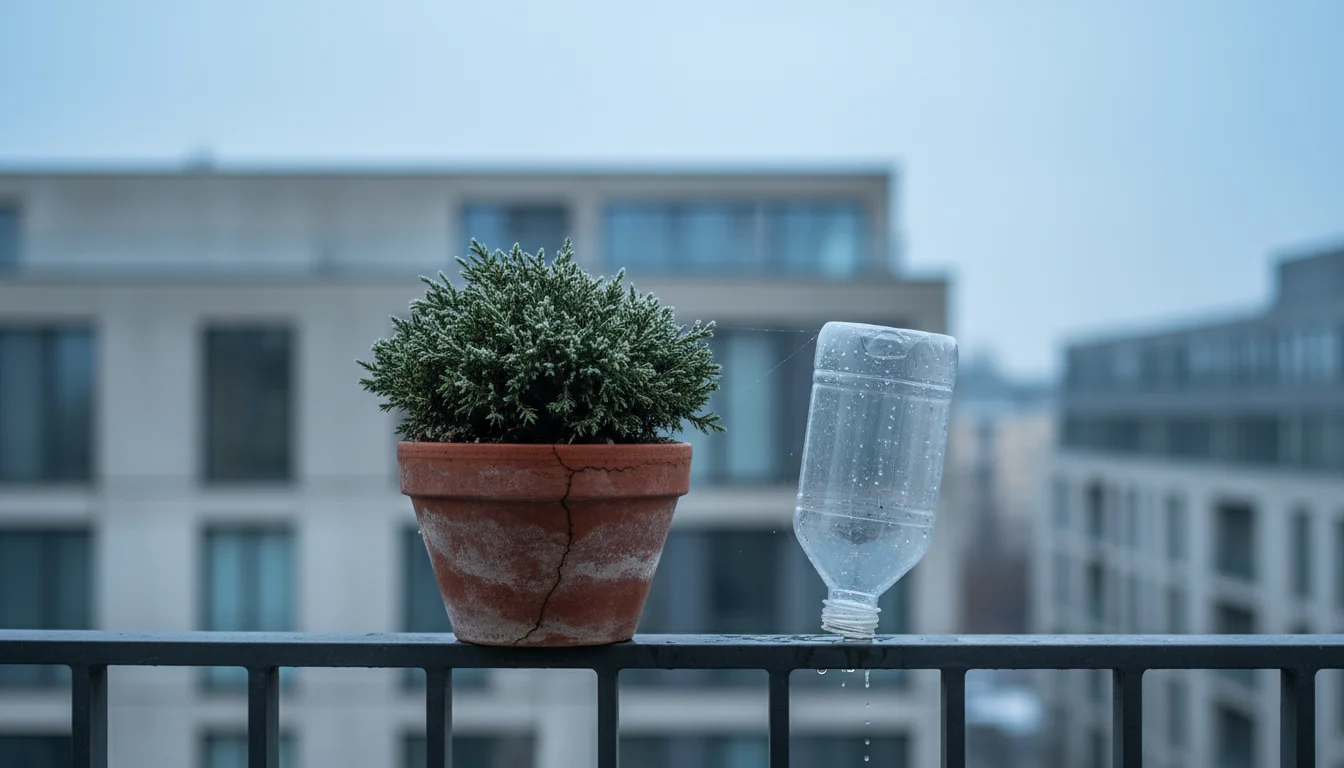
As covered in preparation, absolutely no fertilizer is needed during dormancy. Fertilizing will attempt to force growth at a time when the plant needs to conserve energy, leading to weak, leggy growth that easily succumbs to cold or disease. Resume fertilization only when new growth appears in spring.
3. Provide Appropriate Light (But Do Not Demand Growth)
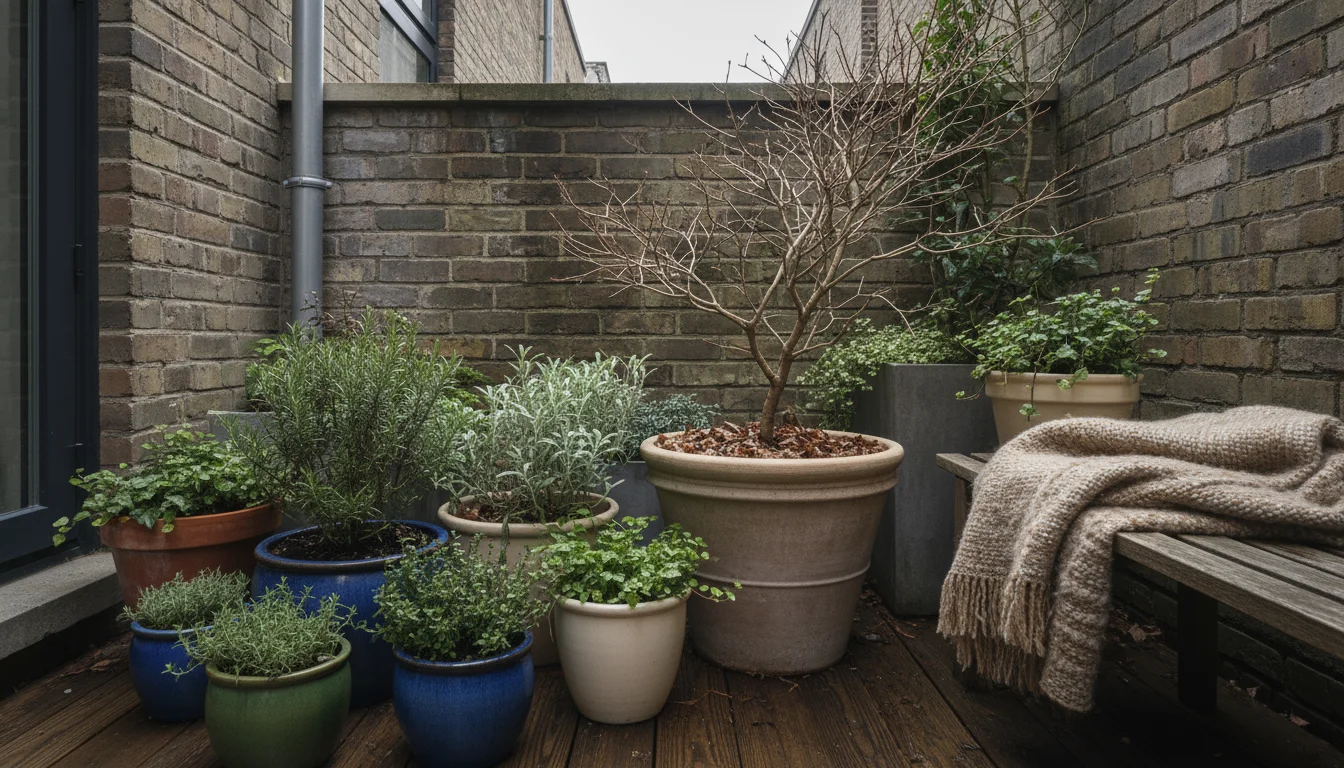
Dormant plants have significantly reduced light requirements. Deciduous plants that have lost their leaves need very little light, making unheated garages or basements suitable. Evergreens or plants that retain some foliage may appreciate indirect, ambient light, but do not require direct sun or grow lights. The key is to provide enough light to prevent complete darkness for extended periods, but not so much that you trick the plant into thinking it is time to grow.
4. Maintain Cool, Consistent Temperatures
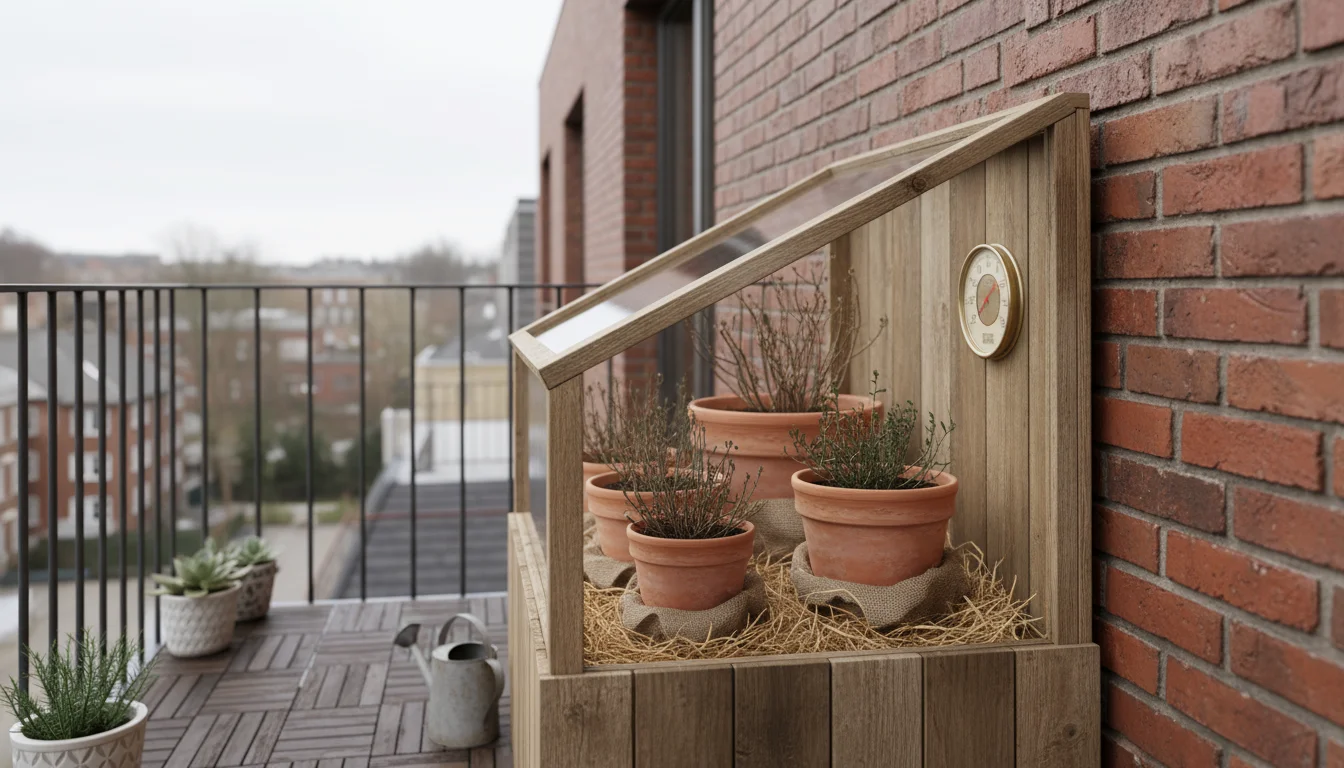
This is central to successful dormancy. Your plants need to remain cold enough to stay dormant but protected from extreme freezing and thawing cycles. Ideal temperatures typically range from just above freezing to around 45-50°F (0-10°C). Consistency is important. Fluctuating temperatures can confuse the plant, prompting it to break dormancy prematurely, only to be hit by another cold snap.
5. Monitor for Pests (Subtly)
Even dormant plants can harbor pests. Periodically, especially when you water, quickly check for common overwintering pests like spider mites, mealybugs, or scale. These pests can multiply unnoticed in sheltered conditions. Address any infestations promptly, perhaps with insecticidal soap or horticultural oil, applied cautiously to avoid stressing the dormant plant. Avoid harsh chemicals that might linger or damage plant tissues.
6. Ensure Good Air Circulation
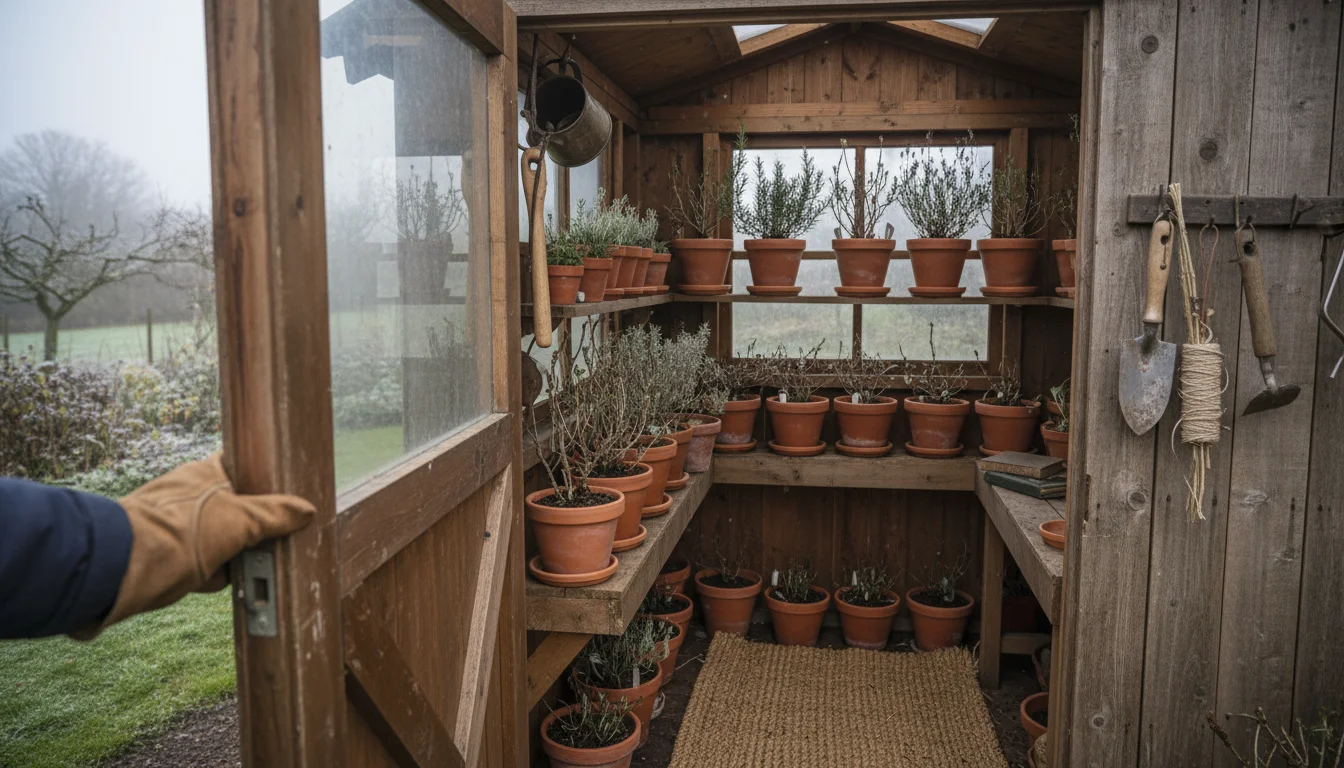
Especially if you group plants together or move them indoors, ensure adequate air circulation. Stagnant, humid air encourages fungal diseases. If you are overwintering plants in a shed or garage, opening a door for a short period on a mild day can help refresh the air.
By respecting these ‘Do Not Disturb’ rules, you allow your plants to undergo their vital winter rest naturally and effectively, paving the way for vigorous growth in the spring.

Placement Matters: Ideal Winter Spots for Your Dormant Containers
The success of overwintering your potted plants hinges significantly on their location. You need a spot that provides the necessary cold for dormancy but also offers protection from the most extreme winter elements.
If your containers must stay in more exposed areas, consider using DIY insulation wraps to protect root balls from extreme temperature swings.
If you have to keep your pots in an exposed area, consider using DIY wraps to insulate them from freezing temperatures.
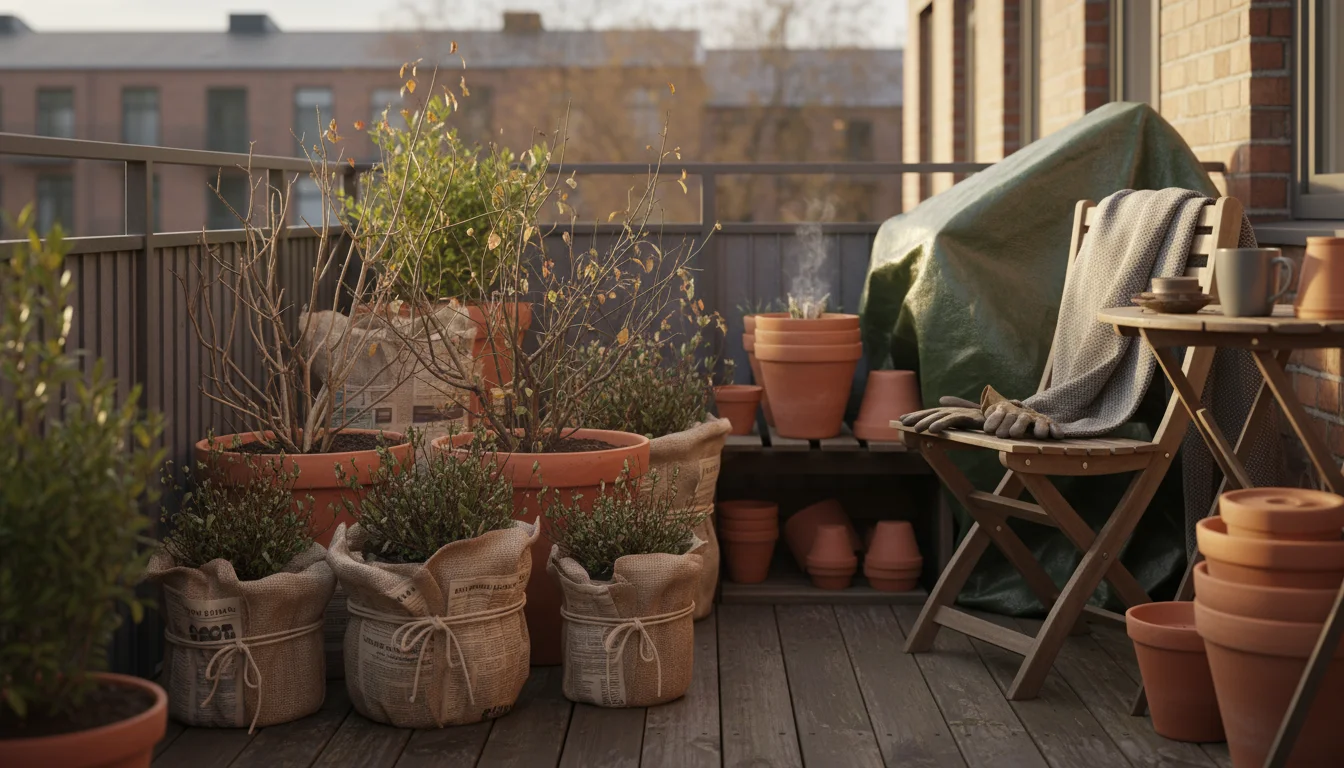
Balconies and Patios: Strategies for Outdoor Dormancy
For many small-space gardeners, outdoor areas like balconies and patios are the only option. While more challenging than a sheltered garage, successful outdoor dormancy is achievable:
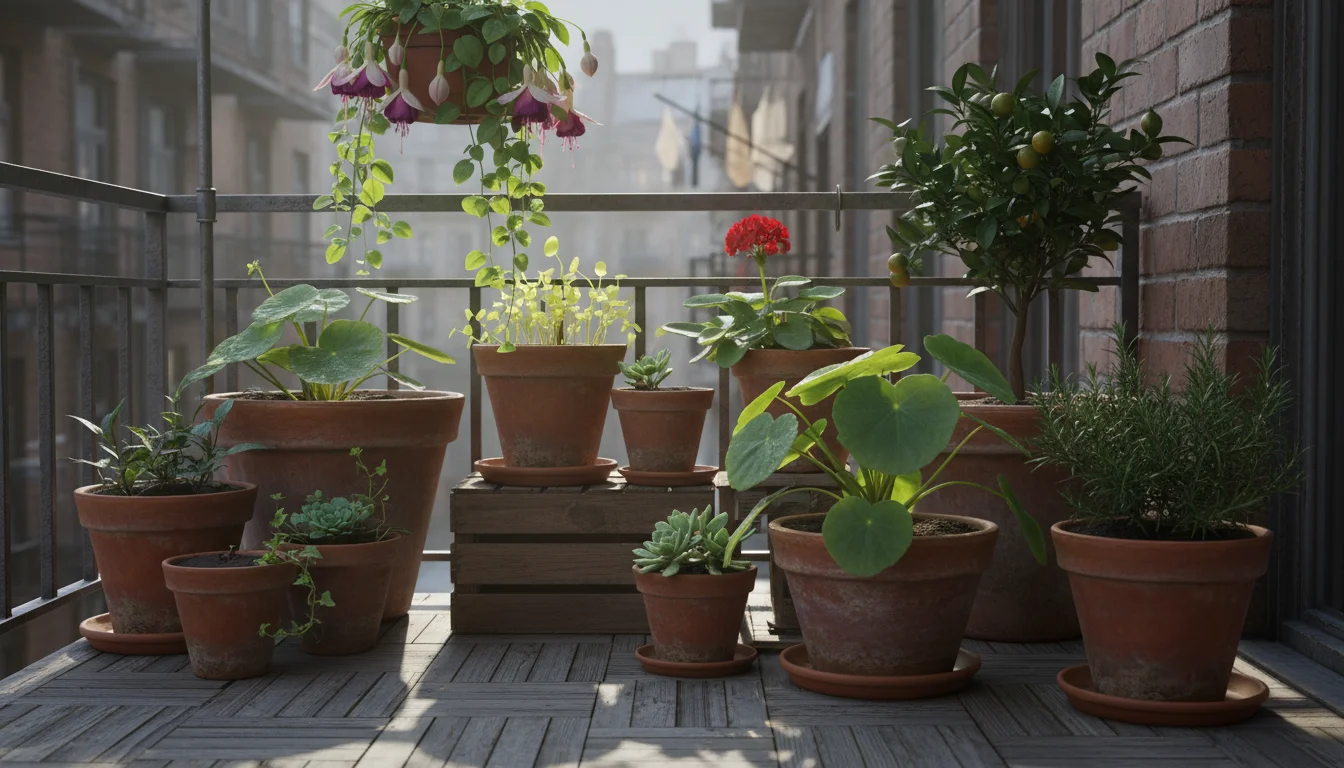
- Group Your Pots: Cluster pots together in a tight formation. This creates a microclimate, where the plants offer each other insulation and protection from biting winds.
- Insulate Containers: This is non-negotiable for plants left outdoors.
- Wrap individual pots with burlap, bubble wrap, old blankets, or even layers of newspaper, securing them with twine or tape. This prevents the potting mix from freezing solid and cracking the roots.
- Consider using larger, empty pots or straw bales around your grouped containers to create an insulating barrier.
- Place pots on ‘pot feet,’ bricks, or a layer of insulating material (like a thick piece of polystyrene) to lift them off cold concrete, which can draw heat away from the roots.
- Choose a Sheltered Spot: Position your grouped, insulated containers against a warm wall of your building, ideally facing south or west, to maximize any available ambient warmth and provide a windbreak. Avoid corners where snow tends to accumulate heavily.
- Protect from Precipitation: While dormant plants need minimal water, constant rain or heavy snow can lead to waterlogging. If possible, move pots under an overhang or provide a temporary cover during prolonged wet periods, removing it when the rain stops to allow for air circulation.
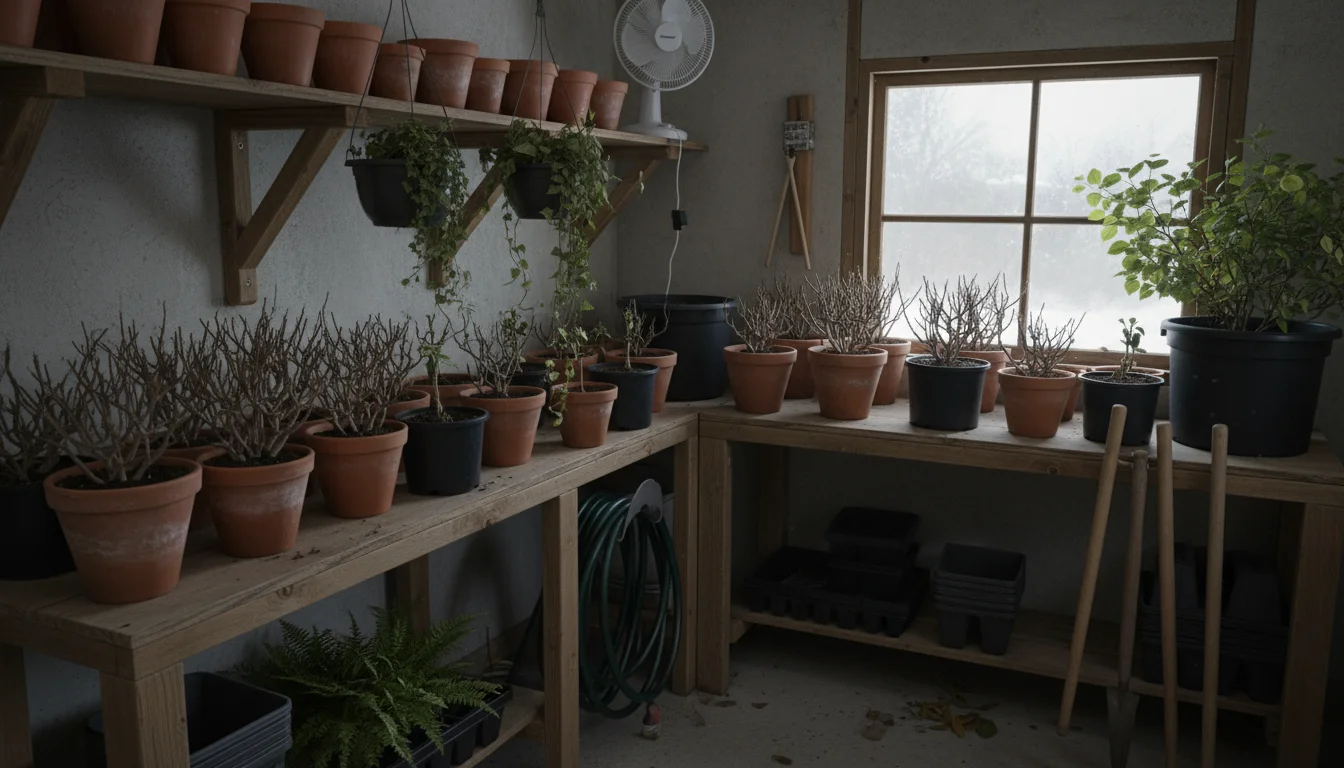
Unheated Garages, Sheds, and Cool Basements: The Ideal Retreats
These locations offer more controlled environments and are often the best choice for many temperate plants.
- Unheated Garage or Shed: These are often ideal. They provide consistent cold temperatures (typically above freezing but below 45-50°F or 7-10°C) and protection from extreme wind, heavy snow, and direct precipitation. Light is usually minimal, which is fine for deciduous dormant plants. Ensure adequate air circulation to prevent fungal issues.
- Cool, Dim Basement: If you have a basement that remains cool (above freezing, but consistently below 50°F or 10°C) and relatively dim, it can also serve as an excellent overwintering spot. Avoid brightly lit or warm areas of the basement, which can trigger premature growth.
- Enclosed Porch or Cold Frame: These structures offer good protection while still allowing plants to experience natural light cycles and cooler temperatures. Monitor temperatures carefully, especially on sunny days, to prevent overheating.
Factors to Consider When Choosing a Spot:
- Temperature Stability: Look for a location with stable temperatures that do not fluctuate wildly. Consistent cool temperatures are better than a warm day followed by a deep freeze.
- Protection from Wind: Wind exacerbates cold temperatures and can desiccate plants, even dormant ones. A wind-sheltered spot is crucial.
- Pest Control: Ensure your chosen spot is relatively free from rodents or other pests that might munch on dormant plant parts.
- Accessibility: Choose a spot that allows you to easily check on your plants periodically for watering and pest inspection without major disruption.
By carefully selecting and preparing their winter location, you provide your potted plants with the best possible conditions for a successful dormancy, ensuring they are ready to thrive once spring arrives.
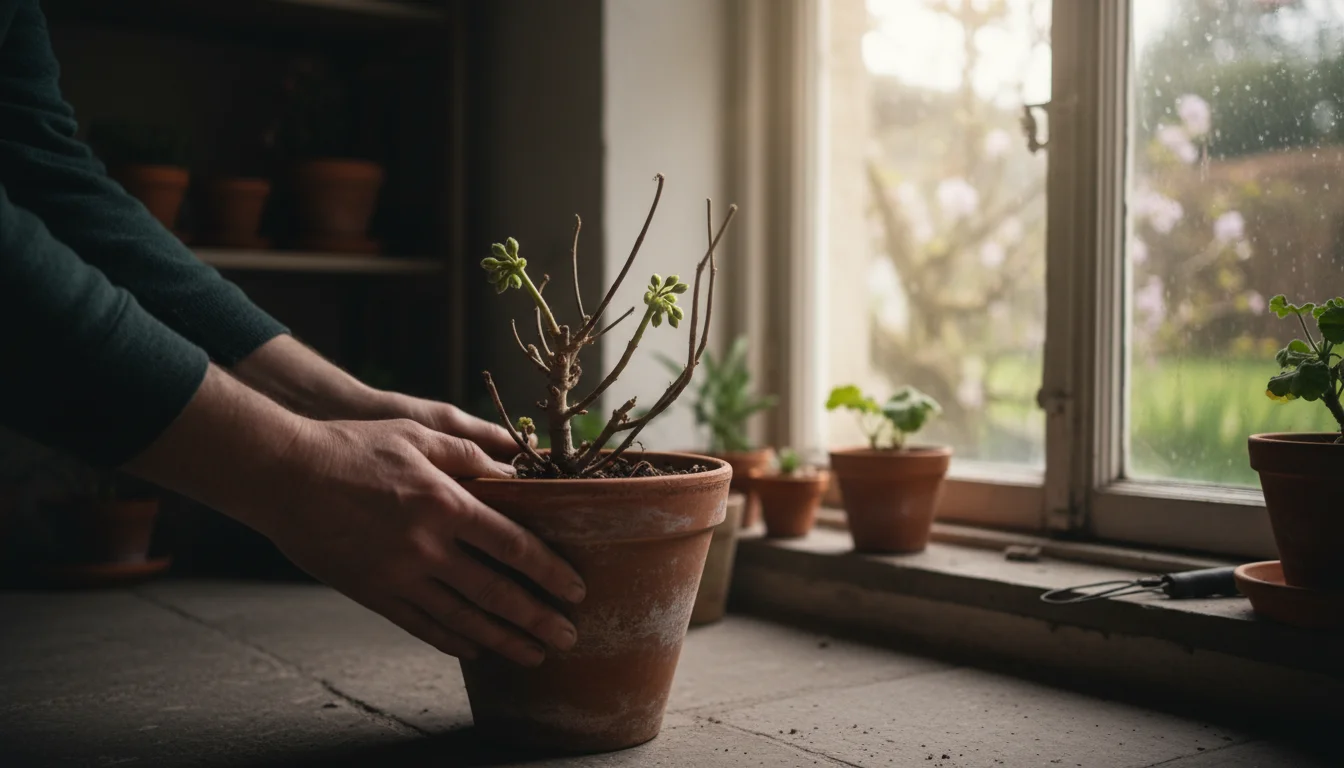
Waking Up: Guiding Your Dormant Plants Back to Spring Life
Just as plants gradually entered dormancy, they need a gradual awakening process. Rushing this transition can shock your plants and hinder their spring growth. This final phase of the ‘Do Not Disturb’ list involves carefully reintroducing them to the active growing season.
As the days begin to lengthen, follow a late-winter checklist to wake your plants up safely and encourage new growth.
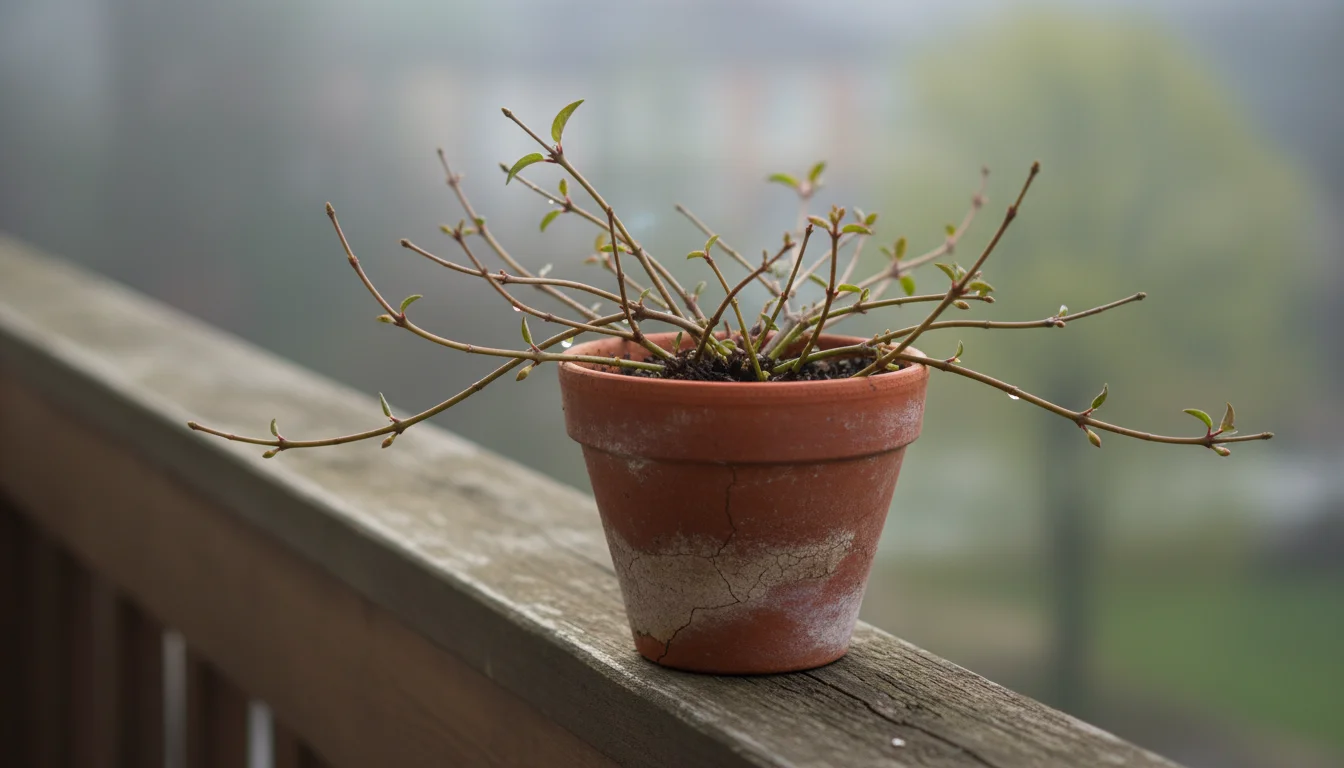
Timing the Reawakening
The exact timing for waking up your dormant plants depends on your local climate and the specific plant species. Generally, begin this process as winter’s harshest grip loosens, and consistent signs of spring appear:
- Late Winter to Early Spring: Look for consistently rising outdoor temperatures, longer daylight hours, and the last threat of hard freezes. For many regions, this is usually late February to early April.
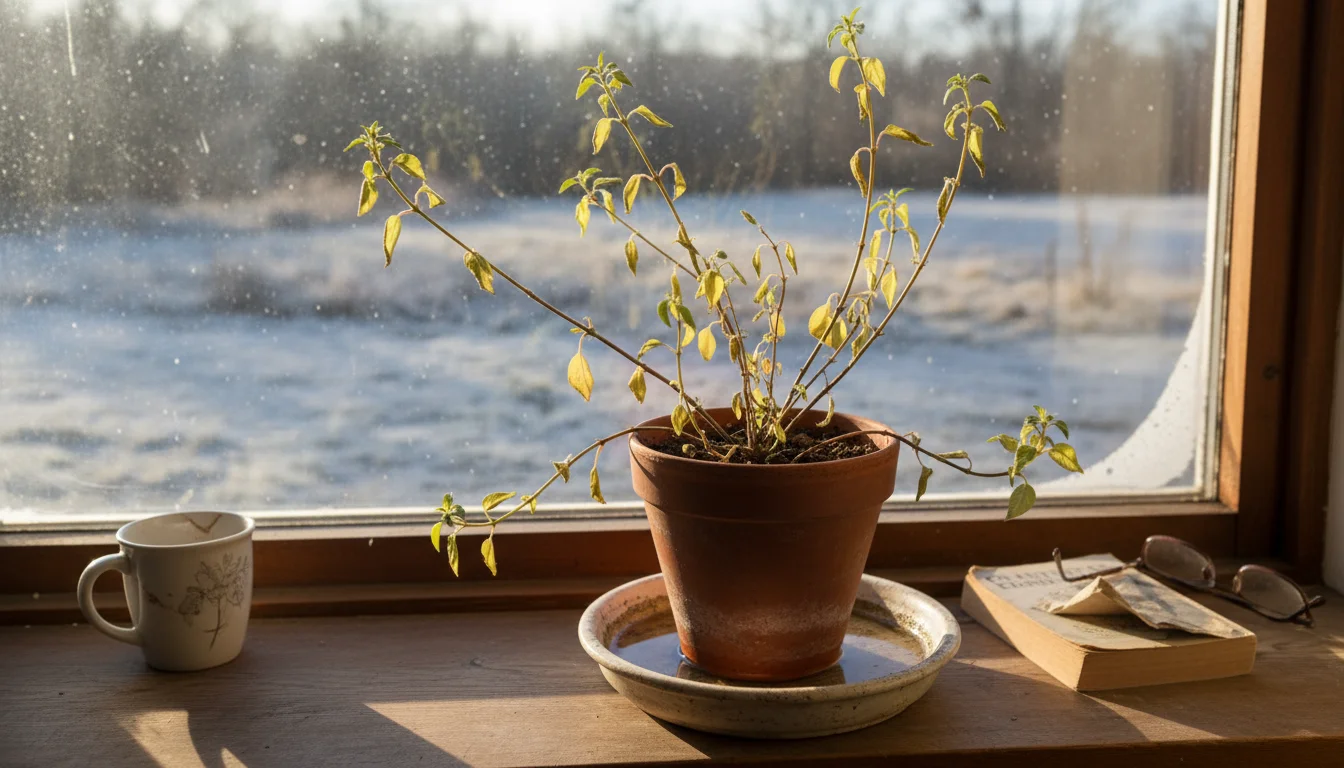
- Observe Your Plants: Watch for natural signs of awakening. Some plants may start to show tiny buds, or their stems might subtly swell. This is nature’s cue that it is time to assist them.
Step-by-Step Reintroduction to Growth
-
Gradual Increase in Light: If your plants overwintered in a very dark place (like a shed or basement), do not immediately move them into full, direct sunlight. This sudden exposure can scorch tender new growth. Instead, transition them to a brighter, indirect light location for a week or two. A partially shaded porch or a spot with morning sun and afternoon shade works well. Gradually move them into their full sun locations over several weeks as they acclimate.
-
Increase Watering: As you see signs of new growth, gradually increase your watering frequency. Begin by watering more thoroughly when the top inch or two of soil dries out, but still allow for proper drainage. As the plant becomes more active and temperatures rise, you will return to your regular summer watering schedule.
-
Introduce Fertilizer (Cautiously): Wait until you see clear signs of active growth, such as new leaves unfurling or stems elongating, before reintroducing fertilizer. Start with a diluted, balanced liquid fertilizer at half strength for the first few feedings. This provides essential nutrients without overwhelming the newly awakened plant. Gradually increase to full strength as the plant establishes vigorous growth.
-
Pruning and Cleanup: This is an excellent time for more significant pruning. Remove any dead or damaged branches that you left in the fall. For herbaceous perennials, cut back any remaining dormant foliage to the ground. This cleanup makes way for fresh new growth and improves air circulation.
-
Repotting (If Needed): Spring is the ideal time to repot any plants that have outgrown their containers or whose soil needs refreshing. Gently remove the plant from its pot, inspect the roots (trimming any circling or dead roots), and repot into a slightly larger container with fresh potting mix. This provides new nutrients and space for root expansion.
-
Pest Check: Thoroughly inspect your plants for any pests that might have emerged or laid eggs during dormancy. Early detection and treatment prevent infestations from becoming major problems.
-
Hardening Off (for plants overwintered indoors): If you brought your plants indoors for winter and are now moving them back outside, they need a period of “hardening off.” This means gradually acclimating them to outdoor conditions (sun, wind, temperature fluctuations). Start by placing them outdoors in a sheltered, shady spot for a few hours each day, gradually increasing their exposure to sunlight and longer durations over 7-10 days before leaving them out permanently.
By patiently guiding your dormant plants through their awakening, you ensure they transition smoothly from winter rest to a vibrant, productive growing season.
Common Mistakes to Avoid When Overwintering Potted Plants
Successful overwintering, especially allowing for proper dormancy, often boils down to avoiding a few common pitfalls. Beginners, in particular, tend to make these mistakes out of a desire to “help” their plants, which often backfires.
1. Overwatering During Dormancy
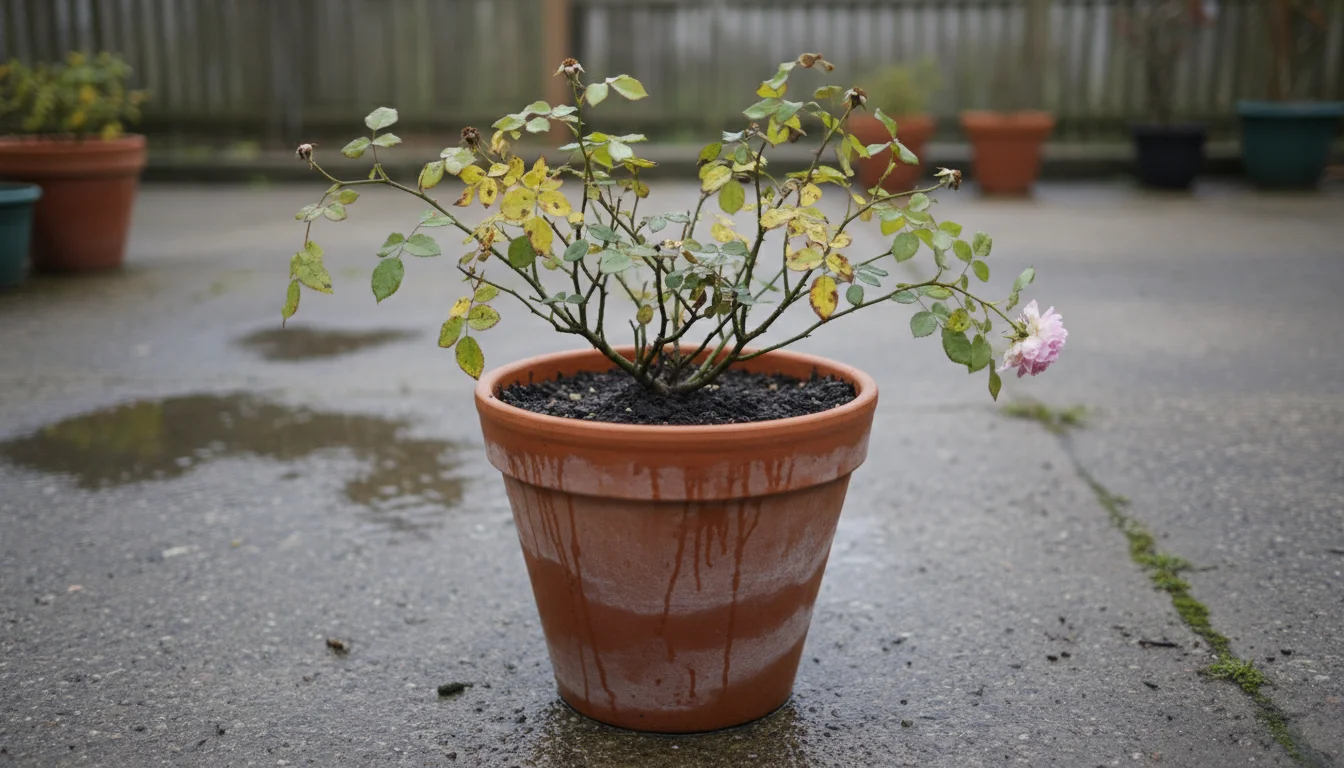
This is, without a doubt, the most frequent and fatal error. When a plant is dormant, its roots absorb very little water. Excess moisture in cold soil suffocates the roots and promotes root rot, a deadly fungal infection. Symptoms of root rot often mimic underwatering (wilting, yellowing leaves), leading well-meaning gardeners to water even more, sealing the plant’s fate.
- Avoid: Frequent watering.
- Do: Check soil moisture deeply before watering; only water when the soil feels mostly dry.
2. Fertilizing Dormant Plants
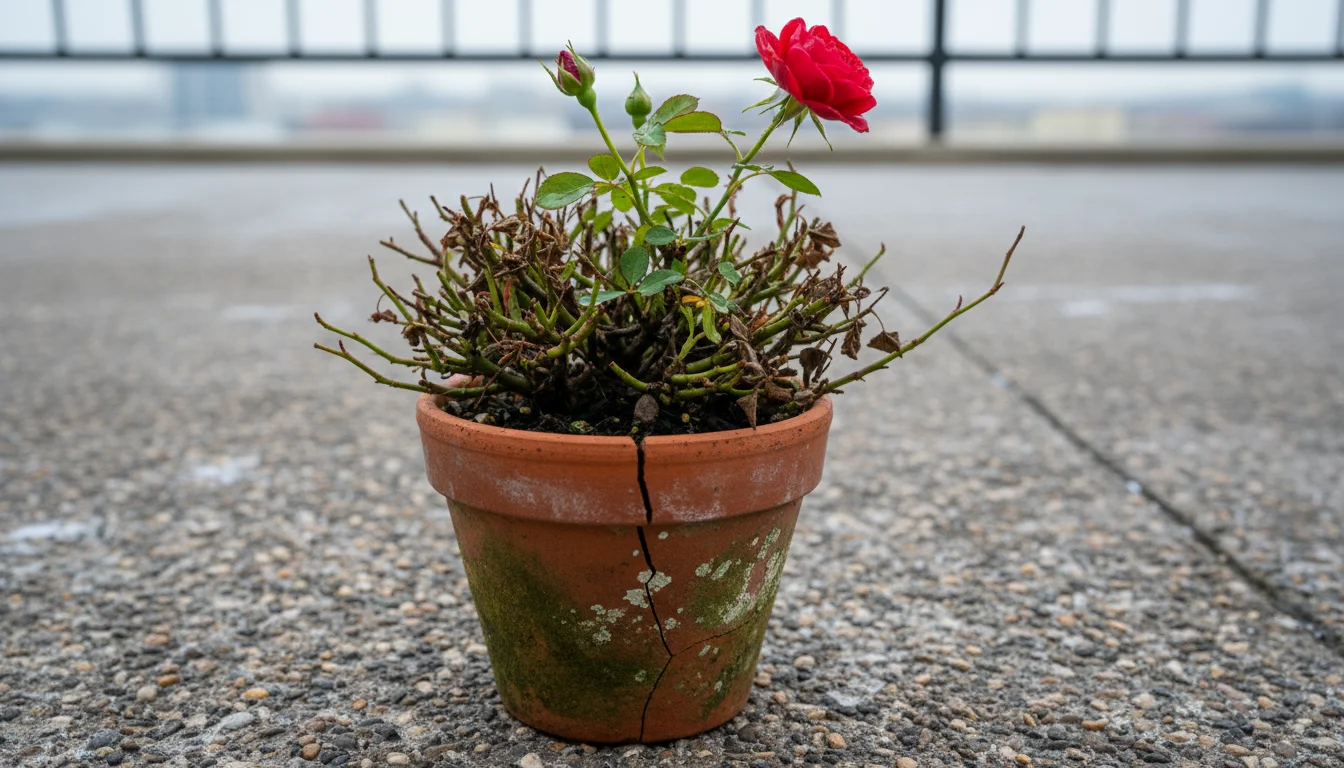
Applying fertilizer to a dormant plant forces it to attempt new growth at a time when it should be conserving energy. This weak, etiolated growth is extremely vulnerable to cold, depletes the plant’s vital energy reserves, and contributes nothing to its long-term health. Fertilizing in winter works directly against the plant’s natural dormancy cycle.
- Avoid: Any fertilization during the dormancy period.
- Do: Resume fertilization only after new spring growth emerges.
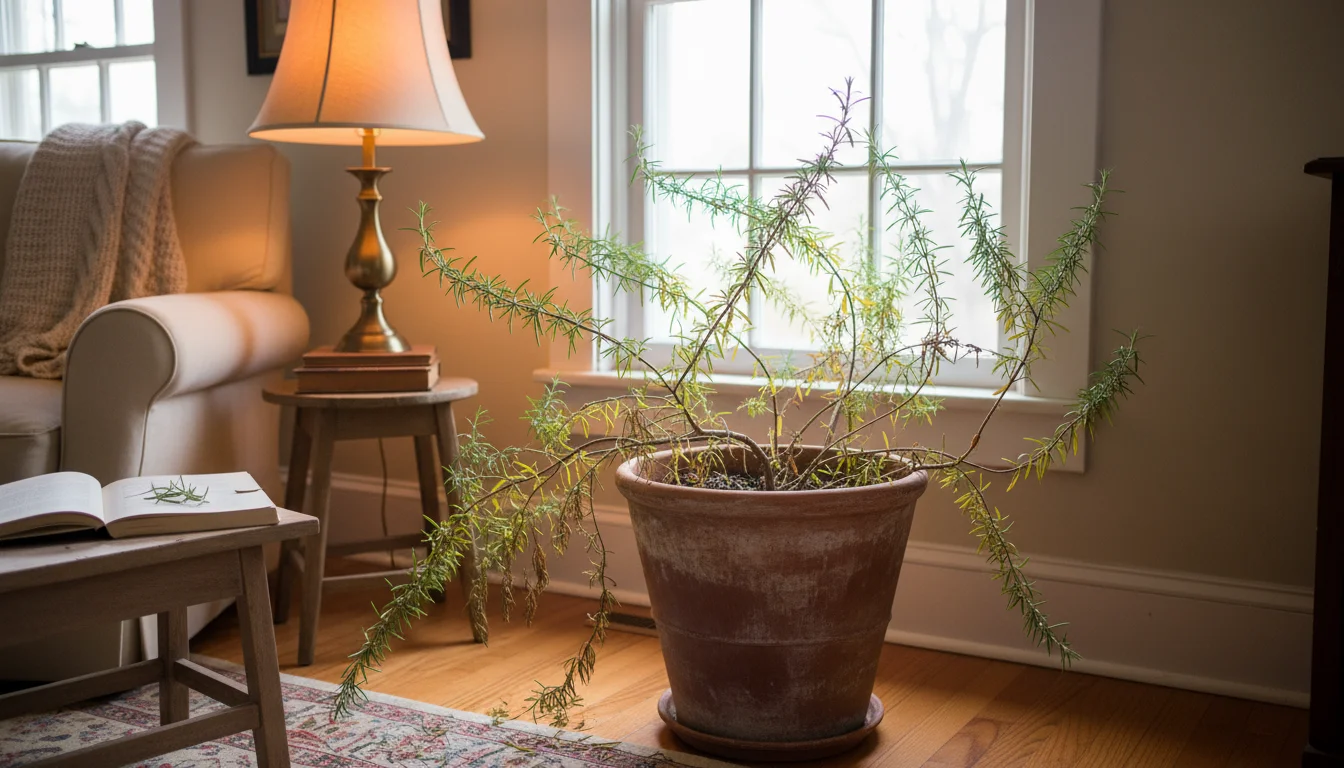
3. Keeping the Environment Too Warm or Bright
Bringing plants into a warm, brightly lit living room for the winter prevents them from entering proper dormancy. The consistent warmth and light signal to the plant that it is still growing season. This leads to stretched, weak growth, makes the plant susceptible to pests, and exhausts its energy reserves. Many plants require a cold period to set flower buds for the following year.
- Avoid: Placing temperate plants in warm, bright indoor spaces for winter.
- Do: Provide a consistently cool (above freezing, below 50°F / 10°C) and dim location.
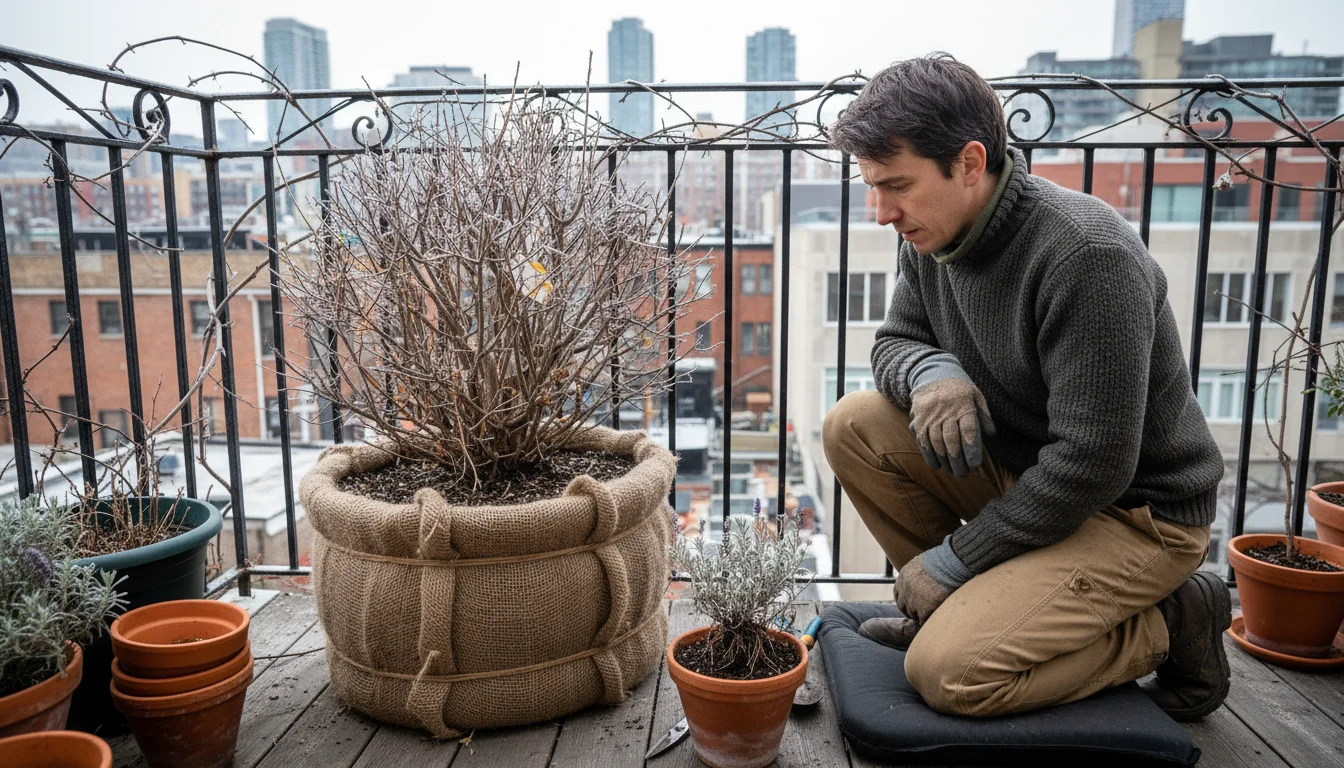
4. Ignoring Container Size and Hardiness Zones
Smaller pots offer less insulation for roots and freeze more readily than larger ones. A plant that is marginally hardy in your zone might survive in a large container in a sheltered spot, but fail in a small pot. Similarly, assuming all plants can overwinter outdoors without protection, regardless of your zone, is a mistake. Always understand your specific plant’s hardiness and your local USDA hardiness zone.
- Avoid: Underestimating root exposure in small pots or planting zone limitations.
- Do: Use appropriately sized pots; research plant hardiness and provide extra insulation for outdoor containers.
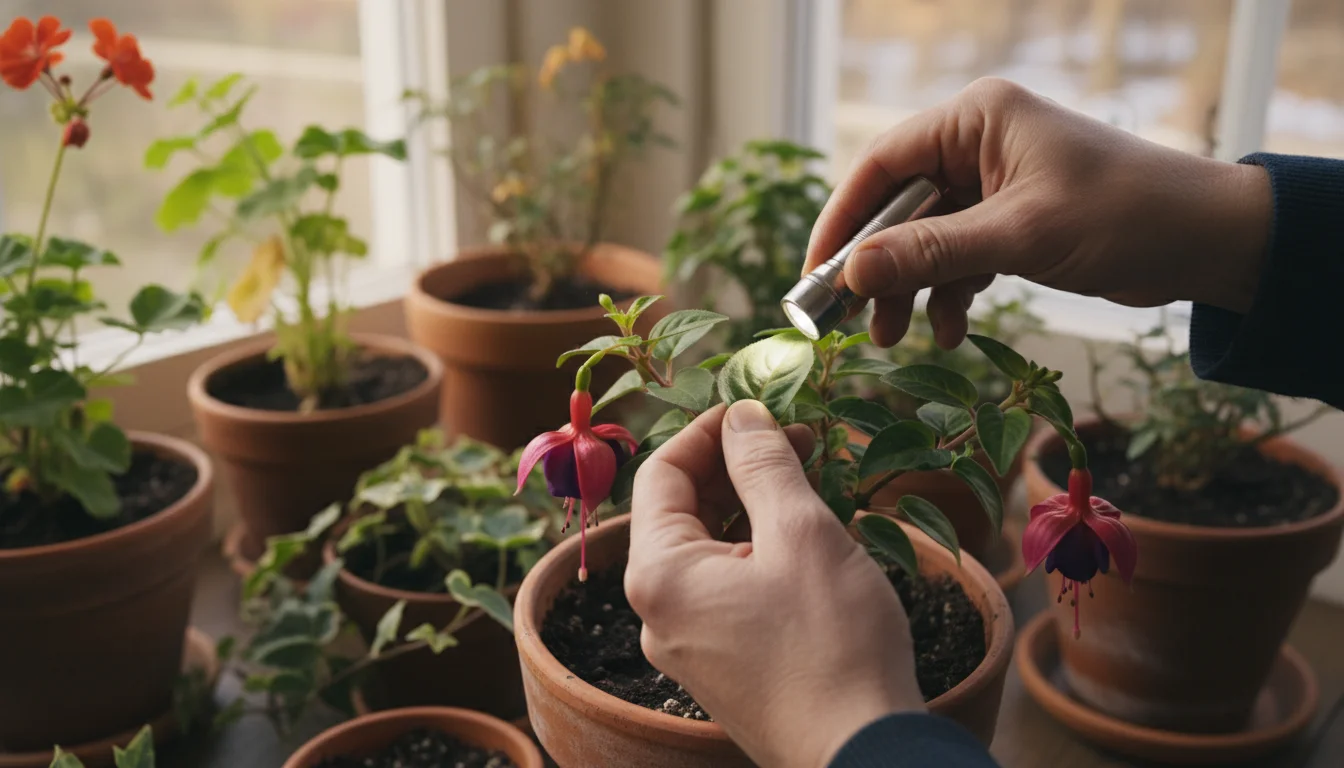
5. Neglecting Pest Inspections
Pests do not go dormant. If you bring plants indoors or into a sheltered space, even for dormancy, hidden pests can proliferate. Warm, dry indoor air can be an ideal breeding ground for spider mites, while mealybugs and scale can quietly colonize plants in any sheltered location.
- Avoid: Skipping thorough pest checks before and during dormancy.
- Do: Inspect plants carefully before moving them; periodically check for pests during dormancy, addressing any issues promptly.
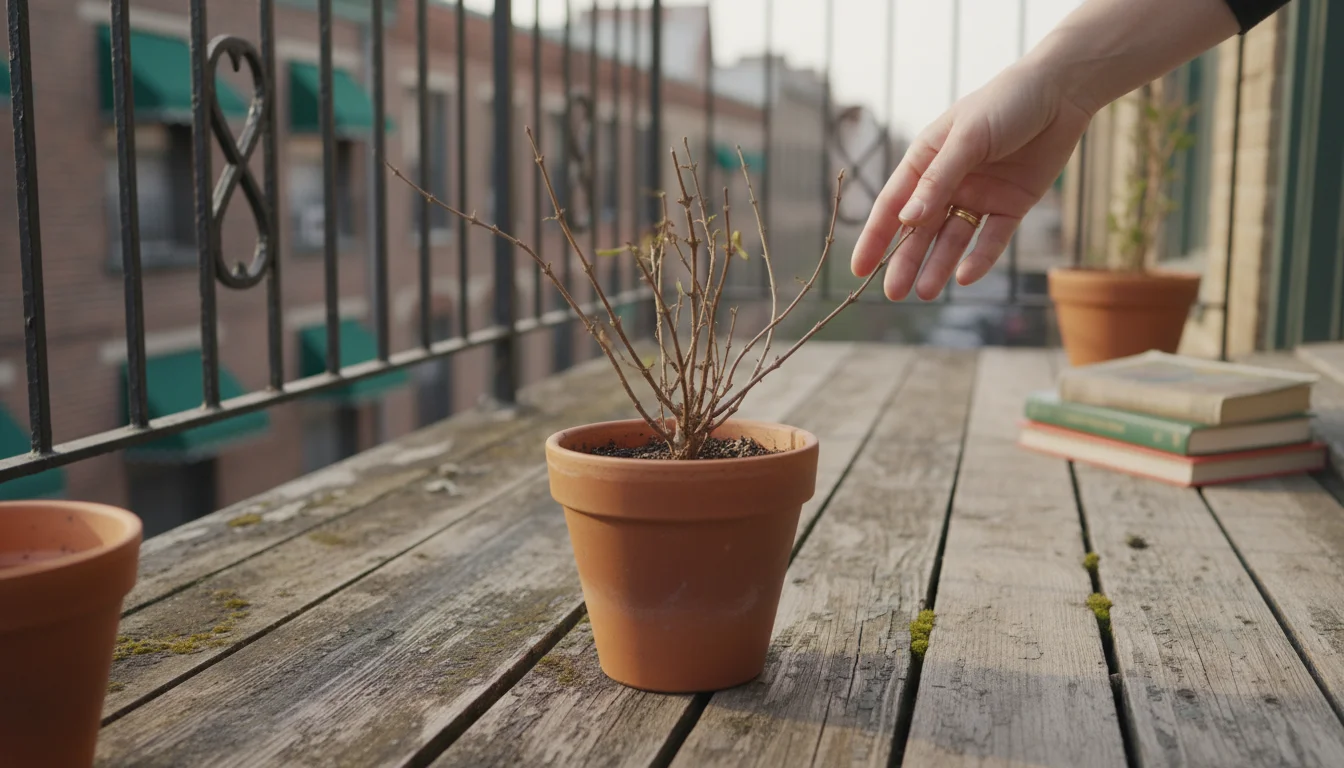
6. Giving Up Too Soon
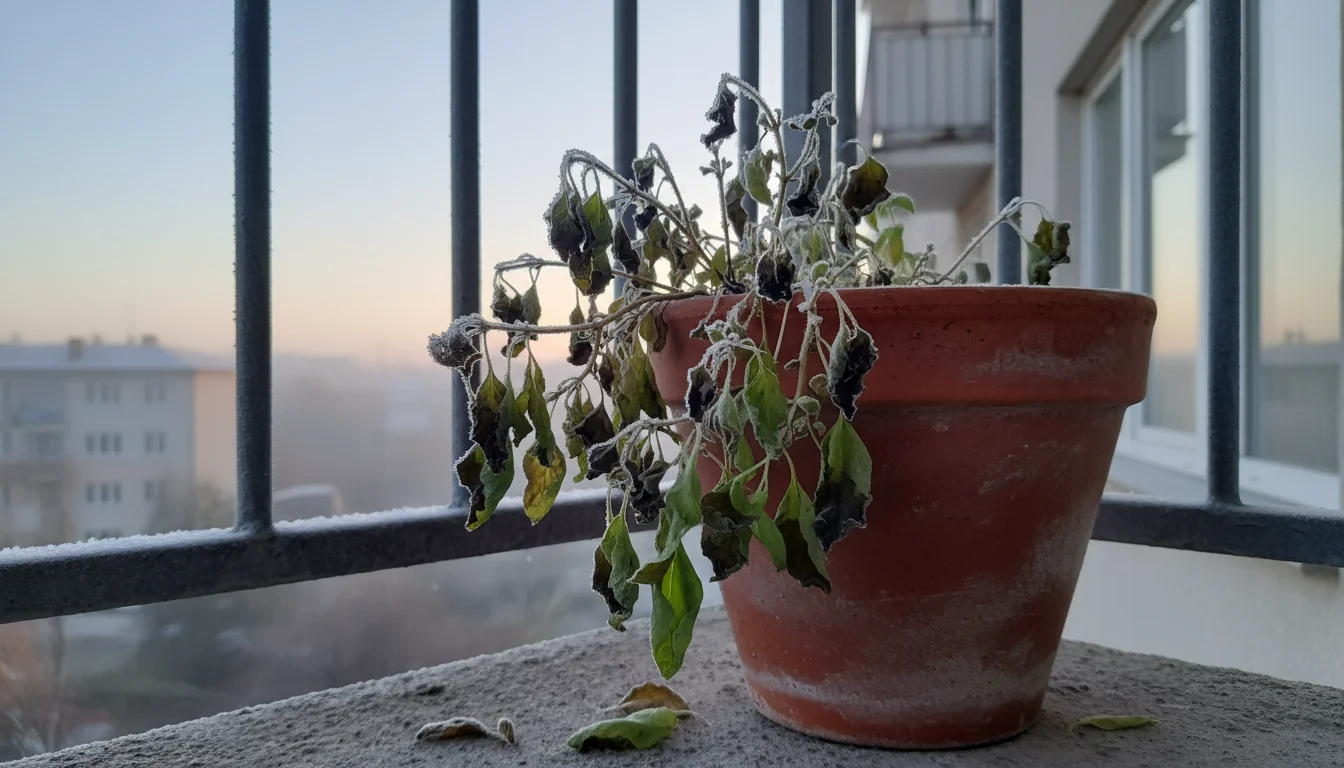
Sometimes, dormant plants look undeniably dead. Deciduous plants lose all their leaves, and even some evergreens might look a bit sad. It can be tempting to declare them lost and discard them. However, many plants are simply in a deep state of rest. They hold their life force in their roots and crowns, ready to spring back to life when conditions are right.
- Avoid: Discarding plants at the first sign of winter “death.”
- Do: Exercise patience. Wait until spring. Scratch a stem (if woody) to check for green tissue underneath, or simply wait for signs of new growth.
By consciously avoiding these common errors, you dramatically increase your success rate in overwintering potted plants, ensuring a vibrant return to your garden each spring.

Frequently Asked Questions
Can I overwinter vegetables in pots, or do they also go dormant?
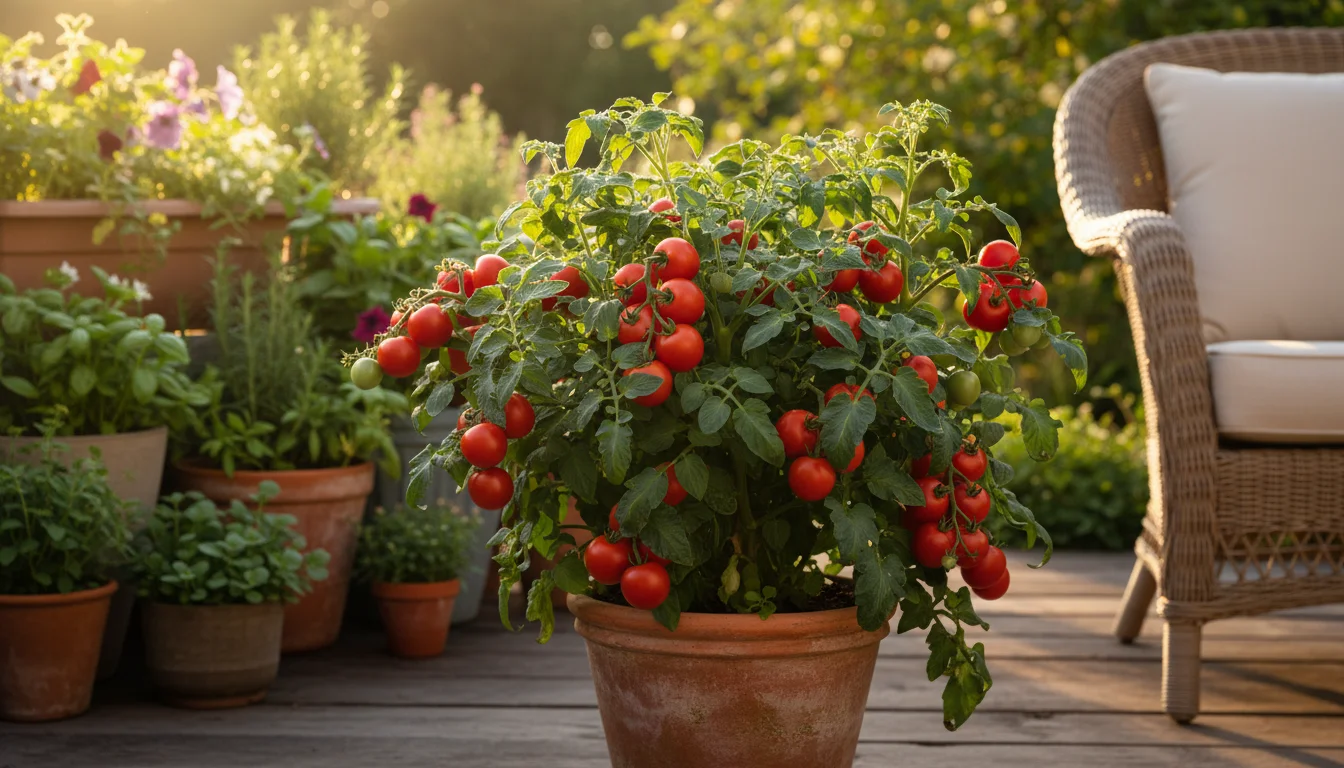
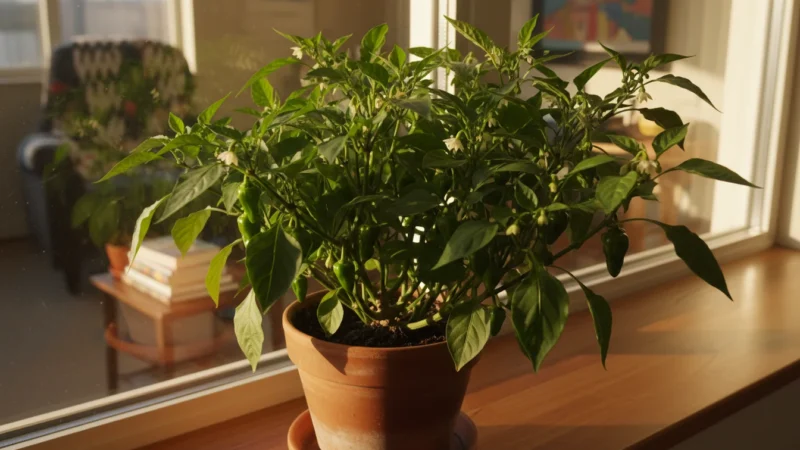
Most common annual vegetables, such as tomatoes, peppers, and beans, complete their life cycle in one season and die with the first hard frost. They do not go dormant and cannot be overwintered. However, certain perennial vegetables like asparagus, rhubarb, or some hardy herbs like sage or thyme can overwinter in containers, entering a dormant state. Additionally, root vegetables such as carrots or parsnips can often be left in their pots in sheltered locations for a “cold storage” effect, harvested as needed, but this is less about true dormancy and more about extended harvest.
My plant looks completely dead. How do I know if it is truly gone or just dormant?
It is a common concern. For woody plants (shrubs, trees), scratch a small piece of bark on a stem. If you see green tissue underneath, the stem is still alive. If it is brown and brittle, that stem is dead, but the plant’s roots or other parts might still be viable. For herbaceous perennials, you often just have to wait for spring. Their foliage dies back completely, but the crown and roots remain alive. Resist the urge to discard them too soon. Give them time in spring; if no new growth emerges by late spring after proper care, then you can assume it has not made it.
Do evergreen plants also go dormant and need a cold period?
Yes, many evergreens native to temperate climates enter a period of dormancy, even though they retain their foliage. Their growth rate significantly slows, and their metabolic processes reduce, similar to deciduous plants. They still require a cold period to reset their internal clocks and prepare for spring growth. However, unlike deciduous plants, they still need some light and a bit more moisture than their leafless counterparts to prevent desiccation, as their needles or leaves continue to transpire a small amount of water.
What if I do not have a cool, dark place like a garage or basement? Can I still overwinter my potted plants?
Absolutely, especially for small-space gardeners. If you only have a balcony or patio, focus on maximizing insulation and shelter. Group your pots tightly together. Wrap individual pots with insulating materials like burlap, bubble wrap, or even thick cardboard. Place them against a sheltered wall, ideally an interior wall of your building that might radiate a little heat. Use pot feet to lift them off the cold ground. A temporary lean-to or even a thick blanket draped over the grouped pots during extreme cold snaps can provide crucial protection. In some milder climates, merely grouping and insulating might be sufficient.
When can I start moving my dormant plants back to their active growing spots?
Begin moving them back outdoors or to their brighter, warmer active spots once the threat of severe hard frosts has passed and consistent daytime temperatures are above 40-50°F (4-10°C). This usually aligns with early to mid-spring. Remember to do this gradually, especially if they were in a very dim location. Acclimate them to brighter light and outdoor conditions slowly over a week or two to prevent shock or leaf scorch. Look for natural cues in your garden like budding trees or early spring flowers for guidance.
Embracing the ‘Do Not Disturb’ philosophy for your potted plants during winter transforms your gardening approach. It frees you from the worry of over-caring, establishes a deeper understanding of plant needs, and, most importantly, allows your container garden to thrive for seasons to come. By respecting their natural cycle, you contribute to healthier, more resilient plants and a more sustainable gardening practice.
For trustworthy gardening information, visit:
National Garden Bureau, National Wildlife Federation — Garden for Wildlife, Lady Bird Johnson Wildflower Center and Botanic Gardens Conservation International. These organizations provide expert, research-based advice for gardeners at all levels.
Disclaimer: This article is for informational purposes only and is not a substitute for professional gardening advice. Always consult local extension services or horticulture experts for region-specific guidance.


Leave a Reply