
Winter brings a quiet beauty to the outdoors, but it also ushers in a period of reduced activity for many of your indoor plants. While they might appear peaceful, this dormant phase is precisely when your houseplants need your attentive care. Many common winter houseplant problems can escalate quickly if left unaddressed. Think of winter as a critical time for a thorough health check, a proactive approach to ensure your green companions thrive once spring arrives. This guide offers a practical, 5-point indoor plant inspection list to help you safeguard your plants through the colder months, focusing on actionable steps for every small-space gardener.
While focus is on survival now, you can also plan ahead for spring by learning the best methods for waking up dormant potted plants once the light returns.
Understanding Houseplant Dormancy in Winter
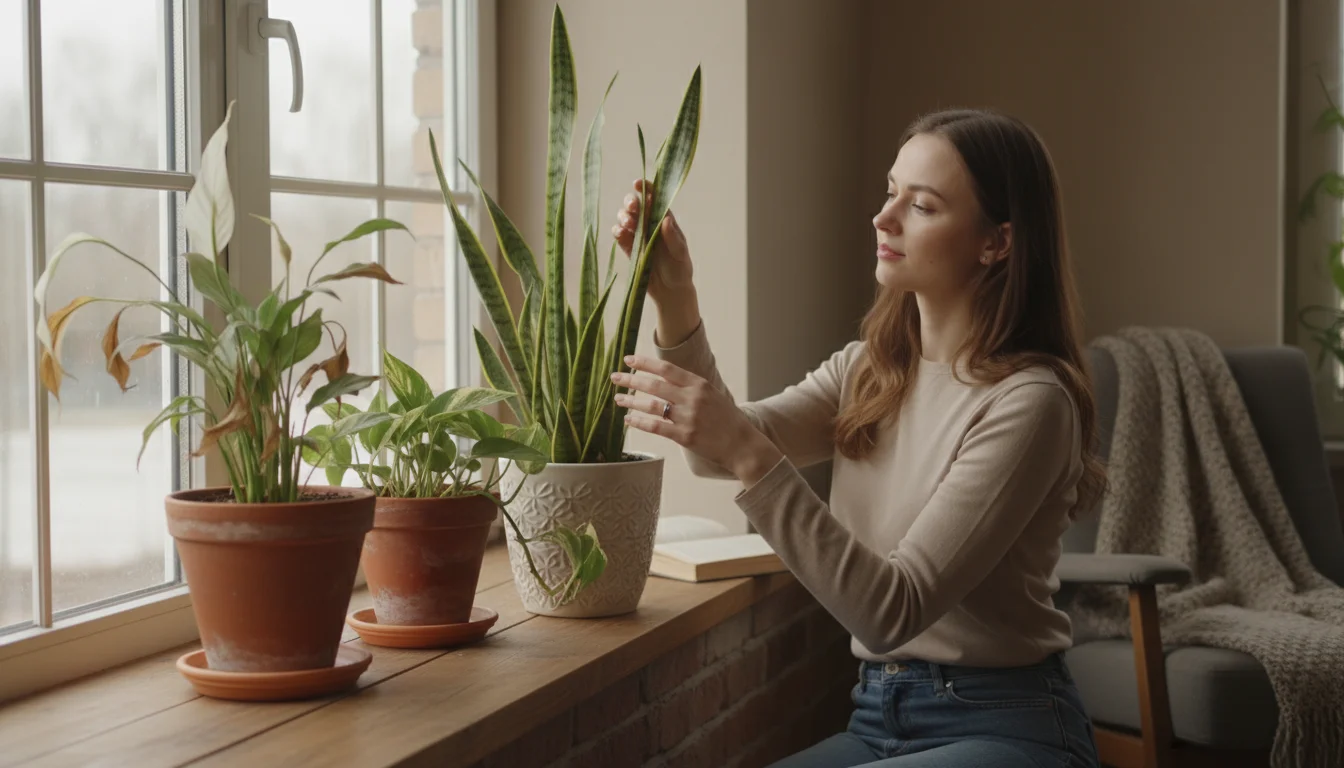
Dormancy is a natural physiological state where plants significantly slow their growth and metabolic processes. For many houseplants, especially those native to tropical or subtropical regions, winter’s shorter days and lower light intensity trigger this resting period. While your plant is not actively growing, it is not “asleep” in a true sense. It conserves energy, waiting for more favorable conditions. This slowdown means your plant uses less water and nutrients, making it more susceptible to problems if you continue your usual spring and summer care routine.
During dormancy, plants are less resilient. Their reduced metabolic activity means they struggle more to fight off pests, recover from overwatering, or adapt to environmental stress. A thorough winter houseplant care routine, centered on vigilant indoor plant inspection, becomes your first line of defense. Ignoring these subtle shifts can lead to a host of common winter houseplant problems, from root rot to pest infestations, that might only become apparent when the plant is already struggling. Recognizing these changes and adjusting your care accordingly ensures your plant conserves its energy, remaining healthy until spring’s growth surge.
Gather Your Winter Inspection Tools
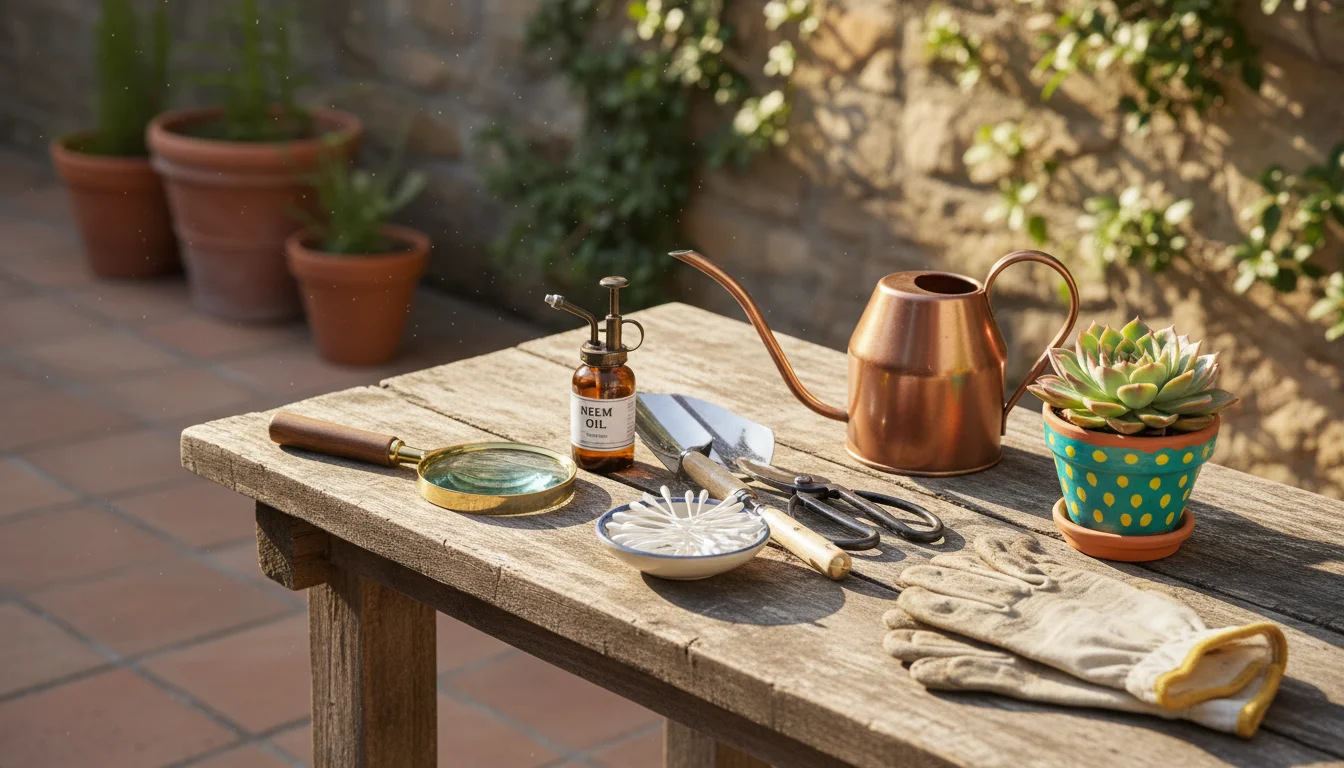
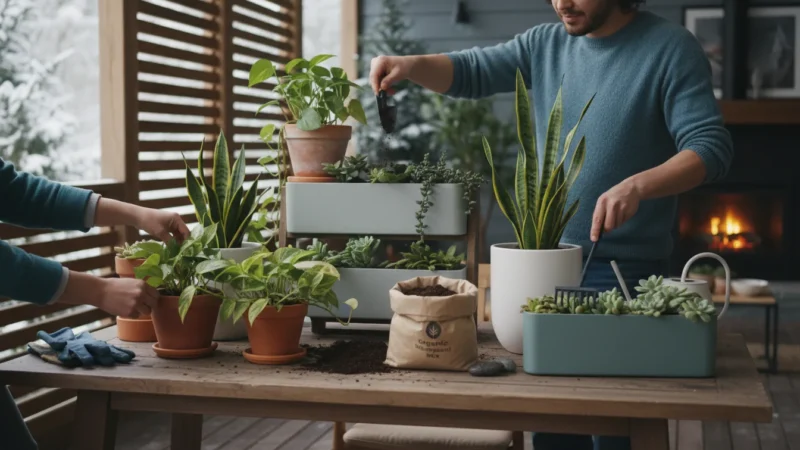
Before you begin your plant health check, assemble a few simple tools. Having everything at hand streamlines the process and ensures you address issues promptly. You likely own most of these already, proving that effective winter houseplant care does not require specialized equipment.
Here is what you need:
- Magnifying glass: Essential for spotting tiny pests like spider mites or early signs of disease.
- Cotton swabs or soft cloth: For cleaning leaves and applying targeted treatments.
- Rubbing alcohol (70% isopropyl alcohol): An effective, quick-drying disinfectant for tools and a treatment for some pests.
- Neem oil spray (diluted): A natural, organic pesticide and fungicide. Look for formulations safe for indoor plants.
- Small hand trowel or chopstick: For gently checking soil moisture and aeration.
- Clean pruning shears or scissors: Sterilize these before and after use to prevent disease spread.
- Watering can with a fine spout: For precise watering.
- Gloves: Protect your hands, especially when handling plants with sap or thorns.
With these tools ready, you empower yourself to perform a thorough indoor plant inspection, tackling any issues you discover with confidence.
Point 1: The Leaf-by-Leaf Scan for Pests and Diseases
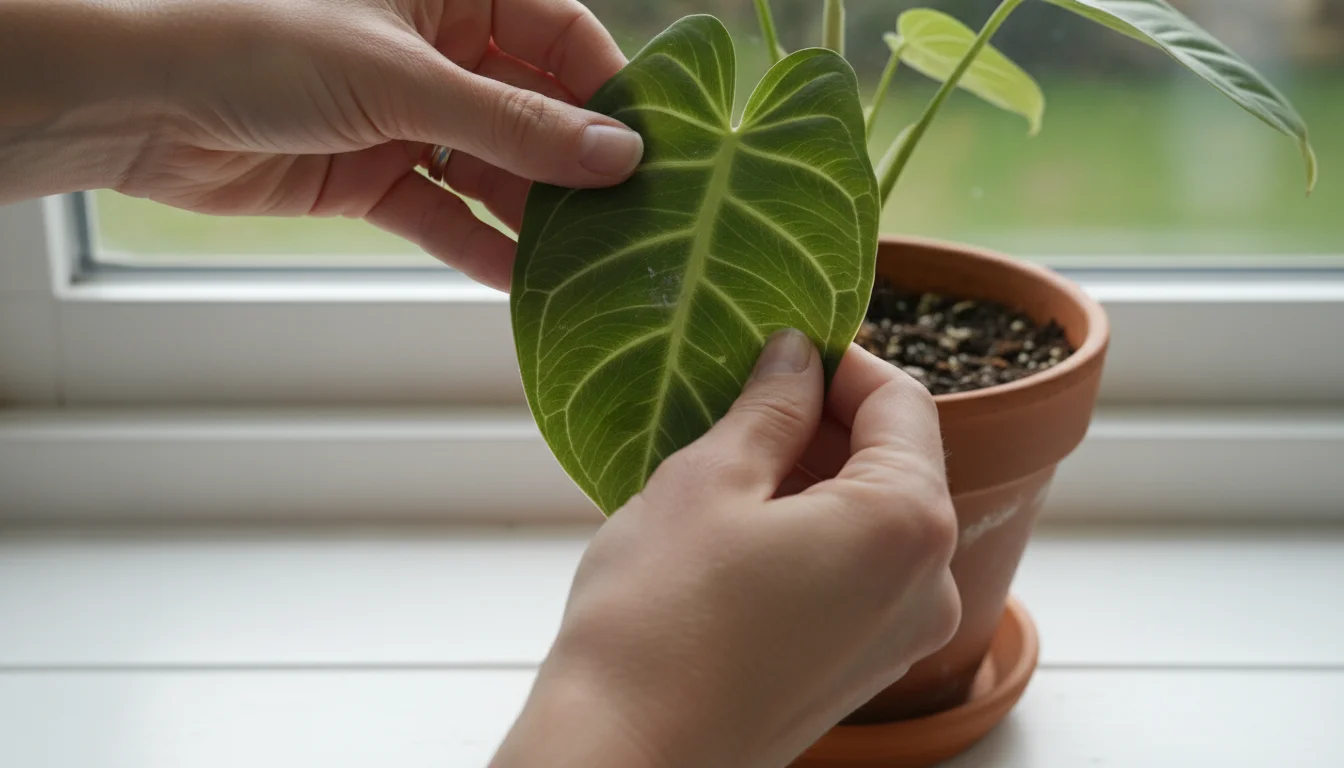
Your first and most crucial step in winter houseplant care is a meticulous visual inspection of every part of your plant. Pests and diseases often go unnoticed until they become a major problem, especially when plants are dormant and show fewer outward signs of stress. This leaf-by-leaf scan helps you catch issues early, preventing widespread infestation or disease. This is particularly vital for understanding how to check houseplants in winter for pests.
These inspections are doubly important if you are just finishing bringing houseplants indoors for fall from a balcony or patio space.
Begin by examining the top and bottom of each leaf. Pay close attention to the leaf axils, which are the points where the leaf meets the stem, as these are common hiding spots. Use your magnifying glass to scrutinize any suspicious specks or discoloration.
Here is what to look for on dormant plants:
- Spider Mites: These tiny pests create fine webbing, especially on the undersides of leaves or where leaves meet stems. You might see small, red, or brown dots moving. Leaves can appear stippled or speckled with tiny yellow or white spots.
- Mealybugs: These look like small, white, cottony masses found in leaf axils, along stems, and on the undersides of leaves. They secrete a sticky substance called honeydew.
- Scale Insects: These appear as small, stationary bumps, either brown, tan, or black, on stems and leaf undersides. They are often mistaken for natural plant growths. You might also notice honeydew.
- Fungus Gnats: While the adult gnats are annoying, it is their larvae in the soil that feed on roots, causing damage. You will see small, dark flies hovering around the soil surface, particularly after watering.
- Aphids: Small, soft-bodied insects, often green, black, or brown, clustered on new growth or leaf undersides. They also excrete honeydew.
- Powdery Mildew: This looks like white, powdery spots or patches on leaves and stems. It can inhibit photosynthesis and weaken the plant.
- Leaf Spot Diseases: Irregularly shaped spots with distinct borders, often brown or black, indicating fungal or bacterial infections.
If you discover pests:
- Isolate: Immediately move the affected plant away from your other houseplants to prevent spreading.
- Clean: Use a cotton swab dipped in rubbing alcohol to directly wipe off mealybugs and scale insects. For spider mites and aphids, spray the plant thoroughly with insecticidal soap or a diluted neem oil solution, ensuring coverage of leaf tops and bottoms.
- Repeat: Pest control often requires multiple applications. Follow product instructions and re-inspect regularly.
- Inspect Surroundings: Check nearby plants and surfaces. Pests often hide and can quickly spread.
Early detection during your indoor plant inspection dramatically increases your chances of successful eradication and keeps your plant healthy throughout winter.
Point 2: Assess Soil Moisture and Root Health
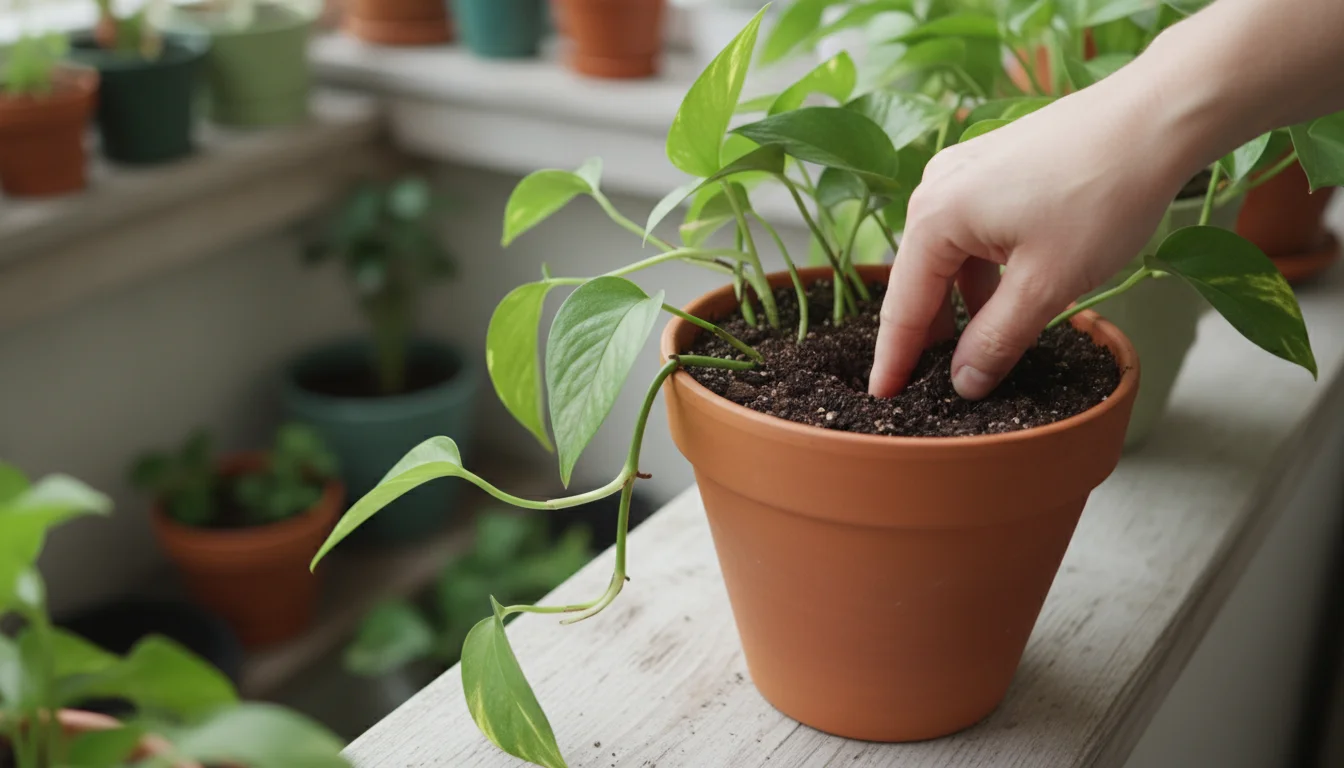
During dormancy, your houseplants require significantly less water than in their active growing season. Overwatering is one of the most common winter houseplant problems, leading to root rot, a fungal disease that can quickly kill your plant. Your winter houseplant care routine must include a careful assessment of soil moisture.
If you are an apartment gardener with fussy ferns, specialized moisture care is often the difference between success and struggle.
To ensure you aren’t providing too much hydration during the resting phase, follow a specific winter watering and feeding schedule tailored to low-light conditions.
To check soil moisture effectively:
- The Finger Test: Insert your finger about two inches into the soil. If it feels damp, wait to water. Only water when the top two inches feel dry to the touch. For smaller pots, you might only need to check the top inch.
- Lift the Pot: A pot that feels surprisingly light likely needs water. A heavy pot indicates sufficient moisture. This method becomes intuitive with practice.
- Moisture Meter: If you struggle with the finger test, an inexpensive moisture meter provides a reliable reading.
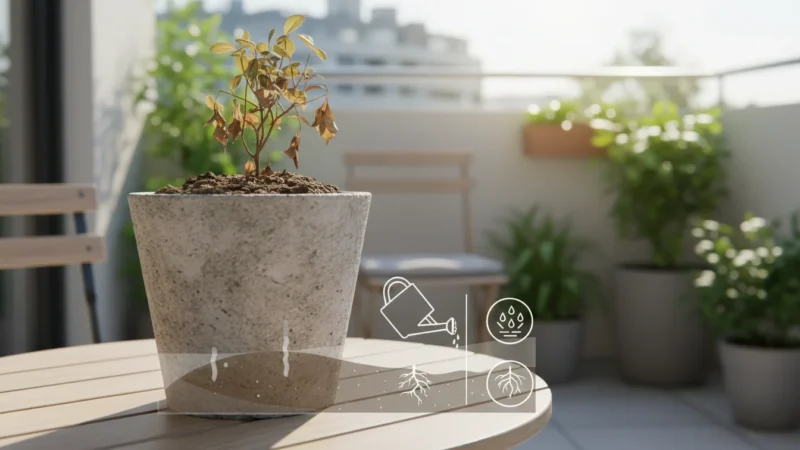
When you do water, water thoroughly until you see water draining from the bottom of the pot. Drainage is how water moves through the soil and out of the pot. Good drainage prevents water from sitting around the roots, which causes them to suffocate and rot. Always empty any standing water from the saucer within 15-30 minutes. Your goal is to provide enough moisture to sustain the plant without keeping the roots constantly wet.
Signs of overwatering include:
- Yellowing leaves, often starting at the bottom.
- Drooping or wilting leaves, even though the soil feels wet.
- Stunted growth.
- Mushy stems or leaves.
- A foul odor from the soil, indicating root rot.
Signs of underwatering include:
- Crispy, dry leaves, especially at the edges.
- Leaves drooping and looking limp, then becoming brittle.
- Stunted growth.
- Soil pulling away from the sides of the pot.
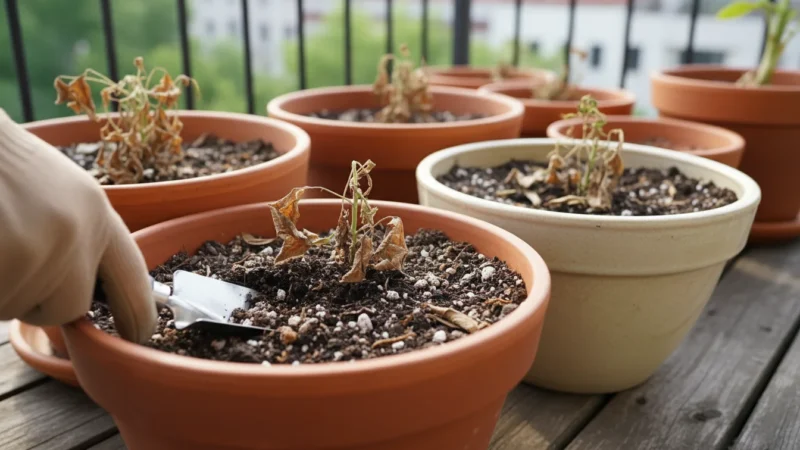
If you suspect root rot, gently remove the plant from its pot. Examine the roots: healthy roots are firm and white or tan. Rotting roots are soft, black or brown, and often have a foul smell. If you find rotten roots, prune them away with sterilized shears, repot the plant in fresh, well-draining soil, and adjust your watering schedule. This attention to what to look for on dormant plants regarding soil and roots helps prevent significant setbacks.
Point 3: Light, Temperature, and Humidity Review
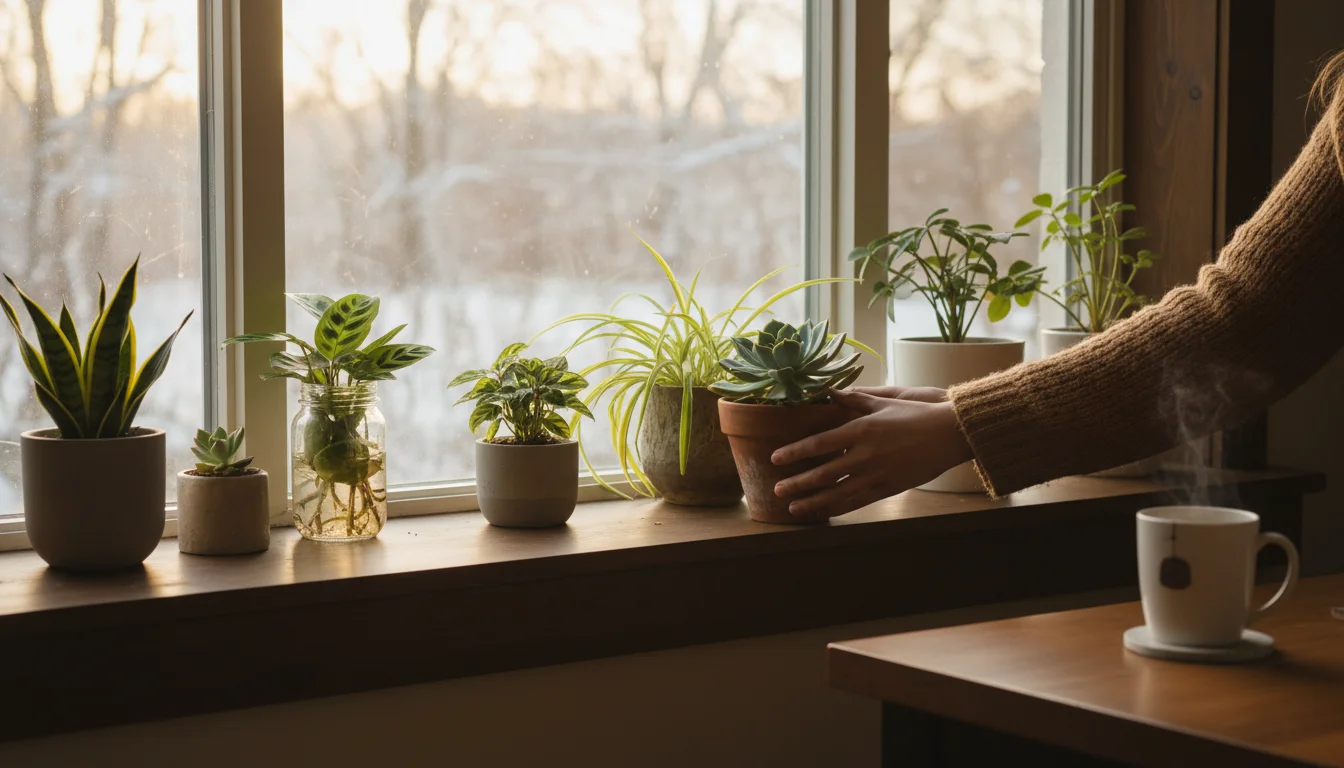
Winter presents significant environmental challenges for your indoor plants. Shorter days, lower sun angles, artificial heating, and closed windows combine to create conditions very different from the active growing season. Your indoor plant inspection must include an assessment of these environmental factors. Understanding these changes helps you address common winter houseplant problems.
Light:
Even if your plant rests, it still needs light. Winter sunlight is less intense and lasts for fewer hours.
- Assess: Observe how much natural light your plants receive throughout the day. Are there shadows? Is the light sufficient for even dormant plants?
- Optimize: Move plants closer to windows, especially south-facing ones (in the Northern Hemisphere), if necessary. Rotate plants regularly to ensure all sides receive light. Clean windows frequently to maximize light penetration. Consider supplemental grow lights for plants that require consistently high light, even during dormancy.
Temperature:
Indoor temperatures fluctuate more in winter due to heating systems. Drafts from windows or doors and direct heat from vents can stress plants.
- Monitor: Avoid placing plants directly next to heat sources like radiators, heating vents, or fireplaces, which can dry them out rapidly. Also, keep plants away from cold drafts from exterior doors or poorly insulated windows.
- Maintain Consistency: Most houseplants prefer consistent temperatures, generally between 65-75°F (18-24°C). Significant temperature swings stress plants and can inhibit even dormant functions.
Humidity:
Heated indoor air in winter is notoriously dry, a stark contrast to the humid environments many houseplants naturally thrive in. Low humidity is a leading cause of common winter houseplant problems.
- Identify Signs: Brown, crispy leaf tips or edges, slowed or stunted growth, and a dull appearance often signal low humidity. Plants with delicate or thin leaves are particularly susceptible.
- Increase Humidity:
- Pebble Trays: Place a shallow tray filled with pebbles and water beneath your plant pot. Ensure the pot sits on the pebbles, not directly in the water, to prevent root rot. As the water evaporates, it increases local humidity.
- Grouping Plants: Grouping plants together creates a microclimate, as plants naturally release moisture into the air through transpiration.
- Humidifier: For a collection of humidity-loving plants, a room humidifier is the most effective solution.
- Misting: While it offers only a temporary increase in humidity, misting can provide some relief, especially for plants with smooth leaves. Avoid misting fuzzy-leaved plants, as it can encourage fungal issues.
Adjusting your plant’s environment during the winter is a crucial aspect of overall winter houseplant care, ensuring they remain comfortable and healthy despite the challenging conditions.
Point 4: Evaluate Potting and Drainage
While winter is generally not the time for major repotting due to plant dormancy, a quick indoor plant inspection of your plant’s potting situation and drainage is still essential. This assessment helps you plan for spring and address any urgent issues that might arise. Understanding what to look for on dormant plants related to their roots and soil medium prevents future problems.
Here is what to check:
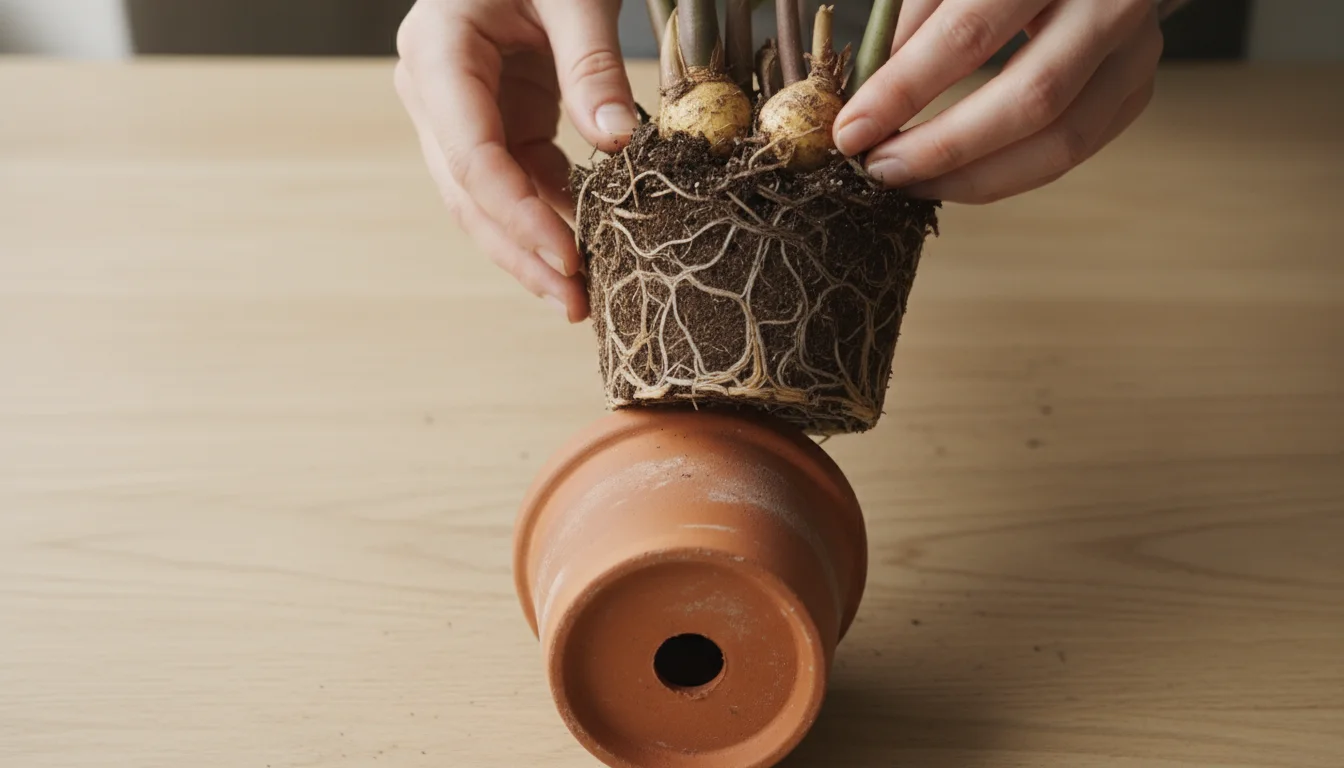
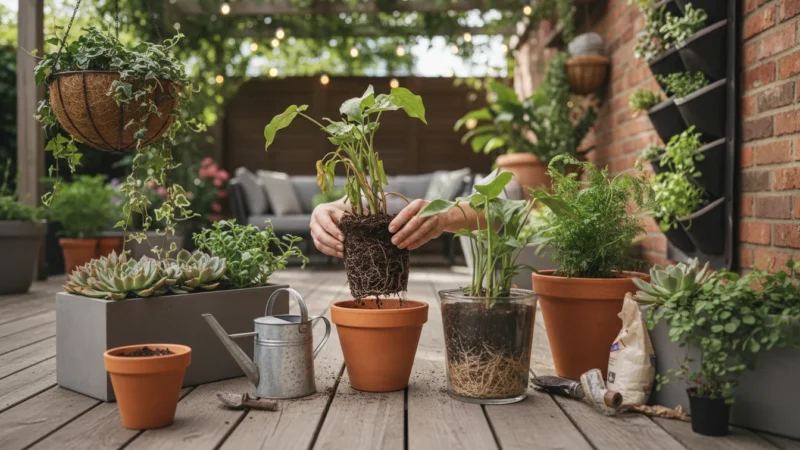
- Root Bound Status: Gently lift the plant slightly from its pot. Do you see a dense mass of roots circling the bottom? While not ideal, a slightly root-bound plant might tolerate winter if it is truly dormant. However, severely root-bound plants struggle to absorb water and nutrients even in dormancy. Make a note to repot in spring.
- Drainage Holes: Confirm that your pot has adequate drainage holes at the bottom. Pots without holes guarantee waterlogging and root rot. If a pot lacks holes, consider moving the plant to a nursery pot with drainage, then placing that pot inside your decorative pot. Ensure no debris or roots block existing drainage holes.
- Soil Quality: Over time, potting soil can compact, breaking down and losing its aeration and drainage properties. You might also notice a crust of white or yellowish mineral salts on the soil surface or around the pot rim. This salt buildup, often from tap water or fertilizers, indicates a need for flushing or fresh soil. While you should not change the soil entirely during dormancy, recognizing these signs allows you to plan a soil refresh in the spring.
- Pot Size: Is the pot disproportionately large for the plant? This can lead to the soil staying wet for too long, as the plant’s small root system cannot absorb all the moisture. Conversely, a pot that is too small exacerbates root-bound conditions and requires more frequent watering.
It is important to remember that most plants prefer to be repotted when they are actively growing in spring or summer. Repotting a dormant plant can cause unnecessary stress, potentially hindering its ability to resume growth later. However, identifying issues like blocked drainage or severely compacted soil now allows you to prepare for the appropriate action when your plant naturally wakes up.
Point 5: Pruning, Cleaning, and General Tidy-Up
The final point on your winter houseplant inspection list involves a light cleanup and tidying. Even dormant plants benefit from this care, which improves their overall health, appearance, and ability to process light. This aspect of indoor plant inspection directly impacts your plant’s vitality.
As the season winds down, you can begin preparing for the transition with a late-winter checklist for waking up dormant plants.
Follow these steps for a complete tidy-up:
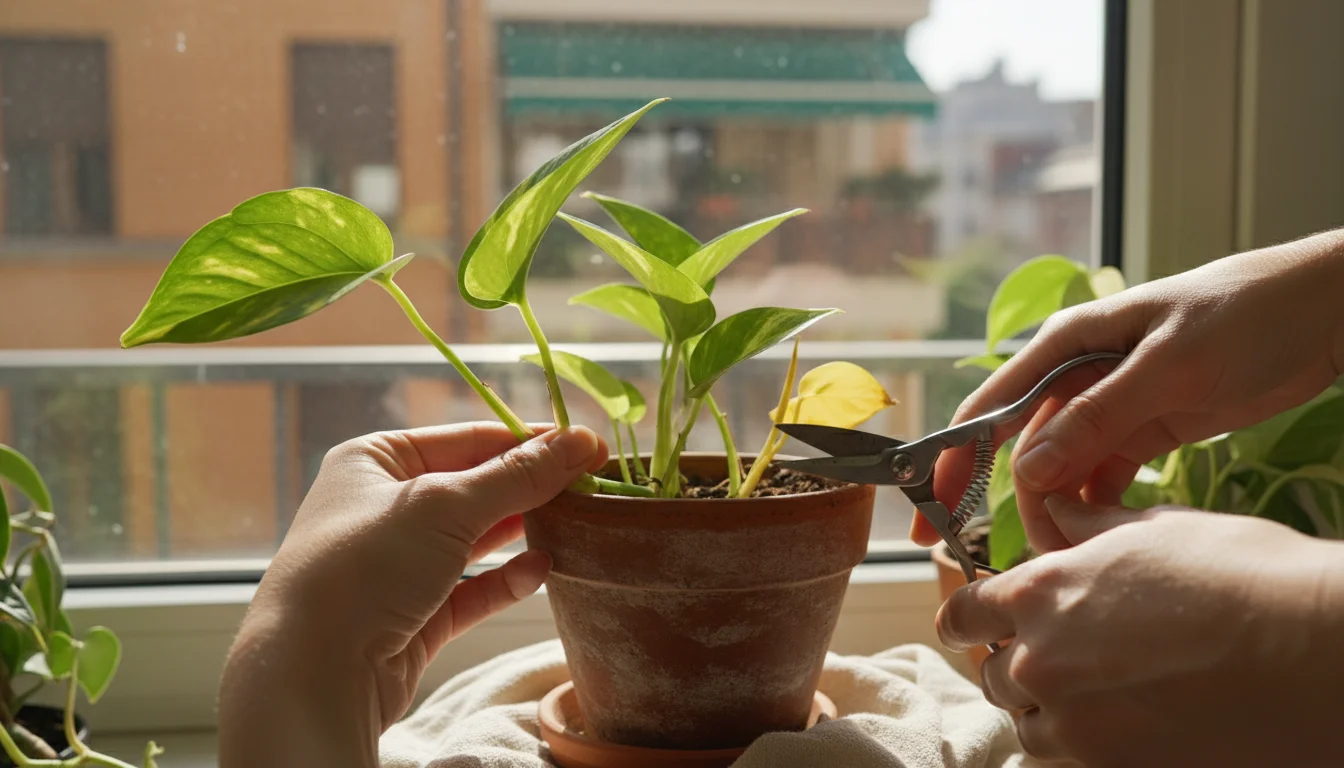
- Remove Dead or Yellowing Foliage: Use clean, sharp pruning shears or scissors to carefully snip off any dead, dying, or severely yellowed leaves. These leaves no longer contribute to the plant’s health and can even become a breeding ground for pests or diseases. Removing them directs the plant’s energy toward healthy growth. Ensure your tools are sterilized with rubbing alcohol before and after use to prevent spreading pathogens.
- Dust Leaves: Over time, dust accumulates on plant leaves, blocking stomata (tiny pores on the leaf surface that facilitate gas exchange) and reducing the plant’s ability to photosynthesize. Gently wipe down leaves with a soft, damp cloth. For plants with fuzzy leaves, use a soft brush or a dry cloth to avoid trapping moisture, which can lead to fungal issues. Clean leaves are more efficient at absorbing the limited winter light.
- Lightly Prune for Shape (Optional): During dormancy, avoid heavy pruning, which can stress the plant. However, you can make minor aesthetic cuts to remove leggy growth or shape the plant lightly. Focus on removing any branches that look weak, crossing, or are growing awkwardly. This light pruning can encourage bushier growth when the plant emerges from dormancy.
- Clean the Pot and Saucer: Wipe down the outside of the pot and thoroughly clean the saucer. Dust, spilled soil, and residual water can harbor pests or fungal spores. A clean environment contributes to a healthy plant.
- Inspect Stems and Trunks: While you are tidying, visually inspect the main stems and trunk. Look for any unusual growths, discolored patches, or soft spots, which could indicate a deeper problem.
This general tidy-up is more than just cosmetic. It is an integral part of what to look for on dormant plants, preventing problems from festering and ensuring your plant is in the best possible condition to burst into new growth when spring arrives. This proactive approach to winter houseplant care makes a significant difference.
Addressing Common Winter Houseplant Problems
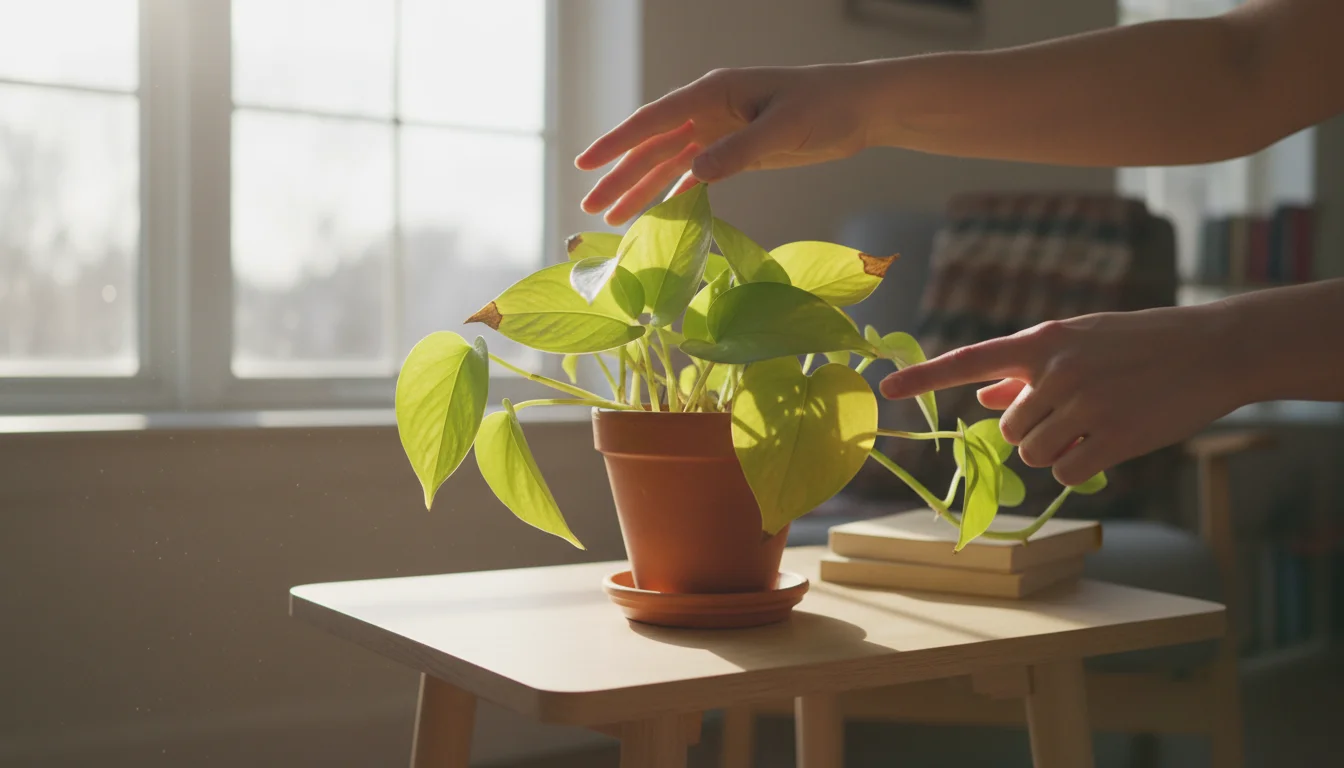
Despite your best efforts, your plants might still show signs of distress during winter. Recognizing these common winter houseplant problems and knowing how to respond quickly saves your plants.
- Yellowing Leaves:
- Cause: Often overwatering or insufficient light. Nutrient deficiency is less common in dormant plants but possible.
- Solution: Check soil moisture (Point 2). Reduce watering frequency. Move the plant to a brighter location (Point 3). If leaves are yellow and mushy, suspect root rot. If yellow and crispy, it might be underwatering.
- Brown, Crispy Leaf Tips or Edges:
- Cause: Low humidity or inconsistent watering. Chemical burn from excess fertilizer or salts in tap water.
- Solution: Increase humidity around the plant (Point 3). Water thoroughly when needed, allowing water to drain. Consider using filtered water or letting tap water sit overnight to dissipate chlorine.
- Leggy or Sparse Growth:
- Cause: Insufficient light. Plants stretch toward the nearest light source, resulting in long, weak stems and few leaves.
- Solution: Move the plant to a brighter spot or supplement with a grow light (Point 3). Prune back leggy stems in spring to encourage bushier growth.
- Drooping or Wilting Leaves:
- Cause: Can indicate either overwatering or underwatering, or sudden temperature changes.
- Solution: Feel the soil (Point 2). If wet, reduce watering. If dry, water thoroughly. Check for drafts or extreme temperature swings (Point 3).
- Leaves Falling Off:
- Cause: Often a sign of stress from sudden changes in light, temperature, or watering. Some plants naturally shed older leaves, but excessive leaf drop is a warning sign.
- Solution: Review all environmental factors (Points 2, 3). Ensure consistent conditions.
- Slow or Stalled Growth:
- Cause: Normal for dormant plants in winter. However, if it persists into spring, it might indicate insufficient light, nutrient deficiency, or root issues.
- Solution: During winter, accept slower growth. If it continues post-dormancy, address light, consider spring fertilization, or check roots (Point 2, 4).
Your careful indoor plant inspection during winter prepares you to identify these challenges and implement solutions, ensuring your plants emerge from dormancy ready for vigorous spring growth.

Frequently Asked Questions
Should I fertilize dormant houseplants in winter?
Generally, you should avoid fertilizing dormant houseplants in winter. Plants are not actively growing and do not utilize additional nutrients effectively. Fertilizing can lead to a buildup of salts in the soil, potentially burning the roots and causing further stress. Resume fertilization in spring when you observe new growth.
How often should I check my dormant plants?
Perform a thorough 5-point indoor plant inspection at least once a month. However, it is beneficial to visually scan your plants for obvious issues like pests or severe dryness whenever you water them, which might be less frequent in winter. Regular, quick checks complement your monthly deep dive.
Is it okay to move my houseplants in winter?
You can move your houseplants in winter if their current location is causing stress due to poor light, drafts, or extreme temperatures. However, minimize unnecessary moves, as plants prefer stable conditions. If you must move a plant, try to choose a new spot that offers consistent, improved conditions, and avoid frequent relocation.
What if I find a lot of pests during my winter inspection?
If you discover a significant pest infestation, immediately isolate the affected plant. Begin treatment with appropriate methods, such as insecticidal soap, neem oil, or rubbing alcohol for targeted pests. Be consistent with applications, as it often takes several treatments to eradicate pests fully. Thoroughly inspect all other plants, as pests spread quickly.
When can I expect my dormant plants to wake up?
Most dormant houseplants naturally begin to “wake up” in late winter or early spring, typically between February and April, as daylight hours lengthen and light intensity increases. You will notice signs of new growth, such as small leaf buds or new shoots. This is your cue to gradually increase watering and begin a light fertilization routine.
For trustworthy gardening information, visit:
Missouri Native Plant Society, Wild Ones — Native Plants, Natural Landscapes, Pollinator Partnership and International Society for Horticultural Science (ISHS). These organizations provide expert, research-based advice for gardeners at all levels.
Disclaimer: This article is for informational purposes only and is not a substitute for professional gardening advice. Always consult local extension services or horticulture experts for region-specific guidance.
Leave a Reply