
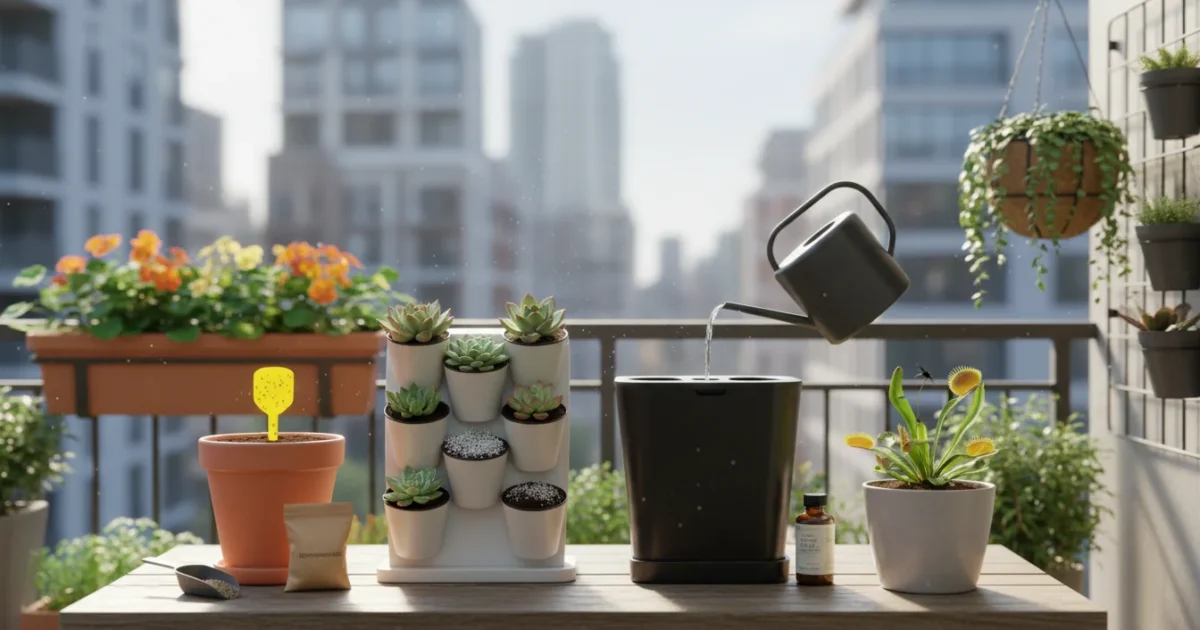
Few things disrupt the peaceful joy of indoor gardening more than tiny, annoying flying insects buzzing around your beloved plants. If you have noticed small, dark flies flitting about your houseplants, particularly when you water them, you are likely facing an infestation of fungus gnats. These common indoor plant pests are a particular nuisance for apartment gardeners, thriving in the consistent warmth and moisture of indoor environments, especially during winter.
You might ask, “Why do I have so many fungus gnats in winter?” This often happens because plants require less water in colder, darker months, yet we frequently overwater them. This creates the perfect breeding ground for fungus gnats. While the adult gnats are primarily a nuisance, their larvae pose a real threat, chewing on plant roots and weakening your cherished greenery. Do not despair. You can reclaim your indoor oasis with a practical, actionable, 4-pronged attack plan. This guide provides concrete steps to permanently get rid of fungus gnats in your houseplants.
Unmasking the Enemy: What Are Fungus Gnats and Why They Love Your Apartment
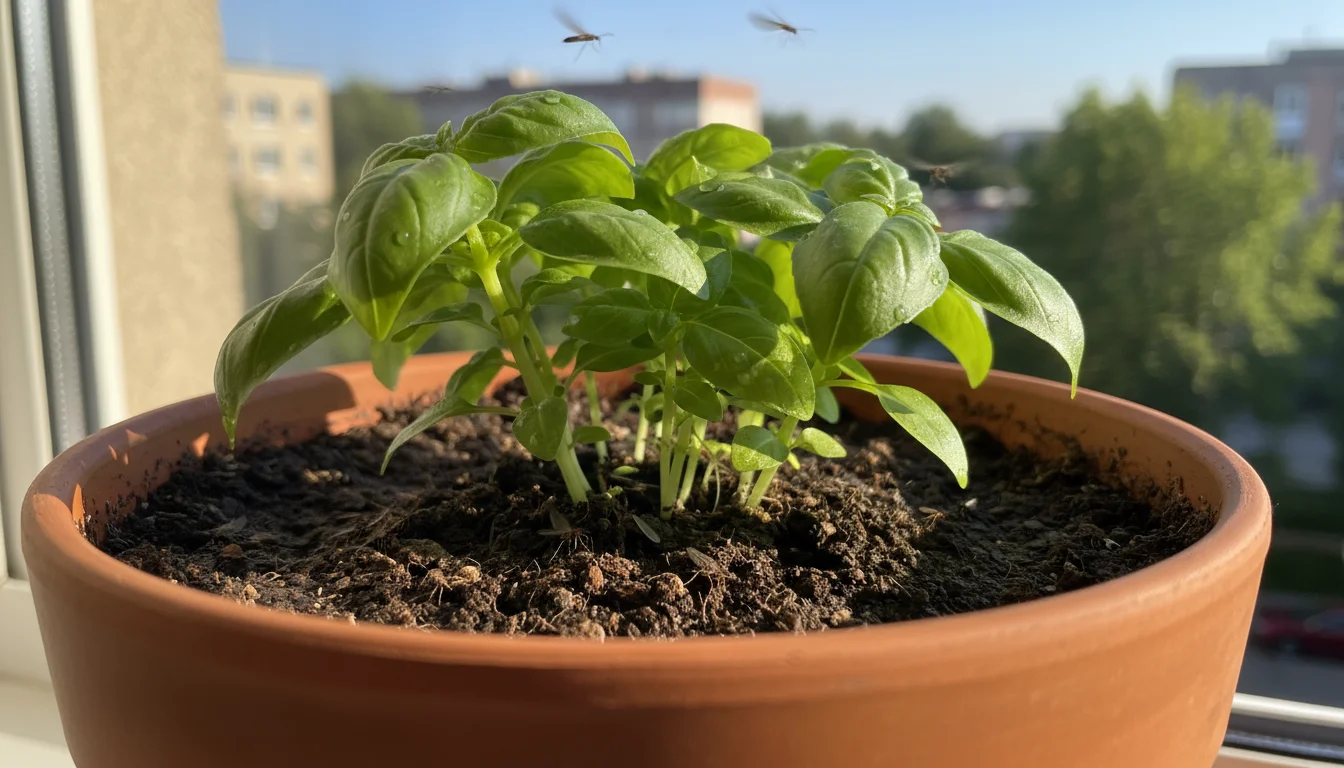
Before you can defeat an enemy, you must understand it. Fungus gnats (scientific name: Sciaridae family) are tiny, mosquito-like flies, usually 1/8 to 1/10 inch long, with slender bodies, long legs, and a dark coloration. You will often see them crawling on soil surfaces or flying in lazy patterns around your plants and windows. While their appearance might suggest a minor annoyance, their lifecycle explains their persistence and potential for harm.
While gnats are frustrating, adopting natural pest control methods can keep your apartment garden safe and chemical-free.
The Fungus Gnat Lifecycle: A Quick Overview
Fungus gnats undergo a complete metamorphosis, moving through four distinct stages:
- Egg: Adult females lay tiny, translucent eggs in moist potting mix, often near organic matter. Each female can lay up to 200 eggs in her short lifespan.
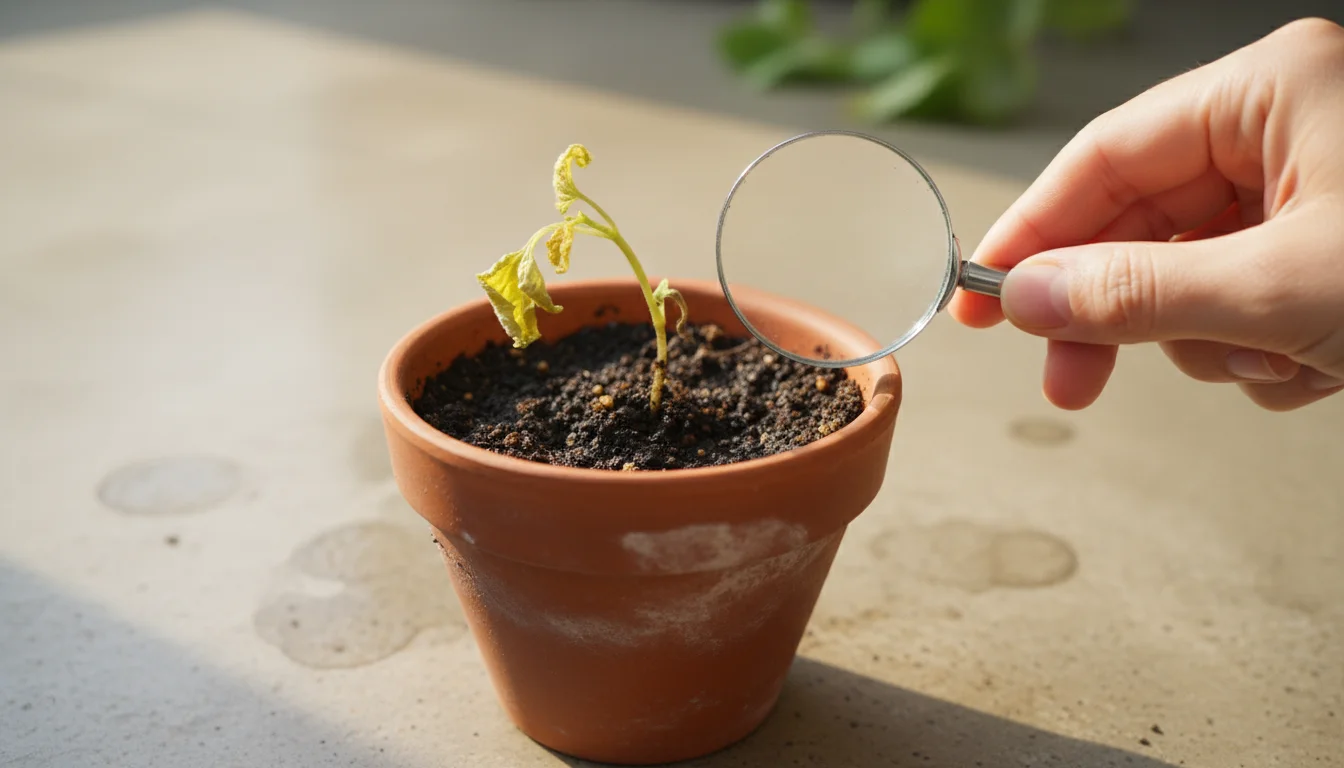
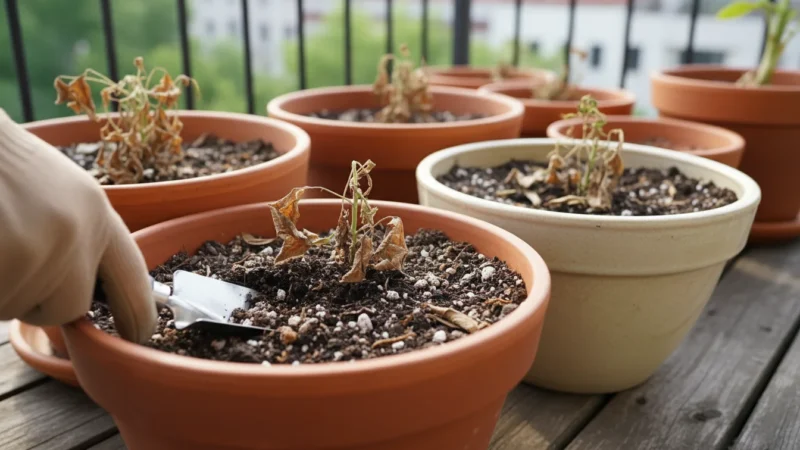
- Larva: Eggs hatch into translucent, legless larvae with shiny black heads. These larvae, typically 1/4 inch long, are the problematic stage. They feed on decaying organic matter in the soil, fungus, and, critically, the delicate root hairs of your plants. This root damage can stunt plant growth, cause wilting, and even lead to plant death in severe infestations, particularly for seedlings and young plants.
- Pupa: After about two weeks of feeding, larvae move deeper into the soil to pupate. During this immobile stage, they transform into adult gnats.
- Adult: Within a few days, adult gnats emerge from the soil. Their primary purpose is to mate and lay more eggs, perpetuating the cycle. Adult gnats live for about 7-10 days.
The entire lifecycle can complete in as little as 17-28 days, depending on environmental conditions. This rapid turnover explains why populations can explode quickly if left unchecked.
Why Apartments Are Prime Real Estate for Fungus Gnats
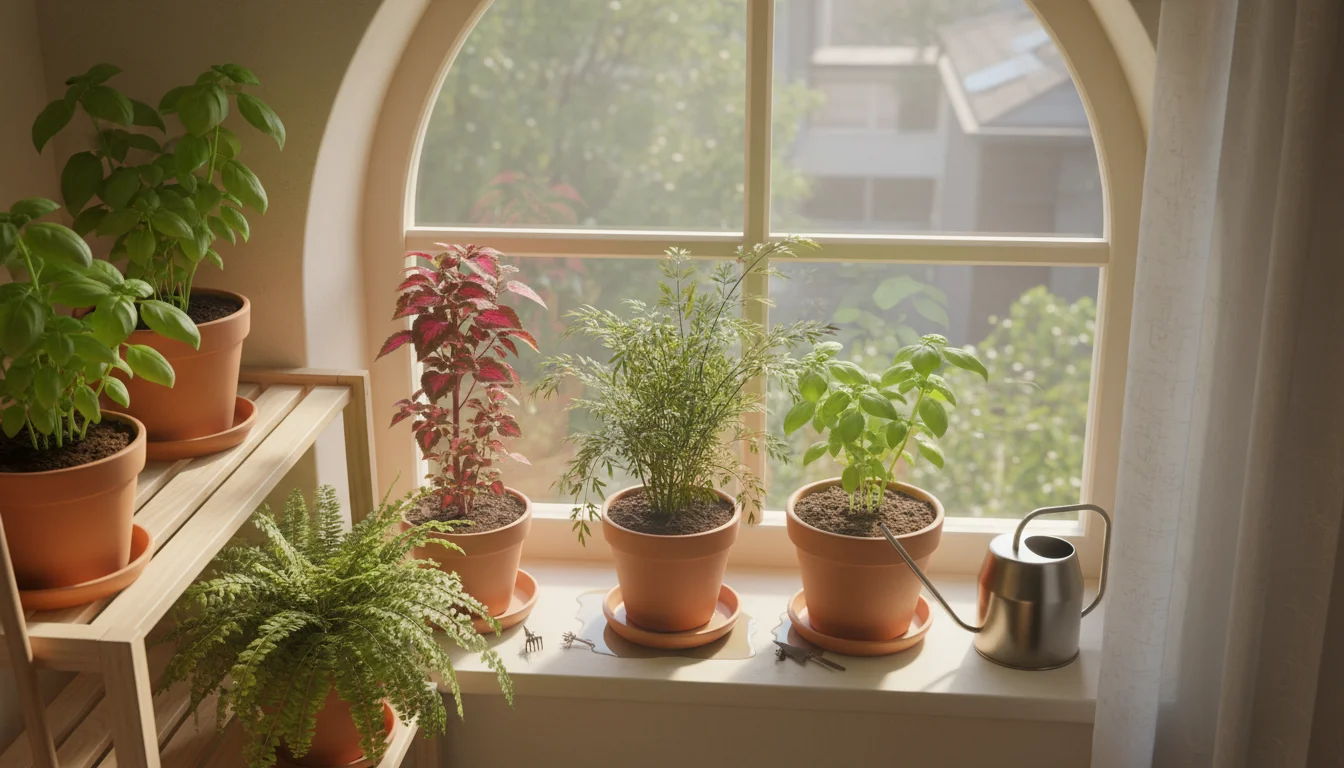
Apartment gardeners face a unique challenge with these indoor plant pests. Your living space, with its consistent temperatures and often higher humidity compared to outdoor environments, provides an ideal habitat. Here is why fungus gnats find your apartment so appealing:
- Consistent Moisture: The number one draw for fungus gnats is consistently moist or damp potting mix. They require moisture for their eggs to hatch and for their larvae to thrive. Overwatering, a common mistake for beginner gardeners, especially when practicing houseplant care in winter, creates these perfect conditions.
- Warmth: Indoor temperatures generally remain stable and warm throughout the year, accelerating the gnat lifecycle. This means more generations can develop faster, leading to larger infestations.
- Lack of Natural Predators: Outdoors, natural predators like birds, spiders, and beneficial insects help keep gnat populations in check. Indoors, these predators are largely absent, allowing gnats to reproduce without significant opposition.
- Potting Mix Composition: Many standard potting mixes contain peat moss or coir, which retain moisture effectively. While good for plants, this also creates a favorable environment for fungus gnats.
- Limited Ventilation: Apartments often have less air circulation around plants compared to outdoor settings. Stagnant air keeps the soil surface moist for longer, exacerbating the problem.
Understanding these factors empowers you to strategically combat fungus gnats. Your battle plan will focus on disrupting their lifecycle at every stage and making your indoor garden an inhospitable environment for them.
The Foundation of Defense: Understanding Your Soil’s Role in Gnat Infestations
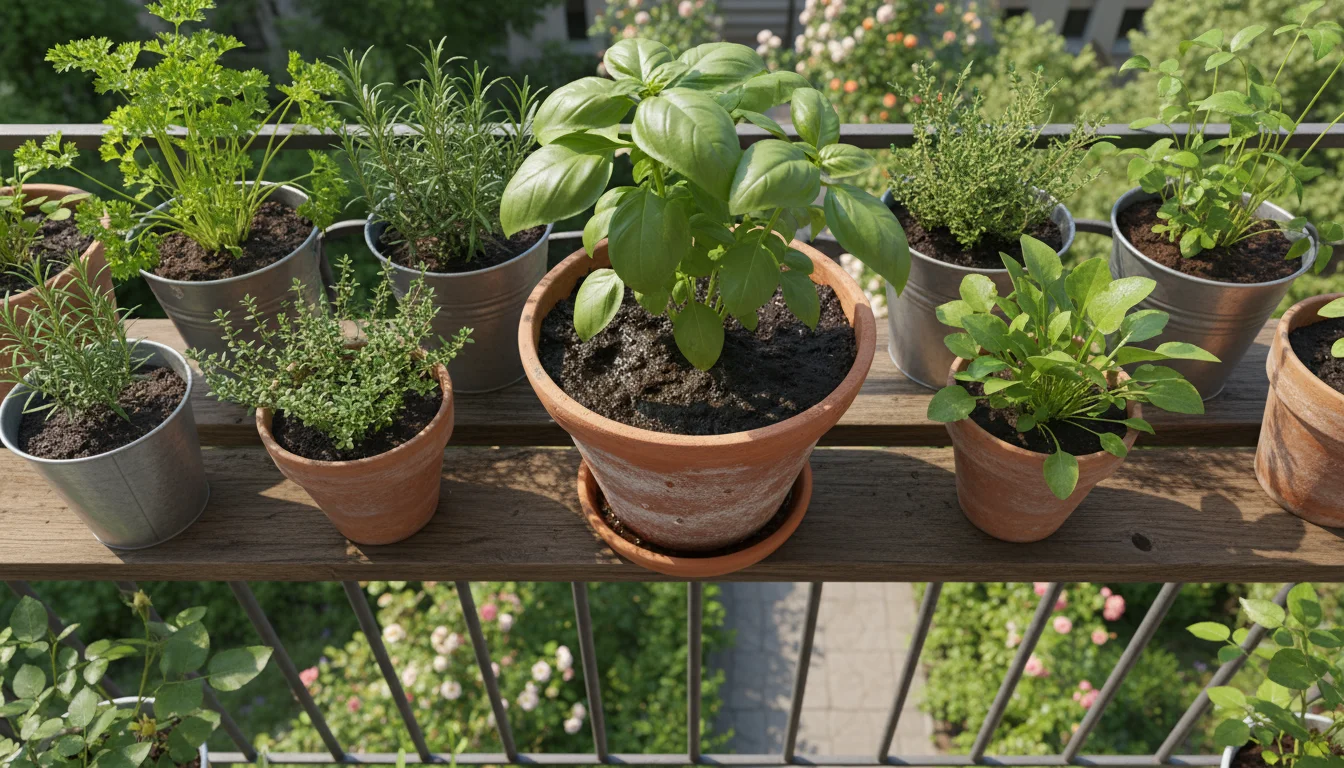
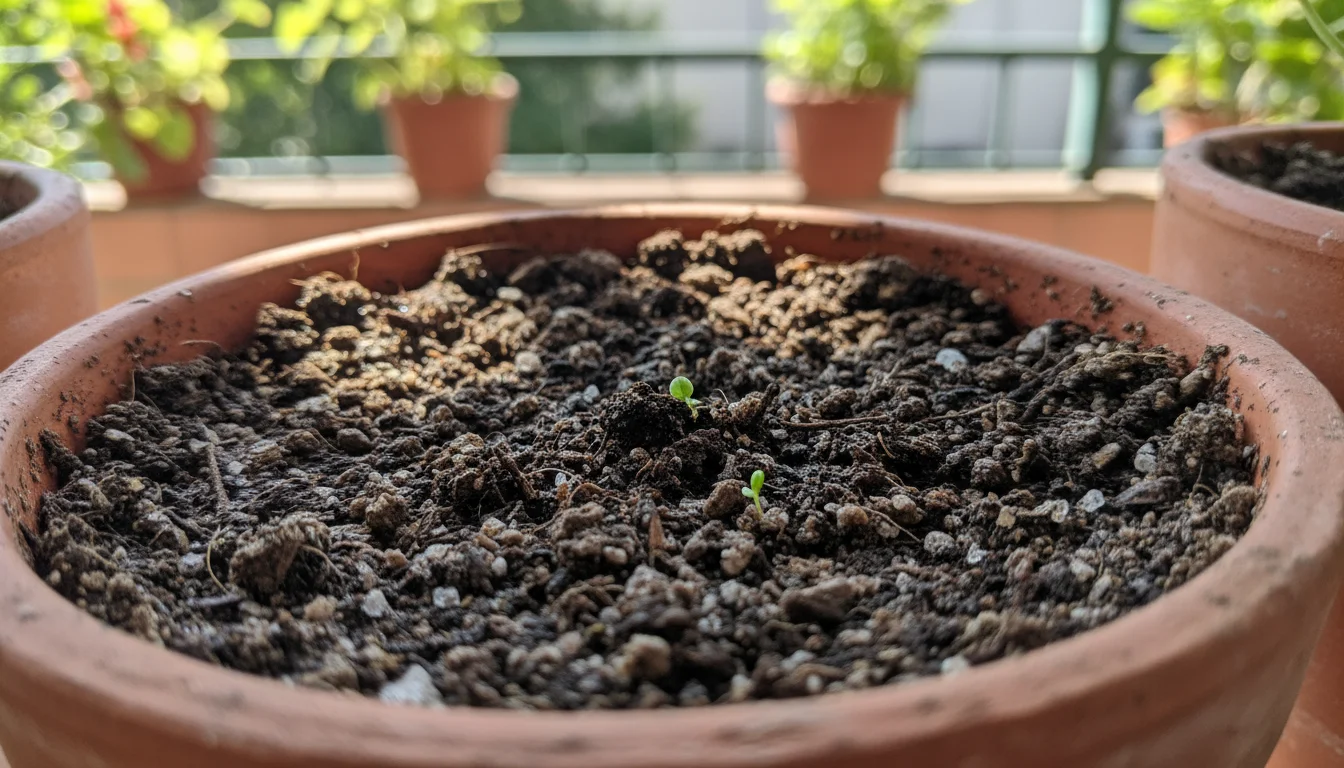
Your potting mix is the heart of your indoor plants’ ecosystem, and it is also the primary breeding ground for fungus gnats. To effectively combat these pests, you must understand how soil conditions contribute to their presence. The core issue is almost always excess moisture.
Regularly performing a dormant plant health check will help you catch these soil issues before they damage your plants.
What is Drainage and Why Does it Matter?
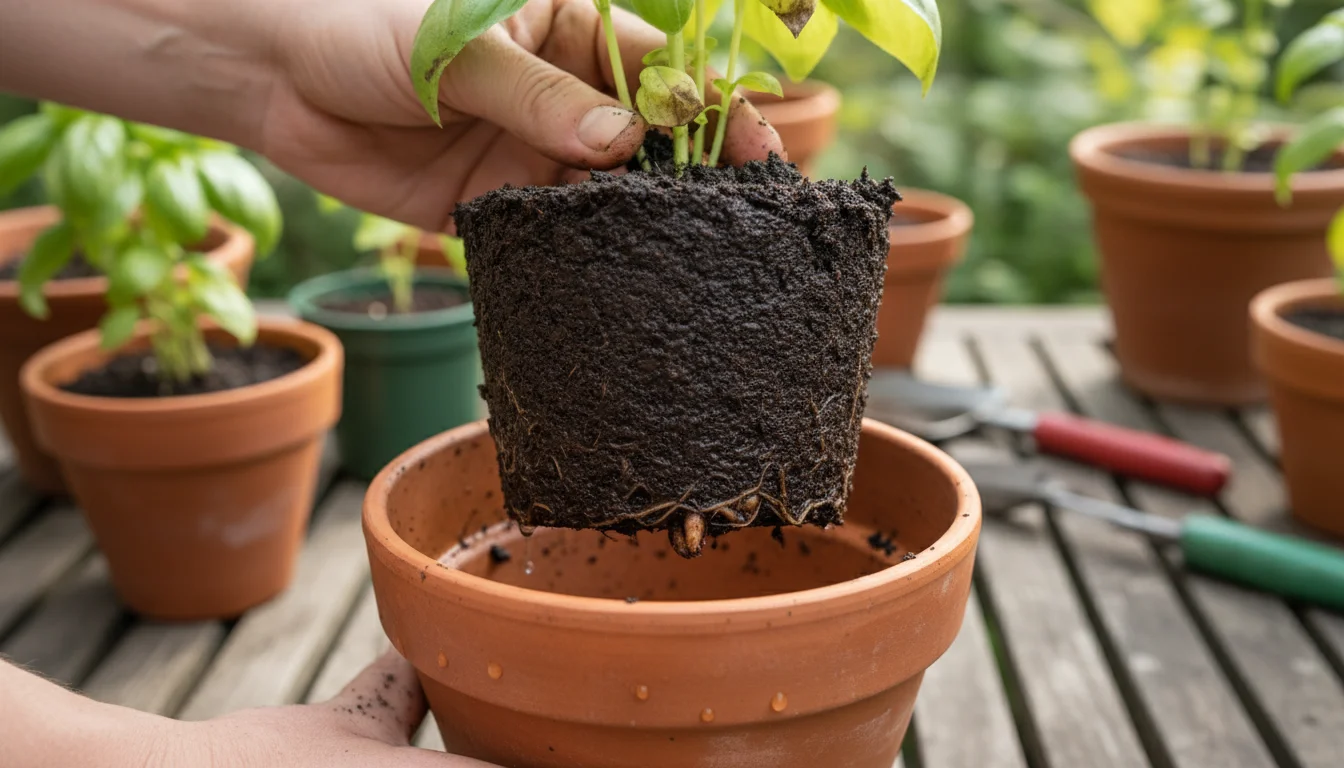
When gardeners talk about “drainage,” they refer to how quickly and efficiently water moves through the soil and out of the pot. Good drainage means water flows freely, preventing the soil from becoming waterlogged. Poor drainage, on the other hand, leads to soggy conditions where water sits in the pot for extended periods.
Fungus gnats absolutely depend on consistently damp soil for their eggs to hatch and for their larvae to survive. Their larvae feed on the fungi and decaying organic matter that thrive in overly wet conditions. If you keep your soil too wet, you are essentially providing a buffet and a nursery for these pests.
The Problem with Overwatering
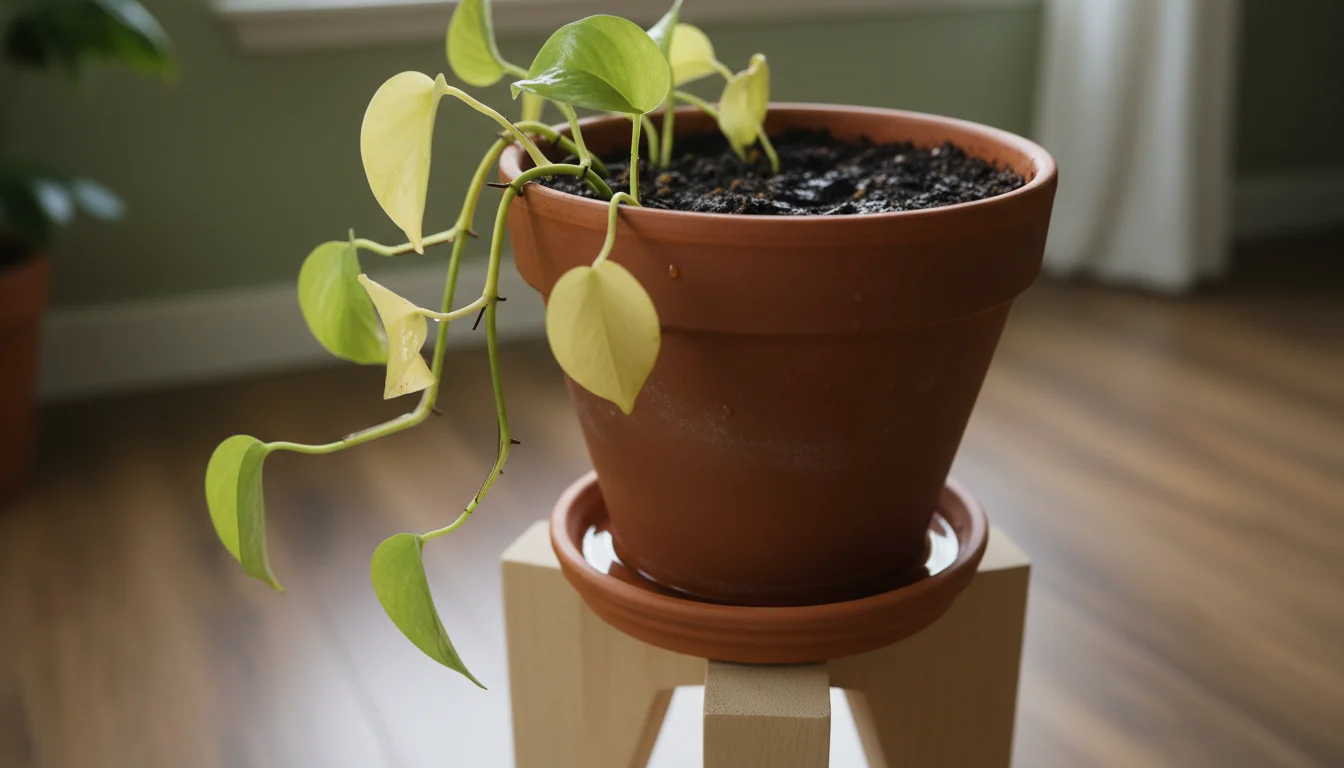
Overwatering is the single most common culprit behind fungus gnat infestations. It does not just provide the moisture gnats need; it also starves plant roots of oxygen, leading to root rot and further stress on your plants. Many apartment gardeners, especially those new to houseplant care in winter, fall into the trap of overwatering because they misinterpret plant signals or stick to a rigid watering schedule without checking soil moisture.
During winter, plants often enter a period of reduced growth due to lower light levels and cooler indoor temperatures. This means they use less water than during active growing seasons. If you continue to water on the same schedule, you inevitably create excessively wet soil conditions, leading to a surge in fungus gnats. This is a primary reason why you might ask, “Why do I have so many fungus gnats in winter?”
Choosing the Right Potting Mix for Prevention
The type of potting mix you use significantly impacts moisture retention and drainage. For most indoor plants, you need a well-draining, aerated mix. Here is what to look for:
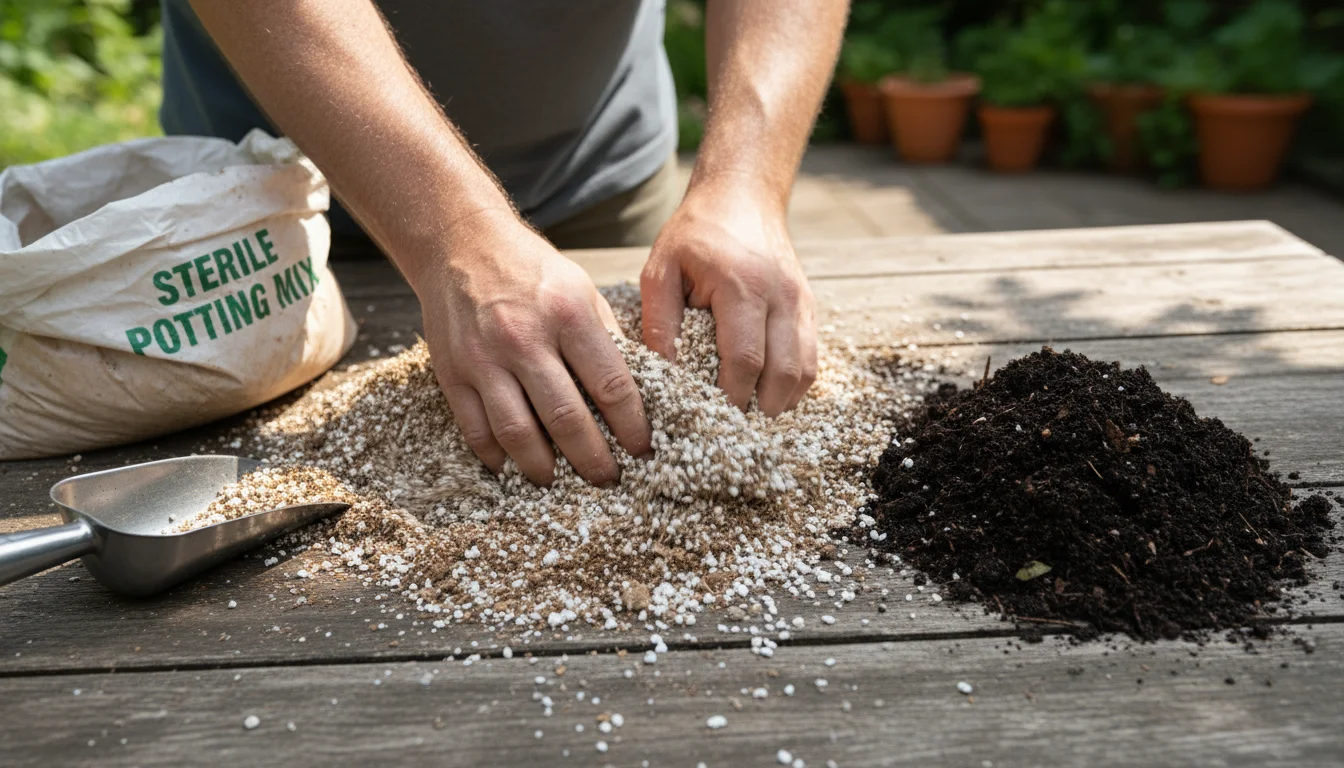
- Sterile Potting Mix: Always start with a fresh, sterile potting mix. Bags of garden soil or unsterilized compost can introduce fungus gnat eggs and other pests directly into your home.
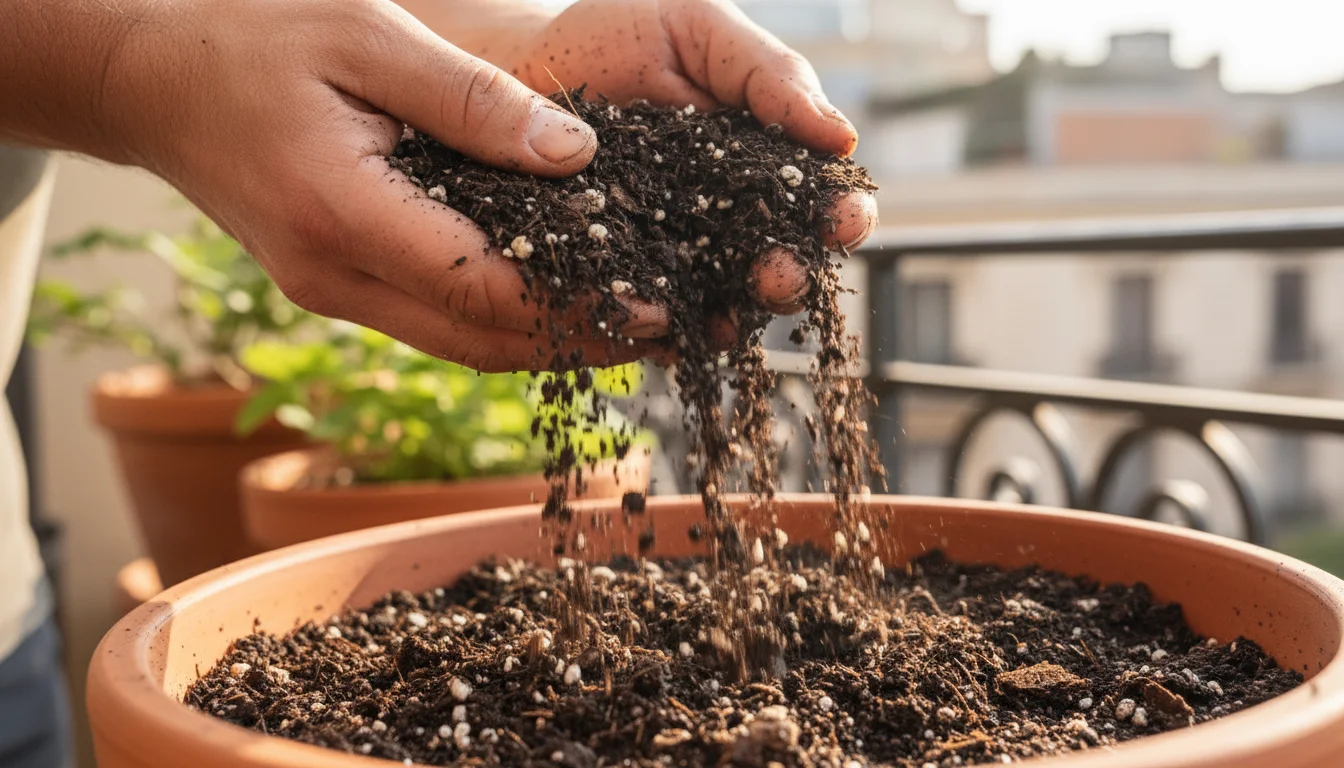
- Components for Drainage: Good potting mixes often contain ingredients like perlite, coarse sand, or pumice. These materials create air pockets in the soil, allowing water to drain quickly and providing essential oxygen to plant roots.
- Avoid Heavy, Peat-Dense Mixes: While peat moss retains moisture well, a mix composed primarily of peat can become compacted and stay wet for too long, especially in cooler indoor conditions. Look for mixes that balance moisture retention with good drainage.
By understanding and controlling your soil’s moisture content, you establish the fundamental defense against fungus gnats. This crucial step supports your plant’s health and directly disrupts the gnats’ ability to reproduce.
Prong 1: Moisture Management – Starving the Invaders
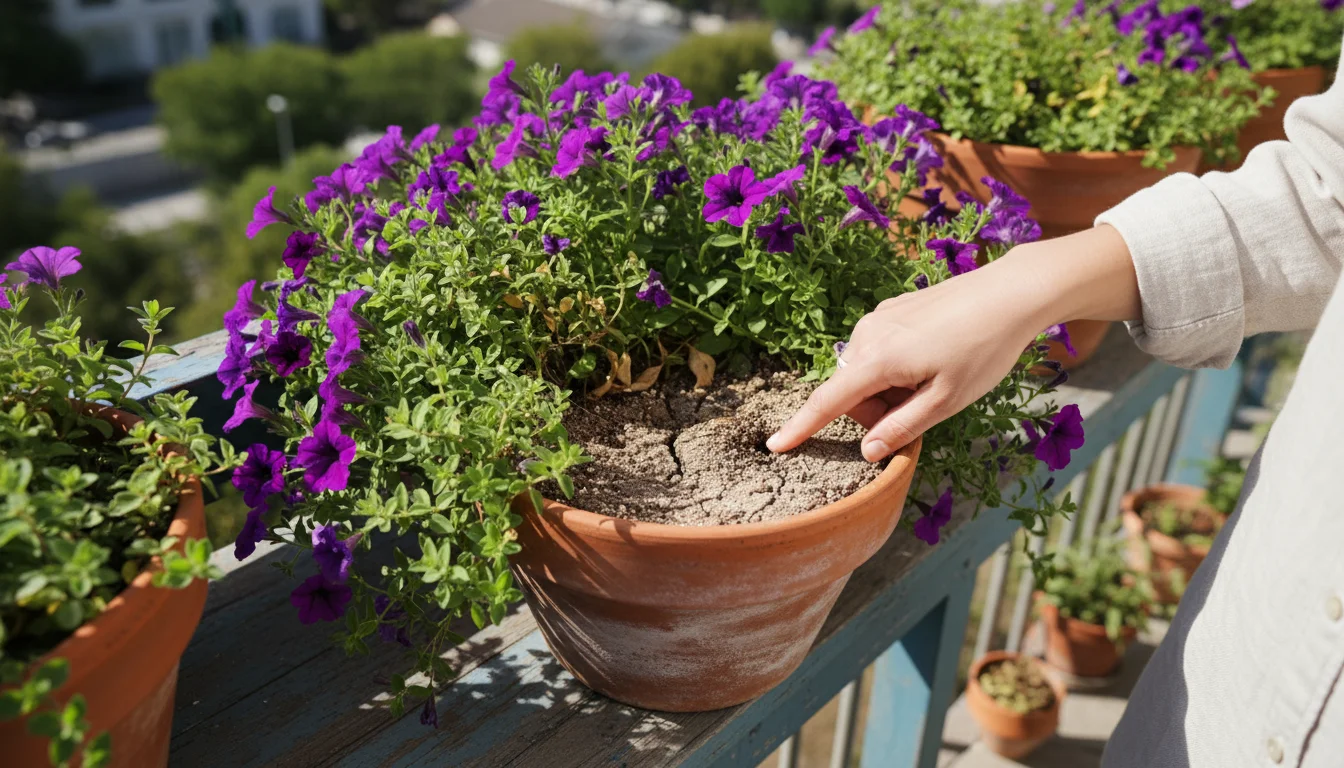
The cornerstone of any effective fungus gnat annihilation plan revolves around moisture control. Because fungus gnats rely on consistently damp soil for their survival and reproduction, altering your watering habits forms the most critical line of defense. This prong starves both the larvae and prevents adults from laying eggs.
Mastering the Art of Watering
Forget rigid watering schedules. Instead, learn to assess your plants’ individual moisture needs. Different plants have different preferences, and environmental factors like humidity, light, and temperature also play a role.
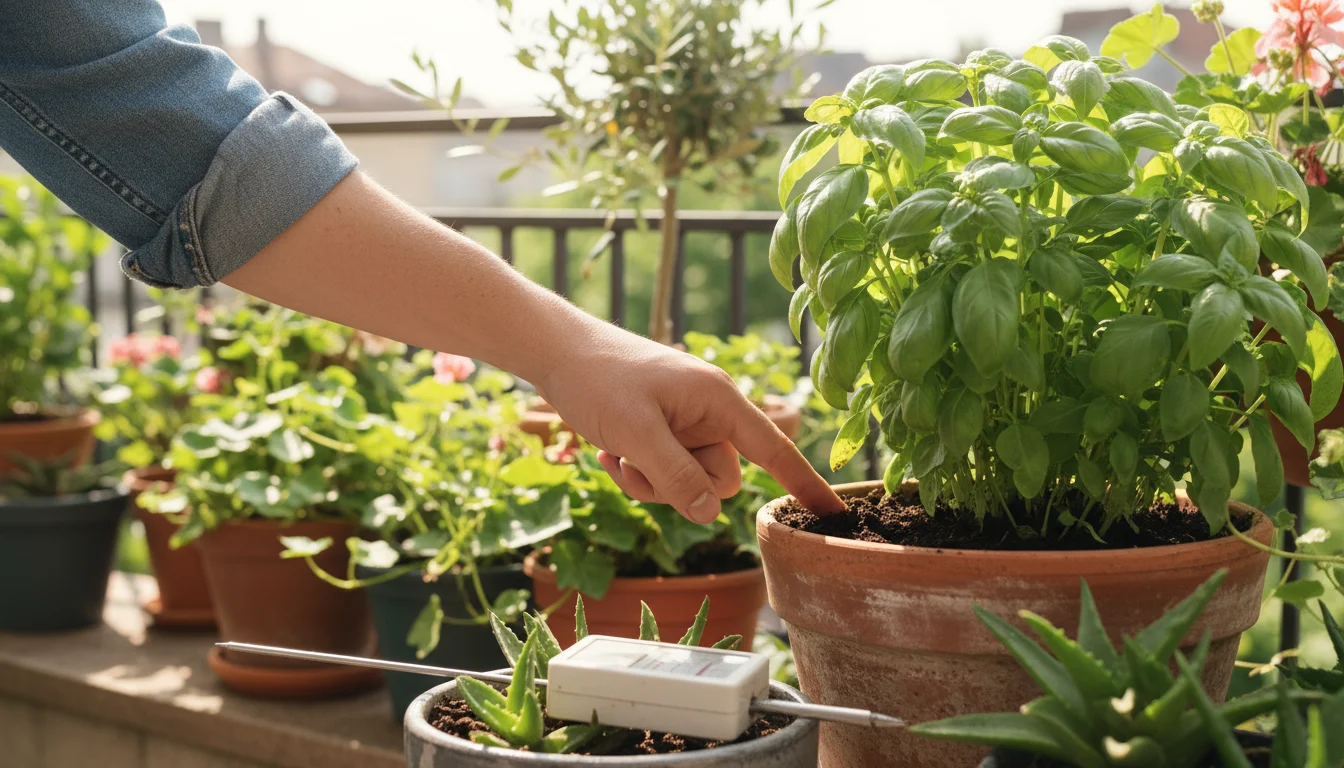
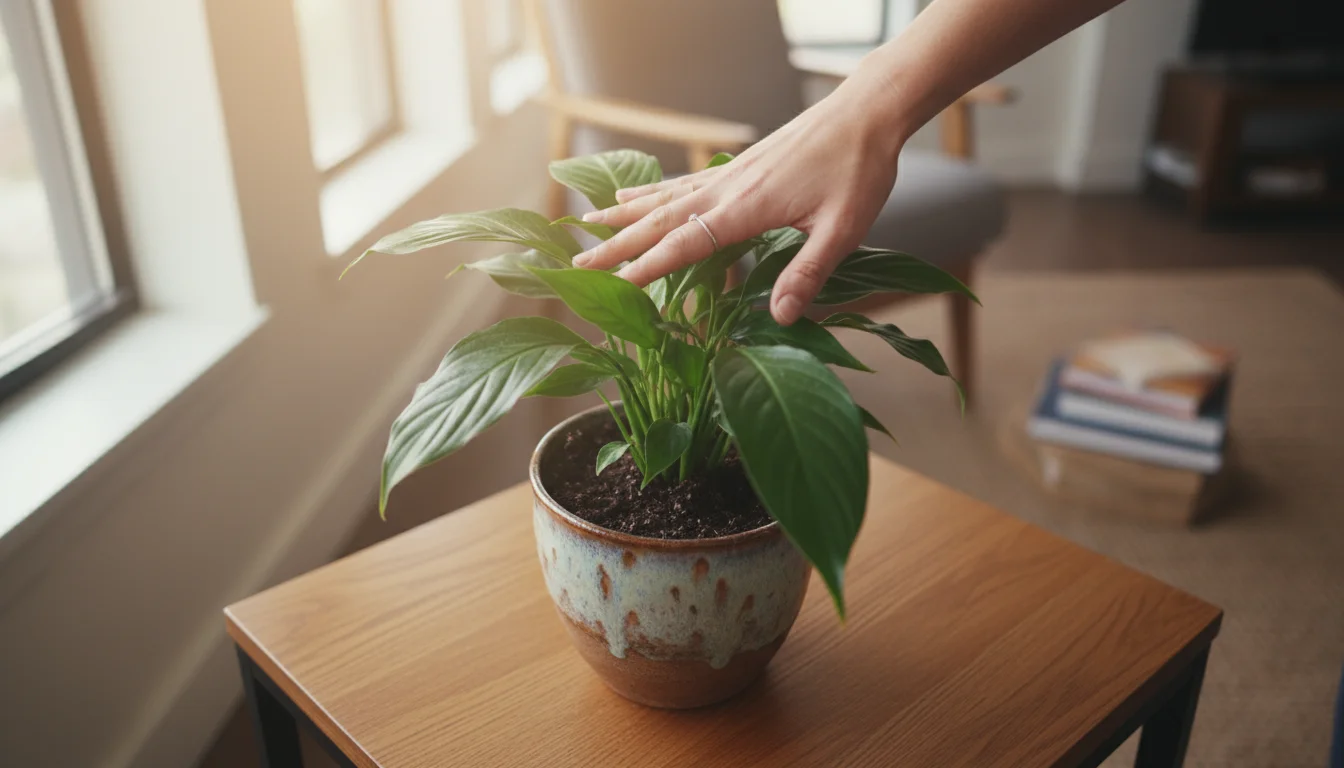
- Check Soil Moisture Deeply: Do not just look at the soil surface. Insert your finger about two inches into the potting mix. For most plants, allow the top 1-2 inches of soil to dry out completely before watering again. For succulents and cacti, allow the soil to dry out even deeper, or completely. If you feel any dampness, wait.
- Use a Moisture Meter: For those who prefer a more objective measure, an inexpensive moisture meter can provide precise readings. Insert the probe into the soil and water only when the reading indicates dryness for your specific plant type.
- Lift Your Pots: Water adds significant weight to a pot. Over time, you will learn to gauge your plant’s moisture level by simply lifting the pot. A dry pot feels significantly lighter than a wet one.
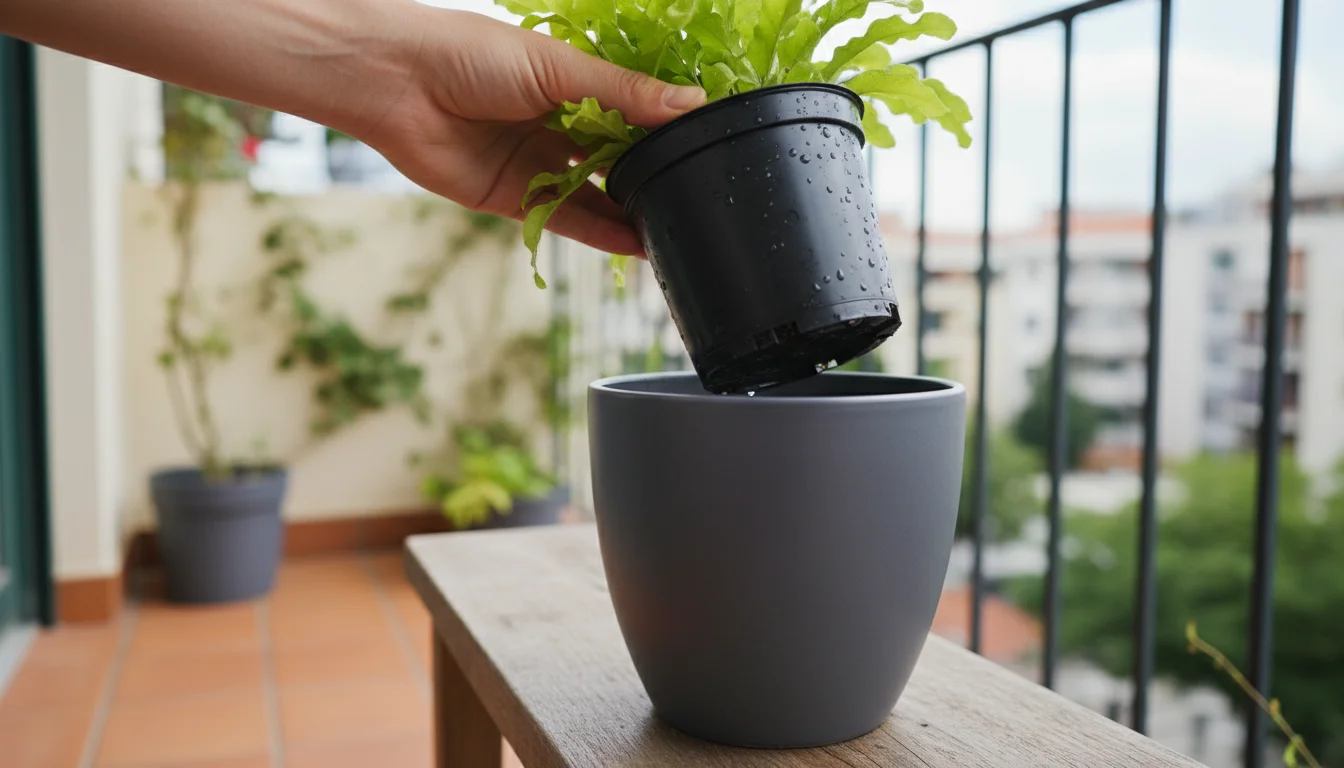
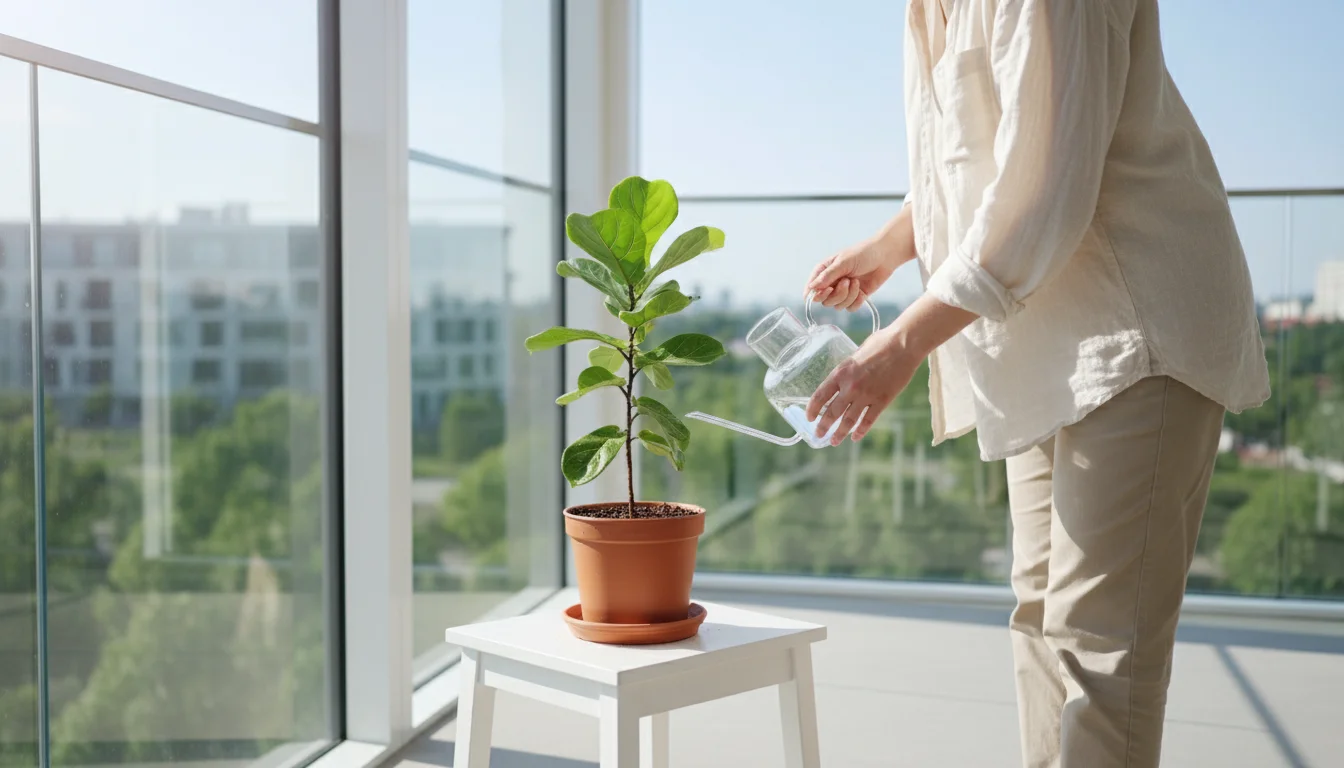
- Water Thoroughly, Then Drain: When you do water, water deeply until you see water flowing out of the drainage holes at the bottom of the pot. This ensures all the roots receive hydration. However, it is crucial to immediately empty any standing water from the saucer or cachepot after watering. Allowing plants to sit in standing water invites root rot and creates the perfect breeding ground for fungus gnats.
- Bottom Watering (Strategic): Consider bottom watering for some plants. Place your pot in a tray of water and let it soak for 20-30 minutes. The plant absorbs water from the bottom up. This technique keeps the top layer of soil drier, making it less attractive to adult gnats for egg-laying. Remove the pot once the top soil feels slightly damp, and let it drain completely before returning it to its spot.
Improving Drainage for Permanent Prevention
Beyond watering techniques, ensure your plants have excellent drainage to avoid waterlogging and tackle the question of how to get rid of fungus gnats in houseplants permanently.
- Proper Pot Selection: Always use pots with drainage holes. A decorative pot without holes acts like a bathtub, trapping water and suffocating roots. If you love a decorative pot without holes, use it as a cachepot: place your plant in a slightly smaller nursery pot with drainage holes, then put the nursery pot inside the decorative one. This allows you to easily remove the plant for watering and draining.
- Pot Size Matters: Avoid overpotting. A plant in a pot that is too large will have excess soil volume that stays wet for too long. Repot your plants into pots that are only one or two inches larger in diameter when they outgrow their current home.
- Enhance Potting Mix: If your current potting mix feels dense and retains too much moisture, you can amend it. Mix in perlite, horticultural grit, or orchid bark at a ratio of approximately 1 part amendment to 3-4 parts potting mix. This improves aeration and drainage significantly.
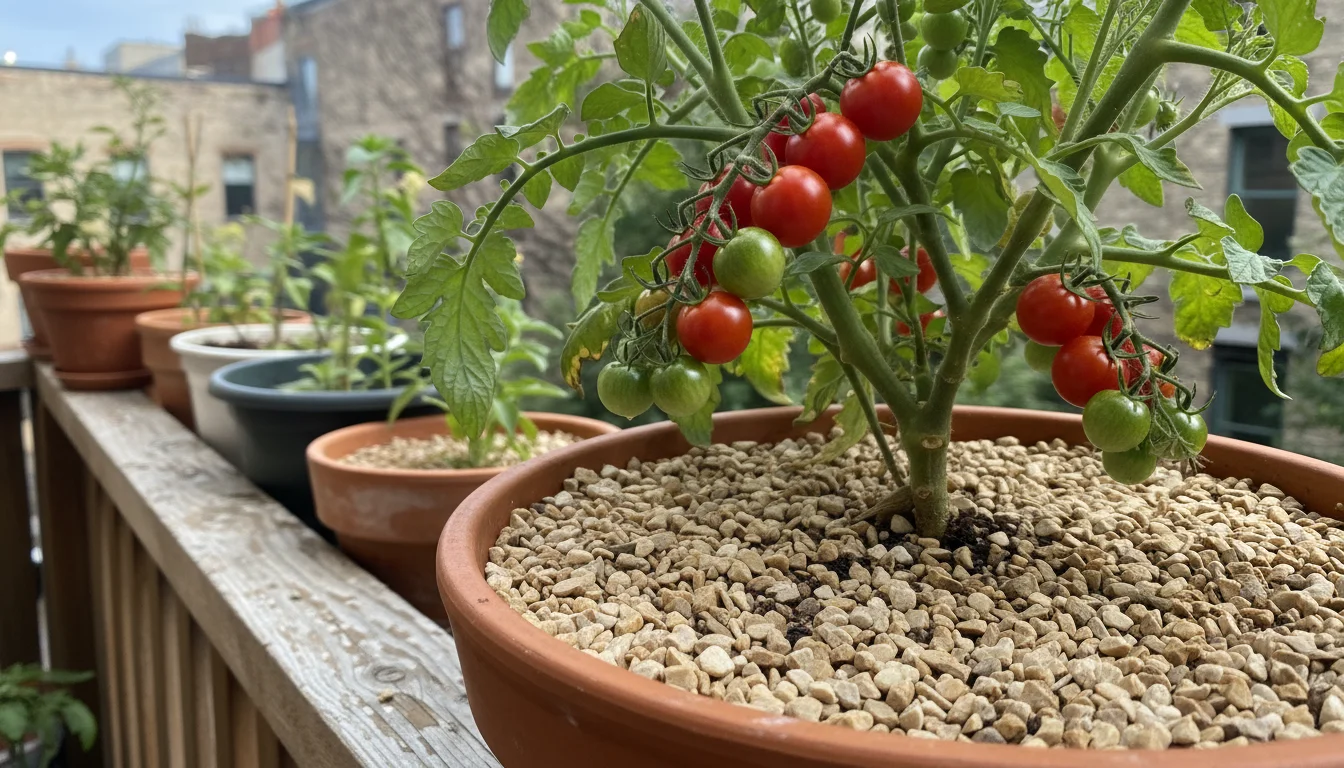
- Top Dressing with Grit: Apply a 1/2 to 1-inch layer of decorative pebbles, horticultural sand, or fine gravel on top of the soil. This creates a dry physical barrier that deters adult fungus gnats from laying eggs directly into the moist soil below. It also helps the surface soil dry out faster.
Implementing these moisture management strategies is foundational. It addresses the root cause of fungus gnat infestations and significantly reduces their ability to thrive in your indoor garden.
Prong 2: Biological Warfare – Introducing Bti for Larval Annihilation
Once you have addressed the moisture issues, you can escalate your attack on the fungus gnat larvae directly. This is where biological warfare comes in, specifically using Bacillus thuringiensis israelensis, or Bti. This natural, eco-friendly solution effectively targets gnat larvae without harming your plants, pets, or family. It is a key component when you are serious about using mosquito bits for fungus gnats in pots.
What is Bti and How Does it Work?
Bacillus thuringiensis israelensis (Bti) is a naturally occurring bacterium found in soil. It is a highly specific larvicide, meaning it targets only certain insect larvae, primarily mosquitoes, black flies, and, crucially, fungus gnats. Bti is not a chemical pesticide in the traditional sense; it is a biological agent.
When fungus gnat larvae ingest Bti, the bacteria produce specific proteins that become toxic in the alkaline environment of the larvae’s digestive systems. These toxins disrupt their gut, causing them to stop feeding and eventually die within a few days. The beauty of Bti is its specificity: it is harmless to humans, pets, beneficial insects, fish, and other wildlife because these organisms do not have the same digestive conditions that activate the toxin.
Using Mosquito Bits for Fungus Gnats in Pots
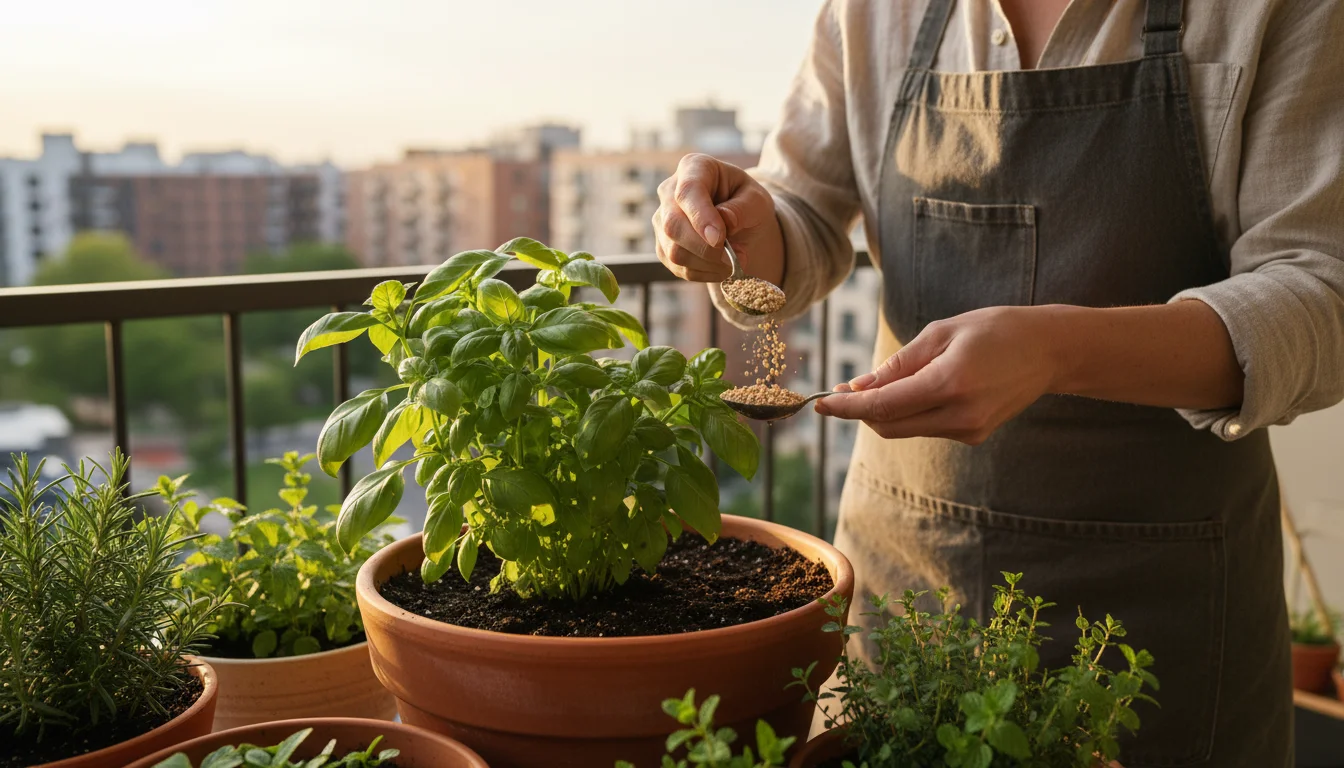
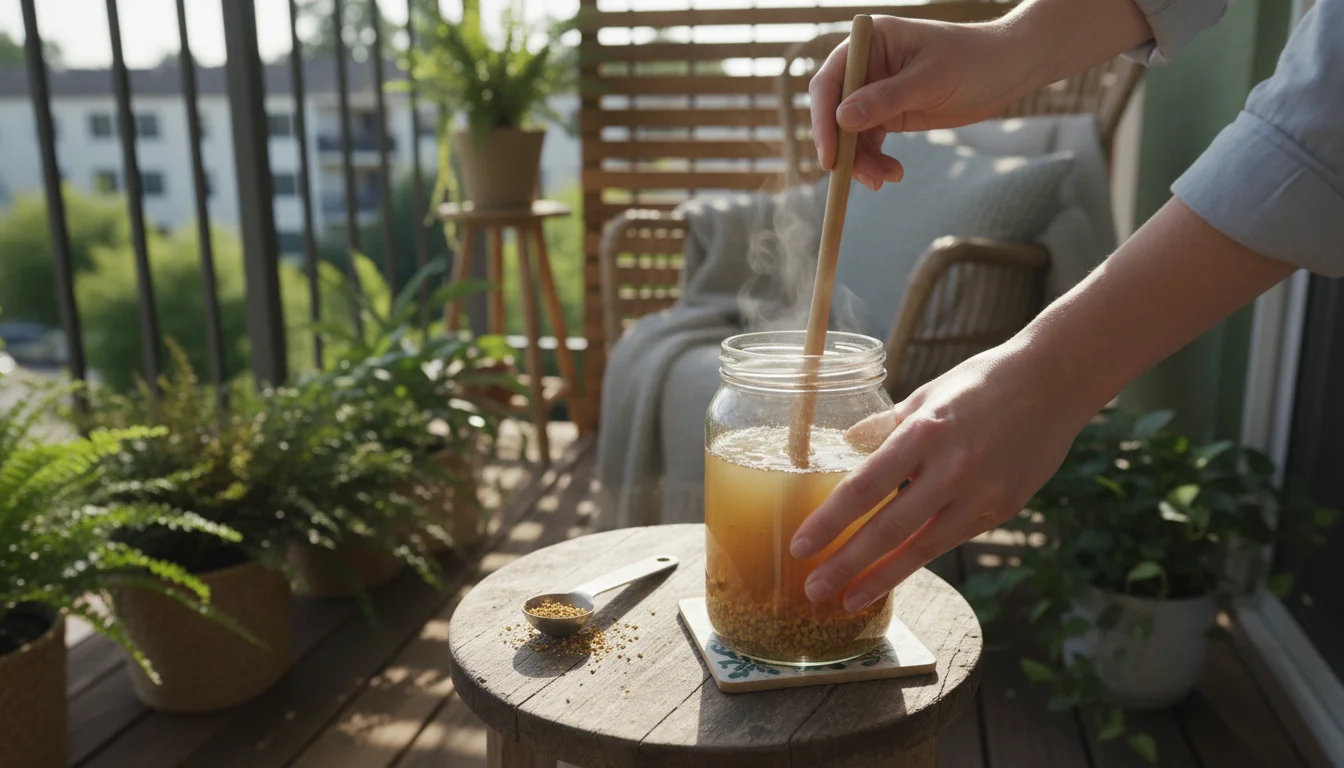
The most common and convenient way for apartment gardeners to apply Bti is through products like “Mosquito Bits” or similar Bti granules. These products are readily available at garden centers and online. They contain Bti spores that activate when wet.
Here is a step-by-step guide on how to effectively use Mosquito Bits for fungus gnats in pots:
- Prepare Your Solution:
- Measure out the recommended amount of Mosquito Bits. The packaging usually provides guidelines, often around 1 tablespoon per gallon of water.
- Soak the Mosquito Bits in warm water for at least 30 minutes, or even a few hours. This allows the Bti to release its spores into the water, creating a “Bti tea.” Stir occasionally to ensure good dispersion.
- Water Your Plants with Bti Tea:
- After the soaking period, strain the “Bti tea” to remove the solid bits (which you can discard or sprinkle on the soil surface for added benefit, though they are less effective once the Bti is dissolved).
- Use this Bti-infused water to thoroughly water all your affected houseplants. Water as you normally would, ensuring the soil is evenly moistened and some water drains out the bottom.
- Treat all plants, even those not currently showing signs of gnats, as fungus gnats can quickly spread.
- Repeat Application:
- The Bti will remain active in the soil for a few days to a week. However, new gnat eggs might hatch after the Bti has dissipated.
- For complete eradication, repeat the Bti treatment every 7-10 days for at least three to four weeks. This ensures you target successive generations of larvae as they hatch, effectively breaking the gnat lifecycle. This consistent application is crucial for how to get rid of fungus gnats in houseplants permanently.
Important Considerations for Bti Application
- Consistency: Do not skip treatments. A single application might reduce populations, but sustained effort is necessary to eliminate them.
- Combine with Moisture Control: Bti works best when combined with stringent moisture management (Prong 1). If you continue to overwater, you will still provide an ideal breeding ground, and Bti will have to work much harder.
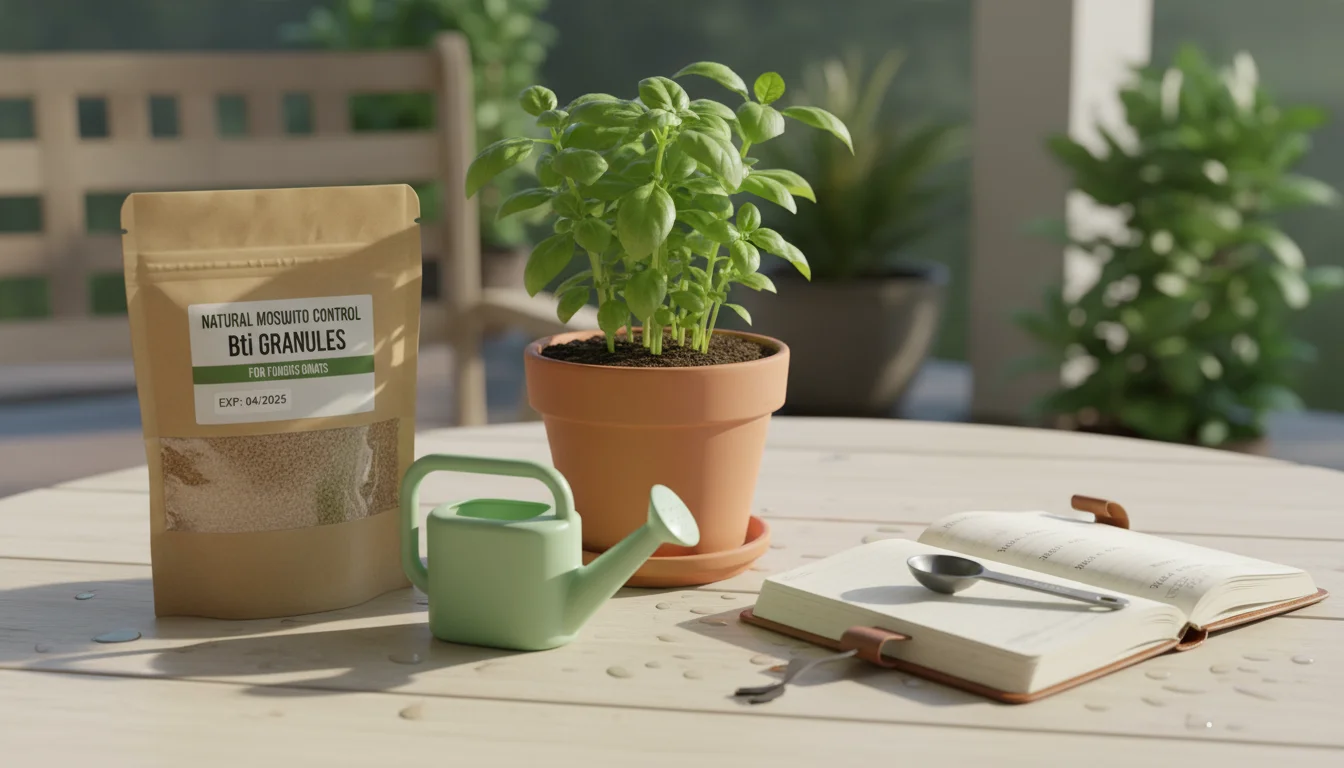
- Source of Bti: Ensure you are purchasing fresh Mosquito Bits or Bti granules, as their efficacy can diminish over time. Check the expiration date.
- Safety: Always follow the product instructions on the label. While Bti is very safe, proper handling ensures maximum effectiveness and peace of mind.
By effectively deploying Bti, you launch a targeted strike against the most damaging stage of the fungus gnat lifecycle, drastically reducing the larval population and paving the way for a gnat-free home.
Prong 3: Physical Barriers and Traps – Catching the Adults
While moisture control and Bti target the larvae, you also need strategies to deal with the adult fungus gnats. These flying adults are the ones you see buzzing around, and they are responsible for laying the next generation of eggs. Physical barriers and traps serve two crucial purposes: they capture adults, reducing the breeding population, and they act as excellent monitoring tools to gauge the severity of your infestation and the effectiveness of your annihilation plan.
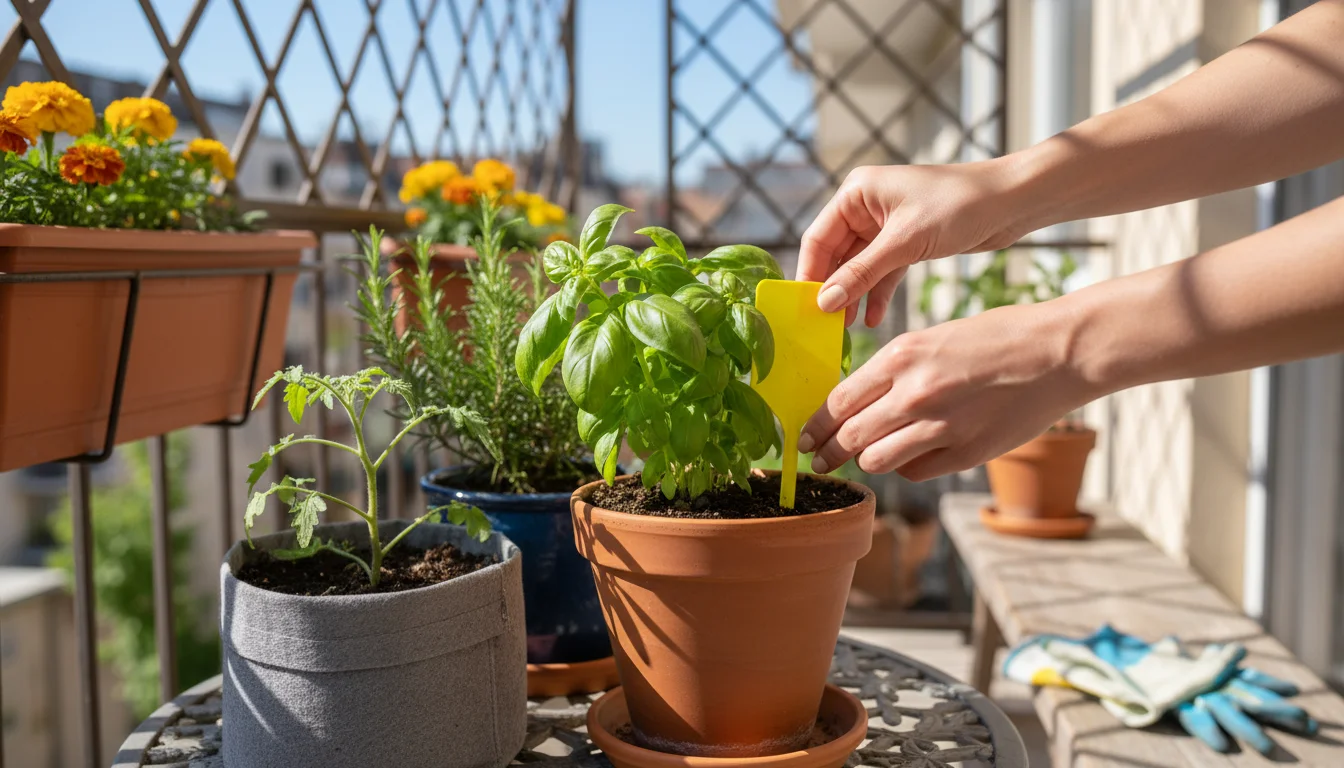
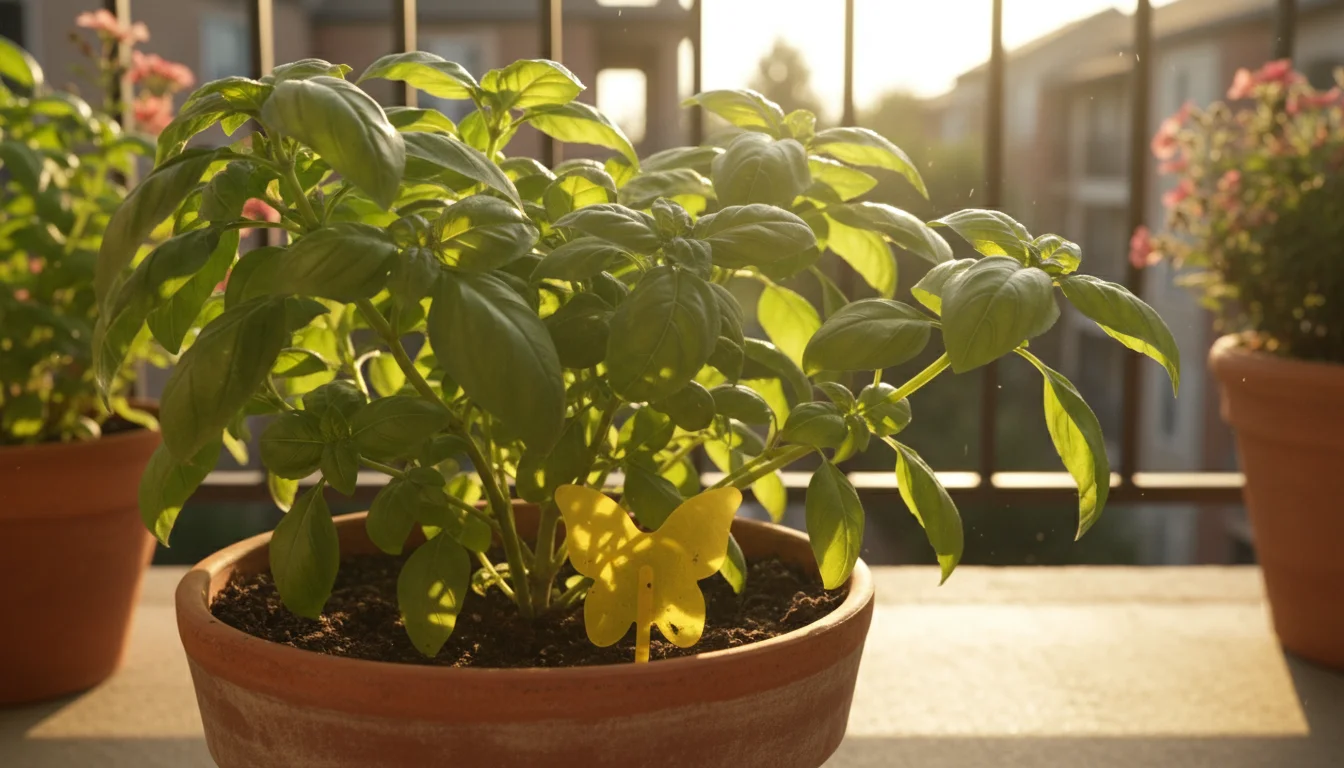
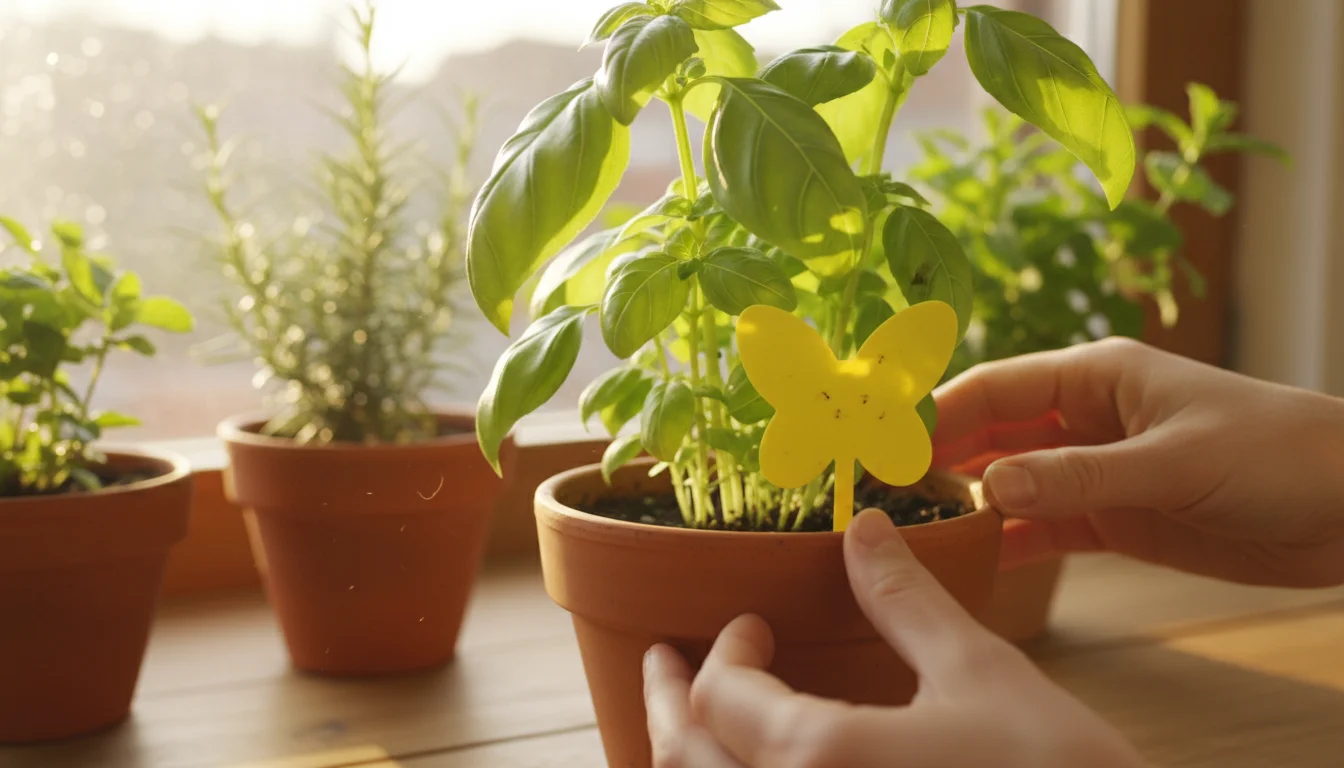
Deploying yellow sticky traps is the most effective way to break the breeding cycle by removing the egg-laying adults.
Using sticky traps for winter pest prevention is one of the easiest ways to break the breeding cycle by capturing adults before they can lay more eggs.
Yellow Sticky Traps: Your Gnat Surveillance System
Yellow sticky traps are perhaps the most straightforward and effective tool for catching adult fungus gnats. Gnats, like many other flying insects, are attracted to the color yellow. Once they land on the sticky surface, they get stuck.
How to Use Yellow Sticky Traps:
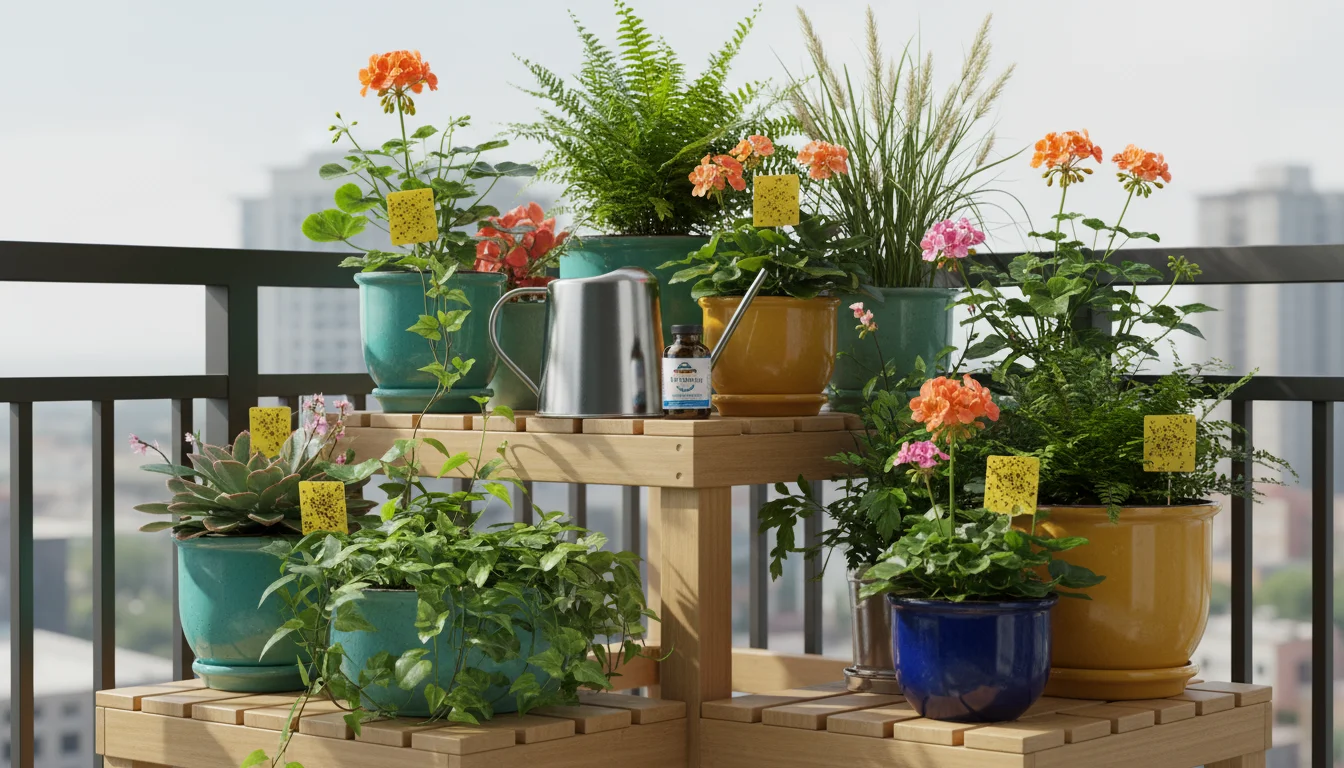
- Placement: Insert the small stakes that come with the traps directly into the soil of your affected potted plants. You can also hang them near plants or windows. Place them where you observe the most gnat activity.
- Monitor: Regularly check your traps. The number of gnats caught provides a clear visual indicator of your infestation level. A sudden decrease in caught gnats suggests your other control methods are working.
- Replace: Replace traps when they are covered with gnats or dust, typically every few weeks. This maintains their effectiveness.
Yellow sticky traps do not eliminate an entire infestation on their own because they only catch adults. However, they are vital for reducing the number of breeding adults and preventing new eggs from being laid. They are also excellent for confirming the presence of fungus gnats versus other flying insects.
Creating a Physical Barrier with Top Dressings
As discussed in the moisture management section, a dry top layer on your soil acts as a physical barrier. This simple yet effective method prevents adult fungus gnats from reaching the moist soil below to lay their eggs, and also hinders newly emerged adults from tunneling out of the soil.
Effective Top Dressing Materials:
- Horticultural Sand: A 1/2 to 1-inch layer of coarse horticultural sand (not play sand) provides a fine, dry barrier that gnats cannot easily penetrate.
- Decorative Pebbles or Gravel: Small decorative pebbles, pea gravel, or lava rock can also create an effective barrier. Ensure the pieces are small enough to cover the soil surface thoroughly.
- Diatomaceous Earth (Food Grade): This fine, powdery substance consists of fossilized diatoms. When applied as a dry, thin layer on the soil surface, it acts as a physical irritant and desiccant to insects with exoskeletons, effectively dehydrating fungus gnat larvae and adults that crawl over it. Apply a thin layer and reapply if it gets wet. Always use food-grade DE for safety around plants and pets.
These barriers keep the soil surface dry, making it unattractive and inaccessible for egg-laying, directly addressing the reason why you have so many fungus gnats in winter. They offer a sustainable and aesthetically pleasing prevention method.
DIY Gnat Traps (Supplementary)
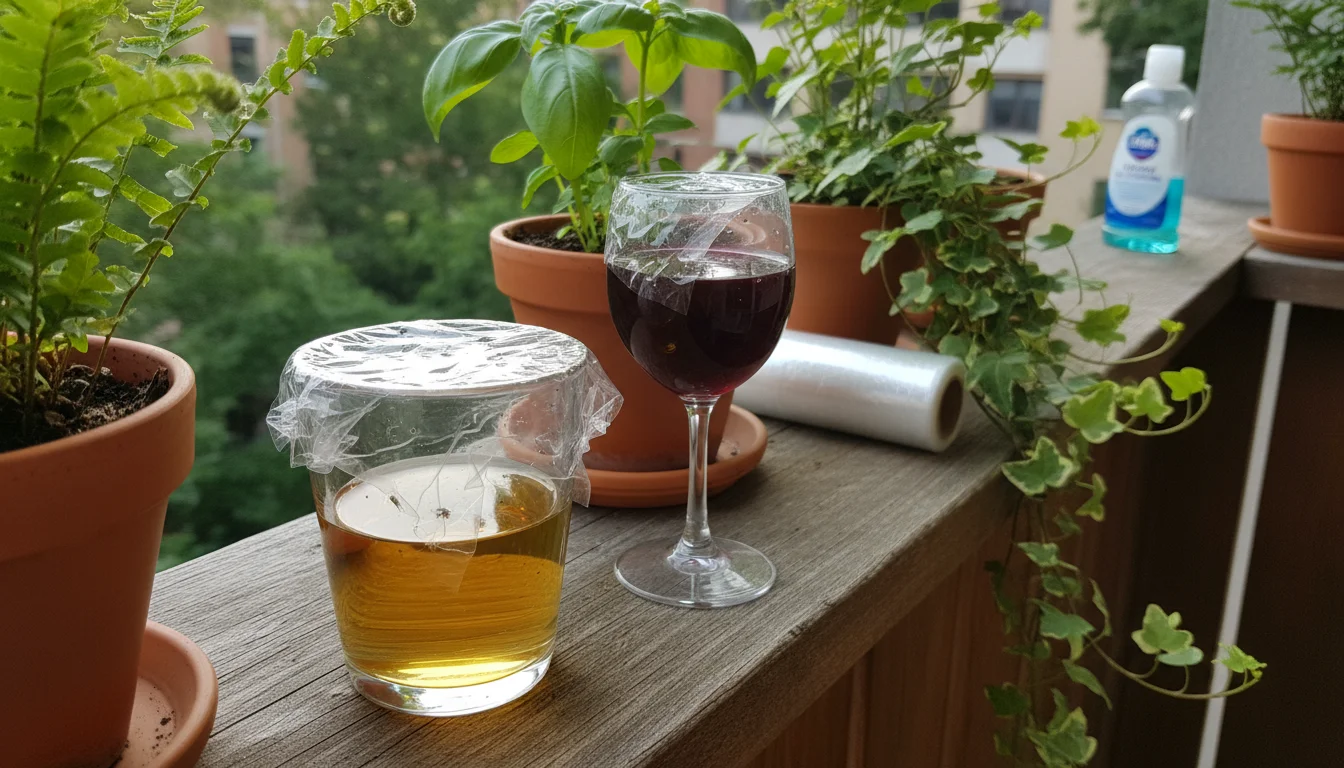
For additional adult gnat control, you can construct simple DIY traps using common household items. These are supplementary tools, most effective when combined with other methods.
- Apple Cider Vinegar Trap:
- Pour a small amount of apple cider vinegar into a shallow dish or small glass.
- Add a few drops of dish soap. The soap breaks the surface tension of the vinegar, causing gnats to sink and drown.
- Cover the dish loosely with plastic wrap and poke a few small holes in it. The gnats will be attracted to the vinegar, enter through the holes, and get trapped.
- Place these traps near heavily infested plants.
- Red Wine Trap: Similar to the apple cider vinegar trap, a small amount of old red wine can also attract fungus gnats. Use dish soap to break surface tension.
These physical tactics, when combined with diligent moisture management and the use of Bti, create a multi-layered defense that dramatically reduces and eventually eliminates fungus gnat populations in your apartment garden.
Prong 4: Sanitation and Prevention – Eliminating Hiding Spots
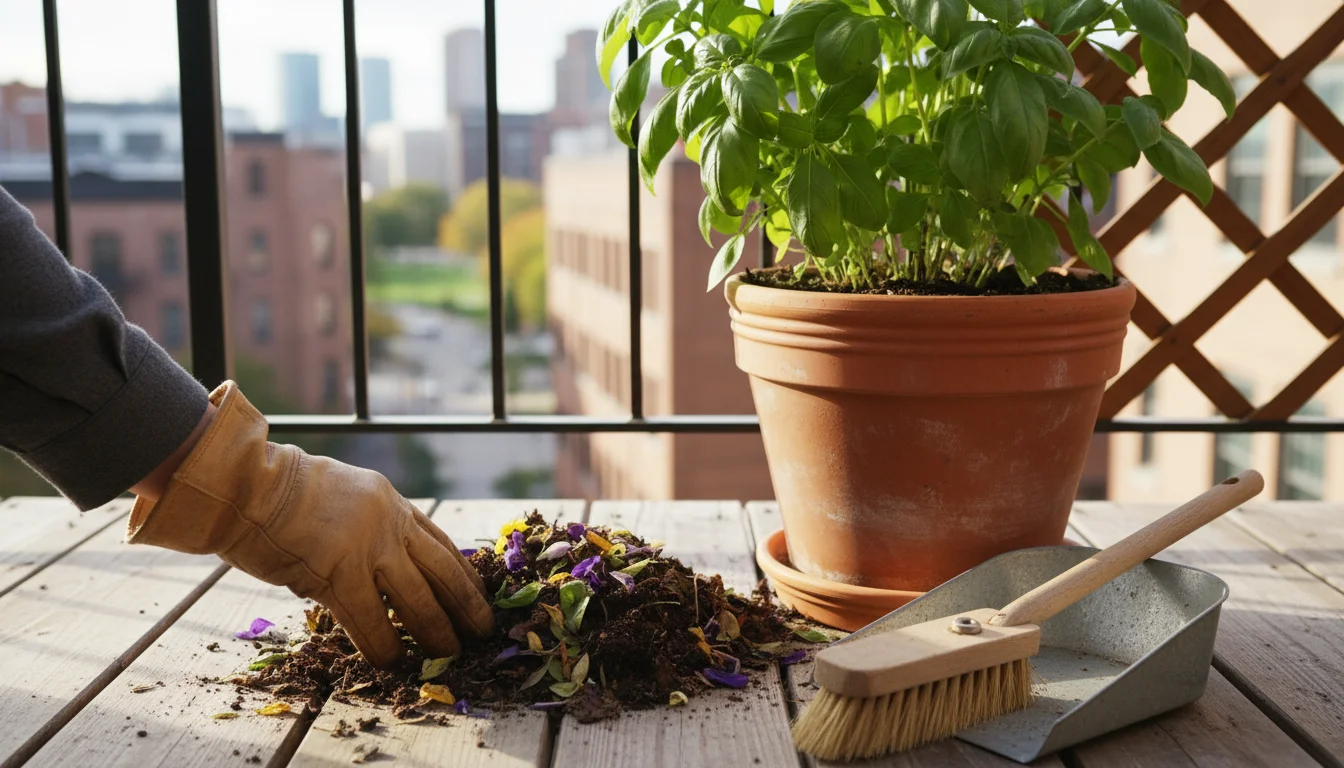
A successful annihilation plan extends beyond direct pest control to establishing habits that prevent future infestations. Good sanitation practices are critical for maintaining a gnat-free environment and reinforcing your overall strategy. This prong focuses on removing potential breeding sites and minimizing the introduction of new pests.
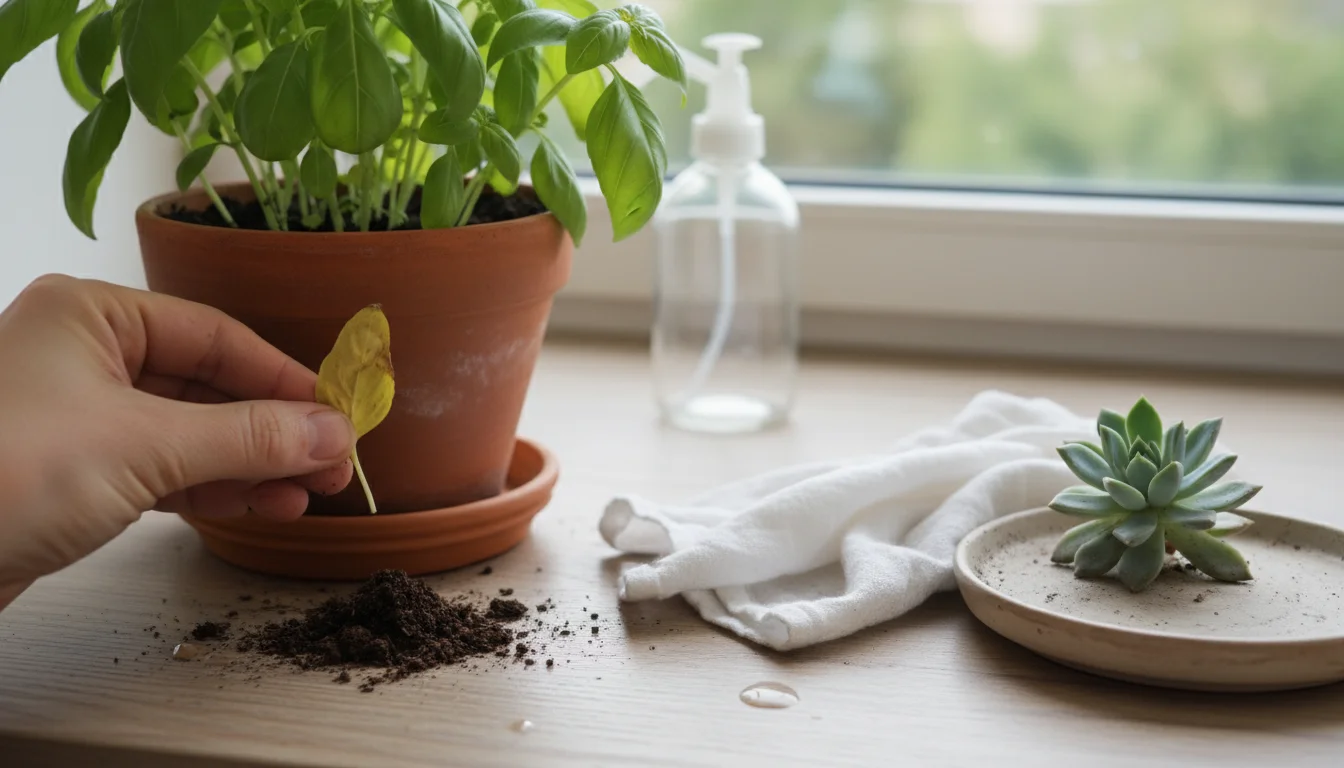
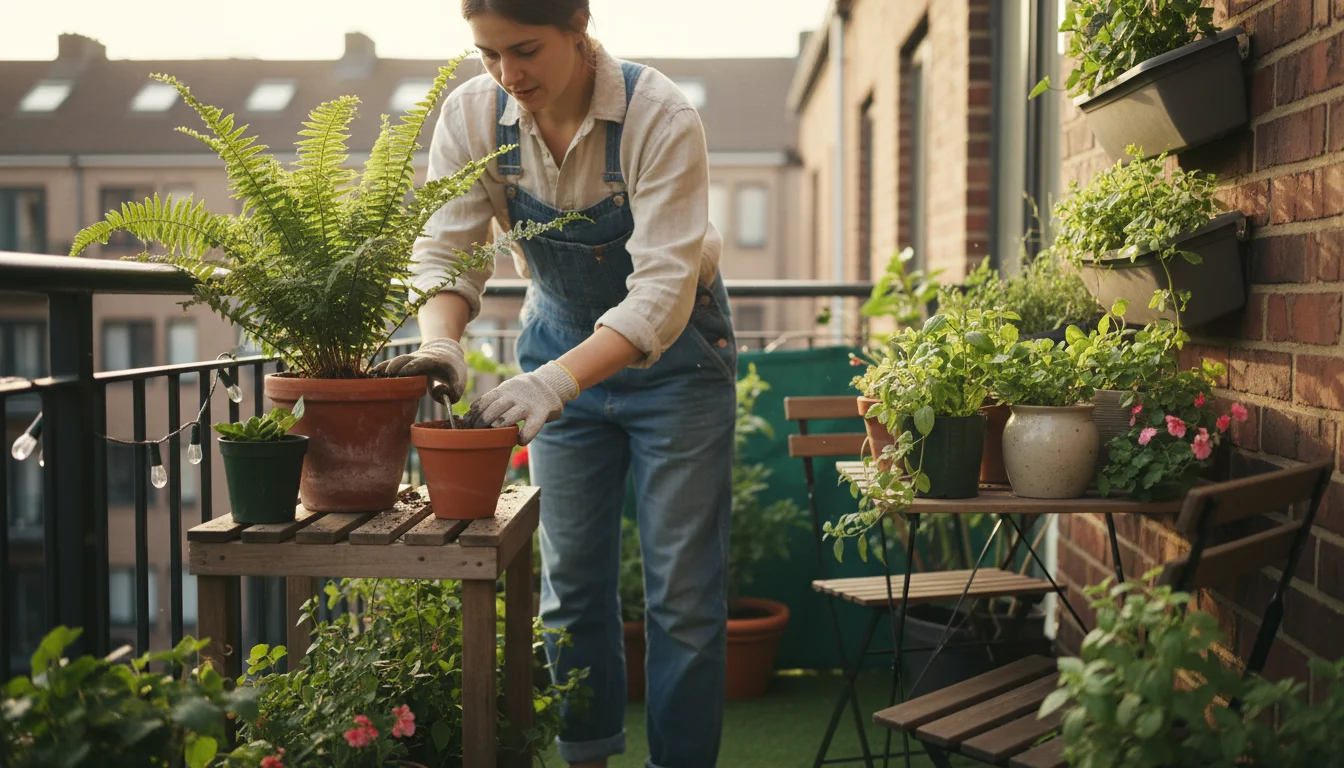
To prevent spreading larvae between pots, always disinfect your gardening tools after working with an infested plant.
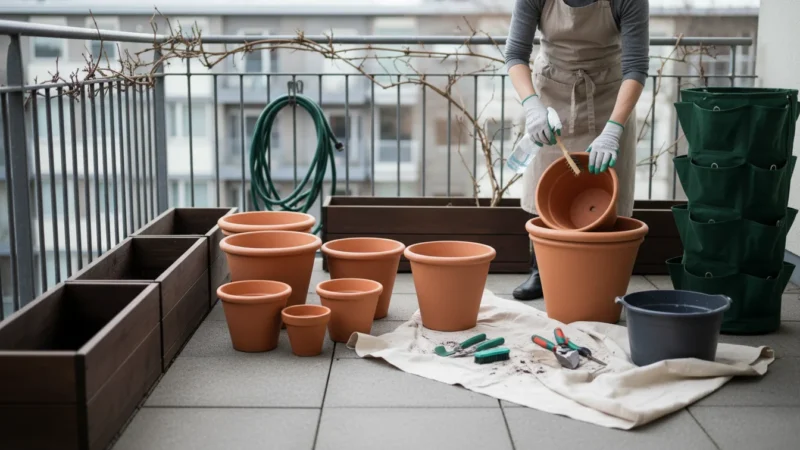
To prevent cross-contamination between pots, make sure to disinfect your indoor gardening tools regularly.
Maintaining a Clean Plant Environment
Fungus gnats thrive on decaying organic matter, which provides both food for larvae and a moist environment. Simple cleaning habits can make a big difference:
- Remove Dead Leaves and Debris: Regularly inspect your plants and remove any yellowing, dying, or fallen leaves from the soil surface and around the plant. These act as food sources for gnat larvae and retain moisture.
- Wipe Down Surfaces: Clean up any spilled potting mix or plant debris from your shelves, windowsills, and floor. Even small amounts can harbor gnat eggs or larvae if they stay moist.
- Clean Saucers: Always ensure saucers under your pots are clean and dry. Standing water in saucers is a prime breeding ground, providing the perfect conditions that make you ask, “Why do I have so many fungus gnats in winter?”
Strategic Repotting and Soil Management
Your potting mix is often the source of initial infestations. Taking precautions during repotting and soil storage can prevent a lot of headaches.
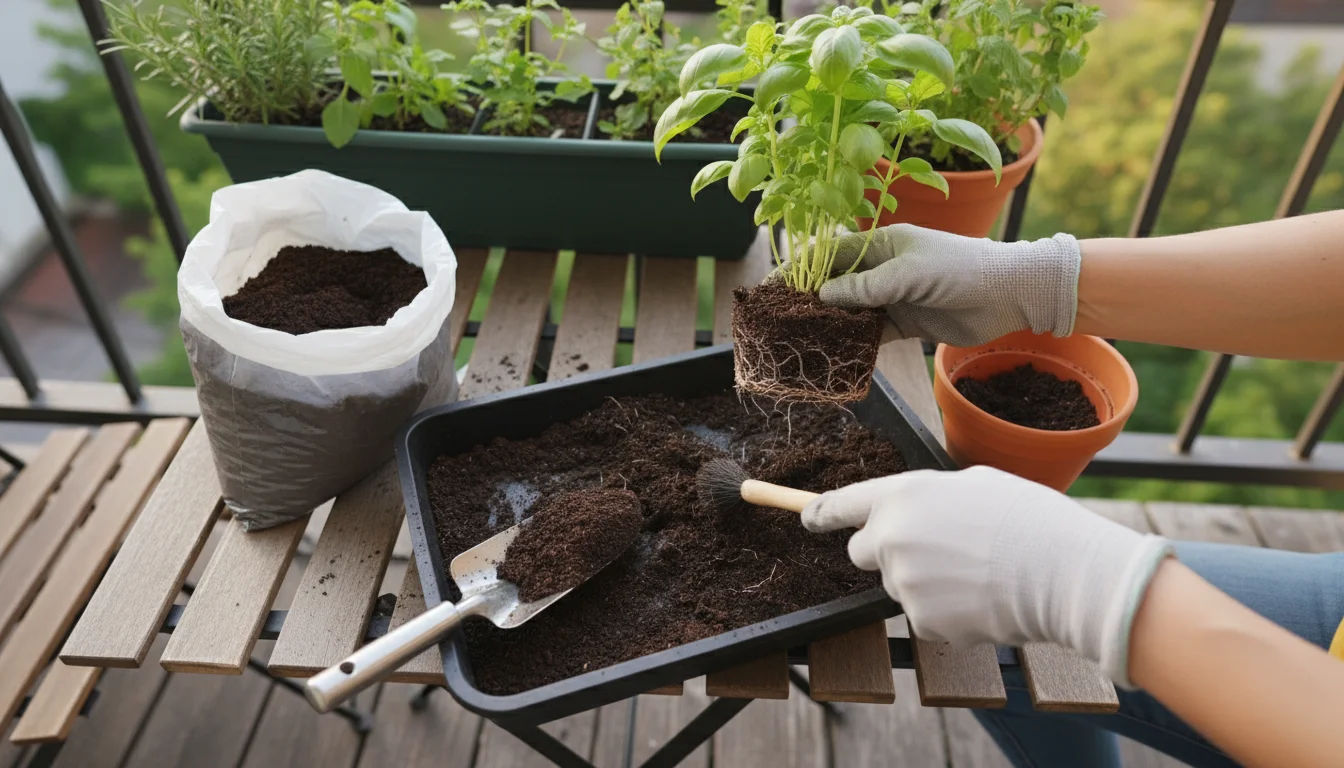
- Use Sterile Potting Mix: Always start with a high-quality, sterile potting mix. Bags of garden soil or unsterilized compost can already contain fungus gnat eggs, larvae, or fungal spores. Store open bags of potting mix in sealed containers to prevent pests from entering.
- Thorough Repotting: When repotting plants, gently brush off as much old soil as possible from the root ball. This removes any existing gnat eggs or larvae and introduces your plant to a fresh, sterile, well-draining environment.
- Avoid Over-Fertilizing: Excessive organic fertilizer can also contribute to fungus gnat problems by promoting fungal growth in the soil, which larvae feed on. Follow fertilizer instructions carefully and avoid overdoing it.
Inspecting New Plants and Quarantine Protocols
New additions to your plant collection are a common way for fungus gnats to enter your home. A diligent inspection and quarantine process can prevent new infestations from taking hold.
- Inspect Before You Buy: Before purchasing a new plant, always check the soil surface and the underside of leaves for any signs of pests, including adult fungus gnats flying up from the soil when you gently tap the pot. Avoid plants with visible pest issues.
- Quarantine New Plants: This is a non-negotiable step for experienced and beginner gardeners alike. Place any new plant in a separate room or area, away from your existing collection, for at least two to four weeks. During this time, monitor for fungus gnats or any other pests. This allows you to treat any issues before they spread to your healthy plants.
- Repot New Plants: Consider immediately repotting new plants into your preferred sterile, well-draining potting mix. This removes any potentially infested nursery soil.
Environmental Control
While apartment environments have inherent challenges, you can still manage certain aspects to deter fungus gnats.
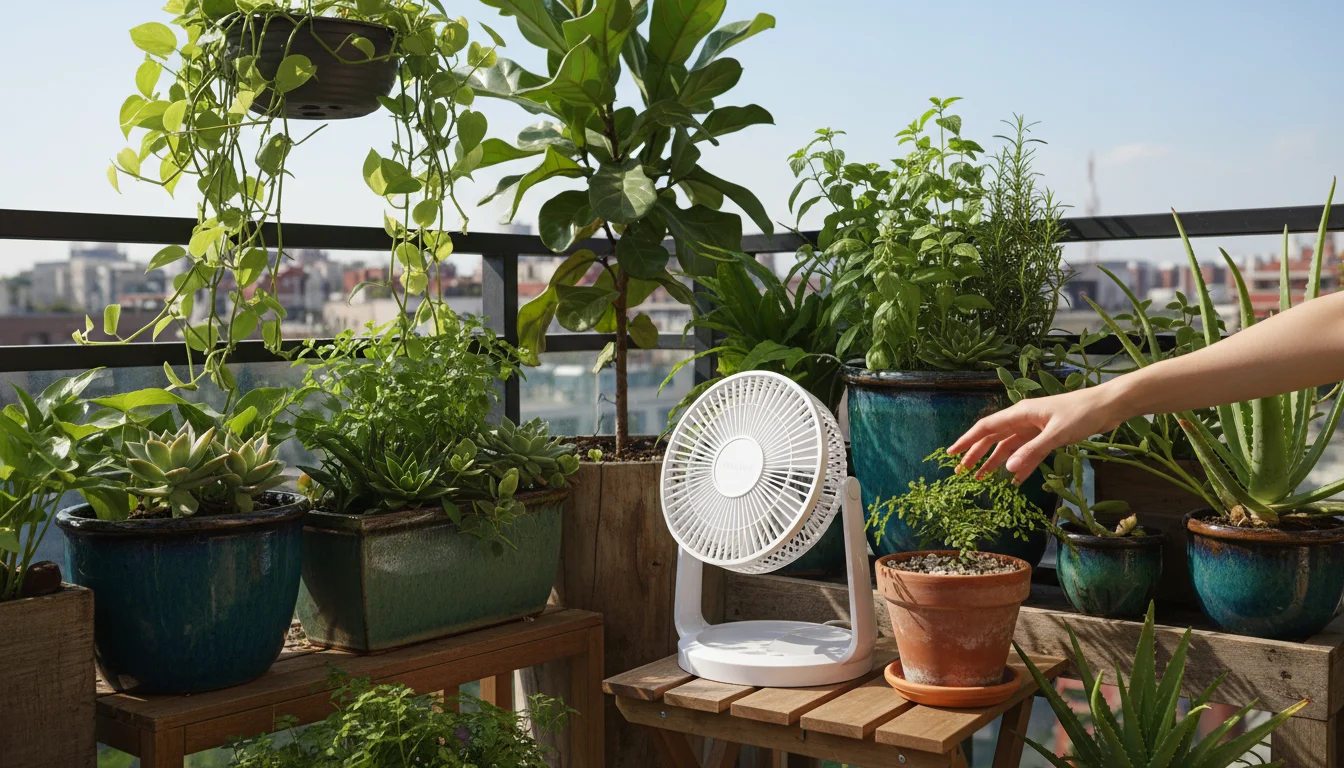
- Improve Air Circulation: Good air circulation helps the soil surface dry out faster. If your plant area feels stagnant, consider using a small fan on a low setting for a few hours a day. Avoid aiming the fan directly at the plants, which can cause dehydration.
- Manage Humidity: While most houseplants appreciate humidity, excessively high humidity combined with wet soil is a gnat paradise. Ensure your general living space is not overly humid, especially around plant areas.
By diligently implementing these sanitation and prevention measures, you establish a proactive defense against fungus gnats, making your apartment an unfriendly habitat for these persistent pests.
Advanced Tactics and Long-Term Prevention for a Gnat-Free Home
Once you have implemented the 4-pronged attack, consistency and vigilance become your greatest allies in maintaining a gnat-free environment. This section offers further insights and troubleshooting tips to ensure your success in how to get rid of fungus gnats in houseplants permanently.
The Power of Consistency
Eliminating fungus gnats is not a one-time fix; it is a commitment to consistent, proactive care. The full lifecycle of fungus gnats can take several weeks, so you must interrupt this cycle repeatedly to ensure complete eradication. Continue your Bti treatments for at least 3-4 weeks, diligently monitor sticky traps, and maintain your improved watering practices even after you no longer see adults.
Why Do I Have So Many Fungus Gnats in Winter? Revisiting the Challenge
The winter months present a particular challenge for indoor plant care and often lead to an increase in fungus gnats. You might frequently ask, “Why do I have so many fungus gnats in winter?” Re-evaluate these common winter factors if your infestation persists:
- Reduced Light, Reduced Water Needs: During winter, daylight hours shorten, and light intensity decreases. Most plants naturally slow their growth in response, meaning they require significantly less water. If you maintain summer watering habits, you will inevitably create soggy conditions. Always check soil moisture, do not just water on a schedule.
- Warm, Humid Indoors: While outside temperatures drop, your indoor heating keeps your apartment warm. This warmth, combined with potentially higher indoor humidity from heating or humidifiers, creates a cozy environment for gnats if moisture is also present.
- Less Ventilation: We tend to keep windows closed in winter, reducing fresh air circulation. Stagnant air allows soil to remain moist for longer and can concentrate airborne gnat populations. Consider opening a window briefly on warmer winter days or using a small fan (indirectly) to improve air movement.
Addressing these specific winter conditions will significantly enhance your prevention efforts.
Troubleshooting: When the Plan Isn’t Working
If you have diligently followed the 4-pronged plan and still see fungus gnats, it is time to re-evaluate your approach:
- Are You Truly Letting the Soil Dry Out? This is the most common reason for failure. Ensure you are checking the soil depth for moisture, not just the surface. Remember, a dry surface with wet soil underneath is still a gnat haven.
- Is Your Bti Application Consistent and Correct? Have you been treating all plants? Are you repeating applications every 7-10 days for several weeks? Is your Bti product fresh and potent?
- Are There Hidden Breeding Grounds? Check plants you might have overlooked, such as terrariums, plants in less-visited rooms, or even plant propagations in water (though less common for gnats, they can be a source of moisture). Also, check under cachepots or decorative pots where water might collect.
- Is Your Potting Mix Too Dense? Even with proper watering, a very heavy, moisture-retentive potting mix can be problematic. Consider repotting with a lighter, better-draining mix, adding perlite or other aerating amendments.
- Are New Plants Bringing in Pests? Revisit your quarantine procedures for any new plants introduced recently.
Choosing Less Susceptible Plants
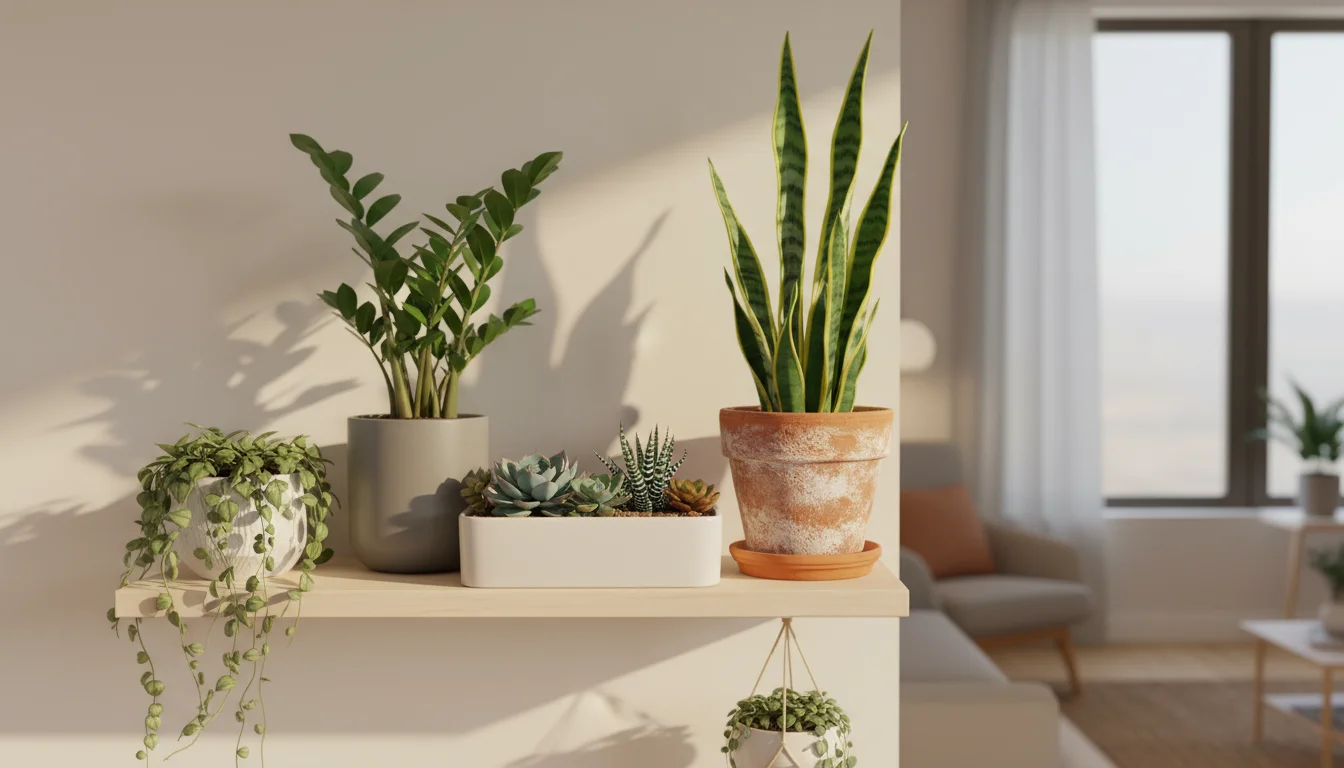
For gardeners constantly battling fungus gnats, consider incorporating plants that prefer drier conditions into your collection. These plants naturally deter fungus gnats due to their watering requirements:
- Succulents and Cacti: These plants thrive in very well-draining soil and infrequent watering, making them inherently gnat-resistant.
- Snake Plants (Sansevieria spp.): Known for their drought tolerance, snake plants prefer their soil to dry out completely between waterings.
- ZZ Plants (Zamioculcas zamiifolia): Similar to snake plants, ZZ plants store water in their rhizomes and tolerate dry soil very well.
- Pothos and Philodendrons (Water-Wise Varieties): While these enjoy some humidity, many varieties are tolerant of letting their soil dry out a bit more than other tropical plants.
By understanding the nuances of fungus gnat behavior and consistently applying your annihilation plan, you ensure your indoor garden remains a source of joy, not frustration, year-round.

Frequently Asked Questions
Are fungus gnats harmful to my plants?
Yes, fungus gnats can harm your plants, especially seedlings, young plants, and plants already stressed. While adult gnats are primarily a nuisance, their larvae feed on decaying organic matter, fungi, and critically, the fine root hairs of your plants. This root damage inhibits water and nutrient uptake, leading to stunted growth, yellowing leaves, wilting, and in severe cases, plant death. Older, robust plants are more tolerant but can still suffer from chronic infestations.
Can I use chemical pesticides to get rid of fungus gnats?
While chemical pesticides are available, SimpleGardenJoy.com emphasizes eco-friendly and sustainable solutions. Broad-spectrum chemical insecticides can be harsh, pose risks to pets and children, and often harm beneficial insects if used outdoors. The 4-pronged attack using moisture control, Bti, physical traps, and sanitation offers a highly effective, targeted, and safe approach to eliminating fungus gnats without resorting to harsh chemicals. These methods are proven for how to get rid of fungus gnats in houseplants permanently.
How long does it take to get rid of fungus gnats permanently?
Permanently eradicating fungus gnats typically takes a sustained effort of 3 to 4 weeks, or even longer for severe infestations. You must break their entire lifecycle. The Bti treatments need to be repeated every 7-10 days to target new larvae as they hatch. Alongside this, consistent moisture management and the use of sticky traps will gradually reduce adult populations. Patience and consistency are key to ensuring you tackle every generation of gnats.
Why do I have so many fungus gnats in winter, specifically?
You often see an increase in fungus gnats during winter because indoor environments provide stable warmth and a tendency towards overwatering. Plants require less water in winter due to lower light levels and slower growth. If you continue to water on a summer schedule, the soil stays wet for longer, creating ideal breeding conditions for fungus gnats. Reduced air circulation from closed windows also contributes to slower soil drying. These factors make winter a prime season for fungus gnat proliferation.
Is using mosquito bits for fungus gnats in pots safe for my plants and pets?
Yes, using Mosquito Bits (which contain Bti) for fungus gnats in pots is very safe when used as directed. Bti is a naturally occurring bacterium that specifically targets the larvae of mosquitoes, black flies, and fungus gnats. It is harmless to humans, pets, beneficial insects, and plants because they do not possess the specific digestive enzymes that activate the Bti toxin. It is a highly recommended biological control agent for indoor use.
Reclaiming Your Indoor Oasis
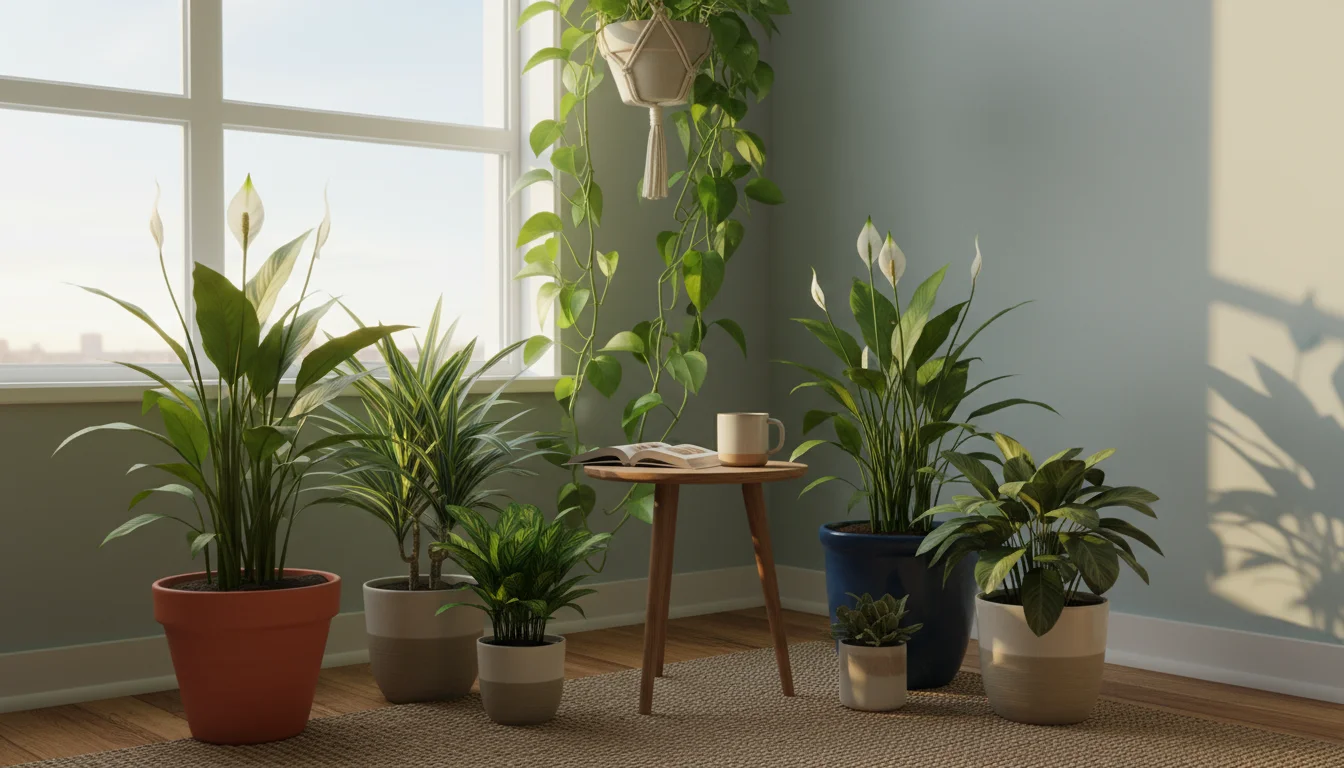
Dealing with fungus gnats can test any gardener’s patience, but with this comprehensive 4-pronged annihilation plan, you possess all the tools to effectively eliminate these indoor plant pests from your apartment. By combining smart moisture management, targeted biological control with Bti, physical barriers and traps, and diligent sanitation, you disrupt their lifecycle at every stage. You will not just manage the problem; you will solve it, creating an environment where fungus gnats cannot thrive. Embrace these actionable steps, remain consistent in your efforts, and soon your houseplants will flourish, free from the incessant buzzing. Reclaim the joy of your serene, gnat-free indoor garden.
For trustworthy gardening information, visit: University of Alaska Fairbanks Extension — Gardening, University of Georgia Extension — Gardening, Louisiana State University AgCenter — Lawn & Garden, Mississippi State University Extension — Lawn & Garden and Arkansas Extension — Yard & Garden. These organizations provide expert, research-based advice for gardeners at all levels.
Disclaimer: This article is for informational purposes only and is not a substitute for professional gardening advice. Always consult local extension services or horticulture experts for region-specific guidance.
Leave a Reply