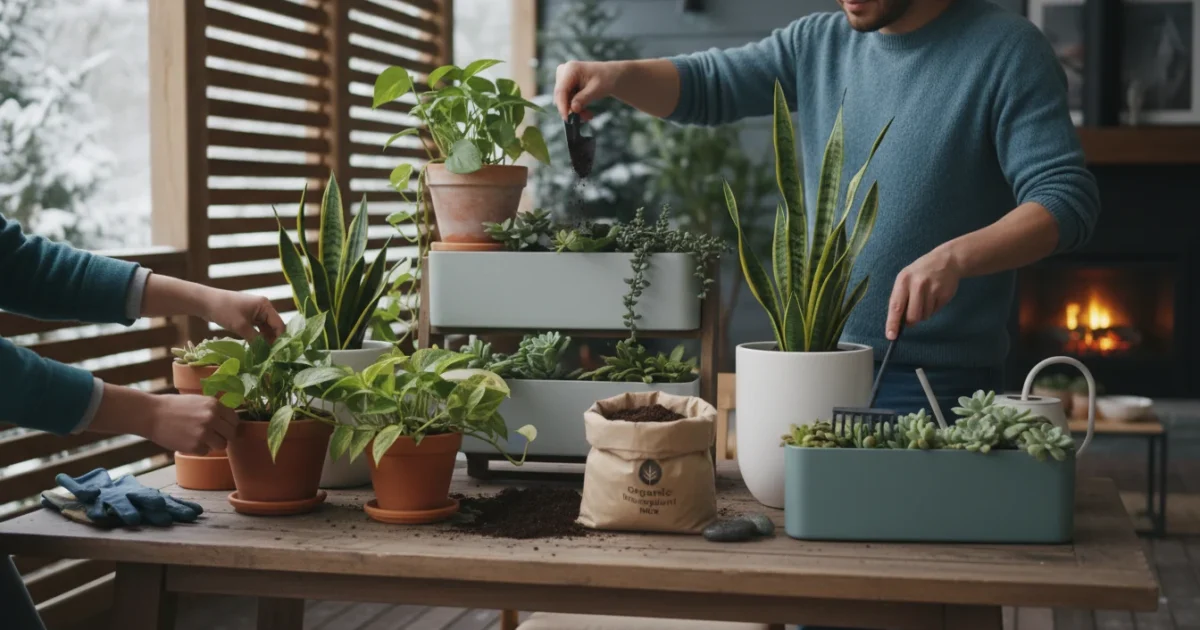
As the days shorten and outdoor gardens rest under a blanket of winter, your indoor plants continue their quiet work, bringing life and greenery to your home. But even when growth slows, the soil in their pots is steadily working too, often losing vital nutrients and structure. You might notice your houseplants looking a bit tired, their growth sluggish, or their leaves losing their vibrant color. Before you reach for the repotting supplies, consider a simpler, less disruptive solution for your winter plant care: top dressing.
Top dressing is one of several rewarding indoor gardening projects for winter days that can revive your home oasis.
Top dressing houseplants is a practical, low-effort technique that revitalizes your indoor plant soil without the stress and mess of full repotting. It offers your plants a fresh burst of nutrients and improved soil structure precisely when they need it most, helping them power through the dormant season and emerge stronger in spring. This method is especially valuable for small-space gardeners or anyone seeking low-maintenance gardening solutions. You will provide your plants with the foundational support they need for robust health, ensuring they thrive year-round.
Understanding Your Indoor Plant Soil: Why It Needs a Refresh
To appreciate the benefits of top dressing, first understand what happens to indoor plant soil over time. Unlike garden beds where natural processes constantly replenish nutrients and organic matter, potted plants rely entirely on you for their soil health. Even with regular watering and occasional fertilization, soil in containers faces unique challenges that lead to its decline.
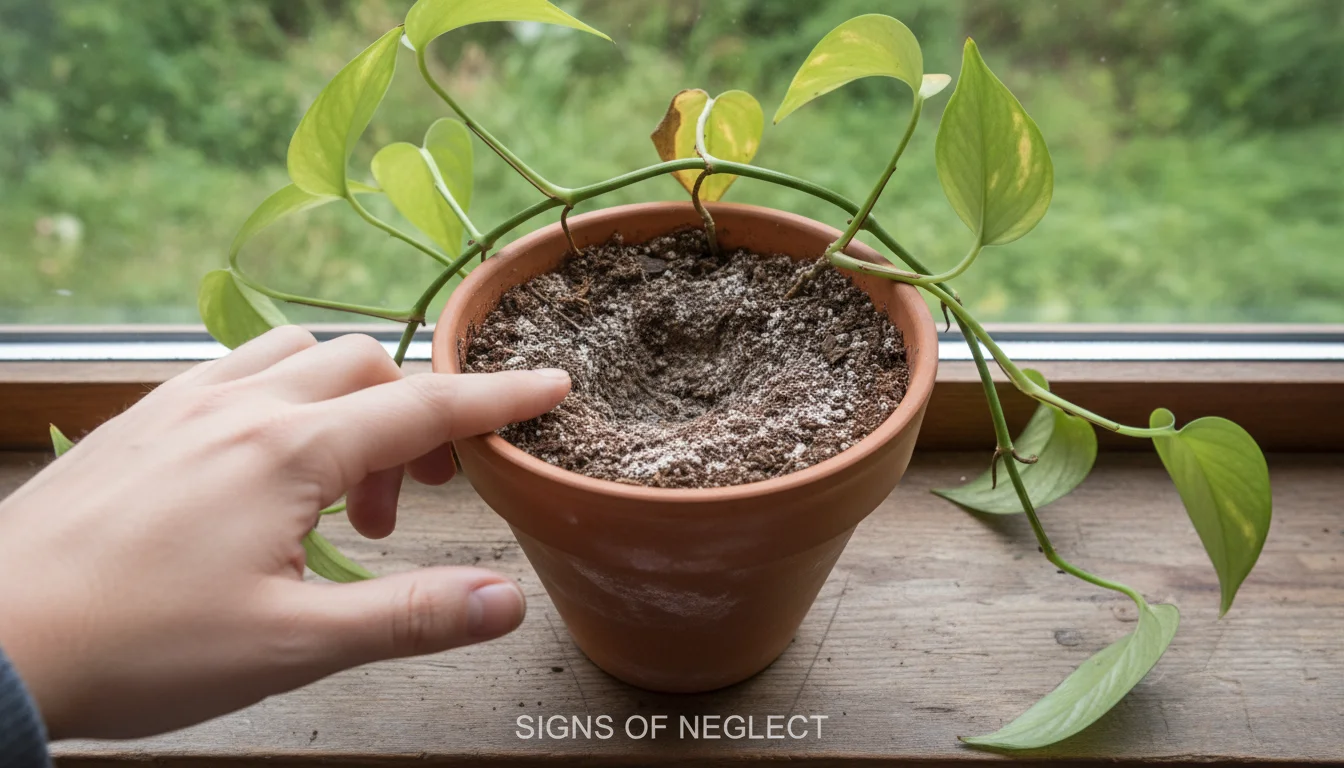
Before starting your refresh, it is helpful to perform a quick winter houseplant health check to identify which pots need the most attention.
One primary issue is nutrient depletion. Every time you water your plants, essential nutrients leach out through the drainage holes. Your plants also actively consume nutrients for growth. Over months, even a well-balanced potting mix becomes less fertile. Research shows that potted plants can deplete up to 50% of available nitrogen in their soil within a few months, impacting their ability to produce lush foliage and strong roots. This nutrient loss is a significant reason why you see slowed growth and dull leaves.
Another factor is soil compaction. With repeated watering, the tiny particles in potting mix settle and compress. This compaction reduces the air pockets in the soil, which are crucial for healthy root respiration. Think of it like a sponge that has been squeezed too tightly, making it less porous. When soil compacts, water struggles to move through it efficiently, leading to poor drainage and potentially root rot. It also makes it harder for roots to expand and absorb nutrients effectively.
Organic matter decomposition also plays a role. Most potting mixes contain ingredients like peat moss, coir, or bark fines. These materials break down over time, shrinking the overall volume of the soil. This breakdown further contributes to compaction and reduces the soil’s ability to retain moisture and nutrients. You might notice the soil level in your pots sinking over several months, a clear sign that organic components are decomposing.
These combined factors create an environment less than ideal for your houseplants. The plants become stressed, making them more susceptible to pests and diseases. While a full repotting addresses these issues by replacing all the old soil, it is a more intensive process that can shock your plants, especially during their slower winter growth period.
What is Top Dressing? Your Low-Effort Winter Solution
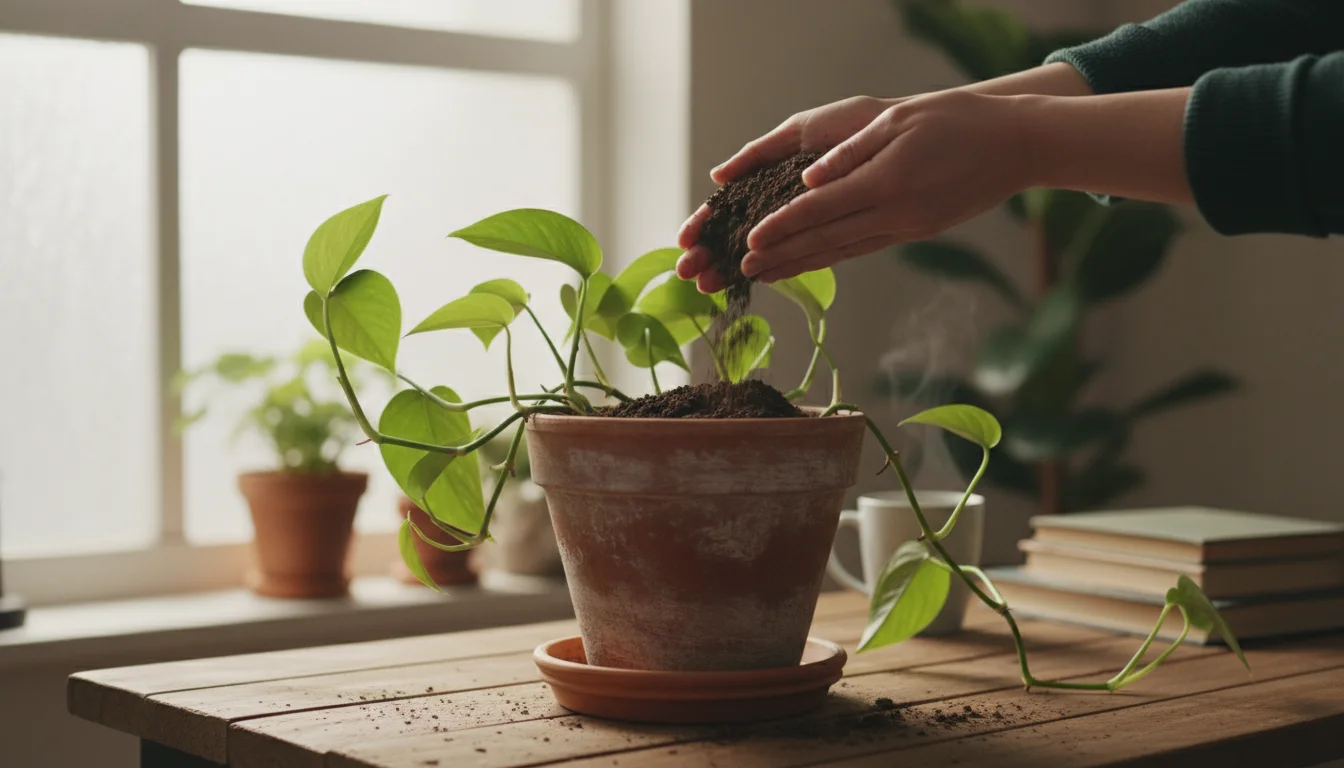
Top dressing houseplants involves adding a fresh layer of nutrient-rich material to the surface of the soil in a potted plant, without disturbing the roots or fully changing the potting mix. This simple act offers a powerful refresh for your indoor plant soil, making it an excellent winter plant care strategy. Imagine giving your plants a revitalizing boost without asking them to move house.
The core benefit of top dressing is nutrient replenishment. By adding a fresh layer of fertile material, you introduce a slow-release source of essential elements directly to the plant’s root zone. This is particularly beneficial during winter when plants are still performing basic metabolic functions, even if they are not actively growing. A common concern for beginner gardeners is whether I should fertilize my houseplants in winter. Top dressing with nutrient-rich amendments like worm castings provides a gentle, sustained feeding, which is generally safer than applying liquid fertilizers that can burn dormant roots.
Beyond nutrition, top dressing significantly improves soil structure. The added layer helps to loosen the compacted surface soil, increasing aeration and promoting better water infiltration. This means water penetrates more evenly, reducing runoff and ensuring the roots receive adequate moisture. Improved drainage also helps prevent issues like fungal growth and root rot, which are often exacerbated by soggy, compacted soil.
Top dressing also helps maintain consistent soil moisture. A layer of organic material on top of the existing soil acts as a natural mulch, reducing evaporation from the soil surface. This means you water less frequently, conserving water and reducing the risk of your plants drying out quickly between waterings.
Furthermore, it helps suppress pests. A fresh layer of material can deter common houseplant pests like fungus gnats. These tiny flies thrive in moist, stagnant topsoil. A dry, fresh layer of material, especially if it is coarse, creates a less hospitable environment for them to lay their eggs, reducing their population over time.
Finally, top dressing is a much less stressful procedure for your plants compared to repotting. Repotting inevitably disturbs the root system, which can cause transplant shock, characterized by wilting, leaf drop, and stunted growth. Top dressing avoids this entirely, allowing your plants to absorb the benefits without the recovery period. This makes it an ideal solution for how to refresh houseplant soil without repotting, especially for larger, established plants that are difficult to move or plants that dislike root disturbance.
Consider top dressing a routine maintenance step that ensures your houseplants remain vibrant and healthy, providing a practical way to manage indoor plant soil degradation and extend the time between full repots. You give your plants exactly what they need, exactly when they need it, with minimal effort.
The Best Soil Amendments for a Mid-Winter Top Dress
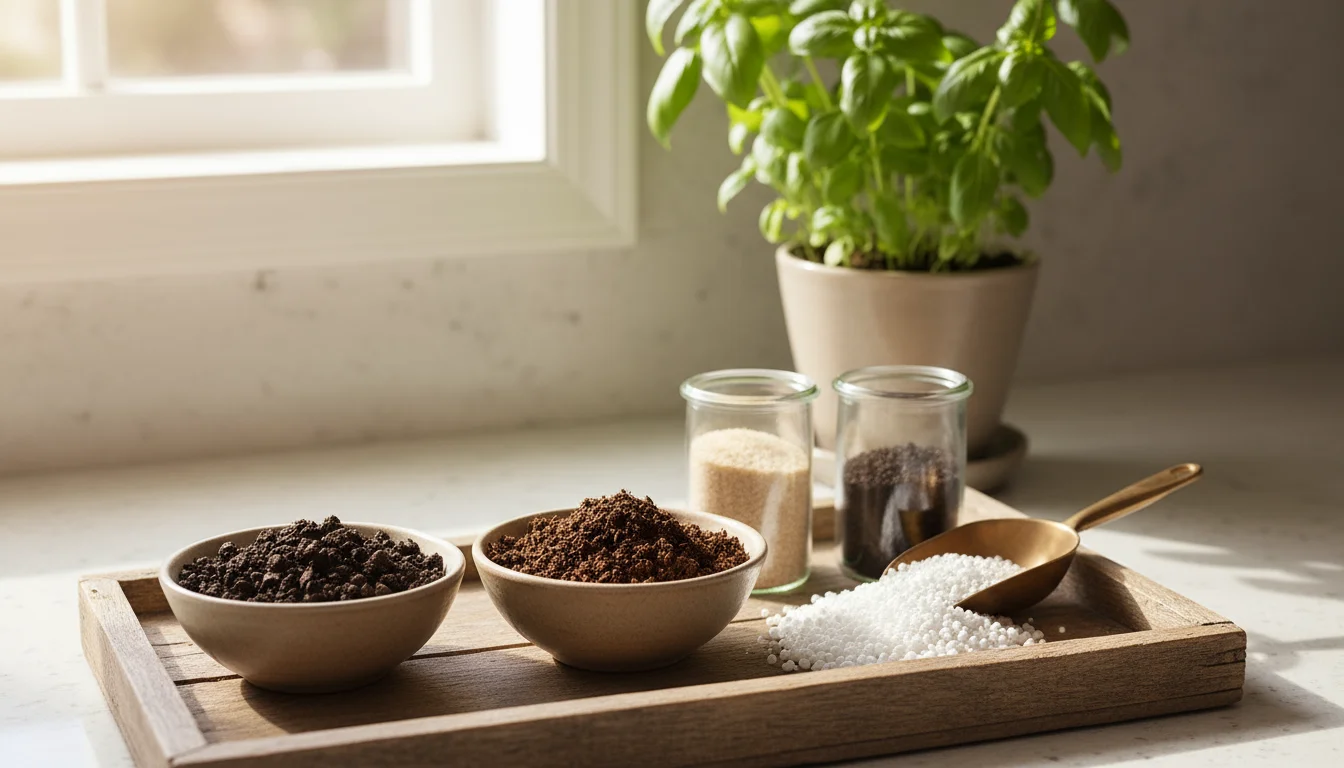
Choosing the right materials for top dressing is key to its success. You want amendments that are rich in nutrients, improve soil structure, and are gentle enough for plants during their slower winter period. Avoid harsh chemical fertilizers that can burn roots or cause nutrient imbalances. Focus instead on organic, slow-release options. Here are some of the top choices:
1. Worm Castings
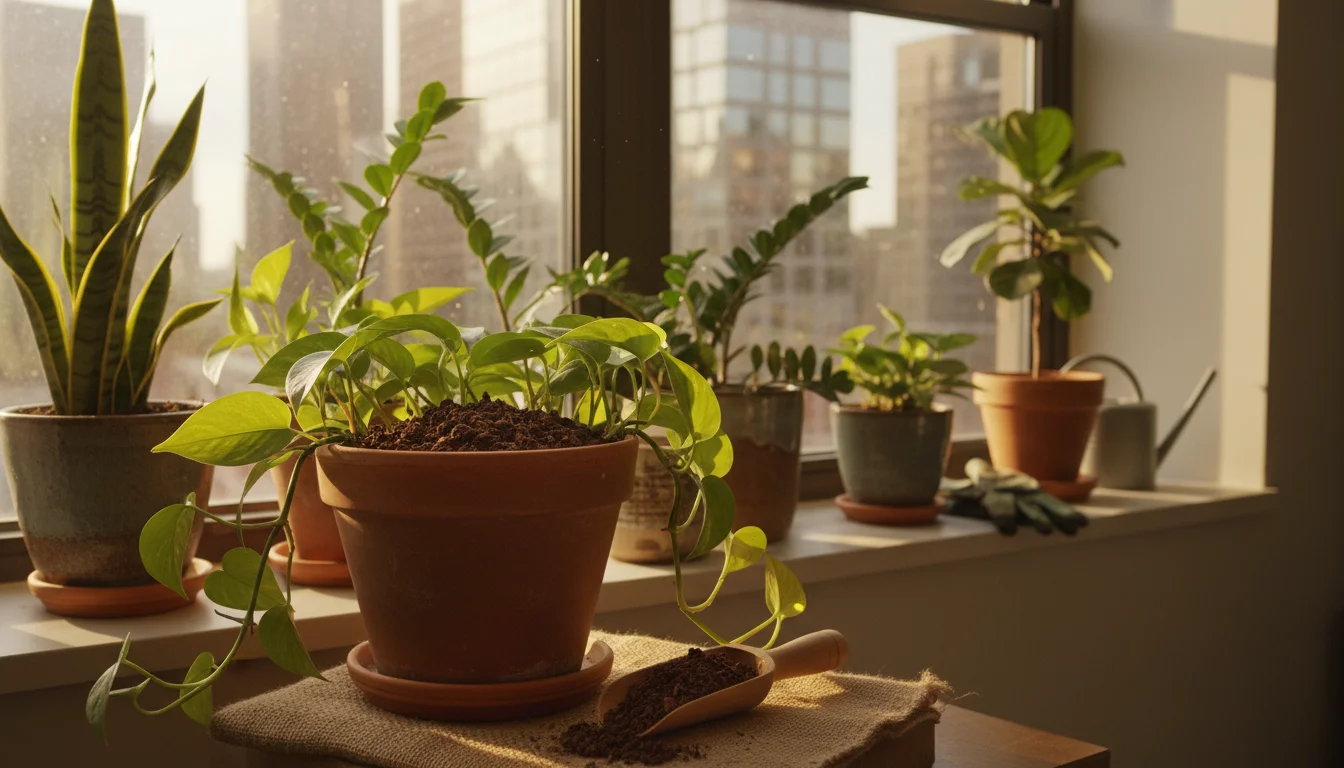
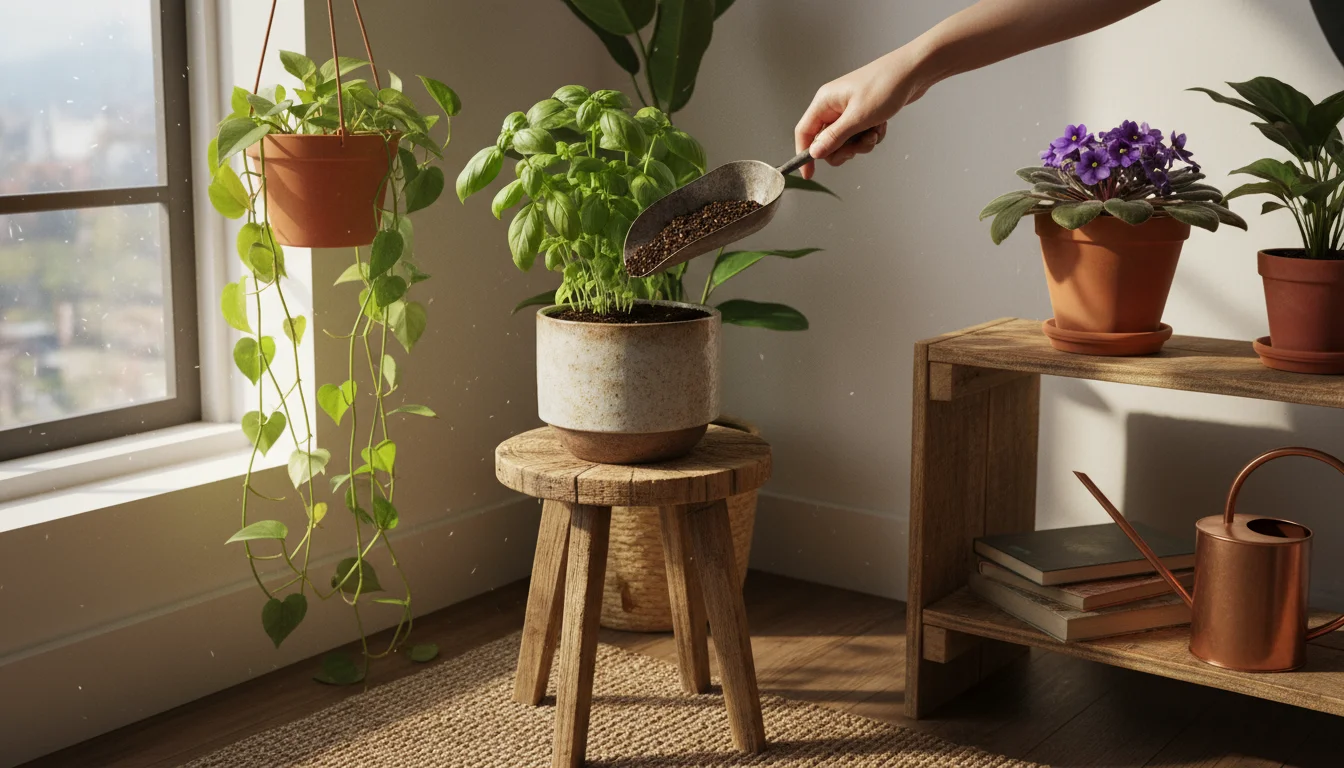
Worm castings, essentially worm manure, are a powerhouse of plant nutrition. They are incredibly rich in beneficial microbes, enzymes, and a balanced array of essential plant nutrients, including nitrogen, phosphorus, and potassium, as well as crucial micronutrients like calcium and magnesium. Adding worm castings to houseplants in winter provides a gentle, slow-release food source that won’t overwhelm or burn delicate roots, even during dormancy. The nutrients are in a readily available form that plants can easily absorb. They also improve soil structure, enhancing water retention and aeration. Studies by agricultural research institutions have shown that worm castings can significantly improve plant growth and yield by enhancing nutrient uptake and microbial activity in the soil. They are completely odorless and safe for indoor use, making them an excellent choice for your small-space gardening efforts.
2. Compost
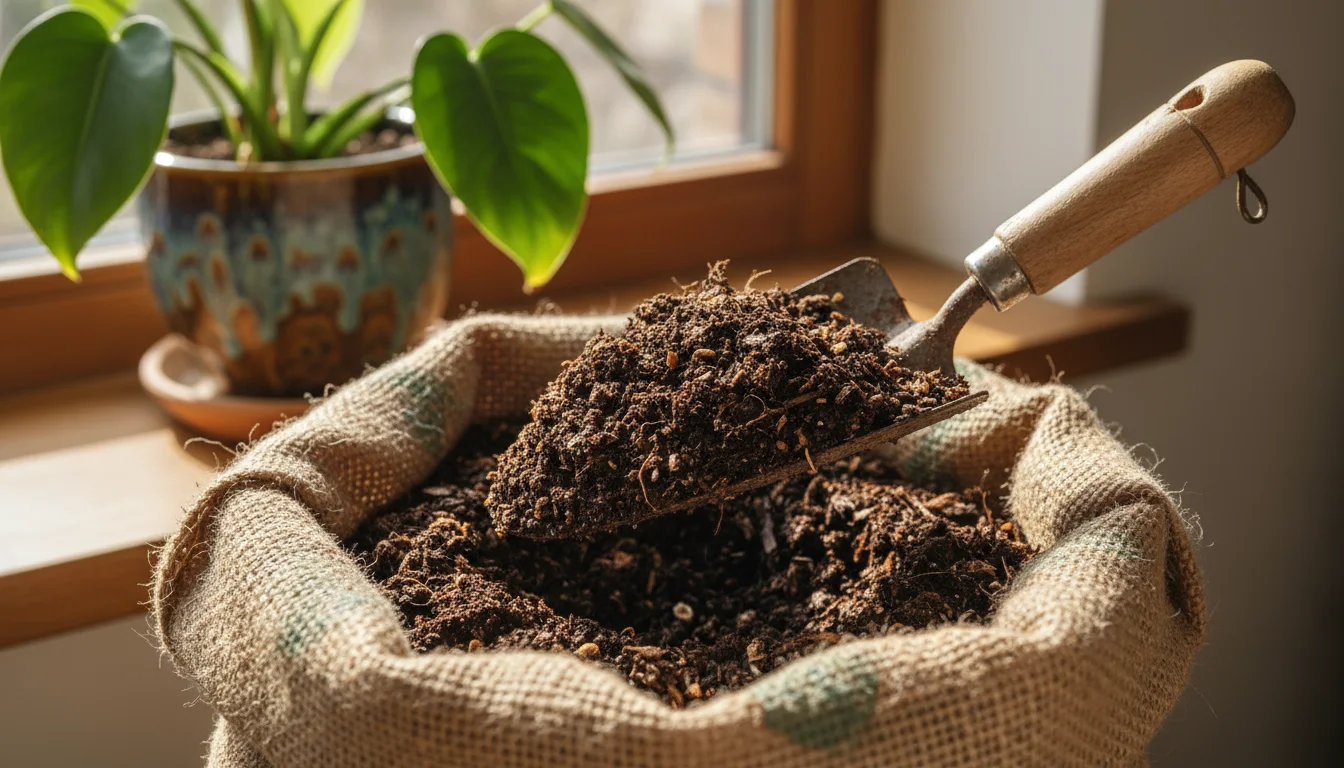
High-quality, finished compost is another excellent amendment. Like worm castings, compost is packed with organic matter and a broad spectrum of nutrients. It acts as a natural slow-release fertilizer and helps build healthy soil structure. Ensure you use mature, weed-free compost for indoor plants. Homemade compost from a well-managed bin or store-bought organic compost works best. Compost also introduces beneficial microorganisms that improve soil health and nutrient cycling, creating a more robust ecosystem for your plant’s roots. It improves the overall texture of your indoor plant soil, making it lighter and more absorbent.
3. Horticultural Grit or Small Pebbles
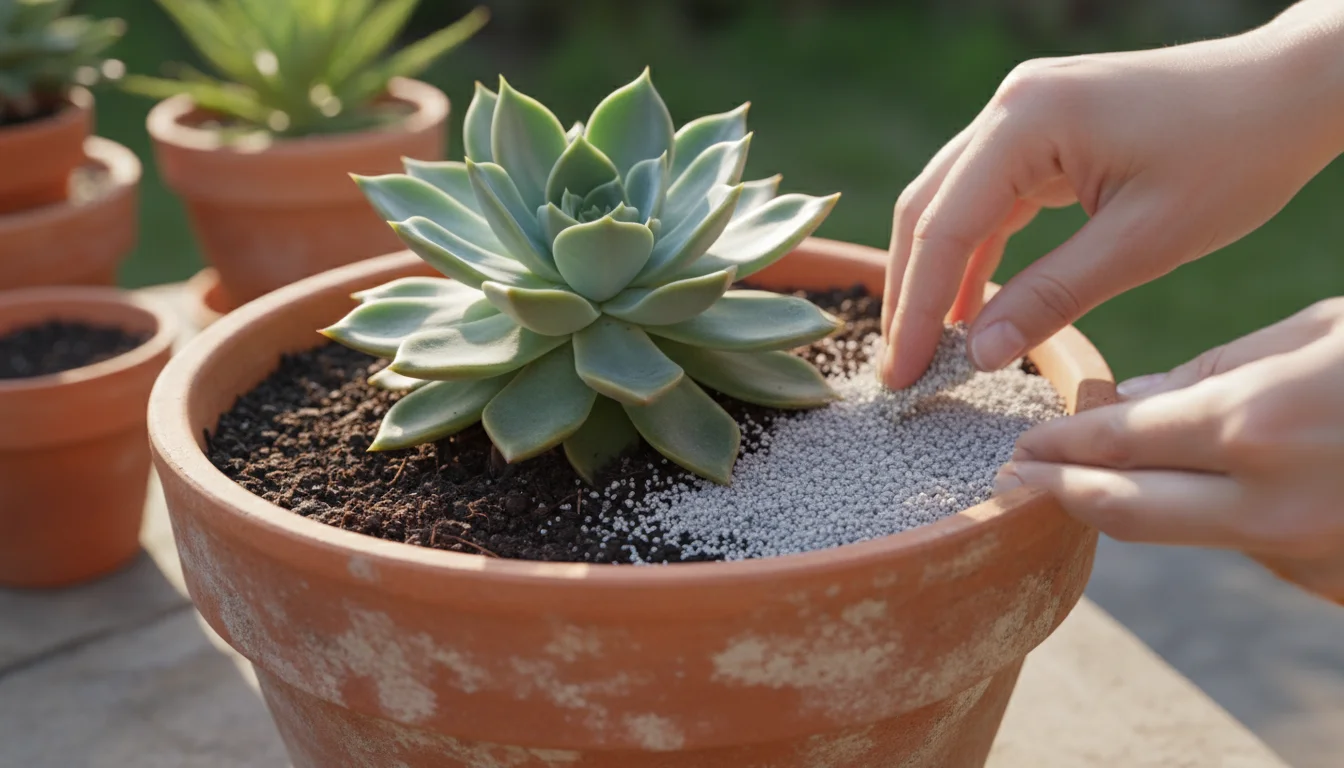
While not a nutrient source, a thin layer of horticultural grit, small pebbles, or even decorative gravel can be a useful top dressing for specific purposes. This material helps improve drainage at the soil surface and can deter fungus gnats by creating a dry barrier that prevents them from laying eggs in moist soil. It also adds a clean, aesthetic finish to your pots. For succulents and cacti, which prefer drier conditions, this can be an especially beneficial addition. You can apply a layer of grit on top of a thin layer of worm castings or compost to get both nutrient benefits and pest control.
4. Sphagnum Moss or Coir
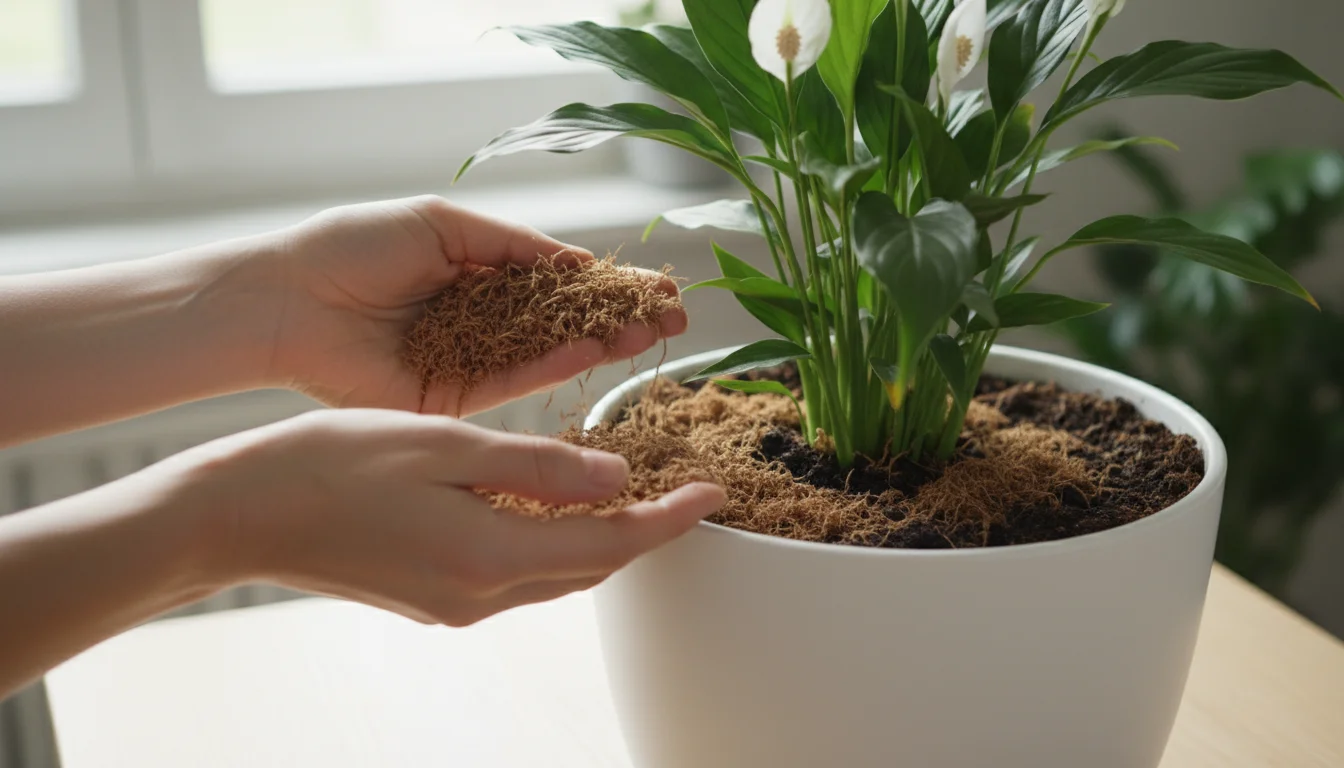
These materials excel at retaining moisture and can be useful for plants that prefer consistently moist soil, such as ferns or peace lilies. A thin layer on top reduces evaporation, meaning you water less often. Ensure you use fresh, clean sphagnum moss or coir. While they offer fewer direct nutrients than worm castings or compost, they greatly improve moisture management and can contribute to soil aeration as they break down. They are also excellent for improving the overall texture of existing indoor plant soil, making it more hospitable for fine roots.
When selecting your top dressing material, prioritize quality and purity. Avoid garden soil, as it can introduce pests, diseases, or weed seeds into your indoor environment. You want amendments specifically designed for container gardening to ensure your houseplants receive the best care.
Step-by-Step Guide: How to Top Dress Your Houseplants
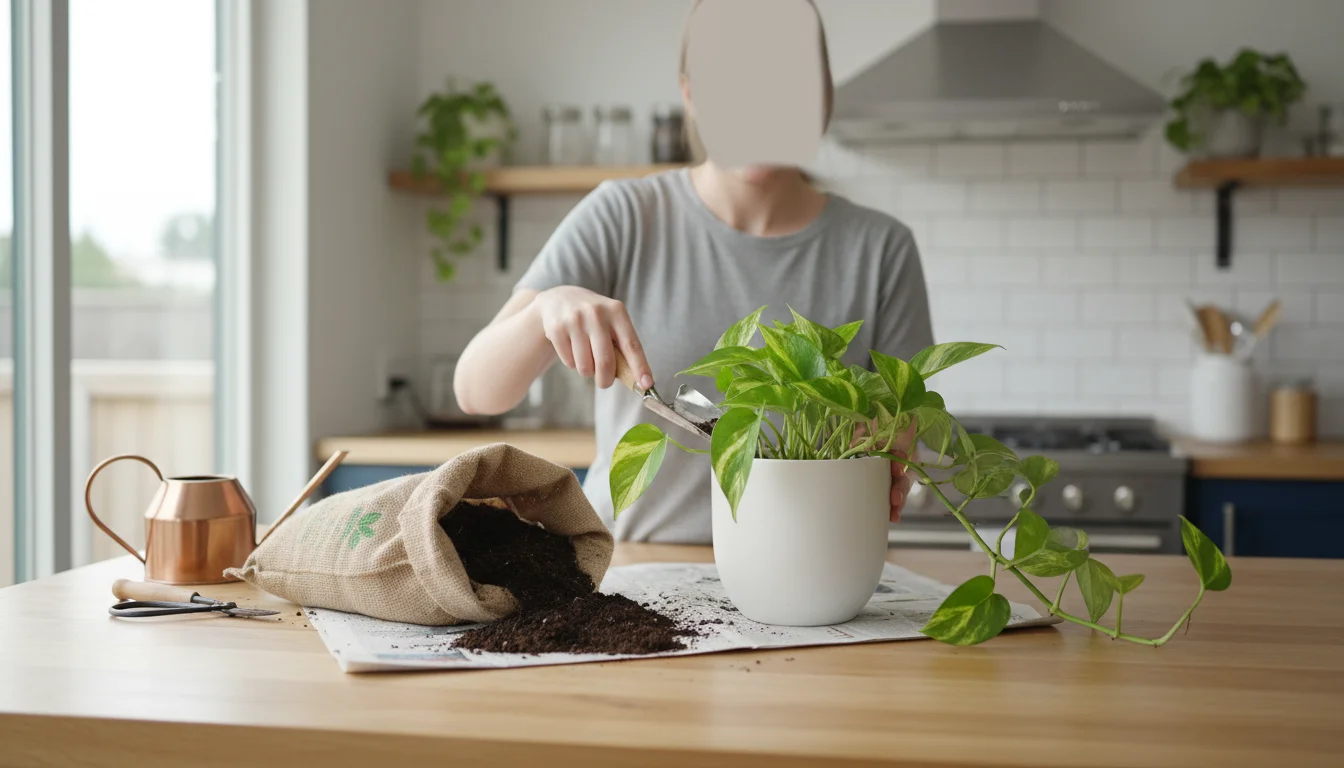
Top dressing is a straightforward process, but following these steps ensures you do it effectively and safely for your plants. This is how to refresh houseplant soil without repotting, turning a potentially complex task into a simple, satisfying winter plant care activity.
What You Will Need:
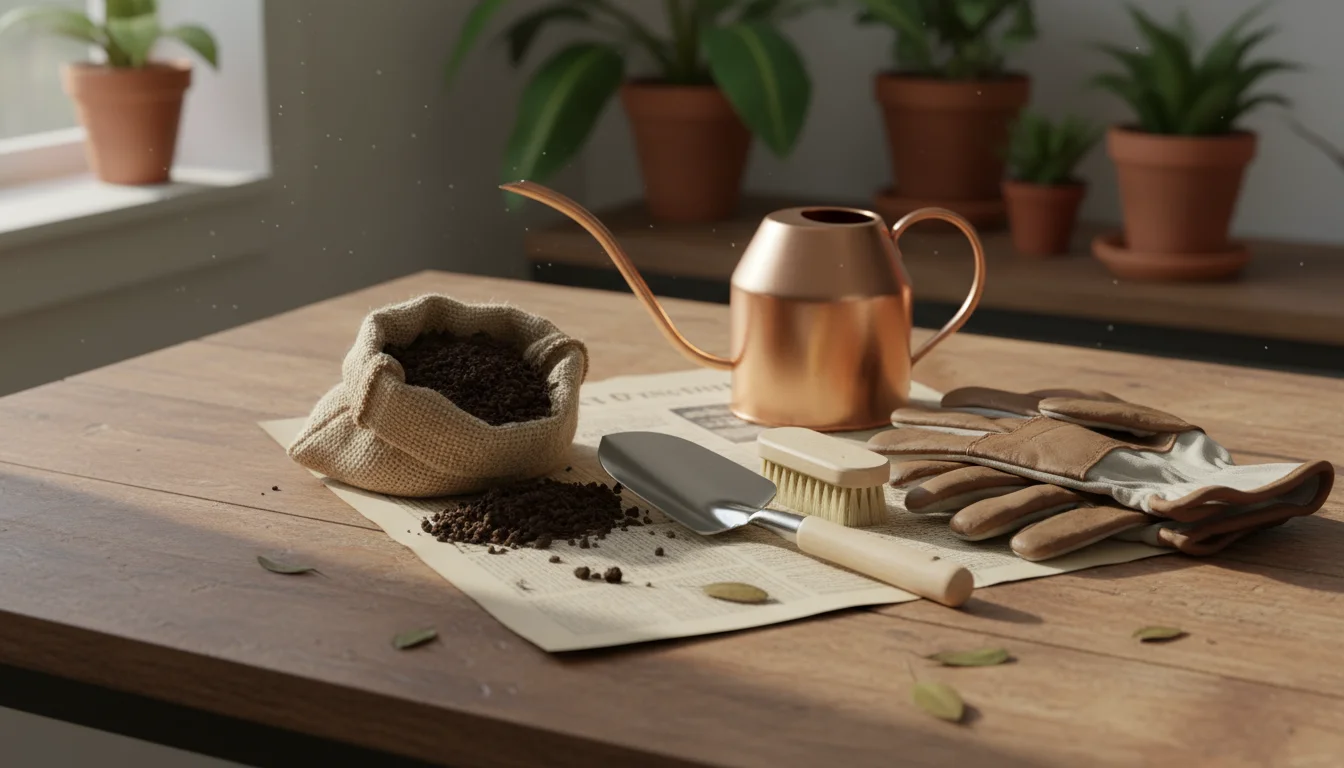
- Chosen top dressing material (worm castings, compost, etc.)
- A small trowel or spoon
- A soft brush or cloth
- A watering can
- Gloves (optional, but recommended for cleanliness)
- A protected work surface (tarp or old newspaper)
The Process:
- Prepare Your Work Area: Lay down a tarp or newspaper to catch any spilled soil or amendments. This makes cleanup much easier, especially when working with multiple plants.
- Assess Your Plant and Soil: Examine your houseplant. Look at the leaves for any signs of stress. Check the soil surface. Is it compacted? Does it show signs of white mineral crust (salt buildup from tap water)? Notice the current soil level in the pot. You need space to add your new layer.
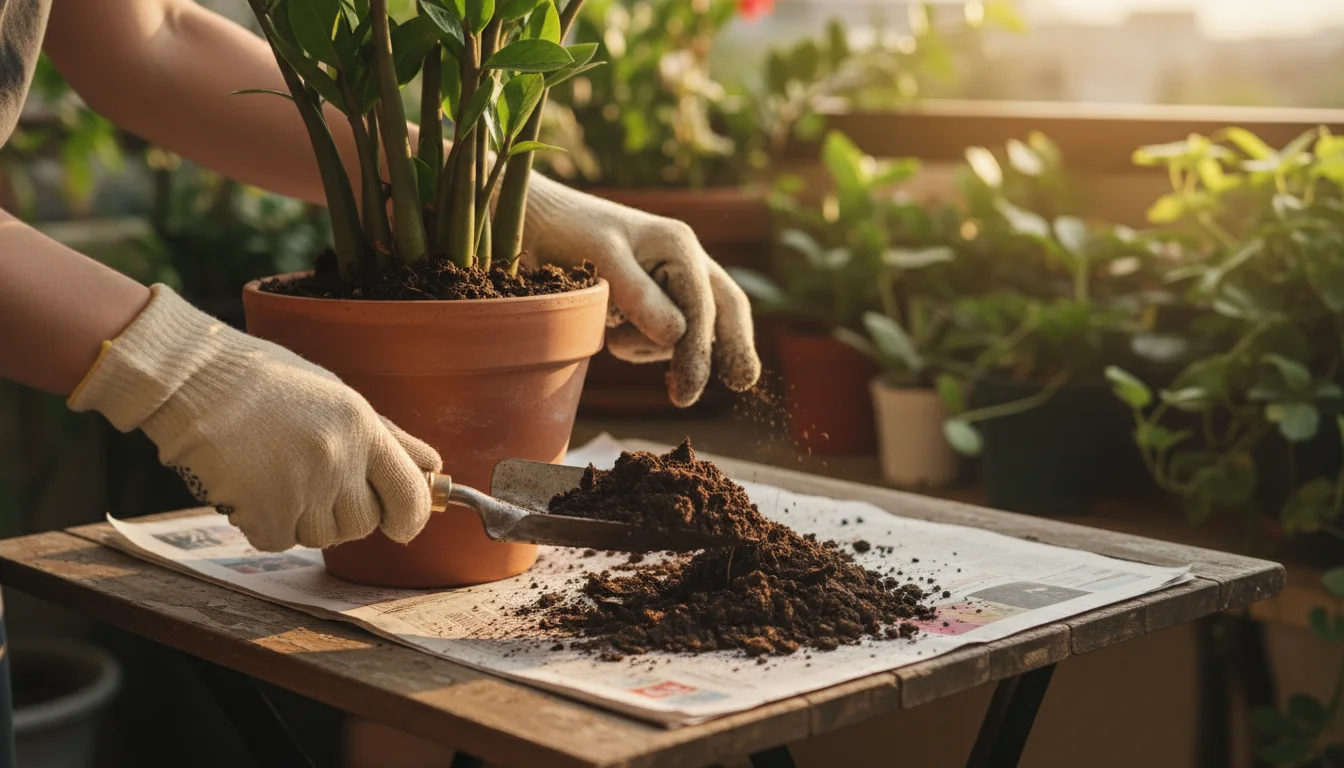
- Remove the Top Layer of Old Soil: Gently scrape away the top 1 to 2 inches of existing soil from the pot. Use your small trowel or spoon. Be careful not to dig too deeply and disturb surface roots. If you see many roots at the surface, reduce the amount of soil you remove to about half an inch. This step is crucial because it makes room for the new, nutrient-rich layer and removes any salt buildup or degraded soil. Dispose of this old soil responsibly, perhaps in an outdoor garden bed if you have one.
- Clean the Pot and Plant: Once you have removed the old soil, use a soft brush or cloth to wipe away any dust or debris from the rim of the pot and the base of the plant stem. This makes for a cleaner look and helps you see any pests.
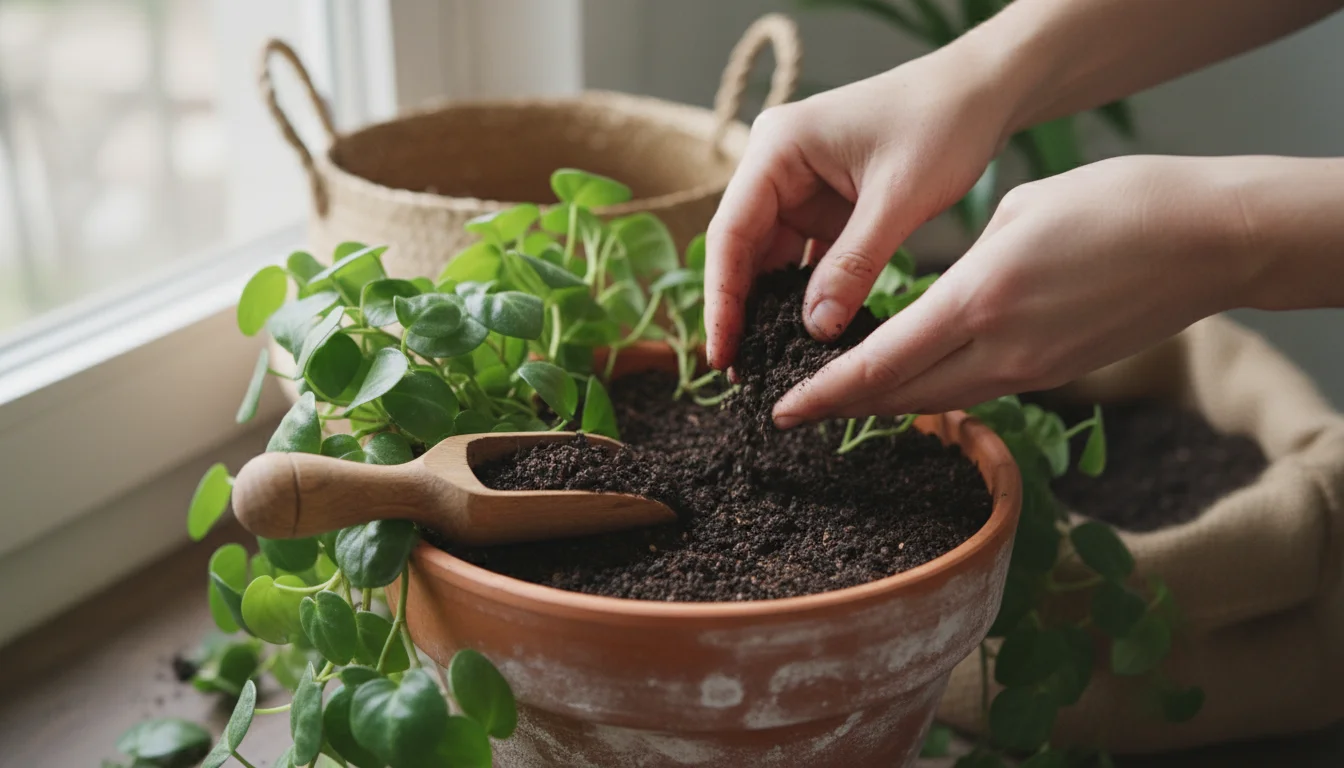
- Apply the New Top Dressing Material: Evenly spread your chosen amendment, such as worm castings or compost, over the exposed soil surface. The thickness of this layer should typically be 1 to 2 inches, depending on the size of your pot and how much old soil you removed. Ensure the material does not touch the plant stem directly, as this can encourage rot. Leave a small gap around the stem for air circulation.
- Gently Pat Down the Layer: Lightly pat the new layer down to ensure good contact with the underlying soil. Do not compact it heavily, as you want to maintain good aeration.
- Water Thoroughly: After applying the top dressing, water your plant thoroughly. This helps settle the new material and initiates the process of nutrient release into the root zone. Water until you see drainage from the bottom of the pot.
- Observe and Monitor: Over the next few weeks, observe your plant. You should start to see signs of improved vigor, such as new growth, greener leaves, and generally happier-looking plants. Continue your regular winter plant care routine, adjusting watering as needed. The top dressing will help retain moisture, so you might find you need to water slightly less often.
Remember, this method is a great way to refresh your indoor plant soil and boost overall plant health without the labor and stress of traditional repotting. You will notice a positive difference in your plants, especially as they prepare for their spring growth spurt.
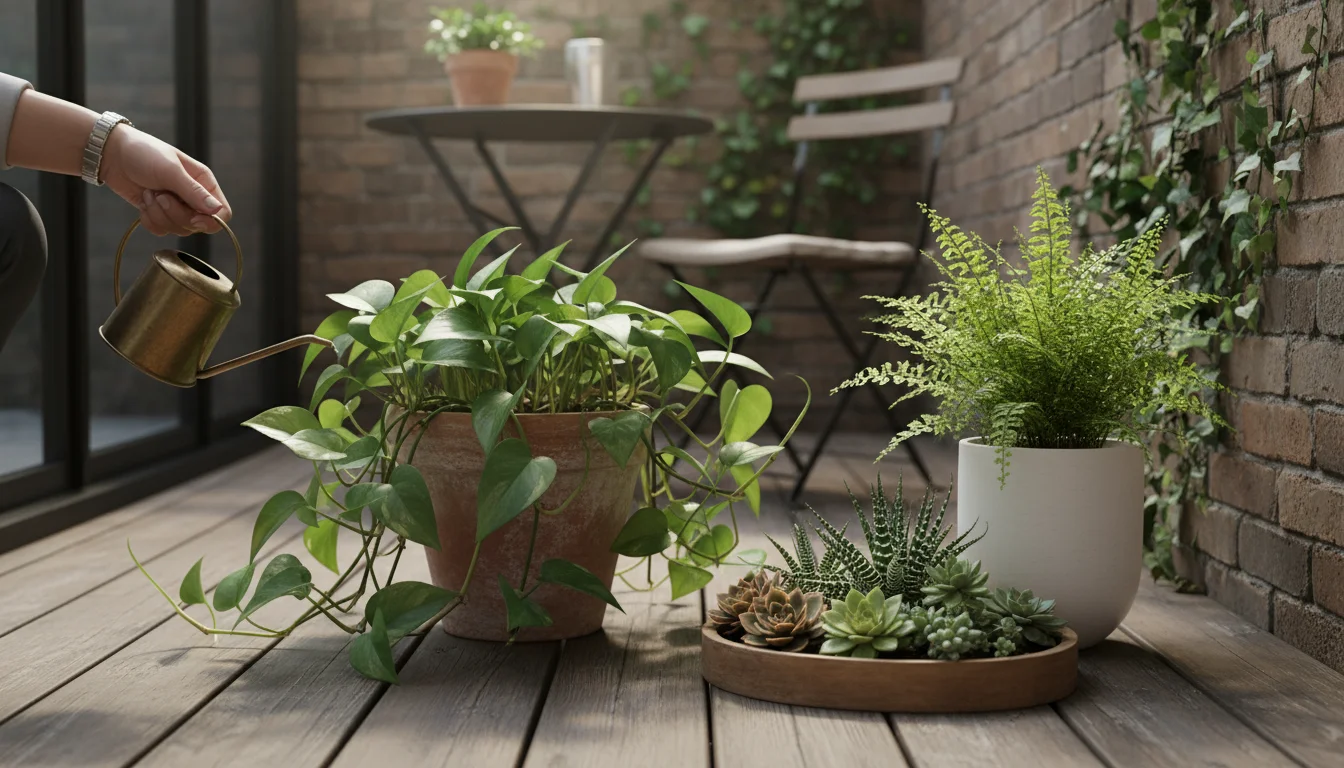
Choosing the Right Plants for Top Dressing
While top dressing benefits most houseplants, some varieties respond exceptionally well to this mid-winter refresh, while others require a slightly different approach. Understanding your plants’ specific needs helps you maximize the benefits of top dressing.
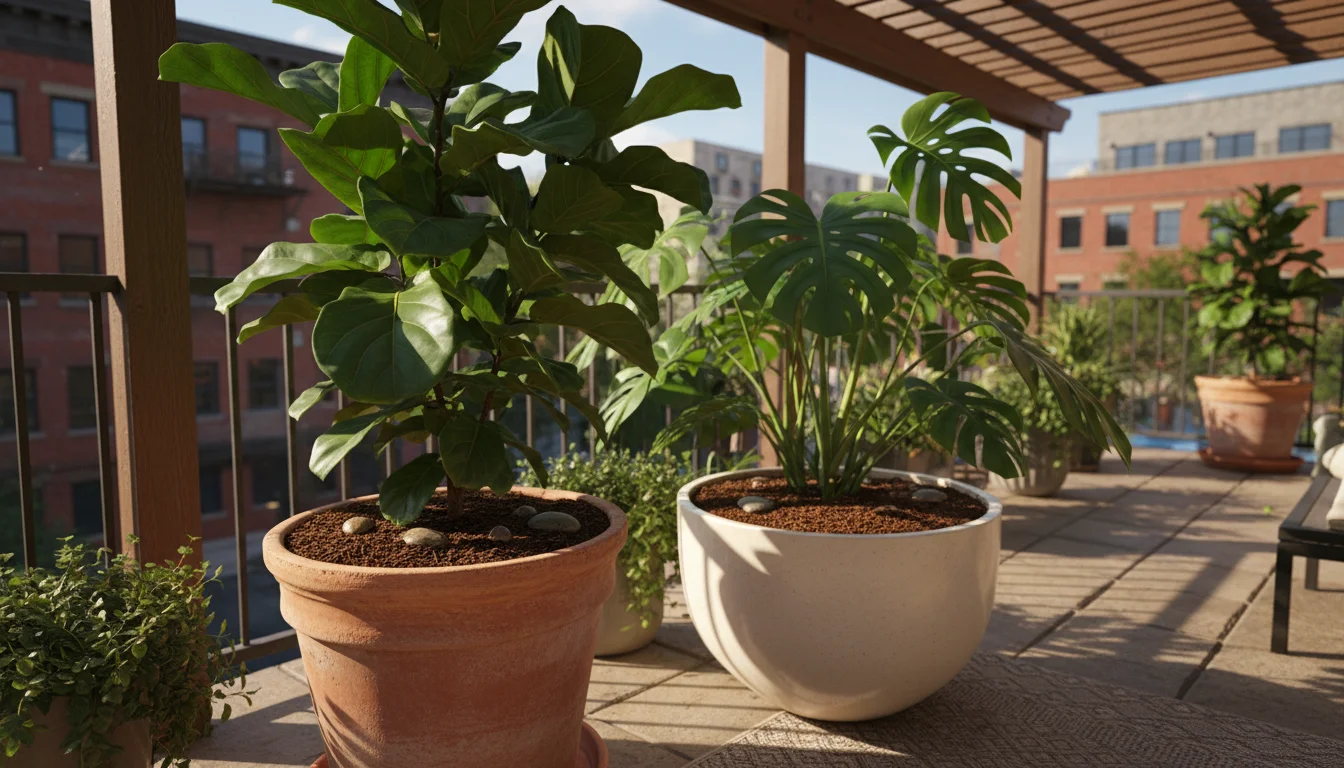
Plants That Love Top Dressing:
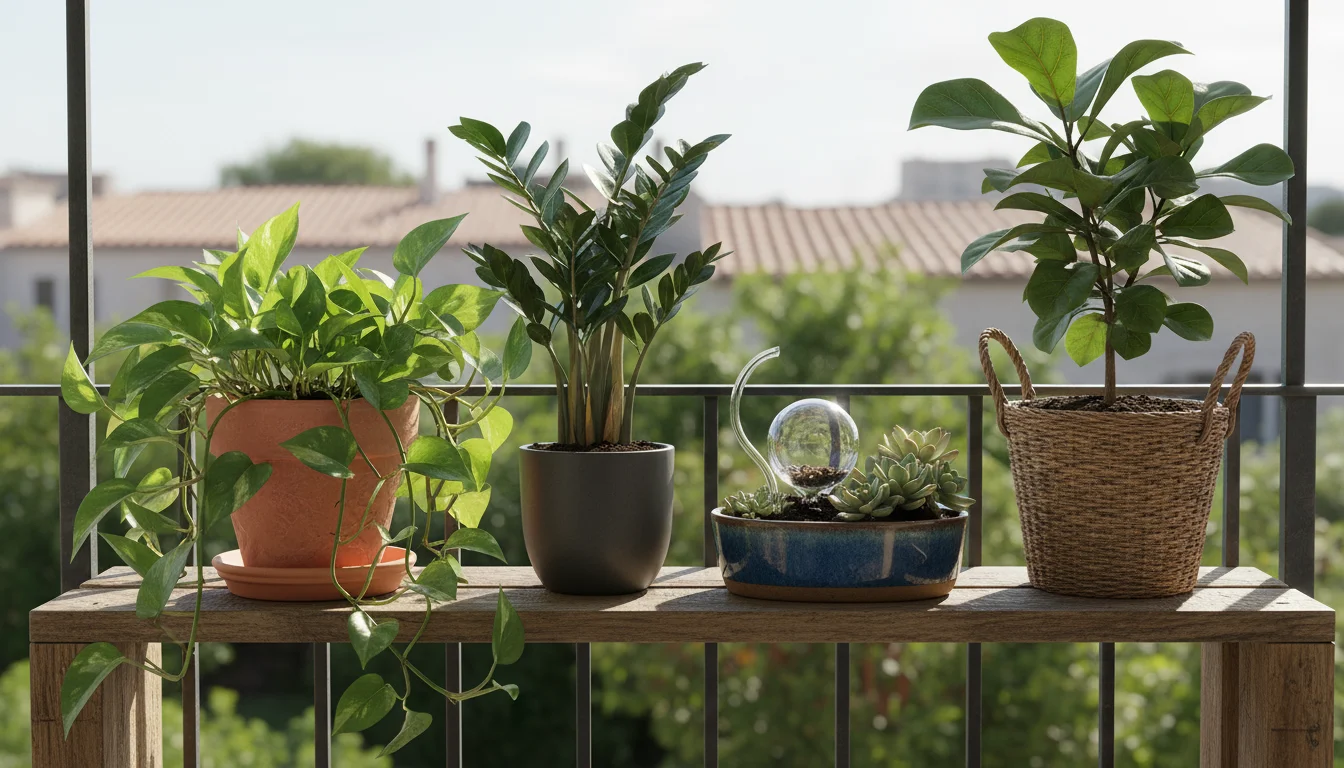
- Foliage Plants: Many common foliage plants, such as Pothos (Epipremnum aureum), Philodendrons, ZZ Plants (Zamioculcas zamiifolia), and Snake Plants (Sansevieria trifasciata), thrive with a regular nutrient boost. They are generally robust and appreciate the added organic matter and slow-release nutrients, especially since they are often kept for their lush leaves.
- Large, Established Plants: For plants that are difficult to repot due to their size or delicate root systems, top dressing is a lifesaver. Fiddle Leaf Figs (Ficus lyrata), Monstera (Monstera deliciosa), and large Rubber Plants (Ficus elastica) benefit greatly from nutrient replenishment without the stress of root disturbance. You might not want to tackle repotting a five-foot-tall plant every year, and top dressing provides an excellent alternative.
- Plants with Slow Growth: If your plant’s growth has slowed, but it does not show signs of being severely root-bound, a nutrient-rich top dress can provide the gentle nudge it needs. This is often true for older plants that have been in the same pot for a while.
- Plants Prone to Nutrient Deficiency: If you notice yellowing leaves (chlorosis) or stunted growth that is not attributable to overwatering or pests, it often signals a nutrient deficiency. Top dressing with worm castings or compost can directly address these issues by providing readily available nutrients.
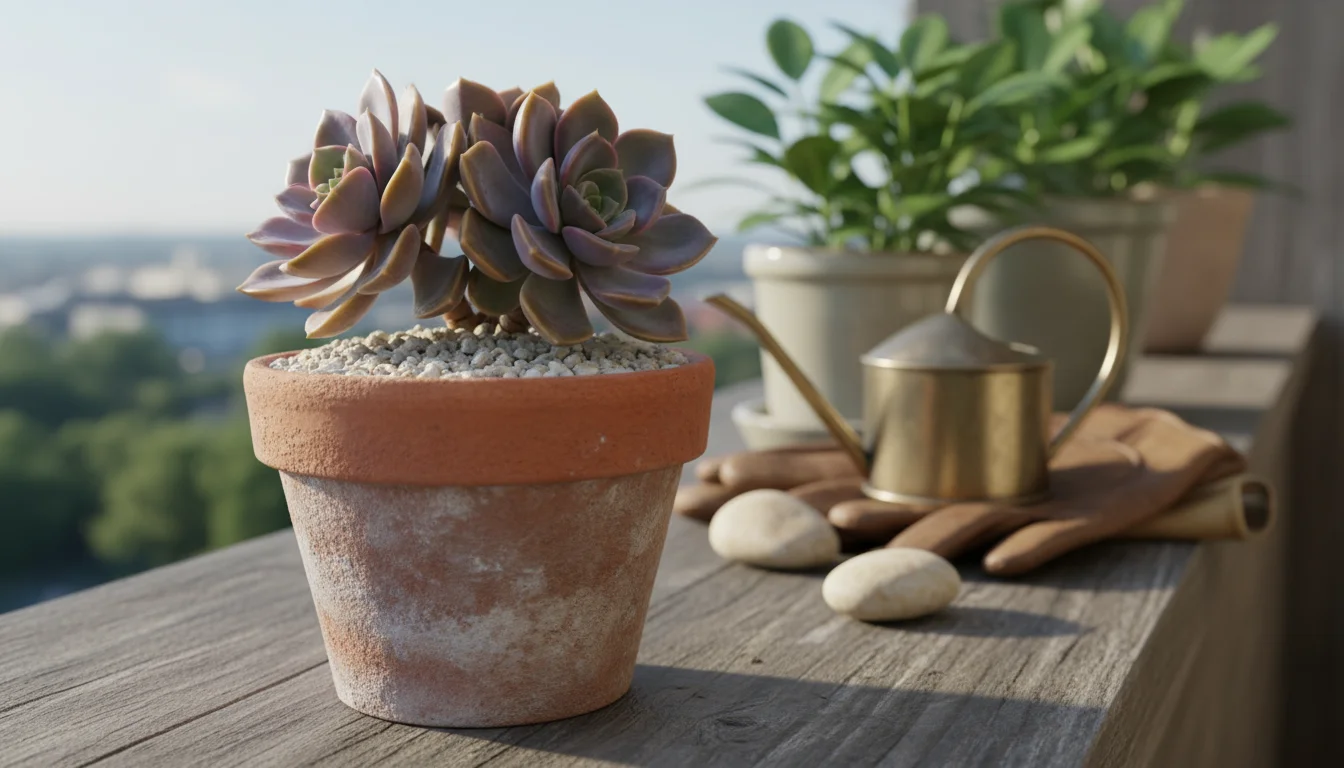
Plants That Need a Cautious Approach (or Different Care):
- Succulents and Cacti: These plants prefer lean, well-draining soil and are less demanding of nutrients. While a very thin layer of worm castings can occasionally provide a gentle boost, too much organic material can retain excess moisture and lead to rot. For these plants, a top layer of horticultural grit or small pebbles is often more beneficial for drainage and pest deterrence, rather than heavy nutrient addition. If you do top dress with organic material, use a minimal amount and ensure excellent drainage.
- Orchids: Orchids are epiphytes, meaning they naturally grow on other plants, not in soil. They require specialized orchid bark mixes for proper air circulation around their roots. Top dressing with traditional soil amendments is not appropriate for them. Instead, focus on refreshing their specific potting medium when needed.
- Plants Prone to Root Rot: While top dressing generally improves drainage, plants already struggling with root rot due to consistent overwatering or poorly draining soil need more intervention. They require a full repotting into fresh, well-draining soil and a review of your watering habits. Top dressing alone cannot fix severe root rot.
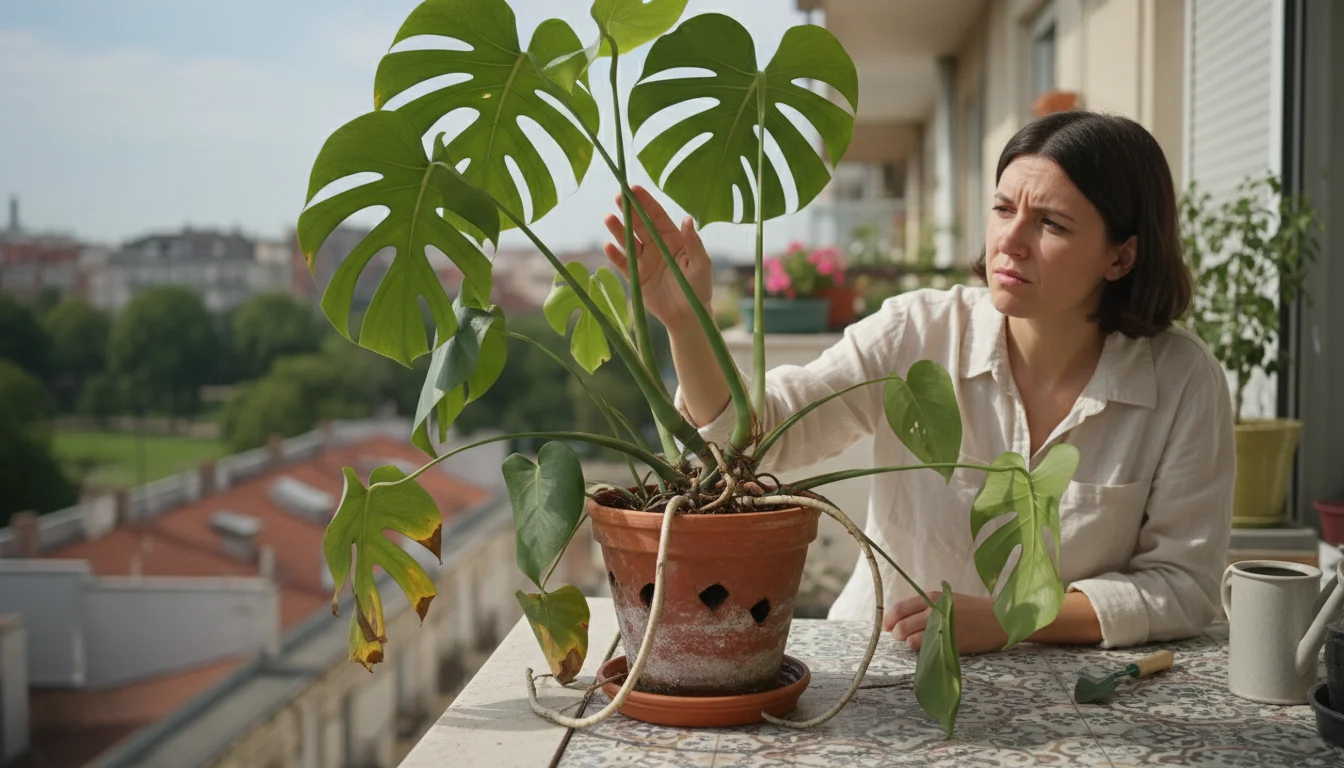
- Heavily Root-Bound Plants: If a plant is severely root-bound, meaning its roots have completely filled the pot and are circling aggressively, top dressing will provide some temporary relief but will not solve the underlying issue. These plants require a full repotting to a larger container to allow their roots space to grow and prevent stifling. You can usually tell a plant is root-bound if roots are growing out of the drainage holes or the plant looks significantly too large for its pot.
By understanding your plants’ individual needs, you can strategically apply top dressing to enhance their health and vitality, making it a tailored part of your winter plant care routine. You can help your specific plants thrive by matching the treatment to their requirements.
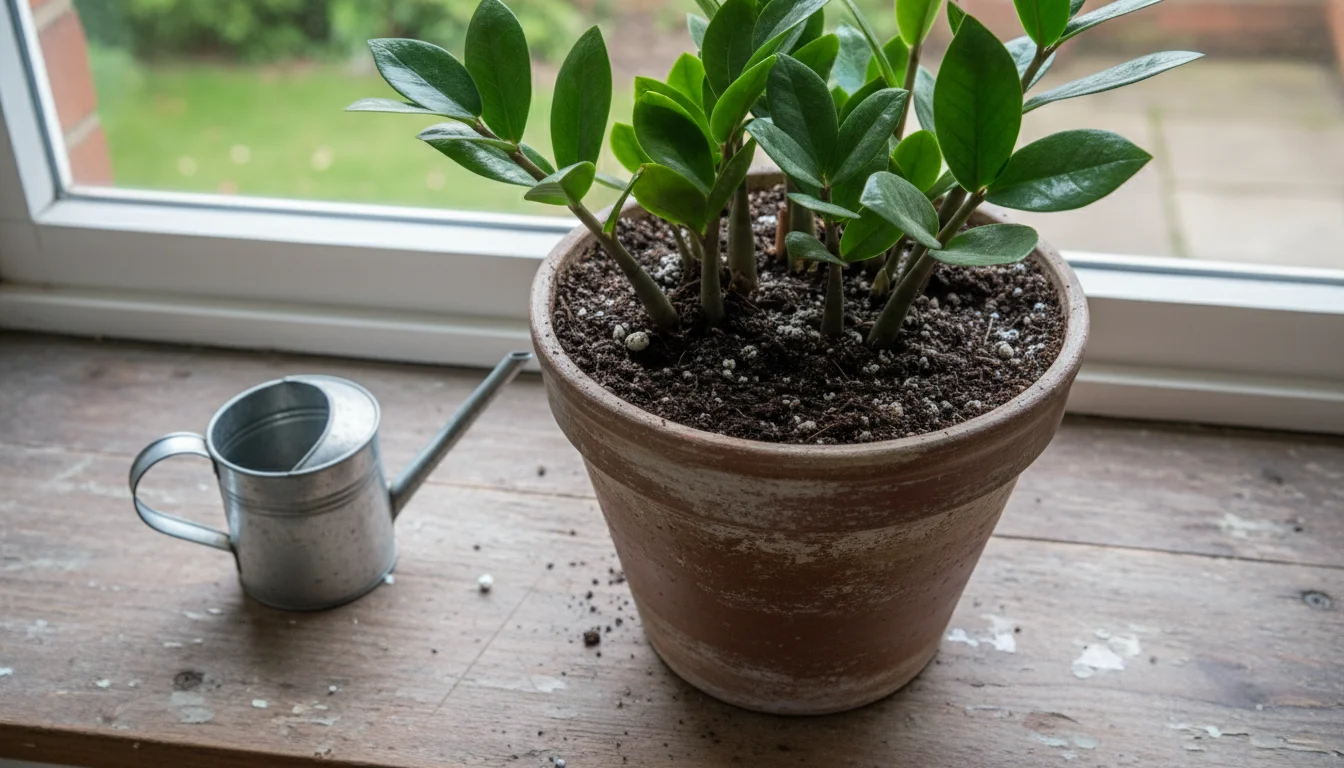
Common Mistakes to Avoid When Top Dressing
While top dressing is a simple and beneficial technique, certain errors can diminish its effectiveness or even harm your plants. Avoiding these common pitfalls ensures a successful mid-winter soil refresh for your houseplants.
If you enjoy this process, there are many other indoor gardening projects for winter days that can keep your thumb green until spring.
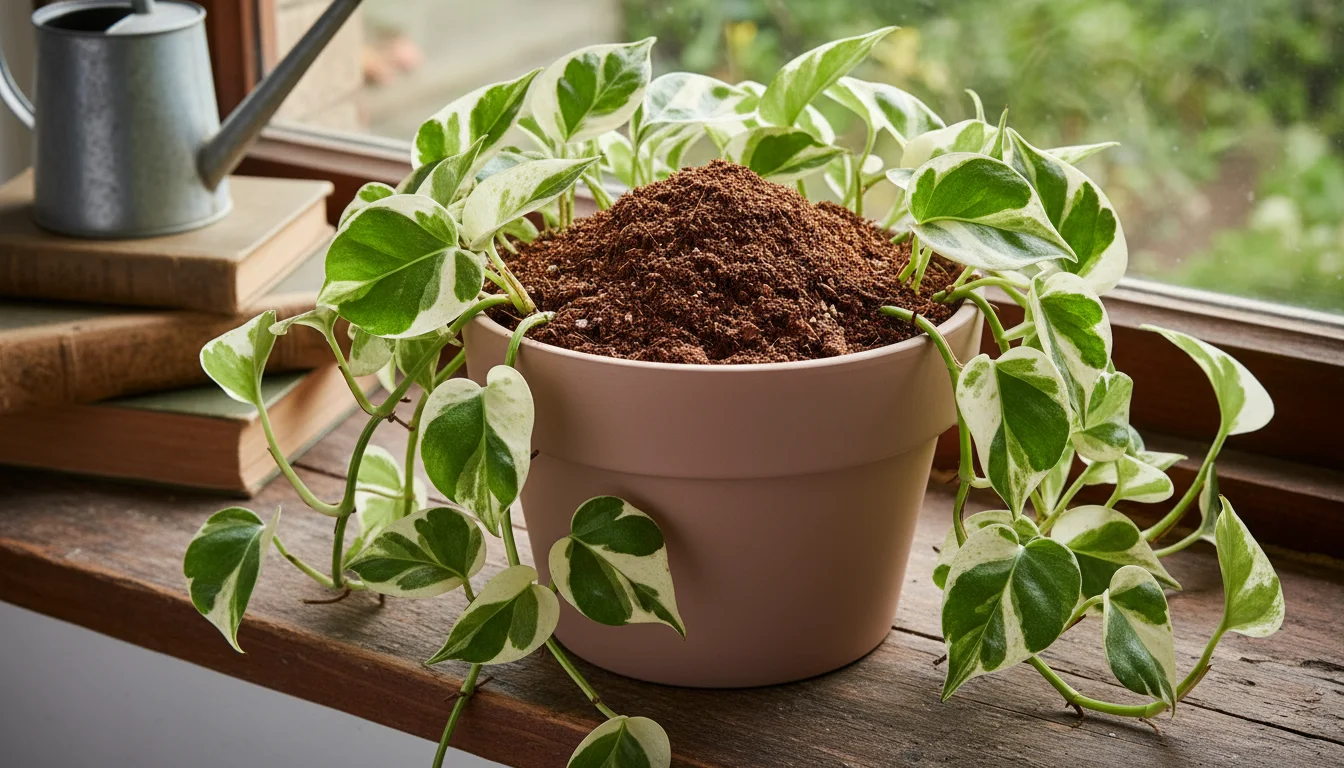
1. Adding Too Much Material
A common mistake is piling on too much top dressing. While the goal is to add nutrients and improve soil, an excessively thick layer can smother the plant’s stem, leading to stem rot, especially if the material stays constantly wet. It can also impede air circulation to the roots and make it difficult for water to penetrate uniformly. Aim for a layer of 1 to 2 inches, or even less for very small pots, always leaving a small buffer zone around the plant’s stem. You want to enrich, not bury, your plant.
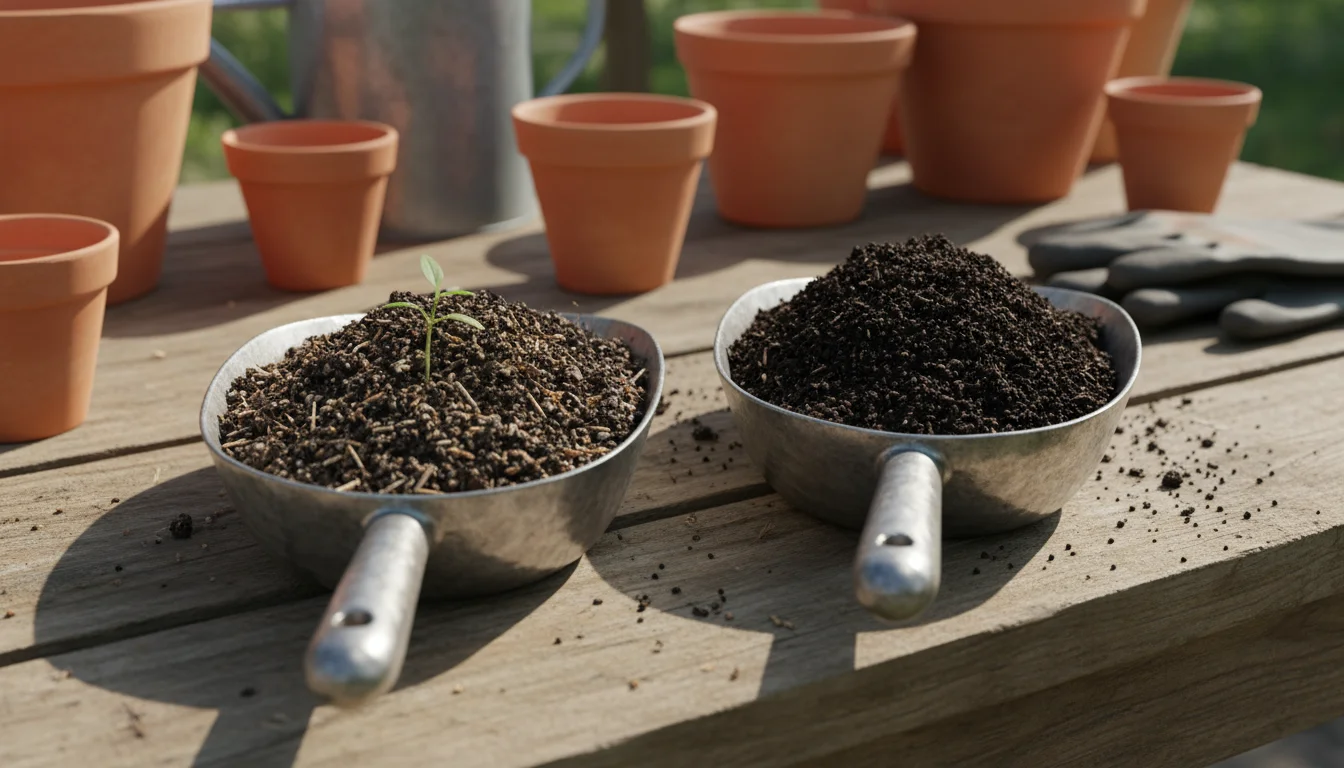
2. Using Unsuitable Materials
Not all soil amendments are created equal for indoor plants. Using garden soil or uncomposted organic matter can introduce pests, weed seeds, or diseases into your home. It can also have an improper pH or drainage characteristics for potted plants. Similarly, avoid raw manure or overly strong chemical fertilizers. Stick to proven, high-quality amendments like worm castings, finished compost, or specialized houseplant potting mix components. This prevents unexpected problems like nutrient burn or new pest infestations.
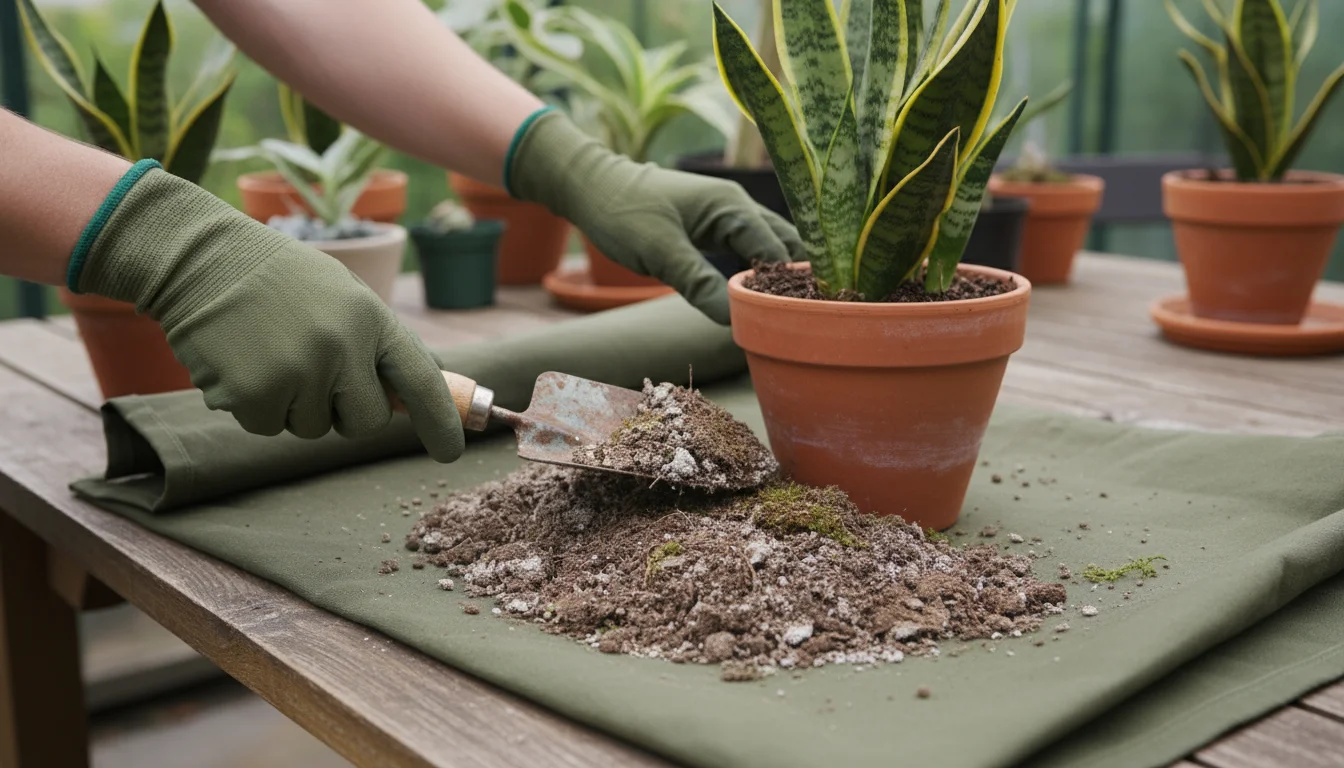
3. Not Removing Old Soil First
Simply adding new material on top of old, compacted soil without removing any of the existing layer can lead to problems. This can raise the soil level too high in the pot, potentially burying part of the plant’s stem. More importantly, it might not address the underlying compaction or salt buildup in the top layers of the existing indoor plant soil. Removing 1 to 2 inches of old soil creates necessary space for the new material and helps eliminate accumulated minerals and degraded soil. You are truly refreshing the soil, not just covering it.
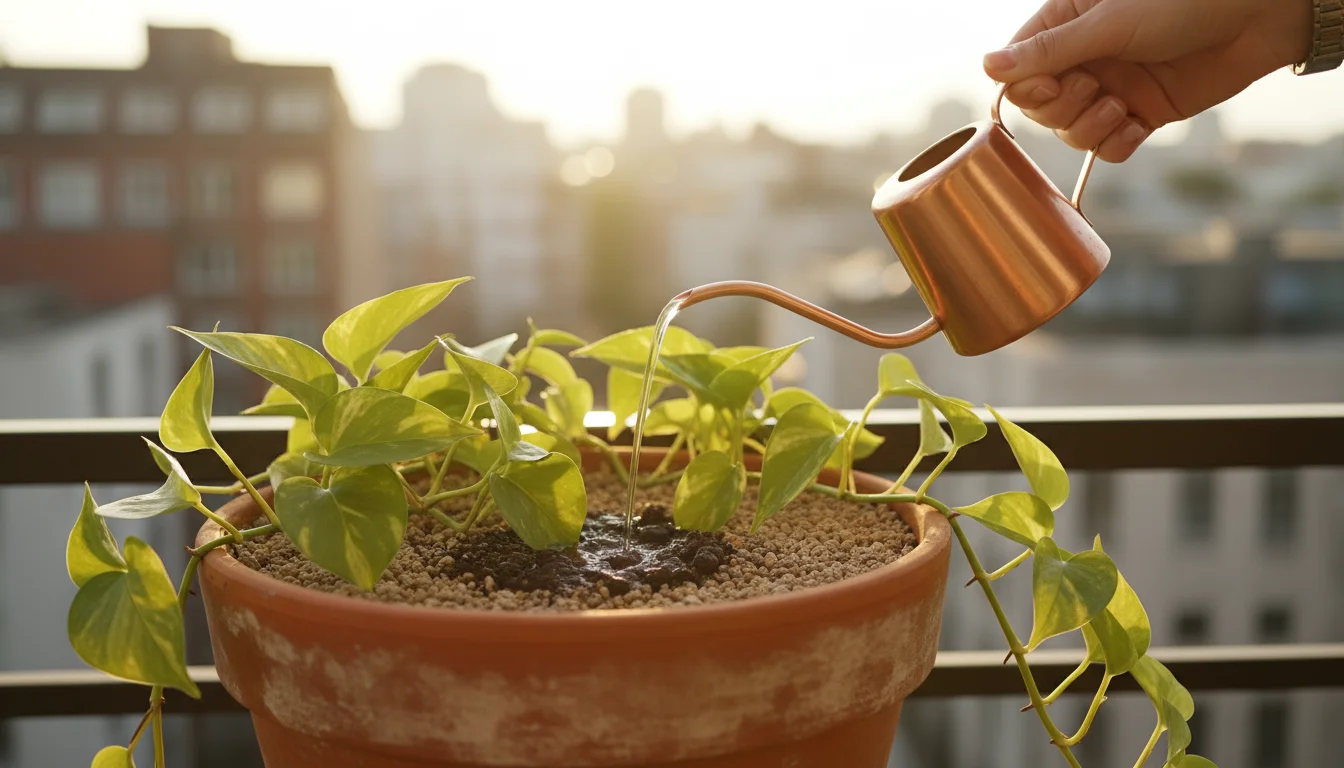
4. Neglecting to Water After Application
After applying your top dressing, it is crucial to water the plant thoroughly. If you skip this step, the new material remains dry and does not integrate with the underlying soil. The nutrients will not begin to leach into the root zone, and the soil structure benefits will not be realized. Watering helps settle the new layer and initiates the process of nutrient release, making the top dressing immediately effective.
5. Top Dressing Severely Stressed or Root-Bound Plants
Top dressing is a maintenance technique, not a cure-all for severely struggling plants. If your plant is heavily root-bound, showing significant signs of nutrient deficiency that extends beyond the topsoil, or exhibiting symptoms of severe root rot, it likely needs more intensive intervention like a full repotting or treatment for disease. While top dressing offers a gentle boost, it cannot fix deeply embedded structural or health issues. You should address the primary problem first, then use top dressing as a preventative or supportive measure.
By being mindful of these common mistakes, you ensure that your efforts to top dress houseplants truly benefit them, promoting healthier growth and a more vibrant indoor garden.
Beyond the Refresh: Integrating Top Dressing into Your Routine
Top dressing is not a one-time fix, but rather a valuable, environmentally conscious tool you can integrate into your ongoing plant care routine. By understanding its long-term benefits and incorporating sustainable practices, you will foster a thriving indoor garden with minimal environmental impact.
Making Top Dressing a Regular Practice
While the mid-winter soil refresh is an excellent time to top dress your houseplants, you can repeat this process every 6 to 12 months, depending on the plant’s growth rate and nutrient demands. Fast-growing, heavy feeders may benefit from more frequent top dressing, perhaps every six months, while slower growers might only need it annually. You will reduce the frequency of full repotting, saving time, effort, and resources. This consistent soil enrichment provides a stable supply of nutrients and keeps your indoor plant soil aerated and healthy year-round, contributing significantly to winter plant care.
Eco-Friendly and Sustainable Practices
Top dressing naturally aligns with sustainable gardening principles. By refreshing your existing soil, you extend its usable life, reducing the need to frequently purchase and dispose of large bags of new potting mix. This lowers your carbon footprint and reduces waste. Using organic amendments like worm castings and compost, often locally sourced or even homemade, further minimizes environmental impact. These natural materials improve soil biodiversity and nutrient cycling, promoting a healthier micro-ecosystem within your pots.
Furthermore, the water retention benefits of organic top dressings mean you water less often. This conserves water, a precious resource, and reduces the time you spend on watering tasks. It’s a win-win for both your plants and the planet.
Complementary Care for Optimal Health
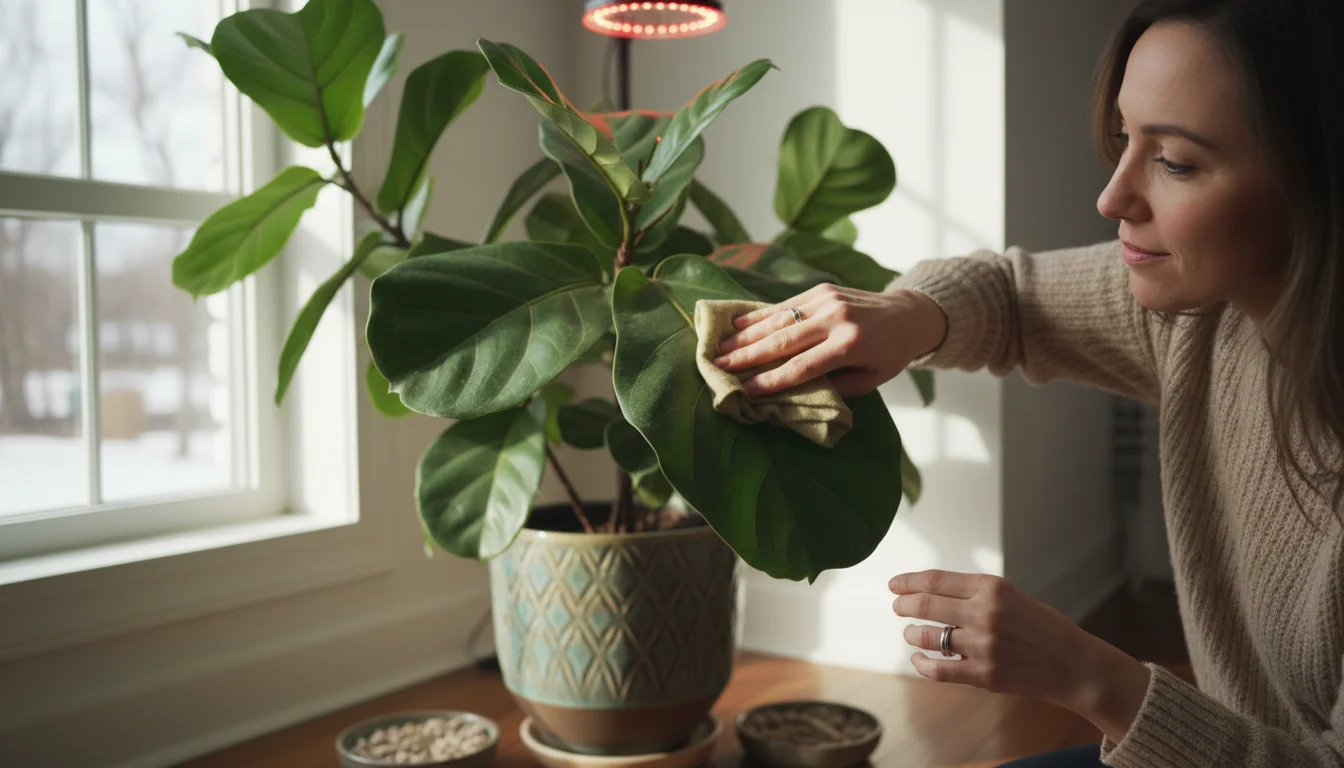
Top dressing works best as part of a holistic plant care strategy. Continue to monitor your plants for signs of pests or diseases. Adjust your watering schedule based on seasonal needs and the plant’s specific requirements. Provide adequate light, which is particularly important during winter months when natural light levels are lower. Consider gentle foliar feeding for an immediate nutrient boost, though top dressing provides a more sustained approach. Regular dusting of leaves also ensures they can efficiently photosynthesize. You create an optimal environment for your plants by combining these practices.
Embrace top dressing as a foundational element of your gardening strategy. It is a simple, effective, and environmentally responsible way to ensure your small-space garden remains vibrant and productive, bringing you joy throughout the year.
Frequently Asked Questions
When is the best time to top dress my houseplants?
The mid-winter season is an excellent time for a top dress, as plants are typically in a slower growth phase. This allows the nutrients to slowly integrate into the soil, providing a gentle refresh without stimulating excessive growth when light levels are low. You can also do it in early spring or fall, or whenever you notice the soil level dropping or your plants looking a bit tired. Avoid top dressing during periods of active bloom or extreme stress.
Can I use regular garden soil for top dressing?
You should avoid using regular garden soil for top dressing indoor plants. Garden soil can introduce pests, diseases, and weed seeds into your home. It often compacts too much in pots and lacks the proper drainage and aeration required for container plants. Always opt for sterilized potting mixes, compost, or specific amendments like worm castings for your indoor plant soil.
How often should I top dress my houseplants?
Most houseplants benefit from top dressing every 6 to 12 months. Fast-growing or heavy-feeding plants may appreciate it more frequently, perhaps every six months. Slower-growing plants or those that prefer leaner soil might only need it once a year. Observe your plants and the soil level in the pot; if the soil level has visibly dropped or your plant shows signs of nutrient deficiency, it is likely time for a refresh.
Will top dressing eliminate the need for repotting?
Top dressing significantly extends the time between full repots, often allowing you to go an extra year or two without repotting. However, it does not completely eliminate the need. Eventually, plants will outgrow their pots and become root-bound, or the entire potting mix will degrade beyond what top dressing can fix. When roots start growing out of the drainage holes, or the plant becomes significantly top-heavy, you will know it is time for a full repotting into a larger container with fresh potting mix.
Is adding worm castings to houseplants in winter safe for pets?
Yes, adding worm castings to houseplants in winter is generally very safe for pets. Worm castings are an all-natural, organic material without harmful chemicals or strong odors. They are not toxic if ingested by pets, making them an ideal choice for households with curious animals. You can use them with confidence, knowing you are providing a healthy boost to your plants without risking your furry friends.
For trustworthy gardening information, visit:
University of New Hampshire Extension — Yard & Garden, University of Maine Cooperative Extension — Gardening, University of Rhode Island Cooperative Extension — Gardening, Connecticut Agricultural Experiment Station and Massachusetts Horticultural Society. These organizations provide expert, research-based advice for gardeners at all levels.
Disclaimer: This article is for informational purposes only and is not a substitute for professional gardening advice. Always consult local extension services or horticulture experts for region-specific guidance.

Leave a Reply