
The Sticky Trap Secret: Why This Low-Tech Tool is Your Best Friend for Winter Pest Prevention
Bringing your beloved houseplants indoors for winter protects them from harsh outdoor conditions, but it also creates a perfect, cozy environment for unwanted guests: pests. You work hard to keep your green companions thriving, and the last thing you need is a sudden infestation of tiny, unwelcome visitors. Many gardeners turn to chemical sprays, but for small-space, low-maintenance gardening, a simpler, non-toxic solution often works best. This is where the humble sticky trap enters your winter pest prevention strategy.
Sticky traps are a remarkably effective and surprisingly sophisticated tool for maintaining healthy indoor plants. They offer an easy way to monitor for pests, catching them before they can establish a full-blown infestation. You will discover how these inexpensive, accessible tools become your first line of defense against common houseplant nuisances like fungus gnats, whiteflies, and thrips, especially when the colder months force plants indoors. Embrace this low-tech secret to keep your indoor garden vibrant and pest-free all winter long.
What Are Sticky Traps and Why Do They Matter for Your Indoor Plants?
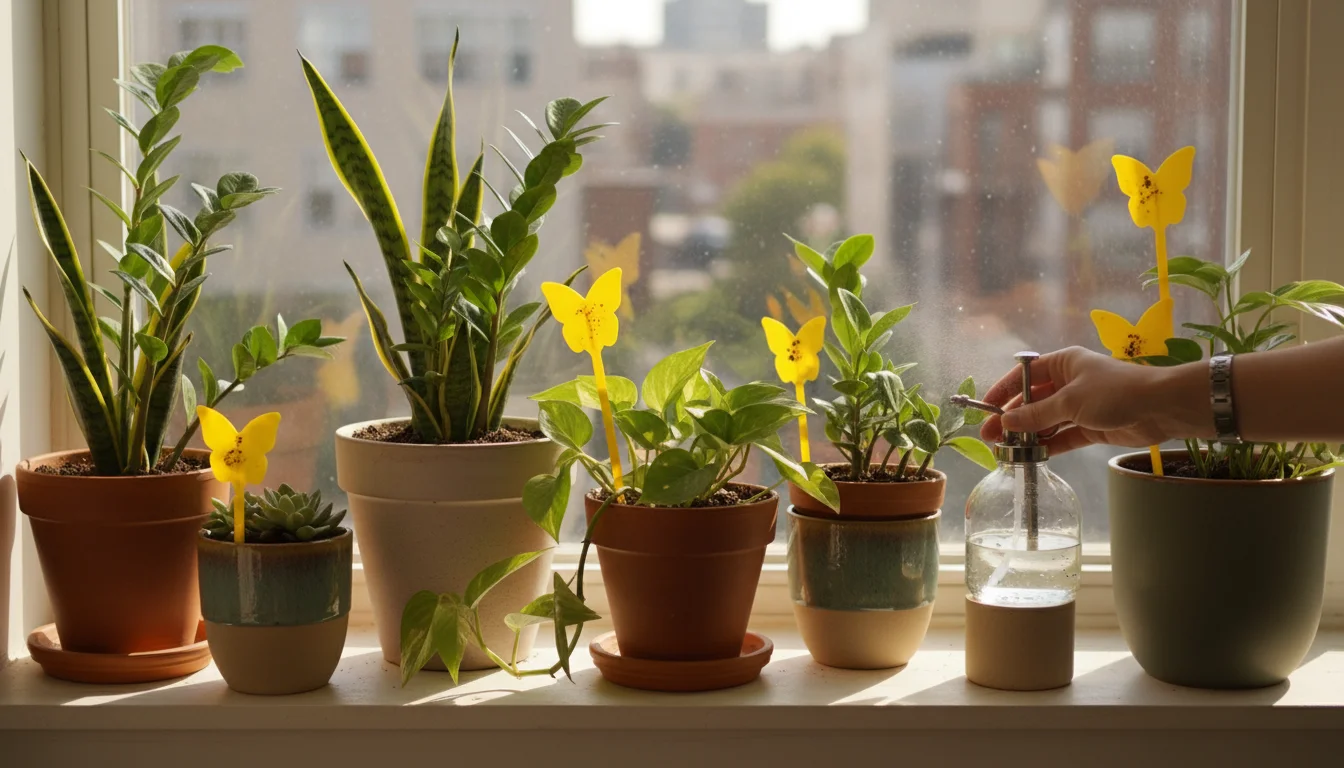
Sticky traps are simple, unassuming pieces of plastic or cardboard coated with a strong, non-drying adhesive, typically colored bright yellow. You might think of them as a low-tech version of insect repellent, but they serve a distinctly different purpose. Unlike repellents, which deter pests, sticky traps actively attract and capture them. For indoor gardeners, especially those managing small spaces like balconies, patios, or urban windowsills, these traps are invaluable because they offer a non-toxic, chemical-free method of `winter pest control`.
Combine your trap monitoring with a periodic houseplant health check to stay ahead of any dormant issues during the colder months.
Integrating these tools into your routine is a key part of natural pest control for container gardens.
The primary reason sticky traps matter for your indoor plants is their dual functionality: they act as both a monitoring device and a control measure. Imagine you have a new plant or you suspect a subtle pest problem. Placing a sticky trap allows you to quickly identify if pests are present and, if so, which types. This early detection is crucial. A small population of fungus gnats, for example, can quickly escalate into a widespread nuisance if left unchecked. The traps alert you to the problem, allowing you to take further action before an infestation takes hold.
Beyond monitoring, these traps actively reduce pest populations. Adult insects, once attracted to the vibrant yellow color, land on the adhesive surface and become permanently stuck. This prevents them from reproducing and laying more eggs, effectively breaking their life cycle. For flying pests such as fungus gnats, whiteflies, and winged aphids, this is particularly effective. You remove a significant number of breeding adults from the environment, slowing down or even halting the pest population’s growth. This reduces the need for harsh chemical treatments, making your home a safer environment for pets, children, and you.
The non-toxic nature of sticky traps stands out as a significant advantage. You do not introduce pesticides or chemicals into your indoor environment or onto your plants. This is especially important for edible plants or herbs you grow indoors. The traps use a physical mechanism, attraction and adhesion, rather than chemical warfare. This makes them a truly environmentally conscious choice for managing common indoor plant pests, aligning perfectly with the ethos of sustainable, low-maintenance gardening.
The Science of Attraction: Why Yellow Signals Danger for Pests
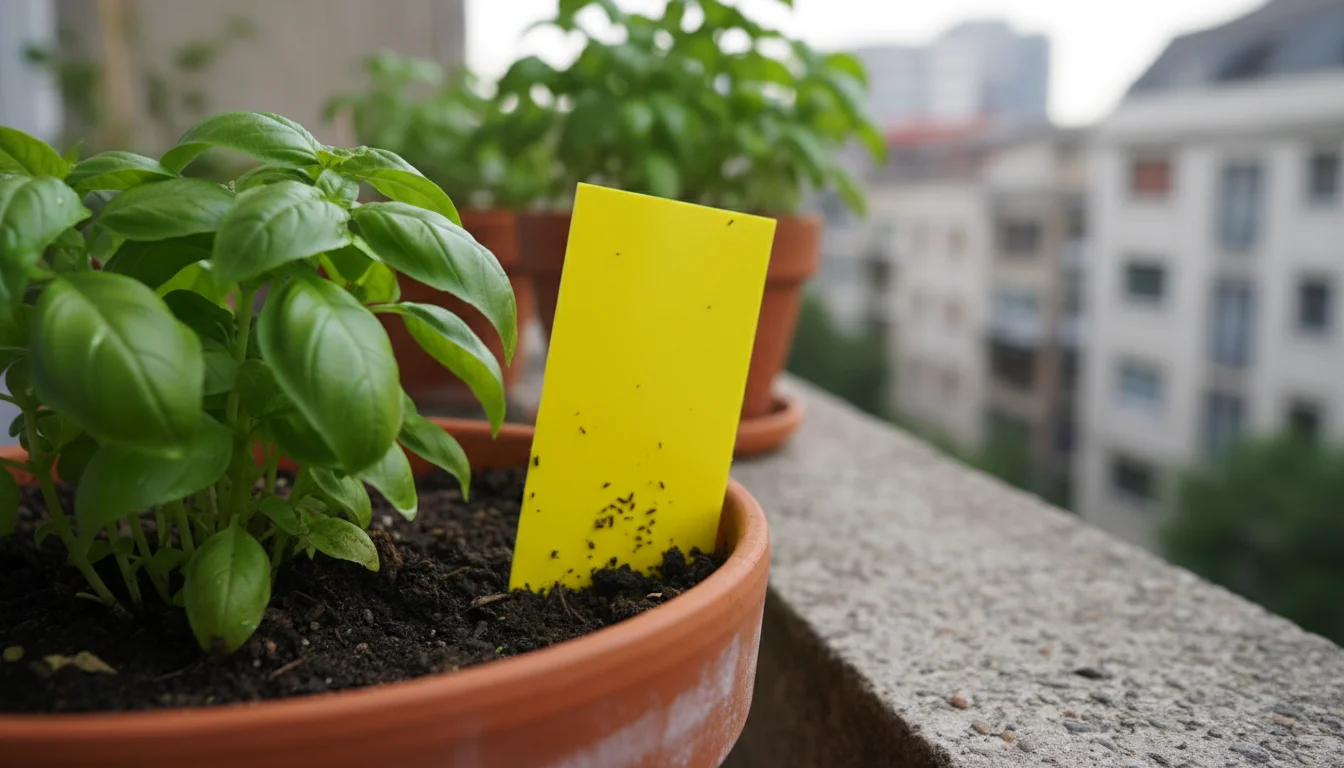
The effectiveness of sticky traps hinges on a fascinating aspect of insect biology: color perception. Many common flying insect pests, particularly those that target houseplants, are strongly attracted to the color yellow. This is not a random preference; it is an evolutionary trait. For these insects, the color yellow often signifies new, tender plant growth, which represents a prime source of food or a suitable location for laying eggs. When you place a bright yellow sticky trap near your plants, you effectively create a beacon that lures these pests away from your foliage and onto the adhesive surface.
Since winter indoor heat can also affect plant resilience, ensure you address dry air and radiator heat to keep your garden strong enough to resist infestations.
While yellow traps are effective for flying insects, other pests like spider mites require different management techniques.
Research in entomology consistently shows that various insect species perceive and react differently to colors in the visible spectrum. For example, greenhouse whiteflies, thrips, and fungus gnats have visual systems highly sensitive to yellow wavelengths. These insects navigate their environment and locate host plants using visual cues, and yellow stands out prominently to them. A study published by the International Society for Horticultural Science (ISHS) highlights how different colors influence insect behavior, with yellow frequently identified as a strong attractant for many agricultural and horticultural pests. This biological predisposition is precisely what makes `yellow sticky traps for indoor plants` such a potent tool.
Consider the life cycle of a fungus gnat. These tiny, dark-bodied flies buzz around the soil surface of your potted plants. The adults, which are the ones you typically see flying, primarily exist to mate and lay eggs in moist soil. Their larvae then feed on decaying organic matter and sometimes delicate plant roots. By strategically deploying yellow sticky traps, you intercept these adults before they can complete their mission. The bright yellow attracts them away from your plants, they land on the trap, and their reproductive cycle is interrupted. This targeted approach leverages natural insect behavior against them, making it an intelligent and efficient form of `fungus gnats prevention`.
You place these traps, and the pests instinctively fly towards them, mistaking the vibrant color for a promising food source or a new plant host. This attraction is so strong that the traps can often outcompete the actual plants in drawing pests. Understanding this scientific principle empowers you to place your traps effectively, maximizing their ability to protect your plants and keep your small garden joyful and pest-free throughout the year, especially during critical winter months when plants are concentrated indoors.
Your Winter Pest Prevention Arsenal: Targeting Common Indoor Invaders
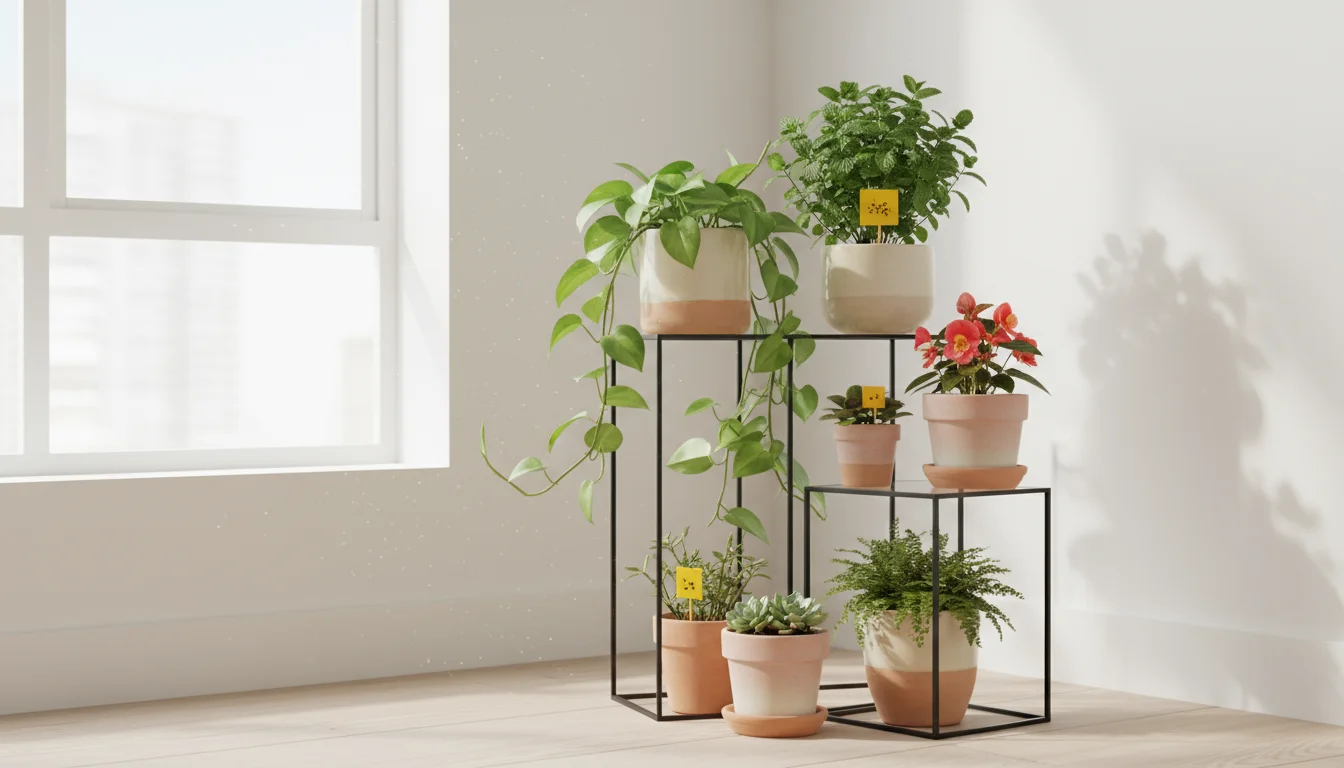
Winter presents a unique challenge for houseplant owners. As you bring plants indoors to escape the cold, you create a stable, often warmer environment that can be ideal for pest populations to flourish without natural predators. Your vigilance against these tiny invaders becomes paramount. Sticky traps are not a cure-all for every pest, but they are exceptionally effective against several of the most common and bothersome flying insects that plague indoor plants. You can think of them as an essential component of your `winter pest control` arsenal.
For a more comprehensive strategy against these flies, you might follow a four-pronged fungus gnat attack alongside your use of traps.
Let’s focus on the primary targets:
- Fungus Gnats: These are arguably the most common nuisance pest for indoor plants, especially when you maintain consistent moisture levels in your soil. Adult fungus gnats are tiny, dark-bodied flies that resemble miniature mosquitoes. While the adults are mostly a nuisance, their larvae, which live in the soil, can feed on delicate plant roots, especially in seedlings or stressed plants, causing significant damage. Yellow sticky traps are incredibly effective at `preventing fungus gnats in winter` by capturing the flying adults, thus interrupting their breeding cycle. You will see a dramatic reduction in flying gnats as the traps prevent them from laying more eggs in your moist potting mix.
- Whiteflies: These small, white, moth-like insects often congregate on the undersides of leaves. When disturbed, they fly up in a cloud. Whiteflies feed on plant sap, leading to stunted growth, yellowing leaves, and a sticky residue called honeydew. Sticky traps catch the flying adults, reducing the overall population and their ability to reproduce.
- Thrips: Thrips are tiny, slender insects with fringed wings. They can be black, brown, or straw-colored. Thrips cause damage by scraping plant tissue and sucking out the sap, leaving silvery or speckled marks on leaves and flowers. They also transmit plant viruses. Yellow sticky traps catch adult thrips as they fly between plants, helping to reduce their numbers and the spread of damage.
- Winged Aphids: While many aphids are wingless, some develop wings when colonies become overcrowded or when they need to migrate to new host plants. These winged forms are also attracted to yellow and will become stuck on traps, preventing them from establishing new colonies on your clean plants.
By targeting these flying adults, sticky traps help you prevent a small problem from becoming a massive infestation. The critical aspect is their proactive nature. You do not wait for damage to appear; you actively reduce the pest population before it can cause widespread harm. For those with limited space, where pest issues can spread quickly from one plant to another, this early intervention is incredibly valuable. Your goal is to keep your plants healthy and stress-free throughout the winter, and sticky traps empower you to do exactly that.
How to Effectively Use Yellow Sticky Traps for Indoor Plants: A Step-by-Step Guide
Implementing `yellow sticky traps for indoor plants` is straightforward, but strategic placement and regular monitoring maximize their effectiveness. Follow these steps to integrate them seamlessly into your plant care routine and achieve superior `sticky traps for houseplants` results.
Before you begin your installation, make sure your indoor gardening tool kit is stocked with fresh traps and necessary application supplies.
Traps are just one part of maintenance; avoid other common winter care mistakes to keep your plants thriving.
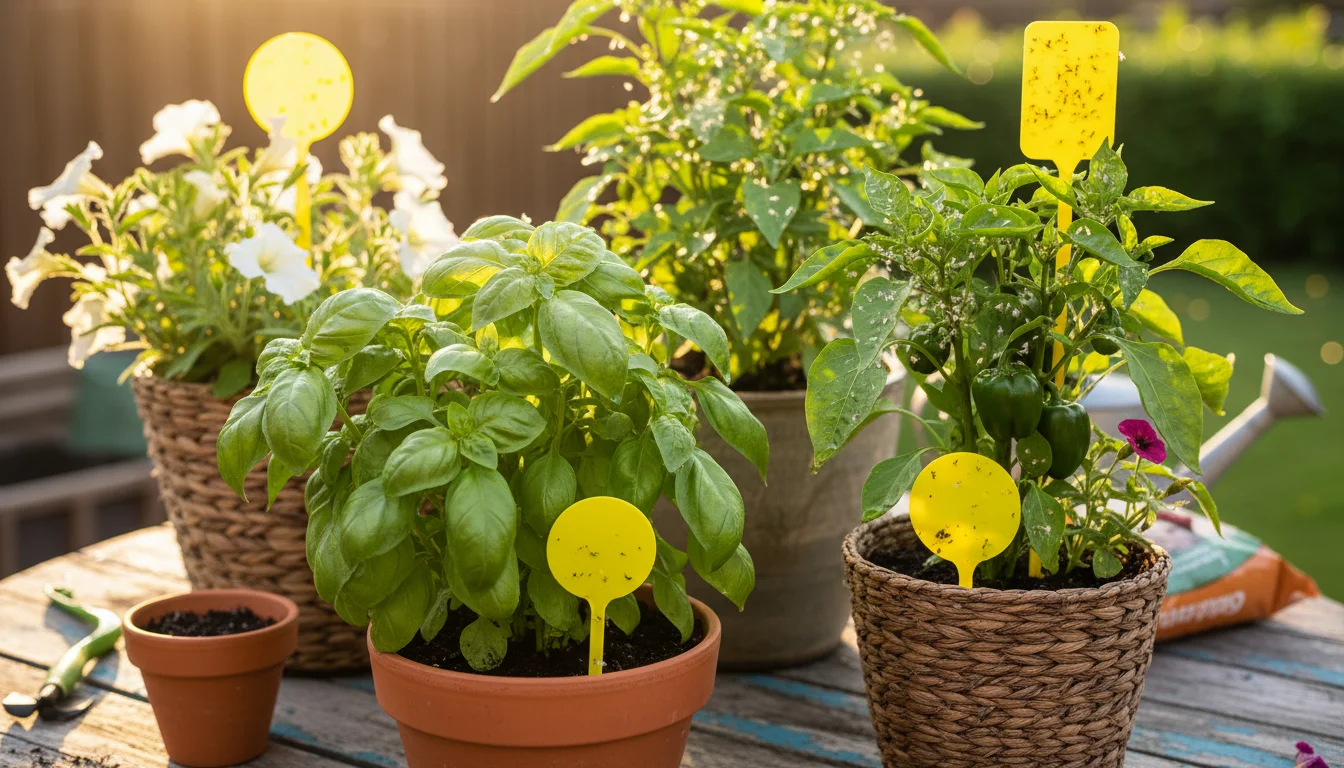
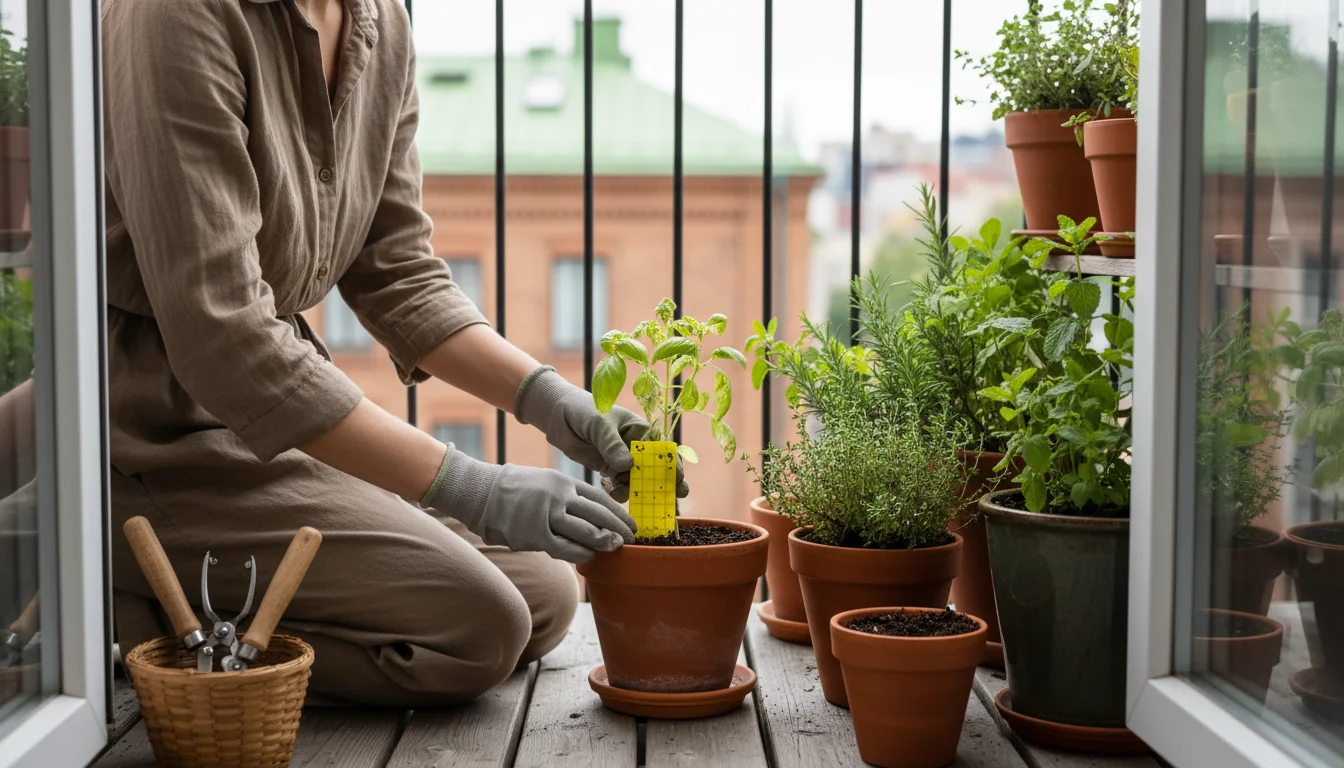
- Choose the Right Type: Sticky traps come in various forms. You will find small stakes that push directly into the soil of potted plants, or larger cards with holes for hanging near the plant canopy. For individual pots or smaller plants, stakes are ideal. For larger plants or an area with multiple plants, hanging traps can cover a broader space. Choose options that fit your plant size and available space.
- Placement is Key:
- For Fungus Gnats: Position the sticky trap as close to the soil surface as possible. Fungus gnats primarily hover and breed near the soil where they lay their eggs. A trap staked directly into the pot soil, just above the surface, will capture the most adults emerging from the soil or attempting to lay eggs.
- For Whiteflies, Thrips, and Winged Aphids: Place these traps closer to the plant canopy, where these pests typically feed and fly. If using hanging traps, suspend them just above the foliage. For staked traps, ensure the sticky surface is at or slightly above the leaf level. You want the trap to be easily visible to flying insects as they move around your plants.
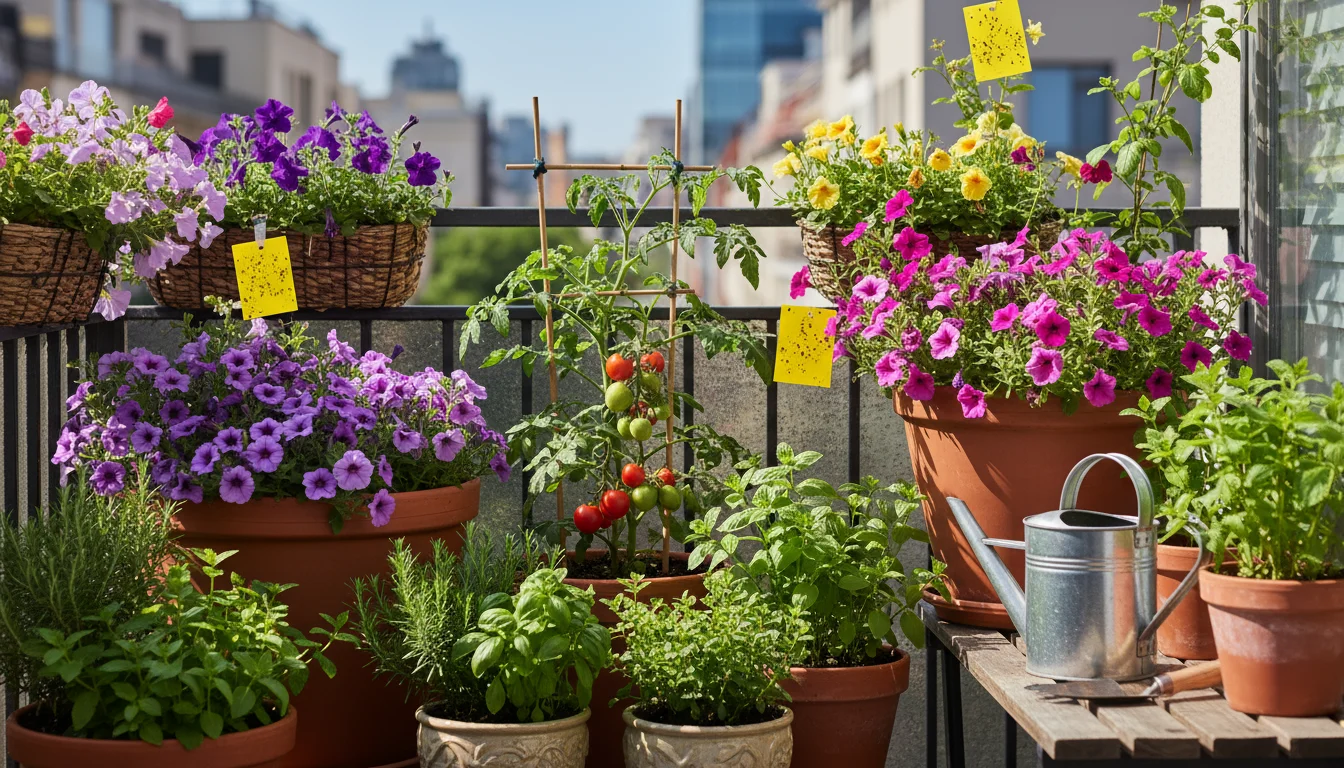
- Strategic Distribution: You do not need a trap in every single pot. Start by placing traps in plants that have previously shown signs of pests, or in new plants you are quarantining. For general `monitoring for pests on houseplants before an infestation`, place one or two traps per shelf or grouping of plants. You can increase the number if you notice a significant catch.
- Peel and Protect: Most sticky traps come with a protective paper backing on both sides. Carefully peel off one side and insert the stake into the soil or hang the trap. Then, peel off the second side to expose the entire adhesive surface. Handle the traps by the non-sticky edges or the stake to avoid getting the adhesive on your fingers.
- Regular Monitoring: Check your sticky traps every few days, or at least once a week. This allows you to assess the types and numbers of pests present. This regular check is a crucial part of `monitoring for pests on houseplants before an infestation`. If you notice an increase in trapped insects, it signals a need for further action.
- Replace When Full or Dirty: Once a trap becomes covered in insects, dust, or debris, its effectiveness diminishes. Replace it with a fresh trap. Generally, you should replace traps every 2-4 weeks, or sooner if they are visibly full. Consistent replacement ensures continuous protection.
By following these simple steps, you integrate sticky traps into your regular plant care with minimal effort. They provide continuous `fungus gnats prevention` and act as silent guardians against other airborne pests, ensuring your indoor garden remains vibrant and healthy.
Beyond Trapping: Combining Sticky Traps with Holistic Pest Management
Sticky traps are a powerful tool, but they perform best as part of a comprehensive, holistic pest management strategy. You should not view them as a standalone solution for every pest problem. Instead, integrate them with other low-maintenance, environmentally conscious practices to achieve superior `winter pest control`. This layered approach is particularly effective for small-space gardening, where preventing problems is far easier than battling established infestations.
In addition to physical traps, implementing a winter quarantine zone for new or struggling plants is another vital layer of defense.
Consider these complementary strategies to enhance the effectiveness of your sticky traps:
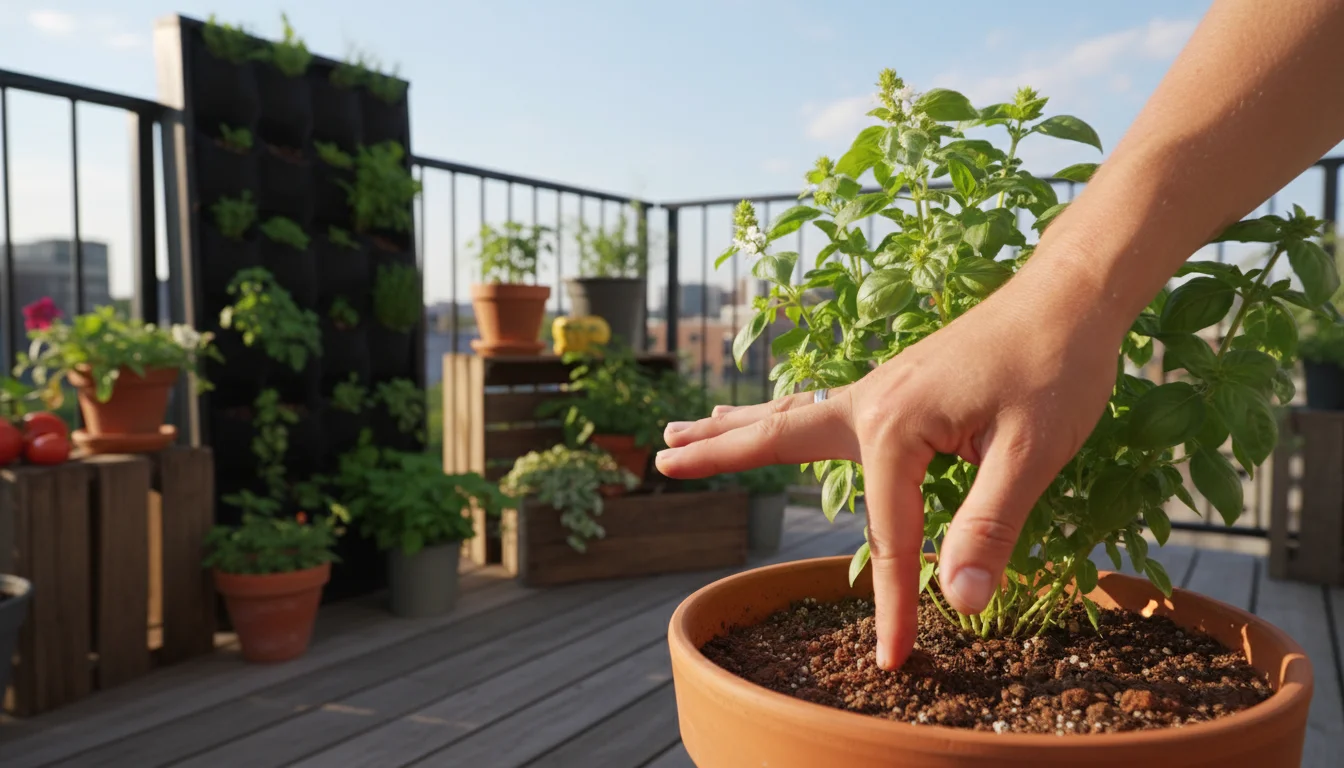
- Smart Watering Practices: Overwatering is often the primary culprit behind fungus gnat infestations. Their larvae thrive in consistently moist, nutrient-rich soil. You can significantly reduce the appeal of your potting mix to fungus gnats by allowing the top inch or two of soil to dry out completely between waterings. Always ensure your pots have good drainage, which is how water moves through the soil. Excess water should flow out of the bottom of the pot, preventing the soil from becoming waterlogged. This simple change starves out the gnat larvae and reduces adult populations.
- Ensure Good Airflow: Stagnant air creates an inviting environment for many pests, including whiteflies and spider mites. In small indoor spaces, plants often sit close together. Improve air circulation by providing adequate spacing between plants or using a small oscillating fan on a low setting for a few hours a day. Good airflow helps to dry out the soil surface more quickly and makes it harder for flying pests to navigate.
- Maintain Excellent Sanitation: Pests love decaying organic matter. Regularly remove any fallen leaves, spent flowers, or debris from the surface of your potting mix and from saucers. Pests like fungus gnats can lay eggs in this decaying material. Keeping your plant environment clean removes potential breeding grounds and food sources for larvae.
- Quarantine New Plants: This is a golden rule for all gardeners. Whenever you bring a new plant into your home, especially during winter, isolate it from your existing plant collection for at least 2-4 weeks. During this quarantine period, place a sticky trap in the pot. This allows you to monitor for any hidden pests the new plant might carry, preventing their spread to your other cherished plants. Early `monitoring for pests on houseplants before an infestation` is crucial here.
- Appropriate Soil and Potting Mix: Use a high-quality, well-draining potting mix that is appropriate for your specific plants. Avoid garden soil, which can be too dense and harbor pests. A good potting mix promotes healthy roots and dries out more efficiently, reducing conditions favorable to pests like fungus gnats.
- Target Larvae with Biological Controls: While sticky traps catch adult flying pests, they do not directly address larvae in the soil. For a persistent fungus gnat problem, consider using beneficial nematodes (microscopic roundworms that prey on gnat larvae) or a Bacillus thuringiensis israelensis (BTI) product, which is a naturally occurring bacterium that targets mosquito and gnat larvae. You apply these directly to the soil.
By combining the proactive monitoring and control of sticky traps with these sensible cultural practices, you create a robust defense system for your indoor garden. This integrated approach ensures lasting plant health and significantly reduces your reliance on harsher treatments.
For trustworthy gardening information, visit:
Pollinator Partnership, International Society for Horticultural Science (ISHS), Plantlife (UK) and Botanical Society of America. These organizations provide expert, research-based advice for gardeners at all levels.
Decoding Your Traps: Monitoring for Pests on Houseplants Before an Infestation
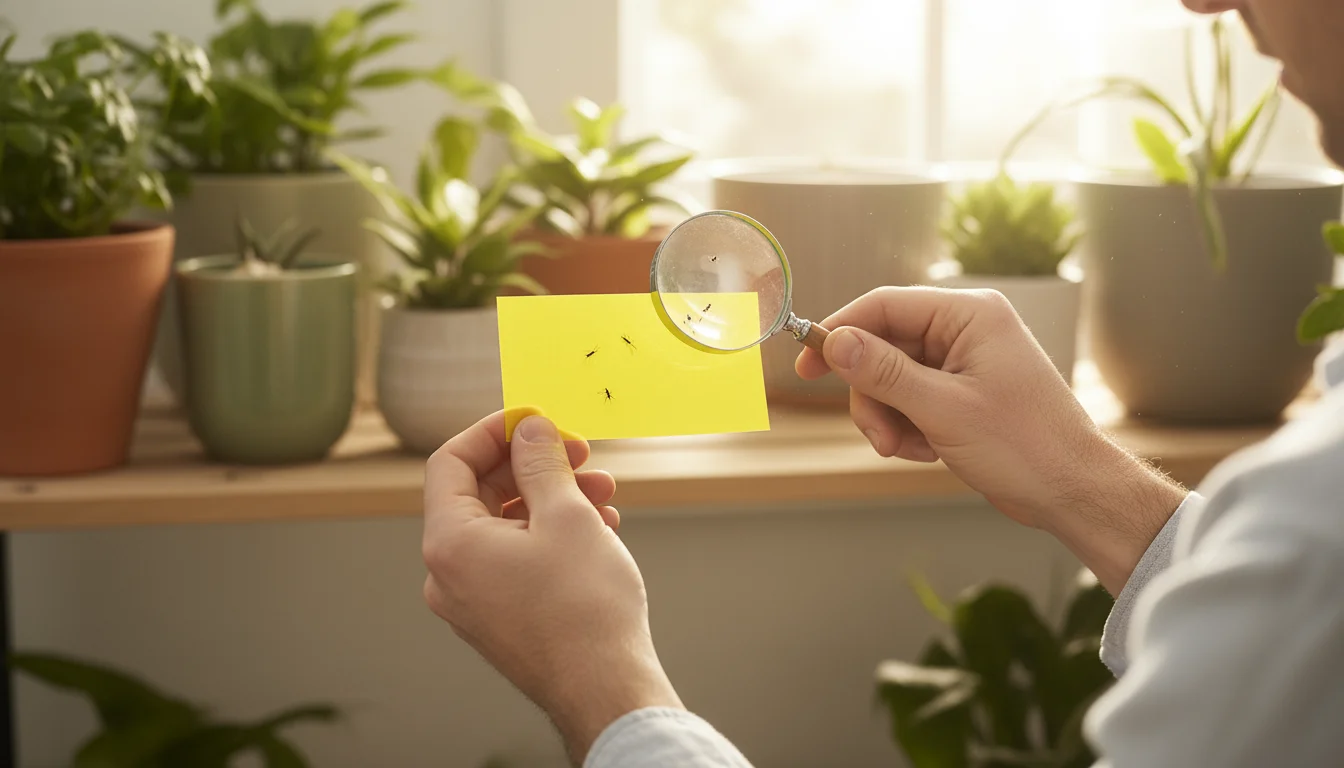
One of the most valuable aspects of using sticky traps is their capacity for early detection. They serve as a constant sentinel, offering `monitoring for pests on houseplants before an infestation` becomes obvious and difficult to manage. You gain an early warning system simply by observing what your traps catch. Learning to “read” your traps effectively empowers you to take timely action, often preventing minor issues from escalating into major problems, especially during the challenging winter months.
Here is how you can decode what your sticky traps tell you:
- Identify the Pests: When you check your traps, take a moment to look closely at what is stuck. Do you see tiny black flies (fungus gnats)? Small white, powdery insects (whiteflies)? Or slender, dark specks (thrips)? A magnifying glass can be helpful for precise identification. Knowing which pest you are dealing with guides your subsequent actions. For example, finding fungus gnats confirms that you need to adjust your watering schedule, while whiteflies might indicate a need for focused leaf inspections. This precise identification is key to effective `sticky traps for houseplants` application.
- Assess the Numbers: The quantity of trapped insects is a critical indicator.
- A Few Pests: Finding one or two fungus gnats or whiteflies over a week suggests a low-level presence, which is often normal. It indicates the traps are doing their job by catching strays and preventing them from settling. Maintain your current practices and continue monitoring.
- Moderate Numbers: If you see a steady increase, say 5-10 pests on a trap within a few days, it signals an emerging problem. This is your cue to implement more targeted interventions, such as adjusting watering, removing affected leaves, or introducing beneficial insects like nematodes. This is where `fungus gnats prevention` becomes a more active process.
- High Numbers: A trap quickly covered in dozens of pests indicates an active infestation. At this point, you need to act decisively. Replace the trap immediately and combine sticky traps with other control methods, such as insecticidal soap sprays (for the foliage) or biological controls for soil-dwelling larvae. A severe infestation requires a more aggressive approach to bring it under control.
- Note the Location: Pay attention to which plants or areas yield the most pests. If one particular plant always has more fungus gnats on its trap, that plant likely has a more significant issue at the soil level, possibly from consistent overwatering. This helps you focus your efforts where they are most needed.
- Track Trends Over Time: Do not just look at a single trap. Over several weeks, observe if the numbers are increasing, decreasing, or remaining stable after you implement changes. A downward trend indicates your `winter pest control` strategies are working. An upward trend means you need to re-evaluate your approach. Keeping a small note in your gardening journal can help you track these changes.
By diligently reading your sticky traps, you move beyond reactive pest management. You gain the power to prevent serious pest outbreaks, keeping your small indoor garden healthier and happier. This proactive vigilance, fueled by the simple data from your traps, makes you a more effective and confident gardener.
Troubleshooting and Maximizing Trap Effectiveness
Even with the best intentions, you might encounter situations where your sticky traps do not seem to be working as effectively as you expect, or you want to enhance their performance. Understanding common pitfalls and advanced strategies can help you maximize their benefits for `winter pest control`.
Always disinfect your gardening tools when moving between plants to avoid accidentally spreading microscopic eggs or pathogens while managing your traps.
Here are some troubleshooting tips and ways to get the most out of your sticky traps:
- Problem: Traps Catch Nothing, But You See Pests Flying.
- Solution: Check Placement. Are the traps close enough to the plants and at the right height for the specific pest? Fungus gnats need traps near the soil, while whiteflies prefer them near the canopy.
- Solution: Increase Number. A single trap in a large area might not be enough. Increase the density of traps, especially around plants showing visible signs of pests.
- Solution: Verify Pest Type. Sticky traps are great for flying insects, but they will not catch spider mites, mealybugs, or scale insects, which are typically stationary on plant foliage. For these pests, you need different treatment methods.
- Problem: Traps are Full, But Pests Persist.
- Solution: Replace Frequently. Traps lose effectiveness when covered in insects or dust. Change them out regularly, sometimes as often as every few days during an active infestation.
- Solution: Address the Life Cycle. Sticky traps only catch adults. If you have many fungus gnats, it means you have many larvae in the soil. You must combine traps with methods that target the larvae. Consider reducing watering frequency, using beneficial nematodes, or applying BTI to the soil. This comprehensive approach is vital for effective `fungus gnats prevention`.
- Solution: Inspect All Plants. Pests might be breeding on a plant you have not checked yet. Thoroughly inspect all your indoor plants, including those that seem healthy.
- Problem: Traps Look Messy or Unattractive.
- Solution: Use Discreet Options. Some manufacturers offer traps in more subtle shapes or designs that blend better with plants. While yellow is necessary for attraction, you can choose smaller stakes or those with clear bases.
- Solution: Regular Replacement. A trap covered in dead insects is unsightly. Regular replacement ensures a cleaner appearance while maintaining effectiveness.
- Maximizing Effectiveness with Light: Some studies suggest that pairing sticky traps with a subtle light source, particularly in low-light conditions, can increase their attractiveness to certain nocturnal flying insects. If you have an area that is particularly prone to pests and receives little natural light, you might experiment with a small, low-wattage LED near a trap.
- Avoid Contamination: Always handle sticky traps by the non-adhesive parts. If the adhesive gets on your hands, use rubbing alcohol or vegetable oil to remove it. Avoid touching the sticky surface with dirt or other debris, as this reduces its trapping capacity.
- Proper Disposal: Once full, simply wrap the used sticky trap in a paper towel or newspaper and dispose of it in your regular household trash. This prevents any trapped pests from escaping and ensures hygienic disposal.
By actively troubleshooting and employing these strategies, you turn a simple tool into a highly effective component of your overall `sticky traps for houseplants` strategy, ensuring your indoor garden remains protected and thriving.
Eco-Friendly Choices: Sustainable Sticky Trap Practices for Your Small Garden
For gardeners committed to sustainable practices and an environmentally conscious approach, sticky traps offer an inherently eco-friendly solution for pest management. You are not introducing synthetic pesticides into your home, which aligns perfectly with the philosophy of simple, natural gardening. However, you can further enhance the sustainability of your sticky trap usage.
Consider these eco-friendly practices:
- Choose Biodegradable or Recyclable Options: While most sticky traps use plastic components, some manufacturers now offer biodegradable paper or cardboard versions. Look for these options when purchasing. If fully biodegradable options are not available, choose traps that minimize plastic use or are made from recycled materials where possible. Research specific brands to find those with the best environmental footprint.
- Minimize Waste Through Strategic Placement: Instead of placing a trap in every single pot, use them strategically. Focus on plants with known issues, new plants in quarantine, or areas where you frequently observe pests. This reduces the number of traps you use and, consequently, the waste generated. Remember, `monitoring for pests on houseplants before an infestation` means being smart about where you deploy your resources.
- Longevity and Replacement: While you must replace full or dirty traps, avoid replacing them unnecessarily. If a trap still has plenty of sticky surface and is not overwhelmed with pests or dust, let it continue its work. This extends the life of each trap and reduces consumption.
- Complement, Do Not Over-rely: The most sustainable pest management involves prevention. By combining sticky traps with good cultural practices like proper watering, airflow, and sanitation, you reduce the overall pest pressure. This minimizes your reliance on any single tool, including sticky traps, making your entire system more resilient and environmentally sound. For instance, `fungus gnats prevention` through careful watering reduces the long-term need for excessive traps.
- Protect Beneficial Insects (Indoors): While sticky traps are generally indiscriminate, indoor environments typically have fewer beneficial insects than outdoor gardens. However, if you are introducing beneficial insects (like predatory mites for spider mites), be mindful of sticky trap placement. You might temporarily remove traps in areas where you release beneficials to avoid inadvertently trapping them. Outdoors, you would be more concerned with pollinators, but indoors, your focus shifts to introduced pest predators.
By thoughtfully integrating sticky traps and adhering to these eco-friendly considerations, you effectively manage pests without compromising your commitment to a healthy, sustainable home and garden. This approach ensures you maintain a beautiful indoor oasis while upholding your environmental values.
Frequently Asked Questions
Are sticky traps safe for pets and children?
Yes, yellow sticky traps are generally considered safe for pets and children because they are non-toxic and do not contain pesticides. The adhesive is strong, so you should place them out of direct reach to prevent curious hands or paws from getting stuck. If contact occurs, use vegetable oil or rubbing alcohol to remove the adhesive from skin or fur.
How often should I change my sticky traps?
You should change sticky traps every 2 to 4 weeks, or sooner if they become completely covered with insects, dust, or debris. During an active pest infestation, you might need to replace them more frequently, sometimes every few days, to maintain optimal effectiveness. Regular replacement ensures continuous `winter pest control`.
Do sticky traps attract beneficial insects?
Sticky traps are not selective, so they can potentially trap any flying insect attracted to yellow. However, in indoor environments, the presence of beneficial insects like predatory wasps or ladybugs is usually minimal unless you introduce them as part of a specific pest control program. The primary pests targeted by sticky traps, such as fungus gnats, whiteflies, and thrips, are generally considered harmful or nuisance insects, making their capture beneficial for your plants.
Can sticky traps catch larger pests like houseflies or mosquitoes?
While sticky traps are primarily designed for smaller plant pests, their strong adhesive can occasionally catch larger flying insects like houseflies or even mosquitoes if they land on the surface. However, they are not engineered for widespread control of these larger pests, and specialized traps exist for those purposes. Their main strength lies in `fungus gnats prevention` and control of other small, plant-specific flyers.
My plant’s leaves are touching the sticky trap. Is this harmful?
Direct contact with the sticky surface can damage delicate plant leaves or flowers by tearing them when removed. Always try to position sticky traps so they are close to, but not touching, your plant’s foliage. If a leaf accidentally sticks, gently peel it away or cut the small portion of the leaf if necessary. Proper placement ensures `sticky traps for houseplants` provide pest control without harming your plants.
The sticky trap is a secret weapon in your small-space gardening arsenal. This low-tech, non-toxic tool offers an incredibly effective way to monitor for and control common indoor plant pests, especially during winter when plants are most vulnerable. By integrating sticky traps with smart watering, good airflow, and diligent sanitation, you create a robust defense that ensures your plants remain healthy and vibrant. Embrace this simple yet powerful strategy, and you will find maintaining a pest-free indoor garden much easier and more enjoyable. Your plants will thank you for the proactive care and chemical-free protection.
Disclaimer: This article is for informational purposes only and is not a substitute for professional gardening advice. Always consult local extension services or horticulture experts for region-specific guidance.
Leave a Reply