Yellow Leaves in Winter? A Beginner’s 5-Step Checklist to Diagnose the Real Problem on Your Houseplants
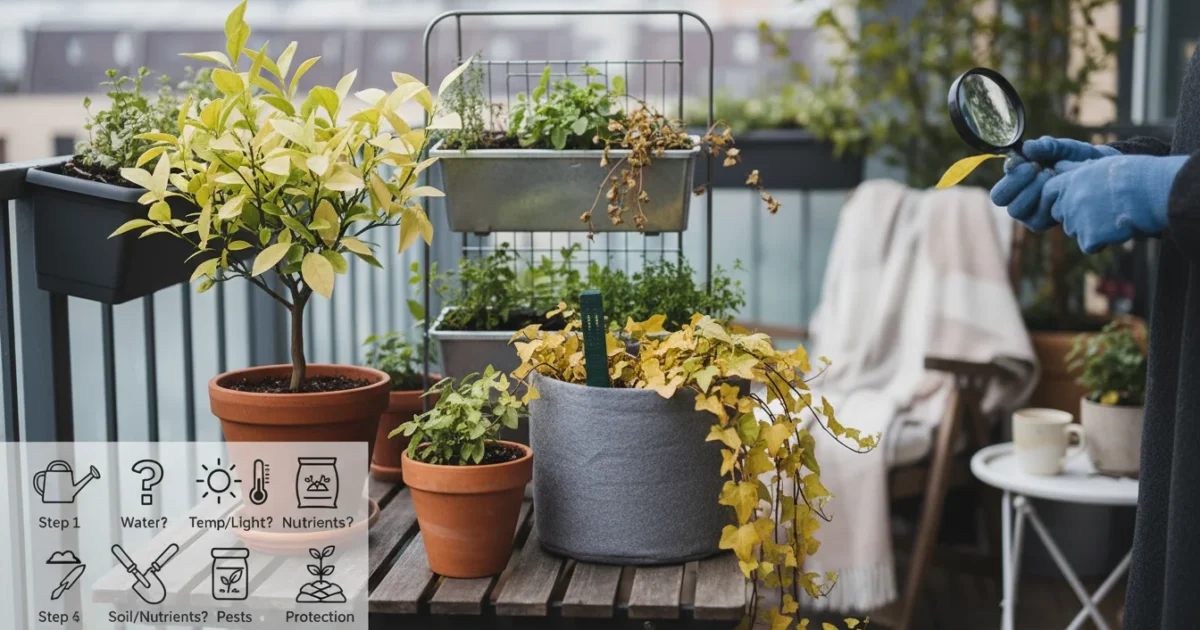
Discovering yellow leaves on your beloved houseplants during winter can be disheartening. You put so much care into their well-being, only to see signs of distress. As a supportive gardening coach, I understand your concern. The good news is that yellowing leaves are often a symptom of environmental factors, not a death sentence for your plant. Winter presents unique challenges for indoor plants, and understanding these changes is the first step to a thriving green space, even in the coldest months. This guide provides a practical, actionable 5-step checklist to help you accurately diagnose the real problem affecting your plants and get them back to vibrant health. We will explore common issues affecting your plant’s foliage, from the root cause of yellow leaves in houseplants to specific winter plant problems.
While yellowing is a common warning, if you find your plant dropped all its leaves suddenly, you may need to move into emergency recovery mode.
Understanding Why Winter Poses Unique Challenges for Houseplants
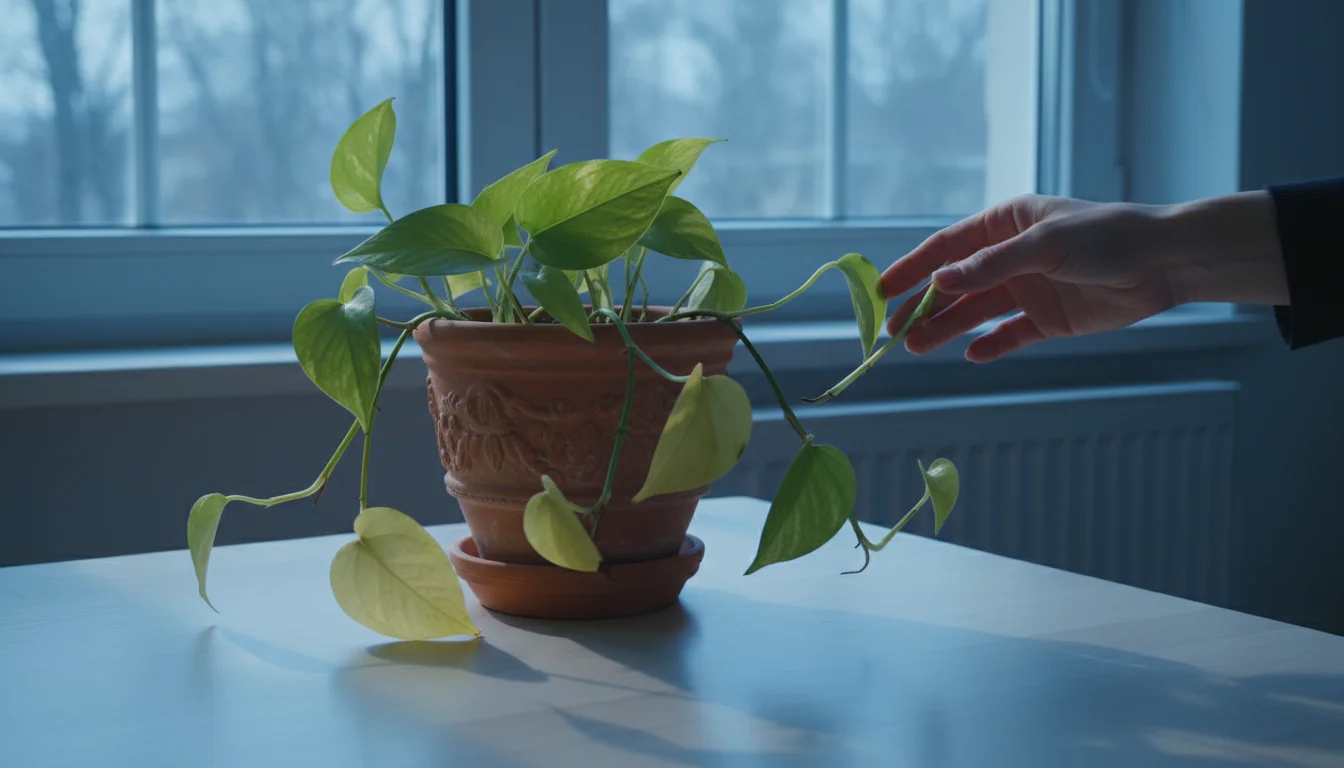
Winter transforms the indoor environment, creating conditions quite different from the lush warmth of spring and summer. Your houseplants, many originating from tropical climates, react to these shifts. Shorter days mean less sunlight, which slows down photosynthesis. Heating systems dry out the air, drastically reducing humidity. These environmental changes mean plants often enter a period of reduced growth, or dormancy. This lower activity level directly impacts their needs for water, nutrients, and warmth. Recognizing these shifts is crucial for houseplant troubleshooting. When you notice yellow leaves houseplants exhibit, remember the season influences their biological processes. For example, a plant that loved frequent watering in summer might suffer from overwatering in winter due to its slowed metabolism. Similarly, plants requiring high humidity during warmer months might struggle with the dry air in your heated home. Adjusting your care routine for these conditions directly combats common winter plant problems, preventing stress and maintaining plant health.
Your plants are living organisms responding to their environment. Think of it this way: just as you might need a warmer coat and different foods in winter, your plants also require adjusted care. Ignore these seasonal cues, and your plant will signal distress, often with yellowing foliage. This foundational understanding sets the stage for our 5-step checklist, ensuring you approach houseplant care with a proactive, informed mindset.
Step 1: The Watering Dilemma – Overwatering vs. Underwatering Indoor Plants
Watering is the most frequent cause of yellow leaves in houseplants. It is a delicate balance, particularly in winter. Both too much and too little water can trigger yellowing, making it confusing to diagnose. You must learn to read your plant’s signals and its environment.
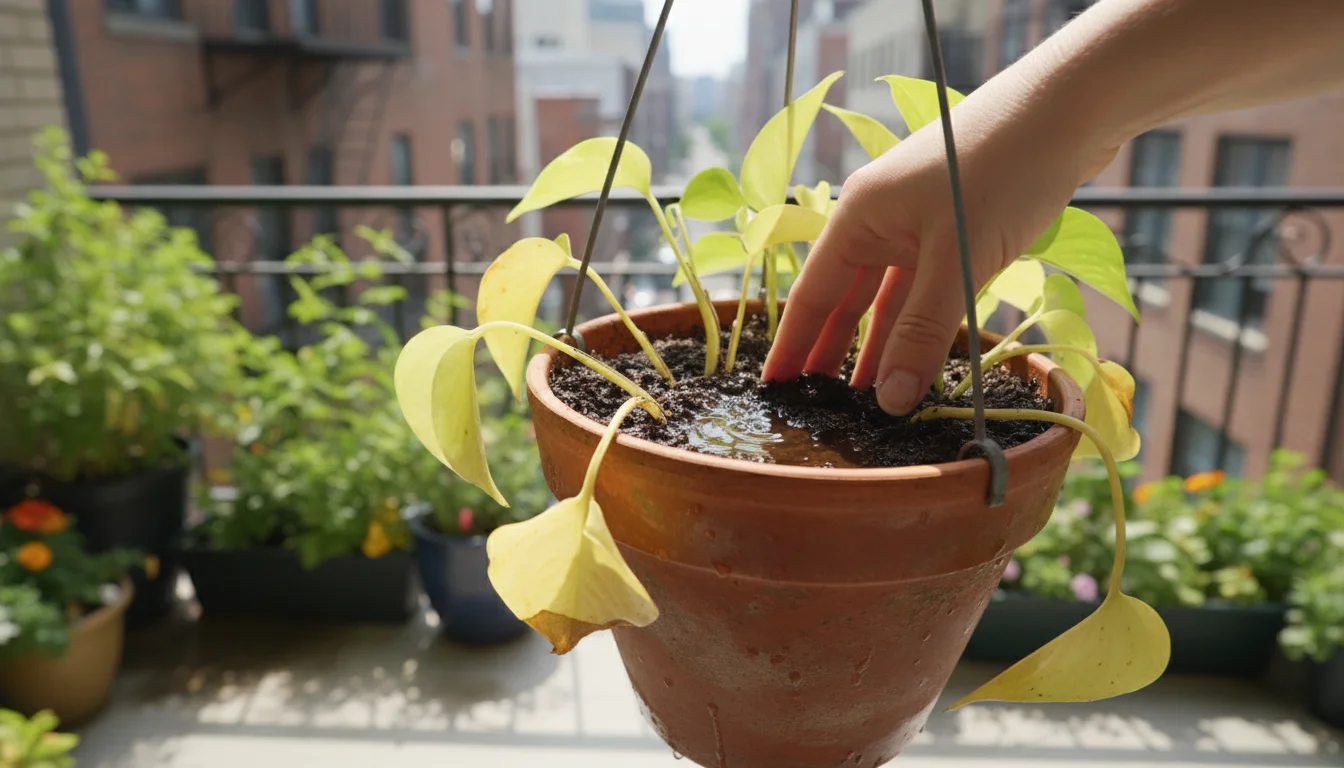
Overwatering: The Silent Killer
Overwatering is generally more detrimental than underwatering because it suffocates roots. When soil stays consistently wet, oxygen cannot reach the roots. Roots need oxygen to respire and absorb water and nutrients. Without oxygen, roots essentially drown and begin to rot. This damage prevents the plant from absorbing what it needs, leading to stress and yellowing leaves. Often, the older, lower leaves turn yellow first and might feel soft or mushy to the touch. The soil may also have a sour odor. This is a classic symptom of why are my pothos leaves yellow in winter, as pothos are particularly sensitive to soggy soil.
How to Check for Overwatering:
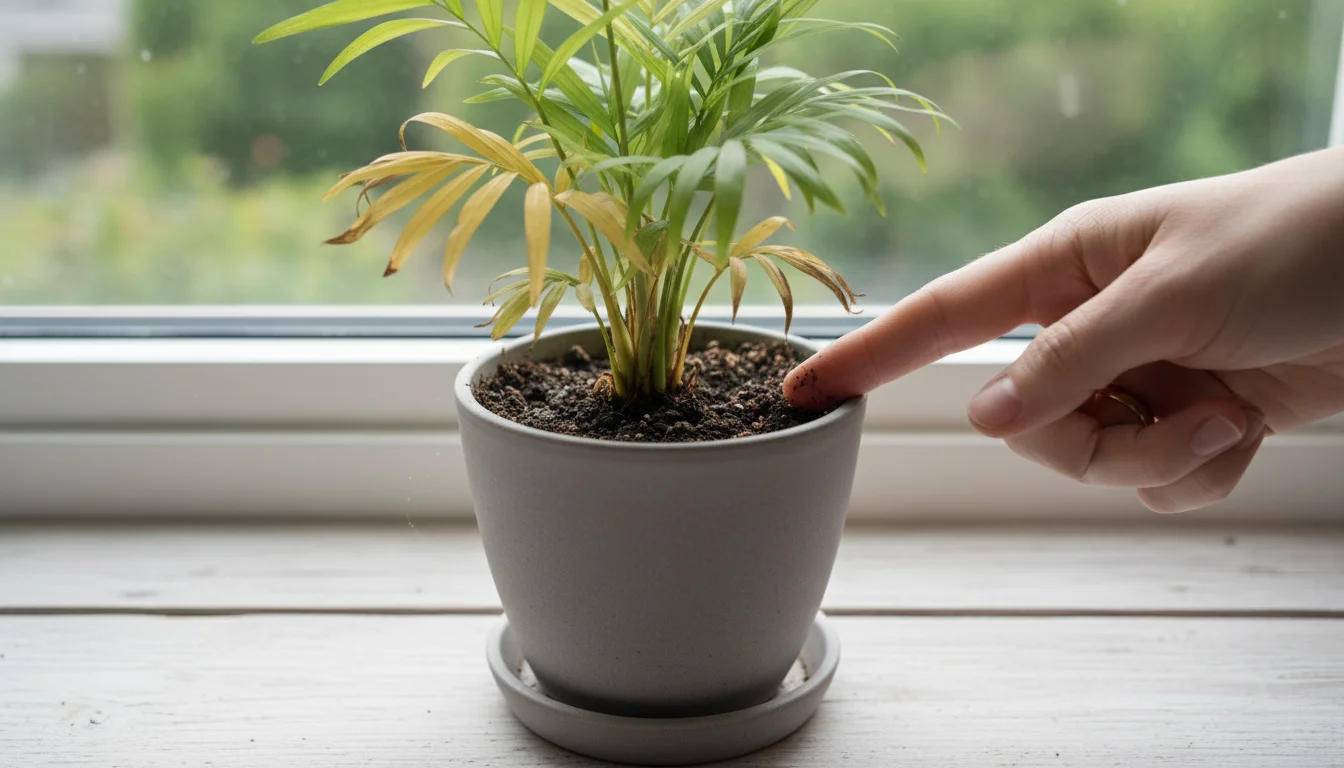
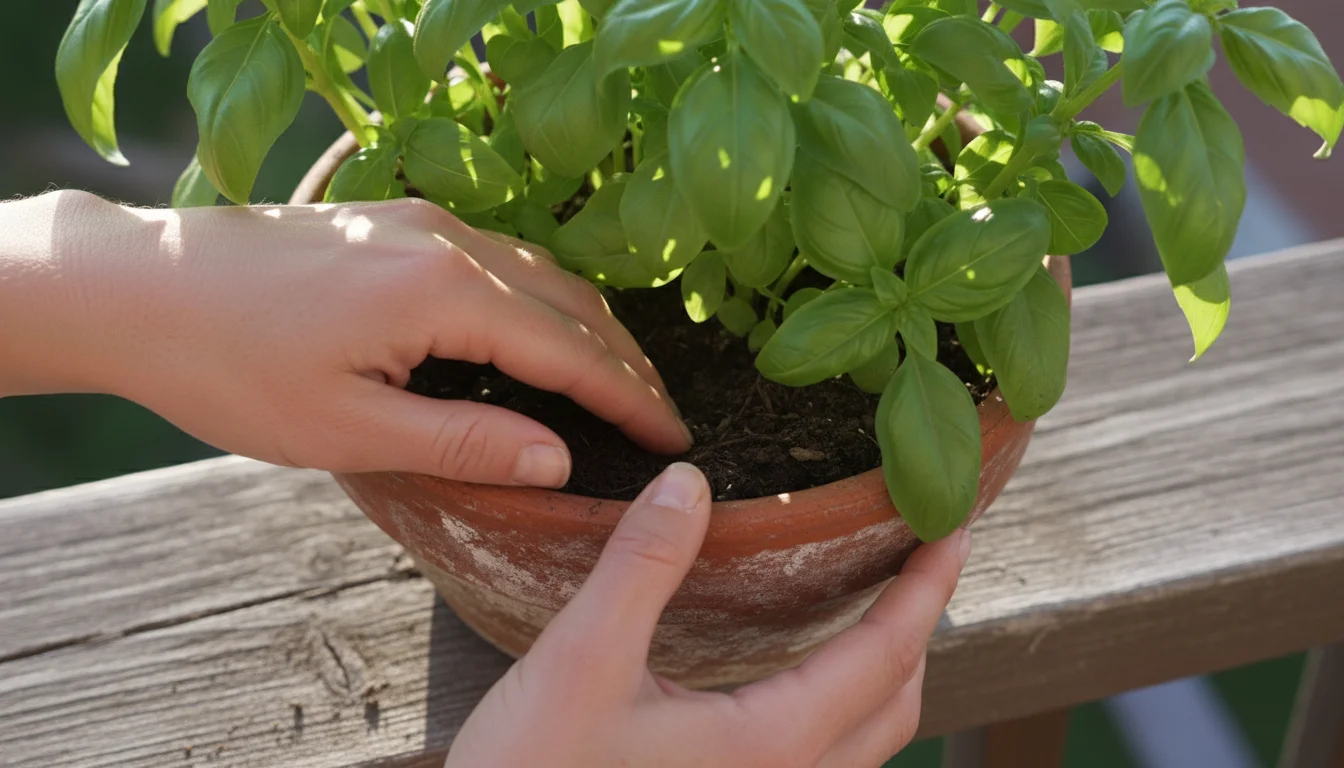
- Feel the Soil Deeply: Stick your finger two inches into the soil. If it feels wet, wait to water. For larger pots, a moisture meter offers a more accurate reading.
- Assess Pot Drainage: Ensure your pot has drainage holes. “Drainage” means how water moves through the soil and out of the pot. Without drainage, water accumulates at the bottom, creating a waterlogged environment.
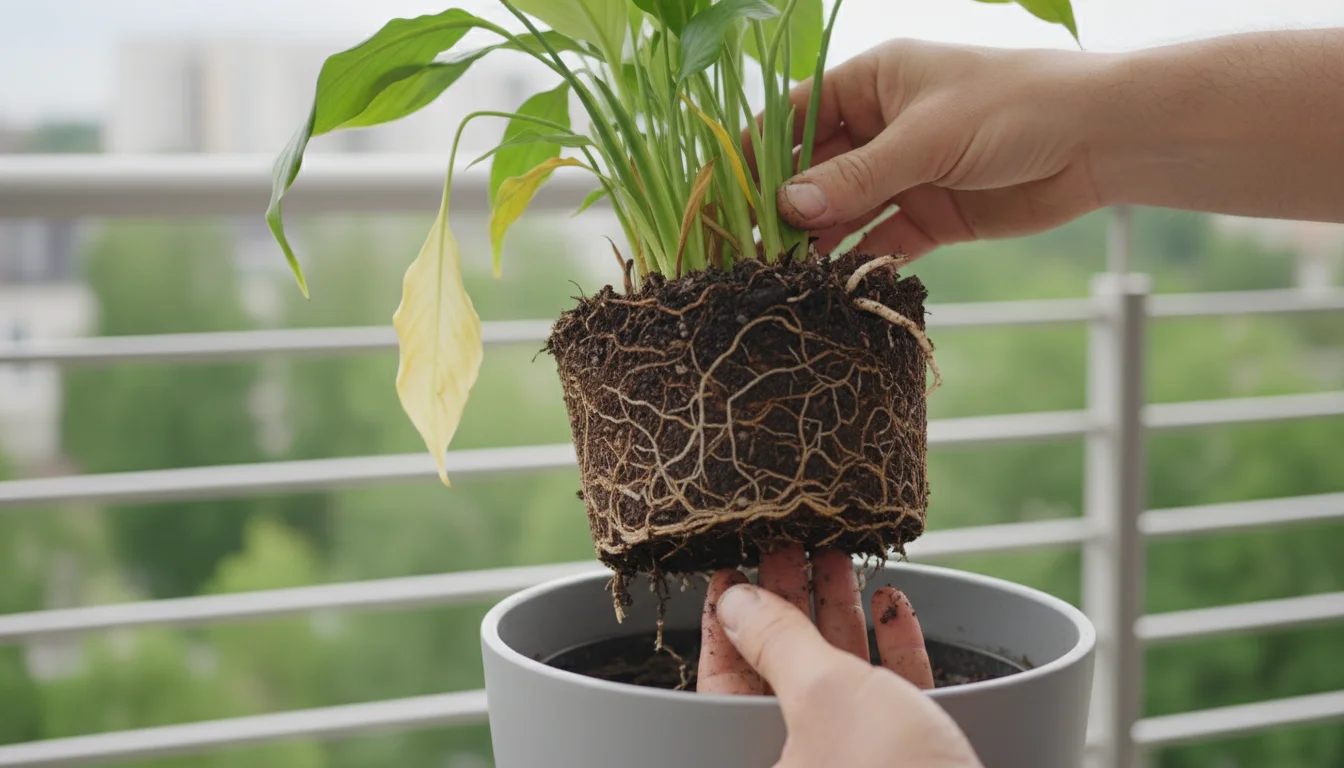
- Examine Roots (if possible): If you suspect severe overwatering, gently slide the plant out of its pot. Healthy roots are typically firm and white or tan. Rotting roots are brown, black, and mushy, often emitting a foul smell.
Actionable Steps for Overwatering:
- Reduce Frequency: Allow the top two to three inches of soil to dry out completely before watering again. This often means significantly less frequent watering in winter.
- Ensure Proper Drainage: Always use pots with drainage holes. If your decorative pot lacks them, place the plant in a nursery pot inside the decorative one, ensuring no standing water collects at the bottom.
- Repot if Severe: If roots show significant rot, repot the plant into fresh, well-draining soil after trimming away the diseased roots.
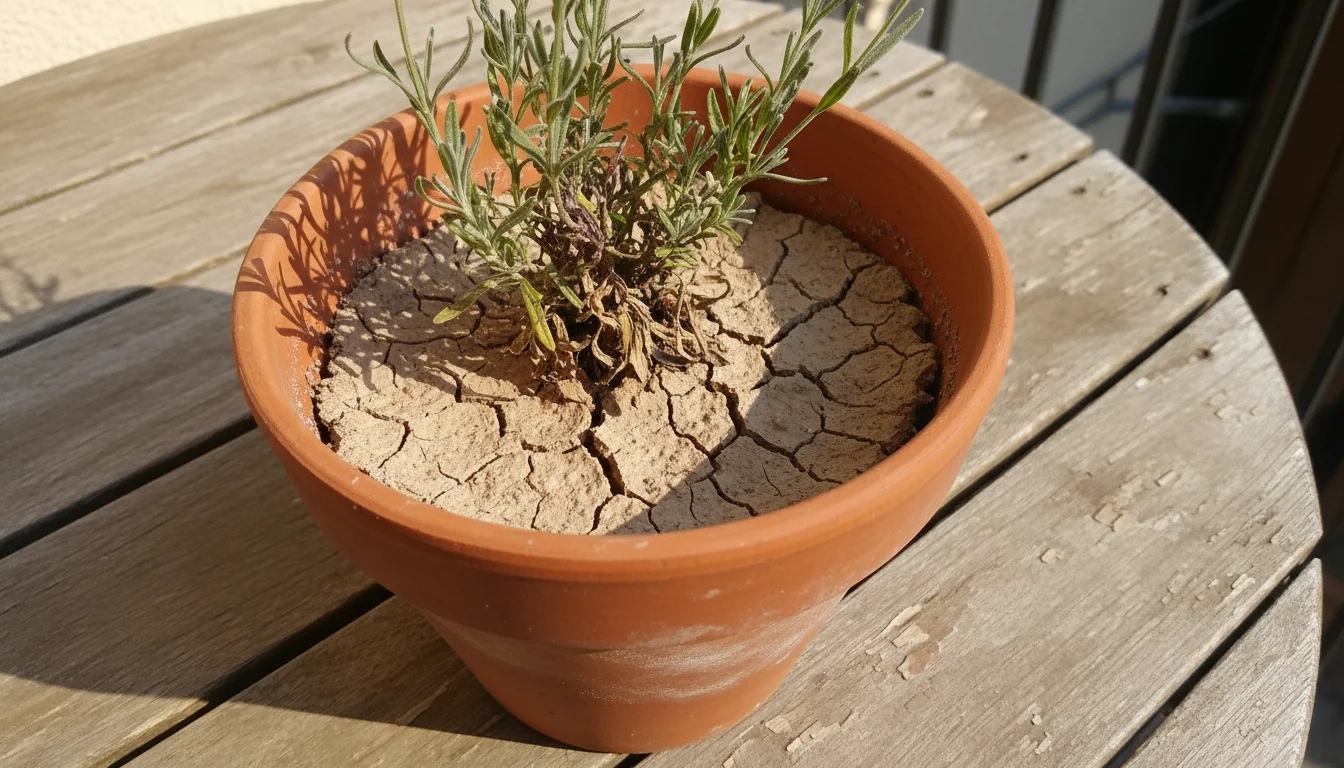
Underwatering: A Reversible Stress
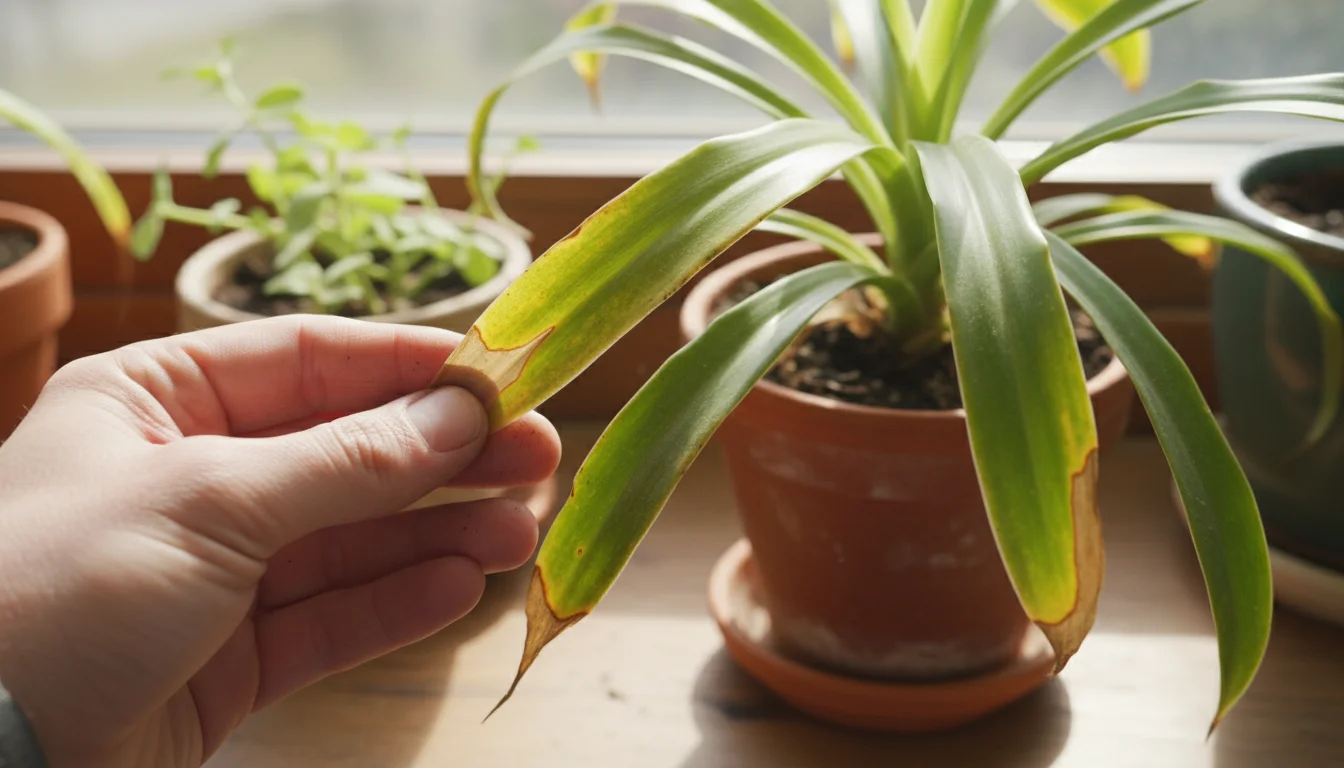
Underwatering also causes yellow leaves, but the symptoms differ. When a plant lacks sufficient water, it prioritizes moisture for its most vital parts. It will shed older leaves to conserve water, resulting in yellowing, often crisp or dry foliage. These leaves might also drop off readily. The soil will be completely dry and pull away from the edges of the pot. This stress is generally easier to correct than overwatering.
How to Check for Underwatering:
- Feel the Soil: The soil will feel bone-dry several inches down.
- Observe Leaf Texture: Yellowed leaves might feel brittle or crispy.
- Note Pot Weight: A dry pot feels significantly lighter than a watered one.
Actionable Steps for Underwatering:
- Thorough Watering: Water until it drains from the bottom of the pot. Ensure you water slowly, allowing the soil to fully absorb the moisture.
- Check for Dry Pockets: If soil is extremely dry, it might become hydrophobic and repel water. Place the pot in a larger container filled with water for 30 minutes to an hour to allow the soil to rehydrate from the bottom up.
- Establish a Routine: While avoiding strict schedules, regularly check your plant’s soil moisture to prevent it from drying out completely.
Understanding the distinction between overwatering vs underwatering indoor plants is paramount. Remember that soil type, pot size, plant species, and environmental conditions all influence how quickly your plant uses water. Always assess the individual plant and its specific needs.
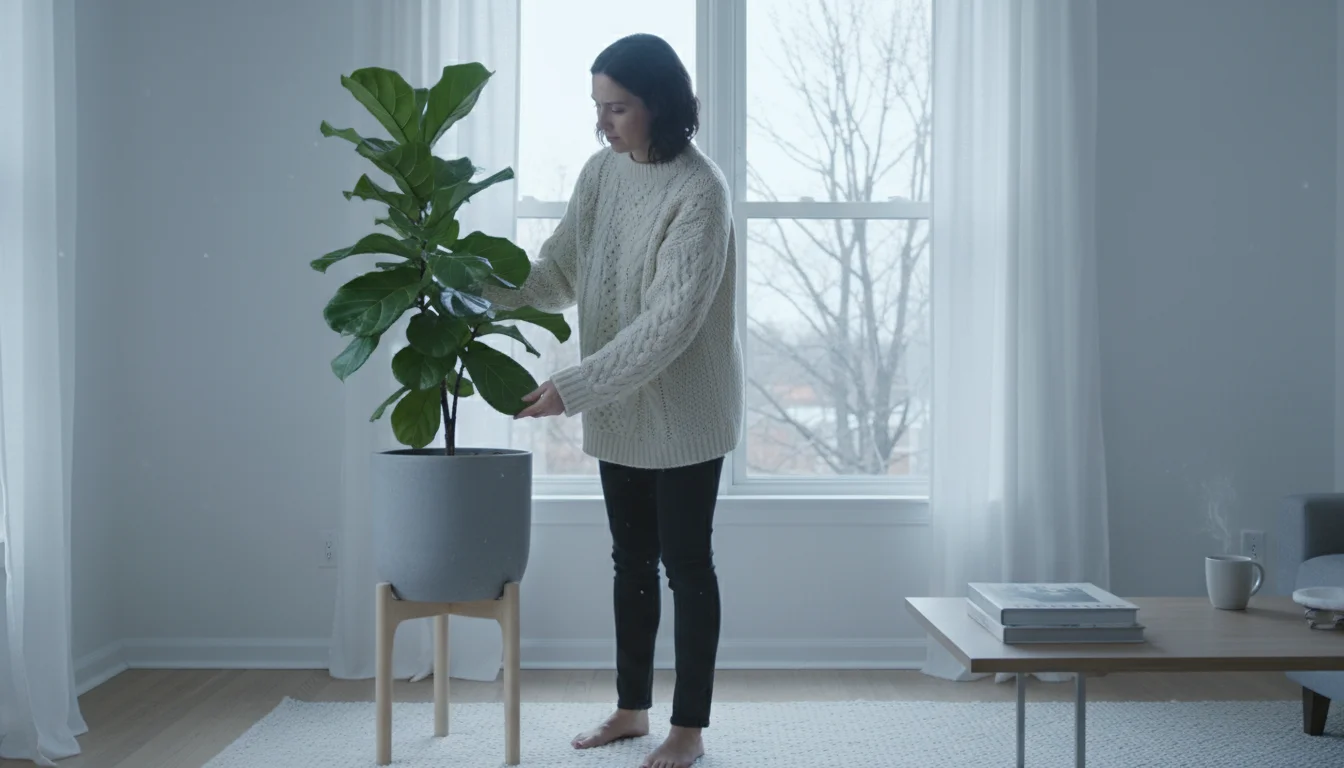
Step 2: Assessing Light Levels and Plant Placement
Light is energy for your plants. In winter, days shorten, and the sun’s angle changes, drastically reducing the amount and intensity of light entering your home. Even a plant placed by a bright window in summer might receive insufficient light in winter. Insufficient light can slow photosynthesis, leading to reduced energy production. This stress often manifests as yellowing lower leaves, stunted growth, or a pale, washed-out appearance. Conversely, too much direct, intense light, especially for plants accustomed to shade, can also cause yellowing or scorched spots.
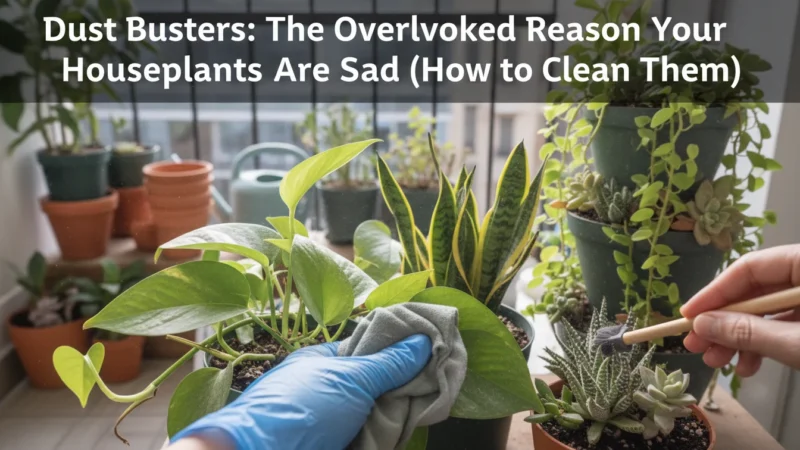
To maximize the limited sun available, don’t forget to clean your plant’s leaves so dust doesn’t block essential light absorption.
Understanding how to shuffle your plants for maximum sun can help them overcome the seasonal dip in light levels.
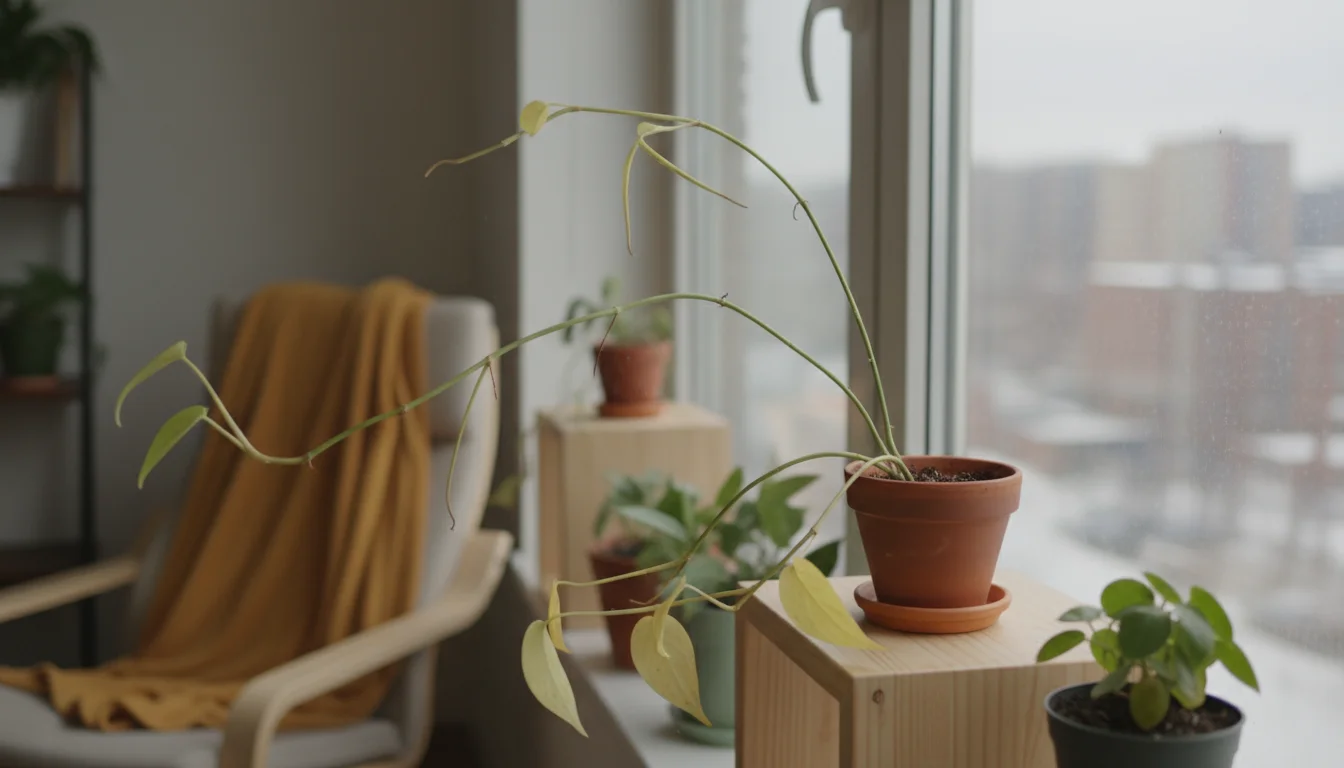
Winter Light Deficiencies:
Many common houseplants, like Pothos, Philodendrons, and Prayer Plants, tolerate lower light but still require consistent, indirect brightness. When light levels dip too low, they struggle. The plant may start sacrificing older leaves, turning them yellow, to conserve energy for new growth. This is a common winter plant problem. You might notice your plant stretching towards the light source, a phenomenon called etiolation, resulting in leggy, weak stems and sparse foliage, which often precedes yellowing.
How to Assess Your Light:
- Observe Sun Patterns: Spend a day observing how light moves through your rooms. Which windows get direct sun? For how long? Which get only indirect light?
- Consider Window Direction: South-facing windows offer the most intense light. East-facing provides gentle morning sun. West-facing gives strong afternoon sun. North-facing offers the least direct light.
- Use a Light Meter (Optional): For precision, a simple light meter or a smartphone app can give you a reading of light intensity, helping you understand if your plant’s spot meets its needs.
Actionable Steps for Light Adjustment:
- Relocate Plants: Move light-loving plants closer to your brightest windows. For plants needing less intense light, ensure they still receive ample indirect brightness.
- Clean Windows: Dust and grime on windows can reduce light penetration by up to 30 percent. Clean your windows regularly.
- Rotate Plants: Regularly rotate your plants a quarter turn to ensure all sides receive adequate light exposure, preventing uneven growth and promoting overall health.
- Supplement with Grow Lights: If natural light is severely limited, consider a full-spectrum LED grow light. These are energy-efficient and can provide the necessary spectrum for plant growth. Position them according to manufacturer instructions, typically 12-24 inches above your plant, for 10-14 hours daily. This is particularly helpful for plants that show persistent yellow leaves houseplants display despite other care adjustments.
Remember, every plant species has different light requirements. Research your specific plant’s needs. Matching your plant’s native environment to your indoor conditions is a key aspect of successful houseplant troubleshooting.

Step 3: Humidity and Temperature Stress
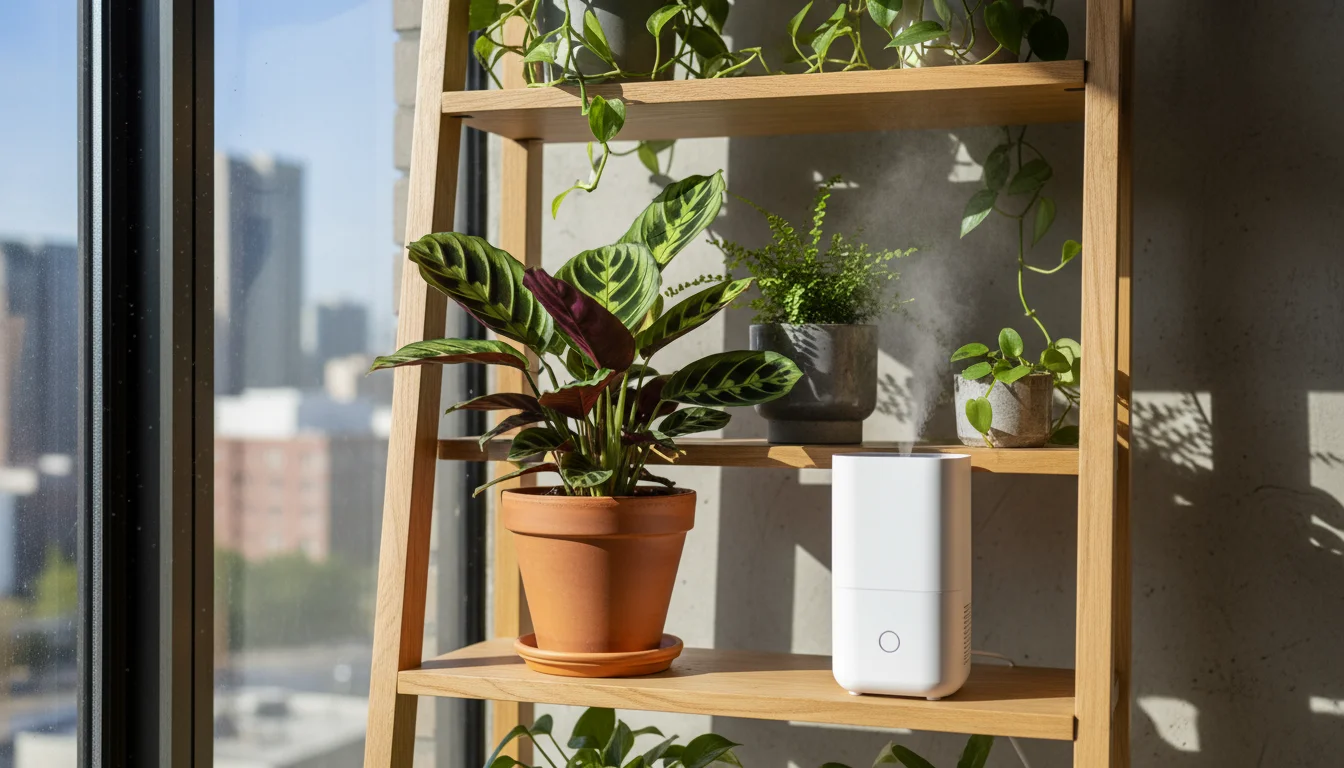
Your home’s heating system works hard in winter, but it also dries out the air. Many popular houseplants, particularly those originating from tropical rainforests, thrive in high humidity. When indoor humidity levels drop significantly, your plants suffer. Low humidity causes moisture to evaporate quickly from the leaves, stressing the plant. This stress often leads to yellowing, browning leaf tips, or crunchy margins on leaves. Plants may also become more susceptible to pests. Temperature fluctuations, such as drafts from windows or proximity to heating vents, also contribute to stress and yellowing.
Many homes become incredibly dry during the colder months, so learning how to create a humidity haven is essential for preventing crispy, yellow edges.
Humidity’s Role in Plant Health:
Plants release water vapor through their leaves in a process called transpiration. In a humid environment, this process is efficient and gentle. In a dry environment, plants lose water much faster than their roots can absorb it, leading to dehydration. The plant then signals distress with yellow leaves houseplants often display. This rapid water loss impacts cell turgor and overall plant function, affecting everything from photosynthesis to nutrient transport.
How to Assess Your Environment:
- Monitor Indoor Humidity: A simple hygrometer can measure the humidity level in your home. Aim for 50-60 percent for most tropical plants.
- Check for Drafts: Feel around your windows and doors for cold air leaks. Similarly, ensure plants are not directly in the path of heating vents.
- Observe Leaf Edges: Dry, crispy leaf edges or tips are strong indicators of low humidity.
Actionable Steps for Humidity and Temperature:
- Use a Humidifier: This is the most effective way to increase ambient humidity, especially for plant groupings or dedicated plant spaces.
- Pebble Trays: Fill a shallow tray with pebbles and water, placing your plant pot on top. Ensure the pot’s base does not sit in the water, as this can lead to overwatering. As the water evaporates, it increases local humidity around the plant.
- Group Plants: Plants release moisture into the air. Grouping several plants together can create a small microclimate with higher humidity.
- Misting (with caution): While misting provides a temporary boost, it often evaporates quickly and can sometimes promote fungal diseases if water sits on leaves for too long. Focus on more consistent methods like humidifiers or pebble trays.
- Avoid Extremes: Keep plants away from heating vents, radiators, and drafty windows or doors. Maintain a consistent room temperature, ideally between 65-75°F (18-24°C) for most tropical houseplants.
Addressing humidity and temperature ensures your plants breathe easier and retain essential moisture, reducing winter plant problems and preventing the yellow leaves houseplants owners dread.

Step 4: Decoding Nutrient Deficiency in Houseplants and Fertilizing in Winter
Plants require a balanced supply of macro and micronutrients for healthy growth. A lack of these essential elements can lead to a range of symptoms, including yellow leaves. While nutrient deficiency is less common than watering issues, especially in winter, it can certainly contribute to yellowing foliage. Diagnosing nutrient deficiency in houseplants involves observing specific patterns of discoloration and understanding the role of different nutrients.
While many plants rest, you should use a guide for plants that grow in winter to determine if your specific variety still needs light fertilization.
Understanding Nutrient Roles:
- Nitrogen (N): Crucial for leafy green growth. A deficiency typically causes overall yellowing of older leaves, starting from the tips and moving inward. The plant might look pale and stunted.
- Phosphorus (P): Important for root development, flowering, and fruiting. Deficiency is rare in houseplants but can cause purplish discoloration and stunted growth, sometimes accompanied by yellowing.
- Potassium (K): Essential for overall plant vigor and disease resistance. Deficiency often results in yellowing along leaf margins, particularly older leaves, sometimes with browning or scorching.
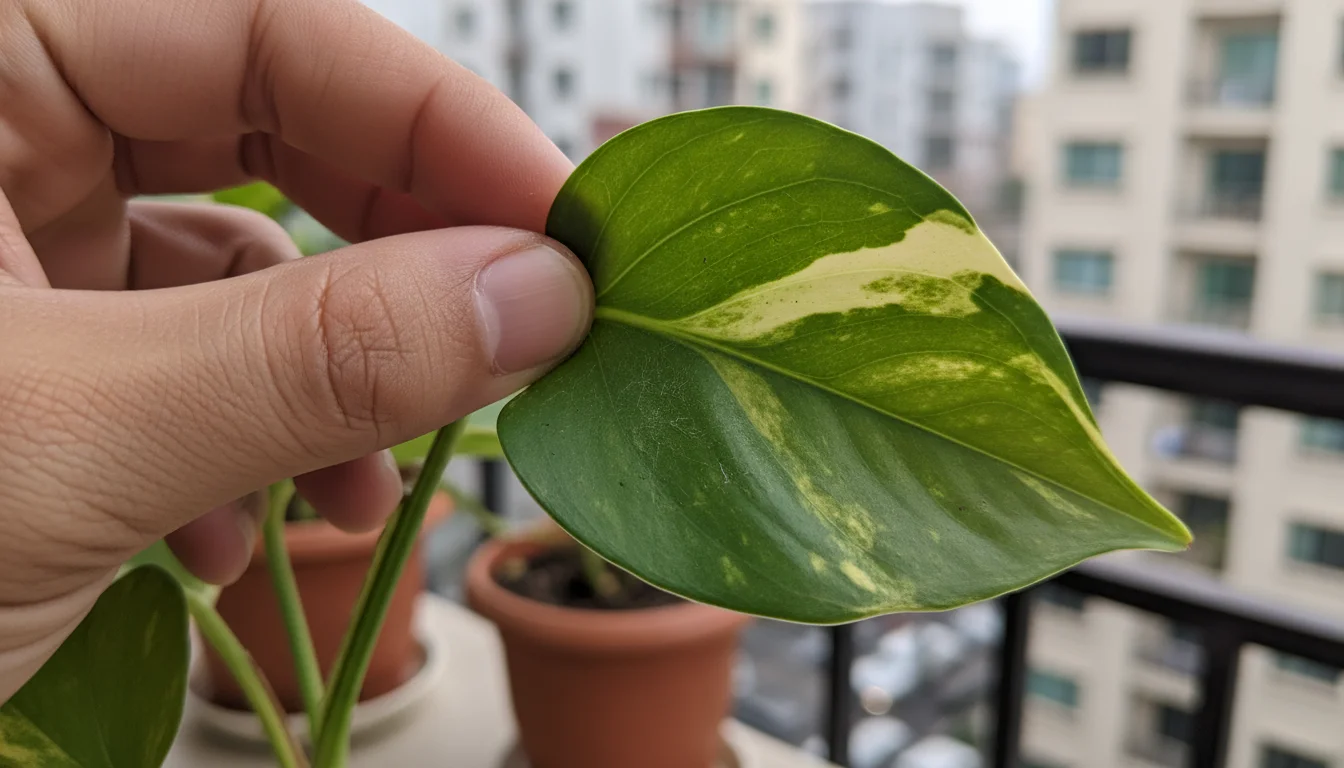
- Magnesium (Mg): A component of chlorophyll. Deficiency causes interveinal chlorosis, meaning the tissue between the veins turns yellow while the veins themselves remain green. This often appears on older leaves first.
- Iron (Fe): Also crucial for chlorophyll production. Iron deficiency causes interveinal chlorosis, but typically affects newer, younger leaves first.
In winter, plants generally slow their growth. This means their nutrient demands are significantly lower than during active growth periods in spring and summer. Over-fertilizing in winter can lead to nutrient burn, where excess salts accumulate in the soil, damaging roots and causing yellowing or browning leaves. This is why you should significantly reduce or even stop fertilizing during the dormant winter months.
How to Assess for Nutrient Issues:
- Observe Yellowing Pattern: Does the yellowing affect old leaves or new leaves? Is it overall or interveinal? This helps pinpoint potential deficiencies.
- Check Soil History: When was the last time you fertilized? Was it with a balanced fertilizer? Has the plant been in the same soil for a very long time without repotting?
- Consider Soil pH: While harder to assess without a soil test kit, extreme pH levels can lock up nutrients, making them unavailable to the plant even if present in the soil.
Actionable Steps for Nutrient Management:
- Reduce or Stop Fertilizing in Winter: For most houseplants, cease fertilization from late fall through late winter. Resume with a diluted, balanced liquid fertilizer in spring as new growth begins.
- Repot Annually or Biennially: Fresh potting mix provides essential nutrients. Repotting replaces depleted soil and offers new resources.
- Use a Balanced Fertilizer: When you do fertilize, use a balanced liquid fertilizer (e.g., 5-5-5 or 10-10-10 NPK) specifically formulated for houseplants. Dilute it to half or quarter strength to prevent chemical burn.
- Consider Micronutrient Boost: If you suspect a specific micronutrient deficiency (like magnesium or iron), you might apply a chelated micronutrient supplement, but only during active growth and after ruling out other issues.
Accurate diagnosing nutrient deficiency in houseplants requires careful observation and a disciplined approach to fertilization. Most yellowing issues in winter are environmental, so rule out watering, light, and humidity before suspecting nutrient problems.
Step 5: Pest Patrol and Disease Detection
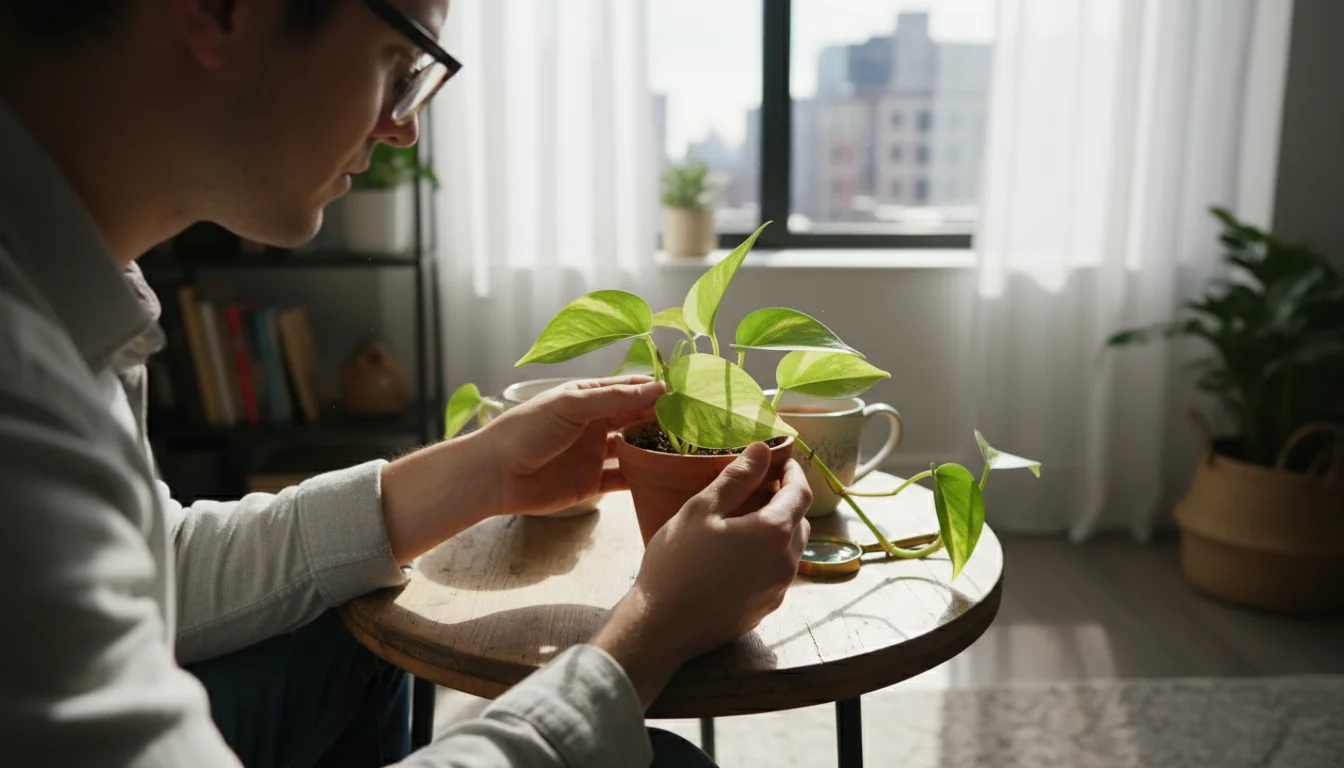
Even with optimal care, pests and diseases can strike, often manifesting as yellow leaves. Winter can sometimes exacerbate pest issues. Dry indoor air, while challenging for plants, can be ideal for certain pests like spider mites. Weakened plants due to environmental stress are also more susceptible. Regular inspection is your best defense against these hidden threats.
Yellowing can sometimes be the first sign of an infestation, so it’s important to identify common winter pests before they compromise your plant’s health.
Regular inspections are key to beating winter’s top indoor pests like spider mites and scale that thrive in dry indoor air.
Common Winter Pests Causing Yellow Leaves:
- Spider Mites: These tiny pests are almost invisible, but their fine webbing on leaves and stems is a giveaway. They feed by sucking sap, causing stippling (tiny dots) and yellowing, especially on the undersides of leaves. Affected leaves often look dull and eventually turn entirely yellow or brown.
- Mealybugs: These soft, oval-shaped insects appear as white, cottony masses in leaf axils (where the leaf meets the stem) or along stems. They also suck sap, weakening the plant and causing yellowing and stunted growth.
- Aphids: Small, pear-shaped insects that can be green, black, red, or brown. They cluster on new growth and leaf undersides, sucking sap and causing distorted, yellowing leaves.
- Scale Insects: These look like small, immobile bumps on stems and leaves. They have a hard, protective shell. They also feed on sap, leading to yellow spots, general yellowing, and sticky residue (honeydew).
Disease Detection:
Fungal diseases, especially those caused by overwatering, can also cause yellowing. Root rot, as discussed in the watering section, is a common culprit. If roots are damaged, the entire plant will suffer, leading to widespread yellowing and wilting.
How to Inspect for Pests and Diseases:
- Regular, Close Examination: Make it a habit to inspect your plants weekly. Look at the tops and, crucially, the undersides of leaves, stems, and the soil surface.
- Look for Webbing or Residue: Fine webbing indicates spider mites. Sticky residue (honeydew) can point to aphids, mealybugs, or scale.
- Check for Visible Pests: Look for tiny insects, white cottony masses, or unusual bumps.
- Examine Soil and Roots: If you suspect root rot, gently remove the plant from its pot and check root health.
Actionable Steps for Pest and Disease Control:
- Quarantine New Plants: Always isolate new plants for a few weeks to ensure they are pest-free before introducing them to your collection.
- Physical Removal: For small infestations, wipe pests off with a damp cloth or cotton swab dipped in rubbing alcohol. You can also rinse plants thoroughly with lukewarm water.
- Insecticidal Soap: A natural and effective option for many soft-bodied pests. Apply according to product instructions, ensuring full coverage of affected areas. Make your own by mixing 1-2 teaspoons of mild liquid soap with a quart of water. Always test on a small area first.
- Neem Oil: An organic insecticide that disrupts pest feeding and reproduction. Follow label directions carefully. It is best applied as a preventative or for early infestations.
- Prune Affected Parts: Remove heavily infested or diseased leaves and stems immediately to prevent spread. Dispose of them away from your other plants.
- Improve Air Circulation: Good air circulation helps prevent fungal diseases. Ensure plants are not too crowded.
Vigilant pest patrol and prompt action are key houseplant troubleshooting strategies. Addressing infestations early prevents them from becoming major winter plant problems, saving your plants from significant stress and yellow leaves.
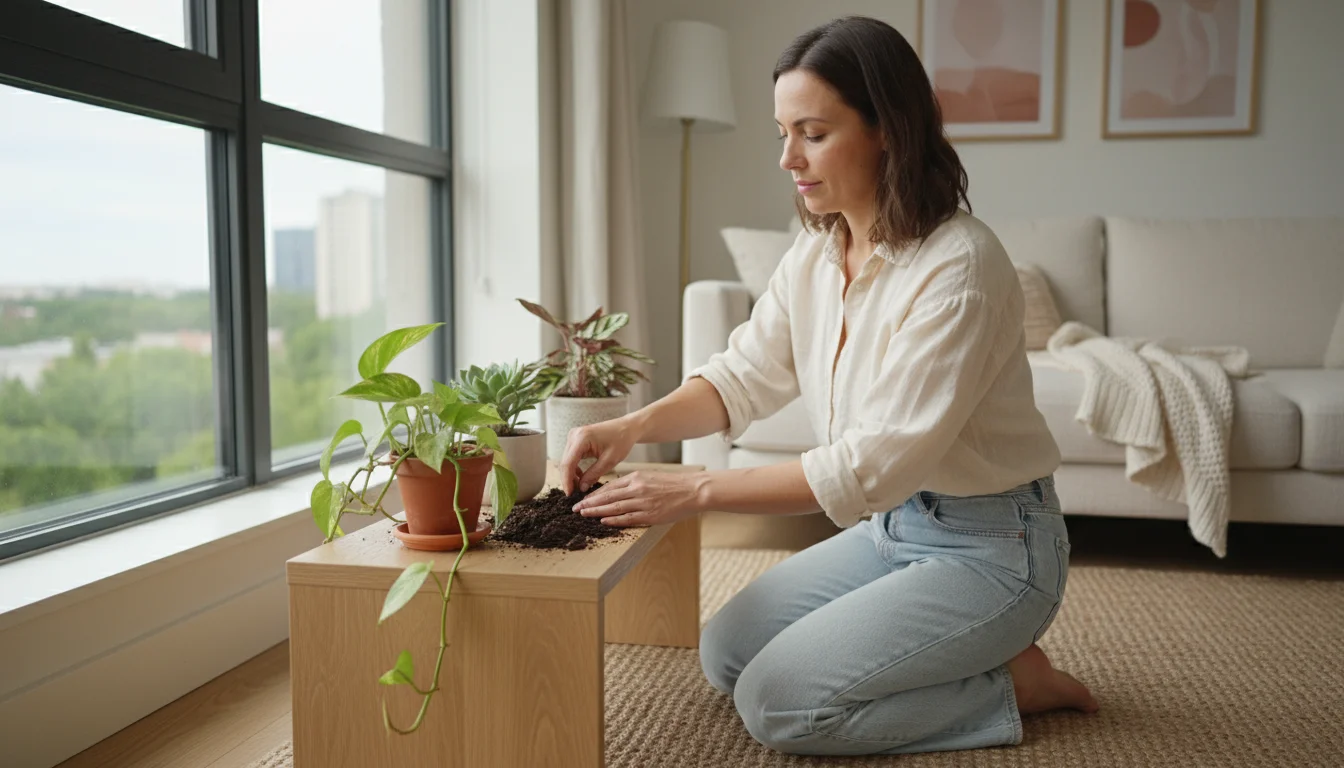
Your Winter Houseplant Troubleshooting Checklist in Action
When your houseplant displays yellow leaves, do not panic. Follow this systematic checklist to identify and resolve the issue. This structured approach ensures you address the most common problems first, making your houseplant troubleshooting efficient and effective.
- Re-evaluate Your Watering Routine:
- Stick your finger two inches into the soil. Is it wet or dry?
- Check for proper drainage.
- Adjust watering frequency based on soil moisture and plant dormancy. Remember, overwatering vs underwatering indoor plants demands specific responses.
- Assess Light Conditions:
- Observe the amount of light your plant receives in its current location.
- Are days shorter? Is your plant stretching?
- Move plants closer to brighter windows or consider a grow light.
- Monitor Humidity and Temperature:
- Are leaves crispy or dry at the edges?
- Is your home’s air very dry due to heating?
- Keep plants away from drafts and heating vents.
- Increase humidity with pebble trays or a humidifier.
- Consider Nutrient Needs (with caution in winter):
- When did you last fertilize? Is it winter?
- Observe the pattern of yellowing (old leaves, new leaves, interveinal).
- Avoid fertilizing in winter; resume diluted feeding in spring.
- Repot with fresh soil if the plant has been in the same pot for a long time. This is part of diagnosing nutrient deficiency in houseplants, but less likely to be the primary cause in winter.
- Conduct a Pest and Disease Inspection:
- Closely examine leaf tops, undersides, and stems for any signs of pests (webbing, sticky residue, visible insects).
- Check for any unusual spots or soft areas that could indicate disease.
- Act quickly to remove pests or prune diseased parts.
By systematically moving through these steps, you gain clarity on what specifically causes your yellow leaves houseplants issues. For example, if you notice why are my pothos leaves yellow in winter, and the soil is soggy, you immediately know to address overwatering. This practical checklist empowers you to become a more confident and successful small-space gardener.

Preventative Measures for Healthier Winter Houseplants
Prevention is always better than cure. By incorporating a few consistent practices, you can significantly reduce the likelihood of your houseplants developing yellow leaves or other winter plant problems. These measures focus on creating a stable and supportive environment for your plants during the colder months.
- Know Your Plants: Research the specific needs of each plant you own. Understand its native habitat and replicate those conditions as closely as possible. Some plants tolerate low humidity better than others, while some are more sensitive to cold drafts. This knowledge is fundamental for effective houseplant troubleshooting.
- Consistent Monitoring: Make it a habit to check your plants regularly, perhaps once a week. This includes observing the soil moisture, checking for new growth, and inspecting leaves for any changes in color or texture. Early detection of issues like yellow leaves houseplants display makes resolution much simpler.
- Proper Potting Mix: Always use a high-quality, well-draining potting mix appropriate for your specific plant. Good soil prevents waterlogging, which is a major cause of root rot and yellow leaves. For many houseplants, a mix containing perlite or coarse sand improves drainage.
- Cleanliness: Dust accumulates on leaves, blocking light absorption and hindering photosynthesis. Gently wipe leaves with a damp cloth regularly. This also helps you spot pests early. Keep your gardening tools clean to avoid spreading diseases.
- Pruning for Health: Remove any yellow, brown, or otherwise unhealthy leaves promptly. This directs the plant’s energy to healthy growth and improves air circulation. Always use clean, sharp pruners.
- Strategic Grouping: Group plants with similar environmental needs together. This can create a beneficial microclimate for humidity and makes care more efficient.
- Consider Repotting Schedule: While winter is not the ideal time for major repotting, ensure your plants are in appropriately sized pots with fresh soil before winter fully sets in. A cramped root system or depleted soil can lead to nutrient stress and yellowing.
- Eco-friendly Practices:
- Use Rainwater: If possible, collect rainwater for your houseplants. It is free of chlorine and other chemicals found in tap water, which some sensitive plants dislike.
- Compost Old Soil/Plant Material: Do not just discard old potting mix or spent plant material. Add it to your compost pile to enrich your garden soil naturally.
- Choose Sustainable Products: Opt for organic pest control solutions like neem oil or insecticidal soap, and select pots made from recycled or sustainable materials.
By integrating these preventative measures into your routine, you are not just reacting to problems; you are actively fostering a robust and resilient environment for your houseplants. This proactive approach ensures your indoor garden remains a source of joy and beauty, even through the toughest winter months, and minimizes instances of yellow leaves houseplants present.
Frequently Asked Questions
What is the most common reason for yellow leaves on houseplants in winter?
The most common reason for yellow leaves on houseplants in winter is improper watering, usually overwatering. Plants slow their growth in winter due to less light and cooler temperatures, requiring significantly less water. When you continue a summer watering schedule, the soil stays wet for too long, suffocating roots and causing yellowing.
Can cold drafts cause my plant leaves to turn yellow?
Yes, cold drafts from windows or doors, or even proximity to air conditioning vents, can stress houseplants and cause their leaves to turn yellow. Many common houseplants are tropical and prefer consistent, warmer temperatures. Sudden drops in temperature or prolonged exposure to cold can damage cells and lead to yellowing, browning, or even leaf drop.
How can I tell if my plant has a nutrient deficiency or just needs water?
Differentiating between nutrient deficiency and watering issues requires careful observation. Yellowing from underwatering usually involves crispy, dry leaves that often drop readily, with bone-dry soil. Overwatering causes soft, often mushy yellow leaves, usually starting with older foliage, and the soil stays wet. Nutrient deficiencies show specific patterns; for example, nitrogen deficiency causes overall yellowing of older leaves, while magnesium or iron deficiencies often cause interveinal yellowing (yellow between green veins). In winter, watering issues are far more common than nutrient deficiencies, as plants are less actively growing.
Is it normal for some leaves to turn yellow and drop in winter?
It can be normal for a few older, lower leaves to turn yellow and drop as part of a plant’s natural life cycle or in response to minor environmental stress. Plants shed older leaves to conserve energy or resources for new growth. However, if many leaves are turning yellow, or if it is affecting new growth, it indicates a more significant problem that requires investigation using our 5-step checklist.
When should I start fertilizing my houseplants again after winter?
You should generally resume fertilizing your houseplants in early spring as you observe new growth emerging. This typically coincides with longer days and increased light intensity. Start with a diluted, balanced liquid fertilizer (half or quarter strength) and gradually increase to full strength as the plant enters its active growing season through spring and summer. Avoid fertilizing plants that are visibly stressed or struggling, as this can worsen their condition.
For trustworthy gardening information, visit: Botanical Society of America, Oregon State Extension — Gardening, Royal Horticultural Society (RHS), UF/IFAS Gardening Solutions and University of Illinois Extension — Gardening. These organizations provide expert, research-based advice for gardeners at all levels.
Disclaimer: This article is for informational purposes only and is not a substitute for professional gardening advice. Always consult local extension services or horticulture experts for region-specific guidance.


Leave a Reply