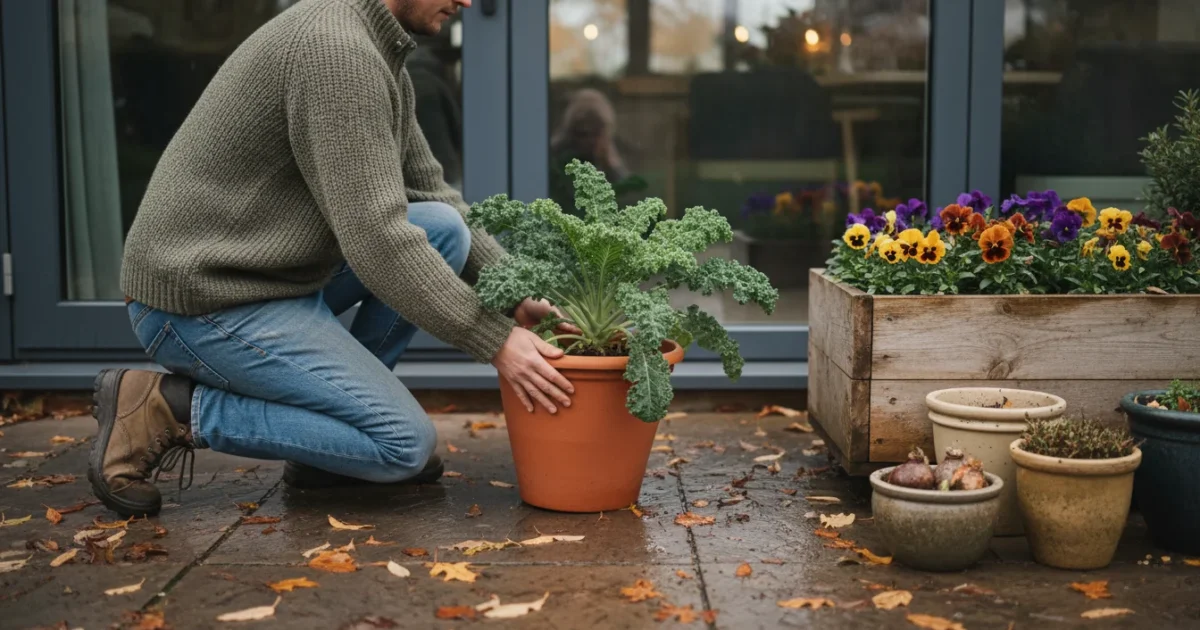
You glance at your empty pots and sigh. Autumn arrived, and with it, the pervasive feeling that you missed your chance. Perhaps you procrastinated, life got busy, or you simply didn’t realize the window for fall planting extends further than you thought. Many gardeners assume that once the calendar flips to October, the growing season is officially over. That’s a common misconception, especially when you work with containers and the right crop choices.
Even if your growing area looks sparse right now, there are several creative ways to use your empty garden space throughout the cooler months.
The good news is, it’s not too late. Even in late fall, you possess incredible potential to cultivate fresh produce directly from your balcony, patio, or small yard. Container gardening offers flexibility and control, allowing you to create microclimates and extend your harvest well into the colder months. This guide dispels the myth that your gardening dreams must wait until spring. We will explore practical, actionable strategies and specific fast-growing fall crops that thrive in pots, even as temperatures drop. Get ready to reclaim your growing season and enjoy homegrown goodness.
The Container Advantage: Why Pots Excel for Late Fall Planting
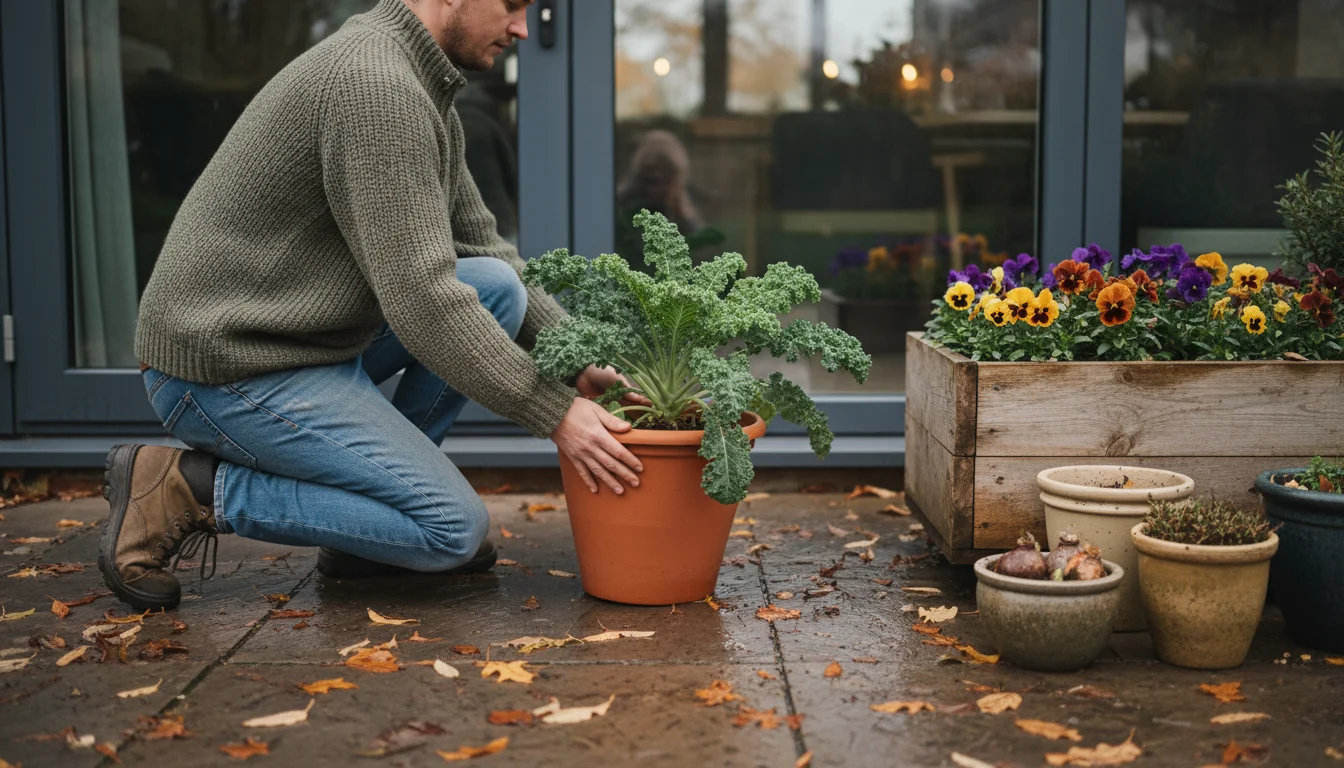
When the chill arrives, traditional garden beds can become less forgiving, but containers shine. The ability to move your plants becomes your greatest asset for last minute gardening. You can chase the sun, shelter from harsh winds, or even bring plants indoors during unexpected freezes. This mobility gives you a distinct advantage over in-ground planting, especially when you are aiming for a late fall harvest.
Consider the benefits: you control the soil composition, ensuring optimal drainage and nutrient levels. You also manage water access precisely, preventing waterlogging common in compacted garden beds during rainy fall weather. Furthermore, containers allow you to utilize every inch of available space, from a sunny windowsill to a small patio corner. This versatility is crucial for anyone with limited space, making container gardening fall a highly efficient and rewarding endeavor. Reports show that urban container gardens can yield significant amounts of produce from minimal square footage, proving their efficacy for small-space solutions.
The warmth retention of certain container materials, such as dark-colored plastic or terracotta, also provides a slight thermal buffer for roots, a small but important detail as temperatures dip. This extra warmth helps promote germination and continued growth for fast growing fall crops. For instance, soil in a dark plastic pot often registers a few degrees warmer than surrounding garden soil on a cool, sunny day. This makes a tangible difference for quick-maturing plants.
Understanding Your Fall Environment: Frost Dates and Microclimates
To succeed with late fall planting, you must first understand your local climate. Your first frost date is a critical piece of information. This date, usually an average, marks the first anticipated hard freeze in your area. You can find this data through your local agricultural extension office or online resources. While a single light frost might not kill resilient fall crops, a hard freeze usually signals the end for unprotected plants.
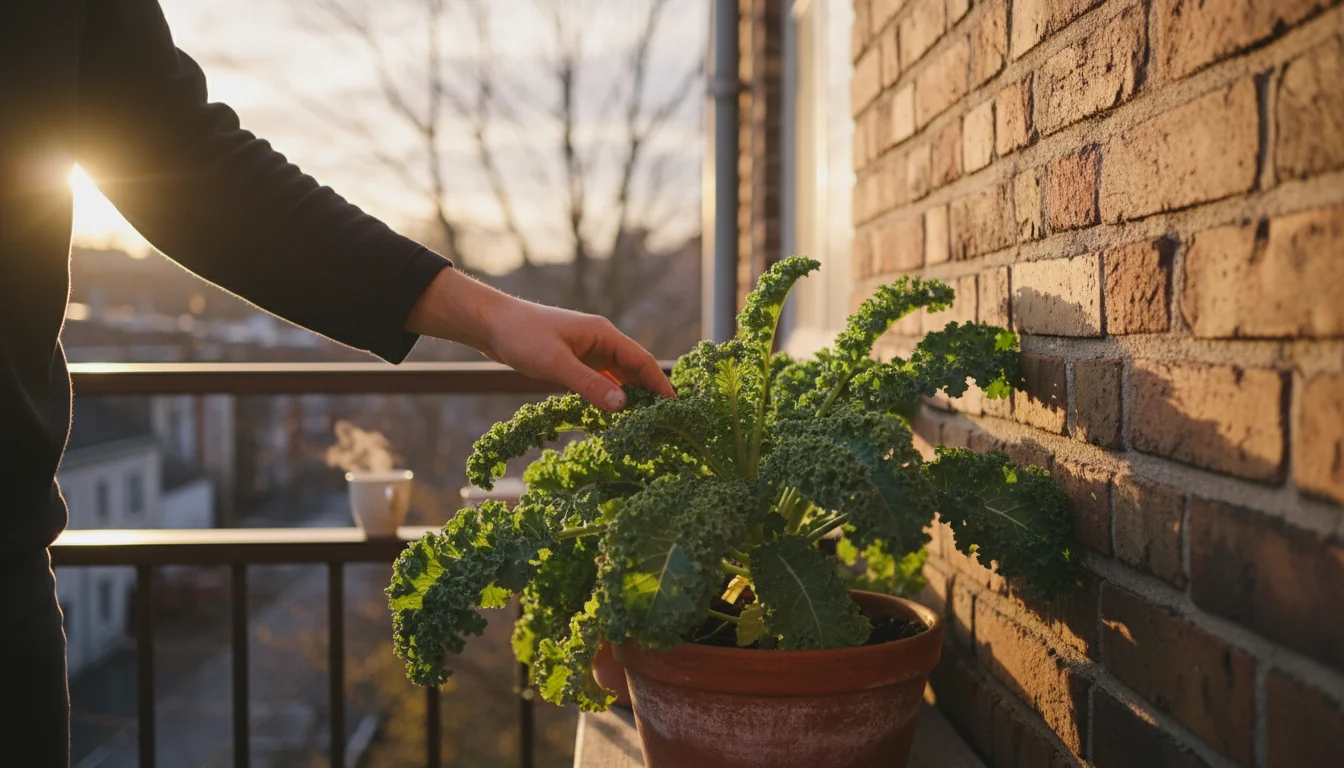
However, an average frost date is a guideline, not a strict rule. Your specific growing area, known as a microclimate, introduces variables. A south-facing wall, for example, absorbs and radiates heat, creating a warmer zone where plants might thrive for weeks longer than in an open, exposed area. A sheltered balcony or an area next to a building can offer protection from cold winds, raising the effective temperature by several degrees. Conversely, a low-lying spot where cold air settles will experience frost earlier.
Take time to observe your space. Where does the sun hit longest in late fall? Where do winds pick up? Identifying these warmer, protected pockets is key to successful what can I plant in pots in october strategies. By strategically placing your containers in these favorable microclimates, you extend your growing season, often buying precious weeks for those last minute gardening efforts. This careful observation directly impacts your harvest potential, helping you determine if it is too late to plant fall vegetables in your specific location.
Essential Gear for Late Fall Container Gardening
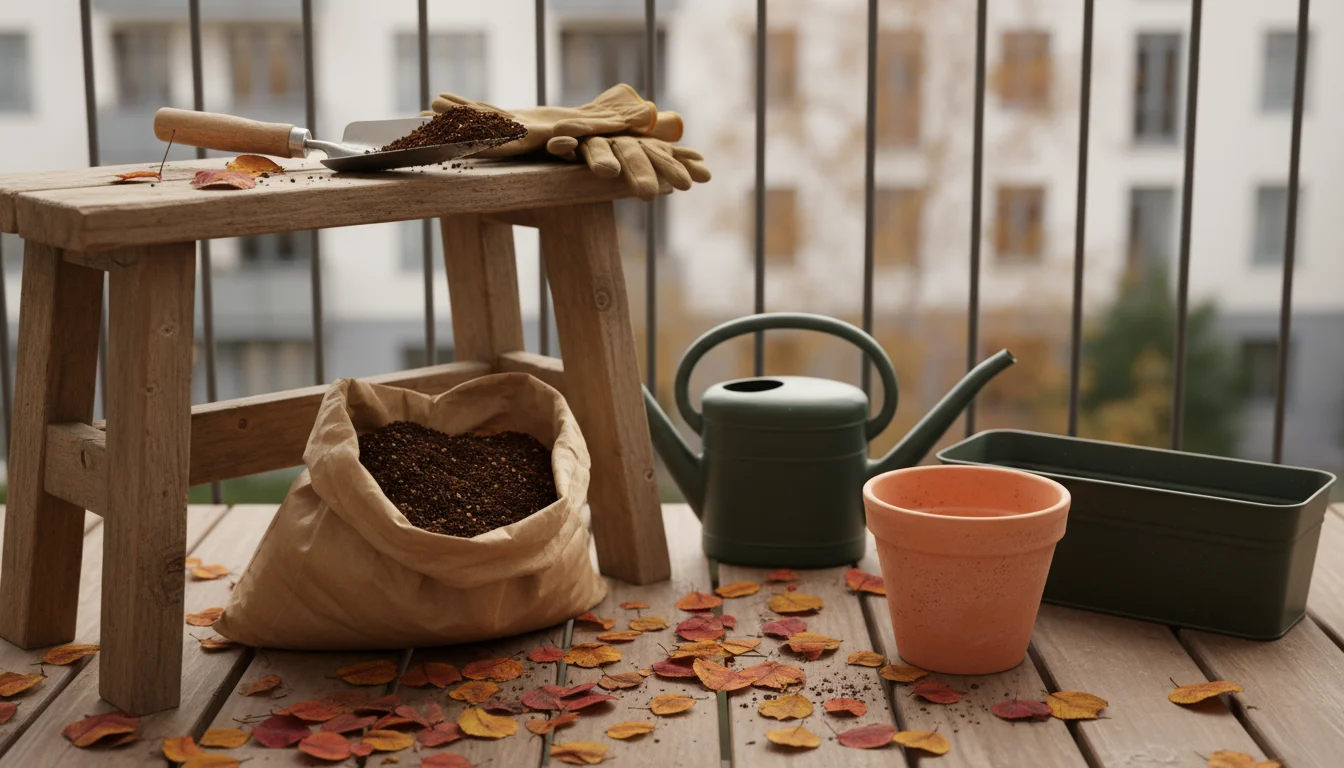
Setting up your containers correctly provides the foundation for success. You do not need an extensive collection of specialized tools, but a few key items make a significant difference.
Containers: Size, Material, and Drainage
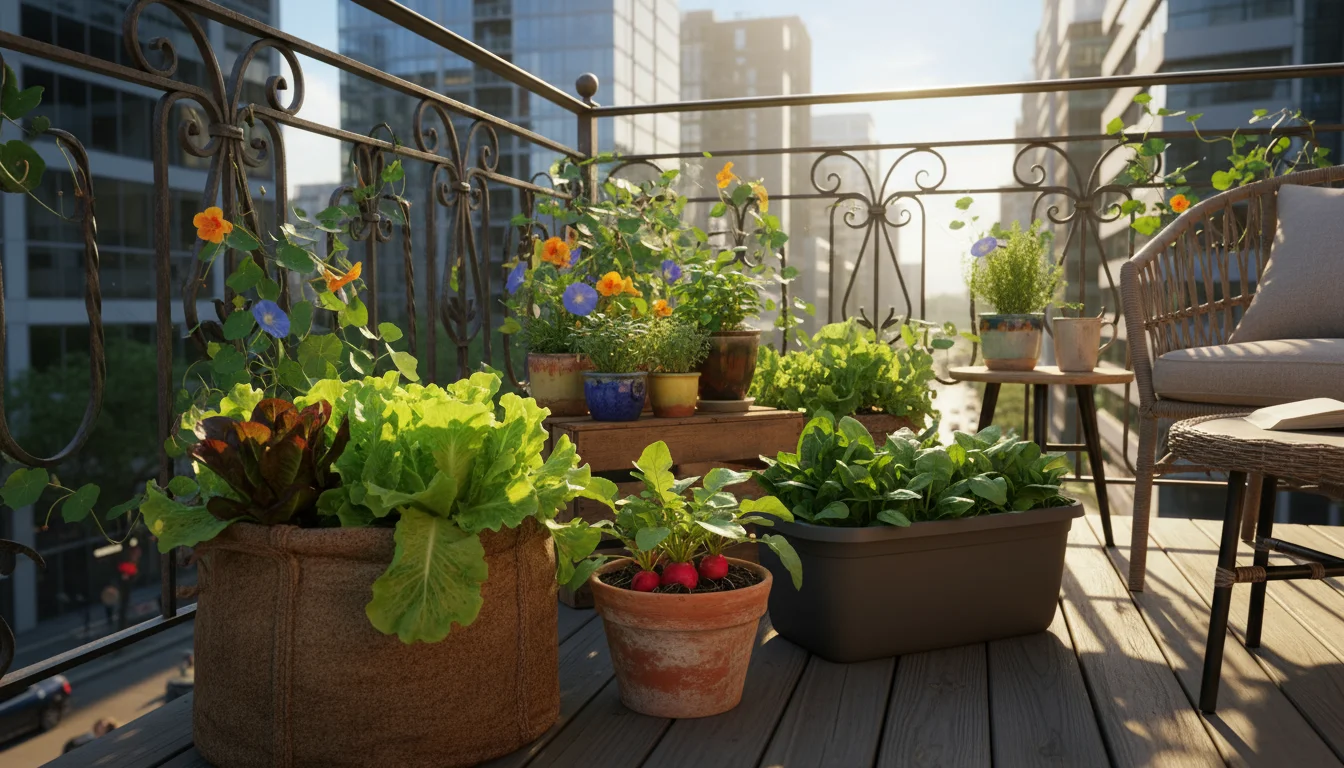
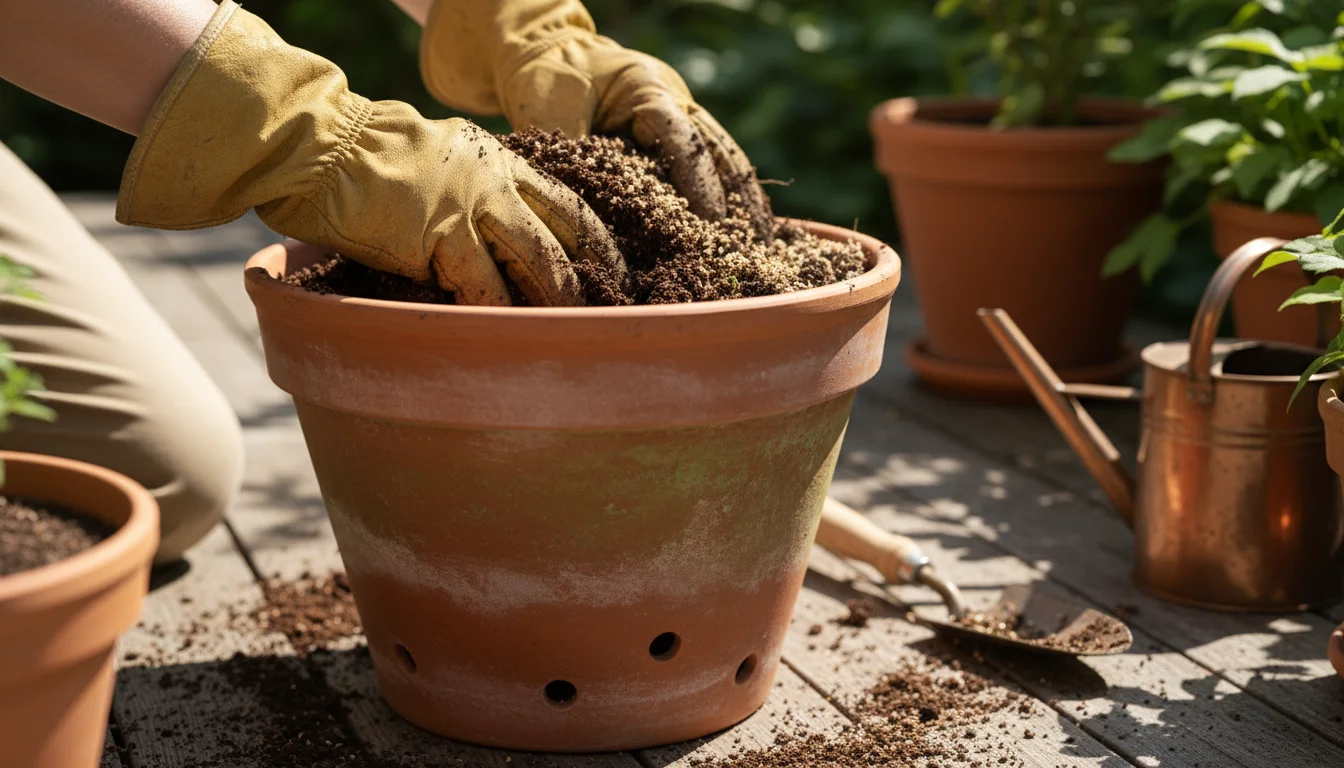
- Size Matters: Choose pots with adequate depth and width for your chosen plants. While radishes tolerate shallower containers (6-8 inches deep), lettuce and spinach benefit from slightly more room (8-12 inches deep and wide) to establish robust root systems. Larger containers also offer better insulation against temperature fluctuations.
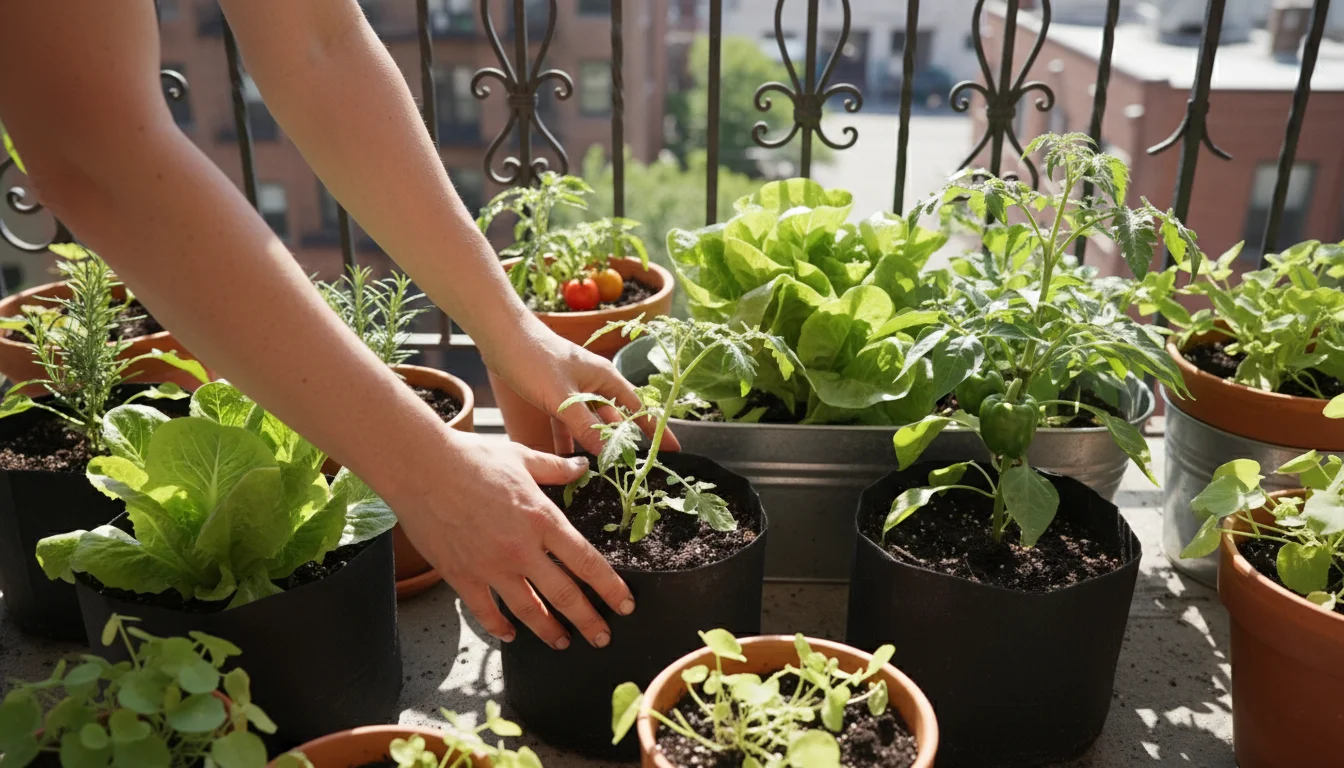
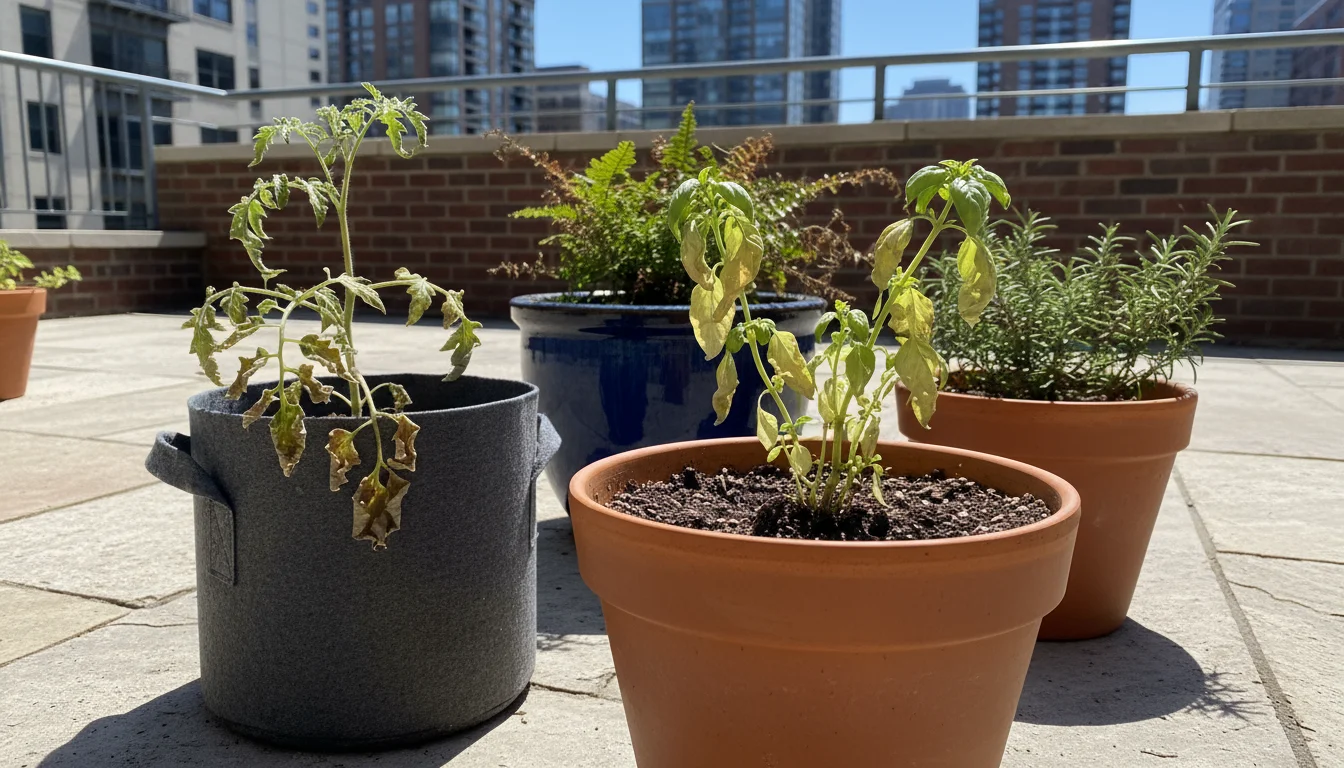
- Material Choices: Plastic pots are lightweight and retain moisture well, which is beneficial in dry fall air. Terracotta pots look appealing and allow for excellent airflow, but they dry out faster. Fabric grow bags provide superior aeration for roots and insulate well, but they also dry quickly. Select a material that suits your watering habits and climate.
- Drainage Holes: This is non-negotiable. Every container must have drainage holes at the bottom to prevent waterlogging. Standing water suffocates roots and leads to rot. If a pot lacks holes, drill them yourself.
The Right Soil Mix
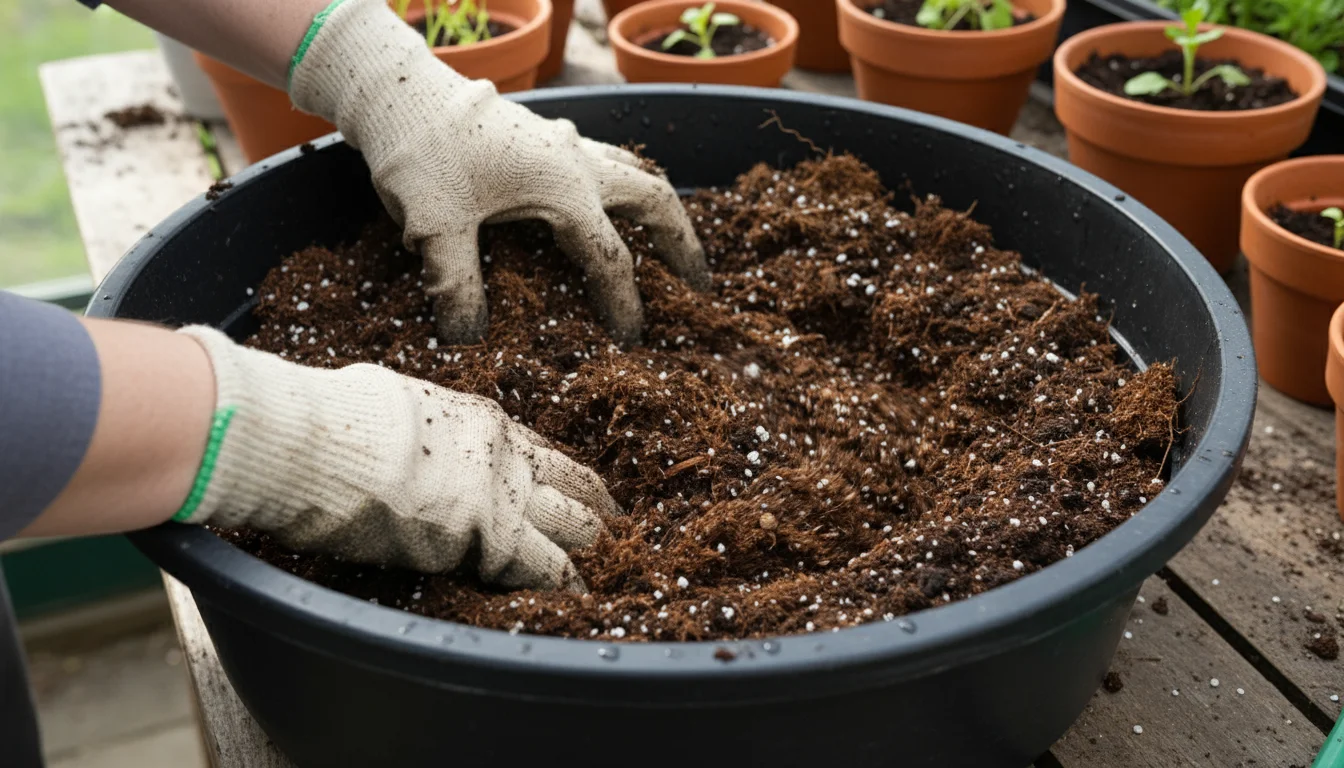
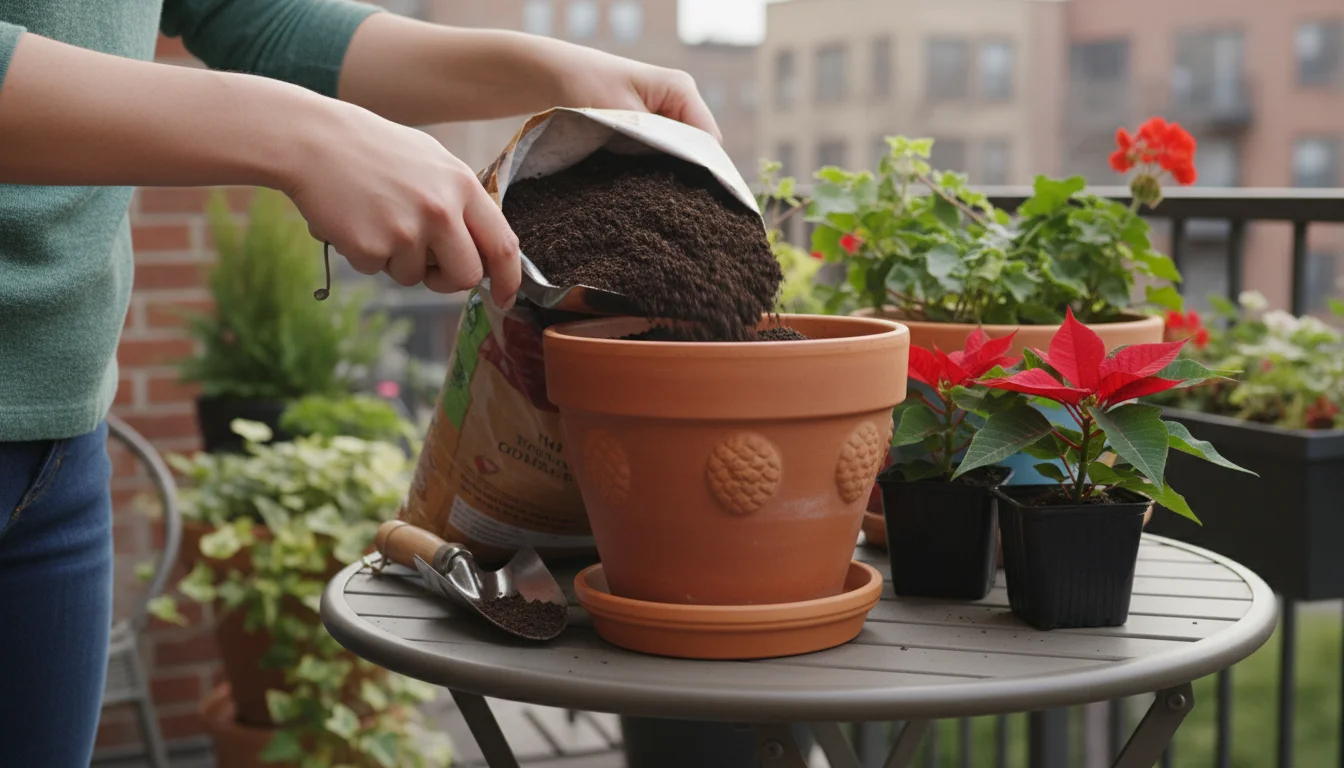
Do not use garden soil in containers; it compacts too readily. Opt for a high-quality, lightweight potting mix. This specialized blend offers superior drainage, aeration, and moisture retention. A good potting mix typically includes components like peat moss or coco coir for water retention, perlite or vermiculite for aeration, and a slow-release fertilizer to provide initial nutrients.
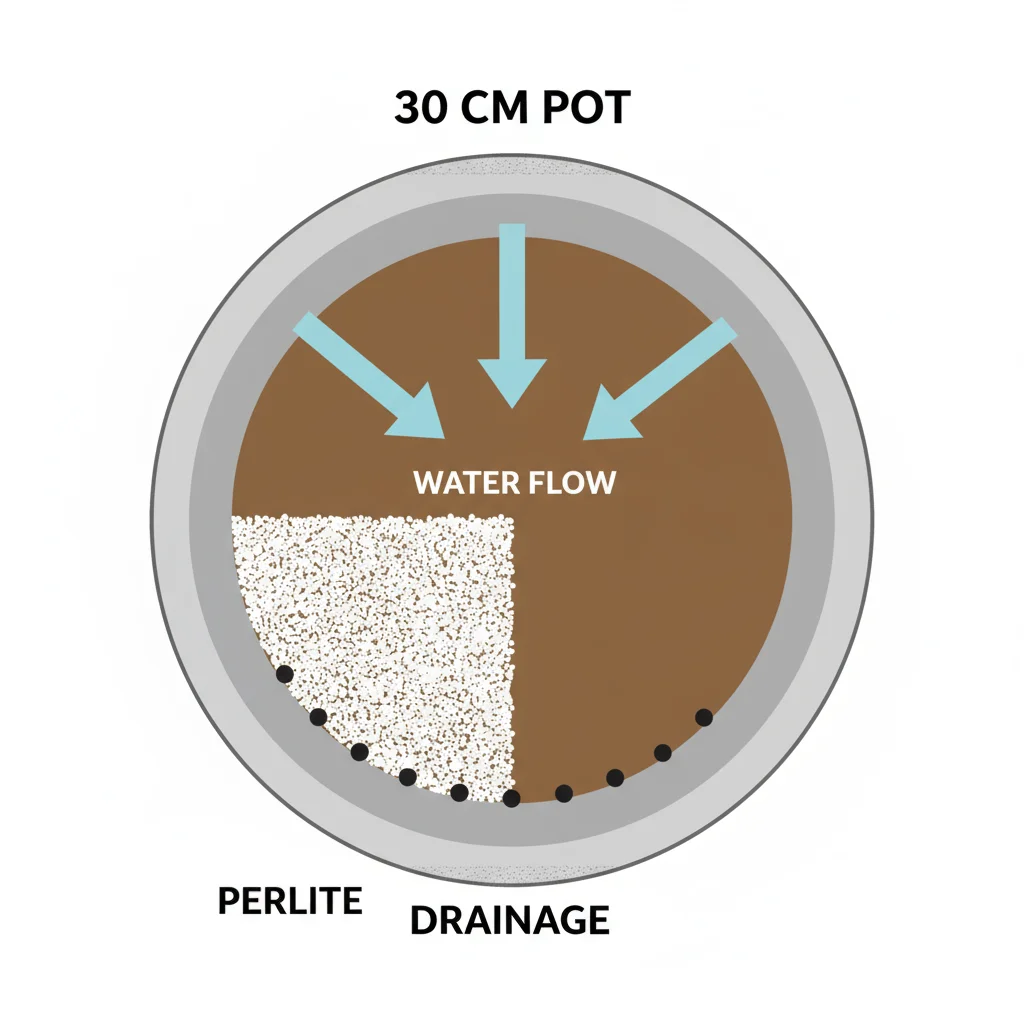
For an extra boost, consider mixing in some compost. Compost enriches the soil with organic matter and beneficial microorganisms, further supporting the growth of your fast growing fall crops. A general ratio of 3 parts potting mix to 1 part compost works well. This creates an environment where your plants thrive, even when starting from scratch in late fall.
Seeds or Starts?
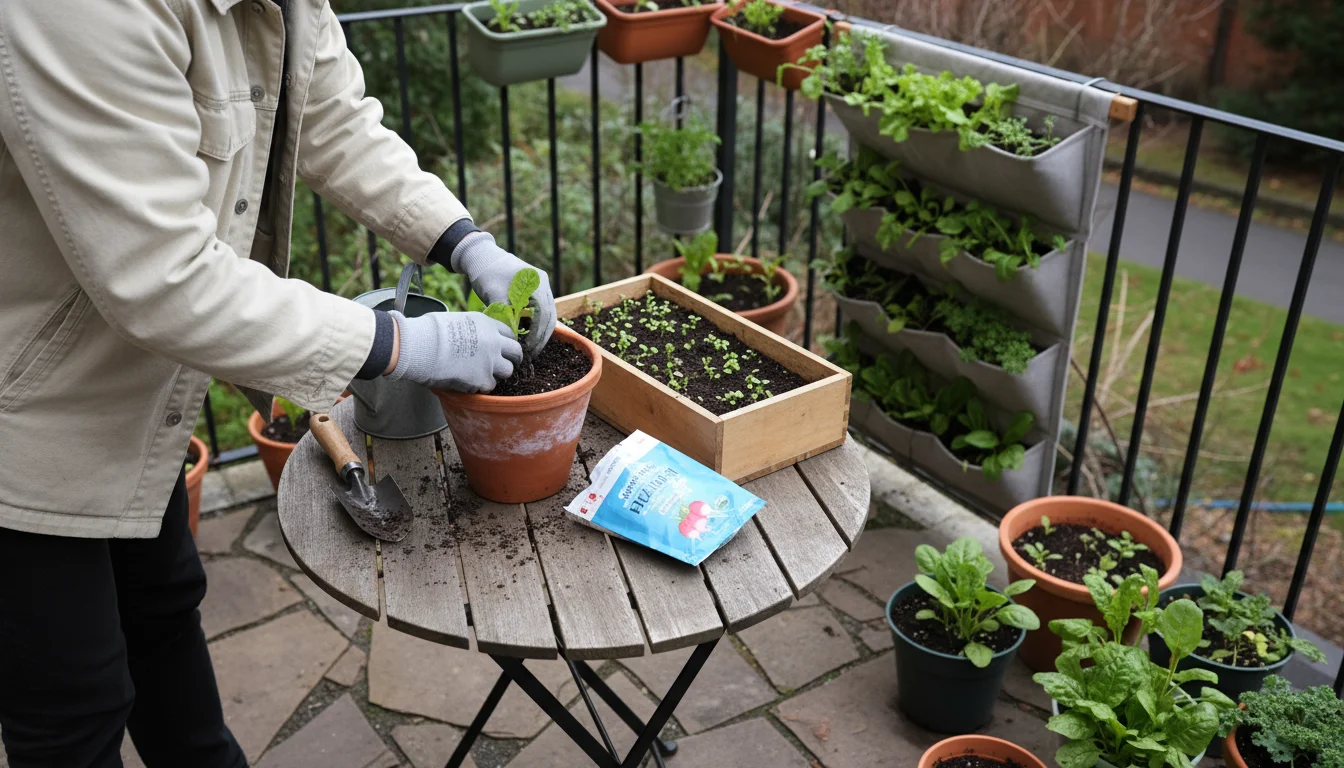
For last minute gardening, speed is crucial. While many crops succeed from seed, purchasing small “starts” or young plants from a nursery significantly shaves off germination time, giving you a head start against the cooling weather. For crops like lettuce and spinach, starts can reduce time to harvest by 2-3 weeks. However, radishes and arugula germinate so quickly from seed that buying starts offers less of an advantage.
6 Fast-Growing Fall Crops You Can Still Plant Now
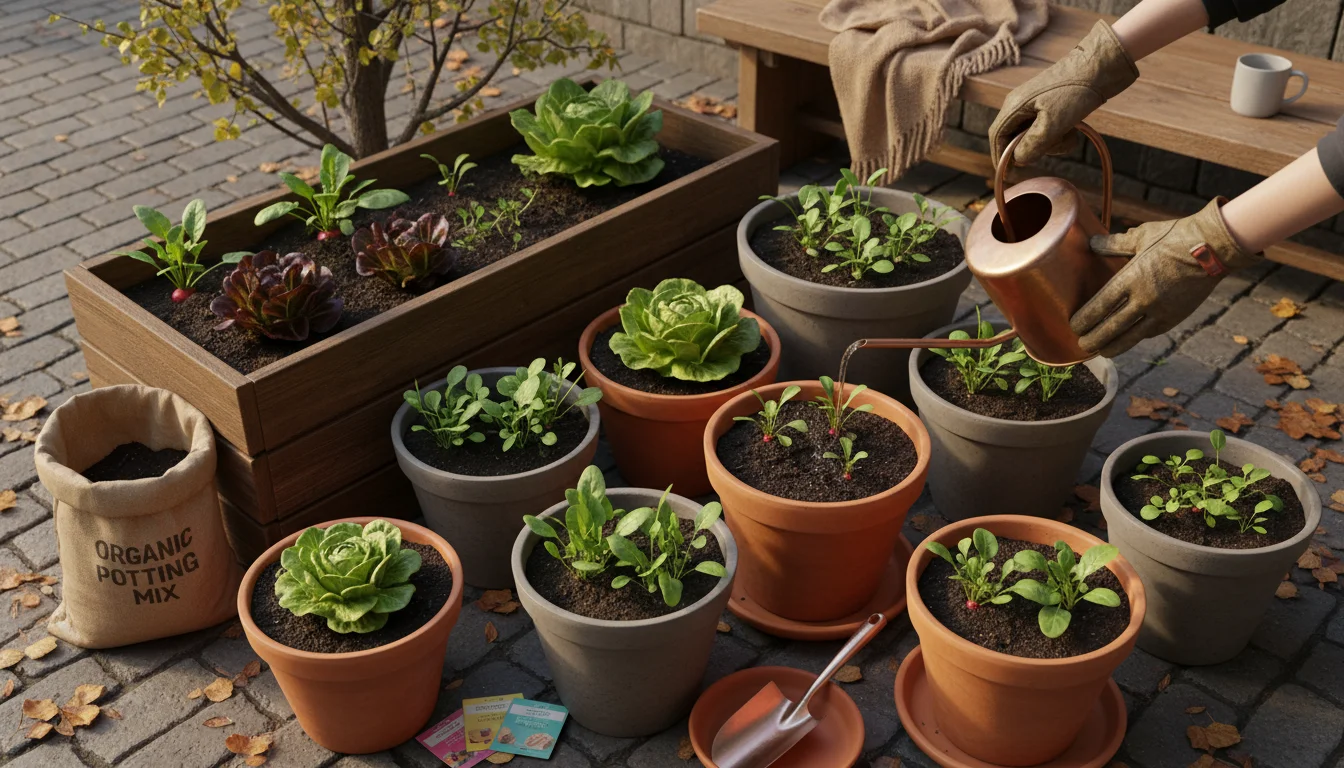
The key to successful late fall planting is selecting varieties that mature quickly and tolerate cooler temperatures. These fastest growing cold weather crops ensure you get a harvest before sustained hard freezes arrive. Here are six excellent choices for your container gardening fall efforts:
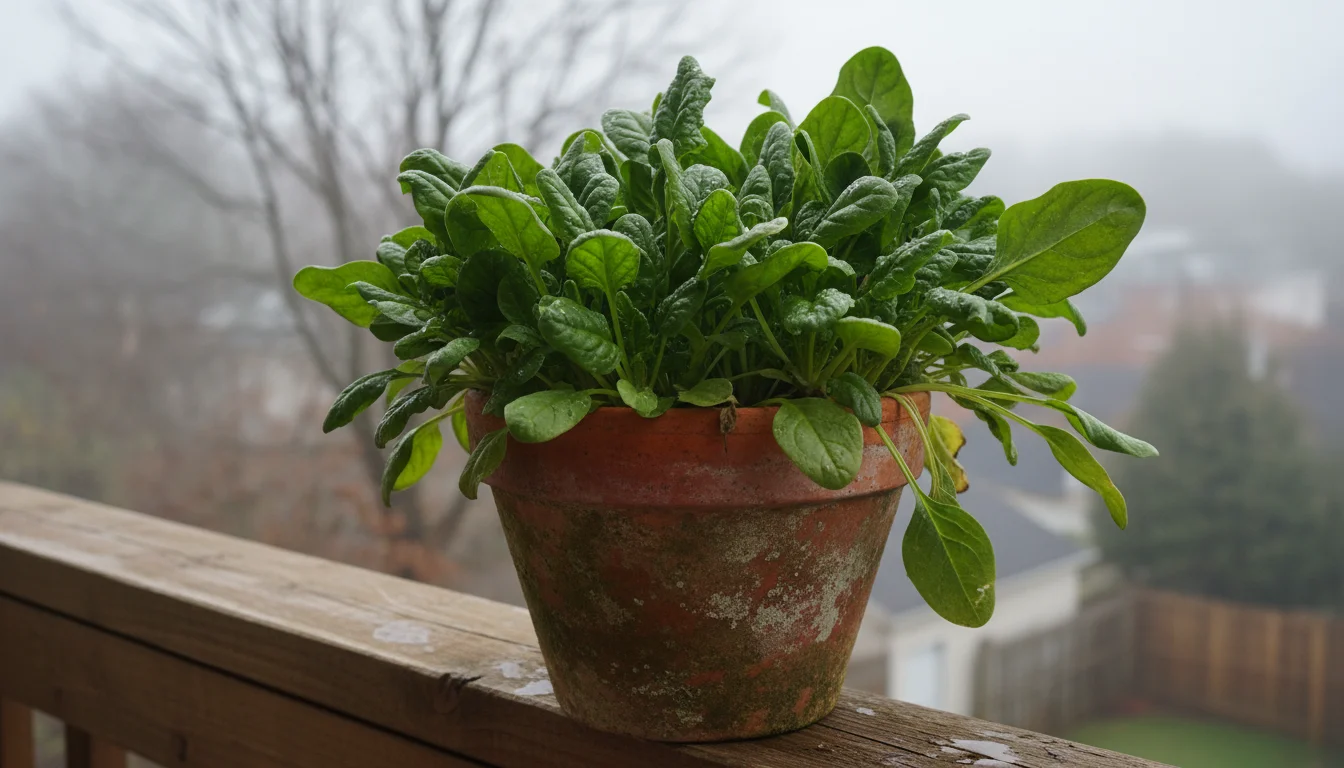
1. Spinach (Spinacia oleracea)
- Why it’s great: Spinach tolerates light frost, grows rapidly, and offers continuous harvests. It performs well in partial shade, a common condition in late fall.
- Growth Time: 30-45 days from seed to harvest (baby leaves can be picked sooner).
- Container Needs: 8-10 inch deep pots are sufficient. Wider containers allow for more plants.
- Tips: Plant seeds about half an inch deep and 2-3 inches apart. Keep the soil consistently moist. Harvest outer leaves regularly to encourage new growth. Varieties like ‘Tyee’ or ‘Bloomsdale Long Standing’ are excellent for fall.
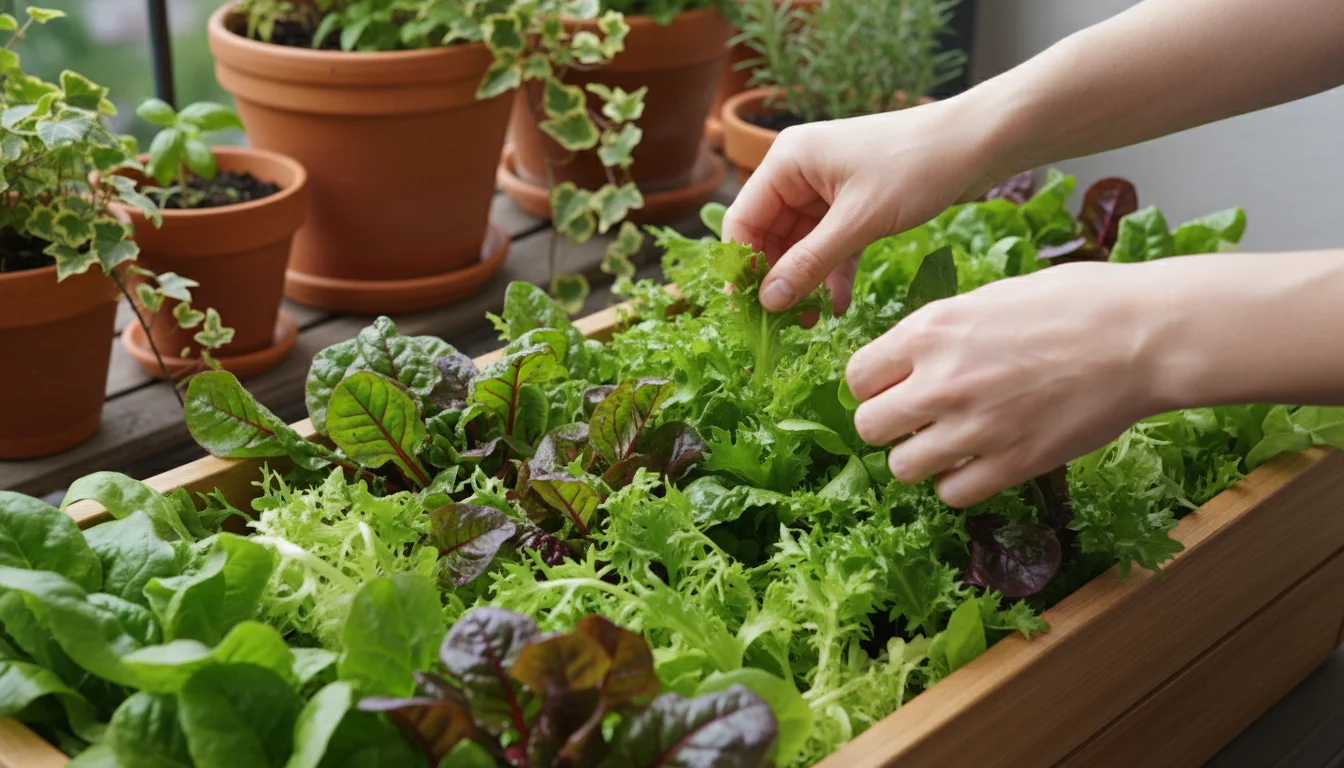
2. Lettuce and Mesclun Mix (Lactuca sativa)
- Why it’s great: Many lettuce varieties are incredibly cold-tolerant and mature quickly. Mesclun mixes contain various young, tender greens that provide a diverse harvest.
- Growth Time: 25-40 days for baby leaves, 45-60 for full heads.
- Container Needs: 6-10 inch deep pots. Scatter seeds thinly for mesclun, or space head lettuce varieties 6-8 inches apart.
- Tips: Loose-leaf varieties like ‘Black Seeded Simpson’ or ‘Buttercrunch’ excel. Provide consistent moisture. You can harvest outer leaves or cut the entire plant a couple of inches above the soil, allowing it to regrow. This method significantly extends your harvest period.
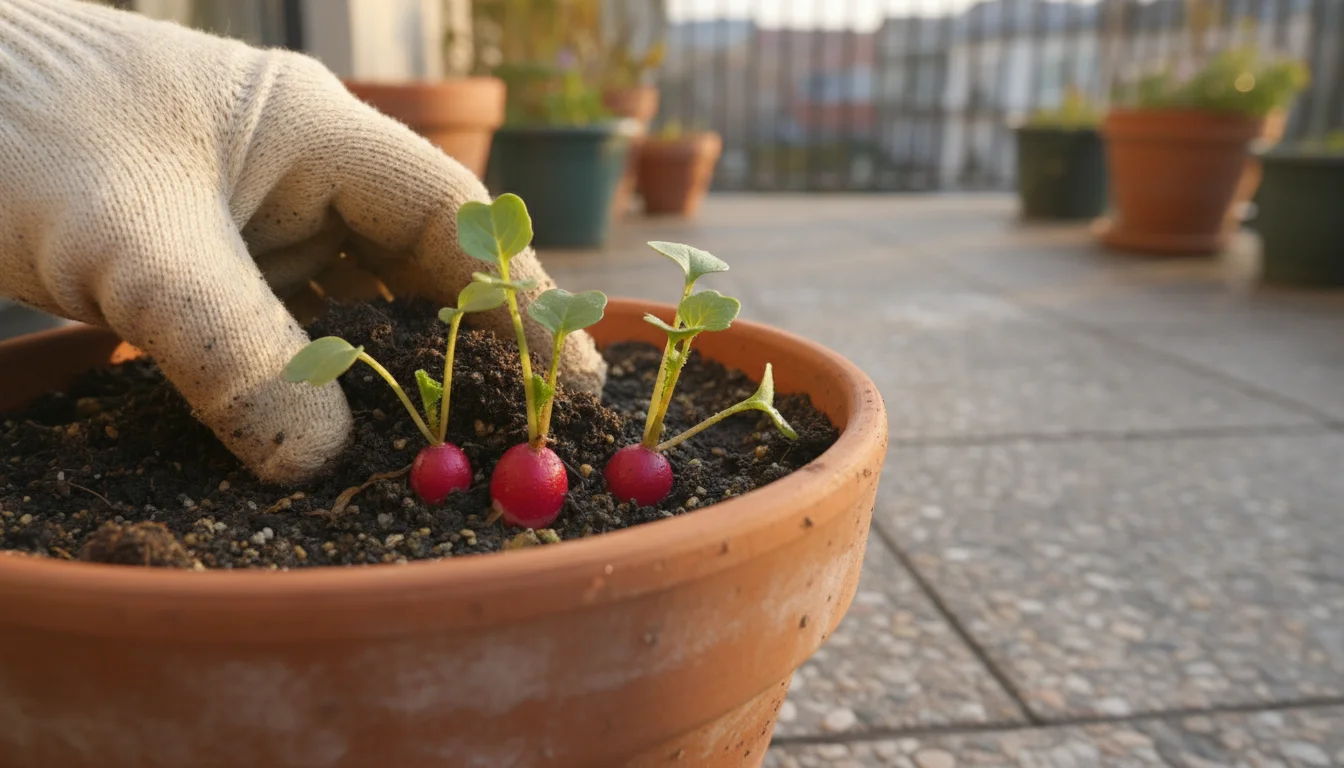
3. Radishes (Raphanus sativus)
- Why it’s great: Radishes are the ultimate fast growing fall crops, often ready in under a month. They prefer cool weather, which enhances their crispness and mild flavor.
- Growth Time: 20-30 days from seed to harvest.
- Container Needs: At least 6 inches deep for root development. Plant seeds an inch apart.
- Tips: Plant seeds half an inch deep. Thin seedlings to 2-3 inches apart once they establish their first true leaves. Consistent moisture prevents a “woody” texture and overly pungent flavor. ‘Cherry Belle’ and ‘French Breakfast’ are reliable, quick-maturing varieties.
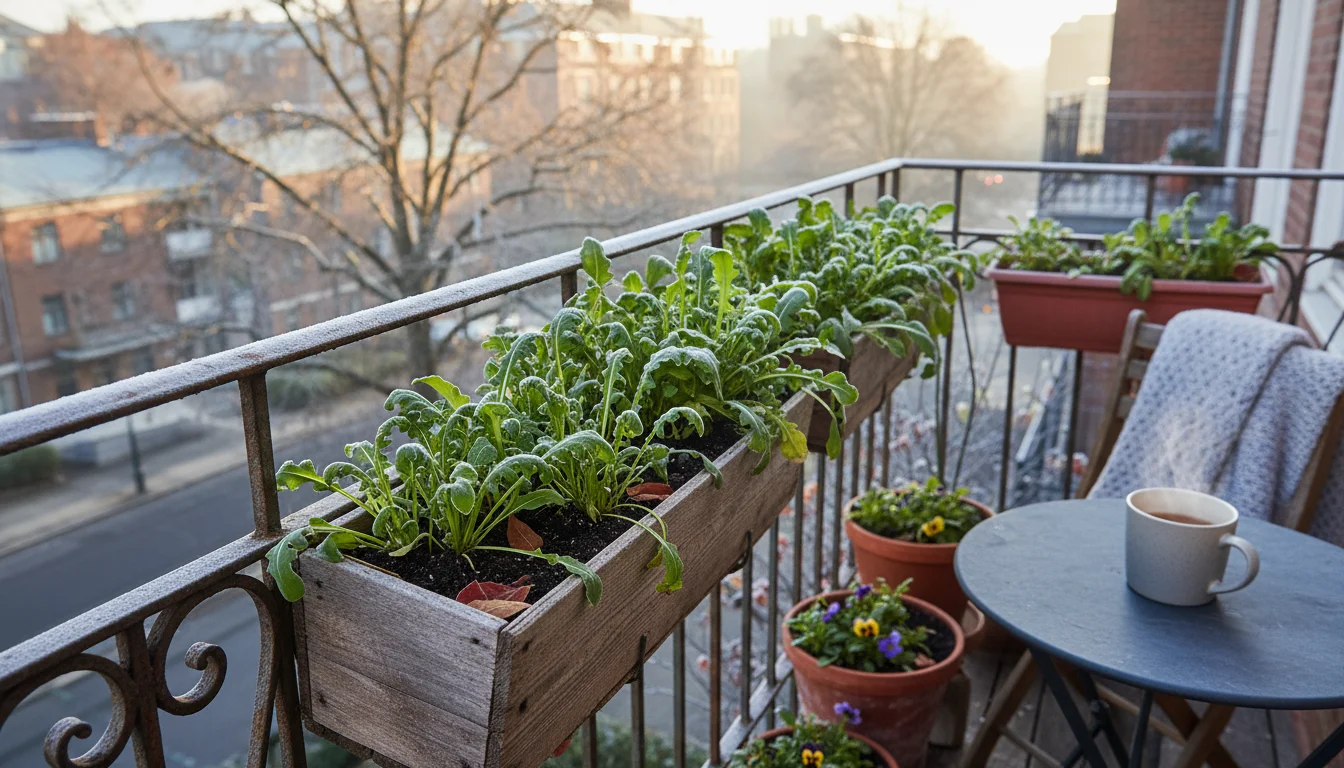
4. Arugula (Eruca sativa)
- Why it’s great: This peppery green germinates and grows rapidly, thriving in cool conditions. Arugula can even withstand light frosts, which tend to mellow its spicy flavor.
- Growth Time: 20-40 days for baby leaves.
- Container Needs: 6-8 inches deep. Plant seeds thinly, about an inch apart.
- Tips: Sow seeds a quarter-inch deep. Harvest outer leaves when they are still tender. If the weather warms unexpectedly, arugula might “bolt” (go to seed) more quickly, so continuous harvesting is key.
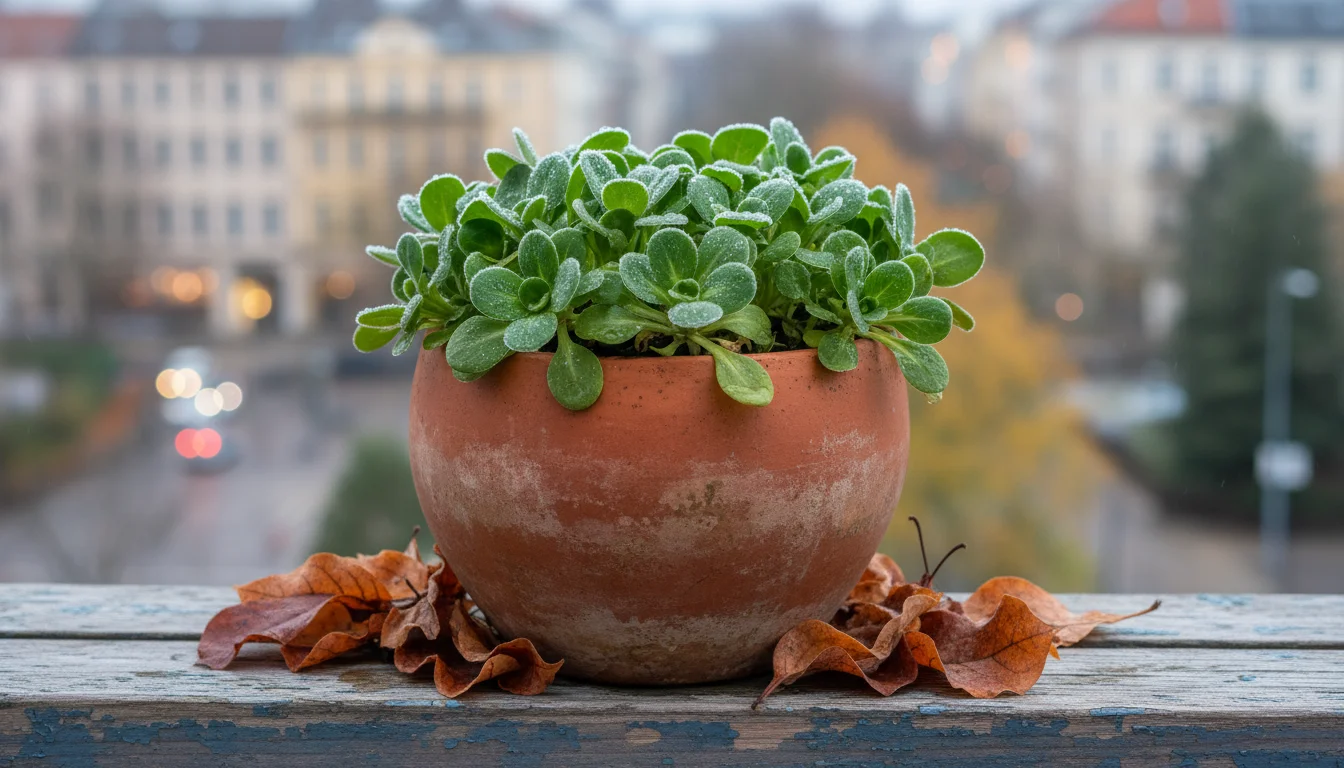
5. Mache / Corn Salad (Valerianella locusta)
- Why it’s great: Mache is a remarkably cold-hardy green with a delicate, nutty flavor. It withstands significant freezes, often thriving when other greens succumb.
- Growth Time: 40-60 days.
- Container Needs: 6-8 inches deep. Plant seeds half an inch deep and 1-2 inches apart.
- Tips: Mache seeds sometimes benefit from a cold stratification period to improve germination, but fresh seeds usually sprout readily in cool fall soil. Harvest the entire rosette of leaves. It grows slowly, but its extreme cold tolerance makes it a reliable late fall planting choice.
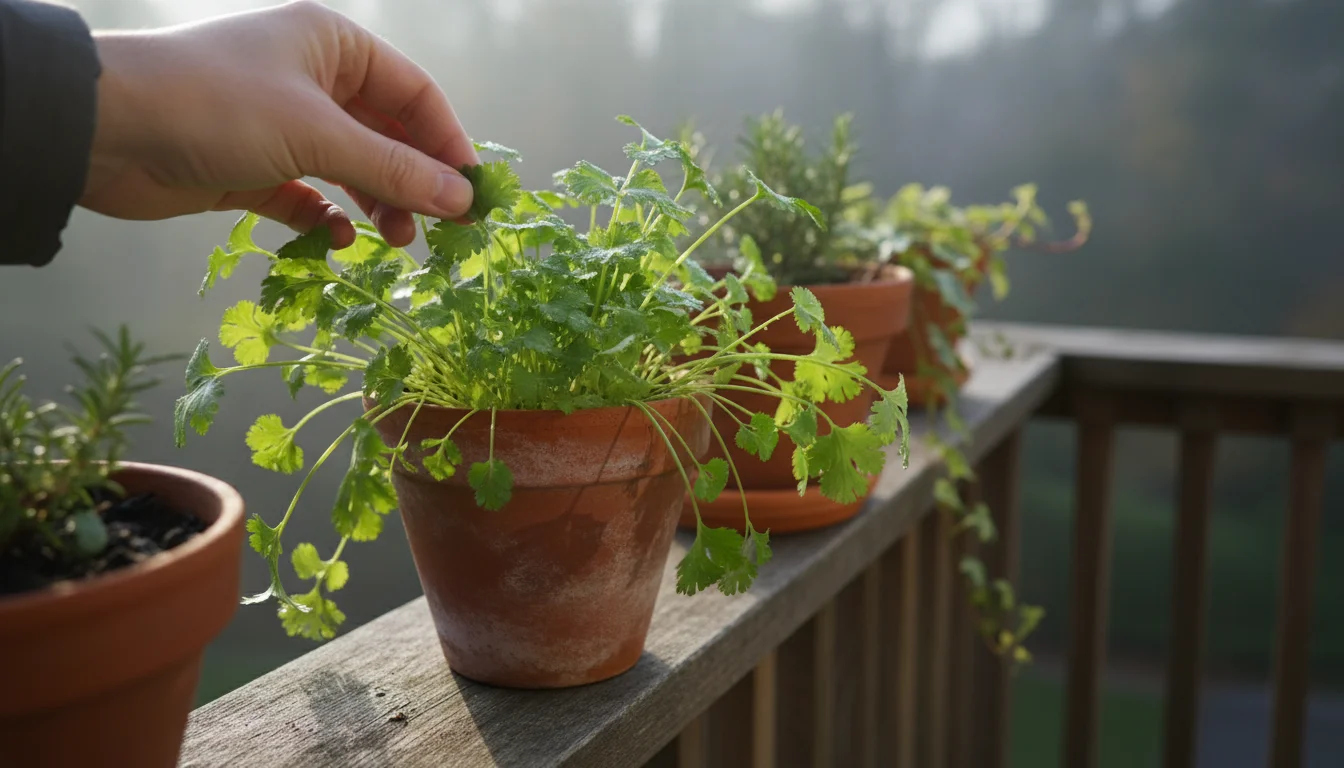
6. Cilantro (Coriandrum sativum)
- Why it’s great: While many herbs slow down in fall, cilantro performs exceptionally well in cooler temperatures. It tends to “bolt” less in autumn than in the heat of summer, providing a longer harvest of its fragrant leaves.
- Growth Time: 30-45 days for usable leaves.
- Container Needs: 8-10 inches deep. Plant seeds half an inch deep, 1-2 inches apart.
- Tips: Use whole coriander seeds, gently crushing them before planting to aid germination. Keep the soil consistently moist. Harvest outer leaves as needed. Consider succession planting every 2-3 weeks for a continuous supply.
Planting Your Late Fall Containers: A Step-by-Step Guide
Even with what can I plant in pots in october questions, a straightforward planting process helps ensure your success. Follow these steps for your last minute gardening efforts:
- Select Your Containers and Location: Choose pots with excellent drainage. Place them in your chosen microclimate, ideally a spot receiving at least 4-6 hours of sun daily, even if it is indirect. Consider mobility: can you easily move them if a hard freeze is predicted?
- Prepare Your Potting Mix: Fill your containers with a high-quality potting mix, leaving about an inch of space from the rim. If adding compost, mix it thoroughly into the potting soil.
- Plant Seeds or Starts:
- For Seeds: Follow the specific planting depth and spacing instructions for each crop mentioned above. Generally, plant seeds shallowly (1/4 to 1/2 inch deep) and gently cover them with potting mix. For small seeds like arugula or mesclun, lightly sprinkle them over the soil surface and then barely cover.
- For Starts: Gently remove young plants from their nursery containers. Loosen any circling roots at the bottom. Plant them at the same depth they were growing in their original pot, ensuring the crown of the plant is at soil level. Space them according to their mature size.
- Water Thoroughly: Immediately after planting, water your containers deeply until water drains from the bottom. This settles the soil around the seeds or roots and provides essential moisture.
- Label Your Pots: With several fast growing fall crops, labeling prevents confusion. Use waterproof markers on stakes or directly on the pots.
Consistent watering is especially important during germination. Maintain consistently moist, but not waterlogged, soil until seedlings emerge. After that, water when the top inch of soil feels dry to the touch. Cooler fall temperatures often mean less frequent watering than in summer, but container plants still dry out faster than garden beds.
Protecting Your Late Fall Harvest: Extending the Season
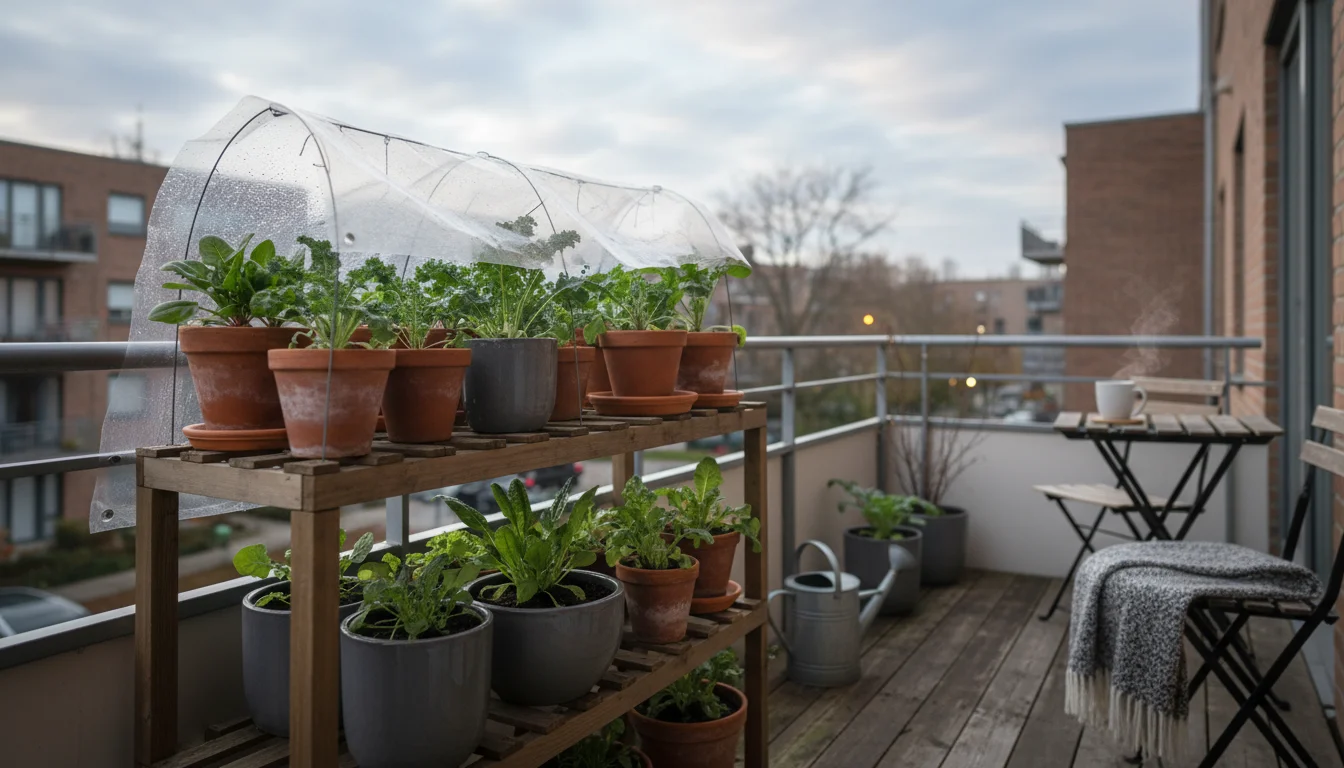
Even the most cold-hardy plants benefit from protection as winter approaches. Extending your season means actively shielding your crops from harsh elements, transforming your container gardening fall efforts into a lasting bounty.
Mobility is Your Superpower
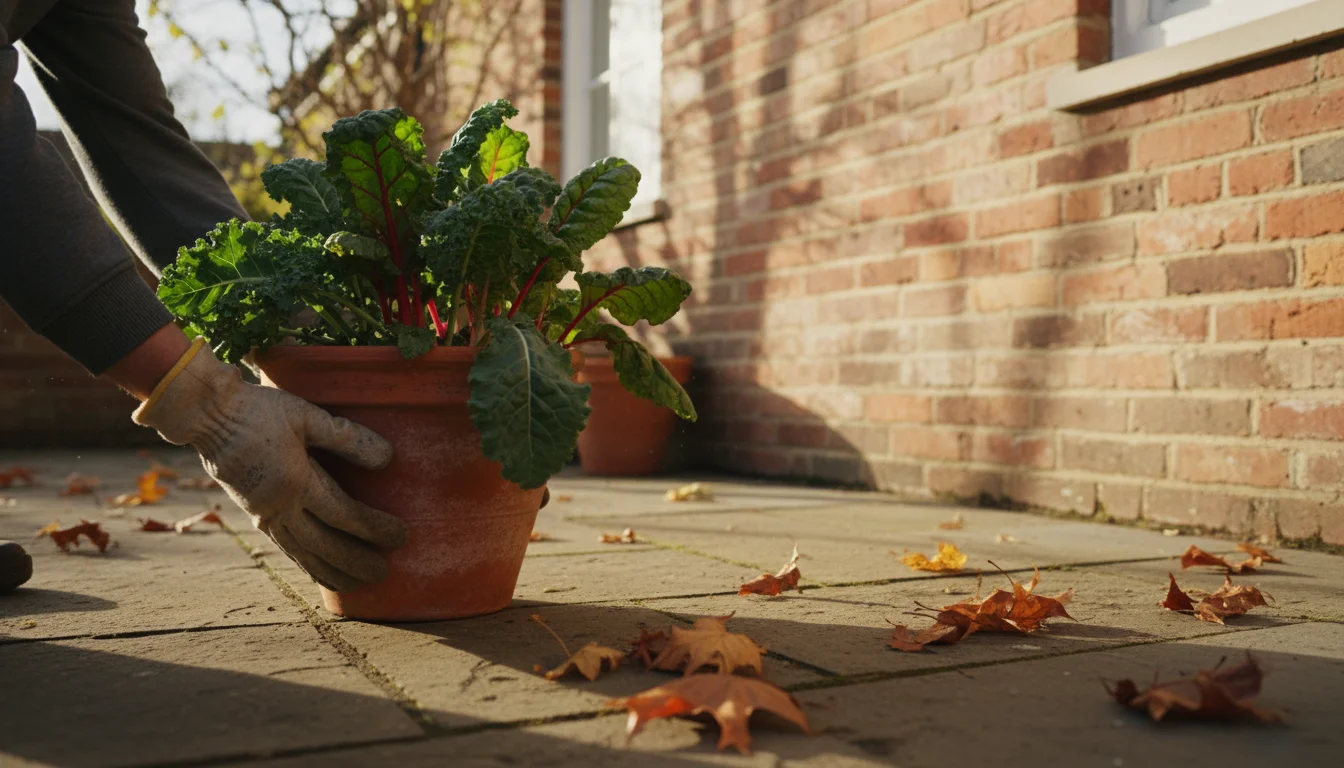
As mentioned, the greatest advantage of containers is their portability. When a severe frost or freeze warning sounds, move your pots to a more protected location. This could be:
- Against the warm wall of your house.
- Under a patio overhang.
- Into a garage or shed for a few nights.
- Even temporarily indoors in a sunny window for especially tender greens or during extended cold snaps.
A few nights of shelter can make the difference between a thriving crop and a frozen loss. Monitor local weather forecasts closely; paying attention to “feels like” temperatures can be even more important than the actual air temperature, especially with wind chill.
Row Covers and Cloches
For plants that are too heavy to move or for an extra layer of protection, consider simple covers:
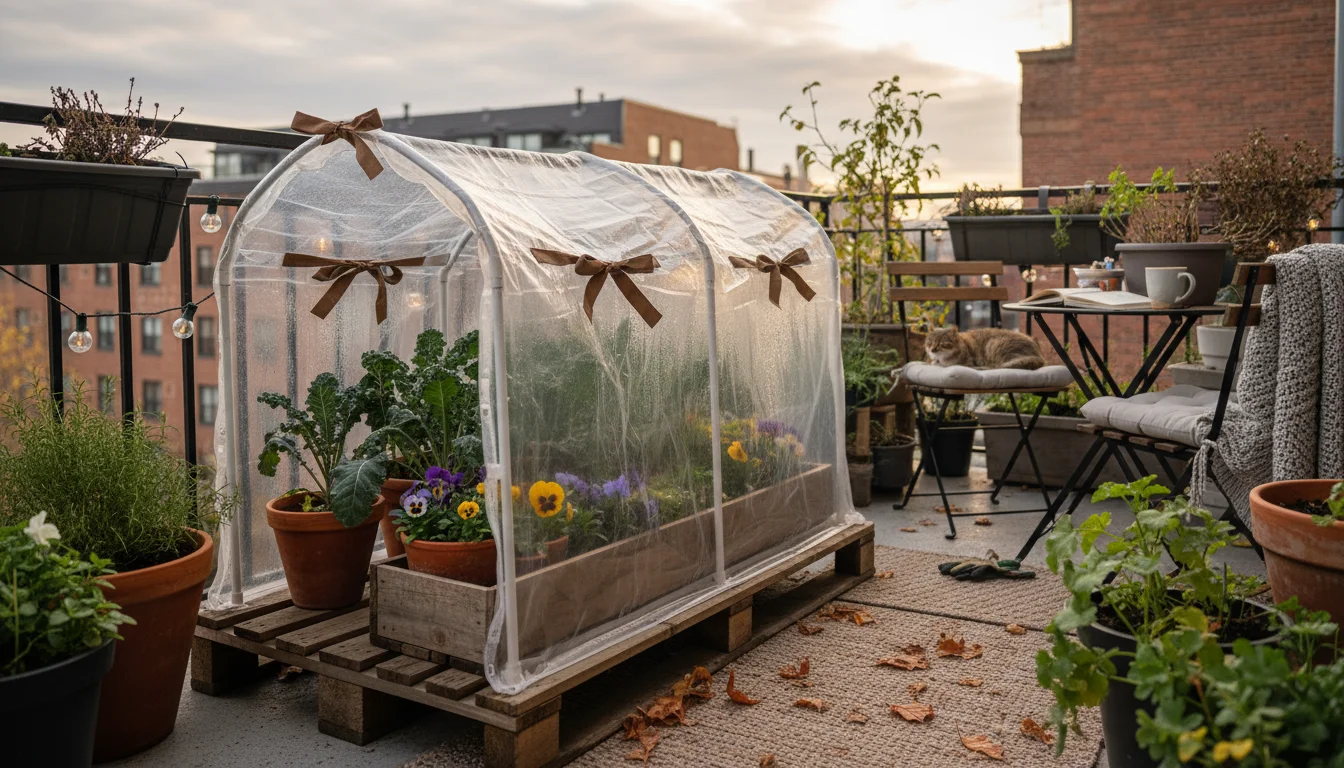
- Floating Row Covers: These lightweight, breathable fabrics allow light and water through but trap warmth, raising the temperature around plants by several degrees. Drape them over your plants, securing the edges with clothespins or rocks around the pot rim.
- DIY Cloches: Clear plastic milk jugs or soda bottles with the bottoms cut off create mini-greenhouses. Place them directly over individual plants. Remove them on sunny days to prevent overheating and to allow for air circulation.
- Mini Hoop Houses: For several containers grouped together, bend PVC pipes or sturdy wire into hoops over your pots, then cover with clear plastic sheeting or a row cover. This creates a more substantial protective structure, ideal for extending your harvest well into December in many zones. This strategy is particularly effective for maximizing the yield from fastest growing cold weather crops.
Insulating Your Containers
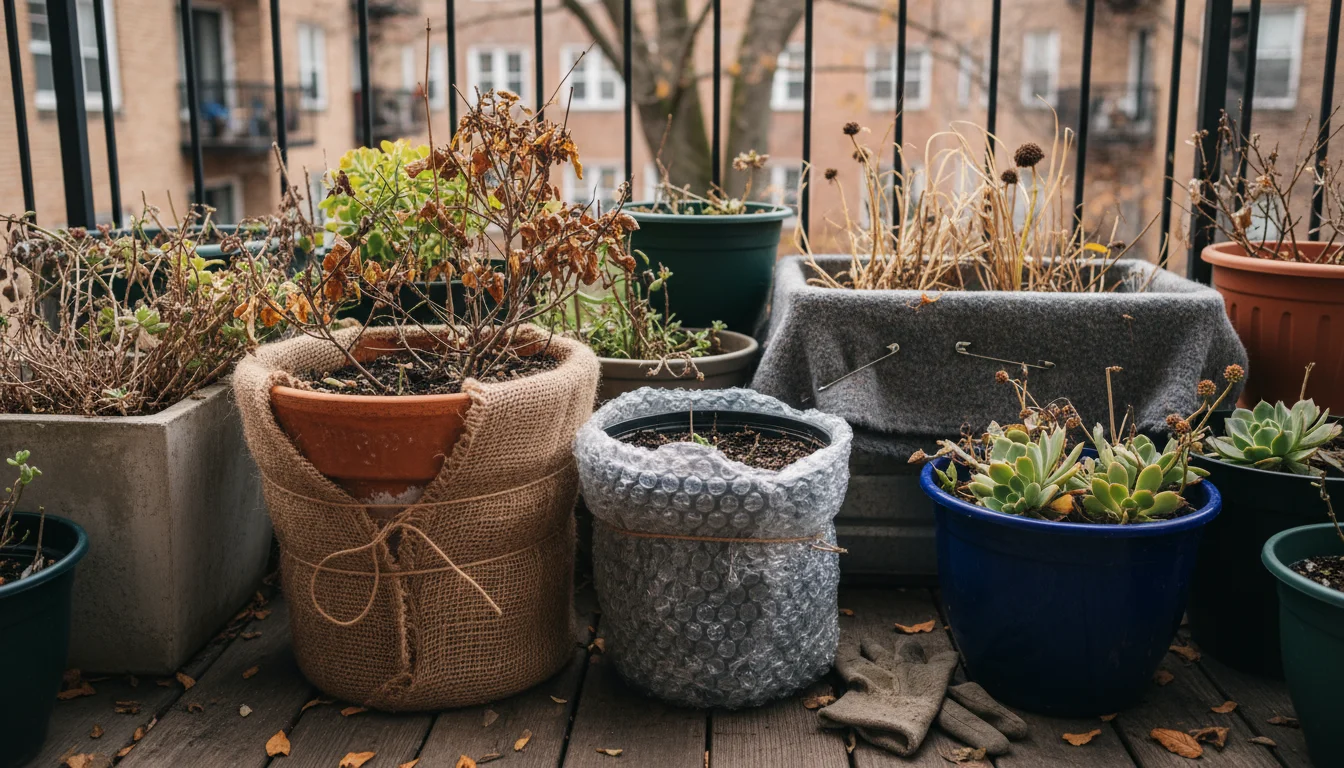
The roots of container plants are more exposed to cold than those in the ground. You can help insulate them:
- Wrap Pots: Wrap the sides of your pots with burlap, bubble wrap, or old blankets.
- Group Pots: Cluster containers closely together. The plants themselves and the soil within each pot will offer some collective insulation to the group.
These simple measures drastically improve the chances of your late fall planting surviving unexpected cold snaps, allowing you to enjoy fresh greens for longer.
Common Mistakes to Avoid in Late Fall Container Gardening
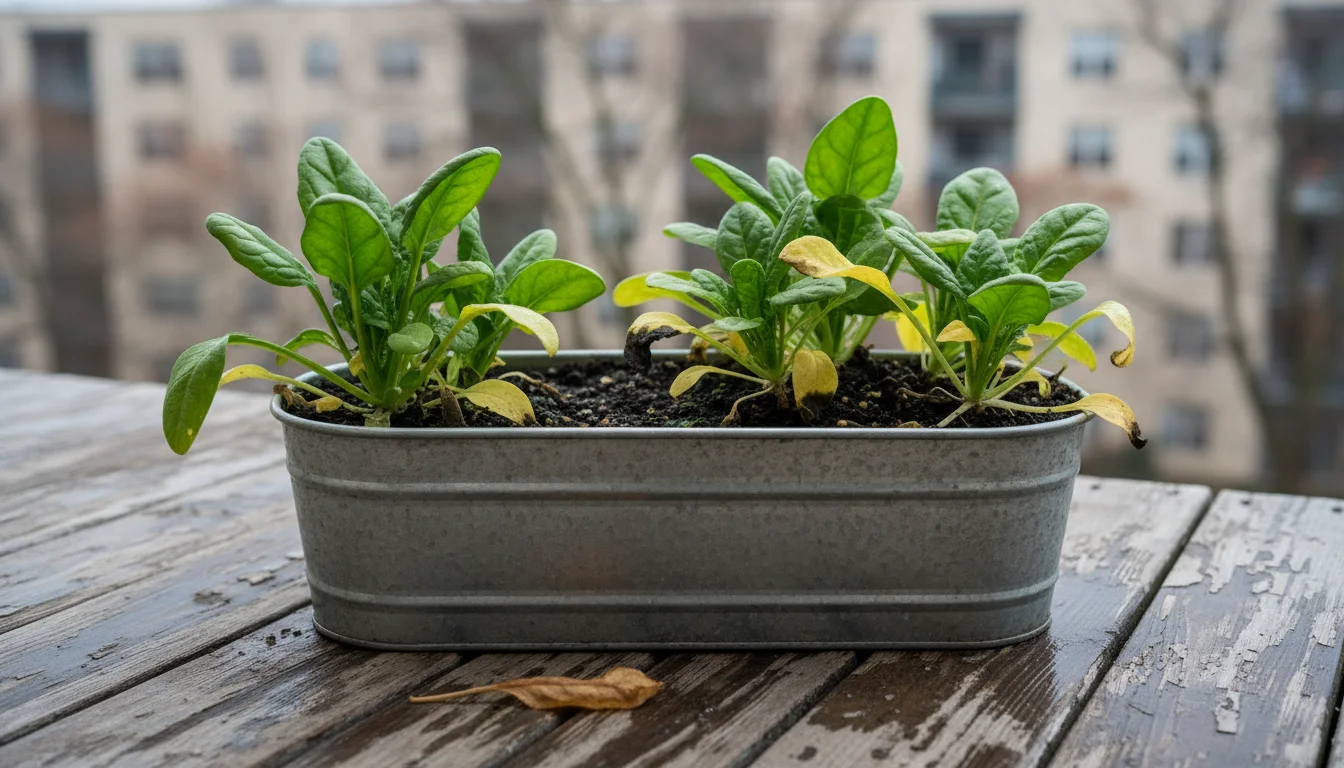
While container gardening fall is forgiving, avoiding a few common pitfalls significantly boosts your success rate for what can I plant in pots in october. Even with the fastest growing cold weather crops, a small oversight can hinder growth.
Overwatering
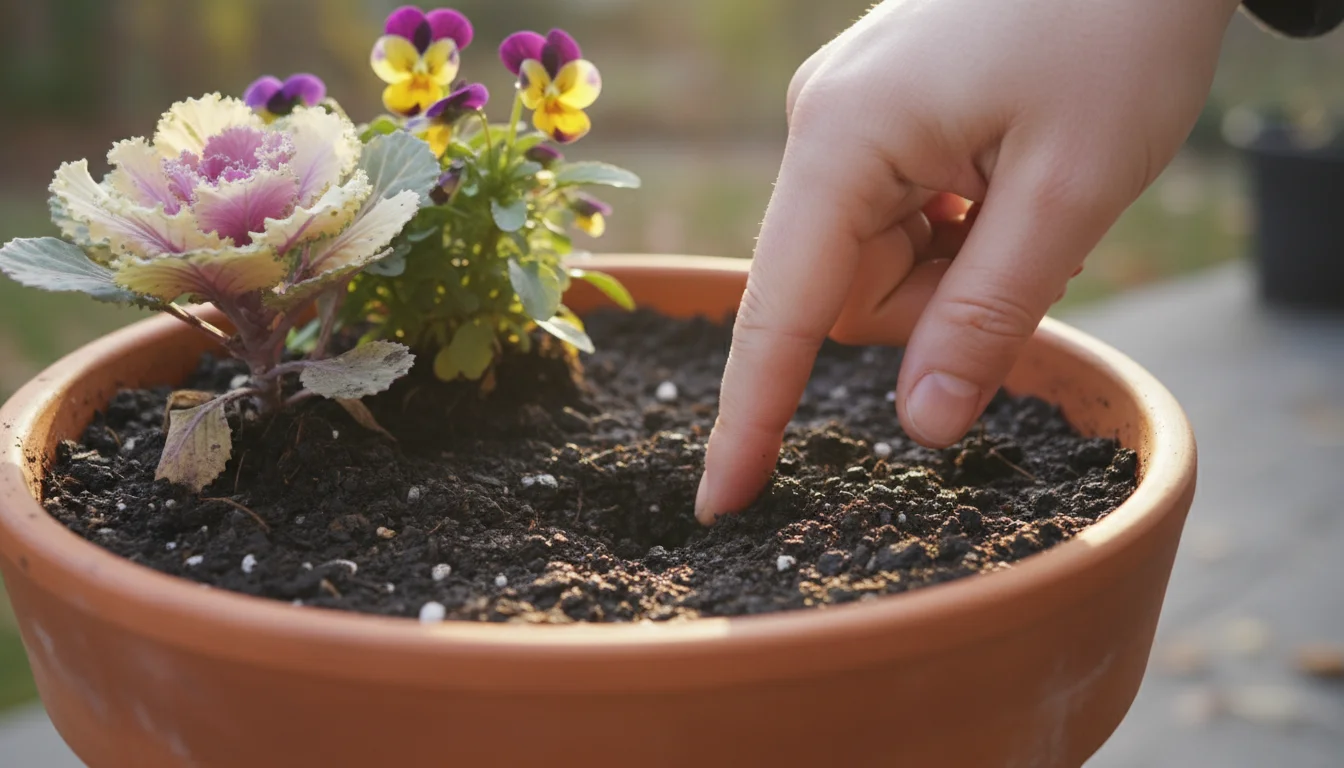
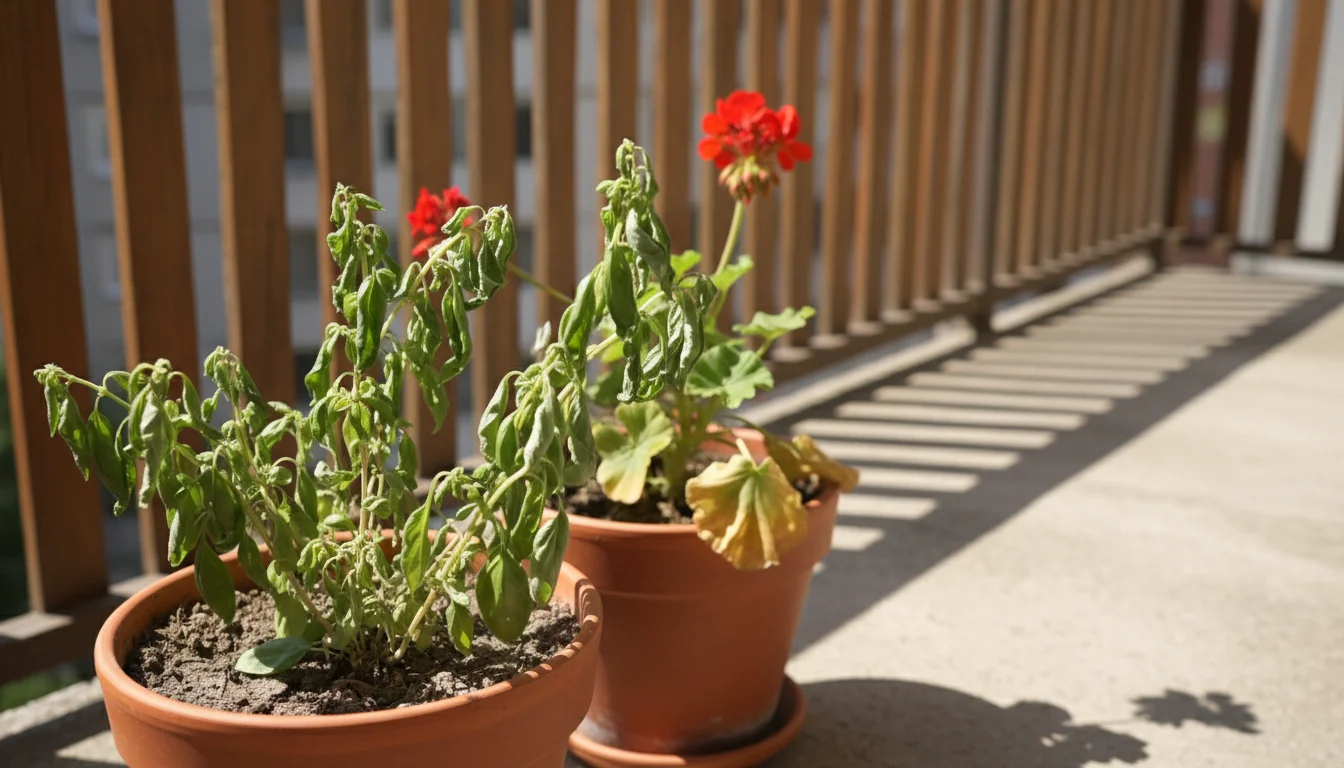
As temperatures drop, plants’ water needs decrease. Cooler weather means less evaporation from the soil surface and less transpiration from leaves. Overwatering in fall can quickly lead to root rot, especially when combined with poor drainage. Always check the soil moisture before watering. Stick your finger an inch or two into the soil; if it feels damp, wait. If it feels dry, then water thoroughly until it drains from the bottom. This prevents the common mistake of thinking plants need as much water in autumn as they do in summer.
Ignoring Frost Warnings
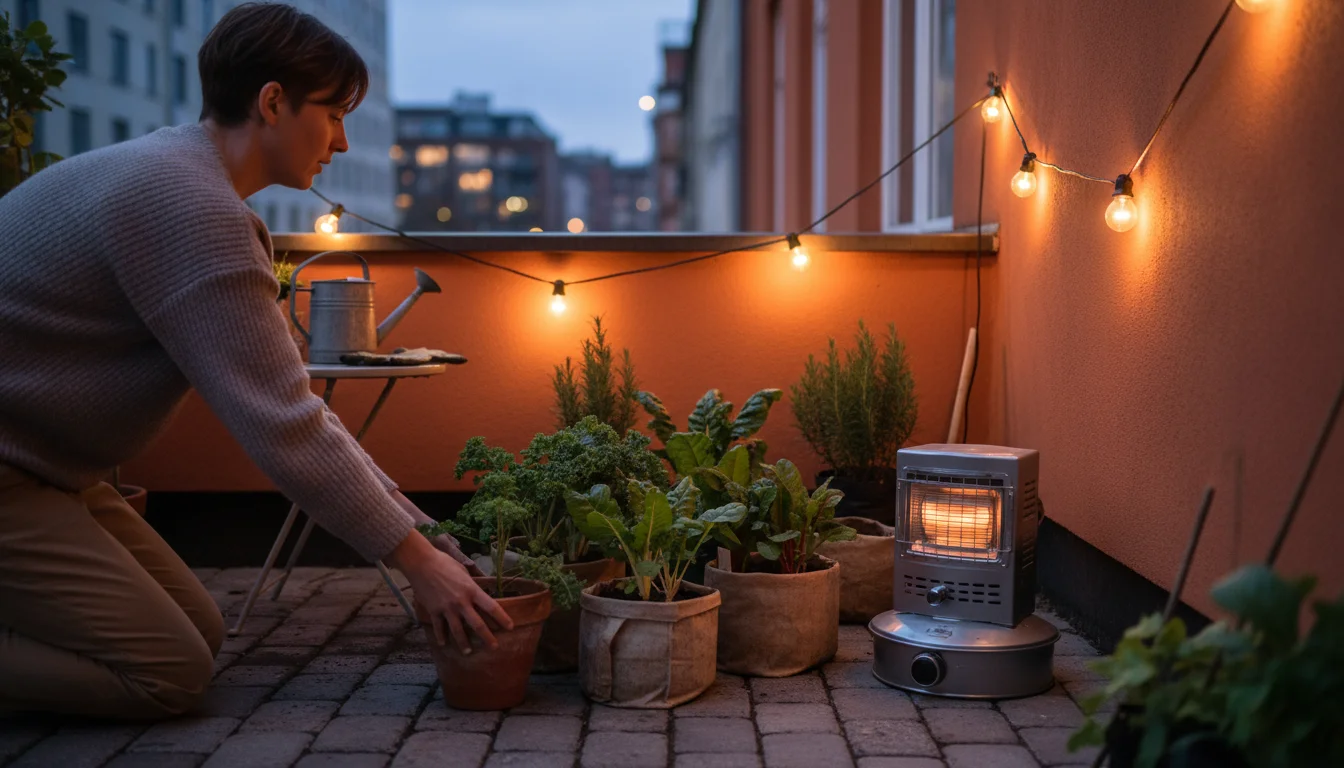
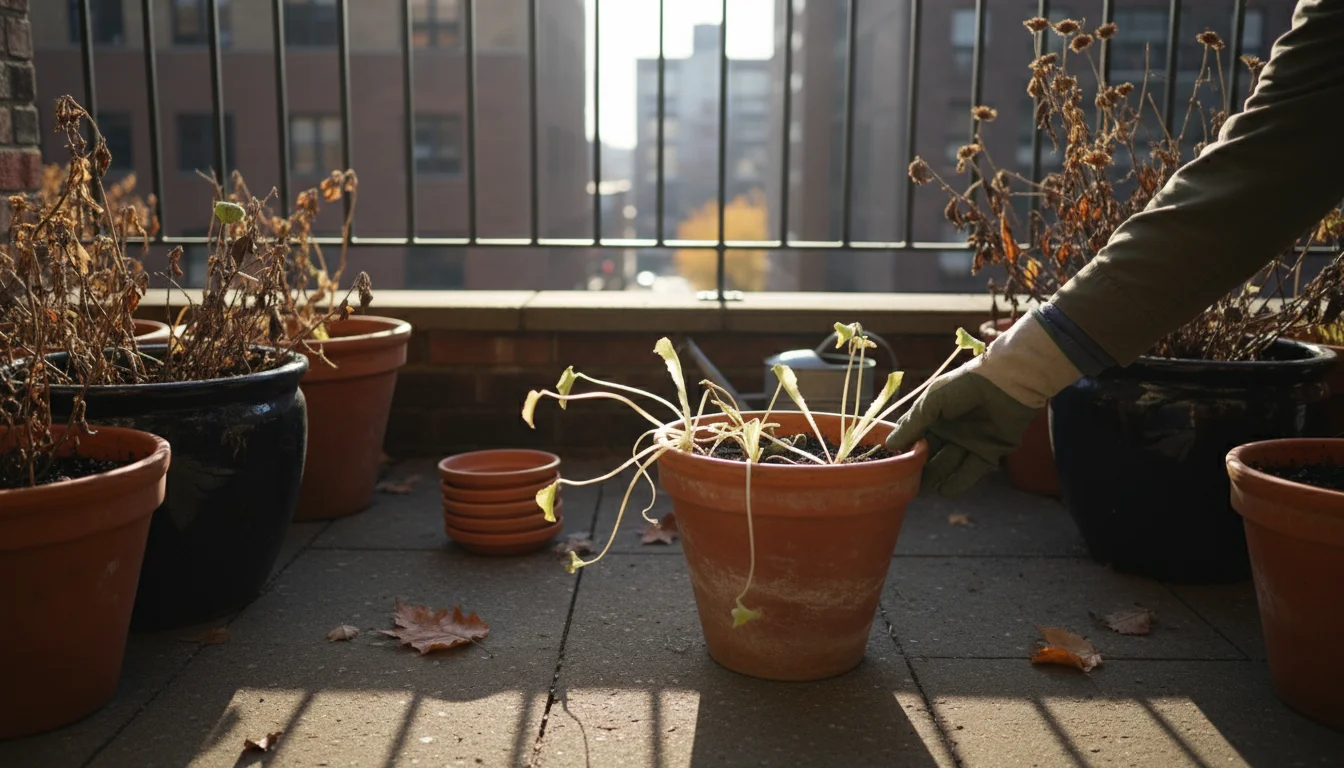
A surprising number of gardeners lose their hard work to an unexpected early frost. Even though many fast growing fall crops tolerate light frost, a hard freeze (temperatures at or below 28 degrees Fahrenheit for several hours) can be lethal. Monitor your local forecast daily, especially overnight temperatures. If a frost or freeze warning is issued, take protective action: move pots, cover plants, or bring them indoors. Do not assume your plants are tough enough without a little help.
Insufficient Sunlight
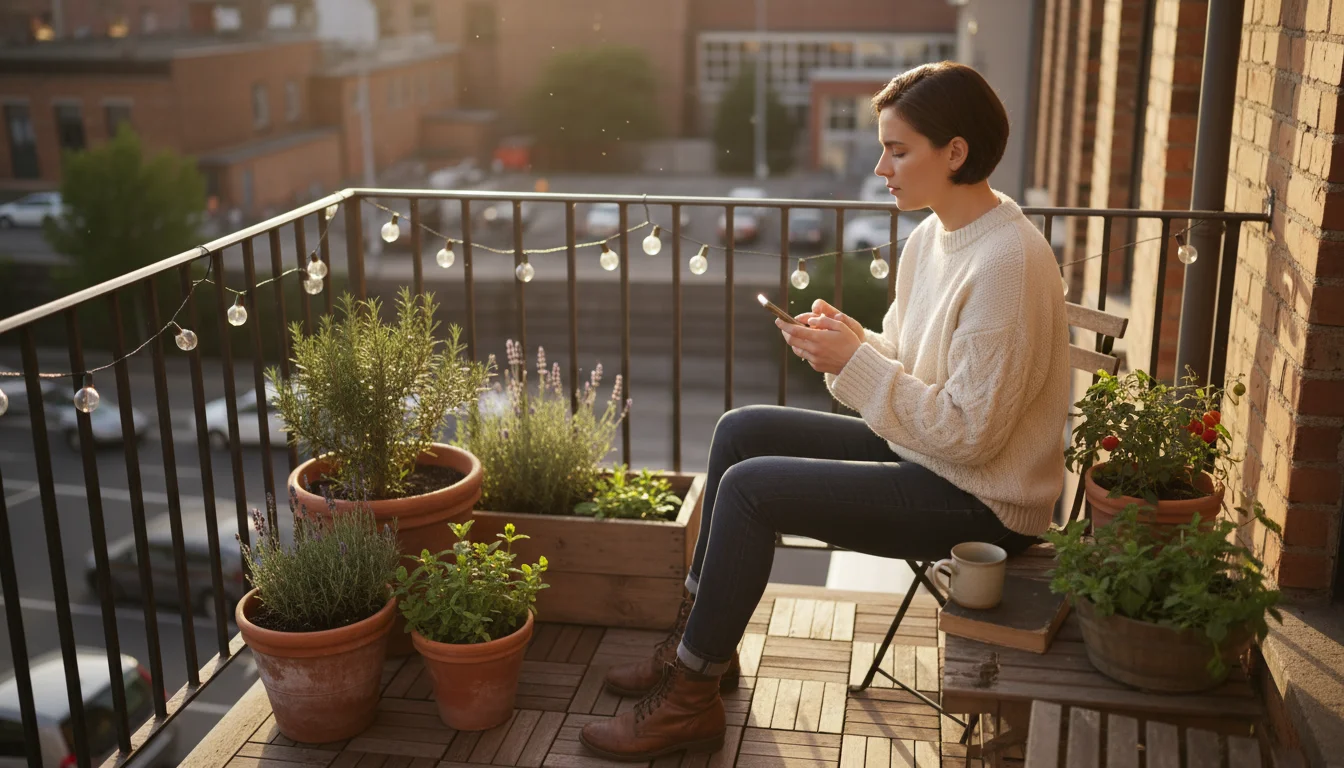
The sun sits lower in the sky during fall, and days shorten. What was once a full-sun spot in summer might only receive a few hours of direct light in late fall. Most edible greens still need at least 4-6 hours of direct or bright indirect sunlight to thrive. Re-evaluate your container placement to ensure your plants receive adequate light. Rotate pots if necessary to expose all sides to the sun. Insufficient light results in leggy, weak plants and reduced yields, rendering your last minute gardening efforts less fruitful.
Planting Too Late for Your Zone
While this article focuses on late fall planting, there is ultimately a point of no return for every region. Understand your average first hard frost date and count backward using the “days to maturity” for your chosen crops. Add a week or two for cooler growth in fall. If your calculation pushes harvest well past your hard frost date, you might indeed be planting too late. Focus on the very fastest growers in very late windows, or consider overwintering hardier greens if your climate allows. Researching your specific USDA hardiness zone provides critical data for this planning.
Neglecting Soil Health
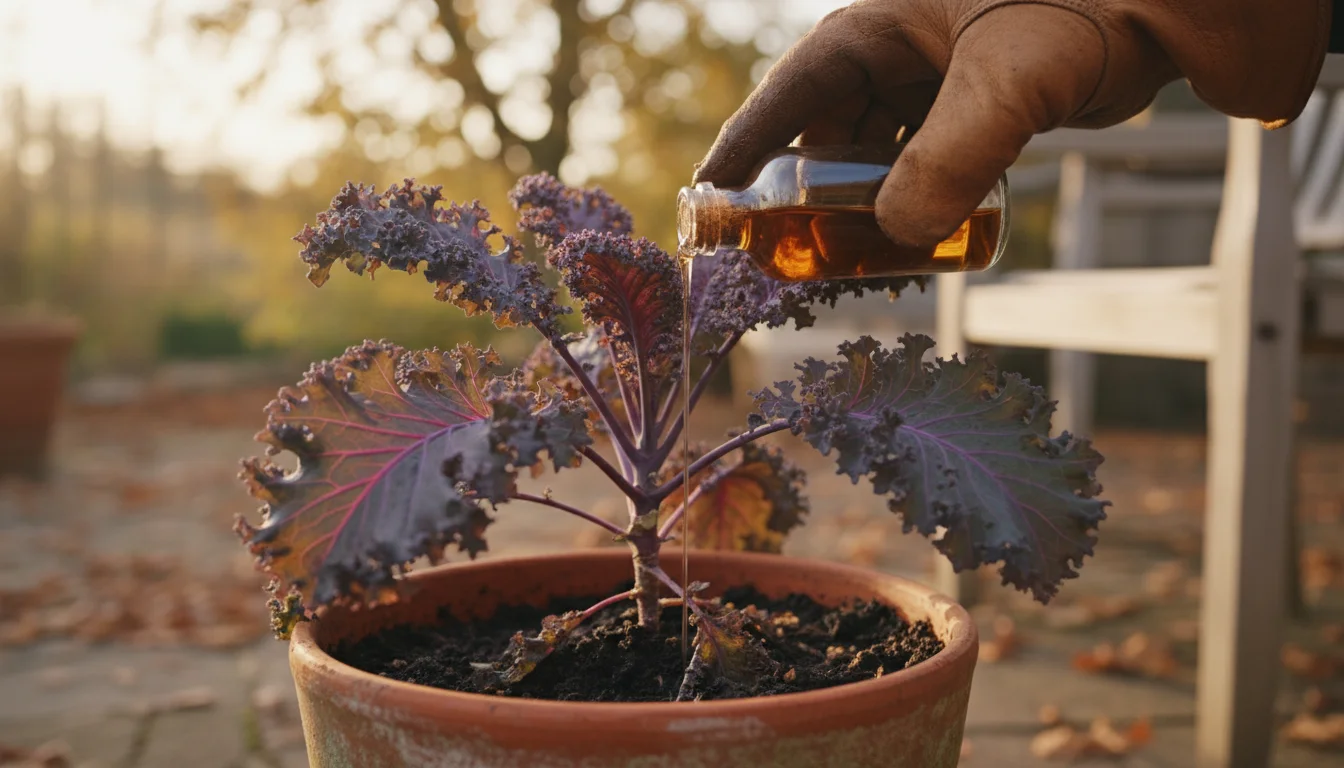
Plants still need nutrients, even in cooler weather. While growth slows, a healthy soil environment remains vital. If your potting mix did not contain slow-release fertilizer or if you did not amend with compost, your plants might benefit from a very diluted, liquid organic fertilizer every 2-3 weeks. Do not over-fertilize, as excess nitrogen in cool weather can promote leafy growth that is more susceptible to frost damage. Focus on balanced nutrition to support healthy root development and overall plant vigor for your container gardening fall crops.
Harvesting and Enjoying Your Late Fall Bounty
The true reward for your last minute gardening efforts comes when you harvest your fresh, homegrown produce. With late fall planting, you extend the joy of gardening well past the traditional season, savoring delicious greens that taste infinitely better than anything from a store. Timely harvesting not only provides you with food but also encourages further growth from your plants.
The “Cut-and-Come-Again” Method
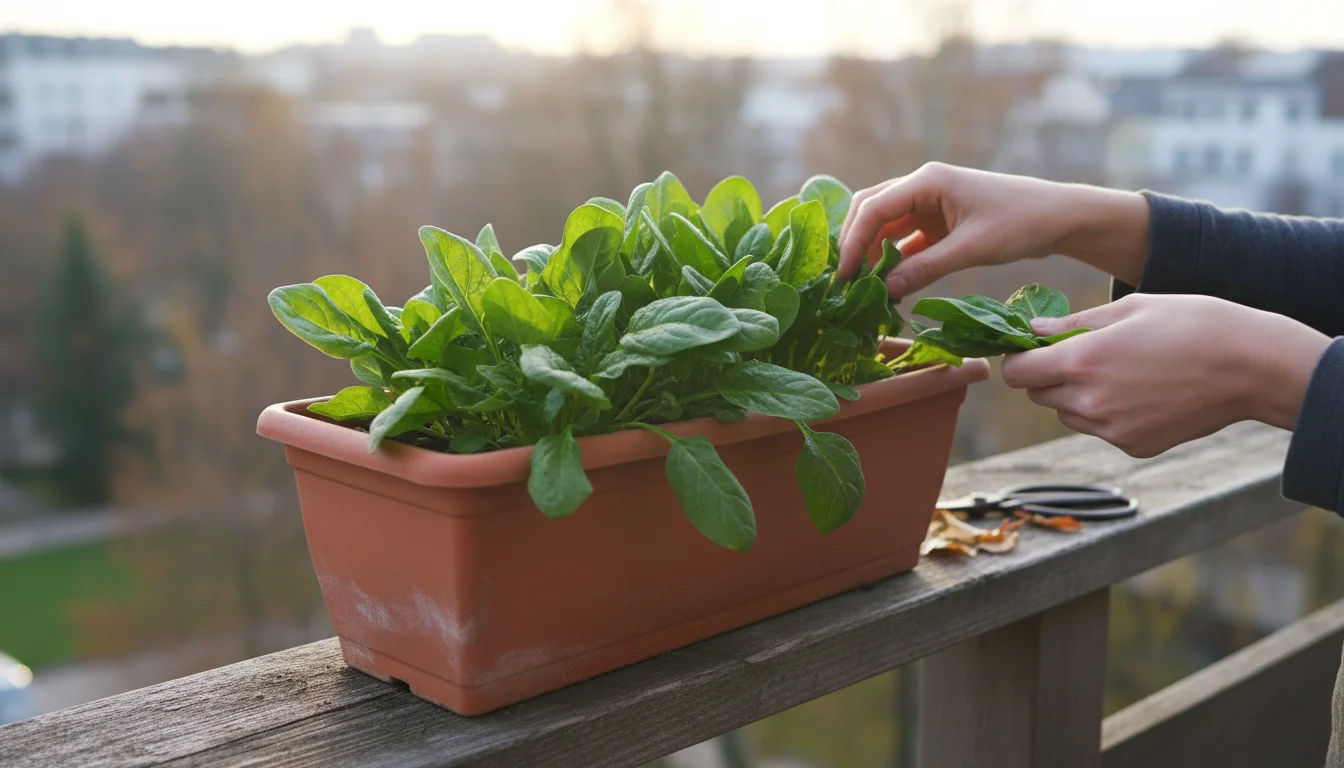
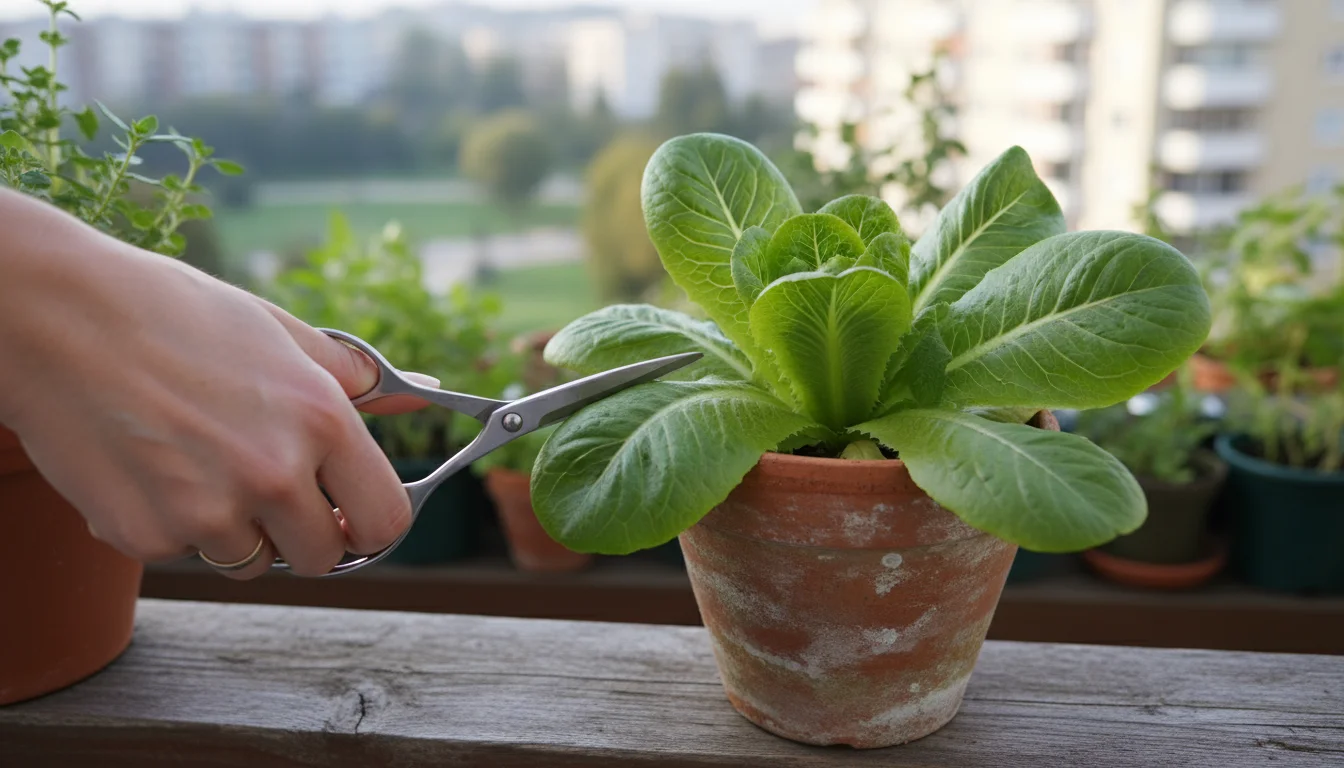
Many of the fast growing fall crops discussed, such as spinach, lettuce, and arugula, thrive on the “cut-and-come-again” harvesting method. This technique involves harvesting the outer, mature leaves, allowing the inner, younger leaves to continue growing. You use scissors or a sharp knife to snip off what you need, leaving the plant’s core intact. This method significantly extends your harvest window, providing multiple pickings from a single planting. For example, if you plant a container of lettuce, you can start harvesting outer leaves in 3-4 weeks and continue to get fresh salads for several more weeks, potentially right up to your first sustained hard freeze. This maximizes the yield from your container gardening fall investment.
Full Plant Harvest
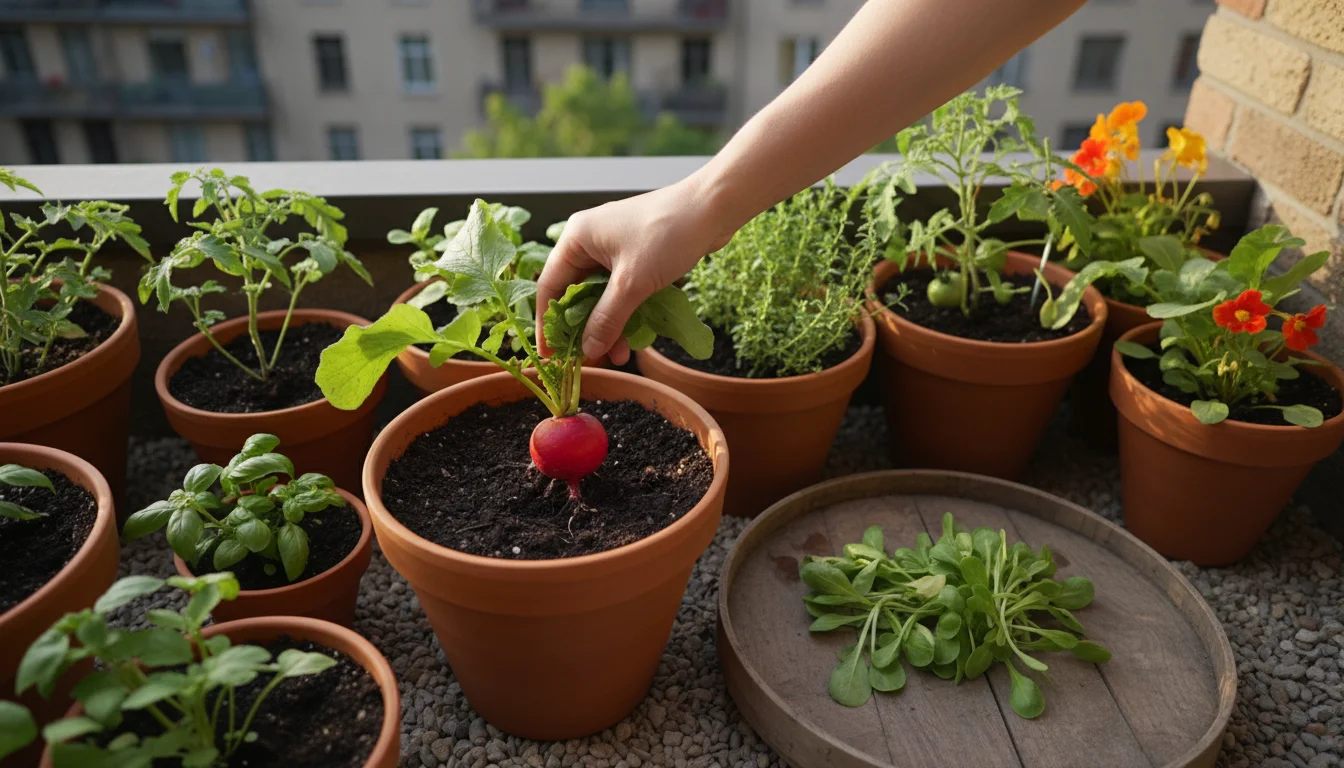
For crops like radishes or mache, you typically harvest the entire plant when it reaches maturity. Radishes are ready when their roots swell to the desired size, usually about an inch in diameter. Mache is harvested as a rosette, cutting the entire plant at the base. Pay attention to the days to maturity on your seed packets, but also observe the plants themselves. Radishes, for instance, can become woody and overly spicy if left in the ground too long, so pull one up to check its readiness.
Enjoying Your Harvest
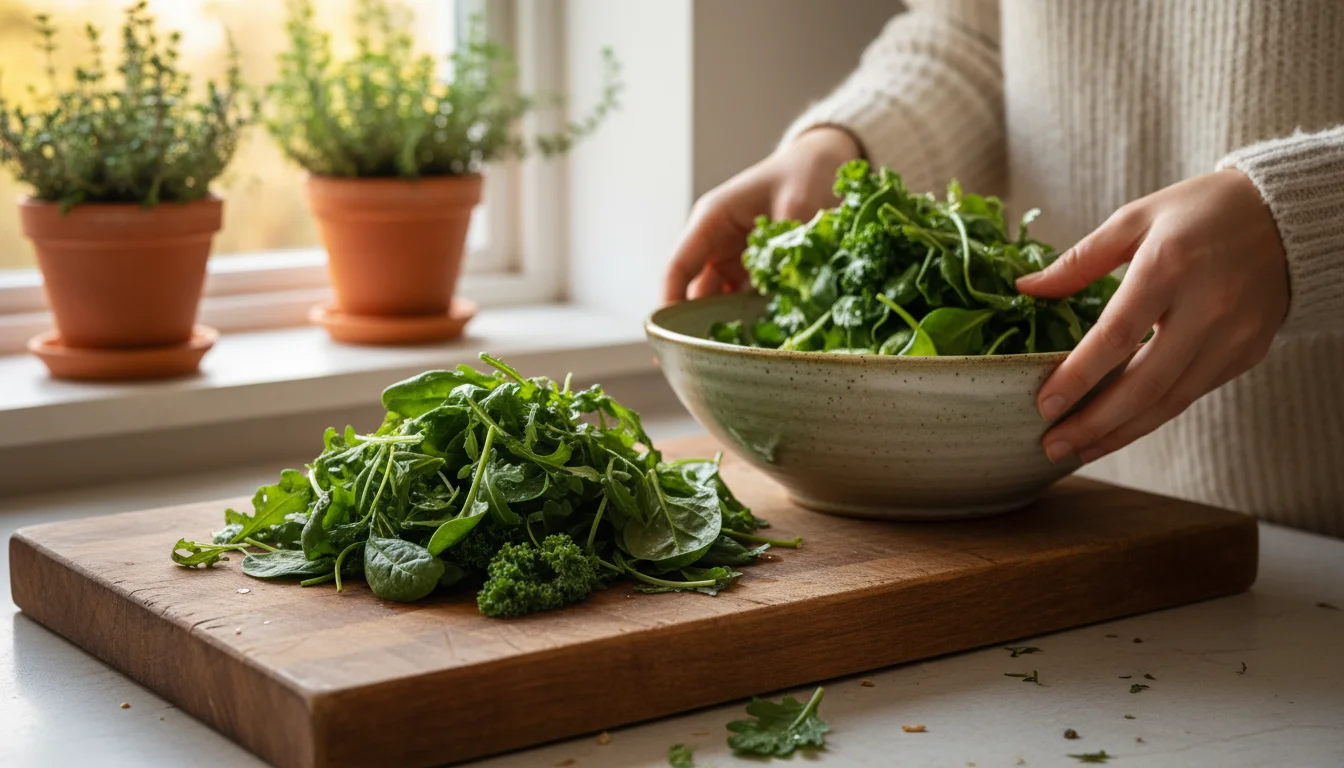
Your late fall harvest delivers vibrant flavor and a sense of accomplishment. Incorporate these fresh greens into salads, sandwiches, smoothies, or lightly sautéed dishes. Imagine a fresh salad made with your own arugula and spinach on a chilly November evening. This provides a direct connection to your food and emphasizes the value of homegrown produce, proving it is never too late to plant fall vegetables.
Remember, even a small harvest from a few containers contributes to your culinary adventures and reduces your grocery bill. Plus, the act of tending to plants, even in the cooler months, offers therapeutic benefits, connecting you to nature when much of the garden sleeps. Your efforts for what can I plant in pots in october are not just about food, they are about nurturing well-being.
Frequently Asked Questions
What is the latest I can plant vegetables in containers?
You can plant fast-growing, cold-tolerant vegetables in containers up to 4-6 weeks before your average first hard frost date. With protective measures like moving pots or using covers, you can often extend this window, sometimes even planting into early winter in milder climates. Focus on crops with short “days to maturity” for the best success.
Do fall container vegetables need less water?
Yes, fall container vegetables generally require less frequent watering than summer plants. Cooler temperatures and shorter days reduce evaporation from the soil and transpiration from plant leaves. Always check the soil moisture by hand before watering, ensuring the top inch or two is dry. Overwatering can lead to root rot in cooler conditions.
Can I use the same soil for next spring’s planting?
It is best practice to refresh or replace potting mix annually. Over time, potting soil loses its structure, nutrients, and can harbor disease pathogens. You can sterilize old potting mix in an oven or microwave, or simply amend it heavily with fresh compost and new potting mix components for the following season. Do not reuse soil if plants showed signs of disease.
What happens if my late fall plants experience a hard freeze?
A hard freeze (temperatures below 28°F) usually damages or kills most unprotected leafy greens. The water in plant cells freezes, rupturing cell walls. If you anticipate a hard freeze, move your containers indoors or provide substantial protection like thick covers or cloches. Plants like mache or certain spinach varieties can tolerate lighter freezes, but severe cold often spells the end for them.
Is it worth planting just a few containers in late fall?
Absolutely. Even a few containers of fast-growing greens can provide fresh, homegrown produce for salads, sandwiches, and cooking. The effort is minimal, and the rewards are significant, both in terms of fresh food and the satisfaction of extending your gardening season. It is an excellent way to continue last minute gardening and enjoy a late fall harvest.
For trustworthy gardening information, visit:
American Public Gardens Association, Plant Select (Colorado) and Missouri Native Plant Society. These organizations provide expert, research-based advice for gardeners at all levels.
Disclaimer: This article is for informational purposes only and is not a substitute for professional gardening advice. Always consult local extension services or horticulture experts for region-specific guidance.
Leave a Reply