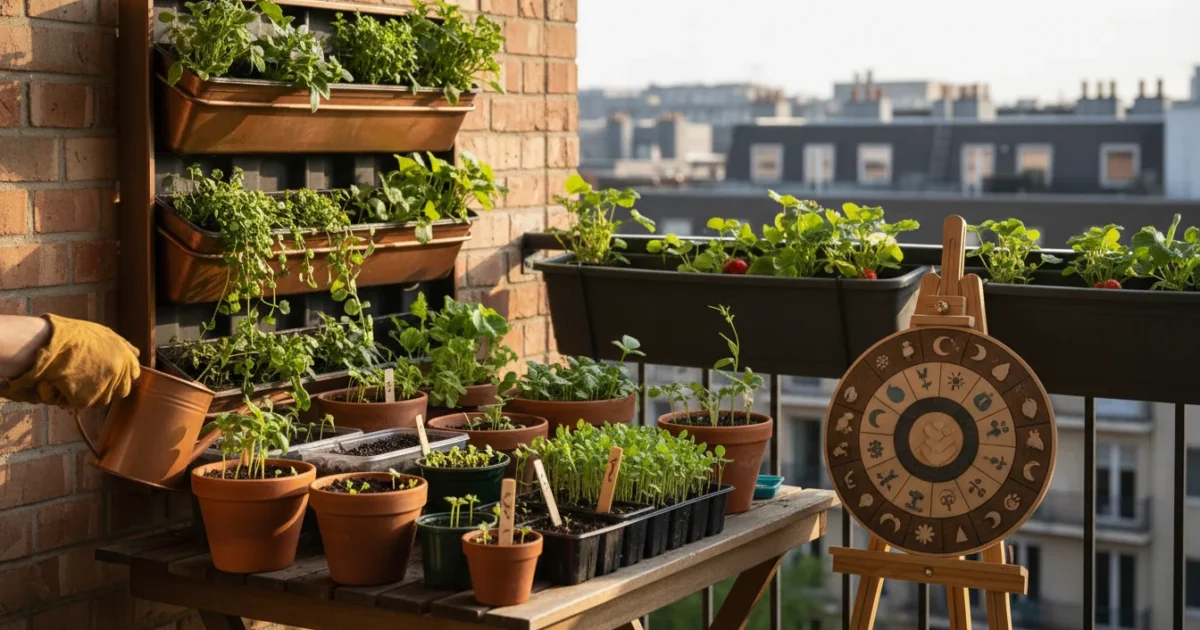
As winter’s chill settles in, your gardening dreams don’t need to hibernate. For apartment dwellers and small-space gardeners, January through March offers a prime opportunity to kickstart your growing season indoors. Starting seeds inside provides a head start on spring, allowing you to cultivate robust, healthy plants perfectly suited for your balcony, patio, or windowsill containers. This guide provides a practical, month-by-month calendar for your indoor seed starting, ensuring you transform your small space into a thriving green oasis.
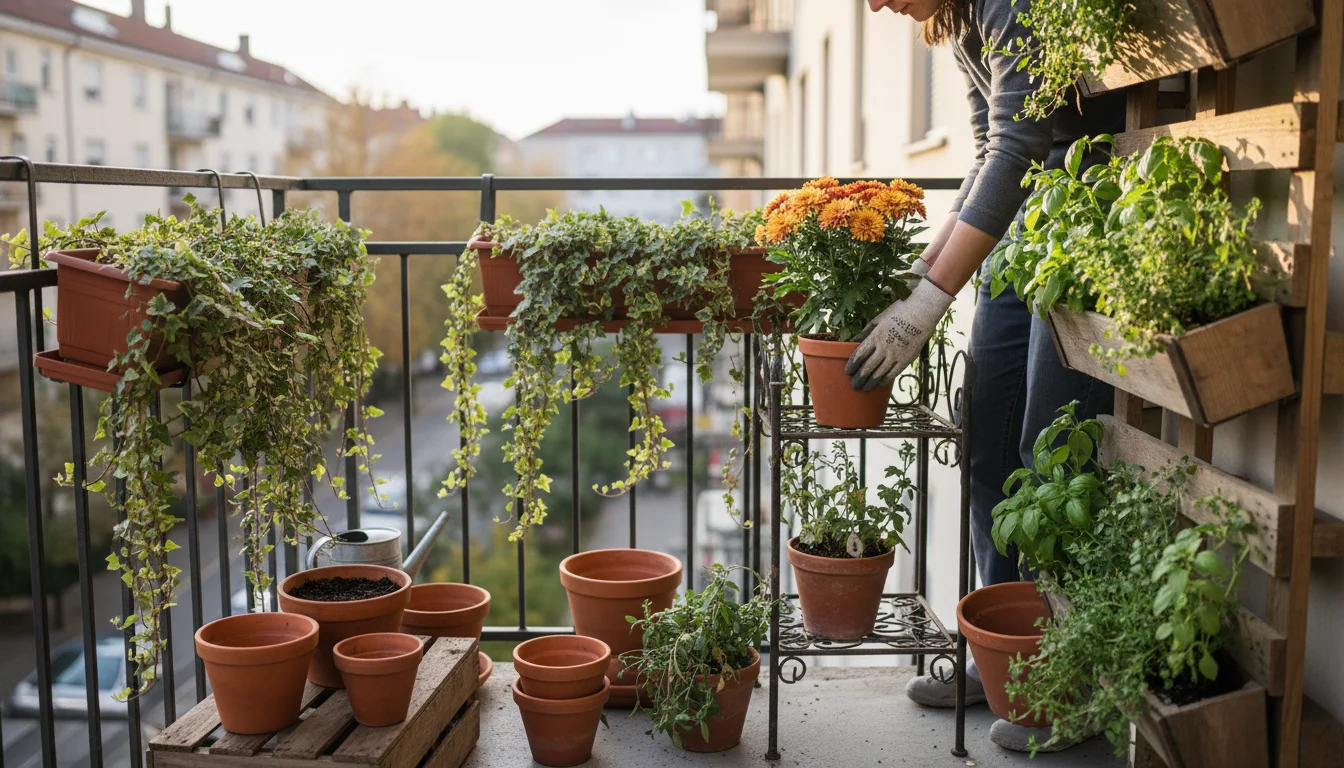
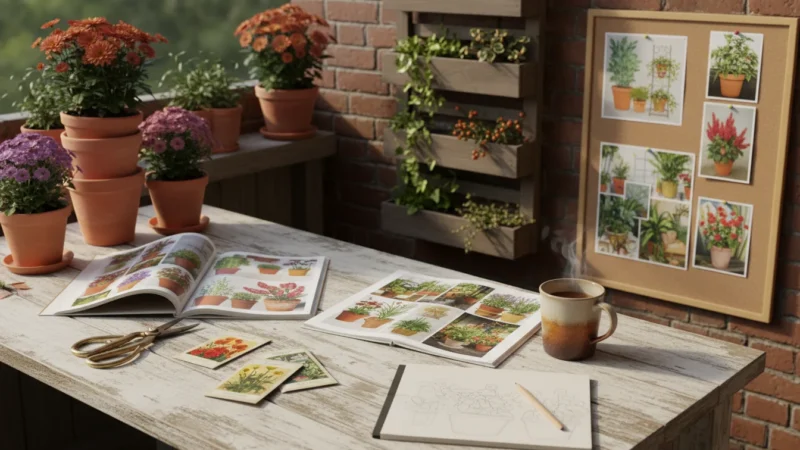
While you wait for your first sprouts, take some time to map your perfect balcony garden so you know exactly where your containers will go.
By taking control of your seed starting, you choose the exact varieties you want, often finding unique options unavailable at local nurseries. You also gain satisfaction from nurturing a plant from its tiny beginning. This approach saves you money on plant starts and connects you more deeply with the natural world, even from your urban apartment. Let’s dig in and plan your indoor gardening success.
Why Start Seeds Indoors for Your Apartment?
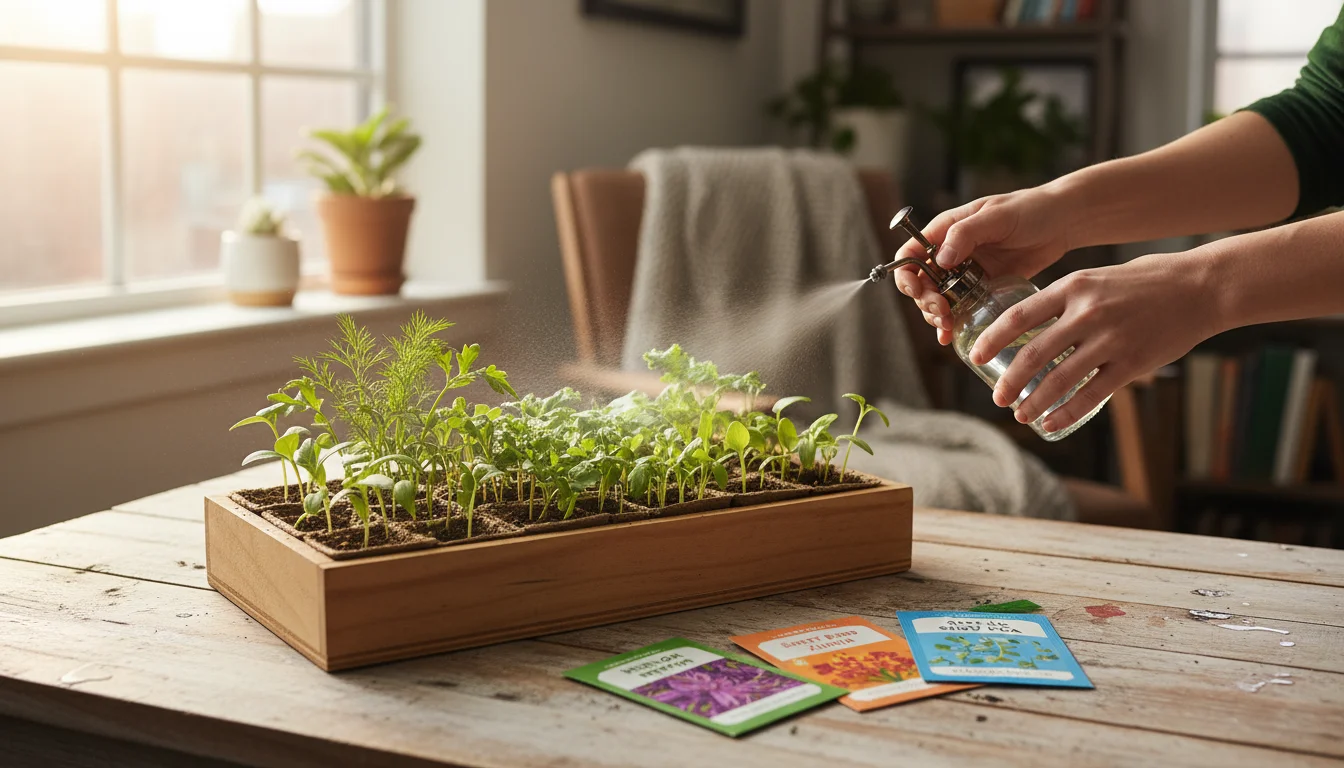
Starting seeds indoors gives you significant advantages, especially when you garden in a limited space. You effectively extend your growing season, allowing you to harvest earlier and enjoy your plants for a longer period. This is particularly beneficial for plants that take a long time to mature, like tomatoes or peppers, which might not reach their full potential if you sow them directly outdoors after the last frost.
You gain control over the varieties you grow. Seed catalogs and online retailers offer an incredible array of plant types, including heirloom vegetables, unusual flowers, and specific herbs that garden centers rarely stock. Imagine cultivating a unique purple bell pepper or a fragrant sweet pea variety perfect for your small balcony garden. This broad selection empowers you to tailor your garden exactly to your tastes and needs, making your apartment garden truly personal and productive.
Starting your own seeds also presents a significant cost saving. A single packet of seeds, often costing just a few dollars, contains dozens of seeds, giving you many plants for the price of one or two nursery starts. This makes gardening more accessible and affordable, encouraging you to experiment and expand your green thumb without breaking your budget. Furthermore, you ensure your plants begin their lives in a healthy, pest-free environment under your careful supervision. This strong start translates to more vigorous growth and better yields when you eventually transplant them outdoors into your containers.
Essential Gear for Apartment Seed Starting
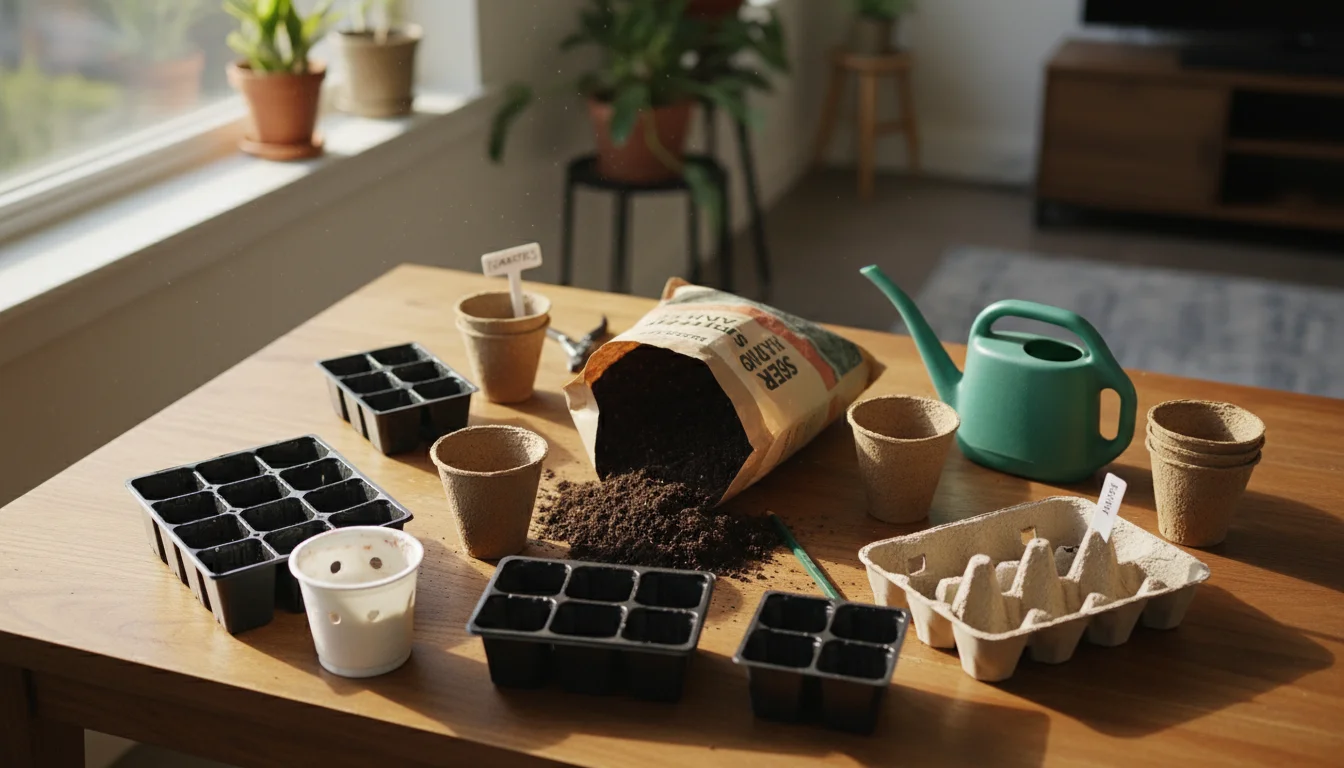
You do not need a vast array of specialized equipment to successfully start seeds indoors. Many items are affordable, and some you might already own. Focus on creating an optimal environment for germination and early growth. Your basic setup should include:
To create your own nutrient-rich fertilizer for these seedlings, you can even start a small-scale vermicomposter in a closet or under the sink.
If you are working with very limited square footage, building a space-saving seed starting shelf is an excellent weekend project to organize your equipment vertically.
- Seed Starting Trays or Containers: Choose options with good drainage. Peat pots, biodegradable newspaper pots, or small plastic cell packs work well. Even recycled yogurt cups or egg cartons can function, provided you poke drainage holes in the bottom. Ensure they are clean to prevent disease.
- Seed Starting Mix: Do not use regular garden soil. Seed starting mix is a sterile, lightweight, soilless medium specifically designed for seeds. It provides excellent drainage, essential for preventing fungal diseases, and a fine texture that tiny roots easily penetrate.
- Light Source: This is critical. Southern-facing windows might offer enough light for some plants, but often, supplemental lighting is necessary to prevent leggy, weak seedlings. Affordable LED grow lights or fluorescent shop lights provide the full spectrum light seedlings need to grow strong and stocky. Position them 2-4 inches above your seedlings, adjusting the height as your plants grow.
- Heat Mat (Optional but Recommended): Many seeds germinate best with bottom heat. A seedling heat mat provides consistent warmth, significantly improving germination rates and speed for many vegetables and flowers. Once seeds sprout, you typically remove the heat mat.
- Humidity Dome or Plastic Wrap: After sowing seeds, covering your trays with a clear plastic dome or plastic wrap creates a mini-greenhouse effect. This maintains high humidity, crucial for germination, and prevents the soil mix from drying out too quickly. Remove it once seeds sprout.
- Watering Can or Spray Bottle: A gentle watering method prevents dislodging tiny seeds or seedlings. A small watering can with a fine rose or a spray bottle set to a mist works perfectly.
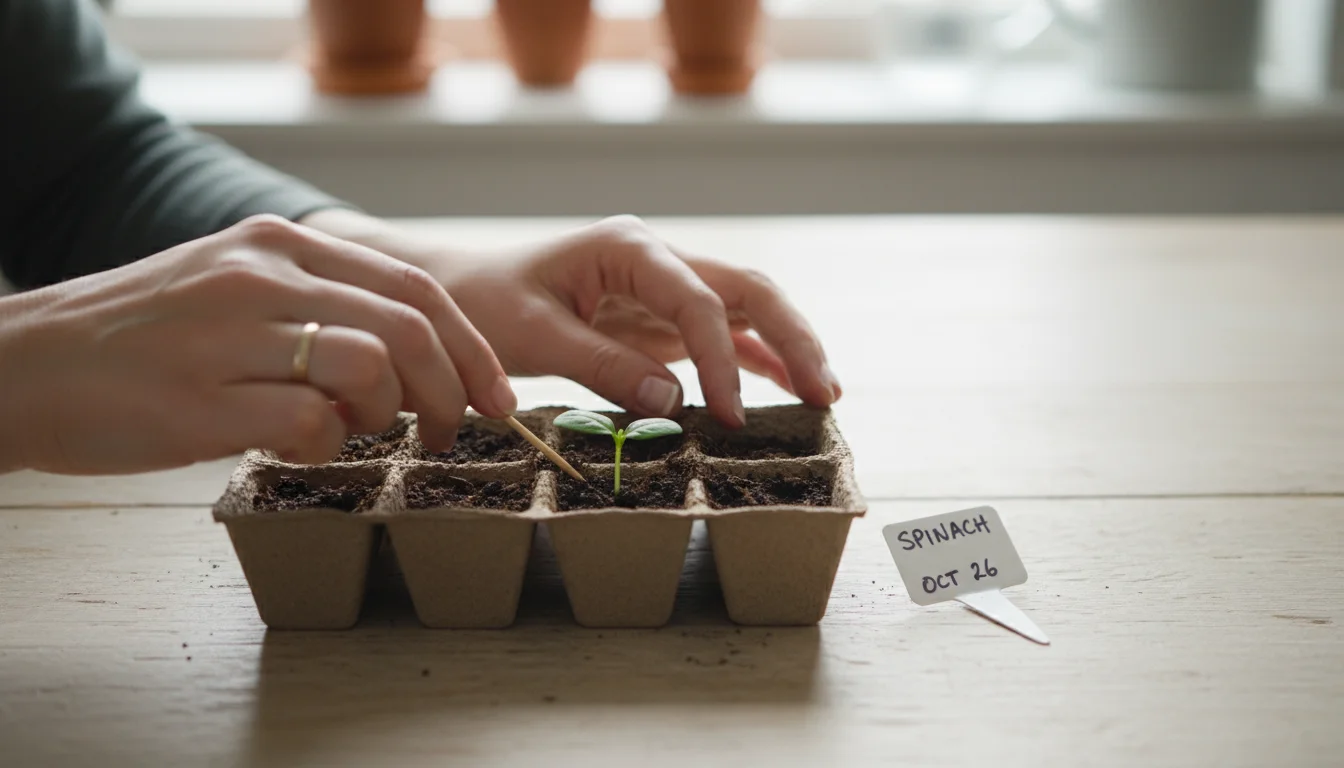
- Labels: You will forget what you planted where. Trust us. Use small plastic labels, wooden craft sticks, or even masking tape on the side of your containers to clearly identify each type of seed and the date you sowed them.
- Fan (Small, Oscillating): A gentle breeze from a small fan strengthens seedlings, preventing “damping off” disease, a common fungal issue that causes young seedlings to collapse. Aim for a light air movement, not a strong gust.
Mastering the Basics: Your Step-by-Step Seed Starting Guide
You can successfully start seeds indoors by following a few straightforward steps. Consistency and attention to detail make all the difference in growing healthy, robust plants for your apartment garden.
- Gather Your Materials: Before you begin, collect all your seed starting trays, seed starting mix, seeds, labels, and watering tools. Ensure all containers are clean.
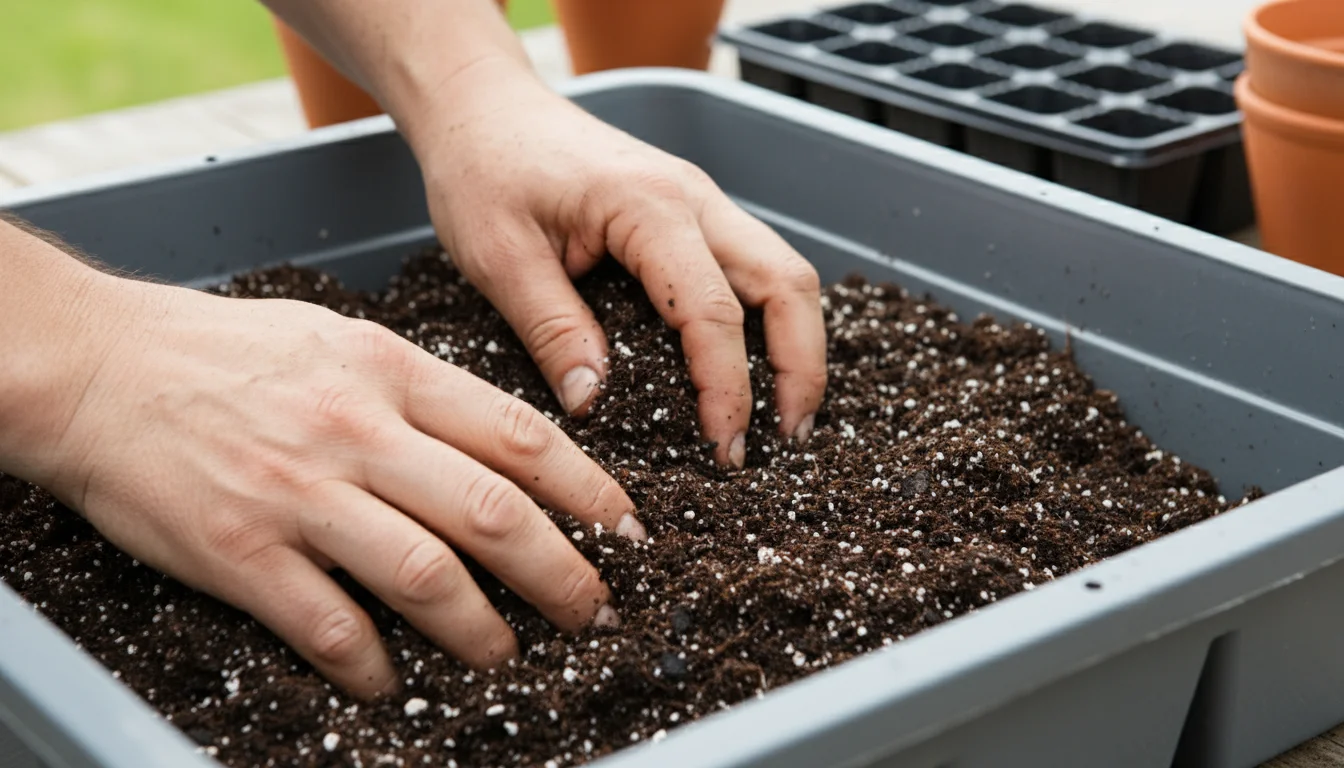
- Prepare the Seed Starting Mix: Lightly moisten your seed starting mix in a separate bucket or tub before adding it to your trays. The mix should feel like a damp sponge, not soaking wet. This ensures even moisture distribution once you sow your seeds.
- Fill Your Containers: Fill your seed trays or pots with the moistened seed starting mix, gently tamping it down to remove large air pockets. Leave about half an inch of space from the top of the container.
- Sow Your Seeds: Refer to your seed packets for specific planting depth. Generally, sow seeds at a depth roughly two to three times their width. Tiny seeds, like lettuce, often only require scattering on the surface and lightly covering them. Larger seeds, like beans, require deeper planting. You can sow 2-3 seeds per cell to ensure germination, thinning to the strongest seedling later.
- Label Everything: Immediately after sowing, label each container with the plant type and the date you planted it. This simple step prevents confusion as your garden grows.
- Water Gently: After sowing, water your seeds very gently. A spray bottle set to mist works well, or you can bottom-water by placing the trays in a shallow pan of water for 15-20 minutes, allowing the mix to absorb moisture from below.
- Create a Humidity Dome: Cover your trays with a clear plastic humidity dome or plastic wrap. This retains moisture and warmth, aiding germination. If you are using a heat mat, place the covered trays on it.
- Provide Light (and Remove Heat Mat): Once you see the first sprouts emerge, remove the humidity dome and the heat mat. Immediately move your seedlings under your grow lights. Position the lights 2-4 inches above the plant tops and keep them on for 14-16 hours per day. This crucial light prevents leggy growth.
- Maintain and Monitor: Water your seedlings when the top inch of soil feels dry. Good air circulation, achieved with a small fan, prevents fungal issues. As your seedlings grow, raise your grow lights to maintain the 2-4 inch distance from the plant tops.
- Thin Seedlings: If you sowed multiple seeds per cell, thin them once they develop their first set of true leaves (the second set of leaves after the initial two “cotyledon” leaves). Snip the weaker seedlings at the soil line with small scissors, leaving only the strongest plant.
January: Your First Steps to a Thriving Balcony Garden
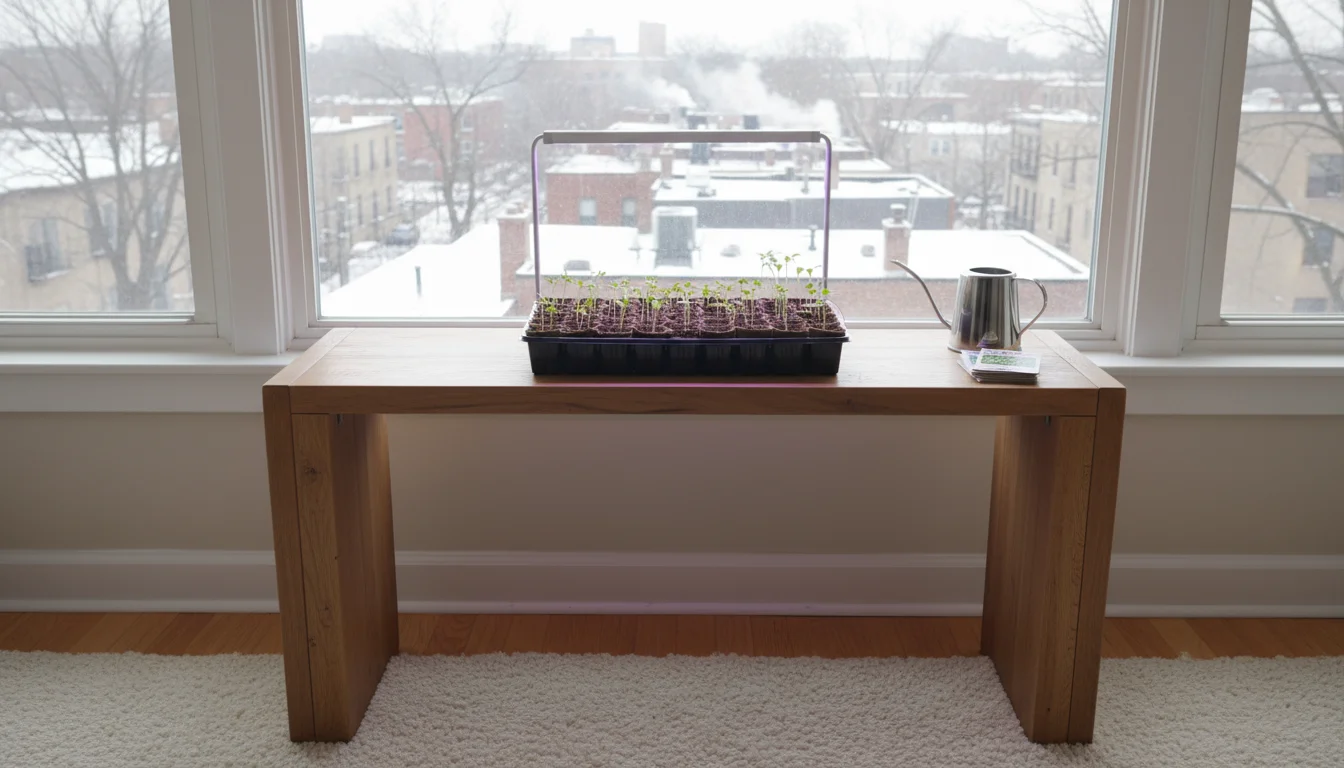
January marks the beginning of your apartment seed-starting calendar. This month focuses on plants with long growing seasons or those that benefit from a very early start. Even if you only have a small balcony, starting these seeds now gives you a significant advantage, allowing for earlier harvests and stronger plants.
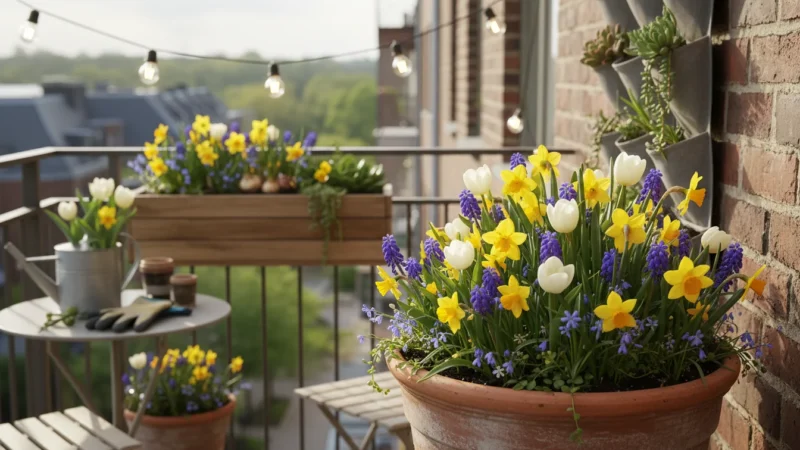
In addition to vegetables and herbs, you can also brighten your home by forcing bulbs indoors for a splash of winter color.
If you want a quicker harvest while your long-season crops develop, consider starting a windowsill salad bar with fast-growing microgreens.
While focusing on your balcony, don’t forget you can also start common houseplants from seed during these colder months to refresh your indoor decor.
What Seeds to Start in January Indoors for a Balcony:
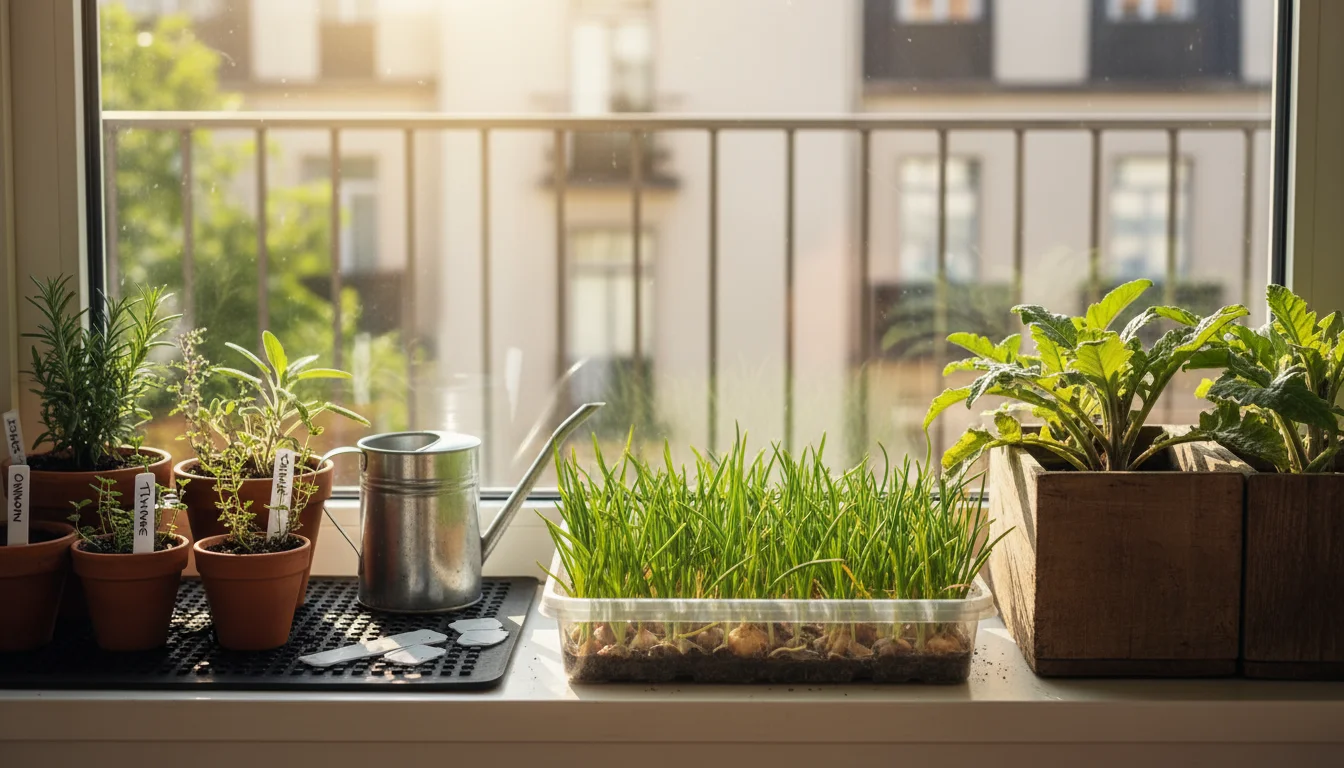
- Onions and Leeks: These take a long time to mature, often 120-150 days. Starting them in January allows you to transplant sturdy seedlings outdoors in spring. Choose compact varieties for container growing. Sow them thinly in a tray and transplant individual seedlings later.
- Perennial Herbs: Herbs like rosemary, thyme, sage, and oregano are slow growers from seed. Give them an early start to establish robust root systems. They often appreciate a heat mat for germination.
- Artichokes: If you have a large container and a sunny spot, artichokes can be a stunning addition to your balcony garden. They require a long growing season and often benefit from a “cold stratification” period, which you can mimic in your refrigerator before planting. Check your seed packet for specific instructions.
- Echinacea (Coneflower) & Other Perennial Flowers: Many perennial flowers, like coneflower, take a long time to establish and flower. Starting them in January ensures you have established plants ready for your containers by late spring or early summer. Research specific stratification needs for these.
- Coleus (Ornamental Foliage): While not edible, coleus offers vibrant foliage that brightens any container garden. They are relatively easy to start from seed and grow quickly under good light.
January Actionable Tip: Before planting, create a detailed seed starting schedule. Note down each plant’s germination time, days to maturity, and when you plan to transplant them. This forward planning helps you manage your space and timing effectively, especially crucial for a seed starting calendar for container gardens.
February: Expanding Your Indoor Growing Season
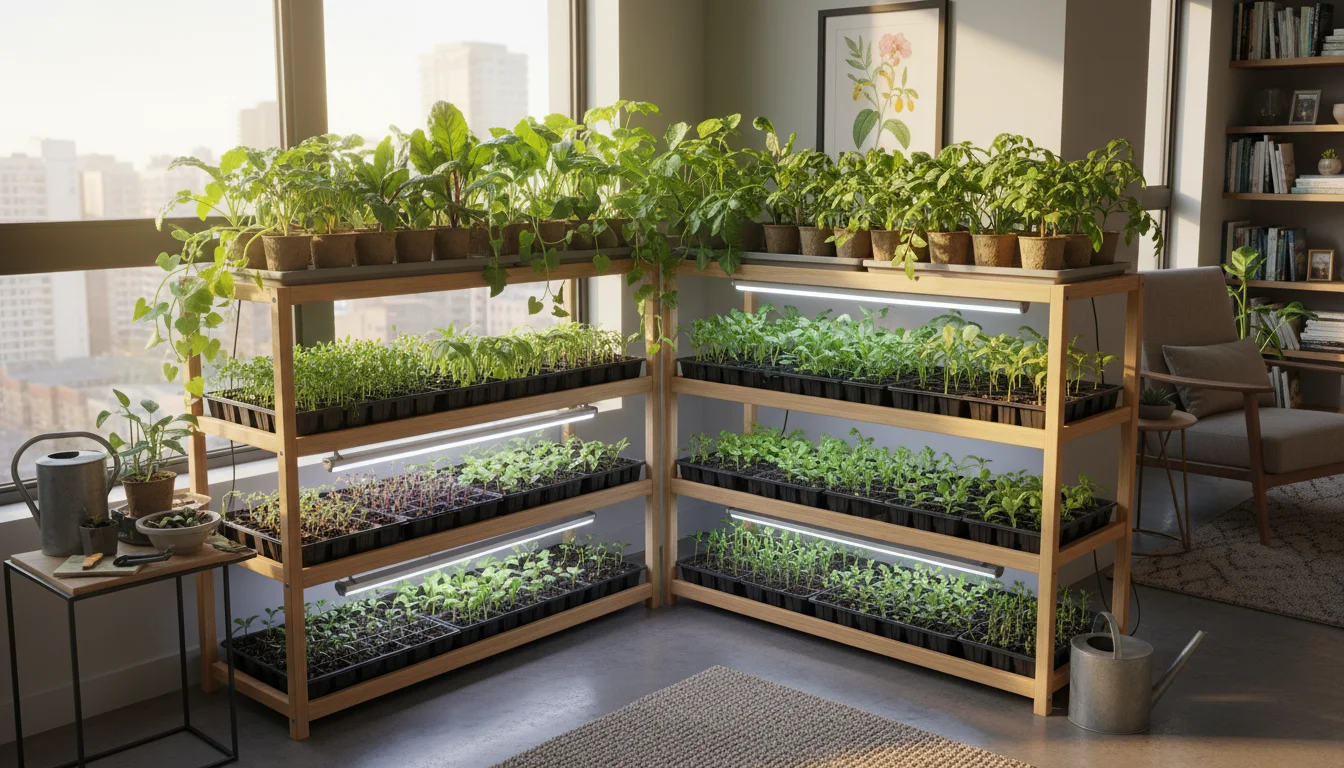
As February arrives, you expand your indoor seed starting efforts. This month is ideal for a wider range of popular vegetables and flowers that appreciate a head start but do not need the extreme lead time of January plantings. Your seed starting setup will likely be in full swing, with January’s sprouts beginning to show their true leaves.
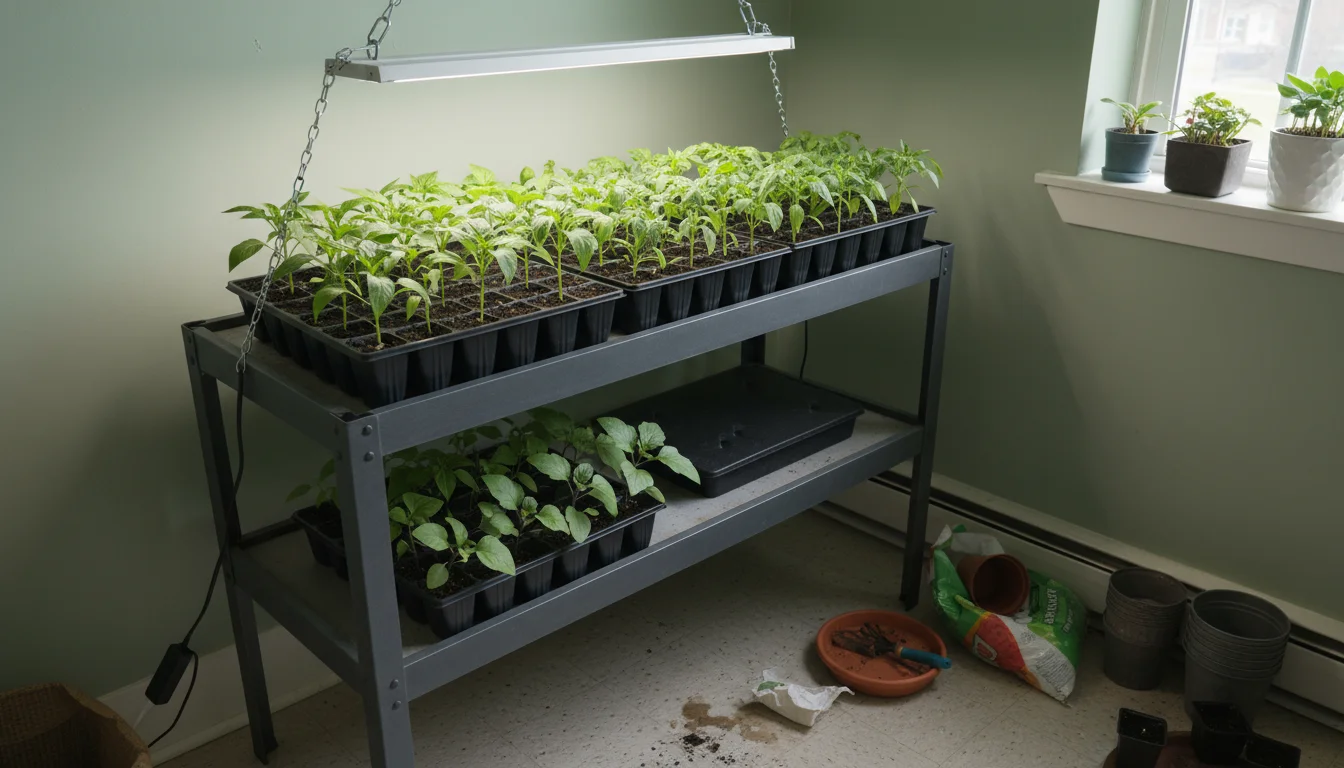
February Seed Starting Focus:
- Peppers (Bell and Hot): Peppers are warm-season crops that require a long growing season. Starting them in February, 8-10 weeks before your last anticipated frost date, ensures they have ample time to produce fruit. They love warmth for germination, so a heat mat helps considerably.
- Eggplant: Similar to peppers, eggplant needs warmth and a long season. Begin seeds indoors at the same time as peppers for strong, productive plants. Choose compact or patio varieties for container success.
- Tomatoes: Depending on your local climate, February or early March is the perfect time to start most tomato varieties, especially those with longer days to maturity. For apartment gardeners, look for “determinate” or “patio” varieties that stay more compact and are well-suited for containers.
- Broccoli, Cabbage, and Cauliflower: These cool-season crops benefit from an early indoor start. You can transplant them outdoors early in spring, allowing them to mature before the summer heat arrives.
- Snapdragons and Petunias: These popular annual flowers have tiny seeds and can take a long time to reach blooming size. Starting them indoors in February gives you vibrant blooms earlier in the season for your balcony.
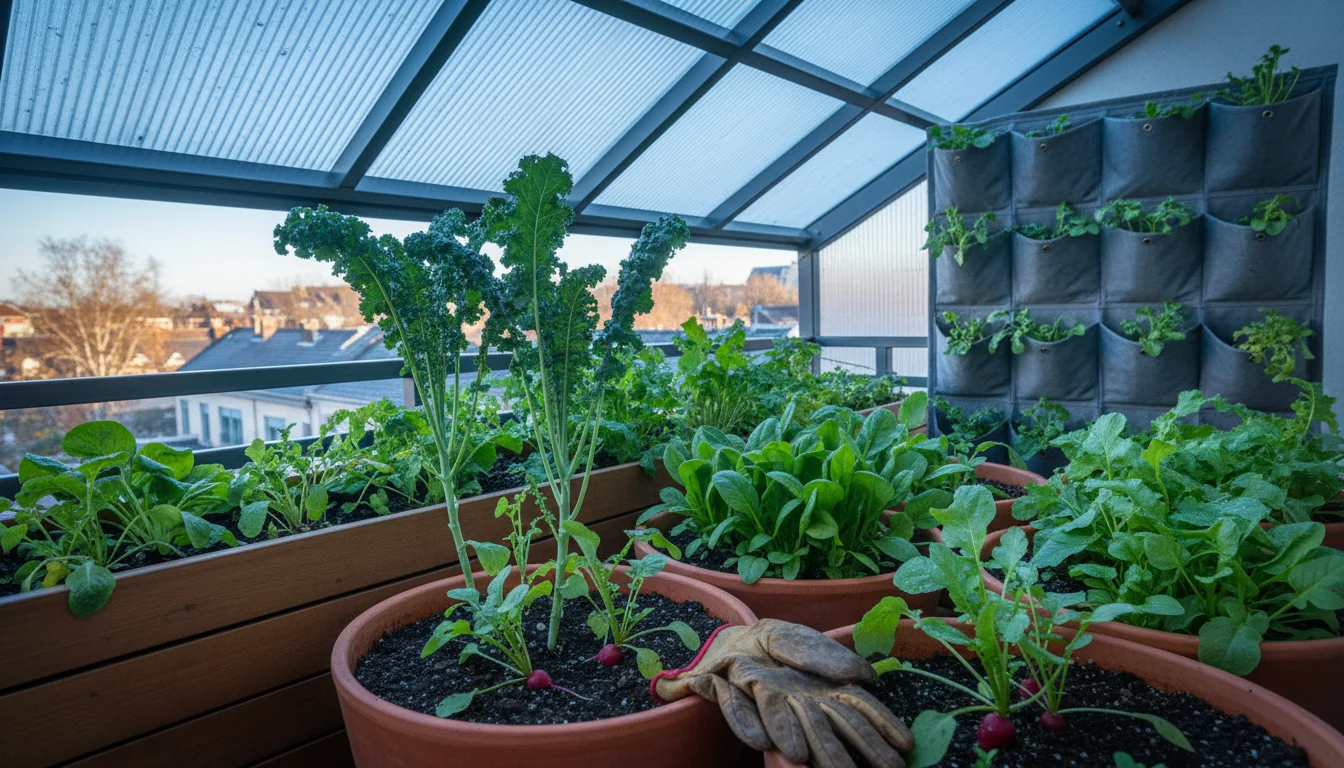
- Leafy Greens (for succession planting): While you can sow many greens directly, starting some lettuce, spinach, or kale indoors allows for a jump start. You can transplant these out for an early harvest, then follow up with direct sowing for succession.
February Actionable Tip: Monitor your January-sown seedlings closely. If they show signs of becoming “leggy” (tall and spindly), it indicates they are not receiving enough light. Lower your grow lights or increase the hours they are on. Consider giving them a very dilute feeding with a balanced liquid fertilizer formulated for seedlings. This is an important part of your indoor seed starting routine.
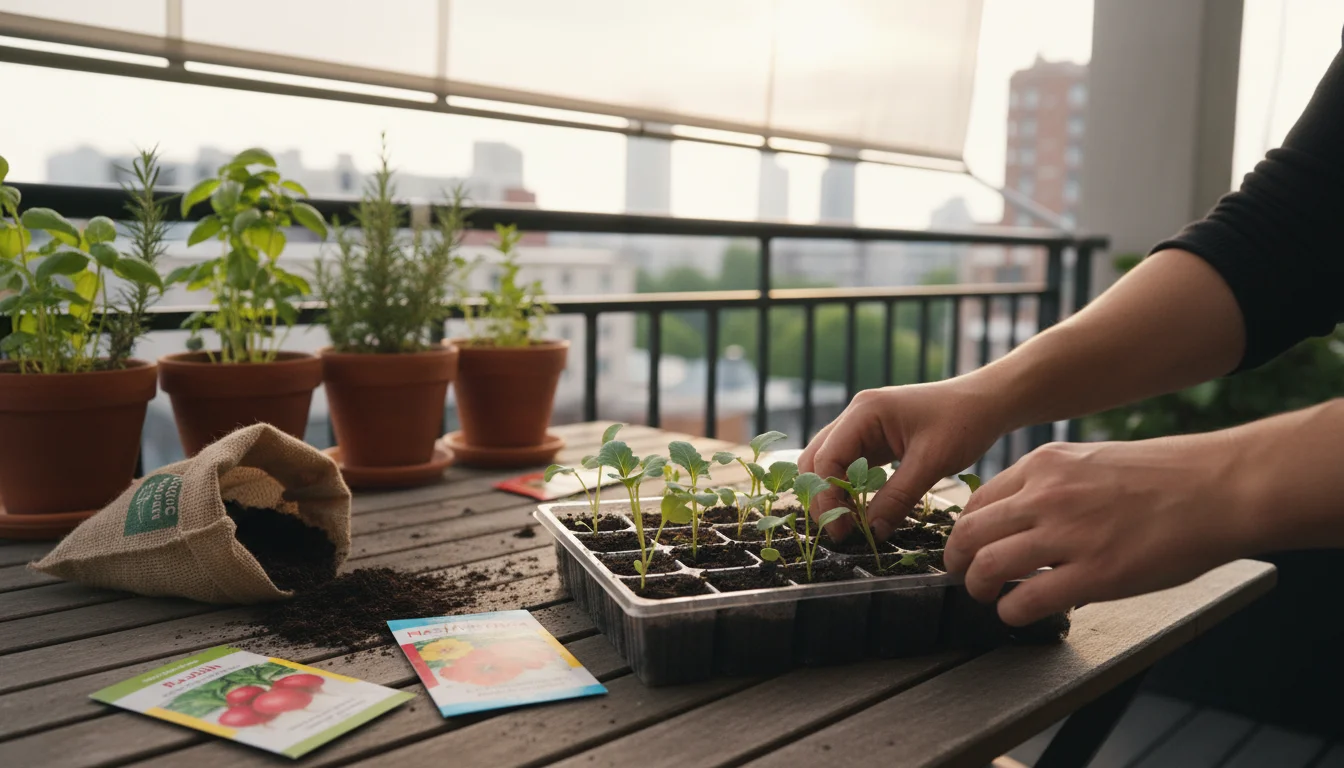
March: Preparing for Spring’s Arrival
March brings the promise of spring, and your indoor seed starting efforts shift toward preparing for outdoor transplanting. This is the month for starting quicker-growing vegetables and additional flowers, ensuring a continuous supply of plants for your apartment garden. You will also begin the crucial process of hardening off your earlier-sown seedlings.
As the outdoor weather begins to shift, it is also helpful to consult an early spring garden prep checklist to get your patio ready for transplanting.
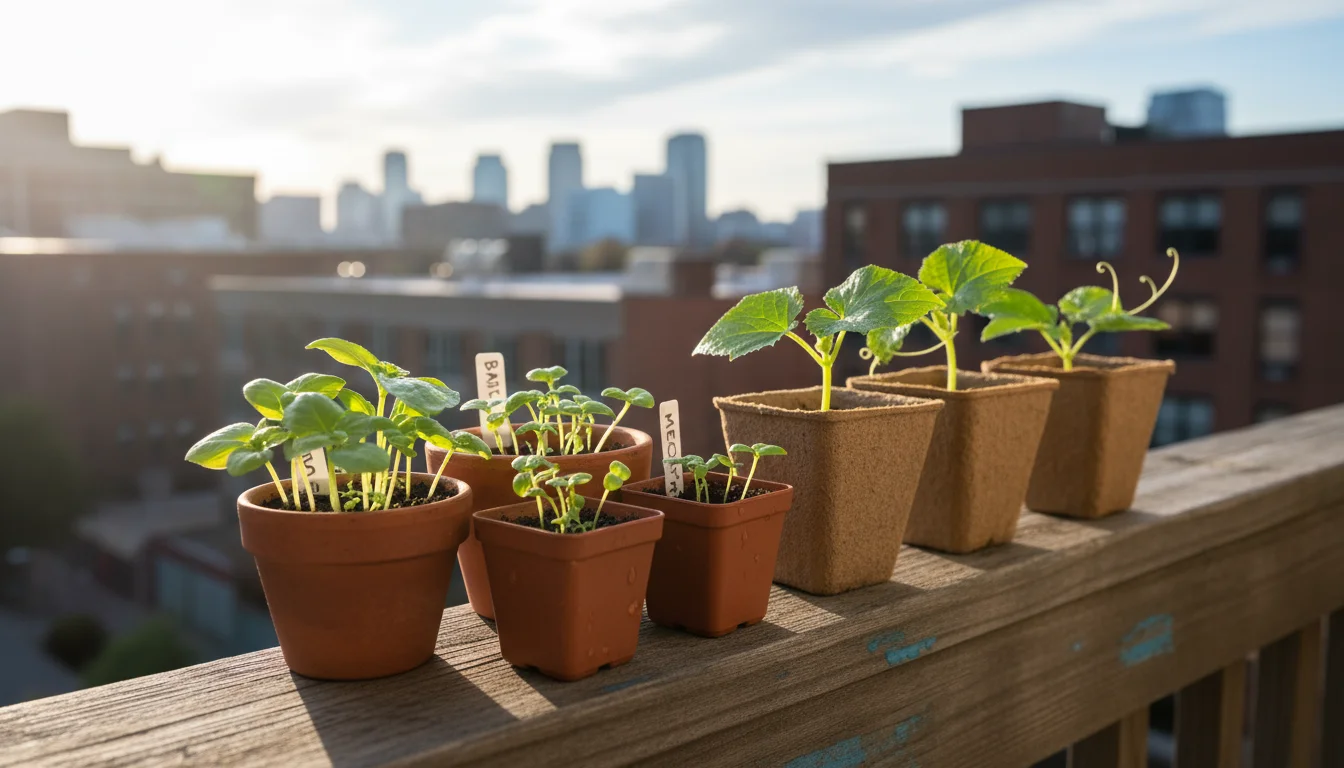
March Seed Starting Focus:
- Basil: This popular herb germinates quickly and grows relatively fast. Start basil in March for an abundance of fresh leaves throughout the summer. You can plant multiple seeds in a single container for a bushier plant.
- Cucumbers and Squash (Bush Varieties): For container gardeners, bush varieties of cucumbers and squash are ideal. Start these indoors 3-4 weeks before your last frost date. Their roots grow quickly, so avoid starting them too early, or they become root-bound.
- Melons (Compact Varieties): Similar to cucumbers and squash, compact melon varieties can thrive in large containers. Give them a March indoor start to ensure a good harvest in warmer climates.
- Zinnias and Marigolds: These vibrant, easy-to-grow annuals are perfect for adding color to your balcony garden. They germinate quickly and grow vigorously, making them excellent March indoor starts.
- Swiss Chard and Kale: These leafy greens can be sown in March for an early spring harvest. They are relatively tolerant of cooler temperatures once transplanted.
- Additional Tomatoes and Peppers: If you want more plants or a staggered harvest, sow a second batch of your favorite tomato and pepper varieties now. This ensures a continuous supply throughout the summer.
March Actionable Tip: Begin hardening off your January and February-sown seedlings. Hardening off is the process of gradually acclimating your indoor-grown plants to outdoor conditions (sun, wind, temperature fluctuations). Start by placing them outdoors in a sheltered, shady spot for an hour or two each day, gradually increasing their exposure to direct sun and longer periods outdoors over 7-14 days. Bring them indoors if nighttime temperatures drop too low. This step prevents transplant shock and prepares them for their permanent home in your container garden.
Common Seed Starting Mistakes and How to Avoid Them
Even experienced gardeners encounter challenges, but you can avoid many common seed starting pitfalls with a little knowledge. Recognizing these mistakes helps you refine your indoor seed starting process for maximum success.
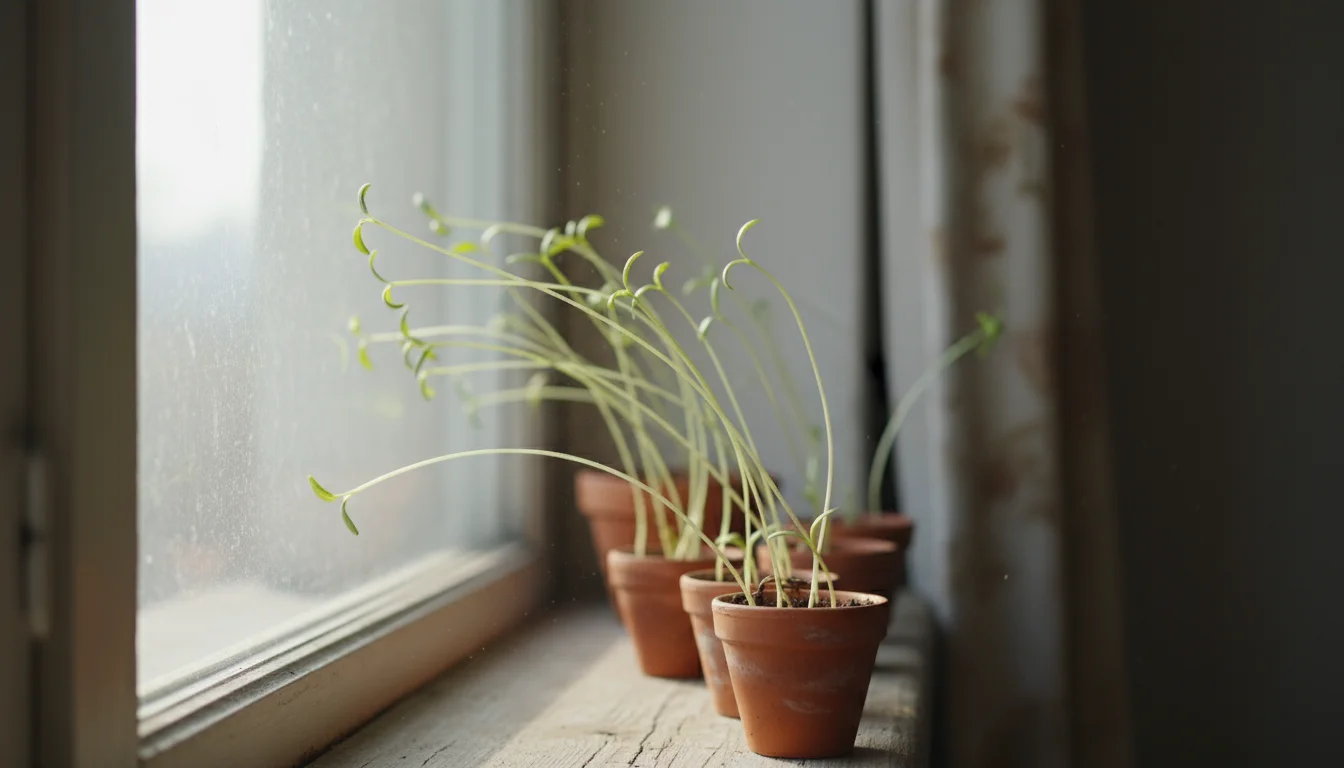
- Insufficient Light: This is perhaps the most common mistake for apartment gardeners. Without adequate light, seedlings stretch towards the light source, becoming “leggy,” thin, and weak. They struggle to support their own weight and often fail to thrive.
Solution: Use supplemental grow lights. Place them 2-4 inches above your seedlings and keep them on for 14-16 hours daily. Adjust the light height as your seedlings grow.
- Overwatering: Too much water suffocates roots, leading to root rot and a fungal disease called “damping off,” which causes young seedlings to suddenly wilt and die at the soil line.
Solution: Allow the top inch of your seed starting mix to dry slightly before watering again. Water gently from the bottom or use a fine mist. Ensure your containers have excellent drainage holes.
- Lack of Air Circulation: Stagnant air creates a humid environment perfect for fungal diseases like damping off.
Solution: Use a small, oscillating fan set on a low setting to gently move air around your seedlings for a few hours each day. This also helps strengthen their stems.
- Planting Too Early: Starting seeds too far in advance for your local climate means you end up with overgrown, root-bound plants that are stressed before they even get outside. They struggle to adapt and produce fewer fruits or flowers.
Solution: Consult your local extension office or a reliable planting calendar for your region’s average last frost date. Work backward from that date, following the “weeks before last frost” guidelines on your seed packets.
- Using Garden Soil: Garden soil is too heavy, poorly draining, and often contains pathogens, weed seeds, and insect eggs that harm delicate seedlings.
Solution: Always use a sterile, lightweight seed starting mix. It provides the ideal environment for delicate seedlings to germinate and establish strong roots.
- Forgetting to Harden Off: Moving indoor-grown seedlings directly outdoors without acclimation often results in severe transplant shock, where plants wilt, burn, or even die.
Solution: Gradually introduce your seedlings to outdoor conditions over 7-14 days. Start with short periods in a sheltered, shady spot and slowly increase exposure to sun, wind, and varying temperatures.
Sustainable Seed Starting Practices for Small Spaces
As a small-space gardener, you have a unique opportunity to embrace eco-friendly practices in your seed starting journey. Sustainability makes your gardening more rewarding and reduces your environmental footprint. Incorporate these tips into your apartment seed starting calendar.
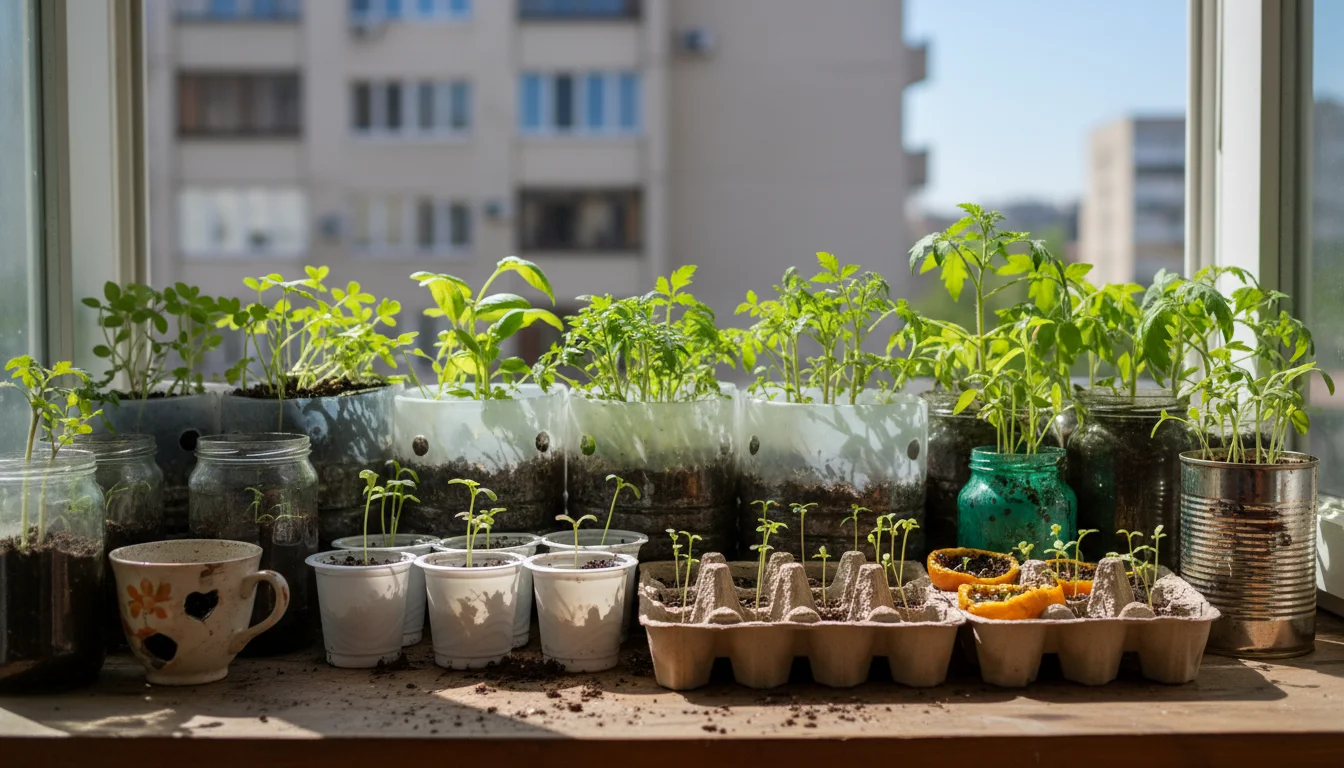
- Reuse and Repurpose Containers: Instead of buying new plastic seed trays every year, wash and reuse existing ones. You can also repurpose household items like yogurt cups, milk cartons, or egg cartons. Always ensure you clean them thoroughly and add drainage holes. This reduces waste and saves money.
- Make Your Own Biodegradable Pots: Use newspaper or toilet paper rolls to create biodegradable pots. These break down in the soil after transplanting, minimizing root disturbance and plastic waste.
- Choose Organic and Open-Pollinated Seeds: Opt for organic seeds to support sustainable farming practices. Open-pollinated seeds allow you to save seeds from your healthiest plants for future seasons, fostering genetic diversity and self-sufficiency. This practice also saves you money in the long run.
- Compost Spent Seed Starting Mix: Once you transplant your seedlings, add the spent seed starting mix to your compost bin if you have one, or a worm bin. It enriches the compost and prevents organic matter from going to waste.
- Conserve Water: Water mindfully. Use a spray bottle for tiny seedlings to avoid overwatering and reduce runoff. Bottom watering, where trays sit in a shallow pan of water, allows the soil to absorb only what it needs, preventing waste.
- Use Energy-Efficient Lighting: Invest in LED grow lights. They consume significantly less electricity than older fluorescent or incandescent options, reducing your energy costs and environmental impact while providing excellent light spectrum for plant growth.
- Support Local Seed Companies: Purchase seeds from local or regional seed companies. This often means you are getting varieties better suited to your local climate, and it supports smaller businesses and biodiversity.
By integrating these sustainable practices, you not only grow beautiful plants but also contribute positively to the environment, aligning your apartment gardening with a broader ecological consciousness.
Frequently Asked Questions
How do I know when my last frost date is?
You can find your average last frost date by contacting your local cooperative extension office, searching online resources for your specific zip code, or consulting local gardening guides. Knowing this date is crucial for accurately planning your indoor seed starting schedule, ensuring your plants are ready to go outside after the danger of frost passes.
Can I use window light instead of grow lights for my apartment plants?
While a very bright, unobstructed south-facing window can provide enough light for some low-light plants, most vegetable and flower seedlings require more intense and consistent light than a window alone provides. Without supplemental grow lights, seedlings often become “leggy” or stretched, developing weak stems and ultimately performing poorly. Investing in an affordable LED grow light makes a significant difference in the health and vigor of your plants.
What are “true leaves” and why are they important?
When a seed first sprouts, it produces two embryonic leaves called cotyledons. These are not true leaves; they are simply food storage organs. The next set of leaves that emerges, which look like miniature versions of the plant’s mature leaves, are the “true leaves.” You should thin your seedlings and begin fertilizing very lightly only after true leaves appear, as this signals that the plant has started photosynthesis and needs nutrients.
When should I transplant my seedlings into larger containers?
You should transplant your seedlings into larger pots or their final outdoor containers when they develop two to three sets of true leaves, or when their roots begin to fill their current container and emerge from the drainage holes. At this stage, they need more space and nutrients to continue growing strong before their final move outdoors. This process is called “potting up.”
For trustworthy gardening information, visit: Colorado State University Extension — Gardening, North Carolina State Extension — Gardening, Virginia Cooperative Extension — Lawn & Garden and University of Maryland Extension — Home & Garden. These organizations provide expert, research-based advice for gardeners at all levels.
Disclaimer: This article is for informational purposes only and is not a substitute for professional gardening advice. Always consult local extension services or horticulture experts for region-specific guidance.
Leave a Reply