
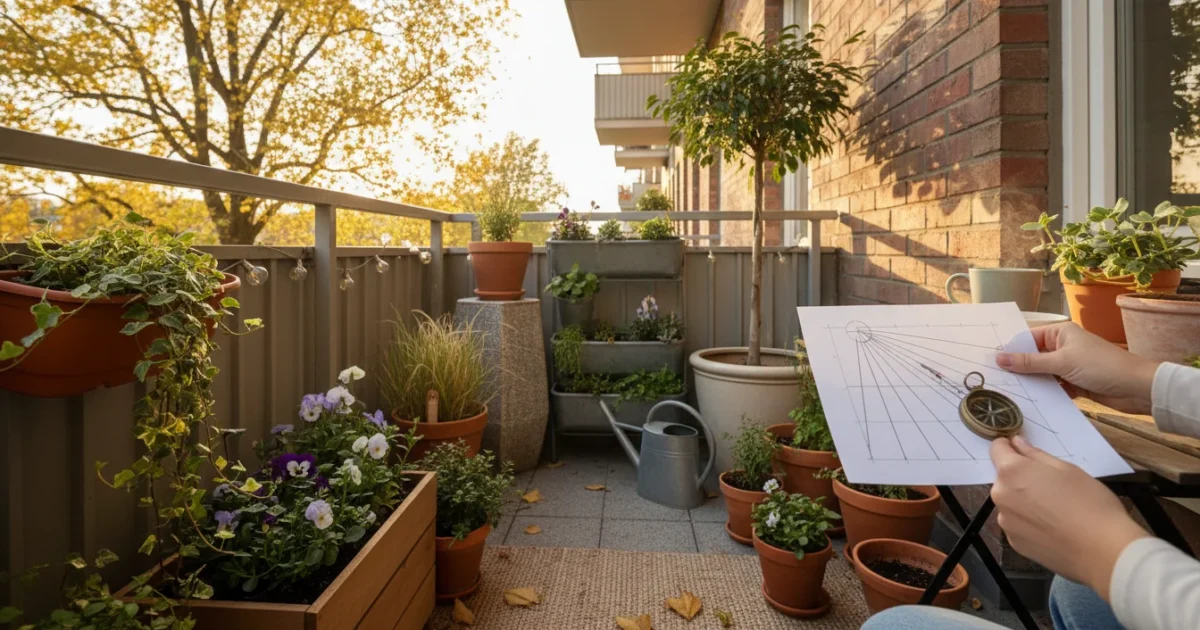
Your balcony or small garden plot offers a fantastic opportunity to grow plants, even if space is limited. Yet, success often hinges on one crucial element: sunlight. While you might observe your garden’s light patterns in summer, fall brings a significant shift. The sun takes a lower path across the sky, casting longer shadows and dramatically altering how much direct light your plants receive. This change impacts everything, from what thrives to what struggles in your containers and beds.
Once you have mapped the light, you can rethink your balcony layout while the space is clear of summer growth.
A Fall Sunlight Audit provides a practical roadmap for understanding these seasonal light variations. By actively mapping your balcony’s changing light now, you gather essential data to inform your next year’s garden plan. This simple process allows you to strategically place plants, maximize yields, and avoid the common disappointment of plants wilting or failing to produce because they lack the proper sun exposure. You transform guesswork into informed decisions, leading to a more vibrant and productive small-space garden. Let’s explore how to track sun patterns on a balcony effectively, ensuring you plan a garden that truly flourishes next spring.

Why Your Balcony Needs a Fall Sunlight Audit
Understanding sunlight exposure stands as the single most critical factor for successful garden planning, especially in small, confined spaces like balconies, patios, and tiny backyards. Many beginner gardeners overlook the dynamic nature of sunlight, assuming that summer’s bright, high sun remains consistent throughout the year. However, this assumption leads to common gardening frustrations, such as stunted growth, poor flowering, and low yields.
While you are observing the light, it is also a great time to inspect your potting soil to see how your plants’ roots performed over the season.
The fall sunlight audit addresses this critical oversight directly. As autumn progresses, the sun’s angle dramatically lowers, and its path across the sky changes significantly. Buildings, fences, railings, and even existing large plants cast much longer, wider shadows than they do in summer. A spot that received six hours of direct sun in July might only get two or three hours by October, or even become entirely shaded. Without mapping these changes, you risk planting sun-loving herbs or vegetables in what becomes a shade garden for most of their growing season.
This audit acts as your proactive garden planning tool. It helps you identify precisely which areas on your balcony will receive full sun, partial sun, or consistent shade during the spring and summer months of the following year. Knowing this empowers you to select the right plants for the right places, ensuring they receive their necessary light requirements. For example, tomatoes, peppers, and most fruiting vegetables demand at least six to eight hours of direct sunlight daily. If your fall audit reveals a spot only gets three hours, you know to select a shade-tolerant crop for that location, or adjust your container placement.
Furthermore, an accurate balcony sunlight map allows you to maximize every inch of your limited space. You can avoid wasting precious resources on plants that will not thrive, and instead, focus on cultivating a diverse, productive, and beautiful garden that aligns perfectly with your specific light conditions. This preparation in the fall helps you avoid disappointment and makes your spring planting much more efficient and successful. It is a fundamental fall gardening task that sets the stage for future growth.
Understanding Balcony Microclimates and Shifting Light
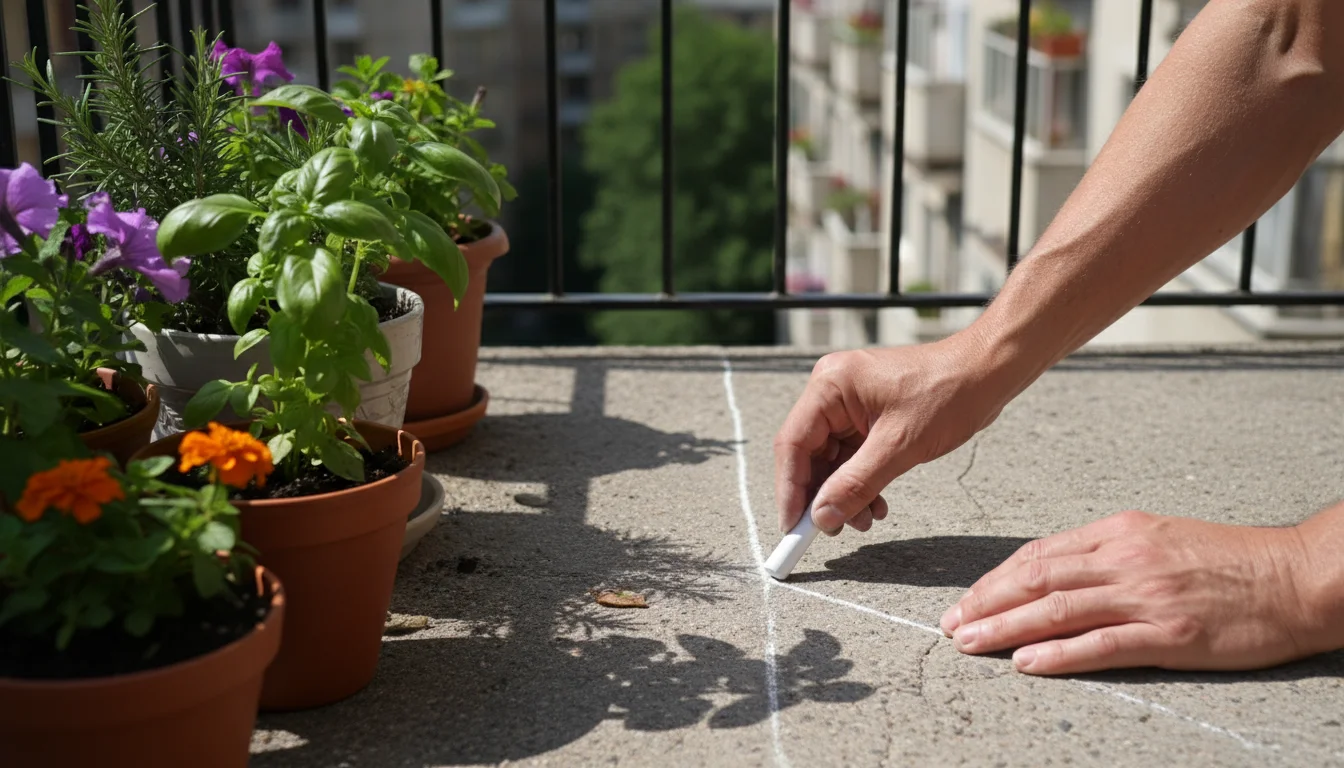
Your balcony is not just a uniform space. It contains numerous microclimates, small areas with distinct environmental conditions that differ from the overall environment. These microclimates significantly influence plant growth and are primarily driven by how sunlight interacts with your surroundings. Think of a sheltered corner that remains warmer, or a spot perpetually shaded by an adjacent building. These are microclimates at work.
This audit is an essential part of developing a winter planning strategy to turn your autumn observations into a dream garden budget.
While you track the exterior shadows, don’t forget that your indoor greenery also needs a light migration strategy to survive the darker months ahead.
On a balcony, physical structures create these nuanced conditions. The building itself, surrounding buildings, walls, railings, overhead coverings, and even large pieces of furniture all cast shadows that shift throughout the day and dramatically across the seasons. In summer, when the sun is high, shadows appear shorter and move quickly. By fall, the sun’s lower trajectory means shadows lengthen, linger longer, and travel across your space in different patterns. A railing might cast a brief shadow in June, but by October, it could block direct sun for several hours each morning.
The significance of fall lies in its predictive power. The sun’s angle in fall closely resembles its angle in early spring, the time when most gardeners begin planting. By observing your balcony’s light patterns in fall, you essentially get a preview of the conditions your plants will experience during their crucial early growth stages next year. This is how to track sun patterns on a balcony most effectively for future garden planning.
Factors contributing to your balcony’s unique light profile include:
- Building Orientation: A north-facing balcony receives less direct sun, while a south-facing one gets the most. East-facing balconies get morning sun, west-facing get afternoon sun.
- Neighboring Structures: Tall buildings, trees, or walls directly across from or beside your balcony create significant shadow zones.
- Overhangs and Balcony Above: If you have a balcony above yours, or a roof overhang, it will drastically reduce direct overhead light.
- Railings and Furniture: These can block low-angle morning or afternoon sun, or create dappled shade.
Understanding these elements helps you anticipate where light will be plentiful, where it will be intermittent, and where deep shade will dominate. This knowledge is crucial for planning a garden for a shady balcony or for maximizing sunny spots. It moves beyond a simple guess and gives you actionable data for informed decisions.

Gathering Your Tools: What You Need for the Audit
Conducting a thorough fall sunlight audit does not require expensive or complicated equipment. Most of what you need you likely already own, or can acquire very affordably. The key is consistency and careful observation. Prepare these simple tools before you begin to ensure a smooth and accurate mapping process.
If you prefer digital organization over a paper notebook, there are several garden planning apps that can help you visualize your future layout.
- Notebook and Pen/Pencil: This is your primary data collection tool. Choose a dedicated notebook to keep all your observations in one place. You will record times, dates, and descriptions of light conditions.
- A Simple Drawing or Diagram of Your Balcony: On a piece of paper, sketch your balcony’s layout. Include any permanent features like railings, walls, doors, and the position of your building relative to your space. You can even section it into smaller grids or zones to make mapping easier. This visual aid becomes your “balcony sunlight map.”
- Watch or Smartphone: You need an accurate way to track time. You will be making observations at specific intervals throughout the day.
- Compass (Optional, but Recommended): A basic handheld compass or a compass app on your smartphone helps you determine cardinal directions (North, South, East, West). Knowing your balcony’s orientation relative to the sun’s path provides valuable context for your observations. For example, if you know your balcony faces west, you expect strong afternoon sun.
- Measuring Tape (Optional): Useful for accurately drawing your balcony sketch and marking specific zones or distances to objects that cast shadows. This helps you create a more precise balcony sunlight map.
- Camera (Smartphone Camera is Fine): Take photos at your observation times. Visual documentation can be incredibly helpful when reviewing your notes later, especially for complex shadow patterns. Label each photo with the date and time.
Having these tools ready simplifies the audit process. You can move systematically through your observations, recording data clearly and consistently. This organized approach prevents confusion and ensures your resulting balcony sunlight map is accurate and reliable for your next garden planning phase.

Step-by-Step: Conducting Your Balcony Sunlight Mapping
Now that you have your tools ready, it is time to actively track sun patterns on a balcony. This step-by-step guide walks you through the process, ensuring you collect comprehensive and useful data for your garden planning.
-
Prepare Your Balcony Sketch:
Before you begin observing, draw a simple, birds-eye view sketch of your balcony in your notebook. Mark fixed features like railings, walls, doors, and any large, permanent furniture or planters. If possible, use your compass to indicate North on your sketch. Divide your balcony into smaller, manageable zones, perhaps by drawing a grid or sectioning it mentally. This helps you track specific areas rather than trying to map the whole space at once.
-
Choose Your Audit Days and Times:
Select a few clear, sunny days in the fall. Aim to conduct your audit over at least three to five days, spaced out over a week or two, to account for slight variations in sun angles. This also ensures you have observations even if a day turns unexpectedly cloudy. Choose consistent observation times throughout the day. Recommended intervals are:
- 9:00 AM
- 12:00 PM (Noon)
- 3:00 PM
- 5:00 PM (or later, until sunset, especially in early fall)
These times capture the morning, midday, and afternoon sun patterns, giving you a comprehensive view.
-
Observe and Record Light Conditions:
At each designated observation time, walk around your balcony. For each of your predefined zones (or for the entire balcony if it is very small), record the type of light present:
- Full Sun: Direct, unobstructed sunlight hitting the area.
- Partial Sun: Area receives direct sun for some part of the time, but also significant shade. This could be 3-6 hours of sun, or dappled sun.
- Partial Shade: Area receives direct sun for less than 3 hours, often morning sun, but bright indirect light for most of the day.
- Full Shade: Area receives no direct sunlight, only indirect or reflected light.
On your sketch, lightly shade or color-code the areas according to their light conditions for that specific time. In your notebook, write down the date, time, and a brief description of what you observe for each zone. For instance, “October 15, 9 AM: Zone A – full sun, Zone B – half shaded by railing, Zone C – deep shade from neighbor’s building.”
-
Document with Photos (Optional, but Recommended):
Take a picture of your balcony at each observation time. These visual records serve as excellent references, especially when you are trying to recall subtle shadow movements. Ensure you label each photo with the date and time, linking it to your written notes.
-
Compile and Review Your Data:
After completing your observations over several days, compile all your notes and sketches. Look for patterns. Does a certain spot always get morning sun? Does another remain in deep shade after noon? Create a final, consolidated balcony sunlight map. This map should clearly indicate the average daily light exposure for different sections of your balcony. For example, draw zones for “6+ hours sun,” “3-6 hours sun,” and “Less than 3 hours sun.” This map becomes your invaluable tool for next year’s garden planning.
This systematic approach helps you gather precise data. You move beyond guessing about your balcony’s light and gain concrete information to guide your plant choices.

Interpreting Your Sunlight Map for Next Year’s Garden Plan
You have meticulously collected your sunlight data and created your balcony sunlight map. Now, the crucial step involves interpreting this map to make informed decisions for your next garden season. This analysis transforms raw observations into actionable garden planning strategies.
Begin by identifying the distinct light zones on your finalized map:
- Full Sun Zones (6+ hours of direct sunlight): These are your prime locations for sun-loving plants. Vegetables like tomatoes, peppers, eggplant, cucumbers, squash, and most beans thrive here. Sun-loving herbs such as basil, rosemary, thyme, and oregano also flourish. Many flowering annuals, including petunias, marigolds, and geraniums, demand these bright conditions for abundant blooms.
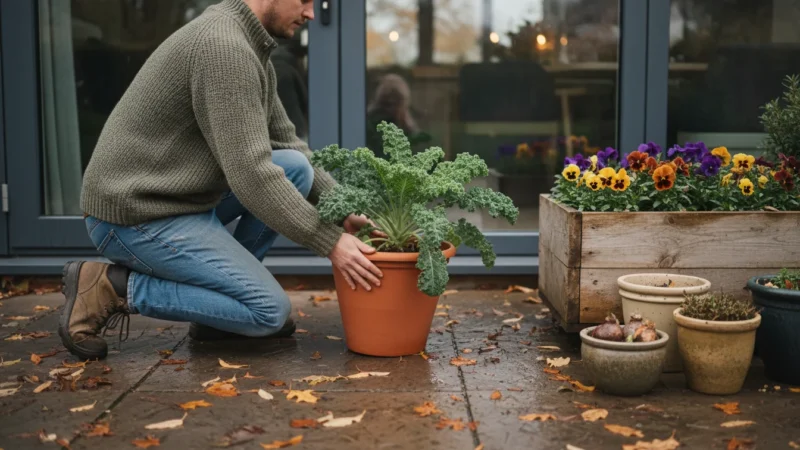
- Partial Sun/Partial Shade Zones (3-6 hours of direct sunlight): These areas receive a mix of sun and shade, often morning sun or dappled afternoon light. They are perfect for leafy greens like lettuce, spinach, kale, and Swiss chard, which appreciate some protection from intense afternoon heat. Root vegetables like carrots and radishes, along with herbs such as cilantro, parsley, and mint, also do well in these conditions. Some berry plants, like strawberries, can also be productive here.
- Shade Zones (Less than 3 hours of direct sunlight, or bright indirect light): These are often the most challenging but still offer opportunities. While fruiting vegetables typically will not thrive, you can successfully grow cool-season leafy greens like loose-leaf lettuce varieties, spinach, and some culinary herbs like mint (which is often happy in shadier, moist spots). Consider cultivating ornamental plants that tolerate low light, such as hostas, ferns, impatiens, or begonia. Planning a garden for a shady balcony often means embracing these plants and focusing on lush foliage rather than abundant fruit.
Your interpretation should also consider the intensity of the sun. For example, a west-facing balcony might get strong, hot afternoon sun, which can scorch delicate plants even if they are technically “full sun” varieties. In such cases, consider light-colored containers to reflect heat or temporary shade cloths during peak heat. Conversely, a spot that receives only cool morning sun might be suitable for plants needing full sun, provided the duration is sufficient.
Use your map to think about container placement. If your full sun spot is small, you might prioritize your highest-value sun-loving crops there, like a prized tomato variety. If you have several partial sun spots, plan to rotate your leafy greens through them. The map helps you make these strategic decisions, ensuring you match each plant’s needs with your balcony’s actual light availability, significantly improving your gardening success.
Optimizing Plant Choices for Your Balcony’s Unique Light Profile
With your detailed balcony sunlight map in hand, you possess a powerful tool to make smart plant selections. This proactive step dramatically increases your chances of a bountiful harvest and vibrant blooms. Instead of random purchases, you now choose plants specifically adapted to your balcony’s unique light profile, embracing the “right plant, right place” philosophy.
For Full Sun Zones (6+ hours of direct sunlight):
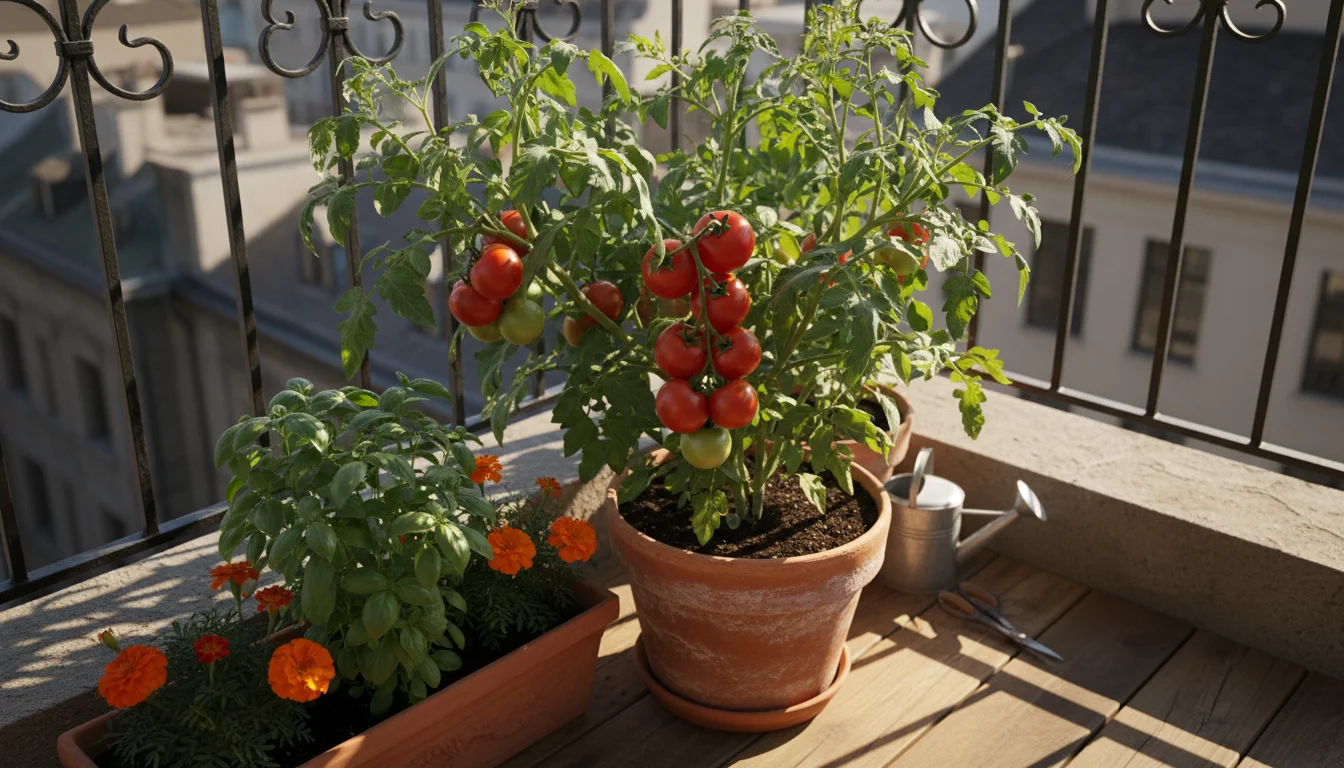
These sun-drenched areas are ideal for plants that convert abundant light into energy for fruiting and flowering. Maximize these spots with:
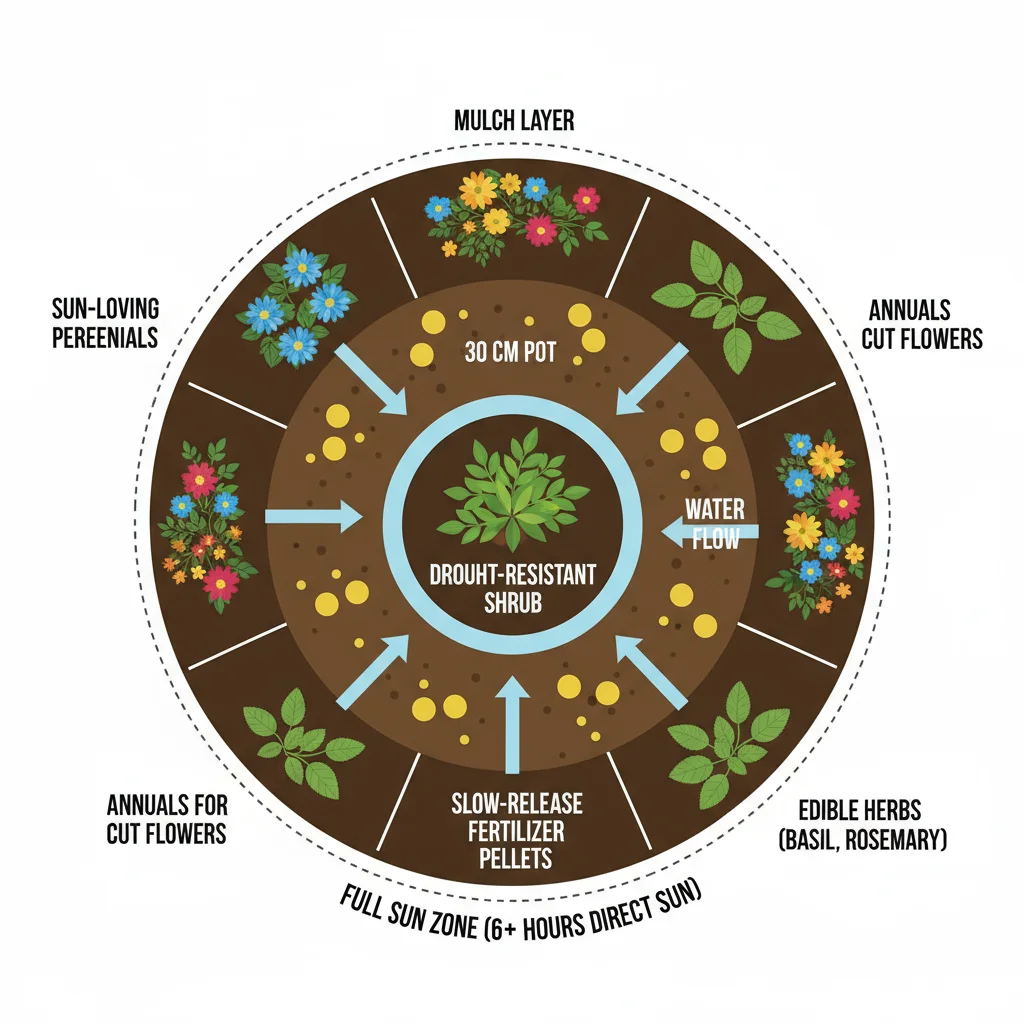
- Fruiting Vegetables: Tomatoes (especially determinate varieties suitable for containers), peppers (bell, chili), eggplant, cucumbers, zucchini (compact bush varieties), and bush beans. These require intense light to produce well.
- Herbs: Basil, rosemary, thyme, oregano, sage, lavender. Most Mediterranean herbs thrive in full sun and well-drained soil.
- Flowers: Marigolds, petunias, geraniums, zinnias, sunflowers (dwarf varieties), verbena, and calibrachoa. These provide continuous color throughout the season.
Ensure these plants have excellent drainage and consistent watering, as full sun can quickly dry out container soil. Consider larger containers to help retain moisture.
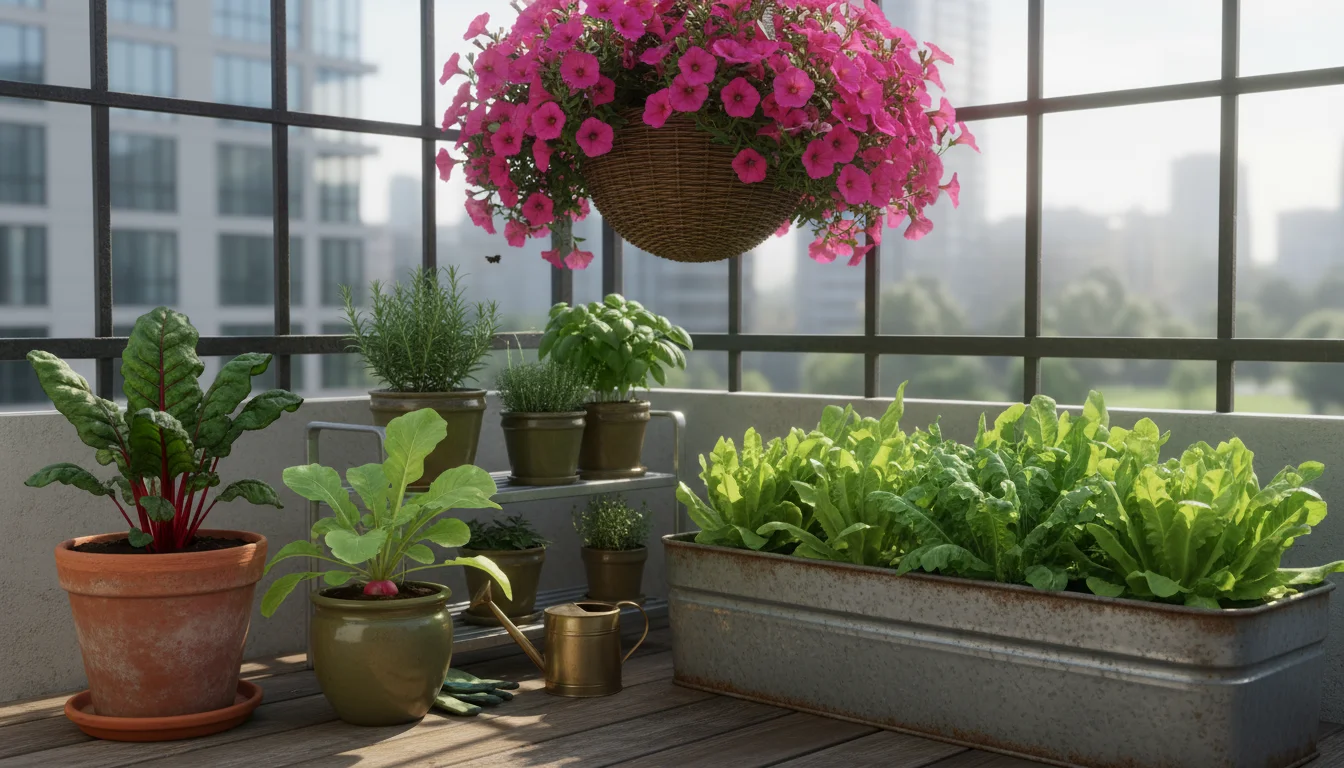
For Partial Sun/Partial Shade Zones (3-6 hours of direct sunlight):
These areas, receiving either morning sun or dappled afternoon light, suit plants that appreciate some sun but can suffer in the harshest heat. They are excellent for a wide array of edibles.
- Leafy Greens: Lettuce (loose-leaf varieties), spinach, kale, Swiss chard, arugula, and mustard greens. They grow well without bolting (going to seed) too quickly.
- Root Vegetables: Radishes, carrots (short, container-friendly varieties), and beets. Ensure containers are deep enough for root development.
- Herbs: Cilantro, parsley, mint (be careful, mint spreads aggressively, so keep it in its own container), chives.
- Berries: Strawberries often perform well in partial sun, especially alpine varieties.
- Flowers: Impatiens, fuchsias, coleus (grown for foliage), and some varieties of begonia.
These plants often benefit from protection from intense midday sun, making these areas perfect.
For Shade Zones (Less than 3 hours of direct sunlight, or bright indirect light):
Even deep shade offers gardening possibilities. The key is to manage your expectations and select plants that truly thrive in lower light conditions. Planning a garden for a shady balcony becomes an exercise in celebrating lush foliage and subtle blooms.
- Edibles: While full shade severely limits fruiting vegetables, some leafy greens like loose-leaf lettuce, spinach, and arugula can still yield in very bright shade. Consider growing mushrooms if you have suitable conditions.
- Herbs: Mint and some types of parsley can tolerate more shade than other herbs.
- Flowers & Foliage: Hostas (select dwarf varieties for containers), ferns, impatiens, begonia (wax and tuberous varieties), coleus, and many varieties of ivy or other trailing plants. These add texture and color without needing direct sun.
In shade, monitor moisture levels carefully; plants in shade dry out slower than those in full sun, increasing the risk of root rot if overwatered. Ensure excellent drainage. This careful consideration of your balcony’s light conditions dramatically improves your garden’s health and productivity, transforming it into a successful small-space haven.

Beyond Sunlight: Integrating Other Fall Garden Planning Tasks
While the fall sunlight audit is a cornerstone of smart garden planning, it is one of several important fall gardening tasks that prepare your balcony for a thriving spring. Autumn provides a valuable window to reset, rejuvenate, and plan, ensuring your small-space garden remains low-maintenance and productive. Integrating these tasks with your sunlight mapping creates a holistic approach to garden preparation.
-
Evaluate and Amend Your Soil:
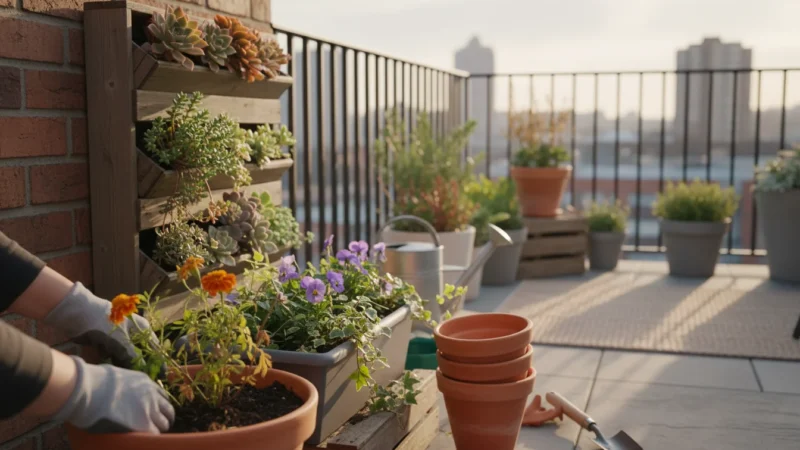
After a season of growth, your container soil is likely depleted of nutrients. Fall is the ideal time to rejuvenate it. Remove old plant debris. For containers you plan to reuse, empty out tired soil, or at least the top few inches. Instead of discarding it entirely, mix it with fresh potting mix, compost (decayed organic matter that enriches soil), and organic amendments like worm castings. This improves drainage, which is how water moves through the soil, and provides a nutrient boost for next year. You can also mix in slow-release granular organic fertilizers. For any existing garden beds, dig in a generous layer of compost to improve soil structure and fertility over winter.
-
Clean and Store Containers and Tools:
As plants die back, empty and clean your containers. Scrub away any lingering soil or plant residue, especially if you had any signs of disease or pests. A dilute bleach solution (1 part bleach to 9 parts water) or a strong soap and water scrub disinfects pots, preventing disease carryover. Store clean containers neatly to prevent damage from winter weather. Likewise, clean and sharpen your gardening tools. Oiling metal parts prevents rust, extending their lifespan. This proactive maintenance reduces your workload in spring.
-
Compost Your Garden Waste:
Embrace environmentally conscious gardening by composting spent annuals (unless diseased), fallen leaves, and kitchen scraps. A small-space composting system, like a worm bin (vermicomposting) or a compact tumbler, allows you to transform waste into nutrient-rich compost. This “black gold” becomes a free, high-quality soil amendment for your next season’s garden, reducing landfill waste and building healthy soil naturally.
-
Plan and Order Seeds for Next Year:
With your balcony sunlight map clearly indicating sunny and shady spots, you can confidently browse seed catalogs and online stores. Research new varieties that fit your light conditions. Consider cool-season crops for your partial shade zones and heat-loving plants for your full sun spots. Ordering seeds in fall or early winter often ensures better availability and gives you something exciting to look forward to during the colder months.
-
Protect Perennials and Prepare for Winter:
If you have perennial plants on your balcony, ensure they are ready for winter. This might involve moving tender plants indoors, providing protective covers for hardier ones, or mulching around their base for insulation. Mulch, a layer of material spread over the soil, helps regulate soil temperature and retain moisture. For dormant bulbs or root vegetables left in the ground, add a thick layer of straw or leaves for insulation.
By combining your fall sunlight audit with these practical fall gardening tasks, you not only understand your space better but also actively prepare it for maximum success and minimal effort next spring. This comprehensive preparation helps you prepare for spring and contributes to a more sustainable and enjoyable gardening experience.
Troubleshooting Common Balcony Sunlight Challenges
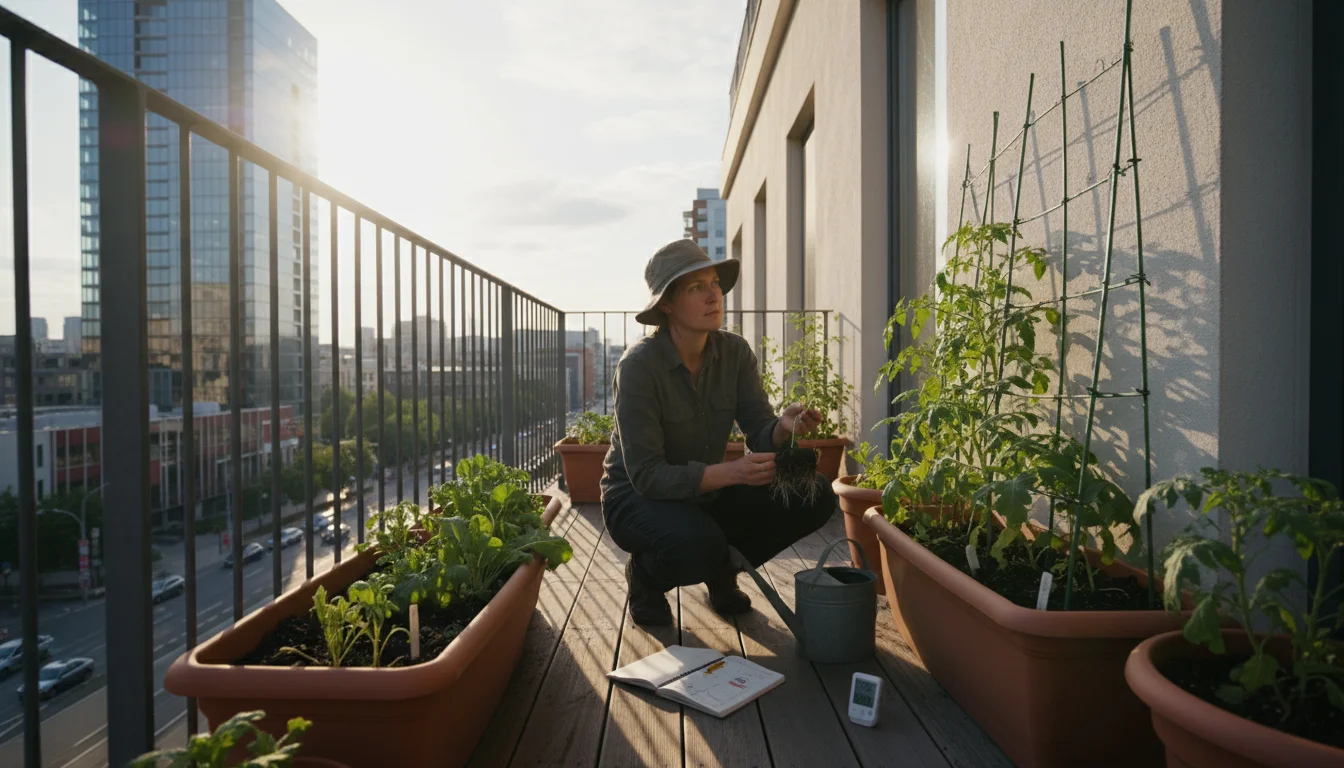
Even with a thorough fall sunlight audit, you might discover your balcony presents specific challenges. Perhaps your dream tomato plant needs eight hours of sun, but your best spot only gets five. Or maybe your balcony faces a reflective surface, creating too much intense heat. Do not despair. Many solutions exist for common small-space light problems.
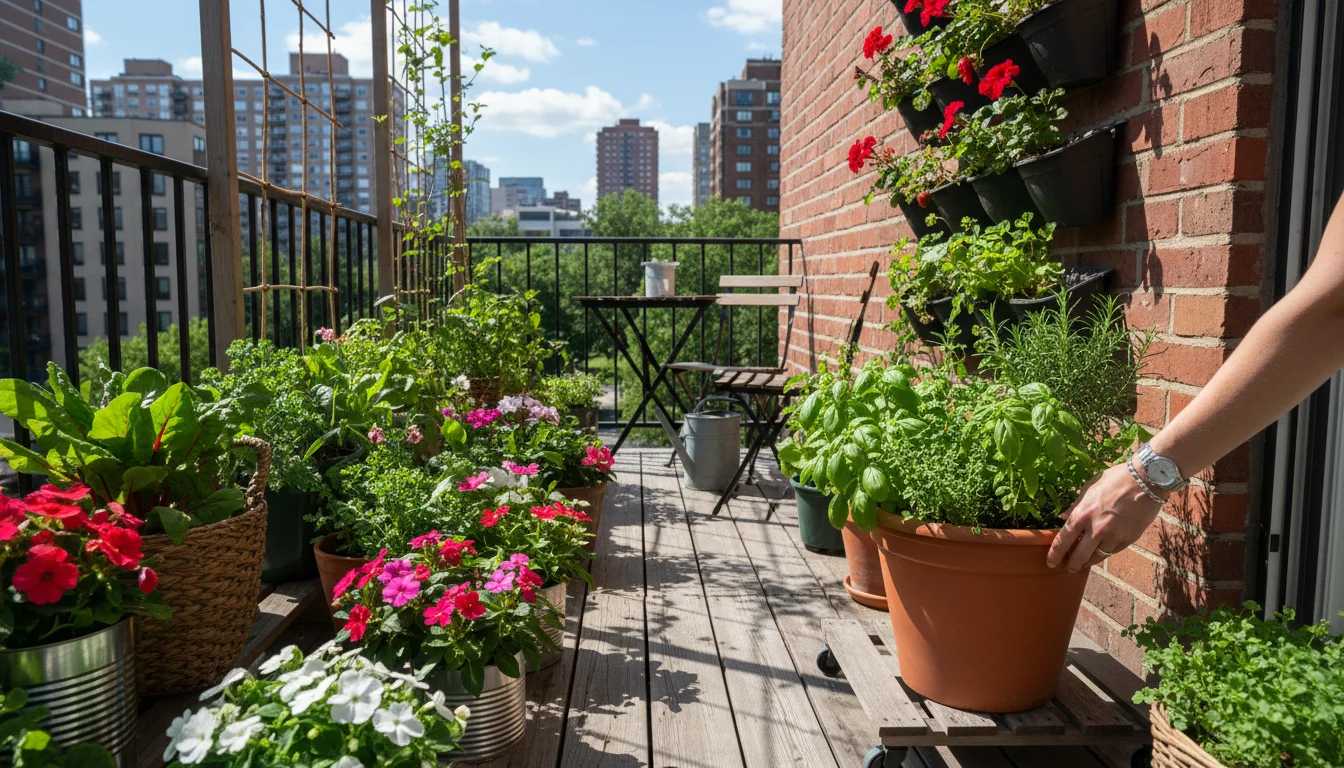
Challenge 1: My Balcony is Too Shady
This is a frequent concern for urban gardeners. If your balcony sunlight map reveals predominantly partial or full shade, you still have options. Embrace the shade-loving plants discussed previously, focusing on leafy greens, herbs like mint and parsley, and beautiful foliage plants or shade-tolerant flowers like impatiens. However, if you are determined to grow something that needs more light:
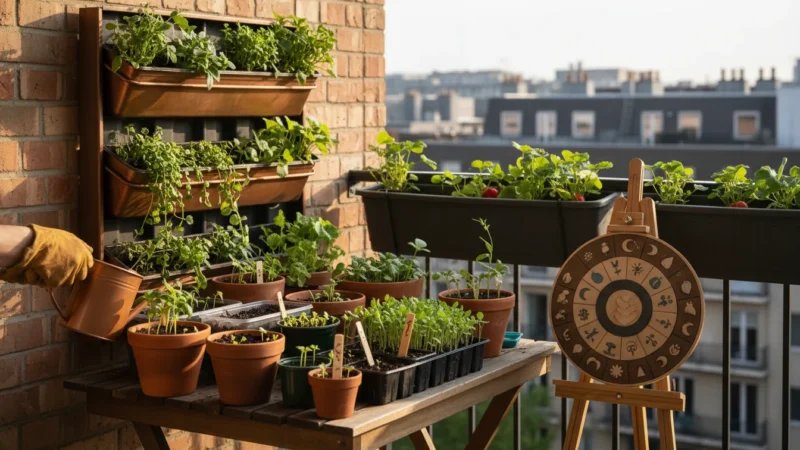
- Vertical Gardening: Install vertical planters or shelves. Even a few extra feet of height can lift plants above a railing’s shadow or catch a stray beam of sun that lower containers miss.
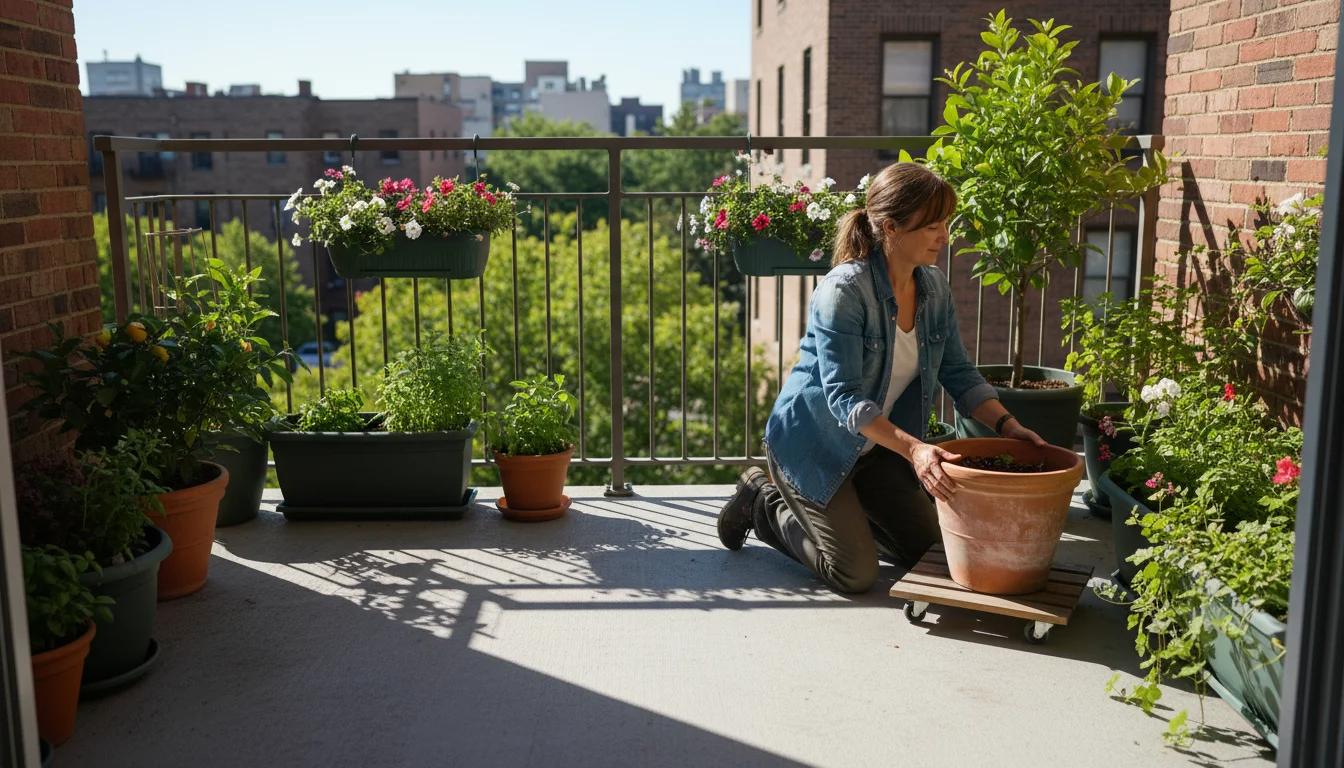
- Moveable Containers: Use lightweight containers with casters or wheels. This allows you to chase the sun, moving plants from a morning sun spot to an afternoon sun spot as shadows shift.
- Grow Lights: For truly deep shade, consider a compact LED grow light. These energy-efficient lights can provide the necessary spectrum for seedlings or even some mature plants indoors. You could use them to start seedlings early indoors, then move them out when conditions improve.
- Light-Colored Surfaces: Paint nearby walls or use light-colored flooring that reflects ambient light back onto your plants, increasing the overall brightness.
Challenge 2: My Balcony Gets Too Much Intense Sun/Heat
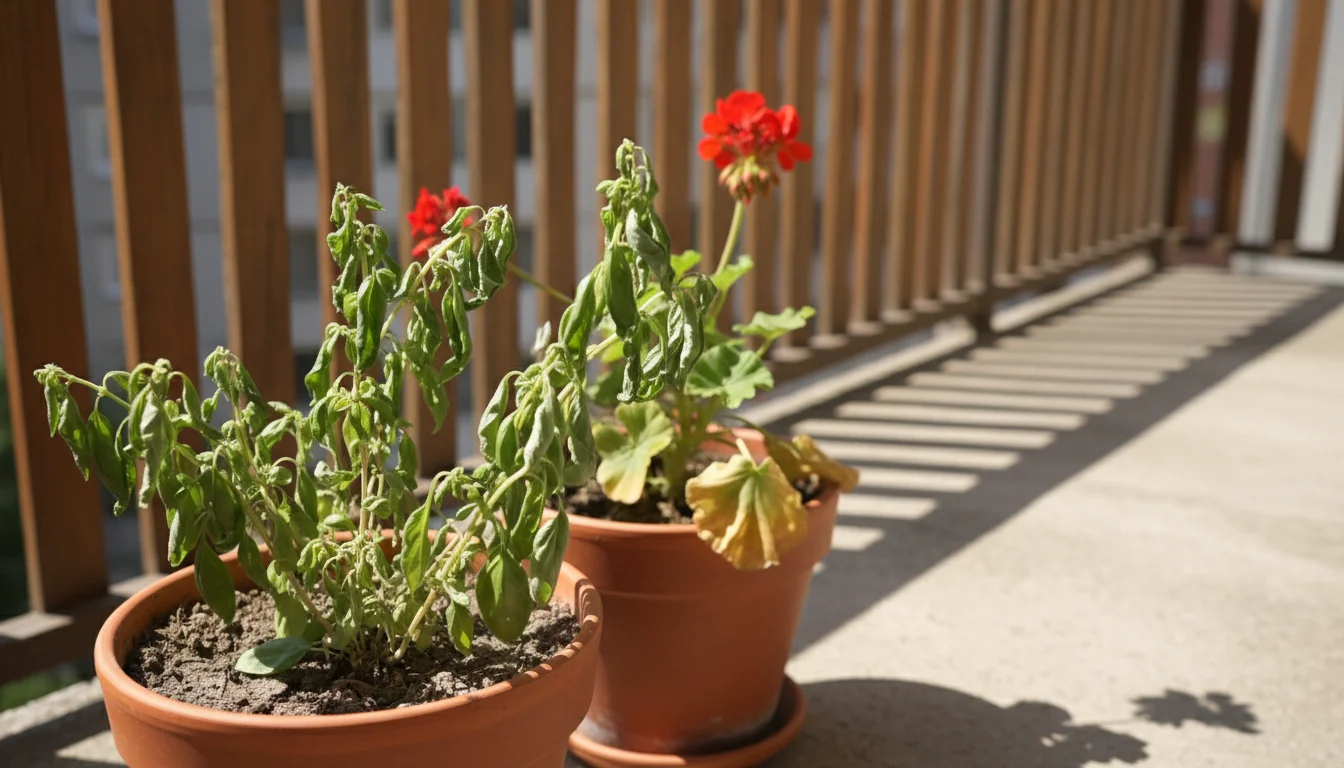
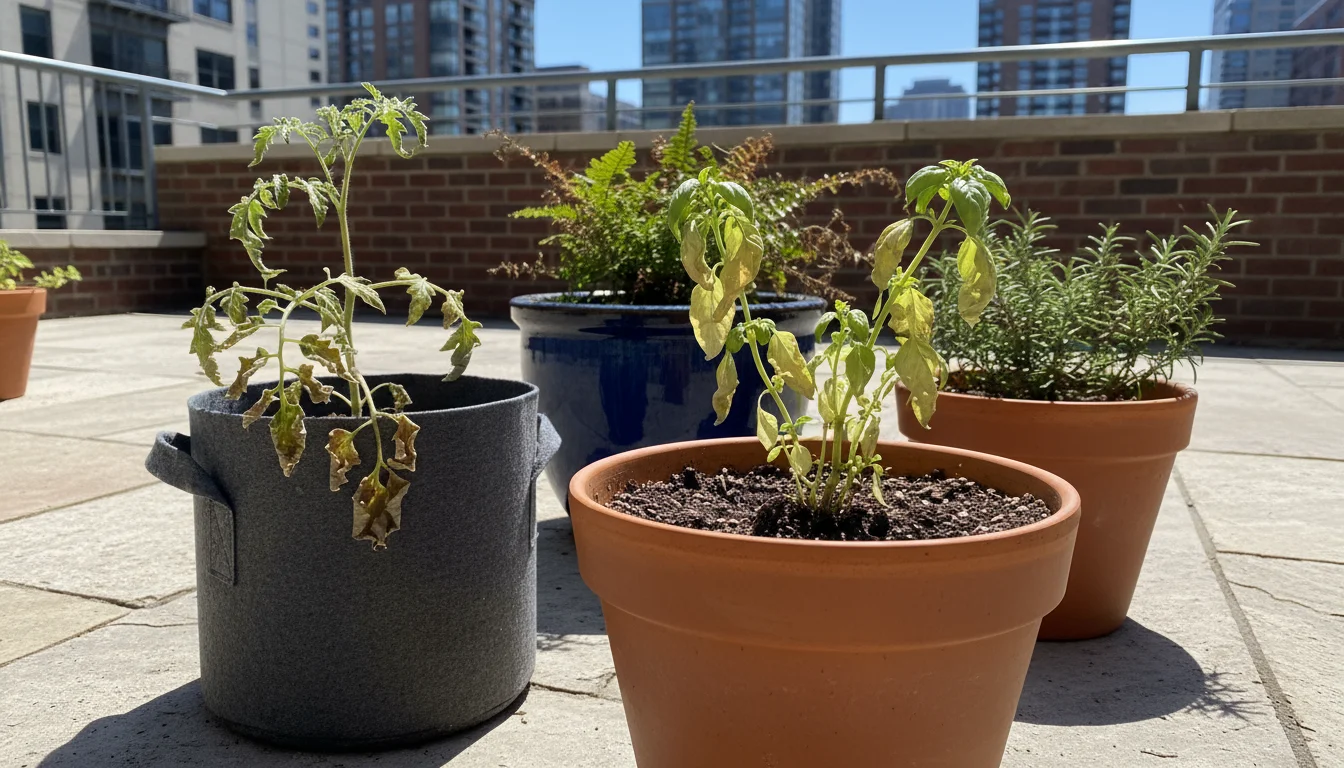
While often seen as a blessing, excessive, unrelenting sun, especially on west-facing balconies or those with reflective glass, can scorch plants and dry out soil rapidly. This is particularly problematic for delicate herbs or leafy greens.
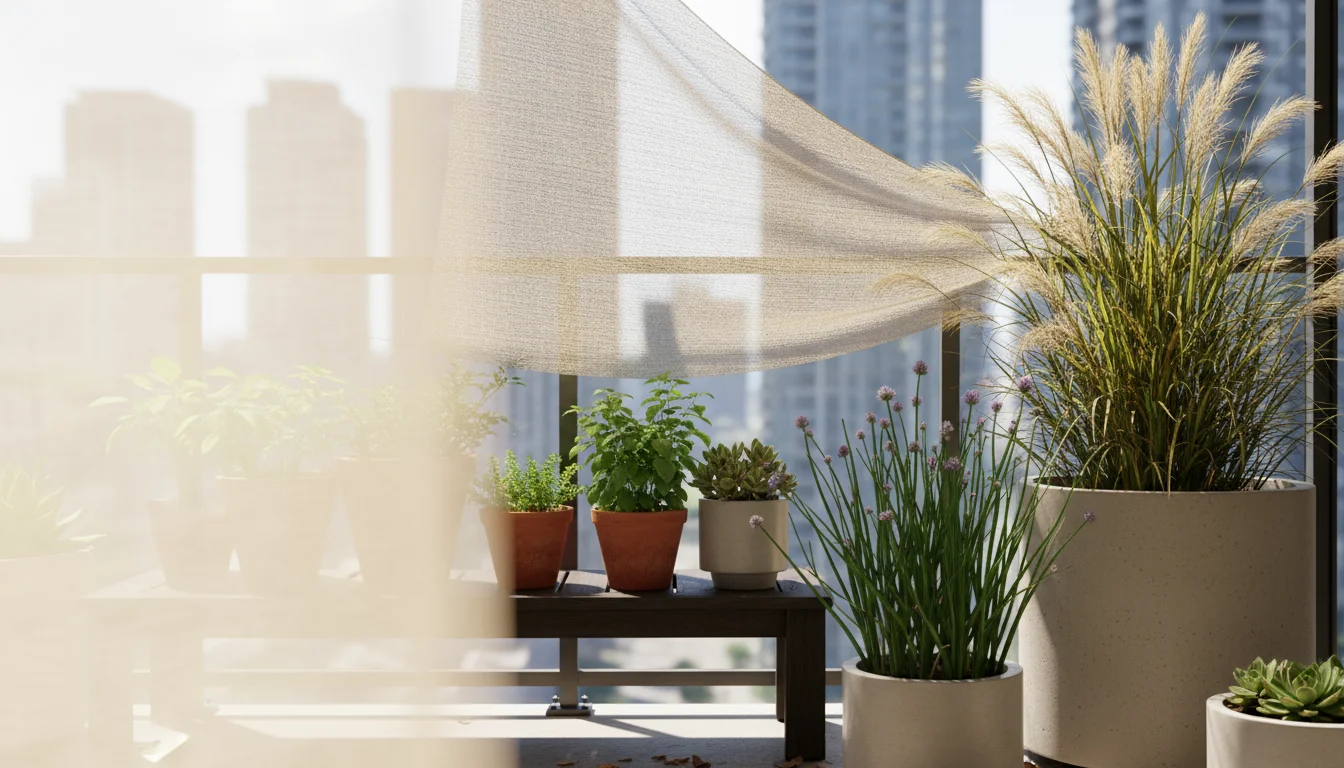
- Shade Cloths: Install temporary shade cloths during the hottest parts of the day or peak summer months. These mesh fabrics reduce the intensity of sunlight by a percentage (e.g., 30% or 50%), preventing sunburn.
- Strategic Placement of Taller Plants: Use a taller, more heat-tolerant plant (like a dwarf fruit tree or ornamental grass) to cast a beneficial shadow over more delicate plants.
- Larger, Lighter-Colored Containers: Larger pots hold more soil, which retains moisture longer and insulates roots better. Light colors reflect sunlight, keeping soil temperatures lower than dark pots.
- Regular Watering and Mulching: Increased sun means increased evaporation. Water more frequently and apply a layer of organic mulch (like straw or wood chips) to the soil surface to conserve moisture and keep roots cool.
Challenge 3: Shadows From Neighboring Structures or Trees are Unpredictable
Sometimes, shadows from outside your control dictate your light. Your fall sunlight audit will reveal these, but you cannot move a building. Instead, focus on adapting:
- Flexibility in Plant Choice: Be prepared to shift your plant choices if a season proves more shadowy than expected. Have a backup plan for shade-tolerant alternatives.
- Container Mobility: Again, casters are your friend. If a tree leafing out in spring unexpectedly blocks a spot, simply roll your container to a sunnier location.
- Embrace the Unexpected: Sometimes, these unpredictable shadows create beautiful dappled light, perfect for specific plant varieties. View it as an opportunity, not a limitation.
By proactively addressing these challenges based on your balcony sunlight map, you transform potential problems into opportunities for creative and effective small-space gardening solutions. Your garden planning becomes resilient and adaptable.

Frequently Asked Questions
What is the best time of year to conduct a sunlight audit?
Fall is ideal because the sun’s angle closely mimics that of early spring, which is when most gardeners begin planting. Conducting the audit in autumn provides an accurate preview of the light conditions your plants will experience during their crucial early growth, enabling effective garden planning for the upcoming season.
What if my balcony receives very little direct sunlight? Can I still have a productive garden?
Absolutely. While fruiting plants like tomatoes may struggle, you can still have a very productive garden. Focus on shade-tolerant leafy greens such as lettuce, spinach, kale, and Swiss chard. Many herbs, including mint, parsley, and cilantro, also perform well in partial to bright shade. Consider growing beautiful foliage plants like hostas or ferns, or shade-loving flowers such as impatiens and begonias. Vertical gardening can sometimes catch more light, and strategically placed grow lights can supplement natural light for specific plants.
How often should I repeat the fall sunlight audit for my balcony?
Generally, conducting a thorough fall sunlight audit every two to three years is sufficient. However, repeat it sooner if significant changes occur around your balcony, such as new construction that might cast different shadows, or if a large tree nearby grows considerably. Even minor structural changes to your balcony, like adding an awning, warrant a new audit to update your balcony sunlight map.
Does the color of my building or balcony walls affect the amount of light my plants receive?
Yes, the color of surrounding surfaces significantly impacts the light available to your plants. Light-colored walls (white, cream) reflect more sunlight, increasing overall brightness and potentially providing beneficial indirect light to shady areas. Darker colors (dark grey, brown) absorb more light and heat, meaning less reflected light for your plants. This is an important consideration for managing light and heat, especially in small spaces.
Can I use my smartphone to help with the sunlight audit?
Yes, your smartphone is a valuable tool. Compass apps can help you determine cardinal directions. The camera function allows you to take timestamped photos of your balcony at different times, providing visual documentation of shadow patterns. While specialized light meter apps exist, your basic observations with a notebook and pen are often sufficient for practical garden planning.
Your fall sunlight audit sets the stage for a truly thriving small-space garden next year. By taking the time now to understand your balcony’s unique light profile, you are making a tangible investment in future success. You gain the power to select the right plants for the right spots, maximize your yields, and create a beautiful, productive space tailored to your specific conditions. This simple, actionable fall gardening task transforms your garden planning from guesswork into an informed, rewarding experience. Prepare your space, understand your light, and look forward to your best gardening season yet.
For trustworthy gardening information, visit:
University of Vermont Extension — Gardening, University of New Hampshire Extension — Yard & Garden, University of Maine Cooperative Extension — Gardening and University of Rhode Island Cooperative Extension — Gardening. These organizations provide expert, research-based advice for gardeners at all levels.
Disclaimer: This article is for informational purposes only and is not a substitute for professional gardening advice. Always consult local extension services or horticulture experts for region-specific guidance.


Leave a Reply