
As the vibrant colors of summer gardens fade and a crisp chill fills the air, many gardeners pack away their tools, settling in for a season of rest. For small-space gardeners, this fall and winter period offers a unique opportunity. Instead of putting your gardening dreams on hold, you can harness this downtime with a powerful approach: the ‘Winter Wishlist’ strategy. This method transforms the quiet months into a productive planning phase, allowing you to design, budget, and prepare for your most beautiful and efficient balcony garden yet. Think of it as your secret weapon for a thriving next spring, ensuring you approach the new growing season with clarity, financial savvy, and a clear vision. Effective garden planning now prevents rushed decisions later, helping you create a sustainable, joyful space.
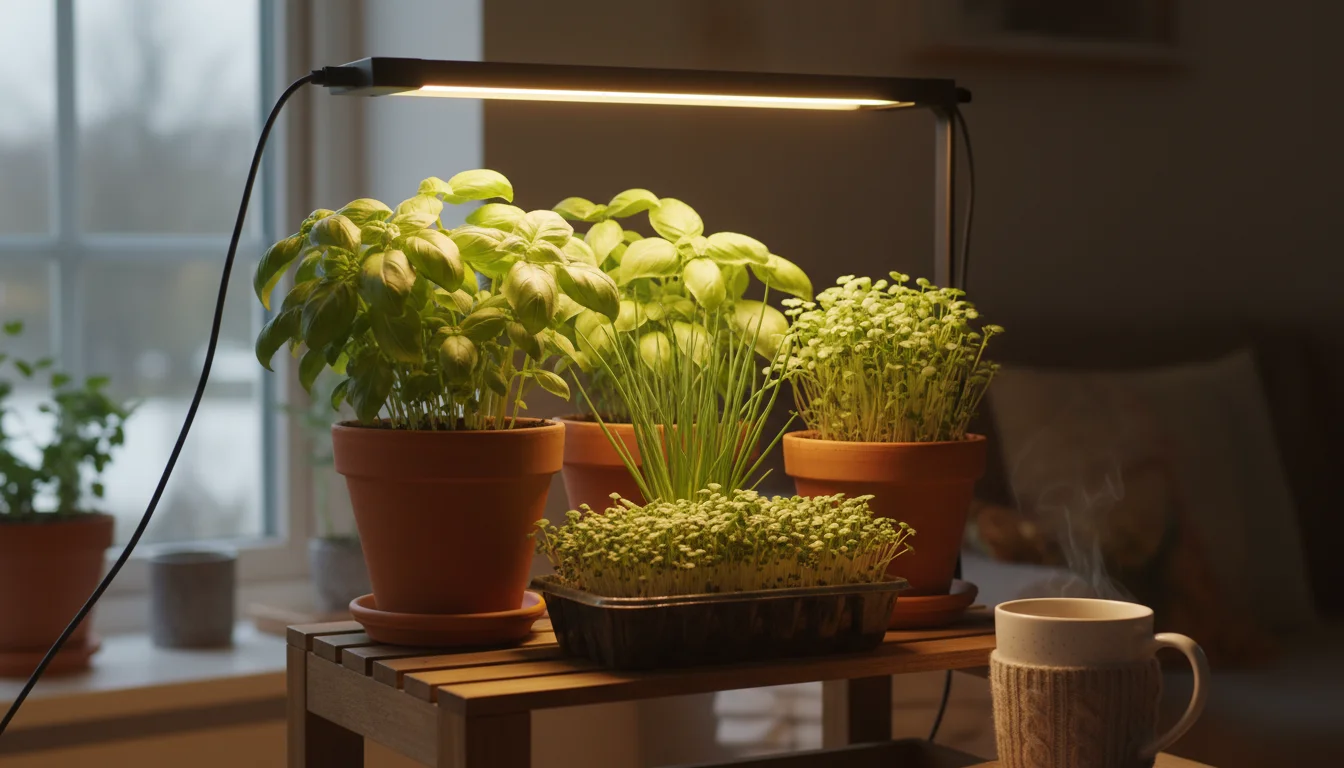
Even if your balcony is bare right now, there are several ways to put that empty space to work while you brainstorm for next year.
A great way to begin is by using fall reflections to review what worked well during the previous growing season.
Whether you dream of a vibrant edible oasis on your patio or a tranquil flower haven on your small deck, strategic garden planning in the off-season makes it achievable. You gain time to research plants, compare prices, and visualize your space, turning potential obstacles into exciting opportunities. This proactive approach supports gardening on a budget and maximizes your success for container gardening. Let us explore how you can effectively use fall and winter to map out your dream balcony garden, ensuring every decision is intentional and every dollar well spent.
Embracing the ‘Winter Wishlist’ Mindset: Why Fall is Your Secret Season for Success
Many gardeners view fall and winter as a time to step away from their plots, waiting patiently for spring to jump back into action. However, for those cultivating small spaces like balconies and patios, this quiet period presents an invaluable opportunity for strategic garden planning. Embracing the ‘Winter Wishlist’ mindset means transforming downtime into productive time, laying the groundwork for a more successful and less stressful gardening season next year. This proactive approach benefits you in several significant ways.
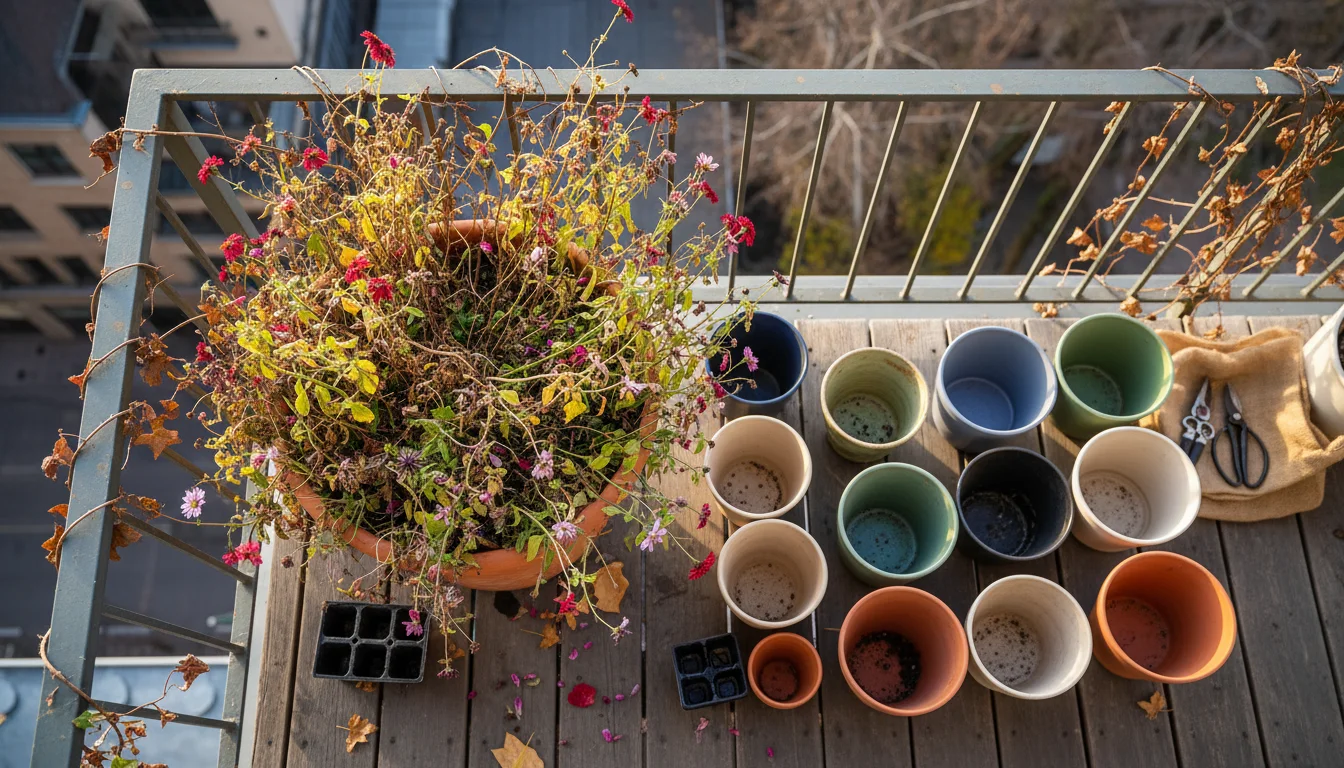
Before you get swept away in future dreams, it helps to follow a mindful routine to end the season so you can start fresh without clutter.
First, planning ahead allows for informed decision-making. During the rush of spring planting, garden centers overflow with appealing options, tempting you with impulse purchases. Without a clear plan, you might buy plants unsuitable for your specific sun exposure, or containers that do not fit your space or aesthetic. Your ‘Winter Wishlist’ gives you the power to research thoroughly. You can investigate plant varieties that thrive in containers, understand their light and water requirements, and select those that align with your low-maintenance goals. For example, rather than grabbing the first pretty annual you see, you might discover that a compact, continuous-blooming begonia or a drought-tolerant succulent offers better performance on your west-facing balcony. You use this time to truly understand what plants need, ensuring your choices contribute to a harmonious and thriving environment, rather than a frustrating one.
Second, strategic planning provides significant financial advantages, supporting gardening on a budget. When you know exactly what you need, you can hunt for sales, compare prices, and avoid unnecessary expenditures. Many garden supplies, such as empty pots, gardening tools, and even some seeds, often go on sale during the off-season. You might find better deals online or at end-of-season clearances. For instance, rather than buying a new watering can at full price in April, you could secure one for 30 percent off in October. Planning also helps you prioritize. If your budget is limited, you can decide whether to invest in high-quality, long-lasting containers or a larger selection of seeds. This prevents the common scenario where you overspend on certain items and then lack funds for essential components, such as good quality potting mix. A well-thought-out budget worksheet becomes your financial roadmap.
Third, fall planning minimizes spring stress. Imagine starting spring with a comprehensive list of plants, a clear understanding of your space, and a budget already in place. This eliminates the frantic last-minute trips to the nursery, the uncertainty about what to plant, and the potential for costly mistakes. You simply execute your well-developed plan. This also extends to larger considerations like balcony weight limits. If you plan to incorporate heavier ceramic pots or raised beds, investigating your balcony’s capacity in fall provides ample time to adjust your design, rather than realizing in spring that your dream setup poses a structural risk. Data from urban planning organizations often advises checking with landlords or building managers about specific weight restrictions for balconies, a task easily completed during your planning phase. By preparing in advance, you transform gardening from a reactive scramble into a joyful, deliberate process, setting yourself up for success and enjoying the fruits of your labor with greater satisfaction.
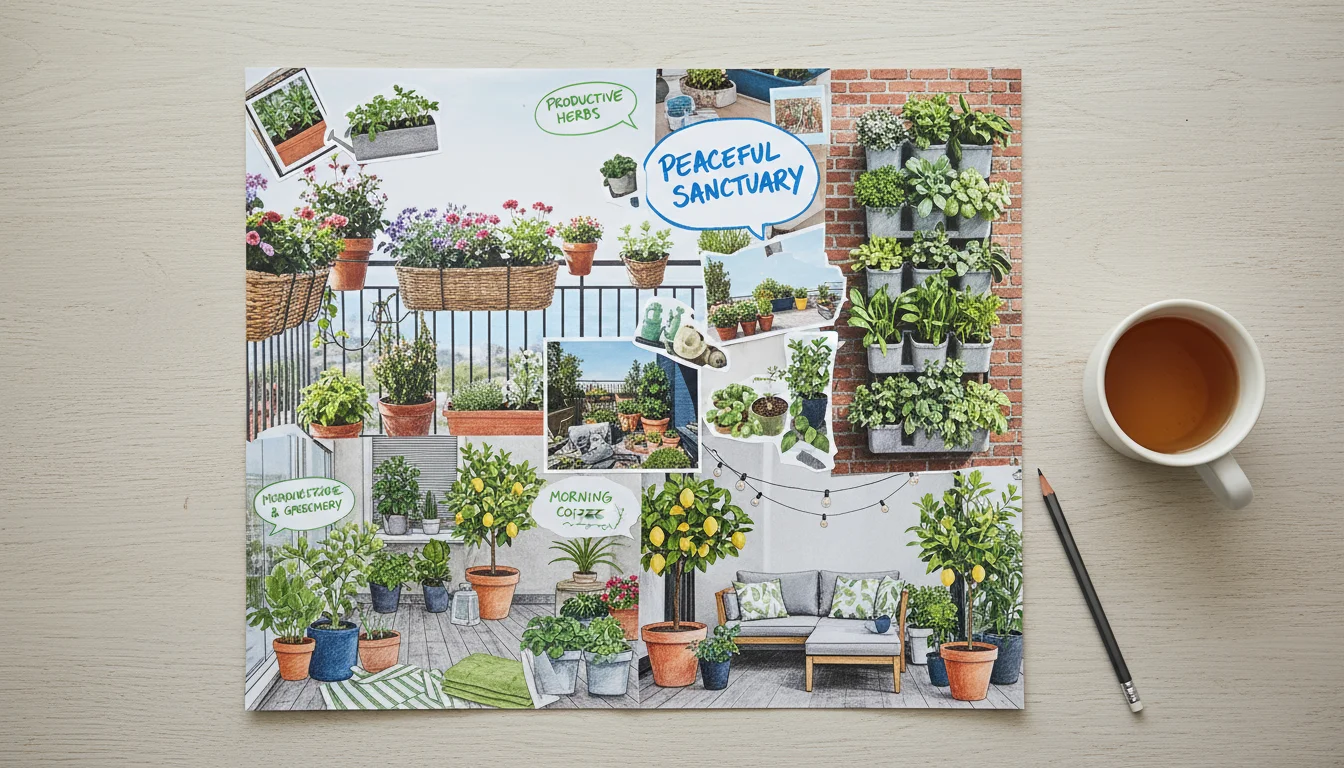
Vision Boarding Your Balcony Oasis: Defining Your Dream Garden Aesthetic
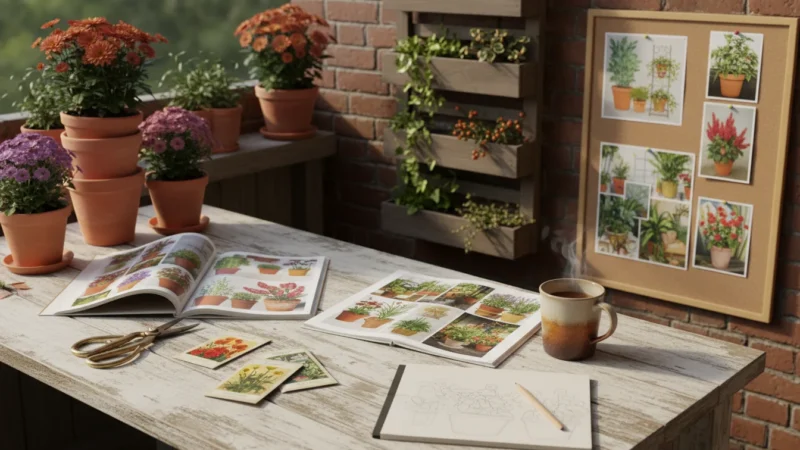
Before you even consider specific plants or containers, take time to envision your dream balcony garden. This step, akin to creating a vision board, helps define the aesthetic and purpose of your small space. Ask yourself, “What do I want this balcony to feel like?” Do you seek a peaceful sanctuary for morning coffee, a productive mini-farm yielding fresh herbs and vegetables, or a vibrant display of flowers to brighten your urban view? Your answer guides every subsequent decision in your garden planning process.
Start by observing your existing balcony or patio. Consider its specific conditions:
- Sun Exposure: How many hours of direct sunlight does your balcony receive daily? Does it face north, south, east, or west? A south-facing balcony typically receives the most sun, perfect for sun-loving edibles. A north-facing spot might be better suited for shade-tolerant foliage plants. Track the sun’s path across your space at different times of day over a week.
- Wind Exposure: Is your balcony shielded or does it bear the brunt of strong winds? Wind can quickly dry out plants and damage delicate foliage. You might need to consider windbreaks or choose resilient plant varieties.
- Weight Limits: This is a crucial, often overlooked, factor for balconies. Large containers, wet soil, and heavy plants add considerable weight. Consult your building manager or landlord about any weight restrictions. A typical rule of thumb for residential balconies can be around 100 pounds per square foot, but this varies significantly. Prioritize lighter materials like fabric pots or plastic if weight is a concern.
- Existing Structures: Do you have railings, walls, or overhead coverings? These can be utilized for vertical gardening, hanging baskets, or to provide shade.
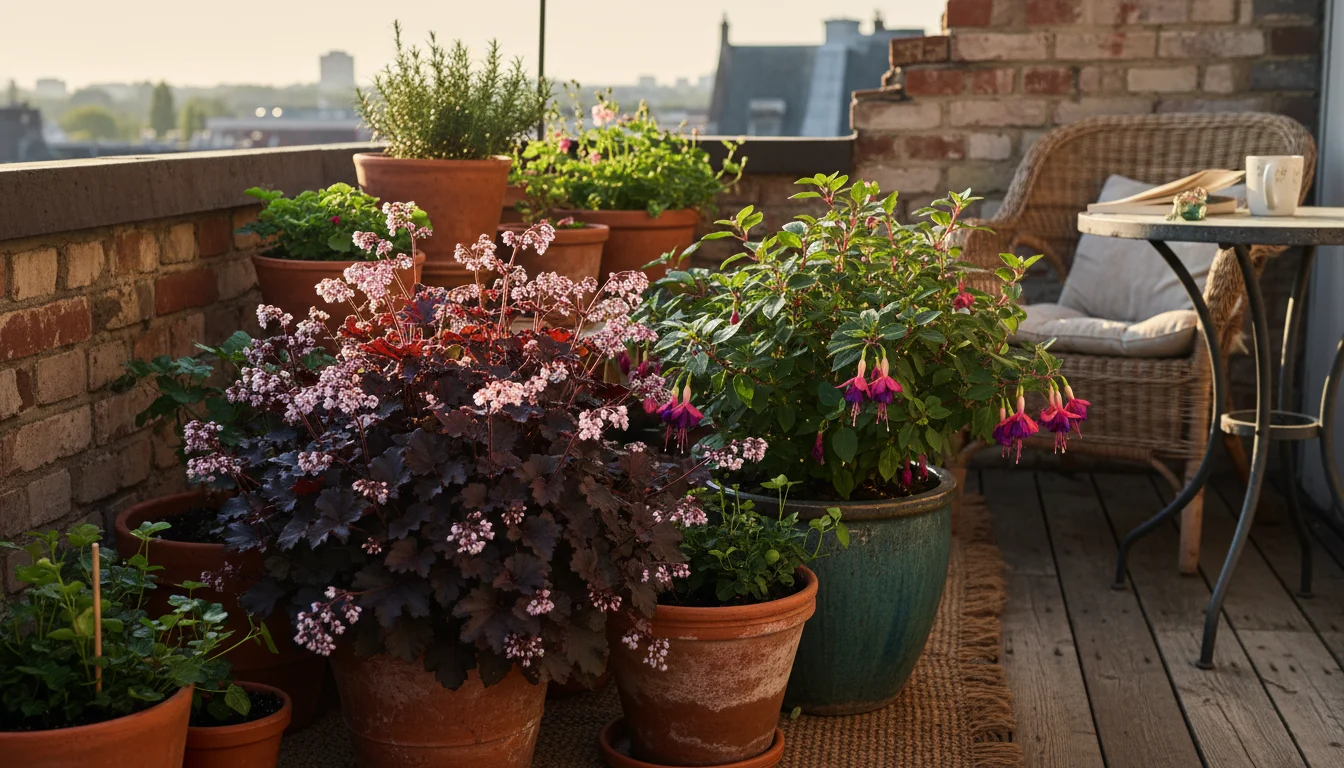
Once you understand your site’s conditions, begin to gather inspiration. Look at gardening magazines, websites, or even social media platforms for ideas. Save images that resonate with your vision. Do you prefer a minimalist look with sleek, modern planters, or a more bohemian feel with terracotta and a mix of textures? Perhaps you want a rustic appeal with repurposed wooden crates. Your balcony garden design should reflect your personal style and complement your home’s exterior.
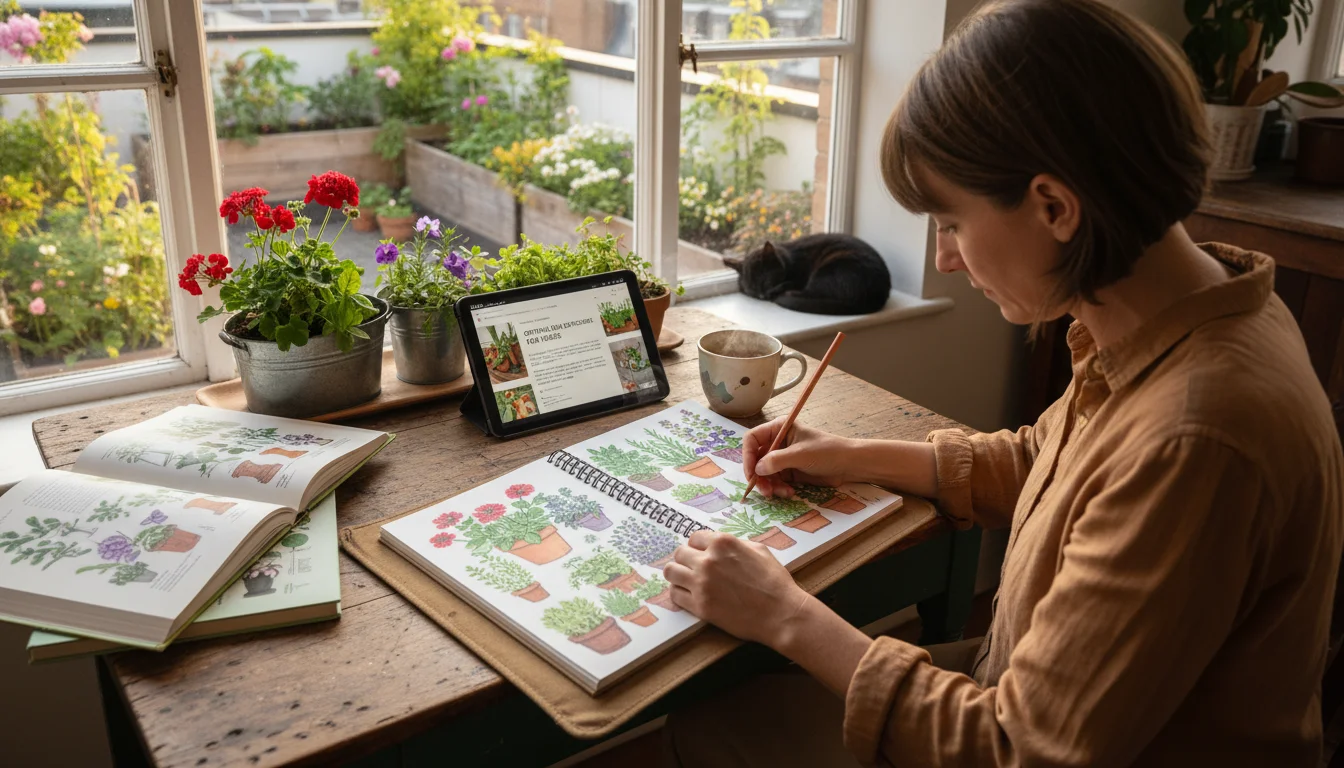
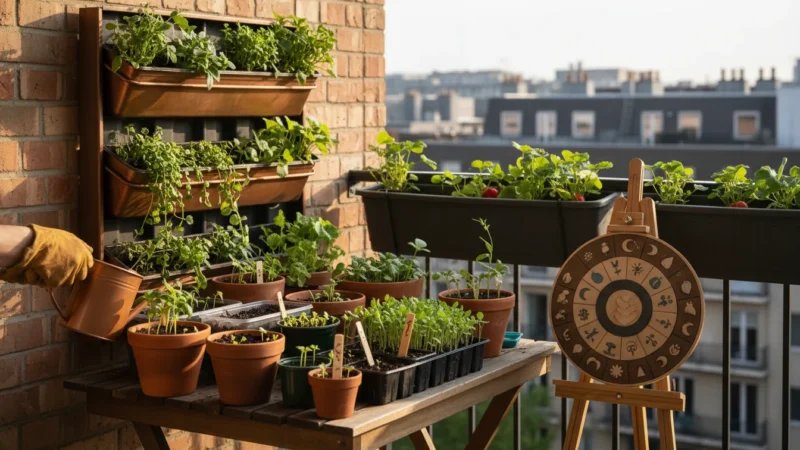
Next, create a simple sketch of your balcony. You do not need artistic talent, just a basic layout. Draw the footprint of your space, noting fixed elements like doors, windows, and railings. Indicate where the sun falls during different parts of the day. Then, start experimenting with where you might place containers, small furniture, or vertical garden structures. This visual exercise helps you determine how many pots you can realistically fit without overcrowding and ensures adequate pathways. Remember, even a small balcony needs room for you to move, water plants, and relax. For example, if you have a narrow balcony, a vertical garden system along one wall might be far more effective than several large pots taking up floor space.
This early conceptualization forms the backbone of your garden planning. It helps you solidify your aesthetic goals, understand the practical limitations, and make intentional choices that contribute to a cohesive and functional outdoor living space. Your vision board becomes a tangible guide, transforming abstract ideas into concrete plans for your future oasis.
The Practical Plant Palette: Selecting Species for Small Spaces and Low Maintenance
Choosing the right plants constitutes a critical step in creating a successful small-space garden, especially when prioritizing low maintenance and efficiency. Your ‘Winter Wishlist’ strategy allows you to carefully select species tailored to your balcony’s specific conditions and your gardening goals. Focus on plants that offer high reward for minimal effort, thrive in containers, and do not outgrow your limited space.
Before you buy anything new, remember that saving seeds from your balcony garden is a cost-effective way to preserve your favorite varieties.
Once you have selected your ideal species, spend an afternoon sorting through your current seed collection to see which varieties you already have on hand.
First, always consider your USDA Plant Hardiness Zone. This zone tells you which plants can survive the winter temperatures in your area. For instance, if you live in Zone 6, you will choose different perennials than someone in Zone 9. However, for balcony container gardens, many people treat their plants as annuals, replacing them each year. Still, understanding your zone helps you select robust plants and consider overwintering options for tender perennials if you wish to keep them.
When selecting plants for small spaces, prioritize compact varieties. Many popular vegetables and flowers now come in “patio,” “dwarf,” or “bush” forms specifically bred for containers.
- Edibles: Instead of sprawling indeterminate tomatoes, opt for determinate or bush varieties like ‘Patio Princess’ or ‘Tiny Tim’. For cucumbers, choose ‘Bush Crop’ or ‘Spacemaster’. Herbs like basil, mint, rosemary, and thyme thrive in pots and offer continuous harvests. Compact varieties of peppers, strawberries, and even some dwarf fruit trees (e.g., columnar apples) can also perform well. Data shows that a single well-maintained compact tomato plant can yield several pounds of fruit over a season, providing significant return from a small footprint.
- Flowers: Look for flowers with a long blooming season or continuous flowering to maximize visual impact. Petunias, calibrachoa, impatiens, and zinnias are excellent choices. Marigolds and nasturtiums add cheerful color and can also deter pests. Compact dahlias and dwarf sunflowers bring a touch of drama without overwhelming the space.
- Foliage Plants: Do not underestimate the power of foliage. Coleus, sweet potato vine, and various types of ornamental grasses provide texture and color, often requiring less direct sunlight than flowering plants. They also create a lush backdrop for your blooms.
For low-maintenance considerations, think about drought-tolerant plants. Succulents, sedums, and many herbs like lavender and rosemary require less frequent watering, a definite advantage for busy gardeners. Prioritize disease-resistant varieties, which reduce your need for interventions like pruning diseased leaves or applying treatments. Consider plants that do not require extensive pruning or staking. For example, a bush bean variety saves you the effort of setting up a trellis that pole beans demand.
Group plants with similar needs together. This simplifies watering and care. A container filled with sun-loving herbs will thrive, while mixing them with a shade-loving fern creates conflict. Research companion planting to enhance growth and deter pests naturally. Marigolds near vegetables can deter nematodes, and basil planted near tomatoes reportedly improves their flavor. Your fall planning allows you to create these thoughtful plant groupings.
Finally, consider the plant’s ultimate size and growth habit. A tiny seedling can quickly become a large plant. Ensure your chosen container provides enough room for the mature plant’s root system. This prevents your plants from becoming root-bound, a common issue in container gardening that stunts growth and increases water demands. By carefully curating your plant palette during the planning phase, you ensure every green addition to your balcony truly contributes to your dream garden, rather than becoming a source of unexpected challenges.
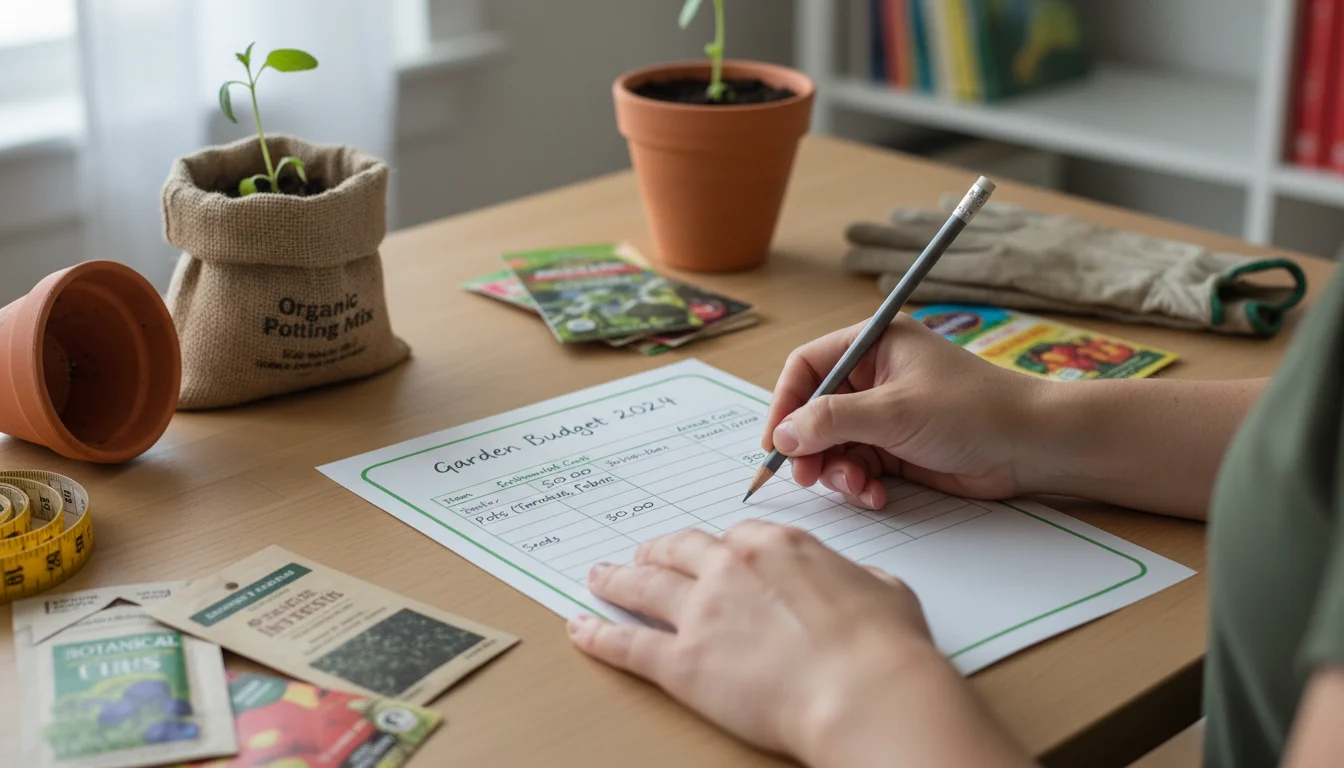
Creating Your Garden Budget Worksheet: Smart Spending for Next Spring
Gardening on a budget does not mean sacrificing your dream garden; it means making smart, intentional financial choices. Your ‘Winter Wishlist’ strategy involves developing a comprehensive garden budget worksheet during the fall downtime. This tool empowers you to track potential expenses, prioritize purchases, and avoid overspending when spring fever hits. A well-structured budget is a cornerstone of how to plan a container garden for next spring efficiently.
Begin by listing all potential categories of garden expenses. Think broadly at first, then narrow down specifics. Here are common categories to include:
- Containers:
- Pots (plastic, terracotta, ceramic, fabric grow bags)
- Hanging baskets
- Vertical garden systems
- Window boxes
- Growing Medium:
- Potting mix (do not use garden soil in containers; it compacts too much)
- Compost (for enriching potting mix)
- Perlite or vermiculite (for drainage and aeration)
- Seeds and Plants:
- Seed packets
- Seed starting supplies (trays, domes, seed starting mix)
- Small starter plants or “starts” from nurseries
- Bulbs (if applicable)
- Tools and Equipment:
- Hand trowel, cultivator, pruners
- Watering can or hose attachment
- Gloves
- Spray bottle (for foliar feeding or pest control)
- Amendments and Fertilizers:
- Slow-release granular fertilizer
- Liquid organic fertilizer
- Pest control solutions (organic options preferred for balcony)
- Disease prevention (e.g., neem oil)
- Support Structures:
- Small trellises or stakes for climbing plants
- Plant cages
- Decor and Accessories:
- Small garden ornaments
- Solar lights
- Small outdoor rug or mat
Once you have your categories, research average costs. Check online retailers, local garden centers, and hardware stores for price ranges. For example, a 15-gallon fabric grow bag might cost $5, while a similar-sized ceramic pot could be $30 or more. A bag of quality potting mix might range from $10 to $25 depending on size and brand. Document these estimated costs in your worksheet. This helps you understand the overall financial commitment.
Now, prioritize your list. What are your absolute must-haves versus nice-to-haves?
- Essentials: Good quality potting mix, appropriate containers for your chosen plants, and healthy seeds or starts.
- Investments: Durable, long-lasting tools, or a more expensive but aesthetically pleasing vertical garden system that saves space.
- Luxury: Decorative items or specialty plants that could be added later.
Look for opportunities to reduce costs.
- Repurpose: Use old food containers (with drainage holes added) as seed-starting pots. Transform plastic milk jugs into mini-greenhouses.
- DIY: Build simple trellises from bamboo sticks or old branches. Create your own compost with a small vermicomposting bin.
- Sales and Clearance: As mentioned, off-season sales can yield significant savings on pots and tools.
- Seed Swaps: Connect with local gardening groups for seed exchanges, a fantastic way to acquire new varieties for free.
- Start from Seed: Seeds are significantly cheaper than purchasing established plants. One packet of basil seeds, costing a few dollars, yields dozens of plants, while a single basil plant from a nursery might cost $4-$5. This is a primary strategy for gardening on a budget.
Allocate a specific budget amount for each category based on your research and priorities. Be realistic about what you can spend. Data suggests that starting with a clear budget can reduce gardening expenses by 15-20 percent annually, simply by eliminating impulse buys. Regularly review and adjust your worksheet as you gather more information. This detailed financial plan ensures your dream balcony garden remains both beautiful and affordable, positioning you to plant with confidence when spring arrives.
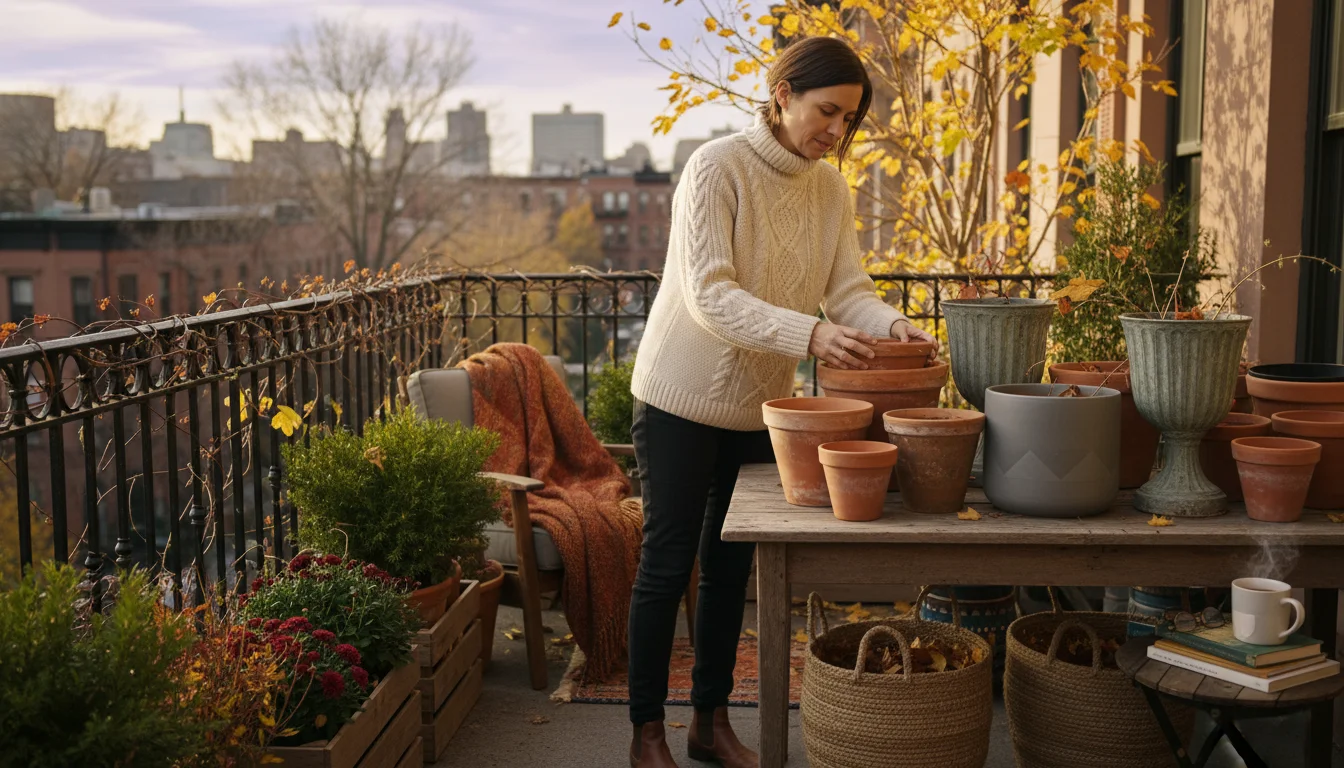
Sourcing Smarter: Where and When to Buy Your Garden Essentials
Once you have a clear garden plan and a budget worksheet in hand, the next critical step in your ‘Winter Wishlist’ strategy is determining where and when to purchase your garden essentials. Smart sourcing can significantly impact your budget and the quality of your garden components. This approach helps you avoid the frenzy of spring shopping and ensures you get the best value for your money. Fall is for planning your garden, and part of that planning involves identifying optimal purchasing opportunities.
Containers:
The fall and winter months are prime times to purchase containers. As nurseries and garden centers clear out seasonal inventory, you often find deep discounts on pots of all types. Look for end-of-season sales in late summer and early fall. Large retailers often have “clearance” sections. Online garden supply stores might also offer promotions during these slower periods. When buying, remember your specific needs from your garden planning. If you need lightweight pots for a balcony with weight restrictions, focus on plastic, resin, or fabric grow bags. For a more permanent, heavy-duty solution, ceramic or terracotta pots are excellent if your balcony can handle the weight. Checking prices across different vendors during fall allows you to compare and secure the best deals before spring demand drives prices up.
Potting Mix and Soil Amendments:
While fresh potting mix is always ideal for spring planting, you can often find good deals on bulk bags of perlite, vermiculite, or even some organic compost blends during the off-season. Store these materials in a cool, dry place away from direct sunlight and pests. Some garden centers offer discounts on large bags of potting mix in late fall. If you know you will need a substantial amount, buying in bulk can reduce per-unit costs. Always prioritize quality potting mix designed for containers; it provides the best drainage and aeration, crucial for root health. Avoid buying general garden soil for containers, as it compacts too much and lacks the necessary structure.
Seeds:
Late fall and early winter are the perfect times to buy seeds. Seed catalogs arrive, and online seed retailers have their full inventory available. Purchasing seeds early offers several advantages. You get the widest selection of varieties, including popular or specialty types that might sell out quickly in spring. Buying seeds also represents one of the most cost-effective ways to grow plants, a key aspect of gardening on a budget. A single packet of seeds, costing a few dollars, can produce dozens of plants, far more economically than buying individual starter plants. Store your seeds in a cool, dry, dark place, such as a sealed container in your refrigerator, to maintain viability until planting time. This early purchase ensures you have everything ready for seed starting well before the last frost, an important part of how to plan a container garden for next spring.
Tools and Equipment:
Tools like hand trowels, pruners, and watering cans often see seasonal sales. Black Friday, Cyber Monday, and post-holiday clearances can be excellent times to invest in quality tools. Look for durable, ergonomic tools that will last for years, rather than flimsy options that might break mid-season. While the initial investment might be slightly higher for quality, it saves money and frustration in the long run. Good tools make gardening more enjoyable and efficient.
By using your fall downtime for garden planning and smart sourcing, you arrive at spring fully prepared. You have your supplies, your budget is intact, and your vision for your balcony garden is clear. This strategic approach turns passive waiting into active preparation, setting the stage for a truly successful and rewarding growing season.
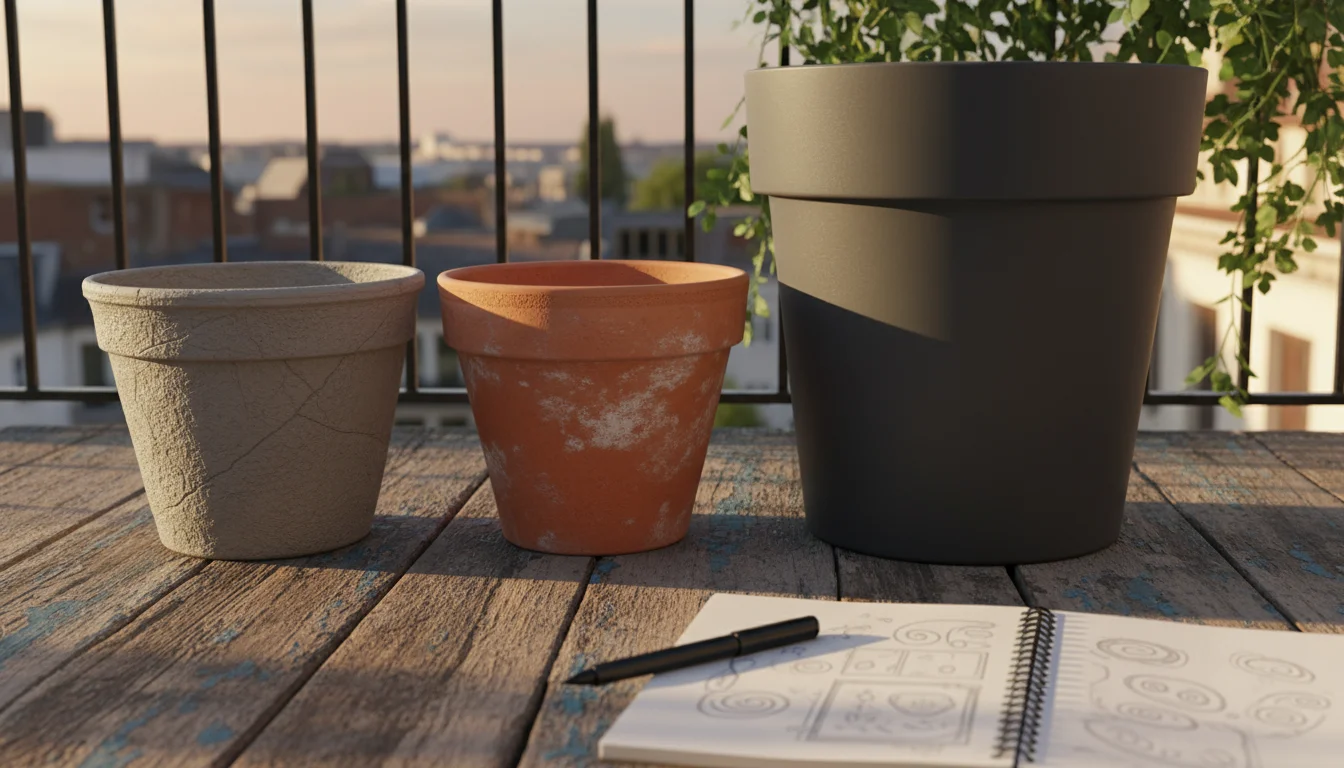
Container Choreography: Choosing Pots That Perform and Please
Containers are the foundation of any balcony garden. They hold your plants, define your aesthetic, and directly impact plant health. Choosing the right pots involves a balance of material, size, drainage, and style. Your fall planning offers the perfect opportunity to make these critical decisions, ensuring your selections perform well and complement your dream balcony oasis.
Material Matters:
Containers come in a variety of materials, each with its own advantages and disadvantages for small-space gardening.
- Plastic/Resin: Lightweight, inexpensive, and retain moisture well, reducing watering frequency. They come in many colors and styles, often mimicking terracotta or stone. However, they can degrade over time in direct sun and may not offer the same aesthetic appeal as natural materials. They are a good choice for balconies with strict weight limits.
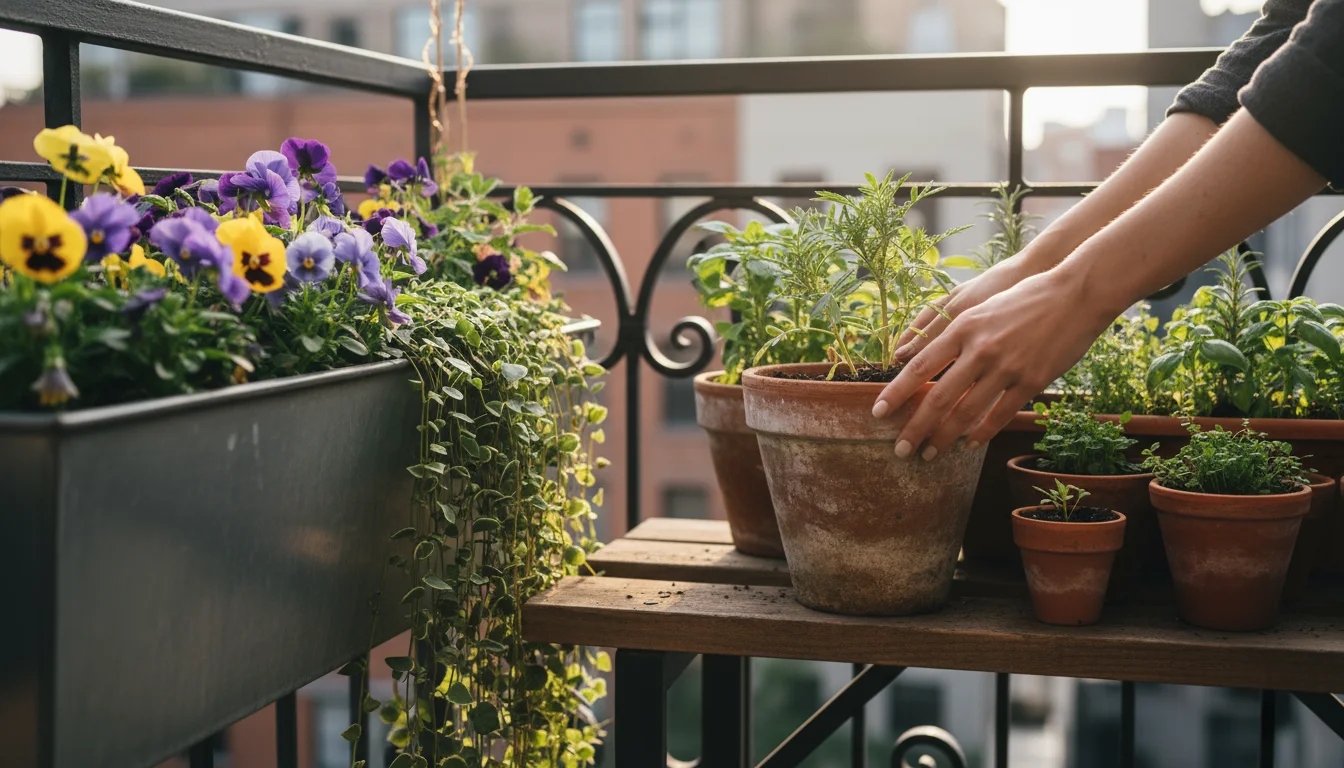
- Terracotta/Clay: Porous and breathable, terracotta pots allow excellent air circulation to roots and help prevent overwatering. They also offer a classic, earthy aesthetic. The drawback is their weight, especially when filled with soil and water, and their tendency to dry out quickly, requiring more frequent watering. They are also fragile and can crack in freezing temperatures if left outdoors and wet.
- Fabric Grow Bags: Made from breathable, non-woven fabric, these bags offer superior aeration to roots, preventing root circling and promoting a healthier root system. They are extremely lightweight, inexpensive, and fold flat for storage. Their main disadvantage is that they dry out very quickly, demanding more frequent watering, particularly in hot, sunny conditions.
- Ceramic/Glazed: Beautiful and decorative, glazed pots retain moisture well, similar to plastic. However, they are heavy and often expensive. Their aesthetic impact is high, making them good choices for focal points if weight permits.
- Wood: Offers a natural, rustic look. Wooden planters, especially those made from cedar or redwood, can last for many years. Ensure they are treated or lined to prevent rot and use food-safe materials if growing edibles. Weight can be an issue for very large wooden planters.
Size and Drainage: The Non-Negotiables:
Proper container size and excellent drainage are absolutely non-negotiable for healthy plants in pots.
- Size: Always choose a container that accommodates the mature size of your plant’s root system. A small herb like basil might do well in a 6-inch pot, but a compact tomato plant needs at least a 5-gallon container (around 10-12 inches wide and deep) to thrive and produce well. Root-bound plants become stressed, exhibit stunted growth, and suffer from nutrient and water deficiencies. Err on the side of slightly larger rather than too small.
- Drainage Holes: Every container MUST have drainage holes. Without them, water collects at the bottom, suffocating roots and leading to root rot. If a pot lacks holes, you must drill them yourself or choose a different container. One large hole is better than none, but several smaller holes provide more efficient drainage. For example, a 12-inch pot should have at least three to four 1/2-inch holes. Do not place gravel or pottery shards at the bottom of containers, as this actually impedes drainage. It creates a “perched water table” where water accumulates just above the gravel, still drowning roots.
Aesthetics and Grouping:
Beyond function, your containers contribute significantly to your balcony’s visual appeal.
- Cohesion: Consider a consistent color palette or material for your pots to create a unified look. You do not need every pot to match exactly, but a common thread ties the garden together.
- Height Variation: Use containers of different heights and sizes to create visual interest. Tall, narrow pots can house upright plants, while wider, shallower bowls are great for trailing plants or groupings of small edibles.
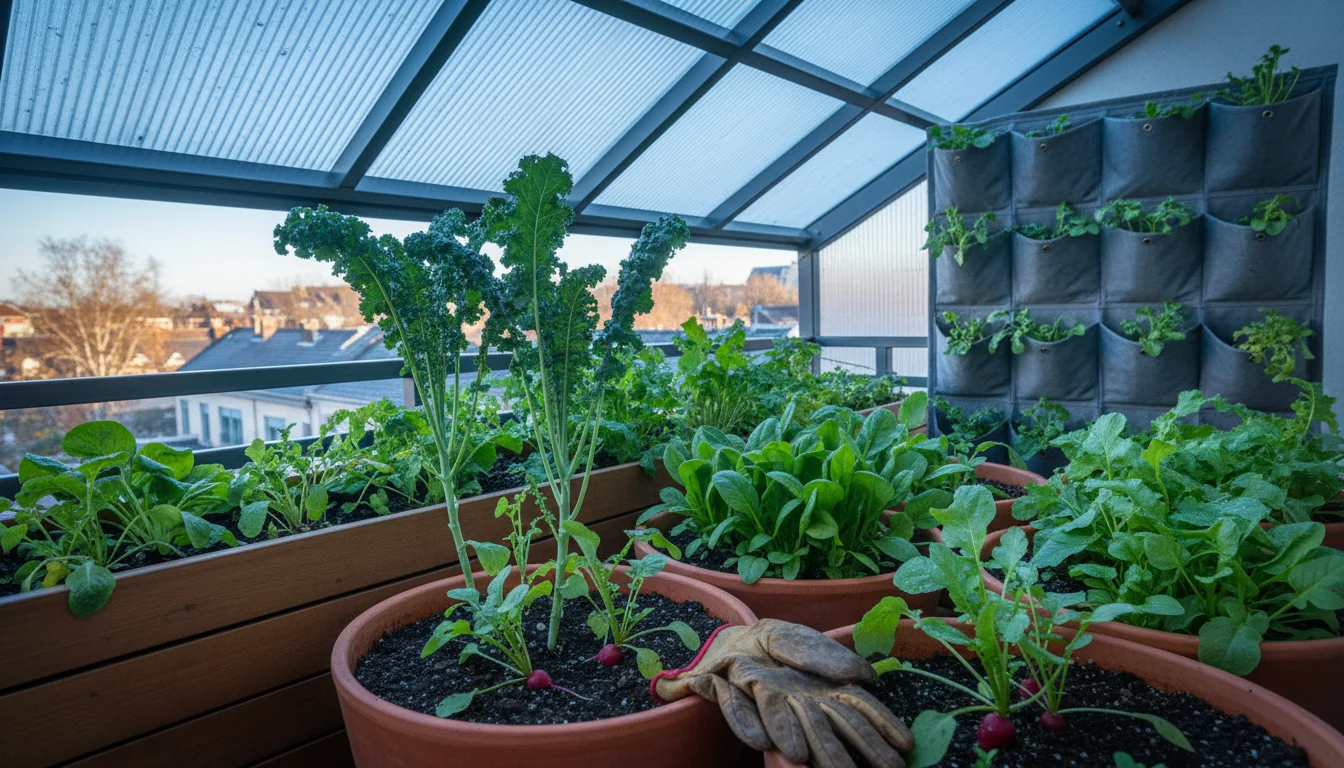
- Vertical Solutions: For extremely small balconies, vertical planters, shelving units, or hanging baskets maximize planting space without sacrificing precious floor area.
Your fall planning allows you to evaluate your container needs against your budget, balcony weight limits, and aesthetic preferences. You can research prices, compare materials, and ensure every pot you select is a thoughtful choice that supports both the health of your plants and the beauty of your space, making your balcony garden design both practical and visually appealing.
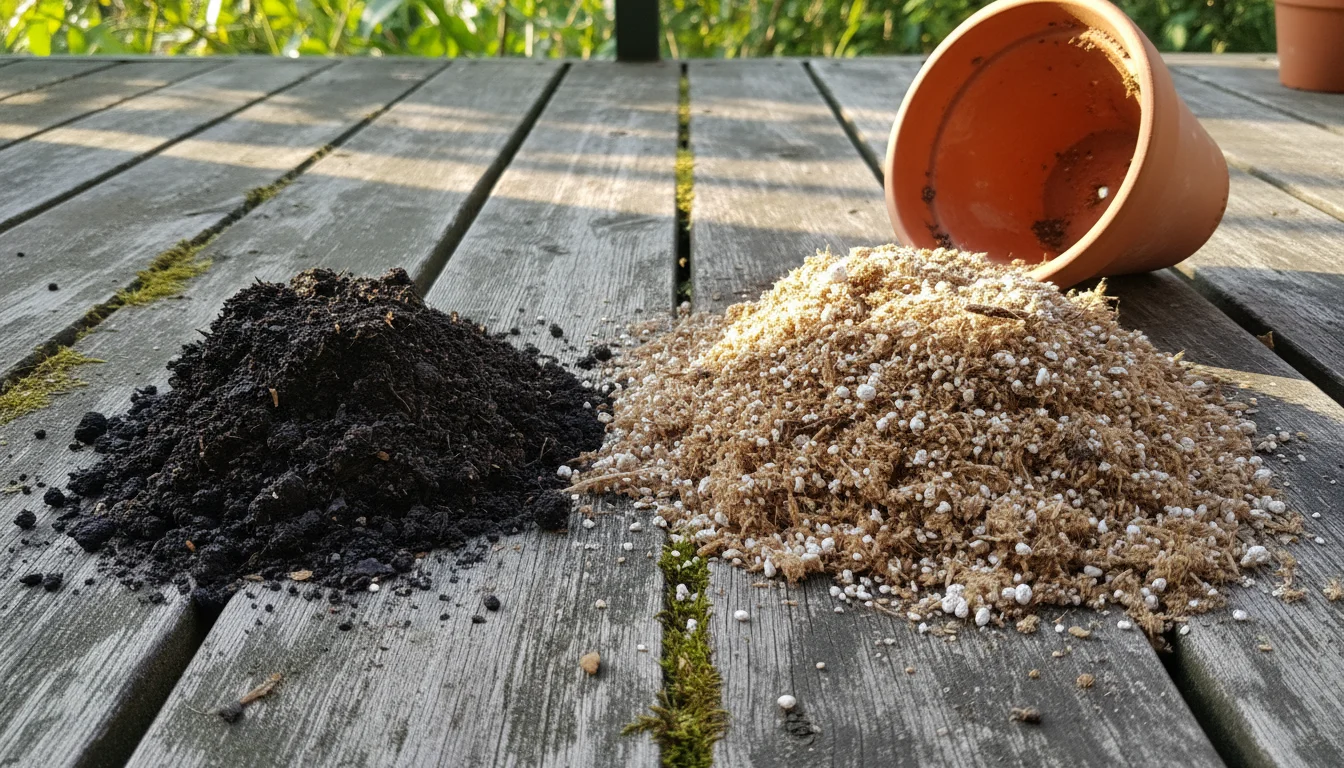
Soil and Supplements: Building a Strong Foundation for Thriving Plants
In container gardening, the soil you use is not just dirt; it is the lifeblood of your plants. Unlike in-ground gardens where soil can amend itself over time, your balcony containers are closed systems. This means you must provide everything your plants need through a quality potting mix and appropriate supplements. Your fall planning offers the perfect time to understand these fundamentals and make informed choices, ensuring your plants have a strong foundation for growth.
The Importance of Quality Potting Mix:
Never use garden soil directly in containers. Garden soil is dense, compacts easily, and lacks the necessary drainage and aeration for potted plants. It often contains weed seeds and pathogens, too. Instead, invest in a high-quality, sterile potting mix. Potting mixes are specifically formulated for containers, offering several key properties:
- Excellent Drainage: This refers to how well water moves through the soil. Good drainage prevents waterlogging, which suffocates roots and leads to root rot. Potting mixes contain ingredients like perlite, vermiculite, or coir (shredded coconut husk) to create pore spaces for water to pass through.
- Aeration: Roots need oxygen to thrive. The light, airy structure of potting mix ensures roots can breathe.
- Water Retention: While draining well, potting mix also holds onto enough moisture to keep plants hydrated between waterings. Materials like peat moss or coir excel at this.
- Nutrient Holding Capacity: Potting mixes often include a slow-release fertilizer or materials that can hold onto nutrients, making them available to your plants.
- Lightweight: Important for balcony gardens, as heavy soil can contribute to exceeding weight limits.
For gardening on a budget, you might consider buying larger bags of potting mix during off-season sales. However, always check the manufacturing date. Potting mix has a shelf life, and very old bags might have degraded nutrients. You can also make your own mix, combining ingredients like peat moss or coir, perlite, and compost, which can be more cost-effective for large projects and ensures you know exactly what is in your soil.
Essential Supplements for Container Plants:
Because container plants rely entirely on you for their nutrients, supplements become crucial.
- Compost: Incorporating finished compost into your potting mix is an excellent way to add a slow-release source of nutrients and beneficial microbes. Compost also improves soil structure and water retention. For small spaces, consider a small worm composting bin (vermicomposting) or a compact tumbling composter to produce your own nutrient-rich amendment. This is an excellent eco-friendly practice.
- Slow-Release Fertilizers: Many potting mixes come with some fertilizer already mixed in, but this typically lasts only a few weeks. For sustained feeding, use a granular slow-release fertilizer. These fertilizers release nutrients gradually over several months, reducing the need for frequent applications.
- Liquid Organic Fertilizers: For a quick nutrient boost, especially for heavy feeders like tomatoes or petunias, apply a liquid organic fertilizer (e.g., fish emulsion, seaweed extract) every 2-4 weeks. Always dilute according to package directions to avoid burning roots.
- Perlite or Vermiculite: If your potting mix feels too dense or you want to enhance drainage and aeration further, add extra perlite or vermiculite. Perlite looks like small white foam balls and improves drainage. Vermiculite is more absorbent and helps retain moisture while also improving aeration.
Eco-Friendly Soil Practices:
Embrace sustainable practices in your soil management.
- Reuse Potting Mix (with caution): If plants were healthy and pest-free, you can reuse potting mix for another season, but refresh it. Remove old roots, add 30-50% fresh potting mix, and incorporate compost and a slow-release fertilizer. Old potting mix loses structure and nutrients.
- Consider Composting: As mentioned, a small home composting system reduces waste and provides free, high-quality soil amendments.
By understanding and prioritizing these aspects of soil and supplements during your fall garden planning, you equip your balcony garden with the best possible foundation for vigorous, healthy growth. This thoughtful approach ensures your plants receive consistent nutrition and optimal conditions, leading to a much more rewarding gardening experience.
Fall is for Planning Your Garden: Troubleshooting and Avoiding Common Mistakes
Fall is for planning your garden, not just for rest. This season offers a prime opportunity for reflection and strategic problem-solving. By identifying and addressing common gardening mistakes during your fall downtime, you can prevent them from derailing your next spring’s balcony garden. This proactive troubleshooting is a vital part of effective garden planning and creating a successful container garden.
1. Overcrowding Containers:
A frequent mistake, especially for eager beginners, is planting too many plants in one pot. While a lush, full look is appealing, overcrowding leads to intense competition for nutrients, water, and light. Plants become stressed, grow slowly, and produce fewer flowers or fruits. They also become more susceptible to pests and diseases due to poor air circulation.
Troubleshooting: During your planning, meticulously review the mature size of each plant you intend to grow. If a plant requires a 5-gallon container, plan for that specific container. Avoid the temptation to squeeze two “small” plants into one medium-sized pot unless they are specifically designed for companion planting and have very different root zones, such as a tall plant with shallow-rooted herbs. Use your sketch to allocate appropriate space for each plant. Remember, fewer healthy plants are far more rewarding than many struggling ones.
2. Ignoring Sun and Wind Conditions:
Failing to accurately assess your balcony’s sun exposure and wind patterns leads to plant stress or failure. Sun-loving plants in shade will not flower or fruit well, while shade-loving plants in direct, scorching sun will burn. Strong winds can dehydrate plants rapidly, rip leaves, and even knock over containers.
Troubleshooting: Your fall planning period allows for detailed observation. Track the sun’s movement across your balcony over several days at different times of day. Note areas of full sun (6+ hours), partial sun (3-6 hours), and shade (less than 3 hours). Observe wind direction and intensity. Choose plants that match these conditions. For windy balconies, select wind-tolerant varieties like sedums, succulents, or ornamental grasses, and consider heavier containers or secure them to railings. Incorporate windbreaks like screens or taller, more robust plants if feasible.
3. Inadequate Drainage:
A lack of proper drainage is a silent killer in container gardens. Waterlogged soil suffocates roots, leading to root rot, which is often fatal. This common issue stems from pots without drainage holes or from improper soil mixtures.
Troubleshooting: Absolutely ensure every container you plan to use has adequate drainage holes. If a beautiful pot lacks them, plan to drill them yourself. Reiterate: do not place gravel or pottery shards at the bottom, as this actually worsens drainage. Invest in a high-quality potting mix designed for containers, as discussed in the soil section. This mix provides the necessary porosity for water to pass through freely. Your garden planning should include a checklist for proper container setup.
4. Overlooking Balcony Weight Limits:
This mistake carries serious safety implications. Large ceramic pots, heavy soil, and water can easily exceed a balcony’s structural capacity.
Troubleshooting: During your fall planning, make it a priority to contact your landlord or building management to inquire about balcony weight restrictions. If you cannot get specific numbers, err on the side of caution. Plan to use lighter materials like plastic, resin, or fabric grow bags for most plants. Opt for lighter-weight potting mixes. Distribute weight evenly across the balcony rather than concentrating it in one spot. This crucial step in your garden planning prevents potential structural damage and ensures safety.
5. Impulse Buying:
Without a clear plan, the allure of brightly colored plants in spring can lead to impulse purchases that do not fit your space, sun conditions, or budget. This results in plants that struggle or money wasted.
Troubleshooting: Your ‘Winter Wishlist’ and garden budget worksheet are your shields against impulse buying. Stick to your carefully chosen plant palette and container list. If you see something appealing, check if it aligns with your plan. If not, resist the urge. This discipline is central to gardening on a budget and creating a cohesive, successful garden. Fall is for planning your garden, allowing you to approach spring with purpose, not impulse.
By using your fall downtime to anticipate and solve these common issues, you elevate your garden planning from a simple wish list to a robust strategy for success. You position yourself to avoid frustration and instead enjoy a flourishing, low-maintenance balcony garden when spring finally arrives.
Frequently Asked Questions
When is the best time to start my garden planning for next spring?
The best time to start your garden planning for next spring is during the fall and winter months. This ‘Winter Wishlist’ period allows you ample time to research plants, assess your balcony’s conditions, create a detailed garden budget worksheet, and identify sales for gardening essentials. Starting early prevents rushed decisions in spring, leading to a more successful and budget-friendly garden.
How can I make sure my balcony garden design fits my small space?
To ensure your balcony garden design fits your small space, begin by thoroughly measuring your balcony and sketching out its layout, including fixed elements like doors and railings. Observe sun and wind patterns. Prioritize compact plant varieties and consider vertical gardening solutions like shelving units, hanging baskets, or wall-mounted planters to maximize space. Always account for pathways and seating areas to ensure functionality.
What are some good strategies for gardening on a budget in a small space?
Excellent strategies for gardening on a budget include creating a detailed garden budget worksheet during the fall, purchasing seeds instead of expensive starter plants, and looking for off-season sales on containers and tools. Repurpose household items for seed starting or small planters. Join seed swaps with local gardening groups. Consider making your own compost to enrich potting mix, reducing the need for costly soil amendments.
Should I reuse potting mix from previous seasons?
You can reuse potting mix from previous seasons, but with caution and modification. If the plants from the previous season were healthy and pest-free, remove any old roots and refresh the mix. Add 30-50 percent fresh potting mix, along with some compost and a slow-release granular fertilizer. Old potting mix loses its structure and nutrients over time, so replenishment is crucial for new plant growth.
How do I choose plants that are both beautiful and low maintenance for a balcony?
To choose beautiful, low-maintenance plants for a balcony, select varieties suited to your specific sun exposure and climate zone. Prioritize compact, disease-resistant, and drought-tolerant species. Examples include succulents, sedums, many herbs (lavender, rosemary), and continuous bloomers like petunias or calibrachoa. Focus on plants that do not require extensive pruning or staking. Researching plant needs during your fall garden planning ensures you make informed choices.
By embracing the ‘Winter Wishlist’ strategy, you transform the quiet months into a powerhouse of productivity, laying the groundwork for your most successful balcony garden yet. This thoughtful approach empowers you to make informed decisions, manage your budget effectively, and design a space that brings you joy and satisfaction without unnecessary stress. Fall is for planning your garden, ensuring that when spring arrives, you are not just planting, but realizing a well-crafted vision. Your dream balcony garden is within reach, built on careful planning and smart choices.
For trustworthy gardening information, visit:
Tennessee Extension — Gardening, University of Delaware Extension — Gardening, University of Vermont Extension — Gardening and University of New Hampshire Extension — Yard & Garden. These organizations provide expert, research-based advice for gardeners at all levels.
Disclaimer: This article is for informational purposes only and is not a substitute for professional gardening advice. Always consult local extension services or horticulture experts for region-specific guidance.
Leave a Reply